Tag: Senior Counsel

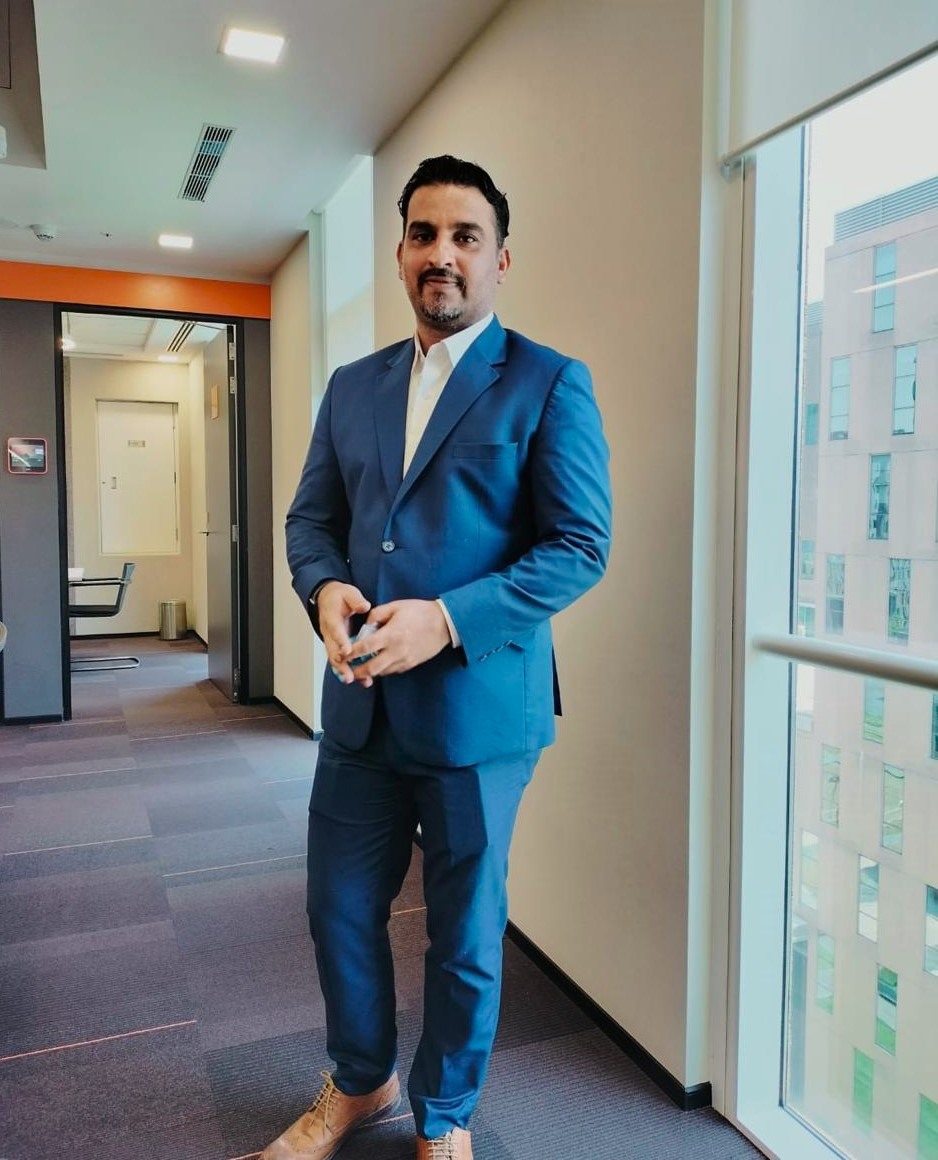
  • “Litigation is where my true passion lies. My journey in law has been one of continuous growth and learning, each step a testament to my dedication and commitment.” – Shubham Mahajan, Founding Partner of MMA Associates & Senior Panel Counsel for the Union of India

    “Litigation is where my true passion lies. My journey in law has been one of continuous growth and learning, each step a testament to my dedication and commitment.” – Shubham Mahajan, Founding Partner of MMA Associates & Senior Panel Counsel for the Union of India

    This interview has been published by Namrata Singh and The SuperLawyer Team
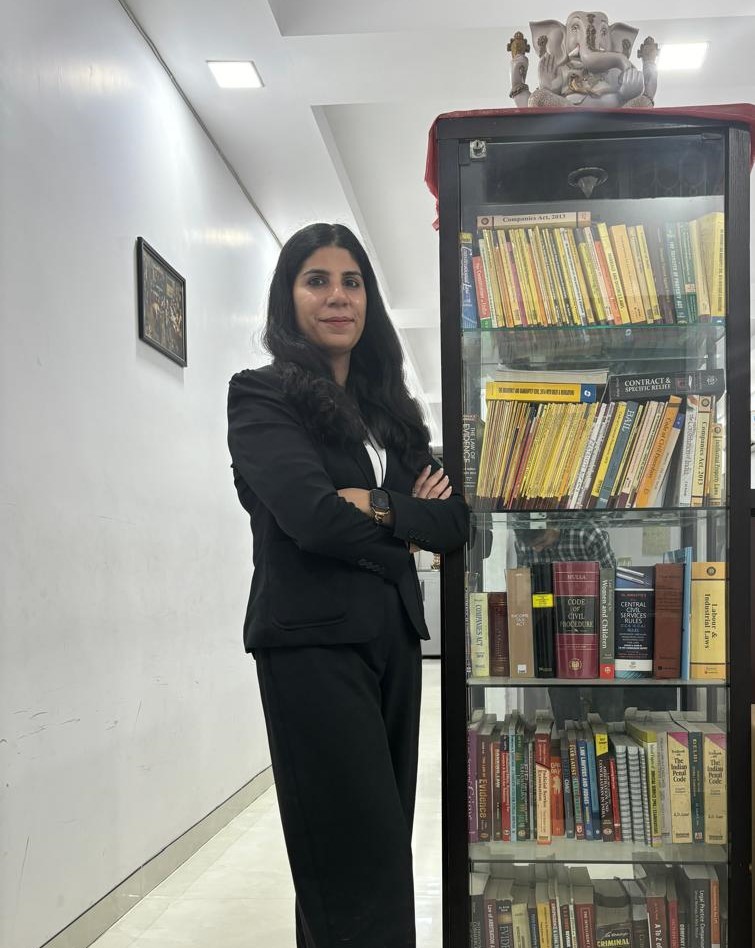
    Can you share the story of how you started your career in law and the journey that led you to become the Founding Partner of MMA Associates and a Senior Panel Counsel for the Union of India?

    Incipiently, my father encouraged me to pursue judicial services, however as I delved deeper into the field, I realized that litigation was where my true passion lay. Thereafter, I started my law career as an associate Advocate at Ahlawat & Associates, whereby I was afforded opportunities to appear before CAT and DHC, gaining valuable experience in service matters. Following this, I worked as a law researcher with former judge of Delhi High Court Justice VK Jain. This experience broadened my perspective on legal research and judicial reasoning, further solidifying my commitment to the field. After completion of this role, I joined SKV Associates where I specialized in consumer law and appeared in all the DCDRC’s throughout Delhi, SCDRC and NCDRC.

    The next significant phase of my career was at ASA Legal Services LLP, where I joined as a senior litigation associate and after working there for a considerable period of 6 years, whereby I honed skills in litigation and advocacy, which prepared me for the next big step i.e. venturing into private practice. Founding MMA Associates was a natural progression in my career. It allowed me to bring together my experiences and insights to build a practice that prioritizes client-centric solutions and innovative legal strategies. Concurrently, I was honored to be nominated as one of the senior panel counsel to represent the Union of India, a role that has been both challenging and rewarding. In essence, my journey in law has been one of continuous growth and learning and each step has been a testament to my dedication and passion for the legal profession.

    With your extensive experience in handling a wide range of disputes, can you discuss a particularly complex case you worked on and the innovative strategies you employed to achieve a favorable outcome?

    In my career of 14 years, I have encountered numerous cases involving complex issues, however, most recently, in the capacity of a nominated counsel, I received an opportunity to represent the Hon’ble Delhi High Court in a complex matter (Karan S.Thukral versus Registrar Delhi High Court & Ors, WP(C) 6082/2019) which changed the landscape of how filings are done in all District courts in and around Delhi NCR. During the course of the matter, I embarked on an extensive study and research of the existing procedures, including the various modes and manners of filing, record-keeping, and the operational constraints faced by the courts. I delved into understanding the issues related to manpower shortage, space limitations, and how these factors affected the efficiency of the judicial process.

    This experience reinforced my belief that the only strategy that is fruitful, is to ensure that there are no short cuts being employed and irrespective of what the eventual outcome is, one is working in such a manner that at all times the best foot is being put forward and 100 Percent is being given.

    As a nominated counsel for the Hon’ble High Court of Delhi, can you share some insights into the unique challenges and responsibilities that come with representing such a prestigious institution?

    Being a nominated counsel does come with its own share of responsibilities and challenges. One of the unique challenges in this role is the need to coordinate and communicate with multiple departments, to arrive at most appropriate solution.

    Another key responsibility is to present these solutions before the Hon’ble Court, ensuring the same are both legally sound and practically feasible. This involves extensive research, thorough preparation, and a careful balancing of interests to ensure that the recommendations align with the broader objectives of the judiciary as well as public interests.

    Additionally, representing such a prestigious institution demands a high level of professionalism and integrity. There is an expectation to uphold the values and standards of the court, which means being meticulous in your work, transparent in your dealings, and dedicated to achieving fair and just outcomes.

    You have authored a book titled “A Girl with Brain Tumour – A Story with a Happy Ending” How has your passion for writing influenced your legal career, and what inspired you to write this book?

    I am a cancer survivor. I was detected with brain cancer in 2019, which was a life-altering experience. My purpose to write this book was to educate people at large about the term “brain tumor” and how one can come out of it victorious. I felt a deep need to share my story, not just to chronicle the challenges and triumphs I faced, but also to offer hope and guidance to others who may be going through similar battles. I wanted to convey that, despite the odds, it’s possible to emerge victorious. Writing this book has been a therapeutic and empowering experience, allowing me to connect with readers on a personal level and inspire them with a message of hope and perseverance.

    As someone who has transitioned from being a Legal Researcher to a Founding Partner, what key lessons did you learn early in your career that continue to influence your professional decisions today?

    At the very early juncture of my career, I fathomed that a litigating lawyer needs to be a very patient individual and a very good listener. Patience and being a good listener go hand in hand, which gives you enough fuel to understand the perspective of the client and enables you to resolve the respective issue involved. Often as Litigators we come across client(s) whose sole desire is that their version of the issue/lis/dispute be heard and understood by their Advocate and once their counsel listens to them is gives them immense satisfaction.

    What advice would you give to young lawyers who aspire to have a diverse practice area like yours? How should they approach building a career that spans multiple legal disciplines?

    My advice would be to grab every opportunity to work with different firms/advocates/senior advocates during the nascent stage of their career in order to understand/fathom their inclination/path in a particular field of law. They should embrace versatility and remain open to exploring the various fields of law. Irrespective of what task you have been assigned be it inspecting a Researching Judgments, Inspecting Court Records, Assisting the Clerk(s) etc. consider the same as an opportunity to gain knowledge. Start by gaining experience in different practice areas, even if they don’t initially seem to align with your long-term goals. This exposure will broaden your knowledge base and help you discover your strengths and interests. No work is small or big, this is the golden period for budding lawyers and they should try their hand at everything and with time they will understand in which way they want to proceed. Furthermore, if a first generation lawyer like me can do it, then you also can do it but by being curious, adaptable, and willing to learn, which shall enable you to build a career that is both diverse and fulfilling.

    Given the current legal trends, what areas of law do you believe will become more prominent in the next decade, and how should legal professionals prepare for these changes?

    I believe that the concept of Mediation/Conciliation and other forms of ADR will become prominent, and more and more litigants instead of filing the case in respective courts, would pivot towards resolving disputes amicably with the help of legal mechanisms provided under law such as Mediation/Samadhan centers/Online Dispute Resolution Platforms established in each and every court.

    Furthermore, with the advent and advancement of Technology in the recent times in the field of law, we have to embrace the same and be adept enough to inculcate it in our work environment.

    How do you balance your demanding legal career with your personal passions? Please share some of your interests other than profession. How do these interests influence your professional life?

    Personally, I think too much is made out of work life balance, there are days when your work has to be your absolute priority and you wouldn’t want to be any other place apart from your work, whereas there are times when one can afford some down time and do things apart from work, for me personally whenever I get the time I like to travel and explore new places. Movies are also a big interest of mine particularly thrillers and crime dramas, I also like to dance a bit and whenever I can, I like to indulge in it.

    If you could bring about one change in the Indian legal system, what would it be and why? How do you believe this change would benefit the legal community and society as a whole?

    The one change I would want in Indian legal system is to recruit more efficient manpower, on both judicial and administrative side, in order to streamline the pending cases which leads to delayed justice. This change would benefit the legal community by reducing the pressure on existing judges and court staff, allowing them to focus more effectively on each case. It would also lead to more timely justice for litigants, which is crucial for maintaining trust in the legal system. Simultaneously, digitalizing court processes—such as e-filing, virtual hearings, and electronic case management—would streamline procedures, enhance accessibility, and reduce delays.

    This change would benefit the legal community by easing the strain on personnel and improving case handling efficiency. For society, it would mean faster access to justice, reduced case delays, and a more transparent legal system. Digitalization would also make it easier for people to interact with the court system remotely, making justice more accessible and reducing the need for physical presence in courtrooms.

    MMA Associates offers a wealth of experience and expertise. Are there internship or mentorship opportunities available at your firm for aspiring legal professionals, and how can one approach you for such opportunities?

    Yes. Any interested lawyer/law student can approach us at mmatassociates@gmail.com

    Get in touch with Shubham Mahajan-
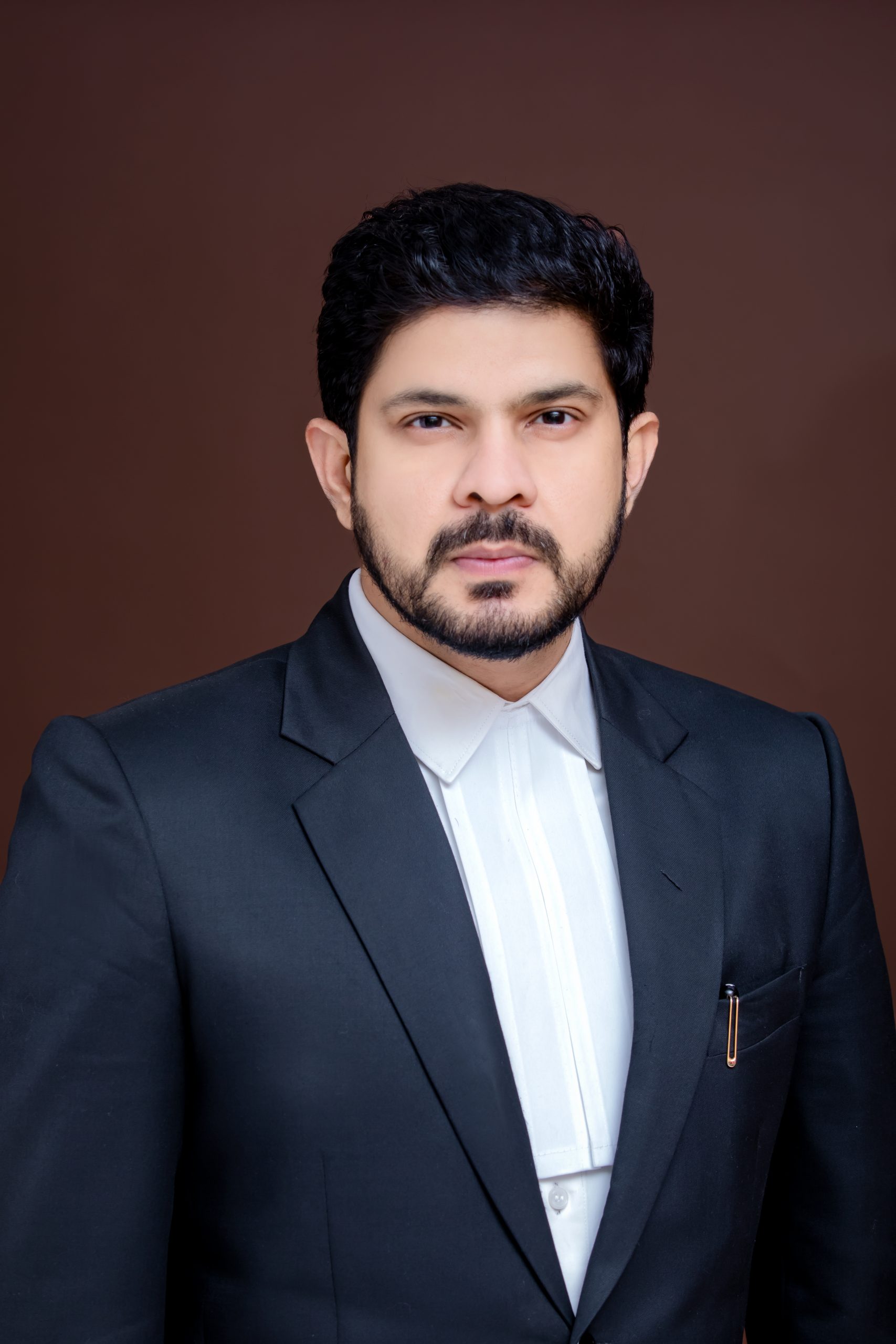
  • “Life is what happens to you when you are busy making other plans” – From Medicine to Mastery in Law: Rajvendra Sarswat, Independent practitioner & Senior Standing Counsel for Union of India

    “Life is what happens to you when you are busy making other plans” – From Medicine to Mastery in Law: Rajvendra Sarswat, Independent practitioner & Senior Standing Counsel for Union of India

    This interview has been published by Namrata Singh and The SuperLawyer Team

    Could you please help our readers get to know you better by sharing how you came into the field of law? We’d love to hear about your journey, who inspired you to join the legal profession, and the challenges you faced initially.  

    Many of us will agree that growing up in the nineties, there used to be primarily two career choices every student had to make at a certain stage, either medicals or engineering, and similarly I was also in the same mainstream preparing to be a doctor someday. Law was surprisingly introduced to me by my brother which intrigued me when I explored more about it as a profession. As I always believe in the quote that ‘life is what happens to you when you are busy making other plans’. I joined National Law University, Jodhpur as its first batch student and graduated in the year 2006 with Corporate Law Honors in B.B.A. LL.B. and thereafter joined Kanga & Company, Mumbai and also worked with Majmudar & Partners, Mumbai till close to 2011 end. While working with these firms it was purely general corporate, M&A and PE transactional work with almost negligible work related to litigation and the learning I received from both these places left a significant impression in my approach towards work. My initial years into litigation were very challenging and every new case I got was accepted as a blessing. I was appointed as amicus curiae or Court commissioner in many Public Interest Litigations during my initial years which gave me the opportunity to appear regularly before the court and to make myself relevant. I was always open to any area of law and focused myself to take each case as the most important and crucial for me for building myself as a litigation lawyer.   

    As Senior Standing Counsel for Union of India, GST, Central Excise / Customs, what are the key challenges you face in representing such a broad spectrum of governmental interests?

    The most fascinating part of representing tax department in the High Court is that mostly the controversies involved are interpretational issues where constitutional validity is under question and having serious implications wherein invariably I get the chance to argue against the best and top tax lawyers of the country, which I believe is a valuable learning experience for me. As we know that the Goods and Service Tax law is new and evolving so many issues are nascent and completely innovative in its challenge which is a constant learning experience. One has to keep in mind the complexity of Laws, diverse stakes, managing the litigation coupled with the factor in change in the policy. However, balancing the government’s interests with the broader public interest can be a delicate task. Ensuring that legal actions align with public expectations and serve the overall welfare of the society is important. Navigating these challenges requires a deep understanding of legal intricacies, effective communication skills, strategic thinking, and the ability to adapt to dynamic legal landscapes.

    We want to understand how different the study of law is compared to the practice of law. What was the most challenging aspect of transitioning from academic learning to actual legal practice?  

    What we study in law school is a very fundamental yet primitive part of law. The actual application and understating of the practical aspects of law comes only when we enter in the profession. As a first generation lawyer, the journey is altogether different and difficult because you inherit nothing and have to build everything from scratch but the good part is that you have an empty canvas and you are the artist. A fresh law school graduate who wishes to enter into litigation should always start with fundamental and practical aspects including the process of filing or curing of defects therefore I also advise to start from trial courts for at least two years before practicing in higher forums. Nowadays it’s good to see that law schools are also focusing on practical learning aspects other than just theoretical teaching. Applying legal principles to real cases, clients, and situations requires a different skill set than memorizing legal theories. In academia, the emphasis is often on analysing case law and statutes. However, in practice, building strong client relationships, effective communication, and understanding client needs become crucial. Developing these interpersonal skills can be challenging for some. In a practical legal environment, time management becomes critical. Meeting deadlines, handling multiple cases simultaneously, and managing client expectations require efficient time management skills that may not be as emphasized in academic settings. And, most importantly grappling with ethical dilemmas, maintaining client confidentiality, and upholding professional conduct standards are integral parts of legal practice that go beyond academic discussions of legal ethics. I also happen to be a guest faculty at a few law universities. I also give lectures at many intuitions and this helps me keep my own learning in the game.     

    How do you approach the complexities of constitutional writs compared to other types of legal matters you handle, and what strategies have proven most effective for you?  

    The unique feature of writ jurisdiction is that it’s an extraordinary remedy and how you can convince the court to get a favourable order depends upon how innovative and ingenious you can be. In my experience of being into litigation, I believe there is only one strategy and that is there is no strategy. You have to be quick on your feet, well prepared and thoroughly researched. One of the key focuses should be on the drafting because there may not be occasion for you to change your pleadings in the later stage if you have missed out a crucial fact or legal ground. You must know what to speak and more importantly what not to speak. Court crafting is an art and it takes patience and keen openness for observing to learn on a daily basis which cannot be taught but has to be learnt. By combining thorough legal research, precise drafting, effective oral advocacy, and a deep understanding of constitutional principles, handling constitutional writs can be approached with the rigor and strategic insight they demand. This ensures that the complexities of these cases are navigated effectively, maximizing the chances of a favourable outcome. When I joined litigation, I ensured to be in the court and get the chance to hear senior advocates arguing their matters because one can learn a lot from mere observation as to how a particular case was presented and how the questions of the court were replied back. 

    What innovations or changes would you like to see in the Indian judicial system to improve efficiency and fairness in legal proceedings? Additionally, what steps are you personally taking or planning to take to help achieve these improvements?   

    We are presently in a rapidly growing and evolving legal system. Before the covid pandemic, none ever imagined the idea of having courts running online where lawyers and even litigants were attending courts from home. Now we have a seamless virtual platform where any lawyer can not only do the filing but also attend the court. We just need more adaptability and openness to it. However, that is mostly at the High Court and Supreme Court or other higher forums, which needs to be adopted at all the levels. This requires proper infrastructure and training. Once this is achieved, service of process, examination of witness, inspection etc. many such procedural aspects which delays the justice dispension system can be curtailed. We are currently transitioning our entire office from physical file to digital file and do not carry physical file to the dias. This way we have access to the entire office record, documents and relevant judgments with ease even if we are travelling. 

    You transitioned from being an associate to a legal head and then switched back to a senior associate role. What differences did you observe in both practice areas during these transitions, and what motivated your move back to the litigation?  

    You cannot compare being an associate in a corporate non-litigation firm with being an in-house counsel with any corporate organisation with having your independent practice as they all work within their uniquely peculiar sphere. The kind of work you do, the atmosphere you work in, the people you deal with on a daily basis, the issues you have to handle independently, they all are different and distinct. The initial journey is always difficult, nonetheless, they all have their own challenges and benefits. After graduating from law school; my primary interest was to work with a good corporate law firm, either in Delhi or Mumbai. I got a chance to work with two very reputed firms in Mumbai and a brief period to be legal head of a public limited company. However, after working for a few years I realised the quench of working on my own started bubbling up. I remember I had visited the High Court once for a matter related to one of my relatives and after observing the lawyers and court room, from there the idea of starting my own practice triggered inside. It was a very difficult and risky decision to take after investing years into Mumbai and then coming back to Jodhpur coupled with the fact being a first generation lawyer, but somehow I took the plunge. My initial few years as a litigation lawyer were difficult with self-doubts and fear as to who will give me work and how will I sustain; but I also believe that such fear keeps you motivated too.

    Mr. Sarswat, transitioning from prestigious firms to independent practice is often a significant milestone. Could you share how your independent practice is evolving, and which specific areas of law are you currently focusing on? Additionally, what qualities do you look for in interns who seek to work under your guidance? Any suggestions you would like to give them?

    I practice primarily constitutional writs, civil, arbitration and a few criminal matters too. Public Interest Litigation has inspired me to a significant manner which lead me to file and appear in many such PILs involving public issues around me, where we have been successful to get very favourable orders from Court either as the counsel or as the amicus curiae. We also do a lot of arbitration practice. The qualities which I aspire and look for in anyone who is willing to join litigation is patience, persistence and hard work. There is no shortcut in this profession and if one can maintain that, the sky’s the limit. I firmly believe that every person has a unique journey and the only comparison you should have is with yourself as to what you were one year back in the past. I find young lawyers getting impatient, which is inevitable though, but this is a lifelong building profession and takes time. One has to be well prepared with facts and position of law, latest judgment on the issue involved. If you are sincere and hardworking, you will automatically stand out and become noticeable. If one can manage to do that, one will be picked up at the right time from the right people and the path will appear. Lastly, never be too focused that you miss out little opportunities at the corner of your eyes and if you wish to take litigation as a serious and primary choice of profession, then only join it otherwise don’t start it with as plan B.

    Outside of law, what hobbies or personal interests do you pursue that help you maintain a balanced perspective?  

    I love to read and travel. I believe the more you read and travel, the broader perspective you achieve about various aspects of life. One should have a habit of reading at least 15-20 pages daily, other than office work. I also write and paint at times. Every new place you visit, teaches you a lot about yourself as a person too. I also love running and keeping myself physically fit because a healthy body can only give you a healthy mind. I love to listen to old school music and my favourite bands or artists are U2, Bob Dylan and all time legends Kishore Kumar and Jagjit Singh.  

    Get in touch with Rajvendra Sarswat-

  • “When I started to study law, I felt that this is one of the most organic educations, which not only deals with actual problems but also provides real solutions for real problems.” – Saurabh Anand, Senior Counsel (IP and Technology Law) at Akamai Technologies

    “When I started to study law, I felt that this is one of the most organic educations, which not only deals with actual problems but also provides real solutions for real problems.” – Saurabh Anand, Senior Counsel (IP and Technology Law) at Akamai Technologies

    This interview has been published by Namrata Singh and The SuperLawyer Team

    What inspired you to pursue a career in law, and can you walk us through your journey from being a science graduate to becoming a notable practitioner in intellectual property and technology law? Who or what influenced your decision to transition into the legal field?

    I often call myself an “Accidental Lawyer”. I come from a background where my parents were doctor and teacher respectively. Hence, like any kid from a Tier-III city, my ultimate aim was to either clear the entrance examinations for medicals or otherwise complete my graduation in order to become eligible for UPSC examination. But, destiny had some other decisions for me. 

    When I could not crack any medical entrance examination, my parents enrolled me in B.Sc. Life Sciences at Kirori Mal College so that I can prepare for the medical entrance examination during the first-year college. To achieve this, they got me admitted to a coaching institute as well and for the whole 1st year of my graduation, I was doing both. However, till that time my interest in medical examinations started to dwindle and I gradually gravitated towards the world of science. I would like to highlight here that since beginning, I was not the one who can walk on a conventional path. Hence, during my graduation, a non-conventional course, B.Sc. Life Science and a motivating mentor, Professor Rajni Gupta, helped and guided to get a scholarship from Government of India, under the name of Kishore Vaigyanik Protsahan Yojna. While working on my research, during the third-year of my graduation, I got exposed to the very first concept of “patents” which kind of fascinated me. Everyone in the college was super sure that I will continue to work in the field of science and then came a second change in my academic career. 

    My father, a retired Government servant, guided me to sit for UPSC, however I was not prepared for that. Then came my all-time mentor, my mother in the picture, who supported me in my madness and supported my decision. With the sole intention to be around UPSC aspirants, I gave the entrance examination for Faculty of Law, University of Delhi and I still don’t know how I cleared it. All said and done, within a month from a research scholar in science, I became an UPSC aspirant in the first year of my LLB. When I started to study law, I felt that this is one of the most organic educations, which not only deals with actual problems but also provides real solutions for real problems. This shift kind of stuck with me and gradually I decided to give it a try with all my energy and dedication. This was the first time I became aware of Intellectual Property Rights and how I can actually weave my science degree with law. 

    I started to gain more experience by way of internships and gradually landed with Singh and Singh, where I got an opportunity to work with some of the best legal minds in the field of patents. My mentors there guided me as to how my science background can be utilized in the legal profession. Thereafter, I got an opportunity to work with K&S Partners, which not only provided me with a platform to work on allied areas of Intellectual Property Laws but also provided experience of working in multi-jurisdictional courts and with multi-jurisdictional counts. Needless to mention, colleagues at K&S Partners, and primarily Mr. Ravi Bhola, were always supportive of my non-conventional ways of approaching any problem. With this exposure, my interest gradually tilted more towards allied areas of Intellectual Property Laws, which in general parlance, we call it Technology Laws and then I got an opportunity to work with Akamai Technologies, where I am currently working. 

    In short, I would say circumstances, my mentors and to some extent my non-conventional mindset, are key contributors in my legal journey so far. 

    As a Senior Counsel at Akamai Technologies, you’re dealing with cutting-edge issues in cloud computing, and intellectual property. What are some of the most exciting aspects of working in this field, and what challenges do you often encounter?

    The most exciting part of my job at Akamai is the opportunity which I get to solve real business problems. As Akamai operates in different jurisdictions across the world, it becomes equally important for us to be at least aware of the law of the land which can be applicable on our services. As I primarily look after Technology Law issues, it becomes all the more important for me to understand how law is shaping up in relation to our existing or any prospective product set. Hence, I would sum up the exciting part of my job as under, as opportunities to:

    1. understand business;
    2. understand a business problem;
    3. to learn and apply legal varies areas of law to solve a business problem.

    Having said that, it is very difficult for me to docket challenges at my current job, because I see these challenges as an opportunity to grow, which further satiates my non-conventional mindset. However, I do want to call out some operational challenges, like working across multiple time-zone issues, which everyone will face while working for a multi-jurisdictional organization. But, this is something which varies from organization to organization. I am glad that at Akamai, it is never an expectation to remain available across multiple time zones and all the colleagues constantly endeavor to remain available in a time-zone which is less cumbersome for the other. 

    You handle various transactional documents and engage with law enforcement authorities globally. How do you stay updated with the rapidly evolving legal landscape, especially in the realm of technology and data privacy?

    Yes, as a part of my job, it is an unsaid rule, that although I have educational background in Indian laws, it is an add-on, if I have a working knowledge of the legal landscape of other jurisdictions as well. My first source of truth for understanding legal requirements outside India, are my colleagues, who are trained in laws for that jurisdiction. One need to understand here that you cannot gain or remain updated with ever changing legal requirements across the globe without having collaborative working relationships with your peers in those jurisdictions. Hence, before doing desktop research, I always rely on the expertise of my colleagues and one should always follow this. In today’s era, where information is accessible at your fingertips, I have seen individuals giving knowledge on laws of other countries. But, I always follow the differentiation between theoretical and practical knowledge, because it is the practical application of any law which will give you a solution and not the theoretical knowledge. 

    Having said that, for an individual’s growth and to quench my thirst for knowledge, I always try to read comparative analysis of any law across the globe with Indian laws. This helps me in identifying the differences and those differences are the key to understanding any legal landscape around the world. One can always refer and reply to comparative analysis prepared by good law firms or think tanks, to begin with.  

    As a registered Indian Patent Agent, what are some common misconceptions or challenges that an applicant/patentee often faces regarding intellectual property rights, and how did you address them while you were litigating?

    There were two critical issues which always used to come while I was doing patent litigation. First and foremost, was whether a patentee is inviting revocation proceedings by suing the other party. Second one was, how to assess damages before initiating any litigation, so that a patentee can do cost benefit analysis well in advance. 

    For the first issue, my response was pretty simple. I always used to advise my client that if you have taken a business decision to apply for a patent, that decision should also include the decision to defend that patent for its lifetime. Because a patent, whether sitting  idle or going to be enforced, will remain vulnerable to get challenged during its entire lifetime. 

    For the second issue, my advice was to at least get a presumptive idea of loss which they are facing, because of the infringing activities and gather clear and cogent evidence to substantiate the same. Reason being, granting damages are within the jurisdictional realm of court and our duty is to give clear and convincing evidence to the court to assist the court in arriving at a particular decision. 

    Considering your extensive expertise in intellectual property laws, what advice would you offer to the current generation of law students aspiring to build a career in this field?

    My advice to the student would be to first focus on developing a strong grasp over concepts of law and the same can be done by not only reading the statutes but also understanding how a statute was applied to solve a real time issue. A law student in his/her journey should do two things: read judgments with the mindset as to how a statute/legal principle was applied to solve the issue at hand and secondly, to gather experience by way of internships. I would like to highlight here that I am aware that getting internships is not an easy cakewalk for all the law students from different law colleges, because I faced the same issue. But in today’s world there are organizations like LawSikho who are actually guiding and helping students. Having said that, I always believed that actual application of law can be best understood in Courts and this is something which I did when I was a law student. I did not wait to hear back from an organization on my internship application, I simply went and knocked the doors of multiple practicing advocates in the Trial Court, and most of them helped me in understanding practical nuisances of law. I am ardent believer of this phrase:

    “You will never know what is there on the other side of the door, until and unless you knock and ask. At the best you will get a clarity, which door to knock later and which door should be avoided”

    Looking ahead, what are some emerging trends or legal challenges in the field of IP and technology law that you believe will shape the future of legal practice, both in India and globally?

    IP and technology law evolves with evolving technology. With the current set of technology in place, based on my set of expertise, I would bet on Artificial Intelligence, which has the potential to be evolved as a separate area of practice in law. 

    You’ve authored several articles and publications on intellectual property rights and patents. What motivates you to share your insights and knowledge with a broader audience, and how do you approach the process of writing on complex legal topics?

    Writing articles is my way of keeping myself abreast with the evolving areas of law. I have been an ardent believer of the logic that when you write, you learn more. And the beauty of writing articles is that you get feedback from either your peers or from someone who has more experience than you. 

    Before writing on any subject, there are two things which should be kept in mind: whether the topic is relevant in the present set of circumstances and who your audience is. Once you have cracked this, it is your responsibility to state the correct facts and for which I am very stringent to only rely on trusted sources, like the statute itself, or the judgment itself. 

    You transitioned from your role as a Senior Associate at K&S Partners to an in-house Counsel. Can you share with us what motivated this transition and how it has impacted your approach to legal practice?

    My motivation for this transition was to keep myself in pace with the changing legal landscape. While litigating, I was exposed to certain issues which was mostly relevant from the applicability of Indian laws. However, when working with clients from different jurisdictions, I became aware as to how other jurisdictions are looking at similar issues with a different legal angle which I was looking at from Indian legal requirements. This quest to learn more on multi-jurisdictional approaches, helped me to make this switch. Needless to mention here that at this stage of career you cannot take such decisions without the support of your family. Here, I would like to give a shout out to my wife, Meghana, who herself specializes in IP litigation, in supporting my non-conventional decision here.  

    My decision has definitely impacted my approach to legal practice, because in India, we often see in-house Counsel as an intermediary between client and its outside counsel. However, after joining Akamai, this myth got broken for myself, because the role of an in-house counsel is to understand the business requirement and give a legal solution for that requirement. 

    Having transitioned from roles in litigation to that of an in-house counsel, what notable differences did you find in the nature of work, challenges faced, and overall professional satisfaction? How did these experiences shape your career trajectory and approach to legal practice?

    While I think I have captured the issues around the nature of work and challenges faced in my earlier answers, I can probably focus here more on professional satisfaction. For me, the definition of professional satisfaction keeps on changing because I always understand and foresee a legal career as an organic career, which keeps on changing with the changing issues in society and technology. I joined Akamai with the sole interest to understand the application of intersection of multi-jurisdictional law on the evolving technologies. This still remains relevant for me with the present set of affairs. In a nutshell, I was fortunate to shape my career based upon my experiences and one should always remain open to changes.   

    Apart from your professional pursuits, do you have any personal hobbies or interests that you find equally fulfilling? How do you balance your passion for law with other aspects of your life?

    In my circle, I am known for my passion for driving. While this may not be considered as a hobby or interest, for me somehow it helps in clearing my head. While I am not quoting from the famous series, “the Lincoln Lawyer”, driving is something which has stuck with me from the very early ages of my life and is still continuing. While some people confuse this with the passion for new cars, this is not the case. I enjoy driving with whatever I have, I have and what I aim to have (off course keeping in mind the budgetary constraints ☺).

    For me there is no requirement to balance my passion for law with other aspects. Like driving is a passion for which I will not compromise on anything, similarly for learning new legal nuisances, I do not have set boundaries to learn. I believe that you tend to balance and make time for things which you are forced to do. For your passion, you should not be balancing your time with other things in life. While there are priorities in life for which you need to give time, but whenever you have time give priority to your passion, whether for law or for driving or for anything else. 

    Get in touch with Saurabh Anand–

  • “Continuous learning is a key for any legal professional and in current times one needs to adapt to the constantly evolving legal requirements”- Sajid Nissar Mir, Senior Counsel at the Standard Chartered Bank.

    “Continuous learning is a key for any legal professional and in current times one needs to adapt to the constantly evolving legal requirements”- Sajid Nissar Mir, Senior Counsel at the Standard Chartered Bank.

    This Interview has been published by Pragya Chandni and The SuperLawyer Team

    Can you please share a bit about your journey into the field of law? What initially drew you to pursue a career in this field, especially with a focus on corporate law?

    I am an accidental lawyer (lawyer by destiny not by choice). My journey into law was unexpected while growing up, I never imagined myself as a lawyer. During my school days I was crazy about sports (especially cricket), I wanted my passion for cricket to turn into a profession. I represented my state J&K in multiple youth competitions organised by BCCI. For a number of years, I went through the ranks of representing J&K in various national level trophies U-14, U-16 and U-19, which included Vijay Merchant, Vinoo Mankand & Cooch Behar Trophy. Also, I was among very few to have achieved a unique fear of being selected to play a national level university tournament (Vizzy Trophy) for Kashmir and Bangalore University.  However, God had some other plans and I ended up being a lawyer.

    During my college days, I just wanted to finish 3 years of my 5-year law course and get back to cricket. I had enormous support from my college, teachers, staff and friends during my entire law degree. It was because of few well-wishers in the college, I ended up staying back for 5 years and completing my law degree. Honestly speaking without those individuals, I wouldn’t have completed my law degree – A big thanks to all of them.

    After finishing my law, I took a break for a few months and started to think about my future. At that point my cricket was going as I expected and I made the decision to dive into law as a full-time career. I always wanted to start my law career away from my hometown and by doing so, I kind of restricted my areas of practice. How did I choose corporate law as a career option? I had limited options and time was running away, in my personal opinion to have a flourishing career in private practise it is important that one should be proficient in the local language of that particular place and the other option was to get in corporate side of law and catch up on the learnings which I had missed doing during my college days (like doing internships). I chose the latter, I wanted to develop strong business acumen and a solid legal foundation, corporate law just provided me the perfect platform. Also, corporate law exposes you to different laws/ regulations, you are hand in hand with various strategies of business, helps you understand the market dynamics and you are among the early adopters of new technologies around the world. These are a few reasons which were aligned with my interests, my education and my personality that I chose corporate law, and the journey hasn’t been an easy one.

    Ranging from data privacy to cybercrime protection, how do these certifications contribute to your approach to legal counsel, particularly in a fast-paced environment like the banking sector?

    Continuous learning is a key for any legal professional and in current times one needs to adapt to the constantly evolving legal requirements. The modus operandi of crime is rapidly shifting toward the internet, in India alone last year (2023) 1.13 million cases of financial cyber fraud were reported. So, it becomes pivotal for a legal profession to understand these new requirements and develop an approach which protects your organisation from getting exposed to these modern-day crimes regardless of the industry.   

    These law courses and certificates are a good source to gain specialized knowledge in different areas of law. It has definitely helped me to gain practical skills that are required in understanding, tackling and overcoming these new changeling regulations. I also make it a point to attend as many workshops, seminars and webinars conducted by various renowned law firms on the subject of data privacy and cyber security, as these events are very rich in content and backed by practical experiences.  I would recommend all the future professionals to participate in these events (when time permits), this would enhance their learning and help them in developing new skills. 

    As a Senior Legal Counsel at Standard Chartered Bank, you’ve been deeply involved in various aspects of contract drafting, negotiation, and compliance. Can you elaborate on how you balance the need for legal rigor with the demands of driving business growth?

    In the era that we are in, the role of an in-house lawyer has changed significantly from a decade ago. We need to act as business enablers rather than just legal advisers, this “value add” helps business growth of organisation.

    While being a business enabler, one must not forget that in-house counsel is the gatekeepers of an organisation. So, it is critical to deploy agile ways of working that adds commercial value to the organisation while keeping it safe, enabling it to achieve its strategy objectives with high integrity. In my current role the expectation from me is to provide advice proactively, be a business enabler, think in terms of risk (and reward), and draft documents in line with business expectations and regulatory requirements. I often get asked by my stakeholders to find solutions to various difficult questions and grey areas. But I do keep in mind my professional duty of acting in the best interest of the organisation and therefore it becomes important for me to view the question from a very different perspective than my business colleagues. While drafting or during negotiation of a particular transition regardless of the monetary value, I ensure strict adherence to the legal/ regulatory obligations, eliminating any possibility of non-compliance. 

    A crucial aspect of maintaining consistency in a rapidly evolving industry that prioritises business expansion is by knowing the boundaries between what is lawful and right (doing the right thing).

    In your role at Standard Chartered Bank, you’ve been instrumental in managing complex M&A activities and supporting various global initiatives. Could you walk us through a particularly challenging project you’ve tackled and the strategies you employed to navigate it successfully?

    Standard Chartered is an amazing place to work, especially the legal department. I have grown leaps and bounds over the past few years and gained valuable experiences. A big shout to my colleagues, the legal management team and my people leader for having faith and trusting me to take a lead on some of the complex initiatives, giving me absolute freedom to plan my strategies around these projects.  

    It’s quite difficult to pick one project, honestly every project or every transaction that I’m part of has its own set of challenges. One simple rule which I follow in my day-to-day activities is that while I am working on a matter, whether I am drafting or during contract negotiations, I never look at the names of the people/ organisations on the other side of the table, I keep my (woodpecker) focus on what is beneficial and risk free for my organisation. Last year I was given a task to empanel some of the best law firms in the world on the Bank’s global legal panel. The purpose was to use the expertise of these firms in complex scenarios across the Bank’s physical and digital footprint. The negotiations were intense and engrossing not only on the provisions of law but on policies as well, the successful completion of the project resulted in many appreciations and me getting an award.     

    Collaboration seems to be a recurring theme in your career, from brokering alliances with law firms to supporting cross-functional initiatives within the bank. How do you approach building and maintaining productive relationships with diverse stakeholders, both internal and external?

    The knowledge of the law remains one essential skill to be successful as an in-house counsel. However, the ability to develop strong relationships with stakeholders inside the business, outside counsel, and other external stakeholders to the business is critical and a crucial soft skill one must possess. Better working relationships lead to better teamwork which will help you to be less stressed, more engaged, more productive and avoid time-consuming disagreements. 

    I keep it very simple, there is no rocket science in developing this soft skill, I always put myself in others shoes to understand their requirements or pain points. First and foremost, in a house role your need to understand the business requirement, have a clear communication with internal stakeholders, clear any ambiguity, be an active listener, values their inputs or suggestions, provide them clear expectations/ timelines, go back to the drawing board and come back with a solution which should be within the boundaries of your organisational policies and regulatory requirements. Once all the internal stakeholders are aligned with the solution, I would engage the external stakeholders and replicate the similar process of communication. From many years this has really worked well for me and I have been able to build a very strong working relation within my organisation outside as well.

    Your experience spans both in-house counsel roles and consultancy positions. How do these different perspectives inform your approach to legal counsel, particularly in terms of understanding and addressing the needs of your clients?

    After 5 years of working in a corporation, I decided to take a bold and conscious step of moving out of corporate and getting into the consultancy side of law. The move wasn’t a knee jerk reaction instead it was a thoughtful decision, the primary reason being getting involved in complex legal work. The roles which I was doing in corporate were completely driven by processes and SOPs and barely required any intellect or any out of box thinking, so I felt I was restricting my skills, plus I wasn’t gaining any new knowledge apart from getting to know the corporate culture in India works (which sometimes is toxic). The move was challenging and I knew from the start it was not going to be a walk in the park, initially I started attending courts in Bangalore. After a few months, I got a retainer from a hospitality organisation and that was my first client. I was given an initial task to streamline their policies, website T&C’s, service agreements, and initiate an IP suit. I was able to successfully complete all the tasks and they offered me a permanent role, but I ended up rejecting that and continuing as a consultant. During the same time, I met a GC India of a large pharma conglomerate and he gave a task of initiating money recovery suits against many of their non paying clients, it was a 90 days assignment. I ended up working as a consultant for them for close to two years, streamlining contracts, managing external legal counsels, leading a winding up petition against a big hospital chain in India and closing down a few manufacturing factory units in India. The period of 3 years working as a consultant with many clients ranging from pharma, ecommerce, hospitality and media agencies gave me a rich experience of handling different legal requirements, which in turn helped me grow as a sound legal professional. 

    I never changed my approach towards work whether it was during my time as consultant or in house role. The basics of lawyering remain the same, doing the proper discovery, immaculate drafting, understanding the need, interpretation of statutes keeping in mind that your client or business is from a non-law background and being confident/ consistent.  Yes, a minor adjustment here and there that’s all was required while performing the roles. The legal needs of clients or businesses mostly revolve around being proactive (safeguarding measures) or in some cases being reactive (remedial actions). 

    Lastly, considering your extensive experience and achievements, what advice would you offer to law graduates aspiring to build successful careers in the legal profession, particularly in navigating the evolving landscape of business and compliance?

    Smile! I am still learning, I firmly believe achievements are yet to come, I can just relate it to my playing days, that I have just got into double figures and I need to convert this into a big hundred and then celebrate, so there is a long way to go.

    Legal profession is a noble profession, you should be trusted advisers, upright citizens and honest in your approach.  Your interests should not be our own, but should be those which align with the discharge of your duties to the law, to your client and as per the oath.

    As a budding lawyer, if your interests are in helping people in your day-to-day life, being an inspiration or being real (not role) model in society, here are few tips which you can be fruitful and helpful:

    • Stay Humble and Grateful.  
    • Continuous learning.
    • Be Forthright.
    • Exercise Diligence.
    • Go above and beyond.
    • Have Integrity.
    • Trusted Advisor.
    • Celebrate Success.
    • Smile.

    Also, you must spend time on becoming a lawyer of the future; a lawyer who is not only fluent in the law, but also the commercial and customer-centric demands of the profession (O shaped Lawyer). You need to bring in a change to the public perception of lawyers, which in many societies today is that lawyers are ripping off people, greedy, selfish and arrogant. Lawyers have a fantastic opportunity to make significant contributions to society. You are privileged, educated, articulate and hard workers – make use of your skills. As a young legal professional raises your bar, you should be beyond reproach, something that others strive to be like, and something you should be honoured to be a part of. There is no short cut to success as you keep learning, you need to put in some hard yards to master the art and by doing so you will evolve as a professional.  

    May your future be bright and prosperous! 

    Happy Lawyering!

    Get in touch with Sajid Nissar Mir-

  • “You never know what tomorrow will bring’ so you should always be prepared and embrace it with all your might.” – Arindom Hazarika, Intellectual Property Attorney, Certified Anti-Counterfeit Professional and Senior Counsel at Western Digital

    “You never know what tomorrow will bring’ so you should always be prepared and embrace it with all your might.” – Arindom Hazarika, Intellectual Property Attorney, Certified Anti-Counterfeit Professional and Senior Counsel at Western Digital

    This interview has been published by Namrata Singh and The SuperLawyer Team

    Thank you for joining us. Could you start by sharing a bit about yourself and your journey in the legal profession? What inspired you to pursue a career in law, and how has your journey unfolded until now?

    Thanks for the kind invitation for this interview. Regarding my journey, I am just the second lawyer in my family after my uncle (who practices in the local district court in Assam), so I am a first-generation corporate lawyer. Law was a very interesting option, considering when I was completing my higher secondary education I wanted to explore a career in economics, but somehow the lure of Law especially the Intellectual Property Laws intrigued me along with a massive love for brands. I finally pursued my law from Hidayatullah National Law University, Raipur in 2009 with a major in Intellectual Property Laws. Since then, I have loved every bit of my journey in law. It all started in a boutique IP law firm in New Delhi (Zeus IP), where I learned the practical side of things and horned my skills in the domain. I loved the part that even being an associate I was given complete freedom to advise numerous multinational clients on IP issues. Post the same I moved to a bigger law firm, where I acquired some essential skills of handling big clients having massive IP portfolios. The change to in house role actually came in when I joined an IP consultancy that was working dedicatedly towards brand protection concerns, which is where I was fascinated with this version of IP i.e., enforcement of IP, this also coincided with one of my close aides who got impacted due to counterfeits and my whole perception changed and I wanted to then focus on enforcement of IP which explains my role at Diageo, Flipkart and Currently Western Digital. Protection of consumers and brands became my passion and I wanted to ensure that I do my bit towards this cause. It is such a strange world, where IP enforcement kind of came to me as an accidental or sudden thought and since then has stayed with me as a core of what I am passionate about and love doing as the famous saying goes ‘You never know what tomorrow will bring’ so you should always be prepared and embrace it with all your might.  

    From working with Diageo India to your current role at Western Digital, you’ve navigated various industries in brand protection. How do you adapt your strategies to suit the unique challenges of each industry, from eco-bev to consumer electronics?

    It’s an interesting question as the industries I worked on are completely different having their own set of challenges and issues, but the learnings I gathered over the course of time specially during my role at the IP consultancy helped me build and develop a great core of what essentials are required for brand protection and IP enforcement. A few things that stand out to me would be looking at the problem and its impact on business, understanding the business model (from a sales and marketing perspective) identifying great business partners, market intelligence and data generation. These factors are common across industries and helped me immensely in adapting across industries.

    Your passion for brand protection shines through in your extensive experience and achievements. What advice would you give to aspiring IP lawyers or brand protection professionals looking to make a mark in this field?

    Thanks for your kind comments. I am grateful to the people whom I worked with who have been kind enough to bestow great knowledge. I would advise young lawyers who want to pursue a career in IP, should certainly explore this very interesting and passionate field of IP enforcement, unfortunately at this stage, it’s not being taught as an educational curriculum, so all the knowledge you can gather is through practical experience. I found this very fascinating considering that my stints across organizations from being support functions to being called revenue generators were a very satisfying experience. I would advise young law students to try and work towards IP enforcement during their internships especially those who plan to intern in FMCG companies, wherein they will realize the importance of this domain. I would also advise young lawyers to stay updated by doing additional courses in upcoming domains like cyber laws and other institutes offering such courses. Lastly, I would advise young lawyers and professionals to be very passionate about the work they do and know that they are creating an immense impact on the society as a whole. They should think with a clear motto of ‘PROUD OF WHAT WE DO’ and ‘BE GENUINE’ in their opinions and thoughts.

    In addition to your professional endeavors, you’re known as a foodie and football enthusiast. How do you strike a balance between your career and personal interests, and how do your hobbies complement your work life?

    Balance is a key term. Fortunately, due to my role, I used to travel extensively, which gave me a great opportunity to experiment and experience different cultures and their food, which was something I used to always look forward to. In fact, due to the same experience, I started travelling to places just to enjoy a delicacy, which gave me such happiness and satisfaction.

    As regards football, it has taught me so much in terms of hard work, resilience, and risk-taking towards my everyday work which I am immensely grateful to. Both my interests are great conversation starters which certainly gives me a very good idea about the stakeholders I will be working with and helps create a personal connection with them. Lastly, one of the biggest things that you require in any professional field is great team spirit which helps you achieve the impossible and watching football showcases that in the best possible manner. There is a very famous quote by one of my inspirations from the footballing world Arsene Wenger who says “Team spirit is like a flower. You have to look after it every day or else it will slowly die. But, as well, you can make it bigger, better and prettier if you care for it.”

    The Brand Protection Charter you established garnered recognition and accolades. Could you walk us through the process of creating such a comprehensive strategy and the impact it had on combating counterfeits and infringement?

    This was a very challenging task, as when I joined there was no concept of Brand Protection at the organization. Hence I had to start from scratch in terms of creating structures that defined the said concept, then identifying current and potential problems that would fall within that followed by identifying relevant stakeholders who dealt with the problem and connecting with them to create a common group. This took a long time as I had to educate them about it and its grave importance. This was followed by documentation which led to the building of SOP which included clear guidelines defining the problem and stakeholders who were responsible, accountable, consulted and informed about it. This helped immensely in unifying all existing synergies and using them to solve problems for many brands. As a part of the program, I also reached out to a lot of rights holders or brands to build a spectrum of issues involved and how uniquely and swiftly we can solve them. This charter gave me immense satisfaction when we built it and I do hope the same helps in further evolving the program to new heights. 

    Your journey includes handling various legal matters, from drafting agreements to conducting raids and enforcing IP rights. What are some common misconceptions people might have about brand protection, and how do you address them in your work?

    One of the biggest misconceptions that I have heard being an IP lawyer is that we only deal with IP litigations that involve IP infringement, which is not correct considering as IP lawyers we also do a lot of work around counterfeits which certainly can be done at various levels starting from Law enforcement authorities and customs as well. Additionally, IP lawyers were also part of a lot of interesting and detailed investigations that present different perspectives on a problem. Also, when you say brand protection it’s a very broad domain that is not only limited to IP issues but might involve other areas that involve the protection of brands. Lastly, the biggest one that I have heard is legal function is just a support function, but I can confidently say that during my stint across organizations, the biggest compliments I got were when the sales referred to us as revenue generators and business partners who can help them ensure a smooth sale of products. Brand Protection gives you a unique opportunity to be recognized as one of the important clogs in product life cycle machinery. 

    Being a certified Anti-Counterfeit Professional, you bring a unique skill set to your role. How do you stay updated with the latest trends and techniques in combating counterfeits and online IP infringements?

    I would stay updated with the latest trends by attending various forums dedicated to IP and Brand Protection like INTA events, and IACC events to help immensely in building it. Also being part of sub-committees at INTA (who have dedicated people working on specific brand protection issues in emerging domains like e-commerce platforms and others certainly adds a lot of perspective around current practices and gives a huge amount of learning from them. I also look up to any dedicated programs that have been introduced by reputed institutions to upgrade and upskill myself in them.

    As someone deeply involved in industry associations like INTA, how do you leverage these platforms to drive positive change in brand protection practices and policies?

    I must say it does help a lot to be part of such Associations considering the impact they are creating. INTA is a great example, considering you can gain a lot of knowledge about current best practices for the issues handled, be part of policy dialogue with relevant stakeholders to drive policy changes and impart training to law enforcement officials on the same. I have leveraged the association to a great extent as I was the chair of the Anti-Counterfeit Committee in the 2022-2023 term for the South Asia region and achieved a lot of success in building best practices for the brand protection domain. Being part of the leadership group also provided an opportunity to tie up with other well-known brands towards the same cause and create many meaningful discourses.

    Looking ahead, what do you envision as the future of brand protection, especially in the face of evolving technologies and global markets? And what role do you see yourself playing in shaping that future?

    There is a massive potential for Brand protection especially with emerging technologies and global market expansion for brands across the world. When I joined the domain, I still remember there were very few multinationals who had dedicated brand protection professionals, teams and most of such work was done by IP and legal teams, in the past few years we have seen brands getting very aggressive about it considering the big important role it plays especially towards revenue generation. Efforts made by brand protection teams go a long way in ensuring revenue growth and great sales. The importance is also further highlighted by emerging problems that come with technology, especially with the advent of the Internet and online business.

    In the bigger scheme of things, I would like to be the evolving face of brand protection professionals leading such initiatives with innovative solutions with the help of technology and helping businesses garner revenue growth while ensuring the end consumers enjoy and reap the benefits of using genuine products everyday everywhere. 

    Get in touch with Arindom Hazarika-