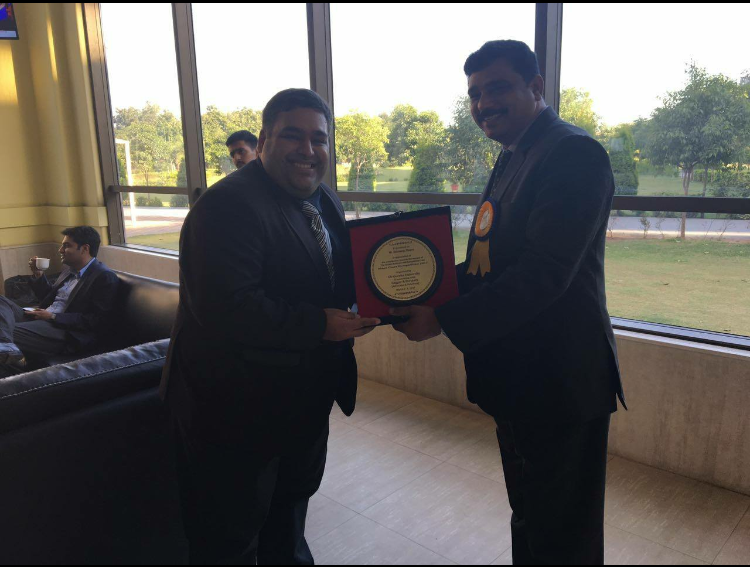
Tag: Senior Partner

  • “The true impact of the legal profession extends beyond courtrooms and legal precedents—it resonates in the lives touched and the societal change fostered through the pursuit of justice for all.” – Bharat Malhotra, Senior Partner at Tritent Legal LLP

    “The true impact of the legal profession extends beyond courtrooms and legal precedents—it resonates in the lives touched and the societal change fostered through the pursuit of justice for all.” – Bharat Malhotra, Senior Partner at Tritent Legal LLP

    This interview has been published by Namrata Singh and The SuperLawyer Team

    Can you share some key milestones in your 9-year career as a civil lawyer? Please allow us to walk through your journey.

    My upbringing was immersed in legal discussions as my father, Mr Rakesh Malhotra, an established lawyer, handled high-profile cases and provided legal aid to those in need. Despite financial constraints, these clients compensated him with unwavering loyalty and respect. Witnessing this left a lasting impression on my brother, Mr Kushal Malhotra, and me, shaping our understanding of the legal profession. Since then, we have strived to emulate his dedication and principles. 

    During my tenure as a civil lawyer and senior partner at Tritent Legal LLP, I have undergone a remarkable and transformative journey marked by numerous challenges and triumphs. My unwavering faith in God and a steadfast commitment to my work have granted me the strength and clarity to navigate the intricacies of the legal profession. 

    In the early stages of my career, establishing myself in a competitive field proved daunting. Despite moments of uncertainty and setbacks, the invaluable learning experiences balanced these challenges and shaped my approach to law. A significant early success was securing a favourable order in my first week of litigation, boosting my confidence and solidifying my reputation within the firm and the broader legal community. 

    A defining aspect of my career has been my involvement in legal aid work, focusing on representing clients from underprivileged backgrounds. Winning cases for these individuals has been profoundly rewarding, and witnessing their relief and gratitude is a powerful reminder of why I chose this profession—to make a tangible difference in people’s lives. 

    In addition to these victories, mentoring young lawyers has been an honour, as I encourage them to pursue their passions while upholding the highest standards of integrity and dedication. Their growth and achievements bring me tremendous pride, as do the respect and recognition I have earned from my colleagues and clients. 

    Throughout this journey, the support of my team, my parents, and my mentors has been instrumental. Their unwavering encouragement and belief in my capabilities have been a driving force, propelling me to overcome challenges and celebrate victories with humility and gratitude. 

    Overall, my career has been a long, emotional, yet motivating journey, filled with challenges and profound moments of satisfaction. These experiences have enriched my professional life and strengthened my determination to continue advocating for justice and equality for all. 

    Each day, I am reminded of the privilege of serving as a voice for those in need and the profound impact that dedicated legal work can have on individuals and communities. 

    In conclusion, the transition from witnessing my father’s legal practice to leading a successful law firm, Tritent Legal LLP, has been a profound evolution guided by a fundamental principle—the commitment to good work. This commitment is reflected not only in the high-profile cases in our portfolio but also, more importantly, in the continuation of a tradition that places pro bono work at the heart of our legal practice. It is a commitment to justice, compassion, and the understanding that the true impact of the legal profession extends beyond courtrooms and legal precedents—it resonates in the lives touched and the societal change fostered through the pursuit of justice for all.

    What motivated you to pursue a career in civil litigation? How do you envision the future of civil litigation evolving, and how are you preparing for it?

    With unwavering conviction, I’ve chosen to pursue a career in civil litigation. My deep-rooted belief in the law’s ability to champion justice and amplify the voices of the overlooked has been the driving force behind my decision. The intricacy and dynamism of civil litigation have always captivated me, offering unique opportunities to grapple with complex legal matters and deliver powerful resolutions. I take on the responsibility of representing individuals and organizations in disputes with utmost reverence and dedication. 

    When I envision the future of civil litigation, I foresee a rapidly evolving landscape propelled by technological advancements and the emergence of artificial intelligence. These groundbreaking innovations are poised to revolutionize the legal sphere, reshaping how we approach e-discovery, case management, client interactions, and legal research. 

    Integrating AI-driven insights and automation tools can bolster our analytical prowess and streamline processes, resulting in more efficient, precise, and accessible legal services. Our commitment to harnessing technology is instrumental in ensuring that our firm remains competitive and adept at meeting the diverse needs of our clients. 

    Furthermore, the legal domain is experiencing a noticeable shift towards embracing alternative dispute resolution (ADR) methods like mediation and arbitration as clients seek cost-effective and expedited solutions. This transformation necessitates a focused drive towards honing negotiation and conflict resolution skills, which I actively pursue to provide clients with innovative and tailored solutions. 

    By embracing these methods, we can offer flexible approaches that align with our client’s objectives and priorities. Sailing through the future requires vigilance in adapting to new laws and regulatory challenges arising from societal and technological advancements. Staying abreast of these developments is pivotal to offering informed and effective representation to clients. Whether deciphering the implications of new data privacy regulations or adapting to changes in employment law, a proactive approach ensures that we can anticipate and address the challenges that lie ahead. 

    I am dedicated to perpetual learning and professional development to thrive in this dynamic environment. At Tritent Legal LLP, we cultivate a culture of innovation and adaptability, encouraging our team to partake in ongoing educational opportunities and embrace pioneering ideas and methodologies. This proactive approach doesn’t just bolster our firm’s capabilities but reinforces our commitment to delivering exceptional service to our clients. As we embark on this journey into the future, I am both exhilarated and prepared to confront the challenges and seize the opportunities. With a firm foundation of integrity, excellence, and client-centred service, I am confident that we will continue to wield a positive influence in the legal profession and beyond, championing justice and propelling progress in an ever-changing world.

    How do you manage and balance your extensive responsibilities as a senior partner at Tritent Legal?

    Balancing the extensive responsibilities as a senior partner at Tritent Legal LLP is like juggling flaming swords while riding a unicycle—it’s all about focus and timing, with a dash of humour to keep things light! Effective time management and delegation are key to managing these responsibilities, allowing me to focus on what truly matters while ensuring our firm operates smoothly.

    One of my guiding principles is to emphasize effort over outcomes. I constantly remind my team to care about their efforts when pursuing a case rather than getting overly fixated on the results. After all, if you love what you do and give it your best, everything tends to fall into place. This mindset helps us stay motivated and passionate, even during the most challenging times.

    Delegation is essential in maintaining balance. I trust our talented team to handle significant tasks and decisions, fostering a collaborative environment where everyone feels valued and motivated. By leveraging our team members’ strengths, I can concentrate on high-level strategic initiatives and client relations, knowing that the daily operations are in capable hands.

    Time management is another crucial component of my approach. I allocate specific blocks of time for focused work, client meetings, and team collaboration while keeping some flexibility to handle the unexpected. Regularly reviewing my schedule and adjusting priorities ensures I stay agile and responsive to the ever-changing demands of legal work.

    Maintaining a healthy work-life balance is also essential for long-term success and well-being. I make it a point to spend time with family, pursue personal interests, and care for myself. After all, a happy lawyer is a productive lawyer, and a balanced life enhances both professional performance and personal fulfilment.

    Of course, I do make mistakes, but I view them as valuable learning opportunities. Each mistake is a chance to gain insight and improve, and I believe in moving on with lessons learned. Ultimately, managing and balancing responsibilities as a senior partner involves a combination of strategic planning, effective delegation, and a healthy dose of humor. I strive to lead Tritent Legal LLP with integrity and a smile—values I’ve learned from my father, who is the managing partner. By fostering a supportive and collaborative environment, embracing flexibility, and prioritizing professional and personal well-being, I aim to lead with the same integrity and warmth he embodies.

    You have been recognized with several awards and honors, such as the Indian Achiever’s Award and being appointed as an Amicus Curiae. How do these accolades impact your professional journey?

    The recognition of receiving several awards and honors, such as the Indian Achiever’s Award and being appointed as an Amicus Curiae, has profoundly influenced my professional journey. These accolades are not just a validation of my hard work and dedication, but also a source of motivation and inspiration. They remind me of the responsibilities that come with being a lawyer and the trust placed in me by many people.

    Receiving the Indian Achiever’s Award was a significant milestone that reinforced my commitment to excellence in the legal profession. It’s gratifying to see our efforts at Tritent Legal LLP being recognized on such a prestigious platform. This award has not only bolstered my confidence but has also heightened my sense of responsibility to uphold the standards of integrity and professionalism it represents. 

    Being appointed as an Amicus Curiae was another honor that allowed me to contribute to the legal system in a different capacity. This role provided an opportunity to offer impartial advice and contribute to the development of legal principles in cases of significant public interest. 

    These accolades carry the weight of responsibility, as many look to me for guidance and leadership. They enhance my visibility within the legal community and beyond, opening doors to new opportunities for collaboration and leadership. 

    They inspire me to continue pursuing excellence and contribute meaningfully to the legal field, all while maintaining the values of integrity, fairness, and service that are central to my practice. Looking ahead, these recognitions also motivate me to set higher goals and seek further achievements. I am committed to continuously improving and expanding my contributions to the legal profession, ensuring that I continue to meet and exceed the expectations set by these honors.

    What advice do you offer to aspiring legal professionals under your mentorship?

    Dear aspiring legal professionals under my mentorship, I would like to offer some comprehensive guidance. It is paramount to always uphold fairness and honesty in your interactions with both yourself and your superiors, as integrity forms the bedrock of a prosperous legal career. When approaching your duties, do so with a clear purpose and have faith in your own abilities, understanding that the pursuit of excellence is defined by your unwavering commitment to doing your absolute best. Regard your professional journey as an ongoing process, akin to a wolf ascending a hill; concentrate on the climb and the continual advancement rather than fixating on attaining a specific high-ranking position. Even as you accomplish significant milestones, remember that the journey persists, presenting an array of new challenges and prospects to pursue. Embrace each phase with modesty and enthusiasm, relishing the experience of development and knowledge acquisition. By maintaining this outlook, you will not only thrive in your career but also discover fulfillment in the voyage itself.

    How do you stay updated with evolving legal precedents and industry trends?

    I am looking forward to staying updated with evolving legal precedents and industry trends through a dynamic and engaging approach. While it will certainly be challenging to keep pace with the constant flow of new information, I am excited about actively seeking out diverse sources of knowledge. I am eager to read legal journals, periodicals, and online resources to stay informed about recent case law and regulatory changes. I am also looking forward to attending conferences, seminars, and continuing legal education (CLE) programs to gain valuable insights and stay connected with current discussions in the legal community. I am excited about engaging with the people around me to learn and grow. I am looking forward to interacting with colleagues, mentors, and clients, gaining insights from their experiences and perspectives. Observing court proceedings will also be a vital source of learning for me, as it will allow me to see firsthand how legal principles are applied in practice. In addition, I am eager to follow influential legal blogs and thought leaders on social media to stay updated on emerging trends and debates. At the firm, I am enthusiastic about encouraging knowledge sharing by organizing internal discussions and workshops on recent developments, fostering a collaborative learning environment. As our elders used to say, “Don’t waste your time but keep your head and mind open to learn.” This mindset will help me gather knowledge and stay adaptable, ensuring that I remain at the forefront of legal practice and can provide the best possible representation for my clients.

    How important do you believe internships are for securing a position at Tritent Legal LLP? Can you share any advice for interns looking to transition into a full-time role within your firm?

    Internships at Tritent Legal LLP serve as a crucial bridge between aspiring legal professionals and our esteemed firm, providing a vital opportunity for both interns and the firm to assess the potential for future collaboration. These immersive experiences offer hands-on training that allows interns to gain insight into our firm’s unique culture and operations, while enabling us to evaluate their skills and commitment. For individuals aspiring to transition into a full-time role, my recommendation is to approach your internship with a blend of eagerness and proactive determination. Display a proactive attitude by enthusiastically embracing new challenges and demonstrating genuine zeal for the work. Pursue additional responsibilities that resonate with your interests and career objectives, surpassing the fundamental requirements. 

    Maintaining a steadfast commitment to professionalism in all interactions and tasks is paramount, as it underscores your dedication to upholding our firm’s exacting standards. Seize every learning opportunity by actively seeking feedback and leveraging it to enhance your performance. 

    This willingness to evolve and adapt demonstrates resilience and a dedication to continual improvement. Equally crucial is comprehending and aligning with our firm’s culture and values. Communicate your career aspirations and illustrate how your skill set and ambitions harmonize with our mission and values. 

    By amalgamating enthusiasm, a growth-oriented mindset, professionalism, and cultural alignment, you will not only showcase your worth but also instill confidence in your ability to make a substantial contribution to our firm. Your proactive endeavors and unwavering commitment will pave the way for securing a permanent position, steering you toward a successful and rewarding legal career.

    Balancing a demanding career with personal life can be challenging. How do you manage work-life balance, and any hobbies or interests that help you unwind

    Juggling a high-pressure career with my personal life can be quite an adventure, but I tackle it with boundless enthusiasm and a dash of humor. I must establish clear boundaries between work and personal time, allowing me to fully immerse myself in activities that rejuvenate and inspire me. I love unwinding with music – both playing and listening – as it provides a much-needed creative escape from the daily hustle. And guess what? I’m currently diving into the world of dance(Just Kidding) ! It’s a whole new journey that brings immense joy and growth to my life. While I am still mastering golf, taking up dancing reaffirms my belief that it’s never too late to embrace new experiences and keep learning. 

    Cricket is my ultimate passion – whether I’m playing in a friendly match or cheering from the sidelines, it’s a thrilling physical outlet and a wonderful way to bond with friends who share the same zest for the sport. And family time? It’s priceless. From shared meals to engaging activities and simply enjoying each other’s company – family time is the foundation of my life, providing unwavering support and boundless joy. By intertwining these diverse interests into my daily routine and making family time a top priority, I create a vibrant and fulfilling life. This perfect blend of relaxation, play, and personal connections not only enhances my well-being but also ignites my drive and effectiveness in both my professional and personal pursuits.

    Get in touch with Bharat Malhotra-

  • “Develop a habit of continuous learning, establish a professional network and uphold high standards of integrity and ethics. These principles are crucial for success in the legal field.” – Nishant Menon, Senior Partner & Co- Founder at  SAMAGRA LAW

    “Develop a habit of continuous learning, establish a professional network and uphold high standards of integrity and ethics. These principles are crucial for success in the legal field.” – Nishant Menon, Senior Partner & Co- Founder at SAMAGRA LAW

    This interview has been published by Namrata Singh and The SuperLawyer Team

    Can you walk us through your decision to study law? What inspired you to pursue a career in the legal field, and how did your time at Campus Law Center, University of Delhi, shape your outlook on the profession? What were some of the initial challenges you faced in launching your career, and how did you overcome them?

    Like many others, I too was uncertain about my career path, so I explored various fields. I had a background in science from school and pursued a Commerce degree in college. It was during this time that I discovered law, which sparked a deep interest in me. 

    My time at the Campus Law Center, University of Delhi, played a pivotal role in shaping my outlook on the legal profession. The dynamic environment, enriched by diverse peers, inspiring mentors, and numerous opportunities, fuelled my enthusiasm. The rigorous academic curriculum, combined with practical experiences, provided me with invaluable insights into the complexities of legal practice.

    Challenges that I Initially faced were transitioning from academia to professional practice, adapting to the practical demands of legal work, such as client interactions, case management, and navigating the intricacies of the legal system, which required a steep learning curve. However, I overcame these challenges through perseverance, continuous learning, and seeking guidance from experienced colleagues and mentors.

    In your experience, what are the most common misconceptions people have about arbitration, and how would you clarify them?

    Some common misconceptions about arbitration include that it is always faster and cheaper than litigation, that the arbitral awards are final and binding and hence cannot be appealed. Actually, arbitration can be more efficient, but not always. Although there are limited grounds for appealing a decision of the arbitrators, they can be set aside. 

    A common misconception that I often come across doubts the integrity of the arbitrators. I have always sought to reassure the clients that arbitrators are bound by strict ethical standards and the selection processes as provided in law ensures impartiality.

    What inspired you to co-found SAMAGRA LAW, and what unique value do you believe your firm brings to clients?

    While working at established firms has its merits, there’s a certain spark that comes with building something new. Perhaps that was my inspiration for Samagra Law to co-found a more dynamic and collaborative legal environment. A place where clients aren’t just cases, but partners in achieving their goals.

    Our team structure prioritizes a well-rounded approach. Senior partners with extensive experience bring a wealth of knowledge and strategic thinking. This, combined with a team of enthusiastic associates, fosters a blend of expertise and fresh perspectives.

    Outside of your professional life, what hobbies or interests do you pursue to maintain a balance? How do they contribute to your work-life balance?

    Balancing the demands of my legal career with personal interests can be quite challenging. Beyond my professional commitments, I prioritize reading and cherish quality time with my family, especially as a dedicated father and son to my aging parents and with childhood friends. While these roles occupy a substantial portion of my time, I also make sure to carve out time for reading, swimming and exercise.

    As someone who handles technically complex cases, what strategies do you employ to communicate effectively with clients who might not have a legal background?

    When dealing with technically complex cases, effective communication with clients who lack a legal background is essential. To ensure that clients understand the complexities of their cases without feeling overwhelmed, I make a conscious effort to use plain language instead of legal jargon. I break down complex legal concepts into clear and simple explanations and use relatable analogies or real-life examples to illustrate key points. Additionally, I actively listen to my clients to understand their concerns and questions, enabling me to tailor my explanations to their specific needs. I encourage clients to ask questions throughout our discussions to create an open dialogue where they feel comfortable seeking clarification on any aspect of their case. Regular updates on the progress of their case are provided in straightforward language to keep clients informed and reassured about the status and next steps. I approach each client interaction with empathy and patience, creating a supportive environment where clients feel empowered and informed. Managing expectations and providing realistic insights about case outcomes and the legal process helps foster trust and reduce anxiety. By implementing these strategies, my goal is to ensure that clients with limited legal knowledge feel informed, supported, and confident in their understanding of their cases and the legal strategies being pursued on their behalf.

    How do you envision the role of technology shaping the future of legal proceedings?

    Over the next few years, technology is poised to take legal proceedings to a whole different level. In my view, artificial intelligence will be vastly applied in legal research and review, which will really speed up the preparation stage of a case and involve reduced costs associated with case preparation. Virtual hearings—the creation of necessity throughout pandemics—will have become much more common, bringing improved accessibility and efficiency. Video conferencing and data analytics are going to further revolutionize courtrooms and litigation strategies. Blockchain technology could provide frontiers in smart contracts and secure document storage. We do, however, have to be very conscious of the challenges that are to be contended with, such as access to technology by all and efficient security and confidentiality processes in the legal proceedings.

    Reflecting on your early days in the legal profession, do you remember the first time you fought a case? Could you share with us some anecdotes or memorable moments that occurred in the courtroom during that experience?

    Yes, I do remember the first case that I fought in court. It was a civil suit filed by a vendor against my client, an automobile manufacturing company before the Agra district court. 

    An interesting anecdote, I used to be very curious every time I went to that court because the tablecloth on the judge’s table, which was white in color but the portion falling on the side where the lawyers used to stand and argue was varying shades of red. I couldn’t help but ask the court master about this and was most amused to hear from him that some of the local lawyers used to wipe their tobacco chewing mouths while making submissions before the court. 

    My opposite counsel was a veteran lawyer of the district court. He was somehow deeply impressed by my dedication to reach the court early in the morning on each date of hearing from Delhi as well as my research skills – citing relevant judgements before the court. I finally succeeded in getting the suit dismissed for lack of cause of action. I was pleasantly surprised when he congratulated me and wished me success in my career. Later, he recommended me to some of his colleagues for their cases before the NCDRC, which was really a sweet gesture from him. 

    With your background in aviation law and dispute resolution, how do you see the landscape evolving in the next decade, particularly in India?

    In the first place, I hope to see specialized tribunals in India at the national level, such as the HCAA in Europe, to deal with aviation-related disputes, therefore providing a forum possessing the necessary expertise in handling complex aviation cases.

    Arbitration is set to play an increasingly prominent role in resolving aviation disputes. It is uniquely suited to the aviation sector because it is fast, confidential, and expert-driven. We may see an increase in institutional rather than ad hoc arbitration to obtain greater consistency in results and to build up a jurisprudence of sorts.

    There is also a growing requirement for more global legislation and arbitration within aviation. Environmental considerations can easily be envisioned to feature largely in aviation law in the future. We are going to witness more sustainability- and reducing-emissions-centered rules and disputes in the near future.

    What advice would you give to young professionals aspiring to succeed in the legal field, especially in areas like litigation and arbitration?

    What I’d like to tell young professionals who want to excel at litigation and arbitration would be:

    • Develop a habit of continuous learning. Laws and regulations are constantly evolving, especially where the field is so dynamic.
    • Specialize in a niche area within litigation & arbitration, as that will further enhance career prospects by showcasing your expertise and differentiation. 
    • Establish a professional network. These are the relationships that will sustain you during your career with colleagues, mentors, and even opposing counsel.
    • Uphold high standards of integrity and ethics. Your character is your most valuable asset in the legal profession.

    In your role representing government regulatory agencies and advising aerospace companies on offset contracts and technology transfer, Please share with us what unique insights have you gained about the intersection of legal frameworks and the rapidly evolving aerospace industry?

    In my previous role, the interface with government regulatory agencies and aerospace companies provided me a vantage view of just how complex the intersection of legal frameworks and an evolving aerospace industry really is. This sector is controlled by a multi-faceted regulatory environment involving agencies like DGCA to AERA, coupled with multiple acts and policies. Consolidation is turning into a trend across global supply chains, driven by digitization and environmental factors. Such consolidation is producing new legal challenges and opportunities, especially within M&A activity, where due diligence is an increasingly important function. 

    Nishant, amidst your diverse legal expertise, is there a particular area of law that you’re especially passionate about or that resonates with you on a personal level? If so, could you share why it holds such significance for you?

    I was introduced to arbitration in 2002 or 2003 and since then my passion for the same has only increased. In subsequent years, I was fortunate enough to be part of domestic and international arbitrations, ad hoc & and institutional arbitrations where I represented foreign clients and sometimes the PSUs. I got to work with some of the finest arbitrators and arbitration expert lawyers. Not only that, it also gave me an opportunity to interact with engineers, IT experts, financial analysts and the valuable takeaways helped me in my future cases. 

    The reason that I like arbitration is that it not only involves months of hard work but also the strategy behind the constitution of the tribunal and the structuring of the claim statement or the statement of defense‌. Conducting cross examination of the opposition witness has always been an enjoyable experience. 

    Besides that, it is an extremely dynamic field where law is constantly evolving, be it by the legislature or the courts. There were also instances where we could not find helpful judicial precedents under the Indian law and therefore had to look at English and other jurisdictions. So, to be constantly updated on various aspects of arbitration is an intellectual challenge that constantly drives me to learn and improve.

    Get in touch with Nishant Menon-

  • “As digital transformation takes the center stage, the generalist vs specialist debate is taking a definitive turn”- Rai S Mittal, Senior Partner, TITUS & CO., ADVOCATES

    “As digital transformation takes the center stage, the generalist vs specialist debate is taking a definitive turn”- Rai S Mittal, Senior Partner, TITUS & CO., ADVOCATES

    This Interview has been published by Pragya Chandni and The SuperLawyer Team

    You’ve had an impressive journey in the legal field spanning over three decades, with experiences ranging from trial court practice to senior partnership at leading law firms. What initially drew you to pursue a career in law, and how did your early experiences shape your path?

    To tell you what drove me, or what motivated me, to pursue a career in law can be an obvious answer but still it requires a bit of self-reflection. My passion for law and interest in becoming a lawyer came largely from it being intellectually challenging. I was perhaps also passionate about legally connected issues during my school and college days. My father being a lawyer and my interest in watching movies and reading crime fiction also contributed a bit in my desire to become a lawyer. Moreover, to be honest, with little understanding of science and lack of interest in accounting and management professions, I was left with just a few options and law was one of them. 

    I’m normally quite a private person, so my journey as a lawyer wasn’t quite easy. As a ‘baby’ lawyer, I worked across many different areas of law. I was fortunate enough to have some amazing experiences very early in my career on a variety of issues including family laws, labour laws, consumer laws, criminal laws, revenue laws and property matters. While the thrill of being in district courts of my small hometown and learning so much in one go was amazing, it just wasn’t the same as practising in a large city in a professional environment with matters having substantial stakes. I then moved to Delhi and have since then practised all kinds of business and corporate laws across different practice areas. 

    Your expertise encompasses various legal domains, from dispute resolution to intellectual property rights. Could you share a pivotal moment or case in your career that significantly influenced your approach to practicing law or shaped your specialization?

    During the initial years of my law practice, I got an amazing opportunity to work on a complicated matter which required substantial skills in a variety of laws including intellectual property laws, trade and contractual issues, criminal laws, foreign collaboration laws, government policies and tax laws as well as skills in court litigation and arbitration. It is then I realised that complexity requires teamwork and collaboration. In order to manage client matters effectively and efficiently, lawyers have to utilize a more diverse group of skills and people. What is also clear is that teamwork and collaboration require heavy doses of trust and shared responsibility. Furthermore, working on this case and many other interesting assignments of different nature ensured that I enjoy offering a range of diverse skills and an intelligent mix of knowledge from a variety of disciplines. 

    As a seasoned business attorney, you’ve worked extensively with multinational corporations, navigating complex legal landscapes across different industries. Could you elaborate on a particularly challenging situation you encountered and how you successfully resolved it?

    Another challenging work situation I encountered during the initial years of my career was when I was assigned a client project with tight deadlines and high expectations. There were several experienced legal teams working on the assignment for different parties from different jurisdictions including India, UAE, Japan and Mauritius. As someone lacking experience, I somewhat struggled with interactions and communication, which made collaborating with diverse teams a bit challenging. However, I soon recognised the importance of effective teamwork and found ways to navigate this situation. To overcome this difficulty, I proactively communicate my needs and concerns to the client and different teams. I asked for clear guidelines and expectations, ensuring that I had a clear understanding of my role and responsibilities. By focusing on my individual strengths, such as attention to detail and problem-solving abilities, I was able to make valuable contributions to the project. This experience taught me the importance of open communication, seeking support when needed, and the importance of meeting small deadlines to meet the primary deadline. 

    Your track record boasts a high success rate and a remarkable ability to manage legal affairs with a commercial mindset. How do you balance legal intricacies with strategic business objectives to deliver optimal outcomes for your clients?

    We live in a world of strategic compliance – or as I like to call it, “Winning at Business Without Landing in Jail.” Gone are the days when legal compliance was seen merely as a back-office function. Today, it is recognized as a key player in shaping business strategies. This shift is partly driven by the increasing complexity of regulatory landscapes across different jurisdictions, especially for global businesses. The rise of technology, data privacy concerns, and the dynamic nature of international trade laws further complicate this scenario. 

    At its core, strategic compliance is about finding a balance. On one side, there are the business goals – growth, profitability, market expansion, and innovation. On the other, there are legal and regulatory requirements, which can often seem like barriers to these objectives. However, instead of seeing these groups as opposing forces, we should focus on integrating compliance into business strategy, thereby enhancing, not hindering, the pursuit of business. 

    In my view, compliance shouldn’t be seen as the party pooper showing up after the decisions are made; it’s part of the party-planning committee, and we need to ensure that the business goals don’t end up with a noise from the legal department. Ideally, in the world of strategic compliance, it’s all about making the law work for you, not against you.

    Throughout your career, you’ve demonstrated exceptional leadership skills by managing teams of attorneys and fostering a collaborative environment. What strategies have you found most effective in leading legal teams, especially in high-stakes situations?

    Becoming more effective in leading a team is certainly more of an art than a science. Often, it can also mean adapting to the team you have or the circumstances at hand. However, the key is to encourage collaboration across people, teams and departments. It is also important to set an organisation vision and communicate the big picture. 

    What will you say on Client Retention vs. Client Acquisition? Where do you think that most law firms go wrong on this? 

    A law firm’s past and existing clients are a huge asset to the firm, so it’s crucial to maintain a strong relationship with them so that they stay loyal and do not leave the firm. And yet most law firms, in particular small to midsize firms, spend most of their marketing budget on finding new clients instead of nurturing the ones they already have or had not too long ago. It is common knowledge that acquiring a new client can cost 5 to 10 times more than retaining an existing client. In my experience, increasing customer retention by 5% to 10% can increase profits from 25% to 100% in mid term. The success rate of selling your services to a client you already have is 50% or more, while the success rate of selling to a new client is just about 10% in most cases. There are some surveys which have found that loyal clients are 5x as likely to repurchase, 5x as likely to forgive, 4x as likely to refer, and 7x as likely to try your new offering, as compared to a new client/potential client.

    What, in your experience, is necessary for a lawyer to stay relevant in the fast changing legal industry? 

    The legal industry is on the verge of a major transition and it has in fact already changed a lot in the last decade or so, which is driven by the introduction of technology. The legal industry is changing because of the introduction of new innovations related to the industry and hundreds of new legal start-ups emerging every year. Today, machine learning is beginning to transform the legal profession in many ways but in most cases it augments what humans do and frees them up to take higher-level tasks such as advising clients, negotiating deals and appearing in courts. In machine learning, computers use an algorithm, analyze data, learn the pattern and glean insights from the data, so a lot of routine or easy work can be taken care of without much involvement of a senior lawyer. Without a doubt, the ecosystem will continuously affect the way lawyers are working and will work in the future. If lawyers learn legal management practice with the latest technology, then only they will be able to survive in the future. 

    Another very important aspect is that the lawyers have to continuously update their knowledge in order to stay relevant. There was a time when lawyers could do well just by having knowledge of general laws of the land or by having understanding of traditional practice areas, like contract law, torts and civil and criminal procedures. That’s no longer the case in view of special laws and tribunals and specialised practice areas that are coming up very fast. 

    Also, I have a strong feeling that lawyers who don’t add value to the client relationship won’t survive in an ever-competitive environment; they will simply become irrelevant. One should therefore be very efficient in delivering the outcome. So get better at management of client assignments. Give commercially pragmatic advice, not just advice that’s legally correct. Keep in touch with the clients regularly with helpful tips and advice, even if you don’t get paid for this. Pass on the knowledge you are getting about their business or industry. Understand clients’ businesses and the industries in which they operate so you can tell them of pitfalls before they arrive.

    A Generalist or a Specialist: What’s the Best Fit for A Lawyer’s Career?

    Personally I have always been inclined to offer a range of diverse skills and an intelligent mix of knowledge from a variety of disciplines. Hence, I have been a generalist lawyer by choice throughout my career.

    Generally speaking, handling diverse roles provides generalists a good understanding of all the functioning parts of the business or industry. Generalists multitask and collaborate to tap into related domains when opportunities arise. This hones their ability to handle unique situations and formulate enduring perspectives. However, there is a limitation in as much as generalists aren’t sometimes that competent in niche projects. Moreover, there is a higher chance of their early burnout as they work across multiple teams and tackle a host of responsibilities, especially if they are in leadership roles. 

    As digital transformation takes the center stage, the generalist vs specialist debate is taking a definitive turn. One should definitely ask oneself the following questions, amongst others, to gain a comprehensive understanding of one’s needs and goal: Do you like a diverse breadth of knowledge or do you prefer deep research on any specific topic? Do you change your career perspective often and prefer taking time to find the niche you are interested in? Or have you already determined your career trajectory? What kind of work ignites your interests and passions? Does it require you to hone different skills or demand specific subject-matter expertise?

    What are the biggest challenges that the legal sector is facing or will be facing in the short to mid term? 

    From economic pressures to cyber threats, lawyers are facing a number of challenges. The economy remains volatile in 2024, marked by ongoing geopolitical tensions. This is making clients even more price conscious when choosing a law firm. There is also an expectation for greater cybersecurity and verifications for online activity as law firms are wary of increased risks of cyberattacks. Most law firms are however yet to implement effective cyber mitigation strategies. Further, even though integrating legal softwares and systems is not a new challenge, it’s increasingly becoming important as law firms strive for increased profitability while improving client service and experience. Talent attraction and retention in the legal sector will also continue to be a significant challenge in 2024. 

    Get in touch with Rai S Mittal-

  • “Misalignment often arises when lawyers within law firms fail to grasp the significance of commercial imperatives or when in-house counsel overlook the critical importance of legal compliance.” – Shiju PV, Senior Partner at IndiaLaw LLP

    “Misalignment often arises when lawyers within law firms fail to grasp the significance of commercial imperatives or when in-house counsel overlook the critical importance of legal compliance.” – Shiju PV, Senior Partner at IndiaLaw LLP

    This interview has been published by Namrata Singh and The SuperLawyer Team

    Can you walk us through your journey from when you decided to pursue a career in law? What inspired that decision, and how did you navigate through the process? 

    In the realm of academia, my interests gravitated towards disciplines such as social science and political science. Consequently, the prospect of pursuing law as a career naturally appealed to me. Although I harbored a passion for journalism, I made the deliberate decision to pursue law instead.

    During the inception of my professional journey, our economy underwent a significant transformation with the liberalization of global capital. This ushered in a wave of foreign investment, acquisitions, and various forms of financial activity. Following a brief stint in litigation, I transitioned to Nishit Desai Associates, where I specialized in matters pertaining to funds and foreign investments, thereby gaining valuable exposure in areas such as FDI, private equity transactions, fund structuring etc.

    Subsequently, I further honed my expertise through engagements with several other prestigious law firms, focusing particularly on the corporate, infrastructure and real estate sectors. These experiences culminated in my tenure at IndiaLaw LLP, where I have found my niche and established myself within the legal landscape.

    Considering IndiaLaw LLP celebrated 25 years last year, how do you envision the future growth and development of the firm?

    The practice of law is characterized by perpetual evolution, demanding a continuous process of learning, unlearning, and self-reinvention. The landscape is replete with examples of centenarian law firms rendered obsolete due to their inability to adapt to changing times. As a first-generation law firm, we have navigated through the nepotistic tendencies prevalent in India’s legal sphere by fostering a culture of innovation.

    Central to our ethos is a steadfast commitment to client service, underscored by the establishment of a dedicated client service team—an uncommon practice within our industry. Anticipating the pivotal role of technology in the legal profession, we took proactive measures by developing a proprietary, in-house software tool in the early 2000s, seamlessly integrating our operations under a unified interface. Presently, we are diligently working on harnessing technology to prepare ourselves for the future trajectory of the legal landscape.

    With a strategic presence in key Indian metropolises, our firm has now set its sights on international expansion, laying the groundwork for overseas ventures that align with our vision and values.

    You’ve been instrumental in building up a non-litigation practice at IndiaLaw LLP. What challenges did you face during this process, and how did you overcome them?

    Led by our Founder and Managing Partner, Mr. K.P. Sreejith, an esteemed dispute resolution lawyer, our firm was initially established with a primary focus on litigation and arbitration. Presently, we boast a comprehensive portfolio encompassing a wide spectrum of litigation matters, ranging from civil, corporate, and commercial disputes to property, banking, and insolvency litigations. Additionally, our expertise extends to both domestic and international arbitration proceedings.

    The expansion into non-litigation areas transpired following my joining, representing a strategic pivot for our firm. Despite encountering formidable competition from well-established counterparts, we surmounted these challenges through our dedication, innovative strategies, and commitment to client satisfaction. Presently, our non-litigation practice is helmed by distinct partners, each overseeing specialized verticals within the domain.

    In a testament to our growth trajectory, we recently inaugurated our second office in Mumbai dedicated exclusively to our non-litigation practice, underscoring our commitment to providing comprehensive legal services to our clientele.

    You have been in legal practice, especially in the corporate and transactional laws, for almost two and half decades? You are involved in various committees related to legal services and corporate laws, how do you see the evolution of the Indian legal and regulatory regime over the years and how do you perceive the future landscape of corporate law practice evolving in India?

    The legal landscape is currently experiencing significant transformation driven by rapid technological advancements, notably in the field of artificial intelligence (AI). AI stands poised to revolutionize corporate law practices by enhancing efficiency and productivity. Leveraging AI-powered tools enables expedited analysis of extensive legal datasets, thereby simplifying research processes and affording lawyers the opportunity to delve deeper into analysis and strategic deliberation.

    Moreover, AI facilitates the streamlining of contract analysis and due diligence procedures, enabling swift identification of pertinent issues and empowering legal practitioners to allocate their time towards critical thinking and decision-making endeavors. The integration of AI is poised to fundamentally reshape the legal profession, particularly within corporate law practices.

    Those who proactively embrace AI technologies stand to gain a competitive edge in their professional endeavors, positioning themselves favorably within the legal landscape.

    With your expertise in M&A transactions, what do you believe is the key to a successful negotiation in this field?

    Achieving successful negotiation outcomes hinges upon a clear understanding of your objectives, whether advocating for the acquirer or the seller. It is imperative to delineate non-negotiable terms and areas open to flexibility. Given that M&A transactions are collaborative endeavors, thorough deliberation with clients and fellow advisers prior to entering negotiation proceedings is essential.

    Conducting comprehensive due diligence, whether from the perspective of the seller or the acquirer, is paramount to gauging the strengths and weaknesses of the target entity. This informed assessment facilitates a nuanced understanding of one’s negotiating position. Moreover, adopting a collaborative stance, as opposed to an adversarial approach, is pivotal for transactional lawyers, fostering constructive dialogue and conducive negotiation environments.

    As a corporate lawyer, you often work closely with in-house lawyers. Could you share insights into  how the role of a lawyer differs from law firm and inhouse?

    The responsibilities of a lawyer remain largely consistent, whether operating as an in-house counsel or within a law firm setting. The hallmark of success for a corporate lawyer lies in their ability to perceive their role as a facilitator of business objectives rather than a mere impediment. Misalignment often arises when lawyers within law firms fail to grasp the significance of commercial imperatives or when in-house counsel overlook the critical importance of legal compliance.

    Irrespective of the organizational context, a corporate lawyer’s duty is to strike a delicate equilibrium between business imperatives and legal mandates. By doing so, they empower the business to operate within the confines of the law while concurrently pursuing strategic objectives.

    Considering your extensive experience in Insolvency and Bankruptcy Code (IBC) since its inception, what is your evaluation of the progress of this law?

    The Insolvency and Bankruptcy Code (IBC) commenced with significant momentum as the Reserve Bank of India directed chronic defaulters, responsible for a substantial portion of non-performing assets (NPAs) in the nation, to the IBC framework. Our involvement in numerous such cases, representing diverse stakeholders, underscored the pivotal role we played during this period of transition.

    Preceding the implementation of the IBC, India’s insolvency laws were characterized by fragmentation; the IBC consolidated these disparate statutes under a singular framework. However, the abrupt initiation of the IBC exposed several inadequacies within the legal framework, compounded by the unpreparedness of National Company Law Tribunals (NCLTs) to manage the influx of cases. Although the legal landscape has evolved considerably since then, infrastructural deficiencies persist, impeding optimal efficiency.

    Nevertheless, the impact of the IBC is palpable, evident in the fostering of a more prudent credit culture across the country. Promoters now exercise greater caution when seeking financing, cognizant of the potential ramifications of losing control over their enterprises.

    With your extensive experience advising clients across various sectors, what suggestions would you give to the current generation of aspiring lawyers in deciding between working for law firms or in-house legal departments at companies? What criteria or considerations should they prioritize in making this decision?

    As previously mentioned, the fundamental responsibilities of lawyers remain consistent regardless of whether they operate within a law firm or serve as in-house counsel. However, the role of an in-house lawyer presents unique challenges, necessitating a comprehensive understanding of the company’s business operations—a facet often more demanding than that required of a law firm lawyer. Moreover, an in-house lawyer must function as a generalist, whereas their counterparts in law firms often benefit from specialized expertise.

    Nonetheless, law firms afford invaluable opportunities for first-hand experience in executing legal transactions, thereby providing a solid foundation for burgeoning legal practitioners. Therefore, I advocate for aspiring lawyers to commence their careers within a law firm to acquire essential skills and exposure before contemplating a transition to an in-house role, should they desire to do so.

    Beyond the professional realm, what’s a hobby or interest you have that might surprise people?

    That’s rather unsurprising. I have a penchant for literature, cinema, and indulging in travel experiences.

    Could you walk us through what a typical day looks like for you as a Senior Partner at IndiaLaw LLP? And on that note, what aspect of the daily job of being a lawyer interests you the most?

    With a robust presence spanning eight offices across major metropolitan areas, encompassing a diverse range of practice areas and a substantial team of legal professionals, our firm caters to a clientele comprising major corporations and High Net Worth Individuals (HNIs) known for their exacting standards. As a result, a considerable portion of my time is dedicated to firm management—a responsibility that brings forth distinct challenges on a daily basis.

    One aspect of legal practice that particularly captivates me is its tendency to present continual surprises and challenges. Despite believing that matters are well in hand, unforeseen circumstances often arise, capable of derailing even the most meticulously laid plans. In such instances, the primary approach is to innovate by leveraging all available resources and meticulously referencing legal precedents to realign our strategy. This perpetual cycle of adaptation underscores the reality that law is an ongoing educational journey, necessitating a perpetual commitment to learning in order to remain relevant in the legal profession.

    Get in touch with Shiju PV-

  • “I attribute my success to a combination of continuous learning, meticulous preparation, strategic thinking, adaptability, and dedication to my craft”- Sachiv Kumar, Senior Partner, SDS Advocates

    “I attribute my success to a combination of continuous learning, meticulous preparation, strategic thinking, adaptability, and dedication to my craft”- Sachiv Kumar, Senior Partner, SDS Advocates

    This Interview has been published by Pragya Chandni and The SuperLawyer Team

    Could you share a bit about your journey into the legal profession, particularly what led you to specialize in Banking & Finance and General Corporate law?

    My career path is a tapestry of diverse experiences, woven together by a passion and zeal for continuous learning and a relevant drive to understand the intricate legal landscape and providing strategic solutions to complex legal challenges. 

    My Journey of becoming a corporate lawyer has been very dynamic and full of exciting professional challenges. To sum up these extremely rich and eventful years (approx. 16 years) in a few sentences/para is surely an impossible task, however when I look back, the journey has been very rewarding and no experiences, challenges and detours have gone in vain. I have handled an enormous variety of matters and legal issues pertaining to Banking & Finance, General Corporate, Real Estate and Foreign Exchange Laws.  I also have experience in handling cross border deals encompassing Singapore and English laws. 

    My legal profession began when I secured placement from my college in India’s top private bank in 2008 and as an in-house counsel gained first-hand experience with the intricacies of financial laws, regulations and varied nature of transactions including project finance, corporate lending, syndications, consortium lending, etc. Working as an in-house counsel initially in a highly reputed private bank provided me with valuable insights into the legal challenges faced by financial institutions and complex documentations. This experience sparked my interest in specializing in Banking & Finance law, as I saw the opportunity to deepen my understanding of regulatory frameworks and provide strategic legal advice to financial entities. Within 4 years of my career, I was exposed to International banking and handled work related to English Laws, Singapore Laws, DIFC laws and worked on varied complex matters pertaining to these geographies along with all tier-1 international/domestic law firms and understood the nuances of International transactions which sparked my further interest in Banking and finance.

    Moreover, my role exposed me to various corporate matters, from contract negotiations to compliance issues, structuring the deals (including cross-border) and handling the clients on a day to day basis, which piqued my interest in General Corporate laws. My early days taught me to be disciplined, versatile, multi-tasking and detail oriented. 

    “You might find it funny but my friends used to call me ‘justice’ during my early days which some of them still continue to do and I was being labelled as ‘Hawk Eye’ because of my eye to minute details”. 

    What is your approach or philosophy to winning or representing a client and how do you balance the strategic needs of your clients?

    My approach inculcates ethics that best suit clients’ needs and works towards the satisfaction of clients. I have earned a reputation for the simple philosophy of “personal and prompt service and advice relevant to modern practical requirements of business”. My out of box thinking about a particular issue and providing a solution which is in the best interest of the client is what sets me apart. I take extra care to ensure that my client feels assured, focused and on track throughout the tenure of our arrangement.

    On various occasions, pointed out to me by my clients, my ability to deeply empathize with them, being able to put myself squarely in their shoes, and suggest a course of action that is in their genuine best interests even if it means it might not be so much in my own, has

    been the reason for winning the confidence of my clients. 

    One needs to understand that while negotiating you should only speak when it is required, be articulative, put in a fair offer and add value. While negotiating contracts my approach is to have a detailed eye on the minutest thing and find a balance. I don’t believe in taking extreme approaches and keep my calm and patience even if the discussion is going otherwise . No doubt for doing a proper negotiation you need to be prepared, have subject knowledge and confidence. I make sure that I have read the agreement and related laws before my negotiations and have thought about the best and worst outcome. 

    Balancing the strategic needs of clients with legal requirements in corporate advisory involves careful analysis and communication. I prioritize understanding the client’s goals and objectives, then develop strategies that align with both their business objectives and legal compliance. This often entails conducting thorough legal research, risk assessment, and collaborating closely with the client to ensure transparency and informed decision-making throughout the process. Effective communication and proactive management of expectations are key to maintaining this balance while navigating complex legal landscapes.

    I float ideas and suggestions and have my back up ready in case the initial recommendation/suggestion fails. Also I synchronised my thoughts and executed in such a manner that the other side get convinced with my arguments and advances. I give patient hearing to the points made by the other side and then ask them questions as to ‘why’ and ‘how’ the same is relevant to a particular issue. The idea/approach is to close the deal and find out the solutions so that the business is not affected and also legal requirements are met. There have been various instances where I have been part of major negotiations with bigger law firms/companies of the country, and I have been able to get the deal done in favour of my client with my negotiation skills and understanding of laws.

    With your extensive experience in both Indian and English law, could you highlight some of the key differences you’ve encountered when handling cross-border deals?

    Though Indian laws are based on common law principles, there are lots of differences between the two. The distinctions between Indian and foreign laws (including English Laws) encompasses various aspects, including the way commercial contracts are drafted, legal frameworks and jurisdictional principles, contract formation requirements, dispute resolution mechanisms, regulatory environments, and taxation considerations. 

    In most of the foreign geographies including England, there is no concept of stamping the contracts (except the debenture for mortgage of immovable assets), unlike India. There is no requirement of signing each and every page and only the last page is signed and executed as the burden of proof lies on the person denying the execution.  Anything above 2 (two) % of default interest is treated as damages, which can only be awarded by the courts, treatment of fixed and floating charges by the authorities under insolvency process. The loan agreement in foreign geography is based on standard Loan Market Association (‘LMA’) format in UK/European Countries and Asia Pacific Loan Market Association (“APLMA”) format which is a guiding factor and works as model loan agreements for use in various transactions and jurisdictions. Additionally, the compliance requirements, licensing procedures, and reporting obligations are slightly cumbersome in India unlike foreign countries which impacts the structuring and execution of cross-border transactions.

    Further, in Singapore, providing upward/cross guarantees are not easy unless some commercial consideration and corporate benefit is involved between the subsidiary (guarantor) and holding company. There is no requirement of board resolution in Singapore and the extract of ACRA is sufficient proof to evidence the persons authorised on behalf of the Company to execute the documents. 

    Your accolades speak volumes about your contributions to the legal industry. What do you attribute your success to, and how do you stay ahead in such a dynamic field?

    A lawyer’s work is perpetually exciting and stimulating. Please refer to the answer given in Question no.2 above, which is required to win your client and stay ahead in this dynamic field.

    Further, I attribute my success to a combination of continuous learning, meticulous preparation, strategic thinking, adaptability, and dedication to my craft. In such a dynamic field of law, staying ahead requires staying updated on legal developments, networking with peers, and being proactive in seeking out new opportunities for growth and innovation. Additionally, maintaining a strong work ethic and a passion for the law has been essential in staying ahead in this competitive environment.

    What sets me apart is my ability to understand clients’ wants, empathise with them, and ensure desired results in a time bound manner. Professionalism and courtesy towards my clients are my distinctive traits. One of my notable attributes is attention to detail and to leave no margin for errors. Reading large amounts of research, absorbing facts and figures, analysing material, and distilling it into something manageable is my key feature. In order to ensure that my clients feel assured and satisfied, I pass a legal problem through multiple screens and filters and subject it to multiple revisions to ensure a favourable outcome. 

    Further you need to be innovative in approaching clients nowadays as they have multiple options to get the desired result and to break the ice in this competitive environment one needs to be equipped with the target sectors. One of the innovative ways to get client’s attention is to keep updating your practice areas, your portfolio and your recent achievements on your website and periodically sharing information on various social media platforms and across various legal networking websites so that clients have easy access to them. Our team does extensive research on various RBI & SEBI Notifications/Circulars, Important Judgments and creates “Articles/Newsletters” and sends them to my clients so that they are informed about the latest changes in law. We are trying to focus more on making ourselves available and accessible digitally. Additionally, I also stay updated by reading newsletters/articles by other law firms and publications by legal databases/journals.

    Given your expertise in areas like Fintech Laws and Digital Lending, could you shed light on some emerging trends or challenges you foresee in these sectors?

    Certainly, In the rapidly evolving landscape of Fintech laws and digital lending, there are several emerging trends and challenges to consider:

    1. Regulatory Compliance: As Fintech innovations continue to disrupt traditional financial services, regulators are working to keep pace with new technologies while ensuring consumer protection and financial stability. Compliance with evolving regulations such as sandbox regulations, AIF regulations, Digital lending Guidelines, Digital Personal Data Protection Act, 2023, GDPR, and AML/KYC requirements, etc. remains a significant challenge.
    2. Data Privacy and Security: With the increasing digitization of financial services, the protection of sensitive consumer data/personal data becomes paramount. Fintech firms must navigate complex data privacy laws and implement robust security measures to safeguard against cyber threats and data breaches and would need to strictly adhere to DPDPA, 2023, otherwise there may be huge penalties.
    3. Digital Identity Verification: As digital lending platforms gain popularity, the need for reliable methods of identity verification becomes critical. Fintech companies are/should explore innovative solutions such as biometric authentication and blockchain-based identity verification to streamline the lending process while mitigating fraud risks.
    4. Default Loss Guarantee (‘DLG’): With RBI coming with an overall cap of 5% on DLG structure to the LSP under Default Loss Guarantee Guidelines and all-in-cost mechanism, the Fintech’s/FIs are finding it difficult to the do the business and time and again clarity has been posed to RBI.

    Navigating these emerging trends and challenges will require collaboration between Fintech firms, regulators, and other stakeholders to foster innovation while maintaining trust and stability in the financial system.

    Handling diverse finance deals, from ship financing to asset-backed finance, must present unique challenges. Can you share a particularly memorable or challenging deal you’ve worked on and how you navigated it?

    It’s very hard to think of a memorable or challenging deal as there are quite a few and I encounter the same ‘now and then’ and I have always believed in taking up challenges and don’t like doing work where there are no challenges. The recent being the resolution of Reliance Commercial Finance and Reliance Home Finance Limited, where the matter went up to Supreme Court where the issue encompassed SEBI circular, RBI framework on stressed assets, debenture holder rights, etc. 

    Though each case presents unique complexities, but with my ‘out of box thinking’, greater and clear understanding of the issue and by staying adaptable and keeping abreast of legal developments, I am able to overcome these challenges. I think from 360 degree on any problem and filter my thought process. My approach inculcates ethics that is best suited for clients, and I ensure to put their interests over and above everything. I act with reasonable diligence and promptness in representing a client and patience and never-giving attitude is the key. 

    In your experience, what are some common misconceptions/expectations that corporate clients have, and how do you address them?

    Some common misconceptions clients have:

    1. Cost: As there are a variety of corporate clients ranging from start up to mid-size and mid-size to big one, clients sometimes think that hiring a corporate lawyer will be too expensive. But we have modelled various categories of fee structures which are tailor made depending upon the complexity of matter and size of the corporation we are dealing with. For mid-size companies, we also offer a flexible retainership monthly model and navigate their day to day issues at a reasonable cost.
    2. Complexity: Clients sometimes believe that corporate law is overly complex and difficult to understand. We simplify legal concepts, providing clear explanations, and guiding them through the process step by step.
    3. One-size-fits-all solutions: Clients might assume that corporate legal solutions are standard and apply universally. We provide tailored legal advice to the specific needs and circumstances of each client’s business and tell them how a particular agreement cannot be used for some other deal.
    4. Timeframe: Clients may expect quick fixes or immediate results, underestimating the time required for structuring a complex contract or legal processes involved in achieving a desired result. We normally manage the expectations and provide realistic timelines so as to give quality services. In case of any urgent matter, we make sure that clients meet their deadlines even if we have to work extra hours.
    5. Importance: Some clients may not fully appreciate the critical role that corporate lawyer plays in protecting their business interests but in our discussions we have highlighted the potential risks of non-compliance and the benefits of proactive legal strategies.

    By addressing these misconceptions through clear communication, education, and personalized attention, corporate lawyers can help clients better understand the value and importance of their services.

    With your wealth of experience, what advice would you give to young lawyers aspiring to specialize in Banking & Finance and General Corporate law?

    Banking & finance is a wide spectrum. Being a banking lawyer gives you exposure to a wide variety of laws and clients. It encompasses lending, fintech lending, real estate, project finance, NCDs, Securitisation, syndications, issuance of equity, fund creation, etc. Not only as a banking lawyer but being a corporate lawyer requires resolute, unwavering, and fierce commitment to underlying principles of understanding and applying the laws. Needless to say, smart work coupled with hard work is the ultimate combination. 

    Some of my advice to young lawyers aspiring to specialize in Banking & Finance law or otherwise in any area of law would be:

    1. Passion and Zeal: First and foremost unless you are passionate and have the zeal to achieve, you cannot achieve the desired result. One needs to be mad for this profession and there is nothing called work-life balance, if you want to be successful in this profession. You need to make law your life and your life should be dedicated to law.
    2. Dream Big: Unless you dream, your dreams will never turn into reality and if you have to dream then why to dream small.
    3. Observe and Focus: Students must be very focussed during internships and should learn as much as they can and should not be in a hurry to leave early. Apart from learning legal knowledge, in my view internship is all about understanding the traits of becoming a lawyer. One should observe his/her seniors and learn the trick of the trade.
    4. USP/Impact: Create your own USP and be different from others. Make your presence felt. Please remember that it does not matter what you do, but it matters what impact and impression you create, when you leave the place.
    5. Delivery: Deliver more than what is expected.
    6. Responsible: Be responsible for your work and take onus for any mistakes. Committing a mistake is not an issue, but repeating the same and not admitting your mistake is a big problem amongst the current generation. Don’t give justification for your mistakes. Just admit it and move on. 
    7. In-depth Knowledge and Continuous Learning: Focus on building a solid understanding of  laws, including corporate law and financial principles. Read the books and bare acts instead of google research. Google is for reference and not the source of your opinion. Stay curious and open to learning. The legal landscape is always evolving, so ongoing education and professional development are critical for long-term success.
    8. Stay Updated: Keep abreast of industry trends, regulations, and market developments. The banking and finance sector is constantly evolving, so staying informed is key.
    9. Develop Analytical Skills: Hone your analytical skills to assess complex financial transactions and corporate structures. Attention to detail is paramount in these areas of law.
    10. Inter-personal skill: Build relationships with professionals in the field, including clients, mentors, and peers. Networking can open doors to opportunities and provide valuable insights. Develop strong communication skills, both written and verbal. Clear, synchronised thoughts and concise communication is key for a lawyer. One should be able to express what they think.
    11. Integrity and Professionalism: Lastly, uphold the highest ethical standards and act with integrity in all your dealings. Trust and credibility are invaluable assets in the legal profession.

    Get in touch with Sachiv Kumar-

  • “Prioritizing and adjusting based on circumstances is key to achieving balance, Set goals, stay focused, and embrace the journey, – Nandini Gore, Senior Partner at Karanjawala & Co. Advocates

    “Prioritizing and adjusting based on circumstances is key to achieving balance, Set goals, stay focused, and embrace the journey, – Nandini Gore, Senior Partner at Karanjawala & Co. Advocates

    This interview has been published by Namrata Singh and The SuperLawyer Team

    Ms. Gore, could you share with us some insights into your journey from your college days at Campus Law Centre, New Delhi, to becoming a Senior Partner at Karanjawala & Co. and an Advocate on Record at the Supreme Court of India? What were some of the challenges you faced along the way, and how did you overcome them to achieve your current level of success?

    One of the most enriching experiences of my life was my time at the University of Delhi. My alma mater, Campus Law Centre, Faculty of Law is where I received a holistic understanding of the subject and the guidance I received from my professors helped in shaping the lawyer I am today. I believe apart from theoretical knowledge of the subject, my passion and inquisitive nature as regards law and its practical application, helped me in becoming an Advocate on Record. Being an Advocate on Record pushed me further towards learning and growth. My perseverance and dedication through this journey along with a commitment to professional standards helped in my growth in the profession. A combination of leadership skills, effective teamwork and delegation abilities helped me reach the position of a senior partner at Karanjawala & Co. Earlier the legal profession, especially litigation, was a male dominant profession. Being a female, the major challenge I faced was balancing work and family responsibilities together. I believe the support from my family and the innate skill of women to multi-task helped me smoothly sail through such challenges. 

    As a distinguished mediator and advocate, you’ve handled a wide array of cases, including complex constitutional matters and high-conflict mediations. How do you maintain a balance between these different areas of law, and what drives your passion for mediation?

    The most crucial aspect for maintaining a balance between different areas of law, especially litigation and mediation, is adaptability. Dispute resolution is dynamic and I believe being a lawyer who wishes to practice and work in different fields of law, adapting to the medium of resolution and identification of the requirement of that particular case is extremely essential. The pendency of cases and the time taken in administration of justice led to my interest in mediation. I firmly believe that where justice is administered at a belated stage is as good as denial of justice. Through mediation, there is a sense of fulfilment in helping the clients to reach a mutually agreed solution in an efficient manner. Witnessing the positive impact on the lives of the clients is a driving force too. Further, being a certified mediator I feel my communication and negotiation skills have improved which is not only valuable in mediation but also in various legal contexts. My passion for mediation has culminated in the form of a book named as “Handbook on Mediation”. 

    Your expertise extends beyond the courtroom, with a focus on training sessions, guest lectures, and judging competitions. What motivates you to engage in these activities, and how do you believe they contribute to the legal community?

    Having an experience of over 30 years, I feel it is my duty to give back to my professional legal community by sharing my knowledge and mentoring aspiring legal professionals. In my opinion, continuous learning is important to maintain high professional standards and engaging in training sessions helps in staying updated on latest legal developments and emerging trends. Such training sessions, lectures and judging competitions are platforms to share insights and practical advice with law students and fellow professionals. I believe by active participation in such activities I can make a small contribution towards shaping the future of the legal profession. 

    In your distinguished career, you’ve handled over 350 private and court-annexed mediations. Can you reflect on one particularly challenging mediation session and how you navigated through it to achieve a successful resolution?

    Yes, I have handled commercial, matrimonial and religious matters for mediation.  The first key in mediation is confidentiality therefore, it would not be appropriate for me to mention the factual matrix, but I can certainly say that in mediation sessions a lot of brainstorming is required, sometimes the high emotional healing process is required in a mediation and sometimes transformative solutions are required. A mediator has no advisory role in a mediation and acts like a third party and is a neutral party who just facilitates resolution of disputes between the contesting parties through negotiation and communication skills.  Mediation is a structural process in which a Mediator can use his / her own styles and with the passage of time once you are experienced enough, involves active listening, confidentiality, voluntariness, neutrality, empowerment and creative solutions.  A Mediator is incharge of the mediation sessions and can use this power to foster a collaborative approach settling the matter.   

    As a senior partner at Karanjawala & Co. and an advocate on record at the Supreme Court, you’ve been involved in landmark cases and constitutional matters. Can you share a bit about your experience in handling such high-profile cases and the unique challenges they present?

    Having more than two decades of experience in the profession, I have worked and handled a wide array of cases ranging from complex constitutional matters, commercial disputes, partnership disputes, employment disputes, mining law, real estate to other complex civil lawsuits. We successfully represented a subsidiary of Tata Power in a constitutional matter which involved the question of whether a foreign company could assert fundamental rights under the Constitution of India. We have successfully represented big companies like Tata Motors, Tata Steel, Bharti Shipyard, GVK EMRI in a wide variety of matters ranging from mining, taxation and property disputes to name a few. We have successfully represented our clients in medical negligence cases. With so many years of experience, it is not possible to list down the cases I have handled and worked on. I firmly believe that whether it is a high-profile matter involving huge stakes or an individual matter, or matter relating to admission of a visually impaired student or any pro-bono matters, public interest litigation pertaining to environmental causes or personal liberties, what matters for a lawyer is to work with perseverance, diligence and successfully representing the client with best of the legal knowledge. I strongly feel that every lawyer at some stage in the initial years of his practice should work with some NGO for some time and try to do legal aid matters which is the best way to give back to the society. 

    In your opinion, what are some of the key qualities or skills that aspiring lawyers should cultivate to excel in the legal profession, particularly in areas such as litigation, arbitration, and mediation?

    In my opinion, the most important qualities as mentioned earlier that aspiring lawyers should cultivate to excel in the profession are continuous learning, adaptability and perseverance. Strong research and drafting skills are imperative for a lawyer. I believe analytical thinking to construct robust strategies and ability to persuasively present arguments are essential in litigation. Apart from these qualities, to excel in arbitration, a feel it is important to have deep understanding of the arbitral procedures and to have advocacy in arbitration, one should hone his/her skills in presenting evidence. In mediation, I feel the mediator must possess active listening and communication skills, able to balance the power play between the parties along with the ability to set aside personal biases. Mediation process will only be effective if the mediator can cultivate persistence to guide the parties through the process, build trust in the process of mediation, a Mediator works as a bridge between the parties to facilitate a dialogue between them and help them reach an amicable settlement. 

    Your work has been recognized by prestigious organizations and publications, earning you numerous awards and accolades. How do you stay grounded amidst such recognition, and what values do you prioritize in your legal practice?

    I am extremely grateful for the recognition I have received by my community. The recognition and accolades push me to achieve work even harder and with more diligence. I have the willingness to learn and grow and it is a never ending process. Having reached such a position, I still feel it is a dynamic profession with always something or other to learn and imbibe from my fellow professionals including my juniors. Apart from diligence and hard work, prioritizing the interests of the clients is of utmost importance and values like integrity and empathy help in building trust with clients. Lastly, commitment to ethical conduct and professionalism is essential and adds to your credibility. 

    Your commitment to continuous learning is evident through your participation in various international conferences and training programs. How do these experiences influence your approach to practicing law and mediation in an evolving legal landscape?

    Participating in international conferences and training programs helps in getting a perspective of the legal system, practices and challenges worldwide. These conferences and programs are great opportunities for networking and exchange of ideas. It also gives exposure to new technologies and innovative legal practices along with emerging trends in the legal field. Alternate dispute redressal mechanisms, especially mediation techniques are discussed in such conferences. It helps in being aware of the evolving legal landscape globally. 

    Outside of your professional pursuits, do you have any personal hobbies or interests that you enjoy? How do you find balance between your career and personal life?

    It is very important to have a life outside the office which includes having hobbies and interests. Hobbies outside the professional pursuits help in unwinding and provide a break from work pressure. Apart from a source of relaxation, hobbies also help in personal development and help in maintaining mental and physical health. I enjoy oil-painting and water-painting and it is therapeutic for me. The best way to balance between career and personal life is prioritising and adjusting based on the circumstances and situation. 

    Looking back at your journey, from your education at Campus Law Centre, New Delhi, to becoming a distinguished legal professional, what advice would you offer to the current generation aspiring to build successful careers in law?

    The most important advice I would give to the current generation aspiring to have a successful legal career would be to stay committed to learning and working hard and be resilient as progress is impossible without hard work. It is crucial to have a vision and one should always set short term as well as long term goals as they act as a driving force or motivation to grow in your career. I believe one should always be open and looking for the right opportunities. The new generation is way more aware, connected, focused and intelligent. I wish them all the best in this noble profession. 

    Get in touch with Nandini Gore-

  • Humility, Combined with expertise, is the key to successful client interactions in the legal profession. – Nandita Khurana’s evolution from Litigation to International Corporate Leadership, Sr. Partner (Public Policy and Regulatory Matters), Anhad Law

    Humility, Combined with expertise, is the key to successful client interactions in the legal profession. – Nandita Khurana’s evolution from Litigation to International Corporate Leadership, Sr. Partner (Public Policy and Regulatory Matters), Anhad Law

    This interview has been published by Namrata Singh and The SuperLawyer Team

    We would love to know about your journey from the college days in Delhi University to becoming a senior legal other than that  you are in the leadership role with  companies. So please share your journey and how you reach there. And what were your learning’s?

    Yes, my journey began in Delhi, where I spent a significant part of my early life due to my father’s service in the income tax department. Although we moved around a bit, we eventually settled in Delhi. After completing my education at Convent of Jesus and Mary, I joined St. Stephen’s College and later pursued law at Campus Law Center, predating the establishment of National Law Schools.

    I graduated in 1984 with honors in English from St. Stephen’s and then pursued a full-time law course at Campus Law Center, completing it in 1987. The career landscape in those days was limited to professions like engineering, medicine, and law. Considering my passion for communication, I briefly explored the possibility of entering the field but eventually focused on law, drawn to its capacity for expressing opinions and views.

    During my law studies, I engaged in extracurricular activities such as hosting state shows and working as a radio jockey. After graduating, I joined the Supreme Court and gained valuable experience representing the State of Gujarat. The supportive environment of the judiciary at that time encouraged young lawyers like me to present cases confidently.

    Following my time with Mr. Shroff, where I also contributed to legal aid work, I moved on to work with Rani Jethmalani and gained exposure to commissions, primarily MRTP (now Competition Commission). After a brief stint in an independent law firm, life happened, and personal priorities led to a temporary pause in my legal career.

    As India opened up, I joined law firms such as IILC and later Singhania and Company, gaining experience in mergers, acquisitions, and foreign funding. Despite enjoying criminal law, I found myself increasingly involved in women-centric matters due to gender biases prevalent at the time.

    However, by 2005, I reached a point where I realized I had my fill. The joy of being in courtrooms had waned, and I felt that continuing was a futile investment of my time.

    Making the decision to prioritize my enjoyment and satisfaction, I acknowledged that my heart was no longer in the legal battles. Fortunately, I’ve been blessed with unwavering support from my family—especially my husband and children—who have consistently encouraged my pursuits in life.

    In 2005, I decided it was time for a change. Returning to the legal sphere, I joined Kochhar & Co. and immersed myself in corporate law once again. This period, spanning about one and a half years, proved to be a rejuvenating experience as I rediscovered my enthusiasm for the intricacies of corporate legal matters. Subsequently, I ventured into in-house counsel roles, including a significant stint with Michelin in Singapore, where I served as General Counsel for India and Australia. The role expanded to overseeing the legal aspects of a billion-dollar factory setup in India.

    Upon returning to India, I continued to evolve within Michelin, eventually taking on the role of Regional General Counsel for Africa, India, and the Middle East. The company’s culture of constant growth and challenges suited my evolving professional aspirations.

    In 2016, I embraced the additional responsibility of Public Affairs Director. This dual role continued until my departure in August 2022, marking around 14 years with Michelin—a period where I found satisfaction and continuous learning.

    Post Michelin, I transitioned back to the legal side, collaborating with the law firm Anhad Law as a Senior Partner. Additionally, I contribute to the legal education sector by teaching LLM at IILM, a private law university known for its MBA programs.

    My life extends beyond the legal profession, and I find fulfillment in various pursuits, living a well-rounded life beyond being just a lawyer.

    I’m eager to delve into your roles as an independent director and consultant in legal and public affairs. Could you elaborate on your approach to these responsibilities? Furthermore, what guidance would you offer to someone seeking to comprehend these roles? Additionally, could you shed light on why it is imperative for businesses to actively engage in social cooperation?

    Certainly, you’ve presented several questions simultaneously, and I’m considering the best order in which to address them. For now, let’s explore the significance of ethical organizations.

    When we talk about ESG (Environmental, Social, Governance), it encompasses policies that underscore our responsibility towards the environment and future generations. Establishing a robust governance system is crucial for ensuring sustainability. This awareness has gained traction globally, with a notable surge in the last few years, emphasizing the three Ps—People, Profit, and Planet.

    The growing emphasis on responsibility towards the planet is a response to the evident repercussions, as we witness the environment reacting to our actions. People are increasingly demanding that organizations be socially conscious and considerate in delivering projects and services. Consumer consciousness has played a pivotal role in shaping corporate practices.

    In the past, companies focused solely on profitability when relocating production to countries like China, often overlooking environmental and labor conditions. However, this paradigm has shifted. The impact of consumers’ demands for ethical practices has led to a change in how companies operate globally.

    For instance, let’s consider the tire industry, where I have substantial experience. Michelin, as a tire company, has long prioritized the production of “green tires,” considering environmental aspects in its processes. This commitment to ethical production not only contributes to environmental sustainability but also aligns with the consciousness of consumers. People are now more inclined to avoid products that are perceived to harm the environment or have unethical production processes.

    This shift in consumer behavior has prompted corporations, governments, and semi-governments to establish ethical processes and systems. While profit remains a driving force, companies have realized that ethical practices contribute to better profits. This movement has evolved into a self-sustaining cycle.

    As we discuss this, it’s essential to acknowledge a sense of righteousness that comes with contributing to positive change. There’s a shared responsibility among companies, employees, and consumers. Establishing transparent, visible, and easily accessible systems is crucial. Companies must educate their employees, align their ethics with societal expectations, and constantly work towards building a sustainable ecosystem.

    For someone starting their career, I would advise thorough research before accepting an offer. Young professionals today play a significant role in shaping the future, and making ethically aligned choices can lead to a fulfilling and prosperous career. It’s about more than just chasing money; it’s about contributing to a sustainable and responsible future.

    Could you elaborate on the intricate dynamics between antitrust, corruption, and compliance? Additionally, what proactive strategies do you believe businesses should employ to navigate through the prevalent legal and ethical challenges, especially considering the contemporary norm where discussions on ethics, technology, compliance, and ethical standards have become commonplace? How do you perceive this affecting companies directly and, consequently, their profits, their personnel, and the broader impact on the planet?

    You’ve likely heard the saying, “No point bolting the stable door after the horses have bolted.” This essentially means that addressing issues only after they occur is not effective. When we discuss critical topics such as ethics, privacy, competition, and other impactful considerations for organizations, it’s clear that consequences can be severe. Every organization is naturally concerned about repercussions and seeks to address issues proactively.

    However, waiting until after an incident has occurred to take action is insufficient. Organizations have learned, often from the experiences of others, that by the time they start addressing a problem, it might be too late. It’s crucial to establish systems and processes beforehand. Successful organizations, whether global or socially responsible entities with a long-term vision, have robust risk management systems in place.

    Creating a risk map involves defining top risks across various categories, such as legal, technical, regulatory, and financial risks. For legal risks, compliance with laws, antitrust concerns, and data privacy are often significant considerations. Identifying major risks is just the beginning. To effectively allocate resources, organizations must differentiate between higher and lower risks.

    Key management personnel or directors often face direct penal or significant financial risks. Once high risks are identified, working with teams to develop a risk mitigation process is essential. This process includes implementing policies, providing education, conducting regular internal audits, and periodic external audits.

    By conducting a comprehensive risk mitigation exercise, organizations are better equipped to handle potential issues when faced with regulatory authorities. While mistakes and slip-ups may still occur, being well-prepared significantly improves an organization’s ability to navigate challenges. This proactive approach not only benefits the organization but also provides peace of mind to its consultants, advisors, and external teams who want to see the organization thrive. It emphasizes the importance of performing these exercises long before trouble arises, as once a crisis hits, control may already be lost.

    When we are dealing with complexities in international legal cross border transactions and other aspects.How do you see yourself focusing on that? Because when we start we do not realize that it’s only legal issue. So How have you learned that combination thing, and What would be your views as in when you are trying to explain these things to the Newbies. How to Be focused, find a calling, and then only get into a job or get into a work. But how does that work? How do you suggest that can work for them.

    When delving into international legal compliance’s, understanding your client goes beyond viewing it merely as a legal matter. It’s crucial to comprehend your client’s business thoroughly. While legal issues, especially involving contracts, have transitioned to digital platforms with the advent of technologies like ChatGPT, It’s becoming a lot easier while contracts is a big part of what you, as a lawyer in any organization international or national, will do.

    The first step for any lawyer, even external consultants, is to ask pertinent questions and gain a deep understanding of the client’s business. Drawing from personal experience working in-house and collaborating with international players, it became evident that understanding the client’s business is paramount. International consultants often visited factories, observed processes, and interacted with various teams, not just the legal department. This holistic approach provided diverse perspectives.

    To be effective in the legal field, one must adopt a business-centric mindset. Understanding the larger picture involves grasping the culture, values, and driving force of the business. Lawyers are integral, but they must recognize their role as a part of a more extensive machinery. It’s not about preventing actions; it’s about guiding clients on how to navigate within legal boundaries.

    This approach is essential for lawyers to add substantial value. Whether in-house or external, spending time to understand the client’s business creates a lasting partnership. Lawyers become invaluable advisors when they align legal advice with the client’s business objectives. Rather than hastily providing answers, the emphasis should be on asking the right questions and comprehending the nuances of the client’s business.

    For aspiring lawyers, the message is clear: be patient, ask the right questions, and understand the client’s business intricately. The goal is not to dictate terms but to collaborate effectively. The tendency for some lawyers to have an inflated opinion of themselves and talk down to clients is discouraged. Humility, along with expertise, is the key to successful client interactions in the legal profession.

    In your role, how do you actively foster awareness and cultivate values of humbleness and humility within the legal community? Particularly, while instructing LLM courses and other legal programs, How do you ensure that students grasp the significance of simplicity, humble conduct, and the avoidance of the traditional tendency among lawyers to assert authority over clients? Could you share your motivation behind these efforts and the strategies you employ in this regard?

    I wouldn’t term it as a specific strategy. To be completely transparent, when I teach, I’m fortunate to have a class of professionals, all of whom are qualified lawyers. I encourage them not only to express their thoughts but also to question and challenge not just me but the established norms. I urge them to bring innovative perspectives to the table because this generation, although confident, is incredibly intelligent. They respond well to friendly conversations and are open to embracing new ideas and challenges, more so than previous generations. I try to nurture their curiosity and inclination to question, making them more open-minded.

    Allow me to share an example. In one of the courses I teach, “Law and Justice in a Globalized World,” we delve into legal theories, which can often be perceived as dull. However, during the class, I observed an enthusiastic group of students. Recognizing differing opinions, I transformed it into a debate, providing a safe space for them to challenge each other on sensitive topics like religious freedom. I encouraged open discussion, allowing them to express their views, whether positive or negative, as a form of catharsis. The outcome was fascinating, with diverse theories emerging, and it turned out to be an enriching experience.

    By exposing today’s students to such humbling and learning experiences, I believe they become adept at considering various perspectives. It’s crucial for them to grasp that their opinions may not always be the only correct ones. These experiences instill humility and a continuous thirst for learning. While I can guide them in the classroom, life remains the ultimate teacher, and maintaining a questioning and curious mindset is vital for personal and professional growth.

    What do you believe are the key qualities that make a successful person an entrepreneurial leader? And how do you see? how do you think that you can instill this kind of win-win environment in your own leadership style? And we can learn from that particular thing? How did you do that for yourself?

    I have consistently maintained an open and transparent communication style, coupled with a genuine enthusiasm for acquiring new knowledge. A fundamental aspect of my approach is the pleasure I derive from collaborating with individuals and functioning as a team player. Throughout my journey, I’ve come to realize that the learning process is perpetual, and I humbly acknowledge that there is always more to explore. I firmly believe that working together with others is the most effective and rewarding way to achieve common goals.

    Maintaining open lines of communication is crucial. Respecting others and acknowledging that they possess knowledge and perspectives I may lack fosters a positive working environment. Taking responsibility for actions or inaction’s is another vital aspect. While some may feel hesitant or scared, building confidence, even if it requires a bit of false bravado, is important, especially in leadership roles.

    Confidence, coupled with knowledge, tends to get recognized. It’s about accepting the role as someone capable and being open to new ideas. Many individuals, despite their intelligence, often undersell themselves. I’ve observed that even highly intelligent people may hesitate to articulate their thoughts or needs. Soft skills, including effective communication and public speaking, are essential for success, and I believe there should be more emphasis on developing these skills in our educational and professional journeys.

    Given your experience in fostering relationships with CXOs, clients, and government departments, what role do you believe effective communication plays in the success of a legal professional, both in and out of the courtroom?

    First and foremost, a solid understanding of your subject is imperative. Attempting to navigate without a thorough knowledge is not a strategy. It’s crucial to recognize that the individuals on the other side of the conversation are likely well-versed in the subject matter as well. Therefore, thorough preparation is key, and it’s a form of respect towards those you’re engaging with. Honesty plays a pivotal role in effective communication.

    Being forthright and transparent is essential. Some might withhold information for various reasons, but effective communication requires openness. Whether interacting with C-level executives or individuals at lower organizational levels, the approach should remain consistent. Transparency, honesty, and respect should be extended to everyone, regardless of their position.

    Moreover, active listening is paramount. Responding to questions appropriately and addressing concerns reflects attentiveness. People want to be heard, and effective communication involves not just expressing your thoughts clearly but also genuinely listening to others. It’s a two-way street, and understanding the questions posed is crucial for maintaining the flow of the conversation.

    Is there a particular achievement or project in your career that you are especially proud of, and would like to share with our readers? Also what advice would you offer to the upcoming generation, Specially the generation one, because they always have this feeling that if I’m Gen.1 there is a possibility we would not get that pampering.

    Absolutely, there’s no denying the presence of nepotism in the legal industry, just as it exists across various professions. While it might be more accessible for second or third-generation lawyers, I can personally attest to the fact that being a first-generation lawyer isn’t an insurmountable hurdle. I come from a lineage where my father studied law, but never practiced, and my grandfather’s experience with the legal system predates my active involvement.

    Breaking into the field might not be instant, but with hard work and sincerity, opportunities will come your way. It’s essential to discover your passion within the legal landscape—whether it’s litigation, in-house work, or exploring the expanding realms of quasi-legal roles in public affairs and regulatory domains.

    Today’s legal professionals have a plethora of opportunities beyond traditional roles, providing a chance to find a niche that truly resonates with their interests. It’s crucial to experiment, explore, and identify what brings genuine happiness because longevity in the profession requires fulfillment.

    As for my own achievements, every milestone, no matter how significant at the time, pales in comparison to the long-term success of overseeing the establishment of a billion-dollar factory in India. Commencing in , this venture involved navigating complexities, securing approvals, addressing corruption issues, and developing comprehensive legal frameworks. Witnessing the first product roll off the production line was a moment of immense pride.

    Beyond financial victories, I consider creating an ethical and compliant organizational culture as one of my most substantial achievements. This involved instigating change, imparting global corporate norms to local teams, and fostering an environment where individuals could thrive without compromising personal ethics. The recognition from the government, acknowledging our entry into India without financial obligations, stands out as a testament to the success of building this ecosystem.

    While I can recount various legal cases and wins, the real excitement lies in the trans-formative projects that contribute positively to society and business.

    Get in touch with Nandita Khurana-

  • “Remember the three “I” s which are essential for a fruitful career in litigation, namely Intelligence, Industry and most importantly, Integrity” – Witnessing Legal Transformation with Parvez Memon, Senior Partner at MZM Legal LLP

    “Remember the three “I” s which are essential for a fruitful career in litigation, namely Intelligence, Industry and most importantly, Integrity” – Witnessing Legal Transformation with Parvez Memon, Senior Partner at MZM Legal LLP

    This interview has been published by Namrata Singh and The SuperLawyer Team

    Can you share with us your journey from college to becoming a Senior Partner at MZM Legal? What motivated you to pursue a career in law and specialize in white-collar crime solutions?

    At the very onset, I firmly believe that my odyssey from a naïve lad residing at Nasik, Maharashtra to donning the hat of a Senior Partner at a high-end full-service law firm cannot be left at the mercy of a sole question but I shall endeavor to provide a rather satisfactory answer to the best of my capabilities.  

    I took to law because I had the privilege of being in close quarters with Mr. Majeed Memon, a noted criminal lawyer, who requires no introduction. It is pertinent to mention that his court craft coupled with his zeal to be an instrument of change in the lives of his clients prompted my conscience to emulate his persona. I still harbor memories of his colloquies which inspired confidence in me to join the Bar and fight for the cause of justice. 

    I graduated from Pune University in the year 1999 and immediately joined the esteemed chambers of Mr. Memon with the intent to learn the ropes and acquire expertise of sorts in criminal litigation. Criminal Law has been a constant source of my excitement and the idea of taking on the mighty State, which is equipped with resources to the brim, has motivated me to put on my robes and march to the Court with the Constitution on my sleeves. I was fortunate enough to assist Mr. Memon in some of the most high-profile, “talk of the town” matters which helped me shape my personality, both personally and professionally. 

    As they say, change is the only constant, and the world of crimes has transformed with the introduction of white-collar offenses that demand a unique modus operandi along with a position of power. Our legislature responded by introducing de novo laws in anticipation of curbing the growing tendencies amongst government officials to indulge in bribery. A couple of years down the lane, criminal litigators had to embrace anti-money laundering laws as well. A peculiar facet of a white color offense is that it is not victim specific and the repercussions of such an offense can transcend geographical boundaries. The overall economy of the country takes a toll, and the Hon’ble Supreme Court of India has time and again equated financial crimes with terrorism. 

    MZM Legal is widely recognized for its expertise in white-collar crime solutions. How do you see the landscape of white-collar crime evolving, and what challenges and opportunities do you anticipate in the coming years?

    White Collor Crimes have evolved as an independent practice area that requires niche expertise and we take pride in being the very first flag bearer as far as the said practice area is concerned since 2005. As a White-Collar Crimes practitioner, one is expected to survey a host of documents, after having conducted detailed interviews with the client. For instance, in a mandate pertaining to corporate embezzlement, we conduct an array of interviews with the top management and the employees of the subject company, undertake forensic investigation, if required, with the object to establish the modus of the erring employee. After having done our homework, we prepare a complaint to be placed before the appropriate authority in anticipation of a thorough investigation. Further, we are also expected to subject matter experts, not only in criminal law, but also in corporate laws, securities law, etc. to advance a well-rounded strategy for our clients. A White Collor Crimes practitioner should have a commercial bent of mind and should also understand the nuances of running a business to decipher irregularities in the books of his clients. 

    With the advent of technology, we are on the cusp of venturing into the unknown, as White-Collar offences become more sophisticated and challenging to say the least. However, the Investigating Agencies are also expected to keep up with this change and adopt continual training methods to ensure that their officers are abreast of relevant developments. 

    MZM Legal has received numerous accolades and awards. What, in your opinion, sets MZM apart in the legal industry, and how has the firm maintained its reputation as a market leader?

    For starters, we are a young law firm (18 Years old) which is well endowed with the capability to adapt to the changing demands from the industry. We are always on the lookout for fresh talent that would bring in a new perspective on the table. We expect all our lawyers to contribute to the success of a mandate and your seniority at the firm is hardly of any relevance and is curtailed to our visiting cards. It should also be noted that under the dynamic leadership of our Founding and Managing Partner, Mr. Zulfiquar Memon, we have strong relationships with leading lawyers, Senior Counsels domestically and Solicitors and KCs internationally. 

    We believe in nurturing and promoting home-grown talent with the intent to bolster their growth and to ensure that they transform into market leaders of tomorrow. We encourage the philosophy of hitting first, hitting hard, hitting quick and hitting often to secure the interests of our clients. 

    In the realm of international exposure, what challenges do you find most intriguing when dealing with cross-border disputes, and how do you navigate the complexities involved?

    A cross-bounder dispute comes with its own set of unique challenges. We are expected to read up on the law of a foreign land, that might not even be a common law country to begin with. We are also expected to liaison with foreign attorneys, working on a different time zone, to expedite judicial processes. It should also be noted that what might work in India might not work in the subject country and that is where we engage local talent to assist in traversing uncharted territory.  We are also expected to be through with the law on extradition, FCPA, UK Bribery Act, MLAT, International Conventions and treaties between the countries. There is always a cross-referencing understanding between us and our international legal counterparts. Having said so, we are on their speed dial when they face any issues in India where we have exceeded their expectations in terms of delivery. 

    In your 24+ years of advocacy experience, what are some key changes or trends you’ve observed in the Indian legal system, particularly in the realms of white-collar crime and dispute resolution?

    Ans: As a hardcore defense attorney, I must mention that I have observed a stark departure from general tenants of criminal law when it comes to analyzing and scrutinizing the newer breed of legislation. For instance, the rigors of twin conditions under special legislations to secure bail have reduced the grant of bail to an exception. Investigating Agencies have garnered unbridled, unfettered, and unabated powers through legislative and judicial intervention wherein personal liberty of the accused goes for a toss. 

    We need to account for novel, innovative and shrewd methods being deployed at the behest of the accused to commit financial crimes. As Lawyers, we are expected to be best friends with technology, not only to understand such nefarious methods but also to explain the same to a Judge.  

    As far as dispute resolution is concerned, the growing demand and acceptance of Alternative Dispute Resolution is a welcome change which prevents docket explosion and is also a much faster and cost-effective means to settle disputes outside the Court. 

    As a senior partner, you’ve been involved in some of India’s most complex investigations. Could you highlight a particularly challenging case and share how you and your team navigated through it successfully?

    This question takes me back to my first day in Court. I had the privilege of wearing my band and my gown for the first time, on my first day at the Bar and under Mr. Memon’s instructions, I had to appear before the Court of Justice Rajana Desai at Hon’ble High Court of Bombay to pray for an adjournment on account of personal difficulty of my senior. 

    We had filed for bail for our client, who was accused of attempt to murder. Fortunately, I had read the file and the Hon’ble Judge insisted that I argue the matter. I would like to bring to the knowledge of all my young readers that those were the days where the goddess of technology was yet to bless us with smartphones, equipped with multiple messaging platforms which would have facilitated instant communication with my seniors. 

    I cliched my toes and initiated my arguments. After some time, Mr. Memon walked in but to my surprise, the Hon’ble Judge instructed Mr. Memon to permit me to finish my arguments. Here I was, who was not only arguing a matter when the instructions were to seek an adjournment but had the “audacity” to continue even when my senior was in attendance. To me, this was “double jeopardy”. 

    By God’s grace, the Hon’ble Judge was pleased to grant me bail and also commented that she would not have granted bail to my senior, had he argued the matter. To this day, the said memory functions as an instant confidence booster for me. 

    Outside of your professional life, what are your personal interests or hobbies that you find rejuvenating, especially considering the demanding nature of your work?

    Well, as a litigator, I am always on duty. The nature of assignments on my work table warrants a round the clock availability. However, I enjoy working out and tend to spend more time with my family. I also enjoy travelling international as and when my schedule permits. I have a knack for exploring new cultures and meeting new people.  

    Is there a particular aspect of your journey or a recent achievement that you’re especially proud of and would like to share with our readers?

    I started this journey with a meager salary of INR 5,000/- in a city like Bombay. By the grace of God, blessings of my parents and well-wishes of my seniors, today I cater to national and international clients and appear before various High Courts and the Supreme Court of India on a regular basis. 

    I had the privilege of appearing along with Mr. Memon for Mr. Anna Hazare’s PIL concerning Telgi Scam before the Hon’ble High Court of Bombay wherein the Hon’ble Court was pleased to order the arrest of the then Commissioner of Police, Bombay. We also appeared in the Namdeem Saifi’s extradition case where the Government of India was directed to pay One Million Pounds to our client towards Costs while refusing the request of his extradition. Do recall my answer to Q.1 where I talked of taking on the State for context. 

    As an expert in litigation and alternative dispute resolution, what advice would you give to aspiring legal professionals who aim to excel in these areas, considering the evolving landscape of the legal industry?

    Rome was not built in a day. Behind every overnight success there is twenty years of hard work. Also remember the three “I” s which are essential for a fruitful career in litigation, namely Intelligence, Industry and most importantly, Integrity.  

    Get in touch with Parvez Memon-

  • Dr. Abhimanyu Chopra, Partner at AZB & Partners In Conversation With SuperLawyer On Careers in Technology law & Many Other Options In Same

    Dr. Abhimanyu Chopra, Partner at AZB & Partners In Conversation With SuperLawyer On Careers in Technology law & Many Other Options In Same

    This interview has been published by Prabhjot Singh, Priyanka Karwa and The SuperLawyer Team

    What was your “slam-book career aim”? How well did it go?

    There wasn’t any slam book career aim as such, but if I have to consider the pivotal point at where I figured out what to do in life that would be in my second year of law school, where I had a couple of friends leave for national law schools after the first year and that made me think about the next steps in life. After that there was no looking back, I interned and mooted whenever and wherever I got a chance.

    All of the internships I did were with different types of organizations involved in diverse areas of law. The aim became to explore and experience everything in law to find my niche and I continue to follow and give the same advice to my juniors and peers as well. 

    For a law student, one must keep on getting evolved and updated with all areas of law to be a jack of all trades and to figure out what is one’s own perfect field to master. 

    As for how well it went, I leave that up to others to tell me. 

    You did LLM and now PHD from well-known universities, how do you carve out time for different responsibilities?

    Honestly, if you ask me about the higher degrees (both LL.M and my PhD) was solely because of my mother, who wanted me to have a “Doctor” in front of my name and nothing more. I don’t see myself reaching here without her nudge. 

    For the remainder of this question, “It takes a village to raise a child” for which I am extremely grateful to my seniors, mentors and colleagues, who stepped in and allowed me those absences from work and always had my back and encouraged me to do it and fulfil my mother’s dreams both professionally and personally. (It’s also one of the reasons that the Acknowledgement part in my thesis is over five pages long)

    On a side note, I encourage all students to keep studying alongside work and learning new areas of law in the early years since time is a commodity, which you have plenty of in your early formidable years and scarcely later in the profession. 

    You were an avid mooter in law school. Do you believe that mooting helps law students to face real-life scenarios?

    Absolutely, I believe that every law student should at least try one external moot during their stint in law school.  

    Mooting not only helps to figure out one’s likes or dislikes in the area of the specialization but also builds the fundamental traits required for an advocate. It helps you to think on your feet, research areas of law and recent issues which you remember forever and more often than not makes you more focused towards your final goal alongside making bonds of friendships with your batchmates and friends even stronger. 

    Nowadays, besides Mooting, there are a lot of different opportunities for law students such as Client Negotiations, ADR/ Mediation Negotiations, Model United Nations etc., which I believe all students should work on. I have been judging some of these new formats of competitions and it is pretty interesting and a good way of improving their oratory and communication skills given the international angle and exposure in such competitions. 

    As a first-generation lawyer, you have moved from a chamber practice to a tier-1 practice, how has your journey been so far? Would you say the opportunity a firm provides for a young lawyer is worth the trade-off in building a reputation?

    This is a complicated answer and this question has possibly taken me my entire career of 11+ years to think about and possibly answer correctly. 

    I think it was Matthew McConaughey who said, “I need each day, something to look up to, another is something to look forward to and another is someone to chase” which is what I would say has been my journey so far. It has been extremely fun filled with various learnings and lessons and has been extremely fulfilling. 

    I started with a wonderful senior and mentor, who trained me with the ways of the various High Court s and District Courts and provided me with the guidance, support to even take private matters and gave me opportunities to appear and address the Courts including my very first day at his chamber. I could give you stories upon stories as to why a good senior and mentor in the profession are key in one’s formidable years and that’s what makes or breaks you.

    Once he got elevated, I moved to another amazing lawyer and his firm, who gave me a lot of opportunities to spread my wings and allowed me to develop and learn the finer things in the legal profession and when I thought I was ready to move on the greener pastures I moved into the tier-1 setup with my current partner and team, who gave me ample opportunities in the most complex and high stake litigations and allowed me a free hand to do what I do best for which I shall be eternally grateful.

    While I believe, that my shift from chamber to tier-1 practice has not had any trade-offs as I have been graced with wonderful opportunities which have only accelerated my growth to become the best version of myself professionally. However, after being a partner in a tier-1 firm, I am of the view, that one shouldn’t directly start with a tier-1 firm at the beginning of their career especially if you have Disputes/Litigation as a career in mind since one needs basic leg work and understanding of the Courts which is not possible in the high-stress environment of the law firms and once you are aware of the basics then the shift to the hustle and bustle of the law firm is much more fruitful.

    In essence, you need to start from the peewee league and hone and develop your skill and game to reach the Yankee’s majors.

    What are your areas of expertise, and how did you come about them?

    My areas of expertise include civil, commercial and criminal disputes, domestic and international arbitrations (both institutional and ad hoc), Cyber, Insolvency and Bankruptcy Law, IPR, Telecom, Gaming and Competition Laws. 

    My mixed bag of expertise is essentially the exposure and opportunities that came my way and it continues to grow each day. 

    You are one of the few tech-savvy lawyers, how did your tech knowledge help during the Covid-19 pandemic?

    I have been arguing through Tablets and Laptops in the Courts and have been pretty much paperless for the past many years so when the virtual setup got expedited and replaced the traditional courts in the beginning, I didn’t face the learning curve which some of my peers did. I was in fact, amongst the first few listed cases when the Courts went completely virtual in various states and was able to argue my cases without too much trouble. Moreover, I had access to all of my files and data for the earlier matters and fresh filings etc. were done by scans so I managed the covid litigations from home fairly easily.  

    The Supreme Court, Delhi High Court and some of the other tribunals also started their e-filing portals so it was easier to have fresh matters filed, reviewed and argued completely digitally. We had tallied that during the pandemic we had filed and argued over 200 odd matters and it was all very seamless.

    Since we have the infrastructure now I hope that the e-filing and virtual system continue for times to come and doesn’t get disbanded. 

    You are a certified mediator with the Delhi High Court Mediation and Conciliation Centre “Samadhan”, tell us about your role and responsibilities.

    I was inducted as a mediator with Samadhan in the year 2017. Samadhan is the result of the joint initiative of the Bench and the Bar of the Delhi High Court who have committed themselves to Mediation as an appropriate method of Alternate Dispute Resolution. As a mediator, the organising committee assigns your cases and you do your best to assist the parties to reach their mutual settlement under the aegis of the Centre. Being the techno-savvy one, I have also assisted Samadhan to set up their website, which is live at https://dhcmediation.nic.in/

    What key tips do you suggest to the lawyers in the present scenarios?

    The legal fraternity has exploded with brilliant talent in recent years and as it continues to grow I have seen some stark improvements and differences. The newer generation of lawyers are confident and have a clear path to the areas of law that interests them.

    If I had to give my two cents for the newer lot and especially for the young budding lawyers who wish to explore litigation, is for them to have more patience, be more compassionate, embrace innovation and most of all stay passionate in this field. This field has a lot to offer but equally requires a lot from you.

    Remember that You can’t be an overnight success but with hard work and persistence, you will definitely prevail. 

    Besides the salient tips in the above questions, I leave my brethren with the thought of the famous comedian Jerry Seinfeld, “To me, a lawyer is basically the person that knows the rules of the country. We’re all throwing the dice, playing the game, moving our pieces around the board, but if there is a problem the lawyer is the only person who has read the inside of the top of the box.” 


    Get in touch with Abhimanyu Chopra-

  • In Conversation with: Savitha Kesav Jagadeesan, Senior Resident Partner at Kochhar & Co, Forbes India Legal Powerlist-Top 100 Lawyers ,Future Legal Leaders IBLJ ,Labour IP TMT Legal 500 ,Asia IP Leading IP Expert and WIPF Powerful Women in IP

    In Conversation with: Savitha Kesav Jagadeesan, Senior Resident Partner at Kochhar & Co, Forbes India Legal Powerlist-Top 100 Lawyers ,Future Legal Leaders IBLJ ,Labour IP TMT Legal 500 ,Asia IP Leading IP Expert and WIPF Powerful Women in IP

    This interview has been published by Prabhjot Singh, Priyanka Karwa and The SuperLawyer Team

    Let us begin with the most important question, did you always dream of becoming a lawyer or, did it  happen by chance?

    This is a proverbial question, I am a first generation lawyer and it was purely by chance. I guess destiny played a larger role than my desires. I had already thought my path through, I would complete my economic honors and would thereafter do my Masters in Business Administration, but fate had other ideas. My best friend was writing the entrance for national law school of India university and dragged me to write it with her.

    My idea to write it was purely to support her. I got in and thereafter my father pushed me to attend the interview as he had heard great things about the university and felt doing a professional course would hold me in better stead.

    Therefore I landed in Bangalore fell in love with the city. I passed my interview and was offered a place. It was at that time I looked at the curriculum which is trimester based with multiple subjects and all I could think was I definitely was not going to be bored. Plus the adventure of living on my own and all such factors pushed me to say yes. SO as you can see all the wrong reasons but it led me to the right direction and my calling and I can safely say I love the law, I love what I do, I did find my calling.

    Do you feel it is necessary to have a mentor/ guide to handhold a young lawyer in the beginning years of the profession? 

    Its not a necessity but it is definitely a bonus. Any form of mentorship and guidance in our earlier years does build perspective. When we pass out of our various universities what awaits a new way of life and of course a journey we must chart. However many of us feel quite lost and wonder if decisions made by us are the right ones and sometimes certain decisions does make us wonder “what if”….however when one has a mentor or a guide, the discussion or even somebody as a sounding board enables us to explore our ideas as well as provides us with new perspectives which gives a sense of direction.

    When I was co-leading the mentorship vertical of CII-IWN I saw the number of women professionals, entrepreneurs who derived great help from the program, mind you these ladies are all senior professionals, so if they can find the positive for having a mentor and guide think of how much help such a program would do for a budding lawyer.

    You have a great experience in labor law matters and IPR issues, what drew you to these fields?

    Interestingly IPR chose me rather than the other way round. Which started as a challenging task to clear some historical issues of a department led to me understanding picking up the law and the nuances surrounding it and thereafter I continued to pursue it.

    Labor was something I was naturally drawn to due to the complexity and vast nature of law. I enjoyed the thrashing out contractual issues to working around nuances of employer-employee litigation. Labor is an area that has all facets of law in action- compliance, contractual, specific legislation and litigation with a dollop of mediation and settlement. Therefore all these interesting facets kept me engaged and my interest in labor law grew,

    Is there any roadmap that a legal professional should follow in order to master it completely?

    Never think you have mastered the law….our profession is such we need to constantly learn, the day your desire to learn dies that day you can be assured your tryst with your professional growth also stops. Constant updating, readying, picking up new practices, learning from your peers makes one a better professional. Never fear to ask, we are human we have to accept that our mental capabilities are limited therefore whenever you advice always check before providing the advice and if you do not know learn to accept look it up and then respond with the correct advice.

    Even during the times when there was a complete lock down and there was Work from Home, there were still cases being discovered where sexual harassment was observed, what are the main reasons of these acts? And how can it be further improved?

    Sexual Harassment reached some of its highest rates because of use of the digital technology at work. The use of phones and laptops, and communication through whats app, telegram and social media enabled many to shed their inner inhibitions and routine demean-ours and exploit the ubiquitous nature of the virtual world and commit acts which the person might not do if in the physical world.

    This led many to cross lines and to use their virtual self to commit the very acts they might have desired to commit in the physical world but never attempted due to certain fears. Any manner of bringing down sexual violation of another individual can only happen at grassroots level, sensitization needs to take place at school levels and we need to bring up our children to respect one another then there might be some change…

    Other than that if we are to speak legally I would say greater enforcement of our laws.

    While we take proactive steps of bringing new laws and policies equally important is the need to see that the same has an eco- system that enables its implementation, an implementation, which will make the majority to think thirty times before attempting any act.

    How do you see the IT industry creating more developments in future and to what extent it can help the legal fraternity?

    AI and ML is the next big thing. Digitization is the new era, therefore legal fraternity will require to jump on board this new digital wave and such new technologies will definitely reduce time in execution of tasks, whether it is in research, contract or litigation.

    I thin even the present hybrid mode has enabled more time, flexibility and ability among our legal fraternity and this is just the beginning.

    Innovation will very soon bring on versatility and time to be juxtaposed enabling lawyers to actually do more than the present structure of advisory and litigation, am waiting for that change.

    How do you maintain a work-life balance in your profession and would you mind sharing an example of a typical working day?

    Time management and prioritization are my key tool. There are 24 hours in a day. I am not much of a sleeper, 5 hours is good number of hours for me to be refreshed therefore I work in cycles. My early morning 6 am goes towards reading my newspapers. 6-8 am thereafter is to get my boys to school . 8-9.30 am is more for breakfast and catching up on whats in store for the day.

    Mornings I mainly do meetings and networking, my legal work depending on the load I accomplish it through the day .

    Between 6-9 I am usually again with my families and depending upon my work load I tackle the work at night. I try to read or watch TV at least for 1 hur to unwind.

    Typically I try not to keep things for the next day except for transactions as it has its own course, but I also learn to listen to my body and if I cant do something I start fresh the next day. For me the aspect of balancing comes in because I don’t compartmentalize my time and I use every bit of my day to achieve both work and life.

    You’ve accomplished so much in your profession in such a short amount of time; however, given the nature of the legal profession, are you able to carve out time for your other interests or hobbies? 

    I love cooking and reading, travelling is another personal favorite and of course eating somehow I do try and find some time not as much as I would like to, but a Sunday I do try my hands at new things, something about baking calms my stress levels. In fact earlier on in my career every Sunday was dedicated to baking now its difficult, but once in a while do indulge in it.

    I think one must take some time out in order to avoid burn out, it can be something small or a specific week, but something for oneself if we try and do resentment towards extra work as well as situations are far less.

    What would be your parting message to our readers and the young budding lawyers?

    There is no substitute for hard work, but more importantly always remember that if we are good to others then life has a strange way for that all to come back and good things to happen. Therefore respect your peers, respect your juniors as much your seniors, always look towards new avenues and never fear from challenges. Entire life is about choices and our choices define our journey, therefore never regret your choices go with them appreciate them the good from the bad whatever it might be, you will then find things always have a way to work its upside to you. Wishing each one of your unique abundant journey.


    Get in touch with Savitha Kesav Jagadeesan-