With your academic journey spanning commerce, English literature, and law, how did you navigate your transition into the niche field of sports and media law? What initially drew you to this area of practice?
While my academic background has been interesting, it has not really been intentional. I studied commerce because I initially tried my hand at CA, which I failed at gloriously. I then did my masters in English literature solely for the love of the language while being a full time fellow at the Teach For India Fellowship. Post which I decided to do law. While the journey may not have been intentional, the quest for knowledge always has been. Learning new things has always excited me. In any space at all, even when I have failed. So when I got the opportunity to work in the field of sports and media law, I only saw it as another opportunity to learn. The transition did not feel difficult because I was doing something new everyday so it was, and still is, exciting.
You’ve been involved in high-stakes media rights cases, including securing broadcasting rights for major international football leagues. Could you walk us through one particularly interesting case you’ve handled and share what the experience meant to you?
One memorable experience was supporting a client in securing sub-continental broadcasting rights for three of Europe’s biggest football leagues. It wasn’t just about the licensing, it involved negotiating with multiple stakeholders across jurisdictions, one of which had a structure so complex that it took me 3 whole days to understand what the proposed structure even was! What made it meaningful was knowing myself a little bit better. That I could add value to a transaction in a very unique way and aid a client in closing a deal. That was a good day!
Your work covers a wide spectrum from game development agreements and SaaS contracts to plug-in software agreements. What are the key challenges you face in balancing intellectual property protection with the commercial facets in such fast-evolving digital spaces?
The pace of innovation often outstrips regulation, and that’s where the challenge (and opportunity) lies. Balancing IP protection with commercial viability often means designing agreements that are forward-thinking but also flexible. Whether it’s ensuring IP ownership in a co-development model or negotiating licensing structures for evolving SaaS platforms, the ultimate agenda of drafting agreements and structuring deals is to future-proof them while keeping them commercially sensible. The key is clear listing of rights, scope and exit mechanisms, especially when the tech itself may evolve the life span of the transactions.
When drafting white-labelling agreements and enabling tech integrations, especially in light of evolving data privacy regulations, how do you address concerns around data security and brand protection?
For me, it begins with clarity of thought and then it’s just a matter of expressing that thought on paper. I believe every privacy/data centric agreement should clearly lay out who’s responsible for what, who gets access to what, and who’s accountable when things go wrong. We always include strong confidentiality, indemnity, and data protection clauses that align with relevant laws like the GDPR or India’s DPDP Act. But beyond the legal terms, we also build in practical guardrails like audit rights or protocols for keeping data separated. When it comes to brand protection, it’s important to have quality checks and clear representations, especially when the tech touches end-users or customers directly and includes collection of sensitive data. Ultimately, the goal is to safeguard both the technology and the brand behind it.
Athlete endorsement agreements can be commercially complex and high-profile. What is your typical approach to structuring these agreements, and which clauses do you consider most critical, particularly regarding brand alignment, image rights, and breach scenarios?
It’s all about striking the right balance. We need to make sure the athlete’s image and reputation are protected while ensuring that the agreement gives some wiggle room for the brand’s creative expression. Typically, I would try to understand what the athlete’s expectations are from a deal with respect to the brand’s deliverables and ensure that those aspects are covered. Then, I add clauses which I find essential to protect the athlete’s interests such as ownership of the athlete’s attributes, the term of usage of a deliverable, exclusivity (or lack thereof), how the brand shall take approvals on all materials before they become publicly available, representations by the brand against defamatory statements against the athlete, etc.
Beyond transactional work, you’ve also drafted POSH and POCSO policies. How do you ensure these frameworks are not only legally compliant but also practically implementable and attuned to workplace realities and cultural sensitivities?
Legal compliance and framework are just the starting point. When I work on POSH or POCSO policies, my goal is to make them clear, usable, and rooted in the real dynamics of the workplace or institution. There’s no point in a policy that ticks the legal boxes but doesn’t resonate with the people it’s meant to protect or guide. So we focus on language that’s accessible and workflows that are actually implementable. We also put a lot of thought into the practical aspects of these policies like putting up awareness posters in venues, because a policy is only as strong as how well it’s understood and followed on the ground. The idea is to create safe environments, not just safe documentation.
Your previous role as a communication consultant and brand manager is quite distinctive for a legal professional. How has that background influenced your approach to client engagement, negotiation strategy, or brand-related legal advisory?
It’s been a game-changer, simply because communication is the most important aspect of absolutely any role you play in life, especially in a job where you write in legalese but must explain things to clients in a manner that is easy to understand and comprehensible. My brand communication and management background also allows me to understand the perspective of the brands when they ask for things a certain way which aids my negotiation of the deal, leading to faster closure.
Given your involvement in technology-driven sports products like the ICC Immersive app, how do you see the intersection of sports, law, and emerging tech evolving over the next few years?
In one word, exciting! We’re just getting started. With immersive experiences, gamification and AI-driven fan engagement, the legal landscape is evolving in real time, faster than we can keep up actually! We’ll see more attention on licensing rights for digital experiences, cross-border IP enforcement, data monetization and AI ethics. I see lawyers becoming key enablers of innovation in this space and not just compliance gatekeepers. It’s a thrilling time to be at the intersection of sport, tech, and law, and I look forward to witnessing it.
You’ve worked with a range of international clients and platforms. How do you navigate the legal nuances across jurisdictions, especially when dealing with IP, broadcasting, and digital rights on a global scale?
IP is one of those areas where the core principles of ownership, licensing and protection are fairly universal, which gives you a strong foundation to work from. But the real challenge is in how those rights actually play out on the ground. Every country has its own legal quirks like how they treat moral rights, how collecting societies work, what’s allowed digitally and those details can really shape how a deal gets structured. In sports especially, it gets even more layered. Each sport has its own ecosystem, different governing bodies, event rights, eligibility rules, media frameworks. So what works for a football league in Europe might not work at all for a cricket tournament in India or an e-sports platform in Southeast Asia. So it becomes about figuring out the local landscape quickly, not just the law, but also how the sport or the ecosystem operates commercially and culturally and then building legal and IP structures that actually hold up in practice.
What guidance would you offer to young lawyers who are eager to build a career at the intersection of sports, media, and technology law, especially those coming from interdisciplinary academic backgrounds like yours?
If I had to give one piece of advice, it would be this: perseverance is everything. This field rewards those who keep showing up and stay curious. Ask questions to anyone who’s willing to answer. You’d be surprised how much you can learn from the most unexpected people, a filing clerk, a stenographer, fellow interns, senior lawyers, or even someone from a completely different organization. And at some point, that random piece of knowledge will come in handy (almost like a Slumdog Millionaire moment!). The opportunities to learn are all around you, but you’ve got to be open enough to catch them while willing to work harder than you thought you did!
Sir, you have extensive experience advising and representing clients across diverse legal domains. Looking back, what initially inspired you to pursue a career in law? How did your integrated B.S.W., LL.B. degree from Gujarat National Law University shape your early understanding of the legal system and its role in society?
Firstly, thank you for inviting me to your platform to share my journey. From a young age, I took a keen interest in public affairs. I religiously read the newspapers and followed the news on television. The dynamics of politics, society and international affairs fascinated me. To me, the study of law seemed like the perfect pathway to enter public life. I felt, and was also advised, that the subjects one would study in law school would hold me in good stead in achieving my goals at that point in time. So, that is how I found myself in law school. It is a different matter that at present, I’m doing something slightly removed from public affairs in the way I understood it as a teenager. But then again, litigation also intersects with public affairs, so I am content doing it.
As far as choosing BSW as my stream in law school goes, it was entirely by happenstance. I was allotted GNLU after the third round of CLAT counselling, by which time seats in my preferred Bachelor of Arts stream were unavailable. Given that BSW also aligned with my career objectives at that point of time, I decided to take the plunge. There was some trepidation, given that we were the first batch that was being offered this course. However, looking back, I have no regrets, given that it exposed me to a range of experiences, especially in the course of field work in rural areas, that I would otherwise not have had.
In the early stages of your legal career, what were some of the key formative experiences or challenges that deepened your understanding of the law and helped shape the direction of your professional journey?
Before I joined law school, I had a vague idea that the practice of law is demanding. It was during my internships while in law school that I got my first glimpse of what it actually meant. I had the privilege of doing most of my internships in Delhi at the Supreme Court and Delhi High Court. At first, I was star struck, seeing stalwarts of the legal profession in such close proximity. Over time, I saw them in action and gradually, began to recognise the mastery in their craft. Often, the fees charged by top lawyers get the spotlight, but what people do not see is the years of effort, hard-work, dedication and sacrifice that precedes that. Being exposed to that environment gave me a sense of what it takes to succeed in the profession. I, very reluctantly, came to terms with the fact that the conventional notions of work life balance would have to be foregone. After all, one has to work seven days a week for most of the year. Professional life is often fast paced and dynamic. It is certainly not for every personality type. At the same time, the profession also offers a sense of fulfilment and reward, provided the right effort is put in. Therefore, if one is able to accept the trade-offs, the profession can be deeply rewarding.
It was also during my internship phase and subsequent professional life that my understanding of the law truly started taking shape. It’s still an ongoing process. For me, it was essential to move beyond books and see the law in action to truly internalise it.
What was your motivation behind taking the England & Wales Solicitor Qualification Exam (“SQE”)? How has your dual qualification influenced your approach to your practice area?
My decision to prepare for the SQE was guided by multiple factors. Primarily, I believed that since the Indian legal system is largely derived from English law and is relevant to some extent in shaping Indian jurisprudence, pursuing it would be a good idea. The area of English law that I was keenest on learning was civil commercial law, which is especially relevant to my practice area. It has a rich jurisprudence dating back almost three centuries and continues to be the preferred legal system to govern a range of commercial contracts. A hallmark of English law is that it has adapted itself over time to facilitate commerce by balancing predictability and flexibility. That is why it continues to be referred to for guidance across the Common Law world. I was eager to learn about its development in greater detail.
Preparing for the exam was a unique experience, offering its share of excitement and overwhelm. It felt like going through law school again with the advantage of some professional experience, which made grasping concepts easier. The fact that Indian law aligns with English law in many aspects also helped. For me, being exposed to facets of civil commercial law and civil procedure were deeply enriching. It was remarkable to see the level of detail with which the Civil Procedure Rules along with the practice directions dealt with. Another subject which fascinated me was Equity and Trusts. It did not occupy a prominent position in Indian law school syllabi at our time. However, once I entered the profession, I understood the importance of this body of law, especially to my practice area.
On the whole, studying for the SQE certainly broadened my perspective on my legal practice, which I try to bring to bear in my work. One example that comes to mind is the guidance on steps to be taken and best practices at different stages of a litigation (from pre-claim to execution) are pieces which I have sought to incorporate into my practice.
You’ve represented and advised clients in and relating to both, domestic and international arbitrations. What are your thoughts on the evolution of the arbitration landscape in India and where it stands in the international landscape?
One of the most important considerations while incorporating arbitration clauses in contracts is the choice of seat, given its ramifications on the conduct of the arbitration and enforceability of the award. While choosing a seat, parties would essentially look at whether the legal framework, predisposition of courts and the general structure of the legal system is favourable to aiding arbitration, from the interim measures stage to enforcement of the award. In the last 15 years, there has been a concerted effort in India to encourage arbitration, be it through judicial decisions or legislative change. Pain points have sought to be resolved. The general trend has been positive. After all, it must be recognised that to attract and encourage trade and commerce, India needs to provide an effective and efficient dispute resolution mechanism to businesses. Arbitration provides a potential answer to this. However, one hurdle that is yet to be overcome entirely are the delays in courts processes, right from appointment of arbitrators to hearing challenges to awards. This is primarily a consequence of the heavy roster of Indian judges. This structural bottleneck would have to be addressed if India is to compete as a hub of international arbitration. Here again, the general trajectory has been in the right direction. We must also recognise that the effect of changes sought to be made will not appear overnight. We can certainly be hopeful that in the coming decade, India will occupy a more prominent role in the international arbitration landscape.
As a Principal Associate in Khaitan & Co’s dispute resolution practice, you’ve dealt with complex matters across insolvency, arbitration, and constitutional litigation. Can you please talk about some of the key strategic and legal insights from your experience?
Without going into the specifics of matters, one of the significant learnings from my professional life is that no matter how good or bad a client’s case might appear to be, its ultimate outcome is far from certain. Therefore, while humility is the order of the day in all situations, it assumes even more importance when your client appears to be on a strong footing. One must never let their guards down.
On the other hand, even when your client does not appear to have the best of cases, earnest effort can get your client a result favourable to it in the circumstances. Essentially, the outcome of a case is not always black and white in terms of winning or losing. There are a range of outcomes in between which can be of tremendous help to clients. It is, therefore, important to understand the Client’s needs and devise strategy accordingly. While the Client should be given an accurate account of the merits of their case, it should not influence how you defend the case.
Finally, and perhaps most importantly, lawyers must remember that they are officers of the court and they have a responsibility to assist the court in arriving at the right decision. Therefore, it is important to strike a balance between the responsibilities towards your client and the court.
Also, while litigation strategy is essential, it has to be balanced with thinking on the feet. We operate in a dynamic environment, where evolving circumstances might require a complete reorientation of strategy. Therefore, it is important to develop the muscle to deal with such changes.
With your interest in public policy and sports governance, what institutional or regulatory reforms do you believe are most needed in India’s sports ecosystem? Are there specific areas where legal intervention could drive meaningful change?
The need of the hour is to ensure good governance of sports governing bodies (“SGBs”) so that the interest of athletes is at the forefront. A report by the Indian Express earlier this year highlighted that 770 sports-related litigations pending in courts across India, out of which more than 200 related to governance of the SGBs. This means that valuable energy and finances that could have been used to support athletes is being diverted towards other causes. Ensuring that SGBs get their houses in order is essential so that athletes can receive the support they need and deserve. There are numerous accounts of athletes having to fight against the system to achieve their goals. If we are to become a sporting nation, reform of SGBs is fundamental.
The Union Government has taken several steps in the right direction. The Draft National Sports Governance Bill, 2024 which was published for public comments in October 2024, offers some hope. The Minister for Youth and Sports Affairs recently announced measures to foster more accountability from National Sports Federations. However, it must be remembered that sport is a State List subject under the Constitution. Therefore, the onus is on states to ensure good governance of SGBs at the State and District level. Orissa has shown the way in this regard. Moreover, it is critical to understand that to build India’s sporting credentials, we cannot look at the government for all our solutions. Private sector involvement and investment has to be facilitated across sports. For that to happen, a favourable sporting ecosystem conducive to investment has to be created, which takes us back to reform of SGBs. Private players will be wary of supporting sports which are not well administered. On the other hand, if the sport is being administered well, it will naturally attract private sector support. Rugby India is a case in point. Despite not being a major sport in India, it has managed to secure private sector funding because it is well governed and is more likely to achieve its targets, however modest they may be, than a sport which is more prominent but ill-administered.
What advice would you offer to young lawyers aspiring to work in the dispute resolution practice in a law firm? Were there any particular habits, values, or resources that played a significant role in your own professional development?
In a law firm, you don two hats- one of a lawyer and the other of a businessman. The latter does not get highlighted enough. As a junior, you are so engrossed in the minutiae of the legal side that the business side gets neglected. Before you know it, you are eligible for partnership and to stake your claim, you must show your business building credentials. It is then that you truly start focusing on it. While it is certainly true that the initial phase of your career should be spent honing your craft, some time should also be devoted to learning the business of law. As you move up the ladder, the amount of time you devote to it would necessarily need to go up. So, my advice to those aspiring to work in law firms would be to start learning the business of law early in your career so that you don’t have to endure baptism by fire.
As far as values go, the ones that have served me best are responsiveness and reliability, be it with colleagues, clients or even the Bench. These are fundamental to success in a service industry like ours.
To develop professionally, I have tried to push myself out of my comfort zone by embarking on educational endeavours frequently. Time is always a constraint but I have never let that be an excuse.
Finally, as lawyers, it is important to remain updated about developments in my practice area. It is also essential to anticipate areas where I could bring my professional skills to bear in the future, so that I can position myself accordingly. To this end, I try and read about developments and trends within and outside the law on a daily basis. I immensely enjoy reading and learning new things. I love that I’m able to do that in this profession.
Given the high-pressure nature of litigation and arbitration, how do you maintain a healthy work-life balance? Are there specific practices, routines, or philosophies that help you stay grounded, focused, and resilient in your career?
As I said before, to work in the law, you have to forego conventional notions of work-life balance. However, that does not need to come at the cost of spending time with your family and yourself. In fact, both are basic human needs. Even within this system, one can find a way to give them the time they deserve. All it requires is conscious effort and awareness. Being particular with your schedule helps. It goes without saying that support from family is also necessary in adjusting to this way of life.
It is important to underline the importance of taking care of one’s physical and mental health so that you are able to be the best version of yourself every day. It is very easy to go off the rails, given the demanding work environment. I try and fit in 3-4 days of physical activity every week. To regulate my emotions and nervous system, I have incorporated breath work into my routine. The third area which I try to focus on is the food I eat. I love eating but to operate optimally, I avoid eating foods that inhibit my mental functioning. I do indulge myself from time to time but not on a regular basis.
Your legal journey spans a wide range of practice areas. Looking back, what initially inspired you to pursue a career in law? How did your education at the National Law Institute University, Bhopal lay the foundation for your professional growth, and what enabled you to pursue litigation?
I had always aspired to join the defence services or become a professional athlete. However, a few months into my 11th standard, I realized that science and mathematics never truly interested me. Juggling academics with my sporting commitments seemed futile, and I eventually decided to switch to commerce for my 12th board exams. This shift effectively closed the door on a future in the armed forces. With no strong pull towards any particular subject, becoming a lawyer in the Army emerged as the only practical path forward—and that’s how my journey into the field of law began.
Having spent my entire school life immersed in playing tennis and football, I was never much of a bookworm, nor did I venture into co-curricular activities like debating or writing. Naturally, the transition to NLIU Bhopal was overwhelming in the initial few trimesters. NLIU had a vibrant culture of mooting and debating, attracting some of the brightest minds from across the country, making it a place that truly challenged and fostered growth. It was only towards the end of my second year, after I had fractured my leg, that I finally participated in a national moot court competition. Although our team lost in the semi-finals, the experience proved to be a stepping stone that changed my outlook entirely, it finally felt like fitting in. From that moment on, I immersed myself fully in everything NLIU had to offer, from participating in moots, ADR competitions, parliamentary debate and internships at law firms, organisations, and chambers of advocates and senior advocates. I explored them all.
A defining moment came during my internship with an Advocate-on-Record, where I had the opportunity to work on the Sahara Case before the Hon’ble Supreme Court. Witnessing Senior Advocate Kapil Sibal’s arguments firsthand captivated me and truly inspired me to pursue litigation.
Having explored various areas of legal practice through internships and competitions, I consciously decided not to sit for campus placements and instead commit to a career in litigation. As fate would have it, four months before graduation, a senior I had met during an internship connected me with Advocate Jai Sahai Endlaw, who was looking to hire his first junior. Three months before graduation, I received confirmation—securing the next step in my journey and allowing me to truly enjoy my final trimester at NLIU.
In the formative years of your career, you worked closely with several prominent Advocates and a Senior Advocate. What were some of the key takeaways from those mentorships, and how did those early experiences shape your litigation style, influence your professional values, and help you diversify your expertise across such varied legal domains over time?
Naturally, I wasn’t fully prepared for the challenges that lay ahead. Moving to a Tier-1 city on a litigation salary, coupled with the relentless workload of a busy chamber, often left me questioning myself. However, it was the growth and learning I could see within myself under Jai Sir’s guidance that kept me going. Being the only junior during the initial months had its own exhausting drawbacks, but in hindsight, the exposure and opportunities I received were unparalleled compared to any of my batchmates at that time. Beyond his deep subject knowledge, it was Jai Sir’s meticulous approach to case preparation and his courtroom demeanour that became lifelong lessons for me. Most importantly, it was the trust he placed in me that made all the difference. Within just one week into the profession, I was entrusted to argue an application before the District Court. By the end of my two years in his office, I had cross-examined witnesses, concluded final arguments, and independently handled pro bono matters—experiences that gave me immense confidence and cemented my decision to pursue litigation.
Building on that foundation and experience, I decided to work with a Senior Advocate as the next step before eventually starting my own independent practice. Consequently, after sending tailored emails to few seniors whom I had observed at the Delhi High Court, I was fortunate to be given an opportunity by Senior Advocate Amarjit Singh Chandhiok, who had a profound impact on my professional approach and values. Chandhiok Sir’s stature in the profession and at the Bar was something I had not witnessed before. With over five decades of practice, having held top positions at the Bar and for the government, and having trained over 400 associates, many of whom are now Judges of High Courts, Senior Partners, or General Counsels, his chamber provided a truly unmatched learning environment. I often refer to his chamber as a Gurukul rather than a traditional law office, a place that not only produced skilled and responsible lawyers but also instilled in them a lifelong commitment to never shy away from hard work
Apart from them, I have also been fortunate to have the continued support of seniors and faculty from NLIU and individuals I worked for during internships, specifically Manmeet Kaur and Rohan Sharma of Karanjawala & Co., who have been equally instrumental in ensuring that I remained on the right path at every turn.
Coming to the diversification of work that you had mentioned: I am essentially practicing across all subject matters handled by the offices I’ve been part of. Civil and commercial litigation itself covers a wide ambit of practice areas. However, I believe that if one learns to understand the bare acts and regulations of a particular code, while gaining relevant experience in that area, practicing across different areas becomes less daunting. The real challenge lies in staying updated with the constant legal developments in each field. Moreover, I believe it is crucial to diversify and expand your subject knowledge when managing your own independent practice. Subject matter expertise certainly has its advantages and can help secure corporate roles, but for a court-based practice, having a broad understanding of major laws and a strong command of legal fundamentals is absolutely essential.
Your work at Zentrum Law Partners and as empanelled counsel for major PSU’s and Financial institutions has placed you at the forefront of commercial litigation and arbitrations. How has this exposure refined your understanding of corporate litigation within the Indian legal framework?
After concluding my time at Chandhiok Sir’s chamber, I spent the next eight months meeting with individuals, identifying market gaps, and laying the groundwork to build my own clientele. I essentially positioned myself as a travelling advocate, offering services across Madhya Pradesh and Delhi. My previous work experience, coupled with subject knowledge of specific practice areas such as Construction Arbitrations, SARFAESI Laws, the Insolvency and Bankruptcy Code, and IPR laws, not only gave me an extra edge during empanelment interviews and meetings with companies, PSUs, and banking institutions, but also helped ensure a regular workflow. As a result, I began receiving assignments from a range of organizations and individual clients, and soon found myself frequently traveling across cities, with airports and railway stations becoming extensions of my office.
With a better understanding of market requirements and the commercial world, I realized that having an individual practice would only take me so far. Therefore, to scale the practice and broaden the range of services offered, I eventually partnered with Zentrum Law Partners as an Associate Partner, where I now head a division of their litigation and dispute resolution practice, overseeing matters across Madhya Pradesh and Delhi.
There is no doubt that the trust placed in me by all has provided immense exposure and the opportunity to work across diverse subject areas, different jurisdictions and with diverse entities. Having represented state-owned PSUs, banks, private companies, and individual clients, I am constantly involved in commercial aspects of their operations, working in new areas of law, and therefore learning and growing on a daily basis. For instance, while representing IOCL, I had the opportunity to engage with laws related to the Oil and Gas sector. Similarly, representing IDBI Bank and other companies has given me exposure to matters involving white-collar crimes and company law practice. As I move further along in this journey, not only has the scope of learning widened, but my conceptual understanding of “corporate litigation” has also become significantly more refined.
Having worked in the sports industry, what are the areas of sports law that you specialize in, and how do these align with your broader commercial law practice; particularly in relation to contract management, negotiation, and regulatory compliances?
Sports have been the most integral part of my journey so far, and therefore working in this sphere has always been more of a passion project than anything else. Plus, being part of the national circuit in lawn tennis once, I was not only a sufferer of systemic issues but also witnessed several incidents of doping violations and arbitrary actions by Sports Associations that effectively ended athletes’ careers.
Moreover, the sports industry, owing to its autonomy from direct government interference, operates in a very different and often complicated manner. Issues such as monopolistic policies by federations and the limited rights available to athletes and other stakeholders make the landscape even more challenging. To address these multifaceted issues, I founded a sports development initiative last year called ‘Project Yogya’ (https://projectyogya.com), a sports development initiative aimed at providing holistic support to athletes, with a strong focus on legal education and advocacy.
As part of this initiative, we invited applications for the empanelment of professionals working in the sports industry and received a substantial response. As of today, we have empanelled over 14 sports law practitioners, amongst other professionals, across the country, each specializing in different areas, covering regulatory compliance, doping matters, contract management / negotiations, intellectual property disputes, and more. The objective has been to make a collective effort by specialists for the greater good of the sporting community.
On a personal front, I currently advise various stakeholders including sports associations, athletes, teams, and sports management companies on a wide range of issues, contractual disputes, disciplinary proceedings, election-related matters, and doping cases, among others. For me, this work is not just limited to legal representation; it’s about giving back to a field that has shaped who I am.
Having completed your mediation accreditation from the Straus Institute at Pepperdine University, what were your key takeaways from that experience, and how do you see their practical relevance and application in India’s growing ADR ecosystem, particularly in light of recent statutory developments?
Completing my mediation accreditation from the Straus Institute at Pepperdine University, in collaboration with SAGE Singapore, was a truly transformative experience. Beyond the fundamentals of mediation, the program offered deep insights into the psychological, societal, and cultural factors that play a crucial role in effective dispute resolution. Alongside practical training for mediating disputes across diverse areas, including commercial, family, employment, and community matters, we explored Neuro-Linguistic Programming (NLP) techniques and strategies for cross-border mediation, with particular emphasis on addressing cultural sensitivities.
While the academic and practical learnings were deeply enriching, it became clear that both the U.S. and Singapore were operating in a far more evolved systems of dispute resolution, in contrast to India, that due to its litigation-centric approach that has been unable to make way for mediation, is suffering significantly due to judicial backlogs and unnecessary delays in resolving disputes. However, the enactment of the Mediation Act, 2023 marks a crucial shift towards mandatory mediation in all commercial disputes. The real challenge lies in its practical implementation of the law, as such mediation is often still treated more as a formality than as a genuine opportunity for faster, cost-effective resolution. The recent Lodha Group family settlement, however, serves as a strong example of the potential benefits of mediation even in complex, high stakes matters.
Drawing from these learnings, I have also made a conscious effort to encourage parties to resolve disputes amicably wherever possible. I have successfully facilitated mediation in numerous disputes, including trademark conflicts, industrial disputes, debt recovery cases, and sensitive marital matters. Moreover, my accreditation has proved especially valuable in advising on sports-related disputes, where the close-knit and interdependent nature of the industry, combined with inherent power imbalances against athletes and professionals makes mediation critical. It not only helps preserve essential relationships but also ensures swift, practical outcomes that protect the careers and interests of athletes, coaches, and other stakeholders.
Based on your roles with institutions like IDBI Bank and Central Bank of India, what are the key challenges these banks face concerning rising defaults and non-performing assets (NPAs)? Additionally, how can the legal framework be innovated or strengthened to better support their stability and growth?
In my experience working with institutions like IDBI Bank and Central Bank of India, I have observed that the growing volume of defaults and accumulation of non-performing assets (NPAs) are driven by multiple factors, specifically due to significant gaps in credit assessment, window dressing, willful defaults, and misuse of legislative frameworks to delay or evade repayment. Despite mechanisms like the SARFAESI Act and the Insolvency and Bankruptcy Code (IBC), the recovery process remains lengthy and complex, often leading to deterioration in asset value over time.
Additionally, with the increase of incidents of filing false insolvency applications, fraudulent practices, money laundering and financial manipulation, the financial institutes have further been burdened, while also impacting the economy. In my opinion, while strict adherence to the existing statutory framework and its prescribed timelines is essential, there must also be a parallel emphasis on strengthening borrower credit evaluation and post-sanction monitoring frameworks. Only with robust internal controls and timely enforcement can financial institutions effectively manage risk and contribute to a healthier credit ecosystem.
What drove you to pursue an LL.M. in Corporate and Finance Law at Jindal Global Law School? How did the program deepen your analytical approach to complex issues such as financial restructuring, cross-border transactions, and regulatory compliance?
During the COVID-19 lockdown, I took the opportunity to deepen my understanding of Company Law and Insolvency Law, particularly from a corporate law perspective. Having previously worked on matters in these areas, my interest was naturally drawn toward exploring them in greater depth. Enrolling in a course at Jindal, I was pleasantly surprised by how well the faculty lived up to the institution’s reputation, delivering the material with exceptional clarity, practicality, and insight. The experience significantly enhanced my grasp of complex issues such as financial restructuring and regulatory compliance, both of which are central to corporate operations in India. The knowledge I gained has since played a vital role in broadening my legal perspective and strengthening my practice.
With your extensive and diverse experience in litigation, arbitration, and sports law, what advice would you offer to young lawyers aspiring to build a sustainable career in litigation? Are there particular skills, habits, or resources that you believe are essential for long-term success in the legal profession?
With a modest practice of seven years at the Bar, I wouldn’t claim to have unlocked the formula for long-term success in the profession just yet. However, based on my observations of several legal luminaries and mentors I deeply admire, one truth stands out: there is no substitute for hard work and perseverance. In the legal profession, you remain a student for life, the moment you stop learning is the moment you stop growing.
Beyond that, identifying an area of genuine interest and steadily building a practice around it, while maintaining a strong command of core legal principles, is key to staying relevant. In India, there is no dearth of legal disputes and much like in medicine, the demand for skilled, ethical professionals remains constant. Regardless of the path or specialization one chooses – the scope for meaningful growth in this profession continues to be immense.
Given your extensive expertise and experience, was law always your first choice of career, or did your path evolve over time? Could you share some key moments from your academic journey at National Law Institute University, Bhopal?
Law was never my first career choice. I even prepared and appeared for engineering entrance examinations, including IIT JEE. Law happened completely by happenstance. My father heard his colleagues including a District Magistrate speaking to another colleague (in the context of his son’s higher education) about entrance examinations of National Law Universities which, in their words, were like the “IITs of Legal Education” and if one could get through such NLUs, they would have a very bright career. After enquiring further with the said District Magistrate about the NLUs and the entrance procedure, my father, in the evening broached the possibility of my appearance for law entrance examinations. In a way, law immediately sparked my interest, and I immediately went to the so-called ‘cyber-cafes’ of those days and researched further about the scope of the entrance examinations and how I could prepare for the entrance examination. I then came across Law School Tutorials (LST) and ordered their study material and started my preparation. I subsequently qualified the entrance examinations of Symbiosis Society Law School, Pune, Army Law School, Mohali, GGSPIU, NLIU (Bhopal) and several other entrance examinations and eventually joined NLIU, Bhopal, after briefly enrolling and studying at SSLS, Pune. So clearly, the road that led me to law evolved over time.
After completing your law degree, what motivated you to pursue an LL.M. at Queen Mary University of London, and how did it enhance your previous education? Can you also share your experiences and the differences you observed in their teaching pedagogy?
I was of the firm belief that at all times after you graduate, you must either be in the pursuit of earning or learning. I had been harbouring this desire to pursue an LL.M. right since I graduated. When COVID-19 struck, I took this opportunity and enrolled myself for an LL.M. in International Dispute Resolution at QMUL, UK. It was very hard to keep up with the expectations of the teachers in terms of the pages to be read per day, despite the substantially reduced work pressure but I somehow managed to graduate with Merit. The biggest difference in the teaching pedagogy between the two great institutions was that at NLIU, at the undergraduate stage, the focus somehow remained more on foundational, theoretical, lecture-based learning while at QMUL, in the graduate programme, stress remained on in-depth analysis, critical thinking, and practical understanding of key concepts. There was no scope of securing good marks at QMUL, if one did not understand the intricacies of the key concepts concerned. Mostly the questions were in the form of real-life situations and one was supposed to write a suggestive note as to what one, as a Counsel, would have advised one’s client in the fact situation concerned. The other key difference was in the method of marking and evaluation at QMUL. Upon the end of the evaluation of the answer sheets, at QMUL, we would not only receive the marks but also detailed comments from the evaluating teachers which would further help us acquire an in-depth understanding of the concept and also help us understand where we lacked in the evaluation of the given factual situation. That was, in my view, a game-changing aspect. If one would not understand what one could have done better, one would commit the same mistakes again and achieve the same range of marks. However, a clear understanding of the areas where one could have done better in terms of expression or otherwise, would always promote a deeper learning of relevant concepts.
In the early stages of your career, you must have encountered various learning experiences. Could you share some of these with aspiring lawyers? Additionally, what prompted you to start your own practice, and what were some of the initial challenges you faced in establishing it?
I would like to first underscore the importance of the answer to this question for your readers. Please note that this is the most important and relevant part of this interview, from the perspective of an aspiring lawyer or a law graduate. I was indeed exposed to many learning experiences, especially in the early stages of my career. I would begin with saying that the early stages of a lawyer’s career can be analogically likened to the early stages of development of a child. One needs to have an extremely inquisitive and childlike approach towards learning the law and the legal procedures in the early stages of one’s career. The first year was mainly about familiarising myself with the procedures and practices at the Hon’ble Supreme Court, the Hon’ble High Court, the District Court and the various buildings and rooms that formed a part thereof. I, fortunately, had a senior from my college who was working as an Associate at the first chamber I joined immediately after graduation. I used to pose at least 100 questions to him on a daily basis in the course of our daily trips to the court. He was very patient with me and answered all my questions with calmness and ease. Thanks to him, I quickly understood the basic legal procedures, including but not limited to the courtroom etiquette, which side of the dias to stand on when representing either side, how to give appearance slips to the court staff, how to hand over documents/judgments at the bar, the position of the various courts, the important offices of the officers of the registry, how to inspect the file etc. It is very important to have gone through the grind yourself at the initial stages because if you haven’t done something yourself once, you’ll never get to understand the procedure in detail and will encounter issues even while delegating it to your juniors/clerks in future.
One of the early learning experiences taught me to show up at the courts at least 15 minutes before the designated court commencement timings to avoid missing your matters and eventual embarrassment, regardless of the position of your matter on the causelist. In my initial years, a matter was listed at item no. 42 in a cause list listing a total of 70 matters for consideration of the Hon’ble Court. Assuming that the matter would certainly not be called out in the first hour, I turned up at 11:30 am instead of 10:30 am when the court concerned would commence the hearing. Much to my surprise, the matter had already been called out and taken up. Upon enquiry with the court master, I learnt that between Item no. 1 and 42, there were two connected batches cumulatively concerning 35 matters and that the rest of the matters had been passed over and therefore the matter came up for consideration earlier than expected. I had to wait till the court had taken up all the other matters and was to rise when I mentioned my matter and got my presence recorded and thankfully prevented any harm to the client’s interests.
Through one of the other learning experiences, I learnt to not take pleadings casually and to be absolutely accurate with the words while drafting pleadings. In one of the cases being conducted by one of the Advocates I was associated with in my early years (who held the brief for the defendant), I observed that while denying the pleadings of the plaintiff in the written statement, instead of the word ‘plaintiff’, the word ‘defendant’ was wrongly used. The enormity of the consequence of this inadvertent error was such that a civil suit filed by the plaintiff was decreed, under Order XII Rule 6 of the Code of Civil Procedure, 1908, on the sole basis of this inadvertent ‘admission’. This caused immense loss to the client and massive embarrassment to the concerned Advocate. After learning this important lesson, I haven’t ever filed any pleading/statement in any case without reading it at least thrice and believe you me, I have found some mistakes even in the third reading. I feel there is no other way to ensure accuracy. I further think that as an Advocate, you shouldn’t be making careless mistakes. You are paid not to make mistakes by the client. As such, you must conduct your cases with a heightened sense of responsibility.
Another learning that I drew from the whole episode was that one should keep one’s eyes and ears open and learn from the mistakes committed by others, without waiting to commit a mistake oneself, at the expense of one’s client.
Lastly, through another experience that I had with a client, where the client abruptly denied a clear understanding which I had with a client, I learnt that an Advocate should record the understanding arrived at with the client in regard to any aspect of the matter being handled for the client. Before filing pleadings/statements on behalf of the client, one should always email it to the client and ask the client to read the same in great detail and then respond to that email with an instruction to file the same if the same is in order. In my experience, following this practice will certainly save a legal practitioner from many embarrassing situations on more than one occasion in future. Further, in answer to question at serial no. 8, I have enlisted many other useful lessons I have learnt in the last 15 years as an Advocate.
In so far as the second part of your question is concerned, there comes a stage in every lawyer’s life when you feel that you’re ready to take the plunge. The stage is usually marked by reasonable confidence that the lawyer would be able to handle a given matter by himself/herself before the court and that he/she will be able to sustain his/her basic expenses without any external help. When I got reasonably sure in regard to both the aspects mentioned above, I took the plunge into private practice, in October of 2015 and god has been kind ever since. I always tell my associates that the biggest challenge in advocacy is not advocacy itself, but the art of dealing with the clients so as to ensure that the clients pay up your fee well in time and your relationship with your clients remains cordial and transparent, built on the edifice of trust. In this regard, please note that the issue of fee should be discussed and settled soon after the client has conveyed his decision to hire you, without any delay. There should be no hesitation in discussing and settling fee with the clients at the earliest opportunity. I realise that this is easier said than done and that it takes years to get good with this but this is one of the most important aspects of advocacy. That said, the other biggest challenge which you have to overcome in setting your own practice is to get enough clients to sustain your practice and to grow it sustainably. You may be an exceptional advocate, but you don’t get to display your skills unless you appear before Courts frequently and that doesn’t happen unless you hold enough briefs for your clients to make that happen. The initial challenges for me too, therefore primarily pertained to having a good number of clients, getting those clients to realise the value of my legal advice and getting them to pay up my fee on time.
Having represented clients in both domestic and international commercial arbitration, could you describe one of the notable cases you’ve worked on, especially your experience in the ICC Arbitration in Zurich?
The international arbitration matter between an Austrian Company which was represented by me and a government organisation functioning under the aegis and administrative control of the Government of India, deserves a special mention here. Brief redacted facts were that my client was an Austrian Company which, along with its Indian Collaborator, supplied a complex chemical plant to a government organisation. The contract subsequently ran into rough weather and our client issued a Request for Arbitration [RFA] to the said government organisation, in accordance with the terms of the contract and the ICC Arbitration Rules [ICC Rules]. The seat of arbitration was Zurich and the other side was represented by a well-known and established Indian law firm which was substantially bigger in size than our team. The valuation of the subject matter of this arbitration was in excess of Rs. 1000 crores. We first represented the client before the Hon’ble Delhi High Court and obtained a stay against encashment of the client’s bank guarantee. This reaffirmed the client’s faith in us and led us to represent the client in the entirety of arbitration proceedings. The arbitral tribunal comprised of 3 members, including a former Chief justice of India, and a German engineer as co-arbitrators and a lady from Beirut, Lebanon, as the chairperson of the tribunal. The arbitration was administered under the aegis of ICC and governed by the ICC Rules. We had the hearings of this arbitration at Zurich, Paris and London and eventually succeeded in the case. Our claim was largely allowed and the Respondent’s counterclaim was dismissed. The victory was significant and it sparked my interest in arbitration which would become a lifelong association in times to come.
You have significant experience in sports-related litigation. Can you discuss some landmark cases you’ve handled involving National Sports Federations and the Indian Olympic Association?
I was introduced to sports-related litigation by a dear friend of mine in the year 2020 and since then, it’s been a constant in my practice. I have represented/advised the Kho Kho Federation of India, the Handball Association India, the Rajasthan State Olympic Association, the UP Olympic Association, the Pondicherry Olympic Association, the Delhi State Kabaddi Association, and famous discus thrower in a wide array of legal proceedings, including proceedings before Hon’ble Courts/arbitration tribunals. One of the landmark cases that I’ve been a part of is the PIL bearing W.P(C) 195/2010, titled “Rahul Mehra vs. Union of India and Ors.”. In this matter, I represented KKFI, which was an impleadment applicant. By way of the judgment dated 16.08.2022, a division bench of the Hon’ble High Court of Delhi held that the National Sports Code is applicable to the Indian Olympic Association and the National Sports Federations along with their constituents. The Hon’ble Court further extensively dealt with and ruled on various aspects of the administration of the Indian Olympic Association and National Sports Federations including the validity of permanent posts like life president in IOA, differential voting rights to National Sports Federations and State Olympic Associations in IOA, the applicability of Model Election Guidelines, the applicability of age and tenure guidelines on members of the Executive Committee of NSFs and IOA, size of the Executive Committee, eligibility of a person against whom charges have been framed to contest the elections. Though the judgment is under challenge before the Hon’ble Supreme Court, it makes for an essential read for every sports lawyer in the country just for the ground it covers in the realm of sports regulation and administration.
The said judgment was challenged by the Indian Olympic Association before the Hon’ble Supreme Court by way of SLP(C) 14533/2022. In the said matter, the Hon’ble Supreme Court initially appointed a one-man committee headed by a former judge of the Hon’ble Supreme Court tasked with the mandate to suggest amendments to the constitution/Memorandum and Rules of the Indian Olympic Association. The said committee held public hearings at the Jawaharlal Nehru Stadium, which were attended by all stakeholders including the representatives of the National Sports Federations and State Olympic Associations. I represented the Kho Kho Federation of India, the Handball Association India and the Rajasthan State Olympic Association at the public hearing. The matter is still pending adjudication before the Hon’ble Apex Court and I am fortunate to be representing the Kho Kho Federation of India and the Handball Association India who are the impleadment applicants before the Hon’ble Apex Court in the said matter.
Another seminal sports-related litigation was a challenge to the elections of the then President, IOA by way of a civil suit for Declaration preferred by an eminent sportsperson whom I represented. The matter was hotly contested with several senior counsels representing either side. The matter went on for a couple of years and was ultimately rendered infructuous midway as the then President, IOA, voluntarily resigned from the said position before the end of his term and the matter was rendered infructuous as the desired objective was achieved before the conclusion of the trial.
With your background in sports law and international arbitration, how do you foresee the future of sports law in India over the next 5-10 years?
I foresee great developments for sports law showing up on the horizon. As of this day, the sports organisations, principally being the Indian Olympic Association and the National Sports Federations are regulated by the government through the Ministry of Youth Affairs and Sports [MYAS] by issuance of executive instructions, circulars and letters which are binding on the NSFs and IOA. A compilation of such executive orders, instructions, circulars, and notifications issued by the government over a period of time, created in theyear 2011, came to be referred to as the National Sports Development Code of India, 2011 [National Sports Code]. The National Sports Code has been holding the field to date. However, recently, the MYAS introduced the Draft National Sports Governance Bill, 2024, which was also put up for public consultation in the recent past. The bill proposes many reforms, making provisions for establishment of Sports Regulatory Board of India to regulate and supervise the National Sports Federations (NSFs); establishment of an internal grievance mechanism for athletes and coaches; establishment of an Appellate Sports Tribunal tasked specifically with the objective of adjudication of sports-related disputes, reservation for women and sportspersons of outstanding merit [SOM] in Executive Committee posts; establishment of Athlete’s Commission; relaxation of eligibility criteria for contesting of Executive Committee posts for wider representation. Once the National Sports Governance Bill, 2024 is promulgated into law, it is going to revolutionise the administration and regulation of sports and herald a new era of sports development in India.
How do you manage the complexities of handling a wide array of civil and criminal matters at the Supreme Court of India? Can you share an example of a particularly interesting case and how you addressed the challenges it presented?
My practice before the Hon’ble Supreme Court of India is mostly confined to matters on the civil side. That said, one can manage the complexities of any case, one handles, with an in-depth knowledge of the factual and legal issues involved. The soundness of your research, the clarity of your expression, and the dint of your hard work would dispel the complexities with ease.
One particularly interesting case that I can immediately remember was a bunch of 5 SLPs preferred by a group of Nursing Colleges situated in a particular state, inter-alia, against the Nurses Registration Council [NRC] of the said state. The Petitioners were represented by a number of AORs, Counsel and Senior Advocates and the NRC was singularly represented by me as its Standing Counsel. The matter came up before Court No. 2 of the Hon’ble Supreme Court, headed by a division bench of 3 Hon’ble Judges of the Hon’ble Court, quite early in the morning and since the matters cumulatively comprised at least 2000 pages, I requested the Hon’ble Court to grant me some time for filing of proper counter-affidavits to the said SLPs. Considering the stress on the ‘urgency’ involved in the said matter and considering the ‘future of the students’ was said to be at stake in the said matters, the Hon’ble Court declined my request and asked me if I could prepare a summary and a chart to assist the Hon’ble Court by the following day. Daunted at the prospect of being able to comprehend and assist the court effectively with the matters in less than 24 hours, I requested the Hon’ble Court to grant me time till the day after. The Hon’ble Court, kindly agreed to my request and posted the matter for final hearing after two days. The task was daunting, still as these were the first 5 matters assigned to me by the MPNRC and I was at that point in time, not familiar with even the applicable statutory provisions, rules and regulations governing the subject matter of the said SLPs. Regardless, I put everything else aside and started grasping the essence of each one of the said 5 SLPs. With great difficulty, after sleeping for less than 6 hours in the intervening 48 hours, I ended up making a note and table for the Hon’ble Court’s consideration. When the matter was taken up, I cumulatively argued for more than 30 minutes, without having to look at any of the case files. Several Advocates and Senior Advocates marshalled their arguments against the position taken by me. However, at the culmination of the hearing, the Hon’ble Court thankfully dismissed the entire batch of matters, on the strength of the arguments advanced by me and barred the Petitioners therein from approaching the Hon’ble Apex Court ever again on the said issue. The process that led to the culmination of the aforementioned matter not only enriched me immensely as an advocate but also reaffirmed my faith in my advocacy and on the principle that with hard work you can surmount insurmountable odds. Further, as is the case with the overcoming of any challenge, I felt victorious and encouraged to work harder and harder to sharpen the essential tools for my law practice.
What advice would you offer to young lawyers who aspire to have a successful career like yours? Are there any resources or practices you recommend for staying updated with evolving legal trends?
Some of the good habits I would encourage young lawyers to inculcate in the early years are:
Treat the matters of your senior as your own and handle them with the same level of ownership and responsibility. This will help you immensely later when you start your own practice.
Read your drafts at least thrice before filing the same. Every time you run through it, mark my words, you’ll find mistakes. Impeccable drafts create a great primary impression in the mind of the judge.
Never try taking shortcuts in the profession. They’re likely to do more harm than help you.
Read the whole judgment. Don’t just read the headnote to grasp the ratio.
Never give in to the lure of unethical practices.
Always be loyal to your client but at the same time, remember that your ultimate loyalty lies with the court.
Never mislead a judge and answer questions posed by the bench directly and promptly.
Have a sincere demeanour becoming an advocate while sitting inside the court. Don’t engage in fun or banter inside the court.
Communicate your fee structure to your client promptly, and without delay, and if possible, during the first meeting itself.
Be thorough in your research and endeavour to know the jurisprudence regarding the legal proposition applicable to your case, in all its variations and limitations.
Lastly, remember that above-average intelligence, along with sincerity and hard work will do the trick for you in the profession.
Further, it is substantially easier to stay abreast with the evolving legal trends than it was for the previous generation of lawyers. Earlier, to stay updated, lawyers had to rely majorly on law reports and journals. In contrast, today you have the advantage of a world connected with hi-speed internet which makes this job a whole lot easier. The other day, while I was patiently sitting and waiting for my matter to be taken up by the Hon’ble Supreme Court, a matter pertaining to legal ramifications arising from obscene comments made by a popular content creator was taken up by the Hon’ble Court. I was surprised to note that even before the matter got over, a popular online platform publishing legal news had already published a whole article on the issue. Today we live in a fast-paced world driven by technology where one has ready access to online law journals, online news portals, online legal research portals, video lectures on law by prominent jurists, and the latest addition to the list is AI driven legal research tools. With all this at one’s command, one can learn immensely and stay abreast with the latest legal trends at the same time, with ease.
Managing a demanding legal career alongside a personal life can be difficult. How do you balance your professional commitments while maintaining a healthy work-life equilibrium?
My senior once told me that if you’ll not strike a work-life balance, you will never find enough time to complete the endless work that will keep you drowning till neck deep in its vast expanse. He always told me to leave for home on time every day so that you make the most of your days with your family. Law, as they say, is a jealous mistress. It certainly demands a lot of time and dedication from you, if you aim to excel in the legal profession. However, I am a firm believer of the age-old adage which states in the relevant part, that “if health is gone, everything is gone”. I endeavour to go to the gym 3-4 times a week to ensure my physical and mental well-being andI try to leave the office by 7-7:30 pm every day so as to be with my family by 7:45-8:15. These two habits have helped me in maintaining a healthy work-life equilibrium.
With over 10 years of experience, can you tell us what inspired you to pursue law and why did you choose to pursue such a diverse range of legal areas?
Accidentally, I stumbled into the field of law abandoning my Chartered Accountancy course after meeting Shri Ahmed Shareef. Watching him handle cases with exceptional skill, wisdom, and the sheer class of advocacy left a profound impression on me. That moment sparked a deep-seated passion for justice and advocacy, and I was inspired to follow in his footsteps, with a clear vision of becoming an advocate of his caliber. From a young age, I was naturally inclined towards using my voice to help others. Whether in school or clubs, I excelled in debating and elocution, winning numerous state and national-level medals. These innate skills, combined with the inspiration I drew from Shri Ahmed Shareef when I began my legal journey, further fueled my commitment to the profession. Over time, I came to appreciate the transformative power of advocacy and the legal system in shaping lives and communities, solidifying my dedication to this path.
The diverse range of legal areas I chose to specialize in stems from the foundational experience I gained under my senior, who had a remarkably varied practice. This early exposure instilled in me the belief that every case is an opportunity to grow, learn, and make a meaningful impact. Over the years, I have had the privilege of working with clients from diverse backgrounds, each presenting unique legal challenges. This inspired me to broaden my expertise, allowing me to approach cases with creativity and provide tailored solutions. Whether it’s civil law, family law, criminal law, corporate law, or even sports law—a specialization that I developed in 2020—I have embraced the variety of challenges with enthusiasm. Ultimately, I find immense satisfaction in the diversity and complexity of my work. It is deeply rewarding to guide individuals and organizations through pivotal moments in their lives, making a tangible difference through my practice. My father, Shri M.M. Pasha, a practicing lawyer in Andhra Pradesh, has been a significant source of inspiration and mentorship. He often emphasized that a strong case is built not just on sound legal principles but on a deep and thorough understanding of the facts.
You began your career working with a prominent Senior Advocate. Can you share some of your experiences or lessons from the time that have shaped your legal practice?
Beginning my career under the mentorship of the esteemed Senior Advocate Shri Ahmed Shareef was one of the most transformative experiences of my life. It gave me a front-row seat to the intricacies of the legal profession and a profound understanding of the depth and complexity of our judicial system. Working alongside someone of his caliber imparted invaluable lessons that continue to influence and refine my approach to law and advocacy to this day.
One of the most valuable lessons I learned early in my career was the importance of meticulous preparation. Observing my father, I realized the transformative power of painstaking preparation—whether it meant poring over volumes of evidence or meticulously researching precedents. This habit of leaving no detail overlooked, regardless of how routine a matter might seem, has become a cornerstone of my practice. Another defining influence was watching my senior, Shri Ahmed Shareef, in action. Observing his mastery of courtroom advocacy, I saw how clarity, precision, and persuasiveness could turn even the most challenging arguments into compelling ones. Both my father and my senior exemplified the art of tailoring arguments to their audience—whether addressing a judge or engaging with opposing counsel—without ever compromising integrity or substance. Their example taught me that effective advocacy is as much about understanding people as it is about understanding the law, a principle that continues to guide me in every case I undertake.
I also gained profound insights into the significance of ethical practice during my formative years. My mentor consistently emphasized the immense responsibility that comes with being an officer of the court. Upholding honesty, safeguarding client confidentiality, and approaching every case with the seriousness it deserves were values deeply instilled in me during that time. These principles have not only shaped my professional conduct but have also been instrumental in building enduring trust with clients and maintaining credibility within the legal community.
One of the most impactful lessons I learned was the art of balancing empathy with objectivity. Working on cases involving deeply personal matters—such as family disputes, criminal defense, or civil rights issues—showed me how my mentor approached clients with genuine compassion while maintaining the professional detachment required to provide sound and effective advice. This ability to connect with clients on a human level while staying focused on their legal needs has been a guiding principle in my practice, and it’s something I strive to emulate every day.
Lastly, the diverse range of cases I was exposed to during that time proved to be invaluable. From intricate constitutional matters to high-stakes commercial disputes, I had the privilege of observing how the law operates across a variety of domains. This experience highlighted the interconnectedness of legal issues and broadened my perspective on the multifaceted nature of the legal profession. It also inspired me to pursue a diverse range of practice areas in my own career, enriching my ability to approach cases holistically and adapt to the unique challenges each one presents.
In hindsight, those early years were more than just a learning experience—they were a foundation for my growth as a lawyer. They shaped my work ethic, sharpened my analytical skills, and deepened my commitment to serving clients with integrity and excellence. I remain incredibly grateful for the mentorship I received, and the lessons I learned continue to influence my approach to the law every day.
Given your diverse practice in areas such as Civil Litigation, Family Law, Consumer Law, IPR, and more, how do you stay informed about the evolving trends in the legal field?
“Practicing across diverse legal areas such as Civil Litigation, Family Law, Consumer Law, and Intellectual Property Rights (IPR) demands not only expertise but also a commitment to continuous learning. The legal field evolves constantly, shaped by new legislation, judicial precedents, societal shifts, and technological advancements. To stay ahead, I have developed a structured and multifaceted approach to staying informed about these trends:
I dedicate time to stay up-to-date with the latest judgments and rulings from courts at all levels, from trial courts to the Supreme Court. Reading legal journals, case law digests, and authoritative commentary helps me understand emerging trends and their implications across different areas of practice. In areas like IPR, where technology and innovation play a significant role, I follow international developments closely, particularly in jurisdictions like the U.S. and EU, which often set global benchmarks.
Engaging with fellow practitioners, academics, and industry professionals through bar associations, legal forums, and conferences is another key strategy. These interactions often provide practical insights into how new trends are being applied and interpreted in real-world scenarios. Collaborative discussions also expose me to diverse perspectives that enrich my understanding of complex legal issues.
Lastly, listening to my clients and understanding their evolving needs is one of the most practical ways to stay informed. Whether it’s a family law client navigating modern parenting arrangements or a business client concerned about data privacy laws, their concerns often signal broader trends in the legal landscape.
By combining these strategies, I ensure that I remain well-informed and capable of delivering high-quality, forward-looking legal services. In an ever-changing legal world, adaptability and a commitment to lifelong learning are not just beneficial—they are essential.”
Given your experience in both corporate law and civil litigation, what has been one of the most memorable or challenging cases you’ve worked on in your career, and how did you prepare for such a challenging case?
“One of the most memorable and challenging cases I worked on involved a high-stakes corporate dispute between two major shareholders of a multinational company. The case revolved around allegations of financial mismanagement, and a contested merger that threatened to dismantle the company’s operations in a key market. This matter was significant not only because of the financial implications but also due to the reputational stakes for both parties and the broader impact on employees and stakeholders.
From the outset, I understood that thorough preparation would be the key to navigating such a complex case. My team and I began by meticulously analyzing thousands of pages of financial records, board meeting minutes, and correspondence to uncover patterns and discrepancies. We worked closely with forensic accountants and industry experts to strengthen our understanding of the technical details and build a compelling narrative around our client’s claims.
Legal research played a critical role as well. Since the case involved cross-border elements, we needed to familiarize ourselves with applicable laws in multiple jurisdictions, ensuring our strategy aligned with both domestic and international regulations. This required collaborating with foreign counsel to address jurisdictional issues and compliance requirements.
What was your motivation behind establishing your own practice with MP Legal and what were some of the key challenges in expanding your firm?
In the year 2020, establishing my own practice with MP Legal was both a deeply personal decision and a professional aspiration. After years of working under experienced mentors and gaining exposure to various facets of law, I felt ready to carve out a space where I could apply my own vision and values to legal practice. My primary motivation was to create a firm that prioritized not just legal excellence but also a client-centric approach, addressing their needs holistically and with empathy.
1.Desire for Independence and Innovation:
I wanted the freedom to shape a practice that reflected my philosophy of law—one that combined technical precision with accessibility and innovation. By establishing MP Legal, I could focus on fostering meaningful client relationships, exploring diverse practice areas, and developing creative solutions to complex legal issues.
2. A Diverse and Inclusive Practice:
Having worked across Civil Litigation, Family Law, Sports law, Consumer Law, Intellectual Property Rights (IPR), and more, I saw an opportunity to create a multidisciplinary firm. The idea was to offer clients a one-stop solution where they could find expertise across a broad spectrum of legal areas without needing to approach multiple firms.
3. Client Empowerment and Education:
Many clients approach law with apprehension, feeling overwhelmed or unsure of their rights. I wanted to build a practice that empowered clients by demystifying legal processes, providing clear guidance, and being a dependable partner during their most critical moments.
4. Contributing to Society:
Establishing MP Legal allowed me to take on pro bono cases and work on matters that resonated with my commitment to social justice. This was especially important to me, as I believe law is not just a profession but a tool for positive change.
Key Challenges in Expanding the Firm:
Building a Client Base:
One of the initial challenges was building a reputation and attracting clients in a competitive legal market. As a new firm, we had to rely heavily on word-of-mouth referrals and demonstrate our competence through consistent results. Establishing trust and credibility took time and effort.
Assembling the Right Team:
A firm’s success is rooted in its people. Finding skilled, passionate, and ethical legal professionals who aligned with the firm’s vision was both critical and challenging. Recruiting and retaining talent required creating a work environment that encouraged collaboration, growth, and a shared commitment to excellence. At present I am proud to have an excellent team of associates namely Advocate Anisha (Senior associate), Advocate Pranvitha, Advocate Sofian, Advocate Sai Krishna, Advocate Govinda, Advocate Suresh, Advocate Shrutha Keerthi and Advocate Sayeed who supported me in all aspects of the work to ensure all the matters are addressed on time. Without the team of hard working associates it is impossible to achieve the best results.
Managing Resources:
Like any new business, resource management was a key hurdle. Balancing operational costs, investing in technology, and ensuring compliance with legal and administrative requirements while scaling the practice demanded careful planning and prioritization.
Expanding the Practice Areas:
As the firm grew, we encountered increasingly complex cases that required specialization. Expanding our expertise in areas like, sports law, corporate law involved rigorous training, attending industry seminars, and fostering partnerships with experts in niche fields.
Staying Adaptable in a Changing Legal Landscape:
The legal field is constantly evolving, with new legislation, judicial trends, and technological disruptions shaping how firms operate. Embracing legal tech, implementing efficient case management systems, and staying ahead of regulatory changes were essential to staying competitive.
Maintaining Quality Amid Growth:
Rapid expansion came with its own set of challenges, particularly maintaining the personalized, high-quality service that MP Legal was founded on. Ensuring that every client, regardless of the size of their case, received the same level of attention and dedication required constant vigilance and internal alignment.
You have specialized in Sports law and advised and represented many sports federations and sports bodies/ Associations and many athletes of National and International level. What do you think are the most common legal pitfalls, and how do you help them avoid these risks?
Advising sports federations, associations, and world-level athletes has given me a unique perspective on the complexities of sports law and the legal challenges that arise in this dynamic field. Sports law sits at the intersection of multiple disciplines, including contract law, intellectual property, labor law, Arbitration Law or ADR and even criminal law, making it both fascinating and intricate.
At the very outset, Sports law is very niche and raw in India right now. There are a lot of gaps that need to be bridged along with many pitfalls that need to be addressed from the governance level. When I started my journey as a sports lawyer I was fortunate enough to be associated with the Cycling Federation of India under the thought leadership of Shri. Onkar Singh (Chairman, Asian Cycling Confederation), Shri. Maninderpal Singh (Secretary General, Cycling Federation of India) through Dr. Maxwell Trevor (Eminent International Cyclist India has produced). The Cycling Federation of India gave me an opportunity to serve them since then and also appointed me as a member of the Grievance Committee and that helped me to understand and address various issues that arise in sports. Sports law being very niche in the country there is a very less scope of opportunities in the country as of now. However, the Cycling Federation of India that works towards excellence and vision, encourages young and new talent in every field, by giving me the opportunity to serve such a pioneer and the best National Sports Federation in the country, the additional perks are that it gives me an opportunity to appear in High Courts all over the country is an honor and privilege. “And there is a lot of work for me”.
Common Legal Pitfalls in Sports Law, Corporate Law and Litigation:
Poorly Drafted Contracts:
Many issues in sports law stem from inadequately drafted contracts. Whether it’s athlete agreements, sponsorship deals, broadcasting rights, or endorsement contracts, vague or imbalanced terms can lead to disputes. These contracts often fail to address contingencies such as injuries, termination clauses, or changes in governing rules.
Intellectual Property (IP) Mismanagement:
Athletes and federations often underestimate the importance of protecting their brands, logos, and trademarks. Unauthorized use of an athlete’s likeness or improper licensing of IP can lead to revenue loss and brand dilution. Conversely, improper use of third-party trademarks or copyrighted material can result in costly litigation.
Doping and Regulatory Violations:
Compliance with anti-doping regulations and other governing body rules is a significant concern. Athletes and federations sometimes fail to keep abreast of updates to anti-doping lists, eligibility criteria, or reporting requirements, which can lead to sanctions, disqualifications, and reputational damage. Additionally the issue of Over The Counter medication is a major concern in India and for athletes right now.
Discrimination and Harassment Claims:
Issues related to gender equality, discrimination, and harassment are increasingly prominent in sports. Federations and associations can face litigation for failing to create and enforce policies that promote a safe, inclusive environment.
Labor Disputes:
Disputes over athlete compensation, contract breaches, and transfer agreements are common. Without clear terms or effective dispute resolution mechanisms, such conflicts can escalate into prolonged litigation.
Governance and Compliance Failures:
Federations are often scrutinized for issues like mismanagement, lack of transparency, or non-compliance with governing body regulations. These failures can lead to penalties, loss of recognition, or diminished credibility.
Ambush Marketing and Sponsorship Conflicts:
In major events, ambush marketing—where brands attempt to associate themselves with an event without official sponsorship—poses challenges for rights holders. Similarly, conflicts arise when athletes’ personal sponsorships clash with federation agreements.
Data Privacy Concerns:
With the increasing use of technology in sports, such as wearables and analytics platforms, managing and protecting athletes’ personal and performance data has become a pressing issue. Non-compliance with data protection laws can result in hefty fines and loss of trust
The world of sports law is as exhilarating as the games themselves, filled with high stakes and rapid developments. My role is to help athletes, federations, and associations navigate this landscape with confidence, ensuring they can focus on excellence in their respective fields while I handle the legal complexities. By combining proactive risk management with a client-centered approach, I aim to safeguard their interests and contribute to the growth and integrity of sports.
How do you prioritize and manage your time effectively when juggling your responsibilities as a litigator, corporate advisor and sports law advisor, especially with the wide variety of clients and industries you serve?
Balancing the dual responsibilities of being a litigator and a corporate advisor across a wide array of clients and industries requires a strategic approach to time management and prioritization.
Managing Time Effectively as a Litigator, sports law advisor and Corporate Advisor:
Juggling the demands of litigation and corporate advisory work is no small feat, given the distinct skill sets, deadlines, and expectations each requires. Over the years, I’ve developed a disciplined and adaptable approach to ensure that I meet the needs of all my clients effectively:
1. Establishing Clear Priorities:
The first step is understanding what requires immediate attention versus what can be planned for later. Litigation often involves strict court-imposed deadlines, so those tasks naturally take precedence. On the other hand, corporate advisory work may involve strategic planning, which allows for a more structured timeline. To stay organized:
• I maintain a detailed calendar for court hearings, filing deadlines, and client meetings.
• I break down tasks into daily, weekly, and monthly goals, focusing on urgent and high-impact activities first.
• For long-term corporate projects, such as contract drafting or compliance reviews, I allocate dedicated blocks of time to ensure steady progress without last-minute pressure.
2. Leveraging Technology:
I rely heavily on technology to streamline my workflow and stay organized:
• Legal Tech Platforms: Tools like case management systems and legal research databases help me manage litigation-related documents, track case progress, and access critical precedents efficiently.
• Collaborative Tools: Platforms like Slack, Microsoft Teams, or project management software enable seamless communication with my team and clients, particularly for corporate matters.
• Automated Alerts: I set reminders for key deadlines and milestones to ensure nothing slips through the cracks.
3. Delegation and Teamwork:
I recognize that I cannot do everything alone. Building a strong, capable team has been essential in managing my workload.
• For litigation, my team assists with tasks like preparing briefs, reviewing documents, and conducting preliminary research, allowing me to focus on strategy and courtroom advocacy.
• For corporate advisory work, I delegate specific aspects of projects, such as compliance reviews or drafting initial agreements, while I oversee and refine the final output.
Regular check-ins ensure that my team remains aligned with client goals and deadlines.
4. Maintaining Flexibility:
The unpredictable nature of litigation often requires me to pivot quickly. A last-minute hearing or urgent client issue can disrupt even the best-laid plans. To accommodate this:
• I build buffer time into my schedule to handle unexpected developments.
• I communicate transparently with corporate clients, ensuring they understand when timelines might shift and keeping them updated on progress.
5. Effective Communication:
Managing diverse clients and industries means tailoring my communication style and approach to each client’s needs. Clear, concise communication ensures that:
• Litigation clients are updated on case progress and understand their options at every stage.
• Corporate clients receive actionable advice that aligns with their strategic objectives without unnecessary legal jargon.
6. Staying Informed Across Industries:
To provide valuable insights to my corporate clients while addressing litigation demands, I dedicate time to staying current on industry trends and legal developments. This often involves:
• Setting aside specific hours each week for reading legal updates, industry news, and case law digests.
• Attending industry-specific seminars or webinars to remain informed about the latest regulations affecting my corporate clients.
7. Balancing Personal and Professional Well-Being:
High-pressure roles like litigation and corporate advisory can be mentally and physically demanding. To stay at my best:
• I prioritize health by maintaining a regular exercise routine and practicing mindfulness.
• I set boundaries to ensure I have time to recharge, knowing that a well-rested mind is more productive and creative.
8. Building Long-Term Client Relationships:
Strong relationships with clients reduce inefficiencies. When I understand a client’s needs, preferences, and long-term goals, I can anticipate their requirements and streamline my work. For example:
• For corporate clients, this might involve creating templates for recurring contracts or compliance processes.
• For litigation clients, maintaining detailed records of past cases ensures I’m always prepared for follow-ups or related matters.
Conclusion:
Balancing litigation and corporate advisory work across diverse industries is both challenging and rewarding. It requires meticulous planning, efficient execution, and a commitment to delivering excellence. By staying organized, leveraging technology, and fostering strong team collaboration, I ensure that every client receives the attention and expertise they deserve, no matter how complex their needs may be.
Given your experience, what advice would you offer to young lawyers who are interested in pursuing a career in both litigation, sports law and corporate advisory roles?
Pursuing a career that spans both litigation and corporate advisory is demanding but immensely rewarding. It requires a unique blend of skills, adaptability, and a strategic approach to learning and professional growth. Here’s the advice I would offer to young lawyers:
1. Build a Strong Foundation in Legal Principles:
• Focus on mastering the basics of law, including procedural rules, substantive legal principles, and statutory interpretation. A strong foundation will serve you well in both litigation and corporate advisory.
• Pay special attention to contract law, corporate law, and dispute resolution, as these areas often intersect in dual-practice roles.
2. Develop Core Skills for Both Roles:
Litigation:
Hone your research and drafting skills. Learn to write clear, concise pleadings and legal arguments.
Practice public speaking and courtroom advocacy to build confidence in presenting your case.
Observe experienced litigators to understand courtroom etiquette and strategy.
Gain Diverse Experience early on
Intern or work with firms or professionals specializing in both litigation and corporate law. This will give you exposure to a variety of cases and clients, helping you identify your strengths and interests.
Participate in pro bono projects or legal clinics to gain hands-on experience, particularly in litigation.
Embrace Lifelong Learning
The legal field evolves rapidly, especially in areas like corporate law, which is influenced by economic trends and regulatory changes.
Attend seminars, workshops, and webinars to stay updated on legal developments. Consider enrolling in specialized certifications, such as arbitration, mediation, or corporate governance, to enhance your skills.
Build a Professional Network
Develop relationships with peers, mentors, and professionals in the industry. Networking can open doors to opportunities, provide guidance, and offer insights into the dual nature of litigation and corporate advisory work.
Join bar associations, young lawyer forums, or industry-specific groups to connect with professionals in your areas of interest.
Balance Assertiveness with Empathy
In litigation, you must advocate strongly for your client while maintaining professionalism and respect for the opposing side and the court.
In corporate advisory, understanding your client’s business goals and challenges is crucial. Approach problems from their perspective and offer practical, actionable solutions.
Be Prepared for Multitasking
Juggling litigation and corporate advisory requires excellent time management. Develop the ability to prioritize tasks, meet deadlines, and handle unexpected challenges efficiently.
Use tools like task management software and calendars to stay organized.
Cultivate Patience and Resilience
Litigation often involves prolonged timelines and unexpected outcomes. Patience and the ability to manage setbacks are critical.
Corporate advisory demands attention to detail and strategic thinking, sometimes under tight deadlines. Stay calm under pressure and focus on delivering quality work.
Choose the Right Mentor or Guidance
Seek mentors who have experience in both litigation and corporate law. They can provide valuable insights into balancing these roles and navigating challenges.
Work closely with them to learn how they manage their time, approach client interactions, and stay updated on legal trends.
Maintain Ethical Standards and Integrity
Whether in the courtroom or boardroom, your reputation as a lawyer is your most valuable asset. Always act with integrity, maintain confidentiality, and uphold professional ethics.
Stay Curious and Open-Minded
Both litigation, sports law and corporate advisory involve continuous problem-solving. Be open to learning from every case and client, and use each experience to sharpen your skills.
Explore diverse industries and types of cases early in your career to broaden your perspective and build a versatile skill set.
Final Thoughts:
A dual career in litigation and corporate advisory is demanding but highly fulfilling. It allows you to experience the intellectual rigor of courtroom advocacy and the strategic problem-solving of corporate practice. With dedication, continuous learning, and a willingness to adapt, you can build a career that is both dynamic and impactful.
Sir, could you please share with us the journey that led you to pursue a career in law, particularly focusing on your transition from academia and Sports Management to becoming an Advocate in the Supreme Court of India ?
My journey toward a career in law, particularly my transition from academia and sports management to becoming an advocate in the Supreme Court of India, is rooted in a pursuit of justice and a refusal to succumb to bureaucratic injustices. The pivotal force behind this shift was my late wife, Smt. Mrinal Amaresh. She began her career as an Advocate in the High Court of Madhya Pradesh, Gwalior, and eventually became a leading female advocate in Gwalior. She encouraged me to challenge the discriminatory practices I faced in academia.
Having completed my Masters at the Lakshmibai National Institute of Physical Education (LNIPE), Gwalior, I joined as a Research Assistant in 1984. Despite sincere dedication, I faced neglect in promotions due to the lack of political connections. Frustrated by the injustice, my wife suggested pursuing a law course to challenge the system. We sought advice from legal stalwarts, including Shri R.C. Lahoty and Shri Arun Mishra, who advised me to focus on the principle of “equal pay for equal work.
In 1988, Shri Arun Mishra filed a writ petition on my behalf, challenging the unjust selection process. The High Court of Madhya Pradesh, in 1990, ruled in my favor, directing my appointment as a Lecturer from December 1, 1987. However, the government, instead of complying, terminated my services, leading to further legal battles. Shri R.K. Jain defended me in the Supreme Court, where the SLP filed by the authorities was eventually dismissed.
In 1998, the Central Administrative Tribunal directed LNIPE and Sports Authority of India to consider my appointment as a Lecturer without open competition. Despite this, the authorities attempted to evade the order, leading to contempt petitions. Shri R.K. Jain’s guidance was crucial during these legal battles, culminating in my reinstatement in July 1999 with all consequential benefits.
Following my reinstatement, I assumed dual responsibilities at LNIPE, showcasing my proficiency in both sports sciences and law. The then Cabinet Minister, Sadhvi Uma Bharti, entrusted me with the task of reviewing and negotiating settlement for numerous cases against LNIPE. I successfully settled over 91 cases out of court, demonstrating the effectiveness of alternative dispute resolution.
Throughout this journey, my mentors, including my late wife, Shri Arun Kumar Mishra, and Shri R.K. Jain played pivotal roles in guiding and motivating me. Their mentorship and support were instrumental in shaping my career trajectory from academia and sports management to advocacy in the Supreme Court of India.
You’ve had a diverse range of experiences, from serving as an academician in Sports Management to practicing law. How have these different roles influenced your approach to legal consultancy, especially in the realms of Sports Law and Academic Institutions?
Over the course of my career, I have had the privilege of engaging in a diverse array of roles, ranging from academia in Sports Management to actively practicing law. This multifaceted journey has significantly shaped my approach to legal consultancy, particularly within the dynamic intersections of Sports Law and Academic Institutions.
As a sports enthusiast and a legal scholar, my passion for researching sports laws has been a driving force, especially in my capacity to handle legal matters for various institutes, sports players, and governing authorities. Initially, my understanding of sports law was limited to the regulations directly influencing the gameplay. However, a pivotal moment in my exploration was the realization, through interaction with experts such as those at the International Sports Law Centers of the TMC Asser International Law Institute in The Hague, that sports laws extend far beyond mere rules of play.
I attended the 2nd Workshop of the Court of Arbitration for Sports organised jointly by FIFA and the Swiss Bar Association in Lausanne, Switzerland. There, I found two hundred and ten Sports Lawyers from around the world. They all were either players or Olympians turned to Sports Lawyers. Similarly, while attending the 16th World Congress of Sports Law at Seoul, South Korea, there were 25 Chinese Sports Lawyers in attendance. To my surprise, all of them were former sports players and Sports Teachers in Colleges, Universities and Schools and then turned to Sports Law. With Physical Education and Sports qualifications for high level Sports Participation, like Olympic or International Sports, you can experience the requirement of Sports Persons and Sports disputes.
Broadly speaking, the realm of sports law encompasses a spectrum of legal facets, including trademarks, sex discrimination, tax issues, criminal matters, player selection, employment issues, marketing strategies, doping disputes, and various other aspects relating to sports governance and athletes’ rights. The breadth of topics spans contracts related to sports events, player associations, and clubs, intellectual property rights, broadcasting rights, tort laws, and the expeditious resolution of sports disputes—a critical consideration given the relatively short peak performance span of players and athletes.
In the context of India, where I have primarily operated, it’s noteworthy that most sports-related disputes find their way to traditional courts, resulting in prolonged resolution times. This protracted legal process can inadvertently diminish the essence and spirit of sports, a concern that underscores the importance of seeking quicker and more efficient methods of dispute resolution within the realm of sports law.
Could you tell us about a significant case or project you’ve worked on that stands out to you the most in your career, whether it’s in the field of Constitutional law, Sports Disputes, or Educational Consultancy ?
Undoubtedly, the Madhya Pradesh Triathlon Association case marked a watershed moment in my legal career, showcasing my proficiency in navigating complex legal landscapes. The Supreme Court’s directive, emphasizing structured dispute resolution mechanisms within sports federations, not only underscored my involvement in high-stakes cases but also highlighted my commitment to upholding the integrity of sports governance.
Similarly, my contribution to the intervention application in the matter involving Kalyan Chaubey showcased my dedication to ensuring fair play and transparency in sporting organizations. By advocating for the lifting of the stay on the All India Football Federation’s elections, the court’s decision set a precedent for restoring democratic processes within sports bodies after an extended hiatus.
In the realm of legal innovation, I played a key role in shaping the Code for Sports Arbitration for the Indian Olympic Association in 2012. Responding to a call from Dr. Randhir Singh, the Secretary-General at the time, this initiative demonstrated my forward-thinking approach to address challenges within the National Olympic Movement. The subsequent adoption of the code in 2018 reflected not only legal acumen but also a commitment to international standards of sports governance.
These experiences collectively underscore my versatility and effectiveness in handling diverse legal challenges within the dynamic field of sports law.
These are just a fraction of the broader spectrum of legal complexities I’ve encountered and successfully managed in the field of sports law and constitutional matters. My diverse portfolio includes cases for Universities, student unions and teachers handling a myriad of cases, each presenting unique nuances and demanding a tailored legal approach. This breadth of experience has not only honed my legal skills but has also equipped me with a comprehensive understanding of the intricacies inherent in sports-related disputes.
Your involvement with various International Sports Law Organizations and Institutions is quite impressive. How have these Global Experiences shaped your perspective on Sports Law, especially in the context of Indian Regulations and Practices ?
Absolutely, my engagement with various International Sports Law Organizations has been a transformative journey that significantly impacted my understanding of Sports Law, particularly in the context of Indian regulations and practices. One pivotal opportunity arose in 2010 when Dr. Randhir Singh, the Secretary of the Indian Olympic Association, entrusted me to represent the association at the 2nd Workshop on “CAS Jurisprudence and New Developments in International Sports Law” organized by the Court of Arbitration (CAS) and the Swiss Bar Association in collaboration with FIFA in Lausanne, Switzerland.
Attending this workshop was an eye-opener as I interacted with 223 advocates, including eminent sports personalities and graduates in Sports Sciences or Physical Education from Member National Olympic Committees. Exploring the library of the International Olympic Committee, I discovered that the Statutes of the Court of Arbitration for Sports (CAS) were ratified by the International Olympic Committee in India in 1983.
As a legal advisor to numerous Educational Institutions and Sports Organizations, what are some common challenges you’ve encountered, and how do you navigate them effectively ?
Challenges and negativity serve as the roadmap to success in life. We must transform these challenges and negative experiences into opportunities. As the challenges during the coronavirus pandemic have taught the human beings a lot. Due to the challenges faced during the coronavirus pandemic, the judiciary has developed a new mode of filing cases, arguing the matters, and judgments being uploaded online meaning thereby there has been a complete digitization of the Judiciary. I was persuaded for a long time when I had an opportunity to visit the International Court of Justice at the Hague in the year 2010. But this has now become practical after 2020.
Similarly, the challenges and negativity in my life, both as an individual and as the legal advisor of numerous educational institutions, have been encountered and effectively shaped. Especially noteworthy is the constant advocacy for the cause of the national language Hindi in my alma mater by way of Legal Activist through a PIL before the Madhya Pradesh High Court referred to as, “AIR 1997 MP:43 Dr. Amaresh Kumar Vs. Lakshmibai National College of Physical Education” now is being advocated by the Prime Minister of India Shri Narendra Modi and Chief Justice of India Shri D.Y. Chandrachud in their Speeches and Practice in various High Courts and Supreme Court of India. Whereas, on 29th October, 2018, I was invited to present my advice and suggestions related to, “Strengthening the Justice Delivery Process before the Department Related Standing Committee on Personnel, Public Grievances, Law and Justice” headed by Shri Bhupendra Yadav, M.P. Rajya Sabha comprised of 31 Members of Parliament of both the houses, where I have suggested followings :
(i). I suggested that all hearings should be video recorded, a practice that has been initiated due to the coronavirus pandemic. The Hon’ble Chief Justice of India is now giving more weightage to the digitization of the court.
(ii). I suggested the selection and promotion of Judges after the Training of Judges/Judicial Officers – which has been started for the Judges as well as for the Advocates
(iii). The language of courts shall be allowed to file, plead, and argue in their National Language Hindi. – This has been supported by the Prime Minister of Bharat, Shri Narendra Modi during the Conferences of the Chief Justices of the High Courts and Chief Ministers of the States and also during the Dimond Jubilee celebration of the Supreme Court. The Chief Justice Hon’ble Mr. Justice D.Y. Chandrachud has also bated the need to teach Law in Hindi. Speaking at Prayagraj, UP, after inaugurating the maiden academic session of Dr Rajendra Prasad National Law University (RPNLU), Prayagraj, UP, the CJI said, “I appeal to the authorities of the National Law University here at Prayagraj to ensure that the medium of instruction takes place in Hindi, so that the best students from Uttar Pradesh will become the best lawyers that will practice in the high court. I am therefore of firm belief that as in other countries like Russia, Germany and France etc. language of the Courts is of their National Language. In the Amrit Kal of the Swatantra Bharat the Language of the Indian Courts and especially the Supreme Court will be of our National Language. Because nowadays translator machines can be used by Judges who do not understand Hindi in their regional languages.
(iv). I suggested that there are no relevancies of the so many Tribunals in the Judiciary systems without there being the Judicial Members. – The Supreme Court of India comprising of the Hon’ble Mr. Justice Surya Kant, Hon’ble Mr. Justice Dipankar Datta and Hon’ble Mr. Justice K.V.Viswathan had advocated for the presence of Judiciary Members in the Tribunals and the Government is also trying to cut short the numbers of the Tribunals.
(v). I also suggested the development of ICT support for filing of Petition/Plaint, Summon or issue of Notices to other Parties, Recording of Evidence and Arguments during the Arguments for easy and quick access to the Justice System by the Clients. – The Government and the Chief Justice of India are also of the same view now.
(vi). Strengthening Legal AID system and Promoting Alternate Dispute Redressal Mechanism – The Hon’ble Chief Justice of India, the Judges of the various High Courts of India are nowadays putting more stress on the ADR System. Even the Government of India has enacted the Mediation Act, 2023, for advocating the ADR for the Resolution of Disputes. The same will also be encouraged by the AMAMRI Lawyers LL.P. for evolving the ADR in the Resolution of the Sports Related Disputes in Bharat. Which can be availed by Athletes, Sports Persons, Sports Organizations, National Sports Federations, State Olympic Associations, Indian Olympic Association and Sports Business Organizations.
You’ve authored several books and publications on Sports Law and related subjects. Could you highlight some key insights or principles that you believe are crucial for understanding the intersection of the law of Sports ?
Throughout the process of crafting authoritative works on Sports Law and related subjects, my overarching goal was to disseminate a profound understanding of the multifaceted legal landscape to a diverse spectrum of stakeholders. This includes athletes, sports entities, such as sports organizations, national sports federations, state Olympic associations, the Indian Olympic Association, and businesses operating within the sports industry. These publications intricately explore a myriad of legal dimensions governing sports within the Indian context, providing a comprehensive overview encompassing the management and organization of sporting events.
One of the primary focuses has been to enlighten athletes and sports organizations about the inherent challenges posed by doping and to instill a vigilant approach against the use of prohibited substances. The works also serve a crucial role in educating individuals on the intricacies of contesting doping charges, particularly those initiated by the National Anti-Doping Agency (NADA). It is noteworthy that these publications address the perceived gaps in NADA’s efforts to adequately inform Indian athletes about the potential legal ramifications associated with doping charges.
In essence, the books aim to act as a beacon of knowledge, empowering individuals within the sports community to navigate the complex legal landscape effectively. By offering comprehensive insights into the legal intricacies of sports, these publications stand as valuable resources for those seeking a nuanced understanding of the legal dimensions governing the dynamic and evolving field of sports law.
Throughout your extensive career, you’ve actively engaged in social-legal activism, championing causes like advocating for the use of Hindi in examinations and promoting the establishment of Sports Dispute Arbitration Tribunals. How do you manage to strike a balance between your professional legal work and these broader societal initiatives?
I perceive myself more as a nationalist than merely a professional advocate. I’ve always believed in the importance of contributing to broader societal issues alongside my professional legal work. Advocating for the use of Hindi in examinations and promoting the establishment of Sports Dispute Arbitration Tribunals are causes that align with my values and passion for social-legal activism.
To strike a balance between my professional legal work and these societal initiatives, I prioritize effective time management and organizational skills. I allocate specific time slots in my schedule dedicated to these causes, ensuring that my professional commitments are not compromised. Having an organization AMAMRI LAWYERS with like-minded peoples helps me to pursue my desires of social activism allowing for a more efficient and impactful approach.
Furthermore, I integrate aspects of social-legal activism into my professional work wherever possible. This synergy not only allows me to address societal issues but also enhances the relevance and effectiveness of my legal contributions.
In summary, balancing professional legal work and social-legal activism requires meticulous planning, collaboration, and a strategic integration of these two aspects to create a harmonious and impactful approach.
As someone who has transitioned between Academia, legal practice and Advocacy, What advice would you offer to law graduates who are just starting their careers, particularly those interested in specializing in Sports Law or pursuing similar interdisciplinary paths?
The young advocates aspiring to specialize in Sports Law are embarking on a promising journey within the legal field. Throughout human history, sports have been an integral part of our lives, evolving from personal entertainment to a global industry valued at over $486.61 billion USD in 2022. Projections indicate further growth, with expectations reaching $512.14 billion USD by the end of 2023 and $623.63 billion USD by 2027. The sports industry, one of the largest revenue-generating sectors globally, is poised for even more rapid expansion, fueled by the Internet and other media forms. In India, the sports industry witnessed a remarkable 49% growth in 2022, totaling Rs 14,209 crore, with sponsorships increasing by an impressive 105% to reach Rs 5,907 crore, according to the Financial Express Report. With the industry’s pervasive global presence and worth billions of dollars, it naturally gives rise to disputes, leading to the establishment and evolution of sports law as an independent discipline. My advice to law graduates is to embrace this dynamic field, recognizing the immense opportunities it presents and positioning themselves strategically to contribute effectively to the resolution of legal challenges in the ever-expanding realm of Sports Law.
Please tell us a bit about your background and how you ended up becoming a lawyer? Your journey seems to have some interesting twists, from your involvement in sailing to your legal career.
The way I went down into the legal career is quite unconventional. In fact, the very reason I decided to become a law student is sailing. I can already “hear” saying: “what sailing has to do with the legal career?”.
Here is what.
At the end of high school, I wanted to become a doctor and in Italy a preliminary test must be taken and passed for registering with the faculty of medicine. When I finished high school that test was scheduled for September 1st. I was due to take such a test until, towards the end of June, I learnt that I was selected for the Italian sailing team to take part in the Junior World Championship to be staged in Poland during the last ten days of August. Sailing was (and is) my life passion: I saw a dream I fought so much for becoming true: I had no doubt, and I chose sailing. Evidently, I was not bound to become a doctor! When I came back from Poland I, somehow, figured out that law was my future.
You mentioned that you come from a family where law wasn’t the traditional path. What drew you towards the legal profession, and how did you navigate your way into the field?
As I said above, I think it was my destiny that drove me into the legal profession.
I think that I was lucky, at the beginning, to find a boutique firm with the right mentor who took me by hand and introduced me to the profession both with day-by-day tasks and with the involvement in complex files and matters, always as if I was the person in charge (this helped to develop a very high sense of responsibility which I now cherish a lot, not so much back then!). He also gave me the chance to interact directly with the clients: I reckon that this does not happen often, especially in large size firms, but I now can say that it was extremely important in learning to have a good and balanced relationship with the clients.
Then I guess it was very much, on one side, my complete dedication, no matter what, to clients and matters/files I dealt with and, on the other side, the constant attention to my education whether in specific law matters/subjects (taking courses, lessons, seminars, every now and then) or about other skills such as personal development (coaching, language). At the end of the day, it has always been my belief that the most important part of one’s career is the beginning.
In all this, I guess I had a tremendous support from my parents and from my wonderful wife: they have always supported me in my aim to develop my career and to improve, to strive for the best.
Your professional experience spans across various law firms, and you’ve been involved in a wide range of sectors. Could you share more about your decision to work in boutique law firms and your approach to customization in your legal practice?
I guess that, again, the destiny shaped the initial part of my career: the start in a boutique firm gave me the opportunity, since day one, to take care of a variety of matters, in the most diverse industries, with a bespoke flavor: nothing pre-prepared, no standard draft or part of it, no standard approach. This is what I liked the most and made me want to stay, almost my entire career, in the same environment (boutique firm).
And in addition to that I am an emphatic person, which is seeking for “personal” relationship in which, whether they are clients or colleagues, the other can feel being special, the one and only to be taken care of, with attention and kindness. After all, who does not like that? I therefore thought that it wanted my clients to feel that way. Given my clients’ appreciation during my entire career, it must have been a good idea!
Your firm, de Bedin & Lee®, is the first Italian/Hong Kong firm in Italy. Could you elaborate on how this partnership came about and the benefits it brings to your clients and the legal industry?
Again, I think that it all went down, at least, at the beginning, to a personal relationship I developed with Claudio de Bedin, a mentor for me, both in my personal and professional life. I met him, with my wife, in Hong Kong in 2005 on my way back from Rizhao (a coastal city in the Shandong province) where I attended, in my capacity of President of the International 470 Class Association (the association of all sailors competing in the Olympic boat named “470”), to the 470 World Championship, the first ever to be staged in China. Claudio, although Italian, was born and raised in Hong Kong, and practiced there for all his life. I believe that we connected since the first time we met, I certainly did for his is an amazing professional and person. We remained in touch at a personal level, and, after some years, he involved me in some cross-border cases. In 2019, we decided to bring that relationship to the next level, becoming the first Italian/Hong Kong firm in Italy.
I believe that the benefits we bring to the table is the combination of expertise, from an Italian perspective (which is one of a civil law country) and from Hong Kong perspective (which is one of a common law country), the mix of efficiency and pragmatism of a Milanese firm and the dynamism and modernity of a Hong Kong one. For Italian and Chinese clients, as well as for foreigner clients of the firm, it is invaluable to have such a diverse, and yet well amalgamated, mix, where the cultural aspects are the key for better understanding them and their needs.
Your areas of expertise include contracts, corporate matters, data protection, M&A, real estate, and sports law. How did you manage to develop such a diverse skill set, and what advice do you have for young lawyers looking to specialize in multiple areas?
The expertise I acquired in such diverse areas was not a result of an express choice, it rather came from the fact that I always worked in a boutique firm, where it is normal to take care of a wide variety of cases, situations. in different industries. With the clients relying on the personal relationship and on my attitude, they want me to go deep into it. Working in multiple areas is interesting, stimulating, never boring, but also demanding as it always requires a lot of studying, researching, investigating.
To be honest, although I see the diversity of the areas I have worked and I work in, I also believe that, given the type on my clients (mainly corporations), those areas are all intertwined: the life of a company is marked by contracts, in corporate matters (they, also, require “contracts”), in M&A deals (again, they require “contracts”), in real estate matters (once again, they require “contracts”), and so on.
If I learnt a lesson in my professional life, that is to find what you like to do, what gives you satisfaction (and for that you have, at least, to go down different patterns!), then be conscious that you cannot do everything when it comes to your table.
You’ve had an impressive involvement in both corporate law and sports law. Could you share some of your experiences working with international clients, including listed companies and those in the sports industry?
Well, it is always difficult to single out some of the working experiences one had, because a lot of them are worth sharing, including for the lessons I learned.
One goes back a few years, and it is about a quite big M&A deal my firm took on. It was for a foreign company, listed in their country, which acquired wind power plants in Italy worth around a billion (the total enterprise value of the deal). It was massive, for a boutique firm like ours, which required working, literally around the clock, 24/7, for more than 6 months, from the due diligence to the negotiation of a very complex sale and purchase agreement. I learned so much, in term of negotiation skills, interaction with clients, colleagues and counterparts, but also, do not be surprised, on personal health side: one must always find time for taking care of his/her body/health because when one is under pressure of workload/deadlines, when one is under stress and shall work long hours, the body is a big ally: the fitter, the better. It might sound strange as our profession is performed while sit at a table, in front of a computer! But, trust me, it is not strange.
The other is recent (2023), and it is about a very complex arbitration on a highly sensitive sport matter, which also had great “political” implications. Working alongside very experienced, world renown and talented professionals, either as my fellow arbitrators or as parties’ lawyers or consultants, was very demanding but also motivating and, at the end of the day, very rewarding. In this case, I was reminded to never lose focus on what really matters (from the legal point of view), especially with hundreds/thousands of pages: sometimes the solution is very simple and it is there, right in front of your eyes.
Your passion for sailing is evident from your impressive sporting and management career in the field. How did your background in sailing influence your approach to law and management?
While I am not sure my career in sailing was as impressive as you kindly defined, I am definitely sure that sailing has shaped my character and my attitude: if I became the accomplished and resolved person I am now, it is largely due to my athlete’s career: I experienced the fatigue and the sacrifices, the pains and the joys, the frustrations and the rewards, I learnt to work in team, to focus on what matters at any given time.
In sailing I learnt the lesson that has been the fil rouge of my life: to never give up (I retired from sailing competition only on two occasions, when my boat suffered serious incidents … one being the falling of the mast!). Never, means never, even when you are exhausted, when you do not see any solutions, when everyone else walks away … that is the moment when you can make the difference. In the legal profession that could mean sometimes to try a different angle, to keep negotiating with your counterpart or to research once more among the cases of law.
I recall a long-distance race on a lake, many years ago. Towards the end of the race, we were in second position. There was a very light wind, the water was almost a “mirror”. The first boat was around 200 meters from the finishing line, stuck with no wind but, nevertheless, closer, much closer, to winning the race than us (we were around 1,5 thousand meters from the finishing line). Believe me, nobody could, in his right mind, seriously think that the first place was still up for grabs. Well, with the persuasion of a very experienced older sailors on our boat, we never gave up in searching the smallest, even insignificant, puff of wind, in reading all the signs one can spot on the water or in the surroundings, and after an exhausting hour and a half, during which, I remember, I could almost physically feel the power of the focus of our minds, in the same light wind … we crossed the finishing line in first position, just few seconds ahead of that boat.
Life has plenty of episodes that may resemble the one I have just mentioned: it is up to us to understand how … never give up!
You’ve held significant positions within the sports industry, including with World Sailing and the International Paralympic Committee. How do you believe your experience in sports management has contributed to your legal career and vice versa?
The positions I held, some of which I am still holding, with several organizations – such as sailing club, Olympic boat association (International 470 Class Association), the world governing body of the sport of sailing (International Sailing Federation, now World Sailing) and the International Paralympic Committee – gave me the chance to grow on the “cultures” side.
I mean when one talks to people coming from complete diverse cultures, from all over the world, one has the occasion to learn how they behave, think, speak, interact, and, why not, eat and drink, and then how one should approach them, talk to them, interact with them, what can be said and what cannot be said, what can be done and what cannot be done. It is a constant exercise which, again, requires dedication and even more a genuine desire to learn about the others, to understand them. Once you learn about them, once you understand them, anything can be achieved. Apply that attitude to the legal profession (whether one has foreign clients/counterparts/colleagues or not, it doesn’t really matter) and I believe that there will be a successful lawyer, who will be able to better understand the clients, their needs, the counterparts and their needs, the colleagues.
On the other side, my legal experience certainly was beneficial for the organizations I served and serve, as I brought to the table the skills of analysis, focus on the goal, effectiveness, and assertiveness, together with my personal calm and kind attitude, learnt and perfected in my profession.
It’s clear that sports played a significant role in shaping your character and values. How have the lessons you learned as an athlete and sports manager translated into your legal practice and leadership roles?
I have already mentioned the “never give up” lesson, resilience.
The other one is “always play by the rules”, no matter what, even when you see others not doing the same, even when it could be easier to take a short cut. Sport is about beating the opponent, on the same ground, with the same rules, just playing better, smarter, wiser, faster, and so on. The (legal) profession is the same, in my opinion: at the end of the day, disobeying the rules, choosing the shortcuts do not pay for anyone, not for the client, nor for the professional, nor for the community, neither for the society/country. And, deep down, it leaves you with the feeling of having been on the wrong side (even if you win), that is just where a lawyer should never be … after all, aren’t we lawyers swearing (at least, I did it my country) to act “in accordance with the means and principles of our legal system”?
Your journey from being the first lawyer in your family to becoming a successful legal professional is inspiring. What advice would you offer to fresh law graduates who are just starting their careers and are looking to make their mark in the legal field?
I do not like to give advice, I rather prefer to tell stories, my stories and if anyone can get something, learn something from those stories I am happy.
I, therefore, want to finish with a true story that happened in Milan which has been a lighthouse in my career.
One day, a client, a very wealthy one, an entrepreneur, asked for an urgent meeting with his lawyer as he had a very pressing matter to deal with. Once the client entered the lawyer’s office erupted into tears, as the matter was serious, one that could really bring his business to an end (it was an insolvency matter). The client and the lawyer discussed the matter at length, and, after a couple of hours, the client left the office, at least not in tears anymore. The evening of the same day, the lawyer went to the famous La Scala (world renown theater in Milan for opera, ballet, and orchestras); as soon as he entered the foyer, he spotted that very same client, enjoying the company of his friends, laughing with them, having fun with them, and talking about the summer holidays. The lawyer could not resist and, after around 10 minutes, approached the client and, after having walked away from the crowd, he asked: “Weren’t you so desperate, in my office, less than 3 hours ago? Has the matter we discussed disappeared? Has anything happened that I do not know? Because I do not really understand how you can enjoy so much with such a serious matter pending over your head like a sword”. The client, with a big smile: “My dear, my dear, you know that I completely trust you, with all my fibers. Now that I have put the matter into your hands, it is not my problem anymore, it is yours. That’s why I am enjoying it so much as you saw”.
Aim at being like such a lawyer and you will live a full, happy, meaningful, and fulfilling professional life (and personal). I aimed at being like such a lawyer. I think I have been like him, in several cases for sure. I can sincerely say now that I have had, so far, a full, happy, meaningful, and fulfilling professional life.
Let us begin with the most important question, did you always dream of becoming a lawyer or, did it happen by chance? Also, tell us about your journey.
Before coming to what led me to become a lawyer- a little bit about me. I hail from Abohar, a small town, about 30 km from the India-Pakistan border, in the State of Punjab. My grandfather was a local politician and social worker, and my father was a lawyer practising at the city civil courts, Abohar who, quite often, also used to attend and appear before the District Courts at Ferozepur (later at Fazilka, a border town). So, I was exposed to the field of law at a very young age.
Since I grew up looking at my father, working diligently as a lawyer and collecting hundreds of books for his library every year, the curiosity towards law was imbibed in me by default. However, I had a huge interest in the field of science during my school days and wanted to become either a doctor or an engineer given the trend prevalent at that time. I went on to study science in the 11th and 12th standard and gave competitive exams such as the IIT, AIEEE, etc. to get admission into engineering courses back then. I had an option to continue that pursuit and become an engineer, however, the innate affinity towards law imbibed within me from childhood, looking at the meticulous way my father used to practise law, pushed me to pursue the study of law. Therefore, rather than getting admission in some renowned engineering college, I enrolled in the B.A.(Hons.) program at DAV College, Chandigarh affiliated to the Panjab University, Chandigarh. I passed BA with a distinction in Political Science in 2005, post which I got selected in the three-year law course at one of the oldest institutions in the region, the Department of Laws, Chandigarh, my father’s alma mater.
Since I was inclined to continue the study of law and give competitive examinations including the judicial services exam, I got admitted to the LL.M course at NALSAR University of Law, Hyderabad through CLAT. I was actively involved in research, pro bono work and co-curricular activities at the university during the LL.M course.
During my days at NALSAR, I was introduced to various opportunities in the field of law. I also got an opportunity to attend the Private International Law Course at the Hague Academy of International Law at, the Hague, the Netherlands in 2009. Eventually, I joined Khaitan & Co. and a decade later – here we are.
The present focus is on advising on regulatory issues, commercial litigation, and the representation of various clients from the entertainment and multiplex industry across India. If we draw a comparison between the global and Indian entertainment and multiplex industries, were you able to predict these advancements in the legal arena?
The advancement in the legal arena surrounding a sector depends upon the growth of that sector. I have been blessed to get exposure to and advise and represent clients in various sectors including in the entertainment and multiplex industry during my career. The Indian entertainment and multiplex industry caters to a very different demographic as compared to the western world. Although we receive some guidance from other countries when it comes to legal issues surrounding this sector. While there is a significant amount of autonomy and minimal regulation in western countries in the sphere of entertainment and cinemas, jurisprudence is still evolving in India. We still see heavy regulation by the government in these spheres and archaic laws which are dealing with these fields. The Indian cinema industry is faced with archaic laws which need to be updated given the fast-paced development in this area. The liberalisation of Indian cinemas and the recent shift to OTT has been a game-changer on how people consume entertainment in today’s world. The recent years have witnessed a massive influx of OTT giants such as Netflix and Amazon foraying into the Indian market. This has led to an increased reliance on Indian lawyers to assist them to find their way into the Indian space and steer clear from legal repercussions. The real challenge is for the regulation to catch up with the development of this sector.
You were named as one of the lawyers for Legal Era’s 40 under 40 list in the field of law for the year 2020, and you also served as the Co-Chair of Competition Law & Consumer Affairs Committee of PHDCCI for Presidential Year 2021-22. Congratulations on adding another feather to your cap. What is your next goal? Is there anything you’d like to tell us about?
I had started with Khaitan & Co as an intern in the year 2009, got a PPO and became a Partner with the Dispute Resolution practice group, New Delhi in the year 2018. I have learnt a lot during this time. Currently, I lead a team of lawyers working on the dispute resolution side with a primary focus on commercial litigation and arbitration. The year 2020 was a very challenging year given the outbreak of the COVID-19 pandemic. It brought the best out of many of us. I was very lucky to have worked on a variety of matters despite the disruption in the legal sector because of the pandemic. It was because of the wide variety of work and the client’s recommendations that helped me get recognised in recent years.
However, I wish to be mindful that it’s a sea out there and there is still more to be achieved. I would want to expand my commercial litigation and arbitration practice, both domestic and international, and engage more in highly complex and challenging disputes.
Besides this, I would also like to contribute to the development of jurisprudence in various nuances of laws including beneficial legislations made for ease of trade and commerce.
Having received so much from the legal fraternity, I would like to take out time to render legal advice to individuals and organisations that are unable to afford legal advice and/or cannot access legal aid. Various organisations are doing good work in this sphere. However, it is particularly overwhelming to see young law students very effectively running legal aid clinics in their colleges and effectively using social media to educate people and spread legal awareness. It would be a privilege to be associated with such benevolent activities.
At this juncture of my career, I would want to engage with law students and young lawyers to share the experiences and learnings, which I have received in my career to date. In fact, in furtherance of this endeavour, I have been actively participating in such webinars and would certainly like to keep that going.
I would conclude with a famous quote – ‘Big tasks are still out there and a lot of hard work yet to be done.
You are involved in research and have authored some extensive research on a variety of topics. How has research work helped you stay updated with the academics as well as policy and legislative changes that we see occur from time to time?
I think the most important tool in a lawyer’s toolbox is his / her ability to research, read and write. During my time at NALSAR University of Law, while pursuing the masters’ course, I realised that one of the best things one could invest in is books, be it academic or otherwise. This habit of reading will inculcate a life-long habit of curiosity and research.
This helped me immensely during my preparation for the coveted Advocate-on-record exam of the Supreme Court of India. Getting admitted is a major achievement as very few lawyers qualify in this annually held examination conducted by the Supreme Court of India.
In addition, knowing and being abreast of the current position of law gives one confidence in dealing with and correctly advising a client.
Further, research methodologies would generally include comparatives analysis of legislation across jurisdictions and critique of legislation and policy prevalent in various jurisdictions. This would in turn give one perspective of laws of developed countries and what legislative changes our country may see.
Mr. Sahil Narang, Partner at Khaitan & Co.
Can you give our readers a brief idea of what they need to prepare for if they want to climb the corporate ladder based on your experience representing international commercial arbitration in a variety of matters?
There is no shortcut to hard work, perseverance, and commitment. I would add that in the initial years, a young lawyer must remain open to all kinds of work whether he/she chooses to join a law firm, a senior counsel or a chamber practice for his/her training. At a later stage, one may discover their interest in a particular field of law.
Further, for one to excel and climb the corporate ladder, it is important to be client-centric, innovative, detail-oriented, and prolific. These virtues will not only make one solution-oriented but also will give them an edge over other contemporaries.
In the field of arbitration, it is important to refer to commentaries of various celebrated authors on arbitration and keep abreast of recent judgments by the courts.
What was the one learning experience throughout your entire career that you’d credit to have shaped your career and brought you to this point?
My family, I would say has been my greatest motivator, and has shaped my career. Seeing my father practising law at the city civil courts, Abohar, working hard, day in and day out, motivated me at a very young age to work hard and excel in academics. Further, having roots in a very small town has made me grounded but at the same time meaningfully ambitious.
Can you take us through a typical day in your life? Is it possible to carve out time for your other interests or hobbies given your hectic schedule as a renowned Partner at Khaitan & Co?
In pre-covid times, most parts of my day were spent either in courts or in office. Substantial time used to be spent commuting from court to office or conferences and venues for arbitration. Travelling used to take a fair share of my time, however, with most courts and tribunals going virtual, I could save a lot of time. Consequently, efficiency increased. During covid times, my day is usually spent on reviewing drafts, attending conference calls with my colleagues in the team, clients, and senior counsel. I also make it a point to read the latest case laws of the Supreme Court and other courts on dispute resolution and arbitration. Even in my hectic schedule, I make it a point to take out time for my family. I love to read books on weekends. My favourite pastime since my college days has been to watch movies in multiplexes and the latest series on OTT platforms. I have recently picked up badminton as a sport and would also like to learn to play the piano soon.
What career advice do you have for our readers? In my opinion, to be successful in the field of law one must inculcate a habit of reading at a young age. One thing that has helped me in being thorough in my work is that I read every document in full, irrespective of any preconceived notions. I would advise law students to read, read and read everything you can get your hands on. To put this in perspective, my favourite quote is by Walt Disney- “There is more treasure in books than in all the pirate’s loot on Treasure Island.”




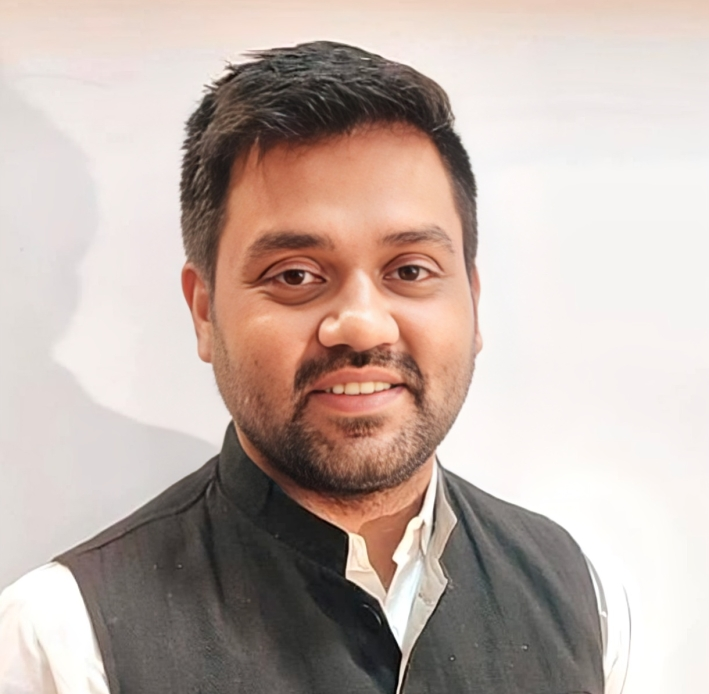


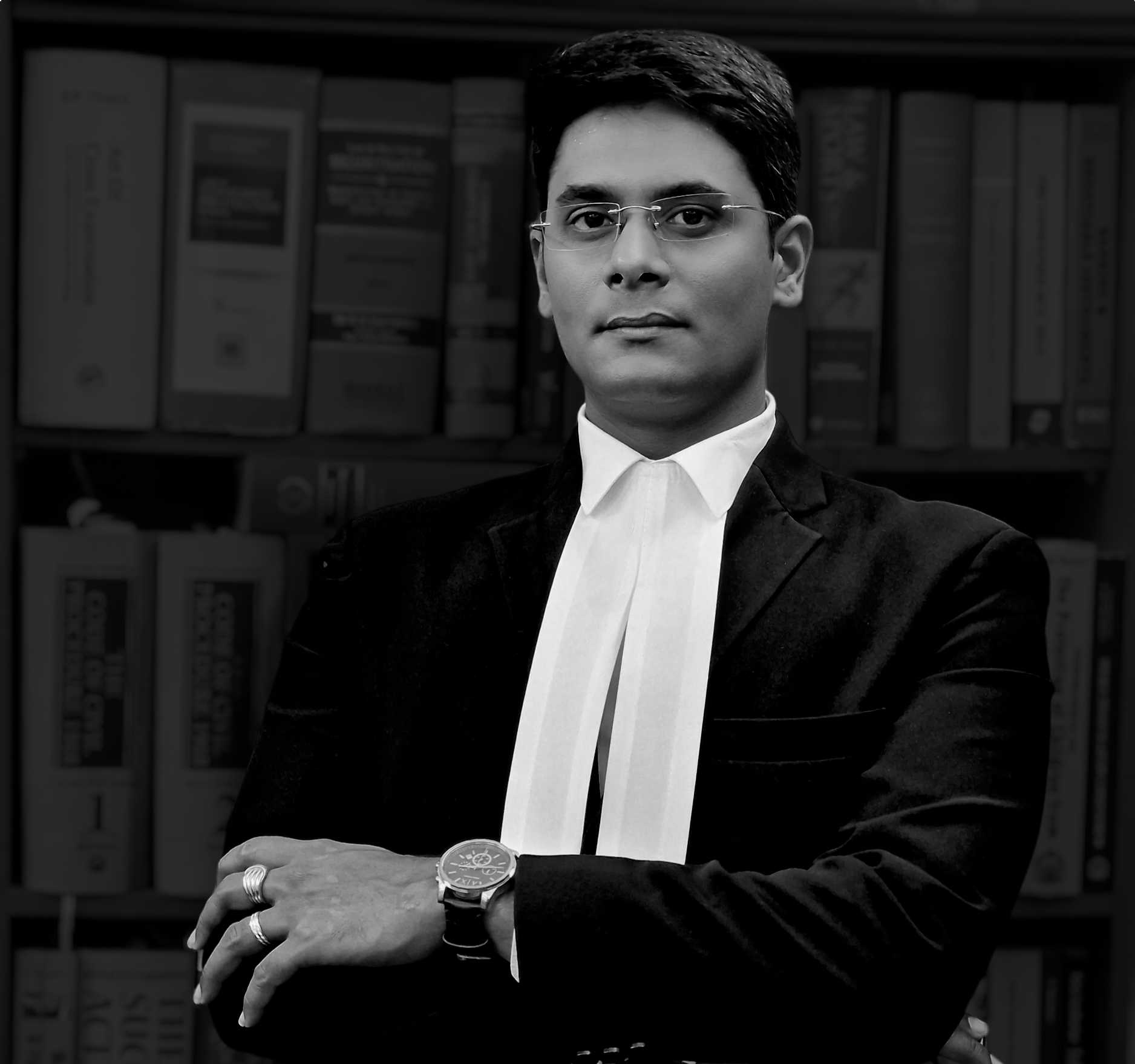


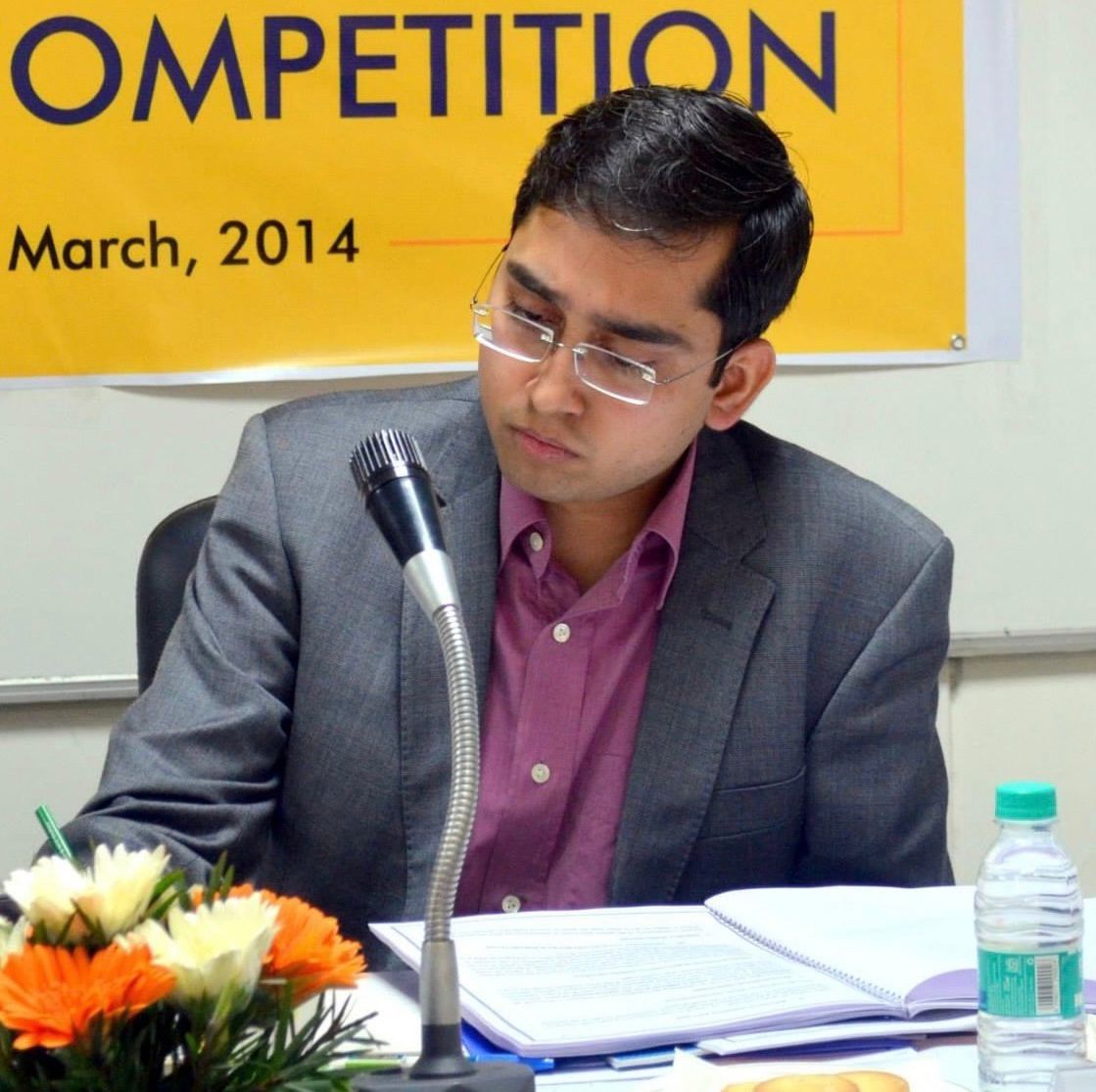


 Allow notifications