Tag: Tax advisory

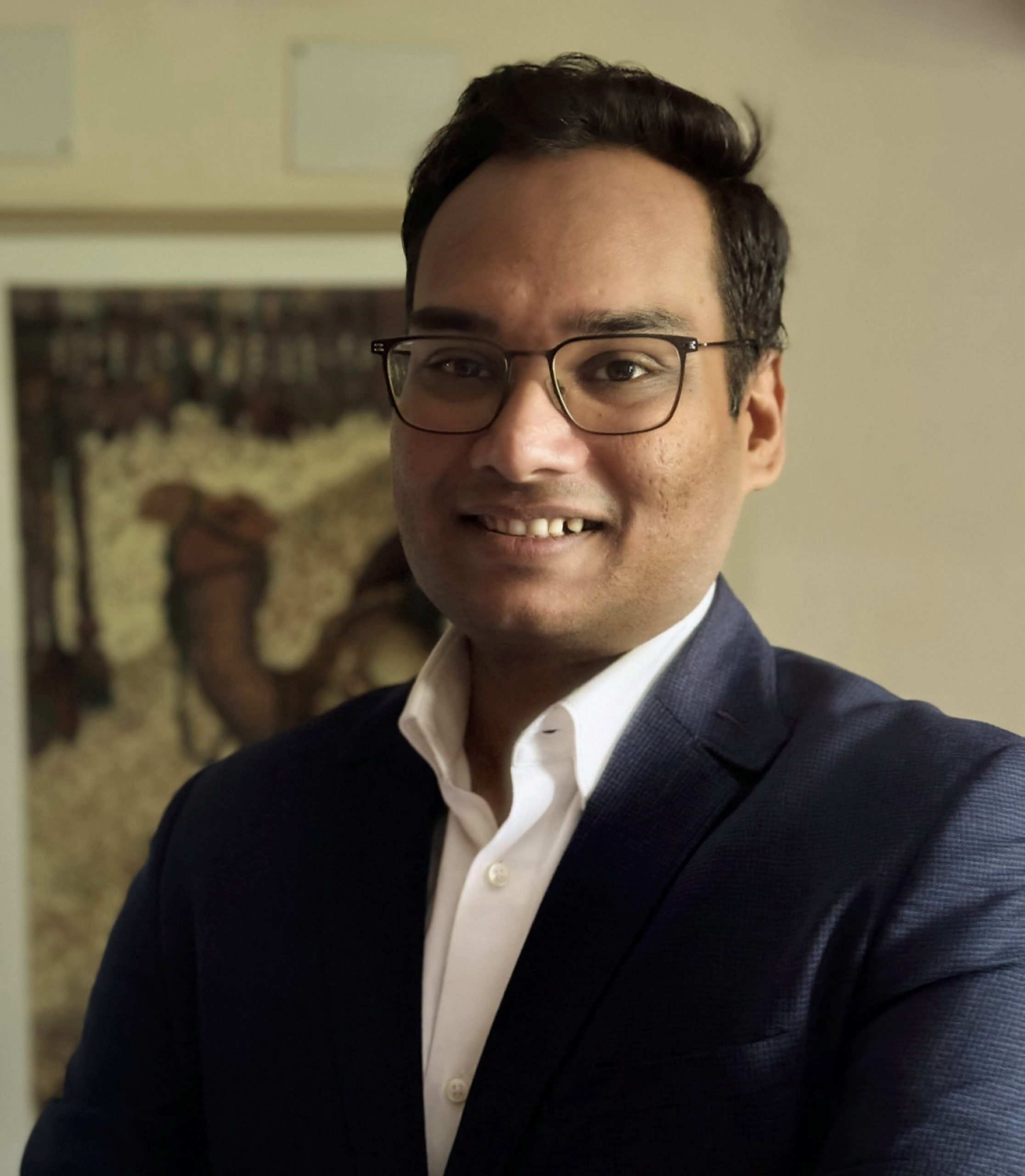
  • “While I entered tax litigation because of its unique mix of corporate and courtroom work, I stayed because of the intellectual challenge, the unpredictability, and the sheer excitement of the practice.” – Deepak Thackur, Advocate on Record, Supreme Court of India and Director at Lumiere Law Partners.

    “While I entered tax litigation because of its unique mix of corporate and courtroom work, I stayed because of the intellectual challenge, the unpredictability, and the sheer excitement of the practice.” – Deepak Thackur, Advocate on Record, Supreme Court of India and Director at Lumiere Law Partners.

    This interview has been published by Anshi Mudgal and The SuperLawyer Team
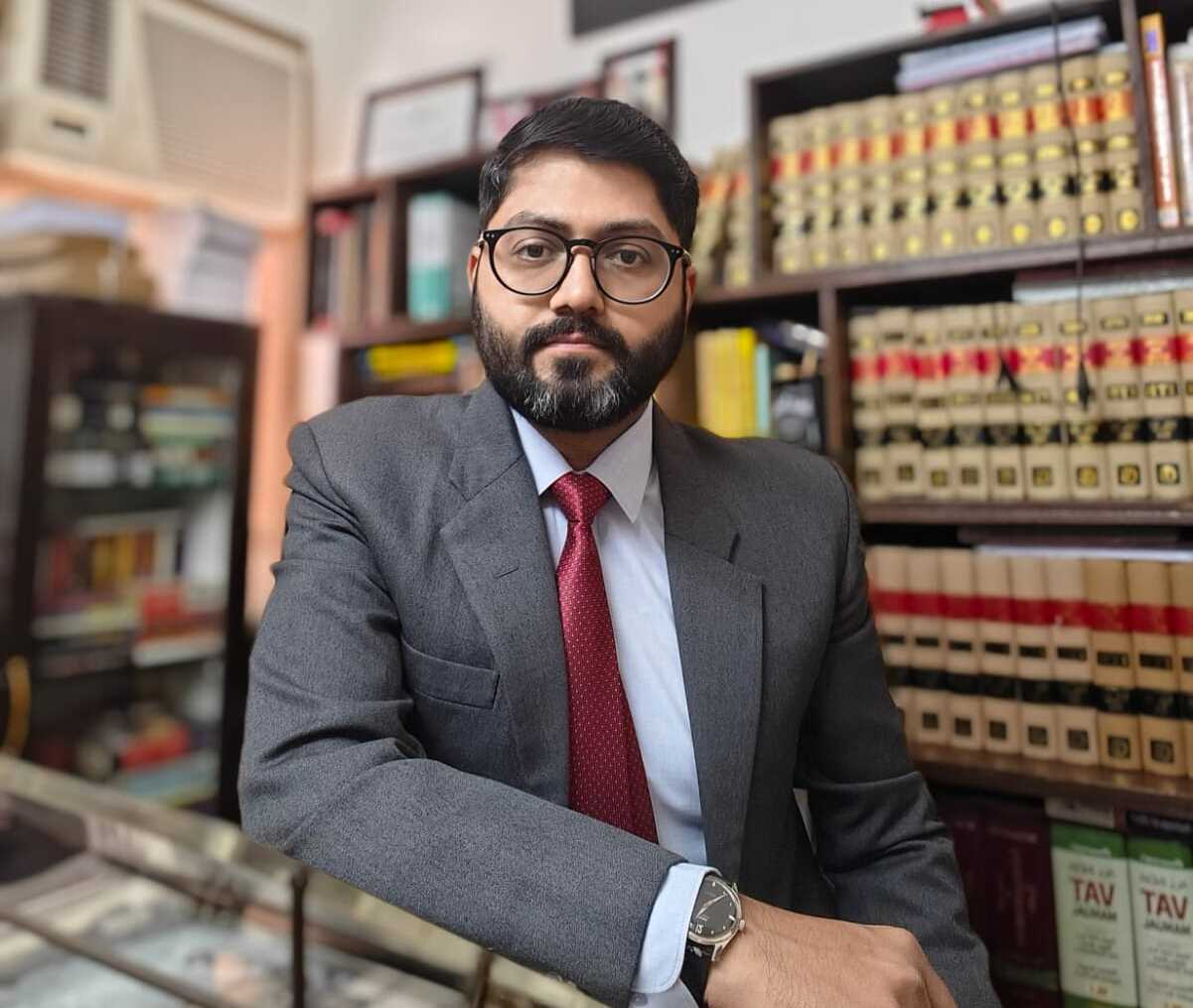
    As an Advocate-on-Record before the Supreme Court of India, with a deep understanding of procedural complexities and a strategic approach to complex tax disputes, what motivated you to pursue a career in law initially? How did your experiences at Rajiv Gandhi National University of Law, Punjab shape your journey?

    Like many first-generation lawyers, my journey into law began more by chance or perhaps, more accurately, by a process of elimination. In school, I took Physics, Chemistry, and Mathematics with the intention of joining the defence forces, particularly the Air Force. However, due to imperfect eyesight, that option was ruled out. The next conventional choice at the time was engineering, but I was certain that it was not for me. Around that time, a family friend who was studying at GNLU introduced me to CLAT. I found the course material interesting and developed an instant liking for law. At that stage, there was no deep-seated motivation but just a practical decision that I had to pursue something meaningful.

    My time at Rajiv Gandhi National University of Law, Punjab, turned out to be an enriching experience. Coming from a small town with a near Hindi-medium schooling background, adjusting to law school, where extroversion is often applauded, was challenging at first. But RGNUL had an intellectually stimulating environment that instilled in me the desire to work on myself. More importantly, I had an amazing group of friends who, in their own ways, taught me valuable lessons. All of this collectively fostered my analytical skills and deepened my appreciation for the law.

    One of the most impactful moments of my time at RGNUL came during our convocation, which was chaired by Justice T.S. Thakur. One of my dearest friend received three gold medals, and just like that scene in “3 Idiots”, I found myself feeling a mix of happiness for my friend and regret for not achieving the same. Then, Justice Thakur delivered a speech that, to this day, remains with me. He acknowledged that while some students had won gold medals, many had not but that did not determine success in the legal profession. He emphasized that success in law comes from following the Five Ps: Patience, Perseverance, Persistence, Passion, and Practice. It felt as if he was speaking directly to me.

    That moment reinforced something I have carried throughout my career. While my initial decision to study law was incidental, my time at RGNUL cemented my passion for the field and gave me the clarity to pursue litigation. Looking back, I can say with confidence that law, whether by chance or choice, turned out to be the right path for me.

    During the early stages of your career as an Associate, what key experiences stood out that deepened your legal understanding and influenced your decision to specialize in tax disputes?

    My interest in tax law started during my internship at a tax litigation firm. Tax litigation has a unique mix; it allows you to work on complex corporate matters while also experiencing the thrill of courtroom advocacy. That combination intrigued me and ultimately led me to choose tax as my area of practice.

    During the early years of my career as an Associate, I had my fair share of lessons, some humbling and others eye-opening. One incident, in particular, stands out. I was working on a case where I advised a client purely from memory. I have always had a strong recall, and in my overconfidence, assumed I knew the provision perfectly. I overlooked the fact that tax laws change frequently. The client later pointed out an amendment that completely changed the position I had advised on. It was a moment of realization that no matter how confident you are, never rely on memory alone. That experience taught me the importance of always verifying the law rather than depending on recollection. From that day on, I made it a habit to double-check and stay updated.

    I was fortunate to start my career under the guidance of Mr. Pramod Kumar Rai and Mr. Puneet Agarwala, both of whom have been incredible mentors. Their approach toward juniors is something I try to imbibe today. They never raised their voices or scolded but always guided with firm yet encouraging clarity. One of the most valuable lessons they taught me was to always stay updated on the law, no matter how busy the day gets. Even today, my mornings begin with reading legal updates because I learned early that in tax law, staying current is non-negotiable.

    Another crucial lesson I learnt was that litigation is unpredictable. You can never be too certain about what will happen in court. Early on, like many young lawyers, I sometimes assumed that a matter would be adjourned and did not prepare as thoroughly as I should have. That assumption was short-lived when, in one of my cases, I almost got a dismissal order. My senior gave me an advice that has stayed with me: “Deepak, always come to court as prepared as if you are arguing Keshavananda Bharati. So that when you ARE arguing a matter that big, you are ready.” That advice changed my mindset. From that day forward, I never walked into a courtroom unprepared, no matter how small or routine the case seemed.

    I remember another incident where my senior asked me to find a judgment on a potential question that might be raised by the judge. The request came late at night, and like any junior, I was frustrated about the timing and wondered why I was working on hypothetical scenarios. Still, I burned the midnight oil and managed to find the answer. The next day in court, the very first question the judge asked was the one my senior had anticipated. Because we had the answer ready, we moved past it smoothly. That experience taught me two things: (1) litigation, at times, is like war. Be a good soldier and follow the command of your seniors, and (2) some things come only with experience. Stay humble and keep working.

    Looking back, those early years were filled with invaluable lessons; some learned the hard way, others through the wisdom of my mentors. I learned that confidence must always be backed by diligence, that preparation is non-negotiable, and that every case, no matter how minor, deserves serious effort. While I entered tax litigation because of its unique mix of corporate and courtroom work, I stayed because of the intellectual challenge, the unpredictability, and the sheer excitement of the practice.

    Having cleared the AOR exam on your first attempt, what challenges did you face during your preparation, and how has earning the AOR title impacted your practice and professional growth?

    When preparing for the AOR exam, the biggest challenge is time management. Most advocates taking this exam are full-time practitioners, managing court appearances, client meetings, and drafting work daily. Finding the time to sit down and study consistently is easier said than done.

    In my view, the AOR exam does not fall into the category of being extremely difficult. The concepts are straightforward, but the real challenge lies in the sheer volume of material that needs to be covered. The questions are not the kind that one encounters in daily practice, so prior experience alone is not enough. There are no shortcuts. You have to go through the prescribed material, cover to cover.

    Another challenge is structuring answers effectively. The questions in the AOR exam are often lengthy, yet the time to answer them is limited. In litigation, we are used to explaining arguments in detail, but in this exam, brevity is the key. Answers need to be crisp, precise, and well-structured, striking a balance between conciseness and completeness.

    But perhaps the most underrated challenge is ‘writing’ the exam itself. We have become so accustomed to typing on laptops and dictating drafts that writing for hours at a stretch feels almost unnatural. The AOR exam requires handwritten answers, and I remember struggling with writing speed and endurance. I even had to practice writing answers just to get my hand used to it again.

    Clearing the AOR exam was a significant milestone. It wasn’t just about earning the title but because of the journey. The process of preparing for it deepened my understanding of procedural law and reinforced the importance of consistency. It has allowed me to take greater responsibility in Supreme Court matters and strengthened my credibility as a litigator. The efforts it took to clear the exam was worth it, and the experience has helped me grow in the profession.

    Given the demanding nature of your profession, what methods do you employ to unwind and strike a healthy balance between your professional duties and personal interests?

    The practice of law, especially in the field of tax litigation, is undoubtedly demanding. My work takes me to the Supreme Court, High Courts, and Tribunals, often involving travel to different cities. The long hours and unpredictable schedules can be exhausting, but I genuinely love what I do. At the same time, I also recognize that longevity in this profession comes from accepting that you are not a machine. Law as a profession requires your undivided attention. No human being can be attentive all the time and if you are burnt out, in a way you are doing disservice to your client. So, learning when to pause and step back is much needed, which is of course easier said than done in our profession.

    Work-life balance is highly subjective. For me, unwinding is not about carving out large chunks of time. It varies from reading to watching a movie or playing on PlayStation or simply just relaxing with the family. Recently, it has been my two-year-old son who eagerly waits for me to come home and play with him. Those moments are priceless, and no matter how hectic the day has been, I make sure to come back home and play with him. Also, the travel, though often work-related, also becomes an opportunity to explore new places, even if just briefly, which helps in breaking the monotony. 

    What are some of the most common tax-related challenges that businesses and entities typically encounter, and what proactive strategies or best practices can they implement to minimize or avoid these issues?

    In my experience I have seen that: department rarely accepts a tax position without questioning it. In most cases, the authorities argue that the company has suppressed facts, misrepresented details, or acted fraudulently, even when the issue is merely a difference in interpretation. This often turns a straightforward tax position into a protracted legal battle.

    At the same time, I’ve also seen companies take tax positions that are legally untenable by relying on interpretations that have already been rejected by courts or positions that are directly contrary to statutory provisions. What’s surprising is that many of these decisions stem from well-meaning but flawed sources such as random internet searches, AI-driven answers, or informal advice from non-experts. While technology has made information more accessible, it has also made misinformation more widespread. A company’s tax strategy should never be based on a ChatGPT response or a Google search alone as it needs professional scrutiny.

    To minimize these challenges, businesses should adopt a proactive approach. Some examples would be: 

    • Regular tax reviews and audits: Companies should periodically review their tax positions with professionals to ensure compliance with evolving laws and precedents. Instead of relying solely on online sources, businesses should consult experienced tax advisors who can provide tailored, legally sound guidance.
    • Document everything: A well-documented tax position, backed by legal provisions, case laws, and expert opinions, strengthens a company’s defense in case of a dispute. Further, intimate the tax position to the Department so that they cannot allege suppression of facts. 
    • Stay updated on legal developments: Tax laws are constantly evolving, and staying informed through professional updates, industry discussions, and expert opinions is crucial.

    Tax disputes are inevitable in business, but a well-informed, strategic approach can significantly reduce litigation risks and ensure compliance while optimizing tax positions effectively.

    With the continuous evolution of tax regulations, how do you see the future of tax law shaping up? What advice would you offer to aspiring lawyers interested in tax litigation, and could you recommend any resources to help them stay updated on the latest developments in the field?

    Tax law is evolving rapidly, and while the Government is making an effort to create business-friendly policies and curb unnecessary litigation, anyone who has dealt with the tax department knows that tax disputes are far from over. The tax department, by its very nature, is litigation driven. No matter how much simplification is introduced, the nature of taxation itself ensures that litigation will always be a part of the system. 

    For anyone looking to build a career in tax litigation, one thing is non-negotiable i.e. you must stay updated. Tax law is not static. It is shaped by frequent amendments, evolving judicial interpretations, and shifting departmental positions. The best way to develop expertise in GST or indirect taxes is to go back to the roots by reading landmark judgments under Excise, Service Tax, VAT, and CST. Many of the key issues under GST today are not entirely new and have their roots in Excise, Service Tax, VAT, and CST because GST is essentially a conglomerate of these laws. A strong foundation in these older tax regimes will give a deeper understanding of GST and help in tackling complex issues that arise today. Understanding how courts ruled on classification disputes, valuation issues, and input tax credits under the old tax laws will provide a strong foundation for handling similar issues under GST.

    For staying updated, there are plenty of sources available online such as Taxscan, Taxsutra, and GSTSutra provide daily updates, case summaries, and expert opinions. It can be overwhelming as the updates are repetitive; to avoid that one can opt for GSTR journals as it captures the most relevant cases and amendments. 

    Get in touch with Deepak Thackur –

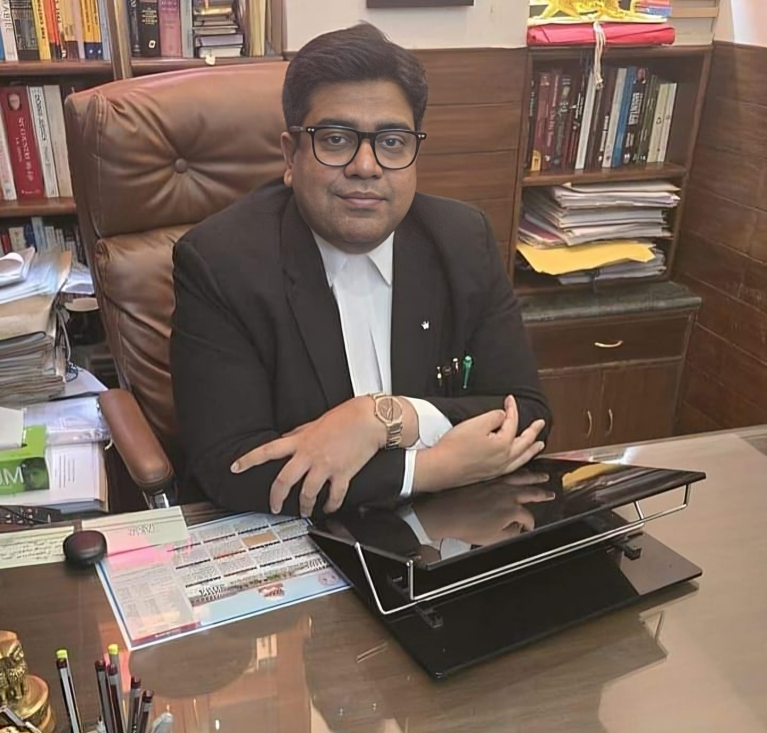
  • “A successful start to a legal career requires a combination of intellectual rigor, reading, practical experience, internships and personal growth.” – Ranit Basu, Partner at Bridgehead Law Partners.

    “A successful start to a legal career requires a combination of intellectual rigor, reading, practical experience, internships and personal growth.” – Ranit Basu, Partner at Bridgehead Law Partners.

    This interview has been published by Anshi Mudgal and The SuperLawyer Team

    With nearly a decade of experience, could you share what shaped your decision to pursue a legal career? Was law always your intended path, or did your interest develop over time?

    Growing up in different parts of the country, I witnessed diverse cultures and educational experiences. During all these changes, the only thing that remained constant was my love for reading, debating and playing sports. After doing extensive research into various avenues which are better suited to my interests, I realised that law is my calling. Although I am a first-generation lawyer, rigorous participation in moot court, extempore debate and client counselling competitions gave me the motivation and confidence to pursue litigation. My interest in litigation shaped my vision to join a chamber, start my independent practice and ultimately establish a law firm.  

    You began your legal career at the chambers of Senior Advocate B. M. Chatterji in Mumbai. What were some of the key lessons you learned during this time and how did it help form the foundation of your legal practice?

    It is difficult to sum in limited words about the profuse lessons I have learnt from Chatterji sir. Under his tutelage, I learnt the importance of meticulously reviewing documents, to give attention to details, learning to juggle multiple tasks and manage time to handle the demands of legal practice especially when managing a large caseload, the real-world impact of legal decisions, the importance of clear, empathetic communication before the Court, how to approach and conclude complex legal research. He set the foundation of my legal practice and despite going independent, I continue to learn from him and for that I will forever be grateful to him, as once a senior, always a senior.

    After gaining significant experience, you founded Bridgehead Law Partners. What inspired you to take the leap and establish your own firm, and what challenges did you face while building your practice from the ground up?

    Bombay is the financial hub of India with a plethora of commercial and financial transactions and disputes. My focus area has always been commercial dispute litigation and my Partner Karan Narvekar’s focus area has always been corporate advisory. We teamed up and established Bridgehead Law Partners with the passion and vision to build something from scratch, make a bigger impact, provide a one stop solution to all legal disputes and to take on complex legal matters. Despite multiple challenges, seeing the firm grow from an idea to something that truly makes a difference in the lives of clients and litigants has made this struggle worthwhile. One of the biggest challenges I faced in building my practice was the initial uncertainty, financial risk and pressure to make decisions that would affect not just me, but those who joined me in this journey because team building is one of the key ingredients for ensuring longevity of any institution. 

    Could you give us an insight into your practice areas? Do you take up a lot of matters before the National Company Law Tribunal and National Company Law Appellate Tribunal?

    My practice revolves around various kinds of commercial disputes arising under contracts, domestic and international arbitration, direct and indirect taxation laws, succession matters, admiralty law, insolvency and bankruptcy law specially relating to creditors, resolution professionals, successful resolution applicants and personal insolvency across the country. I also represent clients before the Securities Appellate Tribunal in matters pertaining to securities law disputes. Securities Appellate Tribunal is a special forum with only one bench in Mumbai that hears appeals against decisions made by the Securities and Exchange Board of India, Insurance Regulatory and Development Authority or the Pension Fund Regulatory and Development Authority. 

    Practice in National Company Law Tribunal and National Company Law Appellate Tribunal is not just about insolvency matters. It also deals with multiple disputes arising under the company law and one of the most common disputes is act of oppression and mismanagement of shareholders in a family-owned business. Indian insolvency law is still evolving and NCLT is already overburdened with the pressure of time bound disposal of insolvency matters, however, constitution of bench with members from legal background as well as practical and technical areas have led to closure of corporate insolvency resolution process of various companies, restored faith of investors and framed the landscape of insolvency laws in this country.

    Given your experience in both Indian and international arbitration, how do you manage the complexities of cross-border legal matters? What specific challenges arise when working with foreign clients or navigating international legal systems? 

    Managing the complexities of cross-border legal matters, especially in arbitration, requires a deep understanding of both the substantive legal issues and the procedural nuances that differ from one jurisdiction to another. Each jurisdiction has its own laws, regulations, and procedures for arbitration. In the case of cross-border arbitration, I ensure that I have a clear understanding of the relevant legal framework in both: the country where the arbitration is seated and the countries involved in the dispute. One must also be well versed with the Arbitration and Conciliation Act, 1996, UNCITRAL Model Law on International Commercial Arbitration, rules of arbitration institution, etc. Managing cross-border arbitration involves a strategic combination of understanding different legal systems, building strong working relationships with local experts, maintaining cultural sensitivity and being adaptable in the face of evolving challenges. 

    What advice would you offer to young law students or aspiring advocates who wish to pursue a career similar to yours? Are there any particular skills, habits, or mindsets they should focus on developing early in their legal careers?

    Early on in my law college, I realised the importance of being updated about legal developments. For me, reading legal articles, judgments and journals was an unavoidable part of my law college journey. It is a habit I continue to follow till date. A successful start to a legal career requires a combination of intellectual rigor, reading, practical experience, internships and personal growth. One advice that I would like to pass on is that law students must participate in moot court competitions to get an insight into the dynamics of presenting a case before a judge, understanding courtroom etiquette building confidence in dealing with the court environment.

    Balancing professional growth with personal life can be challenging. How do you manage to maintain this balance? Are there any specific hobbies or activities you enjoy to unwind and relax after a busy day?

    Just as I schedule meetings and work-related tasks, I also schedule personal time for activities that help me unwind after a long day. Whether it’s spending time with family and friends, exercising, playing sports, reading books or travelling, treating this time as non-negotiable ensures that I don’t overcommit to work and lose out on life outside of the office. I try to be intentional about how I use my time. Regularly stepping back to reflect on my goals, both professional and personal, helps me stay aligned with what I want from life. 

    Get in touch with Ranit Basu –

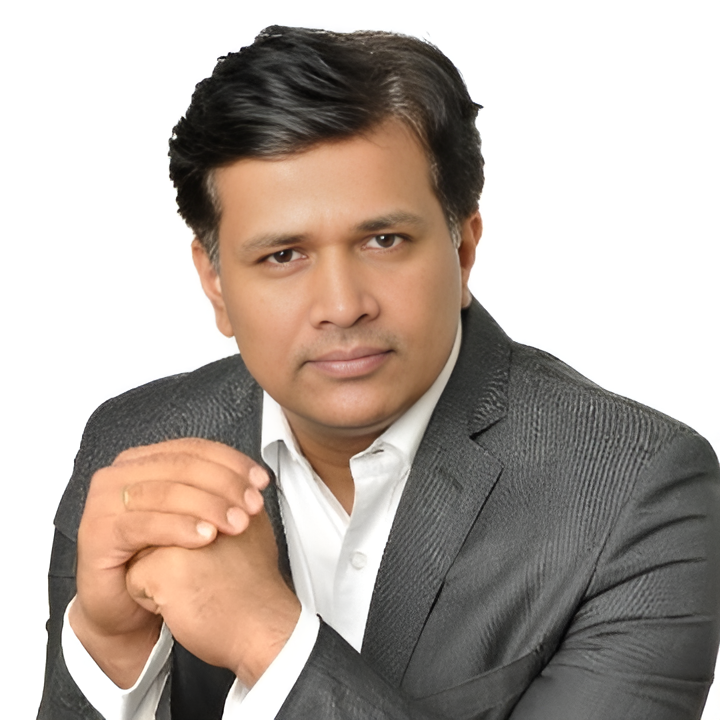
  • “Patience, mastering the basics, and developing a reading habit are essential for any young lawyer’s success. Compounding knowledge and experience over time is the true path to professional growth, far beyond immediate monetary rewards.” – Shreyas Shrivastava, Counsel at Bombay High Court.

    “Patience, mastering the basics, and developing a reading habit are essential for any young lawyer’s success. Compounding knowledge and experience over time is the true path to professional growth, far beyond immediate monetary rewards.” – Shreyas Shrivastava, Counsel at Bombay High Court.

    This interview has been published by Anshi Mudgal and The SuperLawyer Team

    Having graduated from Hidayatullah National Law University, Raipur, what was your experience of getting into an NLU, and was law always the career path you envisioned for yourself?

    I got into a NLU in the pre-CLAT era (2005-06) so it was a very different experience back then. Hailing from a small-town, there was a lot of misinformation as to what a 5-year course was like. I remember telling my parents that I want to do law and their reaction was “why would you want to do that. You are good at studies and law is for people who cannot do anything else.” However, I was somehow able to convince them and then came the most difficult part, applying to the institutions. At that time each institution used to have their own selection process. A different exam for each institution. I remember giving at least 12 exams in one season (April-June). I am sure I missed many others. 

    As regards the exams, most were MCQ based, except a few. And what I realised was that I was a good student mainly in the eyes of my parents. Despite giving 12 exams I got into only a handful and none of the top few. Thankfully, I got into HNLU which happens to be in Raipur which in turn happens to be my hometown too. In a way I was fortunate to enjoy both the campus life on weekdays as well as home-cooked food on weekends. 

    When it comes to law as a career option, I was (like any other kid in their school days) mostly confused about my career. I was brought up in a joint family so I had already seen some of my siblings/ cousins pursue their careers in medicine, engineering and management. However, none had pursued law by that time. As usual I was mostly inclined towards a career in Engineering (was already pursuing PCM in school), but I’d blame the destiny for my career in law. In my 12th Std. I fell seriously ill (was on bed-rest for almost 5 months) and could barely give my board exams. So naturally I could not even prepare for any competitive exams. During my bed-rest I had a lot of time to read which led me down the path of exploring various aspects of our lives including law. Fortunately or unfortunately, I used to ask a lot of questions, was very opinionated and liked arguing unnecessarily and that’s when someone jokingly suggested that I should pursue a career in law. And again, fortunately or unfortunately, I took that as advice. In hindsight, it turned out to be a good decision. 

    In the early stages of your career, you worked with various law firms specializing in Customs, Trade Remedial Measures, Service Tax, VAT, and CENVAT Credit. How did these experiences contribute to shaping your legal career?

    Initially in my college days I was fortunate to have some opportunities of participating in International Trade Law moots which ultimately laid the foundation for my first job which was in International Trade Remedies. This experience was highly enriching as it got me firsthand experience in not just the legal aspects but also from a cost accounting perspective. To give you an insight – in order to avail these trade remedies, the ‘domestic industry’ (which is suffering at the hands of below cost imported products) was required to prove that there is an injury to it due to the imports. This required a lot of research and analysis into the cost of production (and export to India) for the exporters. Once we established that the imports into India were significantly below the cost, we used to prepare a memo for representing before the nodal agency (current Directorate General of Trade Remedies aka DGTR) mixing it up with the legal principle for determining the injury to the domestic industry. This paved the way for me to do “number-crunching” which most advocates dread.

    Over time as I developed some understanding of the numbers, it became easier for me to get an entry into the world of taxes. That is when I got an opportunity in BMR Advisors, Mumbai, which was a consulting stint for me. Being a CA firm, BMR had a different way of working than a law firm and that was also an immensely enriching experience. While the work hours were erratic, it gave me exposure at a level which is incomparable to any. By this time I had become a full-time indirect tax professional getting to work on not less than 35 legislations (pre-GST era) across the country and having a list of marquee clients.

    After gaining experience in several law firms in Delhi and Mumbai, you transitioned to corporate practice. What inspired this career shift, and how did the work culture differ between law firms and corporate environments?

    While consulting gave me the most extensive exposure into indirect taxes, the work-life balance was not as great for me. Like many lawyers, I hit a burn-out phase, couldn’t keep up with long working hours and also faced some health issues. This led to an introspection and I took a sabbatical from work. 

    While I was taking a step back, I was also trying to figure out what I want in life as a whole, figuring out the bigger picture. This is when I got an offer from Godrej’s Corporate Legal Team. It was an exciting opportunity, primarily because it gave me an opportunity to continue my passion of practicing taxes and at the same time allowed me some work life balance. Even more interesting was the ability to work on different clientele, as the corporate team in Godrej used to cater to multiple companies under the banner of Godrej Industries and Allied Companies. 

    Though, there is a general perception that in-house lawyers have it easy when it comes to the work pressure or for that matter the gravity related to it, when I started working I realised the stark difference in the way you have to approach any problem sitting in-house vis-à-vis consulting. Consulting it seems (though I may be wrong) is more focussed and less business-driven. In-house practice requires much more involvement from a business perspective and even more important is a solution-based approach. I was no longer a mere legal consultant but a business partner too at Godrej.

    One of the most stark difference in the way of working in an in-house role was the greater autonomy that I got. Unlike a consulting role there is a lesser hierarchy and one gets more room and time to give out a deliverable, although it did come with its own set of accountability. However, this played a pivotal role in shaping my career and the choices I made in the time to come.

    Over the four year period that I worked with GILAC I not only got opportunities to work in indirect taxes but other areas as well like general corporate, regulatory/ licensing matters, environment, etc. This broadened my expertise in law and also provided me an insight into the myriad issues that a business has both at macro and micro levels. These four years trained me in being a better lawyer by thinking more like a business person and less like a lawyer. Godrej also gave me a lot of opportunities to travel and develop a network of some great individuals across the country, who helped me later in my career.

    Following your role as Manager at Godrej Industries Limited and Allied Companies (GILAC), where you spent four years as part of the corporate legal team, you decided to establish your own practice. What motivated this move, and what challenges did you encounter during the transition?

                   GILAC and the Epiphany

    The role as Manager, GILAC was a very fulfilling role. But everyone outgrows their work and work environment sooner or later, it is a natural progression. This came for me in the form of an epiphany: around 2017 when GST was about to be implemented, I was offered a few roles back to consulting (mostly from law firms and big-fours). However, at this stage I had already had experiences in both these kinds of work environments, I was aware of the ways and the work. This somewhere discouraged me from going back on the same track. However, I had a gut feeling, I knew it was time for me to make a move – where? I did not know.

    This brought me to my next pivotal juncture. Between 2017 and 2018 I did my second round of soul searching, figuring out my place in the bigger picture. I had always wanted to set-up something of my own. But how would that happen, I had not a single clue about it. For almost a year, I prepared myself to take that leap of faith. With some guidance from my seniors and colleagues I closed down on litigation. But the road ahead was difficult. 

    Preparing for litigation

    Like in a video game the difficulty keeps increasing with every level, so in life difficulty keeps increasing as one grows. In order to start my career in litigation I had prepared a lot. For me (so I thought) it had to be a calculated risk. Foremost, since it had already been 7 years for me in my career, I could not have relied on anyone else for my sustenance. Hence, I set up a capital fund for myself. Unfortunately, there are no PE/ VC Fund or angel investors in the litigation space.

    Next I reduced my liabilities to almost nil, except for my day-to-day expenses. This meant that I could not afford a new car or buy a home for the next few years. This also meant that I live as frugal a lifestyle as possible. Having your own practice is like running a full-fledged business, alone. Club that up with living in the most expensive city (Mumbai) in this country, you have a recipe for disaster. So it was clear to me that the longer I could sustain myself on that capital I had saved, the better are my chances of succeeding. However, all of this was easier said than done. 

    Creating something of your own is like learning to become a potter from scratch. Even if you know what you need to do, there still is a huge learning curve. During the past 6 years of my independent practice, the one thing I have learnt is – you can never stop learning. There is learning both on the professional and personal front. As lawyers we see a lot of personal trauma and injury – nothing prepares us for the same. Most days, stakes are so high that even the stress level is off the roof. But rarely does anyone prepare you for the same. It is a journey we figure out on our own. For me personally meditation has done wonders and I always advise my juniors to practice daily to have a better life.

    Game of Survival

    A newly launched car in the market, trying to gain a market share, requires a good deal of marketing and promotion. But what do you do when you don’t have a budget for the same? Well, you don’t sell cars, you sell the next best thing. While starting out when I faced my fair share of rejections, I started taking up all kinds of matters (next best thing), because ultimately it was my own survival at stake. I was away from home, burning cash on a daily basis with limited to no support from elsewhere. Thus, from filing a Section 125 maintenance application to arguing Section 9 applications under IBC, I went for anything and everything. I was no longer just a tax lawyer, I had become an ‘advocate.’ In hindsight, it is this resilience and hunger for survival which ultimately defines one’s existence. 

    But more than this there is one more thing which played a pivotal role in my survival. It is generally said that it takes a whole village to raise a child, same goes with a law practice. It takes a whole lot of support from a great number of generous people to believe in you enough to give their cases in your hands. I guess I just got lucky enough to have too many of these kind people. Initially one does feel that it’s your fight and you have to fight it alone, but along the way you do find a few great companions having their own fights and looking for and even ready to lend support. Couple that with a little bit of hard-work and you have a recipe for something sustainable. 

    Only one more learning in my journey so far – “the only way humans have ever figured out of getting somewhere is to leave something behind.” This very important dialogue from a very famous movie, helped me realise my full potential. Most days I was too worried where my next sustenance is going to come from, but it was those really adventurous days when instead of thinking about my sustenance, I cared more about the kind of work that I was doing. I took risks in terms of letting go of work which didn’t fit well in my value system or even my aspirations, though it may have brought in some easy money. Thus, most days it was a mental fight with oneself, marred by self-doubt. How I overcame that, is the story of my life.

    As a Counsel at the Bombay High Court, you handle a diverse range of litigation, including tax, corporate-commercial, IP, and constitutional matters for well-known clients. Could you share an example of the most challenging case you’ve worked on and the preparation involved?

    It is sometimes said in Hindi: “Mauka milta har kisi ko hai, jazbaat ye hain ki mauke ki tayyari me aapne kya kiya?” (Opportunity will knock on your doors, it is up to you whether you’re ready for it or not) Something similar happened with me when a govt. agency approached me to file a Section 9 Application under IBC before the Hon’ble NCLT in Mumbai. The Application was to be filed against a company which had defaulted in payment of certain dues to the agency under a contract. Prima facie it was a simple case but the remedy for the same was not under Section 9. There were multiple disputes to the claim and I had already informed clients that chances are bleak. Still upon their insistence, we proceeded with the filing of the application and as was expected the same was dismissed. 

    As already highlighted earlier, there are a lot of generous people out there who are willing to bet on you. One such person was a counsel representing the agency, who despite losing the matter placed his faith in me and requested me to carry out a research as to what can be an alternative remedy. The matter involved an issue of high commerce involving thousands of crores of public money. I took that as a challenge and embarked on one of the longest running and almost awe inspiring litigation journey so far in my life.

    Upon deeper study I realised that the agency had contracted with the company to collect some kind of taxes on its behalf and when the company defaulted, there were various coercive mechanisms available with the agency (as with any tax collector like Income Tax Dept. or GST, etc.) which it could have adopted to recover the same. The only hurdle was that the assets of the company against which such coercive recovery could be implemented were not within the jurisdiction of the agency. 

    A law researcher is like a seeker in a game of Quidditch (Harry Potter), one can’t lose sight of that Golden Snitch, that proposition of law. My focus was to extend the jurisdiction of the agency to the location of the Company and its assets. And the answer I found was in a 130 years old legislation which is still in force – which allowed the agency to request the collectors, in the jurisdiction where the Company and its assets lie, to act on its behalf for the recovery of any dues in the nature of ‘land revenue.’ I know, pretty colonial.

    However, up until this point it was simply a prologue and the real battle started now. The actions of the agency were first not accepted by the collectors and were therefore marred by inaction. This led to rounds two of litigation seeking mandamus against the govt. functionaries. Once the govt. functionaries sprung to action upon directions by the Hon’ble Bombay High Court, the defaulting company challenged the validity of recovery. To be honest it was not an easy task to defend a 130 years old legislation which was based on colonial ideas. However, we still gave our best and obtained 4 back-to-back favourable orders (two of which even got reported). This took almost two years.

    In the third round of litigation, the issues went up to the Hon’ble Supreme Court and here was a real test of the legal principles which had found some favour with various benches of the Hon’ble Bombay High Court. By this time we were in the third year of this matter’s litigation journey. Defending an already settled position (by a high court) never seemed like an uphill task like it did this time. Endless hours of conferences with not one but three senior counsels, endless volumes of research and from that was derived crisp arguments which should hopefully sit well with the Hon’ble Judges. Every time a senior counsel played the devil’s advocate, we had to recount our steps from the beginning, rethink the proposition of law from the start. However, the hard-work paid off and we got at least two favourable orders from the Hon’ble Supreme Court, upholding the law laid down by the Hon’ble Bombay High Court. 

    While this should have been a personal victory it felt more like providence. For the first time in my life I understood the meaning of this term which almost every well know lawyer in this country believes in.

    But this was not the end; at the beginning of this year, we were back to square one, when just before the auction of the attached assets of the company could be carried out, the company underwent CIRP and Section 14 moratorium was put in place. Remember, we had already lost that battle in the very first round? The matter is now still sub-judice with various other dimensions being opened, including lifting and reverse lifting of corporate veils. 

    Although, there are other matters which have brought much more fame as well as remuneration to me than this matter, still I feel this matter deserves more to be mentioned in response to this questions than others.

    What are the key challenges you have faced while dealing with compliance and disputes under highly specialized regulations like the Drugs & Cosmetics Act, the Insecticides Act, or the Legal Metrology Act?

    Most specialised legislation are highly technical as they need to regulate various technical and scientific products. While dealing with such legislation one doesn’t just read the law but also about the products and the science relating to the same. This although is very challenging but it also very interesting and stimulating. 

    In most cases involving first time registration under such acts, there mostly is an overlap of various IP protection laws (mostly patents). One of the primary concerns of the clients in such cases becomes the protection of their IP when the idea is still undergoing IP registration process and yet it needs to be converted into a product-market fit (PMF), by obtaining relevant licensing and registrations.

    Another important aspect of these legislations is the product liability. Under all the recent legislations like FSSAI, Drugs & Cosmetics, Insecticide & Fertilizers, Legal Metrology, etc. there is a concept of default attribution whereunder it is incumbent upon the companies to designate a specific officers who may be held responsible for various defaults which may occur under the Acts. At times the responsibility is even affixed on Managing or Executive Directors of the Company, creating a huge gap in terms of the risks. This is even more aggravated by the fact that while the licensing/ registration requirements under these Acts may be centralised at State/ Union level, but their enforcement is very decentralised. Meaning that when there is a default the same is mostly identified by an official generally at local level in some remote location. An apt example of this is the Maggie (Nestlé) case which started out in Barabanki District in Uttar Pradesh.

    As India is growing as a global exporter, especially, in food and pharma sectors, the exposure has become manifold. A number of Indian companies from the pharma sector are on the edge of facing even class action suit due to product liability. In order to mitigate such exposure we are advising a lot of Indian companies to rely on insurances in the form of Commercial General Liability (CGL), Product Liability, D&O, and E&O policies to cushion their exposure. 

    You have provided advisory and litigation support to startups across various sectors, including Fin-Tech, Agri-Tech, and Edu-Tech. What specific challenges do Agri-Tech startups face in India?

    Food security is one of the biggest growing concerns world over and the answer to the same lies in the marriage of technology with agriculture. A huge number of tech companies world over are working towards this much needed collaboration. The five primary aspects of agriculture – soil, water, seed, nutrition and protection – all have seen major technological research being undertaken to improve the quality and quantity of food. Food safety being the biggest concern, there is a lot of emphasis on sustainability and organic production.

    Some of the major challenges that Indian Agri-Tech space is seeing in the current times:

    1. Funding: While innovation in a lab can be easily created, replicating it into a commercially successful product is much more difficult. Especially, keeping in mind that agriculture is dependent on various other factors like weather and irrigation. Thus, mere effectiveness of any product is not a guarantee for its commercial success. This result has caused the funding ecosystem to develop unevenly in the Agri-Tech space. A lot of sustainable and organic technologies are facing the brunt of it.
    2. IP Protection: Most start-ups working in this space lack the basic understanding of the IP protection laws. Further, since a lot of research is funded by the govt. (like through agriculture institutes (ICAR) or KVKs in collaboration with some private players) not enough attention is given to this aspect. One more deterrent is the affordability. Since agriculture in India is still very fragmented and individual driven, to make the newer products affordable is a challenge.
    3. Awareness: Making an Indian farmer learn about a new technology or product is likely talking to them through a grapevine. The conventional or rather traditional approaches have marred the efforts of Agri-tech companies in achieving a decent level of adaptability. While the govt. does come out with various schemes from time to time to promote such technologies (e.g. promotion of Integrated Pest Management, bio-gas production, etc.), the sector is so unorganised that it is still difficult to generate adaptability on a large scale and information moves mostly through the word of mouth.
    4. Regulatory: The next aspect is the regulatory issue which plagues the start-up space in general and agri space in particular. Since most of the products used in application of agriculture have a direct impact on the quality and safety of food, there are high levels of regulation. While regulation itself may not be as much of a problem, the difficulty arises in implementation of those regulations. There are primarily three reasons for the same:
      1. Lack of clarity in the laws themselves which lead to confusion. For example, the govt. keeps coming out with notifications making changes to various laws like Fertilizer Control Order in order to cover new and evolving bio-fertilizer and growth promoters. But most of the times such notifications are ad-hoc and badly worded leading to more confusion than clarification.
      2. Lack of understanding amongst the implementing agencies. As already highlighted, the enforcement of these laws is decentralised and at a local level where the resources implementing the same have limited understanding or knowledge about the product at times leading to harassment. Should this happen in a remote location, the problem is aggravated even more.
      3. Agriculture is a space which is already dominated by big corporations working in the chemical fertilizer and pesticide space which tend to try and retain their market share by adopting (not so apparent) predatory practices. This has led to suppression of innovation in sustainable technologies. Agri-tech start-ups coming out with newer and sustainable ways to deal with older problems, may result in displacement of already existing products, which may or may not be as profitable for existing players. However, there are no regulatory frameworks or for that matter incubatory eco-system to address the same.

    What advice would you give to young lawyers and law students who aspire to excel in legal practice, based on your own journey and experiences?

    This question treats me like a wise old man, which let me assure you, I am definitely not. In terms of knowledge & experience, I may very well be comparable to any other young lawyer. So the best I can share is my learnings: 

    Patience: The most important aspect of anyone’s life is patience. Whether it be litigation or any other form of employment patience forms the bedrock for achieving anything in life. Be it professional or personal, having patience makes a lot of things easier. But having patience itself is not an easy task, it definitely requires a concerted effort and making up your mind on a daily basis, convincing yourself every few moments.

    Basics: So far as the field of law goes, there are certain basic concepts which every law student and any young lawyer should know. Unless you have your basics clear, you will always be far from excellence. I was fortunate to have amazing seniors in college to lead us along a path which started with learning the basics of law. Every student should know the laws on jurisprudence, interpretation of statutes and constitution at the least. Further, there are a body of rules in the form of legal methodology which come in handy whether you know the law itself or not. I always advise students and young professionals to always read a book called “Learning the Law” by Glanville Williams. 

    Reading: The next in the checklist is a habit of reading. I guess all known and reputed lawyers of the past have recommended this and so shall I. It is a sine qua non to have a regular reading habit. Not just about law but all aspects of life in general. Law is something which regulates every aspect of life and therefore, it doesn’t harm knowing about its various aspects. Bottom line – READ.

    Compounding: Warren Buffet describes compounding as building a little snowball and rolling it down a very long hill. As the snowball rolls down the hill, it collects more and more snow until it becomes a huge snowball. This is not just true about money but also about knowledge and experience. As we progress in our careers, we see the effects of this compounding, when we keep practicing our skills and arts. But why am I discussing compounding? Because I see a lot of young lawyers running after easier ways to earn money, focussing more on remuneration than vocation. But what we fail to understand is that Vocation is that very long hill which gives results over time.

    I believe the basics of life remain the same wherever we are, whatever we do. There may be a difference in pace and the scenery while we roll down that very long hill. 

    With such a diverse range of practice areas and an extensive clientele, how do you effectively manage the constant demands of your professional workload while maintaining a healthy work-life balance?

    To be honest, I feel that I have not been able to manage my professional workload as effectively as I would want to. However, I must still credit a great team of colleagues who are there to support me and at times even lead me wherever necessary. The best way to manage my work that I have realised is to continue working with my junior colleagues, who grow out of their roles in my chamber. I continue to collaborate with them as peers and at the same time help them achieve their own aspirations. 

    In terms of the work-life balance, I feel the legal fraternity as a whole is not maintaining enough balance. But I still try to keep things simple by following these mantras:

    1. 10,000 steps a day
    2. 6 Hours of sleep a day
    3. 2.5 litres of water a day
    4. Half an hour of meditation a day; and 
    5. At least 2 hours of family-time a day.

    Again, easier said than done. Still we can all strive for it, although we can never achieve it – perfection and our tryst with it. I attribute much of my ability to maintain a balance to my family who not only hold me accountable but also support me through thick and thin.

    Get in touch with Shreyas Shrivastava –

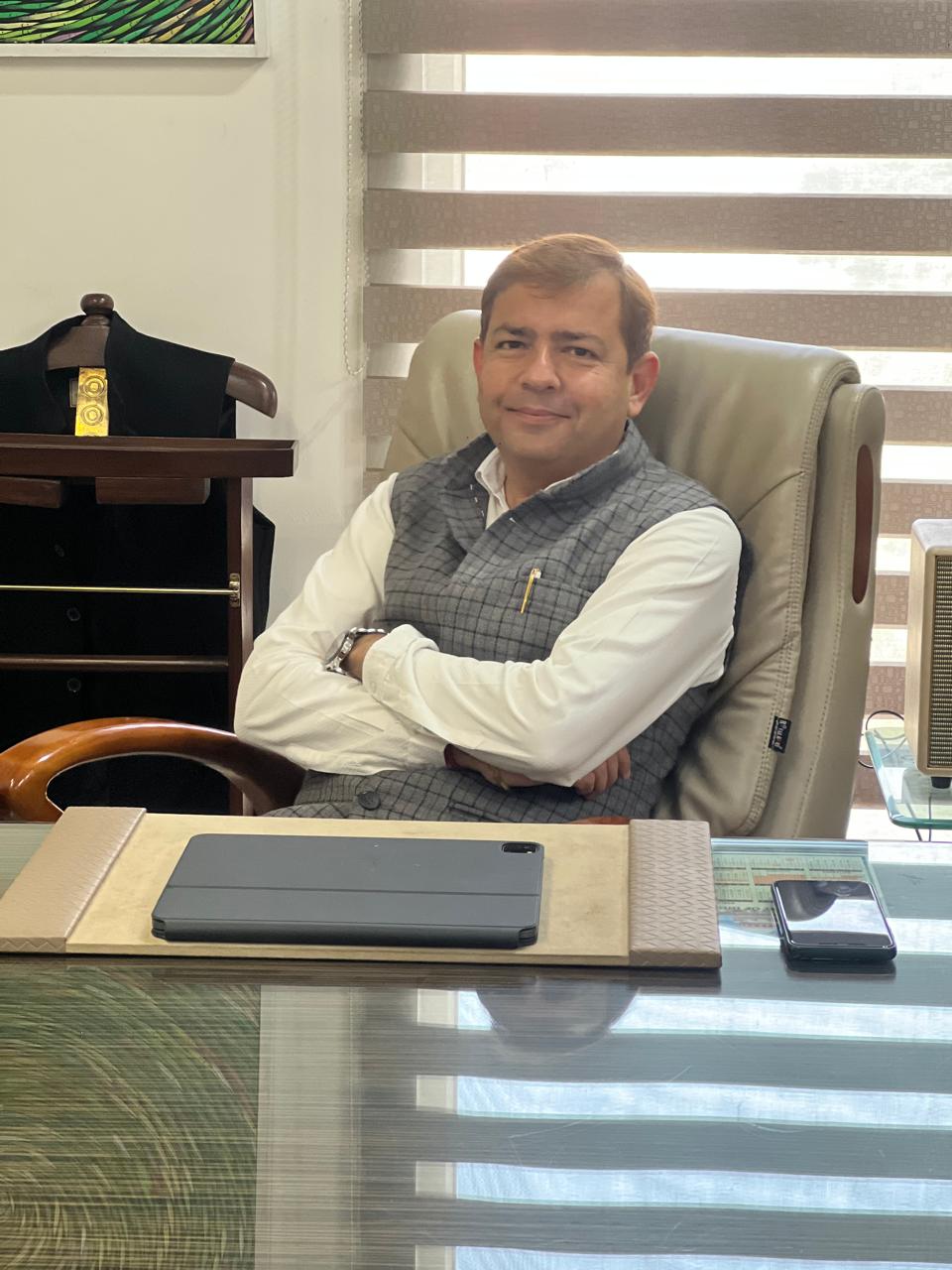
  • “Stay focused, work hard, and build discipline as a core habit. Success comes from commitment, perseverance, and consistently applying these principles in both practice and life.” – Tariq Ahmed, Co-Founder of Ahmadi Law Offices.

    “Stay focused, work hard, and build discipline as a core habit. Success comes from commitment, perseverance, and consistently applying these principles in both practice and life.” – Tariq Ahmed, Co-Founder of Ahmadi Law Offices.

    This interview has been published by Anshi Mudgal and The SuperLawyer Team

    Your legal career spans a wide range of practice areas. What inspired you to pursue law as a profession, and what led you to specialize in Corporate Law at NLU Jodhpur?

    My journey into law was deeply influenced by my early childhood experiences. Growing up in a household where my father, both a law graduate and government officer, instilled a profound respect for the legal system, I developed a natural gravitation toward the profession. His influence, combined with my inherent desire to pursue justice, solidified my decision to study law during my school years.

    During my time at Aligarh Muslim University, I was fortunate to learn from distinguished law professors who shaped my understanding of legal principles. 

    A particularly transformative experience was my exposure to Nehru studies, which opened my eyes to the crucial relationship between economics and law. This course helped me understand how even minor policy oversights could significantly impact market dynamics and national growth. A pivotal moment in my academic journey was my introduction to Eric Posner’s groundbreaking work on law and economics. His analytical framework and insights into how legal rules affect economic outcomes resonated deeply with me and ultimately shaped the trajectory of my legal career. Looking back, I see how this exposure laid the intellectual foundation for my current approach to my practice.

    These experiences naturally led me to pursue a specialization in Corporate Law at National Law University, Jodhpur. The robust curriculum in the course, with its strong emphasis on foreign trade and corporate governance, perfectly aligned with my growing interest in the legal framework that emerged in the wake of India’s transformative 1991 liberalization policies. This has proven invaluable in my practice, enabling me to better serve clients navigating the complexities of modern corporate law.

    Having worked alongside senior advocates like Mr. Irshad Ahmed and Mr. A. Samad, what were some key lessons or insights you gained during your early practice that have shaped your approach to law?

    My early legal career began under the mentorship of a senior law officer of Uttar Pradesh, which provided an excellent foundation in legal practice. While those initial years were enriching, I soon recognized that staying within my comfort zone would not serve my professional growth. This realization prompted me to pursue a more challenging path in economic offenses and white-collar crimes.

    A defining moment in my career was the opportunity to work with Mr. Abdul Samad, whose visual impairment never hindered his exceptional legal acumen. His mastery over money laundering laws, indirect taxation, customs, DRI, and financial fraud matters was remarkable, which I had the privilege to observe and imbibe first-hand. What truly set him apart was his meticulous attention to detail and unwavering professional discipline. Under his guidance, I had the privilege of working on diverse cases across India, from Guwahati to Bengaluru, including complex corporate matters and cases under COFEPOSA. 

    After spending nearly six years working as an associate with senior lawyers, what motivated you to start your own practice? What were some of the initial hurdles you encountered in that transition?

    After two enriching years with Mr. Samad, I began to recognize that independent practice would allow me to fully embrace the challenges and responsibilities of the legal profession. The timing proved fortuitous – as the market began recovering from the second wave of COVID-19, my elder brother, Mr. Shariq Ahmed, and I established Ahmadi Law Offices, which is a registered Advocate on Record Firm based in Delhi.

    While we faced the typical challenges that first-generation lawyers encounter, our journey was thankfully smooth, thanks to our strong foundation and support system. My brother’s unwavering faith in divine justice and constant encouragement were instrumental in our success. I must also acknowledge the invaluable guidance of Ms. Vibha Datt Makhija, Senior Advocate, whose mentorship has been crucial in our professional development.

    As stated earlier, our background had equipped us with the mental fortitude necessary to overcome professional obstacles, and this resilience has been key to our firm’s growth. Looking back, what might have seemed like hurdles were actually stepping stones that helped shape our practice into what it is today.

    With over a decade of experience, you’ve regularly dealt with complex Money Laundering and FEMA matters. Could you share details of one particularly challenging case, and how you approached its preparation?

    White collar crimes and economic offences particularly those involving Money Laundering and FEMA, represent some of the most challenging areas of legal practice. The sensitive nature of these cases, combined with constantly evolving jurisprudence, demands exceptional attention to detail and precision in deploying the appropriate legal strategy.

    In my experience handling these matters, I have learned that no two cases are identical, as each presents its unique set of complexities and challenges. The stakes are invariably high, and the margin for error is effectively non-existent.

    For me, each case is a child I nurtured, requiring careful preparation, from researching relevant precedents to crafting precise legal arguments. While every case has been uniquely challenging, success consistently depends on meticulous planning and effective presentation. The key lies not only in understanding the law but also in anticipating its application to each distinctive situation.

    Handling cases that intersect environmental, industrial, and corporate law can be challenging. How do you ensure a smooth workflow while effectively managing your practice?

    My answer might seem clichéd but success in legal practice follows a compound effect which means that one well-handled case leads to many opportunities. The practice of law, especially when dealing with intersecting areas, requires more than just technical knowledge. It demands unwavering confidence and self-belief to effectively manage both the practice’s growth and workflow complexities. I have found that maintaining strong organizational capacity while staying adaptable to changing circumstances is key to handling these cases effectively.

    Given the high demands of your role, particularly Independent Practitioner and Co-founder Ahmadi Law Offices, how do you manage personal obligations? What strategies do you employ to recharge and stay motivated in your legal career?

    Maintaining work-life balance is crucial in our demanding profession. I make it a point to spend quality vacation time with my family, and always outside Delhi, to truly disconnect from work. While weekends tend to sometimes blur into workdays due to professional commitments, I ensure we maximize our vacation time. 

    To stay grounded, I find solace in literature and arts – reading biographies, enjoying poetry in Hindi, Urdu, and English, and listening to Ghazals.  I am particularly drawn to Satyajit Ray’s work, especially “The Apu Trilogy.” The way he portrayed human relationships and societal transitions in films like “Pather Panchali” resonates deeply with me. They are a constant reminder of the human elements that underlie our professional work.

    Given your broad experience across different legal domains, what advice would you give to young legal professionals who aspire to have a corporate practice as you?

    My advice to law students and aspiring lawyers is very straightforward: maintain unwavering focus and work consistently toward your goals. Remember that no challenge should shake your confidence. Success in this field is built on the fundamental pillars of commitment, hard work, patience, and perseverance. Most importantly, make discipline your core habit – it is not just about managing your practice, but about making it an integral part of your life. This discipline will naturally reflect in your work quality and professional relationships.

    Get in touch with Tariq Ahmed-

  • “Technology has the potential to bridge gaps in our legal system, but it must be implemented thoughtfully with the citizen at the center” – Suprya Prakash B S, Programme Director at DAKSH

    “Technology has the potential to bridge gaps in our legal system, but it must be implemented thoughtfully with the citizen at the center” – Suprya Prakash B S, Programme Director at DAKSH

    This interview has been published by Namrata Singh and The SuperLawyer Team

    Hello, and welcome to the new episode of SuperLawyer. Today, we have with us an esteemed fellow and Program Director at DAKSH, Surya Prakash BS Sir. Welcome, Sir, and thank you for agreeing to meet with us and give this particular interview to SuperLawyer YouTube channel.

    Thank you so much, Divya ji. I’m happy to be part of it. I’m looking forward to this conversation and sharing my journey.

    Let me begin with Sir’s journey about DAKSH, a civil society organization that undertakes research and activities to promote accountability and better governance in India, which almost all of us try to find in society.

    Now, I would like to begin this interview with a very small question: When did you decide to become a lawyer? Why did you decide to become a lawyer after having such an amazing career as a CA since the year 2000?

    So, I was a Chartered Accountant, working in the IT industry on the corporate side. After I started getting into tax litigation and handling tax matters for these companies, I realized the importance of having knowledge of the law, not just tax expertise. Law is such a broad field that I believe everyone should have some understanding of it. It’s like arithmetic—it’s as fundamental as reading and writing.

    In modern society, law should be a necessary subject for all of us to be aware of in some form or another. And this is especially true when you’re dealing with a complex topic like taxation. Taxation is not for everyone—it’s a highly technical subject. But when it is applied and administered by officials, and adjudicated by generalists like judges or lawyers, it takes on a life of its own.

    That’s when I realized that you need to be able to speak the language of these other communities. It was a very intellectual realization that led me to choose to study law. I thought, “There’s something on the other side of the river; let me explore it and see how much more enjoyable it might be.”

    Sir, given that fact, you have transitioned from being a CA and absolutely successful career and then to law. And you have also been the program director at DAKSH. You have led many, many initiatives, like rule of law project and setting it up in the law and technology department at IT Delhi. How do you see these projects aligned with your vision for the future of India’s legal landscape? What are your plans regarding that?

    I’ll take a few minutes to address this, so please bear with me. This is a very important question, and many of us may not fully grasp the gravity of the situation.

    As India matures and transitions from a middle-income to a high-income society, we need strong institutions. Our society is evolving—from an agricultural-based economy to an industrial, and now a technological income-based society. During this transition, many aspects of our society are creating friction. Personal lives are being disrupted, people are being uprooted due to migration and environmental changes, and there is a constant clash between the haves and the have-nots.

    In this journey as a nation, I believe that what will hold us together—apart from each of us individually becoming more enlightened and aware of our motivations—are strong public and governance institutions. These institutions need to withstand the rise and fall of the tides of time and the pressures of street politics. The key question is, how do we maintain our integrity and distance ourselves from these pressures?

    With that objective in mind, the rule of law project at DAKSH was initiated by a group of people, including Harish Narsappa, now a Senior Advocate at the Karnataka High Court, and Kishore Mandiam, one of the active members of the team. I joined the project in 2015. As we began working, we realized that while systemic change and strong institutions are crucial, it is equally important to engage with the citizens on the ground. What do they want? What are their expectations? How do they perceive these institutions?

    Our perspective has always been focused on systemic change and institutional engagement, but from the citizen’s perspective. This approach has been our guiding principle over the years. We do not reject any perspective—whether sociological, economic, systems thinking, or technological. All these are tools that we should use appropriately to make change possible. One significant advantage of technology is that it allows for scale; it overcomes geographical and physical limitations, making it a very attractive tool. However, it must be used carefully and appropriately, which is always a challenge.

    When we were contemplating how to use technology and analytics, an opportunity arose for us to partner with IIT Delhi, leading to the establishment of the center there. We look forward to many more collaborations with other institutions and engaging in impactful initiatives.

    So, sir, given your background, you have also co-edited the book called Technology and Analysis for Law and Justice. How do you see technology and analytics playing a role in improving access to justice and enhancing legal outcomes? I would like to also add to this, how do you foresee it is going to change our legal justice system? The problem is, that we have to first understand how technology is infiltrating our lives as well. We would love to hear your views.

    I think the answer to the question is evident in the fact that we’re speaking seamlessly with each other, despite being in different cities. Technology has integrated so well into our lives that sometimes it feels too comfortable. The fact that technology is so ingrained in our day-to-day functioning, yet seems somewhat out of place in the legal and justice space, highlights a bridge that needs to be crossed. Technology can significantly impact all aspects of law and justice, whether it’s access to law, information about your rights, or finding out who the appropriate agency is for your situation—whether it be a paralegal, a law firm, a lawyer, or an NGO that can assist you. All these entities support a citizen’s journey from being aware of their rights to enforcing them. I believe that is the foremost priority.

    Everything else should be viewed as assisting the citizen in that process, whether it involves law firms that have embraced AI and databases or courts that are now starting to integrate technology. It is also true that the courts are fairly downstream in this process. For example, if a hypothetical Zomato order ends up in court, it is at the very end of the transaction chain. So, courts will always be in a reactive mode when adopting technology, but this needs to happen sooner rather than later.

    India has an advantage here. It’s similar to how mobile penetration in India scaled up much faster than in some Western countries because landlines had not yet penetrated deeply. Likewise, many courts in our country do not even have desktops, so moving to the next generation of technology—whether it’s video conferencing, text-to-speech features, or other advancements—becomes much more feasible because the starting point is essentially zero.

    There’s no need to convince anyone on the impact of technology; lawyers who are attuned to the needs of citizens are already aware of it. They use WhatsApp, and people expect updates on WhatsApp, QR codes for payments, and so on. All of these are becoming integral parts of our lives, and they will naturally flow into the court systems in the days to come. I have no doubt about that.

    The challenge for us is to ensure that this transition is done in a structured manner, with the citizen at the center of it. We need to focus on the design, accessibility, and, in parallel, like with all institutions, how to maintain accountability and transparency. For example, does the use of video conferencing compromise the principle of open courts? The purpose of an open court is to be seen as part of society, but if links are only accessible to a few, how compliant are we with that principle? These are the aspects that require serious engagement from all of us.

    Our book, Technology and Analytics, co-edited with Professor Nomesh Bholia, the head of the center at IIT Delhi, who has done significant work on operations research and optimization, addresses these issues. The efficiency of court functioning is an area that needs substantial improvement, and techniques from other sectors need to be brought into the justice system. The journey of writing this book was fantastic, and it includes some excellent chapters.

    Many people are aware of the impact of technology, but fewer understand the importance of analytics. We have consciously used the term “analytics” instead of “artificial intelligence” because the latter can seem somewhat conceited. Some experts we consulted recommended using the terms “algorithms” or “analytics,” which is why we chose the latter. I hope readers will pick up the book to understand the reasoning behind this choice.

    Sir, considering the various approaches, particularly the citizen-centric approach you’ve mentioned, it’s evident that this perspective would lead to a different way of handling the transition within the legal system. Your background is primarily in the corporate sector, and you have extensive experience in tax controversy management, a very unique and niche field.

    How have these experiences shaped your views and approach in embracing a citizen-centric perspective? It’s quite distinct, transitioning from a corporate background to an NGO setting and adopting that mindset. How have you managed that transition? We would love to hear your thoughts on this.

    I was fortunate that the leadership at DAKSH at that time found it appropriate to give me the opportunity to be here. However, the thought process was seeded much earlier when I was in a corporate role where we had to manage a lot of complicated litigation.

    We had these trackers and Excel sheets with case numbers, years, dispute amounts, chances of failure or success, next hearing dates, and the expected final outcomes. You would jump onto a call with large companies, speak with management, and they would ask, “Okay, when is this matter likely to end?” I understood why they needed to ask, but the reality was that I didn’t really know when it would end, because that’s the nature of the Indian justice system. This made me think more deeply about the courts, how they function, and how difficult they are to understand for people unfamiliar with them.

    Fortunately, at that time, I was also taking a course at Takshashila on public policy, where quantitative methods were one of the topics I found particularly interesting. I tried applying these methods and wrote a few blogs using them. Coincidentally, I came across an op-ed in The Hindu by Sudhir Krishnaswamy, who is now the Vice Chancellor of NLS Bangalore. He wrote about the work of a Harvard researcher who pioneered using quantitative methods to study the Indian Supreme Court. I found this very interesting and thought, “Yes, this is exactly what I’m talking about!” He discussed how the distance from Delhi impacts appeal rates, among other things.

    I decided to write a cold email to Professor Sudhir Krishnaswamy. I introduced myself, mentioned that I had read his op-ed, and found it very interesting. I shared that I had some ideas and asked if I could come and discuss them with him. To my surprise, he replied to my email and connected me with his team. I visited them, and we shared ideas. One thing led to another, and I was introduced to the team at DAKSH—Harish and Kishore—who were also working on using quantitative methods to understand the justice system. I started volunteering with DAKSH, which was a big eye-opener for me and helped me gain a more systemic perspective on things.

    At that point, I was contemplating my next career move, and I felt that if something as significant as the Indian justice system needed to be talked about, researched, and studied for the benefit of the nation, then there was no better time than now to do it.

    Around that time, there was also a Law Commission report by Justice A.P. Shah—the 245th Law Commission Report. For the first time, they had extensively used numbers to understand the system. I wondered, “Why hasn’t this been done before? If this is the first such effort, imagine what more can be achieved.” This solidified my decision to move into this field on a full-time basis. So, this is my full-time job now, working on DAKSH projects.

    Sir, you also have worked a lot in advocacy and community building. How do you engage the stakeholders who are involved to drive them into meaningful changes that can be brought in the legal ecosystem in India, as well as worldwide, because India cannot only be seen in a jurisdictional format now, now that we are entering into a digital world, and almost all of the tech-related laws are built on universal laws?

    So how do you see the kind of changes that we are looking forward to and how do you make sure that people understand these things as well?

    It’s not easy at all. I think we all need to start with the expectation that there will be resistance and pushback because the status quo will be disturbed. People will be pushed out of their comfort zones, and existing methods and ways of working will be disrupted. Once we begin the conversation with that expectation, it becomes easier to navigate the next steps.

    The tools—well, it’s wrong to simply call them tools. It’s really about conviction. It’s about communicating convictions, sharing ideas, and figuring out who on the other side connects with them. It’s about listening for echoes in society. While we can do all the planning we want, ultimately, it’s about finding people who resonate with your way of thinking, who share your vision, and who understand that this is a path they need to tread. It’s about recognizing fellow travelers when you see them. So, it’s as much about understanding yourself as it is about understanding others.

    There’s a fantastic line that I sometimes hesitate to use: there are people who claim to be doing advocacy, and then there are people who are actually doing advocacy. Sometimes, those who seem to be doing advocacy really are. When I say advocacy, I don’t mean just advocates and lawyers, but those who are advocating for change in the system. It’s a very fine line to tread, and you have to be humble. You have to be understanding of various perspectives and try to bring as many people along with you as you can. It’s very difficult to say, “I did this, and therefore this happened.” That linear equation does not exist, especially in society and particularly in the field of law and justice, which is just one subsystem within the larger complex adaptive system that is society. To claim that one action directly led to another is a very tenuous argument. It’s possible, and if you’re lucky, it might happen. I can clearly say I’ve been fortunate to have been part of some of these moments, but it doesn’t happen to everyone or every time.

    In that context, given the global surge in using technology across everything, India cannot remain isolated. India will have to learn how to adapt to this situation. I believe there’s a strong case for India to take the lead in many areas. Many countries recognize this, and we’ve seen this with initiatives like UPI and DPI—other countries are now waking up to the fact that there are newer ways of building systems that can benefit society at large. India should strive to take the lead in many of these domains, particularly in law and justice, where I believe we have a huge opportunity, especially given that developments in other countries are not very encouraging from an overall social perspective.

    I guess sir, India is the front-runner when it comes to AI and its usage in social upliftment.

    That’s what I understand from the ethical perspective and the think tanks with whom I’m involved. I would like to ask that question also, if you allow me to, that since we are front runners in terms of ethics, morality, and spirituality, and we are trying to understand these concepts and the world is trying to understand it as well, along with us.

    How do you see that this is going to take us as a country as a legal framework? And how do you see that society is catching up to it? Because law as always has been told everywhere that it catches up with technology, but technology runs forward. Do you see any time sooner that we will be having similar kinds of laws, which will be much more enforceable, even without a lot of gaps?

    Because researchers are going on to understand how these things are going to take shape when it comes to, let’s say, driverless cars. And given the kind of population that we have, will that become a reality anytime soon for us with obviously all the implications?

    I would break that question into two parts: how does law catch up with technology? And more generally, how does law catch up at all? In India, we haven’t been particularly strong in adapting law to technology. We’ve been reactive, very reactive. As you rightly pointed out, this reactivity is common in most countries, but it’s fair to say that we might even be lagging behind many other countries in this regard.

    If I were to make an educated guess, I would say that where laws directly impact citizens on a personal level, we will see legislation emerge more quickly, whether it’s related to health, food, or other immediate concerns. Take the example of BT cotton; you’ll recall the significant pushback against it. So, when we talk about technology, we need to use the term more broadly, including areas like our environment.

    In some cases, you will see more direct resistance and quicker legislative action. But where the impact of technology is more removed from individuals—one or two steps away—you’re likely to see a slower response. This brings me to the broader issue of laws being reactive to social expectations. Social norms, conventions, and practices eventually need to be translated into law.

    However, I believe that feedback loop is not very strong in India. It’s often either the government preemptively making decisions or interest groups pushing their agendas. The general lawmaking process in our democracy hasn’t fully matured. There’s a lack of widespread consultations, and we rarely see solid research reports backing the introduction of new laws. There’s also little study on the impact of existing laws.

    This is why I predicted earlier that when laws affect individuals personally, election cycles will ensure a quicker response. But in other areas, the pushback might be slower. This isn’t necessarily good or bad, but it’s something we need to be mindful of. As a society, we should think critically about the processes and mechanisms we need to strengthen to meet societal expectations.

    How do you view the new generation of learners entering both the legal and technology fields? With technology law now becoming a significant reality in India, what advice would you give to these new entrants? What kind of plan or timeline should they consider? How should they approach their careers, especially considering that our legal system is evolving and the movement towards technology is gaining momentum?

    We would love to hear your suggestions on how these newcomers can get acquainted with these changes. How do you see these new norms coming into play, and how can everyone adapt to the integration of technology into the legal field?

    Actually, I think this is a very good question. We’ve been trying to think about a curriculum or a reading list aimed at bringing lawyers together, and I believe it’s best to start with where you are. Any person joining law school today has already been using mobile devices for the last three to five years.

    So, begin with that. What laws govern WhatsApp? What are the legal rules around posts on WhatsApp, Instagram, Facebook, or Twitter? If I create a post on Instagram, what material can I use? What laws govern that material? If I tag someone, and it’s not a very nice tag, what are the consequences for me?

    I would urge law students who are entering the course to start with these daily experiences and build from there. If they are curious, keen, and diligent, it will naturally lead them to understand constitutional rights and institutional mechanisms. But starting with something as simple as breaking down the mechanics of a mobile phone is essential.

    I wouldn’t recommend textbooks or other formal books, especially for this purpose. Start with your experiences. For example, when you do a Paytm or UPI transaction, what are your rights if it doesn’t go through? If there’s a dispute, what are the mechanisms available?

    I believe that thinking along these lines will be far more educational than compiling a list of textbooks and research articles.

    The practical perspective you’re suggesting often raises the question: the way we are educated and the way we are trained in practical life are two completely different worlds. Once we step out of college, we realize we’re entering a new world, and we have to learn everything from scratch.

    Sir, you’ve always been busy developing your career and contributing to societal systems. But outside of these professional endeavors, what personal hobbies or interests do you have? How do you balance these with your busy legal and corporate life?

    I have always made time for my interests, and I encourage everyone to dedicate time to something beyond their professional life—something just for themselves, something that nourishes the soul and the body. It’s super important to keep that priority straight.

    Recently, I’ve discovered the benefits of physical activity—maybe it’s age catching up with me—but I’ve taken up swimming, and I strongly encourage as many people as possible to do the same. Aside from that, I’m really into reading books. Sometimes it feels fashionable to say that, but I read books that can’t be finished—and I mean that in a good way. The classics, which you can keep revisiting at any time. I read a lot of classical Indian literature in Kannada, Sanskrit, and English.

    I also read many traditional Indian texts, which I find very useful. Art and music are big parts of my life as well. I’m open to all types of music, and it plays a significant role in helping me unwind and shift my mood, depending on how the day goes. I think music is an important element to have handy—you never know when you’ll need it.


    Wow, sir, you are so humble in sharing these insights. Considering how lawyers typically unwind, especially the new entrants I’ve interacted with—they often wonder how anyone finds time for hobbies when they’re focused on earning a living. I sometimes struggle to answer when they ask how they can make time for such things.

    Given that, what suggestions do you have for the new generation of legal professionals and researchers who are eager to make a meaningful impact in this field but feel restricted by various challenges? How can they find new ways of learning and approaching life and their careers?

    I think it’s a very important point, and something I’ve recently been considering more deeply. There isn’t a straightforward answer, as a lawyer’s income depends significantly on the domain they work in. If that domain is thriving, clients will naturally be able to meet the needs of the lawyers. For instance, if you work on high-level transactions like corporate M&A, you will generally be compensated more. Conversely, if you’re involved in areas less relevant to current major deals, your income will reflect the section of society and the economy you are serving.

    It’s crucial to understand that the fees you earn from traditional advisory work are influenced by the economic sector you serve, which also has its own business cycles. What was highly lucrative two decades ago might not be as appealing now. Therefore, I believe there’s an oversupply of law graduates in the market. While they are highly skilled and intelligent, it’s important to build additional skills adjacent to legal expertise. For example, writing skills can be valuable in various roles, logical thinking can be applied in numerous situations, and crafting arguments can be useful in diverse contexts.

    I would strongly recommend exploring how these skills might transfer to other domains. Many legally trained professionals have succeeded in other sectors, demonstrating the applicability of their legal training beyond traditional legal roles. For instance, having a deep understanding of constitutional law provides a unique perspective on how institutions function, which is a valuable skill that can be applied in many other areas.

    I don’t claim to have fully answered your question, but I can honestly say that I would advise my child, if they chose to pursue law, to view it as a means to learn how to learn, rather than committing to a lifelong career in law. If a career in law happens, that’s great, but it’s also important to be open to applying the skills learned to different situations and continuing to grow.

    Wow, Sir! You answered the question in a nuanced way, and your suggestions are absolutely fascinating. Choosing wisely is crucial. Looking ahead, and without taking much more of your time. Could you share what you see as the most pressing challenges or opportunities in India’s journey toward a more equitable and efficient judicial system? How do you plan to address these with your involvement with so many prominent organizations in India?

    I have no doubt that it is only by coming together that we can make a difference. The path forward for all of us is to identify and connect with a purpose larger than ourselves. As a nation and as a society, we have reached a point where our basic needs are, to a large extent, fulfilled for many people.

    As lawyers, it is crucial to identify a purpose beyond oneself and strive to achieve it. This could involve advocating for particular rights, making courts and laws more accessible, or increasing public awareness about possible legal actions and legal aid.

    Consider what you can contribute and remember that this mindset is valuable in corporate settings as well. When legal opinions are sought for business purposes, keeping the larger context in mind is essential. Without this perspective, legal advice may remain a mere pedantic exercise. Identifying and connecting with a larger purpose is vital for future generations and for everyone.

    I strongly recommend finding a group of people who share similar values and becoming part of that community. At DAKSH, we are engaged in many interesting projects and look forward to collaborating with others who share our enthusiasm for these initiatives.

    Whether as professionals, young professionals, or students, there is much to be done collectively. Our journey has only just begun, and we have numerous ideas for what could be accomplished. I am happy to share these ideas with those who are interested.

    Thank you so much, sir, for your thoughtful interview and for extending an invitation for us to connect and build our own community to better serve society. Once again, thank you for your time and for listening to us. I’m your host, Divya Dwivedi, and I extend my gratitude to Surya Prakash sir for being here and giving us so much of your time.

    Thank You

    Get in touch with Surya Prakash B S-

  • “If at all there is something to chase, chase the might of the white-collar bands which signifies being subservient only to God and be fearless and truthful learned counsel. There is much more than money in-store when you are a dignified and respectable officer of the court.” – Shiv Mangal Sharma, Additional Advocate General, Government of Rajasthan

    “If at all there is something to chase, chase the might of the white-collar bands which signifies being subservient only to God and be fearless and truthful learned counsel. There is much more than money in-store when you are a dignified and respectable officer of the court.” – Shiv Mangal Sharma, Additional Advocate General, Government of Rajasthan

    This interview has been published by Namrata Singh and The SuperLawyer Team

    Your journey in the legal profession has been remarkable, from your early days to founding Aura & Co. Could you please allow us to walk through your journey and share how you came to this profession and what challenges you faced during your initial days?

    Walking into the initial days of my legal career drives me a little nostalgic. However, in response to your question, I initially earned my Bachelor of Science (Honors) degree from B.S.A. Degree College and K R Degree College affiliated with the University of Agra in 1996, followed by a Bachelor of Laws (LL.B.) from the Agra University in 1999. Hence, technically my career as a legal professional commenced/ began in the early 2000s. I was admitted as an Advocate to the Bar Council of Delhi in 2000, and by 2003, I was enrolled as an Advocate with the Supreme Court of India. Since the early days of my practice, I started gaining immense recognition for my expertise in handling complex legal issues. As challenges are concerned, like every practicing advocate, I also faced some minute challenges but my dedication and devotion towards the legal profession, and the immense support of my family members gave me a drive to work hard every day and led me towards the path of becoming a successful advocate.

    As the Managing Partner of Aura & Co., you’ve managed to build a comprehensive legal service covering various aspects of law. What inspired you to establish such a diverse legal platform?  

    From the very inception of my career, I had an aim to provide my expertise in the legal field in various dimensions to society. The only vision that I have been carrying is to provide unprejudiced, unbiased, and unsurpassed legal services to my clients in the relevant legal domain. In response to your question the vision behind establishing the firm is that the firm must be chosen for the clients and take that relationship forward by making ourselves deserving enough to be their business advisers and not just legal service providers. Moreover, it is my ideology that the management of the firm should make sure the echelon and efficient functioning of the firm while providing opportunities and avenues for its members to grow and learn. The main aim to establish the firm was to encourage leadership development and transparency between management and its associates.

    Further, the establishment of the firm aims at the Firm to work with clients engaging with legal teams and the wider business to help them in achieving the right commercial outcome. As a result, the Firm aims to support the client’s technology, outsourcing, corporate and commercial needs. The structuring of the firm is intentionally coupled with effective, timely, and practical solutions the factors that are predominant in choosing the firm by the clients. The vision of the Managing Partner follows the vision the firm that is vision is to provide continued excellent and practical timely solutions to the clients.

    Your tenure as Additional Advocate General for the Government of Rajasthan must have provided unique insights. Could you please share some details of this role and the commitments that come with this? How did this experience influence your approach to legal advocacy?

    It is an opportunity for me to be appointed as Additional Advocate General for the Government of Rajasthan and represent the State of Rajasthan before the Supreme Court of India. It is a matter of immense pride that I have got such an opportunity. Being on this post for the past 3 months, I have experienced a veracity of legal arenas and the enlarged scope of working of the State of Rajasthan.

    Given your extensive background in both civil and criminal law and your involvement in law-making and policy advising at high levels, how do you navigate the complexities of cases that involve overlapping legal areas, and how do you envision the role of legal professionals in shaping public policy? 

    Like every legal practitioner, it is my role to navigate the complexities of the cases. As a matter of fact, there is a plethora of cases where there arises overlapping of legal areas, in such a situation me, and my team are inclined towards the providing best services to our clients in an efficient and ethical manner. We as a team make all possible attempts to get our clients the best legal, practical, and workable solutions for our clients.

    How do you foresee the role of international law evolving in India, and what steps is Aura & Co. taking to prepare for this shift while also promoting legal awareness and education among the general public? 

    In my opinion, India has been a significant and influential player in the global arena. It plays a pivotal role in the intricate relationship between international law and diplomacy. With its vast population, rapidly growing economy, and geopolitical influence, India is uniquely positioned to influence and shape the course of international affairs. India’s approach to international law is characterized by a delicate balance between its commitment to principles of sovereignty and non-interference and its recognition of the importance of international legal frameworks in addressing complex global challenges. India’s multifaceted role in global diplomacy and international law is the complexity of the relationship between these two critical components of international relations. As a rising global power, India’s approach to international law and diplomacy continues to evolve, and its engagements will continue to influence the ever-changing ideology of global governance. In doing so, India reinforces the interdependence of diplomacy and international law, illustrating its vital role in shaping the future of international relations and global governance. As the promotion of legal awareness and education among the general public is concerned, we as a law firm with the help of writing articles, research papers, and attending seminars have attempted to convey our thought process in the society concerning the development in international law. Also, Aura & Company with its associated Lawyers, is a law firm that has a strong international presence. The firm currently has an office in the United Kingdom under the name Aura & Company International Ltd. The firm is also in the process of opening offices in Dubai and Canada. In addition to its services, Aura & Company Lawyers’ sister concern, Auraleagueglobal, provides advice and services to clients involved in international litigation. With its expanding global reach, Aura & Company Lawyers is well-positioned to provide support and guidance to clients operating in various parts of the world.

    As one of the premier law firms in India, what qualities do you look for in potential legal interns, and what advice would you offer to students seeking internship opportunities at Aura & Co.? 

    In my opinion internships play a crucial role in our careers. Working at a competent law firm can give a law student a major competitive edge over others. As the qualities are concerned for the potential legal interns, the firm expects the interns to have a desire to learn, be punctual, be hardworking. Being a premier law firm, we provide opportunities to law students from the different areas of the country.

    Reflecting on your extensive experience, are there any cases or achievements that stand out as particularly rewarding or challenging? What made them memorable?  Also, how do you balance the demands of your various roles, from being a Senior Panel Counsel for multiple state governments to managing a premier eLaw Firm?

    As Professional Achievements are concerned I have over 3000 appearances in the Supreme Court of India.  I have been involved in numerous landmark cases reported in various law reports. I have got an opportunity to Work alongside eminent legal professionals including Harish Salve, Mukul Rohatagi, and K.K. Venugopal. I have actively engaged in seminars and conferences related to legal process outsourcing and innovative legal services. Being a legal counsel, the commitment to the cause of providing clients with professional, responsive, and diligent legal support with the degree of excellence and integrity that one expects from legal advisors. The assistance may be in connection with litigation(s) or advisory work pertaining to disputes before all Courts, Tribunals, Commissions, and other various authorities and boards with our extensive team of lawyers and officers having expertise in respective fields. These are certain reasons that helps me to balance the demands of my various roles, from being a Senior Panel Counsel for multiple state governments to managing a premier eLaw Firm.

    Apart from your professional endeavors, what personal hobbies or interests do you pursue to maintain a work-life balance? 

    I am inclined towards learning new languages.

    What advice would you give to young lawyers who aspire to take on roles as significant and varied as yours in their careers?  If at all, there is something to chase, chase the might of the white-collar bands which signifies being subservient only to God (as the ministers of the church in earlier days felt, from whom the robes and the bands are borrowed for the dress code) and be fearless and truthful learned counsel. There is much more than money in-store when you are a dignified and respectable officer of the court. As an advice to the young lawyer, firstly, a legal professional needs to be proactive. The best juniors take the initiative on seeking out problems, solutions and opportunities. They don’t just wait for these to be handed to them by their supervisor / law firms. Secondly, lawyers should take care of the easy stuff. The real value that juniors provide is all the other stuff within our control and skill level (so that the supervisors don’t have to think about it), such as proofreading and formatting; properly naming and saving documents in the right place; and carefully reading through all email attachments / relevant documents sent to us. Thirdly, communication, a lawyer who is good at communication gives an ad-on advantage to progress in this field.

    Get in touch with Shiv Mangal Sharma-