Tag: Trade Lawyer

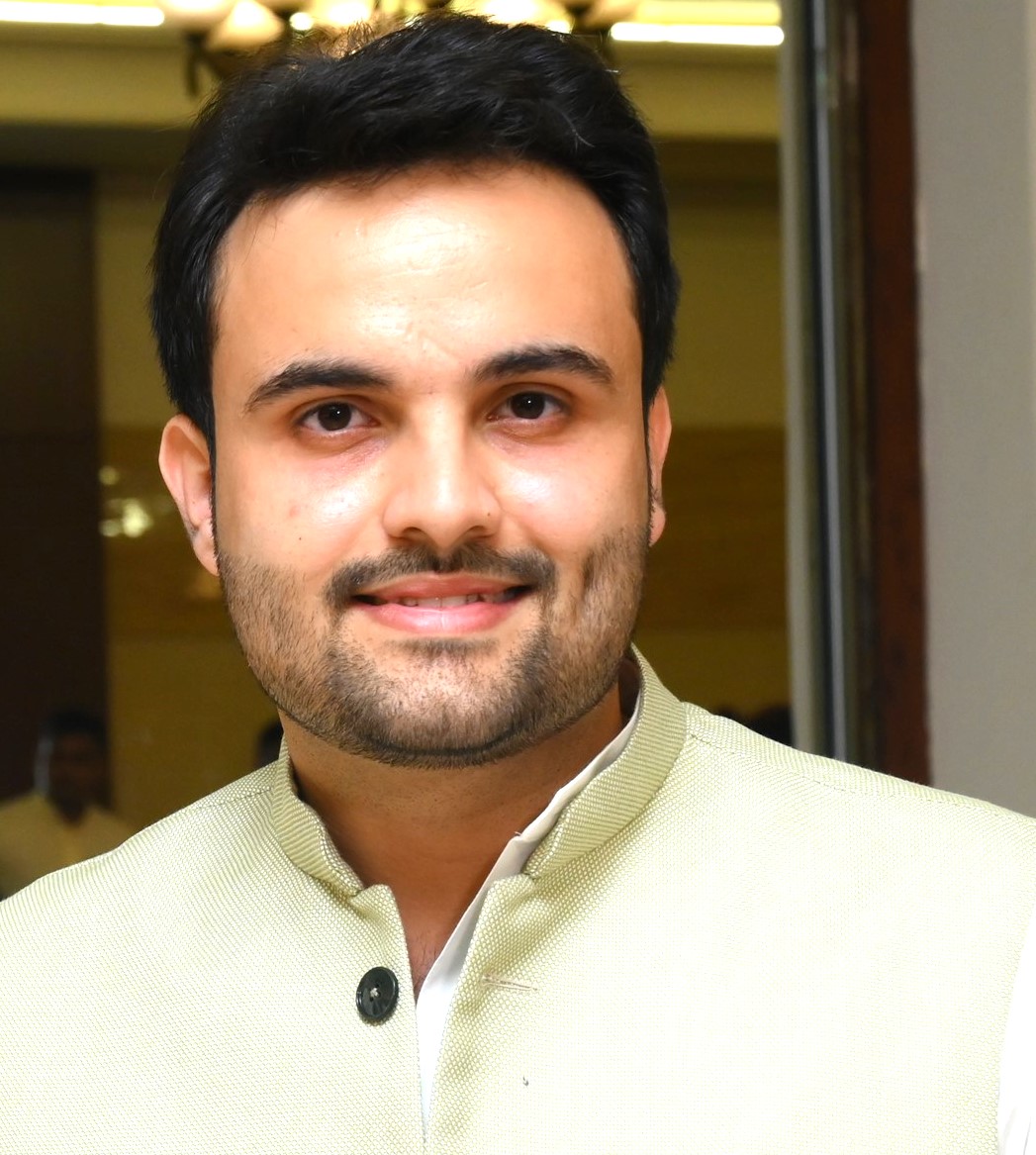
  • Chasing Questions, Not Glory: Crafting a Global Legal Career  – Dr. Argha Kumar Jena, International Disputes Lawyer and Advisor.

    Chasing Questions, Not Glory: Crafting a Global Legal Career  – Dr. Argha Kumar Jena, International Disputes Lawyer and Advisor.

    This interview has been published by Anshi Mudgal and The SuperLawyer Team

    Your academic journey includes a full-scholarship Ph.D. in International Law and Economics from Rome and an LL.M. from Berlin. How has this interdisciplinary training influenced your understanding of economic analysis in the development of international legal norms and dispute resolution mechanisms? 

    Public international law in general requires deep academic insight considering that the efficaciousness of the ‘rule of precedents’ (if any) is volatile in practice. When it comes to International Economic Law (as we like to call it), issues in dispute concern not only economic treaties but its complex interactions with the branches of applicable national laws as well as commercial realities. In such instances, having cultivated the habit of interdisciplinary thought processes can certainly help in strategizing efficiently. ISDS being a form of dispute resolution where effects of economic policies are often subject to adjudication by international tribunals – requires one to understand macroeconomic impacts of such policies and/or measures and also analyze it within the contours of the facts. Dispute resolution mechanisms flowing from treaties are a herd of unicorns within the fields of law. Hence, having a wider field of intellectual vision that one may acquire through interdisciplinary academic pursuits and exposure to multiple legal systems can certainly help. However, I maintain that institutional education is not the only way of going about it. My journey is the consequence of my choices, that I remain happy about. 

    You pursued your Ph.D. in International Law and Economics while working full time, a challenge few take on. What was that experience like, and how did you manage the demands of both academic research and professional responsibilities?

    This again was a consequence of one of the choices that presented itself to me. Applying for Ph.D. Scholarships is a full-time job in itself, and I understood that from the failures of my initial attempts. Identifying a research gap, crafting a proposal and a plan of execution, having it critiqued from experts, choosing a Supervisor, shortlisting universities with appropriate departments, and then making it within the deadlines – all of these mandatory steps to begin a Ph.D. are time-consuming and require dedicated efforts. Luckily, during my stint at a boutique law-firm in Berlin, I had come to be professionally acquainted with a leading expert in the field of international economic law, Prof. Steffen Hindelang. Having already started to work with him part-time, while still at the law firm – allowed me to ease into the process. With time, I was exposed to several complex questions of law and started to learn approaches that experts take while opining on a matter of international economic law. My association with the Professor put me into a network of an intelligentsia, whose sharp and unfiltered critique helped me work on the list of what to do. As I continued to assist him in several of his engagements as an expert in several international forums and arbitrations, my ability to gain context expanded. Before trying to solve a problem, I got to understand a wider gamut of the field within which the solution was to be proposed. This led me to choose a Ph.D. theme that lay in the intersection of what I was working on, and what I could develop it into i.e., “Fate of Protectionism in International Investment Control: A Sustainable Development Perspective”. After 6/7 months of refining my proposal, I found the opportunity in Rome i.e., a rare interdisciplinary Ph.D. programme in economics and law – where I applied with my proposal and ended up getting selected. While the scholarship required me to move to Rome, I continued my role with the Professor that expanded over time as well. As my research and work were largely in the same field, both complemented each other. Being in Rome, allowed me the opportunity to work on a novel project on investment contracts at UNIDROIT. All of it together was indeed a demanding endeavour, but the symbiosis between all the engagements rendered it possible. Of course my mentors, supervisor, and university enabled me to travel and engage adequately to participate in forums of exciting discussions that kept me motivated. It was the ecosystem that made it possible for me.   

    With close to a decade of experience across Germany, Italy, and India, how has your cross-border legal practice informed your strategy in advising global clients, especially in high-stakes commercial arbitrations and international contract negotiations?

    A multi-jurisdictional exposure with the fortune of having hands-on experience throughout – is essentially a professional upbringing narrative. Having been successful at surrounding myself with people smarter than me in several instances has taught me much. As we all know, Civil Law and Common Law – being the two distinct forms of legal systems co-exist with characteristic differences whose intricacies one can experience better while working on cases that necessitate grappling with them. In my limited experience, understanding of differences in procedural and substantive law of contrasting jurisdictions is a non-negotiable for lawyers who want to work on matters ‘international’. So indeed, I now take into account more things in my analysis of facts and law, including cultural and systemic differences of jurisdictions. And most importantly, it helps me delineate the questions that I need help with, when corresponding with my colleagues outside India.  

    In terms of stakes – one must understand that in cross-border disputes, stakes are usually high by default. The process is complex and expensive for the parties concerned, hence is resorted to when stakes are generally high.   

    Your path to becoming a Principal Associate at DMD Advocates has been anything but conventional. What were some key turning points in your journey, and how did they prepare you for your current leadership role? Also, in your role at DMD Advocates, you lead advisory work on cutting-edge issues like crypto-assets and artificial intelligence. How equipped do you think the Indian legal system is in comparison to other jurisdictions to address the legal complexities emerging from digital assets and algorithm-driven systems?

    As key turning points, I would list three of them, (i) having had the opportunity to work and learn under an academic lawyer, that showed me a novel career path that I can tweak for myself, is possible; (ii) moving to Rome, that allowed me to be close to UNIDROIT and get acquainted with some experts who advise on matters concerning Digital Assets; (iii) deciding to move back to India for the opportunity at the Ministry of Finance, which allowed me to apply whatever I learnt to matters of economic treaties on a daily basis. 

    As for my role in DMD Advocates, I am a part of the dispute resolution and litigation team. Here I work on matters concerning both Indian law and International law. Working cultures differ across continents and countries, but it is usually inconsequential to engage in comparisons. However, my style of collaboration with colleagues (including my juniors), as I like to think it, is a blend of German directness in terms of giving and taking feedback, Italian tendency to ease into things unless necessary to do otherwise (I detest fake emergencies) and the signature Indian adaptability in making the best of what is available. 

    In terms of advisory in new technologies, a lawyer’s take is necessitated by the fact that the legal framework applicable doesn’t immediately change, instead it often may need to evolve. Hence, identifying gaps in the legal and regulatory frameworks and advising on account of realities, is a primary need of the hour. However, given the pace in which the digital economy of the world is changing, new challenging questions requiring interdisciplinary approaches are becoming increasingly common for those of us who are active in space. In terms of how prepared the Indian legal system is to adapt to new technologies, I think we have enough smart brains in the country to do the needful. The contextual regulatory landscape is evolving across the world, and India is no exception. It is the age of geoeconomics after all.       

    Having represented clients from the EU, Asia, and the Middle East in arbitration and contract-related matters, what recurring legal risks or contractual pitfalls have you observed in cross-border commercial transactions? Could you share a case study that was most interesting yet challenging for you?

    In terms of pitfalls in international contracts, there are many that I am aware of, but recurring ones include, (i) a uniform and well drafted choice of law/applicable clause across the master contracts and sub-contracts; (ii) lack of explicit referencing of the terms and conditions to a (cross-border) purchase order; and (iii) lack of well drafted hardship and/or force majeure clauses. While any of the three things that I have mentioned may seem elementary to contracts, they have observably caused several complexities that allow dispute resolution to be consequently delayed, albeit for justifiable reasons. 

    It would be difficult to provide a case study in the amount of detail that would be useful for students, but here is something that seems novel but is not. In major construction projects, the contractual framework consists of the master contract, several sub-contracts and also sub-sub-contracts. An arbitral award was passed against an Indian entity (a sub-contractor in such a project) in an international commercial arbitration. However, by the time the award was rendered, the award debtor was declared insolvent by the NCLT. As the lawyers advising the award creditors (who were European), one had the option of following the traditional route of participating in the insolvency proceedings as one of the creditors. However, rather than merely accepting the limited recovery prospects of traditional insolvency proceedings, one may identify alternative enforcement strategies leveraging the complex contractual architecture typical of major construction projects. Subject to the impact of applicable laws, an option could be pursuing parent company guarantees or performance bonds that were likely executed as part of the master contract arrangements. However, we ended up using several indemnity and guarantee clauses in the contractual framework to get the main contractor and the investors in the insolvent company to settle with us on a reasonable quantum.  

    Your experience spans both private and public international law, from assisting European governments in ICSID proceedings to advising the Indian government on WTO and UNCITRAL matters. In your view, what is the future of international investment law amid rising protectionism, digital sovereignty, and shifting geopolitical alliances?

    Investor-State Disputes, and their backgrounds vary greatly in the contexts of the countries involved. So, oversimplification of such complex constructs would be bordering on generalization – that is rather impressible in my profession. However, I can safely say that international investment law is at its adolescence. The procedural reform efforts to ISDS triggered in 2017 at the best of the UNCITRAL Working Group III, have made significant progress in some areas, especially in the context of procedural and crosscutting issues and instruments designed with a focus on mitigation of disputes. One must appreciate that while international investment law principles become seemingly sophisticated, the dispute resolution mechanisms contained in treaties also appear to evolve with time. While ISDS as a method of dispute resolution amongst sovereigns and private entities – is here to stay, the intricacies of its processes and the nature of the disputes themselves are bound to evolve, in light of the new technologies. The typology of policies that may come to be challenged under such a characteristic legal regime would certainly expand. New technologies (including Crypto-currency and Artificial Intelligence) have the potential to creep into the fact patterns of investment and trade disputes.          

    You’ve taught at institutions ranging from Uppsala University to UNIDROIT and South Asian University. Based on your global academic engagements, what do you see as the biggest pedagogical gap in training future international economic lawyers, and what resources or practices would you recommend for staying ahead?

    One of the most visible differences in Indian and European academia, at the graduate and post-graduate level is the student-teacher ratio, which is of course smaller/narrower in Europe. In my estimation, that difference can manifest in terms of student output, if the teaching methods are not curated well. In India, the number of students is higher, so a Professor’s workload will inevitably increase if old teaching methods are retained without integration of new technologies. I would imagine that post-graduation programmes (especially LL.M.s) in India can be modulated to compete with the quality in Europe, UK or USA. Given that most lawyers wouldn’t pursue Doctorates, a post-graduate degree program (like an LL.M.) would be the last stint in institutional education for many future lawyers. We should do our own parts to finish it well! 

    Some European universities use in their post-grad programmes a Problem-Based Learning (PBL) method, where every day’s lectures are accompanied by an application-based exercise and group activities. Indian universities also implement several of such methods, albeit in variance. However, some Eruopean testing methods include an examination for each module (which is always partly or fully open book) and an essay on a topic of their choice guided by Professors. For this to be effective in India, would need significant heavy-lifting by the Professors to design such open-book examinations and their grading methods that accounts for the behavioral patterns of Indian students. The pedagogical gaps, if any, I believe are (i) the lack of curated courses that necessitate post-graduate students to think in terms of real-life problems in examinations that they care about; (ii) lack of automated grading/marking in examination design that aim to test descriptive knowledge or memory retention. 

    As an enthusiast of international economic law, I believe staying atop geopolitical and new technologies news starts as difficult, but after a few months of regular reading becomes easier as one learns to drown the noise. The ORF Newsletter, CSIS Geoeconomics Bi-Weekly Newsletter are good places to start if you cannot read daily. The Economist and Economic Times, manages to keep pace with developments. However, one must cut to the source of the regulation or law concerned to form their own opinion. For investment arbitration news, popularly there is GAR, IAReporter, and Kluwer Arbitration Blog. For AI Research the newsletter from LORE, is quite insightful, I think. While several independent media sources can also be insightful, recommendations may vary according to areas of interest. 

    Get in touch with Dr. Argha Kumar Jena –
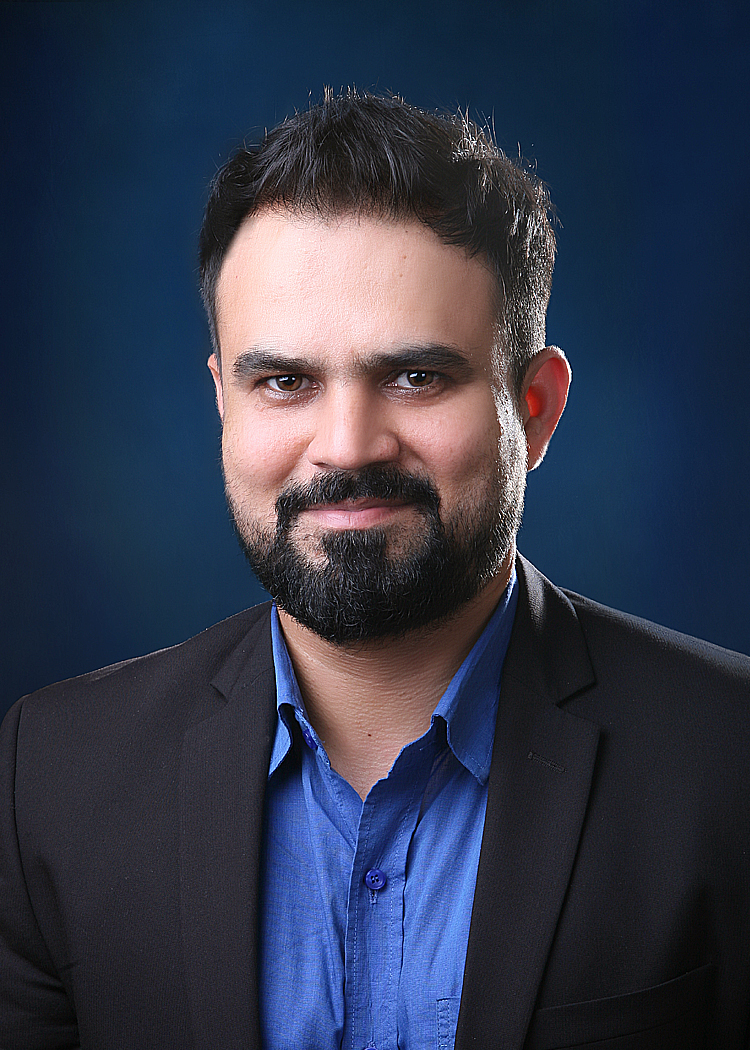
  • “Attributes like hard work, discipline, determination, self-reflection, and honesty have been pivotal in shaping my professional journey.”  – Daleep Kumar, Partner at RNA, Technology and IP Attorneys.

    “Attributes like hard work, discipline, determination, self-reflection, and honesty have been pivotal in shaping my professional journey.” – Daleep Kumar, Partner at RNA, Technology and IP Attorneys.

    This interview has been published by Anshi Mudgal and The SuperLawyer Team

    Looking at your educational background you initially pursued B.Com from Delhi University and thereafter a Masters in Finance & Control. What motivated you to transition to a career in Law, particularly in Intellectual Property?

    My academic journey began with a focus on commerce, which led me to pursue B.Com and later a Masters in Finance & Control. During this time, I joined a top-tier law firm as a Trademark Assistant, where I was introduced to the dynamic world of Intellectual Property (IP) law. This exposure sparked my interest in IP, as I began to appreciate its vital role in brand protection and innovation. Inspired by the field’s unique impact on business and creativity, I decided to pursue an LL.B. and dedicate my career to IP.

    Transitioning into IP law has been immensely fulfilling, enabling me to work at the intersection of law, business, and creativity. This path allows me to guide clients through complex legal landscapes, helping them safeguard and grow their brands in an increasingly competitive market.

    You began your career with Top-Tier Firms which provided you with a strong foundation in IP fundamentals and allowed you to gain extensive experience. Can you take us back to your key learnings from the period that played a pivotal role in shaping your career?

    Starting my career at a top-tier law firm was invaluable in shaping my path in IP law. Those early years provided a solid grounding in the fundamentals of IP, from understanding the nuances of trademark registration to managing the complexities of opposition and enforcement. Working on a diverse array of cases allowed me to understand the strategic role IP plays in protecting and advancing business interests. 

    One of the key leanings was the importance of precision and attention to detail. IP law demands meticulous attention to both procedure and strategy, as a single oversight can significantly impact a client’s rights. I also gained a deep appreciation for balancing legal rigor with commercial insight. Early exposure to high-stakes cases taught me to think about IP from a business perspective, a skill that continues to shape my approach today.

    Finally, attributes like hard work, discipline, determination, self-reflection, and honesty have been pivotal in shaping my professional journey.

    As a Partner at RNA, Technology and IP Attorneys you oversee various domains such as Trademark Prosecution, Opposition, Litigation etc. What in your experience has been the most interesting case you’ve come across in your vast practice and how do you prepare for such a challenging case?

    Throughout my practice, I have handled a variety of complex and compelling IP enforcement cases. One such case involved trademark and copyright infringement, where a third party was mixing counterfeit products with genuine ones and selling them in packaging that closely imitated our client’s. The primary challenge was tracing the source, as these products were not sold online or stored at any physical outlet, making detection difficult. Moreover, the necessary lab testing sometimes confirmed product authenticity due to the blending of genuine and counterfeit products, further complicating the case.

    This case required innovative legal strategies, extensive evidence gathering through in-house investigations, and close collaboration to refine our arguments. We carefully assessed both sides’ positions, developing a robust plan while maintaining clear communication with the client to keep them informed and engaged.
    Through detailed research, strategic planning, and strong teamwork, we successfully navigated the complexities of the case to protect our client’s interests.

    As someone involved with the Trade Marks Journal and TM Watch Projects, what are the key challenges you encounter in this area? Additionally, how effective do you find the recently launched AI and Machine Learning-based Trademark Search Technology Portal by the Ministry of Commerce & Industry?

    We currently employ a third-party AI-powered tool to streamline the review of Trade Marks Journals, conduct comprehensive clearance searches, and enhance our trademark watch services. A key challenge in these projects is managing the extensive volume of data that requires thorough review and analysis. Ensuring consistency and accuracy in further refining the system-generated results is crucial, as even minor oversights can lead to significant implications for our clients. The team’s meticulous attention to detail is essential in filtering and verifying these reports to uphold the high standards our clients expect.

    The AI and machine learning-powered Trademark Search Technology, introduced by the Union Minister of Commerce & Industry on September 18, 2024, became publicly accessible recently on October 28, 2024. Although its full capabilities and effectiveness are still being assessed, this innovation is anticipated to significantly improve the accuracy and speed of trademark searches, creating a more efficient process for stakeholders and examiners alike. As with any new technology, some refinement may be necessary over time, but I believe that, as it evolves, this tool will become an invaluable asset to IP professionals.

    With more than 15 years in the legal field and your extensive expertise in IP management and strategy, what key changes do you believe the government should implement in the IP landscape to benefit all stakeholders?

    Enhancing IP awareness, particularly among startups, SMEs and law enforcing agencies, is essential. Streamlining IP registration processes to minimize delays and fostering cross-border IP collaboration would significantly benefit stakeholders. Further, integrating advanced tech tools like AI-driven analytics for faster IP clearance and infringement detection could make IP protection more accessible and effective. Strengthening enforcement mechanisms would also provide more robust protection, reinforcing India’s IP infrastructure and making it a stronger player on the global IP stage.

    You mentioned that you participated in the “JPO/ IPR Training Course for Practitioners Specialising in Trademarks” conducted by Japan Patent Office (JPO) and were awarded a Certificate of Appreciation. Can you share with us what that experience was like and what are the key differences in your opinion in the workings of JPO and Office of the CGPDTM?

    The training at JPO was an enriching experience that deepened my understanding of trademark law, especially from an international perspective. The JPO stands out for its remarkable operational efficiency and its forward-thinking use of advanced technology to streamline key processes, including trademark registration. While both the JPO and the Office of the CGPDTM share the goal of safeguarding intellectual property, the JPO’s use of AI in processing applications is a notable difference. Incorporating similar AI-driven solutions at CGPDTM could lead to significant advancements in process optimization and user satisfaction.

    As a Partner, you handle multiple areas, including IP management and strategy, domain name and company name disputes, as well as data privacy and protection laws. How do you balance your demanding workload with your personal life?

    Balancing a demanding workload with personal life requires disciplined time management and a clear prioritization of tasks. I have found that setting boundaries for work and dedicating time to personal interests—such as exercising, meditation, and travel—helps me stay grounded. Additionally, having a strong support system and a talented team at RNA enables me to delegate effectively, ensuring that both my work and personal life receive the attention they deserve.

    As a guest speaker at numerous IP training workshops, what advice would you offer to our young readers who aspire to become successful IPR attorneys like you in the future?

    My advice would be to embrace learning, stay adaptable, and focus on building a solid foundation in IP fundamentals. Understanding the broader implications of IP law on business and innovation is crucial. Equally important is to stay informed about technological advancements and evolving legal landscapes. Finally, developing soft skills—such as communication, resilience, and ethical integrity—is invaluable in this field, as it enables you to connect with clients effectively and grow as a trusted advisor.

    Get in touch with Daleep Kumar-

  • “One of the critical existing challenges in the WTO Trade Remedial investigations is the existence of unchecked administrative discretion of investigating authorities due to legislative shortcomings and procedural inconsistencies that impact international trade”- Dr. Amit Randev, International Trade Lawyer and Policy Consultant

    “One of the critical existing challenges in the WTO Trade Remedial investigations is the existence of unchecked administrative discretion of investigating authorities due to legislative shortcomings and procedural inconsistencies that impact international trade”- Dr. Amit Randev, International Trade Lawyer and Policy Consultant

    This Interview has been published by Pragya Chandni and The SuperLawyer Team

    Could you please share with us what initially drew you to pursue a career in law, particularly in the specialized field of international trade law?

    Frankly speaking, I was an above average student during my school days but was really drawn towards sports and extracurricular activities. I was sensitized to social issues through my association with civil and community service organisations like Indian Scout and Guide, I was fortunate to be one of the few candidates from the state of Uttar Pradesh to have received the Governor’s award. 

    Like any other aspiring student hailing from a humble background, I was very motivated and ambitious to do something for my family and the country. After completing my 12th standard from the Commerce stream with decent marks, I was certain that I didn’t want to pursue any conventional graduation course or pursue chartered accountancy. So, law as a career option came through the zeal to do something impactful.

    Being a first generation lawyer, it was quite difficult to chalk out a typical plan in terms of selecting the institution and the subject of specialisation in law. Law College Dehradun, which was then affiliated to a Central University was recommended by one of our family friends based in Dehradun. 

    But initially like any other student belonging to a tier three city in 2011-12, I was a bit nervous about the choice of the institution in India due to limited exposure. However, it was a blessing in disguise as Law College, Dehradun really helped me to inculcate some of the best values of the profession and life. It was an excellent journey with experienced faculty (notably our Principal Prof (Dr.) Rajesh Bahuguna and Prof (Dr.) Poonam Rawat, supportive batch-mates and world class education facilities that laid the foundation for my legal profession.

    I believe it was due to my keenness to learn and ask questions beyond the curriculum that motivated me to pursue my Master’s in Law right after my law graduation. 

    I was fortunate to get a reasonable rank to qualify CLAT PG-2017 to secure admission in one of the most prestigious law schools of India that is “West Bengal National University of Juridical Sciences (“NUJS”), Kolkata”. 

    Without reservation and with a humble acknowledgment, I admit that graduating in law from a traditional Central University, I was unaware of concepts like Anti-dumping (“ADD”) or Countervailing Measures (“CVD”) until my initial LL.M. class on International Trade Law at NUJS in 2017, under the guidance of my esteemed mentor, Prof. (Dr.) Sandeepa Bhat.

    However, that 45-minute class sparked my curiosity, driving me to delve deeper into the subject and inspiring nearly 7 years of passionate work in this domain. 

    Your academic journey is quite impressive, from your B.A. LLB at Law College Dehradun to your Ph.D. in International Trade Law. What were some of the key experiences or influences during your education that shaped your career path?

    As I mentioned, I truly cherish every day of my law school that made me learn something or the other each day. During my law graduation days, I was really an active member of various student bodies and had an opportunity to be the President of the Legal Aid Centre of the college. I have participated and organised several national and international cultural and academic events that provided me with the exposure to learn a lot of things subconsciously.

    What I can recall is that my initial internships were a bit unconventional like working for renowned NGOs like Childline India Foundation (Childline-1098) and Rural Litigation and Entitlement Kendra (RLEK) that provided me an exposure to understand the issues of the weak and marginalised sections of our society. 

    Also, my internships with Uttarakhand State Women Commission and Uttarakhand Human Rights Commission provided me a fair idea as to how good laws and policy, if implemented well, can act as an instrument to bring change and social justice.   

    After completing my Masters, in the initial phase of my career, I worked as a Research Associate with the Directorate General of Trade Remedies (“DGTR”), under the Ministry of Commerce & Industry, Government of India. This is India’s investigating authority to deal with Trade Remedial issues raised by Indian domestic industries against the unfair trade distortive practices. 

     At DGTR, I gained valuable insights on WTO jurisprudence and Indian practices while working with dynamic investigating teams (including officers from different cadres and ranks), handling ADD and CVD cases and actively contributed to providing institutional support to small and medium enterprises through awareness campaigns and technical assistance.

    Your Ph.D. thesis focuses on “WTO Trade Remedial Measures.” Can you tell us about the most significant challenges you uncovered in your research and how they impact international trade, especially concerning India?

    I started my research with a motivation or a quest to find answers to several questions regarding the hyper-technical concepts of International Trade Laws. My initial hypothesis that eventually stands correct in a technical sense was that the existing sensitive and procedural framework governing WTO Trade Remedial measures in India are not efficient and effective enough to address the contemporary issues in global trade.

    One of the critical existing challenges in the WTO Trade Remedial investigations is the existence of unchecked administrative discretion of investigating authorities due to legislative shortcomings and procedural inconsistencies that impact international trade.

    Transitioning from academia to professional practice, you worked as an Associate Director at SBA Group Solicitors and Consultants. How did this role help you apply your academic knowledge to real-world trade law cases?

    Needless to mention, the legal profession is very demanding, such as International Trade Litigation.

    I joined SBA Group Solicitors and Consultants (“SBA”) after working as a Trade Consultant with Government of India and as an in-house legal counsel with Jindal Group. So, by that time I got a reasonable idea of the expectations of the corporates/industry from Trade lawyers/consultants.

    The experience at SBA was very rich and challenging but rewarding at the same time. Being one of the few Indian Trade Law firms in India that represents before the International Investigating Authorities like US Department of Commerce (USDOC) and European Commission, working with the firm was indeed an amazing and overwhelming experience. 

    At SBA, I led a team responsible for representing Indian industries in Trade Remedial Investigations, specifically ADD, CVD, and Safeguard Measures before Trade Investigating Authorities, primarily the United States and the European Union. During my tenure, I also conducted comprehensive legal research and prepared precise technical and legal submissions, contributing to the successful execution of strategic assignments for major Indian corporate entities covering Textile, Steel, Pharmaceutical and Ceramic Industries. 

    You’ve worked on more than 15 antidumping and countervailing duty cases, saving millions for your clients. Could you highlight one or two cases that were particularly challenging or rewarding and explain why?

    I should confess that I was quite lucky to have such a rich experience so early in my career. I am especially grateful to my partners and the management at SBA to show such trust and confidence in me. Mr. Sunil Bhargava, Mr. Arpit Bhargava and Ms. Radhika Sharma deserve a special mention. 

    Though working for each case and assignment was quite exciting, two important cases that provided me exceptional exposure was working with the Senior US Trade Counsel to prepare a legal brief before the US Court of International Trade (USCIT) challenging the finding of USDOC and another was to facilitate the verification of European Commission for one of our client who was the largest exporter of ceramic tiles to EU and work closely with the European Commission officers for each details and arguments, we were able to successfully defend our clients in the case.

    Your experience includes working with international clients and representing cases before the U.S. Department of Commerce. How has this international exposure influenced your perspective on trade law?

    Since both India and the Unites States are common law countries, so principally the legal fundamentals are broadly similar. Having said that, working with international clients from different cultural and educational backgrounds and that too in different time-zones was quite challenging. 

    Further, practising before the USDOC was very fascinating, though it warrants a lot of diligence and accuracy but officials are very accommodating and are rational at the same time. This exposure provided me with a realisation that international trade litigation has a very significant impact on stakeholders globally. 

    In your current role as a Consultant at the Centre for WTO Studies, what are some of the key projects or initiatives you’re involved in, particularly regarding the India-EU FTA negotiations?

    I joined the Centre for WTO Studies in December 2023, following the completion of my doctorate in International Tarde Law. The Centre, established in 1999, serves as a permanent repository for knowledge and documentation related to WTO negotiations.

    My decision to join the Centre was driven by a strong desire to further my learning and research capabilities by working alongside some of the brightest academic minds in the fields of WTO and International Trade Law and policy. The Centre offers a unique environment that combines institutional training with international exposure, which is crucial for enhancing my research skills.

    In my current role, I am working closely with India’s Free Trade Agreement (FTA) negotiating teams. These teams engage with potential strategic trade partners, and my primary responsibility is to provide research and technical insights that inform the negotiation process.

    This experience has been exceptionally rewarding, as it has allowed me to delve into the complexities of trade negotiations. I have gained a deeper understanding of the challenges involved in negotiating with developed nations and reaching mutually beneficial agreements. It has also been an eye-opener, revealing that international trade and negotiations extend far beyond the realms of law, economics, and policy, involving intricate dynamics and strategic considerations. 

    We have noted that recently you have authored a book on WTO Trade Remedial Measures, what inspired you to write this book, what is the audience to seek to cater to?

    My passion for international trade law and my hands-on experience in the domain have greatly motivated me to write a book titled “WTO Trade Remedial Measures: Navigating Legal and Economic Complexities in International Trade”. The book published by one of the renowned publication houses of the country, has received appreciation from academic and legal fraternity.

    The multilateral trading system, epitomized by the World Trade Organization (WTO), is at a critical juncture due to escalating trade tensions and global crises. My book aims to unravel the evolution, challenges, and implications of trade remedy measures within the framework of WTO agreements. It offers a distinct focus on India’s perspective, enriched with a comparative analysis of practices in the United States and the European Union. This comprehensive exploration provides valuable insights into the contemporary trade environment and the specific issues faced by different jurisdictions.

    In this context, the book undertakes a pioneering effort to evaluate existing laws and procedures concerning trade remedy measures in India. It sheds light on legislative shortcomings and procedural inconsistencies, advocating for safeguards against unchecked administrative discretion. By proposing amendments to enhance the efficacy of trade remedies, the book charts a course toward a more equitable and responsive global trading system.

    This book is tailored for a diverse audience, including scholars, practitioners, policymakers, exporters, entrepreneurs, and students interested in international trade law, economics, and policy. It aims to serve as a critical resource for understanding the intricacies of trade remedy measures and their role in the multilateral trading system.

    The motivation behind writing this book stems from my desire to contribute to the field by addressing existing gaps and offering practical solutions. My industrial exposure and passion for the subject drive me to advocate for a fairer and more effective global trade system, which I hope to achieve through this work.

    Finally, based on your extensive academic and professional experience, what advice would you give to fresh graduates who are aspiring to build a career in law, especially in the niche field of international trade law?

    Although I don’t consider myself an expert in career orientation. My mantra in my career is “to go with the flow and keep it simple”. However, here are some key points of advice for fresh graduates aspiring to build a career in law, especially in the niche field of international trade law:

    1. Stay Updated
    • Keep Abreast of Developments: Regularly read journals, articles, and news related to international trade law and WTO updates.
    • Attend Seminars and Webinars: Participate in conferences and webinars to stay informed about the latest trends and issues in the field.
    • Subscribe to Industry Newsletters: Follow relevant organizations, think tanks, and law firms that specialize in international trade law.
    1. Develop Soft Skills
    • Effective Communication: Work on your written and verbal communication skills to articulate complex legal concepts clearly.
    • Networking: Build and maintain professional relationships within the industry through networking events and social media platforms like LinkedIn.
    • Negotiation Skills: Develop strong negotiation skills, as they are crucial in trade law and dispute resolution.
    1. Embrace Technology
    • Familiarize with Legal Tech: Learn about the latest legal technologies and software that can aid in research, document management, and case analysis.
    • Enhance IT Skills: Be proficient in using data analysis tools and legal research databases.
    1. Identify Research Interests
    • Focus on Specific Areas: Identify and specialize in specific areas within international trade law, such as trade remedies, intellectual property rights, or dispute resolution.
    • Engage in Academic Research: Contribute to academic journals, write articles, and participate in research projects to build your expertise and profile.
    1. Gain Practical Experience
    • Internships and Fellowships: Seek internships at law firms, international organizations, or government agencies that deal with trade law.
    • Pro Bono Work: Engage in pro bono work related to trade law to gain hands-on experience and contribute to your community.
    1. Pursue Further Education and Certifications
    • Advanced Degrees: Consider pursuing an LLM or other advanced degrees in international trade law.
    • Certifications: Obtain certifications from recognized institutions to bolster your credentials.
    1. Understand the Global Context
    • Study Comparative Law: Learn about the trade laws and practices of different countries to gain a global perspective.
    • Language Skills: Develop proficiency in foreign languages, as this can be advantageous in international legal practice.
    1. Stay Open to Diverse Roles
    • Explore Various Roles: Be open to roles such as policy advisory, consultancy, or academia, which can provide diverse experiences and insights into international trade law.

    Get in touch with Dr. Amit Randev-

  • In Conversation with:- Divyashree Suri, Founder and Managing Editor at WTO-Boutery: Talk Global Trade and Associate at Economic Laws Practice (ELP)

    In Conversation with:- Divyashree Suri, Founder and Managing Editor at WTO-Boutery: Talk Global Trade and Associate at Economic Laws Practice (ELP)

    This interview has been published by Prabhjot Singh, Priyanka Karwa and The SuperLawyer Team

    What does being an International Trade Lawyer in India entail?

    Broadly speaking, being an international trade lawyer in India consists of representing interested parties (including governments) in trade remedy investigation in and outside India, advising clients on Indian and foreign trade policies and taxation regimes, dispute settlement at local forums as well as international forums such as the World Trade Organization, and advising governments on the formulation of trade policy, including negotiations of free trade agreements. 

    This makes the subject an interdisciplinary one, and you end up wearing several hats on the same day. You are a lawyer for all intents and purposes, but you also need to:

    (i) be proficient with accountancy to be able to understand core business-costing concepts which are indispensable in trade remedy investigations,

    (ii) have sound knowledge of economic concepts and principles,

    (iii) be up to date with all foreign affairs and understand how global politics drives international trade, (iv) have a technical understanding of the products and services being traded. Needless to say, one needs the skills to research foreign laws and their practical implications extensively.

    What are some of your takeaways from appearing before a WTO panel at such an early stage of your career?

    First and foremost, working on a WTO dispute is, in and of itself, a dream come true. It is a splendid mix of public international law, international trade law, and domestic law. Moreover, I was fortunate enough to have worked on the dispute with an enormously supportive and motivated team – from top to bottom, which allowed me to have an enriching experience.

    The oral hearings in a WTO proceeding, also known as ‘substantive meetings’, are structured to allow the Panel to fully understand the domestic law or the measure at issue and also the manner in which such measure allegedly violates WTO law. The representatives of both parties are required to deliver an opening statement at the beginning of the meetings, wherein the key issues are summarily argued. Following this, the Panel poses certain questions to each party to understand the issues at hand better. Parties are permitted to comment on each other’s responses, and the meetings close with representatives delivering a closing statement.

    This makes for an interesting round of argumentation, which involves dialogue with representatives of the government of another country. Typically, parties to a dispute are important trading partners. This requires the lawyers to be well-versed with the required laws and adopt a line of argumentation that is delicate and in line with the country’s strategic interests. After all, diplomacy lies at the root of all trade relations. Being exposed to the various considerations which go into WTO dispute settlement at such an early stage of my career has helped me better understand trade policy. 

    What can be the real challenges while establishing a career in the field of International Trade Law?

    I speak strictly from the perspective of working in international trade at a law firm. International trade law is a niche area of law, and very few law firms specialize in the subject. Therefore, finding an open flow of internships and job opportunities in the market may be difficult.

    Describe an interesting matter you’ve worked on recently.

    Sustainable trade is finally becoming the talk of the town (well, the globe), and we are excited about it! Our team is doing a lot of work around trade and climate, labour, e-commerce, data, gender, and food security. Recently, we have worked extensively on carbon border adjustment mechanisms and other measures which help countries align their sustainability goals with trade.

    There are various considerations which go into formulating and implementing such instruments, and it is an interesting shift to witness.

    What personal qualities are beneficial to have as an international trade lawyer?

    As I mentioned, an international trade lawyer must wear several hats on any given workday. Being a jack of all trades makes you a master of international trade (no, having a corny sense of humour is not a prerequisite). I would go as far as to say that having an interest in foreign affairs and international relations is pivotal to the profession.

    As is the case for any lawyer, empathetic communication skills are extremely helpful. Our profession requires us to be in touch with various stakeholders – private clients, external counsels from different jurisdictions, government officials and agencies, trade bodies, etc. Interaction with each stakeholder requires us to be good listeners and have clarity in thought and speech.

    Would you like to give any career/life tips to the reader aspiring to be an international trade lawyer?

    I would recommend reading (or consuming content in whatever form is most palpable) as much as one can about international trade and its intersection with international affairs, economics, taxation, and most importantly, with day-to-day life. I find newspapers and news articles to be a great starting point to remain informed.

    I also recommend subscribing to this excellent newsletter named International Intrigue, which gives its readers bite-sized information every day of the week about what’s happening around the globe.

    How did you develop an interest in trade law? How did you ultimately decide to pursue it as a career?

    I was first exposed to international trade law in my fourth year of law school as a mandatory course. I was intrigued by the subject, and wanted to explore the practicalities of practising a subject like this in India. I interned with international trade law teams, and was enamoured by what the subject had to offer. It brought together my love for accountancy, economics, international relations and law – what could be better?

    As I interned with trade law teams and consumed content relating to the international trade, I was convinced about specializing in the subject. There were concerns about specializing in a niche area of law early in my career, but it was a risk I was happy to take. Now after a few years in the profession, I am glad I did!

    What drove you to start your international trade law blog? How do you think it has helped your career?

    I have often heard law students being intimidated by international trade, given the technical nature of the subject. I believe that international trade is a fascinating subject and should be more accessible for those who want to learn. The team at WTO-Boutery: Talk Global Trade attempts to make trade law updates and concepts more consumable with the help of simple language, tables, flow charts and graphics.

    Through my blog, I remain updated with the recent developments in international trade. In particular, simplifying these updates and concepts helps me revisit my core understanding of the subject and look at it from a different perspective each time.


    Get in touch with Divyashree Suri-