Tag: Trademark Attorney

  • ” India is on the cusp of becoming a major technology hub, and IP will play a central role in that journey.” – Prateek Shrivastava, Founding & Managing Partner at PNA Intellectual Property & Technology Attorneys.

    ” India is on the cusp of becoming a major technology hub, and IP will play a central role in that journey.” – Prateek Shrivastava, Founding & Managing Partner at PNA Intellectual Property & Technology Attorneys.

    This interview has been published by Anshi Mudgal and The SuperLawyer Team

    You began your career in Electronics and Communication Engineering before transitioning into intellectual property law. What inspired this shift, and how has your technical background influenced your approach to IP practice?

    Before moving into intellectual property law, I was working with a government-backed electrical equipment company, fully immersed in engineering projects. I kept noticing that while a lot of great ideas were being developed, very few were being protected or taken to market in a structured way. That gap between technology and protection really stayed with me and eventually pushed me to explore IP. 

    What began as curiosity soon turned into a career path. I decided to formally study law and later qualified as a Patent Agent, which gave me both the legal and technical grounding to work in this space. That combination of engineering, law, and patent practice has been invaluable. When I sit with inventors or R&D teams, I can dive into the technical details and at the same time think strategically about how to convert their work into strong IP assets.

    My engineering background helps me speak the language of technology, while my law degree and patent agent qualification allow me to translate that innovation into legal protection and business value. It’s this blend that really shaped my approach to IP and continues to define how I work with every invention that comes across my desk.

    As an empanelled IP Facilitator under the Government of India’s Start-up India Intellectual Property Protection (SIPP) Scheme, what are the key challenges and opportunities you encounter while supporting early-stage start-ups?

    Working as an IP Facilitator under the Government of India’s Start-up India Intellectual Property Protection (SIPP) Scheme has been a truly eye-opening experience. One of the biggest advantages of the scheme is the strong support it provides to early-stage start-ups. With the government offering significant rebates on official patent fees and providing pro bono professional assistance through empanelled attorneys to DPIIT-recognized start-ups, many young companies have been able to secure patents that they might have otherwise delayed or avoided due to cost concerns. This framework has opened the doors for start-ups to build strong IP foundations right from the early stages of their business.

    However, the biggest challenge continues to be awareness and mindset. Many Indian start-ups still approach patent filing as a defensive move or a legal checkbox they need to tick, rather than seeing IP as a core part of their growth strategy. In contrast, if you look at start-ups in the US or Europe, they adopt a far more aggressive, offensive IP strategy. They use patents to carve out market monopolies, create high valuation leverage, and build long-term competitive barriers. This is one of the reasons why IP-driven companies in those economies contribute significantly more to GDP and societal growth because they see IP as a business asset, not just a legal requirement.

    Through the SIPP scheme, I’ve had the chance to work closely with many such Indian start-ups and help them shift their perspective. One example that stands out is a EV based start-up we supported in securing their patents and aligning their IP portfolio. That strategic IP work became a major factor in them raising approx. USD 15 million in funding, proving that when IP is treated as a growth tool, it delivers tangible results.

    The opportunity here is immense. With the government backing start-ups through rebates and professional support, and with the right guidance on how to leverage IP offensively rather than defensively, Indian innovators can build companies that not only protect their ideas but also dominate markets.

    You’ve collaborated with premier institutions like IITs and NITs on IP strategy and commercialization. Can you share an experience on how you helped transform a research idea into a commercially viable innovation?

    Over the years, we’ve had the opportunity to work with several premier institutions, especially NITs, on building their IP strategy and taking research beyond the academic stage. A lot of the work coming out of these institutions is brilliant, but often, the initial intent behind filing a patent is academic credit rather than commercialization. Our role has been to change that perspective and create pathways for these ideas to become market-ready innovations.

    Being empanelled with multiple IITs and NITs has given us a chance to replicate this model across different institutions and help them not just file patents but also align their research with commercial outcomes. It’s incredibly rewarding to see academic innovation transition into real-world solutions and to know that our IP strategy is helping bridge that gap between lab and market.

    Through MoUs with universities and incubation centers, you’ve promoted a culture of IP awareness. What critical gaps do you see in IP literacy among Indian innovators, and how can they be addressed?

    Signing MoUs with universities and incubation centers has shown me how powerful structured IP awareness programs can be. Despite the growing innovation ecosystem in India, there are still some critical gaps in IP literacy that hold back many inventors. A large part of the problem is that IP is still seen just as a legal formality. Innovators often file patents to meet academic requirements or to create a defensive shield, but rarely integrate IP as a business and commercialization tool from the very beginning.

    Another major gap is geographical. Most IP awareness and resources are concentrated in Tier-1 cities, while a lot of untapped innovation is happening in Tier-2 and Tier-3 cities. These regions have bright minds and unique problem-solving approaches but lack exposure to structured IP education and professional guidance. That’s one of the reasons I recently started Udyovidh Innovation and Incubation Centre in Gwalior, a Tier-3 city, with the aim of bridging this gap. Our focus is on early-stage start-ups, helping them embed IP strategy into their business models from day one, and creating an ecosystem where innovation doesn’t get lost due to lack of guidance.

    What we’ve noticed is that once innovators from smaller cities understand how IP can help them secure funding, scale their business, and even expand globally, their entire approach changes. Tier-3 cities need this focus because they’re not just catching up, they’re creating solutions that are often more cost-effective and directly relevant to grassroots challenges. By building IP literacy in these regions, we’re not only helping start-ups protect their ideas but also enabling them to compete on a national and international stage.

     After working with several leading IP law firms, what motivated you to establish your own practice? What were the biggest initial challenges, and how did you overcome them?

    After working with some of the leading IP law firms, I realized that there was a gap that needed to be filled. A lot of start-ups, individual inventors, and innovators outside the big cities struggled to access high-quality, business-focused IP services. Most of the top-tier firms were catering primarily to large corporations. I wanted to create a practice that was agile and approachable, where a young start-up or a first-time inventor could get the same level of strategic IP support as an established company. That vision is what motivated me to take the leap and establish my own practice.

    The initial challenges were exactly what you’d expect i.e., credibility and trust. Competing with Tier-1 firms while being based in a Tier-3 city like Gwalior was not easy. People often questioned whether a small-city firm could deliver at the same standard. The only way to overcome that was through consistent, high-quality work and building long-term relationships with clients. We leveraged technology to work seamlessly with clients across India and overseas, and word-of-mouth from successful cases helped us grow organically.

    Looking back, those early challenges shaped the DNA of the firm. Yes, we committed mistakes but these mistakes taught us to stay client-focused, maintain the highest standards, and prove that quality IP services don’t depend on your postal code rather they depend on expertise and commitment.

    As a member of international bodies like FICPI and AIPPI, how do you view India’s evolving IP landscape in comparison with global trends especially in areas like AI, biotech, and clean energy? What policy changes or reforms would you like to see to strengthen support for inventors and start-ups?

    Being part of international IP bodies has given me a good perspective on how India’s IP ecosystem compares with global trends. In areas like AI, biotech, and clean energy, India is moving in the right direction, but we are still catching up when it comes to integrating policy, industry, and innovation at the same pace as countries like the US, Europe, or even some parts of East Asia.

    AI is a prime example. While India has strong talent and a growing start-up base, our patent laws still need more clarity around software and algorithm-based inventions to give innovators confidence. In biotech, the potential is huge because of our R&D capabilities, but faster regulatory clearances and better tech-transfer mechanisms from academia to industry are needed. Clean energy is another critical area where India is innovating at the grassroots level, but the IP frameworks to support large-scale commercialization need strengthening.

    One policy change I’d really like to see is more structured incentives for IP-driven start-ups, similar to what some European countries offer. This includes not just fee rebates but tax benefits for companies actively investing in patent portfolios and R&D. We also need to build better linkages between government-funded research and industry so that patents don’t just sit on paper but actually reach the market.

    India is on the verge of becoming a global innovation hub, but to truly compete at a world-class level, our IP policy needs to be more forward-looking and business-oriented, especially in emerging technologies.

    You actively mentor start-ups through incubation programs. What advice would you give young entrepreneurs on embedding IP strategy into their business early on? Additionally, what guidance would you offer to aspiring IP lawyers looking to enter this field?

    When I mentor start-ups through incubation programs, the first thing I tell young entrepreneurs is that IP isn’t something you add later; it’s something you build into your business model from the very beginning. Every product roadmap, every funding pitch, and even every discussion with potential partners or investors is stronger when backed by a clear IP strategy.

    My advice is simple: don’t look at IP as a cost, look at it as an investment. Even a basic prior art analysis before you start developing can save you from reinventing the wheel or walking into infringement issues later. Start small if needed, but start early and build your IP portfolio as you grow.

    For aspiring IP lawyers, my guidance would be to really understand technology and business beyond the legal language. A good patent attorney is not just someone who drafts claims; they are a bridge between innovation and strategy. Learn to decode inventions, understand how businesses work, and always think about the commercial value of the IP you’re protecting.

    As the founder of PNA Intellectual Property & Technology Attorneys, what is your long-term vision for the firm? How do you see IP shaping India’s future as a global tech hub?

    When I founded PNA Intellectual Property & Technology Attorneys, my vision was very clear i.e., to create a firm that doesn’t just provide legal services but becomes a true partner in innovation. I wanted to build a practice where inventors, start-ups, and companies feel that their ideas are being nurtured into business assets, not just filed as paperwork. In the long run, my goal is to make PNA a go-to destination for technology-driven IP strategy, both in India and globally.

     India is on the cusp of becoming a major technology hub, and IP will play a central role in that journey. If we want to compete globally, our innovators must be able to not only create but also protect and commercialize their technologies effectively. I see PNA contributing to that by helping inventors move from idea to market with strong IP foundations and by creating awareness that intellectual property is as important as funding or product development in building a successful tech business.

     Over the years, that vision has grown stronger, especially with the team that came together to shape the firm. Anmol has been instrumental in developing robust business development strategies. He brought in a structured approach to client engagement, built sustainable collaborations with universities and incubation centers, and ensured that our services were aligned with the rapidly evolving needs of start-ups and enterprises. His ability to translate market dynamics into actionable growth strategies has been key in expanding our reach and making PNA a trusted name, even outside the Tier-1 hubs.

     Monica, with her sharp legal acumen, has been the driving force behind our legal strategies. She has meticulously built processes that combine technical insight with legal precision, ensuring that every patent or trademark we handle is strategically positioned for both protection and commercialization. Her focus on maintaining international standards has also allowed us to manage cross-border IP portfolios effectively and deliver the kind of quality work that competes with global practices.

     My vision is also to bridge the gap between Tier-1 cities and emerging innovation clusters in Tier-2 and Tier-3 regions. We’ve already proven that high-quality IP services can thrive outside the big metros, and I want PNA to be at the forefront of making IP accessible, strategic, and business-oriented for everyone, from a first-time inventor to a scaling tech company.

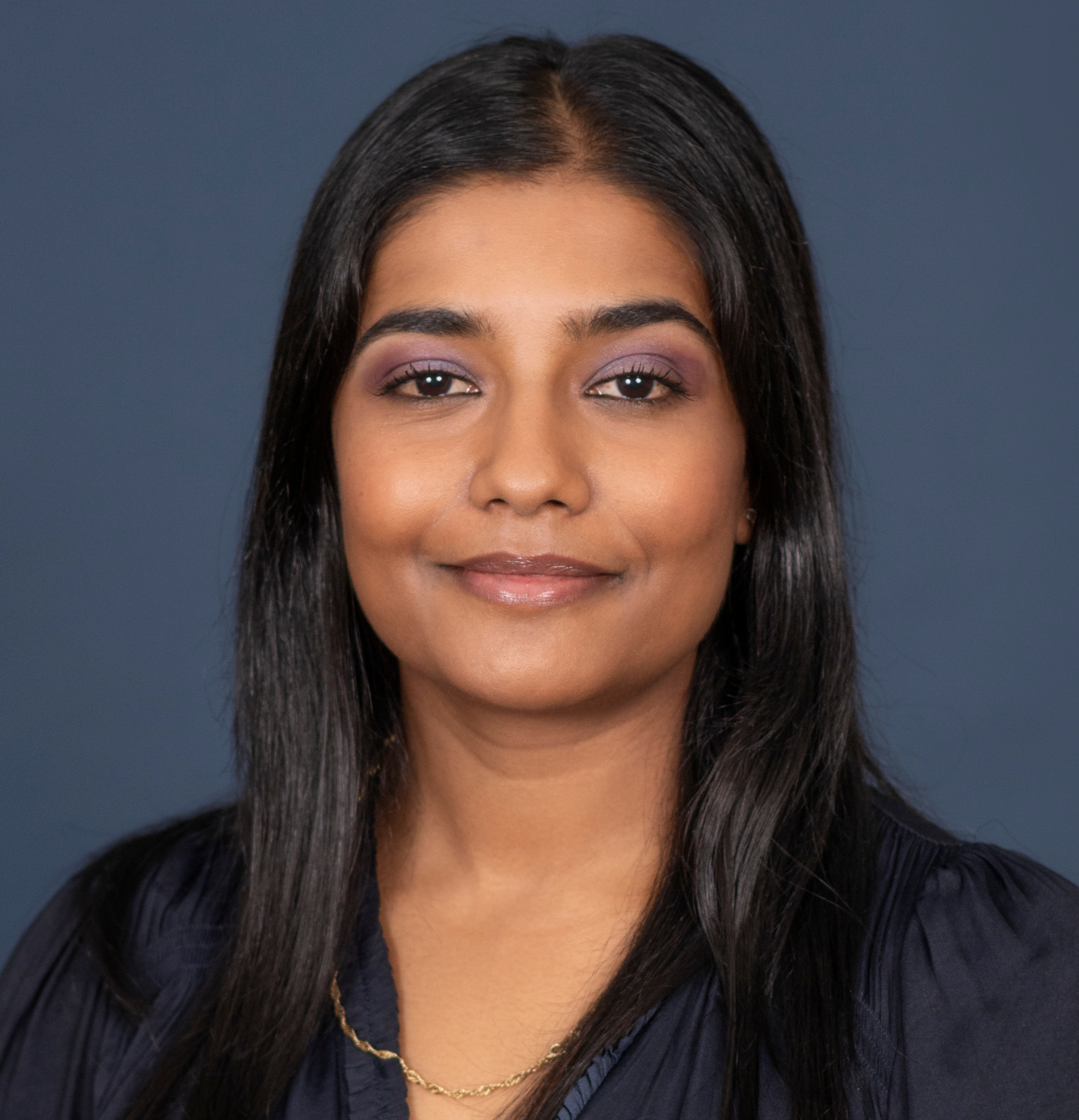
    Get in touch with Prateek Shrivastava –

  • “I was fascinated by the intersection between intellectual property and everyday life and how trade mark practitioners must strike a balance between protecting a fair monopoly and allowing innovation and creativity to thrive.” – Kim Rampersadh, Trade Mark Attorney and Partner at Adams & Adams, South Africa.

    “I was fascinated by the intersection between intellectual property and everyday life and how trade mark practitioners must strike a balance between protecting a fair monopoly and allowing innovation and creativity to thrive.” – Kim Rampersadh, Trade Mark Attorney and Partner at Adams & Adams, South Africa.

    This interview has been published by Anshi Mudgal and The SuperLawyer Team

    With over a decade of experience, what initially drew you to a career in law, and what inspired your decision to specialize in intellectual property and trademarks?

    I have always appreciated how rules and the law govern society and, from a young age, developed a strong sense of justice and fairness. What the law represents therefore resonated with me strongly and pursuing a career in law was a vocation.  Of course, having parents, who deeply value education, and who have very conventional ideas of employment, made my decision to pursue law an easy one. 

    The decision to specialise as a trade mark practitioner I credit to Adams & Adams. My relationship with Adams & Adams predates my employment with the firm and from that first interaction I was fascinated by the intersection between intellectual property and everyday life and how trade mark practitioners must strike a balance between protecting a fair monopoly and allowing innovation and creativity to thrive. The intellectual diversity of a trade mark practice inspired my choice.  

    Looking back at your early years as an attorney, what key lessons or experiences shaped your current approach to trade mark law and brand protection strategies?

    There are too many learnings to cite, but those with the most profound impact are:

    • being accountable, which translates to taking responsibility for all aspects relating to you, including the advice provided, your professional development and knowledge, and levelling with a client when things go right or wrong; and
    • shifting your mindset, so that within the legal problem you can identify opportunities for you and/or your client and add value that enhances business. 

    As a Partner at Adams & Adams, you handle complex, multi-jurisdictional matters. How do you balance strategic advisory, litigation, and client relationship management while leading within a large IP firm?

    Being knowledgeable and confident in one’s field, keeping up to date with developments, working systematically, and developing sound knowledge of and relationships with clients have all made striking that ever-elusive balance manageable as an individual practitioner. However, I would be remiss in not acknowledging that building trust with and reliance on team mates, colleagues from other jurisdictions and my own partners in business have all positively contributed to the handling of my practice and developing and realising aspirations and achievements. The combination of my personal attributes and professional networks and support make my day-to-day rewarding and sometimes balanced. 

    You’ve developed extensive expertise in enforcing trade mark rights across Africa. What are the most significant legal and practical challenges you encounter, and how do you navigate them?

    The diversity of the African continent is to be celebrated, but that same diversity can make enforcement in Africa challenging. Historically, many African states were subject to colonial rule by different countries that resulted in the different states adopting varied languages, including indigenous languages, and different legal frameworks and considerations. Some states have also not adopted the typical international treaties, and their own local law and practice is unique to their territory. Cultural nuances which are also varied, can play a role in the interpretation of legislation and its enforcement. To date, therefore, diversity in language, culture and legal practice affect how I practise brand enforcement from one territory to the next. 

    The continent still suffers from a lack of resources and infrastructure in parts which makes obtaining information relevant to enforcement difficult. This has, however, compelled me to be more liberal and innovative in strategies for enforcement. 

    With brands expanding rapidly into international markets, how do you approach developing cross-border IP strategies that ensure robust protection while remaining compliant with diverse regulatory frameworks?

    As exciting as expanding into international markets is, it is also challenging. Crafting a cross-border strategy requires foresight and flexibility and my approach includes:

    • assessing the current level of protection and any gaps in protection;
    • prioritising the acquisition of protection in line with business goals and the risk to business from one territory to the next – which means understanding the target business well and collaborating closely with the IP owner;
    • considering the benefits of protection afforded by international treaties and how they are treated practically in each jurisdiction and weighing that against regional and national filing systems in Africa, if applicable; 
    • leveraging technology to afford brand owners watching services specific to Africa with early access to publications; 
    • staying abreast of developments in legislation and practice in each country and considering how those affect existing rights;  
    • leveraging our professional networks to liaise with local attorneys, who frequently knowledge-share and assist us in understanding whether the IP in question can be protected and enforced; and
    • developing and maintaining knowledge of regulatory frameworks outside of IP protection which affect the relevant business, and which dictate how we tailor the approach so that there is compliance with those regulations, too.

    Could you share an example of a particularly challenging matter you handled and how you successfully resolved it?

    The most challenging case that I have encountered is still ongoing. It is a matter with theoretically excellent merits in favour of the brand owner, but the matter has suffered due to archaic legal provisions and practices, unforeseen delays and external factors unique to the specific jurisdiction and outside of the control of the attorneys involved. That said, my view is that the matter will ultimately be resolved in favour of the brand owner, due to:

    • flexibility in our enforcement strategy; 
    • reliance on astute counsel that are knowledgeable in their fields and who have never veered from their solutions-orientated approach; 
    • keeping alive to developments in other cases and areas of law, which aid the progression of the case; 
    • managing the brand owner’s expectations as we work together towards achieving the desired business goal; and
    • offering high levels of client service and attention to detail, so that the brand owner can appreciate the value added even when the outlook seems bleak. 

    Technology is transforming IP practice worldwide. How do you see tools like AI influencing trade mark prosecution, monitoring, and enforcement in the African context?

    AI is re-shaping trade mark practice globally and Africa is no exception. I anticipate that the incorporation of AI tools for purposes of conducting clearance searches, better tracking of renewals and online platform monitoring for infringement and the like will become commonplace. AI tools now available are seemingly modelled on developed, western data bases and the ease of access that they promote. In Africa, there are, of course, difficulties with legal frameworks, infrastructure and the reliability of local Registry records, which may affect the training of AI models and therefore their roll out and relevance to practice in Africa. Within that, however, seems to be an opportunity for the development of localised AI models, perhaps even by African creators and tech companies, that promise more relevance to the legal landscape in Africa.

    Given your experience in advertising and IP regulatory compliance, what key trends or pitfalls should brand owners be mindful of when operating in Africa, especially with the growth of digital marketing?

    Africa has cottoned on to the digital marketing boom with a surge in influencer and video-content marketing. This trend presents exciting opportunities and complex legal terrain with many countries in Africa relying on outdated legislation and enforcement mechanisms, or not having legislation that regulates, for instance, influencer marketing. This means resorting to traditional legal remedies and forums to address advertising concerns, which is not ideal. However, there is an increasing trend of awareness about the IP challenges arising from digital marketing and many countries are making good progress in adapting their legal frameworks to better deal with these challenges. For instance, South Africa’s Code of Advertising Practice now includes a Social Media code and there is a direct link for communicating decisions from the Advertising Regulatory Board to Meta. In addition, Nigeria recently revamped its copyright legislation and founded an Advertising Regulatory Council to deal with advertising complaints. There has also been an uptick in the promulgation of data privacy legislation in many African states and cases before African regulators and courts dealing with privacy and personality rights infringements arising from digital marketing. These developments are testament, in my view, to African awareness of the need for sound regulatory frameworks and treatment of digital advertising and related regulatory concerns.   

    As a partner in one of Africa’s leading IP firms, what leadership principles guide your work? What advice would you give aspiring IP practitioners who want to build a successful career in this specialized field, particularly in Africa?

    The leadership principles enshrined in the core values of Adams & Adams are those which I live by, personally and professionally. Of particular importance to me are the values of Constant Improvement, Integrity and Ethics, People-centriticty, Teamwork and Respect and Innovation. 

    My advice for aspiring trade mark practitioners is to realise that ambition by growing and showing interest and knowledge in new developments in or relevant to IP law and aligning with like-minded individuals already in the legal fraternity, who can mentor you and lead you towards pursuing a career in the field. 

    Looking ahead, where do you see the greatest opportunities and challenges for brand owners in Africa over the next decade, and how do you foresee trademark enforcement evolving with economic integration and technological advancements?

    With the lack of legacy wealth and infrastructure in Africa, it seems that digitally and technologically aware natives will drive business trends and move business further away from traditional models to allow greater access to and awareness of their brands on a more global scale via, for instance, mobile-first ecommerce sites. With the advent of the African Continental Free Trade Area, which creates access to a unified market in Africa with reduced tariffs, it is expected that there will be a boost in cross-border brand expansion on the continent and promotion for African brand loyalty. These two developments present great opportunities for Africans and brand owners generally, but the advent of new technologies and a unified market also imply a surge in trade mark violations and ease of access to goods that may infringe legally protected IP. Enforcement strategies will be dictated to by these developments, and it is foreseeable that brand owners will need to re-prioritise protection for trade marks in countries not otherwise considered a high priority. It is also expected that policy makers will exert further pressure on governments to introduce legislation that conforms to the trends in business and caters for unconventional infringements. In the meantime, and until the law catches up with trends in commerce and technology, attorneys and adjudicators will need to be innovative in their interpretation and the implementation of existing legal frameworks in resolving disputes. 

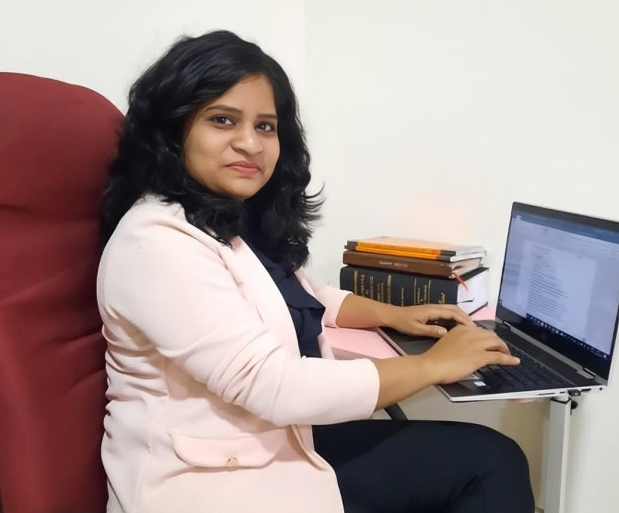
    Get in touch with Kim Rampersadh –

  • “The principle that has guided me from the beginning is: Blend legal precision with business pragmatism.” – Saarth Dhingra,  AGM-Legal at GMR Airports.

    “The principle that has guided me from the beginning is: Blend legal precision with business pragmatism.” – Saarth Dhingra, AGM-Legal at GMR Airports.

    This interview has been published by Anshi Mudgal and The SuperLawyer Team

    Having spent over a decade in the legal industry, handling diverse areas such as contract management, litigation and arbitration, trademarks, and legal advisory, what drew you toward in-house roles instead of pursuing a traditional litigation career?

    Over the years, I found myself more inclined toward roles where legal expertise is closely integrated with business strategy. While litigation offers its own challenges, I was drawn to in-house positions because they allow for ongoing engagement with the business, where legal input can shape decisions early and support long-term objectives. What appealed to me most was the breadth of exposure from contracts and disputes to intellectual property along with the ability to work cross-functionally. I’ve always enjoyed being a trusted advisor, not just resolving issues but helping prevent them through practical, forward-looking counsel. In-house legal work gave me the platform to apply the law in a commercially meaningful way, contribute to enterprise-wide goals, and build deeper relationships across the organization. That level of involvement and impact is what truly motivates me.

    Could you share a bit about your law school journey? What inspired you to pursue a career in law, and how did your LL.M. in Corporate & Financial Law shape your legal perspective and contribute to your long-term growth?

    My journey through law school was both intellectually stimulating and personally grounding—it confirmed that law was the right path for me. I was drawn to the clarity and structure that legal thinking brings, especially in navigating complex business scenarios. Early on, I realized I wanted to work at the intersection of law and commerce, where legal insight directly influences strategic decisions.

    What led me to pursue an LL.M. in Corporate & Financial Law from O.P. Jindal Global University (OPJGU) was a desire to deepen my expertise in areas that shape how businesses operate—corporate governance, M&A, financial regulation and cross-border transactions. The program not only sharpened my technical knowledge but also gave me a broader, international outlook, which has been essential in working with diverse industries and stakeholders. This academic grounding has played a pivotal role in my in-house journey. It equipped me to approach legal challenges with a commercial mindset, engage confidently with leadership, and contribute to sustainable, compliant business growth. OPJGU was established as a philanthropic initiative of its Founding Chancellor, Mr. Naveen Jindal, and I am truly indebted to him for establishing a world class university in India which has shaped the future of thousands of students globally including helping me in becoming a successful in-house counsel and working for giants like JSPL, BPCL, ReNew and GMR.

    You began your career with an in-house role, a path not many young professionals take right away. What early experiences or challenges helped build your legal foundation and shape your approach to corporate practice?

    Starting my legal career in an in-house role gave me a unique head start as it allowed me to understand the commercial realities of legal work from day one. Rather than focusing solely on theory or litigation procedure, I was immediately immersed in how legal decisions impact daily business operations and long-term strategy. One of the earliest challenges I faced was learning to tailor legal advice in a way that was both accurate and actionable for non-legal stakeholders. It pushed me to think beyond just identifying issues. I had to propose workable solutions that aligned with the company’s goals and risk appetite. Those early responsibilities, whether it was reviewing contracts, supporting compliance efforts, or advising internal teams, taught me to be responsive, business-minded, and pragmatic. They laid the groundwork for the way I practice today with a clear focus on enabling the business while managing legal risk thoughtfully.

    Over the years, you’ve held in-house roles across various organizations. How has each experience contributed to your legal and leadership development, and in what ways do these roles continue to influence your current position?

    Every in-house role I’ve taken on has added a different layer to my legal and leadership journey. Working across varied sectors and organizations has helped me develop a broad perspective and a flexible approach to handling legal challenges. It’s taught me to quickly understand business priorities and align legal strategies accordingly. Along the way, I’ve learned to navigate cross-functional dynamics, manage stakeholder expectations, and lead initiatives that have both legal and commercial impact. These collective experiences continue to influence how I work today; whether it’s offering practical, business-oriented legal advice, leading teams, or mentoring junior colleagues. They’ve shaped me into a legal professional who’s not just reactive, but someone who adds value proactively across the business.

    At GMR, you manage end-to-end contracts for the entire non-aero business across India. What are some of the recurring challenges you face during contract negotiations in this sector, and how do you typically address them?

    Working in the non-aero space at GMR Airports, one of the recurring challenges during contract negotiations is managing the varied expectations of diverse stakeholders from retail and F&B partners to service providers while staying within a strict regulatory framework. Each agreement involves a careful balance between commercial viability, operational flexibility, and legal compliance. Negotiations often involve complex revenue-sharing models and long-term commitments, which require clarity around deliverables, risk allocation, and exit rights. It can also be challenging to tailor terms that satisfy business teams yet remain aligned with airport concession requirements and regulatory obligations. To navigate this, I intend to focus on building structured, practical agreements with well-defined roles and responsibilities. I work closely with the internal teams to ensure business goals are captured clearly, while also ensuring the contract holds up to legal and compliance standards.

    What are the key legal complexities you encounter during due diligence in airport-sector transactions, especially when working with international investors or structuring joint ventures?

    In my opinion, due diligence in the airport sector, particularly when dealing with global investors or joint ventures, is layered and complex due to the regulated nature of airport operations and the involvement of public authorities. The first area of scrutiny is usually the concession agreement where we assess whether rights can be transferred, what limitations exist, and whether any government approvals could delay or derail the transaction. Issues like land tenure, encumbrances, and use restrictions are also critical, especially since many airport projects are developed on leased government land or under public-private partnership models. These factors often carry legal and operational risks that must be identified early. When foreign investors are involved, we also have to navigate FDI regulations, security clearance requirements, and ensure the investment structure complies with both aviation sector guidelines and company law. In joint venture setups, we focus on clarity around governance, economic rights, dispute resolution, and exit options, which can get intricate in a sector with long concession cycles. To address all this, we ensure to carry out detailed legal risk mapping, engage with stakeholders to understand regulatory expectations, and build robust representations and warranties into the deal documents. This helps ensure transparency and long-term sustainability for all parties involved.

    What advice would you offer to young legal professionals aiming to build a career in corporate law or enter in-house roles early on? Are there particular skills or experiences you believe they should focus on?

    For those starting out in corporate law or looking to join an in-house team early in their careers, I’d recommend focusing on building a well-rounded foundation not just in legal knowledge, but also in understanding how businesses function. Getting comfortable with contracts, compliance, and risk assessment early on will give you a strong advantage. It’s equally important to develop clear and concise communication skills, because in-house lawyers often act as bridges between legal and non-legal teams. I’d also advise young professionals to prioritize adaptability and commercial thinking and the ability to align legal advice with business goals is key in any corporate role. Real-world exposure, even through internships or secondments, can be more valuable than purely academic achievements. Lastly, find mentors, ask questions, and stay engaged with both legal and business trends. The more proactive and curious you are, the faster you’ll grow into a trusted advisor.

    What guiding principle has stayed with you throughout your career, and how does it shape your professional outlook today? What is your vision for the future, both personally and for the legal profession?

    The principle that has guided me from the beginning is: “Blend legal precision with business pragmatism.” This approach has helped me stay grounded in legal integrity while ensuring my advice adds real value to the business. It’s about being a protector of the organization’s interests, but also a facilitator of its goals. Even today, I focus on being solution-oriented and commercially aligned, especially in high-stakes or cross-functional matters. I believe that legal professionals should be trusted not just for their knowledge, but for their ability to guide outcomes and build confidence. In the future, I see myself stepping further into leadership and mentorship roles, using my experience to support both the organization and younger legal talent. As for the profession, I envision a shift toward more agile, tech-savvy legal teams, i.e. the ones that integrate deeply with business strategy and act as co-creators of value, not just risk managers.

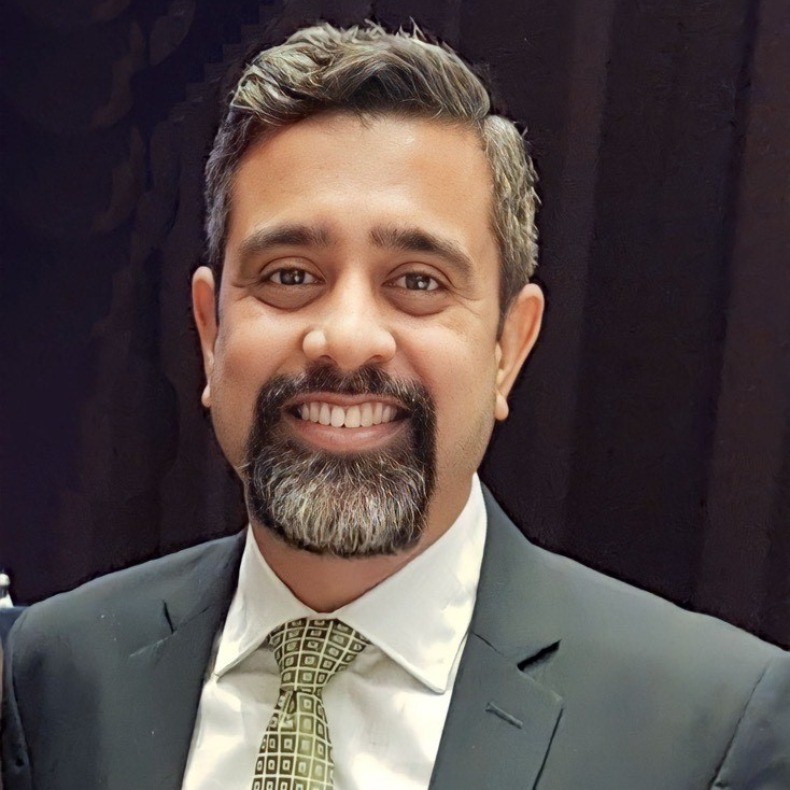
    Get in touch with Saarth Dhingra –

  • “To foster a stronger IP culture, we must empower founders with foundational IP knowledge, which shall help them to identify their IP assets.” – Sonali Sawant, Founding Partner Projulex Global.

    “To foster a stronger IP culture, we must empower founders with foundational IP knowledge, which shall help them to identify their IP assets.” – Sonali Sawant, Founding Partner Projulex Global.

    This interview has been published by Anshi Mudgal and The SuperLawyer Team

    Your journey reflects remarkable versatility and determination. Looking back, what pivotal decisions do you believe have contributed most to your practice over the years?

    My journey into law, and specifically as an IP Attorney, was far from a linear path. Unlike many, I never initially aimed to be a lawyer; in fact, the term “IP Attorney” was completely foreign to me until my second year of law school when IP was first introduced as a subject.

    Coming from a humble, rural background in Talegaon Dabhade, Pune, my early academic pursuits were remarkably diverse. I chose arts at Ferguson College, majored in Psychology for my B.A., and even dedicated time to learning and tutoring German language while preparing for Nritya Visharad, harbouring aspirations of becoming a classical dancer, psychologist, or German translator. Law was never on my radar.

    However, destiny, as they say, had other plans. Being a first-generation lawyer in the family, unaware of the fascinating journey ahead, I took a significant leap of faith. I applied to only one institution, ILS Law College. Getting selected in the first list felt incredibly lucky, as it was a high-risk gamble with no Plan B – a rejection would have meant a wasted year. Although I later transferred to Shankarrao Chavan Law College in my second year, this initial entry into the legal field was itself a pivotal decision.

    This unconventional start , directly led to numerous vital career breaks, opportunities, and challenges. The journey itself broadened my horizons, exposing me to diverse people, institutions, experiences, and ideologies. These early experiences undoubtedly instilled in me resilience, an openness to new directions, and a unique interdisciplinary perspective. I truly believe these qualities laid the foundation for my enriching legal practice and have profoundly shaped who I am today.

    What motivated you to pursue a Master’s degree in Science and Technology Law? Why did you choose this particular specialization, and how has it influenced your practice?

    My decision to pursue a Master’s degree in Science and Technology Law was a pivotal moment in my journey. The dynamic and evolving nature of science and technology, encompassing fascinating areas like Intellectual Property, Biotechnology Law, Cyber Law, and Health Law, deeply intrigued me. This particular specialization, offered by the Department of Law at Savitribai Phule Pune University, provided a holistic overview of the actual laws in place, regulations, and pending bills in these fields.

    The one-year LL.M. program was instrumental in cultivating strong research, presentation, and public speaking skills. While Intellectual Property (IP) was my primary focus, this course provided a robust theoretical foundation in IP, which was crucial for my understanding, research, and practice in IP law. I am particularly grateful to my professors, Dr. Jyoti Bhakare Ma’am and the late T.S.N. Shastry Sir, for fostering my interest in research. The affinity for research I developed during my LL.M. studies remains a cornerstone of my practice today. Beyond academics, the program also allowed me to forge valuable connections and a supportive network that continues to be a source of shared knowledge and care.

    In the early phase of your career, what experiences or cases helped solidify your interest and expertise in intellectual property law, ultimately leading you to build a career in this domain?

    So, from administrative and accounting roles during my LL.B. to becoming a Trademark Associate, visiting faculty, researcher, and ultimately leading my own law firm, every step has been instrumental in building my network, professionalism, knowledge, and interpersonal skills. The one constant thread woven through all these experiences has been Intellectual Property.

    A particularly pivotal moment occurred during my third year of LL.B., when I was working in an administrative capacity. However, my main work was to recover pending invoices from clients. For the first time I was tasked with coordinating copyright filings for a corporate client. As I wasn’t yet a qualified lawyer, the initial plan was to outsource this work. However, being new to the field with no prior legal experience or strong professional connections, I struggled to find a trustworthy attorney online, causing a delay in the assignment. Instead of waiting, I took the initiative. Under the guidance of my senior, I decided to undertake the assignment myself. Successfully completing it single-handedly, by the time the registrations were finalized, I had not only gained valuable IP experience, but this experience provided the initial boost of confidence I needed to delve deeper into IP. 

    At that time, I even found myself daydreaming about having my own law office and all the “corporate fancy things,” largely inspired by series like “SUITS.” From that point forward, the more I immersed myself in this field, the more opportunities I seized. Another impactful experience that solidified my global perspective was assisting foreign attorneys with trademark infringement matters in SAARC countries. Additionally, I had the opportunity to introduce new perspectives to the firm’s trademark practice, which led to a drastic increase in their filings. This invaluable exposure allowed me to read, understand, and apply IP laws in various foreign jurisdictions, especially within Asian countries, further cementing my dedication to this domain.

    After working with prominent law firms, what inspired you to branch out and establish your own practice? What were some of the major challenges you faced during this transition, and how did you navigate them?

    Establishing my own practice and ultimately my own office was always a core aspiration. While working with Ex- law firms, I actively immersed myself in client counselling, meetings, networking, and client acquisition, eventually realizing I excelled in these areas. By the time I decided to make the leap, I felt confident in my ability to navigate the challenges that lay ahead.

    The opportune moment arrived post-COVID-19, amidst a global surge in entrepreneurial spirit. I decided to take the plunge, giving myself a pragmatic six-month window to explore the market. This time, I had a well-thought-out Plan B, given my increased responsibilities. I am incredibly satisfied, happy, and grateful for the overwhelming positive response and trust I received not only from my professional network but also from my husband. What began as an individual practice has since grown into an LLP, offering a diverse range of services beyond IP, including Data Protection, Privacy Laws, Cyber Laws, Entertainment Laws, Legal Metrology, POSH, Litigation, and General Corporate matters. My portfolio expanded organically, driven by my clients’ evolving needs.

    A unique challenge emerged during this transition, one that I found both amusing and concerning. I received calls, on multiple occasions, demanding justification for starting my individual practice. These calls explicitly instructed me not to approach former firms’ clients or even to redirect any clients who might approach me in my individual capacity. Such demands from senior industry figures were not only illogical but also fundamentally unacceptable. Indeed, it felt like an attempt to threaten, suppress, and dominate me. But, this act inadvertently bolstered my confidence, affirming that I was on the right track and destined for something significant. 

    My belief has always been, “There are plenty of fish in the sea; go and catch yours.” I am immensely proud to state that my first 50 clients were acquired purely through my own efforts and network, not by “stealing” or personally soliciting from any previous firm. This is a point I’ve rarely discussed publicly, known only to my closest friends. Naturally, I chose to ignore those unwarranted demands, focusing instead on testing and implementing my own ideas. I am proud to say that I have never had to proactively solicit work from clients. Instead, my clients, friends, family, my husband, and my business partner have organically become my most effective brand ambassadors. 

    You’ve worked on over 3000 trademark applications across jurisdictions. Could you share a particularly complex or memorable case that left a lasting impact on you professionally?

    Yes, indeed. Each and every case and application has its own unique journey with its challenges and surprises. One particularly memorable case that left a lasting impact on me professionally involved a situation where the infringers were, surprisingly, a group of my client’s own students. They had copied my client’s domain name with deceptively similar words and spellings, leading to clear trademark infringement and cyber-squatting.

    The complexity arose from the existing relationship between my client and these individuals. A direct legal enforcement action, while legally justifiable, would have severely damaged those relations. Therefore, my approach had to be non-conventional. Instead of issuing a formal legal notice, we had to very politely communicate with them, explaining the legal implications and amicably requesting them to take down the domain name and refrain from future use.

    This case was a significant learning experience for me. It taught me that legal solutions aren’t always black and white, and understanding the human element can lead to a far more satisfactory and sustainable outcome for all parties involved.

    As a Trademark Facilitator and mentor under the Start-up India initiative, how would you assess the current level of IP awareness among Indian startups? What more can be done to foster a stronger culture of IP protection in the startup ecosystem?

    As a Trademark Facilitator and mentor under the Start-up India initiative, I’ve seen India’s startup ecosystem flourish since 2015. While many startups are aware of IP’s existence, there’s a significant lack of strategic understanding in approaching IP registrations. Even after a decade of Start-up India Scheme, very few startups genuinely prioritize and secure their IPs seriously. Those who do are consistently at the forefront of the market, proving the competitive edge IP offers.

    To foster a stronger IP culture, we must empower founders with foundational IP knowledge, which shall help them to identify their IP assets. Also, this would prevent them from being misled and enable them to proactively integrate IP protection into their business strategy, which is crucial for long-term success. 

    You’ve presented research and spoken at international conferences in Singapore and China. How have these global engagements shaped your professional outlook and influenced your long-term vision?

    My global engagements, especially the ARCIALA research conference in Singapore and fellowship in China, profoundly shaped my professional outlook. Initially seeking research opportunities in IP, these experiences offered me an invaluable global perspective from diverse international researchers. They provided strong connections and significantly deepened my understanding of the subject. This exposure solidified my long-term vision to practice IP with a broader, more interconnected view, constantly seeking to understand and adapt to the evolving international IP landscape.

    Your extensive work across SAARC, GCC countries, and through the Madrid Protocol gives you a unique global perspective. What are some key considerations Indian IP practitioners should keep in mind while managing international trademark portfolios?

    Having the opportunity to work on various international trademark assignments, definitely it becomes very important for us as Trademark Attorneys to go beyond eye on details, deadlines and trademark filing requirements of a particular country. It’s crucial to grasp the technical nuances of each country’s trademark law, such as “first-to-use” versus “first-to-file” systems, and ensure the mark is morally and culturally acceptable in that specific region. Thorough due diligence, understanding local language requirements, knowing the protection period, establishing strong connections with foreign attorneys, and being prepared for diverse enforcement procedures are all vital. This comprehensive approach is essential for effective global trademark management. 

    In addition to your legal practice, you’ve been a visiting lecturer for nearly seven years, work with an NGO, and have co-authored a book. How do you balance your professional responsibilities with these meaningful pursuits, and what drives you to stay engaged on so many fronts?

    Balancing my legal practice with lecturing, NGO work as a POSH committee member, and co-authoring a book comes down to strategic time management and prioritizing urgency. I initially took lecturing roles outside office hours, and now, with a diverse practice, I focus on shorter courses and sessions. Co-authoring was part of a job role, yet it significantly advanced my research direction, while NGO work is primarily “as required on site” role. 

    So, the support and belief of the good people around me drives me across these varied engagements, which keeps me motivated and energized!

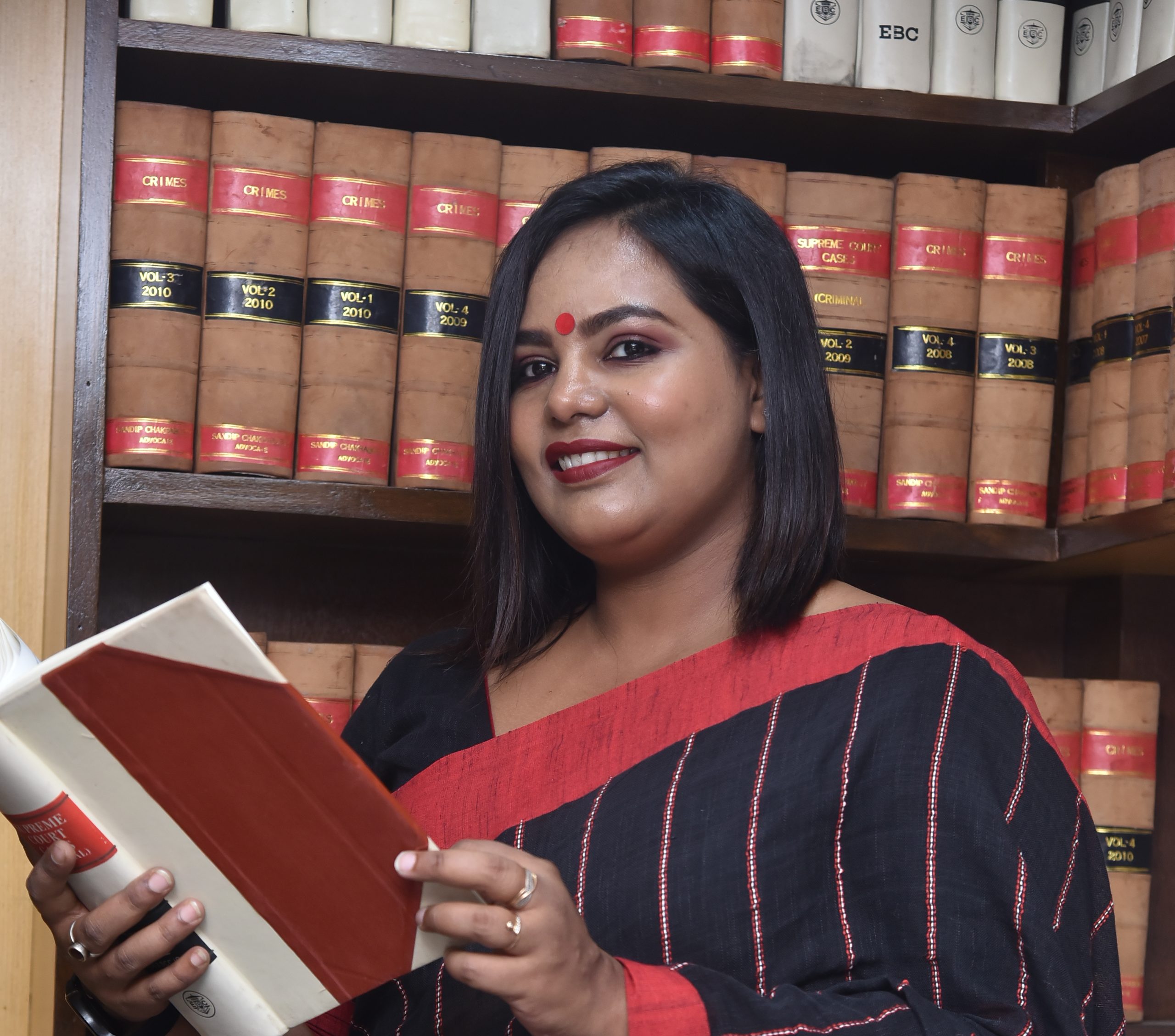
    Get in touch with Sonali Sawant –

  • “Legal entrepreneurship is about compound growth. Trust builds slowly; reputation takes time.” – Vedant Pujari, Founding Partner of Accures IP Care LLP.

    “Legal entrepreneurship is about compound growth. Trust builds slowly; reputation takes time.” – Vedant Pujari, Founding Partner of Accures IP Care LLP.

    This interview has been published by Anshi Mudgal and The SuperLawyer Team

    Coming from a commerce background, what initially inspired you to pursue law? Was it a long-standing goal, or did your interest in the legal field evolve over time?

    Like most 18-year-olds, I had little clue of what I wanted to do with my life. The only streams that most people around me suggested were engineering or medicine, but I knew those weren’t for me. Not because I didn’t respect those fields, but they just didn’t click with who I was. I ended up in commerce because I enjoyed business and finance as it felt naturally coming to me. Toward the end of my degree, I started preparing for CA like most commerce students do. But halfway through, I realized I was just going through the motions. It wasn’t exciting me.

    The real turning point was completely random. I was at the canteen at ILS Law College, Pune, chatting with a friend who was studying law. He started talking about constitutional law, contracts, torts and at that point something clicked. The way he described these subjects made me realize law could be the perfect blend of intellectual challenge and real-world impact I was looking for.

    I applied to ILS that same year. Best decision I ever made. What I love about this journey is that my commerce background wasn’t wasted, in fact it actually gives me an edge. When I’m advising startups or corporations today, I understand both the legal framework and the business reality. Law isn’t just rules on paper; it’s a tool to make business happen. My advice to young people feeling lost? Don’t panic if you don’t have it all figured out. Stay curious, take calculated risks, and trust that the dots will connect eventually.

    You began your legal journey with a prestigious law firm in Delhi. What drew you specifically to intellectual property law, and what early experiences deepened your interest and shaped your expertise in this domain?

    I have to credit Prof. Neelima Bhadbade at ILS Law College, Pune for planting the IP seed. Back then, intellectual property was still relatively niche in India, not like today where many are aware of it. She made it fascinating by connecting Indian law with international cases and showing us how IP actually worked in the real world.

    Getting campus recruited by an IP firm in Delhi was lucky timing. This Firm then was a small team of 7-8 people, which meant I couldn’t hide in a corner doing research all day. I was thrown into the deep end patent filings, trademark disputes, copyright issues and other wide spectrum of IP practice. My mentor back then, one of the founding partners thankfully gave me real responsibility early on. Scary at the time, but invaluable in hindsight. My personal rule was simple: “never say no to any assignment”. I’d stay late figuring things out, reading cases, calling up senior colleagues with questions. Resources weren’t as easily available as they are now, we had to dig for everything. But that struggle taught me to really understand the fundamentals.

    The breakthrough for me was learning to translate complex legal concepts into practical business advice. That’s what clients actually appreciate, not a lecture on case law, but clear guidance on what they should do next. That skill of making law accessible and actionable has been crucial throughout my career.

    What keeps me passionate about IP after two decades? The field never stops evolving. From AI-generated content to digital piracy to blockchain, there’s always a new challenge that requires you to think differently.

    After beginning in a law firm environment, you transitioned into a corporate role. What motivated this change, and what key differences did you observe in terms of the challenges, culture, and expectations in both settings?

    This transition wasn’t something I planned. It happened organically. After several years at the firm, the leadership decided to launch an IP outsourcing company to offer specialized services like patent searches, docketing, and portfolio management. They asked me to lead the IP products division, and I thought, “Why not? This could be interesting.”

    The culture shock was immediate and eye-opening. At the law firm, everything revolved around legal excellence. We asked questions like could your argument hold up in court? Would the IP office accept your position? Quality was paramount, even if it took longer. In the corporate environment, it was all about scalable processes, efficiency metrics, and standardized deliverables. Instead of crafting legal strategy, I was building repeatable workflows.

    The work rhythm was completely different too. Law firms operate on client urgency and if something’s critical, you work until it’s done. The corporate side was much more structured: 9 to 6 schedules, shift patterns for international clients, strict turnaround times. Frankly, I found it limiting. As a lawyer, I thrive on diving deep into complex problems, which doesn’t always fit neat time slots. What I missed most was the direct client relationship. In a law firm, we were solving strategic problems with general counsels and business leaders.

    Having said that, this stint was brief but valuable. It clarified what I really wanted from my career. I realized I am energized by intellectual complexity, client relationships, and strategic problem solving, client facing and all of which led me back to traditional legal practice. 

    Sometimes you need to step outside your comfort zone to appreciate what you have.

    What inspired you to establish your own legal practice, and how did you navigate the challenges of entrepreneurship in the legal field? Were there any pivotal moments that helped solidify your decision?

    The decision wasn’t a lightning bolt moment, in fact it evolved over time. After years in firms and that corporate stint, I kept asking myself: “What if I built a practice the way I think it should be done?” The pivotal moment came when I realized if I didn’t try now, I might never get another chance. 

    Let me be blunt about what entrepreneurship in law really looks like:

    Entrepreneurship is lonely. You can have great mentors and supportive family, but at 2 AM when you’re stressing about payroll or a difficult client, it’s just you. Nobody shares your failures, and the tough decisions are yours alone. Accept this reality upfront.

    Think long-term or don’t bother. If you expect quick wins, you’ll be disappointed. Building a respected practice takes years. I tell lawyers considering this path: if you can’t commit to a 10 to 15 year horizon, stay in your firm job. Legal entrepreneurship is about compound growth. Trust builds slowly; reputation takes time.

    Client relationships are everything. In a big firm, you inherit institutional relationships. As a founder, every client relationship starts from zero. I treated every matter, no matter how small, as if it were my biggest client. That approach led to repeat business and referrals.

    Vision with flexibility. I was clear about wanting to create an IP practice that truly served business needs, not just legal technicalities. But I had to adapt constantly because of the client’s changing requirements, the evolution of the legal landscape and market dynamics shift.

    Resilience isn’t optional. There will be lean months, difficult clients, and moments when you question everything. What got me through was believing deeply in what I was building and never compromising on quality.

    My advice to aspiring legal entrepreneurs is “don’t rush it”. Master your craft first, understand the business of law, and build relationships. Then, when you’re ready, jump with both clarity and courage.

    You’ve advised a wide range of clients, from startups and creative agencies to pharmaceutical companies and academic institutions. How do you adapt your IP strategies to meet the unique needs and growth stages of such varied industries?

    After 20 years of practice, I’ve learned that one-size-fits-all IP strategies don’t work. My approach is what I call “protection with purpose” – every IP decision must align with the client’s specific business goals.

    Startups and creative agencies need agility and smart prioritization. They’re usually cash constrained but need to show IP value to investors. I help them identify their crown jewels i.e. what IP assets will matter most for funding, partnerships, or market differentiation. We might focus on key trademarks, core provisional patents, or critical copyrights first, building the foundation they can expand later.

    On the other hand, pharmaceutical companies require sophisticated, multi layered strategies. We’re managing global patent portfolios, complex licensing deals, regulatory considerations. Here, it’s about creating patent thickets around key products such that it covers the compound, formulation, manufacturing process, methods of use. The goal is sustainable competitive advantage across multiple markets.

    Academic institutions have unique challenges – they want to commercialize research but maintain an open academic culture. The strategy focuses on identifying commercializable innovations early, filing strategic patents that don’t hinder further research, and creating licensing frameworks that benefit both the institution and industry partners.

    The key is spending time upfront understanding each client’s business model, competitive landscape, and growth trajectory. I’m not just filing patents or trademarks – I’m helping build strategic moats around their most valuable assets. What remains constant across all clients is the principle that IP should enable business, not complicate it. Whether I’m talking to a first-time entrepreneur or a Fortune 500 general counsel, the conversation starts with understanding what they’re trying to achieve.

    In your experience, what are the most common misconceptions businesses have about intellectual property protection? How do you guide them toward a more accurate understanding?

    After two decades of client conversations, I see the same misconceptions repeatedly. Here are the big ones:

    IP is only for big companies – Wrong. Some of the most valuable IP I’ve worked on came from small startups. Your trademark or patent could be your most important business asset, regardless of company size.

    One filing protects me everywhere – IP rights are territorial. A US patent doesn’t protect you in India. A trademark registered in India doesn’t automatically work in Singapore. Global protection requires global strategy.

    Once filed, I’m protected forever – IP requires active management. Patents expire, trademarks need renewal, portfolios need monitoring. I’ve seen valuable rights lost simply because nobody was paying attention to deadlines.

    My company name gives me trademark rights – Company registration and trademark rights are separate. You can register “XYZ Private Limited” but that doesn’t give you exclusive rights to use “XYZ” as a brand.

    How do I fix these misconceptions? Education and real examples. I show them competitors who got it right and ones who didn’t. I explain IP not as abstract legal concepts but as business tools. How a well-crafted patent portfolio helped one client raise Series A funding, or how trademark vigilance saved another from expensive rebranding.

    The conversation always comes back to business strategy. IP isn’t just legal housekeeping, it’s competitive advantage, asset value, and risk management rolled into one.

    How do you foresee IP law evolving over the next five years, especially considering emerging technologies, shifting regulatory landscapes, and global geopolitical dynamics?

    IP law is entering one of the most dynamic periods in its history. As we look ahead to the next five years, I believe several major forces will reshape how businesses think about and manage their IP and how lawyers will need to adapt their counsel to serve clients effectively.

    The rise of emerging technologies particularly AI and blockchain is challenging traditional IP frameworks. Questions such as who owns AI-generated content, or how blockchain can be used for IP rights management and enforcement are already pressing issues. I foresee regulatory bodies around the world moving to update and harmonise IP laws to address these new realities, though this evolution will be gradual and will require active dialogue between industry, policymakers, and the legal community. 

    We are also witnessing a shift toward a more strategic and data-driven approach to IP management. Businesses increasingly see IP not just as a legal shield but as a core business asset i.e. the one that supports valuation, drives licensing revenue, and enhances market position. In this context, IP lawyers must evolve from being pure legal technicians to becoming strategic advisors who can help clients align IP strategy with business goals. This is where my mantra of “protection with purpose” will be even more relevant going forward.

    Geopolitical dynamics and regulatory fragmentation will continue to pose challenges for global IP strategy. With shifting alliances, evolving trade agreements, and varying national approaches to data protection and IP enforcement, businesses will need tailored, jurisdiction-specific advice. I also expect greater emphasis on IP enforcement and brand protection in digital environments, as e-commerce continues to grow, and cross-border infringement becomes more sophisticated.

    In short, the future of IP law will be more complex, fast paced, and integrated with business strategy than ever before. As lawyers, we must be prepared to continuously learn, collaborate across disciplines, and help clients navigate this evolving landscape with foresight and purpose.

    My advice to clients: don’t wait for perfect regulatory clarity. The companies that adapt quickly to these changes will have sustainable advantages. Those that wait will be playing catch-up.

    Managing a demanding legal practice can be intense. How do you maintain a healthy work-life balance, and is there a personal philosophy or motto that has consistently guided you throughout your professional journey?

    Let me be honest, work life balance in legal practice isn’t about perfect equilibrium every day. It’s about sustainable intensity over decades.

    There are times when the practice demands everything like a major litigation heating up, international deals with tight deadlines or crisis management for key clients. During these periods, I’m all in. But I’ve learned to be equally intentional about recovery periods. When things are quieter, I actively recharge, usually with cycling, hitting the gym, watching mindless TV, or just sitting quietly doing nothing.

    Building a strong team was crucial for long-term sustainability. Early in my practice, I tried to handle everything myself. That’s a recipe for burnout. Learning to delegate and trust others was one of my biggest growth areas. A well-functioning team isn’t just good for business, it’s what allows you to have a life outside the office.

    My personal motto has evolved over the years, but what guides me now is “Do your best, let go of the rest, and expect less.” In a profession where perfectionism is expected, this mindset keeps me sane. I focus on delivering excellence where it truly matters, accept that I’m human and will make mistakes, and maintain perspective about what really counts in life. Law is what I do, not who I am.

    Physical and mental health aren’t luxuries, they’re business necessities. You can’t serve clients well if you’re constantly stressed or burned out. I’ve made peace with the fact that some periods will be all-consuming, but I actively protect time for renewal.

    What advice would you offer to young lawyers who aspire to work on IP law? Were there any specific habits, values, or resources that played a significant role in shaping your professional growth in this field?

    For young lawyers aspiring to build a career in intellectual property law, my foremost advice is this – develop both depth and breadth. IP is a wonderfully multidisciplinary field, it sits at the intersection of law, technology, business and creativity. IP law is constantly evolving whether through landmark judgments, international treaties or emerging technologies like AI. Develop a habit of reading widely not just case law, but also industry reports, scientific advancements and business news. Always act with professionalism and respect for confidentiality. Develop a mindset of “protection with purpose”, understand why each IP asset matters to the client’s business, and align your advice accordingly.

    Lastly, invest time in building mentorship relationships and learning from peers and seniors. In my own journey, I gained immensely from working under exceptional mentors who challenged me and gave me opportunities to grow. 

    After 20 years in IP practice, here’s what I wish someone had told me when I started:

    1. Develop both depth and breadth: Master core IP law principles but also understand the business and innovation contexts you’ll be advising.

    2. Adopt a mindset of continuous learning: Stay ahead of evolving IP law, emerging technologies (AI, blockchain), and global IP trends.

    3. Build strong values early: Always practice with integrity and diligence

    4. Embrace every opportunity to learn: Take on diverse assignments, large and small, and see every task as a learning opportunity.

    5. Learn from inspiring seniors and build trust-based networks. These relationships will shape your growth.

    Get in touch with Vedant Pujari –

  • “My path to law was a blend of intent and organic evolution, deeply influenced by the strong women in my family.” – Aindrila Biswas, Managing Partner at Lex Meliora Partners and Associates.

    “My path to law was a blend of intent and organic evolution, deeply influenced by the strong women in my family.” – Aindrila Biswas, Managing Partner at Lex Meliora Partners and Associates.

    This interview has been published by Anshi Mudgal and The SuperLawyer Team

    With over a decade of experience in law, what initially drew you to this profession? Was it a deliberate choice from the beginning, or did it develop more organically over time? Also, how would you describe your time at National University of Juridical Sciences (NUJS – Kolkata)? 

    My path to law was a blend of intent and organic evolution, deeply influenced by the strong women in my family. Coming from a lineage where resilience and empowerment were ingrained, I grew up watching my great-grandmother, my grandmother—a dedicated nurse—and my mother, a high school teacher in a small village, fight for their rights and carve their own identities in society. Their strength and determination shaped my worldview and instilled in me the belief that women must assert themselves in every sphere, especially in professions where they are often underestimated.

    From an early age, I was acutely aware of how society tends to give less importance to women’s ambitions and careers. However, my parents always encouraged me to be bold, firm in my convictions, and unwavering in integrity. Their teachings laid the foundation for my passion for advocacy—standing up for what is right and ensuring that justice is accessible to those who need it the most.

    Growing up in a small town, I had no prior knowledge of NUJS. It was through a newspaper article that I first came across the institution. At that time, access to the internet was limited, and mobile phones were not commonplace. Intrigued, I wrote a letter to a Bengali newspaper seeking more information about NUJS and its law program. After reading about the college and understanding its potential, I became determined to pursue law after my 12th grade. I took the entrance exam, and to my surprise, I got selected—something I discovered only seven days after the results were published. 

    However, cracking NUJS was only the first challenge. As a student from a Bengali-medium background, adapting to the rigorous academic environment was daunting. The initial years were particularly tough, but the faculty at NUJS was incredibly supportive, helping me overcome my fears and language barriers. Despite these challenges, I never let adversity deter me. I used every opportunity to gain practical exposure, completing a dozen of internships across India during the entire law course. These experiences not only deepened my legal understanding but also prepared me for the real-world dynamics of the profession.

    NUJS was truly a transformative experience. It provided the academic rigor and practical training that shaped my legal acumen. Surrounded by some of the brightest minds in the country, I learned to think critically, challenge the status quo, and embrace the complexities of the law. Watching legal dramas like Boston Legal during my time there further reinforced my passion for litigation, making me realize how powerful the law can be in shaping lives and businesses.

    The friendships and professional relationships I built during my time at NUJS continue to influence my career today. It was here that I developed the resilience and strategic thinking that ultimately led me to establish my own law firm “Lex Meliora”—a decision driven by my unwavering belief in justice and my desire to make a tangible impact in the legal landscape.

    During the early stages of your career, what experiences stood out as pivotal in shaping your skills and steering you towards success?

    The early years of my career were a whirlwind of challenges and learning opportunities. One of the most pivotal experiences was working on high-stakes corporate transactions where I had to balance legal precision with business strategy. Drafting airtight contracts, negotiating deals, and handling litigation matters—all under immense pressure—taught me resilience and the importance of meticulous preparation.

    Another defining moment was navigating complex intellectual property disputes for multinational companies, where I saw first hand how the right legal strategy could protect innovation and brand value. These experiences solidified my expertise in corporate and IP law while reinforcing my drive to make a tangible impact.

    What motivated your shift from working in law firms and practicing with advocates to the corporate sector? How did you find the cultural differences between these environments, and how did you navigate them?

    My shift from traditional litigation and law firms to the corporate sector was driven by a deeper aspiration—I didn’t just want to be a legal advisor; I wanted to be a strategic partner in decision-making. The corporate sector offered an opportunity to work at the intersection of law and business, where legal frameworks could be leveraged not just for compliance but as tools for growth, brand protection, and innovation.

    During my tenure at Hindustan Unilever Limited (HUL), I was primarily responsible for handling litigation related to intellectual property (IP) infringement and brand protection. This role reinforced how critical it is for companies to safeguard their brand reputation and enforce a zero-tolerance policy against infringers. At HUL, we adopted proactive legal strategies to mitigate risks, taking swift action against counterfeiters and unauthorized use of trademarks. I learned firsthand how legal mechanisms, when effectively utilized, could become a powerful shield against market threats and strengthen brand value in a competitive landscape.

    Later, my experience at Flipkart deepened my understanding of the complexities of e-commerce operations and digital brand protection. With a vast marketplace involving thousands of brands and independent sellers, ensuring brand integrity in a rapidly evolving digital ecosystem was both a challenge and a priority. As part of the legal team, we designed and implemented strategic frameworks to detect and eliminate IP infringements while balancing the interests of both brands and marketplace sellers. The role required not just legal expertise but also cross-functional collaboration, working closely with policy teams, product managers, and enforcement agencies to create sustainable and scalable solutions.

    The transition from law firms to in-house roles also came with a significant cultural shift. Law firms operate in a high-pressure, client-driven environment, where success is often measured by billable hours and case wins. In contrast, the corporate world focuses on long-term risk mitigation, compliance, and internal stakeholder alignment. Adapting to this environment required a shift in mindset—I moved from purely legal problem-solving to a solution-oriented, business-driven approach. Understanding the company’s commercial objectives became just as crucial as legal precision, and my role evolved to ensure that legal strategies aligned seamlessly with business goals.

    This journey not only broadened my perspective on how businesses function but also solidified my expertise in brand protection, IP enforcement, and regulatory compliance in both traditional and digital marketplaces. It ultimately paved the way for me to return to litigation—this time as the founder of my own firm, where I could blend my corporate experience with my passion for advocacy, ensuring that businesses, innovators, and brand owners receive strong, strategic legal representation in an ever-evolving legal landscape.

    In your experience working with data privacy and security issues in the Software as a Service (SaaS) sector, how do you incorporate emerging data protection laws like GDPR, CCPA, and the DPDP Act 2023 into your policy development strategies, and what measures do you take to ensure compliance and manage potential legal risks?

    Data privacy and security in SaaS are evolving landscapes, and compliance isn’t just about ticking legal boxes—it’s about building trust. My approach to integrating GDPR, CCPA, and the DPDP Act 2023 into policy development involves:

    1. Proactive Compliance Frameworks – Instead of reactive measures, I focus on embedding privacy by design into SaaS products from the outset.
    2. Risk-Based Approach – Conducting Data Protection Impact Assessments (DPIAs) to identify potential risks early.
    3. Cross-Border Data Strategies – Given the global nature of SaaS, I ensure that data transfer mechanisms (such as SCCs and BCRs) align with international regulations.
    4. Employee & Stakeholder Training – Compliance is as strong as the people implementing it. Regular training ensures that teams understand the nuances of these laws.
    5. Incident Response & Risk Mitigation – Establishing strong breach notification protocols and working closely with cybersecurity teams to minimize risks.

    The future of SaaS compliance lies in anticipation, not reaction. Laws like GDPR, CCPA, and DPDP Act 2023 are not static; they evolve with technology. I ensure my clients remain ahead of the curve by integrating AI-driven compliance, robust incident response, and adaptive policy frameworks, making data privacy a business enabler rather than just a regulatory hurdle.

    As a strategic IP advisor, what were some of the key challenges you encountered in balancing robust IP compliance with the rapid growth of e-commerce and digital platforms?

    As I was associated with one of the giant E-commerce Platform in India  and was responsible for IP infringement domain charter, I realized the biggest challenge in e-commerce and digital platforms is striking a balance between innovation and regulatory compliance. The rapid growth of online marketplaces has introduced complex legal risks, requiring a multi-layered approach to consumer protection, intellectual property enforcement, fraud prevention, and regulatory adherence. Over the years, I have worked extensively in structuring legal frameworks to safeguard brands, consumers, and businesses operating within these platforms.

    The biggest challenge in e-commerce IP compliance is balancing innovation with regulatory enforcement. The rapid growth of digital platforms has led to increased risks of counterfeit sales, trademark violations, deceptive advertising, and fraud. My approach focused on:  

    1. Proactive IP Enforcement – Implemented AI-driven brand protection tools, automated takedown mechanisms, and legal action against repeat offenders.  

    2. Robust Contractual Safeguards – Strengthened vendor agreements, advertising contracts, and platform policies to ensure compliance and minimize disputes.  

    3. Enhanced Seller Verification & Monitoring – Developed multi-step verification, KYC protocols, and fraud detection frameworks to prevent unauthorized listings and financial fraud.  

    4. Regulatory Compliance & Consumer Protection – Ensured adherence to global advertising laws, GST regulations, and e-commerce policies to prevent misleading claims and legal liabilities.  

    5. Strategic Collaboration & Adaptation– Worked with law enforcement, regulatory bodies, and internal teams to continuously update compliance frameworks in response to evolving threats.  

    By integrating technology-driven enforcement, strong legal frameworks, and collaborative strategies, I helped create a secure, compliant ecosystem that protects brands, consumers, and platform integrity.

    By taking a multi-dimensional legal approach, e-commerce platforms can foster innovation while ensuring a secure and compliant ecosystem—one that safeguards consumers, protects brands, and maintains trust in the digital marketplace.

    Staying ahead of these challenges meant continuously updating legal strategies to match evolving technologies and regulations. The approach needs to be proactive and collaboration with all the stakeholders are important to tackle such risk.  Seller digital agreement, warning, verification, monitoring listings are highly crucial to maintain an integrated platform.

    After gaining extensive experience with top legal firms, what inspired you to start your own practice? What were some of the biggest challenges you encountered in the early stages, and how did you overcome them?

    After years in top legal firms, I realized that true fulfilment lay in autonomy, impact, and purpose. While the experience was invaluable, the constraints of bureaucracy, internal politics, and a misalignment with my values pushed me to take a bold step—starting my own practice. I wanted the freedom to advocate for justice without compromise and create a legal environment where integrity and excellence thrived.

    However, the journey was not without challenges. Establishing credibility, managing finances, navigating litigation unpredictability, and gaining client trust were initial hurdles. With persistence, strategic networking, and a strong support system—my husband, Sandip Chakraborty, and best friend, Valerie Kithan, who are partner  the firm with me—we built a practice grounded in trust, expertise, and client-first advocacy.

    Looking back, stepping away from a toxic work culture was the best decision. It allowed me to reclaim my professional integrity and build something meaningful. Today, our firm stands as proof that when passion and courage align, they create something truly unstoppable.

    As digital technologies advance, how do you foresee the intersection of Intellectual Property (IP) and Cyber Law influencing the future of data protection, online privacy, and digital rights enforcement?

    As digital technologies advance, the intersection of Intellectual Property  and Cyber Law is becoming one of the most dynamic areas of legal evolution. The increasing digitization of content, the rise of artificial intelligence, and the proliferation of cyber threats are forcing regulators, businesses, and individuals to rethink the legal frameworks governing ownership, privacy, and enforcement in the digital age. The rapid growth of AI, digital content, and cyber threats necessitates proactive legal frameworks to balance innovation with enforcement particularly in data protection, online privacy, and digital rights enforcement.

    I believe there are a few key trends shaping the future:

    1. Stronger IP Enforcement Against AI-Generated & Pirated Content
      • AI is accelerating content creation but also increasing digital piracy and misuse.
      • Expect stricter copyright laws, AI-powered infringement detection, and greater platform accountability.
    2. AI-Driven IP Ownership Challenges
      • Traditional IP laws struggle with AI-generated works—who owns AI-created content?
      • Future reforms may introduce hybrid ownership models and AI-specific IP regulations.
    3. Enhanced Data Security & Cyber Law Compliance
      • Rising cyber threats demand stricter regulations (GDPR, CCPA, DPDP Act 2023).
      • Companies will face increased liability for data breaches and cross-border cyber enforcement.
    4. User-Centric Privacy & Digital Rights
      • Laws will give individuals more control over their digital footprints and personal data.
      • Emerging disputes over algorithmic bias, data monetization, and digital IP ownership (e.g., NFTs).

    The future of IP and Cyber Law will be defined by a delicate balance between technological innovation and legal safeguards. The harmonization of global regulations, advancements in AI-driven enforcement mechanisms, and the proactive role of digital platforms will be critical in shaping a fair, transparent, and secure digital ecosystem. The challenge for legal professionals will be to stay ahead of emerging risks while ensuring that laws evolve in tandem with technological advancements.

    Reflecting on your career, what project or initiative stands out as the most fulfilling?

    I have had the privilege of working on multiple projects and initiatives, but one of the most fulfilling and high-impact experiences was leadingcomplex cross-border IP litigation. This case involved securing brand rights across multiple jurisdictions, navigating intricate international IP laws, and addressing challenges posed by varying enforcement mechanisms. The litigation was particularly demanding, requiring strategic legal interventions, coordination with global legal teams, and in-depth jurisdictional analysis. However, the successful outcome not only protected the company’s innovation and market presence but also set a precedent for future IP disputes, reinforcing stronger brand protection strategies in the digital economy.

    One of the most impactful and rewarding aspects of my career has been developing Digital Brand Protection Mechanisms, particularly leading a dedicated Brand Coalition Program for an e-commerce platform. This initiative was instrumental in safeguarding brands against unfair competition, counterfeit products, and trademark infringement, ensuring that intellectual property rights were upheld in the digital marketplace. 

    Moreover, collaborating with customs authorities, enforcement agencies, and the Directorate of Revenue Intelligence (DRI), I actively participated as a Speaker in conducting awareness programs to combat IP infringement. These initiatives not only empowered enforcement officials but also educated students and consumers on the risks of counterfeit goods, helping them make informed choices and avoid fraudulent products.

    Beyond IP enforcement, I have also engaged in legal awareness programs in the healthcare industry, focusing on critical laws related to women and child protection. As a speaker at various industry forums, I have addressed key legal frameworks such as the Protection of Women from Sexual Harassment (POSH) Act, 2013, Protection of Children from Sexual Offences (POCSO) Act, 2012, and Medical Examination Guidelines under the Criminal Law (Amendment) Act, 2013. These sessions aimed at equipping healthcare professionals, including doctors and nurses, with the necessary legal knowledge to handle cases of sexual abuse and victim examination sensitively and in compliance with legal protocols. The intersection of law, business ethics, and social responsibility has been at the core of my work, making these experiences deeply fulfilling and reinforcing my commitment to legal advocacy and reform.

    What advice would you offer to aspiring lawyers aiming to impact multiple areas of law like IP and Cyber Law?

    For aspiring lawyers looking to make a meaningful impact in Intellectual Property  and Cyber Law, my key advice would be to cultivate a mindset of continuous learning and adaptability. The legal landscape is constantly evolving, especially in the digital age, where technological advancements challenge traditional legal frameworks. Staying curious and informed about emerging trends—whether in AI-driven copyright issues, digital piracy, or evolving data protection laws—is essential for staying ahead in these dynamic fields.

    A strong foundation in technology is crucial for IP and Cyber Law practitioners. Understanding how blockchain, AI, and digital platforms operate enables lawyers to provide practical, forward-thinking legal solutions. The intersection of law and technology demands not just legal expertise but also technical awareness to navigate issues such as data security breaches, algorithmic bias, and digital rights enforcement.

    Strategic networking is another powerful tool. Engaging with tech entrepreneurs, cybersecurity experts, and legal professionals opens doors to new opportunities and insights. Attending industry conferences, contributing to legal discussions, and collaborating on interdisciplinary projects can expand one’s professional influence and expertise.

    Finally, adaptability is key. The most effective lawyers are those who not only understand the law but know how to apply it in real-world, business-driven scenarios. Whether it’s structuring IP licensing agreements, tackling e-commerce infringements, or shaping regulatory policies, being able to anticipate challenges and craft innovative legal strategies sets apart exceptional legal professionals in these fields.

    Given the demanding nature of your profession, how do you maintain a healthy work-life balance?

    Maintaining a healthy work-life balance in the legal profession is not about rigidly dividing time but about mindfully integrating work with personal well-being. I have learned that setting boundaries, prioritizing effectively, and embracing flexibility are key. Litigation and corporate advisory can be all-consuming, but I ensure that I carve out time for what truly matters—family, personal growth, and mental well-being. My husband, Sandip, and my best friend, Valerie, who co-founded the firm with me, have been my strongest pillars, reinforcing the importance of having a support system that shares your vision. I also believe in delegation and building a strong, self-sufficient team, which allows me to focus on high-impact work without burnout. Unwinding with books, traveling, and pursuing creative interests keeps me energized, and I make a conscious effort to disconnect from work when needed. Ultimately, balance is not about working less but about working smarter, knowing when to push forward and when to pause, ensuring that passion never turns into exhaustion.

    get in touch with Aindrila Biswas –

  • “To be able to make a career in the field of IP, one should be creative or at least understand certain facets or methods of its expression. You should have the zeal to learn more and more everyday.” – Zainab Syed, Founder of Zainab Syed & Associates.

    “To be able to make a career in the field of IP, one should be creative or at least understand certain facets or methods of its expression. You should have the zeal to learn more and more everyday.” – Zainab Syed, Founder of Zainab Syed & Associates.

    This interview has been published by Anshi Mudgal and The SuperLawyer Team

    Maam, you have an impressive background, having completed your schooling in Kuwait and your law degree in Kashmir. Can you share some experiences from your early years that inspired you to pursue a career in law? What aspects of the field motivated you to become a lawyer?

    Thank you. Well, from the very beginning, I have been quite principled and straight forward, advocating for whatever I believed to be the right thing. I was also elected as the school head girl, which made me quite responsible and vocal at the same time. My family is my support system, my parents instilled in me and my siblings a good work ethic and the importance of hard work and dedication. So, it was quite natural for me to choose this as a profession. I also landed myself a job with Amnesty International, soon after I gave my class 12th CBSE ( gulf) board exams . The job was at the Indian Embassy of Kuwait, wherein me and my team were helping with sending back Expats to India, who had been forcibly detained in the country with no documents in their possession. We helped so many helpless trapped Indians during that time. This is when I saw the real world, the injustice and helpless people looking for hope in us, being able to help these people made me realise that this is what I want to do in life.

    I am a very empathetic human being, at times it does have a negative impact on my life or my decisions, but I think that is how I was raised and I’m proud of it and always will be. Everything about this field motivates you to become a lawyer, however, if I have to name some of the aspects, they would be as under:

    • It’s a mental marathon that offers endless opportunities for problem-solving and critical thinking. 
    • Lawyers often find themselves at the forefront of societal change, advocating for individuals and communities. 
    • Lawyers stand as the principal architects of legal frameworks that safeguard civil liberties and shield the marginalized.
    • Through their steadfast commitment to furthering social equity, provision of pro bono services, and facilitation of access to justice, lawyers emerge as pivotal agents in fostering equity and parity.

    Early in your career, you worked at the High Court of Jammu and Kashmir, handling cases related to service matters, property disputes, family issues, and more. What are some key experiences from that time that shaped your legal understanding and laid the foundation for your practice?

    After completing my law degree from Kashmir, and getting my license to practice, I decided to join the High Court of Jammu & Kashmir under the guidance of a very renowned and senior Advocate Mr. Syed Manzoor Hussain, who has an expertise of over 40 years now. Working with him, I learnt so many aspects of law which I had only read about. The whole experience of working with him in matters related to Service, property, defamation, Matrimony etc helped shape my career in the initial days. I remember the first time I appeared in Court, I got a favourable order in our matter, and the Hon’ble Justice at that time, commended me for my boldness and confidence, which increased my morale ten times more than what I had walked in with. Working at the High Court with my Senior, taught me that not all days will be in your favour, some may be against you, and it is then that your caliber and patience is tested. I remember working with my senior and assisting him in a service matter wherein even after having worked for more than 20-25 years in the Sericulture Dept of Jammu & Kashmir, the employees were not regularised by the govt, which should have been done, soon after they had finished 7 years of service, and after citing numerous judgements, submitting ample evidence, we finally managed to get them regularised. There were other matters also, like property disputes, salaries being withheld and unlawful terminations that we were able to get relief granted for our Clients. However, it won’t be fair to deny having any bad experiences, and those bad ones teach you to be more particular about your choices, and show you your hidden potential.

    After joining SS Rana as a Senior Trademark Attorney and handling tasks like trademark filing, prosecution, and responding to examination reports, how did your experience in Intellectual Property Law compare to your previous work in the court? How did the work culture differ?

    I shifted to Delhi after the 2013 floods in Kashmir that crippled life there, everything from records to documents were destroyed. It was then that Mr. Senior, who had seen the amount of hard work and dedication I had put in those 2 years, suggested that I move to Delhi as things would take quite some time to get normalized back there. It was definitely a very tough decision to move to Delhi and start afresh, but like they say “Accept what is, let go of what was, and have faith in what will be” , and that is what I did.

    I joined S.S.Rana & Associates as a Junior Associate Advocate. This was an IPR law firm and I had no experience in this field, and IPR had been my favourite subject back in the University. I was lucky enough to be working under Mr. Vikrant Rana ( Managing Partner) in the Trade Marks Department. He believed that we need to partner with our clients, make their concerns our own, understand their businesses, and proactively get out in front of their problems without actually getting out in front of them. I believe that the biggest achievement in my career and what boosted my confidence is when your ideas or suggestions are taken positively and also implemented by Senior Lawyers or whom you work under. Under the guidance of Mr. Vikrant Rana I became a pro in Trademark matters, as I already had a flair for writing, and an eye for detail my examination report replies became popular among the team, Within a short span of time, I was training juniors in Trademark Department, handling complex cases and giving legal suggestions for IPR protection not just to National but international Clients as well.

    I guess it was my honesty and dedication that always made me visible and stand out in the crowd. I had never imagined that Intellectual Property Rights were this vast and interesting, I guess the subject only teaches you 10% of what the law actually is. The work culture differed in this way that instead of having 1 senior to report to at the High Court, here I had the opportunity to learn from everyone, my knowledge was not restricted to the belief and ideas of one individual but it was open to accepting new things from so many different skilled and intelligent minds. Also of course, as we didn’t directly deal with clients on a daily basis unlike my previous workplace, this helped with the stress of client dealing.

    On a lighter note, I remember when I was at the High Court, there was this very old Client of ours, almost 70-75 years of age , he would come to Court almost every other day, even if his matter would have been listed after 3-4 months, he visited every week without fail, asking about the status of his property dispute matter. When asked why are you here every week, he replied “I enjoy seeing you all work like this, I never had to work this hard in my entire life, I guess I was lucky, and to be honest, I don’t actually have anything more important to do”, I am sure, as I write this interview, he must be sitting in one of the courtrooms at Srinagar.

    Following your tenure at a law firm, you transitioned to working as IPR counsel for several companies, managing their IP portfolios and providing legal advisory. What motivated this shift, and how did you navigate the complexities of this role?

    I quit my job after the pandemic hit us, and took the decision of moving back to Kashmir, as we all know how serious it had gone back then, having lost a few loved ones back home, I realized that i had to be where my family is, as my family means the world to me. So it wouldn’t be wrong to say that all Natural Calamities happening in my life, brought with them a new hope and a new beginning for me. As I had already learnt the art of managing clients and their brands, it didn’t take me much time to make a Client base of my own, in my own home town. To be honest, these brands I worked for, all belong to Kashmir, and it was I who had approached them and introduced the concept of IPR protection and the importance of IPR in their business, that is how I got to work with them.

    This role did indeed bring with it many issues or complexities, as Intellectual Property Rights were not very popular or known to the people in my home town, and even though we have way too much IP out there to protect, we had issues, issues like business owners using identical names for their business and wanting to protect their brand, or business owners not wanting to take legal action against parties infringing their IP. For such issues, we started educating the business owners about the importance of IPR and the benefits of protecting their IP.

    What led you to establish your own practice? What were the challenges you faced in the initial stages, and how did you overcome them? What continues to motivate you in your practice today?

    When I was working with my previous law firm, it would worry me so much that out of all those queries coming in about IP on a daily basis, I never came across any query coming from Kashmir. I don’t know why, but people have the misconception about Kashmir being a conflict zone, hence no one there does anything or everyone is living in fear, they have no life of their own. As I knew the real Kashmir, I wondered why no one there was coming forward to protect their brands or even enquiring about it.

    This led to establishing my own law firm Zainab Syed & Associates, which was the first ever IPR law firm in Kashmir. Challenges like I mentioned before were the little of half knowledge about Intellectual Property Rights. The initial year indeed was a very tough one, where converting any query was like winning the Olympic gold medal, as people didn’t want to spend money on something they didn’t feel was necessary to protect, also, there were cases where someone had taken money from them for filing their trademark and they had never reverted after the money was transferred or cases where applications were filed by third party websites ( names not taken) who file applications in bulk without application of mind or a proper search or opinion, which lead to refusal of such marks.

    I am a very competitive person, and the thing is that I only compete with myself. I believe that in this race in life, you run alone, it should never be about how many people went ahead of you, it should always be about what you have to do to finish the race. That is how I was able to face these challenges at work, I never took up matters that I knew had no chances of success, I didn’t think about the number of applications I was filing, what mattered to me was how many applications I could get registered. I was very patient with Client’s who didn’t quite understand why and how of IP, I never gave up on any Client until I would make them protect their brand by filing applications, I was persistent in this goal to protect more and more brands for my home town , or at least make them aware about Brand Protection.

    Looking back how far I have come in this field and in expanding my practice, I am proud to say that I started from scratch and today I not only have Clients from the State of Jammu & Kashmir but from all across India and Abroad as well. Also the biggest motivation has been the success rate of our applications, and the flow of work we get from recommendations from our existing clients. Although I don’t let success get to my head or failure get to my heart, I guess that’s what learning is all about.

    What has been one of the most challenging IP infringement cases you’ve handled to date, and how did you approach its complexities?

    I wouldn’t be able to put them on a scale of 1 to 10, as all IP infringement cases are mostly complex and very challenging. One of our clients had received an infringement notice from the U.S for a name used in their café. They were asked to shut down the café and remove all use of the mark, however, our Client was the registered proprietor of the mark and the opposite party neither had a trademark application for the said name either in India or in their home country, and after almost a year of negotiations and emails and meetings we were able to convince them that the said Intellectual property solely belonged to our Client and there was no way that they could stop him from using the said brand name.

    Also there was a matter where our Client had been using their family business name since almost 40 years and they had a registration that had expired and not renewed due to inadvertence of the previous lawyer, a third party had now taken advantage of the said thing and applied for the said trademark and started using the said name. We filed a fresh application in the name of our Client, filed opposition against the opposite party’s application and sent them a seize and desist notice. The Opposite party gave us an undertaking that they would never file this mark in future or even file a slightly similar mark in the future and also abandoned their trademark application and changed their business name to something else.

    So I believe that overpreparation is the key to success, you should always be over prepared with facts and you should know your Client, and know about your Client, sometimes, your own Client does not have the right facts, so you always need to do your side of research and homework, so its only when you are convinced, you will be able to convince the opposite party.   

    As an IPR consultant and attorney for PHDCCI in Jammu & Kashmir and Ladakh, how has your role contributed to the promotion of Indian industry, trade, and entrepreneurship through intellectual property rights?

    Our Law firm was appointed as their IPR Attorney and Consultant a few months back, and it is indeed an honour to work with this establishment that has changed millions of lives with their constant support and guidance. In these few months, boosting research and development, intellectual property rights (IPR) have contributed significantly to India’s economy. In fact, IPR and economic growth go hand-in-hand as intellectual property rights are essentially designed to aid innovators and reward innovation, This is where IPR comes in. With a patent in hand, innovators can issue licenses for mass production, which directly contributes to the economy. In this regard, we have been able to file 19 patents for PHDCCI and almost 70 Trademark Applications till date. We have also organised various seminars and visited various Universities of Kashmir where we have encouraged young minds and innovators to get their works Patented and protect their IP Rights. Further, we are also working on increasing the number of GI’s filed from the State of Jammu & Kashmir as there is tremendous scope of obtaining a GI registration here in the State.

    With continuous support from the president of PHDCCI Jammu & Kashmir and Ladakh Mr. Vicky Shaw Sir, who is a visionary and a great man, we have been able to achieve the goal we had set for Zainab Syed & Associates, i.e. educating the masses with the need and importance of Protection of Intellectual Property Rights. 

    What advice would you give to young aspirants interested in pursuing a career in IPR law? How can they start early and excel in this field? Are there any specific resources you would recommend for those looking to deepen their knowledge?

    To be able to make a career in this line, one should be creative or at least understand certain facets or methods of its expression. You should have the zeal to learn more and more everyday. This field broadly covers technically complex yet fascinating projects, which invariably require an informed knowledge of trends or developments in line with their type. So, in short, along with enthusiasm, one should have an eye for detail. I would advise them to first start with internships at IPR law firms only and not law firms that have IPR as part of their work. This will enhance their skills and keep them focused on IPR itself, not shifting from one thing to another. The other thing I would advise them would be to never give up on their dreams irrespective of how many times they fail or make mistakes, as one only learns from mistakes. To excel in this field, I would suggest some important points to remember:

    • Before filing a Client’s trademark, always conduct a search on your end, not just in their respective class but in class 35 as well, as this would give you a broader idea.
    • Never rely on the statement “It is a coined term we have not copied the same from anywhere” always do an internet search on if the word means anything or has been taken from an already existing name outside the Country.
    • No similar or identical marks found on the records of the Trade Marks Registry does not always mean you are good to go, it can also mean that the said mark could not have been registered as it is non-distinctive or descriptive or is prohibited under the Trade Marks Act/Rules.
    • Always encourage clients to file applications claiming use of the mark if they are already in business as this gives them prior rights over their mark.
    • Always file applications in the correct class.
    • If a registered mark is cited in your Client’s application, always check if their application had an examination report and how did they reply to the marks cited against them, as this can be used in your reply as submission.
    • Never differentiate the marks in your reply if you intend to oppose the cited mark at a later stage.
    • Always encourage your Clients to change their brand names if they are at the initial stage of their business and have not yet used the name anywhere, and have come to you for suggestions in filing the trademark application, and you see a mark that is either similar or identical to their brand.
    • Always introduce the concept of negotiation to clients or co- existence with the opposite party, where you know that there is a scope of co-existence or negotiation and it is not a straight case of infringement or malice.
    • Be up to date with recent judgements and case laws on IPR and any amendments in the law. Always note down case laws and use them in your replies as and when necessary.

     Also, I would suggest that they visit the WIPO website and get themselves registered for some of the online courses WIPO offers for IPR.

    Given your demanding role, how do you unwind and recharge? How do you effectively balance work and personal life? Do you have any hobbies or activities that help you relax and recharge?

    Being a daughter, a wife, a mother and a Lawyer running my own Law firm, it has always been challenging, but I suppose having that support from your family actually makes a lot of difference. My family has always been very supportive of all my career decisions, and they have always been my strength and motivated me to become a better version of myself. My husband, on the other hand, has always given me the leverage to choose what I want to do in life, he has always supported me in every decision I made after marriage and continues to do so. However, I don’t take that for granted and I understand the importance of having a balance between my personal and professional life by

    • Setting boundaries: This involves establishing clear boundaries between work and personal life by defining specific working hours and separating work-related tasks from personal activities.
    • Time management: Efficiently organizing and prioritizing tasks, ensuring that you allocate enough time for work responsibilities as well as personal pursuits, such as spending time with family, engaging in hobbies, or pursuing personal goals
    • Stress management: Implementing strategies to manage stress levels, such as practicing mindfulness, engaging in regular physical activity, taking breaks, and unplugging from work-related activities when needed
    • Flexibility: Having the ability to adapt and adjust your schedule to accommodate unforeseen circumstances or personal needs without jeopardizing work commitments

    I have a 2-year-old son, I guess that is enough for you to understand what keeps me up and charged.

    Get in touch with Zainab Syed –

  • “With rapid advancements in technology, particularly with the rise of AI, IP and Data Privacy laws are evolving quickly. Staying updated through IP-specific news, following IP practitioners, and engaging with industry peers will be highly beneficial.” – Isha Gandhi, Senior Legal Associate at R K Dewan & Co.

    “With rapid advancements in technology, particularly with the rise of AI, IP and Data Privacy laws are evolving quickly. Staying updated through IP-specific news, following IP practitioners, and engaging with industry peers will be highly beneficial.” – Isha Gandhi, Senior Legal Associate at R K Dewan & Co.

    This interview has been published by Anshi Mudgal and The SuperLawyer Team

    What initially inspired you to pursue a career in law? What aspects of law sparked your interest and shaped your understanding?

    I chose law as a profession because I’ve always had a passion for writing and speaking. Law provides the perfect platform to combine these interests, allowing me to express ideas clearly through legal writing and to advocate effectively in speaking engagements. The ability to analyse complex issues, craft persuasive arguments, and communicate them both in writing and orally is what truly drew me to this field.

    After completing your law degree, what experiences influenced your decision to specialize in intellectual property law? What were some of the key moments that helped establish your foundation in IP law?

    I developed a strong interest in Intellectual Property Law during my college years, which led me to pursue a specialized diploma in IPR laws from Symbiosis Law School, followed by a course from the World Intellectual Property Organization. The complexity and significance of protecting innovations in an increasingly digital world fascinated me. To deepen my understanding, I also interned with boutique IP firms during my college years, gaining valuable insights into IPR laws.

    When advising multinational corporations on IP protection strategies, how do you navigate the complexities of differing national IP laws and enforcement mechanisms? Can you share an example of a time when you successfully managed cross-border trademark infringement issues?

    Intellectual Property (IP) laws in most countries are largely governed by international conventions and treaties, such as the TRIPS Agreement (Trade-Related Aspects of Intellectual Property Rights), Berne Convention, etc. which establishes a common framework for IP protection. As a result, the fundamental principles of IP law are generally consistent across jurisdictions. However, each country may have its own specific regulations, enforcement mechanisms, and nuances in how IP rights are granted, protected, and enforced. Thus, navigating the complexities of different national IP laws requires a tailored approach.

    A key aspect of advising multinational corporations is understanding the unique regulatory environment in each region and developing a strategy that ensures protection while considering local enforcement challenges. One instance I recall involved a cross-border copyright infringement and trademark passing off issue where the infringer had obtained registration of a concerned trademark in India and the client’s mark was pending for registration. The Trademark laws are territorial in nature and there are multiple cases supporting this principle. In this case we had to establish the malafide adoption by the infringer before the Court and filed multiple rectifications against the fraudulent registrations obtained by the infringer in India. This collaborative approach helped to secure an injunction order in favour of our client.

    With the rise of digital platforms, how has IP infringement evolved over recent years, and what proactive measures can brands take to protect their intellectual property online? Drawing from your experience on the Internet Committee at INTA, which policies do you think are essential in addressing online IP issues, particularly with respect to domain name disputes and cybersquatting?

    The evolution of IP infringement in the digital space has been significant, with an increase in online piracy, unauthorized use of trademarks, and domain name disputes. Brands must adopt a proactive, multi-faceted approach to protect their IP online, including monitoring digital platforms, utilizing digital tools for brand protection, and engaging in vigilant enforcement actions. On the Internet Committee at INTA, we focus on creating policies that balance the needs of IP owners with the realities of the digital space. Policies to address cybersquatting, such as enhancing domain name dispute resolution mechanisms, are critical. Strengthening the cooperation between domain registrars, social media platforms, and IP owners is vital to combatting these challenges effectively.

    As privacy and data protection laws become increasingly significant, how do you incorporate cyber law considerations into your intellectual property advisory, especially when drafting documents such as terms of service, privacy policies, and user agreements?

    With privacy and data protection laws becoming increasingly stringent, especially with regulations like GDPR, it’s essential to integrate these considerations into IP advisory work. When drafting documents such as terms of service or privacy policies, I ensure they reflect both IP protection and compliance with data protection laws. This includes ensuring clear consent protocols for data usage, addressing how user data interacts with proprietary technology, and defining the ownership of data generated by users. The intersection of IP and cyber law is particularly important for tech companies or those with a heavy online presence, as they must navigate these dual concerns with care.

    How do you approach the drafting and strategy behind a commercial suit for trademark infringement or passing off, as well as copyright infringement, considering the complexities of such cases? Can you share an example of a particularly complex matter that required you to appear before the Delhi District Courts or High Court?

    Every case is unique, and before strategizing and drafting a commercial suit, I ensure a thorough investigation of the facts to build a strong case. This includes gathering evidence of use, assessing market presence, and evaluating the likelihood of confusion. Following this, I research the latest legal positions taken by various courts within the country, and in some instances, I also examine international legal perspectives. This ensures that my approach is both methodical and comprehensive.

    One particularly complex matter I worked on involved a copyright infringement case against a well-known global online audio-video streaming platform. The case required a deep dive into copyright infringement on the web and the liability of intermediaries. The research expanded to cover the copyright laws of different countries signatory to the Berne Convention, as well as relevant court decisions from multiple jurisdictions.

    For law students or aspiring lawyers interested in brand protection, what advice would you give them for building a successful career in IP law? Are there specific resources, strategies, or steps they should take while still in law school or right after graduation to get ahead, particularly in the evolving landscape of legal practice and emerging legal fields?

    For law students or aspiring lawyers interested in IP law, I recommend pursuing a specialized course in IP, in addition to thoroughly studying the relevant subjects offered by your college. With rapid advancements in technology, particularly with the rise of AI, IP and Data Privacy laws are evolving quickly. Staying updated through IP-specific news, following IP practitioners, and engaging with industry developments will be highly beneficial. Internships with IP law firms or in-house legal teams, as well as participating in IP-focused Moot Courts and competitions, provide invaluable hands-on experience. Building a solid foundation in both legal theory and practical application is essential as the IP landscape continues to evolve.

    Given the high demands of your profession, how do you manage to maintain a balance between your personal and professional life? What practices do you follow to prioritize your health and well-being while maintaining a successful career in law?

    Achieving the perfect work-life balance is often seen as a utopian ideal that many of us strive for. While there are times when one must prioritize work or personal life, balancing the demands of a legal career with personal life is undeniably challenging. This field is demanding and keeps you constantly on your toes, so it’s essential to make time for regular exercise and prioritize health and well-being.

    Over the years, I’ve learned that delegation is a key part of professional growth, and I make sure to delegate tasks when possible to manage my workload effectively. Having a strong support system—both professionally and personally—also plays a significant role in maintaining this balance.

    In addition to my passion for work, I make time for sports and dance to recharge myself. I’m a Kathak trainee and completed my third-year graduation in the art last year. In 2023, I was the runner-up in both the Singles and Mixed Doubles categories at the Delhi High Court Table Tennis Tournaments. I also practice mindfulness and make it a point to disconnect from work and travel when needed to maintain mental well-being.

    Having been with R. K. Dewan & Co. for nearly a decade, how has your role evolved over the years, and what factors have contributed to your continued growth within the firm? What do you believe has been key to maintaining your passion and motivation while managing such a dynamic and demanding career in intellectual property law?

    Under the mentorship of legal stalwarts Dr. Mohan Dewan, Dr. Niti Dewan, and Mr. N. K. Bhardwaj, my nearly decade-long journey with R. K. Dewan & Co. has shaped me both professionally and personally. Starting as a first-generation lawyer, I have grown to independently advise clients and manage junior lawyers, a progression made possible by the trust the firm has placed in me, which has led to an expansion of my roles and responsibilities over the years. What continues to drive my passion and motivation is the dynamic nature of IP law and the constant challenge of navigating new and complex legal issues.

    Maintaining passion and motivation in such a demanding career comes down to balancing professional challenges with personal interests. I find excitement in solving complex problems for clients, and I stay driven by the impact that intellectual property has on innovation and creativity. Additionally, the opportunity to work on diverse and high-profile cases, along with the trust and responsibility the firm has given me, continues to inspire me. The combination of professional growth, personal development, and a supportive work environment has been key to maintaining my enthusiasm for IP law.

    Get in touch with Isha Gandhi –

  • “Practice discipline if you want to practice law, start from trial Courts and be respectful to senior members of legal fraternity.” – Pradyumna Tyagi, Founder & Managing Partner at Pradyumna Law Associates.

    “Practice discipline if you want to practice law, start from trial Courts and be respectful to senior members of legal fraternity.” – Pradyumna Tyagi, Founder & Managing Partner at Pradyumna Law Associates.

    This interview has been published by Anshi Mudgal and The SuperLawyer Team

    With a background in commerce, what inspired you to pursue a career in law? Were there any specific experiences that guided you in this direction? Additionally, what motivated you to pursue your Master’s from Indian Law Institute?

    Background and inspiration: 

    The transition from commerce to law represents a strategic professional evolution where analytical skills, commercial awareness, and comprehensive understanding of business dynamics become powerful legal assets. Their background enables them to navigate complex legal landscapes with greater strategic insight, particularly in specialized domains like money laundering, corporate law, financial litigations, and business advisory services. The commerce background offers more holistic legal solutions that seamlessly integrate legal expertise with deep commercial understanding.

    Specific experiences: 

    Being a commerce student, I also contested elections at the graduate level (Sh. Bhagat Singh College, University of Delhi) and Law School (Campus Law Centre, University of Delhi). The said experience also enlightened me with the fact that polity and law goes hand in hand. I held various positions like: Cultural Secretary, Sports Secretary, Media President and Spokesperson of Delhi University Students Union. Consequently, I realised the value of possessing a quality legal acumen and the relevance of law in the times when the country ought to be ‘ruled’ by law.  

    Master’s from Indian Law Institute:

    I always wanted to pursue master’s from a country’s top notch institution as it is said that “if you want to learn, learn from the best”. The Hon’ble Chief Justice of India is the ex officio president of the Indian Law Institute. Its exceptional library, international collaborations, and strategic positioning provide students with a transformative educational experience that bridges theoretical knowledge and practical legal expertise. I was a Member, Editorial Board, ILI Law Review. Consequently, I learned and acquired legal knowledge from the top notch faculty in the country. 

    Early in your career, you worked with several legal organizations. Could you share some of the most memorable or impactful experiences from this period, and how they contributed to your legal development and career path?

    It is not possible to figure out any experience as the most memorable or impactful, for my whole journey of leaning was extremely memorable and impactful. 

    Though the first memory that shall never fade away relates to the times when first time post enrolment, as an Advocate, I started practising under the guidance, mentorship, supervision and association of Mr. Sanjay Mann, Advocate (former CBI Officer and currently empanelled Advocate for SEBI, Delhi & NHAI). Just two months after starting to practise, I encountered a situation at the courtroom wherein the Hon’ble court asked me to cross examine a primary/principal witness and I had no clue whatsoever relating to the methodology involved behind examining a witness as I was merely two months old at Bar. It was an intense moment as the Hon’ble Court grilled me to start the examination, but I could not do so. That was the day I came back to office, narrated the whole courtroom story, and requested my senior and first Guru in the legal profession Mr. Mann to teach me the art of cross examination. Merely having a few months experience at Bar, my senior taught me the methodology involved and the approach towards examining a witness in a particular case. When I became confident about the said art of examination, I started eagerly waiting for that case to come again for cross examination and used to think every time about the questions I am going to put to the witness. I did a rigorous cross examination of the said witness in the same case for the whole day and got the Dasti copy of the said examination on request from the Court. Lately, I was so amused to know that our office won that case based upon the cross examination of the said principal witness.

    Apart from the aforesaid experience there are many more as I am learning something unique from every place I worked at like the office of Senior Advocates, law firms, trial Court Chambers etc. I believe, the holistic experience of working under seniors made me realise that this profession is so noble and powerful that possessing a deep/critical legal knowledge and putting in hard labour in the initial phase of the career could do wonders for the welfare of society. 

    After spending around five years working within the legal field, what drove you to start your own practice? What were the main challenges you faced when starting out, and how did you overcome them?

    The first-generation lawyer is like a Karna of Mahabharta who is not in conflict with Arjuna rather in conflict with first generational challenges. After going through an intense legal training under respected seniors, law offices like Zeus Law (where I particularly learned the art of drafting), I decided to start the most difficult phase of profession as early as possible so that the said tough patch may pass during young age and believe you me that starting ‘your own practice’ is a calling, not a conscious decision. Before going independent one must make sure that he/she has learned reasonably under the guidance of seniors so that you may do justice to any legal assignments (in the form of cases) that may come your way.    

    For any Advocate in initial years of practice there would be three main issues, and all are relating to expenses and income: residential accommodation expenses (if you are not from the place where you are practising although I did not face this issue as I am born and brought up in Delhi), office expenses and clients. So my challenges revolved around the said issues only but then gradually you become mentally tough enough to deal with them. The best way to overcome said challenges is to have a realistic approach (without paying much attention to the virtual world of deceptions), make sure that you are doing something and coming/going out of office in a disciplined manner, and being respectful to the senior members of the legal fraternity.  

    Working with prominent clients in the construction and engineering sectors, what according to you are the key legal challenges these organizations face in navigating regulatory norms in India? How do you address these challenges in your practice?

    In India we have so many kinds of regulations and legislations relating to the concerned sectors and many times said regulations/legislations varies from state to state, so a business entity always has the fear of falling into a situation wherein a particular regulation/legislation might have got violated. For resolving the said issues, we do the legal research in the most diligent manner possible and navigate the norms on their behalf in order to provide them legal advice relating to legal compliances. Also, many times we represent and defend the construction/engineering sector companies/partnership firms in high stake arbitration proceedings with the state or central government bodies.   

    Considering your involvement in arbitration proceedings for various big clients, what have been some of the most challenging arbitration cases you’ve handled, and what steps did you take to navigate these challenges successfully? Additionally, how do you ensure the efficient resolution of disputes in international arbitration, particularly involving international clients?

    The universal challenge in a high-stake arbitration matters, relating to gas, energy, oil, infrastructure, pharmaceutical etc. is to have a several conferences to understand the essence of factually technical processes relating to which a dispute had arisen because in such matter you could not apply the law unless you understood the technicalities of facts. Most of the times I have seen that the parties have been represented without understanding the factual technicalities. Consequently, the best way to resolve any arbitration dispute is to understand the factual technicalities first, focus on provisions of the Arbitration Act and its interpretation through landmark/recent case laws. 

    You’ve handled numerous high-profile bail cases. Could you describe your approach when dealing with complex criminal cases, such as the AIIMS Government Case or the Faridabad Liquor Scam? Additionally, what do you consider the most crucial aspect when arguing for bail in cases involving cybercrime and other serious offenses?

    Yes, I was privileged to handle high profile bails considering the heinous offences attracted and we have an impeccable record of securing relief of bail almost every time we moved the bail application. It is said that the criminal practice is the game of two and a half legislations i.e., Indian Penal Code, 1860, Criminal Procedure code, 1973 and criminal side of Evidence Act, 1872. But I am telling you need to have an art of spontaneity in criminal practice if you want to do exceptionally well. I believe an Advocate should ‘only’ focus on the fundamentals of bail instead of discussing facts not relevant for the purpose of deciding the bail Application. I believe, arguments on bail applications in any high-profile matter should not take more than 15 to 30 minutes (on the higher side). Keeping the submissions confined to fundamentals like, prima facie case not made out, criminal antecedents, necessity of custody of Accused, balancing of accused’s right to personal liberty and I.O. ‘s right to interrogate etc.

    In cyber-financial crimes, a vital point to analyse is the financial trails involved and connecting the dots between the accused persons involved with the victim.

    Could you share your approach to handling Special Leave Petitions (S.L.P.) and civil appeals before the Hon’ble Supreme Court of India? How do you prepare for presenting a case before the Supreme Court, and what resources or strategies do you use in your preparation?

    The sole approach and strategy revolve around an art of navigating the essence of legal issues involved after diligently going through the facts considering records of trail courts and appellate courts/tribunals records. Thereafter, correlating the legal issues with the factual side and boiling down the said correlated issues into limited grounds of appeals considering the fundamental/constitutional rights along with other legislations, regulations etc.

    What advice would you offer to young lawyers looking to build a successful career in law? Are there any particular resources, habits, or practices you recommend for staying current with legal developments and expanding their knowledge?

    My advice, considering the altered issues in young lawyers due to changing societal thought processes, is firstly, practice discipline if you want to practice law, start from trial Courts, without falling for the glamours of appellate Courts in initial years of profession despite of the fact that someone in your known is doing appellate court practice, focus on law/interpretation of law during juniorship and be respectful to senior members of legal fraternity.

    Running your own practice and managing your Chambers comes with substantial responsibilities. How do you balance these responsibilities, and what strategies do you use to manage stress and unwind after a demanding day?

    I started my own practice with legal commentaries, a laptop and holy Gita in hand from a single cabin type room taken on rent. I believe, discipline, optimism, regular procurement of legal knowledge, putting in all your efforts to deal with all cases assigned without discriminating between high stake  and low stake matters etc have balanced the responsibilities and managed the stressful profession for me.

    Get in touch with Pradyumna Tyagi –

  • “My goal is to bridge the richness of tradition with the dynamism of modern legal practice, creating a meaningful impact for those I serve.” – Rishi Bansal, Advocate & Managing Associate at United & United.

    “My goal is to bridge the richness of tradition with the dynamism of modern legal practice, creating a meaningful impact for those I serve.” – Rishi Bansal, Advocate & Managing Associate at United & United.

    This interview has been published by Anshi Mudgal and The SuperLawyer Team

    As one of the youngest and most innovative minds in your firm, looking back, do you feel that law was always your intended career path, or was there a particular experience or influence that steered you toward this profession?
    Looking back, I feel that law was always destined to be a part of my journey. As a fourth-generation lawyer, I was immersed in an environment where discussions about justice, strategy, and advocacy were part of daily life. While my parents never pressured me to pursue this path, the legacy of law within my family naturally drew me in. 

    My grandfather deeply inspired me, Mr. Krishna Gopal Bansal, and my father, Mr. Shravan Kumar Bansal, whose unwavering commitment to justice and innovation left a lasting impression on me.

    Accompanying them to their office as a child, I was captivated by their meticulous approach to every case and the respect they garnered from peers and clients alike. These experiences shaped my understanding of the legal profession as more than just resolving disputes; it’s about shaping lives, empowering communities, and upholding justice. 

    This profound sense of purpose motivated me to embrace the profession wholeheartedly. Today, as one of the younger members of my firm, I strive to honor this legacy while bringing a fresh, innovative perspective to an evolving field. My goal is to bridge the richness of tradition with the dynamism of modern legal practice, creating a meaningful impact for those I serve.

    What initially drew you to Intellectual Property Law, and what motivated you to pursue an LL.M. (Pro.) in this area? How has your specialization in IP law contributed to your professional growth and success? 

    My interest in Intellectual Property (IP) Law was rooted in both family legacy and a personal fascination with the intersection of creativity, innovation, and legal protection. My great-great-grandfather once advised my grandfather to delve into IP law, planting the seeds for what has become a multi-generational practice in our family. Growing up in this environment, I witnessed how IP law empowers creators, safeguards innovation, and fuels economic progress, sparking my own curiosity and passion for this field. 

    Pursuing an LL.M. (Pro.) in Intellectual Property Law was a natural step in deepening my expertise. The program offered me a comprehensive understanding of the intricate frameworks governing IP law, from international treaties to emerging trends and strategic enforcement mechanisms. It also broadened my perspective, exposing me to global practices and equipping me with the tools to address the complex challenges of a rapidly evolving domain. 

    Specializing in IP law has been a cornerstone of my professional growth. It has allowed me to collaborate with innovators, businesses, and creators, helping them protect their ideas and transform them into impactful realities. This focus has not only strengthened my legal acumen but has also enabled me to carve a unique niche in a competitive legal landscape. It continues to offer diverse opportunities to contribute meaningfully to the intersection of law, creativity, and innovation.

    With your extensive experience handling IP-related matters, could you share your journey from Trainee Associate to Managing Associate? How have your roles evolved over time at United & United, and what key lessons from your early years have had the most lasting impact on you today? 

    My journey from Trainee Associate to Managing Associate at United & United has been enriching and transformative. As a Trainee Associate, I was introduced to the foundational aspects of intellectual property law—conducting meticulous research, drafting applications, and assisting in litigation. Those early years were instrumental in shaping my understanding of the field and building a strong work ethic. 

    As I progressed, my responsibilities evolved significantly. As an Associate, I began managing cases independently, engaging directly with clients, and devising strategies to address complex IP matters. 

    Transitioning to a Senior Associate role further broadened my perspective as I took on mentoring responsibilities and played a more active role in developing firm-wide strategies. 

    As a Managing Associate, I oversee teams, handle high-stakes IP portfolios, and contribute to the firm’s vision of fostering innovation and excellence. Each role has brought new challenges and opportunities for growth, allowing me to refine my skills and leadership abilities. 

    The key lessons from my early years have left an indelible impact. I carry everyday principles such as attention to detail, clear communication, and continuous learning. Most importantly, I’ve learned that building strong relationships—with clients, colleagues, and industry stakeholders—is the cornerstone of long-term success in the legal profession. 

    Having represented leading brands in trademark and design matters, how do you adapt your legal strategies for clients across diverse industries? What unique challenges do you face when protecting trademarks for fashion and consumer goods brands specifically? 

    Representing leading brands across diverse industries requires a deep understanding of not only the law but also the unique market dynamics and creative nuances of each sector. My approach involves tailoring legal strategies to align with the client’s business goals, market position, and competitive landscape. By immersing myself in the specific industry’s trends, challenges, and consumer behaviour, 

    I can craft solutions that resonate with the brand’s identity and long-term vision. When it comes to fashion and consumer goods brands, the challenges are particularly distinct. These industries thrive on creativity, rapid trends, and high consumer engagement, which make their trademarks and designs both highly valuable and vulnerable. Protecting trademarks in these sectors often involves addressing issues like counterfeit goods, fast-paced design replication, and maintaining exclusivity in a saturated market. 

    Additionally, fashion and consumer goods brands frequently operate on a global scale, requiring vigilance against cross-border infringement and navigating varying legal frameworks in different jurisdictions. The challenge lies in ensuring comprehensive protection while enabling the brand to evolve and expand without unnecessary legal constraints. 

    To address these challenges, I focus on proactive measures such as securing robust IP portfolios, continuous monitoring for potential infringements, and leveraging technology-driven tools for enforcement. I also prioritize fostering strong client collaboration, ensuring that my legal strategies not only protect their rights but also enhance their market presence and brand equity. Ultimately, my goal is to help clients thrive in their respective industries by ensuring their creative assets are safeguarded and strategically positioned for sustained success.

    Your expertise in international trademark law is highly regarded. What challenges do you face when securing global brand protection for clients, and how do you manage cross-border trademark disputes or registrations? Can you share a particularly challenging case that tested your skills in this area? 

    Securing global brand protection involves navigating a complex web of legal frameworks, cultural nuances, and market-specific challenges. Each jurisdiction has its own set of laws, procedures, and timelines, requiring a tailored approach to ensure effective trademark registration and enforcement. One of the primary challenges lies in harmonizing these diverse legal standards while maintaining consistency in brand identity and protection strategies. 

    Cross-border trademark disputes further amplify the complexity. Issues such as conflicting trademark rights, bad-faith registrations, and parallel imports often arise, particularly in regions where trademark squatting is prevalent. Managing such disputes requires a combination of strategic foresight, meticulous research, and collaboration with local counsel to ensure compliance with jurisdiction-specific rules while aligning with the client’s global objectives. One particularly challenging case that tested my skills involved securing a global trademark for a tech company launching an innovative product line. The brand name faced conflicting registrations in multiple key markets, including the U.S., Europe, and parts of Asia, where trademark squatters had preemptively filed for similar marks. 

    The case required not only legal acumen but also diplomatic negotiation skills to resolve disputes amicably and cost-effectively. In some jurisdictions, we pursued opposition proceedings and cancellation actions, leveraging evidence of bad faith and non-use. In others, we negotiated coexistence agreements to establish boundaries for trademark usage while protecting our client’s interests. Meanwhile, we implemented a robust monitoring system to prevent future infringements and bad-faith filings. This case underscored the importance of proactive planning, thorough due diligence, and creative problem-solving. 

    By strategically combining legal action with negotiation, we successfully secured the brand’s global footprint, enabling the client to launch their product line seamlessly. Ultimately, challenges in international trademark law demand a balance of legal expertise, strategic adaptability, and cultural sensitivity. My experience in this field has honed my ability to address these complexities while ensuring clients’ brands are well-positioned to thrive in the global marketplace.

    Given that IP law is constantly evolving, how do you see the Indian legal landscape adapting to global changes? What is your opinion on the effectiveness of initiatives like the AI and ML-based Trademark Search Technology and IP Saarthi launched by the CGPTM and DPIIT? 

    Intellectual Property law is inherently dynamic, evolving in response to technological advancements, global trade practices, and the increasing significance of intangible assets. As a rapidly growing economy and innovation hub, India is adapting well to these global changes by modernizing its IP framework and aligning with international best practices. 

    Initiatives like the AI and ML-based Trademark Search Technology and IP Saarthi, launched by the CGPTM and DPIIT, are commendable steps toward enhancing the efficiency and accessibility of the Indian IP system. For instance, the AI and ML-based Trademark Search Technology has significantly streamlined the trademark registration process, reducing the time and effort required for preliminary searches. It reflects a forward-looking approach, leveraging technology to address challenges like backlog and accuracy in trademark examinations. 

    IP Saarthi, aimed at creating awareness and guiding stakeholders, can bridge the gap between innovators and the IP system, particularly benefiting startups and small businesses. It underscores the government’s commitment to fostering an IP-friendly environment by empowering creators with knowledge and resources. 

    While these initiatives are promising, their effectiveness will depend on consistent updates, widespread adoption, and adequate stakeholder training. The continued integration of advanced technologies and robust policy frameworks will ensure India remains competitive globally. As someone deeply invested in this field, I am optimistic about the transformative potential of these initiatives and look forward to seeing their long-term impact on the Indian IP landscape.” 

    In addition to your legal practice, you contribute to the legal community through seminars, publications, and mentoring. How do you view the role of legal education in advancing trademark law, and what advice would you give to young lawyers who want to specialize in this field? Can you also share some resources that students can refer to for staying updates on the latest legal trends in IP? 

    I firmly believe in the transformative power of knowledge, particularly in advancing trademark law and strengthening the intellectual property (IP) ecosystem. Education plays a crucial role not only in shaping the next generation of IP professionals but also in empowering key stakeholders to safeguard the rights of creators and businesses effectively. To that end, my team and I actively organize seminars, webinars, and training sessions, particularly for customs authorities and police personnel. By equipping them with a thorough understanding of IP law, we enable them to play a vital role in enforcing brand protection and combating counterfeiting. These efforts help ensure that government authorities are well-prepared to uphold the rights of brand owners. Equally important is our engagement with students and young lawyers who are eager to specialize in intellectual property law. Through mentorship programs, guest lectures, and interactive workshops, we aim to inspire and guide them to explore the immense opportunities within the IP sector. This field is not only a cornerstone of innovation and creativity but also a driver of economic growth in an increasingly knowledge-based global economy.

    To young lawyers aspiring to specialize in trademark law, my advice is threefold:

    1. Develop a Solid Foundation: Master the basics of IP law, including trademarks, patents, copyrights, and designs, as well as the intricacies of jurisdiction-specific regulations.
    2. Stay Curious and Updated: IP law is constantly evolving due to technological advancements and globalization. Stay informed about new legal precedents, international treaties, and emerging trends in industries like AI, fashion, and technology.
    3. Cultivate Practical Skills: Beyond academic knowledge, focus on skills like negotiation, litigation, and client management, which are crucial in real-world practice.

    For students seeking resources to stay updated, I recommend:

    • WIPO (World Intellectual Property Organization): A treasure trove of international IP resources, reports, and case studies.
    • IP Blogs and Journals: Resources like SpicyIP, LiveLaw, barandbench and Manupatra are a great source of IP Blogs, case studies and latest news.  
    • Professional Networks: Engaging with IP-focused organizations like INTA (International Trademark Association) or participating in IP-related conferences is invaluable for networking and learning.
    • Books: Fostering the habit of regularly reading case laws, bare acts, and staying updated with the latest news is essential for delving deeper into the field of IP law.

    By fostering knowledge at all levels—whether among government authorities, businesses, or students—I aim to contribute to a stronger and more secure IP ecosystem where brands, innovation, and creativity can flourish.

    As the Managing Associate at your firm, you likely have significant responsibilities. How do you maintain a steady workflow while also balancing personal commitments and obligations? 

    As the Managing Associate at my firm, maintaining a steady workflow while balancing personal commitments requires a combination of organization, discipline, and clear prioritization. The key to managing both professional and personal obligations lies in setting realistic expectations and creating structured routines. In my professional role, I rely on effective time management tools and techniques, such as setting clear daily goals, prioritizing tasks based on urgency, and delegating where possible. This allows me to stay on top of deadlines, manage client expectations, and contribute to the growth of the firm. However, I also understand the importance of personal time for overall well-being and productivity. 

    I ensure that I set boundaries by dedicating time for personal commitments, whether it’s spending time with family, pursuing hobbies, or maintaining a healthy lifestyle. I’ve learned that balance doesn’t come from overloading one aspect of my life but by managing them in harmony. Maintaining this equilibrium also requires flexibility; there are days when work demands more time, and other days when personal priorities take precedence. What’s most important is remaining adaptable and staying grounded in both my professional goals and personal values. Ultimately, by fostering a disciplined approach to work and committing to self-care, I’ve found a rhythm that supports both my professional aspirations and personal happiness.

    Get in touch with Rishi Bansal –