With over a decade of experience, what initially drew you to a career in law, and what inspired your decision to specialize in intellectual property and trademarks?
I have always appreciated how rules and the law govern society and, from a young age, developed a strong sense of justice and fairness. What the law represents therefore resonated with me strongly and pursuing a career in law was a vocation. Of course, having parents, who deeply value education, and who have very conventional ideas of employment, made my decision to pursue law an easy one.
The decision to specialise as a trade mark practitioner I credit to Adams & Adams. My relationship with Adams & Adams predates my employment with the firm and from that first interaction I was fascinated by the intersection between intellectual property and everyday life and how trade mark practitioners must strike a balance between protecting a fair monopoly and allowing innovation and creativity to thrive. The intellectual diversity of a trade mark practice inspired my choice.
Looking back at your early years as an attorney, what key lessons or experiences shaped your current approach to trade mark law and brand protection strategies?
There are too many learnings to cite, but those with the most profound impact are:
being accountable, which translates to taking responsibility for all aspects relating to you, including the advice provided, your professional development and knowledge, and levelling with a client when things go right or wrong; and
shifting your mindset, so that within the legal problem you can identify opportunities for you and/or your client and add value that enhances business.
As a Partner at Adams & Adams, you handle complex, multi-jurisdictional matters. How do you balance strategic advisory, litigation, and client relationship management while leading within a large IP firm?
Being knowledgeable and confident in one’s field, keeping up to date with developments, working systematically, and developing sound knowledge of and relationships with clients have all made striking that ever-elusive balance manageable as an individual practitioner. However, I would be remiss in not acknowledging that building trust with and reliance on team mates, colleagues from other jurisdictions and my own partners in business have all positively contributed to the handling of my practice and developing and realising aspirations and achievements. The combination of my personal attributes and professional networks and support make my day-to-day rewarding and sometimes balanced.
You’ve developed extensive expertise in enforcing trade mark rights across Africa. What are the most significant legal and practical challenges you encounter, and how do you navigate them?
The diversity of the African continent is to be celebrated, but that same diversity can make enforcement in Africa challenging. Historically, many African states were subject to colonial rule by different countries that resulted in the different states adopting varied languages, including indigenous languages, and different legal frameworks and considerations. Some states have also not adopted the typical international treaties, and their own local law and practice is unique to their territory. Cultural nuances which are also varied, can play a role in the interpretation of legislation and its enforcement. To date, therefore, diversity in language, culture and legal practice affect how I practise brand enforcement from one territory to the next.
The continent still suffers from a lack of resources and infrastructure in parts which makes obtaining information relevant to enforcement difficult. This has, however, compelled me to be more liberal and innovative in strategies for enforcement.
With brands expanding rapidly into international markets, how do you approach developing cross-border IP strategies that ensure robust protection while remaining compliant with diverse regulatory frameworks?
As exciting as expanding into international markets is, it is also challenging. Crafting a cross-border strategy requires foresight and flexibility and my approach includes:
assessing the current level of protection and any gaps in protection;
prioritising the acquisition of protection in line with business goals and the risk to business from one territory to the next – which means understanding the target business well and collaborating closely with the IP owner;
considering the benefits of protection afforded by international treaties and how they are treated practically in each jurisdiction and weighing that against regional and national filing systems in Africa, if applicable;
leveraging technology to afford brand owners watching services specific to Africa with early access to publications;
staying abreast of developments in legislation and practice in each country and considering how those affect existing rights;
leveraging our professional networks to liaise with local attorneys, who frequently knowledge-share and assist us in understanding whether the IP in question can be protected and enforced; and
developing and maintaining knowledge of regulatory frameworks outside of IP protection which affect the relevant business, and which dictate how we tailor the approach so that there is compliance with those regulations, too.
Could you share an example of a particularly challenging matter you handled and how you successfully resolved it?
The most challenging case that I have encountered is still ongoing. It is a matter with theoretically excellent merits in favour of the brand owner, but the matter has suffered due to archaic legal provisions and practices, unforeseen delays and external factors unique to the specific jurisdiction and outside of the control of the attorneys involved. That said, my view is that the matter will ultimately be resolved in favour of the brand owner, due to:
flexibility in our enforcement strategy;
reliance on astute counsel that are knowledgeable in their fields and who have never veered from their solutions-orientated approach;
keeping alive to developments in other cases and areas of law, which aid the progression of the case;
managing the brand owner’s expectations as we work together towards achieving the desired business goal; and
offering high levels of client service and attention to detail, so that the brand owner can appreciate the value added even when the outlook seems bleak.
Technology is transforming IP practice worldwide. How do you see tools like AI influencing trade mark prosecution, monitoring, and enforcement in the African context?
AI is re-shaping trade mark practice globally and Africa is no exception. I anticipate that the incorporation of AI tools for purposes of conducting clearance searches, better tracking of renewals and online platform monitoring for infringement and the like will become commonplace. AI tools now available are seemingly modelled on developed, western data bases and the ease of access that they promote. In Africa, there are, of course, difficulties with legal frameworks, infrastructure and the reliability of local Registry records, which may affect the training of AI models and therefore their roll out and relevance to practice in Africa. Within that, however, seems to be an opportunity for the development of localised AI models, perhaps even by African creators and tech companies, that promise more relevance to the legal landscape in Africa.
Given your experience in advertising and IP regulatory compliance, what key trends or pitfalls should brand owners be mindful of when operating in Africa, especially with the growth of digital marketing?
Africa has cottoned on to the digital marketing boom with a surge in influencer and video-content marketing. This trend presents exciting opportunities and complex legal terrain with many countries in Africa relying on outdated legislation and enforcement mechanisms, or not having legislation that regulates, for instance, influencer marketing. This means resorting to traditional legal remedies and forums to address advertising concerns, which is not ideal. However, there is an increasing trend of awareness about the IP challenges arising from digital marketing and many countries are making good progress in adapting their legal frameworks to better deal with these challenges. For instance, South Africa’s Code of Advertising Practice now includes a Social Media code and there is a direct link for communicating decisions from the Advertising Regulatory Board to Meta. In addition, Nigeria recently revamped its copyright legislation and founded an Advertising Regulatory Council to deal with advertising complaints. There has also been an uptick in the promulgation of data privacy legislation in many African states and cases before African regulators and courts dealing with privacy and personality rights infringements arising from digital marketing. These developments are testament, in my view, to African awareness of the need for sound regulatory frameworks and treatment of digital advertising and related regulatory concerns.
As a partner in one of Africa’s leading IP firms, what leadership principles guide your work? What advice would you give aspiring IP practitioners who want to build a successful career in this specialized field, particularly in Africa?
The leadership principles enshrined in the core values of Adams & Adams are those which I live by, personally and professionally. Of particular importance to me are the values of Constant Improvement, Integrity and Ethics, People-centriticty, Teamwork and Respect and Innovation.
My advice for aspiring trade mark practitioners is to realise that ambition by growing and showing interest and knowledge in new developments in or relevant to IP law and aligning with like-minded individuals already in the legal fraternity, who can mentor you and lead you towards pursuing a career in the field.
Looking ahead, where do you see the greatest opportunities and challenges for brand owners in Africa over the next decade, and how do you foresee trademark enforcement evolving with economic integration and technological advancements?
With the lack of legacy wealth and infrastructure in Africa, it seems that digitally and technologically aware natives will drive business trends and move business further away from traditional models to allow greater access to and awareness of their brands on a more global scale via, for instance, mobile-first ecommerce sites. With the advent of the African Continental Free Trade Area, which creates access to a unified market in Africa with reduced tariffs, it is expected that there will be a boost in cross-border brand expansion on the continent and promotion for African brand loyalty. These two developments present great opportunities for Africans and brand owners generally, but the advent of new technologies and a unified market also imply a surge in trade mark violations and ease of access to goods that may infringe legally protected IP. Enforcement strategies will be dictated to by these developments, and it is foreseeable that brand owners will need to re-prioritise protection for trade marks in countries not otherwise considered a high priority. It is also expected that policy makers will exert further pressure on governments to introduce legislation that conforms to the trends in business and caters for unconventional infringements. In the meantime, and until the law catches up with trends in commerce and technology, attorneys and adjudicators will need to be innovative in their interpretation and the implementation of existing legal frameworks in resolving disputes.
How did you come to choose the legal profession, and who has been your biggest inspiration along the way? Could you please walk us through your journey from the beginning to where you stand today?
It’s often said that sometimes the best plan is not having a plan at all. My journey reflects that sentiment perfectly. Initially, I followed my passion for food technology, but as life progressed, my career path took unexpected turns. I found myself exploring an array of choices being accounting, languages while learning Spanish, preparing for the entrance exam to pursue a career in hospitality management, and even considering a master’s in business finance or becoming a chartered accountant. Becoming a lawyer was never part of the plan.
Then, one day, I stumbled upon a short course in corporate law. I was pleasantly surprised when my perspectives in class were appreciated, which sparked the idea of pursuing law. As I explored further, I came across an intriguing course on intellectual property rights, and that was the moment I decided this was the direction I wanted to follow.
Looking back, every deviation taught me something valuable. In fact, I find myself applying the knowledge from those diverse experiences to the best interests of my clients today. Whether it is handling patents in food technology, understanding the intricacies of accounting in business, drawing insights from the hospitality industry while drafting legal documents for clients in such businesses, or even reading contracts in Spanish. Each skill I picked up along the way has become part of my legal toolkit.
This diverse background allows me to approach legal issues from a unique perspective, enabling me to offer well-rounded, thoughtful solutions that benefit my clients across industries. In hindsight, my unplanned journey shaped me into the professional I am today, equipping me with insights that a more linear path may not have provided. It reinforced the cliched yet unfinished saying, A jack of all trades is a master of none, but oftentimes better than a master of one!
Having worked with renowned firms like Amarchand Mangaldas, Crawford Bayley & Co. and Tata Chemicals, how did those experiences help you develop a new dimension of understanding in Intellectual Property Rights and how all these experiences helped you start your own firm? Please share your challenges you came across while opening your firm.
Although I was initially hired to handle corporate legal matters, my interests always gravitated towards intellectual property rights. This alignment, even if unexpected, enriched my skills in ways I had not anticipated. Handling corporate legalities gave me a solid foundation in drafting intricate clauses, formalizing agreements, and negotiating through deadlocks. I found that bringing a fresh perspective to the table helped resolve even the most complex issues. The meticulous process of proofreading multiple times sharpened my attention to detail, and I quickly learned that no amount of research is ever truly enough.
While I was learning on the job, I wished to pursue a master’s in law. However, juggling the demands of a law-firm eventually, led to the decision to quit my job. But sitting idle was never an option for me. With the support and encouragement of those around me, I embarked on the journey to establish Intellexsys, with just enough savings to cover my expenses for a few months.
As a doe-eyed girl new to entrepreneurship, I faced a constant challenge of convincing potential clients to believe in my legal skills. More often than not, I was met with sceptical glances that questioned my abilities. But slowly, as I delivered results, perceptions began to change. The doubt faded, and there was no looking back from there.
As a participant in the WIPO Summer School, what new dimensions did you uncover about Intellectual Property on a global scale, and how do you apply those insights in your practice today?
I gained invaluable insights into the global applicability of intellectual property. One of the key takeaways was understanding the intricacies and the differing legalities involved across jurisdictions. This gave me a broader perspective on how to strategically position clients’ intellectual properties in a way that ensures longevity and relevance in multiple markets.
I also learned nuanced contract negotiation tactics that emphasized a global perspective and helped me shift focus on learning how to solve problems creatively, and look at the bigger picture, i.e. how my work can impact innovation, society, and global markets. I realized that in international negotiations, the objective is often about building long-term relationships rather than short-term wins. Today, I am more focused on constructing agreements that prioritize sustainable collaboration.
Moreover, this experience helped me understand that intellectual property law is about fostering innovation on a global scale. I now approach each client’s IP strategy with a long-term vision, ensuring that their creations are protected and can thrive in an interconnected world.
You have worked on high-profile trademarks, including securing name trademarks for A-list celebrities. What was the most challenging case in your career, and what did you learn from it?
One of the most challenging cases I worked on involved conducting a comprehensive trademark search across more than 26 countries. The complexities were multifaceted, as we had to navigate different legal frameworks, languages, and classifications unique to each jurisdiction. For instance, translating a brand name into Chinese revealed potential issues with cultural sensitivity. Moreover, the limitations of classification systems in various regions often created obstacles, requiring us to reframe strategies to ensure our clients’ trademarks were protected globally.
Similarly, when securing a name trademark for a high-profile celebrity, the stakes were incredibly high. In that case, we had to gather years of data to demonstrate goodwill through continuous use, which was critical to proving trademarkability. Likewise, we have faced similar issues with securing trademarks for brands for family-run generational businesses.
In another instance, negotiating innovative service offerings with government bodies and large corporations presented its own set of challenges. The process of overcoming layers of approvals and navigating the limitations imposed by the prevailing party tested our resilience and creativity. Despite the hurdles, each experience taught me that no challenge is insurmountable if you remain committed, think creatively, and leave no stone unturned in your pursuit of a solution.
Your firm has worked with over 2000 global clients. What strategies do you employ to stay updated with global legal developments, and how does this help you provide innovative solutions to your clients?
Staying updated with global legal developments is critical to providing cutting-edge solutions to our diverse client base. The cornerstone of this strategy is simple: learn, unlearn, and relearn. Reading legal journals, industry reports, and global legislative updates allows us to stay ahead of the curve. However, given the fast-paced nature of the legal landscape, we have also integrated artificial intelligence tools to streamline this process. AI helps us track recent developments, new regulations, and shifts in jurisprudence in real time, enabling us to stay informed reasonably.
Our approach goes beyond merely working for clients, we work with them. We invest time in understanding their industries, goals, and pain points, which enables us to offer tailored solutions. Whether it is navigating international filings, understanding cross-border data privacy regulations, or providing strategic counsel on matters, our focus is always on creating value through collaboration.
Moreover, word-of-mouth referrals are what continue to drive our business. The trust we build by staying updated and offering relevant, forward-thinking solutions has led to a steady influx of clients referred by those who have experienced the effectiveness of our approach firsthand.
You have a strong focus on mediation and a litigation-free approach. Could you explain the importance of mediation in today’s legal world, and how it can transform the traditional practice of law? What advice would you give to aspiring lawyers who want to specialize in Intellectual Property Law, especially in emerging areas like AI and data privacy?
Mediation is crucial because it offers a faster, more amicable solution than traditional litigation. It saves time, money, and relationships, which is especially important in industries like entertainment or technology, where long-term partnerships are essential. By focusing on resolving disputes collaboratively, we can prevent the fallout that often comes with litigation.
Mediation also allows for more creative solutions. In a courtroom, decisions are binary, you win or you lose. In mediation, however, both parties can work towards a mutually beneficial outcome, which often leads to more satisfactory results.
For aspiring IP lawyers, particularly in emerging fields like AI and data privacy, I would say that one requires a constant willingness to deepen your knowledge in ever-changing sectors like technology. Learning never stops, one has likely only scraped the surface, there are always new developments and unexplored areas. Whether it is AI innovations, blockchain, or data privacy regulations, with the issues we are facing now, one needs to secure a client from anticipated legal challenges that may not even exist yet. The law will continue to evolve as technology grows, and your ability to pivot and adapt will be crucial in staying relevant.
Moreover, as AI advances, legal issues surrounding liability are also emerging. For example, the question of who is responsible when an AI-powered autonomous vehicle is involved in an accident depends on the software license agreements, vendor agreements, manufacturer’s liability, user terms, amongst other conditions such as malfunctioning equipment, glitches, violation of traffic rules, loss of internet and applicable regulations. I recently watched a film titled “Leave the World Behind,” where AI-powered cars crashed due to a global internet shutdown. Such scenarios could raise complex liability questions, as they may fall under force majeure events. Therefore, understanding and adapting to these legal complexities is critical for aspiring lawyers.
As a visiting faculty and mentor, you interact with the next generation of legal professionals. What trends do you see shaping the future of Intellectual Property Law, and what key skills should aspiring lawyers focus on developing?
As I interact with the next generation of legal professionals, it is clear that technology is reshaping intellectual property law at an unprecedented rate. Fields like AI, blockchain, data privacy, and digital content protection are becoming central. The trend toward globalization of IP is another, where businesses must protect their innovations across multiple jurisdictions, all with differing regulations.
Aspiring lawyers need to focus on developing technical proficiency, not just in legal terms but in understanding how emerging technologies work. Also, foresight is crucial having the ability to anticipate potential legal challenges with tech that does not fully exist yet. You will also need collaboration skills, as IP law increasingly requires working with cross-border teams, clients, and governments. And most importantly, a learning mindset, the law will evolve, and you must continuously adapt.
For instance, in response to the growing misuse of artists’ personality rights through AI technologies like deepfakes, we have incorporated specialized clauses in our contracts to protect against unauthorized replication or manipulation of their likeness, patterns, voice, or image. These provisions ensure the safeguarding of a client’s rights against new methods of exploitation, addressing unknown risks with varying potential.
With your vast experience and accolades, including recognition from Idex, Asian Legal Business and Forbes, what is one piece of advice or learning from your career that you believe has been instrumental in your success and can help others?
Neversettle for the first answer or solution. I have learned that no amount of research is ever truly enough. There is always more you can do, another perspective to consider, or a more innovative approach to take. This relentless pursuit of improvement has been instrumental in my career, and it is something I encourage others to embrace. Whether you are drafting agreements or solving complex legal issues, push beyond what has been done and think creatively. It is this continuous learning and commitment to growth that can set you apart.
What is the most pressing change required in the legal fraternity and judiciary today, and what suggestions would you offer to young law graduates entering the field?
One of the most pressing changes required in the legal fraternity and judiciary is to embrace technology and streamlining of processes. The pace of technological advancement is far outpacing the legal systems that govern it. We need more efficient case management systems, a deeper understanding of emerging technology by the judiciary, and faster adaptation of regulations that address modern IP challenges like AI, data privacy, and digital rights.
I would recommend the next generation of lawyers to be adaptable and proactive. The legal world is evolving, and you must be ready to innovate with it. Equip yourself with technical knowledge beyond just the law, understand the industries and technologies you will be working with. Be ready to embrace change, whether in how cases are handled or how laws are interpreted. The future of law will be as much about innovation as it is about tradition. Stay curious, diligent, and forward-thinking, and you will thrive.
Could you please walk us through your journey in law and share what inspired or motivated you to choose this career path? Was there a particular moment or influence that played a significant role in your decision to pursue a career in law?
My journey in law began in a family deeply rooted in the legal profession. From a young age, I was captivated by the sight of my grandfather donning his black coat, a symbol that became one of my earliest memories. Accompanying him to court, I was mesmerized by the lawyers’ confidence and grace, which left a lasting impression on me and ignited my passion for the legal field. This early exposure naturally led me to develop a fascination with the profession and its practitioners. When it came time to choose a career, I instinctively gravitated towards law.
Intellectual Property Law is a specialized field with its own set of challenges and opportunities. Was IPR always your first choice for a legal career, or did it become a more appealing option as you progressed in your studies and early professional experiences? How did you come to decide to continue your career in this area?
While Intellectual Property (IP) law was not initially my first choice, it became increasingly appealing as I progressed through my studies and early professional experiences. My internships with multinational corporations such as PepsiCo and Airtel exposed me to the dynamic and innovative world of IP law. These experiences allowed me to see firsthand how legal principles could protect and promote creativity and innovation. My passion for art and music further fuelled my interest in this field, as I found great satisfaction in working on cases that intersected with my personal interests. Over time, I realized that specializing in IP law would allow me to combine my professional skills with my creative passions, making it a natural and fulfilling career choice.
As Oprah Winfrey wisely said, “Passion is energy. Feel the power that comes from focusing on what excites you.” Choosing to specialize in IP law was a defining moment in my career, as it enabled me to combine my professional work with my personal passions.
In your role as the Head of Trademark, Copyright & Design Prosecution, what strategies do you implement to manage and grow your clients’ portfolios effectively? Can you share a success story that highlights the impact of your approach?
In my role as the Head of Trademark, Copyright & Design Prosecution, I specialize in advising diverse industries on all aspects of trademarks, copyrights, and designs. This includes conducting clearance searches, managing applications, and strategically developing and overseeing global trademark, copyright, and design portfolios.
I am recognized for my analytical skills, exceptional multitasking abilities, and proficiency in liaising with international law firms, clients, and other external agencies. I have represented our firm in numerous sessions, speaker series, and international and national networking events. Additionally, I have successfully argued numerous challenging cases before the Trade Marks Registry and the Design Office.
My strategy involves thorough preparation, anticipating potential challenges, and understanding the preferences of each Judge, Registrar, or Hearing Officer. While legal knowledge is fundamental, the key to success lies in effective presentation and maintaining the willpower to reach logical conclusions. Out-of-the-box thinking is essential for a lawyer’s success.
One notable success story involves representing a client for the trademark “Church *****” for alcoholic beverages, specifically wine. The hearing officer initially hesitated to accept the mark, fearing it might offend religious sentiments. Recognizing that conventional arguments would not suffice, I argued that the use of the word “Church” was appropriate, citing that Jesus himself turned water into wine, thus it would not offend but rather be appreciated. This argument was accepted, and the mark was registered. This case exemplifies how understanding the situation and presenting compelling arguments can lead to success, even beyond strict legal reasoning.
You’ve had the opportunity to intern with prestigious organizations like Sanders Ortoli Vaughn-Flam Rosenstadt LLP and PepsiCo. How did these internships contribute to your understanding of intellectual property law and shape your career?
Interning with prestigious organizations like Sanders Ortoli Vaughn-Flam Rosenstadt LLP and PepsiCo has been instrumental in shaping my understanding of intellectual property law and my career trajectory. My internship at Sanders Ortoli Vaughn-Flam Rosenstadt LLP was an extension of my Master’s in New York, providing me with a unique perspective on how the law is practiced in New York. This experience broadened my outlook and allowed me to imbibe a wealth of knowledge from a different legal environment, enhancing my analytical and practical skills.
Interning with PepsiCo (and Airtel) offered me invaluable insights from the client’s perspective. These experiences taught me how corporate departments function and the importance of tailoring legal advice to meet the needs of business teams. I learned that while legal expertise is crucial, the ability to communicate complex legal concepts clearly and concisely is equally important. This understanding has been pivotal in my approach to providing practical and business-oriented legal solutions, ensuring that my advice is not just legally sound but also easily comprehensible and actionable for clients.
How do you balance your professional responsibilities with your personal hobbies and interests? Can you tell us about a hobby or interest that helps you unwind and perhaps even inspires your professional work?
For me, listening to music is a wonderful way to unwind. It helps me relax and often sparks creativity, which can be surprisingly beneficial in my professional work. Spending quality time with family and friends is another essential aspect of my life. These moments of connection and laughter provide a much-needed break from the demands of work and help me return to my responsibilities with renewed energy and focus.
I also try to make time for physical health by going to the gym—sometimes. While my attendance might not be as consistent as I’d like, the effort to stay active is important. Physical exercise not only attempts to keep me fit but also clears my mind, making me more effective and focused in my professional tasks.
Ultimately, maintaining a balance between work and personal life allows me to stay motivated and inspired. It ensures that I can give my best both in my career and in my personal relationships, leading to a more fulfilling and well-rounded life.
As a recognized leader in intellectual property law, what advice would you give to young professionals entering this field? What skills and qualities do you believe are essential for success in IP law?
As emphasised above, my advice to all young professionals would be to spend more time in the preparation of your case, be able to ascertain all of the twists and turns that may happen and know what your response will be. Each Judge / Registrar / Hearing Officer has a way of dealing with a case. The best way is to know what would trigger them.
At the end of the day, everybody can learn the law, it’s about how you present yourself to get your case in your favour. As long as you don’t lose willpower and the ability to reach to a logical conclusion, any difficult situation can be handled. Out-of-the-box thinking is what makes a lawyer successful.
Success is a deeply personal journey, unique to each individual. As Ralph Waldo Emerson once said, “To be yourself in a world that is constantly trying to make you something else is the greatest accomplishment.” In the legal profession, where careers are built case by case, visions of success can vary greatly. For some, it’s about becoming a partner at a prestigious firm, winning high-profile cases, and making a significant impact on the legal landscape. For others, success might mean advocating for underrepresented communities, building a practice that prioritizes client relationships, or having the freedom to work on cases you are passionate about.
There is no right or wrong answer. The key is to define success on your terms. What excites you? What brings you fulfilment? What impact do you want to make? Ambition plays a crucial role in this journey. It drives us to set higher goals, push our boundaries, and strive for excellence. Being ambitious means not settling for mediocrity but constantly seeking growth and improvement.
Remember, it’s perfectly okay to have a different vision. Your journey is uniquely yours. Celebrate your wins, no matter how big or small, and most importantly, enjoy the ride. Stay ambitious and let your passion guide you.
Your role involves handling complex intellectual property portfolios for both domestic and multinational clients. How do you approach cultural and jurisdictional differences when advising clients on IP strategies globally?
Navigating cultural and jurisdictional differences is a critical aspect of our work. We prioritize understanding and respecting cultural nuances, learning about their local practices, market conditions, communication styles, and how our clients operate. Additionally, we stay updated on the latest legal developments in key jurisdictions, collaborating closely with local counsel to ensure compliance with regional laws and leveraging their expertise.
Each client’s needs are unique, so we develop tailored IP strategies that consider both global and local contexts, conducting thorough risk assessments and devising strategies that align with the client’s business objectives while mitigating jurisdictional risks. Clear and effective communication is vital, and we ensure our communication is precise, transparent, and adapted to the preferences of our clients, building trust and ensuring alignment on IP strategies.
Committing to continuous learning and adaptation, we stay ahead of changes in laws, regulations, and cultural trends, providing informed and forward-thinking advice. By integrating cultural sensitivity, jurisdictional expertise, tailored strategies, effective communication, and continuous learning, we ensure our clients receive comprehensive and contextually relevant advice on their intellectual property matters, regardless of where they operate.
As someone who has achieved significant recognition early in your career, what personal philosophies or principles do you attribute to your success, and how do you implement them in your day-to-day work?
Achieving recognition early in my career has been a rewarding journey, and I attribute my success to a few core personal philosophies and principles. Foremost among these is the importance of staying humble. Humility allows us to remain open to learning and growth, recognizing that there is always more to understand and new perspectives to consider. This mindset helps me build strong, collaborative relationships with colleagues, clients, and mentors, fostering an environment of mutual respect and continuous improvement.
Diligence is another cornerstone of my professional philosophy. I believe that consistent, dedicated effort is crucial to achieving long-term success. In my day-to-day work, this means meticulously preparing for each case, paying attention to every detail, and anticipating potential challenges. By being thorough and proactive, I ensure that I am always well-prepared to advocate effectively for our clients.
Implementing these principles involves a few key practices. First, I prioritize continuous learning, and staying updated on the latest developments in intellectual property law and related fields. This not only enhances my expertise but also demonstrates my commitment to providing the best possible service to our clients. Second, I maintain a strong work ethic, approaching each task with the same level of dedication and care, regardless of its size or complexity. This consistency builds trust and reliability, both within my team and with our clients.
Additionally, I strive to lead by example, fostering a culture of humility and diligence within my team. By encouraging open communication, valuing diverse perspectives, and recognizing the contributions of others, I create an environment where everyone feels valued and motivated to do their best work. This collaborative approach not only enhances our collective performance but also contributes to a positive and supportive workplace culture.
Ultimately, I believe that staying humble and diligent in our work creates a solid foundation for success. By focusing on continuous improvement, maintaining a strong work ethic, and fostering a collaborative and respectful environment, I am able to achieve my professional goals while also contributing positively to the broader legal community. Success, in my view, is not just about individual achievements but also about the impact we have on those around us and the legacy we build through our work.
Mentorship can play a critical role in career development. Have you had any mentors who significantly influenced your career, and how do you now approach mentorship with junior associates in your firm?
Mentorship has been instrumental in my career, with several mentors significantly influencing my professional journey. One mentor, in particular, taught me the importance of integrity, perseverance, and continuous learning, guiding me through complex legal challenges and inspiring me to strive for excellence. Drawing from these experiences, I now approach mentorship with junior associates by actively listening to their concerns and aspirations, providing constructive feedback, and encouraging continuous learning. I strive to lead by example, demonstrating hard work, integrity, and dedication, while fostering independence and celebrating their achievements. By creating a supportive and empowering environment, I aim to help my team reach their full potential and prepare for future leadership roles.
Can you share with us how your journey in the field of law began after graduating from the Army Institute of Law, Mohali? What initially drew you to Intellectual Property law? And we would also love to know what inspired you to make a career in Law.
I graduated from the Army Institute of Law in 2012 and began my career at S.S. Rana and Associates that same year, working under the guidance of Mr. Vikrant Rana. Mr. Rana’s extensive knowledge and experience in intellectual property law left a lasting impression on me. Although my work initially focused on the opposition department, I gained valuable insights into strategy, meticulous drafting, and vetting of written pleadings from him and my dearest colleague, Ms. Meenal Khurana. What I cherished most during my time at the firm were the friendships I formed, many of which I still hold dear. They say the friends you make at your first workplace remain for life, and in my case, it holds.
Law wasn’t my first career choice; I dreamt of becoming a chef. Life, however, had different plans. I’ve always been the type to question things, to ask too many questions, as those who know me can attest. So, naturally, law felt like the perfect fit for someone like me. Plus, I’ve developed a knack for delving into the nitty-gritty details, over-researching, and finding solutions – it just clicked.
Entering the field of intellectual property law was a stroke of luck. I developed a passion for IP during my college years, but it wasn’t until I joined S.S. Rana that I truly fell in love with it. The dynamic nature of IP law presents new challenges and opportunities for learning every day. They say, “Every day is an opportunity to learn something new. Embrace it, cherish it, and let it inspire you.”
You spent eight years at Saikrishna and Associates working with the Trade Marks Prosecution Team. What are some of the most significant cases or projects you worked on during this period? Also could you please share insights on your time at Saikrishna & Associates?
After a rewarding tenure of less than two years with S.S. Rana, I joined Saikrishna and Associates in 2014, where I had the privilege of working under the exceptional guidance of Mr. Pushpam Jha. Mr. Jha’s profound knowledge and unwavering support in prosecution practice were instrumental in my professional growth. Under his mentorship, I gained comprehensive exposure to trade mark, copyright, and design prosecution.
Initially joining as an Associate, I was promoted to Senior Associate in 2018 and remained with the firm until 2022. During this period, I worked with a diverse clientele across various sectors, including media and entertainment, FMCG, beauty, and pharmaceuticals.
One of the most memorable experiences was managing a significant portfolio for a cosmetic client grappling with extensive infringements. This involved addressing identical applications not only within the core class but also across multiple other classes. I played a pivotal role in strategizing, clearing the Trade Marks Register, and maintaining vigilant oversight of potential infringements. This experience was incredibly enriching, providing me with profound insights into portfolio management and strategic enforcement.
Another notable project involved an international portfolio in the automobile sector, encompassing over 800 marks. When the portfolio was handed over to me, it was fraught with challenges. My team and I dedicated several months to addressing and resolving these issues, ultimately streamlining the portfolio and enhancing its global compliance. This endeavour significantly bolstered my confidence and broadened my understanding of international trademark laws.
At Ashwathh Legal, your expertise expanded to include media, entertainment, and publishing. How have you navigated these new domains, and what unique challenges have you encountered?
With nearly a decade of experience in intellectual property prosecution, I recognized the importance of evolving and broadening my professional horizons. The vast expanse of knowledge in the field offers endless opportunities for growth and development.
Building on my background in IP, I have ventured into advising production houses on potential projects and representing authors to safeguard their rights. This transition has not only extended my professional reach but also enriched my understanding of the industry. Engaging with these new facets of IP has provided me with a broader perspective and a more comprehensive skill set, allowing me to contribute effectively across diverse areas within the field.
Given your experience with global trademark prosecution, what are some of the biggest challenges you face with cross-border IP issues, and how do you address them?
One of the most significant challenges we encounter in international trademark practice arises from differing jurisdictional principles, particularly between “first-to-file” and “first-to-use” systems.
In India, which follows a common law tradition, the “first-to-use” principle prevails. This means that if you can provide evidence of the first use of a trademark, you generally hold superior rights to that mark. In contrast, many countries operate on a “first-to-file” basis. In these jurisdictions, the right to a trademark is granted to the first party to apply, regardless of who used the mark first.
This discrepancy often leads to difficulties, especially in jurisdictions like China and Nepal, where “first-to-file” rules can pose substantial challenges. If another individual or entity files for your trademark in such countries, it becomes significantly more difficult to secure registration or to expunge the mark.
To mitigate these challenges, I always advise my clients to allocate a separate budget for these jurisdictions. This proactive approach helps in managing potential risks and safeguarding their trademark rights effectively.
Can you share any specific strategies or practices you use to maintain a healthy work-life integration, particularly as a working mother in a demanding profession?
Balancing a demanding career as a lawyer with the responsibilities of being a parent is an incredibly complex challenge, and finding a true equilibrium can be elusive. The nature of legal work often requires long hours and flexibility, and this can be especially difficult when unexpected situations arise, such as a child’s illness or urgent court deadlines.
Becoming a mother has deepened my understanding of the difficulties involved, which are often only fully appreciated once experienced firsthand. While it’s easy to acknowledge the challenges from the outside, living them is a different reality.
As a lawyer, the work often lacks clear timelines or boundaries, making it a continuous commitment. I am still navigating this balance and learning to prioritize effectively. Each day presents new challenges, and the key is to focus on what is most important at any given moment.
Being a single parent adds another layer of complexity, making the balancing act even more demanding. Despite the difficulties, I am committed to managing both roles as best as I can, continually adapting to meet both professional and personal priorities.
As a leader and mentor in your firm, what qualities do you believe are essential for nurturing the next generation of lawyers? Additionally, what specific qualities do you look for in interns or fresh graduates when selecting them to join your team?
As a mentor and leader, I believe that patience is essential, especially when guiding new team members and interns. It is important to provide them with the time and support they need to learn and grasp concepts thoroughly. I also encourage them to cultivate their own patience and to approach their learning with a focus on accuracy and understanding.
Equally important is the ability to listen to colleagues and to ask questions whenever something is unclear or seems amiss. Learning is a continuous process, and there may be aspects that even I am not fully aware of. Encouraging a culture where questioning is welcomed and valued helps everyone grow.
I seek individuals who are not only eager to learn but also possess the courage to challenge the status quo and think outside the box. A willingness to question and innovate is essential for both personal and professional development.
What are some personal and professional milestones that you are particularly proud of, and how did you achieve them? Also what are your aspirations for your career and for the growth and development of Ashwathh Legal?
Personal Milestones: I take immense pride in having the strength to stand up for myself and make the difficult decision to leave a broken marriage. Choosing to create a better environment for my child, away from a fractured home, was a significant step toward ensuring her well-being and future.
Professional Milestones: For me, success isn’t defined by awards or titles. Instead, I measure my growth by the knowledge I’ve accumulated and the respect I earn from my peers. If colleagues and former associates feel comfortable reaching out to me for guidance and value my input, that signifies true success. Knowing that I am approachable and that positive things are said about me behind my back reaffirms my belief that humility and respect are the real markers of achievement.
I am proud of the professional reputation I’ve built and strive to continue being this person—one who values knowledge, approachability, and mutual respect.
Have you been involved in any pro bono work or community service related to your field, and if so, can you share some experiences and their impact on you and the community?
I often provide free advice on trademarks, whether to paying clients or those who may not be in a position to engage my services financially. My primary goal is to offer accurate and helpful guidance rather than focusing solely on monetary compensation. I believe that the value of my experience and knowledge extends beyond just earning money.
Sometimes, it’s more important to be a good person and contribute meaningfully to others’ understanding than to prioritize financial gain. By consistently offering sound advice and support, I uphold the true purpose of my expertise and maintain a commitment to helping others.
How do you balance the traditional aspects of Intellectual Property law with the increasing importance of digital IP, such as domain names, online content, and digital media rights? Also Can you share any innovative practices or approaches you’ve implemented in your work?
Balancing traditional aspects of IP law—such as trademarks, copyrights, and patents—with the growing significance of digital IP involves integrating both domains into a cohesive strategy. Traditional IP rights provide the foundation for protecting brand identities, innovations, and creative works, while digital IP covers newer challenges related to online content, domain names, and digital media rights.
Unified Strategy: I maintain a comprehensive IP strategy that includes both traditional and digital elements. For instance, when handling trademarks, I ensure that registration and protection extend to relevant digital platforms, including social media and domain names.
Cross-Disciplinary Knowledge: Staying updated on the latest digital trends and legal developments is crucial. I continuously educate myself on emerging issues such as digital rights management (DRM), online content distribution, and cybersecurity to address new challenges effectively.
Integrated Approach: In practice, I integrate traditional IP protection with digital strategies. For example, I may combine trademark registration with domain name monitoring and enforcement to ensure a client’s brand is safeguarded across both physical and digital spaces.
Innovative Practices and Approaches:
Digital Monitoring Tools: Implementing advanced digital monitoring tools has been a game-changer. These tools help in tracking unauthorized use of trademarks, domain name squatting, and infringement of digital content across various platforms. Real-time alerts and analytics enable prompt action and mitigation.
Block chain for IP Protection: Exploring block chain technology for IP protection has been an innovative approach. Block chain can offer secure and transparent records for copyright ownership and transactions, reducing the risk of piracy and unauthorized distribution.
Collaborative Platforms: Utilizing collaborative platforms and legal tech tools for IP management enhances efficiency. These platforms streamline processes for managing IP portfolios, conducting due diligence, and coordinating with international counsel.
Educational Workshops and Webinars: Conducting workshops and webinars for clients and colleagues on digital IP issues helps in raising awareness and providing practical insights. These sessions cover topics such as digital rights management, social media IP enforcement, and best practices for protecting online content.
Customized IP Solutions: Offering tailored IP solutions that address both traditional and digital aspects ensure comprehensive protection. For instance, creating specific strategies for digital content creators, e-commerce businesses, or tech startups helps in addressing their unique needs and challenges.
When developing Intellectual Property strategies for clients, what factors do you consider to ensure their brands are not only protected but also positioned for growth and sustainability?
Understanding Client Objectives and Market Position:
Business Goals: Align the IP strategy with the client’s overall business objectives. Whether they aim for market expansion, product innovation, or brand differentiation, the IP strategy should support these goals.
Market Analysis: Conduct a thorough analysis of the client’s industry, competitors, and market trends. Understanding where the client stands and where they aim to go is crucial for crafting a strategy that supports growth.
Comprehensive IP Protection:
Trademarks: Ensure that trademarks are registered in all relevant jurisdictions and classes to cover the client’s products or services. Consider protecting variations and related brand elements to avoid potential conflicts.
Patents: For clients with innovative products or technologies, secure patent protection to safeguard their inventions. This includes evaluating patentability, conducting freedom-to-operate analyses, and considering international patent filings if applicable.
Copyrights: For creative works such as software, literature, or artistic content, ensure proper copyright registration and enforcement strategies to protect against unauthorized use and infringement.
Designs: Protect unique product designs through design patents or industrial design rights as appropriate.
Digital and Online Presence:
Domain Names: Register relevant domain names, including variations and common misspellings, to secure the client’s online identity and prevent cybersquatting.
Social Media: Develop a strategy for protecting the brand across social media platforms. This includes monitoring for unauthorized use and addressing potential conflicts promptly.
Digital Rights Management (DRM): Implement DRM strategies to safeguard digital content and ensure compliance with licensing agreements.
Growth and Expansion Planning:
Geographic Expansion: Consider the client’s plans for international expansion and ensure IP protection strategies are adaptable to new markets. This may involve registering trademarks, patents, and copyrights in additional jurisdictions.
Product Line Diversification: Plan for future product or service diversification by evaluating and protecting new innovations or brand extensions. This helps in maintaining a strong IP portfolio as the business evolves.
Risk Management and Enforcement:
Monitoring and Enforcement: Implement monitoring systems to track potential IP infringements and unauthorized use. Develop enforcement strategies to address violations effectively, including legal actions if necessary.
IP Audits: Regularly conduct IP audits to assess the strength and coverage of the IP portfolio. This helps in identifying potential gaps and ensuring that IP assets are managed effectively.
Leveraging IP for Business Development:
Licensing and Partnerships: Explore opportunities for licensing IP assets or forming strategic partnerships. Licensing agreements can generate revenue and expand market reach, while partnerships can enhance brand visibility and growth.
IP Valuation: Assess the value of IP assets for purposes such as fundraising, mergers, or acquisitions. Understanding the economic value of IP can support strategic business decisions.
Compliance and Ethical Considerations:
Legal Compliance: Ensure that the IP strategy complies with local, national, and international IP laws and regulations. This includes adhering to legal requirements for IP registration and protection.
Ethical Practices: Maintain ethical standards in IP enforcement and management. Avoid aggressive litigation tactics and focus on constructive resolution of disputes.
Your career journey showcases an impressive trajectory in the realm of Intellectual Property Rights. Could you share the pivotal moment or experience that motivated you to pursue this field? Also, when you first started practicing, what were some of the most significant challenges you faced, and how did you overcome them?
Initially with a strong passion for finance, I earned my bachelor’s degree in commerce, however, noticing the importance of Intellectual Property Rights (IPR) I, tilted towards law with clear standing of pursuing career in IPR. My journey to where I am today is a testament to consistency and dedication towards work. In the early days of my career, I was young, enthusiastic, and eager to understand the complexities of law. Finding a mentor was crucial, and I dedicated myself to learning and hard work. Patience and perseverance were my guiding principles until I eventually established my own firm. I’m grateful to all who supported me on this journey.
Your previous associations highlight diverse experiences, from attending hearings to coordinating raids. How have these experiences enriched your understanding of the legal ecosystem?
My past roles, from attending hearings to coordinating raids, have significantly broadened my understanding of the legal world, especially in intellectual property law. At hearings, I learned about courtroom dynamics, legal strategies, and how judges interpret laws. Coordinating raids taught me practical enforcement tactics, gathering evidence, and dealing with challenges in IP protection. These experiences gave me real-world insights into how the law works in practice, essential for effective advocacy and helping clients navigate legal issues.
Apart from legal expertise, what other skills or qualities do you believe are essential for a successful career in Intellectual Property Law?
According to me, effective client relationship management, proper preparation and thorough documentation collection before starting work, creative thinking etc. are essential for a successful career.
Given your extensive experience, you’ve likely encountered various misconceptions about Intellectual Property Rights. What is one common myth or misunderstanding about IP law that you often find yourself dispelling in your practice?
What I have encountered mostly is the basic misconception amongst the client that
“If he makes even a slight change to his commercial benefit and file mere trademark application, it becomes his property.” “Further, registration of trademark is expenses which client wishes to do once they earn good amount of money under that trademark”
Trademark law protects only distinctive words, symbols, logos, signs, names that are capable of distinguishing the goods and services from those of others. Any modified version cannot be granted protection until the same is distinctive.
As a guest faculty at various institutions, you likely interact with aspiring legal professionals. What differences, if any, do you observe between students of today’s generation and those from when you were in their shoes? How do these differences influence your approach to teaching or mentoring young legal minds.
With students increasingly digitally savvy and globally connected, they are more aware of international issues, which shapes our discussions on legal topics with global impact. I integrate real-world examples from around the world to enrich their legal education.
I also stress the values of ethical behaviour, professionalism, consistency, and empathy in legal practice. This instills in students a strong sense of responsibility and integrity as they prepare to enter the legal profession.
As someone who has witnessed the evolution of Intellectual Property Law over the years, what emerging trends or developments do you find particularly intriguing or promising for the future of IP protection and enforcement?
In recent years, I’ve seen a significant shift in intellectual property (IP) towards protecting digital innovation and technology. Advances in AI, blockchain, and biotech have created new challenges and opportunities in IP.
Businesses and consumers are increasingly aware of and enforcing IP rights, especially post-pandemic. This cultural shift is fostering innovation and entrepreneurship, promising a bright future for IP for India’s economic growth and competitiveness on the global stage.
Beyond the courtroom, Intellectual Property disputes can sometimes involve alternative dispute resolution methods like mediation or arbitration. How do you approach these alternative methods, and what unique advantages do they offer in resolving IP conflicts?
Alternative dispute resolution (ADR) provides a special way to settle intellectual property conflicts, standing out from traditional litigation. It offers confidentiality, speed, and cost-effectiveness, making it appealing for resolving disputes amicably while protecting sensitive business details and avoiding long legal battles.
I focus on the client’s business interests and try to create an environment that encourages open communication, emphasizing active listening, strategic negotiation, and exploring creative solutions tailored to the unique complexities of each dispute. These are a few of benefits of mediation.
Beyond legal pursuits, what are your personal hobbies or interests that you find enriching or rejuvenating?
As a legal professional, I strongly advocate for maintaining a balanced lifestyle that includes regular outdoor activities to foster mental and physical well-being. I try to spend quality time with my family and indulging in my hobbies. I particularly enjoy playing table tennis and badminton with my family whenever possible. Additionally, I have a passion for driving.
Internships play a crucial role in shaping the careers of law students. Could you elaborate on the significance of internships in providing practical experience and mentorship opportunities for aspiring legal professionals? Additionally, what advice would you give to law students or young lawyers aspiring to specialize in Intellectual Property Law?
For those looking to specialize in Intellectual Property Law, I would advise seeking internships in Tier 2 or Tier 3 firms, as they offer opportunities to learn about prosecution, opposition, and litigation all at the same time. Typically, internships in Tier 1 firms only provide exposure to either prosecution, opposition, or litigation. It’s also important to maintain a network with professionals, stay updated on industry trends, and take a proactive approach to learning. This field is dynamic and rewards dedication and hands-on experience.
I would like to extend my heartfelt thanks to Team Superlawyer for inviting me and giving me this opportunity.
You initially pursued a Bachelor’s in Business Management before shifting to law. What motivated you to transition from BBA to LLB, Can you share how your journey began, including any mentors or specific experiences during your education at College that significantly influenced your career path?
The transition was not voluntary and Hon’ble Supreme Court had a major role to play in it.
In 2003, between the choice of joining National University of Advanced Legal Studies, in Kerala, and ICFAI LAW School, although I hailed from Kerala, I choose to join ICFAI LAW School for B.B.M LL.B. (Hons) at it Hyderabad Campus. The primary reason for choosing to join ICFAI LAW School was being allured by the course content and teaching methodology, advertised in the brochure then, was very promising. The principle ‘Caveat Emptor’ was taught by life example by ICFAI then. Before completion of the 2nd year, in 2005, it was informed that the B.B.M and LL. B degree of the College which was affiliated under Chhattisgarh Private Sector University Act, 2002, was struck down as unconstitutional by Hon’ble Supreme Court and that the batch of ours could not be continued. It had come to almost an existential crisis that not only two years of college life is lost, probably a career in law was never going to be there.
It was after a lot of talks with the College Authorities, solutions emerged and it was offered that we complete the last year of Graduation at the Dehradun Campus of ICFAI University and will be conferred with B.B.A degree and thereafter whoever was interested to pursue M.B.A, would be given lateral admission to M.B.A degree to the ICFAI Colleges and whosoever was interested to pursue law could pursue law from Colleges of their Choice. Although distraught, accepting the offered solution, we went to Dehradun. Undeterred to the dream of being a lawyer, pursuant to final exam, I applied to ILS Law College, Pune and Campus Law Centre, Delhi. Until I secured admission, I moved to Delhi and started working with IBM and later at Convergys (BPO Sector). Working in the BPO sector, improved my communication skills and during the training period, befriended and met a lot of interesting individuals. Spending time with people and understanding their nature, especially from different parts of India, the discussions on various topics improved my perspective on how to narrate the facts and impress upon it. These discussions, had later, came to be of use while drafting Plaints and Petitions and while arguing cases.
I was able to secure my admission in ILS Law College, Pune (2006-09) for three-year course. I was staying in an apartment next to ILS Law College where the other roommates were from Symbiosis Law College including my dear friend Advocate Rony John. Most of my dear friends among the legal fraternity were formed here. The apartment used to house at time more than 30 college students. We had a library with the discarded books of the roommates who left for jobs after the final year college. The apartment was first choice among many students for preparing moot court memorials and research. More law was learnt during the discussions in the apartment with friends who were preparing for moot courts.
During my three-year law course, much to various other factors shaping my decision, I was lured to attempt the Civil Service Examination. After my final examinations in 2009, I shifted back to Delhi for preparing Civil Service Examination. Thrice I cleared preliminary examination, but could not clear Mains Examination. After 2012 Mains attempt which I wrote in Kerala, while waiting for the results, I applied with M/s Menon and Pai Advocates in Ernakulam for the post of Associate Lawyer. The aspirant in me knew there was no further aspiration to attempt once more if I don’t clear the Mains. It was time to adorn the black gown.
I had applied with M/s Menon and Pai Advocates around September, 2012 and my confirmation came in December, 2012. For around two months I was attached with Chambers of Advocate K.S Babu at Ernakulam. Adv K.S Babu Sir’s son, Advocate Babu Shankar, was a dear friend and being absolutely new to Court practices, I was introduced to trial court practice. Representing during roll call is an art in itself and I learnt how to submit during roll calls and obtain adjournments and even ensure adjournment requests by opposite side lawyers are not acceded by the presiding Judge stating the urgency in the case. In fact, the office Clerk Mr. Murali encouraged me to take representation chits from other offices too and make as much representations as possible so as to gain experience, acquaint with other fellow lawyers and be a known face in the Court.
Upon joining M/s Menon and Pai Advocates, I started initially with the High Court practice, primarily Writ Courts, then moving on to Labour Law practice. I had the opportunity to appear before Assistant and Regional Provident Fund Commissioners, Authorities under the ESI Act, EPF Appellate Tribunal Camp Sitting in Kozhikode, Labour Courts at Kollam, Ernakulam, Kozhikode and Kannur, Industrial Tribunals at Trivandrum, Kollam, Idukki, Alappuzha, Palakkad, Kozhikode, Statutory Authorities under the Payment of Wages Act, Bonus Act, Minimum Wages Act and also under Industrial Disputes Act. Cross examination of Claimant and Claimant witness and cross examining the statutory officials, was enriching experience to prep myself for the in depth trial court practice on the Civil side in the years to come. Around 2015, at my instance, I shifted internally within the firm into Civil practice. It is during this tenure, I jumped into the deep waters of Civil law practice starting my tryst with Civil Procedure Code, 1908. I was also fortunate to associate myself on drafting Plaints and Written statements in Original suits; Writ Petitions and counter affidavits in Writ matter; First Appeals from Orders against Interlocutory orders in Original suits, Appeals from Final decrees, Second Appeals from First Appeal Orders; Claim petitions and Defence statements in Arbitration matters; Versions on behalf of Opposite party in Consumer matters. The Pleadings and nature and style of drafting each, are not only different and has to be structured differently according to each Court and sometimes according to the presiding judges. I was fortunate to have my drafts corrected by Senior Partners of Menon and Pai – Justice Jaishankar Nambiar Sir (High Court of Kerala), Justice Gopinath Menon Sir (High Court of Kerala), Senior Advocate E K Nandakumar, Advocate Gopikrishnan Nambiar Sir, Senior Advocate Benny P Thomas Sir (now Senior Partner with Thomas and Thomas Associates), Advocate John Mathai Sir, Advocate Joson Manavalan Sir. What has to be said, how it has to be said and where it should be said are the hallmarks in pleading. I learnt the same and even understood the nuances of how different the pleadings are in Original Suit vis- a-vis Writ Petition, between Claim Petition in an Arbitration and Original Suit for Specific Performance, between Appeal suits and Writ Appeals etc. during my practice at M/s Menon and Pai Advocates.
The journey took me from Kerala to Hyderabad to Dehradun to Delhi to Pune and then back to Delhi and later back to Kerala. The journey although was strewn with hardships, existential crisis at times including closing down of the College I had enrolled with; the people I met at the cross roads of the journey, the problems and how the solutions came across in life, looking aback, prepped me for the life ahead. The hardships were definitely rewarding and as its goes, “What doesn’t kill you, makes you stronger”, made me stronger to face the hardships the life of a Lawyer would bring upon.
Having represented clients in more than 400 litigations since 2017, can you discuss one particularly challenging case and the insights you gained from it?
Being a first generation lawyer, I could never conjure the courage to start my independent chamber practice. Dear friend of mine, Advocate Krishnamohan Menon, inspired me to take the first step. Even if abject poverty could become the outcome, the hunger to practice law with one’s own clientele, was alluring to start independent chamber practice. Another dear friend of mine, Advocate Unni Kappen, offered to share space in his Chamber and thus was born M/s Navodaya Law Solutions in March, 2017. My first work was to draft a Memorandum of Understanding for a purchase of a property. This drafting was done by me carefully wording the clauses. I was fortunate to have drafted and vetted several agreements on behalf of M/s BPCL and M/s Symega Food Ingredients Ltd among many other clients, that Contract drafting and its nuances was taught during my discussion with the senior officials of the respective companies. Mr. Venugopal (Retired Senior Legal Manager) of BPCL and Mr. Mathews Jacob (Retired -CFO- Symega Food Ingredients Ltd) have been instrumental in helping me understanding the nuances of the Contract drafting. These skills came to help in drafting the MOU, which when later had ended up as a land grabbing case by impersonating my client and executing the Sale Deed, I was fortunate to have the confidence of my Client who in spite of being advised to engage a Senior Counsel, entrusted the brief with me and I was able to get the land grabbing undone, the registered documents declared as forged and the revenue records rectified. An act of registration of sale deed by impersonation amounts to an act of fraud. I was able to advise my client, not to resort to the remedial course of Civil Court declaration and injunction simpliciter, but approach the Inspector General of Registration (IGR) for setting aside the document. The land grabbers had grabbed not only my Clients property but also adjoining properties of the relatives of my Clients. While they were suggested by their respective counsels to move the Civil Court and had instituted Original Suits after remitting hefty Court fees, I moved the IGR for cancellation of the deeds and also moved the High Court to direct the sub registrar to not permit any further conveyancing of the disputed property until IGR decided my application. High Court was pleased to issue the directions and also directed IGR to consider my application at the earliest. Finally, IGR was able to ascertain that the Sale deed was registered by an act of impersonation and the sale deeds were cancelled. The clauses of the Agreement were also tested by both Civil Court (in Suit for Specific Performance filed by Land grabbers) and High Court for whether the land grabbers had a charge on account of advance payment and were entitled for prayer of specific performance. I was able to convince the Court that charge was not possible as the clause was clearly worded that Advance payment was not refundable if the sale was not completed at the instance of the purchasers. As the purchasers, admittedly committed the act of land grabbing, there is not possibility of the proceeding with the sale, and therefore, the Advance amounts being not refundable, the charge on the property was not possible and the specific performance was not possible.
The challenge in the entire proceedings was that the land grabbers were politically connected and the police authorities were completely hesitant to act. The complaints before police authorities were on the garb of investigation moving at a snail’s pace, I had to think out of box and invoke the High Court’s writ jurisdiction to ensure that the further conveyancing of the property was not undertaken, albeit the same even if registered may have no validity in the eyes of the law, a further transaction would bring in more respondents to the proceedings and therefore further time spend on that. The lessons learnt from my Seniors and practice at M/s Menon and Pai Advocates, helped to me use statutory remedy for cancellation of sale deed than approaching a civil court for declaration and invoking High Court for interim remedy. This act and course of action, adopted, proved to be successful and the entire course of proceedings culminated in less than a year.
I was also fortunate to be the lead Petitioner Counsel in the issue of Director Disqualification wherein I had filed 100 plus writ petitions on behalf of 100 plus directors of various companies challenging the acti of disqualifying the Directors from acting as Directors of their Companies for five years and was also the lead Petitioner Counsel for candidates who failed in the Review Medical Examination in Combined Examination for Assam rifles and CAPFs. At both occasions, without engaging Senior Counsel, clients had entrusted the matters to me to argue before the High Court, in spite of the stakes involved. I have been also glad that I have always been approached by Lawyers to be handed briefs as I had varied experience in handling matters arising from Arbitration, Intellectual property Law, Labour, Electricity, Consumer, White Collar crime, Company and Insolvency, Securitisation etc. and roughly 40 percent of my cases are Lawyers briefs in my practice at Kerala. I will always recommend that if one can burn the midnight oil, and conduct your cases diligently, you will also be engaged by fellow lawyers to conduct their briefs and this will cement your belief, yes one is moving in the right direction. I would also say, do have the courage to refer mattes to fellow Advocates who have better experience in the subject area so that you do justice to your Client and learn in the process too.
Over the years, you’ve handled numerous arbitration cases, including high-stakes ones like the Tamil Nadu PWD appeal, which had a significant impact. Can you elaborate on how your approach to arbitration has evolved throughout your career? What specific strategies or methodologies have you developed, and how do you ensure you remain at the forefront of arbitration practices?
My tryst with Arbitration Laws started while assisting Advocate Joson Manavalan Sir in Arbitrations. Arbitration resolves disputes, primarily, based on what documented right or obligation has been vitiated and therefore the game is won based on documents. The art of pleading has to more to do with art of pleading the documents. If by documentary evidence, one can substantiate the award can be granted, then the Arbitration is won before it has been awarded. However, if the documents are not a clear winner, then it will all rest on the cross examination and arguments. The art of preparing the Defence Statement in Arbitration is another skill altogether. The difference between Defence statement in Arbitration and written statement in an original suit are two different pleading styles. While at first blush, one would think aint it all a game of denial, however, the art of denial is different in both. While Civil Procedure Code, 1908, clarifies the nature of denial in written statement, denial in defence statement are governed by terms of contract, procedure of the Arbitral Tribunal e.t.c. In arbitration, the Claimant and the Respondent being parties to most of the documents, the defence lawyer has relatively a tougher role to play pleading that the Claimants prayers are to be rejected inspite of admission of documents.
Time and ease of procedure is what attracts the litigants to Arbitration. My approach has been to advise the Client from the time of drafting the Arbitration Clause into the Agreement, including the number of arbitrators, timelines, interest payable, capping of Arbitrator fees etc, the issuance of section 21 notice and the disputes clearly stated in them, filing of Section 9 Application and Section 11 Application. Preferably, prepare the Claim Statement and Section 17 Applications, if any, and file it on the first sitting, thereby cutting timelines for a speedy culmination of proceedings, if appearing on behalf of the Respondent, file section 16 Application, study the documents threadbare, preparing for the cross examinations and be ready for the hearing without taking adjournments. I have not developed any methodologies separately for Arbitration, except the study of documents. Its interesting to see what a documents offers as aid when the documents are examined and re-examined multiple times.
The only way to ensure to remain at the forefront of Arbitration is to update on daily basis the interesting developments in the field of Arbitration law. High Courts are competitively coming out with judgements and interpretations in the field of Arbitration Law and there is never a dull day in the evolving of Arbitration law. Although judicial review has steadfastly attempted to apply the pigeon hole theory and thereby let the sanctity of the Award and the Arbitrators application of facts remain paramount, arbitration is evolving and has unfortunately evolved to absorb all lacunae’s of civil litigation. Throw in the whims and fancies of the Arbitrator, at times, Arbitration stands on the threshold of losing its importance to Mediation. The recent choice of Central Government not to have Arbitration for disputes above 10 crores and above is a clear sign of the weariness of the system of Arbitration has evolved into. If Central Government directs officials to resort to Mediation for disputes above 10 crores, then is time the stakeholders in Arbitration learns how to skim and streamline the present Arbitration process.
Right from appointment of Arbitration under Section 11, the Arbitral Tribunal, if consisting of three Arbitrators, convening and completing the proceedings therein, moving to Section 34 Challenge of Award and Section 37 Appeal results in years of time spend in Arbitration and Court proceedings. A contractor who has not been paid, invoked Arbitration and even after obtaining the Arbitration Award does not see the awarded amounts, will have no use when the money is ultimately paid after 7 to 8 years.
Arbitration Act ought to have a major overhaul to ensure Arbitration achieves what it promised to achieve i.e., speedy and less expensive dispute resolution process compared to Civil Courts, generally tedious and expensive dispute resolution process. However, with Commercial Courts functioning with strict timelines, summary judgement in commercial suits being pronounced much faster compared to the timeline an Arbitral tribunal culminates its proceedings by issuing the Award, it is time for stakeholders and Advocates ‘of’ Arbitration and ‘in’ Arbitration to introspect.
White-collar crime cases often involve intricate financial transactions, regulatory compliance issues, and complex legal frameworks. Could you elaborate on the unique challenges these cases present, and how your approach navigates these complexities to ensure effective representation for your clients?
White Collar crimes stands elusive as a niche area of practice as it involves intricate financial transactions, regulatory compliance issues, and complex legal frameworks. However, as its nothing complex compares to Rocket science, one will need ardent interest to learn the subject, patience to review the document multiple times, threadbare understanding of the technicalities with the help of the subject expert and ability to understand the loopholes. Every Criminal proceedings needs the Advocate to obtain first if possible anticipatory bail, otherwise, custodial bail, interim reliefs during the time at the jail, quash of the complaint or proceedings or FIR or chargesheet, conduct of trial and final hearing. A thorough understanding of the criminal procedure code and the statutory provisions relating to the offence, is key to undertaking the brief. There are certain provisions that without being aware if one undertakes a brief, and not taking recourse to the non compliance of the provision which necessitates grant of bail, are unpardonable mistakes being committed at the cost of the liberty and life of the Accused.
As I said, this field of Law only needs us to be thorough on facts and law in relation to the brief. It wouldn’t take aeons to achieve this optimality to undertake the brief, but anything less would ensure the Accused would spend donkey years in prison.
I have been fortunate to have been guided in defending my Clients under the tutelage of Senior Advocate Raman Pillai, from whom I learnt how to traverse the complex technicalities. I was initially not well versed with the complexity in white collar crime. It took dedicated reading and was able to defend and also presently defending my clients alleged scams over several hundred crores. The proceedings being sub-judice, it will be best I leave the facts arising out of it from my answer herein.
What I have learnt is again threadbare reading of the documents filed by the Police. The eye has to be trained to see the chinks in the FIR, Charge sheet, mahazaar, arrest memo etc. There are mistakes committed by Magistrate Courts too while issuing directions to register FIR. Once these are identified, then ‘go for the kill’ is the best expression I could say. But knowing what it is, is the key. Its need several years of practice and attending Court proceedings on a regular basis.
How do you manage to balance your extensive litigation work across various courts and tribunals in both Kerala and Tamil Nadu?
Over the period of years, I was concentrating my practice around commercial law. Due to various factors including geo-political handicaps, the nature, complexity and variety of Commercial litigations that I could undertake were limited in Kerala. I felt, the my knowledge and depth in practice was getting stagnated and not feeling challenged about the litigations I was being handedover. The neighbouring state, Tamil Nadu, in my observation was having the Appellate Tribunals NCLAT and DRAT; National Green Tribunal for South India. The Principal Bench of High Court at Madras had Original side jurisdiction and that attracted me further to watch the proceedings online during Covid lockdown.
While I did not want to go back to Delhi to further enhance my practice areas, I thought it is best to take a risk to move to Chennai and see if I can make it work. Strong personal reasons too conspired the decision, and I was fortunate to connect with Advocate Thomas T Jacob of M/s Thomas And Associates, Anna Nagar, Chennai through my dear friend Advocate Krishmohan Menon, and was offered to be the Partner, Practice Head-Litigation. It was interesting to learn Letters Patent Act, 1970 and Original Side Rules, 1994 among others to learn about Madras High Court. Although the risk was high in losing out practice in Kerala by moving to Chennai, I was sure of myself that I will be able to make it. I was given several examples of people who attempted this and had to go back. It gave me all the more reasons to go all guns ablaze. In the very first year, I was able to appear before NCLT Chennai, NCLAT, DRT Chennai and DRAT, NGT, High Court, Subordinate Courts initially through matters of M/s Thomas And Associates and slowly briefs were entrusted to me from the brother lawyers. I had quit M/s Thomas And Associates in the month December, 2023 and was Independently practicing.
I was fortunate to meet Advocate Jacob Kurian, Senior Partner, KRIA Law, through a business platform, and an expression of interest to join KRIA LAW was offered to me. After discussions with Advocate M.S. Bharath, Founder and Senior Partner, KRIA Law, and Advocate Jacob Kurian, in the month of April, 2024, I joined M/s KRIA LAW as its Partner (Litigation) and merged my practice with KRIA Law.
I manage both the works at Kerala and Tamil Nadu through KRIA Law. KRIA Law has a very structured litigation handling process put in by Advocate M.S. Bharath and the young lot at the firm are very enthusiastic and its through them I now handle the litigations and Clients of Kerala. The video conferencing and option to reach Kerala by air travel within hours makes it easy to handle the work and Clientele.
As a lawyer, my experiences till date, since moving to Chennai in 2022 has been enriching, daunting and was naturally filled with struggles. I believe, struggles are a constant part of life. Either you create struggles in your life or life will create struggles for you. When you choose your struggles, you have an option to traverse it at your wish and will. Growth follows struggle. Hence, Iam of the opinion, choose your struggles, before life chooses one for you.
Outside of your legal practice, do you have any hobbies or interests that help you maintain a work-life balance?
I have a very rewarding sedentary life which gives me ample time to do more work. I am made to understand that will not fly for long. Hence, apart from my only interest of reading books, I have started on certain other interests. But it’s too early to say, where that road leads.
It’s necessary to have work-life balance. The latest trend being work life integration. I am working towards it. I try to engage myself and spend more time at home on Saturdays and Sundays, and I would not want to be preaching when I have not practiced it, but can definitely say, if the balance/integration is not stable, the repercussions arising out of it makes the heavy work life not worth it. Hence, I would offer as my suggestion, work optimally but live fuller.
What advice would you give to young lawyers who aspire to have a diverse and impactful career like yours?
Diverse Yes, but ‘Impactful career like mine’ is far-fetched, I have just scratched the surface. Dedication and loyalty to the brief, if not to your office; determination and mind set to Grit to traverse through office politics, complaining seniors and irritated judges and sly opposite side lawyers. One of the best quote to know is “your client is your first enemy”. A wrong order will make the Client to go bonkers on you. Hence loyalty to the Client, I would advise is not the right option, loyalty to the brief is what I suggest. Even if the Client irritates you, ignore it, concentrate on the brief. The brief has found its way into your hands, therefore treat it and take care of it with all your wits and determination. Think out of the box and don’t rely on judgements. Have original thoughts and read statutes on the issue of law than trying to find answers to issues of law through judgements. Calm your nerves when Judges are not ready to hear you, understand that they might be having a reason to react. Find that out and resolve it rather than simmering over why you were treated that way.
Invest in Books, invest in yourself. Travel destinations, expensive wines and watches will always be there. Work hard and it will find its way to you than you finding your ways to it.
You’ve represented high-profile clients like SONY and Makemytrip in consumer forums. What strategies did you employ to ensure the best outcome for your client, and what lessons did you learn from the experience that have influenced your approach in subsequent consumer protection cases?
SONY was not a direct client and I was handed the work by Advocate Rajat from Delhi. Consumer cases are mostly skewed in favour of Complainant. Opposite party should be ready to take the beating. Its by raising technical issues, you win consumer litigations in favour of opposite party. Makemytrip matter was also engaged by a counsel Advocate Afif. In that matter, I had cross examined the Complaint on the issue of maintainability as the Complaint was filed in Ernakulam CDRF and the territorial jurisdiction, according to me ought to be in Thrissur CRDF. It was admitted by the Complaint that the booking was made by the Complainant while he was in Thrissur and therefore no cause of action arose in Ernkualam to institute the Complaint. I had to cross examine and bring out the fact that by making the witness affirm the time he took for driving from Ernakulam to Wayanad and the booking time shown in the map would place him further from Ernakulam and more in or around Thrissur, calculating the time he reached the hotel where the deficiency of service was alleged. The questions on time forced the answer.
While at M/s Menon and Pai Advocates, I was representing Corporate Entities mostly Builders, FMCG companies etc. The cases are defended mostly on technical grounds and if the deficiencies are quite evident, reliance on the documents was paramount. It was after starting Independent practice, I was filing complaints for consumers. The learning curve was good as after having defended Corporate entities, I was mostly aware of the grounds that will be taken and while drafting the Complaint I didnt leave any chance for that to be taken as a ground to reject the Complaint.
In Consumer matters and even in any other matter, the search for details among the documents and the relief prayed are important to assess the course of the litigation. If the documents do not clear the path to favourable judgement, then cross examination of the witness is the key. Understanding the witness and knowing when to crack the witness are key traits one picks by diligently assisting Seniors and watching cross examination of good lawyers.
Strategies always depends from case to case. I try not to leave the outcome of the litigation to luck. If I lose a matter, I should be able to say I did my best and no other lawyer could have done any better. Otherwise, the Client would have been wrong in choosing you. That fear drives me to work diligently on the file. There are certain approaches I do employ on being presented with a brief. But its mostly case to case. One should know whether being offensive or defensive and when to be evasive. These nuances, form as though process by working on briefs under guidance of seniors and later on ones on briefs not for the financial benefits but for the value the profession wishes to render to the society. As lawyer, especially trial lawyers, we forge history in the courtrooms and the black gown gives us that power. When you have a stake in creating history, better be prepared to adorn that black gown with dignity.
What skills does your firm look for when selecting interns, and how did your own internship experience shape your professional development?
I had done a two month’s internship in the year 2005, with the Chambers of Advocate Challa Kodanda Ram (who was later designated as Senior Advocate and then elevated as High Court Justice). I was sole intern to nearly twelve plus lawyers, where I was assigned research works, drafting work, make notes of cases in which Challa Kodanda Ram Sir had appeared and was reported in the Law journals. The notes of the cases were completely handwritten and went in two volumes. The arduous task multi-tasking between the research and drafting for all the lawyers single handedly, not having a laptop then, and not being in a position to carry office files to hostel, leading to me taking permission and staying late in the office, resulting me in sleeping in the office and waking early to go to hostel and reach office to brief Advocates of the research done and the drafts corrected. I ended up also drafting a Writ Petition in its entirety under the guidance of Challa Kodanda Ram Sir. Presently Senior Advocate, Mr Vikram Posserla, who was then attached to the office then, was the main Advocate I was reporting to. I learnt a lot of Vikram Sir, who had openly told me that he will make the internship hard enough for me and told me to be ready to go through it. True to his words, Vikram Sir used to ensure that Iam given work load of two days to be completed in a day and ensured that before leaving, ask me the status. It was then when after struggling and coping with the pressure, Vikram Sir had ensured that I was ready to be a Litigating Lawyer. The Chambers of Challa Kodanda Ram Sir was practicing in almost every area of law possible and therefore I was introduced to almost every area of law including the Subordinate Courts functioning and High Court. I stand heavily indebted to Challa Kodanda Ram Sir, Vikram Sir and the lawyers present there then in introducing me to the world of Litigation and giving first-hand experience.
The only skill I look for an intern is the mindset to take the tasks head on and work on it. Figure things out and reach out when they hit the wall. Interns should realise that whatever work given will always be beyond them, but as per the lawyer what they should be ready to explore. Attempt it with full heart and the intern will see how enriching and rewarding will be their efforts. There are time Interns stumble upon certain judgements for a hearing and it becomes useful for the Lawyer. Sometime a third perspective comes from the intern in the issue of law being researched upon. Enjoy and value your Internship time is what I would advise Interns. Keep your statues closely, read them and acquaint yourself with law. You will see its benefits later.
Your journey into Intellectual Property law seems quite diverse and extensive. Could you share some insights into how your career began and evolved to where you are today?
Post my LL.M degree in Intellectual Property law, I was very keen on establishing an IPR practice. However, it is very important for a lawyer to be exposed to many areas of practice before narrowing down to the field of liking. Therefore, I chose to practice general litigation along with IPR. In total, I worked for 4 law firms before starting on my own. Most of my work was in the area of IPR. During my time as a junior associate, I wrote articles on different topics of Intellectual Property to explore the subject. Writing articles on topics you would like to explore is the best way to gain knowledge on the said topic. My articles I posted on LinkedIn actually brought me clients. I also got an opportunity to train MSMEs through MSME DI Chennai which brought the much needed visibility. Patience, perseverance and hard work are the three important pills for a 1st generation Lawyer.
As someone who has practiced in both independent and corporate legal settings, what differences do you find in terms of approach and strategy when handling intellectual property matters?
In both the setups, ultimately the strategy depends on the facts and circumstances of each case. In terms of approach to clients, cases, fees etcA corporate firm is extremely structured and there are systems in place to deal with multiple aspects.
Intellectual property law encompasses various aspects, including patents, trademarks, copyrights, and geographical indications. How do you stay updated with the latest developments and best practices across these diverse areas?
Being a lawyer; to serve your client best it is very important that you keep yourself updated. It is very essential that you read regular law journals and latest judgements, blogs, and international and national blogs. Regular reading is the key.
Your involvement with MSMEs and entrepreneurs suggests a passion for supporting small businesses. How do you tailor your legal advice to meet the unique needs and resources of these clients?
Like I mentioned earlier there are no hard and fast rules as to how to deal with a certain type of client. Requirements of each client, whether a person/ entity is unique and every case requires a tailor made strategy.
Could you share a memorable case from your time at Fox Mandal Little where your expertise in copyright infringement or design registration made a significant impact on your client’s business?
While in Fox Mandal, I was doing more of prosecution than litigation and I remember working on very prestigious brands and clients. Many were international. It is pertinent to mention that it was here in Fox Mandal that I was exposed to the non-contentious and prosecution side of IP practice; wherein my previous and later association with other firms were more of litigation. This experience allowed me to look at and practice IPR in a 360 degree perspective.
Reflecting on your journey thus far, what do you consider your proudest professional achievement, and what lessons have you learned along the way that you would like to impart to others in the field?
My entire journey thus far is an achievement. Being a 1st generation lawyer and without a legal background and guidance, holding my ground so far is a great achievement for me. Apart from that I have many prestigious names in my clientele. Integrity, honesty, sincerity and hard work shall take anybody a long way. However, sometimes smart work is also important.
You’ve authored the IP Digest and conducted numerous IPR training sessions. How do you believe education and awareness in intellectual property rights contribute to innovation and business success?
In my experience, in the Indian scenario I have seen quite highly educated people lacking awareness on Intellectual Property Rights. Many of them are quiet ignorant about the benefits it can offer and also the dangers of not taking certain actions at the right time. That is the very purpose of coming up with this digest so that the laymen and children can learn the importance of IPR. Exploiting one’s IPR is a practical way to success. That is what I try to reiterate in my training sessions.
Your academic journey includes pursuing a Master of Laws (LLM) in Intellectual Property Law from the University of Manchester. Could you share some insights into how the educational experience in Manchester differed from your studies in India, and how that experience has influenced your approach to practicing intellectual property law?
It is mostly self-learning through course works and dissertations. It was however different, and had a different perspective. Some exams were for 1hr 15 min which actually needs you to keep the subject in your fingertips. Overall, it was a good exercise to the brain and a test of your ability and calibre.
You’ve been involved in mediation and copyright infringement cases. How do alternative dispute resolution mechanisms contribute to resolving IP disputes effectively?
There are certain aspects of IPR that can be resolved only through courts. However, there are disputes which could be solved by using alternative dispute resolution mechanisms. Its time saving and faster compared to litigation. It is beneficial under certain circumstances.
How do you typically unwind or recharge outside of your professional responsibilities? Do you have any hobbies or activities that help you relax and maintain a healthy work-life balance?
You will actually know when you need a rest, your brain’s ability to think further stops for a minute. I do have hobbies of which reading books of literature and children’s books give me utmost pleasure. I like to watch legal dramas to keep me motivated and connected. Travel is a must and the best. Nevertheless, the best among them all is to spend quality time with family, cousins and close friends. It rejuvenates like no other.
Could you walk us through your journey from college to becoming an established professional in the Media & Entertainment law sector? What inspired you to pursue a career in law, particularly within this niche industry?
Absolutely! My journey as a legal professional wasn’t something that I had preplanned like any other child. Anyone who knows me will tell you how creative and artistic I am as an individual. Craft and arts, including performing arts, have been my favourite subjects. So, the childhood dream was always to be a designer. However, my mom was too fascinated by her brother (my mama) who is a first generation lawyer practising in a different field of law and has always been outperforming. He set the bar so high that my parents somewhere deeply wished for me to be a lawyer like him. So, as they say the universe always has better plans, I started my journey with Government Law College, Mumbai and graduated in 2014. Until my last year I was very sure that I would make a career in criminal litigation, however when I studied Intellectual Property Rights in my last year, I was so fascinated by the subject that I decided to build my career in the same. I had the opportunity to intern with a media distribution company in my last year which further made the decision concrete.
Your journey has been quite remarkable, transitioning from esteemed organizations to establishing your independent practice. Could you share with us how your experiences in those organizations have shaped your approach to legal practice in the Media & Entertainment industry?
The choice between being an in-house lawyer vs a law firm lawyer is a tough one. The remuneration of law firms is high but the work-life balance is off. Similarly, there is good work-life balance in an in-house role but there might not be as much diversity in work as compared to a law firm. I started my career with a leading media distribution company where I also did my last internship. I was given an offer to join immediately after I finished my exams. I was honestly more than elated as I loved the work culture there along with the international level exposure I was going to have. Many times I get asked in interviews as to why I have switched places, well I kept transitioning from one Media and Entertainment sector to another like from distribution company to a production house to studios etc. because each such transition allowed me to learn and master the different verticals in the M&E sector. I strongly believe that in-house roles offer you a better understanding of business as well as commercials. Later on moving out from these in-house roles to getting into a law firm was solely because I lost both my parents in the second wave of Covid in a week and I knew that work is the only thing that will keep me going ahead positively and this challenging role will allow me to have a strong change of environment. I consider myself fortunate to have worked at different organisations because it not only helped me grow as a professional but also allowed me to grow into a better person. Be it handling clients to handling tough situations to standing for/ with your team to extensive learnings to working under great mentors (legal as well as non-legal) it all has been a wonderful journey. Starting up my own practice was something that happened a bit earlier in life than what I had planned for but I am deeply grateful for the amount of trust and respect showered by my clients in me. The aim is to build an organisation where fairness is the key.
Having worked extensively with clients from the Media & Entertainment industry, what would you say are the key challenges they face regarding Intellectual Property rights, especially in the digital age?
Primarily, it’s the protection of their IP’s that the Clients face challenges in this digital age. However, when I started in 2014 there were 3-4 major categories of rights for generating revenues. Whereas if you see now, there is a plethora of rights with sub-categories. With due respect not all at present be it lawyers or clients understand the possibilities that they have when it comes to rights. So, the key challenge I feel they face is to understand the various options they have to monetise the IP and generate as much revenue as they can.
You’ve had the opportunity to work extensively in both Bollywood and the South Indian film industry. How do you adapt your legal strategies and approaches to suit the different dynamics of these industries? Could you please share some insights of emerging trends or challenges faced by these industries?
The aim of moving down south in 2020 was to understand the industry better. I strongly believe that with just legal knowledge we cannot emerge as great lawyers until we actually understand the practicalities and functioning of the business side of any industry. The M&E industry in the Southern states of India functions very differently from the Bollywood. It was my privilege to help set up a branch office for one of my ex-law firms in Chennai. The challenges that are faced there are very different compared to those in Bollywood. The value system, the modes of working, agreements drafting to negotiations, and remuneration received vary in South and in Bollywood. The legal approach is of course the same as the same set of laws apply, however the functioning is not the same. In my honest opinion, entering the market as a leading law firm or as an eminent lawyer will not get you any place there unless you have the patience to wait until being accepted.
Apart from your legal career, you’re also the founder of “KriNi”, aiming to create job opportunities for women. How do you balance your professional life with such philanthropic endeavors, and what role do you think businesses can play in social empowerment?
Crochet is a hobby turned into side business. My mom and my aunts were crocheters in their young days. One day during the first lockdown while I was cleaning a chest of drawers, I came across a crochet needle and a tiny ball of yarn. I picked up a very basic video on YouTube and started learning and it came out so well that I decided to continue. 6 months down the line I was so addicted that I started picking up random projects and tried to better my craft and then started posting it on my Insta page. Crochet is my therapy! I started getting crazy orders so much so that in January 2023 I got KriNi registered. I was falling short of hands and then I decided that I can take help from family or from people outside. I get messages from women in their 40’s-50’s and kids in colleges wanting to tie up because they are studying/ retired/ bored at home and are looking for some sort of extra income. The goal of KriNi is bigger and I hope I achieve it someday soon. I honestly can’t dedicate as much time as I want to but I make sure that I treat it respectfully and do as much justice as I can. Business help’s social empowerment firstly by breaking down barriers, secondly by generating income for livelihood and thirdly by providing mental-emotional support.
Your expertise includes talent management in addition to Intellectual Property rights. How do you navigate the legal aspects of talent management while ensuring the best interests of both the talent and the production houses?
Well, this is one of my favourite aspects of being a M&E lawyer. Having represented multiple artists/ talents in Bollywood as well as South including influencers, when I am on this side of the table the aim is to protect my talents to the maximum possible. That doesn’t mean that I come out with one sided clause. I choose to be a business friendly lawyer who is fair and understands the practicality faced by these production houses but someone who also ensures that the talent is protected as well. I believe closing transactions is an art, we all can very well stretch and argue for hours as lawyers however, it’s important to understand what to fight for and what to let go!
As a recipient of the LEX FALCON GLOBAL AWARDS, what advice would you give to aspiring lawyers looking to excel in the field of Intellectual Property, Media, and Entertainment law?
Firstly, I am honoured to be a recipient of this prestigious award. Today’s aspiring lawyers function contrarily compared to our days. We believed in grilling and not focusing on work-life balance, where money was secondary and grabbing opportunity was primary. Well, the debate on this can go on however my one sincere advice to all aspiring lawyers would be to be honest to your profession. There are plenty of lawyers in the market who might be way more knowledgeable than what you are. But what will make you stand out in the crowd is your honesty and dedication towards your profession. Don’t just stick to the legal side of things, also try to understand the business/ commercial functioning.
Your dedication to educating students and professionals about the legal and business aspects of the industry is commendable. What motivated you to start these private sessions, and what do you hope participants take away from them?
I had just finished my 10th boards when my neighbour asked me to help her kid with studies as she had some personal emergencies. The journey started there! It was purely through word of mouth and was unplanned! I was surprised with the kind of response I received. Until my very last year of law college, I took private classes. While my friends were enjoying their college lives, I was busy teaching school kids post my college hours. Abdul Kalam once said that “Teaching is a very noble profession that shapes the character, caliber, and future of an individual. If people remember me as a good teacher, that will be the biggest honor for me.” I am extremely happy to see all my students well settled today. I personally do not like glamourising this side of mine and love to maintain the nobility of the teaching profession. Over the weekends I take online legal classes. The aim is for my students to not just acquire knowledge about the M&E industry but have a mentor whom they can reach out to for any sort of career guidance.
With such a demanding and dynamic career, how do you unwind and recharge outside of work? Could you share some of your favorite hobbies or activities that help you find balance in your life?
Travel! With the kind of multi-tasking that I do, travel is the only way I unwind and recharge myself. I work hard so that I can earn more and travel more! Travel adds more colour and adventure to your life. Every New Year’s I have a list of places I manifest to explore and ensure I tick them year after year! My work philosophy is “don’t overexert yourself if you don’t have to”. Hence, it’s very important to maintain a work life balance.
Can you share your journey into the field of law, particularly focusing on what drew you to specialize in intellectual property law?
My interest in intellectual property developed in my third year when we were first taught ‘Trademark and Copyright law’. I found the subject to be interesting and relatable, as it dealt with brands and ideas that I would come across and use in my day to day life. Soon I found myself looking for the TM or ® symbol on top of brands on hoardings or while using products and wondering whether use of a song in a TV series or a similar tune or idea was copyright protected.
In law school, besides focussing on IP related projects for my curriculum, I also participated in an IP moot.
To explore this interest further and to understand what a career in IP could entail, I went on to do a few IP internships at Singh and Singh and K&S Partners. At both these places I worked on ongoing cases across various subject areas including trademarks, copyright and patents, which further helped me understand various legal concepts and their practical application.
With all this, early on, I realized that this was a subject that I enjoyed and found interesting and that I wanted to make a career in it.
With over a decade of experience, you’ve likely encountered a diverse array of cases in trademarks, copyrights, and geographical indications. Could you tell us about a particularly challenging case you’ve handled and how you navigated it?
My work primarily revolves around a diverse array of brands and their protection. It is difficult to talk about a single case as each case comes with its own unique set of facts and challenges, which require you to devise customized strategies that may not work in other scenarios.
Where it often gets tricky for international brand owners is when rogue Indian parties adopt, apply and use brands that are popular internationally but are not in use in India. India being a common law country, use of a brand precedes its registration with the trademark registration authorities. For example, brands such as Macy’s or Hulu or Skims, are not in commercial use in India but are known to a large portion of the Indian consumer base due to exposure to western movies, TV series and social media. Under Indian law, if an Indian party were to use and apply for such brands in India before the actual brand owners, they could potentially block or raise issues for the launch of the genuine brands in India in future. Such a scenario is problematic as companies invest thousands of dollars to launch a brand in India and stand to potentially get injuncted from using their own brands.
To navigate such issues, brand owners have to inter alia submit documentation to show that their brand was well known in India on the date of adoption by the Indian party. This is often difficult as the burden of proof is fairly high. Also not all companies maintain sales or publicity records going back several years. As a trademark lawyer, I have worked with several clients to assess their options in the face of risk of being sued, and helped find efficient, bespoke, and commercially viable solutions in such cases.
A niche subject area that I have had the opportunity to work on is that of geographical indications. There are not too many firms in India that have expertise in the field as the subject has various angles and legal intricacies that are still widely unexplored and for which there is no settled legal position. However, my mentors at K&S Partners have been extensively involved in the registration and protection of numerous Indian and foreign GIs, both at a legal and at a policy level. Due to this, I have had the rare opportunity to closely work with several such Indian and foreign GI right holders and stakeholders and advise on unique issues that have far reaching domestic and international consequences.
As someone deeply involved in managing IP portfolios and brand strategies, what strategies have you found most effective in protecting your clients’ intellectual property rights, especially in such a competitive market?
When devising an appropriate strategy for a client, few basics are key- such as the business they are in, how aggressively they wish to promote, how litigious they are and most importantly, what their existing rights are. As mentioned before, maintaining, and producing relevant documentation showing commercial use in India is imperative. Such documentation is vital to establish the rights of parties.
Secondly, when a new brand is being launched in the market, it may also be relevant to conduct a thorough check of the Trademarks Register and the market to ensure that there are no existing brands that are similar or identical. This simple pre-emptive measure helps clients identify risks in advance and prepare for a potential action. Similarly, we also advise clients on the strength of a brand from a protection and enforcement point of view. For instance, if one were to use ‘apple’ for a food item, it would be considered non-distinctive and/ or descriptive. However, ‘apple’ for electronics, is a distinctive brand.
Thirdly, it is important for clients to conduct market surveys and conduct other checks to identify copycats/ infringers and take appropriate action against them. If action is not taken and infringers are allowed to co-exist, it may eventually lead to dilution of the brand making it common to the trade. This is also equally applicable to geographical indications. In India, we come across numerous names that have been accorded GI status. However, post registration, there is little to no enforcement or quality control of the products bearing the GI tag. In due course, this will lead to the GI losing to have any commercial significance and it may end up becoming generic.
Your work spans across various industries, from FMCG to pharmaceuticals. How do you adapt your legal strategies to suit the unique needs and challenges of each industry?
An understanding of the industry in question is important while devising a legal strategy. Depending on the industry and the needs of the client, we look at how long a particular brand will be in use in the market and what is the level of investment that the client is making for it. This gives an idea of the kind of risk the client may be willing to assume. Some clients are very keen on adopting a specific brand and are willing to take the risk that may come with its launch and use. On the contrary, sometimes they give us multiple options and seek an assessment of which would be the most risk free. It depends on how risk averse or aggressive the client is.
When it comes to industry, FMCG and F&B clients usually launch sub-brands for a short period of time that may be for a promotional event during the festive season. In such cases, separate assessments for use and registration of a brand may be given, also keeping in mind the brand placement and packaging. Automobile or clothing companies, on the other hand, usually have one main brand and their primary intent is to enforce their rights in the brand and protect it. While they may adopt a few ancillary brands sometimes, these instances are comparatively fewer. For pharma brands, clients mostly derive extensions from the name of the main salt in the product, which may be difficult to protect in some cases. This is because no monopoly can be claimed in the name of the salt.
Given the constantly evolving nature of intellectual property law, how do you stay updated with the latest developments and trends in the field?
From a registration point of view, I keep myself updated with the practices of the Trademarks Office to understand the objections being raised by them and the timelines being followed by them. The kind of stands being taken in hearings and the orders being passed are kept in mind. One also needs to keep track of the notifications and public notices that are issued by them.
From a strategy point of view, I go through the articles published on SpicyIP, like almost every IP lawyer! When I find an article particularly interesting or believe that it may be applicable to our day to day working, I go through the case law to properly understand the reasoning being adopted by the Courts. I have recently started writing about such cases, which requires a further deep dive into the legal proposition. Such research is also done while providing opinions to clients to ensure that the advice being given is up to date and accurate.
Lastly, our team members try to meet on a weekly basis to discuss the relevant cases of a particular week and to bounce off ideas and consider their applicability in our matters.
Managing projects with tight deadlines and high volumes requires a great deal of efficiency. Can you share some insights into your approach to multitasking and maintaining quality in deliverables under pressure?
First and foremost, as IP work is deadline centric, maintaining deadlines is crucial. In the office, we have an ERP system which sends a reminder a few days before and on the day a matter is due. In addition to that, I also maintain deadlines and reminders on Outlook, for matters which I or any of my associates are delivering. This not only ensures that no matter is missed out, but also helps me make sure that incoming and outgoing matters are attended to timely.
It also helps to maintain a priority-based to-do list. The most time sensitive and urgent matters get first preference and so on and so forth. Also being in a managerial and supervisory capacity, I rely on associates and support staff to make sure that matters are smoothly and timely attended to. Efficient allocation of resources, by identifying the strengths of each team member, assessing the complexity and urgency of the matter at hand, is key. It is imperative to have open communication channels with the team so that a collaborative approach may be taken, without micromanagement. Setting realistic deadlines after discussion with the team and being clear with the client regarding their expectations and requirements goes a long way. For complex matters, I usually first discuss the strategy with the team, and then review the final advice/ draft being sent to the client, to ensure that all relevant points have been covered. For other matters, a review may not be needed after a discussion, unless of course a team member wants their draft to be looked at by a second set of eyes. I also discuss legal propositions and opinions with my peers and mentors to get their ideas and to provide a well rounded opinion which considers all possible angles.
Most importantly, one needs to take ownership and responsibility of their work and strive to put in their best efforts to get the best work product.
Finally, what advice would you offer to law graduates aspiring to specialize in intellectual property law, based on your extensive experience in the field?
First and foremost, read! The more you read, the better your understanding will be. IP law is not just limited to conventional ideas of trademarks and copyright. Given the prevalence of social media and extensive amounts of content being circulated, there are various interesting and unique propositions that come up that have not been explored in the past. The challenges of IP in the metaverse is one such example. Because of the Make in India campaign of the government, we are seeing a huge surge in IP protection, including in related fields such as data protection and media law.
Another suggestion would be to intern with a few IP law firms or with IP teams of full-service law firms. There is a vast difference between theoretically learning the law in law school and applying it in cases in practice. An internship is the best way for law students to get exposure to the practical aspects of IP law.
Ma’am, could you please share with our listeners how your journey into the field of law began? What sparked your interest in pursuing a career in intellectual property and corporate commercial law?
My fascination with the legal field began when I witnessed my father’s dedication to law. He pursued his law during my teenage years. Though at that young age, I never thought of being a lawyer myself. Before entering the field of law, I explored different options. However, I lacked a sense of connection with what I was doing. Eventually I tried my hands at legal studies by enrolling myself in B.A. LL.B. (Hons.) course at Devi Ahilya University. I found law and arts subjects quite interesting, focussed on my law education, and enjoyed exploring diverse avenues of law, with strong inclination towards constitutional law, criminal law, contractual law, and intellectual property. I consistently excelled in my studies, and was recognized as the university topper in my graduating class.
Upon completing my undergraduate studies, I pursued a Master of Laws in Intellectual Property at National Law University, Jodhpur, where I delved deeper into the intricate world of IP law. Through focussed internships, I was fortunate to see different sides of IP practice, such as advisory, litigation, valuation and commercialization of IPs. Additionally, my interest in international technology transfer drove me to undertake a university dissertation on the subject, further enriching my understanding of this domain.
My first role as a full-time IP role at Krishna & Saurastri culminated from an earlier long-term internship at the firm. At K&S, I learnt the basics and practical aspects of trademark and copyright law practice, sharpen my drafting and documentation as well as hone skills, such as, communications, critical analysis, and attention to detail. While working on contested and uncontested IP matters at my first firm, I developed a keen interest in commercial and contractual IP work, and generally in contractual law too.
Your profile mentions that you have a versatile practice, covering soft IP, corporate commercial, technology, data protection, and media law. How did you develop expertise in such diverse areas, and what motivated you to explore these different facets of law? How do you balance these differences in your practice?
I’ve been fortunate to encounter exceptional opportunities throughout my professional journey. Following my initial role at my first law firm, where I handled various contested matters under the mentorship of seasoned industry professionals, I transitioned to corporate firms, where I further refined my legal skills and broaden my expertise. At IndusLaw, I was entrusted with leading then-growing IP practice, which allowed me to deepen my understanding and proficiency in this area.
My tenure in corporate firms played a pivotal role in sharpening my legal acumen and skills. Collaborating across different practice teams within these firms, I had the chance to engage in diverse projects tailored to meet our clients’ specific needs. While my primary role was to manage IP and IP litigation assignments, I also had the opportunity to delve into a wide range of commercial, IP, technology, data, and media contracts, both independently and as part of larger transactions. This collaborative environment facilitated a continuous exchange of knowledge and expertise, contributing significantly to my professional growth and development.
Throughout my tenure in Bangalore, I have had the privilege of serving a diverse clientele, ranging from foreign firms and large multinationals to investors, universities, and small enterprises across various industry sectors. Given Bangalore’s status as a hub for niche tech start-ups seeking comprehensive legal support, a significant portion of my work revolves around providing a wide range of commercial legal and intellectual property services to tech and media enterprises, including start-ups in these domains. My responsibilities within the management committee of Ediplis Counsels (which began as an IP boutique firm focussing on technology and related domain, and now has evolved into a full-service national firm) have been pivotal in expanding my expertise. My role at the firm has provided me with a nuanced understanding in the legal domains of technology, media, data, and corporate commercial laws, allowing me to provide more comprehensive and tailored solutions to our clients.
In addition to my client-facing responsibilities, I am actively engaged in thought leadership initiatives. Collaborating with other senior partners at the firm, I participate in discussions concerning the policies and governance of Ediplis. Moreover, I dedicate time to mentoring young lawyers and contributing to both national and international publications, drawing from my experience as the former editor of a bi-monthly IP newsletter. These initiatives foster knowledge-sharing and professional development.
So, my diverse practice is a result of experience with a diverse set of clients and colleagues doing niche work, exposure to the start-up community of Bangalore, and constant learning and growth.
I believe the different aspects of my practice have synergies and that is the core strength of my practice. For instance, my experience in contentious work has provided valuable insights that inform my advisory role, allowing me to anticipate and address potential legal challenges proactively. Similarly, my understanding of technology and media law enables me to advise clients on both the creation and commercialization of intangible assets, ensuring compliance, and mitigating risks effectively.
Congratulations on being recognized as the ‘Copyright Lawyer of the Year’ and achieving various accolades. Clients have praised your problem-solving skills and transparent communications. How do you think these recognitions have shaped your career, and what impact have they had on the way you approach your work?
Many thanks for your kind wishes. I am sincerely grateful for the recognition that I have received from esteemed industry bodies, both in India and internationally. It is truly an honour to have one’s work acknowledged in such a manner, especially when such recognitions are also tied with positive feedback from clients. These industry recognitions provide credibility to my practice to a great extent, and there is an underlying sense of serving better to clients. I have also been told by several lady lawyers that my work and achievements motivate them to excel. I remember one of my neighbours trying to motivate his daughter citing my achievements. It is incredibly rewarding to know that my journey has had a positive impact, and it encourages others to excel in their own endeavours.
However, I believe it is essential to maintain a balanced perspective on industry awards and accolades. While they provide validation and encouragement, it is crucial not to allow them to overshadow the primary focus of our work. For me, maintaining a sense of humility and dedication to my craft is paramount. I approach each day with the energy and enthusiasm of a newcomer, eager to learn and grow, while also drawing on my experience and sense of responsibility in handling both my work and relationships.
Ultimately, my goal is to continue delivering high-quality legal services to my clients. By remaining focused on the task at hand and staying true to my values, I hope to uphold the trust and confidence that clients place in me and my abilities.
You’ve served as a guest faculty at premier law schools and contributed to national and international publications. What value do you see in sharing your knowledge with others?
I have always held a deep interest in teaching and writing, recognizing them as invaluable tools for personal and professional development. Besides this, I view teaching and writing as essential means of giving back to the broader community.
Whether engaging with colleagues or clients, I make it a priority to share insights, perspectives and anecdotes from my own experiences. For instance, I regularly share legal and practical knowledge with my colleagues, promoting a culture of continuous learning and growth within our team. Similarly, I ensure that my clients are equipped with a comprehensive understanding of the legal landscape relevant to their matters, empowering them to make informed decisions. My mentors’ willingness to share their wisdom and perspectives – both on work-related matters and broader life topics – has instilled in me a deep appreciation for the value of knowledge exchange.
What role have your mentors played in your career growth? What is the importance of mentorship and guidance in one’s career and growth?
I am incredibly grateful for the guidance and mentorship I have received from various individuals throughout my professional journey. From my parents, seniors at Krishna & Saurastri and IndusLaw, my husband and now my peers at Ediplis, I have been fortunate to have wise mentors who have played a pivotal role in shaping my professional and personal life. Their mentorship has been multifaceted, encompassing everything from learning the fundamentals of law and drafting to navigating complex professional challenges and finding a balance between work and family life. Each mentor has provided invaluable insights and guidance, contributing to my growth and success in different ways.
I feel mentorship plays a huge role in one’s success. If you get a wise mentor early on and they also are willing to invest in you, you can advance well in your professional life. It’s certainly important to find and believe in good mentors.
What are your thoughts on work-life balance? Are you able to achieve that considering the kind of work you do?
I believe if you don’t have a healthy work-life balance, you have stress, fatigue and burnouts. I understand a good work-life balance is very difficult to achieve when you want to also grow professionally, but one has to keep trying to achieve that state for your physical and mental being.
In fact, we at Ediplis encourage our firm members to focus on their work and well-being both. We try and ensure a good work culture at the firm. Members are able to spend time on their interests and hobbies. We support working parents at our firm so that they are able to devote time to their families while managing their professional responsibilities. These efforts have resulted in well-organized and productive teams who are able to thrive both personally and professionally.
In the past, I have experienced first-hand the challenges of balancing work and personal life. There was a time when I prioritized work over everything else, believing that it was necessary for career growth. However, I realized that neglecting my personal well-being had adverse effects on my health and overall happiness.
Since then, I have made a conscious effort to establish boundaries and prioritize self-care. While maintaining work-life balance can still be challenging at times, I am committed to making consistent efforts to achieve it. I have found that by taking care of my physical and mental health, I am able to work more efficiently and mindfully, ultimately leading to greater overall satisfaction.
As a lawyer and a mother, I recognize the importance of finding a balance between professional responsibilities and personal commitments. While there may be moments when work pressures demand more of my time, I remain optimistic and resilient, knowing that I am continually striving to do better.
Lastly, considering your extensive experience, what advice would you offer to law graduates who are just starting their careers in the legal field?
My advice to the younger pool of lawyers is to remain focussed, patient, persistent and consistent; seek out mentorship; and embrace lifelong learning. By adhering to these mantras, young lawyers can build a solid foundation for a successful and fulfilling career in the legal profession.








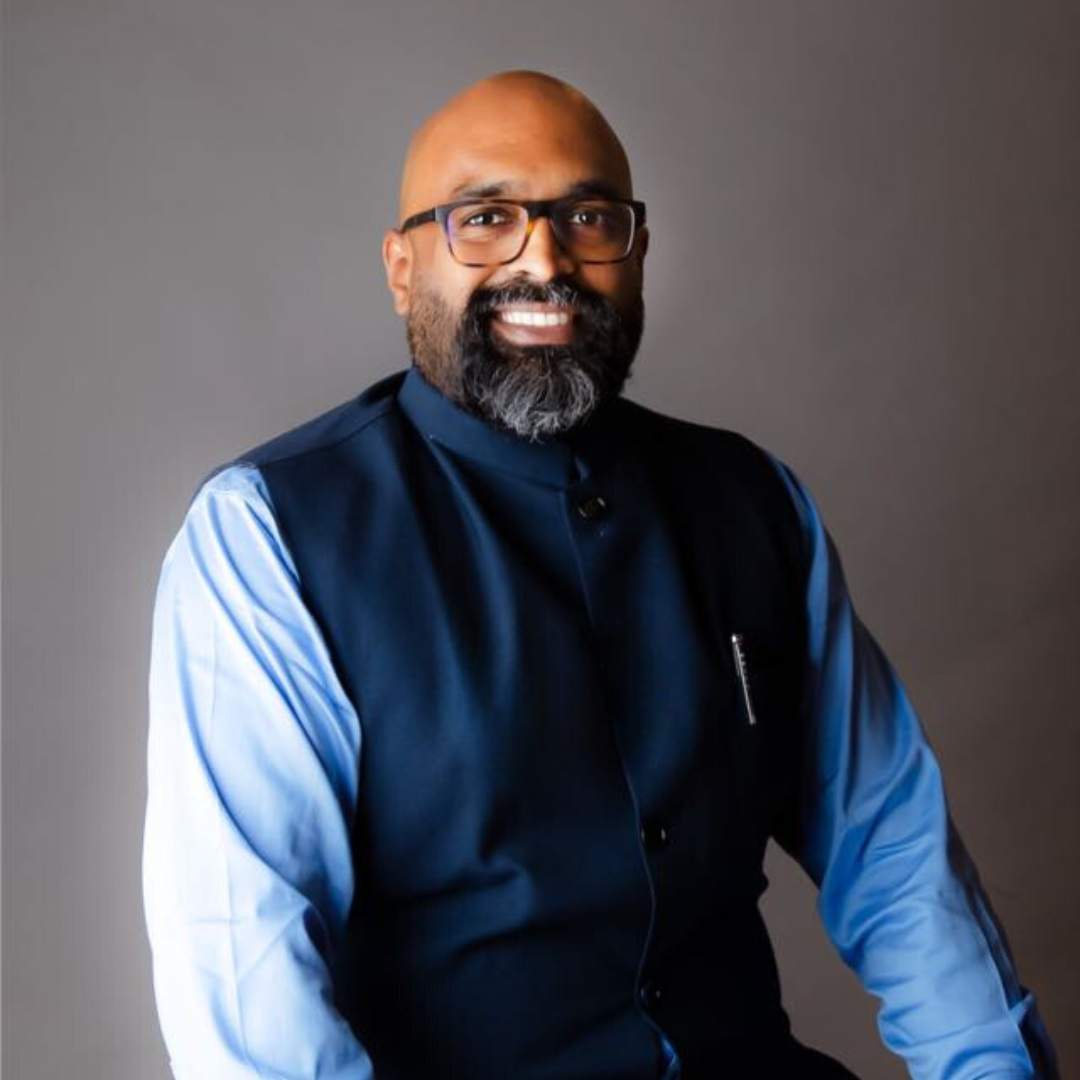

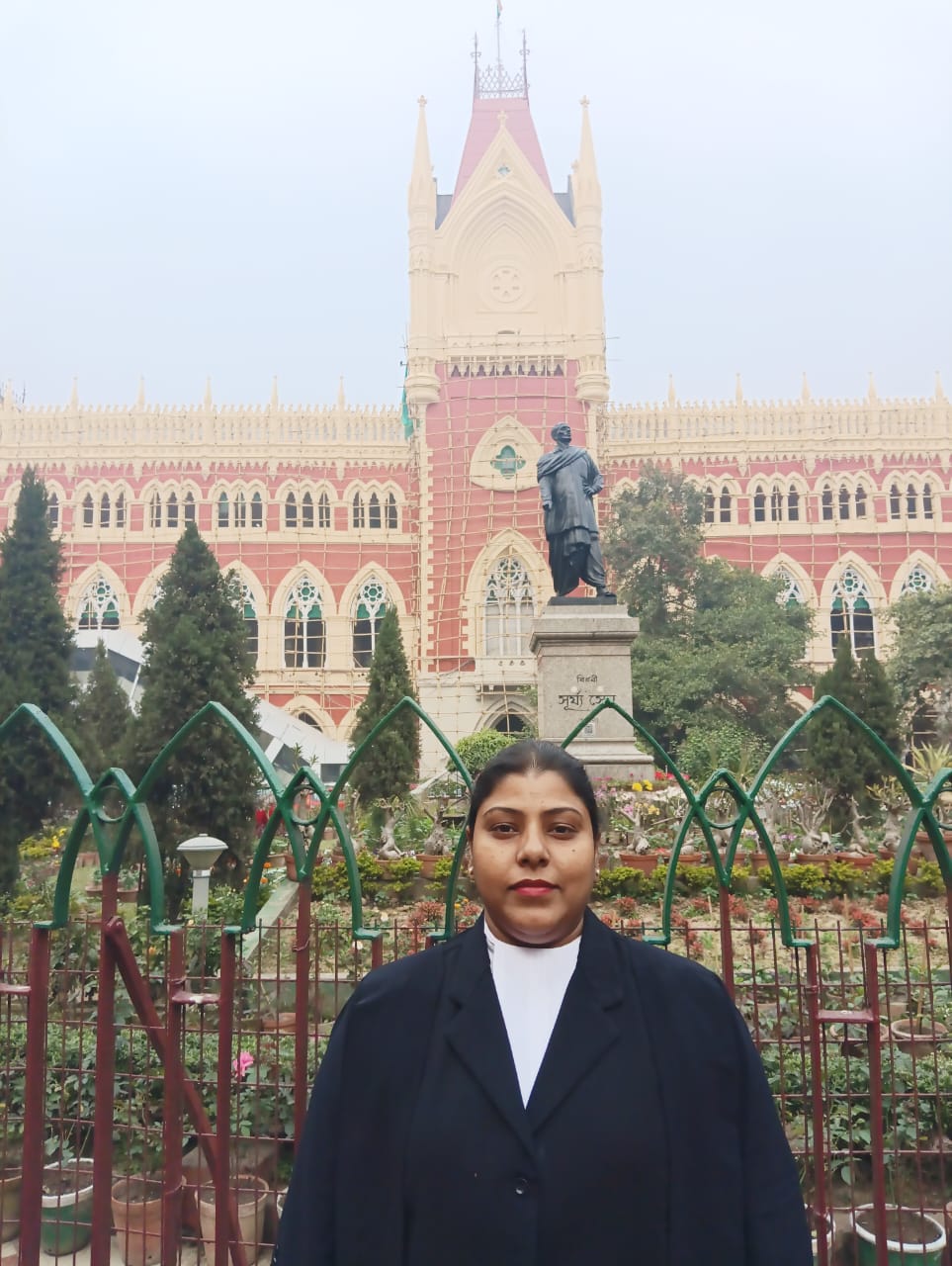







 Allow notifications