Tag: trademark oppositions

  • “I was fascinated by the intersection between intellectual property and everyday life and how trade mark practitioners must strike a balance between protecting a fair monopoly and allowing innovation and creativity to thrive.” – Kim Rampersadh, Trade Mark Attorney and Partner at Adams & Adams, South Africa.

    “I was fascinated by the intersection between intellectual property and everyday life and how trade mark practitioners must strike a balance between protecting a fair monopoly and allowing innovation and creativity to thrive.” – Kim Rampersadh, Trade Mark Attorney and Partner at Adams & Adams, South Africa.

    This interview has been published by Anshi Mudgal and The SuperLawyer Team
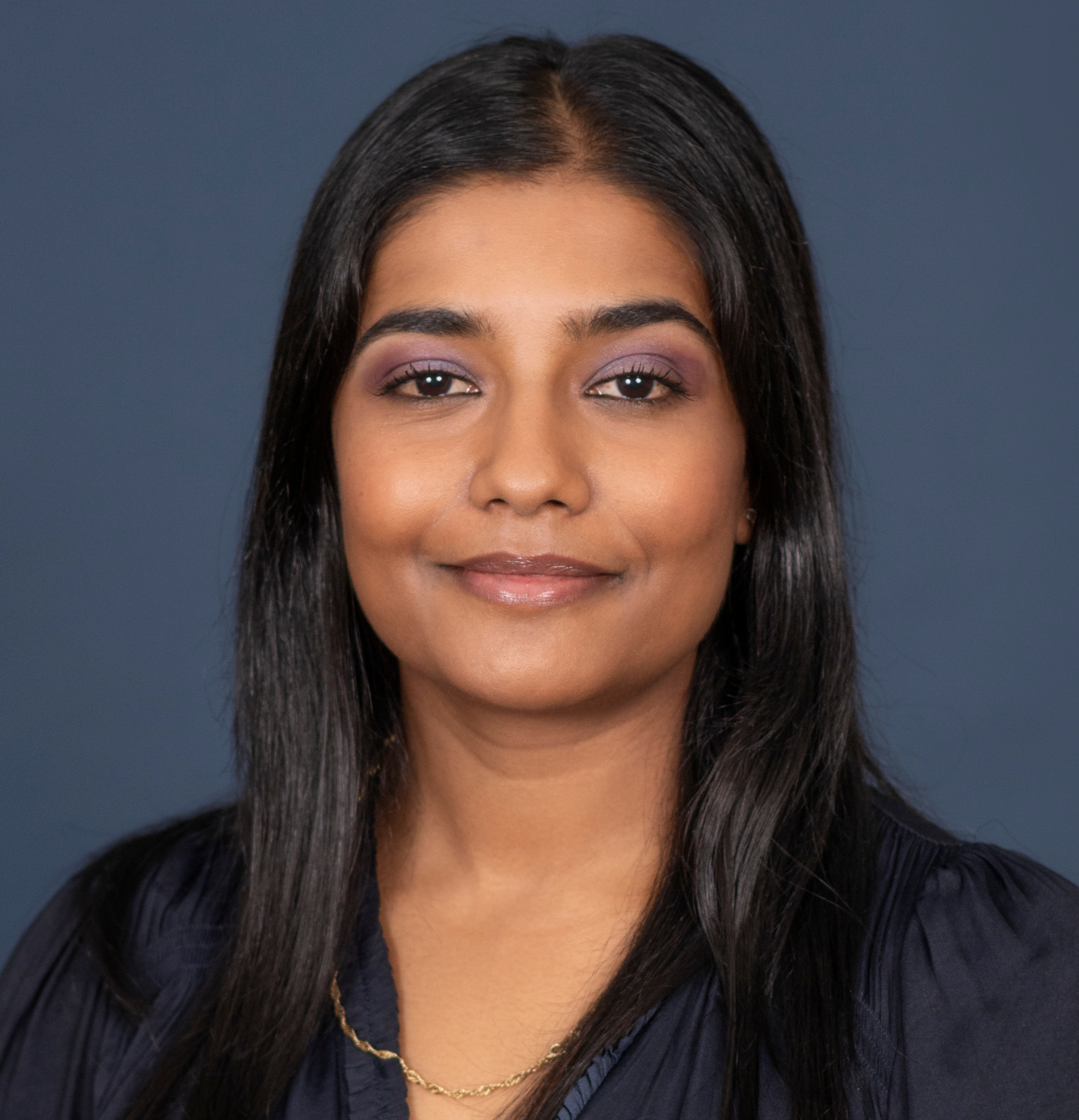
    With over a decade of experience, what initially drew you to a career in law, and what inspired your decision to specialize in intellectual property and trademarks?

    I have always appreciated how rules and the law govern society and, from a young age, developed a strong sense of justice and fairness. What the law represents therefore resonated with me strongly and pursuing a career in law was a vocation.  Of course, having parents, who deeply value education, and who have very conventional ideas of employment, made my decision to pursue law an easy one. 

    The decision to specialise as a trade mark practitioner I credit to Adams & Adams. My relationship with Adams & Adams predates my employment with the firm and from that first interaction I was fascinated by the intersection between intellectual property and everyday life and how trade mark practitioners must strike a balance between protecting a fair monopoly and allowing innovation and creativity to thrive. The intellectual diversity of a trade mark practice inspired my choice.  

    Looking back at your early years as an attorney, what key lessons or experiences shaped your current approach to trade mark law and brand protection strategies?

    There are too many learnings to cite, but those with the most profound impact are:

    • being accountable, which translates to taking responsibility for all aspects relating to you, including the advice provided, your professional development and knowledge, and levelling with a client when things go right or wrong; and
    • shifting your mindset, so that within the legal problem you can identify opportunities for you and/or your client and add value that enhances business. 

    As a Partner at Adams & Adams, you handle complex, multi-jurisdictional matters. How do you balance strategic advisory, litigation, and client relationship management while leading within a large IP firm?

    Being knowledgeable and confident in one’s field, keeping up to date with developments, working systematically, and developing sound knowledge of and relationships with clients have all made striking that ever-elusive balance manageable as an individual practitioner. However, I would be remiss in not acknowledging that building trust with and reliance on team mates, colleagues from other jurisdictions and my own partners in business have all positively contributed to the handling of my practice and developing and realising aspirations and achievements. The combination of my personal attributes and professional networks and support make my day-to-day rewarding and sometimes balanced. 

    You’ve developed extensive expertise in enforcing trade mark rights across Africa. What are the most significant legal and practical challenges you encounter, and how do you navigate them?

    The diversity of the African continent is to be celebrated, but that same diversity can make enforcement in Africa challenging. Historically, many African states were subject to colonial rule by different countries that resulted in the different states adopting varied languages, including indigenous languages, and different legal frameworks and considerations. Some states have also not adopted the typical international treaties, and their own local law and practice is unique to their territory. Cultural nuances which are also varied, can play a role in the interpretation of legislation and its enforcement. To date, therefore, diversity in language, culture and legal practice affect how I practise brand enforcement from one territory to the next. 

    The continent still suffers from a lack of resources and infrastructure in parts which makes obtaining information relevant to enforcement difficult. This has, however, compelled me to be more liberal and innovative in strategies for enforcement. 

    With brands expanding rapidly into international markets, how do you approach developing cross-border IP strategies that ensure robust protection while remaining compliant with diverse regulatory frameworks?

    As exciting as expanding into international markets is, it is also challenging. Crafting a cross-border strategy requires foresight and flexibility and my approach includes:

    • assessing the current level of protection and any gaps in protection;
    • prioritising the acquisition of protection in line with business goals and the risk to business from one territory to the next – which means understanding the target business well and collaborating closely with the IP owner;
    • considering the benefits of protection afforded by international treaties and how they are treated practically in each jurisdiction and weighing that against regional and national filing systems in Africa, if applicable; 
    • leveraging technology to afford brand owners watching services specific to Africa with early access to publications; 
    • staying abreast of developments in legislation and practice in each country and considering how those affect existing rights;  
    • leveraging our professional networks to liaise with local attorneys, who frequently knowledge-share and assist us in understanding whether the IP in question can be protected and enforced; and
    • developing and maintaining knowledge of regulatory frameworks outside of IP protection which affect the relevant business, and which dictate how we tailor the approach so that there is compliance with those regulations, too.

    Could you share an example of a particularly challenging matter you handled and how you successfully resolved it?

    The most challenging case that I have encountered is still ongoing. It is a matter with theoretically excellent merits in favour of the brand owner, but the matter has suffered due to archaic legal provisions and practices, unforeseen delays and external factors unique to the specific jurisdiction and outside of the control of the attorneys involved. That said, my view is that the matter will ultimately be resolved in favour of the brand owner, due to:

    • flexibility in our enforcement strategy; 
    • reliance on astute counsel that are knowledgeable in their fields and who have never veered from their solutions-orientated approach; 
    • keeping alive to developments in other cases and areas of law, which aid the progression of the case; 
    • managing the brand owner’s expectations as we work together towards achieving the desired business goal; and
    • offering high levels of client service and attention to detail, so that the brand owner can appreciate the value added even when the outlook seems bleak. 

    Technology is transforming IP practice worldwide. How do you see tools like AI influencing trade mark prosecution, monitoring, and enforcement in the African context?

    AI is re-shaping trade mark practice globally and Africa is no exception. I anticipate that the incorporation of AI tools for purposes of conducting clearance searches, better tracking of renewals and online platform monitoring for infringement and the like will become commonplace. AI tools now available are seemingly modelled on developed, western data bases and the ease of access that they promote. In Africa, there are, of course, difficulties with legal frameworks, infrastructure and the reliability of local Registry records, which may affect the training of AI models and therefore their roll out and relevance to practice in Africa. Within that, however, seems to be an opportunity for the development of localised AI models, perhaps even by African creators and tech companies, that promise more relevance to the legal landscape in Africa.

    Given your experience in advertising and IP regulatory compliance, what key trends or pitfalls should brand owners be mindful of when operating in Africa, especially with the growth of digital marketing?

    Africa has cottoned on to the digital marketing boom with a surge in influencer and video-content marketing. This trend presents exciting opportunities and complex legal terrain with many countries in Africa relying on outdated legislation and enforcement mechanisms, or not having legislation that regulates, for instance, influencer marketing. This means resorting to traditional legal remedies and forums to address advertising concerns, which is not ideal. However, there is an increasing trend of awareness about the IP challenges arising from digital marketing and many countries are making good progress in adapting their legal frameworks to better deal with these challenges. For instance, South Africa’s Code of Advertising Practice now includes a Social Media code and there is a direct link for communicating decisions from the Advertising Regulatory Board to Meta. In addition, Nigeria recently revamped its copyright legislation and founded an Advertising Regulatory Council to deal with advertising complaints. There has also been an uptick in the promulgation of data privacy legislation in many African states and cases before African regulators and courts dealing with privacy and personality rights infringements arising from digital marketing. These developments are testament, in my view, to African awareness of the need for sound regulatory frameworks and treatment of digital advertising and related regulatory concerns.   

    As a partner in one of Africa’s leading IP firms, what leadership principles guide your work? What advice would you give aspiring IP practitioners who want to build a successful career in this specialized field, particularly in Africa?

    The leadership principles enshrined in the core values of Adams & Adams are those which I live by, personally and professionally. Of particular importance to me are the values of Constant Improvement, Integrity and Ethics, People-centriticty, Teamwork and Respect and Innovation. 

    My advice for aspiring trade mark practitioners is to realise that ambition by growing and showing interest and knowledge in new developments in or relevant to IP law and aligning with like-minded individuals already in the legal fraternity, who can mentor you and lead you towards pursuing a career in the field. 

    Looking ahead, where do you see the greatest opportunities and challenges for brand owners in Africa over the next decade, and how do you foresee trademark enforcement evolving with economic integration and technological advancements?

    With the lack of legacy wealth and infrastructure in Africa, it seems that digitally and technologically aware natives will drive business trends and move business further away from traditional models to allow greater access to and awareness of their brands on a more global scale via, for instance, mobile-first ecommerce sites. With the advent of the African Continental Free Trade Area, which creates access to a unified market in Africa with reduced tariffs, it is expected that there will be a boost in cross-border brand expansion on the continent and promotion for African brand loyalty. These two developments present great opportunities for Africans and brand owners generally, but the advent of new technologies and a unified market also imply a surge in trade mark violations and ease of access to goods that may infringe legally protected IP. Enforcement strategies will be dictated to by these developments, and it is foreseeable that brand owners will need to re-prioritise protection for trade marks in countries not otherwise considered a high priority. It is also expected that policy makers will exert further pressure on governments to introduce legislation that conforms to the trends in business and caters for unconventional infringements. In the meantime, and until the law catches up with trends in commerce and technology, attorneys and adjudicators will need to be innovative in their interpretation and the implementation of existing legal frameworks in resolving disputes. 

    Get in touch with Kim Rampersadh –

  • “All lawyers are Super lawyers; thus no single lawyer is a Super lawyer.” – Ankit Rastogi, Partner at Mason & Associates.

    “All lawyers are Super lawyers; thus no single lawyer is a Super lawyer.” – Ankit Rastogi, Partner at Mason & Associates.

    This interview has been published by Anshi Mudgal and The SuperLawyer Team

    What drew you towards the field of Intellectual Property law, and what were some of the early experiences that helped lay the foundation for your practice in this domain?

    First of all, thank you for connecting with me to share my story. I was quite intrigued by the name of the platform ‘Super Lawyer’. This reminded me of the film ‘The Incredibles’ wherein a character Syndrome says that if all humans will have super powers, none will be a Super hero. Similarly, in my view since all lawyers are Super lawyers, thus no single lawyer is a Super lawyer. Now coming to your question: 

    I think my interest in Cinema. I was initially drawn towards Intellectual Property as a practice area since I had a lot of interest in movies. I was highly inclined towards Copyright Law, since I wanted to understand how the film industry functions. 

    As far as early experience that helped me lay the foundation in this domain are concerned, the first litigation matter that I worked upon was a passing off suit. In that suit, over a period of time after filing the suit, Defendant had obtained registration of its trade mark and moved an application for amendment of written statement to plead its registration. At that stage, when I was too young (barely a month into the practice) I thought that the Plaintiff’s case was over since the Defendant had obtained a trade mark registration. At that stage, my then senior told me that registration of Defendant’s mark is of no consequence in a suit for passing off, which is maintainable even against a registered proprietor. He further asked me to read N.R. Dongre and Ors. vs. Whirlpool Corpn. and Anr.; 1996 PTC (16) 583 (SC) wherein apex Court upheld this position arrived at by Single Judge and Division bench of the High Court. 

    You argued a landmark case where the Delhi High Court, for the first time, ruled on the registrability of geographical names as arbitrary trademarks. Could you share your insights from the case that shaped the Court’s reasoning, and what do you believe are the broader implications of this decision?

    To be really honest, I don’t know as to whether it was a landmark decision or not.  However, Siddharth Suri vs Registrar of Trade Marks does give a guiding light for registration of geographical names as trade marks where the geographical name has been applied arbitrarily to the goods. In this case, the goods were ‘Leather and imitations of leather, and goods made of these materials and not included in other classes; animal skins, hides, trunks and travelling bags; umbrellas, parasols and walking sticks; whips, harness and saddlery’ for which ‘Andamen’ was not found to be having a goods-place association. Accordingly, the objection under Section 9(1)(b) that the trade mark designates geographical origin was not found to be attracted since Andamen (whether said to be taken from Andaman Sea or from the Andaman & Nicobar Islands) does not have a reputation for goods falling in Class 18. 

    The broader implications of the decision are that when one comes across a geographical name as a trade mark, they should not disregard its protection/registration just because it is a geographical name but analyze whether that geographical area has an association or reputation for goods for which it is sought to be registered/protected.  

    You advise clients across diverse sectors including FMCG, pharmaceuticals, liquor, book publishing, and e-commerce. Given the rapid growth of the pharmaceutical industry, what are some of the major legal and compliance challenges entities face in this space?

    I think as far as the pharmaceutical industry is concerned, the biggest challenge has been counterfeit products. For a consumer, who may consume these counterfeit products; disaster always lurks around the corner to make its presence felt. In other terms, the consumers are extremely vulnerable to life threatening consequences. I have, in the past, worked on multiple matters, both civil and criminal, where the Defendants/Accused produced identical drugs and it is not possible to identify the fake unless you get inputs from the team who worked on the packaging and in some cases research. The pharmaceutical industry is one of the most regulated industries; since it has to cater to safety and efficacy. Keeping this in mind, it obviously has to comply with safety and cleanliness standards, good manufacturing practices, disclosure of information and that too in line with labelling requirements. The major problem in the industry is fake drug racket, which may or may not be related to any Intellectual property and could be a completely new mark, where the ingredients told on the label will not even be present in the drug and the drug would have been sold or supplied clandestinely with no regulatory approval at all. 

    As a Partner, staying ahead of the curve is crucial. In your view, how effective have the current government initiatives been in streamlining the IP registration process? What further improvements in your opinion can be made?

    In recent times, I could think of four initiatives done at the level of the Intellectual Property office which are commendable. First, is the possibility of search of device trade marks, which has been facilitated online by the IP office. The added advantage of this feature is that depending on the device/image the tool also suggests the possible Vienna Code Classifications; which also aids in saving time.  

    Second, is the enablement of a queue system for various functions and displaying it online; a real time check for hearing, review applications and examination status; which enables an entity to know as to where it marks stands in the list of hearings before the trade marks office.  

    Third is the Open house sessions, the IP office does with applicants and stakeholders everyday from 4.30 PM to 5.30 PM virtually to address grievances or take suggestions on any issue related to Intellectual Property Rights. 

    Last is the ‘Notifications/Reminders’ feature on the e-filing page and the ‘Reminders’ feature on the E-Register Page; which enables one to see latest updates on their portfolio of applications, ensuring that no important update is missed. This saves a tremendous amount of time.  

    In my view, to ensure a smooth registration process; the first thing that should be incorporated is consistency and standard operating procedures; so that every applicant or stakeholder has a clear idea of the chance of their application getting accepted or rejected.

    You’ve worked on intermediary liability matters. How do you assess the evolving legal framework around platform accountability, especially in light of recent judicial decisions and amendments to the IT Rules? What are the core challenges in striking a balance between free expression and regulatory obligations?

    I think the intention is always to balance; that’s what in my view, any legislature or government exercising its legislative powers under the IT Act, 2000 looks at while keeping in mind the protection of the people and at the same time working out the economics. So, that’s the word. BALANCE!! – the evolving legal framework in the IT Rules, especially The Information Technology (Intermediary Guidelines and Digital Media Ethics Code) Rules, 2021 [hereinafter ‘IT Rules, 2021’] indicates a tide towards control but the intent of that control is Balance; The amendments to the same in 2022 required the intermediary to make reasonable efforts so that content which is covered under Rule 3(1)(b) is, inter alia, not displayed on its platform. The intention is some sort of action; but the rule making body steers clear of indicating what sort of action (no pointers whatsoever) and leaves it as a subject of interpretation.  However, what are these ‘reasonable efforts’ or what could be some examples of these ‘reasonable efforts’; for that we get an indication from judicial decisions such as the recent decision in Indiamart Intermesh Ltd. v. Puma SE; 2025: DHC:4819-DB which indicates that one of the reasonable efforts for a platform could be that each of the sellers is aware of the requirement to not display counterfeit products and to ensure that they furnish an express undertaking to the said effect to the intermediary.  Apart from this, on reading of paragraph 92 of the decision, I think another indication of reasonable effort could also be not to re-list the same seller in respect of the same products whose listings have been taken down earlier. 

    As far as 2023 amendments are concerned; they appear to have been done majorly to have the online gaming intermediaries under a stricter control (as compared to intermediaries) , especially those online gaming intermediaries who enable the users to access any permissible online real money. A lot of compliance requirements under ‘IT Rules, 2021’ which were only applicable to a significant social media intermediary originally have been extended to online gaming intermediaries as well by virtue of the amendments done in the year 2023. 

    As far as your last question, I think the standard of morality/scandalous statements keeps shifting with every generation. The biggest challenge I believe is ‘viewpoint bias’ and the evolving nature of the society we live in. Thus, in my opinion there will always be shifting standards and that’s why this area of law will always be dynamic and never ending. In simpler terms, what may be kosher for one; may be outrageous for another and this will be perennial. So, it is extremely difficult to maintain that balance between free expression and regulatory obligations. 

    With such an enriching and diverse career, what initially inspired you to pursue law? What advice would you offer to law students and young professionals aspiring to build a career in Intellectual Property and litigation?

    I am an extremely lazy person when it comes to doing things for myself. I try to take the most convenient and easy route to navigate life choices. So, resultantly, the decision to pursue law was the length of the programme; five years. No worry after school for another five years. I thought in the beginning of the law school that may be after these five years; I will know what I need to do. However, post five years, I just went with the flow. In hindsight, I think I should not have done law. I could have explored a creative vocation where my thoughts could be disseminated freely (Obviously, subject to reasonable restrictions in Article 19).

    One of my advice to every aspiring professional in the field of Intellectual Property would be to be tech-savvy. To understand how content is being created these days. What are the terms of the AI platforms, which are used by us for content creation. Further, I would also recommend not to restrict their understanding of jurisprudence on intellectual property to India but analyze what is going on globally. In this decade already we are dealing with landmark decisions on intellectual property issues intertwined with technology utilised across platforms which have shown us issues which we could not have probably envisaged a few decades ago. Look at the issue that is challenging the use of content by AI platforms, ‘keyword advertising’, use of a mark in drop down menu at the back end to trigger a listing if one searches for those products on a platform, violations by virtue of deepfake technology etc. I mean, mirror websites and duping in the name of fraud schemes of investment or employment across the internet, fake domain names, domain name disputes are something that have become traditional violations of Intellectual Property and orders granting real-time injunctions are not being passed only in isolated cases.  

    So far as litigation is concerned, my advice has always been to be diligent and understand the background and the possible solutions through procedural laws. Litigation is not a predictable game; there are variables across stages in a matter – from inception to trial; from an ex-parte order till consequent appeals. One has to make a strategy giving all possible variables due weight. 

    Managing a demanding legal practice comes with its own pressures. How do you maintain a healthy work-life balance, and is there a personal philosophy or guiding principle that has helped you navigate your professional journey?

    To be really honest, I am unable to maintain a healthy work-life balance. Unfortunately, my matters, the ongoing developments in the fraternity, the need for being constantly updated & networking does not allow me to shut down/switch off. While my office is five (5) days working, the only time I think I am able to be completely at peace is when I sleep or I read. I read a lot, and have also in this process edited a few comic books. These are my only escapes apart from occasional films in theatres or at home. A lot of professionals, who might be really busy may say that they spend time with their families; switch off on weekends etc. Kudos to them!! I am never able to shut down. There is a constant barrage of thoughts in my head unless I am sleeping, reading or watching anything. I am constantly thinking of what needs to be done, are we on top of all our matters, has the team done all the compliances etc. There is a constant urge to ensure everything is under control and all bases are covered. This leads me to not have a work-life balance. 

    The only guiding principle that has helped me to navigate my professional journey is sincerity and time management. One has to prepare as much as they could for a matter while giving other matters also their due importance. One has to give every advice keeping all the ethical considerations in mind. I try my best every day to do and pull off a lot, sometimes much more than I actually can. Sometimes I succeed; sometimes I don’t. On days I succeed, I stay calm and think something constructive has been achieved. On the remaining days, I am just too hard on myself. 

    Get in touch with Ankit Rastogi –

  • “Every day is an opportunity to learn something new. Embrace it, cherish it, and let it inspire you,” From Chef Aspirations to IP Law Powerhouse – Navreet Kaur, Partner at Ashwathh Legal

    “Every day is an opportunity to learn something new. Embrace it, cherish it, and let it inspire you,” From Chef Aspirations to IP Law Powerhouse – Navreet Kaur, Partner at Ashwathh Legal

    This interview has been published by Namrata Singh and The SuperLawyer Team

    Can you share with us how your journey in the field of law began after graduating from the Army Institute of Law, Mohali? What initially drew you to Intellectual Property law? And we would also love to know what inspired you to make a career in Law.

    I graduated from the Army Institute of Law in 2012 and began my career at S.S. Rana and Associates that same year, working under the guidance of Mr. Vikrant Rana. Mr. Rana’s extensive knowledge and experience in intellectual property law left a lasting impression on me. Although my work initially focused on the opposition department, I gained valuable insights into strategy, meticulous drafting, and vetting of written pleadings from him and my dearest colleague, Ms. Meenal Khurana. What I cherished most during my time at the firm were the friendships I formed, many of which I still hold dear. They say the friends you make at your first workplace remain for life, and in my case, it holds.

    Law wasn’t my first career choice; I dreamt of becoming a chef. Life, however, had different plans. I’ve always been the type to question things, to ask too many questions, as those who know me can attest. So, naturally, law felt like the perfect fit for someone like me. Plus, I’ve developed a knack for delving into the nitty-gritty details, over-researching, and finding solutions – it just clicked.

    Entering the field of intellectual property law was a stroke of luck. I developed a passion for IP during my college years, but it wasn’t until I joined S.S. Rana that I truly fell in love with it. The dynamic nature of IP law presents new challenges and opportunities for learning every day. They say, “Every day is an opportunity to learn something new. Embrace it, cherish it, and let it inspire you.”

    You spent eight years at Saikrishna and Associates working with the Trade Marks Prosecution Team. What are some of the most significant cases or projects you worked on during this period?  Also could you please share insights on your time at Saikrishna & Associates?

    After a rewarding tenure of less than two years with S.S. Rana, I joined Saikrishna and Associates in 2014, where I had the privilege of working under the exceptional guidance of Mr. Pushpam Jha. Mr. Jha’s profound knowledge and unwavering support in prosecution practice were instrumental in my professional growth. Under his mentorship, I gained comprehensive exposure to trade mark, copyright, and design prosecution.

    Initially joining as an Associate, I was promoted to Senior Associate in 2018 and remained with the firm until 2022. During this period, I worked with a diverse clientele across various sectors, including media and entertainment, FMCG, beauty, and pharmaceuticals.

    One of the most memorable experiences was managing a significant portfolio for a cosmetic client grappling with extensive infringements. This involved addressing identical applications not only within the core class but also across multiple other classes. I played a pivotal role in strategizing, clearing the Trade Marks Register, and maintaining vigilant oversight of potential infringements. This experience was incredibly enriching, providing me with profound insights into portfolio management and strategic enforcement.

    Another notable project involved an international portfolio in the automobile sector, encompassing over 800 marks. When the portfolio was handed over to me, it was fraught with challenges. My team and I dedicated several months to addressing and resolving these issues, ultimately streamlining the portfolio and enhancing its global compliance. This endeavour significantly bolstered my confidence and broadened my understanding of international trademark laws.

    At Ashwathh Legal, your expertise expanded to include media, entertainment, and publishing. How have you navigated these new domains, and what unique challenges have you encountered? 

    With nearly a decade of experience in intellectual property prosecution, I recognized the importance of evolving and broadening my professional horizons. The vast expanse of knowledge in the field offers endless opportunities for growth and development.

    Building on my background in IP, I have ventured into advising production houses on potential projects and representing authors to safeguard their rights. This transition has not only extended my professional reach but also enriched my understanding of the industry. Engaging with these new facets of IP has provided me with a broader perspective and a more comprehensive skill set, allowing me to contribute effectively across diverse areas within the field.

    Given your experience with global trademark prosecution, what are some of the biggest challenges you face with cross-border IP issues, and how do you address them? 

    One of the most significant challenges we encounter in international trademark practice arises from differing jurisdictional principles, particularly between “first-to-file” and “first-to-use” systems.

    In India, which follows a common law tradition, the “first-to-use” principle prevails. This means that if you can provide evidence of the first use of a trademark, you generally hold superior rights to that mark. In contrast, many countries operate on a “first-to-file” basis. In these jurisdictions, the right to a trademark is granted to the first party to apply, regardless of who used the mark first.

    This discrepancy often leads to difficulties, especially in jurisdictions like China and Nepal, where “first-to-file” rules can pose substantial challenges. If another individual or entity files for your trademark in such countries, it becomes significantly more difficult to secure registration or to expunge the mark.

    To mitigate these challenges, I always advise my clients to allocate a separate budget for these jurisdictions. This proactive approach helps in managing potential risks and safeguarding their trademark rights effectively.

    Can you share any specific strategies or practices you use to maintain a healthy work-life integration, particularly as a working mother in a demanding profession? 

    Balancing a demanding career as a lawyer with the responsibilities of being a parent is an incredibly complex challenge, and finding a true equilibrium can be elusive. The nature of legal work often requires long hours and flexibility, and this can be especially difficult when unexpected situations arise, such as a child’s illness or urgent court deadlines.

    Becoming a mother has deepened my understanding of the difficulties involved, which are often only fully appreciated once experienced firsthand. While it’s easy to acknowledge the challenges from the outside, living them is a different reality.

    As a lawyer, the work often lacks clear timelines or boundaries, making it a continuous commitment. I am still navigating this balance and learning to prioritize effectively. Each day presents new challenges, and the key is to focus on what is most important at any given moment.

    Being a single parent adds another layer of complexity, making the balancing act even more demanding. Despite the difficulties, I am committed to managing both roles as best as I can, continually adapting to meet both professional and personal priorities.

    As a leader and mentor in your firm, what qualities do you believe are essential for nurturing the next generation of lawyers? Additionally, what specific qualities do you look for in interns or fresh graduates when selecting them to join your team?

    As a mentor and leader, I believe that patience is essential, especially when guiding new team members and interns. It is important to provide them with the time and support they need to learn and grasp concepts thoroughly. I also encourage them to cultivate their own patience and to approach their learning with a focus on accuracy and understanding.

    Equally important is the ability to listen to colleagues and to ask questions whenever something is unclear or seems amiss. Learning is a continuous process, and there may be aspects that even I am not fully aware of. Encouraging a culture where questioning is welcomed and valued helps everyone grow.

    I seek individuals who are not only eager to learn but also possess the courage to challenge the status quo and think outside the box. A willingness to question and innovate is essential for both personal and professional development.

    What are some personal and professional milestones that you are particularly proud of, and how did you achieve them? Also what are your aspirations for your career and for the growth and development of Ashwathh Legal?

    Personal Milestones: I take immense pride in having the strength to stand up for myself and make the difficult decision to leave a broken marriage. Choosing to create a better environment for my child, away from a fractured home, was a significant step toward ensuring her well-being and future.

    Professional Milestones: For me, success isn’t defined by awards or titles. Instead, I measure my growth by the knowledge I’ve accumulated and the respect I earn from my peers. If colleagues and former associates feel comfortable reaching out to me for guidance and value my input, that signifies true success. Knowing that I am approachable and that positive things are said about me behind my back reaffirms my belief that humility and respect are the real markers of achievement.

    I am proud of the professional reputation I’ve built and strive to continue being this person—one who values knowledge, approachability, and mutual respect.

    Have you been involved in any pro bono work or community service related to your field, and if so, can you share some experiences and their impact on you and the community?

    I often provide free advice on trademarks, whether to paying clients or those who may not be in a position to engage my services financially. My primary goal is to offer accurate and helpful guidance rather than focusing solely on monetary compensation. I believe that the value of my experience and knowledge extends beyond just earning money.

    Sometimes, it’s more important to be a good person and contribute meaningfully to others’ understanding than to prioritize financial gain. By consistently offering sound advice and support, I uphold the true purpose of my expertise and maintain a commitment to helping others.

    How do you balance the traditional aspects of Intellectual Property law with the increasing importance of digital IP, such as domain names, online content, and digital media rights? Also Can you share any innovative practices or approaches you’ve implemented in your work?

    Balancing traditional aspects of IP law—such as trademarks, copyrights, and patents—with the growing significance of digital IP involves integrating both domains into a cohesive strategy. Traditional IP rights provide the foundation for protecting brand identities, innovations, and creative works, while digital IP covers newer challenges related to online content, domain names, and digital media rights.

    Unified Strategy: I maintain a comprehensive IP strategy that includes both traditional and digital elements. For instance, when handling trademarks, I ensure that registration and protection extend to relevant digital platforms, including social media and domain names.

    Cross-Disciplinary Knowledge: Staying updated on the latest digital trends and legal developments is crucial. I continuously educate myself on emerging issues such as digital rights management (DRM), online content distribution, and cybersecurity to address new challenges effectively.

    Integrated Approach: In practice, I integrate traditional IP protection with digital strategies. For example, I may combine trademark registration with domain name monitoring and enforcement to ensure a client’s brand is safeguarded across both physical and digital spaces.

    Innovative Practices and Approaches:

    Digital Monitoring Tools: Implementing advanced digital monitoring tools has been a game-changer. These tools help in tracking unauthorized use of trademarks, domain name squatting, and infringement of digital content across various platforms. Real-time alerts and analytics enable prompt action and mitigation.

    Block chain for IP Protection: Exploring block chain technology for IP protection has been an innovative approach. Block chain can offer secure and transparent records for copyright ownership and transactions, reducing the risk of piracy and unauthorized distribution.

    Collaborative Platforms: Utilizing collaborative platforms and legal tech tools for IP management enhances efficiency. These platforms streamline processes for managing IP portfolios, conducting due diligence, and coordinating with international counsel.

    Educational Workshops and Webinars: Conducting workshops and webinars for clients and colleagues on digital IP issues helps in raising awareness and providing practical insights. These sessions cover topics such as digital rights management, social media IP enforcement, and best practices for protecting online content.

    Customized IP Solutions: Offering tailored IP solutions that address both traditional and digital aspects ensure comprehensive protection. For instance, creating specific strategies for digital content creators, e-commerce businesses, or tech startups helps in addressing their unique needs and challenges.

    When developing Intellectual Property strategies for clients, what factors do you consider to ensure their brands are not only protected but also positioned for growth and sustainability? 

    Understanding Client Objectives and Market Position:

    Business Goals: Align the IP strategy with the client’s overall business objectives. Whether they aim for market expansion, product innovation, or brand differentiation, the IP strategy should support these goals.

    Market Analysis: Conduct a thorough analysis of the client’s industry, competitors, and market trends. Understanding where the client stands and where they aim to go is crucial for crafting a strategy that supports growth.

    Comprehensive IP Protection:

    Trademarks: Ensure that trademarks are registered in all relevant jurisdictions and classes to cover the client’s products or services. Consider protecting variations and related brand elements to avoid potential conflicts.

    Patents: For clients with innovative products or technologies, secure patent protection to safeguard their inventions. This includes evaluating patentability, conducting freedom-to-operate analyses, and considering international patent filings if applicable.

    Copyrights: For creative works such as software, literature, or artistic content, ensure proper copyright registration and enforcement strategies to protect against unauthorized use and infringement.

    Designs: Protect unique product designs through design patents or industrial design rights as appropriate.

    Digital and Online Presence:

    Domain Names: Register relevant domain names, including variations and common misspellings, to secure the client’s online identity and prevent cybersquatting.

    Social Media: Develop a strategy for protecting the brand across social media platforms. This includes monitoring for unauthorized use and addressing potential conflicts promptly.

    Digital Rights Management (DRM): Implement DRM strategies to safeguard digital content and ensure compliance with licensing agreements.

    Growth and Expansion Planning:

    Geographic Expansion: Consider the client’s plans for international expansion and ensure IP protection strategies are adaptable to new markets. This may involve registering trademarks, patents, and copyrights in additional jurisdictions.

    Product Line Diversification: Plan for future product or service diversification by evaluating and protecting new innovations or brand extensions. This helps in maintaining a strong IP portfolio as the business evolves.

    Risk Management and Enforcement:

    Monitoring and Enforcement: Implement monitoring systems to track potential IP infringements and unauthorized use. Develop enforcement strategies to address violations effectively, including legal actions if necessary.

    IP Audits: Regularly conduct IP audits to assess the strength and coverage of the IP portfolio. This helps in identifying potential gaps and ensuring that IP assets are managed effectively.

    Leveraging IP for Business Development:

    Licensing and Partnerships: Explore opportunities for licensing IP assets or forming strategic partnerships. Licensing agreements can generate revenue and expand market reach, while partnerships can enhance brand visibility and growth.

    IP Valuation: Assess the value of IP assets for purposes such as fundraising, mergers, or acquisitions. Understanding the economic value of IP can support strategic business decisions.

    Compliance and Ethical Considerations:

    Legal Compliance: Ensure that the IP strategy complies with local, national, and international IP laws and regulations. This includes adhering to legal requirements for IP registration and protection.

    Ethical Practices: Maintain ethical standards in IP enforcement and management. Avoid aggressive litigation tactics and focus on constructive resolution of disputes.

    Get in touch with Navreet Kaur-

  • Shubneet Panjete, Partner, Lall Lahiri & Salhotra, on a career in Trademark law, choosing specialisation,  and challenges of being a partner

    Shubneet Panjete, Partner, Lall Lahiri & Salhotra, on a career in Trademark law, choosing specialisation, and challenges of being a partner

    Shubneet Panjete completed her graduation from Symbiosis Law College, Pune. She is currently Partner at Lall Lahiri & Salhotra. She heads trademark oppositions at the firm. She has been practicing trademark oppositions and has over ten years of professional experience in the field.

    In this interview, we speak to her about

    • Choosing a specialisation
    • Challenges of being a partner
    • Roles and responsibilities as a partner
    • Importance of grades in law school


    HOW WOULD YOU LIKE TO INTRODUCE YOURSELF TO OUR READERS? PLEASE TELL US SOMETHING ABOUT YOUR PRE-COLLEGE LIFE?

    I am an Intellectual Property Attorney, graduated from Symbiosis Law College and have been working with LLS for over a decade. My specialty is in Trademark Oppositions, where I am now a Partner. Being an Army child, I had the opportunity to study in eleven schools in under fourteen years, pretty much in all corners of our country. I got to live in a lot of different towns & cities, leading a fun & adventurous childhood. This gave me the chance to make many friends and develop my social skills.


    HOW WOULD YOU DESCRIBE YOUR JOURNEY AS A LAWYER?

    Right from class twelveth, I knew I wanted to study & become a lawyer. I joined Symbiosis Law College in 2003 & graduated in the year 2008. As an Associate fresh out of college my knowledge was very limited. I was encouragingly guided by my seniors and Partners especially Mr. Rahul Chaudhry, the ‘Sole Proprietor’ of the firm, Mrs. Anuradha Salhotra and Mrs. Veena Poolakal, in guiding me along the way, both professionally and personally, which helped me to firmly establish myself as an Attorney. I count myself extremely lucky for finding my field of choice in the third year of college itself while doing a one year Diploma course in Intellectual Property Rights, during which I interned at various reputed IP firms. Post college I got the opportunity to join LLS in 2008 & became a Partner after 9 years of hard work. It’s been a fun learning experience providing new challenges and growth opportunities at every step of the way. As Mark Twain said, Find a job you enjoy doing, and you will never have to work a day in your life.”


    WHAT IS YOUR TAKE ON ACADEMICS? HOW IMPORTANT ARE GRADES IN LAW SCHOOL FOR AN ILLUSTRIOUS CAREER?

    Academics play a major role in developing any person in any field. Better grades help you in getting better opportunities faster. Also from a hiring perspective, interviewers do see the mark-sheets as a basis of a performance & consistency in the applicants. However, I am a strict believer of hard work coupled with a growth mindset. Even if in college you weren’t a star or a great student, you can always catch up and push forward your career with dedication and commitment. I personally have seen many friends and colleagues with stellar careers who academically weren’t that good, to begin with.


    HOW FAR DID YOUR INTERNSHIPS DURING LAW SCHOOL HELP YOU IN YOUR CAREER AFTER YOUR GRADUATION? HOW WOULD YOU RECOMMEND THE PRESENT LAW STUDENTS PLAN THEIR INTERNSHIPS?

    As mentioned before my internships helped me find my area of interest. I personally tried interning in different legal fields, before realizing they didn’t appeal to me. My suggestion would be to shortlist your areas of interest, organize them in order of personal preference, and then use the internship opportunities judiciously to focus in on your field of choice. In case you find your calling early, focus on it. In case you don’t find it after a few experiences, keep pressing forward.

    Secondly, internships are extremely important as they help students connect and understand the theory they study with the actual practice of law. Today’s structure of a five-year course offers you the opportunity of at least 10 internships. Even for graduates pursuing a three year LLB, internships can teach and expose the candidate to a lot.


    HOW DID YOU CHOOSE YOUR SPECIALIZATION? HOW DID YOU GO ABOUT ATTAINING EXPERTISE IN THEM?

    Once I’d shortlisted IP as my field of interest, I interned at many reputed IP firms to gain perspective about the field, and the firms as well. I did my internships in Bangalore & Delhi. I’d shortlisted a few firms where I’d ideally like to start my career. Post college I interviewed & got the opportunity to join LLS, which was at the top of my list. Since then I have been a part of the LLS family.

    My expertise in trademark oppositions came with learning while working on matters and more importantly with the clear, structured way in which LLS operates. The workflow is divided as per functional departments & not portfolios. As a result, my expertise in oppositions grew much faster and in a focused manner than it would have in another firm. With Partners and Head of Departments at the helm providing instructions, explanations, guidance, and encouragement, the learning was easy. With their mix of close management and independence, great work output and attention to client satisfaction got implanted in my daily work life. My seniors saw my eagerness & dedication to work, resulting in the Partners guiding me and helping me reach the position of a Partner myself.


    WHAT WOULD BE YOUR ADVICE TO STUDENTS WHO ARE LOOKING TO MAKE A CAREER IN IPR AND MORE SPECIFICALLY IN TRADEMARK?

    Students who have shortlisted IPR as a career choice should definitely intern in a few IP firms to grasp the practical aspects. I can’t stress enough on the gap in the theory and practical aspects of the law that can only be learned while interning. If you have the interest, aptitude but more importantly are willing to work hard you can succeed in any field, including trademarks. Like all legal fields, reading plays a crucial role. Keep updated on case laws related to trademarks, keep a track of impactful judgments, changes and latest developments helps you being sharper than your competition.


    HOW CHALLENGING IS YOUR ROLE AS PARTNER, TRADEMARK OPPOSITIONS? WHAT ARE YOUR ROLES AND RESPONSIBILITIES?

    Being a Partner in one of the best IP firms in the country is obviously a very challenging task, which motivates me to focus, grow, adapt and respond to new challenges and opportunities every day.

    I manage the trademark opposition and rectification practice of the firm for multi-national and Indian clients across all section of the industries. I am responsible for the complete management of all trademark opposition & rectification related work from my team, starting from advising clients on trademark protection strategies, including drafting and filing oppositions, cancellations, preparing evidence in support of proceedings, attending hearings etc. before the Trade Marks Registry and Intellectual Property Appellate Board. All this has to be executed in a timely manner & to the satisfaction of our client. My main job is to guide the team, ensure removal of all bottlenecks that they face in their work, and being responsible for the entire opposition and rectification value chain results.


    WHAT ARE THE SKILLS ONE NEEDS TO DEVELOP TO SUCCEED IN THE LEGAL PROFESSION?

    To put this across in a concise manner, you need to develop strong reading and comprehension skills along with a decent vocabulary. Also, objective analytical skills along with good communication skills will go a long way in enhancing your convincing powers towards resolving matters.


    WHAT IS THE PROCEDURE FOR A LAW STUDENT TO APPLY FOR INTERNSHIP AT YOUR FIRM? HOW DO YOU SUGGEST THE STUDENTS CONVERT THEIR INTERNSHIPS TO PPO?

    Anyone one interested in interning at our firm can simply send their CV’s via email to gpo@lls.in. The concerned persons will review and get back to the selected applicants.

    Converting an internship into a PPO I think has a universal formula. Work hard, show your interest in the field and connect with the required department head on completion of your internship.


    LASTLY, WHAT WOULD BE YOUR PARTING MESSAGE TO OUR READERS?

    Choose your career as early as you can. Thereafter stay focused, do your best, grab opportunities, work hard and enjoy life.