Tag: University of london

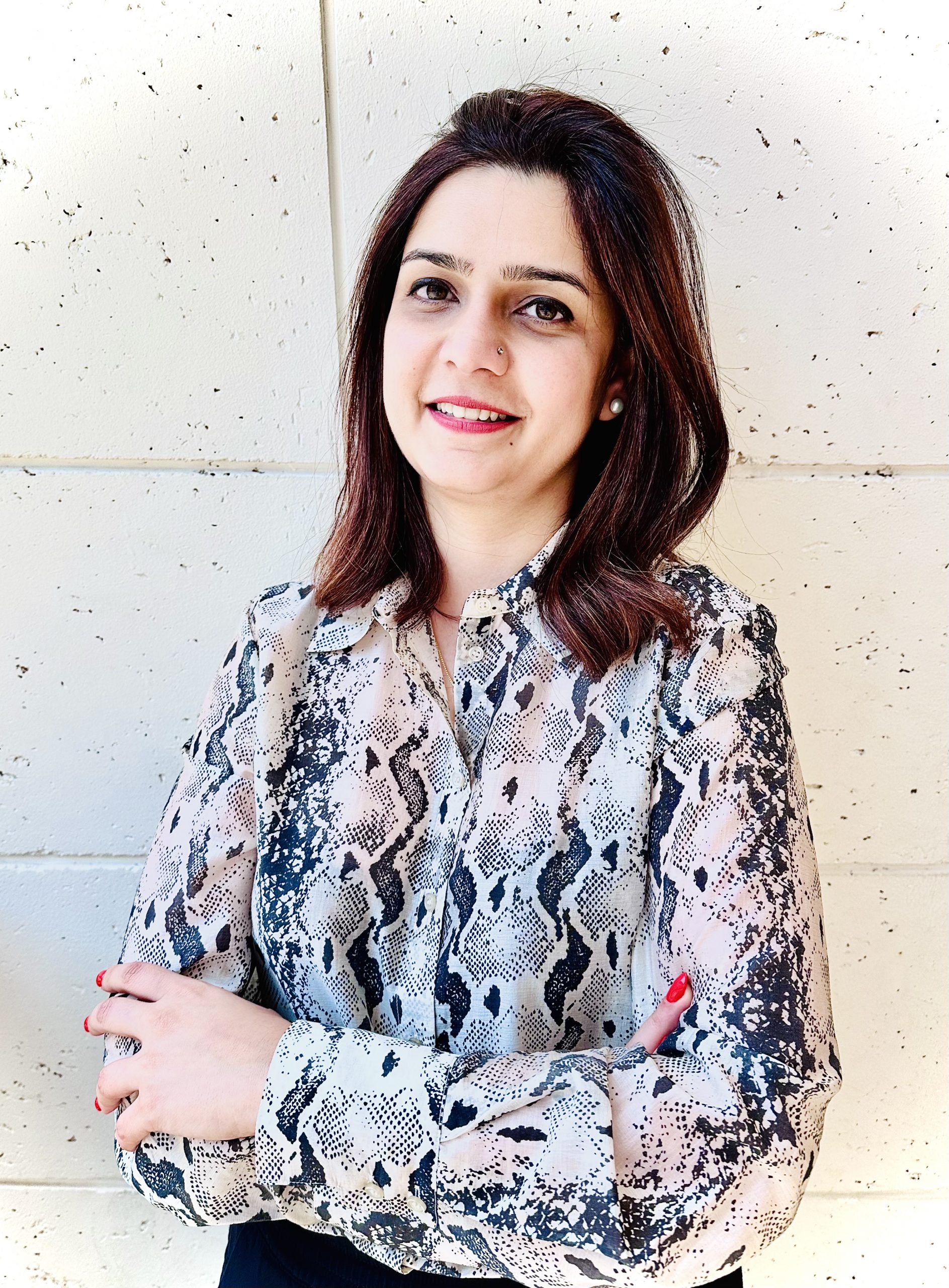
  • “Treat every task with utmost respect and diligence. Embrace new challenges and venture into unfamiliar legal domains, as this exposure expands both your legal knowledge and general awareness.” – Nikita Misra, Partner at Alpha Partners Dubai & Founder of Nicknanimous Consultants

    “Treat every task with utmost respect and diligence. Embrace new challenges and venture into unfamiliar legal domains, as this exposure expands both your legal knowledge and general awareness.” – Nikita Misra, Partner at Alpha Partners Dubai & Founder of Nicknanimous Consultants

    This interview has been published by Namrata Singh and The SuperLawyer Team
    Could you share with us what inspired you to pursue a career in law, and how did your journey begin back in 2008 in Delhi to your current role?

    I am the first born lawyer in my family. However, I feel my grandfather and my father could have been great lawyers themselves. They had sharp acumen and while growing up I saw them discuss a lot of legal issues at home and I was enthralled by how laws, policies, and regulations shaped the world around me.

    By the time I finished school, my mind was made up. The only question was what breed of lawyer I’d become. With India’s economy taking flight, corporate law stood out as the frontier practice – this new engine of business and innovation. I have worked in some renowned law firms like Indus, Mine & Young and worked on some good transactions. I have also worked in a startup as a legal manager which further helped me hone my skills as a lawyer and deeper understanding of the challenges faced by startups.  Actually this has helped me fit perfectly into the environment of an in-house Legal Counsel for a big company in India, which has been a great experience for me personally. Post my move to Dubai in 2018, it was a slow start to start my career, it was kind of a restart. However, I was lucky to get a job here and started  working as a corporate consultant for a firm which was more focused  on litigation and arbitration matters. Thereafter, I got this amazing opportunity to head and build an Indian based law firm in Dubai and since then I have managed  to work on various corporate matters  and dive deeper into the corporate legal world in the UAE. It is with this opportunity that I was able to create network and build relations and eventually led to starting my own consultancy firm in Tashkent, Uzbekistan where I have been working on a big litigation matter and also consult investors/business locally and even those looking at CIS as a territory to expand their business beyond UAE/India

    During your time at Indus Law Associate and Mine & Young, what were some of the key transactions that shaped your understanding of corporate law?

    When I first joined Indus Law, a boutique firm punching well above its weight, I had no idea I was opening a gateway to the global marketplace. Despite its modest size, the firm’s client roster read a few multinational corporations, so right out of the gates, I was dealing with cross-border transactions. During my time at Indus Law, I worked on a lot of JVs and takeovers  by International companies of Indian companies and vice versa, and I vividly remember the adrenaline-fueled all-nighters, the painstaking combing through contracts with fine-tooth cares – all amidst a whirlwind of takeovers, mergers and acquisitions. Those years were quite draining yet undeniably exciting. I made countless mistakes, learned on the fly, and had my conventional thinking upended daily. But I wouldn’t trade that experience for anything. It allowed me to get an insight and exposure to the globalized marketplace before age 30. 

    Which made my transition to a real estate law firm Mine & Young. After operating at startup speeds, I was now joining a firm which was one of the pioneers in real estate law.  From high speed transactions I was now dealing with slow paced but high end and exclusive luxury property matters. Yet this seeming 180-degree pivot helped me develop an entirely new mastery that perfectly complemented my prior style and a whole new world unlocked. But it was in bridging those extremes where I found my greatest advantage as a lawyer.  Constantly stretching between these dual disciplines was grueling, but also tremendously rewarding.

    What motivated you to start Nicknanimous Consultants, and how has your experience been in balancing your role as a corporate lawyer in Dubai while managing your consultancy firm in Tashkent?

    Well I had been visiting Tashkent regularly as my mother was working there.

    And each time I visited the place and met the locals, I realized that the country had  a lot of potential for growth. I quickly understood that any business that would enter Uzbekistan now, has the potential of holding a larger share of the market and expanding its business further into other CIS countries. Uzbekistan in the last recent years has been very welcoming to foreign investments and new FDI policies have been formed which are more investment friendly. Thus motivated me to start my own Consultancy through my own networks and relationships. I can help any business looking to expand, or explore Uzbekistan as a market and provide a complete end to end solution to set up their businesses there and at the same time giving local businesses an opportunity to explore UAE or India as a market. 

    I feel both the roles are interlinked. As a corporate lawyer, my role is intrinsically linked with understanding the nuances of my clients’ businesses. By working closely with clients, I gain deep insight into the challenges and opportunities they face. This allows me to not only provide legal counsel, but also connect the dots and advise on potential business strategies. My ability to understand the client’s business landscape puts me in a unique position to facilitate connections with potential investors or partners that could aid in their growth and expansion plans. Rather than merely offering legal services, I strive to be a comprehensive advisor – leveraging my network and business acumen to unlock new avenues for my clients’ success beyond just the legal realm. This synergistic approach provides comprehensive value that transcends traditional legal counsel.

    Moving to Dubai in 2018 marked a significant transition in your career. What were some of the biggest challenges you faced, and Can you elaborate on the unique legal and business landscape in the UAE, especially how it differs from your experiences in India?

    Yes I faced a significant transition when I began practicing as a corporate lawyer in the UAE back in 2018. At that time, the commercial laws were not as investor-friendly, and there were fewer SMEs entering the market compared to today’s booming ecosystem. However, I  recognized that this marked the beginning of a new era, and I think I am fortunate to witness and adapt to this transition and growth in the country. One advantage I feel is that if a corporate lawyer has substantial exposure and transactional experience from practicing in India, which has undergone its own boom, it becomes much easier to establish a practice in the UAE now. This is because free zones, especially like ADGM, and some of the UAE corporate laws,have closely adapted common law systems in recent years, aligning with the legal frameworks familiar to lawyers from common law jurisdictions like India.

    The primary challenge I think is the need to consistently stay updated on the rapidly evolving legal landscape in the UAE. As the country progresses at a rapid pace, new rules, regulations, and bye-laws are introduced frequently. Corporate lawyers must remain vigilant and continuously educate themselves to provide accurate counsel aligned with the latest legal developments. Overall, the opportunities are available for corporate lawyers in the UAE’s flourishing business environment, provided they can navigate the dynamic regulatory changes and leverage their prior exposure to common law practices.

    Aside from your professional life, you also hold a diploma in Interior Design. How do you balance your personal interests with your demanding career, and does this creative side influence your work as a lawyer?

    As a child, I was captivated by well-designed spaces and distinctive architectural styles from various eras and places. Whenever I traveled, I eagerly anticipated witnessing different architectural marvels that would fuel my fascination with interiors and design.

    When the COVID-19 pandemic brought the world to a standstill, I seized the opportunity to explore my artistic side. I decided to formally study interior design, finally indulging my long standing passion.

    I think in the legal field, creativity manifests itself in structuring intricate transactions, drafting contracts for innovative business models, and formulating strategies to navigate complex legal battles. While I agree law is firmly rooted in theory and research, the application of legal knowledge demands innovation and creative problem-solving abilities.

    It is my dream to ultimately transition into the interior design industry as a second career after 50 years of age, following my tenure as a lawyer, leveraging the design skills I’ve cultivated alongside my legal training.

    Nurturing personal creative outlets alongside one’s primary vocation is essential for a fulfilling life. My journey exemplifies how diverse interests can coexist, potentially converging into enriching experiences that span both professional and personal realms.

    I hope my story inspires others to explore their unique combinations of passions and professions.

    With over 12 years of experience, what advice would you give to young lawyers who aspire to have a versatile and dynamic career like yours?

    The fundamental lesson is that hard work and diligence invariably pay off, regardless of the nature of the task at hand. One should never underestimate the value of any given work assignment, as those skills may prove invaluable at a later stage in life or career.

    I vividly recall my time at Rainmaker, which presented a vastly different work experience that required a strong emphasis on client relationship building. At that juncture, I naively perceived this as a waste of time, believing I should focus solely on expanding my legal knowledge. However, in retrospect, those very skills in client relations that I honed during those days have become invaluable assets nearly a decade later.

    Fresh out of law school, many of us aspire to become partners at firms or establish our own practices, without realizing the multitude of skills required beyond legal expertise to build and sustain a successful practice. Client relationships, business acumen, and interpersonal skills are equally crucial.

    To young lawyers, I would advise treating every task with utmost respect and diligence. Embrace new challenges by venturing into unfamiliar legal domains, as this exposure expands both your legal knowledge and general awareness. Staying updated, maintaining an inquisitive mindset, conducting thorough research, and continuously acquiring new skills are imperative.

    Networking is crucial in the legal field. How have you built and maintained your professional relationships across different countries, and how has this network benefited your clients?

    Networking is a critical foundation for any entrepreneur or professional looking to create their mark, including in the legal field. It  begins by actively attending and participating in industry events, staying updated on developments, being part of relevant forums,and most importantly, taking the initiative to proactively engage with others. Through years of my working experience, I’ve realized that many individuals, including lawyers, hesitate to approach and converse with new people at networking events due to shyness or apprehension. However, I must say that the UAE’s business landscape, which heavily relies on networking, offers a welcoming environment that helps newcomers overcome this hesitation. Additionally, being well-versed in one’s subject matter is crucial to maintain others’ attention and establish initial trust. 

    Even though visibility is paramount in the initial stages, over time, the quality of one’s work and the ability to maintain strong client relationships become the driving forces behind success and growth. In my case, referrals and the network I’ve built by meeting lawyers in the UAE, Uzbekistan, and India have been invaluable in expanding my reach and clientele. Effective networking involves a combination of active participation, subject matter expertise, visibility, consistent high-quality work, and nurturing professional relationships. Basically it’s an ongoing process that requires persistence, confidence, and a genuine interest in connecting with others in the industry. 

    Working across various jurisdictions, from India to UAE and Uzbekistan, what are some of the key legal and cultural differences you’ve encountered, and how have they influenced your approach to legal practice?

    Each new territory has its own fresh challenges – different legal codes, cultural norms, business practices. 

    The UAE has a dual system comprising both Civil and Sharia Laws. However, in recent years, The free zones, especially the ADGM Courts, have directly applied English common law principles in matters brought before them. This development is advantageous for Indian lawyers who are familiar with the common law system.Additionally, many new corporate laws in the UAE mirror common law principles, making it easier for Indian lawyers to practice in the region. The familiarity with the legal framework streamlines their ability to navigate the UAE’s legal landscape.

    On the other hand, Uzbekistan follows a civil law system, which differs significantly from the common law tradition prevalent in India. Despite both the UAE and Uzbekistan being Islamic nations, Uzbekistan’s legal system, local laws, and traditions are markedly influenced by its Soviet heritage, setting it apart from the UAE’s legal landscape.This contrast between the UAE’s increasing alignment with common law principles and Uzbekistan’s civil law system rooted in its Soviet past presents an interesting dynamic. It highlights the need for legal professionals to adapt their expertise and understanding to the nuances of each jurisdiction’s distinct legal traditions and influences.Navigating these varied legal systems requires a deep appreciation for the underlying principles, cultural contexts, and historical factors that have shaped their evolution.  Even though all the three nations’ legal systems are very different from each other,  yet that has  become the thrill of the chase for me. Cracking the legal DNA of each new environment, then skillfully integrating it into transactions is exciting for me.

    Your experience with startups is extensive. What common legal challenges do startups face, especially outside India, and how do you help them navigate these issues?

    One of the most prevalent mistakes observed among startups is the tendency to neglect or overlook the importance of legally sound agreements, particularly during the seed funding round involving investments from family and friends. Failing to seek proper legal advice on structuring these investments can lead to complicated arrangements that deter future investors until the structure is properly rectified, thereby delaying business progress. It is crucial for startups to seek legal counsel before entering into any investment arrangements to ensure seamless operations.

    For startups entering the UAE market, a common challenge is the lack of understanding regarding the appropriate business license to obtain based on their specific business activities. Many startups, unaware of the local laws, are often misguided when comparing the legal environment to their home countries or other jurisdictions they are familiar with.

    This is where we, Alpha Partners, can play a pivotal role in guiding startups through the process of navigating and selecting the correct business structure that aligns with their objectives while adhering to legal restrictions. Comprehensive legal assistance is essential not only during the initial setup phase but also for ongoing support with general corporate commercial agreements and transactions post-establishment.

    By addressing these challenges through timely legal guidance, startups can avoid costly missteps, ensure compliance, and establish a solid foundation for growth and attracting future investments. We at Alpha Partners, play a critical role in helping startups navigate the complexities of the UAE’s legal landscape and structuring their business operations for long-term success.

    Get in touch with Nikita Misra-

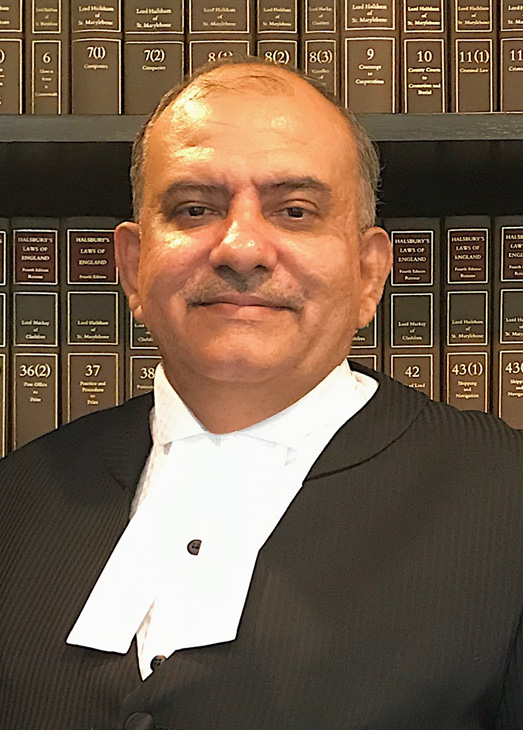
  • “Sports law presents challenges from rights protection to fair play, but it’s a domain ripe for innovation and crucial for athlete advocacy. I urge young lawyers to grasp a breadth of legal fields before specializing.” – Datuk Dr. Baljit Singh,  Founding Partner at Shukor Baljit & Partners

    “Sports law presents challenges from rights protection to fair play, but it’s a domain ripe for innovation and crucial for athlete advocacy. I urge young lawyers to grasp a breadth of legal fields before specializing.” – Datuk Dr. Baljit Singh, Founding Partner at Shukor Baljit & Partners

    This interview has been published by Namrata Singh and The SuperLawyer Team

    What inspired you to pursue a career in law, Sir?

    Firstly, thank you for having me on this forum. I must say, that amazing effort has been made, and I was overwhelmed to see that such a platform exists. Now, coming back to your question, what drove me at a young age is that my background; my father is a policeman, and my grandfather, who came from India in the 1940s, was also a policeman. So, in fact, my entire journey from a young age until I left for university, I grew up in a police station. I understand the dos and don’ts, the whole roll call, every flag post, every corner, what happens, and what doesn’t happen. I was ingrained from day one of my journey. In fact, in Malaysia, even though I’m Punjabi, as my first language, because I used to stay in the police barracks, most of them are Malaysians. So the first language I spoke was Malay. Punjabi came later, of course, and picked up with my parents. That was the influence of staying in the police barracks. When I finished my law degree, my father brought me a police application to join as the cadet assistant superintendent of police. For graduates at that time, they had the scheme for senior police officers. I said, “enough for two generations. I am definitely going to do law.” So, when you are at the age of 16, we have form four here. So you divide between the art stream and the science stream. I was given the science stream. I studied in Penang, a Lasallian school. I still remember my principal, who’s Irish from Ireland, Brother Casimir Hannon. So I was in the science stream. I told him, “Brother, I need to switch to arts.” He said, “What? People want to go to science stream and you want to go to arts?” I said, “yeah, because I’ve decided what I want to do. I want to do law. So I just want to focus on the subjects I want to do.” He said, “No, you focus on science. They give you a bigger perspective and all that.” Anyway, I was also adamant. So I took my dad. I told my dad, whatever it is, I want to do these subjects. I was determined. I knew it. This is what I want. This was my path. I knew it. So, that was my journey.

    So, Sir, you have been involved in a lot of legal publications as well, and you have authored many, many articles. What actually drives your passion for legal writing and how do you balance your time between practicing law and following your scholarly pursuits?

    I also don’t know that. How I do it, but I do it, you know. So sometimes I’m wondering how I do it, but I think I take small steps. I take baby steps and I just do it, like my first book on the criminal litigation process. That’s about 700 pages, but the first book took me about almost 10 years. Of course, when you update, it doesn’t take me long.

    I think when I update the book, it takes me about 6 to maybe 10 months. I can update it. But the first book took some time. So then you just progress and you just build on. Articles I pick up on my practice area, which I find interesting, like recently I’ve written on affidavit evidence by way of quasi-criminal cases. You know, what is the burden stand? What is the timeline and so on to file an affidavit? Do you bother about the timeline? Because I say it’s quasi-criminal offences. It’s a criminal case. So as far as I got the concern, that is the interest of justice and not to be procedurally governed.

    All right, so that article has just been published. So that’s from my cases when I do, so I came up with this topic just to add some jurisprudence to the entire legal community. And then I’ve done one more on the criminal investigation, the court’s perspective, sometimes how it is done, because sometimes when statements are given, the courts will say, Oh, this is an afterthought, but then they have to point out to you, that’s the first time that accused has got the opportunity to say something when he gives them and it cannot be an afterthought.

    And what statement he gave the police must do an investigation. The police must not just shrug it aside, you know, they can’t do that. So that’s the reason, I just take my cases, what I do so that I just come out with an article. So that will interest readers and also will help in the legal journey for others when they have cases and so on there’s something to look at. Then I progressed on to do my Masters at the University of Malaya. Then I also earned a Diploma in Sharia Law in UIA. That was an 18-month course.

    So, that was on Saturday morning. I said, “Why not just do it, you know?” PhD was torturous for me because it was a lonely journey, with no friends, nothing. I got to thank COVID for helping me complete my PhD because I realized I came home, I got nothing else to do other than sit down and work on my PhD. In fact, my viva was done by way of Zoom, my chapters also because towards the tail end. I completed almost seven years, but because of the exemption of the COVID period, I was able to complete it. I think I got, in a way, the blessing of COVID because I’ve been forced to sit down and do my work.

    And then of course, my family also supported me. My wife did the editing and checking everything, paragraphing all in order, giving some advice, and giving some pointers. Because she had done a PhD earlier than me, so I had a tutor at home also to make sure that I’m on track.

    That’s what I did during the COVID time because for months, we were at home base, you see, almost a year or so. That’s where I said, “Okay, now let’s complete this.” And during COVID, I also started on my book. So I always keep myself moving. There’s always something that I’m doing. Nowadays, I also start to get my younger lawyers to come in and to do articles with me so that I want them to also progress, so that they work together with me as a co-author on the articles. So they also gain a track, and of course, for me, I’m more or less walking to sunset already.

    So the younger generation, you are the future. So, you know, whatever I can do, why not? Because whatever I have is all given by the almighty God. So for me, just to hand down, so that’s about it.

    As the president of the Sports Law Association of Malaysia, and being deeply involved in the legal aspects of sports beyond criminal litigation, could you provide some insights into the distinctive challenges and opportunities within sports law? How does it intersect with the broader legal issues you encounter on a daily basis?

    Now, by virtue of sports law, I also chair the Malaysian Football Federation Disciplinary Committee for the entire Malaysia for discipline cases, players, and so on. Of course, that is a disciplinary angle, right? It’d be interesting to see because sports are very close to me. I was an all-rounder, you know. Whether you want me to play volleyball, I can play. Whether you want me to play tennis, I can play. Football, I play. Hockey, I play. The whole works, you know. You want to play basketball, I play. As a son of a policeman those days, we don’t have games, and we don’t have phones. We are out of the house at 4 PM, and we come back at 7. We play everything, including playing kite, playing marbles, the whole works. So sports are very close to me.

    Basically, when it comes to sports law, of course, this is a new area. It is a new jurisdiction. Of course, the law is quite settled, but it’s a new area in many jurisdictions. And of course, the United Kingdom, the US, and London, I think more track because they have the entire sports association like football and all, big thing.

    So, of course, they track more. Here is basically when you’re looking at the rights, the players’ rights, protecting the athletes’ rights. And then to make sure it’s fair play, and then the bigger issue is on doping cases. How to be dealt with, then contractual disputes. So this all derived from this sports law. It’s a good area to come in but sometimes I have this problem with younger members of the bar they say, “Sir, I want to come I just want to do shipping.”

    I want to do construction. I just want to do sports law. I think that’s a bad recipe, a bad formula. So whatever you intend to do, do general first for four, or five years, right? Pick up the entire thing. Then maybe after the seventh, or eighth year, you can think about what you want to do, okay?

    Because you must understand, the legal journey is a continuum, a continuous process. And you just take care. Everything is taken care of you. Because the other problem is nowadays, most of the young generation, I want to make this much. I want to make some X amount. Don’t worry, don’t worry. Be good at your work. Everything will come. Just be good. Be good. Do honesty, okay? Do your work well, prepare your files well, prepare your pleadings well, and prepare before going to court well. Be diligent. Hey, don’t worry. Things will be in your favour, but things will come.

    The younger generation, they can’t wait. So I just say maybe do some breathing therapy. Calm down, relax, and then take baby steps, and then just focus, and also don’t be too… I mean, of course, money, everybody needs, we don’t deny that, you know, you need to pay bills, but take it easy. And the law profession definitely can put a meal on your table, alright? There’s no doubt about that. Doctors, lawyers, and all that, the meal can be on your table, and pay your basic rights, things, what you need, your needs, can be done. But don’t worry. Spend time developing your work, and spend time doing quality work.

    So I build my career like a block, you know, block by block, block by block. So even today, it’s another block, another block. It goes on like that, okay? And of course, I always believe that if you can help anybody, help. There’s nothing, it doesn’t cost you any money. Where you can assist, assist. Alright? Because no man is an island, okay.

    Being appointed to the Royal Commission of Inquiry to review Malaysia’s sovereignty over Pedra Branca, Middle Rock, and South Ledge is indeed a remarkable achievement. What contributions do you aspire to make to this significant inquiry, and what are your expectations regarding the desired outcomes?

    Yeah, because I’m a member of the Royal Commission, I’m governed by secrecy, so I can talk about what is there in the public domain, all right? So, the public domain will be the judgment of the International Court of Justice in 2008, where I gave Pedra Branca to Singapore. Then there’s another process that Malaysia filed for revision and interpretation, in which Malaysia later withdrew the application to ICJ. But basically, that is all in the public domain. On our Royal Commission, I think it’s basically the due processes that took place, how the processes took place for future leaders, future generations to understand what’s going on. It’s a good decision for all students to read from the International Court of Justice, particularly international law.

    When I started my career, I did everything. So whether you’re doing a property transaction, whether you’re doing a civil case, whether you’re doing a criminal case, all I had to do is read up everything I can see. I can see the whole thing in the picture. So that’s why, unless you’re very certain, take one step at a time. I must inform the students. Remember, when I started, I was riding a motorcycle, I rode a motorcycle for two years. Of course, people don’t look. People look now at what I have and what I do but don’t realize that I was also living on my basic needs. I was the son of a policeman, you know, so my father was just a constable, corporal. So, he had to be careful with the budget. Then I used to give tuition to sustain myself. All this is a process. Be calm, relax, focus, and take baby steps. And of course, also to mix with the right company. If you mix with the wrong company, then that becomes a problem because you want to be in the places where you want to be seen.

    Then you start spending more than what you earn. For me, I would just say, if you can, no alcohol until you are established. I would say no alcohol. I didn’t take any alcohol until I was after 40. Because all this, you need to balance out, okay? You need to balance out.

    Of course, you need to enjoy, you need to relax, okay? But all things, you need to calibrate and balance it out. Okay.

    As someone deeply involved in numerous committees and task forces, including serving on the advisory panel to the Malaysian Anti-Corruption Commission, your dedication to combating corruption is evident. How do you perceive the role of legal professionals in tackling significant societal challenges like corruption? Furthermore, how do you envision the pursuit of justice in this context, aligning with the principles you have advocated for throughout your career?

    I think I wear too many hats around. You know, I also sit as honorary assistant commissioner of the police. Also, as a member of the MSCC advisory board, I’m in the preventive panel. So, you see, my role in the MSCC is basically preventive. So, what can we do?

    One is maybe having the syllabus being taught, maybe a small topic being taught in the universities. Start from the school, telling them about the corruption. What is corruption? Introducing some simple thing. Maybe it needs to be less than five pages. It’s all right, but give them an idea that this is not acceptable. This can cause chaos in a country, in a system.

    So one is preventive way, and then you have awareness campaigning in the universities. Even in the primary school, secondary school, you have this awareness campaign. Maybe you have a week of corruption, anti-corruption debate. Or maybe quiz or whatever, to bring the awareness to people and then in the shopping mall, in the big organizations, you have talks, you have anti-corruption pledges by the staff, so on.

    Of course, corruption is not easy. Every country has got it, but we need to make sure we can put it to the very minimum or maybe if possible eradicate, but not easy. It’s an uphill task. And of course, Malaysia, as you know, we have also very interesting cases going on in court which you have seen our former Prime Minister who’s been tried and convicted and other charges are pending. So, you can see Malaysia is okay, you know, in terms of democracy, in terms of processes and all. It’s all right. There is a due process in place.

    Your extensive contributions to society are evident. Did this influence your transition from practicing law to becoming an adjunct professor at multiple universities, offering a unique perspective on your varied approaches? Given your multifaceted background, how do you approach teaching law, and what advice do you typically impart to aspiring lawyers or law students entering this field? You mentioned being open to various practices earlier. Would you care to elaborate on that, Sir?

    I think I bring an interesting perspective because I bring real-life situations to the classroom. They can see how it’s related. I can tell them, “Okay, I picked up on a certain area. This is what happened. These are the facts, this is how this law is legislated, and then this is how it’s been applied. Can you see the case now going on in court? What happened?” So they can see the whole segment connection into one piece. That’s where students, I think—I don’t want to be too overconfident—they truly enjoy my class. They just like the connectivity that I bring from practice-related industry to the academic world, so that is a thing.

    The adjunct professor part is basically for me to bring industry experience to that particular area because, you know, nowadays, for any students, when they go out to work, some of the employers, maybe most of them, have this—they want the students to be the practice-ready approach. Some of the students that start their internship, they don’t even know how to use a photostat machine. They don’t even know how to do a file. They don’t even know how to staple this thing. How do you handle your correspondence? How do you handle your course papers? You know, simple things like that.

    Because nowadays I think some books are available online, but some of the textbooks are good textbooks. Sometimes, you know, must know how to navigate yourself with a textbook. How do you do research with the indexing, with the footnotes, with all this, so you must know how to navigate yourself from the textbook.

    So this is one area I think we’ll soon have a problem. It’s good. It’s good to be tech-savvy, yeah, but some of the books, especially some of the old books which carry, of course, you know, that law of trust. That is a dry area that the law of trust is not going to change, but most of the old books on this area, a lot of salient points are inside the old books, and of course, they’re not going to transcribe anything and put online because it is a question of how much can they earn from that—you can see how much revenue they can generate. Of course, nothing much, but if you’re doing certain areas of law, it is good for you to know how to do manual research, rather than, you know, being tech-savvy.

    Of course, tech-savvy is very good. But manual research also, do not abandon it.

    Given your extensive experience in criminal law, are there common misconceptions about the legal system that you frequently encounter? How do you actively address and dispel these misconceptions to ensure clarity and understanding among individuals seeking your expertise?

    One serious misconception they always have is if you’re innocent, you’ve got nothing to worry about. Let the case go on. But you must understand, you put a person on trial, and the trial then takes years down the road. And then you tell him you’re innocent, and you know, he lost the entire earning and so on.

    So this misconception by saying that, hey, if you’re innocent, you’ve got nothing to worry, that is not true per se. I think most of the investigations that are done are not objectively done, then you put the person through this, right? And of course, another misconception is people will say, Okay, if you sign a document, you’re bound by it.

    Okay, in a criminal case, so on, a lot of things you must see whether the person has authority to do so, whether it’s done by duress, whether it’s done by force, was he misled. So all these things by way of talks, by way of interaction. This misconception must be dispelled.

    We’d love to delve deeper into your passion areas within law. Could you share what specifically drives your passion and what you aim to impart to your learners regarding these exceptional and innovative areas you’re practicing in?

    Other than my practice, I would just say, you must have a balanced life. So if ever I can, if I can do daily walks or simple daily gym, I do it because that is to calibrate myself, to keep my body chemicals in balance, and for me to think better.

    In fact, if I go for walks, I go alone because there’s so many things that I’m thinking about, and I get so many ideas when I go for my walks. And better still, if I walk into a jungle tracking and so on, it gives me amazing. So that’s where I get my inspiration.

    I get my ideas and so on. Reading, reading makes a person, that you cannot deny. And I personally read autobiographies. I read all, I go from the left to right. I think the book that I love best is Long Walk to Freedom by Nelson Mandela.

    In fact, I read that four times, you know. Simple, very simple written. And then how he was incarcerated for almost three decades, you know, 27 years, 28 years put there almost three decades. And how he’s taken and how he’s dealing and coming back into power and so on. So the process.

    So I read the book, at least I think three to four times I’ve read it. I also even read, In Line of Fire by General Musharraf, Pakistani former Prime Minister. Anyway, all these books are available in India, so don’t say that you cannot get it. India has got great autobiographies of judges and so on. You can pick up, and the most famous crimes and all that, they have a lot of these books.

    In fact, one of my favorite bookstores is normally in a Jain bookstore in a corner place in Delhi. So that’s one place where I sit from morning to evening, looking at books. Sometimes I spend days just sitting down there, morning to evening. Vishal is the owner there, a good friend of mine. So he will be entertaining me with coffee and tea. So I sometimes sit one, two days from morning to evening, picking up the books, reading what I need to do. And I send it back. But nowadays, of course, some of it, I get it online.

    So there are other books also, even Gandhi. Of course, Gandhi, the entire book, how his journey, I read his book at least. I find it interesting. I read it twice. But I stumbled upon another book by Nathuram Godse. And into why he assassinated Gandhi. I found that book from Jain bookstore also. I’m not campaigning.

    I’m not selling it. I’m not marketing for Jain. I’m just, don’t get me wrong. So I’m just saying, I found the book from there. So I picked it up. I saw his train of thought. After committing that, after firing the shot, he stood there. He didn’t run away. All right. He wanted to make a statement.

    And then even in court, he refused to engage a lawyer. And he prepared his own printings and so on, and that book that I’ve got, I think I can’t remember. Yeah, but it’s written by himself. Yeah. All right. And the pleadings were done by him. So it’s interesting, you know, to see another perspective.

    And then of course you have Dalai Lama, then you have Bill Clinton, and then the former presidents of the United States. You have Lin Kuan Yew, even in Malaysia, Dr. Mahathir. You have a lot of these books to see their thinking process. How they look at things and their journeys.

    So when I go for holidays, I’ll normally have two books. One is autobiography, one is doing revision. Maybe on criminal procedure, on criminal law, on evidence, or civil procedure. I just have to revise. Just to catch up, and just to keep the momentum.

    I think the students must just not stick to the law books per se, but these books also give you dynamics, help you to build. And then, of course, there are some good movies as well. You know, you can look to articulate your advocacy skills and all that.

    Of course, movies, the movie world and the actual practice is different. But there are some good movies. There’s some good legal movies just to see the advocacy skill, but of course, practice is far away from the movie world, but just, if you’re looking at that, I think Bollywood is really run away, far away from the actual practice, except for the court surroundings. So that’s how you need to balance between yourself. And sometimes you must know when you’re a bit stuck in a particular corner, there’s things to be done, calm down and all that. And also sleep is very important. So do not compromise on your sleep. Do not study last minute. Then you know, when you study last minute, what happens? Then you get everything clamped up, then you get upset, then you’ll be throwing tantrums. And also, take care of yourself by doing your daily exercises. I’m not asking you to run marathon, no, or go for triathlon or go to Ironman. No, simple, simple exercise, 45 minutes walking, stretching, and then take vitamins, I think the vitamins that you really need is, B complex because mental fatigue, you know, because you read and you read, you get tired, you must be able to rest your eyes and all, these are small small things.

    If I presume that you’re doing your reading, and not socializing or gallivanting around town, la, so anything else if I can assist anyone.

    I’d like to inquire about how you navigate the balance between your personal and professional lives. You mentioned the importance of activities like taking walks, engaging in exercise, and incorporating both light and legal reading. How have you managed to strike that balance in your own life?

    I plan my day ahead, one day before, sometimes two days before, and occasionally even three days before. So when I get up in the morning, I know that 8 to 9 is scheduled for this, 9 to 10 for that, 10 to 11 for another task, and so on, with specific time slots allocated for each activity.

    I always have tasks lined up, ensuring a productive day. For instance, Saturday and Sunday afternoons are designated for my nap, while on other days, such breaks aren’t feasible due to work commitments. Sometimes, I also take short 10-15 minute naps in the office to recalibrate.

    I’ve structured my schedule in this manner, planning it out meticulously. For example, when working on an article, I may spend three to four months on it, revising and refining it in stages. It’s an iterative process of drafting, revising, and contemplating.

    As I mentioned, I have allocated time slots for everything, and I adhere to them. If I’m unable to complete a task, I don’t get upset; it’s a part of being human. I simply reschedule it for the next day because planning is crucial. As the saying goes, “If you fail to plan, you plan to fail.”

    It’s essential to plan and prepare a sequence of tasks. I always take time to prepare and analyze my schedule, ensuring efficient utilization of time. That’s how I approach my daily routine.

    Get in touch with Datuk Dr. Baljit Singh-