Tag: USA

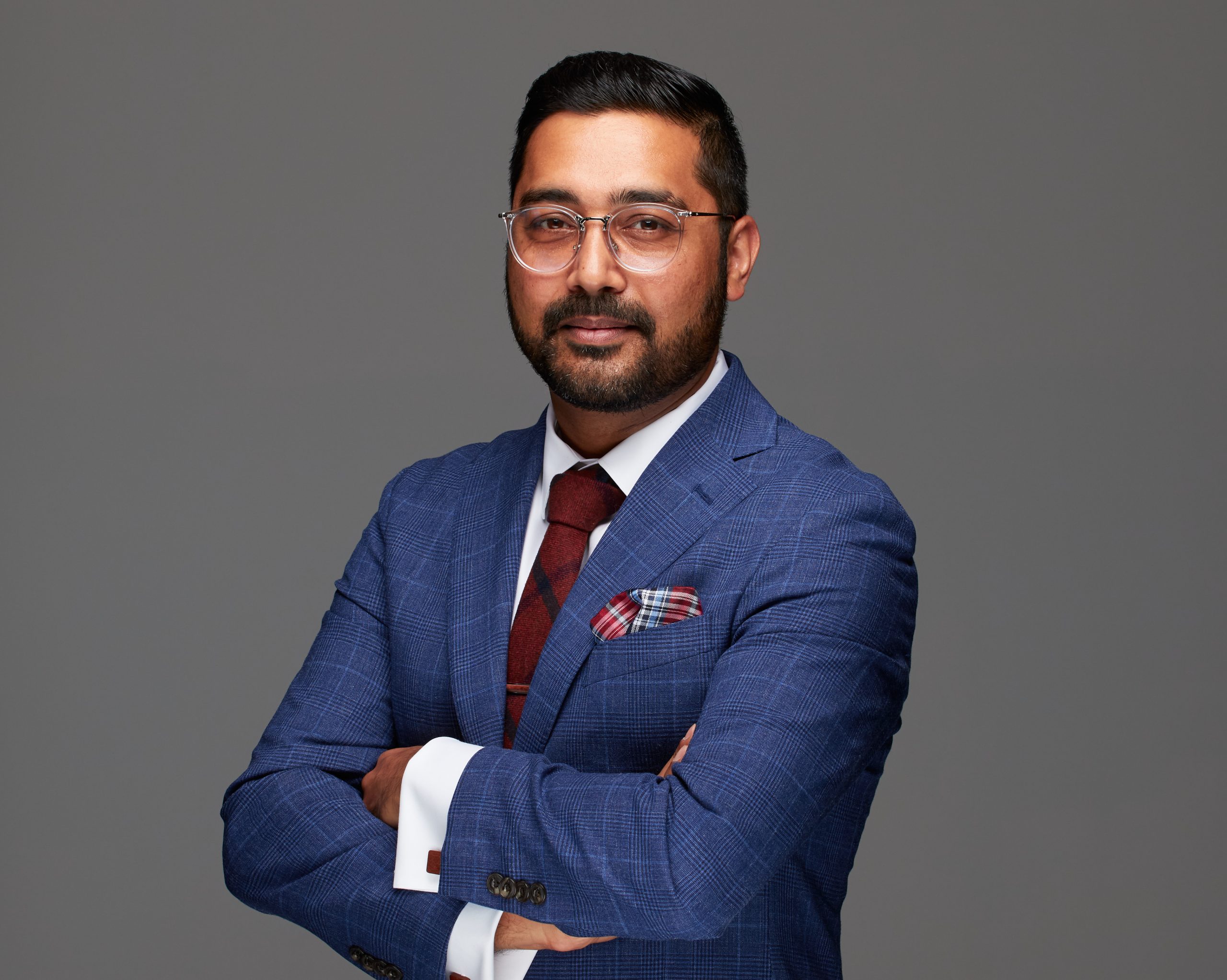
  • “While the legal procedures and practices in the United States and India share many commonalities due to their common law roots, they differ significantly in terms of court structures, procedural details, speed of proceedings, and access to justice.” – Ojas Patil, Esq., Associate Attorney at Phillips Law Group, United States.

    “While the legal procedures and practices in the United States and India share many commonalities due to their common law roots, they differ significantly in terms of court structures, procedural details, speed of proceedings, and access to justice.” – Ojas Patil, Esq., Associate Attorney at Phillips Law Group, United States.

    This interview has been published by Anshi Mudgal and The SuperLawyer Team

    Having completed your law degree at Government Law College in Mumbai and your Juris Doctorate at the University of Arizona, how do you think the teaching methods at both universities differ? What steps did you take to prepare for your transition to the University of Arizona for your JD?

    Esteemed faculty members at both the Universities provided an invaluable learning experience. However, their teaching methodology and philosophy differed significantly. While the education system in India often focuses on rote learning and memorization, the US education system tends to focus more on critical thinking, problem-solving, and creativity. More often than not, professors in India are generally seen as authority figures leaving little room for engaging in discussions in such a formal environment. In the US, the teacher-student relationship is more informal and collaborative, with students even addressing their professors on a first-name basis. The Socratic method of teaching is widely prevalent in the US which encourages critical thinking, dialogue, and the development of deeper understanding through questioning. Professors use open-ended questions to stimulate critical thinking, challenge assumptions, uncover contradictions, and deepen understanding. ‘Cold calling’ is a concept used by the US law school professors to randomly call on a particular student to answer questions or engage in a discussion pertaining to the reading assignment for that particular day. Although it was daunting at first, my experience was really enriching since it gave me a chance to put forward my thoughts and get constructive feedback. Transitioning to the US law school system was exciting as well as challenging. It was really helpful to understand the nature of the program, the classroom environment, the cultural nuances, academic expectations amongst several other factors. Speaking with other seniors tremendously alleviated my anxiety as they were super helpful in guiding me each step of the way. 

    Given your specialization in Intellectual Property Law and your thesis on ‘Deciphering Trademark Dilution – A Comparative Analysis of U.S. and Indian Law,’ can you share your key findings on the differences between the U.S. and Indian trademark law?

    In my opinion, the most notable difference in the US and Indian trademark law is with respect to the concept of ‘fair use’. In India, fair use of a trademark is mainly limited to descriptive use, comparative advertising, and honest concurrent use. It is more restrictive when it comes to the scope of nominative use. To simplify Nominative fair use with an example, an auto repair shop may be able to advertise their services with an inclusion of famous automobile brands such as BMW or Audi under this concept. On the other hand, fair use is broader under US law, with provisions for nominative fair use, non-commercial use, and descriptive fair use. US law provides a clearer path for comparative advertising and non-commercial uses, like parody or commentary. 

    During your time at Krishna & Saurastri Associates LLP, you assisted foreign attorneys with trademark registrations in India and through the Madrid Protocol. What were some of the major challenges you faced in navigating both local and international trademark laws? 

    As a trademark attorney, it is pivotal to understand the precise needs of your client. Once that is accomplished, the next step is to identify and categorize the goods and/or services of the client accordingly. Under both, the Indian Trade Marks Act, 1999, as well as the Madrid Protocol, the classification of goods and services for trademark registration follows a system called the Nice Classification (also known as NCL), which categorizes goods and services into 45 classes. Applying for an international application under the Madrid Protocol requires a national trademark application or registration in your home country. This is known as the basic application or basic registration (in the case of India, the trademark must be registered with the Indian Trademark Registry). The World Intellectual Property Organization (WIPO) administers the Madrid application once filed. WIPO does not substantively examine the trademark but ensures that it complies with international standards. The challenging part is deciding on whether to stick with a national application or to opt for the international Madrid application. The Indian Trademark Registration system is ideal for businesses that plan to operate only within India. It is simpler, more cost-effective, and straightforward but limits protection to India. Whereas the Madrid Protocol offers a streamlined and cost-efficient way for businesses that intend to expand internationally to secure trademark protection in multiple countries. However, it requires a valid basic application or registration and involves procedural complexities for each country. Depending on the client’s business areas and their potential to expand internationally, I was able to advise them as to the pros and cons of each system which allowed them to make an informed decision.

    At Family Housing Resources, you reviewed contracts to ensure compliance with affordable housing regulations. Could you describe the challenges you faced initially while ensuring compliance with local, state, and federal laws and how you navigated them?

    At Family Housing Resources (FHR), I was able to contribute in a dual capacity. First, as a program manager for several state and federal programs including Rent and Mortgage assistance. Second, as an in-house counsel for advising and maintaining compliance with the local, state, and federal laws. Joining FHR right after completion of my Juris Doctorate marked a significant milestone in my career as this was my first full-time position in the US. Initially, my focus was oriented towards the research aspect of the affordable housing regulations. Gradually, I was able to acknowledge the differences between the different US states and systems. Once my research was complete, my next goal was to design and frame a robust system for FHR in order to provide safe, secure, and affordable housing to low- and middle-income individuals and families. Identifying the requisite subsidies and tax incentives, land acquisition and zoning laws, city and state building codes, and stakeholder engagement was quintessential. The final step in this process was working and collaborating with several NGOs and social enterprises that specialize in housing solutions for low-income groups. These organizations brought innovative and cost-effective housing designs or financing mechanisms. Being a complete fresher, this journey was enriching and equally challenging. 

    While working as a Summer Judicial Extern under Hon. Greg Sakall at the Pima County Superior Court, what key experiences helped shape your understanding of US family laws and influenced your career in international legal practice?

    During the summer of 2019, I was fortunate to receive a judicial externship under the Hon. Greg Sakall of the Pima County Superior Court. Judge Sakall was the then-presiding judge of the Family Law division of the Pima County Superior Court. As judicial externs, we were able to observe Family Law hearings pertaining to Dissolution of Marriage, Child Support, Parenting Time, Spousal Maintenance, Orders of Protection, and attended Resolution Management Conferences. Each day, we researched relevant statutes and regulations, discussed and deliberated the factual and legal position of the cases listed or heard with the Judge and received his feedback. Toward the end of my externship, I was able to draft an Office Memorandum for the judge pertaining to ‘Third-Party Visitation with respect to children under A.R.S. § 25-409. These courtroom experiences bolstered my confidence and cemented my ambition of litigating cases. This externship provided a crucial insight into the US court system, how legal arguments are presented, and how the judges make decisions. Preparing daily bench memoranda immensely improved and honed my legal writing skills which helps me even today.

    At Cruz & Associates, you handled Workers’ Compensation cases. Can you walk us through a particularly complex case you worked on, including how you managed the case, negotiated and navigated hearings before the Industrial Commission of Arizona?

    After joining Cruz & Associates in April 2023, in their Workers’ Compensation department, I was able to start a new chapter of my life. This was my first law firm experience in the US, and it kickstarted my litigation journey. Workers’ Compensation in Arizona is a no-fault system wherein an employee/worker injured in the course of his employment is offered financial compensation and medical benefits. The aim of this system is to try to make the injured person whole by providing a remedy for workplace injuries. A notably challenging case at hand was of an elderly person who suffered a catastrophic spinal injury at work. The injury was of such a nature that our client was unable to continue working and was provided a permanent impairment rating during an independent medical evaluation with long-term work restrictions. However, even with such severe injuries the insurance company for the employer denied future care benefits under the pretext of a degenerative condition which resulted from old age. Our client was understandably distraught from this decision, and we were able to successfully challenge this stance before the Industrial Commission of Arizona (ICA). This was possible with a thorough investigation and due diligence of the client’s prior medical history and with the medical causation report authored by a neurosurgeon which pointed to the workplace injury aggravating his previous condition. Ever since the COVID pandemic, the ICA hearings were conducted virtually which facilitated ease of access to clients who relocated/migrated to different states in the US.

    In your current role as an Associate Attorney at Phillips Law Group, you draft motions, pleadings, and handle depositions among other tasks. How do you find the legal procedures and practices in the U.S. differ from those in India, especially when dealing with personal injury cases?

    While the legal procedures and practices in the United States and India share many commonalities due to their common law roots, they differ significantly in terms of court structures, procedural details, speed of proceedings, and access to justice. The U.S. system places a significant emphasis on jury trials and adversarial litigation, while India’s system is more judge-centric with a greater focus on written procedures. The US has a dual system of court system – Federal (for Federal matters) and State (for State matters). Each state has its own legal system and judicial infrastructure, although they all follow the basic principles of common law. A personal injury case typically falls under the State court’s jurisdiction, however, can be removed to Federal court if it fulfills the requisite criteria. Once a lawsuit is initiated by filing the complaint, the other side is served with a copy of the complaint and needs to file an answer within 30 days depending on the residential/incorporation status of the entity. Once an answer is filed, both the parties then engage in what is called a discovery process in which information is exchanged transparently, witnesses and documents are disclosed, depositions (formal interviews) are conducted of the involved parties. After the end of discovery phase, typically a mediation is set wherein both parties try to resolve the dispute out of court and attempt to reach a settlement. If no settlement ensues then the case proceeds to trial. The most unique part about a US trial is that the case is decided by the jury and not a judge. A jury of 6 to 12 US citizens decides the verdict based on facts of the case, while the judge instructs them on the law to be applied. I was able to be a co-chair for a trial back in September 2024 wherein I presented the opening statement and conducted examination of a damage witness. The experience was surreal and there were plenty of takeaways by the end of it. 

    How did your educational background in India influence your approach to practicing personal injury law in the U.S.? Additionally, how has passing the Uniform Bar Exam and qualifying to practice across multiple jurisdictions enhanced your practice and understanding of the Law?

    Coming from a family of doctors, my family always embodied altruism through the medium of serving the community. After pursuing the Science stream in my high school years (11th and 12th), I followed my instinct and applied to GLC Mumbai. My ambition to pursue law stemmed from my mother, who had herself completed a law degree after getting married. She encouraged me to follow my passion and commit myself to the profession. During my time at GLC Mumbai, I was able to participate in several moot court competitions and model united nations (MUNs), each time fueling my passion and learning from every single experience. Starting my journey with Family Housing Resources (FHR), which was a local non-profit organization, couldn’t have been more apt. Transitioning from that, I was able to join Cruz & Associates in their Workers’ Compensation team. Being closely knitted with injury law, I realized that my ultimate destination was being able to contribute towards personal injury law. 

    Passing the Uniform Bar Exam (UBE) in October 2020 is one of my most memorable and cherished moments. I still remember those three months wherein my daily routine only consisted of studying for the bar apart from eating and sleeping. It was a life changing moment to pass the UBE with a high score sufficient to transfer and practice in all 41 UBE states. Graduating from an Arizona law school, it made the most sense to get licensed in that state and it has been a truly rewarding journey so far. 

    You enjoy soccer, cricket, and hiking in your free time. How do you manage a demanding legal career while maintaining a healthy work-life balance? How do these activities help you stay relaxed and motivated in your legal practice?

    Maintaining a good work-life balance is pivotal in one’s life and is a priority for me. I have been really fortunate to be with Phillips Law Group who support this practice, which also aligns with our firm’s objectives. Studies have shown that when individuals have time to recharge, they return to work with a clearer mind and increased focus. A well-rested and emotionally balanced person is more productive, creative, and efficient at work. Soccer, cricket, and hiking are those activities for me which help me complete my 3 ‘R’s – Relax, Recharge, and Rejuvenate. Life outside of work is equally essential for personal growth and self-fulfillment. For me, legal profession is a marathon. If one does not take necessary breaks to complete their 3 ‘R’s then chances are pretty high that they might run out of energy to sustain a long-term career. 

    What advice would you give to young law students and professionals who aspire to build an international legal practice, similar to your own career journey?

    Never, ever give up! When we take up law as a profession, this is a motto we should embody every step of the way. We may falter often at first, but everything is a learning process which is gradually building you into a seasoned lawyer. The journey of being a multi-jurisdictional attorney has been full of ups and downs. Fulfilling admission requirements, bearing tuition fees, overcoming language barriers and cultural nuances, navigating through visa challenges, preparing for the bar exam, are some of the most critical challenges a law student faces while studying in a foreign country. Nevertheless, there is always light at the end of the tunnel and your hard work will pay off eventually. If you aspire to pursue a foreign degree, start researching and preparing for every little step in the way. Try to ascertain the area of law you want to pursue and get the requisite experience before taking the next step of applying. Feel free to reach out to me via LinkedIn for more details and I will be happy to share my thoughts and experiences.

    Get in touch with Ojas Patil, Esq. –

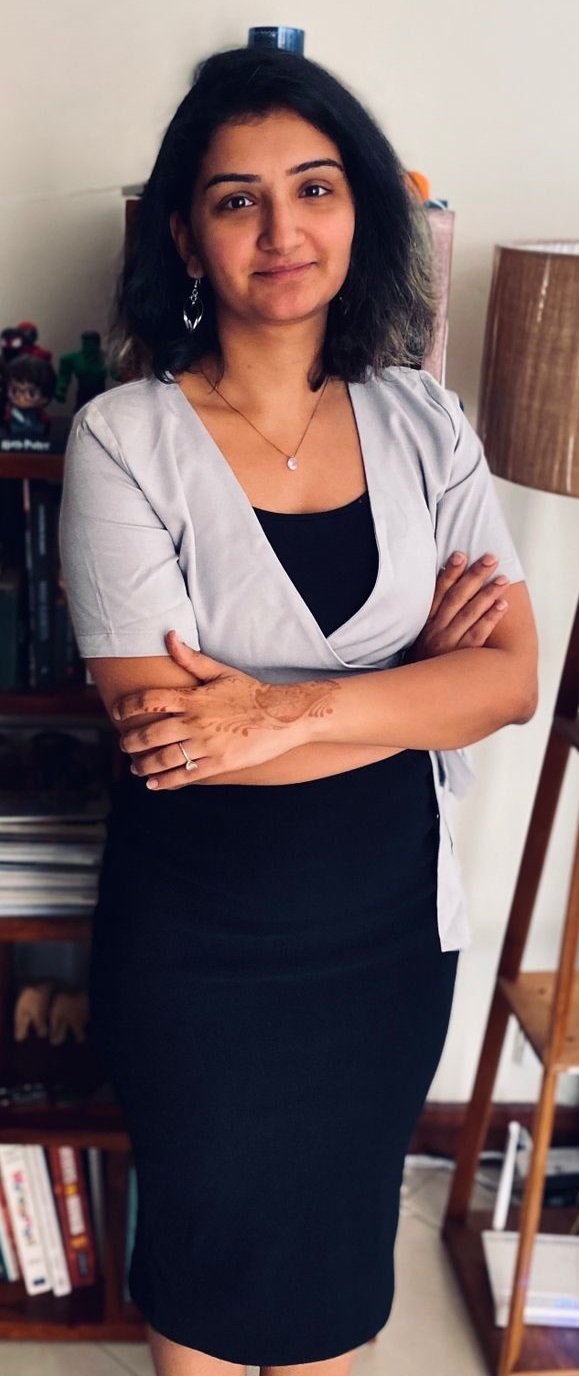
  • “Navigating trademark prosecution and enforcement across diverse jurisdictions demands an approach that harmonizes black letter law with case law and procedural insights”-Renuka Rajan, Managing Associate at  Lall & Sethi

    “Navigating trademark prosecution and enforcement across diverse jurisdictions demands an approach that harmonizes black letter law with case law and procedural insights”-Renuka Rajan, Managing Associate at Lall & Sethi

    This Interview has been published by Pragya Chandni and The SuperLawyer Team

    Can you share your journey and tell us what motivated you to pursue a career in law, from your early internships to your current role as a Managing Associate at Lall & Sethi in New Delhi?

    As a child, you would find me engaging in lengthy discussions, be it with my parents, friends, or teachers at school.  And my mother’s dedication to social service has always inspired me – despite having a full-time job and two young kids, she never stopped doing whatever she could to give back to those in need. This instilled in me a strong responsibility to give back to society. As law was the way to advocate for people’s rights and engage in arguments, it was a natural progression for me to decide on law as a career. However, as a first-generation lawyer, my first real experience of the practical side of the law was through my early internships, which provided hands-on experience, and solidified my commitment to this career. Now, as a Managing Associate at Lall & Sethi, I continue this journey, driven by the belief that law is a powerful tool for society. My pursuit aligns with a deep-seated desire to contribute meaningfully to society.

    You have an extensive background in intellectual property law. Could you explain what drew you to this particular field and share some of the most interesting cases or projects you’ve worked on in the realm of intellectual property?

    The arts have always played a major role throughout my life. My mother is a classically trained singer and started training me at the age of three. Thus, having been trained in singing and dancing, and having dabbled in drawing, craftwork and directing, my curiosity was piqued by the interplay between the arts and the law, thus making intellectual property law a natural choice for my specialization. The dynamic nature of this field, especially given the developing nature of the law in India, drove me towards it. Throughout my career, I have had the privilege of learning from and being involved in complicated cases that raised interesting questions of law spanning different fields. One particularly intriguing project involved navigating the complexities of derivative work performed by different artists vis-à-vis the rights of the original artist in the underlying work. Another highlight was considering and advising clients on the interpretation of comparative advertising through implied comparison. One other matter that comes to mind is advising clients on ambush marketing and its implications.  I’ve also had the privilege of delving into the interplay between trademarks and geographical indications. These experiences have not only honed my legal skills, but also reinforced my commitment to excelling in intellectual property law.

    Your experience includes working as a US and India Associate Attorney. How did you navigate the legal systems in both countries, and what were the key differences or similarities you encountered?

    Navigating the legal systems as a US and India licensed Attorney in IP law involves a focus on different strategies. What is interesting is that both countries have similarities in the manner in which they prioritize prior use in the market over the first to file with the government. But the process of registration is very different in both countries. As a US-licensed attorney, I learnt the need to be extremely thorough in running clearance searches before filing a trademark because of the strict nature of examination by the United States Patent and Trademarks Office. Conversely, in India, my focus extended to strategic advisory work, embracing a more solution-oriented approach, as Indian procedure before the Trade Marks Registry focuses on the prior user in the market. The concept of use of a trademark and what is considered sufficient is also quite different in both jurisdictions, thus changing the focus of the advice that one would give clients to prove use in the respective countries. However, despite these disparities, the Indian judiciary often considers it relevant to examine the laws abroad, more particularly in the US, UK and EU when passing orders on interesting points of law.  As a result, the development of intellectual property law in these countries is relevant for the progress of Indian law as well. This motivates me to not only keep abreast of new Indian judgments, but to also keep track of changing US jurisprudence in IP law. 

    You’ve been featured in the World Trademark Review as a top filer in the US. What strategies did you employ to achieve such recognition, and what challenges did you overcome during your time with LegalForce RAPC Worldwide?

    Securing recognition as a prominent filer in the US very early in my career was a result of highly meticulous case management, learning the law quickly and efficiently in a manner that best served the needs of my clients, of course with the integration of technological solutions for enhanced efficiency, and a vigilant awareness of evolving trademark laws. Building strong client relationships was a priority, ensuring a profound understanding of their unique needs and fostering enduring relationships.  This journey was not without its challenges. As a young lawyer, one learns by immersing themselves fully in the law and its changes by being a voracious reader and also learning to observe their peers, seniors and juniors. Much of my learning relating to procedure was due to the time I spent with paralegals who assisted me in my filings. I realized that effectively managing time and cultivating a collaborative team approach were imperative in order to achieve the best efficiency. Observing my peers and learning from their different styles of being a lawyer also encouraged me to look inwards to find the kind of lawyer I wished to be. This reinforced the importance of maintaining, in me, an unwavering commitment to complete honesty in work and excellence in both client service and legal research.

    In your career, you’ve worked on trademark prosecution and enforcement across various countries. How do you approach providing detailed country-specific advice to clients who operate in multiple jurisdictions?

    Navigating trademark prosecution and enforcement across diverse jurisdictions demands an approach that harmonizes black letter law with case law and procedural insights. I have had the unique opportunity of being deeply involved in Indian, US and south east Asian legal frameworks which exposed me to the nuances of each country’s laws and procedures. Past prosecution and enforcement experiences combined with discussions with legal counsels in different jurisdictions on a range of matters has provided invaluable lessons, allowing me to anticipate challenges and optimize strategies based on my experiences in those countries. Beyond legal technicalities, grasping the unique dynamics of each country is crucial. Procedural requirements combined with an understanding of how the judiciary reacts significantly impact enforcement strategies. Regular engagement with local counsels fortifies my advisory role, facilitating a proactive response to emerging issues. Of course – clear communication with clients is paramount for me – if I am unable to distill complex legal intricacies into actionable insights, I would not be helping them make informed decisions. Flexibility is key, allowing for tailored approaches that resonate with the legal and business requirements of each client. I always strive to understand the business needs of every client. This holistic method ensures comprehensive and effective counsel, fostering robust trademark strategies for clients operating seamlessly across multiple countries.

    As a guest lecturer and judge in various legal events, you’ve had the opportunity to share your legal expertise. Could you tell us more about your experiences in educating and mentoring future legal professionals?

    As a guest lecturer and judge at various legal events, I have had the privilege of interacting with inquisitive future legal professionals, especially students in law schools. I encourage students to come forward and ask me any question to help them understand law as a profession as this is one such profession which can benefit people from all walks of life.  Through lectures, I convey how black letter law translates to practice in an attorney’s everyday life, highlighting the relevance of judicial pronouncements and legal research. 

    As a first generation lawyer myself, I have relied heavily on connections I had built over the years, to navigate my journey as a professional. So, my aim in serving as a mentor to students, aspiring lawyers or young professionals is to help them navigate the profession a little better, guide them on refining their advocacy skills and nurture a respect for research and reading. Playing a role in shaping a new cadre of adept, socially aware, and justice-committed legal practitioners is incredibly fulfilling for me personally and I am always available to anyone who reaches out for my guidance.

    You’ve earned several degrees in law, including an LL.M. from The George Washington University Law School. How did your academic pursuits contribute to your career, and what advice would you give to law students who aspire to excel in their studies and those interested in intellectual property law and international practice  ?

    My legal education, an LL.M. from The George Washington University Law School, has been the compass guiding my career. When I graduated from law school with my undergraduate degree, I was still keen on delving deeper into the field that I knew was my calling.  So, pursuing a masters was a natural choice and I find myself much enhanced as an overall professional because of this experience. 

    As Gandhi said, ‘Be the change you wish to see in the world’. To aspiring law students: Blend academic prowess with practical wisdom. Engage in internships, embrace moot courts, and build a network. Excellence demands dedication and a commitment to continuous learning. Success in law is not just about knowledge, but embodying the change you seek. The journey from student to legal professional is a transformative process; let Gandhi’s wisdom inspire your path to becoming a catalyst for positive change in the legal realm.
    As I reflect on my journey and accomplishments, my advice to fresh law graduates would be to foster a curious mindset, staying attuned to the constant, very evolving legal frameworks. Pursue diverse experiences through actively participating in networking to construct a strong professional foundation. In the dynamic realm of intellectual property, nurture a fervor for research and keeping abreast of the latest legal developments, whether it is through reading judgments or conducting research on the aspects of law which are yet to be explored. With evolving technology, there is an ever expanding scope for the law itself given the ambiguity in the current legal framework that has not changed at the same speed as innovations. So, keeping yourself informed of legal and technological developments is key for any growing professional.   As a young lawyer, it is also very important to work towards being the kind of professional you intend to be throughout your career. Prioritizing communication skills, adeptness in communicating intricate legal concepts in a simple, easily understandable manner, establishing a mentorship network to actively seek guidance, never compromising your integrity or ethical standards – are all foundational to a flourishing legal career.   It is important to remember that every miss, every challenge and every mistake is a chance for growth, and this commitment to continuous learning will pave the way for a gratifying and impactful journey in law.

    Get in touch with Renuka Rajan-

  • “Figure out your purpose in life, have a larger vision and chase that, you are more than your job, your accomplishments and your possessions”- Kudrat Dutta Chaudhary,  Commissioner, Immigrant Rights Commission, San Francisco, California, United States

    “Figure out your purpose in life, have a larger vision and chase that, you are more than your job, your accomplishments and your possessions”- Kudrat Dutta Chaudhary, Commissioner, Immigrant Rights Commission, San Francisco, California, United States

    This Interview has been published by Pragya Chandni  and The SuperLawyer Team

    Ma’am, can you please share the pivotal moments or experiences that led you to pursue a career in law, especially focusing on your journey from studying at the Army Institute of Law to earning an LL.M. at The Fletcher School of Law and Diplomacy?

    I always had a justice oriented personality and the choice was either between Law or Journalism for me when I was growing up. I also was very clear since very early on that I wanted to work in the field of women’s rights and gender based violence and with that I decided that Law would be a path best suited for me. At 22,   I published a novel on the human trafficking of women in Nepal to India after the Nepal earthquake and after completing Law from the Army Institute of Law I went on to study at the Fletcher School where I focussed specifically on gender based violence and International Law. I wouldn’t say that there was one moment that defined my trajectory but I’d say that just the conviction that  my aim in life is to use my education, privilege, knowledge and expertise to help women led me from Law School to graduate school to the positions I’ve held thereafter. 

    Your LL.M. focused on International Laws, and you received the Honos Civicus Award for Civic Engagement. How did these experiences shape your perspective on the intersection of law and civic engagement, and how do you see it influencing your current work?

    I feel both Law and civic engagement have a symbiotic relationship for example it was Raja Ram Mohan Roy’s advocacy against ’Sati’ to legally put an end to it in the 1800’s and today we see the role of civic engagement in creation and abolishing of laws over matters important to the current times. For me, being active and participating in the community, advocating for one’s community and influencing positive change is my mantra and I live these beliefs by being involved in groups and advocacy over issues that I am most passionate about like women’s rights and immigrant rights. 

    As a law clerk specializing in asylum law and gender rights at the Law Office of Robert B. Jobe, can you elaborate on how your work has involved strategizing refugee and asylum claims based on gender-based persecution? What challenges and successes have you encountered in this role?

    In my previous role, I worked with battered women who were fleeing persecution that they suffered in their home countries and it involved documenting their persecution, highlighting issues that were in tandem with the theory of their case. My journey with a client often started from building rapport with them which sometimes can be hard when they have suffered immense trauma in their lives, to creating a safe space where they can feel comfortable in expressing themselves and sharing their stories. One challenge with this work is that sometimes the other person is not open to seeking therapy or doesn’t live in a community that would help them work through their trauma; I learnt how to tackle this bump over the years and I feel the more you grow as a professional and person, there are different approaches you can use to understand their resistance to therapy while also giving them other suggestions to seek support from a place of empathy. 

    You’ve engaged with governmental organizations like USCIS and the Executive Office of Immigration Review. Could you share how these partnerships have contributed to your work in supporting vulnerable populations, and what impact your stakeholder engagement strategy has had on your cases?

    My engagement with EOIR and USCIS as a Law Clerk was limited to the work I was doing but given my position as the Vice Chair of the San Francisco Immigrant Rights Commission, I have more freedom to persuasively raise and inquire about immigrant issues with USCIS that impact immigrant population of San Francisco. That said both EOIR and USCIS are Federal bodies and stakeholder engagement with them happens at the Federal level that hopefully I am a part of at some point in my life.  

    Serving as a Commissioner for the San Francisco Immigrant Rights Commission, you’re involved in developing strategies for human rights and labor rights for immigrants. How do you balance your advocacy work with the practical aspects of implementing policies and programs to address these issues?

    San Francisco Immigrant Rights Commission works on conducting special hearings to make recommendations to the Mayor and Board of Supervisors on Immigrant rights issues which span from creation of employment for asylum seekers to housing for immigrants to taking a stance on H1B layoffs to standing in solidarity with DACA recipients whenever the country fails them. Once we have a special hearing, we review the recommendations, debate them and then forward them. This debate is often rich and detailed with every commissioner bringing practical questions to the mix and we also have the San Francisco Attorney’s office and Office of Civic Engagement and Immigrant Affairs to help us through the procedure. At the end of the day, the aim is to be an accurate representation of the issues of the immigrant community and should there be a gap between the recommendations and the practical implementation of policy, the Mayor and the Board of Supervisors may reject it. 

    Your role as the Chair of Women’s March San Francisco involves designing and implementing human rights programs. Can you provide insights into the specific programs you’ve developed, and how collaboration with government and grassroots organizations has played a role in advancing these initiatives?

    The Women’s March San Francisco is an inactive group right now but in the past I have worked on organizing First Amendment Marches in San Francisco on reproductive rights and have collaborated with different initiatives like we have co-hosted panels on equal pay for women followed by a movie screening (on the discrepancy of pay between the men and women’s football teams in the US) and we led a workshop on how to be active beyond the marches. The beauty about a group like WMSF is that it is an all volunteer group founded by women who are epitomes of  ’stand up fight back’ and has been around since 2016. WMSF has also amplified the work of other grassroots organizations for years and has provided support (whenever possible) if needed.

    As a Research Assistant for Prof. Dyan Mazurana on the topic of child brides in humanitarian settings, how did your work contribute to addressing evidence gaps in child marriage during crises, and what lessons did you draw from this experience?

    My work as a Research Assistant was to assist with a literature review on the topic and then identify key stakeholders who possess experience and practical knowledge in the field of child brides in humanitarian settings so that they could be interviewed and their insights could be recorded by Prof. Mazurana. As my first assignment as a graduate student, a lot of my work revolved around planning logistics for interviews and communicating with the interviewees from INGO’s and governments around the world and I definitely learnt a lot in this process. 

    Lastly, what advice would you give to fresh graduates aspiring to make a positive impact in the legal and humanitarian spheres based on your journey?

    Figure out your purpose in life, have a larger vision and chase that, you are more than your job, your accomplishments and your possessions. AND give back to your community!

    Get in touch with Kudrat Dutta Chaudhary-

  • “From Corporate Law in India to Shaping US Policies: A Journey of Resilience and Advocacy”- In an illuminating interview, Samar Jha, Government Affairs Director at AARP shares his remarkable journey.

    “From Corporate Law in India to Shaping US Policies: A Journey of Resilience and Advocacy”- In an illuminating interview, Samar Jha, Government Affairs Director at AARP shares his remarkable journey.

    This interview has been published by Namrata Singh and The SuperLawyer Team

    To start, could you please introduce yourself to our readers, providing a glimpse into your professional journey and the pivotal moments that shaped your career?

    I am Samar Jha, a government affairs and advocacy professional working for American Association of Retired Persons (AARP) in Washington D.C. and I lead the state and local housing advocacy for our organization. In my previous role, I was a corporate lawyer in India, having worked in a few of the big law firms in New Delhi, India. I think every professional experience I have had has contributed to my development as a professional. My academic experience in NALSAR coupled with my legal training at law firms has contributed immensely to my government affairs work. I also have to say that my time at University of Pennsylvania (Penn) at the law school (Penn Law) and at the Fels Institute of Government (Fels) was pivotal as it provided me with a massive boost to my work in the US. It took me time to finally find my niche, but I think I am now at a position where I can safely say that I love what I am doing.  

    You’ve navigated through various roles, from law firms to the City Council and now AARP. What motivated your transition from legal practice to government affairs, and how have these diverse experiences shaped your approach to advocacy?

    It has been a fascinating journey for me. After working as a corporate lawyer for close to 6 years, I took a break to study at Penn Law. After my LLM, I was looking to do something different other than corporate law, subsequently, in 2015 I applied for a public policy fellowship at the Philadelphia City Council President’s office. I was lucky to be accepted as a fellow. At that time, I was the first foreign trained lawyer to be accepted as a fellow. That was the pivotal moment in my professional career, as I fell in love with public policy work. I got to work on issues ranging from criminal justice reform to housing issues. It was a wide range of public policy issues that I had the privilege of working on. At the end of my fellowship, I was recommended for a position of Director of Government and Public Affairs at the Greater Philadelphia Association of Realtor® (GPAR), which is a trade association in Philadelphia. I was lucky to get that position, which allowed me to do advocacy and government affairs at the city level and sometimes at the state level due to Philadelphia’s importance in the state of Pennsylvania. While I was working at GPAR, I also got my Master of Public Administration (MPA) at Fels. All these experiences provided me a solid grounding on US public policy and advocacy work. And then in November 2020, I joined AARP as their Government Affairs Director, where I oversee the state and local housing advocacy for our 53 state offices. 

    Your work at GPAR included advocacy at the city and state level.  Could you share some insights into your work at GPAR?

    As I had mentioned GPAR is a trade association that advocates for policies in relation to the real estate industry. As the lead advocacy person at GPAR, I was responsible for tracking legislation that pertained to our industry. I was tasked to review or draft legislation, provide adequate amendments, and/or negotiate legislation on behalf of the association. I was in touch with lawmakers and their staff to discuss the proposed bills. Invariably the work involved, making sure the legislation that eventually is signed into law does minimum harm to our members and residents of the City of Philadelphia. At GPAR, I also was tasked to work on political campaigns and work on fundraising for our political action committee (PAC). 

    With degrees from NALSAR, University of Pennsylvania Law School, and the Fels Institute of Government, your education has been diverse and extensive. How have these academic experiences contributed to your professional roles, especially in the areas of government affairs and public policy?

    I always credit NALSAR, Penn Law, and Fels for providing me with a great foundation to my career. My time at NALSAR afforded me an opportunity to work at some great law firms in India, which provided me with the legal application, which I still use. Penn Law was instrumental in providing me the grounding on US Law and how the legal system works. And having passed the NY State Bar exam, I am hoping to be registered as an Attorney in the state of New York by the end of 2024. Lastly, a huge credit goes to Fels Institute of Government for getting me acclimated to the US public policy and advocacy arena. Each of these institutions have been instrumental in my life as a professional, and I will always be very grateful for that. 

    Your role as the Government Affairs Director at AARP is pivotal. Could you share some insights into your responsibilities and the impact you aim to make in this position, particularly in the context of housing advocacy and policies for Americans aged 50 and older?

    While at GPAR, my work was geographically limited to Philadelphia. Whereas my role at AARP dramatically increased. AARP is a member-based organization that advocates for policies that improve quality of life for all ages, especially for older adults (typically 50+). It is the United States largest member organization with nearly 38 million members. AARP has 53 state offices (50 states and offices in Washington D.C., Puerto Rico, and American Virgin Islands). I am tasked to lead AARP’s local and state housing advocacy, which means I work with state offices on their housing advocacy. States offices reach out to me regarding legislation to be reviewed, provide adequate legislative language that protects our interest, or draft complete legislative text that can be shared with their respective lawmakers. It is interesting how your legal training tends to be so useful in government affairs work. I always say advocacy and government affairs is very similar to being a corporate lawyer. As a corporate lawyer, you work on strategy, drafting, and negotiation. That is exactly what you do in advocacy, as you strategize your legislative work, and then assist in drafting legislation, and it ends with negotiating with lawmakers and other stakeholders to pass an optimal legislation. Similar to clients in law firms, I treat my state offices my clients and try to provide the best quality service that I can. 

    Lastly, in addition to helping state offices, I am also invited to speak at various conferences and panel discussions at the local, state, and national level to discuss our housing policy and advocacy work. This is an important aspect of my work, as we try to engage with as many stakeholders as possible, because any legislative work, in the end, cannot be accomplished alone and needs allies and coalition members to cross the finish line. So, in a nutshell, that is what I do for AARP.       

    As the Co-Chair of the Young Professionals Committee for the World Heritage City Celebration in 2022, how did you contribute to the event, and what significance does preserving global heritage hold for you personally?

    This was one of my favorite volunteering experiences. I was invited by the Global Philadelphia Association (GPA) to be the co-chair of the Young Professionals Committee for the World Heritage City Celebration in 2022. In 2015, GPA was successful in getting Philadelphia recognized as the first World Heritage City in the nation by the Organization of World Heritage Cities. GPA organizes this event every year to celebrate Philadelphia’s World Heritage Status and raise Philadelphia’s international profile and inspire a new level of local heritage recognition and activity. Along with my co-chair Toyin Ogunfolaju, we fundraised for the event, as well as being featured on videos to raise the profile of the event. We also welcomed the attendees at the event, and we were lucky to be part of the team that welcomed Ali Velshi, MSNBC anchor and the main draw of the event. Lastly, I love the city of Philadelphia, as I owe a lot to the city, so being part of the celebration was special to me. 

    You’ve received several awards and recognitions, such as the Audrey Miller Poritzky Award for Leadership. How do you balance professional achievement with your commitment to community service and leadership roles?

    It was a pleasant surprise to be awarded the Audrey Miller Portizky Award for Leadership by the Fels Institute of Government. This was during my second year of my MPA program. My wife (Anjali Chainani) and I believe it is important to give back. For example, many people advised and mentored us while we were coming up during our career. Hence, our way of giving back is to mentor young professionals and hoping they will do the same for the next person. So, we do try to volunteer our time to things we believe in. I am part of the Penn Alumni Ambassador program where I get to have conversations with prospective undergraduate student applicants about their experience and my Penn experience. More recently, I was appointed to City of Philadelphia Mayor-Elect Cherelle Parker’s Transition team for Housing, Planning, and Development. The purpose of the transition committee is to come together and recommend plans and policies that the Mayor-Elect Parker can undertake for the city when she takes oath as the 100th and the first female Mayor of Philadelphia in January 2024. Fortunately, Anjali was also asked to serve on another transition committee. Therefore, as I mentioned, we try to give our time to causes that we believe in.   

    Outside of your professional life, what hobbies or personal interests do you engage in to unwind and find inspiration? How do these activities contribute to your overall well-being?

    Anjali and I are avid cyclists. We love doing long distance cycling and try to go on the long cycling trails that Philadelphia and its suburbs have to offer. We also try to plan our vacations that involve cycling. Especially, if we are in a new country, we typically like cycling and going through the country. It is a great way of seeing parts of the country you may not see while driving. More recently, we were cycling through the Bavarian Alps in Germany and Austria.

    Cycling helps us not only stay fit but also Anjali and I can spend time doing something we enjoy a lot. Both of us get busy with work and travel, therefore, it is important to take out time for ourselves and cycling together helps in doing that. 

    Navigating a career as dynamic as yours surely comes with challenges. Can you share some significant obstacles you’ve faced along the way and how you overcame them, offering any lessons for those aspiring to follow a similar path?

    I have had my share of ups and downs in my professional career. Life after NALSAR looked easy, as I was able to earn a spot as an Associate in one of the biggest law firms in India. However, it took a toll on me mentally and physically. Moving to the US, I had to completely change my outlook towards networking. The way networking happens in India, at least when I was in India, is very different from how it is done in the US. I had to learn how to network for myself, which is not something I did in India, and it took some funny and embarrassing moments before I could find myself in the rooms where I belong. So, when I decided to pursue a policy position in the US, I had to start from scratch. Imagine, being an Indian, working as an advocacy and government affairs professional in a country like the US, and in one of the biggest cities in the country. Initially, I was non-existent for people, and no one knew who I was. I had to go through the grind of proving myself firstly, through my work and then through networking. I always tell upcoming professionals that, let your work product speak for you first before you want the person in front of you to engage with you.   

    As we conclude, we would love to hear your thoughts on the current state and future trajectory of government affairs and advocacy. What trends or developments do you foresee shaping these fields, and how can professionals prepare for the evolving landscape?

    Government Affairs and advocacy is an ever-changing field of work. One must be very aware of, among other things, the political climate at the local, state, and federal level, the legal system, and the stakeholders in your issues. Whenever I talk to students, I explain the process of an idea becoming law. It starts with an idea, which people start talking in conferences and forums, and then policy is developed, which is used to draft a legislation, and is negotiated between stakeholders, and is deliberated in legislative chambers, and then it passes, eventually signed by the Executive. The process does not end there, as it needs to be implemented. Having said that, I think I have oversimplified the process a lot and it does not do justice to the field of work. Therefore, advocacy involves various parts, and students interested in entering the field of advocacy must be aware of the ever-changing aspects of the process. 

    In the US, government affairs and advocacy have rules, which are strictly governed by regulations at the local, state, and federal level. In India, government affairs and advocacy work are still evolving and need more codified legal requirements. When I was a law student in India, there weren’t many opportunities to enter policy and advocacy work apart from taking the UPSC exam and joining the Civil Services. However, currently there are some amazing policy think tanks in India and a lot of students are interested in pursuing policy work and it is very heartening to see more Indian law students willing to enter the field of policy and advocacy work. And I sincerely hope I get a chance to talk to policy and advocacy students in India as I would love to share the US advocacy perspective with them.  

    Get in touch with Samar Jha-

  • One of the key aspects in arbitrations is to  read and decipher the terms of the contract-Abhay Itagi, Partner at MV Kini Law Firm

    One of the key aspects in arbitrations is to read and decipher the terms of the contract-Abhay Itagi, Partner at MV Kini Law Firm

    This interview has been published by  Priyanka Karwa and The SuperLawyer Team

    Can you tell us about your journey and how you ended up pursuing a career in law, particularly  in litigation and arbitration? 

    Being born to a leading lawyer in a tier-2 city, the choice was clear with limited options to  embark and explore. My interest in litigation developed in law school, primarily by participation  in Moot Courts, while I took interest in arbitration in my 5th year of law school.  

    You have experience as lead counsel in domestic and international ad hoc arbitrations. Could  you share with us a notable case or experience from your arbitration practice that was particularly  challenging or memorable? 

    Arbitrations are born out of commercial contracts. One of the key aspects in arbitrations is to  read and decipher the terms of the contract. The more prudent reading of the contract is expected  to prevail. Recently, we successfully defended a claim of damages of Rs.350 crores against our  Client POSCO-Steel. The terms of the contract appeared to be skewed but on threadbare reading  the reciprocal obligations were found to be not fully filled. As a lawyer, every case is challenging  and an add-on to one’s memory and of course makes the journey memorable.  

    As part of your role, you draft various legal documents such as pleadings, written submissions,  and petitions. What are some key considerations you keep in mind when preparing these  documents for arbitration cases or other litigation matters? 

    Every lawyer enjoys freedom to present the case. Speaking for myself, I prefer to keep my  pleadings to the material facts and not dump voluminous bald statements or documents. Material  facts are to be carved out by marshalling the facts, as presented by the Client. One of the cardinal  principles that I follow is to not plead the law in the pleadings. Secondly, it is of paramount  importance to not suppress the facts or documents even if they are not in favour of your client.  Lastly, ensure that the client has disclosed all the facts without any judgment of relevance on such  facts. 

    You have appeared before various tribunals and courts, including the National Company Law  Tribunal, Bombay High Court, and National Green Tribunal. How do these appearances differ in  terms of the skills and strategies required

    The fundamental difference between different fora is the law under which a person  approaches. One of the aspects that I found was the lingo, language and communication to be  different. The fora that you mentioned, in ordinary course, do not conduct full-fledged trials but are  summary proceedings, so in that sense these fora are different from civil or commercial courts.  Secondly, the time available to a lawyer to present his case in these fora is limited as compared to  trial courts, therefore, precision is key. As a matter of skill and strategy, the stage of recording of 

    evidence is absent in these fora and the matters argued and decided on the basis of facts, as  presented and the documents that are relied upon.  

    In addition to your contentious work, you also have experience in non-contentious matters  such as providing strategy advisory and legal opinions. How does your approach differ when  working on non-contentious matters compared to litigation and arbitration? 

    Non-contentious matters are not limited to advisories and opinions, it can include drafting of  agreements, liasoning and compliance with regulatory authorities. The approach while drafting a  strategy or an opinion, the primary focus is on the business of the client and to the extent possible,  avoid potential litigation or non-compliance. Whereas, in arbitration the focus is on the claims  already raised either to seek or defend depending upon which side one represents.  

    During your time at Reliance ADA Group, you were involved in strategic planning of litigation  matters across the group’s businesses. Could you share an example of how you approached  strategic planning and mitigating legal risks for a complex business case? 

    Litigations are planned sounds like cases are filed with malice, which is incorrect. Secondly,  I was one of the juniors in the team of the General Counsel, and as a junior your role is to follow  the orders. But I must say that I did get opportunities to be part of the team engaged in drafting  Share Purchase Agreements, Shareholder’s Agreement. The exercise was to modify the corporate  structure in compliance with regulatory requirements. One such work which I found interesting  was to draft an Agreement of Sale for a yacht, for which I was exposed to a completely new  regulatory and review Charter Agreements.  

    You’ve also worked as Counsel for Tata Consultancy Services in New York, primarily  focusing on contract negotiation and drafting. What are some key challenges or considerations that  arise when dealing with IT contracts, IT infrastructure, and BPO contracts? 

    IT contracts revolve around a variety of intellectual property and intellectual property rights (IPR). The challenge is always to ensure assignment of IPR that may be required and to put or  negotiate a value. The second aspect is flexibility in licensing. The software is made available on  license basis and to ascertain the limitations on the usage of the software under the license. During  my time, the concept of SaaS i.e. software as a service was developing, but back to back service  level agreements would provide uptime and backups in case of a glitch. Therefore, clauses in  respect of indemnity and liability had to be drafted carefully.  

    As a foreign associate at Translegal LLP in Washington DC, you advised U.S. clients on  investments in India and provided opinions on multinational business transactions. What were some of the unique challenges or cultural differences you encountered while working with  international clients and navigating cross-border transactions? 

    I took up the engagement right out of college to understand and acclimatize the nature of  transactions between business entities in India and the USA. One of the aspects that I observed was that the decision making process is completely different. US businesses go back to the drawing board  only in case of a deviation or an addition, whereas Indian businesses go back to seek approval.  When the transactions are both inbound and outbound, the time spent on the decision making  process becomes vital.  

    With your educational background in litigation and international dispute resolution, how have  your studies influenced your approach to resolving disputes and handling international cases? 

    The fundamental qualification of LL.B is the only requirement whether you are a lawyer or  judge of the Apex Court. The other qualifications are only to accentuate one’s understanding of  law or out of academic interest. Fortunately, for me, I pursued my post-graduate studies with  emphasis particularly on litigation and international dispute resolution. During my LL.M, I got an  opportunity to work as an intern on a case involving a ship that was registered in the Cayman  Islands, fitted with a German engine that got spoiled during its voyage in Norway, and had a Chinese crew. The ship was insured by a US Company. I can only say this to convey the complexity of  various entities. But as a student, I could observe how the approach to a dispute varies depending on the party making the claim.  

    Lastly, based on your extensive experience in the legal field, what advice would you give to  fresh law graduates who are starting their careers or considering a specialization in litigation and  arbitration? 

    I don’t claim expertise in my field except to continue to remain a student. My suggestion to  my friends is that the key to flourish is to read. When I say read, I mean books that may or may not be  related to law. During my consistent interaction with current law students, one of the dangerous  trends that has crept in is to read and borrow mostly incorrect information from substandard books.  This practice has to be curbed. Another aspect is to always, as much as possible, be aware of the  developments that are taking place at the local and the policy level and form opinions and debate. 

    Get in touch with Abhay Itagi-

  • Andrea Chavarria, Founding Attorney at The Chavarria Law Firm, Dallas, on practicing in international immigration law

    Andrea Chavarria, Founding Attorney at The Chavarria Law Firm, Dallas, on practicing in international immigration law

    Andrea Chavarria is an American lawyer and business owner who works on immigration issues at the Chavvaria Law Firm in the Dallas/Fort Worth Area. Andrea after completing her Bachelors on Journalism in 2004 from University of Texas, went ahead to pursue a year long masters program in International Law and Diplomacy from Schiller International University. Thereafter Andrea joined the Juris Doctor programme at Thomas M. Cooley Law School and qualified in law in 2009.

    Andrea pursued a few more short term courses at University of Geneva, the Hague Academy of International Law and at the School of Advanced Study, University of London.

    In this interview, she speaks to us about:

    • What motivated her to pursue law and take up immigration issues
    • How her experiences at the Hague, the University of London and the University of Geneva impacted her
    • Her pro bono work with CARA
    • Her views on the immigration issues and refugee laws, as well as her expectations about the evolution of policy in those areas


    How would you like to introduce yourself to our readers?

    I was born in Mexico and raised in the United States. I am an attorney and business owner in Texas. I love traveling, reading, listening to live music, and tacos.


    Growing up in America, what motivated you to take up and pursue a career in law?

    As a kid, I would watch my mother help out people in our community. They were usually people who had just moved to the United States or who didn’t speak English. I knew that I wanted to help people as well. It wasn’t until I got to college that I realized that I wanted to become a lawyer. As an immigration attorney, I have the opportunity to help people in a way that positively changes their lives.


    What prompted the switch from journalism to law? How do you think the two professions differ with respect to the impact you can make towards social justice and change?

    I originally wanted to become a journalist so I could write about politics, laws, and human rights issues. I was taking a lot of political science classes in college and that’s when I realized that I wanted to work directly with people and the law rather than write about it.

    The two professions differ but both professions are necessary in order to have an impact on social justice and change. Immigration attorneys can have a direct impact on someone’s life, which in some cases can be a matter of life or death. For example, I represented an individual who, if returned to his home country, would be persecuted by his home country because of his religious beliefs. We won the case and the individual was able to remain in the United States where he can openly practice his religion.

    Journalists are important. They can have a broader impact because they are able to present an issue to a wider audience. There was a particular judge in an immigration court who was known to be ruthless towards children in removal proceedings. Complaints were filed by several attorneys, but nothing changed until a newspaper published an article about the behavior of the judge. Soon after, all of the children cases were removed from the judge’s docket. That’s just one example of how journalism can have an impact on social justice and change.


    Consequently, how did your experience as a legal assistant/intern change your views on the ground realities of the practise?

    It wasn’t until I worked as a legal assistant and as an intern that I realized how much work goes into one case and how important it is to have a good team working together. Attorneys generally get the credit, but assistants, paralegals, interns, and other staff members deserve credit as well. It really is about teamwork.


    Your extensive work as a volunteer covers refugees, family detention, mentoring, etc. What motivated you to take up these causes?

    Through my practice, I realized that there was a great need to help certain individuals who were fleeing their countries, but who did not necessarily have the funds to hire an attorney. In the United States, individuals who are in removal proceedings are not afforded an attorney. Even children as young as three years old are not provided an attorney. These individuals are often seeking asylum. Having an attorney can often make a difference in someone’s case. Everyone deserves to have the right to put forth the best case possible. That’s one of the reasons why I am an advocate for volunteering and working with refugees and fighting against family detention centers.

    I also do volunteer work through the Dallas Bar Association and Dallas Hispanic Bar Association. I enjoy volunteering with these organizations because I get to help my local community. It’s important to give back to your community.


    andrea-chavarria-2

    To what extent did your education at The Hague Academy, the University of Geneva, and the university of London augment your perspective on the immigration laws and other related issues within the U.S.?

    My time at those institutions has taught me how intertwined the U.S. immigration laws are with international laws and human rights principles. When working on an immigration case, it’s important to not only look at our current U.S. immigration laws, but to also look at our international principles and obligations. In the immigration field, we have seen situations where the United States failed to adhere to its international obligations. We’ve recently seen this happen with the detainment of Central American women and children. The institutions mentioned above have helped me gain a better understanding of our international laws, obligations, and the complexities of enforcing these laws and obligations.


    What would you like to tell the readers about your pro bono work with CARA?

    I previously did some volunteer work with the CARA Family Detention Pro Bono Project. CARA was created due to the Immigration and Custom Enforcement’s (ICE) significant expansion of its family detention centers in Dilley, Texas and Karnes City, Texas. Women and children, who are often seeking asylum, are being detained in facilities that are inhumane and inconsistent with a fair and just legal process.

    andrea-chavarria-1I spent some time at the detention center in Dilley, Texas where I assisted in representing women in their bond hearings, preparing them for their credible fear interviews, and informing them of their legal rights. All of the women I spoke to fled their home countries because they feared for their lives or the lives of their children. Some of the women had been in the detention center for months because they could not afford to pay the bond the immigration judge issued. Some of these bonds were as high as $15,000. Many of the women felt hopeless. A majority of them were traumatized. Others were stressed and worried about their children who were also in the detention center. Some children weren’t receiving adequate medical care. Other children weren’t eating properly and losing weight. It was shocking and heartbreaking to see women and children, who had fled their countries due to fear, be treated in such an implacable way. Unfortunately, these family detention centers still exist. Women and children continue to be detained in this centers. If it weren’t for CARA and the help of volunteers, many of these women and children would not know their legal rights. To learn more about CARA visit their website: http://caraprobono.org.


    What drove you to establish your own firm in 2010?

    It was a culmination of things. I was working for a particular law firm and realized that it wasn’t the right fit for me. I wasn’t sure what to do next, but I knew that I still wanted to work in the immigration field. I relocated to Dallas and soon after I realized that there were many people who were in need of immigration assistance. Both of my parents are business owners so I grew up with a business owner mentality. It was with their help and support that I made my decision to start my own practice.


    Given the socio-political atmosphere within the country owing to the upcoming elections, how do you think immigration and refugee law and policy will evolve in the near future?

    I would like to think that in the future we will have sound immigration laws and policies, but I don’t foresee it happening in the near future. In the last couple of years, I have seen how fear and xenophobia have affected refugees and immigrant communities. The state of Texas tried to block Syrian refugees from entering the state, which the federal government said it can’t do. That’s just one issue, but there are so many other issues that we have to deal with in the immigration field.

    Overall, our immigration laws are complex. Advocates have been trying to push for some type of immigration reform for more than ten years. Congress has repeatedly failed to pass any type of immigration reform. The Obama Administration has deported more individuals than any other president. Recently, the United States Supreme Court issued a 4-4 split decision in U.S. v. Texas, which was a lower-court challenge to the expanded Deferred Action for Childhood Arrivals (DACA) and Deferred Action for Parents of Americans and Lawful Permanent Residents (DAPA). The deadlock means DAPA and the expansion of DACA will not move forward.

    There are numerous issues that need to be addressed within immigration law and the outcome of our next presidential election could gravely affect how our laws and policies evolve. Depending on who wins, we may see harsher policies and more deportations or we may see a push for comprehensive immigration reform. At this point, I’m unsure of what our future immigration laws and policies will look like.


    As a lawyer, do you believe that it is a responsibility of those well versed with the legal statutes and policies to aid those without the resources to access this due procedure?

    Yes, I strongly believe that individuals, such as attorneys, who understand the law have a responsibility to provide assistance to those without resources. One of the best ways to assist is by providing pro bono services through a non-profit organization or local bar association.


    Summing up, what do you believe are the main obstacles to progressive immigration laws?

    One of the main obstacles is Congress and its inability to pass a comprehensive immigration reform bill. Congress has been deadlocked over the issue for the last few years. On November 20, 2014, President Obama announced his executive action plan, which would grant deferred action to certain individuals. Some members of Congress believed that his actions were beyond the scope of his authority. His plan to bypass Congress was met with some controversy and once again, Congress killed any chance of passing a sensible immigration reform bill. Will Congress remain at a standstill? Only time will tell.

    Another major obstacle is the misconception of immigration laws. There’s the rumor that giving birth to a child in the United States grants automatic citizenship to the parents. It does not. I’ve been asked why undocumented individuals don’t just get in line to obtain legal status. There is no one line. Some individuals may not have a qualifying relative to petition for them. In other cases, it can take more than 20 years to obtain legal status through a family member. The process isn’t as quick and easy as some might think. Another common myth is that most immigrants are in the United States unlawfully. While there are some undocumented immigrants, there are also various other immigrants who are legally residing in the United States or who entered the United States lawfully. All these types of misinformation are harmful because it undermines public support for immigration reform.


    How do organizations such as AILA help change the status quo?

    Change comes through advocacy. Organizations, such as the American Immigration Lawyers Association (AILA), play an important role in advocating for reasonable changes in immigration law. In April, I traveled to Washington, D.C. to participate in AILA’s National Day of Action. Several AILA members and I visited Congressional offices to explain why comprehensive immigration reform is necessary. This type of advocacy is important because it’s an opportunity to highlight the problems plaguing our current laws. It’s also a chance to give members of Congress and their staff examples of how our existing laws have affected immigrants, their family members, and their communities. Since it’s the role of Congress to pass legislation, it’s crucial to inform its members why certain laws aren’t working.


    Finally, do you have any other advice for our readers, most of whom are college students?

    You will make mistakes. We all make them. However, learn from your mistakes and always own up to your mistakes.


  • Amit Sachdeva, Associate E&Y, USA, on double-LL.M from LSE and NYU and being a noted tax practitioner

    Amit Sachdeva, Associate E&Y, USA, on double-LL.M from LSE and NYU and being a noted tax practitioner

    Amit Sachdeva completed his BA.LLB from GGSIPU after which he went on to pursue an LL.M in Corporate and Commercial Laws. On the successful completion of his degree he worked with Vaish Associates. Thereafter, he pursued his second LL.M from NYU. At present he works an associate at Ernst & Young, US.

    His two most cherished achievements are: successfully taking the Diploma in Private international Law from the Hague Academy of International Law – one of the youngest to do so since 1950 and one of the four in India to have it; and getting recognised in Legal500.com and in Tax Directors’ Handbook as an “up-and-coming lawyer who specializes in tax litigation”.

    In this interview with Amit, he talks about:

    • Completing his bachelors in law from GGSIPU.
    • Being a part of the LSE curriculum as an LL.M student.
    • His working days at Vaish Associates.
    • His Diploma in Private international Law from the Hague Academy of International Law – one of the youngest to do so since 1950 and one of the four in India to have it.
    • His experience of studying at NYU, from where he did his second LL.M.
    • Working at Ernst & Young Associates, USA at present.


    Say Hi! to our readers!

    Hello! I am Amit Sachdeva. I was born and brought up in Faridabad, a suburb of New Delhi. Currently, I work as an M&A Tax attorney at Ernst & Young US. I am an alumnus of GGSIPU, LSE and NYU.


    What motivated you to gravitate towards law, as a discipline and a career? Why did you decide to study law at GGSIPU?

    Law for me was a natural career choice. My father, Mr. Madan Lal Sachdeva, was an advocate. I idealize him. I was always inspired by the respect he commanded in the society, by his ability to reason everything and by his natural passion—which was professionally crafted—to defy “aisahi hotahai” (this is how it works) attitude. These early childhood impressions took full shape when I began to realize the difference a lawyer can make to the society.

    While in Class XII all my friends were aspiring to be doctors, engineers and chartered accountants, I wanted to something that was intellectually stimulating, financially rewarding and socially empowering; something that was constant and dynamic at the same time, something that needed patience and excitement simultaneously. Law was like a perfect blend!

    GGSIPU, in 2002, was the only law school in New Delhi that offered a law course straight after high school. I didn’t want to move out of New Delhi—that’s the place we have the Parliament, the Supreme Court and the Ministries. I thought there couldn’t be a better place to study law than in New Delhi. And, as I reflect on it; I don’t disagree.


    Please tell us about your time at GGSIPU. What experiences during these five years would you think particularly helped you shape as a law professional?

    GGSIPU School of Law and Legal Studies was a treat. My experience was very fulfilling. The fact that ours was the second batch had its own challenges and fun. The challenge was that we had to steer our own way. And the fun was exactly that. There is no better way of learning than pioneering. Each day was an experience. Classroom discussions, moot court competitions, summer internships, cricket matches, canteen time, all of them had a part to play in how I got shaped. I think GGSIPU was an experience in itself.


    You have been an outstanding student throughout your school and college years. It’s not every day that someone achieves an academic laurel in each year of school! Please give us a few actionable tips on managing good grades.

    Well, I think there is no mantra to good grades. Quite honestly, I think while grades aesthetically matter, it is the passion for your work that matters more. If you ask me for a tip, it will be this: try to understand a rule for a lifetime, not commit it to memory for an exam. There is a reason behind why a rule is what it is. If you try following the reason, law school exams are not hard to score on.


    Soon after graduation, you went on a full tuition scholarship to London School of Economics and Political Science for an LL.M in Corporate and Commercial Laws. What was the decisive factor that prompted you to choose LSE from amongst the options available?

    As I grew up at law school, I realized the relevance of a fuller education and an international experience to our profession. It was in the early part of the fourth year of law school that I decided to apply for an LL.M. degree. Of the various options, the ones that I was seriously considering were Oxford University and LSE. Although Oxford has an impeccable legal tradition, I decided to join LSE primarily for the very reason I got drawn to GGSIPU five years ago: what better place to study law than the capital city. LSE is in London. Besides, LSE also has, I think, a better reputation for corporate, commercial, and international business laws than Oxford does. Of course, there is an element of subjectivity around it. But that is what I thought. The other reason was that Oxford offered me a partial-scholarship; LSE, a full. I didn’t apply to any law school in the US.


    What should one do differently in college if he/she wants to pursue higher studies after graduation? What according to you is a good profile for securing scholarships and funding?

    Following an LL.M straight after school, or spending a little time at work and then pursuing a master’s degree, is really a matter of personal choice. A lot of factors play in, such as availability of finances, family commitments, etc. Having pursued an LL.M directly after school and then another one after some work ex, I would second that work experience does put a lot of things in perspective.

    As far as admissions are concerned, I think finding an admission in a top LL.M program is hard. And, finding a scholarship is harder. I think the trick is to demonstrate two things. First, an all-round personality and, second, a commitment to the field you want to pursue. Participating in moot court competitions, debates, mock parliaments, summer internships, besides good grades and writing articles should go a long way. Publications are often viewed as synonymous with academic excellence and commitment. A handful of international publications and I think you jump the queue of applicants for a place at a top LL.M program. I must however hasten to emphasize that a reviewer spends a few minutes reviewing a case for a scholarship. So, if you get one, thank your stars; if you don’t, there is no reason to be disheartened… the decision may not be a reflection of your potential. There is just no exact science out there.


    amit-sachdeva-3

    Please tell us about your time at LSE. Tell us about the academic pressure, faculty and campus life. What differences did you find between the education systems of India and the U.K.?

    The UK system is as close to the Indian as it can be. An overwhelming majority of our statutes and court decisions are based on or drawn from those of the UK. So, adjustment was not much of an issue. What was however a surprise—a pleasant one of course—was to first-hand experience the level of legal scholarship. I had the opportunity to be a student of some of the most respected scholarsacross the globe. Prof. Paul Davies (author of Gower and Davies, Principles of Company Law), Prof. Trevor Hartley (Private International Law) or Prof. Christopher Greenwood (since appointed as Judge, ICJ), the list is endless; they are scholarship-personified. I think the Indian education system needs two things—sincerity and funding.


    Meanwhile, you were also awarded a Diploma in Private International Law from The Hague Academy of International Law. How did you go about achieving this? Please tell us about the procedure to apply and the course.

    Yes, and I was also one of the youngest persons in the world to achieve this feat since the Diploma was incepted in 1950 and one of the only four Indians to hold this Diploma.

    Every year The Hague Academy of International Law organizes a summer school. The school has two sessions: one in Public International Law and the other in Private International Law. The sessions are taught by some of best professors and practitioners in the world. Each session attracts about 300 students. The applications are announced on their official website. Based on the performance of the students, some of the students sit for the Diploma exam. Although there is no cap, roughly about 10 students take the exam each session. There is a written test and then take an extempore oral test on a topic of international law. This is followed by the panel interviewing the student with questions, some related and some unrelated to the assigned topic. At the end, one or sometimes two students are awarded the Diploma.


    After coming back to India, you started your career at Vaish Associates. How did your appointment take place? Please walk us through your work profile.

    I joined the Direct Taxes team of Vaish Associates in September 2008. I had emailed the HR there. Vaish was one of the most welcoming law firms I came across. They acknowledged my email—something we don’t see too often. I had two rounds of interviews. After the interview with partner I was extended an offer to join their tax litigation team. I grabbed the opportunity.

    As a member of the tax litigation team, I attended client meetings, drafted petitions and appeals, appeared before tax officers and represented matters before the courts. I had the opportunity to handle work for many of the Fortune500 companies. In my first year, my work was more domestic tax focussed, but as I spent more time with the practice, international tax occupied my plate more and more. My partners often engaged me on assignments that involved intensive research into dense regulations, engagements that required knowledge and understanding of laws other than tax law, and matters that challenged constitutional validity of tax statutes. I handled a large number of writ petitions challenging the validity of reassessment proceedings. In addition, I would write tax opinions for our clients and render other advisory services.


    Tell us what did you like the most about your days at Vaish Associates.

    I had some of the best time of my life at Vaish. I worked long hours, made great friends, learnt tax law and partied. Besides, I helped the firm organize conferences, published papers, conducted team trainings, etc. It was a wholesome experience. What I liked the most about the place was the open-door policy. This meant that professionals at all levels, starting from associates and all the way up, had full access to all the partners at all times. Mr. Ajay Vohra, Mr. Rupesh Jain and Mr. Neeraj Jain personally ensured that this work ethic percolated all the way down. Mr. Rupesh Jain continues to be my mentor. I do reach out to him even today for discussions—both at personal and professional levels.


    amit-sachdeva-2

    In 2013, you were noted in Legal500.com and in Tax Directors’ Handbook as an “up-and-coming lawyer who specializes in tax litigation”. How did you feel about it?

    “It must be a misprint!” were the first words that I uttered when a colleague of mine at Vaish Associates came to my desk and broke the news to me. I had no idea about it. There was no application process … no submission … no request from my side. I understand that Legal500 and TDHB undertake an independent survey of the market and clients, and report their findings impartially. Once it sank in that my name was noted, I was overwhelmed. On the lighter side, I continue to believe that it was a misprint! By far, this and The Hague Academy Diploma are two achievements that are closest to my heart.


    You were briefly a Visiting Faculty at NLU, Delhi where you taught a semester-long Certificate Course on Direct Taxation. How did you manage to eke out time?

    I have a passion for teaching. I have always wanted to be an adjunct professor. NLU Delhi offers semester long certificate courses. I think these students were some of the most self-motivated ones I have come across. In order to accommodate my professional commitments, my students sometimes sat in classes starting 9 in the evening and going well past midnight. One weekend they travelled all the way from Dwarka to the Vaish office in central Delhi. I think they managed, I did not. All I did was: talk! If any of my former students is reading this interview, I want to say: thank you!


    You left your job to pursue a second LL.M. degree., this time at NYU. Considering that you had already earned an LL.M degree, what prompted you for this?

    My first LL.M was in Corporate and Commercial Laws. But, as it turned out I began practicing tax law. So, the primary motivation was to understand the theoretical underpinnings of the rules I invoked so often in practice. I always believed that there is much to learn from the US and the UK systems, and knowing their laws would boost my practice. Besides, I also wanted to develop an international network of professionals working in the same field as I was. So, that led me to apply for another LL.M. I already had an LL.M. from the UK, I decided to cross the Atlantic and try my luck at some US universities. With God’s grace, I was offered an admission with a scholarship I couldn’t turn down. My mother and my elder brother supported my decision to go.


    Currently you work as an Associate at Ernst & Young, Houston, USA. Which events led to your induction into EY, USA?

    NYU School of Law makes a significant investment in its careers office. There are a couple of job fairs that NYU organizes. The careers office also invites employers from across the country to the law school to interview NYU students. I applied for a number of job interviews, had call back interviews with a few. EY Houston office had also participated in one such interview program. I had a telephonic interview followed by an on-campus interview, and a round of four interviews during office visit. Shortly after the office visit, I was offered a position. The entire recruitment process spanned over three/four weeks.


    What does your current work profile at EY consists of? Share with us a few of the most challenging problems you have faced thus far?

    I work with the M&A Tax team at EY. My practice entails conducting tax due diligence, writing tax memoranda and tax structuring. Typically, a tax DD is like a health check-up from a tax perspective. Tax memoranda are a narrative of what the legal position on an issue is. Tax structuring, which is my favourite, involves informing clients of the different structuring options in which a transaction may be done.

    The complexity of the US tax law is the most challenging part of my work. But, that is also the part I enjoy the most about my practice.


    Tell us a bit about work culture in USA. How is EY, USA different from an Indian company/firm in terms of their working?

    I think as we brisk walk more into this millennium, our practices, behaviours, languages, cultures, ethics are converging. I don’t see too much of a difference between the work culture in the US and India. My friends and colleagues who work EY India endorse this. My personal experience at Vaish was no different.


    Lastly, what would be your parting message for our readers?

    Law School is perhaps the best time one can have in a lifetime. Enjoy it to the fullest. At the same time, be mindful of your goals, and of what you want. Also remember that lawyers are never out of work. If the economy is doing well, there is more corporate activity like M&A, IPOs, project finance, etc.; if it slows down we get involved in a different type of legal work like distressed debts, reconstructions, hedging, asset management, etc. The problem is that our education system focuses so heavily on traditional legal courses, and so little on these more modern ones. My suggestion would be that students should focus on these areas too.