This interview has been published by Namrata Singh and The SuperLawyer Team
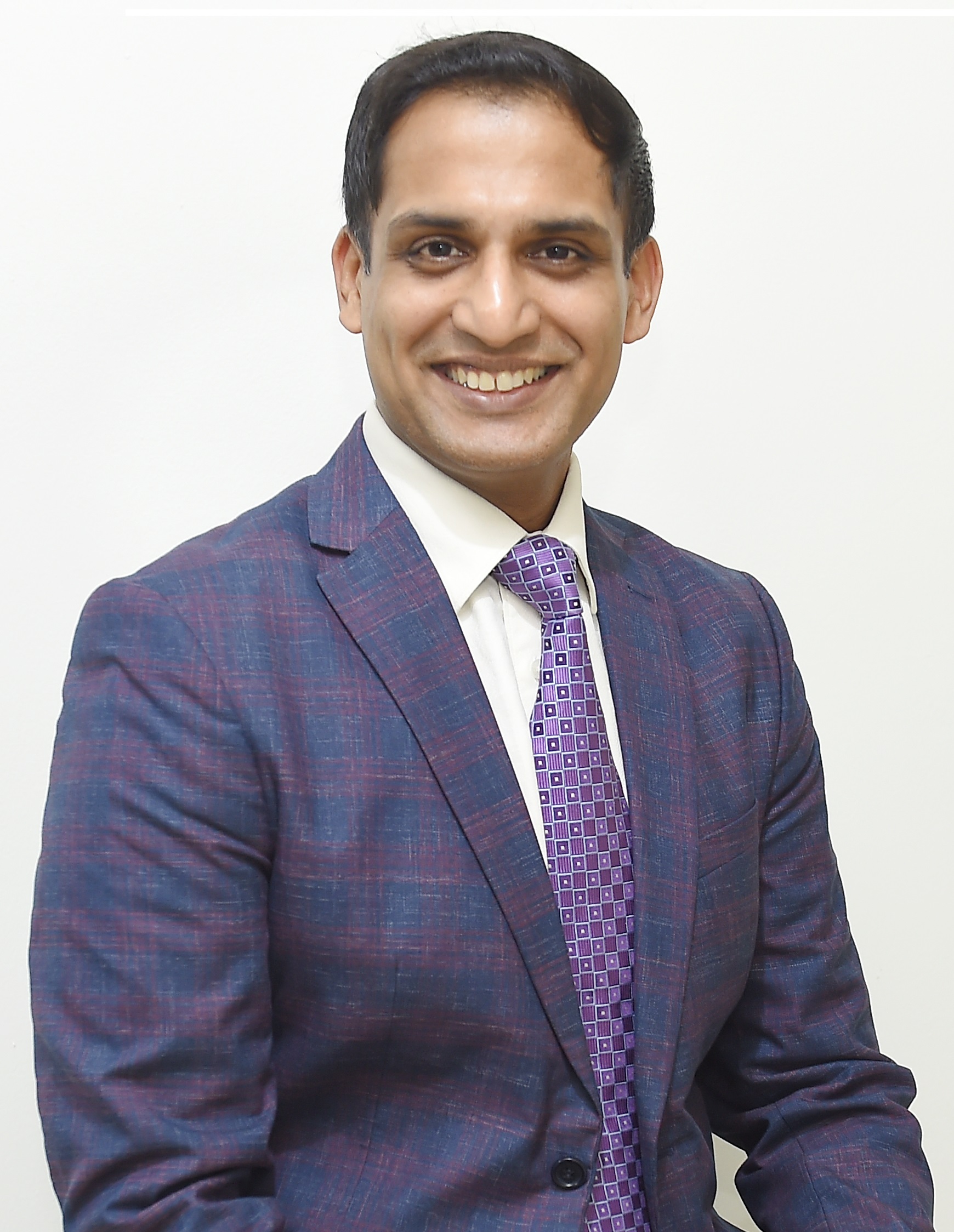
Your journey from being a research scientist to a partner at United Trademark & Patent Services is quite diverse. Can you share a bit about your journey & how you transitioned from a technical role to one in intellectual property law?
I began my career as a research scientist right after finishing my engineering degree. Within a year, I realized that many legal experts didn’t grasp the technical side of things, which got me thinking about the exciting possibilities in Intellectual Property law, which required both science and legal acumen. This area of law is all about helping inventors/creators safeguard their creations, like patents, designs, trademarks, copyrights, and trade secrets. During that time, Intellectual Property law wasn’t as widely known as it is today. Before deciding to transition from my stable job to pursue law in the UK, I had to field some questions. But ultimately you pursue what you strongly believe in. And I was blessed to materialize that passion.
As the head of the patent and design department, you’ve overseen the prosecution of over 15,000 IP rights worldwide. What are some of the most memorable or challenging cases you’ve worked on during your time at United Trademark & Patent Services?
I consistently emphasize to my team members that each case is distinct, with its narrative—a culmination of years of research resulting in a tangible invention/creation. Like any profession, each day presents its own set of challenges. One particularly unique aspect of our work is navigating multiple time zones and jurisdictions simultaneously, often spanning at least five time zones and over seven jurisdictions daily. This dynamic introduces a blend of excitement and hurdles, particularly when faced with evolving legal frameworks, diverse cultures, and varying weekends and holidays across these countries.
During the pandemic, I assisted multiple clients in navigating disrupted Patent Office operations, guiding them through the patenting process with agility and adaptability. By maintaining open communication and staying informed about evolving regulations, we strategized effectively to meet deadlines despite logistical challenges. Our collaborative efforts successfully secured intellectual property protection for our clients’ innovations, empowering them to navigate the pandemic with confidence.
Apart from the regular deadlines, whenever we successfully fulfill last-minute instructions with a deadline of less than 12 hours and deliver exceptional service to the client with a high level of professionalism, it gives me [and of course the team] an adequate surge of dopamine.
Your experience as a tutor for Mobtakir, educating entrepreneurs on intellectual property, is noteworthy. What inspired you to take on this role, and what key principles do you emphasize in your teachings?
The reason I embraced this role is driven by my aspiration to empower entrepreneurs with the essential knowledge and resources needed to safeguard their innovations. Throughout my teaching, I prioritize crucial principles, highlighting the significance of comprehending diverse forms of intellectual property like patents, trademarks, copyrights, and trade secrets. I emphasize the importance of conducting thorough research, maintaining proper documentation, and implementing proactive strategies to protect intellectual property rights. Ultimately, my aim is to equip entrepreneurs with the expertise required to effectively navigate the intricate terrain of intellectual property and optimize the value of their innovations.
In your role as a partner and patent attorney, you’ve likely encountered various misconceptions about intellectual property. What is one common myth or misunderstanding that you frequently come across, and how do you go about debunking or clarifying it for your clients and colleagues?
In my experience as a partner and patent attorney, I’ve encountered prevalent misconceptions surrounding intellectual property, including the belief that once an idea is conceived, it automatically gains protection, and that patent filing is possible even after public disclosure. To clarify these misunderstandings, I stress the importance of recognizing that intellectual property rights necessitate formal registration or documentation. I actively educate my clients and colleagues on the proactive steps required, such as filing for patents, trademarks, or copyrights, to secure legal protection for their innovations. By dispelling these myths and offering clear guidance on the proper procedures for intellectual property protection, I ensure that their rights are effectively safeguarded in today’s competitive marketplace.
Being involved in various committees of international organizations like AIPPI, INTA, FICPI, APAA and AIPLA, how do you balance your time and commitments effectively, both professionally and personally?
I wish this would have been a straightforward answer from my practical experience. But I am still a work in progress. I try to adhere to a structured schedule, allocating quality time for family, relaxation, and personal interests. I make a conscious effort to rise early and retire early.
Balancing my participation in various committees of international organizations alongside my professional and personal obligations requires meticulous time management and prioritization. Professionally, I carve out dedicated time slots for committee work, ensuring it doesn’t conflict with client commitments. While achieving this balance isn’t always straightforward, I employ these strategies to ensure a harmonious blend of professional growth and personal well-being, allowing me to contribute meaningfully.
Your role as an IP consultant in the UK involved protecting and exploiting intellectual property assets. How did this international experience shape your perspective on intellectual property, and what were some key learnings from working in a different legal landscape?
My experience as an IP consultant in the UK has afforded me invaluable perspectives on the global dynamics surrounding the protection and utilization of intellectual property (IP).
The international experience sharpened my strategic thinking abilities by necessitating a comprehensive understanding of competitive landscapes, market trends, and emerging technologies. It highlighted the importance of proactive planning and foresight in identifying and capitalizing on opportunities while mitigating potential threats to IP assets.
My time as an IP consultant in the UK expanded my outlook on intellectual property, enriched my comprehension of global markets, and provided me with the capabilities and insights essential for navigating the intricacies of IP protection and utilization within an increasingly interconnected global landscape
With your involvement in the Young AIPPI Committee, what initiatives or programs do you believe are essential for nurturing the next generation of intellectual property professionals?
I advocate for empowering the next generation by offering them the chance to shoulder responsibility and own their work. Key initiatives are to prioritize mentorship, skill-building workshops, networking events, and opportunities for practical experience like internships or externships. Furthermore, educational programs tailored to the evolving landscape of IP law and technology will significantly aid aspiring professionals.
Beyond your professional pursuits, we understand you love to “disconnect and reflect” in your spare time. Could you share a bit about how you unwind and rejuvenate away from the world of patents and trademarks?
Absolutely! Disconnecting and reflecting hold significant importance in my life beyond my professional commitments. I find solace and rejuvenation in nurturing my spiritual dimension during these moments.
Engaging in activities like drawing, painting, or playing music isn’t just about expressing myself—it also helps me connect with my inner self and spirituality. These creative pursuits lift me above everyday worries, recharge my batteries, and give me a fresh outlook on my work.
Moreover, I cherish moments spent in the company of loved ones, whether we’re sharing a meal, engaging in meaningful conversations, or simply basking in each other’s presence. These connections serve as anchors to my spiritual and emotional well-being, reinforcing the importance of relationships and the profound essence of life beyond professional pursuits. In essence, disconnecting and reflecting in my spare time constitute a spiritual practice that allows me to realign with my core values, gain profound insights, and return to my professional undertakings with a renewed sense of purpose and clarity. This holistic approach enables me to navigate life’s complexities with grace and resilience.
In your role as a member of the Executive Board of the UAE Chapter of AIPPI, what you found particularly rewarding or impactful for the intellectual property community in the region?
Serving as a founding member of the Executive Board of the APPI UAE Chapter is both fulfilling and demanding. It involves significant dedication and effort. Notably, this initiative marked the inception of the first professional IP organization in the country, tailored for practicing IP agents.
Our chapter has provided a platform for fostering collaboration and knowledge-sharing among professionals in the field of intellectual property. Through various events, workshops, and seminars, we’ve facilitated meaningful exchanges of insights, best practices, and emerging trends, thereby enhancing the collective expertise of our community.
Our advocacy efforts have contributed to raising awareness about the importance of intellectual property rights and their role in driving innovation, creativity, and economic growth. By engaging with policymakers, stakeholders, and the public, we’ve advocated for policies and regulations that promote a robust intellectual property framework conducive to both local and international stakeholders. Additionally, this chapter has played a pivotal role in promoting professional development and education in the field of intellectual property.
In general, being a part of the Executive Board of the UAE Chapter of AIPPI has been deeply fulfilling, particularly due to the opportunity to collaborate closely with seasoned intellectual property experts across the country.
Get in touch with Nevin Jacob Koshy-



 Allow notifications