Tag: Writer

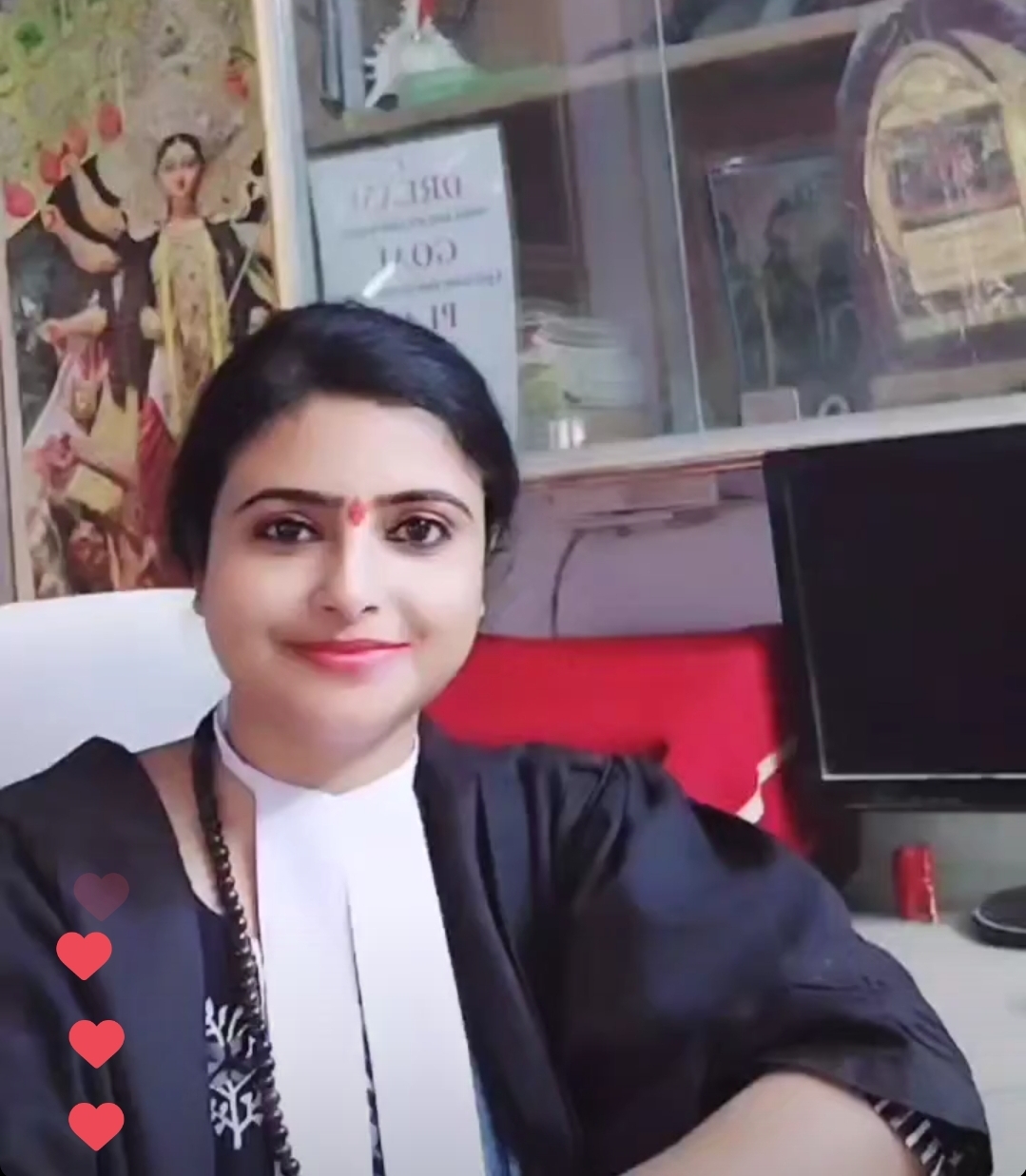
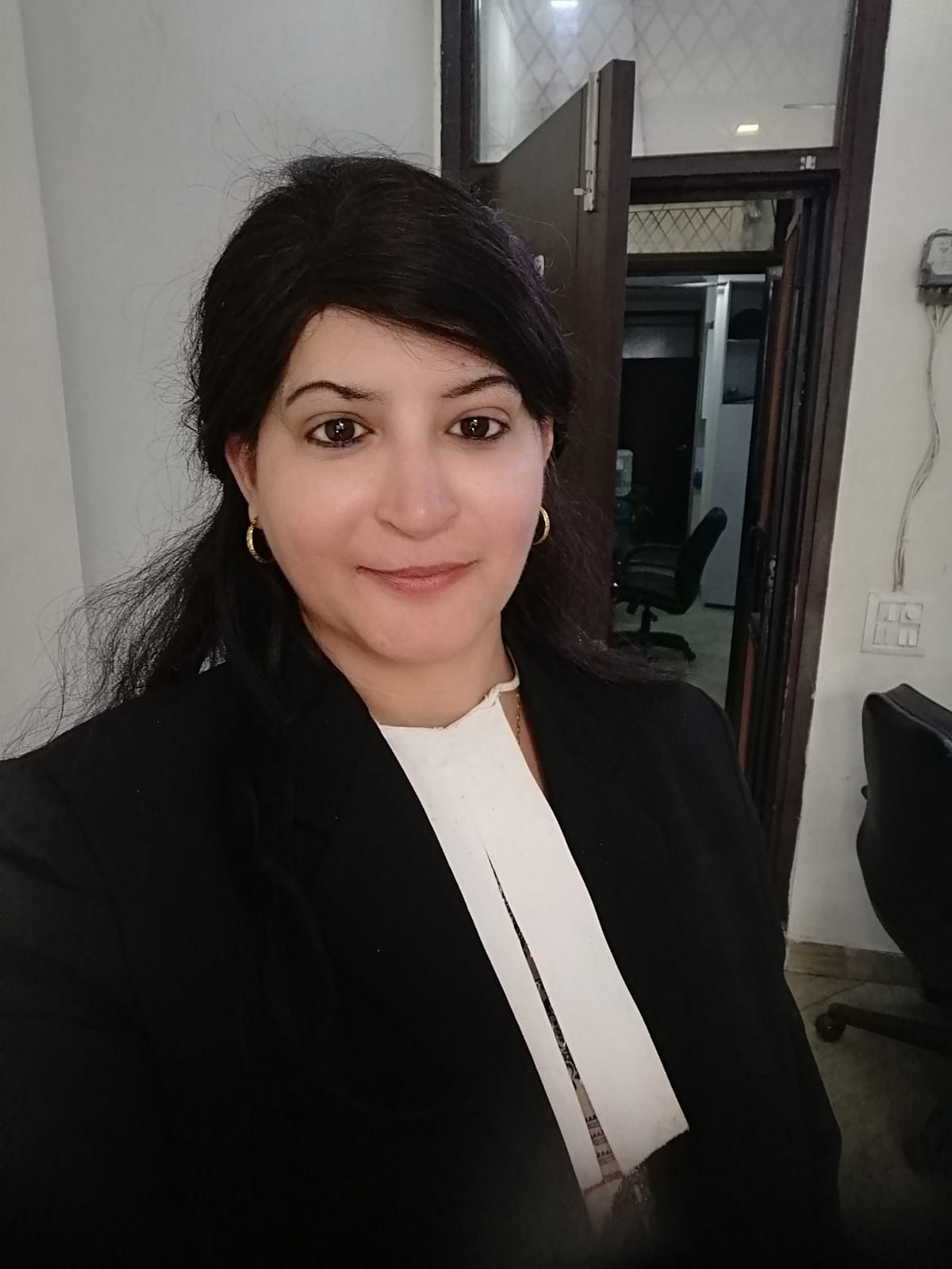
  • “Legal compliance isn’t a burden—it’s an investment in your company’s stability and growth. Seeking professional advice is crucial for navigating complex legal landscapes.” – Gauri Saraswat, Independent counsel, Corporate & Criminal Lawyer | Contract Specialist.

    “Legal compliance isn’t a burden—it’s an investment in your company’s stability and growth. Seeking professional advice is crucial for navigating complex legal landscapes.” – Gauri Saraswat, Independent counsel, Corporate & Criminal Lawyer | Contract Specialist.

    This interview has been published by Namrata Singh and The SuperLawyer Team
     Your journey through law seems incredibly diverse and dynamic, spanning various roles and responsibilities. Can you walk us through your journey telling us what inspired you to do Law and what challenges you faced during your initial stage of your career?

    Certainly! My journey through the legal field has indeed been diverse and dynamic, encompassing various roles and responsibilities. Let me share my story with you. My path in law was not meticulously planned; rather, I embraced opportunities as they presented themselves. I take pride in not adhering to conventional norms. Before venturing into independent practice, I accumulated a decade of experience, including working with different ministries of the Indian government and my days in litigation.

    Law has fascinated me since my early childhood. Growing up in the traditional town of Aligarh, Uttar Pradesh, I pursued my B.A.LL.B from Aligarh Muslim University and later completed my LL.M from Dr. RMLNLU, Lucknow. The initial challenge for me was relocating from UP to New Delhi without a job offer in hand after completing my Masters in Law. Thankfully, my father and family supported my decision, and that’s where my journey truly began.

    Remember, sometimes the most rewarding paths are the ones less travelled.

    Thursdays with Gauri has become quite the sensation on LinkedIn. What inspired you to start this initiative, and what do you hope participants take away from these sessions? Also can you tell us about a particularly thought-provoking discussion or insight that emerged from one of these sessions?

    Thursdays with Gauri was a random thought while having a casual discussion with one of my friend Hamid Ahmed but later became a decision when it actually pushed me to contribute towards the linkedin community to read something which needs to be known. “Thursdays with Gauri” isn’t just about content—it’s about building bridges, sparking conversations, Little did I know that this seemingly random thought would evolve into a meaningful initiative within the LinkedIn community. Honestly, I embarked on this journey with zero expectations, fuelled by the intention to play my part.

    Broadly this LinkedIn post gave me two things: invitation to connect from students to influential people and appreciation in my DMs which again converted into my network. I think the purpose has already been served due to the algorithms of LinkedIn and I am grateful for that.

    As a legal content creator, your articles and thought pieces have sparked conversations and challenged norms within the legal community. How do you see your writing contributing to broader discussions about justice, equity, and the rule of law?

    As a legal content creator, I’ve witnessed the impact of my articles and thought pieces within the legal community. My posts resonate because they delve into practical aspects of law—topics I’ve encountered first-hand. Whether it’s corporate law intricacies, complex agreements, or advisory content for loan seekers, I aim to provide actionable insights.

    Legal discourse often clings to tradition and precedent. However, my writing encourages critical thinking. I write about new norms and practices and advocating for progressive approaches. 

    The rule of law is the bedrock of any just society. Whether discussing landmark cases or legal reforms, I strive to reinforce the rule of law as a safeguard against arbitrary power. In essence, my writing aims to bridge the gap between legal theory and practical application.

    Your work spans across multiple sectors, including technology, fintech, and cybersecurity. What drew you to these specific areas of law, and what challenges have you encountered in navigating their complexities?

    As a law enthusiast and corporate lawyer, my journey led me to explore specific areas of law that overlap with technology, fintech, and cybersecurity. I consider it my duty to stay informed about emerging legal issues related to technology, fintech, and cybersecurity. I realized that even a seemingly simple query from an individual could potentially transform them into a client.

    When I started exploring international markets—both online and offline—I encountered challenges related to different legal processes and procedures. I realised that understanding the intricacies of US, UK, and European legal systems was essential. However, my journey took an enriching turn when I enrolled in courses offered by Lawsikho. Beyond study materials, what truly stood out was their personalized approach—their handholding support. It instilled confidence and efficiency in me. In essence, my work in these specialized areas isn’t just about legal technicalities; it’s about empowering clients.

    Looking back on your career journey thus far, what advice would you give to aspiring lawyers, particularly those interested in pursuing a similarly diverse and multifaceted path in the legal field?

    Reflecting on my career journey, in one sentence my advice would be “Don’t just believe what others say”. With all due respect and humility, the traditional ways are supreme but when time and technology change, so do the challenges in law and the complexities. In the present time when the Data protection bill has been passed and AI law is on the agenda of the government, you think the limited knowledge can help you stand out of the box and earn exponentially. Give it a thought. Stay informed about emerging laws (such as the Data Protection Bill) and understand their implications. According to me, Adaptability is the key.

    Legal education doesn’t end with a degree. It starts from there. Learn to serve in addition to earning out of it.

     Your career has seen you transition across various roles and sectors within the legal field, from corporate law to criminal litigation, and from law firms to government agencies. What motivated these transitions, and how have they contributed to your professional growth and expertise? And what valuable lessons have you learned from the unique challenges and experiences encountered in each position?

    You are right, My career has indeed spanned diverse areas of law, including competition law, electricity and insolvency matters, NBFCs (Non-Banking Financial Companies), and even criminal law. Indeed, it was my friend Syed Jafri who first introduced me to the realm of investment banking and encouraged me to consider it as a viable avenue to apply my legal expertise. Interestingly, I’ve never worked in a traditional law firm. Instead, my father, being an advocate, was my informal mentor. Our dining table discussions often revolved around legal concepts, both civil and criminal.

    My motivation has always been a “go-getter” attitude. When opportunities arose, I seized them without hesitation. Each transition allowed me to explore new facets of law, broaden my perspective, and contribute meaningfully. My journey so far has given me friends for a lifetime and seniors like Mr. Debajyoti Ray Chaudhuri, who in himself is an inspiration for many.

    To my understanding, Legal issues don’t exist in isolation. It also needs an understanding of business, technology, and other inter-related legal issues. In essence, my journey so far isn’t just about legal roles; it’s about lifelong learning as well as meaningful connections.

    You’ve been involved in drafting a wide range of agreements, from Co-founder Agreements to Software Development Agreements. Could you share a special technique or approach that you believe contributes to excellent drafting? Additionally, what do you think sets your drafting style apart and makes it particularly effective in ensuring clarity, fairness, and legal compliance?

    Certainly! Drafting legal agreements is both an art and a science. I have inculcated a special technique I’ve found effective is that before putting pen to paper (or fingers to keyboard), I pause to understand the purpose behind the agreement. Why is this agreement necessary? What are the parties trying to achieve out of it? What risks need mitigation? By clarifying the purpose, I ensure that the agreement aligns with the client’s goals.

    I always get on a call with the client to discuss their context, concerns, and objectives. This dialogue helps me tailor the agreement to their specific needs. Because it happens that the client being the non-legal person confused the franchise agreement with the service level agreements. They deserve such clarity by me as their lawyer.

    In your experience advocating for clients before the Supreme Court of India, what strategies do you employ to ensure that their interests are effectively represented and understood by the judiciary?

    Considering my little experience, one thing I have learnt about the Supreme Court litigation is that “it’s all about a team work” because an effective representation requires a collaborative approach. And I am grateful to Mr. Aditya Manubarwala for giving me an opportunity to work with him and his team on a couple of cases before the Apex Court. Before advising a client, extensive research is essential. We have to delve into legal precedents, statutes, and relevant case law to understand the nuances of the client’s situation which further allows us to provide informed recommendations to the client.

    Case briefs, arguments, and submissions are the part and parcel in every case, especially when you get a very limited window to mark your appearances with your best arguments before the judges of the Supreme Court of India. To decide which point to be picked for arguments in order to provide relief to the client is the matter of utmost importance. Hence, Supreme Court advocacy is a blend of legal acumen, teamwork, and strategic thinking.

    As an authorized representative for a European company, you extend legal representation services in Estonia and Finland. How do you navigate the nuances of international law and cultural differences to effectively advocate for your clients’ interests in diverse legal environments?

    In my professional journey I have had the opportunity to represent my client who was from Estonia. That particular case involving a Gurgaon-based individual and an Estonian lady was unique in the sense that the absence of a formal agreement and the cross-border nature of the transaction posed challenges. I engaged in detailed discussions with the Estonian client to grasp the entire situation and her specific needs. Understanding the nuances of each jurisdiction was crucial. Estonia’s civil law system differs from India’s common law system. However, as an authorized representative, I initiated legal action against the individual.

     Beyond your legal career, what are some of your personal hobbies or interests that you find enriching or rejuvenating?

    Beyond my legal career, I find immense enrichment and rejuvenation in delving into religious texts. These non-fictional scriptures offer profound insights and guide me toward understanding the true purpose of my life. During my teenage years, I immersed myself in fundamental religious literature, often drawn to the extensive collection housed within my father’s library, where the titles of numerous books piqued my curiosity and prompted further exploration. I firmly believe that to read and to know are different concepts. Now, I’m drawn to delve into more advanced texts. These delve into unique teachings and mystical experiences. The pursuit of knowledge is both humbling and exhilarating. The insights I have gained from these scriptures shape my world view and influence my actions.

    As someone deeply involved in consulting and advisory roles, what advice would you give to startups or established companies navigating complex legal landscapes for the first time?

    legal compliance isn’t a burden—it’s an investment in your company’s stability and growth” is  precisely what I want to convey to all sincere start-ups. It is apparent that navigating the complex legal landscape can be daunting, especially for startups and established companies venturing into unfamiliar territory. Therefore, seeking professional advice from a seasoned lawyer who understands the nuances of your specific industry and jurisdiction is a must.

    Diligence in selecting legal advisors pays off. Look for lawyers who specialize in your field—whether it’s technology, finance, or any other domain. They should avoid generic templates. Each business is unique. One has to customize the legal agreements, contracts, and policies in accordance to your specific needs. Also don’t forget to Maintain open channels of communication with your legal team. Transparency ensures that legal strategies align with your overall business strategy. Share your business goals, challenges, and concerns and let the lawyer find you a way.

    I would like to request the given start-ups or companies to rely on someone who is experienced and in the market already. Be diligent in choosing your lawyers and try to keep pace with them. 

    Get in touch with Gauri Saraswat–

  • “Being a lawyer is not merely a vocation. It is a public trust, and each of us has an obligation to give back to our communities” – Adv Anjana Sharma,  Founder of Anjana Law Offices

    “Being a lawyer is not merely a vocation. It is a public trust, and each of us has an obligation to give back to our communities” – Adv Anjana Sharma, Founder of Anjana Law Offices

    This interview has been published by Namrata Singh and The SuperLawyer Team

    Your journey from a small village in Bengal to becoming a leading figure in the legal industry is truly inspiring. Can you take us back to when you first started your law education and share some of the challenges you faced during those initial stages of your career? How did you overcome them, and what lessons did you learn along the way that have shaped your path to success today? 

    Yes it’s always a difficult journey for everyone who hails from a small area with no opportunities, less exposures, no proper infrastructures and so was mine being  born in a Family where  providing best of educations to girl child ( specially in the legal field) and sending them to English Medium or even to  different cities like Mumbai, Kolkata, Delhi, Varanasi  etc  for getting Higher Education  was so very financially , socially difficult and challenging even for my parents that time.  Gratitude to them. Through sheer perseverance and determination, I’ve managed to carve out a path for myself in this profession. Visualisation, Full Commitments and love towards your work  Resilience and believing in your dreams can take you places. You don’t need to come from a family of lawyers to make it in this field 

    Journey has  been filled with challenges and triumphs that I never could have imagined.  When Arjun asked for guidance, Krishna said the Gita. In it he went to the root of all conflict: the conflict between the human will and the divine will.  See the omniscient has the best plan for everything; When we willingly and intelligently play our part in His plan, we enjoy the fulfillment of love and the achievement of success and that’s what I am doing till date amidst all my challenges and conflicts in this life  Initially, my Father had this vision of me going into civil services or judiciary, but fate had other plans for me. When I  was in Delhi preparing for my UPSC my social passion  in my heart  that we are born on this earth for some purpose,  pulled me towards the law and appeared for the entrance and then did my LLB from Faculty of Law University of  Delhi.  The law faculty days were also  challenging at the same time they were a great life learning lessons from attending faculty classes, contesting Student Union Elections, attending Seminars,  conferences etc  in ISIL,   working with Professional Book Publishers , to  going to  learn basics  Tis Hazari Courts to Supreme Court of India  to gain practical knowledge. I remember it was difficult during those days to get internships in big law firms, with big dignatories in the legal arena as compared to now in this easy digitally approached world.  I was opposed and obstructed by many when I thought after completion of law  to start independently initially Anjana Law Offices from Delhi  many factors were there like  being underestimated ,no family background /generations also initial stage  who will give cases and how will  I manage finances and everything   but I just  went with the Flow as I believe in the Super Power who is there to guide and enlighten and make our path  we are not the doers everything is destined only we have to enlighten ourselves in such a way that we get that light which will show that path and we just have to walk on with our full  dedication by believing in ourselves. 

    Journey as a first-generation and also a female  lawyer to face in a profession that was earlier dominated by men for so long  has been quite a rollercoaster ride 

     Initial struggle days were same like many first generation lawyers from starting with no work no money (not getting clients, cases,  initially with no office space, as it was hard to get one without money and somehow getting both ends meet) and many other issues   to reaching out to this level after 15 years I am living in gratitude always.  With Benedictions of God and well wishers and family we  have now expanded our wings. Deciding to have a law firm office in commercial city Mumbai in Maharashtra, that was also a whole different ball game.  I mean, grappling with a new language, dealing with financial constraints, and not having any family background in law—it was tough, to say the least. But I wasn’t about to let any of that hold me back. I dove headfirst into learning the language, worked tirelessly, often without even getting paid, and I made some incredible connections with fellow enthusiasts along the way.

    As the founder of Anjana Law Offices, you’ve expanded your practice across multiple cities, recently launching a branch office in Chandigarh. What motivated you to establish such a widespread presence, and what challenges did you face along the way?

    As someone who’s deeply connected to spirituality, I have this unwavering belief in the vastness of the world around us. It’s like echoing the timeless wisdom of Sanatan, where even the cosmos itself is in a perpetual state of expansion. I see myself as just a tiny part of this grand essence of Brahma, playing my role in the greater unfolding of things.

    And speaking of expansion, our decision to grow Anjana Law Offices into multiple cities, including our recent branch in Chandigarh, wasn’t merely a strategic move. It was a deep commitment to providing top-notch legal services. Sure, we faced some hefty challenges along the way, like maintaining our high standards and navigating through complex regulations. But our expansion is fueled by a fierce determination to reach out to diverse communities and make a positive impact.

    Through sheer perseverance and a steadfast dedication to our core values, we’ve managed to overcome these obstacles. It’s a testament to our unshakable commitment to ethical excellence in everything we do.

    Your dedication to social causes, especially your work with senior citizens, women, children, and the differently-abled, is commendable. Can you tell us about a particularly impactful case or initiative where your legal expertise made a significant difference in the lives of those you’ve helped?

    Our Constitution of India also ensures that  everyone regardless of their background or financial status has the ability to have their legal rights and grievances properly heard, represented and addressed. However despite its importance, access to justice for many people we see while practicing is a challenge altogether.   Role of lawyers is very important. I firmly believe in this quote “Being a lawyer is not merely a vocation. It is a public trust, and each of us has an obligation to give back to our communities”. 

    In one of my recent case in  the Supreme Court  wherein it  held that the Sessions Court or High Court that would have the power to grant interim/transit anticipatory bail, when the FIR is not registered within the territory of a particular State but in a different State has not only impacted our client life but also will have an impact in many innocent people’s lives  Earlier different courts had different views on such issue but now after this judgment there is a clarity so far as this bail criminal jurisprudence is concerned.
    At our office we also give time in helping people who are really needy  and are victims too to help them come out of their legal problems to the best of their capacity. Through our social projects we have been able to  help many needy people through law. Many times I have even faced threats to my life and limb. I am  grateful for having a great team who is my ALO Pariwar I call who always assists me wholeheartedly whether it be my social initiatives or may it be our corporate business commitments.  Well  there are many cases which  were landmark in  my and my firms growth  covering almost all spheres of laws and cannot be shared in details here  There is a  case which comes to my mind  where a  Senior Citizen  was admitted by children to a renowned Hospital for treatment,   she never had imagined that she would be lying there  for almost 8 months with no visible improvement in her health and also was a victim of medical negligence her health has only become worsen but somehow the hospital managed to rack up a bill of Rs more than 30  lakh  She left to the heavenly abode though but the legal entanglement faced by children is still going on and we are still fighting for her rights. As in medical negligence cases so far as our country is concerned  the fight is real tough the way we find the views of Courts recently MP High Court had quashed petition of medical negligence in case of three doctors, then Karnataka High Court quashed similar petition for want of expert opinion. One divyangjan who lost his life at a port trust his family  got compensation  Recently  I  fought for rights of a victim who was just 36 years old and  he was forced to burn himself alive  before the DSP office for not registering the FIR against culprits and he also had released a video. Beyond legal help we also tried to help him get blood and other requirements when he was admitted. Such cases involves lot of risk to life and limb as it’s a fight with the system is very challenging specially 

    Your commitment to social engineering and providing pro bono legal services to the needy is remarkable. Could you share a story or experience that touched your heart and reinforced your belief in the power of law to bring about positive change in society?

    Indeed Law is a powerful tool if effectively used to spread peace and humanity throughout. Well  at the end justice matters and lawyers are the  powerful social engineers who can bring great transformation to the society.  However though  in practice many times it is seen that justice is delayed however not denied. This happens because when we talk about rule of law and democracy there are wide gaps between policies and practical procedures and also lack of awareness of  basic laws  The Supreme Court of India has priorities and bolstered legal aid by forging a crucial link between Article 21 of the Indian Constitution and the right to free legal assistance, particularly highlighted in the Hussainara Khatoon v. State of Bihar case it was commitment to empower marginalized communities and enhance legal awareness, the Supreme Court established the Supreme Court Legal Services Committee also 

    Well I remember one matter where  helping one girl child from Bihar  and her family trapped in a  false Child Labour Offence case is worth mentioning. I remember not sleeping for a couple of days when we were at this  project with goose bumps. It gave us practical hands-on experience with the darker side of an 94 year old NGO institution whose administration involved abusing physically, mentally and sexually abusing the children. It was a real tough legal battle where we used our  legal knowledge with par excellence and strategizing the case Well  the basic objective of the Child Labour (Prohibition & Regulation) Act, 1986, was  to ban employment of children below the age of 14 years in factories, mines and hazardous employments, and to regulate the working conditions of children in other employments, however how  some syndicates are operating whereby genuine people are trapped also is a big question mark on the government , administration, policy and implementations system. 

    Your authored book, “The Art of Managing Housing Society,” is a notable achievement. What inspired you to write this book, and could you provide us with an overview of its contents and the key insights it offers to readers, particularly those involved in housing society management? 

    “The Art of Managing Housing Society” was inspired by the need to address the unique challenges faced by housing societies in India.  I was  involved in a few society matters where people came to me  to take legal help both from  management committee against their members and members against their management committee corruption exposures.During that time only I had taken a stay order against one management committee notification given to a third party  parking contractor. So I realized that people  are entangled in legal issues from various spheres and most of the cases occurred due to lack of legal knowledge  towards society’s laws. This book offers practical insights tailored to the Indian context, covering legal compliance, administrative best practices, financial management, conflict resolution, and community engagement. Readers gain practical guidance on effectively managing housing societies, promoting harmonious living environments, and fostering a sense of community. Through this resource, I aim to empower readers to navigate the complexities of housing society management and promote a culture of cooperation and well-being.

    Having represented various high-profile clients, political figures, media professionals, and Bollywood personalities, among others, what are some key lessons you’ve learned about navigating the complexities of legal representation in such cases?

    Representing high-profile clients, including political figures, media professionals, and Bollywood personalities, has provided me with valuable insights into navigating the complexities of legal representation in such cases.  Here are key lessons learned: Confidentiality: Strict adherence to privacy and discretion builds trust and credibility. Media Management: Clear communication strategies help shape public perception and protect the client’s reputation. Legal Strategy: Thorough analysis and strategic planning are essential for achieving favourable outcomes. Ethical Standards: Upholding professional ethics safeguards the lawyer-client relationship and the integrity of the legal process. Effective Communication: Transparent communication fosters trust and collaboration between the legal team and the client. Crisis Management: Swift action and proactive planning are crucial for mitigating potential damage. Collaborative Approach: Leveraging diverse expertise ensures comprehensive support tailored to the client’s needs

    As someone who has conducted numerous workshops and training sessions on law and legal awareness, what do you think are the most pressing legal issues facing society today, and how can individuals contribute to addressing them?

    Here are the most pressing legal issues facing society today and how individuals can contribute to addressing them: Access to Justice: Many face barriers in accessing legal services. Individuals can support legal aid organizations and advocate for equal access to justice for all. Discrimination and Gender-Based Violence: Promoting awareness of laws against discrimination and gender-based violence and supporting initiatives that address these issues are crucial steps in protecting human rights. Environmental Protection: Advocating for stronger environmental regulations and supporting conservation efforts can help address environmental challenges such as climate change and pollution. Cybersecurity and Data Privacy: Increasing awareness of online risks and advocating for robust data protection laws are essential in safeguarding individuals’ privacy and security in the digital age. Criminal Justice Reform: Supporting efforts to address systemic inequalities in the criminal justice system, advocating for police accountability, and promoting restorative justice practices are vital for reform. By educating themselves, supporting advocacy efforts, engaging in legal advocacy, and promoting dialogue and collaboration, individuals can contribute to addressing these pressing legal issues and promoting justice and equality  in society.

    You’ve been recognized for your persuasive communication skills and spiritual quotient. How do you incorporate spirituality into your legal practice, and how does it influence your approach to advocacy and mentorship?

    Incorporating spirituality into my legal practice is integral to my approach to advocacy and mentorship. As someone who practices yoga and pranayama techniques and reads spiritual philosophy, I prioritize maintaining a clear head, good health, and spiritual wellbeing. These practices help me rise above stress and short-term thinking, allowing me to approach legal matters with a calm and centered mindset. Spirituality influences my advocacy by fostering empathy, compassion, and a deep understanding of human nature. I strive to connect with clients on a deeper level, recognizing their inherent dignity and worth. This approach enables me to advocate for their rights and interests with authenticity and conviction, seeking outcomes that align with principles of justice and fairness. In mentorship, spirituality guides my interactions with aspiring legal professionals. I emphasize the importance of integrity, ethical conduct, and mindfulness in their legal practice. Through mentorship, I encourage them to cultivate a sense of purpose and meaning in their work, empowering them to make a positive impact in the lives of others. Overall, spirituality infuses my legal practice with a sense of purpose, mindfulness, and compassion. By integrating yoga and pranayama techniques into my daily routine and engaging with spiritual philosophy, I strive to maintain balance, clarity, and spiritual well-being, enriching both my professional and personal life. 

    Apart from your impactful work in the legal field and your dedication to social causes, what activities or hobbies bring you joy and relaxation outside of your professional life? How do you unwind and recharge after a busy day of advocating for justice and supporting those in need?

    Outside of my demanding professional life, finding time for relaxation and rejuvenation is crucial. Though my schedule leaves me with limited free time, I prioritize spending quality moments with my loved ones which brings me immense joy and provides a sense of balance amidst the demands of my work. Additionally, I find solace and fulfillment in pursuing my personal interests, even within the realm of law. I devote time to reading legal texts out of my own volition, continuously seeking to expand my knowledge and deepen my understanding of the field. Furthermore, I am drawn to Indian spiritual and philosophical texts, which offer profound insights and nourishment for the soul. Engaging with these texts not only enriches my spiritual journey but also provides a source of inspiration and perspective beyond the realm of law. In essence, while my professional commitments are demanding, I prioritize finding moments of relaxation and enrichment outside of work. Whether spending time with loved ones, delving into legal literature, or exploring spiritual texts, these activities allow me to unwind, recharge, and find fulfillment beyond the courtroom.  

    Your dedication to mentoring youth and first-generation lawyers is commendable. Can you share a piece of advice or a mantra that has guided you throughout your career and that you pass on to those you mentor?

    For young juniors entering the field of law, trust, confidentiality, patience and diligence are paramount. In advocacy your good behaviour and your communication skills  also matters as people who come to you to seek justice are already in trouble.  Working under a seasoned senior provides invaluable guidance and a platform for learning. Curiosity about the ever-evolving landscape of law is essential, especially in the face of advancing AI technologies and the consequential social and political shifts. Developing strong drafting skills begins with being a voracious reader. Reading extensively about law and related subjects not only enhances knowledge but also hones the ability to craft articulate arguments and documents. With the convenience and accessibility of e-books and smartphones, there’s never been a better time to cultivate a habit of reading. I believe big dreams become pure only after overcoming big difficulties. This is the truth. There is never a shortcut to anything in life. It is necessary to apply it with the spirit of human welfare Your company also matters with whom you sit, it is very important that intention is important, with what intention you are doing the work, it is necessary to surrender to the Master all your acts, be spiritually dedicated towards your work , make it your love  and worship, only then will you  get a stable success and blessings will pour like anything in all  forms  no matter what you do, he will always be with you.

    Get in touch with Anjana Sharma-

  • “A meaningful legal career is not just about financial success… It’s about using your legal expertise to make a difference.” – Geetika Jain, Senior Legal Analyst at APCFSS Government of Andhra Pradesh.

    “A meaningful legal career is not just about financial success… It’s about using your legal expertise to make a difference.” – Geetika Jain, Senior Legal Analyst at APCFSS Government of Andhra Pradesh.

    This interview has been published by Namrata Singh and The SuperLawyer Team

    Reflecting on your journey, what inspired you to pursue a career in law, and could you share some of the challenges you faced in the early stages of your career? How did you overcome them, and what lessons did you learn along the way?

    It was soon after my ICSE Board exams, I believe in the year 2007, when I came  across a newspaper article “JOIN INDIAN ARMY- JAG ENTRY SCHEME” I remember reading that article multiple times and checking the eligibility criteria being graduate in law with other requirements. At that moment I knew my calling was Law. I wanted to pursue Law to make my career in the Indian Army. One of the few challenges I faced early in my career was probably lack of guidance and mentorship. I believe my generation was still hesitant to ask questions to Professors or Seniors Advocates in the Law field. I also feel that back in 2007 we had very less practical exposure in the field of Law like we didn’t have field trips to Court back than or limited moot court competitions. However, I was able to overcome the obstacles and I started expressing these issues through my articles for a local newspaper. These articles helped me land internships and various other competitions that helped my overall growth in the early stages of my career. 

    Your journey showcases a remarkable blend of legal expertise and academic prowess. How do you balance your roles as a practicing lawyer, senior legal analyst, and a committed Ph.D. scholar?

    “Time management is an oxymoron. Time is beyond our control, and the clock keeps ticking regardless of how we lead our lives. Priority management is the answer to maximizing the time we have” –John C Maxwell. Practicing Law is my passion ever since I entered Law School. However, being in Practice for more than 12 years now has brought me the opportunities to don many hats and be versatile in my work. Being a Senior Legal Analyst with Government of Andhra Pradesh gave me insights of seeing the difficulties that any Government Office faces during the entire litigation process and with my experience, expertise and knowledge, if I am able to assist and help in resolving an X number of cases, helping the Government is a once in lifetime opportunity. However, at the same time I always had the desire to increase my knowledge and keep my research in various field of law active, hence I decided to pursue Ph.D. I prioritise my time during the day to find balance in my work as well as my personal life. I do prepare my To-do list everyday in the morning trying to tick of all of them during the day thus achieving my roles as a scholar, analyst and an advocate. 

    As a Senior Legal Analyst at APCFSS Government of Andhra Pradesh, you’ve been instrumental in various projects. Could you shed light on a project that particularly resonated with you and why?

    As a Senior Legal Analyst at APCFSS Government of Andhra Pradesh, I’ve been fortunate to contribute to two impactful projects.  The first is the AP Online Legal Case Management System (APOLCMS), a web-based system designed for government departments and officers to manage and monitor court cases.  APOLCMS significantly improves efficiency and transparency in the legal system.

    The second project involved conducting capacity building workshops for Government Officers.  In these workshops, I had the opportunity to explain the Basics of Law, including Writs, Contempt Petitions, and different types of Writ Petitions. I also helped them develop practical skills like preparing para-wise remarks for writ petitions and counter affidavits.

    There are a couple of reasons why this project resonates with me:

    • Improved Efficiency: Prior to APOLCMS, tracking cases and maintaining a complete history was a cumbersome and time-consuming process. APOL CMS allows departments to electronically manage cases, generate reports, and stay up-to-date on the latest developments – all of which significantly improves efficiency.
    • Transparency and Accessibility: APOLCMS promotes greater transparency by providing easy access to case information. This can be helpful for various stakeholders involved in the legal process, including government departments, lawyers, and potentially even the public (depending on the specific case).
    • Overall, I believe APOLCMS is a powerful tool that is making a positive impact on the Andhra Pradesh court system. It streamlines processes, improves transparency, and ultimately helps ensure that legal matters are handled more effectively.

    Your transition from practicing advocate to assistant professor reflects a significant shift. Could you elaborate on what prompted this transition and how your experiences in legal practice inform your approach to teaching law students?

    The transition from practicing advocate to Assistant professor was indeed a significant one, driven by a few key factors:

    A Passion for Knowledge Sharing: While I enjoyed the challenge and advocacy of legal practice, I’ve always had a strong interest in sharing legal knowledge and helping others understand the intricacies of the law. Teaching allows me to delve deeper into legal concepts and ignite a passion for the law in the next generation of legal professionals.

    A Broader Perspective: Legal practice often focuses on specific cases and client needs. As a professor, I have the opportunity to present a broader perspective on the law, exploring its historical context, theoretical underpinnings, and its evolution over time. This allows students to develop a more holistic understanding of the legal system.

    Real-World Application: My experience in practice allows me to bring real-world case studies and practical scenarios into the classroom. This helps bridge the gap between theory and practice, giving students a better understanding of how legal concepts are applied in real-world situations.

    Mentorship and Guidance: Beyond knowledge transfer, I value the opportunity to mentor and guide law students. Witnessing their growth and development as future lawyers is incredibly rewarding.

    In short, the transition was motivated by a desire to share my knowledge, provide a broader perspective on the law, and contribute to the development of the next generation of legal professionals. My experiences in practice inform my teaching in several ways. I can use real-world examples to illustrate legal concepts, discuss the practical considerations lawyers face, and prepare students for the realities of legal practice.

    You’re the founder of The Lawgical Network, a startup aimed at bridging gaps in legal education and professional networking. What inspired you to embark on this entrepreneurial journey, and could you elaborate on the idea behind it and how the venture is progressing?

    The idea for The Lawgical Network actually stemmed from two separate observations I made about the legal field:

    The Gap in Legal Education: Legal education often focuses heavily on theory and case law, but doesn’t always adequately equip students with the practical skills they need to succeed in the real world. This can leave recent graduates feeling unprepared for the day-to-day realities of legal practice.

    Limited Networking Opportunities: Building a strong professional network is crucial for any lawyer, but early-career professionals often lack access to established practitioners or mentors. This can make it difficult to find job opportunities or build a successful legal career.

    These observations fuelled my desire to create The Lawgical Network – a platform that would bridge these gaps.

    Here’s how we’re working towards that goal:

    Practical Skills Development: We offer workshops and online resources focused on practical skills like legal writing, negotiation, and client communication. This supplements the theoretical foundation students receive in law school and prepares them for the practicalities of legal practice.

    Mentorship Programs: We connect aspiring lawyers with established professionals for mentorship opportunities. This allows mentees to gain valuable insights and guidance from experienced practitioners.

    Networking Events: We organize online and in-person networking events (depending on location) that connect law students, recent graduates, and experienced professionals. This fosters collaboration and helps build a strong legal community.

    The Lawgical Network is still a young venture, but we’ve seen positive progress. We have a growing network of members, and our workshops and resources are receiving positive feedback. We’re constantly working on expanding our offerings and building a robust platform that empowers legal professionals at all stages of their careers.

    You’ve conducted workshops and lectures on topics ranging from drafting pleadings to medico-legal practices. How do you see the role of education and outreach in shaping the legal community? what kind of questions you come across from the students in these workshops.

    Education and outreach play a fundamental role in shaping a well-rounded and informed legal community. Here’s how I see their impact:

    • Bridging the Knowledge Gap: Legal practice is constantly evolving, and new areas of law emerge regularly. Educational programs and outreach initiatives help legal professionals stay up-to-date on the latest developments, best practices, and emerging legal issues like cyber law or data privacy. This ensures they can provide competent and relevant legal services to their clients.
    • Promoting Specialization and Expertise: Workshops and targeted programs allow legal professionals to delve deeper into specific areas of law, fostering specialization and expertise. This benefits both lawyers and the public, as clients can seek out lawyers with specialized knowledge tailored to their needs.
    • Enhancing Public Awareness: Outreach programs can educate the public about their legal rights and responsibilities. This empowers individuals to navigate legal issues with more confidence and seek legal help when necessary. It can also foster a better understanding of the legal system as a whole.
    • Promoting Ethical Conduct: Educational programs can emphasize ethical considerations and professional responsibility within the legal community. This helps maintain high ethical standards and fosters public trust in the legal system.

    Now, regarding the questions I encounter during workshops, they tend to fall into a few categories:

    • Practical Application: Many questions seek to bridge the gap between theory and practice. For instance, after a workshop on drafting pleadings, students might ask about specific situations or challenges they might encounter in real-world legal documents.
    • Clarity and Specificity: Sometimes, legal concepts can be complex. I often get questions seeking clarification on specific aspects of a topic or requesting more details about a particular legal procedure.
    • Emerging Areas of Law: As new areas of law develop, like those related to technology, students are curious about their implications and how they might impact their future legal careers.

    These questions highlight the value of interactive workshops and open discussions. They allow participants to gain a deeper understanding of the legal issues at hand and prepare them for the practical realities of the legal field.

    With your expertise, what advice would you offer to aspiring lawyers looking to make a meaningful impact in their careers, particularly in navigating the evolving legal landscape?

    As someone with experience in both legal practice and legal education, here’s some advice I’d offer to aspiring lawyers looking to make a meaningful impact in their careers, especially considering the evolving legal landscape:

    Develop a Strong Foundation:

    • Master the Fundamentals: A solid understanding of legal principles, critical thinking skills, and strong legal research abilities will serve you well throughout your career. Don’t underestimate the importance of a strong foundation in core legal subjects.
    • Stay Up-to-Date: The legal field is constantly changing. Commit to lifelong learning and stay abreast of emerging areas of law, such as cyber law, data privacy, and artificial intelligence’s legal implications. Consider attending workshops, conferences, or pursuing online courses.

    Embrace Practical Skills:

    • Go Beyond Theory: Legal education equips you with the theory, but practical skills are crucial for success. Seek opportunities to develop skills like legal writing, negotiation, client communication, and case management. This can be done through internships, externships, or online resources from platforms like The Lawgical Network (shameless plug!).
    • Technology as a Tool: Technology is transforming the legal profession. Learn how to leverage legal technology tools for research, document automation, and case management. This will improve your efficiency and make you a more valuable asset.

    Find Your Niche:

    • Identify Your Interests: The legal field is vast. Explore different areas of law to discover what interests you and aligns with your values. Don’t be afraid to specialize in a specific area as you gain experience.
    • Focus on Impact: Consider the kind of impact you want to make. Do you want to advocate for social justice issues, work in environmental law, or represent individuals in a specific legal area? Align your career path with your passions for a more fulfilling experience.

    Build Your Network:

    • Connect with Others: Building strong professional relationships is key to career success. Attend industry events, join bar associations, and connect with mentors who can offer guidance and support. Platforms like The Lawgical Network can also be a helpful tool for networking.
    • Give Back to the Community: Consider volunteering your legal skills to pro bono organizations or legal aid clinics. This not only helps those in need but also allows you to gain valuable experience and make a positive impact.

    Remember, a meaningful legal career is not just about financial success. It’s about using your legal expertise to make a difference, whether it’s advocating for a cause you believe in, helping individuals navigate complex legal issues, or simply upholding the rule of law. By continuously learning, developing practical skills, and aligning your work with your values, you can make a lasting impact in the ever-evolving legal landscape

    Your articles in Speaking Tree, including “Self Motivation for Achieving Excellence” praised by Kiran Bedi, reflect a profound understanding of motivational topics. What inspires you to write on such uplifting subjects, and could you share when you first began your journey as a writer?

    Thank you for mentioning my articles on Speaking Tree! It’s truly rewarding to know that my work resonates with others, especially the praise from someone as respected as Kiran Bedi.

    My foray into writing about motivational topics stems from two main inspirations:

    • Personal Growth: I’ve always been fascinated by the power of self-motivation and its ability to propel us towards achieving our goals. Throughout my own life, I’ve encountered challenges and setbacks, and learned the importance of maintaining a positive mindset and fostering self-belief. Writing allows me to explore these themes and share the insights I’ve gained with others.
    • Uplifting Others: Life can be demanding, and it’s easy to get discouraged. I believe that by sharing stories of resilience, perseverance, and the importance of self-motivation, I can help uplift and inspire others to navigate their own challenges and pursue their dreams.

    My writing journey actually began quite unexpectedly at the age of 7, when I started contributing to Champak and Tinkle in the form of poems, limericks and drawing. It wasn’t a predefined path, but rather an organic evolution. Perhaps during a particularly reflective period in my college days, I started penning down my thoughts and observations on self-motivation and achieving excellence. As I delved deeper, I felt compelled to share these ideas with a wider audience.

    Platforms like Speaking Tree provided a wonderful opportunity to connect with others who might benefit from these messages. The positive feedback I received further fuelled my passion for writing on motivational topics. It’s a privilege to know that my words can make a difference in someone’s life.

    As a Senior Legal Analyst at APCFSS Government of Andhra Pradesh, you’re engaged in a multitude of responsibilities. Could you walk us through a typical day in your professional life and shed light on the variety of tasks that keep you occupied?

    The beauty of my role as a Senior Legal Analyst at APCFSS is the variety it offers. There’s no such thing as a “typical” day, but here’s a glimpse into the different tasks that might fill my schedule:

    Morning:

    • Review Case Files: My day often starts with reviewing case files assigned to my department. This involves analyzing legal issues, researching relevant case law and statutes using online legal databases or APOLCMS (the Andhra Pradesh Online Legal Case Management System I helped develop!), and identifying any missing information or potential roadblocks.
    • Prepare Legal Memoranda: Based on my case file review, I might draft legal memoranda for senior attorneys. These documents summarize the key facts, legal arguments, and potential courses of action for a particular case.
    • Respond to Inquiries: I frequently receive inquiries from government departments or officers needing legal guidance on various matters. These inquiries could be related to contract review, regulatory compliance, or specific legal procedures. I provide them with clear and concise legal advice, ensuring it aligns with established legal principles and government policies.

    Afternoon:

    • Attend Meetings: Collaboration is key in our department. I might participate in internal meetings with colleagues to discuss complex legal issues, strategize case approaches, or brainstorm solutions for emerging legal challenges. Occasionally, there might be meetings with external parties, such as representatives from other government agencies, to discuss interdepartmental legal matters.
    • Legal Research: In-depth legal research is a recurring part of my day. This could involve delving into specific statutes, judicial precedents, or legal scholarship to identify the most relevant legal authorities to support our department’s position in a case or provide a comprehensive response to an inquiry.
    • Draft Legal Documents: Depending on the case at hand, I might draft legal documents like petitions, notices, or affidavits. This requires meticulous attention to detail and ensuring the documents adhere to legal formatting and court requirements.

    Later Afternoon/Evening:

    • Stay Up-to-Date: The legal landscape is constantly evolving. I dedicate some time each day to staying abreast of legal developments through legal publications, online resources, or attending webinars on emerging legal issues.
    • Project Work: In addition to my daily tasks, I might be involved in ongoing projects. This could involve anything from developing legal training materials for government officers to working on revisions to departmental legal policies and procedures.

    As you can see, my day is a blend of research, analysis, writing, collaboration, and staying informed. The variety of tasks keeps the work challenging and intellectually stimulating. The ultimate goal is to leverage my legal expertise to support the effective functioning of the government and ensure legal matters are handled efficiently and accurately.

    Amidst your demanding professional life, you’ve managed to pursue diverse interests, including trekking and writing. Could you share with us what aspects of these activities bring you the most joy, and how do you unwind and rejuvenate yourself amidst your busy schedule?

    You’re absolutely right, maintaining a healthy work-life balance is essential, especially in a demanding role like mine. Here’s how I unwind and find rejuvenation through my hobbies:

    Trekking:

    • Connecting with Nature: Stepping away from the urban environment and immersing myself in nature is incredibly restorative. Trekking allows me to appreciate the beauty of the outdoors, breathe fresh air, and clear my head. 
    • Challenge and Accomplishment: The physical challenge of a trek is a welcome change from mental exertion. Reaching a summit or conquering a tough trail brings a sense of accomplishment and boosts my confidence. Watching the first Sunrise at 18000 feet is an incredible sight which comes after gruelling climb of 5-6 hours and that is spectacular. The other thing is unfurling our national flag/tricolour gives you goosebumps and feeling of pride and joy which motivates me to be involved in these expeditions.
    • Mindfulness and Mental Clarity: The repetitive rhythm of walking and the focus required to navigate a trail promote mindfulness. This allows me to disconnect from daily worries and achieve a state of mental clarity.

    Writing:

    • Creative Expression: Writing provides a creative outlet for my thoughts and emotions. It allows me to explore ideas in a different way and express myself creatively.
    • Helping Others: The fact that my writing on motivation and self-improvement resonates with others and can potentially help them on their journeys is incredibly rewarding.
    • Mental Stimulation: Writing keeps my mind sharp and engaged. It requires research, critical thinking, and clear communication, all of which are valuable skills that translate into my professional life as well.

    Unwinding and Rejuvenation:

    • Prioritization: The key to unwinding is prioritization. I schedule time for these activities in my calendar, treating them as important appointments. This ensures I carve out dedicated time for myself amidst my busy schedule.
    • Finding Pockets of Time: Even short breaks can be refreshing. A short walk during lunch or a few minutes of meditation in the morning can help me refocus and recharge.
    • Importance of Sleep: Getting enough quality sleep is crucial for both physical and mental well-being. I prioritize a good night’s sleep to ensure I have the energy and focus to tackle my demanding tasks.

    By incorporating these activities and prioritizing well-being practices, I’m able to maintain a healthy balance between my professional life and personal passions. This allows me to approach my work with a renewed sense of focus and creativity, ultimately making me a more effective Senior Professional. 

    Get in touch with Geetika Jain-

  • “Litigation is more than just a career and livelihood source. I believe that by this work I can contribute positively to society and bring about good changes in lives which I come in touch with.” – Amit Dwivedi, Supreme Court Litigator and Pegasus Scholar

    “Litigation is more than just a career and livelihood source. I believe that by this work I can contribute positively to society and bring about good changes in lives which I come in touch with.” – Amit Dwivedi, Supreme Court Litigator and Pegasus Scholar

    This interview has been published by Namrata Singh and The SuperLawyer Team

    Amit, could you take us through your journey and share how you embarked on your career in law? What inspired you to pursue this path, and how did your early experiences shape your professional trajectory?

    I come from a humble village background. I pursued my schooling from the government residential school of rural Madhya Pradesh, Navodaya Vidyalaya. Thereafter, I studied in the North campus of Delhi University for six years i.e., my graduation and law degree. These years have, indeed, been trans-formative for me. I made friends coming from myriads backgrounds and learnt to adjust in different environments. I started to participate in extracurricular activities including debating competitions during my graduation and soon found that I would like to spend the rest of my life doing the same as a litigation Lawyer.

    For the last six years, I have been working in various Courts and Tribunals of Delhi and across India. For me litigation is more than just a career and livelihood source. I believe that by this work I can contribute positively to society and bring about good changes in lives which I come in touch with. Since September 2022, I have been working independently.

    Having worked extensively in various legal domains, from real estate disputes to representing marginalized sections of society, what drives your passion for justice and advocacy?

    Besides being an Advocate, I am a citizen of this country. There are so many things which bother me on a day-to-day basis. Lack of access to quality healthcare services to most of the population of our country troubles me a lot. However, there is little I could do about it. 

    At the same time, this profession gives me an opportunity to right a wrong. Be it a street vendor harassed by police officials, a homebuyer robbed by a builder or a contractual employee working without any job security, I can feel their pain and wrong committed upon them agitates me a lot. Being a lawyer gives me a position to do something for them and it is my primary motivation to strive for another day. On some occasions, raising a voice means everything!    

    You’ve recently returned from the UK after participating in the Pegasus Scholarship program. How did this international experience influence your perspective on legal practice, especially in comparison to your work in India?

    My inspirational senior Ms. Namita Wali nudged me to apply in the first place, she deserves the complete credit. After the initial screening process, I was interviewed by Senior Advocate Aman Hingorani and seasoned Mediator Dr. Shweta Hingorani. Thankfully, I was selected as a KNH Foundation-Pegasus Scholar for the year 2023. I was the only lawyer with five years standing who was selected for the said scholarship in the year 2023 from India. This scholarship is a world-renowned international lawyer exchange program run by Hon’ble Society of Inner Temple, England. My fellow scholars came from different jurisdictions like the United States, Australia, and New Zealand. As a scholar, I spent Eight weeks in England and Scotland working in esteemed Barrister chambers like Blackstone, Lamb and 39 Essex. I attended court hearings in the Supreme Court of the United Kingdom, Court of Appeal, High Court, Crown Courts, and County courts. I participated in conferences held among barristers, solicitors, and clients. I interacted with judges, jurists, and policy makers. It was a life-changing experience, and I could see a different way of life and working.

    The United Kingdom has a comparatively small population and for that reason alone, they do not encounter a lot of nagging logistical issues as we in India do. The number of cases listed per day before a judge is not in two digits most of the time in the UK and in India, you might even see a three-digit cause list peculiarly on the criminal side in High Courts and consequent crisis of pendency, matters not getting heard and a bit of chaos. However, the zeal of the advocate community keeps the access to justice smooth in India and that is indeed a great achievement.

    In your role as a Panel Advocate with Counsel to Secure Justice (CSJ), you’ve been advocating for child survivors of sexual violence. What unique challenges do you face in such cases, and how do you navigate them?

    CSJ has taught me a lot. Sexual violence against a child is not only inhumane, barbaric, and brutal but it also creates multidimensional problems. The child suffers physically and emotionally. Family also finds it difficult to handle the situation. There are a lot of social stigmas attached to it as well. So, meeting a survivor and his/her family requires a lot of preparation. Most of these people have suffered at the hands of the system also so making a connection with them requires some genuine effort. However, when they see your sincerity, they rely on you, and you start working as a team. It was my affectionate senior Ms. Arushi Anthwal who guided me on this pro bono panel. She heads the CSJ’s lawyer’s team. Her commitment to the welfare of women and children is unimpeachable.    

    I have observed an unfortunate pattern in such cases. Reporting from poor strata of society against child sexual violence is good but the middle and upper classes are still finding it difficult to report this violence and they try their ‘best’ to save their shallow ‘honor’ as in these cases, usually, the perpetrator is a person of trust. Efforts to encourage reporting of child sexual violence are needed on a large scale. It is a silent pandemic!

    You’ve authored articles and participated in webinars on diverse legal topics. What motivates you to share your expertise through writing and speaking engagements?

    We all are part of a shared world. We do not exist in isolation and interdependence is the order of our society. I believe in a democratic society; exchanges of ideas have potential to bring much needed changes in society. The Right to Information (RTI) Act was born out of such efforts and it has served society so well. An ordinary citizen can file a simple application and ask for information which might unearth wrongdoings in public offices. So, I make it a point to speak and write about issues which are important and need our attention like universal access to healthcare and misery of undertrial prisoners. I believe and hope these discussions are small steps which will bring about great changes.  

    Your journey includes working with different legal mentors and chambers. How have these experiences contributed to your growth as a lawyer, and what valuable lessons have you learned along the way?

    As a first-generation lawyer, I had great difficulty finding mentors. Formally, I worked as an associate with two Advocates. My first senior was Mr. Amit Bhagat. He works on the Civil and Commercial side. He taught me how to navigate hearings and insist on reliefs. His energy was unmatchable.

    My Second senior was Advocate on record Mr. Joel. He taught me how to keep patience in tough situations and client handling. He has exceptional skills to mediate a complex dispute and I found his calm approach imitable.

    I interned under Mr. Madhav Khurana in 2017 and since then, he has always been there to support and guide me. He is very organized and conducts his cases with plans and strategies. Working with him as a briefing counsel is always a delight.

    Advocate on record Mr. Vikram Hegde is a known lawyer and his writing skills keep twitter and newspapers warm. In my independent practice, he has been a constant guide. If I lose a case in high court, then I know he would help me to take it to the Supreme Court and get the necessary relief.  

    Mr. Adarsh Priyadarshi is a guide on the criminal side. His skills to puncture a prosecution’s story is great and he has been kind enough to allow me to argue his criminal matters in Delhi High Court.  

    As a Pegasus Scholar, you had the opportunity to immerse yourself in the legal system of the United Kingdom. Were there any striking differences or similarities you observed between the UK and Indian legal systems that surprised you?

    Legal systems in both the countries are similar and have been made by the same people for obvious reasons. So, on paper we are almost the same. But, on the grounds, the situation is different. Their courts are strictly formal at all levels and in India, the informal nature of trial courts gives a breathing space to Indian masses. 

    In the UK, Civil trials get completed in three to five days, I witnessed an eviction trial getting completed and judgement pronounced in four days in Central London County Court. With due respect, such expeditious disposal in India is nearly impossible. Due to the strict cost rules, frivolous litigations and appeals get discouraged a lot there. Due to lax rules, in India litigation, at times, becomes an adventure and all disputes eventually reach the supreme court, destroying decades of people’s lives and leading to docket explosion.  

    With the rapid advancement of technology, how do you see the role of AI and automation shaping the future of legal practice, and what implications do you foresee for young lawyers entering the profession?

    Let’s look at the past to appreciate the future developments. When Covid came, almost no one was relying on e-filing and virtual court hearings were not even part of our imagination. But a small virus nudged us to use technology which was already with us. Soon, we all were filing online and appearing online. This transition has been significant.

    As far as filing and defects in court registries are concerned, I hope AI will make life easier for lawyers and court staff. I hope there will be a day when ‘defect in file’ will be a thing of the past. At the same time, I believe that there will never be a substitute for earned human experience and wisdom. So, technology will help us but eventually, human prudence will decide how it will be used.  

    Balancing personal interests and professional responsibilities can be demanding. How do you manage to find time for hobbies or leisure activities amidst your busy schedule?

    Being self-employed is not as rosy as it sounds. Being away from work means a loss of income in that situation. So, working slowly becomes a part of your life. And this is how eventually things start to find a place in your life. I like stories. I have become a bit lazy to read books for leisure, so I watch movies and tv series and these things happen at the end of day most of the time. I like watching theater and Delhi offers a good variety for the same. Being a foodie gives me the opportunity to explore new places and tastes.

    Finally, Amit, if you could offer one piece of advice to the upcoming generation of lawyers, what would it be, considering the evolving landscape of the legal industry and societal challenges?

    Decide your priorities. If you come from a humble background, then joining a law firm and having a steady income is a fairly good idea in the initial years. Such a way of functioning ensures exposure and income for you. The way litigation is structured in India, it is not very welcoming for an outsider without significant resources and infrastructural support. So, calculating and managing expectations is important. 

    The position of legal researcher in High Courts and Supreme Court is something to aspire to. It gives you a steady income in the initial years and the exposure is unparallelled. These places are likely to motivate you to pursue academic endeavors abroad on scholarships. 

    Arbitration is here to stay as India has become the focus of global trade due to its huge population. World creates and India consumes, as the joke goes! So, there would be a lot of disputes, even of an international nature, in such a setup. This field could show you the world and teach you how to look beyond your self-created boundaries. Opportunities to work abroad may also cross your way and the sky’s the limit.

    So, my advice would be to plan your way out and be brave to walk on that path!

    Get in touch with Amit Dwivedi-