Tag: WTO

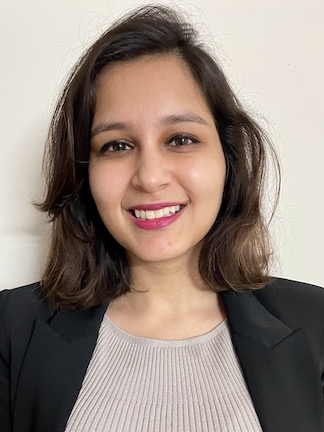
  • “One of the critical existing challenges in the WTO Trade Remedial investigations is the existence of unchecked administrative discretion of investigating authorities due to legislative shortcomings and procedural inconsistencies that impact international trade”- Dr. Amit Randev, International Trade Lawyer and Policy Consultant

    “One of the critical existing challenges in the WTO Trade Remedial investigations is the existence of unchecked administrative discretion of investigating authorities due to legislative shortcomings and procedural inconsistencies that impact international trade”- Dr. Amit Randev, International Trade Lawyer and Policy Consultant

    This Interview has been published by Pragya Chandni and The SuperLawyer Team
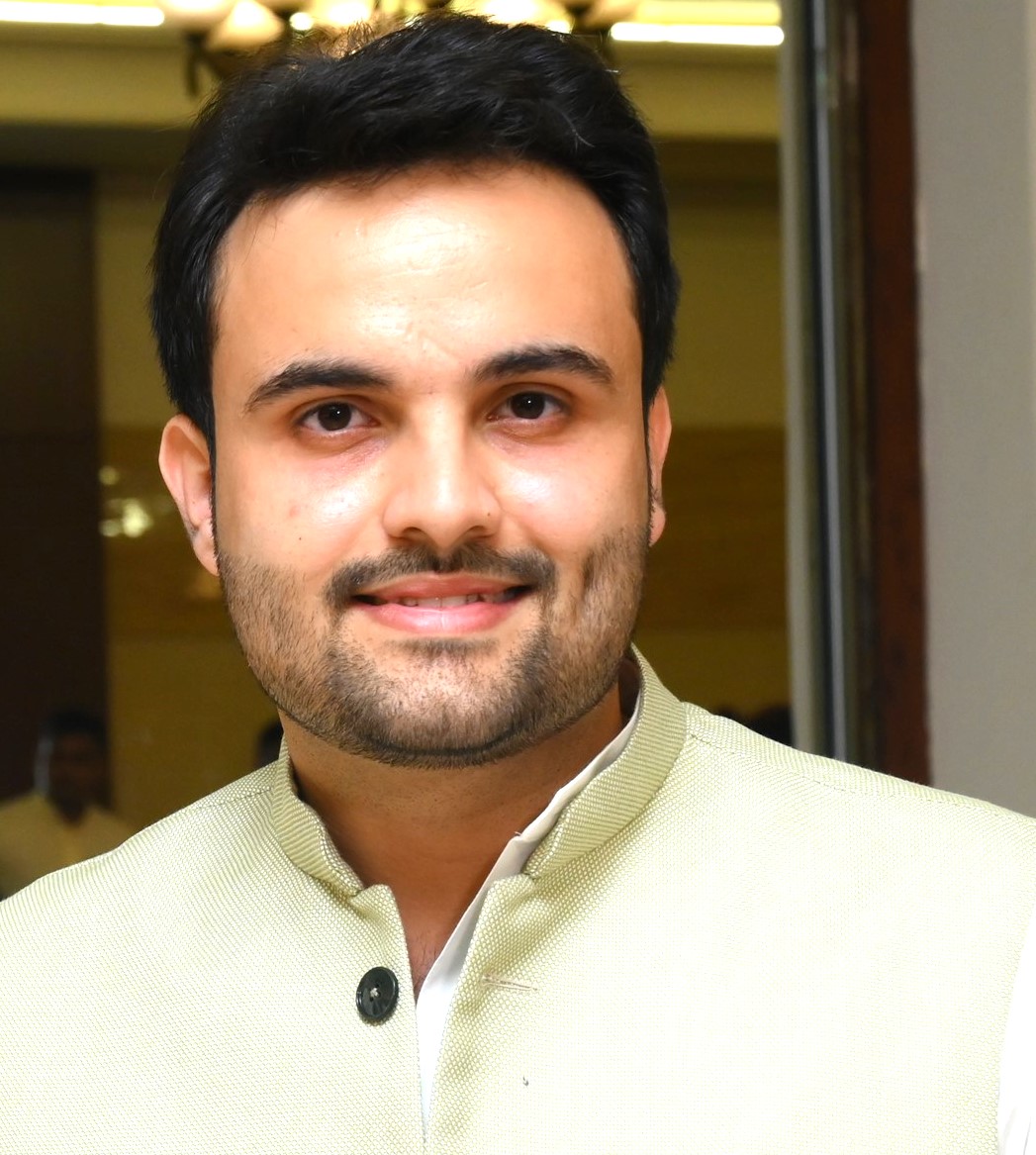
    Could you please share with us what initially drew you to pursue a career in law, particularly in the specialized field of international trade law?

    Frankly speaking, I was an above average student during my school days but was really drawn towards sports and extracurricular activities. I was sensitized to social issues through my association with civil and community service organisations like Indian Scout and Guide, I was fortunate to be one of the few candidates from the state of Uttar Pradesh to have received the Governor’s award. 

    Like any other aspiring student hailing from a humble background, I was very motivated and ambitious to do something for my family and the country. After completing my 12th standard from the Commerce stream with decent marks, I was certain that I didn’t want to pursue any conventional graduation course or pursue chartered accountancy. So, law as a career option came through the zeal to do something impactful.

    Being a first generation lawyer, it was quite difficult to chalk out a typical plan in terms of selecting the institution and the subject of specialisation in law. Law College Dehradun, which was then affiliated to a Central University was recommended by one of our family friends based in Dehradun. 

    But initially like any other student belonging to a tier three city in 2011-12, I was a bit nervous about the choice of the institution in India due to limited exposure. However, it was a blessing in disguise as Law College, Dehradun really helped me to inculcate some of the best values of the profession and life. It was an excellent journey with experienced faculty (notably our Principal Prof (Dr.) Rajesh Bahuguna and Prof (Dr.) Poonam Rawat, supportive batch-mates and world class education facilities that laid the foundation for my legal profession.

    I believe it was due to my keenness to learn and ask questions beyond the curriculum that motivated me to pursue my Master’s in Law right after my law graduation. 

    I was fortunate to get a reasonable rank to qualify CLAT PG-2017 to secure admission in one of the most prestigious law schools of India that is “West Bengal National University of Juridical Sciences (“NUJS”), Kolkata”. 

    Without reservation and with a humble acknowledgment, I admit that graduating in law from a traditional Central University, I was unaware of concepts like Anti-dumping (“ADD”) or Countervailing Measures (“CVD”) until my initial LL.M. class on International Trade Law at NUJS in 2017, under the guidance of my esteemed mentor, Prof. (Dr.) Sandeepa Bhat.

    However, that 45-minute class sparked my curiosity, driving me to delve deeper into the subject and inspiring nearly 7 years of passionate work in this domain. 

    Your academic journey is quite impressive, from your B.A. LLB at Law College Dehradun to your Ph.D. in International Trade Law. What were some of the key experiences or influences during your education that shaped your career path?

    As I mentioned, I truly cherish every day of my law school that made me learn something or the other each day. During my law graduation days, I was really an active member of various student bodies and had an opportunity to be the President of the Legal Aid Centre of the college. I have participated and organised several national and international cultural and academic events that provided me with the exposure to learn a lot of things subconsciously.

    What I can recall is that my initial internships were a bit unconventional like working for renowned NGOs like Childline India Foundation (Childline-1098) and Rural Litigation and Entitlement Kendra (RLEK) that provided me an exposure to understand the issues of the weak and marginalised sections of our society. 

    Also, my internships with Uttarakhand State Women Commission and Uttarakhand Human Rights Commission provided me a fair idea as to how good laws and policy, if implemented well, can act as an instrument to bring change and social justice.   

    After completing my Masters, in the initial phase of my career, I worked as a Research Associate with the Directorate General of Trade Remedies (“DGTR”), under the Ministry of Commerce & Industry, Government of India. This is India’s investigating authority to deal with Trade Remedial issues raised by Indian domestic industries against the unfair trade distortive practices. 

     At DGTR, I gained valuable insights on WTO jurisprudence and Indian practices while working with dynamic investigating teams (including officers from different cadres and ranks), handling ADD and CVD cases and actively contributed to providing institutional support to small and medium enterprises through awareness campaigns and technical assistance.

    Your Ph.D. thesis focuses on “WTO Trade Remedial Measures.” Can you tell us about the most significant challenges you uncovered in your research and how they impact international trade, especially concerning India?

    I started my research with a motivation or a quest to find answers to several questions regarding the hyper-technical concepts of International Trade Laws. My initial hypothesis that eventually stands correct in a technical sense was that the existing sensitive and procedural framework governing WTO Trade Remedial measures in India are not efficient and effective enough to address the contemporary issues in global trade.

    One of the critical existing challenges in the WTO Trade Remedial investigations is the existence of unchecked administrative discretion of investigating authorities due to legislative shortcomings and procedural inconsistencies that impact international trade.

    Transitioning from academia to professional practice, you worked as an Associate Director at SBA Group Solicitors and Consultants. How did this role help you apply your academic knowledge to real-world trade law cases?

    Needless to mention, the legal profession is very demanding, such as International Trade Litigation.

    I joined SBA Group Solicitors and Consultants (“SBA”) after working as a Trade Consultant with Government of India and as an in-house legal counsel with Jindal Group. So, by that time I got a reasonable idea of the expectations of the corporates/industry from Trade lawyers/consultants.

    The experience at SBA was very rich and challenging but rewarding at the same time. Being one of the few Indian Trade Law firms in India that represents before the International Investigating Authorities like US Department of Commerce (USDOC) and European Commission, working with the firm was indeed an amazing and overwhelming experience. 

    At SBA, I led a team responsible for representing Indian industries in Trade Remedial Investigations, specifically ADD, CVD, and Safeguard Measures before Trade Investigating Authorities, primarily the United States and the European Union. During my tenure, I also conducted comprehensive legal research and prepared precise technical and legal submissions, contributing to the successful execution of strategic assignments for major Indian corporate entities covering Textile, Steel, Pharmaceutical and Ceramic Industries. 

    You’ve worked on more than 15 antidumping and countervailing duty cases, saving millions for your clients. Could you highlight one or two cases that were particularly challenging or rewarding and explain why?

    I should confess that I was quite lucky to have such a rich experience so early in my career. I am especially grateful to my partners and the management at SBA to show such trust and confidence in me. Mr. Sunil Bhargava, Mr. Arpit Bhargava and Ms. Radhika Sharma deserve a special mention. 

    Though working for each case and assignment was quite exciting, two important cases that provided me exceptional exposure was working with the Senior US Trade Counsel to prepare a legal brief before the US Court of International Trade (USCIT) challenging the finding of USDOC and another was to facilitate the verification of European Commission for one of our client who was the largest exporter of ceramic tiles to EU and work closely with the European Commission officers for each details and arguments, we were able to successfully defend our clients in the case.

    Your experience includes working with international clients and representing cases before the U.S. Department of Commerce. How has this international exposure influenced your perspective on trade law?

    Since both India and the Unites States are common law countries, so principally the legal fundamentals are broadly similar. Having said that, working with international clients from different cultural and educational backgrounds and that too in different time-zones was quite challenging. 

    Further, practising before the USDOC was very fascinating, though it warrants a lot of diligence and accuracy but officials are very accommodating and are rational at the same time. This exposure provided me with a realisation that international trade litigation has a very significant impact on stakeholders globally. 

    In your current role as a Consultant at the Centre for WTO Studies, what are some of the key projects or initiatives you’re involved in, particularly regarding the India-EU FTA negotiations?

    I joined the Centre for WTO Studies in December 2023, following the completion of my doctorate in International Tarde Law. The Centre, established in 1999, serves as a permanent repository for knowledge and documentation related to WTO negotiations.

    My decision to join the Centre was driven by a strong desire to further my learning and research capabilities by working alongside some of the brightest academic minds in the fields of WTO and International Trade Law and policy. The Centre offers a unique environment that combines institutional training with international exposure, which is crucial for enhancing my research skills.

    In my current role, I am working closely with India’s Free Trade Agreement (FTA) negotiating teams. These teams engage with potential strategic trade partners, and my primary responsibility is to provide research and technical insights that inform the negotiation process.

    This experience has been exceptionally rewarding, as it has allowed me to delve into the complexities of trade negotiations. I have gained a deeper understanding of the challenges involved in negotiating with developed nations and reaching mutually beneficial agreements. It has also been an eye-opener, revealing that international trade and negotiations extend far beyond the realms of law, economics, and policy, involving intricate dynamics and strategic considerations. 

    We have noted that recently you have authored a book on WTO Trade Remedial Measures, what inspired you to write this book, what is the audience to seek to cater to?

    My passion for international trade law and my hands-on experience in the domain have greatly motivated me to write a book titled “WTO Trade Remedial Measures: Navigating Legal and Economic Complexities in International Trade”. The book published by one of the renowned publication houses of the country, has received appreciation from academic and legal fraternity.

    The multilateral trading system, epitomized by the World Trade Organization (WTO), is at a critical juncture due to escalating trade tensions and global crises. My book aims to unravel the evolution, challenges, and implications of trade remedy measures within the framework of WTO agreements. It offers a distinct focus on India’s perspective, enriched with a comparative analysis of practices in the United States and the European Union. This comprehensive exploration provides valuable insights into the contemporary trade environment and the specific issues faced by different jurisdictions.

    In this context, the book undertakes a pioneering effort to evaluate existing laws and procedures concerning trade remedy measures in India. It sheds light on legislative shortcomings and procedural inconsistencies, advocating for safeguards against unchecked administrative discretion. By proposing amendments to enhance the efficacy of trade remedies, the book charts a course toward a more equitable and responsive global trading system.

    This book is tailored for a diverse audience, including scholars, practitioners, policymakers, exporters, entrepreneurs, and students interested in international trade law, economics, and policy. It aims to serve as a critical resource for understanding the intricacies of trade remedy measures and their role in the multilateral trading system.

    The motivation behind writing this book stems from my desire to contribute to the field by addressing existing gaps and offering practical solutions. My industrial exposure and passion for the subject drive me to advocate for a fairer and more effective global trade system, which I hope to achieve through this work.

    Finally, based on your extensive academic and professional experience, what advice would you give to fresh graduates who are aspiring to build a career in law, especially in the niche field of international trade law?

    Although I don’t consider myself an expert in career orientation. My mantra in my career is “to go with the flow and keep it simple”. However, here are some key points of advice for fresh graduates aspiring to build a career in law, especially in the niche field of international trade law:

    1. Stay Updated
    • Keep Abreast of Developments: Regularly read journals, articles, and news related to international trade law and WTO updates.
    • Attend Seminars and Webinars: Participate in conferences and webinars to stay informed about the latest trends and issues in the field.
    • Subscribe to Industry Newsletters: Follow relevant organizations, think tanks, and law firms that specialize in international trade law.
    1. Develop Soft Skills
    • Effective Communication: Work on your written and verbal communication skills to articulate complex legal concepts clearly.
    • Networking: Build and maintain professional relationships within the industry through networking events and social media platforms like LinkedIn.
    • Negotiation Skills: Develop strong negotiation skills, as they are crucial in trade law and dispute resolution.
    1. Embrace Technology
    • Familiarize with Legal Tech: Learn about the latest legal technologies and software that can aid in research, document management, and case analysis.
    • Enhance IT Skills: Be proficient in using data analysis tools and legal research databases.
    1. Identify Research Interests
    • Focus on Specific Areas: Identify and specialize in specific areas within international trade law, such as trade remedies, intellectual property rights, or dispute resolution.
    • Engage in Academic Research: Contribute to academic journals, write articles, and participate in research projects to build your expertise and profile.
    1. Gain Practical Experience
    • Internships and Fellowships: Seek internships at law firms, international organizations, or government agencies that deal with trade law.
    • Pro Bono Work: Engage in pro bono work related to trade law to gain hands-on experience and contribute to your community.
    1. Pursue Further Education and Certifications
    • Advanced Degrees: Consider pursuing an LLM or other advanced degrees in international trade law.
    • Certifications: Obtain certifications from recognized institutions to bolster your credentials.
    1. Understand the Global Context
    • Study Comparative Law: Learn about the trade laws and practices of different countries to gain a global perspective.
    • Language Skills: Develop proficiency in foreign languages, as this can be advantageous in international legal practice.
    1. Stay Open to Diverse Roles
    • Explore Various Roles: Be open to roles such as policy advisory, consultancy, or academia, which can provide diverse experiences and insights into international trade law.

    Get in touch with Dr. Amit Randev-

  • In Conversation with:- Divyashree Suri, Founder and Managing Editor at WTO-Boutery: Talk Global Trade and Associate at Economic Laws Practice (ELP)

    In Conversation with:- Divyashree Suri, Founder and Managing Editor at WTO-Boutery: Talk Global Trade and Associate at Economic Laws Practice (ELP)

    This interview has been published by Prabhjot Singh, Priyanka Karwa and The SuperLawyer Team

    What does being an International Trade Lawyer in India entail?

    Broadly speaking, being an international trade lawyer in India consists of representing interested parties (including governments) in trade remedy investigation in and outside India, advising clients on Indian and foreign trade policies and taxation regimes, dispute settlement at local forums as well as international forums such as the World Trade Organization, and advising governments on the formulation of trade policy, including negotiations of free trade agreements. 

    This makes the subject an interdisciplinary one, and you end up wearing several hats on the same day. You are a lawyer for all intents and purposes, but you also need to:

    (i) be proficient with accountancy to be able to understand core business-costing concepts which are indispensable in trade remedy investigations,

    (ii) have sound knowledge of economic concepts and principles,

    (iii) be up to date with all foreign affairs and understand how global politics drives international trade, (iv) have a technical understanding of the products and services being traded. Needless to say, one needs the skills to research foreign laws and their practical implications extensively.

    What are some of your takeaways from appearing before a WTO panel at such an early stage of your career?

    First and foremost, working on a WTO dispute is, in and of itself, a dream come true. It is a splendid mix of public international law, international trade law, and domestic law. Moreover, I was fortunate enough to have worked on the dispute with an enormously supportive and motivated team – from top to bottom, which allowed me to have an enriching experience.

    The oral hearings in a WTO proceeding, also known as ‘substantive meetings’, are structured to allow the Panel to fully understand the domestic law or the measure at issue and also the manner in which such measure allegedly violates WTO law. The representatives of both parties are required to deliver an opening statement at the beginning of the meetings, wherein the key issues are summarily argued. Following this, the Panel poses certain questions to each party to understand the issues at hand better. Parties are permitted to comment on each other’s responses, and the meetings close with representatives delivering a closing statement.

    This makes for an interesting round of argumentation, which involves dialogue with representatives of the government of another country. Typically, parties to a dispute are important trading partners. This requires the lawyers to be well-versed with the required laws and adopt a line of argumentation that is delicate and in line with the country’s strategic interests. After all, diplomacy lies at the root of all trade relations. Being exposed to the various considerations which go into WTO dispute settlement at such an early stage of my career has helped me better understand trade policy. 

    What can be the real challenges while establishing a career in the field of International Trade Law?

    I speak strictly from the perspective of working in international trade at a law firm. International trade law is a niche area of law, and very few law firms specialize in the subject. Therefore, finding an open flow of internships and job opportunities in the market may be difficult.

    Describe an interesting matter you’ve worked on recently.

    Sustainable trade is finally becoming the talk of the town (well, the globe), and we are excited about it! Our team is doing a lot of work around trade and climate, labour, e-commerce, data, gender, and food security. Recently, we have worked extensively on carbon border adjustment mechanisms and other measures which help countries align their sustainability goals with trade.

    There are various considerations which go into formulating and implementing such instruments, and it is an interesting shift to witness.

    What personal qualities are beneficial to have as an international trade lawyer?

    As I mentioned, an international trade lawyer must wear several hats on any given workday. Being a jack of all trades makes you a master of international trade (no, having a corny sense of humour is not a prerequisite). I would go as far as to say that having an interest in foreign affairs and international relations is pivotal to the profession.

    As is the case for any lawyer, empathetic communication skills are extremely helpful. Our profession requires us to be in touch with various stakeholders – private clients, external counsels from different jurisdictions, government officials and agencies, trade bodies, etc. Interaction with each stakeholder requires us to be good listeners and have clarity in thought and speech.

    Would you like to give any career/life tips to the reader aspiring to be an international trade lawyer?

    I would recommend reading (or consuming content in whatever form is most palpable) as much as one can about international trade and its intersection with international affairs, economics, taxation, and most importantly, with day-to-day life. I find newspapers and news articles to be a great starting point to remain informed.

    I also recommend subscribing to this excellent newsletter named International Intrigue, which gives its readers bite-sized information every day of the week about what’s happening around the globe.

    How did you develop an interest in trade law? How did you ultimately decide to pursue it as a career?

    I was first exposed to international trade law in my fourth year of law school as a mandatory course. I was intrigued by the subject, and wanted to explore the practicalities of practising a subject like this in India. I interned with international trade law teams, and was enamoured by what the subject had to offer. It brought together my love for accountancy, economics, international relations and law – what could be better?

    As I interned with trade law teams and consumed content relating to the international trade, I was convinced about specializing in the subject. There were concerns about specializing in a niche area of law early in my career, but it was a risk I was happy to take. Now after a few years in the profession, I am glad I did!

    What drove you to start your international trade law blog? How do you think it has helped your career?

    I have often heard law students being intimidated by international trade, given the technical nature of the subject. I believe that international trade is a fascinating subject and should be more accessible for those who want to learn. The team at WTO-Boutery: Talk Global Trade attempts to make trade law updates and concepts more consumable with the help of simple language, tables, flow charts and graphics.

    Through my blog, I remain updated with the recent developments in international trade. In particular, simplifying these updates and concepts helps me revisit my core understanding of the subject and look at it from a different perspective each time.


    Get in touch with Divyashree Suri-

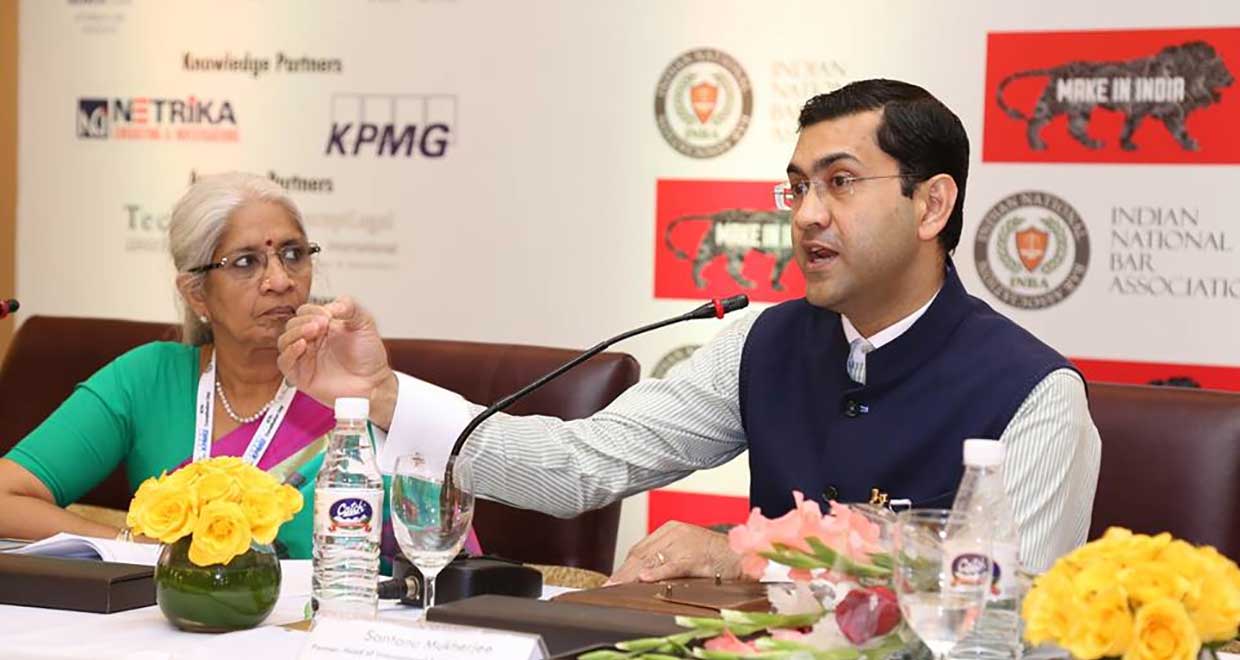
  • Santanu Mukherjee, Founder, Ex Lege Chambers, and his involvement in multilateral negotiations at the global level

    Santanu Mukherjee, Founder, Ex Lege Chambers, and his involvement in multilateral negotiations at the global level

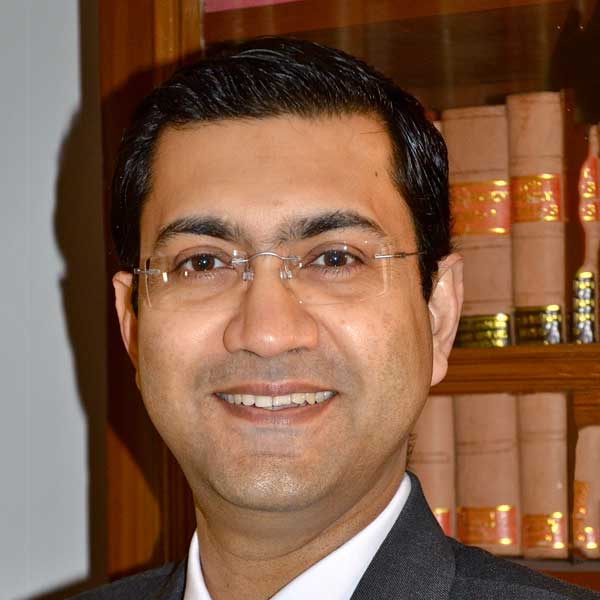
    Santanu Mukherjee graduated in Law from South Calcutta Law College, Calcutta University in the year 1998. He is an Advocate and an accredited Mediator practicing in New Delhi. He is currently the founder and Head of Ex Lege Chambers, Advocates and Regulatory, Policy Advisors, a boutique law office.

    Over the past twenty years of his work experience he has worked in Statutory and Regulatory Policy, Commercial Mediation and Litigation practice while specializing in Intellectual Property Rights, Competition Law and International Trade Law. His clientele comprise of entities from governments and large corporations to start-ups.

    Recently he has been awarded the prestigious Intellectual Property Lawyer of the Year Award 2017 from the Indian National Bar Association.

    In this interview, he gives us insights into:

    • The importance of extra-curricular in shaping your personality.
    • His international work at the South Centre.
    • Setting up his own firm- Ex Lege Chambers.
    • Honing one’s legal research and communication skills.


    How would you like to introduce yourself to our readers?

    I would like to introduce myself as a legal professional and a mediator, who is passionate in seeking solutions to legal problems and ready to go deep into a matter that I take up. Someone who is passionate to continuously learn, be a thoughtful leader and a change agent, someone who does what he believes in.


    Tell us a bit about your childhood and pre-college life as well as educational background. Do you have lawyers in your family?

    My childhood and college days had been fascinating, I was always interested in extra-curricular, was extremely disciplined and loved to do social work. I studied in Don Bosco Bandel School and was very active as a boys scout. It was long time back but I still cherish the memories of public cleanliness initiatives we took up and volunteering activities in community fairs and traffic rules awareness programmes. Of course the adventure activities were fun, hiking, rock climbing, trekking and the competitions. It developed a deep bond of brotherhood that is still live; I am in touch with many of my childhood friends and my scout brothers even now. Finally an acknowledgment for life, it was a great honour to be awarded by the Hon’ble President of India as a President’s Scout.

    Then came the college days, at South Calcutta Law College, studies were as one could expect in a Law college those days, no frills of moots but occasional debates. However, here again I was focused on some different type of extra-curricular, I enrolled with No. 2 Bengal Air Sqn, National Cadet Corps (NCC) and was the only student from a Law college at the NCC unit. It was again another wonderful memory, the weekly parades, the skeet shootings, the glider flying, the extempore preparing for the best cadet competition, it was a unique experience. In the three years of Senior Division NCC, I rose to be the Senior Under Officer, a learning of leadership that is a training for life. Preparing for the Republic Day camp was an ordeal; I was selected as the West Bengal and Sikkim contingent senior and with it came a sense of responsibility, fellow feeling. The camaraderie was unbelievable, the contingent was tight even during challenging moments, and these thoughts still make me nostalgic. The love and support of my trainers, fellow cadets enabled me to work hard and get the Best Cadet of West Bengal and Sikkim Directorate medal from the Hon’ble Governor of West Bengal. My childhood was adventurous and full of activities of rather unconventional outdoors. I am sharing these thoughts since I want to make a point that there is learning in everything, in sports, in community work, in adventure activities, all can contribute to making our personality.

    I do not have lawyers in my immediate family, my father was a polymer technologist and my mother is an artist and home maker and both of them have always been a great inspiration for me. My only sister has not taken up legal profession either, however my maternal cousin, who is elder to me, had been a practicing lawyer at the Calcutta High Court. She inspired me a lot but I specialized in IPR early hence professionally could not gain much when she was a general litigator.


    In India there is bit of resistance towards legal education even now. What motivated you to choose law as a career?

    Yes, very true, legal education was not at all promoted; some people even had a very negative perspective of legal professionals. Things have changed now to a certain extent and is improving every day. I think a lot of credit goes to structured legal education that has been introduced, the contribution of the National Law Schools and entry to legal education through Common Law Admission Test.

    Typically when one talks of Law as a career, one thinks of becoming a lawyer who would interpret Law and of course aspire to be elevated to the bench one day. In my days as a student, my Law career goals were similar, only that I always wanted to work on international issues and wanted to be an expert. I was exposed to Intellectual Property Rights (IPR) at an early phase, when I was preparing for the NCC Best Cadet competition; I read about the General Agreement on Trade Tariffs (GATT) and the negotiations on IPR, discussion on the ‘Dunkel Draft’ was in the newspapers. My curiosity made me read more and I liked the IP Law discipline and at the final stage of my Law studies was already more aware than most practising lawyers (those not practicing IP law). However, gradually what really intrigued me was ‘Law making’ and this has been a constant motivating factor, to be able to draft a Law from scratch and the grand finale perhaps to be able to move it as a Law maker.

    You have a varied work experience, how did you start, how was your initial days of law practice?

    It’s true that I have a varied work experience, in fact I always wanted to get a 360° exposure to different works in Law. Having started as an Advocate at the Calcutta High Court, I moved beyond whenever I got an opportunity. I started as a Law trainee at S. Jalan and Company, a leading Solicitors’ chambers in Kolkata and was fortunate to be under the tutelage of Mr. Shyamanand Jalan. He was one of the leading corporate and commercial lawyers of the time in Kolkata at that time and I will always be indebted to his guidance towards meticulous drafting and his pragmatic approach. The GATT 1995 was already signed and the World Trade Organization was formed. The Agreement on Trade Related aspects of Intellectual Property Rights (TRIPS) was one of the pillars of the WTO multilateral trade regime. My interest in IPRs landed me at D. P. Ahuja and Co., one of the leading IP Attorneys at Kolkata. I was quickly drawn into IP litigation work, new learning experience amidst some of the legal experts in IPR practice, one of whom was later elevated to the Bench at the Calcutta High Court. I was bonded to IPR domain for ever while gradually expanding to different other areas in the days to come. Later I went to York England to read Law at the College of Law of England and Wales, now University of Law, York, UK.


    You were a British Chevening scholar in UK, can you let us know how was your interview to give our readers some tips to nail the scholarship. What did you study and how was it helpful in your career? During this time you were also a visiting lawyer at the Littleton Chambers, Inner Temple Bar, London, how was your experience?

    Indeed, I attended the British Chevening Programme for Young Indian Corporate, Commercial Lawyers 2000 at the College of Law of Engaland and Wales at York, now University of Law, York, U.K. I understand that this programme is not continued any longer, I am told that instead the number of LL.M. Chevening scholarship offers have been increased. I qualified in the preliminary interview at Kolkata and appeared before the final interview in New Delhi. It was a panel interview of five members which included a Supreme Court practitioner, two academic faculty members of the College of Law, one of who was also a qualified British barrister and the other a solicitor and I think there were members from British Council and the High Commission in New Delhi. I enjoyed the interview which was more of a discussion about my career plans, IPR issues and a tricky trademark infringement matter and some generic questions.

    The scholarship programme was a customized for legal practitioners and touched on laws of England and Wales and the European Union as well, often drew comparison with the Indian laws. A number of corporate and commercial Law subjects were covered but what I really found fascinating was the trainings in lawyering skills. The Woolf Reforms and the Civil Procedure Rules of 1998 had just come into effect the year before we went to England. The legal drafting style in England and Wales had already experienced a sea change, crisp lucid language was in vogue. We were quite taken by surprise but the unlearning of the Indian legal drafting style and adapting to the new style was perhaps necessary. The drafting sessions and the courses on negotiation and advocacy which I attended in the programme were excellent and definitely helped me later on as a lawyer.

    I had already gained some experience in drafting and negotiating skills working at the Solicitor’s firm in Kolkata hence wanted to get some exposure to good advocacy. This made me split my practical attachments between Beresford and Company an IP Attorney Firm well known for their hi-tech practice (now Beresford Crump LLP) and Littleton Chambers, Inner Temple Bar. At that time Littleton Chambers was not one of the leading chambers for IPR matters but had quite a wide variety of matters. I wanted to gain maximum from this wide exposure hence opted for the Littleton Chambers to get a real life experience of advocacy in English courts. I could join different barristers at the Royal Court of Justice in London, the Employment Tribunal in Leeds and watch them plead. They had also arranged a visit to the Old Bailey (the central Criminal Court of England and Wales) for me; it was quite a unique experience. I liked the work culture of the chambers, the discussions and the warmth. I could also get a ticket to attend a lecture of Lord Rt Hon Lord Woolf who was the author of the legal reforms, it was quite a treat.


    You have spent some time in doing legal research work and policy work, how did you get interested in such works?

    The founding stone to my interest in doing legal research is actually my master’s studies at Bern, Switzerland. The IPR related issues that I worked on were interesting but I was interested to understand the interface issues between IPR and international trade laws as established under the WTO regime. The first five years of the transition period for developing countries to adopt TRIPS was over and India had already suffered a setback at the first IPR case. The Panel of the Dispute Settlement Body (DSB) of the WTO found India’s Patent law not in compliance with its WTO commitment. I felt that for a developing country like India, WTO regulations would be important for the coming future and it would be worth studying it deeper.

    At that time, a friend informed me of the World Trade Institute in Bern, Switzerland providing a Master’s programme in International Law and Economics with exclusive focus on WTO regulations. Although initially I was reluctant since it was a new institute but given the reputation of Bern University and having some of the leading names from Yale, Oxford, Columbia Universities and many others as members of faculty I was convinced. I managed to get a scholarship from the Institute and successfully complete it and I gained immensely from our Managing Director, Prof. Thomas Cottier who was also the chairman of the first IPR case decided by the WTO between USA and India. I had already done an internship at the WTO Secretariat in Geneva which gave me an inside view of how the WTO worked. Further, it also gave me an opportunity to sit in the TRIPS Council meetings and understand the importance of strategy and the play of tactics in multilateral negotiations.

    My master’s studies involved significant legal research and actually it also opened my door to policy work which involved critically analysing laws, recommending changes and took me to a step ahead of my interest in drafting laws. It gave me a feeling that I can contribute in works that can have mass effect and encouraged me to undertake deeper legal research based policy work rather than rhetorical advocacy. By now I had already noticed that in continental Europe, lawyers dedicate time doing legal research while in India such research is only taken up by academics. I decided to adopt this model and try for some fellowship at some renowned research institute and my exploration led me to the Max Planck Institute for Intellectual Property and Competition Law (MPI) in Munich, Germany. At MPI, I worked on interface between IPR and multilateral trade regulations under the WTO and the Indian Patent Law and protection of traditional knowledge and the research foundation helped me all through later. Based on my work published an article at their peer-reviewed journal, IIC and made presentations including at the Global Salzburg Seminar on Trade, Aid and Development.


    Tell us about your international work at the South Centre, what was the nature of your work and your return to India.

    After completing my research at the MPI I was contemplating moving back to full time legal practice when I got an interesting opportunity. The South Centre, an intergovernmental organisation of developing countries based in Geneva working along the UN organizations and chaired by Dr. B.B. Ghali, former Secretary General of the UN was looking for a Fellow with IPR practice and research background. I was familiar with the Centre’s works and also that our former Prime Minister Dr. Manmohan Singh was its chairman when it was still in the form of South Commission, I was quite excited when I cleared the interview to join the South Centre. As a Fellow I worked in the capacity of a consultant and enjoyed certain perks as an international civil servant similar to the UN staff which itself was a new experience.

    My main work was on pharmaceutical patents and how developing countries could draft examination guidelines in a manner helpful to their developmental needs, but remaining within the TRIPS Agreement. I was also deeply involved in preparing negotiating texts for on-going IPR negotiations at the WIPO and WTO including those on geographical indications. It was quite an unique opportunity to prepare draft laws and amendments to patent laws for member countries that lacked capacity and it’s very satisfying to note that some became laws in those countries. I worked very closely with WIPO, WTO UNCTAD and other IGOs on different international issues. South Centre used to hold training sessions for commerce ministry officials of member countries regularly, it was absolute pleasure to model such training courses and teach these trade diplomats. One of the new learning was to present technical matters in a non-lawyerly manner since the bureaucrats were seasoned generalists but not always familiar with legalistic approach. Once my project was complete, instead of waiting for some other project, I thought that I should return to India and explore opportunities back home.


    You have been working in Delhi for about 10 years now and have started your own Law office, how did it come by?

    Many friends had advised me against leaving Geneva, they tried to convince me that I would be able to contribute more by being there rather than returning. However, I took the decision to return to Kolkata and after an initial year moving back to legal practice and consulting, I realised that if I want to continue working on policy, I needed to move to Delhi.

    Once I decided to move to New Delhi, I started discussing work possibilities with some Law firms when Qualcomm, an advanced wireless technology company based in San Diego, California approached me for a lawyer role. I was not aware that Qualcomm’s presence in India was big enough for an India-based role and that too they were looking for someone who had a background in IPR and a deep understanding of the international trade regime. Initially, I was not that convinced for the position since had never expected myself in any in-house role but as it happened with me, “never say never”. After some thoughts and discussing with some seniors whom I consider as mentors, I concluded that this would be a new experience for me and fulfil my aim of getting exposed to law at 360°.

    I tried to chalk out what should be my learning in the three to five years that I intend to stay and thought that it would be worth understanding how to form legal strategies, manage outreach and learn how they engage with governments. It was a great experience as I moved in with the global team within a short time. I was a part of an international team with lawyers from different countries all working in synergy. The experience of working with multiple internal clients in different jurisdictions in a wholesome manner considering the business impact is something unique and completely different from that of an external counsel. As I engaged in different works I never realised that even when I had thought that I will transit out after five years, I continued for 8 years enjoying every bit of my work.

    Finally, I decided that it is time for me to return to mainstream legal practice and discussed my intent of moving back to practice with friends and family. It was a difficult decision since I was a family man and the corporate legal work comes with some leisurely perks and a different work style. I talked to some senior lawyer friends and finally took the decision to join Luthra and Luthra Law Offices after talking to Mr. Rajiv Luthra, Manging Partner. I joined as Partner and Head of International Trade and Policy Advisory practice and enjoyed the policy advisory work including trade matters working closely with different governments as well as private corporate clients. However, I soon realised that I would not be able to introduce a number of prospective clients even when they have approached me and I have an excellent relationship with them given the conflicts problem that affect large firms across the globe. I understood that with the firm’s established clients, it would be difficult for me to create my own clientele and felt an urge to be independent. As it has always been, once decided I have never looked back, I started Ex Lege Chambers, a boutique law chambers, an independent effort with strong support from close friends.


    You have founded Ex Lege Chambers and call it a boutique chambers, how is it different from any other law firm?

    Always fascinated with my experience at Littleton Chambers in London, when I introduced this concept to a dear friend, a litigator at the Supreme Court and Delhi High Court, he was game to it. From day one he supported me as a co-founder and I established Ex Lege Chambers, Advocates and Regulatory, Policy Advisors in New Delhi. Typically like chambers legal practice elsewhere and distinguished from law firms, the lawyers are independent members and share costs and not profits. Keeping costs as low as possible, our aim as a boutique chambers is to provide complete support to our clients in a dedicated manner rather than be in a hurry to scale up.

    At present we are mainly focused on Dispute Resolution, Alternate Dispute Resolution (ADR) and Policy Advisories as well as corporate legal support. We aim to increase our commercial mediation work within the ADR services and hopefully make our mark in deal mediation. Given the global move for resolving conflicts quicker, mediation plays and will increasingly play a major role and I think that India would gain from adopting mediation in a major manner. Being a boutique chambers has also helped us to address needs of the start-up clients providing complete legal service package for all their needs.

    The chamber does not follow the concept of hiring lawyers at any level. A client work would be supervised by a lead counsel (as of now the founders) and considering client requirements, a team of counsels at two levels. The first level with around five to seven years’ experience is retained as members and the second level with three to five years’ experience as junior members. Depending on the nature of work freshly qualified Advocates can also find a place as trainee members. Trainee members are exposed to close mentoring and get an opportunity to learn.


    You have been involved in multilateral negotiations at the global level can you share your experience.

    Apart from my involvement in WTO, WIPO, UNCTAD and ITU while working in Geneva, while working with Qualcomm too, I was actively involved in some multilateral negotiations. One such experience is at the United Nations Framework Conference on Climate Change (UNFCCC) Conference of Parties (COP). Interesting to note that in these negotiations only governments can be negotiating parties while the decisions taken affect many stakeholders including private sector. To address private sector concerns, it is possible for private sector to engage in track 1.5 / track 2 negotiations, i.e. attend the COP as observers and hold parallel negotiations with country delegations. I was part of the delegation of Business Council of Sustainable Energy which held an observer status at UNFCCC and attended the COPs at Copenhagen (2009), Durban (2011) and Doha (2012).

    I was focused on the technology-transfer negotiations related to climate change mitigating technologies. The debate on access to patented clean energy technologies negotiations through track 1.5 track 2 at a number of COPs with extreme positions being taken by negotiating parties.

    Like any other multilateral negotiations, the engagements started early in the morning and went on until late in the evenings. Just to give an idea of the works, we would access country positions that were published in UNFCCC documents and changed as the negotiations proceeded, analyse them considering client needs and as needed, prepare alternate texts. Then we used to hold parallel meetings with different relevant delegations to explain our position substantiating with data and valid reasons so that once convinced, they can raise these at their negotiating meetings.

    In between there were different meetings and briefings to attend, Among the COPs that I have attended, I will remember the Copenhagen COP vividly because of its administrative collapse when I waited for eight hours at minus 12°C to get an entry pass. There were also massive protests and police action against demonstrators. The negotiating styles of different countries were also worth noting and how these styles actually manoeuvred the results of the negotiations.


    Many lawyers are submerged in work most of the time and often find it challenging to juggle between your personal and professional life? How do you look at work-life balance?

    Lawyers’ work demands a considerable bit of time, I think that in the initial years’ lawyers would need to work very hard and long hours would be normal. However, there seems to be a growing trend in law firms to stay back for long hours to create a perception that one is working hard, this unfortunately brings no dividend and I think should be avoided. For me, being independent gives me the flexibility to take up work that I can manage and can give sufficient attention without compromising on my other interests. Apart from spending time with family, my other interests include lecturing at law schools at times engage in public discourses in seminars and conferences and writing articles.


    The trend is now on gathering various internship experiences at different places. Was the scenario same while you were pursuing law?

    I believe that internships are mandatory in the five years law curriculum hence the students spend time interning at different law firms during their vacations. While I think internships are important, I do not think that doing a month’s internship at a place during vacations allow the students to gain any meaningful exposure. Although some are very hardworking and able to gain some good experience, I think one would need at least for two or three months to get a good exposure. However, since the setup is such that students would hardly get few months’ time, the students should plan well in advance and try to learn different lawyering skills through their practical exposure while being attached to work related to the discipline that they like.

    During my law college days there was no concept of internship although those coming from lawyer’s families usually spent time at the firms and chambers. I realised that since I was not from a lawyer’s family, getting practical experience was essential hence managed to join a law firm as legal trainee and worked there beyond college hours.


    As a concluding message, what would be your suggestions to law students / younger corporate commercial lawyers?

    Law students while they are still at school/college need to make sure that they improve their listening skills, communications skills, both written and verbal and legal research skills. All the rest can be developed while working as freshly qualified lawyers. If they are interested in any particular legal domain, they should put in an extra effort to know more about the subject through reading of learned articles, following good blogs and also writing articles at law journals. In addition they should also read news and current affairs in a manner that they are well aware about what’s happening around them. This would help them engage in any pertinent discussion without difficulty. The skill of being able to initiate and engage in a conversation is always helpful for a lawyer. I wish all law students and young lawyers to be able to put in their best to contribute in whatever field they pursue, as I stated earlier, law is a discipline in which a 360° approach is not just possible, it can be rewarding.

  • Rachit Ranjan, Research Fellow, WTO, on studying at UC-Berkeley, and his passion for academia

    Rachit Ranjan, Research Fellow, WTO, on studying at UC-Berkeley, and his passion for academia

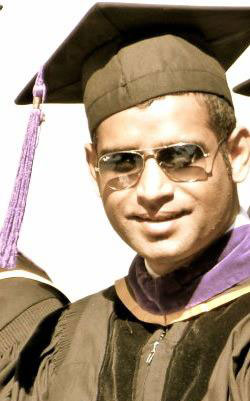
    rachit-ranjan-1Rachit Ranjan graduated from WBNUJS, Kolkata in 2010. He had finished his schooling from the USA and France to join NUJS for legal studies. After graduating from NUJS he had the opportunity to teach at CNLU, Patna for more than a year. Thereafter he left to pursue his LL.M from University of California, Berkeley. Later he also had the opportunity to teach at Jindal Global Law School, Sonepat and is currently working at the WTO, committed to pure research work.

    In this interview we requested him to share:

    • The differences between academic culture of India and other countries.
    • Teaching experience at CNLU, Patna and JGLS, Sonepat
    • His experience at UC- Berkeley while pursuing higher studies
    • Research work at IIFT and at WTO


    Tell us a bit about yourself.

    At the outset, let me congratulate you for this wonderful initiative. I only wish that there was this sort of guidance at our disposal during my law school days. I would also like to mention that I am not deserving of the tag of superlawyer yet but would like to thank you for allowing me to share my thoughts with your readers. I hope that my experiences will encourage some students to pursue academia as a profession. I graduated from NUJS in 2010 and did my LL.M. from UC Berkeley in International Law. My career decisions are small platforms, which may (or may not) help me in realizing my ultimate goal of becoming a reputed academic.


    What differences did you find between the education systems of India and US?

    Both systems have their pros and cons. I moved to France in 9th grade because of my father’s job. Coming from an Indian education system, the American curriculum and pedagogy was a refreshing experience. I believe the greatest tragedy that plagues the Indian education system is the ubiquitous culture of rote learning. Although the Indian education system had prepared me well to adapt to a completely new system, it did not allow me to adapt easily to the immense focus on logic and analytical thinking which is encouraged in the American curriculum. I believe it is a practice which will help any student in the long run regardless of their career choice. To that extent, I feel India must eschew the culture of rote learning and start treating students as co-creators of knowledge rather than blank slates.


    What was your motivation behind pursuing law?

    My career choices have been nothing short of a serendipitous discovery. I had never considered law as a career option. In fact, I was planning to study biotechnology in the US or Canada but due to the high tuition fee I had to reconsider my options and move back to India. My cousin, who was at NLS Bangalore, encouraged me to apply for law. She did a mighty fine job at selling national law schools and what they had to offer. At that time, my idea of a lawyer was a person in an expensive suit driving a fancy car. I must admit this is what drove me to choose law. I wasn’t really passionate about law when I began preparing for the entrance examinations. I applied in the pre-CLAT era, when all these institutions had separate exams.

    NUJS happened to be the first one in the series. I was really keen on joining NUJS because I heard great things about the place from my cousin and my uncle, who is a lawyer. Naturally I put in the most amount of hardwork for the NUJS exam and was lucky enough to crack it. Upon receiving confirmation about my selection, I made up my mind that I wanted to move to Calcutta and did not put much effort in preparing for other entrance examinations.

    It was only after I joined NUJS that I got a real taste of law. I was intimidated initially but the constant intellectual rigor was something which appealed to me. Even though many of my peers have completely moved away from law, my passion for this discipline keeps growing stronger. This passion stems from a sense of intellectual and moral satisfaction, I receive from this discipline.

    What motivates me now to uphold my decision is how well I am equipped to explore issues that confront the global community today, where lawyers have a definite and positive role to play Inter aliaissues relating to human rights, environment, global trade and intellectual property rights. Owing to the training I have received as a lawyer, I am confident about dealing with such issues, which bear a direct impact on our society.


    Tell us about your time at WBNUJS.

    Unfortunately my law school experience isn’t one which I would wish upon anyone. I have battled great adversity to complete my legal education, which severely affected my ability to be active in extra-curricular activities. From 2005-2010, I suffered from four extremely severe bouts of Hepatitis A, which would render me incapable of attending classes or partaking in any event. My illness prevented me to gaining a holistic law school experience.

    Out of 10 semesters in NUJS I was sick for six. Nevertheless, I did not let this affect me adversely and took part in extra curricular activities, whenever I had the time. Perhaps the proudest moment of my college experience was being part of the organizing committee for the ILSA International Conference. At that time, no law school in India had managed to host a conference of this scale. We won the bid for the conference by virtue of networks made by my batchmate Kinshuk Jhunjhunwala, when he went to present a paper at the ILSA Conference in 2007 (co-authored by me).

    Although NUJS had already gained international recognition in mooting and debating, the conference helped the institution to achieve immense adulation and respect among some of the foremost international law scholars of the world. I believe it assisted the institution immensely in establishing itself as a law school, which engages in serious scholarship. To be an important part of institutional development was exhilirating and humbling at the same time.


    What are your thoughts on these activities like mooting, debating and publications in journals?

    As mentioned above, the debilitating circumstances during my law school prevented me from partaking in many of these activities. In fact this is part of the reason why I chose teaching law as a profession. During my stint at CNLU and JGLS, I actively engaged in mooting activities by coaching certain teams for competitions. I coached the JGLS team, which won the NLS Arbitration Moot recently ( although all the credit goes to them). All these activities are extremely important and every law student must engage in them.

    Although real court procedure is very different from mooting, the essential reason behind this activity is to teach you legal research and argumentation. It is the ultimate training program to help you to “think like a lawyer”. Debating requires you to be updated with the latest developments across the world and further allows you to dissect these issues by engaging in reasoned discourse. This is another element, which is extremely important in order to become a good lawyer.

    As for publications, I have always maintained that if you want to understand a subject in-depth, you should write a paper on it. Much like mooting it teaches you legal research and argumentation. However, legal scholarship goes a step beyond and allows you to engage with the subject in a more nuanced manner. It will consolidate your foundations and prepare you to “think outside the box”. There is far too much focus in law schools about the “CV value” of these activities, which in my opinion is very unfortunate. I believe there needs to be a major overhaul of this mindset and both students and faculty should espouse such practices not because of their respective “CV value” but as a personal(ity) development initiative.


    Please tell us any remarkable internship experience of yours which shaped your legal career?

    My internship experiences are more or less comparable to any other law student’s experiences. I wanted to experience each and every avenue, where lawyers had a role to play before making a final career decision. What distinguishes my experience from majority of the law students is a focus on international organizations.

    I have always been fascinated by international affairs and am quite the international relations nerd. To this extent, I always wanted to explore how international organizations functioned, the dynamics at play re the political and structural constraints of these institutions and of course, the role of law. I interned with INTERPOL and UNODC, to understand issues relating to international money laundering, drug trafficking and financing of terrorism. I engaged on a special project with UNICEF as a lead researcher to study the implementation gap in Bihar re child rights legislation and India’s international commitment regarding the same. All these experiences allowed me to gain a better understanding of the expansive contours of international law and international affairs, a discipline which I intend to pursue in the long run.


    Why did you choose teaching as a job and not a corporate job?

    As mentioned before, my career decisions have been nothing short of a serendipitous discorvery. I moved to Patna upon my graduation to prepare for the the Civil Services Examination with a “dream” to join the Indian Foreign Service. Despite knowing that joining the government would severely curtail my ability to voice my dissent on pressing international issues, I was convinced( and am still partially) that it is the best platform to understand geopolitics. I joined CNLU, with the objective of using the university’s resources for my preparation.

    After an interview with the Vice-Chancellor, I was given the opportunity to join the University as his teaching assistant. My work profile ranged from handling the student recruitment/internship intitiave to delivering lectures on certain aspects of public international law and international trade law. This was my moment of epiphany and I am most thankful to the institution for this experience as it allowed me to discover my passion.

    Whenever I delivered a lecture, there was a feeling of self gratification and intellectual empowerment. The adulation I received from my students further assisted me in realizing that this was my calling in life. Ever since then all my career moves have been strategized to realize the ultimate dream of becoming most importantlya good teacher, and an authority in my field of specialization.


    What prompted you to join IIFT?

    (Rachit went on to join the Indian Institute of Foreign Trade as a research fellow.)

    A very renowned jurist told me that If I wanted to excel in academia, I must understand how each functionary of that discipline operates (i.e. academic/government/practiotioner). Since my area of primary interest was trade law, I wanted to join a government department to gain hands on experience on how policies are deliberated within such departments.

    I joined the Centre for WTO Studies at IIFT, which is a government think tank mandated with the task to assist the Ministry of Commerce and Industry on issues relating to international trade and investment policy. My work at the Centre ranged from writing policy papers for government officials to offering legal advice on international trade disputes and policies at the WTO.


    When did you finally decide to pursue masters?

    Since I was certain about pursuing academia, pursuing an LL.M. was a professional requirement. I concentrated on the top 15 schools in the U.S.  because after doing a lot of research on the LL.M. program in general,  I reached the decision that U.S. law schools offered a far greater level of academic rigor than U.K. or Indian law schools in their respective advanced degree programs.


    How did you get through the selection process of UC Berkeley School of law?

    I feel extremely fortunate about being admitted to a great institution like UC Berkeley. I don’t believe there are set criteria, which will decide your success in securing admission into such institutions. I certainly believe, that grades do play an immense role when you are aiming for the top institutions. However, even if you don’t have a stellar academic record, you can very well make up for it by your work experience, extra curricular activities and mostly importantly you statement of purpose.

    I have researched in great detail on how to prepare the best LL.M. application and will not be able to do justice to this question in the limited space. Perhaps I could write another piece on the aspects you must focus on while applying for your LL.M. If I had to sum it up, it all boils down to how well you are able to sell your achievements, interest in law, interest in the institution and how you fit in with the tradition of the respective institution coupled with the designation and background of your referees and the content of the recommendation.

    Click here to download the Personal Summary

    Click here to download the Statement of Purpose


    rachit-ranjan-2Tell us about your time at UC Berkeley.

    An LL.M. abroad is what you make of it. If you want to treat it like an extended holiday, it would be a fantastic holiday albeit very expensive. I was certain about what I wanted to attain from this experience. I went on the thesis track at UC Berkeley, which required me to write a dissertation of publishable quality. Naturally, this required a lot of research and background reading followed by grilling sessions with my supervisor.

    Apart from my thesis, I took international law courses at Berkeley. This was the first time I was exposed a proper socratic style of teaching, which required me to read about 200 pages on any given day. Initially, it was difficult for me to adjust to this practice but with time I managed to find balance between work and play and really enjoyed the assigned readings.

    I may add here for the voracious readers that legal reading is far more time-consuming and intellectualy exhausting than reading a novel.  I must admit that, by my own experiment, the socratic method is an extremely effective pedagogical tactic and must be implemented by every faculty in Indian law schools.

    My time at Berkeley is one of my most cherished memories. It was the first time, I had a complete college experience, where I actively participated in social and academic events. The faculty, staff as well as your peers from across the world made the task of settling in a new country and new education system extremely easy.


    How did the opportunity of teaching at Jindal Global Law School come to you?

    Upon graduating from Berkeley, I returned to India to pursue teaching while awaiting the decision on my application for internship at WTO. I heard great things about JGLS from many academics and decided to join the institution. My experience at JGLS was my first real exposure to teaching law. I was assigned to teach Alternate Dispute Resolution to third year students. I was also attached with two research centres within the institution. I believe JGLS is an institution with great promise provided they find a way of retaining talent. They certainly offer unprecendented incentives to aspiring academics but there remains a serious mismatch between the vision of the institution and its implementation. Nevertheless, my stint at JGLS was wonderful because it reinforced my decision to pursue academia. I met some brilliant academics and students there, whose support is essential for my development as a teacher.


    What do your responsibilities at the World Trade Organization, Geneva entail?

    The WTO has a very robust and an extremely competitive internship program. I had applied for an internship during my LL.M. (internship programme only selects professionals holding a masters degree) and decided to pursue teaching in the meantime to enhance my chances of securing a good PhD program.

    As a legal intern, my work can range from anything as mundane as updating footnotes on dispute reports to as interesting as providing legal input on an ongoing dispute at the WTO. I have been involved in formulating e-learning modules for delegates of Member States to working on thematic research papers, which study the dynamics between diplomacy and litigation with respect to disputes at the WTO. Till now, my exposure to trade was very academic but the internship has filled the void and allowed me to witness the day to day functioning of this institution and learn how trade deals/disputes are negotiated and executed at the highest level.


    What are the factors you consider while making a crucial decision?

    As mentioned above before I can call myself an full fledged academic, I must have an understanding of how each functionary of this discipline operates. I have made these career moves with this backdrop. I firmly believe that between you and your ultimate goal there is no room for complacency or satiability. As the American humorist Will Rogers quipped:

    “Even if you’re on the right track, you’ll get run over if you just sit there.”


    What are your long term goals?

    I intend to become a full time academic with a focus on international law in general and international trade and investment law in particular. Through this position and my work,  I intend to establish myself as an authority in my respective field and engage in policy making with governments across the world. The truth about law is, regardless of which avenue you choose to pursue, it will be an incredibly long and tedious journey towards your ultimate goal but the trick is to enjoy the process and the immense opportunities at your disposal.