What initially inspired you to pursue a career in law?
Law has always intrigued me because of its power to shape businesses, resolve disputes, and create order in an otherwise complex world. While I did not have a predetermined path toward law, I was drawn to its logical reasoning, problem-solving, and impact on society. As I began to explore the legal field, I was drawn to the idea of working within a law firm environment, where I could help clients navigate complex legal challenges, whether in business, litigation, or personal matters. The opportunity to collaborate with skilled professionals and offer practical, strategic solutions to clients was something that truly inspired me. Ultimately, I saw a career in law as a way to apply my skills in critical thinking and problem-solving to advocate for clients and create lasting, positive outcomes. Over time, I developed a keen interest in commercial and financial laws, which eventually led me to specialize in insolvency and restructuring.
What motivated you to pursue an LLM (Professional) in Banking and Financial Studies from NLU Delhi?
After completing my law degree and practicing for a few years, I understood that it is crucial for legal professionals to stay ahead of the curve, and hence I wanted to deepen my understanding of banking, securities, insolvency and investment laws. The LLM (Pro.) in Banking and Financial Studies at NLU Delhi provided a strong foundation in areas like banking and finance, securities and investment laws, arbitration, insolvency and financial restructuring—topics that are highly relevant in today’s economic environment. This specialization has been instrumental in my practice, particularly where financial acumen is as critical as legal expertise.
What were some key learning experiences in the early years of your career?
The initial years of practice were a mix of excitement and steep learning curves. I quickly realized the importance of building strong client relationships. At first, I focused heavily on legal research and analysis, but I learned that a successful practice also requires understanding clients’ needs, building trust, and communicating complex legal issues in a way that is clear and actionable for them. Another key experience was learning to manage multiple cases and deadlines simultaneously while maintaining attention to detail. I also had the opportunity to work closely with senior attorneys, where I learned the value of mentorship, strategic thinking, and how to approach complex legal problems creatively. It was through these experiences that I developed a deeper understanding of how to balance legal expertise with client service, and how to work effectively as part of a team in a fast-paced law firm environment.
As far as my practice area is concerned, one of the most valuable experiences was understanding the practical application of insolvency laws, especially how different stakeholders—creditors, resolution professionals, and debtors—navigate the process. One key moment that stayed with me was working on a case where a corporate debtor’s revival depended on strategic negotiation rather than just legal arguments. This reinforced my belief that law is not just about statutes but also about commercial awareness and strategic thinking.
What are the key challenges in insolvency proceedings in the Renewable Energy and Automobile sectors?
Both industries present unique challenges. In the renewable energy sector, insolvency cases often involve long-term power purchase agreements (PPAs), regulatory approvals, and government policies, which can complicate resolution. In contrast, the automobile industry faces issues like supply chain disruptions and asset-heavy structures, making liquidation complex. One of the biggest challenges is finding resolution applicants who see long-term value in distressed assets. In such cases, we work closely with financial institutions and potential investors to structure resolution plans that align with industry-specific constraints.
What was the primary legal issue in the ARCIL vs Bishal Jaiswal judgment, and what impact did it have on insolvency law?
The Hon’ble Supreme Court vide judgment dated April 15, 2021 in the matter of Asset Reconstruction Company (India) Ltd v. Bishal Jaiswal & Anr. decided a crucial question of law pertaining to whether entries in the Balance Sheet would amount to an acknowledgment of debt for the purpose of extending the period of limitation as provided under Section 18 of Limitation Act, 1963 (Limitation Act) as far as the IBC is concerned.
In this landmark judgment which is undoubtedly significant to all stakeholders under the Insolvency and Bankruptcy Code, 2016 (IBC), the Apex Court took cognizance of the fact that although the filing of a Balance Sheet is a statutory requirement as per the provisions of the Companies Act, 2013, however, doing the same can amount to an acknowledgment of debt depending on the facts of the particular case as to whether an entry made in a Balance Sheet qua any particular creditor is unequivocal or has been entered into with caveats. These caveats could be in the form of notes to accounts or other qualifications made in the Balance Sheets.
This judgment also set aside the majority decision of the Hon’ble National Company Law Appellate Tribunal (NCLAT) in the matter of V. Padmakumar v. Stressed Assets Stabilisation Fund wherein the majority opinion of the five-member bench was that entries in Balance Sheets would not amount to an acknowledgment of debt to extend limitation under Section 18 of the Limitation Act.
In addition to the above, the Hon’ble Supreme Court relied upon its decisions in Sesh Nath Singh & Anr v. Baidyabati Sheoraphuli Co-operative Bank Ltd & Anr. and Laxmi Pat Surana v. Union Bank of India & Anr8 and observed that it is not possible to accede to the arguments that Section 18 of the Limitation Act cannot be made applicable to proceedings under the IBC.
What advice would you offer to aspiring lawyers?
Hone your research and drafting skills, as the best arguments stem from well-researched positions.
Understand the commercial impact of legal proceedings—clients seek solutions, not just legal opinions.
Develop a strong foundation in commercial and financial laws, as they are critical for corporate litigation.
Stay patient and persistent—the legal profession demands continuous learning, adaptability, and strategic thinking.
How do you maintain a work-life balance in a demanding legal career?
Balancing work and personal life in the legal profession can be challenging, but I make a conscious effort to manage it effectively. A few strategies that work for me include:
Prioritizing tasks and setting clear timelines for completing them.
Taking short breaks and staying engaged in non-legal activities to maintain perspective.
Most importantly, understanding that while work is demanding, personal well-being is equally important for long-term success in this profession.
Additionally, I’ve learned that there are certain periods, especially during high-stakes cases, when work demands more attention, and I adjust by being more strategic about my personal commitments during those times. The key is knowing that it’s a cycle—some weeks will be more intense than others, but I always make time to recharge when I can. In the end, it’s about being proactive in managing my time and knowing when to push and when to step back.
As an Advocate-on-Record before the Supreme Court of India, with a deep understanding of procedural complexities and a strategic approach to complex tax disputes, what motivated you to pursue a career in law initially? How did your experiences at Rajiv Gandhi National University of Law, Punjab shape your journey?
Like many first-generation lawyers, my journey into law began more by chance or perhaps, more accurately, by a process of elimination. In school, I took Physics, Chemistry, and Mathematics with the intention of joining the defence forces, particularly the Air Force. However, due to imperfect eyesight, that option was ruled out. The next conventional choice at the time was engineering, but I was certain that it was not for me. Around that time, a family friend who was studying at GNLU introduced me to CLAT. I found the course material interesting and developed an instant liking for law. At that stage, there was no deep-seated motivation but just a practical decision that I had to pursue something meaningful.
My time at Rajiv Gandhi National University of Law, Punjab, turned out to be an enriching experience. Coming from a small town with a near Hindi-medium schooling background, adjusting to law school, where extroversion is often applauded, was challenging at first. But RGNUL had an intellectually stimulating environment that instilled in me the desire to work on myself. More importantly, I had an amazing group of friends who, in their own ways, taught me valuable lessons. All of this collectively fostered my analytical skills and deepened my appreciation for the law.
One of the most impactful moments of my time at RGNUL came during our convocation, which was chaired by Justice T.S. Thakur. One of my dearest friend received three gold medals, and just like that scene in “3 Idiots”, I found myself feeling a mix of happiness for my friend and regret for not achieving the same. Then, Justice Thakur delivered a speech that, to this day, remains with me. He acknowledged that while some students had won gold medals, many had not but that did not determine success in the legal profession. He emphasized that success in law comes from following the Five Ps: Patience, Perseverance, Persistence, Passion, and Practice. It felt as if he was speaking directly to me.
That moment reinforced something I have carried throughout my career. While my initial decision to study law was incidental, my time at RGNUL cemented my passion for the field and gave me the clarity to pursue litigation. Looking back, I can say with confidence that law, whether by chance or choice, turned out to be the right path for me.
During the early stages of your career as an Associate, what key experiences stood out that deepened your legal understanding and influenced your decision to specialize in tax disputes?
My interest in tax law started during my internship at a tax litigation firm. Tax litigation has a unique mix; it allows you to work on complex corporate matters while also experiencing the thrill of courtroom advocacy. That combination intrigued me and ultimately led me to choose tax as my area of practice.
During the early years of my career as an Associate, I had my fair share of lessons, some humbling and others eye-opening. One incident, in particular, stands out. I was working on a case where I advised a client purely from memory. I have always had a strong recall, and in my overconfidence, assumed I knew the provision perfectly. I overlooked the fact that tax laws change frequently. The client later pointed out an amendment that completely changed the position I had advised on. It was a moment of realization that no matter how confident you are, never rely on memory alone. That experience taught me the importance of always verifying the law rather than depending on recollection. From that day on, I made it a habit to double-check and stay updated.
I was fortunate to start my career under the guidance of Mr. Pramod Kumar Rai and Mr. Puneet Agarwala, both of whom have been incredible mentors. Their approach toward juniors is something I try to imbibe today. They never raised their voices or scolded but always guided with firm yet encouraging clarity. One of the most valuable lessons they taught me was to always stay updated on the law, no matter how busy the day gets. Even today, my mornings begin with reading legal updates because I learned early that in tax law, staying current is non-negotiable.
Another crucial lesson I learnt was that litigation is unpredictable. You can never be too certain about what will happen in court. Early on, like many young lawyers, I sometimes assumed that a matter would be adjourned and did not prepare as thoroughly as I should have. That assumption was short-lived when, in one of my cases, I almost got a dismissal order. My senior gave me an advice that has stayed with me: “Deepak, always come to court as prepared as if you are arguing Keshavananda Bharati. So that when you ARE arguing a matter that big, you are ready.” That advice changed my mindset. From that day forward, I never walked into a courtroom unprepared, no matter how small or routine the case seemed.
I remember another incident where my senior asked me to find a judgment on a potential question that might be raised by the judge. The request came late at night, and like any junior, I was frustrated about the timing and wondered why I was working on hypothetical scenarios. Still, I burned the midnight oil and managed to find the answer. The next day in court, the very first question the judge asked was the one my senior had anticipated. Because we had the answer ready, we moved past it smoothly. That experience taught me two things: (1) litigation, at times, is like war. Be a good soldier and follow the command of your seniors, and (2) some things come only with experience. Stay humble and keep working.
Looking back, those early years were filled with invaluable lessons; some learned the hard way, others through the wisdom of my mentors. I learned that confidence must always be backed by diligence, that preparation is non-negotiable, and that every case, no matter how minor, deserves serious effort. While I entered tax litigation because of its unique mix of corporate and courtroom work, I stayed because of the intellectual challenge, the unpredictability, and the sheer excitement of the practice.
Having cleared the AOR exam on your first attempt, what challenges did you face during your preparation, and how has earning the AOR title impacted your practice and professional growth?
When preparing for the AOR exam, the biggest challenge is time management. Most advocates taking this exam are full-time practitioners, managing court appearances, client meetings, and drafting work daily. Finding the time to sit down and study consistently is easier said than done.
In my view, the AOR exam does not fall into the category of being extremely difficult. The concepts are straightforward, but the real challenge lies in the sheer volume of material that needs to be covered. The questions are not the kind that one encounters in daily practice, so prior experience alone is not enough. There are no shortcuts. You have to go through the prescribed material, cover to cover.
Another challenge is structuring answers effectively. The questions in the AOR exam are often lengthy, yet the time to answer them is limited. In litigation, we are used to explaining arguments in detail, but in this exam, brevity is the key. Answers need to be crisp, precise, and well-structured, striking a balance between conciseness and completeness.
But perhaps the most underrated challenge is ‘writing’ the exam itself. We have become so accustomed to typing on laptops and dictating drafts that writing for hours at a stretch feels almost unnatural. The AOR exam requires handwritten answers, and I remember struggling with writing speed and endurance. I even had to practice writing answers just to get my hand used to it again.
Clearing the AOR exam was a significant milestone. It wasn’t just about earning the title but because of the journey. The process of preparing for it deepened my understanding of procedural law and reinforced the importance of consistency. It has allowed me to take greater responsibility in Supreme Court matters and strengthened my credibility as a litigator. The efforts it took to clear the exam was worth it, and the experience has helped me grow in the profession.
Given the demanding nature of your profession, what methods do you employ to unwind and strike a healthy balance between your professional duties and personal interests?
The practice of law, especially in the field of tax litigation, is undoubtedly demanding. My work takes me to the Supreme Court, High Courts, and Tribunals, often involving travel to different cities. The long hours and unpredictable schedules can be exhausting, but I genuinely love what I do. At the same time, I also recognize that longevity in this profession comes from accepting that you are not a machine. Law as a profession requires your undivided attention. No human being can be attentive all the time and if you are burnt out, in a way you are doing disservice to your client. So, learning when to pause and step back is much needed, which is of course easier said than done in our profession.
Work-life balance is highly subjective. For me, unwinding is not about carving out large chunks of time. It varies from reading to watching a movie or playing on PlayStation or simply just relaxing with the family. Recently, it has been my two-year-old son who eagerly waits for me to come home and play with him. Those moments are priceless, and no matter how hectic the day has been, I make sure to come back home and play with him. Also, the travel, though often work-related, also becomes an opportunity to explore new places, even if just briefly, which helps in breaking the monotony.
What are some of the most common tax-related challenges that businesses and entities typically encounter, and what proactive strategies or best practices can they implement to minimize or avoid these issues?
In my experience I have seen that: department rarely accepts a tax position without questioning it. In most cases, the authorities argue that the company has suppressed facts, misrepresented details, or acted fraudulently, even when the issue is merely a difference in interpretation. This often turns a straightforward tax position into a protracted legal battle.
At the same time, I’ve also seen companies take tax positions that are legally untenable by relying on interpretations that have already been rejected by courts or positions that are directly contrary to statutory provisions. What’s surprising is that many of these decisions stem from well-meaning but flawed sources such as random internet searches, AI-driven answers, or informal advice from non-experts. While technology has made information more accessible, it has also made misinformation more widespread. A company’s tax strategy should never be based on a ChatGPT response or a Google search alone as it needs professional scrutiny.
To minimize these challenges, businesses should adopt a proactive approach. Some examples would be:
Regular tax reviews and audits: Companies should periodically review their tax positions with professionals to ensure compliance with evolving laws and precedents. Instead of relying solely on online sources, businesses should consult experienced tax advisors who can provide tailored, legally sound guidance.
Document everything: A well-documented tax position, backed by legal provisions, case laws, and expert opinions, strengthens a company’s defense in case of a dispute. Further, intimate the tax position to the Department so that they cannot allege suppression of facts.
Stay updated on legal developments: Tax laws are constantly evolving, and staying informed through professional updates, industry discussions, and expert opinions is crucial.
Tax disputes are inevitable in business, but a well-informed, strategic approach can significantly reduce litigation risks and ensure compliance while optimizing tax positions effectively.
With the continuous evolution of tax regulations, how do you see the future of tax law shaping up? What advice would you offer to aspiring lawyers interested in tax litigation, and could you recommend any resources to help them stay updated on the latest developments in the field?
Tax law is evolving rapidly, and while the Government is making an effort to create business-friendly policies and curb unnecessary litigation, anyone who has dealt with the tax department knows that tax disputes are far from over. The tax department, by its very nature, is litigation driven. No matter how much simplification is introduced, the nature of taxation itself ensures that litigation will always be a part of the system.
For anyone looking to build a career in tax litigation, one thing is non-negotiable i.e. you must stay updated. Tax law is not static. It is shaped by frequent amendments, evolving judicial interpretations, and shifting departmental positions. The best way to develop expertise in GST or indirect taxes is to go back to the roots by reading landmark judgments under Excise, Service Tax, VAT, and CST. Many of the key issues under GST today are not entirely new and have their roots in Excise, Service Tax, VAT, and CST because GST is essentially a conglomerate of these laws. A strong foundation in these older tax regimes will give a deeper understanding of GST and help in tackling complex issues that arise today. Understanding how courts ruled on classification disputes, valuation issues, and input tax credits under the old tax laws will provide a strong foundation for handling similar issues under GST.
For staying updated, there are plenty of sources available online such as Taxscan, Taxsutra, and GSTSutra provide daily updates, case summaries, and expert opinions. It can be overwhelming as the updates are repetitive; to avoid that one can opt for GSTR journals as it captures the most relevant cases and amendments.
We would love to learn more about the mentoring work that you do with the NGO called Youth Against Injustice Foundation and how you ended up co-authoring a book at such a young age. With your 13 years of experience, we would love to know more about how you ended up pursuing law and what motivated you to make that choice.
Thank you for this opportunity. To begin with, I am a first-generation lawyer. There are no lawyers in my family; everyone in my family is an engineer, so in a way, I’m the rebel because they wanted me to pursue engineering, but I chose law instead. Due to peer pressure, I was made to choose PCM (Physics, Chemistry, and Math) in my 11th and 12th. However, after my 12th, I decided not to pursue engineering.
The reason behind this was that I lost my father at a very young age, and during that time, I realized how complicated things could get. For instance, even obtaining a death certificate and managing the transfer of the bank accounts was full of issues. At the post office, they updated my mother’s name with a different spelling, so we had to run to court to get an affidavit declaring that both names referred to the same person.
That experience became a trigger point for me. I realized that this profession needed me, and I should do something to help others who face similar issues. That’s when I decided to pursue law. I joined the LLB course at Pune Law College, Bharatiya Vidyapeeth University, and after completing my LLB, I was fortunate enough to start my career with a lawyer in Defence Colony, who gave me a lot of freedom. I was allowed to argue cases from day one, and that support really helped me gain confidence.
Within five or six months, I was handling my own independent case before the Delhi High Court. It was a writ petition, a service matter, and I had promised myself that I would never take on service matters. But ironically, my first independent case was in service law. I won the case, which gave me a major boost in my career. I started getting more independent cases, and in 2012, I joined the LLM evening course at ILI. I was juggling my time between court, the office, and college, but it gave me confidence that I could do a lot with the limited resources I had.
After completing my LLM, I became an independent lawyer and started working with companies on a retainership basis. I then thought about starting my own law firm that could help young lawyers and mentor them, so they could have the kind of opportunities I didn’t get when I started. I’ve been mentoring interns and associates, making sure that they learn from the work they’re given and aren’t just there for a certificate. I try to teach them the practical nuances of law because most of the interns come for short periods, so it’s important to make the most of that time.
That’s an inspiring journey. We also want to understand your decision to pursue an LLM. It’s often said that once you’ve completed law and are doing litigation, there’s no need to pursue further studies. How did that decision enhance your presence in the legal fraternity?
From the beginning, I’ve had an inclination towards teaching. I used to help teach my junior batchmates during my LLB days. So, I decided to pursue an LLM, and I wanted to study at the best institute. I didn’t want to give up on my litigation practice either because that’s where my passion lies—appearing in courts. There were only two institutes in Delhi offering evening LLM courses—ILI and DU. I chose ILI because it’s one of the best in India, and the fact that it’s backed by the Supreme Court of India was an additional attraction.
I got selected after giving an entrance exam, and that gave me the chance to meet people from various backgrounds, including batchmates who were IPS officers, IAS, and IRS officers. It was fascinating to see how they were at the top of their careers but still pursued further education. The guest lectures from renowned personalities, including Supreme Court judges, were another highlight.
What I also learned during my time at ILI was how to handle pressure. Before joining ILI, I was someone who would always complete my work ahead of time. But during this course, I learned how to manage last-minute work, which has really helped me in my career today, especially when I’m under time constraints in the legal world.
That’s a great lesson on adapting to time pressure. Moving on, we’d love to learn more about your law firm, which functions both as a litigation and consulting firm. Many people often think that law firms are either litigation-based or consultancy-based but not both. How have you managed to maintain this balance in your firm?
My partner, who is also my wife, is a company secretary, and she handles the consultancy side of things, while I focus on the litigation and legal aspects. We’ve divided the work based on our strengths. Clients generally approach law firms for legal services like case representation, agreement vetting, or intellectual property filings, while for consultancy services like company registration or secretarial work, they tend to approach professionals like chartered accountants or company secretaries.
Since my wife is a practicing company secretary, she handles all the consultancy work, and I can focus on litigation. We’ve managed to portray our firm as a one-stop solution for all business needs, from company incorporation to winding up, taxation, secretarial compliance, and more. We also provide a virtual CFO service to startups and assist with funding rounds, negotiations, and business proposals.
The difference between litigation and consultancy is that while lawyers can provide legal consultancy, a consultancy firm provides a full package, handling everything from audits to legal opinions and business strategy.
It’s clear that you’ve built a successful partnership. What inspired you to start your own firm so early in your career? What challenges did you face in the beginning, and how did you navigate them?
I started my firm before I even got married. The inspiration wasn’t my wife—though she has been incredibly supportive—but I wanted to establish a law firm and take it to new heights. The challenges I faced initially were tough. Many people had promised to give me work, but they backed out. It was a very low phase, and I had invested all my savings into setting up the office. I started off getting only two or three cases a month, which was not enough to cover my expenses.
But slowly, I built relationships with people who helped me get more cases. Social media actually played a big role in my early success—I got my first big client through Facebook. From there, the business grew. I also did pro bono work, which helped with word-of-mouth marketing.
During the COVID-19 pandemic, business came to a standstill, but within two to three months, I was back on my feet and getting clients again. Despite having associates, I still prefer to be in court and actively involved in the work. Hard work and dedication have definitely helped me in growing my firm.
After marrying my wife, the consultancy side of our firm expanded, and now we have offices in the GCC region as well. Our services have grown, and we now provide solutions across multiple jurisdictions.
Keeping all that in mind, we would like to move forward and understand more. You are also an empaneled advocate for Punjab National Bank and IIFCL, that is, India Infrastructure Finance Company Limited. Could you share some key challenges that you face while representing these public sector organizations, especially in both litigation and corporate matters? What have you encountered, and how have you managed or made a roadmap for overcoming these challenges?
I’ve been handling their litigation work, not the corporate work of those banks and financial institutions. The challenge I face is that we always have to be on our feet. The trick I’ve learned is that I should do the work before they ask me to. They follow up with me, and because I do not wait to be asked, I stay ahead. I have learned that diligence is key, especially when working for these organizations. I make sure to handle all drafting and compliances well before the court hearings. Additionally, I make sure to follow up with them to get everything done on time.
It’s difficult to get things moving in government organizations because many approvals are required. So, I ensure that I get the necessary approvals early, so things can be done ahead of time before the court registry and the date comes up. One of the things I’ve learned working with them is how the financial sector works, especially how loans are given and the challenges of repayment. Many people come to court blaming the bank or financial institutions, saying they were not properly informed or their documents were not handled correctly. It’s challenging to manage these cases, but I try to be diligent in ensuring everything moves forward smoothly.
You have a booming litigation practice, but you’re also an independent director, registered with the Independent Director Database. How do you manage all of this? How did you end up taking this role, and how do you guide the companies with corporate governance and ethics, particularly as an outsider? How do you influence them to be more ethical and oriented toward better corporate governance practices?
I got my start as an independent director in 2014. I was appointed as an additional director at a company, and that’s how I got my director identification number. I helped them with diligence, corporate governance, and everything happening within the company. Later, I wasn’t a director for 2-3 years, but then I was appointed as an independent director for a company getting listed. However, I had to resign because I couldn’t pursue litigation cases while being an independent director, and I felt it was limiting my ability to perform my job fully.
When the Independent Director Database came about, I registered myself, and during the COVID period, when courts were closed, I qualified for the exam and later received opportunities to be an independent director for a couple of companies. I assist them with all their compliance needs, such as forming committees, handling labor issues, and guiding them through necessary legal updates. For example, I worked with a manufacturing company that had unskilled and skilled laborers. They weren’t aware of changes to daily wage norms, so I helped them avoid potential legal scrutiny.
With your booming career and all the work you’re doing, you also teach as a guest lecturer at Dharmshastra National Law University. How do you engage with the students and bridge the gap between theoretical knowledge and the practical application they will encounter in their legal careers?
When giving guest lectures, I teach them both theoretical and practical aspects. For instance, when teaching them about pleadings, I don’t just explain the theory behind it—I give examples of how this particular order or section is used in court. I teach them how to draft and file applications, the basic nuances to keep in mind while drafting pleadings. I provide formats and give hands-on experience so they can understand how this works in practice.
I also teach them about client counseling, jurisdictional nuances, and the practicalities involved in court cases. For example, I teach them about the pecuniary jurisdiction in Delhi, explaining that cases below ₹3 lakh are filed before the civil judge, while cases above ₹3 lakh go before the District Judge and those above ₹2 crore go directly to the High Court. I also focus on the Commercial Courts Act, explaining how things like recovery suits were impacted after its enactment.
You have extensive experience and are heavily involved in international arbitration bodies such as DIAC, MIAC, and the Young ICCA. How has your participation in these institutions impacted your practice, and what role do you see these organizations playing in the field of commercial arbitration?
I’ve recently got attached to these institutions, so I don’t have hands-on experience yet. However, I can see how they are helping institutional arbitrations move forward. Previously, ad hoc arbitrations were handled by retired judges, but now these institutions are also paneling advocates as arbitrators, which gives a faster, more efficient way to handle cases.
A new aspect that’s coming into play is emergency arbitration, which became prominent after the Future Group case. These institutions provide a platform for urgent interim orders, which helps expedite matters when needed. While I haven’t had hands-on experience yet, I am looking forward to becoming more involved in the future.
You also balance your professional life with being a part of the NGO Youth Against Injustice Foundation, where you’re committed to social justice. How do you manage your time for all your professional responsibilities and still find time for social causes?
I manage my work-life balance by taking family trips regularly. Every month or two, I make sure to take some time off, go on a trip, and spend time with my family, especially my children. This helps them not feel neglected despite my busy schedule.
Regarding my work with the NGO, we focus on helping people involved in false rape cases and those who face difficulties registering FIRs. We also mentor students, providing them with knowledge about the legal aspects of pursuing cases related to harassment or abuse. I assist the NGO in guiding victims through the legal system and help create awareness.
You’re truly making an impact in many spheres. As we conclude this interview, could you offer some advice for law students or professionals who aspire to follow in your footsteps, whether in litigation, corporate law, or social justice?
My advice would be to dream big and be patient. If you want to succeed in litigation, take it step by step. My first five years were all about learning the basics. The next phase was about building a client base. And now, in the third phase, I focus on growing my practice and ensuring success.
I’d advise law students to be patient and go through these phases. The first five years should be focused on learning and building knowledge. Once you get clients, you’ll need to know how to handle them and offer the best services. Do not enter this profession solely for the sake of earning. The journey may be slow at first, but once you start earning, the possibilities are endless. Focus on knowledge, and the success will follow.
With such an impressive and diverse range of experience spanning constitutional, commercial, civil, and intellectual property rights matters, what initially inspired you to pursue a career in law? Were there any particular moments or experiences that had a significant impact on your decision to embark on this journey?
I always found law intriguing. The way it stimulated my mind to find a logical answer to a particular solution, encouraged me to choose this profession. So, it was after my 10th CBSE Board examinations, that I actually made up my mind to have law as an option. Accordingly, I chose the subjects for 11th and 12th, which included history, political science, economics and maths. History gave me the background and political science the foundation to pursue law after my 12th. I was also a part of my School’s, DPS Mathura Road, cricket team, which used to play practice matches with the various teams viz. Delhi High Court Bar Association and Bar Council of India. Thereby, I got an opportunity to interact with Advocates who were in litigation.
Having started your career working on Civil, Consumer, Arbitration, Debt, and Criminal matters, what were some of the key learning experiences in the early stages that shaped your understanding of the law and helped pave the way for your remarkable career progression?
Being a first-generation lawyer, and having no one in my immediate family in law to guide me, I was always open to learn and try everything which came my way. Right after law college, I had an offer to pursue my L.L.M from Kings College, London. However, I thought that without a clear path of which field I wanted to follow i.e. either corporate or litigation, I would have not been able to justify the course. Alternatively, since the placements in college were also not forthcoming, I actually ended up in litigation out of sheer luck. Then I got an opportunity to work under Mr. Sunil Goel, who also practiced in various courts viz. High Court, District Courts, Debt Recovery Tribunal and Consumer Courts. Whereby I got a flavour of different subjections and jurisdictions. However, since I was inclined to do corporate work, I joined a firm to do private equity and debt financing work. This gave me another perspective to law, esp. the commercial aspect. It also cleared my thought process, that litigation was what I wanted to do. Then I got the best opportunity or I would call the break-through, i.e. to work with Hon’ble Ms. Justice Indu Malhotra (prior to her elevation). From then onwards, with the tutelage of Justice Malhotra, the profession has been kind.
Assisting the esteemed Hon’ble Ms. Justice Indu Malhotra in various legal domains such as constitutional law, arbitration, and public law must have been an invaluable experience. How did her approach to legal research and arguments influence your understanding of complex legal matters, and how has that shaped your own legal practice?
Getting an opportunity to work under Hon’ble Ms. Justice Indu Malhotra, was the foundation I required as a first-generation lawyer. Despite her achievements, which are continuing even till date, there was no respite from her end. She was so through on facts and law, that it really opened my horizon and prepared me to handle complex matters. The answer was simple, be so well prepared on the facts and law, and to know the brief from front to end and end to front. Thereafter, the way Justice Malhotra articulated the arguments, was another aspect to learn. Being good in law and also being a good orator, is the best combination any lawyer would wish for, and she had it all. Her relentless hard work is second to none. Watching and getting to learn all this close and first hand, has made me an advocate I am today.
After gaining such extensive experience in diverse areas of law, what motivated you to establish your own independent practice? What challenges did you face along the way, and what strategies did you use to overcome them and build your firm?
Starting an independent practice was also a decision, made partially out of choice and partially out of necessity. I would have liked to continue to hone my skills under Hon’ble Ms. Justice Indu Malhotra, for a few more years. However, her very well-deserved elevation to the Hon’ble Supreme Court, gave me the push I probably needed. At the same time, I prepared and gave the Advocate-on-Record examination. However, since the result is declared almost 9-10 months later, I started my practice on the original side as well. Thereby, I started going to District Courts in Delhi and also the Delhi High Court. Since I had a few clients to sustain my practice, I could concentrate on building my network. I was lucky that since I belong to Delhi and was staying with my parents, I did not have to worry about basic sustenance. Without this, probably, I may not have started my independent practice at that time. During the same time, my childhood friends – Samar Khan and Abhishek Bakshi had also started their independent practice and were doing criminal litigation. Their requirement for a person to handle civil and commercial litigation, and my need to increase my practice to other fields coincided. Hence, came the foundation and incorporation of M/s. Aecus Legal.
As an Advocate-on-Record at the Supreme Court of India, you’ve undoubtedly dealt with some highly complex constitutional and commercial issues. Could you share one of the most challenging cases you’ve worked on, and what steps do you take to thoroughly prepare for and research such high-stakes cases?
There have been many notable cases I got an opportunity to be a part of. However, the four most notable cases would be the Vyapam Scam, Manesar land scam, Challenge to the vires of the bond condition signed by Doctors pursuing PG/ MD etc., and the challenge to the Section 24(2) of the Right to Fair Compensation and Transparency in Land Acquisition, Rehabilitation and Resettlement Act, 2013 from two judges up to the Constitution Bench. The simple answer to prepare any matter, being high-stake or not, is to be first well-versed with the facts and then to be through with research. Sometimes, even an issue which may seem small, can be the turning point. That can only be achieved, if one does in-depth research. At the end of the day, there is no short-cut to hard work.
Given your vast experience representing clients in diverse legal forums, including the Supreme Court, District Courts, and NCLT, how do you tailor your litigation approach to suit the nature of each forum, be it constitutional, commercial, or quasi-criminal? Also, where do you see your firm, Aecus Legal, in the next 5-10 years?
One does need a certain degree of knowledge, which can only be achieved with experience, to handle different jurisdictions. However, the basic is again to be prepared with the brief on facts. Then, one also needs to be updated on the recent judgments being passed on the said subject. Especially, with the advent of Insolvency and Bankruptcy Code 2016 and formation of NCLT and NCLAT, there is a new judgment on some aspect or the other, every week. Hence, one needs to keep oneself updated.
Our firm has grown at a steady pace and gone onto represent many international clients, as well. However, in the next few years, we would be making more specialised teams on different subjects, and then also have a separate general litigation team.
Clearing the Advocate-on-Record (AOR) examination is a remarkable achievement. What aspects of the exam did you find most challenging, and how did you prepare to successfully navigate this prestigious examination?
Not undermining the hard work required, I must say that since I extensively practiced in the Supreme Court from 2015 onwards, so the basics were clear. I did not effectively take a break in my profession to prepare for it, but the month of May was primarily focussed on studying for the exam. The most challenging aspect is that one loses touch to write an exam within three hours. For that, I started preparing my notes by writing them, at least one month in advance. The second challenge was to read all the judgments. However, once you are in that zone of studying, slowly and steadily one can manage. It is also important to attend the lectures given by prominent Senior Advocates, some of them also set papers. But I am sure, the advocates who do not practice in Supreme Court on a regular basis, do find the exam challenging.
Balancing a high-profile legal career with personal life is no easy feat. How do you manage to strike a balance between your professional responsibilities and personal well-being? What strategies do you use to maintain your health and overall well-being while managing such a fulfilling and demanding career?
To be frank, it is really difficult to maintain a balance. Especially in the early years, and on starting an independent practice. The profession always keeps you on the toes, and it is easy to lose that balance. However, I believe in today’s time, it is required that one does take some time off to just clear one’s mind. Travelling or playing a sport is one way, which has worked for me to un-wind and re-energise. Secondly, I have set-up an office space in my residence as well. So, when the days are light, I work from the residence, which gives you the time to relax at home and also spend time with your family. All this is needed, as I said, it is easy to maintain the balance. On a lighter note, I am still learning.
With your vast expertise across multiple legal domains, what advice would you give to young lawyers who aspire to have a diverse practice like yours? What key skills and qualities do you believe are essential for success in such competitive and multifaceted fields?
I believe, in litigation, it is all about perseverance, focus and hard work. There is no short-cut to that. However, one does need some luck. Some of the luck one can make by networking and always being open to learning. Also, client handling is one thing no one teaches, however is very important. Since lawyers cannot solicit, the best way to advertise is doing your best for your clients. I strongly believe that the profession is an Hon’ble one, and a person can really make a difference.
In today’s changing times, as mentioned above, networking has become an important aspect. Though I do not subscribe to the view of making videos on YouTube or Instagram. However, people do not realise that maximum work advocates give to each other, so making a good network of advocates also helps one to get new matters and clients.
Law is often considered both an intellectually stimulating and socially impactful profession. Could you share what initially inspired you to pursue law as a career? Was there a defining moment or a personal experience that deeply influenced your decision to enter this field? Furthermore, how did your early experiences during law school help shape your long-term career goals and aspirations?
After completing my senior secondary education in 2010, my father encouraged me to pursue a career as a Chartered Accountant, given my background in Commerce. However, I was drawn to the legal profession, which I regard as one of the most esteemed and impactful fields. The study of law not only offers an opportunity to contribute meaningfully to society but also provides a comprehensive understanding of its various facets.
I pursued a five-year integrated B.A., LL.B. (Hons.) degree from Amity Law School, Delhi, affiliated with Guru Gobind Singh Indraprastha University, Delhi and my academic journey was enriched by the institution’s distinguished faculty, participation in inter-college competitions, and engagement in various legal seminars. Additionally, I undertook internships every year, gaining substantial practical exposure by working with Advocates and Law Firms across diverse practice areas. These experiences were instrumental in shaping my professional aspirations and provided valuable insights into the legal profession.
I firmly believe that internships play a pivotal role in a law student’s career. Exposure to different legal domains and organizational structures is essential in making informed career decisions. Without such practical experience, it would be challenging for a student to identify the most suitable area of practice.
After completing your law degree, you worked with several senior advocates, law offices, and law firms. During the initial phase of your career, when you were just starting out, what were some of the key learning experiences or challenges that left a lasting impact on you? How did these early professional encounters enhance your understanding of the law and propel your career trajectory forward?
After gaining diverse experience through internships at various law offices and firms, I decided in the final year of my legal studies to pursue a career in litigation with the ultimate goal of establishing myself as an independent practitioner.
In August 2015, I commenced my professional journey at the Law Office of Mr. Vibhor Verdhan, Advocate, and Mr. Shwetank Sailakwal, Advocate-on-Record, based in Jangpura Extension, New Delhi. As their first and sole Associate at the time, I had the privilege of receiving extensive exposure to litigation practice. Subsequently, I joined the chambers of Mr. Manohar Malik, Advocate, where I once again worked as the only Associate, gaining significant hands-on experience in different fields of law.
In 2018, I transitioned to a full-service Law Firm, Sondhi Narula Dalal & Associates, Law Offices, where I worked under the guidance of the Firm’s Partners – Mr. Sunil Dalal, Ms. Sangeeta Sondhi and Ms. Ruchi Gour Narula. During my tenure, I was actively involved in handling complex and high profile litigations, further honing my legal acumen.
In 2021, following the designation of Sunil Sir as a Senior Advocate, I had the distinct opportunity to assist him and continued working in his office for an additional year.
I remain deeply grateful to all my seniors for their invaluable mentorship, trust, and the opportunities they provided, which have significantly contributed to my professional growth and shaped me into the legal practitioner I am today.
As the Founder and Managing Partner of Bhadauria & Associates, Law Offices, what motivated you to establish your own legal practice? Were there any specific challenges or obstacles you faced in the initial stages of setting up the firm? What is your long-term vision for the firm, and how do you plan to navigate its growth and success?
From the outset of my legal career, I aspired to establish my own law practice after gaining substantial experience in litigation. In pursuit of this goal, I commenced my independent practice in April 2022 and co-founded a Law Firm in East of Kailash, New Delhi, along with my wife, Ms. Sristi Sengupta, who is also a Partner. She leads the Firm’s Intellectual Property prosecution and litigation practice.
I am deeply grateful to my seniors for their unwavering support and guidance in establishing the Firm. This milestone would not have been possible without the blessings and encouragement of my parents, who have been my pillars of strength and motivation.
Transitioning to independent practice was a significant shift, but I was able to adapt within a few months, and I have not encountered any major challenges in managing the Firm. I firmly believe that the cornerstone of any successful legal practice is client satisfaction. I have always maintained transparency and fairness in my dealings with clients, ensuring they have confidence in their counsel. Regardless of the outcome of a case, I am committed to diligent advocacy, which fosters trust and long-term professional relationships with my clients.
Your appointment as Senior Panel Counsel for the Union of India is a significant milestone in your career. Could you elaborate on how this appointment came about and the responsibilities it entails? Additionally, being empanelled with prominent Government of India Enterprises such as PEC Ltd., NBCC, EESL, how has this shaped your legal practice?
Pursuant to my application, I was appointed as a ‘Senior Panel Counsel’ in March 2024 to conduct Central Government litigations and appear for Union of India before Hon’ble High Court of Delhi. This appointment entails significant responsibility, as I am entrusted with matters involving various government entities, including the Central Industrial Security Force (CISF), Indian Railways, Delhi Police, Directorate of Revenue Intelligence, and several Ministries.
Additionally, my empanelment with several Government of India Enterprises, such as PEC Ltd., NBCC (India) Ltd., Energy Efficiency Services Limited (EESL), and Telecommunications Consultants India Ltd. (TCIL), has been instrumental in strengthening my independent practice. These engagements have provided me with extensive experience in handling government litigation and further solidified my expertise in the field.
Clearing the Advocates-on-Record Examination on your first attempt is a remarkable achievement. Could you share your experience of this rigorous process and what it means to you personally and professionally? How has this accomplishment impacted your career and opened up new opportunities for you in the legal field?
Although I was exposed to the practice before the Hon’ble Supreme Court of India from the very beginning of my legal career, I had not initially considered pursuing the designation of Advocate-on-Record (AoR). However, after establishing my independent practice in 2022, I sought to expand my professional engagements before the Apex Court. Recognizing that obtaining the AoR designation would enable me to effectively handle matters before the Hon’ble Supreme Court of India, I appeared for the Advocates-on-Record Examination in June 2024 and successfully cleared it on my first attempt.
This achievement has opened new avenues in my legal practice, allowing me to independently file, argue, and appear before the highest Court of the country, further strengthening my ability to represent clients at the top level of the justice delivery system.
In your work with prominent clients like The Times of India and Mankind Pharma Limited, especially when handling complex intellectual property (IP) cases before the High Court of Delhi, and District Courts, what are some of the primary challenges you face regarding IP protection? With the digital age advancing rapidly, how do you foresee the evolution of IP law, particularly in light of the growing trends in digital technologies and online platforms?
I have been retained by Corporates like The Times of India Group and Mankind Pharma Limited since 2024, for whom I am working as their panel counsel and representing them before various Courts and Forums. The protection and enforcement of intellectual property (IP) rights in today’s rapidly evolving digital landscape present several challenges. The proliferation of digital platforms has significantly increased instances of copyright and trademark infringement. Unauthorized reproduction, counterfeiting, and domain squatting have become prevalent, making enforcement more complex. Identifying and holding infringers accountable, particularly when they operate from foreign jurisdictions, poses a significant legal hurdle. With the rise of e-commerce and social media platforms, determining the liability of intermediaries in cases of IP violations has become a contentious issue. Companies face significant challenges in protecting their brands from counterfeit goods, particularly in the pharmaceutical and consumer goods sectors. The enforcement mechanisms, though robust, often require swift legal action, including Anton Piller orders, John Doe orders, and cross-border enforcement strategies.
The legal fraternity, along with policymakers and stakeholders, must work towards an adaptive and robust IP framework that aligns with technological advancements while ensuring adequate protection of rights of holders. As Counsel, my focus remains on providing strategic legal solutions to clients to safeguard their intellectual property assets in this dynamic landscape.
Given your wealth of experience, what advice would you offer to aspiring lawyers and law students looking to build a successful and fulfilling career in law and especially cracking the AOR exam?
The cornerstone of a successful and fulfilling career in litigation lies in unwavering dedication, perseverance, and relentless hard work. There are no shortcuts in this profession, and a ‘never say no’ attitude is indispensable. I have consistently prioritized my professional commitments and embraced new challenges with the belief that each experience contributes to my growth and new learning. Furthermore, maintaining a respectful and collegial approach towards seniors and colleagues at the Bar is essential.
For those aspiring to become an Advocate-on-Record (AoR), practical exposure to proceedings before the Hon’ble Supreme Court is invaluable. The mandatory one-year training under an AoR provides critical insights into Supreme Court practice. Additionally, the official website of the Hon’ble Supreme Court offers extensive academic resources, including video lectures, notes, and other reference materials, which are instrumental in guiding and strategizing for the AoR Examination.
Balancing a demanding and dynamic legal career with personal well-being is a challenge many face. How do you manage to maintain a healthy work-life balance, ensuring that both your professional responsibilities and personal life thrive without one compromising the other?
Maintaining a healthy work-life balance remains a significant challenge for legal professionals engaged in litigation. Given the nature of litigation practice, there are no fixed timings for a legal practitioner and there are times when a person has to work even after returning home or on weekends. As integral members of the justice delivery system, we are expected to be accessible to our clients at all times, ensuring their legal concerns are addressed promptly and effectively.
In my case, I am fortunate to have a spouse who is also a legal professional and fully understands the complexities and demands of this profession. This mutual understanding has been invaluable in navigating the challenges associated with a career in litigation. Since establishing my independent practice in 2022, I have been able to exercise greater control over my schedule, allowing me to manage both professional and personal commitments more effectively. While the demands of litigation remain rigorous, having the autonomy to structure my work has enabled me to maintain a more balanced approach to my professional responsibilities while fulfilling other personal obligations.
What motivated you to choose law as your career, and what factors influenced this decision? How did your time in law school further fuel your passion for the field and shape your aspirations moving forward?
Back when I decided to pursue law, I did not know what exactly my career graph would look like. I just knew that I had some of the characteristics and skills which lawyers require. I was a voracious reader. I was a deep thinker. And I was a good communicator. Writing and speaking well came naturally to me. Law school was an interesting experience. I prioritized building relationships from my early days. Right from my internship days. In fact, some of my good friends and professional connections today are people who I met while interning with different law firms and offices. So my passion for law grew as I interned with different law firms and offices. I enjoy deep research and writing as much as I enjoy public speaking, and therefore, I thoroughly enjoyed my internships, as well as extra curricular activities in law school. My confidence grew further when I represented my university in National Moot Court Competitions, and Model United Nations.
In the early stages of your career, as you worked with various lawyers and law firms on landmark cases, what was your experience like? What moments or particular cases helped deepen your understanding of the law and shaped your approach as you were learning the ropes? Is there a particular experience you’d like to share with our readers?
The early days of my professional journey, working with different chambers and firms, were indeed a grind. In the very beginning, you have to do a lot of grunt work. Yes, you have to understand the nitty gritties of legal procedures and filings. You initially learn to take notes meticulously, manage files, communicate efficiently with senior colleagues, office staff and clients. It’s only after this stage that you start getting more interesting work. I had an advantage in the sense that I worked with very small setups initially, so bigger responsibilities like drafting pleadings, briefing senior counsels and court appearances came to me sooner. In fact, in a little more than a year, I was managing client portfolios and cases myself. One of the chambers that I worked with had an interesting “anchor” system, which meant that every case was assigned to a particular associate, who was the “anchor” on that matter, and was almost entirely responsible for that case. I believe this is the best way for seniors to manage their offices, and younger lawyers to “learn the ropes” quickly.
Some of the cases that really broadened my understanding of law, its formation and application were landmark constitutional matters. This included matters like the petition challenging the constitutionality of the “Marital Rape Exception” and the petition seeking recognition of “Same Sex Marriages”. While working on these petitions, I got the opportunity to dive deep into various laws, including the Constitution itself, family laws, criminal laws, civil laws, property laws, public laws, citizenship laws and most importantly interpretation of statutory provisions by courts, and the courts’ take on laws made by the legislature that may otherwise seem to infringe upon fundamental rights, or violate the Constitution. These experiences helped me in handling other civil and commercial matters as well. Later on, when I shifted to Singh & Singh Law Firm LLP, the intellectual property law firm, originally founded by Hon’ble Justice Prathibha M. Singh and the Learned Senior Advocate Mr. Maninder Singh, the base that I had built in civil, commercial and constitutional laws, enabled me to pick up IP practice and its fundamentals rather quickly. All of this eventually compounded and enabled me to kickstart my own practice in Intellectual Property, Tech, Regulatory & Commercial Laws.
At Singh & Singh Law Firm LLP, you worked on a number of significant intellectual property cases, such as those involving counterfeit products and trademark infringement. What challenges did you encounter when dealing with unknown defendants and e-commerce platforms? How did your experience in these cases shape your approach to cases involving intermediary liability and technology laws?
That’s an interesting question. Acting against unknown defendants, especially counterfeiters, is a real challenge, for both aggrieved companies and the courts. This is because counterfeiters operate in an incredibly stealthy manner. There was one particular case, where we were representing a large pharma company, against unknown counterfeiters, who were listing counterfeits of our clients’ products on Flipkart. We fondly refer to unknown defendants in IP cases as Ashok Kumars, the Indian equivalent of “John Doe”. These Ashok Kumars would use the names and GST numbers of actual businesses, without their consent, to put up listings of counterfeits of our clients’ products. When our client went to the addresses of those businesses, they found out that their names and GST numbers were being misused by nefarious counterfeiters. These counterfeiters operate through a vicious nexus, and it becomes virtually impossible to trace them. So now the question is, what can be done in such cases?
When we approached the court, the first defendant in our lawsuit was “Ashok Kumar”. The second was Flipkart itself, and then we impleaded the businesses whose names and GST numbers were being misused. We got an injunction from the court, preventing the unauthorized usage of our client’s trade marks, and uploading of counterfeits on Flipkart. The court directed that whenever our client would inform Flipkart about any counterfeit listings, Flipkart would take down the listings within 24 hours of receiving the information. Further, both our client and Flipkart would file monthly compliance affidavits, with details of the listings reported and taken down. So this order was a step in the right direction, as intermediaries like Flipkart are normally only obligated to take down anything unlawful once they get a court order for each listing. Special orders like the one I’m telling you about are passed when there’s rampant and uncontrolled unlawful activity taking place on a platform, like the counterfeit listings. After this order was passed, we pressed that directions should be issued to Flipkart to take more proactive steps to prevent the listings of counterfeits on its platform, in light of the PUMA judgment. The case is still going on. All this information is available in the court orders available publicly, and articles reporting on them.
When handling domain name disputes before WIPO and NIXI, what critical factors should a business consider before pursuing a complaint or defending one? Can you walk us through a recent case you’ve managed in this area?
There are a couple of factors that need to be seen in such cases. One is regarding registration of the “domain name” as a trade mark. A domain name is also a trade mark. Hence, like other trade mark disputes, the party which has prior adoption and prior registration is at an advantage in such cases. Another factor that is seen is the intent behind the usage. Is it honest? Or is it dishonest usage to come closer to someone else’s brand name, to deceive customers?
The domain name dispute that I dealt with recently was quite interesting. It was with regard to cyber squatting. Cyber squatting is when someone registers a domain name without any intention of using it. Now why would someone do this? So that they can profit, when someone else who genuinely wants to use that domain name for their website comes forward, and is compelled to buy it from the cyber squatter. So I represented the genuine user against the cyber squatter. And we were able to settle the dispute in favour of our client. We were able to exert significant pressure because of the fact that our client’s trade name, which was the same as this squatter’s registered domain name, was already registered as a trade mark in more than 30 countries.
With growing global concerns about privacy, how do you guide clients in the tech and fintech sectors to ensure compliance with GDPR and other data privacy laws? Could you provide an example of a recent case where your team helped a client navigate privacy and regulatory challenges, especially with emerging technologies like blockchain or cryptocurrency?
Well, we start with the basics. Having a solid privacy policy in place. GDPR compliance is essential. Now that the enforcement of the DPDP Act is also around the corner, we need to make sure that we address that as well. We advise companies to also have privacy compliant agreements with vendors and other stakeholders, to prevent any breaches of sensitive data. We advise them to have responsible data protection officers and effective grievance redressal mechanisms in place that are in compliance with privacy laws.
When it comes to Cryptocurrency and Blockchain technology clients, we have advised them extensively on KYC regulations, Anti Money Laundering Regulations and Counter Finance Terrorism Regulations. Since a lot of these exchanges are set up in places like the British Virgin Islands and the Cayman Islands, compliance with the regulations that I’ve mentioned is essential in these jurisdictions. We also tailor their terms and policies accordingly. It really is fascinating.
As businesses increasingly operate on an international scale, how do you address cross-border IP and commercial law challenges, particularly for clients in highly regulated sectors like pharmaceuticals or fintech? What strategies do you use to ensure compliance with both Indian and foreign regulations?
It’s indeed true that businesses are increasingly operating on an international scale. Very recently, a client has approached us for IP filings and enforcement in several countries. One of the best mechanisms that we use for international IP filings is the Madrid Protocol. It allows an applicant to file for trade marks in several countries through a single application. So, one can file for trade marks through this mechanism in all the countries that accept Madrid filings. They just need a registered trade mark in one country as the base application. Although Madrid filing is expensive, it is still much more cost efficient than filing directly at each country’s national IP office, when you’re filing in several countries. Many large product based companies, such as pharmaceutical ones, operate in multiple countries, and such mechanisms are very helpful for them.
Although you can file through Madrid in several countries, the applications are eventually forwarded to the national IP offices of each country, where the registries may possibly raise objections, or third parties may file oppositions. To deal with such scenarios, we have a wide network of local IP counsels in several countries. We also utilize this network in case a client wants to file in a country that does not accept Madrid.
So that’s just international IP filings. Our network stretches across Asia, the Asia Pacific, Eurasia, Europe, Africa, the Middle East, Latin America and North America. I’ve met many of the fantastic IP counsels and firms in these countries personally, in the course of work and at international IP conferences. As far as contract drafting and advising on compliances for international clients is concerned, we do it ourselves, and rope in our affiliates and international partners across the globe for fine-tuning and on ground requirements.
What unique legal challenges do startups face when incorporating companies in India or abroad? How does your firm tailor its legal advisory to meet the specific needs of startups, especially in industries like e-commerce, technology, and fintech?
Startups, particularly tech startups, have diverse legal needs. One of the key stages where they require counsel is when they’re negotiating contracts with investors. They have to be very careful, not to relinquish control, and having a lawyer carefully draft their contracts and guide them in negotiations is crucial. Of course, having their IP in place is also essential. Many startups actually want us to apply for their IP at the very outset, as it helps them display authenticity and secure investments. One interesting, recent experience that I had, was drafting the contracts for an ed-tech startup, entering into a collaboration with another education company, to co-brand and offer courses to their customer base jointly. It was interesting as we had to draft the IP related clauses very strategically, to protect the interests of our client, in this co-branding venture.
Then, we also help them have appropriate policies in place and contracts, for employees, particularly with regard to confidentiality concerns, remuneration and benefits. If you’re asking me particularly about tech and fintech startups, we also advise them on specific regulations that apply to them, such as RBI regulations, NPCI regulations, the IT Rules, privacy regulations and the like.
Given your extensive experience, what advice would you offer to aspiring lawyers and law students who wish to build a rewarding and successful career in law?
I would say that this line of work requires a lot of patience, persistence, development of a thick hide, and a knack for understanding business as well as you understand the law. Withstanding pressure, paying close attention to detail, building relationships, staying focussed and the virtue of “giving more than you take”, in the initial years are most important. I also developed most of these traits over a passage of time, and am still growing. So I understand that it’s no cakewalk. One must keep at it.
Maintaining a balance between a high-pressure legal career and personal well-being is something many professionals struggle with. How do you manage to keep a healthy work-life balance, ensuring that both your professional commitments and personal life thrive without one overshadowing the other?
I don’t think this part is as hard as people make it out to be. Legal professionals are busy every day of the week. But as they grow in their careers, they get more control over their time. So it’s for you to make the most of your spare time, and manage your waking hours efficiently. I allot some of my spare time to fun activities that also contribute to my professional growth, such as going to social events, or making episodes for my YouTube Channel, called the “Utsav Mukherjee IP & Tech Law Show”. I also go sightseeing whenever I attend conferences in other cities or countries. I enjoy reading and also watch a nice movie or two over the weekend.
With over eight (8) years of distinguished experience in the field of law, including being an Advocate-on-Record (AOR), Supreme Court of India, what initially inspired you to pursue a career in law? What was the driving force behind your decision to join such a prestigious profession?
Studying law after school was never on my list; I loved Physics and Mathematics, so I chose “Science with Maths” after 10th grade. Simultaneously, I started preparing for IIT-JEE – a common choice for a Science student. One day, on my way to coaching, a traffic police officer stopped me, checked my documents, and made me wait 30 minutes without assigning any reason. I complied, unaware of my rights and the police officer’s powers. This incident sparked my interest in Political Science and Civics, which discussed the concepts of rights, duties, government, democracy, civil liberties, etc. I discussed this new interest with my parents, who were astonishingly supportive of my shift in career aspirations. In fact, it was my father (not a lawyer) who suggested me to pursue a career in law – a suggestion I was keen to explore. The idea that knowledge of the law could empower individuals became a driving force in my decision to pursue law. My father introduced me to a law student, who apprised me of CLAT and National Law Universities. Thereafter, I appeared for CLAT and secured admission to National Law University, Odisha in 2012—an achievement I deeply cherish.
How has your journey as an advocate evolved, contributing to your expertise and success in the field?
My journey has been both exciting and challenging. Despite being a first-generation lawyer, I’ve been fortunate enough to have great mentors—from college seniors to the seniors in the profession, especially my bosses—who have played a crucial role in shaping my career.
Towards the end of law school, I interned with the Supreme Court team at Karanjawala & Co., a top-tier law firm. I was lucky to secure a job there during my internship, marking the start of my career in law. As a fresher, I gained invaluable experience at Karanjawala —assisting in briefing senior advocates, preparing update emails for clients, managing paperwork, and analysing court cause lists. These foundational skills continue to help me till date. I would like to make a special mention of my senior Mr. Utsav Trivedi (now Managing Partner at TAS Law) for his guidance.
I later joined Luthra & Luthra Law Offices, the team of Mr. Faisal Sherwani, Partner. He was not just a boss, but a true leader—the one who leads by example. Mr. Sherwani has been instrumental in shaping my career and continues to do so. His passion for constitutional law once led to a discussion on the Supreme Court’s judgments on “basic structure doctrine”. This discussion inspired me to prepare for the Advocate-on-Record (AOR) exam. Mr. Sherwani himself is an AOR and I have learnt a great deal from him.
At Luthra, I handled diverse matters pertaining to property disputes, IT laws, motor vehicle laws, IP, and criminal law. I significantly honed my drafting skills during my time in Luthra. However, I always aspired to start my independent practice—an idea fully supported by Mr. Sherwani.
After starting my independent practice, I realized the need to refine my courtroom advocacy. Seeking mentorship, I joined the chambers of a prominent senior advocate, Mrs. Madhavi Divan (former Additional Solicitor General of India), who was kind enough to include me in her team. No discussion on my career trajectory would be complete without mentioning her contributions.
Madhavi ma’am has a strong work ethic and unwavering consistency in preparation and performance. Despite thoroughly reading briefs, I often felt underprepared in conferences with her, as her questions pushed my intellectual limits. Over time, I began following her line of arguments and anticipating her questions. While assisting her in various matters, including arbitration, insolvency, property disputes, constitutional matters, I learned key advocacy skills—when not to speak in court, how to gauge a judge’s mind, restructuring arguments on the spot, etc. Mrs. Divan has been instrumental in my growth, and I continue to learn from her.
Having worked with law firms and a senior advocate, what motivated you to establish your own practice? What were the initial hurdles you faced, and what inspired you to take the leap into independent practice, building a firm that reflects your values and legal expertise?
I think every advocate in dispute resolution aspires to argue before the courts. While working at top-tier law firms, I worked on high-stake matters and assisted in briefing senior advocates but rarely got the chance to argue—rightly so, as I lacked the skills then. However, the urge to start my independent practice never faded. Unfortunately, the demanding law firm schedule left little time to act on it.
Ironically, the Covid-19 lockdown gave me the opportunity to rethink my career path. Instead of picking up a new hobby, my then flatmate, Mr. Siddharth Jain (now my partner in our law firm), and I focused on taking up independent matters. We started by sending legal notices for corporate clients—companies looking for young lawyers who offered quality work at competitive fees. This instilled confidence in some clients, leading to the launch of our law firm, Jain & Saigal Law Offices, in September 2020.
Starting out wasn’t easy. The biggest dilemma was leaving a handsome retainer for complete uncertainty—a tough decision every entrepreneur faces. Renting office space, hiring associates, and managing operations brought hidden challenges we hadn’t anticipated. But our determination and positive attitude helped us navigate the journey and build something we truly believed in.
Starting your career as an associate in law firms and participating in high-profile and landmark insolvency cases must have been a significant learning experience. Could you share some key insights from these cases?
When I had entered into the profession i.e., in 2017, the Insolvency and Bankruptcy Code, 2016 (IBC) was in its early days. The Reserve Bank of India had identified twelve (12) highly stressed corporate debtors—the “dirty dozen”—for resolution under IBC. Given the stakes, litigation was inevitable, with cases reaching the Supreme Court of India to address legislative gaps and uncertainties in the law. Most of the law firms across the country were engaged in these high-profile matters.
My interest in insolvency law developed during law school days, even before IBC was enacted. I closely followed mechanisms like Corporate Debt Restructuring and Strategic Debt Restructuring, introduced after statutes such as SICA, SARFAESI, etc. failed to achieve the intended objective. Naturally, I wanted to work on the insolvency matters, and at Karanjawala, I was fortunate to be involved in cases concerning the “dirty dozen”.
Attending long-hour conferences with clients and senior advocates was invaluable. These conferences made me learn about different perspectives involved in preparing arguments to be presented before the courts. It is not just the provisions of the statutes and their interpretations, or researching the case laws, but also the business’ perspective. In addition to studying the laws applicable, it is equally important for an advocate to understand the intricacies of its client’s business. Laws are meant to regulate business and commerce and not to prohibit them. Thinking beyond legal texts and grasping real-world business implications was my biggest takeaway from these experiences.
Clearing the AOR exam is a remarkable achievement that speaks volumes about your legal acumen. How did you prepare for this challenging exam, and how has passing the AOR exam enhanced your legal practice, especially in terms of the quality of your representation and legal strategy?
Preparing for the exam was a nostalgic experience. I studied with my law firm partner and an ex-colleague and a friend I met in Mrs. Divan’s chambers. It felt like college days again—last-minute cramming and somehow making it through. We had organized our schedules efficiently, giving us a full twenty (20) days to prepare. Fortunately, friends who had cleared the exam in the past few years guided us well.
For me, self-study was the key. I had numerous notes and strategies from friends and other contacts, but they only added to my stress. What truly helped was analyzing past question papers, watching lectures by senior advocates, and studying the material available on the Supreme Court of India’s website. I am immensely grateful to the senior advocates who took time from their busy schedules to help us prepare through their lectures and notes.
It’s still early to assess how passing the exam has impacted my legal practice, as the results were declared just a couple of months ago. However, the “Supreme Court matters” section in my firm’s “list of matters” is growing noticeably. We remain committed to delivering our best while strictly adhering to the Supreme Court Rules, 2013, and the Apex Court’s directions for the AORs.
Representing a high-profile retired bureaucrat in criminal defamation matter, is certainly a critical responsibility. What key legal arguments did you present in this case, and how did you approach defending such a prominent individual against serious allegations, ensuring a successful outcome?
Unfortunately, this matter is sub-judice before the High Court of Delhi, therefore I cannot comment on this.
You have been representing homebuyers in multiple courts across Delhi in recovery proceedings initiated by banks against those unable to pay EMIs after being deceived by builders. Could you share the key legal challenges you faced in these cases and the strategies you employed to secure a favourable outcome for your client? Additionally, how do you foresee the evolution of laws surrounding homebuyers’ rights and real estate projects in India moving forward?
Despite multiple legal remedies available to homebuyers against builders under consumer laws, IBC, and RERA, they lack protection from banks’ recovery proceedings. Many homebuyers, after investing their savings and taking home loans for their dream house, continued paying EMIs, only to realize they had been duped by builders who never began construction or could not complete it in time. When some stopped paying the EMIs, banks initiated legal action(s) against them.
The clauses of the contract obligates the homebuyers to repay the banks. Therefore, one of the biggest challenges was to determine the appropriate legal forum and remedies to protect the clients from banks’ recovery proceedings. Approaching the Delhi High Court under writ jurisdiction was not fruitful, as the Delhi High Court denied exercising its writ jurisdiction in matters concerning rights of the homebuyers arising purely out of contracts. Thus, beseeching the Supreme Court’s inherent jurisdiction was the only recourse. Initially, the Supreme Court stayed proceedings against homebuyers, but it has now allowed the proceedings before DRT and other tribunals to continue—while prohibiting the issuance of recovery certificates. Additionally, the Apex Court has ordered a special investigation team to probe the nexus between banks/ financial institutions and builders.
The legal framework for homebuyers’ rights and real estate in India is evolving to enhance consumer protection and transparency. While RERA has strengthened safeguards, enforcement remains a challenge.
Moving forward, I anticipate further judicial and legislative developments aimed at addressing delays in project completion, streamlining dispute resolution mechanisms, and imposing stricter compliance requirements on builders and banks/ financial institutions. Additionally, the interplay between RERA, insolvency laws and consumer laws, particularly in cases where builders default, might see further clarifications to ensure that the homebuyers’ rights are prioritized.
There is also a growing demand for digitization in real estate transactions, which could lead to the integration of blockchain technology for property records and increased transparency in financial dealings. The state of Andhra Pradesh has already taken steps in this direction. The role of AI in addressing industry challenges remains to be seen.
Your unwavering commitment to the legal profession is truly inspiring. What has been the most rewarding aspect of your legal career so far, and what continues to fuel your passion for law? Additionally, what advice would you offer to the younger generation aspiring to build a successful career in law?
The most rewarding aspect of my legal career has been the journey of establishing my own law firm. Building my practice from scratch, navigating complex legal challenges, and progressively gaining clients’ trust has been both fulfilling and humbling.
As a first-generation lawyer, the challenges are constant and sometimes make me question my decision. However, these very challenges push me to improve, adapt, and thrive. The core driving force remains my fundamental duty—to listen to my clients’ concerns, provide them with the best possible solutions available under law, and represent them effectively before the courts.
I am not sure if I have gained enough experience in the profession to be able to give advices. However, there are a few personal thoughts I can share from my journey so far. As a professional, one needs to always show up and inspire confidence in one’s surroundings—this profession demands commitment, and it is important to rise to the occasion. I also believe that one should broaden one’s perspective beyond law. A fair understanding of business, economics, philosophy, and current affairs can make you a more effective lawyer. Additionally, never trust the shortcuts that would inevitably come your way. Success in any profession is a marathon, not a sprint! Lastly, there is no thumb-rule for success, every individual has its own trajectory. One must trust the process and continue to give one’s best, success and excellence will follow.
Balancing a demanding legal career with personal well-being is undoubtedly challenging. How do you manage to strike a harmonious balance between your professional responsibilities and personal life, and what strategies do you employ to ensure that both aspects thrive without compromising either?
Balancing a demanding legal career with personal well-being is undoubtedly challenging, and honestly, I often find myself struggling to fulfill my personal responsibilities. While I firmly believe that achieving harmony between professional and personal life is essential, I am yet to devise an effective strategy. It is something I am actively working on, especially because my mentors have always emphasized the importance of managing work in a way that ensures every aspect of life is taken care of. I hope that with time and effort, I will be able to strike that balance.
A legal career can hold different meanings for different people. What inspired you to pursue law as a career, and what was the driving force behind your decision to take this path? How did your journey through law school further ignite your passion for the field and shape your motivations for the future?
My journey to law began against the backdrop of family tradition pointing elsewhere. Three successive generations of civil engineers in my family (including both my parents), had established a legacy in public service and infrastructure – particularly, water supply, a cause to which both my father and grandfather had committed a large portion of their lives. While I was tempted to lean into this “flow” state, following them into a set career as an engineer working in infrastructure or environmental sciences, my interests as a student actually leaned towards aerospace engineering and all things space-related.
Frankly, it was my grandmother who ultimately inspired my legal path, and acted as a guiding light. It was in the late 1940s that she had graduated with a law degree from Government Law College, Mumbai (then-Bombay) having lost a few years to the Indian freedom movement. She continued to maintain kinships with notable alumni like Soli Sorabjee and Nani Palkhiwala whom she had met in study groups – on occasion she would narrate several anecdotes about them and their time at law college. Soon after graduating however, she chose family life over a demanding legal career – a decision she later expressed regret about before passing in 2024 at age 97. Despite never having practiced law as a member of the Bar, her legal training permeated her daily life. Her sharp wit, articulation and ability to debate confidently at length with eminent personalities and champions of industry left me with profound respect for the legal profession and even fostered a sense of reverence for litigating lawyers. There was something meaningful about pursuing a career she had not been able to follow.
Law school quickly dispelled my romantic and innocent notions about legal practice. No number of anecdotes or choice phrases could replace the intellectual rigour and stamina required for law school. Law school demanded a sharpened focus and genuine eagerness to learn, qualities that developed gradually during my studies. What transformed my experience were approachable professors, commercially relevant courses and real-world internships that revealed how legal strategy truly functions in practical application.
I became particularly interested in dissecting and analysing business structures and strategies in the form of case studies, similar to investigative journalism. I was taken in, almost jonesing on the access to information that legal training provided me – corporate filings, audit reports, public disclosures – told compelling stories that captivated me more than fiction. This fascination further accelerated me towards corporate law, built on the fundamental understanding of how legal frameworks shape industries and business strategy.
After completing your law degree, you chose to pursue a master’s from Durham University, United Kingdom. Given the number of esteemed institutions offering similar programs, what made Durham stand out as the ideal choice for you? Could you share how your experience there enriched both your academic and professional journey?
Choosing Durham University for graduate school was an easy decision. As one of the UK’s ancient universities alongside Oxford, Cambridge and St. Andrews – often collectively referred to as “Doxbridge” – Durham offered prestigious academic standing with its #4 UK ranking that year. This was a deciding factor as I was only looking for universities in the UK. Further, having missed application deadlines for Oxbridge, Durham represented excellence within my available options.
Another important consideration for me was the collegiate system at Durham that really attracted me – with each college maintaining its distinct history and culture. My acceptance to Castle College, Durham’s founding and oldest college was particularly transformative for me. The “Castleman” culture, shaped by centuries of tradition, encouraged by academic excellence and strong professional camaraderie was an unmatched value addition. Studying within a medieval castle – one that had served as a filming location for Harry Potter was an immersive experience in itself. Formal dinners in historical halls and galleries complete with ceremonial or academic gowns, connected learning to centuries of scholarly tradition.
Academically, Durham provided the perfect platform for refining and deepening my skills in commercial law. A key highlight was being taught Mergers & Acquisitions by Shaun Goodman, a Kirkland & Ellis’s London partner – easily one of the sharpest minds I had encountered. His nuanced perspective and practical insight into corporate acquisition strategy, execution modes and financing structures were invaluable. This blend of theoretical depth and real-world commercial application, prepared me for complex high stakes legal transactions that were around the corner for me in law firm life.
The Durham experience extended beyond coursework – instilling qualities that continue to shape my professional approach and work ethic: focus on analysis over verbosity or precedent, adaptability in unique situations, collegiality in professional relationships, and a broader sense of purpose and achievement in legal work. These elements remain foundational to my practice today.
In the early stages of your career, you had the privilege of working with several prestigious law firms, including Cyril Amarchand Mangaldas and Trilegal, as well as co-founding Digi-Smart Technologies. What were the pivotal learning moments during these formative years that not only deepened your understanding of the law but also set you on the path toward excellence in your profession?
My early years across law firms provided a crucible which forged my practice. At Trilegal, I was immediately thrust into representing a major multinational technology player interested in strategic acquisitions across the Indian tech sector as well as a USD 100 billion+ AUM private equity fund – both deploying approximately USD 8 billion in capital across Indian markets over a spread of deals in distinct sectors within aggressive timelines. This experience, building upon my foundational two years of private equity experience at Desai & Diwanji, revealed that excellence in complex high stakes transactions requires more than technical proficiency; it demands strategic vision that anticipates challenges before they materialize.
What proved invaluable to me was navigating these transactions with a lean, efficient, high performing team united by shared principles – rigorous work ethic (read: hard work), unwavering integrity and meticulous attention to detail. It became clear to me that the quality of collaboration often determines transaction success more definitively than individual brilliance. The diversity of perspectives and backgrounds among the exceptional professionals I worked with expanded my own professional toolkit exponentially, teaching me that legal solutions emerge not just from following set precedent but from creative problem solving. Our camaraderie naturally also seeped into our personal lives and I can’t underscore the importance of maintaining strong friendships while working in high stress settings.
At Cyril Amarchand Mangaldas, assisting on a private equity buyout of a major education provider across the preschool to K-12 segment while simultaneously handling my first listed acquisition – a control deal in the highly regulated cement sector revealed the multidimensional nature of complex transactions that intersect with governance, policy and public interest. Both these matters inter alia required synchronising national, state, local and international regulatory frameworks while identifying inconsistencies between them. Dissecting legal risks several financial quarters in advance and advising on mitigation strategies and pragmatic solutions and structures. This experience crystalised my understanding that superior deal counsel must operate as regulatory cartographers – mapping jurisdictional and legislative complexities while charting clear paths forward.
Having worked at prominent law firms, such as Cyril Amarchand Mangaldas and Trilegal, what motivated you to transition into an in-house role with Euronet Worldwide, Inc? How did you perceive the cultural shift between working at a law firm and being part of a corporate in-house team, and how did your responsibilities evolve in this new environment?
My transition to an in-house role at Euronet was driven by a fundamental desire to participate in business strategy and decision making from inception rather than merely documenting or assisting with decision already made. While law firm practice offered technical depth, I found myself increasingly drawn to the strategic questions that precede formal legal engagement. Having already done a masters’ degree, an MBA seemed excessive and unaffordable and I had often heard inhouse roles being equated to an MBA education.
The cultural shift from law firm to inhouse was stark and multidimensional. In private practice, client interactions typically begin after commercial parameters are already established – the classic “deal is agreed in principle between principals, now it’s the lawyers job to document it” scenario. At Euronet, I experienced the inverse, legal counsel became integral to opportunity identification, market entry strategy and risk assessment months or even years before external counsel may be engaged or a term sheet even considered. This shift from a reactive to proactive counsel demanded developing “commercial intuition” – the ability to anticipate business or revenue implications beyond legal analysis.
This perspective aligns with what a senior partner at a previous firm I worked at once described as the evolution from “legal technician to business strategist”. It took a lot of effort to create trust for counsel to be seen as business enablers rather than gatekeepers, but once this trust was established, the rewards to the company and stakeholders were self-generating.
During my time at Euronet, the Asia-Pacific business presented unique opportunities, requiring legal support for double-digit growth across diverse markets in South East Asia and the Middle East in addition to India. To meet these demand, I worked to innovate our legal function along with leadership by establishing what I saw as a “quasi law firm” within the corporation, treating stakeholders as clients and legal team as service providers. We deliberately recruited attorneys with top-tier law firm experience from AZB, CAM and SAM who could maintain technical excellence of legal practice while developing commercial acumen and who had the necessary temperament and soft skills required to work in a fast paced multi-cultural international environment.
While Euronet was a NASDAQ listed US corporation operating in over 100 countries operating for nearly 30 years, I found that negotiating with technology giants such as Google, Amazon, Apple and Microsoft that were significantly larger and well-resourced required a dual perspective that included understanding not just contractual terms, commercial motivations and regulatory landscape but also strategic negotiation and cultivating perseverance. Collaborating with state owned enterprises, government bodies, DISCOMs, utility providers, SMEs and startups conversely required a different brand of lawyering.
Perhaps most rewarding was leading compliance and product counsel functions under the guidance of senior leadership. This involved direct and close interaction and engagement with regulators, LEAs, industry bodies and policy forums. The work often required pioneering approaches for fintech products with no established regulatory blueprint and involved constantly navigating regulatory grey zones with an informed view.
Ultimately, the transition taught me that exceptional in-house counsel must balance technical expertise with commercial pragmatism while maintaining integrity at all times.
What inspired you to establish your own practice, and what vision did you have for Frigg & Snotra? Were there any significant hurdles or obstacles you faced during the establishment of your practice, and how did you overcome them to build it into what it is today?
The inception of Frigg & Snotra emerged from a vision to create something fundamentally different in India’s legal services offering – a boutique practice that integrates legal expertise with strategic business advisory. Having worked both in prestigious law firms and as in-house counsel, I observed a persistent gap between pure legal advice and practical business implementation, particularly in technology, financial services, media, and emerging sectors. Our mission became building that crucial bridge between legal and commercial.
The name “Frigg & Snotra” was chosen from Norse mythology, symbolizing wisdom, foresight, and prudence – qualities we believed essential for modern legal practice. This foundation reflected our commitment to delivering counsel that looks beyond immediate legal questions to anticipate future challenges and opportunities.
Though we are only six months into this journey, the early stages have been both challenging and illuminating. As fundamentally a first-generation lawyer establishing an independent practice, the challenges were immediately apparent. The regulatory framework governing the legal profession in India places significant and legacy hurdles on marketing unlike other mature legal markets such as the United States of America – Bar rules prohibit lawyers from advertising or marketing services in ways that other professionals take for granted. This restriction made traditional client acquisition strategies impossible, requiring creativity in building reputation and visibility through relationship development.
Financial uncertainty was perhaps the most daunting aspect in the early months. Unlike established firms with predictable revenue streams, we faced the constant challenge of irregular payment cycles, with some clients delaying payments by 60-90 days or more. There is also the running risk of clients utilizing work product – detailed legal opinions or transaction documents – or taking them to other lawyers for execution without paying for the intellectual input. This has necessitated implementing a system of setting up advance payments and developing clear engagement terms that protect our interests while remaining client-friendly.
Building a client funnel without traditional marketing channels has demanded persistence and ingenuity from day one. We are focusing on creating specialized knowledge capital in emerging domains like fintech regulation, digital businesses, and cross-border transactions. This expertise-first approach is slowly but gradually attracting clients facing complex challenges that commodity legal services can’t adequately address.
Perhaps most challenging in these initial months has been establishing credibility as a new entity. We’re addressing this by adopting an agile, client-centric approach that emphasizes responsiveness and personalized attention that larger firms can’t match. This is beginning to build the trust that I hope will transform one-off engagements into lasting relationships.
We’re still at the beginning of our journey, with much growth ahead, but by remaining adaptable to evolving client needs while maintaining unwavering ethical standards, we’re working to transform these early challenges into the distinctive characteristics that will define our firm and practice in years to come.
Given your extensive experience in advising on complex IP license transactions, how do you foresee the future of intellectual property evolving in India, especially in the context of global transactions, and in light of emerging trends in AI and digital technologies?
India is at a critical crossroads vis-à-vis intellectual property (IP) as artificial intelligence (AI) and digital technologies reshape global businesses and transactions. As an advisor to technology companies for over a decade, I see several key developments in the near to mid-term future. India’s traditional IP framework anchored principally by the Patents Act, 1970 and the Copyright Act, 1957 was not designed for the AI era, creating significant gaps in protection, ownership and liability. The question of who owns AI-generated content remains particularly contentious and we are yet to see lasting judicial clarity on the subject (while several matters have already reached Indian courtrooms they are at no level of conclusion).
The Indian Patent office currently maintains that purely AI-generated inventions lack patentability. Considering the explosive growth in the use of AI for instance in life sciences, this approach is particularly concerning for AI-based IP inter alia in areas such as diagnostics, disease identification, drug and clinical trials where big data from healthcare providers, medical workers, hospitals, researchers and patients can be used to develop innovation, leaps and bounds quicker than using non-AI methods. A stable IP protection framework in this sector also has to be balanced with public access considerations. There is a general awareness over the critical role algorithms play in a data centric world. However algorithms and software currently face patentability challenges in India unless they demonstrate practical application within specified devices.
Harmonised IP protection is essential for cross border transactions. Even for emerging tech startups, a strong patent portfolio is one of the first items that provides investor surety that the company or team is working on a unique subject matter or value proposition. India may need to create entirely new IP mechanisms specifically designed for IP innovation – this is in line with recommendations of the parliamentary standing committee on commerce.
India has already done significant work on incentivizing startups to formally protect their IP and be an active participant in the patent ecosystem by creating fee exemptions or subsidies as well as providing for expedited processing times for startups as India prepares for an unparalleled wealth creation era. Some work still remains in bridging the legislative or judicial uncertainty in IP on emerging technologies. For businesses navigating this shifting landscape, I recommend ensuring robust contractual protections and safeguards for proprietary information and trade secrets, while parallelly monitoring policy developments. Corporations irrespective of scale may also actively engage (as industry stakeholders) with policymakers and legal experts to problem solve sector specific issues and concerns, with the ultimate goal of optimizing the emerging IP framework and striking a balance between clarity, protection and innovation.
Over the course of your distinguished career, what is one key lesson or insight that has stayed with you, and how has it shaped your professional journey? What advice would you give to younger professionals aspiring to build a career like yours, and what resources would you recommend for them to stay ahead of the curve in today’s fast-evolving legal landscape?
The most effective lawyers are those who position themselves at the intersection of legal expertise and business or commercial strategy. Legal counsel viewed in isolation rarely delivers optimal value. The ability to contextualize legal advice within commercial or existential realities facing clients transform regular counsel to indispensable advisor.
To borrow from Mr. Cyril Shroff, “Modern practice requires to be multilingual – fluent not just in law but in the language of business, technology and risk management”.
Another valuable habit is cultivating client empathy – the ability to genuinely understand your client’s motivations, constraints and unspoken concerns. This is a dimension of legal practice that cannot be automated or outsourced to artificial intelligence and remains the foundations on which exceptional legal careers are built historically, and will continue to be in the future.
If I was a younger legal professional I would embrace the technological transformation that is quickly reshaping legal practice. Tools such as lexum.ai, jurisphere.ai etc are simply the beginning. In terms of resources, I recommend looking beyond legal sources and engaging with trusted publications such as HBR, Mckinsey Quarterly and The Economist. For personal knowledge development, there is a wealth of knowledge based podcasts, and most podcasting platforms have great algorithms that guide self-discovery and often lead to deeper and meatier discussions. I find Business Wars by Wondery a great podcast to follow. Separately, I often use Google Scholar to read academic papers in emerging domains rather than an article and typically find more nuanced takes on issues. I use Notion to track my own learning and development.
The legal profession is known for its demanding nature, often making it difficult to maintain a work-life balance. As someone who has achieved great success in your field, how do you manage the pressures and responsibilities of your career while also prioritizing your personal well-being?
Me opining on work-life balance is like the Hindenberg calling someone a “hot mess”. The profession’s reputation for demanding schedules is well earned particularly in transactional practice where client emergencies and deal timelines often dictate rhythms and sleep cycles. However, lawyers maintaining work life balance isn’t an oxymoron like “affordable housing in Mumbai”. It just requires strategies slightly more sophisticated than explaining to your partner why a client call at 4 AM constitutes “quality time”.
Early in my career, looking at my seniors, I embraced the conventional wisdom that success required superhuman dedication – that sleep was optional and black coffee was a superfood. My “work life balance” consisted of consolidating closing documents while at a colleague’s wedding, hoping that I could catch his next one without a deliverable. I once found myself lugging a laptop up a mountain, choosing to carry it to review an SSPA offline instead of a camera tripod that I desperately needed to capture a view that I had trekked several hours to photograph.
My evolution towards sanity has involved several realizations: First, I have established my personal constitutional rights – non-negotiable elements that even the most demanding clients or matters cant amend. Every persons non-negotiables are different. For some it is morning exercise routines that are non-negotiable, for others it is playtime with their children or partners. A great irony I’ve noticed is that the most creative solutions to complex problems have emerged not during midnight office sessions but while watching terrible reality television or some other mundane activity constituting a break. Taking breaks actually improves critical thinking to the ire of legal purists.
The legal profession’s reverence for precedent shouldn’t extend to destructive work habits. Just because generations of lawyers before us sacrificed personal well-being on the altar of professional advancement doesn’t mean successive generations must continue this dubious tradition. Like typewriters and smoke filled cabins, some precedents deserve to be overruled.
The verdict? Balance isn’t perfectly achievable, but sanity is possible with boundaries, perspective, and the occasional ability to laugh at our profession’s most absurd demands.
With your remarkable expertise across multiple areas of law, including Insolvency & Bankruptcy Code, White Collar Crimes, and Real Estate Laws, what initially inspired you to pursue a career in law? Looking back, could you also share how your internship experiences and time in law school influenced and shaped your decision to delve deeply into these complex legal fields?
My inspiration to pursue a career in law stems from a deep-seated passion for justice and the dynamic nature of legal practice. However, my journey into the intricate fields of Insolvency & Bankruptcy, White Collar Crimes, and Real Estate Laws has been profoundly shaped by the remarkable mentors and experiences I have had along the way.
I have been fortunate to have Mr Sumant Batra as my guru, under whose guidance I had the privilege of working at Kesar Das & Associates. Learning the nuances of the Insolvency and Bankruptcy Code under his tutelage was a transformative experience, reinforcing my commitment to mastering this ever-evolving field. His intellectual acumen and visionary approach continue to inspire me.
Additionally, Senior Advocate Mr Abhimanyu Bhandari has been a role model for me, and I greatly admire his exceptional legal acumen and courtroom presence. The invaluable guidance of Mr Pulkit Deora & Mr Aditya Shankar Prasad has also played a pivotal role in my professional growth, particularly in navigating the complexities of IBC.
My formative years in law school were further enriched by exceptional internship experiences under some of the finest legal minds in the country. I had the privilege of working under Senior Advocates such as Mr Salman Khurshid, Mr KTS Tulsi, and Mr Vivek Tankha, among others. Their mentorship not only honed my legal skills but also instilled in me the discipline, diligence, and perseverance required to excel in this profession. Their unwavering commitment to the law has always motivated me to strive for excellence.
Looking back, these experiences have not only shaped my legal career but have also reinforced my belief that law is not merely a profession but a lifelong pursuit of knowledge, advocacy, and justice. I remain committed to contributing meaningfully to the legal fraternity, continuously evolving with the ever-changing landscape of law.
During the early stages of your career, as you worked with various prominent law firms, what key experiences helped refine your understanding of specialized areas like Intellectual Property, Insolvency & Bankruptcy, and other subjects? How did these formative years contribute to honing your skills and preparing you to tackle high-profile cases in these areas?
During the early stages of my career, I was privileged to work with some of the most esteemed legal professionals, and these experiences played a pivotal role in refining my understanding of specialised areas such as Intellectual Property and Insolvency & Bankruptcy.
My interest in Intellectual Property law was sparked during my time at the chamber of Mr Salman Khurshid, where I had the distinct opportunity to work on a personal legal matter of his. This exposure provided me with invaluable insights into the intricate nature of IPR disputes and their strategic nuances. I was particularly fortunate to have the guidance of his associates, including Mr Aadil Singh Boparai, former Additional Advocate General of the State of Punjab, who ensured that I remained actively engaged in complex IPR matters. Their mentorship deepened my appreciation for the field and solidified my interest in intellectual property rights.
Similarly, my passion for Insolvency & Bankruptcy law developed during my tenure at IVY Law Offices. It was there that I had the privilege of briefing and observing stalwarts such as Mr Abhimanyu Bhandari and Mr Sumant Batra on IBC matters concerning prominent real estate giants. This first-hand exposure to high-stakes insolvency proceedings not only enhanced my technical knowledge but also sharpened my strategic thinking and advocacy skills in this domain.
These formative years were instrumental in shaping my legal acumen, allowing me to develop a structured, analytical approach to handling complex cases. They provided me with a strong foundation, preparing me to navigate high-profile matters with confidence and precision. Looking back, these experiences have not only influenced my career trajectory but have also reinforced my commitment to excellence in these specialised areas of law.
After working with esteemed law firms, what motivated you to establish your own practice? Were there any significant hurdles or challenges that you faced while setting up your firm, and how did you overcome them? Additionally, what was your vision behind taking this significant step in your career?
From the very outset of my legal career, I harboured a strong desire to work for myself, but I was conscious that before taking such a step, I needed to gain a thorough understanding of the law in specific areas. My time with esteemed law firms provided me with invaluable exposure, but I always knew that establishing my own independent practice would allow me to shape my professional journey in a way that aligned with my aspirations.
One of my foremost motivations for starting my own practice was my ambition to establish myself as an arguing counsel. I believed that stepping into independent practice was the ideal way to hone my advocacy skills and take on more significant litigation roles. Throughout this journey, I have been fortunate to have the unwavering support of my seniors, including Mr Aaditya Shankar Prasad, and my loved ones, who have always encouraged me during challenging times.
Of course, the decision to leave a well-salaried job to venture into independent practice was not an easy one. The financial uncertainty that comes with such a transition is daunting, but I was fortunate to have a few clients from my very first job, which provided me with a foundation to build upon. Instead of being deterred by the challenges, I remained focused on specific areas of law—particularly Insolvency & Bankruptcy and Real Estate disputes—that would allow me to generate work and grow my practice strategically.
My vision has always been clear—to establish myself as one of the finest litigation lawyers in the fields of IBC and Real Estate disputes. I am committed to continuous learning, refining my advocacy, and making a meaningful contribution to these specialised areas of law. The journey so far has been demanding yet deeply fulfilling, and I look forward to further strengthening my expertise and reputation in the years to come.
Your extensive expertise in Insolvency and Bankruptcy (IBC), particularly in cases involving companies such as Earthcon Universal Infratech and Unity Group, UNIBERA CIRP, and other CIRP cases have been widely recognized. From your experience, what are the most common challenges that businesses and creditors face in these proceedings? How do you adapt your approach to each unique case to ensure the best possible outcome for your clients?
My experience in handling Corporate Insolvency Resolution Processes (CIRP) for companies such as Earthcon Universal Infratech, Unity Group, UNIBERA CIRP, and several other real estate insolvency cases has provided me with deep insights into the challenges faced by various stakeholders, particularly creditors.
In real estate insolvencies, homebuyers and operational creditors often emerge as the primary victims of the litigation process. The insolvency framework, both legislatively and judicially, has traditionally prioritised financial creditors, leaving operational creditors in a precarious position. One of the most pressing challenges they face is their exclusion from the Committee of Creditors (CoC), which consists predominantly of financial creditors. This exclusion severely limits their ability to influence resolution plans, often resulting in minimal or, at times, no recoveries at all. The disparity in treatment has led to persistent concerns regarding the fairness of the insolvency resolution process and calls for reforms to ensure a more equitable distribution of assets among all stakeholders.
Each case presents its own set of complexities, and my approach is always tailored to achieve the best possible outcome for my clients. For operational creditors, the key lies in strategically asserting their rights within the existing legal framework while pushing for a more balanced interpretation of insolvency laws. This often involves challenging unfair treatment before tribunals and courts to ensure that their interests are not completely disregarded. For homebuyers, the focus remains on maximising recoveries through structured legal strategies and advocating for resolutions that safeguard their investments.
Navigating insolvency proceedings requires a combination of legal expertise, strategic foresight, and a deep understanding of financial intricacies. My goal is always to bridge the gap between legal provisions and practical realities, ensuring that my clients—whether operational creditors, homebuyers, or other stakeholders—receive the strongest possible representation to protect their interests in an otherwise complex and often unfavourable system.
You have handled several high-profile money laundering cases before the PMLA. Could you share the most challenging white-collar crime case you’ve dealt with and how you navigated the intricate legal challenges involved? What strategies did you employ to ensure a successful defense?
As a legal practitioner handling complex white-collar crime cases under the Prevention of Money Laundering Act (PMLA), confidentiality and discretion are paramount. While I cannot disclose specific details due to the sensitive nature of these matters, I can broadly share that I have worked on several high-profile cases, including a widely publicised airline scam, two major bank fraud cases, real estate-related laundering matters, and a case involving a prominent political figure who was a former Chief Minister of a state.
Each of these cases presented unique challenges, particularly due to the interplay of multiple statutes, cross-border transactions, voluminous financial records, and the rigorous scrutiny of enforcement agencies. Navigating such intricate legal complexities required not only a deep understanding of PMLA but also a strategic, multi-faceted defence approach.
Under the guidance of my esteemed seniors, I gained invaluable experience in tackling these high-stakes matters. The key to an effective defence in PMLA cases often lies in meticulously dissecting financial trails, challenging procedural lapses, and ensuring that the fundamental rights of the accused are upheld throughout the proceedings. A proactive approach—combining thorough legal research, forensic financial analysis, and strategic litigation—was instrumental in mounting a strong defence.
Beyond the legal technicalities, these cases reinforced the importance of adaptability and precision in white-collar crime litigation. Each matter provided a profound learning experience, further honing my expertise in handling intricate financial crime cases and reinforcing my commitment to delivering the highest standard of legal representation in this challenging domain.
As a legal advisor to CREDAI and with your extensive experience in real estate advisory, what do you consider to be the most pressing legal challenges facing the real estate sector in India today? How do you foresee the sector evolving, especially in terms of legal reforms and challenges in the coming years?
As a legal advisor to CREDAI and someone who has been deeply involved in real estate advisory and litigation, I have witnessed first-hand the evolving legal landscape of the sector. From the outset of my legal career, I was drawn to real estate law, and my expertise in this domain led to independent advisory roles for several prominent developers. Today, I have the privilege of advising over a dozen builders, guiding them through the intricate legal framework that governs this critical industry.
The real estate sector in India faces a myriad of legal challenges, many of which stem from regulatory uncertainties, compliance burdens, and financial complexities. One of the most pressing issues is the interplay between multiple laws—such as the Insolvency and Bankruptcy Code (IBC), the Real Estate (Regulation and Development) Act (RERA), the Arbitration and Conciliation Act, the SARFAESI Act, the Negotiable Instruments Act, and various criminal laws—each of which plays a significant role in real estate disputes. Developers often find themselves entangled in prolonged litigation, particularly in insolvency matters, while homebuyers and other stakeholders struggle with delays in project delivery. Ensuring a balanced approach that protects consumer rights while providing a viable legal framework for developers remains a crucial challenge.
In my role as an advisor to CREDAI, I have handled high-stakes cases worth billions of rupees, appearing before the Hon’ble High Court and the Supreme Court of India. These experiences have reinforced my belief that the real estate sector holds immense potential for growth, provided that both developers and policymakers work in tandem to create a more transparent and efficient regulatory environment. The government must take proactive steps to streamline approval processes, enhance dispute resolution mechanisms, and promote investment-friendly policies. At the same time, developers must ensure strict compliance with legal frameworks to build credibility and sustain long-term growth.
Looking ahead, I foresee significant legal reforms aimed at strengthening investor confidence and addressing the structural bottlenecks that often hinder real estate development. Countries like the UAE, particularly Dubai, have demonstrated how robust legal frameworks and government support can drive infrastructure growth and urban development. India must follow a similar trajectory by fostering a legal environment that encourages both domestic and foreign investments while ensuring fair treatment of all stakeholders.
For young lawyers, the real estate sector presents a strong foundation in the early years of practice. Given its interdisciplinary nature, I strongly recommend mastering key legal areas such as IBC, RERA, arbitration, SARFAESI, the NI Act, and criminal law, all of which are extensively utilised in real estate litigation. The sector is not only financially rewarding but also offers immense opportunities for those willing to navigate its complexities with diligence and expertise.
With your extensive and diverse experience in the legal field, what advice would you offer to young professionals who aspire to build a successful career in commercial litigation and high-stakes legal matters? What skills or mindset do you believe are crucial for excelling in these challenging areas of law?
For young professionals aspiring to establish a career in commercial litigation and high-stakes legal matters, my foremost advice would be to develop a strong foundation in key legal areas and cultivate the appropriate mindset to navigate the complexities of this profession. Building meaningful professional relationships, working diligently during law school, and dedicating oneself to internships are essential elements in laying the groundwork for a successful legal career. Engaging in continuous internships, contributing to legal scholarship through writing, and staying updated with the latest judicial developments are indispensable practices for any law student. These endeavours not only refine legal skills but also provide a competitive edge in an ever-evolving field.
To young lawyers, including those at the early stages of their careers, I would offer similar guidance—work with diligence and identify an environment where your skills and aspirations align. Understanding one’s own strengths and capabilities is crucial, as is recognising when and where to apply them effectively. Strategic application of one’s abilities at the right stage can make a significant difference in professional growth and success.
For those entering this field, I strongly recommend gaining proficiency in statutes that frequently intersect with commercial disputes, such as the Insolvency and Bankruptcy Code (IBC), the Real Estate (Regulation and Development) Act (RERA), the Arbitration and Conciliation Act, the SARFAESI Act, the Negotiable Instruments Act, and relevant provisions of criminal law. A thorough command of these statutes not only enhances legal acumen but also equips aspiring litigators with the requisite tools to handle complex financial and contractual disputes with confidence and precision.
Furthermore, it is imperative to acknowledge that, in the legal profession, financial success should not be the primary objective. Instead, establishing a strong reputation through dedication, resilience, and unwavering commitment to the practice of law is of paramount importance. Recognition and professional success follow those who invest in their craft with sincerity and perseverance. It is through consistent effort, integrity, and expertise that one truly distinguishes oneself in the legal profession.
Commercial litigation and high-stakes legal practice present immense opportunities for those willing to embrace the challenges. With the right mentorship, a commitment to continuous learning, and a strategic approach, young lawyers can carve a distinguished career in this demanding yet highly rewarding field. True success, recognition, and a lasting reputation are achieved not by seeking shortcuts but by consistently demonstrating excellence, ethical integrity, and an unwavering dedication to the law.
Given the demanding nature of your legal career, balancing professional responsibilities with personal well-being can be challenging. How do you manage to strike a harmonious balance between your professional and personal life, and what strategies do you use to ensure both aspects thrive without compromising either?
Balancing professional responsibilities with personal well-being is indeed a challenge in the legal profession, given its demanding nature. However, I firmly believe that a good lawyer must not only excel in their practice but also take care of every aspect of life to ensure long-term success and fulfilment.
For me, achieving this balance starts with mindful time management and setting clear priorities. While my professional commitments require unwavering dedication, I make a conscious effort to nurture my personal life as well. Travelling is something I truly enjoy, as it allows me to disconnect from the routine, gain new perspectives, and return with renewed energy. Spending quality time with my parents and staying in touch with loved ones are also essential aspects of my life, as they provide emotional support and grounding amidst a busy schedule.
Additionally, I have always been eager to meet new people and engage in social interactions, as I believe that meaningful conversations and diverse perspectives contribute immensely to both personal and professional growth. Beyond work, I ensure that I dedicate time to my physical well-being through regular exercise and sports, which help in maintaining focus, reducing stress, and enhancing overall productivity.
Ultimately, I believe that a well-rounded approach to life is key to excelling in the legal profession. By staying connected with loved ones, pursuing interests beyond work, maintaining a healthy lifestyle, and embracing new experiences, I strive to ensure that both my professional and personal life thrive without compromise.
With over a decade of experience in law, what initially drew you to this profession? Was it a deliberate choice from the beginning, or did it develop more organically over time? Also, how would you describe your time at National University of Juridical Sciences (NUJS – Kolkata)?
My path to law was a blend of intent and organic evolution, deeply influenced by the strong women in my family. Coming from a lineage where resilience and empowerment were ingrained, I grew up watching my great-grandmother, my grandmother—a dedicated nurse—and my mother, a high school teacher in a small village, fight for their rights and carve their own identities in society. Their strength and determination shaped my worldview and instilled in me the belief that women must assert themselves in every sphere, especially in professions where they are often underestimated.
From an early age, I was acutely aware of how society tends to give less importance to women’s ambitions and careers. However, my parents always encouraged me to be bold, firm in my convictions, and unwavering in integrity. Their teachings laid the foundation for my passion for advocacy—standing up for what is right and ensuring that justice is accessible to those who need it the most.
Growing up in a small town, I had no prior knowledge of NUJS. It was through a newspaper article that I first came across the institution. At that time, access to the internet was limited, and mobile phones were not commonplace. Intrigued, I wrote a letter to a Bengali newspaper seeking more information about NUJS and its law program. After reading about the college and understanding its potential, I became determined to pursue law after my 12th grade. I took the entrance exam, and to my surprise, I got selected—something I discovered only seven days after the results were published.
However, cracking NUJS was only the first challenge. As a student from a Bengali-medium background, adapting to the rigorous academic environment was daunting. The initial years were particularly tough, but the faculty at NUJS was incredibly supportive, helping me overcome my fears and language barriers. Despite these challenges, I never let adversity deter me. I used every opportunity to gain practical exposure, completing a dozen of internships across India during the entire law course. These experiences not only deepened my legal understanding but also prepared me for the real-world dynamics of the profession.
NUJS was truly a transformative experience. It provided the academic rigor and practical training that shaped my legal acumen. Surrounded by some of the brightest minds in the country, I learned to think critically, challenge the status quo, and embrace the complexities of the law. Watching legal dramas like Boston Legal during my time there further reinforced my passion for litigation, making me realize how powerful the law can be in shaping lives and businesses.
The friendships and professional relationships I built during my time at NUJS continue to influence my career today. It was here that I developed the resilience and strategic thinking that ultimately led me to establish my own law firm “Lex Meliora”—a decision driven by my unwavering belief in justice and my desire to make a tangible impact in the legal landscape.
During the early stages of your career, what experiences stood out as pivotal in shaping your skills and steering you towards success?
The early years of my career were a whirlwind of challenges and learning opportunities. One of the most pivotal experiences was working on high-stakes corporate transactions where I had to balance legal precision with business strategy. Drafting airtight contracts, negotiating deals, and handling litigation matters—all under immense pressure—taught me resilience and the importance of meticulous preparation.
Another defining moment was navigating complex intellectual property disputes for multinational companies, where I saw first hand how the right legal strategy could protect innovation and brand value. These experiences solidified my expertise in corporate and IP law while reinforcing my drive to make a tangible impact.
What motivated your shift from working in law firms and practicing with advocates to the corporate sector? How did you find the cultural differences between these environments, and how did you navigate them?
My shift from traditional litigation and law firms to the corporate sector was driven by a deeper aspiration—I didn’t just want to be a legal advisor; I wanted to be a strategic partner in decision-making. The corporate sector offered an opportunity to work at the intersection of law and business, where legal frameworks could be leveraged not just for compliance but as tools for growth, brand protection, and innovation.
During my tenure at Hindustan Unilever Limited (HUL), I was primarily responsible for handling litigation related to intellectual property (IP) infringement and brand protection. This role reinforced how critical it is for companies to safeguard their brand reputation and enforce a zero-tolerance policy against infringers. At HUL, we adopted proactive legal strategies to mitigate risks, taking swift action against counterfeiters and unauthorized use of trademarks. I learned firsthand how legal mechanisms, when effectively utilized, could become a powerful shield against market threats and strengthen brand value in a competitive landscape.
Later, my experience at Flipkart deepened my understanding of the complexities of e-commerce operations and digital brand protection. With a vast marketplace involving thousands of brands and independent sellers, ensuring brand integrity in a rapidly evolving digital ecosystem was both a challenge and a priority. As part of the legal team, we designed and implemented strategic frameworks to detect and eliminate IP infringements while balancing the interests of both brands and marketplace sellers. The role required not just legal expertise but also cross-functional collaboration, working closely with policy teams, product managers, and enforcement agencies to create sustainable and scalable solutions.
The transition from law firms to in-house roles also came with a significant cultural shift. Law firms operate in a high-pressure, client-driven environment, where success is often measured by billable hours and case wins. In contrast, the corporate world focuses on long-term risk mitigation, compliance, and internal stakeholder alignment. Adapting to this environment required a shift in mindset—I moved from purely legal problem-solving to a solution-oriented, business-driven approach. Understanding the company’s commercial objectives became just as crucial as legal precision, and my role evolved to ensure that legal strategies aligned seamlessly with business goals.
This journey not only broadened my perspective on how businesses function but also solidified my expertise in brand protection, IP enforcement, and regulatory compliance in both traditional and digital marketplaces. It ultimately paved the way for me to return to litigation—this time as the founder of my own firm, where I could blend my corporate experience with my passion for advocacy, ensuring that businesses, innovators, and brand owners receive strong, strategic legal representation in an ever-evolving legal landscape.
In your experience working with data privacy and security issues in the Software as a Service (SaaS) sector, how do you incorporate emerging data protection laws like GDPR, CCPA, and the DPDP Act 2023 into your policy development strategies, and what measures do you take to ensure compliance and manage potential legal risks?
Data privacy and security in SaaS are evolving landscapes, and compliance isn’t just about ticking legal boxes—it’s about building trust. My approach to integrating GDPR, CCPA, and the DPDP Act 2023 into policy development involves:
Proactive Compliance Frameworks – Instead of reactive measures, I focus on embedding privacy by design into SaaS products from the outset.
Risk-Based Approach – Conducting Data Protection Impact Assessments (DPIAs) to identify potential risks early.
Cross-Border Data Strategies – Given the global nature of SaaS, I ensure that data transfer mechanisms (such as SCCs and BCRs) align with international regulations.
Employee & Stakeholder Training – Compliance is as strong as the people implementing it. Regular training ensures that teams understand the nuances of these laws.
Incident Response & Risk Mitigation – Establishing strong breach notification protocols and working closely with cybersecurity teams to minimize risks.
The future of SaaS compliance lies in anticipation, not reaction. Laws like GDPR, CCPA, and DPDP Act 2023 are not static; they evolve with technology. I ensure my clients remain ahead of the curve by integrating AI-driven compliance, robust incident response, and adaptive policy frameworks, making data privacy a business enabler rather than just a regulatory hurdle.
As a strategic IP advisor, what were some of the key challenges you encountered in balancing robust IP compliance with the rapid growth of e-commerce and digital platforms?
As I was associated with one of the giant E-commerce Platform in India and was responsible for IP infringement domain charter, I realized the biggest challenge ine-commerce and digital platforms is striking a balance between innovation and regulatory compliance. The rapid growth of online marketplaces has introduced complex legal risks, requiring a multi-layered approachtoconsumer protection, intellectual property enforcement, fraud prevention, and regulatory adherence. Over the years, I have worked extensively in structuring legal frameworks to safeguard brands, consumers, and businesses operating within these platforms.
The biggest challenge in e-commerce IP compliance is balancing innovation with regulatory enforcement. The rapid growth of digital platforms has led to increased risks of counterfeit sales, trademark violations, deceptive advertising, and fraud. My approach focused on:
1. Proactive IP Enforcement – Implemented AI-driven brand protection tools, automated takedown mechanisms, and legal action against repeat offenders.
2. Robust Contractual Safeguards – Strengthened vendor agreements, advertising contracts, and platform policies to ensure compliance and minimize disputes.
3. Enhanced Seller Verification & Monitoring – Developed multi-step verification, KYC protocols, and fraud detection frameworks to prevent unauthorized listings and financial fraud.
4. Regulatory Compliance & Consumer Protection – Ensured adherence to global advertising laws, GST regulations, and e-commerce policies to prevent misleading claims and legal liabilities.
5. Strategic Collaboration & Adaptation– Worked with law enforcement, regulatory bodies, and internal teams to continuously update compliance frameworks in response to evolving threats.
By integrating technology-driven enforcement, strong legal frameworks, and collaborative strategies, I helped create a secure, compliant ecosystem that protects brands, consumers, and platform integrity.
By taking a multi-dimensional legal approach, e-commerce platforms can foster innovation while ensuring a secure and compliant ecosystem—one that safeguards consumers, protects brands, and maintains trust in the digital marketplace.
Staying ahead of these challenges meant continuously updating legal strategies to match evolving technologies and regulations. The approach needs to be proactive and collaboration with all the stakeholders are important to tackle such risk. Seller digital agreement, warning, verification, monitoring listings are highly crucial to maintain an integrated platform.
After gaining extensive experience with top legal firms, what inspired you to start your own practice? What were some of the biggest challenges you encountered in the early stages, and how did you overcome them?
After years in top legal firms, I realized that true fulfilment lay in autonomy, impact, and purpose. While the experience was invaluable, the constraints of bureaucracy, internal politics, and a misalignment with my values pushed me to take a bold step—starting my own practice. I wanted the freedom to advocate for justice without compromise and create a legal environment where integrity and excellence thrived.
However, the journey was not without challenges. Establishing credibility, managing finances, navigating litigation unpredictability, and gaining client trust were initial hurdles. With persistence, strategic networking, and a strong support system—my husband, Sandip Chakraborty, and best friend, Valerie Kithan, who are partner the firm with me—we built a practice grounded in trust, expertise, and client-first advocacy.
Looking back, stepping away from a toxic work culture was the best decision. It allowed me to reclaim my professional integrity and build something meaningful. Today, our firm stands as proof that when passion and courage align, they create something truly unstoppable.
As digital technologies advance, how do you foresee the intersection of Intellectual Property (IP) and Cyber Law influencing the future of data protection, online privacy, and digital rights enforcement?
As digital technologies advance, the intersection of Intellectual Property and Cyber Law is becoming one of the most dynamic areas of legal evolution. The increasing digitization of content, the rise of artificial intelligence, and the proliferation of cyber threats are forcing regulators, businesses, and individuals to rethink the legal frameworks governing ownership, privacy, and enforcement in the digital age. The rapid growth of AI, digital content, and cyber threats necessitates proactive legal frameworks to balance innovation with enforcement particularly in data protection, online privacy, and digital rights enforcement.
I believe there are a few key trends shaping the future:
Stronger IP Enforcement Against AI-Generated & Pirated Content
AI is accelerating content creation but also increasing digital piracy and misuse.
Companies will face increased liability for data breaches and cross-border cyber enforcement.
User-Centric Privacy & Digital Rights
Laws will give individuals more control over their digital footprints and personal data.
Emerging disputes over algorithmic bias, data monetization, and digital IP ownership (e.g., NFTs).
The future of IP and Cyber Law will be defined by a delicate balance between technological innovation and legal safeguards. The harmonization of global regulations, advancements in AI-driven enforcement mechanisms, and the proactive role of digital platforms will be critical in shaping a fair, transparent, and secure digital ecosystem. The challenge for legal professionals will be to stay ahead of emerging risks while ensuring that laws evolve in tandem with technological advancements.
Reflecting on your career, what project or initiative stands out as the most fulfilling?
I have had the privilege of working on multiple projects and initiatives, but one of the most fulfilling and high-impactexperiences was leading a complex cross-border IP litigation. This case involved securing brand rights across multiple jurisdictions, navigating intricate international IP laws, and addressing challenges posed by varying enforcement mechanisms. The litigation was particularly demanding, requiring strategic legal interventions, coordination with global legal teams, and in-depth jurisdictional analysis. However, the successful outcome not only protected the company’s innovation and market presence but also set a precedent for future IP disputes, reinforcing stronger brand protection strategies in the digital economy.
One of the most impactful and rewarding aspects of my career has been developing Digital Brand Protection Mechanisms, particularly leading a dedicated Brand Coalition Program for an e-commerce platform. This initiative was instrumental in safeguarding brands against unfair competition, counterfeit products, and trademark infringement, ensuring that intellectual property rights were upheld in the digital marketplace.
Moreover, collaborating with customs authorities, enforcement agencies, and the Directorate of Revenue Intelligence (DRI), I actively participated as a Speaker in conducting awareness programs to combat IP infringement. These initiatives not only empowered enforcement officials but also educated students and consumers on the risks of counterfeit goods, helping them make informed choices and avoid fraudulent products.
Beyond IP enforcement, I have also engaged in legal awareness programs in the healthcare industry, focusing on critical laws related to women and child protection. As a speaker at various industry forums, I have addressed key legal frameworks such as the Protection of Women from Sexual Harassment (POSH) Act, 2013, Protection of Children from Sexual Offences (POCSO) Act, 2012, and Medical Examination Guidelines under the Criminal Law (Amendment) Act, 2013. These sessions aimed at equipping healthcare professionals, including doctors and nurses, with the necessary legal knowledge to handle cases of sexual abuse and victim examination sensitively and in compliance with legal protocols. The intersection of law, business ethics, and social responsibility has been at the core of my work, making these experiences deeply fulfilling and reinforcing my commitment to legal advocacy and reform.
What advice would you offer to aspiring lawyers aiming to impact multiple areas of law like IP and Cyber Law?
For aspiring lawyers looking to make a meaningful impact in Intellectual Property and Cyber Law, my key advice would be to cultivate a mindset of continuous learning and adaptability. The legal landscape is constantly evolving, especially in the digital age, where technological advancements challenge traditional legal frameworks. Staying curious and informed about emerging trends—whether in AI-driven copyright issues, digital piracy, or evolving data protection laws—is essential for staying ahead in these dynamic fields.
Astrong foundation in technology is crucial for IP and Cyber Law practitioners. Understanding how blockchain, AI, and digital platforms operate enables lawyers to provide practical, forward-thinking legal solutions. The intersection of law and technology demands not just legal expertise but also technical awareness to navigate issues such as data security breaches, algorithmic bias, and digital rights enforcement.
Strategic networking is another powerful tool. Engaging with tech entrepreneurs, cybersecurity experts, and legal professionals opens doors to new opportunities and insights. Attending industry conferences, contributing to legal discussions, and collaborating on interdisciplinary projects can expand one’s professional influence and expertise.
Finally, adaptability is key. The most effective lawyers are those who not only understand the law but know how to applyit in real-world, business-driven scenarios. Whether it’s structuring IP licensing agreements, tackling e-commerce infringements, or shaping regulatory policies, being able to anticipate challenges and craft innovative legal strategies sets apart exceptional legal professionals in these fields.
Given the demanding nature of your profession, how do you maintain a healthy work-life balance?
Maintaining a healthy work-life balance in the legal profession is not about rigidly dividing time but about mindfully integrating work with personal well-being. I have learned that setting boundaries, prioritizing effectively, and embracing flexibility are key. Litigation and corporate advisory can be all-consuming, but I ensure that I carve out time for what truly matters—family, personal growth, and mental well-being. My husband, Sandip, and my best friend, Valerie, who co-founded the firm with me, have been my strongest pillars, reinforcing the importance of having a support system that shares your vision. I also believe in delegation and building a strong, self-sufficient team, which allows me to focus on high-impact work without burnout. Unwinding with books, traveling, and pursuing creative interests keeps me energized, and I make a conscious effort to disconnect from work when needed. Ultimately, balance is not about working less but about working smarter, knowing when to push forward and when to pause, ensuring that passion never turns into exhaustion.

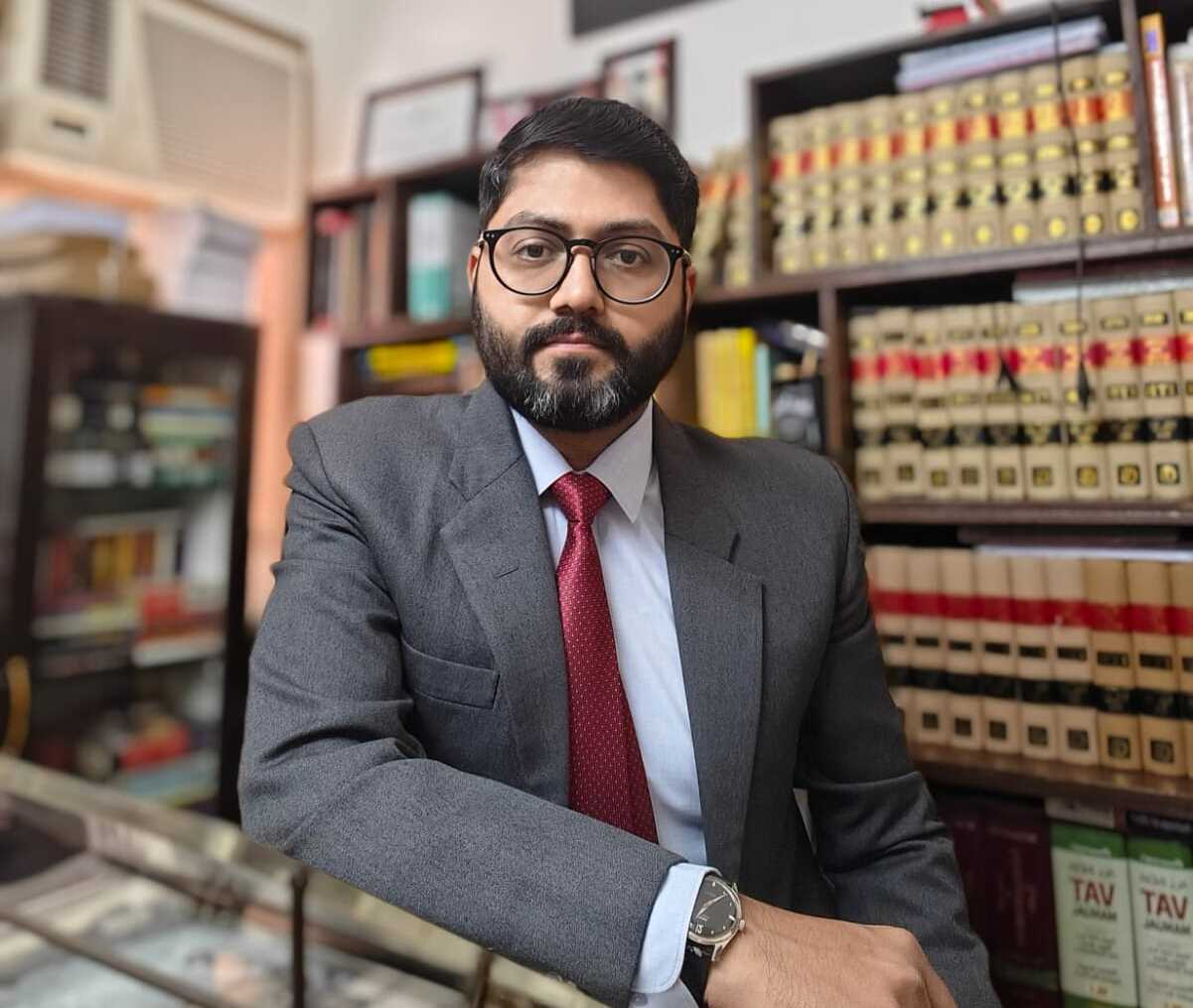












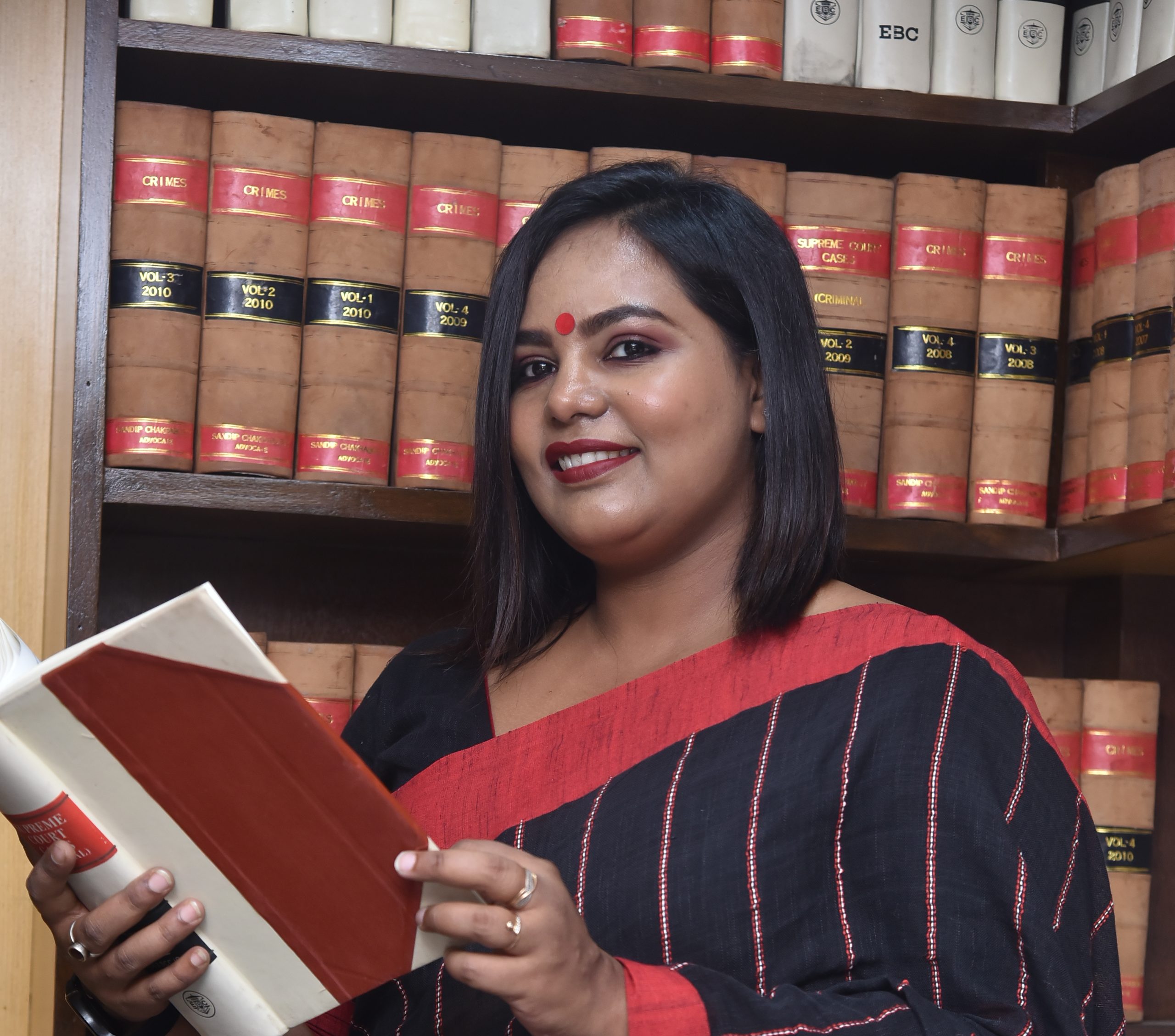


 Allow notifications