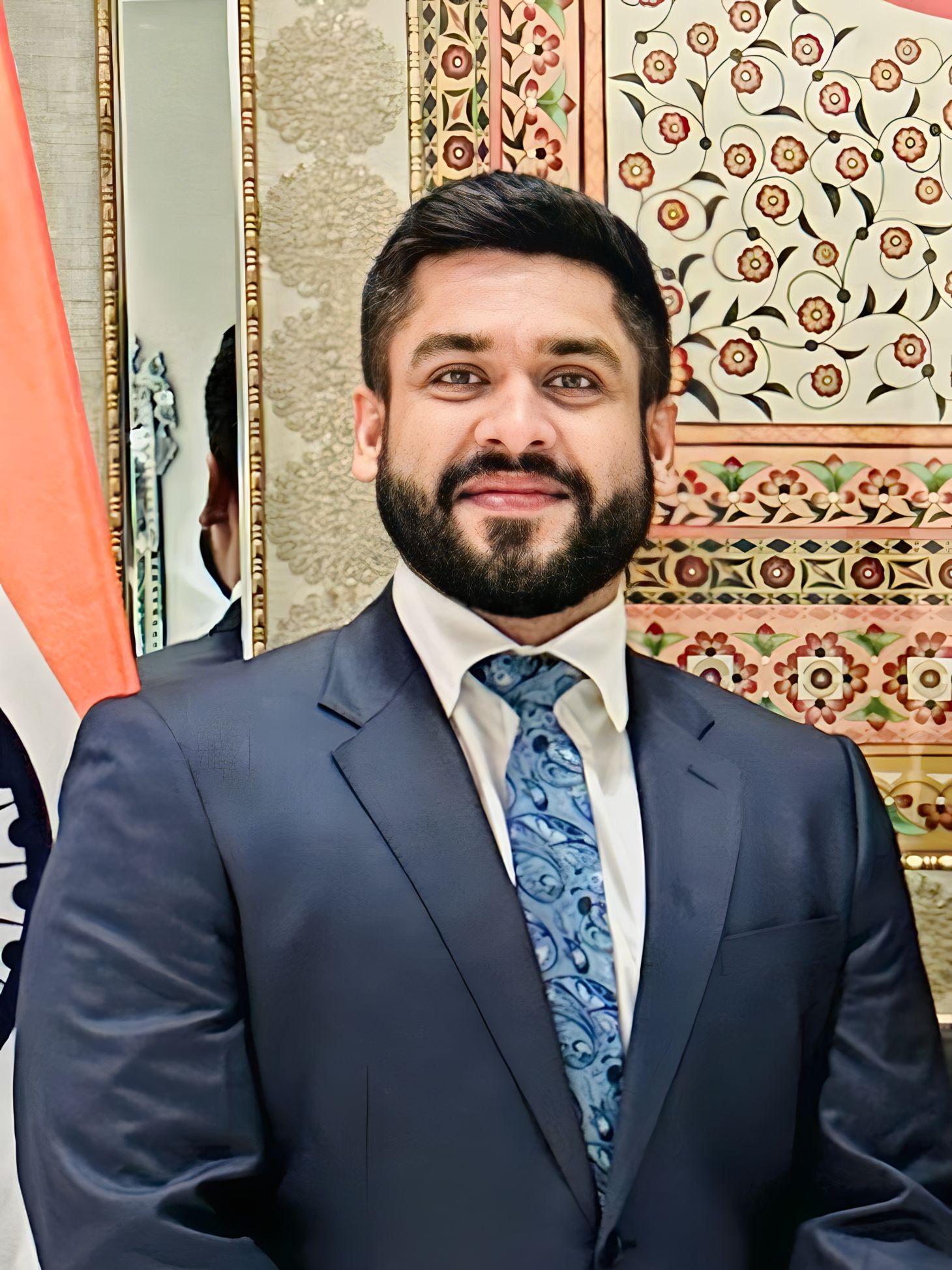
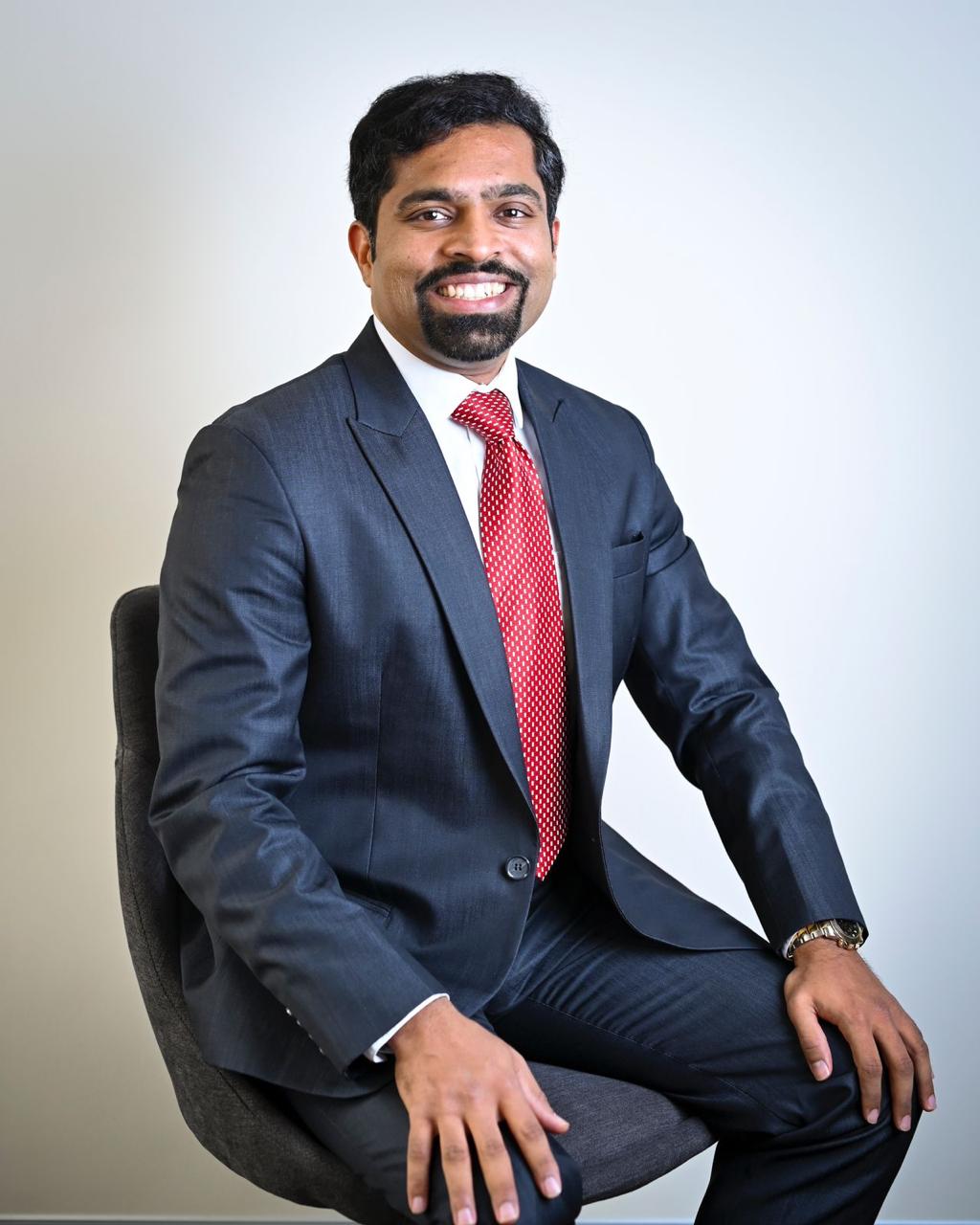
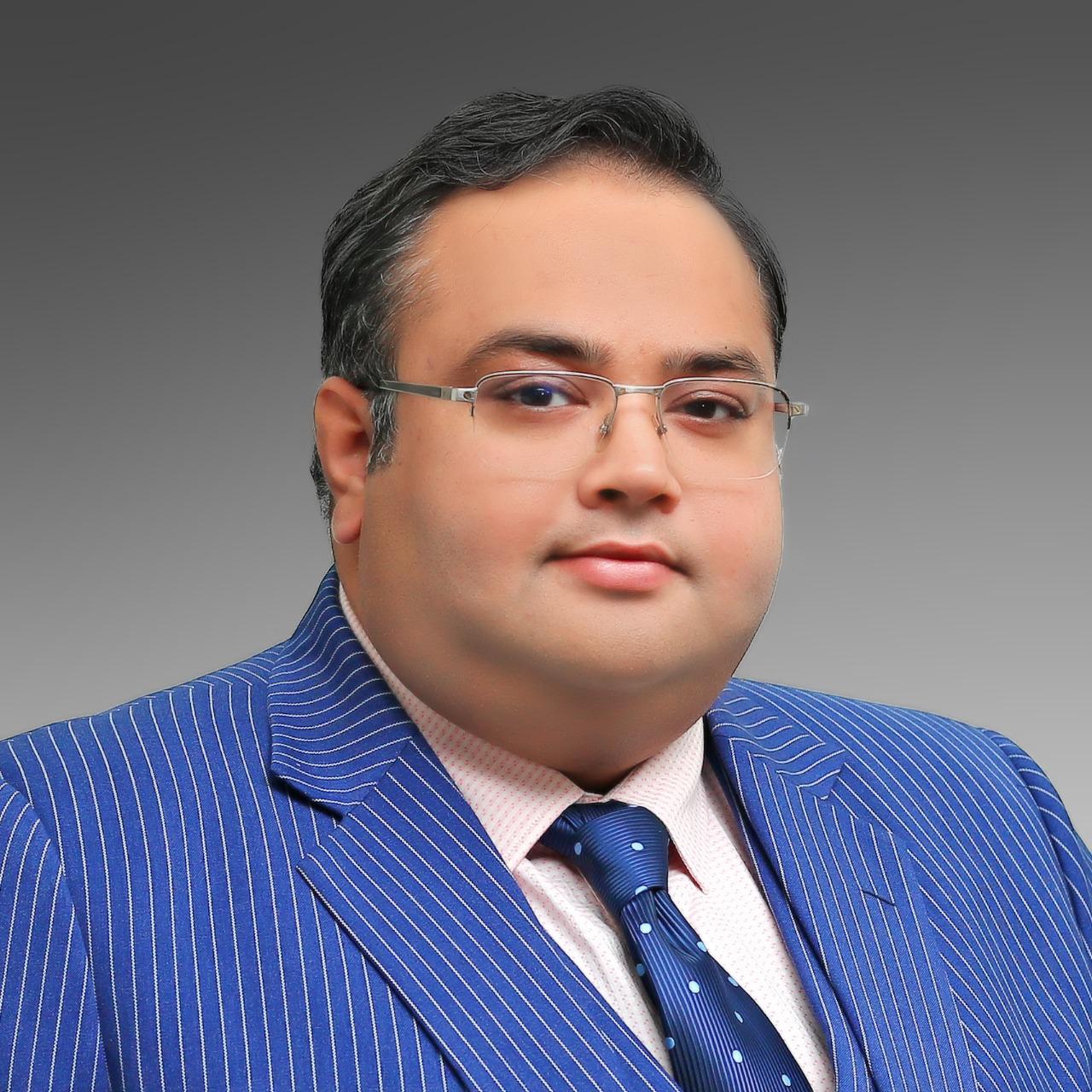
Category: Partners, General Counsels and Senior Advocates

  • “The legal profession requires mentorship that emphasizes dedication and consistency over the pursuit of superficial markers of success”- Aditya Parolia, Partner at PSP Legal, Advocates & Solicitors

    “The legal profession requires mentorship that emphasizes dedication and consistency over the pursuit of superficial markers of success”- Aditya Parolia, Partner at PSP Legal, Advocates & Solicitors

    This Interview has been published by Pragya Chandni and The SuperLawyer Team
    Hello and welcome, today, we are honoured to have with us Mr. Aditya Parolia, who is one of the leading counsels in India for Corporate, Commercial, Real Estate and consumer disputes. 

    Sir, could you kindly share your professional journey with us? We would be particularly interested in learning about what motivated you to pursue a career in law. Furthermore, what inspired you to specialize in corporate, commercial, real estate, and consumer disputes?

    Frankly, when I started pursuing law, it was not a common career choice. I don’t recall anyone in my immediate or extended family being a lawyer.

    Coming from a small town, the focus was predominantly on engineering. Schools and colleges emphasized preparing students for IIT and AIEEE exams. In 11th and 12th grades, I chose PCM with computers, expecting to follow the engineering path. However, it never felt right to me. I strongly believe in not pursuing something that doesn’t feel correct.

    In those days, if you told someone in a small town you were studying law, they often thought you were either not very bright or one of the unruly students who couldn’t handle math or science. My school, an ICSE board school, had a particularly bright batch. One of my batchmates topped the country in the 12th exams and got into IIT. The first seven students in my batch secured good ranks in AIEEE.

    When I informed my principal and class teacher about my decision to pursue law, my class teacher was supportive. However, my principal and relatives tried to counsel me, arguing that I was a bright student and should consider other career options. At that time, many schools in small towns didn’t even offer humanities, let alone law. They only had science and commerce sections, so law wasn’t a natural choice for me initially.

    Fortunately, my father was working in Delhi and interacted with many bureaucrats whose children were studying law. He suggested it to me, and it resonated. I found it interesting when I started reading about it. In my hometown, the district court wasn’t even called a district court—it was known as the “divani kachahari.” The infrastructure was poor, and the earning potential for lawyers was low, making the profession unattractive. Few people knew about national law colleges, and entrance exams often clashed, forcing students to choose between them.

    I’m grateful to my parents for supporting my decision to pursue law. Career counselors in schools rarely mentioned law as an option; it was often seen as a last resort. Most would suggest commerce, DU, or competitive exams like UPSC, but not law. Few in my town could name more than a couple of famous lawyers like Mr. Jethmalani, Mr. Salve, or Mr. Sibal. Today, social media and online court proceedings have increased awareness about the legal profession, but back then, it was quite limited.

    Given these circumstances, I chose to study at Indraprastha University in Delhi, which had only five seats for students from outside Delhi. I believed being in the capital, where all courts are located, would be beneficial. At that time, the concept of corporate practice in law was not well-known to us.

    I’m very happy with my decision to pursue law. My younger brother also followed this path and became an Advocate on Record (AOR). Today, in my hometown, there are several law coaching institutes, but during my time, I had to travel to Jaipur or Delhi for preparation. I finished my board exams in March, and the first law entrance exam was in early May, giving me only a month to prepare. Now, there are more resources and opportunities for aspiring law students in small towns.

    Sir, you have made history and continue to do so, and we hope that you keep making history so that we can proudly say we had the chance to interact with you. You have handled cases for around 73,000 aggrieved home buyers. On that note, Sir, we request you to share your experience managing such a significant number of cases, which is no easy feat. Could you please discuss the challenges you faced and the types of cases that arose from this scenario?

    Furthermore, we would love to understand how you became involved in such a substantial case and how you have helped these home buyers. This is a crucial matter, as for many, purchasing a home is a lifetime investment and a matter of survival. Although people may have more options today, I am certain that you are highly respected by those 73,000 home buyers for your efforts.

    Yes, today we can confidently say that we are leading practitioners in this domain. We likely have the highest number of clients in the country, spanning every sector and segment of society. Our clientele includes politicians, actors, retired judges, bureaucrats, corporates, high-net-worth individuals (HNWIs), ultra-high-net-worth individuals (UHNWIs), and private induvials as well. We do not like to say no to anyone who approaches us for help. 

    When we began this practice, we did not specifically aim to specialize in this domain. In litigation, we initially took on every kind of case that came our way. Litigation is not easy; it demands immense effort and versatility. As a renowned lawyer once told me, litigation is like digging a well every day to fetch water, only to start anew the next day.

    A good friend, who was my batchmate, once shared a piece of wisdom that remains close to my heart. He said, “Aditya, everyone wants to specialize in something, but in law, you don’t choose your practice area. It’s like a democracy where people choose for you.” This insight resonated with our experience, as our practice evolved naturally based on the cases that came to us.

    We initially handled a wide array of cases, including civil cases, criminal bail applications, and matrimonial matters. We travelled frequently to places like Allahabad and Chandigarh. However, due to our court engagements in Delhi, I hardly travel now. During this time, the real estate market was booming, and we began to receive more cases related to this sector.

    The real estate market was characterized by rapid buying and selling, often driven by speculative investments. However, there was no regulatory regime in place, leading to overselling and eventual stagnation. This lack of regulation, coupled with the greed of builders, caused numerous projects to halt. As a result, many homebuyers were left without the properties they had paid for.

    During this period, a prominent family from Bollywood approached us with a case against a builder, JP. This was in 2014-15, and the builder had failed to deliver the property by the promised date in 2011. Initially, we suggested using the Consumer Protection Act, but the client wanted to involve other affected buyers. We were surprised to find that there were 242 such buyers. This marked the beginning of a new jurisprudence in India, where class actions became more prevalent.

    As we took on more cases, our practice grew rapidly. We handled high-profile cases, such as those against Amrapali, and our numbers swelled to the point where we had to expand our team significantly. At one point, we had to manage an influx of 3,000 clients in just seven days, which was a logistical challenge.

    Our firm has since become a leading name in handling real estate and commercial disputes. We have played a significant role in shaping the legal landscape in these areas, with our cases often resulting in landmark judgments. Today, our team has grown to around 40-45 members, and we continue to manage a high volume of cases daily.

    Despite the challenges, we are grateful for the trust our clients have placed in us. We always strive to give our best, though it’s impossible to satisfy everyone. The sheer volume of documents we handle is immense, and we have undoubtedly made our ragman very wealthy.

    In conclusion, while we never anticipated specializing in this domain, it has become our primary focus over the past eight or nine years. We are proud of our contributions to the field and grateful for the opportunities that have come our way. Our practice continues to thrive, driven by the love and support of our clients and the dedication of our team.

    Sir, it appears that your specialization chose you, and now you are recognized as the leading authority in this particular legal domain. The remarkable success you have achieved is not only a result of divine favor but also due to the hard work and dedication of your team towards home buyers.

    During this journey, you have been highly active in national media, frequently being invited as a special guest on various channels to discuss legal matters.

    In light of your experiences and insights, what do you believe are the most pressing issues of national importance in the current legal landscape? Considering the disruptions we are witnessing in the legal field, what future developments do you foresee, especially given your role as a prominent disruptor in this domain?

    Nobody can foresee the future; I can assure you of this. Nobody can predict deception. I’ll take your questions one by one, in bits and pieces, but I’ll start from the end with the disruption part. Very frankly, as I said, I did not choose it, nor did we; the people chose it for us. We were just there at the right place at the right time. I always tell everyone that you just have to keep working hard. The Almighty has written your destiny, my destiny, everyone’s destiny. So, if you’re working hard, you’re moving towards your goal.

    When destiny knocks on your door, and you’re there to open it and seize the opportunity, that’s all that is required. If you’re sleeping and waiting for the day to come before you act, it never happens. I’ve worked with some of the best lawyers as a student, and I didn’t work much as a junior or younger colleague. I barely did my traineeship for six months before we decided to open this law office. I’ve always taught my younger colleagues that while you have to put in constant effort and energy, consistency is key. You never know when that door will open or when someone will knock.

    You mentioned the future. Everyone predicts that AI is the future, so you can pursue laws in AI. When I was a student, everyone thought arbitration and intellectual property rights were the right fields to pursue. There are hundreds and thousands of domains nobody has explored. For instance, we specialize in the Consumer Protection Act and the Insolvency and Bankruptcy Code (IBC). Nobody in law school considered a career in these areas because they weren’t even established back then. The Delhi Commercial Courts Act wasn’t there either. So, what went right for us? We were consistent. When opportunity knocked, we seized it and delivered results with a pragmatic approach, informing clients about what could and couldn’t be done. We never assured anyone of a specific outcome because, in law, it’s unethical to do so.

    I’ve also tried my hand in matrimonial law, although I no longer practice it. I respect my sister, who does, because dealing with such cases is not easy. It involves handling emotional trauma, and it takes a significant mental toll. I’ve seen the best lawyers struggle with this.

    Speaking of the future again, AI is a rat race. Students come to me for internships or interviews saying they want to do IBC or intellectual property rights. But I tell them what my dean at law school, Simon Chesterman, told me: read something new and try something different. For example, sports law is a burgeoning field with the rise of leagues like the IPL and Kabaddi. Few lawyers practice it, and it has huge potential. Similarly, gambling laws and laws related to cryptocurrencies are emerging fields.

    I’ll give you an example. Two of my law school classmates are now policy lawyers at Twitter and Facebook. When we were in law school, we never considered such careers. These social media companies have to adhere to national policies and constantly engage with regulators. Policies vary from country to country, and what’s banned in one place might not be in another. This was a domain we never imagined practicing in.

    So, I tell every student to keep their mind open. Don’t decide in your first year of law school that you’re going to be a litigating lawyer or a corporate lawyer. Explore different areas and see what resonates with you. Recently, a younger colleague at our firm realized litigation wasn’t for him and decided to pursue academia. There’s no harm in that. A good lawyer can excel in various fields, not just in corporate or litigation.

    During a tour in Istanbul, I met a lawyer from Chile who was pursuing his master’s in Germany, specializing in Antarctic law, dealing with exploration and sovereignty rights. These are areas most law students wouldn’t even consider. When I did my master’s, I studied aviation law and space law, which are hardly taught in Indian law schools. Today, with the rise of electronic vehicles and companies like SpaceX, these areas are very relevant.

    Younger students should consider these emerging domains. If they work hard and stay consistent, they will do exceptionally well. It’s important to understand the practice area you’re entering.

    Regarding media and news channels, the glamour initially attracts everyone. It’s an opportunity for exposure. When the real estate market crashed and big companies like JP and Amrapali failed, we were called upon to address these issues on news channels. The insolvency laws were new, and there were few experts. But over time, I’ve stopped going on news channels unless it’s something very special. It’s important to balance professional and personal life and give adequate time to family, not just focus on career.

    I hope I’ve answered your question about media involvement.

    Sir, considering your emphasis on maintaining a balance between personal and professional life, my next question pertains to that topic.

    Firstly, how do you achieve this balance? Secondly, once you find that balance, what activities do you enjoy outside of learning about law? For example, you mentioned gaining insights into Antarctic law and sovereignty rights through your travels. Sir, we would love to hear more about this, as it will help our learners understand the various pursuits they can engage in besides studying law.

    It’s 5:40 PM, Madam. By this time, I start packing my bag. The maximum usual time for me to leave the office is 6:30 PM, and I believe my team should also leave around this time. I think my team leaves by 7:30 or 8:00 PM. It is very important that we manage our time. Unfortunately, in our profession, we often talk about stipends and salaries, but we rarely discuss mental health and well-being.

    I believe that once you balance your time with your family, your mental well-being will improve. This is hardly discussed, and I am a strong advocate for maintaining a perfect balance between professional and personal life. Although I am relatively young in this profession, I have seen a lot with my batchmates, peers, and the opportunities we have had. We have the chance to argue cases against the best senior advocates in the country. Every day, we appear in almost every appellate court, which allows us to interact with top equity partners and law firms. However, I feel that younger lawyers, and we as lawyers, often get lost in the race to make more money or excel in a particular field, leading to burnout. Many of my law school batchmates have experienced this.

    Despite not being in practice for long, some of the youngest lawyers I know have burned out and left traditional domains of law. Some have moved to in-house positions, opened their own smaller practices, or left law entirely for academics. I don’t understand people working until 11:00 PM or getting up at 4:00 AM every day. If you wake up at 4:00 AM to do yoga or go for a walk, that’s fine. If you play sports, that’s even better. But I don’t appreciate people calling me after 6:30 PM. Some clients criticize this because they get free from work late, but I tell them that their lack of time management shouldn’t affect my personal life. I am in the office from 9:30 AM to 6:30 PM. You can email me, but I will only work during these hours. If I need to prepare for the next day, I might spend an extra half hour or an hour at night reading files, but I will not jeopardize my personal life for others’ lack of time management.

    A friend of mine, a very gifted lawyer, joined a good law firm and recently got married. He used to come home at 12:00 am, 1:00 am and at times 3:00 AM, by the time he was up the next day, his wife, who is not a lawyer, was leaving for work. Their entire married life was in turmoil. This story is not unique; many people have told me the same thing. I asked another senior friend about this, and we concluded that the work can often be done earlier. However, delegating tasks to younger colleagues at 8:00 PM or 9:00 PM with deadlines of 2:00 AM or 3:00 AM is unrealistic and has become a norm. Trying to satisfy clients by delivering work quickly in this competitive spirit often brings out the worst in us.

    Some of the best lawyers suffer from poor mental health, although it is rarely discussed. I’ve seen younger lawyers develop health issues like high blood pressure and diabetes. I don’t understand why. In law firm culture, I see this problem as well. I run a law firm, and I tell new hires that while we have designations like associate, senior associate, and principal, I am against this hierarchical structure. It is there to keep people happy because they want it, for me a lawyer is a lawyer, designations create unnecessary competition.

    Think about it: if you make lawyers partners at 33 or 34, they have to work until 60. After becoming a partner, their next goal is to become an equity partner. This constant pursuit can diminish their determination, which symbolic goals are achieved so early. You fight to become a partner, and once you achieve that, you might lose the drive. It’s essential to manage your career and life, rather than getting caught up in the rat race of titles and designations.

    Advocates getting designated as senior advocates is different from the law firm hierarchy of associate levels. I believe law firms need to appreciate and possibly do away with this quick succession of designations, adopting a more uniform approach to maintain mental health and well-being.

    There’s an unnatural competition that develops, not just with other law firms but internally, where people vie to become senior associates or managing partners. This should be addressed and highlighted. We need to educate the younger generation that these titles mean nothing if you are not mentally healthy. If you are a good lawyer, success will come no matter what. Don’t get caught in the race for titles. Judges & clients don’t care about your title, it is not that you are getting knighted; they care about your ability to argue a case well and get results.

    The best lawyers always maintain a balance between their professional and personal lives. This profession is a marathon, not a sprint. Your family has supported you, and you have duties towards them. They need your time, and you should fulfill their expectations as well. Dedicating equal time to family is important for your mental peace.

    I’m not saying I am perfect or never get angry, but my partner and I strive to go home early. When we are in the office, we are dedicated to work, but we also play sports, travel with our families, and socialize with our teams. Striking this perfect balance is crucial.

    Sir, considering that some individuals may not enjoy the same privileges as others have had, how do we address this disparity to ensure that new entrants experience similar support and care, particularly those from humble backgrounds who rely on community support? Additionally, do you foresee an increasing focus on mental health discussions within the legal fraternity in the near future?

    “It is imperative that senior members of the bar and the judiciary engage in discussions on crucial topics with the younger generation. It is necessary to elucidate to them that not everyone needs to possess luxury items such as a Mercedes or a Patek Philippe watch. Even individuals from humble backgrounds can thrive without such extravagances. This mindset shift is essential.

    During informal discussions outside the courtroom, I always emphasize to judges the importance of not berating younger lawyers but instead offering them opportunities. 

    Now, turning to the pressing issue of mental health, it is vital for everyone to understand that not all legal paths lead to high-profile cases or lucrative positions. Each individual’s journey in the legal profession is unique, filled with its own challenges and struggles.

    For instance, third or fourth generation lawyers from legacy families face immense pressure to live up to their predecessors’ reputations. Similarly, first-generation lawyers bear the weight of carving out their own paths in an unforgiving profession. It’s crucial for the younger generation to realize that success in law comes in various forms and that comparing oneself to others’ glamorous achievements only tells part of the story.

    My own journey began without a personal vehicle, and relying on buses and metros to commute. However, through perseverance and interactions with seasoned professionals, I learned that success in law is not solely determined by material possessions or prestigious cases.

    For instance, one of my professors from law school Professor Umakanth Varottil, a renowned expert in mergers and acquisitions, transitioned from a successful legal career to academia, demonstrating the importance of evolving and adapting in one’s professional journey. 

    The pressure to excel in high-profile areas of law, such as mergers and acquisitions or banking and finance, can be overwhelming for young lawyers. However, it’s essential to remember that success is not defined by early career choices or external validations.

    The legal profession requires mentorship that emphasizes dedication and consistency over the pursuit of superficial markers of success. Additionally, maintaining good mental health is paramount, as undue stress and burnout can have severe consequences.

    In conclusion, aspiring lawyers should focus on honing their skills, serving their clients diligently, and maintaining their humanity above all else. Success in law is not measured by material possessions or prestigious titles but by one’s integrity, dedication, and contribution to society.”

    Get in touch with Aditya Parolia-

  • “I always request everyone in my family, as well as in my office, to learn to say no. The moment you learn to say no, ethical problems and other issues will never come your way.” – Ashok Kumar Singh, Senior Advocate, Supreme Court of India

    “I always request everyone in my family, as well as in my office, to learn to say no. The moment you learn to say no, ethical problems and other issues will never come your way.” – Ashok Kumar Singh, Senior Advocate, Supreme Court of India

    This interview has been published by Namrata Singh and The SuperLawyer Team

    Hello and welcome, today we have with us the esteemed Ashok Kumar Singh sir, who is a senior advocate. And we would like to start the interview by asking the most important and most pertinent question Sir, what inspired you to pursue law and how has been your journey from the beginning till the time when you are doing arbitration and dispute resolution with so much ease?

    My father was a government servant. I have seen bad days in my life. He was a small, hardworking government servant and an honest man. To survive with honesty at that time, when I studied professionally back in 1977 and 1978, was a difficult job. So, I thought of not joining any service and doing something different. Business was not an option because I had no money. Ultimately, I decided to adopt a profession that required little or no money. I thought of joining law and, in 1975, I joined the law faculty at Delhi University. I graduated in 1978.

    Before I graduated in 1978, I started going to the courts. At that time, there was no concept of internships. My senior would take me to court, and it was usually assumed that I was a new clerk. Sometimes, it was very humiliating and insulting when someone asked if I was a new clerk, and I couldn’t say yes or no. I started the profession because I wanted to do something different and had no money to invest in a business.

    Why did I come into arbitration and dispute resolution? Initially, I started as a criminal lawyer. To this day, I love doing criminal work; it is in my blood. In 1986 or 1987, a gentleman who was an additional general manager in the Delhi Transport Corporation gave me a challenge in arbitration. It was against NPCC, and his CMD told me, “Mr. Singh, even if you get it compromised at 20 lakh rupees, I will be the happiest person.” Twenty lakh rupees in 1985-1987 was a big amount. By the grace of God, it was the first case in my life, and I did it.

    A NIL award was passed, but no award was granted to NPCC. This brought a major change in my life. I realized that besides criminal clients, dealing with civilized, highly-placed clients allowed you to invite them to your place, your office, or chit-chat with them.

    You can have a cup of coffee, but with a criminal client, you can’t have all this liberty. Secondly, I realized that good money was transferred to me even at that time. I charged per hour and per hearing. I was the only counsel in Delhi Transport Corporation who was paid this much.

    Thereafter, some other government departments tried me. I worked in Delhi, outside Delhi, and gave good results in arbitration as well. People started liking me for arbitration work too. It was a matter of chance that I started working in arbitration. Slowly, around 2010, somebody from the US approached me. He wanted an Indian counsel to represent them in an international arbitration in different jurisdictions like London, Singapore, Mauritius, the Cayman Islands, and the Isle of Man. I thought he would pay me a certain amount as a fee, but he asked for my fee schedule in hours. He indicated that he didn’t want a petty lawyer, suggesting that I could charge a good amount. This gave a twist to my life. I started working for them as an Indian counsel because Indian laws and properties were involved. They needed someone knowledgeable about civil law, criminal law, and income tax.

    English counsels were very costly for them, so they wanted someone to assist the English counsels. Within six months, they made me the second leading counsel in the matter. In a year, I became the leading counsel, overseeing all litigation in the USA, Singapore, London, Mauritius, and other countries. All the counsels were working under me, and they found that I was much cheaper compared to English counsels who charged heavily.

    The best part, which I must share with you, is that a claim of about 1700-1800 crore rupees was filed against our client. When we entered the case, we reviewed the entire file, made a claim, and issued a notice for the counterclaim. Within a few months, the chairman of the claimant approached us for a compromise. Without contesting the case too much, they gave our client 192 crore rupees in Indian currency. The claimant didn’t get even a single penny. The respondent, whom we were defending, got 192 crore rupees. Obviously, we also received a good fee and gained confidence that we could handle international resolutions and deliver good results to clients globally. This confidence was earned by our hard work. It wasn’t just me; my team also contributed significantly. Other lawyers working with me helped a lot. That was another turning point in my life. I decided to focus more on arbitration rather than criminal cases because in criminal law, people initially look for a laborious, good lawyer.

    I was getting plenty of work. I must say I got plenty of work. I’m not boasting, but I consider myself one of the busiest counsels in District Court and later in High Court on the criminal side. But suddenly, things changed over time. Clients started approaching me with the idea, “Sir, you know such and such person, you know the government counsel.” This was not my cup of tea.

    So I slowly started moving away from that. It was a bit disturbing, and when you say, “No, I don’t know,” or “I don’t believe in this sort of practice,” they wouldn’t want to continue with you. They would go to others. But in arbitration and civil practice, I realized that people appreciated your expertise.

    They appreciated your knowledge, and over time, even till date, I’m getting good work from domestic as well as international clients. I have no problem. This is how I entered into arbitration, all with the grace of God and a little effort—a little effort, a little zeal to work, and a little enthusiasm to work. That is required too.

    Since you picked up such a new field of arbitration and, the field was absolutely new in 1986, as you said. During this course of time, what kind of changes have you seen in commercial dispute resolution as well as the kind of arbitration which we are seeing nowadays? There must be some difference because we suddenly opened up for the world, India, especially in 1991. So you must have seen a lot of change as you had shifted from criminal to arbitration and commercial dispute resolution. We would love to hear that, sir.

    There have been a lot of changes as far as arbitration is concerned. You know, it’s a very difficult question you’ve asked. I know a lot of people would get annoyed with my answer. Now it is dominated by a particular class. India wants to become the hub of arbitration. It is said so. But what I feel is, it is something, a slogan which we have been given, that it should be the hub of arbitration. If it is so, then why are about 36 percent of the arbitrations in Singapore conducted by Indians? Why are about 30 percent of arbitrations in Hong Kong or about 30 to 33 percent in Kuala Lumpur conducted by Indians? Why are they not coming back to India? Why are they not engaging Indian arbitrators? Why are they not relying upon Indian counsels? Why are they not relying upon the system which we have, even though it has improved a lot?

    The system doesn’t carry that much weight. The people who have to somehow work in the system are very important. How the arbitrators are appointed, who they are, how they behave, how much they charge, and whether it is feasible for international clients to engage them are all important. What is their tone and temperament? That is very important because an international client would not like to be dictated to, as we normally are. Secondly, internationally, when we go out to conduct a matter, we know that early in the morning at 9 o’clock, we have to report, or at 9:30, and by 10 o’clock we will start.

    It will continue up to 5 o’clock, and we are paid for that. Hourly basis, arbitrators are also paid hourly. The amount is also very reasonable, 500 pounds or 600 pounds, which is 55,000 or 60,000 rupees in Indian currency per hour. Even the arbitrators charge that much amount. But here it is a little costly affair, as you would appreciate. Normally arbitrators, though Schedule 4 is there for domestic cases, that is something different. But in international arbitration, there is no schedule. Arbitrators are charging fees according to their own choice. Normally charges are 2.50 lakhs per hearing of two hours or more.

    A good amount of time is wasted in looking into diaries to find out the actual dates. Then, two hours sometimes are completed or not completed. It is something, you know, which pinches the international clients. If you ask me, 2.50 lakhs means 1.25 lakhs rupees per hour, which is a little higher in comparison to international market rates. They give you a good amount. It doesn’t mean that they don’t make the payment. Their payment is much more than ours, but they give it in different forms, such as hourly preparation of the case. After preparation, when you prepare for the drafting of the awards, they pay you a good amount. For consultation and meetings in between, they give you a good amount. But hearings always go on in one go, from 10 to 5, 10 to 3, or 10 to 4, whatever the time given. And in a very disciplined manner. That is lacking somewhere here because we don’t have many institutional applications, if you ask me.

    There are only a few institutions here. And those institutions are also somewhere state-wise, somewhere region-wise. So international clients are unable to choose whom they should go to. Whether it’s the Mumbai International Arbitration Center, Delhi International Arbitration Center, Chennai International Arbitration Center, or Chandigarh International Arbitration Center, there’s no certainty.

    So you have to develop a particular city, find a particular city, and then develop it. Like in Singapore, they have a center in Singapore. It doesn’t mean the entire Singapore, it’s a particular place. There are also many other international arbitration centers working there.

    I am also an advisor to them, but you have to develop a particular center. You have to choose this, and that center should be completely free from judicial interference. Completely. It should be in the hands of only independent persons. Alright? Highly placed arbitrators, highly placed persons who have good knowledge in arbitration, only they should run it.

    Then, probably, we can make a difference. Previously, arbitrations were uncommon in this country, so the system was a little different. I still recollect when I would go to any arbitrator, he would welcome us warmly, invite us for a cup of tea, and teach us as if we were his children. Things are changing. Those days are gone. Now, we have become more commercialized. That is the difference I am noticing.

    Secondly, regarding labor, I don’t blame the arbitrators. Nowadays, we are getting 100-page judgments, 200-page judgments. By the time you rely on one judgment, another judgment comes in, contradicting the previous one. Sometimes in a month, we get two or three judgments that are not in line with each other. Nobody is following what was decided earlier.

    This creates a lot of difficulty for the clients. Their position is also very bad. Now the provisions are made very stringent. Normally, it should be in line with international practice, but we have to consider our country’s practice as well. In Section 34, there is no chance to get any relief unless the issue is something different. It’s the same with Section 37.

    I’m not accusing anyone, but the possibility and probability of a few arbitrators out of 100 becoming dishonest cannot be ruled out. Just imagine the plight of those clients and the impression they would carry if they had not been able to prove their case, despite knowing that an injustice has been done to them.

    There should be some judgment for clients facing such great difficulty and injustice. My experience is that most of the arbitrators I work with are very honest and dedicated.

    India is a very big place. We have the maximum number of arbitration cases in the world. Most of them are not institutional. When they are not institutional, arbitrations are happening in small places as well, where even the area in charge or market pradhan conducts arbitration. Those arbitrations are also covered by Section 30.

    I feel that while we are making the laws very stringent, we should also consider those who are losing good cases because of the arbitrator’s decision. The court says it is not sitting in appeal and that whatever is decided is final. This aspect needs to be looked at differently. The changes have both good and bad sides. It is very difficult to explain all these things.

    There are many things you can’t or don’t want to explain openly, but yes, a lot of changes are required. It’s time we make arbitration reach the roots of society. We should include people from society as arbitrators, like lawyers, senior lawyers, engineers, architects, academicians, chartered accountants, and company secretaries.

    Whenever I go to institutions to teach law or other aspects, the question they usually ask is, “Sir, will we be appointed as arbitrators sometime in our life?” I can’t say anything to them because appointments are done by someone who is not under my control. We all know how it should be, but I don’t want to open that discussion again.

    Alongside your legal career, you’re also a Professor at Sanskriti University. How do you balance your roles in academia and legal practice, and what do you enjoy most about teaching?

    When I was in London conducting the matter, I realized that most of the judges worked as part-time lecturers. My son also studied there, and my daughter studied in the US. So, I always got the impression that the judges would come in the late evening, sometimes at 10:30 or 11 o’clock. The message would be floated that they were coming to discuss a legal proposition, and they would come and teach the students.

    During the pandemic, I was in touch with my juniors, and we were discussing various aspects of law: arbitration, the IBC code, and other criminal laws. Online, I shared whatever knowledge I had with them. At this point, one or two universities approached me to speak to their students online. One of the universities made me an honorary professor. I don’t go very regularly to teach, but whenever they require my attendance for a particular subject or practical experience for the students, I love to go and share my experiences.

    I have realized, and I personally feel, that we should help because universities find it difficult to call us since their curriculum is different from what we have in mind. When we go and discuss practical problems, the students find it challenging. They say, “Sir, we have been taught this much, but you are saying it is to be done like this.” Particularly, there are so many problems in life. You know it very well.

    A student who has learned criminal law, when he comes to court, has an idea just like Shatrughna Sinha would come from the back and say, “My Lord, how can you do it?” And the matter would be decided in five minutes. At the time of a bail application, a hearing will take place, or evidence will take place. This sort of idea always remains because they are fascinated by movies and films.

    To make them understand that it is very difficult, I always tell my interns that this is not something to teach you. This is something to teach you only discipline in the office: come on time, sit over there, learn the legal propositions, and leave at the appropriate time. If you don’t learn discipline, you won’t be able to be a good lawyer.

    We can’t make them lawyers in three months, four months, two months, or six months. No, we can’t. We have to just make them understand what the law is so that tomorrow they should not get frustrated and run away from the profession. You won’t believe that 85% of young lawyers who join the profession leave within two to five years. They don’t continue, especially those who are not in corporate but in trial cases. They get frustrated much earlier because what they have in mind is not there.

    Getting clients is a difficult job, getting money from the clients is a very difficult job, and getting relief from the court is the next most difficult job. Unless they get relief, the clients will not come back to them. They won’t get new clients, so they soon get frustrated because they need to settle in life. They come in at the age of 23 or 24, and by 28, 29, or 30, if they are not able to earn even 50,000 rupees per month, they get frustrated. So, besides the legal education we give in universities and colleges, we have to make them aware of the practical aspects as well.

    I thought of doing something different besides what is written in the books, to inform them about the practical aspects of the legal profession. Getting this done is not difficult. I recollect one of my seniors, who greatly influenced me. He is no longer in this world, but he always said, “Vyast woh hain jo ast vyast hain.” If I have to take out the time, I will take out the time. If I don’t have to take out the time, I will not take out the time. I just manage. I don’t take up too much work that I can’t do. It is an injustice to the client, to myself, and to my family.

    Take only as much work as is required. In the initial stage, yes, I did a lot of work. I was working from 7 in the morning to 12 o’clock at night, conducting 20 to 25 cases in a day. Now, I don’t do that much work. I feel that whatever is required for me, God is giving me. I’m happy with that.

    Taking out time is not difficult. You have to manage your schedule. You don’t have to do too much work. You have to give proper time to your family, work, staff, hobbies, and yourself.

    I would like to ask you the next question related to the new entrance to the legal field and all the kind of stress that you were talking about that after five to seven years, usually they get frustrated because they have that filmy thought that this is how trial court will work. What would you suggest to those entrants and such kind of thought process, how to build this inherently that later when they enter the profession, they do not feel frustrated. There must be something because as you said, in your early days, you used to take a 25 cases a day. That’s a huge thing, but you must have managed that in some manner. So if you could impart some thought about that, because that will be very helpful to the new generation as well.

    For the newcomers, we can give much advice, but before giving any advice, it is better that we change ourselves. I’m still finding it very difficult to persuade my friends to give at least some amount to the interns or junior lawyers. If you go to district courts, you will find the position is also very tough for them.

    If we have to ensure that good lawyers join the profession, we have to support them for three years, maybe two, three, four, or even five years. It becomes the duty of every senior who is keeping a junior to cover at least the minimum possible expenses. This support is a great help to them in the initial stage. Even if they are asking for money from their parents, they are happy to receive 20,000, 15,000, 25,000, or 30,000. For a trial lawyer, when you join a law firm, the situation will be different.

    Learning in a law firm is a little slow, which I am not against. I have all respect for them, but it is slow. A person working in the district court, starting from zero, and learning from the beginning becomes a very good lawyer. He knows when the accused will be produced, what to do when the bail application is moved, how the bail bond is to be moved, how charges are to be framed, how sensible suit issues are to be framed, and the meanings of rejoinder, application, and written statement.

    He learns a lot of things in the process. So, before giving a suggestion to newcomers, I request all my colleagues who are well-placed in the system to extend their hands to help newcomers. That will be much better. The moment you do it, many will stay in the profession and prove to be good lawyers.

    The second aspect is that none of the newcomers want to go to the lower courts. Out of 100, you will find hardly 5 or 10 who go to the lower court. Everybody is interested in coming to the High Court or the Supreme Court in their father’s car, enjoying a cup of coffee, some snacks, or smoking with friends, and then going back in the evening with a new white shirt and coat, with a smiling face.

    They don’t appreciate that spending two, three, five, or even ten hours per day at the High Court is not going to help them in any case. The High Court has its own limitations, and the Supreme Court has its own limitations. Basic law is to be learned in the lower courts, which nobody wants to learn.

    They also have to change their temperament. They have to decide what they want to do. People come to me and say, “Sir, we want to work in the High Court only.” That’s fine, but you will get a chance to work in the High Court after working for five years in the lower court. Then you will be in a position to understand the basic concepts of law, the basic concepts of practice, and the basic difficulties of practice.

    So, we should also make them understand that it is better to work for two, three, four, or five years in the lower court, and then come to the High Court or the Supreme Court.

    Ninety percent of those who start in the High Court and Supreme Court, 85 to 90%, leave the profession midway because there is nothing. You can work in a law firm for two, three, four, or five years, but eventually, you have to show your worth. They are not going to pay you throughout your life without you showing your worth.

    You will show your worth when you learn something. The learning process is a difficult job. So, my humble advice to all newcomers is that they should spend some time in a law firm. Learn from the beginning, whether on the criminal side or the civil side. Learn from the beginning what civil law is, what criminal law is, the basics of the civil procedure court, the Limitation Act, the Specific Relief Act, the Stamp Duty Act, and other important provisions of law. On the criminal side, learn the CrPC, IPC, and Evidence Act. They should understand these and then come to the High Court to try their luck. They might be more successful in comparison to what they are today.

    Sir, as you have interacted with so many international and national clients parallelly, kind of ethical complexities, I would say, have you encountered any while representing such clients? And how did you upheld that kind of principle of justice and fairness that we always talk about as lawyers? How has it worked for you? How have you gone through the whole process?

    It depends on the person. Simply put, if I am honest, I am honest. If I’m not, I’m not. If I have to do something, I will do it. If I don’t have to do it, I won’t.

    I always request everyone in my family, as well as in my office, to learn to say no. The moment you learn to say no, ethical problems and other issues will never come your way. If you are concerned about something, just say no. What is the problem with that? That is the best way out. If you don’t say no and continue with something despite difficulties, it becomes problematic.

    It happens, right? Secondly, most people say the profession is degrading. Yes, in some aspects, I do agree, but in my 45 years of practice, I have never been abused for any work. No High Court judge, Supreme Court judge, or minister has ever approached me to manipulate a case. They know me well and are close friends. No member of parliament has ever asked me to ruin a session.

    You have to build up your image. Once your image is good, you won’t face such problems, whether domestic or international. No one has ever dared to approach me to say, “Sir, we have to do it in this fashion.” It’s my prerogative, my decision. You have given the problem to me. I will discuss it with you and suggest solutions. If you are happy, that’s fine. If not, give me a counter solution, and I will examine it. No illegal business, no hanky-panky in my office. If I’m sure of my integrity, I won’t face any difficulties.

    Problems arise when one doesn’t maintain their character. Otherwise, they don’t. At least, I haven’t faced such problems in the last 45 years. Not a single person has approached me inappropriately. I have handled the second largest arbitration case in the country, worth about 15,000 crore rupees. It’s not a small amount. I’ve also handled other cases worth 500, 1,000, and 2,000 crore rupees. I have been a senior legal advisor to many government departments.

    But nobody has ever approached me to do something against my principles. I don’t boast, but even for one of the biggest business houses in the country, when I was a legal advisor for a particular department, a substantial work assignment was based entirely on merit.

    So, it depends on the person. I have not found any difficulty, and I don’t think anyone should if they are a person of character. However, a person of character might face difficulties. People might consider you egotistical or form different opinions about you. They might say you don’t visit their chambers or listen to anyone.

    But in my heart, I’m happy that I have never compromised my principles in my life.

    Sir, that being said, when you mentioned the second-largest case of 15, 000 CR, if you are comfortable sharing some details and how it made a course for you, a difference in your life on your professional front, as well as personal, because this is the biggest thing which one can hear because you were handling such a huge case. How did it bring change in your life?

    Look, as far as the case particulars are concerned, they are always confidential.

    But I will say again that two things count a lot in all these matters: your reputation and your ability to plan effectively. If one knows how to prepare a case and how to achieve the ultimate relief, this planning must be done in the initial stage. Good work must be done before starting a case.

    Someone who was very highly placed in the Government of India, after retirement, became an advisor to that company. He had seen me working for about eight or ten years, dealing with matters worth millions of rupees and achieving positive results. So, he recommended my name, and that matter was assigned to us. We worked for about six months to make a strategy and prepare the case.

    I must say, it was a very well-prepared case. I’m happy that I worked on it, even though it presented different challenges. One of my friends, whom I must call a friend because of our long-standing relationship, came to me while I was handling the matter for the Delhi Transport Corporation. He got to know about me, and later, when he became the CMG of a department, he assigned me a case.

    He said, “Despite our best efforts, we are unable to recover the money from this gentleman who is politically very highly placed.” With the help of the concerned officers, who were also very nice and dedicated, and my staff, we worked day and night. It was very difficult, like trying to catch a snake that would run here and there. We got an order in the department, and I proposed filing an appeal.

    It was a very interesting issue. I proposed filing an appeal, which nobody wanted to do. Luckily, the chairman agreed, and we got the order modified. In the appeal, about 94 crore rupees were additionally paid to the government department. I’m happy that more than 400 crore rupees were recovered from that client for the government department.

    All this happens sometimes because of luck, sometimes because of hard work, sometimes because of your reputation, and sometimes because of your relationships. But somewhere, someone is deciding our destiny and making these things happen. I don’t attribute anything special to myself; it’s all the work of the Almighty.

    Sir, on that note, I cannot stop myself, but ask you all of this going around, definitely there must be some stress. I know not that much with your kind of thought process, but still, how do you come out of that kind of stressful situation? How do you take care of yourself? Your mental health and what kind of hobbies do you look forward to when you want to de stress yourself?

    The very simple process that I am doing, I don’t know. For so many years, early in the morning, I get up and, after getting fresh, my routine is that I do my pranayama.

    If I get time, then I go for meditation. For the last three or four years, I’ve been doing Sudarshan Kriya, Guru Shri Ravi Shankar’s. Whenever I get time, I also do my yoga asanas and take my bath. In the evening, if I get time, I like to spend quality time with my wife. My children are well settled with their families, so I have only my wife to help me. I had a good time with her. We are more friends than husband and wife and enjoy life beautifully.

    Before Corona, we travelled at least four or five times a year abroad and within the country. After Corona, we started travelling again. We were in Thailand and Cambodia just two weeks ago. Now we are planning to go to the US and Canada next month. You have to make time and choose the right company.

    God has already chosen the company for me, so my wife is there to give me company.

    As far as hobbies are concerned, I love reading. Sometimes, late at night, I read books of my choice. Previously, it was good literature and history; nowadays, I read spiritual books.

    Get in touch with Ashok Kumar Singh

  • “All the three stages- compliance, crisis management and strategic advisory – can be achieved one after another with strategic advisory being the most important and comes last in the sequence”- Atul Juvle, Managing Partner, Ap2 LEGAL CONSULTING LLP 

    “All the three stages- compliance, crisis management and strategic advisory – can be achieved one after another with strategic advisory being the most important and comes last in the sequence”- Atul Juvle, Managing Partner, Ap2 LEGAL CONSULTING LLP 

    This Interview has been published by Pragya Chandni and The SuperLawyer Team

    You’ve had an illustrious career spanning various industries and companies. What initially drew you towards the legal profession, and how did you navigate your way through different sectors over the years?

    I finished my banking qualification because I wanted to pursue a career in banking operations. While studying for the same  I fell in love with the laws governing forex transactions and the legal decisions made by the courts that impact bankers. This motivated me to finish FCS after LLB. I kind of fell into the legal field by accident. Over time, I became permanently married to legal compliance due to complexities and problems. 

    I have experimented with a variety of business sectors because I love challenges and dislike things as they are. My courageous nature, which I developed by exposure to and experiences gained on the job, has also contributed to my success in adapting and delivering in several organizations. Yes, my wife has given me a lot of support throughout my endeavours, which has inspired me to keep going even now. 

    With your extensive experience in both civil and criminal legal matters, as well as crisis management, could you share some insights into how you approach handling high-stakes matters, or complex legal disputes?

    There are three stages when GC gets  involved (1) from the beginning (2) after trying all the methods to correct the situation (3) this may be part of legacy issues, when you join a new organisation. 

    Based on experiences, I have developed a procedure based strategic approach to handle high stake matters. Whatever may be the stage, when we get involved, the first step is always buying enough time from business or judiciary, under any pretext, to prepare well before getting into filing of legal proceedings or start proceedings before authority (when we got in the matter at proceedings stage) in a high-stakes, complex legal issues. Conduct a thorough internal evaluation review of the matter, not only on the basis of documents but also in consultation with the operational managers directly involved in the matter. Create a SWOT analysis of the situation. The matter’s advantages, disadvantages, opportunities, and threats. Create a plan of action and get going. Be flexible for a few surprises from the opposite side, which may provide threats or weaknesses. Remember to leave the door open for dialogue or informal mediation after filing for legal action. 

    Given your roles in compliance and governance, including ensuring statutory compliances for offices and factories pan India, what strategies have you found most effective in maintaining adherence to regulatory standards across diverse business environments?

    There is no Strategy but a Process, for ensuring a satisfactory compliance system in the organisation.  The written down process with identified process owners, has to be followed religiously. A repository of applicable laws and rules must be established, and when changes occur, one designated individual must be responsible for updating the repository. The repository must be updated with the modifications, and all affected process owners must be notified. Every month, the database must be updated to include compliances, delayed compliances, and failed compliances. The organisation has to promote a “Speak-Up” culture, and reliance and dependence on the same should be prioritized over database reports.  The non-reporting, if any, should be dealt seriously and firmly.  I am blessed to have good teammates in every organisation who followed the process religiously and helped me  to be successful in managing compliances. 

    I will never forget 2010-11, when in one business sector there were more than 90 circulars in one year and only because of dependable team-mates, I could communicate and implement them successfully in the system. 

    You’ve been recognized as a leader in legal ethics and compliance. How do you instill a culture of integrity and ethical behavior within the organizations you’ve worked with, especially considering the diverse cultural and operational landscapes?

    The basic rules of integrity and ethical behaviour does not defer with diverse businesses / operational landscapes or different sets of management.   I am lucky to have worked with businesses, who respect ethical business practices. 

    “Yatha Raja, Tatha Praja’.  The Integrity culture starts with tone from the top.  Integrity is behaving right when no one watches.  The employee follows the leaders. So, senior managers must be role models. The second important step is having a written down policy in the company, which clarifies and codifies the standards, rules and expectations.  The third rule is dealing with violations, without making any exceptions, with warnings, sanctions and sometimes drastic sanctions like termination.  Fourth and last rule is encouraging a speak-up culture.  We also call it the whistle-blower system but it works well when it’s formal as well as informal. If we follow all these rules consistently, integrity and ethical behaviour becomes part of business operations. 

    Your expertise extends to transactions such as M&A and restructuring. What key factors do you consider when advising on such strategic decisions, and how do you balance legal requirements with business objectives?

    M&A and restructuring are two big topics and very difficult to answer it together in short.  I would prefer to share experiences on restructuring because it’s a common activity for a good number of companies and also aligning legal requirements with business objectives are more challenging in restructuring.

    Restructuring involves closing of branches / sale of factories / optimisation of labour force etc. Cost of such projects is perceived as a loss. Handling human angles and related risks and challenges is the first concern. Identifying the external support agencies is necessary to avoid last minute running around, when any angle needs care and cure.   Confidentiality is the most important key factor and it starts from the stage of conceptualisation itself.  I remember in one crucial transaction, we as a team didn’t attend the office for two weeks and even not used company cars and regular drivers.    Complete detailed information about the project.  Identification of risk/trouble pointers and resolution strategy to mitigate the same.   Ensuring 100% compliance with the applicable regulatory provisions, to avoid any surprises from the Regulator.  Handling tough decisions with human touch always helps to mitigate the pains.  Focussed attention, 100% compliant process driven activity, taking care of surprises at the first stage. 

    Could you elaborate on your experience in crisis management, particularly in handling fatal accidents and other critical incidents? How do you approach these situations from a legal and strategic standpoint?

    My first accident handling experience was a troublesome experience, but then I started developing a process based on learning.  Strategy in theory and in real life situations differs vastly.   My learning notes helped me to develop the process.  Eventually later I also got training in crisis management, which helped me to excel in more careful handling of such situations. 

    In case of a fatal accident, the first three days are critical.  Initial communication, immediate financial & emotional support to the victim’s family, cooperation with the regulatory authorities, Police and responses to the media are the major areas.  Seven points, one has to keep in mind in the first 24 hours and then follow the same for another two days.  (1) Minute verification of facts. Zero room for guess work / assumption on the incident background. (2) Emotional and financial support to family without any acceptance of fault- until the same is verified with the facts. (3) Responses to regulatory and media, only after double verification of facts.  While handling media – Reading or releasing written statements- If we buy time, we strictly honour commitment.  ‘No Response’ is an absolutely BAD response. (4) Review carefully the documents and responses submitted to Police (5) Complete the Incident report filing with the applicable regulatory authorities well within time. (normally it’s 24 hours) (6) Estimating loss, Insurance claim possibility. Intimation to Insurance companies. (7) Start parallelly root cause analysis and corrective action to avoid repetition.

    As someone deeply involved in drafting and vetting agreements, what are some common pitfalls you’ve observed in contract negotiations, and how do you mitigate risks while ensuring favourable outcomes for your organization?

    In any contract there are 5-6 clauses that need attention, discussion and negotiations to have a fair contract between both the parties.  But a good number of times the Client has the upper hand and it becomes a difficult decision on whether to accept the project or not?   And Management wants to go ahead with the business decision.  Sometimes the project has strategic importance, too. In some cases, organisations want to accept the project with all the risks as a strategic plan.   In such cases only option is risk evaluation, built in safety measures, estimate and include cost plus insurance.  In simple terms when risks are not avoidable, the option is to accept, create buffers in terms of process as well as cost and transfer risk as a second buffer, to insurance.   In terms of risk mitigation management, it’s necessary to have strong project management with an identified responsible person.   We did wonders on many risky projects by this approach, yes with one or two exceptions where we mitigated risks through insurance claims.

    Finally, with your wealth of experience, what advice would you offer to young law graduates aspiring to make a mark in the legal profession, especially in areas like compliance, crisis management, and strategic advisory?

    All the three stages- compliance, crisis management and strategic advisory – can be achieved one after another with strategic advisory being the most important and comes last in the sequence. 

    First and foremost, even if all the youngsters know, but still would like to reiterate that now there will not be legal & compliance, without information & technology. So, whatever domain one choses, s/he has to keep updated with the technological advancements in the domain.  

    Second, I strongly believe in Brian Tracy’s 6-Ps rulePrior Proper Planning Prevents Poor Performance. Never forget to plan ahead, ask for help when needed and be prepared before beginning any legal battle.  As I said herein above while answering question no.2, that there is nothing wrong in requesting time for preparation and planning.

    A leadership mindset is a must to reach the Top.  Always remember that leadership begins with the letter L, which stands for lifelong learning.  It’s a myth that only seniors have to be leaders, every person can be a leader at his/her level with the right mindset. 

    Last but not least, my all-time favourite saying is: “Know & go, always; there’s no such thing as NO-GO.” When there is no way to completely eliminate the risk, we should accept it, handle it carefully with continuous monitoring backed by insurance to cover it. 

    Best wishes for earning and claiming your  share in one of the fastest growing economies, India. 

    Get in touch with Atul Juvle-

  • “To excel in the legal profession, one must be very sincere, have patience and work diligently with dedication”- P S Suman, Managing Partner, PSS Legal Advisors LLP

    “To excel in the legal profession, one must be very sincere, have patience and work diligently with dedication”- P S Suman, Managing Partner, PSS Legal Advisors LLP

    This Interview has been published by Pragya Chandni and The SuperLawyer Team

    Can you share your journey into the field of law with us? 

    My Bachelor’s and Master’s degrees in Corporate Secretaryship got me interested in Corporate Law. Thereafter, I finished the Company Secretaryship course as well as a Degree in Law. I enrolled as an advocate with the Bar Council of Tamil Nadu. I had the spectacular opportunity to work under Senior Advocate Mr. R. Murari whose mentoring gave me a great start. 

    Three years later, I finished my Chartered Governance programme at the Chartered Governance Institute (UK and Ireland). 

    A solid foundation in corporate and commercial law is very essential to becoming a successful corporate lawyer. Fortunately, the academic and professional courses I pursued gave me this much-needed in-depth understanding which enables me to handle corporate cases effectively. The journey of my 20+ years in legal practice has been very exciting throughout.

    With your background in corporate secretaryship and law, what drew you to specialize in mergers and acquisitions? 

    I was very passionate about Mergers and Acquisitions right from the beginning of my practice. It is my constant endeavour to know as much as possible about this topic to facilitate providing extensive in-depth services to our clients. It is this interest that led me to complete a program on ‘Value Creation through Mergers and Acquisitions’ from the Indian School of Business (ISB, Hyderabad). At our Firm, we handle various M&A transactions and we enjoy facilitating each of the aspects involved for our clients. Presently, there is constant activity in the M&A space and it’s a very exciting area of practice for our Firm. 

    You co-authored a book on ‘Supreme Court on Insolvency and Bankruptcy’. What inspired you to delve into this topic, and what key insights did you gain from the process?

    The Insolvency and Bankruptcy Code brought about very interesting changes and the law has seen substantial and rapid developments. The Hon’ble Supreme Court has been settling this law on various aspects. I proposed to author a book on this topic and the team at LexisNexis was very supportive. The process of authoring this book gave me a deeper sense of understanding various aspects of the Insolvency and Bankruptcy Code.

    As the Managing Partner of PSS Legal Advisors LLP, could you elaborate on the range of services your firm provides in corporate matters? 

    ‘PSS Legal Advisors LLP’ is a boutique corporate law firm. The Firm’s Advisory Practice deals with a wide variety of matters including all matters relating to foreign exchange law. The Firm’s Transaction Practice deals with a variety of M&A and contract-related matters. In our Litigation Practice, we provide comprehensive end-to-end support on all aspects of Corporate, Civil and Commercial Law and represent our clients before all Courts including the Supreme Court, High Courts and various Tribunals such as NCLT, NCLAT, DRT, DRAT, Enforcement Directorate etc., The Firm also has an active alternate dispute resolution practice on Mediations and Arbitrations. We also have a successful real estate legal practice.

    Being a co-founder of Beej Network, how do you balance your legal expertise with your involvement in angel investments and startup support? 

    I am a mentor by nature and I always look forward to making a difference to people around me. It is because of my knowledge domain and mentoring activities that I was made a Co-founder at Beej Network, which is an angel investing network.

    The founders of startups need to focus on their business and hence they require immense legal and other professional support at all stages. It is my endeavour to understand the business of a startup and their business plan, the vision of the promoters, their pain points etc., from a legal standpoint and guide them suitably to enable them to focus effectively on developing their business without facing non-compliance. 

    As a corporate lawyer, I am fortunate to have assisted clients at different stages of their life cycle over the years and it is this experience that empowers me to mentor the start-ups and its promoters.

    Could you share some highlights from your involvement with the Indo-Japan Chamber of Commerce and Industry? 

    I am fortunate to have about 15+ years of long association working closely with Japanese companies on their requirements in India. A few years ago I was appointed as a Member of the Governing Council, which is the core governing body of the ‘Indo-Japan Chamber of Commerce and Industry’ (IJCCI). The IJCCI has been focussing exclusively on Indian and Japanese trade and cultural activities for over 32 years.

    At the IJCCI we endeavour to connect enquiries from Japan to Indian businesses and vice-versa. We have organised several delegations from India to Japan to give Indian businesses both prospects and exposure to doing business in Japan. I front-ended an economic survey on ‘Indian Industry expectations from Japanese Companies in TamilNadu’. This report is widely circulated in key offices in Japan with an intent to effectively integrate investments from Japan into India. 

    Our Law Firm supports IJCCI by hosting knowledge-sharing programs. 

    Your efforts in attracting foreign investments into India are commendable. What strategies have you found most effective in fostering these international collaborations, particularly with organizations like the United Nations Industrial Development Organization?

    We have arranged programmes for Japan on investing in India with the help of the IJCCI and the United Nations Industrial Development Organisation, ITPO Tokyo. I have been fortunate to travel to Japan extensively on several occasions during which I learnt more about their culture, business practices, expectations on investing in India and other important aspects.

    In our practice and otherwise, we receive enquiries from Japan and other countries. Japanese Investors expect complete clarity on all aspects and it is only thereafter that they execute their decision to invest in India. Of course, the simplicity of setting up and operating in India is the key to attracting foreign investments. 

    Generally, the main focus is on attracting foreign investments into India. However, what we need is to continue to support such foreign investors even post their investments in India by addressing their pain points on priority. The endeavour of the Government must be to turn foreign investors into extremely happy customers which in turn will get such foreign investors to spread the word about and highly recommend their countrymen on investing in India.

    I have dedicated a lot of time and effort to advancing Japanese investments in India and I look forward to continuing to assist many more foreign businesses with their requirements in India.

    How do you ensure your team stays ahead in such a dynamic field?

    This process is the most challenging and yet very interesting. We start each word day with an individual-centric session focussed on their personal development with a brief meditation, mentoring and affirmations. Our teams are aligned to the Firm’s vision. Each member is focused on doing meaningful work every day and on every assignment. The team embraces challenging work willingly and this helps them grow professionally. 

    I have addressed sessions at various institutions on succeeding in the profession, fast-tracking careers and other aspects and I endeavour to enable this for the team at the firm as well.

    What is your approach at the Firm to protect the interest of your clients?

    At the Firm we operate on the principle of ‘Prevention is better than the Cure’. Every commercial action has multiple legal implications and we endeavour to provide clarity to our clients on such implications and also take the necessary steps to protect their interests. Litigation or prosecution leads to complex situations involving huge costs resulting in a financial depletion in a company, diversion of human resources and stressful situations. We proactively address issues with our clients early on by working with them continuously and this enables us to take care of the client’s interest as and when a requirement arises thereby reducing the possibilities of litigation or prosecution.

    Based on your extensive experience, what advice would you offer to fresh graduates aspiring to pursue a career in law, especially in the realm of corporate law and entrepreneurship?

    To excel in the legal profession, one must be very sincere, have patience and work diligently with dedication. The long hours at work must be seen as a pleasure and must be embraced willingly. Fresh graduates must understand all aspects of the profession in detail and happily align with such requirements. They must also have a clear goal in mind and proceed with a long-term approach and it is necessary to stay on track throughout consistently. Horizontal exposure to a variety of laws is vital, but it is also critical to develop core competencies in a select few areas so that, over time, one can establish oneself as an authority in at least a few selected fields. Interest in and investing in continuous education in chosen areas is critical. 

    Get in touch with PS Suman-

  • “As digital transformation takes the center stage, the generalist vs specialist debate is taking a definitive turn”- Rai S Mittal, Senior Partner, TITUS & CO., ADVOCATES

    “As digital transformation takes the center stage, the generalist vs specialist debate is taking a definitive turn”- Rai S Mittal, Senior Partner, TITUS & CO., ADVOCATES

    This Interview has been published by Pragya Chandni and The SuperLawyer Team

    You’ve had an impressive journey in the legal field spanning over three decades, with experiences ranging from trial court practice to senior partnership at leading law firms. What initially drew you to pursue a career in law, and how did your early experiences shape your path?

    To tell you what drove me, or what motivated me, to pursue a career in law can be an obvious answer but still it requires a bit of self-reflection. My passion for law and interest in becoming a lawyer came largely from it being intellectually challenging. I was perhaps also passionate about legally connected issues during my school and college days. My father being a lawyer and my interest in watching movies and reading crime fiction also contributed a bit in my desire to become a lawyer. Moreover, to be honest, with little understanding of science and lack of interest in accounting and management professions, I was left with just a few options and law was one of them. 

    I’m normally quite a private person, so my journey as a lawyer wasn’t quite easy. As a ‘baby’ lawyer, I worked across many different areas of law. I was fortunate enough to have some amazing experiences very early in my career on a variety of issues including family laws, labour laws, consumer laws, criminal laws, revenue laws and property matters. While the thrill of being in district courts of my small hometown and learning so much in one go was amazing, it just wasn’t the same as practising in a large city in a professional environment with matters having substantial stakes. I then moved to Delhi and have since then practised all kinds of business and corporate laws across different practice areas. 

    Your expertise encompasses various legal domains, from dispute resolution to intellectual property rights. Could you share a pivotal moment or case in your career that significantly influenced your approach to practicing law or shaped your specialization?

    During the initial years of my law practice, I got an amazing opportunity to work on a complicated matter which required substantial skills in a variety of laws including intellectual property laws, trade and contractual issues, criminal laws, foreign collaboration laws, government policies and tax laws as well as skills in court litigation and arbitration. It is then I realised that complexity requires teamwork and collaboration. In order to manage client matters effectively and efficiently, lawyers have to utilize a more diverse group of skills and people. What is also clear is that teamwork and collaboration require heavy doses of trust and shared responsibility. Furthermore, working on this case and many other interesting assignments of different nature ensured that I enjoy offering a range of diverse skills and an intelligent mix of knowledge from a variety of disciplines. 

    As a seasoned business attorney, you’ve worked extensively with multinational corporations, navigating complex legal landscapes across different industries. Could you elaborate on a particularly challenging situation you encountered and how you successfully resolved it?

    Another challenging work situation I encountered during the initial years of my career was when I was assigned a client project with tight deadlines and high expectations. There were several experienced legal teams working on the assignment for different parties from different jurisdictions including India, UAE, Japan and Mauritius. As someone lacking experience, I somewhat struggled with interactions and communication, which made collaborating with diverse teams a bit challenging. However, I soon recognised the importance of effective teamwork and found ways to navigate this situation. To overcome this difficulty, I proactively communicate my needs and concerns to the client and different teams. I asked for clear guidelines and expectations, ensuring that I had a clear understanding of my role and responsibilities. By focusing on my individual strengths, such as attention to detail and problem-solving abilities, I was able to make valuable contributions to the project. This experience taught me the importance of open communication, seeking support when needed, and the importance of meeting small deadlines to meet the primary deadline. 

    Your track record boasts a high success rate and a remarkable ability to manage legal affairs with a commercial mindset. How do you balance legal intricacies with strategic business objectives to deliver optimal outcomes for your clients?

    We live in a world of strategic compliance – or as I like to call it, “Winning at Business Without Landing in Jail.” Gone are the days when legal compliance was seen merely as a back-office function. Today, it is recognized as a key player in shaping business strategies. This shift is partly driven by the increasing complexity of regulatory landscapes across different jurisdictions, especially for global businesses. The rise of technology, data privacy concerns, and the dynamic nature of international trade laws further complicate this scenario. 

    At its core, strategic compliance is about finding a balance. On one side, there are the business goals – growth, profitability, market expansion, and innovation. On the other, there are legal and regulatory requirements, which can often seem like barriers to these objectives. However, instead of seeing these groups as opposing forces, we should focus on integrating compliance into business strategy, thereby enhancing, not hindering, the pursuit of business. 

    In my view, compliance shouldn’t be seen as the party pooper showing up after the decisions are made; it’s part of the party-planning committee, and we need to ensure that the business goals don’t end up with a noise from the legal department. Ideally, in the world of strategic compliance, it’s all about making the law work for you, not against you.

    Throughout your career, you’ve demonstrated exceptional leadership skills by managing teams of attorneys and fostering a collaborative environment. What strategies have you found most effective in leading legal teams, especially in high-stakes situations?

    Becoming more effective in leading a team is certainly more of an art than a science. Often, it can also mean adapting to the team you have or the circumstances at hand. However, the key is to encourage collaboration across people, teams and departments. It is also important to set an organisation vision and communicate the big picture. 

    What will you say on Client Retention vs. Client Acquisition? Where do you think that most law firms go wrong on this? 

    A law firm’s past and existing clients are a huge asset to the firm, so it’s crucial to maintain a strong relationship with them so that they stay loyal and do not leave the firm. And yet most law firms, in particular small to midsize firms, spend most of their marketing budget on finding new clients instead of nurturing the ones they already have or had not too long ago. It is common knowledge that acquiring a new client can cost 5 to 10 times more than retaining an existing client. In my experience, increasing customer retention by 5% to 10% can increase profits from 25% to 100% in mid term. The success rate of selling your services to a client you already have is 50% or more, while the success rate of selling to a new client is just about 10% in most cases. There are some surveys which have found that loyal clients are 5x as likely to repurchase, 5x as likely to forgive, 4x as likely to refer, and 7x as likely to try your new offering, as compared to a new client/potential client.

    What, in your experience, is necessary for a lawyer to stay relevant in the fast changing legal industry? 

    The legal industry is on the verge of a major transition and it has in fact already changed a lot in the last decade or so, which is driven by the introduction of technology. The legal industry is changing because of the introduction of new innovations related to the industry and hundreds of new legal start-ups emerging every year. Today, machine learning is beginning to transform the legal profession in many ways but in most cases it augments what humans do and frees them up to take higher-level tasks such as advising clients, negotiating deals and appearing in courts. In machine learning, computers use an algorithm, analyze data, learn the pattern and glean insights from the data, so a lot of routine or easy work can be taken care of without much involvement of a senior lawyer. Without a doubt, the ecosystem will continuously affect the way lawyers are working and will work in the future. If lawyers learn legal management practice with the latest technology, then only they will be able to survive in the future. 

    Another very important aspect is that the lawyers have to continuously update their knowledge in order to stay relevant. There was a time when lawyers could do well just by having knowledge of general laws of the land or by having understanding of traditional practice areas, like contract law, torts and civil and criminal procedures. That’s no longer the case in view of special laws and tribunals and specialised practice areas that are coming up very fast. 

    Also, I have a strong feeling that lawyers who don’t add value to the client relationship won’t survive in an ever-competitive environment; they will simply become irrelevant. One should therefore be very efficient in delivering the outcome. So get better at management of client assignments. Give commercially pragmatic advice, not just advice that’s legally correct. Keep in touch with the clients regularly with helpful tips and advice, even if you don’t get paid for this. Pass on the knowledge you are getting about their business or industry. Understand clients’ businesses and the industries in which they operate so you can tell them of pitfalls before they arrive.

    A Generalist or a Specialist: What’s the Best Fit for A Lawyer’s Career?

    Personally I have always been inclined to offer a range of diverse skills and an intelligent mix of knowledge from a variety of disciplines. Hence, I have been a generalist lawyer by choice throughout my career.

    Generally speaking, handling diverse roles provides generalists a good understanding of all the functioning parts of the business or industry. Generalists multitask and collaborate to tap into related domains when opportunities arise. This hones their ability to handle unique situations and formulate enduring perspectives. However, there is a limitation in as much as generalists aren’t sometimes that competent in niche projects. Moreover, there is a higher chance of their early burnout as they work across multiple teams and tackle a host of responsibilities, especially if they are in leadership roles. 

    As digital transformation takes the center stage, the generalist vs specialist debate is taking a definitive turn. One should definitely ask oneself the following questions, amongst others, to gain a comprehensive understanding of one’s needs and goal: Do you like a diverse breadth of knowledge or do you prefer deep research on any specific topic? Do you change your career perspective often and prefer taking time to find the niche you are interested in? Or have you already determined your career trajectory? What kind of work ignites your interests and passions? Does it require you to hone different skills or demand specific subject-matter expertise?

    What are the biggest challenges that the legal sector is facing or will be facing in the short to mid term? 

    From economic pressures to cyber threats, lawyers are facing a number of challenges. The economy remains volatile in 2024, marked by ongoing geopolitical tensions. This is making clients even more price conscious when choosing a law firm. There is also an expectation for greater cybersecurity and verifications for online activity as law firms are wary of increased risks of cyberattacks. Most law firms are however yet to implement effective cyber mitigation strategies. Further, even though integrating legal softwares and systems is not a new challenge, it’s increasingly becoming important as law firms strive for increased profitability while improving client service and experience. Talent attraction and retention in the legal sector will also continue to be a significant challenge in 2024. 

    Get in touch with Rai S Mittal-

  • “I have always wanted to be in a profession that is more society-centric and has good opportunities to meet people from different walks of life.” – Manish Gaurav, Founding Partner at Lexspectrum

    “I have always wanted to be in a profession that is more society-centric and has good opportunities to meet people from different walks of life.” – Manish Gaurav, Founding Partner at Lexspectrum

    This interview has been published by Namrata Singh and The SuperLawyer Team

    Could you take us back to the beginning of your career journey? What inspired you to pursue law, and can you share any pivotal moments or experiences that shaped your decision to enter this field? Additionally, what were some of the challenges you faced when starting out, and how did you overcome them to establish yourself as a prominent figure in the legal profession?

    I have always believed that God has bestowed grace upon me. Importantly, my parents have always encouraged me to make decisions and have provided enough freedom and information to make an important decision that has a long-term impact on my life.

    I have always wanted to be in a profession that is more society-centric and has good opportunities to meet people from different walks of life. In this context, law as a profession was an obvious option for me. I consulted many of my friends/seniors and some reputed lawyers before taking this decision to pursue law. Their encouraging words (along with challenges in the profession that they mentioned) encouraged me to pursue my career in this field.

    Since I am first generation lawyer, there were plenty of difficulties. I was very clueless in my initial days (after completing my law degree) about my next step and other related aspects. But, there is always someone to help me or guide me in such difficult situations. They were either friends/colleagues or strangers (as well). I am thankful to all of them.  

    Lexspectrum is known for its comprehensive legal services. What inspired you and your partner to establish this firm, and what sets it apart from others in the field?

    I have always believed that there is enough space for new law firms in the sector that can be more focused (handholding approach) towards clients. Additionally, having experience of a certain number of years, acted as an asset for me in this endeavour.

    Importantly, I sought feedback from various clients/friends to provide their suggestions regarding setting up a new law firm. In most the cases, I got very positive and encouraging suggestions/responses that helped me make such a decision.

    Your bio mentions you’re recognized as a recommended lawyer for Corporate and Mergers & Acquisitions. What advice would you give to young lawyers aspiring to achieve similar recognition in their careers?

    Well, such recognitions are always welcome. It gives a sense of satisfaction and improves confidence. In my opinion, consistency with quality work is key to success in the field. It is important for a young lawyer to be very consistent with quality work to achieve their professional goal.  

    In your opinion, what can the current generation do to carve out successful careers in law, especially in a field as dynamic as yours?

    The current generation of lawyers should focus (in addition to basics) on the changes which is taking place in the field of law. For example, legal practice in the field of data/AI/the international context of multi-party disputes/PE/VC transactions was not so common a few years ago but now it is very much mainstream practice. Hence, it is imperative that a lawyer should pay adequate attention to the development/changes in the legal field wherein such lawyer is practising.

    Additionally, quality of work and timely response to clients is imperative. I have noticed that these days clients are well informed about the existing legal provision(which affects them) and their expectation from the lawyer is not only to be better informed about applicable legal provisions but also to have good understanding of the case which such a lawyer is handling. Hence, a lawyer should be much more attentive to the case/assignment that they are being entrusted with. 

    Outside of your professional life, do you have any hobbies or interests that you’re passionate about? How do you balance your personal interests with your demanding career?

    Typically, I do not get much time to pursue my hobbies which has changed with time. I love travelling with my family and friends and I try to do the same whenever it is possible. Being with family and friends is always a wonderful experience. 

    With the constantly evolving legal landscape, how do you stay updated with industry trends and changes, and how do you ensure your team at Lexspectrum remains ahead of the curve?

    We, as a firm, have weekly sessions on the legal updates on the matter concerning the current assignments and generally related to the subject matter of practice area. Additionally, we encourage our team members to write articles/updates regularly to get a better understanding of the subject matter. We also encourage our team to participate in relevant conferences to be fully updated.

    There is always an emphasis that we as Lexspectrum should be well aware of the subject matter which we are dealing with. There is also an emphasis on having a good understanding of the sector in which such client is engaged.

    Being recognized as one of the highly recommended lawyers in Mergers & Acquisitions is a remarkable achievement. For students aspiring to excel in this field, what specific skills or knowledge areas would you recommend they focus on during their education and early career to position themselves for success in M&A transactions?

    Typically, I have noticed that law schools have a higher degree of inclination towards litigation than corporate matters. Likewise, law students have better exposure to litigation matters. Hence, it is imperative that law students must participate in all relevant events /seminars (typically organised by Investment banking firms/law firms/CA firms) to get exposure to the subject matter.

    Additionally, various blogs/research paper are being published by law firms that should be referred regularly. Having internships in law firms with maximum exposure to corporate matters will be very helpful. 

    Could you share with us the experience of the first time you stepped into a courtroom to argue a case? What was going through your mind, and how did it shape your approach to advocacy?

    I consider myself lucky in this respect wherein my senior permitted me to argue a matter when I was just 4-5 months into the profession. My senior mentored/guided me well on the said case. However, it was a bit shaking moment for me till I started making submissions to the Hon’ble Court. Once, I started, it became relatively normal for me.

    Courtrooms often witness intriguing moments and unexpected twists. Can you recall any particularly memorable anecdotes or moments from your time practicing law that stand out to you?

    On several occasions wherein the Hon’ble judge and/or opposite counsel has agreed to deviate from the established norms keeping the larger interest of the litigants in mind and the same has served very well in the interest of justice. On one such occasion, a key witness has arrived here in India for a minimal time period. Such a witness was critical to the matter. On our request, the Hon’ble court and opposite counsel agreed to complete all procedural aspects concerning such witness on the same day which is not so common.

    On several occasions, we are informed about certain documents/events on the day of the hearing which is critically important.  Such events on many occasions require us to immediately make suitable changes in our strategy/submission. Due to confidentiality, I will not be able to delve into this any further.

    Get in touch with Manish Gaurav-

  • “Hard work pays off… ‘Fall down seven times, Stand up eight.” – From Mumbai’s Legal Haven to Dubai’s Dispute Resolution Hub: Adhiraj Malhotra, Managing Director at Singularity Legal

    “Hard work pays off… ‘Fall down seven times, Stand up eight.” – From Mumbai’s Legal Haven to Dubai’s Dispute Resolution Hub: Adhiraj Malhotra, Managing Director at Singularity Legal

    This interview has been published by Namrata Singh and The SuperLawyer Team

    Your journey from Government Law College, Mumbai to becoming a Managing Director at Singularity Legal in Dubai is quite impressive. Could you share some insights into how you started your career and the pivotal moments that shaped your trajectory?

    • Since I am a first-generation lawyer, there was little to no guidance for me from anyone in my family into what the legal profession entailed and the various nuances one needs to understand to completely foresee a career as a lawyer. My years at Government Law College were remarkable inasmuch as while the curriculum was largely manageable, the extra-curricular activities that went on in college were immersive. 
    • I was fortunate to find considerable interest in Students for Promotion of International Law. This was my first pivotal moment where the idea of practicing international disputes was seeded in my mind. During college I was never counted in one of the sharpest minds in class. That title belonged to my college friends and some of whom I continue to remain in touch with even today. The next pivotal moment was the chance to do internships while studying. My college has a storied history, one which needs no introduction and has always pushed students to gain practical exposure. 
    • The chance to intern with one of the best law firms in the country during the last three years of law school not only gave me a sense of understanding of what differs between theoretical and practical know-how of the study of law but also the several intricacies which are involved in the practice. This allowed me to get a pre-placement offer from a leading boutique law firm, DMD Advocates and allowed me to gain experience from a stellar mentor in Ms. Fereshte D. Sethna. I am humbly grateful to her for teaching me the ropes and this is where I truly fell in love with international disputes. 
    • During my time at DMD Advocates and then at Bharucha & Partners, I not only have had the chance to work alongside the top legal eagles in India but have also been fortunate to work with magic circle firms and King’s Counsel(s) allowing me to gain exposure and enabling me to think from the standpoint of a client with projects and interests in different jurisdictions.

    As someone who has worked with Fortune 500 companies and private equity firms, could you elaborate on the role of legal strategy and advisory in facilitating strategic acquisitions and setting up industrial projects?

    • There are several lenses that one needs to wear if they are to advise any Fortune 500 company or private equity firm and that is because you are working with one of the sharpest minds in the profession and those who have specific expertise in the subject matter. 
    • My role as a legal advisor to these companies and firms was from the standpoint of a strategist in highlighting the various issues which are required to be looked at not only from a legal perspective but also from a securities and regulatory perspective. My experience in handling international disputes for similar clients helped me to understand their issues fairly quickly and deliver as per the client’s requirements. 
    • Almost all the companies which I have dealt with have been publicly traded entities either on the Indian stock exchange or other exchanges across the globe. There has been a high demand for data center setups in Maharashtra and has seen an increased interest from various international conglomerates. This poses its own challenges with different cultures and jurisdictions at play. Thus, it becomes extremely crucial to understand the pain points from a client perspective when it comes to entering into a transaction for setting up an industrial project. 
    • Another important requirement one needs to keep in mind is to ensure that the wider team working on due-diligence aspect and other issues are aligned and fine-tuned to the real-world issues being faced on the transaction. My role entailed leading the transaction from top to bottom and included overseeing the legal, operations, diligence and architectural teams to ensure the client’s targets are achieved. 

    You’ve recently cleared the UK Solicitor Qualification Examination. How do you think this additional qualification will enhance your practice, particularly in the context of international disputes? Additionally, could you share what motivated you to pursue this exam amidst your already demanding career? And any tips for the person who wants to give this exam.

    • First and foremost, the UK Solicitors Qualification Exam is one of the toughest exams there are across fields and that in itself puts immense pressure. The rigorous curriculum not only enhances your thinking and capabilities but the hours one puts in crossing the line engrains the different threads of law in oneself. 
    • As an Indian lawyer working in Dubai, which is steadily becoming the global melting pot, it has tremendous advantages. There is a huge influx of investments from all across the globe. While the UAE judicial system is extremely robust, there is a high demand for a system which is closer to home. The DIFC Courts and ADGM Courts are common law dispute resolution centers, one which have put Dubai on the map for dispute resolution. As a Solicitor of England & Wales, the DIFC and ADGM Courts are home ground for me more so now than before. 
    • In terms of pursuing the SQE and the motivation, all I could say is that I had very early on in my career decided that I would not pursue a master’s degree considering I was predominantly a commercial disputes lawyer and found no reasons as to how a master’s degree could help me. I was obviously wrong. At this stage of my career, I felt that a dual qualification would benefit me more professionally than a master’s degree and I plunged straight into it. I took it as a challenge, and one which was very hard considering I had shifted jurisdictions as well. In the end, hard work pays off and nonetheless I have always believed in myself and stand by my motto “Fall down seven time Stand up eight”.

    In your opinion, what are some emerging trends or challenges in the field of international arbitration and commercial disputes that legal professionals should be mindful of?

    • At the outset, I would say that there are far too many to really count. But there are some important ones which I would like to highlight, specifically litigation finance and cross-border enforcement and recognition. 
    • Litigation finance is third party funding obtained by a company from a financier, to pay the litigation costs incurred during a dispute. A funder may also act as a general contractor to help strategies and manage the dispute and costs. This type of funding adjudges the value of legal claims even before they can be recovered before a Court or Tribunal. In this arrangement, the financier is entitled to an agreed share in the monetary settlement received by the company, and only if the litigation is favourable i.e. it is entirely non-recourse. While the Indian litigation financing industry is in a nascent stage, there is tremendous scope for this market in the country. There are now an association of major global players in litigation financing which have come together and formed the Indian Association of Litigation Finance. 
    • Cross-border enforcement and recognition is somewhat an underlying secret. Usually, a party would straight up go and enforce and award and order in a jurisdiction where they have secured relief. In reality, things are very difficult and tricky. Enforcement and execution have since ages been a pain point for a judgment creditor and one which takes the most amount of effort. In my experience, it is very important to ensure that the lawyers are alive to challenges such as dissipation of assets and incognito preferential sale(s) since almost always the assets of a judgment debtor are in a completely alien jurisdiction or a tax-haven entirely unbeknownst to the creditors. This way dissipation of assets is carried out under the rug and the judgment or award is rendered as a mere piece of papers. 
    • One advice I give all my clients is to invest in an investigative asset search exercise at the outset, and sometimes even prior to invocation just as a safety net to ensure that enforcement and execution is smooth. This has helped me in my career and luckily has served well for all my clients. I have been fortunate to have been part of teams where we have secured execution of judgment(s) and award(s) in as less as 3 months. 

    After years of practicing law in India, what motivated your decision to transition to Dubai and take on the role of Managing Director at Singularity Legal? Could you share some insights into the factors that influenced this move and how it has impacted your professional journey?

    • This was more of a personal choice rather than a professional one. I was well established in India and practiced regularly before the Supreme Court, High Court(s) and Tribunals, when I took the chance of going in-house. The only other thing then which was left was to try working in a different jurisdiction altogether. While I have been fortunate to have worked on disputes ranging across Europe, United Kingdom, United States of America and South-East Asia, I had not permanently moved my base. 
    • With Singularity Legal it was an easy decision. Singularity Legal had been making great strides in the international disputes sector and I had been keenly looking at their growth. The chance to associate myself with an international disputes firm and grow the firm in a very interesting jurisdiction like the Middle East was an opportunity which comes to few lawyers and I grabbed it with both hands. 
    • Another factor which played an important role was my inclination to work across jurisdictions. Since I have done a fair bit of international arbitrations and investor-state disputes, this was a playground which was far too familiar albeit with its own set of challenges. The challenge to make my presence and name while at the same time growing the reputation of the firm in an entirely new jurisdiction was exciting and invigorating at the same time. Fair to say that the last one year has been an eventful journey and I am glad that I chose to make the decision rather than sit in a comfortable cocoon after having spent 10 years building my name in the legal profession in India. 

    Your work spans across diverse sectors such as energy, maritime, aviation, and taxation. How do you stay updated with the latest developments and regulations across these industries?

    • It is an arduous task and one which every lawyer needs to embody in their schedule to ensure continuous growth and development. We are only as good as our knowledge. Lawyers like doctors never stop learning and studying. A few ways which I manage to keep abreast with developments across the various sectors in which I practice are:
    • Continuous Learning: I dedicate a fixed amount of time to ongoing learning through seminars, workshops, conferences, and webinars specific to each industry. These events often feature industry experts who discuss emerging trends, regulatory changes, and best practices.
    • Industry Publications and Journals: I also subscribe to industry-specific publications, journals, newsletters, and online platforms allows me to stay informed about the latest news, case law, regulatory updates, and market trends relevant to each sector.
    • Professional Associations and Networks: I have actively participated in professional associations and industry-specific networks. These are exceptionally useful not only as a networking platform but also to hone skills and gather knowledge across various sectors. 
    • Research and Legal Update Tools: I constantly use various legal research portals to seif through updates in different industries as also jurisdictions considering I cover different territories. I cannot emphasize how important it is to go on these research portals irrespective of whether you need to research or not just to ensure that you read what the new cases are and what is the legal point which is being discussed. 
    • The last thing which I do is no industry secret but one which I have taken from the practice of several leading luminaries through the last 11 years. This is to maintain a record of all the different areas of law where I have read an interesting point of law. At the same time, I also maintain a sheet which has a list of all the individuals whom I have met. These are my holy grail(s) and I would swear by every lawyer making a similar one for themselves. It is the most efficient reference point for me in time where I am stuck. 

    As the Managing Director at Singularity Legal, could you provide insight into your role and responsibilities within the firm, and how you contribute to shaping its growth strategies and operational efficiency?

    As the Managing Director at Singularity Legal, I lead the operations of the firm’s Middle East practice group and work in a dual role. As a key member of the firm, my role and responsibilities are multifaceted, encompassing various aspects of legal practice, strategic planning, and operational management. I advise clients in my capacity as a counsel and at the same time I am involved with the growth team to increase the firm’s reach in the Middle East. 

    • Operationally, it is imperative to ensure that time is chalked out for each activity especially considering the amount of networking activities that are going on across the Middle East. I actively engage in business development initiatives, including client prospecting, relationship building, and networking activities. By cultivating strong relationships with existing clients and identifying opportunities to expand our client base, I contribute to the firm’s revenue growth and market presence.
    • I actively engage in training and mentorship initiatives to support the professional development of junior associates and staff members. By sharing my knowledge, experience, and best practices, I help cultivate a culture of continuous learning and excellence within the firm. I also collaborate closely with colleagues across different jurisdictions to leverage collective expertise, resources, and synergies. Singularity Legal is an international disputes firm with offices across India, UAE and Singapore and by fostering a collaborative and cohesive working environment, I contribute to the firm’s overall effectiveness and success.

    In today’s digital age, technology plays a significant role in various industries. How do you envision the coming generation leveraging technology to achieve success in the legal profession, and what advice would you give to young aspiring lawyers on effectively utilizing technological advancements to enhance their growth and expertise?

    • Embrace technology as a tool to enhance your legal practice rather than fearing it as a disruptor. Stay open-minded about exploring new technologies and learning how they can improve efficiency and effectiveness in your work. AI has made significant strides in each industry and it is only a matter of time that we lawyers are also subsumed with the AI bug. Already a lot of the international law firms have developed their own proprietary AI tools to assist in regular day-to-day functioning. Technology helps in upskilling an industry and one should only embrace it. 
    • Investing time and resources in acquiring technological skills relevant to the legal profession as also growing aware of the recent technological developments in the legal field. It would be very useful to attend training programs, workshops, and online courses to develop proficiency in legal tech tools and platforms. 
    • Stay informed about the latest developments in legal technology and be proactive in adapting to changes in the digital landscape. Follow industry publications, attend conferences, and engage with legal tech communities to stay updated on emerging trends and innovations. There is a huge Fintech boom and Legal tech is not far behind. 
    • Collaborate with colleagues and peers to share knowledge, experiences, and best practices related to technology in the legal profession. Networking with professionals in legal tech startups, innovation hubs, and accelerators can also provide valuable insights and opportunities for collaboration. However, it is most important to focus on client value and use technology to deliver greater benefit to the client by offering innovative solutions, enhancing efficiency, and improving the overall client experience. Keeping client needs and objectives at the forefront of your technological initiatives is what will allow a lawyer to absolutely shine.

    Amidst your demanding professional commitments, it’s important to find time for relaxation and rejuvenation. Could you share with us what hobbies or activities you enjoy to unwind and recharge after a busy day in the legal realm?

    • Absolutely, being a lawyer is a demanding and hi-octane profession and one which is extremely mentally saturating as well. I have always been very vocal about maintaining a good balance between professional and personal goals. One may be doing exceptionally well professionally but if they are struggling personally, it is not worth it. 
    • I am a sports enthusiast and have tried my hands at multiple sports. However, football and golf are my go-to sporting activities to unwind. I have also recently found long-distance cycling to be a calming force which allows me to unwind amidst a busy and hectic day or week. Apart from these, I enjoy running and will be training to run the marathon this year. 

    Get in touch with Adhiraj Malhotra-

  • “Technology is revolutionizing legal and compliance functions, offering innovative solutions to streamline processes, enhance efficiency, and mitigate risks”- Ashish Pandey, General Counsel and Company Secretary, Luminous Power Technologies (P) Ltd.

    “Technology is revolutionizing legal and compliance functions, offering innovative solutions to streamline processes, enhance efficiency, and mitigate risks”- Ashish Pandey, General Counsel and Company Secretary, Luminous Power Technologies (P) Ltd.

    This Interview has been published by Pragya Chandni and The SuperLawyer Team

    Your career journey reflects a diverse range of experiences in legal, regulatory, compliance, and governance roles across various industries. What initially drew you to pursue a career in law and company secretarial services?

    My fascination with the intersection of law, business, and governance led me into the legal and company secretarial realm. The structured yet dynamic nature of the legal profession, coupled with the opportunity to make a tangible impact by upholding justice and promoting ethical conduct, resonated deeply with my values. Recognizing the pivotal role of governance and compliance in safeguarding stakeholders’ interests, I pursued company secretarial services to foster transparency, accountability, and regulatory adherence across industries.

    With over two decades of experience, including more than 10 years heading the secretarial department of listed companies, what pivotal moments or experiences shaped your expertise in corporate governance and compliance?

    With over two decades in corporate governance and compliance, including over 10 years leading secretarial departments of listed firms, I’ve been shaped by pivotal moments. These include navigating regulatory changes, managing crises, collaborating with boards, and participating in M&A. Ethical dilemmas and ongoing learning also contributed, deepening my understanding and enhancing crisis management and governance skills, ensuring relevance in a dynamic corporate landscape.

    Your profile highlights significant achievements, such as orchestrating complex business hive-offs and leading big-ticket arbitrations. Could you share a particularly challenging situation you encountered in your career and how you navigated through it?

    One notable challenge involved managing a high-stakes arbitration involving intricate contractual disputes. I strategically collaborated with legal experts, meticulously analyzed evidence, and maintained clear communication with stakeholders to navigate the complex legal terrain. Ultimately, our comprehensive approach led to a favorable resolution, showcasing resilience and strategic acumen.

    As VP Legal & Company Secretary at Luminous Power Technologies, you’ve led initiatives to enhance ethics and compliance programs, resulting in increased employee awareness and adherence to regulatory requirements. What strategies did you employ to achieve such notable improvements?

    Implementing a multifaceted approach, I initiated comprehensive training sessions, disseminated clear and concise compliance guidelines, and established robust reporting mechanisms to encourage ethical behavior. Additionally, fostering a culture of transparency and accountability, I regularly communicated the importance of compliance from top leadership down. These strategies not only heightened employee awareness but also cultivated a culture of integrity, resulting in enhanced compliance and regulatory adherence across the organization.

    Collaboration seems to be a recurring theme in your career, whether it’s fostering collaboration with stakeholders or leading cross-functional teams. How do you approach building and maintaining effective collaborations, especially in complex legal and regulatory environments?

    In navigating complex legal and regulatory environments, I prioritize open communication, mutual respect, and a shared commitment to common goals. By fostering an inclusive culture that values diverse perspectives and expertise, I promote active collaboration across departments and stakeholders. Regular meetings, clear delegation of responsibilities, and establishing common metrics for success help maintain alignment and momentum. Additionally, cultivating strong interpersonal relationships and demonstrating empathy fosters trust and strengthens collaborative efforts, ensuring collective success in achieving strategic objectives.

    Your experience includes extensive work in listed companies and leading rights issues. What unique challenges do you face in managing legal and regulatory matters in a listed company, and how do you address them?

    Managing legal and regulatory matters in listed companies presents unique challenges due to heightened scrutiny, stringent reporting requirements, and the need for transparent governance. I address these challenges by prioritizing proactive compliance measures, staying abreast of evolving regulations, and fostering a culture of transparency and accountability. Regular communication with regulatory bodies, thorough risk assessments, and robust internal controls help mitigate potential issues. Additionally, building strong relationships with legal counsel and leveraging technology for efficient compliance tracking are essential. By taking a proactive and collaborative approach, I ensure legal and regulatory compliance while facilitating sustainable growth and investor confidence.

    Implementing IT-based governance tools for monitoring trademarks, designs, and patents showcases your adaptability to technological advancements. How do you see technology shaping the future of legal and compliance functions, and what role do you envision it playing in the coming years?

    Technology is revolutionizing legal and compliance functions, offering innovative solutions to streamline processes, enhance efficiency, and mitigate risks. In the future, advancements such as artificial intelligence (AI), blockchain, and data analytics will play a pivotal role in transforming how legal and compliance tasks are performed. AI-powered tools can automate routine tasks like contract review, allowing legal professionals to focus on strategic initiatives. Blockchain technology offers secure and transparent transaction records, enhancing compliance with regulatory requirements such as data privacy laws. Data analytics enable proactive risk identification and predictive compliance monitoring, empowering organizations to anticipate and address potential issues before they escalate. Additionally, cloud-based platforms facilitate collaboration and information sharing, improving communication and alignment across departments. Embracing these technological innovations will be crucial for staying competitive and agile in a rapidly evolving regulatory landscape, enabling legal and compliance functions to proactively address challenges and drive business success.

    Finally, considering your wealth of experience, what advice would you offer to fresh graduates aspiring to enter the field of law, corporate governance, or compliance?

    For fresh graduates aspiring to enter law, corporate governance, or compliance fields, I offer several pieces of advice. Firstly, prioritize gaining practical experience through internships, clerkships, or entry-level positions to supplement academic knowledge with real-world insights. Secondly, continuously invest in professional development by pursuing further education, certifications, and staying updated on industry trends and regulatory changes. Additionally, cultivate strong communication, analytical, and problem-solving skills, as these are essential for success in these fields. Networking with professionals in the industry and seeking mentorship can provide valuable guidance and opportunities for growth. Lastly, demonstrate integrity, ethics, and a commitment to upholding legal and regulatory standards, as these qualities are highly valued in the corporate world. By embracing these principles and actively pursuing opportunities for growth and learning, aspiring professionals can embark on a rewarding and fulfilling career in law, corporate governance, or compliance.

    Get in touch with Ashish Pandey-

  • “When we speak of white-collar crime and criminal law, I firmly believe that everyone deserves a chance to be represented vigorously and fairly”- Vaibhavi Sharma, Associate Partner, Prosoll Law

    “When we speak of white-collar crime and criminal law, I firmly believe that everyone deserves a chance to be represented vigorously and fairly”- Vaibhavi Sharma, Associate Partner, Prosoll Law

    This Interview has been published by Pragya Chandni and The SuperLawyer Team

    Can you share what inspired you to pursue a career in law, particularly focusing on criminal law and white-collar crime?

    I would be honest to confess that law was not my first choice. Initially, I did not aspire to become a lawyer, considering the inherent expectations that come with being a second-generation lawyer. For all the years I was growing up, I had observed my Father from close quarters, putting his soul into the profession and it seemed overwhelming at that time. I also deeply admired all my teachers in school and realized the power of academics in shaping an individual’s life. Therefore, I was inclined towards being an educator and I started pursuing Bachelors in Commerce from Daulat Ram College, University of Delhi, thinking that would be my path. The course got me deeper insights into the ecosystem of commerce, and some of the subjects including contracts, commercial law, and taxation piqued my interest. With this new-found interest, law as a subject started pulling me towards it and after a discussion at home, I finally took the plunge to pursue law. You can say it was a ‘what you seek is also seeking you’ moment for me!

    During my tenure in law school, I developed a profound affinity for criminal law, a passion that led me to delve deeper into its various facets. The background in commerce had anyway sharpened my faculties in the field of economics and financial matters, which finally led to my focus gravitating towards white-collar crime. This was also the field where I could get the best mentor in my father who is renowned for his impeccable body of work in this area. I couldn’t have asked for more. So here I am, not where I thought I would be, but definitely where I am meant to be. Turns out, the unexpected detour into law was exactly what I needed.

    With such a diverse range of clients, including high-ranking officials and business ventures, could you elaborate on how you navigate the complexities of representing such varied interests in the legal realm?

    Building and maintaining trust across such a broad spectrum of clients requires more than just legal expertise; it demands a holistic understanding of their background, career trajectory, growth challenges, aspirations, and most importantly the circumstances in which they approach you. The law and its applicability will remain the same, what is differentiating factor in any particular case is the legal strategy, the court craft and the merit in your advocacy when you’re representing a client in the court of law. For me, each client mandate deserves its due attention because while we may be dealing with many clients, for clients we are the only one they have chosen over other service providers. Empathy, prioritization of clients’ needs and giving them an experience that addresses their concerns are the other important aspects that go beyond legal acumen. Effective communication and ethical integrity are other two areas where I would never compromise. All my clients are personally informed by me even for the smallest of updates. This is my way of showing them my respect and that they are not one more ‘case’ in our file. Ethical integrity comes from the moral compass that guides my decisions and actions.

    Your experience spans various aspects of litigation, from arguing cases to drafting legal documents. Could you highlight a particularly challenging case you’ve worked on and the strategies you employed to achieve a favourable outcome?

    I strongly believe that each and every case has its own unique challenges and nuances. However, in a significant case I handled alongside my team at Prosoll Law, a major challenge revolved around an alleged incriminating telephonic conversation crucial to the prosecution’s case. Recognizing the pivotal role of this evidence, we strategically devised a unique approach.

    We formulated a legal strategy focused on elevating crucial issues of law, particularly centered on the contested telephonic exchange. Anticipating the importance of the original call details, we proactively filed Criminal Miscellaneous Petitions before the High Court of Delhi after our initial application was rejected by the Trial Court.

    This helped us in identifying and capitalising on key opportunities. By framing the legal discourse around the need for the original call details, we not only highlighted the criticality of this evidence but also emphasised its potential impact on the case’s outcome.

    This matter always serves as a reminder to me of the importance of employing innovative and effective strategies to overcome challenges in crucial times.

    You’ve been recognized by several esteemed legal publications and platforms for your work in white-collar crime and criminal law. What do you believe sets your approach apart in this field?

    When we speak of white-collar crime and criminal law, I firmly believe that everyone deserves a chance to be represented vigorously and fairly. I approach each case with a deep-understanding of the facts of the case along with the fundamental principle in it. By doing so, I can effectively navigate the substantive as well as procedural aspects, while ensuring that my client’s interests are safeguarded. Our distinction lies in our consistent client base. As lawyers, our commitment is rooted in strong legal knowledge, staying updated with precedents, and honing courtroom skills. When our reputation spreads through word of mouth, our consistent clients truly set us apart.

    As an Associate Partner at Prosoll Law, you appear in matters before various judicial and quasi-judicial forums. Can you shed light on the differences in strategy when presenting cases before different courts or tribunals?

    Ultimately, successful litigation demands a dynamic and adaptable approach. When appearing before an appellate, a more formal and precedent-focused approach is often effective. In contrast, when appearing before quasi-judicial forums or specialized courts, a more technical and specialized strategy is required. These forums often deal with specific areas of law, such as tax, environmental, or administrative law, and demand an in-depth understanding of the subject matter. Curating arguments that align with the technicalities of the court’s jurisdiction and expertise can significantly enhance the case’s prospects.

    Given your involvement in high-profile cases, such as representing a former Chief Minister, could you discuss the unique challenges and responsibilities that come with representing public figures in legal matters?

    Representing public figures in legal matters, especially in high-profile cases, presents a unique set of challenges and responsibilities. While dealing with such cases, one has to maintain a fine balance between legal intricacies and public perception, like in the case you have mentioned about.

    One of the foremost challenges lies in mitigating reputational risks for our clients. Public figures often face intense scrutiny and media attention, which can potentially impact the free and fair investigation and may also adversely impact their public image. My philosophy has always been to primarily prioritize shielding our clients from sensationalism while concurrently formulating a robust defence strategy. This dual focus ensures that the legal proceedings remain the focal point, safeguarding our clients’ reputations from undue damage and media trial.

    In such cases, upholding fairness and justice becomes paramount. I recognize the importance of ensuring that our clients receive a fair trial and are not unduly influenced by external factors, be it media or public discourse

    You’ve co-authored articles on topics such as telephonic surveillance and the Prevention of Corruption Act. How do you balance your legal practice with scholarly pursuits, and how do these academic contributions inform your work?

    Balancing my legal practice with scholarly pursuits is a deliberate and symbiotic process. This dual commitment is not a mere juggling act; rather, it is a synergy that enhances both facets of my professional life. Writing and research are fundamental to a lawyer’s life. They not only sharpen the analytical bent of mind, but also help one in keeping their finger on the pulse of what’s happening. In legal practice, staying ahead requires more than courtroom acumen—it demands a continuous pursuit of knowledge. Writing articles allows me to delve deep into legal research and the evolution of law and its application that takes shape every day in our courts. This ensures that my understanding of the law and evolving jurisprudence remains not only current but also finely nuanced. Similarly, the daily rigours of my legal practice make my writing relevant, real and transfused with experience. Real-world experiences provide insights that add a practical point of view to theoretical frameworks. This infusion of my academic contributions with tangible and practical relevance adds weight to my writing. 

    Finally, what advice would you offer to law students or recent graduates who are embarking on their legal careers, particularly those interested in criminal law and litigation?

    In the realm of legal careers, particularly for those venturing into criminal law and litigation, my foremost advice would be to understand that – there are no shortcuts. Perseverance coupled with merit is the key. The second important aspect is to break the barriers, myths and stereotypes like ‘criminal law is not for women’, As I reflect on my own journey, resilience and grit became my compass as I chose the less trodden path of criminal law. To aspiring students, I emphasize the importance of listening to their true calling. Only when you make your field your primary interest, will you be able to focus on the path to mastery.. With the end-goal in mind, every action becomes a calculated step towards success. 

    Get in touch with Vaibhavi Sharma-

  • “There is more professional satisfaction in actually resolving a dispute rather than letting it linger in Courts for years together.” – A First Generation Lawyer’s Journey to Success, Mahesh Arkalgud, Partner at ATV Legal

    “There is more professional satisfaction in actually resolving a dispute rather than letting it linger in Courts for years together.” – A First Generation Lawyer’s Journey to Success, Mahesh Arkalgud, Partner at ATV Legal

    This interview has been published by Namrata Singh and The SuperLawyer Team

    Reflecting on your journey, could you share with us how you embarked on your career in law and what inspired you to pursue this profession? Additionally, what significant milestones or experiences along the way have shaped your trajectory and approach to the practice of law?

    In my childhood, I just went with the flow and as was the trend in the early 2000’s, I took up science in my 10+2. Having seen my elder siblings venture into Engineering studies, and having myself studied science in 10+2, I was clear that I was not cut out for that kind of studies and work. I was greatly influenced by the words of my father to look at law as an option. My father had obtained a law degree, but never practised. He went on to become a Civil Servant. He shared a lot of his experiences in his work, which was inevitably interspersed with the legal system. 

    Once I began my legal studies, there was no looking back. I took on legal studies like a duck to water. I must say I was at peace with myself and really enjoyed reading legal literature. During my college days, I took up internships largely with a view to understand which area of law to practise in. I did internships with law firms as well as chamber lawyers and was very keen to understand how a lawyer’s life would be. In every place I have interned, I would pick the brains of the seniors in that firm from every vertical of the practise, to understand how actually their work was. The guidance from the Partner in the last law firm I interned, whom I eventually regard as my mentor in the profession, enabled me to firm up my mind to be a litigator. I eventually joined that firm’s litigation practice.     

    As is the case with most litigators, the initiation was extremely rough with quite a few bitter experiences and novice mistakes in Court. Fortunately, my senior colleagues were very supportive and encouraged me. I always felt that I had more to offer than was being asked of me by my firm. I was quite restless and impatient to make a mark. 10 months into the practice, I got my first big opportunity. Due to various factors, I was the only person from the litigation team that was available in office, when a case in which we were on caveat, for a premier client of the firm, came up and we were required to appear. I grabbed the opportunity, channelised my restlessness and desperation well, and ensured that the Partner would have no reason to put any other person onto that matter. There onwards, I was looked upon as a reliable hand in litigation matters and my confidence grew day by day. 

    After moving on from established law firms, you started your own firm and later moved on and partnered with other lawyers. Can you reflect on this journey of yours?

    I was with two law firms in a period of five years after starting off. There afterwards, along with three other lawyers we started our own law firm in 2015. It was a leap of faith. An exciting phase of establishing a practice. Each of us knew that we had the potential to build a practice. The first few months were spent in establishing connections and meeting a lot of people. Most of the connections initially made, continue to result in referrals and work. It is crucial to meet people and network with them. Sincere and truthful efforts will always yield good positive results. Proud that some of the referrals that come about now are multi-tier referrals, which means that the word of mouth has travelled far and wide. Presently I have joined hands and partnered with a bunch of lawyers, who were all peers in my first law firm. We all have been through the growth curve and survived the rigors of the profession and now have similar career trajectories. 

    Given your diverse expertise, particularly in construction and commercial arbitration disputes, what common misconceptions do clients often have about this area of law, and how do you address them?

    In most construction disputes the construction company would inevitably want to make claims for damages. While the construction company feels shortchanged with the manner in which the owner of the project would have treated it, I find that claims are made for the sake of making it, with hope that at least a part of the claims come through. Same is the case in some commercial matters. I think it is extremely important to think through the claims and build a robust foundation for the claims which are in the nature of damages. It is critical to evaluate evidentiary value of what a client believes to be ‘evidence’. We should not encourage a client to just dump their files and expect the lawyers to churn out magic. It is important to educate a client about law and on how things will actually pan out before a Court/Tribunal. I believe that keeping the client fully in sync with the legal process and proceedings helps to bring the best out of the client as well as the lawyer. I have often found that a hands-on client is able to provide quality inputs and results in better output from the litigation.    

    In your extensive experience, what would you consider the most effective strategy for resolving disputes outside the courtroom? Could you share an example where alternative dispute resolution methods yielded exceptional results?

    An out of court settlement is achieved through negotiations and eventually mediation. I find that a large number of disputes are a result of frail egos or personal grudge. There are also the opportunistic litigations. In any event, it is imperative to understand every aspect of the dispute and all things that resulted in the creation of the dispute. If one is able to delve into the core of a dispute and unearth its origin, everything including that which is not stated on paper, one can actually do a good counselling job on the client to see how to proceed with the dispute. It is also important to set the expectations right and let a client know the best case and worst-case scenarios by explaining the law. 

    Such out of court settlement also depends largely on the psyche of the client. A recent case was where a client wanted a larger payout from a defaulting tenant. In the very first meeting the client said that they were willing to go up to the Hon’ble Supreme Court. I spent quite some time understanding the client and also on why the client was so passionate about fighting the tenant. As the client felt comfortable with me, they opened up and explained the entire history and the backstory. Upon several rounds of counselling, the matter was eventually resolved with the issuance of a lawyer’s notice. There is more professional satisfaction in actually resolving a dispute rather than letting it linger in Courts for years together.  

    As a first-generation lawyer, what advice would you give to aspiring legal professionals who are just starting their careers, especially those aiming to make a mark in the competitive legal landscape?

    While I agree that having someone who has been there and already done that helps, especially in the litigation vertical, it is not impossible to carve out a space for oneself being a first-generation lawyer. The challenges start from finding the right office to start off with; to getting the right leads for building a practice. One needs to be proactive and extremely alert to the opportunities and possibilities. I was fortunate that I found a great mentor to start my practice. Once you commence, it is important to be relevant and display the eagerness and hunger to learn. Resilience and adaptability are crucial traits to forge ahead. One needs to keep evolving with the times and stay abreast with new developments. At the beginning of a litigation career be ready to do all kinds of work and work in all jurisdictions. It helps you in the long run, especially when you venture out on your own. A lot of my learning has happened through witnessing other lawyers in action. While it is good to catch up with a friend in the corridors, it is extremely important that one does not waste the time while waiting for their turn in the Court. Inspirations are aplenty in Courtrooms and one must not miss such opportunities.     

    With your experience appearing before different High Courts and tribunals across the country, what key differences have you observed in legal proceedings and judicial interpretations, and how do you adapt your strategies accordingly?

    Every tribunal or forum has its own characteristics in terms of the process or presiding officers or the legal practitioners appearing therein. It is crucial to understand and respect the local practices and adapt quickly. Lawyers from Delhi are very assertive and persuasive, they go about their brief with extreme focus, while lawyers from Mumbai are highly efficient and meticulous. I find that lawyers from these two jurisdictions are thoroughly prepared and come with the go getter mentality. These days, with virtual appearances possible, it is indeed a great experience to appear in different jurisdictions. Each appearance in a different forum enriches one’s exposure immensely.    

    Continuous learning is essential for professional growth. How do you prioritize ongoing legal education and skill development within your firm, and what resources or platforms do you find most valuable for staying updated with legal developments and best practices?

    These days information is available in plenty and in various modes. The judicial precedents laid down by courts is the most important legal education for practising professionals. New legislation and amendments in our area of practice is something which we keenly keep an eye out for. Various portals reporting the Court rulings and publishing articles on various legal aspects, become the first point of reading about the developments. One tends to get busy with the cases on hand and at times stop reading other than for a case on hand. Therefore, it is a goal to publish articles and analyse new developments and roll out newsletters. That way not only are we keeping ourselves updated, but also enlightening clients on new developments. Needless to mention that for a litigator, the Courtroom remains the ultimate place to learn best practices. 

    With the demands of a challenging legal career, maintaining a healthy work-life balance is crucial. Could you share some of your favourite ways to unwind and recharge outside of work, and how do these activities contribute to your overall well-being and effectiveness as a legal professional? 

    It is important to give attention to oneself, family and the work. While in the initial stages of a career it is inevitable that work takes precedence over anything else, one should not completely kill any other passion for the sake of work. The earlier that one is able to obtain a work life balance, the quality of life would be better. Drawing up boundaries on each aspect of life and respecting those boundaries would help immensely. I am passionate about fitness and nutrition and end up doing quite a few activities on that front. While in pursuit of such endeavours, I meet people from different backgrounds and that too enriches my personality. Lately I have taken a liking to learn to play a musical instrument. It is a good way to unwind and quite relaxing. The cliched statement that if one makes it a priority, they will find the time to do it is very true. 

    Get in touch with Mahesh Arkalgud-