Can you share with us your journey from practicing law at Daksh Law Firm to transitioning into the corporate sector with multinational corporations like DuPont, PricewaterhouseCoopers, and Honeywell? What motivated this shift, and how did your experiences shape your approach to legal matters in the corporate world?
It was an interesting one. I had no clue that one can become a corporate lawyer too. Coming from a small town, I only knew about practicing in courts. Then, I started interacting with in house counsels of our clients and understood how much we could do as corporate lawyers. That triggered the interest in being one and I never felt like going back. In the corporate world, you are part of business so one has to own and live the legal advice provided unlike law firms where one can separate themselves from it.
You’ve had extensive experience in handling various legal aspects such as litigation, contracts, mergers & acquisitions, and compliance across diverse industries. Could you elaborate on how your legal expertise intersects with your role as a business enabler within these industries?
Every facet of what we do in the legal department has a key role to play in any decision making on the strategy of the organization. For instance, our learnings from a litigation or contract could play a key role in making a decision of what business could be good/ lucrative for the future of the company. Gone are the days when Legal was being consulted only when there was a dispute. These days, Legal plays a crucial role in enabling business and making it profitable.
Being recognized as a leader with a strong ethos of collegiality and mutual respect, how do you foster a culture of integrity, compliance, and accountability within your organization, especially when dealing with complex business challenges?
It starts from you. If you stick to integrity and compliance in the very turbulent and stressful situation, people see you as a role model. The cost of non-compliance could be super expensive. It’s not always pecuniary, sometimes it could lead to massive reputational damage. If you are able to show that to others, it’s not difficult to get them on your side.
Throughout your career, you’ve worked with teams comprising members from different countries and industries. How do you navigate cultural and professional differences to ensure effective collaboration and achieve common business goals?
I have gone through multiple cultural training sessions that have helped me understand the fundamentals of many cultures. It helps in customizing the messaging when working with people from different countries. The business goals are always the same. So, if you are able to convince others that we are working towards a common goal and how you are there to support and achieve that, it’s not difficult to resolve conflicts.
Given your background in both law and business, how do you balance legal considerations with strategic business objectives, particularly when advising on high-stakes transactions or corporate governance matters?
In my view, it acts as a plus. Good understanding of business and law helps strike the balance when working with stakeholders from different departments. You are able to appreciate their perspective and help them see yours.
As someone who has been involved in multi-billion dollar transaction deals and has set precedents in legal matters, could you share some key insights or lessons learned from your most challenging cases or deals?
It’s always easy to say “no” but your value is understood by Business when you say it rarely. No business is risk free. So, working towards minimizing the risks could lead to successful outcomes and relationships. There were times when in challenging negotiations, I asked other party questions till I understood the reason for their reluctance in agreeing to something. When I came back home, I did not know what the solution was but since I had understood the problem, it was not difficult to find an answer through some introspection and out of box thinking.
With your extensive experience in areas such as data privacy, cyber laws, and competition law, how do you stay updated with evolving legal landscapes and ensure compliance with changing regulations, especially in the digital age?
I spend dedicated time over weekends to study. I also attend conferences and round table discussions where I find topics of interest. Also, I organize monthly knowledge sessions by law firms on evolving subjects for my team to upgrade ourselves. Interactions with peers from industry also help stay updated. This also helps keep a tab on upcoming trends and it makes it easy to keep pace and stay compliant in the changing world.
Your journey from being a top-performing student to receiving accolades such as the General Counsel of the Year reflects a remarkable career trajectory. What advice would you give to fresh graduates aspiring to pursue a similar path in law and business, especially in terms of navigating challenges and seizing opportunities in the professional world?
Never compromise on your integrity, stay persistent, keep learning and think “out of box”
How did you first become interested in pursuing a career in law, and what challenges you encountered during your formative years in the field, and how did you overcome them to establish yourself as a successful legal professional today? Also what inspired you to specialize in commercial litigation and arbitration?
Believe it or not I come from a science background. I was studying to become an engineer, and was doing very well. It was somewhere towards the beginning of my +2 where I realized that, along with a strong need for intellectual stimulation, I also required my sense of justice to be met. It was the marriage of these two that got me interested in pursuing a career in law.
The challenges I encountered in my formative years emerged from the point of view of being a first-generation lawyer. I needed to pick up various skills apart from the execution aspect, including working on people skills and the psychology of associates, seniors, juniors, clients, etc. The recruitment aspects for us first-generation lawyers are one of the most cumbersome, especially if we do not have strong financial backing. Building trust and reputation also requires an astounding amount of hard work confluenced with luck.
Another challenge that I faced was a complete lack of guidance. However, I can say that I have found some of my best friends philosophers and mentors—in my colleagues and my clients. This definitely helps.
It is this journey, filled with ups and downs, that has shaped me into the legal professional that I am today.
As far as commercial litigation and arbitration go, I would say again that it was a marriage of chance and my inherent skills. I was called to work with a commercial litigation and arbitration firm after I completed my internship there. After that, I would say there was no looking back.
As someone who is dual qualified and experienced in both Indian and English legal systems, how do you navigate the nuances and differences between the two jurisdictions in your practice?
I would say rather than navigating nuances, it forms a unique blend of expertise, enabling a comprehensive understanding of both legal systems. This comes in handy when navigating cross-border disputes.
It also helps provide me with a broad legal perspective to identify issues early on. My specialised knowledge of commercial and infrastructure disputes allows me to provide very tailored advice to clients.
Moreover, broadening one’s horizons also makes one appreciative of diversity, inclusion, and global perspectives, which is the only way to be successful in today’s internationally integrated business world.
You have an expertise in infrastructure and construction arbitration. How would you say these disputes are different from the usual disputes?
Infrastructure arbitration disputes are multifaceted in many ways that other cases are not. Most other cases have a single issue or, at most, a cluster of issues surrounding one transaction.
However, I would describe infrastructure disputes as “live” disputes. A construction or infrastructure project goes on for several years. During this time, there are several thousand correspondences that are exchanged.
There are usually several hundred, if not thousand, complex issues concerning the interpretation of ten to fifteen clauses of the contract together.
A lot of these contracts are based on FIDIC models, sometimes called the “Rainbow” suite, which in itself is a contract that, at first glance, appears quite complex. This is due to the different coloured covers of the model contracts, for nstance, the FIDIC White Book for the consultancy model agreement, the Red Book for Construction, Plant & Design-Build & EPC/Turnkey Contracts, etc.
Apart from the above, in cross-border infrastructure disputes, there can even be a pinata of parallel proceedings just waiting to explode the moment a proceeding is started.
Moreover, a quandary of technical issues would require the engagement of expert witnesses as well as factual witnesses. Expert witnesses are often key to winning disputes. Finding a good expert means that such a person’s technical knowledge on the issue cannot be shaken in any cross-examination. Usually delay and quantum experts are employed, but some issues require more nuanced expertise.
This is why I believe it is necessary to pre-empt issues and for clients to be involved with experienced counsels right from the contract correspondence stage.
With your extensive experience in handling disputes related to bank guarantees, what advice would you give to companies to mitigate such risks effectively?
The key to mitigating bank guarantee risks is to understand the ground reality of when an employer threatens to invoke a Bank Guarantee. This threat arises when the employer loses confidence in the contractor’s ability to fulfil contractual obligations, say due to delays, defects, too many disputes, etc.
At the stage when the invocation is a threat, it is important to immediately rush to legal experts well versed in the field. From this stage on a meticulous review of the underlying contract and the Bank Guarantee is required. Potential breaches, the existence of disputes, and evidence supporting the client’s position need to be documented to gain a detailed understanding.
After this, communication must be opened with the employer with a strong legal background and preparation. A middle ground needs to be found. Ultimately, re-tendering is an expensive proposition for an employer, and if the cost of having the client cure breaches is less than re-tendering and employing a new contractor, middle ground can usually be found.
During the communication stage itself, it is imperative to continue the background work of collecting supporting evidence due to the impending next stage.
In case mutual ground cannot be found and the employer insists on invocation, it is important to immediately move the court or emergency arbitrator to obtain a stay on invocation.
As an empaneled arbitrator, what do you believe are the key qualities required to effectively adjudicate disputes and maintain neutrality throughout the process?
I would say key qualities include a thorough grasp of the subject matter and legal principles; adept problem-solving abilities; meticulous attention to detail; impartiality and neutrality; strong communication and time management skills; and organisational acumen, all of which are essential for ensuring a seamless arbitration process.
In instances of international or domestic arbitration or mediation where significant cultural differences exist among the parties or between the parties and arbitrators, it is crucial for an arbitrator to be sensitive to these differences and remain adaptable. This underscores the importance of diversity and inclusion in arbitration.
Furthermore, an arbitrator must possess a comprehensive understanding not only of the technical aspects but also of how to draft an award that can withstand challenges, such as those under Section 34 or Section 37. Achieving this level of proficiency requires extensive training in crafting well-reasoned awards and a solid grasp of the grounds for challenging an award. By continually refining these skills and adapting to the evolving landscape of arbitration, an arbitrator can effectively meet the demands of the role.
I would also like to add that for specialised disputes such as construction, maritime, or infrastructure disputes, arbitrators with prior experience in these fields are much needed. Sometimes parties overlook these issues in technical matters, and these mistakes cost clients dearly.
In the realm of construction disputes, what kind of issues usually arise, what strategies do you find most effective in pre-emptively addressing potential conflicts and mitigating the risk of disputes during project execution?
The main problem in construction disputes arises from how tendering is done. The contractor with the lowest price usually wins. The terms of these contracts are quite onerous to the contractors, but they feel the need to make at least some profit.
The claims in construction contracts usually find their way in “variations”, “change of scope” and other changes to work. Claims also centre around rectification of Defects, eg. works not being in compliance with technical specifications, extension of time claims, centred around delay events causing critical delays in projects, basically having a ripple effect on time and cost, disruption, and acceleration issues.
One key strategy I have found works in construction disputes is the quality of correspondence. When the client notices that the other side has suddenly increased the quantity of correspondence or that the quality or tone of the correspondence has changed, they should expect that the other party has engaged someone like us for a certain impending issue. It is at this stage that the client should pre-empt disputes and address potential conflicts by engaging and developing effective strategies with their counsel early on in the dispute.
Often, it is mistaken that only the letters in a dispute are important. However, the multitude of emails exchanged and, of course, the messages exchanged on WhatsApp or chat give away certain key defaults on the part of the client.
Therefore, it is very important to have a legal expert on board from the outset.
With your background in international and domestic arbitration, what do you think are the emerging trends in dispute resolution, and how are they shaping the legal landscape?
It goes without saying that one of the key trends is Online Dispute Resolution. It is receiving increasing acceptance and adoption.
The legal profession used to be known for its resistance to change and holding on to traditions. The pandemic broke through the resistance of lawyers, judges and arbitrators against being online.
In today’s world, once dispute resolvers master the richness of the use of more creative models of dispute resolution, it brings about a lot of flexibility. Clients now have access to the best legal minds across the globe at the click of a few buttons.
Additionally, ODR and increased technology adoption are cost-effective and sustainable dispute resolution methods.
If these new trends are properly leveraged, it is a win-win for all stakeholders.
Beyond your professional pursuits, do you have any personal hobbies or interests that you find complement or enrich your legal practice?
Personally, I feel there is a need for legal professionals to disconnect from the chaos for some time each day and practice mindfulness exercises.
Apart from that, I also advocate some form of movement, such as exercise, which helps lower cortisol levels.
I also enjoy activities such as painting or other creative pursuits, which help me relax from the highly problem-solving and compulsive nature of our profession.
You’ve been recognized for your work in advising startups to Fortune 500 companies. Can you elaborate on the specific challenges and opportunities you encounter when providing legal counsel to such a diverse range of clients?
I would say tailoring legal advice to suit the specific needs and resources of each client. Startups often operate on limited budgets and may require more cost-effective solutions, while Fortune 500 companies typically have more complex legal needs and resources to address them.
Startups are often at the forefront of innovation, requiring legal counsel to be proactive and creative in addressing novel legal issues. On the other hand, Fortune 500 companies may require in-depth knowledge of specific regulatory frameworks and industry standards, which can be intellectually stimulating and rewarding.
Being a chameleon to suit the needs of the client is key.
lawyers and arbitrators who aim to make a significant impact in the profession? Considering your extensive experience and achievements in the legal field, what advice or tips would you offer to the upcoming generation of aspiring
One thing is that the current legal industry, or, I would say, the big guns, remain old-school in their practices.
However, today, the traditional methods of working or rainmaking will not stand the test of time. There is a need to recognise that the legal industry is evolving and that the traditional linear path is no longer ideal to settle into and retire from.
The upcoming generation needs to understand what drives them and to latch on to that passion. This informed passion should guide their big picture worldview, which does not need to be restricted to the traditional models of legal areas.
Aspiring lawyers and arbitrators must appreciate that we each need to embrace our own unique qualities and drive our own course in the legal profession. We no longer need to be limited by inherited models of law practice.
As a recipient of the “Pioneering Women Leadership Award,” what initiatives or changes would you like to see in the legal profession to promote greater diversity and inclusion?
Despite the diversity seen in law schools today, I see that it is not translating to the legal industry as much as one would like. There is a clear disconnect.
Structural issues are present with many law firms. There is an urgent need for diversification in the legal profession. Representatives of various communities, having a diverse set of values and experiences, enrich any solution that a legal professional is trying to look for.
It would truly be foolish to have all this talent and not utilise it to its fullest potential.
Therefore, it is very important that the government, the bar, the bench, and large established firms avoid monolithic defence mechanisms that prevent diversity. Steps need to be taken to promote diversity, not due to an obligation but from the recognition of a compelling business need.
Can you walk us through your journey into the field of law, particularly specializing in intellectual property rights? What drew you to this area of practice?
My initial interest in law began during my school days when I had an interaction with one of my close family friends, who was a well-known lawyer, practicing at the Supreme Court. After high school, I wrote the entrance exams of the first five-year L.LB. (Hons.) course offered by the Guru Gobind Singh Indraprastha University in Delhi. I cleared the exams and joined Amity Law School to pursue the L.LB. (Hons.) course. My plan was to join my relatives after graduation. Unfortunately, this was not to be, as my relative passed away before I graduated in 2004. Unlike the present times, job opportunities were few and far (at least for first generation lawyers) during that time but with a little assistance from one of my batchmates, I was fortunate to get an interview at the Indian Red Cross. I joined the Indian Red Cross as a law officer and worked for almost 2 years. At that time, IP was an upcoming field of law and I wanted to explore it. Incidentally, I came across an opportunity at Remfry & Sagar, an IP Boutique Firm, sometime in 2006. I was interviewed for the Trade Marks (Litigation) practice and was selected. This was the beginning of my journey as an IP lawyer. As a part of my first assignment, I was required to work on a large litigation that was transferred from another Firm. As destiny would have it, I ended up handling this litigation, which over time grew manifoldly, till I was with Remfry & Sagar. Working with a boutique IP firm for more than a decade, helped me learn the intricacies of IP law and practice. Additionally, the firm also taught me the significance of time management and discipline at the workplace, which I value to date. While I was a part of the Trade Marks (Litigation) team, I used to work closely with other teams as well. The dynamic nature of IP law, coupled with its intersection with technology, business, and culture, also led me to specialize in this area of practice.
Your work experience showcases a significant trajectory from being a Law Officer at the Indian Red Cross Society to now being a Partner at Shardul Amarchand Mangaldas & Co. How did your early experiences shape your career path and your approach to practicing law?
My early experiences as a Law Officer at the Indian Red Cross Society provided me with a solid foundation in legal practice. Working in a multifaceted organization like the Red Cross exposed me to diverse legal issues ranging from civil cases, review of complex agreements, international humanitarian law issues and advocacy. I was also involved in organizing IP awareness programs at the Red Cross. The experience taught me the importance of being focused, adaptable, and thinking strategically in navigating complex legal matters.
As I progressed in my career, each role I undertook further shaped my approach to the practice of law. All throughout my career, I have always strived to leverage my expertise to achieve best outcomes for clients, while upholding the highest ethical standards. My early experiences taught me the value of diligence, discipline, perseverance, and continuous learning in the profession, traits that I have always tried to hold onto till date.
Throughout your career, you’ve handled a variety of cases ranging from civil and criminal cases to IP litigation. Could you share with us a particularly challenging case you’ve encountered and how you navigated through it?
One particularly challenging case that I encountered involved a high-stakes trade mark dispute between a well-known foreign newspaper and a big Indian publishing house. The case involved complex legal issues pertaining to violation of trademarks and newspaper titles. The case, which started as a singular lawsuit, quickly spread across multiple jurisdictions and forums. Additionally, the case had significant commercial implications for both parties, including potential damage to their respective brand reputations and market share. While dealing with the case, I conducted thorough research, gathered extensive evidence, and assisted in formulating a robust legal strategy tailored to the unique facts of the case. This ensured that we were able to safeguard our client’s interests. This experience underscored the value of diligence, thorough research and strategic thinking and decision making in achieving successful outcomes in litigation.
As a Partner at Shardul Amarchand Mangaldas & Co., you’re deeply involved in both the litigation and transactional aspects of intellectual property law. How do you balance these different aspects of your practice, and what unique challenges do each present?
Balancing the litigation and transactional aspects of Intellectual Property Law requires a versatile approach that combines expertise with strategic foresight and commercial acumen to understand clients’ specific business needs.
In my present role at Shardul Amarchand Mangaldas & Co., I assist and advise clients in IP litigation, prosecution and transactional IP issues such as licensing, franchising, and technology transfer. To effectively balance these different aspects of the practice, I rely on a combination of strategic delegation, collaboration with colleagues from other practice areas and effective case management. One of the unique challenges of balancing litigation and transactional work is managing priorities and deadlines, while maintaining the highest standards of quality and client service. To address this, I emphasize on strategic planning, and proactive assessment to anticipate potential issues and risks. The goal always is to provide holistic legal solutions while keeping clients’ business needs in mind.
In addition to your legal practice, you’ve been actively engaged in speaking opportunities and publications, both nationally and internationally. How do these activities complement your work as a lawyer, and what motivates you to participate in them?
Speaking opportunities and publications complement my work as a lawyer by allowing me to share insights, expertise, and thought leadership on key legal and industry issues. These activities enhance a person’s professional visibility and credibility and also leads to knowledge sharing with other legal professionals and clients. It also fosters strategic partnerships with industry stakeholders. These activities provide a valuable opportunity for professional development, personal growth, and continuous learning. They challenge me to stay informed, think critically, and push the boundaries of my expertise, thereby enhancing my skills as a lawyer and enriching my overall professional experience. I am of the view that sharing knowledge, experience, and perspectives with others, is the best means for updating oneself with the latest developments in law and strategy.
Your involvement in administrative decision-making and resource management within the IP practice at your firm indicates a leadership role. What strategies do you employ to effectively manage and empower your team?
For effective management and empowerment of the team, I have always adopted the “people first” approach. The emphasis is also on proactiveness, leadership, mentorship of other colleagues, and professional development.
The approach adopted by me is to foster a culture of client excellence, innovation, and accountability for work. I encourage open communication, mutual respect, and constructive feedback to create a supportive and inclusive work environment, where team members feel valued, motivated, and empowered to excel. Team members are also encouraged to enhance their skills, expand their knowledge, and achieve their career goals. I strive to provide guidance, support, and opportunities for growth that enable team members to realize their full potential and contribute to the success of the IP practice. By investing in the development and well-being of my team members, I believe I have been able to create a team which has achieved sustainable growth and success.
You’ve been recognized as a top IP lawyer in India and have received awards for your contributions to IP litigation. What do you attribute your success to in this highly competitive field?
In one word “determination”. My success can be attributed to my determination to be able achieve what I set-out to do at various stages of my career. I have always tried to stay ahead of the curve in terms of legal knowledge, skills, and expertise. Additionally, my ability to build strong relationships, both within the Firm and with clients has contributed to this success. I have been able to forge long-lasting partnerships that have fuelled my professional growth and contributed to my reputation as a trusted advisor to clients in the field of Intellectual Property Law. The support and mentorship of seniors throughout my career has also been instrumental in me being what I am today.
Lastly, considering your wealth of experience, what advice would you give to fresh graduates or aspiring lawyers looking to specialize in intellectual property rights or law in general?
For fresh graduates or aspiring lawyers looking to specialize in Intellectual Property Rights or law in general, my advice would be to cultivate a habit of continuous learning. Also, as cliché as it may sound, there is no shortcut to success, especially for a lawyer. So be ready to put in the hard work; be patient; adhere to your values; build a strong foundation in legal theory, research, writing and develop the ability for critical thinking. All these skills are required, especially for someone wanting to specialize in Intellectual Property Law, as it is a dynamic field that requires a deep understanding of legal principles, industry dynamics, and emerging trends. Also, I would advise aspiring lawyers to stay curious, adaptable, and open-minded, as the legal landscape, especially in the present times where technology and market dynamics have come to play a vital role, is constantly evolving.
Can you walk us through your journey from starting as an in-house counsel at HUL to your current role as General Counsel & Company Secretary at Greaves Cotton Ltd? What pivotal moments or experiences shaped your career path along the way?
22 + years of experience as an inhouse counsel – both an amazing journey and also a humbling experience. Immediately from the campus joining HUL was like a dream come true for any freshman. I have thoroughly enjoyed and immersed myself into an amazing experience of managing litigation, marketing schemes, sales promotion, labour issues, crises management et al working with a group of highly intelligent legal species, some of them continue to be my mentor. Post HUL, I have enriched myself in some short but interesting stints in Abbott and Marico before joining Johnson & Johnson where I spent a good 4 plus years in partnering the consumer business to witness its enormous growth. Post J&J and after a small stint in Jyothi Laboratories, joined GSK Consumer where from supporting supply chain business, got into the acquisition of Novartis OTC business, which going forward paved the way for its new GSK Consumer business. After being in GSK for 4 odd years, had a short stint in Cipla before joining Greaves Cotton. All my experiences before Greaves seem to be sublime in comparison with Greaves. My learning curve keeps going true north with exposure in – acquisitions, divestments, corporate structuring, compliance, brand management, managing litigation, handling crisis situations, investigations and on and on.
Your profile highlights extensive experience in mergers, acquisitions, and corporate restructuring. Could you share some insights into your approach to these strategic transactions and how they have contributed to the transformation of the businesses you’ve worked with?
Inorganic growth is the easy target of every organisation but at the same time it’s difficult to achieve for multiple reasons which can cover cultural fitment to financial aspirations of both the investor and investor. As an inhouse lawyer our responsibility extends beyond documentation, from the commencement of hunting the target till the completion of all the condition precedents, my role encompasses every dimension of the transaction. From structuring transactions to negotiation of the commercials, I have been able to successfully complete around 7 transactions in a span of the last 5 years in Greaves and counting. All these transactions have completely transformed the company over the years – from one engine B2B play to multi dimensional, fuel agnostic B2C company.
With your background in legal operations, including advisory, litigation, and contract management, how do you balance the need for legal compliance with the broader business objectives of the company?
To help the business to be compliant, one needs to be rooted in the business of the company very strongly and enforce the need to have a compliant framework in order to make the business growth sustainable. Compliance framework in order to be effective, need to be robust and look into not only the current state of affairs but should be able to capture the future business growth. It should also be able to detect and diagnose the problems early in order to take corrective actions before the system falls apart. Thus, an effective compliance framework should be futuristic and proactive.
You’ve been involved in numerous high-stakes litigations and dispute management scenarios throughout your career. Can you share a particularly challenging case you’ve encountered and how you navigated through it to achieve a favorable outcome for the company?
I have been fortunate enough to be part of numerous litigation which continues to be relevant. But I enjoyed the most litigation with the Government and one such litigation was challenging an order of the National Pharmaceutical Pricing Authority under DPCO 2013 before the Delhi High Court through a writ petition. The stake was very high in the litigation, but some of our competitors decided to take the route of filing a revision application under DPCO, but we distinguished that no alternative remedy is available and filed a writ straightaway. While getting a stay immediately and ultimately it was disposed of in our favour. The impact of the judgement was very high not only for us but for the industry overall.
Your expertise extends to real estate matters, including land acquisitions and liquidations across India. What are some key considerations or challenges you face in these transactions, and how do you ensure legal compliance and mitigate risks effectively?
Any land transactions whether acquisition or disposition is highly complex in India because of applicability of various state laws as well as from retrieving documentation. I have faced various challenges including classification of land, claiming of ownership, trust land, mutation entries etc. In my view it is very important to ensure we have digitised the entire documentation of the land bank and tagging all the original documents for quick retrieval. Any missing documents, need to be restored to ensure we have a complete chain of title with respect to each of the land document. For any acquisition we need to ensure we have a complete traceability of title at least for a period of 50 years to avoid any future litigation. Another important aspect is the public notice which needs to be as comprehensive as possible and needs to be published by at least three to 4 newspapers with a decent coverage. Unfortunately whatever steps one take real estate continues to be a grey area and prone to litigation.
In terms of influencing the external environment, how do you engage with influencers and industry associations to advocate for your company’s interests while staying within legal boundaries?
Influencing the external environment is a very difficult job considering that there is always a conflict of interest. The way I approach it is to understand the areas of focus of the government and help the government in order to achieve its objectives either by helping them through CSR initiatives like skilling, engaging with them to create awareness in some of the initiatives we strongly believe in or even helping them through professional advice pro bono. To summarise, influencing the external environment is possible only by demonstrating a strong purpose benefiting the society at large including the organisation.
As both a General Counsel and Company Secretary, how do you assist the Board of Directors in understanding and navigating the complex landscape of corporate compliance and governance? What strategies do you employ to ensure effective decision-making at the highest level?
I think the most important area of focus is to have a robust corporate governance mechanism to ensure that the Board is transparently privy to all the relevant information which can help them to make a decision. At the same time to ensure that the Board should not get into the executive role. The balance is difficult to maintain but as the GC and Company Secretary that has always been my endeavour.
Drawing from your rich experience, what advice would you give to fresh graduates aspiring to pursue a career in law, particularly those interested in corporate law and company secretarial roles?
The freshers I have interacted with are very intelligent, promising and talented. One word of caution to them is not to get swayed away by external perception, they need to understand the business at the grass root level like any other management trainee joining in any other function, show perseverance and wait for the opportune moment to flourish and not to rush. I am confident that the next generation is going to take the in house counsel role to the next zenith.
Your journey from being a research scientist to a partner at United Trademark & Patent Services is quite diverse. Can you share a bit about your journey & how you transitioned from a technical role to one in intellectual property law?
I began my career as a research scientist right after finishing my engineering degree. Within a year, I realized that many legal experts didn’t grasp the technical side of things, which got me thinking about the exciting possibilities in Intellectual Property law, which required both science and legal acumen. This area of law is all about helping inventors/creators safeguard their creations, like patents, designs, trademarks, copyrights, and trade secrets. During that time, Intellectual Property law wasn’t as widely known as it is today. Before deciding to transition from my stable job to pursue law in the UK, I had to field some questions. But ultimately you pursue what you strongly believe in. And I was blessed to materialize that passion.
As the head of the patent and design department, you’ve overseen the prosecution of over 15,000 IP rights worldwide. What are some of the most memorable or challenging cases you’ve worked on during your time at United Trademark & Patent Services?
I consistently emphasize to my team members that each case is distinct, with its narrative—a culmination of years of research resulting in a tangible invention/creation. Like any profession, each day presents its own set of challenges. One particularly unique aspect of our work is navigating multiple time zones and jurisdictions simultaneously, often spanning at least five time zones and over seven jurisdictions daily. This dynamic introduces a blend of excitement and hurdles, particularly when faced with evolving legal frameworks, diverse cultures, and varying weekends and holidays across these countries.
During the pandemic, I assisted multiple clients in navigating disrupted Patent Office operations, guiding them through the patenting process with agility and adaptability. By maintaining open communication and staying informed about evolving regulations, we strategized effectively to meet deadlines despite logistical challenges. Our collaborative efforts successfully secured intellectual property protection for our clients’ innovations, empowering them to navigate the pandemic with confidence.
Apart from the regular deadlines, whenever we successfully fulfill last-minute instructions with a deadline of less than 12 hours and deliver exceptional service to the client with a high level of professionalism, it gives me [and of course the team] an adequate surge of dopamine.
Your experience as a tutor for Mobtakir, educating entrepreneurs on intellectual property, is noteworthy. What inspired you to take on this role, and what key principles do you emphasize in your teachings?
The reason I embraced this role is driven by my aspiration to empower entrepreneurs with the essential knowledge and resources needed to safeguard their innovations. Throughout my teaching, I prioritize crucial principles, highlighting the significance of comprehending diverse forms of intellectual property like patents, trademarks, copyrights, and trade secrets. I emphasize the importance of conducting thorough research, maintaining proper documentation, and implementing proactive strategies to protect intellectual property rights. Ultimately, my aim is to equip entrepreneurs with the expertise required to effectively navigate the intricate terrain of intellectual property and optimize the value of their innovations.
In your role as a partner and patent attorney, you’ve likely encountered various misconceptions about intellectual property. What is one common myth or misunderstanding that you frequently come across, and how do you go about debunking or clarifying it for your clients and colleagues?
In my experience as a partner and patent attorney, I’ve encountered prevalent misconceptions surrounding intellectual property, including the belief that once an idea is conceived, it automatically gains protection, and that patent filing is possible even after public disclosure. To clarify these misunderstandings, I stress the importance of recognizing that intellectual property rights necessitate formal registration or documentation. I actively educate my clients and colleagues on the proactive steps required, such as filing for patents, trademarks, or copyrights, to secure legal protection for their innovations. By dispelling these myths and offering clear guidance on the proper procedures for intellectual property protection, I ensure that their rights are effectively safeguarded in today’s competitive marketplace.
Being involved in various committees of international organizations like AIPPI, INTA, FICPI, APAA and AIPLA, how do you balance your time and commitments effectively, both professionally and personally?
I wish this would have been a straightforward answer from my practical experience. But I am still a work in progress. I try to adhere to a structured schedule, allocating quality time for family, relaxation, and personal interests. I make a conscious effort to rise early and retire early.
Balancing my participation in various committees of international organizations alongside my professional and personal obligations requires meticulous time management and prioritization. Professionally, I carve out dedicated time slots for committee work, ensuring it doesn’t conflict with client commitments. While achieving this balance isn’t always straightforward, I employ these strategies to ensure a harmonious blend of professional growth and personal well-being, allowing me to contribute meaningfully.
Your role as an IP consultant in the UK involved protecting and exploiting intellectual property assets. How did this international experience shape your perspective on intellectual property, and what were some key learnings from working in a different legal landscape?
My experience as an IP consultant in the UK has afforded me invaluable perspectives on the global dynamics surrounding the protection and utilization of intellectual property (IP).
The international experience sharpened my strategic thinking abilities by necessitating a comprehensive understanding of competitive landscapes, market trends, and emerging technologies. It highlighted the importance of proactive planning and foresight in identifying and capitalizing on opportunities while mitigating potential threats to IP assets.
My time as an IP consultant in the UK expanded my outlook on intellectual property, enriched my comprehension of global markets, and provided me with the capabilities and insights essential for navigating the intricacies of IP protection and utilization within an increasingly interconnected global landscape
With your involvement in the Young AIPPI Committee, what initiatives or programs do you believe are essential for nurturing the next generation of intellectual property professionals?
I advocate for empowering the next generation by offering them the chance to shoulder responsibility and own their work. Key initiatives are to prioritize mentorship, skill-building workshops, networking events, and opportunities for practical experience like internships or externships. Furthermore, educational programs tailored to the evolving landscape of IP law and technology will significantly aid aspiring professionals.
Beyond your professional pursuits, we understand you love to “disconnect and reflect” in your spare time. Could you share a bit about how you unwind and rejuvenate away from the world of patents and trademarks?
Absolutely! Disconnecting and reflecting hold significant importance in my life beyond my professional commitments. I find solace and rejuvenation in nurturing my spiritual dimension during these moments.
Engaging in activities like drawing, painting, or playing music isn’t just about expressing myself—it also helps me connect with my inner self and spirituality. These creative pursuits lift me above everyday worries, recharge my batteries, and give me a fresh outlook on my work.
Moreover, I cherish moments spent in the company of loved ones, whether we’re sharing a meal, engaging in meaningful conversations, or simply basking in each other’s presence. These connections serve as anchors to my spiritual and emotional well-being, reinforcing the importance of relationships and the profound essence of life beyond professional pursuits. In essence, disconnecting and reflecting in my spare time constitute a spiritual practice that allows me to realign with my core values, gain profound insights, and return to my professional undertakings with a renewed sense of purpose and clarity. This holistic approach enables me to navigate life’s complexities with grace and resilience.
In your role as a member of the Executive Board of the UAE Chapter of AIPPI, what you found particularly rewarding or impactful for the intellectual property community in the region?
Serving as a founding member of the Executive Board of the APPI UAE Chapter is both fulfilling and demanding. It involves significant dedication and effort. Notably, this initiative marked the inception of the first professional IP organization in the country, tailored for practicing IP agents.
Our chapter has provided a platform for fostering collaboration and knowledge-sharing among professionals in the field of intellectual property. Through various events, workshops, and seminars, we’ve facilitated meaningful exchanges of insights, best practices, and emerging trends, thereby enhancing the collective expertise of our community.
Our advocacy efforts have contributed to raising awareness about the importance of intellectual property rights and their role in driving innovation, creativity, and economic growth. By engaging with policymakers, stakeholders, and the public, we’ve advocated for policies and regulations that promote a robust intellectual property framework conducive to both local and international stakeholders. Additionally, this chapter has played a pivotal role in promoting professional development and education in the field of intellectual property.
In general, being a part of the Executive Board of the UAE Chapter of AIPPI has been deeply fulfilling, particularly due to the opportunity to collaborate closely with seasoned intellectual property experts across the country.
Can you walk us through your journey and tell us how you decided to pursue a career in law, especially focusing on Commercial and IP Litigation, Arbitration, Corporate and Real Estate Advisory?
As I embarked on the journey of establishing my legal career, I found myself drawn to the realm of law despite originally intending to pursue the family business. My initial exposure to the legal field occurred when I commenced my law degree in 2003, prompted by a desire to defer an early arranged marriage proposed by my family for my entry into the business fold. During this time, a fortuitous encounter with a respected Advocate specializing in Commercial and Real Estate law, facilitated by a Chartered Accountant friend of my Mother, shaped my trajectory. The warm reception I received in their Chambers led to an extended internship spanning ten semesters, where I balanced academic pursuits with practical learning, immersing myself in the intricacies of Commercial and Real Estate law.
Upon qualifying as an Advocate in 2008, my focus shifted towards Corporate Law, prompting my apprenticeship under a Senior Advocate renowned for their expertise in various legal domains, including Arbitrations, Intellectual Property Laws, and beyond. By 2013, when I established my independent practice, I had garnered extensive experience across diverse legal disciplines, ranging from Commercial and IP litigation to Arbitration and Real Estate and Corporate Advisory. These formative years were marked by tireless dedication, often spanning from early morning till late at night within the chambers of my mentors.
During this period, my passion for law deepened as I delved into the jurisprudential insights offered by the Law Journals of the Supreme Court of India and various High Courts. It was during one such exploration that I encountered the seminal case of Malikchand v. Manikchand trademark dispute. This serendipitous discovery paralleled a client’s approach seeking resolution for a trademark infringement matter, igniting my fervor for Intellectual Property law. Immersing myself in the intricacies of Trademarks Law, particularly pertaining to Passing off and Infringement, I successfully navigated the legal complexities, laying the groundwork for subsequent triumphs in IP litigations. This initial success propelled me towards establishing a robust IP practice, encompassing not only litigation but also registration services, thus allowing me to cultivate a multifaceted IP portfolio.
As my practice evolved, my vision expanded towards establishing a full-service firm, catering to a diverse array of legal needs, encompassing Commercial and IP litigation, Arbitration, Real Estate, and Corporate advisory.
As the Managing Partner at Law Square, can you share some insights into the challenges you face in managing a law firm with associate offices across multiple cities in India?
As the Managing Partner at Law Square, overseeing operations across our associate offices spanning multiple cities in India presents a myriad of challenges. While our headquarters in Bangalore serves as our primary base, our status as a full-service law firm engenders a broad spectrum of cases, including appeals destined for the esteemed chambers of the Supreme Court of India. Furthermore, our specialization in IP litigation frequently necessitates our involvement in matters before the Delhi High Court, prompting the establishment of an associate office in Delhi helmed by a seasoned Advocate on Record. This strategic arrangement enables seamless collaboration between our Bangalore team and our counterparts in Delhi, with periodic travel to the capital for court proceedings.
Similarly, navigating banking arbitration disputes, predominantly situated in Mumbai, demands a tailored approach, necessitating the deployment of resources from our Mumbai associate office. The complexities of appearing before tribunals such as the NCLAT in Chennai and the IP office in the same city have been streamlined through the adoption of online hearing mechanisms, albeit not without initial challenges.
The success of our Delhi model inspired replication in Mumbai and Chennai, each bolstered by dedicated teams poised to handle our caseload under the guidance of our Bangalore office. Despite the logistical demands of traversing multiple cities, the intrinsic satisfaction derived from our work mitigates the perceived challenges, reaffirming our commitment to delivering excellence in legal services.
With your extensive experience appearing before various courts and tribunals, what do you find most rewarding about your practice in dispute resolution and arbitration?
With each appearance before diverse Courts and Tribunals, I find myself enriched by the unique experiences offered by each legal arena. Whether it’s the art of case presentation, the distinct personas of fellow legal practitioners, or the varying standards of preparation, every setting presents its own tapestry of challenges and nuances. In Delhi, legal practitioners are characterized by their assertiveness and acumen, while Mumbai advocates exhibit remarkable agility and efficiency. Meanwhile, in Chennai, a culture of erudition prevails, reflecting in the meticulousness of legal discourse. Despite the inherent disparities, the ultimate satisfaction in dispute resolution and arbitration lies in transcending these differences and achieving the desired outcomes against all odds. This sense of accomplishment amidst adversities is truly gratifying and serves as a testament to the resilience and efficacy of our legal practice.
Your involvement in pro-bono initiatives is commendable. Could you tell us about a particularly impactful case or project you’ve worked on through JITO or TPF?
In my capacity as the Legal Cell Convenor of TPF, we conceived and executed a ground breaking initiative termed ‘TPF Paramersh’. This innovative program utilized a WhatsApp Chatbot platform to facilitate individuals in posting their legal queries, subsequently addressed by a collective of legal experts affiliated with TPF. The swift turnaround time of 1-2 days ensured prompt and accurate legal opinions, catering particularly to the marginalized and those grappling with minor legal quandaries often overlooked. This endeavour has significantly impacted over 10,000 individuals, furnishing them with invaluable legal insights free of charge, thereby bridging a crucial gap in access to justice.
Similarly, within JITO, our commitment to pro-bono endeavours manifests through a series of legal awareness seminars. These seminars convene distinguished speakers from diverse legal and business domains, delivering insights on pertinent legal topics essential for navigating the complexities of contemporary legal landscapes. Through such initiatives, we endeavour to empower our community with the requisite knowledge and preparedness to thrive in an ever-evolving legal environment.
Your publications and presentations on legal education and IP laws are quite notable. What inspired you to contribute to legal literature and share your knowledge through speaking engagements?
My engagement with TPF and JITO has been instrumental in moulding both my professional trajectory and personal ethos. Through my involvement in pro-bono activities within these platforms, I became acutely aware of the pressing need to disseminate crucial legal knowledge to a wider audience. This realization served as a catalyst for me to extend beyond the confines of seminars and delve into the realm of legal literature and public speaking. Consequently, I embarked on a journey of crafting scholarly articles and delivering insightful presentations across various academic institutions, legal circles, and esteemed social and business forums.”
How do you see the landscape of intellectual property laws evolving in India, and what challenges do you anticipate for businesses in this regard?
In recent years, the landscape of intellectual property (IP) laws in India has experienced a notable expansion, characterized by a heightened societal awareness regarding the significance of protecting intangible assets. Businesses spanning from burgeoning start-ups to established enterprises now demonstrate a heightened consciousness regarding the imperative of safeguarding their intellectual property. India, in response, has undertaken substantial strides, aligning its IP regulatory framework with global standards and leveraging technological innovations to streamline the registration processes. Moreover, legislative reforms have been enacted to accommodate the evolving dynamics of the digital age.
However, amidst this commendable progress, the emergence of artificial intelligence (AI) represents a potent challenge to conventional IP paradigms. The intersection of AI with copyright and trademark laws poses intricate questions regarding the attribution and ownership of intellectual creations, spanning from literary works to artistic expressions and brand identities. The rapid pace of AI development underscores the need for a nuanced understanding of its implications on intellectual property rights. Consequently, the legal terrain surrounding AI-driven innovations remains largely uncharted, fostering potential disputes and contentions over ownership claims and regulatory frameworks.
Could you shed some light on the role of alternative dispute resolution methods like arbitration in easing the burden on traditional court systems, especially in complex commercial disputes?
The introduction and advancement of Alternative Dispute Resolution (ADR) mechanisms, particularly arbitration, have significantly alleviated the strain on traditional court systems, particularly in the realm of complex commercial disputes. The amendments to the Arbitration and Conciliation Act in 2015, which imposed time-bound procedures, have substantially enhanced the efficacy of arbitration proceedings in India. This regulatory overhaul has not only expedited the resolution process but has also rendered arbitration a cost-effective alternative to traditional litigation.
In the sphere of commercial disputes, where intricacies abound, arbitration offers a bespoke framework tailored to the specific needs of the parties involved. The flexibility inherent in arbitration proceedings allows for tailored procedures, expert adjudication, and confidentiality, thereby fostering a conducive environment for resolving complex disputes efficiently and effectively. Furthermore, the Indian judiciary has consistently upheld and endorsed the use of arbitration as a preferred method for dispute resolution, evident in a plethora of judicial pronouncements.
The judiciary’s proactive stance towards promoting ADR mechanisms, coupled with legislative amendments aimed at streamlining arbitration procedures, has bolstered confidence in the arbitration process. These measures have not only reduced the backlog of cases burdening traditional court systems but have also instilled a sense of trust and reliability in the efficacy of arbitration as a viable avenue for dispute resolution.
Overall, the symbiotic relationship between traditional court systems and arbitration serves to enhance access to justice, foster commercial certainty, and promote a conducive business environment conducive to economic growth and prosperity.
Finally, considering your extensive experience and achievements, what advice would you offer to law graduates aspiring to build successful careers in the legal field, particularly in the areas you specialize in?
To aspiring law graduates, I wholeheartedly promote litigation as a preferred path in their legal careers. While the initial years may pose challenges, with meagre salaries and rigorous demands, the field holds boundless opportunities for growth and fulfilment in the long run. Upon completion of their legal education, I urge students to seek apprenticeships in chambers renowned for fostering a culture of flexibility, continuous learning, and hands-on experience. Seizing the opportunity to appear in court proceedings, law graduates should dedicate themselves to mastering the intricacies of the law within stipulated time frames, thereby laying a solid foundation for their professional journey.
Success in this profession, I believe, is predicated on dedication, hard work, consistency, humility, and integrity, virtues that one accrues and refines over time. Unlike the immediate financial rewards of non-litigation corporate practice, the gratification derived from winning a legal battle before a court of law and witnessing the joy on a client’s face is unparalleled. Patience, persistence, and perseverance are paramount in this profession, for there are no shortcuts to enduring success.
As law graduates progress in their careers, they should remain open to continual refinement and adaptation to meet the evolving demands of the legal landscape. By embodying these principles and committing to a path of lifelong learning and growth, individuals can ascend to unparalleled heights of achievement and fulfilment within the legal profession.
Your journey from the courtroom to the boardroom is fascinating. Could you share with us how you embarked on your career in law, what inspired you to pursue this path, and the challenges you encountered in the initial stages of your career?
Firstly, it’s a pleasure to share my thoughts at www.superlawyer.in and thank you for this opportunity. I began my career as a litigating lawyer, and over time, I worked my way up the ladder to become a general counsel. Throughout this journey, I’ve consistently applied a general counsel mindset. I’ve also built strong relationships by actively participating in discussions, which has led to a more collaborative and efficient team environment
I chose to be a lawyer because I was intrigued by how lawyers conduct themselves and their influence on society. I thought lawyers could make a real difference in people’s lives, specifically protecting rights and their ability to help others was always a powerful motivator.
The initial days of my career weren’t that easy, as a first-generation lawyer, I had to struggle to find a lawyer’s office for my initial training and in those days, the law firms were limited and the scope for legal professionals in the companies was also limited or not much evolved. Thankfully, after visiting many offices, I found an opportunity with an individual legal practitioner and had the privilege to assist him in diverse matters, predominantly in Writs. After a short stint with the court practice, I pursued in-house opportunities. But, the initial period of court practice helped me a lot to grow as a professional.
With such an impressive journey through various corporations, how do you see Zepto’s approach to quick commerce changing the game in India’s online grocery sector?
The e-commerce landscape is undergoing a rapid transformation fueled by technological advancements and ever-evolving regulations. The past decade has witnessed high adoption of e-commerce in many segments and has changed the way how India shops. Zepto’s quick delivery service is not only a pioneer in itself but also sets industry standards, only to be followed by other players.
The meteoric rise of quick commerce, a space where customer satisfaction is king, perfectly exemplifies this need for change. Zepto, loved by consumers for its lightning-fast delivery, is redefining the e-commerce shopping experience for them. Zepto’s success highlights a shift in consumer preferences. People are increasingly seeking immediate gratification, and I think Zepto fills that gap.
You may even look at the market size, there are a few analysts that estimate a market size exceeding $45 billion, indicating immense room for expansion for quick commerce. Traditional players like grocery chains are also entering the fray, offering quick delivery service options alongside established models. This healthy competition benefits consumers with wider choices and potentially better service. I am glad that I am part of this transition of e-commerce.
From courtroom battles to corporate boardrooms, you’ve navigated diverse legal landscapes. Your career trajectory began in private practice as an Associate Advocate before transitioning to corporate roles. What prompted your shift from the courtroom to corporate environments?
While my initial legal experience in practicing counsel was invaluable, it wasn’t until I transitioned in-house that I discovered a particular pull towards the corporate world. There, the focus shifted from handling individual cases to the bigger picture – the strategic legal needs of a company. This appealed to my desire to be a part of something larger and contribute to a company’s overall success. I went on to serve companies in the telecom retail and telecom services sector and during my stint there, I always looked for solutions which make economically sensible to the organization, which led to sharpening my skills to solve with out-of-the-box solutions.
However, the real turning point came when I witnessed the burgeoning e-commerce industry. The Flipkart experience crystallized my focus. The legal landscape of e-commerce was dynamic, constantly evolving and challenging too. It offered a unique blend of established legal principles applied in a completely new and exciting way. But these challenges were what excited me most. I saw an opportunity to not only be a legal expert but also a pioneer, contributing to shaping the legal framework for this rapidly growing sector.
Having worked with giants like Flipkart and Swiggy, what inspired your transition to Zepto?
This is an interesting question, but interestingly my answer is, that when I joined Flipkart and also Swiggy, they were not giants. I have enjoyed working in growth-stage organizations, which will have a lot to achieve and solve unique growth-related legal issues, building companies brick by brick. It gave me a sense of gratification and professional satisfaction. I think I like to be part of companies, which have the potential to scale up faster and rigour in leadership to achieve the same. The growth phase of any organization is gratifying for someone like me. Like Jakma said, one can be part of the process, by joining a big organization or joining a small company, to learn passion.
Although I have been associated with the e-commerce sector for more than a decade I think e-commerce is still not at its peak and quick commerce is a recent avtaar of e-commerce and Zepto has the rigor and the opportunity with such intensity to lead it from the front.
Your involvement with INBA and CII reflects a commitment beyond corporate duties. How do you balance professional obligations with your contributions to legal and regulatory frameworks in India’s e-commerce ecosystem?
As I mentioned earlier, e-commerce is evolving and there the laws also keep updated, rightly so. The involvement with INBA and CII commitments are much aligned with what I do and I take out time from official and personal time to ensure I contribute. It helps me understand the landscape of the ex-ante regulatory framework applicable to e-commerce and helps me with long-term strategic advice. Therefore, it makes sense to take part in the lawmaking process considering these laws will have an impact on the sector and ease of doing business is conducive.
With 20 years of experience, you’ve witnessed the evolution of India’s legal and regulatory landscape. How do you foresee the role of legal professionals adapting to future shifts in the industry, especially with emerging technologies and business models?
Yes, the introduction of the Information Technology Act, the new Company’s Act, IBC and the new Consumer Protection Act are significant in revolutionizing the regulatory landscape besides forex laws. The new Digital Personal Data Protection Act, new Labour Codes and the new Criminal laws are expected to be game changers, these laws not only like to bring more clarity for legal professionals but also pose challenges to adoption. Therefore, one should be on the edge always to evaluate their business operations, and ensure compliance with new laws. It in a way enhances the importance of legal professionals be it in-house or practicing ones.
I think the in-house counsel should wear the hat of risk officers and constantly apply the upcoming regulatory framework to their business practices and identity, mitigate likely risks and thereby contribute to the company’s success. The cost of non-compliance will be huge in the coming years.
Outside the legal realm, what hobbies or interests do you pursue to unwind and rejuvenate?
That is most important, I am a sporadic reader and follow current affairs. Apart from that in my free time, I prefer to travel and explore new places and cultures. I generally like to connect with people and learn from their experiences. I follow cricket and kabaddi as sports.
For those starting their career journey, what lessons or advice would you share from your own experiences, particularly regarding resilience and adaptability in the face of industry disruptions and challenges?
My advice to the youngsters starting their career in the legal profession is to be as humble as a monk, as empathetic as a therapist, and as fearless as a superhero. Of course, there will be competition, but don’t let that stop you. Stay ahead of the game by keeping yourself updated and making lots of friends. When it comes to making decisions, don’t be afraid to take the plunge. Remember, even the best lawyers make mistakes sometimes. Don’t be afraid of the mistakes, the important thing is to learn from them.
Your role involves a wide array of responsibilities, from legal matters to policy advocacy. How do you stay updated and informed about the latest trends and developments in the industry, and what sources do you rely on for insights?
As I mentioned earlier, policy advocacy ensures ease of doing business and helps predict compliance risks. One should think of risk in everything, be it contract, litigation or compliance
and the goodness one will bring to the table for any organization is to protect the company from business continuity risk and financial risks. Whether or not one likes it, staying updated on the latest developments in the industry has become mandatory. I generally follow the latest developments through the industry bodies and the respective ministry websites. Keep track of ongoing developments in the sector besides, talking to the industry folks.
With the rapid digitization of commerce, what role do you believe ethics and social responsibility play in the legal strategies of companies, and how do you ensure these values are upheld in your work?
In my opinion, ethics plays a major role in the legal strategies of companies. It is very important to ensure the business practices adopted by the companies are ethical and it is adopted as a culture (ethics by design), expecting the employees and vendors to maintain the ethical standards and thereby enhance the customer trust. It contributes to achieving good governance and increases the reputation in the market. Social responsibility can be twofold, you may have to comply with the legal requirements of CSR and the other one is ensuring the business practices are sustainable, and environment-friendly, like the adoption of electric scooters, responsible use of plastic etc.
Can you walk us through your journey in the legal profession, from your early days to your current position as General Counsel for Tenneco Inc.’s Indian operations?
When I started my professional journey back in 1993, demand for in-house counsels was not so promising. You could make your place by really working hard and constantly meeting the expectations of your employer. It is very important for any new in-house counsel to get an opportunity to work under the guidance of a good senior professional. I consider myself lucky to have got that opportunity.
As you know, learning is a continuous process. I too believe in that, and my quest for knowledge keeps me going.
When you grow, you have to keep in mind that a good and motivated team plays an important role in your success. I always believe in building teams by having transparency, mutual respect & trust, delegation of authority, counselling & coaching and being there for them. I believe in simplification of legal processes.
As a highly accomplished legal professional, what have been the most challenging yet rewarding aspects of aligning legal functions with business requirements throughout your career?
It is a very good question. I always believe that a General Counsel is different from an outside counsel. A GC is expected to understand the business and try to give a solution which not only is in line with the legal framework but always gives a solution to the business. I know this is not easy. One may say that from a legal perspective, either something is permissible or it is not permissible. Based on my experience, I feel that a GC is supposed to provide different workable solutions to the business teams and help them in evaluating and deciding on the best solution.
Being part of the Board of Directors, I am involved in important business decisions. This gives me an edge to review every transaction from a business perspective and provide a legal solution in line with the business requirements.
You’ve navigated through various industries such as Tyre, Financial Services, Chemical, and auto-component sectors. How has your diverse experience shaped your approach to legal strategies and corporate governance?
Different industries that I have worked with have different challenges, requiring different approaches and strategies. For a GC, it is important to understand who your audience is. You need to have the ability to listen to your internal as well as external customers, understand their issues and provide the best legal options/ solutions.
Given your extensive involvement in M&A, joint ventures, and divestitures, could you share some insights into the key strategies and considerations you employ when negotiating complex transactions?
For M&A transactions, the first level of discussion revolves around the feasibility of the new business; what would be its value addition to your existing business and whether it would make a business sense to go for an M&A transaction.
Once a business decision is taken, the second most important task is to do a thorough due diligence of the entire business involving financial, legal and environmental due diligence. In the current scenario, one must understand that environmental issues are highly critical and should be thoroughly evaluated to avoid huge financial liability for violation of environmental laws.
For the success of any joint venture, it is important to ensure a lot of transparency in terms of sharing of important information with the JV partner and involve them in all the important decisions. It is very important to build a relationship, based on mutual trust and respect. This would ensure smooth running of the JV as well as future growth.
How do you balance the need for legal compliance with the demands of business growth, especially in highly regulated sectors such as yours?
As I said earlier, if you understand the business, you can surely provide a legal solution which aligns with the business.
With your expertise in corporate governance and securities, what advice would you offer to companies aiming to enhance their governance standards and navigate regulatory landscapes effectively?
I believe corporate governance is not just complying with the applicable legal provisions. Corporate governance should become part of a company’s culture. It should become the way of life. It has to be followed in the true spirit and, not just as a compliance obligation.
You’ve been instrumental in implementing legal frameworks and adopting legal tech to support business growth. Can you share some examples of how technology has transformed legal operations during your tenure?
Automation of processes is the need of the hour. With a lot of focus on having learner legal teams, it is important to keep working on automation. Compliance management tools, litigation management tools and contract management tools are few examples. These tools have not only saved a lot of time but also helped in ensuring accuracy of processes.
Lastly, drawing from your vast experience, what advice would you give to fresh graduates aspiring to pursue a career in law, especially those aiming for leadership roles in the corporate sector?
My advice would be as follows:
1. First and foremost, it is important to be a good human being. This quality would help you throughout your professional journey.
2. Always believing in learning new things.
3. Try to fully understand and appreciate the perspectives of others. This would help you to provide a better legal solution.
4. Build a good team. Trust and respect your team members. Always focus on the professional growth of your team members.
Can you take us through your journey from college to becoming an advocate-on-record at the Supreme Court of India? What inspired you to pursue this path and take the Advocate on Record exam, and what challenges did you encounter during the initial stages of your career?
Law was not an obvious choice, and in fact, I didn’t really fully comprehend what it entails when I opted to study law at CLC, Delhi University. My friend’s father was a sitting judge in Tis Hazari Court. His encouragement to take the DU Law entrance, along with my active involvement in DU student politics, paved the way for my legal career. After this, I can say that I pursued my career in law with the utmost loyalty, and the journey has been fulfilling and enriching so far.
College internships provided practical insights into the legal profession and a glimpse of courtroom procedures. While my peers gravitated towards the lucrative corporate world, I naturally gravitated towards traditional litigation. After completing my law degree, I joined reputed litigation firms, where I had the opportunity to work on diverse cases and regularly and independently appear before courts and tribunals. In late 2016, I decided to go on my own and continued so until last year, when I, along with two other partners, decided to join hands and form a law firm.
Regarding my decision to become an AOR, I can confidently say that almost every lawyer, including myself, aspires for the privilege to appear before the highest court of this country. As my professional trajectory advanced, I decided to become an AOR so that I could independently represent my client and do the filings in my own name.
As far as encountering challenges in the initial stages of my career, I must state that working in law firms has its own set of advantages. Consequently, apart from meeting deadlines and managing court cases with diligence and effectiveness, I encountered no typical initial challenges, especially those concerning sustainability. Having said that, there are challenges that are inherent to this profession, such as the constant need to perform, obtain relief, look out for your client’s best interests, and strive for legal excellence. These challenges are timeless, and I still face them today, every day, and in every matter.
As a co-founder of Sarvagya Legal, what inspired you to establish your own law firm, and what unique perspective do you bring to the table?
I have come from a law firm culture and have always felt most at ease in an environment where people collaborate, a structure is in place, roles are defined, and responsibilities are shared.
After going independent and facing some initial resistance and hiccups, I was able to establish a comfortable practice. However, I still missed the camaraderie and support network that come with being part of a firm. This led to the need to look out for my comrades. Besides this, I have first-hand witnessed the difficulties that individual lawyers face when navigating legal matters. This experience, together with my personal preferences, strengthened my resolve to have a firm that unites like-minded people who prioritise legal excellence and professional ethics. Sarvagya Legal is all I really hoped for. Plus, Mr. Abhishek Birthray and Ms. Reeta Mishra, my partners, have a great deal of experience and expertise. Though Sarvagya Legal is only a year old, I believe the noteworthy standing of its partners is the reason our Firm has already gained a lot of credibility in the fraternity, and I couldn’t be prouder.
One of the unique perspectives I bring to the table is a rational approach to legal representation. I believe that the integration of legal proficiency, client-centricity, and a practical mindset leads to successful outcomes.
With your forte in infrastructure and construction arbitration, could you share a memorable case that taught you significant lessons about navigating such disputes?
For me, each case was memorable and had its own set of learnings and takeaways. One case taught me that in construction arbitration, which is primarily document-driven and involves admitted inordinate delays and cost overruns, a thorough cross-examination of cost overrun claims can reveal duplications and discrepancies. This, in turn, can aid in the huge reduction of overrun claim amounts.
Large-scale construction arbitrations generally involve a multitude of documents and contributory breaches by parties. There, the devil lies in the details. Thus, familiarising oneself with this multitude of documents is crucial.
I have also realised that even though in arbitration one is able to extensively introduce and argue its case and cite innumerable documents, it is a story that sticks. Therefore, introduce your case as a story and then substantiate it with supporting documentation.
Being an advocate-on-record at the Supreme Court of India, what challenges do you face in representing clients before such a prestigious institution, and how do you overcome them?
The first and foremost challenge is that there is intense pressure to secure a favourable outcome for your client, as it is generally the last resort. Clients often have high expectations when their cases reach the Supreme Court. It’s important to manage client expectations realistically and communicate clearly about the legal process and potential outcomes.
The Supreme Court has high standards of advocacy. Every minute that the Supreme Court provides is valuable. Thus, keeping arguments persuasive and succinct is often challenging, especially considering that a case that has already travelled this far involves complex issues and a gamut of facts.
To overcome this challenge, I ensure that I have a thorough understanding of the facts and legal principles involved, so that I can crystallise relevant issues in the simplest form possible. In addition, I attempt to mentally prepare myself to respond to difficult inquiries by practicing potential answers.
You’ve been actively involved in academia, speaking at law colleges and conducting online courses. How does this blend of academic engagement enrich your legal practice?
Maintaining a lifelong commitment to learning is critical, and being actively involved in academia helps me achieve it. Engaging with law students and professionals from non-legal backgrounds allows me to delve deeper into legal propositions from different perspectives. Moreover, these engagements allow me to contribute to the profession in my own little way.
Given your extensive experience, what advice would you offer to young lawyers aspiring to build a successful career in corporate-commercial litigation?
Your attention is your most valuable asset. So pay attention to developing a solid understanding of corporate law and industry knowledge. This foundation will serve as the basis for your expertise and confidence in handling complex cases.
Pay attention to the facts and legal principles involved in the matter. Precision and accuracy are crucial in corporate-commercial litigation, where even small errors can have significant consequences.
Pay attention to maintaining high ethical standards, and remember that trust and respect in the fraternity will be your professional legacy.
Lastly, pay less attention to the noise around you, and remember that there is no strait jacket formula for success; there is no singular definition of success. We all have different paths; what matters is whether we gave it our all.
Could you share a pivotal moment or mentor who significantly influenced your journey as an advocate-on-record?
It’s difficult to narrow down any particular pivotal moment or mentor who significantly influenced my journey. However, I have been fortunate enough to work closely with brilliant professionals and legal luminaries. Their wealth of experience, strategic insights, and dedication to the profession left a lasting impact on me. Their guidance continues to influence my journey, reminding me of the profound impact mentorship can have on one’s career in law. Perhaps that is one of the reasons that I actively dedicate my time to the world of academia.
With your involvement in various government organizations and public sector units, how do you navigate the intersection between legal intricacies and bureaucratic procedures?
While representing government organisations before constitutional courts is a matter of prestige, it comes with its own set of challenges owing to bureaucracy. Therefore, navigating this intersection requires a nuanced approach that involves understanding the organisational workings and a realistic approach, keeping red tapism and bureaucratic barriers in mind. Over the years, I have come to understand that maintaining records of everything in writing, effective communication, and conducting consistent follow-ups are the most effective approaches.
Considering your role as a guest faculty member, what fundamental skills or knowledge do you believe the current generation of law students should focus on to excel in their careers?
I believe the current generation of lawyers is far more committed to the profession, which helps them hit the ground running right after their law college. I was recently extended an invitation to serve as a judge in an international moot, and the calibre of advocacy exhibited by law students was tremendously impressive. Even in my engagement with law students as a guest faculty member, I can see how their legal acumen has evolved given their access to a huge digital database. Considering the availability of such an abundance of information, my advice would be to stay inquisitive and think critically and analytically. Also, read and understand Bare Acts first before delving into the ocean of articles, blogs, research papers, reels, etc.
Beyond your professional endeavors, what personal hobbies or interests do you pursue to maintain balance and rejuvenate?
Outside of my professional endeavours, I prioritise maintaining a healthy work-life balance. As I prefer to start my day at least by 6 a.m., my constant endeavour is to finish my work by 7-8 p.m. Morning strolls, reading literature from different genres, listening to podcasts, and travelling allow me to unwind. Whether it’s a weekend getaway to a nearby destination or an international adventure, I believe that experiencing the world outside of my professional sphere enriches my overall well-being and keeps me motivated.
Could you walk us through your journey from completing your LL.B. to specializing in corporate compliance and dispute resolution, particularly in arbitration?
After completing the 5 yr LL.B. (H) program I joined a law chamber for about a year. The idea was to get an exposure to the trial work and gain an understanding of the ‘real world’ dispute resolution system. I remember on the first day of law school our constitutional teacher told us “you will spend 5 yr in law school to learn certain things that you will spend the next 1 year unlearning when you start practicing”. It was quite true. In fact interacting with a client and analysing facts to understand his underlying desired outcome is something I started learning during that period. I also wanted to add work experience before applying for LL.M. to improve chances of getting admission to a good university. During the LL.M. my focus was on ADR and business transactions. The classes on ADR introduced me to the advanced Mediation process being followed in the US at a time when Mediation was still not considered an effective alternative here. The Arbitration law had undergone a generational shift a few years ago and it was early days. The classes I took in LLM helped me grasp universally applicable principles in Arbitration which helped me when I came back and gradually focussed on ADR practice. Over the years working with several good corporate clients we realised that they were focussed on being legally compliant and always needed legal advice to avoid any pitfalls. I guess I kind of developed the necessary expertise to address the regular compliance issues of clients.
What motivated you to pursue a Master of Laws (LL.M.) degree with a specialization in ADR and international business transactions law at the University of Southern California (USC)?
The idea of doing LL.M. from a foreign university is not only to learn but to also develop additional skill sets and make new connections. Most of the faculty are practicing professionals from top tier firms and share the industry specific best practices. At that time there was a lot of focus on Bharat and with a lot of cross border transactions there was a growing market in the US for lawyers with working knowledge of Indian law and understanding of the legal ecosystem here. With the major focus on Arbitration as a dispute resolution option, the International ADR course seemed a logical extension of being prepared for practicing in that area. Unfortunately, the subprime mortgage crisis led to a prolonged economic downturn and cut short the plans to work on transactions but being taught ADR by some of the best faculty motivated me to focus part of my practice area on Arbitrations. It only helps to service clients today with a global presence as I am still connected to my fellow classmates from the LL.M. program who are based in Europe, Middle East and SouthEast Asia.
Your work involves representing both private and public sector corporations (PSU). How do you navigate the differences in handling legal matters for these different types of clients?
Whether you represent a government entity or a private party, a counsel’s approach towards finding a solution to those disputes remains largely the same. However, there is a wide difference between the two sides when it comes to the work culture and decision-making process especially when it comes to matters related to litigation or Arbitration. Whether its negotiating contracts or working on case strategy the private client is either more willing to settle with a reasonable outcome or pursue legal options up to the Apex court but there is finality in the decision making, however when it comes to PSU client we have to weigh the slow decision making process and also impact of any policy decisions made by government on the strategy being followed. We also have to understand that decisions for PSU clients are impacted by legal costs involved as it will burden the exchequers ultimately. I must add that though some lawyers may feel less incentivised to pursue government side work however, I feel that working on the government side allows one to get great exposure to a variety of complex legal problems and it is also a matter of great pride as one gets to be of service to the public in a way.
Could you share a particularly challenging case you’ve worked on and how you approached resolving it?
Every case comes with its own sets of challenges and in fact sometimes a case involving most basic issues can throw a completely new challenge at you at any stage of the case. Once a client came to us who was a defendant in a claim involving recovery of money which he was unable to pay due to the financial crisis. His right to cross-examine had been closed by the Court due to failure on part of his legal team, therefore he was clearly facing an adverse outcome ultimately. We were able to get the appeal admitted on legal issues and also conveyed our willingness to the court for closing the matter for a reasonable settlement. Since our client had previous long standing business relations with the plaintiff, I advised him to have the settlement discussion with the management of the plaintiff directly and fairly convey his difficulty and work out a structure for making reasonable payments over a period of time which included a large chunk of interest accrued. During the hearing the Judge appreciated the genuine effort being made by us and understood the financial distress caused during Covid period and prevailed upon the plaintiff to accept a reasonable payment structure. It ultimately saved our client from going out of business.
You’ve been heavily involved in advising on labour and HR compliance, as well as issues related to Sexual Harassment at Workplace (POSH Act). What are some common challenges you encounter in this area, and how do you address them?
Most common challenge we face when it comes to HR related issues is that there is a lack of awareness about the enforceability of various clauses that are put in contracts or conditions in the HR manual being followed by the entity. Sometimes the policies put in place are outdated and not in sync with the current legal scenario. Another issue we see is non implementation of policies across the offices in different places of the same company. For example, some organisations have policy for Maternity benefits under the Act but their implementation varies depending on the location and economics involved. When it comes to POSH related issues, I feel that implementation of the law in its true spirit is missing. Sometimes even the top management is not sensitized enough to understand that training sessions are not meant for female coworkers only but requires equal participation from male coworkers as well. I think the law itself requires to be redesigned to address some of the grey areas, the current issues and evolving work culture. But there is a serious need to at least have a system for enforcing the provision, as they exist, so that it is followed uniformly in every organisation / entity covered under it.
Your involvement as a certified Mediator and being empaneled with various legal bodies is impressive. How do you balance your role between advocacy and mediation, and what benefits do you see in offering both services to your clients?
I am a certified mediator empanelled with the Delhi High Court Mediation and Conciliation centre called “Samadhan” as well as the Mediation cell with NCDRC. In my 6-7 years of experience in mediating a range of disputes, I have realised that settling disputes through mediation is much more fulfilling professionally as it helps the litigants with timely relief compared to endlessly litigating with greater costs and worsening relationships. As a mediator, I do not have to think about the interest of only one party as there is no side to choose and the ultimate goal is to help parties in reaching an amicable solution to the entire dispute. While at the same time the process helps me in honing the negotiation skills as well.
I must confess that many of our colleagues believe that mediation is antithetical to a lawyers’ dispute resolution practice which is incorrect. In fact being a certified Mediator helps me in advising the client holistically. I always initiate a counselling session with the client to understand their underlying expectation of the outcome of either a negotiation or litigation with the opposite party and use mediation skills to help them understand their best-case scenario in case of failure to settle. The process helps the client to have a realistic assessment of his case and the actual time and costs involved. The ever growing importance of mediation was highlighted by the CJI Hon’ble DY Chandrachud at the National Conference on Mediation held last year, who called for a ‘Youth-based mediation’ and even J. Manmohan, the current acting Chief Justice of Delhi High Court remarked that mediation be made a part of curriculum for students as early as possible to ‘catch them young’.
I find mediation to be very rewarding and I hope more lawyers consider taking up mediation as a prominent part of ADR practice. In fact at a recently concluded Arbitration event, Hon’ble J. Sanjiv Khanna, Judge, Supreme Court of India remarked that some mechanism needs to be evolved to merge mediation process with the Arbitration Act in order to have a quick, party-driven dispute resolution mechanism.
With nearly 17 years of practice, what changes have you observed in the legal landscape, especially concerning arbitration and dispute resolution, and how have you adapted to them?
Arbitration proceedings in India were very different prior to the amendments introduced in 2015. Though the time consuming issues were addressed but still it was fraught with difficulties that made it challenging to obtain the arbitral award and far more challenging to execute it. Now with last amendments and a proactive approach by the bench over time, we are able to see arbitration proceedings working close to its objectives of being quick and efficient. However as recent decisions have shown, that many issues involved are still getting adjudicated and will take some more time to authoritatively address many complexities in interpretation of the clauses and unfettered powers of arbitrator which sometimes lead to situations where outcome in similar situations are not based on legal principle but on the understanding of particular arbitrator. I believe that greater push is rightly being made by the government towards institutional arbitration in the country to bring some sort of uniformity in the whole process.
When it comes to the dispute resolution system, I believe the greatest change brought in recent years is through complete digitisation of the court records especially in Delhi High Court and the availability of virtual hearings which has truly taken the justice delivery to every doorstep. As lawyers, efficiency and productivity of our practice has immensely grown due to the above changes and in almost all the Arbitrations I am involved in they are being conducted through virtual platforms. I believe that the continued promotion of digitisation of courts led by the Hon’ble Supreme Court and equally adopted vigorously by the Hon’ble High Court is commendable and deserves appreciation.
As a member of various legal associations and advisory boards, how important do you think networking and community engagement are for legal professionals, and what advice would you give to those looking to establish similar connections?
Aristotle is famously quoted for saying “Man is by nature a social animal” I believe he was thinking of lawyers when he said it! But on a serious note, I think networking for lawyers is as important as any other skill and maybe some have used it exceptionally to be quite successful. Not only does a good network allow one to bounce off different ideas and broaden their own horizons but can also help by opening doors for more opportunities and growing as a professional especially when it comes to young lawyers. I think young lawyers who are not part of lawyer networking events should try to attend conferences and lectures as much as possible which can help them with finding an opportunity or connecting with the right mentor. Also take up the membership of at least a couple of associations even if they are not connected with any particular court. Being a member of various bar associations especially at Delhi High Court has helped in connecting with colleagues over various sports activity or cultural programs and seminars which are organised regularly and in fact are equally supported by the bench also.


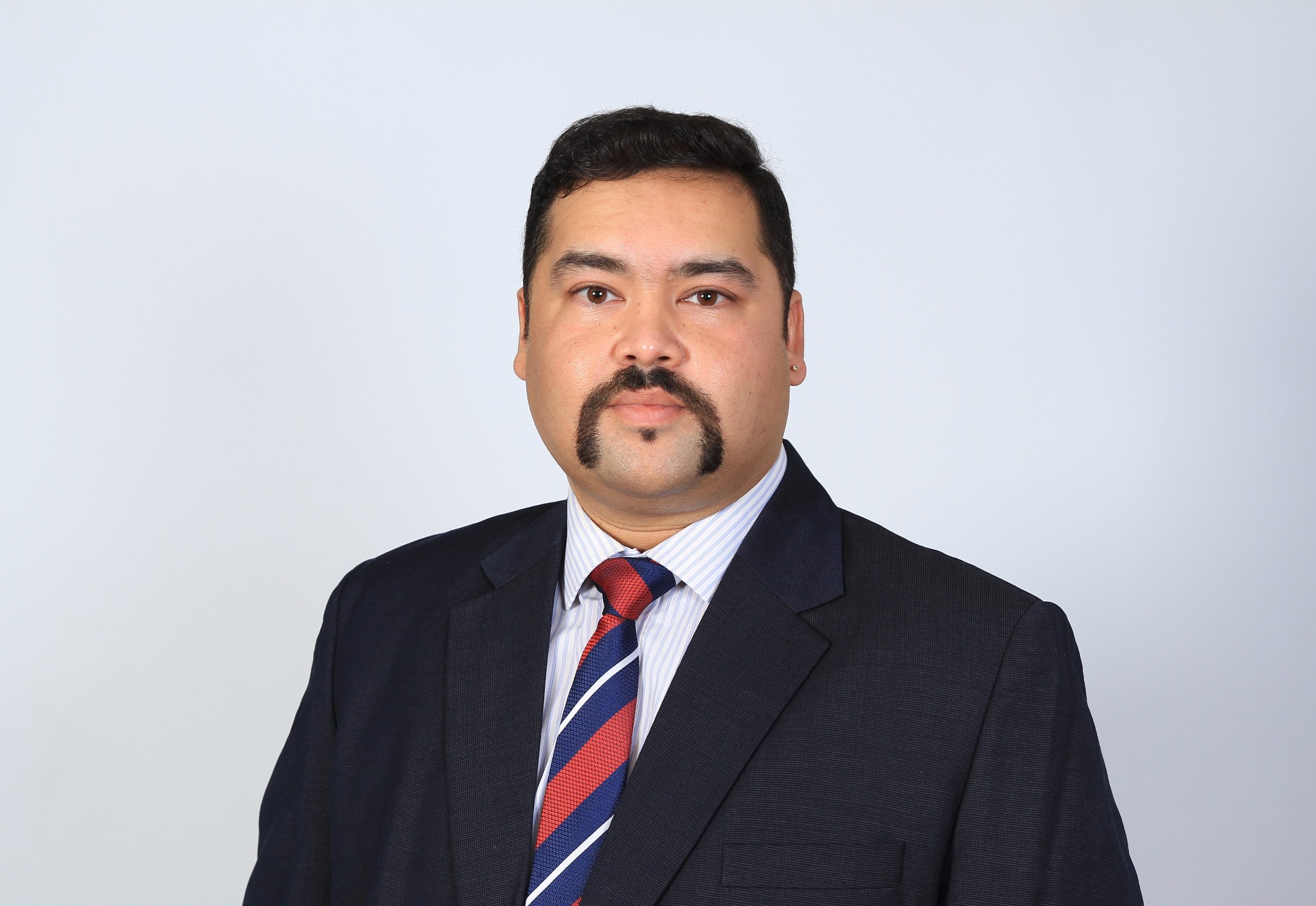



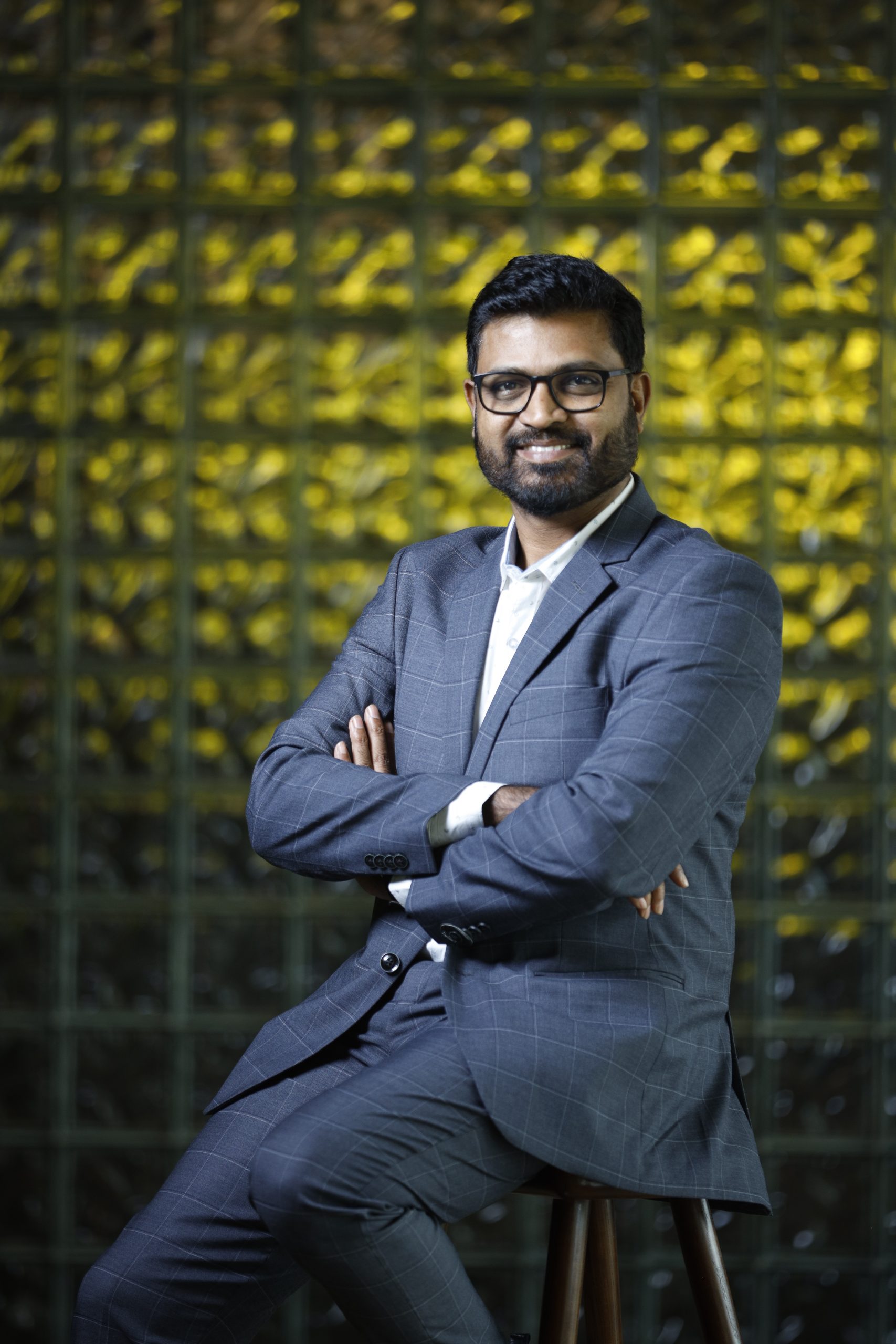

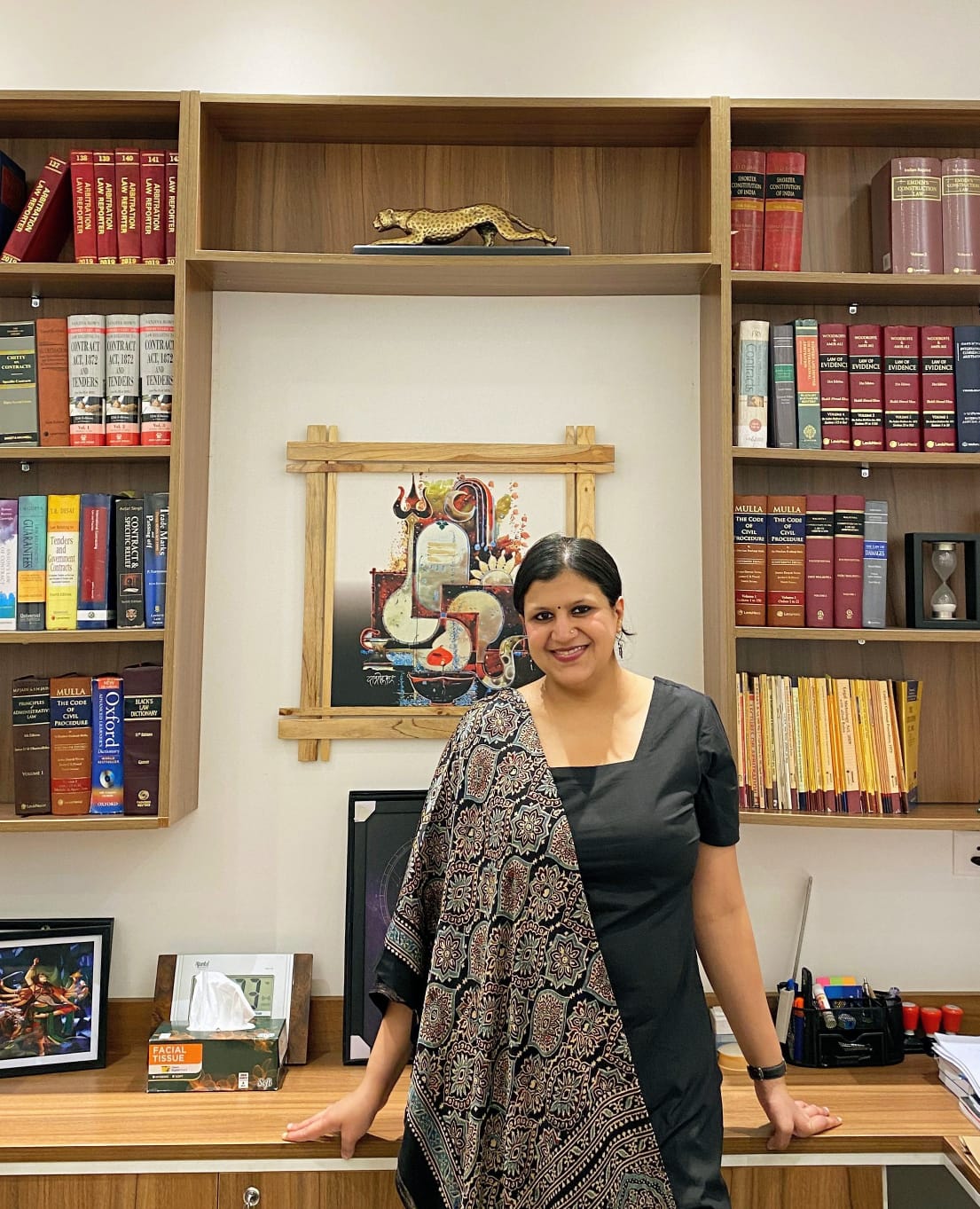
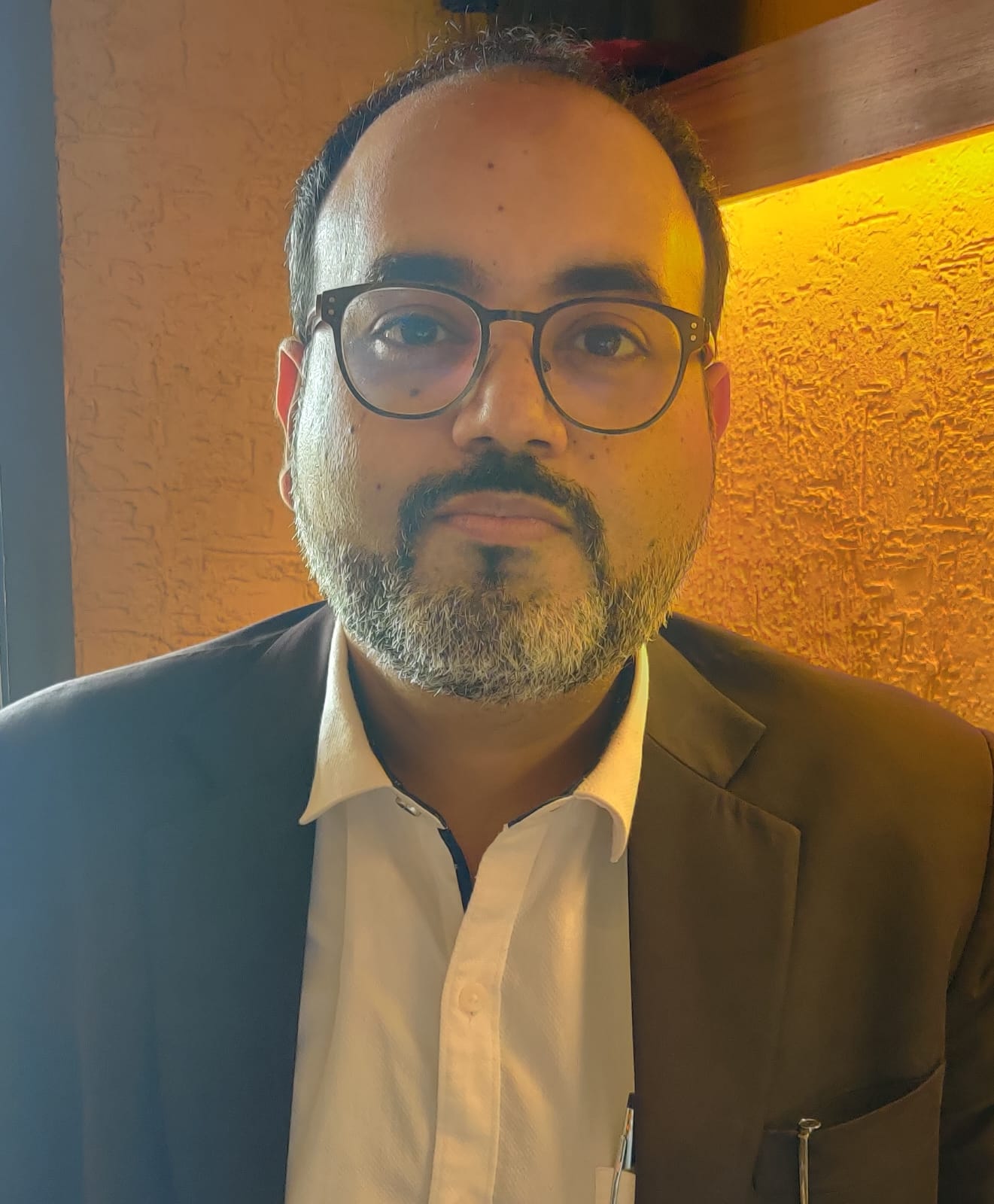


 Allow notifications