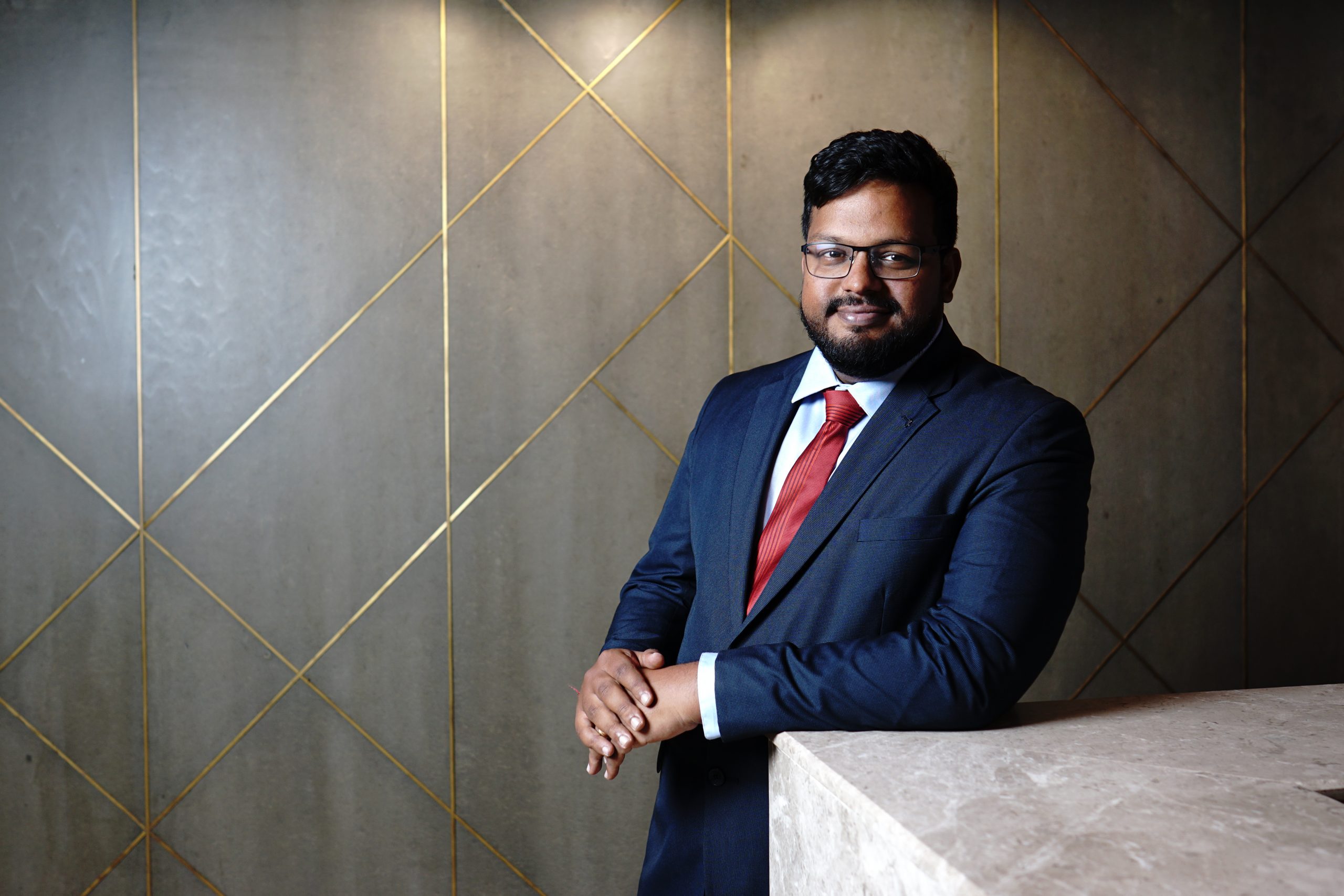
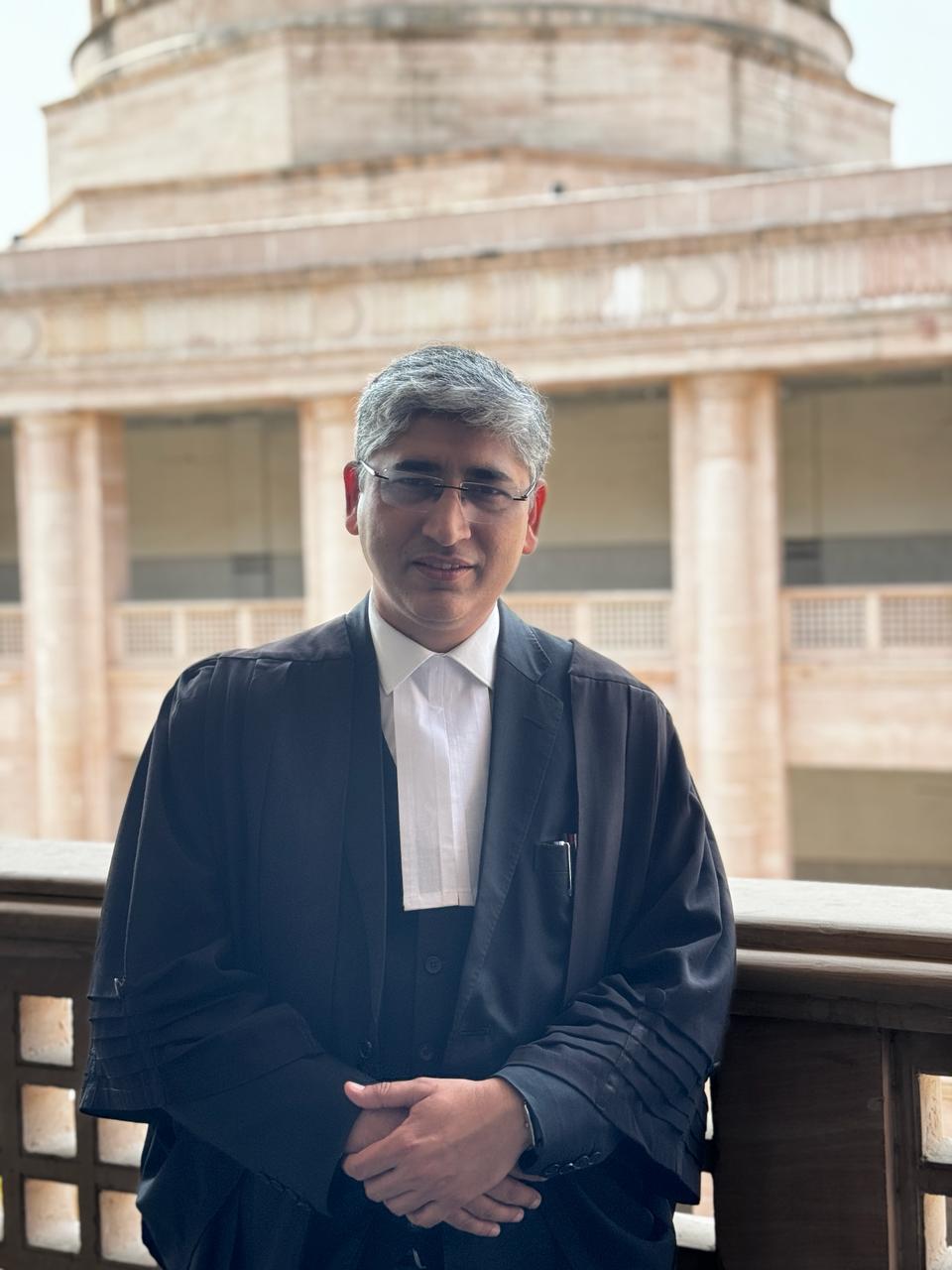
Category: Partners, General Counsels and Senior Advocates

  • “Our role as in house counsels is to push the limits of permissible law and guide our business to take difficult decisions by explaining possible risk scenarios”- Ankur Deka Rabha, Founder & Managing Partner ~ Λrgħyä Legal

    “Our role as in house counsels is to push the limits of permissible law and guide our business to take difficult decisions by explaining possible risk scenarios”- Ankur Deka Rabha, Founder & Managing Partner ~ Λrgħyä Legal

    This Interview has been published by Pragya Chandni and The SuperLawyer Team
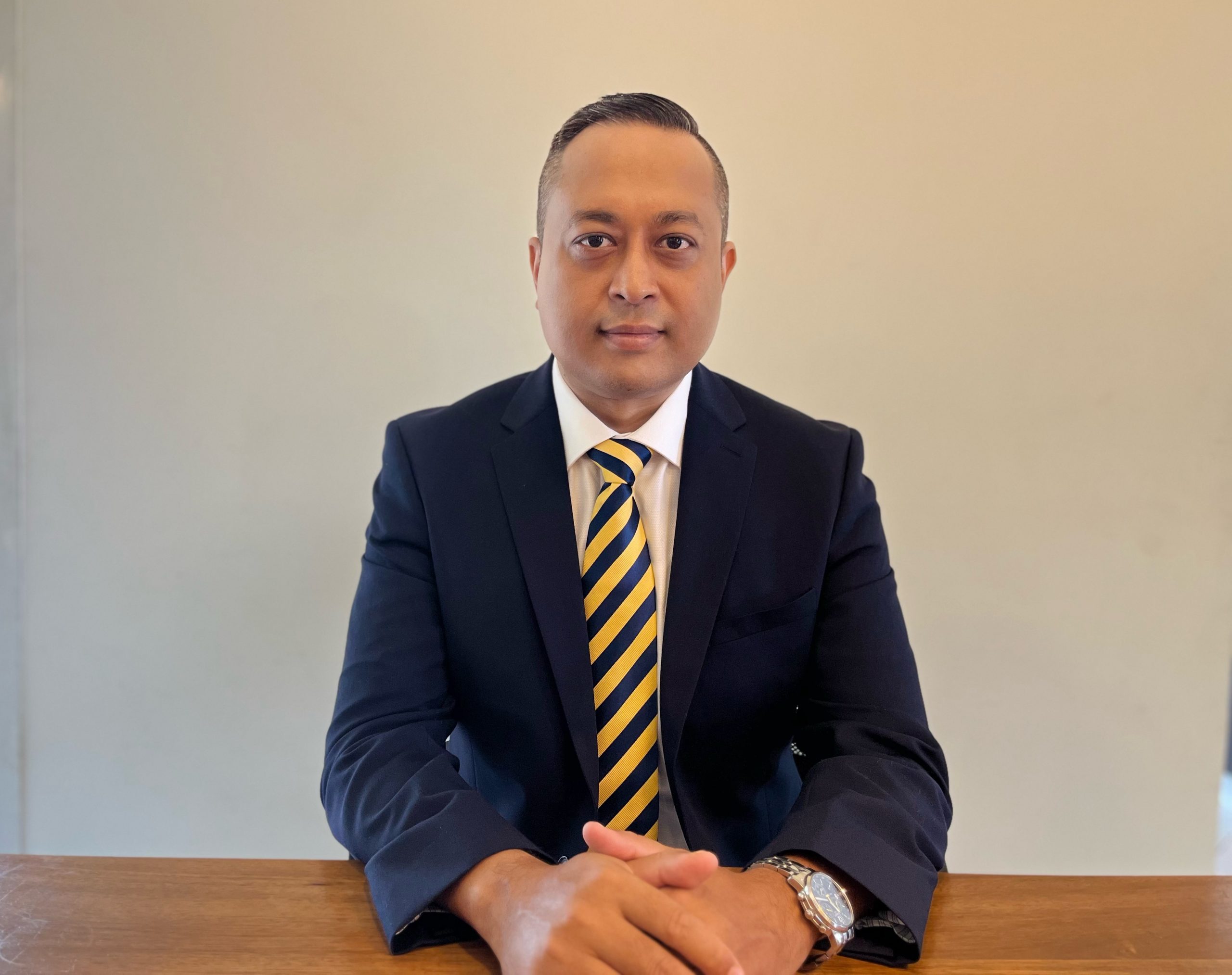
    Can you share with us your journey of becoming a lawyer, starting from your graduation at NLSIU, Bangalore, to your current role as Managing Partner at Λrgħyä Legal?

    My journey as a lawyer began when I joined the prestigious National Law School of India University (NLS), Bangalore in the year 1997. Law school gave me a whole new perspective on life, purpose and law in general. The initial years until graduation was a period of great learning and appreciating the law, legal research and developing an analytical mindset. After graduation, I worked under a few senior counsels as a litigating lawyer in New Delhi being fortunate enough to be practising in various courts like DRT, Tis Hazari, Patiala House, High Court and Supreme Court. This is the phase in my life where I learnt the importance of PERSEVERANCE & RESILIENCE. When your salary is meagre  (compared to what your peers earn in a company or law firm) and you need to survive on that, it requires a lot of PERSEVERANCE & RESILIENCE to not give up on your dream. 

    I transitioned from a litigation lawyer to an associate in a law firm in the year 2006 when I shifted from New Delhi to Bangalore to work with a law firm dealing mostly with foreign clientele wanting to set up business in India. I was fortunate to be a part of the team managing contracts drafting and negotiations, M&A for some well known corporate clients.  This experience along with my previous experience as a litigation lawyer helped me to get into Bosch as an inhouse counsel and thus transition myself from a lawyer to a business lawyer. During this phase, I was fortunate to have both local and international exposure on various aspects of business and law in general. This phase was also about understanding and appreciating the importance of forging collaborations, understanding business, numbers, managing stakeholder expectations, managing teams, having the foresight for incoming risks and proactively taking steps to minimise risks.

    Finally the culmination of all that I had learned and experienced over the years helped me in pursuing this new phase in my professional career i.e. the setting up of Λrgħyä Legal  The firm was set up with the aim of providing affordable and high quality services to select clients. Having been an in-house counsel most of my professional life I am able to understand the pain points/areas of concerns of corporations better and provide solutions which are practical and easy to implement from a business standpoint. Currently the firm’s focus is mostly on assisting in house counsels with the day to day issues, mergers and acquisitions, secretarial assistance and compliance training. 

    With your extensive experience in various industries like healthcare, e-commerce, and IT, what motivated you to pursue a career in law, particularly in corporate and regulatory aspects?

    Few factors that contributed to my decision to join NLS and pursue a career in law. The desire to move out of Guwahati to broaden my horizon in life in general and to join a professional course which was equally relevant as that of medical and engineering courses.  I was very fortunate to be a part of this prestigious  institution.  NLS helped bring in a lot of maturity and clarity in my thoughts so once I graduated I had a clear roadmap in mind. Although someday I wanted to be an inhouse counsel, I first wanted to understand law and its nuances and see how it’s actually dealt with by courts, then law firms and finally settling down as an inhouse counsel. These experiences help me immensely while dealing with complex and critical situations which require strategic thinking. 

    Coming to the question of why I focus particularly in the area of corporate and regulatory aspect. Well I would say although these two aspects are very important, it would not be the only ones that I would need to look at if I am an in house counsel in a leadership position. One has to remember that the role of an inhouse legal counsel is about being a generalist in law, being foresighted, proactive, collaborative, approachable and generally having an idea about every aspect of law which applies to the organisation. You are the first line of defence and your internal stakeholders will look to you for answers and solutions. So I would say I am a generalist whose job is to maintain a fine balance between compliance of law while facilitating smooth business transactions. I have been really fortunate to be a part of multinational organisations which exposed me to a whole gamut of issues on various aspects of law which were really complex and some of them even path breaking, both nationally and internationally. Such experience has enabled me handle complex issues with poise and maturity. 

    You’ve held significant positions in both multinational corporations like Bosch and Essilor, as well as in consulting roles. How have these diverse experiences shaped your approach to legal counsel and leadership?

    Experience does matter and as a lawyer, I have been really fortunate to have worked with great senior counsels, being part of great teams at various law firms and finally exposed to a whole gamut of critical issues in a corporate world mostly in the IT and manufacturing side ranging from labour issues, product issues, litigation, M&A, compliance etc. After more than two decades of being in the profession, each stage of my career has taught me something new which I would not have been privy to or learnt had I continued in just one field and not delved into others. I can safely  say I have seen it all but of course with the humility to state that the learning never stops and I still think of myself as a student who has the courage and conviction to unlearn and learn if required.

    These past experiences of what it takes to drive business has an effect on how I counsel my clients today.  I look at the business and then apply law to see to what extent I can stretch my risks. Years of experience helps in a way to already visualise consequences. Hence, every suggestion or an opinion given to clients is based on their business need and practicality within the ambit of the permissible laws.  One size may not fit everyone so one has to be agile, quick and flexible to innovate. For example, I will never advise anyone to go in for litigation as a first step in a dispute situation. It should be the last resort and one needs to understand that the cost of litigation could dent a company’s bottom line.  During my stint as a General Counsel I have facilitated many negotiations and saved huge litigation costs to the companies I was associated with. 

    As someone who’s been recognized for achievements such as “General Counsel of the Year – Healthcare,” what are some of the key challenges you’ve faced as a first-generation lawyer, and how did you overcome them?

    Challenge is a perception and quite subjective. I always saw opportunities in everything that came my way and grabbed them to make a mark. There is also no alternative to hard work. Challenges are always present in life and we have to figure out a way to navigate through these challenges. Everyday something new happens which we may not comprehend nor anticipate and that is what keeps us going. Life without it will be very boring.


    I was never really dependent only on people teaching and guiding me to learn new things. Of course its importance can never be negated. However, I realised early in life to learn from experiences around me by myself as well. Time is always of the essence and sometimes you miss the bus. During one farewell, the managing director of the company asked me what I would have done differently or changed if I had the opportunity to go back in time. I replied saying none. They were valuable experiences and if I had not encountered them then I would have never learnt. Learning is not only about law, at a leadership level it is about how much you understand the business of your organisation, it is about managing people, managing expectations of your stakeholders, maintaining a fine balance between compliance and business, learning leadership skills etc. This attitude helped me rise the corporate ladder faster and become the general counsel of a listed company at a very early age where I also had to lead cross functional peers who were double my age and experience. 

    In your roles at Flipkart and Walmart, you managed legal aspects of B2B wholesale business. Could you elaborate on the complexities and nuances you encountered in navigating regulatory landscapes in the e-commerce sector?

    I will answer this question in a more generic manner rather than answering specifically with regard to my stint at Flipkart as it applies in general with every organisation in the B2B e-commerce sector. Although regulated, it is not as stringent as the B2C ecommerce sector. Nonetheless, one cannot deny the fact that compliance of the applicable regulations is very important and in order to ensure compliance we need to understand the current gaps and that is only possible through regular interactions with internal stakeholders to understand how the business is being driven. Only once you understand what is currently in place can you strategize on whether any alignment or realignment has to be undertaken. Further, there are also changes in certain areas of law or process which are constant in the B2B sector. Most of the time you will see clarifications and circulars issued by the government under FSSAI, ISI or Legal Metrology or CDSCO on a regular basis.  Sometimes interpretation of such changes becomes an issue as they could be interpreted in more than one way and this is where we need to step in to reach out to the right authorities and conclude on the correct interpretation. Likewise we also need to reach out to relevant authorities and advocate for change whenever we find new changes in law detrimental to our business interest. In general I would say in today’s fast paced business and cut-throat competition, agility and quick decision making is critical to the success of a business. Our role as in house counsels is to push the limits of permissible law and guide our business to take difficult decisions by explaining possible risk scenarios. 

    You’ve been involved in various legal domains such as M&A, compliance, and litigation management. How do you stay updated on legal developments, and how do you integrate these insights into your strategic advice for businesses?

    Overall there are a few things which we need to keep in mind as in inhouse counsel. Firstly understanding the law enables me to visualise consequences and such awareness enables me to guide internal clients in the right direction. Hence, having a proactive mindset to look out for new changes in law and how it is going to affect your organisation’s business and ensure mitigation measures well in advance by working with business colleagues to ensure smooth transition is key. I strive to continuously read and research  on relevant and complex legislations/ provisions of law to ensure that I get the required clarity of its nuances from the perspective of courts/case law to not only properly guide and advice clients but also to be able to successfully provide alternatives during negotiations. Sometimes a simple oversight could cost a lot for your clients. Therefore, it is important to have an eye for detail and the patience to read every line and use one’s analytical skills to question whether what one is looking at really applies to the current situation or not. 

    What is the story behind starting Λrgħyä Legal and embarking on a new chapter in your life. Many would see this as a huge risk stepping out of the comfort of a stable job and a successful career.

    I always had a desire of exploring and stepping out of my comfort zone to try something of my own. After a lot of thought and deliberation with my family, my peers in the industry from whom I found acceptance in the concept of our firm, I finally decided that it is about time I pursued this passion. Having spent more than two decades as a lawyer and most of part of that career as an inhouse counsel with various multinational companies gave me great insights into the various nuances/complexities of managing an inhouse team, budget constraints, work pressure and impossible timelines.  It is very difficult most of the time for in-house counsels to manage/outsource work due to the high cost of legal services. I understand that very well being in that situation myself and feeling helpless. Hence, Λrgħyä Legal was born in the month of August, 2023 with the aim of addressing such issue and coming up with affordable services without compromising on quality. Λrgħyä Legal strives to foster partnership and lasting relationship with our clients rather than just mere commercial transaction.

    Λrgħyä in Sanskrit means “Sacred Offering”. Λrgħyä Legal was set up keeping in mind the four principles: (a) Availability; (b) Affordability; (c) Quality; (d) Integrity. We collaborate with in house counsels and work on various models which helps in (i) outsourcing at affordable rates (ii) continuity of work during headcount reduction or headcount freeze (iii) managing critical manpower and reducing headcount costs and (iv) enabling ample time  to the in house counsels to focus on critical issues and (v) assisting organisation to implement compliance trainings on various legal topics. Currently the firm’s focus is mostly on assisting in house counsels with the day to day issues, mergers and acquisitions, secretarial assistance and compliance training. 

    Lastly, given your wealth of experience, what advice would you offer to fresh law graduates aspiring to pursue a career similar to yours, particularly in corporate law and regulatory compliance?

    In general, all I can say is no matter what one does, they should do it with complete dedication. Patience, Perseverance and Resilience is key to any successful career. There are no shortcuts to success. Do not be in a hurry to move on to new things without mastering what you are currently doing. 

    Get in touch with Ankur Deka Rabha-

  • “Control the controllables and do not bother about what you cannot control… Hard work will never have a substitute and patience combined with dedication will never go unrewarded.” – Wasim Beg, Independent Counsel & Former Additional Advocate General (Jammu & Kashmir)

    “Control the controllables and do not bother about what you cannot control… Hard work will never have a substitute and patience combined with dedication will never go unrewarded.” – Wasim Beg, Independent Counsel & Former Additional Advocate General (Jammu & Kashmir)

    This interview has been published by Namrata Singh and The SuperLawyer Team

    Could you share with us your journey to becoming a legal professional? What inspired you to pursue a career in law, and could you recount any memorable experiences from your college days or your first job that influenced your trajectory in the legal field?

    My fascination with the legal world began (as I believe was common at that time in particular) by following some of the famous criminal trials. And all these controversial or ‘in the news’ criminal matters would invariably have one name in common – Ram Jethmalani. The way he would go about handling these matters certainly piqued my interest and I would pin point that to be the reason I took my first steps in the direction of pursuing a career in Law. It has been over 15 years since I started working at Mr. Jethmalani’s office (first as a long-term intern and then a brief stint as his junior) and even today, his first words (to me) echo in my ears and have inspired and shaped my professional trajectory, he said to me – ‘Remember – you may lose a case, but never lose your conscience’.

    Your legal journey is quite illustrious, marked by your tenure as the Additional Advocate General for the State of Jammu & Kashmir. Could you share some memorable experiences or cases from your time in this esteemed position that left a lasting impact on you?

    It would be extremely hard to lay my finger on one case. The very feeling of representing a State and the responsibility that comes with it gives you a sense of pride. This is where I learnt to really respect and value every file that I worked on. The sheer enormity of the responsibility makes you perform to the best of your ability.

    Your expertise spans across various branches of law, including constitutional law, criminal law, civil law, and more. How do you manage to maintain proficiency in such diverse areas, and do you have a particular favorite among these?

    I am not a huge votary of a lawyer specializing in one particular field of law, especially at the beginning of one’s career. To be a veracious reader is non-negotiable for any good lawyer. Anyone who restricts his/her knowledge to one particular field of law is at the same time closing all the options that lead to one being a ‘complete lawyer’. All the legal luminaries that we are so enamored with have vast experience and knowledge in all fields of the law, they keep reinventing themselves – that is possible only when we keep all doors open and embrace knowledge from all over. I certainly have a leaning towards Criminal and Constitutional Law.  

    Given your extensive experience in litigation, arbitration, and dispute resolution, what advice would you offer to young legal professionals aspiring to excel in these fields, especially in navigating the complexities of the legal system?

    Read, read and read – the right opportunity will come. I have seen youngsters who are over anxious and lose a lot of time lamenting. What is true in general, holds true while you navigate your way through the profession – control the controllables and do not bother about what you cannot control. Hard work will never have a substitute and patience combined with dedication will never go unrewarded. The problem comes-in when we lose patience and try to ‘manufacture’ success. You ‘build’ your success story, you do not ‘manufacture’ it. Keep things simple – be sincere in what you do, work hard, be patient and you will land up on your feet.

    Apart from your legal career, what are some of your personal interests or hobbies that you like to indulge in during your free time?

    I do like to read and write a fair bit. Like most of us, cricket does eat up a lot of my free time. I like to follow world politics and find psychology (especially criminal psychology) to be deeply fascinating and do read-ups and follow TV shows on the subject. 

    Your book on the “Dishonour of Cheques” is a significant contribution to legal literature. Could you share some key insights or lessons from the book, particularly regarding the legal intricacies surrounding dishonored cheques, and how this knowledge can benefit legal practitioners and individuals navigating such matters?

    The book is essentially to help any lawyer who takes up a case relating to dishonour of cheques. The book aims to cover and guide on every aspect/legal challenge that a lawyer would have to face during a proceeding of that nature. It sums-up how Courts have looked at every possible scenario in a cheque bounce case right from the inception to the culmination of the case.

    Your experience at Luthra and Luthra Law Offices India has been quite extensive. What were some of the most rewarding aspects of your role, and how did it shape your approach to legal practice?

    The sheer level of trust and peace of mind while at work always stood apart. The leaders and mentors at the firm like Mr. Rajiv Luthra and Mr. Vijay Sondhi were instrumental at creating that level of trust and the atmosphere where one could always hold his/her own and never be shy to share ideas, no matter who else sat at the table. I was put in a leadership role quite early and that really helped me develop and take rapid and confident strides in the profession. 

    Also, I learnt very early that a youngster can only grow well if he/she is not put in any fear of making a mistake. Once you fear making a mistake, you lose your originality and your independent thought process. Once you lose those two facets of your personality, you will do no better/bring no new perspective than your predecessors – for you will always look to play safe and only tread the path previously taken.

    You’ve recently transitioned into the role of an independent counsel. Could you shed some light on this new chapter of your career and what it entails? How does it differ from your previous roles, and what opportunities and challenges do you anticipate in this capacity?

    I have gotten along with some like-minded colleagues and started a Law Chamber. This is certainly a far more challenging task as compared to working with a Law Firm which comes with its own set of challenges and certain comforts. The beginning of this chapter certainly comes with lesser comforts and more challenges. These exciting challenges and our collective eagerness to scale them is what brought us together. The primary difference between this and my previous role as Partner in a Law Firm is that one comes out of the ‘comfort zone.’ While a Law Firm comes with its own legacy and you can certainly contribute to it, here you get to write your own script. The challenge is that you might have to prove yourself every day, but that is the biggest motivator as well.

    You’ve been recognized with numerous awards and accolades throughout your career, including the Global Lex-Falcon Award and the Money 2.0/Law 2.0 Award. Among these honors, is there one that holds particular significance for you? If so, could you share why it means so much to you?

    While I shall always remain thankful to those who considered me worthy of these awards, I have never attached much attention to these. At the end of the day – what matters is that you should be satisfied with the progress made and should be looking forward to the next day at work. As long as that is the feeling – you are a winner.

    Get in touch with Wasim Beg-

  • “In today’s world, with increasing globalization and the opening up of the “legal market” with the proliferation of international arbitration, we also need to be proactive about adopting best practices from other practitioners and jurisdictions”- Zafar Khurshid, Senior Partner/IP Chair, TKC Partners LLP

    “In today’s world, with increasing globalization and the opening up of the “legal market” with the proliferation of international arbitration, we also need to be proactive about adopting best practices from other practitioners and jurisdictions”- Zafar Khurshid, Senior Partner/IP Chair, TKC Partners LLP

    This Interview has been published by Pragya Chandni and The SuperLawyer Team

    Can you walk us through your journey from being a law student to becoming a founding partner at TKC Partners LLP? What pivotal moments or experiences shaped your career trajectory?

    I would say my journey toward becoming who I am today began even before law school. As an Undergraduate at St. Stephen’s College I had the opportunity to explore not only where my interests lay academically, but also to begin to explore who I was, and who I wanted to become, as a person. I wasn’t always certain about pursuing law, at the time I was quite keen on exploring the dramatic arts. By my third year I was more set on my path towards the law. Reading History helped inform that decision. 

    That was followed by three years at CLC, Faculty of Law. I was not the most academically gifted student, nor, to be candid, the most hard-working. When I first joined I was not certain whether I was pursuing law because of the expectations of family, or because it was right for me. But I found myself drawn to certain courses, particularly Jurisprudence and Intellectual Property Law, which reinforced my decision to pursue law as a career. 

    After LL.B. I joined the Office of Mr. Gourab Banerji, Senior Advocate, who was Additional Solicitor General in the Supreme Court at the time. They say you never forget your first boss – and I certainly couldn’t. Mr. Banerji provided a nurturing and professional environment for a young legal professional to learn the ropes, and to make mistakes without fear or judgment. Many of the habits I try to inculcate in my Office even today I imbibed from my boss and my colleagues in that Chamber.

    While practicing in the Courts in India has a thrill that cannot be matched, I had already begun thinking about pursuing higher studies in England. The drive had been fuelled over the years by visits to my family in the UK, and my father’s stories of his time at Oxford. The University of Oxford was my first choice. Having marginally missed a First Division I didn’t make it through. But sometimes life finds a way to give you what you need, even if it isn’t what you think you want. I joined Queen Mary, University of London for the LL.M. in Intellectual Property Law. That definitive year studying in the heart of London provided some of the most pivotal moments in my journey. Far from the nest, and challenged to break free from the shackles of rote learning, I got the opportunity to truly develop a zeal for the study of law, a joy for learning and analytical reasoning, and to dive deep into the study of Intellectual Property Law. Truly enjoying what I was learning pushed me to strive like never before, which happily culminated in graduating with Distinctions in each of my Courses. QMUL enlivened my passion for the law, and gave me some of my most endearing and enduring friendships. I can truly say that if not for that year, I would not find myself where I am today.

    After my academic success at QMUL I was accepted into Oxford, which fulfilled a burning desire I had held in my heart for a quarter of my lifetime. I spent two years at St. Edmund Hall, University of Oxford pursuing the BCL and then the M. Phil in Law. Oxford helped me take my abilities and my ardour for academia to new levels. I had the opportunity to study under and with some of the sharpest intellectual minds I ever had the privilege of interacting with, both inside and outside of the legal realm. Though I probably did struggle with “imposter syndrome” at first, being intimidated intellectually pushed me to challenge and better myself. I was privileged to have this opportunity, and I did my best to take the fullest advantage of it. I was scared, I was excited – I had worked hard to get there and I hope it’s okay to admit that, despite all my anxieties, I was proud of myself. Reaching Oxford helped me believe in my capabilities and shape the confidence that I feel one needs to push oneself to the next level professionally. Not only did I meet my best friend at Teddy Hall, but I found the freedom and space to strive towards becoming my best self.

    After returning from England, it was an adjustment being back in litigation in Delhi. The Oxford bubble had popped, and I had to find a way to transfer the skills developed during my time in academia to my professional pursuits. Despite offers and advice pushing me in other directions, I relished the chance to work under my father Mr. Salman Khurshid, Senior Advocate. His practice was varied, his grasp of the law disparate, and his academic bent familiar. Many days were spent having intellectual debates over lunch with all his juniors in the Office, and countless hours running from forum to forum – calling for familiarity with everything from Constitutional and Administrative Law to Competition and Anti-Trust. Exposure to so many different fields developed my general appreciation and grasp of law and, despite my specialisations, convinced me of the value of being a generalist – A jack of trades, master of none – but better than just the master of one.

    After a few years the opportunity presented itself to join with dear friends and colleagues to set up our own firm – TKC Partners. Once again I found myself anxious, doubting myself and my potential – but the time had come to take the skills and abilities developed over the last decade and to push myself to the next step. 

    Pivotal moments in life rarely present themselves as such when they are before us. For most of us, in life the key moments are often gradual or imperceptible until we’re much further down our path. I think every step has culminated to bring me where I am today. While some may feel more definitive, none would be the same without those that have come before.

    You’ve had significant experience in both litigation and arbitration, particularly in high-stakes cases before various forums, including the Supreme Court of India. What draws you to these areas of law, and how do you navigate the complexities they present?

    From the very beginning I knew that I was more drawn to the Courtroom than the Boardroom. While Corporate Law offered more stability and remuneration, and many of my friends went in that direction, I knew my first love was litigation. Perhaps it is, as my friends and family often insist – that I am a born lawyer – eager to argue with anyone and everyone, about anything. Or perhaps it is as my father once told me when I had more whimsical fancies of being a stage actor – that litigation and theatre have many correlating and overlapping skills – oration, diction, the ability to command a room and capture the attention of your audience.

    While litigation in India certainly has its share of drama, I think along with being an inherent performer, what draws me to dispute resolution is the thrill of argument, and the excitement and pace of litigation in India (though sometimes there is more excitement than necessary). Once I joined the profession I also had the opportunity to explore arbitration, and see many of the advantages it offers over litigation in an often over-burdened system.

    Each area of law has its own thrills and its own obstacles. Navigating the complexities is often just about weathering the storm of backlog, managing the expectations of clients unfamiliar with the system, pushing your colleagues and contemporaries to help improve the system rather than take advantage of its shortcomings, and most importantly – patience. And in today’s world, with increasing globalization and the opening up of the “legal market” with the proliferation of international arbitration, we also need to be proactive about adopting best practices from other practitioners and jurisdictions.

    As someone who has been deeply involved in intellectual property rights (IPR) practice, could you share some insights into the evolving landscape of IPR enforcement, both domestically and internationally? What are some of the key challenges you’ve encountered in this field?

    Intellectual Property is an ever-evolving discipline. While its foundational concepts may not change, its application can rapidly adapt and develop in the face of technological advances, globalisation, the clash between the interests of developed countries and the needs of developing nations, and several other such factors. One of the most important developments however, especially for growing markets such as India, is cross-border recognition and enforcement, both for international brands that bring investment and economic growth into India, as well as for home-grown brands that have found an international market.

    India has made great strides when it comes to the awareness, proliferation, recognition, and protection of IP rights. But we cannot rest on our laurels. Our infrastructure needs to catch up with the pace and requirements of market demands; we need to be proactive about facing the challenges of IP enforcement in the digital age; the level of expertise required from offices and the judiciary is not uniform across the country; and we need to ensure that a robust IP system does not create a space for IP bullying or takeover by larger vested interests against the freedom of creation and innovation.

    Your time as a Research Assistant and then co-Author for your Chapter in the publication by the Office for the Harmonisation of the Internal Market (OHIM) involved studying the enforcement of intellectual property rights in the European Union. How has this experience influenced your approach to handling IPR matters in your legal practice?

    The opportunity to co-Author a Chapter in European Case Law on Infringements of Intellectual Property Rights (Bruylant, 2016), published by OHIM (now known as the EUIPO) was an exciting opportunity to delve deep into a specific issue from an unfamiliar perspective. It helped acquaint me with some of the potential conflicts and challenges that proprietors and practitioners can face when it comes to the cross-border enforcement of IP rights.

    It also helped me truly appreciate the impact and importance of Intellectual Property Law in commerce. Now known by a more appropriate name, the EU Intellectual Property Office used to be the Office of the Harmonisation of the Internal Market – which started with the remit to administer the new EU-wide unitary property right, the EU Trade Mark. Through the application and enforcement of various EU Directives, this Office played a vital role in breaking down several trade barriers in IP, showing how IP plays a pivotal role in creating, facilitating, and influencing cross-border trade and growth of mutual economies.

    I think the experience has helped me develop a foundational expertise with the issues associated with such enforcement, which aids me in advising clients with multi-national offices or businesses, and also helps with a key aspect of IP advisory – litigation management and avoidance.

    In addition to your legal practice, you’ve been actively involved in academia, including co-interviewing undergraduate law candidates at the University of Oxford. How do you balance your legal career with academic engagements, and what value do you see in contributing to legal education?

    During my time at Oxford I was primarily dedicated to purely academic pursuits. But I also had the opportunity to carry on some of my practice, in an advisory capacity. The opportunity to co-interview undergraduate students, along with Professor Aileen Kavanagh, was interesting. It was funny to be on the other side of the table just a year after getting into Oxford myself – to try and gauge and appraise these young candidates and to make recommendations on whether they should be offered a place. This was perhaps the first time I felt the weight and gravity of the influence we in the profession can have on the future of the next generation of legal practitioners, jurists, and policy makers.

    After re-joining the profession back in India I have attempted to make time to make myself available for similar opportunities through symposiums, lecture series, podcasts, etc. But balance is always the greatest challenge in the legal profession. I’ve not been able to make the time to take on more formal and structured academic roles, despite being approached a few times, as I’ve felt that I needed to provide more time to my role in growing my Firm. But it is always on my agenda to find ways to reach law students and young professionals when suitable opportunities present themselves – the worlds of academia and practice cannot be divorced from each other – this is a loss to both. I think it’s important that law students have the opportunity to know the realities of the legal profession, and to explore the profession before making the heavy commitments that it demands – this is only possible through access to practitioners who can help them gain a better understanding of law beyond their textbooks. The value in this is elementary – better, more well-rounded students will lead to a better, well-rounded legal profession.

    Your publication on ‘State-State Arbitration and its Role in Entrenching the Rule of Law in the International Legal Community’ explores a crucial aspect of international arbitration. Could you elaborate on the significance of this topic and its implications for the legal profession globally?

    First let me say what an honour it was to be given the opportunity by the PCA to co-author a Chapter in International Arbitration and the Rule of Law. It was such a privilege to be part of the PCA’s recognition of the work and contributions of the eminent and unmatched jurist and legal luminary – Mr. Fali S. Nariman – who sadly is no longer with us.

    This piece, as indeed much of the collection, focussed on various aspects and examples of international arbitration and inter-state arbitration, and how they have influenced the development and entrenchment of the Rule of Law, a traditionally domestic principle, in the realm of international law – which is traditionally driven by the concepts of sovereignty and State autonomy.

    Our article focussed on the role of interstate arbitration in promoting the rule of law, focussing on two significant PCA arbitrations – the Bay of Bengal Maritime Boundary Arbitration (between India and Bangladesh) and the South China Sea Arbitration (between China and the Philippines). An examination of cases such as these highlights several challenges that practitioners in the field of international law and international arbitration must contend with – the Rule of Law remains a somewhat contested concept in the international context, though there is a greater uniformity to the dimensions of the principles under domestic law. The nature of the disputes under these cases, and the stands taken by the Nation-States – both during and in the aftermath of these cases – highlights the challenges to international law, and the continuous necessity of the willing participation of States in maintaining its principles. Some of the lessons from the comparative analysis of these cases are particularly relevant for India today.

    Collaboration seems to be a recurring theme in your career, from assisting Senior Advocates to co-authoring publications. How do you approach collaboration within the legal field, and how has it contributed to your professional growth?

    ‘If you want to go fast, go alone; if you want to go far, go together’. This traditional African proverb quite succinctly exemplifies my outlook towards law and the legal profession. In a fast-paced and often aggressive landscape, legal practitioners become hard-wired for competition – treating their practice as a zero-sum game. This can cultivate unproductive outlooks that can harm the system long-term.

    I believe some of my greatest successes have come, not from side-lining or “defeating” competitors, but from finding opportunities to collaborate and cooperate. But often this is easier said than done. Collaboration requires trust, and as they say – once bitten, twice shy. Maintaining a collaborative attitude can be difficult, especially in the face of emulous elements. But patience, belief, and a little luck, can help one find genuine contemporaries to work and grow with.

    This also informs the manner in which I aim to guide and advise Clients, encouraging them to look at conciliatory approaches, focussing on larger interests and benefits. Though Clients ca be similarly motivated/programmed – to see conciliation as a mark of timidness and weakness – but I have found that many stay with us because we show them that our approach focusses on their best interests, and often bears results in otherwise quagmired situations.

    Finally, considering your diverse experiences and accomplishments, what advice would you offer to aspiring law graduates who are about to embark on their legal careers? What key principles or strategies should they keep in mind as they navigate the legal profession?

    There may honestly be no end to the advice someone could dole out to aspiring graduates poised on the brink of starting their journeys in the profession. There is just so much to learn and experience. Some of it you may have guides and mentors that can prepare you, some you will just learn the hard way.

    One thing I would emphasise is that law is a life-long pursuit of knowledge. You must constantly be open to learning and growing. Your early years are the best time to chase diverse and varied experiences – don’t hem yourself in early – there is plenty of time in life to “specialise”. One must also focus on foundational concepts, and don’t be afraid to grow slowly – chasing the “30 under 30” label can often lead to shortcuts or missed opportunities that could be hard to make up later. You must look inwards to define your image of success, don’t chase someone else’s.

    You shape the system as much as it shapes you. It may be difficult, but always strive to better yourself, and those around you, and be slow to frustration. Surround yourself with people who push you to expand and grow. Take the best habits from your mentors, ignore the worst. You will have many unwelcome experiences, learn from them but don’t let them define you.

    Get in touch with Zafar Khurshid-

  • “Each firm I worked at contributed in a significant way to my growth and development as a lawyer”- Anantha Krishnan, Partner at IndusLaw

    “Each firm I worked at contributed in a significant way to my growth and development as a lawyer”- Anantha Krishnan, Partner at IndusLaw

    This Interview has been published by Pragya Chandni and The SuperLawyer Team

    Can you walk us through your journey from studying law at Dr. Ram Manohar Lohiya National Law University to becoming a Partner at IndusLaw in Bangalore? What inspired you to pursue a career in law, especially focusing on corporate and commercial matters?

    I did my schooling in Chennai, loved writing, public speaking and was enthusiastic about problem solving. Around the time I was contemplating my career choice, the national law schools in India had decided to come together to conduct the common law proficiency test (CLAT), which looked like a good opportunity to explore. 

    Studying law at RMLNLU, Lucknow was a beautiful experience. I had a plethora of opportunities at my disposal, ranging from moot courts, parliamentary debates, MUNs to paper publications/presentations. Having said that, while law schools have a well thought out curriculum and they do help initiate efforts on building skills, they don’t prepare you for the fine print of any practice area and only just about scratch the surface in terms of concepts. This results in a significant void between theory and practice. To make up for practical knowledge and exposure, I spent each of my vacations doing internships, largely in the cities of Chennai and Mumbai. Mid-way through law school, I started interning with law firms, dabbling across practice areas such as litigation, project finance, intellectual property and corporate/commercial matters. I was still however looking for a specific practice area of interest, though I had developed a focused interest towards contract law and by then, corporate laws had been introduced as a subject. Around this time, an opportunity came by to participate in a national corporate law moot court competition, and we ended up winning it. What I loved about that experience was how interesting, vast and ever-evolving corporate and commercial laws were. I thoroughly enjoyed researching, drafting, preparing arguments and advocating them for that problem statement. It gave me direction that this is something I could really immerse myself in. I shifted my focus thereafter to internships solely in corporate law practice.

    From there on, it has been a voyage of dedicated and diligent learning across firms I’ve been a part of. Being a first generation lawyer, a lot of effort went into building my principles, knowledge and processes with focus on what I wanted to be and stand for as a professional. The initial years in practice went into establishing my fundamentals and processes which enabled me to deliver well thought out work products. Each deal that came by helped me build expertise on different sectors and issues around them. I’m a believer of self-assessment and feedback, used to approach my seniors on where I could improve after each deal. This helped me identified the chinks in my armoury and I worked consistently towards getting better at those. It has been a long yet fulfilling journey so far and I’m excited about what the future has in store for me.

    You’ve had a diverse range of experiences across various law firms such as Phoenix Legal and HSB Partners. How did these experiences shape your understanding of legal practice, particularly in the realms of mergers & acquisitions, private equity, and venture capital?

    Each firm I worked at contributed in a significant way to my growth and development as a lawyer. In the initial years, when I started out in Chennai post graduating from law school, I was lucky enough to be at the crossroads of the biggest overhaul of company law in Indian history. With the Companies Act, 2013 being introduced and to take effect from June 1, 2014, my first year in practice was almost entirely focused on interpretation of the new legislation and how it differed from the 1956 Act. These exercises were in fact driven by a plethora of queries from clients seeking advice on specific provisions of the 2013 Act. There were many engaging and interactive sessions with my seniors at the time to get a grasp of what we were dealing with, coupled with research drill downs, both in terms of interpretation of statutes and precedents in case laws. This helped me a great deal to get confident with my understanding of the legal practice involved in transactions and advisory. I had dealt with the 1956 Act in my internships. Hence, being able to deploy that understanding against the change in positions vis-à-vis the newly effective legislation in the 2013 Act gave me ample avenues to get better at shaping my understanding of the practice area. My stint in Mumbai was largely focused on mergers & acquisitions and venture capital. I got to do a lot of domestic and cross-border acquisitions and venture capital deals. It was a big learning curve for me which I embraced with all the efforts I could possibly put in. In your early years, observing your seniors negotiate on deals teaches you a lot, and over time, you tend to develop your own style of negotiating and handling multiple facets of the profession. 

    In any law firm, the work environment is dynamic, providing a diverse range of opportunities to learn from. With good mentors, exposure and diligence, one can dive deep into the requirements of a client and cater to its basis the demands of a given problem statement. From there on, it’s akin to polishing a precious stone, every bit of experience aggregates to fine tune a lawyer’s understanding and it only gets better with time. This, I believe, provides valuable insights and practice guidelines to develop oneself as a well reasoned and articulate legal professional capable of providing sound legal advice to clients. A couple of valuable lessons I’ve learnt over time with experiential learning are identifying client demands early on into a transaction and reflecting on them to deliver the desired results at every stage of the transaction. This varies based on the deal as well as from one client to another. For instance, a venture capital investment is akin to occupying a space in a newly built house while an acquisition is cleaning up and buying the entire house. What an investor is looking for from an investee company in an early stage venture capital investment differs vastly from what they are looking at in a late stage investment or what a buyer is looking to achieve from an acquisition. These differences range right from the level of detailing and lookback period involved in the diligence to the rights matrix to be negotiated for the relationship going forward. Negotiation is yet another skillset which requires constant learning and unlearning. With every deal, you take back something new from negotiations. Reassessment and reworking your approach to essentially figure out if your existing modus operandi could be better with the new learnings adds immense value in terms of reflecting on the outcomes of a deal. 

    Your work at IndusLaw involves advising on a multitude of transactions, including mergers and acquisitions, venture capital investments, and private equity deals. Could you share with us some of the most memorable or challenging transactions you’ve worked on and what lessons you’ve learned from them?

    There are quite a few deals I’ve absolutely loved working on at IndusLaw. Some memorable transactions I’ve done here include a series of acquisitions which set up daily delivery and instant vending businesses of a leading entity in the food and groceries space. These acquisitions included a business transfer, an asset purchase and a share purchase acquisition, and each acquisition structure came with its own set of challenges. In addition, these acquisitions taught me a lot about integrating new business models into an already well-grounded and flourishing model and practical challenges in terms of doing that. One of those acquisitions also included a founder exit, which was my first experience of a co-captain leaving the ship. Another transaction recently was internalization of a leading quick commerce brand from Singapore to India as part of a larger acquisition transaction. We dove deep into the process which happens at Singapore, including by working closely with our counsel there. The timing had to be spot on, given this internalization would need to seamlessly flow into the larger goal of the internalized entity being acquired by a listed company in India. The learnings from this deal were invaluable and while we faced multiple challenges on a daily basis, solving for each of them gave me a strong understanding of the process and its possible pitfalls. 

    More recently, with the changing trends, I’ve been closely involved with startups in the fashion space and manufacturing of materials (deployable across multiple industries), in both cases, with emphasis on sustainable and eco-friendly models. Transactions I’ve worked on have taught me a lot, in addition to fine-tuning my skills as a lawyer. These learnings range from interpersonal skills, understanding and appreciating the nuances of each product ecosystem (and the innovations that come with it) in this dynamic startup environment to understanding perspectives of founders who invested a lifetime of dedication, commitment and diligence to building successful businesses, and eventually decided to call it a day and sell. 

    Your expertise spans across sectors like e-commerce, healthcare, logistics, and media & entertainment. How do you stay updated with the legal developments and industry trends in such diverse areas, and how does this knowledge contribute to your advisory role?

    In a way, this was one of the main reasons I moved from Mumbai to Bengaluru. To get involved in the exciting startup ecosystem, in my area of competence. For A Long time, each sector presented itself in deals, and I loved working on each of those sectors.

    In terms of staying updated, early on in my career, I used to visit the websites of regulators such as RBI, MCA and SEBI to look for recent updates. Eventually, I figured out some useful hacks, which still serve me well to date. One of these was setting up Google alerts in my email driven by keywords. I placed a few alerts on keywords which most mattered to me, such as ‘venture capital’, ‘ministry of corporate affairs’, ‘reserve bank of india’, ‘foreign direct investment’, to hit my inbox at a time I could catch up on updates. So everyday, I get a collection of articles sourced from the web in my mailbox, to catch up on. In addition to this, I also spend some time on a weekly basis to stay updated by reading newsletters/articles by IndusLaw and other law firms (not just in my practice area but others as well), articles on legal and professional network platforms, publications by legal databases/journals, funding trends (generally through accessing periodic analysis reports released by various investors), sectors which get more traction than others and so on. Updating oneself regularly is of paramount importance in the legal services industry, and it helps a lot in staying honest and relevant with the trends. This has helped me in striking conversations with clients about what’s happening and could be expected in their sectors, the sector’s outlook going forward and so on. Another efficient way to stay updated is also to write articles. Along with our team at IndusLaw, I endeavour to write articles regularly and we put out a lot of content expressing our thoughts on a plethora of subjects. The firm also chalks out and conducts training sessions on specific subjects in each practice area, which gives me an overview in terms of thinking through and updating my understanding on those and our views on contentious issues. 

    In addition to your transactional work, you’ve also been involved in drafting legal opinions, conducting due diligence, and providing compliance advice. How do you balance the demands of these different aspects of legal practice, and what advice would you give to young lawyers looking to excel in these areas?

    Every deal is an opportunity to learn something new and nail the brief. First up, having a positive outlook on the profession is vital. Yes, the demands are rigorous and in a given day, you may be switching between multiple matters ranging from transactions to opinions to conducting due diligence to providing compliance advice. The ability to switch off from one matter to another is quite critical (and a skill in itself) in the profession and that can happen seamlessly only with a well grounded and firm understanding of each given matter. Preparation and planning prior to commencement of the transaction, establishing a workflow process and regular review sessions with the team are some of the other practices which help me navigate through multiple matters at the same time.

    I still have a long way to go in this profession, so I wouldn’t call this advice, rather a rational thought to ponder for young lawyers. Each matter is unique, treat each one of them with the attention to detail it deserves. A lawyer cannot convince a client unless they are convinced themselves. Deliberate, research and reflect on your own thought process and solutions which result from it until you’re convinced that it’s the way forward.

    There is a quote by the former secretary of state of the United States, Colin Powell, in his Thirteen Rules of Leadership – It ain’t as bad as you think! It will look better in the morning. Couldn’t ring truer in terms of being stuck in a thought loop on a problem statement. Anything complex is only an aggregation of simpler problems stacked over one another. So if you’re facing a complex problem statement, break it down into simpler ones and solve for each of them.

    Your publications reflect a deep understanding of complex legal issues, including trending topics such as GIFT City, relocation of supply chains to India and ESOPs/stock appreciation rights. Could you tell us about your approach to legal research and writing, and how it helps you in your day-to-day work?

    Research forms the fundamental base of any understanding. The more your research, the more you achieve in terms of clarity of conceptual understanding of a subject matter. I’m generally on the lookout to write articles on subjects which my practice area requires clarity on. This invariably helps me get better at my understanding of the subject as well. Once the topic is identified, conducting comprehensive research (including perspectives by various stakeholders) helps me to chalk out a framework for the article. From there on, I go into analysing precedents, statutory provisions and commentaries available on the subject. Once the above checkpoints are complete, the writing requires further deliberation (and a fair bit of drafting and rehashing) in terms of achieving coherence and flow in the article. 

    Legal research and writing has been a part of my life ever since law school. Establishing a process (as explained above) and following it religiously helps a lot, not only in terms of legal writing, but also to deal with multiple transactions at any given point of time. 

    As someone who has been deeply involved in the startup ecosystem, what are some common legal pitfalls or challenges that startups often face, and how do you guide your clients through these obstacles?

    Some of the common challenges which I’ve seen early stage startups face are keeping up with compliances, which sometimes includes obtaining necessary licenses and permits. This is understandable as startups invest a lot of their energies into solving the problem which is the genesis of their creation. Given the gamut of laws which apply to a company in India, it is quite possible to miss getting some of that paperwork done. Another challenge I would say is standardization of contracts. In early stages, there may be quite a few commercial contracts with multiple stakeholders in the startup ecosystem, such as suppliers, vendors, service providers etc., whereunder a startup may have signed up to onerous terms, such as say uncapped indemnity or not adequately covering for risks which may arise from the counterparty’s role in a contract. 

    For any such pitfalls, I prefer to explain the problem upfront to a client and then proceed to providing options which may be considered to resolve such issues, ranging from ones which could provide a quick fix for the time being to more robust and elegant long term solutions. Of course, there is gradation of the risk involved as well which goes into this process, so the client is aware which issue (and options available to fix it) needs their immediate attention as against the ones which could be addressed a little later in time.   

    Transitioning from being a law student to a successful legal professional can be challenging. What advice would you give to law students or young lawyers who aspire to follow a similar career path in corporate law and specialize in areas like mergers & acquisitions, venture capital, and private equity?

    Having interacted with quite a few students looking to enter the practice area, I would encourage young lawyers to explore their interests in law school and understand what their possible options could be. Thereafter, they should shortlist their areas of interest over the others, understand further on what each such shortlisted practice area demands. This can be easily achieved through their peer network of seniors who may be involved in those practice areas, and with the information publicly available. Understanding the rigours of the profession and what is required from their end in their formative years will go a long way in setting their expectations straight. 

    In addition to this, if young aspirants are interested in deal making, they need to do more than just understanding and reflecting the law in practice. Making a conscious effort to develop their commercial knowledge and understanding practical challenges and aspects which come along with deal making (including in terms of execution and implementation of structures) would give them a competitive edge by getting familiar with the challenges associated with deal making and solving for them. Such proactive steps would help them establish the contours of the profession and their capabilities quite early on. 

    Get in touch with Anantha Krishnan-

  • “The experience of handling complex disputes is significantly more rewarding and provides greater insight into sectoral dynamics”- Adarsh Saxena, Partner at Cyril Amarchand Mangaldas.

    “The experience of handling complex disputes is significantly more rewarding and provides greater insight into sectoral dynamics”- Adarsh Saxena, Partner at Cyril Amarchand Mangaldas.

    This Interview has been published by Pragya Chandni and The SuperLawyer Team

    Can you walk us through your journey to becoming a disputes lawyer, particularly focusing on what drew you to this field and how you navigate your career path to reach your current position at Cyril Amarchand Mangaldas?

    I was drawn to the law because of my love for debating and for solving puzzles. For the same reason, disputes were a natural choice. Being a first-generation lawyer, I opted to join a law firm because I felt that is where I would have the most opportunities. I was recruited directly from campus by what was then the Mumbai office of Amarchand & Mangaldas & Suresh A. Shroff & Co. (AMSS). After AMSS split in 2015, I continued working with the same set of colleagues at Cyril Amarchand Mangaldas (CAM). I worked hard and tried to approach each assignment with the same amount of intensity. Having the opportunity of working on unique cases has ensured that I have been regularly confronted with new challenges in areas of law that I have not previously encountered. I have been fortunate to have excellent mentors to guide me through my professional journey. This positive experience caused my continuation with AMSS/ CAM for over a decade. Becoming a partner in 2019 brought with it a new set of responsibilities. I believe that the most important of these involves managing a team and being responsible for the professional growth of my team members.   

    With your extensive experience in handling complex commercial litigation and arbitration cases, often with international aspects, could you share with us a particularly challenging case you’ve worked on? What were the key strategies you employed to navigate through the complexities of that case?

    A particularly challenging case I handled involved advising a court-appointed committee of administrators tasked with implementing reforms in a sports body. There were several stakeholders whose interests needed to be considered. Apart from the legal complexities involving multiple proceedings before the Supreme Court and different High Courts, I had to fulfil different roles including those of a traditional disputes lawyer (drafting pleadings, briefing senior advocates, and appearing in court) as well as those of a board-room advisor. There was little progress before the Supreme Court during the initial period. However, when different High Courts started passing orders in related proceedings and these were carried in appeal, the Supreme Court realised the need to expedite hearing of the matter. In this way, the strategy of precipitating matters before various High Courts helped progress the matter in the Supreme Court.    

    Your work spans across various sectors including sports, corporate governance, construction, infrastructure, media, banking/finance, securities, and energy. How do you approach transitioning between these different sectors when handling disputes? Are there any unique challenges or opportunities presented by each sector?

    I try to understand how each sector is organised and how the interests of each stakeholder are accommodated by the laws governing that sector. Applying this approach has helped me to understand the dynamics of the sector and I have found this invaluable when dealing with challenges unique to each sector. I have also been able to apply the learnings from one sector to another when I found similarities between them. The quality of the experience also plays a significant role. When you work at a large law firm, the nature of disputes that you work on are usually intricate and often first-of-their-kind. The experience of handling such complex disputes is significantly more rewarding and provides greater insight into sectoral dynamics.  

    You’ve represented several large Indian conglomerates, a national sports body, court-appointed committees, and directors. Could you share some insights into how you adapt your approach when working with such diverse clients and stakeholders?

    Just like every sector has its own dynamics, each client has its own values and ethos. Often, two clients in the same sector will have different approaches to similar issues because of their organisational DNA. Some clients are primarily concerned with mitigating the potential financial consequences of a dispute whereas others are more concerned with retaining the trust of their customers/ suppliers and protecting their reputation even if that entails financial consequences. Working with such diverse clients and stakeholders requires a flexible approach that is in sync with the values and ethos of the client in question. I try to discern client priorities and, as far as possible, provide solutions that I believe will fit their value system. 

    Recently, you completed your LL.M. in International Commercial & Economic Law from the School of Oriental & African Studies, University of London. How has this additional qualification influenced your approach to handling disputes, particularly those with an international dimension?

    The experience of being in a classroom after over a decade of working in a law firm was enriching. Several of my professors were active disputes practitioners and came from different jurisdictions in Africa, continental Europe, the Middle East and the USA. The varied ways in which they dealt with issues that I faced during my work in India was extremely helpful in understanding the approach in their respective home jurisdictions. This insight is invaluable when handling disputes with an international dimension, especially in advising international clients and collaborating with international law firms. The course also helped me build upon my existing work experience in commercial dispute resolution and deepen my understanding of evolving areas like business and human rights.

    As a partner at Cyril Amarchand Mangaldas, you’ve not only handled legal aspects but also been involved in business development activities and managed teams. Could you share some strategies you’ve found effective in maintaining and strengthening relationships with key clients, as well as in managing and mentoring your team?

    I have found that understanding the commercial and other considerations that drive client behaviour is useful for empathizing with the client’s situation. For corporate clients, this helps me understand the pressures that the instructing legal officer is likely to be facing from the company’s business teams. This understanding is critical to ensuring delivery of quality advice in a timely manner. It is natural for clients to want to avoid disputes but I try to ensure that they remember me as the person who helped them on their last one. 

    Empathy has also been critical to managing and mentoring team members. For this purpose, I have drawn upon my own early experiences as a junior associate and listened patiently when my team members express themselves. One thing I have learnt over the years is to recognise that each team member is different. Staffing them on assignments that play to each team member’s strengths while giving them time to become more well-rounded professionals is a strategy that I have frequently employed. In my interactions with team members, I try to be as forthright as possible whilst ensuring that they remain motivated to constantly become better versions of themselves. 

    Looking back at your career journey, what advice would you give to law students or young professionals aspiring to build a successful career in disputes law, especially in the context of the Indian legal landscape?

    Based on my personal experience, I believe that there is no substitute for hard work. I have tried to treat every assignment as an opportunity to learn something new and not merely as a task to be completed. When appropriate, I did not shy away from making suggestions and providing inputs that went beyond what was asked of me. Having a positive attitude towards learning has helped me significantly. I have found that there is something to be learnt from each and every person, no matter how young or old. This has worked out positively for me and I believe that it will do so for any law student or young professional as well. 

  • “The most important thing is we should not treat clients as a single point solution for all our financial needs, we should explain to them exactly what we are going to do and the win or lose situation”- Advocate Porkodi Karnan, Founder of Polax Legal Solutions

    “The most important thing is we should not treat clients as a single point solution for all our financial needs, we should explain to them exactly what we are going to do and the win or lose situation”- Advocate Porkodi Karnan, Founder of Polax Legal Solutions

    This Interview has been published by Pragya Chandni and The SuperLawyer Team

    Can you share the journey that led you to pursue a career in law, especially considering your background and childhood ambition?

    I am from a backward district of Tamilnadu and I am one among the four daughters of my parents. Everyone opted for various professions, but interestingly, this profession attracted me more, even in my young days.  The reason might be that the Sub Court campus at my native is existing near to my school.  I was going to school everyday by watching the court campus, with the busy advocates roaming here and there with robes.  I was very eager to know more about it and lots of questions came into my mind and the same were clarified by my father who was a teacher by profession and the entire outcome was that this is the only profession where I could question anybody, however giant he or she might be. Further I found this profession makes one closer with human problems. I am fond of moving with people and would like to be surrounded with people always. The litigation area turned out to be a good option for me. This is the main curiosity that pushed me to choose this profession as my childhood ambition approximately from my 6th standard onwards.

    With 25 years of experience in law, what inspired you to specialize in labor, service, and writ matters, particularly in the high court setting?

    Yes… after choosing law as my career, I did not have any clear idea initially. But while studying the Constitutional Law and Administrative law as subjects, my mind was very much obsessed with various decisions of the Supreme Court and High Courts questioning the excessive actions or inactions of the Government and that had driven me to concentrate my work in the High Court.

    Founding a law firm, especially one like POLAX LEGAL SOLUTIONS, requires vision and determination. What motivated you to take that step, and what challenges did you face in establishing and maintaining it?

    Being a woman, I had to balance both family life and profession, though my family is a supportive system for me. Sometimes our presence is very much needed at home to take care of our elders, kids etc. My husband, Mr.Ramar is also an advocate on the criminal side but I wanted to establish a separate office, though he is very supportive to me in personal life and professional life. I felt the necessity of someone to continue my cases even in my absence to justify my Clients.  The same was felt by my friend, Mrs.Lakshmi. We both used to help each other in all our cases from drafting to arguing. This went well and we both realised our compatibility and thus the concept of a Law Firm was coined.  The Firm was conceptualised into reality in the year 2013. We both had the determination to continue the profession without any break and that was the main reason for the concept of this Law Firm.  It is also time to show our young woman advocates that persuasion and patience in the profession would make you withstand forever. We have to create our own path to success. Moreover, since it was my childhood ambition to become an advocate, I have never felt any stress or depression in my professional life. As we face different cases, dealing with each case needs to be addressed individually and so I feel refreshed in each and every case. In fact I enjoy working and I don’t see any difficulty in family life and professional life. So go by what your heart says and life is so beautiful.  

    As a founder-partner of a leading law firm, what are some key lessons you’ve learned about leadership and collaboration, especially in an industry that traditionally has been male-dominated?

    In fact, we don’t feel any difficulty in running the firm as all the junior advocates associated with us were more co-operative, helpful and played a vital role in running our Firm. Legal profession is basically a 24 x 7 job and all of us were ready to work even at midnight, if it is necessitated by considering the urgency of the case. In fact, we created an atmosphere of joining together, working together, growing together and celebrating together. It enhanced our personal relationship also. 

    Being recognized as the only law firm with women advocates as partners running for 10 years is a significant achievement. Can you tell us about the importance of gender diversity and inclusivity in the legal profession from your perspective?

    Of course, it is a male dominated profession. When I entered into this profession during 2000, the daily cause list consisting of the list of cases published in Madras High Court consisted of 95% of male advocates names. And there were only a handful of women judges at that time, though there were well performing women seniors were found at Madras High Court. But going by the years, this trend has now changed.  In fact, I had not considered any of my co advocates, either male or female, as my competitor. I felt myself as the competitor and hence I never felt that I am running in a race along with male.  But, the way male advocates and even male judges look at the woman advocates is absolutely discriminatory. I can put an incident, one Mr.X, who is a sitting judge now, when he was an advocate made a comment to me that “a woman from a good family will not come for this profession”. This did not resist me or my character, but it made me change my perspective towards him.  One more incident to be pointed out, one of the senior advocates, who claims to be a progressive thinker,  threw a question that “from where and how do you get briefs?”. I don’t think that he could have put this question to any of the male advocates ever.

    -as in all the fields, there need not be any discrimination between male advocate or woman advocate,  and it should be termed only as “ADVOCATE”. An advocate is an advocate and where does the question of woman advocate or male advocate arise? We both are doing the same work with the same effort and determination. Even today, the Judges used to identify by saying “woman advocate”. We don’t want to be identified and we are advocates as such. 

    You’ve had the opportunity to work with esteemed companies as clients. Could you share some insights into maintaining successful client relationships and handling high-profile cases effectively?

    The issues of the clients should be given much more importance from the time of discussion with them till explaining the outcome of the cases. It is also needless to say that we have to let them explain the exact disputes or issues they are facing. Then only we can advise them of the legal solutions and we should not blindly follow their words without substantiating documents. The right legal advice given by you will make the Clients have confidence with you, sometimes, the advice could be not to initiate any legal proceedings. The most important thing is we should not treat them as a single point solution for all our financial needs, we should explain to them exactly what we are going to do and the win or lose situation. To be precise, proper legal advice, and  transparency are the key to retain your clientele. 

    Considering your extensive experience, what advice would you give to fresh graduates aspiring to pursue a career in law, particularly those interested in practicing in high courts?

    If litigation is your option, then  be ready to undergo proper training under the guidance of a senior; Be ready to work for 24 x 7; Be ready to do all the work in office, either it is drafting, research work or clerical work; get updated with latest decisions in important cases of your area of practice; spend more time in reading either case papers or the decisions related to cases; Knowledge is power in litigation so get equipped; consider each and every work as an opportunity as each and every single work done during this period would be an experience for you.  

    Get in touch with Porkodi Karnan-

  • “Success in litigation is a journey that demands dedication, patience, perseverance, and a genuine passion for the field.” – Nadeem Murtaza, Partner at Amicus Demos

    “Success in litigation is a journey that demands dedication, patience, perseverance, and a genuine passion for the field.” – Nadeem Murtaza, Partner at Amicus Demos

    This interview has been published by Namrata Singh and The SuperLawyer Team

    Can you take us through the journey of your career, from your early days as a law student to becoming a Partner at Amicus Demos? What were some of the challenges you faced along the way, especially in the initial stages of your career?

    I pursued my B.A. LL.B. (Hons) at the Faculty of Law, Lucknow University, from 1998 to 2003. Throughout my five years in law school, I actively participated in court proceedings as an intern, keenly observing the accomplished lawyers and stalwarts of the Oudh Bar Association, presenting cases before various courts. Post-graduation, I started my legal practice on the criminal side, appearing before the High Court at Lucknow and handling matters in Magistrate Courts and Sessions Court. Despite facing the common challenge of limited briefs at the beginning of my career, I recognized the importance of patience. Early on, the pressure to succeed was intense, but I firmly believed in focusing on developing the necessary skills for effective courtroom advocacy, rather than solely chasing briefs and financial gains, I prioritized honing my talents and improving the quality of my work. It was a challenge to decline cases where a case was not made out, but this approach paid off over time. With time my skills grew, so did the quantity of work, leading to a subsequent increase in remuneration.

    You’ve had extensive experience practicing in the criminal side of law. What drew you to this field initially, and how has your perspective evolved over the years?

    I had the privilege of growing up in a family of legal luminaries. My grandfather, Late Justice Murtaza Hussain, embarked on his legal journey in 1944, ascending from Munsif to the esteemed position of District Judge by 1968. His illustrious career continued with elevation as a Judge of the Allahabad High Court, Lucknow, in 1976. Thereafter, he also served twice as the Lokayukta of Uttar Pradesh from 1983 to 1989. My father, Late Jawed Murtaza, thrived in a flourishing civil practice in Lucknow. Meanwhile, my uncle, Justice Imtiaz Murtaza, made a mark as a prominent lawyer in the criminal side. His trajectory led him to become a Judge of the Allahabad High Court in 2001, culminating in his retirement as the senior most judge in 2015.

    During my college days, I regularly interned at my uncle’s office, immersing myself in the dynamic realm of criminal law. His bustling chamber provided ample opportunities to engage with criminal cases, interact with clients, and witness the intricate interplay of legal provisions such as the Indian Penal Code, CrPC, and Evidence Act. This experience ignited my passion for criminal law, shaping my perspective and fostering a profound interest in the complexities of legal practice.

    As a partner at Amicus Demos, what do you find most rewarding about your role? Are there any particular aspects of your work that you find especially fulfilling or challenging?

    Mr. Gaurav Mehrotra is the senior/managing partner at Amicus Demos. Mr. Gaurav Mehrotra specializes in civil, constitutional, and commercial matters, while I exclusively handle criminal cases within the firm. Our professional collaboration is deeply rewarding, and the law firm feels like an extended family. Dealing with criminal matters presents a unique challenge due to its direct impact on an individual’s life and personal liberty. The stakes are inherently higher, often involving questions of life and death. As a defence lawyer, our focus extends beyond client representation; we strive to protect the rights of the accused and assist the court in uncovering the truth. One particularly challenging role for me was serving as a Special Public Prosecutor in a case involving high-profile officials and public representatives. This role demanded a distinct preparation and approach compared to our usual stance as defence counsel.

    Given your experience as a panel arbitrator for stock exchanges, could you highlight some key differences between arbitration proceedings and traditional courtroom litigation?

    There are some inherent advantages in arbitration proceedings. These proceedings are more expeditious and can be conducted in a manner to suit the better need of the parties.

    Arbitration proceedings differ from courtroom exchanges in several key aspects. Arbitration offers a private setting, allowing for confidentiality, and enables parties to choose arbitrators for a neutral stance. 

    However, there is limitation to arbitration proceedings as the same are limited to inter se parties to an agreement or contract whereas traditional trial or courtroom proceedings are more accessible and cater to the needs of the public at large. The nature and result in an arbitration is only limited to either monetary claims or breach of a contractual obligation and therefore the proceedings are limited to that extent. 

    As an arbitrator on the panel for stock exchanges, my role involves resolving disputes between market participants in a fair and impartial manner. I assess evidence, review financial regulations, and consider market practices to make informed decisions. It’s crucial to maintain transparency and uphold the integrity of the stock exchange. The dynamic nature of the financial markets requires adaptability and a deep understanding of the industry. Serving on the panel has provided me with valuable insights into the intricacies of trading and the importance of fostering trust within the financial community.

    The process is generally less formal, faster, and more cost-effective than courtroom proceedings. Arbitrators often possess industry-specific expertise. Decisions are binding with limited rights to appeal, contributing to a quicker and more final resolution compared to the traditional system.

    You’ve represented some prestigious corporations. What are some common legal challenges these corporations face, and how do you approach addressing them?

    Representing corporations in criminal matters presents unique challenges. One major issue is balancing legal obligations with the corporation’s reputation. Managing public relations during a criminal investigation is delicate, as negative perceptions can harm the company’s brand. Additionally, coordinating communication among various internal departments and legal teams can be challenging. Maintaining attorney-client privilege while interacting with corporate employees adds to the complexity. Lastly, corporations often face potential financial repercussions, including fines and regulatory sanctions, making strategic legal counsel crucial to navigate these challenges effectively.  

    Corporations often face problems due to local law and order situations as well. One such example is that a kisan (farmers’) union once lodged an FIR against a sugar mill and its officials alleging manipulation in quantity of sugarcane purchased. Often, criminal proceedings are sometimes instituted to settle civil and consumer disputes. A fitting example of such abuse is that once a criminal complaint was filed against a leading direct-to-home (DTH) television company and its directors by a consumer for some issue with respect to discontinuation of service. The proceedings were finally stayed by the High Court exercising powers under Section 482 CrPC.  

    As someone who has actively appeared before the Supreme Court of India, can you share any insights or experiences from handling cases at such a prestigious level?

    Handling cases before the Supreme Court is a demanding yet rewarding experience. The process involves intricate knowledge of Constitutional and legal principles. The Court deals with matters of national importance and the stakes are quite high. At times, though we represent a specific client, the question of law involved in the matter affects the public at large and has pan India ramifications. 

    In one of my matters one old and ailing accused who had suffered brain stroke was denied bail by Sessions Court and was sent to custody, at that time there was a Rule in Allahabad High Court to give 10 days advance notice to State before filing bail, we filed SLP before Supreme Court directly challenging the order of sessions court and the Court was apprised about the prevailing rule, Supreme Court not only granted bail to accused but also issued notice to High Court, the same led to amendment of Rules and notice period in bail matters was reduced from 10 days to 2 days in the Allahabad High Court, which hugely benefited the public at large. Similarly, I also appeared in the proceedings before the Supreme Court in the Satender Kumar Antil matter and apprised the Court regarding the laxity in implementation of the guidelines and directions issued by the Court in the State of U.P. In one of the IAs, the Court took stern view of the practice prevalent in Uttar Pradesh where the Magistrate or the Sessions Court would simply deny the grant of anticipatory bail holding that there was no apprehension of arrest since the offences entailed less than seven years of imprisonment and was thus covered by the direction issued in Satendra Kumar Antil case. The Supreme Court strongly deprecated such a practice and since then, there has been a paradigm shift in the matters regarding grant of bail and anticipatory bail in the State of U.P. in consonance with the law laid down by the Supreme Court.  

    In your experience, what would you say is the most difficult or challenging aspect of handling criminal cases, and how do you navigate through those challenges to ensure the best possible outcome for your clients?

    As a criminal law attorney, one of the most challenging aspects is navigating the emotional and personal nature of criminal cases. One of the challenges I feel is informing the client about an adverse order. As these matters relate to the life and liberty of the individual, it is emotionally challenging to inform them that the outcome was not favourable. Balancing legal representation with the human aspect of the client’s predicament requires empathy and a nuanced approach. Engaging with clients who may be facing serious consequences, emotionally charged situations, or societal stigma demands effective communication and understanding. The challenge lies in managing expectations while ensuring a robust legal defence. As a matter of principle, I always give my honest advice and opinion and inform them about the likely outcome of the case without giving them any false hope. I always advise my clients to cooperate with the investigation and trial and never abscond from the judicial process. The adversarial nature of criminal proceedings and the burden of proving innocence can be daunting. To overcome these challenges, maintaining open communication with clients and managing expectations realistically are some crucial aspects necessary in criminal law practice. Crafting a thorough defence strategy, staying abreast of legal precedents, and adapting strategies to suit the unique circumstances of each case are key elements in securing the best possible outcome for clients in the complex realm of criminal law.

    Outside of the courtroom, what are some of your personal interests or hobbies that help you unwind and recharge?

    Outside of the courtroom, I find solace in indulging my passion for poetry. Exploring the intricate beauty of language and the emotional depth of poetic expressions serves as a creative outlet. Traveling is another cherished pursuit, providing a break from the legal intricacies and allowing me to explore diverse cultures and landscapes. Spending quality time with my family is paramount; their support is my anchor amidst the challenges of court. These not only help me unwind and recharge but also contribute to a well-rounded perspective that enhances my legal practice.

    Looking back at your journey from being enrolled as an Advocate to becoming a Partner, what advice would you give to young lawyers aspiring to build a successful career in law?

    Reflecting on my journey so far, my advice for aspiring young lawyers is to embrace continuous learning, nurture a robust professional network, and cultivate a strong work ethic. Sharpen your communication skills, consider specializing in a specific legal niche, and stay adaptable to changes in the legal landscape. Uphold the highest ethical standards, persist through challenges, and strive for a healthy work-life balance. Community involvement and pro bono work not only contribute to society but can also enhance your professional reputation. Remember, success in litigation is a journey that demands dedication, patience, perseverance, and a genuine passion for the field. 

    Get in touch with Nadeem Murtaza-

  • “You never know what tomorrow will bring’ so you should always be prepared and embrace it with all your might.” – Arindom Hazarika, Intellectual Property Attorney, Certified Anti-Counterfeit Professional and Senior Counsel at Western Digital

    “You never know what tomorrow will bring’ so you should always be prepared and embrace it with all your might.” – Arindom Hazarika, Intellectual Property Attorney, Certified Anti-Counterfeit Professional and Senior Counsel at Western Digital

    This interview has been published by Namrata Singh and The SuperLawyer Team

    Thank you for joining us. Could you start by sharing a bit about yourself and your journey in the legal profession? What inspired you to pursue a career in law, and how has your journey unfolded until now?

    Thanks for the kind invitation for this interview. Regarding my journey, I am just the second lawyer in my family after my uncle (who practices in the local district court in Assam), so I am a first-generation corporate lawyer. Law was a very interesting option, considering when I was completing my higher secondary education I wanted to explore a career in economics, but somehow the lure of Law especially the Intellectual Property Laws intrigued me along with a massive love for brands. I finally pursued my law from Hidayatullah National Law University, Raipur in 2009 with a major in Intellectual Property Laws. Since then, I have loved every bit of my journey in law. It all started in a boutique IP law firm in New Delhi (Zeus IP), where I learned the practical side of things and horned my skills in the domain. I loved the part that even being an associate I was given complete freedom to advise numerous multinational clients on IP issues. Post the same I moved to a bigger law firm, where I acquired some essential skills of handling big clients having massive IP portfolios. The change to in house role actually came in when I joined an IP consultancy that was working dedicatedly towards brand protection concerns, which is where I was fascinated with this version of IP i.e., enforcement of IP, this also coincided with one of my close aides who got impacted due to counterfeits and my whole perception changed and I wanted to then focus on enforcement of IP which explains my role at Diageo, Flipkart and Currently Western Digital. Protection of consumers and brands became my passion and I wanted to ensure that I do my bit towards this cause. It is such a strange world, where IP enforcement kind of came to me as an accidental or sudden thought and since then has stayed with me as a core of what I am passionate about and love doing as the famous saying goes ‘You never know what tomorrow will bring’ so you should always be prepared and embrace it with all your might.  

    From working with Diageo India to your current role at Western Digital, you’ve navigated various industries in brand protection. How do you adapt your strategies to suit the unique challenges of each industry, from eco-bev to consumer electronics?

    It’s an interesting question as the industries I worked on are completely different having their own set of challenges and issues, but the learnings I gathered over the course of time specially during my role at the IP consultancy helped me build and develop a great core of what essentials are required for brand protection and IP enforcement. A few things that stand out to me would be looking at the problem and its impact on business, understanding the business model (from a sales and marketing perspective) identifying great business partners, market intelligence and data generation. These factors are common across industries and helped me immensely in adapting across industries.

    Your passion for brand protection shines through in your extensive experience and achievements. What advice would you give to aspiring IP lawyers or brand protection professionals looking to make a mark in this field?

    Thanks for your kind comments. I am grateful to the people whom I worked with who have been kind enough to bestow great knowledge. I would advise young lawyers who want to pursue a career in IP, should certainly explore this very interesting and passionate field of IP enforcement, unfortunately at this stage, it’s not being taught as an educational curriculum, so all the knowledge you can gather is through practical experience. I found this very fascinating considering that my stints across organizations from being support functions to being called revenue generators were a very satisfying experience. I would advise young law students to try and work towards IP enforcement during their internships especially those who plan to intern in FMCG companies, wherein they will realize the importance of this domain. I would also advise young lawyers to stay updated by doing additional courses in upcoming domains like cyber laws and other institutes offering such courses. Lastly, I would advise young lawyers and professionals to be very passionate about the work they do and know that they are creating an immense impact on the society as a whole. They should think with a clear motto of ‘PROUD OF WHAT WE DO’ and ‘BE GENUINE’ in their opinions and thoughts.

    In addition to your professional endeavors, you’re known as a foodie and football enthusiast. How do you strike a balance between your career and personal interests, and how do your hobbies complement your work life?

    Balance is a key term. Fortunately, due to my role, I used to travel extensively, which gave me a great opportunity to experiment and experience different cultures and their food, which was something I used to always look forward to. In fact, due to the same experience, I started travelling to places just to enjoy a delicacy, which gave me such happiness and satisfaction.

    As regards football, it has taught me so much in terms of hard work, resilience, and risk-taking towards my everyday work which I am immensely grateful to. Both my interests are great conversation starters which certainly gives me a very good idea about the stakeholders I will be working with and helps create a personal connection with them. Lastly, one of the biggest things that you require in any professional field is great team spirit which helps you achieve the impossible and watching football showcases that in the best possible manner. There is a very famous quote by one of my inspirations from the footballing world Arsene Wenger who says “Team spirit is like a flower. You have to look after it every day or else it will slowly die. But, as well, you can make it bigger, better and prettier if you care for it.”

    The Brand Protection Charter you established garnered recognition and accolades. Could you walk us through the process of creating such a comprehensive strategy and the impact it had on combating counterfeits and infringement?

    This was a very challenging task, as when I joined there was no concept of Brand Protection at the organization. Hence I had to start from scratch in terms of creating structures that defined the said concept, then identifying current and potential problems that would fall within that followed by identifying relevant stakeholders who dealt with the problem and connecting with them to create a common group. This took a long time as I had to educate them about it and its grave importance. This was followed by documentation which led to the building of SOP which included clear guidelines defining the problem and stakeholders who were responsible, accountable, consulted and informed about it. This helped immensely in unifying all existing synergies and using them to solve problems for many brands. As a part of the program, I also reached out to a lot of rights holders or brands to build a spectrum of issues involved and how uniquely and swiftly we can solve them. This charter gave me immense satisfaction when we built it and I do hope the same helps in further evolving the program to new heights. 

    Your journey includes handling various legal matters, from drafting agreements to conducting raids and enforcing IP rights. What are some common misconceptions people might have about brand protection, and how do you address them in your work?

    One of the biggest misconceptions that I have heard being an IP lawyer is that we only deal with IP litigations that involve IP infringement, which is not correct considering as IP lawyers we also do a lot of work around counterfeits which certainly can be done at various levels starting from Law enforcement authorities and customs as well. Additionally, IP lawyers were also part of a lot of interesting and detailed investigations that present different perspectives on a problem. Also, when you say brand protection it’s a very broad domain that is not only limited to IP issues but might involve other areas that involve the protection of brands. Lastly, the biggest one that I have heard is legal function is just a support function, but I can confidently say that during my stint across organizations, the biggest compliments I got were when the sales referred to us as revenue generators and business partners who can help them ensure a smooth sale of products. Brand Protection gives you a unique opportunity to be recognized as one of the important clogs in product life cycle machinery. 

    Being a certified Anti-Counterfeit Professional, you bring a unique skill set to your role. How do you stay updated with the latest trends and techniques in combating counterfeits and online IP infringements?

    I would stay updated with the latest trends by attending various forums dedicated to IP and Brand Protection like INTA events, and IACC events to help immensely in building it. Also being part of sub-committees at INTA (who have dedicated people working on specific brand protection issues in emerging domains like e-commerce platforms and others certainly adds a lot of perspective around current practices and gives a huge amount of learning from them. I also look up to any dedicated programs that have been introduced by reputed institutions to upgrade and upskill myself in them.

    As someone deeply involved in industry associations like INTA, how do you leverage these platforms to drive positive change in brand protection practices and policies?

    I must say it does help a lot to be part of such Associations considering the impact they are creating. INTA is a great example, considering you can gain a lot of knowledge about current best practices for the issues handled, be part of policy dialogue with relevant stakeholders to drive policy changes and impart training to law enforcement officials on the same. I have leveraged the association to a great extent as I was the chair of the Anti-Counterfeit Committee in the 2022-2023 term for the South Asia region and achieved a lot of success in building best practices for the brand protection domain. Being part of the leadership group also provided an opportunity to tie up with other well-known brands towards the same cause and create many meaningful discourses.

    Looking ahead, what do you envision as the future of brand protection, especially in the face of evolving technologies and global markets? And what role do you see yourself playing in shaping that future?

    There is a massive potential for Brand protection especially with emerging technologies and global market expansion for brands across the world. When I joined the domain, I still remember there were very few multinationals who had dedicated brand protection professionals, teams and most of such work was done by IP and legal teams, in the past few years we have seen brands getting very aggressive about it considering the big important role it plays especially towards revenue generation. Efforts made by brand protection teams go a long way in ensuring revenue growth and great sales. The importance is also further highlighted by emerging problems that come with technology, especially with the advent of the Internet and online business.

    In the bigger scheme of things, I would like to be the evolving face of brand protection professionals leading such initiatives with innovative solutions with the help of technology and helping businesses garner revenue growth while ensuring the end consumers enjoy and reap the benefits of using genuine products everyday everywhere. 

    Get in touch with Arindom Hazarika-

  • “My diverse practice is a result of experience with a diverse set of clients and colleagues doing niche work, exposure to the start-up community of Bangalore, and constant learning and growth”- Aditi Verma Thakur, Senior Partner at Ediplis Counsels

    “My diverse practice is a result of experience with a diverse set of clients and colleagues doing niche work, exposure to the start-up community of Bangalore, and constant learning and growth”- Aditi Verma Thakur, Senior Partner at Ediplis Counsels

    This Interview has been published by Pragya Chandni and The SuperLawyer Team

    Ma’am, could you please share with our listeners how your journey into the field of law began? What sparked your interest in pursuing a career in intellectual property and corporate commercial law?

    My fascination with the legal field began when I witnessed my father’s dedication to law. He pursued his law during my teenage years. Though at that young age, I never thought of being a lawyer myself. Before entering the field of law, I explored different options. However, I lacked a sense of connection with what I was doing. Eventually I tried my hands at legal studies by enrolling myself in B.A. LL.B. (Hons.) course at Devi Ahilya University. I found law and arts subjects quite interesting, focussed on my law education, and enjoyed exploring diverse avenues of law, with strong inclination towards constitutional law, criminal law, contractual law, and intellectual property. I consistently excelled in my studies, and was recognized as the university topper in my graduating class.

    Upon completing my undergraduate studies, I pursued a Master of Laws in Intellectual Property at National Law University, Jodhpur, where I delved deeper into the intricate world of IP law. Through focussed internships, I was fortunate to see different sides of IP practice, such as advisory, litigation, valuation and commercialization of IPs. Additionally, my interest in international technology transfer drove me to undertake a university dissertation on the subject, further enriching my understanding of this domain.

    My first role as a full-time IP role at Krishna & Saurastri culminated from an earlier long-term internship at the firm. At K&S, I learnt the basics and practical aspects of trademark and copyright law practice, sharpen my drafting and documentation as well as hone skills, such as, communications, critical analysis, and attention to detail. While working on contested and uncontested IP matters at my first firm, I developed a keen interest in commercial and contractual IP work, and generally in contractual law too. 

    Your profile mentions that you have a versatile practice, covering soft IP, corporate commercial, technology, data protection, and media law. How did you develop expertise in such diverse areas, and what motivated you to explore these different facets of law? How do you balance these differences in your practice?

    I’ve been fortunate to encounter exceptional opportunities throughout my professional journey. Following my initial role at my first law firm, where I handled various contested matters under the mentorship of seasoned industry professionals, I transitioned to corporate firms, where I further refined my legal skills and broaden my expertise. At IndusLaw, I was entrusted with leading then-growing IP practice, which allowed me to deepen my understanding and proficiency in this area.

    My tenure in corporate firms played a pivotal role in sharpening my legal acumen and skills. Collaborating across different practice teams within these firms, I had the chance to engage in diverse projects tailored to meet our clients’ specific needs. While my primary role was to manage IP and IP litigation assignments, I also had the opportunity to delve into a wide range of commercial, IP, technology, data, and media contracts, both independently and as part of larger transactions. This collaborative environment facilitated a continuous exchange of knowledge and expertise, contributing significantly to my professional growth and development.

    Throughout my tenure in Bangalore, I have had the privilege of serving a diverse clientele, ranging from foreign firms and large multinationals to investors, universities, and small enterprises across various industry sectors. Given Bangalore’s status as a hub for niche tech start-ups seeking comprehensive legal support, a significant portion of my work revolves around providing a wide range of commercial legal and intellectual property services to tech and media enterprises, including start-ups in these domains. My responsibilities within the management committee of Ediplis Counsels (which began as an IP boutique firm focussing on technology and related domain, and now has evolved into a full-service national firm) have been pivotal in expanding my expertise. My role at the firm has provided me with a nuanced understanding in the legal domains of technology, media, data, and corporate commercial laws, allowing me to provide more comprehensive and tailored solutions to our clients. 

    In addition to my client-facing responsibilities, I am actively engaged in thought leadership initiatives. Collaborating with other senior partners at the firm, I participate in discussions concerning the policies and governance of Ediplis. Moreover, I dedicate time to mentoring young lawyers and contributing to both national and international publications, drawing from my experience as the former editor of a bi-monthly IP newsletter. These initiatives foster knowledge-sharing and professional development.

    So, my diverse practice is a result of experience with a diverse set of clients and colleagues doing niche work, exposure to the start-up community of Bangalore, and constant learning and growth. 

    I believe the different aspects of my practice have synergies and that is the core strength of my practice. For instance, my experience in contentious work has provided valuable insights that inform my advisory role, allowing me to anticipate and address potential legal challenges proactively. Similarly, my understanding of technology and media law enables me to advise clients on both the creation and commercialization of intangible assets, ensuring compliance, and mitigating risks effectively. 

    Congratulations on being recognized as the ‘Copyright Lawyer of the Year’ and achieving various accolades. Clients have praised your problem-solving skills and transparent communications. How do you think these recognitions have shaped your career, and what impact have they had on the way you approach your work?

    Many thanks for your kind wishes. I am sincerely grateful for the recognition that I have received from esteemed industry bodies, both in India and internationally. It is truly an honour to have one’s work acknowledged in such a manner, especially when such recognitions are also tied with positive feedback from clients. These industry recognitions provide credibility to my practice to a great extent, and there is an underlying sense of serving better to clients. I have also been told by several lady lawyers that my work and achievements motivate them to excel. I remember one of my neighbours trying to motivate his daughter citing my achievements. It is incredibly rewarding to know that my journey has had a positive impact, and it encourages others to excel in their own endeavours.

    However, I believe it is essential to maintain a balanced perspective on industry awards and accolades. While they provide validation and encouragement, it is crucial not to allow them to overshadow the primary focus of our work. For me, maintaining a sense of humility and dedication to my craft is paramount. I approach each day with the energy and enthusiasm of a newcomer, eager to learn and grow, while also drawing on my experience and sense of responsibility in handling both my work and relationships.

    Ultimately, my goal is to continue delivering high-quality legal services to my clients. By remaining focused on the task at hand and staying true to my values, I hope to uphold the trust and confidence that clients place in me and my abilities.

    You’ve served as a guest faculty at premier law schools and contributed to national and international publications. What value do you see in sharing your knowledge with others?

    I have always held a deep interest in teaching and writing, recognizing them as invaluable tools for personal and professional development. Besides this, I view teaching and writing as essential means of giving back to the broader community. 

    Whether engaging with colleagues or clients, I make it a priority to share insights, perspectives and anecdotes from my own experiences. For instance, I regularly share legal and practical knowledge with my colleagues, promoting a culture of continuous learning and growth within our team. Similarly, I ensure that my clients are equipped with a comprehensive understanding of the legal landscape relevant to their matters, empowering them to make informed decisions. My mentors’ willingness to share their wisdom and perspectives – both on work-related matters and broader life topics – has instilled in me a deep appreciation for the value of knowledge exchange. 

    What role have your mentors played in your career growth? What is the importance of mentorship and guidance in one’s career and growth? 

    I am incredibly grateful for the guidance and mentorship I have received from various individuals throughout my professional journey. From my parents, seniors at Krishna & Saurastri and IndusLaw, my husband and now my peers at Ediplis, I have been fortunate to have wise mentors who have played a pivotal role in shaping my professional and personal life. Their mentorship has been multifaceted, encompassing everything from learning the fundamentals of law and drafting to navigating complex professional challenges and finding a balance between work and family life. Each mentor has provided invaluable insights and guidance, contributing to my growth and success in different ways.

    I feel mentorship plays a huge role in one’s success. If you get a wise mentor early on and they also are willing to invest in you, you can advance well in your professional life. It’s certainly important to find and believe in good mentors. 

    What are your thoughts on work-life balance? Are you able to achieve that considering the kind of work you do? 

    I believe if you don’t have a healthy work-life balance, you have stress, fatigue and burnouts. I understand a good work-life balance is very difficult to achieve when you want to also grow professionally, but one has to keep trying to achieve that state for your physical and mental being. 

    In fact, we at Ediplis encourage our firm members to focus on their work and well-being both. We try and ensure a good work culture at the firm. Members are able to spend time on their interests and hobbies. We support working parents at our firm so that they are able to devote time to their families while managing their professional responsibilities. These efforts have resulted in well-organized and productive teams who are able to thrive both personally and professionally.

    In the past, I have experienced first-hand the challenges of balancing work and personal life. There was a time when I prioritized work over everything else, believing that it was necessary for career growth. However, I realized that neglecting my personal well-being had adverse effects on my health and overall happiness. 

    Since then, I have made a conscious effort to establish boundaries and prioritize self-care. While maintaining work-life balance can still be challenging at times, I am committed to making consistent efforts to achieve it. I have found that by taking care of my physical and mental health, I am able to work more efficiently and mindfully, ultimately leading to greater overall satisfaction.

    As a lawyer and a mother, I recognize the importance of finding a balance between professional responsibilities and personal commitments. While there may be moments when work pressures demand more of my time, I remain optimistic and resilient, knowing that I am continually striving to do better.

    Lastly, considering your extensive experience, what advice would you offer to law graduates who are just starting their careers in the legal field?

    My advice to the younger pool of lawyers is to remain focussed, patient, persistent and consistent; seek out mentorship; and embrace lifelong learning. By adhering to these mantras, young lawyers can build a solid foundation for a successful and fulfilling career in the legal profession.

    Get in touch with Aditi Verma Thakur-

    Website of the firm: https://www.ediplis.com/

  • “AI would be a game changer in national security, personal privacy and the job market in general”- Anandh K, Advocate-on-Record, Supreme Court of India and Partner at SA Law

    “AI would be a game changer in national security, personal privacy and the job market in general”- Anandh K, Advocate-on-Record, Supreme Court of India and Partner at SA Law

    This Interview has been published by Pragya Chandni and The SuperLawyer Team

    Can you tell us about your journey into the field of law, particularly what motivated you to pursue an LL.M. in Corporate Law & Governance after your B.S.L., LL.B. degree?

    As far back as I can remember, law as a profession had always piqued my interest. My mind was set on law and ILS Law College, Pune was ranked No. 1 in a popular survey around the time I finished 12th standard. There I was in Pune. I loved that city from the moment I reached the Pune railway station. I had learnt Hindi in school, but it was bookish and my friends thought I was showing off speaking like a poet. The illusion was dispelled quickly when they realised bookish or not, my Hindi was below average. If my Hindi teacher (Late Ms Usha Rajagopalan) had known, she would have quit teaching twice over – once for people thinking I spoke chaste Hindi and once for making it known to the world that all her efforts on me were rather wasted. But there I learnt law, bits and pieces of Hindi and Marathi. I am very fond of my professors from Pune; they were all great mentors. Dr. Jaya Sagade and Ms. Smita Sabne hold a special place in my heart. I also have some of my most cherished memories with friends in Pune.

    I decided to complete my post-graduation before entering into the profession. I wasn’t sure I would be able to take a break for further education once I started working. I was naturally inclined towards taxation and corporate law, perhaps due to my commerce background in school. I got into NALSAR University of Law. There I met some great professors and made great friends. I was also happy about extended college life. 

    How did your educational background, including your diploma in National Security and International Relations, influence your approach to practicing law, especially in the areas of corporate governance and international investment law?

    Pune is a city of world-class colleges and educational institutes. I joined as many courses as I could. I was and am fond of politics, international relations and national security. The IR course taught me to see the big picture of domestic policies and regulations. India’s economy and its growth is inextricably linked with a whole set of factors and even a minor difference in the mix would have far reaching ramifications. IR opened my eyes to the consequences and effects (primary, second order and tertiary) of each policy and regulation within the country, their interplay with India’s foreign relations. 

    Investment law was part of my LL.M. instructed by Professor V. Balakista Reddy. After class, I used to assist him in several of his assignments which gave deeper insights on the subject and the influence it holds over the domestic affairs of India.

    Even as we as a nation are growing from strength to strength, I find myself going back to the lessons learnt from these courses. I draw upon these to contribute to the general legal discourse in the country in my own small way. And in my own practice, it helps me ruminate over the wider aspects of any given case.

    From my own experience, I would advise every student of law to actively seek and acquire knowledge from diverse disciplines and not restrict oneself to law books alone.

    As the managing partner of SA Law, you handle a wide range of legal matters. Could you share with us some memorable cases or experiences that have shaped your perspective on the legal profession?

    I have been fortunate to work in a range of cases across several forums and cities. Rather than go into specific instances I will share what I have learnt or what has been reinforced in me.

    I have and will always consider myself a student of law. Not just my experiences in managing a Firm, but my experiences even as a junior advocate in the profession have influenced my thoughts and approach to my practice.

    I always bear in mind the wisdom imparted by several seniors over the years – be ethical, one’s reputation is more valuable than the money one makes in a matter or a lifetime, be humble and honest with the court, do not hide facts which may be against you and always read and review your own work. These are the broad principles which have guided me. Each day, I realise more and more the importance and truth in these pearls of wisdom. 

    Be thorough with the facts; prepare to present the matter as if the judges do not know anything and at the same time as if they know everything, that way one will eliminate the room for lacunae in preparation; cross-check every work product prepared by one’s team and also have one’s own work product carefully reviewed; these are the other thoughts which influence my approach to work.

    You’ve been involved in advising tech-based businesses and startups on legal and regulatory aspects. What unique challenges do these clients face in terms of technology laws, and how do you navigate them?

    In India, we suffer from too much regulation in certain areas and too little regulation in certain others. We are evolving as a nation in this regard. Both the legislature and the judiciary are wise to the regulatory quagmire. There are some promising steps being taken. Technology as an interface will also mitigate several of the challenges faced by both clients and lawyers. 

    Some clients have to find a way in the labyrinth of regulations and stay on the right-side of law without the burden of compliance sounding the death knell to the business. Some clients have to be told that what is not regulated does not mean that it is prohibited. Especially, newer kinds of business find themselves without any regulatory guidance and often these companies liaison with the regulators to bring about a law to govern their industry. Fintech is a classic example of industry-led regulation. It also has the danger of bias when business lead the way of regulations. But India has done well in that department overall. Of course, one can always improve. 

    Tech based companies making a foray and disrupting the finance, education or medicine industries find themselves facing unique business as well as legal challenges. Some of these issues were deliberated upon by experts from various fields in the Vichaar 2024 Conclave organised by our Firm. Right from designing the contracts that govern the relationship of the clients inter se, with their vendors and users, to the regulatory obligations under the law, new-age companies present issues which may not have any precedence and defy the template-model of transaction and conveyance practice. Without understanding the business there is no way one can find the thin line between legal and illegal business operations. The first step for any technology lawyer is to first understand the technology and the business. Then one must revisit the principles of law. I always find it useful to re-read the provisions of law and their interpretation before providing any advice. I feel this is especially important for start-ups as any misstep may cost dearly to not only the clients and their investors, but may also adversely impact the technical solutions piloted by such start-ups. And never cut corners.

    Cyber law is not a new expression in India’s legal system. But as technology evolves, tech-law also has to keep pace. We are all waiting for life to be breathed into the Data Protection Act. Fast evolving technology like AI is full of possibilities, opportunities and at the same time massively disruptive capabilities. AI would be a game changer in national security, personal privacy and the job market in general. This presents a huge challenge to everyone with stakes in the law and policy field to anticipate, prepare and adapt for the changes while safeguarding the core constitutional promises to citizens.

     Your experience includes handling pro bono cases for individuals with meagre incomes and working with NGOs like SEWA Bharat. How has this aspect of your work impacted your overall legal career?

    Every case is satisfying in its own way, be it contesting the unsustainable tax demand, bringing defaulting corporate debtors to books, dealing with breach of service law, championing the cause of unjustly terminated labour in getting justice, or representing the parties involved in the criminal justice system. 

    By nature, I have never been particular about money – not a great quality when you are managing your own practice, but that is what it is. So when I help someone in need, I do not feel altruist or special about it. It is what I am and what I do. But these cases also humble me, and they make me realize more and more the nobility of the profession.

    At the same time I would add this: ask any senior in any court and they will tell us to work harder on pro bono cases or cases where we are advocating the cause of some social organisation. These are cases which can shatter the delicate reputation that any lawyer has to build with great diligence and time. I take these words of caution with utmost seriousness.  

    Could you discuss your role as a senior associate at Lakshmikumaran & Sridharan, particularly your involvement in indirect tax matters and your appearances before various authorities and courts?

    I had one of the most enriching experiences of my life at LKS. It was a great learning experience. A large firm like that gives one the opportunity to work with seasoned and consummate professionals at the top of the game. One learns from individuals with great differences in style and approach. Where one senior demands perfection in the draft another would require extensive research even on issues tangential to the matter, just to be thorough and to leave nothing unprepared. I also had the opportunity to work from some of best Senior Advocates involved in indirect tax cases, from Mr. Harsih Salve, Mr. P. Chidambara, Mr. Arvind P. Datar, Mr. Santosh Bagaria, Mr. N. Venkataraman to Mr. V. Sridharan. 

    I worked closely with Mr. V. Lakshmikumaran during the time the Supreme Court constituted a special tax bench to speedily dispose of long-pending tax cases, including assisting him before the 9-judge bench Entry Tax matter. That was my first constitution bench matter. Thanks to him, I honed my ability to quickly navigate any brief, anticipate the questions and prepare for the same. Under him, I learnt the importance of preparing to explain the most basic points of a subject and at the same also to present the most nuanced and sophisticated points of the same subject. During the time the special tax bench was there, I was fortunate to have worked on more than 200 final hearing cases, which is a very rare opportunity for anyone in the profession. I must say this – the pace of Justice A.K. Sikri and Justice R.F. Nariman on the tax bench kept all of us on our toes and the entire team working on Supreme Court matters would have worked for close to 16 hours a day!

    Apart from appearing in the Supreme Court, I have handled cases before the Delhi High Court, CESTAT and at Commissionerate level. In all these, I have been the beneficiary of guidance and friendship of several lawyers of the firm. In no particular order, I am grateful for the time and guidance of Mr. B.L. Narasimhan, Mr. Amit Jain, Mr. Hemant Bajaj, Mr. MP Devnath and Ms. Jenny Verghese. Some of my former colleagues are today friends beyond and outside the profession.

    You’ve been actively engaged in conducting seminars and talks on legal issues for law students and professionals. What inspired you to take on this educational role, and what do you hope participants gain from these sessions?

    While in college, I read somewhere that the best way to learn a subject is to teach it. I started making presentations purely to learn topics, but I soon realised that I enjoyed the process of learning, sharing what I learnt and learning more in that process. I have since carried on with conducting such sessions with students. It is a way for me to learn more and to also give back to my profession.

    I also feel that due to the nature of the profession and the enormous syllabus which needs to be covered in college, nuances and practical aspects cannot be taught solely by the law institutions. Seminars and conferences which bring practical experience to the classroom serve to fill the gap of what can be taught in a traditional environment and what is expected/ required in the market. So our endeavour at the Firm is to bring the niceties of legal practice across to the students and aspiring young professionals.

    Lastly, based on your journey from law school to becoming a managing partner and advocate-on-record, what advice would you give to fresh graduates aspiring to enter the legal profession, especially in the areas of corporate law and governance?

    Legal profession is a rewarding and at the same time a highly demanding profession. The foremost demand placed by the profession is on the health of the individual, both physical and mental. Focusing on maintaining good health and creating a daily routine around which to organise every aspect of your life comes first. There are time-tested and well-respected qualities expected from any lawyer and law student – commitment, professional knowledge, professional competence, hard work, attention to detail and being well-informed about the developments in the society. By professional competence I don’t mean only written and oral communication skills, but I include adherence to ethical standards and providing honest advice to clients, even if such advice is unpalatable to the client. These are necessary but not sufficient conditions for success in the profession. Consistency, professional and personal integrity, steadfast adherence to professional ethics and building a good network are factors which make or break a career. To add a few words about personal integrity – a lawyer is somewhere between the society at large and the centres of power (though often the roles overlap) and hence, must bear the extra weight of responsibility to the society more so than most other professions and at all times conduct themselves as an ambassador of the profession.

    Speaking specifically about corporate law – keeping pace with business and economic development, learning about the evolving business trends, training to put oneself in the shoes of an entrepreneur – these are the qualities one must develop.

    I have saved the best for the last. Patience and unwavering self-confidence. These are, of course, empty shells if one doesn’t check all the boxes above. 

    Get in touch with Anandh K-