Category: Partners, General Counsels and Senior Advocates

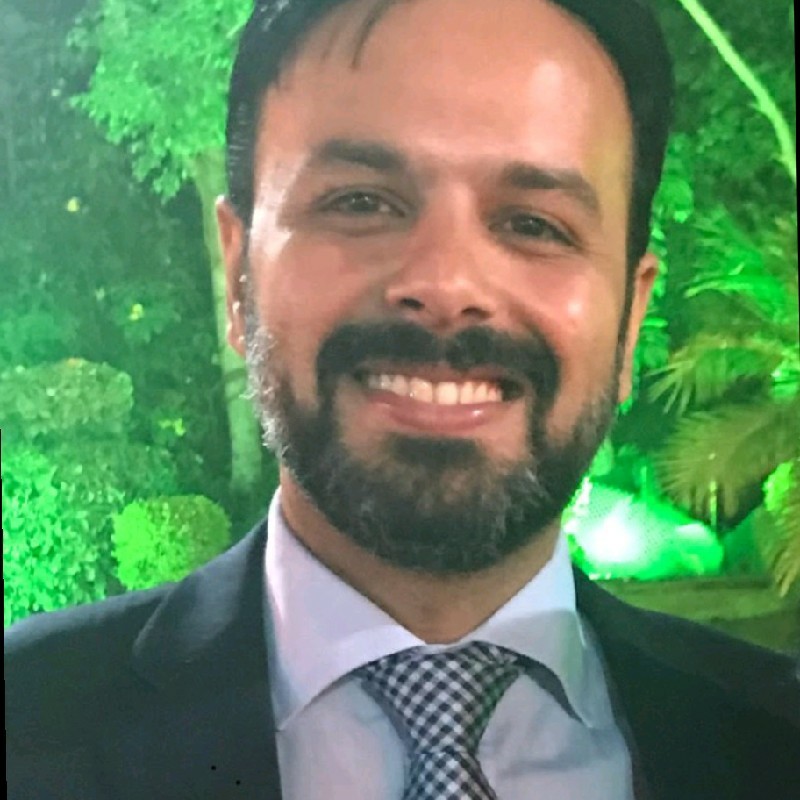
  • “Success in the legal profession stems from a keen desire to learn, coupled with patience and a supportive network of mentors and colleagues.” – Seher Ali, Partner at Antares Legal

    “Success in the legal profession stems from a keen desire to learn, coupled with patience and a supportive network of mentors and colleagues.” – Seher Ali, Partner at Antares Legal

    This interview has been published by Namrata Singh and The SuperLawyer Team

    Seher, could you please walk us through your journey from your early days in law to becoming a Partner at Antares Legal? What were some of the challenges you faced when you first started your career in law, and how did you overcome them?

    I am a multi-generational lawyer and have been exposed to the legal profession from the time I was born. My grandfather and great-grandfather were both judges of the Supreme Court. It was assumed that I would choose a career in law and endeavour to follow their giant-size footsteps but it wasn’t until after I graduated from LSR, that I found my way to law. While in college, I was certain that I wanted to pursue journalism – I loved to analyse, probe, look for loopholes and write. When that didn’t work out, I shifted focus to law and these interests became strong research, diligence and transactional capabilities.   

    One of the challenges I faced in my early days as a lawyer was likely a challenge faced by most young aspiring women lawyers at the time – being a young woman lawyer! It has been encouraging to witness the multi-fold increase of women in the legal profession in the last two decades, but when I first started out, being a woman, one had to be twice as patient and work and persevere twice as hard to prove oneself as a serious legal professional – especially in the litigation space, which is where I began. Clients would assume I was either the support staff or prefer to address my male colleagues even if I was the senior most lawyer in the room.  I had to resort to creative ways to appear serious and professional which ranged from donning sarees to sporting spectacles at a young age. With the boom in corporate law in the 2000s, perceptions began to change and I couldn’t be happier about it!

    After having spent my formative years in litigation at Khaitan & Khaitan (erstwhile KJSV), I traversed to the corporate law practice at Dua Associates and Tatva Legal and gained significant  experience in M&A, PE, Real Estate, Debt transactions and litigation.

    After having spent over 14 years at law firms, and despite having led teams in large and substantial  transactions, I felt needed more challenges, in a new  and different setting. This led me to the M&A team at Bharti. This gave me the opportunity of stretching my limits through a gigantic learning curve, with the sheer variety and volume of fantastic transactional work that can only come with working with a world-class global MNC. I realised however that I missed the satisfaction and fulfilment that private practice brought – the variety in client interactions, variations in work and challenges and establishing structure in chaos! Antares Legal happened to me at a time when I has started evaluating my next steps and searching for newer challenges.

    Siddharth Bhavnani, Arjun Anand (my partners at Antares Legal) and I had known each other well for almost our entire professional careers, having worked with each other across various law firms. Under the exceptional leadership of Siddharth and Arjun, Antares Legal was in a short span already a name to be reckoned with for delivering quality driven and value based legal services. Collaborating with Arjun & Siddharth in the growth and management of Antares Legal was an opportunity and challenge that I embraced and transitioned back to private practise.

    Could you share a bit about your experiences of managing a charitable trust and how it shaped your approach to law and community service?

    Alongside my legal career, I also manage a family set-up, public charitable trust in Bihar. The proceeds to the trust are distributed towards various charitable purposes in and around Patna including scholarships to students in the EWS category, medical facilities, establishing and maintaining a legal and literary library, infrastructure for schools etc. 

    Each lawyer has a moral and professional duty to serve the broader community. Engaging in community service, to whatever extent possible, is a manifestation of this  responsibility and an indicator of one’s social consciousness. I endeavour to provide timely guidance and support in community service matters and encourage all young lawyers to find time to contribute positively to society (in addition to their Clients!) through pro bono work and volunteer initiatives. 

    With your diverse portfolio and responsibilities, could you give us a glimpse into what a typical workday looks like for you? What are some common tasks and challenges you encounter, and how do you navigate through them to ensure smooth operations and client satisfaction?

    Timelines that run away from you because of matters that require urgent intervention on account of unanticipated crises at a Client’s end, are commonplace and arise almost every day. 

    As an old school lawyer – I’m always taking notes and maintaining task sheets and to-do lists for each day. Effective time management, organization and prioritization is key and equally so is picking the low hanging fruits first! Naturally none of this is possible without my meticulous and trail-blazing team who ensure that each client is prioritised and the ball is never dropped!

    While it is not possible to generalize a typical workday, I start my day very early by prioritizing the key deliverables, calendarizing calls and meetings and checking my emails/whatsapps for overnight developments. Delegation of tasks and responsibilities at the right time and to the appropriate resource is critical to achieving timely goals. Administrative tasks including timekeeping and billing also need to be attended to in parallel. At the end of the workday, I update my task sheet and set my tasks for the next day.

    In your role at Bharti Enterprises, you led numerous high-stakes transactions across the group companies. Can you walk us through one of the most memorable deals you worked on and the challenges you faced? 

    One of the most intriguing transactions was the demerger of the general insurance business of Bharti Axa to ICICI Lombard. In addition to analysing, reviewing and negotiating the various transaction documents which form part of the regular life cycle of any M&A, this transaction also necessitated applying for and obtaining varied regulatory approvals from CCI, IRDAI, stock exchanges, MCA, RBI and NCLT. The transaction kicked off right in the middle of the Covid lockdown with everyone working remotely. Despite innumerable work-life balance challenges, tech fatigue and childcare and familial responsibilities, each of the stellar teams and departments involved at Bharti, Axa, ICICI Lombard and all of the external firms involved, worked relentlessly, often until the wee hours, to keep up the momentum and ensure closure in record’s time.

    You made a transition from an in-house role at Bharti Enterprises to a law firm environment at Antares Legal. How has your experience in corporate legal departments influenced your approach to practicing law in a firm setting?

    I had worked in law firms for over 14 years when I made the transition to Bharti. But when I returned to private practice, I carried back with me a wealth of practical experience and commercial insight which I never knew I needed.  The importance of understanding not only your Client’s products/service offering/business and relevant industry dynamics, but also anticipating potential risks in a timely manner and advising on practical strategies to mitigate them effectively, cannot be underscored enough. 

    In-house counsels are typically weighed under with day-to-day assignments and responsibilities and tend to lean upon their external counsels for crisis management and response efforts during emergencies, like significant claims/litigations, criminal proceedings, product recalls, regulatory enforcement actions, and other incidents that could pose significant legal and reputational risks. 

    The ability of the external counsel to take charge of such situations including providing strategic oversight, inspiring confidence through inter- personal communication skills and their ability to effectively collaborate across the various departments and functions of the Client is what Client finds most valuable. 

    One of your notable achievements includes advising on a significant debt market deal recognized at the Asian Legal Business Awards. What were the key strategies behind the success of this transaction?

    During my time at Bharti Enterprises, I had advised on the issuance of secured perpetual securities of USD 1Bn by an offshore Bharti Airtel WOS. This transaction was globally acknowledged as one of the leading debt transactions of the time and was felicitated with the Best Debt Market Deal of the Year 2020 at the Asian Legal Business Awards. Another transaction, whereby Bharti Airtel raised USD 3Bn was reportedly the largest ever dual tranche equity and FCCB offering in the Asia-Pacific and largest QIP ever by a private sector issuer in India, was recognised and felicitated by IBLJ as a landmark capital markets deal.

    These mammoth transactions necessitated intense engagement and coordination with various internal teams, departments, group companies, external domestic and international law firms, underwriters, BRLMs and other agencies within extremely tight timelines.

    As someone who has navigated through various law firms and corporate environments, what do you believe sets Antares Legal apart in terms of its approach to legal practice and client service?

    The team at Antares Legal has extensive experience and has recognized achievements in the areas of mergers & acquisitions, private equity, hospitality, real estate, and banking & finance transactions, and general corporate advisory. The firm also strategizes and represents clients on litigation matters before the Supreme Court, various state High Courts, District Courts, Commissions, Tribunals and forums on a pan India basis as well as in arbitrations.

    We have tremendously high-quality work with top tier clients and have created long-standing relationships with our clients and other external stakeholders. This serves as testimony to our strong understanding of the legal landscape, and the ability to be resourceful and offer practical, innovative and business conscious solutions.

    We prioritise the provision of quality driven and value based legal services to our Clients and which is why, though relatively new to the legal services space (having been established in 2017), Antares Legal has already developed the reputation of being a trusted advisor. 

    Having worked in both in-house roles and at law firms, you’ve experienced the legal landscape from different perspectives. Could you elaborate on the differences you’ve noticed between these two environments, and how they have shaped your approach to legal practice?

    Like most private practitioners, I assumed in-house would entail a slower pace with exposure to cookie cutter contracts and transactions. I couldn’t have been more wrong! I was part of the frenetic yet hugely satisfying M&A team at Bharti. Leading multiple transactions simultaneously – all set in different industries, regulatory regimes and jurisdictions, meeting the demands of numerous internal and external stakeholders, balancing legal and business priorities, crisis management, post-merger integrations and living with the transactions post-closing, are only some of the challenges I faced. It was these challenges however, which have helped hone my approach. The importance of understanding our client’s operations and internal dynamics, industry context and strategic objectives are crucial for providing effective legal advice and support. In addition to providing kosher and strategic legal advice, providing continual guidance on compliance gatekeeping and risk management, changing laws and best practices are vital to clients.

    Outside of your legal career, you enjoy reading, volunteer work, and other pursuits. How do you balance your professional commitments with your personal interests?

    Outside of my legal career and managing the Trust, I have two young, innately curious and free-spirited children, who keep me on my toes! I try not to miss any events they participate in, whether in school or outside. I also love watching movies with my family, and time permitting will also spend hours reading all types of fiction.  

    The recent trends in technology and globalization have reshaped the legal landscape. How do you stay updated with these changes, and what advice would you give to aspiring lawyers entering the field today? 

    The importance of continuous learning cannot be emphasised enough. I endeavour to stay updated on changes in laws, regulations, and precedents by attending seminars, workshops, and conferences and webinars. I love reading, and read all publications, journals, and newsletters about recent developments in my practise areas.

    Aspiring lawyers must focus on developing a strong grasp of legal principles, research skills, and analytical thinking. Young lawyers should spend at least a couple of years in litigation practise – the experience they will gain will prove to be invaluable and form the bedrock of their legal careers. Also, begin your career as a generalist and thereafter follow your passion into your niche. If you like what you do, you’ll never tire of it. Young lawyers could also seek out mentors, who are willing to offer guidance and advice as they navigate their careers.

    A keen desire to continually learn more, do more and be more with a healthy amount of patience will help position aspiring lawyers for success in the legal profession. Reinventing oneself on a regular basis will ensure one remains relevant. Lastly, surround yourself with people smarter than yourself – I’ve had the good fortune of being part of exceptional teams throughout my career and I attribute my success to them and my association with them.

    Get in touch with Seher Ali-
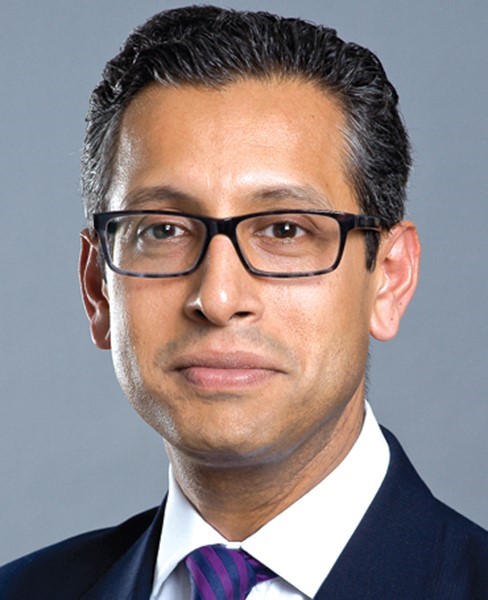
  • “Being close to the core legal principles, practical developments, different viewpoints from commentators and possible areas for reform are essential to make the most of practising the law”- Gautam Bhattacharyya, Partner at Reed Smith LLP

    “Being close to the core legal principles, practical developments, different viewpoints from commentators and possible areas for reform are essential to make the most of practising the law”- Gautam Bhattacharyya, Partner at Reed Smith LLP

    This Interview has been published by Pragya Chandni and The SuperLawyer Team

    Sir, could you please share with us a bit about your journey into the field of international commercial arbitration and litigation? What initially drew you to this area of law?  

    I did my two year training contract between 1991-1993 at the London office of a law firm then called Denton Hall Burgin & Warrens, and, as was customary, did 4 seats each of 6 months duration.  My seat in the dispute resolution group led by a partner called Bob Goldspink opened my eyes to the world of international commercial arbitration and litigation.  Although Bob is now long retired, he was a great mentor to me and remains one of the biggest influences in my career.  Bob made the practice area fun and dynamic, and I thoroughly enjoyed the challenge of solving commercial problems through the analysis of the facts and application of the law, the close interaction with clients, the global nature of the disputes, considering the best strategies to adopt and thinking about how our opponents might act.   When I qualified as a solicitor in 1993, I became an associate in Bob’s team and continued to learn from him through working on a broad mix of arbitrations and litigations.   He also gave me a lot of responsibility and independence from the outset.

    You’ve had an extensive career with Reed Smith, including serving on the global board and executive committee. Can you highlight a few key milestones or cases that have been particularly significant in shaping your career? 

    My time at Denton Hall Burgin & Warrens from 1991-1997 will always be special as that was the first law firm I worked at and we should never forget where we all started.  Apart from Bob Goldspink, I shall always be indebted to two other partners there; Virginia Glastonbury, who interviewed me for a training contract in 1989 and believed in me, and Bill Anderson, another disputes partner, who taught me how to really think through issues.  

    Shortly after I joined Reed Smith in 1997, I became the lead associate on a major litigation acting for the BBC in defending the arrangements it had entered into with the Premier League to acquire the exclusive rights to broadcast highlights of English Premier League football matches on its flagship Match of the Day programme. The BBC was ultimately successful in that litigation following a trial in 1999.  Not only was that a fascinating and high profile case to work on, but it also enabled me to work very closely with Sarah Jones, then the BBC’s head of litigation, and who for many years now has been the BBC’s General Counsel.  Sarah is both a formidable lawyer and wonderful person, and remains one of my very best friends in the law.   Since that Premier League football case,  I have been very fortunate to advise the BBC and its group entities on many significant matters, right through to the present day.  

    In the course of my now almost 27 years at Reed Smith, I have also been very fortunate to have worked with many colleagues on arbitrations and litigations involving clients and disputes all round the globe including India, Africa, the US, the Middle East, Singapore and SouthEast Asia, Mongolia, Kazakhstan and South America, amongst others.   Those matters have all been great learning experiences, and have involved a wide range of industry and business sectors.  The ability to work with clients and lawyers in those jurisdictions has been a real privilege as has being able to travel to so many countries as part of those cases.  I genuinely did not think that I would visit so many countries when I was growing up in London.   It has also been uplifting to see several lawyers who have worked with me on those cases achieve promotion at Reed Smith;  a number are now my partners and a number have moved to prominent in-house roles.   The success of each of my mentees has been a key milestone.   

    I shall always be thankful for being made a partner at Reed Smith in 2000,  being asked to serve as the founding managing partner of Reed Smith’s Singapore office and being based in Singapore from 2012-2015, and for being a member of Reed Smith’s global board, its Executive Committee, from 2017-2023.  

    Looking at the list of representative matters, you’ve represented clients in a wide range of industries and jurisdictions. How do you navigate the unique challenges presented by different sectors and legal systems?

    The variety is stimulating and, as every case is different, each is always a great learning experience.  There is inevitably a core skill set which all disputes lawyers need to have, but being able to adapt, take things in stages, and think flexibly is important.  There is also never a monopoly on wisdom, and everyone on the case team has an essential and valuable role to play.  Working in a wide range of industries has given my colleagues and I the ability to interact closely with a broad spectrum of clients and form several long-lasting relationships.   Almost invariably the external legal team and the client team become a seamless unit, looking out for each other and working towards common goals.   Working on matters involving lawyers in other jurisdictions, apart from my home jurisdiction of England and Wales, is a fabulous way to expand our minds and to think even more broadly.  When you also throw expert witnesses into the mix, that adds to things even further. We all learn a lot from each other, work symbiotically and continually appreciate that there are different ways to approach issues.  That sums up what it means to be involved in international litigations and arbitrations.        

    How has your experience as an educator informed your approach to complex legal matters, and do you see any intersections between teaching and practicing law?

    A phrase I read many years ago is that the legal profession graces lawyers, and lawyers do not grace the legal profession.   It is therefore important to give back and to share knowledge, experience and expertise. I have always enjoyed giving talks on legal topics, speaking at conferences, teaching occasional classes, writing articles and contributing to legal publications.  None of us stops learning.   The law is dynamic and constantly evolving, and being as up-to-date as possible is essential.  Being close to the core legal principles, practical developments, different viewpoints from commentators and possible areas for reform are essential to make the most of practising the law.   Clients also expect us to not only have excellent judgment but to always be on top of legal learning, and so there is no substitute for that.        

    Balancing responsibilities as a former managing partner of Reed Smith’s Singapore office and chair of the India Business Team must have been challenging. How do you balance leadership roles with your legal practice?

    With the support of incredible colleagues.  Doing what we do is all about teamwork and supporting each other.  It is rightly expected that senior lawyers should give back to their firms in a tangible and meaningful way through leadership roles, but no one can do everything.  I am very fortunate to have so many amazing colleagues with whom I have worked closely over the years, and with whom I continue to work, who have enabled me to do what I do.         

    You’ve received numerous honors and awards, including being ranked in Chambers UK and listed as a ‘Leading Individual’ in The Legal 500. How do such recognitions impact your approach to your work, if at all?

    Any recognitions are of course hugely appreciated but they truly primarily reflect on my colleagues with whom I work.  It is also a broad team – my executive assistant, paralegals, trainee solicitors, associates, of counsel, and other partners.   As a mentor,  the objective should not be to have my mentees equal me but instead for them to surpass me.

    Coming towards the end of this conversation, what advice would you give to law students or fresh graduates who are considering a career in international commercial arbitration and litigation?

    Do it.  Go for it.  International commercial arbitration and litigation is an incredible practice area. Working on the resolution of major global disputes and advising clients, be it through arbitration, litigation or mediation or other types of proceedings,  in a mix of industry sectors, will stimulate, challenge and test you,  but it will in equal measure bring great satisfaction, sharpen your legal skill set and continuously broaden your learning.

    Get in touch with Gautam Bhattacharyya-

  • As I’ve gained experience, honed my skills, and discovered my areas of expertise, I’ve found a sense of fulfillment in my work that I may not have anticipated earlier in my career- Shivam Sinha, Partner (Commercial Disputes & Regulatory) at Sagus Legal

    As I’ve gained experience, honed my skills, and discovered my areas of expertise, I’ve found a sense of fulfillment in my work that I may not have anticipated earlier in my career- Shivam Sinha, Partner (Commercial Disputes & Regulatory) at Sagus Legal

    This Interview has been published by Pragya Chandni and The SuperLawyer Team

    Can you walk us through your journey from starting as an Assistant Manager, Legal at Jindal Steel and Power Ltd. to becoming a Partner at Sagus Legal? What were some pivotal moments that shaped your career path?

    Allow me to capture my professional journey so far as succinctly as possible (don’t want to bore the readers). I am from the first B.A LLB batch of Jindal Global Law School which graduated in 2014. During the placement cycle I ended up getting an offer from JSPL and a lucrative one for that matter. At JSPL, I majorly worked on the corporate side along with handling a few electricity generation related matters. 

    After this initial phase of 2 years, I transitioned to a law firm, marking a pivotal juncture in my career trajectory. Embracing the dynamic environment of firm practice, I embarked upon a journey characterized by specialization yet having experience of diverse work, client engagement, and the relentless pursuit of delivering desired results to the clients. Over the subsequent 7 years, I immersed myself into having a core specialization along with having experience in diverse practice areas, honing my expertise and assuming progressively substantive roles within the firms I was part of, which eventually led to me becoming a Partner in Sagus Legal last year. However, I sincerely believe that ‘Partner’ is a designation outlining my roles/responsibilities and nothing more than that. My career graph as a professional has only begun and hopefully, I am able to contribute much more.

    You’ve had experience working both in-house and in law firms. How did these different environments influence your approach to practicing law and the type of work you pursued?

    Working in-house versus at a law firm is like comparing apples and oranges – they’re both fruits, but they have their own unique flavours. When I was in-house, the role demanded both managerial and legal acumen. I worked closely with folks from different departments, understanding their needs, and figuring out how legal could support them. It was like being the legal quarterback, always strategizing to keep the company moving forward while avoiding legal pitfalls.

    Whereas in law firms, one needs to have a much more holistic understanding of law. You strive to become the go-to person for that slice of legal expertise, whether it’s corporate law, litigation, or something else entirely. It’s intense, with tight deadlines and high stakes, but it hones your skills like nothing else and it’s also incredibly rewarding to see your expertise in action. Plus, there’s a strong emphasis on client service. You’re not just a lawyer; you’re a trusted advisor, making sure your clients feel supported every step of the way.

    Overall, both experiences have shaped me into a more versatile and adaptable lawyer. But if a fresher is inclined to go in-house straight after law school, I would suggest that she or he should first spend a few years in law firms or a chamber of some experienced lawyer. That ways’ you will be able to contribute much more as an in-house lawyer. 

    Could you share some highlights or memorable cases from your time representing major corporate houses?

    In the past few years, I have had the privilege of doing matters which are of sectoral importance. The most recent one would be the Judgment passed by Appellate Tribunal for Electricity where I was representing Distribution Companies of State of Odisha in one of the appeals in the batch. I won’t get into technicalities but to give a brief, in this matter Indian Railways was seeking status of Deemed Distribution Licensee status, and the Distribution Companies were opposing the same as that would be against the framework of the parent statute governing the electricity sector i.e. The Electricity Act, 2003. APTEL dismissed the appeals and did not allow the status being sought by Indian Railways. The Judgment has a nationwide impact as in case APTEL would have granted the status of Deemed Distribution Licensee to Indian Railways, there would have been a consequential impact on energy charges being paid by all the other set of consumers across India.  

    You’ve been recognized for your work in handling complex projects and energy disputes across various forums. Can you share some insights into the strategies you employ when dealing with such high-stakes matters?

    In handling complex projects and energy disputes across various forums, my approach is rooted in thorough preparation, strategic planning, and effective communication. Before delving into any matter, I ascertain the client’s goals and objectives, as much as possible. This enables me to develop a tailored strategy aligned with their desired outcomes and anticipate potential challenges. Throughout the process, I maintain open lines of communication with clients, keeping them informed of progress, developments, and potential risks or opportunities. Collaboration is also key, as I leverage the expertise of colleagues to address complex legal issues from multiple perspectives. Flexibility and adaptability are also important aspects, allowing me to navigate evolving challenges. By employing these strategies, I strive to achieve the best possible outcomes for my clients while mitigating risks and maximizing opportunities in high-stakes matters.

    What has been the most rewarding aspect of your career thus far, and what motivates you to continue practicing law in your areas of expertise?

    The most rewarding aspect of my career journey so far has been the evolution from uncertainty to clarity. While I may not have initially been clear about my career trajectory, the process of exploration and self-discovery has been immensely rewarding. As I’ve gained experience, honed my skills, and discovered my areas of expertise, I’ve found a sense of fulfillment in my work that I may not have anticipated earlier in my career.

    Finally, what advice would you give to recent law graduates aspiring to make a mark in the field of energy law or law in general, based on your experiences and journey?

    Law as a profession is very dynamic and engaging. It demands a lot out of you but rewards you with constant intellectual stimulation and knowing that your work has a meaningful impact is incredibly fulfilling. There is no straight jacket formula for making a mark though one necessarily has to keep at it, day in and day out. Experimenting in early years of a career is fine but frequent jumping of ships doesn’t really help in the long run. 
    The journey of a lawyer is a long one. Don’t rush into things. At times things will work in your favour, at times it won’t but in the end, you will end up learning something out of the entire process. I would like to conclude by quoting the famous statement of Justice Joseph Story “The law is a jealous mistress and requires long and constant courtship. It is not to be won by trifling favors, but by lavish homage.

    Get in touch with Shivam Sinha-

  • “Early exposure to courtroom dynamics sharpens your analytical prowess and pragmatism, equipping you to navigate complex legal scenarios with confidence.” – Manik Sood, Senior Vice President, Legal at Zee

    “Early exposure to courtroom dynamics sharpens your analytical prowess and pragmatism, equipping you to navigate complex legal scenarios with confidence.” – Manik Sood, Senior Vice President, Legal at Zee

    This interview has been published by Namrata Singh and The SuperLawyer Team

    Reflecting on your journey from college, could you share the story of why you chose to pursue law as a career? Were there specific experiences or influences that led you down this path, and how has that decision shaped your professional trajectory over the years?

    Growing up, as a student, I was always inclined to study business and that is evident from my qualifications as well. I hold an Honours in Bachelor of Commerce from Delhi University and then pursued my Masters in Business from Australia. However, law was always on the cards for me as I come from a family of lawyers. One particular instance I do recall that may have prompted me further towards this career was my interaction during my MBA with a fellow student (Tony, who also was a lawyer). We had numerous discussions on various issues that he dealt with as a lawyer and why he felt the need to study business to enhance his career as a corporate lawyer. I recall my interactions with him as a tipping point in developing further interest in this profession.

    In your role at Zee, you must have been involved in significant transactions with major partners. What negotiation strategies or skills have you found most effective in dealing with such high-stakes deals? 

    A thumb rule to any practice in law is to assess the situation before you with an analytical mindset. You need to understand the situation you are faced with, how it impacts you from an operational standpoint and what you can do to safeguard your interest. Even while negotiating and finalising contracts these principles form the foundation that acts as a guiding factor in my decision making. I place heavy reliance on certain clauses like Scope, Indemnification, Limitation of Liability, IPR, Obligations and Reps and Warranties and ensure that my organisation’s interest is best covered while negotiating any transactions.   

    Your experience includes handling legal affairs in the FMCG and E-commerce sectors. How do you navigate the evolving landscape of technology laws, especially in the context of data protection and intellectual property, to ensure legal compliance?

    We live in an era of evolving technology and that plays a pivotal role in any business these days. I have been fortunate to have worked in different industries which are at the forefront of technology like e-commerce, Fintech and Media and Entertainment. The key to navigating compliance for any organisation is to continuously be involved in stakeholder consultation. You need to be able to work with different stakeholders from across functions and be able to understand the nuances that surrounds your business. Data in the present times is considered to be the most expensive and valuable commodity for any business and therefore ensuring compliance vis-a-vis protection and privacy of customer data is crucial for any big business these days. With new enactments like the DPDP Bill on the horizon, non-adherence to these compliances can result in big financial losses to an organisation which can be avoided if there are compliant and audited systems in place.   

    You pursued an MBA from La Trobe University in Melbourne, Australia. Could you share what motivated your decision to pursue an MBA and what factors influenced your choice to do it abroad? How has your business education enhanced your legal career?

    I have always been a keen business student and wanted to pursue my education by doing what I was passionate about. After my graduation, I decided to pursue my post-graduation from outside India as that would give me the opportunity and exposure that a young student like me required in the early years of my life. Besides, it gave me a good understanding of different cultures and a chance to make a global network. My education has helped me imbibe my learnings into my legal practice. Being a corporate lawyer, I have a good understanding of business operations and as a result, I can integrate the legal framework keeping business needs in mind.    

    As someone actively involved in the Mediation & Conciliation Network and Federation of Integrated Conflict Management, how do you see alternative dispute resolution methods shaping the future of legal practice? 

    Alternate Dispute Resolution is cost-effective as it saves the high expense of litigations incurred by litigators and is a faster medium of effective disposal of intense disputes. With an overburdened judicial system, Alternate Dispute Resolution like mediation and conciliation is the future of effective disposal of disputes and provides a great platform for an amicable settlement between the parties. ADR will play a very crucial role in the coming times in India.      

    You’ve been recognized for your achievements, including being awarded the Most Valuable Legal Associate at Sood & Singh Associates. Can you share a bit about a project or accomplishment that you are particularly proud of in your career?

    Many instances have challenged me in my career, one such instance is during the Covid-19 time in 2020. I was faced with an issue where the business team was keen on implementing a model under our e-commerce business where we could leverage transactions as a SAAS platform. By the time the information about the business model came to my desk, there were already substantial efforts and costs made in terms of operationalising the same. I was faced with a unique challenge to intervene in the structure of the envisaged model. Without getting into the intricacies of what transpired, I had to hold my ground and opine my business team on the challenges that it may attract from a compliance standpoint and the risk and exposure that may be faced by the organisation if we do not change the current structure. As a result, we took external opinion and external counsel endorsed my view which resulted in changing the entire structure of implementing this model. I got beef from my internal stakeholders initially, however, when they realised that my observations were well accounted for, this resulted in appreciation at a management level.

    You made a transition from working in law firms such as Kochhar & Co. to taking leadership roles in organizations like Zee Entertainment and Paytm. What motivated or inspired you to make the shift from private practice to the corporate sector, and how has this transition impacted your approach to legal challenges?

    I was always intrigued by the corporate practice and after having worked for almost a decade in litigation and law firms, I got an opportunity to head the legal vertical for a startup. What attracted me towards this role was the fact that the management of the company wanted a candidate who could help set up the entire legal vertical right from scratch and I took that up as an opportunity to utilise my expertise of over a decade and implement my learnings from my business qualification into practice. Another motivational thing about corporate practice is of being able to take ownership right from the point of giving your legal opinion to implementing it at ground level with desired results, unlike in the case of being a consultant where your role ends at giving that opinion. Being a very result-driven professional, this facet always intrigued me and may have been the guiding reason why I moved practices to corporate so as to have enough exposure on that front as well as a professional. 

    Having pursued your Masters in Business Administration in Australia, how would you describe the differences, if any, between the education systems of Australia and India? How has this cross-cultural educational experience influenced your approach to legal practice in the corporate sector?

    While major part of my education has been in India, I was able to complement the theoretical knowledge gained during these founding years in India with the practical knowledge that I gained while pursuing my higher education in Australia. This practical knowledge has played a very crucial role in giving me a competitive edge in my career. This to my mind is a big differentiator between the education systems of the two countries. An example to validate the same is that during my post-graduation, one subject which I undertook was completely based on a video game called “Age of Empire”. The entire game served as a learning ground. The professor compared the challenges faced in the game to the challenges that one faces in real life. As a student, you tend to remember and co-relate to such situations better and this leaves a strong impact on your mind. The same approach serves as a guiding principles in my legal practice today where I can relate to different situations and be able to suggest possible legal steps in overcoming the hurdles without impacting business operations at large.     

    Outside of your demanding legal career, what activities or hobbies do you love to engage in to unwind and recharge? How do these non-legal pursuits contribute to maintaining a balance in your life?

    Work-life balance is most important to me. I like spending time with my family as we need to remember that we work hard only to provide a better quality of life for our family members. So all work no play does not work for me. Besides that, I love listening to music, dedicating some time to my health by doing my daily runs and meeting old friends at every given possibility as they help keep me grounded and keep the momentum of life going.

    What advice would you give to the current generation aspiring to build a career in law, considering the evolving nature of the legal profession and the increasing intersection with technology?

    Get out and never hesitate to challenge yourself. Be open to exploring different legal opportunities and don’t feel settled for what you know best. We live in the day and age of technology and it only makes sense as a legal professional that you embrace technology with both hands.   

    What advice would you give to students who are aspiring to join the legal profession, particularly regarding the decision between working in law firms and opting for a corporate legal role?

    Are there specific factors or considerations they should keep in mind when making this career-defining choice? Since I was a thoroughbred litigation counsel before I moved on to the corporate practice, my advice to aspiring legal professionals is to test your mettle in the courtrooms early on in your career. It harnesses you in thinking analytically and pragmatically about situations you are faced with. Besides it gives you an edge to have an extempo mindset which is crucial for any legal practice – be it with the law firm or as an in-house counsel.

    Get in touch with Manik Sood-

  • “As an in-house counsel, you are not just a legal advisor but also a strategic partner to the Business.” – From Litigation to Leadership, Niyati Ojha, Legal Counsel at HP Inc.

    “As an in-house counsel, you are not just a legal advisor but also a strategic partner to the Business.” – From Litigation to Leadership, Niyati Ojha, Legal Counsel at HP Inc.

    This interview has been published by Namrata Singh and The SuperLawyer Team

    Your journey from being an Intellectual Property Counsel in law firms to your current role as Legal Counsel at HP Indiac. is quite impressive. Could you take us on a brief tour of your career path, highlighting key milestones and what inspired your transition to the diverse legal roles you’ve undertaken?

    To say the least, the journey from an Intellectual Property Lawyer to that of an In-house counsel has been dramatic with various challenges during the transition. Being a lawyer has always been my aspiration and I had decided quite early on that I wanted to be a lawyer. I went through the same grunt of attending coaching sessions for the law entrance exams, getting into one of the prestigious colleges in the country and starting my legal career. Just like any other freshly graduated lawyer, I started my career as a litigating lawyer and realized early on that litigation is not my cup of tea. This was a huge setback as I was sure that I wanted to be a lawyer. With this inability to fit myself in the litigation landscape, came self-doubt and a fear that maybe I took the wrong choice. I was at crossroads, where at one side I believed I was inept, and the other was a constant nigger within me that I am at the right place. It’s important to recognize that setbacks and doubts are natural parts of any career journey, but it is also important to remember that the legal profession isn’t limited to only litigation; rather offers a wide range of roles and specialities and finding the right fit often involves exploration and experimentation. This realization and acceptance are a valuable insight that guides you towards a more fulfilling career direction.

    At that point, I started exploring my other options in the legal profession and came across the practice of Intellectual Property Rights. When I started my role as an IPR lawyer, I had no clue on the depths and potential of this subject. The significance of Intellectual Property Rights was not completely recognized by companies and as IPR lawyers, we often found ourselves at the intersection of law, technology, and business, helping companies protect their intangible assets. The scope was not limited to just providing legal advice but played a crucial role in educating clients about protecting their intellectual property rights and the potential benefits it can offer in terms of innovation, competitiveness, and revenue generation.

    As a next step, there was a need to challenge myself and break out my comfort zone despite being a settled IPR lawyer. Transitioning to an in-house counsel role undoubtedly presented new challenges, especially with the lack of experience in handling compliance of a company, but the trick was to approach this challenge with courage and determination. Moving from a specialized role to a broader role required adaptability, willingness to learn and the ability to grasp new concepts and responsibilities all of this while parallelly handling internal conflicts like self-doubt and imposter syndrome. I tag this transition as one of the toughest phase of my professional journey but embracing new challenges and stepping out of one’s comfort zone is often where the most significant growth occurs, and I believe I have embraced this mindset wholeheartedly.

    In your role at HP Inc., you’re involved in day-to-day operational work and deal support across different Business Units. Could you give us a glimpse into your daily work routine, highlighting key aspects of your responsibilities and the challenges you often face in managing the legal aspects of the company’s operations?

    As an in-house counsel, you are not just a legal advisor but also a strategic partner to the Business, and the role extends beyond providing legal advice to actively contributing to the company’s success and growth. The dynamic nature of the business environment means that your day-to-day responsibilities can vary widely, and you must be prepared to adapt quickly to changing priorities and unforeseen challenges. Unlike a law firm setting where tasks may be more structured and predictable, as an in-house counsel the need is to be more flexible and responsive to the needs of the Business.

    The key aspect is to understand not just the legal implications of decisions but also the broader business context in which those decisions are made. This requires an in-depth understanding of the company’s goals, operations, and industry dynamics as well as the ability to balance legal considerations with practical business realities.

    Balancing the needs of the Business with imperative legal compliance is indeed a common challenge for in-house counsels. It is natural for the Business to prioritize growth, innovation, and profitability but it is the responsibility of the in-house counsels to ensure that these objectives are pursued within the bounds of law and ethical standards. When Businesses express frustration about legal constraints hindering their operations, it is important for in-house counsels to engage in open communication and foster a collaborative approach. One important aspect that can help to ease this balancing act includes collaborating early on, by being proactive instead of reactive, in-house counsels should encourage the Business to engage with legal counsels early in the planning stages of the projects or initiatives. Through this, legal counsels can help identify issues upfront and ask the business to address these challenges promptly. Another important consideration for in-house counsels is to provide practical solutions. Instead of simply saying “no” to business requests, in-house counsels should work with stakeholders to find creative solutions that achieve their objectives while mitigating legal risks. This also involves structuring documentation and transactions in such a way that minimizes legal exposure or implementing compliance procedures that streamline operations without sacrificing legal integrity. This helps in navigating business needs with legal compliance and fostering a collaborative environment where both objectives can be met harmoniously.

    Beyond your corporate role, you’re actively involved in education and mentorship. How do you balance your professional commitments with your passion for teaching law to aspiring students and guiding underprivileged students toward career opportunities?

    I am deeply committed to the cause of education and have a strong belief in its transformative powers. I look at it not only as a means of personal advancement but also as a tool for societal progress and change. The role of mentors and teachers has evolved in the present day. With the proliferation of information and access to diverse perspectives, students are more empowered to question and engage in critical discussions with their mentors. This shift presents an opportunity for mentors to adapt to the modern approach. Emphasizing realistic examples and connecting theoretical concepts with practical scenarios is indeed crucial for students to understand the relevance and applicability of their curriculum.

    Balancing professional commitments with a passion for teaching can be surely challenging, but dedication towards this cause is the driving force. The passion of bringing about change, and not something at a large level but a perspective that even influencing one person’s life can have a ripple effect that creates a bigger positive change. This mindset stems from an understanding of the power of education to transform individuals and communities.

    It is important to acknowledge the sacrifices and challenges that come with juggling multiple commitments, but the moments of fulfilment and gratitude, such as when a student expresses appreciation, makes it all worthwhile. These moments serve as a reminder of the profound impact that educators can have in the lives of their students. Having a strong support system is invaluable in navigating the demands of both professional life and continuing one’s passion. There have been instances where I have worked for all 7 days a week, it is in those moments when you feel if you’re doing the right thing. My family has been my strongest support system. While I have been away, they have managed everything at the backend. I feel extremely privileged and grateful to have such a support system, which I am mindful that many people do not have. It is important to recognize that not everyone has access to the same resources and support networks and acknowledging this privilege imbibes empathy and a commitment to create opportunities for others.

    Having worked in law firms and now in a corporate setting, what are the key differences you’ve observed, and how have these differences shaped your approach to legal counsel at HP Inc?

    While both law firm and in-house counsel roles involve practicing law, the focus, scope, and dynamics of work significantly differ. Their priorities and perspectives can differ significantly due to their position within the organization. In fact, each role offers unique opportunities and challenges, shaped by the context in which they operate and the priorities that they must consider. It all depends on the lens that you are looking at the problem with. In-house counsels generally have a unique opportunity to immerse in the legal and operational aspects of a single organization in a specific industry, contributing directly to its growth, whereas law firm lawyers have a varied experience bucket. This immersion allows them to develop a comprehensive understanding of their company enabling them to provide support that is tailored to the specific needs and objectives of their company, with a focus on driving business success while ensuring legal compliance and mitigating risk. This often involves finding practical, business-friendly approaches to legal challenges that enable the company to achieve its objectives while managing risk effectively.  In addition to providing legal guidance, an in-house counsel is involved in strategic planning, risk management, contract negotiations, regulatory compliance, and of course crisis management. Ultimately both in-house counsels and law firm lawyers play critical roles in the legal profession, each offering substantial contributions and perspectives. Whether working internally for a single organization or externally as part of a law firm, the ultimate goal is to provide effective legal support that helps their clients achieve their objectives while navigating legal complexities.

    Your written contributions have been featured in reputable publications like the Law Asia Journal, Lexology, and Jurisonline.in. Can you share your thoughts on the importance of sharing legal knowledge and insights through such platforms?

    Absolutely. Sharing legal knowledge and insights is not only a responsibility of a legal professional but also an important aspect of the legal profession. Knowledge sharing encourages collaboration and learning. By sharing experiences, insights, best practices, legal professionals can learn from each other, expand their expertise, and improve the quality of legal services. This is imperative for personal development as it allows the professionals to stay updated on emerging trends and strategies, which is essential for maintaining competence and excellence. It also ensures accessibility. By making resources readily available, legal professionals can level the playing field and ensure that knowledge is shared in a clear, concise, easily understandable manner to a diverse audience. Leveraging technology and digital platforms can enhance the accessibility of legal knowledge sharing initiatives. Online platforms, websites, and mobile applications can make legal information readily available at any time and anywhere making it easier for individuals to access information, regardless of their background or circumstances. However, this works like a double-edged sword, as it can lead to misinformation and confusion if not managed carefully. By promoting trusted sources, providing education and guidance, and engaging in public education efforts, legal professionals can contribute to ensuring that individuals have access to accurate legal information and are better equipped to navigate legal issues effectively.

    Winning the Presidents Club Award at HP is a significant achievement. Can you tell us about the project or accomplishment that led to this recognition and how it contributed to your growth as a legal professional?

    Winning the HP Presidents Club Award has been a humbling experience for me. This Award is not limited to a specific project, but the overall support provided to my company. Recognitions like these serve more than just a trophy or accolade but a reminder of the meaningful role that I play in the company’s overall journey. I believe that success in any endeavour is rarely achieved in isolation, and it takes an army to win an accomplishment. My little army has significantly contributed to my success. This Award reinforces the impact of my efforts and fuels motivation to strive for even better. I would say, stay curious, embrace change, and remain open to new possibilities. Continue to challenge yourself, step out of your comfort zone and pursue your aspirations with passion and determination. Success is a journey and each achievement, like this Award is a milestone along the way. It’s good to celebrate your accomplishments, but also stay focussed on the path ahead, seeking new ways to learn, grow and make a positive impact.

    Balancing a demanding legal career and your commitment to education can be quite intense. What’s your favorite way to unwind and recharge outside of work, and how do you prioritize self-care in your busy schedule?

    In the hustle of managing a legal career and passion for education, prioritizing self-care often takes a backseat. However, it is essential to recognize that self-care is crucial for maintaining well-being and effectiveness. Practicing self-compassion by being kind to yourself is non-negotiable. Curling up with a good book is one of my favourite ways to unwind and escape into another world. Reading allows me to relax, learn and expand my horizons. Spending quality time with my family and friends is incredibly important to me. Whether is it catching up for coffee or going for a holiday, connecting with people keeps me energized. I am not a proactive traveller kind, who can make spontaneous plans. I realize this and plan holidays in advance. This also helps me to establish clear boundaries. When I am away on a holiday, I aim to completely detox from work and teaching. This leads to a more fulfilling and rejuvenating break, allowing me to return with renewed energy and focus.

    Considering your background in law firms, corporate organizations, and advocacy, if a law student has the opportunity to choose between interning at a law firm, with an advocate, or in a corporate organization, what factors should they consider, and what would be your recommendation based on their career goals?

    I get this question quite often and from my personal experience and I can say that there are several factors to consider while considering internship opportunities. Being a first-generation lawyer, I did not have guidance on what would be the ideal combination of internships that would kick start my legal career, which now, in retrospect, I believe has been a blessing since it allowed me to explore multiple opportunities and learn along the way. I made mistakes, learnt from them, and grew.

    During interning years, it is very important to concentrate on learning and mentorship. Law students should look for internship opportunities that offer mentorship and hands-on learning. Consider if the internship opportunity is giving a chance to the student to work closely with an experienced lawyer who can provide guidance and support in their professional development. I cannot stress enough on the importance of having a good mentor.

    Law students often enter their studies with a broad interest in the field of law but may not have a clear understanding of which specific practice area or industry they want to professionally pursue. In such cases, seeking internship opportunities that provide exposure to multiple fields of the legal profession can be an excellent way to explore different areas of law and gain valuable insights into various practice areas and industries. This can help students make more informed decisions about their future career paths and focus their efforts on areas of law that align with their interests and strengths. Furthermore, exploring diverse internship opportunities can also help students build a versatile skill set, and develop critical thinking and problem-solving abilities. Overall, I would say that law students should not limit themselves to choosing just one internship opportunity but should strive to gain a full 180-degree exposure by exploring multiple fields of the legal profession during their college years.  By doing so, students can maximize their learning and growth opportunities, expand their professional networks, and lay a solid foundation for a successful and fulfilling career in law.

    With your experience in the legal field, especially in technology law, what advice would you give to the current generation looking to pursue a career in law, particularly in the rapidly evolving tech industry?

    The tech industry is constantly evolving and its intersection with legal profession presents both opportunities and challenges. Many technological advancements have legal implications across various areas such as data privacy, cybersecurity, intellectual property, e-commerce, and digital rights. As technology advances, it gives rise to new legal issues and challenges that may not have been previously anticipated which paves way for new regulatory frameworks to be established to address the emerging challenges. Embrace innovation and adaptability as essential qualities for success in the rapidly evolving tech industry. Be open to new ideas, approaches, and technologies. Gain hands-on experience by working on tech-related legal matters, drafting contracts, conducting legal research, and advising clients on technology-related issues. This practical experience can be gained through internships, clerkships, or summer associate positions at law firms, tech companies, government agencies, or legal tech startups.

    With massive changes in the tech industry, it helps to attend industry conferences, workshops, and networking events to connect with thought leaders and innovators in the field.

    Staying updated and proactive with the current trends is crucial for the generation looking to pursue law and the legal professionals alike. It enables to better serve their clients, adapt to changes in the legal landscape, and stay ahead in an increasingly technology-driven world.  In today’s digital age, candidates with tech-savvy skills and knowledge are prioritized.

    Get in touch with Niyati Ojha-

  • “Creating an inclusive environment that values diverse perspectives fosters effective collaboration and builds trust within the team.” – Raka Roy, Partner, Galadari Advocates & Legal Consultants

    “Creating an inclusive environment that values diverse perspectives fosters effective collaboration and builds trust within the team.” – Raka Roy, Partner, Galadari Advocates & Legal Consultants

    This interview has been published by Namrata Singh and The SuperLawyer Team

    Heading the IP and Data Protection practice at Galadari Advocates is no small feat. What sparked your interest in this field, and how has your journey been in managing high-profile projects and transactions? Can you share a bit about what drew you to this field and some highlights of your experience so far?”

    Heading the Intellectual Property (“IP”) and Data Protection practice at Galadari Advocates has indeed been a remarkable and rewarding journey. Well, I am old school on this, but for sure, it was my father, a techno legal patent attorney in the 80s, who sparked my first interest in the subject.  At that time India was still in the process of developing their Intellectual property laws and the landscape was only evolving. 

    Reading through the files and books and general casual chats with him on various patent and trademark related issues got me curious. Reading through files and commentaries, I found myself drawn to the intricacies of intellectual property law, realizing that it was more than just a legal practice – it was a unique blend of law and business. Furthermore, IP encompasses a broad spectrum of activities including  registration, protection and enforcing rights making it a dynamic field. 

    Dealing with clients from diverse backgrounds, ranging from multinational corporations to small and medium enterprises, has broadened my perspective and it is interesting to see the different dynamics between clients as their priorities towards their brand protection might be different and so would be their funding. An example for the same would be how, more often than not, high profile clients implement a proactive step towards protecting their IP whereas smaller clients implement a reactive approach, only when their rights have been violated. This is however shifting, with people getting more aware about the importance of protecting their IP. 

    Each project is made special by the personal touches of sitting down with clients, learning about their business, and developing methods to protect what is essential to their brand. This sector is rewarding and demanding due to its unique blend of legal expertise and commercial considerations.

    With over 19 years of experience, including 17 in the Middle East, how have you seen the landscape of IP and Data Protection evolve in the region, and what trends do you anticipate in the coming years?  

    Over the past 17+ years of navigating the IP and Data Protection landscape in the Middle East, I’ve seen a whirlwind of changes that truly reflect the region’s commitment to staying at par with global standards.

    One of the most exciting shifts has been the government’s proactive approach. Laws are no longer static; they’re in a constant state of evolution in alignment to the international standards. Signing the Madrid treaty has been one of the very progressive steps UAE IP office has taken. 

     Amendments in laws and regulations, international treaties, and a more practical stance on handling IP disputes showcase a dynamic and contemporary mindset. For instance, despite not being a common law country, it’s fascinating to note the newfound importance given to prior use in cases involving unregistered trademarks – a bit of a twist from the norm in civil law countries. Additionally, reducing the trademark registration fees, which were once sky-high but have now been dialed down to attract brands, has played a significant role in enticing businesses to set up shop in this first-to-file country.

    In the realm of Data Protection, it’s been a journey from virtually no laws to now having our own Personal Data Protection Law (PDPL). I still recall, during the earlier times, we used to rely on DIFC DP law or other privacy laws when we were approached to advise on the DATA P regime of the country. 

    Nonetheless, today the country has its own law, and we’re eagerly awaiting implementing regulations to solidify the DP framework. Looking ahead, there’s a buzz in the air for Data Protection. Sectors like finance, health, and insurance now have specific DP laws, and businesses of all sizes are gearing up for compliance, especially considering the potential fines. AI and FinTech are particularly two upcoming fields to watch out for in UAE’s legal landscape. 

    What’s heartening is the growing awareness among individuals of their rights and the relevant laws. With the authorities lending a helping hand through guidance and support, we’re seeing a more significant number of complaints being filed. In a nutshell, it’s been an incredible personal journey witnessing these transformations in the Middle East. It feels like we’re on the cusp of a new era, one where the region not only embraces but thrives in the realms of IP and Data Protection.

    As a member of the INTA Leadership Program and a regular speaker at international events, including chairing committees such as the Parallel Import Committee for the Middle East, Africa, and South Asia for INTA, can you share one memorable experience from these engagements? Additionally, what challenges and rewards have you encountered in leading initiatives on such a scale?

    Being a part of the INTA Leadership Program and taking on roles such as chairing the Parallel Import Committee for the Middle East, Africa, and South Asia has been an incredibly rewarding experience. The scope wasn’t limited to just the Asia-Pacific region, Africa, and the Middle East; it extended to handling matters in 17 countries. This provided a unique opportunity to navigate the legal landscapes of diverse jurisdictions, each with its own legal backgrounds, cultures, and languages.

    The most rewarding aspect was the exposure to such a wide array of legal professionals. Dealing with individuals from different knowledge backgrounds and approaches required flexibility. Instead of trying to change everyone else, the key was adapting to different nuances while staying focused on the end objectives.

    One particularly memorable experience involved a case related to parallel imports in Australia. The Parallel Imports Committee at INTA, including myself, worked on creating a white paper analyzing the case and proposing the best solutions. The paper, submitted by the Australian team, was accepted and analyzed, showcasing the tangible impact of our collaborative efforts.

    Another notable experience was engaging in policy dialogue with a Southeast Asian government. The goal was to shift from international exhaustion of rights to national exhaustion of rights. Being a part of a different country’s policy-making dialogue was fascinating, especially since I had no prior background in that particular jurisdiction.

    However, leading initiatives on such a scale also came with its set of challenges. One challenge involved working with individuals who may not have had the same intentions or commitment to contributing to the committee’s objectives. Identifying those who weren’t actively participating and diplomatically encouraging holistic participation was a balancing act.

    On the speaking front, the challenge was managing time effectively. Balancing commitments to billable work, client interactions, and INTA responsibilities required a keen understanding that the time invested in such leadership roles would contribute to the future development of clients and businesses. It was a juggling act, but the rewards of networking, learning, and contributing to the broader legal community made it all worthwhile!

    Having worked with diverse teams across the APAC region, what cultural nuances have you found particularly interesting or challenging, and how do you navigate them in a professional setting?

    Working with diverse teams in the APAC region, I’ve encountered interesting cultural nuances in decision-making, adaptability, and neutrality. Adapting my leadership style for consensus-building or direct approaches, adjusting communication styles, and maintaining impartiality have been key. Creating an inclusive environment that values diverse perspectives fosters effective collaboration and builds trust within the team. 

    You pursued additional education at the University of Pennsylvania and WIPO. Can you tell us about the motivations behind these choices and the impact they’ve had on your career? How has this knowledge enhanced your approach to handling data protection issues in the legal realm?

    Embarking on additional education at the University of Pennsylvania and WIPO was a pivotal decision in my mid-career journey, driven by a deep-seated belief in the importance of continuous learning. As a lawyer, being the first point of contact for businesses necessitates a deep understanding of evolving legal landscapes to better cater to client needs.

    The Middle East is undergoing rapid legal transformations and pursuing these courses was a deliberate effort to evolve as a lawyer in tandem to the ever-evolving legal landscape. It’s not just about knowledge; it’s about providing clients with informed and comprehensive guidance in navigating the intricacies of emerging legal frameworks. Studying the laws of countries that have already progressed helps you understand what to expect in a newer country like the UAE, where laws are still in the making. Understanding the trajectory of legal systems allows me to advise clients effectively, offering insights and strategies honed from the experiences of more developed legal landscapes.

    Something that needs to be noted by young legal professionals and aspiring lawyers is that beyond personal growth, expanding your education serves as a strategic move to enhance your marketability. It’s about presenting yourself as a professional committed to continuous improvement. This also instills confidence in clients, knowing they are entrusting their legal matters to someone deeply invested in staying at the forefront of their field.

    Balancing roles as Partner and Head of IP and Data Protection, Tech Laws, and  Corporate Commercial matters must be demanding. How do you unwind and recharge outside of work?

    Balancing my roles in various practice areas of law, can be intense. To unwind, I keep things simple and away from legal stuff. I love hanging out with friends—chatting about all sorts of things outside the legal world. It’s a great way to take a break and see things from different angles. 

    Movies are my escape. Getting lost in a good story helps me forget about work and just enjoy the moment. I’m also a fan of theatre. Most importantly, I make sure my free time is law-free. Keeping that separation helps me recharge, so when I get back to work, I’m ready to go with a fresh perspective.

    Your clients span various industries such as fashion, FMCG, real estate, and automotive. Do you have a favorite or most interesting case that stands out in your career?

    I had worked on a trademark cancellation case in the UAE before the Dubai courts a few years back. While the law did provide the grounds for illegal registration to be considered for cancelling the registration of a  mark, at that time I was surprised to see that there was hardly any recognition of this aspect and the country’s lawyers and judiciary was only aware of implementing cancellation under non-use provision. Having said that, I maintained my submissions strictly on the basis of illegal registration grounds and drew the judiciary’s attention to the Paris convention articles that clearly lays down this principle. We also went ahead to educate the UAE court of first instance on the international treaties that UAE is a signatory to be under an obligation to follow these principles. Interestingly, while the case had a judgement date, I had shifted law firms during then. While I remained curious to know if that matter would be well accepted, to my surprise the case came back to me in my new firm through a change of lawyers that client had. I was glad to see that by then the case was decided and the court had accepted that legal principle and passed an order in our client’s favour.  I dealt with the case till its end and the final execution of the favourable order. I always would think that when you’re meant to be the destined lawyer for a case, it does follow you through and sees daylight. 

    Given your wealth of experience and expertise, what advice or suggestions would you offer to aspiring legal professionals and those entering the field of intellectual property and data protection to thrive and make a positive impact in the coming generation?

    That’s a wonderful question! Starting out, keeping an open mind has been key for me. I’d encourage exploration and experimentation with different legal fields. Sometimes, your true passion might lie in an unexpected place, hence don’t put yourself in a box during the beginning stages of your career. Take advantage of the beginning years of your legal profession and take time to explore your interests. Understanding the business side of things is crucial. The intersection of legal matters with business decisions is common these days, so cultivating a solid grasp of business operations enhances your effectiveness as a legal professional. As previously mentioned, continuous learning has been a cornerstone of my career. The legal landscape, especially in areas like intellectual property and data protection, is dynamic

    LinkedIn has proven to be an invaluable tool for me! Actively engaging on platforms like LinkedIn, sharing insights, and building a professional network can open doors and provide valuable connections. Most importantly, knock on every possible door, because you may never know what lies on the other side!

     All being said, hard work is non-negotiable. Setting annual goals and consistently putting in the effort has been my approach. Regularly reassessing and adjusting these goals has kept me agile and responsive to changing circumstances. However, it’s equally important to work smart and finding efficient ways to navigate challenges is the way to go.

     It is important for young legal professionals to also understand that mistakes are part of the journey. Personally, I’ve found it essential to accept them, learn from them, and actively work towards minimizing their recurrence. Each mistake is an opportunity for personal and professional growth.

    Above all, attitude matters! Employers often look for a positive and determined mindset. If you bring the drive and passion to the table, you can overcome challenges and carve a successful path in your chosen field.

    And yes, I love learning from others and that’s been my mantra always to quote Steve Job …’Stay Hungry and Stay Foolish’  it certainly keeps one going. 

    Get in touch with Raka Roy-

  • “Whether you are a lawyer, an entrepreneur, or an artist, I feel it is important to be able to see your work as an expression of yourself. It is what you do for most part of your waking hours.” – Hemant Krishna, Partner at Shardul Amarchand Mangaldas & Co.

    “Whether you are a lawyer, an entrepreneur, or an artist, I feel it is important to be able to see your work as an expression of yourself. It is what you do for most part of your waking hours.” – Hemant Krishna, Partner at Shardul Amarchand Mangaldas & Co.

    This interview has been published by Namrata Singh and The SuperLawyer Team

    Reflecting on the early stages of your career, can you share your experiences or challenges you faced during your internships and the process of securing your first job in the legal field? How did these early experiences shape your professional outlook and contribute to your growth as a technology and M&A lawyer?

    Like many others I know, I ended up pursuing law through a process of selection by elimination. Truth be told, as a student, I was tuned out of the law for extended periods. The resulting impostor syndrome would catapult me into working egregiously hard during my internships. I managed to secure offers from both the law firms that I did my corporate law internships at. I wanted to start my career in Mumbai. I learnt many things from my eventual first boss, Sawant Singh: the virtues of simplicity in drafting, negotiating without needless animosity, and, most of all, not letting those deadlines erode your joie de vivre

    Given your journey from co-founding a legal-tech outfit to your current role as a Partner at SAM, how have your early experiences shaped your approach to technology law and M&A, and what inspired you to bridge the worlds of law and technology? Additionally, as you oversee digital transformation at SAM, could you elaborate on the key areas you are focusing on?

    As corporate lawyers, we have been technological laggards for decades. We use software that is clunky, we burn midnight oil doing mundane and repetitive tasks, and there is very little standardisation in how one goes about drafting and reviewing. But this is changing; especially because clients are increasingly valuing firms that leverage technology well. My experience at the legal-tech outfit I co-founded helped me understand how law and code can interact and what kind of problems can be solved through this interaction. The experience of having been a part of a team that built a SaaS offering from scratch has been hugely valuable in understanding what goes into building and maintaining software and applications.  

    I follow classic design principles whenever I approach digital transformation. First, identifying a time-consuming, low-paying workflow. Second, figuring out the data and processes that go into that workflow. Third, building an automation model to minimise human effort in executing the predictable or repetitious parts of that workflow. Finally, refining the automation model based on feedback gathered from other users and my own testing while wearing my lawyer hat. Clients usually turn to SAM for very structured, confidential, and bespoke needs. At this end of the legal services spectrum, digital transformation is a layered and complex undertaking which should prioritise confidentiality and security as much as speed and efficiency. But, in essence, my endeavour is to find ways to increase the proportion of creative work that we as lawyers do and reduce the proportion of mundane work, with the help of technology.     

    As a music enthusiast and a Hindustani classical flutist, how do you find parallels between your passion for music and your legal profession? Do these two aspects of your life influence each other in any way?

    When I started learning music at the late age of 25, I felt, while I had some natural strengths as a lawyer, I had absolutely none as a student of music barring a preposterous desire to learn it at any cost. So, initially, learning music felt like a fool’s errand. A decade into it, I feel I could not have done myself a bigger favour. There has been a cross-pollination of learnings that I have had from these twin pursuits. I have learnt to enjoy the rough-and-tumble of everyday practice and process rather than being too caught up with outcomes. I rely more on passion for what I do now than on discipline. 

    Most importantly, music and art deepen a practitioner’s feel for detail and sense for nuance, which allow one to derive a sense of fulfilment from doing little things well.  

    Being deeply involved in digital transformation initiatives at SAM, how do you foresee technology changing the landscape of legal practice in the coming years, especially in reducing the volume of standardized work?

    If voices of dead singers can be recreated using AI as well as we have seen lately, it should be relatively straightforward to let AI track your work and activity as a lawyer continuously over a period, and build an AI assistant that drafts like you, does research like you, crafts arguments like you, uses vocabulary and precedents that you tend to use with a decently high accuracy rate. 

    Technology will slowly but surely transform legal practice radically. When I started my career, the norm was exhaustive 500+ page DD reports. Now, many more clients are willing to consider issue-based reports even in strategic M&A deals. I foresee a future in which there are several alternative-legal-service offerings for compliance, drafting, negotiation, and review to aid lawyers at law firms as well as client organisations. Firms that invest in technology and structured datasets now, will be in a different league 4-5 years down the line, as compared to those that do not. 

    Your advisory work spans fintech, data protection, cybersecurity, AI, blockchain, e-commerce. Can you share a project or experience that particularly stood out to you in these domains and presented unique challenges or opportunities?

    Almost all the work that we do has interesting dimensions. Structuring FLDG for revolving credit arrangements, advising on the grey areas in the current version of the DPDP Act, negotiating cyber-security insurance, advising on web-scraping issues connected with AI, assisting pro bono the victim of a crypto-phishing attack launched by an international gang of crypto-drainers, are a few things we have done in the last 2-3 months that presented unique challenges. Recently, when advising a client, we were compelled to analyse whether technological ‘control’ of an e-commerce platform, when coupled with a few other factors, can lead to the imputation that such entity carried out the business of e-commerce. Got me thinking about the fundamental need for us to rethink certain core concepts of corporate law like ‘control’. 

    How was your experience working at Lakshmikumaran & Sridharan Attorneys, which you joined during the pandemic?

    I joined L&S in the thick of the first wave of the pandemic and remotely hired my entire team and could not meet any of them in person for a year and a half. This would not have been possible without the trust posed in me by Badri at L&S and an incredibly supportive team. I found the culture at L&S to be very collegial and can only see the firm going from strength to strength. 

    Can you shed some light on the working culture at Shardul Amarchand Mangaldas & Co? How does the culture at SAM&Co impact your approach to leadership and collaboration within your teams?

    SAM is a high-octane workplace with marquee clients and deals to keep the most ambitious of lawyers thoroughly engaged. In a turbocharged work environment, it is important to have a vision of what you want to do and who you want to be. I keep asking myself and folks in the team, “Are you making strides towards realising your potential?” That sense of forward momentum is crucial for everyone. As for collaboration, the most important rule in our team is around the expression of dissent: anyone can disagree freely and frankly with anyone else in the team as long as they do so responsibly. Transparency, communication, and accountability have served us well. 

    How do you see the intersection of law and entrepreneurship evolving, and what advice would you give to aspiring legal professionals?

    The legal profession has always been an entrepreneurial undertaking. But there is now scope for hyper-specialisation. As long as your foundational skill sets and knowledge are in place, you can specialise in niches that did not exist until very recently. You can choose to be a Web 3.0 lawyer, or a distressed M&A lawyer, or a Music Industry lawyer. At the same time, technologies like AI, blockchain, IoT have created intersectional spaces for techno-legal entrepreneurs that hitherto never existed. The important thing is to channel one’s entrepreneurial energies meaningfully and methodically over a long enough period to solve hard problems. 

    Whether you are a lawyer, an entrepreneur, or an artist, I feel it is important to be able to see your work as an expression of yourself. It is what you do for most part of your waking hours. If you are a legal professional, how you draft a clause, how you analyse a regulation, how you negotiate, how you format a document, how you punctuate your sentences – they reveal things about who you are. 

    As someone who practices various forms of meditation, how do you think mindfulness and meditation contribute to your professional life, especially in navigating complex legal matters?

    Drafting and research require long spans of attention and focus. Meditation has helped me improve the control I have over my attention. It has also helped me improve my ability to remain equanimous, reduce blind spots in my perspective, and be able to think from the standpoint of a diverse set of people: regulators, clients, opposing counsel. At the Vipassana camp, I learnt a meditation technique called ‘metta bhavana’, which involves directing compassion and kindness towards oneself and everyone else, especially towards folks who may have caused you grief. This type of meditation can be very transformative in a profession where one is frequently involved in contentious situations. 

    Given your extensive experience in the legal and technology domains, what suggestions would you offer to the current generation of aspiring lawyers and technology enthusiasts? How can they proactively enhance their knowledge and gain valuable experiences to thrive in the future landscape of law and technology?

    This phase of technological evolution will have a profound impact on how our laws are conceptualised. Just see the wrenches thrown by crypto into securities law or AI into intellectual property law. To tackle questions thrown up by this intersection, we need a new generation of lawyers who can abstract and understand concepts of technology well enough to create legal frameworks around them even if they cannot write code. 

    On a separate note, it is also important to be alert to the pitfalls of technology. For example, a lot of internet-based applications that we use today are based on the ‘Hook Model’, a framework for designing addictive applications that maximise high-frequency user engagement using the trigger-action-reward-investment quartet. Reckless use of such apps can mess with one’s dopamine reward system, fragment attention span, and rewire the brain for instant feedback loops. In the coming years, AI-based profiling will increase the addictive quotient of such apps further. So, it is more critical than ever when using technology to be aware of how one is allocating their energy, time, and attention. Think long-term even if incentives are stacked in a way that discourages it. Some – if not all – things are best done the hard way, by getting dirt in your fingernails. F. Scott Fitzgerald said it best when he said, “Nothing any good isn’t hard.”

    Get in touch with Hemant Krishna-

  • “Finding ‘Managerial Solutions to Legal Problems’ is the key to successful corporate advocacy.” – A Journey of Passion and Purpose, Praveenkumar Hiremath, Co-Founder & Partner at PSA Law Partners

    “Finding ‘Managerial Solutions to Legal Problems’ is the key to successful corporate advocacy.” – A Journey of Passion and Purpose, Praveenkumar Hiremath, Co-Founder & Partner at PSA Law Partners

    This interview has been published by Namrata Singh and The SuperLawyer Team

    Your journey from law school to becoming a Co-Founder & Partner at PSA Law Partners is impressive. Can you share a bit about how you started your career in law and what inspired you to focus on litigation and compliance?

    My journey began after graduating from R L Law College Belagavi, driven by a childhood inspiration from a practicing lawyer in my village and my natural inclination towards argumentation, which had me tagged as a “lawyer” since school. Pursuing a Master’s at Bengaluru University was a decision made out of a passion for legal intricacies, despite an initial reluctance. My formative years were significantly shaped by my tenure as a Law Clerk cum Research Assistant under Justice S. Abdul Nazeer, which diverted my path from criminal law to broader legal practices. My work at notable firms like Poovayya & Co and Khaitan & Co further solidified my commitment to using my legal expertise as a “bulletproof jacket” against injustice.

    Having handled a variety of cases in different fields and having represented corporate houses and currently representing them in litigation and policy advisory, is there any special care which needs to be taken to handle such clients?

    Corporate clients require a blend of legal precision and business acumen. My approach, which emphasizes “Managerial Solutions to Legal Problems,” reflects an understanding that legal challenges must be integrated within a company’s strategic framework. This philosophy has been shaped by my diverse experiences across legal practices, teaching me that true value lies in aligning legal strategies with business objectives, ensuring compliance and navigating regulatory landscapes effectively.

    With a decade of experience in Corporate and Commercial Litigation, Intellectual Property Rights, Direct Tax, and more, you’ve worked on diverse cases. Could you highlight a case that was particularly challenging or interesting, and share the strategies you employed to navigate through it successfully?

    My experience at Poovayya & Co, where strategy discussions included even the youngest lawyers, marked a pivotal shift in my professional development.

    A significant challenge was contesting a State Government Notification on Minimum Wages that adversely impacted a sector. By initiating a fresh legal challenge in the High Court, leveraging strategic litigation techniques, we overturned previous adverse decisions, showcasing the importance of resilience, innovative legal thinking, and the impactful role of strategic legal advocacy.

    Having represented clients in major corporate debt recovery and insolvency litigations, what advice would you give to young lawyers aspiring to specialize in this area of law?

    My advice is to embrace a broad spectrum of legal challenges early on, fostering a versatile skill set before narrowing down to a specialization. This foundation allows for a deeper understanding and a more informed choice when selecting a niche, emphasizing the importance of building a reputation for meticulousness and dedication to excellence.

    In your experience, navigating through various legal domains, what’s one unconventional or unexpected lesson you’ve learned that has had a profound impact on your approach to practicing law?

    The most profound lesson has been the importance of empathy. Recognizing the human elements behind legal cases has reshaped my practice, guiding me to approach each case with a deeper understanding and compassion. This insight, fostered through my diverse experiences, has not only enhanced my negotiation skills but also strengthened my relationships with clients and colleagues.

    Do you consider a career in the Judiciary as an option for young lawyers and for yourself?

    Embracing a judicial career entails significant sacrifices but offers unparalleled opportunities to contribute to society. The attractive aspects, such as contributing to societal well-being and the prestige associated with the judiciary, appeal to my sense of duty and commitment to justice. Personally, I view the judiciary as a noble calling, one I would consider with great reverence if the opportunity presented itself.

    In your career, you’ve practiced in various courts and tribunals. Could you share an experience or lesson from your early years that significantly shaped your approach to legal practice?

    My early experiences in Bengaluru, particularly the encouragement from judges and seniors, played a crucial role in my professional development. An instance that stands out was my first reported case in Direct Tax when I was associated with M/s K.R.Prasad, Advocates & Tax Consultants, where I was encouraged to present a case on merits, marking a significant milestone in my career. These formative experiences taught me the value of preparation and the courage to seize every opportunity to stand before the court.

    Given your focus on White-collar crimes, what unique challenges do you encounter in handling such cases, and how do you address them?

    Specializing in white-collar crimes involves navigating intricate legal frameworks and voluminous documentation. My approach, grounded in  a thorough understanding of law and clear client communication, aims to dissect each case meticulously, building robust defenses against complex allegations. This specialized focus demands strategic thinking and a detailed-oriented mindset.

    PSA Law Partners was founded in 2019. What motivated you to establish this firm, and what values or principles guide the firm’s approach to client representation?

    Founding PSA Law Partners was the realization of a lifelong dream, driven by a desire for autonomy and the pursuit of justice. Our firm’s ethos, shaped by my experiences and personal values, is committed to delivering timely and effective relief to our clients, upholding the principles of integrity, excellence, and client-focused advocacy.

    As someone who practices in the High Court of Karnataka, could you highlight any distinct characteristics or challenges of the legal landscape in this jurisdiction?

    Practicing in the High Court of Karnataka requires an adept understanding of legal intricacies and the ability to articulate compelling arguments. The jurisdiction’s unique challenges include navigating complex legal issues and effectively representing clients with limited direct interaction, demanding a high level of analytical and strategic thinking.

    Considering your impressive academic background, including securing the second rank in LL.M, how do you perceive the value of pursuing postgraduate education, such as an LLM, for the current generation of aspiring lawyers? What advice would you give to those considering further specialization in law through advanced studies?

    Pursuing an LLM provided me with invaluable insights, particularly in labor law, shaping my approach to litigation. I advise aspiring lawyers to choose specializations that align with both their interests and the evolving legal landscape, ensuring their education enhances their career trajectory in meaningful ways.

    Beyond the legal realm, we’re curious to know more about your interests outside the courtroom. Could you share a bit about your favourite hobby or activity that brings you joy and relaxation when you’re not immersed in legal matters?

    Away from the demands of legal practice, I delve into political history and enjoy exploring scenic landscapes, activities that offer a refreshing contrast to my professional life. These interests provide a sense of balance, enriching my personal growth and offering perspectives that influence my professional demeanor.

    Get in touch with Praveenkumar Hiremath-

  • “Women lawyers navigate challenges with resilience and dedication, turning legal briefs into power suits and objections into stepping stones.” – An Exclusive Interview with Lakshmidevi Somanath, Partner at Surana & Surana International Attorneys

    “Women lawyers navigate challenges with resilience and dedication, turning legal briefs into power suits and objections into stepping stones.” – An Exclusive Interview with Lakshmidevi Somanath, Partner at Surana & Surana International Attorneys

    This interview has been published by Namrata Singh and The SuperLawyer Team

    Reflecting on your journey from college, where you were a Gold Medallist in your LLM from NLSIU, to your current position as a Partner at Surana & Surana International Attorneys, could you share some insights into the key milestones and challenges you encountered along the way?

    I am a first-generation lawyer and embarking on my legal journey as one in 1997, was the initial challenge, where I did not have the benefit of a well-trodden path or sage advice. My parents and my brother gave me their unwavering support in all my decisions. Guided by serendipity, I found myself at the National Law School of India University (NLSIU), Bengaluru, where I secured the Gold Medal in my LLM for the highest CGPA. During this time, I was also appointed as an MK Gandhi National Law Fellow, alongwith other eminent fellows. In 2003, I taught for a year in National Law University, Jodhpur. Prof. (Dr.) N.L. Mitra was the Vice Chancellor of the University at the time. His prudent counsel underscored the importance of perpetual research, continuous upskilling, and an unwavering commitment to staying abreast of dynamic legal developments, and this has held me in good stead throughout my professional trajectory. Teaching for a year was a pivotal advantage, providing me with a unique perspective and reinforcing the importance of continuous learning in the dynamic legal landscape. Most of my students at the time are now distinguished legal professionals. 

    In 2004, I joined Surana & Surana, immersing myself in intellectual property law within the firm’s IP practice. This marked the beginning of a deep dive into the nuances of IP as I navigated through diverse facets of intellectual property, gaining invaluable insights and practical experience that would prove instrumental in shaping my career trajectory.

    In 2006 I commenced my independent practice with my spouse, focusing on intellectual property law and constitutional law before various High Courts and tribunals and as time passed, the briefs slowly trickled in. The practice of law before the courts are unparalleled – from the charged atmosphere of the courtroom to the swift thinking on your feet. The satisfaction derived from presenting compelling arguments, navigating legal intricacies, and securing favourable outcomes for clients was my driving force from 2006 to 2020. Intellectual property law is a multifaceted and dynamic field and the learning was challenging, every day, in the courtroom, observing the various senior counsels, and imbibing the wisdom of the bench.

    At times when the family car was not available for my use, I started using the Metrorail, and then used it often for a swift and easy commute to the courts, significantly cutting down travel time, allowing me to optimize my schedule. In 2014, my daughter was born, putting me to the test of balancing my little one and my work. I worked from home for the first four months of the parenting journey and my office handled everything wonderfully. When my daughter was 5 months old, I appeared before the Intellectual Property Appellate Board in the matter of M/s Royal Classic Mills Pvt. Ltd v. The Polo Lauren Company, L.P., ORA/144/2007/TM/DEL/, and rushed back to my daughter waiting for me in my mother’s arms. Following this I slowly eased back into practice and resumed all my professional work by the end of the year. My continued professional journey, without a break, would not have been possible without the support of my family and my colleagues.

    In 2020 I was appointed to the Intellectual Property Appellate Board (IPAB) and it was my privilege to serve along with other members under Chairman Hon’ble Mr Justice Manmohan Singh. We gave rulings in various matters concerning prominent brands such as RPG, HP, REDBULL, PAMESA, EVEREADY and several other renowned trademarks. His Lordship’s mentorship proved invaluable, providing guidance and insights into his professional journey in advocacy and adjudication that significantly contributed to my professional experience.

    Post my tenure at the IPAB I am now Partner at Surana & Surana, and I lead the Intellectual Property Practice. Other than being engaged for IP litigation before the Delhi High Court, I advise, guide and mentor my practice colleagues on their corporate IP advisory to clients, IP legal strategy, IP audits, IP valuations, IP filing and prosecutions in India and various countries worldwide, PCT filings and MADRID filings, IP monetization, IP contracts & agreements, IP commercialisation and other legalities.

    I am indebted to the eminent mentors who generously imparted their legal sagacity, illuminating my path with their professional insights. I did not have one single Guru, rather I am blessed to have learnt from all. Their tutelage through legal discussions, arguments and advice has been the lodestar guiding me through my journey. My family of friends support me unwaveringly.

    Choosing law as my career has allowed me to inspire numerous individuals within my family and friends’ circles.

    During my 23 + years of professional experience, I have traversed the journey of a law student from teaching to working as an advocate in a law firm to running an independent practice to becoming a Member in the IPAB and currently a Partner in a law firm leading the IP Practice.

    Congratulations on your recent recognition as IP Woman Lawyer of the Year! How does it feel to receive such prestigious awards, and what impact do you think they have on the field of intellectual property law?

    Thank you for your kind words. Receiving the IP Woman Lawyer of the Year Award, 2023 from INBA was truly an honor and a testament to the collective efforts of women in the field of intellectual property law. 

    The awards and recognitions I have received in the past year are:

    • IP Woman Lawyer of the Year, 2023, Indian National Bar Association (INBA)
    • Leading Individuals in IP in India by the Asia Pacific Legal 500
    • Leading Individuals in IP in India by the World Trademark Review (WTR) 1000
    • Leading Individuals in IP in India by IAM Patent 1000
    • Finalist – Copyright Lawyer of the Year, Women in Business Law Awards, 2023 (APAC)
    • Finalist – Patent Lawyer of the Year, Women in Business Law Awards, 2023 (APAC)
    • Finalist – IP Lawyer of the Year, Legal Insider Awards, 2023 (APAC)
    • Finalist – 2023 Lawyer Monthly Legal Awards
    • IP Star for India, 2023, ManagingIP

    I am grateful for these honors and remain committed to furthering the advancement of intellectual property law with a focus on innovation, ethics, and inclusivity.

    These awards serve as a powerful platform to showcase the achievements of women in intellectual property law, promoting gender diversity and inclusion in the legal profession. They inspire aspiring female legal professionals to pursue careers in IP law, breaking traditional stereotypes. Moreover, they bring attention to the field’s critical role in innovation, economic growth, and global competitiveness. By acknowledging excellence in IP law, these awards contribute to raising awareness about the strategic importance of intellectual property in various industries.

    Throughout your tenure as a Member Judge at the Intellectual Property Appellate Board, could you reflect on a particular case that not only presented legal challenges but also left a lasting impact on your own understanding of intellectual property matters?

    I can detail some cases for professional discussion for practitioners and academic interest for students during my IPAB tenure.

    One is Eveready Industries India Limited v. Kamlesh Chadha, 2020(83)PTC575(IPAB), decision upheld by the Hon’ble High Court of Delhi in Mr. Sanjay Chadha Trading as Eveready Tools Emporium and Anr. v. Union of India and Anr., 2022/DHC/004457

    In this matter Eveready Industries India Limited, incorporated in 1934 was using the Trademark “EVEREADY” since 1942 registration applied for in 1994. The Respondents has registered trademarks too and contended that the Trademark “EVEREADY” was their bonafide trademark and they adopted it with honest intention in 1985 regarding other goods. Acquiescence can be an issue, so was an assignment deed that had been executed between the parties.

    The Bench determined that the term ‘EVEREADY’ qualifies as an invented word, absent from the English dictionary, and also serves as the corporate name for EVEREADY INDUSTRIES INDIA PRIVATE LIMITED. The adoption and registration of the trademark ‘EVEREADY’ in 1985 by the Respondents were deemed to be in bad faith, as no justification was provided for the use of this invented mark. The deceptive nature of the Respondent was further evident in their unauthorized utilization of other well-known marks like “HMT,” “DELUXE,” “CHAMPION,” “CRAFTSMAN,” and “AMUL,” as per documented evidence. Notably, there was a lack of consistent use of these marks, failing to meet the requirement for acquiescence over a continuous period of 5 years in the usage of a registered mark.

    The above decision was upheld by the Hon’ble High Court of Delhi and EVEREADY was declared a Well-Known Mark.

    Another matter is Sun Pharmaceuticals Ltd v. Macleods Pharmaceuticals Limited, ORA/66/2014/TM/MUM, decision upheld by the Hon’ble High Court of Bombay in Macleods Pharmaceuticals Limited v Union of India, 2023 SCC OnLine Bom 408

    In this dispute, Sun asserted its trademark application for OFRAMAX, filed on August 30, 1989, and subsequently granted registration on May 13, 1994, within Class 5 for pharmaceutical goods. On the other hand, Macleods initiated its trademark application for the mark OFLOMAC on January 28, 1999, in the same class, and secured registration in 2005. Macleods argued that OFLOMAC resulted from combining its medicine name OFLOXACIN with the company name MACLEODS. They contended that Sun’s claim of using the trademark OFRAMAX since July 1991 lacked supporting documents, with invoices and statements only demonstrating usage from 2003 onward. The Bench held that Macleods’ trademark is deceptive, recognizing the potential for confusion with Sun’s mark. This was important to prevent any likelihood of confusion on the specific medicinal or pharmaceutical products. 

    This decision was affirmed by the Hon’ble High Court of Bombay.

    The third case that comes to mind is Britannia Industries Ltd. V. Rakesh Kumar Jain, ORA/68/2013/TM/AMD, Order dated 23rd December, 2020, relied on by the Hon’ble High Court of Delhi in Britannia Industries Ltd V. Good Day Oral Care & Ors., CS(COMM) 572/2021, Order dated 5th November 2021.

    It concerned the mark GOOD DAY, which was adopted in 1986 by Britannia and soon went on to become one of their most popular brands. The Respondent filed an application for GOOD DAY in 2010 in respect of Salt. The Bench held that the Respondent had no plausible explanation for adopting the GOOD DAY word and no evidentiary proof of usage claimed since 2005. GOOD DAY was declared as a well-known mark and the mark of the Respondent was ordered to be removed from the Trade Mark Register.

    You are a part of the International Amicus Committee of the International Trademark Association. How do you see the role of international collaboration in shaping intellectual property laws globally, and what challenges do you foresee in the future?

    International collaboration plays a crucial role in shaping global intellectual property laws by fostering consistency, sharing expertise, and addressing cross-border challenges. As a member of the International Amicus Committee at INTA, I get to witness firsthand the impact of collaborative efforts in providing valuable insights to courts and trademark offices worldwide. This exchange of expertise contributes to a harmonized approach in addressing intellectual property issues on an international scale.

    However, challenges persist, including diverse legal frameworks, cultural differences, and evolving technologies. Bridging these gaps requires continuous efforts to build consensus and establish common ground. Additionally, staying abreast of emerging trends and ensuring inclusivity in decision-making processes are essential for effective international collaboration in shaping the future of intellectual property laws.

    Balancing a role as a Professor of Practice at Christ University School of Law, NCR, New Delhi along with your legal practice must be demanding. How do you manage to stay engaged with both academia and the dynamic legal landscape?

    During my early years of teaching, I had the pleasure of guiding students who have now progressed to senior positions in law firms and the corporate sector. I fondly reminisce about those teaching days and the sense of purpose it brought. Presently, I remain engaged in various academic initiatives, actively contributing to legal education through mentorship and guidance in institutions.

    As a Professor of Practice at Christ University School of Law, NCR, New Delhi, I am offering a specialised course on IP Litigation. I maintain engagement through efficient time management, leveraging practical insights from my legal practice to enrich academic discussions, and staying updated on the dynamic legal landscape. This synergy allows me to contribute effectively to both education and the evolving legal field. 

    You’ve been involved in several IP cases. Can you share insights into some of your memorable cases for academic interest, detailing the challenges faced and the strategies employed that led to a favorable outcome?

    I can talk about some cases for professional discussion and academic interest.

    In 2009, the matter of Maya Appliances Private Limited v. Jaipan Industries Limited, Suit (L) No 1036 of 2009 before the Hon’ble High Court of Bombay, was a question of design and trademark infringement of the plaintiff’s unique and registered leaf design and trade dress.  The Respondent brought forth a registered design stating that they owned it and that their products were based on this design. We convinced the Hon’ble Court that the production of a design certificate owned by one Sairaj Industries only shows that the alleged design is owned by them. The Respondents neither described the relationship between them and the Sairaj industries, nor have produced any documents towards the same. Working on this case of the infringement of a registered design and establishing arguments was interesting.

    Another case was that of Karthik Subbaraj G. v. Five Star Films Pvt. Ltd. C.S. No.  810 of 2015 before the Hon’ble High Court of Madras. The dispute was between the Director and screenwriter of the film Jigarthanda and the producer. As per the agreement of 2012 between both, the project was commenced and the move shot and released. The suit was filed seeking an injunction against the producer to prevent selling the remake rights of the movie in any language. No permission has been obtained from the Plaintiff for using it in other languages. The moral rights of the screenwriter, reproduction rights, remake rights vis-à-vis the terms of the Agreement were discussed in detail before the Court.

    In Shiv Nadar Foundation v. Registrar of Trademarks C.A.(COMM.IPD-TM) 122/2021, the case was filed against the refusal of the logo mark SHIKSHA for education. The Hon’ble Court appreciated the composite nature of the mark and no other similar logos and struck down the Order of refusal.

    As a member of the CII – IP Forum, FICCI – IP Council and a mentor at various institutions such as MAARG, the Founder Institute, how do you think the legal profession can contribute to fostering diversity and inclusion, especially for women in intellectual property law and as startup founders?

    Engaging in collaborative efforts with industry forums such as CII and FICCI allows legal professionals to leverage collective influence, driving systemic changes that promote diversity and inclusion. It is imperative for the legal community to uphold these principles and actively contribute to dismantling barriers, thereby creating a more inclusive and representative landscape in intellectual property law and startup entrepreneurship.

    To foster inclusivity, legal practitioners should actively promote equal opportunities, advocate for unbiased recruitment practices, support women re-entering the profession after a break for the family and support mentorship programs tailored to empower women in the intellectual property sector. Creating a conducive environment that embraces diverse perspectives not only enriches the profession but also contributes to a more innovative and equitable ecosystem.

    When mentoring startup ventures, legal professionals can contribute by advocating for gender-neutral policies, offering legal guidance on inclusive corporate structures, and actively participating in initiatives that provide women entrepreneurs with access to legal resources.

    I am also actively engaged in various intellectual property discussions, as part of the panel in various forums and conferences. I’ve served as a Speaker and Panel Chair at various CII, GIPC, WIPF and other events. With talks spanning from online gaming, IP litigation, generative AI, online platforms, performer’s rights, IP monetization to data protection, I have been able to contribute insights and share my perspectives.

    Your work involves carving IP legal advisory strategies, performing IP audits, and coordinating IP valuations. What advice would you give to young professionals aspiring to specialize in intellectual property law, especially in the context of the evolving legal landscape?

    Having just one degree or having multiple degrees specializing in a single domain is considered outdated or passé in contemporary times. In today’s dynamic and interconnected world, professionals are expected to adapt to a variety of roles and contribute across different fields. Combining expertise from various disciplines not only enhances problem-solving skills but also fosters innovation and creativity. 

    Employers and industries increasingly seek individuals with a broader range of knowledge and capabilities, transcending traditional disciplinary boundaries. Examples are the combination of law and an engineering or fine arts or a medical background. For instance, someone with a background in both law and technology might be better equipped to navigate the complex legal landscape surrounding emerging technologies.

    For aspiring IP professionals in the evolving legal landscape, I recommend gaining diverse experience, staying updated on emerging trends in IP such as the protection of and infringement occasioned by the use of AI, especially generative AI, cybersecurity and IP, blockchain technology, gene editing, sustainable technologies, quantum computing, 3D printing, neurotechnology, IP of and in the hands of influencers and social media, cross border IP litigation, etc and developing a strong understanding of technology and business. Embrace continuous learning, engage in practical training, and build a network within the IP community. A strategic focus on carving innovative legal solutions will position you for success in the dynamic field of intellectual property law.

    Additionally, cultivate a deep understanding of global IP laws, invest in honing negotiation and communication skills, and actively participate in industry events and associations. Embrace a proactive and client-centric approach, and leverage technology for efficient legal practice. Remember, adaptability and a passion for innovation will be key drivers of success.

    Furthermore, seek mentorship from experienced professionals, explore interdisciplinary collaborations, and consider pursuing relevant certifications to enhance your expertise. Stay attuned to ethical considerations and emphasize integrity in your practice. Finally, contribute to thought leadership by publishing articles, attending conferences, and actively participating in discussions to establish yourself as a knowledgeable and influential figure in the intellectual property legal community.

    Continuously build a strong professional network, both locally and globally, to foster collaborations and stay informed about industry developments. Be adaptable to changes in legal frameworks and technology, and proactively anticipate challenges to offer strategic solutions. Embrace innovation in legal research and leverage data analytics to enhance your practice. Ultimately, a holistic approach that combines legal acumen, business understanding, and a commitment to excellence will set you apart in the dynamic field of intellectual property law.

    Having excelled in moot court competitions and representing India in international forums like the Afro Asian and Phillip C. Jessup Moot Court Competitions, how did your experience in moot court contribute to your professional development? Furthermore, do you believe participating in moot court competitions is essential for law students and how can it positively impact their growth and skills development?

    Engaging in moot court competitions has been a pivotal aspect of my professional journey, contributing immensely to my development as a legal practitioner. Representing India in international forums like the Afro Asian Moot Court Competition in 1999 and Philip C. Jessup International Law Moot Court Competition in 2000 was a transformative experience that provided a multifaceted impact on my skills and outlook.

    Participating in moots equipped me with the ability to carefully assess each argument, strategically position them before the bench, identify vulnerabilities in the opponent’s case, adeptly counter their points, skilfully address judges’ inquiries, and cultivate a respectful demeanour towards both the bench and opposing counsels. The experience also facilitated networking opportunities with students and legal practitioners from across India, expanding my professional connections. 

    When I was a student, the only international competitions that India used to participate in were the Philip C. Jessup International Law Moot Court Competition, Afro Asian Moot Court Competition, Stetson International Environmental Moot Court Competition, and Willem C. Vis International Commercial Arbitration Moot. Now there are so many more mooting opportunities for law students. Law students should actively involve themselves in external mooting as part of the extended curriculum for advocacy skills development, legal research proficiency, confidence building, understanding courtroom dynamics and networking opportunities

    Beyond your legal pursuits, what are your personal interests or hobbies that you find yourself passionate about in your free time?

    I find joy in quality time with my daughter, indulging in movies and meals with my friends, and making pencil sketches of people. Additionally, I am proficient in playing the mridangam and am a voracious reader of science fiction and mythic fiction. I would have ended up as a writer or a film director, had I not pursued law.

    How do you view the above journey as a woman lawyer?

    Yatechchā tatra mārgaḥ – where there is a will, there is a way. Balancing both the professional journey and personal life is a challenge for most of us, especially women litigators. However with good time management skills, the ability to plan and prioritise, hard work and a never-say-die attitude, anything is possible. 

    In the initial years of a legal career, how seniors treat you, with dignity or otherwise, is crucial. It’s up to individuals to quickly grasp the balance between work responsibilities, career growth, and specialization choices. Navigating these opportunities and challenges posed by seniors is common, and it’s recommended for upcoming lawyers to understand this early on. Dealing with uncertainties and potential disrespect becomes more manageable when comprehended early. As a woman lawyer, I had the chance to grasp and overcome these dynamics, and I appreciate the lessons, whether direct or indirect, taught by my seniors. Their guidance helped me shape my decisions and progress in my legal profession.

    My 23 + year professional journey or that of any of my women colleagues’, cannot in the true sense be condensed in words. It involves hard work, dedication, sincerity, and a mix of challenges, opportunities, painful, sad, and happy days in both personal and professional realms. The power within, drawn from the Universe, empowers women to overcome challenges, face each day with positivity, and passionately pursue what brings personal and professional fulfilment.

    Despite advocating for equality, empowerment, and equity, women often bear additional responsibilities. While these principles are on paper, their implementation can be challenging. The acknowledgment of exceptional women by you as a “Super Lawyer” underscores the extraordinary efforts made to navigate these challenges, providing a satisfying recognition of the exceptional work done by them and their leadership, integrity and dedication to justice.

    So, here’s to the unsung heroines of the legal world, the women who every day turn legal briefs into power suits, make every objection a stepping stone to success, and put out board room legal chaos with their excellent strategy.

    Get in touch with Lakshmidevi Somanath-

  • “Having the right to file pleadings before the Hon’ble Supreme Court of India, an AOR is an integral connecting tissue between the aggrieved party, the arguing counsel and the highest court of the land”- Vikash Kumar Jha, Partner at Cyril Amarchand Mangaldas and  Advocate-on-Record at the Supreme Court of India

    “Having the right to file pleadings before the Hon’ble Supreme Court of India, an AOR is an integral connecting tissue between the aggrieved party, the arguing counsel and the highest court of the land”- Vikash Kumar Jha, Partner at Cyril Amarchand Mangaldas and Advocate-on-Record at the Supreme Court of India

    This Interview has been published by Pragya Chandni and The SuperLawyer Team

    Can you share with us what inspired you to pursue a career in law, particularly in the field of dispute resolution and arbitration?

    Funnily enough, I would have to say that my entry into the law school and eventually into the legal profession was not all planned and happened by accident. I was initially a Zoology (Hons.) student at North Campus, Delhi University, where through the internet, peers, and friends, I found out about the various national law schools in India. I was instantly intrigued; decided to leave zoology behind; and apply to law schools. It was at NLIU Bhopal, that I realised the emancipatory potential of law; my inclination and ability towards analytical thinking and its capability of a positive impact on society and human civilization at large. Further, during the 5 years I spent at Bhopal as well as the various internships I completed during that period, I realised and accordingly decided that dispute resolution would be the practice area for me. 

    I started my journey as a lawyer in 2011, upon graduating from NLIU, Bhopal and joining the disputes practice of Amarchand & Mangaldas & Suresh A. Shroff & Co. (AMSS), at its Mumbai Office. I thereafter shifted my base to Delhi in 2016, and presently, I am a Partner at Cyril Amarchand Mangaldas, at its Delhi, NCR Office.

    Now, 13 years later, I am a qualified Advocate-on-Record and endeavouring to build and develop a practice in advising and representing both Indian and foreign clients in a diverse spectrum of areas under the disputes and arbitration umbrella.

    You have a specialization in various areas such as complex, civil and commercial disputes; contractual disputes; securities laws; white-collar crimes; and environmental matters. What drew you or motivated you to pursue such diverse practice areas within dispute resolution?

    The preference for a super specialised practice versus a more general one, of course, differs from practitioner to practitioner. However, for me, personally, having a more holistic and well-rounded practice and knowledge in the age of specialisation, is definitely an important arrow in my quiver. I would credit my early curiosity to learn and explore more than one area of a law, as well as the various opportunities which my firm has provided me – as equipping me to effectively advise and represent clients in a diverse variety of matters.

    As a gold-medalist graduate from NLIU, Bhopal, what pivotal moments during your education shaped your interest in dispute resolution and arbitration? 

    Numerous peers, professors and mentors and my experiences have shaped the interest I have and which I continue to learn on a daily basis in dispute resolution and arbitration. I would have to give due credit to my colleagues at my firm, college seniors, who were already placed in various law firms and who regularly advised me on various aspects of practice; my professors, who were instrumental in developing my keen interest in disputes; the various internships and clinical courses I completed which helped create a sound foundation of procedural and substantive law and of course, the people around, who constantly reinforced my desire and determination to use my legal knowledge to help people, create a more aware surrounding, and whatever I can contribute towards building a just world, the best I can. 

    Could you discuss some of the key matters you’ve worked on, such as advising and representing premier associations, international publications, and major infrastructure projects? How have these experiences influenced your approach to dispute resolution?

    During my time at Cyril Amarchand Mangaldas, I have been fortunate enough to work on a variety of high profile and very interesting matters. Whilst it may not be advisable to get into specifics, I have advised big conglomerates, reputed developers and builders, cricket bodies, tech companies etc. I have recently advised and represented a premier association of private sugar mills, on inter alia challenging the implementation of a state policy by way of writ proceedings instituted before the High Court of Allahabad. I have also advised and represented a highly reputed international magazine and multi-platform publication, in a civil defamation suit in Delhi; a major tea estate before the Madras High Court as well as the Supreme Court of India; a leading steel plant in various critical matters before the National Green Tribunal, Principal Bench; as well as the court appointed Administrator of a club/association before the Supreme Court, High Court, NCLAT and NCLT – amongst many other varied cases.

    These matters, like all my others, greatly influence my approach to dispute resolution. They reinforce what I believe is a prerequisite to any matter being effectively handled – first, very frankly evaluating the needs and requirements of my client in a solution-oriented approach, and then dynamically exploring the strengths and weaknesses of their case, i.e., whether they would benefit from alternate dispute resolution methods, if at all, etc. I have found that this enables me to best, realistically advise my clients and have their expectations managed from the get-go. In my view, it is very important to have a long-term vision and to have a solution based and practical approach.

    As an Advocate-on-Record, Supreme Court of India, what unique challenges and opportunities do you encounter while representing clients in the highest court of the country?

    I believe an AOR has to be cognisant of the immense responsibility that accompanies its title. Having the right to file pleadings before the Hon’ble Supreme Court of India, an AOR is an integral connecting tissue between the aggrieved party, the arguing counsel and the highest court of the land. Almost on a fortnightly basis, one hears of directives and observations passed by the SC that an AOR cannot merely be a signing authority and file meritless or frivolous petitions. Thus, being an AOR is a balancing act between the needs of the client and the responsibility towards the court, which must be exercised responsibly. It is in fact a privilege. 

    In your opinion, what are some of the critical skills and qualities necessary for a successful career in dispute resolution and arbitration, especially when handling complex cases involving multiple jurisdictions and legal nuances?

    Good question. In my opinion, the first critical quality that is necessary for a successful career as a dispute resolution practitioner is hard-work, hard-work, and hard-work! It is also imperative that no matter how many years of practice have gone by, as a lawyer, one must stay abreast of developments in the legal arena and open to new and challenging ideas. This will greatly facilitate one’s capability to strategize and effectively advise the client. It is also important that one is aware of the changing needs and aspirations of the people of India, the corporate world and the nation as a whole – it will only help in molding one into a lawyer for today and for tomorrow. It is of course also important to have basic ideas about other jurisdictions and build good and reliable contacts with lawyers and experts in varied jurisdictions. The ability to learn fast and on the go is also very critical.  

    Always remember that dedicated hard-work, perseverance, and good relationships will never steer you astray! 

    Lastly, what advice would you offer to recent law graduates aspiring to excel in the field of dispute resolution and arbitration, based on your years of experience and expertise?

    Borrowing, from what I have said above, broadly I would like to synthesise my advice to law students/recent graduates as follows:

    • Sustained hard work and regular reading are your most powerful allies, whether you are a fresh entrant into the practice or a seasoned veteran. It is important to carve out the time to stay updated, accordingly.
    • Stay in touch with your alumni; your mentors; and your peers and seniors at your internships – those who are already practising and take ‘on ground’ practical advice from them. 
    • Further, do not dismiss procedural aspects or courses to the peripheries of your studies. Knowing the ins and outs of CPC is just as important as Constitutional Law or Contracts Law, if not more. Having sound procedural knowledge is vital and will provide for an excellent base/first principles knowledge, when practicing. 

    Get in touch with Vikash Kumar Jha-