Can you share with us the pivotal moment or experience that led you to pursue a career in law, especially considering your initial inclination towards marketing and sales?
As a teenager, I was very keen to pursue a career in the field of sales & marketing and enrolled for a specialized course in marketing & sales. The course was being conducted by the esteemed Narsee Monjee college of commerce & economics. It was a certificate course at the Higher Secondary school level for the academic session 2005-2007. I was all set to pursue bachelor’s in management studies and to follow it up with a master’s in business administration. It couldn’t have been a mere coincidence that my dad had to file a special leave petition in supreme court at around the same time. He so strongly wished we had a lawyer in our family who would manage all the family’s legal matters. Dad would narrate to us siblings the regular courtroom happenings in that matter. The narrations stirred in me a great interest in the profession of lawyering. Around the time I was wrapping up my junior college, dad was fully convinced that I would make a fine lawyer. Thus, I enrolled for a five years integrated law programme at Government Law College fulfilling my dad’s long held wish.
Transitioning from a specialized vocational course in marketing and sales to pursuing a degree in law must have been quite a shift. How did you navigate this transition, and what motivated you to embrace it wholeheartedly? Contrary to the popular belief, one really doesn’t need a grounding in law as a sine qua non for maturing perfectly. Honestly, the first year in college was completely orientational. Towards the beginning of the second semester all my scarcely precious lawyering skills were severely tested in an intra-college Moot Court event. I enjoyed studying law and shared the commonly found eagerness amongst law college nestlings – to apply all freshly earned knowledge to the various real-world situations at the drop of a hat. Much like my new peers I too quickly realised that the procedural aspects of the real courtroom made it a different place and the experience was overwhelming. In my early days, the prevalent myth was that courtrooms would be the eternal resting place for lawyers. It wasn’t late when after only a handful of interactions with the college seniors and professors alike, I realized that a degree in law would rather open up a wide range of career opportunities across sectors viz private practice, government sector, academia, nonprofit organizations and corporate world to name a few. All of that really motivated me to gain a deeper understanding and knowledge of business laws. Consequently, I also enrolled for the company secretary course to gain a deeper understanding about the corporate laws.
Your journey seems to have been influenced significantly by your father’s vision of having a lawyer in the family. How did his guidance shape your perception of the legal profession, and what role did it play in your career decisions? Precisely as the words ‘a lawyer in the family’ convey, his longing stemmed from the need he felt as a common man to successfully negotiate the turns and bends of the tortuous legal system. The trust you have on family you would not find anywhere even though you entrust your wellbeing into the hands of professionals. The missing link was the element of trust. Thus, he secured in his daughter a legal professional of utmost competence and trust. As a lawyer I hold these two virtues above anything else. My father was a businessman and ethics formed the bedrock of his enterprise. He believed that one shall pour his/her heart and soul into whatever he or she does”. I have been unconditionally following that belief to this day. He instilled in me a sense of propriety and wisdom. For him lawyering was not merely about securing judgments but much more about securing the larger interests of the common man and the wellbeing of the society as a whole. Two wrongs don’t make a right. Balance of time and resources is optimised through informed legal reasoning. Conciliation and mediation were the approaches rooted in my father’s vision of law as a means for rapprochement in the never-ending wrangle of lis and I have borrowed heavily from him to strike a fine balance between approaches hawkish and dovish without actually lending myself to either.
Your sabbatical to focus on well-being and completing a Vipassana course is intriguing. How did this break impact your professional outlook and approach towards your legal career? Initially, I was very hesitant to take a break and had few concerns about taking a sabbatical from a career progression perspective. I was worried that taking time off would lead to falling behind in the field or missing out on opportunities for advancement. I had addressed these concerns and weighed them against the potential benefits of a sabbatical. Vipassana is one of India’s ancient techniques of meditation. It is this observation-based, self-exploratory journey to the common root of mind and body. The entire practice is actually mental training. The human body is not a machine. We have a mind and a soul. You can’t be good to your calling unless you are good to yourself. Your mind has to free itself for new ideas to sink in. The fourth dimension of spiritual creativity widens your field of view. Just as we use physical exercises to improve our bodily health, Vipassana can be used to develop a healthy mind. My outlook towards life (including professional goals) completely changed during that sabbatical. I realized that it was important to focus on one’s well being to do a long marathon rather than aiming at a short sprint.
Having worked with various esteemed firms and handled significant projects, could you highlight a particular project or accomplishment that has been the most fulfilling or impactful for you so far? Invariably every completed project gives you a happy feeling. However, one unforgettable experience at IC Universal Legal, which has simultaneously been the most fulfilling & impactful, was of getting an opportunity to assist a committee of experts on investment funds, constituted by the International Financial Services Centres Authority (IFSCA) to review global best practices in making recommendations to the IFSCA on the roadmap for the industry. It was another great opportunity to have been able to contribute to the development of the investment funds regime at IFSC. The regular advocacy initiatives undertaken at IC Universal Legal makes my association very enriching and highly rewarding.
Your expertise lies in funds practice, particularly in the asset management domain. What are some key challenges you face in this area, and how do you approach addressing them?
The asset management domain is undergoing rapid expansion in a highly dynamic and competitive environment. It brings forth challenges hitherto unseen and the scales and stakes involved are of epic proportions. One of the biggest challenges being faced by the contemporary asset management industry is that of the continuously evolving and somewhat complicated regulatory landscape. The industry functions subject to various regulations and guidelines issued by the SEBI & RBI, to name a few. Asset management lawyers need to remain ever updated and familiar with the continuously evolving regulatory framework. An in-depth understanding of the regulatory working mechanism is another indispensable requisite to say the least. At IC Universal Legal, we have detailed biweekly sessions entirely focussed on the latest legal developments, regulations and industry best practices. My role entails collaboration with clients, legal professionals and other industry stakeholders for the exchange of knowledge, sharing of best practices, and addressing common challenges collectively.
In addition to your professional journey, we’re curious to know if you have any hobbies or interests outside the work zone?
I have a passion for traveling. I enjoy traveling for leisure, engaging in adventure sports, outdoor activities such as scuba diving, river rafting, sea walking etc. My Wishlist is to catch northern lights soon and also cover major rafting zones across the world.
On weekends, I love exploring cafes across Mumbai to find the best smoothie bowl and hot chocolate. My friends call me Zomato and ping me for instant recommendations.
As a seasoned professional in the legal field, what advice would you give to fresh graduates who are aspiring to build a successful career in law, especially considering the evolving landscape of the industry?
“Be Yourself‘. Don’t benchmark your aim and purpose of life against someone else’s life achievements or goals. Draw inspiration from other people’s achievements. Introspect upon what you really want in life; define your goals wisely. Don’t participate in the rat race or glorify the hustle culture. Have your own vision and road map for your career goals.
Track the latest developments in the legal field, especially in areas of law that interest you the most.
Along with Intelligence Quotient, focus on soft skills such as communication, negotiation, problem-solving, and emotional intelligence. These skills are crucial for building relationships with clients, colleagues, and stakeholders and navigating complex legal situations.
Don’t take shortcuts, be honest and commit to learning to gain in-depth knowledge about the field.
Attend legal conferences, events and sessions as this will help in building some great network and add to the learning curve.
Starting as a first-generation lawyer, you faced the challenges of building your practice from scratch. Can you share a turning point from those initial years that significantly impacted your professional trajectory? Could you share some insights into your early school days and college life journey, the struggles you faced during your studies, and what motivated or inspired you to pursue a career in law?
As a first-generation lawyer, building my practice from scratch was indeed a challenge, but it was also a journey filled with rewarding milestones. We all know that the legal profession was not very rewarding for beginners, particularly in the 1980s, resulting in a significant number of lawyers leaving the profession within five years of joining it. Naturally, I, too, needed a turning point to stay put in the profession. In 1989, in the aftermath of a long-drawn lawyers’ strike in Delhi Courts, I was in two minds about continuing my independent practice. Then came a phase when, within a period of a few months, in three different matters in Delhi High Court, I received appreciation from the Bench for my performance as a lawyer in open court. Encouraged by the same, I banished all thoughts of quitting the profession and kept looking for opportunities to improve myself as a lawyer of substance. In my free time, I would prefer to go and sit in any courtroom randomly and watch the proceedings. Many tools in the kit that I possess as a lawyer today were picked up from watching other lawyers, which later got chiselled with experience.
In terms of professional growth, the next level turning point came in years 1993 when a few MNCs, particularly, American Express Bank’s Card Division, gave me a retainer, whereafter, by the grace of God, I never looked back and I was able to augment my practice not only in terms of volume of work but also qualitatively and geographically. The trajectory gradually gained width, and I started getting briefed for matters in courts spread all over the country.
Reflecting on my days as a student, I believe that all the credit for my development as a person and particularly my acquiring a taste for reading books on different subjects would go to my teachers, who encouraged me to participate in extracurricular activities and encouraged me to be a bilingual debater. To prepare for my debates, I would read more and more books, and visit all public libraries in Delhi and perhaps, in one of these moments, the Almighty God scripted my destiny, which eventually led me to a profession where reading is quintessential.
As regards struggle, I had my own share of it, in plenty. The students in my days, even those hailing from well-to-do families, by and large, were not loaded with deep pockets, and socialism in its true sense could be seen when almost everyone would be running to board a crowded DTC bus. Thus, a sort of existential struggle was part of life, notwithstanding the fact that family support secured basic needs for most of us, including me. Since in my entire family, be it from my mother’s side or my father’s; nobody was in the profession of law or judiciary, I cannot say that I was angling to be a lawyer at the time when I joined the Law Faculty. Options were wide open. Inspiration to become a lawyer came from the Dean of Law Faculty, Professor Ponnuswami, with whom I had regular interaction as the President of the Student’s Union. I would not know what he saw in me, but he was very sure that my place was in the Courts and in one of the meetings in his office on the DU Campus, he told me that the straight road from his office goes to Tis Hazari Court and that I should be walking on that road without wasting any further time.
Once again, it was my teacher who helped me in choosing my career, and it is the collective blessings of all my teachers in school, lecturers, readers and professors at the University of Delhi that have shaped my life, professional as well as personal. I am particularly indebted to Mrs. Sunanda Roy, an Advocate, who referred many high-profile individuals in my first phase of practice, enabling me to find my feet and to Mr. Arun Jaitley, Senior Advocate and later, a Minister in the Union Government, who guided me at those crucial moments in my professional life, which proved decisive and helped me to elevate to the next level.
In simple words, I would say that motivation and inspiration are part of a constant dynamic process, and one has to draw them through an honest introspection of one’s abilities, strengths and quotient of enjoying a particular field of work. Speaking for myself, I applied the method of elimination and over a period of time, I realised that given my strength as a speaker, my ability to analyse situations in an objective manner and the fact that I enjoyed the situations where academic knowledge and practical solutions could be blended, law was best suited for me as a profession and I have never found myself lacking in motivation to continue in this profession.
During your college years, applying for internships and gaining practical legal experience was a crucial step. Could you share some insights into how you navigated the process in an era before online applications? What challenges did you face, especially in securing internships with renowned firms or senior advocates?
In the 1980s, there was no structured system of internships in Delhi. Even at the university level, there was no such initiative or program whereby the students were encouraged to take up internships. Any student interested in exposure to courts would have to use his personal contacts, in as much as there was no practice of applying in a formal manner. Ordinarily, first-generation lawyers would not get opportunities to intern, barring a few whose parents were in a position to secure it for them. Speaking for myself, I did not do any internship while pursuing my LLB course. The mode of teaching law at Delhi University was case law based, and the classes were highly interactive and illuminating, particularly with some extraordinary gentlemen teaching us as lecturers, readers and professors, and we were generally in good pace with the latest judgments pronounced by the Supreme Court. The classroom discussions and the discussions in the canteen and corridors did not make me feel the need to go for an internship involving court visits or visiting a lawyer’s office. Besides, my extra-curricular activities in the college and my involvement in the students’ politics, blended with the fact that I took my classes seriously, left me with no time for internships.
In your journey, you’ve been involved in high-profile cases, including intellectual property laws and family partition disputes. Can you share a particularly challenging case and how you approached its resolution?
As regards family partition disputes, I would not like to speak much as they are essentially confidential in nature and are close to the emotions of the individuals who were forced by circumstances to be litigants. However, I can take pride in the fact that as a lawyer, I handled family disputes with a conciliatory approach, not by questioning the conviction of the clients because the clients are highly emotional in the truth of their version. Therefore, the strategy that I would adopt was to elevate the level of the contest both by way of pleadings and/or cross-examination, so that the opposite party would feel the heat and prefer to come to the table for settlement. I personally believe that in all property matters involving family members, whether it is a suit for partition or a dispute of succession, the settlement is the best conclusion of litigation.
I had the good fortune of representing top MNC brand owners in trademark litigation, mostly from the plaintiff’s side, courtesy of the trust reposed on me by two major IP Law Firms in Delhi, Remfry & Sagar and K&S Partners. In one such case, when I was engaged for the plaintiff, the Application for grant of ad-interim injunction was pending for a long time since no ex-parte relief was granted, despite highly reputed seniors appearing for the plaintiff. A challenge before me was to get the case heard, for on each date the matter would be adjourned due to the weight of the volume of the brief and the perception of the Court that the arguments would take long. I decided to take a risk, albeit taking my briefing firm in confidence, by keeping my opening arguments lucid, without compromising the contents and touching all points in a brief and succinct manner and to deal with the contentious points in the Rejoinder arguments. The strategy worked and, in a case, where the plaintiff was without interim orders for several years, was able to get one within two hearings. The point I am making is that as a Senior Advocate, one cannot rest on the basis of briefing alone in a ritualistic manner, but in each matter, there is a need to make value addition and above all, there is a need to strategize the arguments and if possible, to make a plan B to meet contingencies in the Court.
Returning to independent practice in 2023 after serving as the ASG for the Supreme Court, what aspects of your independent practice are you most excited about, and how do you plan to leverage your experiences in your current role?
Resuming independent legal practice in 2023 after serving as the Additional Solicitor General for the Supreme Court of India is a momentous step in my career and I am truly enjoying it. This transition brings a renewed sense of excitement and purpose, especially given the wealth of experience and insights, that I have gained during my tenure as the ASG. The prospect of handling a varied and challenging caseload is particularly exhilarating. I am confident that my new innings will enable me to delve deeper into complex legal issues and encourage me to learn new nuances and perspectives of the legal issues. It will also give me an opportunity to learn from the colleagues, whom I missed facing/working with during my tenure as ASG.
I am particularly excited about the new dimensions of legal practice, particularly the regulatory practice before specialized tribunals such as the Competition Commission, NCLT, NCLAT, PNGRB, APTEL, CERC, Lokpal etc. I am also enthused about the advent and growth of white-collar litigation in the criminal law field. I am also looking forward to upgrading myself in the fields of IP Laws, Information Technology and Telecom Laws.
Reflecting on your extensive experience in litigation, what are your thoughts on the field, and what suggestions would you offer to students aspiring to pursue a career in litigation? Could you share insights into the challenges you foresee or personally faced during your early days of practice that would be valuable for them?
The legal profession is intertwined with challenges at each stage; only the nature of the challenges can differ. The challenges that I and my contemporaries faced during my early days were primarily existential in the sense that we were all looking for work, in order to continue our existence in the profession, coupled with the challenges as a breadwinner for the family. Since then, the diversification of the profession has infused more work, both in terms of quantity and quality, but at the same time, the advent of five-year law courses has intensified the competition with a very large number of lawyers joining each year. Now, the challenge is to carve out a niche for oneself, or else, one may get submerged in the deluge of lawyers, who have shown greater alacrity in reacting and grabbing the opportunities.
It is the quest to carve out a niche that is the biggest conundrum for a young lawyer and to resolve the same, s/he would need the guidance and insight of seniors. The first question that confronts a young lawyer desirous of pursuing litigation as a chosen field in the legal profession is to take a call if she wants to gain foundational exposure to legal practice at the trial courts, tribunals, High Courts, Supreme Court or one or more combination thereof. Once a call is taken on this aspect, the next question is whom to join or where to join. In my view, both the questions are inseparably linked. It is a hard fact that every lawyer would not have the luxury of picking up the place of joining or the practice profile. Therefore, the ideal situation would be to internally prepare a list of preferences and look for opportunities accordingly.
The bottom line is patience, for one must remember that Rome was not built in a day; and that there are no shortcuts if a young lawyer wants to become a lawyer of substance. Therefore, a young lawyer should not get inspired by a rapid-fire success story of a particular lawyer; for all one knows, it may be short-lived, it may be a fluke; maybe such a lawyer whose success gained in a short time looks attractive is actually a windbag juxtaposed to a lawyer of substance. The stories worth emulating are only those where a lawyer, taken as a role model, has built up her body of work with hard work, exemplary court demeanour, following ethics, maintaining integrity and exhibiting skills based on domain knowledge and comprehensive research. I would suggest that even in the choice of senior or a firm, the above factors should always be weighed. In my view, it is extremely important to how a young lawyer conducts herself in the court in terms of observing the dress code, which in my view includes footwear, in terms of leadership and communication skills, in terms of maintaining decorous behaviour in the court and courtesy exhibited in the interaction with the colleagues including opposite counsels.
Most of the tools which an arguing counsel must possess are developed and chiselled in the courtrooms only because the court craft cannot be taught in law schools. A young lawyer needs to learn when to start, when to pause and when to end. Voice modulation, submissiveness and calculated aggression are priceless tools that need to be keenly observed at the Bar and then inculcated into one’s system, not by copying but by blending the same into one’s own strengths and qualities. An eye for detail is highly recommended. Seeing is believing should be the philosophy before relying upon a document received from clients. Above all, it must be understood that more often than not, a client would not be in a position to assess or may not be voluntarily willing to part with the necessary information or documents required in the best interest of his/her litigation. A lawyer has to develop a skill to elicit information from clients to anticipate the documents that would be required for the case and to insist that those documents are collated and supplied.
Last but not least, familiarity with the court building and the court procedure, where one practice is a sine qua non for the success of a litigation lawyer. In my view, a young lawyer may call herself a dispute lawyer, which is the term in vogue, only when she passes the above stage and is able to deliver for the client and at the same time, is able to inspire confidence in clients, colleagues and courts.
Your college days at Delhi University seem to have played a pivotal role in shaping your diverse interests, including your art collection, your extensive library, and your love for both vocal and instrumental music. Can you shed light on your non-legal life during those days and how these interests continue to enrich your personal journey?
My college days at Delhi University left a lasting impact on my diverse interests outside the legal sphere. During those years, I immersed myself in a world of cultural and artistic exploration that continues to enrich my personal journey to this day.
One of my enduring passions from my college days is the art collection. The vibrant cultural scene in Delhi, especially within the university, exposed me to a wide range of artistic expressions. I found myself drawn to various forms of art, including paintings, which eventually contributed to the art collection that I currently have. Collecting art has been an enjoyable journey, filled with inner peace, spirituality and the ability to view things from diverse perspectives.
My extensive library includes books, not only books from different parts of India but drawn from all parts of the world, written in different languages. I have admired the beauty of the classics, drawn inspiration from autobiographies and travelogues, gained knowledge from historical narratives and interpretations, widened my understanding of different genres of fiction writing, mythological stories, critiques, both social and political, broadened my wisdom and comprehension by reading religious and philosophical writings and have truly enjoyed the comics.
My love for both vocal and instrumental music also has its roots in my college years. Delhi University’s rich cultural heritage exposed me to the vibrance of music from different traditions. I developed an appreciation for classical and folk music, often attending music concerts.
As a bibliophile, can you recommend a book that has significantly influenced your perspective, either personally or professionally, and why?
In my formative years, I read a variety of literature. I was hugely inspired by the vernacular literature comprised of the writings of Munshi Prem Chand, Dushyant Kumar, Jaishankar Prasad, Maithili Sharan Gupt, Ram Dhari Singh Dinkar, Mahadevi Verma, Rabindra Nath Tagore, Vijay Tendulkar, Mohan Rakesh, Dharma Vir Bharati, besides translated works of many regional giants, who have graced the landscape of literature in Indian languages. I also enjoyed the monumental works written by the stars of BhaktiKal / RitiKal, such as Goswami Tulsidas, Kabir, Rahim, Bihari and Surdas. I immensely enjoyed the translated works from Sanskrit, Persian and Urdu.
However, if I have to point out one book that left an indelible imprint on my thought process in my growing years, which surely must have impacted my personality subconsciously, it is The Fountainhead by Ayn Rand. The underlying message of the book, departing from its various complex interpretations, which I personally absorbed for myself, was that in the ultimate analysis, it is me only who is responsible for my actions and that, therefore, there is nothing wrong in flaunting a bit as regards my instinct for preserving my self-respect even if it is construed as ego by others and as regards my efforts to watch my self-interest, as distinct from selfishness for the simple reason that unless I watch my self-interest I cannot be of any use to others in the society. The ultimate takeaway of the book was that each person has to respect himself/herself in order to grow as a person, and it is this realisation alone which is the fountainhead of human progress. I have taken the message of the book as I have construed it in my own way and have followed it invariably. In fact, in Hindi, I prefer to call this element of self-respect “Asmita”, which is also the title of the collection of my poems.
Balancing a legal career and personal interests can be demanding. Do you have any specific routines or rituals that help you maintain this balance and stay inspired in both your professional and personal pursuits?
I personally believe that where there is a will, there is a way. I also believe that I do not have to throw my weight around, and I need to retain my humility. I always remember that after the game of chess is over, the king and the pawn are packed in the same box. Therefore, I have been able to manage the balancing act with reasonable ease, and the reasons for the same as I see it are that I enjoy my professional work, and do not perceive it as a burden or something in conflict with my other interests. With that bend of mind, I seamlessly transit myself to the experiences of other interests of mine, be it movies, books, theatre, concerts, travel or other aspects of my life. It is correct that in terms of time, my profession consumes most of it, but it is always possible to make the most of the remaining time. The key is how one organises one’s life and how well the time is utilised with a bit of multi-tasking and an uncluttered mind. Above all, I have a full realisation that I am unique, hence incomparable; that I need not know unnecessary information about others; that I cannot be a character in every story, so let it go.
You’ve received an Honorary Doctorate in acknowledgement of your contributions to the legal domain. Could you share with us how such a significant recognition influences your sense of responsibility and commitment to the legal profession? In what ways do you perceive this honour shaping your future endeavours and the impact you aspire to make within the legal community?
Receiving an Honorary Doctorate as a recognition of my contributions to the legal domain is an incredibly humbling and gratifying experience. This significant recognition brings with it a heightened sense of responsibility and commitment to the legal profession, which influences me in several profound ways.
Firstly, this honour reaffirms my dedication to upholding the highest standards of legal practice. It serves as a reminder of the impact one can have through diligent and ethical work. In response, I feel an increased responsibility to continue contributing positively to the legal community, maintaining integrity, and striving for excellence in all my professional endeavours.
Additionally, this recognition motivates me to further engage in mentorship and education within the legal field. I see it as an opportunity to inspire and guide the next generation of lawyers. I aim to share the knowledge and experiences I’ve gathered over the years more actively through teaching, writing, or speaking engagements. By doing so, I hope to play a part in shaping a future legal community that is skilled, ethical, and dynamic.
The honour also strengthens my commitment to pro bono work and access to justice. It reminds me of the importance of using my skills and knowledge to serve those who may not have easy access to legal assistance. I feel a renewed drive to contribute to causes and cases that can bring about social change or aid individuals in need.
Furthermore, this recognition broadens my perspective on the potential impact of my work beyond the courtroom. I’m inspired to engage more deeply in legal research and policy-making, areas where I can contribute to the evolution of law and its practice. This could involve working on law reform, participating in think tanks, or advising on policy initiatives.
Lastly, receiving an Honorary Doctorate fuels my desire to continue learning and evolving. The legal field is constantly changing, and this honour is a reminder that one’s education and development in the field never truly ends. I’m encouraged to keep abreast of new legal developments, technologies, and methodologies to ensure my contributions remain relevant and impactful.
Considering your extensive legal career, what advice would you offer to the current generation of aspiring lawyers regarding the choice between gaining practical experience through internships and pursuing higher studies, particularly the prospect of doing an LLM abroad?
When considering the choice between gaining practical experience through internships and pursuing higher studies like an LLM abroad, it’s important for aspiring lawyers to first understand their career goals. If you aim to specialize in a specific area of law, engage in academic research, or pursue a career in academia, then an LLM from a prestigious international university can be highly beneficial. Such a degree can provide in-depth knowledge and a global perspective, which can be invaluable in certain legal fields. It’s also an opportunity to develop a network of international legal contacts and gain exposure to different legal systems, which can be particularly advantageous if you’re interested in cross-border legal work or international law.
On the other hand, the value of practical experience gained through internships cannot be overstated. Internships offer a real-world understanding of legal procedures, client interaction, and the day-to-day workings of the legal system. This hands-on experience is crucial for developing practical skills that you cannot learn from textbooks or in a classroom. It also helps in building a professional network, which is essential for a successful legal career. Internships can provide insights into how law firms operate, the challenges of legal practice, and can help you determine the specific areas of law that you’re most passionate about.
It’s also worth considering a combination of both paths. For instance, you could pursue an LLM abroad to gain specialized knowledge and international exposure and then focus on internships or practical legal work to apply and further develop these skills. This approach can offer the best of both worlds – the advanced knowledge and prestige of an LLM, along with the practical skills and real-world experience gained from internships.
Finally, remember that each path has its unique set of advantages, and your choice should align with your long-term career aspirations and personal circumstances. Some legal careers benefit more from advanced academic credentials, while others prioritize practical experience. Reflect on where you see yourself in the legal field and make a decision that aligns with your professional goals and personal growth.
Shikha, could you tell us about how you began your journey in law and what motivated you to pursue this career path? What were some of the initial challenges you faced, and how did you overcome them to establish yourself in the legal profession?
I don’t recall as to why, but as a child, I wanted to be a Judge. Then, post my 12th grade exams, like everyone else, I had to decide my career path and I chose law as may career path ahead. I distinctly remember some of my relatives advised my father that if I do law, then it will be difficult to find a groom for me. This increased my determination further to go ahead with law as my career path. Being a girl and belonging to a Marwari family, it was not an easy choice. However, fortunately, my parents supported my decision. That said, I didn’t have any guidance or a shoulder to fall back on for my journey in law. One thing which helped me to survive the various challenges in this otherwise fruitful journey was my passion. I guess somewhere that dream of mine to become a Judge, helped me to hang in there.
Your journey from in house to law firm and also from litigation to corporate restructuring and insolvency practice is quite intriguing. Can you share what inspired you to transition into this field and how your previous experiences have shaped your current expertise?
Yes. It has been quite a rollercoaster rise. I am among the few who has gone from a law firm to an in-house and then back to a law firm. My journey of Corporate Restructuring & Insolvency Practise started when I was with Piramal Capital & Housing Finance Limited. I was fortunate to get the best team and guidance and support. I still remember, my senior at Piramal, guiding me that as an in-house counsel, how one has to wear both the hats – business and legal and keep shuffling between them. At Piramal, I was part of some of the high-profile real estate resolutions and saw the entire cycle of restructuring, pre-insolvency strategy, CIRP process and settlement. It also helped me to have a business enabler mindset rather than just a legal mindset. So, my experience with Piramal Capital really helped me to shape the current expertise of mine.
In your current role at ANM Global, you’ve been involved in advising creditors and representing resolution professionals in insolvency matters. What unique challenges do you face in this area, and how do you overcome them?
The biggest challenge which I am seeing is that creditors have somehow lost the faith in insolvency proceedings given a lot of delay in hearings at NCLT because of vacancy in the benches. The vacancy has now been filled and various positive amendments are being passed by legislature. Hence, when we speak to our clients, we inform them about these developments and are hoping that sooner or later their faith will be restored.
Looking back at your journey so far, what’s one piece of advice you wish you had received when you were starting your career?
When I see back, I feel none. I strongly feel each of my experiences in my entire journey and the challenges were a milestone rather than a stumbling block. Absence of any of those challenges would have made the journey less memorable. Looking back, I also feel that not having any godfather, so to say, helped me even more to get more out of each of my challenges on the way.
What is your view on internships and early stages of a law career?
Internship is a really good opportunity at the start of one’s career to understand areas of interest while at the same time, I would say that enjoy the college life as well as I strongly believe those days never come back again. During early stages of law, I would suggest one to work as diligently as possible as that is the time when one can create a strong base in law which is important to shape the career in the long run.
You’ve been involved in various high-stakes cases throughout your career. Can you share a memorable success story where your strategic approach led to a favorable outcome for your client?
I believe, the strategy should start right at the time of entering into any agreement or contractual obligation. Being always on litigation side, I knew how are the clauses interpreted and what are the things which should be taken care of at the time of entering into contracts and during the life of the contracts. Accordingly, we have a White Paper listing out statement of procedure (SOP) to be followed while executing the documents as well as during the transaction. We discuss this with our clients so that proper steps can be taken right at the documentation stage itself. The SOP tremendously helps in resolving the complicated matters.
Besides that, from time to time, once the matter goes into litigation, we understand the end solution required, devise a strategy and then work towards it. This exercise done by us in each of the matter really helps us to get better results for our clients.
Though I have been part of some of the big real estate resolution and dispute resolution where our strategy really worked for our client, there is one matter which I had in my initial days of legal practise and which remains close to my heart. We were briefed by an individual client wherein he had a huge property in South Mumbai and he had learnt that one of his relatives, has fraudulently filed some litigation in it and is about to take absolute possession on the next day in Bombay High Court. We devised the strategy on the same day, drafted the application overnight, filed the matter in morning, mentioned it and got a stay on the process of handing over the keys, all within a period of 24 hours.
You have chosen Insolvency and Bankruptcy Law, litigations as your area of specialisation? Any specific reason behind it?
Litigation was always my passion. Hence, even after completing my CS, I never pursued the same. I find Insolvency & Bankruptcy Law logical and versatile. The best part is that it keeps on evolving on a daily basis which makes it challenging as well as interesting.
Apart from your legal career, we hear you enjoy cooking and playing badminton. How do you balance your professional life with your personal interests, especially with a young child?
Yes. I love playing badminton with my husband and son. Whenever possible, I also play board games with my son and cook food for the family. These are stressbusters for me. For me, my career and my family has to go hand in hand and I try my best to spend my early mornings and weekends with my family.
Given your extensive experience, what advice would you offer to young professionals aspiring to build a career in law, particularly in the fields of corporate restructuring and insolvency?
I believe today’s young professionals have become impatient looking for instant gratification. To all of them, I would suggest to show some perseverance and hang in there. As they say, Rome was not built in a day! All you need to do is continue working hard, focus on process and results will follow. With regards to Insolvency practise, my suggestion would be to try to understand it logically and keep yourself updated.
What would be your one piece of advise for women practitioners?
To the young women practitioners out there, I would just advice, be yourself. Don’t compete yourself with anyone. At times, in order to manage everything, we get too harsh with ourselves. I would say, learn to let go and enjoy your journey. It is the journey which makes the destination beautiful!
Your career journey spans across various industries and geographies. Can you share a bit about how you started your career and the key moments that shaped your path to becoming a legal director at HARMAN International?
I started my career in Singapore and as an outsider and without much prior experience and knowledge about the legal field in Singapore, it was no doubt an arduous task. However, being a go-getter and having been blessed with good mentors as well as supportive colleagues, the journey so far has been really amazing. Diverse industries and countries have particularly helped me achieve certain things that are so invaluable and pertinent even today. For instance, the initial approach adopted to settle within a particular industry moulds your entire work life in that particular industry. Reaching out to the right people, gathering information about the actual “source” of information, finding mentors and peers, trial and error processes etc are all the key factors that contribute towards growth. Technically, one may be brilliant but if an individual has zero skills in all other aspects, it would be impossible to grow. Most importantly, one must be humble, grateful, dedicated and eager to learn. These soft skills coupled with a strong technical background pave the way for a successful career!
As a legal director, you’ve been described as a “transformation powerhouse.” What drives your passion for transforming legal processes within organizations, and can you share an example of a particularly impactful transformation project you’ve led?
I have a very keen eye for detail and this quality has probably helped me with the transformation projects. If a particular area of law can be dealt with in a better manner, I jump into action immediately. It is also equally important to involve all the right stakeholders right from the beginning so that all aspects are covered beforehand. In one of the companies I worked for, the entire negotiation life cycle of a particular agreement (which was the bread and butter of the business) was 250 days. After various discussions with all the stakeholders, I identified the gaps and came up with a gap analysis. Following this, an SOP was put in place which clearly articulated the roles and responsibilities of each of the stakeholders involved in the process along with the timelines. The project went live and the entire negotiation was completed in 30 days (as opposed to the 250 days)! This had a huge impact on the revenue recognition i.e. the company started to see profits in a relatively short time.
You’ve been involved in setting up subsidiaries and clinical trial laboratories across the Asia Pacific Region. What challenges did you face in these endeavors, and what strategies did you employ to overcome them?
Setting up entities is a different ball game altogether. Every such project is unique because the requirements vary on a case-by-case basis. For example: a representative office was set up in a particular country (as opposed to setting up a subsidiary) owing to various legal and taxation challenges. While the legal team is overall responsible for setting up entities, the commercial analysis at the very beginning should be performed by the Finance, Taxation and Business teams respectively. There should be a clear path to why a particular entity should be set up, what strategy should be adopted, Pros and Cons should be weighed carefully and above all, would this entity really matter ten years down the line…these are a few initial as well as crucial points which ought to be covered. In terms of challenges, this was the exact challenge I faced initially i.e. I used to go ahead with setting up entities purely based on Business decisions. Over a period, I realized that there is much more to it and then started to collaborate with various teams to understand the process thoroughly. In the entire scheme of things, the major challenge is to get everyone involved aligned (as different individuals have different temperaments, approaches etc).
Being a firm believer in sharing knowledge, you often speak at conferences and address students as a guest lecturer. What do you enjoy most about engaging with the student community, and what message do you hope to impart to them?
The best part about engaging with the students is their curiosity and line of questioning. They certainly think differently and constantly challenge as well as fascinate me! I also thoroughly enjoy it when the students outwit me. Also, I get to learn a lot in the bargain.
Your educational background includes a Diploma in Information Technology Law and certifications from Harvard University and UNITAR. How have these additional qualifications influenced your approach to legal practice, particularly in the rapidly evolving field of technology law?
If I don’t upgrade myself with the relevant qualifications promptly, I will be a loser. Going by this philosophy, to the extent time permits, I continue to upgrade myself in the areas of interest as well as relevance. By doing so, I can add more value to the organization by either introducing appropriate changes, upgrading the existing policies or contributing better in the management meetings.
In your role at Hitachi Data Systems, you managed negotiations for a variety of commercial contracts across different regions. What were some of the key challenges you faced in navigating these negotiations, especially in diverse cultural contexts?
Good question! Yes, diverse cultural backgrounds do matter to a great extent in contract negotiations. Initially, it was very difficult because I was new to the company and also the entire ecosystem. So there was a steep learning curve. Once I overcame that part came the cultural challenge. In Singapore, people are very wary of time and speed is of the essence. Whereas in certain other Southeast Asian countries, negotiations may not be fast-paced because issues with respect to hierarchy, internal processes, regulations, trust, bias and above all, language barriers come up mostly. So, I gradually learnt that “patience” is paramount. One needs to be patient to observe and understand the environment. Once the background is assessed appropriately, negotiation becomes smoother.
Outside of your professional endeavors, do you have any personal hobbies or interests that you’re passionate about? How do you balance your personal interests with the demands of your career?
I am passionate about travelling, teaching and working out. In today’s fast-paced world, it is very difficult to get time out for yourself. However, when one realizes how important it is to slow down, enjoy the small pleasures of life and respect one’s body and mind, one works towards achieving his/ her personal goals. While on a personal trip, to the extent possible, I avoid using my work phone. The other aspect I have realized is that chasing your dreams allows you to be happier and also gives you contentment. So, a healthier and happier mind functions better at work.
As a woman leader in the legal industry, what advice would you give to other women aspiring to leadership roles, especially in traditionally male-dominated sectors?
A positive attitude is a must-have quality. Aspiring women leaders should work harder and at the same time strike a balance between professional and personal lives. To do so, one just needs to be smart in terms of prioritizing. Women in particular should insulate themselves from any external factors which could disturb them mentally in particular. Last but not least, physical fitness plays a vital role in the overall well-being of an individual. So I encourage all aspiring women leaders to find time to engage in any physical activity at least four days a week.
Looking ahead, what are your aspirations for the future, both professionally and personally? Are there any new challenges or goals that you’re particularly excited to pursue?
My first inclination is towards teaching in the long run. At some point, when I retire, I would like to pursue teaching. I am also very passionate about ESG (Environment Social Governance) as well and am exploring a few ideas at the moment. When the right time comes, the ideas will be put into action.
Ms. Gore, could you share with us some insights into your journey from your college days at Campus Law Centre, New Delhi, to becoming a Senior Partner at Karanjawala & Co. and an Advocate on Record at the Supreme Court of India? What were some of the challenges you faced along the way, and how did you overcome them to achieve your current level of success?
One of the most enriching experiences of my life was my time at the University of Delhi. My alma mater, Campus Law Centre, Faculty of Law is where I received a holistic understanding of the subject and the guidance I received from my professors helped in shaping the lawyer I am today. I believe apart from theoretical knowledge of the subject, my passion and inquisitive nature as regards law and its practical application, helped me in becoming an Advocate on Record. Being an Advocate on Record pushed me further towards learning and growth. My perseverance and dedication through this journey along with a commitment to professional standards helped in my growth in the profession. A combination of leadership skills, effective teamwork and delegation abilities helped me reach the position of a senior partner at Karanjawala & Co. Earlier the legal profession, especially litigation, was a male dominant profession. Being a female, the major challenge I faced was balancing work and family responsibilities together. I believe the support from my family and the innate skill of women to multi-task helped me smoothly sail through such challenges.
As a distinguished mediator and advocate, you’ve handled a wide array of cases, including complex constitutional matters and high-conflict mediations. How do you maintain a balance between these different areas of law, and what drives your passion for mediation?
The most crucial aspect for maintaining a balance between different areas of law, especially litigation and mediation, is adaptability. Dispute resolution is dynamic and I believe being a lawyer who wishes to practice and work in different fields of law, adapting to the medium of resolution and identification of the requirement of that particular case is extremely essential. The pendency of cases and the time taken in administration of justice led to my interest in mediation. I firmly believe that where justice is administered at a belated stage is as good as denial of justice. Through mediation, there is a sense of fulfilment in helping the clients to reach a mutually agreed solution in an efficient manner. Witnessing the positive impact on the lives of the clients is a driving force too. Further, being a certified mediator I feel my communication and negotiation skills have improved which is not only valuable in mediation but also in various legal contexts. My passion for mediation has culminated in the form of a book named as “Handbook on Mediation”.
Your expertise extends beyond the courtroom, with a focus on training sessions, guest lectures, and judging competitions. What motivates you to engage in these activities, and how do you believe they contribute to the legal community?
Having an experience of over 30 years, I feel it is my duty to give back to my professional legal community by sharing my knowledge and mentoring aspiring legal professionals. In my opinion, continuous learning is important to maintain high professional standards and engaging in training sessions helps in staying updated on latest legal developments and emerging trends. Such training sessions, lectures and judging competitions are platforms to share insights and practical advice with law students and fellow professionals. I believe by active participation in such activities I can make a small contribution towards shaping the future of the legal profession.
In your distinguished career, you’ve handled over 350 private and court-annexed mediations. Can you reflect on one particularly challenging mediation session and how you navigated through it to achieve a successful resolution?
Yes, I have handled commercial, matrimonial and religious matters for mediation. The first key in mediation is confidentiality therefore, it would not be appropriate for me to mention the factual matrix, but I can certainly say that in mediation sessions a lot of brainstorming is required, sometimes the high emotional healing process is required in a mediation and sometimes transformative solutions are required. A mediator has no advisory role in a mediation and acts like a third party and is a neutral party who just facilitates resolution of disputes between the contesting parties through negotiation and communication skills. Mediation is a structural process in which a Mediator can use his / her own styles and with the passage of time once you are experienced enough, involves active listening, confidentiality, voluntariness, neutrality, empowerment and creative solutions. A Mediator is incharge of the mediation sessions and can use this power to foster a collaborative approach settling the matter.
As a senior partner at Karanjawala & Co. and an advocate on record at the Supreme Court, you’ve been involved in landmark cases and constitutional matters. Can you share a bit about your experience in handling such high-profile cases and the unique challenges they present?
Having more than two decades of experience in the profession, I have worked and handled a wide array of cases ranging from complex constitutional matters, commercial disputes, partnership disputes, employment disputes, mining law, real estate to other complex civil lawsuits. We successfully represented a subsidiary of Tata Power in a constitutional matter which involved the question of whether a foreign company could assert fundamental rights under the Constitution of India. We have successfully represented big companies like Tata Motors, Tata Steel, Bharti Shipyard, GVK EMRI in a wide variety of matters ranging from mining, taxation and property disputes to name a few. We have successfully represented our clients in medical negligence cases. With so many years of experience, it is not possible to list down the cases I have handled and worked on. I firmly believe that whether it is a high-profile matter involving huge stakes or an individual matter, or matter relating to admission of a visually impaired student or any pro-bono matters, public interest litigation pertaining to environmental causes or personal liberties, what matters for a lawyer is to work with perseverance, diligence and successfully representing the client with best of the legal knowledge. I strongly feel that every lawyer at some stage in the initial years of his practice should work with some NGO for some time and try to do legal aid matters which is the best way to give back to the society.
In your opinion, what are some of the key qualities or skills that aspiring lawyers should cultivate to excel in the legal profession, particularly in areas such as litigation, arbitration, and mediation?
In my opinion, the most important qualities as mentioned earlier that aspiring lawyers should cultivate to excel in the profession are continuous learning, adaptability and perseverance. Strong research and drafting skills are imperative for a lawyer. I believe analytical thinking to construct robust strategies and ability to persuasively present arguments are essential in litigation. Apart from these qualities, to excel in arbitration, a feel it is important to have deep understanding of the arbitral procedures and to have advocacy in arbitration, one should hone his/her skills in presenting evidence. In mediation, I feel the mediator must possess active listening and communication skills, able to balance the power play between the parties along with the ability to set aside personal biases. Mediation process will only be effective if the mediator can cultivate persistence to guide the parties through the process, build trust in the process of mediation, a Mediator works as a bridge between the parties to facilitate a dialogue between them and help them reach an amicable settlement.
Your work has been recognized by prestigious organizations and publications, earning you numerous awards and accolades. How do you stay grounded amidst such recognition, and what values do you prioritize in your legal practice?
I am extremely grateful for the recognition I have received by my community. The recognition and accolades push me to achieve work even harder and with more diligence. I have the willingness to learn and grow and it is a never ending process. Having reached such a position, I still feel it is a dynamic profession with always something or other to learn and imbibe from my fellow professionals including my juniors. Apart from diligence and hard work, prioritizing the interests of the clients is of utmost importance and values like integrity and empathy help in building trust with clients. Lastly, commitment to ethical conduct and professionalism is essential and adds to your credibility.
Your commitment to continuous learning is evident through your participation in various international conferences and training programs. How do these experiences influence your approach to practicing law and mediation in an evolving legal landscape?
Participating in international conferences and training programs helps in getting a perspective of the legal system, practices and challenges worldwide. These conferences and programs are great opportunities for networking and exchange of ideas. It also gives exposure to new technologies and innovative legal practices along with emerging trends in the legal field. Alternate dispute redressal mechanisms, especially mediation techniques are discussed in such conferences. It helps in being aware of the evolving legal landscape globally.
Outside of your professional pursuits, do you have any personal hobbies or interests that you enjoy? How do you find balance between your career and personal life?
It is very important to have a life outside the office which includes having hobbies and interests. Hobbies outside the professional pursuits help in unwinding and provide a break from work pressure. Apart from a source of relaxation, hobbies also help in personal development and help in maintaining mental and physical health. I enjoy oil-painting and water-painting and it is therapeutic for me. The best way to balance between career and personal life is prioritising and adjusting based on the circumstances and situation.
Looking back at your journey, from your education at Campus Law Centre, New Delhi, to becoming a distinguished legal professional, what advice would you offer to the current generation aspiring to build successful careers in law?
The most important advice I would give to the current generation aspiring to have a successful legal career would be to stay committed to learning and working hard and be resilient as progress is impossible without hard work. It is crucial to have a vision and one should always set short term as well as long term goals as they act as a driving force or motivation to grow in your career. I believe one should always be open and looking for the right opportunities. The new generation is way more aware, connected, focused and intelligent. I wish them all the best in this noble profession.
Your journey from college to becoming the Head of Legal at Noida International Airport is impressive. Could you share some of the key challenges you faced during your early career stages and how you overcame them to reach where you are today?
Being a first-generation lawyer, I never had the advantage of family connections or right mentors to guide in navigating the legal landscape and I must admit that I had lacked hands-on training as well that those who have a pedigree in the legal field, receive as a part of their daily routine.
Hence, I decided to overcome these limitations by focusing on my skills, knowledge and professionalism. I accepted internships without stipends, offered pro bono legal services to gain hands-on practical experience and aimed to build a reputation of being a thorough professional with integrity.
I ensured that I proactively network by attending legal seminars and conferences, keep engaging in online legal communities and join professional organizations to meet experienced lawyers and potential employers. In short, “perseverance” and “continuous efforts” are the two key words which have so far been working for me. Touchwood !!
Credit also goes to all those few kind people who understood my approach of working, that is, how I can contribute and bring value to the table and then there was no looking back for me.
What motivated you to transition from litigation to an in-house role, and how has this shift shaped your approach to legal challenges?
Making that decision was a significant career move. What mainly allured me to the in-house role was the opportunity to be an integral part of a company’s decision-making processes.
In order to have a more direct impact on business decisions, the legal function has to work very closely with the business teams and gain deep knowledge of the company’s operations, industry regulations, and strategic goals. I was very clear that this specialized knowledge is invaluable and provides a unique perspective when advising the company on legal matters.
As an in-house counsel, I got opportunities to be intimately involved in shaping and executing corporate strategies, negotiating contracts, managing litigation, and ensuring compliance. This level of involvement allowed me to see and understand the tangible results of the legal advice.
Further, during my litigation days, I realised that a lot of disputes were arising due to some ‘inattentions’ right at the documentation stage. That incited my curiosity about the critical role an in house can play in mitigating such risks right at the start such as making the documents robust enough to firstly prevent disputes from happening and if not then create a good defence.
Having worked with diverse organizations such as GMR, Accenture, Alstom, and now Noida International Airport, could you share a memorable experience or lesson from each phase of your career that significantly influenced your professional growth?
In fact, all the places where I have worked so far have taught me the importance of self-awareness and emotional intelligence. Technically they may offer different things to learn (specific to each sector) but a few common things that I absorbed at all such places is that it is very important to understand the Company’s culture. Any initiatives, external interactions and/or negotiation strategy must be aligned with the company’s culture, work environment and company policies.
I also learnt that productivity is directly proportional to the extent of empowerment. Once I became a part of the leadership group, I realised that empowerment to take decisions is absolutely crucial. Hence, while accepting a new role, I check on the mandates I would be allocated with, without fail.
On the technical front, organisations such as Amplus (Petronas Group) and EverEnviro (EverSource owned) helped me build a strong business acumen which is very critical for in-house resources in order to enable them to play a strategic role in the business decision-making process.
I developed a solid understanding of risk management and operational strategies to effectively contribute to the company’s goals at most of the places I worked at. Further, I got tremendous exposure in the area of framing and administering “compliance” which is especially a challenging area. A change in one aspect, such as corporate governance or any policy or even key managerial personnel, can trigger requirements in multiple entities. As the number of entities and jurisdictions involved rises, so does the risk of non-compliance. I got hands-on experience in project financing for Alstom, Amplus and EverEnviro entities. I remember some very challenging but interesting days from the complex phase of the Amplus acquisition by Petronas, where I lead the Amplus in-house team which handled the complex phases of the acquisition transaction (with adequate support from the external counsels), for the Indian leg of the said transaction.
Alstom provided me a platform where I handled some very high-stake transactions such as the transfer of entire transport business by way of slump sale within Alstom entities; It involved extensive due diligence of the existing records, reviewing and drafting the share purchase agreement, the Business Transfer Agreements, letters to the Customers informing them about this transaction, Assignment and Assumption Agreement etc.
There have been some instances where law firms/external support supporting us with transactions cited a case law to prove a point and incidentally, those specific cases turned out to be not only steered from the conception and handled by me (including briefing to the senior counsel etc.) but also managed to get favourable orders therein. The reactions that I received from the law firms once I told them about it, was priceless and its something I feel very proud of.
You’ve navigated complex transactions and legal landscapes in industries ranging from aviation to waste management. What unique challenges and rewards do you find in working across such varied sectors, and how do you adapt your legal expertise to each industry’s nuances?
That’s right! I have worked across different sectors and therefore I think am rightly placed to humbly disagree with a common notion specific to the legal field that one must focus on specialising in one dedicated sphere. My experience tells me that working with different sectors and organisations helps bring in ductility in the approach to handle different set of tasks. I find myself in a better position to handle a diverse range of legal issues and adapt quickly to the unique demands of each sector, multi-task, and work collaboratively with cross-functional teams.
GMR, Alstom and Noida International Airport helped me gain an insight into the challenges and nuances of working on government contracts and public procurement. Dealing with government contracts is very different from how one negotiates a private contract. Considering the limited room for negotiations in case of the former, the focus is mainly on how to internally mitigate the risk to the maximum extent possible. That’s a very interesting area which provided me with hands-on experience on risk management as an important tool for lawyers and managing complex projects, providing practical advice, and collaborating with clients. Accenture and Amplus (Petronas Group), on the other hand, provided me a platform where I could build a strong business acumen which is very critical for in-house resources in order to enable them to play a strategic role in the business decision-making process.
As it is with changes happening almost on a daily basis such as advent of AI, change in the tax framework, introduction or restructuring of several legislations have let legal teams under intensifying pressure to meet new demands and match the pace of business change. Hence, agility and wider exposure has become critical tools for the general counsels and their teams to better support the broadening spectrum of risk, compliance, governance, operations and regulatory issues, as well as the need to support the business in the execution of its strategy. If you ask me, the future belongs to the generalists with the role of specialists becoming very limited as compared to the present time.
In your role at Noida International Airport, you’re contributing to the development of a greenfield airport. Can you share some insights into the legal intricacies and challenges involved in such large-scale infrastructure projects, and how you ensure compliance while fostering growth?
With any large-scale infrastructure projects or to be specific a Public-Private-Partnership (PPP), one of the biggest challenges is having no scope of negotiations when almost all PPP concessions usually have a term of about thirty (30) years. Running a project of that scale for such a long period on the same terms and conditions is not pragmatic and a major reason for the imbalance that such projects face from time to time. I am not suggesting for a platform to re-negotiate however, public sectors must provide some comfort to the private parties to accommodate events such as prices going up and imports becoming difficult due to for eg. say this Ukrain war. Although there are a lot of changes that are happening where the public sector is becoming sensitive about the day-to-day challenges private sectors have to face while executing the PPP projects, I feel we still have some miles to cover before the former becomes comfortable with the idea that it is okay for the private sector to make some profits. This fundamental understanding will go a long way to regain and/or strengthen investors’ confidence in the PPP projects.
Specifically in the case of Greenfield projects, there are some construction related risks such as physical unexpected events that may occur during construction, which can lead to cost and time overruns. Although concessionaires try to hedge these risks by taking security packages from their contractors and sub-concessionaires, the problem with this approach is the timing. For instance, in most cases, one becomes aware of a technical issue only when the impact of the issue may have consumed a good portion of the security package.
The best way to tackle such risks in Greenfield projects is to focus more on immediate security than freezing those for future. Some of the effective measures to manage this risk are to have wide supervision capability of the works during construction and to have termination clauses negotiated in a way that will not put the project at risk in case of construction delay or technical challenge, and that will give enough room for investors to cure before it is too late (e.g. incrementing resources to the works, penalizing the EPC contractor for any delay, even within the longstop date).
One more risk which is personally very close to my interest is “points of friction” when it comes to risk allocation. As everyone is aware that at the heart of every PPP transaction is the allocation of risks between the public and private partners. Hence, the risks should be fairly and justly distributed between the partners. A lot of background work is already undergoing at the Government’s level to fill in these gaps.
You’ve amassed a wealth of experience over 15 years in the legal field. What motivated you to pursue a Master’s in Business Law at this stage of your career, and how has it enriched your professional perspective?
It was the course structure and content which caught my attention. All the legal themes forming part of this course are more than relevant to my day-to-day scope of activities such as Contracts, IPR, Investment and Environmental Law, Taxation and Banking. I was longing to learn better and came across this course at the right time. It definitely equips those who sign up for it better, with deeper insight into legal issues that may impact / affect their daily work.
You’ve been involved in significant corporate restructuring, including the strategic sale of Amplus to Petronas. What key legal considerations come into play during such transactions, and how do you ensure a smooth legal transition for all parties involved?
I believe a good hold on the regulatory framework surrounding such transactions is a must. For example: it needs to be ascertained if the deal is possible under the Competition law, FEMA (in case foreign elements are involved), SEBI (primarily for listed companies involved) etc., as a first step. Regulatory framework and all permissions required therein are extremely significant and can make or break a deal since the cost of some regulatory approvals may drastically affect the commercial viability of such transactions. Moreover, overlooking a necessary approval could render the resulting deal void or voidable, nullifying the efforts of the parties.
Thorough diligence is equally important where depending on what it reveals, the buyer can negotiate on reduction of the price or constrain the target to provide more robust warranties etc. in order for the deal to continue.
Compliance is another very critical area. The licensing requirements, approval status etc. play a key role in deciding the fate of the deal and definitely the pricing. Nature of the ongoing or potential litigations, terms and conditions of the lending contracts etc. are another area of importance which covers the lawyer’s scope in such transactions.
Open communication channels amongst all parties involved, including employees, customers, suppliers, and investors; assertiveness when it comes to seeking critical information and asking tough questions; solution-oriented approach to resolve deadlocks and uncomfortable situations; and meticulous integration planning which is the backbone of a successful acclimatisation are some of the key traits to ensure a seamless transition in case of any corporate restructuring.
Your career has shifted from being focused on personal milestones to leaving a lasting legacy. Could you elaborate on this change in perspective and share your thoughts on the impact a professional can have beyond projects and numbers?
Well, I think “legacy” is a big word when it comes to my career trajectory. I am far away from that but yes, I do aspire to and take each steps towards achieving a reputation where people remember me as a lawyer of an “indomitable character and integrity” and not just for working on a few good projects and saving an X amount of money for a company. Further, I focus on simplifying the complex. Being an in house I mostly deal with non-legal stakeholders on a daily basis who neither know nor are interested in knowing the legalese. Translating the complexities of law in simple and practical language for them requires tutoring myself as a student on a daily basis when it comes to articulating my thought process. As a result, I get approached with a conviction that things will get addressed.
A legal professional, at least during the initial stages of his/her career, shall focus more on intellectual growth (as the requirement to be educated on current developments that affect the law is a must) and clarity of mind (as it gets trained due to constant thinking of how to apply a law to an apt situation) more than designations and monetary compensation. This profession is one of the few noble ones which helps one develop an overall personality and at the same time provides an opportunity to shape up the society as well. One should leverage that to the fullest extent possible. That will help them leave a lasting legacy.
Beyond your professional accomplishments, what are your personal interests or hobbies that bring balance to your life outside of the legal realm? How do you unwind from the demands of a challenging and dynamic legal career?
By focusing on the objective. The work has to be done and no matter how much the pressure is, if one solely focuses on how to get it implemented, it becomes easier to deal with it and avoid the politics around it.
Also, in order to avoid the negative effects of chronic stress and burnout, I disconnect myself from work and take some time off to replenish and return to the pre-stress level of functioning. This recovery process requires “switching off” from work by having periods of time when I neither engage in work-related activities, nor think about work.
Work-life balance is very important for me, and it would not have been possible without my extremely supporting family. They have been with me through thick and thin and an integral part of my journey!! Hence, I try to do whatever I can to squeeze out as much time for them as possible, such as I try to finish a lot of work on my commute so that I can save a few hours there and be at home in time to spend some quality time with them. Additionally, I take a few days off every 4 to 5 months to spend some time exclusively with family.
It would not be fair if I don’t give due credit to some of my very supportive colleagues. Good colleagues and a supportive team are an asset. They will take care of you when you are down or not on the best days at work. So such support functions are a direct blessing from God !! Take my word on it!! 😊
My leisure time gets consumed in reading books, watching a good movie / documentary and my perpetual stressbuster is discussing politics. I really enjoy having a good conversation around how the geo-political landscape is turning out to be.
I ensure that I take one hour at least everyday when I only introspect, listen to music and read an article/book.
As someone who has worked internationally and dealt with compliance on a global scale, how do you stay updated on the ever-evolving legal landscape, and what advice do you have for legal professionals aiming for a global perspective in their careers?
To be updated about the latest legal developments and on a real time basis is not just a choice; it’s a necessity. I try to stay informed with the timely updates with help of professional networks, relevant law firm practice group newsletters/updates that I have signed up for (i.e. the firms regularly provide guidance on legislative and regulatory changes), and by following relevant industry experts, law firms, and other thought leaders on LinkedIn who focuses on regulatory updates and compliance matters. Invest in your knowledge by participating in seminars, conferences, or web-based training sessions that offer guidance on the implementation of new regulations. Alternatively, review professional summaries to ensure you understand key aspects like involved parties, prerequisites, due dates, and penalties. Knowledge is the cornerstone of compliance.
For those who are aiming high, I would like to make one thing very clear that there are no clear rules of how to operate in the legal industry. On the other hand, unwritten rules are plenty in number! In order to achieve a global reach it is very important to have a global mindset to start with. By global mindset I don’t mean being able to do things but more about the ability to understand the complexities and nuances of global legal frameworks and environment, for eg., to follow, extract and adapt the best practices from other geographies, to be able to understand and tab on the trade-offs between local requirements and global standardisation.
Starting your career as a first-generation lawyer, can you share a bit about your journey and what inspired you to pursue law as a profession?
My fascination with the legal profession stemmed not from its prestige or the challenges it posed, but from the unique chance it gave me to explore the complexities of various businesses and industries. Each case was a new puzzle, and every law was a gateway to understanding a different aspect of the world through a legal perspective. Embarking on this path as a first-generation lawyer was both thrilling and intimidating. With no precedents in my family to guide me, I relied on my determination and adaptability to overcome academic and professional obstacles. The journey was tough, yet rewarding, as every legal concept I understood and every case study I examined deepened my knowledge and love for the law.
Along the way, I was fortunate to encounter some of the most supportive and insightful lawyers in the field. Their willingness to share knowledge, encourage my pursuits, and guide me through the legal landscape was invaluable. Their mentorship not only inspired me but also highlighted the importance of community within our profession. It taught me that success in law is not just about individual achievements but also about working together and lifting each other. This sense of belonging and mutual support has been a fundamental part of my journey.
As a co-founder of Alagh & Kapoor Law Offices, what unique approach do you bring to providing legal solutions for companies, and how do you deal with legal hurdles strategically?
At Alagh & Kapoor Law Offices, our distinctive approach is deeply rooted in a partner-focused model, where each client’s case is meticulously overseen by a partner. This method goes beyond merely addressing the issue at hand; we immerse ourselves in understanding the entirety of our client’s business. This comprehensive insight allows us to devise strategies that are not only tailored to solve immediate legal challenges but are also aligned with the broader business objectives of our clients. By integrating this deep business understanding with our legal expertise, we ensure that our solutions are both effective in the present and beneficial for the client’s future, enabling them to navigate their industry’s complexities with greater confidence and legal foresight.
You’ve worked with top law firms in India before co-founding your practice. How has this experience enriched your legal perspective, and what lessons did you carry into your own law office?
Working with top law firms in India prior to co-founding Alagh & Kapoor Law Offices has been an invaluable part of my professional journey, significantly enriching my legal perspective. One of the key lessons I’ve brought into our practice is the importance of transparent and comprehensive communication with our clients. We’ve adopted a unique approach of updating our clients through recording emails, which detail the entire proceedings before a court. This method has been particularly appreciated by our clients, as it ensures they are well-informed and engaged with the progress of their cases.
Additionally, my tenure at these esteemed firms instilled in me the ability to perform under high-pressure situations. This skill has been instrumental in shaping the ethos of our own law office, where we emphasize resilience, adaptability, and the capacity to deliver exceptional legal services, even under the most demanding circumstances. These experiences have not only enriched my legal perspective but have also been pivotal in defining the values and operational excellence of Alagh & Kapoor Law Offices.
Being empanelled with prestigious organizations like South Delhi Municipal Corporation and NBCC, how do these affiliations contribute to the breadth and depth of your legal practice?
Being empanelled with prestigious organizations like the South Delhi Municipal Corporation and NBCC has significantly enhanced the scope and depth of our legal practice. These empanelments have not only broadened our exposure to a variety of legal matters but have also been instrumental in building a strong reputation in various courts. Regular appearances in court, as a result of these affiliations, have allowed me to develop a familiarity with different benches. This familiarity is crucial as it fosters a level of trust and understanding; judges tend to recognize and appreciate lawyers who are consistently present and demonstrate a commitment to their profession. It’s important to note that this recognition is not about bias but rather about the confidence that comes from seeing a lawyer’s consistent performance and understanding of legal nuances over time. These opportunities have thus been pivotal in enhancing our credibility and expertise, allowing us to serve our clients more effectively and contribute meaningfully to the legal community.
Your legal practice encompasses diverse areas, including technology law, insolvency, and debt recovery. How do you navigate the unique challenges and nuances of each domain, and what skills do you find most crucial in maintaining proficiency across such varied legal landscapes?
Navigating the diverse realms of technology law, insolvency, and debt recovery requires a dynamic and informed approach, emphasizing the importance of staying current with the latest laws and judgments. In my practice, a strong focus on research and continuous learning is paramount, as these enable me to understand the intricacies of each domain thoroughly. Beyond diligent research, attending seminars, workshops, and conferences plays a crucial role in my professional development, offering fresh insights and perspectives on evolving legal issues. Networking with fellow lawyers and industry professionals further enriches my understanding and approach, allowing me to exchange ideas and strategies that enhance my proficiency. This combination of ongoing education, active engagement in the legal community, and a commitment to thorough research equip me to navigate the unique challenges of these varied legal landscapes effectively, ensuring I can provide high-quality legal services to my clients.
Internships play a crucial role in a young lawyer’s development. How does Alagh & Kapoor Law Offices engage with interns, and what opportunities do you provide for them to gain practical experience and exposure within the firm?
At Alagh & Kapoor Law Offices, we deeply value the role of internships in shaping the future of young lawyers. Being a boutique law firm, we offer a unique advantage for interns to engage directly with partners, fostering an environment where they feel comfortable seeking clarifications and engaging in meaningful discussions. Our approachability ensures that interns are not just observers but active participants in the legal process. We maintain a vibrant office culture, including social events that interns are encouraged to join, further integrating them into our team. Interns are considered an integral part of our office, held accountable for their contributions and encouraged to grow professionally. To facilitate this growth, we require interns to present on a topic they’ve worked on during their internship, allowing them to refine their research, analysis, and presentation skills. This hands-on experience, combined with our supportive and inclusive environment, equips interns with practical skills and exposure, preparing them for successful careers in law.
Beyond your thriving legal career, what activities or hobbies do you enjoy in your free time? How do you unwind and find balance outside the courtroom?
Beyond the courtroom and legal documents, I find solace and balance in the world of cinema, music, and open roads. As an avid movie enthusiast, I rarely miss any film, often spending my weekends catching a late-night show. This passion for movies offers a delightful way to recharge. Along with my love for movies, music is also a big part of my life. I often play the guitar to relax and find peace in the middle of my busy work as a lawyer. Additionally, I have a profound love for driving, though I steer clear of Delhi’s traffic. During court vacations, I’ve embarked on drives to Leh and Ladakh, Manali, and other serene hill stations. These hobbies not only help me unwind but also keep me connected to the creative and adventurous aspects of life, providing a harmonious balance to the rigor of law.
Given your diverse practice areas, including criminal law, insolvency, and consumer law, what advice would you give to law students and young lawyers looking to build a versatile legal career like yours?
For law students and young lawyers aspiring to build a versatile legal career, I’d suggest embracing the unique journey that lies ahead with patience and perseverance. Understand that law school is not just about academics; it’s a golden opportunity to forge connections that can last a lifetime. Internships offer a practical glimpse into the legal profession, so seize them to gain as much real-world experience as possible. Give yourself time to explore and immerse in various fields of law during the initial 5-7 years of your career before deciding to specialize, if at all. Remember, patience is key—there are no shortcuts, and there’s no substitute for hard work. It’s about finding what resonates with you and leveraging that to carve out your niche, ensuring a fulfilling and successful career in law.
Your journey from college to becoming a Partner at Khaitan & Co. has undoubtedly been filled with challenges and achievements. Can you share with us some pivotal moments or challenges you faced during your college years and after graduation, and how you overcame them to reach where you are today?
A little-known fact about me – before joining law, I worked with Raell Padamsee as part of her theatre group. I moved into law subsequently. I graduated in law in 2005 from the Government Law College, Mumbai and since then it has been an exciting journey. I worked in one of the oldest law firms in India – Crawford Bayley in its Mumbai office. I had the opportunity to train under Mr. Sanjay Asher for almost 6 years which shaped my understanding, interest and aspirations in the field of corporate law. Subsequently, I moved to Delhi in 2012 and joined the then Amarchand Mangaldas Suresh A Shroff & Co., the unified firm. Subsequently, post the split in 2015, I continued with Shardul Amarchand Mangaldas & Co (SAM).
However, the most pivotal decision in my journey has been to take up the challenge and set up the private client practice which was relatively unknown at that time under the aegis of Shardul Shroff. This was unchartered territory for me as hardly any law firm had a dedicated private client practice at that time and there were no set precedents or background on this practice. We had to develop our own understanding of issues, create drafts and reach out to other limited experts in the field. Despite the initial struggles and the teething problems, I can proudly say that foraying into the private client practice has been the most significant professional decision I have made in my life. This practice has been both challenging and rewarding at the same time. After spending almost 12 years in SAM, I recently joined the private clients practice group in Khaitan & Co. This move was not easy given my long association with SAM but I am excited and raring to go and make this next journey even more memorable and fruitful.
I feel tremendous gratitude for the opportunities I have had and the support and guidance I received from Mr. Shardul Shroff. I am also confident that my association with Khaitan & Co. will only further my passion for the private client practice and give me a platform to take my journey to greater heights.
Your work often involves delicate matters related to family dynamics and wealth management. How do you approach building trust and rapport with your clients, especially when dealing with sensitive topics like family disputes or succession planning?
I treat every client as family. Most family matters need to be dealt with extreme sensitivity and confidentiality. You need to be a friend and confidant of your client first to enable them to trust you and open up to you. The legal aspect of these issues comes much later. Additionally, in a practice like this, the relationship does not end once the mandate has ended. The rapport that gets developed in these matters transforms into the relationship as there is a certain internal trust that gets built with the client. I continue to have a great relationship with most of my clients even if I am no longer advising them on legal matters and they keep reaching out to me for personal as well as professional assistance on other matters from time to time.
Besides your legal expertise, you seem to have a flair for writing and thought leadership. How do you balance your professional commitments with your passion for writing, as seen in your contributions to various publications?
The legal field is constantly evolving and the laws keep getting amended basis changing circumstances and other practical challenges. I feel that it is very important to be aware and keep oneself updated with the latest developments, especially in your area of expertise. It is equally important to create awareness amongst clients and peers as well. Therefore, while it is difficult to remove time and create a balance between professional commitments and making contributions, I look at these contributions more as a way of giving back to society, mentoring juniors, exchanging information amongst peers and generating business for my field of work. Further, given the nature of my practice, the reach of legal articles relating to succession planning, inheritance and wealth management is pretty wide.
Your involvement in setting up operations for foreign companies in India is impressive. What are some key challenges these companies face, and how do you navigate the regulatory landscape to ensure smooth transitions?
Most foreign companies are not aware of the regulatory regime in India and often question the requirement of providing documents/information. The regulatory regime in India is cumbersome to comply with in the initial stages of set up and the maximum time and effort is usually spent on collating the right documents/information from the foreign clients, explaining the submission criteria and requirements of the authorities and managing timelines. Fortunately, the current regime has streamlined a number of these processes, and it has now become easier to set up operations for foreign companies in India. Additionally, foreign clients are now more aware of the Indian system and are usually more cooperative now than before in supporting us in the set-up.
After dedicating more than 11 years to Shardul Amarchand Mangaldas & Co., you made the transition to Khaitan & Co. as a Partner. What motivated this move, and how do you envision your role evolving in your new firm compared to your previous experiences?
My 11 years in Shardul Amarchand Mangaldas were very fruitful and I am extremely thankful to Mr. Shroff for welcoming me into the firm. I have learnt a great deal from my experience in the firm and I take back fond memories of my time in the firm with me. I am very excited at this stage in my life and I am eagerly looking forward to my role in the Khaitan & Co. family. Khaitan & Co. has the largest private client practice in India and I intend to expand the practice to even greater heights and have an extended outreach in every corner of India through my association with Khaitan & Co. Mr. Haigrieve Khaitan is already very well known in this field and I am confident that with his support and guidance, my journey will be even more successful, enriching and rewarding than it has been so far.
As a Partner at Khaitan & Co., what do you find most rewarding about your role, and how do you foster a collaborative and supportive environment within your team?
The most rewarding aspect of my role in Khaitan & Co. is the confidence that the Khaitan family has reposed in me. They are always ready to support me, collaborate with me and have been extremely welcoming. They have done everything possible to provide me with a platform and resources that I can only grow to greater heights from here. The environment at Khaitan & Co. is one of extreme support and collaboration and I have naturally imbibed that thought process. The best aspect about Khaitan & Co., apart from its legal competence and a brilliant team, is its culture.
Beyond your professional endeavors, do you have any hobbies or interests that you’re passionate about? How do you balance your personal pursuits with your demanding professional commitments?
I am an out-and-out foodie and I love to try new places, new cuisines and new food items, be it a new restaurant, a new café or a new dhaba. I also love watching movies. Some of my food interests are shared by clients and colleagues as we try new places together. I try and watch a late night movie on most Fridays after a long week of work. Other than this, I enjoy playing table tennis and swimming.
For aspiring lawyers looking to build a strong foundation, what kind of internships would you recommend they focus on? Additionally, what are your views on gaining experience through internships with tier 1, tier 2, or tier 3 law firms?
I think it is very important to intern under different law streams such as litigation, corporate, banking & finance, competition etc. to figure out where your interest lie. If you don’t like what you do, you will never be able to do it for long. I also feel, tier 2 and tier 3 law firms provide an overall experience as most of them do not have segregated practice areas and one would be able to gain a lot of experience in these fields. So one should definitely do a few internships in tier 2 and tier 3 law firms before moving on to tier 1.
For students aspiring to specialize in private client practice or general corporate law, what advice would you offer to help them navigate the complexities of the legal profession and build a successful career in these niche areas?
Nowadays most law firms conduct webinars, training sessions and interviews on important topics under general corporate and private client practice. Additionally, there are lots of articles and publications that are authored by partners and other associates from various law firms. There is a huge library of material in the digital space on every aspect of these practices. Every aspiring student should read and grasp this material as it really helps them to get an understanding of the practice and it also creates an edge for them in interviews and interactions with other legal professionals. Most lawyers also take guest lectures in law schools and once should try and interact with these professionals to understand their approach and seek guidance from them. These few aspects can really help any student in generating an interest in the profession. This should of course be coupled with sincerity and hard work as there are no shortcuts in any profession.
Sir, could you please share the pivotal moments or experiences during your academic journey, from studying Electronics and Communication Engineering at Anna University to pursuing Law at King’s College London? What influenced your decision to transition to law?
I enrolled in Engineering as I always had an interest in the sciences and intended to pursue a career as an Engineer. However, both during school and later during my Engineering degree, I found myself consistently drawn to activities such as debating and writing and taking on leadership roles representing my peers. This led me to explore other career opportunities and law presented a perfect confluence of speaking, reading and writing skills which attracted me greatly more so given its impact on every aspect of society. I also realised that the analytical and problem-solving skills I had developed while studying engineering would be an asset in legal practice and provide a unique perspective on legal issues.
Studying law at King’s College London was a transformative experience. It not only provided me with a solid foundation in law (and confirmed my decision to switch paths) but also exposed me to a diverse and dynamic legal environment in one of the world’s leading legal hubs.
How did your early experiences as a trainee at Clifford Chance shape your career path?
My early experiences as a trainee at Clifford Chance were invaluable and played a significant role in shaping my career path. During my training, I was exposed to a broad range of practice areas including transactional work and disputes. This gave me a well-rounded understanding of the legal profession and allowed me to identify the areas I was most passionate about. It also gave me many life-long friends who continue to inspire me.
Being part of a global law firm also offered me the opportunity to work on complex and high stakes matters in three different jurisdictions being the UK, Dubai and Singapore. This experience was instrumental in developing my skills in navigating cross-border legal issues and managing diverse client relationships.
The firm’s approach of providing the highest quality of service to clients and its emphasis on continuous learning and development have greatly influenced my approach to legal practice. These early experiences laid a strong foundation for my subsequent roles and continues to guide me in my current position as a Partner at Addleshaw Goddard LLP.
How has your experience evolved with your recent transition to Addleshaw Goddard LLP as a Partner in their disputes team?
I am grateful for the opportunity to join the talented team of lawyers at Addleshaw Goddard LLP who are a leading global law firm. I joined them at a time of unprecedented growth for the firm which has been built on a solid platform of expertise and providing exceptional legal services to clients. These principles resonate strongly with my approach to legal practice, and I look forward to growing further with them.
You’ve been involved in many high-value and complex cases throughout your career. Could you walk us through a specific case that stands out to you and share the challenges you faced and lessons learned?
The first construction dispute I handled as an associate was also a memorable one due to the challenges it posed to me personally and the lessons learned. This was a large infrastructure dispute valued at over USD 200 million and I was leading all aspects of the matter from drafting the pleadings, handling witnesses and experts to conducting a large part of the advocacy.
While I had participated in various moots during law school, this was my first experience of advocacy (after law school) where I had to cross-examine three fact witnesses and the delay expert. In the process of preparing my questions, I came across one of the clearest expositions of the art of cross-examination in Irving Younger’s lecture from the 1970’s (which is available on Youtube). Taking his “10 commandments” as a guide, I carefully prepared my strategy for cross-examination and delved into technical questions with the assistance of our delay expert. It was therefore entirely satisfying to have effectively cross-examined the expert’s opinion and challenged their credibility such that the Tribunal dismissed their report entirely. It was particularly gratifying when the other side personally congratulated me on a very good cross-examination.
This case taught me the importance of thorough preparation and the value of a well-planned cross-examination. It also reinforced my focus on construction disputes where my engineering background brings an ability to delve into both the legal and technical issues.
With your extensive experience across the Middle East how has working in diverse legal systems and cultures shaped your approach to dispute resolution, and what unique challenges have you encountered?
Working in diverse legal systems and cultures in the Middle East has significantly shaped my approach to dispute resolution. It has taught me the importance of understanding the local business culture, legal landscape, and the unique dynamics of each jurisdiction.
Each country in the Middle East has a unique legal system and regulatory framework. For instance, the DIFC Courts in Dubai and the ADGM Courts in Abu Dhabi operate on a common law framework, while other parts of the UAE follow civil law. Understanding these differences and being able to operate effectively within these diverse legal systems requires adaptability and has been an opportunity for professional growth.
Overall, my experience in the Middle East has enriched my legal practice and provided me with a broader and more nuanced perspective on dispute resolution.
Given your role in tech disputes, how do you navigate the intersection of technology and law? Can you share a notable case or challenge you faced in this realm and how it was resolved?
Navigating the intersection of technology and law requires a good understanding of both fields. It’s about being able to understand the technical aspects of a case, as well as the legal implications. This is where my background in engineering combined with my legal expertise comes into play.
One notable case I handled involved advising a global tech company on a multi-million-dollar software licensing dispute with a global software/cloud service provider. The case was complex as it involved intricate details of software licensing, cloud computing and IP rights. The challenge was to understand the technical aspects of the software provided and how that interacted with the contract terms and the facts which were quite complex.
Our advice allowed the client to successfully conclude a settlement with more than 90% reduction of the claim amount. The case was a testament to the importance of understanding both the technology and the law in tech disputes. It also highlighted the value of negotiation and mediation skills in resolving complex disputes.
How has sharing your insights through publications contributed to your professional growth, and how do you stay updated on the latest developments in your areas of expertise?
Sharing insights through publications has been a vital part of my professional growth. It has not only allowed me to contribute to the broader legal discourse but has also helped me clarify my own understanding of complex issues. Furthermore, my publications have also been a valuable tool for engaging with clients and other professionals in the field.
Staying updated on the latest developments in my areas of expertise is a continuous process. I regularly read legal articles, attend seminars and conferences, and participate in professional networks and associations. I also engage in regular discussions with colleagues and other professionals in the field, who often provide valuable insights into emerging trends and issues.
Drawing on your experience, what advice would you give to recent law graduates who are just starting their legal careers? What key lessons have you learned that you believe would be valuable for those entering the legal profession today?
Find your passion: Law is a broad field with many specializations. Try to gain exposure to different areas of law early in your career to identify what truly interests you. Once you find your passion, dive in and become an expert in that area.
Never stop learning: The law is constantly evolving, and it’s important to stay updated on the latest developments in your field of practice. Regularly read legal journals, attend seminars and webinars, and participate in professional associations.
Develop strong relationships: Building strong relationships with colleagues, mentors, and clients is crucial for advancement in the legal profession – and this starts right from law school!
Work on communication skills: Effective communication is key in the legal profession. Whether you’re advocating for a client in court or drafting legal advice the ability to convey your ideas in a simple, structured, and persuasive manner is crucial.
Embrace technology: Technology is transforming the legal profession. Be open to learning about new legal tech tools (e.g.AI) and how they can enhance your practice.
As for key lessons, one of the most important I’ve learned is that resilience and adaptability are crucial especially in a rapidly evolving field like law and one should remain curious about developments rather than shun them altogether. The other lesson imparted to me by a senior counsel I admire is that of the 3 P’s – Preparation, Preparation, Preparation – which is critical to success in any case.
Can you share with us what initially sparked your interest in pursuing a career in law, particularly specializing in indirect tax litigation and international trade policies?
My father and his brother both practice as Sales Tax Consultants in the city of Mangalore. Back in the early 2000’s, their work involved a lot of attendant work such as visiting the Sales Tax Department for filing monthly returns and yearly assessments etc. Nothing was online then, so when I was at school, I used to visit them during these rituals to assist. However, it was more for the customary lunch at a hotel that followed.
When I was studying at college for my degree in commerce, I got more involved in the work. This allowed me to get to know about the legal proceedings that follow, such as issuance of proposition notices, appeals and tribunal proceedings etc. For this we would rely on advocates at Bangalore, which sparked my interest in indirect tax litigation and so I ended up studying law.
With your extensive experience in handling cases across various sectors like oil and gas, telecommunication, banking, and more, what motivated you to focus on these specific areas within the legal field?
Taxation is a very niche area of practice. So once you decide to pursue a career in it, you have to deal with a variety of cases relating to different sectors. It also depends on the place where one practices. For example, at Bangalore you may find more service tax litigations because of the place primarily being an IT hub. Whereas, when it comes to excise and customs, it is Mumbai and Gujarat because of the large manufacturing industries, customs ports and corporate offices of leading companies being located here. So bigger cities have their own advantages.
Could you walk us through your journey from your early days as a law student to your current role as an Associate Partner at TLC Legal, one of India’s leading law firms in indirect taxes and international trade policies?
I did my law at SDM Law College, Mangalore. After I completed my law, I joined the law chambers of Mr.K.S.Ravi Shankar, Senior Advocate at Bangalore who practices at the High Court of Karnataka, in the areas of Indirect Taxation.
Then when I moved to Mumbai, I got the opportunity of working as an associate at TLC Legal, which specialises in indirect tax litigation and advisory. Working at TLC Legal has been very fulfilling as I had the opportunity of working on some of the interesting as well as complex cases. I got the opportunity to work with some of the best legal minds of the country.
You’ve had the opportunity to work with esteemed legal practitioners such as Mr. K.S. Ravi Shankar. How did these experiences shape your approach to legal practice and influence your career trajectory?
I had the fortune of working at the law chambers of Mr.K.S.Ravi Shankar, who is not only a distinguished lawyer but also a revered scholar on vedas and other scriptures. He is an exceedingly well read man, bestowed with great skills of advocacy. His chamber had good work in indirect taxation that immensely helped me build my interest in the subject. Working with him taught me how to be disciplined at work (he would begin his day in the office at 7 in the morning!), which to a large extent I try to practice. His one piece of advice to me, which I still vividly remember, is to cultivate the habit of reading, and that I should spend 10% of what I earn on buying books.
As someone who regularly appears before the Supreme Court, High Courts, and Tax Tribunals, what are some of the unique challenges you face in representing clients in complex indirect tax cases?
Taxation as such is not a very interesting subject, and I have been told this by many. It can be humdrum particularly with cases that involve too many numbers. A lawyer needs to sit with the client or his accountant and understand it clearly. This is where knowing a bit of basic accounting and reading financial statements would come in handy.
But the real challenge is presenting the case before a Judge. Some of them are extremely patient, some are quick tempered, some are very vocal – they keep asking questions, and they will not move an inch further till they are satisfied. Therefore, I follow the rule of reading the brief thoroughly from the first page to the last, as you never know how things go on in the Court.
One thing I learnt from my senior Mr.Vipin Jain is to think about how to make the case interesting for a judge. One way of doing this can be by giving real life examples – even abstruse questions can be explained interestingly with simple examples and anecdotes.
Can you share some insights into your approach to drafting appeals, petitions, and providing legal opinions under GST/indirect tax laws? How do you ensure accuracy and effectiveness in your legal arguments?
Drafting is an art and one needs to put in conscious efforts to improve this. My approach has always been not to be too verbose in appeals and petitions, but brief and concise. I don’t find any point in making long written arguments or citing several case laws.
One part which I take utmost care while drafting an appeal or petition is the drafting of synopsis and the dates and events. Synopsis is the soul of any petition or appeal, and sometimes the judges skim through it to understand the case before coming to the Court. Preparing a two or three page succinct synopsis helps organise and put the thoughts onto paper for whatever may be the complexity of the matter. This would also help recollect the matter for when it is revisited after several years down the line.
Each case mainly has one or two arguments on which the entire case hinges, rest are all mainly fillers. So to ensure accuracy and effectiveness in the arguments, I mainly focus on these and try developing it more and in a better way.
With your background in international business, trade, and tax law, how do you stay updated with the evolving landscape of indirect taxes and international trade policies, and how does this knowledge benefit your clients?
Yes, it is important to stay abreast in the legal profession. For this I read mails sent by a few subscriptions which track these developments.
Finally, what advice would you offer to law graduates who aspire to specialize in indirect tax litigation and international trade policies, based on your own experiences and insights gained throughout your career journey?
I always believe in “each to their own”, meaning what worked for me, may not work for others. But since you have asked this, here are a few points that I can think about:
Focus on communicating effectively. Lawyers always communicate, either written or oral. You may know your facts and the law well, but you can’t make an impact unless you are able to communicate effectively. Reading helps with this.
Make use of online resources. Today many courts are live streaming on YouTube. There are other YouTube channels as well, like the Justice Nariman Official Channel, which is immensely resourceful. Listening to these would help understand how great legal minds work.
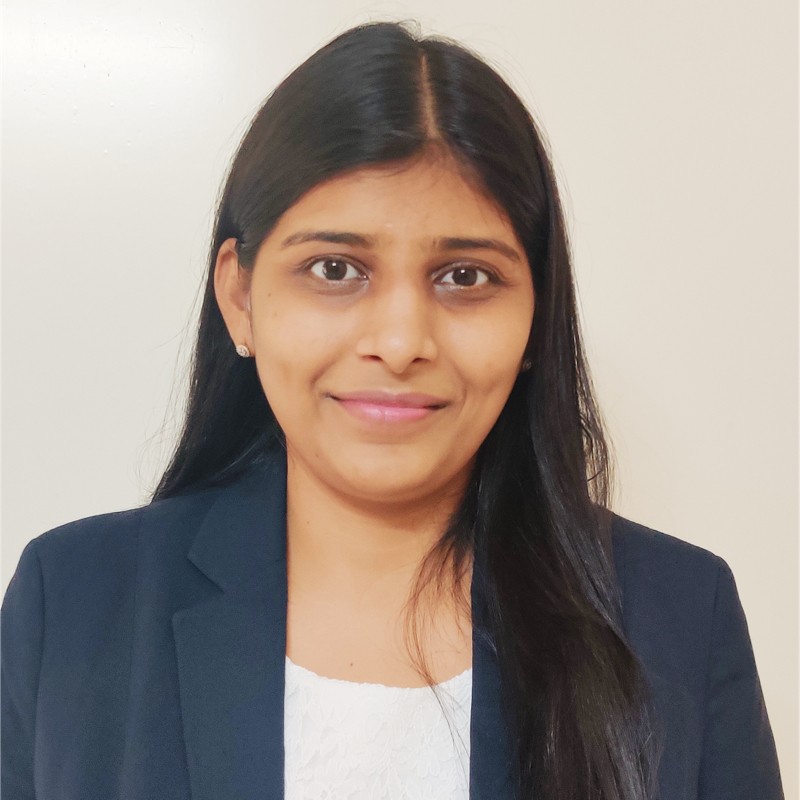
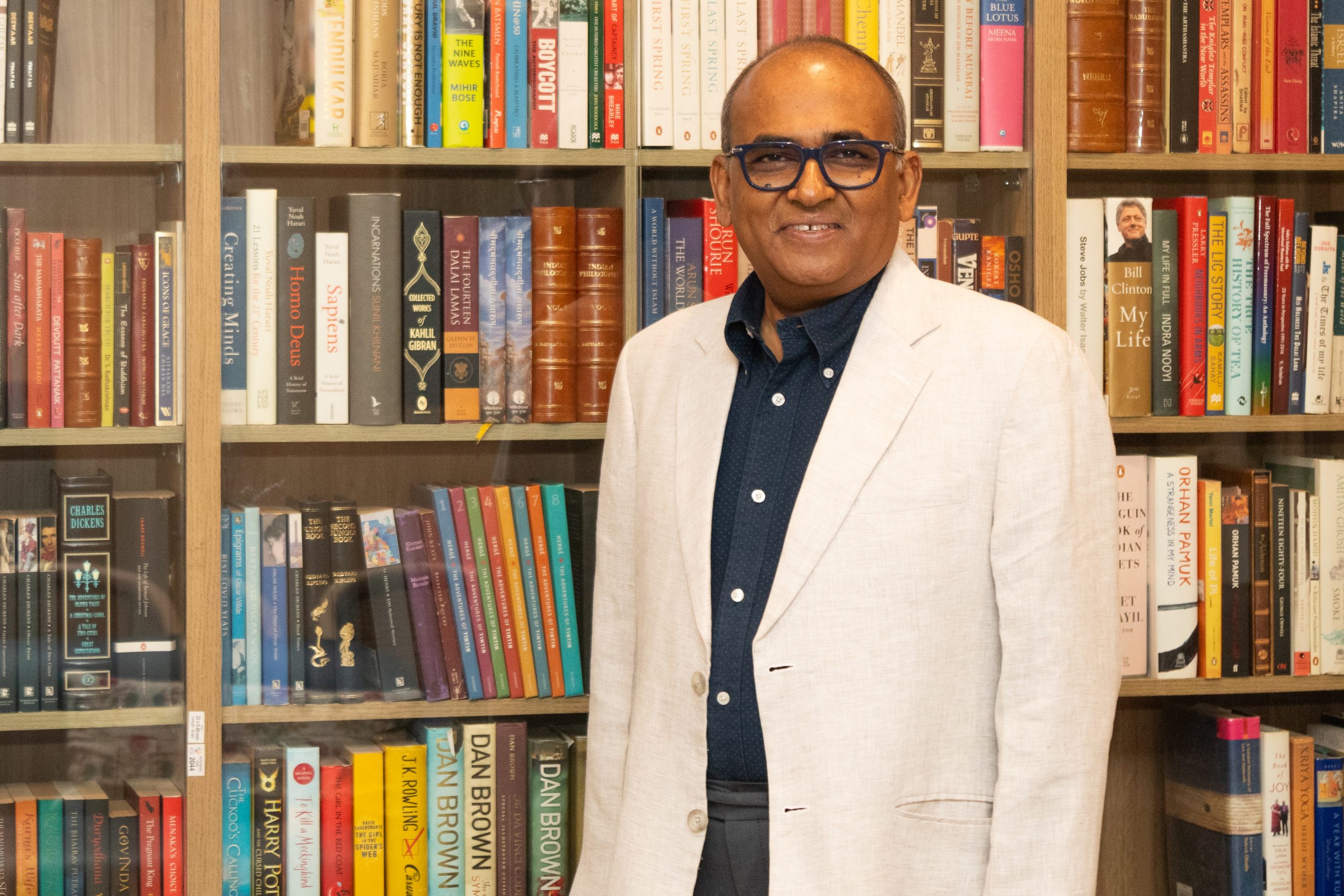



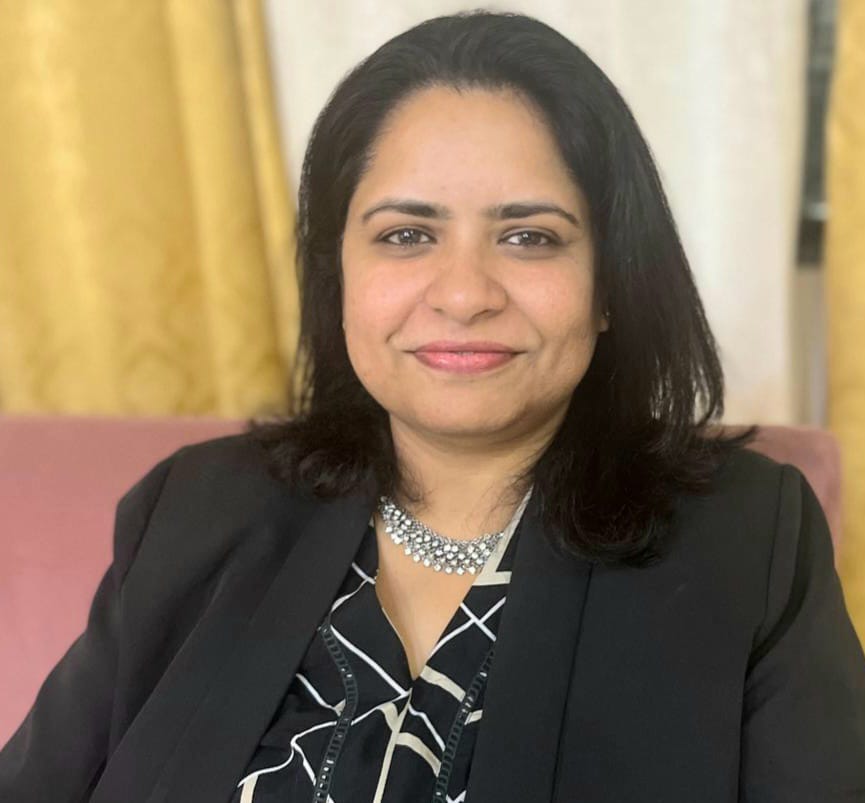
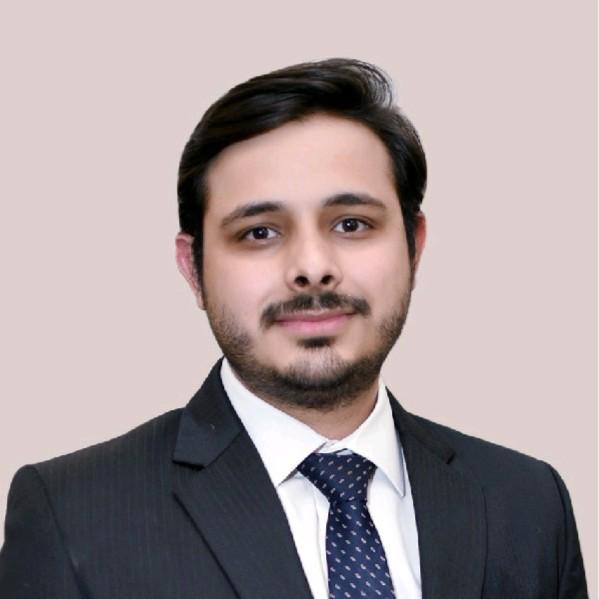

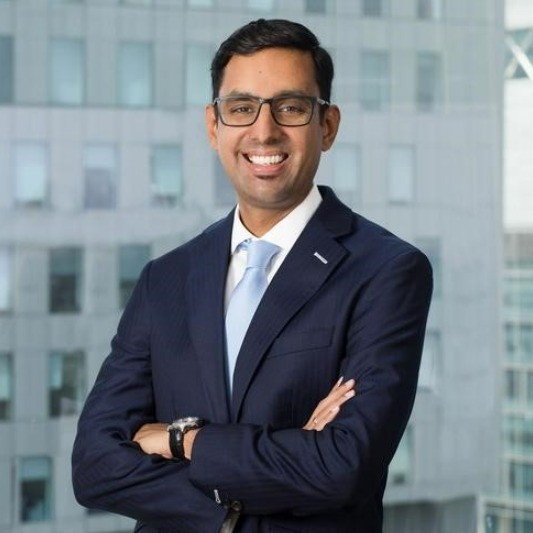
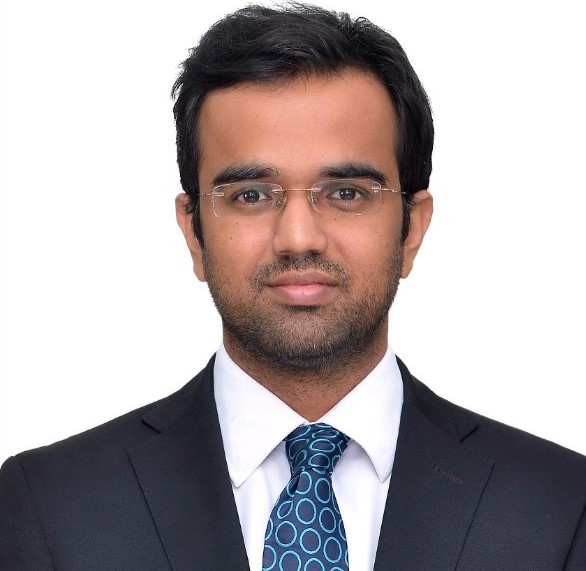


 Allow notifications