Can you share the journey that led you to pursue a career in law, starting from your education at Hidayatullah National Law University? What motivated you to choose law as a profession?
Honestly speaking I stumbled upon law by chance. I was always interested in humanities and social sciences but took up a Science in my plus 2. But I soon realised that I was not very good at it. A friend of mine then informed me that there are these institutions called the National Law Universities and people graduating for these institutions are getting well-paying jobs. It was the first time that CLAT was being conducted for admission to these colleges. I did some research and thought that it might suit my interest. So I must admit candidly that I chose law to avoid doing Engineering and was lured by the promise of a Fat Pay Cheque .
As an Advocate-on-Record at the Supreme Court of India, you’ve handled matters of constitutional and national importance. Could you discuss a specific case that stood out to you, and how it shaped your perspective on legal practice?
Ans. As an AOR one matter which really stood out for me was a case wherein My Client, who is an RTI Activist, was not being allowed to reside within the confines of a District on the basis of false FIR’s registered against him. The FIR’s were registered by the same people against whom action was being taken on the basis of representations made by My Client. The Supreme Court while allowing the Appeal observed and reiterated that the fundamental right of Free Movement and Residence across the Country cannot be curtailed on flimsy grounds.
Your experience involves representing clients in various High Courts, dealing with matters related to the Arbitration and Conciliation Act, 1996. Can you share insights into the challenges and strategies you often encounter in this area of law?
Ans. An Arbitration is nothing but a trial being conducted by a judge chosen by the parties and as per rules chosen by the parties. Therefore every Arbitration has to be approached in the same manner as one would approach a Trial before a Court of First Instance. As is the case with any Trial, even in Arbitration, it is of utmost importance that all the documents and facts, which are essential for establishing the claim, are brought on record. Even though it is said that one should not hide any facts from a doctor and a lawyer, however it is also a part of Human Nature to narrate only those facts which are beneficial to us. Therefore it is our job as lawyers to even extract those facts and documents, which are harmful to us so that we are not blindsided by them during the Arbitration. If you are thorough with your facts then all other challenges are manageable.
In your independent practice, you’ve represented clients before the National Company Law Tribunal and drafted appeals before the National Company Law Appellate Tribunal. How did this experience contribute to your understanding of corporate law and insolvency matters?
As a firm our primary focus is towards commercial litigation and naturally that includes litigation before the NCLT and the NCLAT. Since Insolvency Law is still at a fairly nascent stage, every case brings with it a new set of challenges. That also gives you the opportunity of contributing towards the Insolvency Jurisprudence as a whole. One case that stand out for us, which also then became a landmark judgment with respect to powers of NCLT under the IBC, is the case of E.S. Krishnamurthy v. Bharath Hi-tech Builders Ltd. We handled that case from the NCLT uptill the Supreme Court and therefore it is very close to our Hearts.
As an Associate at Gohil and Singh Law Chambers, you were involved in drafting and researching on petitions before the Supreme Court. Can you share a memorable case and the legal issues you tackled during that time?
Mr. Pradhuman Gohil, has played a big role in my development as a lawyer. I worked with him for four years and extensively worked on matters before the Supreme Court. There were several cases which helped me to hone my skills as a lawyer. However one case which stands out was a Criminal Appeal in which we were defending a person convicted for murder. The case was based purely on Circumstantial Evidence and primarily based on statements of witnesses. We prepared for that matter for over six months and the hearing went on for 3 weeks. That case had all the issues can can think of a in a Criminal Case, ranging from importance of a Statement under Section 313 CrPC, Completion of Chain in a case of Circumstantial Evidence, Veracity of the testimony of a Hostile Witness, etc.
During your association with the office of Mr. Ajit Kumar Sinha, Senior Advocate, you were involved in researching matters before the Supreme Court and High Courts. Can you elaborate on the types of cases you worked on and the legal principles you engaged with?
Mr. Ajit Kumar Sinha is my mentor in the profession. I did majority of my internships under him and eventually started my career with him. I worked under his guidance for 2 and a half year. During my time with Mr. Sinha, I had the opportunity to work on matters pertaining to mining laws, service laws, Land Laws, Tender Matters etc. I also had the opportunity to assist him in the Coal Scam Matter and the NJAC matter.
Given your diverse legal background, from constitutional matters to criminal law and commercial transactions, what advice would you offer to recent law graduates aspiring to build a versatile legal careerandthose interested in practicing law at a high level and dealing with matters of constitutional significance?
My Advice to recent law graduates to not restrict themselves to practising only in one area of Law. The Beauty of the profession lies in its diversity and therefore one must try and grab onto all the work that comes their way. One must be a jack of all trades, because that goes a long way at retaining clients. The aim has to be that for your Client you should be the one stop shop.
Every person has a different journey and one advice that a friend of mine once gave me is to not compare my journey with that of others. Law, and especially litigation, demands perseverance. You just need to stick around and give your hundred percent, and at the cost of sounding preachy, I must say that there are no short cuts.
Sir, could you please share the story of how you initially decided to pursue a career in law? Were there specific experiences or influences that led you to choose this path?
First of all, I am a second generation lawyer. I was motivated to pursue law from the beginning as Law is a noble profession and contributes a lot to society. Since my childhood, I have seen my Father’s contribution towards society as his core practice area was Criminal Law. However, during my college days, I was much inclined to pursue my career in the stock market being financially connected which goes to my core passion. Simultaneously, I was pursuing Law and finally, I decided to shift myself to Law especially in Commercial matters, which is a mixed bag of finance and commerce. I, then, shifted to Delhi.
With almost 12 years of experience across litigation, commercial arbitration, and consumer and company litigation, what motivated you to specialize in these specific areas within the legal field?
I am passionate to read and learn more and more deep into financial activities related to business and commerce. This interest connects me with the litigation and enlightens me to understand the problem of a businessman in a much better way, which ultimately led to making a business decision. Law can be practiced by anyone but having basic knowledge over the general subject of the case either commercial, arbitration or consumer or company makes things easier to resolve the query in an effective way. Like an Advocate having understanding of stock market would be able to pursue a case related to stock market than a novice. Since I have interest in reading these topics, I was more inclined to specialise in the above specific areas in the legal field, so that I can deliver better than ordinary.
Your career includes appearances before various High Courts, the Supreme Court of India, and various tribunals. Can you highlight a particularly challenging case you’ve worked on and discuss the strategies you employed to navigate through it successfully?
It was in Sep’ 2014, when I caught up in a matter before Hon’ble Supreme Court. I briefed a Senior Advocate, however, he was stuck in a traffic jam and could not make it on time. I was called upon by the Bench to argue. With hesitation, I began and strenuously argued the matter. When I finished my arguments, my Senior reached the Court. However, by that time, the Hon’ble Court reserved the matter for order. The judgement was delivered in the month of March’ 2015 and finally, we succeeded. This case taught me to always be ready with the brief irrespective of engaging a Senior Advocate. I have fearlessly appeared before almost 11 High Courts of the country and numerous District Courts and Tribunals across the country and independently argue the matters. This rich experience and exposure are completely devoted to my Senior Colleague Mr. Ajay Abhay Monga Advocate, who always reposed faith on my skills and offered opportunity as and when it appeared.
Given your expertise in Consumer Laws, Commercial Law, and other areas, how do you stay abreast of the ever-evolving legal landscape, especially with regards to amendments and changes in laws and regulations?
In the current scenario, especially the deep presence of online updates and platforms, it becomes easy to keep updated. However, specific laws get evolved as and when I work upon a case file. I must state that sitting in Court, in idle time, is indeed a good way of learning and keeping updated, apart from learning argumentative skills and to have a broad idea about the temperament of a Judge.
You’ve been associated with significant reported judgments, such as Millennium Wires vs. The State Trading Corporation of India. Can you share the role you played in these cases and the impact they had on your legal career?
As explained to you above, the case you highlighted was a game changer for me as it was an opportunity to independently argue a case before the Hon’ble Supreme Court in addition to the fact that many stakes were involved. I was quite nervous in the beginning, however, after the hearing concluded, I felt immensely satisfied with my performance and it boosted my confidence to argue a case before any Court. I was involved in the above case since it was before the Hon’ble High Court of Delhi, therefore, I had good command over the facts and coupled with the fact that I briefed the Senior Advocate for hearing, so I was quite prepared with the case. The preparation, briefing and discussion with Senior and deep involvement in the case since inception, in fact, gave power and confidence to present the case independently.
Having worked on matters related to FEMA, PMLA, and other financial regulations, how do you approach advising senior management on the legal implications of business decisions, particularly in the context of financial laws?
Advising on the legal implications of financial laws certainly depends upon the kind of business my client is involved in coupled with their requirements. Those days are gone by, where businesses can flourish without legal support. Presently, the laws are quite stringent, which require legal advice at every stage of business decisions. Therefore, after understanding the business model and the requirements of a particular trade, I would advise my Client in making its business decisions in line with the financial laws.
From being an Associate to now being an Associate Partner at SNG & Partners, can you discuss the key milestones and challenges you faced in your career progression?
I belong to Gwalior, Madhya Pradesh and shifted myself to Delhi in Sep’ 2011 to pursue my career in law. Since, I was not much active during my college days, therefore, I was completely raw, when in fact, I entered the profession. I initially practiced with some Advocate for a period of 4 months and thereafter, I began my career with SNG & Partners in March’ 2012. Our Managing Partner, Mr. Sanjay Gupta is a kind-hearted and a great mentor, who always encourages the juniors. In the beginning, rushing from one Court to another gave me an exposure to a variety of laws. I was working under Mr. Ajay Abhay Monga, Senior Partner, who gave me ample opportunities to argue the matter independently. Later on, he handed over the outstation cases portfolio to me, which added more exposure in my experience. Travelling to various Courts is per-se add a great value, however, arguing a matter before another Court, apart from your regular Court, adds more experience and sharpens the argumentative skills. Travelling to different Courts gives independence as well as enhances decision making without the support of your colleagues. It also helps you to understand the local practices of various Courts. I must add that there are no free lunches anywhere and the same goes with different Courts in different states. You will face challenges like language barriers as all the Courts in this country are not following English as their base language but these exposures not only add experience but also shape an Advocate to argue a matter in challenging circumstances as well. My journey with SNG is full of challenges in each case, however these challenges make an Advocate. I am always thankful to my Seniors for always appreciating my work and finding me suitable for new challenges. A special regard to Mr. Monga, who has been a great mentor for me and guided me in my hard times and always motivated me.
As someone with a rich and varied legal career, what advice would you give to fresh law graduates who are just entering the legal profession? What key lessons have you learned along the way that you would like to share with them?
A law graduate must understand that law is a learning process, which would never end. Therefore, reading and understanding the law and its implications are essential. Like practice makes a man perfect, similarly, the more you read, the more you gain. Law graduates, during the initial days, must visit Court everyday and observe the Advocates arguing their cases and the kind of questions raised by the Benches. This will make them understand how the case is presented. You can make notes and read the file thoroughly, however, there are certain spontaneous questions, which would arise and those questions can be answered, only with your general acumen. A law graduate must not refrain from reading the topics, which are not necessary for the kind of legal practice he/she is involved in. He/She must understand that presenting a case before the Court is an art crafted by an Advocate. Thus, every advocate has a different way of presenting the case. Thus, the argumentative skills can only be learnt, when you hear and listen in a Courtroom. I wish All the Best to all the Law graduates.
Can you please share the journey of how you ended up specializing in Insolvency and Restructuring practice, considering your educational background in Constitutional and Criminal Law?
I always had a keen interest in Business, Economics, Finance and Commerce. I started my education with a B.Com (H) from Lady Shriram College, Delhi University and followed it up with LLB from Delhi University itself. While I had delved into Constitutional and Criminal Law for my Masters, my interest continued towards how law affects the economics of businesses and country as a whole, my post-graduation further strengthened my research and interpretation skills. The Insolvency Law in India has taken a rebirth in the year 2016 and post completion of my Masters, the newly enacted Insolvency & Bankruptcy Code, 2016 proved just to be the perfect practice area for me. IBC is one of its kind laws in India, more of a revolution. As I had already groomed myself on how to focus on a specific domain of law, specialising in Insolvency was only a path to be chosen. What really intrigued me about the Code, was how the law was laid from scratch with no baggage or burden of its previous laws and limited subject jurisprudence as well, I had the freedom to explore the various facets of law in light of statutory interpretation, legislative intent and judicial outlook. Also, lastly, I feel that building a practice in such a new law with hardly any precedents, skills developed in my Masters in Law from NLU – Delhi did help a lot.
What would you say has been the most challenging case you’ve encountered, and how did you navigate through it?
Perhaps, every case brings with its own challenges, expectations, anticipations, and anxiety. To be honest, I am not a litigation practitioner, however, as a subject matter expert, we do participate in devising legal strategies. Sometimes the matters are at a very nascent stage where we get ample time for a 360-degree evaluation and then there are those cases where you have to prepare your front-facing team members for split second decisions. Each case brings with it its own experiences and learnings. If you have to ask me the most challenging case, mentioning one would be too unjust for the others, for reasons unknown to me so far, we are more often than not engaged in very typical particular matters only!
As a member of INSOL International, you’ve been part of various national and international forums. Could you tell us about a specific instance where you felt your participation made a significant impact or contribution to the discussions on Insolvency, Banking, and Corporate Affairs?
I have been very privileged to have been a part of discussions on law. What started as a resource person for law colleges, went onto being called for forums of policy discussions. Initially, it was more of an academic role with me professing how IBC works to law students. I also am actively involved as an industry resource for the Graduate Insolvency Programme at the Indian Institute of Corporate Affairs. Some time back, I was invited by State Bank of India as a part of a training session of its Law Officers on IBC and its inter-relations with the Banking sector. In one of my most memorable discussions, a global conference held on Insolvency in December 2020 where I discussed the future of IBC, especially in the post CoVid era. Lately, I have been involved in policy discussions at ASSOCHAM.
Your professional journey involves managing a team, devising legal strategies, and handling financial planning. How do you balance the legal and managerial aspects of your role, and what advice do you have for aspiring legal professionals aiming to take on leadership positions?
When you transition from a technical or a professional role to a management role, there is a high probability of dilution of your technical skills. For me, it came as a matter of no choice to be honest to you. If I look back, I feel it was also my interest which motivated me to assume responsibilities of Management. As I mentioned earlier, I am really passionate about the Insolvency Law and the Management responsibilities are an additional charge for me. Luckily, I am able to devote time on Practice as well besides the Management, I feel it helps me in my continuous growth and evolution. What has helped me throughout has been a very supportive team. I have also learnt a lot from attending short term Management courses as well as reading Management books.
My advice for aspiring legal professionals is to actively participate in various functions at their organisations such as client interviews, research, events, team management, etc. A sense of belonging towards your organisation, zeal to constantly learn and grow, participation in team meetings, events, etc., the leadership journey requires perseverance and persistence and there are countless minor unnoticeable steps which you have to climb to reach that leadership level. But not to miss out, invariable, leadership is a crown of thorns.
Given your involvement in numerous workshops for legal officials of PSBs, including SBI, what key insights or lessons have you gained from these sessions that you think are crucial for professionals in the field of Insolvency and Banking?
What I feel today’s times call for super-specialisation in any domain. In our interactions with officials of PSBs, what I have felt is lacking is perhaps being too overburdened with Managerial roles that professionals with such roles fall short of time for upscaling themselves on the subject. A law such as Insolvency is a very fast paced one. Not just the process, but the judicial pronouncements, policies, regulations and rules are almost updated every few days. I feel adequate time has to be devoted by every professional towards keeping himself/ herself updated on the latest developments of law.
You’ve been recognized as a Rising Star in 2021 by Legal Era. What do you believe are the key attributes that contributed to this recognition, and how do you continue to stay at the forefront of your field?
I am not sure I can ever have an answer for that. I believe in simply delivering my responsibilities towards the best of my abilities regularly. However, if I have to answer that, I can only repeat that I push to keep myself updated on the law and the industry. What may have also worked for me is a complete client – centric approach which helps me start with the end in mind when I am assigned with any case, opinion or draft by our clients.
In addition to your legal practice, you’ve authored several publications and columns. How do you manage to balance your role as a practicing advocate with your commitments as a columnist and resource person for various platforms?
Balance is my life’s driving motto. I feel each role contributes to your overall growth and helps in your evolution, if performed with full dedication. I will give you an example here. For me, every column and publication gives me an opportunity to read in-depth on a particular proposition which I may not have in our daily professional commercially driven responsibilities. Likewise, every event where I participate as a speaker or a Resource Person, I read through comprehensively to ensure consistency and correctness. In a lot of our research reports, I get an opportunity to gain knowledge from a vantage point. So, you can say, every event, every publication or column also betters me and assists me in delivering my responsibilities as a practising advocate better. Also, it keeps the monotony at bay!!!!
As someone who has been actively involved in legal education, what advice would you give to fresh law graduates entering the field today, particularly those interested in Insolvency and Restructuring?
Though I feel it is still early days for me in this profession, still if I have to advise, I will only recommend law graduates to read a lot. As they say, there is no shortcut to success, likewise as much I promote advancement in technology and its use in the field of law as well, however, for a professional, responsibility is magnanimous. In the legal profession, we use our knowledge and skills for our clients at times, as officers of courts at others and for the public as a whole as well. Every judgment I have read through as a whole has helped me learn a lot more than giving me a solution for the matter at hand. Barring those who perhaps prepare for judiciary services, I find few actually even going through the entire statutes. Blogs and tools like ChatGPT can offer quick solutions when there is dearth of time, however, in early years, I would just advise young law graduates to read as much as they can. Lastly, I would say that in the initial years of your career, try to gain as much knowledge as possible and try to strengthen an overall understanding of how law works and over the years, choose a specific domain of law and build expertise in it.
Sir, could you please share your journey of becoming a legal practitioner, from your education at the University of Aberdeen to your current position as a partner at Neupane Law Associates?
Like every other lawyer, my journey of becoming a legal practitioner began during my law school. The most helpful experience I had was volunteering as an advisor at the Citizens Advice Scotland. We advised mostly low-income clientele legal matters relating to debt, bankruptcy, consumer, landlord, family problems, etc. Clients in difficult situations needed quick and effective legal help. There I learnt you had to focus on reaching an effective solution for the clients quickly. This learning has stayed with me until now.
At law school, my interest was in commercial law and I enjoyed my elective courses in corporate finance law, corporate insolvency law, and tax law very much.
After graduating, I worked for around 2 years with a renowned senior advocate with extensive tax and commercial practice in Kathmandu. There I gained first-hand experience of Nepali contract, tax, and company laws. I also gained exposure to construction law and arbitration matters.
There were not many lawyers with good international exposure and English language skills in Nepal at the time. Commercial law practice was very small and focused mostly on compliance. Nepal was also recovering from a decade long insurgency and foreign investors were slowly returning back. Due to the market scenario at the time, I started getting contract drafting and foreign investment related matters through my personal contacts and references from other lawyers. Thereafter, I started with my current firm Neupane Law Associates serving my own clients. Currently, we are established as a go-to law firm for corporate and commercial matters in Nepal. Our firm’s practice is ranked Band-1 by Chambers and Tier-1 by Legal 500 in Nepal for a number of years now.
As a leading legal practitioner in Nepal, specializing in corporate, finance, cross-border transactions, and dispute resolution, could you highlight a particularly challenging case or project you’ve worked on recently and share the key strategies you employed?
Nepal is a challenging jurisdiction to work in due to vaguely drafted laws and bureaucratic unpredictability. Our approach is to strictly follow the law, while not being afraid to create new market practices. A rewarding experience for me early on in my career was to advise a consortium of foreign and local lenders as local counsel in the first international project finance transaction in over 20 years for Lower Solu Hydropower Project. Bridging the gap between best international practices and Nepali law was challenging. It created a market precedent that set a practice in other similar transactions. Another highlight of my career has been working as a tax and corporate law expert appointed by the Government of Nepal in the ICSID arbitration filed by Axiata. It was the largest legal dispute in Nepal’s history. It was also a learning experience to see leading international lawyers in action.
Our team has been working in various shareholder and construction disputes currently. They are naturally challenging and complex. In my view, a good lawyer should have the ability to simplify even the most complex issues. Being solution oriented and getting in-depth into the facts of the case are key strategies we employ.
Your expertise spans a wide range of areas such as arbitration, litigation, banking, finance, and M&A. How do you stay updated on the evolving legal landscape in Nepal, especially considering the complexities of cross-border transactions?
Being a transaction and disputes lawyer at the same time is very challenging from a time and knowledge management practice. However, I have found that these practice areas complement each other. I have found that the knowledge and experience gained in transactions can be used during litigation and vice versa. Being a small jurisdiction, many aspects of Nepalese commercial law jurisprudence are still unsettled. Therefore, taking inspiration from what is happening in other jurisdictions is important. Reading good international books and participating in international conferences and seminars has been very helpful in staying updated.
Given your involvement in advising world-renowned companies, including Texmaco, IFC, and Alibaba Group, can you share any unique challenges you’ve encountered while facilitating cross-border transactions between Indian companies and Nepal?
The challenge in Nepal is vaguely drafted laws, unpredictability of government agencies, and lack of established market practice for new and complex transactions. Oftentimes the Nepalese counterparts are also not assisted by an experienced commercial lawyer. Some international clients do not engage a Nepali lawyer at an early stage of the transactions but only do so later. When the client has not taken advice at an early stage, the transaction structure may have to be changed at the documentation stage which becomes a problem and causes delay. Enforceability of Indian seated arbitral awards in Nepal and vice versa has also come up recently as a new challenge due to a recent Supreme Court ruling in the Sangi Brothers case.
You’ve been recognized for your excellent knowledge of Nepali commercial and contractual law. How do you balance staying rooted in local legal nuances while also navigating the complexities of international law, especially in the context of your cross-border transactions?
As a lawyer advising in international matters, I find that you are required to have a good command in both Nepali law and law practices internationally. In-depth recognition of the similarities and differences in the laws of Nepal and of other jurisdictions is key to our legal practice. Like I mentioned earlier, I read good international books and exchange views with lawyers in other jurisdictions to balance these aspects.
Your recent work includes advising on equity investments in hydropower projects and various financings. What trends do you observe in the current landscape of foreign investments in Nepal, particularly in the energy sector?
Equity investments and financings in the hydropower sector for foreign clients have recently been challenging as Nepal has not signed power purchase agreements in US dollars and there is a lot of uncertainty about how to hedge currency risk. The Government of Nepal has come up with various hedging guidelines and regulations, however, foreign investors are yet to be convinced. Also, getting a bankable risk allocation in power purchase agreements and concession agreements has been difficult. Nevertheless, the governments of Nepal and India have entered into an agreement for Nepal to export 10,000 MWs of power to India over the next 10 years. This will open the door for Indian sponsors to sell power from Nepal to India and obtain financing from Indian banks.
Could you shed light on your role in defending lawsuits filed against Nissan Motors by distributors? How do you approach representing clients in the automotive sector, and what unique legal challenges arise in such cases?
We have been recently involved in a couple of cases of similar nature involving Nissan Motors, Royal Enfield, Preet Tractors and others. In my view, the key to avoiding disputes or having an upper hand when there is one is to have a well drafted distribution agreement and fully complying with the contract provisions and laws during termination. Nepalese courts can grant stay orders if contract terms are ambiguous and if the termination can be seen as unlawful due to non-compliance with contract provisions. This can be very risky and is best avoided.
Lastly, what advice would you give to law graduates aspiring to make a mark in corporate law, especially those interested in practicing in Nepal or dealing with cross-border transactions?
Law graduates should recognize that what they learn in law school is not enough for legal practice. They should extensively read judicial precedents in the practice areas of their interest and international books to stay updated. They should also recognize that the law in theory and the law applied in practice might differ. They should become more commercially aware and solution oriented.
Your career has taken you from India to Dubai and now to Toronto. Transitioning between legal landscapes and cultures can be both professionally and personally transformative. Can you share insights into your journey and how you navigated these transitions, both in terms of your legal practice and adapting to new environments?
UAE opened up a new world of personal and professional opportunities. I moved to UAE with about few years of work experience from India and with god’s grace, I was quickly able to find a position in one of Abu Dhabi’s oldest law firms. Though I had apprehensions about moving from a common law hybrid jurisdiction to a civil law hybrid jurisdiction, however, none of my apprehensions came to fruition, as the firm had amazing people who were happy to help and guide me. The addition of ADGM and DIFC, which are common law jurisdictions also helped. On a personal front, our stint in UAE was amazing, we started our family and made lifelong friends. However, owing to the non-permanent transient nature of the stay in UAE, we chose to move out to Canada, where I did my masters and licensure and am presently a Counsel at ivari. I am blessed to be working with an amazing team and a very competent and compassionate General Counsel. Moving countries takes and restarting life, gets harder with time. However, an indomitable spirit, ability to adapt, ability to keep an open mind and resilience are key to success.
As Counsel at ivari, you provide legal guidance on insurance-related issues and collaborate with internal clients. Can you share a recent project or challenge you’ve worked on at Ivari that stands out, and how did you navigate it to achieve positive outcomes for the company?
While I can leverage my past work experience and at present predominantly work on the corporate commercial side of insurance, insurance is multifaceted– reinsurance, segregated funds, pension laws – and the list goes on. While I have ample guidance with work, the biggest challenge for me is the transition from private practice to in-house. The challenge presents itself in dealing with various internal clients, while balancing out business needs with legal advice. To surmount these issues, I use a two-pronged approach – first I aim to identify the needs of the client, what are they looking for, have a chat with them if need be and then commence the work and second, properly manage internal client expectations.
Your experience includes dealing with diverse legal areas such as corporate law, employment law, and foreign investment law. Is there a specific project or deal that stands out as particularly memorable or challenging in your career?
One transaction that stands out was a settlement agreement I was working on for a French banking giant. One of the conditions involved vacating a “mortgage” on a ship which was one of the securities. While a tangent work, I do not deal with maritime law – therefore it was particularly memorable and enjoyable given that the ship was not in port, the intricacies of UAE law and formalities required by the authorities, the nature and timing required to complete the transaction.
As someone who has worked on a range of transactions, from joint ventures to business purchase agreements, what aspect of corporate law do you find most fascinating or intellectually stimulating?
I find acquisitions to be fascinating. It is dynamic in nature involving strategic planning – including financial considerations, negotiations, structuring, due diligence and drafting/negotiating definitive agreements. Acquisitions have an implication and impact for the stakeholders, the companies, operations and the broader business and legal landscape – and this adds another layer of complexity in what is already a complex matter.
In your role as a lawyer in Abu Dhabi/Dubai, you managed deal/transactional teams and conducted sessions to develop transaction strategies. How do you foster collaboration and effective communication within a legal team working on complex transactions?
The framework of effective communication is built on organisation within the team, defining the roles at the inception, regular/daily check-ins depending on the complexity and urgency of the matter, encouraging open communication wherein team members to bring in diverse perspectives and fostering a culture of respect (which is key when working in an ethnically and linguistically diverse workspace).
You pursued a Master of Laws (LLM) at Osgoode Hall Law School in Toronto. What motivated your decision to undertake this academic journey, and how has this experience enriched your legal perspective, especially considering the transition from Abu Dhabi/Dubai to Toronto?
The motivation was very personal. I was moving from UAE to Canada and therefore needed to relicense myself. I could have taken the exams route which would have been economical and less time-consuming – but instead, I went in for the longer route of LLM. Getting back to academia was hard. However, I wanted to ingratiate myself with Canadian laws. I would recommend that to anyone moving to Canada to pursue law – just gives you a better understanding of the legal system and legal community. The LLM brought me up-to-date with what is going on in the Canadian legal space.
As a member of the 2022-2023 LPPCA Executive, what goals or initiatives are you particularly excited about, and how do you see these contributing to the legal community in Toronto?
This was a student body at the LPP. Nothing major here.
You have been involved in various extracurricular activities, including being a Vice Chair for the School Council. How do you balance your professional commitments with your community involvement, and what motivates you to actively contribute to the community?
I have always wanted to give back to the community. In Canada, there is a huge thrust towards volunteering. It starts right at school. Doing something for the community and building a sense of community are part of the school curriculum. I too have always wanted to give back to the community. Education and the future of kids is an interest of mine. So, I volunteer my time at the school council. I also volunteer my time with the LPP program at Toronto Metropolitan University (previously Ryerson University) to give back to the profession. I am also in the process of getting involved with United Way – an organisation that my office supports.
Outside the legal realm, you’ve mentioned being a food and K-drama enthusiast. Can you share a favourite dish you enjoy preparing or a K-drama series that you found particularly captivating, and how do these hobbies contribute to your work-life balance?
Love eating, cooking and entertaining friends. I do not have a favourite dish – but love trying out new cuisines. At present, I am obsessed with Hong Kong Chinese cuisine, particularly Youtiao. I have been trying to make it at home with little success.
Having mentored and coached interns during your time in Abu Dhabi, how do you approach mentorship, and what advice would you give to aspiring legal professionals starting their careers?
For me effective mentorship involves guiding mentees through a legal issue – irrespective of the complexity, sharing practical insights, and sharing feedback (including taking feedback too). The most essential element for a good mentor-mentee relationship is mutual respect followed by open communication.
Advice to new lawyers, as I recently stated in an alumni panel discussion for the current batch of LPP candidates,:
Identify what you can do/are good at. Can you get clients – private practice then; cannot get clients – consider in-house, do you like the academia, do you want to go into law adjacent careers?
Once you have done that, try your hands at many things. Have some experience in litigation – that is the foundation for a good solicitor practice.
Pursue excellence and professionalism, and money will follow.
Can you take us on a journey from your college days to your current position as the Managing Partner at Dhaval Vussonji & Associates? What were the pivotal moments or experiences that shaped your professional trajectory?
Embarking on my legal career, I pivoted from a potential future in medicine to law at Government Law College, devoid of campus life but rich in opportunities. My journey began with an internship at Kanga & Co., where I was drawn to the practical aspects of law, a contrast to academic theories. This internship transitioned into a clerkship, offering me invaluable mentorship from firm partners. My stint at the National Stock Exchange revealed that my true calling wasn’t in-house but in the legal field.
Joining Dhaval Vussonji & Associates during its burgeoning phase was a pivotal moment in my career. It was a leap into the unknown, a challenge I embraced wholeheartedly. This decision not only allowed me to grow professionally but also to contribute significantly to the firm’s expansion and success.
Your career spans various sectors, from banking and finance to real estate and capital markets. What initially drew you to such a diverse legal landscape, and how do you find balance in managing these different areas of expertise?
My foray into the diverse legal landscape of banking, finance, real estate, and capital markets was not a deliberate choice as it was a natural progression shaped by curiosity, client trust, and the interconnectedness of these sectors.
Initially, my involvement in one practice area organically led to opportunities in adjoining fields. Clients, satisfied with our work in a specific domain, entrusted us with their legal needs in related areas. This expansion was less about a strategic plan and more about the evolution of client relationships and the recognition of our firm’s expertise.
My fascination with challenges and a constant thirst for knowledge have been the driving forces in my journey through these sectors. Understanding securities markets from a regulator’s perspective, and then applying that insight as an advisor, provided a unique vantage point. The legal nuances of finance and securities, once alien, gradually became my comfort zone, thanks to the dynamic environment and expertise of my colleagues.
When I transitioned into real estate law, I didn’t just see it as a new field to conquer. Instead, I viewed it through the lens of my previous experience, blending the knowledge of real estate dynamics with the intricacies of funding and financial regulations. This approach allowed me to appreciate the laws not just as rules to be followed but as frameworks designed to protect certain values and objectives.
This holistic understanding has been crucial in managing these different areas of expertise. By recognizing the interplay between various sectors, I’ve been able to adopt a unique approach to legislation and practice. It is about seeing the big picture – how a decision in capital markets affects real estate development, or how financial regulations influence banking operations.
Congratulations on Dhaval Vussonji & Associates being recognized as a “Recommended Firm – 2023” by ILFR (International Financial Law Review). What does this prestigious recognition mean for the firm, and how does it reflect the team’s dedication and expertise in the financial and corporate legal landscape?
Thank you. IFLR has been renowned for its discerning analysis and recognition of legal expertise in the financial realm and sets a high benchmark for law firms around the globe. Being acknowledged by such a prestigious platform is not just an honour; it’s a confirmation of our firm’s standing in the legal community. This accolade is especially meaningful to me, as a professional deeply embedded in the financial law sector. It further intensifies the significance of our work and the impact we have made in this field.
For Dhaval Vussonji & Associates, this recognition is a reflection of the caliber of matters we handle and the substantial volumes of each case we undertake. It validates the depth of our expertise, our strategic approach to complex legal challenges, and our unwavering commitment to our clients. It is an acknowledgement of the collective effort and dedication of our entire team, whose expertise and hard work have been instrumental in achieving this level of recognition.
In addition to your legal pursuits, you’ve been involved in advising Shapoorji Pallonji on power projects in Africa. What unique challenges and opportunities did this present, and how did you navigate them?
Advising Shapoorji Pallonji on power projects in Africa presented a unique set of challenges and opportunities, reflective of the continent’s dynamic and evolving energy sector.
One of the primary challenges in African power projects is dealing with regulatory complexities. Each country has its distinct set of laws and regulations governing the energy sector, which often includes navigating bureaucratic hurdles and ensuring compliance with local and international standards. To address this, our approach involved thorough research and collaboration with local experts to ensure a comprehensive understanding of the regulatory landscape.
Another significant challenge is the infrastructure deficit. Many African countries are in the process of developing their power infrastructure, which can lead to logistical challenges in project execution. Our strategy here was to work closely with local stakeholders,
including government bodies, to understand and anticipate infrastructural limitations, and devise practical solutions.
Financing is another critical aspect. The African power sector, particularly in renewable energy, requires substantial investment. We focused on creating sustainable financial models, identifying potential investors, and facilitating partnerships that align with the project’s financial needs and objectives.
Additionally, the socio-economic context in Africa cannot be overlooked. It’s crucial to ensure that power projects contribute positively to local communities. Our involvement extended to ensuring that projects were not only commercially viable but also socially responsible, aligning with local needs and contributing to community development.
The opportunity to work on these projects was not only professionally enriching but also personally rewarding.
Your expertise extends to insolvency resolution, including notable cases like Binani Cements. Can you share a challenging experience from this area of practice and how it shaped your professional growth?
The Binani Cement insolvency case was indeed a landmark in my career. It was riddled with complexities, not just in the sheer volume of the debt involved but also in the multifaceted legal challenges that came with it. Juggling the interests of various stakeholders and adhering to the stringent timelines of the Insolvency and Bankruptcy Code (IBC) was a test of endurance and skill. This case honed my abilities to navigate through a high-pressure environment and underscored the importance of innovative legal solutions. It was a vivid reminder that the law is not just about theories from textbooks; it is a living, breathing entity that often requires a blend of strategic acumen and legal expertise.
Congratulations on being named one of ALB Asia’s “40 Under 40” in 2022! How does this recognition impact your approach to leadership and the legal projects you undertake?
Being named in ALB Asia’s “40 Under 40” is an honour that extends beyond personal recognition; it signifies a broader commitment to leadership and excellence in the legal field. This recognition has profoundly impacted my approach to leadership and the management of legal projects within our firm.
One of my core beliefs is that a true leader’s role is to cultivate new leaders. This accolade has reinforced that belief and encouraged me to continue focusing on mentoring and nurturing the talent within our firm. I firmly believe that by staying focused and striving for excellence, rewards and recognition will naturally follow. It is about setting a standard, leading by example, and inspiring others to reach their full potential.
The recognition as one of Asia’s “40 Under 40” has instilled in me a greater sense of responsibility. It is a reminder that our actions and decisions can influence the trajectory of our firm and the careers of those we mentor. This has led to a more conscious approach towards leadership – one that values the development of individual capabilities and fosters a culture where everyone is encouraged to contribute their best.
Your specializations include Banking and Finance, Capital Markets, Mergers and Acquisitions, and more. Is there a specific area that you find most intriguing or challenging?
In the panorama of my legal practice, the dynamism of Capital Markets stands out. It is an arena that is both stimulating and demanding, given its constant state of flux and the intricate regulations that govern it. The thrill lies in the challenge – to demystify complex financial instruments, untangle the web of regulatory compliance, and craft strategies that not only safeguard but also advance our client’s interests.
You’ve witnessed significant changes in the legal landscape over the years. How do you see the evolution of the legal industry, especially in areas like real estate, banking, and capital markets?
The legal sector, particularly in banking, real estate, and capital markets, has seen significant shifts driven by recent regulatory changes. The real estate sector has been transformed by the Real Estate (Regulation and Development) Act (RERA), which brought in a new era of transparency and accountability. In banking, recent amendments to the Prevention of Money Laundering Act (PMLA) and the Reserve Bank of India’s (RBI) stringent norms on non-performing assets (NPAs) have reshaped the legal framework, focusing on stronger compliance and risk management. In capital markets, the Securities and Exchange Board of India (SEBI) has been instrumental in implementing regulations to bolster investor protection and market integrity, including enhanced disclosure requirements and corporate governance standards. These developments have required legal professionals to adapt rapidly, specializing in the nuances of each sector to provide effective legal solutions.
As someone deeply involved in insolvency matters, what changes or improvements would you like to see in the current legal framework to make insolvency resolution processes more effective and efficient?
In India’s insolvency sphere, key enhancements are needed to boost the Insolvency and Bankruptcy Code’s (IBC) efficacy. This includes enforcing stricter adherence to resolution timelines to avoid delays, clarifying the hierarchy of creditors’ claims to reduce litigation, and augmenting the infrastructure and manpower of the NCLT and NCLAT to handle cases more efficiently. Additionally, incorporating cross-border insolvency norms and
streamlining the resolution plan approval process would further enhance the system’s effectiveness. Addressing these aspects would lead to more efficient insolvency resolutions, benefiting creditors and the economy at large.
When you’re not in the midst of legal matters, how do you unwind and recharge? Any hobbies or activities that you turn to for relaxation?
When stepping away from legal duties, I recharge by spending quality time with my family and indulging in reading, which provides a peaceful escape. My commitment to social work grounds me, reminding me of the broader societal impact of our actions. Additionally, as an avid sportswoman, I engage in health and wellness activities within the community, which rejuvenates me and maintains my balanced lifestyle. These pursuits offer both relaxation and a sense of fulfillment beyond my professional life.
In your journey as a legal professional, what is one piece of advice you received early in your career that has stayed with you and proven invaluable? Additionally, what advice would you like to give to the upcoming generation who wants to excel in this legal field?
Early in my career, I was told, “In law, precision is power.” This has been the cornerstone of my practice. Precision in understanding the law, articulating arguments, and drafting documents defines the quality of a lawyer. To those aspiring to make their mark, I would say, immerse yourself in the field, stay abreast of the changes, and always think a few steps ahead. Law is as much about anticipation as it is about knowledge.
To start, can you give our listeners a brief introduction to your background and journey in the field of law? How did you initially become interested in pursuing a legal career?
I love stories! If you carefully hear, everyone has something to share. That’s just the essence of law.
Growing up, I have harboured a deep love for listening to the stories of other people. Whether engaging with friends facing some challenges or family issues, I always felt a strong desire to offer solutions and guidance. The process of meeting individuals, understanding their problems, and finding ways to help them has been a fascinating aspect of my life.
This interest and problem-solving attitude that developed in me over the years played a pivotal role in shaping my career aspirations. The realisation that a legal profession could empower me to resolve the problems of others fuelled my passion. As I delved into law subjects, and navigated the intricacies of the legal system during my internships, I became increasingly convinced that this profession was my calling.
In essence, my journey into law is not merely a career choice but a manifestation of a lifelong passion for understanding and resolving the issues that people encounter on a day to day basis.
Whether it’s aiding someone to reclaim what’s rightfully theirs, providing a way out of an abusive relationship, assisting companies in debt recovery or negotiation, or facilitating legal actions, each act is incredibly fulfilling. It’s this impact, the compelling stories of people, and the continuous learning from each case that fuels my passion for law, far beyond any monetary gain. Law has a transformative power in both individual lives and society at large.
Today, as the founding partner of Shepherd Law and Associates, my journey in law has been both diverse and enriching. With a distinction in my Masters from Queen Mary, University of London, and being NCA qualified in Canada, my practice has spanned various sectors. I have had the privilege of representing a wide range of clients, from individuals to the State of Maharashtra to US-based organisations, across fields such as Pharmaceuticals, Fintech, Artificial Intelligence, Jewellery, and Sports. This breadth of experience has allowed me to develop a versatile approach to legal challenges.
Your LLM in Intellectual Property Law from Queen Mary, University of London is quite impressive. Could you share what drew you to specialize in intellectual property law, and how has this expertise shaped your legal career?
Choosing to specialise in Intellectual Property Law at Queen Mary, University of London was a thoughtful decision because I saw how applicable this area of law is globally, especially in growing industries. The course provided innovative learning opportunities, delving into areas such as the legal implications of 3D printing, the evolving video gaming industry, and emerging concerns in privacy and personality rights. These areas, especially privacy law, have now become pivotal in the global legal arena.
My proficiency in these domains has been crucial, from my very first job under the mentorship and guidance of Ms. Vibha Datta Makhija, Supreme Court designated Senior advocate, who has some of the most prominent cases and at the time was representing the Union of India in matters related to privacy laws. The knowledge kept helping me as I continued to guide my clients in crafting comprehensive privacy policies and Terms of Use.
The option to study Alternative Dispute Resolution (ADR) as one of my course subjects, complemented my expertise, aligning with its growing significance in both personal and corporate dispute resolution today. Skills acquired in negotiation, mediation, and understanding ethical practices have proven invaluable in client counselling and effective case resolution through amicable settlements.
My choice of IPR, combined with forward-thinking courses, enabled me to address a wide, international market. The course’s emphasis on creative problem-solving and open-ended exam formats, which encouraged innovative thinking over rote memorisation, greatly enriched my learning experience. For instance, my proposal for new legislation in an exam not only showcased my creative legal thinking but also contributed to my distinction in the LLM program.
Studying abroad extended beyond academic achievements, fostering personal growth, independence, and a deeper appreciation for cultural diversity. This comprehensive experience has not just enhanced my capabilities as a legal professional but also transformed me into a well-rounded individual, prepared to excel in a global environment.
Having worked with diverse clients across India, Singapore, and the UAE, can you highlight a couple of key experiences or cases that were particularly impactful in your career? How did you navigate the challenges posed by different legal jurisdictions and cultures?
In my career, working with clients across India, Singapore, and UAE and many other jurisdictions, the key to handling diverse cases successfully has been comprehensive research and robust teamwork.
My journey in Indian law began at the Supreme Court and Delhi High Court, under the mentorship of Ms. Vibha Datta Makhija. This experience, particularly on high-profile cases like the Bofors scam and the WhatsApp-Facebook privacy issue, was crucial in understanding the nuances of representing clients in India’s highest courts. My subsequent empanelment with the State of Maharashtra, under the leadership of Mr. Nishant R. Katneshwarkar, Standing Counsel for the State at the time, built upon this foundation. The insights and skills I developed under Ms. Makhija’s guidance proved instrumental in my growth and effectiveness in these roles. The only way to navigate through challenges is to face them.
Whether dealing with prominent clients in the arena of mixed martial arts in Bahrain, aviation in the UAE, or emerging sectors like Electric Vehicle, Artificial Intelligence, Fintech and sports in India, the approach remains consistent: engaging with industry professionals and learning continuously. This attitude has been fundamental in navigating different legal jurisdictions and cultures.
Facing new challenges, seeking advice from experts, and always responding professionally and promptly are crucial. My guiding principle is simple: if you commit to a task, give it your all and never stop growing professionally.
As a partner at Shepherd Law & Associates, you lead a team handling over 500 active litigation cases. How do you approach leadership, especially in a legal setting? And how do you balance strategic decision-making with day-to-day management?
I believe in leading my team by empowering each member, creating an environment where open communication and collaboration thrive. This ensures that everyone feels valued and contributes meaningfully to our shared goals.
I maintain a balance between strategic decision-making and day-to-day management by effectively delegating tasks and placing trust in my team’s capabilities. Regular meetings and progress reviews help me stay informed while also giving the team the autonomy they need. This approach not only streamlines our workflow but also fosters professional growth and a strong sense of ownership among team members. My role is to provide direction, instil confidence, and ensure that we meet our client commitments with the highest standards of legal service.
In managing our practice, I have bifurcated and specialised teams dedicated to corporate matters, intellectual property rights, litigation, and so on. I make it a point to check upon my team and ensure they have a comprehensive understanding of every aspect of a case and deliver holistic solutions to our clients and my team knows that I am always reachable, at any hour of the day.
My team understands the unpredictable nature of court appearances. I encourage them to approach each day with a fresh mind-set, understanding that there will be good days and challenging ones, but they just need to do their best, rest everything works out. Following timelines, reaching on time, promptly responding to clients and fulfilling commitments, takes you a long way and also separates you from the crowd. Many struggle to do these things and that’s how you become different.
Your experience spans multiple countries. Can you share insights into the challenges and advantages of handling legal matters in cross-border contexts? How do you navigate the complexities that arise in international legal representation?
Handling legal matters in cross-border contexts presents both unique challenges and advantages. One of the main challenges is navigating different legal systems and cultural nuances, which requires extensive research and collaboration with local legal experts. This ensures accurate understanding and application of relevant laws. Another challenge is managing time zone differences and communication barriers, which we overcome through flexible working hours and clear, concise communication.
The advantages include a broader perspective on legal issues and the opportunity to learn from diverse legal practices. It enhances our adaptability and problem-solving skills, making us more effective lawyers.
To navigate these complexities, we focus on thorough preparation, building a network of international legal contacts, and staying updated on global legal developments. This approach ensures we provide our clients with informed, comprehensive legal representation in any international context.
Mentoring seems to be an integral part of your role. How do you approach mentoring junior associates, and what advice do you find yourself giving most often to those starting their legal careers?
Mentoring junior associates is deeply rewarding, yet it comes with the responsibility of guiding them through the stark realities of legal practice. I often share my own experiences, emphasising that the transition from law school to the courtroom is challenging. The practical aspects of law are much tougher than academic learning, and even something as basic as reading a case file can feel overwhelming at first.
I remind them that internships, while valuable, are different from the reality of courtroom work, especially in litigation where initial earnings are modest. I started my career with a salary of INR 12,500/- p.m. despite my academic distinction, a stark contrast to peers in other fields. It’s easy to feel disillusioned, but persistence and passion are key.
The journey in law is filled with learning from mistakes and facing tough feedback from seniors and judges. My advice is to embrace each day as a learning opportunity. If law is your passion, the challenges you face early in your career will eventually lead to rewarding experiences.
I encourage them to have faith in their journey, learn relentlessly, and approach every new challenge wholeheartedly. The path may be difficult, but it leads to growth and fulfilment beyond monetary gains.
Passion in law leads to fulfilling outcomes, and I emphasise the importance of empathy and kindness in professional growth. The goal is to nurture not only skilled lawyers but compassionate individuals who recognise the power they hold to positively impact lives.
What insights can you share about the motivations and challenges for new lawyers embarking on a litigation career?
The path of litigation, particularly for first-generation lawyers, is often marked by a focus on service rather than immediate financial gain.
Many of us start by handling pro bono cases or assisting friends and family, building our practice without the expectation of significant remuneration.
This initial phase is crucial, as responsiveness and competence are key to retaining clients who often hold the misconception that lawyers are unreliable or deceitful. This is especially true for individual clients and small businesses.
Being successful in the legal world means being patient and not always focusing on immediate financial gains. This profession is all about learning, and you cannot become an expert overnight. It is more about consistently showing up, being open to new opportunities, and taking things one step at a time.
When reflecting on my legal journey, I recall the initial years where I was an external member of company’s Prevention of Sexual Harassment (POSH) committee. Despite being a part of their Internal Complaints Committee (ICC), I went beyond my role to assist in problem-solving. This dedication led the same company to later offer a retainer to my firm, entrusting us with the responsibility of handling all their corporate and litigation compliances.
Similarly, my empanelment with the State of Maharashtra before the Hon’ble Supreme Court of India followed a similar trajectory. Having previously assisted on various matters for the government to the senior, I gained the confidence to represent the State right from day one.
The lesson learned from these experiences is that in the legal profession, don’t view yourself as a junior but see yourself as a leader, there are abundant opportunities for growth and recognition. By actively contributing and going beyond the expected role, one can build lasting relationships and open doors to new and exciting opportunities.
Lastly, considering your journey and success in the legal field, what advice would you give to fresh law graduates who are just starting their careers? Are there any lessons you’ve learned that you wish someone had shared with you early in your career?
Reflecting on my journey, I wouldn’t label it as a success; it’s still unfolding. A crucial understanding I have gained is the importance of compassion in the legal profession.
Recognising that everyone handles pressure differently and allowing space for growth and mistakes is vital. We all err, and it’s about learning and improving. Have faith in your team, rely on friends and connect with seniors. Help and seek help, there is no shame in asking what you don’t know yet.
Early in my career, I was advised to keep going! and it’s something I firmly believe in. To fresh law graduates, my advice is to take it one day, one hour, or even one minute at a time. Be patient with yourself and your seniors. This profession will test you, but the key is to keep getting back up. Many may leave, but those who stay, grow immensely, both intellectually and financially.
As the founding partner of Shepherd Law, I started with ‘file No.1’ and have now surpassed 500 active case files. This growth symbolises persistence and dedication.
Another lesson that I have learnt is that one should preserve their mental peace to create a healthy work-life, in the high-pressure world of litigation or corporate, where intense concentration and problem-solving are constant, a hobby serves as a therapeutic escape. It provides a chance to unwind, offering a mental break from the complexities of legal cases and courtroom dynamics.
Therefore, my advice is simple, yet on bad days, extremely difficult to follow. ‘Just don’t give up yet!’
Can you share your journey and how you ended up becoming a litigation attorney, especially specializing in intellectual property disputes, arbitration, and corporate laws?
It all began from a small town called Chittorgarh (Rajasthan), where I was born and did my schooling. There people were aware of only very limited career options such as engineering, BBA, MBA or BCA, MCA. Most people opted for one of these.
I was not inclined towards any of these and was honestly quite confused at that point. It was then through a relative that I got to know about the integrated course of BBA, LLB. I researched on the subject and that’s where I was hooked. That was my first exposure to legal life.
During college, I participated in a few moot court competitions (most of the time as speaker), as well as took on internships every semester. So while my initial mindset was towards joining a company as in-house counsel, from these experiences, I learned about my acumen as a litigator and speaker. Most importantly, I enjoyed it tremendously. I understood that a legal career is like a tree with several branches, but the trunk remains litigation i.e. the Court practice. Because no matter which branch you choose as your career, you will always find your way back to the trunk i.e. the court cases and litigation.
By the time I reached my final year of law school, I was sure that I would start my career most definitely with litigation to learn drafting, filing, arguing, preparing for Court hearings, etc. Basically all the aspects of litigation. After graduation, I joined a law office in Jaipur, Rajasthan.
In Jaipur – at my first job, I was handling Intellectual property infringement cases. I also helped some of my seniors in court while appearing and arguing bail applications and other cases, with no charge. My focus was to learn as much as possible in my first year. This is how I got several opportunities to argue IP infringement cases, bails, criminal first appeal, Arbitration petitions, MACT cases.
While the experience in Jaipur was a very rich learning experience for me, I was still worried about my financial stability. At the same time, I also started enjoying the process of preparing cases, finding case laws, preparing arguments, occasional long nights and then arguing in Court. All it took to make up for any tough nights, bad days, etc., was a single compliment or favourable order from the bench.
Another subject that has piqued my interest since my college days is the law of crimes. Naturally, I dabbled in this field as well. That said, soon I realised that Intellectual Property laws and Arbitration are comparatively newer statutes with a lot more coming especially in terms of interpretation and evolving jurisprudence. Being a first generation lawyer, I was especially keen on taking on a new challenge and mastering it- drawing me into these new subjects.
Even when I was practicing in Jaipur, I frequently travelled to the Delhi High Court for various IP and arbitration matters. Slowly I realised that the scope of learning is far wider in Delhi for these subjects motivating my move to Delhi.
In 2017, I got an opportunity to join a law firm in Delhi where I learned a lot about Intellectual Property Laws- such as civil and criminal cases, enforcement and raid actions, communicating with clients and general advisory. This was great exposure and after a few years I took the risk and finally decided to go independent. I wanted to explore and learn matters arising out of various other laws such as Criminal cases, Arbitration matters, other Commercial disputes, etc.
During my independent practice, I came in contact with the Senior Partners at Ediplis Counsels. The very first conversation was fruitful as they not only understood my passion for litigation but in fact appreciated it. So much so that I was offered a partner position to develop and manage a team for litigation.
With almost a decade of experience practicing law, can you highlight some of the most memorable cases you’ve worked on, particularly those involving the interface between criminal and corporate laws?
Ahh! I always find these questions very tough to answer. I treat all my cases like my baby and it’s always difficult to choose your favourite child. However I still remember one fine day when my senior in Jaipur called me for a meeting immediately. I was informed that an FIR was lodged in Kota against one of our clients for alleged copyright infringement. This client was in fact a senior citizen. He was being taken from Alwar to Kota (Rajasthan) under custody and I was asked to leave immediately to figure out his release. This was particularly important as Diwali was approaching. I reached the police station at Kota and tried to convince police personnel that the allegation in the FIR does not constitute any offence under the Copyright law, however all efforts went in vain.
The next day, my senior was supposed to join me but due to some unavoidable reasons he couldn’t make it. This was when I got the opportunity to argue my first bail and my client was released. When I returned to my office in Jaipur, my senior gave me my first salary. For obvious reasons, this case is still very close to my heart.
Another very interesting and relevant scenario is when we recently filed an action against a social media influencer who had uploaded multiple defamatory/disparaging videos on YouTube. In this day and age of the internet, it was of utmost importance to take swift action to prevent dissemination of defamatory/disparaging content. After consulting with our client and relaying our strategies, we were able to file a suit for injunction and damages wherein on the first date of hearing, we secured an ex-parte, ad-interim temporary injunction against the social media influencer. Google was also directed to take down the disparaging videos from their platform Youtube.com
At the moment, we are also handling a very unique case of identity theft where an unknown person has obtained illegal digital signatures in the name of our clients, created fake LLPs, and filed trademark withdrawals impersonating our clients. We filed a writ petition seeking appropriate directions from the Delhi High Court and the Hon’ble Court was pleased to direct the government departments to reply to the representations submitted and resolve the issue within two weeks. Since these discussions and a final resolution is impending, I cannot disclose any further details for now. We curated an out of box strategy for our clients here and I’m happy to report that it has provided good results.
Having worked with different law firms and currently heading litigation at Ediplis Counsels, what factors influenced your career decisions and transitions between firms?
Litigation is generally also called “practice” i.e. the more you work, the more you learn. When I use the word learning, it is not limited to various laws and Court cases but also extends to communications and handling different clients. Each client is unique and accordingly needs different kinds of solutions, patience levels, strategies, etc. My transitions between firms was motivated by the various learning opportunities that each place provided. At every firm I have learnt a lot – not only have I learnt how to handle different kinds of cases but also to handle different kinds of clients ranging from a poor needy person, to a new and promising start-up, or even an established conglomerate or governmental body.
Finally, joining Ediplis as Partner was a conscious decision as now I can not only independently use my experience to serve the clients, but at the same time can always strategize with other senior partners who are experts in their respective domains.
Your profile mentions expertise in conducting civil and criminal raids for trademark protection. Could you share an experience or case that stands out in this aspect and the challenges you faced?
So in Trademark Law- there are two kinds of remedies against infringement, one a civil lawsuit filed before the Court seeking injunction and second filing a criminal FIR. In both the scenarios, it is imperative to conduct search and seizure at the premises of the infringer (also known as raid).
I have been lucky enough to be a part of both civil and criminal raids in my journey. It involves lots of research, right from the starting till the infringing products are seized. Each experience brings something new to the table – sometimes one may have to convince police personnel or even explain the basics of IP law, other times you may have it easy with personnel who already know the procedure. The risks can also vary as it is possible that the target entity is very influential in a local area. This could create problems right in maintaining secrecy which is a crucial component before any raid- the complete procedure is not only very filmy but very exciting also.
I still remember one raid which I conducted for a famous electronics manufacturer. The targets were spread out at 16 different shops in 6 markets located across 6 different cities of India. All the raids were conducted simultaneously. I was in a famous electronics market in Chennai. I had an intuition that this is not going to be easy and I will have to be really quick in my process. However, by the time my team and I were concluding the seizure, the whole electronic market surrounded us. There were approximately 70-80 people who threatened us and tried to detain us in the market. I decided to approach the president of the market immediately and convince him politely to let us complete the procedure. I explained to him that we were not taking any products and that we would only click photos, make an inventory and then they can defend their case in Court. After much persuasion and cajoling, we safely came out from that market. It was a bone-chilling experience. But we were happy when the task was completed.
Being recognized as an IP Specialist by Asia Law Profiles and a Recommended Lawyer by Legal 500 Asia Pacific, how have these accolades impacted your career and approach to legal practice?
The first feeling is always feeling happy and excited, when your hard work is recognized. I also treat them as milestones and it motivates me to put in more effort, with more sincerity.
Can you shed light on your role in advising and handling Custom Recordal portfolios for various corporate and Fortune 500 companies? What challenges do you often encounter in this domain?
The owner of an intellectual property can register its brand(s) with the Customs Authorities. This is highly recommended for brand owners. Once the brand is registered with the Customs Authority, the same is uploaded to a central database which can be accessed from all ports. Now, whenever a consignment is imported into India and customs officers suspect that it may be containing counterfeit goods, they seize it and call the representatives of brand owners (us in most cases). After a detailed inspection of the seized consignment, we file our reply stating whether the consignment has original or counterfeit goods. If the goods are original then they are released however, in case they are counterfeit, such goods are seized and destroyed thereafter.
There are many challenges which we face in this process- in order to get the brand registered we need to continuously follow up with the authorities, we also keep conducting trainings for the Customs officials to apprise them about the developments in the IP laws, about the new products of our clients and the new kinds of infringement which are being imported etc.
Given your background in both criminal and corporate laws, how do you navigate the complexities of white-collar crimes, bail applications, and other related areas?
We have been assisting our clients in conducting internal audits and to create appropriate risk mitigation strategies. Since the stakes involved in white-collar crimes are very high, we have to be very cautious, and thus as a general policy we have several meetings with our clients to understand their actual needs. Thereafter we curate an exclusive strategy for each client to move further. I always feel if due diligence and research is accurate, it becomes really easy to get a favourable order, be it bail applications or any other discretionary relief.
With your extensive experience, what advice would you give to law graduates entering the field today, particularly those interested in pursuing a career in litigation, IP disputes, and corporate laws?
Be patient and avoid peer pressure. Every person has their own journey. In the initial days of your career, focus on learning a variety of cases/laws. I particularly always recommend my colleagues to start from scratch and have strong basics. It is important to know the legal profession right from arranging files to arguing cases. Research and knowledge is key and something one must continue at all ages and experience level in this profession. Transparency and providing a very clear picture of the case and potential results to your client is imperative.
Can you share with us the journey that led you to pursue a career in law, and what specific experiences or influences played a role in your decision to become a lawyer?
I am a first-generation lawyer and hail from Mount Abu, the only hill station in the state of Rajasthan. While my childhood was spent playing soccer and exploring the wilderness of my town, little did I know I would be becoming a lawyer. Well, I can say the first thought ever came to my mind to become a lawyer was in 8th grade when my father, a businessman, once bought the constitutional book for his simple curiosity of reading it. No, he never wanted to become a lawyer, nor did he understand the legal text, but his choice to bring that book changed my life forever. Of course, television plays an important role in seeing court functions and, most importantly, seeing a duty on a lawyer to fight for someone he or she didn’t know. Another reason that motivated me to become a lawyer was my connection with the wilderness. When you’re close to nature, it is very obvious that you would be very philosophical, and I firmly believe that those encounters with nature were another quite solid reason for me to dream of becoming a lawyer. I was very curious, and the next thing I did was wonder how I could achieve this dream of becoming a lawyer. There was none who could guide me, but I also believe a path searched and chosen by oneself is the one where you do not get lost. I succeeded and joined a law college in Jodhpur.
Establishing a law firm at the age of 26 is quite remarkable. What motivated you to take on such a significant endeavor at such a young age, and what were some of the challenges you faced in building your own legal practice?
When you have clarity of thought and are able to take risks in life, things become achievable. Though it does not guarantee success, it warranties you, assures you to keep going, and when you feel down, it gives you hope to continue. I never followed the crowd collecting the internship certificates and academic accolades. I knew that law books are the same for everyone, and a degree from Harvard or Oxford is no guarantee of success in life. Though worthy degrees can give you placement, they can never give you a sense of satisfaction, especially when your dream is only to become a lawyer who practices law in the real sense and nothing else. Therefore, during my law school for the entire five years of my law, I joined a permanent internship with Rtd Chief Justice Rajesh Balia and majorly interned with Sr. Advocate Vikas Balia in Jodhpur. Since Jodhpur was not my hometown, I still had a choice to choose my life wisely.Bombay was next, a city that changed my life. It not only changed my life but also gave me a platform to show my merit. Immediately, shifting to Mumbai in the month of June 2017 with no background and only after a year of experience was a tough choice, which I never regretted. At the beginning, I faced very common issues like shelter, food, and survival, but God rewarded me with the risk. I was standing tall with limited earnings from individual briefs. I started my law firm, M/s Hitesh Soni & Associates, on November 27th, 2017, with no surety of covering the expenses in the future. I was always confident that if I had merit, I could do it every time. I never looked back then.
Congratulations on receiving the ‘Mahatma Gandhi Lifetime Achievement Award’ at such a young age. How did it feel to be recognized with such a prestigious honor, and how do you believe your work contributed to earning this lifetime achievement award?
Thank you. At first, it sounded like a dream and more of a fear with the title, as it is a precept to give to someone who wishes or thinks that he or she is going to retire from his or her profession, but after interaction with the award presenter, Smt. Meira Kumar, former Speaker of Lok Sabha, and noted personalities like Shri Lal Thanhawla, former Chief Minister of Mizoram, my perception proved wrong. I received the award at the age of 31, when I had just completed six years in the legal profession and five years at Hitesh Soni & Associates. I was the only young awardee in the field of law. Well, from the beginning of my practice until I received this award, I worked in a diverse field of law. This honor is more focused on how I started in a place like Mumbai, with no background, established something, and continued the same spirit, which must have contributed, and the rest are cases I worked on that I feel I should not discuss.
Your expertise covers a wide range of legal areas, including constitutional law, corporate and commercial law, international trade, customs law, immigration law, and white-collar crime. What drew you to these specific fields, and how do you manage to excel in such diverse areas of law?
These practices can never start with the practice of law, but the root is somewhere else. In my case, it is related to my law school days. I never studied for law exams only, but I interpreted the text as if I was going to deal with such cases in the future, and that’s the key. Reading is the key, and reading in a way not just for examination, is to keep in mind. Simply put, I never had any extra interest in any particular subject of law, but I was inclined and interested equally. In fact, if I can share more candidly, you have to be an expert in all subjects; what’s your next case? You never know.
Being featured in the “2023 Annual Guide to the World’s Top Lawyers” and receiving various awards like the International Achievers’s Award and the Rashtriya Gaurav Award is truly impressive. How do these accolades impact your approach to your work, and what do they mean to you personally and professionally?
Thank you.These recognitions bring a great deal of sense of maturity, integrity, and responsibility, specifically when justice in India is not always served hot. Actually, it is also another wrong perception; laymen think urgent reliefs are not justice. The legal profession is a triangle where you have only one edge, while the other edge is the opposition lawyer, and ultimately, the judicial system, which ultimately takes its time and decides finally. In the midst of this lies the other skill of a lawyer: to calm his clients and keep giving them hope, but more than simply giving them hope, you have to keep making consistent attempts for your client because, for you, it may be one of hundreds of cases, but believe me, for your client, that’s the only case and it matters a lot for them. I take it that way, and it helps me a lot. These awards remind me that when I saw a dream of nature somewhere, a prayer for my success was heard and answered. Though there is a lot to be done, it is just the beginning of a lifetime.
Your law firm, Hitesh Soni & Associates, has expanded its presence to multiple locations, including Bombay, BKC, and New Delhi. What challenges did you encounter while expanding your firm, and how do you ensure consistent quality and service across these different locations?
Mumbai was and will always remain a base for Hitesh Soni & Associates; after all, this is the place where my dream took flight. I am not so frequent, but I am a decent visitor to the Supreme Court of India. Whether it is related to our firm client or any other brief, Delhi is something you cannot avoid, not only the highest judicial body but also many other authorities, tribunals, and whatnot. We started the firm in New Delhi last year, in June 2023. The initial challenge for me was handling it without any partners there. Our firm is primarily operated and run by me and my wife, Adv. Vaishali H. Soni, and we are based in Mumbai, so it is a challenge for us to find a team of trustworthy individuals. I believe any law firm cannot go beyond the quality of minds that make it up. Thus, yes, it is challenging to look for like-minded individuals who can understand your value to the firm.
As the founder of an award-winning law firm, what role do you believe innovation and adaptability play in the legal profession, and how do you incorporate these elements into the services provided by your firm?
After international law firms came to India, good things happened, boosting innovation and adaptability for Indian law firms. Like ours, we have to keep adapting to innovation. Innovations for me are not just adopting AI and software but also matching the international industry standard for staff, juniors, and interns, who are ultimately India’s upcoming legal faces. Thus, it has a great role to play; without it, a law firm becomes outdated, and in these changing times, no one can afford to be that.
Given your extensive experience and success in the legal field, what advice would you offer to law graduates who are just starting their careers and aspiring to make a significant impact in the legal profession?
If you read my story, you would have experienced the challenges and had an idea of how I have done it, but to all fresh law graduates and aspiring lawyers, I advise you that it is immaterial how you started, where you started, and how you are going to start, but what is important is to remember that you are never going to feel down when you do not get an internship or a job; you do not get upset when you lose a case or a client backfires on you; and always remember that nothing can force a sun to set for a lifetime. Believe me, you are a sun, and the next sunshines are yours. Wait for your dawn to come. All the best.
Can you take us through the decision that inspired you to pursue Law, and were there specific experiences during your college years that solidified your choice? Additionally, could you share some insights into the challenges and learning experiences you faced after graduating and entering the professional world?
I come from a family of lawyers. My maternal grandfather transitioned from being an advocate to an actor, my maternal aunt served as a district judge, and my mother currently practices as an advocate at the Madras High Court. Witnessing their successful professional journeys inspired me to proactively pursue a career in law.
Upon entering college, my conviction deepened as I realized that a legal career is not merely a job but a contribution to every aspect of the economy and decision-making on a broader scale. After graduation, the corporate world presented a significantly broader spectrum of challenges compared to my college education. The requirements were practical, and the expected results were focused on solutions. The corporate arena demands legal professionals to be integral to the success story, acting as the missing piece of the puzzle and more of an enabler than merely identifying legal gaps.
As a newcomer to the corporate world, I found myself needing to unlearn certain aspects of my college education to become a business enabler. This involves a shift from a focus on theoretical legal concepts to practical application, spanning areas such as contracts, negotiations, and risk mitigations.
Your journey in the legal field has been diverse, from handling technology law to medical devices and compliance. Can you share a pivotal moment or case that significantly shaped your career and approach to legal challenges?
Initially, my entry into this different vertical wasn’t a meticulously planned approach; rather, it stemmed from the pressing need to proactively comprehend numerous unknowns. The turning point occurred when the legacy company where I served as an in-house counsel decided to venture into the medical device division. In a global competition, the company achieved a significant milestone, further propelling its growth.
As we endeavoured to commercialize the medical devices, I found myself navigating through various legal and regulatory compliances, encountering escalating complexities ranging from licences to white labelling and obtaining necessary approvals from regulatory bodies. This pivotal experience crystallized the realization that commitment and resilience are pivotal exponential factors in shaping a successful legal career.
Given your expertise in Data Privacy Laws, could you share some insights into the evolving landscape of data protection and the challenges tech companies face in ensuring compliance, especially in a rapidly changing digital environment?
As the economy and services extend beyond borders, the same is true for the transcending nature of personal data. While data privacy laws within specific territories may appear intact, the implementation of jurisdictional laws and allied regulations poses a considerable challenge for mid-size companies. These organizations are required to allocate significant capital expenditure and manage increased operational costs while ensuring the seamless flow of cash within the company.
Regardless of size, companies engaged in handling data find themselves compelled to establish dedicated personnel or teams to meet the ever-growing demands of compliance. The imperative is to devise and operate within a common framework that aligns with data privacy laws, turning compliance into a strategic undertaking that necessitates synergies across various aspects of the business.
Your role often involves interpreting and providing guidance on various regulations. How do you stay updated on the ever-changing regulatory landscape, and what advice would you give to legal professionals aiming to navigate such complexities?
As a practice, I consistently recommend engaging in brainstorming sessions and actively seeking to comprehend legal and regulatory developments beyond the confines of my expertise. This approach serves as a valuable complement to mental modelling, allowing me to view problems or obstacles from a contrarian perspective. While staying updated on a need-to-know basis is an inherent aspect of a legal professional’s career, attempting to understand issues outside our comfort zone brings a renewed energy.
Breaking down complex problems into simpler steps and approaching them with a pragmatic mindset becomes a more achievable task when one actively explores challenges beyond their immediate area of expertise. This proactive stance not only fosters a deeper understanding of the legal landscape but also enhances problem-solving capabilities within a broader and more dynamic context.
Having worked as a Company Secretary, you’ve been deeply involved in complex acquisitions and cross-border entity structuring. Could you share an experience where your legal acumen played a crucial role in the success of such transactions?
I hold a special appreciation for a particular transaction where my role proved pivotal in the successful spin-off of two USA incorporated entities (Single Member LLC – S Sub-chapter Corporation). The key to this achievement lay in the careful drafting of an agreement, ensuring that the transfer of ownership of the subsidiary company was structured as a tax-free transfer.
This endeavour demanded more than just legal acumen; it required perseverance and the cultivation of a strong rapport, given the involvement of various stakeholders. The compounding effect of collaborative thought processes among stakeholders ultimately yielded a viable solution for the transaction. This experience highlighted the significance of effective communication, relationship-building, and strategic thinking in the legal profession, showcasing the broader skill set required beyond legal expertise alone.
In your role at WebEngage, how do you foster a legal and compliance culture within the organization, ensuring that teams across different functions understand and adhere to the legal framework?
Compared to my experiences with other companies, the legal and compliance culture at WebEngage is distinctive due to the global nature of its services, which span across various verticals. To navigate this diverse landscape, the Legal team at WebEngage adopts a two-pronged approach: process and provisioning.
Provisioning is viewed as an action taken with consensus on urgency and importance, serving as the foundation and building blocks for the overarching framework. It is a dynamic process that evolves with time and experience. Lessons learned, feedback, results, and glitches from provisioning activities become key factors shaping the continuous evolution of the Process, which is the legal and compliance framework underpinning all models and mechanisms.
Crucially, the Process is not bound by time and is designed to be ever evolving. The team at WebEngage acknowledges the importance of embracing change and learning from experiences. An innovative aspect of their approach is the implementation of Janusian thinking—a form of brainstorming that explores the anti-thesis from different perspectives, both within and across borders. This unique strategy aims to make the risk management process adaptable, breaking away from the notion that “one size fits all” and ensuring a nuanced, context-sensitive approach to legal and compliance matters.
Being a Certified Corporate Social Responsibility Professional, could you share your perspective on the role of legal professionals in driving corporate social responsibility initiatives, especially in the tech sector?
Regardless of the profession, my firm belief is that companies have a responsibility to contribute back to society which is complementing and supplementing various aspects of companies within our economy. As a legal professional, the awareness of societal concerns becomes an integral part of my thought process, influencing every action and reaction. Encouraging Corporate Social Responsibility (CSR) initiatives from companies is something I highly endorse to.
The rationale behind this endorsement is that, next to governments, companies wield a substantial driving force in society. They possess the capacity for collective efforts and planned execution, operating with transparent processes when engaging in CSR initiatives. Notably, the technology sector in India, employing millions of individuals, stands out as a major player in this regard. The sector’s vast reach and influence make it a potent force for implementing CSR initiatives on a larger scale, contributing to the betterment of society as a whole.
Beyond your professional achievements, what are some personal interests or hobbies that you find yourself drawn to outside the legal realm? How do these activities contribute to your overall well-being and mindset?
As a personal interest, I have authored a book “JIVA SHAVA SHIVA” which has nothing to do with legal but exploring more into the unknown realm and self-enquiry in a spiritual sense. Apart from that I have trained in a few Martial Arts like WING CHUN, SILAMBAM, MUAY CHAIYYA, an ancient form of MUAY BORAN. I have synthesized this Martial Arts understanding into a new strategy called NITAU.
For college students aspiring to achieve professional success in the legal field, what advice would you give regarding the type of education, internships, or specific experiences that can contribute to their growth and set them on a path to excel in the legal profession?
My advice to freshers is to not specialize at the beginning of their careers. The idea is to cultivate a well-rounded foundation that allows for flexibility and adaptability in various legal contexts. Emphasizing the cultivation of a personalized approach to problem-solving suggests that there’s no one-size-fits-all solution in the legal field. This approach encourages individuals to develop their unique methods of addressing challenges, fostering creativity and adaptability.
Acknowledging that unique experiences and skills acquired throughout one’s career will shape the trajectory. The idea is that each experience contributes to the development of an individual’s expertise and guides them toward a suitable career path. Stressing the importance of approaching work with full commitment underscores the idea that success in the legal profession requires more than just technical proficiency.
Legal professionals are encouraged to act as enablers and solution providers, actively contributing to the success and positive outcomes of their clients or organizations. The holistic approach advocated combines legal expertise with the ability to facilitate and offer solutions. Legal professionals are seen not only as interpreters of the law but as integral contributors to the success story, acting as enablers in various aspects of decision-making. In summary, my advice is to promote a dynamic and adaptable mindset, encouraging legal professionals to embrace a variety of experiences, continually refine their skills, and approach their work with dedication and a solutions-oriented mindset. This holistic approach is essential for success and impact in the ever-evolving legal landscape.
You’ve also obtained certifications and completed higher education in fields such as Company Secretaryship, PGDMM, and PGDIB. In your experience, how have these additional qualifications enhanced your skill set and contributed to your professional growth? And, more broadly, what advice would you offer to students considering complementary certifications or higher education to broaden their career opportunities in the legal field?
Gaining knowledge is one aspect, but the real value lies in understanding how and where to apply it. My experience with additional qualifications enhanced my ability to comprehend the business language while representing the company underscores the practical importance of such efforts.
These qualifications may or may not always directly help, but the process of skill upgrading is not just about anticipation; it’s about broadening the circle of competency. This, in turn, transforms a legal professional from being merely an advisor to a multifaceted individual—acting as a strategist, enabler, and administrator.
My advice on pursuing complementary certifications should be with a realistic view on implementation and application that shall stand valuable. It aligns with the idea that skills should not be acquired in isolation but with a clear understanding of their practical utility in specific scenarios, ultimately making the legal professional more versatile and effective in their role.









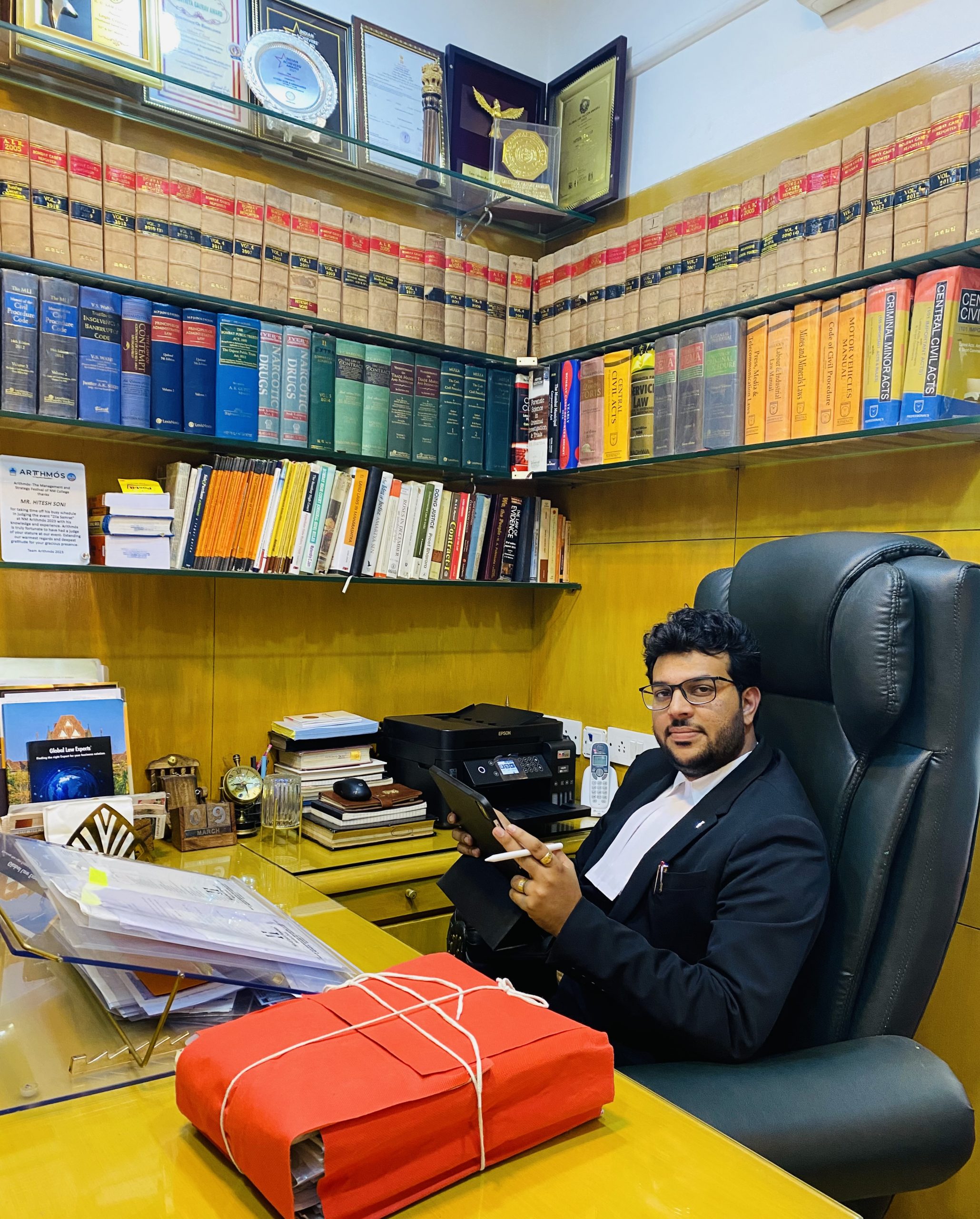



 Allow notifications