Can you share with us the journey that led you to pursue a career in law, and what motivated you to specialize in dispute resolution?
I developed a keen interest in law early in my academic journey, drawn to its complexities and its potential to address societal issues. Additionally, in my formative years, I was heavily inspired by my grandfather who was also a lawyer but never had an opportunity to practice due to certain family obligations. During my LLB course, I engaged in various legal internships, gaining exposure to different areas of law. It was during this time that I discovered a particular fascination with dispute resolution. My dedication to this field grew stronger as I observed its profound impact on individuals and businesses. The prospect of aiding parties in resolving conflicts became a compelling force guiding my career path. During my tenure at both Spectrum Legal and Trilegal, I was given ample opportunities to delve deeper into my interest in dispute resolution, establishing a robust foundation in the process. These experiences afforded me extensive exposure to a diverse range of matters and an overarching understanding of dispute resolution strategies.
Your experience at Spectrum Legal involved handling a diverse range of legal issues. Could you highlight a specific case or project that you found particularly challenging or rewarding and share the key lessons you learned from it?
Due to the confidentiality of several cases I handled, and their ongoing status, I am unable to disclose specific party names. However, I can reference several significant cases I worked on, some of which have been publicly reported on forums such as Bar and Bench. One of the initial cases that I extensively contributed to involved addressing alleged defamatory content posted by a journalistic entity against a highly esteemed startup. This particular case underscored the substantial impact that swift action and a well-thought-out strategy can have on a company’s business, emphasizing the importance of meticulous drafting. The primary challenge in this matter was ensuring the prompt filing of the plaint and getting quick interim relief, as time is crucial in all civil defamation cases.
From your time at Arrow Law Partners, what aspects of being a Partner have you found most fulfilling, and how has your role evolved compared to your previous experiences as an Associate?
This question holds particular interest for me, given that I established Arrow Law Partners just a few months ago, and the experience has been incredibly enlightening. As an associate, one can rely on various colleagues and partners for support and assistance. However, stepping into the role of a partner has meant taking on the sole responsibility of ensuring that I deliver the best possible advice and service to my clients. The most rewarding aspect of this transition has been engaging in discussions with clients, where my focus is on presenting all available options alongside my recommended suggestions for approaching a matter. Recognizing that the initial move in every case may not necessarily involve approaching the court, I find it essential to adopt a holistic and commercially minded approach to achieve the desired result. Consequently, the practice of dispute resolution strategy itself has become a vital component, emphasizing the importance of considering alternatives rather than advising every client to directly pursue court action or initiate arbitration.
In your role at Trilegal, you contributed to the dispute resolution team and participated in due diligence processes for potential mergers. How did this experience shape your perspective on the intersection of litigation and corporate transactions?
My experience at Trilegal has proven to be invaluable in fortifying my expertise in dispute resolution and expanding my perspective on approaching various matters and disputes. Involvement in due diligence and merger applications played a crucial role in deepening my understanding of the commercial aspects inherent in each case. This exposure shed light on the considerations companies weigh before delving into discussions about potential mergers Initially, with my primary interest lying in dispute resolution, I may not have seen the immediate merit in working on such matters. However, through active engagement with these cases and collaboration with other teams, I gained insights into the practical intricacies associated with mergers. This experience illuminated how any dispute could significantly impact the potential success of a merger, providing me with a more comprehensive understanding of the interconnected nature of legal practice.
Given your extensive experience in the legal field, what advice would you offer to recent law graduates who are embarking on their careers, especially those interested in dispute resolution and arbitration?
My primary advice is to immerse yourself in diverse experiences and tackle various types of legal matters by diving in to the deep end. Given the increasing number of law graduates each year, the upcoming generation of dispute resolution lawyers will focus on specialisation. The key to understanding your interests and identifying your niche lies in gaining exposure to a range of cases Starting by actively participating in different aspects of legal work, including running around to handle various tasks, is crucial. This hands-on experience is where you acquire the fundamentals and practicalities of dispute resolution. I often advise new lawyers and interns to attend court sessions and observe proceedings, as it offers valuable insights into argumentative styles, reading the judge, and presenting effective arguments. This exposure is indispensable for honing essential skills in the field.
Reflecting on your journey, could you share some insights into your college days at ILS Law College, Pune, and the initial struggles you faced in the early days of your career after graduating? How did those experiences shape your resilience and approach to the legal profession?
Law School is where you formed your foundations, be it education or friends. ILS Law College was, and remains, one of the most prestigious institutions in Law. It was an incredible learning experience as you came together with aspiring lawyers from all over the country. It was evident from the beginning that the legal profession professed immense competition and that one needed to do more than what was ‘required’ in order to stay ahead of the curve. Whilst at Law School, our version of finding a job was finding an ‘internship’! There was immense competition, if for nothing else, then for bragging rights – which was an undeniable reality. These early experiences were a lesson for later years – that life wouldn’t be easy, or fair.
Your legal career spans over 17 years, with a wealth of experience in civil/criminal litigation and commercial arbitration. Can you share a memorable moment or case that significantly shaped your approach to legal practice?
It was in my second year in the profession where I was faced with the occasion of having to argue a high stakes matter before the Delhi High Court in an arbitration case. As my senior was on his legs at that moment (as is very common), I sought the customary Passover. However, the Hon’ble Judge insisted (read: encouraged) that I present the arguments. Reluctantly, I proceeded with the arguments. My senior arrived mid-way but the Hon’ble Judge insisted I continue. After the hearing, my senior encouraged me to lead the matter, of course, with his support in whatever way needed. We went on to win the matter.
The takeaway: Judges will always be there to inspire and encourage you, but the hard work will have to be yours alone. You must be able to cash in on opportunities through thorough preparation, of law as well as facts. Your Seniors will also be there to mentor and guide you, but you must win their trust – again, through your work. These are privileges, which must never be misused.
I was extremely fortunate to have found the support from my senior during my early years who was pivotal in my learnings, especially that there is nothing like a big or small matter. Every matter is equally important for a lawyer because it carries the trust of a client, which must be reciprocated with competence and responsibility. Also, you either know an answer or you don’t – never faff! Your duty to your client is always first and sacrosanct.
As a Partner at Kochhar & Co., you handle disputes related to arbitration, insolvency, and commercial litigation. What aspect of your current role do you find most fulfilling and challenging?
Keeping abreast with the ever evolving concepts of law is one of the most crucial aspects for any practice, be it Arbitration, Insolvency, or any other field. Clients look for solutions from both legal as well as commercial perspectives. Striking a balance between the two remains the most challenging and satisfying aspect. Your skillset must include the ability to provide out of the box solutions.
Beyond your legal expertise, you’ve been associated with various publications. What inspired you to write articles?
As a lawyer, you are constantly exploring ways to hone your skills, especially reasoning and conveyancing. When you write an article, you are free to express your own views on a subject after understanding the jurisprudence and evolution of said subject. But it is not just about sharing your views, rather how to grasp the attention of the reader. This requires a fair amount of research and formulation of opinions based thereon. To articulate and convey your views independent of others is the biggest privilege a lawyer has.
Your bio mentions a deep passion for the legal profession, passed down through a family of lawyers. How has this familial connection influenced your journey, and what does the legal profession mean to you on a personal level?
Growing up, we were privy to numerous stories and anecdotes emanating from the legal profession. This definitely had an impact on the decision to pursue law, but said decision was never owing to expectation or pressure. We were always free to choose our career path and were always supported in that. From the beginning, we were motivated to make it on our own and not through whom you knew. Case in point: my father refused to consider my candidature for his organization unless I had garnered at least 3-4 years of experience!
I have always considered the legal profession as a noble profession. I learned very early that representing a client was an enormous responsibility which could only be shouldered through your understanding of the law and a thorough appreciation of the issues involved. On the other hand, you are also an officer of the Court, which comes with its own set of responsibilities. There must be a sense of pride when you don the gown, but never arrogance.
Having been associated with both DSK Legal and Luthra & Luthra Law Offices, what unique aspects of each firm have contributed to your professional growth, and how do these experiences influence your approach as a Partner at Kochhar & Co.?
Both organizations had very distinct and unique characteristics.
While at Luthra, I was fortunate to have been a part of a wonderful set of lawyers, and human beings alike in a very close knit environment. Our senior colleagues were always ready to help and mentor, which every newcomer looked to. A lot was learnt in the ways of mentorship and on how to hone your skills as a lawyer. In many ways, I learnt my core professional values whilst at Luthra. It taught me the importance of not only learning to deliver quality, but also of the need to guide and assist youngsters.
DSK Legal further encouraged you to go beyond the role of a Partner and to grow as an individual. It is with the combined experience garnered from both organizations that I look to assisting my present organization in its visions ahead.
From your time at The Doon School to being a School Athletics Captain, how do you think your early experiences and leadership roles in school have shaped your professional journey?
Doon has played a pivotal role in my journey. I was primarily a long distance runner which entailed two main requirements: keep breathing, and keep going – a trait most often needed in today’s profession in many ways! Doon inculcated a strict sense of discipline and leadership from a very early age. These characteristics have been essential to me through the years in the profession.
In addition to your legal expertise, you’ve authored articles and judged Moot Courts. How do you balance the roles of an author, mentor, and litigator, and how do these activities contribute to your overall professional satisfaction?
All these roles are interlinked. It is crucial to invest in mentoring and undertaking extracurriculars beyond work. Time has always been a constraint but one needs to find the time as these are investments you make in yourself as an individual. Moot Courts are an excellent way to interact with budding lawyers and to get a feeling on how they perceive the law and present themselves. The coming generation is extremely sharp and intelligent, and they certainly offer a fresh perspective, which is often much needed.
Apart from your professional commitments, how do you unwind and relax? Are there any hobbies or activities that you particularly enjoy in your free time?
Travelling has been the best way for unwinding and finding a break from the regular vigour of life. I found my ultimate Xen in Scuba Diving many years back, which I pursue religiously.
AI is fast taking charge in developing times. How do you see AI impacting the legal industry?
Technology has always been a powerful tool in a lawyers arsenal. Online research, though not a substitute for conventional modes, has certainly been a boon over the past many years with access to legal databases merely a click away. Now with the advent of AI, the landscape of the profession is fast changing. Numerous Corporates have already started using this for their professional needs. There is thus a dire need for lawyers to adopt and adapt, lest you miss the bus.
AI is well poised to reduce (and in cases, even remove) the reliance on different sources, be it drafting or research. Although human logic and ingenuity is difficult to be substituted, Generative AI is certainly a stiff competition in the field. What will be the endgame in the vista, time will tell. For now, AI is certainly the most powerful tool available to us and its potential must be capitalized.
Would you like to share any suggestions or advice for the upcoming generation of lawyers?
Read, read, and read! There is no shortcut to hardwork. Every lawyer is unique.
Cherish your relationship with your Mentor, but maintain respect and independence. Read “Letters to a Young lawyer” by Alan M.Dershowitz for more insights.
Invest time in networking early – this will be your biggest asset in the later years.
Always look out for yourself – you alone will be responsible on setting the trajectory of your career. Don’t let anyone dictate your choices. Have confidence in yourself.
Eat well and stay fit – don’t be 50 at 35.
Lastly: no matter how successful you become in life – always respect the Bench.
Your journey from Symbiosis Law School to becoming a Partner at Dua Associates is quite impressive. Can you share a memorable experience or lesson from your early legal career that has shaped your approach as a dispute resolution lawyer today?
A career in law interested me, however, I had little idea as to the enormity of what it would entail. At the time I did not have any family or friends practicing law, so I did not have much guidance either. I was always told by my educators that I had an aptitude for a career in Law. I joined Symbiosis Law School at the age of 17 and have never looked back since. I was an active mooter and debater in law school and having interned with a few reputable legal firms and lawyers, I realized I truly enjoyed the experience of being in Court which led me to choose Dispute Resolution as a career.
It is no secret that passion, hard work and perseverance are the keys to success in any sphere and dimension of life, however, the extent and proportion are not something I had ever imagined. My biggest lesson so far has been that there is a learning in every experience so long as you are open to doing everything that comes your way. I never shied away from doing any task that was assigned to me no matter how little I knew of it or what I thought of it, and my sole purpose was to ensure the job was done. This determination and characteristic have seen me through and brought me where I am today. There have been days that I have singlehandedly attended to tasks otherwise assigned to associates, para legal, court clerks and even stenographers, all while being a Partner, and such days, though challenging, leave me most fulfilled.
With such a diverse range of legal areas you handle, from insolvency to property law, is there a specific area of law that you find particularly challenging yet rewarding to navigate?
Times have changed since I started practicing in 2007. In this era of specialization, I have been extremely fortunate to experience diverse legal areas, all of which I have covered in some depth which include wide-ranging commercial disputes, property law, labour and employment law, company law, transactional work and now insolvency law. In Law the devil is in the details, so every subject requires a fundamental understanding of the nuances involved and then applying such understanding to practical situations.
The law is ever-evolving, requiring all lawyers to remain updated with the latest precedents. The last decade has also seen the emergence of new statutes. As for me, I had no background in insolvency laws, the Code was enacted in 2016 long after I had graduated from law school, therefore, it was all about self-educating. Although, challenging this practice area has been extremely rewarding for me.
You’ve been instrumental in developing and scaling the Insolvency and Bankruptcy practice at Dua Associates. What drew you to specialize in this field, and how do you see the landscape evolving in the coming years?
The Insolvency and Bankruptcy practice is one of the fastest-growing practice areas across law firms. This has more to do with the economy as a whole and the object of the statute. While the statute and the accompanying infrastructure have some distance to travel to realize its true potential, however, there have been several positives such as the revival of mismanaged and indebted corporate persons, securing the interests of creditors, check of corporate frauds, timely resolution of insolvency process amongst others.
There was no intended or conscious effort towards specializing in this area. I along with a very competent team was entrusted with a good amount of work in this area, through which we honed our knowledge and became more and more familiar with the intricacies involved. We have been fortunate to do a lot of work in this space over the last 5 to 6 years, where we have represented all categories of stakeholders in several marquee matters. Dua Associates as a firm has been very supportive enabling me with all the tools to develop and scale up the Insolvency and Bankruptcy practice.
You spent several years as Vice President at HSBC before joining Dua Associates. How was your experience transitioning from a role in a large multinational corporation to your current position as a Partner at a law firm? Are there aspects of your time at HSBC that significantly influenced your approach or perspective in your current role?
Transition is never easy, you will have to walk out of your comfort zone and challenge yourself. I love a challenge; it makes me more determined.
As I look back now, my role at HSBC was diametrically different from what I do today, with its own set of rigours and challenges. Working in-house is attached the misconception that life is easier in comparison to a law firm. Understanding business and your stakeholders/clients is not only key for an in-house profile but is also an absolute must for every lawyer. This is a skill set neither taught in law school nor in any law firm.
Today working as a Partner with a law firm, my outlook on any problem and its consequent solution is viewed from the prism of my client’s business. Understanding the client’s business, personnel, culture and risk appetite is crucial for the legal advise I offer them, which perhaps is my biggest carry-forward from my HSBC days.
Apart from your legal expertise, you’re known for finding innovative solutions to complex issues. Can you share an example where thinking outside the box led to a positive outcome for your client?
Every client is concerned with the end outcome; the process is for the lawyers to take care of suitably. For dispute resolution lawyers, the significance of strategizing is understated and this in my view separates the good from the best. Like a game of chess, dispute lawyers must anticipate their opponent’s every move and try to remain a few steps ahead.
As a team, we have achieved many favourable outcomes before various forums, where our out-of-the-box approach led to protracted litigations being successfully shortened and sizable settlements attained for our clients.
You’ve authored articles on the evolving jurisprudence of insolvency laws. Are there any upcoming changes or trends in the legal landscape that you find particularly noteworthy or anticipate having a significant impact?
The issue of project-wise corporate insolvency resolution process for large real estate sector companies is currently under consideration before the Hon’ble Supreme Court and is likely to have a significant impact in my view. Under the existing legal framework, to factor in the interest of a variety of stakeholders and facts peculiar to each case may weigh heavily before a final decision is pronounced.
We’ve heard about your interest in arbitration and mediation. How do you see alternative dispute resolution methods evolving in India, and what role do they play in your practice?
Alternate dispute resolution has always been of keen interest to me. Given our population, our infrastructure and particularly our Courts are overburdened. The underlying purpose of alternate dispute resolution was to reduce the burden on the Courts, through a formalized and time efficient process of resolving disputes outside of the Court.
In my view, the acceptance of such a process and outcome by the parties involved is key. However, the complexities of the process, timelines, high costs, the acceptability of the final outcome and subsequent rounds of litigation has diminished the value of alternate dispute resolution.
Beyond the courtroom, what’s a passion or hobby that helps you unwind from the intricacies of legal matters?
Given the constraints of time and our hectic life, it is very important for lawyers to pursue activities outside of the workspace. I personally enjoy travelling and sports.
Travelling to see new places, experience different cultures and meeting new people is something I particularly look forward to in my free time.
For aspiring lawyers entering the field of dispute resolution, what advice would you offer based on your own journey?
I believe that being a dispute resolution lawyer is a constant process of evolving, where you are dealing with new challenges, unforeseen circumstances and a wide array of people. It is essential to remain in the present with an eye on the future and keep moving forward one step at a time. Also, every day is a fresh start so never sit on your laurels or let your failures bring you down, they are both equally important parts of your professional journey.
Ma’am, could you please share your journey and how you ended up pursuing a career in law? What motivated you to choose this profession?
From a young age I was very bold and would always speak my mind. I also had a very strong desire to help people. I felt like I gravitated towards Law as my elder brother also chose Law as his career path. At that age you are extremely influenced by your siblings. When I started reading different law subjects, I became more and more curious and continue to be curious about everything law has to offer.
I remember feeling so overwhelmed on my first day in court. But I kept accompanying my colleagues / seniors and I slowly became familiar with all the court procedures etc.
My journey has been full of surprises. I have experienced the highest of highs and lowest of lows, but I keep showing up and never despair. I would say litigation is very unpredictable as you never know what will happen in court.
With your extensive experience in handling commercial and civil disputes, insolvency cases, and matters under the Industrial Disputes Act, can you highlight a particularly challenging case that stands out in your career and how you navigated through it?
I represented a company in a case wherein there was an injunctive order against termination of an employee. It was challenging as the company was forced to continue his employment. However, we took the aid of section 14 and section 16 of the specific relief act and were able to demonstrate that contracts solely dependent on personal qualifications cannot be enforced.
Your work involves representing clients in intellectual property rights cases. Could you discuss a memorable case where your skills in IP law played a crucial role in achieving a favourable outcome?
In one of the Intellectual property rights cases there was an ex-parte order operating against our client restraining them from infringing the plaintiff’s trademark. We relied on section 30 of the trademarks act and were able to demonstrate that there was no infringement of trademark as our client was merely showcasing products and was in no way “using the plaintiff’s trademark”. This case was challenging as it is difficult to get an interim order vacated.
From your time at Poovayya & Co., you were involved in representing organizations in electronic and print media. Can you share an interesting experience or case related to media law that you found particularly intriguing or challenging?
An interesting experience was regarding injunctive reliefs against publications (electronic or media) from telecasting defamatory articles / news. In such cases, the plaintiffs tend to include all media channels irrespective of whether they had published defamatory articles. We were representing media houses who were unnecessarily dragged to court who had nothing to do with the alleged defamatory articles. It was an uphill task to demonstrate that the media houses were only reporting facts / actual events that took place.
As someone who has also worked with a Judge of the Supreme Court, could you shed light on how that experience influenced your perspective and approach to practicing law?
This experience was immensely valuable as it gave me first-hand experience as to what the Judge expects from a lawyer irrespective of who he is representing. It made me realise that the arguments must be presented in a manner which can easily be grasped in a short period of time. It also taught me the importance of keeping the pleadings precise and using simple language as opposed to complex sentences.
You’ve been involved in consumer matters and divorce cases. Can you discuss a case that had a significant impact on your understanding of these areas of law, and perhaps a lesson you learned from it?
We had filed a consumer case for an individual wherein the complaint was allowed in part and half of the compensation amount claimed was granted. Although we had good grounds for appeal, it made commercial sense for the client to accept the part compensation considering the costs and time it would take for the Appeal to be decided, finally.
This case provided me with a different perspective of the importance of balancing between the desire to win a case and a feasible remedy for the client.
Your role as an Associate Partner at Klaw involves providing legal advice to various e-commerce platforms. How do you approach the unique challenges and legal issues that arise in the rapidly evolving landscape of e-commerce?
The law pertaining to e-commerce is rapidly evolving and new guidelines are released from time to time. I constantly keep myself updated on the law regarding intermediaries and its interpretation by different courts which equips me with providing the best solution to the client.
Given your diverse experience, what advice would you offer to law graduates who are just starting their careers in the field? What key lessons or insights have you gained that you believe would be valuable for them?
To anyone who is just starting their career, I would advise that gaining practical experience at an early stage would give them an edge over their peers. Exposure to court procedures, being involved in evidence and cross examinations is what they should be aiming at the early stages of their career. They should eagerly look out for opportunities to present arguments be it at the stage of interim hearings or final arguments.
We’d love to know more about your journey in the legal field. Can you share what inspired you to specialize in technology law and pursue a career in arbitration and corporate litigation?
My journey as a lawyer technically started in the year 2010, however, I have regularly interned at different offices since 2006-07 (even during law school). I started my career as a chamber junior to Ms. Manmeet Arora (who is now a Judge at the Hon’ble Delhi High). I can proudly say that I was trained by the best and the initial chamber training prepared me for what I was bound to do in my career. Later I moved to Luthra & Luthra Law offices (which it then was), progressing further to being a Partner at SAM and presently, I am a Partner at CAM. My journey from college days till date has been a roller coaster ride, with different experiences, ranging from doing the Aircel Maxis Spectrum Trial, to representing Tech Giants in almost all spheres, to recently being part of the much celebrated NN Global matter. My interest in Tech law grew with my inquisition towards small issues that we face on a daily basis. If you see, Tech and Arbitration are the two fields that are ever-evolving and I think that’s my inspiration.
As a “Future Star” in arbitration, could you tell us about a particularly challenging or interesting case you’ve worked on recently and what made it stand out for you?
In the order of ranking, the most challenging matters that I have been part of as a briefing Counsel would be HCC Ltd. Vs. UOI & Ors. 2019 SCC Onlibe SC 1520, where the 3-Judge Bench of the Supreme Court struck down Section 87 of the A&C Act, second would be Kal Airways vs. SpiceJet Ltd. & Anr. which is still a landmark on Section 9 A&C Act. Recently, I have argued a few important arbitration matters before the Delhi High Court, including HCC vs. NHPC, 2023 SCC Online Del 819, which decided an important question on bank guarantees and till what point the same have to be maintained in case the arbitral award is under challenge. This was special to me as recently I got a call from a Senior Counsel who told me that they relied on this judgment and got an order before the Rajasthan High Court. The next and very important issue on Section 28(2) of the A&C act which I argued before the Delhi High Court is NHPC vs JP Associates Ltd., 2023 SCC Online Del 3294, i argued on Section 31 and 28 (2) and got the award partially set-aside. As mentioned earlier, recently I have made submissions before the Supreme Court in the case of NN Global which put to rest the issue of stamping. Each case was challenging in its own way. The intricacies you learn from Senior Counsels and how you evolve and transform into arguing the same issues yourself is what stands out for me.
Being a member of the Steering Committee at IAMC, how do you see the landscape of international arbitration evolving, especially in the context of technology-related disputes?
I believe arbitration is one field that runs totally on stakeholder involvement. We as practitioners and arbitrators are constantly evolving the field and ourselves. Being part of an institution gives us the platform to get more ideas. The evolution of arbitration in the international context and specifically technology-related disputes has been increasing recently. I Have recently finished arguments in an arbitration where the underlying issue was the performance of an App designed in a particular way. While we still have time to see big tech-related disputes being referred to arbitration, we are taking baby steps towards it and the future is bright for the generation that is following us.
You’ve represented tech companies on issues related to intellectual property and regulatory frameworks. What, in your opinion, is the most exciting or challenging aspect of navigating the legal landscape in the technology sector today?
As I said earlier, the ever-changing nature of Tech is what is the most challenging part of it. While you learn to deal with one particular issue, you won’t even know that the same is obsolete and you have to move to learn the new version. The IP and regulatory framework issues that I have dealt with personally have also changes their nature and shape. Litigants are becoming smarter by the day and know how to navigate the entire ecosystem.
In your career, you’ve dealt with a wide range of disputes in infrastructure, real estate, and corporate matters. Is there a piece of advice you often find yourself giving to clients facing such diverse challenges?
My first advice to every client, whether it’s an infrastructure, real estate, tech or any other issue is to find out a way to settle the matter, so it is a win-win situation for all. Prolonged litigation is what each corporate now wants to avoid and that makes complete sense when it comes to business efficiency and cost benefit analysis.
Having worked on a variety of international commercial arbitrations, can you share some insights into the differences or nuances you’ve encountered in dealing with disputes on a global scale?
I have never found anything very different even while dealing with an international dispute. The ways and methods may be different, but the approach is the same. Yes, if I have to point out a few distinguishing factors, I would say the sophistication and systematic approach that is adopted internationally, is something we must even adopt in our domestic arbitrations.
Representing major tech giants in various matters is certainly impressive. Can you share a bit about the unique challenges or dynamics involved in handling cases for major social media platforms?
The most unique challenge that a lawyer faces in such cases is that any of your actions/reaction in Court will have a far-reaching impact on the entire industry. So whatever way you are presenting your case- pleadings, submissions or oral arguments, have to be well thought out and based on parameters that do not only do good for your client, but for the industry at large.
Given your extensive experience, what skills or qualities do you believe set apart successful lawyers in today’s competitive environment, and how can law students cultivate these attributes during their academic years?
The ability to keep yourself abreast with the latest changes to law, with knowledge of the first principles is what will set you apart. The learning will never stop but one tips I can give to youngsters is that they should be observant. The Red-car theory is something I always believe in. Never say no to any work that comes your way and dedicate yourself to the profession. During academic years, focus on bare acts and law journals. Once you start practising you will constrain yourself to the books that you will be using in your case, so today is the best time to read]
Many students contemplate between pursuing a career in litigation or opting for judiciary preparation. What factors should they consider when making this decision, and are there benefits to gaining experience in both areas early in one’s career?
I think if someone wishes to pursue judiciary, they should start visiting District Court in as many districts as they can. See what is happening in Courts and are you up for it. For litigation, similarly start early. Observe how trials are done, how lawyers argue, how they act in Court and how the judges react. By following this, one can totally connect with what they would want to do and develop the Rio interest accordingly.
Switching gears a bit, outside of the legal realm, what are your personal hobbies or interests that you enjoy in your free time?
I am a biker and a super bike lover. I love to ride early morning during weekends (if work permits). I also like listening to old songs and ghazals and to justify my surname, I have slight inclination towards poetry 🙂
Lastly, we’d like to know your perspective on mentorship. Have there been mentors or individuals in your career who significantly influenced your professional growth, and what lessons have you carried forward from them?
Mentors play a very important role in this profession. Whether some is teaching you with interest or you learn by just following them, the idea is to learn. The most important part of this mentorship is that no one will come and tell you that they are your mentor. You have to choose yourself and follow them. I am lucky to have many mentors in the profession, starting from Ms. Manmeet Arora (“it’s a people’s profession”), Mr. Gaurav Duggal (“anything is possible if you want”), Mr. RS Suri, Sr. Adv (“money isn’t everything”), Mr. Anirban Bhattacharya (“eat, sleep litigate”) and Mr. Tejas Karia (“build your team”). Each one of them I chose as my mentor and all of them at one point or another have taught me things that have helped me grow as an individual and a lawyer and they all continue to inspire me every day.
Can you share with us your journey and how you ended up practicing law, particularly in the areas of Capital Markets, Derivatives, Financial Services & Regulatory, and Payment and Settlement Systems?
Certainly. Given my interest in commerce, business law and financing I pursued a bachelor’s degree in Commerce. My further interest in the field of law led me to pursue a degree of Bachelor of Commerce (BCom) in 2010. I started my professional career as an Article Clerk at Kanga & Co, gaining valuable experience from August 2011 to August 2013 under the guidance of Mr. Dhaval Vussonji and Ms. Prachi Dave. During this time, I honed my legal skills and developed a keen interest in the intricacies of financial law.
You have a specialization in debt issuances and marked-linked debentures. How did you develop an interest in this area of law, and what are some of the notable projects or transactions you’ve worked on?
My specialization in debt issuances and market-linked debentures evolved over the course of my career. As an Associate at VND & Associates (now Dhaval Vussonji & Associates) and later at Juris Corp, I actively engaged in advising clients on debt issuances, which sparked my interest in this niche area.
As someone who regularly advises the International Swaps and Derivatives Association (ISDA) and various clients in the financial industry, could you tell us about the unique challenges and opportunities that arise in the derivatives market?
Advising ISDA and diverse clients in the financial industry has exposed me to the dynamic landscape of the derivatives market. The challenges often stem from the evolving regulatory framework and the need for precise documentation. ISDA being an industry body requires me as a lawyer to think one-step ahead to foresee the practical challenges that may crop up due to the ever changing legal & regulatory landscape of India and accordingly liaising with them, market participants and the respective regulators to ensure a smooth Indian derivatives market.
ISDA has also been integral in getting my name on the international stage as a derivatives lawyer. I recently went to Singapore to deliver a masterclass on Derivatives and it was a learning experience.
Your involvement with the Fixed Income Money Market and Derivatives Association of India (FIMMDA) and the National Stock Exchange of India Limited (NSE) showcases a broad range of experiences. How has working with these organizations contributed to your expertise in the financial services sector?
Working closely with FIMMDA and NSE has been instrumental in broadening my understanding of the financial services sector. These experiences have provided unique insights into listing compliances, platform establishment, and various facets of the financial markets. Collaborating with these organizations has been a cornerstone in developing a holistic approach to financial law.
The Payment and Settlement Systems Practice is an integral part of your work. Could you shed some light on the role of legal professionals in this area and how it impacts the functioning of financial markets?
In the Payment and Settlement Systems Practice, legal professionals play a crucial role in ensuring the smooth functioning of financial markets. Our responsibilities include navigating regulatory requirements, advising on compliance, and addressing legal challenges to maintain the integrity of payment and settlement systems. By doing so, we contribute to the stability and efficiency of the broader financial ecosystem.
You’ve authored several articles and publications related to derivatives and sustainability-linked financial instruments. Can you discuss the importance of sustainability-linked derivatives in today’s financial landscape and their potential impact on green finance?
Authoring articles on sustainability-linked derivatives reflects my commitment to exploring innovative and responsible financial practices. In today’s landscape, sustainability-linked derivatives play a pivotal role in promoting environmentally conscious investments. These instruments not only align with global sustainability goals but also present opportunities for businesses to contribute to green finance, fostering a more sustainable and responsible financial sector.
Juris Corp is considered a premier law firm in the derivatives space, and you head the derivatives practice there. What sets Juris Corp apart, and how do you ensure the highest level of service for your clients?
Juris Corp stands out in the derivatives space due to its unwavering commitment to excellence and deep industry knowledge. Our team’s collective expertise, coupled with a client-centric approach, allows us to provide tailored solutions. We prioritize staying abreast of industry developments, ensuring that our clients receive the highest level of service backed by cutting-edge legal insights.
Dispute resolution is another aspect of your work, particularly concerning potential disputes arising from derivative transactions. What are some of the common challenges you face in resolving such disputes, and how do you approach these complex situations?
Resolving disputes in derivative transactions presents unique challenges, often rooted in complex financial structures and regulatory nuances. We approach these situations with a meticulous strategy, combining legal acumen with a deep understanding of the financial markets. Our goal is to achieve amicable resolutions while safeguarding our clients’ interests and maintaining the integrity of the financial agreements involved.
Throughout your career, you have conducted presentations and seminars on regulatory changes in the Indian derivatives market. Could you share some key insights from these sessions and how these changes affect derivative products?
Conducting presentations on regulatory changes in the Indian derivatives market has been an enriching experience. Key insights revolve around the need for adaptability in response to evolving regulations. Understanding these changes is vital for crafting effective legal strategies, ensuring compliance, and mitigating risks. Derivative products must align with the regulatory landscape to maintain their relevance and integrity in the market.
As a successful partner and expert in your field, what advice would you give to fresh law graduates or aspiring lawyers looking to pursue a career in the areas of Capital Markets, Derivatives, Financial Services & Regulatory, and Payment and Settlement Systems? What key skills and experiences do you think they should focus on developing?
For fresh law graduates aspiring to excel in Capital Markets, Derivatives, Financial Services & Regulatory, and Payment and Settlement Systems, I recommend focusing on a few key aspects. Firstly, build a strong foundation in financial law through continuous learning and staying updated on industry developments. Develop excellent analytical and problem-solving skills, as these areas often involve intricate legal and financial complexities, this will come with reading case laws. Networking and building relationships within the industry are also crucial, as they open doors to valuable opportunities and insights. Finally, cultivate effective communication skills, as conveying complex legal concepts to clients and colleagues is integral to success in these specialized fields.
Can you tell us about your journey and how you ended up pursuing a career in law, specifically focusing on securities law and debt capital markets?
Certainly! My journey in the legal field began at Government Law College, Mumbai, where I cultivated a passion for corporate law and legal intricacies. Early on, I worked as a Senior Executive-Legal at SBICAP Trustee Company Ltd, gaining valuable experience. This laid the foundation for my transition to Juris Corp, where I’ve spent over eleven years honing my skills. My interest in securities law and debt capital markets grew organically as I navigated through various roles, ultimately leading me to head the Securities and Capital Markets Team at Juris Corp.
Debt capital markets can be quite complex and dynamic. What initially drew you to this particular area of law, and what aspects of it do you find most fascinating?
The complexity and dynamism of debt capital markets always intrigued me. I was drawn to the challenge of understanding intricate financial structures and regulations. What fascinates me most is the strategic interplay between legal frameworks and financial transactions. It’s a realm where law and finance converge, and I find the synergy between the two truly captivating.
You’ve played a pivotal role in advising and strategizing on various complex debt capital markets transactions. Could you share an example of a particularly challenging transaction and the key insights you gained from that experience?
One notable transaction that comes to mind is the issue of global medium term notes by Reliance Industries Limited which was guaranteed by Export Import Bank of India. It was the first transaction guaranteed by Exim Bank. The transaction involved navigating intricate regulatory hurdles and devising innovative structures to meet client objectives and coordinating with various onshore and offshore parties. The challenge was in ensuring compliance while optimizing the financial outcome. This experience reinforced the importance of adaptability and creative problem-solving in the ever-evolving landscape of debt capital markets.
Your expertise includes representing various foreign portfolio investors, financial institutions, and alternative investment funds. How do you navigate the unique challenges that arise when dealing with international clients and regulatory frameworks?
Dealing with international clients demands a nuanced understanding of diverse regulatory landscapes. Communication is key. I ensure transparent and open lines of communication, fostering a collaborative approach. Staying abreast of international regulatory changes and having a global network aids in effectively navigating challenges and providing comprehensive solutions.
You’ve been recognized in various publications and directories as a leading lawyer in debt capital markets. What strategies have you employed to consistently deliver high-quality service to your clients and earn such accolades? Consistency in delivering high-quality service involves staying attuned to clients’ needs and industry trends. I prioritize ongoing education to stay ahead of the curve. Building strong client relationships based on trust and transparency has been pivotal. Recognition stems from a client-centric approach and a commitment to delivering value in every transaction.
The financial and legal landscape is ever-evolving. How do you stay updated with the latest developments and trends in the debt capital markets to ensure your clients receive the best advice possible?
Staying informed is non-negotiable in our field. I dedicate time to continuous learning through seminars, industry publications, and networking events. Collaborating with colleagues and experts helps exchange insights. Being proactive in monitoring regulatory updates ensures that my advice is not only sound but also aligned with the latest market dynamics.
In your articles and publications, you’ve covered a wide range of topics related to securities and capital markets. How do you approach breaking down complex legal concepts into easily understandable insights for your readers?
Simplifying complex concepts is an art. I aim to bridge the gap between legal jargon and accessibility. Analogies, real-world examples, and a step-by-step breakdown are my go-to methods. The goal is to empower readers with a clear understanding, fostering a broader appreciation for the intricacies of securities and capital markets.
India’s legal and financial environment can present unique challenges. Could you share a specific instance where you had to devise a creative solution to navigate regulatory complexities and achieve your client’s objectives?
Certainly, there was a case where regulatory hurdles threatened the feasibility of a transaction. is a complex trade involving asset reconstruction companies issuing non principal protection where the returns are linked to security receipts. I proposed a novel structure that adhered to the spirit of the law, we successfully navigated the complexities, achieving the client’s objectives. This reinforced the importance of innovation in problem-solving within the Indian legal landscape.
You’ve been highly appreciated by your clients for your dedication and determination. How do you maintain a balance between your professional commitments and personal life?
Maintaining balance is crucial. I prioritize tasks, set realistic expectations, and delegate effectively. Quality, not quantity, is key. Regular breaks and personal time are non-negotiable. It’s about discipline, efficiency and effectiveness in both professional and personal spheres, ensuring that dedication is balanced with a healthy lifestyle.
As a successful lawyer with substantial experience, what advice would you give to fresh graduates who are considering a career in law, particularly in the field of debt capital markets?
For fresh graduates entering the legal arena, my advice is to cultivate a deep curiosity for the subject matter. Embrace challenges as learning opportunities, and don’t shy away from interdisciplinary knowledge, especially in finance. Building a strong network, staying adaptable, and continually educating yourself will set a solid foundation. Remember, success in debt capital markets requires a blend of legal acumen and financial understanding.
Your journey includes an LL.M. from Harvard Law School and a B.A. LL.B. (Hons.) from NALSAR. How did your time at these prestigious institutions shape your approach to law, and do you have any memorable experiences you’d like to share from your time at Harvard?
It was a privilege to be part of the two leading law institutions both in India and the world. As a law student, I was exposed to the best professors and brightest of legal minds which helped me develop my curiosity in law. I understood very early that law as a subject is ever evolving and there are no right answers in law. It is all about thinking in pairs where you need to think both sides of an argument and not rush to conclusions.
HLS for me was an exposure to the international world as we had students from more than 50 countries in the LLM batch. I made friends from various countries and understood their culture and thought processes. HLS not only made me a better lawyer but more than that it gave me tools to understand the world and its people better.
As a member of the New York Bar, you bring an international perspective to your practice. How has being admitted to practice law in New York influenced your career, and what unique insights do you gain from practicing in both India and the U.S.?
I can confidently say that NY Bar was the toughest examination I gave in my life and for which I worked the hardest. As a lawyer trained in India, it is more difficult to crack the NY Bar since you would need to unlearn Indian laws and focus on both federal and NY state laws which at times would have conflicting positions.
Although I don’t actively practice US laws, having been exposed to securities law jurisprudence of the US- it helps tremendously in my practice in India. Most of Indian securities laws have been made on the similar lines as US laws and while Indian laws are still at a developing stage- US laws have an established history and jurisprudence. I often refer to US laws to draw parallels while assisting securities market players in both advisory and disputes practice.
Congratulations on co-authoring the book ‘Securities Regulation – Primary Market Offerings in India.’ What inspired you to delve into this subject, and how has the book been received in the legal community?
In my first few years of practice, I was a capital markets lawyer and had worked on several IPOs. I quickly realized that most of the laws surrounding this practice have been influenced by US laws and the knowledge of US securities laws is essential to excel in the field of securities laws. This motivated me to do my LLM at Harvard and once I returned I was itching to put down on paper a comprehensive legal book on doing IPOs in India. There was no existing literature and for me it was an opportunity to understand the Indian laws contextualizing it to the prevailing US laws. The book was more of a learning experience for me to better understand the policy rationales and choices India has made to regulate the Indian securities market as compared to other developed jurisdictions.
I have heard that few law schools and MBA colleges use the book as part of curriculum and most law firms also have a copy of the book. I believe it was well received but it would now need an update and reprint for which I am trying to motivate myself.
Finsec Law Advisors has likely seen various achievements during your tenure as a Partner. Can you highlight a moment or accomplishment that you are particularly proud of, either for yourself or for the firm?
FLA is one of the very few firms in the country that is a specialist firm in the field of securities laws and financial regulatory space. We have been consistently ranked as the Top Tier in all Indian and global rankings of laws firms specializing in Indian securities laws.
The Firm over a decade has been the forerunner in thought leadership and policy development of securities laws. We are active in advisory, disputes and policy work in the financial sector laws. Over the years, we have not only advised top marquee clients like top blue chip listed companies, largest mutual funds, stock exchanges, FPIs, AIFs etc. but have been actively assisting the growth of the fintech industry with clients like Zerodha, Smallcase, Navi etc. We are proud to develop a niche practice area focussed on expert and quality services to our clients and forerunner in thought leadership and policy development.
You’ve been actively involved in academia, giving guest lectures and teaching a credit course on Securities Regulation at NALSAR University of Law. How does your involvement in academia complement your legal practice, and what insights do you gain from interacting with students?
We as a firm work on a very focussed area of practice and therefore for us it is not only important that talents joining the firm not only have proven academic excellence but also have a keen interest in securities laws. For us law school courses and other academic endeavours help us develop students’ curiosity in the subject and also assist us to go back to basics to explain laws in first principles. Our practice requires specialized skill sets and continuous learning, teaching stints and guest lectures also lead you to re-read the laws and overall help me in my professional growth.
With over 17 years of experience, you’ve seen the legal landscape evolve. What changes in the legal industry do you find most intriguing or challenging today?
I think there are two major shifts in the legal industry space- one is technology and the other is specialized skill sets. With the development of technology, starting a legal practice is just one degree and a computer away. Technology has ensured the barriers between clients and experts have been diminished and all services can be provided without requiring any physical meeting or sharing of documents. Now, with AI etc the legal industry would evolve further where the first level of research or first draft of an opinion or suit can be drafted by AI. The human skills would be to review and verify the technology output.
Since technology would replace general research and drafting skills, top money would be paid by clients only for specialist lawyers. This shows the shift in trends in the legal industry wherein specialist law firms having the technical expertise and experience in narrow practice focus would only survive in the next decade or two.
Your expertise extends to regulatory proceedings, including cases of insider trading and securities fraud. Can you share an interesting aspect of this work that people might not be aware of?
As a securities lawyer, we need to not only understand the regulatory framework but also understand workings of the securities market like trading, settlement, F&O and roles of intermediaries involved such as brokers, clearing members, stock exchanges, custodians etc. It is essential that we understand the securities market eco-system as we regularly need to analyse trading patterns, fund flows etc towards advising our clients. For effective advice, both legal and factual matrix need to be analysed carefully towards providing optimum solutions for the client.
Also, we assist our clients in development of new products especially in fintech space and policy development wherein we assist in creating a regulatory framework for new services, platforms in the financial industry. We often work on complex technical issues in the space of payment systems, exchange control and other SEBI and RBI regulations that require us to be up to speed with the latest developments both in the field of law and technology.
Another interesting part of my practice is that I not only get to advise clients on various financial regulations but also I regularly appear before SEBI and SAT to argue matters. Working on policy, compliance and regulatory proceedings/dispute at the same time gives us an edge on the regulator’s mind. We understand why the laws are framed, how the laws should be implemented and lastly, how it is enforced which help us to defend/advise our clients better. Thinking about the future generation of lawyers, what advice or insight would you offer to those aspiring to follow in your footsteps and make an impact in the legal field? I think young lawyers should follow their heart and choose a field that interests them the most. Only if you enjoy your work can you excel. Young lawyers should avoid being a generalist and look for specialization. Being an expert in one field of law would help them be less reliant on jobs in big law firms and help them set up their independent practice or law firm in the future. Law is a profession and should be treated as a career which spans 30-40 years and one should not look out for short term goals and treat it as a job without any long term goals. Lastly, I would advise young lawyers to be more patient and showcase more perseverance in their chosen field- in law nothing is more rewarding than experience and dedication which leads to self confidence of the lawyer which translates confidence of clients to the lawyer.
Could you share a bit about your professional journey, from your early days in the legal field to your current role as General Counsel at Kotak Alternate Asset Managers?
I still remember that when I started my career as an intern, the first task assigned to me was to draft a joint venture agreement and I had no clue what to write in the contract other than the name of the parties ! Unfortunately there was no google to help so it took me a week to do my research and then draft my first contract at work which was quite appreciated.
I’ve grown up with middle class values and started my professional journey from ground up, whether it was drafting contracts or plaints, attending courts, doing legal research or conducting due diligence exercises.
Subsequently, my international experience of leading complex cross border M&As as well as handling litigations in foreign courts further helped me in taking a more holistic approach on various legal issues.
Legal profession has gone through a sea change in the last two decades. Advent of technology and evolving regulatory framework has made the profession quite interesting. While complexities may have increased, the fundamental principles remain the same.
As someone who has successfully navigated the realms of litigation, dispute resolution, and complex investment banking transactions, how do you approach the challenge of balancing these contrasting worlds, and what strategic approaches have you found effective in doing so?
It’s just like when we are in school, we learn all the subjects with the object of excelling in each one. As a chartered accountant I love finance and numbers that helps me understand complex business transactions, while law has been my passion. So I’ve always adopted a holistic approach towards managing litigations as well as investment banking transactions. I believe that every contract, at inception itself needs to be analysed with the “what if this were to test the courts” scenario to ensure it is robust.
You’ve been a key player in numerous cross-border M&A deals, private equity transactions, and capital market transactions. What insights can you share about the evolving landscape of such transactions, and how do you stay ahead of the curve in this dynamic environment?
M&A and private equity deals have definitely become more complex and that is because the business landscape is dynamic and the regulatory framework has to keep up with the changing pace. But the root of even the most complex deal is a simple business transaction. The effort should be to understand that underlying basic transaction and the rest will fall in place.
Technology is another aspect that one needs to imbibe in the legal profession, as early as possible, to stay ahead of the curve. Use of central repositories, data analytics tools, AI have become a necessity for developing and analysing various alternatives for strategic decision making.
Your involvement in the CII panel for insolvency and bankruptcy laws showcases your thought leadership. How do you contribute to industry forums, and what motivated you to recently publish a research paper on IBC in the Insolvency & Bankruptcy Board’s publication “Anusandhan” (2022)?
I regularly contribute to various industry forums through paper presentations in various seminars and conferences, writing articles in books and journals, providing my inputs on policy matters to market regulators and government bodies through discussion papers etc. This also helps me in staying updated on the latest market as well as regulatory trends.
I have been actively practising and advising on matters relating to the Insolvency and Bankruptcy Code (IBC) for quite some time now and my research paper on IBC, which got published, was an attempt to discuss the emerging trends in the bankruptcy law.
You’ve achieved notable success in NPAs recovery and litigation at Kotak Mahindra Bank. What challenges do you typically face in these areas, and what principles guide your approach in dealing with complex cases?
Litigations whether in relation to contractual breaches or NPA recoveries are like edge of the seat thrillers which keeps you hooked on to them till the climax i.e till a final court verdict is not received. One has to pursue each matter diligently on its own merits till the last. Like one of my seniors once aptly put it “there are only a few arrows available with you in your armoury, the trick is to know which one to shoot and when to shoot”.
Apart from your professional achievements, you’ve been awarded the “Super Mentor” in the ‘Evolve’ Mentoring Program at Kotak Mahindra Bank. How do you approach mentorship, and what advice do you offer to mentees aspiring to succeed in the legal and banking industries?
“Evolve” was an excellent initiative by Kotak Mahindra Bank, in which there was a mentor assigned to each mentee for a year. The aim was to create an informal, meaningful and interactive relationship between the mentor and the mentee to ensure that the mentee is able to utilise the practical insights from the learnings and experience of the mentor.
I believe it’s very important that one constantly shares one’s learnings and experiences with their team members and younger colleagues. This is a two way process in return one also gets to learn from their experiences.
Now, as the General Counsel at Kotak Alternate Asset Managers, what aspect of your current position excites you the most, and how do you foresee the future of PE in India evolving?
Being a part of the strategic decision making process and acting as a business enabler is quite exciting. The role of the General Counsel is that of a “solution provider” and not that of someone who merely “identifies a problem”. Everyday brings new challenges and learnings, so I feel like a student going to school and eager to learn something new.
The PE industry has just started shaping up in India and galloping its way to stand in line with banks and NBFCs as a major source of capital for the industry. A lot can be credited to the “India Story” and the continuous economic reforms coupled with conducive regulatory framework that has drawn the investors towards alternate assets (PE investments). Kotak Alternate Assets, being the largest domestic asset managers today manages assets way over USD 18 billion ( AUM exceeding USD 18 billion). What is now required is that this momentum should carry on.
How do you unwind or indulge your personal interests to maintain a healthy work-life balance, and could you share a bit about your hobbies or leisure activities?
I like reading and watching movies. One can relate to a lot of work life scenarios from books and movies and they can serve as a good break out from the monotony. My other passion is sports, and whenever I get a chance, I play badminton and squash. It’s a natural stress buster.
Given the evolving landscape, how do you see technology influencing the legal profession, especially in areas like alternative assets?
Technology now plays a key role in the legal profession and alternative assets is no exception. We leverage standardized templates for most of the routine contracts and maintain centralized repositories. Proactive communication with all stakeholders is a must to ensure clarity and consistency throughout the investment lifecycle. With continuous risk analysis, transparency, and data-driven insights, we optimize efficiency and resource allocation. One can remain ahead of the curve by continuously learning and embracing emerging technologies.
Given your extensive experience and expertise, what suggestions or advice would you offer to the upcoming generation of legal and financial professionals, especially those aspiring to take on leadership roles in the industry?
I believe that to be a successful professional one has to have a fire in the belly and eyes on the target. A constant hunger for work and learning and by working I mean working smartly, hard work is a given.
We would love to know about your journey from the college days in Delhi University to becoming a senior legalother than that you are in the leadership role with companies. So please share your journey and how you reach there. And what were your learning’s?
Yes, my journey began in Delhi, where I spent a significant part of my early life due to my father’s service in the income tax department. Although we moved around a bit, we eventually settled in Delhi. After completing my education at Convent of Jesus and Mary, I joined St. Stephen’s College and later pursued law at Campus Law Center, predating the establishment of National Law Schools.
I graduated in 1984 with honors in English from St. Stephen’s and then pursued a full-time law course at Campus Law Center, completing it in 1987. The career landscape in those days was limited to professions like engineering, medicine, and law. Considering my passion for communication, I briefly explored the possibility of entering the field but eventually focused on law, drawn to its capacity for expressing opinions and views.
During my law studies, I engaged in extracurricular activities such as hosting state shows and working as a radio jockey. After graduating, I joined the Supreme Court and gained valuable experience representing the State of Gujarat. The supportive environment of the judiciary at that time encouraged young lawyers like me to present cases confidently.
Following my time with Mr. Shroff, where I also contributed to legal aid work, I moved on to work with Rani Jethmalani and gained exposure to commissions, primarily MRTP (now Competition Commission). After a brief stint in an independent law firm, life happened, and personal priorities led to a temporary pause in my legal career.
As India opened up, I joined law firms such as IILC and later Singhania and Company, gaining experience in mergers, acquisitions, and foreign funding. Despite enjoying criminal law, I found myself increasingly involved in women-centric matters due to gender biases prevalent at the time.
However, by 2005, I reached a point where I realized I had my fill. The joy of being in courtrooms had waned, and I felt that continuing was a futile investment of my time.
Making the decision to prioritize my enjoyment and satisfaction, I acknowledged that my heart was no longer in the legal battles. Fortunately, I’ve been blessed with unwavering support from my family—especially my husband and children—who have consistently encouraged my pursuits in life.
In 2005, I decided it was time for a change. Returning to the legal sphere, I joined Kochhar & Co. and immersed myself in corporate law once again. This period, spanning about one and a half years, proved to be a rejuvenating experience as I rediscovered my enthusiasm for the intricacies of corporate legal matters. Subsequently, I ventured into in-house counsel roles, including a significant stint with Michelin in Singapore, where I served as General Counsel for India and Australia. The role expanded to overseeing the legal aspects of a billion-dollar factory setup in India.
Upon returning to India, I continued to evolve within Michelin, eventually taking on the role of Regional General Counsel for Africa, India, and the Middle East. The company’s culture of constant growth and challenges suited my evolving professional aspirations.
In 2016, I embraced the additional responsibility of Public Affairs Director. This dual role continued until my departure in August 2022, marking around 14 years with Michelin—a period where I found satisfaction and continuous learning.
Post Michelin, I transitioned back to the legal side, collaborating with the law firm Anhad Law as a Senior Partner. Additionally, I contribute to the legal education sector by teaching LLM at IILM, a private law university known for its MBA programs.
My life extends beyond the legal profession, and I find fulfillment in various pursuits, living a well-rounded life beyond being just a lawyer.
I’m eager to delve into your roles as an independent director and consultant in legal and public affairs. Could you elaborate on your approach to these responsibilities? Furthermore, what guidance would you offer to someone seeking to comprehend these roles? Additionally, could you shed light on why it is imperative for businesses to actively engage in social cooperation?
Certainly, you’ve presented several questions simultaneously, and I’m considering the best order in which to address them. For now, let’s explore the significance of ethical organizations.
When we talk about ESG (Environmental, Social, Governance), it encompasses policies that underscore our responsibility towards the environment and future generations. Establishing a robust governance system is crucial for ensuring sustainability. This awareness has gained traction globally, with a notable surge in the last few years, emphasizing the three Ps—People, Profit, and Planet.
The growing emphasis on responsibility towards the planet is a response to the evident repercussions, as we witness the environment reacting to our actions. People are increasingly demanding that organizations be socially conscious and considerate in delivering projects and services. Consumer consciousness has played a pivotal role in shaping corporate practices.
In the past, companies focused solely on profitability when relocating production to countries like China, often overlooking environmental and labor conditions. However, this paradigm has shifted. The impact of consumers’ demands for ethical practices has led to a change in how companies operate globally.
For instance, let’s consider the tire industry, where I have substantial experience. Michelin, as a tire company, has long prioritized the production of “green tires,” considering environmental aspects in its processes. This commitment to ethical production not only contributes to environmental sustainability but also aligns with the consciousness of consumers. People are now more inclined to avoid products that are perceived to harm the environment or have unethical production processes.
This shift in consumer behavior has prompted corporations, governments, and semi-governments to establish ethical processes and systems. While profit remains a driving force, companies have realized that ethical practices contribute to better profits. This movement has evolved into a self-sustaining cycle.
As we discuss this, it’s essential to acknowledge a sense of righteousness that comes with contributing to positive change. There’s a shared responsibility among companies, employees, and consumers. Establishing transparent, visible, and easily accessible systems is crucial. Companies must educate their employees, align their ethics with societal expectations, and constantly work towards building a sustainable ecosystem.
For someone starting their career, I would advise thorough research before accepting an offer. Young professionals today play a significant role in shaping the future, and making ethically aligned choices can lead to a fulfilling and prosperous career. It’s about more than just chasing money; it’s about contributing to a sustainable and responsible future.
Could you elaborate on the intricate dynamics between antitrust, corruption, and compliance? Additionally, what proactive strategies do you believe businesses should employ to navigate through the prevalent legal and ethical challenges, especially considering the contemporary norm where discussions on ethics, technology, compliance, and ethical standards have become commonplace? How do you perceive this affecting companies directly and, consequently, their profits, their personnel, and the broader impact on the planet?
You’ve likely heard the saying, “No point bolting the stable door after the horses have bolted.” This essentially means that addressing issues only after they occur is not effective. When we discuss critical topics such as ethics, privacy, competition, and other impactful considerations for organizations, it’s clear that consequences can be severe. Every organization is naturally concerned about repercussions and seeks to address issues proactively.
However, waiting until after an incident has occurred to take action is insufficient. Organizations have learned, often from the experiences of others, that by the time they start addressing a problem, it might be too late. It’s crucial to establish systems and processes beforehand. Successful organizations, whether global or socially responsible entities with a long-term vision, have robust risk management systems in place.
Creating a risk map involves defining top risks across various categories, such as legal, technical, regulatory, and financial risks. For legal risks, compliance with laws, antitrust concerns, and data privacy are often significant considerations. Identifying major risks is just the beginning. To effectively allocate resources, organizations must differentiate between higher and lower risks.
Key management personnel or directors often face direct penal or significant financial risks. Once high risks are identified, working with teams to develop a risk mitigation process is essential. This process includes implementing policies, providing education, conducting regular internal audits, and periodic external audits.
By conducting a comprehensive risk mitigation exercise, organizations are better equipped to handle potential issues when faced with regulatory authorities. While mistakes and slip-ups may still occur, being well-prepared significantly improves an organization’s ability to navigate challenges. This proactive approach not only benefits the organization but also provides peace of mind to its consultants, advisors, and external teams who want to see the organization thrive. It emphasizes the importance of performing these exercises long before trouble arises, as once a crisis hits, control may already be lost.
When we are dealing with complexities in international legal cross border transactions and other aspects.How do you see yourself focusing on that? Because when we startwe do not realize that it’s only legal issue. So How have you learned that combination thing, and What would be your views as in when you are trying to explain these things to the Newbies. How to Be focused, find a calling, and then only get into a job or get into a work. But how does that work? How do you suggest that can work for them.
When delving into international legal compliance’s, understanding your client goes beyond viewing it merely as a legal matter. It’s crucial to comprehend your client’s business thoroughly. While legal issues, especially involving contracts, have transitioned to digital platforms with the advent of technologies like ChatGPT, It’s becoming a lot easier while contracts is a big part of what you, as a lawyer in any organization international or national, will do.
The first step for any lawyer, even external consultants, is to ask pertinent questions and gain a deep understanding of the client’s business. Drawing from personal experience working in-house and collaborating with international players, it became evident that understanding the client’s business is paramount. International consultants often visited factories, observed processes, and interacted with various teams, not just the legal department. This holistic approach provided diverse perspectives.
To be effective in the legal field, one must adopt a business-centric mindset. Understanding the larger picture involves grasping the culture, values, and driving force of the business. Lawyers are integral, but they must recognize their role as a part of a more extensive machinery. It’s not about preventing actions; it’s about guiding clients on how to navigate within legal boundaries.
This approach is essential for lawyers to add substantial value. Whether in-house or external, spending time to understand the client’s business creates a lasting partnership. Lawyers become invaluable advisors when they align legal advice with the client’s business objectives. Rather than hastily providing answers, the emphasis should be on asking the right questions and comprehending the nuances of the client’s business.
For aspiring lawyers, the message is clear: be patient, ask the right questions, and understand the client’s business intricately. The goal is not to dictate terms but to collaborate effectively. The tendency for some lawyers to have an inflated opinion of themselves and talk down to clients is discouraged. Humility, along with expertise, is the key to successful client interactions in the legal profession.
In your role, how do you actively foster awareness and cultivate values of humbleness and humility within the legal community? Particularly, while instructing LLM courses and other legal programs, How do you ensure that students grasp the significance of simplicity, humble conduct, and the avoidance of the traditional tendency among lawyers to assert authority over clients? Could you share your motivation behind these efforts and the strategies you employ in this regard?
I wouldn’t term it as a specific strategy. To be completely transparent, when I teach, I’m fortunate to have a class of professionals, all of whom are qualified lawyers. I encourage them not only to express their thoughts but also to question and challenge not just me but the established norms. I urge them to bring innovative perspectives to the table because this generation, although confident, is incredibly intelligent. They respond well to friendly conversations and are open to embracing new ideas and challenges, more so than previous generations. I try to nurture their curiosity and inclination to question, making them more open-minded.
Allow me to share an example. In one of the courses I teach, “Law and Justice in a Globalized World,” we delve into legal theories, which can often be perceived as dull. However, during the class, I observed an enthusiastic group of students. Recognizing differing opinions, I transformed it into a debate, providing a safe space for them to challenge each other on sensitive topics like religious freedom. I encouraged open discussion, allowing them to express their views, whether positive or negative, as a form of catharsis. The outcome was fascinating, with diverse theories emerging, and it turned out to be an enriching experience.
By exposing today’s students to such humbling and learning experiences, I believe they become adept at considering various perspectives. It’s crucial for them to grasp that their opinions may not always be the only correct ones. These experiences instill humility and a continuous thirst for learning. While I can guide them in the classroom, life remains the ultimate teacher, and maintaining a questioning and curious mindset is vital for personal and professional growth.
What do you believe are the key qualities that make a successful personan entrepreneurial leader? And how do you see? how do you think that you can instill this kind of win-win environment in your own leadership style? And we can learn from that particular thing? How did you do that for yourself?
I have consistently maintained an open and transparent communication style, coupled with a genuine enthusiasm for acquiring new knowledge. A fundamental aspect of my approach is the pleasure I derive from collaborating with individuals and functioning as a team player. Throughout my journey, I’ve come to realize that the learning process is perpetual, and I humbly acknowledge that there is always more to explore. I firmly believe that working together with others is the most effective and rewarding way to achieve common goals.
Maintaining open lines of communication is crucial. Respecting others and acknowledging that they possess knowledge and perspectives I may lack fosters a positive working environment. Taking responsibility for actions or inaction’s is another vital aspect. While some may feel hesitant or scared, building confidence, even if it requires a bit of false bravado, is important, especially in leadership roles.
Confidence, coupled with knowledge, tends to get recognized. It’s about accepting the role as someone capable and being open to new ideas. Many individuals, despite their intelligence, often undersell themselves. I’ve observed that even highly intelligent people may hesitate to articulate their thoughts or needs. Soft skills, including effective communication and public speaking, are essential for success, and I believe there should be more emphasis on developing these skills in our educational and professional journeys.
Given your experience in fostering relationships with CXOs, clients, and governmentdepartments, what role do you believe effective communication plays in the success of alegal professional, both in and out of the courtroom?
First and foremost, a solid understanding of your subject is imperative. Attempting to navigate without a thorough knowledge is not a strategy. It’s crucial to recognize that the individuals on the other side of the conversation are likely well-versed in the subject matter as well. Therefore, thorough preparation is key, and it’s a form of respect towards those you’re engaging with. Honesty plays a pivotal role in effective communication.
Being forthright and transparent is essential. Some might withhold information for various reasons, but effective communication requires openness. Whether interacting with C-level executives or individuals at lower organizational levels, the approach should remain consistent. Transparency, honesty, and respect should be extended to everyone, regardless of their position.
Moreover, active listening is paramount. Responding to questions appropriately and addressing concerns reflects attentiveness. People want to be heard, and effective communication involves not just expressing your thoughts clearly but also genuinely listening to others. It’s a two-way street, and understanding the questions posed is crucial for maintaining the flow of the conversation.
Is there a particular achievement or project in your career that you are especially proudof, and would like to share with our readers? Also what advice would you offer to the upcoming generation, Specially the generation one, because they always have this feeling that if I’m Gen.1 there is a possibility we would not get that pampering.
Absolutely, there’s no denying the presence of nepotism in the legal industry, just as it exists across various professions. While it might be more accessible for second or third-generation lawyers, I can personally attest to the fact that being a first-generation lawyer isn’t an insurmountable hurdle. I come from a lineage where my father studied law, but never practiced, and my grandfather’s experience with the legal system predates my active involvement.
Breaking into the field might not be instant, but with hard work and sincerity, opportunities will come your way. It’s essential to discover your passion within the legal landscape—whether it’s litigation, in-house work, or exploring the expanding realms of quasi-legal roles in public affairs and regulatory domains.
Today’s legal professionals have a plethora of opportunities beyond traditional roles, providing a chance to find a niche that truly resonates with their interests. It’s crucial to experiment, explore, and identify what brings genuine happiness because longevity in the profession requires fulfillment.
As for my own achievements, every milestone, no matter how significant at the time, pales in comparison to the long-term success of overseeing the establishment of a billion-dollar factory in India. Commencing in , this venture involved navigating complexities, securing approvals, addressing corruption issues, and developing comprehensive legal frameworks. Witnessing the first product roll off the production line was a moment of immense pride.
Beyond financial victories, I consider creating an ethical and compliant organizational culture as one of my most substantial achievements. This involved instigating change, imparting global corporate norms to local teams, and fostering an environment where individuals could thrive without compromising personal ethics. The recognition from the government, acknowledging our entry into India without financial obligations, stands out as a testament to the success of building this ecosystem.
While I can recount various legal cases and wins, the real excitement lies in the trans-formative projects that contribute positively to society and business.
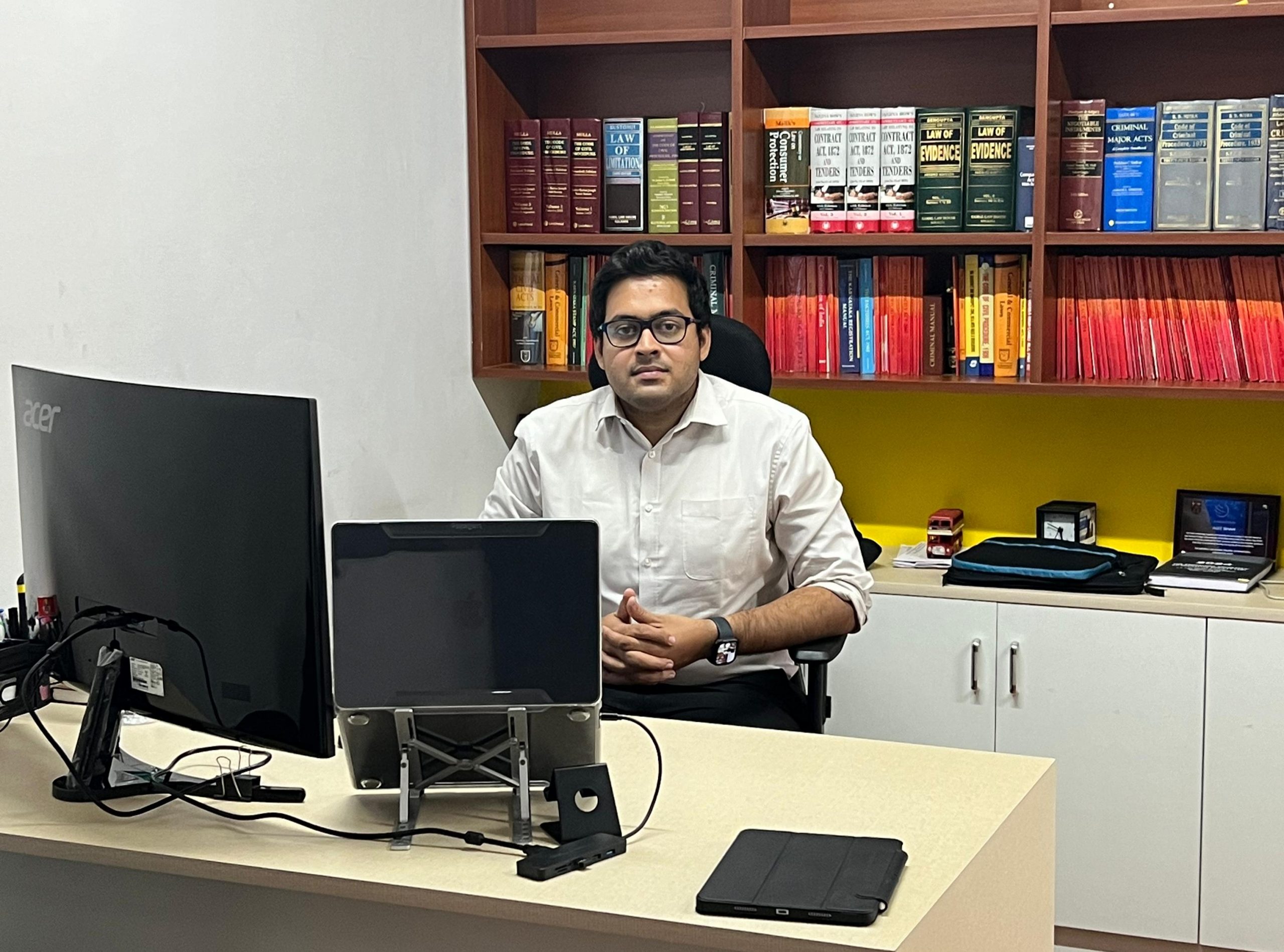
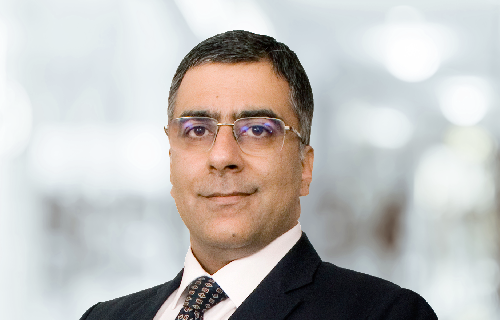


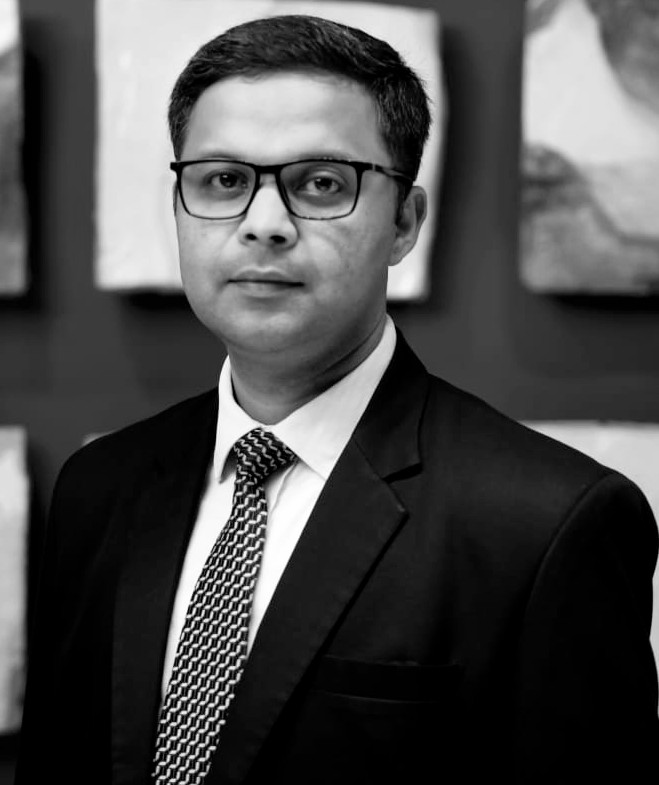

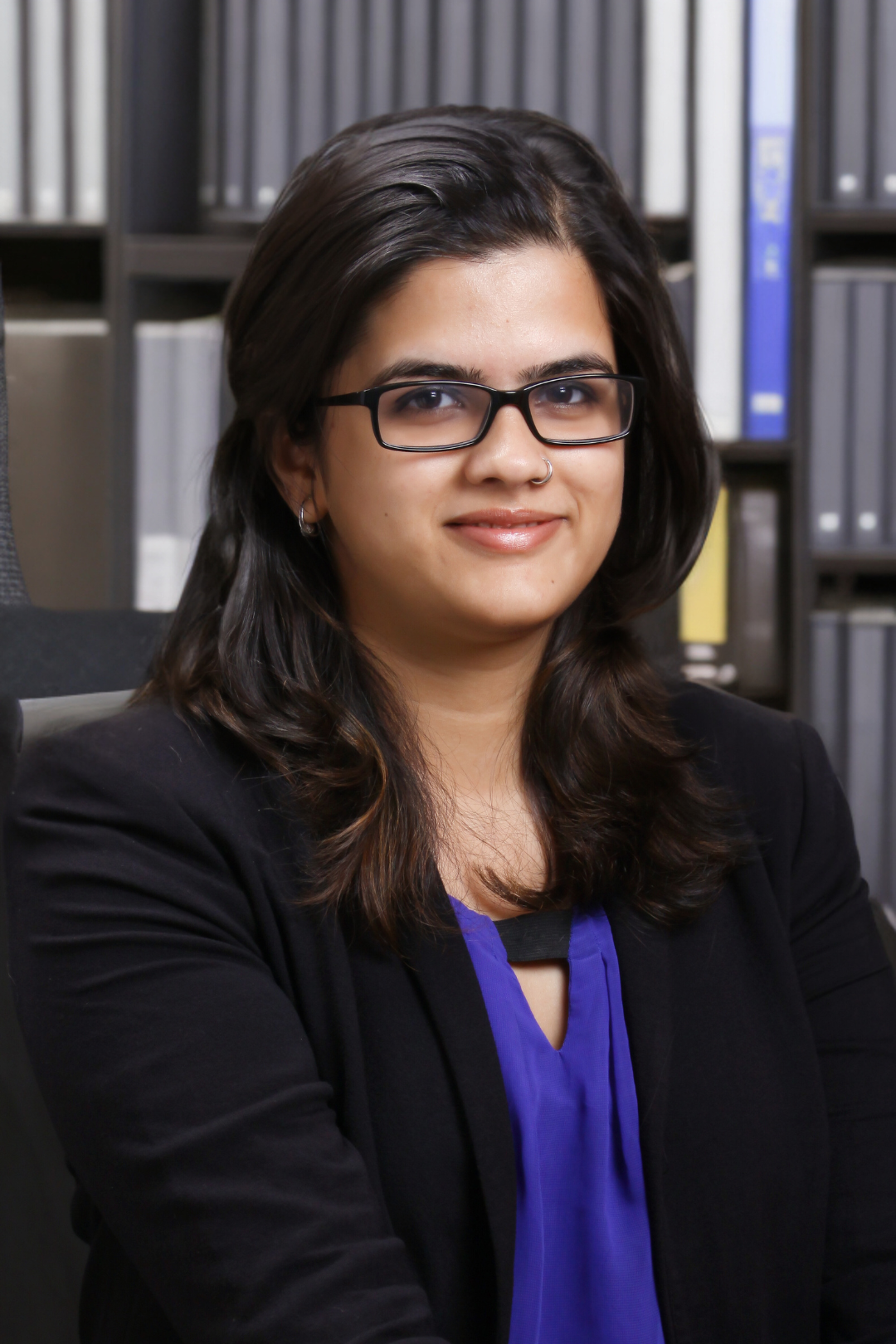




 Allow notifications