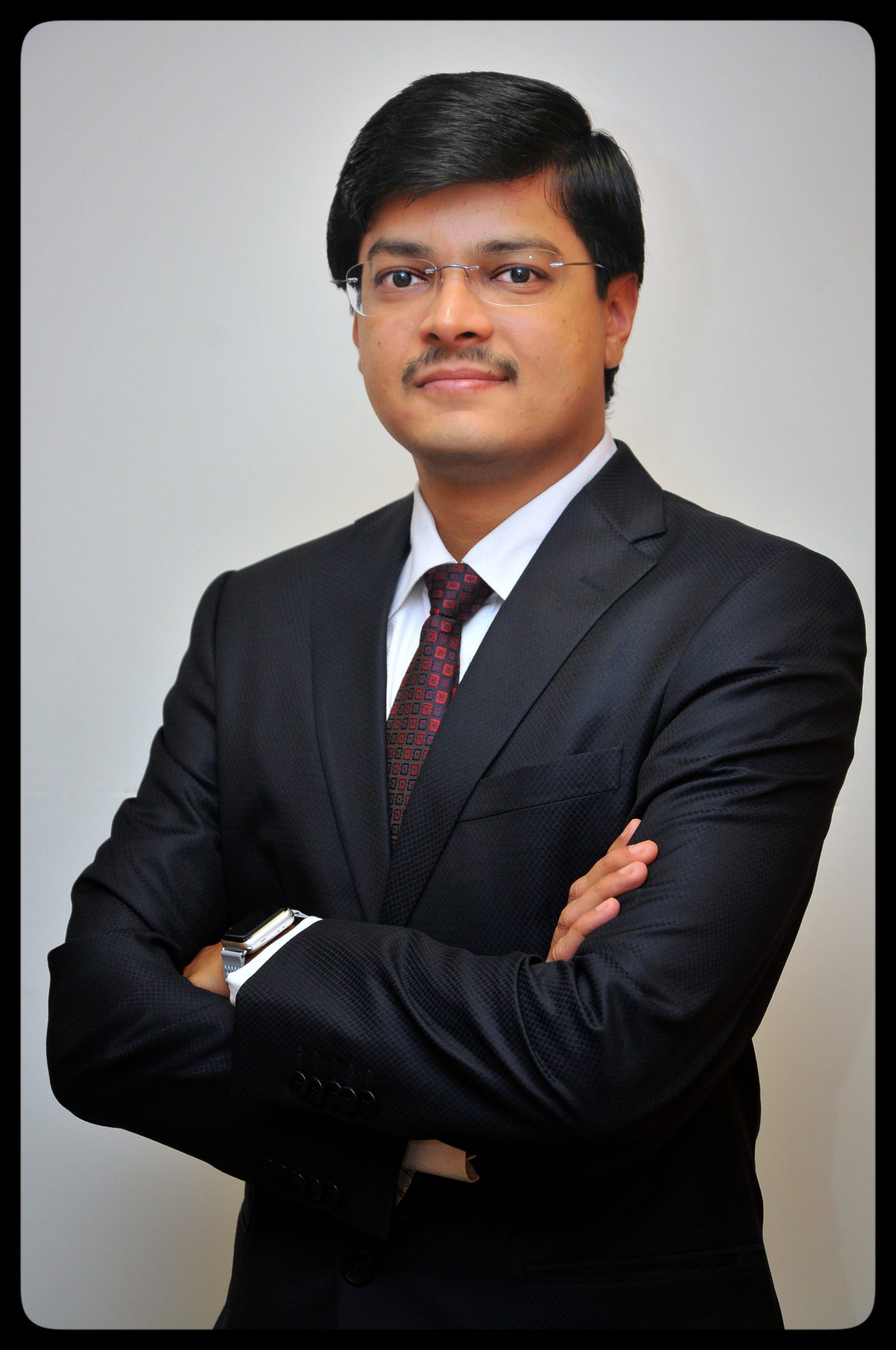
Category: Partners, General Counsels and Senior Advocates

  • A luminary in the legal realm with a diverse portfolio, shares his transformative journey from litigating lawyer to acclaimed General Counsel – “A Riveting Conversation with Dr. Mukul Shastry, Renowned General Counsel and Executive Director of Cube Highways”

    A luminary in the legal realm with a diverse portfolio, shares his transformative journey from litigating lawyer to acclaimed General Counsel – “A Riveting Conversation with Dr. Mukul Shastry, Renowned General Counsel and Executive Director of Cube Highways”

    This interview has been published by Priyanka Karwa and The SuperLawyer Team

    Dr. Shastry,  We are extremely delighted to have you with us for this interview.  Could you please introduce yourself for our readers and share the pivotal moments that led you to pursue a remarkable career in law, leading to your current role as the General Counsel and Executive Director at Cube Highways?

    At the outset let me thank Super Lawyer, it is absolutely my pleasure to be here with you. As regards my journey, I belong to a family of lawyers and judges. My father was a judge (District Judiciary), other uncles too judges and lawyers. Therefore, doing law was something in the blood. Post my studies I started as a litigating lawyer before Rajasthan High Court, Jaipur handling cases such as criminal bails, civil miscellaneous appeals, arbitration petitions, MACT appeals etc. As I was bright in academics, I completed my Masters (securing second rank across university) and also cleared UGC-Net in my first attempt. Hence, I was given a part time teaching assignment in Rajasthan University, Jaipur. 

    During that time Competition Act, 2002 was enacted which intrigued me as to why we need a law to regulate competition in the market and I enrolled myself in Ph.D. working on the hypothesis whether Anti-dumping duties would be relevant once Competition law comes to force. However, as there wasn’t much material in Jaipur at that time, my Ph.D. supervisor guided me to go to National Law University, Jodhpur. 

    At that time in NLU, Jodhpur, Prof. A.K. Kaul was the Vice-Chancellor who was an expert of Trade & Competition Law. He was kind enough not only to guide me but also to tell me what all materials I must read to understand the conundrum in other countries before I can start researching Indian markets. 

    Prof. Kaul goaded me that I must not sail in two boats. On one hand, I was practising law in Jaipur and on weekends was coming to Jodhpur to do my research. He insisted that I focus on one thing and I chose academics. At that time there was a vacancy in NLU, Jodhpur and I applied and cleared it. This is how my academic journey started. 

    After spending three and half years at NLU, Jodhpur and post completing my Ph.D. I wanted to work with a regulator. As during my research, I understood that the regulators’ perspective is the most important to execute the sector specific legislations. This was 2009 and at that time Competition Commission of India where I wanted to go did not have any vacancies, but RBI came out with Legal Officers vacancy. I applied and wrote the exam. I topped the All-India RBI Legal Officer – Grade-B, 2009 examination. 

    This is how my journey as a central banker started. In RBI I spent time giving legal advice to different departments such as Foreign Exchange Dept., Banking Supervision Dept. (DBS) etc. I spent around five and half years in RBI. After that I took a sabbatical and prepared for GMAT. I applied to IIM, Ahmedabad (India’s premier B-School) and got through. I did my MBA from IIMA (PGPx – One-year full time) and from there I was placed in RPG group, Mumbai.

    This is how my corporate journey started around a decade back. In the RPG group I used to handle the legal profile as well as the SPOC for a DBFOT project – Bikaner Sikar 440 KV line. I learnt the nuances of corporate life and applied my learnings from litigation, academics and regulator mixed with knowledge learnt at IIMA. 

    From RPG I went to Adani Group handling ports and logistics legal matters and then to Welspun Enterprises as Head Legal and now the General Counsel for Cube Highways.  

    Your journey includes a diverse range of roles from litigating lawyer to teaching criminal and competition law, and now as the General Counsel and Executive Director of Cube Highways. How has this varied experience shaped your perspective on legal practice, and what unique insights do you bring to your current role?

    An interesting question. The experience as a litigator turned academician turned central banker and then General Counsel has taught me different things. I understand how the court systems work and thus it helps in giving those advice from the perspectives of court practices. At times despite one’s case being strong on merits, it can have technical glitches and that can be disastrous. Therefore, I am extremely cautious as to how not to give those technical lose points whether it be laches, delay, non-response to a letter, conflict etc. 

    The academic knowledge helps me in doing in-depth research and those theoretical questions and acumen laced with practical prism helps in zooming in to minutiae details. The experience of a central banker helps in understanding how a bureaucrat will look into the decisions taken by a corporate. 

    Thus, the advice which I provide is holistic from litigator, academic, regulator and a GC’s perspective. This helps in much nuanced and sophisticated advice. 

    You’ve achieved a remarkable academic milestone with qualifications like LL.M, Ph.D. in Trade & Competition Law, MBA from IIM Ahmedabad, CS, and CAIIB. If you could go back to your early academic years, what advice would you give to yourself, considering the wealth of experience you’ve gained over the years?

    Well, if I sit in a time machine and go back, the advice I would give is that at times in pursuit of the different academic knowledge one loses focus on other good things in life. I now see my younger colleagues who are in college and along with being bright in academics are also focusing on hobbies such as sports, drama, singing, writing, playing some instrument etc. I still rue that I have not developed any such hobby that is necessary in shaping up your personality. 

    Thus if I could rewind, maybe I will pursue one or two courses less but would love to learn acting or singing or dancing or maybe play some sport like cricket, chess or badminton and  a much more engaging level. 

    Apart from your legal prowess, you have an extensive academic involvement, serving as Chairman, Industry Advisory Board at Amity and as a Ph.D. guide at two National Law Schools. What drives your passion for academic engagement?

    The youth attract me a lot. Whenever I am with young minds, I feel a kind of vibrance which otherwise is missing in the drudgery of corporate life. Whenever I interact with them their pointed questions, their free-wheeling attitude and the fireside chat intrigues me. The kind of questions they pose at times challenge me to re-think about my own knowledge and practices. That gives the biggest kick which even the astronomical salary and posh perks of corporates cannot give. 

    That’s why I make it a point to always find time to spend with young minds, to interact with them, share my life experience, learn from their perspective, and enjoy the vibrant energy all around. 

    Beyond the legal realm, you’ve been awarded Forbes Top General Counsel, BW Business World Top 100 GC, and Atal Achievement Award. How do you balance the demands of a high-profile legal career with such accolades and recognition, and what do these honors mean to you personally?

    Well, I have to thank Forbes, Legal 500, Business Worlds and Atal Award (Govt. of India) who have now started to recognize the General Counsels for the work they have done. It was not long back that General Counsels were not recognized, and many did not consider them lawyers. These recognitions have changed the perception in the past decade or so and I am extremely thankful to them. 

    Therefore, these recognitions mean a lot and more than me personally it helps the younger people to opt for in-house roles which have different challenges than faced by a litigating lawyer or a transactional lawyer in a law-firm.

    As regards balancing the demand, I must say that is the most difficult thing to do. But I make it a point that I allocate some time for these too as it is not only for personal satisfaction, but these inspire my younger colleagues to do great. Whenever, I have received any award it has inspired the people who know me that they must also strive harder to achieve such awards and to do good quality work. 

    Your commitment to contributing to positive change is evident. In what ways do you believe legal professionals can actively contribute to making a positive impact on society and the business environment?

    Nowadays legal professionals play a major role in any corporate. Their attitude, their approach to work, their work ethics play a critical role in shaping up the society they live in. Especially in a democracy, the stronger the legal fraternity, the stronger would be the democracy. To establish a rule of law and who better to ensure that than the lawyers and legal professionals themselves. 

    Whenever, a legal professional handles a matter whether it be of environmental violation, bad business practice, corrupt or fraudulent act, tortious conduct etc. if the same is handled with full devotion and keeping in the mind the fundamental principles enshrined in our constitution and legal jurisprudence, it not only impacts the society or business but the culture and legacy. 

    A wrong decision by the Supreme Court can shake up the investor confidence and wipe up the entire investment, which a developing country like ours requires. The government needs to be kept informed about the impact of the policy and bureaucracy approach and this primarily becomes the responsibility of legal professionals who along with handling litigation, transactional contracts are also responsible for regulatory interface. 

    Every successful journey faces challenges. Can you share a specific challenge or struggle you encountered during your career and how you overcame it?

    That is absolutely true. There can be no journey without its fair share of peaks and troughs. Well let me begin with sharing the biggest challenge. After spending a fair time in the government or regulatory sector when I joined the corporate sector the biggest problem was that now as a legal head, I was required to give solutions. Unlike the previous avatar of regulator or academician I was required to only put the legal position but now the task was to find the right and legitimate ways of getting the business done. 

    The senior management would require the solutions to the given business problem and that required not merely to state what the law is but to devise solutions, sometimes out of the box to achieve the business objectives. The most important thing to be kept in mind was that the solutions still had to be within the four corners of the legal and regulatory framework. 

    This required a sea-change in approach. I must say the learning at IIMA came absolutely handy. The syndi-approach of IIMA where the students were divided into a syni of 5 or 6 and they had to brainstorm and come out with solutions helped me in developing a wider horizon. Like in my IIMA days I had to interact with people who had worked in NASA or had come from a political background and that helped me understand differing perspectives. 

    This helped me in quickly adapting to the needs of the corporate sector and slowly and gradually I started delivering. Like Cube Highways which is a Private Equity run platform, and the issues that I faced here are different from that of an Indian promoter company, however due to the ability to understand different perspectives and angles, I more often than not am in position to solve them. 

    Away from the legal complexities and academic commitments, how do you unwind and recharge? Do you have any personal hobbies or activities that provide a break from the demands of your professional life?

    Well, my hobby is to read fiction, especially good science fiction or thriller murder mystery. I have read all types of top sci-fi novels starting from The Foundation, Dune, Leviathan Wakes etc. My current favourite is Marissa Mayers’ Renegade. 

    So, to unwind, I spend time reading these good prose while sitting at the comfort of my home. Sometimes, I switch off my phones and spend an entire weekend just lying down on the bed reading my favourite fiction novels. When I am not reading novels, I love to play gully cricket with my friends. 

    Your work involves connecting with industry stalwarts and senior counsels. Outside of professional networking, what’s one piece of advice you would give to young legal professionals who aspire to build meaningful connections in the legal and business world?

    Well for all my younger colleagues and legal professionals I have two pieces of advice. Firstly, as you yourself has stated, they must attend at least two or three conferences in a year and try to make as many connects as possible. Secondly, publish regularly and remain connected. I have always said that in legal field one has to publish or perish. Whether it is writing a simple piece on LinkedIn post or an editorial in news paper or in any magazine or on law blogs or anywhere, one must keep on publishing one’s thoughts. This helps in keeping you updated and build a network with like minded people. This also showcase your understanding of issues and at times these are seen by the senior general counsels and who’s who of the industry. That can help you land at your dream job.  

    Get in touch with Dr. Mukul Shastry-

  • To handle a complex contractual and commercial litigation, start by grasping the contractual relationship and the commercial transaction at the core of the dispute, along with the applicable legal principles and rules- Abhishek Ghai, Partner, Luthra and Luthra Law Offices

    To handle a complex contractual and commercial litigation, start by grasping the contractual relationship and the commercial transaction at the core of the dispute, along with the applicable legal principles and rules- Abhishek Ghai, Partner, Luthra and Luthra Law Offices

    This interview has been published by Priyanka Karwa and The SuperLawyer Team

    Can you share a bit about your background and what motivated you to pursue a career in law, especially in areas like Corporate Criminal Liability and White-Collar Crime?

    • I completed my five-year integrated law degree from Panjab University, Chandigarh in 2012. I belong to a family of non-lawyers, but my sister, who is also a lawyer, inspired me to join the legal profession and showed me its various aspects. I did not have a clear career goal when I was young, unlike many of my classmates and the current generation of students. The only career options I heard from my parents were engineering or commercial airline pilot. Thankfully, my sister guided me towards the law field and helped me make a wise decision.
    • I started my legal career as a civil lawyer, focusing on Intellectual Property Rights, at the district court level. That was the stage where I discovered my true passion and direction in the law field. Later, I got the chance to work with HMJ Sanjeev Narula, who was then the standing counsel for various government bodies and also had his private practice. He mentored me at the Delhi High Court and exposed me to various fields of law including White-collar and corporate criminal matters. I gained valuable experience working for agencies like the Serious Fraud Investigation Office, Central Bureau of Investigation, the Enforcement Directorate, Directorate of Revenue Intelligence, and others.
    • When he was elevated, I changed my path and joined Luthra and Luthra. The firm gave me a different perspective and I started representing corporations and individuals instead of government agencies. I think your goals evolve over time, especially after you find out what you are good at or enjoy in the profession. Nowadays, as it has been for the last few years, the motivation that drives me is the intrinsic nature and complexity of an issue or a dispute, which challenges you to come up with creative solutions.

    You’ve had a diverse legal career working in different domains such as international commercial arbitration, indirect taxation, and intellectual property rights. How did you develop expertise in these various areas?

    I always liked the idea that a lawyer is a jack of all trades and master of none. I discovered early in my career that I had a curiosity to explore more than one area of law. This notion was reinforced when I worked with Mr. Narula on various matters involving different fields of law. His office had a wide range of work, and I got the chance to experience multiple aspects of law. I enjoyed working on new things as it kept my interest alive and my thinking sharp. So, it’s the opportunities that I got and the skills that I developed for them along the way that led to my diverse portfolio. I would say I am the opposite of today’s profession that requires specialization.

    Could you describe some of the most challenging cases you’ve worked on, particularly in the context of corporate criminal liability and white-collar crime? What were the key takeaways from those experiences?

    • One of the most memorable cases that I recall is the series of petitions that challenged SFIO’s power to arrest for fraud under the Companies Act 2013 when it was notified. I was still working for the government then and SFIO had started taking action against individuals and corporations for committing fraud under the companies act after the notification of its arrest powers. It reminded me of the old days (company law board), when I used to assist Mr. Narula in the petitions filed by the government against Satyam computers. Those were the cases where SFIO had done thorough scientific investigation into the affairs of a company, but due to the lack of authority under the old companies act, the agency could only submit a report before the tribunal and seek civil remedies. This changed with the new companies act and especially in 2017, when the arrest powers were notified. SFIO then had broader powers, similar to those exercised by the Enforcement Directorate under the PMLA. With new powers came new challenges to those powers and we had to defend the SFIO’s powers before the Delhi High Court. Since the provision was new for the agency and for us, working with them to overcome the legal obstacles raised by the Petitioners gave us a lot of insight into how these agencies function.

    You have extensive experience representing the Central Government. Could you share some insights into working on high-value matters related to sensitive issues, such as policy, treaty investment, and enforcement matters?

    • I had the opportunity to represent the government in various policy decisions, including its foreign trade policy, international trade protective measures (countervailing duty, safeguard duty – Anti-dumping), investment treaty arbitration matter et.al. One of the most fascinating and enriching learning experiences was when the government introduced the goods and service tax regime in 2016. At that time, I was still navigating my way around the existing indirect tax regime under the Central Excise act and the Finance Act. With the overall shift from a structure that was in effect for decades, it brought a lot of new challenges, ranging from interpretation to implementation to enforcement and so on. That was one of the moments when I witnessed the government and the judiciary being pragmatic and flexible in their approach with the sole aim to assist the assesses.
    • Then there was the most unique proceeding that the government initiated when Vodafone decided to initiate a second investment treaty arbitration against India, which was based on similar facts. This was the situation where the host country filed a proceeding before its own courts to restrain a foreign investor from proceeding with an arbitration under a Bilateral Investment Protection Agreement, which according to the host was nothing but an abuse of process. This was essentially my first encounter with issues arising out of international vis a vis domestic law – the overlap, comity of courts and the contours of investment protection agreements. Although the government did get the relief it sought – under the proceedings, despite the case being decided against it, the Delhi High Court rendered a judgment covering a lot of issues for the very first time.
    • One of the most intriguing issues in the enforcement aspect would be the power of agencies like the ED, DRI under the PMLA & Customs Act to record the statement of a person that can be used as evidence against them in a court of law. This is a tremendous power that is somewhat similar to the powers exercised by the Police under the CrpC, but the absence of similar safeguards in their parent statutes made it a very interesting aspect to work on.

    Arbitration is one of your main areas of practice. What are some key considerations for businesses and individuals when choosing between domestic and international arbitration? How do you navigate the complexities of multi-jurisdictional shareholders’ disputes?

    • The reasons for choosing arbitration are constantly changing, but I have seen my domestic clients choose arbitration for a faster dispute resolution mechanism that promises them a quick resolution, especially when the courts are overloaded with their own backlog. However, these reasons are no longer valid as the post award proceedings before the courts cause significant delays that take years before there is any final determination on the disputes. On the international arbitration front, the demand is very simple: neutrality from a legal system that may favor one over the other.
    • The multi-jurisdictional disputes raise complex issues of jurisdiction, arbitrability of disputes, conflict of laws, enforceability across various legal systems that often become difficult to navigate. The sensible solution is to work with your domestic counterparts who can give you a better insight on the legal system prevailing in their jurisdiction, rather than trying to re-invent the wheel.

    You’ve represented clients on a wide range of issues, including cybercrime and social media. Can you elaborate on the legal challenges and strategies associated with these areas, especially with the ever-evolving landscape of technology and privacy?

    • Cybercrime is a technical and dynamic phenomenon that poses a serious challenge to the law enforcement agencies. They need to be sensitized and equipped to deal with the various forms and manifestations of cybercrime, such as deep fakes, cyber hate, cyber terrorism, and cyber radicalization, which are constantly evolving and outstripping the existing legal norms and standards. They also need to collaborate and coordinate with other national and international authorities to effectively investigate, prosecute, and deter cybercrime, which often transcends the conventional boundaries and categories of the Indian Penal Code.

    With your extensive experience in litigation, could you share some insights on how you approach complex contractual and commercial litigation, as well as constitutional matters?

    • To handle a complex contractual and commercial litigation, start by grasping the contractual relationship and the commercial transaction at the core of the dispute, along with the applicable legal principles and rules. Then pinpoint the main issues and disputes between the parties, and the potential remedies and reliefs that are available or sought. Based on the facts, evidence, and law, devise a clear and coherent strategy and argument to advance or defend the case. Most importantly, prepare and present persuasive and well-structured pleadings, submissions, and oral arguments, and counter the opposing party’s contentions and objections effectively. Moreover, if need be, explore and pursue alternative dispute resolution methods, such as negotiation, mediation, or arbitration, when appropriate and feasible, to achieve a satisfactory and cost-effective outcome. On the other hand, constitutional matters require identifying and raising the constitutional issues involved in the case, and analysing the relevant precedents and their applicability to the facts. The case also needs to be tested on the basic principles, such as jurisdiction, alternate remedy, delay, and latches, which may affect the admissibility and merit of the challenge. The level of difficulty and scrutiny of the challenge may vary depending on the facts of the case.

    In your role as a Partner at your firm, you must provide valuable advice to your clients. What are the essential qualities and strategies you employ to provide practical and effective legal advice?

    • As a Partner at my firm, I have the responsibility and privilege of providing valuable advice to my clients on various legal matters. Some basic tenets that I stick to while doing that is to first and foremost listen and understand their needs, expectations, and concerns with the aim to identify the key points and issues that require consideration. I use my knowledge and experience to evaluate the strengths and weaknesses of their case. All of this is done to provide them clear and concise advice (sometimes frank) with accurate and relevant information – which includes explaining the legal principles and rules, the possible outcomes and consequences, and the pros and cons of different options and strategies. 

    Finally, as someone with a wealth of experience in the legal field, what advice would you give to fresh law graduates who are just starting their careers in the legal profession?

    • The legal profession is a diverse and dynamic field that offers various challenges and opportunities. You may need to try different options and acquire new skills before you find your ideal practice area or job. Don’t be scared to experiment with new things, especially in the initial year, and adjust to changing situations. You may discover new passions and interests that you never expected. You may not always get the guidance or support that you need, but you can always look for resources and mentors that can help you. Don’t wait for opportunities to come to you but try to create them yourself. Don’t depend on others to solve your problems but find your own solutions. There may be times when you may have to handle complex and sensitive issues and deal with a lot of information and documents. Be cautious and meticulous, reliability and consistency will take you a long way. Never forget, that the legal profession is based on relationships and ethics and requires a high level of integrity and courtesy. You need to be respectful and civil in your communication and respect the rights and views of others, especially your seniors.

    Get in touch with Abhishek Ghai-

  • “Evolution from Defender to Litigator and Leader”- The captain of the High Court Women’s Cricket team reflects on how discipline, hard work, and perseverance from her defense-inspired upbringing have become pillars of her successful legal career – Kirti Patwardhan, Managing Partner of Patwardhan Law Associates

    “Evolution from Defender to Litigator and Leader”- The captain of the High Court Women’s Cricket team reflects on how discipline, hard work, and perseverance from her defense-inspired upbringing have become pillars of her successful legal career – Kirti Patwardhan, Managing Partner of Patwardhan Law Associates

    This interview has been published by  Priyanka Karwa and The SuperLawyer Team

    Your journey from clearing the Combined Defense Services exam to becoming a successful litigator is quite unique. How did your initial interest in defense services shape your approach to litigation, and what inspired you to take the path of law after your graduation?

    I have been brought up in a household where serving society has been engrained since childhood. I wanted to join the Indian army after graduating from school itself but that point in time, there were no entries, after 12th class, in defense forces for females therefore I decided to take up law with the thought that if I don’t get to wear the olive green, I will serve the nation by doing litigation. The interest basically is derived from the thought of serving the nation in whichever little way possible. I had seen my father do a lot of hard work and I had also seen the satisfaction he used to get from his work, which was another factor that inspired me.

    Discipline, hard work, integrity and perseverance are the things I have seen in all the soldiers and these things have shaped my initial years in the litigation. 

    Therefore, litigation is one such field where you get to the opportunity to giveback by doing Pro Bono work but good work for those who can’t afford legal fees. It is a very satisfying feeling which cannot be described in words.

    Being a graduate from Gujarat National Law University and having revamped your father’s chamber into a full-time litigation firm, what challenges did you face in transforming a longstanding setup, and how do you think it has contributed to the firm’s success today?

    I owe a lot to GNLU. I evolved as a person in those five years and found few of the most amazing friends from my law school. The learning, thinking on your feet, decision making is all that I developed in the course of those 5 years which comes handy in litigation. I was lucky to have had a background but even in 2012-2013, it was very hard for a lot of people to digest that a girl had joined hardcore litigation in Indore and was also calling spade a spade. The entire restructuring invited a lot of hostility but it was my father’s support and faith that kept me going. My office was established in 1946 by my great grandfather and to change the system in place was questioned by many but I thought one has to evolve with time and that restructuring has helped the firm in establishing its clientele, Pan India. With a good team, I am now able to diversify the work we do and we now specialize in Labour law but also undertake Arbitration, Criminal, Consumer, Commercial, and NCLT matters.

    In addition to your legal expertise, you are a certified trainer under the Prevention of Sexual Harassment at the workplace act. Could you share your experience in training students and professionals on their rights and duties under the POSH act, and why is this area of law important to you?

    I think today sexual harassment at workplace is the most rampant issue and it’s a subject close to heart. It’s such an enriching experience to interact with young minds who have so much going on in their head and are full of ideas and questions. I feel delighted that I get a chance to shape their impressionable minds with the right knowledge. If they are told about their rights and duties at an early stage then automatically, they will go as professionals with right knowledge, compassion and attitude towards others at the workplace.

    Training professionals is a different ball game altogether, they are all individuals with years of work experience and it takes more convincing to make them open their minds to take in this new field of law, which is of paramount importance for smooth functioning of any office.

    The issue pertaining to awareness under the POSH act is close to my heart because like the majority girls, I have also been victim to harassment in some way or the other and I think it is my duty to make everyone aware of the law that exists and educate everyone about their rights and duties.

    As the captain of the High Court Women’s Cricket team, how do you manage to find time for sports amidst a demanding legal career? And how has your experience in sports influenced your approach to leadership and teamwork?

    I have been into sports since school and I truly believe that playing sports helps build one’s personality. If you are truly passionate about something, you might sleep an hour less but take out time for the thing you are passionate about. Likewise, I take time out from my schedule to play a sport or take boxing classes or some physical activity because litigation is such a stressful job that you need some way to vent it all out and cycling and sports have worked for me.

    As you continue to make significant contributions in various domains, what future goals or milestones do you envision for yourself and your firm?

    There is a lot to achieve and as a lot of seniors from my field say, by putting in 10 years, you just started crawling in the field of litigation. I envision opening branch offices beginning from Jabalpur and Bhopal and then one in Delhi in next few years. I also want to establish my firm as one of the best Service law firms in the industry. Originating from Indore, it will not be easy but who likes easy.

    We’ve learned about your professional endeavors. Could you share a bit about your personal interests or hobbies that bring balance to your life outside the courtroom?

    I absolutely love travelling. Whenever I get a chance, I travel. I have changed the phrase work hard, party harder to work hard, travel harder. I think the best kind of experience and learning one gets is only through travel. I like doing artistic workshops on weekends, like pottery making, resin art, mandala art etc., so I spend my Sunday engaging in all such activities which are satisfying.

    Having a deep connection with Indore, can you share a hidden gem or favorite spot in the city that you would recommend to someone visiting for the first time?

    This is the only city I relate to and I think a place called Ralamandal is a hidden treasure we have. It’s a hill top on the bypass road where in you have to trek up to the top and you can go and meditate there. There is a small museum and platform which gives the necessary space for Yoga meditation and other such activities. Its breezy and you get a panoramic view of the entire city. It is breathtaking during monsoons and you get to see all shades of green, that the nature has to offer.

    Drawing from your experiences, what advice would you offer to aspiring lawyers and young professionals navigating the legal landscape, especially those aspiring to balance legal practice with diverse interests? I think it is important to balance legal practice with your interests because litigation can be very stressful and you need an outlet to channelize your energy. One advice which I really want to give is that hard work will never leave your side, come what may and perseverance is the key to success in litigation. Frustration is temporary and there are no short cuts in this field. Be faithful and sincere towards your client and integrity towards bar and bench is the roadmap to success, in my humble opinion.

    Get in touch with Kirti Patwardhan-

  • “Believe, and the rest will follow,” anticipating the future intersection of law and technology. Gain insights into how the U.S. experience broadened his perspective and depth of knowledge, setting the stage for a distinguished career in IPR – Amit Panigrahi, Partner Designate at Luthra and Luthra Law offices

    “Believe, and the rest will follow,” anticipating the future intersection of law and technology. Gain insights into how the U.S. experience broadened his perspective and depth of knowledge, setting the stage for a distinguished career in IPR – Amit Panigrahi, Partner Designate at Luthra and Luthra Law offices

    This interview has been published by  Priyanka Karwa and The SuperLawyer Team

    Your journey into law seems to have had a unique choice between following in the family’s medical footsteps or venturing into law. What inspired you to break the mold and pursue a career in law, especially as a first-generation lawyer in your family?

    Well, choice was indeed interesting but for me the satisfaction of being a well-rounded professional was the first priority. . It was difficult to choose from either of two, but law attracted me because of the respect for knowledge it gave and since it was less explored at that time (2005). The more I read the law books to know about the subject, the more I was sure that I wanted to now pursue it. Being the First-Gen lawyer in the family, it also took some field work and guidance and so became my early mentor, Mr Fali S. Nariman. That’s when it was all clear! 

    You pursued an LL.M. in Intellectual Property from Benjamin N. Cardozo School of Law in New York. How did studying in the U.S. influence your perspective on intellectual property law, and did it bring any unexpected adventures?

    My pursuance of LL.M and where to do it from was very clear, U.S. and from Cardozo. The U.S. was a forum less explored for a Masters in such a niche branch of Law. I was lucky to have cleared a couple of more universities in the US and also in the UK, but choosing Cardozo was completely based on the faculty that was teaching IPR, at the time. So, to answer if studying in the U.S. influenced my perspective on IPR- yes, it did and it broadened my horizons and provided me the depth of knowledge  I think I would have wanted before entering this domain. I still thank my stars that I chose the right opportunity at the right time because jumping from a 5 year long hardcore litigation background to pursuing my masters in IPR, was a leap of faith that fared me well. Even at the time, I knew that unlike many, I would still want to come back to my roots – India and forge my path in Corporate world. The belief to achieve propelled me  into this unexpected adventure, of diving into the unknown, with the only clarity being that I wanted to carve my path in IPR and become a subject leader in the times to come..

    Given your focus on technology and trademarks (IP), where do you see the intersection of law and technology heading in the next decade, and what challenges or opportunities do you anticipate? 

    Technology and Trademarks have actually been going hand to hand since their inception and as such exhibit interdependency. It is only recently that collectively they grabbed the limelight around 2020, the era of technological revolution. Technology has evidently become a basic necessity of today’s time, from a mere zoom call to the most complex of workplaces function on the basis of it, every second of every day. For example, today we could anticipate and analyse the balling/ batting technique of each player in the World Cup in such great detail as compared to even 2010. At  such a time, IP is the armour to such technology, to protect it from being misused. I say IP because, it will not just be trademarks, but other aspects i.e. Copyright, Patent, Design, Data Protection too. This does open a lot of opportunities for the legal IP industry, since it is a very interesting and creative field wherein IP is needed in almost every type of work/industry. I will also not negate the fact that opportunities come with their challenges, called “misuse” by common-man and “infringement” by us. Look at Artificial Intelligence (AI), other that it gives an opportunity of profit to the industry with its sheer dynamic usage but it is also a massive threat as in many cases it essentially copies  image, work, or other IP to that nature, making it difficult to protect the privacy rights of an individual or a copyright of a literature work. That’s the charm & harm of Technology and IP. 

    Aside from your legal prowess, you’ve been part of projects representing the music and entertainment industry. How does your passion for law intersect with your interest in these creative fields, and have there been instances where your legal expertise met the world of music and entertainment in unexpected ways?

    Oh yes, that’s the beauty of IP. I have had my interest and liking for music from a young age. As we know it well, India’s entertainment industry is one of the biggest, globally. So, having to mitigate my profession with something I liked was a cake walk. It all started at Luthra and Luthra, when I was introduced to one of the biggest production houses in India leading to connecting with the who’s who of the Industry, helping protect their work rights to royalty rights, kept on webbing me into it and hit a different high note. The exciting part of this is to work around the intricacies of every part of the entertainment industry, be it the agreements before starting of film or concert to how we strategize to protect the rights of the Artists from being misused. It does keep you excitingly engaged through and through. 

    You’ve worked on a range of cases, from pharmaceutical disputes to trademark infringement. What’s the most unexpected or fascinating aspect of your work that people might not be aware of? 

    I think that would be, getting to have fun while working, which is a rarity for a lawyer. IP is a diversified as well as creative field but to derive pleasure in being an IP Lawyer is probably a luxury that you gain only if you grip it at the right moment.  Also, I love the travelling part of it, going for on-site inspection  to even meeting a client just to hear how they established their creative work, and the challenge thereafter to figure out the best way to protect the Intellectual Property rights so that credit is gained where it is due. This is one property, which is not physically present but holds a value equivalent or in some cases more than  a physical one. 

    If you could trademark one word or phrase to represent your approach to law, what would it be and why?

    “Believe! and the rest will follow”. This is in relation not just to Law but to every aspect I dealt or deal with, I think having conviction  in what you are doing and doing it thoroughly, the rest/outcome will follow exactly how you intend it to happen. 

    Beyond the courtroom, you have a diverse practice that includes advising on business transactions, licensing, and even franchising. How do you balance the structured legal world with the entrepreneurial spirit required in these areas? Also, on a lighter note, what’s your favorite way to unwind from the demands of a busy legal practice?

    These two are simply two sides of Law and each functions hand in gloves with others. For me it is like reading two subjects – one is the practical side of Law and the other is theoretical. I think this was embedded in me since School, because very few know I was a science student and we all know the “practical, lab tests” and the “theoretical/theory test” phase. I enjoyed doing it then and I enjoy giving time to both now. But yes, sometimes, the entrepreneurial/business transactional part throws you off the track because commercial goals may or may not always be in alignment with the law and that’s where the trick of the trade lies. The fun part is, finding and figuring out strategies and coming up with the best legal solution for your clients. In the end, I think that’s what I look at, the satisfaction to see your client happy and trust they bestow on you.

    Unwinding myself from law is simple for me – I am an auto-enthusiast and a swimmer, so a long drive with friends and/ or family and silent/quaint time coupled with a few laps in the pool does the job. 

    You’ve evolved from a junior associate to your current role. How has your approach to handling legal matters changed over the years, and what advice would you give to young lawyers starting their career in Intellectual Property law?

    This journey of a first-generation lawyer/junior Associate at Luthra and Luthra till today, holding the current Position as Partner has its way of teaching the ups and downs of the subject. I learnt in every step, be it basics like running with a senior holding the files, sorting out documents with the clerk, filing of a matter, to bigger responsibilities like interacting with a client to closure of a deal or securing a favourable order at the Apex court of India or, even the fun times when you get to enjoy a cold coffee in the cafeteria with your colleagues or seniors, every task  has a learning curve and added value to my professional journey. Like many experienced lawyers, even today when I enter a courtroom to argue my matter or to deal with a new client or work on a new proposition, I still find myself in the shoes of a novice professional who had just started out his journey into this black and white dominated corridors of law and it is that feeling that gives me the excitement to work on what I am diving into, and will continue to positively influence me as a professional in my years to come. We can never stop learning, can we?

    My advice to my younger colleagues will be, taste everything in the subject, and what you are really good at will automatically make space – then put in your Best into it and see the Magic. Highs & Lows will come but keeping yourself Grounded in your Highs and Centered In your Lows is what will sail you through.

    Get in touch with Amit Panigrahi-

  • “Embrace setbacks as a staircase to success. Failures often pave the way for victories in the legal arena” – Discover unconventional legal advice from Muneesh Dhawan, Law Veritas: ‘North’ Managing Partner

    “Embrace setbacks as a staircase to success. Failures often pave the way for victories in the legal arena” – Discover unconventional legal advice from Muneesh Dhawan, Law Veritas: ‘North’ Managing Partner

    This interview has been published by  Priyanka Karwa and The SuperLawyer Team

    Your legal journey spans more than two decades, touching various sectors and contributing significantly to the legal landscape. Please describe your journey including milestones and experiences that have shaped your extensive journey in the legal field.

    Throughout my extensive legal career spanning more than two decades, I have experienced numerous significant milestones that have shaped my journey. One such pivotal moment was when I co-founded Law Veritas and had the privilege of serving as one of the founding partners. Prior to this venture, I had gained diverse experiences as an independent practicing Advocate & Inhouse Legal Counsel in various sectors, including the dynamic power industry and esteemed banking and non-banking financial institutions.

    However, the trajectory of my journey took an intriguing turn with the evolution of Law Veritas. This evolution led to the establishment of a fresh legal entity known as Law Veritas: ‘North’. This strategic transition not only marked a transformative phase but also highlighted the importance of change and the strategic cultivation of a new frontier for the future. This new entity opened up exciting possibilities and opportunities, allowing us to explore uncharted territory and expand our reach in the legal industry. It was a significant milestone in my journey, representing growth, innovation, and a commitment to excellence in legal services.

    Furthermore, amidst these exciting developments, I assumed the esteemed position of National Legal Head at a prominent Non-Banking Finance Company, which stands as another monumental milestone in my career. It provided me with a platform to navigate and significantly contribute to the intricate legal landscape within the financial sector, fostering continuous growth and the refinement of my expertise in the legal domain.

    Each of these milestones, from the role of National Legal Head to co-founding Law Veritas to the emergence of separate entity Law Veritas: ‘North’ has been instrumental in shaping my journey and contributing significantly to the evolving narrative within the legal arena.

    Beyond the legal realm, you’re pursuing a Ph.D. in Law. How do you balance the demands of academic research with your role as a Managing Partner, and what motivated you to pursue further studies at this stage in your career?

    As I navigate the demands of pursuing a Ph.D. in Law alongside my responsibilities as a Managing Partner, I am reminded of a poignant quote by Dr. APJ Abdul Kalam: “Education is the most powerful weapon which you can use to change the world.” This encapsulates the essence of my motivation—an unwavering belief in the transformative power of education and the pursuit of knowledge.

    Balancing these commitments requires meticulous time management and a genuine passion for both academia and the practical aspects of law. The drive behind furthering my studies at this stage of my career is fuelled by an insatiable thirst for knowledge and an enduring commitment to continuous growth.

    The pursuit of a Ph.D. in Law is not solely about personal advancement; it’s a dedication to delving deeper into legal academia, contributing through rigorous research, and expanding the understanding within the legal domain. Managing these responsibilities demands dedicated planning and unwavering dedication, yet the symbiotic relationship between academic research and practical legal expertise is immeasurable.

    I firmly believe that continuous learning not only fuels personal growth but also augments the quality of guidance and leadership I can provide within the legal sphere. Integrating academic insights into real-world scenarios enriches my role as a Managing Partner, fostering a deeper understanding that ultimately benefits the broader legal landscape.

    Your journey has taken you through various esteemed organizations, and now as the Managing Partner at Law Veritas: ‘North’. Can you share a career highlight or a particularly memorable experience that has shaped your approach to legal practice and leadership?

    Assuming the role of Managing Partner at Law Veritas: ‘North’ was a pivotal moment that completely transformed my perspective on legal practice and leadership. It wasn’t just a milestone in my career; it was an opportunity to merge my legal expertise with the responsibilities of leadership. At the heart of this role was a deep commitment to nurturing talent, particularly among diverse youth, by providing them with employment opportunities and comprehensive training. 

    The words of Swami Vivekananda, “Arise, awake, and stop not until the goal is reached,” resonated deeply and highlighted the dedication to empowering individuals to become skilled legal professionals. 

    Recognizing the importance of investing in young minds, there was a concentrated effort to impart essential skills and knowledge necessary for shaping the future generation of legal practitioners. This experience further emphasised that effective leadership goes beyond legal proficiency; it involves creating an inclusive environment that encourages learning, diversity, and personal growth, enabling individuals to realize their full potential within the legal field.

    Law Veritas received recognition as one of the 25 outstanding law firms by The CEO Magazine. What does this acknowledgment mean to you personally, and how does it reflect the separate entity Law Veritas: North’s commitment to delivering exceptional legal services under your leadership?

    Being acknowledged among the top 25 law firms by The CEO Magazine isn’t merely a cause for celebration; it reflects the dedication and commitment of our team. This recognition signifies our collective efforts and the values we uphold in delivering exceptional legal services.

    This acknowledgment personally inspires us to strive continuously for excellence in legal services, reaffirming our core values of integrity, diligence, and client-centricity.

    It’s not the end goal but a springboard for Law Veritas: ‘North’. As Steve Jobs put it, “Your work is going to fill a large part of your life, and the only way to be truly satisfied is to do what you believe is great work.” This recognition fuels our ambition for more achievements, setting higher standards, and redefining the legal service landscape. This recognition symbolizes our potential and underscores our unwavering commitment to delivering exceptional legal solutions.

    Your legal career spans more than two decades, covering roles from independent advocate to in-house counsel, and now as a Managing Partner. How have you seen the legal landscape evolve, and what trends do you anticipate shaping the industry in the coming years?

    As a keen observer of this dynamic and constantly changing landscape, I perceive a crucial need for legal professionals to adapt and embrace technological advancements, all while upholding the fundamental principles of integrity and ethics that define the legal profession. The ability to leverage the full potential of technology, while ensuring the preservation of justice and fairness, will play a pivotal role in successfully navigating the future of the legal industry.

    Having said so, while automation and digitization can certainly improve efficiency, they cannot replace the critical thinking and analytical skills that lawyers bring to the table. The role of a lawyer goes beyond just providing legal advice; it involves understanding the nuances of the law, interpreting complex regulations, and advocating for clients.

    Outside the legal world, do you have any hobbies or activities that provide a refreshing break and help you maintain a healthy work-life balance?

    Balancing a hectic legal career, I find solace and rejuvenation through various pursuits. Spending quality time with family forms the cornerstone of my life outside work, providing a sense of grounding and joy. 

    Additionally, music is a constant companion, offering relaxation and a way to unwind. While I might not be an avid reader, diving into a book occasionally is a welcomed respite. My interest in current affairs, especially geopolitics, keeps me engaged and intellectually stimulated.

    Moreover, my devotion to God plays a profound role, providing spiritual nourishment and a sense of purpose beyond the professional realm. These activities collectively contribute to my work-life balance, ensuring I am refreshed and motivated to tackle the demands of the corporate legal world.

    We know about your legal bookmarks, but what’s a non-legal book or genre that you turn to for inspiration or relaxation?

    While I’m not an avid reader, I do find occasional respite in non-legal books. Here are four books in that genre that I’ve found insightful:

    1. “Sapiens: A Brief History of Humankind” by Mr.  Yuval Noah Harari

    2. “The Bankster” by Mr. Ravi Subramanian

    3. “The Intelligent Investor” by Mr. Benjamin Graham

    4. “Rich Dad Poor Dad” by Mr. Robert T. Kiyosaki

    Each book offers a distinctive perspective, from the broad canvas of human history to the intricate world of finance and personal wealth management, making them insightful and engaging reads beyond the legal sphere. 

    If you could share one piece of unconventional legal advice that you wish someone had shared with you at the beginning of your career, what would it be, and what advice would you give to our coming generation or those who have just started their career? 

    Reflecting on my journey, if there’s one cliché piece of advice I’d have cherished early on, it’s this: “Embrace setbacks as a staircase to success. Failures often pave the way for victories in the legal arena.”

    For those starting out in the corporate legal field, it is crucial to go beyond the conventional routes. Explore the world of technology, enhance your communication skills, and truly understand the essence of the legal profession. Networking plays a vital role – cultivate meaningful connections as it is the timeless recipe for progress. 

    Maintain a curious mindset, like an explorer venturing into uncharted territories. Remember, the corporate legal landscape is constantly evolving, so it is important to be adaptable and inquisitive. This mindset will open doors to unexpected opportunities and foster growth in this dynamic profession.

    Get in touch with Muneesh Dhawan –

  • Whether in Western countries, India, or the cosmopolitan atmosphere of Dubai, cultural nuances impact legal discussions, adding layers of complexity and depth. A Candid Conversation with SwitzGroup-Dubai’s Visionary General Counsel, Zahid Maqbool Khan

    Whether in Western countries, India, or the cosmopolitan atmosphere of Dubai, cultural nuances impact legal discussions, adding layers of complexity and depth. A Candid Conversation with SwitzGroup-Dubai’s Visionary General Counsel, Zahid Maqbool Khan

    This interview has been published by  Priyanka Karwa and The SuperLawyer Team

    Your journey through diverse legal roles is truly impressive. If you could share your journey it would be great to hear.

    My legal journey began as a Junior Lawyer, focusing on Consumer and Banking litigation. This early experience laid the foundation for my subsequent roles, where I developed a strong understanding of commercial laws and their applicability. 

    In 2015, a pivotal moment unfolded in my professional journey as I made the life-changing decision to relocate to Dubai and embrace the role of an in-house legal counsel. This significant transition from a litigating lawyer to an integral part of a company marked a cornerstone in my career. This shift not only expanded my legal expertise but also provided invaluable insights into the intricate relationship between law and business. Navigating the complexities of legal frameworks within the context of day-to-day operations allowed me to comprehend the practical implications of laws on business activities. This experience not only broadened my skill set but also equipped me with a holistic understanding of how legal considerations intertwine with the intricacies of running a successful business. 

    A key highlight has been collaborating with diverse teams on complex legal issues, from across the globe expanding my knowledge and enriching my perspective on the intersection of legal matters with business and society.

    Remaining committed to continuous learning and staying updated on legal developments has been integral to adapting to the dynamic legal landscape and finding innovative solutions.

    Grateful for the opportunities and colleagues that have shaped my journey, I look forward to contributing meaningfully to the legal field in the future.

    Trademark Portfolio Management is a unique and vital aspect of your role. How do you ensure the protection of Switz Group’s brand identity globally, and have there been any interesting challenges you’ve faced in this area?

    Trademark Portfolio Management is indeed a crucial aspect of my role at Switz Group. To ensure the global protection of our brand identity, we employ a comprehensive strategy that involves regular monitoring, enforcement, and strategic expansion of our trademark portfolio.

    We conduct thorough research to identify potential risks and opportunities in different jurisdictions. This proactive approach allows us to address any potential conflicts early on and strategically plan for brand expansion.

    Enforcement is a key element in protecting our brand. This involves actively monitoring the market for any unauthorized use of our trademarks and taking prompt legal action when necessary. Collaboration with local counsel in various regions is vital to navigate the complexities of different legal systems and ensure effective enforcement.

    In terms of challenges, the global nature of our operations introduces complexities related to varying trademark laws and regulations across different countries. Balancing the need for a consistent global brand identity with the intricacies of local legal requirements requires careful navigation.

    Additionally, the rise of online platforms and e-commerce has added a layer of complexity to trademark protection. Monitoring and addressing potential infringements in digital space is an ongoing challenge that requires constant adaptation to new trends and technologies.

    Outside the legal realm, you’re pursuing a Ph.D. on the role of Single-Family offices in wealth management and succession planning. What sparked your interest in this field, and how do you balance your academic pursuits with the demands of your professional life?

    The decision to pursue a Ph.D. in the role of Single-Family Offices (SFOs) in wealth management and succession planning has been driven by a confluence of factors that have both personal and professional significance.

    My interest in this field was sparked by witnessing the evolving landscape of succession planning, The dynamic nature of SFOs, their intricate role in wealth preservation, and the nuanced strategies they employ to navigate succession planning processes have intrigued me. This led me to delve deeper into understanding the complexities and implications of their involvement in managing substantial family wealth over generations. 

    Balancing the demands of academic pursuits with a professional life requires a deliberate and disciplined approach. I’ve structured my schedule to ensure dedicated time for academic commitments. Additionally, leveraging technology and staying organized are essential tools in managing these dual responsibilities. Regular communication and collaboration with advisors, peers, and professionals in the field have proven invaluable in gaining insights and refining my research direction.

    Integrating my academic endeavors with my professional life has proven mutually beneficial. The practical application of research findings in real-world scenarios not only enhances the quality of my academic work but also contributes to a more comprehensive understanding of SFOs.

    Your journey includes work in both Dubai and India. How do you navigate and appreciate the cultural differences in legal practices, and has this diversity influenced your approach to legal counsel?

    Navigating the cultural differences in legal practices between Dubai and India has indeed been a dynamic aspect of my professional journey, and it has significantly influenced my approach to legal counsel.

    In Dubai, the legal landscape reflects a blend of international practices, given its role as a global business hub. The legal system is often characterized by a mix of civil law principles and influences from various jurisdictions. Understanding and adapting to this environment has required an appreciation for diverse legal traditions and a nuanced approach to problem-solving. It has instilled in me the importance of flexibility and adaptability in legal strategies to accommodate the needs of multicultural requirements.

    On the other hand, India’s legal system is deeply rooted in a common law framework with its unique cultural and historical context. Navigating the intricate legal landscape here has reinforced the significance of understanding local nuances, customs, and the socio-economic fabric that shapes legal practices. Building strong relationships and effectively communicating within the cultural context are paramount in providing comprehensive legal counsel.

    I have learned to tailor my advice to not only align with the specific legal requirements but also to consider the cultural nuances that may impact the implementation of legal solutions. It has made me more attuned to the importance of cultural intelligence in providing effective and contextually relevant legal advice. Moreover, this exposure has enhanced my ability to collaborate seamlessly with diverse teams, fostering an environment where legal strategies are not only legally sound but also culturally sensitive.  

    Your achievements include handling high-value real estate transactions and successfully closing M&A and Private Equity deals. Could you share a brief anecdote or interesting behind-the-scenes story from one of these negotiations or transactions? 

    While I am unable to provide specific anecdotes or behind-the-scenes stories due to confidentiality constraints and professional discretion, I am more than willing to offer a general overview of the challenges and strategies involved in these complex negotiations.

    These transactions deals often require a meticulous approach, balancing legal considerations, financial intricacies, and the dynamics of various stakeholders. One memorable instance involved navigating a particularly intricate real estate deal where multiple parties although being shareholders had competing interests which was affecting the real estate asset itself which they practically own, through strategic communication and adept negotiation skills, we were able to reach a consensus that satisfied all stakeholders and facilitated a seamless closing.

    Within the intricate landscape of M&A and Private Equity transactions, a notable challenge arose during the due-diligence process. The hurdle stemmed from the imperative need to sustain the seller’s active participation throughout the proceedings, a task compounded by the prevalent absence of a robust document control process among SME companies in the region. An additional layer of complexity emerged when faced with situations where sellers withdrew from deals post-completion of due diligence. In a specific M&A deal, I unearthed a surprising revelation: a well-known retail brand, extensively promoted through popular media campaigns, had assigned its brand to a distributor. Flagging this as a red flag during due diligence, I was astounded to find that the sellers themselves were unaware of such an arrangement, underscoring the critical importance of thorough investigation and due diligence in the deal-making process.

    Dealing with international markets requires a keen understanding of diverse cultures. Any amusing cultural anecdotes or moments where cross-cultural communication added an unexpected twist to legal negotiations?

    Indeed, dealing with diverse cultures has led to some interesting moments in legal negotiations. In Western Countries, a direct and transparent communication style is the norm. An amusing moment occurred when a seemingly blunt statement was initially perceived differently by our counterparts, highlighting the importance of contextualizing language even within English-speaking cultures. Conversely, negotiations in India often involve a nuanced dance of relationship-building. Personal connections and shared experiences can significantly influence the outcome of discussions, emphasizing the significance of investing time in building trust. And Dubai, with its cosmopolitan atmosphere, adds an intriguing layer to cross-cultural dynamics. Balancing traditional values with a modern, global outlook is key. I recall an instance where understanding the subtle cues of hospitality greatly enhanced the overall negotiation process.

    Beyond the legal arena, what’s your favorite way to unwind or de-stress? Any hobbies or activities that bring a smile to your face after a challenging day?

    Immersing myself in a good book is a timeless escape, allowing me to explore different worlds, cultures, and perspectives. Whether it’s fiction for an imaginative journey or non-fiction for knowledge enrichment, reading serves as a gateway to new ideas and insights.

    In tandem with my love for literature, watching documentaries has become a favored way to expand my understanding of the world. Documentaries provide a visual and compelling narrative, offering deep dives into various subjects, from history and science to social issues and cultural phenomena. The visual storytelling aspect adds a dynamic layer to the learning experience, making complex topics more accessible and engaging.

    Any last piece of advice that you would like to give to the upcoming generation of professionals?

    Embrace a mindset of continuous learning. The professional landscape is ever-evolving, and adaptability is key to long-term success. Stay curious, be open to new ideas, and actively seek opportunities for growth. Don’t be afraid to step out of your comfort zone, as some of the most valuable lessons come from facing challenges. Additionally, building strong relationships and networks is crucial. Cultivate a collaborative spirit, seek mentors, remember the importance of humility, patience, and staying grounded. Lastly, remember that success is a journey, not a destination. Celebrate small victories, learn from setbacks, and enjoy the process of becoming the best version of yourself every day.

    Get in touch with Zahid Maqbool Khan

  • A legal luminary whose career transcends boundaries, and whose story inspires the next generation of women leaders in the legal arena. “Priya Mamgain : Crafting Legal Excellence and Corporate Success – A Journey Beyond Boundaries”

    A legal luminary whose career transcends boundaries, and whose story inspires the next generation of women leaders in the legal arena. “Priya Mamgain : Crafting Legal Excellence and Corporate Success – A Journey Beyond Boundaries”

    This interview has been published by  Priyanka Karwa and The SuperLawyer Team

    Your career journey reflects a mix of corporate dynamism and legal finesse. Can you share a defining moment or experience that led you into the world of law and compliance?

    Well, thank you for putting it so nicely.  In 2011, I joined the compliance team of India bulls right after completing my graduation from Sri Venkatestwara College, University of Delhi. However, my academic tryst with the Law started much earlier in 2008 when I decided to pursue Company Secretary professional course which primarily introduced me to legal world of corporate law as this course involves an intensive study of different branches of laws namely taxation, finance, business ethics, labor, costing, capital market and securities laws, etc which regulate different stages of a  business entity viz. incorporation, operations and expansion, merger and amalgamations, infusion of capital, liquidation and winding-up. 

    While doing my CS internship, I chanced upon an opportunity to review a NDA, instinctively I expressed my interest in vetting other contracts and my superior guided my way through it and encouraged me to study IPR laws and take the DU law entrance exam. Thus, study of one branch of law led me into another and ultimately to the realm of general corporate advisory. 

    Managing a team at Saga Legal, leading corporate advisory, and handling compliance – it sounds like a lot on your plate! How do you maintain work-life balance, and what’s your go-to stress buster outside the legal realm?

    I wish that it is not seen as an endorsement of the 70 hours week rule in any manner whatsoever, having said that being occupied is my ZEN. Honestly, I really do not find my work stressful though meeting deadlines can be overwhelming at times. But what fun life would be without a hustle!

    Also, apart from hitting the sack, setting out on a retail therapy/street food hopping/reading are my next best stress busters.

    You’ve been recognized for your achievements at HCL, Airtel, and beyond. Could you share a particularly rewarding moment or accomplishment in your career that brought a smile to your face?

    Like any other individual, awards and rewards always cheer my heart up and work as a shot in the arm to strive harder to do better than the best.

    It is not every day that you wake up going to receive a gold medal. I really thank my stars to have got one from the Indian Law Institute for earning a diploma in IPR Laws.  

    Awards and recognition become extremely special when you get them at the time when you least expect it and you are quietly doing your good damn job.

    Having said that, I do not want to sound less grateful to any of the opportunities or accomplishments that have come my way in the past 12 years of my work experience.  Every “thank you” email /text from a colleague or  a client, every town hall meet, every R&R session counts.  I always believe and say BEST IS YET TO COME!

    Your articles at Bar & Bench showcase a depth of legal analysis. Can you take us through your writing process? What inspires your choice of legal topics, and how do you balance the technical aspects for a broader audience?

    Interestingly, topics of all these articles so far have been influenced by the real time legal problem statements which I have encountered during my current advisory practices vis a vis latest legal development impacting the same.  It is important to write relevant and informative articles. 

    I put my best efforts in order to ensure that articles are structured in the most lucid way possible. The preface and conclusion usually are drafted in a manner which can be understood by a business and legal person both. The body paragraphs are mainly where the techno-legal analysis is captured, which exhibit insights from domestic as well as international laws, judicial precedences and commercial and economic factors and impact of the issues in hand. 

    Beyond the legal realm, your education includes a diverse range of experiences, from Commerce to Company Secretaryship and Law. How has this interdisciplinary background shaped your approach to legal problem-solving, and do you see any unexpected connections between these fields that have proven valuable in your career?

    Absolutely, having a multi-skill set always helped me in approaching the legal problems in a more holistic way.  My interdisciplinary background has equipped me to adopt a threefold approach to arrive at commercially viable and compliant legal solutions for our clients.

    Risk Identification: My foremost concern is to identify risk for the organization (legal, commercial, financial, regulatory) attached to the transaction. 

    Commercial Impact: Once risk is identified, approach is to eliminate/mitigate any terms which can substantially affect the organization commercially/financially.

    Compliance Cost Management: As a compliance professional, I always keep an eye open for compliances attached to terms to be agreed under an agreement. Cost of compliance should never exceed the ROI.

    In addition to your legal expertise, you’ve volunteered at the Commonwealth Games in 2010. Can you share a memorable experience from that time, and how do you think volunteering contributes to personal and professional growth?

    If I can recall it correctly, our country got this opportunity to host CWG 2010 with great effort after beating Canada in one of the bids. I consider myself fortunate to have participated in a historic event like this. I was put to a screening process in Feb, 2010 and got selected along with other 20k odd volunteers. My general and role specific training were organized at Amity University Campus by some of the distinguished personalities. As a volunteer, I was trained for various aspects like medical support, disaster management, gender sensitivity and protocols (VVIP’s, media and athletes protocol).

    During my volunteer experience at R.K. Khanna Tennis Stadium, I organically picked up the skills of project management, prompt decision making, creating and rotating a mix of individuals with right skill as well as will to get the show running no matter what.

    Talking about experience, for me as a college student back then, it was surreal to witness national as well as international tennis sensations practicing and playing on the ground teaching the importance of resoluteness, consistency and constantly up-skilling one’s game.

    Cherry on top was to see our country’s players win the game that evening and the tunes of the national anthem playing in the backdrop.  A memory of this event is still so fresh in my mind and I fondly remember the people I met and the positive transformational impact it had on my approach to deal with life personally and professionally.   

    You’ve been recognized as one of the “Top 10 Best Women Leaders in Legal Consultants 2023” by Women Entrepreneur India. How does it feel to receive such accolades, and what advice would you give to aspiring women leaders in the legal profession?

    It feels really awesome to be adjudged and be put next to my contemporaries and senior colleagues in the fraternity who constantly amaze and inspire me with their exceptional work and leadership. My life motto is She who dares, wins.  So I would urge aspiring women leaders in the legal profession not to limit themselves to a mere box of existing ideas and ideologies and keep pushing the envelope. Be enterprising enough to command and create a healthy and safe work environment full of nothing but merits and sheer talent.

    Get in touch with Priya Mamgain –

  • Witness Ishita’s unique approach to supporting startups, SMEs, and SMBs, where legal challenges are met with a combination of intersectional learning and on-site visits to comprehend the intricacies of each business. – Unveiling the Journey of Ishita Sharma, Partner at Fathom Legal

    Witness Ishita’s unique approach to supporting startups, SMEs, and SMBs, where legal challenges are met with a combination of intersectional learning and on-site visits to comprehend the intricacies of each business. – Unveiling the Journey of Ishita Sharma, Partner at Fathom Legal

    This interview has been published by  Priyanka Karwa and The SuperLawyer Team

    Can you share your journey of how you ended up pursuing a career in law, particularly highlighting any key moments or influences that led you to this path?

    Since a young age, I have been captivated by the notion of engaging in public service. Throughout my life, I have consistently embodied an altruistic spirit, always eager to extend a helping hand whenever the opportunity arises. This proclivity guided my career aspirations, causing them to fluctuate between the realms of medicine and civil service, ultimately culminating in my decision to pursue a career in law.

    The thrust behind this choice stems from my inherent sense of compassion. Moreover, the unresolved intricacies of one or two-generational family disputes served as a potent motivational catalyst propelling me toward the legal profession. This personal connection and resonance with the challenges of familial discord have played a pivotal role in shaping my professional trajectory, a narrative that aligns with the experiences shared by many individuals, including myself, on their journey toward a chosen career.

    Your academic achievements are impressive, including a degree from National Law University and a Harvard University Summer Course in Intellectual Property Rights. How did these experiences shape your approach to practising law?

    The rigorous curriculum at National Law University provided me with a solid foundation in legal principles and analytical thinking. It instilled in me a sense of discipline and a deep understanding of the complexities within the legal field. This educational background has been instrumental in shaping my methodical and detail-oriented approach when addressing legal matters.

    Further, the Harvard University Summer Course in Intellectual Property Rights enriched my perspective by exposing me to global standards and cutting-edge developments in the field. Engaging with a diverse cohort and learning from leading experts broadened my understanding of the nuances in intellectual property law. This experience heightened my appreciation for the intersection of law and innovation, fostering a creative and forward-thinking mindset in my legal practice. Not only that, it was only after this course that I was able to identify my target market and understand the businesses that we work with.

    In essence, these academic experiences have equipped me with a robust legal foundation, a meticulous approach to problem-solving, and a global perspective that I bring to my practice at Fathom Legal, enhancing my ability to navigate the complexities of the legal landscape thereby making Fathom Legal, Advocates and Corporate Consultants a full-service Entrepreneurship Law firm.

    You’ve had significant experience in corporate law, from debt recovery to Corporate disputes including company law cases as well. Can you tell your areas of work and what were your learnings from it?

    Throughout my 6-years of practice, I’ve navigated diverse legal landscapes, handling cases spanning from debt recovery, real estate, Insolvency and bankruptcy matters, as well as issues of Oppression and Mismanagement, Customs, and White-Collar Crimes, notably under the Prevention of Money Laundering Act before the Directorate of Revenue Intelligence.

    On the corporate front, our focus extends beyond litigation. We support clients in enhancing their technological frameworks by integrating legal expertise, ensuring compliance, data security, and addressing workplace safety concerns including Prevention of Sexual Harassment (POSH) and DNI aspects. Our role involves providing comprehensive legal guidance on day-to-day organizational challenges. Pioneering the domains of Web 3.0 and Artificial Intelligence, we’ve assisted numerous startups with offshore incorporations and global entity restructuring via mergers and acquisitions.

    Each case presents a unique learning curve, emphasizing the significance of understanding clients’ pain points before meetings and maintaining composure during challenging situations. Continuous legal advancements prompt ongoing learning, offering a wealth of knowledge each day.

    Your work involves supporting startups, SMEs, and SMBs. What unique legal challenges do these businesses face in India, and how do you help them overcome these challenges?

    My Law firm, Fathom Legal, Advocates & Corporate Consultants is a one-of-a-kind full-service Entrepreneurship Law firm in India with its major clientele being SME’s, SMB’s and Mid-Cap companies. The reason to specifically focus on these industries is because, in my opinion, they form the backbone of our nation’s GDP. 

    Our client pool is versatile. A lot of our clients are SaaS companies, aggregators, Fintech platforms, Edtech Platforms, Export houses, traders, manufacturers etc. The most common problems that they face is cancellation of projects midway, unpaid bills, quality issues to state a few.

    Our team has a very different methodology of working. We believe in intersectional learning. A lawyer with an understanding of business is all that a client wants.  We visit our clients’ offices/factories and try to get hold of as many business nitty-gritties as possible to assist our clients in the most efficient manner.  After developing a detailed understanding we review their paperwork to identify the gaps in their systems and rectify those gaps through agreements and contracts making sure a proper checks and balance system is created within each organization for its smooth functioning.  Of course, it takes a couple of months to iron out all the long existing problems but we believe in providing a permanent long-term solution rather than a temporary fix.    

    Beyond your legal career, you also run an NGO, Paritripta Foundation, focusing on social causes and justice. Could you tell us more about the foundation’s work and its impact on the community?

    Paritripta Foundation holds a special place in my heart and is being nurtured as the legal advocacy arm of Fathom Legal. This not-for-profit organization spearheads various impactful projects, including ‘Project Patrkarita,’ dedicated to fostering free and unbiased media. Additionally, ‘Project Ankush’ focuses on educating young minds about various forms of harassment and equipping them with coping mechanisms. There are many more parallel projects that we wish to take up but are at a halt due to the limitation of funds.

    Moreover, we’re actively engaged in advanced research addressing critical societal issues. These encompass concerns like household cooking gas restrictions, the implementation of green roofs, challenges within overcrowded prisons leading to same-sex assault, as well as the exploration of PrEP and PEP drugs for HIV treatment. These issues strike at the core of our society and demand urgent attention.

    Our aim is to pursue public interest litigations on these matters, striving to contribute to a brighter and secure future for our nation.

    You’ve published several papers and books on legal topics. Is there a particular topic you’re passionate about, and can you briefly discuss why it matters in today’s legal landscape?

    In today’s legal landscape, Foreign Portfolio Investment (FPI) and Foreign Direct Investment (FDI) play crucial roles in shaping India’s economic and legal framework. Their impact extends beyond the economic domain to influence legal policies, regulatory frameworks, and compliance standards.

    FDI is critical for India’s growth trajectory, as it aids in infrastructure development, technological advancements, and job creation whereas FPI brings in short-term capital that can be beneficial but also poses risks due to its volatile nature. Both FDI and FPI contribute to India’s balance of payments, foreign exchange reserves, and overall economic stability.

    FPI and FDI necessitate robust legal frameworks and regulations to govern their entry, operation, and exit from the Indian market. Legal structures such as the Foreign Exchange Management Act (FEMA), Securities and Exchange Board of India (SEBI) regulations, and various other laws are crucial in governing these investments. 

    Both FPI and FDI significantly influence India’s legal landscape by necessitating robust legal frameworks, stringent compliance, dispute resolution mechanisms, policy advocacy, and the protection of investor rights. Legal experts like us play a vital role in facilitating, navigating, and safeguarding these investments within the country’s legal framework.

    You’ve had the opportunity to work remotely with international clients. What challenges and opportunities does remote legal work present, and how do you navigate them?

    Handling international clients presents a captivating yet challenging scenario. Initially, navigating different time zones posed a hurdle, compelling me to work during unconventional hours. Communication barriers with attorneys in Belgium and Japan were another obstacle. Understanding the diverse legal landscapes across various jurisdictions was crucial; lacking that knowledge made operationalizing in specific regions a challenge. Embracing technology became imperative for seamless cross-border collaboration, and leveraging the latest tech proved instrumental in streamlining processes.

    However, working with international clients was an eye-opening experience. It broadened my global perspective significantly, offering exposure to diverse practices. This exposure, in turn, elevated my performance, aligning it with international standards. Moreover, it instilled in me the importance of trusting and delegating tasks, a pivotal aspect in our industry.

    One particularly demanding yet rewarding client, a law and lobbying firm in the United States, reshaped my outlook on international relations. This collaboration extended to intriguing opportunities, such as RSVP to closed sessions at The White House. As a legal journalist, having my articles published in prominent legal blogs in the United States has been an enriching outcome of this association.

    Overall, this experience revolutionized my understanding of international relations’ intricacies, emphasizing the significance of trust, and offering unparalleled insights into navigating complex global landscapes.

    As a final question, what advice would you like to share with fresh graduates who are about to enter the legal profession, considering your journey and experiences in the field?

    To the fresh graduates, I just want to say that stay curious and stay hungry for knowledge. Go aggressive on your hunger. Explore as much as possible. Catch up with the technology and stay ahead of it. For a flourishing practice make sure to meet new people and create your own network. Strengthen your logical, analytical, legal and business skills. Seek mentorship and develop soft skills. Explore diverse fields of law before you are sure to identify what you enjoy the most. Uphold ethical standards. Trust and integrity are pillars of the legal profession; don’t compromise them for any reason. Also remember, In the face of challenges or rejections, perseverance is vital. Keep pushing forward; every setback is a chance to grow.

    Get in touch with Ishita Sharma-

  • “From Campus to Courtroom: A Journey to Senior Advocacy – An Exclusive Interview with a Distinguished Legal Luminary”- Ravi Prakash Mehrotra, Senior Advocate at Supreme Court of India

    “From Campus to Courtroom: A Journey to Senior Advocacy – An Exclusive Interview with a Distinguished Legal Luminary”- Ravi Prakash Mehrotra, Senior Advocate at Supreme Court of India

    This interview has been published by  Priyanka Karwa and The SuperLawyer Team

    Sir, please tell us about your journey and how you ended up becoming a Senior Advocate designated by the Hon’ble Supreme Court of India?

    This question takes me down memory lane. I recall it was the year 1985 that I enrolled myself in the Campus Law Centre of Delhi University’s Law faculty for a three year course in law. After a very fulfilling time on the Campus with academics and co-curricular activities like moot courts, I graduated in 1988 and thereafter started my legal practice as an associate with a leading law firm in Delhi. My quest for further studies continued and after working for one year, I was fortunate to get a scholarship which enabled a Master’s Programme in Law from Cambridge University. After completion of LL.M. in 1990, I got an invaluable opportunity of being associated with a Barrister in Lincoln’s Inn for a month and with a leading English Law firm for another month until October 1990, as part of the Pegasus Scholarship programme administered by the Inner Temple, London.

    After returning from England in 1990, I resumed practice with the same law firm in Delhi. My heart was fascinated by litigation and I was desirous of having my own independent practice. I relocated to Lucknow in 1991 and started practice in the High Court, which helped me set up an individual legal practice. Thereafter in the year 2000, I decided to return to Delhi and start my independent practice in the Supreme Court. In the year 2001, I qualified as an Advocate-on-Record, which helped me greatly in setting up my practice in the Supreme Court, not only as an arguing counsel but also as one who would draft and file petitions, thus giving me a very valuable insight and experience into two vital areas of Supreme Court practice, namely drafting and presentation in court. After a few years of practice, the Hon’ble Supreme Court of India designated me as a Senior Advocate, which was a matter of great satisfaction and privilege.

    With over 35 years of experience in Civil, Revenue, Constitutional, and Criminal Laws, can you share some memorable cases or highlights from your career that have had a significant impact on you?

    There have been various cases I was privileged to have been a part of. I recall my association as Special Counsel of the Government of India and the Archaeological Survey of India in the Ram Janam Bhumi-Babri Masjid (Ayodhya) dispute before a Special Bench of the Allahabad High Court (Lucknow Bench). During the case, I successfully assisted the Court to resist impleadment of the Government of India as well as the ASI, which would have made the case more protracted and contentious. I was also involved with the case that eventually led to banning of the long standing usage of red lights and sirens on vehicles by VIPs, as also the Muzaffarnagar Riots case to do with relief and rehabilitation of the victims. In this case, in consultation with the Chief Secretary and Home Secretary of the State, I filed uncountable affidavits which were later affirmed and lauded by the Supreme Court as conscionable and affirmative action by the State. I can also recall instances wherein I have successfully argued and got stay of contempt proceedings initiated against various bureaucrats. There was yet another case, which was in relation to the Chief Minister necessarily signing each and every document and order of appointment on the file. The High Court affirmed this and acting on behalf of the State, I successfully challenged it before the Supreme Court, which till date serves as an important precedent in regard to the functioning of the Government and its departments. 

    As Senior Counsel to the Union Government and various States in the Supreme Court of India, you have represented Public Sector Undertakings, Corporations, Indian companies, and Multinational Corporations. How do you approach representing such diverse clients and navigating their legal challenges?

    I think the most challenging part of the legal profession, which in fact also nurtures and sustains this profession, is the constant need to study, introspect and apply legal principles and precepts, as the law is not only a dynamic and ever changing concept, it applies in a myriad ways to manifold situations. That is the challenge as also the inspiration. Aside from my private practice, I have represented the State of Uttar Pradesh in the Supreme Court for 17 years as also other States such as the States of Odisha, Madhya Pradesh, Rajasthan and Jammu & Kashmir.

    I have also represented the Government of India in the Supreme Court as well as Delhi High Court as their Panel Counsel. These experiences have been memorable, given the wide variety of cases and legal challenges. As always and till date, I enter the courtroom to argue a case as an optimist and walk out as a realist! When I receive the brief and study it, my mindset is one of an eternal optimist; however, the philosophy that I attribute to myself is to remain unattached to the result while putting in my best effort. Similarly for the briefing lawyer and the client who’s case I am espousing, they have to believe that the best possible effort was put in preparing and handling the case. My experience tells me that more often than not the result is good, and even when it’s not, it leaves the lawyer and litigant with the satisfaction that the best step forward was taken in the given circumstances.

    You have argued various PILs (Public Interest Litigations) and are Senior Panel Counsel for the Supreme Court Legal Services Committee (SCLSC) and serve as Amicus Curiae in the Supreme Court of India. How does this role contribute to the administration of justice? Can you shed light on the work you have done in these areas and the impact it has had on society?

    I believe that representing a voiceless cause or marginalized sections of society, or raising issues through PILs which have a bearing on society at large, or of those who are incarcerated in jails without any meaningful representation to secure their bail or release, is the most worthwhile and visible face of pro-bono and public oriented litigation. Over the years, I have sought to represent public causes in areas of disaster management and relief in ecologically sensitive areas, wasteful expenditure of public money with respect to government advertisements and parliamentary logjams in its functioning and holistic management of temples across India with respect to gender equality and management of funds. As regards the protracted imprisonment of under trials and the underprivileged sections of society, I have meaningfully and successfully represented their causes as Amicus Curiae and Counsel for the Supreme Court Legal Services Committee. I greatly cherish some of the notes of appreciation from convicted prisoners in jail upon their release. 

    Considering your vast experience and accomplishments, what advice would you give to fresh law graduates who are just starting their legal careers? What key lessons have you learned throughout your journey that you believe would be valuable for them to know?

    I believe that both the written and spoken word are of infinite importance for any successful lawyer in the field of law, particularly in the highest and final forum being the Supreme Court of India. I have traversed the legal path with this philosophy and today I am fully convinced that these attributes would provide the cutting edge and success to every budding and even seasoned lawyer. In the Supreme Court, each day brings forth new challenges of success and failure, and I believe a lawyer can never be complacent in as much as success cannot elate you or failure ought not to demoralize your zeal, but helps to keep a successful and seasoned lawyer on his feet, based on the principle that a lawyer’s last case done is his reputation and while he cannot sit back on his laurels, he cannot be disheartened with defeat.

    Get in touch with Ravi Prakash Mehrotra –

  • As a young tax professional, one must try and understand practical nuances of law and significance of or rationale behind any amendment, pay attention to facts of each case, be in regular touch with your clients and understand their business by stepping into their shoes- Brijesh Kothary, Partner at Lakshmikumaran and Sridharan

    As a young tax professional, one must try and understand practical nuances of law and significance of or rationale behind any amendment, pay attention to facts of each case, be in regular touch with your clients and understand their business by stepping into their shoes- Brijesh Kothary, Partner at Lakshmikumaran and Sridharan

    This interview has been published by  Priyanka Karwa and The SuperLawyer Team

    You’ve had an impressive career in the field of indirect tax advisory, but I’m curious to know what initially drew you to the field of taxation. Could you also share your journey and the factors that led you to pursue law as your career?

    Thank you for taking interest in my career journey. I come from a business family, and as I grew up, the plan was always to brace the entrepreneurial journey, so I pursued commerce as the stream. I started looking after the books of accounts of our firms as I was graduating, which drew me closer to the number game in terms of the financial management and tax planning, and that is when I decided to pursue Chartered Accountancy. 

    During my articleship, as we represented clients before the tax authorities, I saw a scope in pursuing law as a career. I was drawn towards the legal aspect of taxation, since even while defending the clients, we used to always rely on the legal jurisprudence. I therefore decided to develop my legal acumen and use the skills that I acquired during my articleship to step into the legal industry and make the most out of it. The immense support that I received from my family and friends during this phase of my career is unforgettable. 

    Interestingly, when I joined Lakshmikumaran & Sridharan Attorneys, I was the only Chartered Accountant at their Bangalore office. Since then, the journey has been nothing but a rollercoaster, but one which I have thoroughly enjoyed throughout. I consider myself fortunate enough to be able to pursue indirect tax as my core area of practice. And I think the idea to pursue Law along with Chartered Accountancy has been one of the best decisions of my career. Having said the same, I truly aspire to be amongst the leading indirect tax lawyers in the country. 

    As a Partner at Lakshmikumaran & Sridharan Attorneys, you play a key role in overseeing business development and client outreach. Can you tell us about a specific strategy or initiative you’ve been involved in that significantly contributed to the firm’s growth and success?

    This is an interesting question. It is a well known fact that the outcome of business development and client outreach programmes are some of the key indicators to gauge a partner’s performance in law firms. I have been actively involved in such programmes, wherein we quite often discuss and strategize how to identify issues and support clients to structure their business to align with relevant laws. As part of regular business development activities, we try to generate leads and identify new projects in the areas of taxation. These initiatives have steered me to think out of the box and helped me in associating with new clients and securing new assignments from the existing clients as well. 

    I use social media platforms like LinkedIn and other applications to identify potential work opportunities, and also to share my views on issues that the industry may be facing. My regular interaction with business associations and Government’s grievance redressal committees not only helps me update myself with ongoing legal issues but also enables me to act as a medium for exchanging information between the stakeholders. I also try to attend as well as serve as a key speaker in important networking events through webinars or seminars. As a partner, it is my endeavour to offer strategic business development advice to the leadership, practice groups, and other associates who are working to strengthen their ties with the clients. 

    One of the most important things that I have realised throughout my journey is the importance of building trust. If your client does not trust you, they will never come to you. Even while providing them advice on the issues, I try to follow-up with them regularly to ensure that they don’t face any issues in implementation of the advice. I am also very active in updating the clients of any changes that are brought into the law which may have an impact in their business. This sense of involvement in their business has helped me gain their trust and confidence over the years. I strongly believe in building professional relationships with clients, which has worked in my favour over the years. 

    One of your significant achievements was in the implementation of GST (Goods and Services Tax) for various clients across different sectors. Given the complexity of this tax regime, what challenges have you encountered while working with clients from various industries, and how do you navigate these challenges effectively?

    When the GST laws were implemented back in 2017, the industry was caught unprepared. That is when our role as indirect tax practitioners played a key factor in providing requisite support to the clients. I very proactively took up the responsibility of understanding business needs for ensuring a seamless and glitch free implementation and smooth transitioning of the old laws such as Central Excise, VAT and Service Tax into the GST regime. 

    One major challenge that I faced was that as new as the GST laws were for the clients, it was new for us as well. Therefore, understanding the GST laws in depth and to align them with different business models effectively and efficiently with no room for error was a major challenge initially as it required a lot of brainstorming. Maintaining the finest quality of drafts at the shortest turnaround time was another challenge that we overcame as a strong team. However, with time we ensured smooth transitioning of business from the erstwhile laws to GST law. 

    Tax laws are ever evolving, and we often face challenges in implementing them in the dynamic business environment. However, my interest in these laws is such that I try to keep myself updated with every minor change that is brought in, to make sure that when my clients need some advice, I am updated enough to be able to provide them with a well-researched and practically implementable opinion.  

    You provide legal opinions and undertake tax compliance review for your clients. Could you share an example of a particularly complex or interesting case where your expertise in this area made a significant impact?

    Well, I would not like to call this complex, but an interesting judgement of the Supreme Court last year changed the position of a well settled law. The Apex Court in the case of Northern Operating Systems held that secondment of expatriates from foreign group companies to its Indian counterpart constitutes provision of manpower services and thereby leviable to tax. The industry under the genuine belief was not discharging GST. Pursuant to pronouncement of the said Judgement, the Industry has been receiving show cause notices from the Department with a proposal to demand GST along with interest and penalty, right from 2017. Since the volume of transactions is huge it has adversely impacted the Industry as it has become a huge cost for them. We are consistently working on this issue to justify the position and defend the same at appropriate forums to ensure that the issue does not have any further adverse effect on the industry and appropriate relief is provided to them in a time bound manner. I am hopeful that the Government would consider our submissions and come out with an eagerly awaited relief package for the industry.

    You oversee all tax compliances and tax related disputes of your family business. How did this experience in the corporate sector influence your perspective on tax compliance and advisory work, and what lessons did you carry forward into your legal career?

    Well, over the years I have learnt that the tax structure does not drive the business, rather it plays a minute but significant role in the decision making process. My experience in the corporate sector has given me a deep insight into how business decisions are taken. Obviously, the decision-making process in a corporate setup is very different from that of a family run business, but the objective of every organisation remains the same, i.e., to grow by being tax compliant. 

    The major practical challenge comes when I have to implement any advisory by understanding the business from the client’s perspective. The aim is always to be very certain while providing some advice to ensure that even if the same is challenged in the court, I am confident enough to defend the position. It has only taught me the importance of paying attention to every detail, no matter how small it is. An important lesson I have learnt which I strive to carry throughout my career is to never stop learning – every day is new; every day comes with a new challenge and the learning should never stop. I strongly believe that one should always be open to new challenges and opportunities. 

    Lastly, I would also like to state that my team plays a crucial role in my success, and I wouldn’t be able to reach where I am without them. There have been many life-long lessons learnt along the way, but the core of what sticks with me is the significance of having good team building and communication skills, and to believe and encourage your people to deliver results as a team. 

    In your role as a partner and throughout your career, you’ve been involved in recruiting and mentoring juniors. What advice do you have for young professionals looking to excel in the field of indirect tax advisory and taxation law?

    I would like to say to all young professionals that the dynamics of tax laws is very interesting. It is very important to start early and keep yourself updated regularly. You should have a really strong memory bank to remember and apply the legal provisions and important judgments as you interact with the clients or even colleagues. Have a proper repository of all important case laws and keep them handy for future usage. Stay focussed, be on your toes and develop skills to have a quick turnaround time. You may not realise it now, but the skills to have good turnaround time really does wonders in the long run. 

    As a young tax professional, one must try and understand practical nuances of law and significance of or rationale behind any amendment, pay attention to facts of each case, be in regular touch with your clients and understand their business by stepping into their shoes. The scope for professional as well as personal growth of tax lawyers in India is immense considering what a niche field of law this is, so make the most of it. It goes without saying that specialisation in a particular field of law is important, but I also believe that one must have a general understanding of allied laws and regulations which is equally important for professionals who are passionate to excel in the field of indirect tax.

    Your career highlights include providing advisory and litigation support for multinational clients. What advice can you offer to businesses, especially those with a global presence, to navigate the complexities of international taxation and compliance effectively?

    Navigating through the complexities of taxation and compliance can be challenging for businesses with a global presence. It is crucial to have a well-thought-out strategy and a team of experts to ensure you comply with local regulations while optimizing your tax position. I would really like to emphasize to the companies to have a good understanding of local tax laws. Establish a well-documented transfer pricing policy to determine how your transactions with global entities are priced. This helps prevent disputes with tax authorities and ensures compliance with local regulations on Income Tax as well as Customs front. Be aware of any Tax Treaties or Free Trade Agreements between countries. These treaties and agreements can affect the income tax rates you are subject to and the benefits you may receive on import of goods from outside India. 

    As a policy, MNCs tend to invest heavily on advanced accounting and tax technology solutions to manage their global financial data. These practices help them to automate reporting, improve accuracy, and provide insights into their international operations. One challenge I have observed during all these years is the preparedness of MNCs when it comes to submission of documents and records to tax authorities. It is crucial to maintain meticulous records of all financial transactions and relevant documents. Companies can strategize on identifying potential risks and uncertainties in their tax positions and back them with legal opinion from experts wherever necessary. They can also develop risk mitigation plans and strategies to deal with disputes or unexpected changes in tax laws with the help of their in-house counsels or external consultants.

    A fundamental advice I would like to give to the MNCs is to provide tax and compliance training to the employees who are responsible for undertaking financial transactions or dealing in tax matters. This can help prevent inadvertent non-compliance issues. Conducting regular audits and reviewing tax and compliance practices from time to time go a long way to ensure continued adherence to the ever-evolving tax laws.

    Finally, as someone with a wealth of experience in the legal and taxation fields, what advice would you like to give to students and fresh law graduates who are just beginning their journey in the legal profession and may be considering a career in taxation law or advisory?

    Starting a career in the legal profession, particularly in an area of law such as taxation can be both challenging and rewarding at the same time. Few pieces of advice for students and fresh law graduates embarking their journey in this field is firstly to build a strong foundation in understanding general principles of law before specialising in tax laws. You have to be very patient since tax laws are complex and are constantly evolving. Develop a professional network early in your career. Attend legal seminars, conferences and events to get accustomed to tax jargon. This will really help you build your confidence and develop good communication skills. Seek out mentors who have experience in tax laws and never be hesitant to ask for help. 

    As part of the education curriculum, students must work on developing strong research, writing and negotiation skills. Be adaptable in your approach to develop problem solving skills and techniques. Lastly, be humble! Kindness plays a pivotal role in establishing yourself in any firm or organization that you will go to. 

    As a parting remark, I would like to mention that taxation is one of the oldest coded laws, but a niche area of practice and is certainly worth considering as a long term career option.

    Get in touch with Brijesh Kothary-