Category: Manager-Legal

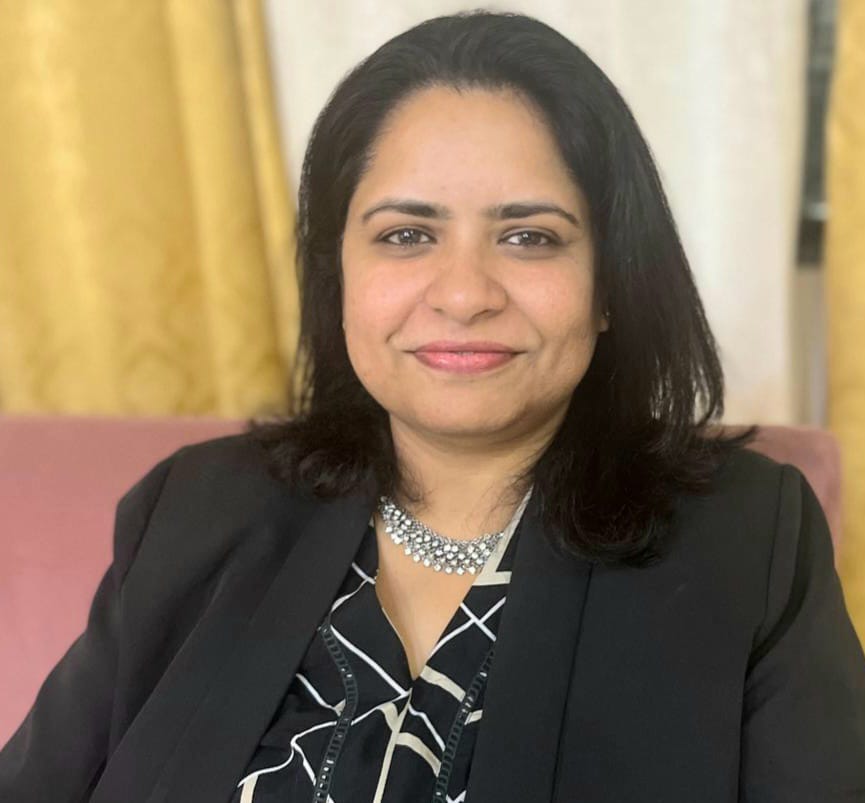
  • Across Borders and Benchmarks: A Journey in Disputes, Insolvency and Restructuring. – Urvashi Salecha, Dual Qualified Lawyer and Legal Manager at Harneys, Hong Kong.

    Across Borders and Benchmarks: A Journey in Disputes, Insolvency and Restructuring. – Urvashi Salecha, Dual Qualified Lawyer and Legal Manager at Harneys, Hong Kong.

    This interview has been published by Anshi Mudgal and The SuperLawyer Team

    Your career trajectory is truly inspiring. Having started your journey in India, what initially motivated you to explore opportunities abroad? Was an international legal career always your goal, or did it evolve with time and experience?

    While an international career was always intriguing, I did not really plan for this move. I relocated to Hong Kong for personal reasons and in hindsight, this was the best God gifted turn in my career destiny. 

    After working at Khaitan & Co for over two years, I was constantly fidgeting with the idea of pursuing an LLM from the UK/US to enhance my skills. In fact, my initial career plan was always aimed at being part of the Indian Judiciary after procuring an LLM. However, I ended up with a real life LLM (something like the real life MBA) upon my move to Hong Kong. 

    Sorry but nothing riveting about my international legal career albeit a very fulfilling one indeed (whatever be the catalyst). 

    In the early stages of your career, you worked with several top-tier law firms. What were some of the key takeaways from those experiences that helped shape your foundation in dispute resolution?

    Yes, I was fortunate to intern and work with many reputed law firms, legal professionals and even clerks with a High Court Judge before joining Khaitan & Co in Mumbai. Given our Indian legal education system is largely based on rote learning and lacks the practical and critical thinking aspects of the law, it is crucial to explore your interests by way of practical traineeships during your law school breaks. I would say these internships not only built a foundation in dispute resolution (for me personally), they were essential in preparing me for the private practice role I undertook with Khaitan & Co. It is your first tryst as a professional and guides you to (i) figure out where your interests lie (i.e. private practice, corporate in-house, academia and several other fields within the practice of law), (ii) develop interpersonal and communication skills, and (iii) really get a hands on experience on the culture and workings of that specific role (e.g. a law firm or a company). 

    After spending two years at a leading Indian law firm, you transitioned to international practice. What prompted this shift, and how did you navigate the cultural and professional differences between the Indian and Hong Kong legal environments?

    As mentioned earlier, my relocation to Hong Kong was part of God’s plan. When I moved to Hong Kong, my only professional acquaintance in this new jurisdiction was my husband, who is a banker. Basically, I had to start from scratch, reintroducing myself as an Indian disputes lawyer looking for private practice roles. To make things more exciting, shortly after my arrival, the COVID-19 pandemic struck, bringing layoffs and market uncertainties.

    Despite these challenges, I reached out to numerous professionals, sent cold messages, and built new connections daily. This journey required humility and grit, as the Hong Kong legal industry is highly competitive. Being a newcomer without Hong Kong qualifications or international law experience, I was rarely a recruiter’s first choice.

    Transitioning from a top-tier law firm in India, with an established pedigree, to being completely unrecognized in Hong Kong was a profound experience. However, these initial years in Hong Kong marked my steepest professional growth. I learnt the art of networking and the benefits of a strong follow-up. I knew that positions won’t be created for a junior lawyer such as myself and I needed to keep hunting for the appropriate opening so that when there is one, I get a chance to interview for that role. 

    I also did not want to wait for the perfect opportunity and I took up an in house role with a leading manufacturing company (Rochdale Spears Group) immediately upon my move to Hong Kong (before transitioning to private practice at Harneys (my current role)).  Whilst at Rochdale, I also simultaneously prepared for the Hong Kong qualification exams given my interests always lied in pursuing litigation. 

    You’re currently focused on cross-border insolvency litigation and restructuring. Having practiced dispute resolution in India as well, how would you compare the Hong Kong legal system with the Indian system? Are there specific procedures or practices from Hong Kong that you believe could be effectively adapted into the Indian context?

    While both Hong Kong and India are common law jurisdictions, the practice, procedures and especially case management are fairly distinct. To clarify, whilst I am Hong Kong qualified, I’m currently working at an offshore law firm where we advise clients on BVI, Cayman Islands and Bermuda laws (all systems largely based on UK and common law). 

    In my experience, litigation in Hong Kong, UK or any of the offshore jurisdictions mentioned above, is more mature and structured. 

    Firstly, there is an emphasis on early settlement (i.e. out of court resolutions). There are even certain pre action protocols to be followed and pre trial settlement is highly encouraged. 

    Second, if a matter does go to trial, it won’t last for several decades unlike in India. In fact, the courts will block a week or two for a specific matter to complete the trial (including evidence and final arguments). Adjournments are rare as compared to India (and mostly at the behest of both parties i.e. by consent if they are exploring settlement negotiations for instance)

    Having said that, India courts (i.e. higher courts SC/HCs as well as tribunals and lower courts) have a very high workload with judges handling large volumes of cases daily compared with the courts of the other jurisdictions I mentioned earlier. So it’s obviously remarkable how the Indian judges are managing these volumes. However, an intrinsic balance needs to be found, with perhaps higher no. of judicial officers and moving towards a less adversarial approach towards disputes and incentivising pre trial settlement. 

    Lastly, even alternative dispute mechanisms such as arbitrations are concluded more efficiently, with challenges to the final award considerably lesser as compared to India (where majority of the arbitral awards are challenged in Courts). 

    Being qualified to practice in both India and Hong Kong, how has this dual qualification enhanced your cross-border legal practice?  Could you also share your experience preparing for and clearing the Overseas Lawyers Qualification Examination (OLQE)? What strategies or resources were most helpful to you during the process?

    As challenging as it was, I thoroughly enjoyed preparing for the OLQE. To put things in perspective, the pass rate for these exams is as low as 20% so you know the odds are not exactly in your favour. 

    The exams are highly technical with all questions being completely application based. So you are essentially answering real life legal queries (in a time bound manner). As Indian law school graduates, we are so used to rote learning and exams lacking critical analysis, I was not only preparing for the HK law exams, I was re-learning the study techniques too. 

    It was a test of disciplined, structured learning  and being consistent and completely focused in your preparation leading up to the exams. You also need to keep ample time for revision given the vast breadth of topics that are covered within a single head of an exam. With some luck, and blessing coupled with hard work and finding the right tutors, I was able to clear all heads in my first attempt. 

    To answer your first question i.e. engaging in different jurisdictions and legal systems, it really allows you to widen your scope of learning, you are not just learning two sets of laws, you are also exploring and servicing different cultures. For me, at Harneys, we deal with several Chinese clients on one hand and common law judicial systems on the other. So that’s balancing a lot of interests at the same time. I think being curious, understanding client’s needs and ensuring efficient service has kept me afloat while working in both jurisdictions

    You’ve taken on leadership roles in both diversity initiatives and business development, with BD and networking now being a key part of your responsibilities. Since these skills aren’t typically taught, especially in traditional legal training, how did you cultivate them, and what guidance would you give to legal professionals looking to build confidence in this area?

    Yes, I lead the Tone from the Top committee at Women in Law Hong Kong and have been part of WILHK as well as other DEI committees/member groups. I’m also quite actively involved in the BD initiatives at Harneys. Whilst both are distinct and serve differing objectives, it all stems from the art of networking. 

    As you rightly point out, this is neither taught or even considered as part of your skillset in law school or as junior lawyers. I believe this is a quintessential ability to develop in any profession (not just law).  

    So how to develop these skills. To me, it happened very organically. I was in a new jurisdiction, completely out of my comfort zone. All regular methods of finding a job had failed (i.e. through recruiters or applications to law firm websites or HR personnel). So, I had to be creative with finding opportunities. I started reaching out to people on LinkedIn (even if I did not know them), asking for 30 mins of their time/ or a coffee chat. At every meeting, I tried to expand the network by asking for introductions to more connections or membership in communities. This really helped build foundations on communication skills and confidence to hold conversations. 

    The transition to being involved in BD meetings and initiatives at Harneys was easier based on the foundations I built early on. I think it all comes down to being aware of the opportunities available if you can take that first step. It’s important to have a strong legal foundation and technical skills such as writing, analysis and research. However, at the same time, it is equally important to  ensure that you’re perceived as a good lawyer, who is capable of being the face of a firm or representing the firm in front of potential clients. As you get elevated (e.g. at partner level), these are the skills that matter more. So it’s always better to build on these from the beginning rather than waiting to be in a leadership position. 

    As a Hong Kong-qualified lawyer currently advising on various offshore litigation matters (including such as the implementation of schemes/restructuring) in the Cayman Islands, Bermuda, and BVI, how do you navigate the distinct legal nuances of these jurisdictions? Furthermore, how would you compare the commercial and dispute resolution frameworks Hong Kong and India, and what key differences do you observe in their approaches to cross-border transactions?

    A very good question indeed and while I marinate in these challenges daily, not something I discuss often haha. The key is compartmentalising. Given the niche I’m in, its very easy to get muddled up with the laws of different jurisdictions. Given I assist with several cross border matters and a single work day may involve drafting pleadings for a Cayman scheme of arrangement court sanction, assisting in a BVI law advice on insolvency laws and end with a client call exploring litigation in Bermuda. 

    I ensure that I have separate notes and sections (physically in my room as well as digitally on my desk) for each of the jurisdictions and then each of the matters. You have to be extremely organised with filings, matter segmentation etc. And of course, with some time and experience, you just get more confident in dealing with complex issues by breaking them down into simpler soluble pieces and then attending to each of them separately. And as lawyers, the most important thing is to have a mindset of continuous learning. 

    For students aspiring to build a career in international dispute resolution, what guidance would you offer? Are there any practical tips, skills, or experiences you believe are especially valuable as they prepare to enter this field?

    International dispute resolution is a pretty wide term. I’ll answer it this way, to build a career in law (whether in India or globally) requires consistent learning, hard work, resilience, critical thinking and most importantly patience. Unlike other career paths like AI, bankers (which are fast paced and also highly technical), law requires a lot of patience and experience. 

    As for practical tips, I’d say apart from the basics (i.e. building a strong foundational knowledge in your chosen niche, working on the succinct legal drafting/writing skills (again something not given enough attention to during law school) …

    Find a sponsor within your firm and a mentor outside. It is very important to build trust based networks and have someone back you within the organisation who genuinely is invested in your growth and development and a guide outside the firm, you can confide in and get the required support and learning. 

    Is there a motto or guiding principle you’ve followed throughout your legal career? In addition, how do you see the future of alternative dispute resolution evolving, especially with technological and global shifts in the legal profession? How do you personally stay updated on the latest developments in dispute resolution?

    Failure is not fatal, success is not final, it is the courage that counts~!

    This profession especially requires a lot of patience and resilience. In my opinion, there is no scope for instant gratification in law. You need to be thorough and keep learning and updating your knowledge base. 

    As for the impact of technology, we are definitely going to see some transformations. A lot of the tasks will be automated (are already being automated) which is potentially a good change because this may free up a lot of time spent by lawyers on admin/mechanical tasks and compliment the legal industry. As far as I’m concerned, I did attempt to get AI assistance at times, for presentations etc. I personally feel the problem of hallucinations needs to be solved, especially for legal tech AI – we cannot be citing wrong judgments made up by AI. Hopefully this will change soon. 

    Lastly, I would part by saying the cliché, you have to be curious and keep upskilling yourself (whether it is knowledge or technology). The world is moving and transforming very fast and one needs to keep pace. Having said that, this doesn’t mean you lose out on life, loved ones or your hobbies/interests. Almost every organisation (in law or elsewhere) values these additional extra curricular skills. For me it’s the water, and related outdoor activities like sailing, kayaking, windsurfing. A weekend in the sea and I feel refreshed to take on the work week!

    Get in touch with Urvashi Salecha –

  • “Legal training provides a strong foundation by equipping you with the ability to read and interpret laws critically, understand the legislative process, and navigate regulatory frameworks with nuance.” – Ananta Sharma, Assistant Manager (Public Policy and Advocacy) at InMobi.

    “Legal training provides a strong foundation by equipping you with the ability to read and interpret laws critically, understand the legislative process, and navigate regulatory frameworks with nuance.” – Ananta Sharma, Assistant Manager (Public Policy and Advocacy) at InMobi.

    This interview has been published by Anshi Mudgal and The SuperLawyer Team

    With your extensive background in law, what initially inspired you to pursue a career in the legal field, specifically in technology law? Was there a particular factor that influenced your decision, or did you gradually develop an interest over time?

    My interest in law stemmed from an early fondness for social studies, particularly civics, during school. Recognising that a career in law would allow me to engage more deeply with the Indian Constitution, I chose to pursue it professionally. Although I was initially drawn to subjects like cyber law, I was uncertain about specialising in technology law at the time (2014), given its niche status.

    Significant events such as the network neutrality debate and the landmark Shreya Singhal case in 2015 piqued my interest in the intersection of law and technology, prompting me to explore this emerging field more seriously. My selection for the LAMP Fellowship also proved to be critical. It offered the opportunity to engage with experts and mentors in the field and to work alongside like-minded professionals equally passionate about technology law.

    Building on this foundation, I gained practical experience by working with an international non-profit organisation dedicated to advancing and protecting digital rights. I subsequently pursued a master’s degree with a specialisation in technology law, further deepening my expertise in the field.

    How did your experiences at the University of California, Berkeley School of Law shape your approach to technology law and policy? What were the key takeaways from your time there, and what motivated you to pursue an LL.M. program with a specialization in Technology Laws?

    After gaining practical experience in technology law, I recognised the need to deepen my understanding and adopt a global perspective, as the field was rapidly evolving in India. The University of California, Berkeley School of Law’s LL.M. program, with a specialisation in Technology Laws, stood out as an excellent opportunity to achieve this goal. Berkeley Law’s esteemed faculty and comprehensive curriculum allowed me to explore a wide range of subjects, including Fundamentals of U.S. Law, Intellectual Property Rights, Privacy Law, Silicon Valley Antitrust, and Surveillance Law and Technology. Additionally, serving as an LL.M. representative for the Women in Technology Law initiative and contributing to the Berkeley Technology Law Journal provided valuable opportunities to build networks and gain deeper insights into the field.

    These academic and professional engagements made my time at Berkeley Law truly transformative. It provided a strong foundation in U.S. law and the US court system, while the program’s diverse cohort and international exposure introduced me to a range of perspectives. This broadened my understanding of legal concepts and their complexities, highlighting the importance of developing adaptable, context-sensitive solutions. The program also emphasised interdisciplinary approaches, deepening my appreciation of the interplay between technology, law, and policy, and teaching me the value of collaboration and nuanced thinking in addressing the challenges posed by emerging technologies.

    Overall, the LL.M. program at Berkeley Law significantly strengthened my expertise in technology law and policy and prepared me to engage more thoughtfully and strategically within the field.

    In the early stages of your career, you worked with PRS Legislative Research as a Legislative Assistant to a Member of Parliament (LAMP) Fellow. Could you elaborate on your experience and the challenges you encountered while working as a Legislative Assistant? What experiences during that time were pivotal in honing your understanding of technology laws?

    My experience as a Legislative Assistant to a Member of Parliament (LAMP) Fellow at PRS Legislative Research was nothing short of extraordinary. The fellowship provided a unique opportunity to engage in the legislative process, working closely with my MP (Member of Parliament) on various issues. Key responsibilities included assessing and reviewing government schemes, framing parliamentary questions, preparing bill summaries, drafting private member’s bills, and crafting interventions for parliamentary discussions. I also provided research support on constituency-related issues, focusing on sectors such as Finance, Agriculture, Sports and Electronics and IT. 

    During the fellowship, one of the key challenges I faced was navigating the breadth and complexity of issues, particularly those with significant implications for the constituency. Navigating these complexities required a strong understanding of not just local concerns, but also broader policy developments. Recognising this, my MP encouraged me to go beyond desk research by engaging with experts, participating in multi-stakeholder consultations, and helping to formulate informed policy positions.

    Participating in stakeholder consultations, particularly those organised by the telecom regulator, was instrumental in honing my skills and understanding as a technology policy professional. These experiences provided valuable first-hand exposure to the policymaking process and the complex considerations involved in regulating digital technologies.

    Could you share your insights and experiences from your previous role as a Technology Policy Consultant with the Ministry of Electronics and Information Technology (MeitY), India? How do you perceive India’s AI strategy in comparison to global AI governance frameworks? What distinctions or synergies have you observed between the two?

    As a Technology Policy Consultant working at MeitY, I worked on key mandates such as India’s presidency at the Global Partnership on AI (GPAI) and the IndiaAI Mission. I played a key role in India’s GPAI presidency, spearheading key initiatives and contributing to the strategic planning and execution of the GPAI Summit 2023 and the IndiaAI Summit 2024. In addition, I actively supported the IndiaAI Mission, contributing to its core pillars focused on strengthening India’s AI ecosystem. 

    These experiences provided valuable insights into global AI governance frameworks and India’s evolving approach to technology policy. In contrast to stricter regulatory models, such as that of the European Union which prioritises risk mitigation, transparency, and ethics, India has adopted a more balanced strategy — one that seeks to harness AI for public good, enhance public service delivery, and ensure the equitable distribution of its benefits. This vision is reflected in policy documents such as the National Strategy for AI and the report on AI Governance Guidelines Development. The mission also emphasises upskilling, promoting impactful AI applications across sectors like Agriculture, Healthcare, and Climate Change, and establishing safe and trusted AI practices through comprehensive frameworks and guidelines. While recognising potential risks, India has chosen to prioritise citizen education and foster responsible innovation, rather than imposing stringent controls that might inhibit growth.

    Despite differences in regulatory emphasis, there is strong convergence between India’s approach and global frameworks in promoting human-centric AI, embedding ethical safeguards, and advancing AI for social good. This shared commitment positions India to contribute meaningfully to shaping a global, inclusive, and innovation-driven AI governance ecosystem.

    Having previously worked with the government and civil society organizations, and now working as the Assistant Manager in Public Policy and Advocacy at InMobi, how do you approach your current role? What key differences have you noticed between this position and your previous ones? Additionally, what regulatory challenges do you perceive in India, and how do you envision these evolving over time?

    Having previously worked with the government and civil society organisations, and now serving as an Assistant Manager – Public Policy and Advocacy at InMobi, I approach my current role with a focus on bridging perspectives across stakeholders. My earlier experiences equipped me with strong research skills and a deep understanding of the government’s objectives, particularly its emphasis on public interest and social impact. However, transitioning to a corporate environment required a strategic shift: understanding business priorities, anticipating regulatory risks, and proactively engaging to shape policy outcomes that enable responsible industry growth.

    A key aspect of my current role is balancing regulatory compliance with the need for innovation and business growth. While I am familiar with the workings of government and civil society, I am actively building a deeper understanding of industry challenges to better align public policy objectives with sector-specific needs.

    In terms of regulatory challenges, I see several critical areas emerging in India’s technology policy landscape, including AI regulation and liability frameworks, platform governance and digital competition, cybersecurity and critical infrastructure protection, and the regulation of emerging technologies such as quantum computing and the metaverse. As these sectors evolve, sustained engagement between government, industry, and civil society will be crucial to developing agile, evidence-based regulations that balance public interest with India’s ambition to lead in emerging technologies.

    With your vast expertise, what advice would you offer to aspiring lawyers and law students who wish to build a successful and impactful career in Public Policy and Advocacy? Are there specific resources, mentors, or strategies you would recommend for their professional development in today’s rapidly evolving legal landscape?

    As a lawyer, you already hold a significant advantage when building a career in public policy and advocacy. Legal training provides a strong foundation by equipping you with the ability to read and interpret laws critically, understand the legislative process, and navigate regulatory frameworks with nuance. This inherent understanding positions you well to engage meaningfully with policy issues even before they take final shape as a legally binding statute.

    One piece of advice I would offer is to pick an area of interest early on and start examining it through a policy lens — understanding its broader societal, economic, and regulatory implications. Doing so not only builds a multidisciplinary outlook, which is increasingly essential in public policy work, but also provides a clearer sense of direction for your professional growth. Additionally, start writing about your unique solutions to problems as you explore your area of interest, and hone your research and writing skills. This will help you develop a strong voice and perspective in the field.

    There are numerous resources available today to help build a career in public policy. Platforms such as Public Policy India (PPI) and LinkedIn communities offer valuable guidance and list internship opportunities. I would also recommend signing up for newsletters from leading public policy institutes, consulting firms, and law firms, and listening to relevant podcasts to stay updated on sectoral developments. It is important to stay abreast of developments not only within your chosen sector but also across broader national and global trends, as policy is often shaped by larger socio-political contexts.

    Finally, surround yourself with like-minded individuals and build a strong, supportive network. Being in an environment that encourages discussion, debate, and continuous learning can be just as critical as formal knowledge.

    Maintaining a healthy work-life balance is often a challenge for legal professionals. How do you manage to balance the demands of your legal career with your personal life, ensuring both aspects thrive without one compromising the other?

    Achieving a healthy work-life balance is an ongoing journey, and one I am still navigating. While there is no one-size-fits-all formula, I have found that prioritising tasks and optimising work hours are essential. This approach allows me to carve out time for my family, which I consider just as important as my career. I consciously strive to maintain this balance, recognising that both aspects are interdependent and crucial for overall well-being. It is a continuous effort, but one that’s worth making to ensure neither work nor personal life suffers at the expense of the other. 

    Get in touch with Ananta Sharma –

  • Inside the Legal Mind: Navigating the Complexities of Antitrust and Intellectual Property – Dr. Vishnu S. Warrier, Legal Manager at Cochin Shipyard Limited.

    Inside the Legal Mind: Navigating the Complexities of Antitrust and Intellectual Property – Dr. Vishnu S. Warrier, Legal Manager at Cochin Shipyard Limited.

    This interview has been published by Anshi Mudgal and The SuperLawyer Team

    Your remarkable contributions to the legal field are widely recognized. What led you to choose law as a career despite having a background in science? What motivated you to make this shift?

    Thank you so much for your kind words. While my background is in science, I was drawn to law primarily because of the unique freedom and societal impact it offers. Unlike many other professions, law provides the opportunity to engage directly with society and interact with people from diverse walks of life. This ability to affect change, whether by resolving complex issues or advocating for others, truly resonated with me. I found that, in science, while I could contribute through innovation and research, law allows me to apply problem-solving skills in a more immediate and tangible way, often in situations where my services can bring about significant positive change or even happiness for others.

    Moreover, law offers a respected position within society, which is something I deeply value. The idea that legal professionals play a key role in shaping policy, protecting rights, and upholding justice aligns with my desire for a career that combines intellectual challenge with the opportunity to make a real difference. In many ways, law felt like a natural next step for me, allowing me to leverage the analytical and critical thinking skills honed through my science background, while also offering the chance to have a direct and meaningful impact on individuals and communities. 

    After completing law school, you pursued an LLM in Business Law and a PhD in Competition Law. What sparked your interest in these specific areas of law, and how have they influenced and enhanced your professional journey?

    When I completed my undergraduate law studies, I found myself at a crossroads like many of my peers, wondering what direction to take next. I debated whether to enter legal practice or pursue further studies, and if I chose the latter, in which area of law should I specialize? I initially felt some pressure, as many of my friends were pursuing additional qualifications, and I wondered if I was already falling behind.

    However, after careful consideration and introspection, I recognized that my interests were centered around business law related subjects like contracts and intellectual property law. During my final year, I had the opportunity to intern with an IT firm, where I was exposed to contract drafting and gained some insights into the practical applications of intellectual property rights, particularly copyrights and trademarks. This experience sparked a deeper interest in intellectual property law and its potential for specialization.

    I began to understand the value of pursuing a more niche area of law, and this led me to focus on business law as my primary interest. After speaking with my professors and industry professionals, I decided to pursue a Master of Laws (LL.M) with a specialization in Business Law, with a focus on Intellectual Property Law as well. I was fortunate to be admitted to NLIU, Bhopal, through the CLAT, which provided me with a solid foundation for my further studies.

    The two years of my LL.M were transformative. I had the privilege of learning from professors who deeply influenced my career, particularly Dr. GS Bajpai and Dr. Vinod Dixit. Dr. Bajpai ignited my passion for legal research, while Dr. Dixit played a key role in honing my research skills and guiding my LL.M dissertation, which explored the intersection of Intellectual Property and Competition Law.

    During my time at NLIU, I also had the opportunity to intern with Luthra & Luthra, where I assisted in competition law matters. This experience introduced me to the emerging field of competition law in India and further piqued my interest. Since then, competition law has become a key area of my professional passion and expertise. Recognizing the potential of this relatively new area of law, I decided to deepen my expertise and eventually pursued a PhD in Competition Law. 

    With over 14 years of experience as an in-house legal counsel, what have been some of the most valuable lessons you’ve learned from providing legal support to business operations? Can you share an example of a particularly challenging case you’ve worked on and how you approached it?

    As an in-house legal counsel, I have gained several key insights over the years that have been invaluable to my role. One of the most critical lessons is the importance of understanding the company’s business strategy. Legal counsel must go beyond merely interpreting the law; it is essential to integrate our advice within the broader business context. By aligning legal decisions with the company’s goals and objectives, I am able to provide solutions that are not only legally sound but also practically feasible, ensuring that the business can thrive.

    Another essential insight is the understanding that risk management is more important than risk avoidance. Effective legal support is not about eliminating all risks, as some degree of risk is unavoidable and even necessary for business growth and innovation. Instead, my role is to help the company navigate these risks in a way that minimizes potential harm while still allowing for the pursuit of opportunities and business goals. It’s about striking the right balance.

    Additionally, effective communication has proven to be a vital skill. Translating complex legal concepts into clear, actionable advice is critical, as many business stakeholders may not have a deep legal background. It is my responsibility to ensure that legal implications are communicated in a way that is understandable and actionable. Whether addressing compliance requirements or explaining the potential consequences of a business decision, my aim is to make legal advice accessible and valuable to the team.

    Collaboration across different functions has also been one of the most rewarding aspects of my role. Working closely with teams from finance, operations, marketing, and other departments allows me to better understand their priorities and challenges. By being a trusted partner to these teams, I can provide timely and relevant legal support, helping to anticipate potential issues before they escalate.

    Agility and solution-oriented thinking are also key components of being an effective in-house counsel. The business environment is constantly evolving, and I’ve learned to be flexible and adaptable in my approach. Legal solutions must evolve alongside the business, and I strive to find practical solutions to legal challenges. Rather than just identifying potential risks, I aim to contribute to finding solutions that propel the business forward.

    A preventive approach to law has also been one of the most valuable contributions I can make as in-house counsel. By drafting clear contracts, setting up strong internal processes, and offering regular compliance training, I help mitigate potential risks before they become issues. This proactive approach to legal matters helps the business avoid costly disputes and safeguard its reputation.

    Negotiation and diplomacy are critical in my role. Whether I’m involved in contract discussions, dispute resolution, or forming strategic partnerships, it’s crucial to understand the broader context of each negotiation. By recognizing what each party values and finding common ground, I can facilitate agreements that protect the company’s interests while fostering positive, long-term relationships.

    Further, commitment to upholding high standards of compliance and ethics is fundamental to the role of an in-house legal counsel. Ensuring that the company adheres to legal requirements and maintains ethical conduct is essential, especially in industries with complex regulatory environments. Non-compliance can lead to serious legal and reputational risks, so maintaining strict standards is critical to safeguarding the company’s integrity and success.

    I would say that; the role of in-house legal counsel extends far beyond simply providing legal advice. It involves understanding the business, working collaboratively with various departments, and offering practical, solution-oriented legal guidance that supports the organisation’s growth while safeguarding its interests.

    One of the most challenging aspects of my role as in-house legal counsel is navigating the delicate balance between the commercial interests of the organization and our unwavering commitment to legal compliance and ethical practices. In situations like these, it’s crucial to maintain alignment with the company’s goals while ensuring that we don’t compromise on our legal and ethical obligations.

    A key challenge often arises when the business is eager to pursue new opportunities or aggressive growth strategies. These initiatives may involve areas where the legal framework is either ambiguous or highly regulated, creating potential compliance risks. My approach in such cases has been to fully understand the commercial objective behind the decision, and then work closely with the relevant business stakeholders to ensure that the legal risks are clearly identified and communicated.

    Rather than simply telling the business “no” or “this can’t be done,” I strive to offer alternative solutions that satisfy both the commercial intent and legal requirements. For example, when dealing with regulatory compliance or complex contractual terms, I work collaboratively with finance, operations, and other departments to design agreements or strategies that mitigate legal risk while allowing the business to move forward. This may involve structuring deals in a way that complies with the law, negotiating terms that ensure compliance without hindering business flexibility, or even identifying ways to structure the business’ operations so they remain compliant without disrupting its goals.

    One critical component in maintaining this balance is effective communication. I make it a point to explain not just the “what” and “how” of legal compliance, but also the “why”. When business leaders and teams understand the legal rationale behind compliance and ethical guidelines, they are more likely to support and adopt these measures without feeling that they are inhibiting the company’s growth. This transparency also helps to build a culture of compliance within the organization, where legal considerations are viewed as integral to the company’s long-term success rather than as a barrier.

    Ultimately, my goal is to find practical solutions that protect the organization’s commercial interests while also ensuring that we uphold the highest standards of legal compliance and ethical conduct. Balancing these priorities requires constant vigilance, clear communication, and a solution-oriented mindset that supports both business growth and responsible risk management.

    As an author of numerous books and articles, you’ve addressed various facets of India’s competition law landscape. With the rapid advancement of technology and the rise of digital markets, how do you envision competition law evolving to address challenges such as anti-competitive practices in the tech industry?

    As a student of law and research enthusiast who has had the privilege of studying India’s competition law landscape, I believe that the digital revolution and the rapid advancements in technology, especially the rise of big data, will play a critical role in shaping the future of competition law. With technology playing an increasingly dominant role in every sector, competition law must adapt to address new challenges, particularly in the tech industry where anti-competitive practices often thrive.

    The surge in data-driven business models has fundamentally altered the dynamics of competition. Tech giants like Google, Facebook, and Amazon have not only redefined how we interact with digital platforms but also consolidated immense power by controlling vast amounts of data. This concentration of data is creating a new form of dominance, with the potential to distort competition in ways that traditional antitrust frameworks were not designed to address.

    As companies harness data to gain insights and optimize their operations, they inadvertently or deliberately use it as a tool to entrench market dominance. Practices such as exclusionary tactics, discriminatory pricing, and even data-driven collusion are becoming more commonplace, potentially stifling innovation and preventing smaller competitors from gaining a foothold in the market. These practices represent a growing challenge for regulators who must balance fostering innovation with ensuring a level playing field.

    Moreover, the regulatory landscape in India and globally is lagging behind the speed of technological change. Traditional competition law, which primarily focuses on market shares and pricing strategies, must evolve to encompass the unique characteristics of digital markets. The key concern is how we can regulate the misuse of data to preserve both competition and privacy without stifling the very innovation that drives the tech sector forward.

    One of the critical areas that require immediate attention is the abuse of data dominance. When a dominant player in the market collects and controls vast amounts of personal data, it can create barriers for entry and exert undue control over consumers. This can lead to harmful outcomes, such as reduced consumer choice, unfair pricing, and monopolistic behavior. Regulatory bodies must address these issues by not only enforcing traditional competition laws but also developing new frameworks that take data and its role in market dynamics into account.

    I envision the future of competition law evolving through a combination of enhanced enforcement mechanisms, clearer data governance policies, and greater international cooperation. Strengthened regulatory measures can ensure that dominant players cannot leverage their data advantage to undermine competition. These measures must be agile and responsive, given the rapidly changing nature of digital markets.

    Moreover, empowering consumers through transparency and control over their personal data is a key component of a fair and accountable ecosystem. Consumers must be able to understand how their data is being used, have the ability to exercise their rights, and be protected from unfair practices. This empowerment, combined with robust enforcement of competition laws, will help create a more competitive and ethical digital environment.

    Addressing anti-competitive practices in the tech industry, particularly in the era of big data, requires a multi-faceted approach. Competition law must evolve to deal with the complexities of data dominance, market power, and the ethical use of information. By fostering innovation while ensuring fair competition, we can create a balanced, dynamic digital ecosystem that promotes consumer welfare, protects individual rights, and drives responsible technological advancement. It will take collaboration among regulators, businesses, and consumers to navigate this complex landscape, but by doing so, we can ensure a thriving and equitable digital future.

    Your academic and professional achievements are impressive, and your research contributions are highly regarded. What drives you to keep writing and publishing in such a demanding field, and how do you manage to balance these scholarly endeavours with your professional commitments?

    Thank you for your kind words. I am deeply grateful to my teachers, who played a pivotal role in shaping my research skills. As I mentioned earlier, my areas of interest are centered around corporate law, particularly antitrust law. I firmly believe that professionals should focus on emerging areas within their field, as this not only accelerates career growth but also opens doors for new opportunities. I was fortunate to begin my research in competition law just as India’s new antitrust legislation was coming into effect, which created a wealth of learning possibilities.

    It is worth noting that publication requirements, such as the two articles needed for Ph.D. programs, were a key catalyst in increasing my publication output. While I had already published a few articles and three books before enrolling in my Ph.D., the pace of article publication certainly increased after my Ph.D. enrolment. As I mentioned earlier, exploring emerging areas and contributing to them not only enriches one’s work but also ensures that contributions are recognized in the academic community.

    As for managing the balance between scholarly pursuits and professional commitments, this is a question I often encounter. Striking that balance can be challenging, but with the right strategies, it is certainly achievable. The first step is to clarify both your academic and professional goals. Understanding your priorities allows you to allocate your time and energy effectively, ensuring that both areas progress according to your long-term vision.

    Next, I recommend developing a structured schedule that accommodates both academic deadlines and professional responsibilities. Time-blocking is a useful technique to ensure dedicated time for each, so that neither area encroaches on the other. Prioritizing tasks based on deadlines and significance will also help in staying on track.

    Leveraging flexibility within both your academic and professional roles can also be incredibly beneficial. Open communication with your employer about important academic periods can lead to accommodations that allow for better focus on research. Likewise, delegating certain tasks in the workplace can free up valuable time for scholarly work. Similarly, in academia, delegating aspects of your research projects where possible can help manage workload effectively.

    Setting boundaries is essential to prevent feeling overwhelmed. Learning to say no, or negotiating timelines, helps to ensure that you do not overburden yourself. Being mindful of your limits and allowing yourself to shift focus between commitments is key. Where possible, integrating your academic work with your professional role can streamline both efforts. If your scholarly pursuits align with your job, you can create synergies that reduce the effort required to manage them separately.

    Self-care is another critical aspect. Regular breaks, exercise, and relaxation are necessary for maintaining productivity and overall well-being. Stress management techniques, such as mindfulness, can help you stay focused and prevent burnout, ensuring that both your academic and professional commitments remain sustainable.

    Utilizing technology to stay organized is also invaluable. Digital tools like calendars, task managers, and note-taking apps are excellent for keeping track of deadlines and responsibilities, helping ensure nothing is overlooked. Lastly, it’s important to be realistic about your capacity. Some periods will require more attention to either your academic or professional life, and it’s essential to adjust expectations accordingly. Don’t hesitate to scale back when necessary to avoid compromising the quality of your work in either area.

    Seeking support from mentors, colleagues, and academic advisors can provide the guidance needed to navigate the complexities of balancing both domains. Clear communication and mutual understanding can provide flexibility and insight, helping to manage the dual responsibilities effectively. By prioritizing tasks, setting boundaries, practicing self-care, and leveraging available resources, balancing scholarly and professional commitments can be achieved without overwhelming oneself.

    What are the most important elements of intellectual property management that you discuss in one of your works, and why is it critical for businesses to adopt effective IP management strategies?

    In one of my works, I discuss several key elements of intellectual property (IP) management that businesses must consider to effectively safeguard their innovations and sustain a competitive edge. These elements include IP identification, protection, commercialization, and enforcement, all of which are crucial to ensuring the longevity and profitability of intellectual assets.

    The first step in effective IP management is identifying the intellectual assets within an organization. This involves recognizing innovations, trademarks, patents, and other creative works that could be protected under IP laws. It is essential for businesses to have a clear understanding of what constitutes IP within their operations so that valuable assets are not inadvertently overlooked. Without this identification, businesses risk losing control over critical innovations.

    Once IP is identified, the next step is protection. This involves taking the necessary legal measures to secure patents, trademarks, or confidentiality agreements to guard against potential infringement. IP protection forms the foundation of any IP strategy, as it ensures that competitors cannot copy or exploit these innovations, thereby maintaining the business’s unique position in the market.

    Following protection, businesses must look to commercialize their IP. This can be achieved through licensing agreements, partnerships, or the development of new products and services. Effective commercialization not only helps businesses generate revenue but also expands their market presence, turning intellectual property into a powerful revenue stream.

    However, protection and commercialization alone are not sufficient. Enforcement is equally critical. Businesses must be proactive in monitoring the market for potential infringements of their IP and be prepared to take legal action if necessary. This vigilant enforcement ensures that the value of intellectual assets is not undermined, providing companies with the legal standing to defend their innovations.

    Adopting robust IP management strategies is vital for businesses for several reasons. Intellectual property often represents a significant intangible asset, forming the cornerstone of a company’s competitive advantage. Without proper management, businesses risk losing control over their innovations and missing out on opportunities to capitalize on them. Furthermore, effective IP management creates barriers to entry for competitors, helping companies maintain market dominance while fostering a culture of continuous innovation.

    In today’s interconnected global marketplace, businesses are increasingly vulnerable to IP theft or unauthorized use. By implementing sound IP management practices, companies can protect their assets, avoid costly legal disputes, and ensure long-term growth and sustainability. Ultimately, IP management is not just about protecting ideas; it is about strategically leveraging those ideas to drive innovation, revenue, and competitive strength.

    As the founder of Lex-Warrier Law Journal and a frequent speaker at various conferences, what advice would you give to law students aiming to excel in both the legal profession and legal research? Additionally, what resources would you recommend to them to stay informed about the latest developments in the field of competition law?

    My advice to them would be twofold: cultivate a deep commitment to continuous learning and actively seek out opportunities for hands-on experience.

    First, in terms of legal research, I would advise students to focus on building a strong foundation in research methodology. The ability to critically analyze case law, statutes, and legal theories is indispensable in any legal career. However, it’s equally important to develop skills in synthesizing complex legal issues and presenting them in clear, concise writing. Law journals, like Lex-Warrier, provide an excellent platform for students in their initial phase to publish their research and get their work noticed by a wider audience. My advice is to regularly contribute to such journals, not only to gain exposure but also to hone your writing and analytical skills.

    Secondly, practical experience is key to excelling in the legal profession. I strongly recommend that law students seek internships, clerkships, or volunteer work with law firms, judges, or in-house legal departments. These experiences help bridge the gap between theoretical knowledge and real-world application, providing valuable insights into the practice of law. Engaging in moot courts, debates, and legal competitions is also a great way to sharpen practical skills and build confidence.

    To excel in competition law, law students should try to stay updated with the latest developments in the field. The dynamic nature of competition law, with its evolving regulatory frameworks and landmark decisions, demands that professionals remain informed.

    I recommend the following resources for staying up-to-date:

    1. Legal Journals and Publications: Regularly reading law journals which provides access to the latest scholarly articles, case law, and regulatory developments in competition law.
    2. Official Websites: Staying connected with institutions like the Competition Commission of India (CCI) and the European Commission’s competition department is crucial. These websites offer updates on policies, decisions, and ongoing cases that shape the competition law landscape.
    3. Books and Treatises: Foundational texts on competition law, such as those by notable scholars like Richard Whish or Eleanor M. Fox, offer in-depth insights into the principles and nuances of competition law, while also serving as reference points for research and practice.
    4. Webinars and Conferences: Actively participating in webinars, conferences, and seminars, whether in person or virtual, is an invaluable way to engage with the legal community and learn directly from experts. Being a frequent speaker myself, I believe these platforms not only offer learning opportunities but also provide students with networking prospects that can be crucial for their careers.

    By combining a strong commitment to academic excellence, practical exposure, and consistent engagement with the latest industry resources, law students can position themselves to excel both in the legal profession and in legal research, particularly in specialized areas like competition law.

    After managing such demanding professional responsibilities, how do you unwind and relax? Do your hobbies, like chess and cricket, provide a mental break, and in what ways do they contribute to your overall well-being?

    For me, engaging in hobbies like chess and cricket plays a significant role in providing that mental break. These activities not only offer a refreshing escape from the intensity of my professional commitments but also contribute meaningfully to my overall well-being.

    Chess is particularly beneficial as it helps me sharpen my focus and strategic thinking. The game requires deep concentration and foresight, which allows me to temporarily step away from legal complexities and immerse myself in a different kind of mental challenge. It also provides a sense of accomplishment when I can improve my skills or solve difficult puzzles. This mental stimulation helps keep my mind agile and balanced, making it easier to return to work with renewed energy and clarity.

    Cricket, on the other hand, is a great physical and social outlet. The game allows me to disconnect from the day-to-day stress of my professional life and enjoy time with friends or colleagues. Whether playing or simply watching, cricket offers a great way to relieve stress and foster a sense of camaraderie. Physical activity, whether through a casual match or just active participation, is also essential in promoting physical health, which in turn supports to maintain a stress-free mind.

    Both of these hobbies serve as valuable tools for maintaining equilibrium in my life. They provide a structured yet enjoyable way to switch gears, reducing the risk of burnout and improving my productivity when I return to my professional responsibilities. Engaging in activities outside of work also helps me cultivate a sense of joy, creativity, and relaxation, all of which are crucial for maintaining long-term well-being and success.

    Get in touch with Dr. Vishnu S. Warrier –

  • “What particularly appeals to me about IP law is that it is a field where creativity and innovation are protected. It’s fulfilling to contribute to the growth of creative endeavors and ensure that these efforts are legally protected.” – Surabhi Pathak, Intellectual Property Manager at Cat and Pillar, Singapore.

    “What particularly appeals to me about IP law is that it is a field where creativity and innovation are protected. It’s fulfilling to contribute to the growth of creative endeavors and ensure that these efforts are legally protected.” – Surabhi Pathak, Intellectual Property Manager at Cat and Pillar, Singapore.

    This interview has been published by Anshi Mudgal and The SuperLawyer Team

    After completing your law degree, you pursued an LLM in Intellectual Property & Technology Law from the National University of Singapore. What motivated you to specialize in this field, and what aspects of IP law drew you to it specifically?

    During my undergraduate studies, I had the opportunity to intern in various areas of law. It was in my fourth year that I opted for Intellectual Property (IP) law as a specialization and completed my first IP internship at Remfry & Sagar. I thoroughly enjoyed the experience and realized that IP law was where my passion lay, leading me to specialize in it for my career.

    What particularly appeals to me about IP law is that it is a field where creativity and innovation are protected. I find it rewarding to be part of the process that helps individuals and businesses build and safeguard their brands. It’s fulfilling to contribute to the growth of creative endeavors and ensure that these efforts are legally protected, allowing them to thrive in a competitive market.

    Could you share your experience pursuing your specialization in Intellectual Property & Technology Law at the National University of Singapore? What advice would you give to students wishing to pursue a master’s degree? Additionally, what was the process like for you in applying and gaining admission to the university?

    I had a highly rewarding experience specializing in Intellectual Property & Technology Law at the National University of Singapore (NUS). The program provided me with invaluable opportunities to develop key skills, particularly in research paper writing, where I saw significant improvement.

    NUS also offered intensive courses taught by visiting faculty from prestigious institutions. I was fortunate to learn not only from the esteemed NUS professors but also from one professor from Harvard Law School and another from an esteemed Italian university, which was a truly enriching experience. One module that particularly stood out to me was The Fulfilled Life and the Life of the Law, which offered profound insights.

    The coursework was rigorous, with a significant amount of reading material, which required great discipline to stay focused. My advice to students considering a master’s degree at a foreign university is to form study groups early. Dividing assignments and teaching each other different sections is an effective way to manage the workload and stay on track.

    For the application process, I submitted a resume, personal statement, degree transcripts, official TOEFL score report (you can also take IELTS and a waiver can also be requested), and two letters of recommendation. I am deeply grateful to my professors for providing me with glowing recommendation letters.

    With the unwavering support of my parents and family, I was able to turn my dream of pursuing a career abroad into a reality. I was also fortunate to have a dear friend, who was pursuing her PhD at NUS, guide me through the entire application process and my journey at the university.

    Please note that the application process may have changed over time, so I recommend checking the latest details on NUS’s official website: https://law1a.nus.edu.sg/admissions/app_periods_forms.html.

    You started your career at a leading firm like Remfry & Sagar. What were some of the most important lessons you learned in the early stages of your practice, and what inspired you to develop an international career?

    One of the most important lessons I learned in my early career days was the critical nature of managing deadlines, as IP law is particularly deadline-driven. I had to adapt to prioritizing tasks and staying organized under pressure. This process involved considering various factors, such as critical deadlines, client-set timelines, time zones, and the estimated time required for each task. Ultimately, there is no one-size-fits-all approach; it requires navigating different permutations and combinations to ensure that everything is completed efficiently and on time.

    I also realized that working smart is just as important as working hard. It’s essential to optimize your approach, streamline processes, and focus on efficiency without compromising quality.

    Additionally, I learned the importance of maintaining a mindset of continuous learning. The legal landscape, especially in IP, is constantly evolving, and being open to new ideas and approaches has been crucial to staying relevant and delivering the best outcomes for clients.

    Another key lesson was the importance of delegating effectively. As a professional, it’s essential to recognize when tasks can be shared with others to maximize efficiency. Delegating responsibilities not only helps manage workload but also fosters teamwork and collaboration, which are crucial for success in any profession.

    My decision to work in an international setup was driven by my interest in how global legal frameworks intersect with diverse industries and cultures. From the outset of my legal career, I realized that the challenges and opportunities in today’s interconnected world often span multiple jurisdictions. This realization sparked my desire to expand my expertise beyond national boundaries.

    Additionally, working with international clients and understanding the complexities of cross-border legal issues was something I found both intellectually stimulating and professionally rewarding.

    As the head of a department at Mirandah Asia (Singapore) Pte. Ltd., managing trademark portfolios across six continents, how did you navigate the complexities of different legal systems?

    Navigating the complexities of different legal systems requires a solid understanding of each country’s IP laws, procedures, and practices. For example, while Letters of Consent are not accepted in Thailand, they are typically acceptable in Singapore. Therefore, it is essential to be aware of these regional differences before developing a strategy to overcome potential objections and ensure compliance with local requirements. Over time, I became familiar with the IP laws of different jurisdictions, but it helped to consult local experts from time to time to clarify any nuances.

    With experience in both the Indian and Singapore IP Regulations, what do you see as the key differences between the two? How do these differences impact your practice when managing international trademark portfolios?

    The Singapore IP regime is relatively faster compared to the India one. With respect to trademarks, in Singapore, a trademark application with no objections can proceed to registration in 6-9 months while in India it can take about 18-24 months.

    When it comes to the inherent registrability of marks, the approach in Singapore and India differs regarding the stylization of marks. In Singapore, stylizing a mark can often help avoid absolute objections, even when the mark includes descriptive terms. In contrast, India tends to be more rigid in its approach. Even if a mark is stylized, it might still face objections if it contains descriptive terms.

    Another important difference is the approach to citing earlier marks. In Singapore, it is rare for earlier marks to be cited as obstacles unless they are highly similar or identical. However, in India, the Registry has been known to cite even far-removed marks as potential conflicts, making the process more complex.

    These differences impact the management of international trademark portfolios, as brands operating in both regions must prepare for longer timelines and more complex objection handling in India, whereas Singapore offers a relatively smoother and faster registration process.

    Vis-à-vis copyright, while for both countries copyright is automatic upon creation, there is no formal system of registration of copyright in Singapore while there is one in India.

    As an Intellectual Property Manager, what challenges do clients face in global markets when it comes to trademark registration, and brand protection? Could you share a specific example of a case you’ve handled in this regard?

    One of the main challenges clients face in global markets when it comes to trademark registration and brand protection is that many countries have different trademark registration practices.

    Southeast Asian countries, in particular, can present significant hurdles.

    For example, Indonesia operates under a first-to-file system, meaning the first person to file a trademark application gains exclusive rights to it over the person who uses it first. As a result, trademark squatters often register well-known brands’ trademarks before the rightful owners do. Since trademark rights are territorial, these squatters demand compensation to withdraw or transfer the trademark to the legitimate brand owner.

    I have dealt with numerous such cases, often filing oppositions on behalf of clients. Fortunately, Indonesia accepts bad faith as a ground for opposition, which is helpful in cases involving well-known brands. However, for lesser-known brands, proving bad faith can be more challenging.

    Given your international practice across various global markets, how do you stay up to date with the latest trends in IP law and how do you incorporate these trends into your own practice?

    I keep myself informed by staying in touch with industry experts through conferences, networking on platforms like LinkedIn, and being an active member of IP organizations such as the International Trademark Association and the Institute of Singapore Trademark Agents.

    These resources provide valuable insights into the latest trends and developments, which I then incorporate into my work to ensure that clients receive the most current and effective advice. This is achieved by reviewing and adjusting my strategies to align with emerging developments.

    For example, if new regulations or rulings affect trademark protection, I make sure that clients are aware of these changes and adjust the strategies accordingly.

    As a mentor in the Law Alumni Mentor Program, what advice would you offer to younger legal professionals who aspire to build a successful career in Intellectual Property law?

    My advice to younger legal professionals aspiring to build a successful career in IP law is to first and foremost enjoy the subject, which will keep one motivated in the long run.

    Additionally, I recommend pursuing additional certifications or graduate programs to deepen one’s expertise, which can help specialize and stand out in the IP landscape.

    Finally, it’s important to balance work with enjoyment. IP law can be demanding, so finding time for hobbies or social activities is essential for maintaining a healthy work-life balance, which will ultimately support long-term success and satisfaction in career.

    Given the high demands of your legal career, how do you balance your professional responsibilities with personal obligations? What strategies do you use to recharge and stay motivated in your work?

    Balancing professional responsibilities in a high demand legal career with personal obligations requires effective time management. I make sure to prioritize my tasks and set realistic goals for both work and personal life.

    One of the key factors that helps me is having a strong support system, including family, friends, and colleagues—and I consider myself fortunate to have all of these. Having people to rely on for emotional support and a sense of community is crucial.

    Additionally, engaging in some physical activity helps to stay recharged. My personal favorite is playing badminton or cycling which help clear my mind, helping me during demanding times.

    Lastly, sometimes, a little getaway is all you need to recharge.

    Get in touch with Surabhi Pathak-

  • “Embrace challenges and don’t shy away from stepping out of your comfort zone, as each new challenge is an opportunity for growth and learning.” – Barath Kumar U., Senior Legal Manager at Sona Comstar.

    “Embrace challenges and don’t shy away from stepping out of your comfort zone, as each new challenge is an opportunity for growth and learning.” – Barath Kumar U., Senior Legal Manager at Sona Comstar.

    This interview has been published by Anshi Mudgal and The SuperLawyer Team

    You started your career in 2009 after completing your law from Dr. Ambedkar Law University, Chennai. What motivated you to pursue law as a career and could you walk us through your journey from your early years in law to where you are now?

    From a young age, I always knew that a career in law was my calling. Even at my early days, I was fascinated by the idea of solving complex problems, advocating for justice, and using my skills to make a real difference. This early passion led me to meticulously develop the essential traits of a successful lawyer—command over written and spoken language, keen analytical thinking, and a strong sense of discipline and time management.

    In 2004, I embarked on my formal legal education at Dr. Ambedkar Law University, Chennai. During my time there, I had the privilege of interning under a couple of Senior Advocate at Kanchipuram Courts and Madras High Court, gaining practical insights into the legal profession. My active participation in moot courts, where I won two gold medals, helped refine my skills in advocacy and legal reasoning. These experiences solidified my decision to pursue law as a lifelong career.

    Upon graduating in 2009, I chose to deepen my expertise by pursuing a Master of Laws (LLM) with a specialization in Contracts, including Mercantile Law. This academic foundation provided me with a nuanced understanding of the complexities of contract law, further shaping my ability to provide strategic legal advice.

    Over the past 15 years, I have built a diverse and rich career in the legal field. My journey has taken me through various industries, including logistics and shipping, insurance, automobile manufacturing, elevators/escalators, and the IT/ITES sector. My practice areas have expanded to include litigation and contract management, compliance, corporate advisory, data privacy, real estate, labor disputes, statutory compliance, mergers and acquisitions, and intellectual property rights.

    In my current role as a Corporate Legal Counsel, I have learned the value of being both a collaborative team player and an independent problem solver. I pride myself on thriving under pressure, approaching challenges with a solution-oriented mindset, and maintaining a meticulous attention to detail. My ability to communicate fluently in English, Tamil, and Hindi, along with my experience in managing legal operations across PAN India, has equipped me to navigate complex legal landscapes effectively.

    Today, my journey in law continues to be driven by the same curiosity and commitment that motivated me as a young aspiring lawyer. I am excited to bring this passion, along with my extensive legal expertise, to new challenges and opportunities, as I continue to grow and make an impact in the legal field.

    You started your career with litigation at the Madras High Court. How did working in litigation shape your perspective towards law and what are your key takeaways from your early years?

    Starting my career in litigation at the Madras High Court provided me with a strong foundation in the legal profession. The experience taught me the importance of meticulous research, attention to detail, and the ability to think on my feet. It gave me a firsthand understanding of courtroom dynamics, judicial processes, and the art of persuasive advocacy.

    Litigation exposed me to diverse legal challenges, from civil disputes to intricate constitutional matters. This exposure sharpened my analytical skills and deepened my understanding of how the law operates in practice. It also instilled in me a sense of resilience and adaptability, as I learned to navigate the complexities of legal proceedings.

    My key takeaways from those early years include the value of thorough preparation, the significance of clear communication, and the importance of empathy towards clients. These principles have been instrumental as I transitioned into corporate roles, enabling me to offer practical and effective legal solutions in a business environment.

    Over the years, you have managed legal departments of many big companies in the past, what has been the most challenging experience for you and how did you prepare to tackle that challenge?

    Over the years, I have had the privilege of managing legal operations for large companies across diverse industries, such as logistics and shipping, insurance, manufacturing, and IT/ITES. Each role brought its own set of challenges, but one of the most formidable experiences I faced involved navigating a complex regulatory compliance issue for a multinational company in the manufacturing sector.

    The challenge involved navigating a dynamic legal landscape, where new regulations were being introduced, requiring the legal team to adapt swiftly. Preparing for this involved a multi-pronged approach. I began by immersing myself in the new regulations to understand their full implications. Simultaneously, I collaborated closely with other departments, like compliance and finance, to ensure a holistic understanding of the challenges and their impact on the business.

    To tackle this, I also ensured continuous training for my team, so everyone was aligned with the latest legal developments. Regular consultations with external experts helped us stay ahead of potential risks. Ultimately, the challenge taught me the value of proactive communication and strategic foresight in legal risk management. It reinforced my belief that, as a legal leader, it’s crucial to be both a subject matter expert and a strategic business partner, providing solutions that support the company’s objectives while ensuring compliance.

    You are currently pursuing your Master’s Degree in Contracts including Mercantile Law. What motivated you to pursue this field as a specialisation?

    Pursuing a Master’s Degree in Contracts, including Mercantile Law, was driven by my passion for understanding the intricate relationships that form the backbone of business operations. Over the years, as I handled various legal roles, I realized that contracts are not just legal documents; they are crucial frameworks that drive business strategy and risk management.

    My experience working with diverse companies exposed me to the complexities of commercial transactions and the importance of well-drafted contracts in safeguarding business interests. This motivated me to deepen my knowledge in this area, so I could provide more strategic advice, mitigate risks, and support my clients or employers with robust contract management.

    Specializing in this field allows me to better navigate the evolving commercial landscape, offering solutions that are not only legally sound but also aligned with business goals. It has also enhanced my ability to negotiate and structure deals more effectively, which is essential in today’s competitive market

    You started your career with litigation. What were the instances that made you switch to corporate in the later years of your career? What advice would you give to lawyers who also wish to transition into corporate roles?

    Starting my career in litigation at the Madras High Court was an enriching experience that laid the foundation for my legal skills. However, as my career progressed, I found myself increasingly drawn to the strategic aspects of law, especially how legal frameworks shape business decisions and drive growth. The desire to be a part of this strategic decision-making process motivated my transition to corporate roles.

    One pivotal instance was when I was working on a case that involved intricate contractual disputes for a corporate client. I realized that my contributions could be even more impactful if I could help structure deals and provide legal insights upfront, rather than addressing issues after they arose in litigation. This led me to explore opportunities in corporate legal departments where I could be involved in preventive legal strategies, compliance, and risk management.

    To lawyers considering a transition to corporate roles, my advice would be to focus on understanding the business side of things. It’s important to develop a commercial mindset and see how legal advice can align with business objectives. Building expertise in areas like contract law, compliance, and regulatory matters can be incredibly valuable. Additionally, networking and seeking mentors who have made similar transitions can provide insights and guidance on navigating this shift effectively.

    Since law is an ever-evolving field with compliances and procedures changing rapidly. Being the Senior Legal Manager at your organization how do you keep up with such changes and what strategies do you employ to mitigate any inconvenience?

    Law is indeed a dynamic field, with new regulations and compliance requirements emerging frequently. As a Senior Legal counsel, staying updated with these changes is critical to ensuring that the organization remains compliant and that legal risks are effectively managed.

    To keep up with the evolving legal landscape, I follow a multi-layered approach. Firstly, I make it a point to stay informed through continuous professional development, including attending webinars, seminars, and legal conferences. Subscribing to legal journals and updates from reputable law firms and regulatory bodies also keeps me abreast of the latest developments.

    In addition, I actively engage with external legal experts and participate in industry networks, which provide valuable insights into trends and best practices. I ensure that my team and I participate in regular training sessions, which helps us collectively stay prepared for any upcoming changes.

    To mitigate inconvenience and ensure smooth transitions, I believe in proactive planning. This includes conducting regular compliance audits and updating our internal policies and processes in anticipation of new regulations. I also prioritize open communication with other departments, making sure that they are aware of any legal changes that could impact their operations. By taking a collaborative approach, we are able to adapt more quickly and minimize disruption to business operations

    You have had over 15 years of experience in the legal profession and have received various awards and recognitions from companies you have worked with. How do these recognitions motivate you and how do you manage your personal life with such a demanding career?

    Having over 15 years of experience in the legal profession, I’ve been fortunate to receive awards and recognitions from the companies I’ve worked with. These acknowledgments are deeply motivating, as they validate my dedication and the value I bring to my role. They encourage me to strive for excellence, constantly refine my skills, and approach each challenge with a renewed sense of commitment.

    However, I also believe that true motivation comes from a passion for the law and the desire to make a meaningful impact—whether it’s providing sound legal counsel, protecting my organization’s interests, or mentoring the next generation of legal professionals. Awards are milestones, but they also serve as reminders that there’s always more to learn and achieve.

    Balancing a demanding career with personal life is indeed challenging, especially in a field like law. For me, time management and setting clear priorities have been key. I ensure that I carve out time for my family, particularly my daughter, and make the most of those moments by being fully present. This balance keeps me grounded and helps me return to work with greater focus and energy.

    I also believe in self-care and pursuing activities outside of work that help me recharge, such as reading and spending time outdoors. Maintaining this balance has been crucial in ensuring that I can continue to give my best both at work and at home.

    You have had an exceptional career with expertise in Litigation, Contracts, Compliance, Corporate Affairs and Liaising with Labor & Govt Authorities across Diverse Sectors. What advice would you give to the younger generation who aspire to have a successful corporate career in the future? 

    Having had the opportunity to work across various areas like Litigation, Contracts, Compliance, Corporate Affairs, and liaising with Labor and Government Authorities, I’ve learned that a successful corporate career is built on a foundation of continuous learning, adaptability, and integrity.

    For the younger generation aspiring to build a career in the corporate world, my advice would be to first master the basics. A strong understanding of the law and its application is crucial, as it serves as the bedrock for offering sound legal advice, regardless of the sector you work in.

    It’s also important to develop a commercial mindset—understanding how businesses operate and how legal decisions impact broader business objectives. This allows you to provide practical, business-friendly solutions. Embrace challenges and don’t shy away from stepping out of your comfort zone, as each new challenge is an opportunity for growth and learning.

    Networking is another key aspect—build relationships with mentors and peers who can offer guidance and support. Stay updated with industry trends and changes, as the legal landscape is ever-evolving, and being proactive will set you apart. Lastly, maintain a strong sense of ethics and professionalism. In the long run, trustworthiness and integrity are qualities that will shape a lasting career and reputation in the corporate world.

    By focusing on these aspects, young lawyers can not only navigate the complexities of a corporate career but also make a meaningful impact in the organizations they serve.

    We see that you are committed to pro bono work with various NGOs and indulge also in career guidance. Can you share your motivation for the same and are there any other hobbies that you’d like to share with us?

    My commitment to pro bono work with various NGOs and providing career guidance stems from a desire to give back to the community and make a positive impact beyond the corporate world. The legal profession has given me a lot, and I believe it’s important to use my skills and experience to support those who may not have access to quality legal advice. It’s incredibly fulfilling to help those in need, and it also allows me to stay grounded and connected to the core values of justice and fairness.

    Similarly, offering career guidance, especially to young law graduates, is my way of paying it forward. I remember how valuable mentorship was for me in my early years, and I aim to offer the same to the next generation, helping them navigate the challenges of the legal profession.  

    If any young law graduates are seeking career coaching, they are welcome to share their updated CV at barathkumar.legal@gmail.com. I will circulate it within my network for any suitable opportunities. Additionally, they can connect with me on LinkedIn at https://www.linkedin.com/in/barath7887/ and join the Legal Job Updates group through this link: https://chat.whatsapp.com/JAzckYGhIfW2ixww31T4gl.

    As for my hobbies, I find a lot of joy in outdoor activities, particularly hiking and nature walks, which help me recharge and find balance amidst a demanding career. I am also passionate about sports like badminton and cricket—they are great ways to stay active and foster a sense of teamwork and discipline. These activities allow me to maintain a well-rounded lifestyle, which I believe is essential for personal and professional growth.

    Get in touch with Barath Kumar U-

  • “There is a growing trend for companies to establish in-house legal teams to manage their legal compliance and requirements internally, rather than outsourcing every task. This shift has created numerous opportunities at every career level”- Prathamesh Sawant, Deputy General Manager – Legal at Sula Vineyards

    “There is a growing trend for companies to establish in-house legal teams to manage their legal compliance and requirements internally, rather than outsourcing every task. This shift has created numerous opportunities at every career level”- Prathamesh Sawant, Deputy General Manager – Legal at Sula Vineyards

    This Interview has been published by Pragya Chandni and The SuperLawyer Team

    Can you tell us what inspired you to pursue a career in law and how your educational background in commerce influenced your legal career?

    My inspiration and interest in pursuing a career in law came from my elder sister, who is also a lawyer and works with a reputed MNC as Head of Legal. During my SY B.COM summer holidays, I had the opportunity to read a few of her books, and I found them incredibly interesting. The subjects were practical in nature, and the knowledge could be implemented in day-to-day life.

    Having a commerce background gives an edge in understanding the commercial transactions of the company and to dissect financial statements which has proved to be beneficial in cases involving corporate litigations, mergers and acquisitions, etc.   

    How did your initial experiences as an intern at Idnani & Idnani Advocates shape your understanding of the legal field?

    My initial experiences as an intern at Idnani & Idnani Advocates played a crucial role in shaping my understanding of the legal field. I started my internship at this esteemed law firm right from the day I enrolled for my LL.B. program and worked there for 18 months. This early exposure was invaluable, as it allowed me to witness firsthand how the theoretical provisions we study in books are implemented in the real world.

    Working at Idnani & Idnani Advocates provided me with hands-on experience in various legal tasks, such as drafting documents, conducting research, and observing court proceedings. This practical experience was invaluable in bridging the gap between academic studies and real-world application.

    Overall, my internship helped me understand the practical aspects of law, enhanced my legal knowledge, and confirmed my passion for pursuing a career in this field.

    You have worked extensively in both litigation and non-litigation areas. How did your role at Auroma Law help you develop a diverse skill set?

    A major part of my litigation experience is derived from my tenure at Auroma Law. As an intern, I was initially responsible for filing matters, issuing summons and warrants from the department, appearing before the Prothonotary and Associates of the High Court, and preparing the first drafts of complaints, petitions, notices, and replies.

    I completed my law graduation while working at Auroma Law and was then absorbed into the firm as an Associate. They handled a large volume of criminal cases, and during my tenure, I independently appeared before all the magistrate courts within the Mumbai District. This provided me with quality exposure to criminal matters and helped me immensely to understand the entire procedure of criminal trials, from filing to final order.

    The experience at Auroma Law helped me develop into an in-house counsel who can manage and mitigate legal risks, strategize litigations and disputes, and protect the interests of the companies I work for.

    At Sharekhan Ltd, you handled a variety of legal matters. Can you share a significant case or project from this time and its impact on your career?

    During my tenure at Sharekhan Ltd, I transitioned my law career from practice to in-house corporate counsel in 2014.

    I vividly recall a high-stakes matter where a customer obtained a favorable order against the company in arbitration, directing us to make a substantial payment. The management urgently instructed us to obtain a stay order on the arbitrator’s decision due to its potential significant impact on the company’s balance sheet. We quickly briefed our counsel, prepared the challenge, filed it, and successfully secured interim relief within just three days of the impugned order.

    Navigating the complexities of share transactions and explaining them to our counsel, resulting in obtaining a stay order in such a short timeframe, was a notable achievement. This action effectively safeguarded the company from a substantial financial impact.

    Working at Mahindra & Mahindra Financial Services Ltd, you dealt with high-stakes litigation and non-litigation matters. What were some of the key challenges and achievements during your tenure there?

    At Mahindra & Mahindra Financial Services Ltd, the substantial volume of cases posed significant challenges in overseeing filings, ensuring order compliance, and timely submissions such as replies and rejoinders.

    One of the key challenges was to establish a streamlined process to manage the entire lifecycle of legal matters. Recognizing the need for efficiency and accountability, I developed and implemented a robust process that facilitated the management of cases from initiation through to conclusion. This involved creating frameworks for tracking deadlines, coordinating with internal teams and external counsel, and ensuring adherence to legal and regulatory requirements.

    At Thomas Cook (India) Ltd, you played a crucial role in the acquisition of trademarks and IP domains. Can you elaborate on this experience and what it entailed?

    At Thomas Cook (India) Ltd, I played a pivotal role in managing high-stakes non-litigation matters, particularly in handling intellectual property rights (IPR) portfolios, mergers and acquisitions (M&A), foreign collaborations, and multi-jurisdictional contracts.

    One of the significant aspects of my role involved overseeing the acquisition of trademarks and IP domains. This included conducting thorough due diligence to assess the value and risks associated with potential acquisitions. I collaborated closely with internal stakeholders and external advisors to negotiate and finalize agreements that safeguarded the company’s intellectual assets across various jurisdictions.

    Navigating the complexities of IP law and international business transactions required meticulous attention to detail and a strategic approach to protect Company’s interests. This experience not only deepened my understanding of intellectual property management but also enhanced my skills in negotiating and executing complex contractual agreements on a global scale.

    Your current role at Sula Vineyards involves leading M&A and IPO projects. What are some critical aspects of managing such high-profile legal initiatives?

    My current role in Sula is a combination of various portfolios I have managed till date in different companies.

    Handling multiple acquisition projects at Sula has provided me with invaluable experience, but it’s the involvement in the IPO process as part of the legal team that has been particularly exciting and promising.

    In such projects, multiple activities happen simultaneously at the same time and tracking your tasks and delivering correctly within the timelines becomes extremely important. There is no room for delay or error. Your strategy has to be full proof as there are multiple stakeholders involved.

    As someone with extensive experience and numerous accolades, what advice would you give to fresh law graduates entering the legal profession today?

    The legal sector has evolved significantly since the beginning of my career to the present day. There is a growing trend for companies to establish in-house legal teams to manage their legal compliance and requirements internally, rather than outsourcing every task. This shift has created numerous opportunities at every career level.

    For fresh law graduates aspiring to build a career in corporate law, I recommend gaining practical experience in a law firm or under a practicing advocate for at least a year or two. This experience helps build a strong foundational understanding of the law and provides invaluable confidence and skills necessary for success in corporate settings, whether in litigation or non-litigation roles.

    Get in touch with Prathamesh Sawant-

  • “Perseverance and continuous efforts are the two key words which have so far been working for me.” – Embark on the journey of Mayuri Vats, Head Legal at Noida International Airport

    “Perseverance and continuous efforts are the two key words which have so far been working for me.” – Embark on the journey of Mayuri Vats, Head Legal at Noida International Airport

    This interview has been published by Namrata Singh and The SuperLawyer Team

    Your journey from college to becoming the Head of Legal at Noida International Airport is impressive. Could you share some of the key challenges you faced during your early career stages and how you overcame them to reach where you are today?

    Being a first-generation lawyer, I never had the advantage of family connections or right mentors to guide in navigating the legal landscape and I must admit that I had lacked hands-on training as well that those who have a pedigree in the legal field, receive as a part of their daily routine. 

    Hence, I decided to overcome these limitations by focusing on my skills, knowledge and professionalism. I accepted internships without stipends, offered pro bono legal services to gain hands-on practical experience and aimed to build a reputation of being a thorough professional with integrity. 

    I ensured that I proactively network by attending legal seminars and conferences, keep engaging in online legal communities and join professional organizations to meet experienced lawyers and potential employers. In short, “perseverance” and “continuous efforts” are the two key words which have so far been working for me. Touchwood !! 

    Credit also goes to all those few kind people who understood my approach of working, that is, how I can contribute and bring value to the table and then there was no looking back for me.

    What motivated you to transition from litigation to an in-house role, and how has this shift shaped your approach to legal challenges?

    Making that decision was a significant career move. What mainly allured me to the in-house role was the opportunity to be an integral part of a company’s decision-making processes. 

    In order to have a more direct impact on business decisions, the legal function has to work very closely with the business teams and gain deep knowledge of the company’s operations, industry regulations, and strategic goals. I was very clear that this specialized knowledge is invaluable and provides a unique perspective when advising the company on legal matters.

    As an in-house counsel, I got opportunities to be intimately involved in shaping and executing corporate strategies, negotiating contracts, managing litigation, and ensuring compliance. This level of involvement allowed me to see and understand the tangible results of the legal advice. 

    Further, during my litigation days, I realised that a lot of disputes were arising due to some ‘inattentions’ right at the documentation stage. That incited my curiosity about the critical role an in house can play in mitigating such risks right at the start such as making the documents robust enough to firstly prevent disputes from happening and if not then create a good defence.

    Having worked with diverse organizations such as GMR, Accenture, Alstom, and now Noida International Airport, could you share a memorable experience or lesson from each phase of your career that significantly influenced your professional growth?

    In fact, all the places where I have worked so far have taught me the importance of self-awareness and emotional intelligence. Technically they may offer different things to learn (specific to each sector) but a few common things that I absorbed at all such places is that it is very important to understand the Company’s culture. Any initiatives, external interactions and/or negotiation strategy must be aligned with the company’s culture, work environment and company policies.

    I also learnt that productivity is directly proportional to the extent of empowerment. Once I became a part of the leadership group, I realised that empowerment to take decisions is absolutely crucial. Hence, while accepting a new role, I check on the mandates I would be allocated with, without fail.

    On the technical front, organisations such as Amplus (Petronas Group) and EverEnviro (EverSource owned) helped me build a strong business acumen which is very critical for in-house resources in order to enable them to play a strategic role in the business decision-making process. 

    I developed a solid understanding of risk management and operational strategies to effectively contribute to the company’s goals at most of the places I worked at. Further, I got tremendous exposure in the area of framing and administering “compliance” which is especially a challenging area. A change in one aspect, such as corporate governance or any policy or even key managerial personnel, can trigger requirements in multiple entities. As the number of entities and jurisdictions involved rises, so does the risk of non-compliance. I got hands-on experience in project financing for Alstom, Amplus and EverEnviro entities. I remember some very challenging but interesting days from the complex phase of the Amplus acquisition by Petronas, where I lead the Amplus in-house team which handled the complex phases of the acquisition transaction (with adequate support from the external counsels), for the Indian leg of the said transaction.   

    Alstom provided me a platform where I handled some very high-stake transactions such as the transfer of entire transport business by way of slump sale within Alstom entities; It involved extensive due diligence of the existing records, reviewing and drafting the share purchase agreement, the Business Transfer Agreements, letters to the Customers informing them about this transaction, Assignment and Assumption Agreement etc. 

    There have been some instances where law firms/external support supporting us with transactions cited a case law to prove a point and incidentally, those specific cases turned out to be not only steered from the conception and handled by me (including briefing to the senior counsel etc.) but also managed to get favourable orders therein. The reactions that I received from the law firms once I told them about it, was priceless and its something I feel very proud of. 

    You’ve navigated complex transactions and legal landscapes in industries ranging from aviation to waste management. What unique challenges and rewards do you find in working across such varied sectors, and how do you adapt your legal expertise to each industry’s nuances?

    That’s right! I have worked across different sectors and therefore I think am rightly placed to humbly disagree with a common notion specific to the legal field that one must focus on specialising in one dedicated sphere. My experience tells me that working with different sectors and organisations helps bring in ductility in the approach to handle different set of tasks. I find myself in a better position to handle a diverse range of legal issues and adapt quickly to the unique demands of each sector, multi-task, and work collaboratively with cross-functional teams. 

    GMR, Alstom and Noida International Airport helped me gain an insight into the challenges and nuances of working on government contracts and public procurement. Dealing with government contracts is very different from how one negotiates a private contract. Considering the limited room for negotiations in case of the former, the focus is mainly on how to internally mitigate the risk to the maximum extent possible. That’s a very interesting area which provided me with hands-on experience on risk management as an important tool for lawyers and managing complex projects, providing practical advice, and collaborating with clients. Accenture and Amplus (Petronas Group), on the other hand, provided me a platform where I could build a strong business acumen which is very critical for in-house resources in order to enable them to play a strategic role in the business decision-making process.

    As it is with changes happening almost on a daily basis such as advent of AI, change in the tax framework, introduction or restructuring of several legislations have let legal teams under intensifying pressure to meet new demands and match the pace of business change. Hence, agility and wider exposure has become critical tools for the general counsels and their teams to better support the broadening spectrum of risk, compliance, governance, operations and regulatory issues, as well as the need to support the business in the execution of its strategy. If you ask me, the future belongs to the generalists with the role of specialists becoming very limited as compared to the present time.

    In your role at Noida International Airport, you’re contributing to the development of a greenfield airport. Can you share some insights into the legal intricacies and challenges involved in such large-scale infrastructure projects, and how you ensure compliance while fostering growth?

    With any large-scale infrastructure projects or to be specific a Public-Private-Partnership (PPP), one of the biggest challenges is having no scope of negotiations when almost all PPP concessions usually have a term of about thirty (30) years. Running a project of that scale for such a long period on the same terms and conditions is not pragmatic and a major reason for the imbalance that such projects face from time to time. I am not suggesting for a platform to re-negotiate however, public sectors must provide some comfort to the private parties to accommodate events such as prices going up and imports becoming difficult due to for eg. say this Ukrain war. Although there are a lot of changes that are happening where the public sector is becoming sensitive about the day-to-day challenges private sectors have to face while executing the PPP projects, I feel we still have some miles to cover before the former becomes comfortable with the idea that it is okay for the private sector to make some profits. This fundamental understanding will go a long way to regain and/or strengthen investors’ confidence in the PPP projects. 

    Specifically in the case of Greenfield projects, there are some construction related risks such as physical unexpected events that may occur during construction, which can lead to cost and time overruns. Although concessionaires try to hedge these risks by taking security packages from their contractors and sub-concessionaires, the problem with this approach is the timing. For instance, in most cases, one becomes aware of a technical issue only when the impact of the issue may have consumed a good portion of the security package.  

    The best way to tackle such risks in Greenfield projects is to focus more on immediate security than freezing those for future. Some of the effective measures to manage this risk are to have wide supervision capability of the works during construction and to have termination clauses negotiated in a way that will not put the project at risk in case of construction delay or technical challenge, and that will give enough room for investors to cure before it is too late (e.g. incrementing resources to the works, penalizing the EPC contractor for any delay, even within the longstop date).

    One more risk which is personally very close to my interest is “points of friction” when it comes to risk allocation. As everyone is aware that at the heart of every PPP transaction is the allocation of risks between the public and private partners. Hence, the risks should be fairly and justly distributed between the partners. A lot of background work is already undergoing at the Government’s level to fill in these gaps. 

    You’ve amassed a wealth of experience over 15 years in the legal field. What motivated you to pursue a Master’s in Business Law at this stage of your career, and how has it enriched your professional perspective?

    It was the course structure and content which caught my attention. All the legal themes forming part of this course are more than relevant to my day-to-day scope of activities such as Contracts, IPR, Investment and Environmental Law, Taxation and Banking. I was longing to learn better and came across this course at the right time. It definitely equips those who sign up for it better, with deeper insight into legal issues that may impact / affect their daily work.

    You’ve been involved in significant corporate restructuring, including the strategic sale of Amplus to Petronas. What key legal considerations come into play during such transactions, and how do you ensure a smooth legal transition for all parties involved?

    I believe a good hold on the regulatory framework surrounding such transactions is a must. For example: it needs to be ascertained if the deal is possible under the Competition law, FEMA (in case foreign elements are involved), SEBI (primarily for listed companies involved) etc., as a first step. Regulatory framework and all permissions required therein are extremely significant and can make or break a deal since the cost of some regulatory approvals may drastically affect the commercial viability of such transactions. Moreover, overlooking a necessary approval could render the resulting deal void or voidable, nullifying the efforts of the parties.

    Thorough diligence is equally important where depending on what it reveals, the buyer can negotiate on reduction of the price or constrain the target to provide more robust warranties etc. in order for the deal to continue. 

    Compliance is another very critical area. The licensing requirements, approval status etc. play a key role in deciding the fate of the deal and definitely the pricing. Nature of the ongoing or potential litigations, terms and conditions of the lending contracts etc. are another area of importance which covers the lawyer’s scope in such transactions.

    Open communication channels amongst all parties involved, including employees, customers, suppliers, and investors; assertiveness when it comes to seeking critical information and asking tough questions; solution-oriented approach to resolve deadlocks and uncomfortable situations; and meticulous integration planning which is the backbone of a successful acclimatisation are some of the key traits to ensure a seamless transition in case of any corporate restructuring. 

    Your career has shifted from being focused on personal milestones to leaving a lasting legacy. Could you elaborate on this change in perspective and share your thoughts on the impact a professional can have beyond projects and numbers?

    Well, I think “legacy” is a big word when it comes to my career trajectory. I am far away from that but yes, I do aspire to and take each steps towards achieving a reputation where people remember me as a lawyer of an “indomitable character and integrity” and not just for working on a few good projects and saving an X amount of money for a company. Further, I focus on simplifying the complex. Being an in house I mostly deal with non-legal stakeholders on a daily basis who neither know nor are interested in knowing the legalese. Translating the complexities of law in simple and practical language for them requires tutoring myself as a student on a daily basis when it comes to articulating my thought process. As a result, I get approached with a conviction that things will get addressed.

    A legal professional, at least during the initial stages of his/her career, shall focus more on intellectual growth (as the requirement to be educated on current developments that affect the law is a must) and clarity of mind (as it gets trained due to constant thinking of how to apply a law to an apt situation) more than designations and monetary compensation. This profession is one of the few noble ones which helps one develop an overall personality and at the same time provides an opportunity to shape up the society as well. One should leverage that to the fullest extent possible. That will help them leave a lasting legacy.

    Beyond your professional accomplishments, what are your personal interests or hobbies that bring balance to your life outside of the legal realm? How do you unwind from the demands of a challenging and dynamic legal career?

    By focusing on the objective. The work has to be done and no matter how much the pressure is, if one solely focuses on how to get it implemented, it becomes easier to deal with it and avoid the politics around it.

    Also, in order to avoid the negative effects of chronic stress and burnout, I disconnect myself from work and take some time off to replenish and return to the pre-stress level of functioning. This recovery process requires “switching off” from work by having periods of time when I neither engage in work-related activities, nor think about work.

    Work-life balance is very important for me, and it would not have been possible without my extremely supporting family. They have been with me through thick and thin and an integral part of my journey!! Hence, I try to do whatever I can to squeeze out as much time for them as possible, such as I try to finish a lot of work on my commute so that I can save a few hours there and be at home in time to spend some quality time with them. Additionally, I take a few days off every 4 to 5 months to spend some time exclusively with family.

    It would not be fair if I don’t give due credit to some of my very supportive colleagues. Good colleagues and a supportive team are an asset. They will take care of you when you are down or not on the best days at work. So such support functions are a direct blessing from God !! Take my word on it!! 😊

    My leisure time gets consumed in reading books, watching a good movie / documentary and my perpetual stressbuster is discussing politics. I really enjoy having a good conversation around how the geo-political landscape is turning out to be. 

    I ensure that I take one hour at least everyday when I only introspect, listen to music and read an article/book. 

    As someone who has worked internationally and dealt with compliance on a global scale, how do you stay updated on the ever-evolving legal landscape, and what advice do you have for legal professionals aiming for a global perspective in their careers?

    To be updated about the latest legal developments and on a real time basis is not just a choice; it’s a necessity. I try to stay informed with the timely updates with help of professional networks, relevant law firm practice group newsletters/updates that I have signed up for (i.e. the firms regularly provide guidance on legislative and regulatory changes), and by following relevant industry experts, law firms, and other thought leaders on LinkedIn who focuses on regulatory updates and compliance matters. Invest in your knowledge by participating in seminars, conferences, or web-based training sessions that offer guidance on the implementation of new regulations. Alternatively, review professional summaries to ensure you understand key aspects like involved parties, prerequisites, due dates, and penalties. Knowledge is the cornerstone of compliance.

    For those who are aiming high, I would like to make one thing very clear that there are no clear rules of how to operate in the legal industry. On the other hand, unwritten rules are plenty in number! In order to achieve a global reach it is very important to have a global mindset to start with. By global mindset I don’t mean being able to do things but more about the ability to understand the complexities and nuances of global legal frameworks and environment, for eg., to follow, extract and adapt the best practices from other geographies, to be able to understand and tab on the trade-offs between local requirements and global standardisation.

    Get in touch with Mayuri Vats-

  • “Find what genuinely interests you. Embrace unconventional paths, don’t succumb to peer pressure. Networking is key – reach out, introduce yourself, and grow.” – Aritra Chatterjee, Manager at Herbert Smith Freehills, U.K

    “Find what genuinely interests you. Embrace unconventional paths, don’t succumb to peer pressure. Networking is key – reach out, introduce yourself, and grow.” – Aritra Chatterjee, Manager at Herbert Smith Freehills, U.K

    This interview has been published by Namrata Singh and The SuperLawyer Team

    You have worked in different places including Hong Kong, Singapore, Tokyo and Belfast. Could you share some insights into the challenges or struggles you faced along the way, and how these experiences have contributed to your personal and professional growth?

    Every jurisdiction has its unique challenges and a different regulatory landscape. There are also differences in market practices and work culture. However, exposure to such differences helps you become a better lawyer and allows you to think outside the box and bring a global perspective to help your clients. On the personal front, I don’t see it as a journey filled with struggles; on the contrary, it has been quite exciting and fun. Yes, you do miss your family, friends, and the familiarity of the place you are from, but I have been lucky to find excellent friends, colleagues, and mentors along the way. I love experiencing new places and cultures, so I have tried to make the most of it.

    You’re managing a team delivering outsourcing and transaction management solutions in your current role at Herbert Smith Freehills, ALT Finance. What unique challenges and rewards come with overseeing a team working on such diverse projects?

    I enjoy the different hats I need to wear. In addition to core legal skills, my role involves team, project, and stakeholder management. Every day is different; you need to continuously innovate and provide tailored solutions to clients at a large scale. I have been lucky to work with clients who are industry leaders, and I find solving problems for them very rewarding. I am also very passionate about people management, learning and growing together as a team, and celebrating each other’s success, which brings me a lot of happiness. 

    Having worked with major financial institutions like HSBC and JP Morgan Chase & Co., what are some of the key insights you’ve gained about the intersection of law and finance in the derivatives space?

    Derivatives is a complex and highly regulated practice area. To be a good derivatives lawyer, you need to understand different derivatives products and the economic outcomes that they are trying to achieve. You can’t afford to look at things only through the lens of laws and regulations and need to be aware of operational, credit, and reputational risks and limitations. My in-house stints at large investment banks were extremely helpful in improving my knowledge of different derivatives products as well as operational and other commercial aspects of the industry.

    You’ve managed large teams of lawyers and paralegals. What strategies do you employ to foster a collaborative and efficient working environment within your teams?

    There is no straitjacket formula – every individual is different. Appreciating these differences and creating a positive work environment based on trust and mutual respect is very important. Having fun as a team and celebrating little wins and each other’s success is also essential. To develop a high-performing team, a manager must empower and help teammates grow by giving them the support and space they need.

    You worked in different capacities including as an Associate Counsel as well as a Manging Consultant. What adjustments or learnings did you find most valuable when you shifted to a leadership role?

    It is an evolutionary process; there are always opportunities to lead the way, even when you are not formally in a leadership / managerial role. Effective delegation and leading by example are crucial. It is about striking a balance between acknowledging that you can’t do everything on your own and knowing that there are certain things that you must learn to do well yourself before delegating to others. 

    As a derivatives lawyer with a keen interest in legal technology, what advancements in legal tech do you find most promising for the future of transactional law?

    No prizes for guessing – AI is the obvious one. However, it is essential to differentiate between tech solutions that add genuine value and solve complex problems from solutions that are more bells and whistles. AI has radically changed how large-scale projects are managed and delivered in the last few years.

    The industry will generally see an increase in the adoption of tech platforms for streamlining document negotiations.

    I am looking forward to seeing the next leap in generative AI solutions. Currently, the technology is prompt engineering dependent, and there are concerns about accuracy and reliability. These issues will be ironed out pretty soon, and the technology’s ability to learn from and understand us will increase manifold.

    You’ve held diverse roles in different geographical locations. How have you navigated the cultural nuances in these regions, and do you believe that understanding cultural differences is essential for success in the legal profession, especially in the derivatives and finance sectors?

    Absolutely – at the end of the day, we are in a people-centric profession. Keeping an open mind as well as appreciating and respecting differences go a long way. I have come to realize that the world is smaller than we think it is and navigating cultural nuances or differences is not difficult as long as you keep an open mind. It is also important to appreciate cultural similarities instead of focusing on just the differences!

    Having worked across various international offices, is there a particular country that holds a special place in your heart, both professionally and personally? How has your experience in that country influenced your approach to law and life?

    Tough question. It would be impossible to single out any place. As mentioned, I have been lucky to find excellent friends, colleagues, and mentors wherever I have worked. The person I am is a culmination of my different experiences. I have learned a lot from and felt welcome everywhere.

    With your passion for quizzing, how do you balance your high-stakes legal career with your interests outside of work? Any favorite trivia or quiz moment you’d like to share?

    It is really important to have a passion or a hobby outside of work – especially for one’s mental health. Your work can get quite taxing and stressful, so it is nice to have something to look forward to outside of work. Quizzing was quite a sidelined activity when I was in law school. I and a few friends started the Quiz Club at our university (RMLNLU, Lucknow). Work does get in the way of quizzing, and I don’t get to participate or conduct as many quizzes as I would like, but I try to whenever possible.

    During the pandemic, when there were no live quizzes for obvious reasons so I started a quiz podcast with a friend. We made ten episodes on diverse topics. We were pretty surprised with how well it did on platforms like Spotify and Apple Podcasts, and we had a lot of fun in the process, and it kept us going when we were trying to cope with the lockdown.

    You’ve had international stints in various countries. How do you perceive the differences in legal education between India and abroad, and what insights can you share for someone considering pursuing an LLM in India or abroad?

    I might not be the best person to answer this because I did not study law abroad. Back in law school, there were not enough courses if one wanted to be a transactional lawyer, and interaction with experts from the industry was limited. Now, that has changed significantly. Law schools do get experts from the industry frequently and offer specialised seminar courses. Private players like LawSikho have done a great job in making practical legal education accessible.

    Based on my interaction with my colleagues and law students abroad, I think firms are more proactive in reaching out and connecting with students. The process for vacation schemes and training contracts is much more efficient, accessible, and consistent across firms.

    In India, the industry can do much more to make itself accessible to law students.

    Given your successful career trajectory, what advice would you offer to the current generation aspiring to excel in the field of law, especially those interested in derivatives and legal technology?

    I am not very good at giving advice. My career path has not been very traditional. It is crucial to find out what genuinely interests you. If you are not lucky enough to do what you love, see if you can love what you do. Don’t succumb to peer pressure and take up something because everyone else is doing it.

    For someone who wants to pursue a career as a derivatives lawyer, a good understanding of the financial ecosystem and macroeconomics can definitely help.

    The legal tech landscape is evolving rapidly and has a lot of exciting career opportunities. I think developing an acumen for technology to understand how it works is important. The best way of doing it is learning how to code. You can start by playing around with low code / no code platforms and move on to learning coding. There are excellent resources all over the internet. 

    It is also vital to learn how to network effectively. Don’t be shy in reaching out to people and introducing yourself!

    Get in touch with Aritra Chatterjee-

  • “Be curious; Curiosity doesn’t always kill the cat. It drives you to explore, learn, and innovate, making you a more effective and impactful legal professional” – Senjuti Mallick, Space Law Specialist, Sr. Legal & Compliance Officer, COMSPOC Corp., USA

    “Be curious; Curiosity doesn’t always kill the cat. It drives you to explore, learn, and innovate, making you a more effective and impactful legal professional” – Senjuti Mallick, Space Law Specialist, Sr. Legal & Compliance Officer, COMSPOC Corp., USA

    This interview has been published by Namrata Singh and The SuperLawyer Team

    Senjuti, your journey from ILS Law College in Pune to being a Space Law Specialist is truly fascinating. Could you share a bit about what sparked your interest in space law, and how you found your way into such a unique field?

    My fascination with space law began with a childlike curiosity about the galaxy and a passion for legal intricacies. This unique intersection of cosmic wonder and legal frameworks set me on a path that would ultimately shape my career in a remarkable way. Early on, I embarked on a series of independent research projects focused on various aspects of space law. What made these endeavors particularly intriguing was the dearth of readily available reference material at the time. I soon realized that this field wasn’t merely a collection of regulations governing celestial bodies light-years away. It was, in fact, a gateway to a profound understanding of how we, as a species, interact with our universe. Fueled by this passion, I followed a trajectory of continuous learning through education and specialized training, which eventually opened doors to opportunities where I could translate my knowledge into real-world applications.

    You’ve been recognized as a ‘Next-Gen Space Sustainability Leader’ by the Secure World Foundation and have been on several high-level panels as a subject matter expert. How does it feel to be acknowledged for your contributions, and what advice would you give to aspiring professionals looking to make an impact in the field of space sustainability?

    Being recognized as a next-gen leader and having the privilege of contributing at numerous high-level panels has been an incredibly gratifying and humbling experience. It’s a testament to the collective efforts of individuals and organizations dedicated to preserving the long-term sustainability of outer space, and I’m truly honored to be a part of this community. The recognition serves as a constant reminder of the importance of my work in ensuring the responsible use of space for future generations. As the space industry continues to expand, it is exciting to play a role in shaping the legal frameworks that ensure responsible and sustainable activities in outer space, marking a transformative era for space exploration.

    My humble advice to aspiring professionals in this field would be – stay informed, stay inquisitive, stay connected. Space sustainability is a complex, interdisciplinary arena; seeking diverse perspectives, collaborating across disciplines, and always considering the long-term implications of any space-related actions would be paramount. It’s a field that requires innovative thinking and a commitment to preserving the outer space environment for future generations, so look beyond the conventional and be adaptable.

    Apart from law, you’ve delved into teaching and programming roles at The Fletcher School, Harvard Law School, Space Generation Advisory Council (SGAC) and International Institute of Space Law (IISL). How have these experiences outside traditional legal roles influenced your approach to your profession? 

    Venturing beyond traditional legal roles into teaching and program management at prestigious institutions like The Fletcher School and Harvard Law School, as well as engaging with dynamic organizations like the SGAC and the IISL, has been a journey of immense growth.

    Teaching not only deepens one’s understanding of the law but breaking down complex legal concepts enables one to view these concepts through multiple lenses. On the other hand, project management and programming roles require one to look beyond legal issues and consider broader operational and policy implications. These experiences have allowed me to engage with a diverse array of students, academicians, and professionals from different cultural and professional backgrounds and have broadened my worldview. It has bolstered my belief in the value of diverse perspectives in solving complex global challenges, like those we face in space.  

    Lastly, these experiences have underscored the importance of mentorship and community building, which has inspired me to be not just a legal expert, but also a mentor and advocate for the future generation of space law professionals. They have reinforced the idea that being a space law specialist isn’t just about understanding the law; it’s about understanding people, technology, and the ever-evolving dynamics of space exploration and utilization.

    Your publications cover a wide range of topics, from ‘Artemis Accords’ to ‘Space Debris.’ If you had to pick one issue in space law that you believe deserves more attention or public awareness, what would it be, and why?

    Among the myriad issues in space law, the one I believe urgently warrants greater attention and public awareness is the management and regulation of space traffic. Space traffic management (STM) encompasses how we navigate, operate, and manage the increasing number of satellites and other space objects orbiting the Earth. With the burgeoning growth in satellite launches, the Earth’s orbits are becoming increasingly congested. This congestion poses risks of collisions, which can add significant amounts to the already existing millions of pieces of space debris, further leading to the Kessler Syndrome – a cascading collision chain reaction leading to increased space debris. This in turn poses a threat to functional satellites and, consequently, to crucial services like GPS, weather forecasting, and global communications that we rely on daily. Public awareness about STM is essential because the consequences of neglecting this issue impact everyone. It’s not just about safeguarding assets in space; it’s about maintaining the integrity of vital services that underpin our modern society. 

    My work at COMSPOC Corporation, a leading provider of Space Situational Awareness (SSA) solutions, has given me firsthand insight into the importance of effective space traffic management. COMSPOC’s cutting-edge technologies contribute to the monitoring and tracking of space objects, enhancing the safety and security of space operations. By seamlessly integrating SSA solutions into the broader STM frameworks, we can not only address the immediate challenges but also promote a sustainable and secure environment for future space endeavors.

    Away from the legal arena, you’re a TEDx Speaker and have been featured on podcasts. Can you share a bit about your experience as a speaker and how you connect your passion for space law with broader audiences?

    One of the most exciting aspects of such engagements is the opportunity to ignite curiosity and passion about a niche field, in people who might never have considered it. I find that storytelling is a powerful tool in this regard. By weaving complex legal concepts with narratives about space exploration, the potential future of humanity in space, or the challenges of managing space traffic, I can make these topics relatable and compelling.

    I also focus on the real-world implications of space law and how space improves life on Earth to drive home the fact that these are not abstract concepts; it’s something that affects everyone’s everyday lives. Additionally, these engagements allow me to dispel common misconceptions about space law. Many people think of it as a futuristic field, but when I talk about current issues like space debris or the legal complexities of lunar exploration, it becomes clear that space law is a dynamic and relevant field today. Ultimately, my goal as a speaker is to bridge the gap between the legal and space communities and the general public. I aim to demystify space law, encouraging more people to learn about, engage with, and contribute to this vital area that holds so much potential for our collective future. 

    Given your unique career, you must have had some unforgettable moments. Could you share one experience that felt truly out of this world, whether it’s related to your work or personal life?

    While there have been many unforgettable moments in my career, one of the experiences that stands out as truly ‘out of this world’ was exploring the depths of ice caves in Alaska. Venturing into the heart of these majestic caves, with their ethereal ice exuding hues of blues and greens, and echoing stillness, felt like stepping onto another planet. It seemed as if time had paused, with rocks and boulders suspended in the icy walls, like comets frozen mid-shower. The temperature, a biting -20℃, only added to the sense of being in a completely different world, one far removed from the familiar. It was a surreal reminder of the beauty and mystery that lie in unexplored spaces, whether on Earth or beyond.

    The other was exploring the Biosphere 2 research facility. This offered a glimpse into what sustainable life-support systems on other planets might look like. This experience was a striking example of the delicate balance we must maintain in our exploration and habitation efforts, both on Earth and in space.

    What other hobbies or interests do you pursue to unwind from your busy professional life?

    Gosh, that’s a tough one. I have too many of those. Trekking, hiking, running, dancing, and star gazing are some of my favorites. 

    If you can give one piece of advice to the coming generation who are just starting their legal career, what would it be, and why?

    Be curious; Curiosity doesn’t always kill the cat. It drives you to explore, learn, and innovate, making you a more effective and impactful legal professional. So, ask that extra question, shake that extra hand, give that extra smile, and go that extra mile. In the same breadth, be ready to listen, and accept that you may not have the right answers and that someone else might be more knowledgeable. 

    Get in touch with Senjuti Mallick-

  • Uncover the secrets to professional recognition and success as this accomplished legal expert shares her journey, emphasizing the significance of thinking outside the box, proactive collaboration, and continuous learning, offering valuable advice to fresh graduates – Apurva SHETYE, Senior Manager at Mahindra & Mahindra Limited

    Uncover the secrets to professional recognition and success as this accomplished legal expert shares her journey, emphasizing the significance of thinking outside the box, proactive collaboration, and continuous learning, offering valuable advice to fresh graduates – Apurva SHETYE, Senior Manager at Mahindra & Mahindra Limited

    This interview has been published by  Priyanka Karwa and The SuperLawyer Team

    You have an extensive career in the legal field, spanning various industries and positions. Can you share your personal journey and what initially sparked your interest in law?

    To talk about my background, I was born and brought up in Mumbai and I come from a family of doctors and engineers.  No one from my family has worked in the field of corporate law and hence I am a first-generation corporate lawyer. My parents, now retired, were both hardworking individuals and were working. My father worked as a CS (Company Secretary) in various companies and my mother was in government service. Hard work and a zeal to learn was thus instilled in me from a very young age, since I grew up watching my working parents. I have completed my B.com and LLB from the Mumbai University along with a couple of additional diplomas and certifications. I was initially interested in being a Company Secretary (CS) which is a professional course, however my inclination towards being a corporate lawyer grew once I started studying law. 

    It was only after studying law alongside CS, I realized that it is of my interest and I would want to pursue it as my career. Law can be complex and challenging due to its interpretation at times and I enjoyed decoding its interpretation and studying its application. I cannot really point to a specific reason for choosing law – I just had a sense that in future the legal profession would gain importance & distinction, and I am very glad that it did.

    As a seasoned professional with experience in law firms, manufacturing, and FMCG sectors, can you tell us about the most significant challenges you’ve encountered in each sector and how you navigated them?

    That’s a very good question! A general perception about lawyers is that we know and do everything under the sun. However, one must know that the skills required for every vertical and industry differ from each other and while we know the foundation, many times it’s more of learning on the go for us. 

    I started my career with a law firm named, Oasis Counsel & Advisory (Chambers of Senior Counsel, Mr. Haresh Jagtiani) and I must say that my first taste of practical applicability of law and litigation was very exciting. Like every other law student, I too started my internships with law firms and while at Oasis, as an intern, my work mainly focussed on researching on case laws, finding precedents and drafting short documents like affidavits and letters. I qualified as a lawyer in 2014 and was lucky enough to be absorbed as an associate at Oasis. The kind of work that is handled at law firms is completely different than at corporates. At Oasis the challenges that I faced related to drafting court documents and handling clients at such a nascent stage of my career. I was blessed with amazing mentors during my tenure there who guided me to the right path and taught me the intricacies of practicing law. I would say that starting my career with a law firm was the best decision since this made my foundation of understanding law and the interpretation of it very strong. 

    Post this came my biggest challenge of transitioning from a law firm to a corporate since there is vast difference in the working culture and the system in general. For eg. In a law firm you deal with one client at a time, at a corporate you deal with multiple stakeholders which involves business partnering. One needs to align their goals with the vision and values the organization holds. The manufacturing sector is pretty compliance specific, and my role at PPG Asian Paints as well as Blue Star Limited, being a generalist one, included everything right from drafting contracts, identifying and ensuring compliances, handling trademarks and patents and business advisory. Wearing multiple hats and getting work done was challenging here, but then again my seniors helped me out and ensured that along with getting the work done it also gives me a good learning and enriching experience. 

    Post PPG Asian Paints, I worked with Bajaj Consumer Care Limited (BCCL) for a short while. BCCL is the FMCG wing of the Bajaj Group. It was a different industry than PPGAP and that’s what made it interesting. I worked extensively with the marketing and R&D teams on product claims and product packages, distributor contracts and IPR. It was during my time here, I learnt about product development and all the groundwork that happens on the same – on the legal front this was my first time working with and learning the workings of The Drugs & Cosmetics Act, The Advertising Standards Council of India (ASCI) guidelines, The Legal Metrology Act and International Trademarks. Quite an exciting space to be in. The challenge here was meeting tight deadlines before product launches. This included drafting of the product claims along with the R&D team, approving artworks, approving advertisement scripts in line with the ASCI guidelines and then gearing up for the product launch. The best way to overcome any challenge is to get adapted to the environment that you are in. Also, asking people around really helps. The business teams here were collaborative and hence the challenge no longer seemed like one. 

    You’ve been involved in areas such as consultation and advisory, civil and commercial law, and corporate and cyber law drafting. How do you balance such a diverse skill set, and how has it contributed to your success in the legal profession?

    Working in multiple sectors helped me build acumen on the diverse skill set that I possess today. Even after a decade of experience in this profession, I am still as curious as a beginner and that helps me in honing my skills and learnings further. In house roles do require wearing multiple hats and catering to the needs of various divisions in the company, therefore, one cannot limit themselves to only one stream of law. My observation has been that most of the mid/large cap companies in India prefer having a counsel with a generalist experience rather than a specialised one and that’s what sets you above the rest. Balancing a diverse skill set can be challenging, but staying up to date with amendments and changes in your field is a must, especially, when the field is as dynamic as the legal gamut in India. 

    Could you share some notable milestones and achievements from your career, especially in your current role at Mahindra & Mahindra Limited?

    Of course! As an in-house counsel, simply knowing the law is not enough. In-house counsels deal with a lot of complex transactions which need a deeper understanding of the business and its technicalities. Therefore, the first step that a corporate lawyer needs to excel in is business partnering. All my milestones have been possible due to business partnering in all the projects that I worked on and I cherish each of these milestones equally. However, if I have to point out specific ones, it would be implementation of compliance tools at two of the organizations I worked with. While I was working with PPG Asian Paints and Blue Star, I got the opportunity to digitize compliance reporting and monitoring. This helped the companies to a great extent since we transitioned from manual work to robust softwares. It involved a lot of effort and time since we had to coordinate with multiple functions and stakeholders before finalizing the compliances. I was recognized and rewarded for this effort at both the organizations and hence it’s one of my close memorable experiences. I have also handled and closed POSH complaints as a member of the IC committee at one of the organizations which was a huge learning experience and which I consider as a milestone too. 

    At Mahindra & Mahindra Limited (M&M), I am a part of the business legal team for the farm equipment sector. I have been a part of various benchmarking exercises through which we implemented anti-counterfeit strategies in the Agri space. Also worked extensively on the Drone Rules, 2021 and on drone operations in India. Since we have a lot of exposure to international markets, we devised a risk mitigation matrix for our contracts in Europe & China. That’s the benefit of working for large conglomerates, the diversity of the work that one can handle has no bounds.   

    You’ve held positions involving compliance, policy development, and risk mitigation. How do you approach the complex task of ensuring legal compliance for your organizations, and what advice do you have for legal professionals working in this area?

    As we are aware, ESG (Environmental, Social, and Governance) is the buzzword in our field currently. ESG is a framework used to assess an organization’s business practices and performance on various sustainability and ethical issues. It also provides a way to measure business risks and opportunities in those areas. Organisations worldwide are becoming ESG compliant for their investors and shareholders. Be it in the form of disclosures in the board reports, accountability to the shareholders or the reputation of an organization, ethics & compliance are the two very important aspects of conducting any business these days. 

    Having said that, I believe that ensuring ethics & compliance is never a one man’s job – the compliance manager therefore has to collaborate with every function of the organization, create awareness, conduct training and instill the importance of compliance in every employee working at the ground & top level. There has to be constant talk about compliance in the organization along with tone from the top. I am fortunate enough to have worked with leaders who have always kept compliance at the forefront and this helped me drive compliance at all the organizations I worked with. 

    My advice to professionals working in the area of compliance would be to stay updated with the changing laws and rules. Implementation of a digital tool helps and supports in this regard. Compliance training and awareness sessions are equally important, be it in the form of mailers, quizzes, celebrating compliance week etc. One can start with a compliance audit as a dipstick to check where their organisation stands today. A good starting point could also be to go through the ISO 37301:2021 for Compliance management systems. This document specifies requirements and provides guidelines for establishing, developing, implementing, evaluating, maintaining and improving an effective compliance management system within an organization. 

    As someone who’s been recognized for your efforts and contributions, what key factors have contributed to your professional recognition in the field of law, and what advice do you have for others aspiring to make a meaningful impact in their legal careers?

    In my case, thinking outside the box has immensely helped me. Especially as in house counsels, we need to constantly think about initiatives that will reduce manual work and move towards digitization. Being proactive and actively partnering with the business teams always gets recognized. For example: conducting knowledge sharing sessions for awareness, standardising templates, making risk mitigation matrixes helps the cross functional teams and also reduces future efforts, so that you can focus on more important things at work. Everything counts when one gets recognized, with a primary focus on the change that you have brought about in the organization. Recognition comes in when you move out from your comfort zone and do more than just your KRA’s. My advice would therefore be don’t limit yourself. Do whatever work that comes your way, it’ll certainly not go unnoticed and will be a learning experience for you!

    As you’ve achieved success in your career, what advice would you like to offer to fresh graduates who are just starting their legal journey or considering a career in law?

    I get asked a lot, especially by young law students, on whether they should start their career as an in-house counsel or with a law firm. It’s of course their preference, however I would suggest starting out with a law firm. Corporates in India do not really have many entry level vacant positions for freshers. They are always on the lookout for someone with law firm experience or someone shifting from another corporate. Also, as I mentioned earlier, a law firm experience would give a good foundational base of law which would really help fresh graduates at a later part of their careers. 

    Other than this, a few takeaways for aspiring fresh lawyers are as below:

    Unless you ask, the answer is always no: we as humans, have the fear of being rejected. And this fear holds us back from taking the first step. I would say take the step anyway. You’ll either succeed or fail. Same goes with asking people for help at organizations. For being a successful corporate lawyer, knowing law alone is not enough. You need to collaborate with business teams effectively for valuable inputs and commercial reasoning. Therefore, be curious, ask multiple questions and most importantly, ask for help whenever required. 

    While at work, do anything and everything that comes your way: In the initial years, do not be picky with the kind of work that is handed over to you. Every assignment comes with a learning curve which will help you in some way or the other in the long run. Experiment with whatever comes your way and be a lifelong student!

    Do not take up a profile which matches 100% with your previous role: Taking up a profile exactly similar to the previous one limits your growth. There should always be room for learning and doing more. Growth starts when you move out of your comfort zone.  

    Wishing all the readers a rewarding and fulfilling career!

    Get in touch with Apurva Shetye –