Category: Interviews

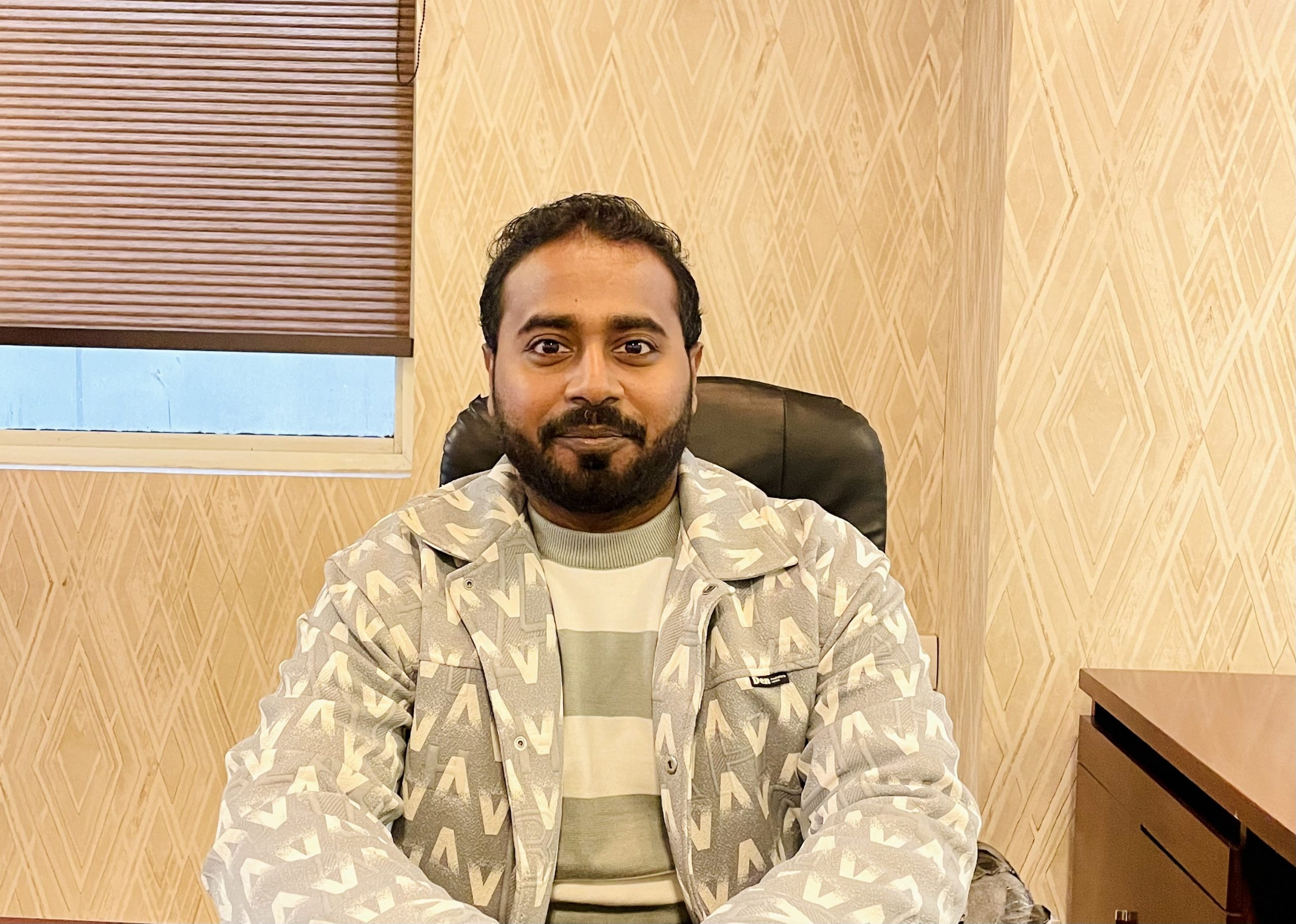
  • “What truly drew me to the field of Law was its dynamic nature and the intellectual challenge of navigating intricate commercial disputes.” – Prateek Mishra, Advocate-on-Record at Supreme Court of India and Principal at EP Advocates.

    “What truly drew me to the field of Law was its dynamic nature and the intellectual challenge of navigating intricate commercial disputes.” – Prateek Mishra, Advocate-on-Record at Supreme Court of India and Principal at EP Advocates.

    This interview has been published by Anshi Mudgal and The SuperLawyer Team

    With over 10 years of experience in commercial litigation and arbitration, what initially inspired you to pursue a career in law, and how has your professional journey evolved over time?

    My parents were not from a legal background, and as such, the inspiration to take up law did not come from my immediate environment. However, during my formative years, I found that my acquaintances in the legal profession always displayed an unwavering sense of purpose. I also remember getting inspired by the views that Mr. Rajeev Dhavan, Senior Advocate, would express on public issues, all rooted in constitutional values, and without any fear of the popular opinion. This, coupled with a deep disinclination towards pursuing a career in engineering, made law a natural choice.

    During my time at NLIU Bhopal, I developed a particular interest in international arbitration, which is reflected in my dissertation on jurisdictional aspects of international investment arbitration. What truly drew me to this field was its dynamic nature and the intellectual challenge of navigating intricate commercial disputes.

    Over the years, my practice has evolved from focusing purely on arbitration to encompassing a broader spectrum of dispute resolution. My experience at Luthra & Luthra helped shape my approach to complex commercial litigation. When we started EP Advocates in 2020, I focused greatly on disputes involving insurance law and insolvency, which is something I had already extensively undertaken in the past as well. Now, my role as an Advocate-on-Record at the Supreme Court has added another dimension to that practice. The evolution has been organic, driven by a desire to provide comprehensive dispute resolution services to clients.

    You completed your LLM at Queen Mary University of London, specializing in International Commercial Arbitration among other areas, what drew you to this specialization, and how was your experience at the university?

    My choice to pursue an LLM at Queen Mary was deliberate, given its renowned reputation in international arbitration. QMUL and MIDS Geneva are the only programmes that I had applied for. The program’s focus on comparative and international dispute resolution perfectly aligned with my academic interests and professional aspirations. I particularly valued the exposure to diverse perspectives, studying under leading practitioners and scholars in the field. The experience was transformative – I graduated with distinction in my dissertation on ‘The Relevance of Local Remedies in ICSID arbitration,’ and the program’s practical approach to complex international disputes has significantly influenced my practice. The modules provided insights that I apply to this day.

    With respect to your current focus, could you share some of the most challenging disputes you’ve encountered and how you managed the complexities of those cases?

    Some of the recent disputes, where we have prevailed include: (i) in insolvency, we were able to negotiate a settlement for certain homebuyers whose rights had been extinguished by the Resolution Plan, when the matter was pending before the Supreme Court – the challenge was that the Resolution Plan had already been approved by the NCLT and NCLAT; and 

    (ii) in insurance, before an arbitral tribunal, we were able to successfully defend an insurance company against a commercial entity on the quantum of claims that had to be paid – the challenge for our team was more with respect to adopting the best strategy for our arguments, given that the case involved various issues of ‘industry practice’ and voluminous documentation.

    In these cases, and even otherwise, I have found that one does not have to ‘manage’ complexities, if they are avoided. I believe complexities can be avoided if:

    1. you can anticipate and discuss with your clients, the difficulties in their case, and explore the possible arguments and solutions;
    2. simplify the case, present facts and arguments in a manner that is holistic but concise, and do not present a complicated picture without a solution;
    3. stick to first principles throughout the case and justify your arguments and pleadings using those principles.

    Having worked with a leading law firm for over six years before establishing your own practice, what were some key lessons learned early in your career, and what motivated you to start your own firm?

    My six years at L&L Partners were instrumental in shaping my understanding of dispute resolution and law practice. Leading a young disputes team at the Mumbai office taught me invaluable lessons about team management, client relationships, and strategic dispute resolution. One key lesson was the importance of understanding not just the legal aspects, but also the commercial implications of every dispute for the client. The decision to establish my own practice stemmed from a desire to provide a more personalized service to clients. The experience of independently handling major mandates under the Insolvency & Bankruptcy Code and leading significant arbitrations in areas of construction law gave me the confidence to take this step.

    What were some of the initial challenges you faced while founding your practice at EP Advocates, and how did you navigate them?

    Starting EP Advocates in 2020 came with its unique set of challenges. The primary challenge was establishing a new practice during the pandemic, which required adapting to remote working while maintaining the highest standards of legal service. We focused on building a lean, technology-driven practice that could deliver sophisticated legal solutions efficiently.

    Another significant challenge was transitioning from a large law firm setup to building systems and processes from scratch. However, this also presented an opportunity to implement modern practice management techniques and create a more agile organization. Within two years, we successfully built a strong client base including major entities like National Insurance Company Limited, Dish TV India Limited, BSNL, and NTPC Limited, validating our business model and approach.

    Given that you are an Advocate-on-Record before the Supreme Court of India, could you share with us some significant cases ?

    Being qualified as an Advocate-on-Record has been a significant milestone. Even prior to becoming an AOR, I was a part of teams that handled significant arbitration-related cases. One notable matter involved advising the Petitioner on issues relating to appointment of arbitrators given the inter-connected nature of several agreements, each of which had a separate arbitration clause. The judgment in that case is now a leading decision on appointment of arbitrators in international arbitrations under Section 11 of the Arbitration Act.

    Recent cases, as an Advocate-on-Record, have involved representing a leading bank in Special Leave Petitions (SLPs) filed by debtors challenging eventual court-ordered auction of properties. With respect to insolvency, I recently had the privilege of representing one of the impleadment parties in a Civil Appeal titled Ayush Agarwal v. Jaypee Infratech Limited & Others, where the Supreme Court’s intervention ensured that rights of certain active homebuyers did not get extinguished by a Resolution Plan.

    You have represented major clients in complex disputes. What are some unique legal challenges faced during long-drawn litigation, and how do you help navigate these?

    Long-drawn litigation presents multiple challenges, particularly in maintaining consistency in approach while adapting to evolving circumstances. One key challenge has been managing the intersection of public policy considerations with commercial interests.

    We help clients navigate these challenges through:

    1. regular strategic reviews and updates on regulatory changes;
    2. proactive risk assessment and mitigation strategies;
    3. maintaining clear communication channels.

    For instance, in insurance matters, we’ve developed specialized approaches for handling claims under various policies, from Standard Fire & Special Perils to Bankers’ Indemnity Policies, always keeping in mind the evolving regulatory landscape.

    What advice would you give to law students or young professionals aspiring to build a career in areas of insurance or insolvency law? How should they prepare to handle high-stakes disputes and gain expertise in this area?

    My advice would be threefold:

    First, develop a strong foundation in commercial laws. Understanding the business aspects is as crucial as knowing the legal provisions.

    Second, gain practical exposure through internships and hands-on experience. The field of insolvency law, in particular, requires understanding practical aspects of business operations. Insurance law requires a good understanding of how insurance companies handle claims, and what regulations apply, and one must know these irrespective of the side they appear for.

    Third, stay updated with evolving regulations and judicial interpretations. Both insurance and insolvency laws in India are rapidly evolving, and staying current is crucial.

    I would also emphasize the importance of developing strong analytical skills and the ability to handle pressure, as these areas often involve time-sensitive, high-stakes matters.

    With your extensive professional commitments, how do you manage to balance your personal life with the demands of your legal practice?

    Maintaining work-life balance in a demanding practice requires disciplined time management and efficient delegation. Technology has been a great enabler – we’ve implemented systems that allow for effective remote working while maintaining high service standards.

    I believe in building strong teams and empowering them to handle responsibilities effectively. This not only ensures better service delivery but also helps maintain a sustainable work environment. Regular team meetings and clear communication channels help manage workload efficiently.

    Additionally, I make it a point to stay involved in academic activities, such as conducting lectures at law schools. These activities provide a refreshing break from practice while contributing to the legal community.

    Get in touch with Prateek Mishra –

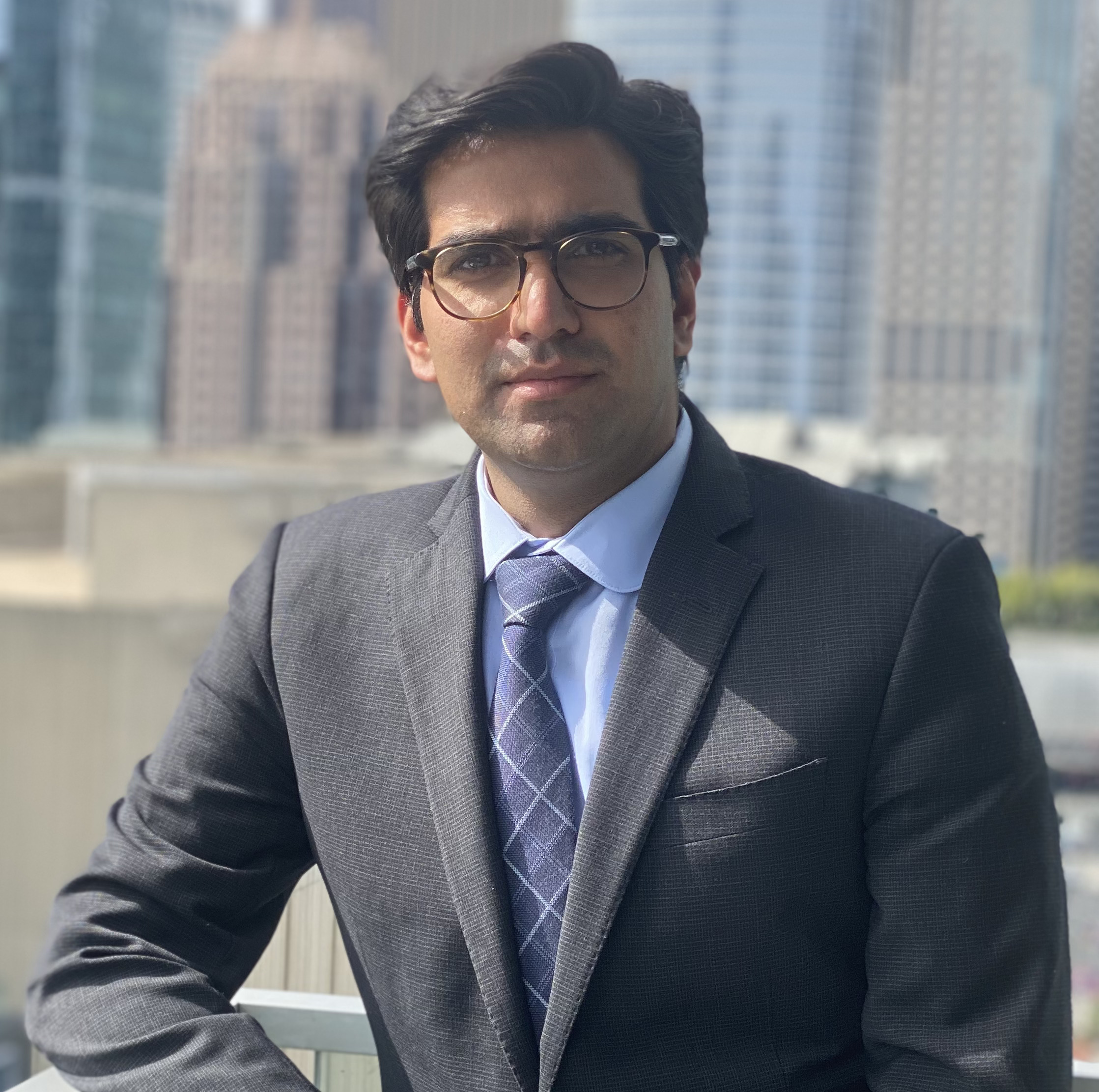
  • “Legal profession in a dynamic profession and is ever evolving and thus one needs to be always thorough and updated with all the requisite skills i.e. legal skills, IT skills etc. in order to achieve the desired goals and to remain relevant.” – Anant Sharma, Founder of My Lawyers Advice.

    “Legal profession in a dynamic profession and is ever evolving and thus one needs to be always thorough and updated with all the requisite skills i.e. legal skills, IT skills etc. in order to achieve the desired goals and to remain relevant.” – Anant Sharma, Founder of My Lawyers Advice.

    This interview has been published by Anshi Mudgal and The SuperLawyer Team

    Looking at your impressive career in corporate law, what initially inspired you to pursue a legal career, and what piqued your interest in areas like Cross-Border Transactions, International Trade, and FDI?

    From my childhood days, I always looked forward to pursuing a career in law. Further, my inclination for corporate law started from the days when I was in my seventh semester of the five-year law course. Subsequently, in the initial years of my practice, I had the privilege of working with some of the biggest corporates globally, handling their legal matters. These experiences solidified my passion for corporate law, particularly in Cross-border Transactions, International Trade and Foreign Direct investment they offer dynamic challenges and opportunities to contribute to the global business landscape. So far, I have successfully executed five multi-million dollars foreign direct investments (FDI) in India, providing strategic support to foreign investors in navigating the complexities of Indian market. Further, with respect to International Trade numerous disputes have been handled by me and my law firm/office and amicably resolved, consistently achieving favourable outcomes for a niche and discerning clientele. These experiences have underscored the immense potential for growth, both in terms of professional learning and financial opportunities, in practicing corporate law within specialized areas such as Cross-Border Transactions, International Trade, and FDI in India. This niche focus has allowed me to develop a deep understanding of the legal and commercial nuances in these domains, further enhancing my ability to deliver tailored and effective solutions.

    Having gained significant experience with various law firms early in your career, what were the most valuable lessons you learned that deepened your understanding of this profession?

    Working with various law firms, the most valuable lessons I learnt are to be thorough with research and respect the timelines. These lessons shaped my approach to providing reliable and timely solutions in my legal practice. Apart from these, one has to follow a proper schedule and endeavour to develop a robust system not only within himself/herself but also within the organisation. One has to be always updated with respect to the latest developments in the legal arena and especially with respect to the practice areas where the Advocate is offering legal services. Court visits are must throughout the career as it gives in depth insights with respect to the constant evolution of the legal system. Certifications and courses should be availed and completed with respect to the particular practice area where the Lawyer choses to specialise or opt for in his/her career path.

    At My Lawyers Advice, with your vast expertise in debt recovery, how do you navigate the complexities of cross-border debt recovery in India, particularly when working with multinational clients?

    As the Founder of My Lawyers Advice (www.mylawyersadvice.com) I leverage my experience to navigate the complexities of cross-border debt recovery in India, offering customised boutique legal services to our esteemed niche clients. This involves working in close liaison with their in-house legal teams. Our approach involves crafting bespoke legal documents and maintaining a work schedule of 24×7 while duly considering the working time zone of the client. Not only these, we at My Lawyers Advice offer a plethora of legal services to International clients which includes legal services to Non-Resident Indians (NRIs) with respect to addressing legal issues with respect to customs compliances and violations, representation before the Reserve Bank of India and the Ministry of Corporate Affairs, Enforcement Directorate and other Investigating Agencies for FEMA compliances and violations, rendering legal advisory services for foreign institutional investors with respect to legal audit and forensic audit before they invest in Indian companies and other corporate related issues and matters.

    With your extensive background in Arbitration, especially dealing with prominent organizations, how do you approach the arbitration process to resolve disputes and what do you see as the future of Arbitration in India?

    Arbitration already has a global acceptance and undoubtedly has a bright future in India. I approach the arbitration process with a specific strategy wherein our clients’ claims or counterclaims are strategically presented to be well-placed in the case. Further, continuous efforts for amicable resolution of disputes and entering into firm negotiations are equally important. The Arbitration & Conciliation Act of 1996 has seen requisite amendments and the Union Parliament is making endeavours to make the arbitration process more friendly and swift. Further, International Arbitration Centres are already set up and working in Delhi and Mumbai and the entire arbitration process is being streamlined in such a way to achieve the objective of the Act. The future of arbitration is bright and young Lawyers should endeavour to explore career opportunities. There are also specific certification courses offered by Colleges, Universities and several online platforms which can be definitely pursued by young Lawyers to attain deep knowledge and skills.

    After working with several prominent firms and legal entities, what motivated you to establish your own practice, and what were the initial hurdles you faced when setting up My Lawyers Advice?

    Motivation to Establish My Own Practice: The idea of starting my own practice wasn’t something that came up overnight. During my college days, my batchmate, Mr. Rituraj Kumar, and I had already decided that one day we’d set up our own firm and work together. We shared a lot of milestones graduating together, enrolling with the Bar Council of Delhi, taking the AIBE exam, and clearing it in one go.

    Afterward, we intentionally took separate paths, working with different firms and legal entities to gain as much experience as possible. These years were about sharpening our skills and understanding the profession better. In 2014, we finally took the leap and started our independent practice with a small office in Connaught Place, Delhi. While many have joined and moved on from our team, Rituraj and I have remained a constant, working together as partners since day one.

    Initial Hurdles in Setting Up My Lawyers Advice: One of the biggest challenges we faced was figuring out how to create meaningful, value-driven content for the public. My Lawyers Advice (https://mylawyersadvice.com/blog/) was launched as an online platform to provide free legal knowledge through blogs, but producing consistent, high-quality content was a daunting task at first.

    This hurdle was overcome thanks to our partnership with LawSikho, which provided us with talented law students who worked as researchers and sometimes even co-authors. With their support, we’ve managed to publish over 750 blogs in the last four years. Today, we still work with fantastic interns from LawSikho and collaborate with their Legal Freelance Team to create top-notch, research-based solutions for our readers.

    Looking back, those initial challenges were tough, but they pushed us to grow and innovate, laying a strong foundation for what My Lawyers Advice has become today.  

    Given your experience in structuring Foreign Direct Investment (FDI) and advising international clients on entering the Indian market, how do you navigate the complexities of aligning foreign businesses with India’s legal regulations, especially in the context of complex cross-border investments?

    The Modi Government has streamlined things for foreign Corporations and foreign Investors to set up their businesses in India. However, there exists the ease of doing business in India, yet in some places, it still needs improvement. For India Business Entry/India Market Entry, we work in close liaison with the foreign Attorneys and CPAs of our client and ensure they understand the legal, financial and taxation related compliances before sharing them with the Directors and Founders.

    Undoubtedly the Indian legal system and the tax regime stands deeply embedded with complexities and the same needs to be dealt with a lot of caution and care. Now from an Investor’s point of view he/she does not want to involve themselves into such complexities. Here comes the challenge, to balance out compliances and investments. The entire process involves numerous and tedious rounds of dialogues and discussions before a consensus is reached. Once we are on the same page then the actual work commences. Over here I would like to thank our Associates and Partners for their commitment and long-standing support.

    What advice would you give to aspiring legal professionals who wish to follow a career path similar to yours?

    Young and aspiring legal professional should always substantiate their words and work with proper research. They should decide which practice area of law they want to work in and then put their heart, body and soul into it, and success shall definitely come to them. In the initial three years of career, they should concentrate on learning over earning. Once they are able to attain top notch skills and decide their practice area and career path then earnings shall eventually follow. Next best thing is to team up with likeminded people and work in conjoin and commence practice. Legal profession in a dynamic profession and is ever evolving and thus one needs to be always thorough and updated with all the requisite skills i.e. legal skills, IT skills etc. in order to achieve the desired goals and to remain relevant. One cannot afford to lose relevancy because irrelevant people don’t matter to anyone.

    Given the demanding nature of your work, how do you manage to strike a balance between your professional responsibilities and personal life?

    A work-life balance is important, but many times it is hard to maintain. The legal profession is always very demanding and time is of utmost essence. There is no straight jacket formula for work-life balance, but for me, short trips in 3-4 months are mandatory. Indeed, it is very difficult to maintain an adequate work life balance and especially when you are working on maximum time zones yet endeavours are definitely made to attain equilibrium. I cannot say that I am perfectly able to maintain a work life balance but I can definitely say that I love doing my work to the fullest and am happily enjoying my life. Yes, sometimes there are ups and downs but they are necessary for a joyful living as things will become monotonous. The basic idea is to enjoy work and life together.

    Get in touch with Anant Sharma –

  • “The ability to work hard, good recollection capacity, vivacity, positive attitude are what I feel some of the most important qualities for a litigation lawyer” – Nishant Kr. Srivastava, Advocate-on-Record at Supreme Court of India and the Founder & Managing Partner at Actus Legal Associates & Advocates.

    “The ability to work hard, good recollection capacity, vivacity, positive attitude are what I feel some of the most important qualities for a litigation lawyer” – Nishant Kr. Srivastava, Advocate-on-Record at Supreme Court of India and the Founder & Managing Partner at Actus Legal Associates & Advocates.

    This interview has been published by Anshi Mudgal and The SuperLawyer Team

    As an Advocate-On-Record (AOR) and with over a decade of experience in the field of law, what initially inspired you to pursue a career in law, and how did your passion for the legal field evolve over the years?

    Honestly speaking, it was destined for me to become a lawyer! I had been a Civil Services aspirant after my Graduation and had also reached till the Interview stage the Civil Services Exam (CSE) conducted by UPSC. In 2005 I joined Law Centre-II (at that time evening classes at Atma Ram Sanatan Dharma College) of the Faculty of Law, University of Delhi, Delhi during the later period of my CSE preparations. However, in the same year I once again cleared the Prelims and had to write my UPSC Mains and the dates coincided with my First Semester Law exams and I had to make a choice. I chose the UPSC Mains over the law exam and so did not attend the law classes resulting in shortage of attendance and my not being able to fill the form and appearing in the exams. 

    Later on in 2009, I again joined the Faculty of Law, but this time the Campus Law Centre (CLC), Faculty of Law, University of Delhi, Delhi. 

    Coming from a relatively small city i.e., Gorakhpur (UP), I, for the first time, realised during my preparation period in Delhi that law is just not only a respectable career option, but also Delhi is the best place for anyone who has no other support system/ a first generation lawyer, apart from her/his own hard work and competence. 

    Also, from the college days, my friends used to tell me that I was good at communication- both oral as well as written, and once my attempts at CSE were over in 2006, I was faced with a grim situation and I was required to find a career option, where I could utilise my strengths to support my choice of career. And at this time law as a carrier option looked to me as the best career option, looking at my ability to study for long hours (honed during my CSE preparation days) and a good communication skills, especially in English, and having my earlier small brush with the study of law made the decision to pursue law as a career option a forgone conclusion. 

    In the early stages of your career, you worked with trial court seniors and also managed your independent practice, handling cases across all the three tiers of the courts in Delhi-trial, High Court and the Supreme Court of India. What were the most valuable lessons you learned during this phase that helped shape your career path?

    In my 2nd year at the CLC became the Student Convenor of the Seminar & Discussion Society of the CLC, apart from being one of the Student Editors of the Delhi Law Review (DLR), the renowned Journal published by the Faculty of Law, University of Delhi, Delhi, and I was also one of the Student Convenors of the Legal Aid Society of CLC. This gave me enough exposure and opportunity to meet and initiate an informal conversation with some of legal legends and top jurists of the country. It was during those discussions and interactions, I realised that being a first generation lawyer, I must know the basics and go for an organic growth and progression in my career- from trial works to appellate works. When all my Batchmates were planning to join some of the top lawyers and chambers in the Supreme Court and the High Court, I was searching for a good trial court senior, by the time I completed my course.

    Building a career in litigation can be challenging, especially as a defense lawyer dealing with white-collar crimes. What were the initial obstacles you faced, and how did you navigate and overcome them to establish yourself in this competitive field?

    Usually in any case involving allegations of a white collar crime, the accused is a well to do person having all the facilities, including a battery of lawyers. In such a scenario, initially it was difficult to make such risk aversion taking people to convince that I can handle their case well and have the requisite competence and skills, however I think what worked for me was the fact that in the courts whenever I was acting as a defense counsel, even in smaller cases, I used to give my 100% and used to put more hard work than many of the established lawyers would have put. This became noticeable not only to the Presiding Officers, Additional Public Prosecutors, Niab Courts and the police officials, but also to the litigants waiting for their cases to be called. This gave me visibility. Also, I enlisted myself with the South District Legal Aid Society (DLSA-South) in the initial days and rendered my services to the best of my abilities  as a Legal Aid Counsel (LAC) in those matters where the poor accused persons, because of lack of wherewithal, were unable to get good representation in the courts. 

    When handling both ad-hoc and institutional arbitration cases, what core skills and strategies do you rely on? Can you share an example of a particularly difficult arbitration case that you were able to resolve successfully?

    I would honestly say that Arbitration is akin to an exalted Civil Trial. And if one doesn’t have the experience of conducting trials, especially in civil cases starting from drawing up the case from the scratch and skill in cross-examination of witnesses, that is going to be a big handicap for the lawyer intending to succeed in the field of arbitration. Fortunately, I started my career in the beginning years in trial courts, apart from frequent appellate and HC/ SC/ NCDRC works. And this decision to start from the trial courts was only because I was fortunate enough to interact with the stalwarts and who and who of the Indian legal system during my Law Faculty days as the Student Convenor of the Seminar & Discussion Society of the CLC. It was one unanimous piece of advice, as a student of law, I had received from them, i.e., to know the basics and to learn the trial works, especially being a first generation lawyer and an outsider in Delhi. 

    In my first Arbitration case, the seat of which was in Kolkata, West Bengal, before the Ld. Sole Arbitrator Sh. Sushanta Chatterjee (who recently passed away), former Judge Calcutta High Court, where the Respondent had, citing a big theft at their site because of the alleged deficiency of service and dereliction of duty on the part of my client (a Manpower Supplier), had withheld payments of my client. Much depended on the veracity of the story of theft as alleged by the Respondent. At that point of time, my first-hand experience at cross-examination stood in good stead in Kolkata and I was able to show/ expose that the alleged theft never took place and it was a just ploy on the part of the Respondent to not to pay the dues of my client. This clinched the case in my favour and I won the Award for my client.

    In defending clients in cases involving economic offenses, such as those handled by the EOW, CBI, or ED, what do you believe are the key considerations in crafting an effective defense strategy? Could you highlight a case that was particularly interesting to you?

    Usually, and if I may say, invariably, the EOW and CBI has a penchant for filing voluminous chargesheet and enlist 30/50/85 witnesses, if not more. And here there is enough scope of contradictions and loopholes. As a defense lawyer representing an accused, I am not required to prove that my client is innocent beyond reasonable doubt, since the same is the burden of the Prosecution and not the accused. A careful reading of the chargesheet and statements particularly of the key witnesses, gives sufficient points and opportunities to show to the Court that there is difficulty in accepting the case of the prosecution and there are doubts and contradictions and there are two views possible and after that I leave the rest to the Court to decide. In fact in many EOW cases, I have got my clients discharged at the initial stage itself. Obviously, the knowledge about the latest judgment is something, inter alia, which clinches the decision in your favour. In an interesting case being tried u/s 420 IPC, the CBI has summoned on a single day a number of witnesses. The trial had started almost 6/7 years after the case was registered. By that time many witnesses were not traceable and those who had come had shifted to different places outside Delhi and had travelled to Delhi from distant places. That very day, due to the sheer number of witnesses (complainants) and the heavy board of the court concerned, matter was getting adjourned. The witnesses showed reluctance to come again for the examination in chief and cross-examination. At that point of time, I was able to get them to compromise and get their statements recorded. On that single day most of the witnesses compromised with the accused and the case became very weak. Later on, in the cross examination of the few remaining witnesses, I was able to show that the prosecution was not able to prove its case beyond reasonable doubt.

    You are highly regarded for your expertise in matrimonial disputes and family law. How do you view the changing landscape of women’s rights in matrimonial cases, and what are the major challenges you come across while dealing with matrimonial cases?

    Unfortunately, matrimonial disputes are one of the fastest increasing legal disputes in India, at least in Metropolitan cities like Delhi. The ability to adjust and let go of certain things, which at the first place should not have been an issue at all, I am sorry to state, has become more and more scarce these days. Intervention of the family members, especially because of the instant calls and the tendency of the people to “create evidence” has weekend the mutual trust and faith a couple ought to have for any marriage to work. I am happy to see that the Courts in Delhi have become more and more gender neutral, especially in the matters instituted under the various provisions of the Hindu Marriage Act, 1955. The same is the situation in cases instituted under s.144 of the Bhartiya Nagarik Suraksha Sanhita (BNSS) (old s. 125 CrPC). Over implication of the relatives and distant relatives in DV Act matters by the aggrieved are being frowned upon by the Judicial Magistrates. 

    The major challenge, I think, is the lack of cogent and convincing evidence in matrimonial disputes, since most of the allegations pertain to something which had happened within the four walls of the matrimonial home. And this many a time, gives opportunity to a party to level baseless and sometimes ridiculous allegations!  I am also especially sad to see how the children suffer due to the mutual fight between their own parents. I strongly  feel that any lawyer handling such matrimonial cases must be a sensitive person herself/ himself because that is the only thing which might help the litigating couple who are blinded by their mutual distrust and hate towards each other and who would go to any extent to prove that the other person was wrong and he/she has been wronged. 

    As the founder and managing partner of Actus Legal Associates, how do you effectively manage a team of 7-10 lawyers while ensuring consistent performance and a steady flow of work across the firm?

    I believe in self-control and believe that no one can help a person who is not willing to help herself/ himself. So, I always try to make my colleagues and juniors realise that they have to take responsibility and deliver the results. Litigation, among other legal areas of practice and when compared with other areas of practice in law, is very demanding. Only highly motivated people can survive in litigation. 

    I believe in situational leadership and delegation. Once the expectations are clear and one is clear with the facts of the case at hand, I trust my team to deliver the results. Discussions and deliberations and constant evaluation of the progress of the cases we are handling through our own internal mechanism, I think helps us to ensure consistent performance and steady flow of work across the firm.

    For young lawyers aspiring to specialize in litigation, arbitration, or criminal defense in India, what advice would you offer? What key skills and personal qualities do you believe are essential for success in these areas of law?

    Your this question is precisely the same question, which as a law student and the Student Convenor of the Seminar & Discussion Society of the CLC, I used to ask the Legal Luminaries, since I was one coordinating and inviting those Supreme Court and High Court Judges and the doyens of the Bar to the CLC for events, lectures and conferences and many a time, I used to get some free time with these seniors in the profession. Since many of them were alumni of CLC, the chats were pretty friendly. I was told invariably by everyone I had put this question, that I must know the basics and spend some initial years learning trial work, both civil and criminal and this is what I will advise the young lawyers aspiring to specialize in litigation, arbitration or criminal defense in India. 

    Inter alia, the ability to work hard, good recollection capacity, vivacity, positive attitude and what I feel are some of the most important qualities for a litigation lawyer, I also feel that a litigation lawyer must be ready and be there in the court much before the court starts. Being before time, gives sufficient time to once again go through your file, talk to the client and be abreast with facts of the case at hand. Many times, your ability to keep an open mind and not acting only as per your strategy made last evening, just being alive to the requirements and queries of the court, carries the day for you. Ability to network with people outside your profession is also one of the important skills and qualities, I believe are essential for success in these areas of law.

    Looking back at your career, what has been your most fulfilling case, and what were the learning experiences that you’d like to share with us?

    In one of the matrimonial disputes cases, where both the parties had married with each other after their unsuccessful first marriage and had a baby born out of this second marriage, I played a crucial role to ensure that the matter is settled through mediation in which there was no intervention of the families of both the parties. Actually, I sensed during the initial days of my engagement as a counsel for one of the parties that the real culprit for the impasse were the parents of both the parties and the couple were having almost cordial relationship and it was only because of the unintended but damaging interference by the parents from both the sides, the relations had become strained to the extent that one of them had filed a petition for divorce on the ground of cruelty. I impressed upon the Ld. Family Court to send the matter (despite I having been drafted the WS and carrying the same in my hand to the Court) to the Mediation Centre and be taken up under the supervision of the most experienced Mediator and the parents of both the parties be strictly barred from entering the Mediation Room. That worked! The moments the parents were barred from interfering, the couple was able to come to an amicable settlement and resolve their grievances. I am happy to inform you that as on date those warring couples are living happily together with their beautiful child. 

    The experience which I gained here was that a lawyer must also be a good listener, especially in family matters and the best way to resolve a matrimonial dispute is amicable settlement. Dehors the din, usually matrimonial matters are more about small issues generally connected with adjustments and if one is able to point out and target and resolve those small issues, many families may be saved from disintegration and ending up in divorce.

    Get in touch with Nishant Kr. Srivastava –

  • “I firmly believe that by embracing these two principles: maintaining patience during the foundational years and being open to diverse cases, young litigation lawyers can build a successful and fulfilling career in law.” – Amit A. Tungare, Managing Partner at Asahi Legal.

    “I firmly believe that by embracing these two principles: maintaining patience during the foundational years and being open to diverse cases, young litigation lawyers can build a successful and fulfilling career in law.” – Amit A. Tungare, Managing Partner at Asahi Legal.

    This interview has been published by Anshi Mudgal and The SuperLawyer Team

    You completed your Law degree while also pursuing a CS qualification. What inspired you to undertake both of these courses simultaneously and how has CS qualification helped you in your career?

    My interest in corporate law first sparked during my 12th standard commerce studies, specifically through the organization of commerce subject. But the real turning point came during my law school admission day at ILS Law College. While waiting in the long admission queue, a chance conversation with a fellow aspirant introduced me to the Company Secretary (CS) program and its potential to enhance a legal career. This serendipitous encounter proved to be life-changing.

    What made pursuing both qualifications simultaneously possible was the supportive environment at ILS Law College, which actively encouraged students to pursue additional professional qualifications. My hostel mates who were also pursuing their CS qualification became my support system and study partners. Their presence and mutual encouragement created an atmosphere of healthy competition and motivation. Looking back, I realize that the company you keep during your academic journey plays a crucial role in achieving your goals.

    The combination of these qualifications has proven invaluable in my litigation practice. I draw upon my CS knowledge almost daily while handling corporate cases. For instance, in one significant case, I had to cross-examine a company director regarding shareholder interests. My CS background provided me with deep insights into directorial duties and corporate compliance, enabling me to conduct a thorough and effective examination. In another case, I successfully defended an independent director by demonstrating that they weren’t involved in day-to-day operations, leveraging my understanding of corporate governance structures and directorial responsibilities.

    Today, I view both my law degree and CS qualification as equally vital to my career. They complement each other perfectly, providing me with a comprehensive understanding of both legal principles and corporate governance, which has significantly enhanced my effectiveness as a litigator.

    After enrolling as an advocate, how did your early career experiences help you navigate the challenges of becoming a prominent legal professional?

    After enrolling as an advocate, I made a strategic decision to first gain experience in a corporate legal environment before committing to litigation. This led me to join ESSAR’s legal and company secretarial department, where I simultaneously completed my mandatory 15-month company secretary articles. This dual experience proved invaluable, as it provided me insight into the workings of an in-house legal counsel while fulfilling my professional requirements. My time at ESSAR actually reinforced my original inclination toward litigation, with my senior colleagues strongly encouraging me to pursue this path despite its initial challenges.

    Following my stint at ESSAR, I began my litigation career under the mentorship of my father, Mr. Atul Tungare, who has established a respected practice in civil and criminal law at the Mumbai City Civil Courts. Working alongside him, I gained comprehensive exposure to both civil trials and criminal law. This apprenticeship was instrumental in teaching me the nuances of case management – from gathering client instructions and developing litigation strategies to representing clients from trial through appeal. Perhaps most significantly, working directly with clients from day one helped me understand their expectations and taught me an invaluable lesson: sometimes, the best service we can provide isn’t necessarily litigation, but rather counseling clients and helping them find alternative dispute resolution methods they might not have considered.

    What factors have motivated you to establish your own practice and what were the initial challenges you faced while establishing Asahi Legal?

    My journey as an independent practitioner has been deeply rewarding, particularly because it has allowed me to pursue a diverse range of legal matters without being constrained by conventional fee structures. This flexibility has enabled me to expand my expertise across multiple domains – from criminal and civil litigation to corporate law and cooperative societies.

    While I’ve thrived as an independent practitioner for the past decade, the decision to establish Asahi Legal stemmed from a desire to provide my existing clients – including corporate NBFCs, banks, and individuals – with comprehensive, tier-one legal services through a structured firm environment. In fact, the impetus to transition from an individual practice to a law firm came largely from my existing clients, who recognized that a formal firm structure would enhance the professional services they were already receiving.

    Looking back at the six months since establishing Asahi Legal, I realize this transition could have been made earlier. However, I’m gratified to see how the firm has evolved exactly as envisioned. With the invaluable support of my team and colleagues, we’re successfully meeting the needs of our growing clientele while maintaining the high standards of service that have always been central to my practice.

    You have significant expertise in handling cases under the Insolvency and Bankruptcy Code (IBC). Could you discuss one of the most challenging cases you’ve worked on in this field and the strategies your team employs to navigate the complexities of the IBC?

    One of my most challenging cases involved representing a Resolution Professional in the early days of the IBC, around 2016-17. The case centered on a resolution plan that had been approved by the Committee of Creditors but included several unusual requests – specifically, relief and concessions from prosecution by various government authorities.

    The primary challenge we faced was the relative novelty of the IBC at that time. With minimal precedent to draw upon – there were few reported judgments from either appellate benches or coordinate benches in other cities – we had to craft innovative legal strategies. This scarcity of case law required us to think creatively about how to present our arguments.

    Our breakthrough came when we decided to deeply examine the parliamentary debates that preceded the IBC’s implementation. These debates proved crucial in demonstrating Parliament’s true intent behind the legislation. Our key argument was that denying these concessions would effectively revert us to the previous Companies Act regime, where government dues took precedence over creditors’ claims – precisely the situation the IBC was designed to reform.

    Initially, we faced considerable skepticism from the bench, as courts were traditionally reluctant to grant such broad concessions. However, we successfully demonstrated how approving these reliefs aligned with the IBC’s core objectives of maximizing asset value and ensuring efficient resolution. We also emphasized the potential precedential value of this decision for similar cases across the country.

    Ultimately, the NCLT approved the resolution plan with all requested reliefs and concessions intact. This case was particularly significant for my team, as it later became a valuable reference point for similar matters we handled before the NCLT.

    This experience reinforced a crucial lesson in legal strategy: when dealing with novel legislation where precedents are scarce, parliamentary debates can serve as powerful tools to illuminate legislative intent. Sometimes, the most compelling arguments lie not in the letter of the law, but in understanding and articulating its underlying purpose.

    Given your experience with the Companies Act, how do you approach corporate disputes and regulatory matters, especially when dealing with large corporate entities? Could you share a case where your legal strategy resulted in a significant outcome for your client?

    In my legal practice, I maintain a fundamental principle: every client deserves equal dedication and professional expertise, regardless of whether they’re an individual from a modest background or a listed corporate entity. This approach has been crucial in building trust and delivering consistent results.

    My methodology for handling corporate disputes and regulatory matters follows a structured approach. First, I conduct a thorough analysis of each case’s merits and challenges. I believe in absolute transparency with clients from the outset. Before taking on any case, I ensure the client fully understands the potential outcomes, legal precedents, and applicable regulations. This upfront honesty serves two purposes: it allows clients to make informed decisions and enables me to proceed with complete ethical clarity.

    Let me share a particularly illustrative case. We handled an appeal for a corporate client where the stakes were significant. What made this case successful wasn’t just the favorable outcome, but our approach to it. Because we had established clear expectations with the client from the beginning, our team could focus entirely on the legal merits without the burden of managing unrealistic expectations. This strategic transparency allowed us to channel our entire energy into developing and executing a robust legal strategy.

    I’ve found that this approach – combining thorough preparation, transparent communication, and unwavering professional dedication – consistently leads to optimal results, whether we’re dealing with complex corporate disputes or regulatory challenges. It allows us to maintain both ethical integrity and peak performance throughout the litigation process.

    As an advocate with experience in both civil and criminal law, how do you balance representing clients across such different legal domains, and how do you stay updated with developments in each area?

    In my experience, civil and criminal law are more complementary than different. While there are distinct procedural aspects to master, having expertise in both areas has actually enhanced my ability to develop comprehensive litigation strategies for my clients. This dual perspective often allows me to identify innovative solutions that might not be apparent when viewing cases through a single lens.

    I often hear from law students who believe they must choose between civil and criminal practice. However, I strongly disagree with this perspective. As a litigation lawyer, having a thorough understanding of both areas is invaluable. A narrow focus on just one domain can potentially limit the solutions we can offer our clients, preventing them from achieving the best possible outcomes.

    As for staying current with legal developments, the digital age has made this task significantly more manageable. Our firm subscribes to several national legal publications, and I actively encourage our associates to make use of these resources. Staying informed about the latest precedents isn’t just good practice – it’s essential to effective advocacy. Missing a recent ruling relevant to a client’s case could significantly impact the outcome, regardless of how strong the underlying position might be.

    With the wealth of legal information now freely available online, there’s really no excuse for not staying current, whether you’re a seasoned practitioner or a newly qualified lawyer. I believe this commitment to continuous learning is fundamental to providing excellent client service and maintaining high professional standards.

    Having represented clients at some of the most prestigious forums in the country, what personal values and principles have guided your career, and how do you ensure that these values are reflected in the work done by Asahi Legal?

    When I began my litigation practice, my primary motivation wasn’t financial gain but rather the opportunity to gain diverse experience across various legal forums. I deliberately kept my fees minimal, just enough to cover costs, because I was driven by the chance to represent clients in different jurisdictions and forums across the country. I’m deeply grateful to my clients who trusted me with their cases, as these opportunities have been instrumental in building my practice.

    This fundamental value – prioritizing experience and growth over immediate financial rewards – is something I actively instill in every associate at Asahi Legal. We emphasize that regardless of a client’s size or the fee structure, each case presents a unique learning opportunity. As litigation lawyers, we believe that the chance to appear before a new forum or handle a novel type of case adds invaluable experience to our professional growth, something far more precious than immediate monetary compensation.

    This philosophy continues to guide our firm’s approach today. At Asahi Legal, we remain enthusiastic about taking on unusual or challenging cases, including matters in forums where we haven’t previously appeared. We view such opportunities as chances to expand our expertise while delivering favorable outcomes for our clients. This openness to new challenges, combined with our commitment to excellence, has been crucial in shaping both our firm’s culture and our success in the legal field.

    What advice would you give to young law students and aspiring lawyers who wish to excel in the field of law?

    Based on my experience, I believe patience is the most crucial attribute for young lawyers starting their careers in litigation. Whether you’re practicing independently or working under a senior lawyer, it typically takes 4-5 years to truly gain mastery over your field. These initial years can be challenging, but it’s essential to embrace this period with optimism because it fundamentally shapes your entire career trajectory.

    During this phase, you might notice your peers in corporate law or working as in-house counsel earning significantly higher compensation. However, maintaining faith in your chosen path is crucial. Once you successfully navigate this learning period, litigation becomes an incredibly rewarding career. Unlike more routine legal work, litigation offers the excitement of handling diverse cases daily, challenging you to think creatively and keeping you intellectually stimulated.

    Additionally, I strongly advise young litigation lawyers to diversify their case portfolio, even if some cases don’t offer substantial fees initially. Each case, regardless of size, provides valuable courtroom experience and opportunities to develop your advocacy skills. Often, these seemingly modest cases can lead to connections with larger clients and more lucrative opportunities. Therefore, I encourage young lawyers not to dismiss cases solely based on immediate financial returns, provided they cover basic costs.

    I firmly believe that by embracing these two principles – maintaining patience during the foundational years and being open to diverse cases – young litigation lawyers can build a successful and fulfilling career in law.

    Get in touch with Amit A. Tungare –

  • “For anyone starting out in this legal profession, my advice would be to choose a mentor, not just a workplace. If the right balance is hit, you get a family, and not mere bosses and colleagues.” – Dhrupad Das, Partner at Panda Law.

    “For anyone starting out in this legal profession, my advice would be to choose a mentor, not just a workplace. If the right balance is hit, you get a family, and not mere bosses and colleagues.” – Dhrupad Das, Partner at Panda Law.

    This interview has been published by Anshi Mudgal and The SuperLawyer Team

    With over 15 years of experience in law, did you always envision a career in this field? How was your experience studying law at Symbiosis Law School, Pune?

    This is one of those questions that comes up in almost every interview—whether I’m answering it or asking it of others. And I think it’s because it goes to the heart of how focused and dedicated a person is when embarking on a career in law. Law, unlike many other professions, requires an immense amount of internal motivation to push through the tough times.

    To answer your question: no, I did not always envision myself as a lawyer. However, I knew from a young age that my strengths lay in words, speaking, reading, and intellectual work. I felt confident in these areas and knew they would guide me toward a suitable profession. But where exactly they would take me remained unclear for a long time.

    The closest I came to consciously choosing a profession was when I dreamed of becoming a marine biologist. I loved the ocean and was enchanted by the idea of swimming with whales and other large sea creatures—probably inspired by watching numerous nature shows. But once I discovered that marine biology required studying sciences after the 10th grade—subjects like physics, chemistry, and biology—that plan was quickly abandoned. I raised my hands in surrender and asked my parents for guidance.

    The second career I considered was becoming an IAS officer, like my father. However, my father dissuaded me for reasons that are beyond the scope of this interview. Eventually, after family meetings and discussions, a consensus emerged: I should become a lawyer. The reasoning was that law is a “platform profession,” offering a wide range of opportunities and avenues. My family believed I had the temperament and acumen for it, and they also felt that if I ever wanted to change directions later, law would provide a solid foundation.

    I’m grateful for the support and wisdom of my family in steering me toward this profession. They made a great call on my behalf because, in hindsight, I’ve never wanted to do anything else. Being a lawyer has not only worked out for me but has also intellectually stimulated, motivated, and nourished me in ways I couldn’t have imagined.

    As for my time at Symbiosis Law School, Pune, I can only speak positively about it. It was a significant learning experience and, in many ways, transformative. It marked the first time I stepped out of the dual bubbles of home and boarding school—I had studied at Mayo College for nine years. Living on my own in Pune, alongside friends (several of us from Mayo landed there at the same time), was an entirely new experience.

    I would describe my time in Pune with words like fun, educational, and maturity-inducing. It made me independent and helped me understand the value of friendships. We used to joke that ‘Symbi taught us law, but Pune taught us life.” I wholeheartedly agree. Spending half a decade in one place gives you the opportunity to discover yourself—how you want to identify, behave, and respond to both pleasant and unpleasant experiences.

    Of course, it wasn’t without its ups and downs. You get into trouble; you get out of trouble. You make mistakes and grow from them. You learn to navigate relationships, conflicts, and emotions. But that’s the beauty of the experience—it’s all-encompassing.

    On the academic side, Symbiosis did its part as well. Classes were organized well, and while the attendance rules were fairly relaxed (which can be both a blessing and a curse), I think they struck a balance. In the end, I believe the institution delivered, as evidenced by the success of its alumni. Pune and Symbiosis shaped us into who we are today, and I’ll always be grateful for those formative years.

    Your time at the Chambers of Sh. Arun Kathpalia must have been formative. How would you describe your overall experience working with a Senior Advocate and what were some key lessons you learned under his mentorship?

    You’re absolutely right—my time with Mr. Arun Kathpalia was immensely formative. Coming out of Symbiosis, I didn’t have a concrete plan for my legal career. I was clear about what I didn’t want to do—I didn’t want to join a firm (ironic in hindsight) or work in-house at a company. Joining a chamber felt like the natural choice, and I was fortunate to have been introduced to Mr. Kathpalia through my school history teacher.

    I interned with him during law school, and the experience was both enlightening and gave me the confidence which I never realized I was lacking. It was after that internship I fully embraced the fact that I was going to be a lawyer. This was probably because he was kind, knowledgeable, and approachable.

    On the professional front, the biggest lessons I learned from him were many, but let me just list the top few:

    1. Be thorough: Always read your files, know the facts, and leave no stone unturned.
    2. Research is key: He emphasized researching through commentaries and books for deeper conceptual clarity. He was always sceptical of the “Ctrl + F” approach.
    3. Know when to speak and when to remain silent: Discretion is the better part of valor, and knowing when to keep quiet can be as important as knowing when to make your argument.
    4. Know thy judge: Understanding the judge is critical for any case.

    Beyond professional skills, he emphasized the importance of balance. He made time to play tennis regularly, regardless of his workload, which inspired me to prioritize my health as well. He also fostered a positive office culture. He was patient, understanding, and always ready to teach. While he is an exceptional lawyer, I often say he is an even better teacher—and that’s saying a lot.

    He also has a phenomenal memory. He could recall case details effortlessly and recite works of literature—like Oscar Wilde’s Lady Windermere’s Fan—from memory. I vividly remember verifying one of his recitations and finding him word-perfect. His love for English literature and language was something we shared, and I think it shaped both his personality and his practice.

    He encouraged intellectual curiosity beyond the law. During my time there, I explored topics like blockchain, climate change, synthetic biology, Austrian economics, etc., and he was always open to engaging in discussions that went beyond the profession. This approach showed me that being a well-rounded human being makes you a better lawyer.

    Some lessons were smaller but equally profound. For example, after my first car accident, he said, “Now you can truly enjoy the car—until the first scratch, you’re always afraid of it.” His advice on fashion was equally memorable: “Don’t dress so well that people look at you twice, and don’t dress so poorly that they look at you twice.”

    In sum, my time with Mr. Kathpalia was about mastering the larger game that is life. He wasn’t just a boss; he was a mentor. For anyone starting out in this profession, my advice would be to choose a mentor, not just a workplace. If the right balance is hit, which in my case it was, you get a family, and not mere bosses and colleagues. The right mentor can shape your career and your character, and for me, Mr. Kathpalia did both.

    After working with a Senior Advocate for nearly a decade, what inspired you to start your own practice? What challenges did you face in the early stages, and how did you manage to overcome them?

    Starting my own practice was both a push and a pull. In Mr. Kathpalia’s chamber, it was always clear that working there wasn’t a permanent arrangement—it was meant to be a stepping stone for growth. I saw my senior colleagues transition out to start their own practices, and I knew I’d have to take that leap eventually. Law, at its core, is an entrepreneurial profession; sooner or later, you have to go out on your own. For me, that realization came naturally over time.

    Web3 was the perfect opportunity to make that leap. Back then, it was mostly referred to as cryptocurrency, and terms like blockchain and distributed ledger technologies (DLT) were just starting to gain traction. I became deeply interested in the space, and that interest eventually led to work referrals from Dubai. These clients needed a firm—not just an individual—to handle their matters, and that’s what pushed my friends and me to come together to form Panda Law. It was a humble beginning, but a meaningful one.

    Of course, starting a practice came with its share of challenges. The first and biggest was finding clients. When you’re in a chamber, your focus is purely on the work—clients and payments are handled for you. But starting from scratch means building everything yourself: finding clients, setting up billing cycles, paying your team before paying yourself, and relying on your savings to get through the lean days. Financial insecurity was a real struggle in the beginning, and the uncertainty weighed heavily on me at times.

    The trust and support of my partners made all the difference. We were friends before we were partners, and that foundation of mutual respect and collaboration helped us navigate the tough times. It’s hard to overstate how valuable friendship and trust are when you’re building something from the ground up.

    Running a firm also meant adapting to roles I wasn’t used to. Apart from delivering high quality legal work, I had to train and retain associates, manage cash flow, ensure clients paid on time, and sometimes even take loans to keep things afloat in the short term. Balancing the operational demands of running a firm with delivering high-quality work was a steep learning curve. And keeping the team motivated while juggling all of this? Definitely not easy.

    Starting your own practice is, above all, a lesson in humility. You face rejection, financial strain, and setbacks, and it forces you to become collaborative and interdependent. Lone-wolf strategies simply don’t work when you’re building a practice from scratch.

    One unique challenge we faced was establishing our firm in Guwahati. There was this persistent belief—often reinforced—that there wasn’t much scope for corporate lawyers or advisory practices there. Ignoring naysayers, especially when they’re people you respect, and carving out your own path is its own kind of challenge.

    That said, the rewards of running your own practice are immense. While the outside world often sees only the successes, the real journey is a test of trust, self-belief, and determination. My advice to anyone considering this path is to speak to someone who’s done it before. I had a conversation with Mr. Kathpalia about what to expect, and his insights and advice have stayed with me ever since.

    With over 15 years of experience in civil-commercial disputes, what has been one of the most complex cases you’ve handled before various judicial and quasi-judicial forums?
    I’ve always found that cases in new jurisdictions or with unfamiliar subject matter tend to be inherently more complex—there’s no well-trodden path to follow. By that measure, one of the most challenging cases I’ve handled was right at the onset of COVID-19.

    We were representing a publicly listed, well-known electronics manufacturer with a factory on the outskirts of Guwahati. The factory was leased, and for commercial reasons, the client decided to terminate the lease and relocate. The landlord, however, was not happy. He claimed to have made significant investments to customize the property for our client and decided to retaliate by physically blocking the removal of their highly valuable manufacturing machinery.

    These machines weren’t just critical to their operations—they were incredibly sensitive. Moving them required specialized cranes provided by the manufacturers to meet strict insurance and warranty requirements. Mishandling them could result in massive financial and operational losses. Understandably, the client was reluctant to take any hasty action and turned to us for help.

    We triggered the arbitration clause in their lease agreement and secured favourable orders from the local court directing the landlord to allow the removal of the machinery. But just as we were gearing up to enforce the order, things took an unexpected turn.

    The landlord continued to resist, so we involved law enforcement. In the middle of all this, the district administration declared the entire factory premises a COVID-19 containment zone. It was converted into a makeshift quarantine centre, and COVID-positive patients started arriving.

    This threw a wrench into everything. Even though we had a court order in our favour, the realities of the pandemic, disaster relief efforts, and public health priorities added layers of complexity. We had to get creative and act fast.

    To resolve the situation, we brought everyone—the landlord, our client, the district administration, and local law enforcement—to the table. The goal was to balance the immediate need for public health safety with our client’s right to retrieve their machinery. After intense negotiations and careful coordination, we reached a settlement that allowed the machinery to be removed without disrupting the quarantine centre’s operations.

    This case stands out for its sheer complexity. It involved multiple stakeholders, high stakes, and a rapidly evolving crisis. It was also one of the first cases I handled in the Northeast, shortly after opening our office in Guwahati. Navigating a new jurisdiction, unfamiliar courts, and a high-profile client under such unprecedented circumstances was a real test. In the end, resolving it successfully was a testament to the power of collaboration, quick thinking, and proactive problem-solving.

    You’ve represented major publicly listed companies such as Tata Steel and Havells India. How do you manage the legal complexities when advising such large-scale corporations on corporate governance and compliance?

    The secret to managing legal complexities for large-scale corporations—whether publicly listed giants or fledgling startups—is the same: a structured approach, clear collaboration, and a deep understanding of what the client truly wants.

    First up is corporate governance. It’s crucial to align all stakeholders—directors, management, investors, shareholders, employees, and even users or community members where applicable—with shared incentives and secure documentation. This alignment minimizes disputes and lays the foundation for the corporation to thrive. The principle applies to both large and small entities, but the stakes and complexity are much higher at scale.

    Compliance comes next. There’s a simple rule here: if you think compliance is expensive, try non-compliance. Compliance is non-negotiable. Larger corporations often have the resources and systems to handle it, but for startups, it can be a challenge—and sometimes a barrier to entry. Regardless, getting compliance right is critical because the consequences of non-compliance are almost always worse than the costs of doing it properly.

    Understanding the client’s business is just as important. To give meaningful advice, you need to deeply understand their goals, align with their vision, and anticipate challenges before they arise. Proactive solutions are always more effective than reactive fixes, and they can save clients from a lot of trouble down the road.

    Teamwork is the final piece of the puzzle. Large corporations like Tata Steel and Havells typically have smart, driven General Counsel teams who know their businesses inside out. Collaborating with these teams is not only productive but also smooth—when our team is in sync with theirs, it solves half the problem right there.

    Ultimately, all legal advice should aim to give clients peace of mind, reduce risks, and drive efficiencies. The goal is to create strategies that minimize disputes and help the business thrive.

    You’ve worked with Web3 companies like Kucoin, Hike Pvt. Ltd., and others. What are the primary legal considerations when advising startups and businesses in the space, particularly around areas like intellectual property, privacy, and data security?

    When advising Web3 and emerging technology clients, our go-to legal strategy is what we call the GRID framework: Governance, Regulation and Compliance, Intellectual Property, and Disputes. It’s a systematic approach that helps us tackle the unique challenges these entities face in an ever-evolving and often ambiguous legal landscape.

    It all starts with governance. The first step is understanding how these entities want to be structured and managed. Who are the key players—the team, the management, the founders? Are there ultimate beneficial owners? Are we dealing with a DAO, a protocol, or an application? How centralized or decentralized are they? Where do they sit on the decentralization spectrum? These are foundational questions that guide how we set up the corporate structure.

    Most Web3 entities aren’t simple setups—they tend to have complex, internationally spread-out corporate structures. Think HoldCos (for IP or other purposes), DevCos, and OpCos, often housed across various jurisdictions. These roles can be fulfilled by a mix of corporate vehicles, from foundations and DAO LLCs to trusts, exempted companies, and more. It’s a balancing act because every jurisdiction has its own legal requirements, and when your operations span multiple countries, things get even trickier.

    In many cases, we also act as the client’s internal GC team, stepping in to provide comprehensive advice until they’re ready to build their own legal team. At that point, we seamlessly hand over the reins to ensure continuity.

    Next up is regulation and compliance. This area is deeply tied to governance and influences how and where the entity should be set up. For instance, if a protocol is issuing tokens and aiming for decentralization, it’s critical to avoid jurisdictions with restrictive laws on token issuance. And it’s not just about tokens—privacy, data protection, data localization, and industry-specific rules (whether gaming, financial services, or art-based) all play a big role. The regulations of each jurisdiction where the entity operates—or plans to operate—must align with its business model.

    Intellectual property is another big focus. Web3 businesses are constantly creating substantial IP—brand names, software, algorithms, copyrights, trademarks, patents, you name it. While open-source practices are a big part of this ecosystem, centralized entities often hold IP close to their chest. It’s our job to craft robust strategies for IP protection and monetization, whether that’s choosing the right jurisdictions, drafting airtight agreements, or setting up effective IP frameworks.

    And then we have disputes. The aim of the GRID framework is to avoid disputes whenever possible. But if disputes do arise, we ensure there’s a clear dispute resolution mechanism in place—usually arbitration—that can be handled efficiently and remotely. For Web3 businesses, disputes often involve balancing the interests of community members with the stability and security of the entity itself.

    What really sets Web3 businesses apart from legacy businesses is how they view their stakeholders. Legacy businesses typically see their customers as users or consumers. Web3 businesses, on the other hand, view them as community members. This shift changes everything—from governance to operations to how disputes are handled. It’s a new way of doing business, and governance mechanisms are evolving to reflect this shift.

    Given your broad experience, from corporate advisory to litigation, how do you foresee the intersection of traditional legal practice and emerging technologies in the next 5 to 10 years?

    This is a fascinating question and one I’ve given a lot of thought to. Over the next 5 to 10 years, I see emerging technologies overhauling legal systems in ways we’re just starting to grasp. Using my GRID framework—Governance, Regulation, Intellectual Property, and Disputes—let me explain.

    Governance is already being disrupted. For over a century, corporations have been the go-to model for organizing economic activity, but now technologies like large language models (LLMs), distributed oracle networks, and blockchains are reshaping how businesses operate. These tools enable real-time collaboration, transparency, and efficiency.

    We’re also seeing the rise of Decentralized Autonomous Organizations (DAOs), which are becoming the digital-age equivalent of corporations. Jurisdictions are starting to recognize DAOs as legal entities, and I believe they’ll play a major role in the future of governance. Lawyers, in turn, will need to adapt to automation in areas like compliance and governance, with technologies like RegTech taking over many traditional tasks.

    Regulation is heading toward automation. Oracle networks and blockchain systems will streamline compliance, flagging issues in real time and easing regulatory burdens. This shift will free lawyers to focus more on advisory roles and shaping new regulations for emerging tech.

    Disputes may see the most dramatic changes. Blockchain’s ability to record immutable truths and execute smart contracts will reduce ambiguity and human error, cutting down on disputes. When conflicts do arise, automated dispute resolution systems will handle many cases before they even reach a human arbitrator.

    LLMs will also transform how lawyers approach disputes, making research, drafting, and other tasks faster and more accessible. For smaller firms and solo practitioners, these tools are game-changers, allowing them to compete on par with larger firms.

    Overall, the legal profession is at a tipping point. Emerging technologies will make it more efficient, automated, and accessible, but they also demand that lawyers stay informed and adaptable. Those who embrace these changes will thrive, focusing on strategy, ethics, and solving complex problems—ensuring lawyers remain indispensable in a tech-driven future

    The legal profession is at a tipping point, with automation and emerging technologies set to redefine how lawyers operate. Tasks that once required large teams may now be handled by fewer individuals with the aid of AI and LLMs. This presents both a challenge and an opportunity. Lawyers must stay informed and adapt to these changes, as those who embrace technology will thrive in this evolving landscape.

    Given the demanding nature of your work environment, how do you manage to balance your professional and personal life? What activities or practices help you unwind and recharge?

    Balancing work and life are essential in this profession. Without it, things can go south quickly—burnout, ill health, and lack of focus don’t help anyone. So, the big question is how to maintain that balance. For me, it comes down to focusing on three things: exercise, sleep, and diet.

    I stay active by mixing strength training, yoga, and occasional runs. I also try to make my daily life more active—taking the stairs, walking while waiting in court, or just being outdoors. It’s less about squeezing in a workout and more about weaving activity into the day.

    On diet, I keep it simple. I follow intermittent fasting, stick to a few healthy meals, and avoid sugar as much as possible. It keeps me sharp and energetic.

    Sleep is the most underrated but critical factor. I stick to a consistent sleep schedule, avoid late-night meals, and prioritize rest. When I get this right, everything else just flows better.

    I also make time for routines that recharge me. Reading before bed is a must—it helps me unwind. Gardening is another favourite; spending time with nature and doing something as simple as pruning plants is surprisingly therapeutic.

    And, of course, friendships are key. Lawyers are naturally social, especially in court, but maintaining a strong personal network outside of work is just as important. It keeps me grounded and connected.

    Lastly, I’m not a fan of the “cult of overwork.” Overwork isn’t a badge of honor—it’s a fast track to burnout. If you’re overwhelmed, talk to your mentors or managers and find the support you need. It’s all about working smarter, not harder, and building a life that works for you.

    What advice would you give to young lawyers interested in specializing in emerging technologies, given your experience working at the intersection of law, technology, and business?

    If you want to specialize in emerging technologies, the first thing I’d say is this: make sure you’re genuinely interested in the subject. Technology is technical—it’s in the name. You need to have some curiosity about how it works, why it works, and where it’s headed. Without that interest, it can feel like a chore.

    The best way to develop an understanding and explore your interests is to get your hands dirty. Use the technology, especially when it’s still rough around the edges—before it’s hyped and polished. The messy, early stages of a technology’s life cycle can teach you so much about its evolution. Watching how it changes and grows over time gives you a deeper, more nuanced perspective than just jumping in after it’s all figured out.

    Next, read. Read everything you can get your hands on—books, papers, articles. Whatever’s out there. Understanding a technology intellectually complements the practical experience you get from using it. Together, they give you a solid foundation to build on.

    Then there’s the community aspect. Every emerging technology has its own community—on Discord, Farcaster, Reddit, or wherever. Join these spaces, participate in discussions, and get involved in projects. Emerging tech projects are usually in early stages and always need extra hands. This is your chance to dive in, take on responsibilities, and grow your reputation within the space. Plus, being part of the community is invaluable—it gives you a front-row seat to the latest developments and a network of like-minded people.

    Get in touch with Dhrupad Das –

  • “What drew me specifically to IPR was the dynamic nature of the field; I felt a sense of purpose in helping artists, inventors, start-ups, and global corporations safeguard their innovative ideas from infringement, allowing them to flourish creatively and economically.” – Ronil Goger, Founder & Managing Partner at Blaze Legal.

    “What drew me specifically to IPR was the dynamic nature of the field; I felt a sense of purpose in helping artists, inventors, start-ups, and global corporations safeguard their innovative ideas from infringement, allowing them to flourish creatively and economically.” – Ronil Goger, Founder & Managing Partner at Blaze Legal.

    This interview has been published by Anshi Mudgal and The SuperLawyer Team

    Throughout your law degree, you gained valuable experience through significant internships. What initially motivated you to pursue a career in law, and what specifically drew you towards Intellectual Property Rights (IPR)?

    Every journey begins with a spark – an event, an experience, or sometimes just an insatiable curiosity. My journey into the field of law or more particularly intellectual property began during my 5th Grade – when the first live-action Spider-Man movie hit the screens and left me ensnared in a web of intriguing questions.

    As a comic enthusiast with a keen interest in the Marvel Comic Universe, I felt a surge of curiosity when the Sony Pictures logo appeared at the beginning of the film, with only a fleeting reference to Marvel. As I explored the details further, my father (the guiding light) stepped in to clarify that Sony holds the movie rights. This revelation ignited a ‘flame’ in me – a desire to uncover how Sony came to own the rights to my beloved Marvel superhero and trying to decode the complex arrangements of intellectual property licensing and assignments.

    As I progressed through my life, I was exposed to various branches of law including criminal, property, marriage, company regulations, etc. However, what truly set my heart racing was the realm of Intellectual Property Rights (IPR). The world of IPR is a fascinating intersection of law, creativity and innovation. It offers the unique opportunity to protect the fruits of human creativity – be it a catchy tune, an imaginative work of fiction, a brilliant invention, or a ground breaking brand.

    In an endeavour to gain insights, I interned with various companies and leading law firms such as Khaitan & Co., IREO, Sagar Chandra & Associates, AMC Law etc. 

    What drew me specifically to IPR was the dynamic nature of the field. In a world dominated by rapid technological advancements and the internet, the landscape of intellectual property is constantly evolving. Each case is unique, presenting an exciting puzzle to solve. I felt a sense of purpose in helping artists, inventors, start-ups, and global corporations safeguard their innovative ideas from infringement, allowing them to flourish creatively and economically.

    Starting your career at Shardul Amarchand & Co. must have been a formative experience. What were the most valuable lessons you learned there, and how did that experience shape your legal career?

    Entering the professional world can be a daunting yet exhilarating experience, especially when it involves stepping into a field as complex as law. My first job at Shardul Amarchand Mangaldas & Co. (SAM) not only marked a significant milestone in my career but also provided invaluable lessons that shaped my understanding of legal practice. In this role, I was exposed to the intricacies of legal research, client interactions, and the daily operations of a dynamic office environment. The experience illuminated the importance of attention to detail and the impact of effective communication, both essential skills for any aspiring legal professional.

    Further, observing seasoned attorneys navigate difficult cases further reinforced my desire to pursue a career in law, revealing the profound responsibility lawyers hold in protecting and enforcing the rights of clients. Through my experience at SAM, I developed a range of skills that will be invaluable throughout my career. One of the most critical abilities I honed was my capacity for effective communication, both written and verbal. Drafting correspondence and legal documents required clarity and precision, ensuring that complex legal concepts were accessible to clients and colleagues alike. Furthermore, I learned the importance of digital literacy in a legal context, as many tasks involved using specialized software for case management and research.

    The experience of working at SAM served as a profound catalyst for both my personal and professional growth. Engaging with intricate legal cases exposed me to the complexities of the legal system, enhancing my analytical skills and critical thinking. Additionally, my role involved collaborating with diverse stakeholders, fostering effective communication and teamwork. Also, the primary focus in the formative years should be developing dependency and trust. As soon as you secure your first position, the paramount focus should be cultivating a sense of self-reliance and taking charge of your responsibilities.

    Developing the invaluable skills of being ever-ready to lend a hand’ and committing unwavering effort will undoubtedly elevate your professional prowess. While you may not be the sharpest mind in the room, your ability to outwork your peers is entirely within your control. In fact, every critique should be embraced in the most constructive manner. It is expected that one will be a novice, and thus, the occasional misstep is permissible. The most crucial point is how one overcomes their vulnerabilities and emerges stronger from each error.

    Ultimately, these formative experiences not only solidified my aspirations within the legal field but also instilled a strong sense of confidence in my abilities to navigate professional challenges, contributing significantly to my overall development trajectory.

    After working with top-tier law firms, you chose to establish Blaze Legal. What were the key factors that motivated you to venture into your own practice, and what challenges did you encounter in the early stages?

    The decision to establish Blaze Legal was fuelled by a potent mix of passion, vision, and the allure of independence that danced in my mind like fireflies on a summer night. Having navigated the intricate corridors of top-tier law firms like SAM and Archer & Angel, I found myself captivated by the prospect of creating something uniquely mine—an ecosystem where innovative legal solutions merged seamlessly with genuine client relationships.

    One key factor in this venture was the desire for creative freedom. Within the structured entities of larger firms, I often felt confined by the established processes and conventional practices. I envisioned Blaze Legal as a dynamic space where fresh ideas could flourish, where each case could be approached with a blend of ingenuity and empathy, allowing us to truly serve our clients’ needs rather than merely ticking boxes. Another motivating force was the ambition to prioritize accessibility. In my experience, I witnessed too many individuals and start-ups feeling alienated by the legal world – a realm often seen as intimidating and unapproachable. With Blaze Legal, I aimed to break down those barriers, offering a welcoming atmosphere where clients could engage openly and collaboratively. I wanted to usher in an era where legal counsel was not just a luxury for the affluent but a resource available to anyone seeking guidance.

    However, the journey was not without its hurdles. In the early stages, I grappled with the challenge of building a brand from scratch. Establishing credibility in a saturated market demanded not just legal acumen but also strategic marketing and networking efforts. The initial months were a delicate balancing act – juggling cases while cultivating relationships, all while needing to demonstrate that Blaze Legal was a formidable player in the legal landscape.

    Financial uncertainties loomed large, too. Transitioning from the stability of a well-established firm to the unpredictable tides of entrepreneurship tested my resolve. There were sleepless nights spent poring over budgets, forecasting cash flows, and tapping into my savings with a mix of hope and trepidation.

    Then, there were the lessons learned through trial and error—navigating the intricacies of technology, streamlining operations, and moulding a team that shared my vision. Each challenge was a spark igniting growth and resilience, shaping Blaze Legal into a beacon of innovation and integrity.

    In retrospect, launching Blaze Legal was akin to stepping into an uncharted wilderness. It demanded courage, creativity, and countless cups of coffee. Yet, every triumph – no matter how small – felt monumental, lighting the path ahead and affirming that this venture, born from ambition and the desire to make a difference, was indeed worth every effort.

    Blaze Legal provides services related to trademark, copyright, and patent filings. What are some of the unique challenges you face when dealing with IP offices in jurisdictions like Bangladesh, Nepal, Sri Lanka, and others, and how do you navigate these complexities?

    Dealing with Intellectual Property (IP) offices in the Southern Asian jurisdictions such as Pakistan, Bangladesh, Nepal, Sri Lanka, Maldives, etc., presents a unique set of challenges that require a blend of cultural understanding, local expertise, and strategic ingenuity. For starters, the IP registration process in these countries often involves intricate bureaucratic steps that can be time-consuming and opaque – which adds 30-40% extra time to expected timelines. To tackle such issues, we have established strong relationships with local agents or attorneys who are familiar with the nuances of the local bureaucracy. Their insider knowledge can expedite processes and help in navigating red tape efficiently.

    Further, in some of these jurisdictions, the technological infrastructure for IP registration and enforcement may not be as advanced, leading to delays and inefficiencies. Preparing all documentation meticulously and in advance, and maintaining hard copies as backups – can help dealing with any pitfalls. Also, regular follow-ups through both digital and physical means can ensure that your filings are progressing without unnecessary delays.

    Separately, since each jurisdiction has its own set of IP laws and regulations, which can differ significantly from one another and from international standards, conducting thorough legal research and staying updated on changes in local IP laws can be beneficial. Lastly, for protecting IP once registered, we have developed comprehensive and tailored IP enforcement strategies that includes local legal action, public awareness campaigns, and collaboration with local authorities.

    Accordingly, navigating the complexities of IP management in Bangladesh, Nepal, Sri Lanka, and similar jurisdictions requires a proactive and well-informed approach. By leveraging local knowledge, maintaining rigorous documentation, and adopting a culturally sensitive stance, you can successfully manage and protect your intellectual property across diverse legal landscapes.

    Can you share an example of a particularly challenging cross-border IP case you’ve handled, and how you navigated the legal landscape?

    Navigating the complex realms of international law has been one of the most intellectually rewarding and challenging experiences in my legal career. One particular case stands out in my mind, encapsulating the intricate nature of cross-border trademark disputes and the necessity for a nuanced approach.

    The case involved a multinational company that specialized in luxury cosmetics. After years of operating under a specific brand name in Europe, the client decided to expand into emerging markets in Asia. However, upon entering these new territories, the company faced a formidable obstacle: a local competitor had registered a similar trademark in Bangladesh & Nepal that not only created confusion among consumers but also threatened the established brand’s reputation. The stakes were enormous, not only for the financial investment in this expansion but also for the brand’s identity and market position.

    Understanding the gravity of the situation, I led a team that included attorneys specialized in intellectual property law within the jurisdictions involved. Our first step was to conduct a comprehensive trademark audit. We examined existing trademarks in both Europe and Asia, paying close attention to the potential for conflicts and the likelihood of confusion among consumers. This required an in-depth understanding of both the nuances of trademark law in different countries and the cultural perceptions associated with brand names.

    One of the key challenges we faced was the disparity between jurisdictions regarding trademark registration and enforcement. To approach this challenge effectively, we decided to implement a dual strategy. First, we initiated negotiations with the local company that held the conflicting trademark. Understanding the significance of relationships in many Asian cultures, we engaged a local law firm to help facilitate discussions. Highlighting the potential benefits of coexistence was key; we proposed licensing agreements that would allow both parties to operate without infringing on each other’s market presence. This approach not only showcased our commitment to enforcing our client’s rights in the concerned jurisdictions but also resolving the matter swiftly and amicably.

    Simultaneously, we prepared for litigation as a backup plan. This involved gathering evidence of our client’s prior use of the trademark in Europe and building a case that demonstrated the risk of consumer confusion should the status quo continue. We also conducted market surveys in the Asian territories to gauge consumer perceptions regarding brand recognition and confusion. This data would serve as vital support in a potential courtroom battle. Over several months, negotiations fluctuated with moments of tension and progress. Our collaborative efforts eventually yielded a breakthrough: the local competitor agreed to cease all use of the infringing mark and cancelling the registrations – which allowed our client to smoothly expand and use the trademark in specified regions while recognizing our client’s legal rights. This resolution not only avoided a protracted legal fight but also strengthened the client’s position in the new market.

    Reflecting on this experience, I recognize that successful navigation of cross-border trademark cases hinges on a multifaceted approach – combining legal expertise with cultural sensitivity and strategic negotiation. It reinforced the importance of adaptability and thorough preparation in overcoming the hurdles presented by diverse legal systems.

    What advice would you give to young lawyers who are looking to specialize in IPR and litigation?

    As a young Mike Ross or Racheal Zane, embarking on a career into IPR law and litigation, you are entering a dynamic and evolving field that merges creativity with legal acumen. This dual discipline requires not only a firm grasp of complex legal principles but also a keen understanding of the ever-evolving nature of technology and business.

    First and foremost, a comprehensive understanding of IPR law is paramount. Young lawyers must immerse themselves in the foundational doctrines of intellectual property – copyright, trademark, patent, design and other unconventional IP laws, as each area has its own set of regulations and implications. To navigate these complexities, I recommend pursuing an advanced degree or certification specifically related to IPR. Engaging with esteemed institutions that offer specialized programs showcases dedication and equips young lawyers with theoretical knowledge and practical applications crucial for their future practice. Understanding both domestic and international laws is crucial, given the globalization of business and the internet’s impact on IP.

    Secondly, seek mentorship from seasoned professionals in the field. Surrounding yourself with experienced practitioners can provide invaluable insights that textbooks cannot offer. A mentor can help you refine your skills, advise you on best practices, and introduce you to networks within the industry. Take the initiative to attend industry events, where you can meet potential mentors and gain exposure to various aspects of IPR and litigation. Additionally, gaining practical experience is paramount. Look for internships with legal practitioners and firms that specialize in IPR laws. This hands-on experience will not only enhance your understanding of the legal processes involved but also develop your analytical and advocacy skills. Engage in pro bono work related to IPR cases as it can provide you with unique experiences while contributing positively to the community.

    Furthermore, staying abreast of technological advancements and emerging trends in IPR is essential. The rapid evolution of technology – be it artificial intelligence, blockchain, or biotechnology, continually reshapes the IPR landscape. Young lawyers should engage in continuous learning through seminars, webinars, and workshops. Actively participating in discussions surrounding innovation can enhance one’s ability to anticipate and respond to new legal challenges. Reading prominent journals and following influential thought leaders in the field will provide insights into current issues and emerging best practices, further reinforcing their expertise and credibility.

    Lastly, emotional intelligence plays a significant role in successful legal practice. Developing the ability to empathize with clients, understand their concerns, and communicate effectively can set aspiring lawyers apart. Active listening fosters trust and enables lawyers to tailor their services to meet clients’ specific needs. Moreover, handling the emotional weight of contentious litigation requires resilience and composure. Young lawyers should seek opportunities to cultivate these skills, whether through formal training or simply through reflective practice in their everyday interactions.

    In conclusion, specializing in IPR and litigation offers an intellectually stimulating and rewarding career pathway. By committing to ongoing education, honing litigation skills, building a strong professional network, maintaining an adaptable mindset, and cultivating emotional intelligence, young lawyers can establish themselves as proficient advocates in this dynamic field. The journey may be challenging, but with perseverance and passion, they can carve out a distinct niche as leaders in intellectual property law. As they embark on this exciting road, let them remember that their contributions to the protection of innovation not only shape industries but also drive societal progress.

    Get in touch with Ronil Goger –

  • “The legal profession is not just about personal growth but also about service to society. Uphold the rule of law, work for the right cause and contribute positively to the legal community and the society at large.” – Aasim Shehzad, Founding Partner at BFS Legal and Counsel at Madras High Court.

    “The legal profession is not just about personal growth but also about service to society. Uphold the rule of law, work for the right cause and contribute positively to the legal community and the society at large.” – Aasim Shehzad, Founding Partner at BFS Legal and Counsel at Madras High Court.

    This interview has been published by Anshi Mudgal and The SuperLawyer Team

    With over two decades of experience in various areas of the law, looking back, was law a planned career path for you and what inspired your practice specifically in Arbitration & Constitutional Laws?

    Law has always been a deeply personal and deliberate career choice for me—a passion that took root when I was just 10 years old. My fascination with the legal profession was sparked by moments such as seeing my father in his lawyer’s robes and observing advocates gathered outside the District Court, which I passed by daily on my way to primary school. Reading landmark judgements featured prominently on the front page of the newspapers and the role played by the lawyers further motivated me. The courtroom’s dynamic nature—the challenge and intellectual rigor of the adversarial process inspired me to imagine myself as an advocate. These early experiences left a profound impression on me, fostering a deep admiration for the sense of purpose and justice inherent in the practice of law. My parents (Mr.K.M.Shafeeq Ahmed & Mrs.T.Akthar Sultana) deserve a mention for providing their unwavering support and encouragement which gave me the confidence to pursue my passion, ultimately transforming a childhood dream into a lifelong vocation.

    When I enrolled and started my legal practice in 2003, Arbitration caught my interest as it emerged as a growing field offering effective and efficient alternative dispute resolution mechanism. It was a welcome change to witness a system that allowed resolution of disputes outside traditional courtrooms, in a manner that preserved fairness, saved time and resources and proved highly effective when compared to the conventional mode of dispute resolution.

    As for constitutional law, a deep understanding of the Constitution is indispensable for any lawyer. It serves as the foundation of our legal system- not only safeguarding fundamental rights but also acting as a benchmark to test the validity and vires of other laws, rules and regulations.

    Having appeared before various forums from Supreme Court of India to High Courts at Allahabad, Delhi, Hyderabad and Madras, Principal District & Sessions Courts, Armed Courts Tribunal, Company Law Board, Central Administrative Tribunal etc., can you share with us the journey that led you to founding BFS Legal? What were the initial challenges you faced when establishing the firm?

    The journey to founding BFS Legal is a testament to perseverance, professional growth and the importance of teamwork. It all began with a strong foundation laid during my initial years of practice under the guidance of Mr.J.Sivanandaraaj (now a designated Senior Counsel) whose mentorship exposed me to a diverse range of branches of law and instilled key values of discipline, professionalism and ethics. The early exposure to branches like Arbitration, Constitutional Law, Commercial Litigation, Company Law and Business Crimes clearly shaped my professional interests and trajectory.

    My extensive experience briefing eminent Senior Counsel and arguing cases across various jurisdictions greatly refined my legal acumen and advocacy skills. This journey was firmly rooted in my formative years as a mooter, representing Dr. Ambedkar Government Law College, Chennai (formerly Madras Law College), at prestigious international competitions such as the Willem C. Vis International Commercial Arbitration Moot in Vienna and the Stetson Environmental Law Moot Court Competition in Florida, alongside numerous domestic moot court competitions.

    The transition in 2007 when my senior decided to merge his practice with a firm having pan India practice became a pivotal moment, sparking the creation of BFS Legal. My determination to retain my identity as a litigation lawyer and the camaraderie with my colleagues, Mr.P.V.Balasubramaniam (now a designated Senior Counsel), Mr.D.Ferdinand and Mr.Akhil Bhansali were instrumental in this decision.

    Establishing BFS Legal, however, was not without its challenges. Identifying a suitable office location and setting up infrastructure within a tight timeframe was a significant hurdle, especially during the court vacation period. Yet, our collective resolve and resourcefulness enabled us to overcome those initial obstacles, setting the stage for BFS Legal to grow into a successful and respected firm, it is today. This journey underscores the importance of a strong professional foundation, collaboration and the courage to take risks to achieve one’s vision.

    You’ve argued several precedent-setting cases before the Madras High Court. Could you share one of the most significant cases you’ve worked on, and the impact it had on your career or the legal landscape?

    One of the most memorable and challenging case that I worked on involved filing an appeal against the dismissal of an application under Order 6 Rule 16 of the Civil Procedure Code (CPC) by a Single Judge of the Madras High Court. The appeal was heard by the First Bench, comprising the Chief Justice Ms.Indira Bannerjee and Mr.Justice M. Sundar. The primary issue was the maintainability of an intra-court appeal against an order that was not final in nature, as such orders are generally not appealable.

    For two days, I had the privilege of arguing before the Hon’ble Judges, presenting comprehensive arguments on how the provisions of the CPC risk becoming ineffective if litigants were compelled to endure a protracted trial when the outcome was evident due to inherent flaws in the pleadings. The Bench rigorously examined and grilled me on my submissions, challenging every aspect of my reasoning. This experience was invaluable in deepening my understanding of how appellate courts test appeals and interpret statutory provisions and the thoroughness of the judicial process.

    This case is memorable for me because it sharpened my ability to articulate complex procedural issues and strengthened my confidence in handling challenging legal questions under rigorous judicial scrutiny by the sharpest minds. On a broader level, it underscored the importance of procedural fairness and judicial efficiency in civil litigation. Arguing the case before a bench that subjected me to intense questioning right from the word go had a profound impact on my professional journey, reinforcing my belief in the transformative power of well-constructed legal arguments and the ability to think on the feet to withstand intense questioning by the Judges.

    Your expertise in arbitration has been recognized by your appointment as an arbitrator at the Madras High Court Arbitration Centre. How do you see the evolution of arbitration in India, and what role do you think it will play in the future of dispute resolution?

    Arbitration in India has come a long way, evolving significantly over the years to address inefficiencies and delays. Historically, litigation in India has often been criticized for being time-consuming, leading to the adage, “Process is the punishment.” Alternative Dispute Resolution (ADR) mechanisms such as Arbitration, Conciliation and Mediation have emerged as a critical solution to mitigate these delays and provide efficient avenues for dispute resolution.

    Legislative amendments to the Arbitration and Conciliation Act, particularly in 2015 and 2019, have been instrumental in enhancing the arbitration process. By introducing stricter timelines for pleadings, arguments, and the delivery of awards, these reforms aim to ensure that arbitration remains an efficient alternative to traditional litigation. The treatment of appeals under Sections 34 and 37 as special proceedings, distinct from regular civil appeals, further reflects the judiciary’s intention to preserve the expeditious nature of arbitration as contemplated by the Parliament.

    The institutionalization of arbitration centres, such as the Madras High Court Arbitration Centre under the auspices of Madras High Court, is another significant development. These centres promote professionalism and ensure adherence to timelines, thereby increasing the credibility of the process. As an arbitrator, I have witnessed firsthand how these changes have streamlined proceedings and enhanced the experience for litigants.

    As businesses demand quicker resolutions to maintain continuity and reduce costs, arbitration offers a viable path. Additionally, the integration of technology, online dispute resolution platforms and the increasing emphasis on mediation and conciliation as complementary processes will further strengthen the ADR ecosystem. Looking to the future, arbitration will play an increasingly dominant role in dispute resolution, particularly in commercial and cross-border disputes.

    However, the ultimate success of arbitration in India depends on a continued focus on minimizing judicial intervention, ensuring uniform standards for arbitral awards, and fostering trust in the system. With these advancements, arbitration is well-positioned to become the preferred mode of dispute resolution in India, balancing efficiency with fairness.

    You have acted as legal advisor to the Tamil Nadu Wakf Board and also have had a unique opportunity to work on public interest litigation matters. Can you tell us about your experience in this area, and your preparation for approaching such cases?

    Working as a legal advisor to statutory body like the Tamil Nadu Wakf Board and engaging in public interest litigation matters has been a deeply enriching experience, marked by unique challenges and opportunities. It requires balancing the legal intricacies of governance with a commitment to justice and public welfare.

    Representing statutory bodies involves navigating several hurdles, primarily arising from systemic constraints. The sheer number of ongoing cases can be overwhelming, and prioritizing urgent matters demands effective time management. Due to staff shortages and administrative bottlenecks, panel lawyers often receive incomplete or delayed information, which can hinder case preparation. Lawyers frequently need to take the initiative to gather and verify data to ensure accurate representation. This involves persistence and innovative problem-solving to piece together the required context. Panel lawyers often have to devise innovative strategies to collect and corroborate data, ensuring that the responses are both accurate and comprehensive.

    Handling Public Interest Litigation (PIL) cases requires a thoughtful and strategic approach, as these cases often involve matters of broad social significance, addressing the rights of marginalized communities or issues that affect public welfare. Here are key steps to approach PIL cases effectively:

    1. The issue should affect a larger section of the population, not just a specific individual or group.
    2. The case must have a legitimate public interest element, such as a violation of Constitutional Rights, Public Health, Law & Order, Environmental Protection, Human Rights, Law & Order or those affecting public at large.
    3. Thorough Research and Legal Grounds requires
    4. Examining the relevant statutes, constitutional provisions, and precedents.
    5. Clearly identifying the legal violations.
    6. The petition should speak for itself setting out clear facts and the legal grounds in order to make a compelling argument. Emphasis should be on how the issue affects a large section of the population or public welfare. It is imperative to highlight the urgency for judicial intervention.
    7. Ensure that you rule out alternate remedy that may be available for achieving what you seek through PIL.
    8. Consult with affected communities to bring out the practical side of the issue.
    9. Judges often scrutinise whether issue is being brought before the court in good faith or for seeking publicity.
    10. Courts may want to know a clear remedy. Therefore, one should be ready to offer practical solutions for the Court’s consideration.

    Ultimately, representing a statutory body or addressing public interest issues have not only deepened my understanding of the law but also reinforced my belief in its transformative power to address systemic challenges and serve the greater good.

    You’ve been a guest lecturer at Tamil Nadu Dr. Ambedkar Law University and judged several national and international moot court competitions. What advice would you give to young law students and aspiring lawyers today?

    For young law students and aspiring lawyers, I’d emphasize these key principles to guide their journey in the legal profession:

    1. Choose a Senior of Repute & Knowledge: My primary advice to young lawyers is to focus on building a strong foundation by working with a senior of repute and expertise in your chosen area of law. A knowledgeable and respected mentor can provide invaluable guidance, help refine your skills, and expose you to diverse facets of legal practice. Learning under such a senior not only sharpens your understanding of the law but also instils discipline, work ethic, and professionalism—qualities essential for long-term success in the legal field.

    2. No Substitute for Hard Work: The legal profession demands immense dedication, and the effort you put in during your formative years will shape your career. Stay disciplined, dive deep into your studies and refine your skills tirelessly. Never forget that there are no shortcuts to success and consistent hard work is the foundation of a strong career.

    3. Stay Focused: In a world full of distractions, focus is your greatest ally. Set clear goals, prioritize learning, and avoid shortcuts. Success in law is a journey, not a sprint.

    4. Integrity is Non-Negotiable: Trust and Integrity are the cornerstones of a lawyer’s reputation. Never compromise on these values, as they are your greatest assets in earning respect and building lasting professional relationships. Always uphold honesty and integrity, both with clients and in court.

    5. Never Mislead the Court: Credibility is everything. Judges and peers respect advocates who present their cases truthfully and ethically.

    6. Learn by Observation: Courtrooms are classrooms. Observe how experienced advocates present their cases, frame arguments and handle judges’ questions. There is immense value in observing and learning from others.

    7. Have an Alternate Argument: Always be prepared for contingencies. A backup argument demonstrates your understanding of the case and readiness to adapt.

    8. Chase Excellence, Not Money or Fame: Focus on becoming the best in your field. Success, Recognition and Rewards are the by-products of excellence. Focus on mastering your craft, and everything else will follow.

    9. Challenge Your Limits: Instead of fearing challenges, embrace them. Use every obstacle as an opportunity to grow and continuously push yourself to improve. The legal field is vast, and the more you stretch your boundaries, the more you’ll achieve.

    10. Look for Opportunity in Adversity: Challenges often bring hidden opportunities. Approach setbacks with a problem-solving mindset and use them as stepping stones to success.

    11. Being Good Pays: Kindness and professionalism go a long way. Treat everyone with respect and courtesy.

    Lastly, remember that the legal profession is not just about personal growth but also about service to society. Uphold the rule of law, work for the right cause and contribute positively to the legal community and the society at large.

    What motivates you to provide pro bono legal services to those in need and how do you see the role of lawyers in social justice? How important is espousing larger cause through Public Interest Litigation?

    Pro bono work allows lawyers to challenge injustices, advocate for marginalized communities, and harness the power of law to drive social change. I firmly believe that lawyers play a vital role in promoting social justice. As officers of the court, we are uniquely positioned to bridge the gap between the legal system and the public, ensuring that justice is not a privilege for the affluent but a fundamental right accessible to all. Public Interest Litigation (PIL), in particular, exemplifies this ethos. It enables lawyers to address broader societal issues—whether it’s environmental protection, safeguarding fundamental rights, public health, law and order or rectifying administrative failures. The impact of such work often extends beyond individual clients, influencing policies and creating precedents for a better society.

     Given the demanding nature of your obligations at work and your commitment to social justice and pro bono work, how do you manage to maintain a balance between your professional obligations and personal well-being?

    Maintaining a balance between professional commitments, social causes and personal well-being is undoubtedly challenging, but it’s essential for long-term sustainability in a demanding profession like law. Here’s my framework to approach such balance:

    1. Starting the Day Early with a Clear Plan: Beginning the day early allows me to plan effectively and approach my professional obligations with focus and clarity. A well-structured day ensures that no time is wasted, enabling me to stay productive and efficient.

    2. Setting Clear Boundaries: Defining specific work hours and creating time for personal activities helps maintain a boundary between professional and personal life.

    3.Prioritizing and Delegating: Identifying tasks that require my direct involvement and delegating those where my absolute involvement is not required ensures that my energy is spent on what truly matters.

    4.Exercise for Body and Mind: I start my day with exercise, which helps keep my body healthy and my mind sharp. Physical activity is essential to stay energized and manage the stresses of a demanding schedule.

    5.Aligning Work with Purpose: When professional work resonates with personal values, it can become a source of emotional contentment.

    6.Practicing Time Management: Efficiently managing time by breaking tasks into smaller, actionable steps helps avoid mind blocks and burnouts.

    7.Family Time: Spending time with family is non-negotiable. It provides a sense of balance and fulfilment, even amidst a busy schedule.

    8.Commitment to Social Causes: Allocating some time in a week for social causes is important. Contributing to society through these efforts is both rewarding and a meaningful extension of my professional life.

    9.Reflecting and Adjusting: Regularly reflecting on what’s working and what’s not can help recalibrate commitments to ensure they’re sustainable in the long term.

    10.Reading and Traveling: Reading books on diverse subjects and traveling are vital for broadening perspective and providing mental rejuvenation. They inspire me and offer a much-needed break from routine.

    By maintaining this balance, I ensure that I can meet my professional obligations while also nurturing my physical health, personal relationships and social commitments. This harmony sustains my productivity and passion in every aspect of life.

    Get in touch with Aasim Shehzad –

  • “If you want to build a successful career in IP, there are only two ways to go about it. First is to find your WHY and continue to enrich the answer, and Second is to read as much as you can and as wide as you can.” – Rahul Bagga, Founder of Aumirah.

    “If you want to build a successful career in IP, there are only two ways to go about it. First is to find your WHY and continue to enrich the answer, and Second is to read as much as you can and as wide as you can.” – Rahul Bagga, Founder of Aumirah.

    This interview has been published by Anshi Mudgal and The SuperLawyer Team

    You have a diverse background, both in Patent law and in Chemical Engineering. Can you share what inspired you to transition from a technical field like chemical engineering to a career in Intellectual Property Law? 

    I started with Patent Law, and to practise patent law – one needs to have a science/technology background. So, transition from an engineer to patent attorney was rather smooth and felt natural. However, transitioning to intellectual property law – covering trademarks, copyright, design, geographical indications, plant varieties, contracts etc. has been quite a journey. It was mostly inspired by my own hunger to expand my skills and offerings. The learnings in these areas too felt natural as they seemed like a natural extension of patent law – for the bedrock on which IP laws are framed and promulgated share common or similar pith, substance and motivations. If I am reaching out to a client, I have to then go with an entire set of solutions and deep knowledge on all fronts of IPRs.

    What are some important lessons from the early stages of your career that have stayed with you, and how have they influenced the trajectory of your professional journey?

    First and foremost, lesson that I have taken and retained and continue to expand is about finding my Why. Initially, I wasn’t sure why I am in patent law. Just because it is interesting – I get to work on frontiers of technology and law – wasn’t a good enough answer to Why. It was a self-centered answer. In business and particularly in client facing professions like law – your reasons to pursue those professions cannot be self-centred. You may start with such motivations but you cannot continue and grow with this motivation. Let’s face it – all learning becomes boring after you have spent enough time on it – this is true for me. I learn quickly. I read a lot. I get bored of a subject after having understood its basics/founding principles or first principles and move onto something new.  I continued to expand my Why – which in turn helped me expand my skillset, and which in turn allowed me to offer more and more services – high quality services – to my clients, and this skill or this aspect has shaped my professional journey deeply.  

    Given your extensive experience working with various corporations and legal entities, what inspired you to transition into starting your own practice with Aumirah and what were the initial challenges that you had to overcome?

    Frankly, if you are good at what you do – you won’t face any challenges. High quality clients or Impactful clients will find high quality professionals or Impactful professionals. Also, I have always worked like an entrepreneur. So, when I started Aumirah, for me it was being employed by Aumirah. It is not about entrepreneurship – it is about entrepreneurial mindset – that you can carry  in any form – as an employee or employer.

    Sure, I did face usual problems of cash flow etc. but I didn’t face any problems with respect to the work or getting work itself. For this, I am also obliged to my very dear colleagues who have worked closely with me and understood my “Why”. We have always found friends at the right juncture who took us along on path to growth. I have been blessed with some of the best clients one can get across the domain and they have spread our work far and wide.

    In your role as a mentor to startups, you’ve worked with several incubators like Nexus by the US Embassy and IIITD Incubator. What are the most common IP challenges you see startups facing, and how do you help them overcome these?

    The most common challenges faced by startups is lack of proper advice on IP rights at an early stage. I have seen many established companies with extremely poor IP frameworks and portfolio. Unfortunately, I do not see that improving anytime soon since IP advice right now is being doled out in the market is for sake of making money and not for sake of making the client and especially startups – sail through the initial phase of their journey. We definitely help startups overcome challenges by coming up with advisory on how to defer and when to prioritise what kind of IP. Not all IP is urgent. Not all IP can be deferred. Between these two paradigms – startups can find their right IP framework.

    With your background in chemical engineering, how do you assess the patentability of inventions in the tech or life sciences sectors? What common mistakes do inventors make when filing patents in these industries?

    The assessment of patentability – be it chemical engineering, semiconductors, biotechnology, robotics or automation – is highly similar. Sure, there can be differences in assessment of inventive step – for the context of ontology in each of the mentioned domains – but the first principles are similar. The common mistakes inventors do is to confuse their product as their invention.

    Having extensive experience in Patent Law, can you share a recent case where you helped a client with patent opposition or litigation, and what was the outcome?

    Sure. Recently, we strategized, prepared and litigated in the matter of Falcon Autotech vs Kengic China. We not only got the patent granted but also litigated it against Kengic and got an ex parte injunction in the first hearing itself before Delhi High Court. The matter pertained to sorters used in logistics and warehousing.

    As the leader of Aumirah, how do you foster a culture of innovation and excellence among your team, especially when dealing with high-stakes IP and corporate matters?

    At Aumirah, from very early on, everyone is exposed to clients or clients are exposed to even the junior most associate. This exposure and discussions with clients expose our team to the high stakes and wide range of work that we do, are capable of and can be capable of. The innovation and excellence cannot happen in silos. It is like you cannot be a good boxer if you training only with boxing bags – you have to do technical sparrings, power sparrings and sometimes even a club-level fight routinely to be able to enter the bigger arena eventually. So far, my team has made me proud of the fact that they have very judiciously handled clients. They are miles deep with our clients and also mile wider in law and its applications in handling their matters because of this exposure.

    What advice would you give to aspiring IP professionals who are looking to build a successful career in the field?

    If you want to build a successful career in IP or in fact any field of law – there are only two ways to go about it. First is to find your WHY – and continue to enrich the answer as you go along in your journey. Second is to read as much as you can and as wide as you can and if you cannot read – then keep company of people who read and make sure your choice of reading materials be not restricted to just law or science or business – make it wider – fiction, poetry, news, history, religion, vastu, architecture, biographies – become a sponge – absorb knowledge and become a powerhouse.

    Get in touch with Rahul Bagga –

  • “My takeaway from my journey in the field of law has been to be patient, to keep up the hard-work, and to know that every opportunity and every win or loss is a golden ticket to learn something new.” – Shraddha Deshmukh, Advocate-on-Record at Supreme Court of India.

    “My takeaway from my journey in the field of law has been to be patient, to keep up the hard-work, and to know that every opportunity and every win or loss is a golden ticket to learn something new.” – Shraddha Deshmukh, Advocate-on-Record at Supreme Court of India.

    This interview has been published by Anshi Mudgal and The SuperLawyer Team

    You completed your Bachelor in Civil Law at Brasenose College, University of Oxford. Was law always the career path you envisioned for yourself and what motivated you to pursue law as a profession?

    My tryst with law was accidental. I had lost my Civics book, a day prior to my final exams in school. My father sat me down with a copy of the Constitution of India and spoke about Keshvananda Bharti. Whilst reading through the charter on Fundamental rights and duties, I came across the wide powers of the courts as enforcers and protectors of rights and therefore, by default, the duty of the lawyers to bring causes to justice. That was it! Dreamy eyed about the change and difference that lawyers can make to society (of course also influenced by Alan Shore from Boston Legal), I decided to pursue Law as my profession.

    Early in your career, you worked at several prestigious law firms before transitioning to work with Senior advocates like Mr. Akhil Sibal and Mr. K.K. Venugopal. How would you describe the cultural differences between these two environments, and how did you adapt to each?

    There are definite distinctions and also certain similarities in the working culture of a Law Firm when compared to a Counsel’s Chamber. 

    Starting with the distinction first, at a law firm, you are exposed to direct client dealings, extensive drafting and working with many counsels and senior counsels. You are involved with filing and getting matters listed, billing and preparing recording letters for the client. 

    On the other hand, working in a Senior Advocate’s chamber gives you a balcony view into the mind of the lawyer- her/his quirks, style of presentation, method of preparation and the ultimate act of reading the law and convincing the bench with arguments. Preparation of briefing notes involved detailed churning of legal research with factual analysis.

    Coming to the similarity– at both places, you are expected to work hard and stay abreast with the law and the legal system. The working hours don’t get better at either, and you learn and gain immensely at both!

    Therefore, whilst the scope of work for the junior may differ in a Law Firm when compared to a Senior’s chamber, the expectations from her/him to give their best- remains the same.

    Having worked closely with prominent Senior Advocates like Mr. K.K. Venugopal, what are some of the most valuable lessons you’ve learned from them, and how have those lessons shaped your approach to legal practice?

    Working with a venerated counsel like Mr. Venugopal- who is an institution in himself, was a guiding factor in me truly coming to love the law and understand the rigours and discipline that are basic tenets for a lawyer. Boss, as we all call him in his chamber, taught us that there are no shortcuts to success. Even today, whilst preparing for a matter, he refers to judgments and makes copious notes, with the same curiosity as he would have if he were reading it for the first time, despite having argued many of them himself and having applied them in several instances. During arguments, Boss could ask any question from the briefing junior, which was born from the facts stated in the file or beyond, which meant that we had to always be on top of things and be prepared for a volley of questions- sometimes tougher than what came from the bench itself. This taught us to be prepared beyond the file, to ask questions and analyse, to fact-check and to never argue on conjectures. Boss would rarely ever raise his voice at us and his disappointment was often remarked with a long sigh reverberating in a whistle, the consequence of which was far stronger than mere words. He taught us the discipline to reach court early irrespective of how late your matter was on board. He taught us to be fair and to act as an ethical officer of the court. He treats every colleague of his as an extension of his family. One instance that I will never forget was, when I was seeking a passover for him in Court as he was stuck before another bench, and the concerned Judge asked me to argue the matter instead. He came in the middle of my arguments, but patted me on my back and asked me to continue arguing and sat right next to me-that kind of encouragement to a young counsel starting out in their career meant a lot! Despite working so hard, boss also taught us to not take ourselves too seriously and to always remain curious. In his own words, he taught us that “to know that you don’t know is the beginning of knowledge.” I am truly blessed to be a part of his chamber- which has had a large part in shaping me as a lawyer. 

    Working with Mr. K.K. Venugopal on landmark cases like the Right to Privacy case must have been an enriching experience. Could you share some insights from your involvement in that case and how it has influenced your career?

    Being a part of the 9 Judge bench’s unanimous declaration of the right to privacy as a fundamental right definitely stands out for me as one of the most exhilarating experiences in my short stint as a lawyer. Days preceding and during the hearing were spent reading countless judgments, articles, international covenants, and expert views on the issue. As a student of law, partaking in thought-provoking arguments from some of the finest minds in the country- at bar and on bench, was outstanding. It exposed me to understand the many different silos that exist in the right to privacy, beyond its manifest existence in body integrity. As a counsel, I have applied the said doctrine in my matters dealing with data privacy and boundaries of authentication and digital records. We are all richer in our rights by the said decision and I couldn’t be more grateful for having been a part of this landmark case. 

    After gaining experience with top law firms and senior advocates, you made the transition to establishing your own practice. What motivated that shift, and what were some of the challenges you faced when starting your independent practice?

    Like any other counsel, I also dreamt of having my own independent practise and to put my training to task. So, after about 8 years of apprenticeship, and with a small handful of clients, I decided to take the plunge and went independent. The initial days were tough especially as the quality and quantity of work that comes to you as a fresh, off the hook, independent counsel is very different from what you may have done in the senior’s chambers or in firms. But the free time gives you an opportunity to read and update your knowledge base. Being on the panel for the Union of India at the time gave me the opportunity to work on diverse areas of law and appear in court regularly. Soon after, I was appointed as the Deputy Advocate General for the State of Chhattisgarh. As special counsel, I successfully represented the Special Task force in Rajasthan in a multi-cooperative society scam involving thousands of crores of Rupees, which added to my experience. When I look back, my takeaway has been to be patient, to keep up the hard-work, and to know that every opportunity and every win or loss is a golden ticket to learn something new. I am extremely grateful for my fears and experiences, which play a part in shaping me as a lawyer today. 

    As an Advocate on Record and now running your own practice in areas like Constitutional and Administrative Law, Arbitration, Data Protection etc. You’re clearly dealing with highly complex issues. Could you share one of the most interesting or challenging cases you’ve worked on, and how did you prepare for that case?

    A very interesting case that I recently argued was the 7 judges constitutional bench reference on the issue of sub-classification of reservation benefits to Scheduled Caste and Scheduled Tribe seeking re-consideration of the decision in E.V. Chinnaiah v. State of Andhra Pradesh and Ors. [(2005) 1 SCC 394]. In order to justify the reversal of the earlier judgment required presenting the Hon’ble court with constituent assembly debates- to show the original intent of the constitutional framers. I argued that Compensatory discrimination, as a subset of Affirmative Action, has the preliminary goal of curbing discrimination and the ultimate goal of its eradication. I presented empirical data to show that Scheduled Caste as a group is heterogeneous in its form and acute disparity exists within the groups and treating them with the same brush of representation is antithetical to the concept of substantive equality. Several scholarly writings on the subject, such as Marc Galanter’s book-Competing Equalities: Law and the Backward Classes in India, J.H. Hutton’s book, Caste in India: Its Nature, Functions and Origins, celebrated Austrian Economist Friedrich A. Hayek’s work on the Constitution of Liberty, to name a few, came to my extensive aid. We are now in receipt of the landmark judgment, where my arguments have found mention, and which lays down the distinguished principle of sub-classification of reservation benefits as a facet of substantive equality. 

    Given the demanding nature of your work, especially your role as Counsel for the Union of India in the Supreme Court, how do you manage to maintain a work-life balance? What strategies do you use to recharge and stay passionate about law?

    I remember reading the quote somewhere that “The law is a jealous mistress and requires long and constant courtship. It is not to be won by trifling favors, but by lavish homage.” I couldn’t agree more- it takes away most of your weekends and expects you to burn the midnight oil. But the profession is also like riding a wave, some days are crazier than others-So in my free time, I love to read, spend time with my family and pursue my hobbies.  Also, the court calendar sets out long vacation periods, allowing us to travel or take time off, which for me, is the best energiser. Staying passionate about law comes from staying in tune with the changing times and also from rigorous reading and discussions. Even if I am not involved in a matter, I love watching cases being argued in court and to witness legal jurisprudence develop. Discussion with my colleagues in the office is an enriching exchange of fresh ideas. Legal conferences can also be a great venue to brainstorm and to learn from other’s experiences and discussions. 

    For young lawyers just starting out, particularly in the fields of litigation and international/domestic arbitration, what advice would you offer to help them navigate these complex areas and build a successful career?

    Young lawyers just starting out today have far more exposure and better understanding of the nuances of law and its practise, than I remember having, when I started out. The only thing that I sometimes find lacking in young lawyers is patience. I see young counsels diving into calling themselves specialists without knowing basic procedural laws. Also, whilst arguing matters in the Apex Court or doing big ticket arbitrations is a thrilling experience, learning from the ground carries you higher. Walking through the registries and learning how to get defects cured and getting matters filed and listed, to me, is as crucial as knowing how to argue a case. These learnings help you especially when you start out on your own and have to run an office and give time commitments to your client. In today’s time, being comfortable with technology is a must- both for litigation and Arbitration. Staying abreast with evolving law helps you stand out. AI based research may have made life easier, but it is crucial that the foundations are laid stronger and provisions in a statute are read before diving into research. In my opinion, perseverance, hard work and integrity are key ingredients to success for any and all. 

    Get in touch with Shraddha Deshmukh –

  • “Law and CS complement each other very well; however, my advice would be to first develop skills and a strong knowledge base, work on your communication/analytical skills and most importantly build a network of mentors for yourself.” – Sakshi Raizada, Legal Head & Corporate Secretary at MEIDENSHA CORPORATION.

    “Law and CS complement each other very well; however, my advice would be to first develop skills and a strong knowledge base, work on your communication/analytical skills and most importantly build a network of mentors for yourself.” – Sakshi Raizada, Legal Head & Corporate Secretary at MEIDENSHA CORPORATION.

    This interview has been published by Anshi Mudgal and The SuperLawyer Team

    After completing your law degree in 2012, you decided to pursue a CS qualification. What motivated you to choose law as a career, and how has your CS degree contributed to your professional journey?

    I pursued my law and CS degree simultaneously. My father suggested enrolling in CS course alongside law as he had this preconceived notion that students who are academically disinclined, choose law. But as fate would have it, the combination of law and CS turned out to be a powerful skill set for me. During my academic years I began to realise the profound impact of law and how a well-established legal system can be used as a means for promoting social progress and addressing business challenges. After interacting with Company Secretaries, I began to see the role of CS as KMP which puts you in a position to drive and manage the board members/ stakeholders- decision makers and driving force of any corporation. The combination has played an imperative role in my professional journey as it bridges Law and Business. In my shoes of an Inhouse counsel, I can have a broader perspective of business challenges, industry development and how to navigate the business through legal landscape by formulating a strong legal structure for catering to increasing business demands, stakeholders’ investment which comes with potential liability exposure, and compliance requirements.

    In the beginning of your career where you assisted clients with secretarial services, corporate structuring, and compliance, what were the key learning experiences that shaped your approach in the early years of your career? 

    After completing my law and CS degree, I accepted an offer from a corporate consultancy firm Bansal & Co. My initial years in the industry were full of sprits, as I worked with renowned clients with various industries including insurance, pharmaceuticals, food, technology, manufacturing, and education. After a few years I moved to a Fashion TV, Paris (India office) as an assistant legal manager where I spent generous amount of time to learn and understand the complexity and challenges of a foreign entity to establish business in India. In Fashion TV, I was responsible for legal and regulatory compliances associated with business and to safeguard the interests of businesses by being compliant with India’s legal framework. 

    Early in my career, many of my batchmates joined as fresh graduates in different set ups. But over time, I noticed that only a few of them could survive the harsh reality in the legal profession. The legal field is undeniably demanding and exposes you to its share of challenges. And soon I realized that the only way to address these challenges is by ensuring we stay committed to our respective legal journeys. 

    My sole motive has been how to align the spirit of law with the business strategic approach to make legal compliance a tool which enables a business to expand and not to be considered as an obstacle.  But to implement that It’s also important not to give up, but to keep trying and influencing the business and the leaders and the senior management to bring about the positive and constructive changes which are very good for your organization. Basically, these are some of the learnings and the insights and the trends that I think are extremely important

    Having worked at Fashion TV and Bansal & Co. in a Legal Manager & CS role, you transitioned to a law firm later. How did the culture differ between these organisations, and could you share a particularly challenging case you encountered in your time at Gravitas Legal?  

    Shifting to a Law firm was a life changing decision and was quite a challenging environment to work into. This shift was starkly different from my earlier roles. I have had the privilege of working with exceptional lawyers/ mentors who have been or continue to be part of my journey.

    My role at Gravitas Legal proved to be the perfect foundation for the lawyer in me today. They taught me how crucial it is to pay attention to detail in drafting any kind of legal document and application of the law therein. Though it was difficult to manage the demanding nature and expectations of clients, I learned to have a broader and proactive approach to address the complexities of the business propositions which refined my skills. While handling the project finance transactions, I also got an exposure to hard core litigations in insolvency laws and got the opportunity to work on diverse cases which helped me build a strong foundation in corporate laws.

    My time in Gravitas was a humbling and eye-opening experience and after spending a few years, began my journey as an in-house counsel, armed with a balanced perspective from both worlds.

    In the context of contract management at Meiden T&D, a power transformer manufacturing company, how do you manage dispute resolution and mitigate the risk of litigation through the use of airlock supply contracts, and what strategies are employed to ensure seamless execution while avoiding disputes?

    In Meidensha, I am responsible for contract management which includes setting up legal processes and internal policies for all stages of contract including standardisation of all contracts. Being a manufacturing industry, most of our contracts are driven through subcontracting, it leads to many legal complexities and multiple litigations on back-to-back contracts. Such disputes are common in industries like construction, infrastructure, manufacturing, and service contracts where multiple parties are involved in the execution of one project. Hence recognition of legal rights makes it very challenging to litigate and mitigate risk.

    I strive to keep a proactive approach while executing the contracts considering the interest of both the parties and allocating the risk equally and fairly between the parties. Our contracts clearly set out terms such as KPI- (Key performance Indicators), clear scope of service, incorporating informal discussions, ADR clauses wherein pre litigation mediation between the parties are encouraged to avoid issues escalating to litigations. 

    Over the years of my experience in dispute resolution leading to corporate litigation, I have developed an understanding that the fate of any litigation significantly depends on the jurisdiction of the courts that have authority. In India, the judicial process is a long road which is lengthy, costly due to ceiling of counsel’s and court fees. Hence a thorough cost-analysis and financial implications also become part of strategic considerations. Wherever possible, I aim to explore alternative mechanisms for dispute resolution to achieve faster and mutually agreeable outcomes.

    However, I strongly pursue litigation cases where the dispute raises an important question of law that requires intervention and adjudication, or where ADR’s method might set an unfavourable precedent, thereby impacting the interests of the company. On the other hand, if the dispute involves a relatively minor contractual issue and resolution is in the best interest of the company, we recommend a settlement route which allows us to mitigate risks, preserve business relationships with our vendors and consumers.

    In your current role, how do you maintain operational efficiency and ensure a smooth workflow while preventing burnout within your team?

    I believe that an efficient team is an asset and that without collaboration nothing can be achieved at the Lead position where I am today.  For optimal efficiency, you have to be able to trust yourself and be extremely energetic while you upskill. I strongly believe It is very important to know your team, their goals, ambitions, strengths and weaknesses and one must really show your team that you love them, and you care for their growth as well. To prevent burn out, I make efforts for effective communication in understanding the personal and professional difficulties my teammates are going through via meetings and get-togethers to build trust and improve relationships. 

     As the Legal Head and Company Secretary of MEIDEN T&D (INDIA) LIMITED can you elaborate on how you manage your role? How do you stay updated with evolving regulatory requirements?

    As a Company Secretary and Legal Head, I am responsible for the overall legal affairs of the company which includes minimising legal risks and to ensure compliances are in order so as for Meidensha to tread along their inspiring journey.

    Currently, I am leading a legal and secretarial team of Meidensha Corporation, India, where I oversee both the legal and secretarial functions. I’m responsible for developing the company’s legal strategy, managing risk, and ensuring that our business growth is aligned with legal and regulatory frameworks.

    My legal responsibilities are quite broad and include overseeing the legal structure of the Company, mitigating legal risks, managing contracts, and providing guidance on employment law and corporate governance. I also handle regulatory compliance, disputes, and work on arbitrations and litigations. Additionally, I support law enforcement agencies when needed and ensure that compliance management becomes more robust. My role ensures that legal considerations are integrated into decision-making processes, helping drive sustainable growth while managing risks. On the policy front, I’m responsible for drafting, implementing the policies by engaging with regulators and responding to government regulators that affect our business. 

    For a manufacturing industry, the constant flux of statutory and regulatory regulations makes compliance management quite challenging hence it makes it imperative to be updated and on your toes. I actively pursue to set up a stable legal regulatory framework by being in touch with the industry experts, while preparing the opinion on day-to-day strategic management, by upskilling, by conducting regular audits, by using the compliance management tools etc.

    Given the demanding nature of your work environment, how do you manage to balance your professional and personal life? What activities or practices help you unwind and recharge?

    It is necessary to complete the work assigned and live up to your professional commitments, but on the other hand you must prioritize your personal life as well. I strongly encourage and maintain a healthy work life balance by setting boundaries at my workplace. I keep an approach to maintain a professional and personal balance by structuring the office work within 9 hours of schedule and not to stress of my work and my professional life in my personal time. When I am not working, I ensure that I spend quality time with my parents, friends, and with my loved ones, when you don’t stress of your work and your professional life.

    There are multiple ways to unwind. For me, Unwinding is taking regular mental health breaks by practicing meditation, by indulging in building new skill sets, by regular exercising, by travelling, going on treks, travelling etc. 

    What advice would you offer to young professionals aspiring to pursue careers in both Company Secretarial and Law, and who are interested in following a path similar to yours?

    To all the young minds, please note, pursuing a career in Company Secretarial and Law is a lifelong learning. Law and CS complement each other very well; however, my advice would be to first develop skills and a strong knowledge base, work on your communication/analytical skills and most importantly build a network of mentors for yourself. 

    Further, I would like to add- Don’t worry about the “How” yet. Don’t get frustrated if you don’t know how, It is not important to know everything at the start. Just take the first step if you have a clear goal in your mind, your path will be shown to you by your perseverance.

    Get in touch with Sakshi Raizada –