Nitin, we are extremely delighted to have you with us for this interview. Could you please introduce yourself and share the key milestones in your professional journey that led you to become a Partner at Agama Law Associates?
Corporate law firms are a testament to the spirit of finding lateral solutions. Being one of the partners managing an established yet ever-expanding corporate law practice, I embrace business agility and dynamism. And I think, serendipitously, every milestone in my professional journey set me up for it.
Even before ALA, I have seen legal problems not just through the lens of arguing notable cases, but also through strategic contributions, ultimately culminating in my current role. I was fortunate to wear both hats. It helps to see legal issues from 360 degrees which my role in the house lent itself to Day-to-day contractual and compliance issues, transactions as well as disputes going hand-in-hand at all times leaves very little to be overwhelmed with. Corporate systems are the added icing on cake, demonstrating how everything can be tackled so long as there are systems. On the other hand, being a practitioner I had a front row view to the action in court, the understanding of procedures, the art of drafting was absorbed from the best – the solicitor chambers. Everything has been imperative to now being capacitated to work out client solutions that are not half-baked or with gaps on the practical perspectives.
Your professional journey includes senior management positions in various industries, blending in-house and external legal counsel roles. How has this diverse experience shaped your approach to handling commercial disputes, compliance, and regulatory matters at Agama Law Associates?
A lot of business has to do with expectation management, and there’s nothing better than watching the interplay of multiple sectors as one from within them, to understand various concerns. My journey as In-house Counsel working with logistics, automobiles, chemicals and nutraceutical industries has provided me with a holistic understanding of varied business dynamics. This, coupled with my legal expertise, enables me to approach commercial disputes, compliance, and regulatory matters at Agama Law Associates with a strategic and business-oriented mindset. I strive to align legal strategies with overarching business goals, fostering effective resolution.
What can readers learn from your extensive experience navigating the international arbitration domain?
Certainly, one standout moment was successfully representing a client in a high-stakes international arbitration. Navigating intricate cross-border legal nuances and securing a favorable outcome not only showcased the depth of my expertise but underscored the importance of meticulous preparation and a strategic approach in the realm of international arbitration and specially when we have not only got a favourable result for our clients but made a win -win for both parties, which made a memorable moment.
Beyond your legal prowess, you’ve been acknowledged as India’s Super 50 Lawyer by Asian Legal Business and listed in the 100 Top Lawyer A-List by India Business Law Journal. How do you stay grounded amidst such accolades, and what role do these recognitions play in your professional journey?
I remain cognizant of the fact that accolades are a reflection of collective efforts of the entire team and not of an individual. These recognitions also serve as reminders to stay committed to excellence and continuous learning. They reinforce the responsibility to uphold high standards in the legal profession and inspire me to contribute to the legal community at large with fostering a positive impact on clients.
In your role at Agama Law Associates, you focus on developing legal strategies for corporate clients’ new ventures and acquisitions. How do you strike a balance between legal diligence and fostering business growth, especially in the context of complex corporate disputes?
With Agama’s varied sector experience and having seen challenges for mid-size legal entities to large corporate’s, have a repository of the issues faced by the clients and providing them timely legal strategy and solutions, by anticipating their challenges I actively collaborate with stakeholders, aligning legal strategies with business objectives. This synergy ensures that corporate disputes are addressed strategically, promoting not only legal resilience but also contributing to the overall success and sustainable growth of our clients’ businesses.
Your involvement as a speaker and author reflects your commitment to thought leadership. What drives you to share your insights, and how do you think such knowledge-sharing events contribute to the legal community’s growth?
I’m driven to share insights because knowledge-sharing is integral to professional growth. By participating in speaking engagements and authoring content, I contribute to the collective wisdom of the legal community. These exchanges foster a culture of continuous learning, enabling practitioners to stay abreast of industry trends, best practices, and innovative approaches. Ultimately, such knowledge-sharing events serve as catalysts for the legal community’s growth, nurturing a dynamic and informed professional landscape.
You’ve successfully handled cross-border disputes, insolvency restructuring, and business regulatory advisory. Can you share a challenging situation you’ve encountered in your career and the key strategies you employed to navigate it successfully?
Cross-border disputes are challenging because of the web of regulatory intricacies – regulation is a fluid beast to foresee and plan for and when it involves international angles, it also weaves in inconsistencies between the approaches of the regulators of all jurisdictions involved. The only strategy that stands a chance is one which considers as many variables as is possible to imagine. The starting point is always a comprehensive risk assessment. And the fulcrum that drives the process forward to fruition is to engage in, and maintain, proactive communication with all stakeholders. Collaborating with international legal experts, we crafted a tailored resolution approach that factored in both legal and business considerations. This integrated strategy proved effective, leading to a successful resolution while minimizing potential regulatory hurdles and preserving the client’s business interests.
Away from the legal arena, what are some of your personal hobbies or interests that provide a break from the complexities of your professional life? How do you unwind and recharge outside of work?
Outside of work, I find solace in reading, particularly exploring diverse genres to broaden my perspective. Recently finished reading Atomic Habits by James Clear and How to Win Friends and Influence People by Dale Carnegie. Engaging in outdoor activities, whether it’s hiking or simply spending time in nature, helps me unwind and recharge.
Considering your extensive experience, what advice would you give to young legal professionals entering the industry today, especially those aspiring to build expertise in commercial disputes resolution and international arbitration?
For young legal professionals entering the industry, my advice would be to cultivate a robust foundation in legal fundamentals while actively seeking diverse experiences. Patience and perseverance should be their Mantra, since there is no shortcut to success. Embrace continuous learning, stay abreast of industry and legal developments. Building expertise in commercial disputes resolution and international arbitration requires a combination of legal acumen covering various laws and a deep understanding of business dynamics. Actively seek mentorship and be adaptable to change. Lastly, maintain integrity, as it is the bedrock of a successful and fulfilling legal career.
Can you share with us your journey from college to becoming a Senior Partner at MZM Legal? What motivated you to pursue a career in law and specialize in white-collar crime solutions?
At the very onset, I firmly believe that my odyssey from a naïve lad residing at Nasik, Maharashtra to donning the hat of a Senior Partner at a high-end full-service law firm cannot be left at the mercy of a sole question but I shall endeavor to provide a rather satisfactory answer to the best of my capabilities.
I took to law because I had the privilege of being in close quarters with Mr. Majeed Memon, a noted criminal lawyer, who requires no introduction. It is pertinent to mention that his court craft coupled with his zeal to be an instrument of change in the lives of his clients prompted my conscience to emulate his persona. I still harbor memories of his colloquies which inspired confidence in me to join the Bar and fight for the cause of justice.
I graduated from Pune University in the year 1999 and immediately joined the esteemed chambers of Mr. Memon with the intent to learn the ropes and acquire expertise of sorts in criminal litigation. Criminal Law has been a constant source of my excitement and the idea of taking on the mighty State, which is equipped with resources to the brim, has motivated me to put on my robes and march to the Court with the Constitution on my sleeves. I was fortunate enough to assist Mr. Memon in some of the most high-profile, “talk of the town” matters which helped me shape my personality, both personally and professionally.
As they say, change is the only constant, and the world of crimes has transformed with the introduction of white-collar offenses that demand a unique modus operandi along with a position of power. Our legislature responded by introducing de novo laws in anticipation of curbing the growing tendencies amongst government officials to indulge in bribery. A couple of years down the lane, criminal litigators had to embrace anti-money laundering laws as well. A peculiar facet of a white color offense is that it is not victim specific and the repercussions of such an offense can transcend geographical boundaries. The overall economy of the country takes a toll, and the Hon’ble Supreme Court of India has time and again equated financial crimes with terrorism.
MZM Legal is widely recognized for its expertise in white-collar crime solutions. How do you see the landscape of white-collar crime evolving, and what challenges and opportunities do you anticipate in the coming years?
White Collor Crimes have evolved as an independent practice area that requires niche expertise and we take pride in being the very first flag bearer as far as the said practice area is concerned since 2005. As a White-Collar Crimes practitioner, one is expected to survey a host of documents, after having conducted detailed interviews with the client. For instance, in a mandate pertaining to corporate embezzlement, we conduct an array of interviews with the top management and the employees of the subject company, undertake forensic investigation, if required, with the object to establish the modus of the erring employee. After having done our homework, we prepare a complaint to be placed before the appropriate authority in anticipation of a thorough investigation. Further, we are also expected to subject matter experts, not only in criminal law, but also in corporate laws, securities law, etc. to advance a well-rounded strategy for our clients. A White Collor Crimes practitioner should have a commercial bent of mind and should also understand the nuances of running a business to decipher irregularities in the books of his clients.
With the advent of technology, we are on the cusp of venturing into the unknown, as White-Collar offences become more sophisticated and challenging to say the least. However, the Investigating Agencies are also expected to keep up with this change and adopt continual training methods to ensure that their officers are abreast of relevant developments.
MZM Legal has received numerous accolades and awards. What, in your opinion, sets MZM apart in the legal industry, and how has the firm maintained its reputation as a market leader?
For starters, we are a young law firm (18 Years old) which is well endowed with the capability to adapt to the changing demands from the industry. We are always on the lookout for fresh talent that would bring in a new perspective on the table. We expect all our lawyers to contribute to the success of a mandate and your seniority at the firm is hardly of any relevance and is curtailed to our visiting cards. It should also be noted that under the dynamic leadership of our Founding and Managing Partner, Mr. Zulfiquar Memon, we have strong relationships with leading lawyers, Senior Counsels domestically and Solicitors and KCs internationally.
We believe in nurturing and promoting home-grown talent with the intent to bolster their growth and to ensure that they transform into market leaders of tomorrow. We encourage the philosophy of hitting first, hitting hard, hitting quick and hitting often to secure the interests of our clients.
In the realm of international exposure, what challenges do you find most intriguing when dealing with cross-border disputes, and how do you navigate the complexities involved?
A cross-bounder dispute comes with its own set of unique challenges. We are expected to read up on the law of a foreign land, that might not even be a common law country to begin with. We are also expected to liaison with foreign attorneys, working on a different time zone, to expedite judicial processes. It should also be noted that what might work in India might not work in the subject country and that is where we engage local talent to assist in traversing uncharted territory. We are also expected to be through with the law on extradition, FCPA, UK Bribery Act, MLAT, International Conventions and treaties between the countries. There is always a cross-referencing understanding between us and our international legal counterparts. Having said so, we are on their speed dial when they face any issues in India where we have exceeded their expectations in terms of delivery.
In your 24+ years of advocacy experience, what are some key changes or trends you’ve observed in the Indian legal system, particularly in the realms of white-collar crime and dispute resolution?
Ans: As a hardcore defense attorney, I must mention that I have observed a stark departure from general tenants of criminal law when it comes to analyzing and scrutinizing the newer breed of legislation. For instance, the rigors of twin conditions under special legislations to secure bail have reduced the grant of bail to an exception. Investigating Agencies have garnered unbridled, unfettered, and unabated powers through legislative and judicial intervention wherein personal liberty of the accused goes for a toss.
We need to account for novel, innovative and shrewd methods being deployed at the behest of the accused to commit financial crimes. As Lawyers, we are expected to be best friends with technology, not only to understand such nefarious methods but also to explain the same to a Judge.
As far as dispute resolution is concerned, the growing demand and acceptance of Alternative Dispute Resolution is a welcome change which prevents docket explosion and is also a much faster and cost-effective means to settle disputes outside the Court.
As a senior partner, you’ve been involved in some of India’s most complex investigations. Could you highlight a particularly challenging case and share how you and your team navigated through it successfully?
This question takes me back to my first day in Court. I had the privilege of wearing my band and my gown for the first time, on my first day at the Bar and under Mr. Memon’s instructions, I had to appear before the Court of Justice Rajana Desai at Hon’ble High Court of Bombay to pray for an adjournment on account of personal difficulty of my senior.
We had filed for bail for our client, who was accused of attempt to murder. Fortunately, I had read the file and the Hon’ble Judge insisted that I argue the matter. I would like to bring to the knowledge of all my young readers that those were the days where the goddess of technology was yet to bless us with smartphones, equipped with multiple messaging platforms which would have facilitated instant communication with my seniors.
I cliched my toes and initiated my arguments. After some time, Mr. Memon walked in but to my surprise, the Hon’ble Judge instructed Mr. Memon to permit me to finish my arguments. Here I was, who was not only arguing a matter when the instructions were to seek an adjournment but had the “audacity” to continue even when my senior was in attendance. To me, this was “double jeopardy”.
By God’s grace, the Hon’ble Judge was pleased to grant me bail and also commented that she would not have granted bail to my senior, had he argued the matter. To this day, the said memory functions as an instant confidence booster for me.
Outside of your professional life, what are your personal interests or hobbies that you find rejuvenating, especially considering the demanding nature of your work?
Well, as a litigator, I am always on duty. The nature of assignments on my work table warrants a round the clock availability. However, I enjoy working out and tend to spend more time with my family. I also enjoy travelling international as and when my schedule permits. I have a knack for exploring new cultures and meeting new people.
Is there a particular aspect of your journey or a recent achievement that you’re especially proud of and would like to share with our readers?
I started this journey with a meager salary of INR 5,000/- in a city like Bombay. By the grace of God, blessings of my parents and well-wishes of my seniors, today I cater to national and international clients and appear before various High Courts and the Supreme Court of India on a regular basis.
I had the privilege of appearing along with Mr. Memon for Mr. Anna Hazare’s PIL concerning Telgi Scam before the Hon’ble High Court of Bombay wherein the Hon’ble Court was pleased to order the arrest of the then Commissioner of Police, Bombay. We also appeared in the Namdeem Saifi’s extradition case where the Government of India was directed to pay One Million Pounds to our client towards Costs while refusing the request of his extradition. Do recall my answer to Q.1 where I talked of taking on the State for context.
As an expert in litigation and alternative dispute resolution, what advice would you give to aspiring legal professionals who aim to excel in these areas, considering the evolving landscape of the legal industry?
Rome was not built in a day. Behind every overnight success there is twenty years of hard work. Also remember the three “I” s which are essential for a fruitful career in litigation, namely Intelligence, Industry and most importantly, Integrity.
Dr. Anagh Mishra, your journey through the legal landscape, from the hallowed halls of ILS Law College to being an Advocate-on-Record at the Supreme Court, is quite intriguing. Can you share a memorable anecdote from your early days as a law student that still brings a smile to your face?
Reflecting on my law college days, one standout memory that brings a profound sense of accomplishment is when the Placement Cell chose my CV to be the exemplar for the forthcoming batches. The announcement came as both a surprise and an honor, underscoring the meticulous effort I had invested in crafting a CV that not only showcased my achievements but also adhered to the highest professional standards.
The recognition from the Placement Cell carried significant weight, knowing that my CV would be presented as the ideal template for fellow students navigating their own paths into the professional realm. It wasn’t just a personal triumph; it became an opportunity to contribute to the success of my peers and offer guidance through a tangible example.
The experience highlighted the importance of attention to detail in the professional realm, emphasizing the impact a well-crafted CV can have on one’s career trajectory. This moment stands out as a testament to the collective growth and support within our academic community, shaping not only my journey but also contributing to the broader success of aspiring legal professionals.
Your expertise spans areas like environmental activism, corporate laws, and intellectual property. How do you find harmony or balance between such diverse legal realms, and do you have a favorite area of practice among them?
Navigating diverse legal realms such as environmental activism, corporate laws, and intellectual property requires a thoughtful approach to finding harmony and balance. One of the key strategies is to identify overreaching principles and interdisciplinary connections that exist among these areas.
Environmental activism often intersects with corporate laws, especially in areas such as sustainability, compliance, and corporate social responsibility. Intellectual property, on the other hand, plays a crucial role in safeguarding innovations related to environmental technologies. Recognizing these interconnected threads allows for a more holistic understanding of the legal landscape. The intersection of IPR and environmental concerns has become increasingly crucial, particularly as technological innovations play a significant role in addressing environmental challenges, and that was primarily the issue addressed in my Ph.D. thesis.
To maintain balance, I prioritize staying informed about the latest developments in each area through continuous learning and networking. It’s essential to understand the broader context in which legal issues arise and how they may impact multiple sectors simultaneously.
As for having a favorite area of practice, each realm brings its unique challenges and opportunities. Environmental activism allows me to contribute to a cause I am passionate about, corporate laws provide a strategic and business-oriented perspective, while intellectual property allows for creative problem-solving. The diversity keeps my work dynamic and intellectually stimulating. While I may not have a singular favorite, I appreciate the synergy that arises from integrating insights from these different legal spheres, fostering a well-rounded and comprehensive approach to my practice.
Apart from your legal practice, you’re actively involved in publications covering topics from biosafety to landlord-tenant disputes. What drives your interest in legal writing, and how do you choose the topics you want to explore and share with the legal community?
Engaging in legal writing beyond my legal practice is a passion rooted in a desire to contribute to the legal community and share insights on a diverse range of topics. Several factors drive my interest in legal writing.
Firstly, legal writing provides a platform to contribute to the ongoing discourse within the legal profession. It allows me to share my perspectives, research findings, and practical experiences with a broader audience, fostering a sense of community and knowledge exchange.
The choice of topics stems from a combination of current legal trends, emerging issues, and areas where I believe I can offer meaningful insights. Whether it’s biosafety, landlord-tenant disputes, or any other legal subject, I aim to select topics that are relevant, timely, and have the potential to impact practitioners, scholars, and the general public.
Furthermore, my interest in diverse topics reflects a commitment to staying well-rounded and informed across various legal domains. It allows me to continuously expand my knowledge base and adapt to the evolving landscape of the legal profession.
Ultimately, the driving force behind my legal writing is a genuine passion for the law and a commitment to contributing positively to the legal community.
You’re known for handling PILs addressing air pollution in Uttar Pradesh and the disposal of used cooking oil. How does it feel to make a legal impact on issues that affect people’s daily lives, and what kind of challenges do you encounter in such cases?
Handling Public Interest Litigations (PILs) majorly concerning public health has been a deeply fulfilling yet challenging aspect of my legal career. Making a tangible impact on issues that significantly influence people’s daily lives carries a profound sense of responsibility and purpose.
The satisfaction derived from contributing to environmental and public health improvements is immeasurable. Knowing that legal actions have the potential to enhance air quality in communities or establish proper mechanisms for the disposal of used cooking oil creates a direct link between legal advocacy and the well-being of individuals.
However, these endeavors are not without their complexities. Environmental litigation often involves navigating intricate regulatory frameworks, scientific intricacies, and sometimes resistance from industries or entities with vested interests. Crafting legal arguments that effectively convey the gravity of environmental issues to judges and stakeholders requires a meticulous understanding of both legal principles and scientific evidence.
The prolonged nature of legal processes in PILs demands unwavering persistence and dedication. Challenges may arise not only within the courtroom but also in coordinating with diverse stakeholders, including government agencies, environmental experts, and impacted communities. Striking a balance between these various interests and ensuring that legal actions align with the broader public interest adds layers of complexity to the work.
In conclusion, while PILs addressing environmental concerns pose challenges, the opportunity to contribute meaningfully to societal well-being through legal advocacy is unparalleled. The convergence of legal expertise, scientific knowledge, and a commitment to positive change makes this aspect of legal practice exceptionally rewarding. It underscores the transformative potential of the law in addressing pressing issues that impact the lives of individuals and communities.
Your educational journey includes a Ph.D. on ‘Intellectual Property Regime and Protection of Biodiversity.’ How has this academic pursuit influenced your approach to legal practice, and have there been instances where your academic insights shaped your strategy in a case?
Certainly, my Ph.D. journey on ‘Intellectual Property Regime and Protection of Biodiversity’ has significantly influenced my approach to legal practice and has proven instrumental in shaping strategies in various cases.
Acquiring in-depth knowledge in this specific area has provided me with a nuanced understanding of the intersection between intellectual property laws and biodiversity protection. This academic background has enhanced my ability to identify novel legal arguments, foresee potential challenges, and craft more comprehensive and strategic approaches when dealing with cases that involve issues related to biodiversity and intellectual property.
In addition to your professional achievements, we’d love to know more about your personal interests. Do you have any hobbies or activities outside of the legal world that you find helps you unwind and recharge?
Absolutely! Beyond my professional achievements, my life is enriched by three passions that bring me immense joy and fulfillment – cooking, gardening and travelling.
Cooking is a delightful journey into the world of flavours and culinary traditions. The art of preparing authentic Italian dishes allows me to experiment with fresh ingredients, herbs, and spices, creating dishes that are not just meals but experiences. It’s a culinary adventure and feeding people that I find both therapeutic and rewarding.
Gardening is another cherished aspect of my life. Tending to plants, cultivating green spaces, and witnessing the growth of a garden provide a serene escape. The hands-on connection with the soil, the vibrant colors of blooming flowers, and the satisfaction of nurturing life contribute to a sense of tranquility and balance in my everyday life.
Travel is my constant companion in the pursuit of new experiences and perspectives. Whether it’s strolling through historic streets, savouring local delicacies, or taking in breathtaking natural scenery, each journey adds a unique chapter to my life’s story.
One of your recent achievements is clearing the prestigious Advocate on Record examination in your first attempt. Can you tell us how difficult was it for you to prepare for the exam alongside managing your own practice?
I appreciate the acknowledgement. Clearing the Advocate on Record examination in my first attempt was indeed a significant achievement and a demanding endeavor. I think it was in the year 2009, when I entered the CJI’s court as an intern and upon witnessing the compelling arguments presented by several senior lawyers at that time, I was profoundly impressed, leading me to make a firm resolution that I would one day be appearing in the Supreme Court.
No doubt preparing for such a prestigious examination while managing my own legal practice posed its set of challenges. The examination’s rigorous nature not only requires an in-depth understanding of procedural laws but also a mastery of court practices and drafting. Balancing this intensive preparation alongside the responsibilities of managing a legal practice demanded meticulous time management and a disciplined approach.
Late nights and early mornings were often dedicated to focused study sessions, ensuring that I stayed abreast of the extensive syllabus. Integrating practical insights from my own legal practice into the theoretical framework of the examination added an extra layer of complexity but also enriched my understanding of the subjects.
While the journey was undoubtedly demanding, the commitment to professional growth and the pursuit of excellence fueled my determination. The experience not only deepened my legal knowledge but also enhanced my organizational and multitasking skills. Overall, the challenges were significant, but the sense of accomplishment upon successfully clearing the examination made the effort worthwhile.
Looking ahead, what’s one aspect of the legal profession you would like to see change or improve, and what role do you envision yourself playing in that transformation?
The maxim “justice delayed is justice denied” encapsulates a critical issue within the Indian legal system that demands meticulous attention and reform. A fundamental transformation is required to establish a mechanism ensuring the prompt and efficient disposal of cases.
One of the pivotal improvements I envision is a comprehensive reform initiative aimed at expediting the legal process. This entails addressing systemic issues contributing to delays, such as case backlog and procedural inefficiencies. Implementing technological solutions for better case management, e-filing, and facilitating virtual hearings can significantly contribute to expediting legal proceedings.
Furthermore, fostering a culture of judicial accountability and introducing performance metrics could incentivize timely case resolutions. Streamlining procedural complexities and promoting alternative dispute resolution mechanisms, such as mediation and arbitration, can offer efficient alternatives to protracted litigation.
In this transformation, I see myself playing a role as an advocate for judicial reforms. This involves actively participating in dialogues on legal reform, engaging with relevant stakeholders, and supporting initiatives that prioritize the timely dispensation of justice. Through these efforts, I aim to contribute to a legal system where justice is not just a theoretical concept but a tangible reality, accessible to all in a timely manner.
Palash, your journey from assisting your father at the District Court to becoming an Advocate on Record at the Supreme Court is remarkable. What sparked your interest in law despite not initially considering it as a career option?
I think people can be either destined for something or they can find the determination to get it. The advantages and pitfalls are many and, and yet it can work either way as long as we understand what we must do. I chose to study law and become a lawyer and I had some idea about what to expect. My father is a lawyer too, and he was my first mentor. After I finished high school, I started assisting my father in matters before District Courts. But when it came to choosing a career, neither of my parents persuaded me to study law. In fact, once I got enrolled into the law school, my father told me that he will not have me as a junior and that I had to find my own way. I know his intention was to ensure that I don’t get comfortable with the thought that I can just go back and join him. Sometimes you do better when things are not already decided for you. So, despite law being in my destiny, I chose it and I enjoy it everyday.
As one explores further and learns more aspects of law practice, the excitement and zeal to learn only grows. But with this excitement, it is also important to remember that our work affects other people. So I try to be punctual at work and make sure to be present in courts whenever a matter is listed. I try to be diligent in preparing my case briefs and be ready to make submissions. For me there was no plan B and so I make sure that I am prepared for the challenges that litigation brings and I stay determined.
You’ve had the opportunity to work on diverse cases, from representing a leading Infrastructure Company in arbitral proceedings to handling matters related to oppression and mismanagement. Is there a specific type of case or legal challenge that you find particularly stimulating or rewarding?
As a lawyer you have to be always ready for a variety of briefs. A new challenge comes with every new case. According to me, the best way to start preparing for a matter is to first read and understand all the relevant provisions of law, the statutory mechanisms, the procedures and the legislative intent of that law. From this, it becomes easier to proceed in the matter. The next step would be to marshal the facts. This enables us to be the master of the brief. If there is a chink in the armor, then we must know it. Unless we have complete control over the facts, there will always be some room for doubt. The best part about law is that it keeps evolving, so we can always read more and improve the arguments. However, the facts remain constant. Knowing all the relevant facts beforehand is not only crucial for the initial stages of a legal dispute, but also for appeals and petitions against a bad order.
It goes without saying that every new case is rewarding as it brings new challenges and the opportunity to overcome them. It also brings the opportunity to learn and to be more informed, articulate, and proficient. If you deal in diverse matters, you can draw a corollary from other laws and apply them to the case in hand to compare where the relevant law does not cover a certain aspect. If you know more, you can create a more convincing argument.
You’ve been involved in a diverse range of legal matters, from commercial litigation to arbitration. When you’re not deep in legal intricacies, what’s something about Palash that people might be surprised to learn?
As lawyers, we are required to constantly juggle between courts, conferences, office, and whatnot. Since the time is always limited, we must utilize it properly and wisely. I have been fortunate to work in the organizations where I was given the liberty to set my own deadlines and prioritize my tasks accordingly. This also gives me a chance to keep up with my interests and hobbies. On most weekends, I play cricket or badminton with friends or we just end up spending some quality time with great conversations and movies etc. Being away from the family, this is a great way to feel comfortable in midst of all the stress. During the court vacations, I plan my travels and to try to get away from all this hustle bustle and to just explore places and food! I also never miss the annual “Jashn-e-Rekhta” in Delhi. Something which is surprising about me needs to be asked from my friends and colleagues because I spent most of my time around them so I think they are in a better position to point out something which is not very common about me.
Being deeply committed to your work, you mentioned missing the football world cup final for your exams. How do you balance your passion for sports, particularly football, with the demands of a legal career?
As I said, lawyers need to juggle between things and it is not as easy for everyone to find a good work life balance. I have seen my friends working till midnight or after that as well, working on weekends, holidays, festivals and on many other occasions. But I think we can all learn how to manage our time and work. Our profession demands utmost dedication, however, post Covid-19 era, I have realized that deadlines can be pushed when it comes to the health and well-being of a person. I never compromise on my health, but I also never make it a reason for deliberately delaying any important work. There is a difference between needing some personal time and merely making excuses, and I learnt that as soon as I stepped into this profession.
Staying involved in sports activities also helps. For me, sports, even if you just watch it, is the best way to release all the work pressure and helps in rejuvenating. I am a football geek. I had planned to watch the UEFA Champions League Final in Istanbul in May 2020 but then Covid-19 happened and it ruined all my plans. Then again, I had planned to attend the Football World Cup Final in Qatar, 2022. This time again my AoR exam was on the horizon and that was of course the priority. The exam was scheduled on the very next day of the Finals between Argentina and France. It was a legendary match and since I had decided not to watch it at all, my phone was flooded with calls and texts from all my friends and colleagues who begged me to just watch the game for some time. I didn’t and I don’t regret that decision as I cleared the exam and became an AoR which is a bigger achievement for me.
Despite all these, I keep a slot blocked either on Saturday or Sunday first half for the sports be it football, badminton or cricket. I think this much I deserve after working sincerely for the entire week.
It’s admirable that you take on pro bono matters for those who face financial constraints in seeking justice. Can you share a rewarding experience from one of these cases that left a lasting impact on you?
One of my seniors during my initial days in the profession told me very frankly that I should start my career by focusing on briefs rather than money. That the money will chase you if you justify the work. I kept his words in mind as I started taking up my own briefs and made sure to never focus on fees or ask for it before understanding the matter as well as the client. Someone once referred my name to a daily wage earner from a small village in Uttar Pradesh and told him that I won’t charge too much for his case. When I met that person, he told me how he had lost his child due to electrocution and the police had filed a closure report in the matter. He was desperate to be heard and so he offered some money in advance hoping to persuade me to take up the matter. I told him that I will take it once the matter progresses. In the end, we succeeded before the court and the person came back for my fees. I politely declined and told him to use it for his betterment. To this day, that person has referred numerous other briefs from his locality, and I think in a way, the advice from my Senior has really paid off. Also taking up a pro bono matter makes us understand the ground reality of the justice system in our Country. Not everyone can afford to engage big law firms and big counsels for their matters and the cases, despite being genuine, suffer due to the complex legal system and lack of resources. Every once in a while, if we can give them some representation and put our equal efforts for their best interest, we will understand why this is a noble profession. At the end of the day, everyone is entitled for just and fair legal assistance and as a lawyer I feel it is my duty to perform my part by doing whatever it takes and to the best of my abilities.
In addition to your legal pursuits, you’ve been associated with different law firms and chambers. How do you define the role played by the chamber/firm/offices in shaping your career?
I have worked with different organizations wherein I have worked for various clients. In this profession, working in a law chamber is very different from the firms. All these organizations have their own practice, procedure, work culture etc. which helps us to realize what is a best suited environment for us. This has played a very crucial role in my career as it helped me to decide how I want to proceed in the profession. Unfortunately, I have not worked with a Tier 1 firm but the boutique firms and law chambers have given me my career objective. My inclination was always towards the law chambers as they never had any specific or dedicated team for a practice area which helped me to have diverse cases and to be very frank and independent to appear, argue and appeal (in case anything goes wrong). I am grateful to the chambers where I have worked because there only, I realized my potential, my zeal and enthusiasm towards this profession. By no means I am trying to dishonor the working environment of the firms but I am just explaining how I have realized what is going to be the best recourse for my future.
As someone who has cleared the Advocate on Record examination on the first attempt, what advice would you give to law students or aspiring lawyers who are navigating their early years in the legal profession?
I always feel that I have always benefited from the advice and guidance of my Seniors in this profession. One has to grasp the good qualities from their Seniors which had benefited them in the profession. I still remember that during the initial days in the profession my Senior told me that I have to be thorough with the brief even if I have to take an adjournment in the matter. This helped me a lot as whenever I entered any court, I used to have my brief and a brief note on the matter so as and when if the judge is asking about the matter or even a date of event, I am in a position to answer the same without any hesitation and it will give an impression that the adjournment has not been sought just to delay the matter. Another piece of advice I received from my Senior was not to waste time while waiting for your matter in court. I was told to observe and hear the arguments in the court and see how different lawyers come up with their own strategy for making submissions and bringing fresh judgments which I might find useful in near future. This was immensely helpful during the preparations for the AoR exam as well. While I was preparing, I was hard pressed for time due to the ongoing matters, drafting etc. so I decided while waiting for my matter in court I will start making notes of the submissions of the lawyers to speed up my writing skills. In the end I feel that it worked to my advantage.
Sir, over 2 decades you have such an amazing professional journey. During this you must have seen different varieties of legal domain. You have excelled in so many of them. I would love to hear your introduction, and also to know what inspired you to embark on this journey of law, particularly in the areas of international law, media and entertainment law and medicine.
I appreciate your patience as I delve into the intricate details of my journey. Born and raised in the vibrant city of Mumbai, I initially pursued my education in Vienna, Austria, before returning to complete my commerce studies at Hr. College in Mumbai. Following this, I embarked on a journey into the world of cost and work accountancy.
However, fate took an interesting turn when my maternal grandmother passed away, leading me to a chartered accountant. This changed the course of my life as he suggested exploring law as a career. Despite my initial reluctance, I enrolled at the KC Law College and later transferred to the Government Law College. The journey into the legal realm was unconventional but intriguing.
A turning point arose when the chartered accountant insisted on me gaining practical experience. He guided me to Mulla and Mulla, Cragie Blunt and Caroe a prominent law firm, where I began my professional journey. Despite my resistance to the idea of working, I found myself donning formal clothes and stepping into the legal world.
My initial years were a blend of studying, interning, and navigating through life. A significant challenge emerged in 1995 due to a legal matter that affected our exam results. This setback altered my plans for pursuing LLM, a unique twist in my academic and professional trajectory.
Undeterred, I sought guidance from the head of the law department, eventually enrolling in a postgraduate diploma in labour law. This period of exploration and learning laid the foundation for my legal career, which officially began in 1996 when I joined another law firm and thereafter to independent Counsel practice.
The advice to accept diverse legal work by my senior Mr. Sudhir Talsania, proved invaluable as I handled civil cases, ranging from Admiralty law to Motor accident claims. In 1998, involvement in a public interest litigation case marked my entry into this impactful aspect of law.
My foray into media and entertainment law began post-college, where my interest in fashion and film grew. Organizing inter-college fashion competitions with friends and working backstage for shows provided insights into the industry. Back then, media and entertainment law was not a subject covered in academic curricula. Driven by curiosity, I took the initiative to approach these artists and request copies of their contracts. Surprisingly, in those days, there was a lack of privacy concerns, and artists willingly handed over their contracts. I accumulated contracts, including Michael Jackson’s, to gain insights into the intricacies of these agreements.
As my legal studies progressed, I encountered instances where former Miss India sought advice from legal experts. This sparked a realization of the correlation between the fashion and media/entertainment industry and the legal intricacies involved. Amidst this exploration, the prevalent issue of entertainment tax emerged as a significant challenge, coexisting alongside the vibrant and dynamic world of fashion and entertainment. The journey of unravelling the legal aspects intertwined with glamour and creativity has indeed been both enlightening and entertaining.
A significant milestone occurred in 2010 when I was sent to Canada for corporate work, marking the beginning of an association with the Canadian Bar. This international exposure broadened my perspective on legal practices and introduced me to the concept of transcripts.
In 2016, recognizing the barriers geography posed to legal collaboration, I initiated the International Legal Alliance. The response from lawyers across 153 countries exceeded expectations, leading to the formation of a global network.
Adopting a practical and economical approach, we leveraged virtual tools well before the pandemic, establishing a network that seamlessly operated across borders. Today, our initiatives extend beyond legal practice, including legal heritage walks and collaborations with Chambers of Commerce.
This journey, spanning over a decade, has been a continuous learning experience, breaking barriers and embracing the evolving landscape of law. As we move forward, the possibilities seem limitless, and the blend of practicality and innovation remains the cornerstone of our endeavours.
It’s truly fascinating how you’ve become an international presence in the legal realm, almost like a “doctors without borders” concept but tailored for lawyers, operating seamlessly in a virtual space. We’re keen to delve deeper into this innovative venture. However, before we proceed, I’d also like to explore your insights on the issues related to live streaming and transcripts. when did the idea for this platform emerge, and how did you envision such a unique space? Additionally, could you share the type of support and impact you’ve witnessed so far?
Understanding how lawyers collaborate is key. My approach is unique – I cover the cost of the domain name and don’t charge our network members a fee. The goal is to bring colleagues together globally, recognizing the limitations of traditional law firms in covering vast geographical areas. Working across borders eliminates such restrictions, fostering collaboration on diverse cases. For instance, we recently handled a case involving a British national in Poland, showcasing the efficiency and cost-effectiveness of our approach.
During the pandemic, we aided a businessperson in validating a contract with an African entity. Collaborating with our network, we conducted due diligence and uncovered fraudulent activities, saving the individual significant financial loss. This highlights the practical benefits of our global legal alliance.
Regarding live streaming and transcripts, the idea struck me while watching a news report on the case filed by Senior Advocate Indira Jaisingh in the Supreme Court. I realized the need for legal transcription, having previously written about its importance during the Kulbhushan Jhadav case in the International Court of Justice. The Karnataka State’s subsequent endorsement and implementation of guidelines underscored the significance of transparency. Demonstrating the functionality of transcripts using a free AI app for the Supreme Court Committee garnered positive results. Now, with the government funding a multi-year plan, we anticipate positive changes in our legal system, emphasizing the crucial role of transcripts in preserving court proceedings.
Delving into legal history, I discovered the earliest transcribed judgment in Para 6 of Bal Gangadhar Tilaks case in 1908!! This finding prompted me to advocate for the revival of transcripts, essential for legal accuracy and accountability. Impressively, our efforts have inspired change beyond borders. A colleague from Pakistan embraced our model, leading to their Supreme Court adopting live streaming and transcripts. These endeavors exemplify how small initiatives can influence legal practices globally.
What kind of impact has your career had on society, and how it has brought in a lot of milestones in your career, emphasizing the wealth of knowledge you’ve accumulated rather than just financial gains? Could you share insights into your journey as an independent counsel and the experiences that have shaped your professional trajectory?
Returning to my journey, I was clear about my aspiration to be an independent practitioner and counsel, realizing the importance of autonomy. While this path offers flexibility, it also brings challenges, requiring self-guidance. In the initial stages, having a mentor was beneficial, but being your own master is a unique experience. Aligning with various lawyers and law firms in Bombay broadened my exposure, allowing me to learn different styles and crafts.
My practice, especially in public interest litigation, addressed various crucial issues. Cases ranged from safety concerns like people falling off suburban railway tracks to environmental issues such as air pollution. Advocating for persons with disabilities became a significant focus, addressing gaps in facilities and recognition under the Disabilities Act. I even argued against my own school in a case concerning learning disabilities, leading to important guidelines.
Among the impactful cases was one involving poor and indigenous patients denied treatment in a public charitable hospital. Through legal intervention, we established a scheme where a percentage of monthly income was set aside for indigent patient care. Another noteworthy case was Nikita Mehta’s abortion case in, where we had to rely on British precedent to persuade the court to form a committee. What we argued then, eventually became the law several years later.
Currently, I am involved in the ongoing “potholes case,” addressing road safety issues. While the impact of these cases on people’s lives is substantial, I believe that, collectively, lawyers should strive to contribute positively to society, upholding the notion of law as a noble profession.
I couldn’t help but notice your involvement in various social causes and organizations beyond the courtroom. Could you shed some light on the causes that hold a special place in your heart and the initiatives you’re particularly passionate about? Additionally, I’m curious to understand how your commitment to these endeavors impacts both your career and personal life.
First and foremost, I owe a huge thank you to my wife and children who have been incredibly understanding and supportive, allowing me the freedom to engage in all these pursuits. Balancing family life while being deeply involved in various causes is crucial, and her support has been invaluable.
As the kids have grown, finding this balance has become more manageable. Enjoying both work and personal life is essential. Personally, I find solace in the traditional approach of using hard copies and making notes, a practice not everyone may agree with in this digital age. There’s a unique magic in handling physical documents.
Public interest litigation has enriched my understanding of diverse areas I was previously unfamiliar with. The ability to rapidly assimilate information, honed through legal practice, has proven invaluable. I still relish reading up on legal matters while travelling, bringing that knowledge straight to the courtroom.
I’m an avid music listener, finding it to be a relaxing escape. I used to play a musical instrument not too long ago, adding another layer of enjoyment to my life. Maintaining a conscious separation between courtroom intensity and personal life is crucial. Once a case concludes, it’s essential to leave any conflicts or stress within the courtroom or, at most, within the professional sphere.
Over time, I’ve learned to manage stress and worries associated with cases. Experience has taught me not to carry the burden beyond its necessary scope. Engaging in various organizations, from the Lions Club to the Rotary Club and Chambers of Commerce, has provided a broader perspective and added value to my life. I’ve come to view these engagements on par with the significance of my law practice.
Exploring spirituality and relishing good food are additional aspects I find joy in. These facets contribute to a well-rounded life and play a role in making important decisions. Overall, the blend of professional commitment, personal interests, and active engagement in various communities has made my journey truly fulfilling and interesting.
Your expertise and involvement with the South Asian Fashion Week and the international South Asian Film Festival have become apparent, especially considering your background in media and entertainment law. You’ve shared about reviewing contracts for renowned stars. How did this passion for fashion and film evolve, and how do you envision the future intersection of law with these dynamic creative industries, especially in the rapidly evolving landscape of AI and technological advancements?
Starting from my college days, I’ve had a keen interest in working with fashion, initially at an amateur level and later professionally. I even did backstage work for a renowned choreographer like Hemant Trivedi many years ago. It’s quite amusing to reflect on it now, realizing that there might be very few lawyers who have experience working backstage in the fashion industry.
What’s fascinating is that the law itself is remarkably creative. It’s a misconception to label it as mundane; there’s an inherent creativity to it. Learning from the creative industries is crucial, and there’s a significant balance required, especially for someone like me working in media and entertainment law. As a media and entertainment lawyer, I cover a wide range of areas, including intellectual property rights, contracts, design, arbitration, mediation, and even criminal law aspects.
Some of the highest-paid lawyers globally are in the media and entertainment sector. Additionally, there’s a remarkable international similarity in this field, transcending jurisdictional boundaries. The dynamics of the industry bring forth unique challenges and opportunities. I’ve been involved in notable initiatives, such as facilitating the audio-visual co-production treaty between India and Canada. These experiences involve engaging in discussions and negotiations, contributing to what can be considered a form of soft skills diplomacy. Cultural arbitration and mediation might be the next significant developments in resolving disputes between countries.
You’ve shared your journey into the field of law with us, detailing how you arrived here. Undoubtedly, along the way, you encountered various challenges. Can you elaborate on how you successfully navigated through those obstacles? Furthermore, what advice would you offer to individuals treading a similar path? Considering that anyone venturing into law is likely to encounter certain challenges, what guidance would you provide for overcoming them?
Each individual possesses unique talents, areas of expertise, or gifts that define them. Identifying and acknowledging these aspects swiftly is crucial. It is imperative to align your pursuits with your intrinsic interests and inclinations. In the early stages, exploring diverse areas of interest within the legal domain is advisable. The legal profession is dynamic and ever-evolving; what holds true today may not necessarily be applicable tomorrow.
As a law student, the primary objective is to immerse oneself in the learning process, absorbing as much knowledge as possible. Post-education, there are varied career paths available, such as joining a legal chamber, opting for corporate law, pursuing litigation, or combining elements of both. Even for those in smaller towns, there is immense potential to excel as a trial lawyer and contribute significantly to the legal landscape.
Indians, in particular, possess an innate ability to think on their feet, a valuable trait in legal practice. Unlike some international counterparts who strictly adhere to established practices, our legal system often demands quick thinking and adaptability. Exposure to courtroom proceedings is invaluable. Nowadays, with the convenience of online platforms like YouTube, observing court sessions globally is more accessible than ever.
Experience remains unparalleled in its educational value. The ability to navigate unforeseen challenges, drawing from a reservoir of past encounters, is the essence of true expertise. Reflecting on previous cases and applying lessons learned adds a layer of depth to one’s legal acumen. Knowing when to assert an argument, when to yield, and when to remain silent are indispensable skills acquired through experience. In essence, experience equips a legal professional to handle any situation, whether or not they had the foresight to prepare for it.
Looking ahead, how do you envision your professional and personal pursuits unfolding in the next few years? Could you shed light on specific goals you have in mind, particularly considering your deep involvement in social causes and other facets? Given your leadership role in the international legal alliance, what projects do you anticipate spearheading in that capacity? Your insights on the future trajectory of your endeavors would be greatly appreciated.
I consider myself a go-with-the-flow kind of person. While I can’t predict the future with certainty, I am optimistic about the progress we will make, particularly in India’s legal landscape. It seems we are on the brink of something significant, especially in terms of fostering international collaborations and constant interaction between nations. My vision involves exposing a greater number of young lawyers to diverse legal practices worldwide, which I believe would be a remarkable achievement.
Additionally, there is a need to establish a legal resource centre distinct from traditional legal aid services. This centre could serve as a comprehensive online platform, offering resources such as law journals and information on various legal domains. Many individuals faced with legal issues often struggle to categorize them under criminal or civil law, let alone identify specific areas like consumer disputes or matters falling under the NCR. This lack of clarity can be overwhelming for those unfamiliar with the legal system.
While such resources are available online, there is a crucial need to correlate and organize them comprehensively. This would significantly ease the process for litigants, allowing them to approach lawyers with a clearer understanding of their issues, thereby reducing the time spent explaining their situation to legal professionals. Establishing such a system across India would prove immensely useful and beneficial for both lawyers and those seeking legal assistance.
Can you share the story of how you chose to pursue a career in law and specifically how you ended up becoming an Advocate on Record at the Supreme Court of India?
I was always fascinated with law and the working of courts. My father being a member of Rajasthan Higher Judicial Services also naturally fuelled my inclination towards law. However, as it is with most people, it was not my first choice. I was preparing for engineering entrances and even scored well in some of them. But when I got through in CLAT, I wholeheartedly chose to join National Law University, Patiala, Punjab where I spent the most important five years of my life.
During my third year, I was fortunate to intern with Ms. Shobha, a distinguished Advocate on Record at the Supreme Court. This particular internship completely changed my perspective and helped me develop a keen interest in the practice of law, especially, at the Supreme Court. By the time I finished college I couldn’t wait to get my bar license and come to Delhi.
I immediately joined the offices of Ms. Aishwarya Bhati in 2014. I was fortunate enough to get invaluable opportunities to work on important legal matters, appear with and assist Seniors in the Supreme Court. Subsequently, I transitioned to the Delhi High Court where I learnt the ropes of original side work under the mentorship of Ms. Mrinalini Sen. The comprehensive exposure to various judicial fora, including district courts and tribunals, during my juniorship, significantly enriched my professional acumen.
With the blessings of my mentors and a couple of briefs in my repertoire, I went into independent practice in 2017 and set up my own office. As soon I became eligible to write the AOR examination, I diligently started preparing for it. However, on account of Covid-19 pandemic, AOR exams were rescheduled twice and came to be scheduled in December. It was extremely challenging to prepare and sit for the exams while also maintaining a running practice. However, all the hard work paid off and I was able to fulfil the dream I had since my third year of college.
With over nine years of experience in handling multifarious litigation, could you highlight a pivotal moment or case that significantly shaped your career as an advocate?
I was fortunate to receive a number of opportunities wherein my seniors and mentors gave me a lot of freedom to independently draft, file and argue matters. The trust reposed by my mentors helped me develop the confidence to venture out on my own. I started taking on independent briefs from the beginning of my practice and achieved several wins, but one matter which will be close to my heart was a pro bono matrimonial matter for maintenance under Section 125CrPC. My client had been suffering from cancer but was extremely diligent in providing inputs and following up with her case. It was one of the first matters I did as an independent counsel where I conducted the entire trial by myself and eventually was able to get maintenance not only for her but even her major but dependent son.
Recently I was able to secure notice in a pension matter of a retired government officer from the Supreme Court. Another pivotal moment has been very recent wherein I was able to secure quashing of criminal proceedings as well as divorce under Article 142 from the Supreme Court for my client.
Your practice spans across various forums, including the High Court of Delhi and the Supreme Court of India. How do you navigate the unique challenges posed by different legal environments and what strategies do you employ to ensure success across these diverse platforms?
Throughout my extensive legal practice across various courts in Delhi, I’ve come to realize that while the fundamental values of the judicial system and an Advocate’s preparation remain constant, the strategies employed must adapt to the distinct practices and procedures of each court. For instance, when dealing with the Supreme Court in a Special Leave Petition under Article 136, the focus lies in crafting a precise synopsis that highlights relevant legal points due to the limited scope. Miscellaneous days demand a quick-witted approach, as benches pose pointed questions, necessitating a thorough understanding of the case. Conversely, in Writ Petitions, where more time is allotted for arguments, a different presentation strategy is required. In trial courts, adherence to statutory timelines, rules of evidence, cross-examination, and knowing the procedural law thoroughly is imperative. My diverse experience has enabled me to tailor strategies on a case-by-case basis, involving clients in the decision-making process. Recognizing the importance of client inputs, particularly in matters of equity, underscores the necessity for effective communication. Staying updated with relevant cases, understanding the court dynamics, and maintaining a positive mindset are integral to my approach.
Given your specialization in Commercial Litigation, Debt Recovery, and Litigation Management, can you elaborate on your approach to handling complex cases involving corporates and companies, especially with a focus on debt recovery?
In handling complex cases involving corporates and companies, particularly with a focus on debt recovery, my approach centres on meticulous case analysis, client consultations to align legal strategies with business objectives and strategic planning tailored to each case’s unique aspects. I prioritize alternative dispute resolution (ADR) mechanisms to expedite resolutions and maintain effective client communication. Staying abreast of industry regulations and providing timely and relevant inputs to devise precise legal strategy is also key. Ultimately, my goal is to secure favourable outcomes for clients while upholding the highest standards of professionalism.
You mentioned taking up pro-bono cases and providing legal consultation to those in need. How do you balance your commercial practice with pro-bono work, and what drives your commitment to providing legal assistance to those who may not afford it?
Managing the balance involves meticulous time management and a strategic approach to workload allocation. I prioritize pro-bono cases that align with my expertise and can make a significant difference in someone’s life. While commercial cases may demand substantial attention, I allocate dedicated time and resources to pro-bono work, treating it with the same level of professionalism and commitment.
As an aspiring speaker and mentor, you’ve presented at webinars attended by law students and legal professionals. What topics do you find most important to discuss with aspiring lawyers, and what advice do you typically offer to those entering the legal profession?
I implore young professionals who are keen to learn the ropes to first conquer good drafting skills, which is the most important aspect of litigation which sets you apart from the competition. Sadly, university education hardly focuses on practical aspects of drafting. Second most important would be to maintain strong work and legal ethics without which it is difficult to build credibility with clients as well as mentors. Third would be to remain reasonably updated about the working of practice and procedure of different courts which builds confidence and independent thinking; and lastly to make lots of friends, develop strong relationships and have fun while you are at it.
Expanding your practice to the Rajasthan High Court at Jaipur indicates a dynamic multi-state approach. Could you share the challenges and opportunities you anticipate in creating and sustaining a multi-state practice?
I have had the opportunity to appear before the courts at Rajasthan and collaborate with like-minded advocates which inspired me to expand my practice across jurisdictions. While there are inherent challenges, including adapting to divergent legal procedures, different client needs and logistical challenges, however, this expansion also brings forth significant opportunities for growth and networking. During the past years I have developed strong professional relationships which will help me overcome these challenges significantly. Additionally, key to growing any practice is meticulous planning and organizational efficiency. I am sure it would be an amazing opportunity for personal and professional advancement.
Lastly, drawing on your extensive experience, what advice would you give to fresh law graduates aspiring to build successful careers in law, especially considering the evolving landscape of legal practice in India?
Every person who enters practice understands litigation differently based on their personal experiences, ambitions and capabilities. Strong work ethic and continuous learning are the basics, while, the more you work on upgrading your knowledge and skill, the more it will help you flourish.
However, it is indeed a very tough profession, a very long and arduous journey. I learnt really late that one should prioritize their mental and physical health to be able to survive and thrive in this profession. Fresh law graduates should learn to manage stress in positive ways and must aim for personal growth besides just professional growth.
As far as the ever evolving legal landscape is concerned, young professionals have wonderful knowledge management resources in the form of legal news portals and online workshops. Moreover, virtual courts, live streaming of constitution bench matters and open access to supreme court judgments are some of the recent welcome steps which can ensure easy access to learning. Fresh law graduates should not feel overwhelmed by the constant information overload by making reading and writing on legal issues a part of their daily or weekly schedule.
Can you walk us through your journey and share what led you to pursue a career in law, particularly with a focus on corporate mergers and transactions?
Many decide their career paths while they are about to enter Class 10 in school. While my mind was always inclined to take science and pursue a career in medicine, destiny took me to Accountancy in my 11th and 12th. Blessing in disguise, as it felt that I got into the subject where I belong. So my journey started there. With the preliminary learning of accountancy, I decided to pursue a career in commerce and took admission in B.Com (H) in Delhi University. It was around the end of 2008, where I was still wondering whether it would make sense to do an MBA (like my peers) and move on to joining a bank or a consultancy in finance, but then again I was destined to be introduced to a subject called ‘Corporate Law’ during my 2nd year of B.Com. It was fascinating as I was always keen to learn about companies and their functioning, given that we grew in the era of blooming joint ventures, international tie ups and growth of Indigenous businesses in India. I was intrigued to know how much running a company is driven by accounts and mathematics, and thus, that’s where it all began. I chose to pursue a career in law. However, maybe I wasn’t prepared enough, and I failed my first attempt into Delhi University (Law Faculty) in the entrance exam. It was 2009, peers had found their place and here I was wondering what I should do now. I decided its time to drop a year, work with a financial advisory company and reattempt the Law entrance exam. I joined Law Faculty in 2010 and graduated in 2013 with a degree in B.Com (H) and LL.B. During my student days at the Faculty I continued interning with different law firms in New Delhi, NCR. My most memorable internships were at J. Sagar Associates (my first job). I was given an opportunity to join JSA in August 2013 and I continued working there for a while before I moved onto other law firms such as Shardul Amarchand Mangaldas. My focus area in all these firms was corporate-commercial and I was given an opportunity to assist team members in ongoing live transactions ranging from business transfers, joint ventures, private equity, and other general corporate advisory services. I believe that if I wasn’t given this chance, life would probably have been very different. Thus, if at all I can say that I have gained knowledge in the field of law, the credit truly goes to those seniors who gave me the opportunity to learn. Thus, through this medium I would like to thank Mr. Jyoti Sagar (Chairman and Founder) and Mr. Upendra Nath Sharma (Partner, JSA).
After years of learning from different lawyers and gradually taking steps to lead transactions and advise clients, in 2020 I set up a small law firm – Gadi & Associates (GnA). It was tough and challenging to make this decision but I believe that sometimes as a lawyer you have to take steps that are beyond your comfort zone to ensure that you give the soundest and best legal advice. Thus, while keeping that thought in mind, I took this decision and set up a shop (a table and a chair in my house and a banner on the window). The shop was now open. I have primarily gained experience in corporate law and so my first instinct drew me to help Clients in contractual matters. It’s not uncommon that once you disassociate with bigger brands, Clients take time to get that confidence in you, but I am grateful to my initial clients who had that faith in me and gave me my first assignment.
2020 was the birth year of GnA with a single member team and today I run a law firm with a strength of 25 (all inclusive).
Given your extensive experience with tier 1 law firms and now as the founder of Gadi & Associates, what motivated you to establish your own legal practice in New Delhi?
The key motivation to establish GnA and to take on this journey was to challenge myself in an environment with cut-throat competition. I genuinely feel that every lawyer has his/ her own way of expressing opinions and assisting clients, so one shoe doesn’t fit all. The key was to demonstrate to clients that my style of thinking and my approach to matters is unique and could yield results which they probably wouldn’t expect. While I never discount my learning years, I did feel that it was time to practice in a style and manner as I independently wished to apply, rather than aiming to make a change in the existing set up of other law firms. Having said that, establishing from scratch without any legacy in the industry did throw its own challenges and sometimes made it difficult to work, but I always kept repeating this to myself – ‘Don’t be ashamed if you fail, be ashamed if you fail without trying’. So I kept at it and kept trying. GnA came into existence and grew bigger and bigger in size, with its first office in 2021 and with now a new office in 2023. What back then in 2020 felt would be impossible, started becoming a reality and now is being lived each day with the focus to make other impossibilities a reality. So I can say this with all conviction that it was not easy to start and was surely not easy to continue, but now when I look back I say to myself that it was not that difficult too. My other motivation was to try and bring a different approach to corporate matters. While as counsel we typically work on agreements and assist clients in negotiations, I try to understand the financial modelling behind each transaction or commercial tie up. Definitely I do not give any opinions on accounts but given my background and keen fondness to learn different aspects of accountancy, it helps in understanding and advising best legal resources and positions to have in such matters. Needless to say that a commercial tie up or a strategic alliance are primarily driven by the accounts behind it, so as a commercial lawyer it is our job to understand that relationship and advise accordingly.
You’ve been involved in a variety of high-value transactions, including representing a global private equity fund in a multi-billion-dollar acquisition. Can you share some insights into the challenges and strategies you employed in such a complex deal?
It wouldn’t be fair to give any critical details in the public domain, but it a few aspects that I would like to share are: (i) Commercial Sense – When I got introduced to the transaction I was only trying to figure out in my head the commercial sense behind the matter and if the deal at that particular value made sense. That gave me an opportunity to learn something new that I hadn’t been introduced to earlier, and that was the economic benefit of the future. Many times I have heard people use the phrase ‘does this make any commercial sense’, even by me while discussing the matter with colleagues. However, I did get the answer to this question in a manner that I hadn’t expected. It wasn’t necessary to see the commercial sense of the matter in the present but rather what it would be in the near future or within a period of time being envisaged by the acquirer. While doing the matter, we get involved with the details of the matter but somehow miss seeing the macro approach of the said industry vis-à-vis other industries. So it wasn’t necessary for just this business to grow but to see how it is important for other industries to flourish and grow at the same time to ensure that the growth of this business continues and eventually that commercial sense comes to light. (ii) Due Diligence – If there is something that helps in undertaking transactions or ensuring that a lawyer is doing his/ her job, it is important to take note of the criticality of due diligence. It is not merely a report, but an action item that can change or mould the frame of the transaction. We do hear of different forms of due diligence reports, but at the end the critical aspect is ‘due diligence’. I believe my key learning here was to be a part of the due diligence team and understanding the different forms of compliances and key requirements to put together one list of critical aspects. If there were any findings that showed any legal issues then it is important to also find the recourse to such legal problems and assist in implementing the solution. We did find a few critical legal challenges here as well, but given the experience of the team I was working with, it was easy to help in implementing the correct solution and take the transaction forward. So in a nutshell as a strategy to a transaction, due diligence is key and must be undertaken with great importance.
Your role involves advising multinational companies, startups, and family-run businesses. How do you tailor your approach when dealing with such diverse clients, each with its unique set of challenges and priorities?
Truly, this journey started with GnA. Prior to starting GnA it was mostly assisting large scale companies in their matters including transactions, general corporate advisory, compliance, etc. It is only when I started GnA that I understood the importance of being a ‘Generalist’. While I do say that my key focus area in law is corporate – commercial, I started branching into other aspects of law and advising diversified clientele in a variety of matters. While the category of clients in question still seem to be hinting more on corporate work, in reality it entails a number of legal aspects such as promoter relationship, family lineage planning with succession plans, asset management under different vehicles for betterment of operations, etc. This may also at times include undertaking real estate transactions, preparing wills and settlements and also managing the operations of smaller set ups in terms of division of roles. One key aspect here to note is that it is not limited to operating out of one vehicle for family businesses, our laws give us many ways of undertaking such plans. For instance a division of businesses is not merely to be driven by settlements, it could be that we divide businesses by way of demergers, slump sale, etc., and the meaning behind these transactions are completely different than what we generally do for other corporations. In the case of start ups, it is critical for a lawyer to understand the drive of the promoter(s). As lawyers it is important to understand that a promoter(s) does not generally know about compliance and applicable laws. It is the duty of a lawyer to ensure that the start up business becomes compliant with all laws while ensuring that the Promoter(s) can stay on course with the project that they initiated.
Having assisted in the acquisition of a refractories plant and the fund raise for a logistics company, could you highlight the key considerations and legal intricacies involved in transactions within the manufacturing and logistics sectors?
The former was an asset purchase transaction, different from the typical slump sale transaction. In an asset purchase the key factor is identified: purchase price of the assets and transfer of each individual asset be it a plant, machinery, equipment, land, etc. Frankly, while the entire transaction was similar to any other asset purchase deal, the critical aspect of this deal was the transfer of real estate. This was probably the first time experiencing a transaction with respect to real estate where my involvement was not limited to preparing the definitive document but also to assist the client in the entire registration process. This experience was beneficial and educational as it helped my journey to start working on more real estate transactions and today at GnA we have a full real estate practice where we help with sale, leasing, mortgage and joint development transactions. The latter was a large-scale private equity transaction, where I was a part of the team that represented the company and the promoters. What was critical here was the fact that the business that we represented was becoming the growing need of the ever-evolving logistic sector of the country assisting ecommerce. As I have said earlier that not many times do you get the commercial sense from the transaction itself, but when you apply it with other sectors that are supportive sectors and see the immense opportunity there, you can co-relate as to why this sector would grow too and therefore, investments in such companies became the growing need. Although as a counsel, I did work on the investment document and assisted in the effective transaction closure in a timely manner.
In addition to your transactional work, you’ve also assisted clients in matters relating to disputes. How do you decide to diversify from corporate to litigation?
Well, as I mentioned, GnA was the reason I thought it was best to be a ‘Generalist’. Where I could have decided to remain a part of other firms and continued working only in corporate law, I did choose the other path and started GnA. Given this decision it became even more important to see the world of law in the Court of Law. Thus, it all started with a simple legal notice in the case of an employee dispute. I was approached by one of my existing clients to pursue a case against an employee involved in embezzlement. This was something that in my other organisations I would have passed onto my colleagues, but at GnA I chose to take this up as my very own and moved on with the mandate. As the matter progressed and went on, I started learning this aspect ‘on the job’. It’s been roughly 3.5 years since that first notice and today I engage in large scale dispute matters ranging from arbitration, company law petitions, insolvency matters, recovery matters, etc. In fact, starting a disputes practice gave me a better understanding of how words in a contract could have different meanings in different situations. Therefore, now drafting a contract makes it critical for me to examine each provision/ clause with such combinations that maybe wouldn’t have been the case if I wouldn’t have stepped into the world of litigation. I sincerely believe that each lawyer (corporate or litigation) should gain experience of both worlds as they are complementary in nature and not as alternate professions.
With a wealth of experience, what advice would you give to law graduates aspiring to specialize in corporate law and mergers and acquisitions?
To the aspiring law graduates who wish to enter the field of corporate law whether for M&A, PE, VC or general corporate advisory, it would help if you start from the basics. It is not necessary to know everything about what a transaction entails in your initial years, but you should either find answers to or have the will to ask questions regarding aspects that are introduced to you. In practice, many seniors use terms and abbreviations which any aspiring law graduate/ intern may not understand (the same happened with me), which makes it even more difficult to comprehend the entire discussion which is taking place. Thus, an on-the-job experience makes it even more important to learn such aspects by either spending time to find the answers or questioning the seniors. A senior colleague of mine once said to me ‘sometimes I forget that my junior colleague has not read this in his life’, which basically means that seniors do know that you are new to this world and will take your own time to learn, but it still will demand your full involvement in the matter by being inquisitive and focussed. A great way to get a kickstart in the field of corporate law is by doing internships with corporate law teams of firms that generally undertake transactions. As a law student who still has a couple of years left before he/ she graduates, if you are keen on becoming a corporate lawyer, you should find data about transactions and the partners of firms who undertook those matters and then try and get internships with those partners to ask them questions about the transaction. Having said that, law is a journey that involves never ending learning and every lawyer has something to share for you to learn.
Could you introduce yourself and share a brief overview of your journey from college to becoming a Partner at Fox Mandal & Associates LLP?
I am Saurabh Bindal, a Partner at Fox Mandal & Associates LLP, heading the Disputes and Litigation practice of the Firm in Delhi. I did my Engineering and thereafter, decided to pursue Law from the reputed Indian Institute of Technology, Kharagpur, India. Thereafter, I started practicing in a reputed Intellectual Property Law Firm in National Capital Region. After a short stint at the Firm, I realized my calling to be a litigation and disputes Lawyer. Subsequently, I have worked with different Law Firms in the past in various capabilities.
In my current role, I render dispute resolution support to clients on issues relating to Arbitration law, Intellectual Property law, Privacy law, Information Technology law, Constitution, Company Law, Contract Law, Employment Law, Electricity Law, Insolvency and Bankruptcy Code.
I have eight books to my name and several publications in leading journals. I like to speak on different facets of law and have had the opportunity to represent my clients in different forums, in India and abroad.
With significant experience in diverse areas of law, including Arbitration, Intellectual Property, and Employment Law, what inspired you to pursue such a multifaceted legal career?
Well, you know, I firmly believe that the practice of law is based on continuous learning. I try to learn each day. The inspiration to learn is something that keeps me motivated in life. I have worked on different facets of law as that motivates me to grow. One must find a purpose in life. For me, I tend to believe now that my purpose was in the practice of law. Once, you start practicing law, you must be internally inspired to keep the channels of learning open.
As a Partner at Fox Mandal & Associates LLP, you lead the Alternate Dispute Resolution and Litigation practice. Could you share some insights into the challenges and successes you’ve encountered in this role?
The role I am currently engaged in is quite challenging. Each day there are new hurdles, and you have no other option but to live it up to them. As a leader, one must take everything as a part and parcel of life. In life, your failures become your teachers and your success your enemy. I believe it will be very difficult to point out every challenge faced by an individual in her or his role. However, after some point of time, with one’s hard work, every challenge a person faces in life sometimes becomes an opportunity to strive forward. The only insight I could share with the challenges faced by me in my role is that each challenge has taught me new ways to live a meaningful life.
Aside from being a legal expert, you’re also an author, having written several books on intellectual property law, arbitration law, and privacy law. What inspired you to delve into writing, and how does it complement your legal practice?
The person who brought me pen and paper was Dr Uday Shankar, a Professor at the prestigious Indian Institute of Technology, Kharagpur. It was he who asked me to assist him with a submission. When I look back, I give all the credit in my writing to him for his patience with me. He has been my friend, philosopher, and guide.
I would also like to give credit for my writing to Eastern Book Company. Eastern Book family, and more particularly Mr. Sumeet Malik has been very kind in holding my hands. Majorly, all my books are thoroughly reviewed by him personally and he has contributed much to my life.
You’ve been recognized as an expert public speaker. What’s your favorite topic to speak about, and do you have any memorable experiences or anecdotes from your speaking engagements that you’d like to share?
Like the practice of law, public speaking is also a lifetime learning experience. The more you do it, the more you learn about engaging the audience. I have been constantly trying to master the art. Each event I speak at, makes me realize that speaking in public is also an art, at which, I am just a novice.
Having worked with various law firms, including Desai & Diwanji and Singhania & Partners, what lessons have you learned throughout your career, and how have these experiences shaped your approach to legal practice?
I have only learnt that your hard work will get recognized in life. You will always have people around you to pray for you in life, if you are good. I have always maintained good relationships with every Firm I have left. It is a very important learning in life. This has certainly helped me in shaping my legal practice. A legal practitioner must deal with different clients and as an officer of the Court must assist the Court. I believe, my experiences in life have taught me how to interact with clients and make a long-lasting relationship with them. My work in all the past firms has also taught me that it is only your work which will define you.
Apart from your legal expertise, your profile mentions that you are an insightful writer. When you’re not writing legal pieces, do you have any personal writing projects or genres you enjoy exploring in your free time?
Frankly speaking, I used to read a lot of fiction. Lately, I don’t get time to read fiction and that is something that I miss.
As a lawyer with a keen interest in technology, what’s your take on the evolving landscape of privacy and data protection, and how do you think legal professionals can stay ahead in such a dynamic field?
Intersection of law and technology is always appealing. COVID-19 pandemic taught all the lawyers to accept that intersection. Privacy as a concept is relatively new to India. We are still to see the rules being made under the Digital Data Protection Act, 2023. For legal professionals, it will be my advice that to stay ahead in this dynamic field, they must embrace the change which the Act has brought to India. I am sure that there will be a lot of work which will flow from the Act as it has recognized right of individual to keep his digital data private and talked about the repercussions if sharing of such data leads to any breach.
As someone who has excelled in both professional and personal life, receiving accolades such as the India Business Leader Award and the Young Alumni Achiever Award, what advice would you offer to young legal professionals aspiring to achieve similar success?
My advice to young legal minds would be to read, write, laugh, and enjoy life. One must be passionate about her or his work. If law is something, that you are passionate about, I am sure that everything else will follow. It is only work that will take any person ahead in life.
Can you share the pivotal moments or experiences that led you to pursue a career in law, specifically specializing in Intellectual Property Laws?
It is said that every person has their own destiny. I had come to Delhi to crack Civil Services. Failure to crack civil services pushed me to try law. It is also true that the interest of the students in particular subjects depend upon the teacher teaching the subject. While pursuing law in Campus Law Centre, University of Delhi the discussions and interactions were very interesting, engaging and different from all the other subjects. That is what piqued my interest in the IP laws and how I decided to pursue my career in IP. My interest further grew when I started PG Diploma in Intellectual Property from Indian Law Institute and then I saw how important it was to protect ideas and creations. This realization further motivated me to explore IP laws.
This journey has not only shaped my career goals but also fueled my passion for advocating the significance of intellectual property. I am eager to use my legal skills to support and defend the innovations that drive our society forward.
Given your extensive experience in handling more than 200 litigations, could you highlight a case that significantly shaped your approach to legal practice or left a lasting impression on you?
One time, during the early days of my career, I was appearing before a Single Judge of Hon’ble Delhi High Court in an appeal against the order of the Copyright Board. I was assisting my senior who was to argue the matter and was thoroughly prepared with the matter myself. However, when the matter was called, my senior was before another court appearing in another matter. The Passover request was declined by the court and I was asked to argue the matter. I was a bit nervous but presented the facts of the case with energy. However, the Ld. Judge wanted to hear from me the application of ‘Principle of Comity’ to the case which I was unable to. The Ld. Judge then not took the time to explain the principle but also taught the same to me like a teacher. The Ld. Judge definitely sympathized with a junior caught off-guard but that experience taught me that it is not sufficient to only know the facts of your case. It is also important to know how the law applies to those facts and that there is a manner in which laws and facts should be presented before the court for understanding of the judge. I have never forgotten the ‘Principle of Comity’ since and have applied the judgment passed by the Ld. Judge in my favour in various cases handled thereafter.
You’ve been involved in various contentions cases related to trademarks, copyright, and designs. What drew you to these specific areas within Intellectual Property, and how have you seen these fields evolve over your 15 years of practice?
I was drawn to specializing in trademarks, copyright, and design within intellectual property because of their dynamic nature and the real-world impact they have on businesses and creativity. These areas require a delicate balance between protecting original ideas and allowing for innovation and competition.
Over my 15 years of practice, I’ve witnessed significant evolution in these fields. The advent of the digital age has transformed the landscape of IP laws. During my journey, just as an example, I have seen issues about exhaustion of rights in physical sale of products raised for the first time. We then reached an era of online sales and issues such as those of intermediaries and jurisdiction in cases of online sales etc. cropped up before the courts and now, we are discussing the impact of AI in all domains. The changes are not only with respect to the law but also the procedures before the courts. The advent of Commercial courts, special IP Division, digital filings etc. have also made litigation for litigators and litigants hassle-free.
The ever-changing technological and business landscape continually presents new challenges, making it imperative to stay at the forefront of legal developments. I find it both professionally rewarding and intellectually stimulating to navigate these complexities and contribute to the evolving dialogue within IP laws.
Being a regular guest on All India Radio and a guest faculty at the Indian Law Institute, can you tell us about the role of education and public outreach in your legal career and how it contributes to your professional growth?
Being a regular guest on All India Radio and serving as a guest faculty at the Indian Law Institute apart from various other Universities has been instrumental in shaping my legal career.
Engaging with the public through All India Radio allowed me to simplify legal concepts and make them accessible to a broader audience. My appearances at the AIR were not only limited to talking about IP Laws but also on various other laws which are relevant for socio-economic conditions of society.
As a guest faculty at universities, I have the opportunity to interact with aspiring legal professionals. Teaching not only allows me to share my practical experiences but also keeps me abreast of the latest developments in legal academia. The exchange of ideas with students fosters a two-way learning process, enhancing my own understanding of legal principles.
These educational and outreach activities complement legal practice providing a unique perspective about various issues and challenges faced by students and members of the public which I might not have the opportunity to otherwise encounter.
You’ve been a panelist at the Conclave of Dharmashastra National Law University on the topic of AI and Intellectual Property. How do you see emerging technologies impacting the field of law, specifically in Intellectual Property, and what challenges and opportunities do you foresee?
As a panelist at the Conclave of Dharmashastra National Law University on AI and Intellectual Property, I had the privilege of discussing the impact that emerging technologies have on the field of law, particularly IP. The intersection of AI and IP presents both challenges and opportunities.
The advent of AI has streamlined certain aspects of IP processes, such as patent searches and prior art analysis, significantly enhancing efficiency. However, it also raises challenges in addressing issues like AI-generated creations and the attribution of intellectual property rights.
Opportunities lie in leveraging AI for more robust IP protection mechanisms and the development of innovative solutions to combat piracy and infringement. Additionally, the use of AI in data analysis has proven invaluable in identifying patterns of IP violations.
On the flip side, challenges include the need for updated regulations to address the unique aspects of AI-generated content and the ethical considerations surrounding AI in the legal landscape. Striking a balance between fostering innovation and safeguarding IP rights in this evolving technological landscape is a complex but essential task.
Overall, embracing these technological advancements is crucial for the evolution of IP law, and navigating these challenges presents an exciting opportunity to shape a more resilient and adaptive legal framework.
Having conducted numerous civil and criminal raids, can you share a particularly challenging enforcement situation you encountered and how you navigated through it?
There was a civil raid in Meerut in around 2014 which comes to my mind. I along with a court appointed Commissioner was visiting a wholesaler engaged in the sale of infringing coffee. Initially, we went to the police station wherein we were declined assistance. However, considering the Commissioner had orders from the Court and there were chances of goods being removed now, since we had given information to the Police, we reached the premises directly. The entire process was obstructed and delayed by the female family members of the shop owner and during that period several nearby shopkeepers and market leaders gathered. We were surrounded by around 80-100 people who all turned aggressive and did not allow us to conduct the seizure or even go back to our car. I then spoke to the president of the market association who was leading the mob and explained to him that the infringing activity that the wholesaler was involved in was not only harming the reputation of the client but the low quality products being sold by the party was also being consumed by the public including the families of various members of the mob. After some explaining and a cool temper kept by us throughout, the mob allowed us to invent the stock, prepare a report and leave without seizing the products.
Though I must add, not all civil and criminal raids have such interesting stories. While this story does not paint a pretty picture of how sometimes civil or criminal actions turn out, this also reminds me of how a calm mind, quick thinking and easy communication can help you overcome challenging situations.
As a lawyer with strengths in team management, litigation, and public speaking, how do you balance these diverse skills in your day-to-day practice, and which aspect do you find most fulfilling?
As a lawyer and working with an esteemed organization one learns to strike a balance between these and various other aspects of being a professional. In my view, the job of a lawyer demands an all-round capability and one is tested everyday with challenges on these fronts. It is not only required of me to manage the team or prepare for various court cases or attend public speaking sessions but also to participate in other activities such as management of the Firm, attending conferences for business development etc.
Delegating responsibilities, ensuring clear communication, and fostering a collaborative environment are all aspects of managing a team which will run as a well-oiled machine. This allows me to streamline workflows and gives me the chance to undertake other works and projects. In order to achieve the same, a robust motivated team is a must. It is my philosophy that my team should pass on the complete knowledge which I possess in all fields, and that is one of the most fulfilling experiences as a professional. I also ensure that my team is motivated and properly trained to effectively complete the delegated works which not only allows me time for other endeavors but also allows them to grow independently.
Litigation requires meticulous preparation, attention to detail, and the ability to think on my feet. Prioritizing tasks, managing timelines efficiently, and staying adaptable to the evolving nature of legal proceedings are the pillars of effective advocacy. On the other hand, public speaking allows me to not only advocate for my clients but also contribute to legal education and public understanding of the law.
Looking back at your journey from law school to moderating a topic at INTA in Atlanta in 2024, what advice would you give to fresh law graduates aspiring to specialize in Intellectual Property or follow a similar path in their legal careers?
My advice to the fresh law graduates aspiring to specialize in IP or pursuing a similar path would be to (i) Build a Strong Foundation by focusing on learning and gaining practical experience in initial years of practice; (ii) Keep yourself updated with the latest legal developments and familiarize yourself with technological tools used in the legal field; (iii) Develop Communication Skills as effective communication, both written and verbal, is crucial for a lawyer. This also includes honing your networking skills which open up various opportunities for one; (iv) Be flexible to adapt to the demanding situations and conditions of the profession.
Remember, each step contributes to your growth, and perseverance is key in building a successful career.
Can you share your journey and what inspired you to pursue a career in law, specifically specializing in Maritime & Admiralty, International Law, and other related fields?
When I started my law studies, I was interested in exploring the role of law as a foundation of business dealings, especially international business.
I was intrigued to discover the area of shipping was the connecting factor in these areas. Unlike some perceptions, the area of shipping was not small in scope. It encompassed international trade as traders used ships to transport their goods, international finance as banks financed these transactions, and insurers insure these shipments. I later found out there was Wet and Dry Shipping, Corporate or Transactional Shipping and Maritime Arbitration as well.
That was the launch pad for my interest in shipping. With that interest, I took shipping and shipping-related subjects in law school. I was fortunate to be able to study at the National University of Singapore where I was taught and inspired by great teachers.
Professor EP Ellinger was a powerhouse in Banking and International Finance, Professor FMB Reynolds who hailed from Oxford taught Agency and Shipping subjects and the most brilliant teacher was the late Professor Tan Yock Lin who taught Conflicts of law, he was a brilliant legal mind who made difficult concepts in Conflicts easily understandable. I did well in school and constantly called upon what I studied in my cases. I do encourage law students to concentrate well on their studies because these are invaluable foundations for practice.
With over 33 years of experience, you have vast expertise in both contentious and non-contentious areas of law. How did you navigate and develop such a diverse skill set throughout your legal career?
I saw law as a technical field, that cases and principles are building blocks to craft agreements, transactions and eventually. In litigation, I soon discovered that strategy and effective advocacy win cases, the more cases we handle we develop muscle memories which we can call upon in advocacy.
Soon I was able to see that each witness can present a treasure trove of evidence to cross-examine. I also learnt to adapt; as much as we can prepare for a case, the circumstances of a trial or a judge’s questions and directions may force us to abandon our prepared script to adopt a better and different strategy.
I started in litigation. After a few years into practice, I wanted to have both a transactional as well as a disputes practice and I am happy to say I handle both contentious and non-contentious areas.
Some of the notable transactional work in which I was involved was various ship sale and purchase as well as ship financing cases. When MISC the Malaysian Carrier wanted to go into the energy business, it bought Newbuildings from Japanese Yards, these were the Puteri Vessels that kickstarted the business and MISC is not a major LNG carrier. I was the Syndicated Lenders’ local lawyer.
I was also involved in several due diligence of Shipping Companies, Joint Ventures and reorganization of the Shipping Companies Malaysian assets and companies. When the Genting Group sold its luxury yacht Tranquility to a US buyer I acted for the buyer.
Being recognized by Chambers and Legal 500, among others, for your expertise in Maritime Law, what do you believe sets you apart in this field, and how do you approach resolving matters to the satisfaction of your clients?
In legal practice, it is not an effort if we enjoy our work and I do. Every case presents a challenge and a new learning opportunity. I do not believe that I possess any qualities different from other lawyers, apart from that I enjoy what I do.
Some talk of finding one’s purpose in what we do, I don’t agree. I think purpose can change. I would rather believe that we can be energized by our daily routine, by the challenge of difficult cases, or by victories of small wins or overturning of a case on appeal. We need these to sustain us because law is a very involved and demanding profession.
In addition to your legal practice, you’re also a Practising Arbitrator empanelled with various international panels. How does your role as an arbitrator complement your work as a lawyer, and what unique perspectives do you bring to dispute resolution?
Arbitration and litigation are contentious legal practices. The skills of a litigator are important skills for arbitration too, whether one sits as an Arbitrator or as Counsel in Arbitration.
You’ve been involved in notable cases, including arguing the inaugural reported decision of the Malaysian Admiralty Court. Could you share insights into the challenges and rewards of handling such significant cases in the maritime industry?
Difficult cases challenge me. That forces me to figure out how to best strategize the handling of the case, the conduct of the litigation. There will always be an approach we can adopt which can make complex cases managable or make them simple. We need to develop muscle memory for this. Along the way the bonus is when the cases we argue establish law, a principle not established before. I have had a few of these.
Your extensive contribution to legal literature, including authoring key practitioner texts, speaks to your commitment to legal scholarship. How has academic writing and research influenced your understanding of the law and your approach to legal practice?
Some 2 decades ago I found a dearth of Shipping Texts in Malaysia. I convinced LexisNexis (then Malayan Law Journal) to introduce these in Malaysia and eventually, I wrote the original editions of Halsbury’s Malaysian titles in Shipping and related subjects. I was particularly happy to write the Volume on Conflict of Laws; Conflict of Laws issues often crop up in Shipping and International Arbitration.
I also authored the Annotated Merchant Shipping Laws, Forms and Precedents on Shipping which contain transactional agreements. I was later invited by Sweet and Maxwell to write the Chapter on Carriage of Goods by Sea which contains precedent pleadings used in litigation and arbitration.
The writing ensures that I have a good grasp of the law, and this is invaluable when I handle cases. Funnily I have faced opponents in Court citing my writing unknowingly.
Having practiced in both Singapore and Malaysia, what are the unique challenges and opportunities you’ve encountered in each jurisdiction, especially in the context of maritime law?
I started my practice in Singapore before returning to Malaysia. I was very happy when Malaysia established the Admiralty Court in 2010 and I was able to argue the inaugural reported case of the Court in the case of The Istana VI. Since then, I regularly handle cases in the Court amongst others prosecuting ship arrests or challenging them.
The laws applied by the Singapore Courts are not much different and I believe that both the Singapore and Malaysian Shipping Bar have good lawyers. The Singapore ecosystem however is more varied with a healthy variety of international firms including many specializing in maritime law.
As an Adjunct Lecturer in BAC Malaysia’s law school, what advice do you give to law students looking to specialize in maritime law or pursue a career similar to yours?
Be interested in what is taught. Not many universities have maritime law as a subject at the LLB level. Curiosity, Initiative and Hard Work are most important.
It is good to have a specialization in mind, but maritime law can be acquired after graduation. It is important that the young lawyer enters a firm that handles the area. The on-the-job training is much more important.
I have trained many young lawyers in this field, and they picked up the areas well. Tan Sri Nallini Malaysia’s first Admiralty Judge never did Shipping cases when she was a practitioner and Her Ladyship had done much to establish jurisprudence in the area. She is easily amongst Malaysia’s top judges.
In your experience, how important is it for legal professionals to stay updated on evolving legal landscapes, especially in areas like maritime law, and what strategies do you employ to stay abreast of industry developments?
Keeping up to date is crucial. I find that LinkedIn is a great tool to do that because the lawyers do post and share useful content. I do post from time to time too. Reading outside of the law widely is also important.
Lastly, considering your wealth of experience, what advice would you like to share with recent law graduates who are entering the field today, particularly those interested in maritime and admiralty law?
Be curious about learning. Read widely. Seize opportunities when they appear, do not neglect the training experience, it is an invaluable time, not to be squandered. Get onto complex cases early even if the role is a minor one. Your friends and family will be your invaluable support through challenging times.


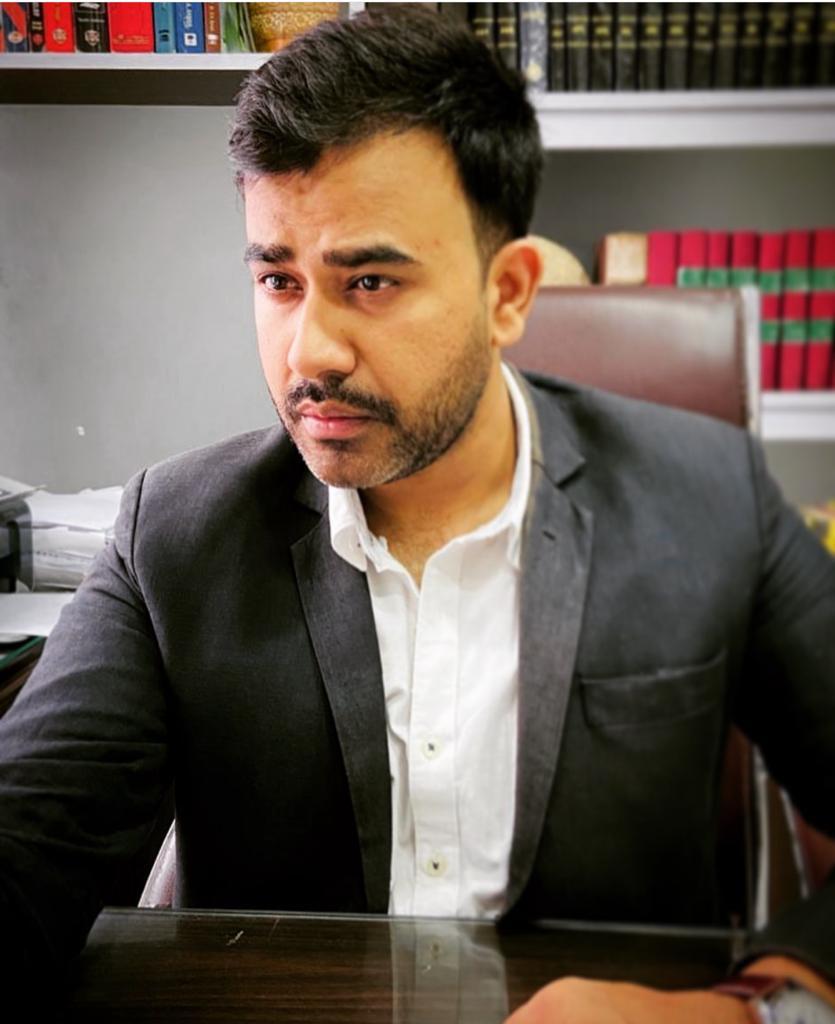

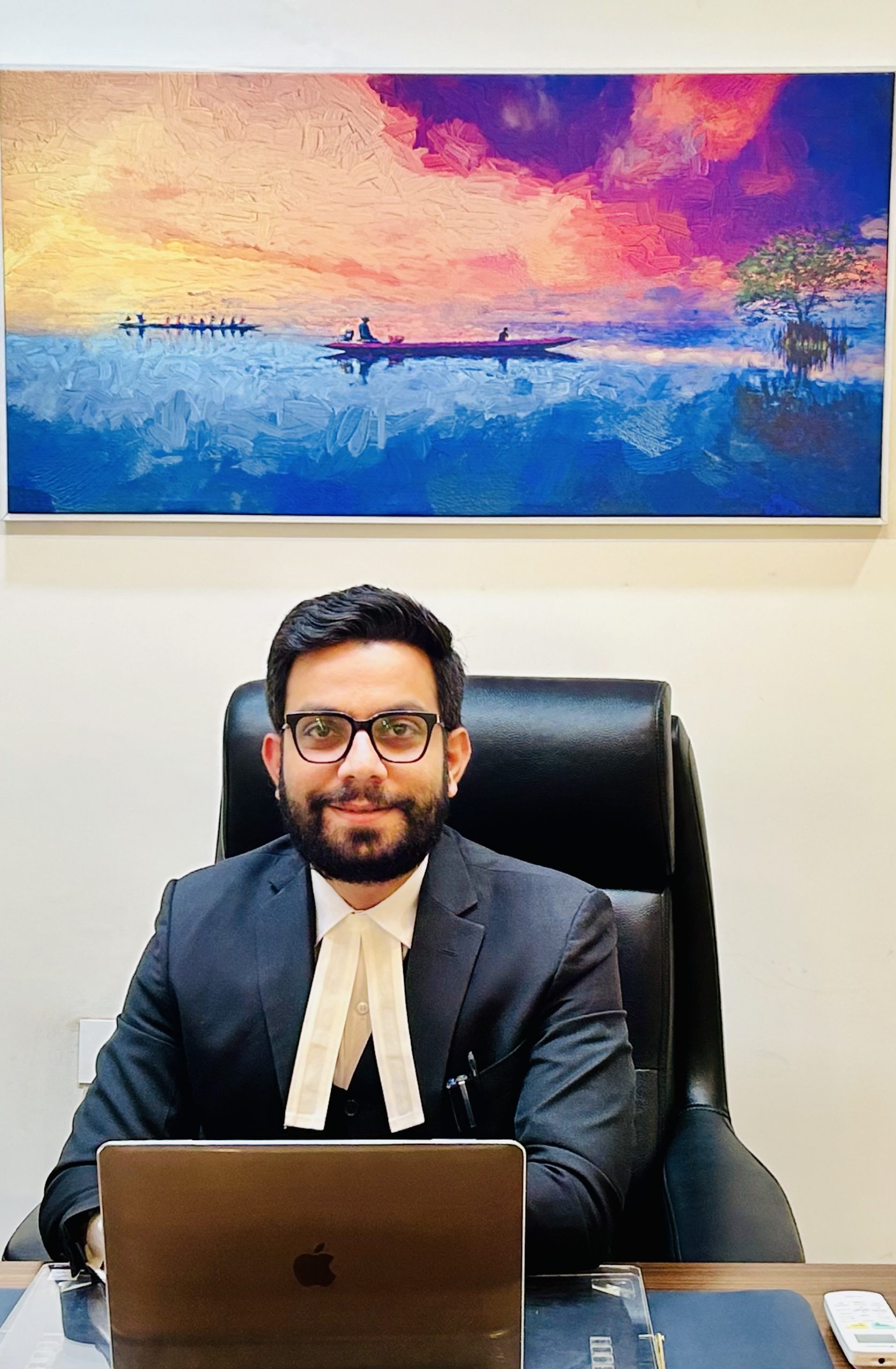







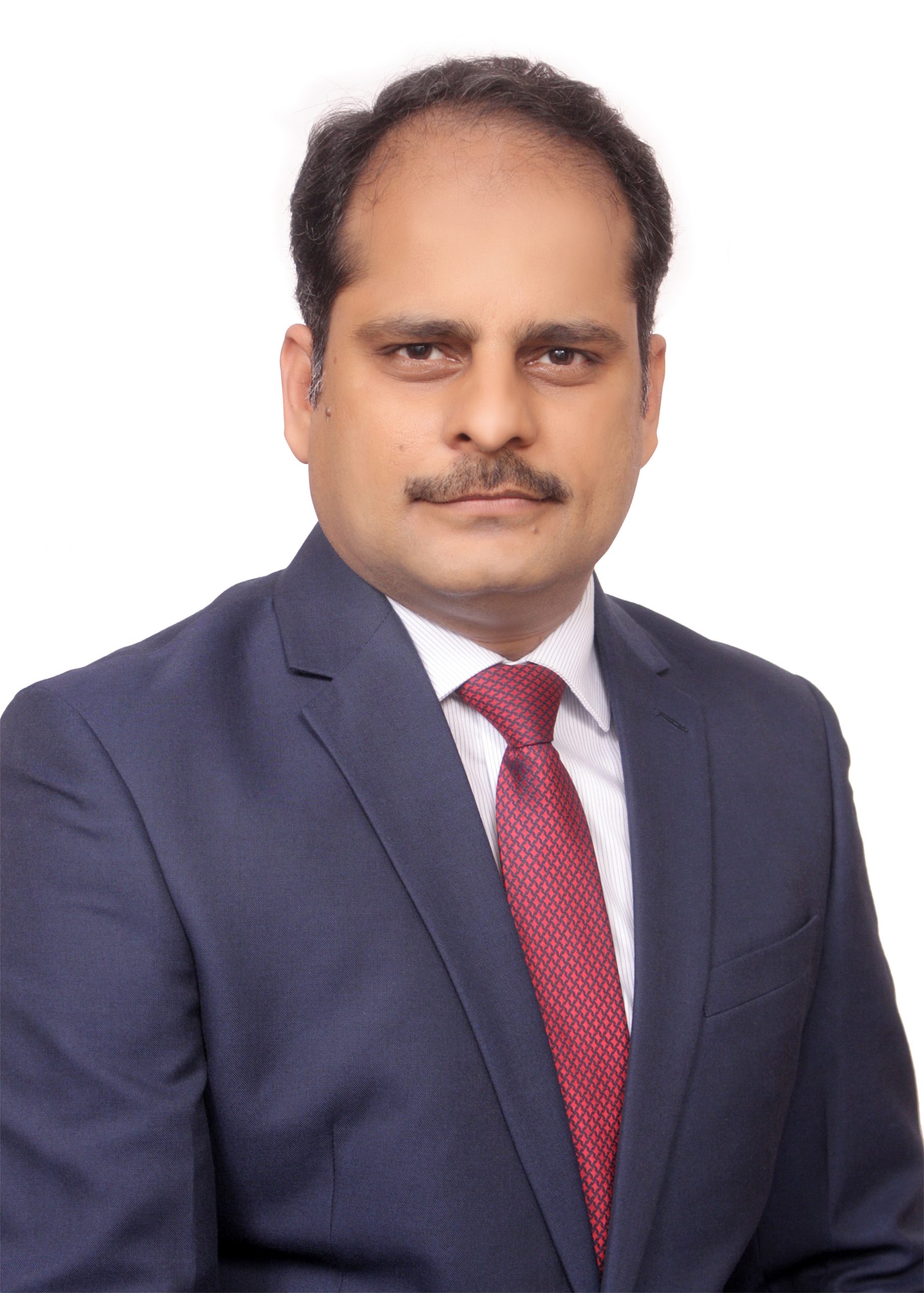



 Allow notifications