Blog

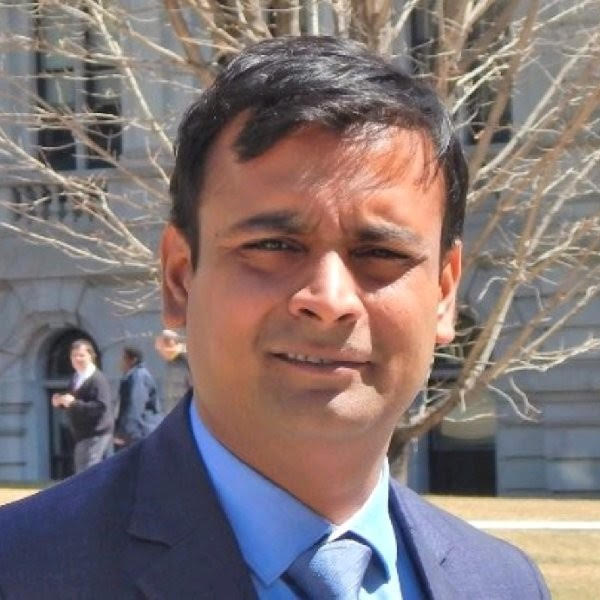
  • “Today our societal norms and values are seeing rapid changes and thanks to technological advances and social media, people are voicing their concerns more openly and are constantly connected”- Ashish Kumar, Partner, Jurisperitus Law Offices

    “Today our societal norms and values are seeing rapid changes and thanks to technological advances and social media, people are voicing their concerns more openly and are constantly connected”- Ashish Kumar, Partner, Jurisperitus Law Offices

    This Interview has been published by Pragya Chandni and and The SuperLawyer Team

    Your academic journey includes studying law both in India and the USA. How did these diverse educational experiences shape your perspective on the legal profession, and how do you think it contributed to your success in the field?

    While the principles of law are more or less the same everywhere, the manner in which the law is taught varies. It is however the overall experience that enriches you. In India, we studied law from the perspective of the statute and its applicability in different kinds of situations; in the USA we did case studies and advanced our reasoning of the applied law on such cases. What was different was the vast networking opportunities offered even at the institutional level in the USA when compared to India. Some of the friends I made then are now well established and recognized in the legal field and at senior positions in some of the top law firms and in-house. 

    With expertise spanning commercial litigation, arbitration, consumer protection, real estate, and more, how did you decide on such a diverse legal practice? Can you share a pivotal moment or experience that influenced your decision to specialize in these areas?

    My initial interest as a student of law was on the corporate side. I was during the time fascinated (like many students) of the work that corporate lawyers did, the transactions, the numbers etc. But as destiny would have it, after enrolling at the Bar and working for one year as a corporate lawyer, one day in court was all it took. Since that first day in court, I have not looked back while I may admit that I still do general corporate work as well. With respect to specialization, while there was no specific pivotal moment as such, I never wanted to be limited to only one particular area. I have enjoyed all that the learning that the profession has had to offer me. While some may argue a specialization has its own advantages, which I do not doubt, I know that there are many people who feel limited in their ability/outreach because of the specialization whereas I on the other hand am very comfortable appearing before various judicial and quasi judicial fora in different kinds of matters. I am as comfortable appearing before a Consumer Commission in a consumer matter as I would be before the National Green Tribunal in an environment related issue or before the High Court or Supreme Court for a commercial/contractual dispute. 

    As the head of the “Japan Desk” at your Firm, you handle the firm’s Japanese practice. Could you elaborate on the challenges and rewards of managing international legal matters, and how does it tie into your broader practice areas?

    Japan has been very close to my heart for a number of reasons. Not only is the country a close ally of India, the two nations have seen significant growth in bilateral relations through trade and commerce, culture and in the recent few years – cuisine. Anyone who has had the good fortune of being connected or has worked with Japan one way or the other would agree that the experience completely changes the person for the better. From the time I started more than 10 years ago to now, I can confidently say that it has been a rewarding experience. The Japanese build their relationships on trust and respect. If you can earn the respect of a Japanese person, you have earned yourself a lifelong friend. They are very thorough and extremely professional in their approach, which is what is also expected by them from their counsel. Unlike in India, where being late by 10 – 15 minutes for a business meeting and by almost an hour at parties is considered normal, Japanese value and respect your time. You will always see them arrive 10 minutes before the scheduled time so as to timely start the meetings. In case you require assistance, they will go out of their way to ensure that they can help you. Every trip to Japan or my interaction with a Japanese person has taught me something new. At the Firm we follow the policy of ‘Kaizen’ which means continuous improvement. We believe in the combined and collective talents of all our team members irrespective of position or rank, to propel growth of the Firm and to continuously improve ourselves in order to better cater to the needs of our clients. We advise and represent from time to time many Japanese companies including the sogo soshas in their business activities in India apart from hand holding companies that wish to come to India. Japan has a significant investment in the Indian market which is only going to grow with time and we are proud to be a part of this growth story.      

    You’ve had notable achievements, such as being one of the youngest Additional Advocate Generals and receiving recognitions like the 40 Under 40 Rising Star (2023) by Legal Era and 40 Under 40 (2022) recognized lawyer by BW Legal World. How do you balance leadership responsibilities with the demands of your legal practice, and how has this contributed to your professional growth?

    What I am today is the blessing of my seniors who mentored me and my peers who gave me their wholehearted support. Like you cannot clap with one hand, similarly every success story cannot involve only one individual. I have been very fortunate to have been honed by some of the best mentors and seniors in the profession. Growth is never constant and every turn brings with it a new meaning. I was taught to take responsibilities head on from a young age and with such responsibilities also came leadership positions. After a certain stage in life, professional growth does not remain limited only to how well you can execute or how much business you can develop. Professional growth is how you are perceived by your peers and seniors in the profession, by your clients and friends from various walks of life, how much you have contributed back to society and how well you trained your juniors. Ultimately all these and more factors will shape and determine the growth of an individual.

    As far as balancing leadership responsibilities with demands of the legal practice is concerned, it is all inter connected and you cannot fix timelines in a day for either one of them. As the great Mr. Fali Nariman, Ld. Sr. Advocate has said, for lawyers there is no start and end time. You cannot look at the watch and say it is time to go home.

    Given your involvement in diverse leadership roles and professional activities, including being a former Member of the World Economic Forum’s Global Shapers Community and young leader of the Science & Technology in Society Forum (STS Forum) of Japan, how do you see the intersection of law and broader societal issues? How has this influenced your approach to your legal practice?

    Law is one of the most noble professions, second only to that of medicine/doctor. To a great extent our legal system is based on our societal values and beliefs. Today our societal norms and values are seeing rapid changes and thanks to technological advances and social media, people are voicing their concerns more openly and are constantly connected. The Judiciary plays a very critical role in keeping a fine balance between past, present and future requirements of the evolving society. As officers of the court, it is our duty to the best of our ability, to represent and raise the voices of concern of our society, to be the voice of those who are unheard or have limited or no access to justice. The World Economic Forum as well as the STS Forum act as a strategic partner and platforms respectively for world leaders, policy makers, members of the business and professional community to come together, discuss and debate on a host of issues concerning our global society as a whole. The Global Shapers Community was promoted by Klaus Schwab to encourage and train the young leaders of tomorrow. We discussed, debated, raised concerns, held key discussions and representations with those in power, on a number of issues. The result was that we as individuals also got more sensitized to the ills of society and in one way or the other pledged to ourselves to try to make a difference. Similarly, the STS Forum is an excellent platform which discusses the environment, carbon footprint and the rapid growth of technology and AI all of which require regulations and safeguards. These discussions are important from a legal perspective as well as we are able to look at law concerning these areas not only from the point of view of what the law says but holistically for the larger good of society. 

    You’ve successfully represented the State of Rajasthan before the Supreme Court of India and the High Court of Delhi. Can you share a challenging case you’ve worked on and the strategies you employed to secure a favorable outcome for your client?

    You need to do your best for the client. The outcome is the destiny of the client. There have been many challenging cases. But to briefly share, two in specific –  one of the first cases that I had handled and was led by Dr. Manish Singhvi, Ld. Sr. Advocate, pertained to the exercise of powers of the Government in creation / demarcation/ reorganization of the boundaries of gram panchayats and panchayat samities under the provisions of the Rajasthan Panchayati Raj Act, 1994. A constitutional question was involved as the Hon’ble High Court, contrary to the clear bar under Article 243(O), had interfered with the powers of the State Government to perform such exercise. As there was more than one notification, however all notifications connected with each other, the Hon’ble High Court in the impugned order while taking cognizance of the bar under Article 243(O) for one notification, held the other notifications to be void, therefore making the impugned judgment mutually contradictory. We had successfully argued in the Supreme Court that the constitutional bar would equally apply to all notifications and since the elections were around the corner had also obtained a stay on the order of the Hon’ble High Court. This was a matter of critical importance given the significance as well as the timelines. I remember the entire team had worked day and night to get the SLP ready and filed before the winter vacations of the Hon’ble Supreme Court.

    Another interesting matter inter alia involved the argument on the applicability of the doctrine of “proof beyond reasonable doubt” / rules of evidence which govern a criminal trial, in a disciplinary/departmental enquiry. On behalf of the State, I had argued that unlike in a criminal trial, a disciplinary enquiry was not mandated to be governed by the rigor of the said doctrine and that only “preponderance of probabilities” was sufficient to establish guilt in a departmental enquiry. It was argued by the Respondent that since he was acquitted in a criminal trial therefore he should be reinstated in the services. On behalf of the State, while arguing on the applicability of the doctrine above mentioned to departmental enquiries a distinction was also made on the basis of an acquittal which was “honorable” and one which was on the basis of “benefit of doubt”. On the basis of law and arguments on facts, a favourable order was obtained for the State. 

    The strategy adopted for every matter is simple. Know your facts well. Read every document line to line, word to word and understand the implication. Once the facts have been mastered, read and analyze the law and then the judgments both in favour as well as against. Once all three things have been done, you will be in a better position to frame your arguments. I have always made hand written notes for my arguments by bifurcating various arguments and supporting each argument with relevant facts and case law. As an officer of the court it is also your duty to inform the court of any law (judgment) which may be against you and also to do our best to try to distinguish the facts of that matter from yours. Additionally, I always look at the Supreme Court first for judicial precedents. Being the top most court, the decisions are binding on all courts below. Further, in case you are relying on a judgment/order of a High Court or a Tribunal/Commission for matters before such forums, it is imperative to do a check on whether the order/judgment relied upon has been challenged/appealed or stayed or upheld. You do not want to be caught in a situation where you are relying on some law which is no longer applicable. But the first principle is to know your facts. If you are not fully aware of your facts you cannot apply the law. Last but not the least, you have to wear the hat of your client and think why certain contracts/clauses (in case of a commercial matter) were drafted. What was the intention? Once you understand this, you will be able to better understand and appreciate a document in the context of the issue at hand. 

    In addition to your legal pursuits, you are passionate about technology, automobiles, AI, and space science. How do these interests intersect with your legal career, and do they influence your approach to handling cases or advising clients in specific industries?

    Not everything of interest or passion needs to intersect with the career. Having said that, AI is fast gaining importance in the legal field and we all need to be updated with the rapid changes in the field of technology as well as adopt them. AI is a great facilitator with respect to time management, case management and research. However, in the argument of AI vs the human brain, the latter will always prevail. Through technology, it has become easier to get more information to keep one better informed and better prepared. Since time is precious, we have consciously been using various interfaces for virtual conferences to avoid the need to travel either for the client or for the Firm’s counsels, unless absolutely necessary. The Chief Justice of India is a great source of inspiration and encouragement when it comes to technology. Thanks to his persistent efforts to make our judicial system technologically sound, we are able to represent more clients in multiple forums in a timely manner, clients sitting in far away places can participate in the proceedings and see first hand how their matter is progressing instead of solely relying on the word of the counsel, the pressure on physical infrastructure will also with time ease as more and more judicial and quasi judicial fora get technologically sound. With respect to advising clients in specific industries, since I like to understand about technology, I make a special effort to study and understand how my client’s business, machines, industry etc. works. If you are a commercial practice lawyer, it is very important for you to first understand your client’s business and its functioning. Once this is understood you will find yourself in a better position to represent the facts before a court. My other passions, such as automobiles or space science have nothing to do with the profession. I love cars from classic to modern. But I feel that automobile designers in their pursuit for making something different are losing the touch of designing beautiful cars that are pleasing to the eyes as they once were. The study of space and life beyond what we know, the thought that there are other life forms somewhere far away more advanced in every sense than us, has always fascinated me.   

    Finally, drawing from your diverse experiences and achievements, what advice would you give to law graduates entering the field today, especially those interested in pursuing a path similar to yours?

    No path is easy or difficult. You need to have patience and give yourself time to grow. Today I see a trend where law graduates tend to quickly shift from one place to another within a span of 6 months to a year if not less. There is an assumption that one has learned everything one could in this time span. This is not correct. Knowing a particular section or 10 cases for reference is not knowing the law. To evolve as a lawyer you need to be consistent and stable. The sections will always remain, what will change is how you interpret and apply them to different fact situations. That is when you will derive a new meaning. Litigation is an exciting field. Everyday is a new day to learn, to absorb, to experience. My advice to the law graduates looking to enter into this practice would therefore be that they do not restrict themselves to only one court. They should gain experience in all courts. If someday you do not have a matter assigned, take out time and just sit in a courtroom and absorb the proceedings. Understand how the Courts are seeking clarity/asking questions, how the counsels are arguing, how the law is being applied. Specially sit in your respective High Court’s and if possible the Supreme Court and hear the arguments of some celebrated Senior Counsel’s. There is a great deal of learning. The more hands-on experience you will have the better you will learn. In addition to this, never stop reading. We have very good reference books on all areas of practice and subjects which explain concepts clearly. Take out at least one hour every day to spend on reading reference books as well as new cases to enhance your knowledge. Further and most importantly, practice your oratory and legal writing. No amount of knowledge will be beneficial if you cannot fluently put it on paper or argue in court. Last but not the least, take criticism or review in a positive way. The fact that your mentor/senior/colleague has taken out time to point out mistakes is a blessing in disguise meant for you to reflect on and improve.

    Get in touch with Ashish Kumar-

  • “One must dive into the ocean of cases to understand the real intricacies and interpretation involved in Law.” – Pawan Reley, Advocate-on-Record, Supreme Court of India.

    “One must dive into the ocean of cases to understand the real intricacies and interpretation involved in Law.” – Pawan Reley, Advocate-on-Record, Supreme Court of India.

    This interview has been published by Namrata Singh and The SuperLawyer Team

    Reflecting on your journey from law school to becoming an Advocate-on-Record at the Supreme Court, what were the pivotal moments that shaped your career?

    “Qabza dila diya mujhe mere makaan ka

    Mere jo hain vakil adeem-un-nazeer hain

    Poochho jo unki fees, tou ab us makaan mein

    Khud hazrat e vakil rihaaish-pazeer hain.”

    -Anwar Masood

    (English Meaning-

    “My lawyer helped me get possession of my house.

    He is blessed with unmatchable foresight. The fees, however, were so high that it cost me to cover the house itself.”

    The aforesaid lines I came across in my law school days stirred a profound transformation within me, redirecting my aspirations from a corporate job towards the realm of practicing law and aiding those in need as much as possible. I harbored a persistent dream of exerting every effort to alter the public perception of advocates for the better.

    Though my odyssey of the profession of law commencing from law school has not been an easy one but an arduous endeavor. As I was a Hindi Medium Student, even in Law school I encountered myriad problems. I got back in two subjects (English and Economics) in my inaugural semester. My peers hesitated to form a moot team or collaborate on articles with me, exhibiting their professional reservations despite amicable personal relations. In that time some latent sense of inferiority had pervaded my psyche. I don’t blame anyone for this. As humans, everyone wants to be with the best, which I was certainly not in the sight of my colleagues. I decided to fight this and transcend these challenges. I made all possible attempts to hone my linguistic prowess after reading various literature and Judgements. I started writing various articles on different topics. I decided to become the only Speaker in Moot Court competitions to conquer the fear of facing the judges. Colleagues now started trusting me for all kinds of work. Ultimately, I topped my last semester and earned the accolade of Student of Excellence. While I secured a few placements, I opted to practice law in Delhi. I joined the office of my senior with a stipend of Rs. 10,000/- in the Supreme Court of India.  However, this was not enough to survive. I also realized that learning the trial court work for any first-generation lawyer is highly essential. Thus, I used to work in Trial Court from 9 am to 6:30 PM and earn Rs. 10,000/-, take personality development classes from 7:30 PM to 9 PM (Monday to Saturday) and earn Rs. 5,000/-, and then work for the Supreme Court drafting from 10 PM to 2 AM and earn Rs. 10,000/-. These circumstances fortuitously instilled in me resilience to confront challenges with unwavering resolve. I also initiated pro bono law classes for the underprivileged students for the preparation of Judicial Services Preparation from 2016. When people around reposed trust in me, they gave a few really challenging cases to fight. I tried my best and the same resulted in fortifying the trust of people in me.  I decided to write an AOR exam in 2023. My foundational academic expertise, cultivated through instructing judicial services aspirants, facilitated success in the AOR examination. In the legal profession, while supreme intelligence may be optional, mastery of patience remains an indispensable requisite.

    As someone who handles diverse cases, including civil and criminal, could you share an experience that was particularly challenging and how you navigated through it?

    Allow me to recount a pivotal case, which was like a litmus test for my tenacity and devotion to the legal profession. It was my first big case, which I got by god’s grace merely after seven months of my practice. I had a very small office in Pocket -2, Mayur Vihar Phase-I, Delhi. It was the evening of 12th of February 2016, which unfolded a narrative that would indelibly mark my legal journey. A group of around 8 to 10 people entered my office and told me that the Government of Delhi was cutting thousands of trees in the green belt area of Sector 15-16 Trilokpuri in order to build flats for the people whose land had been seized by the Delhi government for the Nizamuddin Metro project. Their plea was urgent, as the matter was slated for final arguments in the High Court on February 14. They implored me to initiate proceedings before the National Green Tribunal (NGT) on February 13 and concurrently file an Impleadment application in the High Court on February 14.

    Those people divulged to me that since they were unable to get other advocates to file the matters in such a short duration for a reasonable amount of fee, which led them to seek my assistance. They further asked me if I would be able to file the case in such a short duration before NGT and in the High Court. Undaunted, I seized this opportunity without a moment’s hesitation and said “Yes”. Despite lacking experience in filing Original Applications before the NGT and possessing no format for such applications, I committed myself to the challenge. They endowed me with three hundred pages of representation and other notices in Hindi. I enquired about the format of Original Application with other friends. My inquiries among legal peers yielded no guidance, as they were unacquainted with NGT proceedings.

    I knew that it was a daunting task to go through the entire file and draft the application in a 12-hour window. I read the file till 5 AM the next day. I thought it was impossible for me to complete the same. I thought of giving up. I was quite broken. Faced with exhaustion and contemplation of capitulation, I discerned a divine test of my dedication to the legal profession. Resilience prevailed, I again started working and completed the draft by 10 AM without any sleep. I filed the matter before NGT after serving the copy of the case to five different counsels on the other side. I mentioned the matter and after fearless arguments secured the stay from NGT on the same day. Next day again I could not sleep because I had to file an impleadment application before the Hon’ble High Court. I filed the application just in time and it was allowed by the Hon’ble High Court. The bench, after giving me a patient hearing, held that it is the duty of the Government to provide home to the aggrieved persons but not at the cost of cutting trees.

    This case not only introduced me to local communities but also attracted independent clients seeking my advocacy. I share this experience as a testament to the crucible moments faced by young advocates. In the face of adversity, it is imperative to rise, sprinting with unwavering determination, for it is the endurance forged in such crucibles that propels young advocates forward in this demanding profession.

    Your book, “Iudexcracy vs Democracy: Revisiting Fourth Judges Cases,” is noteworthy. What motivated you to write it, and what key message do you hope readers take away from it?

    My fervent inclination to contribute to this work predates the NJAC case escalation to the Apex Court.  As a law student, I harbored a profound interest in Constitutional law, initiating my engagement with the field early on. With guidance from seniors in Law school, I started writing articles and presenting papers from my first semester itself. In the beginning of sixth semester, my team participated in a Moot Court competition centered on Judicial Appointments and the National Judicial Appointments Commission (NJAC). Later in my final year, I thought of extending the research on Judicial Appointments and NJAC through my dissertation. When I graduated from law school and started practicing law in Delhi, I found that the 99th Constitutional Amendment Act, 2014 along with NJAC Act had been passed in Parliament and the same had been challenged in the Supreme Court. My co-author (who was interning in the Supreme Court at that time) and I diligently used to observe daily proceedings every day from 10.30 AM to 4 PM captivated by the profound legal minds presenting eloquent submissions. Amidst this intellectual panorama, we envisioned ourselves as solitary islands, fervently desiring to contribute our perspectives to this ongoing debate. Our initial intention evolved into a more concrete idea – encapsulating our insights in the form of a book. Then, we were astonished to see the voluminous judgment consisting of more than 1,000 pages. Undeterred, we scrutinized it meticulously, identifying flaws that spurred our decision to conduct a critical analysis. The book meticulously explored judicial appointment procedures in other nations, drawing comparisons with the Indian context. It articulated arguments both for and against the basic structure doctrine, delving into its genesis. Additionally, the book elucidated arguments supporting the constitutionality of the NJAC with few suggestions. The book lauded the dissenting opinion of HMJ Chelameswar and called him an unsung hero because he was the only judge who fearlessly maintained in his dissenting opinion that there is “nepotism” in the judiciary.

    Winning the Atam Samman and the Udbhav Cultural Award reflects your significant contributions to the legal field. How do you handle the balance between a successful legal practice and your role in academia?

     I am really humbled and honoured to receive these awards. It is my deep interest in academia which has given wings to my legal practice granting me a multifaceted perspective.  When any academician studies any law subject for teaching the student, he studies that from beginning to the end. Thus, whenever I find any case to represent in Court be it Civil or Criminal, where interpretation of any provision is required, I in the dual capacity of academician and practicing lawyer can see various angles which may sometimes be overlooked by few practicing lawyers. As far as I have researched, almost all legendary advocates and Judges have been great academicians. For instance, Shri Nani Palikwala, despite his busy practice, used to devote his time to teaching law to students and was a part-time Lecturer at Government Law College, Bombay. He endeared himself to students by his clear exposition of the subject—always with a dash of humour and eloquence (At that time he was lecturing on the Evidence Act.). 

    I would like to narrate one of my real stories which is connected to academics and legal practice. In the year 2017, when I was waiting for my item to reach before one Single bench in Delhi High Court, one of my colleagues at the Bar was making his submissions before the Court that he sent the representation to the Government. Then the Ld. Judge posed him a question that, “When a Communication of proposal and acceptance is complete and under what provision of law is it provided?”

    Then my colleague at the Bar started referring to some Judgements. The Court specifically pointed out that it does not want judgement but provision of law. When the counsel could not answer, Court posed the same question to the members of the bar present in Court to be answered. Upon receiving the opportunity I raised my hand and answered the question, as at that time I was teaching my students Indian Contract Act, 1872 only.  The court, acknowledging my response, expedited my case, demonstrating the tangible benefits of a robust academic foundation in legal practice. I believe that the marriage of academia and legal practice is indispensable for cultivating a flourishing and enduring legal career.

    Your involvement in guiding judicial services aspirants pro bono is commendable. How important do you believe it is for legal professionals to contribute to legal education and mentorship?

    If you have knowledge, let others light their candle in it.-

    Margaret Fuller

    There is really a dire need in the Society of the “good legal professionals”. I regularly interact with Law students across the country. I feel that they really want to study and aspire to be good advocates but lack proper guidance and mentorship, causing them to veer off course in their pursuit of legal excellence. Problem is many law students are neither given proper practical insights by their law college nor guided by any experienced law professional. One can become a good legal professional only when one gets proper guidance, right mentorship and proper exposure to the law field. Study confined to four walls of law school is not sufficient. One must dive into the ocean of cases to understand the real intricacies and interpretation involved in Law. It is the bounden duty of all experienced legal professionals to extend a guiding hand and to give back to Society whatsoever limited they have.  It is the duty of the Law professionals to instill the sense of honesty, integrity and confidence in the young minds for their future. This noble profession demands a commitment to service rather than a mere quest for financial gain, and imparting these values to aspiring lawyers is pivotal.  I request all law professionals through this platform to treat law students with respect even if they don’t know anything. They don’t know that is why they are students. Don’t neglect or demean them even if they do not have the basic understanding of law. They would be natured and nurtured through your profund guidance.

    You recently spoke at TEDx. Could you share the central theme of your talk and any key takeaways you want the audience to remember?

    My TEDx talk was not related to Law or the legal profession. It ventured beyond the legal sphere. The title of my talk was “Why we need to relearn the art of Crying”. It was related to the perception with which we should see the world. I have discussed why we need to let go of our ego, and why it is required to leave everything on nature when we have already acted and when our true faith and the situation has gone beyond karma. I discussed how this nature gives you everything without even demanding it. My talk emphasized the superpower of crying. It explains why respect and power of this world lies under softness (in Hindi “Komalta”) and not under hardness (in Hindi “Kathorta”), and thus why you need to be soft and gentle. I would to place the Urdu couplet from Habib Jalib which matches my TEDx talk and is apt for the people with ego considering themselves as God specifically in the field of law:

    “tum se pahle vo jo ik shaḳhs yahāñ taḳht-nashīñ thā 

    us ko bhī apne ḳhudā hone pe itnā hī yaqīñ thā”

    “ab vo phirte haiñ isī shahr meñ tanhā liye dil ko 

    ik zamāne meñ mizāj un kā sar-e-arsh-e-barīñ thā”

    Outside of your legal endeavors, what are your personal hobbies or interests that help you unwind and find balance in your busy schedule?

    Beyond the legal realm, I find solace in playing Chess. It is like a booster dose for me. I also love indulging in the rich tapestry of Indian Philosophy (Bharatiya Darshan) from Charvak Darshan to Mimansha Darshan etc. In my free time I also read old Hindi Literature. Nowadays, I have immersed myself in the world of Munshi Premchand as I am reading his novel namely Gaban. It soothes my mind as it takes me to the old lifestyle of the village and makes it dreamy and nostalgic at the same time.

    What advice would you give to aspiring legal professionals, considering your own experiences and the evolving landscape of the legal field?

    I will give the following advice:

    1. Find your right mentor:

    The first and one of the most difficult challenges for any young advocate who wants to dive into law practice is to find his/her right mentor who is not only a good lawyer but also a good human being. A mentor who gives his juniors the opportunity not only to seek adjournments and conduct research but also to argue some small matters in the beginning of his practice. A mentor who does not disrespect his juniors and can show his junior the right path and guide him in case of any need. Thus, the journey of finding the right mentor should start from the first year of law school itself.

    1. Read Judgements consistently:

    Cultivate a practice of reading judgments every day. There should not be even a single day when you have not read any judgement. Take small judgements in the beginning and not the long judgements like “Keshavanada Bharti (1973)” or “K. S. Puttaswamy (2017)”. Completing small judgements will boost your confidence. Keep reading it for 6 months without having any expectation. Reading judgements will improve your drafting skills, court language, legal vocabulary, interpretation of law, knowledge, and communication of law.

    1. Do anything and everything to improve your communication Skills:

    Recognize that effective communication is as vital as legal knowledge, with the ability to express ideas clearly a hallmark of a successful lawyer.

    1. Try to have positive social media presence specially if are first generation lawyer:

    Harness the power of social media specially if you are First generation lawyer, but with caution, ensuring accurate and verified information to avoid negative repercussions.

    1. Try to start your practice from Trial Court or at least learn the work of Trial Court specially if you are First Generation Lawyer:

    There are a very limited number of cases which come to the Supreme Court. Thus, the first-generation lawyers who start practicing in the Supreme Court find it difficult to survive after four to five years of practice as they get very few cases. I have witnessed many first-generation lawyers leaving practice and joining firms or companies with meagre salary because of high instability in their legal practice leading them to depression and anxiety. Thus, as far as my opinion and experience is concerned, for first-generation lawyers, gaining experience in Trial Court work is crucial for survival and growth in the legal profession.

    1. Embrace hard work, dedication, and patience: 

    These virtues are the cornerstone of success in the legal profession, fostering resilience and long-term prosperity.

    Get in touch with Pawan Reley-

  • “To be a successful professional one has to have a fire in the belly and eyes on the target.” – Embark on a journey through the professional milestones of Prakhar Sharma, General Counsel of Kotak Alternate Asset Managers

    “To be a successful professional one has to have a fire in the belly and eyes on the target.” – Embark on a journey through the professional milestones of Prakhar Sharma, General Counsel of Kotak Alternate Asset Managers

    This interview has been published by Namrata Singh and The SuperLawyer Team

    Could you share a bit about your professional journey, from your early days in the legal field to your current role as General Counsel at Kotak Alternate Asset Managers?

    I still remember that when I started my career as an intern, the first task assigned to me was to draft a joint venture agreement and I had no clue what to write in the contract other than the name of the parties ! Unfortunately there was no google to help so it took me a week to do my research and then draft my first contract at work which was quite appreciated. 

    I’ve grown up with middle class values and started my professional journey from ground up, whether it was drafting contracts or plaints, attending courts, doing legal research or conducting due diligence exercises. 

    Subsequently, my international experience of leading complex cross border M&As as well as handling litigations in foreign courts further helped me in taking a more holistic approach on various legal issues. 

    Legal profession has gone through a sea change in the last two decades. Advent of technology and evolving regulatory framework has made the profession quite interesting. While complexities may have increased, the fundamental principles remain the same.

    As someone who has successfully navigated the realms of litigation, dispute resolution, and complex investment banking transactions, how do you approach the challenge of balancing these contrasting worlds, and what strategic approaches have you found effective in doing so?

    It’s just like when we are in school, we learn all the subjects with the object of excelling in each one.  As a chartered accountant I love finance and numbers that helps me understand complex business transactions, while law has been my passion. So I’ve always adopted a holistic approach towards managing litigations as well as investment banking transactions. I believe that every contract, at inception itself needs to be analysed with the “what if this were to test the courts” scenario to ensure it is robust.

    You’ve been a key player in numerous cross-border M&A deals, private equity transactions, and capital market transactions. What insights can you share about the evolving landscape of such transactions, and how do you stay ahead of the curve in this dynamic environment?

    M&A and private equity deals have definitely become more complex and that is because the business landscape is dynamic and the regulatory framework has to keep up with the changing pace. But the root of even the most complex deal is a simple business transaction. The effort should be to understand that underlying basic transaction and the rest will fall in place.

    Technology is another aspect that one needs to imbibe in the legal profession, as early as possible, to stay ahead of the curve. Use of central repositories, data analytics tools, AI have become a necessity for developing and analysing various alternatives for strategic decision making.  

    Your involvement in the CII panel for insolvency and bankruptcy laws showcases your thought leadership. How do you contribute to industry forums, and what motivated you to recently publish a research paper on IBC in the Insolvency & Bankruptcy Board’s publication “Anusandhan” (2022)?

    I regularly contribute to various industry forums through paper presentations in various seminars and conferences, writing articles in books and journals, providing my inputs on policy matters to market regulators and government bodies through discussion papers etc. This also helps me in staying updated on the latest market as well as regulatory trends.

    I have been actively practising and advising on matters relating to the Insolvency and Bankruptcy Code (IBC) for quite some time now and my research paper on IBC, which got published, was an attempt to discuss the emerging trends in the bankruptcy law.

    You’ve achieved notable success in NPAs recovery and litigation at Kotak Mahindra Bank. What challenges do you typically face in these areas, and what principles guide your approach in dealing with complex cases?

    Litigations whether in relation to contractual breaches or NPA recoveries are like edge of the seat thrillers which keeps you hooked on to them till the climax i.e till a final court verdict is not received. One has to pursue each matter diligently on its own merits till the last. Like one of my seniors once aptly put it “there are only a few arrows available with you in your armoury, the trick is to know which one to shoot and when to shoot”.

    Apart from your professional achievements, you’ve been awarded the “Super Mentor” in the ‘Evolve’ Mentoring Program at Kotak Mahindra Bank. How do you approach mentorship, and what advice do you offer to mentees aspiring to succeed in the legal and banking industries?

    “Evolve” was an excellent initiative by Kotak Mahindra Bank, in which there was a mentor assigned to each mentee for a year. The aim was to create an informal, meaningful and interactive relationship between the mentor and the mentee to ensure that the mentee is able to utilise the practical insights from the learnings and experience of the mentor. 

    I believe it’s very important that one constantly shares one’s  learnings and experiences with their team members and younger colleagues. This is a two way process in return one also gets to learn from their experiences.

    Now, as the General Counsel at Kotak Alternate Asset Managers, what aspect of your current position excites you the most, and how do you foresee the future of PE in India evolving?

    Being a part of the strategic decision making process and acting as a business enabler is quite exciting. The role of the General Counsel is that of a “solution provider” and not that of someone who merely “identifies a problem”. Everyday brings new challenges and learnings, so I feel like a student going to school and eager to learn something new.

    The PE industry has just started shaping up in India and galloping its way to stand in line with banks and NBFCs as a major source of capital for the industry. A lot can be credited to the “India Story” and the continuous economic reforms coupled with conducive regulatory framework that has drawn the investors towards alternate assets (PE investments). Kotak Alternate Assets, being the largest domestic asset managers today manages assets way over USD 18 billion ( AUM exceeding USD 18 billion). What is now required is that this momentum should carry on.

    How do you unwind or indulge your personal interests to maintain a healthy work-life balance, and could you share a bit about your hobbies or leisure activities?

    I like reading and watching movies. One can relate to a lot of work life scenarios from books and movies and they can serve as a good break out from the monotony. My other passion is sports, and whenever I get a chance, I play badminton and squash. It’s a natural stress buster.

    Given the evolving landscape, how do you see technology influencing the legal profession, especially in areas like alternative assets?

    Technology now plays a key role in the legal profession and alternative assets is no exception. We leverage standardized templates for most of the routine contracts and maintain centralized repositories. Proactive communication with all stakeholders is a must to ensure clarity and consistency throughout the investment lifecycle. With continuous risk analysis, transparency, and data-driven insights, we optimize efficiency and resource allocation. One can remain ahead of the curve by continuously learning and embracing emerging technologies.

    Given your extensive experience and expertise, what suggestions or advice would you offer to the upcoming generation of legal and financial professionals, especially those aspiring to take on leadership roles in the industry?

    I believe that to be a successful professional one has to have a fire in the belly and eyes on the target. A constant hunger for work and learning and by working I mean working smartly, hard work is a given. 

    Get in touch with Prakhar Sharma-

  • “With India experiencing rapid growth, witnessing a surge in startups and companies undergoing transformations, there is a burgeoning demand for M&A and related expertise”- Corporate Lawyer Sandip Patil

    “With India experiencing rapid growth, witnessing a surge in startups and companies undergoing transformations, there is a burgeoning demand for M&A and related expertise”- Corporate Lawyer Sandip Patil

    This Interview has been published by Pragya Chandni and and The SuperLawyer Team

    Can you provide a brief overview of your journey in the field of law, from your educational background to your current role as an in-house Legal Advisor?

    My journey began with a passion for Indian civil services, steering my interest towards law despite an initial background in mechanical engineering. Pursuing a law degree from the University of Pune, I prioritized learning over grades, delving deep into various legal dimensions through diplomas, certifications, and practical experience. Working extensively in real estate law before completing LLB, I continued to expand my expertise in diverse legal areas—Civil, Criminal, Family, Consumer, Cooperative, Commercial, Labour, and Finance. 

    Joining a Pune-based law firm with a broad spectrum of cases but limited manpower allowed me to rapidly acquire extensive knowledge. Transitioning to a corporate role in a Singapore based company, specializing in commercial, legal, and financial advisory for startups, exposed me to a new realm of laws such as Corporate, Intellectual Property Rights (IPR), and Cyber Law. 

    Currently, as a Legal Advisor in a cluster of companies, I handle multifaceted legal responsibilities spanning litigation management, corporate agreements, Real Estate law, IPR, Data Privacy, compliance, and due diligence. 

    In your experience at Bluebox Consulting Pte. Ltd. in Singapore, how did you handle entity creation, management, and dissolution, especially in the context of startup operations?

    During my tenure at Bluebox Consulting Pte. Ltd. in Singapore, I navigated entity creation, management, and dissolution within the startup landscape. Singapore’s legal and corporate procedures are notably straightforward, featuring user-friendly applications and streamlined processes that were quick to grasp and integrate into operations. Compared to India, the procedures are notably simpler and less cumbersome. Working closely with government agencies like ACRA & IRAS was a delight; their support further emphasized Singapore’s business-friendly ecosystem, which I found particularly favourable.

    How have skills such as Legal Research, Due Diligence, and Litigation Management been crucial in your day-to-day Work, and can you share a specific example where these skills were instrumental?

    In my current role, the company faces diverse litigations including SCC under section 138 of NI Act 1881, labor law cases, Special Civil suits, RCAs, among others. An instance that highlights the importance of my legal research skills occurred during a specific litigation where we needed case law to challenge the plaintiff’s authority to file the suit. Despite involving external counsel, my legal research proved pivotal. I uncovered relevant Case Laws that not only addressed the pertinent legal points but also showcased instances where the same individual involved in our case had committed a similar act in different cases across various High Court jurisdictions. This comprehensive research significantly contributed to our case strategy and defence.

    As someone with expertise in Contracts & Negotiation, what advice would you give to professionals entering negotiations for international agreements?

    For professionals entering negotiations regarding international agreements, I would emphasize the critical role of dispute resolution and jurisdiction clauses. Litigation costs in foreign countries such as the US and Singapore can be exceptionally high. Hence, incorporating arbitration clauses can significantly save on expenses and prove to be a more cost-effective solution.

    You have pursued various certifications, including a diploma in “US Corporate Law & Paralegal Studies.” How have these certifications enhanced your legal knowledge and skills in practice?

    These certifications I pursued, particularly the diploma in “US Corporate Law & Paralegal Studies,” have been immensely beneficial both in my current role and in my freelance endeavours. In my job, I frequently handle a diverse range of corporate agreements, many originating from foreign countries, necessitating a deep comprehension of international laws and procedures. This certification has served as a strong theoretical foundation that greatly supports and informs the practical work I undertake on a day-to-day basis.

    Pursuing a Diploma in Mergers & Acquisition is an interesting choice. How do you see this specialization shaping your future roles or contributions to your current position?

    Enrolling in a Diploma in Mergers & Acquisitions is a strategic investment in futuristic skills and opportunities. With India experiencing rapid growth, witnessing a surge in startups and companies undergoing transformations, there is a burgeoning demand for M&A and related expertise. I foresee this specialization playing a pivotal role in future roles or contributions, as M&A, being an extensive domain, already contributes, to some extent, to my current role, and I anticipate it will continue to be an asset as the complexities of M&A transactions become more prevalent in the professional landscape.

    Working at Prof. Vijayrao Kale & Associates, you dealt with a variety of litigation matters. Can you share an experience that significantly impacted your approach to legal advocacy?

    Sometimes, circumstances unexpectedly come to one’s aid. Learning directly from senior lawyers can be challenging, especially for first-generation lawyers like myself. In such situations, one must proactively seek opportunities and glean as much knowledge as possible despite facing repeated denials, frustration, and dissatisfaction.

    Fortunately, during my tenure at Prof. Vijayrao Kale & Associates, I encountered a wealth of diverse litigation cases at various stages. Despite the limited number of Advocates available to handle these cases, this situation placed a substantial burden and responsibility on me as a newcomer in the field. This pressure, however, became a catalyst for my intense learning process, and I embraced it wholeheartedly. Within a remarkably short span, I absorbed an extensive amount of knowledge and procedural insights. I acquired insights that an average lawyer might not gain even after five years in the field, all within a mere 1-2 years.

    While the pay scale was disappointing, the experience and knowledge gained were invaluable. This challenging environment became the breeding ground for exponential growth in my understanding and practical experience within the legal sphere.

    Considering your diverse experience in law, what general advice would you give to fresh graduates entering the legal profession today?

    Considering the diversity of experiences in law, my advice to fresh graduates venturing into the legal profession today revolves around the distinction between theoretical knowledge and its practical application. While understanding substantive law might seem more accessible, grasping procedural laws—often intricate and challenging to remember—poses a hurdle for beginners, especially first-generation lawyers.

    Newcomers commonly struggle in acclimating to law practice due to insufficient revision of procedural laws. In my view, it is crucial for budding legal professionals to focus on memorizing procedural laws—prioritizing the relevant and frequently used ones—right from the outset of their practice. This foundational understanding significantly eases the comprehension of court procedures and accelerates progress towards higher levels of learning within the field.

    Lastly, I would like to quote Roy Bennett for the first-generation lawyers,

     “Your hardest times often lead to the greatest moments of your life. Keep going. Tough situations build strong people in the end.”

    Get in touch with Sandip Patil-

  • “The key to realising  a dream is to focus not on success but significance, and then even the small steps and little victories  along your path will take greater meaning” – Jossy Cherian, Associate Advocate at Law Veritas : North

    “The key to realising  a dream is to focus not on success but significance, and then even the small steps and little victories  along your path will take greater meaning” – Jossy Cherian, Associate Advocate at Law Veritas : North

    This interview has been published by Namrata Singh and The SuperLawyer Team

    Could you share your journey into becoming a legal and social work professional, emphasizing how your professional and personal experiences have shaped your path?

    My journey into the fusion of law and social work has been intertwined with personal experiences, academic pursuits, and a deep-rooted desire to effect positive change in society. I started my career in 2013, after completing a degree in Law and Post-Graduation in Social Work. Over the last decade I have had the opportunity to work with government organisations, NGOs, private sector organisations and law firms in various capacities which has made my professional journey more meaningful & richer and quintessentially varied from most people in our line of work.

    My perspective has been significantly shaped by my parents, who have consistently demonstrated a strong commitment to giving back to society. Witnessing their compassion and advocacy for what is right has deeply influenced my own values and beliefs. Further I always believed and has been quoted by Oprah Winfrey that “the key to realising  a dream is to focus not on success but significance, and then even the small steps and little victories  along your path will take greater meaning”

    Since joining Law Veritas: North in 2021, you’ve independently led the litigation department of the Firm. Share insights based on your personal experience regarding the journey towards attaining professional success.?

    I hold the belief that the success of individuals within an organization is directly correlated with the quality of the work environment. Upon joining Law Veritas: North in 2021, I initially had reservations about committing to a law firm, uncertain about exclusively focusing on litigation, especially the one that predominantly dealt with banking and insurance. However, adhering to the notion that nothing happens by chance but rather as preparation for greater things, I embraced the opportunity.

    Initially, my decision to work at Law Veritas: North was rooted in logistical convenience. As a new mother, proximity to home was a priority for maintaining flexibility in my professional pursuits. Since joining Law Veritas North, I’ve experienced a work environment that is both challenging and supportive. I’ve received substantial support in achieving my professional goals within the organization, and my mentors have not only acknowledged but also actively promoted and encouraged my specific area of interest. Additionally, the trust and acknowledgment extended to me by my seniors served as a catalyst for improved performance. This, in turn, strengthened my commitment to steering the litigation department towards success.

    I also hold the view that passion and authentic interest in one’s work are essential and serve a pivotal role in setting goals and achieving success. Additionally, the continuous refinement of skill sets has become vital in reaching professional goals, particularly in areas such as networking, knowledge enhancement, technological adaptation, effective communication, leadership, initiative, and persistent hard work and dedication.

    Managing diverse responsibilities, from civil and criminal litigations to community development initiatives, requires effective balance. How do you navigate these various roles, and what challenges have you encountered?

    The process that may appear as navigating between roles actually, feels organic to me. In litigation, being selective about the type of work one engages in can be challenging. Regardless of the nature of the case, every case and every story holds numerous perspectives and untold truths about human life. 

    Navigating between cases as an advocate presents a multitude of challenges that require careful consideration and adept management. One such challenge lies in the diversity of legal matters an advocate encounters. Each case comes with its unique set of facts, legal intricacies, and client needs. This necessitates a constant need for adapting one’s approach, strategies, and legal arguments to suit the specific nuances of each case. Furthermore, the time constraints imposed by multiple cases can be demanding. Effectively managing and prioritizing cases while ensuring each client receives the necessary attention requires strong organizational and time management skills. Juggling the intricacies of various legal issues, court appearances, and client interactions requires a delicate balance to ensure the best possible outcomes for each case.  However, it’s crucial to bear in mind that achieving this balance often involves the collaborative efforts of a team, and success is truly achieved when all members work in harmony. 

    Additionally, the emotional toll of dealing with diverse and often sensitive legal matters is a substantial challenge. Advocates frequently encounter clients facing distressing situations, and maintaining empathy while remaining professional is crucial. Striking this balance requires emotional resilience and a nuanced understanding of the human aspects intertwined with legal issues. Moreover, staying updated on the evolving legal landscape, precedents, and statutory changes across different areas of law is vital. This continuous learning process ensures that advocates are well-equipped to provide the most effective representation and counsel to their clients.

    Beyond the legal realm, your passion lies in advocating for social causes. Could you share a specific initiative or project that is particularly close to your heart, and why?

    I have a profound passion for social issues, particularly with respect to child rights, which holds a special place in my heart. To advance this cause, I have actively involved myself in initiatives related to education, child health care, adoption etc. Through my efforts, my aim is to foster a fair and inclusive social environment for children across all segments of society.

    What adds to the significance of children for me is their vulnerability and complete dependence on others. Children have the potential to instigate positive change in numerous aspects of life. With appropriate guidance, education, and nurturing, they can evolve into responsible and compassionate individuals, making positive contributions to their communities and the global society. Ensuring their safety and creating a nurturing environment are fundamental societal responsibilities. To echo the words of Kailash Satyarthi, the Nobel Peace Prize laureate, “Every single minute matters, every single child matters, every single childhood matters.”

    Can you elaborate on the specific aspects of CSR and adoption that have had a notable impact on your approach and understanding of the legal landscape?

    In the realm of Corporate Social Responsibility (CSR), companies often align their practices with legal requirements, recognizing that adherence to laws and regulations is an essential aspect of responsible business conduct. 

    Furthermore, ensuring compliance with local, national, and international laws becomes imperative for businesses to fulfil their CSR commitments. As they embark on CSR activities, business entities must be cognizant of and adhere to these legal frameworks. The integration of CSR commitments into contractual agreements and legal documents further underscores the connection between CSR and law. For example, companies may incorporate specific clauses related to environmental sustainability, fair labour practices, or community engagement in their contracts. Failure to meet these CSR obligations carries the potential for legal consequences. Therefore, the relationship between CSR and law is intricate, encompassing various facets such as legal compliance, regulatory frameworks, contractual obligations, and the management of legal risks associated with social and environmental impacts. By incorporating CSR into their business practices, companies align themselves with legal expectations, fostering a more responsible and sustainable business environment.

    My tenure at the Central Adoption Resource Authority (CARA) provided a structured environment where I consistently prioritized children’s safety and well-being. Managing the entire litigation and legal aspects of inter-country adoptions added an exciting dimension to my role. It exposed me to intricate legal issues, particularly from a foreign policy perspective, and involved collaboration with external affairs agencies and international organizations.

    Legal safeguards in adoption extend protections to adopted children, guaranteeing them equivalent rights and privileges to those of biological children. These rights encompass inheritance, medical access, and the entitlement to information about their adoption history, maintaining confidentiality, and more. Moreover, adoption agencies, whether public or private entities globally, are bound by legal regulations. These laws describe licensing prerequisites, ethical standards, and procedures that adoption agencies must adhere to, ensuring the legality and ethical integrity of the adoption process. It is crucial to highlight that the legal procedure extends to post-placement supervision, a measure taken to ascertain the well-being of the child within the adoptive home.

    Hence personally these experiences have helped to broaden my overall understanding of various laws, different approaches and strategies involved in the procedure.

    In your profile, proficiency in legal technology is mentioned. How do you see the integration of technology impacting the legal profession, and how have you embraced it in your practice?

    The fundamental transformation of the legal profession is underway through the integration of technology, giving rise to a wave of innovations that amplify efficiency, precision, and accessibility. This impact extends across multiple aspects of legal practice, including a revolution in legal research, the automation and management of documents, enhanced communication and collaboration, and an increased focus on cybersecurity and data protection. Adapting to this changing technology is an essential need of the hour for professional as personal growth.

    You’ve received a scholarship for an international workshop on “End Of Life Care” and have diverse experiences. Can you elaborate on your experience and learning?


    At the Summer University in Lausanne, Switzerland, where I was awarded a scholarship, I delved into a comprehensive study of ‘End of Life Care,’ exploring its social, psychological, and legal dimensions. Exposure to this program at the University enlightened me about the rights of individuals facing the end of life, regardless of whether it was due to old age, critical illness, or other reasons. Key topics included diverse legal frameworks, varied end-of-life care practices in different countries, honoring the wishes of the dying, palliative care, socio-psychological support for family members, and the dignified treatment of deceased individuals. These discussions and exchanges not only highlighted the current global health practices and legal considerations but also emphasized the need for a systemic approach in addressing the care of vulnerable individuals, considering the cultural nuances of each country.

    With your diverse experiences, what advice do you have for aspiring lawyers and professionals looking to make a positive impact on society through their legal careers?

    Addressing ICFAI University, Jharkhand as a Keynote Speaker representing Law Veritas: North in a panel discussion on ‘Advocacy as a Profession: Prospects & Challenges’ on the eve of Advocate’s Day last year, I highlighted advocacy’s pivotal role amid today’s information complexities. Advocates serve as catalysts for change, bringing attention to issues that may otherwise be overlooked or ignored or miscommunicated. The use of legal technology, artificial intelligence, and online platforms can streamline legal research, improve case management, and facilitate communication between advocates and their clients.

    In present scenario a whole lot more skills are required to establish yourself like:

    1. Effective Communication skills: Mastering the art of communication is fundamental. It involves not just speaking but also active listening and empathetic understanding.
    2. Creative Problem Solving: In the complex legal world, creative solutions often pave the way for resolving intricate issues. A flexible, innovative approach is invaluable.
    3. Analytical and observational skills- Attention to detail is key. The ability to analyze information critically and observe nuances can significantly impact legal strategies and outcomes.
    4. Reading- Cultivating a habit of continuous learning through reading is invaluable. It not only expands knowledge but also refines approaches to various legal challenges.
    5. Networking- Building professional networks is crucial for success. Collaborations, mentorships, and connections can open doors to opportunities and growth.
    6. Negotiation Skills: The art of negotiation is a powerful tool. It involves finding common ground while advocating for your client’s interests.

    My father’s insightful advice resonates deeply, “In this profession, be prepared to work harder than the money you receive.” Hard work, dedication, and a commitment to the cause are vital. 

    As advocates, our approach to these challenges should embody unwavering determination and resilience. Let us continue to champion the voices advocating for positive change, working together towards a more equitable and just future for all.

    Get in touch with Jossy Cherian-

  • “Litigation is 10% intelligence and 90% diligence and Every citizen is capable of understanding the law, provided it is explained in simple language” – Shrutanjaya Bhardwaj, Counsel & Founder, Pravah Law Offices.

    “Litigation is 10% intelligence and 90% diligence and Every citizen is capable of understanding the law, provided it is explained in simple language” – Shrutanjaya Bhardwaj, Counsel & Founder, Pravah Law Offices.

    This interview has been published by Namrata Singh and The SuperLawyer Team

    We are extremely delighted to have you with us for this interview. To start, could you please introduce yourself and share the inspiration behind establishing Pravah Law Offices?

    Thank you for having me. I have been a Delhi-based practising lawyer since 2017. The bulk of my practise is at the Supreme Court, which is also the forum where I learnt the maximum work as an associate with my mentors, Ms. Haripriya Padmanabhan and Mr. Gopal Sankaranarayanan.

    ‘Pravah Law’ is the official designation of my law chambers. The primary motivation behind establishing it was to foster a distinct professional identity that resonates with my core values and expertise, to enhance the efficiency and organization of my practice.

    Being awarded the Vice-Chancellor’s Gold Medal for ‘Best Male Student’ is a remarkable achievement. How has your academic journey, including your time at National Law University, Delhi, influenced your approach to law and legal practice?

    Getting the Vice-Chancellor’s Gold Medal was a big confidence booster because of what it signifies: it is awarded to two students from each batch, male and female, who graduate with the best all-round performance. Incidentally, even at my school’s farewell function, I was awarded the ‘Best All-Rounder’ trophy—something I cherish more than any other recognition I’ve received. I enjoy being able to handle multiple activities and projects together. In college, I was an avid sportsperson, musician and mooter (in that order) with an interest in many other extra-curricular activities. 

    As regards academics, those five years were formative. My teachers at NLU Delhi were outstanding in terms of how much they pushed us. For instance, we were made to prepare bulky, complex judgments and other texts within tight deadlines—not just read the material, but also form polished opinions about it. This seemed impossible back then. We kept complaining about being forced to meet unrealistic standards! But I realise with every passing day as to how much edge those exercises can give you in a profession where reading is everything and everything is to be read. I owe a lot to NLU Delhi.

    Your LL.M. at the University of Michigan Law School was accompanied by the prestigious Michigan Grotius Fellowship. How did this international exposure shape your perspective on law, and what key lessons did you bring back to your practice in India?

    It was a terrific experience. UMich gives you the freedom to design your course by choosing any combination of subjects. So, besides my law subjects (media law, freedom of speech & religion, equality law etc.), I selected a few subjects situated at the intersection of law and philosophy, which significantly contributed to my intellectual growth. My teachers were excellent and my classmates were intelligent and accomplished, which made classes engaging and challenging. It was exactly the kind of quality I wanted in my higher education.

    Looking back, my most important learning in Ann Arbor was that there’s always another way—to think of a legal problem, articulate an argument, research case law, and even draft a memorandum—if only one is willing. I find that many colleagues here are used to old methods that may no longer work, at least not as effectively as one would like. The mere willingness to try another way can produce great results. And it requires no earth-shattering effort; sometimes, it is as simple as learning a new technological tool, shortening your drafts, using visual representations (graphs instead of paragraphs), making a LinkedIn profile, or even writing an email that you thought would be futile.

    Law Vaarta is a unique blend of Hindi and English, making legal discussions more accessible. What inspired you to start this podcast, and how has the response been from your audience?

    I believe that law is not as elusive as it is made out to be. Every citizen is capable of understanding the law, provided it is explained in simple language. Unfortunately, discussions around the law on TV and other media are either superficial or too technical-sounding. That is why I felt that a platform is required where complex legal issues are explained in straightforward language without losing their complexity.

    I am delighted with the response the podcast has received. People have been kind in their appreciation as well as criticism, both of which are aimed at improving the quality of the content. I’m learning new things about content creation on the go. In 2024, I intend to increase the reach of the podcast through interactive content that will cater specifically to law students and young litigators, in the hope that litigation can become a more accessible profession.

    Your research covers various topics, from constitutional rights to online gaming legislation. What upcoming research projects or areas of interest are you currently exploring?

    Over the past couple of years, I have picked up an interest in empirical research on judicial behaviour. I am currently working on two projects relating to preventive detention and one on India’s abortion law. All three projects are geared towards understanding the behaviour of the Supreme Court and High Courts in cases involving the fundamental rights of citizens. For instance, in the preventive detention research, I am trying to map the speed with which our constitutional courts act in habeas corpus petitions against illegal detentions.

    The Right to Receive Information is an upcoming publication. Can you give our readers a sneak peek into what conceptual problems you explore in this piece?

    In the post-emergency years, the Supreme Court infused many fundamental rights with expansive content. The right to receive information was a product of this exercise. The Supreme Court held that the right to “speak” under Article 19 of the Constitution includes the right to “know”. I find this to be somewhat of a logical jump. There is no doubt that an informed citizen will exercise their right to free speech more meaningfully, but it is hard to agree with the proposition that there is no right to free speech without full or proper information about the subject matter. Anyway, the paper mainly explores the judicial approach to the right to receive information over the years, first, on whether the right is horizontal or vertical, and second, on whether there are any additional grounds on which the right to receive information can be restricted over and above the grounds listed in Article 19(2). The paper finds that the judicial approach on both counts has been thoroughly inconsistent and requires clarity.

    On a personal note, outside the legal realm, what are your hobbies or activities that bring you joy and relaxation?

    I try and do everything that interests me: poetry, sports, music and beyond. Lately, I have been exploring coding to automate some of my daily tasks as a litigator, which would help me save time on clerical work and focus on the more substantive aspects of the law.

    Looking ahead, what are your future goals or aspirations for Pravah Law Offices 

    As the chamber’s work grows, increasing the size of the team has been on my mind. In fact, Pravah Law recently finished one round of hiring. To my good fortune, I have generous mentors and supportive clients, and I am sure the chamber will grow rapidly with their blessings.

    Other than that, I endeavor that Pravah Law remains ahead of the curve in terms of technological infrastructure and awareness. I believe lawyers must upgrade and upskill every year. Artificial intelligence is making path-breaking advances by the minute, and I do not doubt that lawyers will have to catch up to stay relevant. 

    Considering your multifaceted journey, what advice would you offer to aspiring lawyers, especially those who are interested in a diverse legal practice or engaging in legal academia?

    ‘Advice’ is a tricky concept. Everyone comes from a different context and must figure out their own ways. But I would pass on the following helpful pieces of advice that I have followed:

    1. “Litigation is 10% intelligence and 90% diligence.”
    2. “Don’t settle for mediocrity.”
    3. “Writing is thinking.”

    Get in touch with Shrutanjaya Bhardwaj-

  • “In the realm of M&A, negotiations are the crux, and the art of negotiation is something we can never hone enough” – Archana balasubramanian, Founding Partner of Agama Law Associates, Unveils a Decade-Long Legal Odyssey.

    “In the realm of M&A, negotiations are the crux, and the art of negotiation is something we can never hone enough” – Archana balasubramanian, Founding Partner of Agama Law Associates, Unveils a Decade-Long Legal Odyssey.

    This interview has been published by Namrata Singh and The SuperLawyer Team

    What prompted you to do Law? and then, what prompted you to move to corporate law? And at the end in the whole journey. What made you establish Agama Law associates?

    The question of why law has always intrigued me, dating back to a remarkably early age of around 12 or 13. At that point, my understanding of the legal field was limited, and there were no familial ties to the profession. Nevertheless, something about law captivated me deeply. As a voracious reader during my childhood, I found the prospect of a career where continuous learning was inherent and extended throughout one’s professional life to be highly appealing.

    The realization that law touches every aspect of life dawned on me as I grew older. Unlike professions such as medicine, pharma, or engineering, which often specialize in a single domain, the legal profession offers a unique insight into multiple facets of life. Whether practicing medical law, which requires a profound understanding of medicine, or delving into criminal law, where a high understanding of criminal psychology is crucial, the multifaceted nature of law continues to be a source of excitement.

    Moreover, my enthusiasm for law extends to the generalist role I currently embrace. In a landscape where specialization is often emphasized, my passion lies in exploring diverse areas of law. This inclination was evident from an early stage, a decision supported by my father. This generalist approach allows me to navigate through various legal territories and maintain a broad perspective, which I find both stimulating and fulfilling.

    Reflecting on my journey, the inception of my legal career was marked by this passion and a commitment to continuous learning. It’s a journey that has been shaped by a love for reading, an excitement for the multifaceted nature of law, and a deliberate choice to remain a generalist in a world that often leans towards specialization.

    My legal journey commenced under the mentor-ship of a senior counsel, renowned as the leading shipping lawyer in the country at that time. The realm of shipping law was exceptionally thrilling and lucrative, akin to a gold mine in the legal landscape. Although disputes were relatively scarce due to the industry’s prosperity, my exposure was comprehensive. From witnessing ship arrests to navigating shipbuilding contracts, the experience was enlightening. As junior members in a senior’s office, understanding the intricacies of queuing matters and gauging the dynamics of working alongside a seasoned professional fueled my desire to explore beyond the apparent tip of the iceberg.

    Subsequently, my journey led me to a solicitor setup, where the practice encompassed both litigation and non-litigation matters. This phase afforded me a diverse range of experiences, delving into project finance and mergers and acquisitions (M&A). Engaging in IPO-related work and handling white-collar matters in the court provided a well-rounded exposure. Frequenting both Criminal Court and the High Court for writ petitions enriched my understanding of legal processes.

    Transitioning to a role at AZB marked a grounding experience, characterized by the demanding quality of work and the competitiveness inherent in the firm’s culture. The challenges posed in managing time constraints and a myriad of responsibilities served as a valuable learning curve. This stint prompted a process of unlearning certain approaches, fostering personal and professional growth.

    My inclination towards connecting with people on an individual level led to the establishment of Agama. Originating in a single room, this venture symbolizes my quest to reach out independently and make a tangible impact. The journey, from the initial mentorship in shipping law to navigating diverse legal landscapes, has been characterized by continuous learning, adaptation, and the pursuit of meaningful connections.

    Your experience spans various sectors, from manufacturing to healthcare. Is there a specific industry that you find particularly intriguing or challenging, and why? And how do you break the boundaries and enter that challenge, because this is for the ones who are entering this amazing field of law as you mentioned.

    For lawyers, such as myself, who adopt an industry-agnostic approach, the legal landscape presents a diverse and expansive canvas. Personally, I’ve been fortunate to accumulate a wealth of varied experiences across different sectors. Among the most dynamic and engaging areas of law today is the realm of general corporate law.

    Within general corporate law, several sectors stand out as particularly exciting. One such burgeoning industry is logistics, encompassing a spectrum of aspects, from real estate to road and vehicle-related laws. The logistics industry has witnessed remarkable growth, with emerging players like micro-mobility companies and port operators contributing to its dynamism. Advising clients in this field involves addressing a wide range of issues, including labor matters, especially those with an IT-centric focus. Additionally, logistics offers opportunities to provide counsel on data protection and navigate complex cross-border challenges. The sector also presents instances of high-quality arbitration, especially concerning transport, customs, and international trade.

    Another compelling and niche area that is currently witnessing the development of legal jurisprudence is the regulatory framework surrounding renewable energy. In this domain, there are relatively few lawyers in the country specializing in this evolving field. Personally, I have been privileged to work on projects related to renewable energy, particularly in assisting a client in setting up solar farms in India. This experience has spanned a broad spectrum, involving M&A, regulatory compliance, and labor issues, making it a truly comprehensive and rewarding endeavor over the past one and a half years.

    In the context of fostering growth and cultivating relationships with clients, particularly within the framework of your own firm, could you share insights into how you went about establishing these connections? What strategies did you employ when encountering unfamiliar individuals whom you identified as potential valuable clients for your firm? Additionally, could you elaborate on the foundational values that guided your approach in engaging with clients and ultimately contributed to the development and current standing of your firm?

    The foundation of any long term relationship lies in unwavering mutual trust and mutual value addition. For us, as lawyers, trust is given where we uncomplicate. If businesses can trust us to unwind the complexity in a stressful situation, as fast as possible, instead of taking them deeper down the web of intricacy – we have justified our existence. Navigating the intricacies of being a good lawyer revolves around a crucial ability: the aptitude to unravel complex problems and present them in simplistic terms, particularly from the client’s perspective. The foremost skill lies in understanding the client’s desires, pinpointing their current pain points, and crafting viable solutions.

    Some of the most renowned lawyers often exhibit this proficiency, breaking down intricate legal matters into comprehensible points for their clients. The challenge arises from the fact that clients may express their problems differently due to a lack of legal understanding. Lawyers need to bridge this gap by deciphering the true legal issues beneath the client’s articulated concerns.

    Ultimately, being an effective lawyer hinges on a clear comprehension of what the client wants, an astute understanding of their present challenges, and the ability to provide feasible solutions. The task extends beyond legal expertise, requiring effective communication and translation of legal intricacies into practical and accessible terms for the client.

    Certainly, the process involves two distinct facets: understanding clients and acquiring clients. Acquiring clients, relatively, is the more manageable aspect. It often necessitates showcasing one’s abilities, effectively communicating in the client’s language, and establishing a level of comfort that encourages collaboration.

    In the contemporary legal landscape, companies tend to engage with multiple legal professionals for diverse needs, disrupting the traditional model where a single firm handled all legal matters. As a result, lawyers need to adapt to this shift and recognize that not every point of contact transforms into a client. Identifying whether a client is attainable, either from the client’s perspective or the lawyer’s, is a nuanced evaluation.

    Understanding clients, on the other hand, delves into the core of their challenges and aspirations. It involves deciphering the key issues they face and determining whether the proposed legal solutions align with their objectives. The crux lies in comprehending what the client aims to achieve and guiding them toward feasible solutions. This task stands out as the most intricate part of the process.

    While legal documentation and transaction structuring are essential components, they primarily serve as logistical elements. However the foundational value is to get at the core of what a business needs but is not able to put into words. The value is also to minimize logistical efforts, and hence costs, as far as dispensable without compromising on risk-protection. The true essence lies in grasping whether our efforts effectively contribute to realizing the client’s goals. Therefore, the key to success in the legal profession lies in the nuanced understanding of both acquiring and understanding clients, ensuring that legal services align with and contribute to the client’s desired outcomes.

    Could you elaborate on how you navigate the delicate balance between intricate legal nuances and the broader business context when serving in an advisory role? Specifically, when recommending clients to others, how do you manage this equilibrium, considering that clients hold the reins in decision-making, and advisory services revolve around facilitating their processes and needs?

    As an advisor, I have an obligation to multiple coordination points – the individual seeking advice, the organization the individual is representing, and then the criticalities that both the representing individual as well as the organizational governance may not have full awareness or understanding of and may not have planned to address, yet. It’s crucial to align these aspects. For instance, a client might approach us for a lease agreement, but upon deeper discussion, we may discover they lack essential commercial terms. In such cases, our role evolves beyond legal drafting, extending to advising on business risks and strategic decisions.

    While some clients seek legal interpretations, others welcome comprehensive business advice. The distinction lies in understanding their specific needs. Some engagements involve academic legal exercises, while others delve into strategic business decisions. Being part of this decision-making process is equally enjoyable for us.

    As an advisor, the key is intuitive understanding—discerning whether clients merely seek legal input or require a deeper exploration of their business context. This process takes time and builds on familiarity, similar to understanding friends. Ultimately, aligning with clients’ objectives is paramount in offering effective advisory services.

    Your focus on process-driven risk management systems for startups is noteworthy. What key principles do you believe are crucial for startups to establish a sustainable foundation in terms of legal compliance?

    Sustainable business foundations would involve managing foresight and mapping the pie that a business is trying to negotiate for itself, well in advance. In the sharply agile market that we are witnessing in all sectors thanks to tech advancement and artificial intelligence, a business that desires to sustain itself for any amount of term that is markable, the bare minimum requirement is to cover for risks and obligations that will flow much in advance. Mature entrepreneurs have that foresight to an extent, but fledgling start ups don’t. This is where our experience – and the systems and in-built processes that has led to within our advice – comes in. 

    When startups seek advice, we often encounter two distinct types. Firstly, there are mature entrepreneurs who have prior experience in the field and are advancing their ventures. Dealing with them is relatively straightforward as they possess a solid understanding of the workings, time-frames, and compliance risks. They proactively ask the necessary questions, making the consultation process smoother.

    On the other hand, there’s a different category of startups – those with innovative products or disruptive ideas seeking funding and eager to establish and run their systems. Handling these startups requires a unique approach. With mature entrepreneurs, conversations can delve into advanced levels, as they are already aware of the eventual need for compliance. In such cases, simplifying their journey is achievable by providing checklists and connecting them with essential professionals like company secretaries and chartered accountants. We have a well-established network of professionals with whom we collaborate, facilitating these connections.

    For the latter type of startups, there is a need for a more persuasive approach. Convincing them of the importance of compliance is crucial. As legal advisors, our role primarily involves guiding them on compliance requirements rather than directly handling compliance matters. By effectively communicating the necessity of adherence to regulations, we aim to bridge this understanding gap and help them navigate the intricacies of legal compliance. Ensuring success in the startup landscape today is imperative, especially considering the vast reach of the Internet. I recently came across an intriguing insight in a doctor’s room that resonates with this—suggesting that if you trust Google for health advice, you might as well ask Google to cure you. In today’s digital age, startups often grapple with misconceptions, and my role involves investing time upfront to dispel any misinformation and guide them in understanding the landscape.

    One key area I find crucial is steering startups towards sustainable investments. Beyond mere compliance, many startups, in their early stages, inadvertently sacrifice significant equity and rights. The true victory, in my perspective, lies in assisting startups to secure sustainable investments that will propel the company forward without compromising its core interests. This involves strategic steps to avoid pitfalls and foster the company’s long-term growth.

    In my experience, every startup journey unveils distinct challenges and perspectives, which continually enriches my understanding of the dynamic startup ecosystem. It’s fascinating to approach each situation with an open mind, as the nuances and intricacies vary, offering fresh perspectives and learning’s with every new collaboration.

    Mergers and Acquisitions form a significant part of your practice. Could you share a memorable experience or deal that posed unique challenges and how you navigated through them?

    The turning point in my approach to M&A came when as part of one deal, I had said a big unequivocal “No” on behalf of our clients to one of the deal terms. The counter-party, a significant figure in a large group, was humble and kind enough to not come back aggressively to that position but encourage a dialogue. Which is when it really sunk in how much more are we as “facilitators” instead of hurdles, on deal making, as lawyers. And the art of negotiation is something we can’t ever have honed enough – there’s always some new interpersonal aspect to learn about. Despite his stature, he was kind and humble, encouraging a dialogue to resolve the issue. Such experiences reshape one’s perspective, emphasizing the importance of effective negotiation. Therefore,, when it comes to mergers, the crux, for me,  lies in negotiations. This has been the most significant learning for me over the past decade. Working with an entire team provides a certain level of comfort due to the presence of seniors and super seniors. However, the true learning comes from actively negotiating a transaction and seeing it through, which I believe is a crucial skill for lawyers. My advice to young professionals is to actively seek opportunities where they can lead or negotiate transactions rather than being a part of a larger team.

    In our practice, we have instilled this philosophy from the beginning. Regardless of their seniority, all associates are encouraged to actively participate in negotiations and discussions. This exposure ensures that they grasp the context of the deal and understand the dynamics involving clients and counter-parties.

    One challenge in today’s M&A landscape is the post-deal closures, especially in mergers. While closing the deal itself is significant, the groundwork post-merger is equally crucial. Nowadays, many companies handle this in-house or enlist the help of consultants, making it essential for lawyers to understand the entire process.

    Lastly, for young professionals aspiring to excel in M&A, I recommend dedicating effort to understanding the regulatory landscape. Regulatory filings, particularly under the Competition Act, offer a unique perspective. Arguing why a particular combination is not detrimental to competition provides valuable exposure that significantly enhances one’s understanding of M&A in the Indian legal context. If time permits, M&A is an excellent avenue for learning the diverse facets of law.

    Your contributions to various publications and your recognition as a thought leader reflect your commitment to sharing insights. What motivates you to contribute, and how do you stay ahead in an ever-evolving legal and business landscape?

    Lawyers often claim they don’t read enough due to the fast-paced nature of the legal landscape. However, staying ahead requires continuous reading, networking, and engaging with the legal community. Isolation isn’t conducive to legal work; interacting with peers, meeting business professionals, and fraternizing with others are essential for effective practice.

    In terms of recognitions, accolades, and awards, one values recognition for their writing. Encouraging everyone in the company to write, regardless of seniority, expands minds and provides a broader perspective. Writing on various subjects not only benefits the company but also enhances the individual’s understanding of the overall legal landscape. It is most satisfying being approached for stories on POSH and labor-specific law over the past ten years by leading magazines. This recognition, despite not being a senior labor lawyer, is particularly meaningful.

    It would do well to acknowledge the significance of industry magazines and editorial efforts, such as IBLJ, for recognizing lawyers. This recognition makes younger lawyers feel like a vital part of the legal community and boosts morale, especially when attempting to create something parallel to established setups. The credit goes to those in editorial roles who contribute to highlighting the achievements and perspectives of lawyers outside the traditional legal hierarchy.

    Your recognition as a finalist for “Woman Lawyer of the Year 2023” and other prestigious awards is impressive. How do such recognitions impact your approach to your work, and what advice do you have for young lawyers aspiring to make a mark in the legal field?

    Personally, every morning when I wake up, the motivating factor is knowing that clients rely on me. There’s nothing more inspiring than the realization that I can contribute to their businesses. Additionally, my team is waiting for me each day, and our discussions about ongoing issues drive me to be there for them as we work to advise clients. It’s a dynamic mix of client needs and team collaboration that fuels my motivation.

    Speaking of recognition’s, it’s a relatively recent trend. When we left law school, there weren’t as many accolades for lawyers. While I value these recognition’s and they undoubtedly make one feel good (who wouldn’t want to be called a top lawyer in the country?), it’s crucial for young professionals to understand the importance of building their CVs continuously. Every task, from writing an article to advising a client, should be documented. Keeping a record of your learning experiences allows for recollection when needed, whether for award submissions or networking. This proactive approach helps people remember you, and at our firm, we ensure everyone records and reflects on their work regularly. It’s about considering what could have been done better, what went right, what went wrong, and identifying areas for improvement. In the fast-paced world, reflective practices might not always be feasible, but being mindful of this can significantly contribute to personal and professional growth, fostering a sense of pride and accomplishment.

    In an era of increasing data concerns, you’ve been actively involved in data protection agreements. How do you assist clients, especially those in software creation, in navigating data protection compliance and mitigating associated risks?

    In today’s globalized business landscape, privacy has become a crucial factor due to the vast amount of data available to businesses. The handling of data is emerging as a key cost-driving factor, influencing how companies operate. For instance, there is a shift towards keeping data within specific geographical boundaries, like storing Indian data in India and EU data in the EU, driven by government directives, especially in developed countries. While some governments mandate these practices, in India, it’s often seen more as a compliance requirement.

    Our approach to reviewing data protection agreements or privacy documents varies based on the client. With Indian clients, we emphasize the need for compliance, advising against drafting anything they can’t adhere to or might require additional funds for compliance. Privacy is considered non-negotiable, and non-compliance, especially for European clients, can result in significant fines. We often assist clients dealing with European parties but processing data in India, guiding them through transfer impact assessments to ensure compliance.

    The introduction of the Data Protection Act (DPA) is expected to enhance the infrastructure for protecting citizens’ privacy. However, we acknowledge that the existing Information Technology Act and rules, if implemented effectively, could serve a similar purpose. Enforcement, though, remains a challenge due to the complexity of procedures, such as involving the cyber cell or the legal system. With the DPA, many principles are being codified into law, reflecting legislative intent. While this might not drastically alter the groundwork for companies, it does offer more avenues for data subjects to seek enforcement.

    Beyond your professional achievements, what personal interests or activities contribute to your growth and well-being outside the legal realm?

    I believe, like many lawyers, I do face challenges when it comes to taking care of my health. I wish I could prioritize my well-being more and achieve a better balance. However, what takes up the majority of my time is my family, as we have a fairly large one. Balancing work and family is a constant challenge, but we make efforts to promote healthier eating habits within our family.

    For me, mental well-being is crucial, considering the demands of the legal profession. Small things at home can become sources of stress, so learning to switch off when at work and using tools like reminders helps manage personal commitments. Technology, in this sense, plays a significant role in helping me stay organized, reminding me of tasks such as buying a gift for my son.

    While it’s challenging, I’ve learned to establish boundaries between work and home life. Despite the difficulty in today’s fast-paced world, I make an effort not to work when I’m at home. Being part of a family of professionals, with my husband also being a lawyer, helps create routines that prioritize family time, especially on weekends.

    Achieving this balance is different for everyone, and I acknowledge that it’s not an easy task. Personally, I wish I could find more time to read nonfiction, as I used to read several books a year, and now finding time for even one or two is a challenge. However, it remains something I’d love to prioritize in the future.

    Get in touch with Archana Balasubramanian-

  • “There is nothing in this universe that goes to waste.” Channel your energies positively, maintain steadfast faith, and be assured that your efforts will lead to success. First-generation lawyer R.V. Prabhat, Advocate-on-Record at Supreme Court of India.

    “There is nothing in this universe that goes to waste.” Channel your energies positively, maintain steadfast faith, and be assured that your efforts will lead to success. First-generation lawyer R.V. Prabhat, Advocate-on-Record at Supreme Court of India.

    This interview has been published by Namrata Singh and The SuperLawyer Team

    We are delighted to have you for this interview. To kick things off, could you please introduce yourself and share what led you to pursue a career in law, especially with a focus on arbitration and civil-commercial litigation?

    Thank you for having me. I am R.V. Prabhat, an engineer who transitioned into the realm of law, now practising independently in Delhi with a focus on civil-commercial laws, constitutional matters, and arbitration law. My journey into law was somewhat serendipitous. During engineering, a family property dispute piqued my interest in the field of law. This experience, combined with my keen interest in current affairs and policy, steered me away from conventional engineering paths towards a legal career. I am a first-generation lawyer with no direct or indirect background in law.

    The choice did not seem logical to close relatives and well-wishers at the time, but if you are clear in your head what you want to do at the end of the day, that more or less settles the issue. Today, I am happy I took the plunge. 

    I chose to pursue law at the prestigious Indian Institute of Technology, Kharagpur. The thrill of interpreting laws, formulating arguments, and persuading judges to see things from your perspective is exhilarating. It is this intellectual challenge and the dynamic nature of litigation that cemented my decision to build a career in litigation.

    Throughout my law course and subsequent internships, I was consistently drawn to the complexities and nuances of arbitration and commercial disputes. With a background in engineering, I was drawn to the analytical aspects of legal disputes, and arbitration offered a dynamic arena where technical knowledge often plays a crucial role. The satisfaction of unravelling complex legal scenarios and advocating for a client’s position is unparalleled. This passion for litigation and a desire to make a meaningful impact in the legal landscape continue to drive my career as a litigator.

    With degrees in engineering and law, as well as completing the Executive Level of the Company Secretary course, your educational background is quite diverse. How has this multidisciplinary foundation influenced your approach to handling legal cases?

    My multifaceted educational journey has been pivotal in shaping my approach to legal practice. The analytical skills honed during my engineering degree is invaluable, especially when dealing with cases involving complex technical details. It enables me to dissect intricate issues and understand the underlying mechanics of a dispute, which is often critical in technical litigation cases.

    Further, the insights gained from the intermediate level of the Company Secretary course have deepened my understanding of corporate governance and compliance. 

    This multidisciplinary background empowers me to view legal issues through a wider lens, considering various angles and potential implications that might not be immediately apparent. Beyond my formal education, I maintain a keen interest in history, current affairs, technological advancements, and policy changes. I firmly believe that the practice of law is based on continuous learning.

    Overall, the combination of technical knowledge, corporate governance insights, and a broad interest in various disciplines has helped me to bring a unique and comprehensive approach to handling legal cases, often leading to more holistic and effective solutions for my client

    As an accomplished author in the legal field, your commentary book on Arbitration Law has received praise from eminent jurists. What inspired you to venture into legal writing and how does it complement your legal practice?    

    Writing, for me, has always been a profound way to crystallise and disseminate my experiences and insights gained through legal practice. The acclaim my commentary on Arbitration Law received, notably from esteemed jurists, was both humbling and affirming. I owe a debt of gratitude to Eastern Book Company, and particularly to Mr. Sumeet Malik, for their pivotal role in the success of the book.

    The act of writing, in my view, is an exercise in clarity and rigour. It exposes any logical inconsistencies in one’s understanding and compels a thorough comprehension of the subject matter. This process of writing and articulation began during my law school days, under the mentorship of Prof. Dr. Uday Shankar. 

    In the legal profession, where direct advertising of one’s capabilities is not allowed, writing serves as a vital medium for a lawyer to showcase expertise and contribute to the broader legal discourse. It is a pathway through which the world gets to know and understand our legal acumen and perspectives.

    Moreover, the legal profession and academia are intertwined. The depth of knowledge required for writing and the very process of organizing and presenting one’s thoughts in writing contribute significantly to a lawyer’s ability to reason and argue with clarity and coherence. In essence, my venture into legal writing is not just a parallel academic pursuit; it complements and enriches my legal practice, offering a platform for continuous learning and intellectual growth.

    You’ve been empanelled as legal counsel for prestigious organizations like ONGC, ECL, NHPC, and NCL. How does your role as Senior Panel Counsel for Union of India contribute to your professional growth, and what unique challenges does it present?

    As a first-generation lawyer, these roles have provided me with a consistent platform to present cases in court, which is invaluable. As in any profession, the maxim ‘practice makes perfect’ holds particularly true in law. Regular court appearances have honed my advocacy skills and deepened my understanding of legal nuances. Working with government departments has introduced me to the complexities of bureaucratic decision-making processes. Navigating these intricacies has been both challenging and enlightening, significantly enhancing my comprehension of governmental legal frameworks as well as my understanding over administrative law and constitutional law principles. This experience is instrumental in broadening my perspective, enabling me to see cases from both private and public viewpoints. Understanding the motivations and constraints of government entities offers a unique vantage point that enriches my legal strategies for private clients. The learning derived from balancing the interests of private clientele against public responsibilities is profound. It’s not just about legal knowledge; it’s about developing an intuitive understanding of varying perspectives and leveraging this insight to craft more effective and nuanced legal strategies. This dual perspective is invaluable.

    You’ve written on diverse legal topics, but your article about “Balancing Act: Reassessing the Safe Harbour Provisions In the Age of Digital India and Global Connectivity” caught our attention. How do you stay updated on emerging issues in the legal landscape, especially in areas like technology and data protection?

    Staying current with the rapid advancements in technology and data protection is indeed crucial in the modern digital era. To ensure that I am up-to-date with these evolving legal areas, I actively engage with a variety of academic sources, frequently attend seminars, and participate in legal forums dedicated to technology law and data protection. This field, by its very nature, is dynamic and constantly evolving, which necessitates a commitment to continual learning and a proactive approach to stay informed about the latest developments.

    In 2023, the transformation of the Data Personal Data Protection (DPDP) Bill into an Act marked a significant milestone with profound implications on everyday life and legal practice. My involvement in the constitutional challenge of the Aadhaar Act before the Supreme Court’s constitutional bench provided me with a unique perspective on these matters. This experience was instrumental in developing a deeper understanding of data protection laws in India.

    From the early stages of the conceptualization of the DPDP Bill, I have been closely monitoring and analysing its development and continuously engaging with subject matter.  Keeping pace with these changes is not just a professional requirement but a personal interest, as these advancements shape the legal landscape in which we operate and have far-reaching effects on society as a whole.

    What upcoming projects or areas of law are you excited about, and what goals do you envision for your practice in the coming years?

    My legal practice, characterized by its dynamic nature and diverse challenges, keeps me thoroughly engaged. As an independent practitioner, there is an inherent need to balance current commitments with a forward-looking approach towards emerging areas of law. I am particularly excited about delving deeper into the realm of technology laws, specifically focusing on the Digital India Act and the Data Protection and Digital Privacy (DPDP) Act and Constitutional law. My objective is to contribute significantly to the existing legal landscape through comprehensive writing projects in these domains.

    Having recently passed the Advocate on Record (AOR) exam, a major focus for me in the coming years is to increase my presence in the Supreme Court and various High Courts. I aim to seize every opportunity to argue and present matters at these higher judicial forums, enhancing my skills as a litigator.

    In addition to my practice, I am passionate about sharing my knowledge and experience in legal education. I am currently teaching a course on Alternative Dispute Resolution at IIM Bodh Gaya, and I plan to expand my teaching engagements to other law and business schools. This involvement in academia is not just about imparting knowledge; it’s a reciprocal process where teaching sharpens my understanding and argumentation skills, ultimately enriching my capabilities as a counsel.

    Overall, my vision for the future encompasses a blend of active legal practice, scholarly writing, and academic contributions, each reinforcing the other in my quest to become a more effective and knowledgeable legal professional.

    You’ve successfully represented multinational companies in high-stakes arbitration disputes. What unique challenges do such cases pose, and how do you navigate the complexities of international legal matters?

    Representing multinational companies in high-stakes arbitration disputes has been a journey filled with unique challenges and profound learning experiences. There are 3-4 cases, each in a different domain of law, which have not only improved my skills as a lawyer but also gave me the required confidence to have a sense of self-belief to compete and sustain at the highest level. 

    One of the most pivotal experiences in my career was a complex construction arbitration against a public sector undertaking (PSU), which I handled at a relatively early stage of my career. This opportunity, graciously provided by my former senior, was a significant turning point. It imparted lessons and insights that years of working under a senior or within a firm might not have offered. As is often said, the most profound learning comes from first-hand experience. The responsibility of representing a client in such high-stakes scenarios necessitated an extraordinary commitment, leading me to dedicate countless nights in pursuit of a successful outcome. This particular arbitration dispute played a crucial role in shaping my journey as a legal counsel.

    Another defining moment was my involvement in a constitutional challenge before the Constitution Bench of the Supreme Court. The process of daily briefings and brainstorming sessions with some of the most esteemed senior counsel in the field, coupled with the experience of appearing before the nation’s highest court, reinforced my belief in my capabilities to perform at the topmost level of the legal profession.

    A piece of wisdom from the octogenarian Mr. Fali Nariman, as mentioned in his seminal autobiography, has been a guiding light and holds me in good stead in my approach to legal problem-solving. He advises “Always remember, it is better to spend more time thinking about a case than merely reading the brief”. This approach has consistently helped me in unravelling complex legal issues, allowing me to develop more comprehensive and effective strategies for my clients.

    In sum, navigating through the complexities of domestic and international legal matters in high-stakes arbitration cases demands not just a deep understanding of legal principles but also the ability to think innovatively and persevere through challenging circumstances.

    What’s your favourite thing about living in the capital city, and do you have any go-to spots or activities that you enjoy in your free time?

    Living in New Delhi offers a blend of vibrant culture and intellectual stimulation. The city provides endless opportunities for exploration and relaxation. For me, the true essence of New Delhi lies in its diversity and the myriad experiences it presents.

    In my free time, I find great joy in simple yet fulfilling activities. I often indulge in sports, which serve as a perfect counterbalance to the mental rigors of legal practice. Engaging in physical activities provides a much-needed mental refresh.

    Another passion of mine is reading, and there’s no better place for this than Bahrisons’ in Khan Market. It’s a haven where I can immerse myself in the world of books, often losing track of time.

    When it comes to unwinding, I’m not particularly fixated on specific spots; for me, it’s more about the company I’m with. Exploring New Delhi’s diverse culinary scene with friends is something I thoroughly enjoy. The city’s gastronomic landscape is as diverse as its culture, offering everything from local street food to high-end dining experiences. It’s these moments of shared meals and conversations that I cherish the most.

    In essence, living in New Delhi is about embracing the city’s dynamic character. This city always has something new and exciting to offer, making every experience unique and enjoyable.

    For aspiring lawyers looking to specialize in arbitration and civil-commercial litigation, what advice would you give based on your own experiences and the evolving landscape of legal practice?

    Drawing from my experiences and the ever-changing legal landscape, I would emphasize that patience, self-belief, and hard work are fundamental. Litigation is a field where rewards and recognition often come over time, not overnight.

    One valuable piece of advice that has been handed down to me by my seniors, and which I find particularly relevant, is the importance of focusing on the present. Commit to learning something new each day. A practical way to do this is to read at least one case law daily. This steady, incremental learning will compound over time, significantly enhancing your legal acumen.

    Set your goals high, aim for the peak, but do not be daunted by the journey ahead. Instead of being overwhelmed by the distance you have yet to travel, find solace and motivation in each step you take forward. Seek mentorship and guidance whenever possible; the insights and advice from experienced practitioners are invaluable.

    Remember, no opportunity for learning is too small or insignificant. Embrace every chance you get to grow, be it through complex cases or seemingly minor legal tasks. 

    Stay humble and grounded. Keep your friends close. Maintain strong relationships with your peers and colleagues. 

    Swami Vivekananda’s words resonate deeply in this context: “There is nothing in this universe that goes to waste.” Channel your energies positively, maintain steadfast faith, and be assured that your efforts will lead to success.

    Get in touch with RV Prabhat-

  • “No matter how much law school prepares us, real life challenges take you by surprise”- Goutham RV, Counsel at Trilegal

    “No matter how much law school prepares us, real life challenges take you by surprise”- Goutham RV, Counsel at Trilegal

    This Interview has been published by Pragya Chandni and and The SuperLawyer Team

    Can you share the pivotal moments or experiences that led you to pursue a career in law, especially in dispute resolution?

    My journey to law was somewhat pre-destined, but I had not accepted all the signs. Growing up, I frequently visited courts with my father, a trial lawyer. Ironically, those visits initially deterred me from considering a legal career. But my disinterest in traditional science subjects made the writing on the wall clearer. During my higher secondary education, I was introduced to the unique world of law schools. This new perspective piqued my curiosity, and eventually, I found myself at NALSAR.

    It was during my time in law school that my path – as a disputes lawyer – became clearer. Reading Justice HR Khanna’s “Neither Roses Nor Thorns” profoundly influenced me. His principled stand in the Habeas Corpus case, especially his dissent, was both inspiring and instructive – this continues to be my favourite judgment and anchor of sorts.

    During law school, all my internships, predominantly centred around dispute resolution and this further cemented my interest. I saw first-hand, how enjoyable advocacy was and I resonated with it and took an active interest in moot courts. Come placement time, I heard NSE was visiting college for recruitment. Given that there are only a couple of exchanges in the country, and the role on offer involved litigation management, it made sense to work at NSE.  My selection for this position marked a significant turning point.

    Working at the Exchange, I was involved in several high-stakes litigation cases. While I prepared for the cases in detail and worked on strategies with external counsel, it was in the courtroom, as an observer, that I felt my calling to litigation. These moments in court crystallized my decision to transition from an in-house role to becoming a litigating lawyer. My mentor at NSE encouraged this shift, and Trilegal, where I now work, gave me the opportunity to realize this aspiration. The rest, as they say, is history.

    Your experience at NSE involved handling multi-faceted regulatory disputes. Can you shed light on the challenges you faced and the strategies you employed to navigate such complex regulatory issues?

    No matter how much law school prepares us, real life challenges take you by surprise. Although we studied a few of the legislations pertaining to the securities market, it is such a niche area with heavy regulatory oversight that the first few months felt like a return to the academic rigor of college.

    The first crucial lesson at NSE was understanding its dual nature. Firstly, it acts as a regulator of first instance, governed not only by a myriad of laws such as SCRA, SECC, and the SEBI Act but also by its own set of Byelaws, Rules, and Regulations. These are essential in overseeing every facet of the Exchange’s operations. Secondly, the Exchange operates like any other business, facing similar risks and requiring innovative strategies to remain competitive. My role was to bridge these two aspects seamlessly. This meant ensuring that new product ideas proposed by the business teams aligned with the regulatory framework established by SEBI. One strategy I personally employed revolved around prioritizing the Exchange’s regulatory responsibilities, ensuring all other initiatives conformed to this framework. A testament to this balancing act was our success in obtaining an exemption from the CFTC, a major U.S. regulator. This achievement, though time-consuming and challenging, was a significant milestone for us.

    As a key member of NSE’s proposed IPO team, could you share some takeaways from working on such high-stakes projects?

    Working on the NSE’s proposed IPO was a lesson in managing a multifaceted operation involving numerous stakeholders. You have the Company, the selling shareholders, the BRLMs, the Bankers, the Auditors, separate legal counsels for each of these stakeholders etc., and the Exchange’s proposed IPO was a landmark project for all involved. This complex process demanded extensive efforts from every department within the Exchange, with the legal team being no exception. In addition to providing information on the outstanding material litigations, we were also liaising with our internal teams and the Exchange’s external legal counsels (both domestic and foreign), who held the pen on the DRHP. Further, we were negotiating and finalizing all other agreements with the multiple intermediaries, all of which had its own challenges. 

    For me, the process was immensely challenging yet fulfilling. Successfully filing the DRHP within the established timeframe was a testament to our collective hard work and coordination. The experience underscored a vital management lesson for me: with well-defined goals, clear role delineation, and assigned responsibilities, even the most daunting tasks and deadlines are achievable. This endeavour reinforced the wisdom of the adage, “If you want to walk fast, walk alone. But if you want to walk far, walk together.” It was a powerful reminder of the strength in collaboration and shared purpose.

    Apart from the above, another intriguing aspect I gleaned from the IPO process is the concept of “self-listing.” Ordinarily, a company selects a stock exchange for its public listing. However, when stock exchanges themselves decide to go public, they have the option to list on their own platforms, a choice motivated by various factors. This practice is permitted in some jurisdictions, but my understanding is that SEBI ultimately did not endorse this approach. As a result, the country’s exchanges have to list on the competitor bourse. 

    Transitioning from being a Deputy Manager at the National Stock Exchange to becoming a Counsel at Trilegal seems like a significant shift. What motivated this transition, and how did your role at NSE influence your current focus on dispute resolution?

    At its heart, advocacy is about effective communication. This involves understanding the law, applying it to the facts of your case and ultimately seeking a relief for your client. This aspect of the legal profession has always been deeply fulfilling to me. While at NSE, I found myself on the periphery of advocacy, close yet not fully immersed. Thus, my transition from in-house role was motivated by my need to be in the driver’s seat. My confidence in my communication skills drew me towards dispute resolution.

    Coming from an in-house background, I had a clear understanding of the motivations behind corporate litigation, whether for strategic positioning, financial gains, reputation management, preserving shareholder value, or avoiding setting precedents. This insight has been invaluable at Trilegal, where I can effectively align with and contribute to our clients’ litigation objectives. My tenure at NSE taught me the importance of understanding the fundamentals first – we had to learn how a service / product worked, the legal and regulatory regime / challenges around it, the external risk-factors etc. and break all of this down to a Judge, who did not necessarily specialize in the securities market. This is an approach I continue to adopt with my current Clients and their cases. By understanding a client’s business and the rationale behind their litigation, I can create a clear and effective legal strategy. Therefore, lessons learnt during my time at NSE continue to be guiding lessons / principles in my current work.

    Moving to your current role at Trilegal, you deal with a wide range of matters, from civil / commercial disputes to white-collar crimes. How do you approach these matters across diverse areas of law, and what challenges do you typically encounter?

    The firm receives a wide-range of commercial disputes mandates – arising from large shareholder disputes, complex lending transactions, cross-border IP disputes, the list goes on. Similarly, the firm also receives a wide ranging white-collar crime mandates – say internal investigations into corporate espionage, IP theft, misappropriation of funds etc., and these may result into various kind of proceedings before the Criminal Courts. In addition, we routinely appear in mandates challenging local municipal laws, arbitrary government action and the like. The challenges we face in these mandates vary – it could be us dealing with foreign clients who are new to Indian legal ecosystem (and thus managing expectations), not having the luxury of time, logistical challenges in execution of a strategy, to name a few.  

    The approach I adopt in all these matters, irrespective of the diverse areas of law, is rudimentary. First, we meticulously review all the documents Clients share and prepare a comprehensive chronology of events – noting even seemingly minor details relevant to the case. Second, deep dive into the relevant laws, revisiting first principles, statutes and commentaries rather than relying solely on online resources or case law databases. This critical process helps identify both the strengths and potential obstacles in the client’s case. Third, once we have the legal and factual framework, we strategize the most effective path to achieve the client’s goals. This process will include all stakeholders internally, including the Partner. Once we internally deliberate this, we go back to the Client and give them all the options on how we can drive the matter and go on about executing it, based on their instructions. In my experience, these initial steps are crucial for successful outcomes and managing multiple cases simultaneously.

    During your time as a secondee at Allstate India, what was your role? How did this experience impact your perspective on the intersection of legal and business functions?

    At Allstate, my role was essentially that of an in-house counsel, a position I was already familiar with. My primary responsibilities included managing contracts and providing internal legal advice.  My background in dispute resolution enabled me to identify red flags in the standard contracts and negotiate more effectively with vendors and their legal counsels. Over time, I gained insights into the company’s common legal challenges, leading us to review and streamline their standard contract templates.

    In my opinion, most companies see their legal team as cost centres,. he business teams which are keen on getting the revenue, see the legal team as roadblocks or business barriers. This perspective can lead to business teams overlooking crucial contractual provisions such as indemnities, representations, warranties, and dispute resolution clauses, either due to a lack of understanding or the misconception that these are mere boilerplates not warranting attention. While it’s true that these clauses may never be invoked during the life of the agreement if all things go smoothly and as planned, the real value of a well-negotiated indemnity clause, for instance, becomes evident in challenging times, potentially shifting liability away from the company. So this stint reaffirmed my belief that a strong in-house legal team is not merely a cost-centre, but a vital asset that can prevent unnecessary expenditures. Such teams can actually be very effective in ring-fencing the Company from foreseeable and unforeseen risks, thereby preventing value erosion. A competent legal department is instrumental in balancing business aspirations with realistic legal perspectives, ensuring a holistic approach to risk management and decision-making – a message that I reiterate to business teams I work with usually. 

    With your extensive experience in handling high-value disputes, could you share a specific case that posed unique challenges and the strategies you employed to achieve a favorable outcome?

    While there are several cases I could reference, confidentiality constraints prevent me from sharing specific names or details. It is key to note that each case throws unique challenges of its own and as such, our strategies need to be flexible and adaptable. A rigid litigation strategy often leads to less desirable outcomes.

    For instance, in a case involving a shareholder dispute with a foreign institutional investor client, the primary conflict was between domestic institutional investors and the company’s promoters, who had made broad allegations that also implicated our client. Initially, we planned to respond to these allegations directly. However, we soon realized that such a strategy would unnecessarily draw attention to our client in a dispute that was primarily between other parties. Consequently, we revised our approach, choosing to specifically address only the most serious allegations and then shifted our focus to the legal intricacies of the case. This allowed us to take a more reserved role. As the conflict escalated, involving cross-appeals and arbitrations, our client began to be perceived as a neutral entity and was gradually removed from the core of the dispute (we were either formal parties or not arrayed as a respondent altogether). This strategic shift not only limited our client’s legal expenses but also enabled them to divest from the company without loss.

    Contrastingly, in another shareholder dispute, our approach was entirely different. We aggressively addressed each allegation and actively litigated before various foras, to preserve shareholder value and safeguard company assets, amidst a battle between majority and minority stakeholders. This experience underlined the importance of maintaining a dynamic and responsive strategy in litigation.

    As an alumnus of the National Academy for Legal Studies and Research (NALSAR), Hyderabad, what aspects of your legal education do you believe have been most valuable in shaping your career? Additionally, what advice would you give to fresh graduates aspiring to pursue a career in law based on your journey so far?

    Reflecting on my academic journey at NALSAR, Hyderabad, I realize it’s a narrative too rich and complex for a brief summary. Suffice to say, the true value of NALSAR lay in its exceptional faculty, who fostered an environment of independent and critical thinking – a mode of learning that was entirely novel to me. Equally significant was the company of my peers, a group of incredibly driven individuals with clear objectives and ambitions. Their presence was a constant source of motivation, pushing me to surpass my perceived limitations and achieve things I never thought possible.

    Looking back, the most crucial lesson from my college experience is the belief in the boundless potential within ourselves. To the graduates embarking on their legal careers, I want to impart this wisdom: the path may seem daunting, and it’s natural to feel overshadowed by others who appear more accomplished. However, remember that your journey is unique and will unfold in its own time. Treat yourself with kindness, acknowledge your achievements, and maintain patience, a vital trait for any legal professional. Trust in your journey, and know that perseverance will guide you to your destination.

    Lastly, for those looking to have a career in disputes resolution at law firms, do you have any tips / suggestions?

    I believe litigation – whether in a law firm or independently – requires the same set of skills. Law firm cases may often be high-stake or involve significant amounts, but the fundamental approach remains the same. A few things to consider: 

    • Integrity is key to this profession and your reputation. Do not rely on shortcuts and keep all your dealings above board. 
    • Patience is crucial. You might find yourself waiting for extended periods in court, only to speak for a brief minute. Achieving the results your client desires often requires persistent effort and time. Stay patient.
    • Time management is essential, especially early in your career when tasks may seem overwhelming. Gradually, it becomes more manageable. Be prepared to deal with urgent cases and client demands, sometimes with little notice. It’s better to devote extra time to fully understand a case than to be unprepared in court.
    • Develop a reliable process. Being thoroughly acquainted with both the facts of your case and the relevant law is vital. Establish a method that works for you and apply it consistently to each new client or case. 
    • Emphasize teamwork, particularly in a law firm setting. You’ll likely be handling multiple cases simultaneously, so coordinating effectively with your team is key. Remember, you can’t be in two places (read as court halls) at once, so dependability and ownership are important.
    • A quick and sharp presence of mind is essential for dispute resolution lawyers. While you can take time to respond to client queries, the same isn’t true in court. Being unprepared could lead to immediate decisions from the judge, potentially unfavourable to your case.
    • Understanding the concepts is far more important than knowing sections / citations. The concepts should be so clear, that even a common man can understand your iteration of it.  

    Get in touch with Goutham RV-

  • Humility, Combined with expertise, is the key to successful client interactions in the legal profession. – Nandita Khurana’s evolution from Litigation to International Corporate Leadership, Sr. Partner (Public Policy and Regulatory Matters), Anhad Law

    Humility, Combined with expertise, is the key to successful client interactions in the legal profession. – Nandita Khurana’s evolution from Litigation to International Corporate Leadership, Sr. Partner (Public Policy and Regulatory Matters), Anhad Law

    This interview has been published by Namrata Singh and The SuperLawyer Team

    We would love to know about your journey from the college days in Delhi University to becoming a senior legal other than that  you are in the leadership role with  companies. So please share your journey and how you reach there. And what were your learning’s?

    Yes, my journey began in Delhi, where I spent a significant part of my early life due to my father’s service in the income tax department. Although we moved around a bit, we eventually settled in Delhi. After completing my education at Convent of Jesus and Mary, I joined St. Stephen’s College and later pursued law at Campus Law Center, predating the establishment of National Law Schools.

    I graduated in 1984 with honors in English from St. Stephen’s and then pursued a full-time law course at Campus Law Center, completing it in 1987. The career landscape in those days was limited to professions like engineering, medicine, and law. Considering my passion for communication, I briefly explored the possibility of entering the field but eventually focused on law, drawn to its capacity for expressing opinions and views.

    During my law studies, I engaged in extracurricular activities such as hosting state shows and working as a radio jockey. After graduating, I joined the Supreme Court and gained valuable experience representing the State of Gujarat. The supportive environment of the judiciary at that time encouraged young lawyers like me to present cases confidently.

    Following my time with Mr. Shroff, where I also contributed to legal aid work, I moved on to work with Rani Jethmalani and gained exposure to commissions, primarily MRTP (now Competition Commission). After a brief stint in an independent law firm, life happened, and personal priorities led to a temporary pause in my legal career.

    As India opened up, I joined law firms such as IILC and later Singhania and Company, gaining experience in mergers, acquisitions, and foreign funding. Despite enjoying criminal law, I found myself increasingly involved in women-centric matters due to gender biases prevalent at the time.

    However, by 2005, I reached a point where I realized I had my fill. The joy of being in courtrooms had waned, and I felt that continuing was a futile investment of my time.

    Making the decision to prioritize my enjoyment and satisfaction, I acknowledged that my heart was no longer in the legal battles. Fortunately, I’ve been blessed with unwavering support from my family—especially my husband and children—who have consistently encouraged my pursuits in life.

    In 2005, I decided it was time for a change. Returning to the legal sphere, I joined Kochhar & Co. and immersed myself in corporate law once again. This period, spanning about one and a half years, proved to be a rejuvenating experience as I rediscovered my enthusiasm for the intricacies of corporate legal matters. Subsequently, I ventured into in-house counsel roles, including a significant stint with Michelin in Singapore, where I served as General Counsel for India and Australia. The role expanded to overseeing the legal aspects of a billion-dollar factory setup in India.

    Upon returning to India, I continued to evolve within Michelin, eventually taking on the role of Regional General Counsel for Africa, India, and the Middle East. The company’s culture of constant growth and challenges suited my evolving professional aspirations.

    In 2016, I embraced the additional responsibility of Public Affairs Director. This dual role continued until my departure in August 2022, marking around 14 years with Michelin—a period where I found satisfaction and continuous learning.

    Post Michelin, I transitioned back to the legal side, collaborating with the law firm Anhad Law as a Senior Partner. Additionally, I contribute to the legal education sector by teaching LLM at IILM, a private law university known for its MBA programs.

    My life extends beyond the legal profession, and I find fulfillment in various pursuits, living a well-rounded life beyond being just a lawyer.

    I’m eager to delve into your roles as an independent director and consultant in legal and public affairs. Could you elaborate on your approach to these responsibilities? Furthermore, what guidance would you offer to someone seeking to comprehend these roles? Additionally, could you shed light on why it is imperative for businesses to actively engage in social cooperation?

    Certainly, you’ve presented several questions simultaneously, and I’m considering the best order in which to address them. For now, let’s explore the significance of ethical organizations.

    When we talk about ESG (Environmental, Social, Governance), it encompasses policies that underscore our responsibility towards the environment and future generations. Establishing a robust governance system is crucial for ensuring sustainability. This awareness has gained traction globally, with a notable surge in the last few years, emphasizing the three Ps—People, Profit, and Planet.

    The growing emphasis on responsibility towards the planet is a response to the evident repercussions, as we witness the environment reacting to our actions. People are increasingly demanding that organizations be socially conscious and considerate in delivering projects and services. Consumer consciousness has played a pivotal role in shaping corporate practices.

    In the past, companies focused solely on profitability when relocating production to countries like China, often overlooking environmental and labor conditions. However, this paradigm has shifted. The impact of consumers’ demands for ethical practices has led to a change in how companies operate globally.

    For instance, let’s consider the tire industry, where I have substantial experience. Michelin, as a tire company, has long prioritized the production of “green tires,” considering environmental aspects in its processes. This commitment to ethical production not only contributes to environmental sustainability but also aligns with the consciousness of consumers. People are now more inclined to avoid products that are perceived to harm the environment or have unethical production processes.

    This shift in consumer behavior has prompted corporations, governments, and semi-governments to establish ethical processes and systems. While profit remains a driving force, companies have realized that ethical practices contribute to better profits. This movement has evolved into a self-sustaining cycle.

    As we discuss this, it’s essential to acknowledge a sense of righteousness that comes with contributing to positive change. There’s a shared responsibility among companies, employees, and consumers. Establishing transparent, visible, and easily accessible systems is crucial. Companies must educate their employees, align their ethics with societal expectations, and constantly work towards building a sustainable ecosystem.

    For someone starting their career, I would advise thorough research before accepting an offer. Young professionals today play a significant role in shaping the future, and making ethically aligned choices can lead to a fulfilling and prosperous career. It’s about more than just chasing money; it’s about contributing to a sustainable and responsible future.

    Could you elaborate on the intricate dynamics between antitrust, corruption, and compliance? Additionally, what proactive strategies do you believe businesses should employ to navigate through the prevalent legal and ethical challenges, especially considering the contemporary norm where discussions on ethics, technology, compliance, and ethical standards have become commonplace? How do you perceive this affecting companies directly and, consequently, their profits, their personnel, and the broader impact on the planet?

    You’ve likely heard the saying, “No point bolting the stable door after the horses have bolted.” This essentially means that addressing issues only after they occur is not effective. When we discuss critical topics such as ethics, privacy, competition, and other impactful considerations for organizations, it’s clear that consequences can be severe. Every organization is naturally concerned about repercussions and seeks to address issues proactively.

    However, waiting until after an incident has occurred to take action is insufficient. Organizations have learned, often from the experiences of others, that by the time they start addressing a problem, it might be too late. It’s crucial to establish systems and processes beforehand. Successful organizations, whether global or socially responsible entities with a long-term vision, have robust risk management systems in place.

    Creating a risk map involves defining top risks across various categories, such as legal, technical, regulatory, and financial risks. For legal risks, compliance with laws, antitrust concerns, and data privacy are often significant considerations. Identifying major risks is just the beginning. To effectively allocate resources, organizations must differentiate between higher and lower risks.

    Key management personnel or directors often face direct penal or significant financial risks. Once high risks are identified, working with teams to develop a risk mitigation process is essential. This process includes implementing policies, providing education, conducting regular internal audits, and periodic external audits.

    By conducting a comprehensive risk mitigation exercise, organizations are better equipped to handle potential issues when faced with regulatory authorities. While mistakes and slip-ups may still occur, being well-prepared significantly improves an organization’s ability to navigate challenges. This proactive approach not only benefits the organization but also provides peace of mind to its consultants, advisors, and external teams who want to see the organization thrive. It emphasizes the importance of performing these exercises long before trouble arises, as once a crisis hits, control may already be lost.

    When we are dealing with complexities in international legal cross border transactions and other aspects.How do you see yourself focusing on that? Because when we start we do not realize that it’s only legal issue. So How have you learned that combination thing, and What would be your views as in when you are trying to explain these things to the Newbies. How to Be focused, find a calling, and then only get into a job or get into a work. But how does that work? How do you suggest that can work for them.

    When delving into international legal compliance’s, understanding your client goes beyond viewing it merely as a legal matter. It’s crucial to comprehend your client’s business thoroughly. While legal issues, especially involving contracts, have transitioned to digital platforms with the advent of technologies like ChatGPT, It’s becoming a lot easier while contracts is a big part of what you, as a lawyer in any organization international or national, will do.

    The first step for any lawyer, even external consultants, is to ask pertinent questions and gain a deep understanding of the client’s business. Drawing from personal experience working in-house and collaborating with international players, it became evident that understanding the client’s business is paramount. International consultants often visited factories, observed processes, and interacted with various teams, not just the legal department. This holistic approach provided diverse perspectives.

    To be effective in the legal field, one must adopt a business-centric mindset. Understanding the larger picture involves grasping the culture, values, and driving force of the business. Lawyers are integral, but they must recognize their role as a part of a more extensive machinery. It’s not about preventing actions; it’s about guiding clients on how to navigate within legal boundaries.

    This approach is essential for lawyers to add substantial value. Whether in-house or external, spending time to understand the client’s business creates a lasting partnership. Lawyers become invaluable advisors when they align legal advice with the client’s business objectives. Rather than hastily providing answers, the emphasis should be on asking the right questions and comprehending the nuances of the client’s business.

    For aspiring lawyers, the message is clear: be patient, ask the right questions, and understand the client’s business intricately. The goal is not to dictate terms but to collaborate effectively. The tendency for some lawyers to have an inflated opinion of themselves and talk down to clients is discouraged. Humility, along with expertise, is the key to successful client interactions in the legal profession.

    In your role, how do you actively foster awareness and cultivate values of humbleness and humility within the legal community? Particularly, while instructing LLM courses and other legal programs, How do you ensure that students grasp the significance of simplicity, humble conduct, and the avoidance of the traditional tendency among lawyers to assert authority over clients? Could you share your motivation behind these efforts and the strategies you employ in this regard?

    I wouldn’t term it as a specific strategy. To be completely transparent, when I teach, I’m fortunate to have a class of professionals, all of whom are qualified lawyers. I encourage them not only to express their thoughts but also to question and challenge not just me but the established norms. I urge them to bring innovative perspectives to the table because this generation, although confident, is incredibly intelligent. They respond well to friendly conversations and are open to embracing new ideas and challenges, more so than previous generations. I try to nurture their curiosity and inclination to question, making them more open-minded.

    Allow me to share an example. In one of the courses I teach, “Law and Justice in a Globalized World,” we delve into legal theories, which can often be perceived as dull. However, during the class, I observed an enthusiastic group of students. Recognizing differing opinions, I transformed it into a debate, providing a safe space for them to challenge each other on sensitive topics like religious freedom. I encouraged open discussion, allowing them to express their views, whether positive or negative, as a form of catharsis. The outcome was fascinating, with diverse theories emerging, and it turned out to be an enriching experience.

    By exposing today’s students to such humbling and learning experiences, I believe they become adept at considering various perspectives. It’s crucial for them to grasp that their opinions may not always be the only correct ones. These experiences instill humility and a continuous thirst for learning. While I can guide them in the classroom, life remains the ultimate teacher, and maintaining a questioning and curious mindset is vital for personal and professional growth.

    What do you believe are the key qualities that make a successful person an entrepreneurial leader? And how do you see? how do you think that you can instill this kind of win-win environment in your own leadership style? And we can learn from that particular thing? How did you do that for yourself?

    I have consistently maintained an open and transparent communication style, coupled with a genuine enthusiasm for acquiring new knowledge. A fundamental aspect of my approach is the pleasure I derive from collaborating with individuals and functioning as a team player. Throughout my journey, I’ve come to realize that the learning process is perpetual, and I humbly acknowledge that there is always more to explore. I firmly believe that working together with others is the most effective and rewarding way to achieve common goals.

    Maintaining open lines of communication is crucial. Respecting others and acknowledging that they possess knowledge and perspectives I may lack fosters a positive working environment. Taking responsibility for actions or inaction’s is another vital aspect. While some may feel hesitant or scared, building confidence, even if it requires a bit of false bravado, is important, especially in leadership roles.

    Confidence, coupled with knowledge, tends to get recognized. It’s about accepting the role as someone capable and being open to new ideas. Many individuals, despite their intelligence, often undersell themselves. I’ve observed that even highly intelligent people may hesitate to articulate their thoughts or needs. Soft skills, including effective communication and public speaking, are essential for success, and I believe there should be more emphasis on developing these skills in our educational and professional journeys.

    Given your experience in fostering relationships with CXOs, clients, and government departments, what role do you believe effective communication plays in the success of a legal professional, both in and out of the courtroom?

    First and foremost, a solid understanding of your subject is imperative. Attempting to navigate without a thorough knowledge is not a strategy. It’s crucial to recognize that the individuals on the other side of the conversation are likely well-versed in the subject matter as well. Therefore, thorough preparation is key, and it’s a form of respect towards those you’re engaging with. Honesty plays a pivotal role in effective communication.

    Being forthright and transparent is essential. Some might withhold information for various reasons, but effective communication requires openness. Whether interacting with C-level executives or individuals at lower organizational levels, the approach should remain consistent. Transparency, honesty, and respect should be extended to everyone, regardless of their position.

    Moreover, active listening is paramount. Responding to questions appropriately and addressing concerns reflects attentiveness. People want to be heard, and effective communication involves not just expressing your thoughts clearly but also genuinely listening to others. It’s a two-way street, and understanding the questions posed is crucial for maintaining the flow of the conversation.

    Is there a particular achievement or project in your career that you are especially proud of, and would like to share with our readers? Also what advice would you offer to the upcoming generation, Specially the generation one, because they always have this feeling that if I’m Gen.1 there is a possibility we would not get that pampering.

    Absolutely, there’s no denying the presence of nepotism in the legal industry, just as it exists across various professions. While it might be more accessible for second or third-generation lawyers, I can personally attest to the fact that being a first-generation lawyer isn’t an insurmountable hurdle. I come from a lineage where my father studied law, but never practiced, and my grandfather’s experience with the legal system predates my active involvement.

    Breaking into the field might not be instant, but with hard work and sincerity, opportunities will come your way. It’s essential to discover your passion within the legal landscape—whether it’s litigation, in-house work, or exploring the expanding realms of quasi-legal roles in public affairs and regulatory domains.

    Today’s legal professionals have a plethora of opportunities beyond traditional roles, providing a chance to find a niche that truly resonates with their interests. It’s crucial to experiment, explore, and identify what brings genuine happiness because longevity in the profession requires fulfillment.

    As for my own achievements, every milestone, no matter how significant at the time, pales in comparison to the long-term success of overseeing the establishment of a billion-dollar factory in India. Commencing in , this venture involved navigating complexities, securing approvals, addressing corruption issues, and developing comprehensive legal frameworks. Witnessing the first product roll off the production line was a moment of immense pride.

    Beyond financial victories, I consider creating an ethical and compliant organizational culture as one of my most substantial achievements. This involved instigating change, imparting global corporate norms to local teams, and fostering an environment where individuals could thrive without compromising personal ethics. The recognition from the government, acknowledging our entry into India without financial obligations, stands out as a testament to the success of building this ecosystem.

    While I can recount various legal cases and wins, the real excitement lies in the trans-formative projects that contribute positively to society and business.

    Get in touch with Nandita Khurana-