Could you please share with us what motivated you to pursue a career in law, particularly specializing in areas such as consumer protection, banking disputes, and money laundering prevention?
The idea of arguing in a court of law fighting for justice for the client appealed to me. It is a powerful profession wherein the work you do can have a huge impact positively on others as well. The judgments which are rendered by the courts have the potential of having an all India impact and it gives a sense of satisfaction.
Your work has had a significant impact on consumer rights, as seen in numerous landmark cases handled by you. What inspired you to champion the cause of consumer protection in your legal practice?
When you are taking up cases for consumers against a service provider which are large corporate entities , you are essentially fighting for the weaker party against a stronger party having superior bargaining power. The service providers have more financial resources at their disposal and often engage the best of lawyers and have the best in-house legal teams, thereby making it tough for consumers to get speedy and good quality of justice. This is one of the reasons why I take up cases for consumers. It is a challenge to fight cases against a party with more financial strength.
With your expertise in navigating complex legal frameworks like the Prevention of Money Laundering Act, could you shed some light on the challenges and strategies involved in handling such cases effectively?
The only strategy is to go fully prepared to court on facts as well as law for each and every hearing and avoid taking unnecessary adjournments. Completion of pleadings in time is another important aspect. If one has completed the pleadings in time and one is fully prepared to argue, the bench also appreciates it and it creates a positive impact on the court.
You’ve been involved in several high-profile cases that have garnered attention from the press. Can you share any insights or lessons learned from these experiences that have shaped your approach to legal advocacy?
The lesson learnt is that a laid back attitude is to be avoided and one has to be constantly alert and on one’s toes. Having an enthusiastic approach to work also helps. One should always state the truth before the court and making incorrect statements or half truths before the court should be completely avoided. This helps in gaining the trust of the court.
The legal landscape is constantly evolving. How do you stay abreast of changes in legislation and judicial precedents to ensure the best representation for your clients?
There are many good legal websites like Livelaw, Barandbench and other newspapers which keep lawyers and the public in general informed about the latest judgments being delivered by the courts. One must keep reading the articles published in these websites and newspapers to stay updated about the latest judgements and the development in law.
One of your notable achievements includes a Supreme Court judgment which laid down the law in favour of homebuyers’ rights overturning the earlier law which was against the homebuyers. Can you walk us through the process of advocating for such a significant legal shift and the impact it has had on consumer rights protection?
One of the landmark cases which I handled was earlier the law. Once a homebuyer accepted possession or executed the sale deed/ conveyance deed, he would lose his right to claim delay compensation from the builder. I was a part of the SC judgment where this law was reversed in the homebuyer’s favour where homebuyers’ right to claim delayed compensation even after accepting the possession or executing sale deed survives. This judgment was passed in view of the fact that in a consumer dispute the service provider has a superior bargaining power and it often bulldozes its way to get things done the way it wants which are sometimes prejudicial to the rights of consumers. Many service providers have a take it or leave it approach thereby leaving very little for the consumers to bargain on or negotiate with including unfair terms of contract. This judgment will change that.
Your career spans 14 years in legal practice. What have been the most rewarding aspects of your journey so far, and what challenges have you faced along the way?
The most rewarding aspect is the fact that we get the opportunity to be part of judgments which have the potential of having an all India impact and positively affect and impact the rights and lives of others. The challenges are that sometimes delays happen in the adjudication of a case and clients get frustrated. This can be solved by appointing more judges and filling up the large number of vacancies in judicial offices.
As someone with extensive experience in the legal field, what advice would you offer to fresh graduates who are considering a career in law, especially those interested in specializing in consumer protection, banking disputes, and commercial litigation?
The advice is to be patient and keep working hard. To be fair to your client as well as to the court. Go to court fully prepared for every hearing and be courteous to the court and put your point across forcefully but in a respectful manner. Making incorrect statements on facts should be completely eschewed. This will also help earn the trust of the court.
Can you share the journey that led you to pursue a career in law, especially considering your background and childhood ambition?
I am from a backward district of Tamilnadu and I am one among the four daughters of my parents. Everyone opted for various professions, but interestingly, this profession attracted me more, even in my young days. The reason might be that the Sub Court campus at my native is existing near to my school. I was going to school everyday by watching the court campus, with the busy advocates roaming here and there with robes. I was very eager to know more about it and lots of questions came into my mind and the same were clarified by my father who was a teacher by profession and the entire outcome was that this is the only profession where I could question anybody, however giant he or she might be. Further I found this profession makes one closer with human problems. I am fond of moving with people and would like to be surrounded with people always. The litigation area turned out to be a good option for me. This is the main curiosity that pushed me to choose this profession as my childhood ambition approximately from my 6th standard onwards.
With 25 years of experience in law, what inspired you to specialize in labor, service, and writ matters, particularly in the high court setting?
Yes… after choosing law as my career, I did not have any clear idea initially. But while studying the Constitutional Law and Administrative law as subjects, my mind was very much obsessed with various decisions of the Supreme Court and High Courts questioning the excessive actions or inactions of the Government and that had driven me to concentrate my work in the High Court.
Founding a law firm, especially one like POLAX LEGAL SOLUTIONS, requires vision and determination. What motivated you to take that step, and what challenges did you face in establishing and maintaining it?
Being a woman, I had to balance both family life and profession, though my family is a supportive system for me. Sometimes our presence is very much needed at home to take care of our elders, kids etc. My husband, Mr.Ramar is also an advocate on the criminal side but I wanted to establish a separate office, though he is very supportive to me in personal life and professional life. I felt the necessity of someone to continue my cases even in my absence to justify my Clients. The same was felt by my friend, Mrs.Lakshmi. We both used to help each other in all our cases from drafting to arguing. This went well and we both realised our compatibility and thus the concept of a Law Firm was coined. The Firm was conceptualised into reality in the year 2013. We both had the determination to continue the profession without any break and that was the main reason for the concept of this Law Firm. It is also time to show our young woman advocates that persuasion and patience in the profession would make you withstand forever. We have to create our own path to success. Moreover, since it was my childhood ambition to become an advocate, I have never felt any stress or depression in my professional life. As we face different cases, dealing with each case needs to be addressed individually and so I feel refreshed in each and every case. In fact I enjoy working and I don’t see any difficulty in family life and professional life. So go by what your heart says and life is so beautiful.
As a founder-partner of a leading law firm, what are some key lessons you’ve learned about leadership and collaboration, especially in an industry that traditionally has been male-dominated?
In fact, we don’t feel any difficulty in running the firm as all the junior advocates associated with us were more co-operative, helpful and played a vital role in running our Firm. Legal profession is basically a 24 x 7 job and all of us were ready to work even at midnight, if it is necessitated by considering the urgency of the case. In fact, we created an atmosphere of joining together, working together, growing together and celebrating together. It enhanced our personal relationship also.
Being recognized as the only law firm with women advocates as partners running for 10 years is a significant achievement. Can you tell us about the importance of gender diversity and inclusivity in the legal profession from your perspective?
Of course, it is a male dominated profession. When I entered into this profession during 2000, the daily cause list consisting of the list of cases published in Madras High Court consisted of 95% of male advocates names. And there were only a handful of women judges at that time, though there were well performing women seniors were found at Madras High Court. But going by the years, this trend has now changed. In fact, I had not considered any of my co advocates, either male or female, as my competitor. I felt myself as the competitor and hence I never felt that I am running in a race along with male. But, the way male advocates and even male judges look at the woman advocates is absolutely discriminatory. I can put an incident, one Mr.X, who is a sitting judge now, when he was an advocate made a comment to me that “a woman from a good family will not come for this profession”. This did not resist me or my character, but it made me change my perspective towards him. One more incident to be pointed out, one of the senior advocates, who claims to be a progressive thinker, threw a question that “from where and how do you get briefs?”. I don’t think that he could have put this question to any of the male advocates ever.
-as in all the fields, there need not be any discrimination between male advocate or woman advocate, and it should be termed only as “ADVOCATE”. An advocate is an advocate and where does the question of woman advocate or male advocate arise? We both are doing the same work with the same effort and determination. Even today, the Judges used to identify by saying “woman advocate”. We don’t want to be identified and we are advocates as such.
You’ve had the opportunity to work with esteemed companies as clients. Could you share some insights into maintaining successful client relationships and handling high-profile cases effectively?
The issues of the clients should be given much more importance from the time of discussion with them till explaining the outcome of the cases. It is also needless to say that we have to let them explain the exact disputes or issues they are facing. Then only we can advise them of the legal solutions and we should not blindly follow their words without substantiating documents. The right legal advice given by you will make the Clients have confidence with you, sometimes, the advice could be not to initiate any legal proceedings. The most important thing is we should not treat them as a single point solution for all our financial needs, we should explain to them exactly what we are going to do and the win or lose situation. To be precise, proper legal advice, and transparency are the key to retain your clientele.
Considering your extensive experience, what advice would you give to fresh graduates aspiring to pursue a career in law, particularly those interested in practicing in high courts?
If litigation is your option, then be ready to undergo proper training under the guidance of a senior; Be ready to work for 24 x 7; Be ready to do all the work in office, either it is drafting, research work or clerical work; get updated with latest decisions in important cases of your area of practice; spend more time in reading either case papers or the decisions related to cases; Knowledge is power in litigation so get equipped; consider each and every work as an opportunity as each and every single work done during this period would be an experience for you.
Can you share with us your journey from studying mathematics to pursuing a career in law? What inspired this transition?
After studying mathematics, I developed a strong analytical mind-set and problem-solving skills. However, I realized my passion lies in using these skills to advocate for justice and navigate complex legal issues. Inspired by the intersection of logic and law, I pursued a career in law to apply my mathematical aptitude to legal challenges, ultimately seeking to make a meaningful impact in society through the legal profession.
As a criminal defense lawyer, you’ve handled a wide array of cases, including high-profile ones. What drew you specifically to criminal law, and how do you navigate the complexities of such cases?
From an early stage, I was drawn to criminal law due to its dynamic nature and the opportunity it presents to defend individual’s rights and ensure fair treatment within the legal system. In navigating complex cases, I rely on thorough research, strategic planning and a deep understanding of both the law and facts. Effective communication with clients and a commitment to upholding justice guide my approach to each case, regardless of its profile and complexity.
Founding “The Chambers of Amit Kumar” in 2007 marked a significant milestone in your career. What motivated you to establish your own legal practice, and what were some of the challenges you faced in the early stages?
Founding ‘The Chambers of Amit Kumar’ in the year 2007 was driven by my vision to provide personalized legal services tailored to clients’ needs. Motivated by a desire for autonomy and innovation, I sought to create a platform where I could pursue my passion for law while fostering a culture of excellence. In the early stages, challenges such as building a client base, managing finances, and establishing credibility were prevalent. However, through perseverance, strategic networking, and a commitment to delivering exceptional results, I overcame these obstacles and steadily grew our practice.
Could you walk us through how you approach each case uniquely, considering the legal complexities and ethical considerations involved?
I approach each case uniquely, recognizing that every situation has its own complexities and ethical considerations. Just as jewellery cannot be crafted with pure gold alone, cases often carry inherent impurities. I meticulously scrutinize these imperfections, strategically leveraging them to build a compelling defence. By identifying and addressing these nuances, I aim to achieve favourable outcomes for my clients while upholding ethical standards.
With extensive experience representing clients in various courts, including the Supreme Court and the Delhi High Court, how do you ensure effective representation while upholding the principles of justice and fairness?
In representing clients across different courts, my focus remains steadfast on effective advocacy while upholding the principles of justice and fairness. This involves thorough preparation, detailed discussions with clients, and adherence to ethical standards. I prioritize understanding the nuances of each case and presenting compelling arguments based on law and evidence. By maintaining integrity, respect for due process, and a commitment to equity, I strive to ensure effective representation that upholds the highest standards of justice.
Advocating for causes such as the petition relating to marital rape demonstrates your commitment to social justice issues. What role do you believe lawyers play in advocating for societal change, particularly in addressing sensitive issues like gender-based violence?
Lawyers play a crucial role in advocating for societal change, particularly in addressing sensitive issues like gender-based violence. Similar to doctors, lawyers are often at the forefront of observing societal trends and have the opportunity to raise awareness about important social issues through their daily practice. With this responsibility towards society, lawyers can leverage their expertise to challenge unjust systems, advocate for policy reforms, and provide support for victims of gender-based violence, ultimately contributing to a more just and equitable society.
Handling cases involving fraud and corruption, such as the JBT recruitment scam and housing society scam, requires a deep understanding of legal intricacies. How do you navigate through the legal complexities of such cases while ensuring transparency and accountability?
In navigating cases involving fraud and corruption, I prioritize a meticulous approach that combines through legal analysis with a commitment to transparency and accountability. This involves conducting extensive investigations, research work, collaborating with experts, and presenting compelling evidence in court. By upholding the principles of due process and ensuring transparency in all legal proceedings, I aim to pursue justice for my client.
As someone with a significant breadth of experience in the legal field, what advice would you offer to aspiring law graduates who are just starting their careers, especially those interested in criminal law and social justice advocacy?
My advice to aspiring law graduates interested in criminal law and social justice advocacy is to stay committed to continuous learning, develop strong analytical skills, and cultivate empathy for your clients and their communities. Seek out diverse experiences, such as internships, pro bono work, and mentorship opportunities, to gain practical insights and build a robust professional network. Never compromise with the ethical standards.
Sir, could you please share with us the journey that led you to pursue a career in law, particularly focusing on your transition from academia and Sports Management to becoming an Advocate in the Supreme Court of India ?
My journey toward a career in law, particularly my transition from academia and sports management to becoming an advocate in the Supreme Court of India, is rooted in a pursuit of justice and a refusal to succumb to bureaucratic injustices. The pivotal force behind this shift was my late wife, Smt. Mrinal Amaresh. She began her career as an Advocate in the High Court of Madhya Pradesh, Gwalior, and eventually became a leading female advocate in Gwalior. She encouraged me to challenge the discriminatory practices I faced in academia.
Having completed my Masters at the Lakshmibai National Institute of Physical Education (LNIPE), Gwalior, I joined as a Research Assistant in 1984. Despite sincere dedication, I faced neglect in promotions due to the lack of political connections. Frustrated by the injustice, my wife suggested pursuing a law course to challenge the system. We sought advice from legal stalwarts, including Shri R.C. Lahoty and Shri Arun Mishra, who advised me to focus on the principle of “equal pay for equal work.
In 1988, Shri Arun Mishra filed a writ petition on my behalf, challenging the unjust selection process. The High Court of Madhya Pradesh, in 1990, ruled in my favor, directing my appointment as a Lecturer from December 1, 1987. However, the government, instead of complying, terminated my services, leading to further legal battles. Shri R.K. Jain defended me in the Supreme Court, where the SLP filed by the authorities was eventually dismissed.
In 1998, the Central Administrative Tribunal directed LNIPE and Sports Authority of India to consider my appointment as a Lecturer without open competition. Despite this, the authorities attempted to evade the order, leading to contempt petitions. Shri R.K. Jain’s guidance was crucial during these legal battles, culminating in my reinstatement in July 1999 with all consequential benefits.
Following my reinstatement, I assumed dual responsibilities at LNIPE, showcasing my proficiency in both sports sciences and law. The then Cabinet Minister, Sadhvi Uma Bharti, entrusted me with the task of reviewing and negotiating settlement for numerous cases against LNIPE. I successfully settled over 91 cases out of court, demonstrating the effectiveness of alternative dispute resolution.
Throughout this journey, my mentors, including my late wife, Shri Arun Kumar Mishra, and Shri R.K. Jain played pivotal roles in guiding and motivating me. Their mentorship and support were instrumental in shaping my career trajectory from academia and sports management to advocacy in the Supreme Court of India.
You’ve had a diverse range of experiences, from serving as an academician in Sports Management to practicing law. How have these different roles influenced your approach to legal consultancy, especially in the realms of Sports Law and Academic Institutions?
Over the course of my career, I have had the privilege of engaging in a diverse array of roles, ranging from academia in Sports Management to actively practicing law. This multifaceted journey has significantly shaped my approach to legal consultancy, particularly within the dynamic intersections of Sports Law and Academic Institutions.
As a sports enthusiast and a legal scholar, my passion for researching sports laws has been a driving force, especially in my capacity to handle legal matters for various institutes, sports players, and governing authorities. Initially, my understanding of sports law was limited to the regulations directly influencing the gameplay. However, a pivotal moment in my exploration was the realization, through interaction with experts such as those at the International Sports Law Centers of the TMC Asser International Law Institute in The Hague, that sports laws extend far beyond mere rules of play.
I attended the 2nd Workshop of the Court of Arbitration for Sports organised jointly by FIFA and the Swiss Bar Association in Lausanne, Switzerland. There, I found two hundred and ten Sports Lawyers from around the world. They all were either players or Olympians turned to Sports Lawyers. Similarly, while attending the 16th World Congress of Sports Law at Seoul, South Korea, there were 25 Chinese Sports Lawyers in attendance. To my surprise, all of them were former sports players and Sports Teachers in Colleges, Universities and Schools and then turned to Sports Law. With Physical Education and Sports qualifications for high level Sports Participation, like Olympic or International Sports, you can experience the requirement of Sports Persons and Sports disputes.
Broadly speaking, the realm of sports law encompasses a spectrum of legal facets, including trademarks, sex discrimination, tax issues, criminal matters, player selection, employment issues, marketing strategies, doping disputes, and various other aspects relating to sports governance and athletes’ rights. The breadth of topics spans contracts related to sports events, player associations, and clubs, intellectual property rights, broadcasting rights, tort laws, and the expeditious resolution of sports disputes—a critical consideration given the relatively short peak performance span of players and athletes.
In the context of India, where I have primarily operated, it’s noteworthy that most sports-related disputes find their way to traditional courts, resulting in prolonged resolution times. This protracted legal process can inadvertently diminish the essence and spirit of sports, a concern that underscores the importance of seeking quicker and more efficient methods of dispute resolution within the realm of sports law.
Could you tell us about a significant case or project you’ve worked on that stands out to you the most in your career, whether it’s in the field of Constitutional law, Sports Disputes, or Educational Consultancy ?
Undoubtedly, the Madhya Pradesh Triathlon Association case marked a watershed moment in my legal career, showcasing my proficiency in navigating complex legal landscapes. The Supreme Court’s directive, emphasizing structured dispute resolution mechanisms within sports federations, not only underscored my involvement in high-stakes cases but also highlighted my commitment to upholding the integrity of sports governance.
Similarly, my contribution to the intervention application in the matter involving Kalyan Chaubey showcased my dedication to ensuring fair play and transparency in sporting organizations. By advocating for the lifting of the stay on the All India Football Federation’s elections, the court’s decision set a precedent for restoring democratic processes within sports bodies after an extended hiatus.
In the realm of legal innovation, I played a key role in shaping the Code for Sports Arbitration for the Indian Olympic Association in 2012. Responding to a call from Dr. Randhir Singh, the Secretary-General at the time, this initiative demonstrated my forward-thinking approach to address challenges within the National Olympic Movement. The subsequent adoption of the code in 2018 reflected not only legal acumen but also a commitment to international standards of sports governance.
These experiences collectively underscore my versatility and effectiveness in handling diverse legal challenges within the dynamic field of sports law.
These are just a fraction of the broader spectrum of legal complexities I’ve encountered and successfully managed in the field of sports law and constitutional matters. My diverse portfolio includes cases for Universities, student unions and teachers handling a myriad of cases, each presenting unique nuances and demanding a tailored legal approach. This breadth of experience has not only honed my legal skills but has also equipped me with a comprehensive understanding of the intricacies inherent in sports-related disputes.
Your involvement with various International Sports Law Organizations and Institutions is quite impressive. How have these Global Experiences shaped your perspective on Sports Law, especially in the context of Indian Regulations and Practices ?
Absolutely, my engagement with various International Sports Law Organizations has been a transformative journey that significantly impacted my understanding of Sports Law, particularly in the context of Indian regulations and practices. One pivotal opportunity arose in 2010 when Dr. Randhir Singh, the Secretary of the Indian Olympic Association, entrusted me to represent the association at the 2nd Workshop on “CAS Jurisprudence and New Developments in International Sports Law” organized by the Court of Arbitration (CAS) and the Swiss Bar Association in collaboration with FIFA in Lausanne, Switzerland.
Attending this workshop was an eye-opener as I interacted with 223 advocates, including eminent sports personalities and graduates in Sports Sciences or Physical Education from Member National Olympic Committees. Exploring the library of the International Olympic Committee, I discovered that the Statutes of the Court of Arbitration for Sports (CAS) were ratified by the International Olympic Committee in India in 1983.
As a legal advisor to numerous Educational Institutions and Sports Organizations, what are some common challenges you’ve encountered, and how do you navigate them effectively ?
Challenges and negativity serve as the roadmap to success in life. We must transform these challenges and negative experiences into opportunities. As the challenges during the coronavirus pandemic have taught the human beings a lot. Due to the challenges faced during the coronavirus pandemic, the judiciary has developed a new mode of filing cases, arguing the matters, and judgments being uploaded online meaning thereby there has been a complete digitization of the Judiciary. I was persuaded for a long time when I had an opportunity to visit the International Court of Justice at the Hague in the year 2010. But this has now become practical after 2020.
Similarly, the challenges and negativity in my life, both as an individual and as the legal advisor of numerous educational institutions, have been encountered and effectively shaped. Especially noteworthy is the constant advocacy for the cause of the national language Hindi in my alma mater by way of Legal Activist through a PIL before the Madhya Pradesh High Court referred to as, “AIR 1997 MP:43 Dr. Amaresh Kumar Vs. Lakshmibai National College of Physical Education” now is being advocated by the Prime Minister of India Shri Narendra Modi and Chief Justice of India Shri D.Y. Chandrachud in their Speeches and Practice in various High Courts and Supreme Court of India. Whereas, on 29th October, 2018, I was invited to present my advice and suggestions related to, “Strengthening the Justice Delivery Process before the Department Related Standing Committee on Personnel, Public Grievances, Law and Justice” headed by Shri Bhupendra Yadav, M.P. Rajya Sabha comprised of 31 Members of Parliament of both the houses, where I have suggested followings :
(i). I suggested that all hearings should be video recorded, a practice that has been initiated due to the coronavirus pandemic. The Hon’ble Chief Justice of India is now giving more weightage to the digitization of the court.
(ii). I suggested the selection and promotion of Judges after the Training of Judges/Judicial Officers – which has been started for the Judges as well as for the Advocates
(iii). The language of courts shall be allowed to file, plead, and argue in their National Language Hindi. – This has been supported by the Prime Minister of Bharat, Shri Narendra Modi during the Conferences of the Chief Justices of the High Courts and Chief Ministers of the States and also during the Dimond Jubilee celebration of the Supreme Court. The Chief Justice Hon’ble Mr. Justice D.Y. Chandrachud has also bated the need to teach Law in Hindi. Speaking at Prayagraj, UP, after inaugurating the maiden academic session of Dr Rajendra Prasad National Law University (RPNLU), Prayagraj, UP, the CJI said, “I appeal to the authorities of the National Law University here at Prayagraj to ensure that the medium of instruction takes place in Hindi, so that the best students from Uttar Pradesh will become the best lawyers that will practice in the high court. I am therefore of firm belief that as in other countries like Russia, Germany and France etc. language of the Courts is of their National Language. In the Amrit Kal of the Swatantra Bharat the Language of the Indian Courts and especially the Supreme Court will be of our National Language. Because nowadays translator machines can be used by Judges who do not understand Hindi in their regional languages.
(iv). I suggested that there are no relevancies of the so many Tribunals in the Judiciary systems without there being the Judicial Members. – The Supreme Court of India comprising of the Hon’ble Mr. Justice Surya Kant, Hon’ble Mr. Justice Dipankar Datta and Hon’ble Mr. Justice K.V.Viswathan had advocated for the presence of Judiciary Members in the Tribunals and the Government is also trying to cut short the numbers of the Tribunals.
(v). I also suggested the development of ICT support for filing of Petition/Plaint, Summon or issue of Notices to other Parties, Recording of Evidence and Arguments during the Arguments for easy and quick access to the Justice System by the Clients. – The Government and the Chief Justice of India are also of the same view now.
(vi). Strengthening Legal AID system and Promoting Alternate Dispute Redressal Mechanism – The Hon’ble Chief Justice of India, the Judges of the various High Courts of India are nowadays putting more stress on the ADR System. Even the Government of India has enacted the Mediation Act, 2023, for advocating the ADR for the Resolution of Disputes. The same will also be encouraged by the AMAMRI Lawyers LL.P. for evolving the ADR in the Resolution of the Sports Related Disputes in Bharat. Which can be availed by Athletes, Sports Persons, Sports Organizations, National Sports Federations, State Olympic Associations, Indian Olympic Association and Sports Business Organizations.
You’ve authored several books and publications on Sports Law and related subjects. Could you highlight some key insights or principles that you believe are crucial for understanding the intersection of the law of Sports ?
Throughout the process of crafting authoritative works on Sports Law and related subjects, my overarching goal was to disseminate a profound understanding of the multifaceted legal landscape to a diverse spectrum of stakeholders. This includes athletes, sports entities, such as sports organizations, national sports federations, state Olympic associations, the Indian Olympic Association, and businesses operating within the sports industry. These publications intricately explore a myriad of legal dimensions governing sports within the Indian context, providing a comprehensive overview encompassing the management and organization of sporting events.
One of the primary focuses has been to enlighten athletes and sports organizations about the inherent challenges posed by doping and to instill a vigilant approach against the use of prohibited substances. The works also serve a crucial role in educating individuals on the intricacies of contesting doping charges, particularly those initiated by the National Anti-Doping Agency (NADA). It is noteworthy that these publications address the perceived gaps in NADA’s efforts to adequately inform Indian athletes about the potential legal ramifications associated with doping charges.
In essence, the books aim to act as a beacon of knowledge, empowering individuals within the sports community to navigate the complex legal landscape effectively. By offering comprehensive insights into the legal intricacies of sports, these publications stand as valuable resources for those seeking a nuanced understanding of the legal dimensions governing the dynamic and evolving field of sports law.
Throughout your extensive career, you’ve actively engaged in social-legal activism, championing causes like advocating for the use of Hindi in examinations and promoting the establishment of Sports Dispute Arbitration Tribunals. How do you manage to strike a balance between your professional legal work and these broader societal initiatives?
I perceive myself more as a nationalist than merely a professional advocate. I’ve always believed in the importance of contributing to broader societal issues alongside my professional legal work. Advocating for the use of Hindi in examinations and promoting the establishment of Sports Dispute Arbitration Tribunals are causes that align with my values and passion for social-legal activism.
To strike a balance between my professional legal work and these societal initiatives, I prioritize effective time management and organizational skills. I allocate specific time slots in my schedule dedicated to these causes, ensuring that my professional commitments are not compromised. Having an organization AMAMRI LAWYERS with like-minded peoples helps me to pursue my desires of social activism allowing for a more efficient and impactful approach.
Furthermore, I integrate aspects of social-legal activism into my professional work wherever possible. This synergy not only allows me to address societal issues but also enhances the relevance and effectiveness of my legal contributions.
In summary, balancing professional legal work and social-legal activism requires meticulous planning, collaboration, and a strategic integration of these two aspects to create a harmonious and impactful approach.
As someone who has transitioned between Academia, legal practice and Advocacy, What advice would you offer to law graduates who are just starting their careers, particularly those interested in specializing in Sports Law or pursuing similar interdisciplinary paths?
The young advocates aspiring to specialize in Sports Law are embarking on a promising journey within the legal field. Throughout human history, sports have been an integral part of our lives, evolving from personal entertainment to a global industry valued at over $486.61 billion USD in 2022. Projections indicate further growth, with expectations reaching $512.14 billion USD by the end of 2023 and $623.63 billion USD by 2027. The sports industry, one of the largest revenue-generating sectors globally, is poised for even more rapid expansion, fueled by the Internet and other media forms. In India, the sports industry witnessed a remarkable 49% growth in 2022, totaling Rs 14,209 crore, with sponsorships increasing by an impressive 105% to reach Rs 5,907 crore, according to the Financial Express Report. With the industry’s pervasive global presence and worth billions of dollars, it naturally gives rise to disputes, leading to the establishment and evolution of sports law as an independent discipline. My advice to law graduates is to embrace this dynamic field, recognizing the immense opportunities it presents and positioning themselves strategically to contribute effectively to the resolution of legal challenges in the ever-expanding realm of Sports Law.
Can you share with us what initially inspired you to pursue a career in law and Solicitors thereafter? considering your diverse experience across various legal domains?
I am an ardent believer of the famous quote “If you think small, your world will be small. If you think big, your world will be big.” — by Paulo Coelho.
I am a first-generation lawyer and right from childhood I had seen my father Dr. Sudhir Nanandkar handling several sensitive and high-profile cases as a Forensic Expert and his job profile required him to be constantly updated about not only medical expertise but applicable laws as well for which, he even enrolled for LLB. My father obviously could not practise law but he inspired me to take it up as a profession. My decision was further crystalized when I saw my mother Mrs. Neeta Nanandkar helping kids with special abilities and needs as a Counsellor and Special Educator, fighting for their rights and inclusion in the society. Thus, I always wanted to choose a profession which was not only empowering but also gave me a sense of purpose.
My horizons were further broadened when I started my internship with a Solicitor firm at fort “Vivek Kantawala & Co.” and my Mentor, Mr. Vivek Kantawala motivated me to push beyond my comfort zone and I embarked on a journey to become a Solicitor. This journey was marked by rigorous preparation for the Solicitors examination, which I successfully cleared.
I am thus deeply grateful for the opportunities and people that shaped my journey till date and today as a seasoned lawyer with fourteen years of experience, I carry forward my multitudinous enriching experiences with pride.
With your extensive background in Commercial Litigation, Dispute Resolution, Insolvency and Bankruptcy, Real Estate, White Collar Crime, Shipping and more, could you walk us through a pivotal moment in your career that solidified your passion for Litigation?
I am extremely thankful for the opportunities and trust of my seniors throughout my career and it has been a constant source of impetus for me. Though my foray into the diverse legal landscape of Commercial Litigation, Dispute Resolution, Insolvency and Bankruptcy, Real Estate, White Collar Crime and Shipping was not a deliberate choice, it was a natural evolution guided by the legal stalwarts that I have worked with throughout my career, coupled with my enthusiasm and constant thirst for knowledge resulted in strengthening my business development skills and strong clientele.
I have worked on several complex and enthralling matters in my career and regardless of its nature, every matter has been a stepping stone for my professional growth but pivotal moment of career was when I was impelled by a Hon`ble Judge of The Hon’ble Bombay City Civil Court to argue a case despite me being a fresher who was still exploring possibilities of Litigation and Non-litigation! It was a memorable and scary experience as I had to prepare my submissions in just one hour. I distinctly remember, me and my opponent, both freshers, tried to wriggle out of the situation by calling our respective seniors to court, but they were made to sit behind us and we were asked to argue the case. In retrospect, I did not choose litigation, litigation chose me! making me forever indebted to this Learned Judge of Hon’ble Bombay City Civil Court! I must admit after this incident I have not looked back.
What are the causes you feel strongly about?
I come from a family which believes in giving back to the society and right from childhood, my parents have instilled in me the values and virtues of empathy, compassion, and quality conscience, encouraging me to volunteer in several pro bono campaigns. I strongly believe that we need better resources and employment opportunities for kids with special abilities and needs which can be achieved through inclusion alone, which necessitates combined efforts from government authorities and society for expeditious and effective implementation. Further, issues pertaining to awareness in respect of women’s rights and equal representation deserve to be addressed at a larger level.
Having worked with various reputable firms, what valuable lessons did you learn about the legal profession and the intricacies of your practice areas?
I am blessed to have worked with various reputed law firms in my career, which offered me invaluable exposure of litigation and non-litigation cases at domestic and international level, helping me enhance my knowledge of law, oratory skills and analytical thinking. These experiences made me proficient in courtroom advocacy and after court management with strategic use of skills, experience, and court craft. Thus, as lawyers we need to be constantly updated and ready to learn and adapt as and when required.
I can sum it up by saying that there is no shortcut to success and it is a rewarding road filled with thrilling challenges, which ultimately lead to triumph!
I am happy and honoured to be part of Phoenix Legal now and I am confident that I can contribute significantly to the firm’s expansion and success.
Your journey reflects a blend of corporate representation, high-stakes disputes, and involvement in significant cases. Could you share a memorable experience from your time advising and representing well-known companies before the NCLT, RERA Tribunal, or other courts?
In my legal career spanning fourteen years, I have handled some high-profile cases, each carrying its own weight of significance but some cases challenge you to think out-of-box and are one of a kind. I had opportunity to represent two reputed gaming companies in a defamation suit before the Hon’ble Bombay City Civil Court against “John Doe/Ashok Kumar” unknown or unidentified persons, who were reportedly posting defamatory content about the makers and investors and their video game on Facebook, Twitter, Google, YouTube, LinkedIn, and other social media platforms. The miscreants were targeting the two companies, their promoters, and their ambassador on various social media platforms by posting posts, tweets, messages, videos and spreading rumours that the game was conceptualised by late actor Sushant Singh Rajput. Thus, causing “irreparable damage” to the companies’ reputation. We had to obtain an interim order / “John Doe” Order from the Hon’ble Bombay City Civil Court urgently to restrict these several unknown people from spreading defamatory rumours. This case was unique as the obligations of Intermediaries at that point of time were unclear and it was easy for them to shrug their responsibility by taking a stand that they were merely intermediate platforms, having limited liabilities. It was enthralling to explore and highlight the interplay between the then existing laws pertaining to Intermediaries and their liabilities towards the content uploaded by unknown miscreants and we were successful in obtaining the “John Doe” Order and was reported in various newspapers and social media platforms. This case honed my abilities to navigate through a high-pressure environment and accentuated the importance of innovative legal solutions.
With a notable track record of handling complex matters such as mergers, insolvency cases, and high-profile disputes, what challenges have you encountered, and how did you overcome them?
I believe that most complex situations can be diffused easily with an out-of-box thinking and calm mind. I have learnt this with my own set of trial & error experiences, especially when stakes are high for clients and time is of essence, every strategic step matters. I must emphasize that handling a particular case can never have a straight-jacket formula solution, it involves several permutations and combinations of cautious interpretation of laws, industry-specific expertise, communication with non-legal professionals /officials, managing compliance burdens, continuous research and developing cost-effective solutions.
I distinctly remember one of my clients approaching me with a peculiar problem. Client had availed loan from a reputed bank for building a resort at Nagpur and though bank was disbursing money on one hand and it was being recovered on other hand, with interest. Thus, not actually helping the client to apply the said money for resort construction and interest simply went on mounting in crores. Client tried closing the account but the same was not allowed by the bank and bank further refused to release original property documents, making it difficult for client to approach other banks or entities. Client later realised discrepancies in the documents establishing forgery of crucial documents. Thereafter the bank declared the client NPA and sued them before the Hon’ble National Company Law Tribunal for alleged non-paid loan amounts. Superficially, it looked like a normal debt and default case, hence the Hon’ble Tribunal was initially inclined to admit the petition against the client, as there were no precedents allowing forensic audit by Hon’ble Tribunal and not many cases on evergreening of loans. Thus, we had to highlight the evergreening committed by bank along with the forgery of documents committed by officials of bank owing to personal vendetta against the promoter of client company, which is when our application seeking forensic audit of bank`s documents was allowed by the Hon’ble Tribunal. I would thus say, a little out-of-box thinking goes a long way.
Considering your vast experience and insights gained throughout your career, what advice would you offer to law students or recent graduates embarking on their legal journey? How can they navigate the complexities of the legal profession effectively?
In an era of mindless herd mentality and allure of firm remunerations, it is essential for law graduates to ascertain what drives and motivates them at an early stage, so that focused efforts can be invested in a particular area of Law. For example: whether one enjoys vibrancy of court or not, will aid a person in determining whether litigation is their calling or not, failing which burnout or scattered exertions will be an inevitable consequence.
Thus, the key is to not to trade passion for glory, enjoy the thrill of challenges which often are opportunities in disguise and stay abreast of these evolving trends and developments as the dynamics of the legal profession keep fluctuating.
Can you share with us your journey from your days in law college to becoming the esteemed Founder and President of the VidAikyam Foundation, the only Indian on the global expert register of UN Women, and a renowned consultant in climate change, disaster risk reduction, and gender justice? What were some of the significant challenges you encountered along the way, and how did you navigate through them to achieve your current stature?
My learning journey is astounding. I underwent three distinct phases of higher education, which spanned over a considerable period and were interspersed with different stages of my professional life. Firstly, I obtained a graduation degree in Political Science Hons and a Master’s degree in Political Science from Indraprastha College for Women, University of Delhi. I then went on to pursue my law degree from the prestigious Campus Law Centre Delhi, University of Delhi. This was the first phase of my college days. The second phase of my career commenced when I took a sabbatical to raise my son. During this time, I earned my LLM degree with a specialization in Intellectual Property Rights from Guru Gobind Singh Indraprastha University, Delhi. I was a year topper and ranked 2nd in overall LLM results, with a 1st division with distinction. Finally, I enrolled in a PhD program at Amity University, Noida, marking the start of my third phase of college life. My PhD is focused on climate change. I have had a lifelong commitment to learning and have earned 5 degrees along with 11 certificates and diplomas to upskill myself in gender inclusion, disaster and climate change. Each learning experience has been enriching in its way, occurring during various phases of my life. During the first phase, I enjoyed a fun-filled campus life, made friends from all over India, and had the honour of being taught by some of the most learned professors in India. It is my pleasure to share that I ranked third in the entire Delhi University in MA Political Science, as well as second in my college. The second and third phase of my education was a bit of a challenge, as I balanced the demands of my studies with my responsibilities as a parent to a young child. However, I was able to navigate this challenge and maintain a balance between both roles.
Throughout my career, I have been fortunate enough to work as a penal advocate for various departments, representing independent clients in the Supreme Court of India and the High Court of Delhi. I was a consultant to the CCIM statutory body of the Ministry of AYUSH for Indian Medicines. As I pursued my research degree, I began writing research articles, and to this day, I have authored and edited 4 books, 5 chapters, and over 55 articles in peer-reviewed journals of international and national repute.
I take immense pride in my outstanding achievements in the field of disaster and climate law, which have paved the way for me to secure coveted international consultancy roles with various United Nations agencies. Being a part of the exclusive UN Women and WRD expert register, and being the only Indian among just 67 experts from around the world, unequivocally accentuates my unrivalled expertise at the international level. https://wrd.unwomen.org/engage/experts/lipika-sharma Although building my credentials in the international arena was a tough and time-consuming task, I was able to meet the stringent standards and requirements of working with such esteemed organisations through my dedication and hard work. However, I remain humble and acknowledge that I have a lot of work to do and much to learn. I am passionate about empowering women and children, and I have already trained over 20,000 employees as a POSH trainer. Establishing the VidAikyam Foundation to pursue my passion for gender inclusion, women empowerment, climate change, and disaster management was a dream come true for me. Despite the challenges, I was able to balance my personal and professional life successfully, and I am grateful to God for this blessing.
Congratulations on your recent achievements and awards! How do you plan to leverage your experience and expertise in your new role as G100 India Chair- Sustainable Development Goals (SDGs)?
Thanks very much for your wishes. My tireless efforts and contributions have been recognized for having a significant impact on improving the world. In January 2024 I was appointed as the India Chair of SDGs. G100 is an empowered group of 100 women leaders from across the world, and 100 Country Chairs for powerful advocacy, awareness & impact across governments and organisations for a gender-equal future. As the India Chair of SDGs and Founder of VidAikyam Foundation, I am committed to working at the grassroots level to uplift women and children, with a focus on SDG 4 quality education, SDG 5 gender equality, SDG 10 reduced inequality, SDG 13 climate action, and SDG 17 partnerships for the goals. Through my partnerships with international and national NGOs, I am confident that we will work together to create a real and lasting change. As an established leader, I have entered into Memorandums of Understanding (MOUs) with leading non-governmental organizations (NGOs) to work collaboratively towards the achievement of our shared objectives. I am confident that my partnerships with these women, combined with my unwavering commitment, will enable me to make a genuine difference in the lives of those most in need. In conclusion, I am confident that my work will continue to make a meaningful impact, and I am committed to working tirelessly towards the achievement of my objectives. I am humbled to state that I have received 7 awards and the most prestigious are by UNDP Global Compact and Women Economic Forum among other awards of National and International repute.
Your dedication to gender justice, disaster relief, and climate change is commendable. What inspired you to establish the VidAikyam Foundation, and what impact do you hope it will have on communities, especially concerning women’s empowerment?
I am deeply grateful and humbled by your appreciation. My passion for women’s causes and empowerment knows no bounds. I have been working with various organizations at the grassroots level in India and collaborating closely with international organizations dedicated to the cause of women. My focus is on the areas of disaster and climate, where women are the main stakeholders but still not the main contributors when it comes to designing and implementing solutions. I am confident in my ability to provide top-notch consultancy services to UN bodies and international consultancies. The thought that my contributions can make a meaningful impact on international policy framing, is an incredibly empowering feeling. I am proud to be able to take part in this process. With my extensive global connections and my strong grounding in India through the VidAikyam Foundation, I am working assiduously to amplify the voices of indigenous women in disaster and climate areas. As the Founding Director of the VidAikyam Foundation, I am committed to educating and empowering girls and women, particularly in climate education, so that they are aware of government policies and can confront the issue of sexual harassment and other pressing issues of society with confidence. I am trying to do my bit to achieve SDG 5.
Your international experience includes consultancy for UN agencies and participation in prestigious conferences like UNFCCC COP. Could you give insight into your prominent consultancies with UN bodies and share some insights into the challenges and opportunities you’ve encountered while working on a global scale?
I am an active member of the Women and Gender Constituency (WGC) one of the nine stakeholder groups of the United Nations Framework Convention on Climate Change (UNFCCC). I am also an active member of GenderCC, a Germany-based women’s organisation working in the focus area of Women for Climate Justice, a global network of organisations, experts and activists working for gender equality, women’s rights and climate justice. I have been nominated to participate in the Conference of Parties (COP) of the UNFCCC to put forth my view on women and gender issues in December 2023 and, in June 2023 for SB 58 of the core body meeting of UNFCCC before COP in Bonn Germany in June by the United Nations. My recent participation in COP28 allowed me to raise awareness for the cause of gender and women’s inclusion in the climate change space, ensuring that our voices were heard loud and clear as one of the main stakeholders. But the biggest challenge of climate change is that women and girls are disproportionately affected. There is a lack of representation in official delegations of member countries and negligible representation of women in the secretariat. There is a persistent gender gap in leadership roles in matters of global significance like disaster and climate change. Only 10% of women representation in COP raises the question of whether the diverse voices of women are genuinely heard and incorporated into climate policies.
I provided legal consultation to support an IFRC project in 2023 that aimed to map the disaster laws and public health emergency regulations in the ASEAN region and advised the ASEAN secretariat. (the report is under publication). I undertook case study research for a UN Women in 2022 for the Commission on Status of Women CSW66 Background Paper “Empowering Women in Climate, Environment, and Disaster Risk Governance: from National Policy to Local Action” The focus of my research was a case study on gender in ecosystem-based adaptation and local governance.
I worked pro bono with UNDP and was among the two lawyers selected to contribute to a global report on Disaster Risk Reduction. These experiences have taught me that with unwavering determination and hard work, anything is possible. The report was published in my name and is available online on the link given below:
To build my international and consultancy profile with various UN bodies, IFRC (Red Cross), and International Consultancies, I had to burn the midnight oil, do a lot of upskilling and reading and sometimes work 16-18 hours to meet tight deadlines. Although it was challenging to secure these consultancies, I persevered and developed a knowledge base that is par excellence and matched the profile needed to contribute at the international level to policy framing and giving legal opinions to these esteemed bodies. I have had the privilege of meeting wonderful people and making great friends globally who have done a lot of hand-holding and have guided and supported me throughout this journey. It has been an enriching learning experience, and I have picked up more than 11 short-term certificate and diploma courses to upskill myself. I am still eager to learn more and make a significant impact on gender inclusion and women empowerment in the focused area of disaster and climate.
Your recent consultancy work with UNDRR focused on gender-related dimensions of disaster risk reduction. How do you see the role of legal frameworks in addressing such complex issues, especially in a changing climate scenario?
My recent publication is 2023 consultancy services to the United Nations Office for Disaster Risk Reduction (UNDRR) Switzerland, on” Scoping Study on the Use of Convention on the elimination of all forms of discrimination against women (CEDAW) General Recommendation No. 37 on Gender-Related Dimensions of Disaster Risk Reduction in a Changing Climate.” was published by UN on October 19, 2023. This report aims to reinforce the foundations of gender-responsive approaches to disaster risk by examining the connection between women’s international human rights and disaster risk reduction (DRR). It also focuses on analysing gaps, challenges, and good practices in States parties reporting on DRR into the CEDAW Secretariat. The CEDAW Convention provides strong standards for equality and non-discrimination for all women, and it is legally binding. It is often described as an international bill of rights for women.
I have recommended that the equal representation of women in forums and mechanisms on disaster risk reduction and climate change, at the community, local, national, regional and international levels, is necessary to enable them to participate in and influence the development of policies, legislation, and plans relating to disaster risk reduction and action on climate change and their implementation. The report emphasizes the importance of substantive equality and non-discrimination as a prerequisite for empowering women and girls through specialized policies, initiatives, and strategies and to enable them to exercise their right to obtain access to knowledge about climate change and DRR.
Women are at the forefront of the disaster and climate atrocities. They are the ones who are hit before and after the most in all aspects of life, yet they are the ones who are left outside of the most crucial brainstorming. Hence, it is essential to ensure their voices are heard. I am glad that India has taken long strides on the long bumpy road to give reservations to women by amending the constitution and ensuring the representation of women in the lowest ladder of democracy. This move has ensured that women’s voices are heard and considered in all-important decision-making processes to make a real change.
You’ve received recognition for your innovative teaching methods. Can you share a particularly effective teaching technique or strategy that you believe has had a significant impact on your students’ learning outcomes?
As a seasoned law professor, I firmly believe that practical experience is crucial for students to gain a comprehensive understanding of the legal profession. In my opinion, legal education should have a stronger focus on practical aspects, and industry professionals and litigators should be given more respect and recognition in curriculum drafting and delivery. It is essential to incorporate regular classes with practitioners and industry experts to bridge the gap between theoretical knowledge and practical experience. Although internships are beneficial, they cannot replace the value of classroom learning. Essentially the classroom teaching for all subject papers taught shall imbibe the practical aspects with a focus on reading bare acts and judgments more than reading books to get good grades. The questions in the examination shall be more problem-based than theory-focused.
Furthermore, legal education must emphasize the importance of legal drafting and public speaking skills in real-life scenarios. Instead of relying solely on moot courts, which do not accurately reflect litigating scenarios, we should prioritize teaching students the actual skills they will need in their legal careers. For instance, students should be taught to focus more on how to draft real legal documents rather than just memorials for mooting.
While significant progress has been made in legal education, there is still much more work to be done to reduce the gap between classroom learning and real-life experiences.
In your extensive experience conducting training sessions on the prevention of sexual harassment of women at the workplace (POSH), what common misconceptions or questions have you come across from participants, and how do you address them to foster a better understanding of this critical issue?
I am incredibly passionate about promoting gender justice, gender sensitization, and gender equality in the workplace. As a corporate trainer, I have trained more than 20,000 people and conducted 200 plus workshops in the Prevention of Sexual Harassment at the Workplace (POSH) with a specific focus on Indian Law. My workshops and training sessions have been incredibly impactful for corporates, PSUs, universities, and organised as well as unorganised sectors. I am external member of various IC committees in different sectors.
One of the most common misconceptions I come across is that staring or appreciative looks at women and giving unwanted compliments are not considered sexual harassment. I understand that this can be a difficult concept to grasp, which is why I strive to create a supportive and non-judgmental environment during my training. I believe that by encouraging people to understand the impact of their unwelcome behaviour by women colleagues, we can create meaningful change. Another misconception is that it is a woman favouring legislation though the fact is that it’s a balanced legislation and gives equal opportunity to both parties. Another misconception which is very common is that the complaint before IC may linger on for long. I always stress that the legislation has clearly given a time frame of 90 days in the legislation hence order has to be passed within this time frame.
As a POSH trainer for BSES Rajdhani Power Limited, I feel privileged to have the opportunity to train over 20,000 employees. I have also been an active member of the University level Internal Complaint Committees and introduced a 2-credit course in POSH at universities where I have taught. During the pandemic, I worked on a Community Connect Project focused on preventing sexual harassment in the workplace, which was a challenging but incredibly rewarding experience to guide young adults to spread awareness and collect data. My goal is to continue to inspire others to prioritize gender justice in the workplace and create a culture of respect and equality.
Your work involves collaborating with a diverse array of international lawyers and leading teams across various projects. Could you share some insights into how you manage to work effectively with professionals from different cultural backgrounds and legal systems? What challenges have you encountered, and what aspects of this experience do you find particularly inspiring or rewarding?
As a former managing editor for Wolters Kluwer, Australia, I recruited and led a team of 100 lawyers from various parts of Asia Pacific. My role involved coordinating knowledge transfer from the Australian head office and New Zealand, fostering international collaboration, and successfully navigating complex international scenarios with ease. I am proud to have worked with senior professionals in UN bodies and international consultancies, and I have successfully balanced my litigating practice in Indian courts and international projects with exceptional leadership and delegation skills. Despite the challenges of balancing my litigating practice in Indian courts and international projects, I have managed to succeed thanks to my exceptional junior staff and incredible international mentors. Though attending crucial meetings during my court commitments and working with people from different cultures in different time zones can sometimes be challenging, I am highly adaptable and have exceptional collaboration skills to overcome these obstacles with ease. In short, I confidently assert that my experience has equipped me with the necessary skills to lead diverse teams and adapt to new and challenging situations with ease. It’s very rewarding that I can contribute to the thought and process of international policy framing in the focused area of gender inclusion, women empowerment, disaster management and claim change.
Aside from your professional endeavours, we’ve heard you have a keen interest in journalism. How do you find a balance between your legal career and your passion for writing?
I made a deliberate choice to pursue a diploma in journalism from the YMCA. My interest in writing had peaked and I was determined to hone my skills in that area. The diploma course proved to be a game-changer for me, helping me gain a well-rounded exposure and significantly improving my writing skills. Although I did not intend to pursue journalism as a career, my purpose of undertaking the course was to understand and master the art of writing, which I certainly achieved. As a result, I am now confident in my writing abilities and proud of the knowledge I gained through this experience.
As a passionate educator, you’ve introduced various value-added courses and initiatives in law schools. What advice would you give to aspiring legal professionals looking to make a difference in society?
Aspiring lawyers, in today’s world, the legal profession presents a plethora of opportunities. During college, it is crucial to explore and experiment with different areas of interest to determine where your passion lies. Seek advice from teachers, mentors, and industry professionals, but ultimately follow your heart. As for me, my professional trajectory is anything but ordinary and unconventional, starting as a legal advisor for a web portal, transitioning to a corporate lawyer for an international law firm, and eventually practising at the Supreme Court of India and the High Court of Delhi. I reached the pinnacle of my career, representing high-profile clients in the Supreme Court and High Court, and serving on various government panels. But I took a sabbatical to raise my son, a decision I am proud of.
I pursued my LLM and PhD and worked as a professor, developing a niche in climate and disaster law with a focus on women empowerment. Now, I am back to litigation and international consultancies, actively contributing to gender inclusion and women empowerment in disaster and climate spaces, and representing global civil societies in COPs. My advice is to take everyone’s guidance and opinion, but ultimately trust yourself as nobody knows you better than you. Remember, it’s never too late to pursue your passion and excel in your chosen field. I know all of us have the potential to achieve great heights.
Can you share with us your journey into the legal profession and what inspired you to pursue a career in law?
First of all, I would like to extend my thanks to team ‘Super Lawyer” for my interview. Being a second generation lawyer in the family, it was my passion and privilege both to join the legal profession and to reach the prestigious and challenging milestone of Advocate On Record.
As an Advocate-On-record at the Supreme Court of India, you’ve handled a variety of cases ranging from education to environmental issues. Could you tell us about a particularly challenging case you’ve worked on and how you navigated through it?
As an Advocate on Record I appeared in a number of cases wherein the most challenging to appear in bail matters wherein Hon’ble Supreme Court granted bail to the accused charged under Section 302 I.P.C under life imprisonment and Anticipatory bail to the accused charged for Section 376 I.P.C .
Your reported judgments include significant cases such as Girish Ramchandra Desh Pande Vs. Central Information Commissioner and Indore Development Authority Vs. Manohar Lal Sharma. Could you walk us through the process of handling such high-profile cases and the impact they’ve had on your career?
Before the apex Court, I also got the opportunity to assist the reputed Senior Advocates and it was a great experience for me to appear in high profile cases like the Indore Development Authority Case related to Land Acquisition. NJAC Case and recently in Article 370 case and an important point in these types of cases is research work and finding out the reported judgment in your favor and to search a new point which can change the direction of your case in your favor.
Being a member of the Supreme Court Bar Association (SCBA), you’re deeply entrenched in the legal community. How has networking and building connections within the legal fraternity influenced your career trajectory?
I also get a 4 time opportunity to serve the Supreme Court Bar Association as Member Executive. During my tenure as member executive I tried my best to raise my voice against issues related to day to day problems faced by members of the bar like Filing , Health , Chamber Allotment, Lockers Allotment, Canteen Facility etc.
Could you shed some light on your experience representing the U.P. Madhyamik Shiksha Sewa Chayan Board? How does representing a government entity differ from other types of cases you handle?
In relation to professional assignments I always realized that clients appreciate your sincerity towards your work rather than result. In my professional journey I represented the U.P. Madhyamik Shiksha Sewa Chayan Board handled cases related to selection and appointment of candidates . I also get the opportunity to appear on behalf of Prathmik Shiksha Mitra Association regarding their appointment and working as Shiksha Mitra. While handling such types of service matters I realized my responsibility towards those persons who belong from the rural side and have no proper sources despite that they qualify the competitive exams and not getting their appointment and sometimes persons less than in merit from them are appointed at their post.
Your expertise covers a wide range of legal areas, including matrimonial matters, criminal law, and land acquisition cases. How do you manage to stay updated and proficient in such diverse areas of law?
I usually appear in Matrimonial Transfer Petitions where usually wife filed petition for transfer her matrimonial disputes from one state to another state now a days on being working and equal stake holder it is not easy to get relief of Transfer the cases but on certain guidelines Hon’ble Court always consider the point of Transfer in favour of Petitioner wife . Apart from it I appear in Mediation thereof wherein I feel the great satisfaction when I get success in settling the dispute of the parties .
Can you share some strategies or approaches you’ve employed to overcome obstacles and achieve success in your legal practice? What advice would you offer to recent law graduates aspiring to establish themselves in the legal profession, especially those interested in advocacy and litigation?
In my professional journey I have realized that Legal Profession particularly working as Advocate on Record is full of challenges and Responsibilities and for being successful, one has to required to develop the habit of working 24*7 without any liberty from work. Lastly, I would like to advise the law graduates who have recently join or going to join the profession that – “Successful people are not gifted; they just work hard with dedication and Sincerity.”
Reflecting back on your college days, could you share your journey from how you thought of doing law to your college days, and how did you navigate the transition from college to the legal profession, especially as a first-generation lawyer? What were the challenges you encountered, and how did you overcome them to establish your career?
I have always been my mother’s “brighter” child. When the time came for me to choose a career path, my mother casually suggested law. Being a first generation lawyer, I had no insights into the profession, its scope or its demands. In fact, I had absolutely no first-hand knowledge about the life of a lawyer, beyond what is depicted in television, movies and John Grisham novels. At that time, after I compared law to the other conventional career choices, being a lawyer excited me the most. As my curiosity drifted towards law, the decision was made. To be honest, when I look back, I think doing law was just a choice I made by chance. But almost 15 years later I can honestly say that it was one of the best choices I have made.
I studied law at Dr. RML National Law University and I am who I am today because of what my time in law school taught me. The five years I spent in law school were very internship centric. After the internships I did in my first year of law school, I realised that they gave me the practical exposure that law school did not. From my second year in law school, I started interning, every chance I got. While not taking away from the importance of academics, I truly feel that internships gave me first-hand knowledge about the profession. They exposed me to the practicalities and realities of a lawyer’s life.
Owing to my internship experiences, by the end of my third year in law school, I was quite sure that I wanted to start my career as a litigation lawyer.
My transition from college to the legal profession was smoother than I had anticipated it to be. Before I finished my last semester, I had job offers from two litigations firms. One offer I got was on account of a long internship I did at the firm and the other one was on account of an interview I gave while I was in my last semester.
In 2013, Lawctopus and Legally India posted several job openings. I remember I applied for the opening of an Associate at Arimus Law. I got an interview call. The interview was assessment based and not just an interaction with the Partner, Mr. Arjun Singh Bawa. A day before the interview I was sent a fact sheet and was told to prepare arguments from both sides. The interview was like a moot court competition. I argued my case and I got the job! It was one of the most exciting interviews I ever gave. In fact, even now, 10 years later, we still follow this assessment interview model while hiring at Arimus Law.
The only difficulty I faced during the transition was the choice I had to make between the two job offers. One was with a very reputed law firm and one was with a comparatively newer law firm. Not having a mentor in the profession to guide me in the right direction, this choice was a tough one to make. I weighed the pros and cons, as I knew them then, and took the decision to join the latter, Arimus Law. My decision was swayed by the fact that Arimus Law had more trial work.
During this roller coaster ride, the biggest challenge I encountered was not having a professional mentor who I could go to for advice and guidance.
You’ve worked with various renowned advocates and senior advocates. Can you share a memorable experience or lesson that significantly influenced your approach to legal practice?
I have been very fortunate to have got the chance to work with several renowned advocates and senior advocates. Every interaction with another lawyer has taught me something but the key learnings I have got over the years that I still keep in mind today are:
Put effort into your list of dates and synopsis. It might be the only thing a Judge reads before dealing with your case.
Pleadings can make or break a case. Draft crisply, there is no need for non-essential verbosity.
Master your brief. Don’t just read it, think about it, dream about it. Make the brief your story.
By failing to prepare, you are preparing to fail.
You’ve had a diverse and impactful legal career, starting as an Associate at Arimus Law and now being a Partner in the same firm. Can you share a memorable experience or case that has significantly shaped your journey as a lawyer?
While I was still in law school, my mother’s ancestral property in Delhi became the subject matter of litigation. I (and also my mother) strongly believe that this case has played a major role in making me the lawyer I am today. Being a property related dispute, it has a civil law angle, a testamentary law angle and also a criminal law angle.
When I was in law school my mother used to go and attend the hearings of this case before the Hon’ble Delhi High Court. Before each hearing I would have long conversations with my mother about what the case was listed for, what the lawyer’s strategy was, what could be the possible outcomes of the hearing etc. Whenever I was in Delhi for an internship or a break, I used to accompany my mother for meetings with the lawyer and for the court hearings.
The fact that I became a litigant before a litigation lawyer changed the way I deal with my Clients today. I make an effort to be more compassionate, empathetic, honest and available to my Clients.
It is also this case that enabled me to, very early on in my career, familiarise myself with the dynamics of a courtroom. What I have learnt about courtroom dynamics from this case is something that I benefit from, till date. Effective advocacy is so much more than just knowing the law. During the initial years of my career, the exposure I got from this case helped me bridge the gap between the theoretical world of law and the real-world courtroom dynamics.
This case is still pending adjudication and every hearing still teaches me something new.
You’ve been appointed as a Local Commissioner to record evidence in various Suits by the Ld. Judges of the District Courts of Delhi. Could you share some insights into this role and how it contributes to the legal process?
I’d like to start by quoting from the judgment of the Hon’ble Delhi High Court passed in Pushpa Devi Vs. Bimla Devi & Ors. (AIR 2000 DELHI 141) –
“…However sad as it may seem the reality today is that Suits do not reach hearing for a large number of years…Delay therefore defeats justice”
This judgement was passed over 2 decades ago but the situation unfortunately is still the same.
In my active practice before the trial courts in Delhi and on the original side in the Delhi High Court I have witnessed cases languishing for years at the stage of evidence. This is solely because of the sheer burden there is on the Courts these days coupled with the lack of infrastructure. I truly believe that the process of appointing local commissioners to record evidence in suits has considerably cut short the time a suit takes to become ripe for arguments.
You transitioned from an independent practice to becoming a Partner at Arimus Law. What factors influenced your decision to join the firm, and how has this shift impacted your approach to legal work and professional growth?
I started as an Associate in Arimus Law in 2013 and I worked there for almost 3 years.
During my time at Arimus Law, I got the chance to research, draft, participate in client meetings and appear before multiple courts in a day. Within the first 6 months at Arimus Law, Mr. Bawa gave me the opportunity to argue a matter that I had drafted and got filed before the Hon’ble Delhi High Court. One evening before the matter was listed, Mr. Bawa made me practice my arguments before him and the next date he sat next to me and told me to take the lead. Every day after I came back from Court, I had so many questions, about the law, about the procedure or about an argument I heard another lawyer make in Court. Every evening somewhere between 7 PM to 8 PM, Mr. Arjun Singh Bawa, my then boss (and now Partner) used to wrap up his client meetings and take a coffee/snack break. It was during this time that I used to go into his cabin and bombard him with all my questions and doubts. I still remember how he used to patiently answer all my questions and clear all my doubts. Soon this became a ritual. My time as an Associate at Arimus Law was enriching and very rewarding.
After about 3 years, I started feeling complacent at work and that is when I decided to quit Arimus Law and look for other opportunities. Over the next 3 years I worked at various other chambers and gained more experience.
In 2018, when I had a few clients and enough money in my account to make rent for six months, I decided to take the plunge and set up my independent practice. To be honest, it was very daunting at the beginning. There were many unsettling moments of self-doubt, unsureness and fear. But with God’s grace, luck and a lot of hard work, I think I was able to establish a successful independent practice. I never gave myself enough credit but when I survived the COVID 19 pandemic without having to give up my office space, I realised I had done something right.
After I started working independently, I collaborated with Arimus Law for a few matters. In the end of 2022, when we had come out of the pandemic, I began wondering, “what next?”. To my surprise, serendipitously, in the beginning of 2023, Mr. Arjun Singh Bawa offered me partnership in the firm.
The 2 primary factors that influenced my decision to take up this offer were the experience I had working as Mr. Bawa’s associate in Arimus Law and the collaborative work environment that a firm set up can offer more easily as opposed to independent practice.
The shift from being an independent (first generation) counsel to a Partner in a law firm has definitely made me more equipped. With the assistance of the exceptional team that we have built at Arimus Law, I am able to do more work without compromising on quality.
Could you share some insights into the challenges you faced in both roles? What were the unique challenges of working independently, and how have they evolved or changed since becoming a partner in a firm? How do you navigate these challenges while maintaining the high standards of legal practice?
The biggest challenge I faced as an independent practitioner was to acquire new clients. When I started my independent practice in 2018 I had a handful of clients. I remember the time when I had court hearings only 2-3 times a week. This was a tough adjustment after being an associate in chambers where I’d get to appear in multiple Courts in a single day. However, I used that extra time I got out of Court to work more extensively on my briefs and find ways to get my Clients favourable results. Eventually, over the years I was able to do some good work for my initial clients who then graciously recommended me to their friends and family.
At Arimus Law I work with 3 other Partners. Mr. Arjun Singh Bawa who primarily handles commercial and contractual disputes, Mr. Arjun Dewan who primarily handles criminal and medical negligence disputes and Mr. Arjun Mukherjee who primarily handles IPR and criminal disputes. Over the last 6 months, we have built a team of young, dynamic and very talented lawyers. I must say that it has been my absolute pleasure to have a chance to work with all the members of our team.
Learning to balance responsibility, not only as a lawyer but in other roles is a challenge I have faced in my current role as a Partner but I am enthusiastically learning how to be a good lawyer, a mentor, a leader, and a good team player, all at the same time.
You’ve revised the 16th edition of the Pollock & Mulla – Specific Relief Act, 1963. What motivated you to take on this task, and how do you believe this contributes to the legal community and practitioners?
I believe that the legal profession and academia are interlaced. I took up this task knowing that it will complement and enrich my legal practice by providing me with a platform to learn and grow.
I don’t know about others, but even today, in the age of the internet, search engines and legal research tools, whenever I come across a provision of law with which I am not completely familiar, I look up a commentary to find the starting point of my research. I sincerely hope the revised edition of the Pollock & Mulla – Specific Relief Act, 1963 helps members of the legal community familiarize themselves with the Specific Relief (Amendment) Act, 2018.
Apart from your legal pursuits, you’ve trained in Bharatanatyam and performed several Bharatanatyam Recitals under the guidance of Padma Shree Geeta Chandran. Many individuals find it challenging to sustain their passion for the arts as they become busier with their professions or during higher studies. We’re curious to know about your journey with Bharatanatyam—how did your interest in this classical dance form grow alongside your legal career?
I was blessed to have a structured upbringing with academics, dance, sports etc. I started to learn Bharatanatyam at the age of 6. At Natya Vriksha under the tutelage of Geeta Akka, dance was just one of the multitude things I learnt. Geeta Akka filled my young mind with art, music, culture, history, mythology as well as social values of justice, equity an inclusion. Natya Vriksha was my second home. I danced regularly from the age of 6 till I turned 18, when I left to study law at Dr. RML National Law University, Lucknow.
Over the years I developed a passion for Bharatanatyam and all its nuances. During and even after law school I tried very hard to multitask and continue my journey in Bharatnatyam while practicing law. But both Bharatantayam and practising law are hard task masters. The practise of law leaves little time for anything else. Amidst the demands of my career in law, I could not give Bharatanatyam the time and effort it required.
At the age of 24, I made the very tough decision of giving up my dream of becoming a Bharatanatyam dancer. However, thanks to my Guru, Padma Shri Geeta Chandran and the Natya Vriksha Dance Company, Bharatanatyam is still a part of my life. Both my Guru and her dance company perform regularly and I am fortunate enough to have the opportunity to witness these magical performances.
There have been days where I feel that the law took away Bharatanatyam from me, but then, in all fairness, the law has given me back so much more!
As a panel member in various debates aired on Times Now and Mirror Now, how do you see the role of legal professionals in shaping public discourse on legal issues?
In today’s world, the media is playing an undeniably important role in creating and shaping public opinion. There are several instances where the general public is unaware of the correct position of law in respect of certain issues. It is in such situations that legal professionals should be made part of a public discourse in order to enable them to highlight the correct position of law. This in turn gives the public the complete information that they should have to make an opinion.
Internships play a crucial role in a law student’s journey. Can you share insights into the kind of internships you pursued during your college days and how those experiences influenced your career choices? Additionally, what advice would you give to law students when it comes to selecting internships, especially considering the trend where many aspire to intern at tier 1 law firms?
My recollection of my journey and transition from law school to the legal profession is a first-hand example of the importance of internships in a law student’s journey. Being a first generation lawyer I had no insight into the realities of the legal profession. Like I said earlier, my exposure was restricted to only what was depicted in television, movies and books.
When I started law school, I was hopelessly home sick. To begin with, internships were an excuse to go back home to Delhi. In my first year I interned with two NGOs. I bagged these internships through family acquaintances.
In my second year I interned with Mr. Vikas Dhawan (who is now a designated senior). He was then an advocate practicing primarily on the Original Side in the Delhi High Court. He was our lawyer in my mother’s property matter so it was again an easy internship to get. It was my time in his office that got me really excited about litigation. However, I still wanted to intern in different fields of law before deciding which one I was most interested in.
The next few internships were hard to get. I did not know many people in the profession and all my e-mail applications (sent months in advance) remained unanswered. But I did not lose hope!
I remember, in 2011, I printed several copies of my then 1 page CV and roamed the streets of Defence Colony (the hub of lawyers’ offices in Delhi). I walked into so many offices and handed over my CV to anyone who would take it. I bagged my next few internships like this. This exercise got me the opportunity to intern with Mr. P.K. Dubey ( now a designated Senior), Zeus Law, Mr. A.S Chandhiok (Senior Advocate), Sikri & Company etc.
I also briefly interned in the Corporate Division of O.P. Khaitan & Co. After my previous internships in the field of litigation, my short stint here was enough for me to know that I was not meant to be a corporate lawyer. The stifling hustle-bustle inside and outside the courtrooms excited me the most.
I personally did not intern in any tier 1 law firm. This was only because I never got the opportunity. During my law school years I did fret a lot about not having any tier 1 law firm names on my CV but then, there was honestly not much more I could do about it.
I chose to not give up or lose heart. I took up every opportunity I could lay my hands on. I made connections as I went. And, I worked hard, very hard.
Being a first generation lawyer I can be very blunt and say, the journey can be challenging. My only advice to law students and young lawyers is to be brave, be curious, chase experience and continue learning. Take up every opportunity you can lay your hands on, be it big or small. There is no better teacher than experience!
Ma’am, can you please provide a brief introduction about yourself and your journey into the field of law?
Hi. I am Priyanka Sethia and I have been practicing at various Courts and Tribunals across India, as an advocate for over 10 years.
I graduated in the field of law in 2013 and got an LL.M. in Corporate and Financial laws in 2021, while being in the profession and gained further certifications as opportunities presented themself.
I am a certified negotiator accredited by London School of Economics & Political Sciences [2022] and a certified POSH (Diversity & Inclusion) Trainer [2023].
I started my own law chamber – Chambers of Priyanka Sethia, in 2021 and we take up civil and commercial matters for various individual and corporate clients as well as deal in corporate practice.
With over 10 years of experience, you have established yourself as a prominent figure in the legal fraternity. What inspired you to pursue a career in law and eventually become an advocate?
I have shared this before, but this story never gets old for me. So, my career in law wasn’t really a given from the very beginning and I am a first generation lawyer. My roots find themselves etched in a very traditional business family. It so happened that one day, I was late to school by a few minutes and the Head of Department, Accounts who was in charge of the School Assembly that day, asked me to go back home as I was late!
It was however only my first late show and I was aware of the finely printed school rules and regulations, set out in our Daily Academic Planner that permitted a student three late shows before being sent back for the day. With great respect, I politely took out the Academic Planner from my bag, opened the rules section and read it out to the said school teacher which stated that I had to be given three opportunities/warnings, before I could be sent back home for being late. I certainly could attend school that day but only saw disdain in that teacher’s eyes for me, on all days thereafter. Thankfully it was my last year in school and I then realized the power of Laws and Rules framed thereunder and the joy of knowing and abiding by it and of course realized my interest in reading the fine print.
Decision to pursue law came organically to me but the decision to choose between Litigation vs Corporate Law never comes easy for anybody. While the heart wants to be in the courts and explore the passion of arguing vociferously for the clients and their cause, the mind seeks to showcase the drafting skills. So now, my Chamber is trying to strengthen both its litigation team and its corporate practice team, by continuously levelling up with diverse certifications, hiring new talent and continuous practice. At the moment, I head both the verticals and with a recent certification in POSH (Diversity & Inclusion) Training, I hope to offer various training to Corporates, in this arena.
You founded the Chambers of Priyanka Sethia in 2021. Could you share the motivations behind starting your own law chambers and the vision you have for it?
I have worked with some of the most incredible seniors in Profession who have mentored me throughout and continue to handhold me through difficult situations. After assisting them for about 8 years, I realized that I was ready to explore legal practice from my own perspective.
And so, post the Covid scenario, with experience that I had gathered from my seniors and mentors, and a postgraduate degree in my choice of practice area, I delved into independent practice and started Chambers of Priyanka Sethia in November, 2021.
My vision for the chamber is to render exceptional legal services to our clients while being on an upward trend in the number of fresher hirings. I take pride in the fact that I welcome freshers with 0-6m experience and it’s lovely to draw inspiration from their passion and exuberance. On the work front, the chamber is striving to strengthen both its Litigation Practice and Corporate Practice.
You are a certified negotiator accredited by the London School of Economics & Political Sciences. How has this certification influenced your approach to negotiations, and what role does negotiation play in your legal practice?
While engaging in Corporate Practice, often we find ourselves negotiating terms of the contract on behalf of our clients. Many-a-times, the other party is situated outside India and has a completely different approach towards the drafts/agreements compared to the Indian scenario. Being sensitive to their background, ethos, laws and culture is the key. My certification in negotiations has helped me in bridging that gap and comes in handy especially while dealing with International Corporates and has added an edge in fostering new relationships, executing contracts, and arriving at settlements.
Your experience covers a wide range of legal areas, including corporate practice, commercial litigation, alternative dispute resolution, and more. Can you highlight some key experiences that have significantly contributed to your growth as an advocate?
Every case is a new learning. One cannot limit their learnings to the law. I strongly believe every person we meet is a new experience, we become wiser with each interaction. Every client, every cross examination, every meeting, every briefing in itself presents a new experience and contributes to one’s growth.
Your expertise extends to regulatory compliance and privacy laws. How do you approach these complex areas, and what challenges do you typically encounter in ensuring compliance for your clients?
To cite one instance, often we find that the law enforcement agencies are not well trained to understand and implement the law at the grassroot level. Recently, while dealing in a legal metrology matter, we observed that the department officer had no exposure to a couple of years old amendment in the law and required sensitization. Routinely issuing notices just to meet targets is a norm and needs to change.
You champion the cause of women emancipation. How do you integrate this advocacy into your legal practice, and what initiatives have you undertaken to contribute to diversity and inclusion in the legal profession?
I believe having freshers on board or having non NLU advocates in the team is the biggest inclusion point in our profession. I am open to having good talent on board without any preconceived notions or unconscious biases.
Besides, I take up matrimonial matters for marginalized women pro bono and ensure that they are taken to a logical conclusion.
Considering your successful journey in law, what advice would you give to fresh graduates aspiring to pursue a career in law and make a mark in the legal profession?
Success is a subjective term. On the work front, my request to fresh graduates aspiring to pursue a career in law is to be consistent. Do not give up without giving it a fair shot and some time. Also, there is a great demand for lawyers with expertise in niche areas. One could also choose their practice area earlier on in their career and proceed further in that direction.
And, Pursue a hobby alongside the profession. This helps in keeping sane as well as sticking through.
You made a transition from a career as a musician and music producer to practicing law, specifically specializing in Intellectual Property Rights. Can you share the pivotal moment or realization that led you to shift your focus to law, and how has your background in music influenced your approach to your legal practice?
Firstly, I did not have a career as a musician. I started playing the keyboard when I was 12 (all thanks to my father), and later taught myself how to play the piano. Eventually, I started writing and composing. I even wrote during my board exams, just letting out my thoughts and experiences on paper. While I wanted to become a musician back then, my parents were clear when they said ‘get a degree’ and then to follow my passion. So, music really did not have anything to do with me pursuing law. Just wanted a degree.
When I was in college, I started playing in a couple of local concerts and worked on a few documentaries/short films for my friends. The two worlds of music and law came together when I was interning in 2012 in Bangalore, and I read about Entertainment and Media Law. The logic was, law is in everything around us, so why not in music? I started finding case laws, scope of the field and how to make a career as a Media and Entertainment Lawyer. I got support from my then senior I was interning with, Mr. Harikrishna Holla, who without a moment of thought, gave me case laws to begin with. Over the next 3 years of my bachelors, I interned at renowned IP firms, with a specific focus on Media and Entertainment.
To be honest, the process of writing, composing, producing music, watching my friends direct, edit or write scripts gave me the behind the scenes experience. This really helped in understanding contracts, and how Copyright works. Today, when I am advising an artist, or just talking to them about their music (because why not), I understand it much more than a few of my contemporaries. The Artists also like it when I do not ask them to explain technical terms.
There’s nothing to complain about, as I am living the best of both worlds and finally I am able to do what I always wanted to do.
As the founder of SIVARAMAKRISHNAN LAW OFFICES, what principles guide your approach to providing legal solutions, particularly in the realms of Business and Intellectual Property Rights?
Before starting my own practice in 2021, I had worked with law firms and media companies. I dealt with both Indian and international clients/entities and when I decided to go independent, I found my place in working with start-ups and individual businesses. I figured that there are start-ups/small businesses with less than 5 employees, and have freelancers or consultants on board serving them in their day-to-day activities, so they might not need a law firm with many lawyers on board.
Thus, I started pitching my services as an IP and Business lawyer, who will not only take care of their IP portfolio or streamline it, and will draft/review contracts for them at a cost which is nominal. Even the businesses understood that there is a lot that can be taken care of with a minimal team and less resources.
One principle I stand by till date is, giving time to the clients. Working with law firms, I saw that the business decisions in big companies are taken internally, and the work that was sent across was limited. On the other hand, small businesses suffer as they do not have anyone on board, thus, I proposed I will attend internal meetings, conduct negotiations for the clients, and advise them based on their vision and future prospects. Till date there are a few clients who take note of this and want my presence or time as if I am part of their management team.
Lastly, most businesses run away from the thought of reaching out to a lawyer. It has a lot to do with the costs they will incur, and the stereotype image of a lawyer/advocate. So it’s better to make them comfortable with the thought that lawyers are essential and bring value to the table. I also tell them that if they start their business properly, the likelihood of them running into any kind of problems when they grow or have an exit, reduces.
All my clients and those who approach me, know how I work. So if anyone is in line with my thoughts, they will stick around. Just give them something extra.
Your experience covers various industries, including entertainment, packaging, FMCG, healthcare, and finance. Among these diverse sectors, is there a particular type of case or client that stands out as the most memorable or challenging for you, and why?
One case does stand out for me, and is still very close to my heart. When I was working with a law firm, I worked on a proposition i.e. ‘Registration of geographical marks’. During the registration process of that geographical trade mark, it was challenging to explain to the Trade Marks Examiners that the mark applied for was eligible and entitled to registration. A similar matter was being heard before the IPAB for the similar proposition, and I was working on that too. Unfortunately, the order was unfavourable and we had to file a writ petition before the High Court of Delhi. With little to no experience in handling a litigation matter, I was given the task to draft it, and research for the proposition.
I still remember I researched the changes in the Indian Trade Marks Law from the 19th Century till then, and also learnt how the common law developed internationally. I struck gold when I found a similar case which was decided by the UK Intellectual Property Office. It felt amazing to have found at least an explanation to the proposition, and then began the process of drafting the Writ. We finally filed the Writ Petition and got a decently favourable order based. That was my first litigation experience.
My key takeaways from this experience were; 1) that part of being a lawyer/advocate is to think out-of-the-box most of the times, and that’s how the law remains dynamic for the times to come; 2) I learnt how a matter is filed and presented before the Court; 3) gave me confidence in dealing with challenging work. Today, because of that amazing experience, I am advising other Advocates in IP matters as an external counsel, and also helping businesses solve their issues from management structures to business proposals.
For me, the major credit goes to my seniors who had my back at that time.
Congratulations on being credited as the legal advisor for the feature film “Chitrakut” (2022). Can you share your experience working on this project and any unique challenges you faced as a legal advisor for the film industry?
Thank you, I ticked it from my bucket list. The film had already premiered at a film festival, and the Producer/Director of the film reached out when they were editing the film for the big screen. That’s where I worked closely with the production team on their rights and interests in various assets of the Film. We negotiated and entered into various film distribution, music distribution and rights management agreements, among other things.
The best part was it was the Producer’s debut film, and so was mine (as a lawyer. There were back to back meetings and research that I had to take up, to ensure that the project sails smoothly. It was an amazing experience to see my name up on the big screen, and I still thank them for allowing me to be a part of it. That opened the doors for similar projects.
I think if I have to pin on something as a challenge, it would be the fact that I worked on it alone, independently. I had only been independent for 2 months before I began with the project, so this was a good boost. I am surely waiting for more projects.
You’ve worked closely with Bollywood singers, musicians, and publishers. In your experience, what are the current challenges and opportunities for artists in the music industry, especially concerning royalties and benefits?
It’s unfortunate that the term ‘Royalty’ has been glorified so much that the artists feel that’s the only point of concern for them. They can’t be more wrong, as royalty is only one stream of revenue for them.
India has thousands, if not lakhs of artists in India, who are day in day out writing, composing, producing music, collaborating with other artists, but I bet majority of them do not think of it as a business. Sadly, many of them are not even registered with the IPRS (Indian Performing Rights Society). I personally believe many of them believe in fame or celebrity status, or want to be signed by a which is not wrong, but only a tip of the iceberg. If history has shown us anything, it all fades away, for most of them.
How does one resolve this? Artists need to start learning and understanding the concepts of publishing, revenue share and most importantly about their rights. I am pro towards curriculum which teaches artists about the music business, but many of them are still unaware of the insights. I have been working with artists who come from small towns, and they had never dealt with contracts. Some even started using ChatGPT and don’t have any idea about what they are signing.
Today, there are many YouTube channels, podcasts, articles, etc. which share a lot of information on ways to scale your music career. I even know artists in my peers who have taken up certificate courses in media and entertainment law. Even if someone cannot learn due to their limitations or circumstances, there are lawyers, managers, freelancers, and even senior artists who are ready to assist them with their issues.
Lastly, there are associations such as MCAI – The Music Composers Association of India, IMI (Indian Music Industry), ISAMRA (Indian Singers And Musicians Rights Association), among many others, who are not only providing information to artists, but they will get access to a community.
I have coined my 3C’s, 1) Create; 2) Contract; 3) Collect.
As someone who believes in making an IP conscious India, how do you break down complex legal concepts to make them more accessible, and what steps do you think are crucial for increasing awareness of intellectual property rights in the country?
Since the time I was introduced to IP in my second year of law school, I saw the world differently. I always say this, ‘IP is in everything’, whether it’s the phone, website, content, chair, to medicines. And how many people would actually know that they have created IP? Do they exploit it effectively?
In the past 3-4 years I have uploaded and written content on specific topics on social media. I answer questions on Quora, and don’t look at it as a platform for lead generation. There are some very interesting questions that are posted there by people, which shows how aware they have become about their rights. I see a lot of informative content from my contemporaries on social media.
I never intended to make an IP conscious India on my own. It’s impossible and foolish to think that I could. So it becomes important that the future generation of lawyers know the kind of opportunities that lie in the field. I have taken up opportunities to conduct workshops/seminars in colleges, both offline and online, where the students get a hang of what they can do in the world of IP. Even if I am able to make an effect on 2 out of 100 students, I consider it a job well done. Some of the students who interned with me have gone out and shared knowledge and information to others around them.
Effective resources and courses for non legal businesses are important. IP Law is already part of many creative education programs, but there needs to be more conversation on them. Conferences, online seminars, interviews, Q/A rounds, etc. are being done and have to be conducted by many more people.
In addition to your legal practice, you’ve conducted seminars in colleges to provide a unique perspective on IPR. What motivated you to engage with students in this way, and what message do you aim to convey to the next generation of legal minds?
I learnt and perceived law in a different way. I was not academically strong, and I would give credit to the places I interned and worked for what I have learnt. My approach to law was defined by the practical aspects. I understood music so it became easier to understand the process of creation and distribution of the songs. I focussed on what was happening in the media and entertainment industry, understood the business before I advised a client.
Most of the students, till date, think that one has to become an Advocate to have a decent career in law, which is so not true. I have hardly done any litigation, and I have found so many avenues to curate my practice today. I am an advisor, consultant to the management, personal manager to artists, and even deal with their royalties. So why not share the way I did?
Time to time I have spoken at webinars, seminars and workshops for colleges, and I aimed to share information on practices which are not commonly heard of. To keep things interesting, I share cases or instances which the students can easily relate to, which eventually peaks their interest. My advice to young minds has always been to look beyond what they see. Again, law is in everything, so definitely there is something for everyone. You could be an artist manager if you’re into music, or work with production houses if you’re a movie buff, book readers can review scripts (yes, lawyers do that), people with an inclination to managerial positions can be part of a company and fix it from the inside. It’s just a matter of time before they figure out their interest and start working towards it.
Your journey involves working with renowned law firms and companies, including your tenure at Showbox and 1 Sports. How has your experience working in these different environments shaped your understanding of the legal landscape, especially in the media and entertainment sectors?
I saw a stark difference between the practices lawyers have to take up when they are at a law firm or at a company. I feel that in the field of IP, the experience in a law firm is dependent on the portfolio that you are alloted whereas, at a company you’re like the legal part of a brain. At the law firm, I got to work on different kinds of trade mark matters for clients from various industries. But at the company I got to know the internal decisions of brand creation, as I got to work with various departments. It helps a lot and gives one an edge when they work closely with the business. Some are in fact able to achieve it working at law firms.
At Showbox, I could interact with industry professionals such as A&R (a concept I came across for the first time), and worked on creation of different IPs for the channels. At 1 Sports, I got to work on Distribution deals for the channel along with broadcasting agreements. In short, I not only understood and drafted , but saw most of them practically happen in front of my eyes.
The icing on the cake was to meet artists.
Looking ahead, you mentioned working on a model for IP Asset Management. Could you provide a glimpse into how this model aims to benefit individuals and businesses in effectively managing their IP portfolios?
In the past two years I have come across clients with different sizes, revenue, and approach to business. But there was one thing common in most of them. They don’t understand the difference between ‘registering a trade mark’ and ‘creating a brand’. That’s where I bring my expertise and resources.
A business might already have an IP attorney on record, but creating a brand is an internal process, and usually a lawyer is not engaged by the company except during coining the trade mark. But, have they determined their IPs? In most cases, no. So, this becomes my chance to become a consultant for the Company, for a short period of time, where I would shortlist their IPs, make sure appropriate applications have been filed, rights and ownerships are in place, and finally, they are streamlined so their regular lawyer can take care of it.
It’s purely an IP analyst kind of a position, with no intent to solicit clients. I have already done this for 3 clients last year, and that’s how I came across this idea. From what I see, this is beyond the generic IP registrations services. The whole process to build a deck on it is still pending, but the work has already started for my regular clients.
On a lighter note, outside of your professional life, do you have any hobbies or interests that you find particularly rejuvenating, and how do you balance your work with personal pursuits?
I have a piano at home, which I would switch on and start playing random songs, latest or old ones. Sometimes good compositions come out of it by accident. I write poems too.
As a kid I was a bookworm, which I couldn’t keep up when I started working. But for the past two years I have managed to finish around 15 books each year. I know it might not seem like a lot, but I am glad I could catch up on that childhood interest. Past 6 months I have read a few non fiction books, which have really helped in my management, negotiations and people skills too.
Being a sole practitioner, I have some freedom and control over my time. I can decide the clients I onboard. Sometimes I push the brakes on a random weekday, only to watch a movie and not work. I hope my clients don’t read this!
But there are consequences of habits too. My family might complain that I sit late at night to work, while I have the day to keep things light. Now, as I am growing older, I have realised that health is important and there has to be a system to keep everything from work to life in check.
Everything is fine till it’s kept under control.
I would really like to thank Team Superlawyer, especially Namrata for reaching out. It has been a pleasure answering the interview questions, which have been well crafted. I think I can take this off of my bucket list!

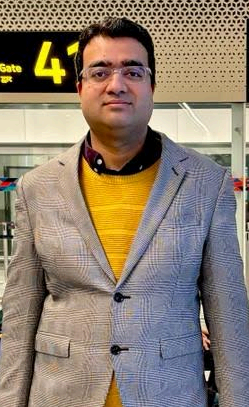
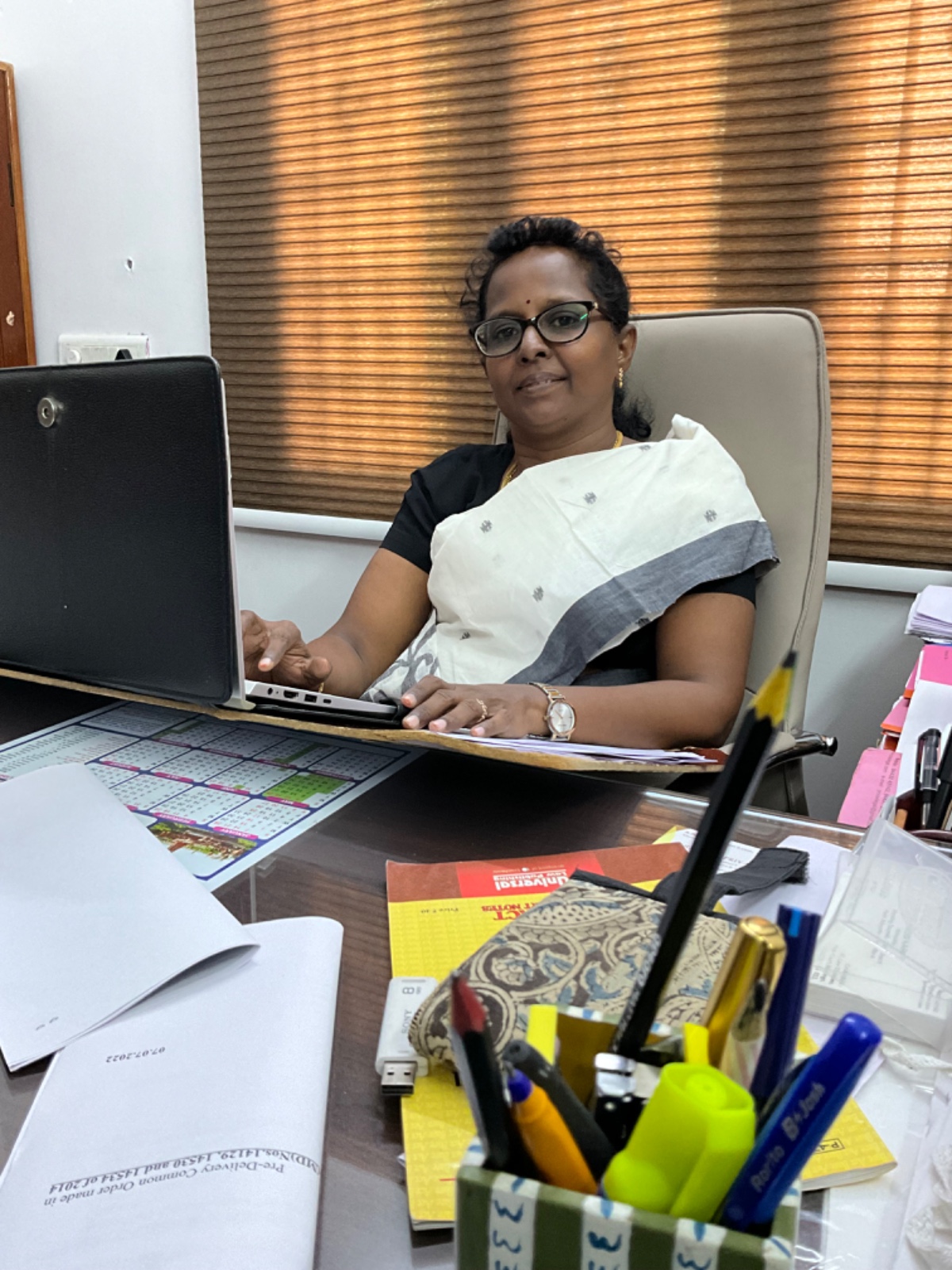

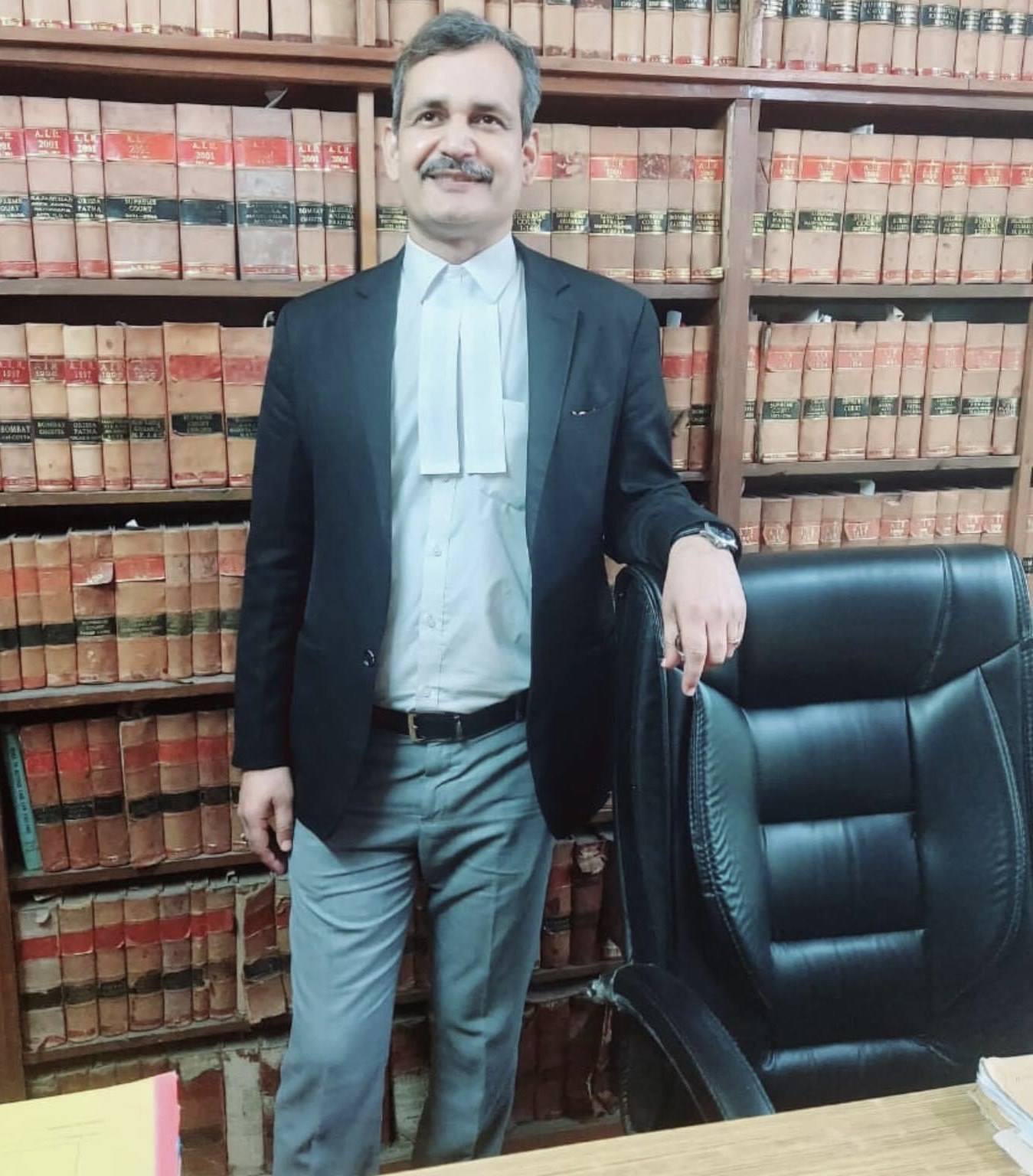

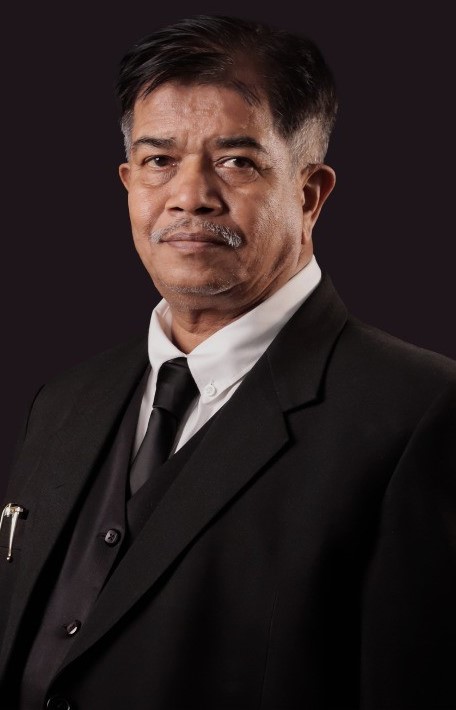









 Allow notifications