Could you please share what inspired you to pursue law, and how your journey from a student to an established advocate shaped your perspective on the legal profession?
I am an accidental lawyer. I come from a background of a wide array of professionals, including engineers, doctors, academicians, and armed forces veterans. During my school days, I was keen to serve in the armed forces growing up in a defence household. However, as a turn of fate, I could not take the NDA examination since I was severely unwell on the day of the exam. Luckily for me, at that time, the curriculum for the NDA entrance examination and LLB courses used to broadly overlap, so I could sit for the LLB examinations and qualify for the 5 year integrated law course at Amity Law School, GGSIPU. The thought of pursuing law as a profession, without any familial guidance, was both daunting and at the same time, exciting. As my college was based in Delhi, throughout the tenure of my course, I interned at various law offices practising diverse spheres of law after college hours. This developed my interest in the profession while giving me invaluable exposure to real practice outside of classrooms and an understanding of the legal profession in its practicality.
At the inspection of your career, you started working with the magic circle firm – Clifford Chance. What motivated you to shift your focus to active litigation and dispute resolution in India? How did this transition add a new dimension to your understanding of the law?
Around the time of my graduation in 2009, the global economic crisis was going on and the future seemed uncertain. In this background, opportunities and recruitment offers were few and far between. When I got an offer from Clifford Chance’s Indian office (now known as Clifford Chance Business Services) as a campus placement, I decided to take it up – even though it departed from my conventional choice of work –litigation and disputes. Working here provided an entirely new exposure where I was part of international transactions while interacting with top legal brains across the globe. Apart from the learnings in the field of law, this role helped me understand various global professional standards and work etiquette. After having honed my skills in this role for a year, I decided it was time to explore litigation & dispute resolution (my most preferred area of interest during my internships) and don robes!
In 2018, you established the Chambers of Mohit K. Mudgal. Could you share the story behind starting your independent practice?
During my formative years in litigation and dispute resolution, I was fortunate to come across offices that provided great mentorship, a wide array of work and ample opportunity.
From 2013-2018, I worked in Karanjawala and Co. where I gained invaluable exposure while advising and representing some of the biggest corporate houses and public figures. The issues involved in my work there ranged from complex high-value commercial disputes to matters of public importance being heard by constitutional benches of the Supreme Court. A large part of my work was briefing prominent senior advocates on complex issues which required one to be very thorough – not only with the brief but also with the law.
In 2018, I mustered the courage to venture into independent practice. Being a first-generation lawyer, the decision was not taken lightly. Having my practice felt like a calling to me, something I had wanted to do since day one. However, starting independent practice was like graduating all over again – the learning curve was steep and the hours were (and still are) long and exhausting. I was blessed to receive support from all corners – my previous employers, seniors at the bar, and even my peers. I am grateful for the trust bestowed upon me by these people in those initial years of independent practice.
As an expert in electricity laws, what challenges do you face in this niche area? How do you see the evolution of energy law in India in the coming years?
Electricity law is complex work that requires you to have a keen sector-specific expertise. It needs one to unlearn everything one knows about general legal principles and approach the field with a fresh perspective. The usual tricks of the trade do not always work in these forums, as the subject matter is very technical and the judges/ adjudicators are very clued in to these nuances. There is also a lack of organized dissemination of information when it comes to Electricity Laws. Some of senior lawyers provide
When I started electricity work in 2018, there were very few established names in this sector. However, the last 6 years, it has seen a mushrooming of both work and lawyers in these tribunals. Given the vision of the country towards electrification of rural India coupled with the transition to green energy from conventional sources, I believe that the sector shall continue to expand at a rapid and exponential pace over the next 10 – 15 years, at the very least.
Alongside your work, you are actively involved in providing legal aid to the needy. How important do you think pro bono work is in the legal profession, and how has it influenced your approach to justice and fairness?
I always tell my junior friends at the bar and my office – to be thankful for their privilege and what they’ve received, and always dedicate some time to those who can’t afford to pay for legal services. We make it a point to try and help every such person who knocks at my door and encourage the same in my office. It is a service to society and makes you a better lawyer and human being.
With the evolving legal landscape, what advice would you give to young lawyers and law students who aspire to excel in litigation and dispute resolution? What skills should they develop to succeed in today’s competitive environment?
While embracing technology in today’s time, the young lawyer can churn out results like never before and in record time. However, in this endeavour, it is paramount not to lose sight of the old-school ways of taking up the rigour and hard work to be well-read and researched. The gestation period in mainstream litigation is long and young lawyers should not give up easily or early. Do not look at others and yearn for more or feel like you’ve been dealt an unfair hand- the comparator is always yourself. You set your standards and those are the only markers you have to live up to.
As someone who has transitioned from a global law firm to running your practice, how do you approach mentorship within your team? What qualities do you look for in budding lawyers, and how do you help them develop their skills and careers?
Mentorship is one of the hardest and most rewarding aspects of this profession. It gives me immense pleasure to see my junior colleagues thriving and learning to problem-solve on their own.
Ownership and responsibility are something I always look for in budding lawyers. I always throw them in the deep end and give them all the tools and resources they need to do a good job, including guidance from me. I want their ambition and drive to be so high, and their performance so good, that they should be able to replace me on a brief. That is when I know I am doing a good job!
What qualities do you observe in current law graduates, and where do you think they might be lacking in skills?
Current law graduates are mostly worldly wise and confident. However, often this confidence is misplaced owing to the lack of the basic understanding and reading of the law. The practice of law is hard work and dedication which requires one to have immense patience and perseverance. This is a taxing profession and gets the best out of us. Unless we put in the hours, we can never reap the rewards.
Given the demanding nature of your work in litigation, arbitration, and mediation, how do you unwind and manage stress? Are there any particular hobbies or activities you enjoy that help you relax and maintain a work-life balance?
Music is a part of my daily routine which helps me unwind. I’m catching a live gig over most weekends given the time! I enjoy sports and am a fairly outdoorsy person. I particularly enjoy trekking, boxing, cricket, badminton and the occasional poker game!
Welcome back to the SuperLawyers channel! As our journey as an educational platform continues to grow, we have the privilege of gaining insights from esteemed professionals in the legal fraternity. Today, we are fortunate to have with us Mr. Ajay Sharma, a highly respected figure with over 35 years of experience in corporate law and human resource complexities. He has served as the Chief Legal Advisor for several distinguished organizations and currently holds the position at CorpoTech Legal.
Sir, on behalf of the entire SuperLawyers team, we extend a very warm welcome to you. We are thrilled to have you with us today and are eager to learn from your vast experience. We look forward to sharing this knowledge with a broader audience.
Thank you, Akash, for having me here. I’m glad to share my experiences from the last three and a half decades. I prefer to say “three and a half decades” because saying “35 years” might make me seem older than I feel. So, feel free to ask any questions that you think will benefit the audience, especially the upcoming generation and young lawyers. I’m happy to contribute to that.
Thank you so much, sir. This would be slightly a nostalgic retreat for you because the first question is, even after having three and a half decades of experience in corporate law. If I may ask you, sir, why did you decide to pursue law?
So, I don’t have a full 35 years of corporate law experience. However, during my post-graduation, when I was pursuing my master’s in psychology, I developed an interest in understanding the legal side of things. After completing my master’s, I enrolled in law school and graduated from Delhi University Law Centre I in 1992.
The knowledge of law stayed with me. Once you study law, it’s not something you forget—it remains with you. When I entered the world of HR, this legal background gave me an edge compared to other HR professionals who only had an MBA in HR. I had degrees in psychology, a PGD in HR, and law.
I began exploring how I could apply my legal knowledge, particularly in labor and employment laws, which further fueled my interest. Throughout my career, I worked for both government and private organizations in India and abroad. The knowledge and inclination to learn the laws of the land were always there.
When I was in Europe, I handled HR for around 13-14 countries, each with its own legal framework. It was both interesting and relatively easy for me to adapt to the local systems, understand their laws, and provide corporate solutions.
I also gained considerable exposure to contract law, particularly while working with semiconductor companies. There was significant involvement in software licensing and patent work, as the semiconductor industry heavily focuses on patent writing. My role involved encouraging employees to document and write patents, helping them understand how their ideas could be patented, and assisting patent attorneys in advancing those ideas. If an idea wasn’t patentable, I guided them on how to innovate further to create patentable solutions.
Though I wasn’t a legal professional per se, I applied my legal acumen in my work. That journey has always been a part of me. As I reached a stage in my life where I wanted to formalize my legal expertise, I registered with the Bar Council of Delhi. Now, I’m a practicing advocate, working in the Delhi District Courts as well as the High Court.
Sir, my next question would be related to your trajectory and also something which is a very important question to someone who has a wealth of experience like you, who has seen the change, especially the technology driven changes, what do you think is the contemporary attitude of the lawyers or Indian lawyers towards this robust, disruptive technology change?
I think this issue isn’t limited to Indian lawyers; it’s a global phenomenon. I have connections worldwide, and I’ve spoken to lawyers in the US as well. Some lawyers are more tech-savvy than others.
The key point is that just because legal technology is available doesn’t mean a lawyer will automatically adopt it. We need to see the value it brings. In the last three to four years, as technological advancements have emerged—especially with the advent of generative AI—more solutions have become available. However, some are still rudimentary.
For example, basic case management is more about automation than high-tech solutions. It can improve productivity for law firms or individual lawyers, but each lawyer evaluates technology based on the value it offers.
We have a basic maxim in management called WIIFM—What’s In It For Me? Why should I adopt this technology? Does it genuinely help, or is it just another trend? Legal tech providers must ensure their solutions add real value rather than just being another tool.
The core question is whether the technology provides a solution or is just another piece of technology. Once lawyers understand its value, they will likely adopt it. Another factor is the career trajectory in law. Lawyers typically start young and spend three to four years establishing themselves. By the time they reach their late 30s or 40s, they are deeply involved in their work and may not have the time to learn new technology. So, the technology must present itself as a solution that fits seamlessly into their work.
I recall an incident in 1996 or 1997 when I was working with a company that wanted to introduce email. Many people questioned why we needed email when memos and peons worked just fine. We organized a three-day program to teach senior executives about email, but they still didn’t see the benefit. We had to show them that email could empower them to communicate directly without relying on their secretaries.
If I draw a parallel to the legal profession, much of the legal drafting is done by paralegals. But if a lawyer can use AI to draft documents, it could be a significant advantage. However, generative AI is still in its early stages. The results from platforms like Gemini, Perplexity, and Meta AI are not yet perfect. So, as a lawyer, I might think, “Why should I invest my energy in something that isn’t fully reliable?”
This is a process of evolution, and things will gradually improve. It’s not about Indian versus overseas lawyers; it’s about managing change. Several stakeholders play a role in this. First, legal tech professionals need to work closely with lawyers. You can’t develop a legal tech solution in isolation. Second, the Bar Council of India could get involved to assess what solutions are available and what needs to be developed. Third, lawyers themselves need to engage with younger lawyers.
I’ve wondered if law firms or senior lawyers could have roles like “legal analysts” who use legal tech tools and assist senior lawyers, helping them appreciate how these tools work.
Today, there’s a lot of hype around AI, but it’s not a magic solution. It only works well if you input the right data—garbage in, garbage out. In summary, this is a process of change. All stakeholders must support this change management, and gradually, the legal community will start adopting and adapting to these new systems.
You have mentioned some of the inputs that it’s not only a domestic problem, it’s a global problem. Taking this issue a bit forward, my next question would be, sir, since you have this entire diverse experience of working both with domestic as well as global international organizations, consultancies, and firms, how do you think is the international work culture different from the Indian setup?
“We need to consider this from two perspectives.
First, the lawyer as an individual entity, and second, law firms as a whole. In India, we are governed by the rules of the Bar Council of India, which serve as our guiding principles. These rules are different from those in the US or Europe.
For instance, in the US and Europe, law firms are often treated as profit centers or businesses, so everything operates accordingly. In India, however, law firms are typically centered around individual lawyers. This is evident from the firm names, such as ‘X and X Company’ or ‘X and Associates,’ where the person who founded the firm remains at the top.
When it comes to management practices, it’s important for those approaching retirement to think about how the next generation should take over. That’s a fundamental aspect of management.
Abroad, what is written is strictly followed. They are very precise in their approach. In contrast, we Indians are more flexible, often going the extra mile to help clients. There is an advantage to this Indian way of working; our flexibility and adaptability allow us to navigate the unique challenges of our legal system.
Law isn’t just mechanical; it involves a great deal of emotional intelligence, as we deal with people. Thus, we need to engage with clients on a personal level.
The ideal approach would be to adopt a system-driven method, as seen in the West, while also incorporating the Indian way of flexibility and going the extra mile. By merging these approaches, we can create an eclectic system that draws the best from both worlds. That’s my submission.”
Sir, tagging along with this one is when you have described this differentiation in mechanism of working or the difference in attitude, what do you think should be learned from the global work culture?
The court has mandated that there must be a minimum stipend paid to young lawyers, and I fully support this. The issue is that without adequate financial support, talented individuals may leave the legal profession for higher-paying jobs in other fields. They may start with law, but if they find better-paying opportunities elsewhere, they are likely to pursue them.
Therefore, it’s essential to have a minimum threshold for stipends, as is common outside India. Another crucial point is the adoption of technology to enhance productivity. I’m very pleased to see the implementation of e-Courts and the e-Filing system. The encouragement for people to use virtual conferencing is a significant change that has taken place over the last three to four years. Our Chief Justice of India strongly supports the transition to these new systems, and we are also moving towards Online Dispute Resolution (ODR).
Things are moving in the right direction, but there’s still more to be done. For example, why can’t we have a world-class arbitration center in India? Recently, the GIFT City in Ahmedabad started an international arbitration center. We should be developing such systems and processes in India, rather than relying on places like Singapore for arbitration.
A system-driven approach is crucial. We also need to consider the productivity and well-being of lawyers. Expecting them to work 12, 13, or 18 hours a day can lead to burnout, especially at a young age. We need to create a work-life balance. At a young age, many people are working extremely hard, so it’s important to consider how to create a healthy work-life balance. Law is a profession, not just a relentless pursuit of earning money.
Additionally, I believe the Bar Council is making efforts in this direction, and I recently saw a judgment from the Madras High Court that reflects this. While I’m not suggesting that we should completely mimic the Western or global approach, we can certainly adopt the best practices from around the world. By combining that with our own ingenuity and the passion we have for our clients, we can create a balanced and effective solution.
Since you have been involved with providing unique technology solutions, you have been involved with HR automation, and much of your legal advisory also rests on technology. And we have this digitalization push in India also going on for quite a time, especially since after COVID this thing has been increased.
Sir, we would like to know your views on how important do you think is this digital and technological upskilling in lawyers and what would be your advice or how would you manage this entire technology upskilling operation in your team, or maybe in your organizations. We would love to hear your insights, sir.
Learning is a lifelong journey—you can’t stop. Even at 59, I’m still attending classes regularly. When it comes to legal education, particularly through alternative channels, it’s quite affordable compared to traditional college programs. Some institutions offer courses that are far less expensive, making continuous learning more accessible.
I strongly encourage young lawyers, including my own team, to continually take refresher courses because law is an evolving field. The beauty of law is that it’s never stagnant; there’s always something new to learn.
Take, for example, the recent changes in criminal law—the three new acts that have come into force. If you go through the provisions, you’ll notice that electronic evidence plays a significant role now. Electronic evidence isn’t just about technology law; it’s a form of evidence that is now integral to criminal, civil, and even family court cases. It’s crucial for legal professionals to understand what electronic evidence is and how to secure it, including the cyber forensic aspects.
In the Bhartiya Saksha Adhiniyam, electronic evidence is treated as equivalent to other forms of evidence, but it requires a certificate that details the source and hash value of the evidence. Now, if a lawyer doesn’t understand what a hash value is, how can they effectively present their case in court? Adapting to new technology is essential, and I always encourage my team—and myself—to stay updated with what’s available online.
Today, there’s a wealth of information on the internet, but it’s important to approach it in a structured manner. For example, when learning about the new criminal laws, I focus on understanding both the legal changes and the technological aspects, like electronic evidence. This process of continuous learning is ongoing.
Looking ahead, two significant acts are on the horizon: the Digital India Act, which may replace the IT Act, and the AI Act. Everything is interconnected. For instance, with the AI Act, we need to consider whether AI will be treated as an entity or a support system. If AI manipulates a copyrighted document to create a new one, who bears the responsibility? Is it the AI tool, the owner of the AI platform, or the user? Understanding these complexities requires deep engagement.
So, my advice to everyone, including myself and my team, is to stay at the cutting edge. Dedicate at least three to four hours each week to learning new developments in the legal field.
I really liked the way you have presented that there is no plateauing in the learning curve in the legal fraternity, it’s always a rising and so is upskilling. There’s no end to it. And sir, your words are truly powerful. When you see that even after having so much experience, you still choose to learn.
And that itself is such a motivational dialogue for all youngsters like me and even everyone else in this fraternity. I would like to ask, sir, that with this immense importance of data in today’s world, as is often said, that data is the new oil what are your views on the data legislation framework with reference to India and the other jurisdictions which you might have worked upon?
Let me rephrase that—data is like fuel. It can energize a system, but it can also cause damage if mishandled. Data has both positive and negative aspects.
We first started working with data in the corporate world through GDPR and even earlier with SOX compliance. So, data privacy isn’t a new concept for us. Today, we’re seeing the introduction of new laws—GDPR has established itself in Europe, CCPA is in place in the US, and in India, the DPDP Act has been passed, although it’s not yet enacted. But it will be soon.
The challenge exists on both ends: for those who provide data and for those who collect and process it. For example, how many of us actually read through all the terms when we download an app on our phones? We tend to just accept them without a second thought. The same goes for cookies on websites—we often accept or reject them without fully understanding what we’re agreeing to.
This is why education on data privacy needs to start at the user level. People should be aware of what constitutes personal and sensitive data, to whom they’re giving it, and for what purpose. Do we know that we have the right to request our data to be erased later? Or if we receive unsolicited calls or messages, do we realize that our data might have been leaked?
So, the first step is educating users. The second is ensuring those who collect data are also held accountable. Once the new laws are in place, there will be a stronger emphasis on enforcement. However, even with GDPR, I’m not sure how many companies have faced prosecution for data breaches. Enforcement is crucial.
Data is undoubtedly a powerful tool. We’re constantly surrounded by it, even in our interactions right now—this is all data. Both users and the originators of data, like ourselves, need to be educated to understand the impact of data on individuals, systems, and the world at large
This was very insightful, sir. I am really excited to approach you that as a professional who has indulged in diverse roles from law to tech to HR automation, what is your success mantra?
I believe that being a lifelong learner is crucial. The moment you think you’ve learned everything and reached the pinnacle, it’s like you’ve ceased to grow—you’re done. The quest to learn should never end. Even on your last day, you should be thinking, ‘What else can I learn? Is there something I can grasp in the next 10 minutes?’
Secondly, as professionals, we must learn to balance work and life. I was once like any other young professional, constantly working long hours. This eventually took a toll on my health. Fortunately, I had the opportunity to live in Sweden for a few years, where I met a cultural mentor. He was a simple man with around 55 patents to his name, mostly related to 3GPP and telecom technologies.
One day, he asked me, ‘Why do people in India, or Indians in general, work so hard?’ I responded, ‘We don’t have the kind of social security system you have here in Sweden.’ He then pointed out something that stuck with me: ‘Look at the average lifespan in India—around 70 years. People work hard until 60 or 65, trying to secure their future. After that, they often fall ill, and soon after, they leave this world. Where’s the life in that?’
You’d be surprised to know, that in Sweden, there’s a mandatory summer leave for all employees because that’s when they get to see the sun most often. The rest of the year is mostly dark. They believe you need to spend time with yourself and your family. I’m not saying we should imitate them entirely, but there’s a valuable lesson here. As professionals, we often think that our profession or company is everything. But when you reach old age, it’s your body that remains with you, not your job or your clients. The pain you’ll feel will be yours alone, not shared by your organization or clients. So, work-life balance is critical. I’m still working on it myself, but it’s something we all need to practice.
Lastly, professional integrity is paramount. I’ve never compromised on it. If something is wrong, you must have the courage to call it out and not engage in it. The world isn’t going to change because you decide to bend the rules or circumvent something when no one’s watching. The first gatekeeper is your own conscience. Maintaining professional integrity is essential to being a good professional. At the end of the day, you should be able to sleep peacefully, knowing you haven’t done anything wrong.
So, to sum up, three key things will help anyone grow: continuous learning, work-life balance, and professional integrity. These are timeless pieces of wisdom that I’ve learned from others and strive to follow.
Sir, you’ve placed a strong emphasis on sustainability, which is something we are eager to learn more about, especially given your long and distinguished career across various sectors. How do you view sustainability, both in your work and on a personal level? What does sustainability mean to you?
Sustainability, to me, is about using fewer resources while still achieving your goals. It’s about maintaining what you want to accomplish with minimal impact. This can apply to environmental sustainability, where we focus on preserving our planet, or personal sustainability, where you manage your life with the resources you have.
We often discuss sustainability in the context of global issues, which is aligned with the United Nations’ Sustainable Development Goals (SDGs). These 17 goals remind us that our purpose extends beyond just sustaining ourselves; we are here to contribute to the world as well.
Self-sustainability is crucial, but we must also consider the broader implications. For example, if the global temperature rises by two degrees in the coming years, what challenges will we and the next generation face? In cities like Delhi, we’re already experiencing water crises, and these issues are becoming more widespread.
Resource conservation is key, whether it’s on a personal level, in our homes, offices, or the broader environment. I’m not advocating for a minimalist lifestyle, but it’s important to be mindful of our actions and their impact on the climate. We have a responsibility to the world we live in.
My basic advice is to understand the resources you are consuming and strive to sustain with those, ensuring that you’re contributing positively to the environment.
Thank you for your response, sir. It feels like we’re learning from a wealth of experience. I’m sure all of us are trying to absorb these words of wisdom from you.
Lastly, I’d like to ask, what advice would you give to young lawyers, first-generation lawyers, and anyone who is aspiring or has just begun their journey in the legal fraternity?
The first and foremost thing is to understand why you are entering the field of law. Are you here to earn money? Are you here to provide justice? Or are you one of those who wants to support and uphold the legal system? This purpose is crucial to define early on.
I’ve been in the professional world for the last 35 years, and I’ve seen people who become engineers but aren’t engineers at heart. Passing an exam doesn’t make you a true engineer, just like earning an MBBS degree doesn’t necessarily make you a true doctor. A doctor is defined by their inner drive to serve humanity, not just by their title. Similarly, in law, you must have a clear purpose for why you’re entering this field.
Secondly, I recognize that it can be difficult for young lawyers to find internships and opportunities. I believe the system should do more to support them. My advice isn’t just for young lawyers, but also for seasoned, established lawyers: give opportunities to young professionals. It’s vital because the best way to learn law is through practice, not just by reading books. That’s why we say we “practice” law. You need a real-world platform to apply what you’ve learned.
Third, the world is changing rapidly. If you find that law isn’t the right fit for you, don’t hesitate to explore other professions. Don’t stay in the field if you don’t have the logical mindset or the empathy needed to understand your client’s needs. Technology is also changing the practice of law, and if you can’t adapt to these changes, consider moving to a different profession.
Just because you’ve studied law doesn’t mean you’re obligated to remain in the field. Sundar Pichai, for example, did his B. Tech in Metallurgy, but he’s now the CEO of Google. Education should develop your mind, not just secure employment. If studying law has sharpened your logic and awareness, you can apply those skills in other fields. No one is stopping you from becoming a great manager or technocrat.
In summary, focus your thoughts on whether you truly have the inner drive to be a lawyer. Seek out practical experiences, and if you find that this isn’t the right profession for you, don’t hesitate to make a change. Don’t become someone who constantly complains about the system. Instead, find a solution and move in that direction.
Thank you so much, sir. Your final statement about avoiding negativity and always seeking opportunities is incredibly inspiring. I’m confident that this message will resonate with young minds and serve as a guiding principle to motivate themselves through both highs and lows.
Today’s experience has been truly remarkable. It’s not every day that we have the privilege of interacting with someone who has witnessed such significant technological and social changes, both in India and abroad. Your insights have been enlightening for me and the entire SuperLawyers team. On behalf of everyone here, I extend our deepest gratitude for taking the time to address these important issues. It has been a wonderful experience.
My pleasure. As a parting thought, I’d like to emphasize that years of experience alone don’t hold much value; what truly matters is the wisdom gained. I believe in learning from the younger generation, a concept often referred to as reverse mentoring. As Darwin suggested, evolution implies that younger generations are more intelligent. So, it’s often more beneficial to learn from younger people than to rely solely on repeated years of experience.
Thank you very much for the opportunity to speak with you. I wish the SuperLawyers team continued success. The way you’re bringing together experiences from people across different stages and fields is sure to benefit the entire legal community. Thank you.
Your educational journey is quite diverse, transitioning from becoming a Chartered Accountant first and then an LL.B. What motivated you to pursue a diverse career in accountancy and law, and how has this multidisciplinary background influenced your approach to risk, forensics, and dispute advisory?
Though I have qualified as both, I have not practiced as either of them. I have been in consulting for all my professional career, right since my internship days back during 2002-05. I started with a lot of risk advisory and corporate governance work, working with various consulting firms. But it was when I started conducting forensic investigations and when I interacted a lot more with lawyers, I was intrigued enough by their role and wanted to, if not practice as one, but think from their perspective as well.
What this has done is that while I am conducting the investigations, it helps me wear a lawyer’s hat also and foresee, of course in my limited knowledge and capacity, certain aspects which are distant to someone who is just a forensic accountant. And needless to mention the extra help I get to interpret various documents in my dispute advisory work as well.
In this context and as an accredited arbitrator and an empanelled mediator, what unique insights do you think you bring to the table to resolve disputes effectively?
Globally, the arbitration practice as such is led by the legal fraternity and rightfully so. Having said that, in my view, there is good space for technical professionals other than lawyers. Technical experts like accountants, engineers, doctors, architects, etc. can immensely contribute as a neutral to resolve disputes.
If a technical professional is an appointed neutral on a case, be it as a sole arbitrator or as a co-arbitrator, I think there is a lot of merit in the process. Imagine a complex commercial dispute or a construction dispute, where you have a chartered accountant or an engineer as one of the arbitrators respectively; not to mention if they additionally are qualified lawyers as well. Not only is the arbitrator adept in the legal aspects but also aware of the complex technical aspects of the case, which may lead to a better conclusion on the case. It is also better to understand the prevailing entitlement, causation and quantum of a case.
With your extensive experience in forensics and dispute advisory, what are some common pitfalls you’ve observed in organizations regarding risk management, and how do you help them navigate these challenges?
The most common and critical one that I have observed is to not have a risk management framework at all or to have it led by a risk champion who is relatively inexperienced in the role or function.
Another pitfall is that a lot of corporates have failed miserably in integration of data, systems and people. Multiple fragmented systems and processes lead to inconsistencies and non-standard procedures.
Over emphasis on financial risks with no or limited attention to operational, reputational and strategic risks are leading corporates to last minute surprises and resort to course corrective actions.
Policies and procedures are often poorly drafted and hence lead to multiple gaps and loopholes being exploited by the perpetrators.
In my experience, we are usually brought in largely when there is a crisis in the company and our support is sought to investigate and course correct the situation. However, in a growing number of cases, management does realise that a proactive approach to have a robust fraud risk assessment will be more effective to save money, time and the huge energy that they are drained off of in a reactive approach. So, I would recommend that risk and fraud management frameworks are of utmost importance. These frameworks also help avoid various disputes and compliance issues that may crop up due to identified procedural shortcomings.
Founding Konvêrj-Zeûs represents a significant milestone in your career. What inspired you to establish your own consulting firm, and what unique approach does Konvêrj-Zeûs bring to the table?
Yes, it is. Back in September 2021, I thought that the timing was just right. Things were just starting to recoup post the Covid-19. After working with various well-known accounting / consulting firms of global repute, I thought it made sense to take the plunge and explore new avenues. As a budding professional, you have always dreamt of having something of your own someday. I think the entrepreneurial bug bites you really hard.
At Konvêrj-Zeûs, we offer multiple consulting services to corporates, banks, other non-banking entities and law firms, which include Risk Advisory, Forensic Investigation, Dispute Advisory, Financial Advisory and Transformation Advisory Services.
I think being brought up professionally in some of the large consulting firms does develop a professional approach and attitude that is appreciated by clients globally. So, even though Konvêrj-Zeûs is still in its nascent stages of its journey to expand, the kind of work we do is acknowledged to be at par, if not better, with some of the leading consulting firms around.
I think the ‘attention to detail’ that we pay on each of our projects helps us give our clients exceptional service experience. At the end of the day, we immensely value the trust that our clients place on us.
Could you elaborate on the intersection between forensic accounting and economic damages assessment, and how this expertise aids in resolving disputes and providing expert witness testimony and also uncovering financial irregularities and providing expert testimony in legal proceedings?
Forensic accounting is actually a combination of accounting and investigative techniques used to discover financial crimes and as Forensic accountants; we explain the nature of a financial crime to the courts. Many cases, where we are on-boarded, require us to quantify the damages due to certain breaches, for example, or quantify the losses due to fraud or misrepresentation, or value IPs like Trade Secrets / Brands in cases of IP infringements or data theft and so on. So, the investigation does not end at authoring a report and concluding whether a fraud was committed or not, but also goes ahead and quantifies the losses / damages.
Likewise, in case of disputes, the Tribunal relies more upon and takes into consideration an expert’s report than that from the parties to a dispute, while they decide and award the damages or lost profits as it is from a neutral standpoint. Once the legal tenability is proven, often the question of ‘How Much’ is core to the Tribunal to decide upon, which is where our quantification helps them.
So apart from the economic analysis, I think the forensic accounting skill set does play a crucial role in setting right the facts and figures of the case and eventually also limiting the assumptions and extrapolations used in the quantum exercise.
Similarly, in cases where financial irregularities are concerned, we analyse financial data and identify discrepancies that may indicate fraud or other financial crimes. We work closely with law enforcement agencies, attorneys, and other professionals to investigate financial irregularities and provide evidence to support legal proceedings. For doing the same, we use different techniques, tools and technologies to unearth the financial irregularities.
Your role as a mediator at the High Court of Bombay indicates your involvement in alternative dispute resolution mechanisms. How do you see the role of mediation evolving in the legal landscape, particularly in complex commercial disputes?
We all know that mediation can be one of the quickest, cheapest, effective and sustainable methods to resolve disputes. It adds advantages to the case, for being informal and of a flexible nature while maintaining confidentiality.
While a lot of parties do attempt mediation on the first go, a lot of courts have also resorted to mediation before litigation. Also, for a majority of people, the prospect of going to court is daunting both emotionally and in terms of the financial strain it can pose, and it can mean that proceedings take a considerable time.
When widely accessible, mediation can be a successful way of keeping cases away from the stress and expense of court. This saves numerous hours of court’s time, which can be useful for cases that are not resolvable through mediation.
Even in complex commercial disputes, it may sometimes be at the parties’ advantage to use mediation as a channel to resolve the dispute. The complex nature of dispute can be simplified by seeking help of technical experts, while the legal aspect can be taken care through mediation. This not only saves the parties huge amounts of effort and money, but it can also give the parties that critical time to decide and make critical decisions after the resolution that they would have lost in a long-standing dispute.
Given your wealth of experience in the field, what advice or suggestions would you offer to the upcoming generation of professionals aspiring to make a mark in risk management, forensics, and dispute resolution?
I genuinely believe that there are numerous avenues where one can practice and expertise apart from the traditional fields of professions of a Chartered Accountant and a Lawyer.
A dual qualification or skill set is always going to be an added advantage, be it of any specialized profession. So, I would always advise one to be on the lookout for opportunities where one can expand the horizon to add the necessary skill set to one’s profile.
In my case, internal audit led me to risk and corporate governance, which led me to forensics, which led me to expert report & evidence and currently I also support resolving disputes. So, one has to hold on to the leading strings to explore new avenues of consulting.
Branching out to this particular niche practice area has worked for me until now. For someone else, it can be a different combination. But one has to explore into various formats and see for themselves what suits them. We often are bound to one particular field observing our mentors or seniors or partners around us, but in my view, one has to take some risks in early years to establish a strong foundation.
For practicing in forensics and dispute resolution, I would finally advise to be qualified or acquire the requisite skill set where one understands the legal and one technical side of things.
Could you share a pivotal moment or experience that led you to pursue a career in law, particularly in dispute resolution and arbitration?
Choosing a career in law was a natural process as I chose it to follow my father’s wish to become a Barrister. Again dispute resolution especially arbitration was something I was introduced to at my very early ages. Since my father was into construction of ports, dam and road projects, the word ‘arbitration’ was often heard during family discussions. I was encouraged to go through the arbitration cases of my father and also participate in the meeting with his lawyers. The pivotal moment was when I was asked to conduct a cross examination of a witness in an arbitration matter soon after I had become a law graduate.
Your expertise in handling international commercial arbitrations is well-known. What initially drew you to specialize in this area of law, and how has your experience evolved over the years?
Handling international commercial arbitration is the most exciting part in the career of an arbitration lawyer. Attending international conferences on arbitration law opened up a new gamut of arbitration practice. The interaction with foreign lawyers from different jurisdictions was a great opportunity to broaden one’s knowledge base and delve into a field of law which is more challenging and stimulating. Over the years the experience has been enjoyable and fascinating. Every case teaches you to work harder, read more on the subject and the need to conduct in depth research on legal issues involved.
With such a vast knowledge of Indian law, what strategies do you typically employ when approaching complex disputes, particularly those involving contractual matters?
It is important to be thorough with the facts before reading up on the law. Without being well versed with the facts of the case it is difficult to succeed in contractual disputes. The more complex the case, the greater is the need to simplify the facts and the issues involved. The handling of documents and being aware of the case bundles is extremely crucial. The entire process requires forming of strategies and changing them if need be, as one goes along. It is necessary to keep evolving new strategies and to be flexible and receptive to clients feedback and comments.
Your achievements include winning plaudits for your thorough knowledge of contractual disputes. Can you elaborate on how you stay abreast of the latest developments and intricacies in this field?
One way to achieve it is to attend lawyers conferences on the subject, not limited to one’s own jurisdiction but also overseas. It is also necessary to read more judgments on the subject and also arbitration awards rendered by arbitral tribunals. Reading and publishing articles on the subject necessitates carrying out in depth study on the issue and an important means to staying abreast with topics.
As someone with extensive experience in construction arbitration, could you share some insights into the unique challenges and considerations involved in this type of arbitration work?
The biggest challenge in handling construction arbitration is handling the large volume of documents. It is of paramount importance to know which type of evidence would be relevant and necessary to corroborate your client’s case. A decision to lead oral evidence must be carefully thought of, and well considered with due consultation with the client. Clients may insist on expert evidence being presented before the arbitral tribunal but the decision whether to opt for expert evidence should always be that of the lawyer. This decision, considering the Indian scenario, should be taken after thorough understanding of the psyche of the arbitral tribunal.
Given your involvement in drafting arbitration rules and conducting certificate courses on arbitration and dispute resolution, what do you believe are the most crucial aspects for aspiring lawyers to understand in this field?
The rules are there to simplify procedures and this is exactly what lawyers should be doing when handling a matter. No judge or arbitral tribunal encourages complication of the already complicated disputes between the parties. It may seem a very easy task to achieve but it is perhaps the hardest and most difficult skill to hone.
You’ve authored two full-length books on arbitration in India. What motivated you to undertake these projects, and what key messages or insights do you hope to impart to your readers?
Writing books on arbitration is nothing but a means to expand one’s knowledge in the field. The process involves in depth reading and research on the subject. At the end of the process it is not the reader but the author who gains more knowledge who then is keenly waiting for the reader to achieve the same status. To take up this path, it is imperative to have the desire to learn more, the interest to explore and to work hard till one reaches the point where one is ready to write down the first word of the first chapter of the book.
Lastly, based on your wealth of experience and achievements, what advice would you offer to fresh graduates aspiring to pursue a successful career in law, especially in the realm of dispute resolution and arbitration?
Fresh graduates are normally overwhelmed by the success stories of lawyers who they interact with or come across. But more than being enamoured by their success stories it is their journey and hard work which should act as an inspiration and be a source of motivation. There is no instant success in arbitration and continuous dogged hard work without expectation of reward is the key to a successful career. I do understand that it is very easy to say, one should be hard working but more difficult to find the opportunity to do that hard work especially for fresh graduates. However, being resolute is an extraordinary temperament to have. Lastly, as the great Fali Nariman said, never stop being a student of law.
Could you please introduce yourself to our readers and share the journey that led you from your early days as an Articled Clerk to your current role as a Counsel, Mediator, and Arbitrator?
In 2009 I was a judicial intern with the then Bombay High Court Judge Mr. V. C. Daga that was the period when I decided to practice as a litigation lawyer upon my graduation. In the year 2010 I joined a Solicitor Firm M. S. Bodhanwalla & Co. as an articled clerk and had 4 years of work experience in the practice areas such as conveyance, civil and commercial litigation, legal opinions and advisory assignments from corporates like Hindustan Times, Lowe Lintas, RCF Ltd. etc. I recommend the young and buddying law students to undergo such a training process. In Mumbai, we have the option to appear for the Solicitors examination which is conducted by Bombay Incorporated Law Society. I appeared for said examination after which I joined Cyril Amarchand Mangaldas (“CAM”) in their dispute resolution team in Mumbai. My experience of working at CAM was very enriching. Handling litigations of high stakes involves tremendous readiness and preparedness in the back end. Also, in Mumbai, we follow a dual system of practice where Solicitor firms brief an arguing counsel and therefore, firms have to be always ready with briefing notes, compilation of judgments, and ensuring court records are updated and in order. My practice at law firms is of 6 years after which I started my counsel practice at Bombay High Court. I first joined the Chambers of Justice Mohit S. Shah (Former Chief Justice of Bombay High Court and Calcutta High Court) where I gained my Tribunal Secretary training and also had wide exposure to large stake arbitration matters. I then joined the Chambers of Mr. Sanjay Jain. Mr. Jain is an arguing counsel at Bombay High Court with a standing of 26 years. As an arguing counsel, my entire approach towards the practice has changed. I had to undergo a process of reformation where my basics of law were refreshed and my skills of drafting pleadings and evidence affidavits were sharpened to a great extent. In my view, these are the fundamental learning for every lawyer who desires to practice dispute resolution/ arbitration. In the year 2022 I completed my Masters in Mediation and Conflict Resolution from MNLU, Mumbai. It’s a two-year full-time course with a magnificent syllabus to enrich skill sets in mediation practice. After completing this Masters Course, I started getting references to act as an arbitrator and mediator in civil disputes. I have also been appointed as an Arbitrator by the Bombay High Court recently in a few matters and I consider myself to be fortunate that the Hon’ble Bombay High Court has entrusted with such a responsibility. While performing my role as a counsel, arbitrator and mediator I have to be constantly conscious that my responsibility is to assist the courts and parties in this process. We have to think about professional ethics and etiquttes while we take up our role as we are directly working in a public field/ domain and our actions and steps matter a lot to our clients and society at large. In the last 12 years of my practice, I have learned a lot from my seniors and colleagues. Law is a practice where learning does not stop till we retire. Our openness to learn even from our juniors testifies to our real approach towards problem-solving.
Could you walk us through what a typical day in your professional life looks like? What are some of the tasks and responsibilities that fill your day as a Counsel, Mediator, and Arbitrator?
As litigation counsel, we have a long day of about 10-12 hours of working which involves court and arbitral hearings, conferences with client and senior counsels, reviewing/ settling of the pleadings and conducting legal research to keep ourselves updated. While doing this, I do spend time at our Advocate’s Bar Association Hall in High Court where interacting with senior counsels and colleagues provides me with an opportunity to exchange ideas and knowledge with them. I have seen that in the last 15 years, the trend of young Advocates sitting in the Bar Association Hall has drastically reduced. According to me, it’s a loss to such junior Advocates as they miss opportunities of gaining first-hand interactions with senior counsels and colleagues at the Bar. Having a little know-how of the practice and profession adds to the skill-set of lawyers which makes them multi-facet in approach.
As a trained Mediator and Arbitrator, you’ve been involved in resolving several disputes. Could you tell us about a particularly challenging case you’ve handled and how you navigated through it to achieve a resolution?
During my training process, I was taught that the goal of a good mediator is not to arrive at a settlement but to move the parties from their rigid position to a flexible one and provoke them to think about the solutions by encouraging dialogue between the disputing parties. My endeavour had always been to follow this teaching. So far I have handled about 150 mediations referred through the ODR platform SAMA to me and a couple of arbitrations that involve Bombay High Court-referred matters as well. Being a young practitioner sometimes I do find my role as a Mediator and Arbitrator challenging, but once we start practising to be a good listener and adopt neutrality it helps us a lot to navigate the parties towards solutions. This requires a lot of patience and controlled temperament. In one of the mediation matters (I cannot disclose particulars of parties due to confidentiality) where the dispute was between a multinational bank and a customer, the bank constantly tried to use the mediation meetings to pressurise the customer to pay back the alleged outstanding loan with interest. This was during the COVID period. The customer alleged that the bank was charging a higher interest wrongfully. Instead of speaking to each other parties initially resorted to the issuance of strong-worded legal notices, which triggered their egos. When the matter was referred to me, I had the challenge of bringing both the parties on same platform for a dialogue as they were not willing to see each other’s face. However, gradually with the mediation process moving further parties started attending mediation meetings. There was a time when they started exchanging verbal talks during the joint caucus. That was the time when I encouraged them to exchange some without prejudice written proposals. The parties did that and the dispute was resolved amicably. In this matter I see the victory of both parties, however, to bring them on same table to start the communication was a herculean task, by putting open ended questions to them, I had to prepare them mentally to leave their ego aside and come forward to have a joint talk.
Transitioning from working at Cyril Amarchand Mangaldas (“CAM”) to starting your own practice must have been quite a journey. What motivated you to take this leap, and what are some key lessons you’ve learned along the way?
My tenure of working at law firms was 6 years. I joined CAM after I worked at M. S. Bodhanwalla & Co. for 4 years. I was conscious that my role at CAM is going to be challenging as I was hired as a direct lateral and not through their campus recruitment annual training program. However, my earlier experience of working at a mid-size Solicitor firm helped me to navigate the work challenges of big law firm. At a big law firm, the infrastructure and support team provided to us is very helpful and efficient. Team learning and working is the main feature there. Delivering work before time is always expected on high mandate matters and that keeps us on our toes. If one cannot do this at the age of 25-26 when else will we do such action learning. This golden opportunity provided me the launch pad for leaping independent counsel practice. As a litigation counsel in Mumbai, the initial years are quite challenging in terms of getting briefed and generating revenue on your own. At the same time, the role of a counsel is of much more responsibility than the role of an Associate of a law firm. As counsel, we are all on our own when we appear before the court to argue a matter. We are shouldered with the responsibility to present the case before the court by applying the best of our abilities. Some cases have merits few don’t but our readiness to face the court and ensure best assistance to the judge is far more challenging. I got my inspiration from my spiritual mentor His Holiness Spiritual Sovereign Jainacharya Yugbhushansuriji Maharaj Saheb to take up this challenging role of an arguing counsel. His Holiness has entrusted upon several significant matters pending before the Supreme Court and High Courts/ Trial Courts in India, involving the rights of the Shwetamber Murtipujak Jain community. This role was challenging initially but later on after gaining good learnings from my seniors and colleagues I now do not find any challenge while appearing before the Supreme Court in such significant matters. The lessons which I have learnt so far is that we must first have faith in ourselves before we start looking for help outside. Litigation is a practice which provides fruit at a later stage but the sacrifice and rigours of initial days makes us efficient and better individual/ professional. So far I have had opportunities to assist legal stalwarts like late Mr. Fali Nariman, Mr. K V Viswanathan (presently a Supreme Court Judge), Mr. Harish Salve, Mr. Dushyant Dave, Mr. Arvind Datar, Mr. Darius Khambata, Mr. Navroze Servai, Mr. Ravi Shankar Prasad, Mr. C S Vaidyanathan in various matters involving tricky constitutional and such other legal issues. This was possible only after I chose to practice as a litigation counsel.
You’ve been a frequent contributor on various issues, including public policy, diplomacy, and the use of technology in the legal field. Could you share your thoughts on how technology is shaping the future of dispute resolution and legal practice?
Technology and law can go hand-in-hand. I am working from a paperless office post-COVID rollout. According to me, we lawyers will have to adopt technology wherever possible in our day-to-day practice as it has resulted in ease of doing practice. Imagine it was due to this advanced video conferencing technology that our Supreme Court and High Courts were able to function uninterruptedly even during the COVID lockdown. Today majority of my arbitration and mediation meetings are conducted virtually. Not limiting it to meetings, but data storage and utilisation are also done through cloud cloud-based system. Effectively, all my briefs are accessible to me 24×7. This has resulted in improved efficiency and quick delivery of solutions to the Attorneys/ clients. I am confident that in the next 5 years, we will have the majority of our Trial Courts providing us with virtual hearings and e-filing facilities. This will not only make the legal practice more inclusive and wide but will also cut down the pendency of cases.
Balancing a legal career with personal interests can be challenging. Outside of your legal practice, what are some hobbies or activities you enjoy to unwind and recharge?
Honestly, my first 10 years in the practice have been completely devoted to my work and training process under the guidance of my seniors and mentors. However, I have found my interest in reading the autobiographies of legal luminaries from India’s legal practice. I also read spiritual books regularly as it motivates me to take up higher challenges. Post-COVID health and fitness have been my priority and I ensure that I have physical exercise or morning walk sessions daily along with yoga. I have realised that those who do not take care of their mental and physical health during the early days of practice have to face tough times in the later phase. Our legal practice is such that with the rising age number of dockets keeps increasing, in such a scenario it is necessary to focus on health and mental well-being from the initial days. My thoughts for all my young colleagues is to stay away from addictions of smoking, drinking alcohol and drugs or any such harmful habits that shall severely affect our mental, physical and financial well-being. To be vocal about this, to some extent smoking a fancy cigar or cigarette might have been glamourised in our profession by some stalwarts but young lawyers should be mindful to understand that besides addictions we have many more other good qualities to adopt from them. I also, dedicate some time to pro bono matters which have been my activity to pay back to society. I am empanelled with the Bombay High Court Legal Services Committee where I am entrusted with cases to argue for the underprivileged and marginalised individuals. Appearing in these matters gives me a feeling of satisfaction.
Your work involves advising clients on an array of transactional matters, including contracts and tenancy laws. What are some common misconceptions clients have about these areas, and how do you address them?
Since I am practicing as a counsel in Mumbai my direct exposure to dealing with clients is very minimal. Conferences through a Solicitor with a client are a very easy thing to handle. But, there are occasions when I am entrusted tasks either through the Legal Aid Committee or through such pro bono service or social obligation where I have to come across direct interaction with clients and at such times I have to be mindful to keep very simple and lucid language while interacting with them. Using legal jargons during client counselling is not at all necessary. What matters is to give a simple solution within the framework of law. I have needed to recuse myself from situations where my advice was sought on some issues which to my mind were not legally feasible. I have made a point that I take a strong stand in such a situation rather than surrendering to the situation for the consideration of fees. Ours is a noble profession nobility of which is to be maintained by we people as the famous saying is “charity begins from home”.
Reflecting on your experience as an Ad Hoc Committee Member of the Students’ Council and your participation in moot court competitions, how do you feel moots help students in their legal career or enhance their skills? Can you share some insights into the practical benefits you gained from participating in moot court competitions during your law school days?
I was fortunate to have good exposure to moot court competitions at Government Law College, Mumbai (“GLC”). My college has been at the forefront in producing great mooters who have won several national and international moot court competitions. I participated in about 10 moot court competitions which are state, national and international. My first-hand experience in drafting a memorial for such a moot court competition is the foundation of my drafting skills. The mannerism to argue at moot court competition forms the bedrock of my present arguing skill. Conducting legal research by reading commentaries and journals was taught to us during our moot court preparations. I feel every law student must participate in at least 2-3 moot court competitions during their academic career. Also, today I cherish those days of preparing for the moot court competition where we used to fearlessly argue the propositions and by doing so regularly we developed a skill to argue real-life matters. I had many friends in my law school days who had stage fear and benefitted a lot due to their participation in moot court competitions. Being part of the Ad-Hoc Committee of the Students’ Council I feel it provided me with an atmosphere to develop a leadership skill and work in a team with modesty for shared goals. We executed several remarkable events (M C Chagla Lecture Series and many more) in GLC through the Students’ Council. I was also part of the legal aid committee at GLC during my college days. I have had an opportunity to visit central jails and help the poor needy under trials to make their representations and letters for bail application.
Starting a career in law can be daunting for many young professionals. What advice would you give to the current generation aspiring to make a mark in the legal field?
Unlike other professions, ours is not a profession to only earns money. Rather ours is a “practice” which word is predominantly used to address the legal profession (a noble profession). May it be litigation or non-litigation; the practice provides us with several opportunities to serve the society. If we go back in the past, the majority of our freedom fighters and founders of the independent India were lawyers. They played a pivotal role in nation-building through their legal knowledge and acumen. Just like doctors we lawyers are also pillars of the society. My message to the current generation aspiring to make a mark in the legal practice is that have an ethical practice with honest conviction of the work which we do. Even the top practitioners and law firms in India and abroad have highlighted the importance of ethical practice in legal profession. This is because ethics and values play a big role in what we advise and perform. I often come across my Solicitor’s complaint regarding law students abruptly changing law firms during their internship/ para-legal period. I feel this practice should be discouraged as while doing these students create an image of being not reliable and credible. Always remember our credibility is something that will get the best work and results in the profession for us without which we cannot consider ourselves to be in the noble profession. Also, there is a hot issue in discussion these days whether interns/paralegals should be paid hefty stipends or not. I feel that generally during the internship days our priority should be learning. We should be thankful to those seniors who take up the responsibility to teach us initially at the cost of their time and resources. Few cases of exploiting interns cannot overshadow the process prevailing in our practice i.e. teaching and investing time in a junior/ student to make them efficient lawyers. If we observe the history of our profession in Mumbai, several of the stalwarts have undergone this process of training during their initial days without getting paid any salary/ or hefty stipend. At times, non-issues are glamourised more than the significant issues and that results in setting a wrong narrative in society. What I see now and for the next 50 years in India, the legal profession will have a paradigm shift i.e. 360 degree change. The systems are becoming more transparent now. We have a live streaming of court proceedings. The introduction of digital filing and virtual hearings has made things easy and economical for everyone. Those lawyers who are afraid to adopt technology may find it difficult to sustain with time, therefore, an open mindset to adopt technology wherever feasible is the only solution.
Sir, could you please share with us the journey that led you to pursue a career in law, particularly focusing on your transition from academia and Sports Management to becoming an Advocate in the Supreme Court of India ?
My journey toward a career in law, particularly my transition from academia and sports management to becoming an advocate in the Supreme Court of India, is rooted in a pursuit of justice and a refusal to succumb to bureaucratic injustices. The pivotal force behind this shift was my late wife, Smt. Mrinal Amaresh. She began her career as an Advocate in the High Court of Madhya Pradesh, Gwalior, and eventually became a leading female advocate in Gwalior. She encouraged me to challenge the discriminatory practices I faced in academia.
Having completed my Masters at the Lakshmibai National Institute of Physical Education (LNIPE), Gwalior, I joined as a Research Assistant in 1984. Despite sincere dedication, I faced neglect in promotions due to the lack of political connections. Frustrated by the injustice, my wife suggested pursuing a law course to challenge the system. We sought advice from legal stalwarts, including Shri R.C. Lahoty and Shri Arun Mishra, who advised me to focus on the principle of “equal pay for equal work.
In 1988, Shri Arun Mishra filed a writ petition on my behalf, challenging the unjust selection process. The High Court of Madhya Pradesh, in 1990, ruled in my favor, directing my appointment as a Lecturer from December 1, 1987. However, the government, instead of complying, terminated my services, leading to further legal battles. Shri R.K. Jain defended me in the Supreme Court, where the SLP filed by the authorities was eventually dismissed.
In 1998, the Central Administrative Tribunal directed LNIPE and Sports Authority of India to consider my appointment as a Lecturer without open competition. Despite this, the authorities attempted to evade the order, leading to contempt petitions. Shri R.K. Jain’s guidance was crucial during these legal battles, culminating in my reinstatement in July 1999 with all consequential benefits.
Following my reinstatement, I assumed dual responsibilities at LNIPE, showcasing my proficiency in both sports sciences and law. The then Cabinet Minister, Sadhvi Uma Bharti, entrusted me with the task of reviewing and negotiating settlement for numerous cases against LNIPE. I successfully settled over 91 cases out of court, demonstrating the effectiveness of alternative dispute resolution.
Throughout this journey, my mentors, including my late wife, Shri Arun Kumar Mishra, and Shri R.K. Jain played pivotal roles in guiding and motivating me. Their mentorship and support were instrumental in shaping my career trajectory from academia and sports management to advocacy in the Supreme Court of India.
You’ve had a diverse range of experiences, from serving as an academician in Sports Management to practicing law. How have these different roles influenced your approach to legal consultancy, especially in the realms of Sports Law and Academic Institutions?
Over the course of my career, I have had the privilege of engaging in a diverse array of roles, ranging from academia in Sports Management to actively practicing law. This multifaceted journey has significantly shaped my approach to legal consultancy, particularly within the dynamic intersections of Sports Law and Academic Institutions.
As a sports enthusiast and a legal scholar, my passion for researching sports laws has been a driving force, especially in my capacity to handle legal matters for various institutes, sports players, and governing authorities. Initially, my understanding of sports law was limited to the regulations directly influencing the gameplay. However, a pivotal moment in my exploration was the realization, through interaction with experts such as those at the International Sports Law Centers of the TMC Asser International Law Institute in The Hague, that sports laws extend far beyond mere rules of play.
I attended the 2nd Workshop of the Court of Arbitration for Sports organised jointly by FIFA and the Swiss Bar Association in Lausanne, Switzerland. There, I found two hundred and ten Sports Lawyers from around the world. They all were either players or Olympians turned to Sports Lawyers. Similarly, while attending the 16th World Congress of Sports Law at Seoul, South Korea, there were 25 Chinese Sports Lawyers in attendance. To my surprise, all of them were former sports players and Sports Teachers in Colleges, Universities and Schools and then turned to Sports Law. With Physical Education and Sports qualifications for high level Sports Participation, like Olympic or International Sports, you can experience the requirement of Sports Persons and Sports disputes.
Broadly speaking, the realm of sports law encompasses a spectrum of legal facets, including trademarks, sex discrimination, tax issues, criminal matters, player selection, employment issues, marketing strategies, doping disputes, and various other aspects relating to sports governance and athletes’ rights. The breadth of topics spans contracts related to sports events, player associations, and clubs, intellectual property rights, broadcasting rights, tort laws, and the expeditious resolution of sports disputes—a critical consideration given the relatively short peak performance span of players and athletes.
In the context of India, where I have primarily operated, it’s noteworthy that most sports-related disputes find their way to traditional courts, resulting in prolonged resolution times. This protracted legal process can inadvertently diminish the essence and spirit of sports, a concern that underscores the importance of seeking quicker and more efficient methods of dispute resolution within the realm of sports law.
Could you tell us about a significant case or project you’ve worked on that stands out to you the most in your career, whether it’s in the field of Constitutional law, Sports Disputes, or Educational Consultancy ?
Undoubtedly, the Madhya Pradesh Triathlon Association case marked a watershed moment in my legal career, showcasing my proficiency in navigating complex legal landscapes. The Supreme Court’s directive, emphasizing structured dispute resolution mechanisms within sports federations, not only underscored my involvement in high-stakes cases but also highlighted my commitment to upholding the integrity of sports governance.
Similarly, my contribution to the intervention application in the matter involving Kalyan Chaubey showcased my dedication to ensuring fair play and transparency in sporting organizations. By advocating for the lifting of the stay on the All India Football Federation’s elections, the court’s decision set a precedent for restoring democratic processes within sports bodies after an extended hiatus.
In the realm of legal innovation, I played a key role in shaping the Code for Sports Arbitration for the Indian Olympic Association in 2012. Responding to a call from Dr. Randhir Singh, the Secretary-General at the time, this initiative demonstrated my forward-thinking approach to address challenges within the National Olympic Movement. The subsequent adoption of the code in 2018 reflected not only legal acumen but also a commitment to international standards of sports governance.
These experiences collectively underscore my versatility and effectiveness in handling diverse legal challenges within the dynamic field of sports law.
These are just a fraction of the broader spectrum of legal complexities I’ve encountered and successfully managed in the field of sports law and constitutional matters. My diverse portfolio includes cases for Universities, student unions and teachers handling a myriad of cases, each presenting unique nuances and demanding a tailored legal approach. This breadth of experience has not only honed my legal skills but has also equipped me with a comprehensive understanding of the intricacies inherent in sports-related disputes.
Your involvement with various International Sports Law Organizations and Institutions is quite impressive. How have these Global Experiences shaped your perspective on Sports Law, especially in the context of Indian Regulations and Practices ?
Absolutely, my engagement with various International Sports Law Organizations has been a transformative journey that significantly impacted my understanding of Sports Law, particularly in the context of Indian regulations and practices. One pivotal opportunity arose in 2010 when Dr. Randhir Singh, the Secretary of the Indian Olympic Association, entrusted me to represent the association at the 2nd Workshop on “CAS Jurisprudence and New Developments in International Sports Law” organized by the Court of Arbitration (CAS) and the Swiss Bar Association in collaboration with FIFA in Lausanne, Switzerland.
Attending this workshop was an eye-opener as I interacted with 223 advocates, including eminent sports personalities and graduates in Sports Sciences or Physical Education from Member National Olympic Committees. Exploring the library of the International Olympic Committee, I discovered that the Statutes of the Court of Arbitration for Sports (CAS) were ratified by the International Olympic Committee in India in 1983.
As a legal advisor to numerous Educational Institutions and Sports Organizations, what are some common challenges you’ve encountered, and how do you navigate them effectively ?
Challenges and negativity serve as the roadmap to success in life. We must transform these challenges and negative experiences into opportunities. As the challenges during the coronavirus pandemic have taught the human beings a lot. Due to the challenges faced during the coronavirus pandemic, the judiciary has developed a new mode of filing cases, arguing the matters, and judgments being uploaded online meaning thereby there has been a complete digitization of the Judiciary. I was persuaded for a long time when I had an opportunity to visit the International Court of Justice at the Hague in the year 2010. But this has now become practical after 2020.
Similarly, the challenges and negativity in my life, both as an individual and as the legal advisor of numerous educational institutions, have been encountered and effectively shaped. Especially noteworthy is the constant advocacy for the cause of the national language Hindi in my alma mater by way of Legal Activist through a PIL before the Madhya Pradesh High Court referred to as, “AIR 1997 MP:43 Dr. Amaresh Kumar Vs. Lakshmibai National College of Physical Education” now is being advocated by the Prime Minister of India Shri Narendra Modi and Chief Justice of India Shri D.Y. Chandrachud in their Speeches and Practice in various High Courts and Supreme Court of India. Whereas, on 29th October, 2018, I was invited to present my advice and suggestions related to, “Strengthening the Justice Delivery Process before the Department Related Standing Committee on Personnel, Public Grievances, Law and Justice” headed by Shri Bhupendra Yadav, M.P. Rajya Sabha comprised of 31 Members of Parliament of both the houses, where I have suggested followings :
(i). I suggested that all hearings should be video recorded, a practice that has been initiated due to the coronavirus pandemic. The Hon’ble Chief Justice of India is now giving more weightage to the digitization of the court.
(ii). I suggested the selection and promotion of Judges after the Training of Judges/Judicial Officers – which has been started for the Judges as well as for the Advocates
(iii). The language of courts shall be allowed to file, plead, and argue in their National Language Hindi. – This has been supported by the Prime Minister of Bharat, Shri Narendra Modi during the Conferences of the Chief Justices of the High Courts and Chief Ministers of the States and also during the Dimond Jubilee celebration of the Supreme Court. The Chief Justice Hon’ble Mr. Justice D.Y. Chandrachud has also bated the need to teach Law in Hindi. Speaking at Prayagraj, UP, after inaugurating the maiden academic session of Dr Rajendra Prasad National Law University (RPNLU), Prayagraj, UP, the CJI said, “I appeal to the authorities of the National Law University here at Prayagraj to ensure that the medium of instruction takes place in Hindi, so that the best students from Uttar Pradesh will become the best lawyers that will practice in the high court. I am therefore of firm belief that as in other countries like Russia, Germany and France etc. language of the Courts is of their National Language. In the Amrit Kal of the Swatantra Bharat the Language of the Indian Courts and especially the Supreme Court will be of our National Language. Because nowadays translator machines can be used by Judges who do not understand Hindi in their regional languages.
(iv). I suggested that there are no relevancies of the so many Tribunals in the Judiciary systems without there being the Judicial Members. – The Supreme Court of India comprising of the Hon’ble Mr. Justice Surya Kant, Hon’ble Mr. Justice Dipankar Datta and Hon’ble Mr. Justice K.V.Viswathan had advocated for the presence of Judiciary Members in the Tribunals and the Government is also trying to cut short the numbers of the Tribunals.
(v). I also suggested the development of ICT support for filing of Petition/Plaint, Summon or issue of Notices to other Parties, Recording of Evidence and Arguments during the Arguments for easy and quick access to the Justice System by the Clients. – The Government and the Chief Justice of India are also of the same view now.
(vi). Strengthening Legal AID system and Promoting Alternate Dispute Redressal Mechanism – The Hon’ble Chief Justice of India, the Judges of the various High Courts of India are nowadays putting more stress on the ADR System. Even the Government of India has enacted the Mediation Act, 2023, for advocating the ADR for the Resolution of Disputes. The same will also be encouraged by the AMAMRI Lawyers LL.P. for evolving the ADR in the Resolution of the Sports Related Disputes in Bharat. Which can be availed by Athletes, Sports Persons, Sports Organizations, National Sports Federations, State Olympic Associations, Indian Olympic Association and Sports Business Organizations.
You’ve authored several books and publications on Sports Law and related subjects. Could you highlight some key insights or principles that you believe are crucial for understanding the intersection of the law of Sports ?
Throughout the process of crafting authoritative works on Sports Law and related subjects, my overarching goal was to disseminate a profound understanding of the multifaceted legal landscape to a diverse spectrum of stakeholders. This includes athletes, sports entities, such as sports organizations, national sports federations, state Olympic associations, the Indian Olympic Association, and businesses operating within the sports industry. These publications intricately explore a myriad of legal dimensions governing sports within the Indian context, providing a comprehensive overview encompassing the management and organization of sporting events.
One of the primary focuses has been to enlighten athletes and sports organizations about the inherent challenges posed by doping and to instill a vigilant approach against the use of prohibited substances. The works also serve a crucial role in educating individuals on the intricacies of contesting doping charges, particularly those initiated by the National Anti-Doping Agency (NADA). It is noteworthy that these publications address the perceived gaps in NADA’s efforts to adequately inform Indian athletes about the potential legal ramifications associated with doping charges.
In essence, the books aim to act as a beacon of knowledge, empowering individuals within the sports community to navigate the complex legal landscape effectively. By offering comprehensive insights into the legal intricacies of sports, these publications stand as valuable resources for those seeking a nuanced understanding of the legal dimensions governing the dynamic and evolving field of sports law.
Throughout your extensive career, you’ve actively engaged in social-legal activism, championing causes like advocating for the use of Hindi in examinations and promoting the establishment of Sports Dispute Arbitration Tribunals. How do you manage to strike a balance between your professional legal work and these broader societal initiatives?
I perceive myself more as a nationalist than merely a professional advocate. I’ve always believed in the importance of contributing to broader societal issues alongside my professional legal work. Advocating for the use of Hindi in examinations and promoting the establishment of Sports Dispute Arbitration Tribunals are causes that align with my values and passion for social-legal activism.
To strike a balance between my professional legal work and these societal initiatives, I prioritize effective time management and organizational skills. I allocate specific time slots in my schedule dedicated to these causes, ensuring that my professional commitments are not compromised. Having an organization AMAMRI LAWYERS with like-minded peoples helps me to pursue my desires of social activism allowing for a more efficient and impactful approach.
Furthermore, I integrate aspects of social-legal activism into my professional work wherever possible. This synergy not only allows me to address societal issues but also enhances the relevance and effectiveness of my legal contributions.
In summary, balancing professional legal work and social-legal activism requires meticulous planning, collaboration, and a strategic integration of these two aspects to create a harmonious and impactful approach.
As someone who has transitioned between Academia, legal practice and Advocacy, What advice would you offer to law graduates who are just starting their careers, particularly those interested in specializing in Sports Law or pursuing similar interdisciplinary paths?
The young advocates aspiring to specialize in Sports Law are embarking on a promising journey within the legal field. Throughout human history, sports have been an integral part of our lives, evolving from personal entertainment to a global industry valued at over $486.61 billion USD in 2022. Projections indicate further growth, with expectations reaching $512.14 billion USD by the end of 2023 and $623.63 billion USD by 2027. The sports industry, one of the largest revenue-generating sectors globally, is poised for even more rapid expansion, fueled by the Internet and other media forms. In India, the sports industry witnessed a remarkable 49% growth in 2022, totaling Rs 14,209 crore, with sponsorships increasing by an impressive 105% to reach Rs 5,907 crore, according to the Financial Express Report. With the industry’s pervasive global presence and worth billions of dollars, it naturally gives rise to disputes, leading to the establishment and evolution of sports law as an independent discipline. My advice to law graduates is to embrace this dynamic field, recognizing the immense opportunities it presents and positioning themselves strategically to contribute effectively to the resolution of legal challenges in the ever-expanding realm of Sports Law.
Your journey in the legal profession is truly remarkable, especially considering the legacy of your family. How did you navigate the challenges of establishing your own identity in a field where family connections can sometimes be both a boon and a burden?
It was easier for me to get my first break as a Counsel but then to earn my first brief independently took a while longer. Now reflecting I feel family connection for me was both a boon and a burden. I cannot point to a single incident that led to others acknowledging me, shorn of my background, as it was a gradual process. When people saw me assisting my senior single-handedly in very high stake matters regularly and then appearing in matters like the Saradha Chit Fund case for RBI, SST Media- winding up proceedings, Testamentary suit in the estate of Priyamvada Devi Birla, I think I got noticed by others. Today I can safely say I have other law firms and independent Advocates on Records believing in me and giving me work and my background no longer matters. I always wanted to make my independent existence count in my profession and I am walking a step closer every day by the grace of God and the support of everyone who stood by me like a rock!
Starting your career when there were relatively fewer women in law, how do you perceive the changing landscape for female lawyers today? Have you noticed a shift in attitudes and opportunities over the years?
Yes, our profession is very demanding and it’s not like a 9-5 job. A conference can be fixed at 9.30 pm or even 10.30 pm in the night and not all women can work in that format. To practice as a counsel, can even involve staying up all night to prepare an urgent draft or prepare for a matter. As a woman, it is certainly not easy unless she gets that support on all fronts. When I joined, women lawyers by number were much less and I greatly admire all those who were practising as Counsel in those days. Their struggle was a telling tale and I am greatly inspired by all of them. I could see the shift in mindset over the years, people starting to take women lawyers seriously and treating them at par with their male counterparts. Today I see the confidence in the eyes of clients as well as solicitors when they interact. It does not matter whether they have a woman counsel defending them as long as they know the gender would not create any difference. Now the ratio has greatly improved even in litigation, which sure is noticeable.
Starting your career from scratch after college, you faced challenges that many young professionals can relate to. Can you share some of the initial struggles you encountered and how you overcame them to establish a successful legal practice today?
Well what was a struggle for me was to break the myth that having a solicitor father helped me gain an advantage over my contemporaries. Although it did help me earn my first matter easily, but unless I performed, it wouldn’t have ensured the future briefs coming my way. In fact, I lost a couple of briefs when people learnt about my family background. It was an added pressure for me to conduct myself in a certain way. This made me apprehensive and I never went to anyone asking for a brief, not because I was too proud to ask for it but because I felt my work would be my identity. I believed if I worked honestly and sincerely I would get noticed. So from the end of 1st year in college, I joined the chamber of my senior Mr Hirak K. Mitter, senior barrister and every day after college hours, I used to attend his Chamber, work out briefs, make lists of dates, read judgments, make my own notes and attend conferences in matters where I wasn’t even engaged. That was a huge learning experience. For 5 years even my senior didn’t have much interaction with me. I would return home late in the night and break down at the dinner table. After seeing me attend his chamber every day for 5 years, with not a single break my presence was felt and also acknowledged. I earned my senior’s trust and confidence. At the end of 5 years, with my senior’s recognition, I started assisting him in heavy matters singlehandedly. Then from assisting him to appearing as an arguing counsel, it was a journey in itself that happened over the years.
In setting up your chambers, you’ve emphasized creating an environment where everyone can speak their mind. How do you foster such an atmosphere, and why is it important to you?
I always tell my juniors to read the facts well. Knowing where to find the law and how to apply a proposition of law would all come subsequently once the facts are mastered. Difficult law points are not always there in every matter. So knowing what are the facts on which law has to be applied, reading is important. To understand it better, a discussion and exchange of thoughts are important. In my senior’s chamber, my senior used to invite us to have a one-on-one participation in conference. That helped us think of different outcomes, options, and perspectives to a matter. Logical thinking and reasoning develop only when there is a conducive environment to air one’s views, without fear. If I see my juniors doing well and better than me, it would be a moment of great satisfaction. Knowledge is the only thing that grows with sharing, so I don’t keep anything up my sleeves. Whatever I learn and know, I believe in sharing that. At times I even find my juniors bringing up some fresh ideas on the table, so there are always new things that I even end up learning from them. It is important to give them that confidence since if they can speak freely to me they can address the Court better and fearlessly.
Having worked on various matters, including some high-profile cases, is there a particular case or experience that stands out as a significant turning point in your career?
There are about 4 or 5 such cases. Exposure to matters like the Will case of the Late Priyamvada Devi Birla, helped me learn a lot about mutual Wills, and testamentary suits. I was fortunate enough to get an opportunity to address the Hon’ble Division Bench at the request of the then Chief Justice J.N. Patel in this matter as the junior most member on the side of the Birla after all the seniors had finished their arguments. I was asked if I would like to address the Hon’ble Bench on what I understood of Administrator-pendente lite after hearing and assisting my seniors and copiously taking down notes during arguments for so many days. It was too overwhelming for me but I really enjoyed getting to address such a heavy matter for about half an hour.
Then addressing on behalf of RBI in the Saradha chitfund case was a great experience. I learnt about goodwill valuation and the company being sold as a going concern from handling the SST Media case which was regarding Kolkata TV. Learnt a lot about Thika Tenancy from the case of Fona Rubber, then came to learn about the Originating Summons suit from Thakurani Sree Sree Durga Mata Jew case where I assisted the late Mr. S.B.Mookerji. I learnt about misfeasance first-hand from the matter of Jamshedpur Cements which was reported in (2011) 4 CNH but my name was not reported. These are some prominent cases that come to my mind. My exposure in arbitration was through Shappoorji Pallonji vs Videsh Sanchar Nigam Limited which was a huge matter with a lot of intricate points. I learnt about liquidated damages and Hudson’s formula on the calculation of loss of profit first from this arbitration.
Your approach to technology is interesting, acknowledging its importance while maintaining a preference for traditional methods like reading physical books. How do you strike a balance between embracing technology and preserving traditional legal practices?
Change is the only constant. So we have to adapt ourselves to the changing times and technology. When we see other High Courts like Delhi and Bombay, most of the counsel prefer going paperless. They have their brief stored in iPads on liquid text, notes, judgments everything in the system. It’s fascinating. I am yet to go paperless that way as now I prefer micro-Xeroxing briefs in big matters but I do appear virtually in matters either for court appearances or conferences. Even arbitrations are being conducted virtually or in hybrid mode. This truly saves time and cost. However, when it comes to reading textbooks on law, I still prefer the touch and smell of the books. I also enjoy writing down points using pen and paper instead of iPad and good notes. But I accept the change with an open mind and also use iPads in courts at times. Research work has become simplified due to online search engines. But once I come across a case online, I take out my journal and read. I feel some things are to be preserved while accepting the changes.
As a trained classical vocalist and music lover, your interest in sketching with social messages is intriguing. Can you share a bit about your artistic side and how it contributes to your personal expression or advocacy?
Music is my soul. I have been in training since age 4. Nowadays I don’t get that time for Riyaz but I sing for my daughter now who has a musical inclination. My interest in sketching began only in lockdown when I discovered this new side of me. Whatever I sketch has a social message, starting from acid attack to saving nature. I even write a bit of poetry but that is purely for my own reading. The creative side of me is a gift from God and whenever I am sad or even happy I think I express it through either music or poetry. Creativity helps to channel my emotions and handle pressure better.
Looking ahead, you’re pursuing a mediation program. How do you see alternative dispute resolution methods like mediation shaping the future of legal practice, and what motivated you to explore this avenue?
I always prefer gathering knowledge. Mediation is a well-accepted ADR system in South East Asia, Europe and further West. India is slowly catching up. We have now the Mediation Act in force. There are mediation centers also attached to High Courts where matters are referred for exploring mediation. My interest cropped up when section 12A of the Commercial Courts Act, 2015, which mandates pre-institution mediation in commercial suits. Litigants are wary of mediation and we lawyers need to open up as well in embracing this mediation. Personally, I feel, if matters could be resolved in a time-bound manner, there is always an advantage. If that fails, litigation is always an option. Today mediation is a highly specialised subject and I am the first batch pursuing 60 hours+ program under Indian Institute of Corporate Affairs. Certified Mediators with the right training can facilitate parties resolve their disputes while restoring relationships.
How does your involvement with the Robin Hood Army and your dedication to social causes enrich or influence your perspective within the demanding realm of your legal career?
I associated myself with RHA and signed up as a volunteer during a pandemic. Participating in the drives as a volunteer of RHA and then taking up other blood drive campaigns, and vaccination programs through tie-ups with Institutions helped me grow as a person. Now I do not get that time to act as a volunteer in the demanding realm of legal career but I do my own bit every now and then through Ramakrishna Math and Mission as well as other organisations. Doing pro bono matters for social causes like the Haemophilia Society or handling cases like acquiring land for Palli Mangal where women are trained and earn their own livelihood under Ramakrishna Mission order, are my way of giving it back to society.
Over the years, you’ve trained numerous law students as interns. Have you noticed any notable differences in the skill sets of students today compared to when you started your career? And in your training programs, what specific advice or guidance do you find yourself consistently offering to the aspiring lawyers of this generation?
In our formative years we used to work for learning. Now because of the change in society, students are keen on earning from day one. That is a noticeable change for sure.
I find today’s generation is quick in research, as they are all tech-savvy. But overall I find they are in a race against time. Quick recognition and quick fame are not lasting and anything of substance requires nurturing, perseverance and time. Whoever is willing to do that, would sure to taste success. This is usually what I keep telling my juniors and interns. There is no magic mantra and anything that is too easily achieved is short-lived, so as my Grandpa used to say- “Hard work first, hard work second and hard work last. If anything is left, it’s hard work again!” I try to live by that and aspire to be a better human being, living on my terms with my head held high and respecting and loving the institution of which I am a part of.
Can you share with our listeners your journey and what led you to pursue a career in law and arbitration, especially with your background in finance and management?
I have always been a fan of law. This may seem like a stereotypical answer, but imagine, law is one of the very few areas of study which mixes imagination with practicality. Reading a law or an act or a Bill is no different than reading a Grisham Novel. There is logic. There is context. There is ‘masala’ (if I may say so) and then a reader morphs into the lawmaker and thinks from the point of view of what was running in their mind when they wrote this. It is exciting. The same applies to Arbitration. Arbitration has a history which predates the formation of the Republic of India. Then, we have the UNCITRAL and the Model Law in 1996 coupled with the fervour in amending the law multiple times over the years. Finance is a numbers game along with strategy. To me, Law and Finance go hand in hand because, while the former sets the boundary for innovation, the latter sets the boundary for intricate analysis and strategy. Having been in 100+ Arbitrations and being commended by various courts, I can confidently say that the flavour of the two is currently being sought by the legal world.
You’ve been involved in a wide range of arbitration and mediation cases, from finance to art and maritime law. Could you tell us about one particularly challenging case that stands out in your career and the lessons you learned from it?
Contrary to what one may think, all arbitrations look rather similar in nature. I am not being a reductionist, however, when one has seen multiple arbitrations and strategies, it is rather easy to spot where it is heading. The case I am about to share is a case that made me the Lawyer that I am right now. A very senior lawyer was hired in a high-profile arbitration. They called me to represent a counterparty. We concluded the arguments in which I was accused of bias, which the arbitrator quickly dismissed. I was called a ‘Chote bacche’ during the session. I did not respond. The Senior Lawyer invited me for a drink in the evening (I am a teetotaller). I shared the camaraderie and joined them. In that meeting, she asked me how old I was. I quickly quipped “Not young enough to call me Beta, not old enough to call me ‘Uncle’ “. She is someone I still look up to. We became the thickest of friends and I am the Godfather to her grandson. This shows that arbitration hinges not entirely on the law, but in your ability to put up a strong face in spite of the oddities.
Being a certified mediator and arbitrator, what key skills and qualities do you believe are essential for success in your field, especially when dealing with complex international disputes?
Patience and Listening is non negotiable. Everything is a learning in its own might. I believe that everyone is a student of law, no matter how senior they are. Law is so vast that our understanding is miniscule compared to what it has to offer. Once someone is an arbitrator, the job gets harder as every move of yours is questioned.
You’ve worked in various jurisdictions, including India, Singapore, UAE, UK, and more. How do you navigate the different legal systems and cultural nuances when handling international cases?
All legal systems cannot deviate from the basic principle of ‘Justice’ . The way it is delivered may be different. Civil law countries have a system which ensures finality in the process and a certain level of deterrence from bringing vexatious claims. I have seen the UK Pre and post brexit. The nuances may be far more pronounced from, perhaps, wearing a wig (which I do, much to the amusement of my son). In the UK, it is difficult to take a matter to the UKSC unless the point of law in question is framed by the lower courts. They are very picky about what reaches the UKSC. UAE is a superb jurisdiction to practice finance and law, as you have the DIFC as well as the local courts. I sit in various arbitral panels of GCC and have advised them in framing the rules. They are very accepting of changes. I speak 13 languages and it certainly helps.
As a Certified Independent Director and with your extensive background in finance, what unique perspectives do you bring to corporate governance, and how do you see the role of independent directors evolving in today’s business landscape?
Corporate governance in India is going through a difficult phase right now. Primarily, the need for transparency has grown exponentially and is available only through the SEBI. However, integrity in governance is non negotiable in a private entity too. This prompts investors to actively look out for individuals who can be the ‘true independent’ in protecting their investment and also looking out for the shareholders. This has brought in a whole host of ‘stapled agreements’ in the term-sheets which include the clause that ‘such independent director’ shall be appointed and it is not open to negotiation. Being the Ministry of Corporate Affairs certified Independent Director, it is vital that we live up to the expectations of protecting the entity and to give a fair and an independent assessment. Whistleblower protection in private entities is certainly an area that can be strengthened.
Your involvement with the Government in various capacities is intriguing. Could you explain your role and share some insights into the intersection of policy, investment, and arbitration?
I have always felt that I should give back to society. Hence I teach in various schools for the visually challenged. I happened to meet a person who was a teacher in the school. We opened up and I realised that the person was a Secretary in the Government of India. He was very keen about my expertise. That is how the journey started with advising the Government on various bills and amendments. My work on the Arbitration Act of Maldives was appreciated and I was called in regularly as a person who can give a ‘Second Opinion’ on various laws. I consider it pure coincidence that my suggestions are the ones that finally made it to the law. Arbitration is strange.
With your teaching engagements at prestigious institutions and numerous publications, how do you balance your academic commitments with your professional practice? What motivates you to continue teaching and writing in addition to your legal work?
Teaching keeps the student alive in you. I teach at the top 5 NLUs and 2 QS ranked International universities. Ask my students how I balance the commitments and they will rant about how the classes are frequently rescheduled. However, I have always maintained the top ranked visiting professor status. Writing keeps the child in me alive. Since I don’t talk much, perhaps the best way to communicate is to write. Boring as it may sound, I write about law & medicine, and read the most random Wiki pages when exhausted.
Finally, what advice would you offer to law graduates and aspiring professionals who want to follow a similar path in arbitration, mediation, and law in general, especially in an international context?
Find the anchor in the career that you can latch on to. This is the person who you can ask anything and everything. I am what I am because of my juniors and my students. They call me by my first name (you are free to independently verify this). Arbitration is a practice that is more than what it seems and lesser than what you hear about it. Yes, it can be lucrative, but, be careful when you choose this path. Unlike litigation, where there is a fair amount of material available publicly, arbitration does not enjoy that benefit.
It can be exhausting. It can be nerve wrecking. It can feel like everyone out there is trying to put you down. However, if you know your law, nobody can surpass you.
Can you tell us about your journey into the field of law and how you eventually became involved in alternative dispute resolution (ADR)?
My interest in Alternative Dispute Resolution (ADR) was piqued during my formative years as a law student. I was deeply engrossed in the philosophies of capitalism and free-market economics, and I saw a parallel between these concepts and ADR. To me, ADR represented a form of judicial privatization, offering a more efficient and effective means of resolving disputes compared to traditional litigation. Recognizing the untapped potential of ADR, I initiated MediateGuru along with my esteemed colleagues, Mr. Aditya Mathur and Ms. Garima Rana. Our mission has been to normalize the practice of mediation and ADR in the legal landscape. I am pleased to say that our efforts have yielded some measure of success, and we continue to work diligently towards making ADR a standard practice in dispute resolution.
You’re the founding partner at MediateGuru, co-founder of LicitElite, and founder of DiploTics. Could you share the inspiration behind starting these initiatives and the impact you aim to make in the legal and ADR sectors?
As the founding partner at MediateGuru, co-founder of LicitElite, and founder of DiploTics, my overarching vision has been to innovate and elevate the standards within the legal and ADR sectors. Each initiative serves a unique purpose but collectively aims to bring about meaningful change.
MediateGuru was born out of a desire to mainstream Alternative Dispute Resolution methods, particularly mediation, as a viable and efficient means of settling disputes. We aim to educate, train, and create awareness about the benefits of ADR, thereby transforming it into a norm rather than an exception in the legal landscape.
The future of dispute resolution is not in the courtroom, but in the meeting room—where mediation and arbitration reign supreme.
LicitElite, on the other hand, focuses on legal research and advocacy. We strive to provide a platform for young legal minds to engage in meaningful research and contribute to the legal discourse. Our goal is to foster a culture of continuous learning and intellectual curiosity within the legal community.
DiploTics is my latest venture, which aims to bridge the gap between diplomacy and technology. In an increasingly interconnected world, it’s crucial to understand the legal implications of technological advancements. DiploTics serves as a think tank that brings together experts from various fields to discuss, analyze, and offer solutions to complex issues at the intersection of law, technology, and diplomacy.
The impact I aim to make through these initiatives is multi-faceted: from making ADR a standard practice to enriching legal research and understanding the confluence of technology and law. I am committed to driving change and setting new benchmarks in each of these areas.”
MediateGuru connects experienced mediators and arbitrators with young lawyers and ADR practitioners in over 150 countries. What led you to create this international platform, and what role do you see it playing in the future of ADR?
In recognizing the transformative potential of Alternative Dispute Resolution (ADR), I felt a compelling need to create MediateGuru as an international platform that could serve as a vital conduit between experienced mediators and arbitrators and the next generation of ADR practitioners. The idea was not just a fleeting thought but a culmination of years of observation, research, and firsthand experience in the field. I noticed a significant gap in the market where young lawyers and ADR practitioners, especially those from developing countries, often lacked the resources, mentorship, and opportunities to excel in this specialized area of law. This observation was juxtaposed with another reality: that seasoned professionals in the field were looking for ways to give back, to mentor, and to pass on their wealth of knowledge to the next generation. MediateGuru was conceptualized to bridge this gap, to create a symbiotic relationship where knowledge could be exchanged, skills could be honed, and the overall quality of ADR practice could be elevated on a global scale.
The international aspect was crucial; ADR is not confined by geographical boundaries. Disputes are increasingly becoming cross-border, and the laws and practices governing them are becoming more harmonized. Therefore, it was imperative that MediateGuru had a global reach, connecting professionals and young practitioners across more than 150 countries. This international dimension adds layers of complexity but also unparalleled opportunities for learning and growth. It allows for the sharing of diverse perspectives, methodologies, and cultural nuances that are incredibly enriching and eye-opening for anyone serious about a career in ADR.
Looking ahead, I see MediateGuru playing a multifaceted role in the future of ADR. First, as a catalyst for change, challenging the status quo and pushing for reforms in how ADR is perceived and practiced globally. Second, as an enabler, providing the tools, resources, and opportunities for anyone interested in ADR to pursue their passion and excel in their career. Third, as a thought leader, contributing to the global discourse on ADR, influencing policy decisions, and setting new benchmarks in practice and ethics. And finally, as a community builder, fostering a sense of belonging, collaboration, and mutual respect among ADR practitioners worldwide. In essence, MediateGuru aims to be more than just a platform; it aspires to be a movement that democratizes access to ADR education and opportunities, thereby playing a pivotal role in shaping the future of this ever-evolving field.”
LicitElite focuses on enhancing legal skills and knowledge for young law students. How do you believe this platform can help shape the careers of aspiring lawyers, and what unique features set it apart from other legal education platforms?
LicitElite is designed with the specific intent of nurturing the foundational skills and knowledge that young law students require to excel in their future careers. Unlike traditional legal education platforms that often focus solely on theoretical knowledge, LicitElite takes a holistic approach by integrating practical skill-building exercises, mentorship programs, and real-world case studies into its curriculum. We believe that the law is not just about understanding statutes and precedents but also about knowing how to apply this knowledge effectively in various professional settings. To that end, LicitElite offers a range of unique features such as interactive webinars with industry experts, hands-on legal research projects, and a peer-to-peer networking platform that allows students to collaborate and learn from each other. These features not only provide students with a comprehensive understanding of the law but also equip them with the soft skills needed to navigate the complexities of the legal profession. In essence, LicitElite aims to be a one-stop solution for aspiring lawyers, offering them the resources, guidance, and community support they need to shape a successful and fulfilling career.
DiploTics focuses on grooming diplomatic and political skills for young people. Could you share some insights into the importance of diplomatic skills in today’s global landscape and how DiploTics contributes to this?
In today’s interconnected and rapidly changing global landscape, diplomatic skills are more crucial than ever. They serve as the linchpin for effective communication, conflict resolution, and international cooperation. Understanding this, DiploTics was established to groom the diplomatic and political acumen of young individuals who are the future leaders and decision-makers. Our platform offers a unique blend of theoretical knowledge and practical exercises, including simulated diplomatic negotiations, crisis management scenarios, and policy analysis workshops. These activities are designed to instill a nuanced understanding of international relations, geopolitics, and diplomacy. Moreover, DiploTics provides access to a network of professionals and experts in the field, offering mentorship and real-world insights that are invaluable for anyone aspiring to make a mark in the realms of diplomacy or politics. In summary, DiploTics aims to be a catalyst in shaping competent, ethical, and globally-minded individuals who can navigate the complexities of the international stage with finesse and integrity.
You’ve published extensively on topics related to human rights, international ADR, and geopolitics. What motivated you to delve into research, and how does your academic work complement your practical experience in ADR?
My motivation to engage in extensive research on topics such as human rights, international ADR, and geopolitics stems from a deep-rooted commitment to contribute substantially to these critical areas. Holding an LLM in ADR has provided me with a robust academic foundation that complements my practical experience. Research allows me to explore the nuances and complexities of these subjects, offering a theoretical lens through which I can better understand and navigate real-world challenges. It also serves as a platform for me to share my insights and findings with the broader academic and professional communities, thereby fostering a dialogue that can lead to more effective and equitable solutions. My academic work and practical experience in ADR are mutually enriching; the research informs my practice, providing me with a well-rounded understanding of the issues at hand, while my practical experience offers a tangible context that adds depth and relevance to my academic pursuits. In essence, the synergy between my research and practical work in ADR enhances not only my own professional development but also contributes to the broader discourse on these vital topics.
Your research on “Property Rights in Space and Analysis of India’s Future Space Law” was published in a SCOPUS-indexed journal. Could you provide a brief overview of this research and its significance?
My research on, ‘Property Rights in Space and Analysis of India’s Future Space Law,’ published in a SCOPUS-indexed journal, addresses the complex issues surrounding property rights in outer space. The paper critically examines existing international treaties and conventions, such as the Outer Space Treaty of 1968, to understand their implications for both state and non-state actors in space activities. It also delves into India’s proposed ‘Space Activities Bill,’ evaluating its potential to encourage private sector involvement in space exploration. This research is particularly significant in today’s context, where commercial activities in space are on the rise. It raises essential questions about ownership, ethical considerations, and the role of national legislation in shaping the future of space exploration. The academic work serves to complement my practical experience by offering a nuanced understanding of property rights, a foundational issue that could become increasingly relevant in dispute resolution scenarios in space activities
Finally, what advice would you like to give to fresh graduates who are just starting their careers in law and alternative dispute resolution, based on your extensive experience and accomplishments in the field?
Embarking on a career in law and Alternative Dispute Resolution (ADR) is an exciting yet challenging endeavour that requires a multifaceted approach. Based on my extensive experience and accomplishments in the field, I have several pieces of advice for fresh graduates who are just starting their careers.
Firstly, invest in continuous learning. The legal landscape is ever-evolving, with new laws, precedents, and technologies constantly emerging. Stay updated by reading legal journals, attending seminars, and participating in workshops. Don’t limit yourself to just the law; understand the socio-economic and political factors that influence legal decisions. This broader perspective will not only enrich your understanding but also make you a more effective advocate or mediator.
Secondly, specialize but don’t silo yourself. While it’s beneficial to have a specialized skill set, especially in niche areas like ADR, it’s equally important to have a broad understanding of various legal disciplines. This multidisciplinary approach will make you more versatile and better equipped to handle complex cases that often involve multiple areas of law.
Thirdly, networking is crucial. The legal profession is built on relationships. Attend industry events, join professional organizations, and don’t hesitate to reach out to senior professionals for advice or mentorship. Your network can provide you with invaluable opportunities and insights that you won’t find in any textbook.
Fourthly, focus on skill development. ADR, in particular, requires a unique set of skills that go beyond legal knowledge. You need to be an excellent communicator, a keen listener, and a skilled negotiator. Practice these skills in real-world settings; offer to mediate small disputes, participate in moot court competitions, or volunteer at legal aid clinics.
Fifthly, embrace technology. We live in a digital age where technology plays a significant role in the legal profession. Familiarize yourself with legal research databases, case management software, and virtual communication tools. Being tech-savvy will give you a competitive edge.
Sixthly, ethics and integrity are non-negotiable. The legal profession is built on trust, and your reputation is your most valuable asset. Always adhere to the highest ethical standards, whether you’re interacting with clients, opposing counsel, or the judiciary.
Seventhly, be patient and persistent. Success in the legal field doesn’t come overnight. You’ll face setbacks, make mistakes, and encounter challenges that test your resolve. It’s essential to remain committed, learn from your experiences, and continually strive for excellence.
Eighthly, contribute to the community. Whether it’s through pro bono work, academic research, or advocacy, find ways to use your skills to make a positive impact. Not only is this personally fulfilling, but it also enhances your professional standing.
Ninthly, take care of yourself. The legal profession can be demanding, both mentally and physically. Make time for self-care, maintain a healthy work-life balance, and don’t hesitate to seek support when needed.
Lastly, never stop dreaming big. Set ambitious goals for yourself and work diligently to achieve them. Whether it’s becoming a partner at a prestigious law firm, establishing your own practice, or contributing to landmark legal reforms, the sky is the limit.
In summary, a career in law and ADR is a marathon, not a sprint. It requires a combination of education, skills, ethics, and perseverance. Equip yourself with these tools, and you’ll be well on your way to a fulfilling and successful career.
Madam, could you please introduce yourself and provide some background information about your career in law?
I am an arbitrator and barrister at Twenty Essex Chambers in London, specialising in commercial and investment arbitration. I am also a Fellow, Trustee, and Council Member at Hughes Hall College at the University of Cambridge. I started by studying law as an undergraduate at Cambridge in 1995, so my legal journey spans 28 years. I am qualified to practise law in three jurisdictions.
How important are mentors in the junior lawyer’s journey?
As junior lawyers, we learn from people and not just books. I have tried to learn from other lawyers, both senior and junior to me, in terms of what they got right and what they didn’t. When you are a junior lawyer, you have a different perspective and role in a large case. It is important to remember that vantage point when dealing with junior lawyers. This cannot be too difficult because we all start as junior lawyers. I was fortunate to learn from some of the best in my field. I have benefitted from the kindness and patience of many colleagues over the years, but two in particular come to mind. Arthur Marriott KC and Cherie Blair KC not only taught me by their example, but they also gave me the great gift of believing in my abilities as a lawyer even before I did so myself.
Did you face any challenges or obstacles while pursuing your legal education or during your early career in law? How did you overcome them?
I needed to find my place in the legal profession. This is an ongoing journey as I move from counsel to more of an arbitrator role. I did not come from a family of lawyers. The profession was all the more novel because the women in my family were not career professionals. So, I did not know what being a (female) lawyer was about. I did not know where I would fit in, especially when I started in 2000; arbitration in London did not appear diverse. I also elected to practise at the English Bar, which has a legacy from 1420, so half a millennium, but women and those from racially diverse backgrounds are comparatively recent entrants.
I think it’s important to understand the context in which a situation arises. As I was not born into the English legal profession I approached it with a convert’s zeal. So, I attempted to learn as much as possible about the Bar, its history, and its workings. I would say the same applies to my practice area – commercial and investment arbitration. Disputes do not arise in a vacuum; in addition to knowing the legal dimension, it is also important to understand their context. I also try to understand the project, its technical, cultural, geographical, and, of course, its commercial dynamics.
Could you share some of the most memorable cases, experiences, and milestones you’ve worked on during your career and how they have shaped your perspective on the legal profession?
I was fortunate to come by early successes in cases as counsel. In the public domain, Sky Petroleum v Albania is one such case in which a $1 billion claim was dismissed in its entirety with costs in my client’s favour. It was one of the first cases I did on my own. It was literally two of us – my instructing solicitor and me in the hearing room opposite this large team of City lawyers. It gave me great courage and belief. I am not phased now by working in small teams because I believe that sometimes a lean team can achieve great things. It also gave me great faith in the arbitration system. An intelligent and hardworking tribunal will be able to see the dispute for what it is and come to a fair decision.
As I started working more on treaty disputes, I was keen to learn more about treaties, so I spent a few years drafting and negotiating investment treaties, which took me to many interesting places in the world and gave me a rare insight into how treaties are made. For example, I assisted with the negotiations of the COMESA Investment Agreement in the 2000s.
Regarding milestones, my first appointment to an ICSID Annulment Committee was a great privilege and honour for me since I started my professional journey with ICSID arbitration 23 years ago.
As you progressed in your legal career, did your initial reasons for entering the field evolve or change? If so, how?
When I first started out in the law, I wanted to win cases for my clients. That still remains true when I wear my counsel’s hat. As an arbitrator, the role is different. When I serve as an arbitrator, I try to understand the dispute from all its perspectives and focus on making the right decision. It is, therefore, incredibly important that arbitrators can understand the dispute, its commercial, technical, and cultural dynamics, as well as the law.
How do you manage your work and well-being?
As lawyers, we trade our time – which is a non-renewable resource, for money, which is a renewable one. In theory, you can make more money after losing it, but you can never get back more time. I have learned to appreciate the value of time as I get older, so I am trying to be careful about how I spend it. I am also becoming increasingly conscious of taking better care of my mind and body. I am a work in progress when it comes to seeking the balance between work and well-being. There are numerous routines and productivity tools out there. The basics remain the same – good sleep, decent nutrition, meditation, spending time with loved ones, keeping positive, and exercising. If there is one hack I could share, it is to “go for a walk”. If you run or jog, so much the better, but going for a walk helps clear the mind. Charles Darwin used a “thinking path” of about half a mile around his house to reflect on ideas. Finding space to move does wonders for the mind and body.
I also train in boxing. It keeps my physical (and mental) reflexes sharp. It’s important to be quick on your feet as a barrister, and the physical sparring reminds me of that.
How do you see AI’s impact on the legal profession?
I believe the impact of AI will be massive in our profession as the technology grows more sophisticated. It is important for us to understand its implications and harness it, especially for junior lawyers who will need to adapt their skills to compete. I remember when mobile phones first came about over thirty years ago and where they are now. This time, technology change will be more rapid and disruptive. AI is a powerful dragon, it’s important to learn to control it.
How important is networking and building professional relationships in the legal industry? Do you have any tips on how to network as a young lawyer effectively?
This has two steps. You need to first know yourself before knowing others. It is important to find your identity, understand your unique selling points as a lawyer, be conscious of your strengths and weaknesses, and then find networks to leverage them. At least, that is what logic would dictate. I do not practise what I preach. I have never found a linear correlation between my professional networking and my work. I meet colleagues because I enjoy meeting people to learn about new ideas and their experiences. Recently, I have started interacting on LinkedIn, which offers a similar connection opportunity for me. I do much of my learning from people, so I see meeting people as an educational experience rather than networking. So, perhaps, I am not best placed to advise on this issue.
Finally, if you could offer one piece of advice or wisdom to fresh law graduates as they start their legal journey, what would it be?
It might sound trite, but it would be the phrase “This too shall pass.” It is often used to help people take heart in troubled times, but there is more to it. Its origins lie in a fable, which many attribute to 13th-century Persian poet Attar of Nishapur, in which a king asked wise men in his realm to find a sentence that would remain true in good and bad times. The king was presented with a ring with the Persian text, “This too shall pass,” on it. The bad thing about good times is that they shall pass, and the good thing about difficult times is that they shall pass too. The same story is also found in Jewish folklore. The essence of the message is universal – human existence is ephemeral, and time is fleeting. As I get older, I realize that good and bad times come and go, but life is extremely precious, and it is important to keep that perspective in mind.


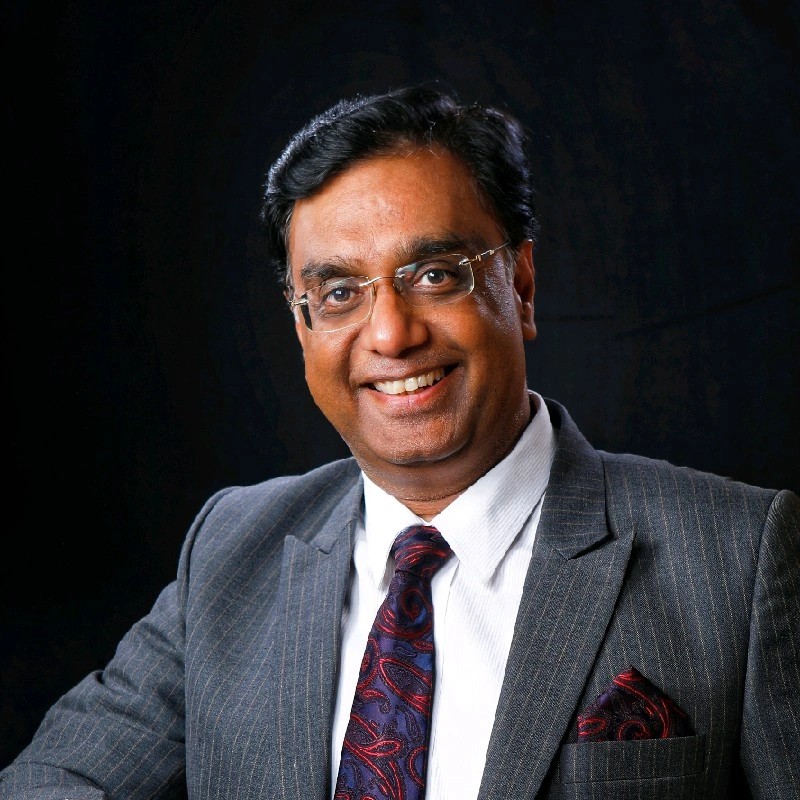

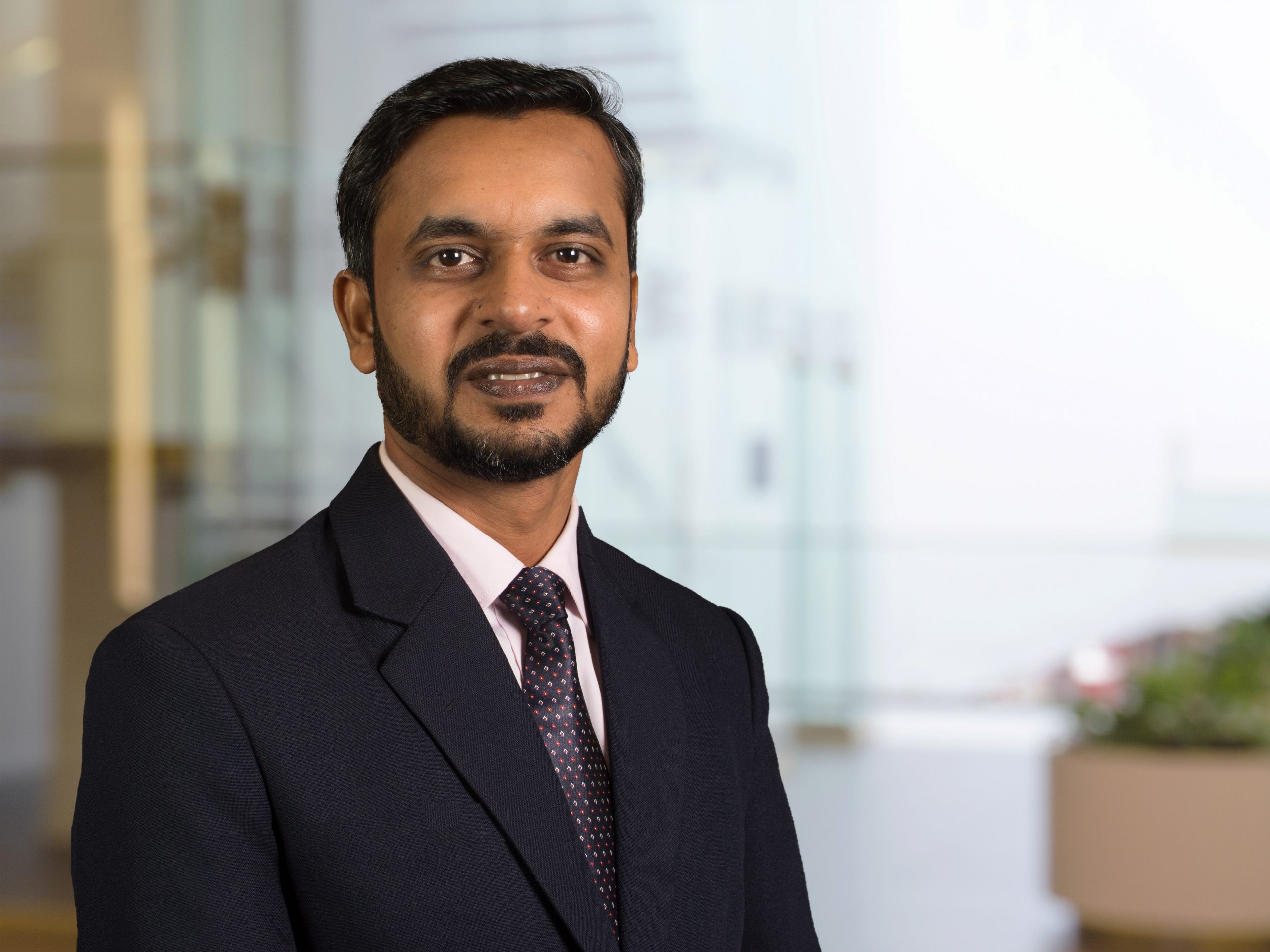

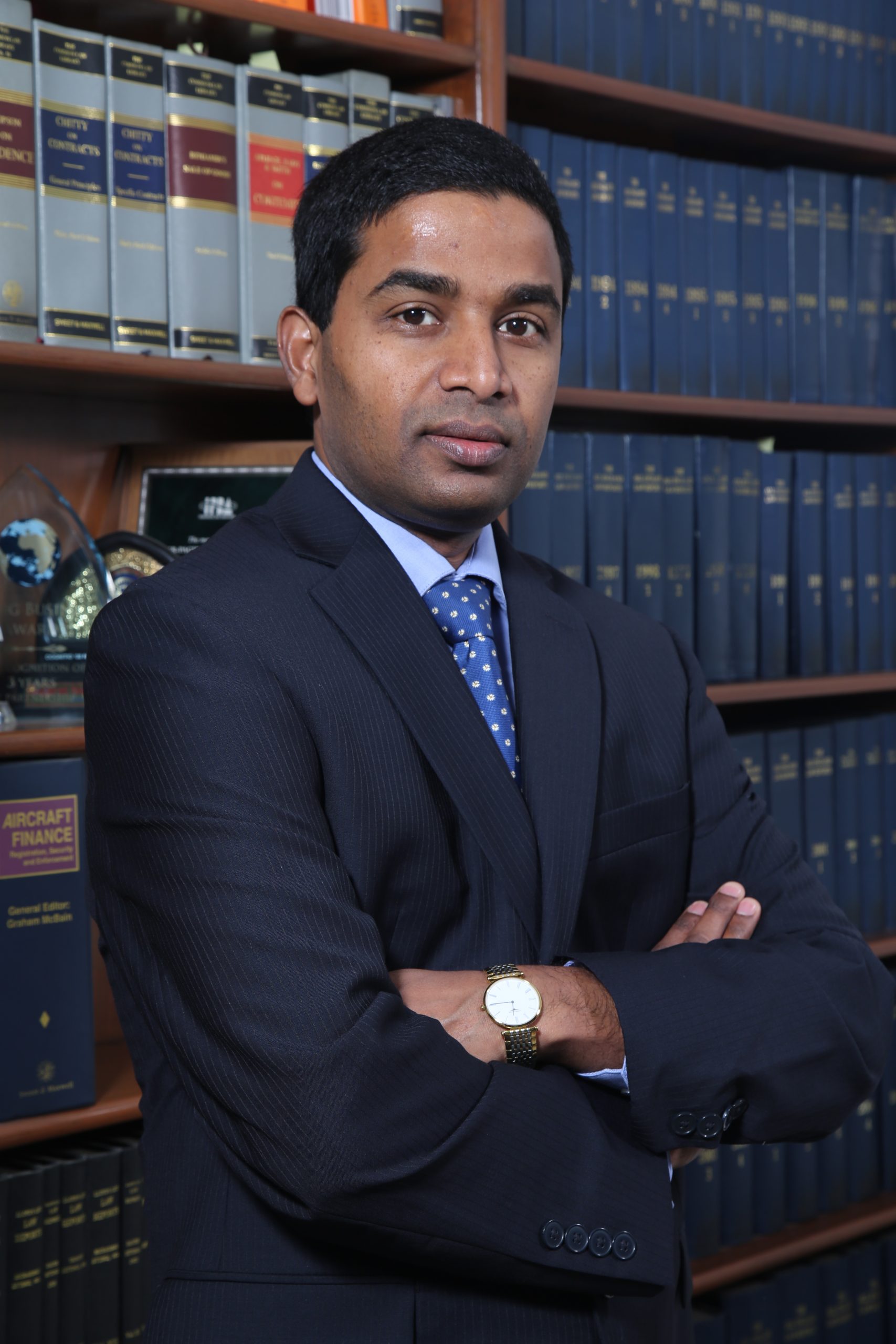
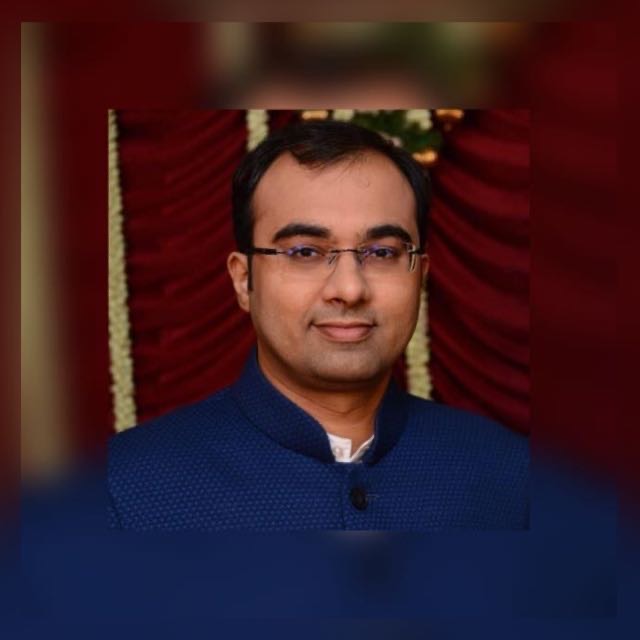








 Allow notifications