Tag: CA

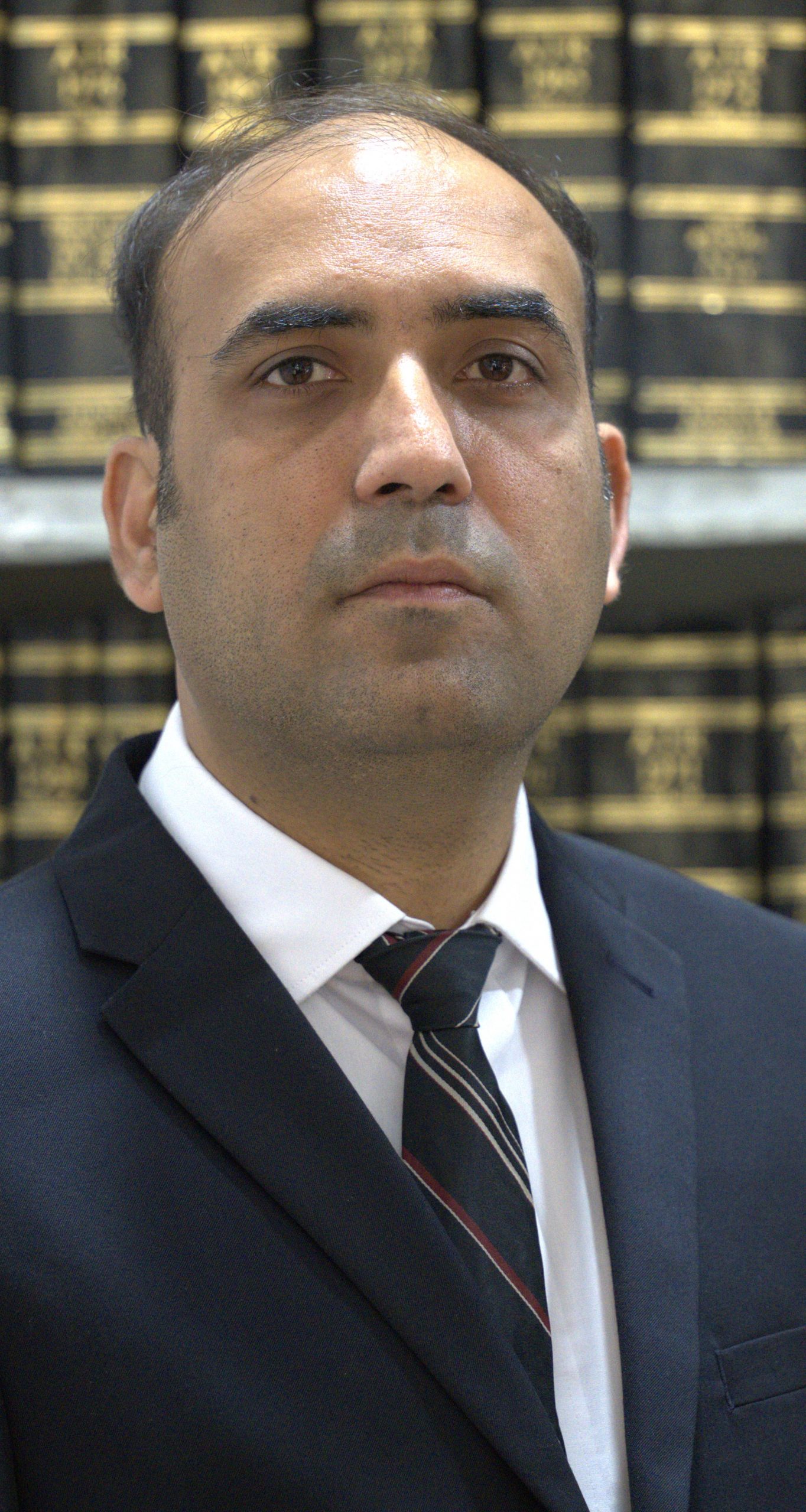
  • “Technology has the potential to bridge gaps in our legal system, but it must be implemented thoughtfully with the citizen at the center” – Suprya Prakash B S, Programme Director at DAKSH

    “Technology has the potential to bridge gaps in our legal system, but it must be implemented thoughtfully with the citizen at the center” – Suprya Prakash B S, Programme Director at DAKSH

    This interview has been published by Namrata Singh and The SuperLawyer Team
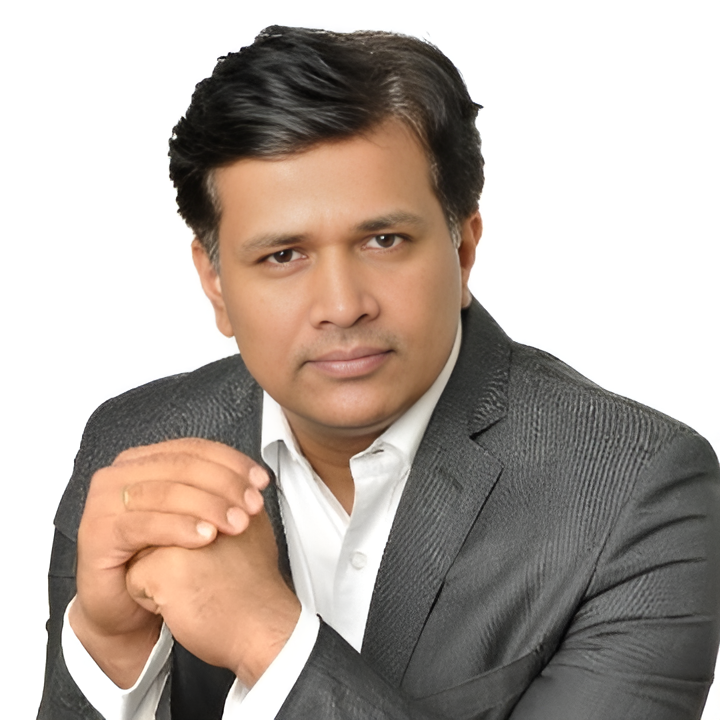
    Hello, and welcome to the new episode of SuperLawyer. Today, we have with us an esteemed fellow and Program Director at DAKSH, Surya Prakash BS Sir. Welcome, Sir, and thank you for agreeing to meet with us and give this particular interview to SuperLawyer YouTube channel.

    Thank you so much, Divya ji. I’m happy to be part of it. I’m looking forward to this conversation and sharing my journey.

    Let me begin with Sir’s journey about DAKSH, a civil society organization that undertakes research and activities to promote accountability and better governance in India, which almost all of us try to find in society.

    Now, I would like to begin this interview with a very small question: When did you decide to become a lawyer? Why did you decide to become a lawyer after having such an amazing career as a CA since the year 2000?

    So, I was a Chartered Accountant, working in the IT industry on the corporate side. After I started getting into tax litigation and handling tax matters for these companies, I realized the importance of having knowledge of the law, not just tax expertise. Law is such a broad field that I believe everyone should have some understanding of it. It’s like arithmetic—it’s as fundamental as reading and writing.

    In modern society, law should be a necessary subject for all of us to be aware of in some form or another. And this is especially true when you’re dealing with a complex topic like taxation. Taxation is not for everyone—it’s a highly technical subject. But when it is applied and administered by officials, and adjudicated by generalists like judges or lawyers, it takes on a life of its own.

    That’s when I realized that you need to be able to speak the language of these other communities. It was a very intellectual realization that led me to choose to study law. I thought, “There’s something on the other side of the river; let me explore it and see how much more enjoyable it might be.”

    Sir, given that fact, you have transitioned from being a CA and absolutely successful career and then to law. And you have also been the program director at DAKSH. You have led many, many initiatives, like rule of law project and setting it up in the law and technology department at IT Delhi. How do you see these projects aligned with your vision for the future of India’s legal landscape? What are your plans regarding that?

    I’ll take a few minutes to address this, so please bear with me. This is a very important question, and many of us may not fully grasp the gravity of the situation.

    As India matures and transitions from a middle-income to a high-income society, we need strong institutions. Our society is evolving—from an agricultural-based economy to an industrial, and now a technological income-based society. During this transition, many aspects of our society are creating friction. Personal lives are being disrupted, people are being uprooted due to migration and environmental changes, and there is a constant clash between the haves and the have-nots.

    In this journey as a nation, I believe that what will hold us together—apart from each of us individually becoming more enlightened and aware of our motivations—are strong public and governance institutions. These institutions need to withstand the rise and fall of the tides of time and the pressures of street politics. The key question is, how do we maintain our integrity and distance ourselves from these pressures?

    With that objective in mind, the rule of law project at DAKSH was initiated by a group of people, including Harish Narsappa, now a Senior Advocate at the Karnataka High Court, and Kishore Mandiam, one of the active members of the team. I joined the project in 2015. As we began working, we realized that while systemic change and strong institutions are crucial, it is equally important to engage with the citizens on the ground. What do they want? What are their expectations? How do they perceive these institutions?

    Our perspective has always been focused on systemic change and institutional engagement, but from the citizen’s perspective. This approach has been our guiding principle over the years. We do not reject any perspective—whether sociological, economic, systems thinking, or technological. All these are tools that we should use appropriately to make change possible. One significant advantage of technology is that it allows for scale; it overcomes geographical and physical limitations, making it a very attractive tool. However, it must be used carefully and appropriately, which is always a challenge.

    When we were contemplating how to use technology and analytics, an opportunity arose for us to partner with IIT Delhi, leading to the establishment of the center there. We look forward to many more collaborations with other institutions and engaging in impactful initiatives.

    So, sir, given your background, you have also co-edited the book called Technology and Analysis for Law and Justice. How do you see technology and analytics playing a role in improving access to justice and enhancing legal outcomes? I would like to also add to this, how do you foresee it is going to change our legal justice system? The problem is, that we have to first understand how technology is infiltrating our lives as well. We would love to hear your views.

    I think the answer to the question is evident in the fact that we’re speaking seamlessly with each other, despite being in different cities. Technology has integrated so well into our lives that sometimes it feels too comfortable. The fact that technology is so ingrained in our day-to-day functioning, yet seems somewhat out of place in the legal and justice space, highlights a bridge that needs to be crossed. Technology can significantly impact all aspects of law and justice, whether it’s access to law, information about your rights, or finding out who the appropriate agency is for your situation—whether it be a paralegal, a law firm, a lawyer, or an NGO that can assist you. All these entities support a citizen’s journey from being aware of their rights to enforcing them. I believe that is the foremost priority.

    Everything else should be viewed as assisting the citizen in that process, whether it involves law firms that have embraced AI and databases or courts that are now starting to integrate technology. It is also true that the courts are fairly downstream in this process. For example, if a hypothetical Zomato order ends up in court, it is at the very end of the transaction chain. So, courts will always be in a reactive mode when adopting technology, but this needs to happen sooner rather than later.

    India has an advantage here. It’s similar to how mobile penetration in India scaled up much faster than in some Western countries because landlines had not yet penetrated deeply. Likewise, many courts in our country do not even have desktops, so moving to the next generation of technology—whether it’s video conferencing, text-to-speech features, or other advancements—becomes much more feasible because the starting point is essentially zero.

    There’s no need to convince anyone on the impact of technology; lawyers who are attuned to the needs of citizens are already aware of it. They use WhatsApp, and people expect updates on WhatsApp, QR codes for payments, and so on. All of these are becoming integral parts of our lives, and they will naturally flow into the court systems in the days to come. I have no doubt about that.

    The challenge for us is to ensure that this transition is done in a structured manner, with the citizen at the center of it. We need to focus on the design, accessibility, and, in parallel, like with all institutions, how to maintain accountability and transparency. For example, does the use of video conferencing compromise the principle of open courts? The purpose of an open court is to be seen as part of society, but if links are only accessible to a few, how compliant are we with that principle? These are the aspects that require serious engagement from all of us.

    Our book, Technology and Analytics, co-edited with Professor Nomesh Bholia, the head of the center at IIT Delhi, who has done significant work on operations research and optimization, addresses these issues. The efficiency of court functioning is an area that needs substantial improvement, and techniques from other sectors need to be brought into the justice system. The journey of writing this book was fantastic, and it includes some excellent chapters.

    Many people are aware of the impact of technology, but fewer understand the importance of analytics. We have consciously used the term “analytics” instead of “artificial intelligence” because the latter can seem somewhat conceited. Some experts we consulted recommended using the terms “algorithms” or “analytics,” which is why we chose the latter. I hope readers will pick up the book to understand the reasoning behind this choice.

    Sir, considering the various approaches, particularly the citizen-centric approach you’ve mentioned, it’s evident that this perspective would lead to a different way of handling the transition within the legal system. Your background is primarily in the corporate sector, and you have extensive experience in tax controversy management, a very unique and niche field.

    How have these experiences shaped your views and approach in embracing a citizen-centric perspective? It’s quite distinct, transitioning from a corporate background to an NGO setting and adopting that mindset. How have you managed that transition? We would love to hear your thoughts on this.

    I was fortunate that the leadership at DAKSH at that time found it appropriate to give me the opportunity to be here. However, the thought process was seeded much earlier when I was in a corporate role where we had to manage a lot of complicated litigation.

    We had these trackers and Excel sheets with case numbers, years, dispute amounts, chances of failure or success, next hearing dates, and the expected final outcomes. You would jump onto a call with large companies, speak with management, and they would ask, “Okay, when is this matter likely to end?” I understood why they needed to ask, but the reality was that I didn’t really know when it would end, because that’s the nature of the Indian justice system. This made me think more deeply about the courts, how they function, and how difficult they are to understand for people unfamiliar with them.

    Fortunately, at that time, I was also taking a course at Takshashila on public policy, where quantitative methods were one of the topics I found particularly interesting. I tried applying these methods and wrote a few blogs using them. Coincidentally, I came across an op-ed in The Hindu by Sudhir Krishnaswamy, who is now the Vice Chancellor of NLS Bangalore. He wrote about the work of a Harvard researcher who pioneered using quantitative methods to study the Indian Supreme Court. I found this very interesting and thought, “Yes, this is exactly what I’m talking about!” He discussed how the distance from Delhi impacts appeal rates, among other things.

    I decided to write a cold email to Professor Sudhir Krishnaswamy. I introduced myself, mentioned that I had read his op-ed, and found it very interesting. I shared that I had some ideas and asked if I could come and discuss them with him. To my surprise, he replied to my email and connected me with his team. I visited them, and we shared ideas. One thing led to another, and I was introduced to the team at DAKSH—Harish and Kishore—who were also working on using quantitative methods to understand the justice system. I started volunteering with DAKSH, which was a big eye-opener for me and helped me gain a more systemic perspective on things.

    At that point, I was contemplating my next career move, and I felt that if something as significant as the Indian justice system needed to be talked about, researched, and studied for the benefit of the nation, then there was no better time than now to do it.

    Around that time, there was also a Law Commission report by Justice A.P. Shah—the 245th Law Commission Report. For the first time, they had extensively used numbers to understand the system. I wondered, “Why hasn’t this been done before? If this is the first such effort, imagine what more can be achieved.” This solidified my decision to move into this field on a full-time basis. So, this is my full-time job now, working on DAKSH projects.

    Sir, you also have worked a lot in advocacy and community building. How do you engage the stakeholders who are involved to drive them into meaningful changes that can be brought in the legal ecosystem in India, as well as worldwide, because India cannot only be seen in a jurisdictional format now, now that we are entering into a digital world, and almost all of the tech-related laws are built on universal laws?

    So how do you see the kind of changes that we are looking forward to and how do you make sure that people understand these things as well?

    It’s not easy at all. I think we all need to start with the expectation that there will be resistance and pushback because the status quo will be disturbed. People will be pushed out of their comfort zones, and existing methods and ways of working will be disrupted. Once we begin the conversation with that expectation, it becomes easier to navigate the next steps.

    The tools—well, it’s wrong to simply call them tools. It’s really about conviction. It’s about communicating convictions, sharing ideas, and figuring out who on the other side connects with them. It’s about listening for echoes in society. While we can do all the planning we want, ultimately, it’s about finding people who resonate with your way of thinking, who share your vision, and who understand that this is a path they need to tread. It’s about recognizing fellow travelers when you see them. So, it’s as much about understanding yourself as it is about understanding others.

    There’s a fantastic line that I sometimes hesitate to use: there are people who claim to be doing advocacy, and then there are people who are actually doing advocacy. Sometimes, those who seem to be doing advocacy really are. When I say advocacy, I don’t mean just advocates and lawyers, but those who are advocating for change in the system. It’s a very fine line to tread, and you have to be humble. You have to be understanding of various perspectives and try to bring as many people along with you as you can. It’s very difficult to say, “I did this, and therefore this happened.” That linear equation does not exist, especially in society and particularly in the field of law and justice, which is just one subsystem within the larger complex adaptive system that is society. To claim that one action directly led to another is a very tenuous argument. It’s possible, and if you’re lucky, it might happen. I can clearly say I’ve been fortunate to have been part of some of these moments, but it doesn’t happen to everyone or every time.

    In that context, given the global surge in using technology across everything, India cannot remain isolated. India will have to learn how to adapt to this situation. I believe there’s a strong case for India to take the lead in many areas. Many countries recognize this, and we’ve seen this with initiatives like UPI and DPI—other countries are now waking up to the fact that there are newer ways of building systems that can benefit society at large. India should strive to take the lead in many of these domains, particularly in law and justice, where I believe we have a huge opportunity, especially given that developments in other countries are not very encouraging from an overall social perspective.

    I guess sir, India is the front-runner when it comes to AI and its usage in social upliftment.

    That’s what I understand from the ethical perspective and the think tanks with whom I’m involved. I would like to ask that question also, if you allow me to, that since we are front runners in terms of ethics, morality, and spirituality, and we are trying to understand these concepts and the world is trying to understand it as well, along with us.

    How do you see that this is going to take us as a country as a legal framework? And how do you see that society is catching up to it? Because law as always has been told everywhere that it catches up with technology, but technology runs forward. Do you see any time sooner that we will be having similar kinds of laws, which will be much more enforceable, even without a lot of gaps?

    Because researchers are going on to understand how these things are going to take shape when it comes to, let’s say, driverless cars. And given the kind of population that we have, will that become a reality anytime soon for us with obviously all the implications?

    I would break that question into two parts: how does law catch up with technology? And more generally, how does law catch up at all? In India, we haven’t been particularly strong in adapting law to technology. We’ve been reactive, very reactive. As you rightly pointed out, this reactivity is common in most countries, but it’s fair to say that we might even be lagging behind many other countries in this regard.

    If I were to make an educated guess, I would say that where laws directly impact citizens on a personal level, we will see legislation emerge more quickly, whether it’s related to health, food, or other immediate concerns. Take the example of BT cotton; you’ll recall the significant pushback against it. So, when we talk about technology, we need to use the term more broadly, including areas like our environment.

    In some cases, you will see more direct resistance and quicker legislative action. But where the impact of technology is more removed from individuals—one or two steps away—you’re likely to see a slower response. This brings me to the broader issue of laws being reactive to social expectations. Social norms, conventions, and practices eventually need to be translated into law.

    However, I believe that feedback loop is not very strong in India. It’s often either the government preemptively making decisions or interest groups pushing their agendas. The general lawmaking process in our democracy hasn’t fully matured. There’s a lack of widespread consultations, and we rarely see solid research reports backing the introduction of new laws. There’s also little study on the impact of existing laws.

    This is why I predicted earlier that when laws affect individuals personally, election cycles will ensure a quicker response. But in other areas, the pushback might be slower. This isn’t necessarily good or bad, but it’s something we need to be mindful of. As a society, we should think critically about the processes and mechanisms we need to strengthen to meet societal expectations.

    How do you view the new generation of learners entering both the legal and technology fields? With technology law now becoming a significant reality in India, what advice would you give to these new entrants? What kind of plan or timeline should they consider? How should they approach their careers, especially considering that our legal system is evolving and the movement towards technology is gaining momentum?

    We would love to hear your suggestions on how these newcomers can get acquainted with these changes. How do you see these new norms coming into play, and how can everyone adapt to the integration of technology into the legal field?

    Actually, I think this is a very good question. We’ve been trying to think about a curriculum or a reading list aimed at bringing lawyers together, and I believe it’s best to start with where you are. Any person joining law school today has already been using mobile devices for the last three to five years.

    So, begin with that. What laws govern WhatsApp? What are the legal rules around posts on WhatsApp, Instagram, Facebook, or Twitter? If I create a post on Instagram, what material can I use? What laws govern that material? If I tag someone, and it’s not a very nice tag, what are the consequences for me?

    I would urge law students who are entering the course to start with these daily experiences and build from there. If they are curious, keen, and diligent, it will naturally lead them to understand constitutional rights and institutional mechanisms. But starting with something as simple as breaking down the mechanics of a mobile phone is essential.

    I wouldn’t recommend textbooks or other formal books, especially for this purpose. Start with your experiences. For example, when you do a Paytm or UPI transaction, what are your rights if it doesn’t go through? If there’s a dispute, what are the mechanisms available?

    I believe that thinking along these lines will be far more educational than compiling a list of textbooks and research articles.

    The practical perspective you’re suggesting often raises the question: the way we are educated and the way we are trained in practical life are two completely different worlds. Once we step out of college, we realize we’re entering a new world, and we have to learn everything from scratch.

    Sir, you’ve always been busy developing your career and contributing to societal systems. But outside of these professional endeavors, what personal hobbies or interests do you have? How do you balance these with your busy legal and corporate life?

    I have always made time for my interests, and I encourage everyone to dedicate time to something beyond their professional life—something just for themselves, something that nourishes the soul and the body. It’s super important to keep that priority straight.

    Recently, I’ve discovered the benefits of physical activity—maybe it’s age catching up with me—but I’ve taken up swimming, and I strongly encourage as many people as possible to do the same. Aside from that, I’m really into reading books. Sometimes it feels fashionable to say that, but I read books that can’t be finished—and I mean that in a good way. The classics, which you can keep revisiting at any time. I read a lot of classical Indian literature in Kannada, Sanskrit, and English.

    I also read many traditional Indian texts, which I find very useful. Art and music are big parts of my life as well. I’m open to all types of music, and it plays a significant role in helping me unwind and shift my mood, depending on how the day goes. I think music is an important element to have handy—you never know when you’ll need it.


    Wow, sir, you are so humble in sharing these insights. Considering how lawyers typically unwind, especially the new entrants I’ve interacted with—they often wonder how anyone finds time for hobbies when they’re focused on earning a living. I sometimes struggle to answer when they ask how they can make time for such things.

    Given that, what suggestions do you have for the new generation of legal professionals and researchers who are eager to make a meaningful impact in this field but feel restricted by various challenges? How can they find new ways of learning and approaching life and their careers?

    I think it’s a very important point, and something I’ve recently been considering more deeply. There isn’t a straightforward answer, as a lawyer’s income depends significantly on the domain they work in. If that domain is thriving, clients will naturally be able to meet the needs of the lawyers. For instance, if you work on high-level transactions like corporate M&A, you will generally be compensated more. Conversely, if you’re involved in areas less relevant to current major deals, your income will reflect the section of society and the economy you are serving.

    It’s crucial to understand that the fees you earn from traditional advisory work are influenced by the economic sector you serve, which also has its own business cycles. What was highly lucrative two decades ago might not be as appealing now. Therefore, I believe there’s an oversupply of law graduates in the market. While they are highly skilled and intelligent, it’s important to build additional skills adjacent to legal expertise. For example, writing skills can be valuable in various roles, logical thinking can be applied in numerous situations, and crafting arguments can be useful in diverse contexts.

    I would strongly recommend exploring how these skills might transfer to other domains. Many legally trained professionals have succeeded in other sectors, demonstrating the applicability of their legal training beyond traditional legal roles. For instance, having a deep understanding of constitutional law provides a unique perspective on how institutions function, which is a valuable skill that can be applied in many other areas.

    I don’t claim to have fully answered your question, but I can honestly say that I would advise my child, if they chose to pursue law, to view it as a means to learn how to learn, rather than committing to a lifelong career in law. If a career in law happens, that’s great, but it’s also important to be open to applying the skills learned to different situations and continuing to grow.

    Wow, Sir! You answered the question in a nuanced way, and your suggestions are absolutely fascinating. Choosing wisely is crucial. Looking ahead, and without taking much more of your time. Could you share what you see as the most pressing challenges or opportunities in India’s journey toward a more equitable and efficient judicial system? How do you plan to address these with your involvement with so many prominent organizations in India?

    I have no doubt that it is only by coming together that we can make a difference. The path forward for all of us is to identify and connect with a purpose larger than ourselves. As a nation and as a society, we have reached a point where our basic needs are, to a large extent, fulfilled for many people.

    As lawyers, it is crucial to identify a purpose beyond oneself and strive to achieve it. This could involve advocating for particular rights, making courts and laws more accessible, or increasing public awareness about possible legal actions and legal aid.

    Consider what you can contribute and remember that this mindset is valuable in corporate settings as well. When legal opinions are sought for business purposes, keeping the larger context in mind is essential. Without this perspective, legal advice may remain a mere pedantic exercise. Identifying and connecting with a larger purpose is vital for future generations and for everyone.

    I strongly recommend finding a group of people who share similar values and becoming part of that community. At DAKSH, we are engaged in many interesting projects and look forward to collaborating with others who share our enthusiasm for these initiatives.

    Whether as professionals, young professionals, or students, there is much to be done collectively. Our journey has only just begun, and we have numerous ideas for what could be accomplished. I am happy to share these ideas with those who are interested.

    Thank you so much, sir, for your thoughtful interview and for extending an invitation for us to connect and build our own community to better serve society. Once again, thank you for your time and for listening to us. I’m your host, Divya Dwivedi, and I extend my gratitude to Surya Prakash sir for being here and giving us so much of your time.

    Thank You

    Get in touch with Surya Prakash B S-

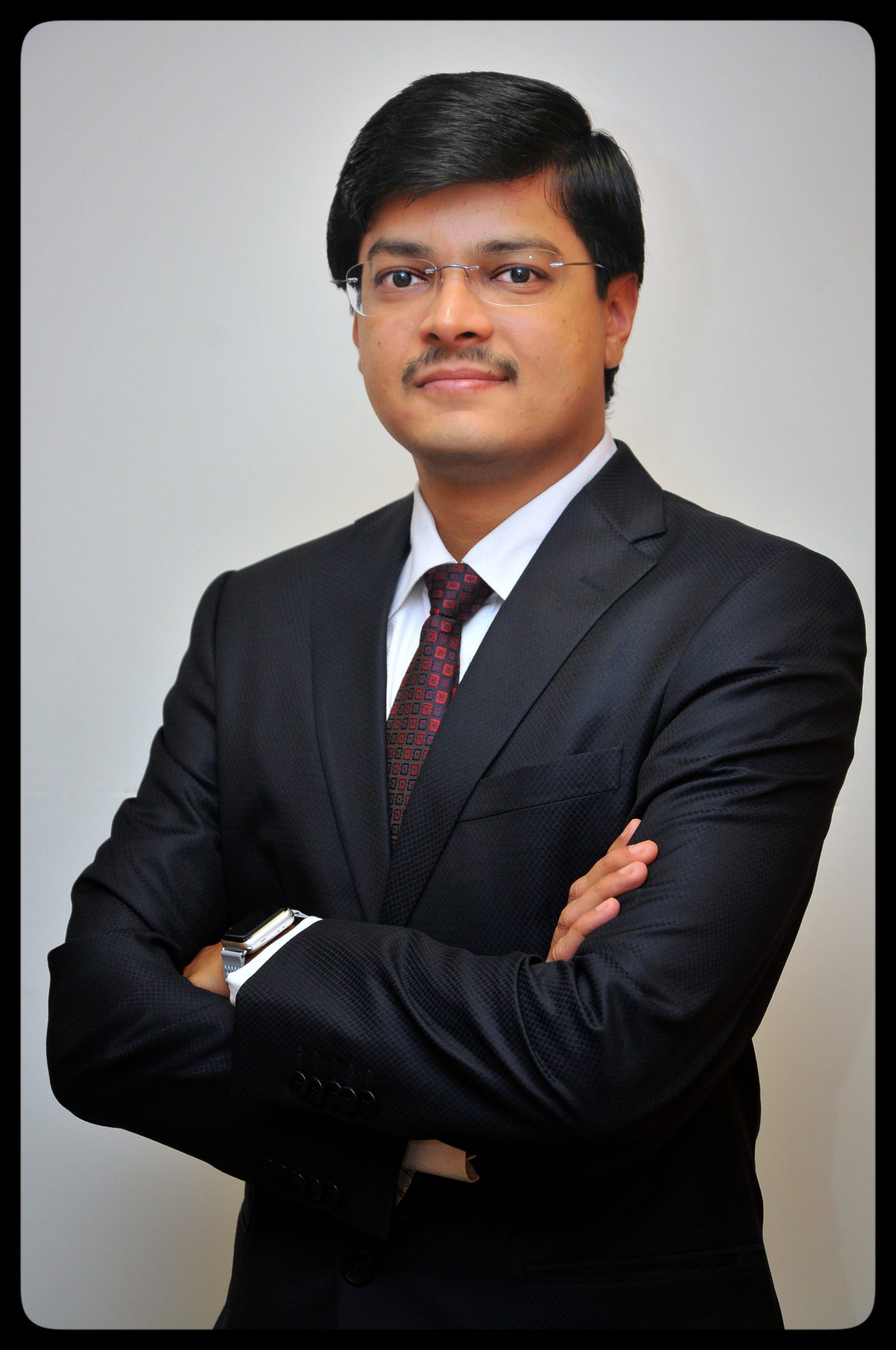
  • “Mediation can be one of the quickest, cheapest, effective, and sustainable methods to resolve disputes, saving numerous hours of court’s time.” – “Bridging the Worlds of Accountancy and Law: Keval Sheth, Founder, Konvêrj-Zeûs

    “Mediation can be one of the quickest, cheapest, effective, and sustainable methods to resolve disputes, saving numerous hours of court’s time.” – “Bridging the Worlds of Accountancy and Law: Keval Sheth, Founder, Konvêrj-Zeûs

    This interview has been published by Namrata Singh and The SuperLawyer Team

    Your educational journey is quite diverse, transitioning from becoming a Chartered Accountant first and then an LL.B. What motivated you to pursue a diverse career in accountancy and law, and how has this multidisciplinary background influenced your approach to risk, forensics, and dispute advisory?

    Though I have qualified as both, I have not practiced as either of them. I have been in consulting for all my professional career, right since my internship days back during 2002-05. I started with a lot of risk advisory and corporate governance work, working with various consulting firms. But it was when I started conducting forensic investigations and when I interacted a lot more with lawyers, I was intrigued enough by their role and wanted to, if not practice as one, but think from their perspective as well.

    What this has done is that while I am conducting the investigations, it helps me wear a lawyer’s hat also and foresee, of course in my limited knowledge and capacity, certain aspects which are distant to someone who is just a forensic accountant. And needless to mention the extra help I get to interpret various documents in my dispute advisory work as well.

    In this context and as an accredited arbitrator and an empanelled mediator, what unique insights do you think you bring to the table to resolve disputes effectively?

    Globally, the arbitration practice as such is led by the legal fraternity and rightfully so. Having said that, in my view, there is good space for technical professionals other than lawyers. Technical experts like accountants, engineers, doctors, architects, etc. can immensely contribute as a neutral to resolve disputes.

    If a technical professional is an appointed neutral on a case, be it as a sole arbitrator or as a co-arbitrator, I think there is a lot of merit in the process. Imagine a complex commercial dispute or a construction dispute, where you have a chartered accountant or an engineer as one of the arbitrators respectively; not to mention if they additionally are qualified lawyers as well. Not only is the arbitrator adept in the legal aspects but also aware of the complex technical aspects of the case, which may lead to a better conclusion on the case. It is also better to understand the prevailing entitlement, causation and quantum of a case.

    With your extensive experience in forensics and dispute advisory, what are some common pitfalls you’ve observed in organizations regarding risk management, and how do you help them navigate these challenges?

    The most common and critical one that I have observed is to not have a risk management framework at all or to have it led by a risk champion who is relatively inexperienced in the role or function.

    Another pitfall is that a lot of corporates have failed miserably in integration of data, systems and people. Multiple fragmented systems and processes lead to inconsistencies and non-standard procedures.

    Over emphasis on financial risks with no or limited attention to operational, reputational and strategic risks are leading corporates to last minute surprises and resort to course corrective actions.

    Policies and procedures are often poorly drafted and hence lead to multiple gaps and loopholes being exploited by the perpetrators.

    In my experience, we are usually brought in largely when there is a crisis in the company and our support is sought to investigate and course correct the situation. However, in a growing number of cases, management does realise that a proactive approach to have a robust fraud risk assessment will be more effective to save money, time and the huge energy that they are drained off of in a reactive approach. So, I would recommend that risk and fraud management frameworks are of utmost importance. These frameworks also help avoid various disputes and compliance issues that may crop up due to identified procedural shortcomings.

    Founding Konvêrj-Zeûs represents a significant milestone in your career. What inspired you to establish your own consulting firm, and what unique approach does Konvêrj-Zeûs bring to the table?

    Yes, it is. Back in September 2021, I thought that the timing was just right. Things were just starting to recoup post the Covid-19.  After working with various well-known accounting / consulting firms of global repute, I thought it made sense to take the plunge and explore new avenues. As a budding professional, you have always dreamt of having something of your own someday. I think the entrepreneurial bug bites you really hard.

    At Konvêrj-Zeûs, we offer multiple consulting services to corporates, banks, other non-banking entities and law firms, which include Risk Advisory, Forensic Investigation, Dispute Advisory, Financial Advisory and Transformation Advisory Services.

    I think being brought up professionally in some of the large consulting firms does develop a professional approach and attitude that is appreciated by clients globally. So, even though Konvêrj-Zeûs is still in its nascent stages of its journey to expand, the kind of work we do is acknowledged to be at par, if not better, with some of the leading consulting firms around.

    I think the ‘attention to detail’ that we pay on each of our projects helps us give our clients exceptional service experience. At the end of the day, we immensely value the trust that our clients place on us.

    Could you elaborate on the intersection between forensic accounting and economic damages assessment, and how this expertise aids in resolving disputes and providing expert witness testimony and also uncovering financial irregularities and providing expert testimony in legal proceedings?

    Forensic accounting is actually a combination of accounting and investigative techniques used to discover financial crimes and as Forensic accountants; we explain the nature of a financial crime to the courts. Many cases, where we are on-boarded, require us to quantify the damages due to certain breaches, for example, or quantify the losses due to fraud or misrepresentation, or value IPs like Trade Secrets / Brands in cases of IP infringements or data theft and so on. So, the investigation does not end at authoring a report and concluding whether a fraud was committed or not, but also goes ahead and quantifies the losses / damages.

    Likewise, in case of disputes, the Tribunal relies more upon and takes into consideration an expert’s report than that from the parties to a dispute, while they decide and award the damages or lost profits as it is from a neutral standpoint. Once the legal tenability is proven, often the question of ‘How Much’ is core to the Tribunal to decide upon, which is where our quantification helps them.

    So apart from the economic analysis, I think the forensic accounting skill set does play a crucial role in setting right the facts and figures of the case and eventually also limiting the assumptions and extrapolations used in the quantum exercise.

    Similarly, in cases where financial irregularities are concerned, we analyse financial data and identify discrepancies that may indicate fraud or other financial crimes. We work closely with law enforcement agencies, attorneys, and other professionals to investigate financial irregularities and provide evidence to support legal proceedings. For doing the same, we use different techniques, tools and technologies to unearth the financial irregularities.

    Your role as a mediator at the High Court of Bombay indicates your involvement in alternative dispute resolution mechanisms. How do you see the role of mediation evolving in the legal landscape, particularly in complex commercial disputes?

    We all know that mediation can be one of the quickest, cheapest, effective and sustainable methods to resolve disputes. It adds advantages to the case, for being informal and of a flexible nature while maintaining confidentiality.

    While a lot of parties do attempt mediation on the first go, a lot of courts have also resorted to mediation before litigation. Also, for a majority of people, the prospect of going to court is daunting both emotionally and in terms of the financial strain it can pose, and it can mean that proceedings take a considerable time.

    When widely accessible, mediation can be a successful way of keeping cases away from the stress and expense of court. This saves numerous hours of court’s time, which can be useful for cases that are not resolvable through mediation.

    Even in complex commercial disputes, it may sometimes be at the parties’ advantage to use mediation as a channel to resolve the dispute. The complex nature of dispute can be simplified by seeking help of technical experts, while the legal aspect can be taken care through mediation. This not only saves the parties huge amounts of effort and money, but it can also give the parties that critical time to decide and make critical decisions after the resolution that they would have lost in a long-standing dispute.

    Given your wealth of experience in the field, what advice or suggestions would you offer to the upcoming generation of professionals aspiring to make a mark in risk management, forensics, and dispute resolution?

    I genuinely believe that there are numerous avenues where one can practice and expertise apart from the traditional fields of professions of a Chartered Accountant and a Lawyer.

    A dual qualification or skill set is always going to be an added advantage, be it of any specialized profession. So, I would always advise one to be on the lookout for opportunities where one can expand the horizon to add the necessary skill set to one’s profile.

    In my case, internal audit led me to risk and corporate governance, which led me to forensics, which led me to expert report & evidence and currently I also support resolving disputes. So, one has to hold on to the leading strings to explore new avenues of consulting.

    Branching out to this particular niche practice area has worked for me until now. For someone else, it can be a different combination. But one has to explore into various formats and see for themselves what suits them. We often are bound to one particular field observing our mentors or seniors or partners around us, but in my view, one has to take some risks in early years to establish a strong foundation.

    For practicing in forensics and dispute resolution, I would finally advise to be qualified or acquire the requisite skill set where one understands the legal and one technical side of things.

    Get in touch with Keval Sheth-

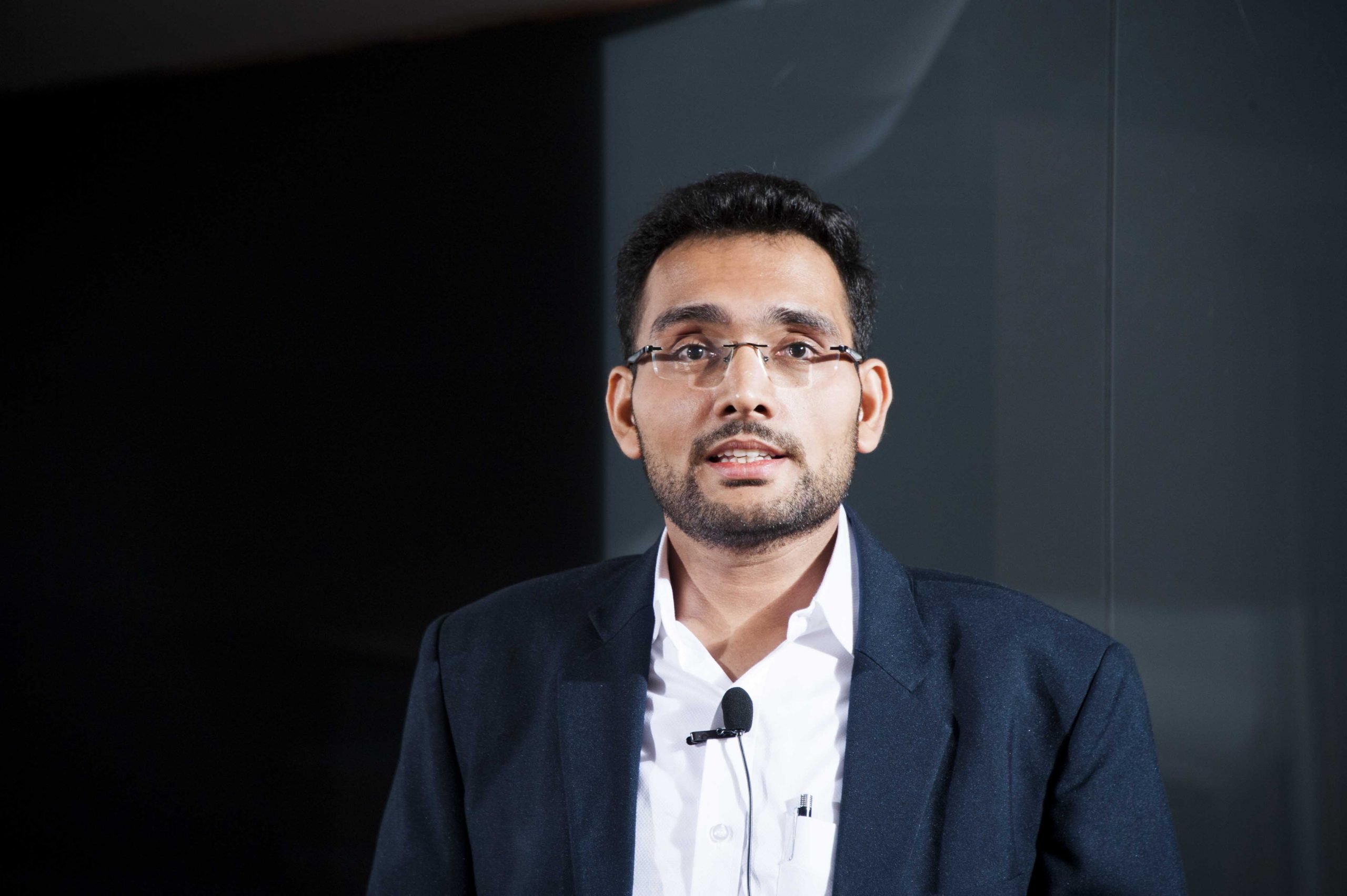
  • “The major problem that multi-million dollar companies face while entering India to expand is choosing the wrong shareholding structure and wrong business structure delaying the corporate compliances and inviting various penalties”- Nipun Khanna, Founder, Startup Solicitors LLP

    “The major problem that multi-million dollar companies face while entering India to expand is choosing the wrong shareholding structure and wrong business structure delaying the corporate compliances and inviting various penalties”- Nipun Khanna, Founder, Startup Solicitors LLP

    This Interview has been published by Pragya Chandni and The SuperLawyer Team

    Can you share with us your journey into law? What motivated you to pursue both chartered accountancy and a bachelor’s degree in law?

    Since I was born in the family of lawyers, I would further like to say that both my grandfather and my father, who themselves were in the field of law as regular practitioners mainly in the state High Court & from them I was fully inspired to join the profession of law. My elder brother who already had preferred to join the same profession in the established law firm Khanna And Associates. Being fully inspired & encouraged joining the law firm passionately, & finding fully satisfied positively ensuring myself in choosing this right path into the profession of law. 

    It needs no mention to state that the repute and the status that this profession owed to our family is un parallel and being able to make an impact in the society by using the law in the best interest of the society is always the motivation behind pursuing the law

    Not to forget the black uniform, the British formalities, and being able to express yourself more profoundly seemed charming to the younger version of me back in the days of opting for law.

    I always wanted to work with big corporations shoulder to shoulder and thus law and chartered accountancy both has opened this gateway for me. 

    Your expertise lies in a diverse range of legal areas, from corporate compliance to taxation and intellectual property. How did you develop such a multifaceted skill set?

    When you plan to work in business law, you have to equip yourself with whatever it takes. There is no exception to that. As a corporate lawyer your job expects you to guide your client in all the aspects of law applicable to them and since your client is a corporate entity you have to equip yourself with all the laws applicable to the entity and such dynamics keep changing with the change of law or change of business circumstances.

    Your expertise has to vary in various areas of corporate/business law :

    1. Whether it is forming/incorporating a company in the best business structure for your clients business.
    2. Devising the best tax strategy, acting as their legal architect, formulation of a plan for them to execute their business or routing the funds by abiding the banking laws thus forcing you to become an expert in banking law as well.
    3. Once when the company is set up then you have to devise various internal controls for which you have to be well versed with various auditing procedures, practices and standards enabling you to guide your client entity to manage itself without disputes and with full transparency. Thus Auditing knowledge comes into picture and you are required to have the knowledge of this field.
    4. When your client starts recruiting employees then you are assumed to be a contractual law expert along with tax and employment laws as applicable to the respective industry.
    5. When your client begins operation/production you are expected to be an expert in seeking various licenses and IPR laws.
    6. Then finally after all this spade work you reach corporate advisory. Advising provisions as applicable to directors and KMP and the entity as well.

    Thus as a corporate lawyer you have to put your mind in various branches of law that offshoots from company law itself.

    As the founder of Startup Solicitors LLP, you’ve been deeply involved in helping startups navigate legal complexities. Could you tell us about a particularly challenging case or project you’ve worked on and how you tackled it?

    As a law firm we are more likely than not to face challenges in terms of legal complexities. The world is evolving with unprecedented pace and keeping up with the AI and Web3.0 hand in hand with legalities which are not adapting with the pace of technology.

    Though there are many challenging project that came before us, but one interesting project that I would like to draw your attention to would be is of a US client who is working in the blockchain technology and wanting to launch their cryptocurrency few years back when lawmakers did not inked a word on the legality of cryptocurrency. The challenges that we faced were many :-

    1. Whether the cryptocurrency can be tendered as a legal currency in India ?
    2. Whether Crypto mining is acceptable in India ?
    3. Can Cryptocurrency be listed in regulated markets in India ? If not can a Crypto exchange be formulated ?
    4. What is the Tax applicability on crypto transactions in India ?
    5. How to report cryptocurrency to the government Authorities in India ?
    6. Which country in the globe is most suitable for ICO launch and Crypto mining if not India?

    It took us a lot of research work in both the legal and geo political field in understanding the mindsets of various countries towards crypto currency acceptance enabling us to advise the client in choosing India vs Rest of the world for its multi-billion dollar idea. Helping him find the right country for setting up business, choosing the right country for its distinctive operations keeping in mind the future plans of our client.

    Today, we can see the global acceptance of crypto currency. The law remains in grey areas in various parts of the globe.

    With your experience in assisting multi-million dollar companies expand into India and serving on their boards, what are some common challenges these companies face when entering the Indian market, and how do you address them?

    The major problem that multi-million dollar companies face while entering India to expand is choosing the wrong shareholding structure and wrong business structure delaying the corporate compliances and inviting various penalties.

    We address the same by emulating a documentary check and analyzing the business structure comprehensively from all corners and creating timeline keeping in mind the MCA compliances, RBI Compliance, FRRO Compliances and tax laws prior to executing the incorporation process for setting up company in India

    You’ve been involved in setting up new businesses and handling legal and financial consultations. Could you walk us through the process of setting up a new business, highlighting the key legal considerations and steps involved?

    Setting up a new business involves several key legal considerations and steps. Here’s an outline of the process:

    1. Choose a Business Structure: Decide on the legal structure of your business. Common options include sole proprietorship, partnership, limited liability company (LLC), or corporation. Each structure has different legal and tax implications, so it’s essential to choose the one that best fits your needs.
    2. Register Your Business: Register your business name with the appropriate government authorities. This may involve registering a “Doing Business As” (DBA) name or incorporating your business with the state.
    3. Obtain Necessary Permits and Licenses: Depending on your industry and location, you may need to obtain specific permits or licenses to operate legally. Research the requirements in your area and ensure compliance.
    4. Secure Intellectual Property Rights: If your business involves unique products, services, or branding, consider securing intellectual property rights through patents, trademarks, or copyrights. This can help protect your business from infringement and establish your ownership of valuable assets.
    5. Set Up Taxation and Financial Systems: Obtain an Employer Identification Number (EIN) from the IRS if necessary. Set up accounting and financial systems to track income, expenses, and taxes. Consult with a tax advisor to ensure compliance with tax regulations.
    6. Draft Legal Documents: Create legal documents such as contracts, agreements, and terms of service. These documents define the rights and responsibilities of your business and its stakeholders, including customers, suppliers, and employees.
    7. Hire Employees: If you plan to hire employees, familiarize yourself with employment laws and regulations. Create employment contracts, establish payroll systems, and adhere to labor laws regarding wages, working hours, and workplace safety.
    8. Protect Your Business: Purchase insurance coverage to protect your business against potential risks such as property damage, liability claims, or employee injuries. Consider general liability insurance, professional liability insurance, and other relevant policies.
    9. Comply with Regulations: Stay informed about industry-specific regulations and compliance requirements. Depending on your business activities, you may need to adhere to environmental regulations, health and safety standards, or data protection laws.
    10. Create a Business Plan: Develop a comprehensive business plan outlining your goals, strategies, and financial projections. A well-crafted business plan can help attract investors, secure financing, and guide your business’s growth and development.
    11. Open a Business Bank Account: Separate your personal and business finances by opening a dedicated business bank account. This will simplify accounting, tax reporting, and financial management.
    12. Market Your Business: Develop a marketing plan to promote your products or services and attract customers. Consider online and offline marketing channels, such as websites, social media, advertising, and networking events.
    13. Stay Compliant and Adapt: Regularly review and update your business practices to ensure ongoing compliance with legal requirements and industry standards. Stay informed about changes in regulations or market conditions that may impact your business operations.

    Your background includes work with Forbes Asia Pacific Enlisted clients and conducting audits for various organizations. How do you maintain a high level of professionalism and attention to detail in your audit processes?

    That is just experience and practice. You learn every day, you evolve and you grow every day.

    Could you share a particularly rewarding moment in your career, where you felt your expertise made a significant impact on a client’s success or outcome?

    Well, there are many and I would like to share few:

    1. Standing shoulder to shoulder with my father and assisting him in arguing a matter in High Court, witnessing him argue with perfection and representing the client was not less than a reward for me in my early days of career.
    2. Now today as the time has passed since my inception in the field of law and finance I feel very happy seeing that we helped some European Jewelry companies and US based IT companies set up their base in India leading them to scale volumes and generate employment in INDIA.

    Lastly, considering your extensive experience and knowledge, what advice would you give to fresh graduates aspiring to enter the fields of law and finance? What key lessons have you learned throughout your career that you believe would benefit them?

    Be genuine. Be Honest with your client. Say no if he cannot win the case.

    Get in touch with Nipun Khanna-

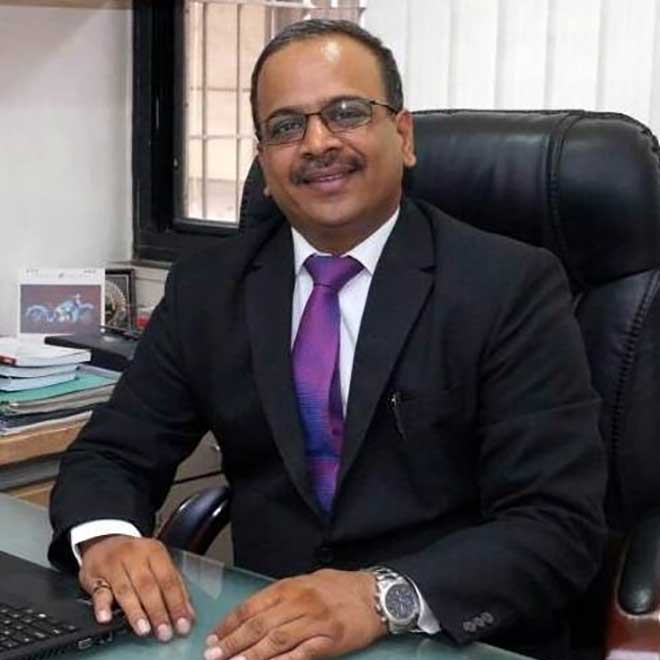
  • As a young tax professional, one must try and understand practical nuances of law and significance of or rationale behind any amendment, pay attention to facts of each case, be in regular touch with your clients and understand their business by stepping into their shoes- Brijesh Kothary, Partner at Lakshmikumaran and Sridharan

    As a young tax professional, one must try and understand practical nuances of law and significance of or rationale behind any amendment, pay attention to facts of each case, be in regular touch with your clients and understand their business by stepping into their shoes- Brijesh Kothary, Partner at Lakshmikumaran and Sridharan

    This interview has been published by  Priyanka Karwa and The SuperLawyer Team

    You’ve had an impressive career in the field of indirect tax advisory, but I’m curious to know what initially drew you to the field of taxation. Could you also share your journey and the factors that led you to pursue law as your career?

    Thank you for taking interest in my career journey. I come from a business family, and as I grew up, the plan was always to brace the entrepreneurial journey, so I pursued commerce as the stream. I started looking after the books of accounts of our firms as I was graduating, which drew me closer to the number game in terms of the financial management and tax planning, and that is when I decided to pursue Chartered Accountancy. 

    During my articleship, as we represented clients before the tax authorities, I saw a scope in pursuing law as a career. I was drawn towards the legal aspect of taxation, since even while defending the clients, we used to always rely on the legal jurisprudence. I therefore decided to develop my legal acumen and use the skills that I acquired during my articleship to step into the legal industry and make the most out of it. The immense support that I received from my family and friends during this phase of my career is unforgettable. 

    Interestingly, when I joined Lakshmikumaran & Sridharan Attorneys, I was the only Chartered Accountant at their Bangalore office. Since then, the journey has been nothing but a rollercoaster, but one which I have thoroughly enjoyed throughout. I consider myself fortunate enough to be able to pursue indirect tax as my core area of practice. And I think the idea to pursue Law along with Chartered Accountancy has been one of the best decisions of my career. Having said the same, I truly aspire to be amongst the leading indirect tax lawyers in the country. 

    As a Partner at Lakshmikumaran & Sridharan Attorneys, you play a key role in overseeing business development and client outreach. Can you tell us about a specific strategy or initiative you’ve been involved in that significantly contributed to the firm’s growth and success?

    This is an interesting question. It is a well known fact that the outcome of business development and client outreach programmes are some of the key indicators to gauge a partner’s performance in law firms. I have been actively involved in such programmes, wherein we quite often discuss and strategize how to identify issues and support clients to structure their business to align with relevant laws. As part of regular business development activities, we try to generate leads and identify new projects in the areas of taxation. These initiatives have steered me to think out of the box and helped me in associating with new clients and securing new assignments from the existing clients as well. 

    I use social media platforms like LinkedIn and other applications to identify potential work opportunities, and also to share my views on issues that the industry may be facing. My regular interaction with business associations and Government’s grievance redressal committees not only helps me update myself with ongoing legal issues but also enables me to act as a medium for exchanging information between the stakeholders. I also try to attend as well as serve as a key speaker in important networking events through webinars or seminars. As a partner, it is my endeavour to offer strategic business development advice to the leadership, practice groups, and other associates who are working to strengthen their ties with the clients. 

    One of the most important things that I have realised throughout my journey is the importance of building trust. If your client does not trust you, they will never come to you. Even while providing them advice on the issues, I try to follow-up with them regularly to ensure that they don’t face any issues in implementation of the advice. I am also very active in updating the clients of any changes that are brought into the law which may have an impact in their business. This sense of involvement in their business has helped me gain their trust and confidence over the years. I strongly believe in building professional relationships with clients, which has worked in my favour over the years. 

    One of your significant achievements was in the implementation of GST (Goods and Services Tax) for various clients across different sectors. Given the complexity of this tax regime, what challenges have you encountered while working with clients from various industries, and how do you navigate these challenges effectively?

    When the GST laws were implemented back in 2017, the industry was caught unprepared. That is when our role as indirect tax practitioners played a key factor in providing requisite support to the clients. I very proactively took up the responsibility of understanding business needs for ensuring a seamless and glitch free implementation and smooth transitioning of the old laws such as Central Excise, VAT and Service Tax into the GST regime. 

    One major challenge that I faced was that as new as the GST laws were for the clients, it was new for us as well. Therefore, understanding the GST laws in depth and to align them with different business models effectively and efficiently with no room for error was a major challenge initially as it required a lot of brainstorming. Maintaining the finest quality of drafts at the shortest turnaround time was another challenge that we overcame as a strong team. However, with time we ensured smooth transitioning of business from the erstwhile laws to GST law. 

    Tax laws are ever evolving, and we often face challenges in implementing them in the dynamic business environment. However, my interest in these laws is such that I try to keep myself updated with every minor change that is brought in, to make sure that when my clients need some advice, I am updated enough to be able to provide them with a well-researched and practically implementable opinion.  

    You provide legal opinions and undertake tax compliance review for your clients. Could you share an example of a particularly complex or interesting case where your expertise in this area made a significant impact?

    Well, I would not like to call this complex, but an interesting judgement of the Supreme Court last year changed the position of a well settled law. The Apex Court in the case of Northern Operating Systems held that secondment of expatriates from foreign group companies to its Indian counterpart constitutes provision of manpower services and thereby leviable to tax. The industry under the genuine belief was not discharging GST. Pursuant to pronouncement of the said Judgement, the Industry has been receiving show cause notices from the Department with a proposal to demand GST along with interest and penalty, right from 2017. Since the volume of transactions is huge it has adversely impacted the Industry as it has become a huge cost for them. We are consistently working on this issue to justify the position and defend the same at appropriate forums to ensure that the issue does not have any further adverse effect on the industry and appropriate relief is provided to them in a time bound manner. I am hopeful that the Government would consider our submissions and come out with an eagerly awaited relief package for the industry.

    You oversee all tax compliances and tax related disputes of your family business. How did this experience in the corporate sector influence your perspective on tax compliance and advisory work, and what lessons did you carry forward into your legal career?

    Well, over the years I have learnt that the tax structure does not drive the business, rather it plays a minute but significant role in the decision making process. My experience in the corporate sector has given me a deep insight into how business decisions are taken. Obviously, the decision-making process in a corporate setup is very different from that of a family run business, but the objective of every organisation remains the same, i.e., to grow by being tax compliant. 

    The major practical challenge comes when I have to implement any advisory by understanding the business from the client’s perspective. The aim is always to be very certain while providing some advice to ensure that even if the same is challenged in the court, I am confident enough to defend the position. It has only taught me the importance of paying attention to every detail, no matter how small it is. An important lesson I have learnt which I strive to carry throughout my career is to never stop learning – every day is new; every day comes with a new challenge and the learning should never stop. I strongly believe that one should always be open to new challenges and opportunities. 

    Lastly, I would also like to state that my team plays a crucial role in my success, and I wouldn’t be able to reach where I am without them. There have been many life-long lessons learnt along the way, but the core of what sticks with me is the significance of having good team building and communication skills, and to believe and encourage your people to deliver results as a team. 

    In your role as a partner and throughout your career, you’ve been involved in recruiting and mentoring juniors. What advice do you have for young professionals looking to excel in the field of indirect tax advisory and taxation law?

    I would like to say to all young professionals that the dynamics of tax laws is very interesting. It is very important to start early and keep yourself updated regularly. You should have a really strong memory bank to remember and apply the legal provisions and important judgments as you interact with the clients or even colleagues. Have a proper repository of all important case laws and keep them handy for future usage. Stay focussed, be on your toes and develop skills to have a quick turnaround time. You may not realise it now, but the skills to have good turnaround time really does wonders in the long run. 

    As a young tax professional, one must try and understand practical nuances of law and significance of or rationale behind any amendment, pay attention to facts of each case, be in regular touch with your clients and understand their business by stepping into their shoes. The scope for professional as well as personal growth of tax lawyers in India is immense considering what a niche field of law this is, so make the most of it. It goes without saying that specialisation in a particular field of law is important, but I also believe that one must have a general understanding of allied laws and regulations which is equally important for professionals who are passionate to excel in the field of indirect tax.

    Your career highlights include providing advisory and litigation support for multinational clients. What advice can you offer to businesses, especially those with a global presence, to navigate the complexities of international taxation and compliance effectively?

    Navigating through the complexities of taxation and compliance can be challenging for businesses with a global presence. It is crucial to have a well-thought-out strategy and a team of experts to ensure you comply with local regulations while optimizing your tax position. I would really like to emphasize to the companies to have a good understanding of local tax laws. Establish a well-documented transfer pricing policy to determine how your transactions with global entities are priced. This helps prevent disputes with tax authorities and ensures compliance with local regulations on Income Tax as well as Customs front. Be aware of any Tax Treaties or Free Trade Agreements between countries. These treaties and agreements can affect the income tax rates you are subject to and the benefits you may receive on import of goods from outside India. 

    As a policy, MNCs tend to invest heavily on advanced accounting and tax technology solutions to manage their global financial data. These practices help them to automate reporting, improve accuracy, and provide insights into their international operations. One challenge I have observed during all these years is the preparedness of MNCs when it comes to submission of documents and records to tax authorities. It is crucial to maintain meticulous records of all financial transactions and relevant documents. Companies can strategize on identifying potential risks and uncertainties in their tax positions and back them with legal opinion from experts wherever necessary. They can also develop risk mitigation plans and strategies to deal with disputes or unexpected changes in tax laws with the help of their in-house counsels or external consultants.

    A fundamental advice I would like to give to the MNCs is to provide tax and compliance training to the employees who are responsible for undertaking financial transactions or dealing in tax matters. This can help prevent inadvertent non-compliance issues. Conducting regular audits and reviewing tax and compliance practices from time to time go a long way to ensure continued adherence to the ever-evolving tax laws.

    Finally, as someone with a wealth of experience in the legal and taxation fields, what advice would you like to give to students and fresh law graduates who are just beginning their journey in the legal profession and may be considering a career in taxation law or advisory?

    Starting a career in the legal profession, particularly in an area of law such as taxation can be both challenging and rewarding at the same time. Few pieces of advice for students and fresh law graduates embarking their journey in this field is firstly to build a strong foundation in understanding general principles of law before specialising in tax laws. You have to be very patient since tax laws are complex and are constantly evolving. Develop a professional network early in your career. Attend legal seminars, conferences and events to get accustomed to tax jargon. This will really help you build your confidence and develop good communication skills. Seek out mentors who have experience in tax laws and never be hesitant to ask for help. 

    As part of the education curriculum, students must work on developing strong research, writing and negotiation skills. Be adaptable in your approach to develop problem solving skills and techniques. Lastly, be humble! Kindness plays a pivotal role in establishing yourself in any firm or organization that you will go to. 

    As a parting remark, I would like to mention that taxation is one of the oldest coded laws, but a niche area of practice and is certainly worth considering as a long term career option.

    Get in touch with Brijesh Kothary-

  • I believe that legal compliance and tax efficiency are not mutually exclusive, but rather complementary aspects of deal structuring- Prateek Goyal, Partner (Taxation) at MVKini

    I believe that legal compliance and tax efficiency are not mutually exclusive, but rather complementary aspects of deal structuring- Prateek Goyal, Partner (Taxation) at MVKini

    This interview has been published by  Priyanka Karwa and The SuperLawyer Team

    Can you tell us about your educational background and how you ended up pursuing law after completing your CA and BCom degrees?

    I have always been interested in law and used to look up to my seniors/mentors in the family circle who are in this field. As I was pursuing CA, I simultaneously started my law course post my graduation. I believe that my educational background has given me a unique perspective and a competitive edge in the legal field.

    You have an impressive range of experience in various sectors, from Fintech to Energy and Infrastructure. What drew you to work in such diverse industries in the field of taxation?

    I have always been interested in taxation as a way of understanding how different sectors of the economy operate and interact. I enjoy learning about the specific challenges and opportunities that each industry faces, and how tax policies can affect them. These are dynamic and innovative sectors that have a significant impact on changing the way economy functions and society. I mean we can see the kind of fintech’s getting registered in GIFT City (IFSC) and huge impact that they have in breaking stereotypes, changing the way people understand personal financing or personal investing. It is fast capturing the huge market potential and I think would continue doing that for the time to come.

    You’ve handled M&A transactions and tax due diligence for several clients. Could you share a memorable experience where your tax expertise played a critical role in the success of a deal?

    It was the most challenging and a steep learning curve of my career when we helped a client acquire a company that had significant tax liabilities. Client wanted to buy the company, but they did not want to inherit the tax problems.

    We conducted a thorough tax due diligence on target and identified main areas of exposure and potential solutions. We also assisted in obtaining a clearance certificate that would protect the client from any future claims. We also advised on optimal tax structuring alternatives for the acquisition, taking into account the tax implications thereof.

    As a result of our months of hard work, client was able to close the deal with confidence, and saved millions in taxes and penalties. I was very proud of my contribution to this deal, and I received positive feedback from my partners.

    I also cherish receiving a commendation from our partner for conducting an internal training on new joinees  on several aspects of M&A.

    As a Partner at MVKINI Law Firm, you lead the tax department and manage a team of lawyers and CA’s across multiple offices. How do you ensure effective collaboration and coordination among team members?

    It is challenging when team is spread across multiple offices and has different areas of expertise. I try to set clear goals and role profiles of team members, setting the priorities right and most importantly leveraging technology tools, such as video conferencing and cloud platforms, to facilitate effective communication and real time collaboration among team members. It is also important to continuously develop their skill sets through regular trainings particularly in our dynamic and evolving field of taxation.

    During your time at Ernst & Young, you worked on advising prospective resolution applicants on acquisitions under the IBC regime. What were some of the most challenging aspects of dealing with distressed undertakings in terms of taxation?

    One of the most challenging aspects of dealing with distressed undertakings in terms of taxation was the uncertainty and complexity of the tax implications arising from the resolution process. For instance, we had to assess the tax impact of various structures to implement target acquisition, such as debt restructuring, asset sale, merger or demerger etc. We also had to consider the tax implications of any write-off or waiver of debt, as well as the tax treatment of any losses or unabsorbed depreciation carried forward by the corporate debtor. Furthermore, we had to keep abreast of the evolving regulatory and judicial developments in this area, as there were many unresolved issues and conflicting interpretations regarding the taxation of distressed undertakings under the IBC regime.

    From your experience in handling tax litigation and representation before various authorities, what are some key strategies you employ to achieve favorable outcomes for your clients?

    It is already well emphasized and there are no two views about it. What is of paramount importance is thoroughly digging and understanding facts of the case. It is also an art to get complete set of facts out from a client and once a lawyer is aware of facts, I would say half the battle is won. Certainly researching and preparing legal arguments and presenting effectively is other part of the coin.

    I also prepare clear and persuasive arguments and evidence to support my client’s position and challenge the opposing party’s claims. Also, I believe litigation is not all about fighting only for the sake of it. What I have learnt from my seniors is to not force clients into prolonged litigation and wherever possible seek to resolve the dispute through negotiation or settlement.

    You’ve also been involved in assisting FPI clients with Indian tax compliances. Can you share some insights into the specific challenges and considerations that foreign investors face while navigating the Indian tax landscape?

    One of the main aspects of my work was to help FPIs comply with the Indian tax laws and regulations be it advisory, compliances or litigation. Some of the challenges and considerations that FPIs face while investing in India are:

    – The classification of FPIs into different categories given their unique structures in their home jurisdiction and navigating the same into Indian jurisprudence based on tax treaties

    – The withholding tax obligations on various types of income, such as dividends, interest, capital gains, and royalties, and the availability of tax treaties and lower rates for certain jurisdictions.

    – The reporting and documentation requirements for FPIs, such as filing of tax returns, furnishing of certificates, and maintaining of books of accounts and records. I witnessed how EY was a flagbearer in implementing automated processes for doing these tasks and the amount of effort and investment that went into doing so.

    – The risk of tax audits, assessments, and disputes by the Indian tax authorities, and the options for resolution and appeal.

    With a substantial background in IBC litigation and commercial arbitration, what advice would you give to businesses or individuals who may find themselves in insolvency situations?

    Insolvency situations are complex and challenging for any business or individual, and they require careful planning and professional guidance. My advice would be to seek legal assistance as soon as possible, and to explore all the available options for resolving the insolvency, such as restructuring, settlement, liquidation, or bankruptcy. I would also advise them to cooperate with the creditors and the insolvency resolution professionals, and to comply with the relevant laws and regulations. Additionally, I would suggest them to consider the benefits of alternative dispute resolution methods, such as arbitration or mediation, which can help them avoid lengthy and costly litigation, and achieve a more satisfactory and amicable outcome.

    Having worked in both corporate law and tax advisory roles, how do you strike a balance between legal compliance and tax efficiency when structuring deals for clients?

    As a legal and tax advisor, I always aim to provide solutions that are both compliant with the relevant laws and regulations and efficient in terms of tax implications for the clients. I believe that legal compliance and tax efficiency are not mutually exclusive, but rather complementary aspects of deal structuring. To achieve this balance, I follow a few principles:

    – First, I always start with a thorough analysis of the client’s objectives, needs and preferences, as well as the specific facts and circumstances of the deal. This helps me to understand the scope and complexity of the issues involved and to identify the potential risks and opportunities.

    – Second, I research and evaluate the applicable legal and tax frameworks, both domestic and international, that govern the deal. I also keep abreast of the latest developments and trends in the relevant fields, such as new legislation, case law, guidance and best practices.

    – Third, I design and propose solutions that are tailored to the client’s situation and goals, taking into account the legal and tax implications of each option. I also communicate clearly and effectively with the client, explaining the pros and cons of each solution, as well as the assumptions, limitations and caveats involved.

    – Fourth, I collaborate and coordinate with other professionals, such as lawyers, accountants, bankers and consultants, who may have different perspectives and expertise on the deal.

    – Fifth, I monitor and review the implementation and execution of the deal and provide ongoing support and advice to the client, in case of any changes or issues that may arise after the deal is closed.

    Throughout your career, you’ve worked with clients from various sectors and industries. How do you stay updated with the ever-changing tax laws and regulations to provide the best possible advice to your clients?

    That’s a great question but I am afraid my answer not any different. It is 3R’s – READ, READ and READ

    I think it’s very important to keep up with the latest tax rules and trends, especially in this dynamic and complex environment. You need to subscribe to knowledge databases, newsletters and podcasts from reputable sources that cover tax news and analysis, follow some influential tax experts on social media and blogs, attend regular webinars and workshops that offer updates and insights on various tax topics and issues. What is also understated is consulting with fellow colleagues or mentors if you have any doubts or questions who are always welcoming and provide different perspectives which you might have just not thought about. In fact, I also sometime try to find time to share my knowledge with extended family on LinkedIn by sharing my analysis on latest tax controversies and new legislations.

    As someone who has achieved considerable success in your field, what advice would you like to give to fresh law graduates who are just starting their careers in the legal profession, especially those interested in taxation?

    Don’t stop asking questions and learning new stuff. Tax law is tricky and always changing, so you gotta keep your curiosity and your brain sharp. Look for ways to learn more, like taking courses, going to events, and reading a lot. Get your hands dirty, try to get as much real-world experience as you can, through internships, jobs, or whatever. This will help you improve your skills and meet people who can help you out.

    Money should be secondary as your career just starts and I strongly discourage  this tendency nowadays to switch jobs in name of ‘climbing the ladder’ or taking a ‘steep curve’.

    A good mentor can help you navigate the tough times (which very often comes in this field), so find one and discuss whenever in doubt. Also, I do believe, everyone has their own set of challenges and pace, so relax and avoid self-comparing tendencies. There is this poem which was introduced to me by our CA-IDT class professor, Mr Ajay Jain – DON’T QUIT

    “When things go wrong, as they sometimes will,

    When the road you’re trudging seems all uphill,

    When the funds are low and the debts are high,

    And you want to smile, but you have to sigh,

    When care is pressing you down a bit,

    Rest, if you must, but don’t you quit.”

    (Read on, if you must..)

    Get in touch with Prateek Goyal-

  • Fostering a collaborative and productive work environment is important for keeping the teams motivated, interested and invested in their work, take ownership of the work and contribute positively to the firm- Akshat Pande, Partner and Head-Corporate Practice at Fox & Mandal Solicitors and Advocates

    Fostering a collaborative and productive work environment is important for keeping the teams motivated, interested and invested in their work, take ownership of the work and contribute positively to the firm- Akshat Pande, Partner and Head-Corporate Practice at Fox & Mandal Solicitors and Advocates

    This interview has been published by  Priyanka Karwa and The SuperLawyer Team

    Can you share with us your journey and how you ended up pursuing a career in law? What inspired you to choose this path?

    After completing School, I chose to appear for CS and CA foundation exams. Since CS foundation results are released before CA foundation results, I qualified and got through CS, although I had appeared for CA foundation also and passed both of them. While studying for CS exams, I got keenly interested in law as a subject. My curiosity for law increased and I would often find myself dedicating hours to reading law books and cases. I found it extremely interesting and intellectually fulfilling and fell in love with law. After completion of CS, I enrolled myself for LLB with Delhi University. I am a first-generation lawyer in my family and I thank my stars to have landed in a profession that I like.  

    With over 18 years of experience in corporate and commercial law, you must have encountered various challenges and rewarding moments. Can you share one of your most memorable cases or experiences in your legal career so far?

    Quoting a single example from work is difficult as there have been many instances which were challenging in the beginning and rewarding when I got done with them. One of the most profoundly rewarding experiences in my career was setting up Alpha Partners in 2012. As a first-generation lawyer, my passion for creating something extraordinary from scratch fuelled my drive. However, it also presented an immense challenge—bootstrapping a startup law firm. From its inception until our merger with Fox & Mandal, I continuously grappled with the hurdle of elevating the firm to the next level, hiring talent, and enhancing practice verticals in the firm with new partners. For first-generation lawyers like me, to scale law firms to the next level without any avenues to raise finances to fund talent acquisition has been the biggest challenge

    As the Partner and Head of the Corporate Practice at Fox & Mandal, Delhi, you lead a team of more than 10 lawyers. What strategies do you employ to foster a collaborative and productive work environment within your team?

    Fostering a collaborative and productive work environment is important for keeping the teams motivated, interested and invested in their work, take ownership of the work and contribute positively to the firm. Few basic tenets like effective communication, clear goals, trust and collaboration, rewarding and recognising good work, encouraging learning and performance evaluation are most important and should be kept in mind by any team leader. 

    In order to instill the above in young associates, I follow Dr. House’s methods. Every assignment or transaction is discussed threadbare with the full team working on it in a 1-2 hour session so that no aspect is left out to be discussed. Such sessions are not a monologue by me but everyone is supposed to give their inputs and ask questions. Sometimes, these sessions happen in two sittings if something has to be researched and then discussed. At the end of the session, each member of the team is given a particular aspect of the assignment to complete but the team is supposed to coordinate amongst themselves and not work in silos, such as drafting is done by someone, research by others, compliances by third etc. Each one is also given a deadline also. The Senior Associate involved in the assignment is supposed to supervise and check on the work so that it is done in a timely manner. Once this delegation is over, I step aside and let the team work on the assignment. Thereafter before the deadline, an update meeting is done and questions if any are answered. Final review of the deliverables is done in a joint meeting of the team.  

    I am of the firm view that delegation is extremely important to make a strong team of good corporate lawyers. If the lawyers are not given room, they will never grow professionally and that will affect the overall efficiency and performance of the firm. It also enables them to work as a team and collaborate with each other rather than against each other. I also make sure that in every assignment, the roles of the team members are reversed so that no monotony sets in and each lawyer is getting trained in each aspect.            

    Your areas of expertise include private equity, venture capital, M&A, joint ventures, and more. Could you highlight a particularly complex or intricate deal you’ve been involved in and explain how you navigated its challenges?

    There are many such instances where deals were particularly complicated and required structuring to achieve efficiency and commercial feasibility. Typically exits become complicated, especially when it is a strategic buyout of the company through which exit is being given to investors. A lot of interests need to be balanced. Once such deal involved around 20 institutional and individual investors who were getting shares in the acquirer’s entity and the investors were sitting in an externalised holdco structure. In other M&A transactions, exits or JVs that I have handled, more than legal issues, it is the balancing of the interests of various stakeholders which requires delicate handling. Also, in case of cross border joint ventures, it is extremely important to understand cultural differences and business practices of the partners who are coming together to form the joint venture as most issues arise because things are handled differently by people from different countries and neither one is incorrect.   

    You have extensive experience in assisting multinational companies doing business in India and the UAE/MENA region. What are some unique legal considerations or cultural aspects that companies need to be mindful of when operating in these diverse jurisdictions?

    UAE is an extremely interesting jurisdiction. I have been working closely with UAE firms and clients and the experience has been extremely enriching. UAE is not very different from India culturally because of the historic cultural and business ties as well as the fact that both the jurisdictions have been influenced by the British common law system. UAE has modernised itself in its systems, processes and government dealings and there is a huge emphasis on use of technology in every aspect of governance and in general life. UAE is welcoming investors both at entity and individual level and has all necessary elements of a modern and business friendly country with congenial living standards. 

    In your experience, what are the key factors that contribute to a successful commercial transaction or project? How do you ensure that all parties involved are aligned and satisfied with the outcomes?

    As a lawyer, it is my job to protect my client’s interest to the best possible extent and so are the counsels of the other side. I believe that if all parties involved are adequately represented by lawyers, the alignment and balancing is more or less achieved. It is imperative for all types of clients to be adequately represented in this present day and age when contracts and compliances are getting more complicated and intricate. Corporate lawyers are not merely “punctuation correctors” but play an extremely important and strategic role in transactions and ensuring that clients are legally compliant, which collectively contributes to better corporate discipline, governance and makes our government’s job easier to govern.   

    With a background in advising clients across various sectors, such as healthcare, hospitality, e-commerce, and technology, how do you stay up-to-date with the latest industry trends and legal developments that may impact your clients?

    Read, read and read more. There is no replacement for reading for lawyers and there is no other secret sauce. If in today’s time and age someone says that “I didn’t know” about something, that means she/he has not made an effort to read about it because information is freely available everywhere and you cannot have an excuse that something was not out there. 

    Other than reading, one should also be connected with relevant stakeholders, in-house lawyers, chartered accountants, CS’s and more importantly lawyers from other law firms and keep exchanging ideas, information and must have discussions on legal issues. In fact, I believe that corporate lawyers should make legal discussions part of their social lives so that nothing is missed out. Information monopolies have been broken down by the internet and now is the era of sharing more and more information rather than keeping it with oneself. 

    Throughout your career, you’ve been involved in assisting government organizations with real estate and infrastructure projects. What are some of the challenges and rewards that come with working on projects of such scale and importance?

    Working on government projects presents unique challenges and rewards. While the commercial compensation for lawyers may sometimes be limited and/or delayed, the experience is truly exhilarating.

    Typically the real estate and infrastructure projects that we have undertaken are large scale projects involving multiple legal, commercial and strategic issues. The tussle between remaining fair and just which is a requirement for government instrumentalities and at the same time ensure that the projects are commercially successful for them is something which needs intricate balancing. Also, the commercial expectations of the government from a particular project needs to be balanced against market realities.   

    As a prominent figure in the legal industry, you were recognized in the Forbes Legal Powerlist as one of the top 100 individual lawyers in 2022. What does this recognition mean to you, and how do you continue to strive for excellence in your profession?

    Any recognition is a validation for one’s hard work and receiving such accolades is humbling. At the same time, I guess every day is a new day of learning and one should endeavour that each day is better than the previous one. 

    Considering your diverse background in law and business, what advice would you give to fresh law graduates who are just starting their legal careers? What skills or qualities do you believe are essential for success in today’s legal landscape?

    I have few tips which may be relevant for fresh graduates:

    1. It’s not a job, it’s a profession. So treat it likewise and train yourself for that;
    2. Read, read and read. If reading makes you tired, you are in the wrong place;
    3. Have a problem solving attitude. Not creating, not fixing, but solving a problem is what is required.
    4. Go for post-graduation only when you have identified a particular area or areas of law in which you are confident you can work for long term;
    5. Do not depend on anyone else’s version of research, not articles, blogs, not even chatGPT. Find your own answers to a problem and don’t stop till you do or understand it entirely. Read, discuss, read, repeat. 
    6. Be very clear about how much money you want from your employer/firm. There is no market standard and your peers or consultants don’t decide what you get, you do. Remember, working for less is more important than asking more and not working. 
    7. Become a generalist but grab one area of expertise or industry or niche practice area and try becoming best in that. Prioritise this over money or any other alternate career options.
    8. Don’t take it too seriously if things don’t work out. Its OK not to be the best.   

    Finally, looking back on your journey and achievements, is there any specific piece of advice or life lesson that has had a profound impact on you, personally or professionally, that you’d like to share with our audience?

    Someone once told me “Be sincere, not serious’ ‘. I guess that was the most useful advice I got which I have used in my life.  

    Get in touch with Akshat Pande-

  • For all such major steps undertaken by Indian Government to promote business in India, we need a strong legal framework in India for its successful implementation and contribution towards India’s economic growth- Tejveer Singh, Independent Legal Counsel

    For all such major steps undertaken by Indian Government to promote business in India, we need a strong legal framework in India for its successful implementation and contribution towards India’s economic growth- Tejveer Singh, Independent Legal Counsel

    This interview has been published by  Priyanka Karwa and The SuperLawyer Team

    Sir, in order to start this conversation, could you please tell us about your decision to pursue law and CA?

    I was always inclined toward general reading and contemplating on social and economic issues. I had an immense interest in reading books relating to law, commerce and business. I still recall debating with friends and families about the effective implementation of government policies and decisions and their impact on the businesses or lives of common people.

    During those days, it was not common to secure both degrees together. So initially,  I was slightly uncertain as to which course to pursue and then luckily I came to know about probably one of the most successful and knowledgeable lawyers, Mr. Harish Salve, who is a chartered accountant, but a practising lawyer. Inspired by his intellect and quick-witted representations, I decided to accomplish both academic qualifications. That’s how my professional journey as a practicing lawyer started.

    Can you tell us about your experience handling commercial disputes before the High Court and NCLT?  

    Handling commercial disputes before various forums is a tremendously enriching experience. When a commercial dispute is brought before us by a client, it gives us perspective on how a brilliant and successful businessman can get affected due to bureaucratic rigmarole or lack of awareness of implications of certain applicable laws. In such a critical situation, if we are able to take out knots and smoothen the already tricky road of doing business, are swift in decision making and providing various alternatives to clients suitable to him then it leads to immense satisfaction and value creation for businessman. Since the legal profession is a service, if you think of rendering services as rendering of services with ethics and integrity , then you will be able to devote yourself fully with strong conviction which can bring great satisfaction to your life and professional success.   

    How have you contributed to the evolution of transfer pricing laws in India, and what role have you played in the BEPS initiative?

    The world trade interse between the companies is growing a lot . Hence, various business transactions between the same entities of an umbrella company provide the opportunity to corporations to  manage transactions in such a manner that profits are shifted to lower tax countries. Transfer pricing provisions are introduced in the Income Tax Act’1961 in the year   2001 to deal with possibility of such abuse. I have more than 50 reported judgments in transfer pricing arena in my name over the years. So I have seen evolution of these provisions in India. Initially, when these were introduced in India, they were intentionally drafted in such  a manner that it would be easier to adapt in accordance with the prevailing business environment to achieve the objective behind such provisions. The government has been successful in doing so to a certain extent whereas, in its implementation process, the Government made certain mistakes but by and large, the concept or framework that each country shall get its fair share of taxes is gaining momentum and putting a curb on shifting profits to lower or nil tax countries. It is now accepted by all countries and across all the international trade bodies by way of OECD framework ensuring a more transparent tax environment.

    What has been your most challenging case to date, and how did you handle it?

    Well, in many cases we are required to sign nondisclosure agreements. Hence, I would not be able to answer this question in terms of client and case details. But what I can say is in the current legal environment won the biggest challenge that business houses are facing is dealing with regulators. The client is not looking forward to obtain any order from the court having Precedent value, but is more interested in resolving the issue so that he can execute his future business plan of action efficiently. Hence, as a lawyer, you can look at the issue from the perspective of solving a problem rather than trying to get into the nitty-gritty of law and taking the issue to the court. In that scenario, you would be a far more accomplished and dependable lawyer. In one of my most challenging cases, the solution we came out with was so simple which led to out of the court settlement by merely filing a letter with the regulator.

    Can you share your experience in facilitating foreign direct investments in various sectors?

    FDI transactions have different challenges for different sectors. For the manufacturing sector, the issues such as a laundry list of statutory compliances – both general as well as sector specific, deter an investor from taking a position in India. The ease of doing business initiative taken by GOI will go a long way in addressing such challenges. For the infrastructure sector, the main sticking point is an efficient dispute resolution mechanism so as to avoid projects getting stuck due to disputes. In the IT sector, a rejig in the corporate structures (including externalisation) so as to have tax optimisation is the biggest challenge. Rationalisation of capital gains tax – bringing it at par with the jurisdictions with whom India has tax treaties is the key to facilitate investment in IT sector especially investments chasing inorganic growth.

    As someone with expertise in information technology and entertainment, how do you see the legal landscape evolving in these industries?

    The rapid rise of technology and the internet has fundamentally changed the landscape of the entertainment sector. The legal sector faces a huge backlash when it comes to this since people are rapidly adapting to the new technologies being developed but it is not the case with law. Let alone there being law in place governing these developments such as Artificial Intelligence, blockchain technologies, presence of Metaverse, the legislature faces major criticism from its own citizens since they have not only repealed the existing data privacy laws, but also not put the new data protection bill into effect. The developments in information technology come with their own complex legal issues as well such as data breaches, breaches of privacy, cyber harassment etc. Artificial Intelligence which is being used at majority workplaces including law firms is not regulated by law. Thousands of cases have been filed at various levels of judicial courts involving matters relating to blockchain technologies, metaverse and artificial intelligence but matters keep getting adjourned or are not admitted in the initial stage citing lack of jurisdiction since there is no law basis which the judiciary can come to a decision.  The government created a havoc amongst the public by implementing a 30% tax on NFT’s without having a law in place which authorises the imposing of such tax.

    With regards to the entertainment sector, the legislature is prompt in taking action and giving immediate effect to certain guidelines and regulations that mandate and prohibit the advertisements and use of certain language, content etc. or to govern the digital creators, influencer and social media aspect of entertainment. However, there is still ambiguity with respect to entertainment in digital space as it subject to varied interpretation.

    The entertainment industry in India has witnessed growth in many folds and now the entire world has started recognizing Indian entertainment industry as well. The legal landscape has been progressing due to the expansion of digital platforms and various streaming platforms and models, which have evolved the traditional business models into extremely competitive business.

    The amendments in 2021 to the Cinematograph Act, which give the government power to regulate digital content and streaming services have raised issues in the entertainment industry. Also, copyright laws in India have also been developed to combat piracy and protect intellectual property rights.

    How do you balance your roles as a legal professional and a chartered accountant, and how does this dual qualification benefit your clients?

    I have been handling tax and commercial litigation since starting my legal professional journey where my CA qualification has helped in better understanding Taxes and business environment in which transactions are undertaken  . Additionally, the pragmatic and worldview of financial analysis across various sectors and in-depth knowledge has been possible due to my CA qualification which benefits me to a great extent in corporate and tax litigation. However, sometimes I need to specifically focus on the legal aspects involved in the case rather than going into a detailed analysis of financials from a CA prospective.

    Can you share your thoughts on the current state of the Indian economy and its impact on corporate and commercial law?

    India remains one of the fastest growing economies in the world in recent times. Reserve Bank of India (RBI) recent report reassured that the current will be a year for the Indian economy to strengthen its position on the global stage. The same is validated by the world bank’s report that global slowdown has much lower impact on India as compare to other emerging economies. 

    India challenged global trends in 2022 and successfully witness record M&A activity. Despite economic hurdles and disturbances due to geopolitical factors, Covid impact and a global consumption slowdown, the World Bank revised its 2022-23 GDP forecast for India to 6.9 percent from 6.5 percent (in October 2022).

    Further, the Indian government has been taking numerous steps to bring in foreign direct investments (FDIs) and brought commendable amendments to “Ease of Doing Business” in India to attract further foreign funding into India.

    For all such major steps undertaken by Indian Government to promote business in India, we need a strong legal framework in India for its successful implementation and contribution towards India’s economic growth. This leads to a positive impact on the requirement of more expertise in corporate law and commercial law supporting the corporates in establishing and growing their business.

    Coming towards the end of the conversation, what advice would you give to young professionals who aspire to have a career in corporate and commercial law?

    A legal professional is expected to be well versed with various applicable laws and regulations.  Gaining that knowledge and experience has no alternatives but a self-driven focus and discipline toward the thorough self-study of various applicable laws. A legal professional becomes apart from other professionals by virtue of their problem solving attitude and accepting new challenges every day.

    I would like to advise young professionals to capitalize the advantage of their internship and their senior’s experience and then decide on the preferred areas of practice. There is a saying that we do our best work if we do a job that makes us happy. The legal profession is that profession which has such an extensive scope in the current scenario that gives tremendous options to make a career in corporate and commercial law and lead a very satisfying and successful life and also do good by service to others .

    Get in touch with Tejveer Singh-

  • Devashish Poddar- Senior Associate at Price Waterhouse & Co LLP working in the field of ‘Direct Taxation and other allied laws’

    Devashish Poddar- Senior Associate at Price Waterhouse & Co LLP working in the field of ‘Direct Taxation and other allied laws’

    This interview has been published by Tanmaya Sharma. The Interview was taken by The SuperLawyer Team.


    Working globally can prove to be challenging. Have you ever worked on a case that kept you in office long after the “office hours”? How did you handle the situation?

    Indeed, working globally proves to be challenging. But it comes with its pros and cons. As Lord Robertson once quoted, Globalisation will make our societies more creative and prosperous, but also more vulnerable. Working globally opens doors to a larger set of stakeholders which at times can become overwhelming.

    Yes, due to confidentiality requirements, there are times when we have to spend time beyond our office hours. The entire scenario becomes challenging and complex. However, finding a passion and zeal for the work helps me stay motivated and onboard. I realize that the moment I start spending more time with my work, I find creative and innovative ways to handle a particular situation. In turn, I begin to enjoy my work.

    You have crafted a niche for yourself in your area of expertise, i.e. Corporate and International taxation and regulatory services. At what point in your education curve did you realize you want to devote your career to this particular field? Besides your current speciality in law, what other specialities pique your interest? Do you have experience in those areas?

    I belong to a family of diversity. My grand-uncle is an economist and a tax professional. My father completed his LL.B. but was unable to pursue his career in law. My siblings, being chartered accountants/advocates, have been engaged in the field of tax for over a decade now. Being brought up in such an atmosphere always prompted me to take up ‘tax’ as my career. So to answer your question, it was during my preparations for final exams, I ensconced my thoughts to take up tax as a path ahead.

    Since many facets of tax are dependent on civil/criminal laws, others related to corporate laws and the Constitution of India, reading the same, intrigues my thoughts to come up with better, innovative and lawful solutions for my clients. Besides the same, in recent times, I have developed some interest in the field of Environmental, Social, and corporate Governance (ESG). The 2021 United Nations Climate Change Conference – COP26 held in Glasgow attended by the Indian Prime Minister Shri Narendra Modi enticed my interests in this area wherein the stakeholders are re-aligning their business strategy with environmental concerns to achieve sustainable development. Also, tax technology is another area of my interest.

    I was a part of the team which tested a newly-developed tax litigation tool in one of my previous organizations. In addition to the aforesaid, since every provision of law should sync with the intent of the Constitution of India, I have been a part of some assignments wherein I had multiple opportunities to explore the provisions of the Constitution of India related to the taxation statutes.

    You’ve previously worked in one of India’s leading law firms. What do you think is the main difference in work culture between L&L Partners, New Delhi (Luthra & Luthra Law Offices) and PWC?

    I believe most organizations turn out to be similar, only if a professional wants to work, learn, earn and grow. The same analogy applies to an Indian law firm and a global accounting firm. Indian law firms may not function under a global mandate, however, the trend of following ‘global best practices’ and developing a pool of stakeholders from different countries have made the law firms function in a manner that is not much different from a multinational enterprise. The work is similar, the clientele is similar, and again even the stakeholders and management function in a similar manner.

    However, the only difference is that while working with a multinational professional services network of firms, a person gets more opportunities to interact with peers and connections within the firm (both in India as well globally). A person can leverage the worldwide network of a global accounting firm to find more lucrative opportunities. Although the Indian law firms establish relationships with international law firms, the aforesaid difference is also fading away. On the other hand, Indian law firms provide you with ample opportunities to interact and communicate with some of the country’s top practitioners.

    Can you tell us briefly about the various global groups that you’ve assisted to set up their offices in India? What kind of work goes into setting up an office in a different country? 

    I have been a part of a team that assisted a global railway company set up its office in India. In addition, I had opportunities to assist-

    • British multinational telecommunications company
    • American multinational conglomerate company (world’s largest telecommunications company)
    • Canadian telecommunications and data networking equipment manufacturer
    • German automotive Manufacturing Corporation
    • Malaysian Oil and Gas Company
    • Private equity firms
    • International investment management firms
    • Massachusetts-based life insurance Company
    • And a few others.

    To set up an office (especially in India), the group should first decide about the form and structure of the entity. Since the efficiency of the presence in a country and the applicable laws flow from the type of entity being set up. Thereafter, if it is a company, then corporate laws applicable for registration and set-up are required to be adhered to. Similarly, if applicable, the entity in India is required to comply with RBI and SEBI laws. In addition, tax registrations (PAN, TAN, GSTIN, IEC, etc.) may also be required. If the entity decides to onboard employees, then employment laws and registration requirements may also warrant attention.

    You are a corporate tax lawyer, usually dealing with transactions, compliance and advisory, but you have hands-on experience in litigation and have dealt with some high-profile cases as well. Can you please share with our audience which part of your legal journey you enjoyed the most? 

    Being a CA as well as a lawyer, helped me experience the best of both worlds. While advisory and compliances have their own set of perks, litigation is an area wherein my mind becomes more creative. I believe I can enjoy and learn more while being engaged in a litigation project. The time spent on articulating thoughts and drafting a document to present one’s case in a simple, precise and crisp manner is satisfying. Representing a client before the court of law and achieving success is bliss.

    Finance Minister Nirmala Sitharaman introduced The Taxation Laws (Amendment) Bill, 2021 in the Lok Sabha recently, which seeks to withdraw tax demands made on indirect transfer of Indian assets before May 28, 2012, what major changes (if any) will be seen because of this? 

    The Taxation Laws (Amendment) Act, 2021 (TLA) amended the Finance Act, 2012. Earlier, due to the retrospective amendments vide the Finance Act, 2012, tax implications arose on a few of the largest Indian companies. Thereafter, there was decade-long litigation between the companies and the Government of India. Numerous international courts/arbitration forums were explored and approached by the companies aggrieved by the provisions of the Finance Act 2012. Therefore, to avoid such protracted litigation and dispute, the Government of India decided to settle the issue by giving a limited window to such aggrieved companies for settling the disputes forever.

    Such a move by the Government of India and the legislatures is a welcome move. The aforesaid would aid the companies to buy peace and seek the refund of taxes already deposited by them under protest. By introducing TLA, India is on its path to attracting foreign investments for the ‘Make in India’ campaign and in return fulfilling its objective of atma nirbhar Bharat, i.e. self-reliant India. The introduction of TLA has reposed the faith of big corporate houses in the Government of India. Multinational enterprises are now aware that the Indian Government and legislatures are well cognizant of the issues around the country and prompt laws are made to fulfil the objective of India as a welfare state.

    How do you see the Indian tax laws in the future?

    Laws are efficient only if they curb the menace. A complex and ambiguous set of provisions often defeat the legislative intent. India has tried to simplify the indirect tax regime by introducing the GST laws which have replaced numerous other statutes to form a single consolidated law for various indirect taxes in India. Similarly, I believe India may witness a change in its direct tax laws as well, wherein various deductions and exemptions can be done away with and a lower rate of taxation may be introduced to benefit the companies as well as individuals. Various ‘conditional’ deductions and exemptions provided in the direct tax laws may prove to be beneficial for professionals who are aware of the benefits provided by the law, but at the same time makes it difficult for the public in general to interpret the same. Due to the aforesaid, the legislature and the Government of India have already introduced a few provisions which provide for a low rate of tax while disallowing most of the deductions and exemptions. We may witness such similar changes in the future as well.

    What suggestions would you like to offer to our young lawyers, law students and law graduates? 

    I always resonate with the quote, “There is no shortcut to success”. Hard work has no replacement, especially in our country and in the field of law. However, we must all realise that the era demands not just hard work but smart work as well. We do not live long enough to spend a substantial portion of our life in the office or at work. We all need a work-life balance. And, there comes the smart work. A professional who works hard and at the same time smartly saves time, achieves desired results, adds value to the clients and also invests time in personal life and well-being. Even luck favours those who work hard and smartly at the same time.

    To sum up, I would quote the former president of the United States, Thomas Jefferson

    “I am a great believer in luck, and I find the harder I work, the more I have of it.”


    Get in touch with:

  • Binoy Parikh- part of Katalyst Advisors, a boutique structuring & advisory firm focussing on Mergers and Acquisitions

    Binoy Parikh- part of Katalyst Advisors, a boutique structuring & advisory firm focussing on Mergers and Acquisitions

    This interview has been published by Tanmaya Sharma. The Interview was taken by The SuperLawyer Team.


    How tough was pursuing C.A. with additional professional degrees like B. Com & LL.B.?

    There are two parts to any academic journey, especially when it involves an extremely practical/on the ground kind of qualification such as pursuing CA – first is the academic or theoretical knowledge itself, which is not as tough as one would perceive since many concepts would overlap with B.Com and LLB. If the fundamentals of various topics are clear (at Foundation/Intermediate level), then the theoretical knowledge is relatively comfortable to maneuver.  

    However, the second one, which is more important and will result in long-lasting benefits is the “Articleship”. I started working when I was 17 and worked effectively, in three shifts – from 9 am to 11 am, in M&A/Corporate Tax Litigation, thereafter from 11 am to 6 pm in Audit and again from 6 pm to 9 pm in M&A/Corporate Tax Litigation. Of course, given the time commitment, one has to prioritize a lot and that does create additional pressure while pursuing other degrees. However, to manage the time and overall pressure, one does have to commit to a particular mission, and while on that the time management associated with it. 

    Many students feel that tax litigation is hard to follow, but the same amused you. How can corporate tax be learned in a fun way?

    My stint with corporate tax litigation was during my Articleship/Internship period – in this context, I was new to the field and found the concept of litigation fascinating since it tests the technical prowess of corporates (and their advisors) on one hand, and the might of the Income-tax authorities on the other. Further, complex issues involving corporate restructuring, interpretation of a particular exemption/deduction, etc. would have required in-depth planning and analysis before taking such a position in the return of income, and therefore, the fascination lies in the fact that one would have to defend such a position during litigation, which would have been analysed thoroughly in the past. To me, the learning and the associated fascination comes from the fact that each position or stand is not taken on a stand alone basis, but after considering the previous stands, impact on the future financials of the company involved, interaction and interconnectedness with other regulatory laws (such as corporate law, securities law, FEMA, IndAS, etc.) and therefore, to understand a particular issue under litigation is to again understand that entire gamut of analysis undertaken in hindsight, and what could have been done at that time so that the litigation scenario could have been obviated.

    Binoy Parikh

    Would you like to share your experience of any M&A transaction that shaped your career?

    Initially, I had started my career with KPMG Mumbai in their M&A Team at the age of 20. Then when a part of the team transitioned to PwC Mumbai, I got an opportunity to directly work with the India M&A Head of PwC at the age of 22. And it was at that time, I was handed the responsibility of conceptualising and executing the merger of Cairn India with Vedanta in a $2.9 Bn all-share swap deal. The concept itself dealt with a gamut of laws and regulations owing to a complex ownership structure – tax, corporate law, FEMA, securities law, stamp duty, etc. At that time, IndAS was just taking shape, and we had to figure out the overall impact of IndAS on standalone as well as consolidated financial statements of Vedanta, and without any specific guidance, it was a challenge to apply IndAS 103 and IndAS 110, dealing with business combinations and consolidation/control assessment. Dovetailing and interconnecting all the laws was a task in itself at a conceptual level. 

    In addition to that, corporate India was transitioning from a High Court based jurisdiction to a National Company Law Tribunal based jurisdiction. So, from an execution perspective, we had to unlearn the old procedures, re-learn the new ones, and then present to the NCLT the merits of our case, which was one of the first few to be sanctioned by the NCLT post its formation. 

    I think the key takeaway from this is that the tax and regulatory landscape in India are ever-evolving and one cannot work in a static environment. And I have learnt to rely on my fundamentals while applying the fundamentals to the constantly changing dynamics in the M&A landscape.

    You are a part of “Katalyst Advisors” (Mumbai), a boutique firm focusing on Mergers & Acquisitions. How has the journey been so far?

    The journey has been fantastic so far, to answer in one line. 

    To elaborate – when I joined Katalyst Advisors since its inception, our vision has always been to be a boutique firm, focussing only on M&A and related aspects, and with a limited team so that we can do justice to the matters at hand, especially when it involves complex commercial, regulatory and tax matters. 

    Today, in the era of “accumulation”, quality has been overwhelmed by the quantity, and therefore, our vision, since its inception 4-5 years back, has been to focus only on the quality of our advice, rather than the quantity or volume of clients. This has worked well for us as we have worked on some major deals in the last couple of years – major family separation of the TVS Group, divestment of Eureka Forbes by Advent International, acquisition of Thyrocare by PharmEasy, private InvIT structure between Singapore based GIC and IRB Infra, major fundraising-related structure for the Shapoorji Pallonji Group, etc. This has added a lot of value to our learning in addition to us providing value addition to the client. 

    Apart from the client work, the notion of building a firm right from the beginning – designing the website, newsletter, etc. has excited me a lot and has given me immense satisfaction as compared to my previous endeavours.

    How challenging has it been maintaining a work-life balance in this era of Work from Home?

    Well, we have been partially working from the office since June 2020 after the first complete lockdown – however, I must say that, as an M&A professional, the focus of clients on consummating any deal has increased, and in the last 1 year, as I mentioned, we managed to close three major deals – the TVS Family restructuring (a $7 Bn family separation), acquisition of Thyrocare by PharmEasy and acquisition of Eureka Forbes by Advent International, and therefore, the work pressure has certainly increased. Of course, with high stakes involved, the concept of 9 am to 6 pm workday, or Monday to Friday working week is not obliterated, but at the same time, I have consciously managed to take some time out to maintain my physical and mental health (through regular meditation and cardio), and the hobbies that I love (for example, playing the Tabla), given that in the times of such uncertainties and limited social interaction if one focuses on being mentally and physically fit, one has won half the battle. 

    I look forward to taking some mask-less vacations soon, but till then, the personal health regime that I have managed to maintain has helped me a lot over the last 15-20 months to cope up, and, be more effective at my work.

    What is your current role? Could you walk us through how a normal day looks like in your life?  

    I am into Mergers & Acquisitions at Katalyst Advisors presently. I handle promoter-related issues, such as family settlements, succession planning, pre-IPO planning, etc. corporate restructuring and deal/ transaction advisory related issues, certain specific regulatory-related and corporate/ international tax-related issues and deal with a whole host of laws such as income-tax, FEMA (outbound/ inbound/ debt investment advisory), securities’ law (LODR, ICDR, Takeover Code, AIF/ InVITs/ REITs/ etc.), corporate law, stamp duty, IndAS, competition law, etc.

    In this context, given that we deal with very interesting issues, involving interaction with a lot of tax and regulatory laws, a “normal” day differs from day to day, but largely, it involves conceptualisation of deals, which involves various laws mentioned above, and coming up with innovative ideas to achieve the commercial objective of the client, while keeping in mind the tax and regulatory fetters. Conceptualization becomes all the more challenging and interesting, if it involves listed entities or non-resident parties, etc. 

    From an execution perspective, given that any M&A deal would most likely have in place a Share Purchase/Subscription Agreement, Shareholders’ Agreement, Non-competes, etc. and if it involves a merger/ demerger, then the entire NCLT approval process in place for approval of a Scheme of Arrangement, it requires a thorough understanding of the commercial objectives of the client, and ensuring that the same is reflected in various transaction documents, as well as ensure that the regulatory approvals (NCLT/ RD/ RoC/ OL, etc.) come through based on the definitive agreement.  

    As a result, a “normal” day would involve interacting through meetings and calls with the clients, lawyers, valuers, regulators, etc., preparing decks, notes and emails capturing our advice, following through with the above to get our idea to the client, and finally negotiating and closing the deal with the other parties/ regulators to see the deal seeing the light of day!

    You have authored several articles in relation to the M&A field, rendered several seminars, and co-authored “Impact of GAAR on Holding Structures” published in Compendium of GAAR published by the Bombay Chartered Accountants Society. How important is it to publish legal articles for law students fundraising-related in their career?

    One needs to write articles. There are several reasons for this – firstly, providing an output in a limited number of words requires a combination of thorough research, understanding the issue at hand in-depth, and then paring out the “noise” to articulate in the best possible manner so that your readers understand the core issues. Therefore, writing articles not only help in the technical knowledge getting sharpened (through research) but also the articulation skills getting honed depending on the platform where one is publishing – for example, on a technical platform, one may want to discuss more intricate technical issues, while on a general platform (such as financial dailies), one may want to translate the technical issues into more commercial ones for a wider reach.

    Binoy Parikh

    As you are an expert on Mergers and Acquisitions transactions, would you like to advise anything specific to the like-minded aspirants?

    If one likes the M&A/deals space, then one needs to understand, in detail and thoroughly, the entire gamut of tax and regulatory laws, as mentioned previously. Once the fundamentals are cleared, one can easily traverse through the constantly changing tax and regulatory environment – however, if fundamentals are not clear, then one would be lost in a cyclone of the dynamic environment. In addition, and equally important, is for one to research the commercial aspects of a deal – what was the rationale of a particular deal, what were the valuation parameters, are there similar deals taking place in the same space, was it a distressed or a voluntary deal, what would be the impact on the overall group business as a result of the deal, what would be the impact on the promoters, etc. As I mentioned earlier, any deal is different from any other deal, a deal evolves constantly before its consummation, and therefore, each deal requires a “tailored fit”, which, in turn, requires one to understand the commercial, regulatory and tax matters in-depth and apply one’s knowledge to facilitate deal consummation.


    Get in touch with:

  • Murtaza Chherawala, Partner, CNS Juris, on starting his own firm, working with the differently abled, and his diverse experience

    Murtaza Chherawala, Partner, CNS Juris, on starting his own firm, working with the differently abled, and his diverse experience

    Murtaza Chherawala graduated from Symbiosis Law School, Pune, in 2002. Prior to that, he held a degree in Commerce from Poona College. After successful stints with Supreme Caterers and Manas Resorts, and Surana & Surana Interntional Attorneys, he founded his own firm, CNS Juris.  CNS Juris is a law firm in Pune, practicing in the areas of Court Litigation, Dispute Resolution, Corporate & Commercial Laws, International Laws, Intellectual Property Laws, Property Laws and Land Laws.

    In this interview we speak to him about:

    • His time at law school
    • His experience with CA firms
    • Founding his own firm

    How would you introduce yourself to our readers? 

    I am a simple person and believe that commitment, quality and ethics are at the heart of all success stories. The legal field was not my first choice of career. In fact, I took up law as a back-up plan and to gain supplementary knowledge while I studied for Chartered Accountancy. My true interest and love for Law developed only after I started practicing, first with a law firm and then independently. I realized that there is no other profession which provides such close and diverse exposure to real life situations and people.


    How was your experience at law school? 

    I was trying to balance a full-time job with attending lectures. I was fortunate that Dr. Mrinal Raste and Dr. C J Rawandale, my faculty at Law school, accommodated and supported me. With such a tough schedule, extra-curricular activities were not an option for me. Also, legal education was not as dynamic then and opportunities were limited. Today though, I believe that if circumstances permit, students should participate in as many moots, debates and surely pursue some sport, to develop into well-rounded, confident individuals.


    What are your views on the importance and necessity of higher education? 

    Higher education and more importantly quality higher education gives an edge to new job seekers over graduates. In my opinion, one should pursue higher education after a few years of work. A Masters course should be approached like a research adventure for acquiring higher knowledge, rather than to acquire one more qualification for job prospects.


    What was your first job after law school? What lessons did it teach you?

    My first job after law school was at Surana and Surana International Attorneys, at Chennai. I learnt drafting, court craft, use of legal research software and many aspects of legal practice. I learnt how to find solutions, when none were readily available. I discovered how to handle my colleagues, both junior and senior, in a professional manner. I understood the nature of work in various departments of law and also how a law-firm worked. Most importantly, I developed my own unique vision of establishing a successful and ethical law-firm.

    How did you secure an appointment at Surana & Surana? 

    I was selected by Surana and Surana through campus interviews at Symbiosis. Initially I handled all the banking and consumer cases, in the Court litigation department. After about two years, I moved to Land & Property deals and also did work relating to Corporate laws. Alongside, I did a lot of research relating to many other areas of law and continued to enrich my knowledge base and skills.

    I missed the cosmopolitan and secular environment of Pune. My family, friends and networks were in Pune, I had a vision to fulfill and so, as Paulo Coelho said, When you want something, all the universe conspires in helping you to achieve it.”


    Can you recall the first time you appeared in a significant matter in court? 

    My first major argument is still my most memorable one. I was only 29 years old and was facing a 72 year old designated senior lawyer, in a Rs. 5.5 Cr. case before the Debts Recovery Appellate Tribunal, Chennai. I was representing a borrower against a bank, which is undoubtedly an uphill task. I had clocked about 200 + hours of research for this argument. The final order was a favourable one and the Bank lost the entire amount, which is quite rare in banking cases. After the argument and the order being passed immediately in Court, several Advocates walked up to me and congratulated me in the courtroom itself. The Hon’ble Judge also applauded me in the open court and announced to all the Advocates, “Court wars are fought in libraries, not in courtrooms”. This was also my first reported judgement. Basking in the glory of the moment, I could barely work for the next three days.


    You have worked extensively with firms specialising in chartered accountancy. Can you tell us about this field and the nature of work?

    A lot of what Chartered Accountants do is related to applying the laws set out for accounting, taxation and statutory compliances and reporting the violations thereof. Just like a Lawyer, a Chartered Accountant is also exposed to multiple businesses and develops the acumen to resolve complex business challenges.

    During my Articleship, I enjoyed Systems Audits and Management Audits, since these Audits focus on the macro-level challenges of an organisation. My work experience with Chartered Accountancy firms equipped me to handle legal matters involving intricate financial transactions.


    What motivated you to found CNS Juris? 

    After shifting to Pune in 2005, I wanted to start my own practise, since I had already worked for over fourteen years in different organisations. I had already visualized the kind of organisation I wanted to build and had a concrete plan in place.

    Originally, my firm started as Chherawala and Associates and evolved to become CNS Juris, with the inclusion of one Partner during 2010 and another during 2014. Currently, we practice in the areas of Civil & Criminal Court Litigation, Corporate Laws, Land & Property Laws and Intellectual Property Laws.

    We faced all the challenges of a newly founded legal practise, the biggest one being organising the investment for growth of infrastructure. Every three years, our entire savings were pumped back into the organisation.


    Can you give our readers some tips on how to approach a moot court competition and how to become successful mooters ?

    (Murtaza has been a judge at a number of national and international moot court competitions, including Stetson and Jessup.)

    I am really amazed to see the kind of preparation, research and study done by the students participating in Moot courts. While the research and analytical skills of the participants are good, many a time the candidates lack presentation skills. Rehearsing the arguments with practicing lawyers would help Mooters to improve the language used, organise the flow of arguments and filter out the unnecessary points. Voice modulation, pauses and body language are also very important, not just in Moots but also in real life litigation.


    Do you think law school prepares students for the real world practice?

    Only a few select colleges like Symbiosis and National Law Schools prepare students for real world practice. Co-curricular activities like Mooting, Internships, Research and availability of Legal Technology can enhance the students’ preparedness for the rigours of real world practice.

    You are a founder of a free legal centre for the disabled. What motivated you to set this up? 

    In Chennai, I was associated with two NGOs working for legal awareness and action, in the area of Disability laws. After I came to Pune, I had some time and decided to take the work forward. We started to offer free legal aid to the disabled, under the cell named “Horizon”. The Commissioner of Disabilities for Maharashtra is also based in Pune, which was an additional advantage. We have fought a few Pro-bono cases and created awareness through participation in many Seminars and Conferences. Sensitization of students and practicing lawyers about the legal aspects relating to the differently abled (disabled) could go a long way. As of now, there is a lack of awareness about this area of law.


    What advice do you have for our readers who are primarily college students?

    Apart from the study of law, internships and additional qualifications, students must surely work harder on their soft skills. A decent level of expertise in Word, Excel, Power Point, Legal Research Software (at least two) and management software used by law firms are a must to start with. Your business communication, legal communication and behavioural skills shall finally decide whether you have an edge over others in this competitive environment. Also, if students are able to identify and decide their area of interest for future practice, they shall save a few years of experimentation and get a head-start in their career.


    What advise would you give fresh law graduates?

    It would be advisable for fresh law graduates to concentrate on enhancement of knowledge and quality of work, during their first five years of their career. Working with a mid-sized or large law-firm would be ideal for developing all-round skills and diverse experience, as they deal with a variety of clientele in multiple sectors.

    I sign off with, “When your Best fails to give you the desired results, you need to better your Best”.