Tag: Campus Law Centre

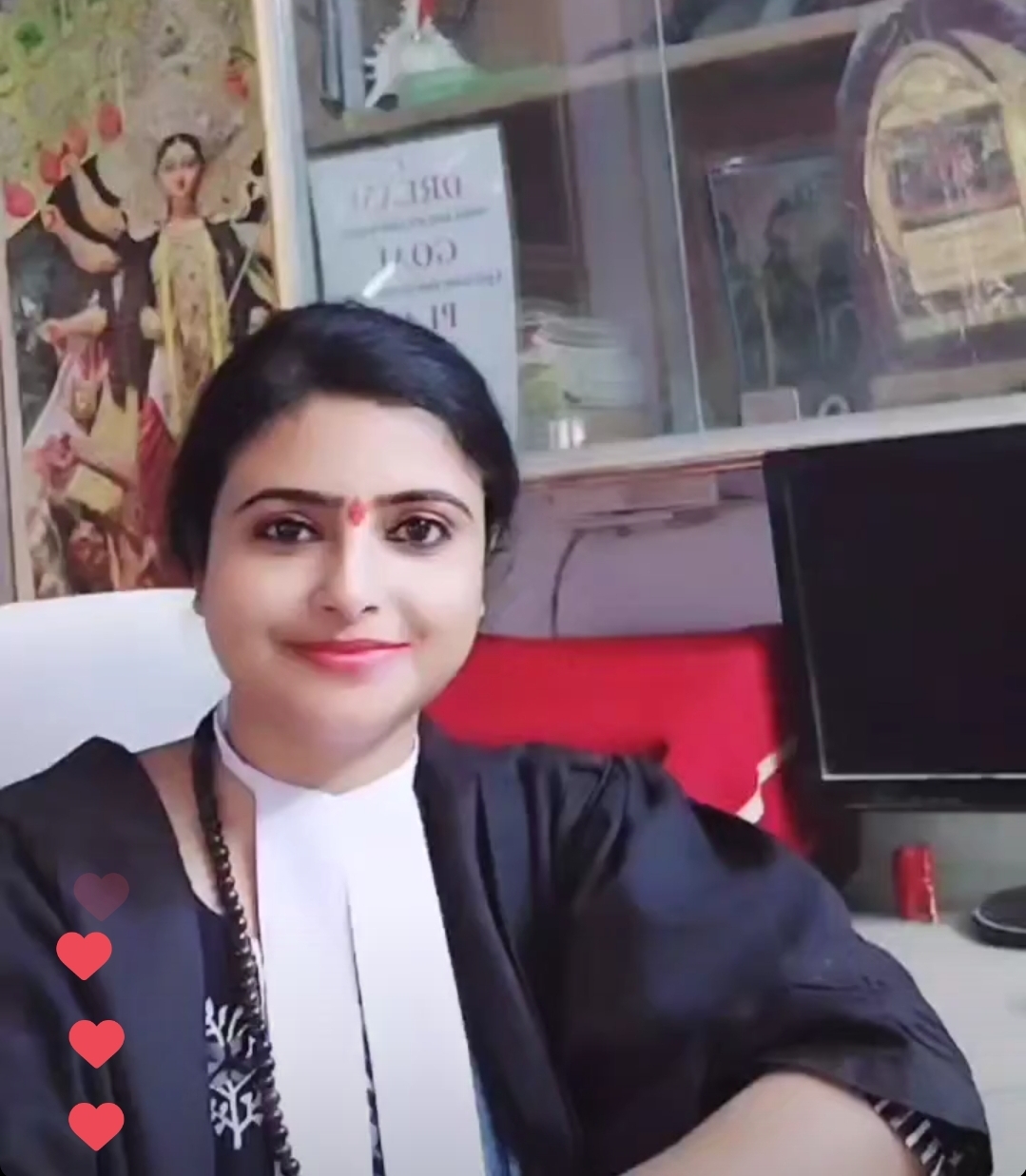
  • “Being a lawyer is not merely a vocation. It is a public trust, and each of us has an obligation to give back to our communities” – Adv Anjana Sharma,  Founder of Anjana Law Offices

    “Being a lawyer is not merely a vocation. It is a public trust, and each of us has an obligation to give back to our communities” – Adv Anjana Sharma, Founder of Anjana Law Offices

    This interview has been published by Namrata Singh and The SuperLawyer Team
    Your journey from a small village in Bengal to becoming a leading figure in the legal industry is truly inspiring. Can you take us back to when you first started your law education and share some of the challenges you faced during those initial stages of your career? How did you overcome them, and what lessons did you learn along the way that have shaped your path to success today? 

    Yes it’s always a difficult journey for everyone who hails from a small area with no opportunities, less exposures, no proper infrastructures and so was mine being  born in a Family where  providing best of educations to girl child ( specially in the legal field) and sending them to English Medium or even to  different cities like Mumbai, Kolkata, Delhi, Varanasi  etc  for getting Higher Education  was so very financially , socially difficult and challenging even for my parents that time.  Gratitude to them. Through sheer perseverance and determination, I’ve managed to carve out a path for myself in this profession. Visualisation, Full Commitments and love towards your work  Resilience and believing in your dreams can take you places. You don’t need to come from a family of lawyers to make it in this field 

    Journey has  been filled with challenges and triumphs that I never could have imagined.  When Arjun asked for guidance, Krishna said the Gita. In it he went to the root of all conflict: the conflict between the human will and the divine will.  See the omniscient has the best plan for everything; When we willingly and intelligently play our part in His plan, we enjoy the fulfillment of love and the achievement of success and that’s what I am doing till date amidst all my challenges and conflicts in this life  Initially, my Father had this vision of me going into civil services or judiciary, but fate had other plans for me. When I  was in Delhi preparing for my UPSC my social passion  in my heart  that we are born on this earth for some purpose,  pulled me towards the law and appeared for the entrance and then did my LLB from Faculty of Law University of  Delhi.  The law faculty days were also  challenging at the same time they were a great life learning lessons from attending faculty classes, contesting Student Union Elections, attending Seminars,  conferences etc  in ISIL,   working with Professional Book Publishers , to  going to  learn basics  Tis Hazari Courts to Supreme Court of India  to gain practical knowledge. I remember it was difficult during those days to get internships in big law firms, with big dignatories in the legal arena as compared to now in this easy digitally approached world.  I was opposed and obstructed by many when I thought after completion of law  to start independently initially Anjana Law Offices from Delhi  many factors were there like  being underestimated ,no family background /generations also initial stage  who will give cases and how will  I manage finances and everything   but I just  went with the Flow as I believe in the Super Power who is there to guide and enlighten and make our path  we are not the doers everything is destined only we have to enlighten ourselves in such a way that we get that light which will show that path and we just have to walk on with our full  dedication by believing in ourselves. 

    Journey as a first-generation and also a female  lawyer to face in a profession that was earlier dominated by men for so long  has been quite a rollercoaster ride 

     Initial struggle days were same like many first generation lawyers from starting with no work no money (not getting clients, cases,  initially with no office space, as it was hard to get one without money and somehow getting both ends meet) and many other issues   to reaching out to this level after 15 years I am living in gratitude always.  With Benedictions of God and well wishers and family we  have now expanded our wings. Deciding to have a law firm office in commercial city Mumbai in Maharashtra, that was also a whole different ball game.  I mean, grappling with a new language, dealing with financial constraints, and not having any family background in law—it was tough, to say the least. But I wasn’t about to let any of that hold me back. I dove headfirst into learning the language, worked tirelessly, often without even getting paid, and I made some incredible connections with fellow enthusiasts along the way.

    As the founder of Anjana Law Offices, you’ve expanded your practice across multiple cities, recently launching a branch office in Chandigarh. What motivated you to establish such a widespread presence, and what challenges did you face along the way?

    As someone who’s deeply connected to spirituality, I have this unwavering belief in the vastness of the world around us. It’s like echoing the timeless wisdom of Sanatan, where even the cosmos itself is in a perpetual state of expansion. I see myself as just a tiny part of this grand essence of Brahma, playing my role in the greater unfolding of things.

    And speaking of expansion, our decision to grow Anjana Law Offices into multiple cities, including our recent branch in Chandigarh, wasn’t merely a strategic move. It was a deep commitment to providing top-notch legal services. Sure, we faced some hefty challenges along the way, like maintaining our high standards and navigating through complex regulations. But our expansion is fueled by a fierce determination to reach out to diverse communities and make a positive impact.

    Through sheer perseverance and a steadfast dedication to our core values, we’ve managed to overcome these obstacles. It’s a testament to our unshakable commitment to ethical excellence in everything we do.

    Your dedication to social causes, especially your work with senior citizens, women, children, and the differently-abled, is commendable. Can you tell us about a particularly impactful case or initiative where your legal expertise made a significant difference in the lives of those you’ve helped?

    Our Constitution of India also ensures that  everyone regardless of their background or financial status has the ability to have their legal rights and grievances properly heard, represented and addressed. However despite its importance, access to justice for many people we see while practicing is a challenge altogether.   Role of lawyers is very important. I firmly believe in this quote “Being a lawyer is not merely a vocation. It is a public trust, and each of us has an obligation to give back to our communities”. 

    In one of my recent case in  the Supreme Court  wherein it  held that the Sessions Court or High Court that would have the power to grant interim/transit anticipatory bail, when the FIR is not registered within the territory of a particular State but in a different State has not only impacted our client life but also will have an impact in many innocent people’s lives  Earlier different courts had different views on such issue but now after this judgment there is a clarity so far as this bail criminal jurisprudence is concerned.
    At our office we also give time in helping people who are really needy  and are victims too to help them come out of their legal problems to the best of their capacity. Through our social projects we have been able to  help many needy people through law. Many times I have even faced threats to my life and limb. I am  grateful for having a great team who is my ALO Pariwar I call who always assists me wholeheartedly whether it be my social initiatives or may it be our corporate business commitments.  Well  there are many cases which  were landmark in  my and my firms growth  covering almost all spheres of laws and cannot be shared in details here  There is a  case which comes to my mind  where a  Senior Citizen  was admitted by children to a renowned Hospital for treatment,   she never had imagined that she would be lying there  for almost 8 months with no visible improvement in her health and also was a victim of medical negligence her health has only become worsen but somehow the hospital managed to rack up a bill of Rs more than 30  lakh  She left to the heavenly abode though but the legal entanglement faced by children is still going on and we are still fighting for her rights. As in medical negligence cases so far as our country is concerned  the fight is real tough the way we find the views of Courts recently MP High Court had quashed petition of medical negligence in case of three doctors, then Karnataka High Court quashed similar petition for want of expert opinion. One divyangjan who lost his life at a port trust his family  got compensation  Recently  I  fought for rights of a victim who was just 36 years old and  he was forced to burn himself alive  before the DSP office for not registering the FIR against culprits and he also had released a video. Beyond legal help we also tried to help him get blood and other requirements when he was admitted. Such cases involves lot of risk to life and limb as it’s a fight with the system is very challenging specially 

    Your commitment to social engineering and providing pro bono legal services to the needy is remarkable. Could you share a story or experience that touched your heart and reinforced your belief in the power of law to bring about positive change in society?

    Indeed Law is a powerful tool if effectively used to spread peace and humanity throughout. Well  at the end justice matters and lawyers are the  powerful social engineers who can bring great transformation to the society.  However though  in practice many times it is seen that justice is delayed however not denied. This happens because when we talk about rule of law and democracy there are wide gaps between policies and practical procedures and also lack of awareness of  basic laws  The Supreme Court of India has priorities and bolstered legal aid by forging a crucial link between Article 21 of the Indian Constitution and the right to free legal assistance, particularly highlighted in the Hussainara Khatoon v. State of Bihar case it was commitment to empower marginalized communities and enhance legal awareness, the Supreme Court established the Supreme Court Legal Services Committee also 

    Well I remember one matter where  helping one girl child from Bihar  and her family trapped in a  false Child Labour Offence case is worth mentioning. I remember not sleeping for a couple of days when we were at this  project with goose bumps. It gave us practical hands-on experience with the darker side of an 94 year old NGO institution whose administration involved abusing physically, mentally and sexually abusing the children. It was a real tough legal battle where we used our  legal knowledge with par excellence and strategizing the case Well  the basic objective of the Child Labour (Prohibition & Regulation) Act, 1986, was  to ban employment of children below the age of 14 years in factories, mines and hazardous employments, and to regulate the working conditions of children in other employments, however how  some syndicates are operating whereby genuine people are trapped also is a big question mark on the government , administration, policy and implementations system. 

    Your authored book, “The Art of Managing Housing Society,” is a notable achievement. What inspired you to write this book, and could you provide us with an overview of its contents and the key insights it offers to readers, particularly those involved in housing society management? 

    “The Art of Managing Housing Society” was inspired by the need to address the unique challenges faced by housing societies in India.  I was  involved in a few society matters where people came to me  to take legal help both from  management committee against their members and members against their management committee corruption exposures.During that time only I had taken a stay order against one management committee notification given to a third party  parking contractor. So I realized that people  are entangled in legal issues from various spheres and most of the cases occurred due to lack of legal knowledge  towards society’s laws. This book offers practical insights tailored to the Indian context, covering legal compliance, administrative best practices, financial management, conflict resolution, and community engagement. Readers gain practical guidance on effectively managing housing societies, promoting harmonious living environments, and fostering a sense of community. Through this resource, I aim to empower readers to navigate the complexities of housing society management and promote a culture of cooperation and well-being.

    Having represented various high-profile clients, political figures, media professionals, and Bollywood personalities, among others, what are some key lessons you’ve learned about navigating the complexities of legal representation in such cases?

    Representing high-profile clients, including political figures, media professionals, and Bollywood personalities, has provided me with valuable insights into navigating the complexities of legal representation in such cases.  Here are key lessons learned: Confidentiality: Strict adherence to privacy and discretion builds trust and credibility. Media Management: Clear communication strategies help shape public perception and protect the client’s reputation. Legal Strategy: Thorough analysis and strategic planning are essential for achieving favourable outcomes. Ethical Standards: Upholding professional ethics safeguards the lawyer-client relationship and the integrity of the legal process. Effective Communication: Transparent communication fosters trust and collaboration between the legal team and the client. Crisis Management: Swift action and proactive planning are crucial for mitigating potential damage. Collaborative Approach: Leveraging diverse expertise ensures comprehensive support tailored to the client’s needs

    As someone who has conducted numerous workshops and training sessions on law and legal awareness, what do you think are the most pressing legal issues facing society today, and how can individuals contribute to addressing them?

    Here are the most pressing legal issues facing society today and how individuals can contribute to addressing them: Access to Justice: Many face barriers in accessing legal services. Individuals can support legal aid organizations and advocate for equal access to justice for all. Discrimination and Gender-Based Violence: Promoting awareness of laws against discrimination and gender-based violence and supporting initiatives that address these issues are crucial steps in protecting human rights. Environmental Protection: Advocating for stronger environmental regulations and supporting conservation efforts can help address environmental challenges such as climate change and pollution. Cybersecurity and Data Privacy: Increasing awareness of online risks and advocating for robust data protection laws are essential in safeguarding individuals’ privacy and security in the digital age. Criminal Justice Reform: Supporting efforts to address systemic inequalities in the criminal justice system, advocating for police accountability, and promoting restorative justice practices are vital for reform. By educating themselves, supporting advocacy efforts, engaging in legal advocacy, and promoting dialogue and collaboration, individuals can contribute to addressing these pressing legal issues and promoting justice and equality  in society.

    You’ve been recognized for your persuasive communication skills and spiritual quotient. How do you incorporate spirituality into your legal practice, and how does it influence your approach to advocacy and mentorship?

    Incorporating spirituality into my legal practice is integral to my approach to advocacy and mentorship. As someone who practices yoga and pranayama techniques and reads spiritual philosophy, I prioritize maintaining a clear head, good health, and spiritual wellbeing. These practices help me rise above stress and short-term thinking, allowing me to approach legal matters with a calm and centered mindset. Spirituality influences my advocacy by fostering empathy, compassion, and a deep understanding of human nature. I strive to connect with clients on a deeper level, recognizing their inherent dignity and worth. This approach enables me to advocate for their rights and interests with authenticity and conviction, seeking outcomes that align with principles of justice and fairness. In mentorship, spirituality guides my interactions with aspiring legal professionals. I emphasize the importance of integrity, ethical conduct, and mindfulness in their legal practice. Through mentorship, I encourage them to cultivate a sense of purpose and meaning in their work, empowering them to make a positive impact in the lives of others. Overall, spirituality infuses my legal practice with a sense of purpose, mindfulness, and compassion. By integrating yoga and pranayama techniques into my daily routine and engaging with spiritual philosophy, I strive to maintain balance, clarity, and spiritual well-being, enriching both my professional and personal life. 

    Apart from your impactful work in the legal field and your dedication to social causes, what activities or hobbies bring you joy and relaxation outside of your professional life? How do you unwind and recharge after a busy day of advocating for justice and supporting those in need?

    Outside of my demanding professional life, finding time for relaxation and rejuvenation is crucial. Though my schedule leaves me with limited free time, I prioritize spending quality moments with my loved ones which brings me immense joy and provides a sense of balance amidst the demands of my work. Additionally, I find solace and fulfillment in pursuing my personal interests, even within the realm of law. I devote time to reading legal texts out of my own volition, continuously seeking to expand my knowledge and deepen my understanding of the field. Furthermore, I am drawn to Indian spiritual and philosophical texts, which offer profound insights and nourishment for the soul. Engaging with these texts not only enriches my spiritual journey but also provides a source of inspiration and perspective beyond the realm of law. In essence, while my professional commitments are demanding, I prioritize finding moments of relaxation and enrichment outside of work. Whether spending time with loved ones, delving into legal literature, or exploring spiritual texts, these activities allow me to unwind, recharge, and find fulfillment beyond the courtroom.  

    Your dedication to mentoring youth and first-generation lawyers is commendable. Can you share a piece of advice or a mantra that has guided you throughout your career and that you pass on to those you mentor?

    For young juniors entering the field of law, trust, confidentiality, patience and diligence are paramount. In advocacy your good behaviour and your communication skills  also matters as people who come to you to seek justice are already in trouble.  Working under a seasoned senior provides invaluable guidance and a platform for learning. Curiosity about the ever-evolving landscape of law is essential, especially in the face of advancing AI technologies and the consequential social and political shifts. Developing strong drafting skills begins with being a voracious reader. Reading extensively about law and related subjects not only enhances knowledge but also hones the ability to craft articulate arguments and documents. With the convenience and accessibility of e-books and smartphones, there’s never been a better time to cultivate a habit of reading. I believe big dreams become pure only after overcoming big difficulties. This is the truth. There is never a shortcut to anything in life. It is necessary to apply it with the spirit of human welfare Your company also matters with whom you sit, it is very important that intention is important, with what intention you are doing the work, it is necessary to surrender to the Master all your acts, be spiritually dedicated towards your work , make it your love  and worship, only then will you  get a stable success and blessings will pour like anything in all  forms  no matter what you do, he will always be with you.

    Get in touch with Anjana Sharma-
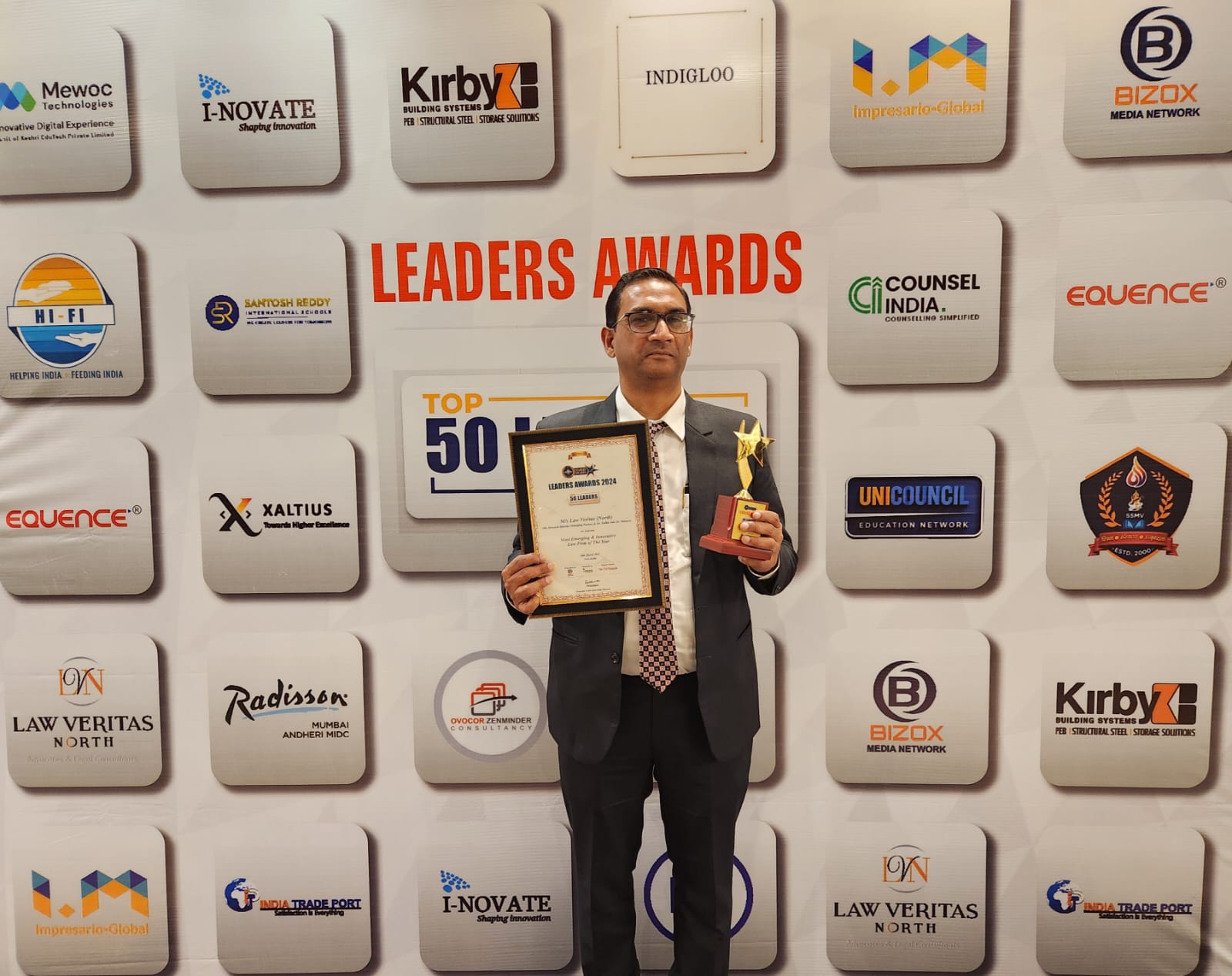
  • “Practical experience and a willingness to learn from challenges are paramount in carving out successful careers in law.” – Sudhir Jain, Sr. Partner at Law Veritas “North”

    “Practical experience and a willingness to learn from challenges are paramount in carving out successful careers in law.” – Sudhir Jain, Sr. Partner at Law Veritas “North”

    This interview has been published by Namrata Singh and The SuperLawyer Team

    Can you share with us your journey from your college days at Campus Law Centre, University of Delhi, to becoming a Senior Partner at Law Veritas North? What inspired you to do Law after completing your B.Com? 

    My journey from my college days at Campus Law Centre, University of Delhi, to becoming a Senior Partner at Law Veritas : North has been one of continual growth, learning, and dedication. After completing my B.Com (Hons.), I was inspired to pursue law due to its inherent potential to impact society positively. As Mahatma Gandhi once said, “The true source of rights is duty. If we all discharge our duties, rights will not be far to seek.” I felt compelled to contribute to the legal framework of my country and serve justice.

    As a senior partner, what leadership qualities do you believe are essential for guiding a successful legal team?

    As a senior partner, I believe essential leadership qualities for guiding a successful legal team include integrity, clear communication, strategic thinking, empathy, and the ability to inspire and mentor others. To quote Abraham Lincoln, “I am a firm believer in the people. If given the truth, they can be depended upon to meet any national crisis. The great point is to bring them the real facts.” Effective leadership fosters collaboration, ensures coherence in strategy, and motivates team members to perform at their best.

    From your perspective, how can the current generation of aspiring lawyers adapt to the evolving landscape of legal practice and carve out successful careers for themselves?

    The current generation of aspiring lawyers can adapt to the evolving landscape of legal practice by embracing technology, honing their communication and interpersonal skills, staying updated on legal developments, and fostering a spirit of innovation and adaptability. The life of the law has not been logic; it has been experience. Practical experience and a willingness to learn from challenges are paramount in carving out successful careers in law.

    With over 24 years of legal experience, what are some key lessons you’ve learned along the way that you would pass on to aspiring lawyers?

    Over my 24 years of legal experience, I have learned several key lessons that I would impart to aspiring lawyers. Firstly, integrity and ethics should always guide your practice. Secondly, continuous learning and staying updated with legal developments are essential. Thirdly, effective communication and interpersonal skills are as crucial as legal expertise. Finally, perseverance and resilience in the face of challenges are indispensable qualities for success in the legal profession.

    How do you balance the demands of litigation with providing strategic counsel to clients in property and revenue matters? 

    Balancing the demands of litigation with providing strategic counsel to clients in property and revenue matters requires meticulous planning, effective delegation, and clear communication. It’s about understanding the priorities of each case and allocating resources accordingly. To quote Benjamin Franklin, “By failing to prepare, you are preparing to fail.” Diligent preparation and a strategic approach enable me to effectively manage both aspects of my practice.

    Could you share with us one of the most challenging cases you’ve encountered in your career and walk us through how you navigated through it to achieve success for your client?

    One of the most challenging cases I have encountered involved a complex property due diligence running in crores with multiple stakeholders and intricate legal issues. Navigating through it required a comprehensive understanding of property laws, strategic negotiation skills, and perseverance. Through meticulous research, strategic planning, and effective advocacy, we were able to secure a favourable opinion/outcome for our client, ensuring justice prevailed despite the complexities involved. However, due to a confidentiality clause I am unable to divulge further details.

    Could you share a moment in your career where you had to adapt to a new dimension or understanding of the law, and how it impacted your approach to future cases? 

    In a pivotal moment in my career, I faced a property law case where traditional principles clashed with modern urban development dynamics. This compelled me to delve into nuanced aspects of property laws, zoning regulations, and authorities provisions. Adapting to this multifaceted dimension of property law not only refined my legal expertise but also emphasized the significance of balancing individual property rights with broader societal concerns. This experience profoundly influenced my approach to future property law cases, fostering a more nuanced and holistic perspective that integrates legal principles with social and economic realities.

    What role do you believe mentorship plays in the legal profession, and have you had any mentors who significantly influenced your career trajectory?

    Mentorship plays a crucial role in the legal profession, providing guidance, support, and valuable insights to aspiring lawyers. I have been fortunate to have some mentors who significantly influenced my career trajectory by imparting wisdom, sharing experiences, and nurturing my professional growth. Mentorship fosters personal and professional development, shaping the future leaders of the legal profession.

    Could you walk us through what a typical day looks like for you as a Senior Partner at Law Veritas North? How do you manage your time and prioritize tasks amidst your various responsibilities and commitments?

    A typical day for me as a Senior Partner at Law Veritas : North involves a blend of client meetings, case reviews, strategic planning sessions, team management, and administrative tasks. Time management and prioritization are crucial, and I rely on effective delegation, leveraging technology for efficiency, and maintaining a structured schedule to balance my various responsibilities and commitments effectively.

    How do you think the current generation of lawyers can leverage technology to enhance their legal practice? 

    Embracing legal technology is paramount in today’s legal landscape. Despite not being a technology expert myself, I recognize its pivotal role in enhancing legal practice. As per an anonymous quote, “Our achievements are the culmination of various influences and collaborations.” Similarly, integrating technology into legal practice enables lawyers to weave a more efficient and effective tapestry of legal services for clients. While I may not possess innate technological prowess, I acknowledge its importance and actively seek opportunities to leverage legal tech tools to streamline processes and deliver better outcomes for those I serve.

    Get in touch with Sudhir Jain-

  • “Never underestimate the importance of mastering cross-examination. Whether you’re dealing with civil or criminal cases, it’s the bread and butter of legal practice.”- Sandeep Chatterjee, Founder at Chatterjee Law Chambers

    “Never underestimate the importance of mastering cross-examination. Whether you’re dealing with civil or criminal cases, it’s the bread and butter of legal practice.”- Sandeep Chatterjee, Founder at Chatterjee Law Chambers

    This Interview has been published by Pragya Chandni and The SuperLawyer Team

    Can you walk us through your journey into the field of law? 

    My journey into law began long before I even stepped foot into a law school. It all started with my mother’s unfulfilled dream of becoming a lawyer—a dream she passed on to me, along with a burning curiosity for all things legal. But unlike most, I took a bit of a detour. Before diving into my LL.B., I pursued a Master’s in Political Science. Why? Because I’ve always believed that understanding the broader political landscape is crucial for any lawyer. Sure, some might see it as an outdated approach, but for me, it’s been nothing but beneficial. It’s given me a deeper perspective on the law, allowing me to approach legal issues from a more practical angle. Instead of just diving into statutes and cases, I first dissect the underlying principles. This “old-school” approach, as some might call it, has been my secret weapon. It helps me craft stronger legal arguments and advocate more effectively for my clients. And in a field as competitive as law, having that extra edge can make all the difference.

    What inspired or motivated you to pursue a career in arbitration and general civil litigation?

    During my internship with Mr. Harish Salve, Senior Advocate, I had the privilege of delving into the world of arbitration—an experience that left an indelible mark on my legal journey. Working alongside Mr. Salve exposed me to the intricate workings of arbitration cases, offering me invaluable insights into this specialized field. Witnessing firsthand the rapid evolution of arbitration in India and its growing significance on the global stage was eye-opening. It became clear to me that arbitration holds immense practical importance and has the potential for significant expansion in our country. Seeing India’s conducive environment for arbitration, I’m inspired by the vision of it becoming a leading hub in this domain, and I’m eager to contribute to its advancement.

    Additionally, I’m drawn to general civil litigation for its diverse practice areas, including property disputes, contract law, and family matters. The bustling demand for legal services in civil matters highlights the constant flow of meaningful work in this field. Starting out as a generalist allows me the opportunity to explore various areas and gradually specialize in those that resonate with me. This journey towards specialization not only fosters deeper engagement but also facilitates continuous development of expertise over time.

    Furthermore, the direct interaction with clients in civil litigation adds a tangible sense of fulfillment to my work. Witnessing the real impact of my efforts on their lives is truly rewarding. The autonomy, flexibility, and ongoing learning opportunities inherent in this field make it an incredibly fulfilling career path for those who are passionate about effecting positive change through the practice of law in India.

    With your extensive experience in various legal roles, could you share some highlights or memorable cases that have shaped your career?

    In my career journey, while I’ve encountered numerous memorable moments, two cases hold particular significance for me. One of them was representing Dr. R. K. Pachauri, which served as a pivotal moment marking my entry into the legal profession as a junior in a law chamber. This case was unique in that it involved aspects of both civil and criminal law, offering me invaluable learning experiences. Through working on this case, I gained a deeper appreciation for the necessity of meticulous clerical work and thorough research in ensuring effective advocacy.

    Another case that remains vivid in my memory involved a service matter with clear legal precedents but unique circumstances for my client. It was a challenging situation that required me to present arguments before the Hon’ble Division Bench of the Karnataka High Court. I vividly remember the pressure and intensity of the courtroom as I meticulously prepared to address the nuanced aspects of the case. With countless hours of research and preparation, coupled with careful attention to every detail, I stood before the bench, advocating for my client’s rights for 4 hours before the bench. The experience was intense, but seeing the judges carefully consider my arguments and ultimately ruling in favor of my client was incredibly rewarding. It was a testament to the importance of dedication, hard work, and attention to detail in achieving success in the legal profession.

    These experiences have truly highlighted for me the critical importance of being thoroughly prepared and having a deep understanding of the intricacies within each case. It’s not just about knowing the law; it’s about going deep into the unique circumstances of every situation. These cases have shown me that with dedication and hard work, even the most challenging situations can be handled successfully. They’ve solidified my belief that true excellence in legal practice comes from this level of commitment and understanding.

    You’ve been recognized for your excellent reputation in delivering high-quality client service. How do you ensure client satisfaction while navigating complex legal matters?

    In my practice, my clients’ well-being is at the heart of everything I do. I believe in real, meaningful communication—not just ticking boxes. I make it a priority to have open and honest conversations with my clients regularly. Every case is different, so I adapt my approach to suit their individual needs, ensuring they have a clear understanding of what to expect. When the going gets tough, I’m not just a legal advisor—I’m a supportive ally. I’m there to provide not just legal expertise, but also a listening ear and a comforting presence during challenging times. I actively seek feedback from my clients because I value their perspective—it helps me refine my strategies and provide even better service. 

    Your educational background includes a Bachelor of Law from Campus Law Centre, University of Delhi as well as a Master’s Degree in Political Science. How did your academic experiences contribute to your professional development in the legal field?

    In addition to my Law Degree, as already mentioned, I’ve pursued a Postgraduate degree in Political Science, a deliberate choice aimed at broadening my understanding of the legal field. I firmly believe that a multidisciplinary approach enhances one’s comprehension of law. Political science has provided me with valuable insights into the historical, social, and ideological factors that shape legal systems and frameworks. Through studying governance, policy-making, and power dynamics, I’ve gained a deeper understanding of the broader context in which legal decisions are made. By integrating these disciplines, I’ve developed a comprehensive perspective that enables me to understand legal matters effectively and advocate for my clients with clarity and depth. 

    As the founder and lead lawyer of Chatterjee Law Chambers, what challenges did you face in establishing your own practice, and what strategies did you employ to overcome them?

    Establishing your own legal practice presents a myriad of challenges that are all too real. One of the biggest hurdle is attracting and retaining clients. It’s not just about being a great lawyer You also need to master the art of networking and marketing to build a solid client base. And once you’ve got clients, keeping them happy and loyal requires constant dedication and delivering top-notch service.

    Financial management is another tough nut to crack. You’ve got to balance your income and expenses, handle billing and collections, and plan for future growth—all while keeping a keen eye on your bottom line.

    Then there’s the administrative side of things, which can feel like a full-time job in itself. From managing paperwork and documentation to overseeing staff and office operations, there’s always something demanding your attention.

    I’ve delved deep into these challenges in an article I wrote titled ‘Challenges Faced by Advocates When Establishing Their Own Chamber.’ In it, I share the gritty realities of starting and running a successful legal practice, along with practical strategies to overcome these obstacles. It’s all about proactive problem-solving and a relentless commitment to making it work, despite the hurdles that come your way.

    Collaboration and teamwork are essential in the legal profession. How do you foster a collaborative environment within your legal team to achieve success in your cases?

    We thrive on open communication, where everyone’s ideas and insights are valued and freely shared. We’ve learned that clearly defining roles and responsibilities is key to keeping things running smoothly and maximizing our efficiency. Plus, having a diverse range of perspectives around the table sparks creativity and helps us tackle problems from all angles.

    Our collaboration isn’t limited to formal meetings; it’s a constant exchange of ideas and information. Whether we’re discussing case strategies over coffee or brainstorming solutions late into the night, everyone’s voice is heard and respected. Technology plays a big role in keeping us connected, especially since we often work remotely. But it’s the personal connections we’ve built—through mentorship, knowledge sharing, and celebrating each other’s successes—that truly bring our team together. And it’s not just about winning cases; it’s about growing together as professionals and as people.

    In addition to your legal expertise, you also possess strong organizational skills and strategic communication abilities. How do these skills play a role in effectively representing your clients’ interests?

    My ability to represent my clients effectively stems from a multifaceted skill set that I’ve gained through my limited years of experience. It’s not just about knowing the law; it’s about being organized, strategic, and an excellent communicator. When it comes to organization, I’m meticulous. I leave no stone unturned in managing every aspect of a case, ensuring nothing slips through the cracks. This attention to detail allows me to plan strategically, tailoring my approach to fit the unique needs of each case and maximizing our chances of success. But it’s not just about what happens in the courtroom. Building and maintaining strong relationships with my clients is equally important. I pride myself on my ability to communicate clearly and transparently, keeping my clients informed every step of the way. Whether it’s explaining legal options, providing updates, or preparing for negotiations, I ensure my clients are empowered to make informed decisions and actively participate in their legal matters.

    Finally, considering your journey and accomplishments, what advice would you offer to fresh graduates aspiring to pursue a career in law, especially those interested in areas like arbitration and civil litigation?

    Here’s some down-to-earth advice I’ve gathered from my own experience: Stay focused and humble. Surround yourself with people who can teach you something new every day. Don’t get sucked into office gossip—instead, listen to the constructive criticism your senior colleagues offer. Leave your ego at the door, especially when dealing with your immediate superiors. It’s crucial for maintaining good professional relationships. And when it comes to choosing a law firm to work for, do your homework. Don’t just settle for any firm out of desperation. It’s better to wait for the right fit than to end up feeling stuck and unfulfilled. 

    Finally, never underestimate the importance of mastering cross-examination. Whether you’re dealing with civil or criminal cases, it’s the bread and butter of legal practice. Approach it with dedication and sincerity, because it’s a skill that will serve you well throughout your career.

    Get in touch with Sandeep Chatterjee-

  • “The recent technological developments have brought opportunities as well as challenges for the courts, lawyers as well as clients”- Rajnish Kumar Jha, Founding Partner at Actus Legal 

    “The recent technological developments have brought opportunities as well as challenges for the courts, lawyers as well as clients”- Rajnish Kumar Jha, Founding Partner at Actus Legal 

    This Interview has been published by Pragya Chandni and The SuperLawyer Team

    Can you share with us the journey that led you to pursue a career in law, from your undergraduate studies in Political Science to co-founding Actus Legal Associates and Advocates?

    While I was doing my undergraduate studies in Political Science, I found myself increasingly drawn to the application of law and its role in shaping societies. Throughout my studies, I tried to understand the dynamics of Indian polity and the interplay of power dynamics within legal systems. This academic foundation ignited a passion for law and advocacy within me.

    Upon completing my graduation, I joined Campus Law Centre (CLC, DU). During my time there, apart from my studies, I actively participated in extracurricular activities such as being part of the Placement Assistance Council, Legal Aid, Debating Society etc., to develop a well-rounded understanding of legal practice.

    After obtaining my law degree and gaining valuable experience working at a law firm, I felt compelled to establish my own practice. Alongside my like-minded batchmates, I co-founded Actus Legal Associates and Advocates with the vision of providing comprehensive legal services that prioritize client advocacy, prepare strategy for the clients and maintain absolute integrity. Understanding clients’ needs, concerns, and objectives allowed me to prepare our legal strategies accordingly, fostering trust and long-term relationships.

    Through continuous learning, collaboration with colleagues, and a steadfast commitment to our core values, Actus Legal Associates and Advocates has flourished into a reputable litigation firm known for its professionalism, ethical standards, and unwavering pursuit of legal excellence.

    Starting your career with M/s Bhachawat and Associates, what were some key lessons you learned about law practice during those initial months?

    Starting my litigating career with M/s Bhachawat and Associates was an invaluable experience that provided me with a solid foundation in law practice. During those initial months, I learned several key lessons like a deep appreciation for the importance to the minute details of a case, conducting legal and preparing for the client meetings, that have greatly shaped my approach to legal work. This taught me the importance of thoroughness and precision in all aspects of my work.

    More importantly, I learned the significance of ethical integrity in the practice of law. This foundational lesson continues to guide my decision-making and actions as a legal professional.

    Overall, my brief tenure at M/s Bhachawat and Associates provided me with invaluable lessons that have profoundly influenced my approach to law practice. I am grateful for the opportunity to have learned from seasoned lawyers and am committed to applying these lessons to deliver exceptional service to my clients.

    As a founding partner at Actus Legal, you handle a diverse range of cases, including civil, commercial, and family matters. How do you manage to navigate through such varied areas of law effectively?

    As a founding partner at Actus Legal, navigating through diverse areas of law is both challenging and rewarding. Our firm’s commitment to excellence and client satisfaction drives us to ensure that we provide comprehensive legal services across a broad spectrum of practice areas.

    One of the key strategies I employ to effectively manage this diversity is ongoing education and professional development. Staying updated of the latest legal developments and precedents allows me to maintain a solid understanding of various areas of law. This continuous learning process enables me to confidently navigate through different legal landscapes and provide informed advice to our clients.

    Furthermore, collaboration plays a vital role in our approach. Actus Legal fosters a culture of teamwork and knowledge sharing among partners and associates. Leveraging the diverse expertise within our firm, we regularly engage in case discussions, brainstorming sessions, and peer reviews to collectively address complex legal issues and ensure that our clients receive the highest quality representation.

    Additionally, effective time management and prioritisation are essential when handling a diverse caseload. By carefully allocating resources and delegating tasks where appropriate, we optimise efficiency and productivity while maintaining a high standard of service delivery.

    Lastly, maintaining open lines of communication with our clients is paramount. By fostering strong client relationships built on trust and transparency, we can effectively navigate through diverse areas of law while delivering optimal outcomes for our clients.

    In essence, managing a diverse range of cases at Actus Legal requires a combination of continuous learning, collaboration, efficient resource allocation, and client-centric approach. By embracing these principles, we ensure that we remain attentive and effective in addressing the various legal needs of our clients.

    Being empaneled with various government sectors and PSUs, such as the Sports Authority of India and NBCC (India) Ltd., what unique challenges and opportunities does such clients bring?

    Representing government sectors and Public Sector Undertakings (PSUs) presents a distinct set of challenges and opportunities that shape our legal practice in significant ways.

    It may be noted that government sectors operate within a highly scrutinized environment, where decisions and actions are subject to public scrutiny and accountability. As their legal representatives, we must address these sensitivities with care, ensuring transparency and integrity in all our dealings.

    Furthermore, being empaneled with prestigious government organizations enhances our firm’s credibility and reputation within the legal community. It signifies our capability to handle complex matters and demonstrates our commitment to excellence in legal service delivery.

    In conclusion, representing government sectors and PSUs brings both challenges and opportunities that enrich our legal practice. By leveraging our expertise, fostering collaboration, and maintaining a client-centric approach, we strive to navigate these complexities effectively while delivering impactful outcomes for our esteemed government clients.

    Could you tell us about your experience as a court/local commissioner and receiver, and how those roles have enriched your legal practice?

    Absolutely, serving as a court/local commissioner and receiver has been an immensely enriching experience that has deepened my understanding of the legal system and broadened my skill set as a legal professional.

    In these roles, I have had the privilege of being entrusted by the various Hon’ble courts with the responsibility to act as an impartial officer in various legal matters, ranging from property disputes to a violation of IP rights and family law cases. As a local/court commissioner, I have conducted hearings, wherein evidence of witnesses was recorded, ensuring that evidence is recorded in proper & transparent manner in accordance with the law.

    Moreover, serving as a court commissioner and receiver has underscored the importance of integrity, impartiality, and diligence in the practice of law. Upholding these principles is essential to maintaining the trust and confidence of the court, parties involved, and the broader legal community.

    The position of Court/Local Commissioner has also afforded me the chance to delve into the intricate techniques of cross-examining witnesses. When it comes to conducting a cross-examination, thorough preparation extends beyond simply being well-versed in the case. It necessitates an understanding of the witness’s temperament, their areas of vulnerability and strength, their connection to the case’s facts, and perhaps most crucially, what questions to avoid during cross-examination.

    With over a decade of practice, you’ve argued numerous cases before various courts. Can you share with us a particularly memorable case or achievement in your career so far?

    Certainly, throughout my years of legal practice, numerous cases have left a profound impact on me both personally and professionally. Singling out a specific case would not be prudent. However, I consistently find that each case possesses its own distinct significance and influence on the individuals involved. From the moment a client engages me, I endeavor to craft the best legal strategy, dedicating myself to formulating it from the outset till the final arguments.

    I perceive two pivotal stages in any case: firstly, during the drafting of pleadings, and secondly, when leading evidence. Cross-examination of a witness fascinates me the most! It presents a challenge to extract answers that the witness did not intend to give and likely never anticipated facing during their testimony in court.

    The majority of cases I’ve handled have resulted in favorable outcomes, often due to witnesses either contradicting their positions or providing responses beyond what was initially pleaded. Every judgment represents a significant milestone in my career. I draw continuous inspiration from the challenges and opportunities presented by each new case, remaining steadfast in my commitment to delivering exceptional legal representation to my clients in every instance.

    How do you think the recent technological developments have affected the legal field in general and your practice in particular?

    The recent technological developments have brought opportunities as well as challenges for the courts, lawyers as well as clients. The government success of the digital India initiative for various beneficial policies initiated and implemented by it, has also necessitated the acceptance of overall technological development in the legal professions. Some of the major changes and improvements are as follows: –

           i.            E-Filing and Court Proceedings: The introduction of e-filing systems in Indian courts has digitized various legal procedures, including filing of petitions, pleadings, and other documents. These developments have made legal proceedings more accessible, convenient, and cost-effective, benefiting both lawyers and clients.

         ii.            Legal Research: Technology has revolutionized legal research by providing access to vast databases of case law, statutes, and legal commentary. Online legal research platforms such as Manupatra, SCC Online, etc., allow lawyers to find relevant precedents and statutes efficiently. This has enhanced the quality and speed of legal analysis in my practice as well.

      iii.            Virtual Court proceedings: With the onset of the COVID-19 pandemic, virtual court proceedings became prevalent in India and it is being appreciated by all concerned with the legal issues. With the virtual hearings, it is possible to appear before any Court or the Tribunal within or outside India while sitting in your own office in Delhi. This shift towards remote hearings has improved access to justice by reducing the need for physical presence in courtrooms, saving time and costs for both lawyers and clients.

       iv.            Rise of Legal tech Startups: – The rise of LegalTech startups in India such as Law Sikho has led to the development of innovative solutions for legal practice management, document automation, contract review, and more. These tools help lawyers improve productivity and deliver better services to clients.

         v.            Access to legal Information: – Technology has made legal information more accessible to the general public. Online databases such as the introduction of E-Court Services and digitized court records allow lawyers and individuals to access a vast amount of legal information easily.

    In fact, in our firm’s practice, the aforementioned technological developments have had a profound impact. Our Firm has embraced digital tools for legal research, case management, and communication with clients. Virtual court proceedings have allowed all of us to represent clients in distant jurisdictions without the need for extensive travel.

    You’ve been active in writing articles and sharing legal insights through your YouTube channel, “Legal With Rajnish.” How do you see these platforms contributing to legal education and public understanding of the law?

    Thank you for highlighting my involvement in writing articles and maintaining the ‘Legal With Rajnish’ YouTube channel. These platforms serve as invaluable tools for legal education and public understanding of the law in several significant ways.

    First and foremost, writing articles and creating content for platforms like YouTube allows anyone to address commonly known complex legal concepts and developments into accessible and digestible formats. By explaining key principles in plain language, I aim to demystify the law and make it more comprehensible to a broader audience.

    Overall, I believe that writing articles and producing content for platforms like YouTube play a crucial role in promoting legal understanding, fostering public awareness, and advancing the rule of law.

    At the same, I equally regret to my readers and viewers that I am unable to give sufficient time for writing articles as well as for my You tube channel because of my engagement with the court cases and I am intending to do course correction soon.

    Finally, what advice would you offer to recent law graduates as they embark on their legal careers, based on your own experiences and successes in the field?

    As recent law graduates embark on their legal careers, I offer the following advice based on my own experiences and successes in the field:

    a.     Learning is a continuous process: The legal profession is constantly evolving, and it’s essential to stay updated on changes in laws, regulations, and precedents. Commit yourself to lifelong learning by attending seminars, workshops, and continuing legal education programs to deepen your knowledge and expand your expertise.

    b.     Appreciate mentorship: Seek guidance from experienced lawyers who can offer valuable insights, advice, and mentorship as you advance in your legal career.

    c.      Work on your communication skills: Effective and logical communication is crucial in the legal profession. Practice clear and concise drafting skills, develop strong oral advocacy skills, and cultivate the ability to communicate complex legal concepts in a manner that is understandable to clients and learned judges.

    d.     Respect integrity and professionalism: Uphold the highest ethical standards in all your interactions and endeavors. Integrity and professionalism are the cornerstones of a successful legal career and essential for earning the trust and respect of clients, peers, and the judiciary.

    e.      Be proactive and adaptable: Take initiative in seeking out opportunities to gain practical experience, whether through internships, pro bono work, or extracurricular activities. Be open to new challenges and opportunities, and adapt to changes in the legal landscape with flexibility and resilience.

    f.       Have a strong work ethic: Success in the legal profession requires hard work, dedication, and perseverance. Develop a strong work ethic characterized by diligence, attention to detail, and a commitment to delivering excellence in all your cases.

    g.     Build relationships and networks: Invest time in building relationships with colleagues, clients, and other professionals within the legal community. Networking can open doors to referrals, and collaborations, so prioritize cultivating meaningful connections throughout your career.

    h.     Maintain a healthy work-life balance: It is easier said than done but do not neglect your personal well-being. Strive to maintain a healthy work-life balance by prioritizing self-care, setting boundaries, and making time for hobbies, interests, and relationships outside of work.

    By following the aforementioned points and embracing the challenges and opportunities that come one’s way, one can embark on a fulfilling and successful legal career that makes a positive impact on the lives of others and contributes to the advancement of justice and the rule of law.

    Get in touch with Rajnish Kumar Jha-

  • “The legal system plays a pivotal role in addressing economic and social disparities, with ongoing efforts to create a more inclusive and equitable society”- Siddhant Sharma, Advocate-on-Record

    “The legal system plays a pivotal role in addressing economic and social disparities, with ongoing efforts to create a more inclusive and equitable society”- Siddhant Sharma, Advocate-on-Record

    This Interview has been published by Pragya Chandni and  The SuperLawyer Team

    Can you share a bit about your background and upbringing, especially how you ended up pursuing law as a career?

    My journey into the field of law is somewhat unconventional, rooted in an upbringing that seamlessly blended athleticism and a commitment to education. Hailing from Himachal Pradesh, I was born in Bangalore and received my education in Patiala, Chandigarh, and Delhi, reflecting the diverse cultural influences that shaped my worldview.

    My parents, with my father being a Dronacharya Award Winner in Judo and my mother serving as the Chief Judo Coach with Sports Authority of India for over 35 years, instilled in me the values of humility and hard work. The mantra that ‘hard work has no substitute’ became a guiding principle, thanks to my father’s wisdom.

    Initially immersed in a promising career in sports, representing Himachal Pradesh in various BCCI tournaments from U-15 to U-23 levels, my trajectory took an unexpected turn due to a sports-related injury. This setback prompted a moment of introspection, leading me to re-evaluate my career path.

    Amidst the contemplation, the decision to transition into law emerged organically. Inspired by a desire to push beyond my comfort zone and propelled by the encouragement of my parents, I embarked on the journey to become an advocate. This shift was marked by rigorous preparation for the Delhi University entrance exam, which I successfully cleared, ultimately choosing to enrol at Campus Law Centre, Delhi University.

    It was during my time at CLC that I discovered the rich legacy of its alumni, further deepening my appreciation for the profession I had serendipitously found myself in. In retrospect, I didn’t so much choose law as it chose me, a realization that has fuelled my commitment to excellence and continuous growth in the legal field.

    I am profoundly grateful for the opportunities that shaped my journey, and I carry forward the invaluable lessons of discipline, resilience, and dedication instilled in me through my unique blend of experiences. Today, as a seasoned lawyer with nine years of experience, I draw upon both my sporting and legal backgrounds to approach challenges with a well-rounded perspective and unwavering determination.

    You completed your LLB from Campus Law Centre, Delhi University. What factors influenced your decision to study law, and were there specific experiences during your academic years that shaped your interest in the legal field?

    Honestly, after cricket I had no other option but to choose law, there is no specific reason or any decision that influenced me to study law.
    I pursued my LLB at Campus Law Centre, Delhi University, and my journey into the legal field was somewhat unconventional. Having initially aspired to pursue a career in cricket, the transition to law emerged organically.

    In my first year, following the advice of my seniors to enjoy the initial phase, I focused on grasping the fundamentals and keeping a balance between academic studies and my passion for cricket. It was during this time that I discovered a genuine interest in Criminal Law, sparking the beginning of my journey in the legal domain.

    As I progressed into my second year, subjects such as Criminal Procedure, Evidence, and Civil Procedure captivated my attention, deepening my understanding and enthusiasm for the legal intricacies. An internship experience further exposed me to the practical aspects of legal work, where I engaged in clerical tasks, gaining invaluable insights into the operational side of the profession.

    The turning point came in my third and final years of college when I made a conscious decision to fully commit to my legal studies. Realizing that my cricketing aspirations were taking a back seat, I explored potential career paths. A pivotal moment occurred in March 2015 when a senior connected me with an internship at Luthra and Luthra, providing me with a firsthand experience of the legal profession.

    Simultaneously, a subsequent internship with Mr. KTS Tulsi, Senior Advocate, in April further solidified my interest in law. The dynamic and challenging nature of the work at both offices fueled my passion, ensuring that each day was intellectually stimulating.

    The opportunities I got was only because of cricket which landed me to my internships, which shaped my professional trajectory. These experiences have not only enriched my legal knowledge but have also instilled in me a deep sense of commitment and enthusiasm for the legal field.”

    You’re currently engaged in independent legal practice, handling a diverse range of cases. Can you walk us through the pivotal moments that led to your decision to transition from working with law firms to establishing your independent practice?

    Embarking on my legal journey, my initial exposure to the legal profession unfolded through internships at Luthra and Luthra, a prominent law firm, and later under the guidance of Mr. KTS Tulsi, Senior Advocate. These experiences, though disparate, were pivotal in shaping my journey as a lawyer.

    During my stint in a law firm, the routine was structured, demanding undivided attention to assigned tasks within the confines of an office. However, my subsequent internship with Mr. Tulsi, Senior Advocate, introduced me to a different world—a dynamic blend of courtroom advocacy and after court management. Witnessing the strategic use of skills, experience, and court craft to win cases ignited a profound fascination within me.

    Despite the allure of firm remuneration, I recognized a deeper passion for the courtroom. The prospect of being confined to an office space without the vibrancy of court experiences did not resonate with my vision for a fulfilling legal career. Driven by a belief instilled in me since childhood—that hard work paves the way to success—I transitioned to LawRato, where I honed my communication skills with clients. However, the confinement of a firm environment eventually led me to seek a more dynamic setting.

    Gratefully, I found mentorship under Mr. Jaspreet Singh Rai, a period that contributed significantly to my growth and gave me a fair bit of experience in Trial Court. Destiny smiled upon me when I secured a position at the Chambers of Mr. Tulsi, a dream opportunity by the support of Mr. Amit Sharma and Mr. Raj Kamal. 

    Before venturing into independent practice, I had the privilege of working with Mr. Karan Bharihoke, Advocate-on-Record who played a transformative role in shaping me from a novice into a confident, independent lawyer. His mentorship instilled in me the courage to appear before the court and the resilience needed to pursue my goals.

    You’ve had significant experience in handling high-profile cases, including criminal matters, civil matters, and more. Could you share a challenging or notable case that you’ve worked on and the lessons you learned from it? 

    In my not so extensive legal career spanning nine years, I’ve had the privilege of handling some high profile cases, each carrying its own weight of significance. High-profile cases, in particular, demand a heightened level of diligence and responsibility, given the elevated stakes involved for both the client and the legal representative.

    Throughout my journey, I’ve had the honor of collaborating with seasoned advocates and independently handling noteworthy cases. One such pivotal experience that stands out is my involvement in the Nirbhaya Case (Appeal) at the Supreme Court, where I assisted my senior who was representing the parents. The magnitude of this case not only underscored the gravity of criminal law but also provided me with a profound insight into the nuances of Supreme Court procedures.

    This experience served as a springboard for my subsequent work, notably in preparing and drafting the Petition in the Arushi Talwar Case. The lessons gathered from these high-profile cases have been instrumental in deepening my understanding of criminal laws and honing my legal skills.

    I am deeply appreciative of the trust placed in me by seniors, which has been a constant source of motivation throughout my career. Every case, regardless of its nature, has been a stepping stone for my professional growth. I firmly believe that embracing and learning from each experience is imperative for continuous development as legal professionals.

    In essence, my journey has been shaped by a commitment to excellence, a deep appreciation for the opportunities afforded to me, and an unwavering belief in the transformative power of every legal experience.

    You’ve worked with esteemed advocates such as Mr. KTS Tulsi, Mr. Harin P. Raval, and others. How has mentorship played a role in shaping your career, and what advice do you have for young lawyers in finding the right mentors?

    In this profession finding the right mentor is what every young lawyer would dream. In my legal career, the significance of mentorship has been profound and instrumental. I have had the privilege of working alongside distinguished advocates such as Mr. KTS Tulsi, Mr. Harin P. Raval, Mr. Karan Bharihoke, and Mr. Raj Kamal, each of whom has played a pivotal role in shaping my professional journey.

    The mentorship I received from Mr. Bharihoke and Mr. Kamal, spanning the entirety of my career, has been invaluable. Their guidance has not only illuminated the path but has been a constant source of support during challenging times. I consider them beacons of wisdom, always approachable for clarifications, and ready to provide insights into the intricacies of the legal profession.

    Reflecting on my experience, I would advise young lawyers to seek mentors who not only possess exceptional legal acumen but are also genuinely invested in nurturing the next generation of legal professionals. The essence of a good mentor lies in their ability to impart knowledge, offer constructive criticism, and share their practical experiences. A mentor should be someone who sees beyond the professional competition, taking the time and effort to contribute to your growth.

    I am deeply appreciative of the guidance I have received, and it has instilled in me the importance of paying it forward. As a seasoned practitioner, my advice to young lawyers is to actively seek mentorship, be receptive to constructive feedback, and cultivate relationships with mentors who prioritize your professional development. In doing so, not only will you acquire valuable skills and insights, but you will also contribute to the perpetuation of a culture of mentorship within the legal community.


    From your perspective, how would you describe the current legal landscape in India, especially in areas like economic offenses, commercial dispute litigation, and recent legal developments? How has technology impacted the practice of law in recent years?

    Thank you for the opportunity to share my perspective on the current legal landscape in India, particularly in the areas of economic offenses, commercial dispute litigation, and recent legal developments.

    The landscape of economic offenses in India has seen significant changes in recent years. The country has witnessed legislative developments aimed at addressing white-collar crimes, with a focus on laws such as the Prevention of Money Laundering Act, 2002, and the Prevention of Corruption Act, 1988. These laws, along with the Companies Act, 2013, and the Indian Penal Code, 1860, form the backbone of India’s regulatory framework against economic offenses. In 2023, pivotal judicial decisions brought clarity and precision to the nuanced aspects of money laundering, including territorial jurisdiction, bail eligibility, and the procedural obligations of enforcement agencies.

    Commercial dispute litigation in India has also evolved, with the establishment of specialized commercial courts designed to provide efficient and timely resolution of conflicts. These courts employ case management techniques to streamline proceedings and encourage parties to explore alternative dispute resolution methods such as mediation and arbitration before proceeding to trial. The trend towards alternative dispute resolution methods is increasingly being embraced by companies in India.

    Recent legal developments in India have been multifaceted, reflecting the complexity of the challenges faced by the nation. The legal system plays a pivotal role in addressing economic and social disparities, with ongoing efforts to create a more inclusive and equitable society. The Supreme Court and High Courts have been active in shaping the legal landscape, with rulings on a wide range of issues.

    Technology has had a profound impact on the practice of law. It has streamlined processes, improved access to legal resources, and enabled more efficient communication. In the context of commercial courts, technology integration has been instrumental in promoting a more effective dispute resolution process.

    Drawing from my nine years of experience in the legal field, I would advise aspiring lawyers to stay abreast of these evolving trends and developments. It’s crucial to understand the interplay between law and technology, and to adapt to the changing dynamics of the legal profession. Always strive for excellence, but remember that the pursuit of justice should be at the heart of all we do as legal professionals.

    In conclusion, the legal landscape in India is dynamic and evolving, shaped by legislative developments, judicial precedents, and the integration of technology. As legal professionals, we must navigate these changes with diligence, adaptability, and a steadfast commitment to justice.

    You’ve been involved in cases that have gained public attention, such as the Aarushi Talwar Murder Case. How do you manage the pressure and public scrutiny that comes with handling high-profile matters?

    Each case, regardless of its prominence, brings unique challenges and learning opportunities. Drawing from my sports background, I understand the importance of timing – knowing when to start and when to stop. This philosophy translates into legal practice, emphasizing a focus on the task at hand.

    Handling high-profile cases, like the Aarushi Talwar Murder Case, demands a blend of professional poise and personal resilience. Recognizing the inevitable pressure and public scrutiny, my approach revolves around a practical mindset.

    I prioritize client objectives over the name of the case, steering away from unnecessary pressure. Overthinking is counterproductive. Trust in thorough preparation and professional competence forms the foundation of my approach.

    Anytime you appear before a court, you always have butterflies running through your stomach. But my only mantra is not to think  much and deal with every case as it comes. My experience in high-profile cases underscores the need for a strategic and composed outlook. Success hinges on maintaining professional rigor while navigating the intense scrutiny, much like delivering a top-tier performance in sports.

    Having excelled academically, how do you balance the theoretical knowledge gained in law school with the practical challenges faced in the legal profession? What advice do you have for fresh law graduates entering the field?

    Honesty, Patience and Hard Work is the advice I shall give fresh law graduates entering the field. In my experience, I’ve noticed a shift among interns and young lawyers, with some placing undue emphasis on stipends and remuneration rather than on learning and professional growth. (I know the younger generation would not like this part). Patience is paramount in our field; the legal profession offers boundless opportunities for those who approach it with dedication and a long-term perspective. 

    Hard work, another cornerstone of success, involves staying focused on your goals, mastering procedural intricacies, understanding the law thoroughly, and presenting your cases with unwavering commitment. Success, I believe, is an outcome of consistent, diligent effort.

    Addressing the evolving nature of law, it’s imperative to keep abreast of daily developments in statutes and judgments. However, the true essence of this profession manifests in the courtroom—where legal theories transform into practiced skills, confidence, and court craft.

    For aspiring legal professionals, my advice is to approach each day as an opportunity to learn, adapt, and refine your skills. Embrace courtroom experiences as they come; there’s an undeniable beauty in the synthesis of theory and practice. As you navigate this dynamic field, you’ll discover the profound fulfilment that stems from a genuine passion for the law.

    I encourage new entrants to the legal field to embrace this journey wholeheartedly, with humility, and to derive satisfaction not only from personal achievements but also from contributing positively to the legal community.

    Considering your achievements and experience, what advice would you like to offer to fresh law graduates who are embarking on their legal careers today? If there’s one piece of advice you wish you had received at the beginning of your career, what would it be?

    I am still learning and I have a lot to achieve in life. As a friend who possesses a little bit of experience over the others who would be graduating soon or have entered the profession.

    Reflecting on my own journey, if there’s one piece of advice I wish I had received at the outset of my career, it would be to find joy in the process of learning. This profession is dynamic and ever-evolving, presenting opportunities for growth at every turn. By immersing oneself in the school of learning, one not only acquires knowledge but also cultivates a mindset that views every experience as a valuable lesson.

    I often share the sentiment that in the legal profession, you never truly lose – you consistently gain insights that contribute to your professional evolution. Aspiring legal professionals should approach their careers with a clear vision, a full commitment to the journey, and an unwavering determination to learn from every experience. In the words of a mantra I hold dear, ‘Clear Eyes, Full Heart Can’t Lose.’ 

    Get in touch with Siddhant Sharma-

  • “Every friend you make lifts you just one notch higher. And being likable makes you lighter to lift.” – From village roots to Supreme Court heights, Naveen Kumar, Advocate-on-Record at Supreme court of India.

    “Every friend you make lifts you just one notch higher. And being likable makes you lighter to lift.” – From village roots to Supreme Court heights, Naveen Kumar, Advocate-on-Record at Supreme court of India.

    This interview has been published by Namrata Singh and The SuperLawyer Team

    Mr. Naveen, your journey from the University of Delhi to becoming an Advocate-On-Record with over two decades of experience is impressive. Can you take us through the pivotal moments or decisions that shaped your path and brought you to where you are today?

    While the journey from Delhi University onwards may be as good as it could be, the expedition from a village school to CLC (Campus Law Centre of Delhi University) is nothing short of a miracle. As it is said, if you believe in miracles they do happen. Today while I can boast myself as a modern english educated person having scientific temperament, I owe a lot to the scriptures, especially “The Ram Charitramanas” (by Goswami Tulsidas) without which I could not have grown even as an educated person.

    As in the first page of the epic Tusidas ji has worshiped goddess of faith and belief by saying “भवानीशङ्करौ वन्दे श्रद्धाविश्वासरूपिणौ” (alute lord Shiva and mother goddess Parvati who are personification of faith and belief). In hindsight, I can trace my existence to the very faith and belief (in God and oneself) which shaped my early life. Thus, I have no hesitation in confessing that I could not have received even an elementary education but for my interest in spiritualism and mythological stories such as Ramayana, Mahabharata, Puranas etc which used to be daily ritual in my family, while growing up in a village of district Siwan (Bihar).

    Of course, the spiritual light was sparked by the parents, especially my father, a deeply religious person, who used to narrate bed time stories of Ramayana, Mahabharata and Puranas etc.

    In this backdrop even before starting formal schooling, I was able to recite Chaupai and Dohas. My father had a fixed routine throughout his life, he used to do puja (worship) every morning which included Path (recital) Ram Charitmans. The child’s natural curiosity led them to look through the pages of the epic, perhaps starting with the photos, and thereafter reading the stories. Soon I grew up as a favorite child to be called for reciting Dohas and chaupais in front of guests and visitors by my father.

    I don’t remember anything more about my studies or schooling up to class 8th. A significant milestone (again in hindsight) was surpassed when I was shifted from the village primary school to high school in class 9th in the year 1984-85. Because of my interest in Hindi poetries etc., and the ability to orate them loudly in front of anyone, a few of my teachers somehow started admiring and encouraging me.

    In the year 1985, during the 9th class, I won the first prize in antakshari on Tulsi Jayanti. Though it may not have seemed much worth at the time, today, it appears to be one of the significant events of my life. This achievement drew the attention of more and more teachers in school towards me, leading to special attention in my studies.  

    Due to the encouragement of the teachers, I began to take my studies more seriously, ultimately becoming the highest scorer in the 10th board exams in the whole village. Even today, I can vividly recollect my first day as I started learning my alphabets in the sunshine on the auspicious day of Basant Panchami in 1985 when one my teachers, Shri Hiral Lal Singh, started teaching me ‘angrezi’ (English).  

    Because of the encouragement (rather blessings) of my teachers I grew up to become the first person in the joint family (of about 30 people), consisting of all of my cousins, to study beyond Class 12th.

    The first seed of big dreams were planted again by sheer coincidence (almost like a miracle). In 1987, my identity as a sincere student received a boost due to my good result in 10th Board. Simultaneously, an unrelated event occurred where a native of Siwan district topped the UPSC Civil Services Exam in the same year. Instantly, it became a matter of huge celebration and talk of every nook and corner of the district including my village. A number of inspiring tales of hard work and success left a lasting charm of civil services which stuck with me and played a role in drawing me to Delhi.

    As I landed up in Delhi with big dreams and empty pockets the hard realities in the form of huge financial constraints and cultural shock put insurmountable challenges; in that backdrop few well-wishers suggested getting admission in a Law course in DU which would give access to library and other facilities. Accordingly, preparation for DU entrance started, and luckily, I secured a few tuition assignments to sustain survival in the life of the metro. After having secured good rank in the entrance test, doors of CLC opened and so the new horizon of hope, aspiration and struggle. 

    During CLC days I was again dear to my teacher who inspired me to engage in the extracurricular activities as visits to Tihar Jail, Criminal Courts, Slums-areas, I used to perform in Nukkad-Natak etc,. as a part of our Legal awareness activities which opened the doors of real-life learnings and helped me to develop a keen interest in interplay of law justice (or injustice) at the crude level.

    Thus, my journey is an intricate interconnection of how spirituality, education, and the quest for knowledge all played a role. Starting from the small village temple to studying law, each part of my journey has added to my life story, making me who I am today.

    Your career spans over 24 years in litigation, with a focus on diverse areas like Energy/Natural/Mining Laws, Intellectual Property, and more. Can you share a case that significantly shaped your approach to law and advocacy?

    After having completed my LL.B. degree in 1998, I got my bar registration and plunged into practice; the obvious choice for me was to start from Tis Hazari court as some of my friends as well as seniors were practicing there. I drifted for about 2 years in various chambers of Tis Hazari court. In 3rd year through a senior’s reference, I joined the chambers of Mr. Gopal Jain, (now a senior advocate). This opportunity proved to be a very huge milestone as I got access up to the highest echelons of litigation practice. Because of my initial training in district courts and hardworking nature my senior started giving independent briefs for subordinate courts and showed full faith in me.  I got various chances to handle the cases independently which ultimately turned out to be a good grooming process. While working with Mr. Jain, I had numerous opportunities to brief various senior advocates, including the most renowned ones and these opportunities enhanced confidence and enriched my understanding of diverse legal areas.

    Like any other young aspirant, I too was fascinated by the grandeur of the Apex Court. I was a regular visitor to the premises of the highest court of the land. However, I didn’t get any case in the Supreme Court despite my sincere wish for that. As it is said, that every thought is a prayer, my purposeless visits manifested into a reality when I got my first Supreme Court case in the year 2005 with reference to one of my distant relatives. Later on, another milestone in my career as an advocate of the Supreme Court was achieved when I got one case involving eleven policemen accused of murder in an encounter in Jharkhand, which later on became a landmark judgment on Section 482 of the Cr.P.C. 

    During the grooming days striving to become a practitioner in the Hon’ble Supreme Court and High Court(s) of India, my mentors/seniors instilled the ethos of “working like a horse and living like a hermit”. A junior is expected to be very thorough with the list of dates, comparative analysis of rival pleadings, argument points, compilation of case laws and also possible arguments of the other side (devil’s advocate) etc. As I always aspired to be a litigation lawyer in higher forums, I was constantly asking my seniors to provide me more and more work or opportunity to read files, also, I used to ask for those matters, which were not assigned to me. In that process and during my association with Mr. Jain I gained invaluable experience and professional maturity.

    A significant turn happened in 2011 when I handled a case related to illegal mining before the Supreme Court of India, arguing against a renowned Senior Advocate and securing a favorable outcome for the mining lease holder. The controversial and politically sensitive nature of the case gained widespread attention in the State of Odisha consequently I started getting a lot of mining cases which eventually created my reputation as a mining lawyer and till date I have handled almost 500 mining cases before Mines Tribunal, NGT, different High Courts and Supreme Court. In fact, in 2018, in one of the most controversial mining cases, a bench of the Apex court asked a super senior to give way to me to address the court, and after five days of full day arguments a reported judgment was delivered. This provided firmness in Supreme Court litigation practice, marked by strong desire, hard-work, consistency and consequent abilities to overcome the hindrances/ barriers created by language, lack of family background, or financial or other support from parents.

    Your extensive list of publications showcases a keen interest in legal commentary. How do you decide which topics to delve into, and what impact do you hope your writings have on the legal community or society at large?

    In determining the topics for my legal commentaries, I am guided by a dual purpose – a passion for the subject matter and a commitment to addressing issues that hold relevance for the legal community and society at large. Each publication represents a careful selection based on contemporary legal challenges and emerging issues.

    For instance, my book titledSand Mining Laws in Indiadelves into a crucial yet often overlooked aspect of environmental law. Through this work, I aim to shed light on the intricacies of sand mining regulations, contributing to a better understanding of the legal framework surrounding this environmental concern.

    The articleJudicial Restraint in Tender matters – A perspective,” published in SCC Online, reflects my interest in exploring the nuanced application of judicial restraint in the context of tender matters. By sharing this perspective, I hope to initiate thoughtful discussions within the legal community and contribute to the development of jurisprudence in this area.

    Similarly, my writings on topics like “Principles of Bail in Financial Crimes,” “Goal of Net Zero,” “Ban on Single-use-Plastic,” “Gender Pay Gap,” and “Compensatory Afforestation” aim to bridge the gap between legal theory and practical implications. These pieces in Bar and Bench and Live Law are designed to prompt reflection, foster informed dialogue, and potentially influence legal discourse and policy-making.

    Ultimately, my goal is not only to contribute to the legal scholarship but also to bring about positive changes and make contribution in the legal discourse. I aspire for my writings to serve as catalysts for discussions, policy reforms, and a deeper understanding of the legal complexities surrounding these critical topics.

    You’ve authored “Sand Mining Laws in India.” What inspired you to write on this specific subject, and what challenges did you face in distilling such complex legal issues for a broader audience?

    So far as the sand mining is concerned, from my experience in appearing before NGT and Supreme court, I realized that there is a serious discord between the authorities who are granting quarry leases for sand and those who are regulating and implementing the environmental regulations concerning the sand mining. Through interactions with numerous lease holders, it became evident that they were uninformed about the intricate statutory rules, regulations, circulars and office memorandums etc., governing their business of sand mining. Due to the lack of awareness, many miners incur the ire of NGT, resulting in the imposition of significant penalties. Many times, penalties are computed by the committees constituted by the NGT, which are based on an eye estimation, surmises, conjectures and which is far beyond the paying capacity of the respective quarry holders. This mainly inspired me to write a book on this specific topic with a purpose to spread awareness amongst the stakeholders about the required compliance as sand the most extracted materials from the earth’s crust and a lot of environmental, social, sustainability concerns do arise from it. Thus, it underlined the necessity of basic awareness within the mining community and other stakeholders. Another aim is to provide a view point to the policy makers, researchers and to facilitate informed decision-making in this crucial sector.

    Your practice extends to various tribunals like NGT, NCDRC, NCLT, NCLAT, and more. How do these forums differ from appearing in courts like the Supreme Court or High Courts, and how do you adapt your advocacy style accordingly?

    Practicing in different forums like NGT, NCDRC, NCLT and NCLAT is little different from that in higher courts like the Supreme Court or High Courts. These tribunals specialize in handling specific cases, such as those related to environment, corporate and financial matters. The rules and procedures in these tribunals are designed specifically for the types of cases they adjudicate, showcasing a nuanced and specialized approach in contrast to the broader scope of the Supreme Court or High Courts.

    On the other hand, the Supreme Court and High Courts have a broader jurisdiction, dealing with a wide range of legal issues beyond specific specialties. Appearing in these courts involves navigating more general legal procedures and practices.

    The main difference is that tribunals are specialized, allowing for a more focused and streamlined approach to cases within their specific areas. This sets them apart from the broader and more diverse settings of the higher courts, with their own dynamics and nuances.

    Usually when we prepare for cases, we do extensive research of all the relevant case laws and topics which are germane to that particular matter. To adapt my advocacy style accordingly, I focus on the specific rules and procedures of each forum. The key is to be flexible and adjust my approach based on the unique requirements of each forum.

    You’ve presided over workshops on legal awareness. Why is legal education and awareness crucial in today’s society, and what challenges do you see in bridging the gap between legal intricacies and public understanding?

    Legal awareness programs hold immense significance for several reasons, and if we impart basic legal awareness to the masses, it will be the most effective tool for empowering them. Equipping people with fundamental information about their legal rights and responsibilities is a necessity, as it enables them to deal with injustice which they face on a daily basis by the police and other administrative machinery. In fact, when we used to do street plays, we ensured that through that play we educate the public about their rights and duties and create legal awareness. These events provided a unique opportunity to establish direct connections with the masses, offering valuable insights into the practical application of laws.

    The challenge in bridging the gap between legal intricacies and public understanding lies in making the law simple and accessible to everyone. Legal terms and processes can be complex, and people might find them difficult to grasp. As an advocate, my role is to break down these complexities, use simple language, and provide real-life examples that the public can relate to. Therefore, conducting legal awareness programs, using plain language in legal communications, and engaging with communities directly are some ways to overcome this challenge. Making the law less intimidating and more understandable for everyone is crucial for ensuring justice reaches every corner of society.

    As someone with experience in arbitration, what advice would you give to businesses entering into arbitration agreements to safeguard their interests?

    Having observed the evolution of Arbitration as the most effective mechanism for alternative dispute resolution in India, I have gathered insights into the crucial aspects that need consideration by all stakeholders. The challenges which arise from court interference, delays in arbitral award execution, and concerns about the quality of arbitrator asks for careful attention. To my clients, I have always been advising that they should be objective and fair while negotiating and drafting clauses in arbitration agreements. Where the arbitration clause and the terms of the arbitration agreement are one-sided, then the scope of interference from the courts would be much wider at different stages. I have always advised my clients that the arbitration clauses should provide for selection of an impartial and experienced person as an arbitrator and both the parties must have fair chances and stake in the appointment of the arbitral tribunal and conduct of the arbitration proceedings and the clauses of the agreement should be drafted accordingly.

    Away from the legal arena, what are your hobbies or interests that provide a respite from the complexities of your profession? Any particular activity that helps you recharge?

    I engage in hobbies that offer an escape from the intricacies of my profession. Reading historical and spiritual books, immersing myself in the calming melodies of classical music, and enjoying moments of solitude are my chosen activities. Additionally, I find fulfillment in social initiatives, interacting with people on my own accord. These pursuits not only provide a break but also contribute to my overall well-being. They bring to life the childhood dictum, “विद्यां ददाति विनयं, विनयाद् याति पात्रताम्,” reinforcing the importance of both knowledge and humbleness. Engaging in these diverse activities provides me with energizing distractions from my high demanding profession and allows me to return to my legal responsibilities with a refreshed perspective and renewed energy.

    Simultaneously, participating in social initiatives deepens my connection with the community, instilling a sense of responsibility and empathy. This active engagement not only broadens my understanding of societal issues but also provides an avenue to contribute positively. The synergy between these diverse activities creates a harmonious rhythm in my life, enabling me to navigate the complexities of my demanding profession with resilience, a balanced perspective and a genuine appreciation for the multifaceted tapestry of my life.  

    With your extensive experience, what advice would you give to young lawyers aspiring to build a successful career in litigation and advocacy?

    My rocky journey in this profession may have some advice for younger stars such as-

    Ø Consistent Hard Work- While I was traveling in the DTC bus a co- passenger while interacting made a statement that “it is very easy to get a law degree but it is extremely difficult to become a good lawyer”. This statement of a stranger echoed in my mind throughout my struggle period and it holds good even today which is evident from the fact that we have a huge pool of young law graduates but there is a dearth of good lawyers in each court of India. What shaped my life in initial days is that I had inculcated a few small but good habits such as I used to read bare acts, legal magazines and cases even though I do not have any brief relating to the respective subject. These seemingly small habits paid off, as clients recognized me as a well-read individual, enhancing my “likeability factor”. My advice to budding lawyers is to keep learning, even in the absence of immediate briefs, as continuous learning prepares one for future opportunities.

    Ø Work is worship- One small event which I could recollect is that one of my clients advised me saying that “one’s commitment to work should supersede all other priorities”. The advice came roughly because I had got delayed in reaching the court and because of my being late the matter was passed over. Being late for a court appearance taught me a direct lesson. The client’s advice was straightforward – giving preference to any family event or anything else instead of work would not bring either the success or happiness or even the admiration of family members. This lesson stuck with me every for the whole of my formative age in the professions. I can say with conviction that a legal profession is a very high demanding profession which requires the highest degree of focus and dedication and that too without much reward in initial days of practice.

    Ø Patience and Big Goals- Overcoming initial challenges requires patience and a larger vision. Although the situation has improved significantly due to the emergence of numerous law firms, opportunities in the corporate sector, and academia, young law graduates now have a variety of choices. Despite these growing opportunities, struggles persist. In the early days, I had few techniques to keep myself inspired. While practicing in district courts, I regularly visited the Supreme Court and High Court to observe the legends of the legal profession and used to idolize them. Seeking inspiration from legendary lawyers in the Supreme Court and Delhi High Court kept my ambitions high.

    Ø Learn broadly and with focus- Another ritual of observing the court proceedings of all the courts helped me in staying motivated. Thoroughly reading legal documents, bare acts, law magazines etc. proved very beneficial. Later on, one of my seniors advised that you must flip through (using tai-lopez method of speed reading) the bare acts and rules whenever you get a case relating to that subject.

    I would like to quote an excerpt from David J. Schwartz- “The Magic of Thinking Big” which is a must for this profession “likeability factor”-

    Mark this point well. A person is not pulled up to a higher-level job. Rather, he is lifted up. In this day and age nobody has time or patience to pull another up the job ladder, degree by painful degree. The individual is chosen whose record makes him stand higher than the rest. We are lifted to higher levels by those who know us as likable, personable individuals. Every friend you make lifts you just one notch higher. And being likable makes you lighter to lift.

    To sum up, my advice to the young lawyers is simple – Dear young lawyers, here’s a piece of advice: alongside your legal studies, make sure to gain practical experience. Real-world situations teach you valuable lessons that books alone can’t provide. So, dive into the practical side of law to become a more skilled and effective legal professional. embrace hard work, treat work as worship, practice patience, think big, and focus on continuous learning as well as ensure to have a likable personality. These principles, from personal experiences, pave the way for a successful legal career. 

    Get in touch with Naveen Kumar-

  • BAHULI SHARMA, ASSOCIATE (LITIGATION & DISPUTES) AT BHARUCHA & PARTNERS, ON BEING A RHODES SCHOLAR, HER INTERNATIONAL ACADEMIC EXPERIENCE AND HER LITIGATION JOURNEY AT THE FIRM

    BAHULI SHARMA, ASSOCIATE (LITIGATION & DISPUTES) AT BHARUCHA & PARTNERS, ON BEING A RHODES SCHOLAR, HER INTERNATIONAL ACADEMIC EXPERIENCE AND HER LITIGATION JOURNEY AT THE FIRM

    This interview has been published by Maaz Akhtar Hashmi and The SuperLawyer Team. The Interview was taken by Priyanka Cholera.


    You’ve presided over debating societies and have been a part of MUNs since your school days. You have also served as the President of the Debating Society at St. Stephen’s College as well as a debate coach to students at Vasant Valley School, New Delhi. Did your inclination towards debating and public speaking make law a natural career option?

    Since school, I had participated in and enjoyed theatre, debating, and any other co-curricular activity which involved interacting with people or facing an audience. Growing up, I developed a keen interest in politics and participating in debate competitions meant deliberating upon topical issues of relevance pertaining to both national and international affairs. So, I would say that I was interested in becoming a lawyer since school, but my initial interest in criminal law was triggered at Stephen’s, while reading for history, through my study of the intersection between penal and coercive processes of the colonial rule. My gravitation towards law was a culmination of all the of the above: my flare for debating & public speaking coupled with my study of Indian history!

    You graduated with LL.B. from Delhi University and then went on to pursue BCL, you also pursued double Masters from the University of Oxford and Harvard Law School. Can you tell us about your experience at these various world-renowned alma maters?

    My experience as a law student at Campus Law Centre, Delhi University, was exciting and enriching.  Faculty of Law, Delhi University was like India in a microcosm: a melting pot of diversities. I met students with varied ideological beliefs and opinions. Apart from academic exposure to law, my three years at CLC offered me a real & practical insight into student politics and election campaigning.

    My two years at Oxford, academically, were instrumental in giving me a legal and theoretical insight into the functioning of different criminal justice systems. During the BCL, my study of the relationship between criminal justice, security, and human rights helped me understand the interplay between intersecting but ostensibly competing rights of liberty and security, especially in cases of terrorism. Courses such as Children, Families, and the State, helped me gain a foundational understanding of Children’s rights and agency and the way legal systems should accommodate their interests. The MSc, on the other hand, helped me understand the sociological context in which crime occurs and explore both qualitative and quantitative research methodologies in the field of criminal justice.

    At Harvard, I decided to venture out of my comfort zone and explore different facets of criminal law through my study of white-collar criminal and cyber-criminal law. Additionally, the Harvard LLM provided me with the opportunity to study Fintech & its interaction with different legal systems in the world. As somebody who had no prior knowledge about Fintech, Blockchain or Cryptocurrency- the course provided me with the unique opportunity to learn about how emerging technology impacts extant legal systems and regulation.

    Apart from the academic exposure, I also had the opportunity of making life-long friendships and being mentored by some of the best professors. This made my time there enjoyable and wholesome.

    The Rhodes Scholarship is the oldest and perhaps the most prestigious international scholarship programme in the world. Could you suggest to our readers an ideal roadmap to qualify as a Rhodes Scholar?

    Simply put, there is no specific roadmap. The Rhodes Scholarship, more than anything, is about authenticity: about unapologetically being yourself. Applying for the scholarship was not a knee-jerk decision for me. In my first year at CLC, I had decided that I wanted to pursue my master’s from an International University. I worked towards that goal for the next three years and finally applied for the scholarship in 2015. During the application process and my interviews, I realised that there is no prototype of a Rhodes scholar: anybody and everybody can and should apply. I think the commitment to service, humility, authenticity, and perseverance are the four pillars of the scholarship. This belief was further strengthened when I met Rhodes Scholars from across the world at Oxford- we were all very different from each other! The only thing in common between us was our collective and individual desire to give back to society.

    What would you advise to all the forthcoming applicants who are applying to universities abroad?

    Firstly, the decision to pursue your education outside India should not be an impulsive one. It should be well-thought-out and deliberated upon as the application process is extremely tedious and fastidious. It requires a lot of dedication and time.

    Secondly, I would recommend extensive research before you begin the process. I spent months just reading up about universities in the United States and the United Kingdom to understand their admission processes, requirements and, more importantly, to gauge the academic ethos of the Universities. The American process is quite different from the English one in terms of SOP focus and academic/extra-curricular requirements. After this, I read up on all the potential scholarships that I was eligible for. Subsequent to this, I prepared a list of my preferred Universities and the scholarships I wanted to apply for. Once my groundwork was done, I had dived into the application process. This helped me streamline the entire process, which can otherwise be a bit overwhelming and daunting.

    You have worked as a legal consultant to HAQ – Centre for Child Rights. You have also served as the Convener of the Legal Aid Society. Speaking, retrospectively how can law students make a difference when it comes to legal aid and legal-social work?

    My work with the Legal Aid Society and then with HAQ (2018-2019) gave me direct exposure into the actual working of the criminal and the juvenile justice system in India. It additionally also gave me the necessary insight into the systemic challenges faced by our criminal justice system.  Particularly, my research projects with the Delhi State Legal Services Authority shed light on the several institutionalised impediments faced by the incarcerated in actualising their legal entitlements and the general apathy of the justice system to prisoner rights and well-being. My work as a paralegal also made me aware of the paucity of research into the causes of criminogenic behaviour and the general gap between academic research and praxis in the field of criminal law.

    Law students are in a remarkable position to facilitate change at both the ground level through fieldwork and through the law in courts. Exposure to fieldwork is essential for lawyers and law students alike to discern the complex challenges faced by our criminal justice system in order to craft a purposive and humanised approach or to create feasible/sustainable interventions. Law school is a great place to garner this experience- law students should volunteer as much as they can during their study of the law. I believe legal aid work prepares you for litigation in courts in India.

    You are presently working as an Associate at Bharucha and Partners in the Litigation & Disputes Team. Could you highlight how a foreign LLM helped you in litigation? How has your experience in litigation been since you returned from Harvard?

    My academic experience helps in legal research and in developing submissions and arguments grounded in legal jurisprudence. The LLM trains one to discern the fundamental legal principle behind an issue. It also inculcates the skill to analyse and organise voluminous material in a coherent manner.

    Upon my return to India last September, I hoped to work and broaden my experience in criminal litigation, with a special focus on white-collar criminal law, anti-corruption, governance, and international financial crimes. Bharucha & Partners’ Litigation & Disputes Team was the perfect fit- a small team with a lot of criminal trial work. The litigation team, led by Mr. D.P. Singh and Ms. Sonam Gupta, specializes in white-collar crimes and regularly appears before Courts and Tribunals in cases involving both domestic and international financial crimes and general criminal law. Under their collective tutelage, I have had the chance to appear across all levels of the adjudicatory process.

    You recently cleared the New York Bar examination and the England & Wales (MCT) Examination and will be qualified to practice in three jurisdictions soon. Could you throw light on the process to register for bar examinations outside India and how to prepare for the same?

    I qualified for the Indian Bar in 2016. I sat for both the New York and England & Wales Bar (MCT) examinations this year.

    To be eligible to sit for the New York Bar Exam, you need to have an LLM from an American Law School. Further, you need to dedicate approximately 12 credits to the Bar Exam during your LLM. On the other hand, you don’t require an LLM to sit for the England & Wales Examination. You only need to be a lawyer qualified to practice in a common-law jurisdiction.

    It was challenging to manage my preparation with work, and it wouldn’t have been possible without the unconditional support of my team. Preparation for both exams is extremely arduous- especially, New York. Both examinations require consistent dedication and a lot of discipline. I used to devote 4-5 hours during weekdays and approximately 10-12 hours a day during the weekends.

    You have also been invited by International Organisations such as WIPO and leading law schools in India to deliver guest lectures on Fintech & Emerging Tech.  Your work has also been published in international journals. Are you interested in simultaneously pursuing a career in academia?

    I am definitely interested in contributing as visiting faculty at universities and law schools in India. I have been fortunate enough to be invited by some law schools in this regard. Further, I really enjoy legal research and legal writing. Going forward, I would like to write and publish more on topical legal issues. I feel this provides an opportunity to conduct in-depth research on a particular area of law and to pen legal arguments in a cogent manner which in turn helps gain clarity on the law. Similarly, teaching a subject also sharpens your understanding of a particular area of law as you explain the concepts in a simple way (often through illustrations and examples) to students.

    What does your legal career trajectory look like? What advice would you have for law students & young lawyers who want to pursue a legal career in a similar direction to yours?

    Honestly, my heart lies in child rights and juvenile justice, but I hope to garner as much experience as I can in the next 4-5 years in different areas of law before jumping back into it and establishing my own practice. Eventually, joining politics is also on the cards.

    I think my advice is that law students and young lawyers shouldn’t be in a hurry to specialise. There is merit in being a generalist rather than a specialist early on in your legal career. Second, be kind to yourself during the process. I have a hard time practising this as well, so this is my advice to myself too. Failure is inevitable, and you need to keep at it despite it. Third, invest in your friendships and relationships. Take out time for people who matter. Don’t prioritize work over your mental & emotional well-being. On your worst days, your investment in your friendships will always come through.


    Get in touch with:

  • Lomesh Kiran Nidumuri, Partner, IndusLaw on LL.M from New York University School of Law, writing SOPs and maintaining work life balance

    Lomesh Kiran Nidumuri, Partner, IndusLaw on LL.M from New York University School of Law, writing SOPs and maintaining work life balance

    Lomesh Nidumuri is a graduate of Delhi University. He also holds a Masters in Law from New York University School of Law. Prior to joining IndusLaw, he has worked at Bharucha & Partners, and Dua Associates.  Asian Legal Business (ALB) featured him in its annual list of “Forty Under Forty ” lawyers in the Asia-Pacific region for 2017. Lomesh’s current practice involves civil and commercial litigation.

    In this interview we talk to him about:

    • His LL.M from New York University School of Law
    • Importance of higher education
    • Tips on writing SOPs and traits required to  bag a scholarship
    • Maintaining a work-life balance being a Partner


    HOW WOULD YOU LIKE TO INTRODUCE YOURSELF TO OUR READERS?

    Thanks very much for having me here for the interview. I must say that to be featured as a “Super Lawyer” is a bit of a misnomer, as far as I am concerned. I still have a long way to go and there is so much waiting to be achieved. However, I am giving this interview with the hope that students can benefit from my experiences, and perhaps give them some direction.

    I am a dispute resolution partner of IndusLaw based out of Bangalore. I have been exposed to all kinds of litigation and with time I have focussed my practice more on arbitration and commercial disputes. Apart from lawyering, I love playing all kinds of sports (particularly football, cycling, and squash) and spending time with my four-year-old son. I love listening to music – particularly psychedelic rock of the 1960’s and 1970’s, blues, jazz and classical. I try and catch up on general reading as much as possible – biographies/autobiographies of great men tested by adversities, espionage, and politics, are some of the genres of books I like.


    WHY DID YOU CHOOSE TO PURSUE A DEGREE IN LAW, AMIDST THE MANY OPTIONS THAT YOU HAD AFTER SCHOOL?

    Growing up, I had a profound interest in a wide range of subjects such as history, politics, geography, civics, physics, and astronomy. I was and continue to be deeply passionate about our defence services. All through my school and college, I was actively involved in extracurricular activities such as debates and elocution, apart from sports. Our education system was a nightmare for someone like me! The choices that are offered in our education system are very rigid and choosing my career path wasn’t easy. I had always liked the idea of being a lawyer in court arguing cases for clients. I was fascinated by the fact that the great freedom fighters of our country were all lawyers and they used their knowledge to ignite the minds of a nation. However, as an eighteen-year-old, just out of Class 12, I wasn’t in a position to firmly decide my career path unlike some of my friends, who somehow had everything figured out!

    While I continued to be fascinated by law, I didn’t want to take a decision that may be influenced by some television drama series or fiction books (which was the case with some of the people I know, who now regret their decision to take up law). It was in my second year of commerce degree that I was finally convinced of my decision to take up law. I realised that no other profession could make me happier and I was more at ease logically analysing the principles of business law (which was a subject we had to study), rather than drawing up balance sheets and profit and loss accounts. I still recall the books of the great Mr. Nani Palkhivala being distributed in my college, which had a very profound effect on me. It also made me realise that law was my calling. I don’t come from a family of lawyers. As a first-generation lawyer, the decision had to be entirely mine. My parents were extremely supportive. In fact, my father later told me that he was sure that I would either become a lawyer or a politician, since I showed keen interest in public speaking from a very early age, which apparently was fuelled by the manner in which I always tried to argue my innocence (though unsuccessfully) before my venerate father! But, he did not let that influence my decision, which he said ought to be entirely mine.

    In fact, pursuant to the campus placement at St. Josephs College of Commerce (where I completed my bachelors in commerce degree), I had got placed into a reputed organisation offering a huge salary (by industry standards in 2001). I turned that down to study further and become a lawyer. My professor pulled me aside and thought I was nuts – because I would be earning more than what he did – after twenty years of his teaching experience! However, by then, I was sure of what I wanted to do and never looked back. I am so glad that I finally chose law as my profession as there are few professions that are as challenging, intellectually stimulating, and give you that sense of independence and ability to make a difference to people’s lives.


    TELL US A LITTLE ABOUT YOUR DAYS IN LAW SCHOOL. IS THERE ANY SPECIFIC ANECDOTE THAT MEANS A LOT TO YOU, WHICH YOU WOULD LIKE TO SHARE WITH OUR READERS?

    I pursued law from Campus Law Centre, Delhi University. I am fortunate that some of the best professors in the country (Professor M.P. Singh, Professor M.C Sharma, Professor B.B. Pandey, Professor Kamala Shankaran, to name a few), who later went on to become Deans/Vice Chancellors of other universities, taught me the law. They made me look at law very differently and instilled in me the importance of having a deeper understanding of the principles on which law was founded, and not just superficially. I utilised my time not just by reading law books, but also books about law and general reading, which has held me in good stead even today. I think as a lawyer it is important to be adept not just at law but also other subjects, as this makes a person develop a more rounded personality.

    Unlike the other law schools, Campus Law Centre didn’t pamper us. We did not get much institutional support for internships and placement. We were left completely on our own – and it was up to us to make the most of the time and resources we had. Since nothing would be served on a platter – I had to go out there, express myself, to achieve my goals and aspirations. In the process, I also faced few rejections and snide remarks. These experiences toughen you up as a person and instills a sense of grit and determination to fight against any odds. These are life lessons that no formal education can ever teach.


    WHAT WERE THE ACTIVITIES, ACADEMIC OR OTHERWISE, THAT YOU UNDERTOOK IN YOUR LAW SCHOOL DAYS WHICH IN YOUR OPINION HAVE SHAPED YOU AND YOUR CAREER?

    I actively took part in moot court competitions. The thrill of researching deeper into law, developing arguments and counter-arguments, and presenting your point of view before a panel, was exhilarating. I wrote few articles but regret not having written more. I also undertook few projects with NGO’s, which was satisfying, as I could see the profound influence that law could have, in making a significant change to the society. I was just very curious and fascinated about the law in general, and didn’t prepare for exams, merely with a view to obtain good grades. This also helped me a great deal in the years to come. While the law school days lay a good foundation, I truly believe that the education for a lawyer begins when he/she starts practicing litigation. Everybody starts with a clean slate upon graduation. Success in the profession entirely depends not just on your ability to work hard with sincerity and dedication, but also doing it smartly!


    WHAT KIND OF INTERNSHIPS DID YOU ENGAGE IN DURING YOUR STUDENT YEARS WHICH YOU FEEL WERE INVALUABLE TO YOU IN REACHING YOUR CURRENT POSITION?

    I took up law for the sheer joy of presenting arguments before a court/tribunal. Therefore, in my first year of law course itself, I was certain that I would become a litigator. My internships were focussed mainly on litigation. I did an internship with an NGO as well. Just to be very sure of my career path, on the advice of my well-wishers, I reluctantly applied for a corporate internship in a reputed law firm in my final year of law. However, in that corporate internship, I was so bored reading only agreements, that I ended up going to courts and assisting the litigation team! I just couldn’t get myself to do anything other than litigation.


    WE SEE THAT YOU’VE COMPLETED YOUR LL.M IN NEW YORK AT THE NEW YORK UNIVERSITY SCHOOL OF LAW. WOULD YOU SAY HIGHER STUDIES ARE RELEVANT FOR A CAREER IN LAW?

    If the candidate is looking at a career in research or teaching or taking specialised jobs at the United Nations, working abroad etc., then LL.M is certainly important. However, LL.M is not crucial for pursuing a career in litigation in India. For litigation, it is about the relevant experience before courts/tribunals. However, pursuing an LL.M certainly has advantages. It’s the whole experience of living in a foreign country and pursuing masters from a reputed university, which is invaluable and adds multiple dimensions to your personality. One gets to meet and network with students from different jurisdictions and learn from the experiences of other students. This helps in understanding people from across jurisdictions and broadens perceptions. The manner in which law is taught in reputed foreign universities is certainly an experience to cherish. LL.M also helps boost your credentials with clients and people you interact. You must keep in mind that studying abroad is very expensive if you don’t have a scholarship. So, please assess your priorities and the finances, before deciding to pursue masters.


    WHAT DOES THE CV OF A STUDENT SEEKING ADMISSION IN A PREMIER UNIVERSITY OFFERING AN LL.M PROGRAM HAVE TO LOOK LIKE? WHAT ARE THE FACTORS LOOKED INTO AND WHAT ARE THE ACTIVITIES THAT THE INTERVIEWERS REGARD FAVOURABLY?

    In addition to a good academic background, the foreign universities take note of the candidate’s extra-curricular activities and the statement of purpose (SOP) which the candidates are required to submit. The candidate must have displayed his/her genuine interest in specialising in that area of law, through academics, publications or relevant work experience. It is also important to highlight how the course would help achieve the future goals and aspirations of the candidate. One must keep in mind that the evaluators probably read thousands of SOP from candidates across the world. It is therefore important to spend some time thinking and writing the SOP and make it as interesting and creative as possible. The originality of thought is the key – as it not uncommon to see candidates writing their SOP after obtaining some templates/drafts from students who have already studied abroad. The candidate must be honest and lucid in expression. It is important to plan and start the application process early. Many times, students miss the bus for scholarships (both at the university that they are applying to and the scholarships granted by various entities in India), since they start the application process late.


    HOW IMPORTANT ARE GRADES, IN YOUR OPINION? TO WHAT EXTENT DOES ONE’S GPA AFFECT ONE’S CHANCES OF SECURING ADMISSION FOR HIGHER STUDIES ABROAD, OR SECURING A JOB IN A TOP NOTCH FIRM?

    Good grades certainly increase the chances of securing admission at a premier institution. However, it is not the sole factor. American universities particularly, don’t focus primarily on good grades, and the candidature is assessed more on other factors such as – a quality of the SOP, relevant experience and publications.


    WHICH IS THE IDEAL TIME TO DO AN LL.M? RIGHT AFTER UNDERGRADUATE STUDIES, OR AFTER A FEW YEARS OF PRACTICE POST UNDERGRADUATE STUDIES?

    It is always advisable to pursue an LL.M after few years of work experience, to enable the candidate to take a mature decision on the area of specialisation. Quite often, candidates fresh out of law school apply for LL.M, without having a clue about the practical aspects of that area of law. The difference between a candidate pursuing LL.M just after law graduation and a candidate pursuing LL.M after having worked for few years is quite stark and evident at the foreign universities. The only flip side of doing an LL.M after few years of work experience is that there would be a break in continuity of practice, which may have an impact in the short run. However, if the scales have to be weighed, it would be better to pursue LL.M after few years of work experience.


    YOU HAVE WORK EXPERIENCE IN BOTH BANGALORE AND MUMBAI. WHAT ARE YOUR VIEWS ON THE WORK CULTURES IN THESE TWO CITIES, WITH SPECIFIC REFERENCE TO THE LEGAL SCENARIO AND WHICH DO YOU PREFER/RECOMMEND?

    The work cultures in Mumbai and Bangalore are different. Each jurisdiction has its pros and cons. I thoroughly enjoyed my stints at both these jurisdictions. Most traditional litigation lawyers/law firms tend to focus more on the legal issue at hand, and not as much on client service. We forget that as lawyers, we are in the service industry, where the interests of clients are paramount. Working in Mumbai taught me the importance of professionally managing clients and servicing them effectively – lessons that have proved invaluable to me.

    For litigation, it is important to work in the jurisdiction that you belong to. This is from the perspective of getting new clients, having the comfort of being at home, and establishing your name in your jurisdiction. However, there is no hard and fast rule, and what you make out of your life is entirely in your hands.


    BACK IN YOUR STUDENT YEARS, DID YOU EVER SEE YOURSELF BECOMING THE PARTNER OF A FIRM AS REPUTED AS INDUSLAW, SOMETIME IN THE FUTURE? WHAT DID IT TAKE TO GET HERE?

    I did not think too far ahead. I took it one step at a time. I just wanted to be a litigator and pursue this passion. My goal has always been to excel in what I do. As long as I earn the respect of my colleagues, clients, and members of the profession, I would consider that an achievement. I did not think too much about getting promotions within the firm or earning laurels, all of which, in the greater scheme of things, is rather nebulous and superficial.

    What it took to get me here? – Well, like Santiago in Ernest Hemingway’s ‘The Old Man and the Sea’, one just has to keep the faith, work hard, believe in their abilities, and stay the course, notwithstanding the numerous obstacles that life and profession throws at you. I have no Godfather in the profession and I don’t come from a family of lawyers or Judges. Whatever I have set out to achieve in this profession would be on my own merit.


    GIVE US A BRIEF CAPSULE OF THE LIFE OF A PARTNER AND YOUR AVERAGE WORKING DAY EXPERIENCE.

    Life as a partner in a reputed firm like IndusLaw is very challenging, and that’s what makes things interesting. Partnership certainly entails more responsibility. I try and do my bit to contribute to the firm and that’s how I look at each day. My working day is like the life of a typical litigation lawyer – attending courts/arbitral tribunals, preparation for the matters including drafting, research, trial, and arguments, meeting clients and advising them on their case, attending to calls and responding to the incessant emails. In addition to this, as a partner, I spend considerable time on building the team practice, the internal processes within the firm and supervising the work of junior colleagues. I speak at conferences and try and find time to write articles. Managing time and priorities is crucial. To keep myself sane, I try and hit and gym and play sports as often as I can! I am fortunate to be surrounded by extremely talented partners, each of who, add unique strengths to the firm. The senior partner in our dispute resolution team Srinivasa Raghavan is one of the most brilliant lawyers that I have worked with. The other litigation partner Nikhilesh Rao is also very competent. The associates who report to me are very talented and hardworking, and I have the greatest admiration for each of them. I am sure they will all go places. I am lucky to be surrounded by such talent, and I relish this huge responsibility to drive the team and the firm forward.


    HOW IMPORTANT ARE GRADES, IN YOUR OPINION? DO YOU BELIEVE THAT THE INDIAN LEGAL EDUCATION SYSTEM IS CONDUCIVE TO ACTUAL LEARNING, OR HAS IT ALREADY BECOME A BLIND RAT RACE?

    More than good grades, I would urge the students to focus more on understanding the law better and spending time thinking about the finer nuances of the law. Getting good grades is only incidental. A good solid foundation would obviously go a long way and help shape a good litigation practice. In my view, even a candidate with average or below average grades can make it big in litigation with hard work, dedication and working smartly. The students today have more access to information and resources, and the opportunities in the legal industry are tremendous.

    I do believe that the education system in India has become a blind rat race. The education system must be robust and conducive to learning. I don’t think the focus of our education is on building leaders. It is not designed for students to think out of the box and be imaginative and creative. The system bogs students down with traditional and regressive thinking and is not aligned with the practicalities of the legal world.

    In my conversations with students and interns, I realise that they are impatient and in a great hurry to achieve success. They are probably of the notion that litigation is a hundred metre sprint, whereas, it is a marathon, where the ones who persevere would ultimately prevail. My former senior and mentor in the profession Mr. K.G. Raghavan (Senior Counsel, Karnataka High Court), who I have the highest regard, admiration, and respect for, always advised me to pursue knowledge and skill, and not chase money, which he said would eventually come. In his words, there are many people who have money, but only the lucky few have money and education!


    IF GIVEN AN OPPORTUNITY, WHAT WOULD YOU DO DIFFERENTLY IN YOUR CAREER JOURNEY UP TO THIS POINT? WHAT COMMON CAREER RELATED BLUNDERS SHOULD A STUDENT DEFINITELY AVOID?

    I don’t have too many regrets. However, given a choice, and if I can travel back in time, I would have enlisted myself for the Territorial Army just after graduating law, which would have given me the flexibility of enlisting for the armed forces, while continuing with my regular law practice. With family and commitments, it is almost impossible to pursue that now.

    The biggest blunder that you can do is not being true to yourself. As long as you are true to yourself, the career decision and the path will follow. Please don’t decide to take up something because you perceive that to be a commercially viable decision – but take up something that you genuinely are passionate about and enjoy, and the success will follow.

    For the ones looking to litigate, I would advise them to spend the first few years in the trial court and learn the nuances of the procedure, evidence, and trial, before practicing at the higher courts. This will lay a good solid foundation and better equip them in litigation practice. Today, many students are enamoured by arbitrations – they have their own perceptions of what this entails. It is somehow believed that a good understanding of the Arbitration Act, would make them very good arbitration lawyers. This is not entirely true. While knowledge of the arbitration laws is certainly important, one must not lose sight of the fact that arbitration proceedings are nothing but a civil claim that is being adjudicated before an arbitrator, where the proceedings are less formal and more effective. Though the rules of evidence don’t apply to an arbitration, it is the ability to better appreciate the nuances of the evidence and the art of cross-examination that ultimately decides the outcome of the case, and makes you stand out as a good arbitration lawyer.


    IS THERE ANY OTHER SUGGESTION YOU WOULD LIKE TO GIVE TO OUR BUDDING LAWYERS?

    Follow your heart and passion, and work hard with all sincerity and honesty. You may not achieve instant success, but with sustained effort and dedication, you will find success and happiness in whatever you do. In this materialistic world where there has been degradation of values and character, and the society filled with naysayers, don’t lose sight of the strength of your own character and integrity, which should always act as your guiding force. Chase your dreams, and no force can stop you from achieving what you want to. In the process, please make some time for your hobbies and interests. Surely, there is more to our lives than just law!