Can you provide a brief overview of your journey in the field of law, from your educational background to your current role as an in-house Legal Advisor?
My journey began with a passion for Indian civil services, steering my interest towards law despite an initial background in mechanical engineering. Pursuing a law degree from the University of Pune, I prioritized learning over grades, delving deep into various legal dimensions through diplomas, certifications, and practical experience. Working extensively in real estate law before completing LLB, I continued to expand my expertise in diverse legal areas—Civil, Criminal, Family, Consumer, Cooperative, Commercial, Labour, and Finance.
Joining a Pune-based law firm with a broad spectrum of cases but limited manpower allowed me to rapidly acquire extensive knowledge. Transitioning to a corporate role in a Singapore based company, specializing in commercial, legal, and financial advisory for startups, exposed me to a new realm of laws such as Corporate, Intellectual Property Rights (IPR), and Cyber Law.
Currently, as a Legal Advisor in a cluster of companies, I handle multifaceted legal responsibilities spanning litigation management, corporate agreements, Real Estate law, IPR, Data Privacy, compliance, and due diligence.
In your experience at Bluebox Consulting Pte. Ltd. in Singapore, how did you handle entity creation, management, and dissolution, especially in the context of startup operations?
During my tenure at Bluebox Consulting Pte. Ltd. in Singapore, I navigated entity creation, management, and dissolution within the startup landscape. Singapore’s legal and corporate procedures are notably straightforward, featuring user-friendly applications and streamlined processes that were quick to grasp and integrate into operations. Compared to India, the procedures are notably simpler and less cumbersome. Working closely with government agencies like ACRA & IRAS was a delight; their support further emphasized Singapore’s business-friendly ecosystem, which I found particularly favourable.
How have skills such as Legal Research, Due Diligence, and Litigation Management been crucial in your day-to-day Work, and can you share a specific example where these skills were instrumental?
In my current role, the company faces diverse litigations including SCC under section 138 of NI Act 1881, labor law cases, Special Civil suits, RCAs, among others. An instance that highlights the importance of my legal research skills occurred during a specific litigation where we needed case law to challenge the plaintiff’s authority to file the suit. Despite involving external counsel, my legal research proved pivotal. I uncovered relevant Case Laws that not only addressed the pertinent legal points but also showcased instances where the same individual involved in our case had committed a similar act in different cases across various High Court jurisdictions. This comprehensive research significantly contributed to our case strategy and defence.
As someone with expertise in Contracts & Negotiation, what advice would you give to professionals entering negotiations for international agreements?
For professionals entering negotiations regarding international agreements, I would emphasize the critical role of dispute resolution and jurisdiction clauses. Litigation costs in foreign countries such as the US and Singapore can be exceptionally high. Hence, incorporating arbitration clauses can significantly save on expenses and prove to be a more cost-effective solution.
You have pursued various certifications, including a diploma in “US Corporate Law & Paralegal Studies.” How have these certifications enhanced your legal knowledge and skills in practice?
These certifications I pursued, particularly the diploma in “US Corporate Law & Paralegal Studies,” have been immensely beneficial both in my current role and in my freelance endeavours. In my job, I frequently handle a diverse range of corporate agreements, many originating from foreign countries, necessitating a deep comprehension of international laws and procedures. This certification has served as a strong theoretical foundation that greatly supports and informs the practical work I undertake on a day-to-day basis.
Pursuing a Diploma in Mergers & Acquisition is an interesting choice. How do you see this specialization shaping your future roles or contributions to your current position?
Enrolling in a Diploma in Mergers & Acquisitions is a strategic investment in futuristic skills and opportunities. With India experiencing rapid growth, witnessing a surge in startups and companies undergoing transformations, there is a burgeoning demand for M&A and related expertise. I foresee this specialization playing a pivotal role in future roles or contributions, as M&A, being an extensive domain, already contributes, to some extent, to my current role, and I anticipate it will continue to be an asset as the complexities of M&A transactions become more prevalent in the professional landscape.
Working at Prof. Vijayrao Kale & Associates, you dealt with a variety of litigation matters. Can you share an experience that significantly impacted your approach to legal advocacy?
Sometimes, circumstances unexpectedly come to one’s aid. Learning directly from senior lawyers can be challenging, especially for first-generation lawyers like myself. In such situations, one must proactively seek opportunities and glean as much knowledge as possible despite facing repeated denials, frustration, and dissatisfaction.
Fortunately, during my tenure at Prof. Vijayrao Kale & Associates, I encountered a wealth of diverse litigation cases at various stages. Despite the limited number of Advocates available to handle these cases, this situation placed a substantial burden and responsibility on me as a newcomer in the field. This pressure, however, became a catalyst for my intense learning process, and I embraced it wholeheartedly. Within a remarkably short span, I absorbed an extensive amount of knowledge and procedural insights. I acquired insights that an average lawyer might not gain even after five years in the field, all within a mere 1-2 years.
While the pay scale was disappointing, the experience and knowledge gained were invaluable. This challenging environment became the breeding ground for exponential growth in my understanding and practical experience within the legal sphere.
Considering your diverse experience in law, what general advice would you give to fresh graduates entering the legal profession today?
Considering the diversity of experiences in law, my advice to fresh graduates venturing into the legal profession today revolves around the distinction between theoretical knowledge and its practical application. While understanding substantive law might seem more accessible, grasping procedural laws—often intricate and challenging to remember—poses a hurdle for beginners, especially first-generation lawyers.
Newcomers commonly struggle in acclimating to law practice due to insufficient revision of procedural laws. In my view, it is crucial for budding legal professionals to focus on memorizing procedural laws—prioritizing the relevant and frequently used ones—right from the outset of their practice. This foundational understanding significantly eases the comprehension of court procedures and accelerates progress towards higher levels of learning within the field.
Lastly, I would like to quote Roy Bennett for the first-generation lawyers,
“Your hardest times often lead to the greatest moments of your life. Keep going. Tough situations build strong people in the end.”
Can you share the pivotal moments that led you to pursue a career in law, from your LL.B. at Maharaja Ganga Singh University to becoming an Advocate on Record at the Supreme Court of India?
Honestly, I admit that I am an accidental Advocate. I had never thought to pursue LL.B. and practice Law. Rather, I first visited Courts, on the day of joining in the profession as an intern at District Courts, Ludhiana in February, 2012. I am basically a physiotherapist and even worked as respiratory physiotherapist at Dayanand Medical College and Hospital, Ludhiana before starting my independent practice as physiotherapist. My father was a bank officer and I also wanted to join Government Service, so I tried my luck in UPSC and developed interest in the Constitution of India. During my job as physiotherapist, I developed a habit of using the library in 2008. That was the turning point of my life.
But destiny wanted me to join the legal profession, as one of my friends during my UPSC preparation advised me to pursue LL.B. It was November, 2009 and admissions were closed as the examination was scheduled for March, 2010. My friend who was already pursuing LL.B. from that University advised me to visit college. I got admission on payment of late fees and penalty. My friend left LL.B. after second year but I continued and completed my degree. I started my career in the Chamber of Sh. Amandeep Singh Grewal at District Courts, Ludhiana in 2012. Being from a medical background, I have keen interest in reading, subscribed to quarterly law journals to keep myself updated since the beginning of my career and even opened a small office at Ludhiana. Sh. Davinder Pal Singh, my dear friend and senior, gave me the opportunity to address the judicial magistrate on preliminary summoning in 138 N.I. Complaint. He had also trusted my abilities and referred to a proclaimed quashing to me during earlier days at High Court. In 2013, a retired bank officer visited my office to claim benefits as he was dismissed by disciplinary authority in 2001 and reinstated by appellate authority in 2003 with punishment for stoppage of increments for 5 years. The bank counted 5 years from 2003 instead of 2001. Being fresher, I was reluctant to take his case whereas the client not only trusted my ability but motivated me to proceed with his Civil Writ Petition. I learnt High court etiquettes on observing advocates while waiting for my turn at Punjab and Haryana High Court, Chandigarh. The notice was issued and thus started my journey at Punjab and Haryana High Court. Similarly, I was successful in getting the Proclaimed Order quashed without even issuance of notice to the respondent by Punjab and Haryana High Court. So, people started referring to my work.
I was appearing before DRT, Chandigarh and other forums as well because I never wanted to specialize but to expand my wings. It was tough during initial years but I never stopped and kept moving with the flow. Thereafter, in 2017, an advocate referred me two Special Leave Petitions pertaining to bail in 420 IPC. I contacted Ms. Manju Jately, AOR for filing and started appearing as arguing counsel before Supreme Court. During lockdown, I planned for AOR examination as Court work was limited, so joined Ms. Manju Jately as a trainee. I appeared in AOR examination in December, 2021
but could not make it in the first two papers because simultaneously I was pursuing LL.M. As such, I was determined to become AOR and succeeded in April, 2023.
You’re currently pursuing a Ph.D. at Rajiv Gandhi National University of Law, Punjab. How do you balance your academic commitments with your active legal practice, and what motivates you to continue your scholarly pursuits?
It is really difficult to pursue both things together but my friends and associates helped me during mandatory Ph.D. coursework. The Ph.D. research has helped me to refine my legal skills and knowledge. The research work does have an impact on my professional career. As my supervisor has shared a time Schedule to complete various stages of the research, therefore, I have become selective in accepting matters since 2022. I have a library in my office and I even use the Court Library during free time at courts to continue my research. I have also got a new teaching assignment and was invited by Punjab Police Academy for training of Punjab Police Officers. I was felicitated by the Director, Punjab Police Academy and this motivated me to pursue my research further. To curb the pressure, I have already closed Facebook and other social media applications. I am going to shift to keypad mobile to save myself from distraction and limit internet usage.
You’ve qualified in the Canadian Law examination. Could you elaborate on your interest in international law and how it has influenced your practice in India?
I had planned to migrate and therefore, wanted to pursue a career in law after migration. I applied for assessment before migration to Canada in 2015. But I did not find Canada as a place to live for the rest of my life and returned back. To enhance my skills and legal acumen, I appeared in examinations conducted by the National Committee on Accreditation for law society of Canada. I have been influenced by many legal issues and have even included in my professional and academic life to name a few:-
The Canadian Supreme Court decision on disclosure influenced me to a great extent. The Court in William W. Stinchcomb v. Her Majesty The Queen held that “The Crown has a legal duty to disclose all relevant information to the defence. The fruits of the investigation which are in its possession are not the property of the Crown for use in securing a conviction but the property of the public to be used to ensure that justice is done. The absolute withholding of information can only be justified on the basis of the existence of a legal privilege and privilege is reviewable”.
As I wanted to do something on disclosure by prosecution in India, so this is my research topic in Ph.D. During interview for Ph.D., Prof. (Dr.) G.S. Bajpai, Vice Chancellor, RGNUL (Punjab) appreciated my research interest in disclosure and advised me to conduct pilot study. I have also got an article published on “Inconspicuous Duty of the Prosecution to Disclosure” in Criminal Law Journal, March, 2022. My Supervisor, Dr. Shiva Satish Sharda at RGNUL, Punjab has also motivated me to pursue comprehensive research so as to work in directions for necessary amendments in legal regime looking
problems of overcrowding of prisons, increasing under-trials population and low conviction rate in India.
I am also advising during training to the Police Officers at Punjab Police Academy to respect the fundamental rights of accused and disclose the fruits of investigation to avoid false prosecution. I have even impressed the trial court for disclosure of withheld exculpatory evidence collected by the investigating agency in one or two criminal trials.
The Model Code of Professional Conduct is another area which helped me to learn lawyer’s ethics and was useful in AOR examination. The Model code forbids the lawyers to advise clients to initiate criminal and quasi criminal proceedings to secure satisfaction of private grievances. But it is common in India to initiate criminal proceedings to threaten or intimidate the opponents for personal matters like financial disputes, property matters, family disputes including marriage and custody of children
and sometime even the consensual sexual relations are given the color of rape as recently noticed by Madhya Pradesh High Court. The tactics to use criminal law for monetary gains need to be checked for a healthy Indian Society. I feel it is a misuse of the judicial process and sensitization of different stakeholders is necessary to avoid misuse of criminal law for personal satisfaction.
Your practice spans across various courts and tribunals, dealing with a wide range of cases. How do you manage such a diverse portfolio of legal matters, from civil writs to criminal appeals and everything in between?
My mentor has been dealing with both civil and criminal matters but he has not been dealing in service matters. I got an understanding of service law as my father retired as a bank officer and my first matter at High Court pertains to service matters of a retired bank employee only. I am always keen to learn and spread my wings, therefore, I shifted to Punjab and Haryana High Court, Chandigarh. Being the capital of two states, there are various forums. As such, I never denied matters for forums like DRT, State Consumer Commission, Human Rights Commission and NCLT. The initial foundation days gave me exposure to both civil and criminal branches of law before various forums.
I have been associated with the Department of Defence welfare (Punjab) since 2019 and this has helped me to refine skills in civil writs and service matters including departmental disciplinary proceedings. Even today, I take original civil and criminal matters before all courts because I believe one should not stop learning and limit oneself to any stream of law. One needs to accept change and challenges of life with open arms and mind. Litigation is a team work, I have always been assisted by friends, colleagues and even my senior appears for me at District Courts whenever required because I could not spare except Saturday for District Courts. Lastly, I am indebted to my associates and clerks at Supreme Court, New Delhi, Punjab and Haryana High Court, Chandigarh and District Court, Ludhiana for timely filing, without whom, it is not possible to appear at different courts.
Your civil writ petition in 2019 regarding CCTV installations in polling booths received media coverage. How do such cases with public interest components shape your approach as a lawyer, and what impact do you aim to achieve beyond legal resolutions?
There is a difference between Public and Publicity Interest Litigation as recently highlighted by the Former Chief Justice of India. I never used PIL jurisdiction for publicity and have not received any case even if any matter is reported in the media. I am very particular about professional ethics. The civil writ petition pertaining to CCTV installations in polling booths was pro bono and I mentioned the same in morning to get it listed in afternoon. The Court found legal points in the matter and issued directions to install CCTV cameras at Polling Booths with the objective of fair election looking at apprehensions of the petitioner. An advocate being aware of the constitutional and statutory rights of the people and citizens of India, must use its expertise for the welfare of the society. I am impressed by Sh. Mahatma Gandhi, father of nation, the way he used his legal expertise against oppressive law in South Africa and he is being recognized globally for his welfare activities and Indian struggle for independence. Similarly, one should not limit his legal expertise for dispute resolution but work for social welfare and learn from seniors in the profession.
You’ve provided legal opinions for Indian Express Pvt. Ltd. Can you share an instance where your legal advice played a crucial role in the resolution of a complex legal matter?
I have been associated with Indian Express since 2017 and contested their civil matters at District Courts, Ludhiana and Chandigarh and NCLT, Chandigarh. But, I have been specifically engaged by Indian express in 2019, to carry out the thorough legal search and submit a report on the status of the complainant partnership firm as directed by the Supreme Court in a defamation complaint against Chairman, Indian Express pending before Chief Judicial Magistrate, Ambala. On the basis of the report, the Supreme Court quashed the criminal complaint and summoning order issued in 2000 against the Chairman, Managing Director and Editorial Director of the Indian Express Group.
You’re actively involved in legal awareness programs and social welfare activities. How do you believe legal professionals can contribute to the betterment of society beyond their regular legal practice?
I feel it is the duty of every person to contribute to society. So, to repay the debt of what has been gained by me during the course of professional and personal experience, I try to volunteer within my limits and even try to settle the family and personal matters at the pre-litigation stage with honest advice. One can contribute by organizing camps at villages and also by starting lecture series for different stakeholders. Our government needs good legal instructors with bare minimum expenses, therefore, one can apply as instructors/trainers at different training governmental and non governmental institutes or organizations. In the world of the internet, social media is a good platform for necessary legal education. The legal awareness and education should not focus on work procurement but with welfare objectives. Presently, the crime against children is rising and therefore, I feel it is important to sensitize the people with sex education, penalties in sexual crimes. People need to be aware of fundamental duties as well rights because duties are equally important as rights. The most important duty of every advocate is to educate the youth of the nation as most of them, due to physical interaction indulge in activities forbidden by law and destroy their career and life.
Considering your extensive experience, what advice would you give to law graduates who are just starting their careers in the legal field?
The first lesson, my senior taught me that never run for money but work hard, the money will follow you. India is a developing nation, where people need affordable and quality legal assistance. There is no dearth of work and the only precondition is hard mental labor to update oneself with all facts and relevant legal issues. There is neither any shortcut nor scope of smart work in the legal field. Last but not least, honest efforts by lawyers, honest thorough presentation to court and honest updated advice to clients. Honesty, dedication and hard work automatically pay back. Failure does not determine success but the response to it. Therefore, always be ready to learn, unlearn and relearn.
In the end, I am grateful to the SuperLawyer Team for this interview.
Sir, can you share with our listeners how your journey into the field of law began? What inspired you to pursue a career in law, and how did your early experiences shape your decision to become an Advocate on Record?
When I completed my law in the year 2023 I had decided to pursue my career as a lawyer so initially I started my practice from the Lucknow bench of the Allahabad high court in 2003 till 2006. After that in July 2005 I joined the chambers of senior Advocate late Shri R K Jain. To start your career in the field of law one has to have a good senior who acts as a mentor. Learning law is also similar to learning about life. If one has to practice in the Supreme Court, a lot of dedication is required.
Having completed your B.A LL.B (Hons.) from Aligarh Muslim University, could you highlight any specific aspects of your education that you believe significantly contributed to your success as an advocate? What motivated you to enroll in the Bar Council of Uttar Pradesh?
In order to practice law a student has to work on certain subjects such as IPC CPC CrPC, Evidence Act etc but most importantly one has to thoroughly read a newspaper. The law page is the most important. The availability of a large number of cases and overload on judiciary motivated me to enroll in the Bar Council.
You started your practice as an advocate in the High Court of Delhi and the Supreme Court of India. Can you share some memorable experiences from your early years, including the types of cases you handled and any significant challenges you faced?
To practice in Delhi High Court and the Supreme Court one has to be punctual and secondly good command over English language. As per my experience, judges in the Delhi High Court are very cooperative, and empathetic towards young lawyers who are at the learning stage. I have a lot of experience in civil cases because of the interest. The challenges include adapting with the new age technology and striving for perfection with each amendment.
Your profile mentions handling matters in various domains, such as criminal, service, civil, and constitutional law. How did you navigate the diverse legal landscape, and were there specific cases or areas that you found particularly intriguing or challenging?
It is never easy to choose a particular field. In my case, I was fortunate enough to gain experience in diverse types of laws and ultimately, I understood that all of them are equally important. As far as the challenges are concerned, civil law as well as criminal law pose a lot of challenges in college years.
You’ve worked with notable legal figures such as Late Mr. R.K. Jain and Mr. P.C. Hota, as well as with organizations like the Yash Birla Group and Karims Mughlai Foods. How did these collaborations influence your professional growth, and what lessons did you learn from working with such experienced individuals and entities?
All of them have had a great impact on my overall development. Professional growth is a slow and steady process, and it would be wrong to give all the credit to just one organisation. We keep learning through the way. The only lesson that keeps me going is that nothing in life comes easy, irrespective of the field of law chosen.
Your work experience includes associations with companies like Lemon Entertainment Ltd. and Shambhu Technology Services P. Ltd. Could you share insights into how your legal expertise was applied in the corporate context, and what unique challenges did you encounter in these roles?
Corporate law offers a plethora of opportunities. When I started practicing, it was never a goal to become a corporate lawyer. Based on the opportunity, I learned a lot about Contracts and other aspects of corporate law. As such, there have been no unique challenges but deep learning all the while. I then apply the learning in upcoming cases to solve them in a more comprehensive manner.
You’ve appeared in various tribunals, including the Central Administrative Tribunal and National Green Tribunal. How does advocacy in these forums differ from traditional court settings, and what skills do you consider crucial for success in specialized tribunals?
Contrary to popular opinion, the nature of work remains the same. It is just that the tribunals have a more streamlined process and the cases are disposed of quite expeditiously. Critical thinking skills will help in the long run, for people who wish to pursue a career on this path.
Drawing from your experiences and achievements, what advice would you give to law graduates who are just starting their careers? Are there particular principles or strategies that you believe are essential for success in the legal profession?
Everyone has their own fields of interest. My only advice would be to give your 200% in everything, even in petty cases. It will shape you as a lawyer and definitely make you a better thinker. There are no particular principles, since law is not just a subject but a way of life. All law graduates should try to imbibe everything they hear about the latest laws, for a successful career in any aspect.
You have an extensive legal career with experience in various roles and different areas of law. can you share the story of how you got started in law and what motivated you to pursue a career in the legal field?
Choosing a career path is often a journey of self-discovery, and mine was no exception. My initial plan was to pursue journalism. I have always been an unabashed talkative soul, fuelled by a desire to communicate and express myself. I have always been fascinated with languages, especially English, Hindi, and German. So, the power of words and the art of expression held a special place in my heart. Political science was another one of my favourite subjects. All of this felt like the perfect backdrop for a successful future in journalism.
Right after my last board exam, my parents suggested that I explore the field of law, in addition to pursuing a career in Journalism. At first, I was somewhat hesitant. But as they say – curiosity is a powerful force. As I delved into the subjects covered in law entrance exams, a transformation occurred. Legal concepts and the intricacies of the justice system began to grip my imagination. The more I learned, the more I realized that law had the power to shape societies, challenge injustices, and, most importantly, provide a platform to voice my convictions.
So I decided to take the plunge and appear for law entrance exams. To my delight, the study of law ignited a profound passion within me. It wasn’t merely an alternative path; it was a calling I couldn’t ignore.
I achieved a commendable rank in the Delhi law entrance exams, and got my admission to Amity Law School, Delhi (Guru Gobind Singh Indraprastha University). At that time i.e. in 2007, Amity Law School, Delhi was recognized as the 7th best law college in India.
My decision to enter the legal profession is not solely rooted in academic interest; it’s also deeply intertwined with a rich family legacy that has shaped my aspirations. From a young age, I heard captivating stories about my grandfather (Dadu), the late Sh. Jadhugopal Majumdar, who was a renowned criminal lawyer in Bangladesh. Unfortunately, I could never see him in person but his reputation as a legal luminary and his unwavering commitment to justice made a lasting impression on me.
In addition to my grandfather, my family boasts another legal stalwart in the form of my father’s maternal grandfather, the late Sh. Sharatchandra Sengupta. His brilliance in the legal profession was so evident that people at that time used to admire him as the sharpest of lawyers in Bangladesh. He selected my grandfather as his son-in-law, recognizing the extraordinary talent and dedication that ran in the family. The union of these two legal luminaries not only enriched our family history but also cemented the importance of the legal profession as a cornerstone of our legacy. Many of our family members hold a firm belief that, following in my grandfather’s footsteps, I have the potential to carry the torch forward.
How do you manage and oversee a diverse team while handling cases across different locations in your current role as the Founder of the Law Office of Paromita Majumdar?
I firmly believe that effective leadership begins with personal growth and capability development. To lead a team successfully, one must first become a credible individual that others can look up to. A leader must lead by example and by themselves demonstrating the values they expect from their team. It’s a principle I hold dear and consider fundamental to any leadership role. This not only builds respect and trust within the team but also provides a solid foundation for effective leadership.
I also believe that as a senior, you should be well-acquainted with the unique strengths of each of your team members. In a dynamic place like Delhi – where there are numerous courts and tribunals to be covered in a single day – it is important to be able to delegate tasks to the team strategically according to their expertise, capabilities and interests. It’s a practice that not only enhances our productivity, but also encourages their personal and professional growth.
However, I won’t sugar-coat the challenges of managing an inter-city legal team. It demands trust, self-discipline, constant evaluation, follow-ups and introspection. The demands of this profession can leave little room for your personal life. Yet, amidst these complexities, there is a deep satisfaction in doing what you love.
I especially relish being involved at every level, from coordinating with associates outside Delhi to personally representing our clients when required. Stepping out of my comfort zone and practicing in courts outside Delhi has been particularly fascinating. While Delhi has always been my primary place of practice, I have a deep appreciation for the unique procedural intricacies of other cities. I love making professional bonds with lawyers practising in different regions of the country. These bonds prove invaluable when our clients require representation in cities beyond Delhi.
Time management in order to make the travel plans is another challenging aspect, sometimes when I have to attend a matter outside Delhi, and there are matters also listed in Delhi Courts, that is when my immediate team in Delhi comes to the rescue.
In essence, managing a legal practice and a dedicated team is a dynamic and intricate process. It requires a shared commitment to delivering the best service to our clients, a willingness to adapt to new situations, and the ability to work together, even when geographically separated. The satisfaction of this journey is not only in the legal victories but also in the bonds forged and the sense of purpose that drives us forward.
Your career includes experiences in different law firms. How has each experience contributed to your growth as a legal professional, and what key takeaways have you gained from working in various law offices?
My path in the legal profession has been a unique and purpose-driven one, guided by a dream to practice in the top court of the country. From the outset, I harboured an ambition to argue cases in the apex court, even without fully comprehending the need to lay a robust foundation in the lower courts first. After graduating, I approached Madam Bina Madhavan, a well-respected legal practitioner, and expressed my desire to work as a chamber junior in the Supreme Court. However, Madam Bina Madhavan provided me with invaluable guidance. She emphasized the importance of acquiring a profound understanding of the trial courts and the fundamental legal procedures before setting my sights on the apex court. Her wisdom resonated with me, and I am forever grateful to her for steering me in the right direction.
And so, I embarked on a journey of exploration and self-discovery. I joined a chamber in Tis Hazari court, Delhi, and spent a significant period, nearly two and a half years, practicing in the District courts of Delhi. During this time, I immersed myself in a diverse array of cases, including bail applications, matrimonial disputes, cheque bounce matters, cases of cheating, theft, and more. This first-hand experience equipped me with a well-rounded perspective on the legal profession.
Crucially, my time in the District courts exposed me to the nuts and bolts of legal work, which I consider essential for every lawyer. Beyond courtroom appearances, I mastered the art of filing, navigating and rectifying procedural defects, re-filing, handling PFRC work, ensuring the proper service of summons and warrants, and the meticulous process of preparing bail surety bonds. It became evident that the role of a lawyer encompasses far more than courtroom advocacy, and I embraced this holistic approach to the profession.
In 2014, I took a significant step towards my dream when I joined Mr. Ankur Mital, an Advocate-On-Record. He generously provided me with the opportunity to assist him in my first matter before the Supreme Court. This experience was akin to taking my first significant step towards my long-cherished goal.
Subsequently, in June 2015, I joined J.S. Wad & Company, a well-regarded Advocate-On-Record office in Delhi, further deepening my understanding of the legal intricacies involved in Supreme Court practice.
From 2018 to 2023, I extended my horizons by associating myself with various law firms in different capacities. This enriching experience allowed me to continually evolve as a first-generation lawyer, discover my true passion, and build a well-rounded foundation in the profession. After 11 years of hard work and learning, I started the Law office of Paromita Majumdar (LOPM) in June, 2023 and have been enjoying the journey till now. Ups and downs are part of the profession; all days are not good days however there is a different kind of mental satisfaction which I get by doing my own work in my own way. I have a wonderful team of associates who are always ready to accept and meet any kind of challenges that are thrown at them be it late night drafting, urgent filing or handling a difficult client or any complicated legal research. Hence I am glad to have my team which is very supportive and never lets me down in situations of crisis.
In essence, my journey reflects a deliberate and dedicated approach to the legal profession. I granted myself the time and exposure needed to learn, grow, and discern my true calling within the legal landscape. Today, I stand before you as a lawyer deeply committed to the pursuit of justice and equipped with a multifaceted skill set, honed through diverse experiences and unwavering determination.
You have worked on a wide range of cases, from civil and commercial matters to bail applications and demolition cases. Can you share a memorable or challenging case from your current role and you approached it?
When one practices at the pinnacle of the country’s legal system, encounters with idiosyncrasies become an inherent aspect of the profession. In such a realm, parties often find themselves at the culmination of their legal journey, having exhausted all available remedies and received unfavorable rulings from lower courts. It is in this ultimate juncture that they turn to the apex court, hoping for some relief. The most formidable challenges arise in cases where petitioners apprehend to get arrested at any moment or the impending demolition of their properties.
In these urgent scenarios, time becomes a scarce resource, and the preparation of Special Leave Petitions (SLPs) is a task that demands overnight dedication. The immediate pursuit of a hearing becomes paramount, leading to SLPs being drafted hastily and filed the next morning. Amidst these high-pressure circumstances, a particular case from my initial days of independent practice stands out—a case which brought me some recognition in the Supreme Court of India.
This memorable case involved individuals hailing from economically weaker section of society, struggling with demolition notices issued by the Municipal Corporation targeting their homes. Initially hesitant due to strong adverse observations from the High Court, I eventually acceded to their persistent requests and filed SLPs on an urgent basis.
The pivotal moment arrived on the day scheduled for the houses’ demolition at 2:00 PM. At 10:30 AM, positioned at the top of the mentioning list in Court No. 1, I presented the matters before the Honorable Chief Justice of India. Describing the urgency and gravity of the situation, I sought the court’s intervention. The Honorable CJI, acknowledging the exigency, graciously granted a 3-day stay order, providing a temporary relief until the matters could be heard on their merits.
Those 72 hours proved crucial, affording the petitioners a breathing space to fortify their case and secure the services of a senior advocate. Although the SLPs were eventually dismissed due to technical reasons, the experience proved to be a defining and challenging chapter for both myself and my team. It not only showcased our dedication to justice but also served as a testament to our resilience in the face of adversity.
You have empanelled with private companies as their legal counsel, handling due diligence, drafting agreements, and advising on legal issues. What are some common legal challenges companies face in their day to day operations, and how do you assist them in addressing these challenges?
I am a legal counsel for some mid-level NGO’s, IT firms and builders. A prevailing concern among the IT enterprises revolves around challenges emanating from employment contracts and the safeguarding of confidential data. A recent case which I am dealing exemplifies the ramifications of a poorly drafted Non-Disclosure Agreement, wherein the company incurred substantial losses. An ex-employee exploited the inadequacies in the agreement, absconding with confidential data, the company laptop, and important softwares, collectively valued at over 10 Lakhs. Civil and criminal proceedings have been duly initiated against the said employee by my office.
Besides, Trademark clashes also stand out as another recurrent issue for such companies. We often are required to draft cease and desist notices, responding to instances where similar marks are utilized by other entities in the same class of services.
On the builder’s front, a pervasive challenge pertains to project completion issues, often resulting in legal actions instigated by aggrieved home-buyers. I recently aided a distinguished builder in Mirzapur to effectively abandon a project, rescind all allotment letters sans legal repercussions, and resolve outstanding litigations. My approach pivots towards proactively seeking solutions rather than dwelling solely on challenges. The overarching goal is to position the client in a win-win scenario, maximizing outcomes with minimal investments.
Apart from handling the litigation and Arbitration work, my practice extends comprehensively to cover a spectrum of contractual work crucial to these businesses, including franchise agreements, collaboration agreements, and more. Emphasizing the importance of articulating clauses with precision to avert ambiguity, my office diligently ensures the legal instruments align seamlessly with the client’s objectives.
Moreover, recognizing the aversion to protracted legal battles, our clients often seek preventive actions to avoid visiting courts. Most of my clients seek my opinion before entering into any agreement or any kind of arrangement with any party in order to avoid any future conflicts. These facets summarizes the multifaceted support my office extends to the companies with which we are currently empanelled, underscored by a close and collaborative working relationship that occasionally leads to on-site visits for document reviews.
In your role at Legacy Law offices, you managed the dispute resolution team and handled arbitration cases, could you elaborate on intricacies of Arbitration , especially in the context of construction contracts and share any notable cases or challenges you encountered?
Arbitration holds a special place in my legal affinity, primarily due to its non-adversarial nature, emphasizing meticulous evaluation of contractual clauses by an impartial arbitrator. In the realm of construction contracts, arbitration has emerged as the preferred method for dispute resolution. Common issues in construction disputes encompass aspects like payment disputes, contract scope, design discrepancies, quality and safety concerns, and losses incurred due to unforeseen events, such as Acts of God.
In the constitution of arbitral tribunals for construction disputes, parties are choosing a judicious blend of technical and judicial members. This ensures that the tribunal comprises individuals possessing a comprehensive understanding of technical intricacies related to construction projects, often including retired government chief engineers and architects etc. Remarkably, detailed dispute resolution mechanisms are now integral components of construction contracts, tailored to the unique demands of each project, promoting efficiency in both time and cost.
Notably, these contracts often incorporate multi-tier dispute resolution processes, encapsulated in escalation clauses. For instance, a Nego-Med-Arb clause may stipulate a sequence of negotiations, formal mediation, and ultimately binding arbitration. In instances where negotiation, conciliation, or mediation fails to yield resolution, parties often progress to binding arbitration.
In India, the Arbitration and Conciliation Act, 1996, governs the procedural aspects of arbitration. This legislation provides clarity on arbitrator appointment procedures, interim relief from courts or arbitrators, judicial interventions, and the setting aside of arbitral awards, encompassing both domestic and international commercial arbitrations. A nuanced understanding of this Act, coupled with the specific dispute resolution clauses within the contract agreements, forms the pathway to effective dispute resolution.
I remember a particularly intriguing arbitration case involving the Food Corporation of India, concerning the construction of food grain silos, a mere ambiguity in a clause led to unreasonable delay in appointment of the Arbitrators and multiple petitions under Section 9, 11 and Section 14 before the Hon’ble Delhi High Court. Meanwhile, our client’s bank guarantees were also encashed. The crux of the matter revolved around whether the reference to certain rules in the clause was mandatory or if parties had the flexibility to mutually choose alternative rules. Ultimately, a three-member arbitral tribunal was appointed by the court, and the disputes were successfully referred to arbitration.
During my tenure as Associate Partner at the Delhi office of Legacy Law offices, I had the privilege of leading a dynamic team in dispute resolution under the astute management of Mr. Gagan Anand, Managing Partner, and Ms. Sadiqua Fatma, Senior Partner—both exemplary mentors. Under their guidance, I navigated several compelling arbitration cases and secured favorable awards for our clients.
A pivotal moment in my professional journey unfolded when I argued on behalf of a contractor in arbitration proceedings related to the construction of a tunnel in Jammu and Kashmir. While the award favored our client, it currently faces challenges before the Hon’ble Delhi High Court. The crux of the matter revolved around a project suspension, an action not expressly covered in the contract. Despite the withdrawal of a writ petition challenging the suspension, the authority attempted to reopen the issue before the learned sole arbitrator, a move promptly disallowed.
In addition to the tunnel project, I’ve had the privilege of handling various arbitrations involving the construction of tunnels, roads, silos, bridges, and dams, each presenting unique challenges and opportunities for resolution
You have briefed and worked with renowned senior counsels in the Supreme Court of India, what is it like to collaborate with such eminent legal professionals, and how does this collaboration influence the outcome of cases?
During the period spanning from 2015 to 2019, while employed with an AOR (Advocate on Record) firm, I routinely found myself in the privileged position of briefing esteemed senior counsels in India, such as luminaries like Mr. Mukul Rohatgi, Dr. Singhvi, and Mr. Kapil Sibal. Engaging in conferences with these legal stalwarts provided me with a unique opportunity to closely observe their cognitive processes and strategic approaches to various cases. In the presence of such legal luminaries, direct instruction was often unnecessary, as their methodical application of law and logic served as an invaluable educational experience for me.
Collaborating with these eminent seniors bestowed upon me the profound advantage of assimilating their distinctive thought processes. Witnessing their adept and precise application of legal principles not only enriched my professional skills but also cultivated a deeper understanding of the nuances within the legal profession. The result-oriented nature of our conferences necessitated the seniors to expeditiously apply their theories and logics to legal questions, formulating effective solutions and strategies customized for the upcoming hearings.
I remember, in a case where we were unable to formally brief Mr. Rohatgi due to his demanding schedule, he reassured us that he would grasp the matter during the court proceedings. Positioned outside the courtroom, with our matter just 10 items away from its turn, I was taken by surprise Mr. Rohatgi appeared suddenly and asked me for a concise overview of the five crucial points of the case, I swiftly adhered to his instructions and provided the briefing within a mere five minutes.
I literally wondered, armed with this brief yet comprehensive understanding of the matter, Mr. Rohatgi entered the courtroom and adeptly presented those five points before the bench. The outcome was a stay order secured promptly for our client. As a budding legal professional, these instances became invaluable take-home lessons for me. Similar encounters with other senior lawyers further compelled me to refine and streamline my approach to applying legal reasoning whenever confronted with a complex legal issue.
Finally, what advice would you give to aspiring lawyers looking to specialise in specific areas of law like business law or arbitration?
My first and foremost advice to aspiring lawyers is to invest ample time in evaluating their areas of interest before making any hasty decisions. Particularly for first-generation lawyers, patience is paramount. The legal profession demands a profound commitment to reading and comprehending the practical dimensions of the law. Reflecting on my early experiences, a seasoned colleague once wisely remarked that the five years of legal education merely serve as a ticket to the movie—the true narrative unfolds when one enters the realm of actual legal practice. There is a huge difference between the theoretical studies and the realities of actual legal practice.
Furthermore, I urge young lawyers to prioritize reading the law thoroughly before dispensing advice to clients. A proficient lawyer is, above all, a diligent reader. Repeated readings of a document can lead to different interpretations, highlighting the nuanced complexity of legal matters. Staying abreast of the latest Supreme Court rulings and legislative amendments, attending seminars, and engaging in continuing legal education is crucial. Being well-versed in the current legal landscape allows you to confront situations armed with the knowledge of prevailing laws, enabling you to apply them judiciously to the specifics of a case and determine the optimal course of action.
When delving into business laws and arbitration, both of which involve extensive document analysis, it’s essential to recognize the inherent significance of each document. In arbitrations, voluminous files are commonplace due to the fundamental role of document interpretation. Understanding the intricacies of a case and securing a favorable order or award for your client hinges on a meticulous examination of these documents. Notably, many of these documents are crafted by corporate entities through their in-house legal advisors, rendering the identification of loopholes challenging. A thorough and patient analysis of these documents is the key to navigating and finding solutions in these intricate areas of law. My last advice would be to always uphold the highest ethical standards in your practice. Integrity is crucial in building trust with clients, colleagues, and the legal community. By steadfastly adhering to the principles, you not only preserve your personal integrity but contribute to the overall credibility and trustworthiness of the legal profession.
What motivated you to start your own legal practice, and what areas of law do you primarily focus on? Could you please share more about your role as a Founding Partner at Cost Effective Legal Solutions (CELS)?
I think the majority of advocates are motivated to start an independent legal practice by default. It’s more like a factory setting of the brain after clearing the bar exams. Mine was tuned even before I began studying law. The desire and motivation to go independent further grew in college. But once I stepped into the real world of practice, the scene changed. As a first generation lawyer, I realised that the ball was never in my court. The bubble shattered, after seeing the strength of the bar and the amount of advocates struggling to make a living. I learnt it the hard way. I realised I had to first grow in terms of knowledge. It took me four jobs and ten years to feel, I am sufficiently knowledgeable. I realised over these developing years that knowledge is not enough to keep me motivated so I developed the capacity to do laborious work. I steadily and slowly increased my patience level and self-confidence. It took a lot of mixing of all these emotions before I went independent in 2021 and started CELS. I realised only the ones capable of labour, patience, self-confidence and faith are welcome in this profession. No one with a defeatist or pessimist mentality or an irresolute mind-set can ever start their own practice. In 2021, I finally decided to not merely look to principles but have the readiness to act upon them. I put my art of persuasion to test developing clients in the field I was extremely confident about.
I started my practice at tribunals where the law application is quasi –judicial in nature/ sort of easy for any advocate to absorb in terms of procedure. I practiced at the NCDRC, DRT, DRAT, NGT and slowly shifted gears to civil, criminal and commercial trial courts. Now I primarily focus on business/commercial related disputes for Individuals, Corporates, Financial Institutions. The area of law practiced by CELS covers both civil and criminal statutes. As founding partner, I ensure that CELS always has business. We started with a team of two and now we have 25 people in our office in two years’ time directly and indirectly associated with us.
You’ve mentioned your extensive experience with Title Search Reports for financial institutions. Could you explain the importance of these reports and how they benefit organizations like National Housing Bank, Indian Bank, Bank of India, and LICHFL?
We at CELS have rendered more than 15000 Title Search Reports for the above stated Institutions and more. TSR facilitates a buyer to help buy a property, a Bank / FI / NBFC determines the authenticity of a title. The Title Search Report made by CELS helps the Financial Institutions stated above deal with the crucial and imperative aspects of identifying an undisputed title. Identifying an undisputed title is important to all stakeholders involved, be it a buyer, seller, or a lending institution. Our reports facilitate the seeker/FI with an answer, as to whether a property is mortgage worthy as collateral or not. When I started working for the aforesaid FI’s I was put across several questions. Questions which had simple solutions yet no one had compiled the answers in a streamlined manner. CELS then published a hand book for its clients which not only gives its readers theoretical knowledge but practical knowledge which the reader can implement “tout de suite”, while dealing with a title. CELS has published the said handbook primarily keeping the documents, sub-registrar offices, the authorities, legislations, and other aspects which have direct application to the NCT of Delhi and its nearby territories (NCR). But the research base is such, that said fundamentals apply to the whole of India more or less.
Your experience includes handling Commercial Court Cases. Could you share a challenging case that you worked on and the strategies you employed?
Recently before the Patiala House Court, New Delhi, I had the opportunity to defend a case in which recovery of more than two crore inclusive of interest was filed against my client. All remedies under the Pre-Mediation and Settlement had been waived as my client had failed to participate. Now I was left to defend a massive recovery. I asked my client how much of the demand was legitimate. He admitted to me that the applicant / suing party is entitled to almost 80% of the amount mentioned in the suit. All though it is difficult to sum up in a paragraph as to what strategies were adopted. I’d say we went at everything from challenging the jurisdiction, to the absence of cause of action. We challenged the clause vesting jurisdiction on a Court which otherwise does not have jurisdiction. I relied on the judgement of Bahrain Petroleum Co., where the Hon’ble Supreme Court had held that neither consent nor waiver nor acquiescence can confer jurisdiction upon a court, otherwise incompetent to try the suit. It is well-settled and needs no authority that ‘where a court takes upon itself to exercise a jurisdiction it does not possess, its decision amounts to nothing. Further strategies adopted were challenging the facts on the basis of evidence available, an applicability of an expired contract etc, filing a detailed written statement. At the end the matter was settled we had to only pay a fraction of the suit amount. The court’s name was Anurag Sain DJ (Commercial Court)-01, CS(COMM)525/22.
NCDRC cases against builders on behalf of homebuyers are significant. Can you discuss the typical issues faced by homebuyers and the legal steps you take to address their concerns?
NCDRC is the highest consumer forum available in India for relief against wrongs done by Builders. But after my experience at the NCDRC I’d suggest all consumers to approach RERA or NCLT. I am not suggesting that NCDRC is not an apt forum for relief, but the fact that the said forum is flooded with cases cannot be discarded. I had filed a class action complaint in 2019. And the matter has recently reached the stage of final arguments. All my home buyers were seeking a refund but had to eventually settle. Even though I was successful in getting them massive discounts, the fact that during the proceedings the builder started to go insolvent project by project, broke the home buyer’s spirits to seek refund with interest and they opted for possession with discounts. The typical issues faced by home buyers are delayed possession, unlawful demands in construction linked payment plan, forfeiture of booking amount, non – construction of Unit & builder / project being declared insolvent. These are some typical cases which are ongoing before the NCDRC. Once a favourable order is passed, the execution of the said order also takes a substantial amount of time. And one just has to keep his fingers crossed on the builder not running away from the country or being sent to jail or being declared insolvent. Hence as an advocate you have to be equipped with alternate remedies for your client. Ref: CC/912/2019
You’ve also been involved in defamation cases. What is the most interesting or unusual defamation case you’ve handled, and how did you navigate the complexities of civil and criminal aspects in such cases?
The most interesting defamation case I have had the privilege of filing was for a celebrity YouTuber against another less known You Tuber. The defamation was done vide an impugned video clip uploaded on YouTube and shared across Telegram. Whatsapp and other messenger applications. The statements made in the impugned video were made with the culpable and malicious intention to defame my client. The video was made to spread an untrue, false and scandalous imputation against my client that he is a fraudulent person who has misguided its subscribers. The scandalous, false and defamatory statements were explicitly intended to harm the reputation of my client and to malign him before the public. We argued before the Civil and Criminal Court that a person’s reputation is an inseparable element of an individual’s personality and it cannot be allowed to be tarnished in the name of the right to freedom of speech and expression because the right to free speech does not mean the right to offend. Rather, the object of guaranteeing constitutional protection to freedom of speech and expression is to advance public debate and discourse. However, speech and writings laden with harmful intent or knowledge of causing harm or made with reckless disregard is not entitled to the protection of Article 19(1) (a) since it does not serve any Constitutional purpose. We navigated the complexities by stating that the mental suffering caused to my client cannot even be calculated in terms of money. The words published and spoken on YouTube, the statements made and the video posted were made to cause and to bring my client into hatred, contempt or ridicule and to diminish the good opinion that people at large have of him and, therefore, we prayed before the court to punish the offender. We were able to get the video removed immediately and the matter is now pending adjudication for damages and punishment. Ref :Cc 726/2023 MM-1/NE/KKD and CS(OS) 207/2023
You’ve mentioned drafting and arguing a petition for a ban against TikTok before the Supreme Court. Can you walk us through the process and the outcome of this high-profile case?
I had filed a Writ Petition in Public Interest under Article 32, requesting the court to issue order or direction, in the nature of Mandamus imposing a temporary ban on the mobile application/social media portal such as TIK-TOK and others those are capable of being misused till the Coronavirus / Covid-19 disease subsides in India and/or directing the concerned government authority/authorities to formulate and implement a proper statutory framework or adequate Rules, Regulations or Guidelines thereto in order to prevent the misuse of such platforms during the crucial times when the world is fighting against the pandemic. The videos uploaded back then were adversely promoting cultural, spiritual and theological dimensions, instigating a particular community to violate and not to follow the Rules and Regulations/Advisories for Health and Safety, set out by the Government of India amidst the havoc of Covid-19. The advisories as to social distancing appealed by the Prime Minister had been projected through these adult videos as being contradictory to what is entailed in the Quran. The circulated videos were full of misinformation and were meant to incite fear, hate, or prejudice among communities. Even Dr Tedros Adhanom Ghebreyesus, Director General, World Health Organisation (WHO), had stated as under: “We are not just fighting an epidemic; we are fighting an infidemic. Fake news spreads faster and more easily than this virus, and is just as dangerous. ” I along with adv.J. Sai Deepak had filed this PIL with the motive to upkeep the safety and interest of 227 Million active users of Tik – Tok in India along with a population of 130 crore (approx.) population that has access to such misinformed videos that were causing harm to the public at large. But the Supreme Court dismissed our petition. Thereafter, I went to all the authorities in the legislature such as counsel of states, house of the people, legislative departments and even the Prime Minister. Eventually I was permitted to submit my research to the standing committee of Parliament after which the Government banned the application along with several other Chinese apps in 2020.
Your experience at HCL Technologies involved managing legal aspects of contracts. Can you discuss how you identify ?
At HCL Technologies we treated IT risk management as a necessity. At HCL Tech a team of lawyers used to realign their IT risk management processes to meet the constantly evolving regulatory requirements. We ensured that their IT ecosystem struck a balance between cost-effectiveness and efficiency. At the same time, we ensured that the next generation innovation and transformational business went smoothly. As a team we used to discuss and understand the complex IT business ecosystem first. We used to Visualize and understand risk as our first steps. Then we went about assessing the same and once risk elements were identified, we used to try and quantify the impact levels of the same. We used to prioritize the High-impact like situations and manoeuvre by drafting our contracts which would lower the impact.
What advice would you give to the fresh graduates who aspire to start their career in the legal industry?
As law students and fresh graduates, there must have been an era when you, as viewers of TV series, may have grown addicted to ‘Celebrity Lawyer’ shows such as Boston Legal, Suits etc. Furthermore, this begins to seem a reality within the approach when you read about lawyers repeatedly in newspapers every day. To add to this illusion, most of our Government Post from Politicians to Head of Government Organizations are holding a law Degree. Their fee(s) is often a discussion from classrooms to club rooms. But this notion holds true only for a handful. Not every lawyer is paid exorbitant amounts of money and as a fresher, one might even have to work for a mere 15K to 20k. Yes, it’s a rate existing in the inflated year of 2023. Furthermore, the profession reaches a new level of toughness, in small towns, such as Allahabad. Allahabad High Court may be having the biggest Bar strength in terms of numbers but this does not imply that every litigating lawyer is having a ball. One might come across lawyers stating “Cigarette ka kharcha nikalata hai”. Undoubtedly, with experience comes a better Salary/ Fee but it takes perseverance and patience to reach that level. Thus the moral of the story is not to get influenced by hearsay or by the life of a lawyer in glorifying and glamorous TV series. Sorry to disappoint you but, all that you see on TV is a script, which is not only well written, but a gimmick that plays illusions with lawyers wearing crisp suits, swanky shoes and nice hairdos. Law does have a price which we all should aspire not to go by the glamour it has to offer, but by the richness it can offer in terms of knowledge and life skills.
Can you share with us your journey and what inspired you to pursue a career in law, especially with your impressive academic achievements?
Like many others, I was once keen on cracking the UPSC exams and making my mark as an IAS officer. I was told by my family and friends that attempting the UPSC with law as a subject paper would make things easier. This made perfect sense. Law is after all a key pillar of governance, and I believed that having a degree in law would naturally give me an edge over my competitors when attempting the UPSC exams. So to my mind, the law was simply a means to an end at first. This is by no means to say that I did not take my CLAT preparations very seriously. I moved to ISC from the State Board after Class X as I felt this would allow me to pursue subjects that were more relevant for CLAT with more rigor. I also signed up for CLAT coaching classes, and gave it my best to make it to a good law school.
My larger goal of clearing the UPSC did not waiver, that is until I actually started law school and fell thoroughly in love with the law. I was awed by this complex network of norms that held the social contract together while leaving enough room for clever interpretations and mental gymnastics that it never became tedious. I lost myself in my textbooks and lectures, spending hours at the university library to soak in as much as I could of what the law had to teach me. I soon realized that the law was no longer something I had to do, but something I wanted to do. Once this realization hit, I never looked back.
As for my “academic achievements” as you call it, I believe they are the by-products of two things. First, a genuine fondness for what I do, and second, discipline / hard work. I also believe that consistent performance, be it at academics or any area for that matter, is just as important as excellence. Consistency takes determination, and a willingness to commit continuous effort to whatever one does. This belief has helped me stay focused not just in my academics, but also in my work.
You’ve had a diverse range of experiences, from working at a prestigious tax law firm to handling various civil and commercial matters. What prompted you to establish your independent law practice in 2019?
It was in my first year of law school, when I participated in the Nani Palkhivala Direct Tax Moot in Mumbai, that I was drawn towards tax law. This led me to pursue an internship with Lakshmikumaran & Sridharan in my third and fourth years, when I was fortunate enough to be offered a PPO. The time I spent at LKS in the formative years of my career was crucial, as it concretised my affinity towards tax law and ensured that it would remain one of my core practice areas. My subsequent stint reading for the BCL at Oxford University considerably broadened my professional horizons and opened my eyes to the fact that I need not pigeonhole myself into any one branch of law. The course structure allowed me to craft a cocktail curriculum for myself comprising among other things finance, trade, and comparative corporate law, which prompted me to look beyond my interest in tax when charting my career trajectory. My internship with Mr. Philip Baker, QC, served as a reminder of the adrenaline rush that came with running a well-researched and well-presented matter, and rekindled my interest in litigation. Upon my return to India, I spent some time learning the ropes of litigation at the chambers of Adv. C.K. Nandakumar (now a designated senior counsel), where I also learned invaluable lessons on running an independent law practice. From there, establishing my own chambers seemed a natural progression and I was able to fulfil that dream in 2019 – thanks in no small part to the blessings and support of my wonderful group of family, friends, seniors, and colleagues.
Your practice covers corporate insolvency, property, tax, and other commercial and civil matters. Could you give our listeners some insight into the unique challenges and rewards of handling such a wide array of legal areas?
There are moments when I identify all too well with the adage “jack of all trades and master of none” as a general practitioner, given the sheer scope of work. Apart from needing strong foundations in all areas in which you practice, you also need to constantly stay on top of domain developments – be it a landmark judgment settling (or-unsettling) a substantive question of law, or an obscure circular from a local authority that manages to make existing workflows obsolete in one swift stroke. Many colleagues also argue, perhaps rightly so, that the world is heading towards super-specialization. Increasingly complex problems call for increasingly complex solutions, and some say that it is simply too difficult if not impossible to gain the required level of insight into multiple domains at once.
However, for every moment of uncertainty, there are two others to remind me that there is still immense value in what we do. It is always an advantage to have a 360-degree perspective on briefs, as it helps avoid situations where you win the battle in one forum yet lose the war in another. Such a perspective only comes with experience gained by handling matters across domains and forums. We also do not work in silos and make it a point to enlist the help of domain experts as and when required.
In addition, and most importantly, the subjects we handle are all interconnected at various levels. It is not possible to practice say corporate or commercial law without having a good grip on property and tax law. Ultimately, what makes a good lawyer is their innate understanding of how people work and think. The broader your sense of how and what makes the world tick, the more effective you are as a lawyer.
You’ve represented both government and non-governmental organizations, as well as tier 1 and 2 law firms. How do you adapt your approach when working with different types of clients and organizations?
Every client, whether a government organization or a business, has a set of attributes that is unique to them. This could be their nature of work, familiarity with the legal system, reporting requirements, personal convictions – the list goes on. There are some clients who need to be sat down and patiently walk through their legal strategy many times over, while there are others you may not meet in person at all and with whom you interact only when strictly necessary. Needless to say, a one-size-fits-all approach will not work here and you are expected as a lawyer to tailor your approach based on the unique attributes of the client as well as the matter at hand.
While the specifics may vary, there are some aspects of client relationships that stay the same irrespective of the client. For instance, I make it a point to handle every client with a high degree of professionalism, always respecting the human element behind each litigation. I do not differentiate my clients on an interpersonal level based on where they come from or what their background is. Lessons learnt from working with some clients can also be transposed to others, making the overall processes stronger.
As a guest lecturer at several universities and a guest editor for peer-reviewed journals, you’re deeply involved in legal academia. How do these roles complement your legal practice, and what do you enjoy most about them?
While I have carried forward an interest in legal academia from my law school days, I am not sure it would be accurate to call me “deeply involved” at this point, as time and bandwidth constraints have certainly impacted my involvement. In the past, I used to be a frequent contributor to my university law journal and newsletters, as well as some external publications. We had an in-house knowledge building team at LKS, whose high-quality content kept us young lawyers on our feet and up to date. At Oxford, I was part of the South Asian Political Thought Discussion Group and occasionally coached younger students for moots and peer-reviewed their papers. I still receive invites to deliver guest lectures on tax and insolvency law from time to time and speak at various events / platforms.
I believe it is important to keep in touch with legal academia in whatever limited way our work schedule permits. Making time to read the right literature and also interact with students and other academicians will go a long way in strengthening one’s knowledge pool, particularly on aspects one may not routinely encounter in the course of work. As the rush from one matter to the next rarely leaves room for creative thought or knowledge-building, it becomes necessary to find other ways to organically stay in touch with academia. This could even be something as simple as setting aside time to discuss learnings with peers and colleagues.
You’ve been recognized with awards such as the “Emerging Women’s Leader” award. What do you believe contributed most to your success, both academically and professionally?
Success in any field in my opinion is largely the product of three things – determination, hard work, and consistency. If you give enough time and commitment to anything you do, success will find you sooner or later. Cliched as that might sound, I can say from personal experience that the formula does work. I had my priorities well-set from a very early age and was highly driven to be good at whatever I did. I knew my strengths and weaknesses well, and I put in as many hours as it took to get the results I wanted. I was also fortunate to have a good support system of family that helped me however they could, especially my parents, my husband and one particular maternal uncle, be it through words of encouragement to inspire me or objective reality-checks to keep me grounded.
In your impressive list of publications, you’ve covered topics ranging from tax law to arbitration. Could you highlight one area of law that you’re particularly passionate about and why it matters in today’s legal landscape?
Although I have written on a variety of matters in the past, they have all largely been the outcome and logical extension of some litigation or advisory opinion that I have rendered. This is an unfortunate reflection of the reality that litigation leaves very little time to focus on other areas of interest.
That said, if I were to highlight one area of law as my favourite, it would have to be insolvency and bankruptcy law. As an office, we handle matters under the IBC across all forums, from the NCLT up to the Hon’ble Supreme Court of India. This has given us a well-rounded and elaborate perspective in handling complex IBC matters. Our interactions with a variety of stakeholders including shareholders, directors, creditors, resolution professionals / liquidators and others in the system have not only helped us better understand the commercial motivations behind many decisions made in the IBC space, but they have also given us the ability predict with some accuracy the roadblocks in a resolution / liquidation process and plan around them. India’s experience with insolvency and bankruptcy may still be maturing, but I very much look forward to continuing my work in this evolving domain.
Given your extensive experience in the legal field, what advice would you offer to recent law graduates who are just starting their careers and navigating the legal profession?
As a first-generation woman lawyer, I was told at various points throughout my journey that the road ahead would be more than a little challenging. When I left my plush corporate job and set out to read for the BCL and thereafter, came back to India to be a full time litigator, there were several well-wishers who gave me similar caveats about the transition to litigation. I can now say with the benefit of hindsight that they were not wrong. There is a lot of struggle and even more uncertainty, especially as an independent practitioner. In my initial years of independent practice, the lack of definite answers like where / when / how will the next brief come if they come and will they pay, were all very unsettling. And very honestly, they still are.
What I was not told enough however, was how rewarding an experience it is to brave the storm and watch yourself grow into the lawyer you always wanted to be. It is in fact the years of struggle that taught me to trust myself better. I took many leaps of faith, some small and some big, I made mistakes, learned from my mistakes, sought help and gave help where I could, and made it my life’s mission to pursue my dream of becoming a good lawyer. I will take the very fact that I am speaking to you now as proof that all the time and effort put in over the years did pay off.
This would be my advice to my future colleagues who are just stepping into the legal profession as well. You have chosen a career full of promise and intrigue. The road to success may be more treacherous for some of you than others, but it will not be easy for anyone. The law truly is a jealous mistress, and will demand all the attention you can give. However, if you give it the attention it deserves, the sky’s the limit. Take the time to introspect and know the direction you wish your career to go, keeping in mind that there always is room to reorient down the line. Once you have this clarity, work with an office that teaches you not just the subject but also the smaller life lessons that will help you in your career. Build a robust network of friends, colleagues, and acquaintances, as the importance of reputation through word-of-mouth cannot be overstated. Last but not the least, never stop learning. There is an ocean of knowledge available at your fingertips – make good use of it.
Can you share your journey and tell us what inspired you to pursue a career in law, from your early legal experiences to your current role as a Legal Manager?
Coming from the land of beauty and chaos, Kashmir, gave me the sense of fair and unfair from my young age. Inherent good of man and fair treatment of societies was embedded in my mind. Growing up amidst military occupation and seeing the happenings had a profound impact on me. It was a confrontation everyday. Certainly that initial inclination for law was instilled right there and other factors played along. I always wanted to understand challenging rhetorical theory, to uncover the truth. World is full of issues that affect all of us across geographies and law touches everything, every facet of a society. My major inkling towards law came from my land, and the prevalent day to day conditions. I was clear about law from a young age as it had me glued to the fairness basis and felt like a just and honourable profession.
Obviously, an unconventional choice as I came from a traditional business family and in fact, the first one to go to law school from my immediate family. Law came from my upbringing and despite the odds, I was inspired to do my part for an equitable world by becoming the voice of the unheard. My schooling was done at Mallinson Girls School, Srinagar where I took part in extra curricular activities besides my academics. Being an avid debater, I always had a knack for formulating arguments and enjoyed that part. Being one of the players of the basketball team, I played some matches representing my school at that time. After finishing my school I went to South India, and opted for Bangalore Legal Studies to undertake my five year law course. Five years spent in Bangalore bring back fond memories and I cherish them like always. During my law school, I lived in the college premises with nine other law school mates. Our dormitory was filled with girls who came from different parts of the country and it gave me a chance to understand nine different mindsets. Along with enjoying law subjects, I thoroughly took part in the mooting, debating, and legal publications. Besides being rank holder in Constitutional and International Law, I also served as the Editor of our Law School Review, BILS Law Review. Many national and international moot courts were attended for sheer joy of analysing the problem, interpreting laws, drafting the memorials and weaving the argument. My main aim from mooting was to be a better learner, and to think on my feet while simultaneously stimulating and challenging my intellectual curiosity and capabilities. In my third year, I participated in the Bar Council of India International Moot organised by National Law University, Jodhpur along with my moot mates, Siri Roa (Counsel, USA) and Mohammad Azhar-u-ddin (Associate VP, Data Privacy Accenture). The problem was about International Law, Refugee Status and Sovereignty. In our semi final round in which we were pitted against National Law University, Delhi, the other side presented well crafted arguments with excellent oratory skills making such a compelling case. To my utter surprise, I almost got so engrossed by the arguments, that I caught myself in the abyss without the rebuttal points. While the other side was finishing their arguments, I quickly scribbled through pointers and jotted them down. We went for rebuttal over 12 factual and legal issues. To my utter surprise, we made it to the finals and the sitting Punjab Haryana Justice called our team and mentioned the reason for being in finals was “thinking on the foot and coming up with the 12 points”. Mooting tests and enriches one’s appetite for delivering under pressure early on. You take ownership of your calls which lets one reach his/her full potential. Teamwork decides how far a team can go. Two years later, while graduating out from law school, I was awarded ‘Best Mooter’ of Batch, 2012. With time, my passion for law grew and intensified. I am thankful to my mentors from law school who really taught me well.
In your role at Vipra Legal, you managed litigation and arbitration while providing commercial advisory to various entities. How do you balance the demands of litigation and advisory work in a legal setting, and what were some of the key challenges you faced?
It’s no secret that practising law is a bit demanding yet fulfilling. It’s not only about the best advice given to the clients but subsequently, to curtail down the risks. One has to step into the owners/ companies point of view to understand the depth of business risks and hence will emerge a balanced solution. Legal advisory has to align to the company’s risk tolerance and goals. Working with Partners to define and articulate each risk and its potential effects on business so decision makers could understand the impact and vulnerability. A top tier client at Vipra Legal was in the middle of a game changer merger wherein we reviewed and drafted exhaustive Commercial Agreements and Non Disclosure Agreements and designed a legal plan/strategy for execution which matched client objectives before putting the right people, tools in place for successful deliverance. You need to understand which task is critical and can convert revenue into profit. Balancing is an art which lawyers learn about from their mentors in the beginning itself and with having multiple clients waiting for the end result, whether a thorough advisory on the issue or an immediate filing and attaining of an injunction or favourable order, one has to prioritize the work and manage it timely. In a managerial role, besides being up to date on factual scenarios and prevalent law plus the winning strategy of multiple ongoing cases, organizing task progress and team work loads is essential. Challenge of dealing with associates and running the show as a team is where one’s real patience is tested. I would say, a litmus test. Usually, and particularly lawyers don’t like to be managed and hence the perfect workplace can be created by developing a collaboration with high level of trust and openness, communication and engagement. The tricky part comes in when at times, you have to manage peers who are equal, or even in cases have more experience and here you can’t go into the control mode but rather find that middle balanced ground and be thoughtful of relationships at the firm.
Your experience at Elevate involved document review and using artificial intelligence for litigation support. Could you explain how AI is changing the legal landscape and what benefits or challenges it brings to the field?
Legal landscape is shifting more than ever before as Companies look to adapt tools like Artificial Intelligence. Incorporating AI into legal practice drives day to day lives and more importantly, clients have come to accept it from employed firms. Al can make lawyers informed, provide data driven ideas, and above all improve efficiency. In my tenure with Elevate Services, as Senior Associate with Disputes and Investigations, I provided assistance to international Litigation teams of various top tier law firms; Gilbert and Tobin, Latham Watkins LLP, Backer Mckenzie, ReedSmith, DLA Piper, Skaden and many others. End to end legal solutions were provided to the law firms, right from the starting of the early assessment of the case until trial. Summarised chronologies, provided concise legal analysis, drawing up of Contracts, assisted in Due Diligence and weaved legal opinions. Now AI is being used to automate tasks and drive efficiencies, spurred to cut costs. Elevate is the first Company to join hands with top notch law firm, Gilbert and Tobin for its dominant business model which is a game changer and first of its kind in the legal industry of India.
With that, a new threat also looms. Law being the lucrative profession is most at the risk of AI advances. Can I be replaced ?! After all, lawyers are merchants of words for the matter of fact. Decades would see more changes in law practice and legal industry in toto, and subsequently jobs would be eliminated. A research by economists of Goldman Sachs estimated the amount of legal work that would be automated by AI and results are at 44%. I consider myself to be a lifelong learner and we are going to live with this now. The only way lawyers would survive amidst the growing technology is by updating their skillset, by training themselves to understand the most intricate and complex legal issues and pushing forward. One would have no choice but to climb up the skill ladder and stay ahead of technology. Change will come but I guess we are still far as there are thorny issues of Data Privacy, Ethics and conflicting data which we usually term as ‘Hallucinations’ in the world of AI prevalent and still that bridge ought to been gapped. It’s a powerful tool for productivity and we will see it growing as it’s here to stay.
As a Principal Associate at V Legal Empire, you were involved in a significant arbitration claim. Can you share a specific case or experience that stands out as a highlight of your career, and how did you navigate the complexities of such a high-stakes matter?
V Legal Empire’s Corporate team represented Russian construction company Mosmetrostroy for an ongoing billion dollar Arbitration claim against the Chennai Government. Strategies and methods were built to deliver the best outcomes. The most critical juncture in the Arbitration – We helped the client get a favourable order by allowing deposition via video conferencing in a cross examination which didn’t have a precedent of its kind in the Indian Arbitration cases. Application was drafted on strong facts, law and beautifully argued by the Senior Advocate. Quorum was presided over by three arbitrators and Justice AK Sikri allowed the Application keeping in view the complexities of cross border dispute and factual scenario of the case. Partner of the law firm was in Russia briefing the client on the nitty gritties of the cross examination and on the other hand, legal along with technical aspects were ensured by the corporate team on the Indian ground for profitable work. Document management of zillion documents were managed along with regular reporting of work in progress against the budget curtailing the project risks leading to efficiency in a more client oriented way. At that time, the article “Institutional Arbitration: Emerging need for robust dispute resolution mechanism in India” was co-authored with the Partner of V Legal Empire, Vijjay Mehta. The paper highlighted the need for more organised/ institutionalized based Arbitration with an aim to bring best international arbitration practices to the country. Most successful economies in the world prefer an international arbitration institution which is independent and credible, and enjoys the domestic market. Running of these institutes benefits all the stakeholders – from arbitrators to lawyers to clients, to governments. Significance of reduced number of arbitrations in India was highlighted despite India being a top player in Arbitration. Stats of SIAC, ICC, HKIAC were brought forth. It was published in Young Arbitration Review, Portugal 2018, Ed29.
You’ve also worked as a Legal Editor at LexisNexis. What does the role of a legal editor entail, and how does it contribute to the legal community?
I always remember my tenure with Lexis Nexis with a smile as it changed my perspective on a handful of things. LexisNexis, a United States based legal entity was my first International Corporate exposure and nothing could have been better than being under the guidance of Shilpi Pandita Ganesha (Associate Director) and Shreesh Chandra (Senior Director). One of the brilliant minds I have seen across various legal industries. Advancing the rule of law was the goal and what better than being the last set of eyes before the legal words are seen by the world. Actually, the job is simple: Monday through Friday, meetings in the morning, work on the scripts and contracts the rest of the day and into the night. Working with an International Publishing house is a different league altogether. Goal is always excellence: nothing less. You own your part of the Publishing calendar – you pick the authors (can be from a senior advocate to a judge, sitting judge for all your bad luck, jurist, legal luminary, academician). Calendar is driven by budget so deadlines are quite valuable. Right from the building of calendar, to the inception of the contract, improvisation of the Legal Content, research, analysing the judicial rulings cited. It is a painstaking process to achieve excellence. What I began to understand was that researching and writing legal content honed one’s skill so that mastering law becomes easier and faster. It reinforces that attitude with the unspoken doubt each editor has the intelligence and energy to do a fair job. Besides being responsible for every stage of law publication which involved contracts, content improvement, maintenance of daily communication with clients, also collaboration with leadership, strategy, sales, and marketing was done to ensure quality work. Regular feedback on playbooks and processes took place for smooth functioning of daily operations. One of the projects involved this – Days in a row, weeks, months I visited Professor VC Govindaraj who was living in South Delhi at that point of time. He being in his 90s’ was unable to move much and here we were sitting on random legal drafts to verify the accuracy of a detailed case analysis, Hague Convention on private law, and habitual residence and domicile and obligations for shaping foreign contracts and torts. Former Professor of Delhi University is the master of private international law and much to my relief it was nothing less than sheer joy working on the subject matter of my liking with the master himself. Conflict of laws is an increasingly important subject as now more than ever large numbers of people move through territories. This piece of work provided fresh perspectives on the subject of conflicting laws and analysed its significance in today’s dynamic contemporary world. Based on these meetings, I helped him finish the draft for final approval which finally got published five months later. The sharpness of the jurists mind was unbeatable. As he said, ‘ I want to have my dinner and never get up for morning tea. All I want is to leave behind my traces for the younger generation’. Without a doubt he has already.
During your tenure as a Judicial Law Clerkship, you provided assistance to a judge and contributed to improving the efficiency of the judiciary. How has your experience as a law clerk influenced your perspective on the legal system?
My path to clerkship was not something planned earlier. The idea of clerking hadn’t even crossed my mind until two years in Litigation. My career started with the Standing Counsel for the State of Jammu and Kashmir, Mr. Sunil Fernandes. His practice was majorly in the Apex Court of the country and what a commendable hold on the Constitutional Law he has attained. He backs everything up with law references and pure logic. I sometimes used to have casual conversations about the Kashmir issue and his progressive streak would always show. You were right fresh out of college and before the top judges of the country, looking at the famous seniors debating on the constitutionality of the provisions and what not. It was by the end of my two years in litigation that I had made up my mind about judicial clerking and the question now was which court and subsequently, the judge. It was going to be in Delhi High Court and someone on the civil side rooster, I thought as I wanted to get my basics and civil side stronger. Justice Endlaw was known for his rulings and integrity. A close friend of mine knew Mahfooz Nazki, (Associate Partner, ELP) a Kashmiri Delhi based lawyer (who was with Justice Endlaw’s chambers while he was on bar before getting elevated). I vividly remember my conversation with Mahfooz. ‘He is a good man, but a hard task master’ were his words and aptly so. I put in my application and got called into his chambers. He was sitting at his desk, so deeply engrossed in reading and when he noticed me, right away he shooted, ‘Why do you want to do the clerkship? You have already been in the Supreme Court for two years’ in a very candid demeanour. To my utter surprise, I was as frank as I could ever be with a sitting High Court Judge. I replied with my actual intentions of getting my basics straightened up. For the initial weeks, I was assigned with the part of observing the Court proceedings and mind you Justice Endlaw can start a random conversation about that one case. The way he thinks about his cases is absolutely stunning – law armoured with reasonability. Research work in his chambers is totally no nonsense business. He remembers his cases so well and to see him recite an old precedent with such an accuracy is unparalleled. He is usually the last judge to leave the High Court premises which is also the reason for his highest disposal rate in Delhi High Court. He maintains that balance of making the chambers lighter with his sense of humour. My probation with him was for three months and then I was termed ‘permanent’. Getting the perspective of a judge, as to how he looks at an issue is paramount. One should try a clerkship early in his days as it will be beneficial for having the correct approach to the case. Office of a judge also teaches you a lot about building trust and confidentiality. Justice Endlaw is a perfect judge to clerk with and it was my good fortune to be in his chambers.
Looking back on your journey and extensive legal career, what advice would you offer to fresh law graduates who are just starting their careers in the legal profession?
Remembering what Fali Nariman once said to us in his chambers while briefing him ‘Law is an ocean and if you dive into it, it gets deeper. No one is an expert. We only know of pieces here and there’. Being open to learning in the field of law is a must as it is a vast domain. Not a profession for the faint hearted. One must do his homework properly and your hard work is going to pay its debt. Read, re read and reflect back. Know your facts and law well before facing the judge. Never be too sure about things as it’s an unpredictable domain, ever evolving. Be very present and have an attention for the minute details. A philanthropist friend of mine describes lawyers as magicians and even, pure specialists, and it cannot be more true in this modern age. Be humble of your legal journey. Most importantly, among the rich resources of your legal career, probably the most integral part are your mates, colleagues, clerk, your own. Many of them are extraordinary people like you and take time to get to know them. Nurture the relationships. Time goes by too fast and law has a way of pressuring time and, more than often what gets lost in between are those significant ones. Cherish the time and enjoy lawyering !
Can you please share your journey from obtaining a B.A., LL.B (Hons.) degree at National Law University, Delhi, to becoming an Advocate-on-record at the Supreme Court of India? What motivated you to pursue a career in law?
There were no lawyers in my immediate family, in fact I grew up in the beautiful city of Bhopal which despite being the capital doesn’t even have a High Court. I took mathematics and science and it was only in my senior secondary year that law as a profession attracted me. It was my English teacher who saw my potential in law and suggested that I take it up as a profession. At that time little did I know that it would change my perspective towards society completely and give my life a deeper meaning and purpose.
I loved every bit of my time at National Law University, Delhi, it ignited a sincere passion towards law and people here were smart in so many different ways and fields. At NLU, Delhi, I was busy doing assignments, research work, internships, Moot Courts, Mediation & publishing articles. I had no clue that 5 years went by so quickly. I enjoyed mooting, I guess it came naturally to me, it gave my exposure at international level at Jakarta (Indonesia), Malaysia and Cape Town (South Africa). I was part of the Moot Court Organizing Committee and also Convener of the Student Welfare Committee at NLU, Delhi. When I graduated with a degree in law I was selected in western universities with partial scholarship & fee waiver and also at Indian Law Institute, Delhi for LLM (1 year program) but I chose to start practicing law and learn in the chamber and before the Courts.
Becoming an Advocate-on-Record was a necessity for me being a first generation advocate practicing at the Supreme Court. It was with God’s grace and years of chamber practice that I was able to attain this milestone in my very first attempt despite the challenges that came along with the way. When I cleared the AOR exam, Coronavirus (COVID-19) Pandemic was already here and that gave me an opportunity to pursue a master’s degree in law. I did my LLM in constitutional law and administrative law during that period. It motivates me that as advocates not only we contribute in the justice delivery system but also keep the faith of the masses in our wonderful system & constitution, despite the challenges, flaws and adversities.
You’ve had a diverse range of experiences in different legal chambers and roles. How didthese experiences shape your understanding of the legal profession, and what valuablelessons did you learn during this time?
In my final year of law school while interning at the office of Sr. Adv. Sidharth Luthra I realized that litigation at the Supreme Court of India is my calling. After enrolling as an advocate I joined the chamber of Sr. Adv. Rebecca M. John where I got an opportunity to work on leading criminal cases including cases involving heinous crimes, CBI trials, trap & disproportionate asset cases and many more. This gave me hands-on experience of addressing the court & arguing, drafting and filing, observing examination in chief & conducting cross-examinations and also further enhanced my court craft. After a year, I joined the Chambers of Sr. Adv. Gopal Subramanium, where I assisted him in variety of matters before the Hon’ble Supreme Court of India & other High Courts. Sir, dealt with various issues such as constitutional matters, writs, challenging varies of Acts, election petitions, criminal appeals, opinion on Delhi as State or Union territory, tender and mining cases, intellectual property matters & so on.
During this time as a chamber junior I learnt a lot about the legal profession, most importantly how to approach any case, how to extract facts and not only to simplify the most difficult situations/ facts/ documents but also to present it in a manner which is easy and effective to understand. Understanding of law is only one part of practice of law, its application on given facts as they come from the lower court, after various testimonies of witnesses and their cross examinations is not the same thing. It is only when you apply yourself to the given factual matrix and understanding of law, that you can unravel the truth and get justice for your client(s). Above all, never compromise with your professional ethics and morals. Give yourself a little grace, don’t have unrealistic expectations or look for magic to happen overnight, give it time. It takes years and its own time so just be honest, humble and diligent with your work and don’t lose patience or hope.
Could you tell us more about your interest in these specialized areas of criminal law,original suits before the Supreme Court of India (Suits between states) & river waterdisputes and how they have influenced your legal practice?
Criminal jurisprudence and penal law always fascinated me, perhaps it was the small town factor along with the media reporting where news reports covered major financial & heinous crimes regularly. They also covered interesting arguments of the lawyers appearing in those cases and opinions on its impact in general. Every student of law knows that bail is the rule and jail is an exception. There are so many cases where courts have emphasized bail should be granted, even recently by order dated 30.07.2023 in MD. Asfak Alam v. the state of Jharkhand & Anr. The Hon’ble Supreme Court reiterated the directions issued earlier and as well as other directions to emphasize unnecessary arrest should not be made & bail should be granted especially in cases where punishment is less than seven years. Thus given the grim situation we have there is so much one can contribute in the field of criminal law & more importantly I feel fortunate that I can actually help people get justice and live a life outside prison.
It is very important to resolve disputes that arise between states/ union & states for the integrity of our country. It is not only the government which is at stake here but also lives, peace and prosperity. When the suit is between two states which are equally independent and part of the same constitutional framework, the suit is instituted at the Supreme Court of India which has to find a solution and pass a decree. Similarly a life & prosperity depends on the river water availability and this gives rise to disputes where the upper riparian doesn’t provide the water to the lower riparian state. Such disputes are heard before the River Water Disputes Tribunal and where the claims of the states are heard and their shares are determined. They also lead to Original Suits for enforcement of agreements, power distribution, for seeking mandatory injunctions and for control & administration between the States &/ or Union. Both these areas have significantly influenced my practice as on one hand there are criminal cases and suffering of the individuals waiting for justice and to come out of prison and on the other hand issues that will affect millions of people in different states.
As a practicing lawyer, you’ve represented clients in various matters before the SupremeCourt of India and other high courts. Could you share a memorable or challengingexperience that had a significant impact on you and your career?
Early in profession I was approached to file a bail application, where client was arrested for the offence of rape. This one stands out in particular because I was able to get the client out on bail in one day from the lower court itself. We were able to establish that this woman was not only married to someone else and seeking settlement from her present husband but in the last 2 years she had filed over 5 complaints in different police station against different individuals alleging rape on the ground of false promise of marriage. Eventually case was quashed by the Hon’ble High Court. While I was legal advisor at National Commission for Scheduled Tribes, I came across this case where a tribal women was raped and police was not even ready to take her complaint, much less the registration of an FIR. This case touched me because it made me realize that despite 75 years of independence our forces are still in colonial hangover, where the station head officer feels he is the king & his word in the law. There is no audience for the downtrodden in his police station. With commission intervention police became active, FIR was registered and investigation was done, commission also recommended stern action against the erring police officials. In another case, I have a decree in my clients favor passed by the Hon’ble Supreme Court almost two decades ago but looking into the sensitivity of the matter and the geo-political implications, the Hon’ble Court was pleased to direct the central Government to play an active role to mediate the matter. This matter highlights the importance of mediation as all levels and parties should consider it not to complete the formality but put in real effort to resolve the dispute.
In your experience, what are the key skills and qualities that a successful lawyer shouldpossess, especially for those who aspire to practice at the highest levels, like the SupremeCourt?
Lawyer should be hard working and honest to begin with, he should be ready to put in the analytical abilities and also the hours required to complete the draft or prepare the arguments. He must be consistent and diligent, each and every case must be prepared very carefully, and detailed legal research should be carried out on the subject, not only he should go through the latest judgments but also how law has developed over the years on the concerned issue. Lawyer must have good analytical ability, he should be able to extract facts, information from the factual details & complex documents provided by the client, testimonies of the witnesses. Attention to detail is very important for any lawyer for instance any inconsistencies during the cross examination must be caught on the spot. Whether it’s the witness testimony or the inconsistency in the documents, attention to detail can save your day and present surprises in the middle of a hearing. Other important skills include, time management, keeping your documents organized (even on the electronic devices as a lawyer one must keep documents and files up to date & organized), legal writing skills as not only oral arguments but also petitions/ applications/ written submissions have to be simple to understand and yet very persuasive and lastly interpersonal skills as lawyers have to interact with clients and other professionals on regular basis.
You mentioned providing free legal advice to the underprivileged through a Legal Helpline.Can you share the importance of pro bono work in the legal profession, and how can younglawyers get involved in such initiatives?
It is very important that we give back to the society we live in. It is even more important for a lawyer to do so because we form part of this privileged and noble profession, where we understand not only the rights and duties but also the general state of affairs in the country. We can see when the law is wrong, when it will not stand in court of law and when it is being misused thus it is our responsibility to take action and help those who cannot afford to fight their own legal battles. Many times people are not even aware that legal aid is available in the courts and if someone tells them able the procedure of getting legal aid or where the office for legal services are situated, that in itself a huge help for them. A young lawyer may have difficulty taking up the case pro bono due to the financial incapacity and lack of experience but he can provide his opinion and also guide the person / fill the application for getting legal aid, which will enable the needy to get assistance and representation from the concerned legal services authority.
Finally, what advice would you give to recent law graduates who are just starting theirlegal careers? What lessons have you learned along the way that you believe would bevaluable for them as they embark on their own journeys in law?
Be patient and take your time to decide how you want to serve, look for your calling. Whether you want to litigate or be a judge, teach law and become a professor, join the civil services or a law firm or a corporate house. In litigation, first look for a mentor, a chamber where you will unlearn the bookish knowledge and learn the practice of law. It is under the able guidance of your senior that one honed their skills, collects the tools necessary for future cases. Be prepared to be a student of law for all your life, develop a habit of reading daily, not just law but also other subjects. Be through with the research and apply your mind, be analytical and work on your legal writing skills. In any chamber first way to prove your ability and to bind trust and credibility with your senior is through in depth research (not just reading of headnotes, but developing habit of reading the cases & commentaries cover to cover) and by legal writing skills reflected through the drafts. Don’t be scared of working long hours and working hard but at the same time manage your time wisely to ensure no clients suffer because of you. Lastly, enjoy the journey in law, you have a long way to go.
Can you tell us about your journey into the field of law? What inspired you to pursue a career in this field?
I am a first generation lawyer with no lawyer in the immediate or distant family. I appeared for my 12th standard examination and parallel competitive entrance exams in 2009. I belong to a generation where the traditional career choices of medicine/engineering had just begun to phase out and emerging career choices like law, arts, actuarial science etc. had begun to phase in. Like many others, I was preparing for engineering entrance exams and used to study law/law entrance during my free time or just as a back up. Incidentally, all the law entrance exams were scheduled after all the engineering entrance exams. I could take out time and focus on the same. The one thing which intrigued me the most about law entrance was – how the overall subject was technical on one hand and yet so narrative like a story book on the other hand. I could relate very well to this unique sort of intersection.
You’ve had a diverse career, starting with working for a prominent law firm and now running your own law chambers in Jaipur. How did you decide to transition into independent practice?
At and around the time I graduated, GNLU was one of the (and continues to be) most sought after institution for recruitment by top tier law firms from India and abroad. I too was one of the many candidates who wanted to be a part of this ‘to be hired bunch’. A position with a top tier transactional law firm brought much required and sought after financial comfort, peace and stability. However, the work was far away from how one traditionally perceives the practice of law, be it a layman or a lawyer. It was away from reading and understanding latest case laws, working on matters before the courts or even going to courts. Everytime I had an opportunity to visit any court or do anything related, it would bring in some natural excitement and eagerness. Untill I transitioned to independent practice, I realized that this was my calling which I had been ignoring forever due to different reasons. I first transitioned by shifting from transactional law practice to litigation practice within the same firm. Since I was already more than 4 years old in Bombay, I then considered where did I want to be in the long run. At the same time, I could see Jaipur (my hometown) continuing to grow as an emerging metro city. Many of my knowns/seniors were satisfied with litigation and overall career opportunities over here in the legal field. I did a detailed survey of lawyers and opportunities in the city and luckily some of them were kind enough to give me a holistic and unbiased picture of what law-life here is going to be like. I found this platform to be more full of opportunities without any compromise in scope of learning and exposure. After quitting my job at CAM in January 2019, I started with my practice in Jaipur in April 2019.
During your time with Cyril Amarchand Mangaldas, you worked on project finance and later diversified into dispute resolution. How did this experience shape your legal perspective and approach?
For all transactional law lawyers, they say that one should have working knowledge of litigation. And I feel the same other way round for litigation lawyers as well. Since the time I shifted untill now, my overall understanding of finance/transactional law continues to aid me day in and day out in ways more than one. So many litigation/legal issues these days stem from some or the other kind of emerging and complicated financial structure. In such a situation, one needs to be very adaptive to first understand the complex arrangement himself and then being able to break it down in a manner before the concerned forum that it becomes inclined to grant your client the desired relief within reasonable time.
It’s impressive to see the range of entities you currently represent as their empaneled advocate in Rajasthan. Can you share some of the highlights of your work with these organizations?
A lot of the entitles of which I am a panel lawyer, are government bodies/corporations. In my limited experience and exposure, the case of such entities is often strong on paper but usually not properly represented. Many such cases relate to projects of public importance involving public money. Given the opportunity, I always try my best to deep dive into the entire case bunch/file such that false/frivolous claims, if any, are not allowed and what should remain for adjudication is the actual genuine claim. The work usually involves arbitration matters arising out commercial contracts, writ jurisdiction work arising out of service law issues, matters before the consumer forum etc.
Dealing with complex legal issues to find simple solutions is an intriguing approach. Could you share an example of a particularly challenging case you worked on and how you managed to simplify the legal complexities for your client?
As part of project finance practice, one works on lot of financing documents like – loan, guarantee, mortgage, pledge etc. many of which find their roots in the Indian Contract Act, 1872. I had drafted and negotiated these documents extensively for almost 4 years. Cut to 2022, I was dealing with a case of a widow lady ousted from her home by the lender bank on account of being a defaulting guarantor in a loan arrangement. While under general principles of contract law, it possibly appeared to be the right thing to do by the bank, however, her legal arrangement fell within the purview of the Rajasthan Cooperative Societies Act, 2001 which created an exception to the general rule of subrogation/co-extensive liability (Section 128 of the Contract Act) – i.e. recovery from the guarantor could only have been done after exhausting recovery mechanisms against the borrower. This is how my overall experience at a law firm doing financing documents day in and day out came in handy and based on this one point itself, we could secure back the possession of the house of our client.
Apart from your legal practice, you also provide training for law students in various areas. What motivates you to engage in academic activities, and how do you balance them with your legal practice?
As a law student and even before that in school, I always faced issues with respect to proper practical guidance – especially on things not available in any books or the internet. What motivates me to engage in academic activities is to eliminate fear and anxiety within then student/graduate community to take up new challenges/roles. Law for everyone including students should be a tool and not a mystery. Whenever I feel saturated or worked up with my regular legal work, it is actually the work of legal training which keeps me motivated and going.
As a successful advocate, you have valuable experience appearing before different courts and tribunals. What advice would you give to young law graduates who aspire to excel in litigation and advocacy?
Thoroughness in everything in my view matters a lot in litigation and advocacy. However, you cannot allow the perfect to be the enemy of good (something which I also recently learned from my father). One will never feel prepared enough to appear for any kind of matter. After spending reasonable time on all the preparation, it is equally important to sleep peacefully within time and appear with a calm mind without trying to attach any emotions to your client/matter (easier said than done). The more objective your approach would be, the more you’ll be at peace leading to overall positive legal consequences.
Your journey seems to have taken you to various cities and law firms through internships. How did these internships contribute to your growth as a lawyer, and what key lessons did you learn from these experiences?
My internships formed the backbone of what I should be like an actual lawyer – whether it was dressing, appearance, the way I spoke, ate, walked, responded, client dealing, file management, email writing and any and everything. All of these internships were a lot about observing minutely and learning how to keep calm at the time of legal chaos, urgencies and short deadlines. Everything which an intern does or is asked to do, should not be treated as unimportant or miniscule. Every single piece of such delegated work matters to the core and can have positive/negative irreversible consequences on any matter.
Could you share some insights into the legal landscape in Rajasthan and the unique challenges and opportunities it presents for legal practitioners?
One unique thing about legal practice in Rajasthan which I personally like dealing with is that the practice is not dominated by one particular kind of matters/lawyers – lets say banking, service law, electricity, start ups etc. and at the same time does not allow you to maintain that kind of approach. There is available work and clientele of diverse fields which one needs to tap, be it out of choice or compulsion. Similarly, there are both young as well as experienced senior lawyers in the market, contributing to the system at large in their own unique manner. Rajasthan, being at the pinnacle of renewable energy in the country continues to offer plenty of opportunities in the area of electricity law. In terms of challenges, there are many fora which continue to work in hindi pleadings, ordersheets and arguments. While it is not a challenge for seasoned lawyers, but could possibly be a challenge for lawyers fresh out of university.
Running your law chambers must have its own set of challenges and rewards. What are some of the most fulfilling aspects of having your own practice, and how do you navigate the complexities of managing a legal firm?
Being your own boss is the most fulfilling as well the most challenging aspect at the threshold. There is no office/firm if you are not there in the first place either by being physically present or in form of conducting daily review meetings/discussions. As a chamber practitioner, work flows down the in the hierarchy only from a single point of contact, i.e. myself. In such times, you ought to be constantly available for resolving queries of interns and associates, queries posed by a judge in court and kept for the next day, meeting and closing deals with new clients for upcoming legal work, focusing on your own legal and overall growth, taking out time to finish complicated drafting exercises, ensuring that the same gets filed without exceeding the limitation period and so on. Ultimately, the chain of command flows from you and everything which goes wrong, the buck stops at you. This is both challenging and yet enjoyable at the same time. It keeps you on your toes always, tires you out but doesn’t ever make you feel redundant – and that in my view is the silver lining. You only grow and every bad or unfortunate incident is a learning experience. This becomes most challenging when suddenly you have to deal with a legal issue you have never dealt before. The issue is not that much with legal skill but rather with the short span of time in which you have to resolve it out. In such a scenario, all your previous experiences of being a cucumber in chaos come in handy, you spoil some and you learn from some.
In your experience, what are some of the critical skills or qualities that young lawyers should focus on developing to build a successful legal career?
Patience, is not a new answer to this question. Additionally, irrespective of whether someone is in litigation, transaction or anywhere else, being well read, thorough, being able to listen more and speak less (or only when it is required), not allowing a situation to overpower your senses, demeanor, being able to manage your temper, being slightly overprepared and most importantly – being responsive and not reactive to people as well as situations are the critical skills that young lawyers should focus on developing.
Finally, considering your journey from a young law graduate to an established advocate and legal consultant, what advice would you like to give to fresh graduates who are about to step into the legal profession?
I would tell them and rather clarify – I continue to establish myself and we all are sailing in the same boat. It’s just that our journeys began at different points of time. The moment one starts feeling that he/she has established himself at any point of time is the moment that you have slipped into some or the other kind of comfort zone. Don’t let that happen to you. As they say, if you are the smartest in your class, you are in the wrong class. One should try to be in company of people or lawyers where there is always something new to learn. There is no dearth of legal opportunities in the market. There are so many people literally craving for the right legal advice, don’t disappoint or misguide or play around with them. I am not telling you to work for free, after all we all have to first feed ourselves and then only we can feed the law. But, don’t take up a particular legal assignment or case only for the money and at the same time don’t abandon one because of money. There will always be some or the other kind of compromise. So, see accordingly where your sense of judgment takes you as everything you’d do as part of your daily work – drafting, research, arguing, filing, marketing yourself, you’ll always find yourself amidst a set of choices or options. Exercise your choices carefully but don’t be hesitant in doing that. Lastly, if you have 60% positive inclination towards doing a particular thing or making a choice and 40% negative, do go for it as not every time one can have 100% clarity or instinct with respect to everything.
You started your career teaching German and later ventured into the world of finance and law. Can you share the pivotal moments that led you to this diverse career path?
“My career path is a tapestry of diverse experiences, woven together by a passion for continuous learning and a relentless drive to excel.”
“From the classrooms of language instruction to the high-stakes world of finance and law, my journey has been marked by pivotal moments that have deepened my understanding of diverse fields.”
“I transitioned from shaping minds through language instruction to shaping financial futures, where I learned that every success story is a testament to the power of knowledge and dedication.”
“The financial and legal sectors exposed me to the complexities of the modern world, where I realized that my ability to help people extended beyond language and education.”
“My journey underscores the importance of adaptability and seizing opportunities that align with one’s core values and a commitment to making a meaningful impact.”
“Teaching German and guiding students was the foundation of my career, but my foray into finance and law was the bridge that allowed me to connect with people on a deeper level, addressing their financial and legal needs.”
“In the world of finance and law, I discovered that my background in education was not a departure but a valuable foundation for effective communication, problem-solving, and client advocacy.”
During this period, I honed my skills and managed investment portfolios for high-net-worth clients globally. The corporate banking and insurance industry taught me the value of customer-centricity, and I climbed the career ladder with eight consecutive promotions, earning numerous accolades and certifications. Being recognized among the top 10 managers in the entire Delhi region was a significant milestone.
“My diverse career path has taught me that success is not confined to a single field; it is a reflection of one’s ability to adapt, learn, and embrace new challenges with enthusiasm.”
However, a pivotal moment occurred when I encountered a distressed client who had fallen victim to insurance fraud. This incident awakened my desire to help individuals facing white-collar crimes and misconduct. It led me to transition into the field of law and join my father’s law firm, where I could provide legal aid and support to those in need.
In summary, my diverse career path is a culmination of my experiences in teaching, entrepreneurship, finance, and law. Each phase has contributed to my growth and shaped my commitment to making a positive impact on people’s lives. My journey has been guided by a passion for learning, a desire to help others, and a drive to excel in diverse fields, ultimately leading me to where I am today.”
There was a significant turning point when you helped a client recover a substantial sum from fraudulent insurance policies. What was the most challenging aspect of this case, and how did it inspire your interest in legal aid for white-collar crimes?
“The turning point in my career occurred during a profoundly challenging case where I assisted a client in recovering a substantial sum from fraudulent insurance policies. This experience not only tested my problem-solving abilities but also ignited my passion for providing legal aid in the realm of white-collar crimes.
The most challenging aspect of this case was uncovering the extensive web of deception that had ensnared my client. He had fallen victim to individuals who had impersonated IRDA management Officials, engaging in misconduct and selling fraudulent insurance policies with false promises of bonuses and RBI Bonds worth a staggering amount.
What made this case particularly daunting was the sheer magnitude of the deception – my client carried a trolley bag filled with 167 insurance policy bonds from over 10 insurance companies, totalling a premium amount of 3.8 Crores. It was a complex and overwhelming situation.
As I delved deeper into the case, I realized the depth of despair that had befallen my client and many others who had been similarly deceived. He had even attempted suicide, which added an emotional layer to the already intricate legal aspects of the case.
The process of uncovering the fraud and assisting my client in recovering his investments was an arduous journey that required meticulous research, legal expertise, and unwavering dedication. I worked tirelessly for over six months, tirelessly navigating the intricacies of the insurance industry, and coordinating with various insurance companies to secure the refunds. Ultimately, 159 out of 167 policies were successfully refunded, amounting to 3.54 Crores. Witnessing my client’s relief and gratitude was an incredibly rewarding moment in my career.
This experience profoundly affected me and kindled a deep-seated desire to assist individuals facing white-collar crimes, where unsuspecting victims often suffer substantial losses. It made me acutely aware of the prevalence of such crimes in India and the need for legal professionals to step forward and provide support.
This case became a pivotal moment that guided me towards transitioning into the field of law, ultimately leading me to join my father’s law firm. It underscored the importance of legal advocacy and the critical role that lawyers can play in safeguarding the rights and interests of individuals in the face of financial misconduct and fraud. My commitment to this cause has only grown stronger since, and it continues to drive my dedication to providing legal aid and support to those in need, particularly in the realm of white-collar crimes.”
Joining your father’s law firm was a significant step in your career. What did you find most rewarding about working in a family law firm, and how did it influence your perspective on legal practice?
“In addition to serving our existing clients at my father’s law firm, I set out on a mission to elevate our practice into one of Delhi’s Top 20 law firms. To achieve this, I took a proactive approach by tapping into my extensive network of old clients from my prior career in banking and insurance.
I recognized that these clients could benefit from comprehensive legal support, so I offered pro bono assistance tailored to their specific needs. Initially, many approached me with banking and insurance disputes, given my background in the industry. However, as word of our firm’s capabilities spread, our caseload expanded to encompass corporate, civil and criminal matters.
Each day brought new challenges and opportunities for growth. I embraced this learning curve wholeheartedly, continuously improving my legal skills. This dedication allowed me to provide efficient and effective legal solutions to my clients, ensuring their legal issues were addressed promptly and comprehensively.”
This showcases your proactive approach, commitment to growth, and adaptability in expanding your law firm’s practice areas.
You mentioned pursuing international law certifications, including the IBMI program in Berlin. How has your international legal education shaped your approach to commercial and corporate law, especially in the Indian context?
“Pursuing international law certifications, such as the IBMI program in Berlin, has significantly influenced my approach to commercial and corporate law, particularly in the context of India. It provided me with a global perspective and a deeper understanding of the interconnectedness of legal systems, which has been extremely valuable in my legal practice.
Broader Perspective: International legal education exposed me to a wide range of legal frameworks, practices, and case studies from around the world. This broader perspective has allowed me to approach commercial and corporate law in India with a more open mind, integrating international best practices and innovative solutions into my strategies.
Cross-Border Transactions: Understanding international law is essential in today’s globalized business landscape. It has equipped me to handle cross-border transactions more effectively, facilitating smoother negotiations and compliance with international regulations. This is particularly important as Indian businesses increasingly engage in global trade and investments.
Legal Innovation: International legal education emphasized the importance of legal innovation and staying updated with evolving legal trends and technologies. This mindset has encouraged me to adopt innovative approaches and leverage technology in the Indian legal context, enhancing efficiency and client service.
Adaptability: International legal education has taught me the importance of adaptability in the face of rapidly changing global legal dynamics. In the Indian context, where laws and regulations can evolve swiftly, this adaptability is a crucial asset for both clients and legal practitioners.
Diversity and Inclusivity: It has also deepened my appreciation for diversity and inclusivity in legal practice. Recognizing the multicultural aspects of international law has made me more attuned to the diverse needs and perspectives of clients in India, helping me provide more comprehensive and tailored legal advice.
In summary, my international legal education has not only enriched my understanding of commercial and corporate law but also empowered me to offer more comprehensive and globally informed legal solutions to clients in the Indian context. It has broadened my horizons, encouraged innovation, and fostered adaptability, all of which have proven to be invaluable assets in my legal practice.”
Conflict Resolution: International legal education emphasized various methods of conflict resolution, including arbitration and mediation, which have become increasingly relevant in India’s corporate landscape. These alternative dispute resolution mechanisms have allowed me to guide clients towards quicker and cost-effective resolutions.
Global Compliance Standards: International certifications have made me well-versed in global compliance standards and regulations, which I can apply to ensure that Indian companies adhere to international norms, enhancing their reputation and global competitiveness.
Cross-Cultural Communication: Dealing with international legal matters has honed my cross-cultural communication skills. This proficiency is beneficial when representing Indian clients in negotiations or transactions involving foreign counterparts, where effective communication can be a key factor in achieving successful outcomes.
International Networking: My international legal education has expanded my professional network across borders. These connections have proven valuable for collaborating with legal experts from different jurisdictions, allowing me to provide comprehensive advice when clients have multi-jurisdictional legal needs.
Risk Assessment: Understanding international legal frameworks has equipped me with a nuanced approach to risk assessment. I can better identify potential risks and opportunities for Indian businesses operating globally, aiding them in making informed decisions.
Legal Research and Comparative Analysis: International legal education has enhanced my skills in legal research and comparative analysis. This proficiency enables me to stay updated with global legal developments and apply relevant international precedents and case studies to Indian legal scenarios.
Adherence to Ethical Standards: International legal education underscores the importance of ethical standards and professional conduct, which I have integrated into my practice in India. Upholding these principles ensures that clients receive not only legally sound advice but also ethical guidance.
As the Managing Partner at PRAXOUS DE LEGAL LAW FIRM, you oversee a wide range of legal services. Can you highlight some of the most challenging and rewarding cases or projects you’ve worked on in recent years?
In recent years, my role as a Legal Counsel and Retainer for prominent Indian and international corporations has provided me with the unique opportunity to represent clients in a variety of legal settings. I’ve had the privilege of appearing in District Courts across seven to eight different states in India and have also presented cases in the High Courts of eight Indian states, including Delhi, Bombay, Allahabad, Karnataka, Rajasthan, Madhya Pradesh, Punjab & Haryana, and Uttarakhand. These experiences have allowed me to serve my corporate clients effectively and meet the legal needs of international clients with branches in India.
“As the Managing Partner at PRAXOUS DE LEGAL LAW FIRM, I have had the privilege of overseeing a diverse portfolio of legal services. In recent years, several cases and projects have stood out as both challenging and profoundly rewarding. I won’t be able to disclose the names of the cases but allow me to highlight a few of these significant experiences:
Complex Cross-Border Merger: One of the most challenging and rewarding cases involved facilitating a complex cross-border merger between an Indian company and a multinational corporation. Navigating the intricate web of international regulations, compliance, and negotiations required a meticulous approach. Successfully closing this merger not only demonstrated our firm’s proficiency in international corporate law but also contributed to fostering foreign investments in India.
High-Stakes Litigation: We recently took on a high-stakes litigation case representing a client facing a multi-million-dollar dispute. The intricate legal complexities and the pressure of the substantial financial stakes made this a challenging undertaking. However, achieving a favourable resolution for our client was immensely rewarding, reinforcing the significance of thorough legal research, strategic planning, and advocacy.
Intellectual Property Rights Protection: Protecting the intellectual property rights of an innovative Indian startup in the technology sector posed a unique set of challenges. We successfully navigated patent and trademark issues, both in India and internationally, securing our client’s innovative ideas and products. This case highlighted the crucial role that intellectual property plays in modern businesses and the importance of safeguarding these assets.
Pro Bono Advocacy: Beyond corporate cases, our firm is committed to pro bono work, and one of the most rewarding experiences involved providing legal support to an underprivileged community facing land disputes. Our efforts resulted in securing land rights for numerous families, providing them with a sense of security and a place to call home. This case exemplified the profound impact that legal advocacy can have on marginalized communities.
Cybersecurity and Data Privacy Compliance: With the growing emphasis on data privacy, we embarked on a challenging project involving cybersecurity and data privacy compliance for a multinational corporation operating in India. Crafting a comprehensive compliance framework that adhered to global standards while meeting local legal requirements was a noteworthy accomplishment. It reinforced our commitment to staying ahead of evolving legal landscapes.
Criminal Litigation – Delhi Riots 2020 Case: We undertook a complex criminal litigation case related to the Delhi Riots in 2020, representing individuals Hindu Community Individuals. The case required a deep understanding of criminal law and a meticulous examination of evidence. Successfully representing our clients and ensuring a fair legal process in such a high-profile case was both challenging and deeply significant. “The trial is currently ongoing.”
In conclusion, overseeing a wide range of legal services at PRAXOUS DE LEGAL LAW FIRM has allowed me to engage in diverse and complex cases and projects. While each case presented its own unique challenges, the satisfaction of achieving successful outcomes for our clients reaffirms our dedication to delivering exceptional legal services and making a positive impact in the legal landscape.”
You have a strong background in various industries, including insurance, insurtech, blockchain, and more. What industry trends or developments are you currently excited about, and how do they intersect with your legal practice? Please answer by primarily focusing on Insurtech and Insurance and technology driven companies like gaming , blockchain, ai integrated companies for data privacy and copyright legal assistance.
“I am genuinely excited about several industry trends and developments, especially in the realms of Banking, Insurtech, insurance, and technology-driven sectors like gaming, blockchain, and AI-integrated companies. These trends intersect closely with my legal practice and present both challenges and opportunities:
1. Insurtech Revolution: The Insurtech landscape is undergoing a remarkable transformation. Technology-driven innovations, such as AI-powered underwriting, IoT-based risk assessment, and blockchain for smart contracts, are reshaping the insurance industry. As a legal practitioner, I find this trend particularly intriguing because it necessitates a thorough understanding of emerging regulations and compliance in the insurance and technology sectors. My role involves helping clients navigate this evolving regulatory landscape, ensuring they harness the full potential of Insurtech while remaining compliant.
2. Gaming and Intellectual Property: The gaming industry continues to experience exponential growth, driven by advancements in virtual reality, augmented reality, and esports. Protecting intellectual property and copyright has become paramount in this sector. I find it fascinating to assist gaming companies in safeguarding their creative content, trademarks, and patents. This entails staying abreast of international copyright laws and advocating for our clients’ rights in a rapidly evolving digital landscape.
3. Blockchain and Data Privacy: Blockchain technology holds immense promise, not only in finance but also in areas like supply chain management, healthcare, and digital identity. My legal practice aligns with blockchain’s intersection with data privacy. Ensuring compliance with data protection regulations while leveraging the transparency and security of blockchain is a complex yet exciting challenge. I work closely with clients to establish robust data privacy protocols in their blockchain implementations.
4. AI and Data Protection: Companies integrating AI into their operations generate vast amounts of data, raising critical data privacy concerns. The evolving landscape of AI and data privacy laws requires continuous vigilance. My legal practice focuses on helping businesses strike a balance between harnessing AI’s potential and safeguarding the privacy of individuals, ensuring compliance with regulations such as GDPR and CCPA.
5. Evolving Regulatory Landscape: The constantly changing regulatory environment is a significant trend across these industries. Staying updated with new laws and regulations, both in India and internationally, is crucial. As a legal practitioner, I ensure my clients remain compliant while taking advantage of these trends.
6. Cybersecurity Challenges: With the increasing digitization of businesses, cybersecurity has become paramount. Technology-driven companies face continuous threats, and ensuring data protection and cybersecurity measures are up to par is an ongoing concern. My role involves advising clients on robust cybersecurity strategies and legal compliance to safeguard sensitive information.
7. Global Expansion: Many technology-driven companies aspire to expand globally. Navigating international laws and regulations, trade agreements, and intellectual property rights becomes essential. My legal practice supports these ambitions, providing guidance on international business operations and regulatory compliance.
8. Digital Transformation: As companies embrace digital transformation, they often require assistance in drafting and negotiating contracts, ensuring compliance with digital laws, and protecting their digital assets. I specialize in helping clients navigate the legal intricacies of digital transformation.
9. Environmental, Social, and Governance (ESG) Focus: In recent years, there has been a growing emphasis on ESG factors in corporate governance. Technology-driven companies are no exception. I assist clients in aligning their practices with ESG principles, which can enhance their reputation, reduce risk, and attract socially responsible investors.
10. Dispute Resolution in the Digital Age: With technology playing a significant role in business operations, disputes and litigation often involve complex digital evidence. I specialize in helping clients resolve disputes efficiently and effectively in this digital age, including e-discovery and digital forensics.
In summary, these industry trends and developments intersect with my legal practice in various ways, from regulatory compliance and data privacy to intellectual property protection and global expansion strategies. My role is to provide legal counsel that empowers businesses to navigate these trends successfully while adhering to the highest ethical and legal standards but also to act as a strategic partner, helping clients navigate the evolving regulatory environment, mitigate risks, and seize opportunities. I’m excited to be at the forefront of these transformative trends, offering legal solutions that empower businesses to innovate responsibly and ethically in an increasingly technology-driven world.”
With your diverse career journey, what advice would you give to fresh law graduates who are just starting out in their respective fields, especially those who might be considering multiple career paths like you did?
“To the aspiring law graduates just setting foot in the legal profession, especially those who are contemplating diverse career paths, I offer the following guidance based on my own diverse experiences:
Master the Fundamentals: Start by building a strong foundation in core legal principles and practices. Solid legal knowledge is your bedrock and will serve you well regardless of your chosen path.
Pursue Passion and Purpose: Law is a versatile field, and there are numerous specializations and niches to explore. Choose a legal path that aligns with your passions and values. When you’re genuinely interested in your work, it becomes a source of motivation and satisfaction.
Stay Adaptable: The legal landscape is dynamic. Be open to exploring different areas of law, as well as adjacent fields that intersect with law, such as compliance, consulting, or alternative dispute resolution. Adaptability is key to a successful legal career.
Network Actively: Building a professional network is essential. Attend legal seminars, join bar associations, and connect with experienced legal practitioners. Networking can open doors to valuable opportunities and mentorship.
Mentorship Matters: Seek out mentors who have navigated various legal career paths. They can provide insights, guidance, and help you make informed decisions about your career journey.
Continual Learning: The legal profession demands ongoing learning. Stay updated with legal developments, attend workshops, and consider pursuing specialized certifications or advanced degrees to enhance your expertise.
Embrace Technology: Technology is rapidly changing the legal landscape. Familiarize yourself with legal tech tools and platforms that can streamline your work and improve efficiency.
Ethical Integrity: Uphold the highest ethical standards in all your legal endeavours. Trust and integrity are the cornerstones of a successful legal career.
Persistence Pays Off: Building a rewarding legal career may take time. Be patient, and don’t be discouraged by initial setbacks. Each experience, whether positive or challenging, contributes to your growth.
Diversify Experience: Don’t limit yourself to one type of legal practice. Explore different aspects of law, such as litigation, corporate law, or public interest law. Diverse experiences will make you a more versatile and well-rounded legal professional.
Consider the Bigger Picture: Beyond legal expertise, develop skills in communication, negotiation, and problem-solving. These skills are invaluable in any legal role.
Stay Inquisitive: Be curious and inquisitive. Ask questions, seek out novel solutions, and be open to unconventional approaches to legal challenges.
In summary, the legal profession offers a vast array of opportunities, and your career journey can be as unique as you are. Embrace the journey, remain adaptable, and never stop learning. By combining passion, purpose, and a commitment to excellence, you can build a fulfilling legal career that aligns with your aspirations and values.”



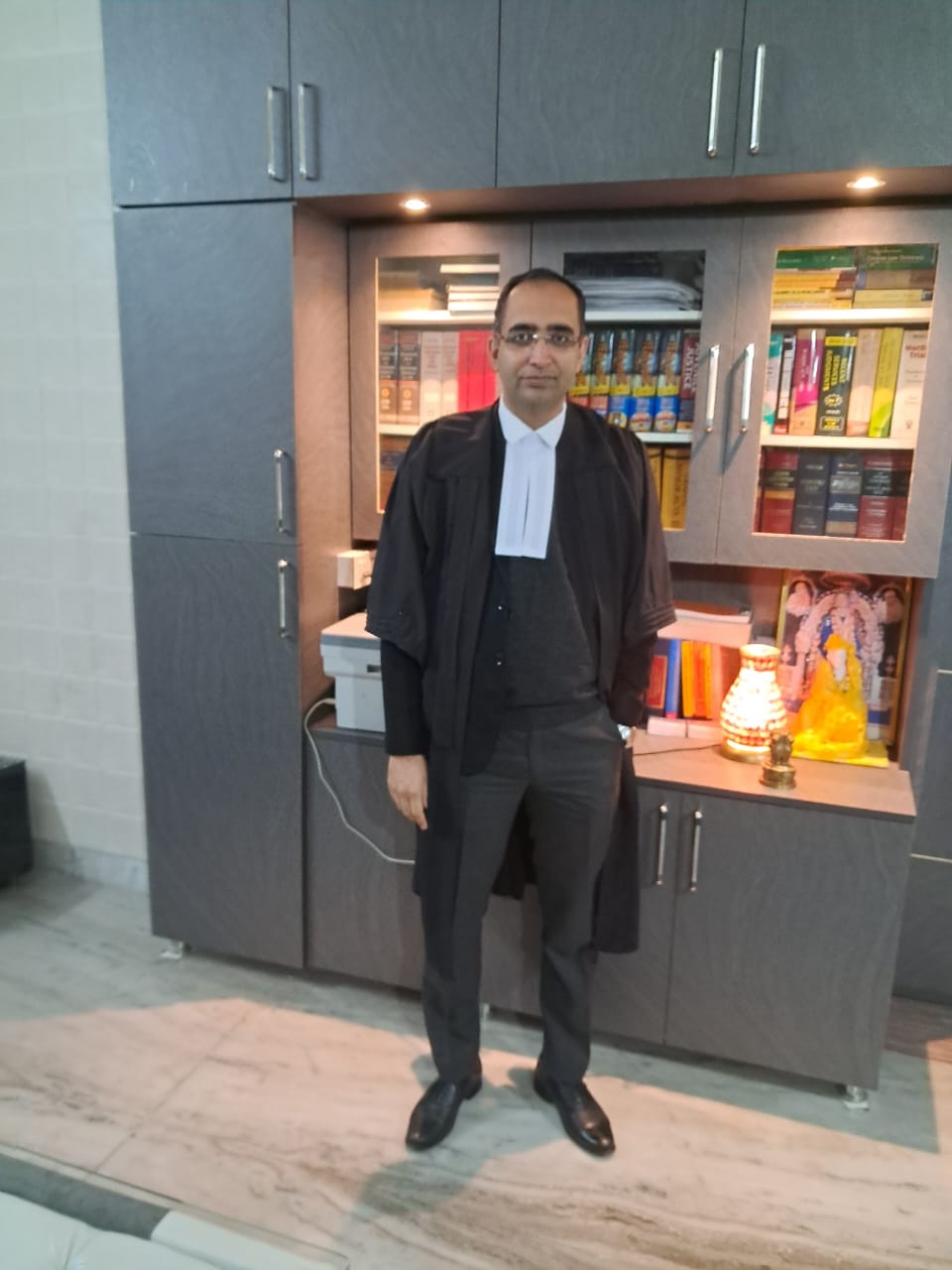



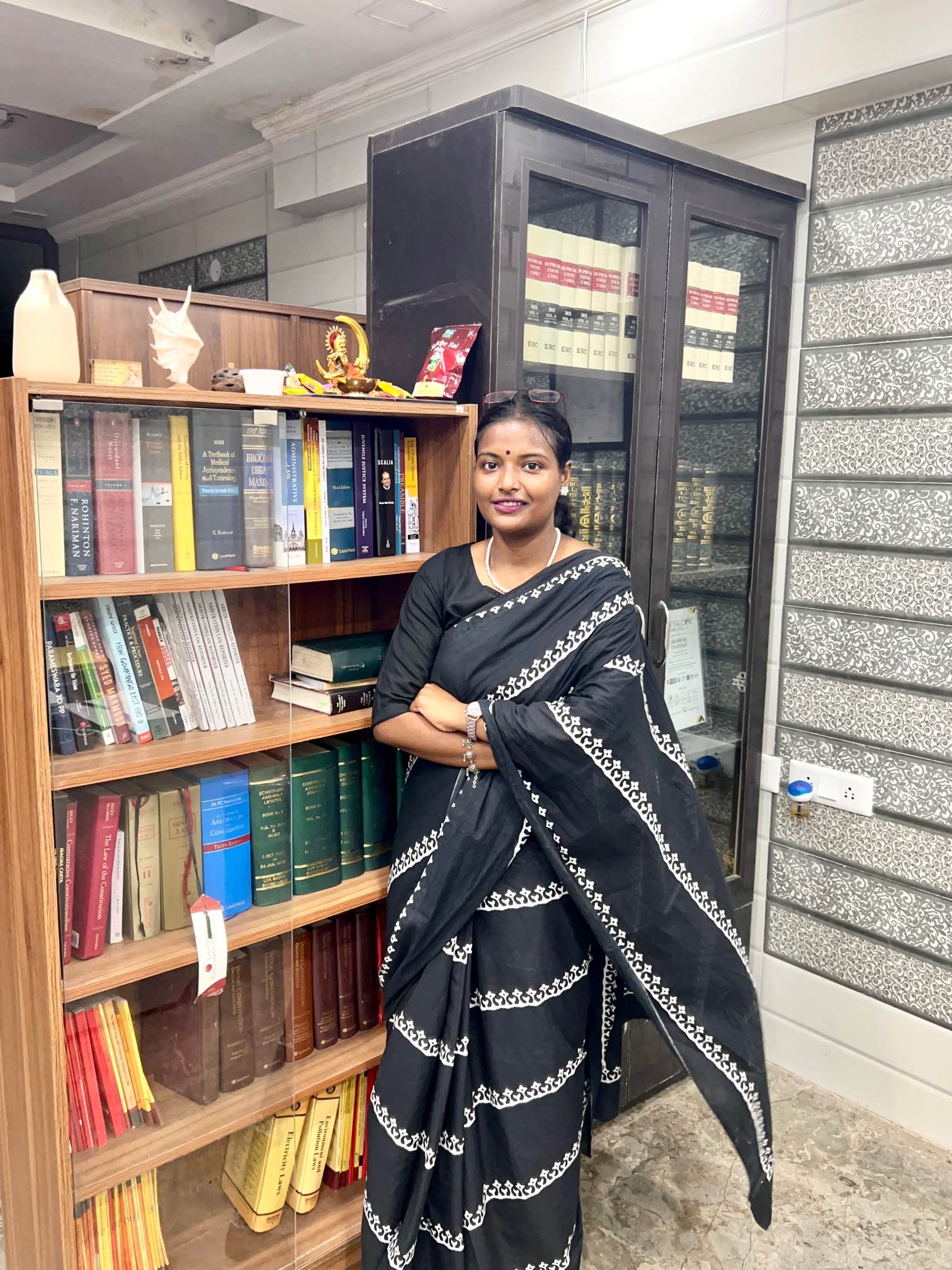

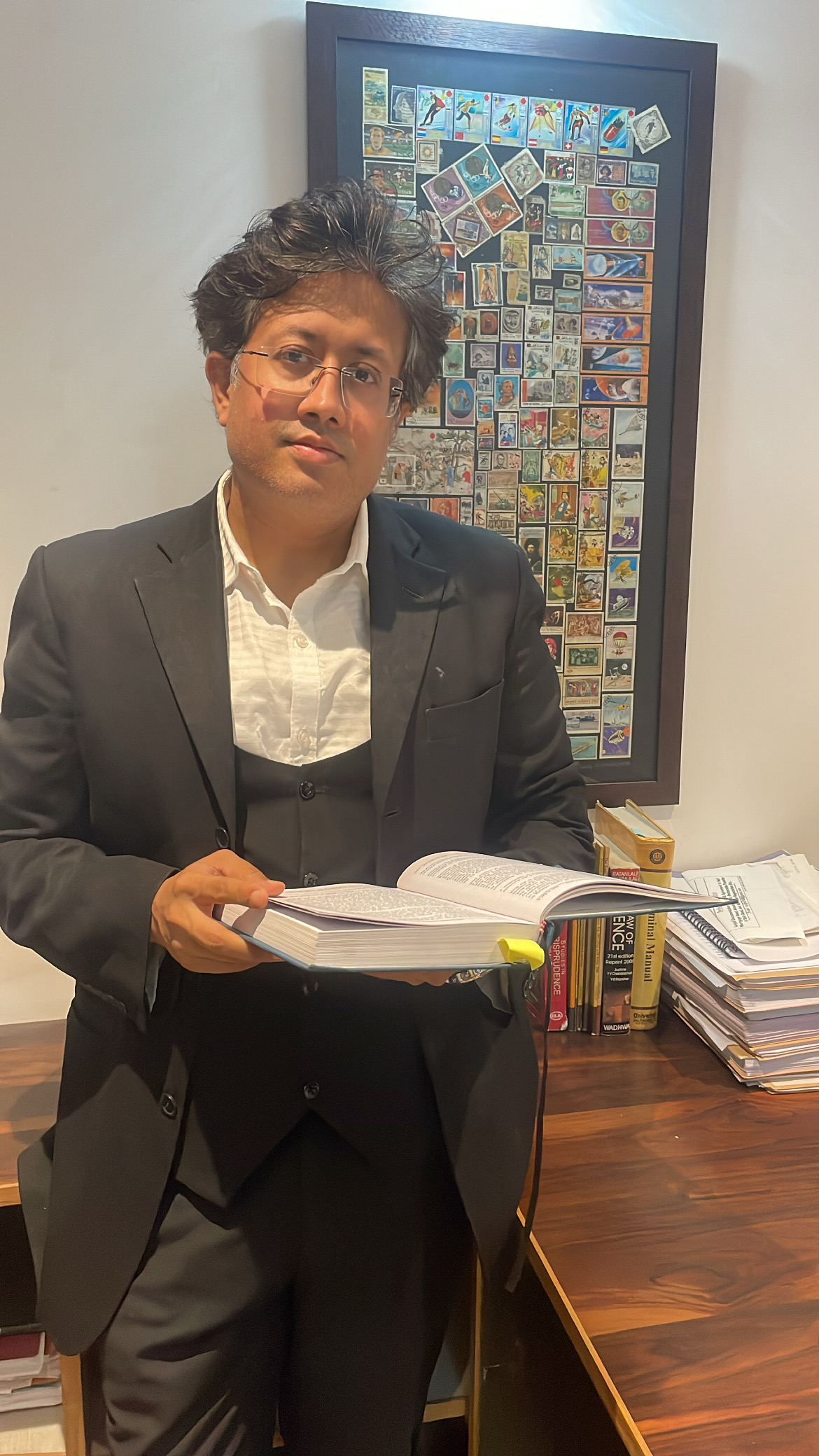





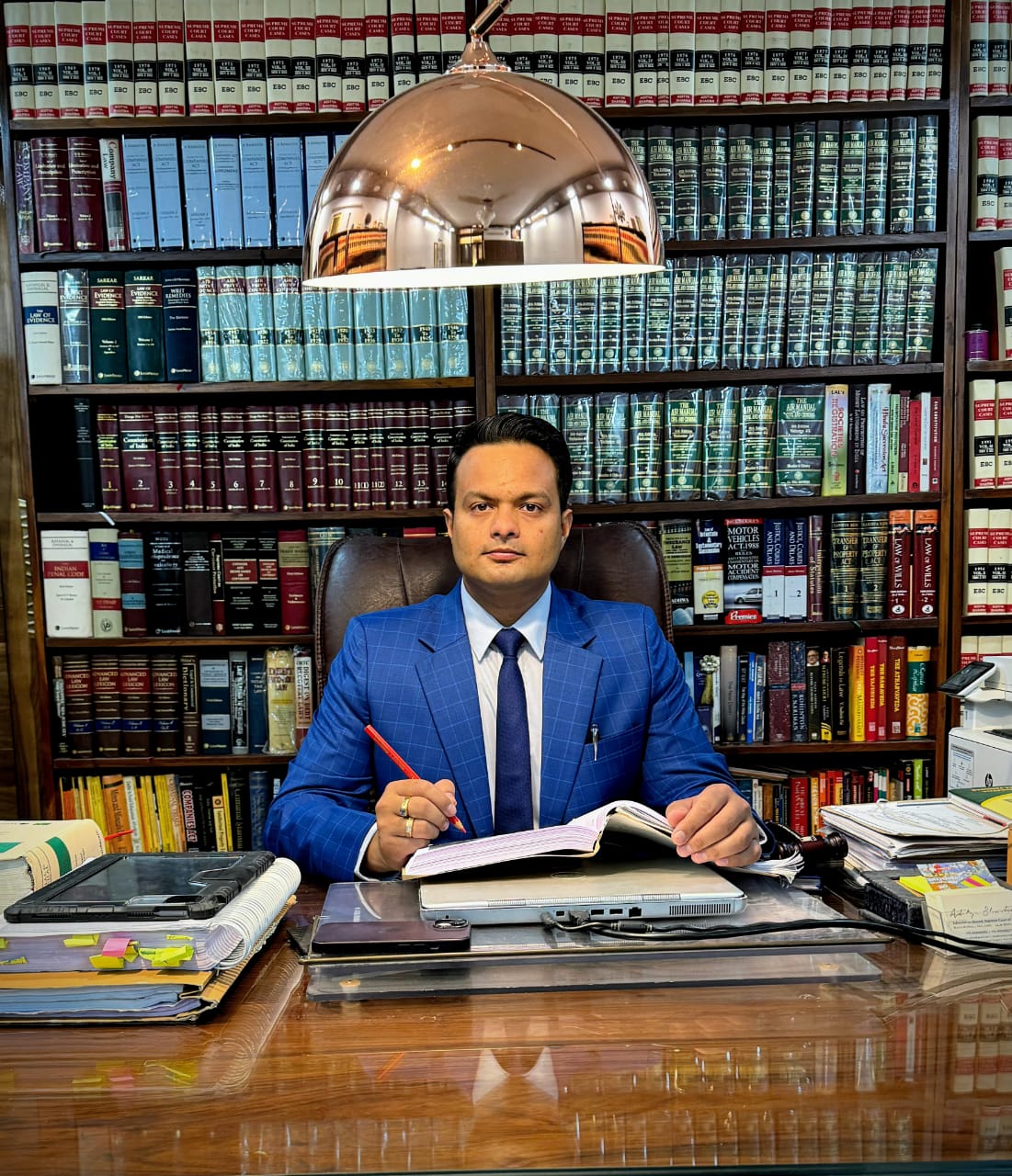

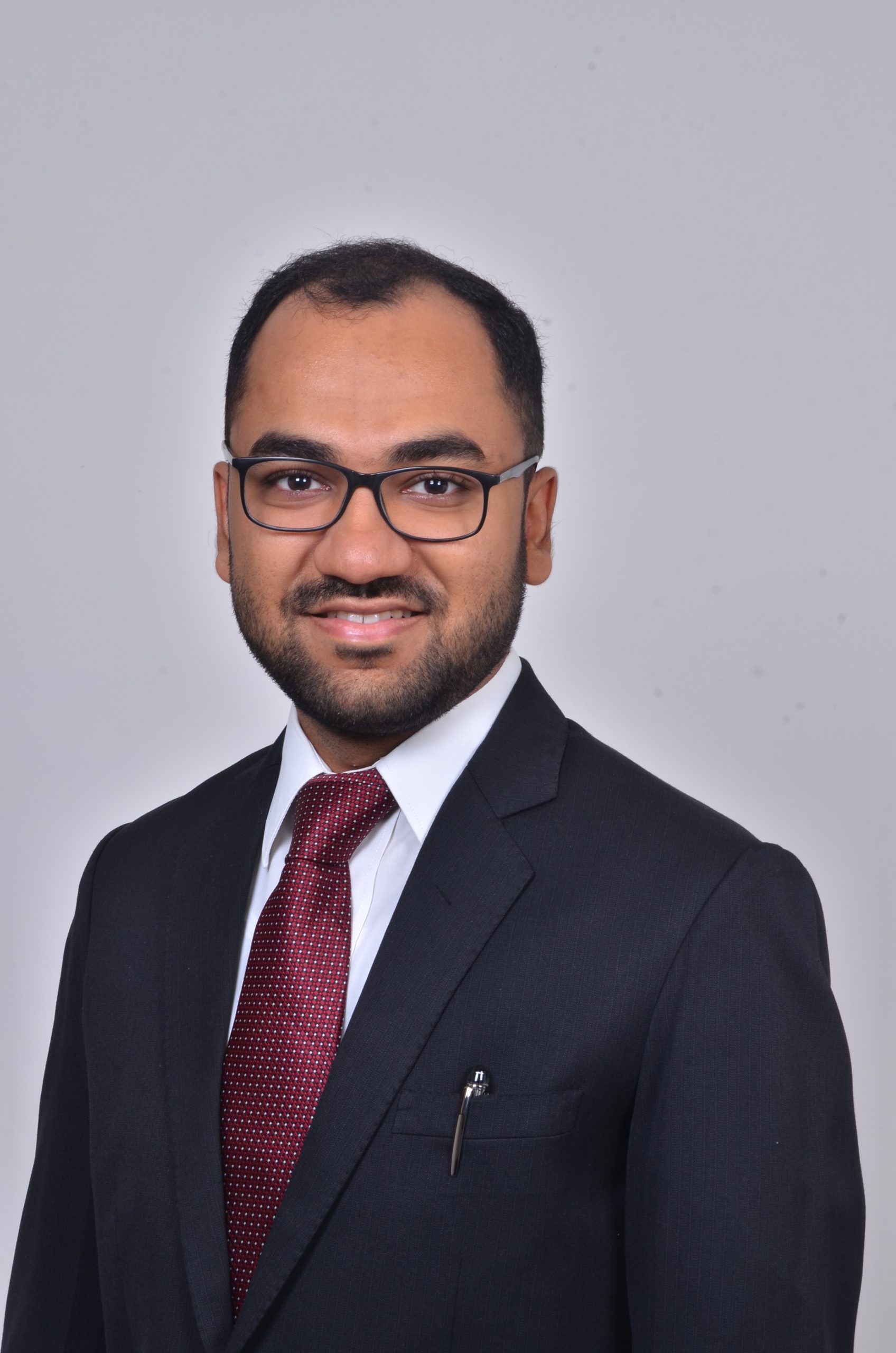
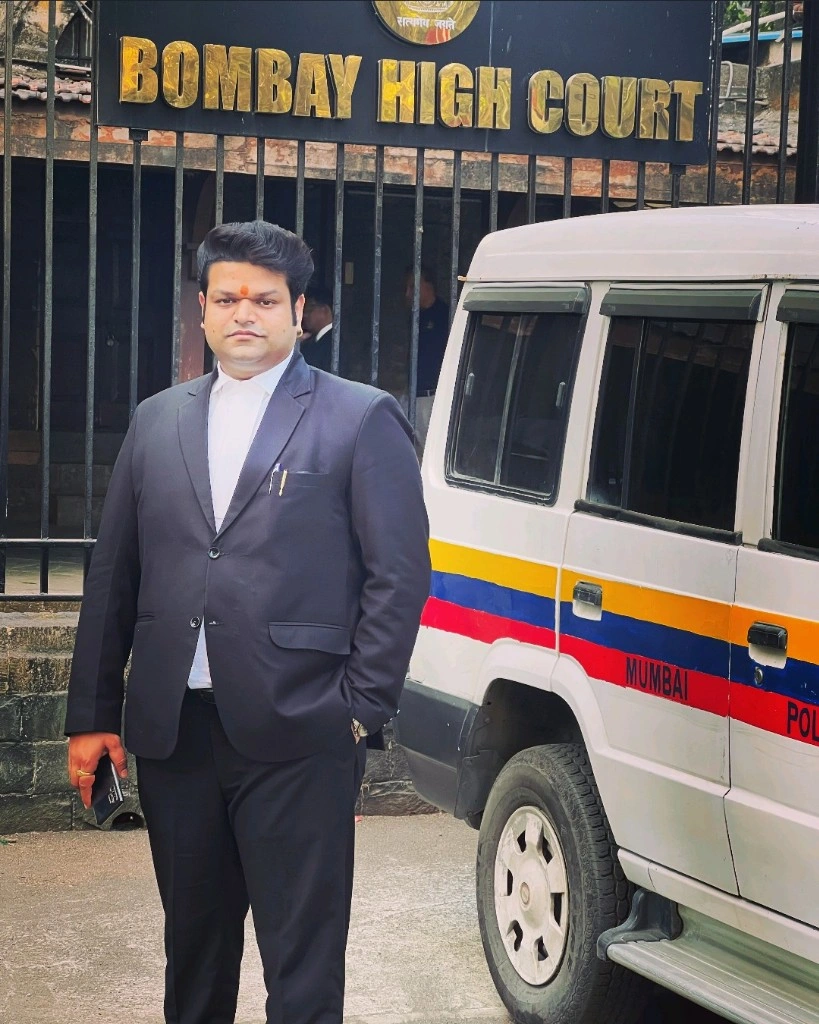


 Allow notifications