With over a decade of experience in the legal field, what initially inspired you to pursue a career in law? How did your time at National University of Juridical Sciences, Kolkata, influence your understanding of the law and shape your career path?
In school I used to love reading Perry Mason and John Grisham. Perry Mason navigating through difficult witnesses with elan and convincing the jury of the innocence of his client caught the fancy of a dreamy eyed teenager, and thus, with no family background in the subject I went to write the NUJS entrance exam. In college I actively participated in tons of moot court competitions and the adrenaline rush I got every time I was bombarded with questions from moot court judges (who are never kind!), made me realise that litigation was my calling. Every single internship of mine was a litigation internship and quite a few with Mr. Satish L. Maneshinde, Sr. Adv. in Bombay who in my eyes, was and still is, the real life Perry Mason.
My time at NUJS widened my horizons and gave me an insight into perspectives about litigation in other parts of the country, and then also globally. Ranking as one of the top institutions for law, NUJS saw a lot of talent from across the country. Being exposed to such versatile talent taught me to become open-minded not just about the profession, but also about life in general. And then of course the exposure I received from participating in several moot court competitions and internships, ultimately helped me realise my calling and shaped my career path.
After completing your law degree, you chose to pursue an LL.M. in Commercial and International Dispute Settlement at Queen Mary University in London. What drew you to this specific area of specialization, and how did your experience there differ from studying in India? Can you share some memorable experiences from that time?
From my second year in college, I started participating in leading moot court competitions in international commercial arbitration. So my exposure to the subject started as early as second year of college, and now about 60% of my practise is commercial arbitration. Arbitration is a relatively new subject, at least in India which has grown at a jet speed in the last decade. In India we learnt the foundation of the subject, its origin in India, etc, but I chose the course at Queen Mary, University of London since it offered a very practise-centric course. We were taught by leading practitioners in the field and about 80% of our evaluation was hands-on training by the doyens in the field globally. While participating in the Vis East Moot we had read articles authored by Prof. Julian Lew and Constantine Partasides who were demi gods in the field for me. So imagine being taught by them at Queen Mary where they would teach a topic through real life experiences and anecdotes. My time at Queen Mary gave me the assurance I needed to remain in practise.
What motivated you to start your own practice, and what were the key challenges you encountered in those early stages? How did those formative experiences help shape the direction of your career? Additionally, how has your role as an AOR influenced your professional journey?
Being a first generation lawyer, litigation was of course no cake walk, and that too in Delhi where I started in 2012, in a city that was absolutely new to me. I was fortunate to be mentored by Mr. Rajshekhar Rao, Sr. Adv. during my initial days in Delhi. After my time in his chamber, Debesh, my husband, pushed to start my own practise. With his support and encouragement, I decided to take the plunge, and since then I have not looked back. Setting up a practise in Delhi has been an uphill task, but I am blessed with very good seniors and mentors who have always looked out for me. I have also had very supportive clients who have been the best reference for me, and slowly yet steadily I managed to establish a very very tiny foothold in this city.
Becoming an AoR in 2022 was a good decision. I feel the AoR badge opens up more avenues, especially as a first-generation lawyer. You become acceptable and eligible for certain empanelments as an AoR and in Supreme Court, as young counsel, if you are arguing your own brief, judges definitely acknowledge that.
When preparing for complex cases before the Supreme Court of India, what is your approach? What has been one of the most interesting cases you’ve handled, and how did you approach it especially if you could share insights that might benefit young readers?
Usually by the time a matter reaches the Supreme Court, it has been through several rounds of litigation and all possible issues would have been thrashed multiple times in the Courts below. In such a scenario, identifying that one point which will convince the Supreme Court to interfere in the matter, is the real challenge.
In 2017 – 18 I was doing a Civil Appeal before the Hon’ble Supreme Court of India which was arising from the Satyam Scam issue and it involved interpretation of SEBI’s Insider Trading Regulations. This matter involved analysing the securities law aspect as well as connect criminal law aspects arising from the alleged transactions. This was probably one of the most challenging, yet rewarding matters in my career so far, not just because of the complexities involved in the matter, but also because final arguments before the Supreme Court took place in this matter happened in about 2 weeks after I had delivered my son. Because of the complexities involved, we were not in a position to take adjournments in the matter and having prepared the matter with so much labour with leading senior advocates over the last few months, I was reluctant to give up on this matter.
Ten days after closing final arguments in the matter, the judgment by the Supreme Court has probably been a victory in my career that I cherish the most purely because I know the kind of odds I faced not just dealing with the complex legal issues within a very short timeframe, but also dealing with my personal situation. This matter taught me that hard work is always rewarded irrespective of the odds, and if you have been dedicated with your work, the universe conspires in miraculous ways to fulfil your dreams.
You’ve handled numerous outstation cases across various High Courts and Tribunals throughout the country. What motivates you to take on cases beyond your local jurisdiction, and how would you describe your experience working in different courts?
As a first generation lawyer, I always joke about the fact that I am ready to argue a matter even before a lamp-post! I was just delighted to get the opportunity to argue, the location of the Court mattered little to me. Being an outsider to Delhi, I started getting some briefs before the Calcutta High Court, Bombay High Court, etc in the initial days of my career. Gradually my practise developed in such a way that I have appeared before most high courts of the country, I have also appeared in several district courts and Tribunals outside Delhi. I feel out-station appearances gives you an insight into peculiar cultures of different courts and enriches you as a lawyer. Also, arguing matters before different high courts as a young counsel has given me recognition with judges who have later been transferred to other High Courts or the Supreme Court, and with counsels of those Courts who have thereafter referred matters to me in Delhi.
Given your trial experience before the Competition Commission of India, how do you see the role of the Competition Act in regulating business practices in India, and what challenges do various entities face in ensuring compliance with its provisions?
The Competition Commission of India has been playing a very active role in monitoring business enterprises in India irrespective of their size and spread of operations. In fact in 2023 the Hon’ble Supreme Court held that all Public Sector Undertakings also come within the purview of the Competition Act, 2002. In recent times CCI has passed ample orders and judgments in different cases in relation to the alleged anti-competitive conduct by Google. Upon coming to a finding of anti-competitive conduct, CCI is imposing large penalties on business giants like Meta. All of this I think goes on to infuse a sense of predictability and certainty in the market. With the regulator playing such a pro-active role it goes a long way in gaining the confidence of the business community and provides a secure and encouraging environment for smaller new and emerging business entities.
As an arbitrator appointed by the Delhi High Court, what has been one of the most challenging arbitration cases you’ve handled? In your opinion, how do you foresee the future of Alternative Dispute Resolution (ADR) evolving, particularly with the increasing integration of technology into the legal field?
I have been most fortunate to have been appointed as an Arbitrator by some judges of the Hon’ble High Court of Delhi. Sometimes as counsel, we do not realise the challenging task that judges shoulder day in and day out, coming prepared for so many matters and then listen to both counsels contend their sides and then arrive at a conclusion which is sound in reasoning and backed up by authorities so as to minimise the prospect of a challenge. The role as an Arbitrator is a mini trailer of what the judges do everyday and it makes you realise how difficult and daunting it can be to sit in that chair.
As a counsel in the latest 7 judge bench matter of the Supreme Court in the field of arbitration, I was witness to the Hon’ble Supreme Court overturning its decision of the 5 judge bench in less than a year in In Re: Interplay between Arbitration Agreements under the Arbitration and Conciliation Act, 1996 and the Indian Stamp Act, 1899, and playing a pro-active role in upholding India on the global stage as the new hub for commercial arbitration. What was most stunning is that for the hearing which continued over a week, with voluminous submissions made by the stalwarts in the field, there was not a single paper in the courtroom. The room did not seem inundated with reams of paper which is what used to be the normal in every courtroom until even a few years back. All judges and counsels were relying on their respective devices and the matter continued seamlessly over a week. I think a silver lining at the end of Covid 19 has been the openness to technology which has surely made the legal fraternity more environment friendly.
Representing doctors in matters related to the constitutional validity of the West Bengal Clinical Establishments Act must have been a demanding experience. Could you elaborate on your approach to the case and the challenges you encountered while navigating the constitutional aspects of the matter?
Considering that public health and medical profession as a field are adequately regulated by parliamentary legislations being an Entry under List 1 of the Constitution, this Act had been challenged on various grounds as being repugnant to parliamentary legislations and being violative of the Constitution. Being a daughter of a practising doctor, this matter was more of a personal matter for me. When a writ petition had been filed before the Hon’ble Supreme Court by the group of doctors, the Supreme Court sent the matter back to the High Court for the High Court to take a preliminary look at the constitutionality of the Act. Before Calcutta High Court the constitutional aspects were very well appreciated, the enactment much watered down and in fact, as on date in fact the Hon’ble High Court has passed several orders where the powers of the Regulatory Commission under the Act has been significantly watered down and several Orders and Advisories passed by that Commission are repeatedly quashed by the Hon’ble High Court on inter alia on grounds of being unconstitutional.
With your diverse roles as an AOR, Arbitrator, and counsel in high-stakes constitutional cases, what do you believe is the most important quality law students should develop to succeed in the legal profession? Additionally, can you recommend resources that would help them stay updated on the latest legal developments?
I think the most important asset in litigation is patience. I have seen many talented legal minds quit the profession due to lack of patience. This profession is a slow burner, so you will always have a slow start. But if you have the patience and the family support to struggle through the initial few years, this profession is also very rewarding. I don’t think you can ever feel that you have reached your peak in the profession. Laws are always changing and something new or the other is coming up always which will keep you on your toes irrespective of however many years you may have spent in this profession. I keep joking that the Supreme Court is probably one place where you will find the fittest grey hair running around like teenagers all day. In my early years in the profession, I had the opportunity to assist Mr. Fali Nariman, Sr. Adv. in a few matters. The twinkle in his eyes every time we would find an argument to counter the other side was no different from a 5 year old who has just figured out all the pieces in his jigsaw puzzle.
One thing I always keep learning from the younger lawyers is the ease with which they embrace technology. I have benefitted hugely by gracing technology into my daily work life, but I can also say that it would have been impossible without the tutoring from my very able younger colleagues in the office. These days all resources are available online and now with AI coming in, soon legal research will probably become even easier than what it is now. But a word of caution for younger lawyers, to always verify content generated by AI. At least till now AI has not been able to replace the human excellence and inter-personal nature which I think is the bedrock of our profession.
Given the intense nature of your professional commitments, how do you manage to maintain a balance between your professional responsibilities and personal life?
I don’t think it is possible to balance the two. I feel we are always juggling between professional responsibilities and personal life and struggling to ensure that the ball does not drop. At all points of time, you need to prioritise one over the other and make a decision which you can justify, at least to your conscience. As a mother to a 6 year old, I realise the importance of being present for my son. But what I am most grateful for is that he realises that his mother is a happier person, hence a happier mother (who he finds easier to mould!) if she has had a good day at work. Our profession allows us to take vacations at fairly regular intervals and luckily most of our vacations coincide with school holidays giving us ample opportunity to enjoy quality time with family. That is how we manage to keep the circus going!
What initially motivated you to pursue a career in law? Specifically, what led you to explore multiple areas such as service, civil, consumer, and criminal law?
Initially, becoming a lawyer was not my first choice. I had always aspired to be an Army officer, and even as I was filling out my forms for law school, I was actively preparing for the CDS exam. However, I was selected for a law college before I could pursue that path. Coming from a family with a background in civil servants, I have always been inclined towards securing a position in a government organization. My decision to pursue law was a significant and transformative one, both for me and my family. During my preparation for law school entrance, as I delved into the Indian Constitution, I found myself deeply connected to the evolution of the country post-1947. It sparked a strong sense of purpose in me, and I realized how impactful law can be in shaping the future of our nation.
Coming from Chandigarh, a tier-2 city, I have come to realize that while the opportunities in corporate law and other specialized fields may be more limited here, it offers a unique and valuable chance to engage deeply with various areas of law, such as service, civil, and consumer law. This environment allows for a more profound understanding of the legal system. In my perspective, anyone looking to start their practice in law should begin by working with district courts and revenue authorities, as they represent the very foundation of our judicial system. Engaging with these entities not only offers a closer connection to the pulse of our legal framework but also provides essential experience in understanding how justice is administered at the grassroots level, which ultimately shapes the broader legal landscape.
Reflecting on the early stages of your career, could you share some pivotal lessons or experiences that had a significant impact on your legal understanding and contributed to your professional development?
As I mentioned earlier, I began my practice at the district courts, where my legal journey immersed me in the dynamic world of courtroom proceedings. One of the most crucial aspects that shaped my legal understanding was the art of cross-examination. This stage of the trial process has always fascinated me, as it offers profound insights into human psychology, behavior under pressure, and the intricacies of how individuals navigate high-stakes situations. Conducting cross-examinations on my own provided me with invaluable lessons, not only honing my legal skills but also deepening my understanding of the human condition.
What concerns me, however, is that the art of cross-examination seems to be gradually fading. I believe this shift is partly due to the growing trend among young advocates to pursue careers in corporate law or other specialized forums, which often overlook the significance of this crucial skill. In my view, cross-examination is not merely a legal tactic but a philosophical exercise in understanding the complexities of truth, human behavior, and the pursuit of justice.
As a panel advocate for several Government organizations, how do you approach case strategy, particularly in complex matters like land acquisition and service-related disputes?
In complex matters such as land acquisition and service-related disputes, it is crucial to have a deep understanding not only of the law itself but also of its origins, scope, and underlying objectives. When you truly grasp the scope and purpose of a legal issue, it becomes easier to make informed decisions and strategically approach the matter at hand. Without this foundational understanding — without knowing why a particular law or rule was established and what its purpose is — it becomes much harder to navigate the complexities of the case. In my view, the answers to such intricate legal matters often lie in the origins of the law itself, as understanding its roots provides the clarity needed to address the issue effectively.
From your experience, what are some of the most challenging constitutional or statutory issues you’ve faced in your legal practice? How do you address such challenges in litigation?
One of the most challenging constitutional or statutory issues I’ve encountered arises when the remedy does not lie with ordinary courts, and we are compelled to approach the High Court or the Supreme Court directly through writ jurisdiction. In such cases, the High Court often has a broader scope when it comes to constitutional remedies compared to the Supreme Court. The difficulty in these situations lies in the fact that essential elements of the trial process, such as cross-examinations and intent, are often bypassed when we directly approach these higher courts.
Addressing these challenges requires a nuanced approach to drafting. I personally prefer to draft my writ petitions in an argumentative style. While many lawyers may not adopt this approach, I believe that when the only available remedy is through the High Court, one must put in their utmost effort. The court often relies heavily on the written submissions, and so the quality of the written material becomes paramount. While oral arguments are certainly important, it is the written presentation that shapes the outcome of the case.
In my view, it’s not enough to merely present questions to the court; it’s essential to provide potential solutions and alternative options for addressing the issue at hand. This, to me, represents one of the biggest challenges we face in legal practice – preparing a case that doesn’t just question the law but offers thoughtful, well-grounded answers to the court, thereby advancing the resolution of the matter.
How do you interpret Section 85G of the ESIC Act, and what are the key legal challenges you encounter when handling disputes under this provision?
Section 85G of the Employees’ State Insurance Corporation (ESIC) Act holds significant importance in addressing the enforcement of provisions under the Act, particularly when it comes to ensuring compliance with the obligations outlined for employers and employees in relation to the ESIC. This provision empowers the Corporation to impose penalties for non-compliance, making it a critical tool for ensuring that the objectives of the Act are met—namely, the provision of social security and health benefits to employees in the event of sickness, maternity, disability, and death.
The key legal challenge I often encounter when handling disputes under Section 85G is interpreting the balance between punitive measures and the broader purpose of the ESIC Act, which is rooted in providing social protection to the workforce. The difficulty lies in assessing whether the penalty provisions, as enforced under this section, are being applied proportionately, keeping in mind the primary objective of promoting welfare and not merely punishing non-compliance. Often, issues arise surrounding the applicability of penalties, the scope of employer responsibilities, and the extent to which employees’ rights are being upheld.
In interpreting Section 85G, it’s essential to understand the foundational purpose of the ESIC Act: to ensure that employees have access to medical care and financial security, particularly in times of distress. If we focus solely on punitive measures without aligning them with the object of welfare, we risk undermining the core philosophy of the Act, which is to act as a safeguard for the labor force.
The challenge, therefore, is not only to navigate the technicalities of the law but also to approach it with a broader understanding of its ethical and social purpose. In disputes under Section 85G, I believe that the resolution should always aim to ensure that the spirit of the Act—social welfare and protection for employees—remains intact, even as we address compliance and enforcement issues. In this way, the legal process becomes a means not just of legal correction, but of fostering a more just and supportive system for workers.
In your capacity as empanelled counsel for Government Organisations, overseeing more than 100 land acquisition cases in Mohali, could you discuss a particularly complex case and the approach you took to ensure a fair resolution of the legal challenges involved?
As an empanelled counsel for various Government Organizations, I have had the privilege of overseeing a wide range of land acquisition cases, including over 100 cases in Mohali. Land acquisition cases, by nature, are often intricate due to the interplay between legal rights, public interest, and the social impact on the affected individuals.
One particularly complex case that stands out involved a dispute over the compensation and rehabilitation provisions for landowners whose land was acquired for a public infrastructure project. The case was challenging not only due to the legal technicalities involved but also because of the deep emotional and economic impact on the affected parties. In such cases, the legal process isn’t just about determining compensation—it’s about balancing public interest with the rights and welfare of individuals.
My approach in this case was twofold: firstly, to ensure a thorough and comprehensive understanding of the legal framework governing land acquisition, including the constitutional principles of fairness and just compensation. This required an in-depth review of the relevant statutes and precedents, as well as the specific nuances of the land acquisition process in Mohali.
Secondly, I sought to address the human element of the case by engaging with the affected parties in a constructive manner. I believe that the resolution of such disputes must go beyond the rigid application of law; it must take into account the broader social impact. To this end, I emphasized the importance of fair compensation, not just in terms of monetary value but also in ensuring proper rehabilitation and resettlement for those affected.
Throughout the legal proceedings, my primary focus was on ensuring that the rights of the landowners were protected while also upholding the public interest. By presenting well-reasoned arguments, addressing both legal and human considerations, and seeking a fair resolution for all stakeholders involved, I was able to guide the case towards a resolution that was just, equitable, and aligned with the broader goals of the land acquisition process.
Philosophically, I view land acquisition not merely as a legal transaction but as a fundamental issue of justice—how we balance the need for public infrastructure and development with the rights of individuals who are directly affected. In this sense, my approach has always been to ensure that the law serves its true purpose: not just to resolve disputes, but to advance fairness and social welfare in a way that respects the dignity and rights of every individual.
What are the primary challenges the Legal Services Authority (LSA) faces in managing the high volume of cases it handles?
The Legal Services Authority (LSA) faces significant challenges in managing the high volume of cases, primarily due to limited resources and a backlog that can delay timely resolution. Another challenge is ensuring equitable access to legal aid, as many individuals remain unaware of their eligibility. Additionally, the allocation of cases to qualified advocates and maintaining the quality of representation amid the large case load can be difficult.
Philosophically, the core challenge lies in balancing the ideals of justice and equity with the practical constraints of the system. The LSA must continue evolving, utilizing technology and increasing awareness to ensure that the principle of equal access to justice is upheld, even when faced with resource limitations.
Given your demanding professional commitments, how do you maintain a healthy work-life balance and ensure your personal well-being while managing your extensive responsibilities?
Maintaining a healthy work-life balance, especially with the demanding nature of my professional commitments, is undoubtedly a challenge. However, I believe that a balanced life is not just essential for personal well-being but also for professional effectiveness. I approach this balance by prioritizing time management and setting clear boundaries between work and personal life.
I make it a point to allocate specific time for relaxation and activities that nourish both my body and mind, such as exercise, reading, and spending quality time with loved ones. These moments of rest allow me to recharge and maintain the focus and energy needed for my legal work.
Philosophically, I believe that a well-balanced life is essential to maintaining clarity in decision-making and ensuring that I approach each case with the full depth of attention and care it requires. If we are to serve others through our work, we must first take care of ourselves, as only a well-nourished mind and body can truly contribute to the well-being of others. By maintaining this balance, I am able to bring a more focused, compassionate, and strategic approach to my professional responsibilities.
How do you define law, and what do you believe is its fundamental role in society? Additionally, which subject you liked the most while studying law? And why?
Before attempting to answer what is perhaps one of the most profound questions pondered by leading legal theorists for centuries, I’d like to approach it in simpler terms. Law, in my view, can be understood in two dimensions: descriptive and normative. Descriptive law refers to how the law is—it encompasses the characteristics, structures, and functions of legal systems as they exist in practice. It’s the study of law in its current form, outlining how it governs society, resolves disputes, and maintains order.
Normative law, on the other hand, concerns how the law should be. It’s rooted in ethical principles, moral reasoning, and the vision of how law ought to evolve to meet the needs of justice and fairness. In essence, it addresses the ideals, the aspirations that guide legal reform and transformation.
Both aspects—descriptive and normative—exist simultaneously within the concept of law. This duality is what many of our great legal theorists have grappled with over time, saying: “This is what law is like, and this is how we ought to regard it.” It is in understanding this tension between what the law is and what it should be that we begin to appreciate the deeper philosophical nature of law.
Law is not merely a static set of rules, but a living framework that both describes societal structures and, through normative claims, aspires to shape them in accordance with principles of justice, equity, and the common good. In my view, it is this interplay between the descriptive reality and the normative ideal that gives law its power and its purpose in human society.
With regards to the second part of the question, during my law studies, I found Jurisprudence to be the most fascinating subject, as it goes beyond rules and procedures to explore the philosophy of law. It raises essential questions like “What is justice?” and “How should law reflect societal values?” What I find compelling about Jurisprudence is its ability to connect legal theory with real-world practice, making law a dynamic framework that shapes and reflects our social, moral, and cultural beliefs. It encourages critical reflection on the deeper purpose of law, emphasizing its role in ensuring fairness, equity, and justice. For me, Jurisprudence reaffirms that law is not just a set of rules but a tool for building a just society.
What in your opinion are effective ways that can reduce the pendency of courts?
As a lawyer who has had the privilege of engaging with all levels of the judicial system, from district courts to the Supreme Court, I have had firsthand experience of how the system operates and where the challenges lie. One of the most pressing issues I have observed in reducing the pendency of cases is the need for stronger support at the grassroots level, particularly at the district court level. The vast majority of cases affecting ordinary citizens begin at this stage, and unfortunately, we often see a shortage of well-trained, efficient lawyers at this level.
The issue of infrastructure is another significant challenge. While higher courts may be more equipped, the district courts often lack the resources to handle the volume of cases effectively. This disparity in infrastructure and legal expertise at the grassroots level contributes to delays and inefficiencies in the system.
We often celebrate the ‘brain drain’ when Indians excel globally in fields such as technology and science, but unfortunately, we are witnessing a similar trend in the legal profession. Many skilled lawyers are leaving the traditional legal practice in Favor of corporate careers, leading to a shortage of competent legal professionals at the district court level. If we are to reduce the pendency of cases, it is essential that we invest in building a strong legal foundation at this level by attracting and retaining talented lawyers to serve in district courts.
Additionally, the introduction of more efficient case management systems, digitization, and the expansion of legal aid services can help alleviate the backlog. A holistic approach that includes better infrastructure, legal support, and technological solutions can create a more efficient and accessible judicial system.
I believe that the judicial system must serve the people at every level, not just in the higher courts. By focusing on improving the quality of legal representation and the infrastructure at the district court level, we can ensure that justice is not delayed or denied, and that the system becomes more responsive to the needs of the common people.
For aspiring lawyers or young professionals aiming to build a career in multiple areas of law, what advice would you offer? Are there any particular resources or strategies you recommend to help them stay current with evolving legal trends?Could you also share the most recent book you have read?
Being in the early stages of my career, I believe it’s crucial for aspiring lawyers or young professionals to establish a strong foundation by reaching the court regularly and engaging with real-world cases. The prime duty of every lawyer is to be present in the courtroom, attend hearings, and ensure they are always up-to-date with the most recent orders passed by the honourable court. Once you prioritize your work in this way—by staying punctual and attentive to the finer details of each case—you will find the work becomes more manageable, and your chances of success naturally increase. This consistent engagement with the court not only hones your practical skills but also fosters a deeper understanding of legal processes and the nuances of each case.
In addition to courtroom experience, it’s vital to stay current with evolving legal trends. I recommend that aspiring lawyers read widely—both legal journals and case law—to stay informed about new developments in law. Participating in legal seminars, webinars, and discussions with experienced professionals also offers valuable insights into emerging trends and shifts in legal practice. More importantly, I believe the pursuit of continuous learning should be a philosophy that guides one’s career. The law is dynamic, and as lawyers, we must remain adaptable and open to new perspectives and ideas.
In terms of resources, I would suggest exploring both traditional texts and newer platforms, such as online legal databases, that provide real-time case law updates. Platforms like Manupatra, SCC Online, and legal blogs can be invaluable in staying on top of legislative changes and judicial interpretations. Above all, my advice would be to approach your career with a balance of practical engagement and intellectual curiosity—viewing the law not only as a profession but as an ongoing journey of learning and growth.
The most recent book I’ve read is Leviathan by Thomas Hobbes. In this influential work, Hobbes explores the nature of human existence, governance, and law. He argues that without a central authority, life would be chaotic and brutal. To avoid this, individuals must give up certain freedoms to a sovereign authority in exchange for security and order, forming the foundation of the “social contract.” Hobbes’ ideas not only shape political theory but also raise fundamental questions about authority, power, and justice. His reflections on law highlight its role in maintaining social structure and preventing anarchy, offering timeless insights into the balance between individual freedom and societal order.
With your extensive and varied experience, what initially drew you to the field of law? Was entering the legal profession a conscious decision, or did a specific experience or event inspire you to pursue this path?
My journey into the legal profession was both a conscious choice and an organic evolution, shaped by my upbringing, intellectual pursuits, and lived experiences.
As a child, I was deeply influenced by my father, a Chartered Accountant (FCA) specializing in private tax law. His accounts of tribunal hearings, the complexities of his cases, and the challenges of client management intrigued and inspired me. A self-made man with exceptional intellectual and academic prowess (he was also a topper at Shri Ram College of Commerce) – his achievements became a blueprint for excellence and perseverance. It was he who instilled in me the qualities of discipline, perseverance, and intellectual curiosity, shaping my approach to both life and law.
Beyond his profession, he was a deeply philosophical man who, from my early years, personally guided me through Eastern philosophy, introducing me to the works of Swami Vivekananda, J. Krishnamurti, Paramahansa Yogananda, and Ramakrishna Paramahansa. These teachings became the bedrock of my ethical compass.
Initially, my academic path led me to literature, where I earned an honors degree in English Literature. This was a transformative period—literature’s deep engagement with human conflict, ethics, and justice refined my ability to empathize, analyze, and articulate complex ideas. Little did I know then that these skills would later become indispensable in my legal career.
Following my graduation, I entered the corporate world, which became both an eye-opener and a catalyst for change. While this phase refined my people and management skills – it also gave me exposure to contract negotiation, drafting agreements, mediations, employment issues and dispute resolution. Corporate workplaces in the early 2000s revealed a stark reality: the pervasive challenges of gender inequality, and workplace harassment, witnessing first-hand how these issues affected individuals, especially women in workplaces. It was here that I saw how the lack of legal awareness perpetuated these injustices, planting the seeds for my eventual pivot to law.
What ultimately solidified my decision to enter litigation, however, were deeply personal experiences— exposing me to the rigours of the justice system of the country. These experiences were both humbling and galvanizing, reinforcing the urgency of having strong legal advocacy for those who feel powerless.
In retrospect, law was never just a profession for me—it was a calling. It is what gives my life meaning and purpose as an individual and woman. It gives my life meaning and purpose, both as an individual and as a woman. I can’t imagine myself in any other field. Litigation is a tough career, but it fuels my passion and desire for learning, empowers me, and, most importantly, allows me to empower others in their pursuit of justice.
In the early stages of your career, working with various organizations, what experiences helped shape your understanding of the law? Which experiences were most influential in your growth and advancement in the legal field?
I was fortunate that in the initial stages of my career, I had the opportunity to hone my skills across a broad spectrum of courts, from the District Courts to the Appellate Courts. Practicing in District Courts provided me with a solid foundation in procedural laws, particularly in family law pertaining to matrimonial disputes, child custody and criminal law. I gained invaluable firsthand experience in criminal law jurisprudence understanding the initiation and progression of criminal cases inter-alia from the filing of FIRs to the conduct of trials and sentencing including anticipatory bails, regular bail and subsequently the natural transition to appellate work which encompassed appeal against conviction, first appeal from first order, commutation of sentence et all.
My practice before the High Court and Supreme Court significantly enhanced my understanding of appellate law, particularly in the area of writ jurisdiction Article 226, 227 and Article 32 of the constitution of India, which has become one of my areas of specialization. A noteworthy case during this period was a PIL before the Allahabad High Court, where the Hon’ble High Court banned the import of Khas Khas from Turkey. The petitioner represented by my senior had sought an investigation into these imports, which were linked to funding arms smuggling. The court’s decision underscored the critical connection between trade policies and national security. This journey eventually led me to white-collar crime cases, where the complexities of financial frauds and corporate misconduct required a nuanced and strategic approach. At the same time, drawing from my corporate background, I continued to work extensively on negotiation and arbitration. One notable case involved an arbitration matter for a company based in Laos, which required navigating cross-border legal and commercial complexities.
Furthermore, I have been extremely fortunate that in the early stages of my career, I had the privilege of learning from seasoned lawyers and Senior Advocates, which laid the foundation of my legal understanding. One of the most formative experiences was assisting Senior Advocate Ms. Meenakshi Arora in a dowry death case before the Hon’ble Supreme Court of India. This complex appeal against a conviction provided invaluable insight into criminal law, appellate advocacy, and, most importantly, the meticulous preparation required for a criminal appeal before the Apex court.
Equally impactful has been my work in corporate and company law, particularly with Petronet LNG Ltd. wherein I have drafted, prepared and represented the Board of Directors as well as MD & CEO of the company in matters pertaining to disciplinary proceedings and termination (board-related issues and compliance with the Companies Act, 2013) in writ petitions under Article 226 and Letter Patent Appeal. The notable case Rajeev Agrawal v. Union of India is another reported judgement wherein the Hon’ble High Court of Delhi upheld the legality of disciplinary proceedings initiated by the company. This case was among the first to interpret Section 178(2) of the Companies Act.
As counsel for Petronet LNG in the aforesaid matter, I’ve had the privilege of briefing some of the country’s most respected Senior (Sr.) Advocates, including Solicitor General of India Mr Tushar Mehta, Former ASGI Mr Sanjay Jain, Sr. Advocate Dushyant Dave, Sr. Advocate, Mr Sidharth Luthra and Sr. Advocate Ms. Meenakshi Arora, Sr. Advocate Mr Sandeep Sethi among others. These experiences have been instrumental in shaping my advocacy skills and understanding the nuances of working in high-stakes matters.
Another pivotal experience has been representing Uttar Pradesh Power Transmission Corporation Ltd. in diverse cases which has deepened my knowledge about Electricity laws, including the landmark case before the Hon’ble Supreme Court in relation to indirect taxes (labour cess) BOCW act 1996. In this reported judgement, the Hon’ble Apex court clarified that an arbitration clause does not bar remedies under Article 226 of the Constitution, even in contractual disputes. This judgment not only set a significant precedent but also taught me the importance of navigating the interplay between constitutional remedies and arbitration law. This matter, widely reported in law journals and magazines, gave me invaluable exposure to litigating across various forums including APTEL (Electricity Tribunal) Hon’ble High Court of Allahabad and Delhi, as well as the Hon’ble Supreme Court of India.
However, what I have come to appreciate the most about my legal journey is witnessing the dynamic evolution of the law and the enactment of significant legislations that have shaped the legal landscape. As a legal professional, witnessing the enactment of the POCSO Act, 2012 and Sexual Harassment of Women at Workplace (Prevention, Prohibition, and Redressal) Act, 2013 (post the Vishakha Judgement), was a significant victory for child and women protection in India. Prior to this legislation, child abuse cases were inadequately addressed under the Indian Penal Code, which was hugely challenging as a lawyer because the older legislations did not address the various violations that a child is subjected to. The significant changes in arbitration law, particularly with the introduction of the Arbitrationand Conciliation (Amendment) Act of 2015 and subsequent amendments have made the enactmentaligned with international best practices. This constant evolution of the law, responding to societal needs and global benchmarks, has been rewarding to engage with as a legal professional.
What inspired you to establish your own legal practice? Were there particular challenges you faced initially, and what factors led you to take the leap into starting your own practice?
Establishing my own legal practice was non-negotiable for me, inspired by my late father’s vision and the values he instilled in me. A successful chartered accountant with a thriving private practice in tax law since the 1970s, my father exemplified the principles of hard work, a client-centric approach, empathy in the profession, and the importance of autonomy over one’s work and time. Watching him navigate his career left a lasting impression on me and shaped my aspirations.
While I eventually established my practice, I spent the initial decade of my career in the corporate world, working with firms that primarily served North American and UK clients. This global and multidimensional experience not only broadened my perspective but also honed essential skills like professionalism, clear communication, and efficient case management. I learned how to create detailed case status reports, track deliverables meticulously, and meet international standards for client servicing—all of which have become integral to my practice today.
These early experiences also reinforced the importance of building a practice that balances professionalism with empathy, ensuring that every client feels supported and understood.
Of course, there are challenging days. Despite significant strides toward gender equality, women are not “heard” enough in court rooms and remain underrepresented in the judiciary and in senior positions within law firms. This makes persevering in the profession undeniably tough, as pressure to prove one’s competence is undeniably higher for women in the legal profession. As one counsel aptly noted, “the bar is higher for us.”
That said, true joy in accomplishment comes from overcoming challenges and obstacles along the way.
Furthermore, having an independent practice allows me the autonomy to manage my own cases while still engaging with Senior Advocates in high-stakes matters and collaborating with senior counsels on national-level cases. Working with such seasoned professionals not only enhances my legal knowledge but also underpins the importance of maintaining integrity, professionalism, and a commitment to excellence in every case I handle.
This balance has been instrumental in my growth, enabling me to learn from the best while building my own path and niche in the profession.
In criminal law, particularly in cases involving white-collar crimes or financial frauds, how do you approach these complex issues? Could you share a particularly fascinating case that stands out to you?
First and foremost, it’s important to acknowledge that white-collar crimes are rarely straightforward. They often involve intricate layers of collusion, procedural lapses, and complex legal issues. Successfully navigating these cases requires meticulous preparation, strategic foresight, and the ability to adapt to evolving circumstances.
My approach begins with a disciplined process that I refer to as the “discovery phase.” This phase involves an intensive discussion with the client to thoroughly understand the factual matrix, their position in relation to the case, and the specific grievances they are seeking to address and the relief they are seeking. Reviewing all relevant documents, transactions, and communications is critical to uncovering the core issues and formulating a strategy.
When representing clients who are apprehended or incarcerated, the approach shifts slightly. My co-counsels and I have often visited clients in custody to gather complete information directly from them. Each case depends significantly on the nature of the client’s involvement—whether they are the aggrieved party seeking relief or a defendant in need of defense. This tailored approach ensures that we build a robust case strategy aligned with the client’s needs and the complexities of the matter.
Additionally, I place great importance on revisiting the relevant acts and applicable laws for each matter. It’s a habit I’ve observed even among the most seasoned counsels, such as Senior Advocate Kapil Sibal, who I have observed in court emphasize the value of studying the bare act every time. This practice ensures clarity and precision in interpreting the law. Equally important is studying landmark judgments from the Supreme Court and High Courts on critical aspects of white-collar crimes. These judgments provide valuable insights, particularly on issues such as interpretation, recording of statements, admissibility of evidence, and bail considerations for accused and co-accused individuals.
This foundational work is critical in developing a robust legal strategy that not only addresses the immediate legal issues but also advise the clients on their legal remedies safeguarding their best interests. Maintaining the highest ethical standards and client confidentiality is paramount in these cases
As a first-generation lawyer—and a woman in this field opportunities to handle high-stakes, complex cases have not always come easily. I have been fortunate to work under the guidance of some of the finest legal minds, including Mr. Shishir Prakash Advocate, a fourth-generation lawyer, whose mentorship has been instrumental in shaping my approach to white-collar crime and associated criminal matters.
One case that stands out in my career was a complex financial fraud involving embezzlement of hundreds of crores involving a deemed university from a reputed Bank. We represented the bank. The case was multifaceted, requiring us to address systemic collusion, navigate ongoing investigations, and safeguard the bank’s interests.
Representing the bank, we uncovered evidence of collusion, the potential influence of the university and the sluggish pace of the police investigation and advised filing a petition in the Hon’ble Allahabad High Court for a court-monitored investigation through an SIT. The investigation resulted in 24 individuals being charge-sheeted, including senior university officials.
A key challenge was addressing the banking principle that unauthorized payments obligate indemnification. We presented the unique circumstances to the RBI, which deferred any indemnification until the trial concluded. Notably, the university refrained from filing recovery claims. The HOD of the university challenged the charge sheet under Section 482 CrPC before the High Court, which rejected the plea in a detailed judgment. The order was further challenged before the Hon’ble Supreme Court, which dismissed the SLP and directed the trial court to frame charges and expedite proceedings. As a result, the SIT completed the investigation, and 24 individuals were charge-sheeted, including key officials.
This case was a masterclass in handling the complexities of white-collar crimes. It required navigating criminal liability, regulatory compliance, and the intersection of civil and criminal law. The outcome safeguarded the bank’s interests and underscored the importance of proactive measures by financial institutions in addressing fraud.
Most recently, my involvement in the Chhattisgarh money laundering Liquor Scam has been a highlight of my legal career. This case, of significant national importance, involves allegations of money laundering and corruption spanning multiple jurisdictions. Representing key stakeholders required navigating civil, criminal, and PMLA and PC Act domains while managing overlapping investigations by the Enforcement Directorate (ED), Economic Offences Wing (EoW), and State Task Force (STF). Assisting Senior advocates such as Ms. Meenakshi Arora and Mr. Yatin Oza on this case has evolved and sharpened my legal acumen and jurisprudence of bail law in PMLA cases significantly.
Having worked on intellectual property rights and cyber law matters, how do you perceive the increasing significance and challenges of these areas in the digital age?
In a country where internet usage is growing exponentially—with India leading in social media consumption—the next generation must be prepared to navigate digital challenges responsibly. Cyber fraud and scam have off late become alarmingly common, with even close friends and family members falling victim, losing significant sums to scams.
Adding a new layer to this discourse is the emergence of Artificial Intelligence (AI). AI has brought incredible possibilities but also complex legal and ethical questions. For instance, Justice Pratibha Singh, a sitting judge of the Hon’ble Delhi High Court and a distinguished IP lawyer in her practice days, recently held a training session for lawyers at the Delhi High Court wherein she raised a thought-provoking question: If AI creates an original work, would it be protected under intellectual property laws, and if so, who would own the rights—the programmer, the user, or the AI itself? These questions are at the forefront of today’s legal discourse.
That said, there are immense positives to the integration of technology and AI into the legal field. I recently presented a white paper titled “Reimagining Justice in the 21st Century: AI and the Future of Judicial Decision Making” at the Ad Meliora 5 International Conference on Artificial Intelligence, Law, and Ethics, organized by the Christ Academy Institute of Law, Bengaluru. In my paper, I explored how AI could enhance judicial processes by improving efficiency, accuracy, and access to justice. At the same time, I raised pertinent questions: Can AI replace the empathic and intuitive dimensions of human decision-making? How can we balance the potential of AI with the necessity for human oversight in the judicial process? This exploration highlighted the duality of technology as both a tool for progress and a source of complex challenges.
My practical experience aligns with these broader reflections. One notable example is my work on enforcing intellectual property rights in the case of Dr. Kumar Vishwas vs. Zomato India & Ors., where I represented Dr. Kumar Vishwas in a landmark moment of my career. The Delhi High Court permanently restrained Zomato from using his iconic poem, *Koi Deewana Kehta Hai*, without authorization, underscoring the critical importance of protecting creative rights in the digital age. Similarly, my work with artists and creators has reinforced the importance of safeguarding intellectual property in a rapidly evolving digital landscape. For instance, I represented a Dubai-based artist in a copyright infringement case involving an advertising campaign by a leading jeweller in the country. I am pleased to report that we successfully averted protracted litigation by resolving the matter amicably through an out-of-court settlement. There are several matters but the moot point is that there is an urgent need for vigilance and robust legal mechanisms to uphold their rights in an increasingly interconnected world.
My work in these areas extends beyond litigation to education and advocacy. For example, I have conducted workshops for children from Grade 6 through senior school, helping them understand their internet rights and responsibilities. Topics such as cyberbullying, online privacy, and digital safety are crucial, especially when young children and women are disproportionately affected by cybercrime. In my view, Legal studies, particularly focusing on cyber law, should be made a mandatory part of senior school curriculums. One of the things I strongly advocate for.
With your experience practicing in both the Supreme Court and High Courts, how does the litigation process differ when representing clients at the Supreme Court compared to High Courts or tribunals? Additionally, how do you prepare for complex cases involving constitutional writs and appeals in criminal cases?
Practicing in both the Hon’ble Supreme Court and the Hon’ble High Courts has been a fascinating journey, as each forum demands a unique approach. The Hon’ble Supreme Court, the top court in the country primarily deals with matters of constitutional importance and substantial questions of law, requiring arguments that are concise, strategic, and grounded in precedent.
One striking difference is the time allocated to argue cases. In the Hon’ble Supreme Court of India, particularly in special leave petitions (SLPs), lawyers often have just a matter of minutes to present their case and make an impact. This means every word, every argument, and every reference must be meticulously planned to resonate with the bench. It’s a test of precision and clarity. In High Courts, however, one generally has more time to build and present the case, engaging more deeply with the factual matrix and legal nuances. Furthermore, for constitutional writs, the focus is on articulating fundamental rights violations and aligning the arguments with constitutional principles. Criminal appeals require a meticulous examination of trial records, focusing on procedural lapses, evidentiary errors, or any miscarriage of justice that warrants appellate intervention. In appeals from High Court judgments, a thorough examination of the judgment is essential. One cannot mechanically file appeals simply to satisfy a litigant’s demand or burden the courts unnecessarily—a practice that often exacerbates the issue of judicial backlog.
I must mention that the role of an Advocate-on-Record (AOR) in the Supreme Court is pivotal to the success of any case, as they bear the responsibility of not only filing pleadings but also ensuring compliance with procedural requirements and maintaining a strategic approach to case management. Working with an AOR like Mr. Mohit D Ram, who brings unparalleled expertise and insight to the table, has been an invaluable experience. Working with AOR Mohit has reinforced the power of collaboration—where a strong, cohesive team enhances efficiency, sharpens legal strategy, and ultimately drives success in complex cases.
Representing clients in the Hon’ble Supreme Court of India comes with heightened responsibility, as it is often their last avenue for seeking relief. There’s a significant emotional and professional weight to delivering results in this forum.
In bail matters, however, which directly impact an individual’s liberty, the urgency and gravity of the situation demand swift filing and a well-prepared case that convincingly demonstrates why bail should be granted regardless of the legal forum. Here, Articles 21 and 22 become central to ensuring that due process and personal freedoms are safeguarded.
My process is rooted in thoroughness and organization. I prioritize gathering detailed information from my clients, ensuring no critical fact is overlooked. This includes a meticulous examination of evidence, careful drafting of submissions, and pre-emptively addressing potential challenges. I believe that a strong foundation of facts and a clear legal strategy are indispensable for success in any matter.
Ultimately, each case, regardless of the forum, is an opportunity to contribute meaningfully to the pursuit of justice.
As someone actively involved in pro bono work for child rights organizations like Pratyek.org.in and ICCHR, can you share more about your contributions to child protection under the POCSO Act? What drives you to focus your legal expertise on social causes, and how do you balance pro bono work with your other professional responsibilities?
Balancing pro bono work with my other professional responsibilities requires careful planning and time management. I allocate specific hours each week to pro bono cases and ensure that my commitments to paying clients and high-stakes matters are met without compromise. It’s not always easy, but I’ve found that the sense of purpose and fulfillment I gain from pro bono work invigorates me and enhances my overall practice.
I am privileged to be on the panel of Pratyek.org.in as part of their child protection team, where I provide legal guidance and advice on cases of child sexual abuse under the POCSO Act. My contributions include assisting in navigating the complexities of these cases to ensure that children receive the protection and justice they deserve. Recently, I conducted a workshop on the United Nations General Comment 27, focusing on access to justice for children and its implications. It was an opportunity to highlight how justice systems can be made more inclusive and accessible for young people.
Additionally, I contributed to the endorsement of the Election Commission of India’s 2024 guidelines on children’s involvement in election processes. This initiative focused on safeguarding children’s interests and ensuring that their participation, directly or indirectly, aligns with ethical and legal standards.
I also regularly provide legal advice to women aggrieved by domestic violence, particularly those from modest socioeconomic backgrounds, such as domestic workers and staff. It is shocking to see how many women are unaware of their rights and continue to endure violence and abuse at home. Even something as fundamental as securing their Streedhan—a legal entitlement meant for their financial security—is often overlooked or denied, leaving them vulnerable and without recourse. So one can imagine the lack of awareness pertaining to legal rights in our country and across spectrums.
I make it a point to speak to young girls whenever I get the opportunity, educating them about their legal rights and the importance of empowerment. In October 2023, I was invited to a university to conduct a workshop on Women’s Autonomy.
My passion for these causes stems from a deep belief that access to justice is a fundamental right, not a privilege.
I also take up causes independently, advocating for change where I see injustice. In 2022, I noticed that CBSE required students to mandatorily mention their father’s name on the OMR sheet, disregarding the realities of single-parent households and in violation of ABC Vs. State (NCT of Delhi), AIR 2015 SC 2569, which emphasizes that the welfare of the child is paramount, and the father’s name is not mandatory to be mentioned. Recognizing the discriminatory nature of this requirement, I wrote to CBSE and the National Commission for Protection of Child Rights (NCPCR). The Education Cell of NCPCR promptly took cognizance of the issue and wrote to CBSE, urging immediate action. They highlighted the mandatory inclusion of the father’s name as discriminatory against children raised by single mothers and referenced the Hon’ble Supreme Court’s judgment. Acting on these directives, CBSE revised their OMR sheets promptly.
Under my pro bono work, I represented an RWA President before the UP Pollution Board and assisting the residents of Sector 50 noida in presenting the residents’ plea against the construction of an upcoming mall in a residential area. These efforts reflect my ongoing commitment to advancing justice, inclusivity, and community welfare.
Given the demanding nature of your practice and your involvement in multiple legal domains, how do you maintain a healthy work-life balance?
For me, maintaining mental health is not just intentional—it’s an occupational necessity!
This is an issue I’ve written about in my article published on SCC Online, “Are Women in Litigation Disproportionately Affected by Mental Health Concerns? Unpacking the Intersection of Women, Litigation, and Mental Health.” In the piece, I discussed how women, particularly in litigation, face unique mental health challenges due to systemic biases and the high-pressure environment. But this isn’t just about women—it’s about the legal profession as a whole.
The legal profession, by its nature, exposes us to stress and emotionally intense situations whether it’s dealing with traumatic case histories, high-stakes decisions, or simply the pressure to always be at our best. Lawyers and judges often carry the emotional weight of the cases they work on, yet we’re expected to maintain this veneer of resilience. That expectation can make it difficult to seek support or even acknowledge the toll it takes.
Recognizing this gap, I started The Inner Lawyer, a pro bono initiative on social media to raise awareness about mindfulness and mental health within the legal community.
Personally, I was fortunate that my father introduced me to Vipassana meditation during my teenage years, which laid the foundation for mindfulness in my life. Meditation, journaling, listening to classical music (both Indian and western) and moments of quiet reflection are parts of my routine.
Lately, I’ve discovered that humor is one of the most powerful remedies for stress. As lawyers, we spend most of our days with a frown, whether it’s dealing with the intricacies of case law or the pressure of clients or opposing counsels or facing adversarial courtroom situations. So, when a Judge or a Senior Advocate lightens up the mood, it’s a welcome relief! Given the gravity of our profession, not taking life too seriously is a valuable perspective. I also enjoy watching light-hearted shows and stand-up comedy—it’s a great way to unwind and decompress! Zakir Khan and Jimmy O. Yang are among my favourites.
For young legal professionals aspiring to build a diverse and broad legal career, what advice would you offer based on your own experience and journey?
For young legal professionals, especially the first generation lawyers aspiring to build a diverse and impactful career, my advice is rooted in three key principles: purpose, preparation, and perseverance.
First, define your why. Ask yourself why you want to pursue law and what drives you. Is it the allure of courtroom drama, the intellectual challenge, or a deep desire to make a difference? Your purpose will be your compass, guiding you through the highs and lows of this demanding profession.
Second, invest in preparation. Law is a discipline that thrives on knowledge and understanding. Cultivate critical thinking. Read widely—beyond legal texts. Literature, philosophy, and history provide context to human behavior and the societies we serve. Works by Charles Dickens, Fyodor Dostoevsky, and even contemporary writers like Shashi Tharoor have shaped my perspective, as much as the jurisprudence of Isaiah Berlin, Joseph Raz, and Catherine MacKinnon. Law is deeply intertwined with life; the more you understand the world, the better you’ll serve it. Also, engaging with their philosophies adds depth to a lawyer’s understanding and personality – both.
Third, cultivate perseverance. Success in law isn’t just about intelligence; it’s about grit and the willingness to keep going when the path gets tough. This profession demands long hours, emotional resilience, and the ability to stay calm under pressure. And here’s something many young lawyers get wrong—it’s not about being aggressive or raising your voice to make your point. The best advocates I’ve seen are composed, clear, and persuasive, winning arguments with substance, not volume. Respect for the bench, seniors, and the legal process is non-negotiable—these relationships and values will shape your growth as a professional.
Finally, as lawyers, especially in today’s conflict ridden world and escalating disputes, we need to rethink the role we play. The world now needs more mediators, problem solvers, and those committed to finding resolutions. And Lawyers have the unique privilege of truly making a difference in someone’s life. Imagine mediating a family dispute, helping a couple opt for an amicable divorce instead of a contentious one, or counselling clients to pursue peace rather than retribution. As lawyers, we must assess whether a matter truly belongs in litigation or if it can be resolved through mediation or negotiation.
Ultimately, an aggrieved party looks up to the judicial system for a speedy resolution, not just representation or protracted litigation. It is our duty as officers of the court to also counsel our clients and discourage frivolous and malicious litigation because that not only clogs an already overburdened judiciary but in my view is a disservice to the country and the justice system.
As Justice Krishna Iyer put it: “Law is meant to serve the living and does not beat its wing in the jural void.”
Find your purpose, prepare diligently, and persevere—because the impact of a good lawyer extends far beyond the courtroom.
As a first-generation lawyer, what inspired you to pursue law as a career? Were there specific moments or experiences that motivated you to take this path?
As a first-generation lawyer, my journey into law was driven by a deep sense of purpose to stand up for justice and help those in need and underprivileged. I lost my father at the age of 16 which was a transformative moment for me personally. It taught me the value of resilience and perseverance, hard work and determination which eventually became guiding principles in my life.
To be honest, I initially aspired to become an actor or a journalist, as I have always been a creative and artistic person with a deep appreciation for creative pursuits and finer things in life.I remember that in school days we used to perform street Theatre in Association with “Jan Natya Manch”(Founded by Safdar Hashmi), Yuva Ekta Foundation(An initiative of Tehelka) for social causes and spreading awareness like Child Labour, Education and its importance, HIV, Corruption, Right to Information, Right to Education, Child marriage to name a few. I always wanted to do something for the society and I did not want to just stop at spreading awareness but also wanted to empower the underprivileged, give them a voice and make a difference in our society.
The vast experience I gathered from interacting with people from all walks of life and looking at their lives and challenges closely, coupled with the unwavering support of my mother and brothers, instilled in me a sense of purpose and determination to carve out my own path in the legal field. It would not have been possible without my family which is my biggest strength.
I believed I possessed the necessary skills that this profession demands and once introduced to courts and law as a field I felt a deep sense of belonging within the courts. This made law the ideal profession for me to channel my passion and drive to create a meaningful impact in society.
In the early stages of your career, you likely encountered both valuable learning opportunities and challenges. Can you share some key experiences that helped you build a strong foundation in law and influence your career path?
The initial years of my legal career were pivotal in shaping my understanding of the profession. I had the privilege of working under some of the most accomplished legal minds, each of whom contributed significantly to my growth. Starting in the chambers of Senior Advocate K.K. Manan provided me with a solid grounding in criminal law. During my time there, I learned the essentials of court craft and the nuances of legal practice, which played a crucial role in helping me overcome my initial hesitation in appearing before the High Court. This early exposure instilled confidence and prepared me for the challenges of litigation.
Later, my time with Mr. J Ajay Digpaul (before his elevation) and Ms. Arti Bansal allowed me to represent the Union of India/Central Government in significant High Court matters, further refining my skills in drafting, argumentation, and handling complex procedural frameworks. Working with them deepened my understanding of litigation and advocacy, while also reinforcing the importance of meticulous preparation and clarity in legal reasoning.
A defining phase of my career was working with my mentor, Mr. Saurabh Prakash, a disciple of the revered Shri Paramhansa Yogananda and an accomplished IIT Kanpur graduate in Chemical Engineering who transitioned to law. Under his guidance, I gained insights into diverse practice areas, including civil disputes, employment law, and writ petitions and diverse disputes including a Fake encounter case. He emphasized the importance of thorough preparation, reading files meticulously, conducting in-depth research, and crafting well-drafted pleadings, which he often described as the backbone of any case. During this period, I had hands-on experience drafting writ petitions, suits, SLPs, and contracts, among working on other diverse cases.
What truly stood out about Mr. Prakash was his unwavering commitment to maintaining the highest level of morals and ethics in the practice of law. He not only emphasized these principles but lived by them, setting an example for those under his guidance. He frequently reminded me to “always take the longer route in approaching a case, don’t look for shortcuts. While it may take more time, the learning it brings is invaluable.” This philosophy has been instrumental in shaping my approach to legal practice and my outlook on the profession.
Before entering the profession, I received valuable advice from a Judicial Officer, now a High Court Judge, who emphasized the importance of mastering civil law, drafting, and research before delving into criminal law. This guidance helped me lay a strong foundation for my career. Additionally, during a judicial internship with a now-retired judge of the Delhi High Court, I had the rare opportunity to view cases from the bench’s perspective. This experience gave me a deeper understanding of judicial reasoning and the critical role of precision and clarity in legal arguments.
These formative experiences taught me to approach every case with diligence, empathy, and unwavering integrity, laying the groundwork for a career defined by commitment to excellence and ethical practice.
After gaining significant experience with various law firms, what prompted you to establish your own practice? What were the driving forces behind this decision, and what challenges did you face when starting out?
Establishing KG Law Offices was born out of a desire to serve clients with a personalized and solution-driven approach. I wanted to build a space, a niche for myself that reflected my principles, provided personalized legal solutions, and addressed clients’ challenges with integrity and commitment and while having a relief-oriented approach.
Truth be told, starting out on my own and establishing independent practice was not without its hurdles, I literally had not many cases or briefs when I decided to go independent! While there were many raised eyebrows and my friends and colleagues being apprehensive about the step being too early to start out on my own , I was determined and had faith in God and myself. I just kept going on one day at a time.
There were significant challenges; right from building a client base, making a place for yourself, generating enough money to sustaining the practice, earning trust as a first-generation lawyer in this highly competitive environment, getting recommendations which I faced and had to overcome by sheer hard work and having a client centric and relief-oriented approach and needless to say delivering results and relief to clients.
The driving force behind this decision were all these experiences which reinforced my determination to carve a niche and create a firm where professionalism, empathy, and excellence guide every decision.
In this odyssey of self-discovery and finding my calling, I must say that every step of it has been equally humbling and rewarding, allowing me to contribute meaningfully to the profession and society which gives me a sense of satisfaction and fulfilment. I do not have any regrets or would not want to have it any other way.
This is one of my favourite quotes I live by !“Be Among Those who dare to follow their dreams”
Over the years, you’ve represented high-networth individuals (HNIs), NRIs, and international corporations. Could you share one of the most memorable cases and the strategies you employed to achieve successful outcomes?
One of the most memorable cases I handled involved an intellectual property rights dispute related to the works of a revered spiritual figure associated with one of the most prestigious Ashrams or monastic orders. This case was complex, as it spanned multiple jurisdictions and involved overlapping Indian laws, including personal laws, intellectual property rights law, and international law. Additionally, there was a critical need to balance the protection of intellectual property with the sensitivity of cultural and religious considerations, especially since the dispute had international implications.
A particularly valuable aspect of this case was the opportunity it gave me to engage closely with the lives of Sanyasis and Monks, allowing me to gain insights into their practices and teachings. This personal experience enriched my understanding of the subject matter and gave me a deeper appreciation of the spiritual context in which the legal dispute arose.
The complexity of the case was heightened by the fact that the legal framework governing Sanyasis, Monks, and Sadhus is relatively limited, especially when it comes to intellectual property disputes. The dispute was not related to immovable property, which is more commonly associated with religious institutions, but rather to intellectual property rights. In this context, the Sri Krishna Singh vs. Mathura Ahir case (1979) –AIR 1980 SUPREME COURT 707 which became the locus classicus on the laws concerning Sadhus, Yatis, and Sanyasis – proved to be pivotal. This landmark judgment of the Supreme Court of India extensively discusses various aspects of the legal status of Sanyasis and Yatis, and it provided critical guidance on how to approach cases involving religious figures and their intellectual property rights.
The decision of the Apex Court in Mathura Ahir became essential in shaping our strategy, as it was a key reference point for understanding the legal standing of the individuals involved and their rights. The judgment clarified multiple legal aspects that were directly relevant to our case, including the succession and rights of Sanyasis, and it provided invaluable precedents for addressing the unique challenges we faced.
The strategy we employed was comprehensive and meticulous. It involved in-depth legal research, careful documentation, and the alignment of the client’s objectives with the applicable laws. Our approach also emphasized clear communication and teamwork, with each team member contributing to the development of a strong case.
This case and how we evolved the strategy regarding the said case was a testament to the importance of hard work, thorough legal preparation, and collaboration. It underscored how a deep understanding of the legal and cultural context, coupled with a strategic use of relevant case law can resolve the most complex and sensitive legal matters.
It was a collaborative effort, where clear communication and attention to detail played a critical role. The successful resolution of this case reinforced my belief in the importance of clear communication, hard work, meticulous preparation, and team work.
You have handled cases for various clients, including public sector undertakings (PSUs). Can you describe a particularly complex issue you’ve dealt with while representing PSUs, and how does your approach differ in dealing with private clients?
One of the more challenging cases I handled for a PSU involved coordinating with multiple departments spread across different states, each with its own set of processes and jurisdictional hurdles. It was a test of patience and persistence, as aligning everyone on the same page while ensuring all legal and procedural requirements were met was no small task.
What made it particularly complex was managing the flow of communication between the PSU’s central office, regional branches, and external parties, all while adhering to tight timelines and keeping in mind the courts directives. To navigate this, I relied on a systematic approach, breaking the problem into manageable parts, using technology to stay organized, and maintaining open and frequent communication with everyone involved.
Ultimately, we achieved a favorable outcome, and the experience taught me the value of teamwork, clear communication, and strategic planning when representing organizations with such intricate structures. It’s cases like these that remind me how important it is to approach such cases with a steady hand and a collaborative mindset and how paying attention to detail becomes crucial.
Working with PSUs often involves a more structured and procedural approach. There are layers of approvals, formalities, and timelines that require careful management. On the other hand, private clients usually expect faster, more flexible, and tailored solutions. With private clients, it’s about being agile and adapting strategies to their specific needs, while with PSUs, it’s about patience, meticulous planning, and ensuring that everything aligns with institutional frameworks.
Each approach has its own challenges, but both have taught me to balance efficiency with attention to detail, which is essential in delivering the best outcomes.
In addition to your legal practice, you’re involved in social causes. Can you tell us more about your work with organizations like Jan Natya Manch and Yuva Ekta Foundation, and how you use your influence to raise awareness of important social issues?
My involvement with Jan Natya Manch, founded by the late Safdar Hashmi, was one of the most enriching experiences of my life. Under the guidance of Moloyshree Hashmi, I performed street plays addressing critical social issues like child labor, education, HIV awareness, corruption, the Right to Information, and child marriage, among others. Similarly, my association with the Yuva Ekta Foundation, an initiative of Tehelka Magazine, allowed me to connect with young minds and raise awareness about pressing societal concerns while pursuing my creative passions.
During my college years, I continued to explore my artistic side, performing in street theatre and full-length drama productions. I even ventured into professional acting and worked on a few ad films. However, as I approached the completion of my studies, I realized that my true calling was in the legal field. The sense of purpose and belonging I felt in courts and within the legal profession inspired me to fully dedicate myself to this path. Over the years, my passion and admiration for the field have only deepened.
As a legal professional, I firmly believe that our responsibility extends beyond the courtroom. Advocacy isn’t just about arguing cases—it’s about raising awareness and inspiring change in the society we serve. My involvement with these organizations was an expression of that belief.
Recently, my legal team and I worked on a significant case against a renowned educational institution in Delhi that had unlawfully expelled 30 students belonging to the Economically Weaker Section (EWS) category. We secured a favorable interim order, ensuring the students’ reinstatement. The judgment not only upheld the rights of these children under the Right to Education (RTE) Act but also sent a strong message to all schools in Delhi about the sanctity of a child’s right to education. No one should be denied their right to education—it’s a fundamental and valuable right that must be protected at all costs.
Such cases reaffirm my belief in using the law as a tool to bring about meaningful societal change and to stand up for those whose voices often go unheard.
Having faced numerous challenges along your journey, what keeps you motivated to continue striving for excellence in your legal career and contributing to the legal community?
My motivation comes from a deep sense of responsibility toward my clients and the legal profession. Throughout my journey, I have faced numerous challenges, but fortunately with the unwavering support of my mother and two elder brothers, and the blessings of my late father. Their encouragement, combined with the mentorship of individuals like Mr. Saurabh Prakash, has played a pivotal role in shaping my career due to which I was able to overcome these adversities and pursue my passion for law, charting my own path.
My family, faith, and mentors provide constant strength and guidance. An ardent devotee of Lord Shiva, I attribute my strength and success to my mother, my family, my guru (Shivji), my late father’s blessings, and the invaluable mentorship of Mr. Saurabh Prakash.
I find immense inspiration in knowing that my work can bring tangible relief and justice to my clients. Whether it involves mentoring young lawyers, addressing societal inequities, or advocating for those in need, every success reaffirms my dedication to the principles of fairness, integrity, and service.
This blend of professional purpose and personal fulfillment fuels my determination to continue growing and making a positive impact on both the legal profession and the community at large
With nearly a decade of experience, how do you foresee the future of the legal profession, particularly with the rise of technology? What steps are you taking to adapt to these changes?
Technology is transforming the legal landscape, making processes more efficient and accessible. At KG Law Offices, we embraced digitization early, moving away from traditional diaries to digital case management systems a long time ago, that is much before COVID, therefore we have evolved a system of case management of our own and don’t need expensive “Case management” Softwares and tools. We have leveraged technology and use Tools like e-filing, cloud storage, Digitization of case files and paperless operations. Some of the steps like “Efiling”,”Digital e- inspection” and “Video conferencing have really increased productivity and have showcased transparency and accountability but these are just limited to the metro cities and not remote areas of our country which are in dire need of a robust justice dispensation system and lack basic infrastructure. Its surprising that while we live in Metro cities and we see courts being digitised and everything available on a click of button, the remote areas and the rural areas are deprived of even basic infrastructure and are still in the archaic era and leveraging technology In such areas can really bring in a lot of progress and change the whole scenario.
While AI and automation are valuable tools, it is important to recognize their limitations. However, technology can only complement human intervention, it cannot replace the insight and empathy lawyers bring to their work. For instance, AI can streamline research but lacks the nuanced judgment required in legal decision making. We are committed to using technology responsibly to enhance transparency and accountability while ensuring that the human element remains at the forefront. Our goal is to use these advancements not just for operational efficiency but also to contribute to a more inclusive and effective legal system, bridging the digital divide
What advice would you give to aspiring lawyers, particularly those from non-legal backgrounds, who wish to follow a career path like yours? Additionally, could you recommend any resources that help them stay informed about the latest developments and trends in the legal field?
Aspiring lawyers, particularly those from non legal backgrounds, should approach the legal profession with patience, perseverance, and a deep commitment to continuous learning. Establishing oneself in this field requires resilience and a long term vision, much like planting a bamboo tree, which takes years to grow strong roots before it flourishes. Similarly, the initial 3-5 years in law are crucial for laying a solid foundation, building skills, and understanding the nuances of the profession.
It is important to acknowledge that practicing law can be challenging, especially for those without financial support. The profession often demands a substantial investment of time and effort before yielding tangible rewards. Salaries for fresh graduates are often modest, and the competition in the legal field is intense, with a significant increase in the number of practicing lawyers over the years. However, these challenges should not deter determined individuals from pursuing their dreams. With dedication, strategic planning, and a genuine passion for justice, success is achievable.
For those starting their journey, Staying up to date with Judgments , reading Judgments delivered by the Supreme Courts and High Courts of our country readily available on websites is an excellent resource for honing skills and staying informed about recent developments in law, you need not have expensive subscriptions to reporters , you can also effectively use the Libraries of the courts which are well equipped these days. Additionally, reading case law regularly, attending legal seminars, participating in moot courts, and engaging with experienced mentors can provide invaluable insights and most importantly being mindful of your company and who you hang out with also matters a lot. Aspiring lawyers should also focus on cultivating soft skills such as communication, negotiation, PR skills, client counselling, critical thinking, which are indispensable for a successful legal career.
Most importantly, never lose faith in your ability to make a difference, no matter your background. The legal profession is one of service and impact. Stay grounded, work hard, and remember that your integrity and dedication to the cause of justice will define your legacy in this noble profession. One should approach the profession with humility and a sense of service. Remember that our work is about helping people and assisting the courts as we are officers of the court and a crucial part of the justice dispensing system, it is not just about winning cases or making money solely.
Aspiring lawyers must always remember that integrity and principles are the foundation of this profession. Never compromise on your character or values for material gains, this is the golden thumb rule I firmly believe in and follow.
I have a guiding philosophy which I have devised and live by, which emphasizes not only professional success but also the ethical conduct and higher purpose of the legal profession.
As per me broadly speaking, the cases a lawyer handles can be categorized into three types, each serving a distinct purpose and contributing to one’s growth:
Cases for Name and Reputation: These cases, in essence, translate to “Ek kaam naam ke liye karo”—One of the goals is to work for reputation and recognition. These are cases that may not bring immediate financial rewards but provide unparalleled exposure and recognition. Handling such matters puts you in the spotlight, allowing you to showcase your talent and build credibility. I always advise aspiring lawyers that you could be the most talented individual, but without a platform and opportunity, your abilities might remain unnoticed. Moreover, as I often say, “Your network is equal to your net worth.” Lawyers must develop excellent PR skills to build connections and relationships in the profession.
Cases for a Cause or Pro Bono Work: These cases, as I see them, translate to “Ek kaam seva ke liye karo kisi ki madad ke liye”– work for service and for making a difference. Taking on cases to help those who are in need and are underprivileged without expecting financial compensation, is one of the most fulfilling aspects of this profession.The exposure and sense of fulfillment that comes from empowering someone through legal support are unmatched. Pro bono work reminds us of the higher calling of our profession—to seek justice and uplift the underprivileged.
Cases for Financial Empowerment : These cases translate to “Ek kaam paise ke liye karo”—work to earn and build your financial independence. While name and service are important, financial independence is equally vital. Handling cases that offer significant monetary compensation empowers you economically and boosts confidence, especially for first-generation lawyers. There is no greater joy than being self-made and financially secure. This is why I encourage young lawyers to begin accepting briefs even while working under a senior, provided the senior is supportive. I also urge mentors and seniors to provide opportunities to the younger generation, as it helps them grow professionally and personally.
Balancing these three types of cases in your career ensures not only professional growth but also personal satisfaction and a meaningful contribution to society. As lawyers, we must aim to uphold the nobility of our profession, maintaining a fine balance between serving others, earning a livelihood, and building a reputation that lasts a lifetime.
You have a varied educational background, beginning with a B.A. from Delhi University and later pursuing a law degree at Law College Dehradun. What prompted you to transition to a career in law?
My journey from Delhi University to Law College Dehradun was driven by a deep-seated desire to make a meaningful impact on society. While pursuing my B.A., I was captivated by the dynamics of governance, human rights, and justice systems. Law became the natural path to combine my academic interests with my aspiration to serve. It’s a profession that allows you to challenge societal injustices while empowering others—a responsibility I have always embraced with great passion.
You have worked as an Advocate and Legal Researcher in various courts in Delhi and Haryana, as well as with the Human Rights Commission, Tribunals, and Consumer Forums during your initial years of practice. What were the key learning experiences that shaped your career?
Those early years were transformative. Working across courts, commissions, and tribunals taught me the power of resilience, precision, and empathy in legal practice. I learned that every case, no matter how small, represents a life impacted by law. From drafting intricate arguments to navigating complex human rights cases, each experience honed my ability to analyze issues critically and offer pragmatic solutions. These formative years also reinforced my commitment to justice as more than a principle—it became my purpose.
You served as the Court Manager and CPIO at the National Green Tribunal (NGT) for six years. Could you share with our readers how you obtained that role and what your experiences were like working for a government organisation like the NGT?
My role at the NGT was a significant milestone. I was selected based on my judicial experience and my proficiency in legal administration. At the NGT, I had the privilege of streamlining court operations, managing Right to Information (RTI) requests, and contributing to the Tribunal’s mission of ensuring environmental justice. Working in a government organization taught me the value of efficiency, collaboration, and innovation in addressing urgent environmental issues. It was a rare opportunity to be at the intersection of law, governance, and sustainability.
With 14 years of diverse experience across various fields, you have also worked as a Teaching Associate (Law) at LBSNAA in Mussoorie, Uttarakhand. What inspired you to pursue a career in academia, and do you have plans to return to teaching in the future?
Academia is where knowledge meets inspiration. My tenure at LBSNAA allowed me to shape the legal perspective of future civil servants, which was immensely rewarding. Teaching is a two-way process—you give, but you also learn. It inspired me to think deeply about the evolution of law and its practical application. While my current focus is legal practice, I remain passionate about academia and hope to return to teaching, as empowering young minds is one of the most impactful ways to contribute to society.
Could you share your preparation strategies that helped you crack the Rajasthan Judicial Services Exam and become a Civil Judge and Metropolitan Magistrate?
Success in judicial services exams is not about rote memorization but mastering the art of analysis. I approached my preparation with a structured plan, focusing on understanding core legal concepts, landmark judgments, and procedural nuances. Consistent revisions, daily answer writing, and solving previous years’ papers were my pillars of preparation. I also cultivated a habit of staying updated with contemporary legal developments, as awareness of real-world issues is crucial for anyone aspiring to the judiciary.
Serving as a Judicial Officer in the Rajasthan Judicial Services must have been a challenging role, dealing with various court-related matters. What was the most challenging experience in that position of authority that you’d like to share with our readers?
One of the most profound challenges I faced was adjudicating emotionally charged family disputes. These cases are not just about applying laws; they require a delicate balance of empathy, fairness, and legal reasoning. As a Judicial Officer, every decision carries immense weight, impacting lives and shaping perceptions of justice. Those moments taught me the true meaning of responsibility and the need to approach every case with integrity and compassion.
After working as a Judicial Officer for three years, what led you to leave the Judicial Services to establish your own practice at the Supreme Court, handling civil, criminal, and service matters?
My transition from the judiciary to independent practice was guided by a desire to explore broader legal challenges and contribute to precedent-setting cases. The judiciary taught me the importance of impartiality and due process, which I now bring to my practice at the Supreme Court. Handling civil, criminal, and service matters allows me to address complex legal issues while advocating for justice on behalf of individuals and institutions alike. This shift has been deeply fulfilling, as it allows me to combine my judicial insights with advocacy.
What advice would you give to young aspirants who wish to pursue a successful career in law and Judicial Services?
To all aspiring lawyers and judicial officers: Stay curious, stay committed, and never lose sight of your purpose. Master the fundamentals of law, but also nurture qualities like resilience, empathy, and adaptability. For judicial aspirants, focus on clarity of concepts, regular practice, and an unwavering belief in yourself. Remember, this profession demands hard work, but it also offers unparalleled opportunities to make a difference. Always strive to serve justice with integrity, and success will follow.
What initially inspired you to pursue a career in law? Were there specific factors that shaped your decision?
The decision to pursue law was driven by a confluence of personal experiences and values. Coming from a family where integrity and public service were paramount, I grew up watching my father, Chaudhary Veer Singh, uphold honesty and credibility in every aspect of life. His example instilled in me a desire to pursue a career that could make a meaningful impact on society.
During my tenure as Executive Counsellor in the Delhi University Students’ Union (2003–2004), I encountered the real-world challenges of governance and conflict resolution.I saw firsthand how law plays a pivotal role in addressing grievances and maintaining order. Advocating for students’ rights and negotiating with authorities underscored the importance of the law as a tool for empowerment. These formative experiences, coupled with a desire to address societal inequities, solidified my commitment to the legal profession. I realised that law is not just a profession but a tool for creating meaningful change and that realisation became the foundation of my career.
What pivotal moments helped develop your legal knowledge and skills early on? Did you face any significant challenges?
Working with seasoned lawyer Sh Charan Singh Verma in District Court, Saket was what laid the foundation of my career but the most pivotal moment in my career was joining the cChambers of Advocate-on-Record Ankur Prakash in Hon’ble Supreme Court of India. His mentorship was instrumental in shaping my understanding of Supreme Court practice. Under his guidance, I learned the art of drafting pleadings, including special leave petitions, writ petitions, and counter-affidavits. His insistence on precision and thorough research helped me develop a strong foundation in procedural law.
A particularly defining experience was assisting him in a complex constitutional matter that required interpreting conflicting statutes. Through his mentorship, I gained not only technical skills but also the confidence to handle high-pressure situations. Challenges during this period included managing tight deadlines and navigating the intricacies of Supreme Court practice. However, these experiences laid the groundwork for my future success as an independent practitioner.
What prompted you to establish your own practice, and what initial challenges did you face?
After years of learning under my senior/ mentor I felt a strong desire to create my own professional identity. Working with mentors like Ankur Prakash gave me the skills and confidence to start my practice. I wanted to take ownership of my career and build a legacy of trust and excellence in the legal field. Establishing my practice allowed me to work on cases that aligned with my values and aspirations.
The initial challenges were significant—building a client base, gaining recognition in a competitive environment, and managing operational responsibilities were all daunting. However, the lessons I learned under my mentors proved invaluable. For example, in one of my early independent cases—a property dispute involving multiple parties—I applied the negotiation skills and strategic planning techniques I had observed during my time with my mentor. Successfully resolving the case helped establish my reputation and brought in more clients.
Could you share an example of a complex case you handled and how you resolved it successfully?
A particularly challenging case involved representing a government body in a constitutional matter where the validity of a state policy was questioned. Opposing counsel argued that the policy violated fundamental rights, making the case both high-stakes and politically sensitive.
Drawing on years of my experience with Ankur Prakash, I approached the case with meticulous preparation. I analysed the legislative history of the policy, collaborated with subject-matter experts, and prepared arguments that balanced individual rights with the policy’s public interest objectives. By presenting clear and well-supported arguments, I was able to secure a favourable judgment for my client. This case demonstrated the importance of combining legal expertise with strategic thinking and reinforced my belief in the power of collaboration.
What are your responsibilities as a Panel Lawyer for the State of Rajasthan and NBCC? What cases do you typically represent?
As a Panel Lawyer for the State of Rajasthan, I handle constitutional challenges, criminal & civil appeals, and administrative disputes. These cases often require balancing the state’s interests with broader public welfare considerations. For NBCC, my responsibilities include managing commercial disputes, advising on contractual obligations, and ensuring compliance with regulatory frameworks.
My responsibilities include drafting pleadings, representing clients in the Supreme Court and providing legal advice on important issues. These roles require me to balance legal acumen with an understanding of policy implications. Ensuring that my clients interests are effectively represented in critical matters. These roles demand not only legal acumen but also strategic foresight, qualities I developed through years of experience and mentorship.
What motivates you to stay focused and driven, and how do you maintain a balance between work and personal life?
My motivation stems from a desire to make a tangible difference through my work. Every case is an opportunity to advocate for justice, contribute to governance, and create a positive impact. My long-term aspirations—to become one of India’s leading lawyers and a respected political figure—keep me focused on continuous improvement.
Balancing professional and personal life is challenging but essential. I prioritise spending time with my family and engaging in activities that refresh and inspire me. Personal time with family and moments of reflection are essential for maintaining perspective and energy. This balance not only keeps me grounded but also enhances my professional effectiveness.
How has your role as an Advocate-on-Record shaped your approach to handling complex matters in the Supreme Court?
Being an Advocate-on-Record has deepened my understanding of the procedural and substantive nuances of Supreme Court practice, it also demands accountability and precision. Handling cases before the Hon’ble Supreme Court of India has sharpened my ability to navigate procedural complexities and distill extensive case records into compelling arguments.
My time of association with Ankur Prakash prepared me for this responsibility by exposing me to high-profile cases and teaching me the importance of precision and accountability.
One unique challenge has been dealing with cases involving conflicting judicial precedents. These require innovative legal reasoning and persuasive articulation to guide the court toward a favourable interpretation. My approach involves detailed research, crafting concise submissions and anticipating questions from the bench to ensure comprehensive preparedness.
What advice would you offer to young lawyers starting out, especially those interested in both criminal and civil law?
I encourage young lawyers to focus on building a strong foundation in legal principles and honing their research skills. A criminal and civil law require different approaches – criminal law emphasises procedural precision, while civil law demands analytical reasoning and negotiation skills. Networking with peers and senior advocates is essential for gaining insights and opportunities.
Additionally, I cannot overstate the value of mentorship. My own experience with Ankur Prakash taught me that having a seasoned professional to guide and challenge you can accelerate your growth and open doors to new opportunities. I also advise young lawyers to embrace challenges, maintain ethical integrity and cultivate resilience. Success in the legal profession is a marathon, not a sprint and consistent effort over time is the key to growth which requires perseverance, and early struggles are stepping stones to long-term achievements.
How do you prepare for high-pressure legal proceedings, and what strategies do you use for effective advocacy?
Preparation begins with a comprehensive review of the case file and identifying key issues. I invest time in drafting concise submissions, researching precedents and anticipating counter arguments. Revising /rehearsing my submissions ensures clarity and confidence during hearings.
In high pressure situations, adaptability and presence of mind are critical. I focus on engaging with the court, addressing questions directly and presenting logical well structured arguments and maintaining composure. I view high pressure situations as opportunities to demonstrate my expertise and adaptability. Effective advocacy, in my view, is about crafting arguments that resonate with the court while addressing the clients objectives.
Can you share with us the story of what initially drew you to pursue a career in law, and what motivated you to specialize in criminal, civil, and arbitration disputes?
I did my graduation in English (H) and then wanted to pursue either CA or Law. Ultimately, I was more inclined towards law as the pursuit for justice and a desire to make a positive impact on society is something which can only be achieved in this profession. During the 2nd year of my LLB, I realised that litigation is my calling as I was fascinated with the dynamics of the criminal justice system. Later, during my initial training period, I was fortunate enough to have worked under the guidance of Mr. Ramesh Gupta (Senior Advocate) and those initial years of running around in the corridors of Patiala House Court is what further motivated me to pursue litigation as I was a witness to the countless lives which were touched by my senior daily. The relief on the faces of the clients and their gratitude towards the assistance provided to them by their counsel is what makes it all worthwhile at the end of the day. With passage of time, I ventured into civil and matrimonial matters and then from 2015 onwards Arbitrations as a field started gaining pace in India and a natural progression for me was to start delving into this new field.
As you are aware litigation (specifically criminal and civil litigation) is tough and the initial gestation period is around 5-6 years for any lawyer to start earning a respectable fee. However, if you have the grit and determination to sustain these initial years, then this profession gives you the maximum satisfaction of being a beacon of hope for so many individuals. Additionally, you are constantly learning something new every single day and the learning experience itself keeps you invigorated and makes you a better person and a better professional. This satisfaction of making a difference in someone else’s life by performing my professional duties to the best of my abilities is what motivated me to pursue litigation, and this is my guiding light even today after almost 16 years of being in the profession.
Reflecting on your extensive experience, can you tell us about a particularly challenging case you handled, and what you learned from it?
Well, there have been many memorable and challenging cases which I have dealt with but the one which stands out as being the most challenging of them all would be a CBI case in which allegations of forgery and bribery were levelled against the clients who were builders. The basic allegation was that land acquisition was done based on forged and fabricated sale deeds with the help of officials from tehsildar office. After going through the entire documentary evidence and the purported forged and fabricated sale deeds I managed to identify that the allegation of forgery was prior in time to when my clients had entered into the picture and their sale deeds were based on the previous chain by another person who was not even made an accused in the case whereas the allegations of forgery were of that period. Based on this glaring discrepancy which was highlighted before the Ld. Judge, ultimately my clients were acquitted because of this major flaw in the case put forth by the prosecution. The matter involved meticulous investigation into a lot of documents filed along with the chargesheet and it was all worthwhile in the end. This case taught me to be absolutely thorough with the reading of case documents since a simple date on a document could be the difference between a win or a loss for the client.
You’ve represented clients before some of the highest courts in India, including the Supreme Court and the Delhi High Court. How do you prepare for such high-stakes cases, and what does a typical day look like when you’re gearing up for a major court appearance?
Well, for any litigation lawyer a typical day starts at around 7.30-8am in the morning when you start preparing for your court hearing and post court timings it is usually conferences and meetings till later in the evening. Then by the end of the day you are preparing for the cases which are listed on the next day so to sum it up you are working round the clock as a litigation lawyer and that’s what a typical day looks like for me as well. This pressure has only increased since my foray into a firm as now I am also responsible for the work which my entire team is doing, and I must keep them motivated as well to put in their best efforts in all the tasks which are assigned to them.
There are a few days of temporary respite when there is a long weekend coming up but then that also must be utilised for the purpose of business development meetings. When a high stakes matter is involved then obviously your focus shifts completely for the preparation of that case and rest of the things take a backseat. The team working under me also prioritises on preparation of important matters whenever the need arises, and rest of the work is reallocated accordingly.
Your profile mentions your involvement in both substantive and procedural law. Can you explain how you balance these two aspects in your practice and why both are crucial for successful legal representation?
From my experience I can confidently state that procedural law should be the focus for any fresh graduate who wants to pursue litigation. The learnings from your formative years into the professional when you are either interning or working under a senior, are what will decide on how professionally sound you will be in the future. Substantive law can only provide you with broad guidelines in which you have to move but procedural law is what will determine how you will be able to succeed in a particular case.
I was fortunate enough to have worked under seniors who were doing extremely good trial court work and training under their guidance helped me in honing my procedural law skills. For any litigation aspirant practical knowledge of court craft including the art of cross examination of witnesses is the most important aspect of his learning and growth. Once you are confident in the procedural aspects, you automatically gain a better understanding of the substantive aspect of law as then reading through the relevant provisions of any act or rules becomes easier for you. Based on the knowledge and advice imparted to me by my seniors, I had also focused on the procedural and practical aspects of court craft during the formative years of my practice and that is what has helped in becoming a better professional. I keep myself abreast with any new developments in law by reading recent judgments of higher courts, books and commentaries of different fields of law and online articles on topics relating to my field of work. Reading is something which is imperative for any legal professional and that helps you in maintaining the balance between substantive law and procedural law.
Public speaking and interaction management with strategic clients and senior counsels are highlighted as your skills. How have these skills contributed to your success in the legal field?
From my law college days, I used to participate in moot court competitions which helped me in getting over stage fright since I had always been an introvert during my school days. I think doing my graduation in English language also helped me in becoming more confident while interacting in public. Client interaction is something which you get better at with experience and the same holds true for me as well. With time I got better at understanding the needs and requirements of clients since no two clients are the same and you must deal with each client accordingly. Being a good listener is an important skill in any lawyer’s repertoire as clients want a personalised experience where they feel comfortable discussing all their doubts and apprehensions with their lawyer. Ethics and integrity are two other aspects which are non-negotiable in my practice, and I believe that has helped me in retaining many of my clients as clients also appreciate honesty and sound advice from their lawyer.
I have briefed many seniors during my career and share an extremely cordial and respectful relationship with them. Briefing seniors is an important learning experience as watching them deal with a matter through their own vast experience gives you fresh insight and perspective on how to deal with a particular issue or case.
You’ve worked on cases involving the Indian Penal Code, Civil Procedure Code, and numerous other acts. Which legal area do you find the most complex and why?
All cases are challenging but for me particularly civil matters are more technical in nature and require thorough understanding of the Code and mere procedural defects can lead to unwarranted outcomes. Other than civil matters, cases involving IBC and SFIO are also technical in nature, and these are evolving fields, so they also offer some challenge and excitement due to complexities involved in interpretation of the statute and relevant rules. But to be honest, complexity is what keeps you on your toes and makes you a better professional as the need to learn and evolve constantly is permanent in this profession.
In your current role as Partner (Litigation) at AKS Partners, what are some of the significant trends or changes in arbitration and litigation that you’ve observed, and how do you see the field evolving in the next few years?
This is my first stint in a law firm so transitioning from an independent practitioner to a partner has been an interesting experience. I am thankful to my Managing Partner Mr. Sonal Kumar Singh for reposing his faith in me and for his constant help and guidance. This has been an extremely important learning curve in my professional journey.
Now to answer your specific question, commercial suits and arbitration have taken precedence over traditional civil litigation since they offer quicker resolution for commercial clients. With the recent amendments in both Commercial Courts Act and Arbitration & Conciliation Act, the lawmakers of the Country have tried to resolve some of the procedural aspects which were causing delays in the trial thereby making the process faster and more efficient.
One of the main reasons for me to join the firm was to gain more relevant experience in International Commercial Arbitration for myself and to enhance the ‘white collar crime’ practice of the firm. AKS Partners is renowned for its expansive arbitration practice and in recent years Government is also focusing on making India a major hub for conducting International Arbitrations. I see a tectonic shift in the Arbitration landscape of the Country in the near future with establishment of major Arbitration Centres like Delhi International Arbitration Centre as well as establishment of Arbitration Bar of India.
Finally, what advice would you give to fresh law graduates who are just starting their careers and aspiring to achieve success in the diverse areas of law that you have mastered?
Try to do as many internships as possible in order to gain experience in all fields of law whether it is corporate or litigation as that will help you in deciding which field attracts you the most. Clarity on this aspect is crucial for your growth as your initial years of training will determine your future in your chosen field of law.
If litigation is your chosen path, then be patient during the initial years. Don’t chase money but try to gain as much experience as you can during your initial years into the profession. Try gaining maximum exposure in trial courts for at least 3-4 years as that is where you will learn the procedural aspects of litigation including the art of cross examination of witnesses which I believe is imperative for any litigation lawyer. To all young professionals my most important advice will be to be thorough with the Evidence Act as that is the bread and butter for any litigation lawyer.
Finally, don’t be afraid of making mistakes as they will be your greatest teachers in your professional journey. Be faithful to your craft and never compromise on your ethics and professionalism.
As a first-generation lawyer, what motivated you to choose law as your career path? Were there any particular mentors or figures who played a significant role in guiding and supporting you on your journey to success?
When I was in School, particularly in Std. VI, we were taught about three pillars of Democracy. Thus from there I had an idea that when someone has the Law degree, then only he can touch all the three pillars like, Executive, Judiciary and Legislative.
Secondly I had an opportunity to interact with Hon’ble Justice Rangnath Mishra, The Former Chief Justice of India and Member of Rajya-Sabha. He had visited our School namely Sri. Aurobindo School of New Thought, at Cuttack as the Chief Guest. That time he was the Member of Rajya Sabha. I had the honour of receiving the Best Student of the School award from him and hence could share a few minutes with him in the office of the Principal. Seeing his profile I felt that I would definitely study Law.
Then when I completed my +2 Science, I joined 5-years B.A. LL.B (H) Course in Madhusudan Law College (Now Madhusudan Law University) as I used to read about said Institution in News Paper. Of course I was / am also impacted with the Life of the Great Hero of Odisha Late Madhu Sudan Das, popularly known as Utkal Gaurav Madhu barrister.
To answer the second part of the question, I humbly believe that I am yet to achieve Success. It is because, I think Success is the journey and not the destination. Every day I feel that a lot to be done and people who we idolise also have the same hour of work maximum up to 24 hours a day but they are doing so much. So I always wonder about learning and I humbly think that continuous learning is the only option we have.
It is also a fact that many seniors and teachers have contributed to my professional career to have been shaped. I am always obliged for their contribution.
Considering your extensive experience and successful practice in various courts, did you ever contemplate joining a law firm, or was independent practice always your preferred path? If so, what factors influenced your decision to pursue an independent practice from the outset of your career?
Honestly I have never thought of joining a Law Firm or for that matter having my practice in such a design. There is no specific reason as such.
Maybe in the state of Odisha there is no such environment or such style of practice. We may not find many Law Firms in Odisha.
If I think a little more I would like to state that, I had the humble opportunity to have been engaged by a few Law Firms in some cases in Odisha. Then I had developed a good rapport with the firms so probably could not think of joining a firm for my practice.
To the second part of the question, My Senior Mr. Aswini Kumar Mishra was always stating that the day you join the bar, you should always feel like an independent practitioner and develop yourself like that. That gives you a sense of responsibility and you become more and more responsible. Thus I have always been inclined towards Independent Practice.
My idea of Independent Practice is not just having an Independent Office, Independent practice starts from the point when start doing a case or dealing with a client independently winning his confidence till the end of the litigation. That can also be done when you are working with a senior.
You have authored and published a law book and are working on several other compilations. What drives you to write, and how do you think your publications contribute to the legal field?
I humbly believe that the Law Students, Lawyers and each one of us are like a ship in the ocean of Legal profession. In order to reach the destination or the port, the ship requires a strong radar. The more effective the radar, it will be easier to reach at the destination.
Therefore writing articles, research papers, books, compilations are like a radar for the individual professional or student. You stand out and make a different identity for yourself in the fraternity.
Secondly it is also helpful for legal research and helping people learn the Law.
For example many judges are known and remembered for their books may not be for the judgements. Many exceptional lawyers who are stalwarts in Law are remembered for their erudite books not just for the arguments advanced in the courtRoom.
Lastly, writing and researching keeps growing and we never feel complacent.
More than eight of your juniors are now in independent practice. What do you think are the key qualities or skills that you have imparted to them that have contributed to their success?
स तु दीर्घकालनैरन्तर्यसत्कारासेवितो दृढभूमि :
sa tu dīrgha kāla nairantarya satkārā ‘‘sevito dṛḍhabhūmiḥ
This is the famous sutra from Paranjalai Yoga Sutra which defines “PRACTICE”.
It says
“ sa tu dīrgha kāla” Which means For a Longer Period
“Nairantarya” which means Without any break/interruption
“satkārā ‘‘sevito” which means With Honour and Respect.
Further Honour and respect means – Giving 100% in what you do at a given point of time.
That is Practice.
What we all try to do is to continuously be in the learning process, without any break and with honour and respect.
On the other hand I always tell my associates that People come to Lawyers and Doctors when they are in trouble.
So we need to be careful and empathetic towards their problems. For some persons, Magistrate’s Court or The District Courts are the last hope. They do not know the High Court or Supreme Court. They cannot afford to reach also.(Although we have Legal Aid)
So we need to be extra cautious in our professional work and try to be honest and deliver the service .
Lastly My associates are trained with a particular line which is “We will not say what sounds good, we will tell what is Good and more particularly what is good for the Client and his case”.
This helps us in winning the confidence of clients. They remain with us for all time to come.
One more thing we always try to do is SWOT analysis. i.e. Strength, Weakness, Opportunities and Threats. (I believe there is no Threats.It can be replaced with “Challenges”).
You conduct “Pro Bono” cases. Can you discuss the importance of pro bono work in the legal profession and share any memorable experiences from your pro bono cases?
Pro bono cases are like repaying the unseen debt that we have received from the society. When we were studying Law or any other course in school or colleges, the amount of financials/money involved and spent by the institutions are much higher than that of the fees we paid to the said institution. Therefore the extra amount which the institution has spent for us is taken from the society. Hence when we start earning from the formal education received from that educational institution it becomes our obligation to put our efforts to repay the debt that we have received from the society by doing some good work. And pro bono cases can be one of these small steps towards the repayment of unseen debt.
On the other hand receiving remuneration from the cases is like “LAXMI”. When people receive money by false promise and illegal manner that is like “AA-LAXMI”. When professional help the needy people honestly and receive blessings as may be little amount that is like “MAHA-LAXMI”
LAXMI- Comes and Goes, it’s the Most Dynamic.
AA-LAXMI- Come in abundance and definitely will go making everything Empty or will Attract negativity.
MAHA-LAXMI- may come slowly but will always remain with you and it will grow not just in terms of Money and objects but also in terms of good will as well as blessings.
Reflecting on your legal career, what have been some of the biggest challenges you’ve faced, and how have you overcome them? Additionally, could you share your future goals and aspirations for your legal practice and your contributions to the legal community?
The biggest challenge has been the resources such as the library and recognition in the bar as a good lawyer. When you argue well then automatically people assume that you must be the second generation lawyer and the son/daughter of some senior advocate or judge. Secondly, when you compare your counterparts, your friends from school and colleges who are working in other sectors and also in law forms, the remuneration that they receive is much higher than what you get in litigation. In a middle class family that too when you have nobody in the profession there is a constant pressure for joining services like judiciary, law clerk or teaching. Of course teaching was my second preference and I have been teaching till date also. But primarily I would say there has been no such big challenge but the challenges are the opportunities to learn to make yourself a better person and a better professional.
As far as overcoming the challenges are concerned the only thing which I strongly believe that helps is continuous learning, dedicated work, ignoring the negative thoughts and ideas as well as negative factors of course by recognising it properly.
It is said “Jag Mein jiye to kaise jiye… jaise JAL Mein Kamal ka phool khile”
It means like a Lotus that blooms in water, but its roots are in mud. When you take it out, it is unaffected by the water or by the mud.
Thus I strongly feel that we should not be affected by the difficult times and negativity. Rather we should be focusing on the work.
We’ve heard that your office warmly welcomes students for learning opportunities. Could you tell us more about your internship program? How can students connect with you for internships, and what specific skills or qualities do you look for when considering interns for opportunities in your office?
As I said in the above question, internship programs are like fixing your ladder and finding out the place where you can think of a career in your future. Students should be open in learning from various organisations not just the legal aspect but also the functional and organizational structure of the institutions where they are Interning.
I remember when I was in law College, at that time we noticed that there were neither internships programmes nor any organization used to allow law students to join as an intern in their organization.
I along with one of my friends had to work hard and by requesting the then chairperson of Human Rights Commission, Women Commission, and other organizations like NABARD, companies like NALCO, we introduced internships program in their work schedule.
Now we see that the students are highly benefited with such internships programs in those organizations.
In so far as working as an intern in our office is concerned the only criteria that we look for is the interest of the student. If somebody is interested and has an honest urge to learn, we would love to make him or her a part of our office.
One thing I always tell that once somebody is interning with us, we make sure that he or she becomes a part of our family and we would always stand for the student and the student should feel that he himself is a part of the team so that he would never feel that he has nobody to guide or no scope to learn or he has just worked for a month or two only for a certificate.
Managing a diverse legal practice, teaching, and engaging in spiritual activities must be demanding. How do you maintain a balance between your professional and personal life?
As I have mentioned above that everyone has 24 hours, accordingly we need to schedule and balance our work. Legal practice is the profession, teaching is the passion and spiritual activity is a way of life which does not require a specific time; rather it is an inherent, unseen as well as coexisting factor which remains always with you in whatever and whichever position you are. I believe everyone is connected to spirituality somewhere or the other. Therefore for spiritual practice no specific time is required or you need not think that it is going to take a lot of time from the day to day activities.
You’ve mentioned your interest in researching Indian Knowledge Systems. Could you share with us how you integrate insights from Indian Knowledge Systems into your legal practice, and how does this unique perspective enhance your approach to legal issues?
I have participated in a course conducted by Sri Sri University, Cuttack, designed by Prof. Dr. Richa Chopra, working in IIT Kharagpur, namely “Human Development and Psychology Vedic and Modern Perspective”. The said course is like a bouquet of knowledge and helps in introspecting and knowing the impact and impressions on human life of various factors such as art, science, music, astrology, mathematics, chemistry, ayurveda, embryology, social life, family life etc. The course helps in knowing “why I am the way I am”. From there I could gather that there is a lot to be learnt beyond the parameters of the syllabus.
Further reading of various texts and more particularly after introduction of National Education Policy, I believe that every subject which we study in the institution as a part of the syllabus is connected to the Indian knowledge system and has its source from the Indian knowledge system.
If we study that and try to connect with the same, then it might not be so helpful in academics but it will definitely enlarge the ideas thoughts as well as define the views on that particular subject.
Directly a professional may not get some tangible benefits from the study of the Indian knowledge system but I believe that in a long run it would be definitely beneficial.
Can you share a pivotal moment or experience from your early career that solidified your decision to pursue law as a profession?
My grandfather was a significant influence on my career path! He was a Prothonotary and Senior Master in the Bombay High Court. On summer vacations when I used to visit his place, he used to tell me how his day at work was like. Just seeing him get all decked up in crisp formals and a coat with his suitcase ready to go to work is what inspired me to pursue law. The discipline in life which comes along with it is just an icing on the cake.
You’ve had an extensive journey through various law firms and corporate positions. What motivated you to transition from law firms to corporate roles, and how did each experience shape your expertise?
Transitioning from law firms to corporate roles was motivated by a desire for a different perspective and new challenges in my career journey. Each experience has played a significant role in shaping my expertise in different ways. Starting in law firms provided me with a strong foundation in legal practice. In this environment, I honed essential skills such as legal research, writing, and advocacy. Working on diverse cases and projects allowed me to develop a broad understanding of various areas of law and learn to navigate complex legal issues efficiently. Additionally, collaborating with experienced attorneys and receiving mentorship helped me refine my approach to legal analysis and client representation. Also, as it is necessary to have a strong foundation before constructing a building, I always believed the law firm experience provides with that strong foundation and basics at the starting point of your career.
Transitioning to corporate roles offered a unique vantage point to apply my legal skills in a different context. In a corporate setting, I gained insights into the business side of legal matters, including contract negotiation, regulatory compliance, and risk management. Working closely with internal stakeholders, such as executives, department heads, and cross-functional teams, enhanced my ability to align legal strategies with organizational goals and priorities. Moreover, navigating corporate environments provided me with valuable experience in understanding the interplay between legal considerations and business objectives, fostering a more holistic approach to problem-solving.
Each experience, whether in law firms or corporate settings, has contributed to my growth as a legal professional.
With your background in handling litigation matters across different forums, could you highlight a particularly challenging case you managed and the strategies you employed to navigate it successfully?
I strongly believe that each case has its own complexities and challenges, and it cannot really be segregated to the most and the least challenging. However, one case which stands out particularly is an international arbitration before the Swiss Arbitration Centre. I chose this one not because of the complexities involved (though it was extremely complex) but considering that it was my first international arbitration involving a completely different process altogether. I had to collaborate with a top tier law firm of Geneva for assistance and working with their team was itself very challenging and at the same time a big learning experience. To navigate this case successfully, several key strategies were employed:
The first step was conducting a comprehensive analysis of the facts, contracts, and applicable law. This involved reviewing extensive documentation, including contracts, emails, financial records, and other evidence, to gain a deep understanding of the case’s nuances and intricacies.
Based on the analysis, a strategic litigation plan was devised to address the various legal and factual issues effectively. This plan involved identifying strengths and weaknesses in our position, anticipating opposing arguments, and formulating proactive strategies to mitigate risks and maximize favorable outcomes.
Diligent Discovery: Given the complexity of the case, diligent discovery was crucial. This involved conducting thorough investigations, propounding targeted discovery requests, and strategically responding to discovery demands from opposing parties. Leveraging electronic discovery tools and expert assistance facilitated the efficient management of voluminous documents and data.
Collaborative Approach: Collaboration with colleagues, experts, and clients played a pivotal role in the successful management of the case. Regular communication, teamwork, and coordination ensured that everyone involved was aligned with the litigation strategy and working towards common goals.
I will always remember this case as I got the opportunity to work with one of the best law firms in Geneva and in the process gained sight of their working ways and culture and made some lifelong contacts.
Your experience spans across diverse legal domains such as civil laws, corporate laws, real estate, and arbitration. How do you manage to stay updated and proficient in such a wide array of legal areas?
Staying updated and proficient across diverse legal domains requires a combination of ongoing learning, strategic focus, and effective resource management. My senior always used to tell me that ‘Reading’ is the key and that it is never enough and one has to keep reading more and more. This has stuck with me ever since and I make sure to take time to do that. It does not specifically mean that one has to read Law books and commentaries. A simple novel, newspaper, articles are enough. I prefer to categorize the reading process in the following manner.
I prioritize continuous learning through various channels, including legal seminars, webinars, workshops, and professional development courses. These opportunities allow me to stay abreast of legal developments, emerging trends, and best practices across different practice areas.
I dedicate time to conducting legal research regularly to stay informed about recent case law, statutory changes, and regulatory updates relevant to each legal domain. Leveraging online legal databases, scholarly journals, and reputable legal publications helps me access timely and accurate information.
Engaging with colleagues, mentors, and legal professionals across different practice areas fosters knowledge sharing and collaboration. Participating in professional associations, bar committees, and industry forums provides valuable insights and perspectives from peers and experts in various legal fields.
Embracing technology tools and resources, such as legal research platforms, case management software, and artificial intelligence applications, streamlines workflows and facilitates efficient information retrieval in diverse legal areas.
Seeking guidance from experienced mentors and senior colleagues provides invaluable support and guidance in navigating complex legal issues and expanding expertise across different practice areas.
As someone who has held leadership positions, including leading teams and managing departments, what strategies do you employ to foster effective teamwork and collaboration within legal environments?
The teamwork and collaboration should not be restricted only within the legal team. The key in a corporate setting is to be a business enabler rather than just finding legal solutions to the problem. The first and foremost thing I tell the team is that working in the corporate sector is completely different from that of a law firm (from experience!) and the objective is to find a solution which is viable for the business and one which does not put the company exposed to any potential liability or conflict. I make sure to set up weekly catch-up calls with the business leaders and stakeholders just to discuss casual business and their expectations from the legal team. Likewise, acknowledging and celebrating team achievements (legal and business), both big and small and seeing failures as opportunities for learning and improvement help in the long run.
In your role as a legal professional, you’ve undoubtedly encountered complex contract negotiations. Can you share some insights into your approach to negotiating contracts and ensuring favorable outcomes for your organization?
Absolutely! Negotiating contracts can be intricate and demanding, requiring a blend of legal expertise, strategic thinking, and effective communication skills. Before entering into negotiations, conducting comprehensive research and analysis to fully understand the terms, conditions, and potential implications of the contract is important. This includes reviewing relevant laws and regulations, understanding industry standards, and gathering information about the other party’s preferences and priorities. Working closely with stakeholders to understand their objectives is equally important. Clear and concise communication is essential throughout the negotiation process. Effective communication helps build understanding and facilitates productive dialogue.
Given your involvement in Mergers and Acquisitions, could you discuss some of the key legal challenges you’ve faced in such transactions and how you navigated them to ensure compliance and success?
Certainly! Mergers and acquisitions (M&A) transactions present a plethora of legal challenges, ranging from regulatory compliance to contractual issues. Here are some key legal challenges I’ve encountered in M&A transactions, along with strategies for navigating them to ensure compliance and success:
Regulatory Compliance: One of the foremost challenges in M&A transactions is navigating the complex web of regulatory requirements and obtaining necessary approvals from regulatory authorities. This includes antitrust regulations, securities laws, foreign investment regulations, and industry-specific regulations.
Contractual Issues: M&A transactions involve negotiating and drafting numerous contracts and agreements, including purchase agreements, shareholder agreements, and employment contracts. Ensuring that these contracts accurately reflect the parties’ intentions, protect their respective interests, and comply with legal requirements is critical.
Intellectual Property (IP) Issues: IP considerations are often paramount in M&A transactions, particularly in technology-driven industries. Identifying and assessing the target company’s IP assets, including patents, trademarks, copyrights, and trade secrets, is crucial to evaluating the transaction’s value and mitigating risks.
Employment and Labor Law: M&A transactions can have significant implications for employees, including potential changes in employment terms, benefits, and job security. Ensuring compliance with employment and labor laws, including regulations governing layoffs, severance pay, and employee benefits, is essential to minimizing legal risks and maintaining positive employee relations.
Data Privacy and Security: In an increasingly digital world, data privacy and security considerations are critical in M&A transactions, particularly when handling sensitive personal or proprietary information. Ensuring compliance with data protection laws and regulations, such as the GDPR and CCPA, is essential to protecting both parties’ interests and mitigating potential legal and reputational risks.
By proactively addressing these and other legal challenges in M&A transactions, I aim to facilitate smooth and successful transactions that create value for all stakeholders involved while minimizing legal risks and ensuring compliance with applicable laws and regulations.
Drawing from your extensive experience, what advice would you offer to fresh law graduates stepping into the field today, especially regarding career growth and navigating the complexities of the legal profession?
For fresh law graduates entering the legal profession, here are some key pieces of advice to consider as you embark on your career journey:
Continuous Learning and Skill Development: The legal profession is constantly evolving, so it’s essential to prioritize continuous learning and skill development throughout your career. Stay updated on legal developments, industry trends, and emerging areas of law through ongoing education, professional development programs, and networking opportunities.
Seek Mentorship and Guidance: Find mentors within the legal profession who can offer guidance, support, and advice as you navigate the complexities of your career. Mentors can provide valuable insights, help you develop professionally, and offer perspective based on their own experiences in the field.
Embrace Technology and Innovation: Embrace technology and innovation as valuable tools for enhancing your legal practice. Stay abreast of advancements in legal technology, such as case management software, research tools, and e-discovery platforms, and leverage them to streamline your work processes, improve efficiency, and deliver greater value to your clients.
Cultivate Professionalism and Integrity: Uphold the highest standards of professionalism and integrity in all aspects of your legal practice. Adhere to ethical guidelines and codes of conduct, maintain confidentiality, and always act in the best interests of your clients while upholding the rule of law.
Develop a Strong Work Ethic and Resilience: The legal profession can be demanding and challenging, requiring perseverance, resilience, and a strong work ethic. Be prepared to put in the time and effort necessary to excel in your career, and don’t be deterred by setbacks or obstacles along the way.
Stay Flexible and Adapt to Change: The legal profession is dynamic and constantly evolving, so be prepared to adapt to change and embrace new opportunities as they arise. Stay flexible in your career trajectory, be open to new experiences and challenges, and seize opportunities for growth and advancement along the way.
Can you share with us your journey into the field of law? What inspired you to pursue a career in this domain, particularly focusing on such diverse areas as civil and criminal law, intellectual property, disability rights, and more?
As a child, I visited a lot of courtrooms with my father and it seemed like a natural progression to find my way there as a qualified Lawyer. My journey, thereafter, in the legal field was just an accident. As I grew older one thing I realized was that law is a profession that didn’t offer me only diversity but also Independence, and I liked it. I joined an Intellectual Property Law Firm in order to gain experience in the field that my father did not practice in. After a point when I realized that it would take me very long to become independent in this field of law, I shifted to Civil Law practice. Along the way, I became associated with an office that was dealing in matters relating to customs, excise, para, and the like. I think I have a very low threshold of boredom and enjoy diversity. So I have done almost any and every matter that has come my way. I recognized as a very junior lawyer that law is nothing but knowing where to find what you need and the old-added seek and ye shall find actually works.
I was essentially a civil lawyer till one of my clients got arrested in a customs matter. For some reason, he declared that he would stay in jail rather than be represented by anyone else even though I didn’t practice criminal law. This weight of responsibility made me dive into criminal Law and after that, I didn’t look back. Falling into sports law was also an accident. I had a client who was very passionate about sports and was suffering greatly. I took some matters to Court for him. Before I knew it, I was handling a lot of sports matters. I think my journey in sports law was also helped by the fact that I was a trustee in the Special Olympics for 7 years and as a litigation lawyer I had a distinct advantage in knowing both sides of the system.
You’ve been deeply involved in advocating for persons with disabilities, working on legal aid, policy advocacy, and training programs. What initially drew you to this cause, and what are some key challenges you’ve encountered in this area of practice?
Disability is very close to my heart. I have severely impaired vision myself. And I understand disability up close in person, as they say. I think the twin challenges of disability are attitude and awareness. When I was in 9th standard and opted for humanities, my school wanted to know why I wasn’t taking science because I was “a good student”. When my parents informed them that my eyesight precluded me from taking science subjects because I wouldn’t be able to do the required experiments, my school started talking about careers in basket weaving and pottery. In my case, I consider myself lucky that their attitude didn’t influence me or my parents. But in my interactions with disabled persons and the mainstream world, I find this attitude is a two-way street that diminishes the person with a disability and impacts their ability to negotiate their environment.
I believe that only concentrating on macro-level cases in disability is problematic. Class action writs, or individual writs for that matter, are necessary to access rights. Stopping short at that is discriminating, in itself. I believe that a disabled person cannot be identified only by their disability. They therefore should have proper representation for cases relating to mainstream law such as property, inheritance, contract, criminal justice, and family. Hence, the legal aid.
The importance of training is something that I cannot emphasize enough. And it was for that reason that I will always try and make time for them. One small but telling incident comes to mind. An autistic boy was being questioned by the police and it was a frustrating experience for both. I observed that the police officer would start his questioning by saying “I am going to ask you one to two questions”. The autistic boy would respond to two questions and then wonder. I explained to the police officer that when this “one or two questions” is stated to a non-autistic person, the understanding would be that it would translate to a “few questions”. However, the autistic person would take it as a specific number
and after two questions will think that the questioning was over. By simply modifying the statement to say that I have some questions to ask, we managed to get the necessary information. This incident, though funny, is also revealing of the fact that if we are able to modify the environment keeping in mind the requirement of a disabled person, things move a lot more smoothly.
As someone who has worked with a range of clients from domestic to international corporate houses, what do you believe are the essential qualities or skills that make a lawyer successful in navigating such diverse legal landscapes?
I think the most important ingredient is inspiring confidence in your client that you will do the job to the best of your ability and it will be a “good best”, that is because you will do your homework. Law is such a vast field that no one person can know it all. It’s good to be aware of this fact and be clear with your client that while you will not have the answer, you have the capability to find it and the acumen to know where to look for it. One of my best clients was the person whose first case I lost. Then when he appeared with another matter, I asked why have you come back to me when I lost your case, and then he replied that I followed you in every step of the case. If anyone would have won it, you would have. It was a bad case but it didn’t stop you from fighting. One thing I’ll add is that clients are clients, national or international, rich or poor, the differences between them are personality-based and cross-cutting. Some clients simply unload their troubles on you and others want to micro-manage and that has nothing to do with what they are paying you. As far as corporate clients are concerned, it is necessary to remember that every company has a certain hierarchy and a way of functioning. If you understand that you follow the reporting protocols and are clear about when you need to accelerate a matter to a more senior person or when to take a matter off the table of a senior person and put it into junior hands, you help yourself a lot.
Your involvement with organizations like the National Human Rights Commission and the National Trust reflects a commitment to broader social issues beyond legal practice. How do you balance your legal career with your advocacy work and community engagement?
I believe if you learn to balance your priorities, you can always find time for things you really want to do. Effective time management and assistance of able juniors has always helped me sail through these commitments.
You’ve been part of various committees and expert groups focusing on legal reforms and housing policies. Could you shed some light on the role of legal professionals in shaping legislative frameworks and policy decisions, particularly in areas like land reforms and housing?
When it comes to drafting Bills that eventually translate into Acts, or Policies for that matter, Lawyers have a mind that is already trained to read legal statutes and decode them. Furthermore, people come to the Lawyers with their problems, looking for solutions/effective remedies that would “solve” their problem[s]. Over time, a Lawyer’s mind is trained to analyze a set of facts so as to conceptualize the actual problem, look for the root cause and then offer an effective and efficient solution. This analytical bent of mind, coupled with domain specific expertise, goes a long way in assisting in formulating or shaping Legislative Reforms/frameworks (to cure any mischief) and policy decisions. Furthermore, Lawyers, particularly those who practice in diverse fields, have the capability to assess and understand domain-specific facts in so far as they are material to the matter in hand and be able to use it in that fashion. In my case, my past experience in the domains such as Disability Law and Social Housing and related Land Reforms etc came to my assistance and we were able to bring in targeted reforms.
Given your experience in arbitration proceedings, both as an arbitrator and counsel, could you discuss the unique challenges and advantages of alternative dispute resolution methods, especially in international work contracts?
If conducted properly, arbitration is an extremely efficient way of dealing with dispute resolution. I think the key for me has been due process. If due process is followed then arbitrations move on a fast track. It saves time, stress, and in the long run, opportunity cost. Another advantage of the Arbitration process is having Domain/technical experts as Arbitrators, specifically in the cases of competitive and technical work contracts. I can particularly think of quite many instances where the Arbitrators, being qualified domain experts, understood the
technicalities of the matter immediately and the proceedings were concluded in record time, with most effective resolutions to the disputes. In the matters relating to International Work Contract[s] sometimes u have conflicting jurisdictions, and in such circumstances, accessing the Domestic Courts and obtaining an Executable Decree can be a challenge. Arbitration overcomes that hurdle.
Some of the challenges of Arbitration Proceedings relate to the question of Interim Relief[s] and the enforceability of Awards. I have personally never encountered a situation where an award wasn’t honored, but should that be the case I would imagine there could be issues arising out of the complex nature of the interactions between different sets of, perhaps clashing, domestic Laws .
Finally, what advice would you offer to law graduates who aspire to build a successful and impactful career in the legal field, considering your wealth of experience and expertise?
The first piece of advice I have to offer is to recognize and grab every opportunity. The second is to do your homework and be prepared. Thirdly, be organized. You have one shot at the Arguments, be prepared. Fourthly, mistakes will happen. A good lawyer looks for a way to rectify those mistakes, so damage limitation is very important. If you are a civil lawyer then cultivating the ability to think laterally is extremely important, because in civil law there are no straightforward answers. There could be multiple solutions to the same problem. Lastly, seek and ye shall find. Keep working hard and smart.









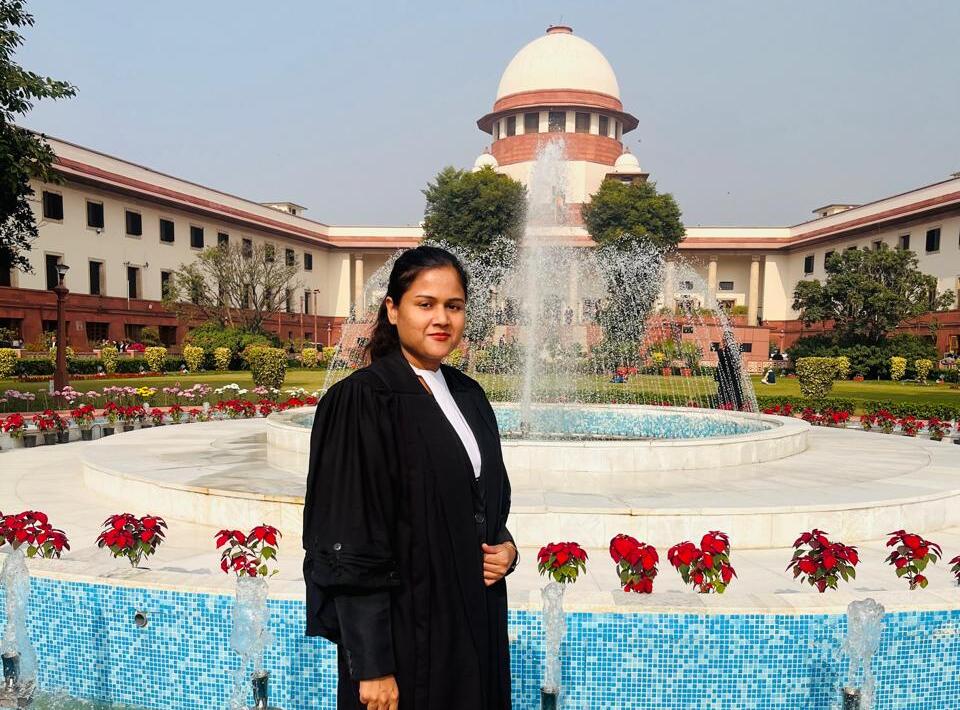

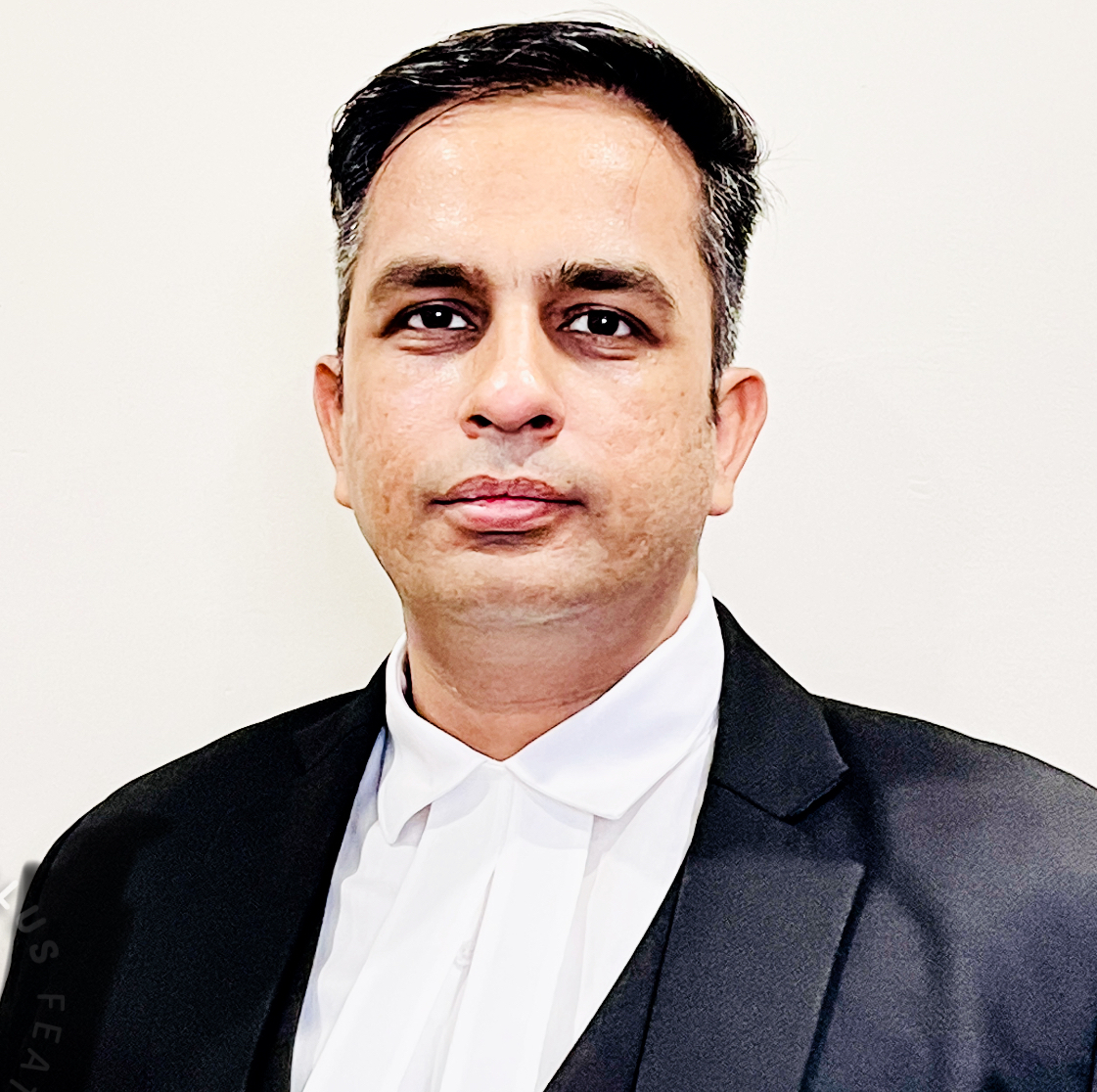





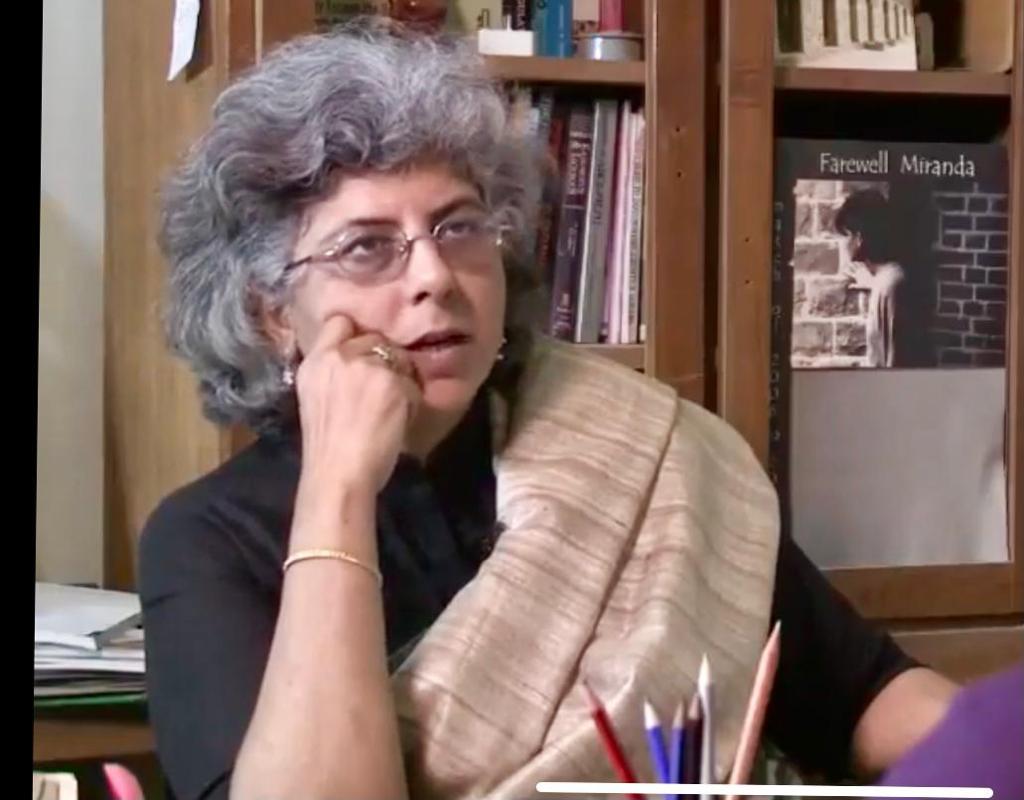


 Allow notifications