What initially inspired you to pursue a career in law?
Law has always intrigued me because of its power to shape businesses, resolve disputes, and create order in an otherwise complex world. While I did not have a predetermined path toward law, I was drawn to its logical reasoning, problem-solving, and impact on society. As I began to explore the legal field, I was drawn to the idea of working within a law firm environment, where I could help clients navigate complex legal challenges, whether in business, litigation, or personal matters. The opportunity to collaborate with skilled professionals and offer practical, strategic solutions to clients was something that truly inspired me. Ultimately, I saw a career in law as a way to apply my skills in critical thinking and problem-solving to advocate for clients and create lasting, positive outcomes. Over time, I developed a keen interest in commercial and financial laws, which eventually led me to specialize in insolvency and restructuring.
What motivated you to pursue an LLM (Professional) in Banking and Financial Studies from NLU Delhi?
After completing my law degree and practicing for a few years, I understood that it is crucial for legal professionals to stay ahead of the curve, and hence I wanted to deepen my understanding of banking, securities, insolvency and investment laws. The LLM (Pro.) in Banking and Financial Studies at NLU Delhi provided a strong foundation in areas like banking and finance, securities and investment laws, arbitration, insolvency and financial restructuring—topics that are highly relevant in today’s economic environment. This specialization has been instrumental in my practice, particularly where financial acumen is as critical as legal expertise.
What were some key learning experiences in the early years of your career?
The initial years of practice were a mix of excitement and steep learning curves. I quickly realized the importance of building strong client relationships. At first, I focused heavily on legal research and analysis, but I learned that a successful practice also requires understanding clients’ needs, building trust, and communicating complex legal issues in a way that is clear and actionable for them. Another key experience was learning to manage multiple cases and deadlines simultaneously while maintaining attention to detail. I also had the opportunity to work closely with senior attorneys, where I learned the value of mentorship, strategic thinking, and how to approach complex legal problems creatively. It was through these experiences that I developed a deeper understanding of how to balance legal expertise with client service, and how to work effectively as part of a team in a fast-paced law firm environment.
As far as my practice area is concerned, one of the most valuable experiences was understanding the practical application of insolvency laws, especially how different stakeholders—creditors, resolution professionals, and debtors—navigate the process. One key moment that stayed with me was working on a case where a corporate debtor’s revival depended on strategic negotiation rather than just legal arguments. This reinforced my belief that law is not just about statutes but also about commercial awareness and strategic thinking.
What are the key challenges in insolvency proceedings in the Renewable Energy and Automobile sectors?
Both industries present unique challenges. In the renewable energy sector, insolvency cases often involve long-term power purchase agreements (PPAs), regulatory approvals, and government policies, which can complicate resolution. In contrast, the automobile industry faces issues like supply chain disruptions and asset-heavy structures, making liquidation complex. One of the biggest challenges is finding resolution applicants who see long-term value in distressed assets. In such cases, we work closely with financial institutions and potential investors to structure resolution plans that align with industry-specific constraints.
What was the primary legal issue in the ARCIL vs Bishal Jaiswal judgment, and what impact did it have on insolvency law?
The Hon’ble Supreme Court vide judgment dated April 15, 2021 in the matter of Asset Reconstruction Company (India) Ltd v. Bishal Jaiswal & Anr. decided a crucial question of law pertaining to whether entries in the Balance Sheet would amount to an acknowledgment of debt for the purpose of extending the period of limitation as provided under Section 18 of Limitation Act, 1963 (Limitation Act) as far as the IBC is concerned.
In this landmark judgment which is undoubtedly significant to all stakeholders under the Insolvency and Bankruptcy Code, 2016 (IBC), the Apex Court took cognizance of the fact that although the filing of a Balance Sheet is a statutory requirement as per the provisions of the Companies Act, 2013, however, doing the same can amount to an acknowledgment of debt depending on the facts of the particular case as to whether an entry made in a Balance Sheet qua any particular creditor is unequivocal or has been entered into with caveats. These caveats could be in the form of notes to accounts or other qualifications made in the Balance Sheets.
This judgment also set aside the majority decision of the Hon’ble National Company Law Appellate Tribunal (NCLAT) in the matter of V. Padmakumar v. Stressed Assets Stabilisation Fund wherein the majority opinion of the five-member bench was that entries in Balance Sheets would not amount to an acknowledgment of debt to extend limitation under Section 18 of the Limitation Act.
In addition to the above, the Hon’ble Supreme Court relied upon its decisions in Sesh Nath Singh & Anr v. Baidyabati Sheoraphuli Co-operative Bank Ltd & Anr. and Laxmi Pat Surana v. Union Bank of India & Anr8 and observed that it is not possible to accede to the arguments that Section 18 of the Limitation Act cannot be made applicable to proceedings under the IBC.
What advice would you offer to aspiring lawyers?
Hone your research and drafting skills, as the best arguments stem from well-researched positions.
Understand the commercial impact of legal proceedings—clients seek solutions, not just legal opinions.
Develop a strong foundation in commercial and financial laws, as they are critical for corporate litigation.
Stay patient and persistent—the legal profession demands continuous learning, adaptability, and strategic thinking.
How do you maintain a work-life balance in a demanding legal career?
Balancing work and personal life in the legal profession can be challenging, but I make a conscious effort to manage it effectively. A few strategies that work for me include:
Prioritizing tasks and setting clear timelines for completing them.
Taking short breaks and staying engaged in non-legal activities to maintain perspective.
Most importantly, understanding that while work is demanding, personal well-being is equally important for long-term success in this profession.
Additionally, I’ve learned that there are certain periods, especially during high-stakes cases, when work demands more attention, and I adjust by being more strategic about my personal commitments during those times. The key is knowing that it’s a cycle—some weeks will be more intense than others, but I always make time to recharge when I can. In the end, it’s about being proactive in managing my time and knowing when to push and when to step back.
With such an impressive and diverse range of experience spanning constitutional, commercial, civil, and intellectual property rights matters, what initially inspired you to pursue a career in law? Were there any particular moments or experiences that had a significant impact on your decision to embark on this journey?
I always found law intriguing. The way it stimulated my mind to find a logical answer to a particular solution, encouraged me to choose this profession. So, it was after my 10th CBSE Board examinations, that I actually made up my mind to have law as an option. Accordingly, I chose the subjects for 11th and 12th, which included history, political science, economics and maths. History gave me the background and political science the foundation to pursue law after my 12th. I was also a part of my School’s, DPS Mathura Road, cricket team, which used to play practice matches with the various teams viz. Delhi High Court Bar Association and Bar Council of India. Thereby, I got an opportunity to interact with Advocates who were in litigation.
Having started your career working on Civil, Consumer, Arbitration, Debt, and Criminal matters, what were some of the key learning experiences in the early stages that shaped your understanding of the law and helped pave the way for your remarkable career progression?
Being a first-generation lawyer, and having no one in my immediate family in law to guide me, I was always open to learn and try everything which came my way. Right after law college, I had an offer to pursue my L.L.M from Kings College, London. However, I thought that without a clear path of which field I wanted to follow i.e. either corporate or litigation, I would have not been able to justify the course. Alternatively, since the placements in college were also not forthcoming, I actually ended up in litigation out of sheer luck. Then I got an opportunity to work under Mr. Sunil Goel, who also practiced in various courts viz. High Court, District Courts, Debt Recovery Tribunal and Consumer Courts. Whereby I got a flavour of different subjections and jurisdictions. However, since I was inclined to do corporate work, I joined a firm to do private equity and debt financing work. This gave me another perspective to law, esp. the commercial aspect. It also cleared my thought process, that litigation was what I wanted to do. Then I got the best opportunity or I would call the break-through, i.e. to work with Hon’ble Ms. Justice Indu Malhotra (prior to her elevation). From then onwards, with the tutelage of Justice Malhotra, the profession has been kind.
Assisting the esteemed Hon’ble Ms. Justice Indu Malhotra in various legal domains such as constitutional law, arbitration, and public law must have been an invaluable experience. How did her approach to legal research and arguments influence your understanding of complex legal matters, and how has that shaped your own legal practice?
Getting an opportunity to work under Hon’ble Ms. Justice Indu Malhotra, was the foundation I required as a first-generation lawyer. Despite her achievements, which are continuing even till date, there was no respite from her end. She was so through on facts and law, that it really opened my horizon and prepared me to handle complex matters. The answer was simple, be so well prepared on the facts and law, and to know the brief from front to end and end to front. Thereafter, the way Justice Malhotra articulated the arguments, was another aspect to learn. Being good in law and also being a good orator, is the best combination any lawyer would wish for, and she had it all. Her relentless hard work is second to none. Watching and getting to learn all this close and first hand, has made me an advocate I am today.
After gaining such extensive experience in diverse areas of law, what motivated you to establish your own independent practice? What challenges did you face along the way, and what strategies did you use to overcome them and build your firm?
Starting an independent practice was also a decision, made partially out of choice and partially out of necessity. I would have liked to continue to hone my skills under Hon’ble Ms. Justice Indu Malhotra, for a few more years. However, her very well-deserved elevation to the Hon’ble Supreme Court, gave me the push I probably needed. At the same time, I prepared and gave the Advocate-on-Record examination. However, since the result is declared almost 9-10 months later, I started my practice on the original side as well. Thereby, I started going to District Courts in Delhi and also the Delhi High Court. Since I had a few clients to sustain my practice, I could concentrate on building my network. I was lucky that since I belong to Delhi and was staying with my parents, I did not have to worry about basic sustenance. Without this, probably, I may not have started my independent practice at that time. During the same time, my childhood friends – Samar Khan and Abhishek Bakshi had also started their independent practice and were doing criminal litigation. Their requirement for a person to handle civil and commercial litigation, and my need to increase my practice to other fields coincided. Hence, came the foundation and incorporation of M/s. Aecus Legal.
As an Advocate-on-Record at the Supreme Court of India, you’ve undoubtedly dealt with some highly complex constitutional and commercial issues. Could you share one of the most challenging cases you’ve worked on, and what steps do you take to thoroughly prepare for and research such high-stakes cases?
There have been many notable cases I got an opportunity to be a part of. However, the four most notable cases would be the Vyapam Scam, Manesar land scam, Challenge to the vires of the bond condition signed by Doctors pursuing PG/ MD etc., and the challenge to the Section 24(2) of the Right to Fair Compensation and Transparency in Land Acquisition, Rehabilitation and Resettlement Act, 2013 from two judges up to the Constitution Bench. The simple answer to prepare any matter, being high-stake or not, is to be first well-versed with the facts and then to be through with research. Sometimes, even an issue which may seem small, can be the turning point. That can only be achieved, if one does in-depth research. At the end of the day, there is no short-cut to hard work.
Given your vast experience representing clients in diverse legal forums, including the Supreme Court, District Courts, and NCLT, how do you tailor your litigation approach to suit the nature of each forum, be it constitutional, commercial, or quasi-criminal? Also, where do you see your firm, Aecus Legal, in the next 5-10 years?
One does need a certain degree of knowledge, which can only be achieved with experience, to handle different jurisdictions. However, the basic is again to be prepared with the brief on facts. Then, one also needs to be updated on the recent judgments being passed on the said subject. Especially, with the advent of Insolvency and Bankruptcy Code 2016 and formation of NCLT and NCLAT, there is a new judgment on some aspect or the other, every week. Hence, one needs to keep oneself updated.
Our firm has grown at a steady pace and gone onto represent many international clients, as well. However, in the next few years, we would be making more specialised teams on different subjects, and then also have a separate general litigation team.
Clearing the Advocate-on-Record (AOR) examination is a remarkable achievement. What aspects of the exam did you find most challenging, and how did you prepare to successfully navigate this prestigious examination?
Not undermining the hard work required, I must say that since I extensively practiced in the Supreme Court from 2015 onwards, so the basics were clear. I did not effectively take a break in my profession to prepare for it, but the month of May was primarily focussed on studying for the exam. The most challenging aspect is that one loses touch to write an exam within three hours. For that, I started preparing my notes by writing them, at least one month in advance. The second challenge was to read all the judgments. However, once you are in that zone of studying, slowly and steadily one can manage. It is also important to attend the lectures given by prominent Senior Advocates, some of them also set papers. But I am sure, the advocates who do not practice in Supreme Court on a regular basis, do find the exam challenging.
Balancing a high-profile legal career with personal life is no easy feat. How do you manage to strike a balance between your professional responsibilities and personal well-being? What strategies do you use to maintain your health and overall well-being while managing such a fulfilling and demanding career?
To be frank, it is really difficult to maintain a balance. Especially in the early years, and on starting an independent practice. The profession always keeps you on the toes, and it is easy to lose that balance. However, I believe in today’s time, it is required that one does take some time off to just clear one’s mind. Travelling or playing a sport is one way, which has worked for me to un-wind and re-energise. Secondly, I have set-up an office space in my residence as well. So, when the days are light, I work from the residence, which gives you the time to relax at home and also spend time with your family. All this is needed, as I said, it is easy to maintain the balance. On a lighter note, I am still learning.
With your vast expertise across multiple legal domains, what advice would you give to young lawyers who aspire to have a diverse practice like yours? What key skills and qualities do you believe are essential for success in such competitive and multifaceted fields?
I believe, in litigation, it is all about perseverance, focus and hard work. There is no short-cut to that. However, one does need some luck. Some of the luck one can make by networking and always being open to learning. Also, client handling is one thing no one teaches, however is very important. Since lawyers cannot solicit, the best way to advertise is doing your best for your clients. I strongly believe that the profession is an Hon’ble one, and a person can really make a difference.
In today’s changing times, as mentioned above, networking has become an important aspect. Though I do not subscribe to the view of making videos on YouTube or Instagram. However, people do not realise that maximum work advocates give to each other, so making a good network of advocates also helps one to get new matters and clients.
With over eight (8) years of distinguished experience in the field of law, including being an Advocate-on-Record (AOR), Supreme Court of India, what initially inspired you to pursue a career in law? What was the driving force behind your decision to join such a prestigious profession?
Studying law after school was never on my list; I loved Physics and Mathematics, so I chose “Science with Maths” after 10th grade. Simultaneously, I started preparing for IIT-JEE – a common choice for a Science student. One day, on my way to coaching, a traffic police officer stopped me, checked my documents, and made me wait 30 minutes without assigning any reason. I complied, unaware of my rights and the police officer’s powers. This incident sparked my interest in Political Science and Civics, which discussed the concepts of rights, duties, government, democracy, civil liberties, etc. I discussed this new interest with my parents, who were astonishingly supportive of my shift in career aspirations. In fact, it was my father (not a lawyer) who suggested me to pursue a career in law – a suggestion I was keen to explore. The idea that knowledge of the law could empower individuals became a driving force in my decision to pursue law. My father introduced me to a law student, who apprised me of CLAT and National Law Universities. Thereafter, I appeared for CLAT and secured admission to National Law University, Odisha in 2012—an achievement I deeply cherish.
How has your journey as an advocate evolved, contributing to your expertise and success in the field?
My journey has been both exciting and challenging. Despite being a first-generation lawyer, I’ve been fortunate enough to have great mentors—from college seniors to the seniors in the profession, especially my bosses—who have played a crucial role in shaping my career.
Towards the end of law school, I interned with the Supreme Court team at Karanjawala & Co., a top-tier law firm. I was lucky to secure a job there during my internship, marking the start of my career in law. As a fresher, I gained invaluable experience at Karanjawala —assisting in briefing senior advocates, preparing update emails for clients, managing paperwork, and analysing court cause lists. These foundational skills continue to help me till date. I would like to make a special mention of my senior Mr. Utsav Trivedi (now Managing Partner at TAS Law) for his guidance.
I later joined Luthra & Luthra Law Offices, the team of Mr. Faisal Sherwani, Partner. He was not just a boss, but a true leader—the one who leads by example. Mr. Sherwani has been instrumental in shaping my career and continues to do so. His passion for constitutional law once led to a discussion on the Supreme Court’s judgments on “basic structure doctrine”. This discussion inspired me to prepare for the Advocate-on-Record (AOR) exam. Mr. Sherwani himself is an AOR and I have learnt a great deal from him.
At Luthra, I handled diverse matters pertaining to property disputes, IT laws, motor vehicle laws, IP, and criminal law. I significantly honed my drafting skills during my time in Luthra. However, I always aspired to start my independent practice—an idea fully supported by Mr. Sherwani.
After starting my independent practice, I realized the need to refine my courtroom advocacy. Seeking mentorship, I joined the chambers of a prominent senior advocate, Mrs. Madhavi Divan (former Additional Solicitor General of India), who was kind enough to include me in her team. No discussion on my career trajectory would be complete without mentioning her contributions.
Madhavi ma’am has a strong work ethic and unwavering consistency in preparation and performance. Despite thoroughly reading briefs, I often felt underprepared in conferences with her, as her questions pushed my intellectual limits. Over time, I began following her line of arguments and anticipating her questions. While assisting her in various matters, including arbitration, insolvency, property disputes, constitutional matters, I learned key advocacy skills—when not to speak in court, how to gauge a judge’s mind, restructuring arguments on the spot, etc. Mrs. Divan has been instrumental in my growth, and I continue to learn from her.
Having worked with law firms and a senior advocate, what motivated you to establish your own practice? What were the initial hurdles you faced, and what inspired you to take the leap into independent practice, building a firm that reflects your values and legal expertise?
I think every advocate in dispute resolution aspires to argue before the courts. While working at top-tier law firms, I worked on high-stake matters and assisted in briefing senior advocates but rarely got the chance to argue—rightly so, as I lacked the skills then. However, the urge to start my independent practice never faded. Unfortunately, the demanding law firm schedule left little time to act on it.
Ironically, the Covid-19 lockdown gave me the opportunity to rethink my career path. Instead of picking up a new hobby, my then flatmate, Mr. Siddharth Jain (now my partner in our law firm), and I focused on taking up independent matters. We started by sending legal notices for corporate clients—companies looking for young lawyers who offered quality work at competitive fees. This instilled confidence in some clients, leading to the launch of our law firm, Jain & Saigal Law Offices, in September 2020.
Starting out wasn’t easy. The biggest dilemma was leaving a handsome retainer for complete uncertainty—a tough decision every entrepreneur faces. Renting office space, hiring associates, and managing operations brought hidden challenges we hadn’t anticipated. But our determination and positive attitude helped us navigate the journey and build something we truly believed in.
Starting your career as an associate in law firms and participating in high-profile and landmark insolvency cases must have been a significant learning experience. Could you share some key insights from these cases?
When I had entered into the profession i.e., in 2017, the Insolvency and Bankruptcy Code, 2016 (IBC) was in its early days. The Reserve Bank of India had identified twelve (12) highly stressed corporate debtors—the “dirty dozen”—for resolution under IBC. Given the stakes, litigation was inevitable, with cases reaching the Supreme Court of India to address legislative gaps and uncertainties in the law. Most of the law firms across the country were engaged in these high-profile matters.
My interest in insolvency law developed during law school days, even before IBC was enacted. I closely followed mechanisms like Corporate Debt Restructuring and Strategic Debt Restructuring, introduced after statutes such as SICA, SARFAESI, etc. failed to achieve the intended objective. Naturally, I wanted to work on the insolvency matters, and at Karanjawala, I was fortunate to be involved in cases concerning the “dirty dozen”.
Attending long-hour conferences with clients and senior advocates was invaluable. These conferences made me learn about different perspectives involved in preparing arguments to be presented before the courts. It is not just the provisions of the statutes and their interpretations, or researching the case laws, but also the business’ perspective. In addition to studying the laws applicable, it is equally important for an advocate to understand the intricacies of its client’s business. Laws are meant to regulate business and commerce and not to prohibit them. Thinking beyond legal texts and grasping real-world business implications was my biggest takeaway from these experiences.
Clearing the AOR exam is a remarkable achievement that speaks volumes about your legal acumen. How did you prepare for this challenging exam, and how has passing the AOR exam enhanced your legal practice, especially in terms of the quality of your representation and legal strategy?
Preparing for the exam was a nostalgic experience. I studied with my law firm partner and an ex-colleague and a friend I met in Mrs. Divan’s chambers. It felt like college days again—last-minute cramming and somehow making it through. We had organized our schedules efficiently, giving us a full twenty (20) days to prepare. Fortunately, friends who had cleared the exam in the past few years guided us well.
For me, self-study was the key. I had numerous notes and strategies from friends and other contacts, but they only added to my stress. What truly helped was analyzing past question papers, watching lectures by senior advocates, and studying the material available on the Supreme Court of India’s website. I am immensely grateful to the senior advocates who took time from their busy schedules to help us prepare through their lectures and notes.
It’s still early to assess how passing the exam has impacted my legal practice, as the results were declared just a couple of months ago. However, the “Supreme Court matters” section in my firm’s “list of matters” is growing noticeably. We remain committed to delivering our best while strictly adhering to the Supreme Court Rules, 2013, and the Apex Court’s directions for the AORs.
Representing a high-profile retired bureaucrat in criminal defamation matter, is certainly a critical responsibility. What key legal arguments did you present in this case, and how did you approach defending such a prominent individual against serious allegations, ensuring a successful outcome?
Unfortunately, this matter is sub-judice before the High Court of Delhi, therefore I cannot comment on this.
You have been representing homebuyers in multiple courts across Delhi in recovery proceedings initiated by banks against those unable to pay EMIs after being deceived by builders. Could you share the key legal challenges you faced in these cases and the strategies you employed to secure a favourable outcome for your client? Additionally, how do you foresee the evolution of laws surrounding homebuyers’ rights and real estate projects in India moving forward?
Despite multiple legal remedies available to homebuyers against builders under consumer laws, IBC, and RERA, they lack protection from banks’ recovery proceedings. Many homebuyers, after investing their savings and taking home loans for their dream house, continued paying EMIs, only to realize they had been duped by builders who never began construction or could not complete it in time. When some stopped paying the EMIs, banks initiated legal action(s) against them.
The clauses of the contract obligates the homebuyers to repay the banks. Therefore, one of the biggest challenges was to determine the appropriate legal forum and remedies to protect the clients from banks’ recovery proceedings. Approaching the Delhi High Court under writ jurisdiction was not fruitful, as the Delhi High Court denied exercising its writ jurisdiction in matters concerning rights of the homebuyers arising purely out of contracts. Thus, beseeching the Supreme Court’s inherent jurisdiction was the only recourse. Initially, the Supreme Court stayed proceedings against homebuyers, but it has now allowed the proceedings before DRT and other tribunals to continue—while prohibiting the issuance of recovery certificates. Additionally, the Apex Court has ordered a special investigation team to probe the nexus between banks/ financial institutions and builders.
The legal framework for homebuyers’ rights and real estate in India is evolving to enhance consumer protection and transparency. While RERA has strengthened safeguards, enforcement remains a challenge.
Moving forward, I anticipate further judicial and legislative developments aimed at addressing delays in project completion, streamlining dispute resolution mechanisms, and imposing stricter compliance requirements on builders and banks/ financial institutions. Additionally, the interplay between RERA, insolvency laws and consumer laws, particularly in cases where builders default, might see further clarifications to ensure that the homebuyers’ rights are prioritized.
There is also a growing demand for digitization in real estate transactions, which could lead to the integration of blockchain technology for property records and increased transparency in financial dealings. The state of Andhra Pradesh has already taken steps in this direction. The role of AI in addressing industry challenges remains to be seen.
Your unwavering commitment to the legal profession is truly inspiring. What has been the most rewarding aspect of your legal career so far, and what continues to fuel your passion for law? Additionally, what advice would you offer to the younger generation aspiring to build a successful career in law?
The most rewarding aspect of my legal career has been the journey of establishing my own law firm. Building my practice from scratch, navigating complex legal challenges, and progressively gaining clients’ trust has been both fulfilling and humbling.
As a first-generation lawyer, the challenges are constant and sometimes make me question my decision. However, these very challenges push me to improve, adapt, and thrive. The core driving force remains my fundamental duty—to listen to my clients’ concerns, provide them with the best possible solutions available under law, and represent them effectively before the courts.
I am not sure if I have gained enough experience in the profession to be able to give advices. However, there are a few personal thoughts I can share from my journey so far. As a professional, one needs to always show up and inspire confidence in one’s surroundings—this profession demands commitment, and it is important to rise to the occasion. I also believe that one should broaden one’s perspective beyond law. A fair understanding of business, economics, philosophy, and current affairs can make you a more effective lawyer. Additionally, never trust the shortcuts that would inevitably come your way. Success in any profession is a marathon, not a sprint! Lastly, there is no thumb-rule for success, every individual has its own trajectory. One must trust the process and continue to give one’s best, success and excellence will follow.
Balancing a demanding legal career with personal well-being is undoubtedly challenging. How do you manage to strike a harmonious balance between your professional responsibilities and personal life, and what strategies do you employ to ensure that both aspects thrive without compromising either?
Balancing a demanding legal career with personal well-being is undoubtedly challenging, and honestly, I often find myself struggling to fulfill my personal responsibilities. While I firmly believe that achieving harmony between professional and personal life is essential, I am yet to devise an effective strategy. It is something I am actively working on, especially because my mentors have always emphasized the importance of managing work in a way that ensures every aspect of life is taken care of. I hope that with time and effort, I will be able to strike that balance.
Your legal journey spans nearly a decade, during which you’ve handled a wide array of cases. Could you share what initially drew you to the field of law and if there were any particular experiences or influences that guided you toward this path?
When I reflect on my journey into law, I can’t point to one single moment or experience that set me on this path. It was more like a gradual, almost magnetic pull. You could say it was a slow evolution, starting from my desire to pursue a career in journalism after my 10th class board exams. At one point, I was seriously thinking about a career in music – I’ve always loved playing the bass guitar, and during my final school years, I would practice for hours, often losing track of time and neglecting my studies and preparations for the law entrance exams. There were nights when I’d be lost in my music, while my textbooks sat untouched.
But then came a pivotal moment. One evening, my father sat me down with a look of concern and said, “You need to make a decision. Choose a path.” And that was the wake-up call I needed. Sure, I still play the bass with as much passion as ever – it’s my way to unwind after a busy day in the courtroom. By day, I’m a lawyer, and by night, I’m a bassist. It’s quite the balance, one that keeps me grounded and inspired.
What draws me to law is its ability to make a real difference. As a lawyer, I have the chance to advocate for people’s rights, help those who need it most, and work toward a fairer society. It’s not always glamorous, and it’s definitely not as simple and straightforward as it might seem from the outside—there are challenges, frustrations, and setbacks along the way. But despite all that, it’s about using the law to level the playing field, ensuring everyone is heard and treated fairly. At the end of the day, it’s about creating tangible change, and that’s something I find deeply fulfilling.
In the early stages of your career, working as an associate must have been a valuable learning experience. Having worked with big names, could you highlight a few key lessons or insights that significantly shaped your understanding of the law and contributed to your professional growth?
I say now in hindsight, particularly for pursuing a long-term career in litigation, but the hardest (and the most important) part of starting your journey in this profession is finding and joining a good Chamber. It can literally decide the course and quality of your career. Honestly, being a first-generation lawyer, I did not have this understanding at the time, but I am grateful as to how life has worked out. I have had the good fortune of working under Mr. A.D.N. Rao (he was an Advocate-on-Record during my days under him) and Mr. Shyam Divan, Senior Advocate, and it has been (and continues to be) an amazing journey.
If I had to highlight the key lessons I’ve learned, it would be threefold. First, it all comes down to hard work. It’s not always easy, and yes, it means sacrificing weekends and putting in long hours. But the more you give, the faster you learn. It’s the foundation for everything that follows.
Second, embrace the diversity of work, especially when you’re just starting out. The more varied your tasks, the broader your understanding of the field. It’s in the variety that you truly grow.
And lastly, be ready to take responsibility for your mistakes, no matter how tough it is. Whether it’s a scolding from a senior over a drafting error or a misstep in court, don’t let it bruise your ego. Mistakes will happen—there’s no way around it. What matters is acknowledging them, learning from them, and using those lessons to become better. Every mistake is a step forward if you let it teach you.
Having appeared before both the Supreme Court of India and several High Courts, you’ve dealt with a wide range of legal issues. How do you approach preparation for such high-stakes cases, especially those requiring in-depth legal analysis and argumentation? What’s one crucial skill you believe every legal professional should cultivate early in their career?
When preparing for high-stakes cases, especially those requiring complex legal analysis, my approach is grounded in thoroughness and meticulous planning. First, I immerse myself in the facts of the case—ensuring that I fully understand every detail before moving to the legal aspects. I believe that every great argument begins with understanding the context. Once I have that, I turn to the law itself—scouring precedents, statutes, and legal commentary. I approach each piece of research with a critical eye, looking for nuances that might not be immediately obvious but could make or break an argument.
Beyond the legal research, I focus on refining my arguments by simulating different scenarios and anticipating possible challenges. This helps me stay flexible and confident in court, ensuring that I can respond effectively to unexpected questions or shifts in direction.
As for one crucial skill, I would say it’s the ability to think critically and analytically. Developing the habit of breaking down problems into their core components and approaching them with a clear, logical mindset is essential. This skill doesn’t just help in court—it’s what will guide you through the toughest cases and the most complicated legal challenges. Cultivating this skill early in your career will set the foundation for everything else that follows.
Your practice covers a wide spectrum of areas, including compliance, agreement drafting, IPR protection, and more. Looking back, what has been the most challenging case you’ve worked on, and what strategies did you employ to navigate the complexities of that matter?
There have definitely been many challenging cases! And let’s be honest, the definition of a “challenge” evolves as you grow. When I first joined the Bar, even my first appearance before the Supreme Court (just a mentioning, mind you) felt like a monumental task. Now, after a few years, I’ve worked on plenty of complex matters, so the “challenge” isn’t necessarily in the complexity anymore—it’s more about maintaining the same level of attention and quality across every case. It’s like trying to keep your enthusiasm for a TV show after the 10th season… You just have to keep the energy up!
But if I had to pick one instance that stands out, it would have to be the Ram Mandir dispute. It was my first day under Shyam Divan Sir, and he handed me the small task of diving straight into over 200 volumes of pleadings and evidence. And, mind you, this was pre-COVID days—so we’re talking about physical volumes here, the kind that could double as gym equipment. And later, it turned out that by the end of the week, I was required to prepare the first draft of the Written Submissions.
Needless to say, I ended up spending my nights in the office, burning the midnight oil every day from the very first week. And honestly, I loved every minute of it. I was grateful for the trust Shyam Sir had placed in me, and I was determined not to let him down. Looking back, I can confidently say that it was one of the most intense but fulfilling experiences of my career. If you ask me now, I wouldn’t trade that first week in his Chamber for anything!
In your advisory role with various companies, especially in the telecom sector, you deal with a constantly changing regulatory landscape. What are some of the biggest challenges you face in this area, and how do you navigate the evolving regulations to ensure compliance?
The biggest challenge is keeping up with the ever-changing regulatory landscape. It’s like trying to catch up with a moving train, except the train keeps changing direction and speed. The simple solution I’ve found is to read—constantly. I devour multiple newspapers and magazines (and thank goodness for Magzter, which has been a lifesaver for both domestic and international updates), and I make it a point to regularly check the websites of regulatory bodies. They’re the first to spill the tea, so I’ve got to be there.
But beyond just staying updated, ensuring compliance is a constant back-and-forth with various departments. I’ll admit, it’s like trying to decode a puzzle at times, but the experience has generally been positive. Most bureaucrats, when approached with an issue, are surprisingly understanding and willing to help clarify things. They get that regulations can be tricky, and they’re usually happy to work towards a solution. I always tell my clients to steer clear of litigation unless absolutely necessary. With regulatory work, litigation should always be the last resort—sort of like trying to use a sledgehammer to crack a nut. It’s far more effective to talk it through first.
Your work in environmental law, particularly as assisting the Amicus Curiae in major Supreme Court cases, speaks to your deep commitment to this field. What first sparked your interest in environmental litigation, and what drives you to keep contributing to this area? Furthermore, how do you assess the evolution of environmental jurisprudence in India, particularly in the context of judicial interpretations of laws like the Forest Conservation Act and the Environmental Protection Act?
To be honest, I didn’t set out to specialize in environmental law or mining law when I first entered the profession—it just happened. It all started because Mr. A.D.N. Rao is the Amicus Curiae in several landmark environmental cases [T.N. Godavarman Case (Forest Conservation Case), M.C. Mehta (Taj Trapezium Case), Goa Foundation (Goa Mining Case), Common Cause (Orissa Mining) and Samaj Parivartana (Karnataka Mining Case)]. He was also very active before the National Green Tribunal. So naturally, I was more than happy to assist him in these high-profile cases. It was chaos, but it was one heck of a learning experience. Mr. Shyam Divan is also the Senior Amicus in Samaj Parivartana.
Fast forward, when I joined Mr. Shyam Divan’s chamber, my work on Samaj Parivartana continued. In fact, some of my colleague’s joke that this case is what officially got me into the Chamber, since it’s how Shyam Sir got to know me—thanks to my constant presence at briefings with A.D.N. Sir. Alongside that, under Shyam Sir, I also became heavily involved in the Krishna and Cauvery River water disputes, which was a whole new world of learning.
Through all of this, I can now confidently say I’ve by now internalized environmental law, mining law, and water disputes law. All the major judgments and orders from these cases are by now permanently etched in my brain.
As for the evolution of environmental jurisprudence in India, I think we’re entering a new phase. In the 1980’s and 1990’s, right up until 2014-2015, the Supreme Court was basically the environmental superhero, swooping in with orders and directions that the government had to follow— It was practically the Court which was running the show.
But now? Things are shifting. This new phase sees the Court stepping back a bit. Why? Well, for one, many of the major environmental issues the Court was grappling with have been resolved or are winding down. Secondly, we now have a dedicated Environmental Tribunal, which takes up a lot of the heavy lifting that the Supreme Court used to earlier. And, of course, the government is playing its part too, providing more clarity in compliance—though some might argue that this clarity is more developer-friendly than environment-friendly, but that’s a debate for another day.
The bottom line is, the Court has moved from being the enforcer of environmental laws to more of a law interpreter, and I think it’s striking a balance between being pro-environment and pro-development. It’s no longer just the hammer; it’s more like the guide. And I think the Court is doing a good job of maintaining an equilibrium.
Enforcing occupational health and safety regulations in India, particularly with respect to the OSH&WC Code, 2020, presents several challenges. From your perspective, what are the key hurdles in ensuring effective enforcement of these regulations? Additionally, could you shed light on your role as a legal consultant in finalizing the standards under the OSH&WC Code, and how your involvement helped shape these regulations?
The biggest hurdle in enforcing the OSH&WC Code? Well, it’s like trying to run a marathon with one shoe—it’s all about infrastructure and resources. On the bureaucratic side, there are still far too many vacancies in government departments, and that’s not changing anytime soon. On the industry side, especially in the MSME sector, it’s a whole other ballgame. Large corporations can foot the bill for compliance, but for micro and small enterprises? It’s like throwing another weight onto an already overloaded backpack. And let’s not forget, many of these enterprises operate in the informal sector, which only makes enforcement more challenging. This has been a long-standing issue, and there is no quick-fix magic wand in the Code or the regulations that will suddenly solve it overnight.
As for my role as a legal consultant, I was brought in when the regulations were getting fine-tuned for submission to the Ministry. And let me tell you, it was a race against time. I practically set up camp at the Headquarters of the Director General Factory Advice Service & Labour Institute (DGFASLI) in Bombay for an entire week. It was me and a team of experts from across the country, working long hours, getting up at the crack of dawn and going till evening, vetting every line of the regulations. We worked even during the weekend. But the real fun for me began when the day’s work was over. I stayed up late into the night fixing all the errors and amendments we had discussed for the portion that was completed, so that the next day, there was an updated draft before the team to confirm and finalise.
On the first night, the DGFASLI staff got a bit of a shock to find me still working past regular office hours into the night. The night guard practically kicked me out of the building so that he could lock up. So the next day, I spoke to the Director and got permission to keep a room in the main building open and running with the guard staying awake to lock up after me. I am pretty sure he was cursing his luck to be stuck with me at night, but hey, we got the job done!
But in the end, it wasn’t just about hitting deadlines—it was about shaping regulations that could make a real difference and make life a little easier for everyone in the industry. Sure, there were some late nights and a few cups of coffee that felt more like lifelines, but the experience was fulfilling, and I’m proud to have played a part in it.
With increasing focus on technology, sustainability, and corporate responsibility, how do you see the future of environmental law and occupational safety evolving in the next decade? What emerging trends do you think young lawyers should be preparing for? Also, what advice would you offer to young professionals aspiring to excel in law, particularly in fields you’re deeply engaged with?
If you asked me what’s changed the most in environmental law, I’d say it’s paper. Pre-COVID, we were practically drowning in it, with piles of pleadings that could take over entire tables, with additional mini towers on the side. Big environmental litigations often run into thousands of pages. But with e-filing and PDFs taking over, paper use has drastically reduced. It’s still a bit of an adjustment for me. I still prefer scribbling down notes on paper with a pen during final arguments, but overall it’s better for the environment, and the back and arms, which were practically crying from the weight of all those files.
Looking ahead, I see compliance becoming even more central to environmental law and occupational safety. With technology, sustainability, and corporate responsibility gaining traction, the pressure to comply with environmental standards will only increase. Add to that the rise of AI, and we’re looking at a future where regulations and compliance will be handled more efficiently (but no less seriously) than ever before.
For young lawyers entering this field, I think the biggest trend to prepare for is the shift towards smaller offices. Technology has already made it possible for lawyers to do what used to require an entire team of stenographers, typists, clerks, and assistants. When I started out, if you didn’t have a good stenographer, you were essentially behind the curve. Now, you can draft petitions on your laptop without needing anyone else to type them out. The upside? It means less overhead costs, making it easier for junior advocates to set up their own practice. The downside? Fewer jobs in law chambers, because there’s less need for large teams to manage all the paperwork.
So, what does this mean for fresh law grads? It means adaptability will be your best friend. If you’re tech-savvy, you’ll have an edge. But, and this is important, you can’t just rely on the machines. AI might help with drafting and research, but nothing beats good old-fashioned brainpower and creativity when it comes to solving legal problems. Similarly, technology may assist with legal procedures, but it can’t replace the art of persuasion or the nuanced skill of court craft. Those come with experience—and time.
So my advice to young professionals is two-fold: First, be a sponge—absorb as much knowledge as you can, and do it fast. The legal world is changing, and you need to keep pace. Second, as you adapt, don’t forget the fundamentals. Stay curious, stay sharp, and remember that no amount of technology can replace the value of your own thinking. And, of course, no matter how advanced AI gets, it will never be able to match your charm in the courtroom. That’s the stuff that wins cases.
As both a legal consultant and advocate-on-record, you manage a broad range of responsibilities. How do you maintain a work-life balance in such a demanding profession? Are there particular habits or practices you’ve adopted to stay focused and energized in this high-pressure field?
It’s tricky, for sure. But I didn’t enter this field by accident—so I’m not about to complain. The reality is, work-life balance in law is more of an ideal than a constant state. It’s hard to achieve it when your schedule is always in flux, whether you’re waiting in court or running to brief a Senior Advocate. There’s also the drafting, vetting, and admin work that’s part of the daily grind.
But here’s the thing—there will never be enough hours in the day to do everything. So instead of stressing over the balance, I focus on making time for what truly matters. I make sure to spend time with my wife and family, because that’s the best way I know to recharge. I’m also a philatelist, and I try to dedicate at least a little time each week to that hobby, even if it’s just 30 minutes.
Beyond that, I walk and meditate when I can. Some days I miss them, and that’s okay. But I also use my car rides—whether I’m heading to the office or coming home—as a chance to think through the day ahead or unwind after a busy one.
So no, I don’t have a perfect “work-life balance” in the typical sense. But I do make time for the things that keep me focused and energized in a profession that demands a lot.
Considering your background and early life experiences, how did those factors shape your understanding of the role of law in society and what made you eventually decide to pursue a career in law? Was there a specific event, experience, or person that influenced your decision to enter the legal profession?
I was the quintessential mischievous kid—the kind who was always on a teacher’s radar for all the wrong reasons. Academically, I was average, but I had a natural flair for connecting with people and forming relationships. I credit my family for seeing beyond the chaos and recognizing that my energy could be channelled into something meaningful and encouraged me to pursue law.
Coming from a business family with no legal background, I became a first-generation lawyer—a leap into the unknown. Stepping into the legal profession felt like finding the missing piece of a puzzle. The law, with its vast landscape and limitless opportunities for growth, resonated with me. It wasn’t just a career; it became a calling. Law, with its endless possibilities and avenues for growth, gave me hope that I could use my abilities to carve a small space for myself in this landscape.
During the initial phase of your career, you handled disputes for major corporate clients. Could you share some of the formative experiences that enhanced your understanding of the law and helped you to enhance your career trajectory?
I was fortunate enough to have worked with reputed litigation law firms throughout and have a diverse start in my career, experiencing the depths of civil, criminal, and commercial law. However, I sincerely believe that it was not just the big-ticket cases or influential clients that defined my journey—it was the groundwork, the nuts and bolts of practice and procedure, that shaped me.
I made it a point to immerse myself in the procedural workings of courts and tribunals—not just in Delhi but across other states too. This hands-on exposure is my strength, and has added layers to my understanding of legal practice.
A standout highlight of my journey has been regularly briefing some of the most prominent senior counsels across India on a variety of disputes. This experience led me to develop a deeper understanding of law, sharpened my skills and gave me the confidence to handle complex challenges with ease.
One of the greatest blessings in my journey was working under bosses who were absolute masters of their craft. They set the bar high and demanded nothing less than excellence. Their mentorship wasn’t just about honing my legal acumen—it was about instilling discipline and a drive for excellence. That rigorous training has been the cornerstone of the lawyer I am today.
After gaining valuable experience across different law firms and practice areas, what inspired you to take the leap and start your own law firm? What were some of the key challenges you encountered during the process of establishing your firm, and how did you overcome them?
I always knew I had the skills and drive to start and manage my own law firm. While my career trajectory was steady and promising in my previous roles, the entrepreneurial itch was impossible to ignore. It was not just about ambition—it was about carving out my own space and building something from the ground up. So, when the moment felt right, I took the leap of faith.
Starting out, the biggest challenge was managing expectations—both my own and those around me—and embracing the inherent uncertainty of going independent. The move from the steady comfort of a law firm job to the uncertainty of running my own practice was both challenging and exciting.
I knew the key to survival and growth lay in two things: generating work and delivering results. So, I channeled all my energies into building trust with clients in the smallest of assignments, ensuring every case I handled spoke for itself and turning every challenge into an opportunity to prove myself. As someone from outside Delhi with a non-legal background, establishing a full-service law firm here, has been a proud achievement for me. The desire to excel as an outsider fuels my determination even further.
You represent several prominent social media influencers, helping them navigate the legal complexities of the digital age. Could you share how the legal landscape for content creators has evolved, and how you support influencers in managing legal risks?
Social media influencers are the celebrities of the digital age, and the legal landscape around them is evolving rapidly—touching everything from IT and IP laws to even fundamental rights. With their massive follower base, influencers have a unique power to shape public opinion, making their actions resonate far beyond their screens.
My role is to help them navigate this complex terrain by ensuring they understand their rights, responsibilities and laws governing their space. The challenge lies in balancing freedom of speech with the legal and ethical boundaries of content creation. As online content becomes more unfiltered, conflicts are inevitable, and managing them goes beyond simply applying the law. I advise them on content and how to strike the right balance—protecting the integrity of their content while ensuring it doesn’t cross legal boundaries. In disputes, the focus shifts to safeguarding their fundamental right to free speech and the right of the public to have access to different perspectives.
One of your notable cases involved defending a prominent youtuber against Dabur India Limited’s allegations related to a video critiquing. Could you elaborate on the approach towards this case and how you balanced freedom of expression with addressing the company’s concerns?
This case highlighted the delicate balance between a content creator’s freedom of speech and the rights of others. For me, it was crucial to ensure that the YouTuber’s right to free expression wasn’t compromised. I was fortunate to work with a client who was not just willing but determined to fight for this right, recognizing its larger significance for creators and his audience.
At the same time, I understood the importance of avoiding unnecessary litigation that could drain resources and prolong conflict—something neither the YouTuber nor the company wanted. The natural and necessary path was to pursue an amicable resolution.
My focus was on preserving the educational value of the YouTuber’s video, which provided important insights on food and health to the public. After multiple rounds of rigorous negotiation from both sides, to achieve a settlement, we agreed to remove a few minor portions of the video that were the subject of the company’s IP disparagement claims, without prejudice to our client’s right to free speech. These changes did not affect the video’s core message or structure, allowing us to protect both the creator’s voice and the broader value of the content for society. This proposition was also acceptable to the Company, which led to a win-win situation for both sides.
You have advised and represented clients in high-profile criminal cases, such as the CBI chargesheet concerning a PSU tender scam. What are the critical factors you focus on when advising clients in such complex criminal matters, and how do you approach preparing for these high-stakes cases?
In criminal cases, even when companies stand accused, it’s the individuals who bear the weight, as the corporate veil often falls to reveal the human cost. The stakes couldn’t be higher, and this pressure is unlike anything else.
My first priority is to extract every minute detail from the client about the case—no matter how trivial it may seem. In criminal law, even the smallest piece of information could turn out to be a smoking gun or a declaration of innocence.
I also believe that it is equally important to manage expectations and give the client a realistic picture of the situation. Trust between client and counsel takes on a whole new level of significance in criminal matters. It’s not just about building a defense—it’s about standing calm and firm in the face of uncertainty, ensuring that every decision is informed and strategic.
A senior counsel once gave me advice I hold as gospel: to ensure the best defense, preparation must begin on day one. You should envision how the story ends for your client and craft the entire trial strategy around that vision.
What advice would you give to aspiring lawyers who wish to follow a career path like yours? Additionally, could you recommend any resources that help them stay informed about the latest developments and trends in the legal field?
Always see yourself as a student of law, not a master of law. The law evolves with society, and staying curious and adaptable is key. It’s just as crucial to understand your client’s needs as it is to understand the intricacies of a legal case. True innovation in legal practice comes when you bridge the gap between business realities and business laws. Equally, knowing how to connect with a judge’s perspective is vital. Sometimes, a case is not won by citing more precedents but by presenting solutions that create a win-win outcome.
Another important skill worth developing is the art of networking—it’s all about fostering meaningful relationships that can provide fresh perspectives and open doors to many opportunities.
For aspiring lawyers, staying updated and informed is easier than ever. Social media, news outlets and online legal platforms provide relevant updates on legal trends, making it simple to stay current. It is imperative to keep a close eye on these developments because a solid understanding of the world around you is essential—not just to stay updated but to offer sound advice to your clients.
With your career balancing both high-profile legal work and professional responsibilities, how do you manage your work-life balance? What strategies or practices help you maintain personal growth and stay motivated to excel in such a demanding and fast-paced field?
Speaking candidly, in our field—especially for independent practitioners—work-life balance often feels like a distant dream. However, with increasing awareness about its value, it’s worth making an effort to incorporate it, even in small ways. I personally am health conscious; I make it a point to monitor what I eat and stay consistent with my workouts to an extent, which keeps me disciplined and supports the demands of my rigorous professional life. During the court vacations, I like to travel. I also have a close-knit group of friends I regularly meet and spend time with.
With nearly a decade of experience in civil litigation, arbitration, and related fields, what initially motivated you to pursue a legal career, especially in the area of dispute resolution?
My initial motivation came from my neighbours in my hometown. Literally, every house has a name board with an Advocate written on it and this used to fascinate me a lot. Moreover, I honestly always thought that this is some kind of an easy money-making profession, I was clearly mistaken. I always thought that resolving conflicts through a structured framework inside a court room will be very exciting. My parents were very supportive when I told them that I want to be a lawyer. They supported me in my decision to move out and start a fresh life in Delhi as well. Initially it was a little tough for me, as coming from a small city with no background in legal fraternity, I had to face some challenges.
After a couple of years in the profession, I was curious to know more about Alternate Dispute Resolution and this intrigued me because it not only requires a grasp of the law but also strategic thinking and negotiation skills to achieve amicable solutions. I witnessed situations where unresolved disputes led to prolonged challenges and dirty legal battles so I think Dispute Resolution is one of the best ways for a peaceful settlement.
Having earned your Master of Laws (LL.M) in International Dispute Resolution from King’s College London, with a focus on International & Commercial Arbitration, how did this advanced education influence your approach to handling complex international disputes? Additionally, what were the key criteria for admission to this prestigious institution, and what made you choose it over other options?
Pursuing LL.M in International Dispute Resolution from King’s College London significantly enhanced my ability to analyse complex international disputes. It gave me a lot of confidence in life personally and professionally as well. The program’s curriculum, exposure to diverse legal systems, and interactions with global legal practitioners and intellectual minds helped me develop a well-rounded perspective. I strongly feel that going for a Master’s that too after some work experience was one of the best decisions I ever made. Since I had some professional experience, I was able to relate more and indulge more in discussions with students from around the globe.
Admission to King’s required a good academic record, a compelling personal statement, and a clear vision of professional goals. To some extent my work experience and letters of recommendation from my mentors also helped a lot. I chose King’s over other institutions for its unparalleled reputation in Law, especially in Dispute Resolution and obviously I didn’t want to miss out the opportunity to study in a city that serves as a hub for international legal practice.
Starting your career in 2015 and accumulating over nine years of legal experience, what weresome of the challenges you faced in the early stages of your career? Could you share specific experiences that significantly contributed to your growth as a legal professional?
Being a first-generation lawyer with no background in the legal fraternity, I had to face a few challenges that too in a city like Delhi where I hardly knew anyone in the profession at that point of time. I think the biggest challenge was to survive with minimal resources at a salary of INR 12,000/- per month. It was all very new and overwhelming for me. I had no idea how this profession is going to treat me and how am I going to survive on my own. However, God has always been kind and I truly feel blessed for getting some great helping hands during the initial days of my career. As far as growth in this profession is concerned, I realised that you can only grow in the legal field if you start being honest to yourself, start respecting your seniors and stop comparing yourself with others in the profession. These three key points should never be neglected by young lawyers. Of course, having a good drafting or communication skills, networking etc. helps but realising your own worth by not comparing yourself and by being honest with yourself and by giving respect without any expectations will surely take you to heights.
On a lighter note, reading your files properly and being punctual in court will also help you grow in the profession.
In your current role, you manage high-stakes cases for various significant clients. What is your approach to handling complex litigation matters, and how do you strategize for optimal client representation? Additionally, what do you believe is the most important skill for law students to develop if they want to pursue a career in litigation?
While handling high-stakes cases, I prioritize a deep understanding of the client’s objectives and the legal landscape. My approach involves deep research, anticipating opposing strategies, and clear communication with clients to align on tactics. I also strongly feel that discussing all aspects of the matter internally with your team helps a lot. A junior most lawyer in your team can also give you one of the best advices, which is why discussing with the team and involving your team members while stargazing your next move is highly recommended.
For aspiring litigators/young lawyers, I would suggest to be very patient, calm and diligent reader. Reading with a calm mind can solve most of your issues as it will give you clarity and understanding of what needs to be done and what you need to avoid. Getting into a habit of reading judgments, research papers, articles etc. can be of a great help. Apart from this, I think being vocal in a polite way is also very important in the profession. This will upgrade your confidence and increase your participation in various discussions which will ultimately help you in enhancing your court skills.
You manage a team of senior advocates and advocates, how do you ensure a consistent workflow and minimize burnout? Additionally, what key values do you prioritize when selecting team members?
I treat everyone in the team equally and make sure that we work together as a team on the assigned matters. I prioritize establishing clear processes and maintaining open communication to ensure consistent workflow. I avoid acting like a senior and create unnecessary urgencies. I usually begin by understanding the unique strengths and expertise of each team member and assign tasks accordingly. This ensures that each team member is working in their area of proficiency.
Additionally, we encourage the team to maintain meticulous documentation of their work, ensuring continuity even when team members are unavailable due to court appearances or other commitments. By fostering a collaborative culture, we ensure that the workload is evenly distributed, and knowledge-sharing becomes a norm. I believe that a healthy work environment is crucial for delivering quality results consistently. To achieve this, it is important to encourage family/personal time and equal distribution of work among all team members. I also encourage the team to maintain work-life balance by respecting personal time and being flexible with deadlines whenever possible.
To create a positive and motivating atmosphere, I make it a point to recognize and celebrate accomplishments, both big and small.
While building a team, we should prioritise integrity, collaboration, and a strong sense of responsibility. Integrity is non-negotiable in the legal profession as it directly impacts our credibility and the trust of our clients. One needs to be respectful towards seniors in the profession in order to make it big in the profession. It often makes me wonder why the sense of respect and integrity we had earlier is now missing in the young lawyers. I strongly feel that it is high time for them to realise the importance of working respectfully as a team so that they can individually grow professionally and personally both.
Given your expertise in arbitration, what do you consider the most crucial challenge while dealing with complex commercial or international disputes? How do you think the Indian dynamics are changing when it comes to arbitration in disputes?
The most crucial challenge in arbitration is ensuring enforceability of awards, especially in cross-border disputes and emergency arbitration. Another significant hurdle is managing jurisdictional complexities while balancing client interests. In India, arbitration is undergoing a transformation with legislative reforms and increasing reliance on alternative dispute resolution mechanisms. These changes are fostering a more arbitration-friendly environment. India still has a long way to go especially when it comes to enforceability issues, but I am sure we are on the right path and we will soon be known for our laws on dispute resolution.
In your opinion, what are the major challenges faced by Indian lawyers seeking to specialize in international dispute resolution? What advice would you offer to those aiming to pursue a similar career? Also, could you recommend any resources you use to stay updated with legal trends in this ever-evolving field?
Indian lawyers specializing in international dispute resolution often face challenges like limited opportunities for global exposure and the need for in-depth understanding of foreign legal systems. Indian universities have very less focus on international laws and not everyone can afford to study abroad. When I was in college, I had no idea of the New York Convention or International Settlement of Investment Disputes. All this was introduced to me only when I started working and when I did my research on the international dispute resolution while deciding to go for an LL.M. My advice to all young lawyers looking forward to a career in international dispute resolution is to seek internships with firms involved in international arbitration, build a robust network, and pursue certifications in international law. Attending various webinars and reading about development in international laws can also help a lot in your personal and professional growth.
With a career that blends legal practice and involvement in high-profile legal matters, how do you balance professional responsibilities with personal growth? What keeps you motivated to excel in such a demanding and fast-paced field?
Balancing professional responsibilities with personal growth requires disciplined time management and prioritization. I dedicate time to self-reflection and continuous learning through reading and networking. One should always know where to draw a line and should not raise any false expectations which may become a hurdle in your professional growth. What keeps me motivated is the knowledge that my work contributes to shaping fair and just outcomes, alongside the intellectual challenges and dynamic nature of the legal field. Even after a little more than 9 years of experience, I still learn something new everyday and my mind gets more curious to know about other facets of law and I think this is one of the best things of our profession.
Not being from a legal background, what motivated you to pursue a career in law? Was there a particular factor or experience that led you to this profession?
Entering the sphere of law was a culmination of several reasons and some factors which did influence my ultimate decision. The reasons influenced my decision by chance but the factors influenced my decision by choice.
The reasons of chance, which I mentioned above, were instrumental in aiding my decision. This was a prolonged litigation involving a close relative’s property, which dispute had been on-going for over 20 years. This was rather paradoxical for me, since, in my formative years, the elusiveness and unpredictability associated with the field dissuaded me from even considering it. Perhaps, the age old adage “tareek pe tareek” was not inspiring for a young school boy.
But my interactions with a school senior, who was at the time pursuing law and a third generation lawyer, somewhat redirected my focus to discern the importance of applicability of law to societal intrigues especially in the Indian landscape. “Tareek pe tareek” has a much deeper connotation in a legal system like ours, where justice is dispensed on the principles of equity, good conscience and after affording sufficient opportunity of hearing.
Additionally, I may highlight the factor which enabled me to exercise my choice for pursuing this field. I completed my high school education at the Sanskriti School, New Delhi. Sanskriti is a civil services school and the predominant student pool belonged to the services background. Naturally, growing up there was an innate sense of contributing to the society by pursuing a profession having elements of public discourse and service. The first choice was to pursue the administrative/police services which involved studying various subjects including law.
As time progressed and my understanding developed, I sensed a natural affinity towards the field of law, both in terms of an academic disposition as well as the practical nuances. This etched my curiosity further and although I had the option to enrol myself for a bachelor’s in political science degree at a prestigious college under the Delhi University, I decided to take the plunge. The relevance of law to shape the Indian democracy, whether in terms of administration, economy and society and my enthusiasm for contributing to the public in aggregate could be an arguably strong reason in retrospect.
I also keep a healthy regard for acting and used to think to myself whether I could pursue the profession of acting. Being a lawyer however, helps in putting up a sincere act.
Having spent nearly a decade with the same organization and being a first-generation lawyer, what were some of the key learning experiences early in your career that helped shape your understanding of the law and have had a lasting impact on your professional journey?
The inter-play of law with every facet of life must be understood in its right context in order to garner a profound interest for the field. I believe, the yearning to acquire knowledge about diverse subject matters, businesses, industries, and economies broadens perspective and assists in hyperlinking and interlinking bringing conceptual clarity. Law does not operate in a vacuum and spreads across different spectrums. The ability to earnestly apply the flexible nature of law to the proposition requiring resolution can be developed through awareness of the entire spectrum.
I have always taken discipline very seriously and have come to realize that discipline as an attribute takes precedence over everything else if one endeavours to meaningfully contribute to the profession. Overall discipline is a practice and must be consciously cultivated till it becomes a way of life. I lay emphasis on discipline since the profession can be daunting at any stage of one’s professional journey if the foundational structure is frail and that is bound to happen in the absence of discipline. While I can credit myself for being disciplined from the inception of my professional journey, I must express gratitude to the Seniors whom I have worked with/assisted in channelizing the discipline for shaping me into the professional I am today.
Doctrine of precedents is a fundamental principle of judicial decision making in India. Therefore, assisting the Court through precedents applicable to the factual matrix is an extremely integral skill in Advocacy. The manner of reading a judgment and sifting through it to examine what constitutes the ratio decidendi of the case and what is obiter may sound elementary, but it is often overlooked for being so elementary.
I have been privileged to receive guidance from all the Senior Counsels I have briefed and the Senior Partner (Mr. Sumeet Lall), I was and am currently working with on the various aspects of advocacy. Every sentence in a judgment, pleading and document must be carefully examined, orbitally analysed and tactfully applied within the acceptable framework of the statute in question. Every word carries weightage and it can be overlooked not at your peril but at the peril of the party you may be representing. Training in Insurance law taught me that even a punctuation must be heeded to, since it can alter coverage of an insurance claim for an insured and deny it indemnity.
Illustratively, some invaluable teachings which I have imbibed from Senior Counsels and my mentor in the profession are fairness while assisting the Courts, mastering the facts so that research of the laws and precedents is expansive and detailed, articulating submissions in an uncomplicated manner while balancing the in-depth research, measured pleadings without any casual averments and a penchant for finding novel propositions supported by research and provisions which could aid in overall development of the law.
What led to your decision to remain with CSL Chambers, despite the opportunity to pursue an LLM at prestigious universities abroad? How do you believe this decision has influenced your career path?
My admission to various universities for an LLM in the field of dispute resolution/arbitration was in the year 2020/2021. Incidentally, this was during the onset of COVID-19. It created an extremely complicated situation for me and reminded me of the book, the Road Less Travelled. The uncertainty of pursuing higher education in a different country across the world during a global pandemic and the complexities associated with staying back at CSL Chambers, where I had planned my transition for over 6 months was unsettling.
I was in the 4/5th year of my practice and the time was ripe to pursue an advanced academic disposition with an aim to immerse myself in examining cross-border issues through a specialized masters’ program. The decision was a well thought out one since I had spent considerable time and focus on a particular field of law i.e. dispute resolution/arbitration. The uniquely structured courses, the quality of education, integration with academicians and foreign practitioners are some of the illustrative reasons which formed my belief to pursue an LLM. Knowledge is liberation and thus, higher education would have contributed significantly to my professional journey.
Sunlight is the best disinfectant. I decided to confide in the Firm’s Managing Partner about this quandary I was facing. I was cognizant of receiving advice having a negative bias against proceeding for an LLM since a familiar resource of the Firm should be retained. However, I received extremely dispassionate and neutral advice which brought clarity for me to pursue the graver challenge. It was a question of whether pursuing the LLM at that juncture would significantly contribute to my professional journey or could I cultivate my on-going professional journey to make an impact greater than I would, had I pursued an LLM, since ultimately I would come back and pursue my practice in dispute resolution.
I decided to defer my admission to all the Universities and some even obliged by granting a year to year deferment. COVID-19 brought with itself myriad challenges to businesses, economies, personal and professional lives. Strictly from a professional standpoint, I viewed it as an opportunity to make meaningful contributions towards the Firm’s growth story and service Client needs. As an example, I started writing articles on vexed issues related to COVID-19, which ranged from issues of force majeure, impact on commodities trading covered by trade credit insurance and business interruption claims under insurance to name a few. These articles attained relevance for individuals/corporates operating in different spheres, which led to significant support being rendered by the Firm on their legal requirements.
The pandemic years had an adverse impact on the litigation landscape, although there was a rise in the number of cases. Policies of work from home, transitioning into virtual systems and the innate sense of conservation of resources led to challenges of remaining relevant in the field as well as sustaining practices. Navigating some of these challenges with the Firm during the pandemic helped me develop a sense of responsibility, leadership and an ability to craft legal solutions in innovative ways. Perhaps, an LLM would have aided my understanding on an academic level, but to assist with steering the Firm and its Clients and assisting Courts respectively during this period has matured my appetite to understand the finer prints and operation of various laws.
The decision to stay back with the Firm has been enriching both in terms of personal growth and professional advancement. Given the circumstances over the 4 years from the on-set of the pandemic, I have been able to meaningfully contribute to the development of law while augmenting my knowledge through learnings at the bar while assisting Senior Counsels, continuously researching on legal propositions and making an endeavour to seamlessly assist Courts. In fact, staying back helped me find my passion in assisting Courts as counsel. Additionally, I have been privileged to be a part of some of the landmark decisions in the field of arbitration, insurance, insolvency and SARFAESI on novel points of law.
You’re widely recognized for your work in the field of arbitration and insurance. Could you share your experience working on the landmark case GMR Energy Limited v Doosan Power Systems India Private Limited? What were the main issues, and how did you approach and strategize to resolve them?
The Doosan decision passed by the Hon’ble Delhi High Court was a pathbreaking decision at the time in the year 2017. It involved intricate issues of law which were far from settled by any Court. Some of the issues which were decided by the Court were whether two Indian parties can be referred to arbitration outside India, joinder of non-signatory to an arbitration including the power of a Tribunal to join such non-signatory and the scope of Section 45 of the Arbitration Act.
We successfully represented Doosan before the Delhi High Court as the parties were ultimately subjected to arbitration in Singapore. The decision of the Delhi High Court in Doosan has been subsequently upheld by the Supreme Court on various occasions while adjudicating similar issues and settling the law.
Our arguments were led by Mr Nakul Dewan, whose approach to the case was inspiring to say the least, on all levels of advocacy and strategy. This was a case which involved interpretation of laws of different jurisdictions, since there were no direct precedents in India which had examined or settled the propositions emerging in the facts of the case.
Developments in the case took place rapidly and any step being taken by a party in one jurisdiction would have a bearing on the rights and contentions of the respective parties’ in the other jurisdiction. Time was extremely scarce as the hearings were taking place daily. As someone with 2 years’ experience at the time and assisting with a case of that magnitude as the only junior from the Firm, I had to embrace my discomfort and lack of experience. One could feel lost in the initial years when everything is happening on a larger scale and the expectation is able assistance without fetters. Therefore, taking the next step in the supply chain is very important i.e. apply yourself and attempt to contribute to the best of your ability. Rely on the Seniors once you have diligently done your homework. An attempt at developing a submission/proposition even if it may not work is always welcomed by Seniors provided the background work has been sincerely carried out. I immersed myself completely in carrying out extensive research of legal principles, case laws, commentaries across jurisdictions and prepared notes with an endeavour that they could be relied upon for arguments. This would lead to enriching feedback from the counsel, where further propositions would emerge and those propositions would then advance our case. Here was a case where the law on the issues highlighted above was unsettled and thus, reference points and text in India was scarce.
Nevertheless, handling the case in terms of managing correspondence with the Tribunal in Singapore, drafting and filing pleadings overnight and assisting with day to day arguments ensuing before the Court with 2 years of practice, was an extremely enriching experience which provided innumerable lessons and learnings for life. The judgment of the Delhi High Court examined judgments from the US, Singapore and England in finally deciding the lis between the parties.
What challenges have you encountered when advising clients on the enforcement of foreign arbitral awards in India, and how do you assist entities in overcoming these challenges?
Over the years, the Indian Judiciary has taken pains to pass seminal judgments settling various issues arising in enforcement of New York Convention awards in India. While there are only 7-8 material provisions which govern the enforcement of foreign awards regime, it is a complex subject within itself with its own set of challenges for Clients and Courts.
An immediately identifiable issue is exercise of jurisdiction by the concerned Court in India while dealing with challenge to enforcement of foreign awards. This is often a moot question since the language dealing with jurisdiction of a Court under Part II leaves room for ambiguity, although judgments of different High Courts have expressed views to clarify the issue. CSL Chambers successfully represented a foreign award holder before the Hon’ble Delhi High Court where this issue of jurisdiction was raised by the judgment debtor and exhaustively settled by the Hon’ble Court.
Another area in the realm of enforcement of foreign awards which is highly litigated is the issue of withholding tax on a foreign arbitral award once it is recognized as enforceable. I was fortunate enough to be a part of the judgment passed by the Hon’ble Delhi High Court which settled the issue holding that once a claim merges into a decree of the Court, it transcends into a judgment debt, the decree should be executed according to its tenor and no deductions or adjustments are permissible except those permissible under the Code of Civil Procedure, 1908.
The two broad issues have been highlighted above since these go to the very root of realizing the fruits of a foreign award. Therefore, the approach for resolving the issues needs to balance the internationally followed practices and customs as well as testing the legitimacy of challenges mounted to the enforcement of foreign awards within the narrow pigeon holes provided under the Arbitration Act.
At the first blush, recent precedents could suggest that armed with a foreign award, a party is duty bound to succeed in its endeavour of enforcement. However, the statutory in-built safeguards to object to enforcement of foreign awards still posit novel issues and complexities which require extensive study of transnational text and foreign precedents which must be presented before the concerned Courts for further shaping the arbitration landscape of the country.
It is difficult to summarize the nature of assistance to the Clients in helping them navigate challenges faced in enforcing foreign awards. However, as a suggestion, one must have regard to foreign commentaries, prevailing institutional rules, statutes and precedents for gaining perspective which can bolster seamless operation and development of the domestic law. Needless to state, foreign precedents can only aid in arriving at a decision where there is no existing domestic precedent but it is not the only tool to be considered as the Arbitration Act is a self contained code. This field is such that considering the novelty of propositions and untested propositions, lawyers must be always ready with proposed solutions through research to better assist the Courts when examining issues under part II of the Arbitration Act. Perhaps, that is how BALCO came to shape the arbitration landscape.
What advice would you offer young lawyers who wish to specialize in arbitration and build a successful practice similar to yours?
One must bear in mind that as lawyers, we are serving the interests of third parties and espousing the larger cause. There is significant trust reposed by Clients as well as the Courts in lawyers for aiding the process of justice dispensation. Naturally, the only way to honour this trust being reposed is to step up and take full responsibility with sincerity. There must be a sense of ownership for every task being performed and a transparent approach. One should always remain curious to learn and enhance their knowledge base, both practical and academic. Remaining abreast with the latest developments in law, case laws and activity in Courts must be inculcated in the daily routine till it becomes a subconscious habit.
Your own comfort and ease come last, always and every time. The concept of work life balance may have diverse connotations. However, if one is passionate about and honest to the profession and willing to immerse themselves without regard to the self, then equanimity transcends the struggles associated with the demanding nature of our profession. The search for work life balance may limit productivity and skill development since our profession is extremely dynamic and requires us to constantly remain ahead of the curve. Balance can be achieved when work is not designated as “work” but discharging a duty which inspires others to strive for equity and justice. Mental and physical discipline goes a long way in balancing the requirements of the profession.
Always approach any proposition, problem or case without any bias or prejudice. A clean slate approach, which brings out novel dimensions for problem solving through application of existing principles of law. Short circuiting the long, laborious hard work route will catch up and reflect somewhere in the scheme of things. It could then erode the confidence of third parties which was reposed in you. One must follow and learn through the journey, experience and immeasurable hard work of Senior Lawyers in the profession, who possess great clarity and problem solving abilities due to their proclivity for learning the law every day.
Ultimately, the path which one adopts is personal but the customary teachings about the profession and resilience required to sustain in the profession continue to remain relevant till this day and age. In the words of the great Late Fali Nariman, once a student of law, always a student of law. Law being a practice, one can never think they have understood, acquired, or known it all. As an example, a provision under a statute could be interpreted in so many ways and therefore, in my view, a good lawyer is always a student of law. In this regard, it is also very important to remain in Court and sit in Court to observe arguments in other on-going cases for the day since the propositions emerging therefrom could be applied and be relevant for some of your own cases. It also adds to the knowledge bank in terms of identifying judgments on different issues.
You have a strong passion for writing and contribute to various legal publications. How do you manage to balance your demanding legal practice with writing updates, analyses, and insights on judicial pronouncements?
Reading and understanding judgments in a vacuum contributes in a limited way to professional development. The essence lies in linking the observations in a judgment, the ratio, obiter to the proposition, case or issue which one is dealing with. This interlinking helps developing new arguments or further provides the scope to appreciate the operation of a statute from an untested standpoint which could ultimately become another precedent. One way of building this expertise is through summary writing since it entails distilling the entire case law into a short piece for readers who may or may not be lawyers.
Therefore, it is very important to appreciate the text of a judgment holistically and apply it in the context of your existing on-going matters. Alternatively, holistic reading of a judgment contributes immensely for a new case with varied propositions.
Articles, publications and other academic contributions are a significant tool for acquiring knowledge, understanding the finer nuances of legal principles and gaining experience on the approach of Courts in adjudicating cases. Articles and publications are also important means to disperse knowledge to the concerned audience since it assists with streamlining the dispersed legal developments in a consolidated form. It is also an integral tool for connecting cross border practitioners who may be looking at the Indian jurisdiction as a destination for dispute resolution.
Frequent articles or contribution to publications helps build a repository of information which can be utilized and relied upon in the future as reference for a case which one may be involved in. Therefore, more than a balancing act, it is a branch of Advocacy which only supports and stabilises the pyramid.
Your remarkable contributions to the legal field are widely recognized. What led you to choose law as a career despite having a background in science? What motivated you to make this shift?
Thank you so much for your kind words. While my background is in science, I was drawn to law primarily because of the unique freedom and societal impact it offers. Unlike many other professions, law provides the opportunity to engage directly with society and interact with people from diverse walks of life. This ability to affect change, whether by resolving complex issues or advocating for others, truly resonated with me. I found that, in science, while I could contribute through innovation and research, law allows me to apply problem-solving skills in a more immediate and tangible way, often in situations where my services can bring about significant positive change or even happiness for others.
Moreover, law offers a respected position within society, which is something I deeply value. The idea that legal professionals play a key role in shaping policy, protecting rights, and upholding justice aligns with my desire for a career that combines intellectual challenge with the opportunity to make a real difference. In many ways, law felt like a natural next step for me, allowing me to leverage the analytical and critical thinking skills honed through my science background, while also offering the chance to have a direct and meaningful impact on individuals and communities.
After completing law school, you pursued an LLM in Business Law and a PhD in Competition Law. What sparked your interest in these specific areas of law, and how have they influenced and enhanced your professional journey?
When I completed my undergraduate law studies, I found myself at a crossroads like many of my peers, wondering what direction to take next. I debated whether to enter legal practice or pursue further studies, and if I chose the latter, in which area of law should I specialize? I initially felt some pressure, as many of my friends were pursuing additional qualifications, and I wondered if I was already falling behind.
However, after careful consideration and introspection, I recognized that my interests were centered around business law related subjects like contracts and intellectual property law. During my final year, I had the opportunity to intern with an IT firm, where I was exposed to contract drafting and gained some insights into the practical applications of intellectual property rights, particularly copyrights and trademarks. This experience sparked a deeper interest in intellectual property law and its potential for specialization.
I began to understand the value of pursuing a more niche area of law, and this led me to focus on business law as my primary interest. After speaking with my professors and industry professionals, I decided to pursue a Master of Laws (LL.M) with a specialization in Business Law, with a focus on Intellectual Property Law as well. I was fortunate to be admitted to NLIU, Bhopal, through the CLAT, which provided me with a solid foundation for my further studies.
The two years of my LL.M were transformative. I had the privilege of learning from professors who deeply influenced my career, particularly Dr. GS Bajpai and Dr. Vinod Dixit. Dr. Bajpai ignited my passion for legal research, while Dr. Dixit played a key role in honing my research skills and guiding my LL.M dissertation, which explored the intersection of Intellectual Property and Competition Law.
During my time at NLIU, I also had the opportunity to intern with Luthra & Luthra, where I assisted in competition law matters. This experience introduced me to the emerging field of competition law in India and further piqued my interest. Since then, competition law has become a key area of my professional passion and expertise. Recognizing the potential of this relatively new area of law, I decided to deepen my expertise and eventually pursued a PhD in Competition Law.
With over 14 years of experience as an in-house legal counsel, what have been some of the most valuable lessons you’ve learned from providing legal support to business operations? Can you share an example of a particularly challenging case you’ve worked on and how you approached it?
As an in-house legal counsel, I have gained several key insights over the years that have been invaluable to my role. One of the most critical lessons is the importance of understanding the company’s business strategy. Legal counsel must go beyond merely interpreting the law; it is essential to integrate our advice within the broader business context. By aligning legal decisions with the company’s goals and objectives, I am able to provide solutions that are not only legally sound but also practically feasible, ensuring that the business can thrive.
Another essential insight is the understanding that risk management is more important than risk avoidance. Effective legal support is not about eliminating all risks, as some degree of risk is unavoidable and even necessary for business growth and innovation. Instead, my role is to help the company navigate these risks in a way that minimizes potential harm while still allowing for the pursuit of opportunities and business goals. It’s about striking the right balance.
Additionally, effective communication has proven to be a vital skill. Translating complex legal concepts into clear, actionable advice is critical, as many business stakeholders may not have a deep legal background. It is my responsibility to ensure that legal implications are communicated in a way that is understandable and actionable. Whether addressing compliance requirements or explaining the potential consequences of a business decision, my aim is to make legal advice accessible and valuable to the team.
Collaboration across different functions has also been one of the most rewarding aspects of my role. Working closely with teams from finance, operations, marketing, and other departments allows me to better understand their priorities and challenges. By being a trusted partner to these teams, I can provide timely and relevant legal support, helping to anticipate potential issues before they escalate.
Agility and solution-oriented thinking are also key components of being an effective in-house counsel. The business environment is constantly evolving, and I’ve learned to be flexible and adaptable in my approach. Legal solutions must evolve alongside the business, and I strive to find practical solutions to legal challenges. Rather than just identifying potential risks, I aim to contribute to finding solutions that propel the business forward.
A preventive approach to law has also been one of the most valuable contributions I can make as in-house counsel. By drafting clear contracts, setting up strong internal processes, and offering regular compliance training, I help mitigate potential risks before they become issues. This proactive approach to legal matters helps the business avoid costly disputes and safeguard its reputation.
Negotiation and diplomacy are critical in my role. Whether I’m involved in contract discussions, dispute resolution, or forming strategic partnerships, it’s crucial to understand the broader context of each negotiation. By recognizing what each party values and finding common ground, I can facilitate agreements that protect the company’s interests while fostering positive, long-term relationships.
Further, commitment to upholding high standards of compliance and ethics is fundamental to the role of an in-house legal counsel. Ensuring that the company adheres to legal requirements and maintains ethical conduct is essential, especially in industries with complex regulatory environments. Non-compliance can lead to serious legal and reputational risks, so maintaining strict standards is critical to safeguarding the company’s integrity and success.
I would say that; the role of in-house legal counsel extends far beyond simply providing legal advice. It involves understanding the business, working collaboratively with various departments, and offering practical, solution-oriented legal guidance that supports the organisation’s growth while safeguarding its interests.
One of the most challenging aspects of my role as in-house legal counsel is navigating the delicate balance between the commercial interests of the organization and our unwavering commitment to legal compliance and ethical practices. In situations like these, it’s crucial to maintain alignment with the company’s goals while ensuring that we don’t compromise on our legal and ethical obligations.
A key challenge often arises when the business is eager to pursue new opportunities or aggressive growth strategies. These initiatives may involve areas where the legal framework is either ambiguous or highly regulated, creating potential compliance risks. My approach in such cases has been to fully understand the commercial objective behind the decision, and then work closely with the relevant business stakeholders to ensure that the legal risks are clearly identified and communicated.
Rather than simply telling the business “no” or “this can’t be done,” I strive to offer alternative solutions that satisfy both the commercial intent and legal requirements. For example, when dealing with regulatory compliance or complex contractual terms, I work collaboratively with finance, operations, and other departments to design agreements or strategies that mitigate legal risk while allowing the business to move forward. This may involve structuring deals in a way that complies with the law, negotiating terms that ensure compliance without hindering business flexibility, or even identifying ways to structure the business’ operations so they remain compliant without disrupting its goals.
One critical component in maintaining this balance is effective communication. I make it a point to explain not just the “what” and “how” of legal compliance, but also the “why”. When business leaders and teams understand the legal rationale behind compliance and ethical guidelines, they are more likely to support and adopt these measures without feeling that they are inhibiting the company’s growth. This transparency also helps to build a culture of compliance within the organization, where legal considerations are viewed as integral to the company’s long-term success rather than as a barrier.
Ultimately, my goal is to find practical solutions that protect the organization’s commercial interests while also ensuring that we uphold the highest standards of legal compliance and ethical conduct. Balancing these priorities requires constant vigilance, clear communication, and a solution-oriented mindset that supports both business growth and responsible risk management.
As an author of numerous books and articles, you’ve addressed various facets of India’s competition law landscape. With the rapid advancement of technology and the rise of digital markets, how do you envision competition law evolving to address challenges such as anti-competitive practices in the tech industry?
As a student of law and research enthusiast who has had the privilege of studying India’s competition law landscape, I believe that the digital revolution and the rapid advancements in technology, especially the rise of big data, will play a critical role in shaping the future of competition law. With technology playing an increasingly dominant role in every sector, competition law must adapt to address new challenges, particularly in the tech industry where anti-competitive practices often thrive.
The surge in data-driven business models has fundamentally altered the dynamics of competition. Tech giants like Google, Facebook, and Amazon have not only redefined how we interact with digital platforms but also consolidated immense power by controlling vast amounts of data. This concentration of data is creating a new form of dominance, with the potential to distort competition in ways that traditional antitrust frameworks were not designed to address.
As companies harness data to gain insights and optimize their operations, they inadvertently or deliberately use it as a tool to entrench market dominance. Practices such as exclusionary tactics, discriminatory pricing, and even data-driven collusion are becoming more commonplace, potentially stifling innovation and preventing smaller competitors from gaining a foothold in the market. These practices represent a growing challenge for regulators who must balance fostering innovation with ensuring a level playing field.
Moreover, the regulatory landscape in India and globally is lagging behind the speed of technological change. Traditional competition law, which primarily focuses on market shares and pricing strategies, must evolve to encompass the unique characteristics of digital markets. The key concern is how we can regulate the misuse of data to preserve both competition and privacy without stifling the very innovation that drives the tech sector forward.
One of the critical areas that require immediate attention is the abuse of data dominance. When a dominant player in the market collects and controls vast amounts of personal data, it can create barriers for entry and exert undue control over consumers. This can lead to harmful outcomes, such as reduced consumer choice, unfair pricing, and monopolistic behavior. Regulatory bodies must address these issues by not only enforcing traditional competition laws but also developing new frameworks that take data and its role in market dynamics into account.
I envision the future of competition law evolving through a combination of enhanced enforcement mechanisms, clearer data governance policies, and greater international cooperation. Strengthened regulatory measures can ensure that dominant players cannot leverage their data advantage to undermine competition. These measures must be agile and responsive, given the rapidly changing nature of digital markets.
Moreover, empowering consumers through transparency and control over their personal data is a key component of a fair and accountable ecosystem. Consumers must be able to understand how their data is being used, have the ability to exercise their rights, and be protected from unfair practices. This empowerment, combined with robust enforcement of competition laws, will help create a more competitive and ethical digital environment.
Addressing anti-competitive practices in the tech industry, particularly in the era of big data, requires a multi-faceted approach. Competition law must evolve to deal with the complexities of data dominance, market power, and the ethical use of information. By fostering innovation while ensuring fair competition, we can create a balanced, dynamic digital ecosystem that promotes consumer welfare, protects individual rights, and drives responsible technological advancement. It will take collaboration among regulators, businesses, and consumers to navigate this complex landscape, but by doing so, we can ensure a thriving and equitable digital future.
Your academic and professional achievements are impressive, and your research contributions are highly regarded. What drives you to keep writing and publishing in such a demanding field, and how do you manage to balance these scholarly endeavours with your professional commitments?
Thank you for your kind words. I am deeply grateful to my teachers, who played a pivotal role in shaping my research skills. As I mentioned earlier, my areas of interest are centered around corporate law, particularly antitrust law. I firmly believe that professionals should focus on emerging areas within their field, as this not only accelerates career growth but also opens doors for new opportunities. I was fortunate to begin my research in competition law just as India’s new antitrust legislation was coming into effect, which created a wealth of learning possibilities.
It is worth noting that publication requirements, such as the two articles needed for Ph.D. programs, were a key catalyst in increasing my publication output. While I had already published a few articles and three books before enrolling in my Ph.D., the pace of article publication certainly increased after my Ph.D. enrolment. As I mentioned earlier, exploring emerging areas and contributing to them not only enriches one’s work but also ensures that contributions are recognized in the academic community.
As for managing the balance between scholarly pursuits and professional commitments, this is a question I often encounter. Striking that balance can be challenging, but with the right strategies, it is certainly achievable. The first step is to clarify both your academic and professional goals. Understanding your priorities allows you to allocate your time and energy effectively, ensuring that both areas progress according to your long-term vision.
Next, I recommend developing a structured schedule that accommodates both academic deadlines and professional responsibilities. Time-blocking is a useful technique to ensure dedicated time for each, so that neither area encroaches on the other. Prioritizing tasks based on deadlines and significance will also help in staying on track.
Leveraging flexibility within both your academic and professional roles can also be incredibly beneficial. Open communication with your employer about important academic periods can lead to accommodations that allow for better focus on research. Likewise, delegating certain tasks in the workplace can free up valuable time for scholarly work. Similarly, in academia, delegating aspects of your research projects where possible can help manage workload effectively.
Setting boundaries is essential to prevent feeling overwhelmed. Learning to say no, or negotiating timelines, helps to ensure that you do not overburden yourself. Being mindful of your limits and allowing yourself to shift focus between commitments is key. Where possible, integrating your academic work with your professional role can streamline both efforts. If your scholarly pursuits align with your job, you can create synergies that reduce the effort required to manage them separately.
Self-care is another critical aspect. Regular breaks, exercise, and relaxation are necessary for maintaining productivity and overall well-being. Stress management techniques, such as mindfulness, can help you stay focused and prevent burnout, ensuring that both your academic and professional commitments remain sustainable.
Utilizing technology to stay organized is also invaluable. Digital tools like calendars, task managers, and note-taking apps are excellent for keeping track of deadlines and responsibilities, helping ensure nothing is overlooked. Lastly, it’s important to be realistic about your capacity. Some periods will require more attention to either your academic or professional life, and it’s essential to adjust expectations accordingly. Don’t hesitate to scale back when necessary to avoid compromising the quality of your work in either area.
Seeking support from mentors, colleagues, and academic advisors can provide the guidance needed to navigate the complexities of balancing both domains. Clear communication and mutual understanding can provide flexibility and insight, helping to manage the dual responsibilities effectively. By prioritizing tasks, setting boundaries, practicing self-care, and leveraging available resources, balancing scholarly and professional commitments can be achieved without overwhelming oneself.
What are the most important elements of intellectual property management that you discuss in one of your works, and why is it critical for businesses to adopt effective IP management strategies?
In one of my works, I discuss several key elements of intellectual property (IP) management that businesses must consider to effectively safeguard their innovations and sustain a competitive edge. These elements include IP identification, protection, commercialization, and enforcement, all of which are crucial to ensuring the longevity and profitability of intellectual assets.
The first step in effective IP management is identifying the intellectual assets within an organization. This involves recognizing innovations, trademarks, patents, and other creative works that could be protected under IP laws. It is essential for businesses to have a clear understanding of what constitutes IP within their operations so that valuable assets are not inadvertently overlooked. Without this identification, businesses risk losing control over critical innovations.
Once IP is identified, the next step is protection. This involves taking the necessary legal measures to secure patents, trademarks, or confidentiality agreements to guard against potential infringement. IP protection forms the foundation of any IP strategy, as it ensures that competitors cannot copy or exploit these innovations, thereby maintaining the business’s unique position in the market.
Following protection, businesses must look to commercialize their IP. This can be achieved through licensing agreements, partnerships, or the development of new products and services. Effective commercialization not only helps businesses generate revenue but also expands their market presence, turning intellectual property into a powerful revenue stream.
However, protection and commercialization alone are not sufficient. Enforcement is equally critical. Businesses must be proactive in monitoring the market for potential infringements of their IP and be prepared to take legal action if necessary. This vigilant enforcement ensures that the value of intellectual assets is not undermined, providing companies with the legal standing to defend their innovations.
Adopting robust IP management strategies is vital for businesses for several reasons. Intellectual property often represents a significant intangible asset, forming the cornerstone of a company’s competitive advantage. Without proper management, businesses risk losing control over their innovations and missing out on opportunities to capitalize on them. Furthermore, effective IP management creates barriers to entry for competitors, helping companies maintain market dominance while fostering a culture of continuous innovation.
In today’s interconnected global marketplace, businesses are increasingly vulnerable to IP theft or unauthorized use. By implementing sound IP management practices, companies can protect their assets, avoid costly legal disputes, and ensure long-term growth and sustainability. Ultimately, IP management is not just about protecting ideas; it is about strategically leveraging those ideas to drive innovation, revenue, and competitive strength.
As the founder of Lex-Warrier Law Journal and a frequent speaker at various conferences, what advice would you give to law students aiming to excel in both the legal profession and legal research? Additionally, what resources would you recommend to them to stay informed about the latest developments in the field of competition law?
My advice to them would be twofold: cultivate a deep commitment to continuous learning and actively seek out opportunities for hands-on experience.
First, in terms of legal research, I would advise students to focus on building a strong foundation in research methodology. The ability to critically analyze case law, statutes, and legal theories is indispensable in any legal career. However, it’s equally important to develop skills in synthesizing complex legal issues and presenting them in clear, concise writing. Law journals, like Lex-Warrier, provide an excellent platform for students in their initial phase to publish their research and get their work noticed by a wider audience. My advice is to regularly contribute to such journals, not only to gain exposure but also to hone your writing and analytical skills.
Secondly, practical experience is key to excelling in the legal profession. I strongly recommend that law students seek internships, clerkships, or volunteer work with law firms, judges, or in-house legal departments. These experiences help bridge the gap between theoretical knowledge and real-world application, providing valuable insights into the practice of law. Engaging in moot courts, debates, and legal competitions is also a great way to sharpen practical skills and build confidence.
To excel in competition law, law students should try to stay updated with the latest developments in the field. The dynamic nature of competition law, with its evolving regulatory frameworks and landmark decisions, demands that professionals remain informed.
I recommend the following resources for staying up-to-date:
Legal Journals and Publications: Regularly reading law journals which provides access to the latest scholarly articles, case law, and regulatory developments in competition law.
Official Websites: Staying connected with institutions like the Competition Commission of India (CCI) and the European Commission’s competition department is crucial. These websites offer updates on policies, decisions, and ongoing cases that shape the competition law landscape.
Books and Treatises: Foundational texts on competition law, such as those by notable scholars like Richard Whish or Eleanor M. Fox, offer in-depth insights into the principles and nuances of competition law, while also serving as reference points for research and practice.
Webinars and Conferences: Actively participating in webinars, conferences, and seminars, whether in person or virtual, is an invaluable way to engage with the legal community and learn directly from experts. Being a frequent speaker myself, I believe these platforms not only offer learning opportunities but also provide students with networking prospects that can be crucial for their careers.
By combining a strong commitment to academic excellence, practical exposure, and consistent engagement with the latest industry resources, law students can position themselves to excel both in the legal profession and in legal research, particularly in specialized areas like competition law.
After managing such demanding professional responsibilities, how do you unwind and relax? Do your hobbies, like chess and cricket, provide a mental break, and in what ways do they contribute to your overall well-being?
For me, engaging in hobbies like chess and cricket plays a significant role in providing that mental break. These activities not only offer a refreshing escape from the intensity of my professional commitments but also contribute meaningfully to my overall well-being.
Chess is particularly beneficial as it helps me sharpen my focus and strategic thinking. The game requires deep concentration and foresight, which allows me to temporarily step away from legal complexities and immerse myself in a different kind of mental challenge. It also provides a sense of accomplishment when I can improve my skills or solve difficult puzzles. This mental stimulation helps keep my mind agile and balanced, making it easier to return to work with renewed energy and clarity.
Cricket, on the other hand, is a great physical and social outlet. The game allows me to disconnect from the day-to-day stress of my professional life and enjoy time with friends or colleagues. Whether playing or simply watching, cricket offers a great way to relieve stress and foster a sense of camaraderie. Physical activity, whether through a casual match or just active participation, is also essential in promoting physical health, which in turn supports to maintain a stress-free mind.
Both of these hobbies serve as valuable tools for maintaining equilibrium in my life. They provide a structured yet enjoyable way to switch gears, reducing the risk of burnout and improving my productivity when I return to my professional responsibilities. Engaging in activities outside of work also helps me cultivate a sense of joy, creativity, and relaxation, all of which are crucial for maintaining long-term well-being and success.
In your profile, you described AI as a “young associate” in the legal field. Could you elaborate on how AI is redefining traditional legal roles and the kinds of responsibilities we might pass on to AI? How can lawyers adapt to this shift?
I came to law from a manufacturing and engineering background, which gave me a unique perspective. The legal industry differed dramatically from manufacturing and engineering—specifically the accountability and lack of measurement. Much of law is learned through apprenticeship, which is vastly different from the formal training in engineering. In fact, I felt law school left me far less prepared for my career compared to the preparation engineering school provided for engineers.
When I entered the legal field, I realized law practices could be more efficient. I compared it to medicine, where patients now play an active role—researching symptoms, diagnosing themselves (sometimes overly so), and bringing their questions to healthcare professionals. Medicine became somewhat democratized, allowing patients to take ownership of their health, for better or worse. This shift hasn’t happened in law on the same scale.
Most of my career has been in corporate law, and I observed real changes in other corporate departments, like accounting and finance, which moved away from manual tasks toward insightful, risk-based processes supported by software. By contrast, legal departments stayed static for many years. While there were incremental innovations, such as moving from typewriters to word processors or shepherdizing cases online, none of these fundamentally transformed the legal industry.
One significant development came with Alternative Legal Service Providers (ALSPs), which began specializing in areas like eDiscovery in litigation. They didn’t threaten traditional lawyers because these tasks were in untraditional fields. Similarly, in-house legal operations began to introduce the idea of running law as a business, but even that didn’t fundamentally change legal practice, which remained heavily relationship-driven.
We also saw the rise of skilled paralegals, legal process-outsourcers, and other support, but the core practice of law didn’t evolve significantly. In the U.S., access to justice remains a major issue. A large portion of the population can’t afford legal assistance unless they are at a very high-income level. While many dedicate themselves to justice-based work, the problem persists.
Where I see generative AI playing a significant role is in finally shifting some of the ways legal services operate. Generative AI has the potential to fundamentally change the role of outside counsel by improving productivity, reducing rote work, and allowing legal professionals to practice at the top of their expertise. It could bring greater satisfaction to legal roles by enabling lawyers to focus on higher-level thinking, problem-solving, and client strategy. I’d like to believe this will make the field more engaging—and even more fun.
Many lawyers fear AI might take over the legal profession. You’ve been teaching AI engineers to understand “how humans do law.” What surprising or challenging aspects of this collaboration have you encountered? How has your legal and engineering background shaped your perspective?
I wouldn’t go so far as to call myself a “professional” engineer, but my engineering mindset informs everything I do. Regarding AI, I understand the fear—that it might replace lawyers. But I see it differently. As AI reduces costs and improves productivity, legal services become more accessible. More people will be able to afford legal help, and demand will rise. In turn, lawyers will manage more clients while performing at a higher level.
AI isn’t going to take over the legal profession. It’s going to be a tool—a partner and an enabler. This means lawyers can focus on preventing problems, conducting root-cause analyses, and understanding systemic issues instead of repeating the same tasks or racing against time. That’s why I encourage younger associates not to fear AI but to embrace it, adapt to the inevitable pace of change, and maintain a mindset of continuous learning.
What have been the most important skills or mindsets you developed while working on more than 35 M&A deals across 13 countries? How did you navigate the cultural and demographic differences in those deals?
Every culture, country, and even corporation has its own personality. Two key lessons stand out from my experience: humility and collaboration. I don’t assume I know everything. For example, even if I’ve done M&A work globally, the local counsel advising me always knows far more about the nuances of their jurisdiction. They bring priceless insights that I wouldn’t have on my own. Similarly, I’ve learned to be transparent about my preferences, expectations, and objectives while fostering trust.
In any negotiation, it’s critical to show truth, trust, and vulnerability to create an environment where others feel safe to reciprocate. That allows for the best possible collaboration and outcomes.
You’ve negotiated with Fortune 100 companies and Big Four banks. What challenges and rewards have you faced in those negotiations, and how have those experiences influenced your role as a mentor?
The hardest part of negotiations is working with someone unprepared, especially when you’re doing most of the work for both sides of the deal. It doesn’t make for great results. On the other hand, negotiating with the Big Four banks was challenging but rewarding. They were experts—specialists who deeply understood nuanced regulations like credit reporting laws. Collaboration required me to respect their expertise and remain concise and factual while educating them on where our roles aligned.
In negotiations, preparation and confidence are essential. But you must also align closely with your team and communicate openly to achieve success.
You heavily emphasize mentorship and learning. What’s the most impactful piece of advice you’ve received that you pass on to mentees?
Be true to yourself. Focus on developing your strengths rather than obsessing over weaknesses. I believe we’re all given unique gifts. While it’s important to address our shortcomings, trying to “fix” them at the expense of our strengths does more harm than good. The key is to leverage your natural abilities while minimizing distractions from your weaknesses.
You seem to live a life of continuous learning. How do you practice implementing new knowledge in both your personal and professional life?
The key is repetition. Whether it’s a new skill, concept, or even something as simple as someone’s name, using it consistently helps retain it. Skills, particularly technical ones, are perishable if not employed regularly. Teaching, in particular, has been a way for me to cement what I learn. When I share knowledge with others, I not only reinforce what I know but also open myself to learning from their insights.
Your profile mentions a love of backpacking. How has that hobby helped you manage stress or shaped your approach to life and law?
Backpacking forces me to unplug. It takes me back to the essentials of life: reaching the destination, managing supplies, and supporting those hiking alongside me. The simplicity is both grounding and rejuvenating. It reminds me to keep stress in perspective and appreciate the privilege of the work I do.
You’ve had a diverse career across industries like fintech, MedTech, and law. How has this versatility shaped your perspective?
My career has been a journey of curiosity and learning from diverse environments. Moving between fields allowed me to bring insights from one industry into another. For example, working across corporate governance allowed me to see how brilliant leaders approach complex issues. These experiences have helped me ask better questions, foster collaboration, and apply versatile approaches to newer challenges.
Ultimately, people matter more than tasks. Empathy, kindness, and respect guide my interactions, whether I’m working with a Fortune 500 CEO or a junior colleague. Maintaining humility and staying true to these principles is essential.
As technology and societal shifts disrupt the legal profession, how are you preparing for the next decade? How do you mentor others to adopt a similar mindset?
The legal profession is undergoing the most significant inflection of my lifetime, and I’m excited to be part of the generation ushering in this change. To prepare, I focus on continuous learning—keeping up with technology, gaining simulation-based experience, and staying abreast of fast-paced changes.
Personally, I see the democratization of justice as a key issue for the next decade. I hope to leverage my skills and technology to support pro bono efforts and improve access to justice. While the system is imperfect and broadcasts its flaws, history shows us that societies cannot exist without the rule of law. Ensuring we uphold and adapt that system responsibly is a challenge I’m ready to embrace.
With over two decades of experience in various areas of the law, looking back, was law a planned career path for you and what inspired your practice specifically in Arbitration & Constitutional Laws?
Law has always been a deeply personal and deliberate career choice for me—a passion that took root when I was just 10 years old. My fascination with the legal profession was sparked by moments such as seeing my father in his lawyer’s robes and observing advocates gathered outside the District Court, which I passed by daily on my way to primary school. Reading landmark judgements featured prominently on the front page of the newspapers and the role played by the lawyers further motivated me. The courtroom’s dynamic nature—the challenge and intellectual rigor of the adversarial process inspired me to imagine myself as an advocate. These early experiences left a profound impression on me, fostering a deep admiration for the sense of purpose and justice inherent in the practice of law. My parents (Mr.K.M.Shafeeq Ahmed & Mrs.T.Akthar Sultana) deserve a mention for providing their unwavering support and encouragement which gave me the confidence to pursue my passion, ultimately transforming a childhood dream into a lifelong vocation.
When I enrolled and started my legal practice in 2003, Arbitration caught my interest as it emerged as a growing field offering effective and efficient alternative dispute resolution mechanism. It was a welcome change to witness a system that allowed resolution of disputes outside traditional courtrooms, in a manner that preserved fairness, saved time and resources and proved highly effective when compared to the conventional mode of dispute resolution.
As for constitutional law, a deep understanding of the Constitution is indispensable for any lawyer. It serves as the foundation of our legal system- not only safeguarding fundamental rights but also acting as a benchmark to test the validity and vires of other laws, rules and regulations.
Having appeared before various forums from Supreme Court of India to High Courts at Allahabad, Delhi, Hyderabad and Madras, Principal District & Sessions Courts, Armed Courts Tribunal, Company Law Board, Central Administrative Tribunal etc., can you share with us the journey that led you to founding BFS Legal? What were the initial challenges you faced when establishing the firm?
The journey to founding BFS Legal is a testament to perseverance, professional growth and the importance of teamwork. It all began with a strong foundation laid during my initial years of practice under the guidance of Mr.J.Sivanandaraaj (now a designated Senior Counsel) whose mentorship exposed me to a diverse range of branches of law and instilled key values of discipline, professionalism and ethics. The early exposure to branches like Arbitration, Constitutional Law, Commercial Litigation, Company Law and Business Crimes clearly shaped my professional interests and trajectory.
My extensive experience briefing eminent Senior Counsel and arguing cases across various jurisdictions greatly refined my legal acumen and advocacy skills. This journey was firmly rooted in my formative years as a mooter, representing Dr. Ambedkar Government Law College, Chennai (formerly Madras Law College), at prestigious international competitions such as the Willem C. Vis International Commercial Arbitration Moot in Vienna and the Stetson Environmental Law Moot Court Competition in Florida, alongside numerous domestic moot court competitions.
The transition in 2007 when my senior decided to merge his practice with a firm having pan India practice became a pivotal moment, sparking the creation of BFS Legal. My determination to retain my identity as a litigation lawyer and the camaraderie with my colleagues, Mr.P.V.Balasubramaniam (now a designated Senior Counsel), Mr.D.Ferdinand and Mr.Akhil Bhansali were instrumental in this decision.
Establishing BFS Legal, however, was not without its challenges. Identifying a suitable office location and setting up infrastructure within a tight timeframe was a significant hurdle, especially during the court vacation period. Yet, our collective resolve and resourcefulness enabled us to overcome those initial obstacles, setting the stage for BFS Legal to grow into a successful and respected firm, it is today. This journey underscores the importance of a strong professional foundation, collaboration and the courage to take risks to achieve one’s vision.
You’ve argued several precedent-setting cases before the Madras High Court. Could you share one of the most significant cases you’ve worked on, and the impact it had on your career or the legal landscape?
One of the most memorable and challenging case that I worked on involved filing an appeal against the dismissal of an application under Order 6 Rule 16 of the Civil Procedure Code (CPC) by a Single Judge of the Madras High Court. The appeal was heard by the First Bench, comprising the Chief Justice Ms.Indira Bannerjee and Mr.Justice M. Sundar. The primary issue was the maintainability of an intra-court appeal against an order that was not final in nature, as such orders are generally not appealable.
For two days, I had the privilege of arguing before the Hon’ble Judges, presenting comprehensive arguments on how the provisions of the CPC risk becoming ineffective if litigants were compelled to endure a protracted trial when the outcome was evident due to inherent flaws in the pleadings. The Bench rigorously examined and grilled me on my submissions, challenging every aspect of my reasoning. This experience was invaluable in deepening my understanding of how appellate courts test appeals and interpret statutory provisions and the thoroughness of the judicial process.
This case is memorable for me because it sharpened my ability to articulate complex procedural issues and strengthened my confidence in handling challenging legal questions under rigorous judicial scrutiny by the sharpest minds. On a broader level, it underscored the importance of procedural fairness and judicial efficiency in civil litigation. Arguing the case before a bench that subjected me to intense questioning right from the word go had a profound impact on my professional journey, reinforcing my belief in the transformative power of well-constructed legal arguments and the ability to think on the feet to withstand intense questioning by the Judges.
Your expertise in arbitration has been recognized by your appointment as an arbitrator at the Madras High Court Arbitration Centre. How do you see the evolution of arbitration in India, and what role do you think it will play in the future of dispute resolution?
Arbitration in India has come a long way, evolving significantly over the years to address inefficiencies and delays. Historically, litigation in India has often been criticized for being time-consuming, leading to the adage, “Process is the punishment.” Alternative Dispute Resolution (ADR) mechanisms such as Arbitration, Conciliation and Mediation have emerged as a critical solution to mitigate these delays and provide efficient avenues for dispute resolution.
Legislative amendments to the Arbitration and Conciliation Act, particularly in 2015 and 2019, have been instrumental in enhancing the arbitration process. By introducing stricter timelines for pleadings, arguments, and the delivery of awards, these reforms aim to ensure that arbitration remains an efficient alternative to traditional litigation. The treatment of appeals under Sections 34 and 37 as special proceedings, distinct from regular civil appeals, further reflects the judiciary’s intention to preserve the expeditious nature of arbitration as contemplated by the Parliament.
The institutionalization of arbitration centres, such as the Madras High Court Arbitration Centre under the auspices of Madras High Court, is another significant development. These centres promote professionalism and ensure adherence to timelines, thereby increasing the credibility of the process. As an arbitrator, I have witnessed firsthand how these changes have streamlined proceedings and enhanced the experience for litigants.
As businesses demand quicker resolutions to maintain continuity and reduce costs, arbitration offers a viable path. Additionally, the integration of technology, online dispute resolution platforms and the increasing emphasis on mediation and conciliation as complementary processes will further strengthen the ADR ecosystem. Looking to the future, arbitration will play an increasingly dominant role in dispute resolution, particularly in commercial and cross-border disputes.
However, the ultimate success of arbitration in India depends on a continued focus on minimizing judicial intervention, ensuring uniform standards for arbitral awards, and fostering trust in the system. With these advancements, arbitration is well-positioned to become the preferred mode of dispute resolution in India, balancing efficiency with fairness.
You have acted as legal advisor to the Tamil Nadu Wakf Board and also have had a unique opportunity to work on public interest litigation matters. Can you tell us about your experience in this area, and your preparation for approaching such cases?
Working as a legal advisor to statutory body like the Tamil Nadu Wakf Board and engaging in public interest litigation matters has been a deeply enriching experience, marked by unique challenges and opportunities. It requires balancing the legal intricacies of governance with a commitment to justice and public welfare.
Representing statutory bodies involves navigating several hurdles, primarily arising from systemic constraints. The sheer number of ongoing cases can be overwhelming, and prioritizing urgent matters demands effective time management. Due to staff shortages and administrative bottlenecks, panel lawyers often receive incomplete or delayed information, which can hinder case preparation. Lawyers frequently need to take the initiative to gather and verify data to ensure accurate representation. This involves persistence and innovative problem-solving to piece together the required context. Panel lawyers often have to devise innovative strategies to collect and corroborate data, ensuring that the responses are both accurate and comprehensive.
Handling Public Interest Litigation (PIL) cases requires a thoughtful and strategic approach, as these cases often involve matters of broad social significance, addressing the rights of marginalized communities or issues that affect public welfare. Here are key steps to approach PIL cases effectively:
The issue should affect a larger section of the population, not just a specific individual or group.
The case must have a legitimate public interest element, such as a violation of Constitutional Rights, Public Health, Law & Order, Environmental Protection, Human Rights, Law & Order or those affecting public at large.
Thorough Research and Legal Grounds requires
Examining the relevant statutes, constitutional provisions, and precedents.
Clearly identifying the legal violations.
The petition should speak for itself setting out clear facts and the legal grounds in order to make a compelling argument. Emphasis should be on how the issue affects a large section of the population or public welfare. It is imperative to highlight the urgency for judicial intervention.
Ensure that you rule out alternate remedy that may be available for achieving what you seek through PIL.
Consult with affected communities to bring out the practical side of the issue.
Judges often scrutinise whether issue is being brought before the court in good faith or for seeking publicity.
Courts may want to know a clear remedy. Therefore, one should be ready to offer practical solutions for the Court’s consideration.
Ultimately, representing a statutory body or addressing public interest issues have not only deepened my understanding of the law but also reinforced my belief in its transformative power to address systemic challenges and serve the greater good.
You’ve been a guest lecturer at Tamil Nadu Dr. Ambedkar Law University and judged several national and international moot court competitions. What advice would you give to young law students and aspiring lawyers today?
For young law students and aspiring lawyers, I’d emphasize these key principles to guide their journey in the legal profession:
1. Choose a Senior of Repute & Knowledge: My primary advice to young lawyers is to focus on building a strong foundation by working with a senior of repute and expertise in your chosen area of law. A knowledgeable and respected mentor can provide invaluable guidance, help refine your skills, and expose you to diverse facets of legal practice. Learning under such a senior not only sharpens your understanding of the law but also instils discipline, work ethic, and professionalism—qualities essential for long-term success in the legal field.
2. No Substitute for Hard Work: The legal profession demands immense dedication, and the effort you put in during your formative years will shape your career. Stay disciplined, dive deep into your studies and refine your skills tirelessly. Never forget that there are no shortcuts to success and consistent hard work is the foundation of a strong career.
3. Stay Focused: In a world full of distractions, focus is your greatest ally. Set clear goals, prioritize learning, and avoid shortcuts. Success in law is a journey, not a sprint.
4. Integrity is Non-Negotiable: Trust and Integrity are the cornerstones of a lawyer’s reputation. Never compromise on these values, as they are your greatest assets in earning respect and building lasting professional relationships. Always uphold honesty and integrity, both with clients and in court.
5. Never Mislead the Court: Credibility is everything. Judges and peers respect advocates who present their cases truthfully and ethically.
6. Learn by Observation: Courtrooms are classrooms. Observe how experienced advocates present their cases, frame arguments and handle judges’ questions. There is immense value in observing and learning from others.
7. Have an Alternate Argument: Always be prepared for contingencies. A backup argument demonstrates your understanding of the case and readiness to adapt.
8. Chase Excellence, Not Money or Fame: Focus on becoming the best in your field. Success, Recognition and Rewards are the by-products of excellence. Focus on mastering your craft, and everything else will follow.
9. Challenge Your Limits: Instead of fearing challenges, embrace them. Use every obstacle as an opportunity to grow and continuously push yourself to improve. The legal field is vast, and the more you stretch your boundaries, the more you’ll achieve.
10. Look for Opportunity in Adversity: Challenges often bring hidden opportunities. Approach setbacks with a problem-solving mindset and use them as stepping stones to success.
11. Being Good Pays: Kindness and professionalism go a long way. Treat everyone with respect and courtesy.
Lastly, remember that the legal profession is not just about personal growth but also about service to society. Uphold the rule of law, work for the right cause and contribute positively to the legal community and the society at large.
What motivates you to provide pro bono legal services to those in need and how do you see the role of lawyers in social justice? How important is espousing larger cause through Public Interest Litigation?
Pro bono work allows lawyers to challenge injustices, advocate for marginalized communities, and harness the power of law to drive social change. I firmly believe that lawyers play a vital role in promoting social justice. As officers of the court, we are uniquely positioned to bridge the gap between the legal system and the public, ensuring that justice is not a privilege for the affluent but a fundamental right accessible to all. Public Interest Litigation (PIL), in particular, exemplifies this ethos. It enables lawyers to address broader societal issues—whether it’s environmental protection, safeguarding fundamental rights, public health, law and order or rectifying administrative failures. The impact of such work often extends beyond individual clients, influencing policies and creating precedents for a better society.
Given the demanding nature of your obligations at work and your commitment to social justice and pro bono work, how do you manage to maintain a balance between your professional obligations and personal well-being?
Maintaining a balance between professional commitments, social causes and personal well-being is undoubtedly challenging, but it’s essential for long-term sustainability in a demanding profession like law. Here’s my framework to approach such balance:
1.Starting the Day Early with a Clear Plan: Beginning the day early allows me to plan effectively and approach my professional obligations with focus and clarity. A well-structured day ensures that no time is wasted, enabling me to stay productive and efficient.
2. Setting Clear Boundaries: Defining specific work hours and creating time for personal activities helps maintain a boundary between professional and personal life.
3.Prioritizing and Delegating: Identifying tasks that require my direct involvement and delegating those where my absolute involvement is not required ensures that my energy is spent on what truly matters.
4.Exercise for Body and Mind: I start my day with exercise, which helps keep my body healthy and my mind sharp. Physical activity is essential to stay energized and manage the stresses of a demanding schedule.
5.Aligning Work with Purpose: When professional work resonates with personal values, it can become a source of emotional contentment.
6.Practicing Time Management: Efficiently managing time by breaking tasks into smaller, actionable steps helps avoid mind blocks and burnouts.
7.Family Time: Spending time with family is non-negotiable. It provides a sense of balance and fulfilment, even amidst a busy schedule.
8.Commitment to Social Causes: Allocating some time in a week for social causes is important. Contributing to society through these efforts is both rewarding and a meaningful extension of my professional life.
9.Reflecting and Adjusting: Regularly reflecting on what’s working and what’s not can help recalibrate commitments to ensure they’re sustainable in the long term.
10.Reading and Traveling: Reading books on diverse subjects and traveling are vital for broadening perspective and providing mental rejuvenation. They inspire me and offer a much-needed break from routine.
By maintaining this balance, I ensure that I can meet my professional obligations while also nurturing my physical health, personal relationships and social commitments. This harmony sustains my productivity and passion in every aspect of life.





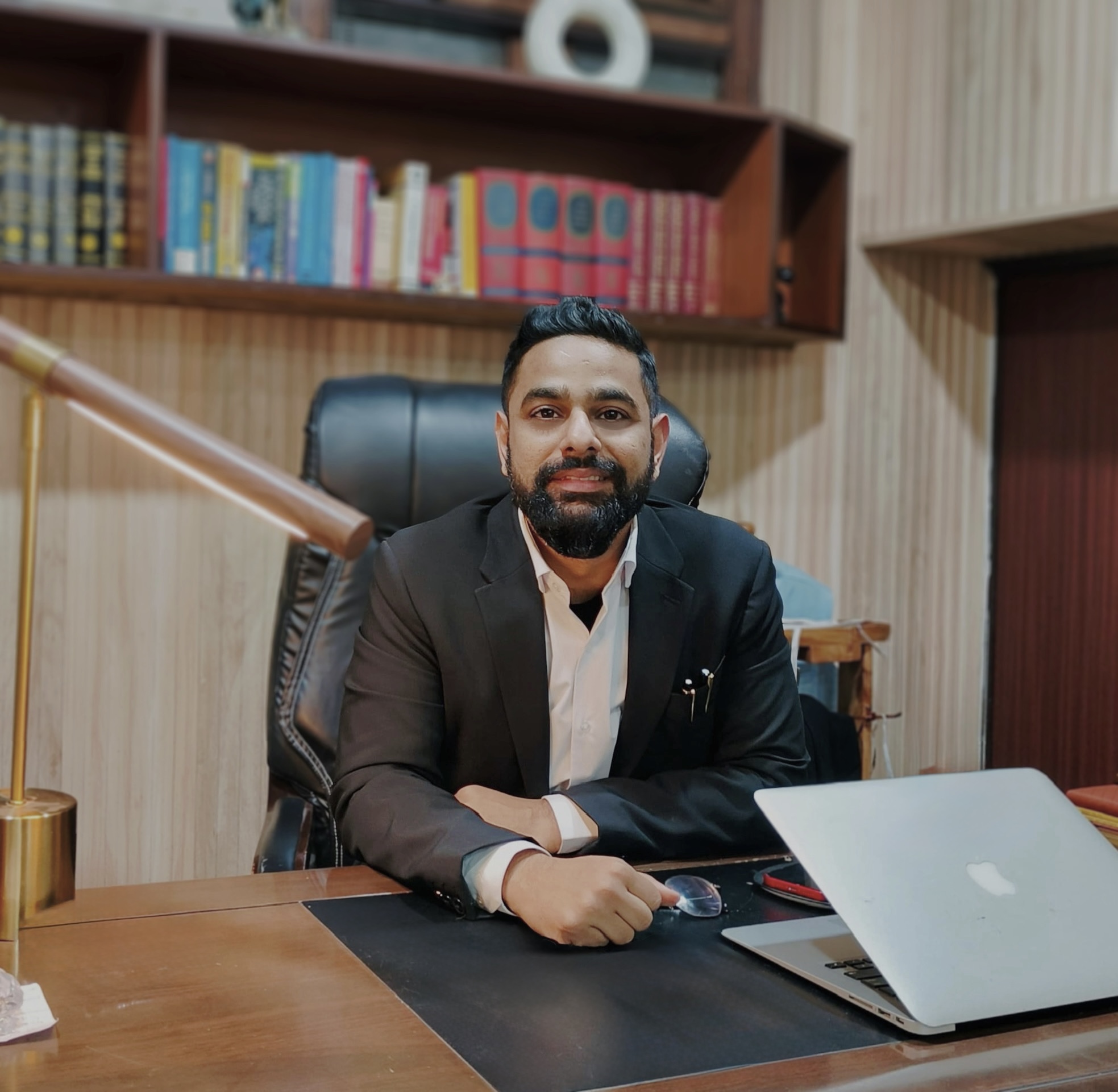
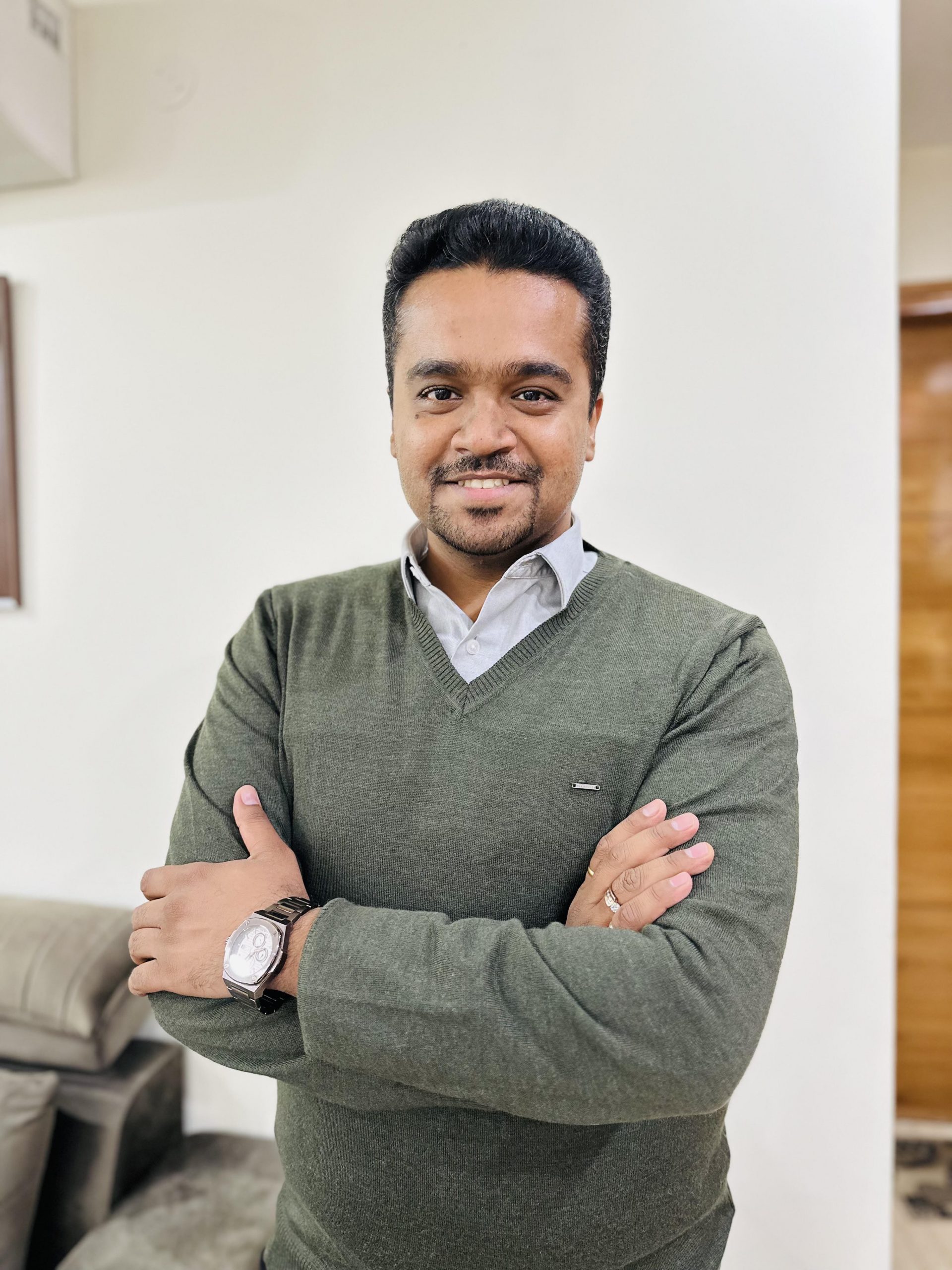










 Allow notifications