With over 14 years of experience in corporate and banking litigation, what initially motivated you to pursue law as a career, and what early experiences strengthened that decision?
My interest in law was sparked quite early, I was drawn to the way legal frameworks shape real-world outcomes. I found the intersection of reasoning, language, and impact particularly compelling. What truly cemented my decision, however, were my early internships and court visits during law school. Watching senior advocates argue complex matters and observing how legal strategy could influence the course of businesses and individuals made me realize that this was a profession where intellectual rigor meets tangible change.
In your early years with law firms, what experiences shaped your understanding of banking laws and guided you toward this specialization?
In my formative years at leading law firms, I had the opportunity to work closely on recovery actions and regulatory compliance matters for major banks. My involvement with corporate recovery teams gave me a ground-level understanding of how financial institutions operate, where the friction points arise, and how legal intervention can create both risk mitigation and strategic advantage. These experiences naturally drew me toward banking, corporate and financial litigation, a field that demands precision, meticulous research, commercial awareness, and long-term perspective.
Having worked extensively with banks, corporates, and financial institutions, what do you see as the most pressing challenges businesses face today in managing disputes and compliance?
Today, businesses operate in an environment where regulatory frameworks and expectations are rising faster than internal systems can adapt. Disputes often arise not just from contractual breaches but from operational gaps, inadequate documentation, and ever-evolving regulatory landscapes. The most pressing challenge I see is the lack of proactive legal risk mitigation & management. Many entities still view legal strategy as a reactive tool rather than an integrated business function, which leads to avoidable disputes, compliance lapses, and reputational risks. As the saying goes ‘prevention is better than cure’.
You’ve also advised on digital and social media laws, as well as data privacy. How do you see these evolving areas influencing the future of corporate legal practice in India?
Digital regulations and data privacy are no longer niche concerns, they’re becoming central to corporate strategy. With the Digital Personal Data Protection Act and increasing regulatory oversight, companies must build data governance and responsible handling into their core structures. Social media presence, influencer marketing, and tech platforms are creating entirely new legal questions around liability, consent, intellectual property and reputation. I believe corporate legal practice in India is at an inflection point where traditional commercial law will increasingly overlap with technology, media and communication laws, and lawyers will need to re-equip and upgrade constantly.
What inspired you to establish Simpli-Counsel, and how does your approach to advising startups, Gen Z entrepreneurs, and corporates distinguish your consultancy?
Simpli-Counsel was born out of a simple observation: many startups, Gen Z founders, and even established businesses need practical, clear, and commercially aligned legal advice — not just legalese. After years of working with large institutions, I wanted to build a consultancy that bridges structured legal strategy with the agility that modern businesses require. Our approach is deliberately collaborative and solutions-oriented. We focus on simplifying complex legal frameworks so that founders and business teams can make informed decisions swiftly, without feeling overwhelmed by jargon or legal process.
Looking back, what has been one of the most complex or high-stakes matters you’ve handled, and what were your key learnings from it?
One of the most challenging matters I’ve handled involved a multi-jurisdictional recovery action for a consortium of banks against a large corporate borrower. The case involved layered security structures, parallel insolvency proceedings, and regulatory sensitivities. Navigating this required not only deep legal analysis but also constant coordination between stakeholders across jurisdictions. My key takeaway was the importance of strategic clarity and communication — aligning diverse teams behind a coherent legal roadmap can often make the decisive difference in complex disputes.
In your transition from working with established law firms to building your own consultancy, what have been the biggest challenges and most rewarding aspects?
The transition from structured law firm environments to building my own practice has been both demanding and deeply fulfilling. The biggest challenge has been stepping out of established institutional systems and creating operational, branding, and business development structures from the ground up. But the reward has been immense: the freedom to shape a practice aligned with my values, the ability to work closely with clients as strategic partners, and the joy of seeing the building something authentic and future-oriented.
Data privacy is becoming increasingly critical. What practical advice would you give startups and entrepreneurs on mitigating legal risks early, especially in this domain?
Startups often underestimate data protection until they face a regulatory hurdle or breach. My advice is: embed privacy-by-design early on. Map what data you collect, define clear consent processes, implement basic security hygiene, and assign responsibility for compliance. Even simple steps like robust terms of service, privacy notices, and access protocols can dramatically reduce risk. More importantly, build a culture of respect for data & privacy — because in today’s world, trust is currency.
What vision do you hold for the future of your practice, and what guidance would you offer younger professionals aspiring to build careers in data privacy and banking law?
My vision for Simpli-Counsel is to build a modern, agile legal advisory practice that combines deep subject expertise with empathy for how businesses actually function and not how they should. I see tremendous opportunities at the intersection of corporate,technology, and regulation, and want to help clients navigate this evolving landscape with clarity and confidence.
For young professionals, my advice is twofold: develop strong foundational legal skills, andstay curious about emerging areas like fintech, data privacy, and digital laws. The future belongs to lawyers who can blend legal acumen with strategic foresight and adaptability.
Beyond your legal career, you are passionate about heritage crafts, travel, and fitness. How do these interests help you maintain balance and perspective in your professional journey?
Law can be an intense profession, and for me, travel, heritage crafts, and fitness offer grounding and perspective. Exploring crafts connects me to India’s rich cultural fabric, travel fuels my curiosity and adaptability, and fitness keeps me focused and energized. These interests remind me that while our work is serious, our growth is richer when we remain open, balanced, and inspired by the world beyond our desks.
Having graduated from NUALS, Kerala, and starting your practice directly before the Hon’ble Supreme Court of India, what inspired you to pursue such a high-stakes litigation career so early on ?
My decision to pursue litigation particularly by starting directly at the Supreme Court was rooted in both personal ambition and the exposure I received during law school. Coming from a first-generation legal background, I didn’t have familial connections in the profession. That absence could have been a limitation, but in many ways, it became a motivator.
A key factor that empowered me was the strong support of my family, especially my elder brother. His advice and encouragement played a crucial role in helping me make bold career decisions, including the step to begin my practice at the apex court. His belief in my potential gave me the confidence to pursue a path that was unconventional and challenging.
During law school, I had the opportunity to intern with a diverse set of accomplished lawyers. These experiences offered me valuable exposure to different styles of practice and deepened my understanding of litigation as more than just dispute resolution. I saw firsthand how litigation can serve as a powerful tool—not just for individual justice, but for broader policy reform and societal impact.
What truly attracted me to litigation was its intellectually rigorous nature. It demands more than a sound understanding of the law; it calls for strategic thinking, creativity in argumentation, and a deep sense of ethical responsibility.
Starting out at the Supreme Court was undoubtedly intimidating, but it gave me a unique opportunity to engage with complex, high-stakes matters early in my career. I was able to learn directly from senior advocates and constitutional experts. While building a reputation from scratch came with its own set of hurdles, the process made me more resilient, disciplined, and committed to the principles of justice.
What were some key challenges and lessons you learned while transitioning from working with an Advocate-on-Record to establishing your own practice in 2016, and later founding Scripta Lex Law Firm in 2018?
The transition was both challenging and transformative. One major hurdle was building a client base from the ground up. As a first-generation lawyer, I lacked industry connections and had to rely solely on the quality of my work and my ability to earn trust.
Running an independent practice also introduced me to the administrative side of law—budgeting, staffing, operations, and more. Shifting from solely legal work to managing a full-fledged firm required developing a new skill set quickly.
The most valuable lesson I learned was the importance of building and nurturing relationships. In the absence of a network, I made a conscious effort to connect with senior counsel, peers, and clients. Legal expertise is essential, but trust and communication are what sustain a practice.
Running my own firm has also taught me to take full ownership of every case. Beyond legal strategy, I now consider a client’s broader goals and circumstances. It’s given me a holistic approach and a deeper understanding of how to lead both in the courtroom and within my firm.
As a qualified Advocate-on-Record (AOR), what are the unique responsibilities that come with the role, and how do they affect your practice?
Being an AOR comes with significant responsibility. Only AORs have the right to file documents before the Supreme Court, which means every filing must be flawless in terms of format, compliance, and timing.
As an AOR, I’m also the official point of contact between the client and the Court. This means that my role extends beyond documentation, I must ensure that clients are informed, and expectations are managed appropriately.
This responsibility has enhanced my attention to detail and refined my organizational skills. It has also deepened my appreciation for the precision and professionalism that the Supreme Court demands, ultimately shaping me into a more disciplined and reliable practitioner.
You have significant experience across varied forums, Supreme Court, High Courts, NCLT/NCLAT, NCDRC, and more. How do you approach such diverse jurisdictions and areas of law? Which field has evolved the most in the last decade?
Each forum requires a distinct approach. At the Supreme Court and High Courts, cases often involve constitutional or public interest elements. These require legal foresight and arguments that resonate at a policy level.
In contrast, corporate forums like NCLT/NCLAT demand a deep understanding of statutory frameworks like the Insolvency and Bankruptcy Code (IBC). I frequently collaborate with financial experts to address the commercial realities involved.
In the NCDRC, which deals with consumer disputes, the emphasis is on practical solutions and timely resolutions. These forums call for clarity, efficiency, and client-centric approaches.
Among all, Insolvency Law has evolved the most over the past decade. The IBC has transformed corporate debt resolution in India. As it continues to evolve through amendments and judicial interpretation, staying updated and agile is crucial.
Consumer Law has also seen major developments, especially with the growth of e-commerce. The introduction of the Consumer Protection (E-Commerce) Rules, 2020, reflects this shift and has changed how we approach digital consumer disputes.
Navigating these forums successfully demands continuous learning, adaptability, and cross-disciplinary collaboration.
With your expertise over various aspects, can you share a defining case that shaped your outlook on litigation?
One defining case was a complex corporate insolvency matter under the IBC before the NCLT. The company in question had multiple stakeholders—each with competing interests. The legal issues were intricate, but so were the financial and strategic considerations.
What made the case significant was its timing, it occurred when the IBC was still evolving. We were navigating uncharted waters, relying on fresh judicial interpretations and creative legal solutions.
This case reinforced my belief that litigation isn’t just about resolving disputes; it’s about contributing to systemic and economic recovery. Lawyers play a vital role in shaping not only legal outcomes but also financial futures and social stability.
What gaps do you see in consumer awareness, and how should the Consumer Protection framework evolve?
A major gap lies in the lack of awareness, especially in rural and underserved areas. Many people don’t know their basic consumer rights or how to seek redress. Even in urban areas, legal processes can seem intimidating and inaccessible.
With digital commerce, new challenges like cross-border transactions, misleading ads, and jurisdictional issues have emerged.
To address these, the framework must evolve by:
Expanding legal literacy through targeted outreach programs
Simplifying online complaint processes
Strengthening digital consumer protection mechanisms
Enhancing enforcement to ensure timely justice
Creating user-friendly forums for efficient dispute resolution
Improving access and responsiveness will help make the system more inclusive and effective.
How do you balance pro bono commitments with your commercial practice?
For me, pro bono work is not just a commitment, it’s a principle. I believe access to justice should never be determined by one’s ability to pay.
Balancing both requires discipline. I set aside dedicated time and ensure that pro bono matters are managed with the same attention as commercial cases. In fact, these cases often sharpen my empathy and creativity, enriching my approach to complex commercial matters as well.
Pro bono work reminds me why I chose this profession—to make a meaningful impact. It grounds me and enhances the human side of my legal practice.
Where do you see the greatest opportunities for young legal professionals today?
There’s immense opportunity in emerging areas like data privacy, technology law, and insolvency law. With growing digital transactions and evolving privacy concerns, lawyers with expertise in tech-law intersections are in high demand.
The IBC continues to offer opportunities in corporate restructuring, cross-border insolvency, and distressed asset resolution.
Young lawyers should focus on:
Staying updated with legal-tech trends
Carving niches in emerging fields
Embracing specialization
Building digital fluency alongside legal expertise
Those who adapt early to these trends will be best positioned to lead the future of legal practice.
What advice would you give to law students or young advocates entering litigation?
Master the basics: Strong fundamentals are your best asset.
Seek mentorship: Learn from seasoned lawyers—it shapes your growth.
Be patient: Litigation is a long journey; focus on consistency and credibility.
Build relationships: Clients value trust, not just technical knowledge.
Work in teams: Collaborative success is sustainable success.
Use technology: Legal tech enhances efficiency and reach.
Specialize and build focus: Develop niche expertise to differentiate yourself. Alongside this, cultivate the habit of reading books—legal and otherwise. Deep reading enhances comprehension, critical thinking, and focus in a way that passive scrolling through social media never can.
Take care of yourself: Mental and physical well-being are vital for long-term growth.
And most importantly stay curious, stay ethical, and stay resilient. Litigation rewards those who show up, stay prepared, and work with purpose.
With over 15 years of experience in Corporate Law and Litigation Management, how have you observed the evolution of India’s corporate legal landscape, particularly with the emergence of tech-driven businesses?
Thank you for the question. Over the past 15 years, I’ve witnessed a remarkable transformation in India’s corporate legal landscape.
In the earlier years, the focus for most corporates was largely on traditional compliance — company law filings, ROC, SEBI regulations for listed entities, and occasional contract disputes. Litigation was also relatively straightforward, often revolving around shareholder disputes or debt recovery.
However, with the emergence of tech-driven businesses — be it startups, e-commerce platforms, fintech, or now even Web3 and blockchain ventures — the ecosystem has evolved dramatically. We’re seeing much more dynamic areas of law now shaping up, such as data privacy, cyber security, intellectual property monetization, intermediary liabilities, and cross-border tax structuring.
At the same time, the courts and regulatory bodies have also come a long way“. There’s been a sharper emphasis on codifying norms, like the introduction of the IBC, the data protection regime that’s taking shape, and robust SEBI frameworks for tech IPOs. The judiciary, too, has embraced digital filings, virtual hearings, and has shown more readiness to adapt to the business exigencies of tech companies.
From a litigation management standpoint, disputes have become more complex — involving intricate shareholder agreements, IP enforcement, regulatory investigations, or even white-collar compliance matters. We now often have to advise clients not just on ‘law’, but also on risk mitigation strategies involving technology platforms and data footprints.
In short, the evolution has been from a largely form-driven, compliance-heavy environment to a more nuanced, strategy-focused, tech-sensitive legal landscape. And as practitioners, we’ve had to upgrade continuously — whether it’s understanding how smart contracts work or guiding clients on digital evidence and cybersecurity incident responses.
What initially inspired you to pursue a career in law and how has your background as a Company Secretary strengthened your legal practice particularly in the areas of corporate governance and compliance?
Right from the initial stage of my career, I was drawn to how law shapes businesses and society. The idea of using legal knowledge to solve complex strategic problems and enable organizations to grow responsibly truly inspired me.
My background as a Company Secretary has been a huge advantage. It has given me a deep, practical grounding in corporate governance, statutory compliance, and regulatory frameworks. So when I handle litigation or advisory matters, I don’t just look at them as disputes or transactions, but also ensure they align with sound governance and compliance practices.
This dual perspective helps clients not only tackle immediate legal issues but also build stronger, compliant businesses in the long run.
What inspired your involvement in POSH awareness, and how do you approach training with sensitivity and impact? Additionally, what are the major challenges you have to deal with while spreading awareness relating to POSH?
I’ve always believed that a truly successful workplace is not just legally compliant, but also safe and respectful for everyone. That’s what inspired my involvement in POSH awareness. It’s an area where legal compliance directly shapes people’s everyday dignity and confidence at work.
When I conduct POSH training, I approach them with a lot of empathy and practical examples. It’s important to go beyond the text of the law and address real scenarios, bust myths, and encourage open dialogue so participants genuinely understand the spirit behind the Act.
One major challenge is overcoming the hesitation or awkwardness people often feel around this topic. Many fear it’s only about punishment or blame. So, I focus on normalizing conversations about respectful behavior, clarifying rights and responsibilities, and building trust — which ultimately help foster a healthier work culture.
In your experience in handling Cybercrime and Intellectual Property disputes, what are some of the most critical risks businesses face today, and how can they establish strong preventive frameworks?
From my experience with cybercrime and IP disputes, two of the biggest risks businesses face today are data breaches which can expose sensitive customer or trade data and infringement issues, especially with brands and digital content being copied or misused online.
Cyber risks have grown with increased digitization, remote work, and online data space dependency. Similarly, with global markets and e-commerce, protecting trademarks, software, and proprietary content is now far more complex.
To build a strong preventive framework, I always advise businesses to invest in robust data security policies, regular employee training on phishing and cyber security hygiene, and to have clear incident response plans. On the IP side, timely registrations, vigilant monitoring for infringements and well-drafted contracts covering ownership and licensing rights — are critical.
In short, prevention is far more cost-effective than crisis management, whether it’s through internal audits, tech safeguards, or proactive IP protection.
You’ve led several compliance audits and risk mitigation initiatives. What are some common legal oversights organizations tend to make that could lead to long-term liabilities?
A few common oversights I’ve seen repeatedly are:
Lack of proper executed contracts or poor drafting which does not cover some very critical areas which often leads to litigation at later stage
Not updating statutory registers, policies, or board resolutions in line with evolving laws which creates gaps visible during due diligence.
Overlooking related party transactions and not maintaining proper documentation, this can lead to serious regulatory scrutiny.
Failing to robustly implement POSH or data privacy norms, treating them as formality rather than embedding them into workplace practices — this often surfaces later as litigation or reputational damage.
Ultimately, many organizations focus heavily on firefighting current issues but don’t invest in building a strong compliance culture. That’s where long-term liabilities quietly accumulate. Through audits and risk reviews, my aim has been to identify these blind spots early, so they can plug gaps before they escalate into major exposures
Reflecting on your early career experiences across various companies, which lessons or moments significantly shaped your legal perspective and continue to influence your practice today?
In my early years working across different companies, one lesson that stayed with me is how critical it is to understand the business first, not just the law. I saw situations where technically perfect compliance still failed because it didn’t fit the commercial realities or missed the human aspect.
Another defining moment was handling my first complex board dispute. It taught me that beyond statutes and contracts, corporate law is often about managing relationships, trust, and strategic communication.
These experiences shaped my approach today: I try to be a solution-oriented advisor who aligns legal strategies with the client’s larger business goals, while always being mindful of governance and long-term risks
As someone committed to both legal reform and social justice, what are your long-term aspirations for your firm and your role in the legal profession?
My long-term vision is to build a practice that’s not just known for strong technical expertise, but also for driving meaningful impact whether that’s through shaping better compliance cultures in companies, supporting alternate dispute resolution to ease systemic burdens, or contributing to causes like workplace dignity through POSH awareness.
For me personally, it’s also about mentoring the next generation of professionals, fostering an environment where ethical, business-focused, and socially conscious lawyering becomes the norm.
Ultimately, I’d like our firm to be seen as a trusted partner that helps businesses grow responsibly while also championing legal reforms and social justice initiatives that make workplaces and markets fairer and more transparent
Having established a firm that offers litigation support across the country, what were the key challenges in building such an extensive associate network? How do you manage the demands of leadership while maintaining personal well-being?
Building a pan-India associate network came with its own challenges ensuring consistency in quality across different jurisdictions, aligning varied local practices with our firm’s standards, and cultivating trust so associates truly function as an extended part of our team.
It required a lot of groundwork: clear processes, regular communication, and investing time in relationships beyond transactions.
As for balancing leadership demands with personal well-being, I’ve learned to prioritize delegation and build capable teams who take ownership. I also set aside time for short breaks and personal pursuits which actually makes me more effective and present when I’m back at work.
Ultimately, I see leadership not just as driving results, but creating an environment where both the team and I can grow sustainably.
Your academic trajectory from B.Com (Hons.) to Law, Company Secretaryship, and an M.Com reflects a strong interdisciplinary foundation. What inspired you to pursue both law and the CS qualification simultaneously, and in what ways has this combination given you an edge in advising clients on matters of corporate governance, regulatory compliance, and financial structuring?
From the very beginning, I was drawn to the intersection of law, commerce, and corporate governance. Pursuing Company Secretaryship alongside my legal studies was a conscious decision as it allowed me to build a foundation that wasn’t just legally sound, but also rooted in financial and regulatory nuances. This interdisciplinary approach has been extremely helpful, especially in matters involving corporate litigation, insolvency, and compliance. Clients often benefit when legal advice is well-integrated with an understanding of statutory filings, boardroom dynamics, and financial frameworks. I’ve also noticed that having both an LLB and CS qualification adds to my credibility in the eyes of clients. They feel more assured that their legal matters are being handled with a broader understanding of business and compliance.
During your time with Advocate-on-Record Abhinav Shrivastava, you worked on several significant matters, including cases involving medical negligence, public infrastructure, and high-stakes regulatory disputes. Which of these experiences had the greatest influence on your legal mindset or courtroom confidence, and why?
Each case taught me something unique, but one that stands out was the medical negligence matter which ultimately led the Delhi High Court to direct the Medical Council of India to frame sentencing guidelines against doctors. The case was layered with complex medical facts and touched deeply on issues of public interest and human emotion. Working under the guidance of Mr. Abhinav Shrivastava in this matter was instrumental. He gave me the opportunity to argue before the Supreme Court in the very first year of practise. His clarity of thought, meticulous approach to drafting, and strategic vision shaped how I began to understand litigation at a deeper level. Observing how he navigated the matter and collaborated with senior counsel not only sharpened my legal thinking but also instilled in me the confidence and discipline required in court, something no textbook alone can provide.
You also contributed to the due diligence process for a major international brand like Burger King. How did this corporate compliance role differ from your litigation work, and what insights did you gain into global business operations and cross-border regulatory frameworks through that engagement?
That engagement was eye-opening. While litigation often focuses on resolving disputes, due diligence work is more about anticipating and mitigating future risks. Working at Burger King allowed me to see the meticulous backend of corporate transactions: compliance checks, property evaluations, and regulatory assessments. It gave me a global perspective on how multinationals approach legal risk and localization, which I now carry into advising Indian startups.
Since embarking on your independent practice and founding Maximus Legal , you’ve handled a wide variety of matters before bodies like the NGT, NCLT, and the Supreme Court. What have been the most significant challenges and turning points during this journey? What initially motivated you to take the leap and establish your own firm?
Starting my own firm was less about ambition and more about purpose. I wanted to build a practice rooted in accessibility, integrity, and multidimensional legal service. The biggest challenge was transitioning from being an associate to becoming a first point of contact for clients. The turning point came when I successfully argued for a client in a habeas corpus matter involving child custody, a deeply sensitive issue that reaffirmed my decision to take this path. Founding Maximus Legal has allowed me to offer end-to-end solutions across practice areas, with a team that shares this commitment.
Your experience spans a wide legal spectrum from consumer protection and matrimonial cases to environmental litigation and complex insolvency proceedings. Could you share one particularly challenging case that tested your legal acumen or professional resilience?
One of the most challenging cases was representing a group of industries before the NGT, Principal Bench regarding the air quality of my hometown Mandi Gobindgarh, Punjab. Balancing environmental concerns with the economic realities of industrial stakeholders required not just legal knowledge, but nuanced negotiation and strategy. The matter demanded extensive groundwork, collaboration with technical experts, and the ability to argue for sustainable solutions. It was a test of endurance, but also of finding balance in public interest litigation.
Having facilitated over 50 trademark and 25 copyright registrations including international filings you’ve built a solid IP practice. In your experience, what are the most common hurdles startups and individuals face during the IP registration process, and how can these be effectively addressed from a legal strategy perspective?
Many startups underestimate the value of early IP protection. The most common hurdles include inadequate documentation, lack of awareness about global classifications, and conflicts with existing trademarks. I believe the solution lies in proactive education. At Maximus Legal, we guide clients from day one, not just in registration, but in building an enforceable brand identity. International filings also require understanding treaty frameworks like the Madrid Protocol, which many startups overlook. Strategic foresight, coupled with clear documentation, can save significant time and costs down the line.
Now leading your litigation practice and having cleared the Advocate-on-Record exam, what guidance would you offer to young lawyers hoping to build a career path similar to
yours? What specific skills, values, or tools have proven vital to your growth and long-term success?
The most valuable skill is consistency, whether in drafting, client communication, or court appearances. Young lawyers often look for shortcuts, but the law rewards diligence and depth. I would also stress the importance of mentorship, both formal and informal. Working under experienced professionals taught me discipline and nuance. Tools like legal research databases, structured daily schedules, and clear documentation habits have helped me immensely. Above all, maintaining integrity, doing the right thing even when no one is watching, has been a guiding value.
Could you walk us through your experience of preparing for and clearing the Advocate on-Record examination? How has achieving AOR status influenced your professional standing and the scope of your legal practice?
Preparing for the AOR exam was rigorous. It required not just legal knowledge but also the ability to think practically under pressure. I had to revisit core procedural law, refine my drafting, and understand the unique ethos of Supreme Court practice. Clearing the exam has been a milestone. It has enhanced client trust and opened doors to file directly before the apex court. Interestingly, I’ve noticed that people look at you a little differently when they hear you’re an Advocate-on-Record, it carries a sense of credibility and seriousness in the legal community. More than anything, it’s a personal reminder that persistence and preparation truly pay off.
High-stakes litigation is often intense and time-consuming. How do you maintain balance between the demands of your profession and your personal life? Has your approach to well being, stress management, or time allocation evolved throughout your career?
Yes, it has evolved a lot. In the early days, I was constantly on edge, running from court to office and barely taking time off. Over time, I realized that burnout doesn’t serve anyone. I now prioritize structured schedules, take short breaks, and occasionally unplug completely to reset. Being in court almost every day is demanding, but creating boundaries and nurturing personal interests, like travel or spending time with family, keeps me grounded.
Your impressive journey in the legal field is truly inspiring. Whatfirst motivated you to pursue a career in law, and were there anypivotal moments or formative experiences that influenced yourdecision to embark on this path?
My introduction to law was due to my father. He was in the administrative services. While in service, he was posted as an Additional Collector in Pune. The charge required him to conduct appeals arising from revenue authorities. I would see him study the case, read law, dictate orders, which fascinated me. He would often say that having knowledge of law is extremely crucial for every citizen and empowering. That stuck with me.
I was always interested in social science and hence took up Arts stream in junior college. Those two years in Ferguson College, Pune, helped me gain a basic understanding of what law as a subject would entail. I had a wonderful professor of Political Science in Fergusson, she motivated me to study law. Fergusson also conducted lectures and talks by luminaries in the profession, which further inspired me.
With a decent score in 12th board exam and with a State Scholarship, I qualified for admission in the prestigious ILS, Pune.
Your decision to pursue an LL.M. in Corporate Law at Queen MaryUniversity in London is a remarkable step in your career. Whatspecifically attracted you to this area of specialization, and how didyour experience there differ from studying in India? Could you shareany memorable moments from that time?
Subjects such as corporate governance and investment in developing countries were of particular interest to me. So I decided to explore further through a Masters program. Queen Mary, University of London, had one of the best LLM programs.
When I went there, the college offered induction sessions, offering the students to attend classes of all subjects and then take a final call. Having attended various lectures and upon having a basic understanding of the structure and the modules, I decided to opt for LLM in Corporate Law, which included corporate governance and investment in developing countries.
Exposure to a different education system was interesting, as it promotes deeper understanding of the subject, with extensive reading lists. The attempt is to introduce a student to both sides of any given concept and promote analytical thinking. London is a melting pot of international students, interaction with people from diverse backgrounds gives you perspective and appreciation for ideas and expressions of a problem.
The techniquesI learnt during LLM, of reading and research, continue to help me in practice as well.
Your career has clearly been shaped by a wealth of experience. In theearly stages of your professional journey, what were some keyexperiences that helped refine your skills, particularly in ArbitrationLaw, and deepened your understanding of the field?
I was introduced to arbitral proceedings quite early in my career. In my experience, one should not confine oneself to only a particular subject of law. A holistic experience is necessary, especially court appearances and knowledge of trial. What truly helped me was observing hearings in Court Rooms. The lessons one can take away by simply sitting in court and observing court proceedings are massive.
Having been involved in a variety of suits, writ petitions, and trials,your diverse experience speaks volumes. Which case stands out asone of the most interesting, and how did you navigate it?
One of the cases which I dealt with, in early years of my independent practice, was that for Wardha Municipal Council. The issue involved was regarding a works contract and whether the disputes arising out of a work contract can fall within ambit of MSMEDAct,2006. The stage at which the brief came to me was when the order of the lower court rejecting relief under Section 9 Petition was stayed by the Hon’ble High Court. When I read through the papers, I engaged with the executive engineer, who was in charge of the project on behalf of the Council and tried to understand how the contract actually worked. Having realised that it was a composite contract, I re-visited the legal definition of the term “works contract” and the jurisprudence regarding the same. The jurisprudence on the issue was settled by a judgement of the Hon’ble Apex Court and the Hon’ble High Court Bombay, observing that a works contract is a composite contract and hence will not be governed by provisions of the MSMED, Act, 2006. The other issue involved was whether an MSME can take benefit of the MSMED Act, retrospectively, as it registered itself after being awarded the contract. The matter was heard extensively and the Hon’ble Court was pleased to hold in my favour. Subsequently, various High Courts followed the said judgement.
What was interesting about the matter was the research aspect as also the interest I developed in understanding the MSMED, Act, 2006. The Act being an important and beneficial piece of legislation, I was intrigued by it and by researching more, I have also dwelled into writing articles on varied aspects of the MSMED Act.
With your extensive background in handling numerous arbitrationmatters, what do you foresee for the future of arbitration in the country,and how do you see technology influencing the ADR process and itsmechanisms?
I believe that given the current socio-economic status of our country, globalization and with the aim is to make our country a hub/center for international arbitration, the scope and importance of ADR process is going to be massive. Another reason is the fact that it is less time consuming and cost effective. Speaking of commercial disputes, with compulsory pre-mediation requirements under the Commercial Courts Act, 2015, I have seen a large number of commercial disputes being settled at pre-mediation stage. May it be commercial disputes or private disputes, the parties involved will always prefer an effective solution to their problems, which is offered by ADR. Having said that, it is also necessary that institutional arbitrations and mediations are promoted. The advantage that such institutional centers would hold, is availability of technical experts, who can help resolve issues in an effective manner.
Technology and its development has been positively impacting all professions, including the legal profession. Post COVID-19, the comfort and ease in conducting proceedings virtually, has grown immensely. The same is convenient and cost effective. Technology has also given impetus to ODR (Online Dispute Resolution) and one can see a rise in ODR.
Your role as a visiting professor at both NUJS and Government LawCollege Mumbai adds an incredible dimension to your already impressivecareer. What motivated you to take on this role, and how does itcomplement your independent legal practice?
During COVID 19 and the Lockdown, I had an opportunity to co-author an article with a friend of mine, which was carried in the Asian Business Law Journal. It was this article which caught the attention of one of the members of NUJS and they approached my friend and me to conduct lectures.
May it be NUJS or GLC, Mumbai, in both the cases I realised that students are extremely well read and aware. The Internet facilitates immediate access to information. The only edge a lecturer has, is the practical experience of how law is interpreted and applied by Courts of Law.
While preparing for the lectures, I referred to various commentaries and reading materials, which helped me brush up my knowledge. The experience has been extremely enriching. I have thoroughly enjoyed it.
Given your wealth of experience across various areas of law, youradvice would undoubtedly be invaluable to aspiring legalprofessionals. What guidance would you offer to students looking tobuild a successful career in law? Are there specific resources orstrategies you would recommend?
Over the years I have realised that litigation requires a lot of persistence, reliance and tests you at all times. However, it is one of the most satisfying professions.
My senior Mr. M.M. Vashi (Senior Advocate), would always stress on the necessity of reading your brief cover to cover and have a thorough research. He would always maintain that the skill of a lawyer always lies in sticking a fine balance between being an officer of the court and presenting your case persuasively. The fear of the outcome is natural but that shouldn’t deter you from putting forth your case in the best and the most fair manner possible.
This advice continues to guide me as an independent practitioner.Observing and hearing court proceedings is another excellent way of learning both the law and court craft.
Throughout your distinguished career, what strategies have you used tomaintain a healthy work-life balance? What advice would you give toothers striving to balance their professional ambitions with personalcommitments?
It’s extremely important to have a supporting family and good friends, both , within and outside the profession. My family has always been a motivating and an anchoring factor in my life.
During down time, especially on a Friday evening, my other lawyer friends and I often go out to explore different cafes in the city.
I am personally a great believer in leading a healthy lifestyle and having a dedicated fitness regime. My workout sessions are like mediation for me. It not only helps as a stress buster but is also refreshing. I truly believe that if one is looking for longevity in any profession a healthy body and mind is crucial. It brings in the required discipline, a sense of routine and dedication, essentially, all attributes necessary for a steady career, in whichever opted field.
I would surely recommend making concrete efforts in carving out some “me time”, honing a hobby, which helps you unwind and refresh.
Given your distinguished and extensive legal background, could you share what initially sparked your passion for the law? Was there a particular defining moment or experience that influenced your decision to pursue this path, or did your interest gradually develop over time? Additionally, how would you reflect on your time at NUSRL in shaping your legal journey?
Just like any other student fresh out of school, I was clueless as to what to pursue as a career. In my family, everyone had pursued different areas of interest with Noah’s arc being my grandfather, Mr. Jaluram, who himself was a senior advocate and one of the founding members of the Rajasthan High Court Bar at Jodhpur. He started practicing law in the year 1956 along with legal luminaries and politicians like Nathuram Mirdha and many more. His reputations transcends generations and his social connectivity which initially inspired me to pursue law with added guidance by my elder brother Mr. Chakra Vardhan Singh who introduced me to CLAT. I think the decision to pursue law was innate in me as I always had curiosity to understand the logic behind legality and illegality, law enforcement and its interpretations and checks and balances of the Executive. This inquisitiveness with legacy factor always led my inclination towards pursuing the law.
Reflecting back on my legal journey and role at the National University of Study and Research in Law (NUSRL), Ranchi requires altogether a complete day. It was an exhilarating experience and complete college life I could have asked for. Those five years were not only the blessings but also gave full authority to be responsible and drive my life to the present day. During those five years, with the supportive faculties, we as one of the foundation batches had privilege and autonomy to pursue everything of our interest including Moot, MUNs, Debates, Research, field visits. Though we had privileges, we had our fair share of challenges as well including funds shortage of university, lack of permanent campus initially and ever changing hostel addresses, lack of alumni base and much more. During those five years, classmates became friends who are now family, had kept my interest in the law and to develop the same in times to come. I am so grateful and thankful for each and every one at NUSRL who have in their unique way contributed in the journey. Navigating those five years with such wonderful experiences has been a blessing for the lifetime and have paved my career path.
Following your graduation, you pursued a master’s degree in corporate and commercial law. What motivated you to specialize in this particular area, and how has this specialization influenced the trajectory of your career?
Since I had decided to pursue litigation and more specifically in the field of corporate and commercial law it was imperative to further pursue a master’s degree in corporate and commercial law. Therefore it required special and technical skills, knowledge which would go along with my area of interest and also I joined master’s degree to live college life again. It was a very enriching experience to pursue master’s degree having practical knowledge in hand and at the same time active academic discussions with the faculties. It was also an experience through which I came across other like-minded people from different backgrounds who ultimately helped in getting diverse opinions on certain topics. I aspire for more academic pursuit in the times to come.
Looking back at the early stages of your career, particularly during your tenure as in-house counsel at Wipro, what key experiences significantly enriched your understanding of the law? How did these formative experiences shape the direction and trajectory of your professional journey?
To find myself interning in Wipro with their Consumer Care and Lighting Division was true serendipity for law student like me. It had a very strong impact on trajectory of my career and if given the chance to repeat one experience, my first priority would be interning at Wipro. I had very supportive and informative sessions from legal team of Wipro including Mr. Sudipta Mukherjee (presently in legal counsel at Daimler-Mercedes), Mr. Amit Mathur (presently legal counsel at Amway), Ms. Rovena David (presently legal counsel at Titan), Mr. Vishal Mittal (presently consultant at Tattvika) and Mr. Manoj Jain (Ex- General Counsel – Wipro Enterprises). Admittedly, it was the perk of being the youngest in the team and fresh out of college that these mentors helped in shaping my career and enabling me to take independent decisions.
Each one of them provided me with the exposures at an early stage of my career by sharing their valuable experiences, enabling me to interact with top management and board meetings with a lot of guidance to navigate through the first and foremost phase of my career. Experiences at Wipro has led me to where I am today.
Having worked with several companies in an in-house capacity before co-founding your own firm, what prompted you to establish your own practice? Were there any particular challenges or hurdles you encountered during the initial stages of building your firm?
Our law firm, KAY & Partners is not a result of a recent collaboration but the seeds of this project were planted back in his college days (intentionally or unintentionally). It is a dream of every college friend that they must start something together, so that the life we lived during the college days can be continued. Likewise, Akshay Uppal who was a financial planner for our teams during various intra-University league matches and foods fests also happens to be my business partner now. While the same Kushagra Srivastava who survived the terrors of the monkeys all across our Rishikesh trip is also a partner of the same venture. Harshit Singh Sisodia has been a silent but vigilant actor all around. So it is a college love story which has turned into a marriage for lifetime.
To start any project, everyone faces various challenges, we have had our fair share of challenges. The first and foremost challenge we faced was we all four were having been placed in different cities and it was difficult to initialize and plan the roadmap of the firm. Though it was a challenge but there was an opportunity to get together in hindsight. Another challenge we faced was recurring expenses and financial management, but thanks to the Clients we have they were right on time and till today we are holding onto our clients very close to us.
As an experienced litigator in commercial, civil, and criminal law, what have been the most challenging cases you’ve handled, particularly in the domain of intellectual property litigation and prosecution?
In intellectual property matters, every matter is significant and has importance as such matters directly affects the businesses. IP litigations are technical in the sense that until and unless the lawyer does not understand the nuances of the business, it becomes very difficult to litigate in the IP litigations especially Trademark cases. Lower judiciary needs to be sensitised with IP laws as IP litigations are prominently dealt with by only a few High Courts. It becomes very difficult to explain the dynamic nature and concepts of IP laws at a lower judiciary level.
Apart from this acquisition of trademarks and IP is also one of the aspects which require careful due diligence and one over side may result into imperfect title in the IP rights it is equally important to have the preventive actions in place including trademark watches which should protect the trademark rights before it is being spilled over to another entity-in-interest.
To recall, one of the interesting yet challenging cases was during my stint at one of the companies wherein an allegation in respect of trade dress and design infringement coupled with comparative advertisement and trademark tarnishment was central issue in the litigation. As most of the IP litigations are critical and reputational matters for the marketing team, therefore I had to rigorously understand the marketing side of the case and marketing terminologies, concepts of marketing and financial implications of such litigations. At such a nascent stage of my career though it was exhilarating, I also had my restless moments because of the gravity and potential significant impact that such litigations can have on the businesses. Yet again I am thankful to my mentors who enabled me to navigate through such situations and prepare the matter for litigation.
I would like to share another anecdote wherein an acquisition was on the verge of completion however it had come to our knowledge that the trademark that we were acquiring was an encumbered one. This information was missed by our advising reputed Indian law firm and foreign law firm. This information was of the nature which could have terminated the ongoing acquisition proceedings, but we were able to resolve the situation by taking an expeditious route of rectification of records to perfect the title. All in all I must say all experiences and my mentors have taught me how to be business friendly and be businesses’ lawyer rather than minding my lawyers business.
In your experience handling insolvency proceedings, what alternative dispute resolution (ADR) mechanisms do you typically utilize to guide clients through these complex situations? Furthermore, how do you foresee the future of ADR evolving in the Indian legal landscape?
In my opinion it is important to have an effective ADR mechanism in place in this present complex business conditions. It is imperative for a business to thrive in conducive conditions where quick and simplified dispute resolution mechanisms are placed in by the government. One of such ADR mechanisms which has been introduced by the government is under MSME Act, 2006. MSME Act provides for an MSME facilitation cell which can be very crucial for resolution of disputes pertaining to MSMEs. It is important that such mechanisms are effective only if it gets due attention and supervision from government and Higher Courts respectively. MSME facilitation council, if provided considerable support and due acknowledgement, can result in effective resolution of commercial disputes which in effect decreases the burden of Courts which are otherwise engaged and overburdened with other litigations.
As India is aspiring to be one of the biggest economies in the world it needs to have effective dispute resolution mechanisms. Achieving such an ambitious yet needful goal, India must have lucrative, speedy and accessible dispute resolution mechanisms. If need arises, Presiding Officers and Arbitrators must be trained to hear and preside over the disputes of specific natures. Additionally, institutional arbitration can play a significant role in such scenarios. It is highly expected from the government and judiciary to promote and develop a conducive environment for evolution of arbitration and ADR mechanism and jurisprudence. Needless to say it would also require efforts from entire legal fraternity including academicians, in house counsels, lawyers, government officers to promote and help in development of jurisprudence around ADR mechanisms in India
What advice would you offer to aspiring law students who aim to follow a career path similar to yours? What skills or qualities do you believe are essential for success in this dynamic and increasingly important area of law?
The first and foremost advice that I would like to give to inspiring law students aiming to follow or pursue a career path in corporate or as in house counsels in the present set of world would be to engage in the internships and training activities with them. It is equally important to make such internships count and have their presence felt in the organization through their work and dedication which should result in the recurring internship and ultimate engagement with the company. Corporates, law firms, lawyers do not expect thorough knowledge of law from a law student, however it is expected from them to be diligent, faithful and updated in respect of the area of law that they are dealing. In this dynamic and increasingly important area of law I believe and recommend for the young graduates and inspiring law students to stay updated, read and read a lot and first understand the business and the requirements of the business or their Clientele. Once they understand the requirement and the nature of the relief/opinion that they (business or Clientele) expect, gravity or urgency of such relief or opinion, it is important to deliver based on such a requirement to their expectation within the set timelines. In this dynamic and increasingly important economic environment it is equally important to deliver the legal services professionally and at par with global standards.
Balancing a successful career with commitments to public service and education is no easy task. How do you maintain a healthy work-life balance, and what advice would you offer to others who seek to strike a similar balance between their professional ambitions and personal responsibilities?
To be honest it becomes very difficult to maintain public services and personal responsibilities and professional ambitions together. As a lawyer one needs to have a healthy work life balance and at the same time be social. Though it differs from person to person what is their mantra for healthy work life balance, we at KAY and Partners have decided that we should not only offer a healthy work life balance to ourselves as the partners but also to each and everyone associated with the firm. It is equally important that due to such search decisions the interests of our clients are not hampered. Effective delegation and supportive team members at KAY & Partners is paramount to my healthy work life balance. I must thank all present and past teammates for their efforts and support to achieve what we have done today.
With over a decade of experience in law, what initially drew you to this profession? Was it a deliberate choice from the beginning, or did it develop more organically over time? Also, how would you describe your time at National University of Juridical Sciences (NUJS – Kolkata)?
My path to law was a blend of intent and organic evolution, deeply influenced by the strong women in my family. Coming from a lineage where resilience and empowerment were ingrained, I grew up watching my great-grandmother, my grandmother—a dedicated nurse—and my mother, a high school teacher in a small village, fight for their rights and carve their own identities in society. Their strength and determination shaped my worldview and instilled in me the belief that women must assert themselves in every sphere, especially in professions where they are often underestimated.
From an early age, I was acutely aware of how society tends to give less importance to women’s ambitions and careers. However, my parents always encouraged me to be bold, firm in my convictions, and unwavering in integrity. Their teachings laid the foundation for my passion for advocacy—standing up for what is right and ensuring that justice is accessible to those who need it the most.
Growing up in a small town, I had no prior knowledge of NUJS. It was through a newspaper article that I first came across the institution. At that time, access to the internet was limited, and mobile phones were not commonplace. Intrigued, I wrote a letter to a Bengali newspaper seeking more information about NUJS and its law program. After reading about the college and understanding its potential, I became determined to pursue law after my 12th grade. I took the entrance exam, and to my surprise, I got selected—something I discovered only seven days after the results were published.
However, cracking NUJS was only the first challenge. As a student from a Bengali-medium background, adapting to the rigorous academic environment was daunting. The initial years were particularly tough, but the faculty at NUJS was incredibly supportive, helping me overcome my fears and language barriers. Despite these challenges, I never let adversity deter me. I used every opportunity to gain practical exposure, completing a dozen of internships across India during the entire law course. These experiences not only deepened my legal understanding but also prepared me for the real-world dynamics of the profession.
NUJS was truly a transformative experience. It provided the academic rigor and practical training that shaped my legal acumen. Surrounded by some of the brightest minds in the country, I learned to think critically, challenge the status quo, and embrace the complexities of the law. Watching legal dramas like Boston Legal during my time there further reinforced my passion for litigation, making me realize how powerful the law can be in shaping lives and businesses.
The friendships and professional relationships I built during my time at NUJS continue to influence my career today. It was here that I developed the resilience and strategic thinking that ultimately led me to establish my own law firm “Lex Meliora”—a decision driven by my unwavering belief in justice and my desire to make a tangible impact in the legal landscape.
During the early stages of your career, what experiences stood out as pivotal in shaping your skills and steering you towards success?
The early years of my career were a whirlwind of challenges and learning opportunities. One of the most pivotal experiences was working on high-stakes corporate transactions where I had to balance legal precision with business strategy. Drafting airtight contracts, negotiating deals, and handling litigation matters—all under immense pressure—taught me resilience and the importance of meticulous preparation.
Another defining moment was navigating complex intellectual property disputes for multinational companies, where I saw first hand how the right legal strategy could protect innovation and brand value. These experiences solidified my expertise in corporate and IP law while reinforcing my drive to make a tangible impact.
What motivated your shift from working in law firms and practicing with advocates to the corporate sector? How did you find the cultural differences between these environments, and how did you navigate them?
My shift from traditional litigation and law firms to the corporate sector was driven by a deeper aspiration—I didn’t just want to be a legal advisor; I wanted to be a strategic partner in decision-making. The corporate sector offered an opportunity to work at the intersection of law and business, where legal frameworks could be leveraged not just for compliance but as tools for growth, brand protection, and innovation.
During my tenure at Hindustan Unilever Limited (HUL), I was primarily responsible for handling litigation related to intellectual property (IP) infringement and brand protection. This role reinforced how critical it is for companies to safeguard their brand reputation and enforce a zero-tolerance policy against infringers. At HUL, we adopted proactive legal strategies to mitigate risks, taking swift action against counterfeiters and unauthorized use of trademarks. I learned firsthand how legal mechanisms, when effectively utilized, could become a powerful shield against market threats and strengthen brand value in a competitive landscape.
Later, my experience at Flipkart deepened my understanding of the complexities of e-commerce operations and digital brand protection. With a vast marketplace involving thousands of brands and independent sellers, ensuring brand integrity in a rapidly evolving digital ecosystem was both a challenge and a priority. As part of the legal team, we designed and implemented strategic frameworks to detect and eliminate IP infringements while balancing the interests of both brands and marketplace sellers. The role required not just legal expertise but also cross-functional collaboration, working closely with policy teams, product managers, and enforcement agencies to create sustainable and scalable solutions.
The transition from law firms to in-house roles also came with a significant cultural shift. Law firms operate in a high-pressure, client-driven environment, where success is often measured by billable hours and case wins. In contrast, the corporate world focuses on long-term risk mitigation, compliance, and internal stakeholder alignment. Adapting to this environment required a shift in mindset—I moved from purely legal problem-solving to a solution-oriented, business-driven approach. Understanding the company’s commercial objectives became just as crucial as legal precision, and my role evolved to ensure that legal strategies aligned seamlessly with business goals.
This journey not only broadened my perspective on how businesses function but also solidified my expertise in brand protection, IP enforcement, and regulatory compliance in both traditional and digital marketplaces. It ultimately paved the way for me to return to litigation—this time as the founder of my own firm, where I could blend my corporate experience with my passion for advocacy, ensuring that businesses, innovators, and brand owners receive strong, strategic legal representation in an ever-evolving legal landscape.
In your experience working with data privacy and security issues in the Software as a Service (SaaS) sector, how do you incorporate emerging data protection laws like GDPR, CCPA, and the DPDP Act 2023 into your policy development strategies, and what measures do you take to ensure compliance and manage potential legal risks?
Data privacy and security in SaaS are evolving landscapes, and compliance isn’t just about ticking legal boxes—it’s about building trust. My approach to integrating GDPR, CCPA, and the DPDP Act 2023 into policy development involves:
Proactive Compliance Frameworks – Instead of reactive measures, I focus on embedding privacy by design into SaaS products from the outset.
Risk-Based Approach – Conducting Data Protection Impact Assessments (DPIAs) to identify potential risks early.
Cross-Border Data Strategies – Given the global nature of SaaS, I ensure that data transfer mechanisms (such as SCCs and BCRs) align with international regulations.
Employee & Stakeholder Training – Compliance is as strong as the people implementing it. Regular training ensures that teams understand the nuances of these laws.
Incident Response & Risk Mitigation – Establishing strong breach notification protocols and working closely with cybersecurity teams to minimize risks.
The future of SaaS compliance lies in anticipation, not reaction. Laws like GDPR, CCPA, and DPDP Act 2023 are not static; they evolve with technology. I ensure my clients remain ahead of the curve by integrating AI-driven compliance, robust incident response, and adaptive policy frameworks, making data privacy a business enabler rather than just a regulatory hurdle.
As a strategic IP advisor, what were some of the key challenges you encountered in balancing robust IP compliance with the rapid growth of e-commerce and digital platforms?
As I was associated with one of the giant E-commerce Platform in India and was responsible for IP infringement domain charter, I realized the biggest challenge ine-commerce and digital platforms is striking a balance between innovation and regulatory compliance. The rapid growth of online marketplaces has introduced complex legal risks, requiring a multi-layered approachtoconsumer protection, intellectual property enforcement, fraud prevention, and regulatory adherence. Over the years, I have worked extensively in structuring legal frameworks to safeguard brands, consumers, and businesses operating within these platforms.
The biggest challenge in e-commerce IP compliance is balancing innovation with regulatory enforcement. The rapid growth of digital platforms has led to increased risks of counterfeit sales, trademark violations, deceptive advertising, and fraud. My approach focused on:
1. Proactive IP Enforcement – Implemented AI-driven brand protection tools, automated takedown mechanisms, and legal action against repeat offenders.
2. Robust Contractual Safeguards – Strengthened vendor agreements, advertising contracts, and platform policies to ensure compliance and minimize disputes.
3. Enhanced Seller Verification & Monitoring – Developed multi-step verification, KYC protocols, and fraud detection frameworks to prevent unauthorized listings and financial fraud.
4. Regulatory Compliance & Consumer Protection – Ensured adherence to global advertising laws, GST regulations, and e-commerce policies to prevent misleading claims and legal liabilities.
5. Strategic Collaboration & Adaptation– Worked with law enforcement, regulatory bodies, and internal teams to continuously update compliance frameworks in response to evolving threats.
By integrating technology-driven enforcement, strong legal frameworks, and collaborative strategies, I helped create a secure, compliant ecosystem that protects brands, consumers, and platform integrity.
By taking a multi-dimensional legal approach, e-commerce platforms can foster innovation while ensuring a secure and compliant ecosystem—one that safeguards consumers, protects brands, and maintains trust in the digital marketplace.
Staying ahead of these challenges meant continuously updating legal strategies to match evolving technologies and regulations. The approach needs to be proactive and collaboration with all the stakeholders are important to tackle such risk. Seller digital agreement, warning, verification, monitoring listings are highly crucial to maintain an integrated platform.
After gaining extensive experience with top legal firms, what inspired you to start your own practice? What were some of the biggest challenges you encountered in the early stages, and how did you overcome them?
After years in top legal firms, I realized that true fulfilment lay in autonomy, impact, and purpose. While the experience was invaluable, the constraints of bureaucracy, internal politics, and a misalignment with my values pushed me to take a bold step—starting my own practice. I wanted the freedom to advocate for justice without compromise and create a legal environment where integrity and excellence thrived.
However, the journey was not without challenges. Establishing credibility, managing finances, navigating litigation unpredictability, and gaining client trust were initial hurdles. With persistence, strategic networking, and a strong support system—my husband, Sandip Chakraborty, and best friend, Valerie Kithan, who are partner the firm with me—we built a practice grounded in trust, expertise, and client-first advocacy.
Looking back, stepping away from a toxic work culture was the best decision. It allowed me to reclaim my professional integrity and build something meaningful. Today, our firm stands as proof that when passion and courage align, they create something truly unstoppable.
As digital technologies advance, how do you foresee the intersection of Intellectual Property (IP) and Cyber Law influencing the future of data protection, online privacy, and digital rights enforcement?
As digital technologies advance, the intersection of Intellectual Property and Cyber Law is becoming one of the most dynamic areas of legal evolution. The increasing digitization of content, the rise of artificial intelligence, and the proliferation of cyber threats are forcing regulators, businesses, and individuals to rethink the legal frameworks governing ownership, privacy, and enforcement in the digital age. The rapid growth of AI, digital content, and cyber threats necessitates proactive legal frameworks to balance innovation with enforcement particularly in data protection, online privacy, and digital rights enforcement.
I believe there are a few key trends shaping the future:
Stronger IP Enforcement Against AI-Generated & Pirated Content
AI is accelerating content creation but also increasing digital piracy and misuse.
Companies will face increased liability for data breaches and cross-border cyber enforcement.
User-Centric Privacy & Digital Rights
Laws will give individuals more control over their digital footprints and personal data.
Emerging disputes over algorithmic bias, data monetization, and digital IP ownership (e.g., NFTs).
The future of IP and Cyber Law will be defined by a delicate balance between technological innovation and legal safeguards. The harmonization of global regulations, advancements in AI-driven enforcement mechanisms, and the proactive role of digital platforms will be critical in shaping a fair, transparent, and secure digital ecosystem. The challenge for legal professionals will be to stay ahead of emerging risks while ensuring that laws evolve in tandem with technological advancements.
Reflecting on your career, what project or initiative stands out as the most fulfilling?
I have had the privilege of working on multiple projects and initiatives, but one of the most fulfilling and high-impactexperiences was leading a complex cross-border IP litigation. This case involved securing brand rights across multiple jurisdictions, navigating intricate international IP laws, and addressing challenges posed by varying enforcement mechanisms. The litigation was particularly demanding, requiring strategic legal interventions, coordination with global legal teams, and in-depth jurisdictional analysis. However, the successful outcome not only protected the company’s innovation and market presence but also set a precedent for future IP disputes, reinforcing stronger brand protection strategies in the digital economy.
One of the most impactful and rewarding aspects of my career has been developing Digital Brand Protection Mechanisms, particularly leading a dedicated Brand Coalition Program for an e-commerce platform. This initiative was instrumental in safeguarding brands against unfair competition, counterfeit products, and trademark infringement, ensuring that intellectual property rights were upheld in the digital marketplace.
Moreover, collaborating with customs authorities, enforcement agencies, and the Directorate of Revenue Intelligence (DRI), I actively participated as a Speaker in conducting awareness programs to combat IP infringement. These initiatives not only empowered enforcement officials but also educated students and consumers on the risks of counterfeit goods, helping them make informed choices and avoid fraudulent products.
Beyond IP enforcement, I have also engaged in legal awareness programs in the healthcare industry, focusing on critical laws related to women and child protection. As a speaker at various industry forums, I have addressed key legal frameworks such as the Protection of Women from Sexual Harassment (POSH) Act, 2013, Protection of Children from Sexual Offences (POCSO) Act, 2012, and Medical Examination Guidelines under the Criminal Law (Amendment) Act, 2013. These sessions aimed at equipping healthcare professionals, including doctors and nurses, with the necessary legal knowledge to handle cases of sexual abuse and victim examination sensitively and in compliance with legal protocols. The intersection of law, business ethics, and social responsibility has been at the core of my work, making these experiences deeply fulfilling and reinforcing my commitment to legal advocacy and reform.
What advice would you offer to aspiring lawyers aiming to impact multiple areas of law like IP and Cyber Law?
For aspiring lawyers looking to make a meaningful impact in Intellectual Property and Cyber Law, my key advice would be to cultivate a mindset of continuous learning and adaptability. The legal landscape is constantly evolving, especially in the digital age, where technological advancements challenge traditional legal frameworks. Staying curious and informed about emerging trends—whether in AI-driven copyright issues, digital piracy, or evolving data protection laws—is essential for staying ahead in these dynamic fields.
Astrong foundation in technology is crucial for IP and Cyber Law practitioners. Understanding how blockchain, AI, and digital platforms operate enables lawyers to provide practical, forward-thinking legal solutions. The intersection of law and technology demands not just legal expertise but also technical awareness to navigate issues such as data security breaches, algorithmic bias, and digital rights enforcement.
Strategic networking is another powerful tool. Engaging with tech entrepreneurs, cybersecurity experts, and legal professionals opens doors to new opportunities and insights. Attending industry conferences, contributing to legal discussions, and collaborating on interdisciplinary projects can expand one’s professional influence and expertise.
Finally, adaptability is key. The most effective lawyers are those who not only understand the law but know how to applyit in real-world, business-driven scenarios. Whether it’s structuring IP licensing agreements, tackling e-commerce infringements, or shaping regulatory policies, being able to anticipate challenges and craft innovative legal strategies sets apart exceptional legal professionals in these fields.
Given the demanding nature of your profession, how do you maintain a healthy work-life balance?
Maintaining a healthy work-life balance in the legal profession is not about rigidly dividing time but about mindfully integrating work with personal well-being. I have learned that setting boundaries, prioritizing effectively, and embracing flexibility are key. Litigation and corporate advisory can be all-consuming, but I ensure that I carve out time for what truly matters—family, personal growth, and mental well-being. My husband, Sandip, and my best friend, Valerie, who co-founded the firm with me, have been my strongest pillars, reinforcing the importance of having a support system that shares your vision. I also believe in delegation and building a strong, self-sufficient team, which allows me to focus on high-impact work without burnout. Unwinding with books, traveling, and pursuing creative interests keeps me energized, and I make a conscious effort to disconnect from work when needed. Ultimately, balance is not about working less but about working smarter, knowing when to push forward and when to pause, ensuring that passion never turns into exhaustion.
With a background in commerce, what inspired you to pursue a career in law? Were there any specific experiences that guided you in this direction? Additionally, what motivated you to pursue your Master’s from Indian Law Institute?
Background and inspiration:
The transition from commerce to law represents a strategic professional evolution where analytical skills, commercial awareness, and comprehensive understanding of business dynamics become powerful legal assets. Their background enables them to navigate complex legal landscapes with greater strategic insight, particularly in specialized domains like money laundering, corporate law, financial litigations, and business advisory services. The commerce background offers more holistic legal solutions that seamlessly integrate legal expertise with deep commercial understanding.
Specific experiences:
Being a commerce student, I also contested elections at the graduate level (Sh. Bhagat Singh College, University of Delhi) and Law School (Campus Law Centre, University of Delhi). The said experience also enlightened me with the fact that polity and law goes hand in hand. I held various positions like: Cultural Secretary, Sports Secretary, Media President and Spokesperson of Delhi University Students Union. Consequently, I realised the value of possessing a quality legal acumen and the relevance of law in the times when the country ought to be ‘ruled’ by law.
Master’s from Indian Law Institute:
I always wanted to pursue master’s from a country’s top notch institution as it is said that “if you want to learn, learn from the best”. The Hon’ble Chief Justice of India is the ex officio president of the Indian Law Institute. Its exceptional library, international collaborations, and strategic positioning provide students with a transformative educational experience that bridges theoretical knowledge and practical legal expertise. I was a Member, Editorial Board, ILI Law Review. Consequently, I learned and acquired legal knowledge from the top notch faculty in the country.
Early in your career, you worked with several legal organizations. Could you share some of the most memorable or impactful experiences from this period, and how they contributed to your legal development and career path?
It is not possible to figure out any experience as the most memorable or impactful, for my whole journey of leaning was extremely memorable and impactful.
Though the first memory that shall never fade away relates to the times when first time post enrolment, as an Advocate, I started practising under the guidance, mentorship, supervision and association of Mr. Sanjay Mann, Advocate (former CBI Officer and currently empanelled Advocate for SEBI, Delhi & NHAI). Just two months after starting to practise, I encountered a situation at the courtroom wherein the Hon’ble court asked me to cross examine a primary/principal witness and I had no clue whatsoever relating to the methodology involved behind examining a witness as I was merely two months old at Bar. It was an intense moment as the Hon’ble Court grilled me to start the examination, but I could not do so. That was the day I came back to office, narrated the whole courtroom story, and requested my senior and first Guru in the legal profession Mr. Mann to teach me the art of cross examination. Merely having a few months experience at Bar, my senior taught me the methodology involved and the approach towards examining a witness in a particular case. When I became confident about the said art of examination, I started eagerly waiting for that case to come again for cross examination and used to think every time about the questions I am going to put to the witness. I did a rigorous cross examination of the said witness in the same case for the whole day and got the Dasti copy of the said examination on request from the Court. Lately, I was so amused to know that our office won that case based upon the cross examination of the said principal witness.
Apart from the aforesaid experience there are many more as I am learning something unique from every place I worked at like the office of Senior Advocates, law firms, trial Court Chambers etc. I believe, the holistic experience of working under seniors made me realise that this profession is so noble and powerful that possessing a deep/critical legal knowledge and putting in hard labour in the initial phase of the career could do wonders for the welfare of society.
After spending around five years working within the legal field, what drove you to start your own practice? What were the main challenges you faced when starting out, and how did you overcome them?
The first-generation lawyer is like a Karna of Mahabharta who is not in conflict with Arjuna rather in conflict with first generational challenges. After going through an intense legal training under respected seniors, law offices like Zeus Law (where I particularly learned the art of drafting), I decided to start the most difficult phase of profession as early as possible so that the said tough patch may pass during young age and believe you me that starting ‘your own practice’ is a calling, not a conscious decision. Before going independent one must make sure that he/she has learned reasonably under the guidance of seniors so that you may do justice to any legal assignments (in the form of cases) that may come your way.
For any Advocate in initial years of practice there would be three main issues, and all are relating to expenses and income: residential accommodation expenses (if you are not from the place where you are practising although I did not face this issue as I am born and brought up in Delhi), office expenses and clients. So my challenges revolved around the said issues only but then gradually you become mentally tough enough to deal with them. The best way to overcome said challenges is to have a realistic approach (without paying much attention to the virtual world of deceptions), make sure that you are doing something and coming/going out of office in a disciplined manner, and being respectful to the senior members of the legal fraternity.
Working with prominent clients in the construction and engineering sectors, what according to you are the key legal challenges these organizations face in navigating regulatory norms in India? How do you address these challenges in your practice?
In India we have so many kinds of regulations and legislations relating to the concerned sectors and many times said regulations/legislations varies from state to state, so a business entity always has the fear of falling into a situation wherein a particular regulation/legislation might have got violated. For resolving the said issues, we do the legal research in the most diligent manner possible and navigate the norms on their behalf in order to provide them legal advice relating to legal compliances. Also, many times we represent and defend the construction/engineering sector companies/partnership firms in high stake arbitration proceedings with the state or central government bodies.
Considering your involvement in arbitration proceedings for various big clients, what have been some of the most challenging arbitration cases you’ve handled, and what steps did you take to navigate these challenges successfully? Additionally, how do you ensure the efficient resolution of disputes in international arbitration, particularly involving international clients?
The universal challenge in a high-stake arbitration matters, relating to gas, energy, oil, infrastructure, pharmaceutical etc. is to have a several conferences to understand the essence of factually technical processes relating to which a dispute had arisen because in such matter you could not apply the law unless you understood the technicalities of facts. Most of the times I have seen that the parties have been represented without understanding the factual technicalities. Consequently, the best way to resolve any arbitration dispute is to understand the factual technicalities first, focus on provisions of the Arbitration Act and its interpretation through landmark/recent case laws.
You’ve handled numerous high-profile bail cases. Could you describe your approach when dealing with complex criminal cases, such as the AIIMS Government Case or the Faridabad Liquor Scam? Additionally, what do you consider the most crucial aspect when arguing for bail in cases involving cybercrime and other serious offenses?
Yes, I was privileged to handle high profile bails considering the heinous offences attracted and we have an impeccable record of securing relief of bail almost every time we moved the bail application. It is said that the criminal practice is the game of two and a half legislations i.e., Indian Penal Code, 1860, Criminal Procedure code, 1973 and criminal side of Evidence Act, 1872. But I am telling you need to have an art of spontaneity in criminal practice if you want to do exceptionally well. I believe an Advocate should ‘only’ focus on the fundamentals of bail instead of discussing facts not relevant for the purpose of deciding the bail Application. I believe, arguments on bail applications in any high-profile matter should not take more than 15 to 30 minutes (on the higher side). Keeping the submissions confined to fundamentals like, prima facie case not made out, criminal antecedents, necessity of custody of Accused, balancing of accused’s right to personal liberty and I.O. ‘s right to interrogate etc.
In cyber-financial crimes, a vital point to analyse is the financial trails involved and connecting the dots between the accused persons involved with the victim.
Could you share your approach to handling Special Leave Petitions (S.L.P.) and civil appeals before the Hon’ble Supreme Court of India? How do you prepare for presenting a case before the Supreme Court, and what resources or strategies do you use in your preparation?
The sole approach and strategy revolve around an art of navigating the essence of legal issues involved after diligently going through the facts considering records of trail courts and appellate courts/tribunals records. Thereafter, correlating the legal issues with the factual side and boiling down the said correlated issues into limited grounds of appeals considering the fundamental/constitutional rights along with other legislations, regulations etc.
What advice would you offer to young lawyers looking to build a successful career in law? Are there any particular resources, habits, or practices you recommend for staying current with legal developments and expanding their knowledge?
My advice, considering the altered issues in young lawyers due to changing societal thought processes, is firstly, practice discipline if you want to practice law, start from trial Courts, without falling for the glamours of appellate Courts in initial years of profession despite of the fact that someone in your known is doing appellate court practice, focus on law/interpretation of law during juniorship and be respectful to senior members of legal fraternity.
Running your own practice and managing your Chambers comes with substantial responsibilities. How do you balance these responsibilities, and what strategies do you use to manage stress and unwind after a demanding day?
I started my own practice with legal commentaries, a laptop and holy Gita in hand from a single cabin type room taken on rent. I believe, discipline, optimism, regular procurement of legal knowledge, putting in all your efforts to deal with all cases assigned without discriminating between high stake and low stake matters etc have balanced the responsibilities and managed the stressful profession for me.
What initially motivated you to pursue a career in law? Specifically, what led you to explore multiple areas such as service, civil, consumer, and criminal law?
Initially, becoming a lawyer was not my first choice. I had always aspired to be an Army officer, and even as I was filling out my forms for law school, I was actively preparing for the CDS exam. However, I was selected for a law college before I could pursue that path. Coming from a family with a background in civil servants, I have always been inclined towards securing a position in a government organization. My decision to pursue law was a significant and transformative one, both for me and my family. During my preparation for law school entrance, as I delved into the Indian Constitution, I found myself deeply connected to the evolution of the country post-1947. It sparked a strong sense of purpose in me, and I realized how impactful law can be in shaping the future of our nation.
Coming from Chandigarh, a tier-2 city, I have come to realize that while the opportunities in corporate law and other specialized fields may be more limited here, it offers a unique and valuable chance to engage deeply with various areas of law, such as service, civil, and consumer law. This environment allows for a more profound understanding of the legal system. In my perspective, anyone looking to start their practice in law should begin by working with district courts and revenue authorities, as they represent the very foundation of our judicial system. Engaging with these entities not only offers a closer connection to the pulse of our legal framework but also provides essential experience in understanding how justice is administered at the grassroots level, which ultimately shapes the broader legal landscape.
Reflecting on the early stages of your career, could you share some pivotal lessons or experiences that had a significant impact on your legal understanding and contributed to your professional development?
As I mentioned earlier, I began my practice at the district courts, where my legal journey immersed me in the dynamic world of courtroom proceedings. One of the most crucial aspects that shaped my legal understanding was the art of cross-examination. This stage of the trial process has always fascinated me, as it offers profound insights into human psychology, behavior under pressure, and the intricacies of how individuals navigate high-stakes situations. Conducting cross-examinations on my own provided me with invaluable lessons, not only honing my legal skills but also deepening my understanding of the human condition.
What concerns me, however, is that the art of cross-examination seems to be gradually fading. I believe this shift is partly due to the growing trend among young advocates to pursue careers in corporate law or other specialized forums, which often overlook the significance of this crucial skill. In my view, cross-examination is not merely a legal tactic but a philosophical exercise in understanding the complexities of truth, human behavior, and the pursuit of justice.
As a panel advocate for several Government organizations, how do you approach case strategy, particularly in complex matters like land acquisition and service-related disputes?
In complex matters such as land acquisition and service-related disputes, it is crucial to have a deep understanding not only of the law itself but also of its origins, scope, and underlying objectives. When you truly grasp the scope and purpose of a legal issue, it becomes easier to make informed decisions and strategically approach the matter at hand. Without this foundational understanding — without knowing why a particular law or rule was established and what its purpose is — it becomes much harder to navigate the complexities of the case. In my view, the answers to such intricate legal matters often lie in the origins of the law itself, as understanding its roots provides the clarity needed to address the issue effectively.
From your experience, what are some of the most challenging constitutional or statutory issues you’ve faced in your legal practice? How do you address such challenges in litigation?
One of the most challenging constitutional or statutory issues I’ve encountered arises when the remedy does not lie with ordinary courts, and we are compelled to approach the High Court or the Supreme Court directly through writ jurisdiction. In such cases, the High Court often has a broader scope when it comes to constitutional remedies compared to the Supreme Court. The difficulty in these situations lies in the fact that essential elements of the trial process, such as cross-examinations and intent, are often bypassed when we directly approach these higher courts.
Addressing these challenges requires a nuanced approach to drafting. I personally prefer to draft my writ petitions in an argumentative style. While many lawyers may not adopt this approach, I believe that when the only available remedy is through the High Court, one must put in their utmost effort. The court often relies heavily on the written submissions, and so the quality of the written material becomes paramount. While oral arguments are certainly important, it is the written presentation that shapes the outcome of the case.
In my view, it’s not enough to merely present questions to the court; it’s essential to provide potential solutions and alternative options for addressing the issue at hand. This, to me, represents one of the biggest challenges we face in legal practice – preparing a case that doesn’t just question the law but offers thoughtful, well-grounded answers to the court, thereby advancing the resolution of the matter.
How do you interpret Section 85G of the ESIC Act, and what are the key legal challenges you encounter when handling disputes under this provision?
Section 85G of the Employees’ State Insurance Corporation (ESIC) Act holds significant importance in addressing the enforcement of provisions under the Act, particularly when it comes to ensuring compliance with the obligations outlined for employers and employees in relation to the ESIC. This provision empowers the Corporation to impose penalties for non-compliance, making it a critical tool for ensuring that the objectives of the Act are met—namely, the provision of social security and health benefits to employees in the event of sickness, maternity, disability, and death.
The key legal challenge I often encounter when handling disputes under Section 85G is interpreting the balance between punitive measures and the broader purpose of the ESIC Act, which is rooted in providing social protection to the workforce. The difficulty lies in assessing whether the penalty provisions, as enforced under this section, are being applied proportionately, keeping in mind the primary objective of promoting welfare and not merely punishing non-compliance. Often, issues arise surrounding the applicability of penalties, the scope of employer responsibilities, and the extent to which employees’ rights are being upheld.
In interpreting Section 85G, it’s essential to understand the foundational purpose of the ESIC Act: to ensure that employees have access to medical care and financial security, particularly in times of distress. If we focus solely on punitive measures without aligning them with the object of welfare, we risk undermining the core philosophy of the Act, which is to act as a safeguard for the labor force.
The challenge, therefore, is not only to navigate the technicalities of the law but also to approach it with a broader understanding of its ethical and social purpose. In disputes under Section 85G, I believe that the resolution should always aim to ensure that the spirit of the Act—social welfare and protection for employees—remains intact, even as we address compliance and enforcement issues. In this way, the legal process becomes a means not just of legal correction, but of fostering a more just and supportive system for workers.
In your capacity as empanelled counsel for Government Organisations, overseeing more than 100 land acquisition cases in Mohali, could you discuss a particularly complex case and the approach you took to ensure a fair resolution of the legal challenges involved?
As an empanelled counsel for various Government Organizations, I have had the privilege of overseeing a wide range of land acquisition cases, including over 100 cases in Mohali. Land acquisition cases, by nature, are often intricate due to the interplay between legal rights, public interest, and the social impact on the affected individuals.
One particularly complex case that stands out involved a dispute over the compensation and rehabilitation provisions for landowners whose land was acquired for a public infrastructure project. The case was challenging not only due to the legal technicalities involved but also because of the deep emotional and economic impact on the affected parties. In such cases, the legal process isn’t just about determining compensation—it’s about balancing public interest with the rights and welfare of individuals.
My approach in this case was twofold: firstly, to ensure a thorough and comprehensive understanding of the legal framework governing land acquisition, including the constitutional principles of fairness and just compensation. This required an in-depth review of the relevant statutes and precedents, as well as the specific nuances of the land acquisition process in Mohali.
Secondly, I sought to address the human element of the case by engaging with the affected parties in a constructive manner. I believe that the resolution of such disputes must go beyond the rigid application of law; it must take into account the broader social impact. To this end, I emphasized the importance of fair compensation, not just in terms of monetary value but also in ensuring proper rehabilitation and resettlement for those affected.
Throughout the legal proceedings, my primary focus was on ensuring that the rights of the landowners were protected while also upholding the public interest. By presenting well-reasoned arguments, addressing both legal and human considerations, and seeking a fair resolution for all stakeholders involved, I was able to guide the case towards a resolution that was just, equitable, and aligned with the broader goals of the land acquisition process.
Philosophically, I view land acquisition not merely as a legal transaction but as a fundamental issue of justice—how we balance the need for public infrastructure and development with the rights of individuals who are directly affected. In this sense, my approach has always been to ensure that the law serves its true purpose: not just to resolve disputes, but to advance fairness and social welfare in a way that respects the dignity and rights of every individual.
What are the primary challenges the Legal Services Authority (LSA) faces in managing the high volume of cases it handles?
The Legal Services Authority (LSA) faces significant challenges in managing the high volume of cases, primarily due to limited resources and a backlog that can delay timely resolution. Another challenge is ensuring equitable access to legal aid, as many individuals remain unaware of their eligibility. Additionally, the allocation of cases to qualified advocates and maintaining the quality of representation amid the large case load can be difficult.
Philosophically, the core challenge lies in balancing the ideals of justice and equity with the practical constraints of the system. The LSA must continue evolving, utilizing technology and increasing awareness to ensure that the principle of equal access to justice is upheld, even when faced with resource limitations.
Given your demanding professional commitments, how do you maintain a healthy work-life balance and ensure your personal well-being while managing your extensive responsibilities?
Maintaining a healthy work-life balance, especially with the demanding nature of my professional commitments, is undoubtedly a challenge. However, I believe that a balanced life is not just essential for personal well-being but also for professional effectiveness. I approach this balance by prioritizing time management and setting clear boundaries between work and personal life.
I make it a point to allocate specific time for relaxation and activities that nourish both my body and mind, such as exercise, reading, and spending quality time with loved ones. These moments of rest allow me to recharge and maintain the focus and energy needed for my legal work.
Philosophically, I believe that a well-balanced life is essential to maintaining clarity in decision-making and ensuring that I approach each case with the full depth of attention and care it requires. If we are to serve others through our work, we must first take care of ourselves, as only a well-nourished mind and body can truly contribute to the well-being of others. By maintaining this balance, I am able to bring a more focused, compassionate, and strategic approach to my professional responsibilities.
How do you define law, and what do you believe is its fundamental role in society? Additionally, which subject you liked the most while studying law? And why?
Before attempting to answer what is perhaps one of the most profound questions pondered by leading legal theorists for centuries, I’d like to approach it in simpler terms. Law, in my view, can be understood in two dimensions: descriptive and normative. Descriptive law refers to how the law is—it encompasses the characteristics, structures, and functions of legal systems as they exist in practice. It’s the study of law in its current form, outlining how it governs society, resolves disputes, and maintains order.
Normative law, on the other hand, concerns how the law should be. It’s rooted in ethical principles, moral reasoning, and the vision of how law ought to evolve to meet the needs of justice and fairness. In essence, it addresses the ideals, the aspirations that guide legal reform and transformation.
Both aspects—descriptive and normative—exist simultaneously within the concept of law. This duality is what many of our great legal theorists have grappled with over time, saying: “This is what law is like, and this is how we ought to regard it.” It is in understanding this tension between what the law is and what it should be that we begin to appreciate the deeper philosophical nature of law.
Law is not merely a static set of rules, but a living framework that both describes societal structures and, through normative claims, aspires to shape them in accordance with principles of justice, equity, and the common good. In my view, it is this interplay between the descriptive reality and the normative ideal that gives law its power and its purpose in human society.
With regards to the second part of the question, during my law studies, I found Jurisprudence to be the most fascinating subject, as it goes beyond rules and procedures to explore the philosophy of law. It raises essential questions like “What is justice?” and “How should law reflect societal values?” What I find compelling about Jurisprudence is its ability to connect legal theory with real-world practice, making law a dynamic framework that shapes and reflects our social, moral, and cultural beliefs. It encourages critical reflection on the deeper purpose of law, emphasizing its role in ensuring fairness, equity, and justice. For me, Jurisprudence reaffirms that law is not just a set of rules but a tool for building a just society.
What in your opinion are effective ways that can reduce the pendency of courts?
As a lawyer who has had the privilege of engaging with all levels of the judicial system, from district courts to the Supreme Court, I have had firsthand experience of how the system operates and where the challenges lie. One of the most pressing issues I have observed in reducing the pendency of cases is the need for stronger support at the grassroots level, particularly at the district court level. The vast majority of cases affecting ordinary citizens begin at this stage, and unfortunately, we often see a shortage of well-trained, efficient lawyers at this level.
The issue of infrastructure is another significant challenge. While higher courts may be more equipped, the district courts often lack the resources to handle the volume of cases effectively. This disparity in infrastructure and legal expertise at the grassroots level contributes to delays and inefficiencies in the system.
We often celebrate the ‘brain drain’ when Indians excel globally in fields such as technology and science, but unfortunately, we are witnessing a similar trend in the legal profession. Many skilled lawyers are leaving the traditional legal practice in Favor of corporate careers, leading to a shortage of competent legal professionals at the district court level. If we are to reduce the pendency of cases, it is essential that we invest in building a strong legal foundation at this level by attracting and retaining talented lawyers to serve in district courts.
Additionally, the introduction of more efficient case management systems, digitization, and the expansion of legal aid services can help alleviate the backlog. A holistic approach that includes better infrastructure, legal support, and technological solutions can create a more efficient and accessible judicial system.
I believe that the judicial system must serve the people at every level, not just in the higher courts. By focusing on improving the quality of legal representation and the infrastructure at the district court level, we can ensure that justice is not delayed or denied, and that the system becomes more responsive to the needs of the common people.
For aspiring lawyers or young professionals aiming to build a career in multiple areas of law, what advice would you offer? Are there any particular resources or strategies you recommend to help them stay current with evolving legal trends?Could you also share the most recent book you have read?
Being in the early stages of my career, I believe it’s crucial for aspiring lawyers or young professionals to establish a strong foundation by reaching the court regularly and engaging with real-world cases. The prime duty of every lawyer is to be present in the courtroom, attend hearings, and ensure they are always up-to-date with the most recent orders passed by the honourable court. Once you prioritize your work in this way—by staying punctual and attentive to the finer details of each case—you will find the work becomes more manageable, and your chances of success naturally increase. This consistent engagement with the court not only hones your practical skills but also fosters a deeper understanding of legal processes and the nuances of each case.
In addition to courtroom experience, it’s vital to stay current with evolving legal trends. I recommend that aspiring lawyers read widely—both legal journals and case law—to stay informed about new developments in law. Participating in legal seminars, webinars, and discussions with experienced professionals also offers valuable insights into emerging trends and shifts in legal practice. More importantly, I believe the pursuit of continuous learning should be a philosophy that guides one’s career. The law is dynamic, and as lawyers, we must remain adaptable and open to new perspectives and ideas.
In terms of resources, I would suggest exploring both traditional texts and newer platforms, such as online legal databases, that provide real-time case law updates. Platforms like Manupatra, SCC Online, and legal blogs can be invaluable in staying on top of legislative changes and judicial interpretations. Above all, my advice would be to approach your career with a balance of practical engagement and intellectual curiosity—viewing the law not only as a profession but as an ongoing journey of learning and growth.
The most recent book I’ve read is Leviathan by Thomas Hobbes. In this influential work, Hobbes explores the nature of human existence, governance, and law. He argues that without a central authority, life would be chaotic and brutal. To avoid this, individuals must give up certain freedoms to a sovereign authority in exchange for security and order, forming the foundation of the “social contract.” Hobbes’ ideas not only shape political theory but also raise fundamental questions about authority, power, and justice. His reflections on law highlight its role in maintaining social structure and preventing anarchy, offering timeless insights into the balance between individual freedom and societal order.
With over a decade of experience across various areas of law, do you believe law was always your destined path, or were there particular factors that steered you in this direction?
For me, it was a mix of both. While studying at Loyola School, Trivandrum, we had only two main options after school: engineering or medicine—there were no streams for humanities or commerce. I initially leaned towards engineering but decided to keep a backup. The year I finished school was the first year of CLAT, which consolidated various law entrance exams into one. Law seemed like a good alternative, partly because my father had a law degree, though he pursued a career in journalism.
Interestingly, I performed well in my engineering CETs but not in CLAT. Despite this, I was so fatigued by the STEM curriculum that the backup suddenly became my first choice. Eventually, I chose ILS Law College, Pune over GLC in Mumbai because my family felt more comfortable with Pune—though the reasons remain unclear to this day!
Once I joined ILS, I grew to love the idea of a career in law. After a few internships in Mumbai and New Delhi, I gravitated towards litigation. Mr. Kishore Vussonji at Kanga & Co., with whom I interned a few times, suggested I start practicing in New Delhi rather than Mumbai. I took his advice, and it was the right decision—Delhi has been very kind to me.
You began your legal journey at the office of an Advocate-on-Record (AOR) at the Supreme Court of India. How did this initial experience shape your understanding of the legal profession and influence your subsequent career choices?
Until recently, the ‘traditional’ path at the Supreme Court involved starting in an AOR’s office, then moving to a senior counsel’s chamber, and eventually starting independent practice. Though this route is no longer dogma, it’s the one I followed.
I interned with Mr. Senthil Jagadeesan, Senior Advocate, during my final year of law school. He offered me a position in his chambers post-graduation, which aligned perfectly with my goal to practice at the Supreme Court. His chambers was an AOR office then, and under his guidance, I focused on learning court processes, you know, getting familiar with the Supreme Court, drafting, and understanding the nuances of the profession—the ‘ropes’ as they say. This was foundational.
Later, I joined the chambers of Mr. Shyam Divan, a four-year stint that I consider transformative for me. Court craft is something you keenly watch and learn at a senior’s chamber—of course Mr. Divan’s style is inimitable, although I must confess many of us have tried in vain to copy it! Another thing we learnt by watching was the high degree of rectitude and integrity one had to maintain when acting as counsel—towards the court, clients & co-counsel, all. Finally, he would insist that you must always attempt to ‘elevate’ your brief as counsel, especially at the Supreme Court. It matters what you bring to the brief over and above what is written in it. These are lessons that have profoundly shaped my practice.
Can you share your experience of completing your LL.M. at Harvard Law School? What motivated you to choose this institution, and could you share with us the admission process and criteria for our young readers?
Harvard Law School was both enriching and humbling. I decided to pursue my LL.M. six years into my career, unlike many Indian applicants who apply straight out of college. Initially, I was hesitant because I didn’t want to lose my small but growing practice. Dr. Menaka Guruswamy, Senior Advocate, among other seniors at the bar encouraged me to consider it, and I eventually decided to apply to U.S. law schools for their rigorous yet compact programs.
The application process for most Ivy League schools is somewhat same, and involves submitting a strong statement of purpose, solid references, and academic essays. My SOP—which shouldn’t be a flamboyant CV—was a simple, personal essay. Personal essays, I had become fond of as a form having read its champions such as Didion, Sontag and Baldwin, so I felt that was the easier bit. Harvard required an additional academic proposal, which I based on my reflections about the Supreme Court’s role in post-conflict scenarios. This proposal evolved into my dissertation under the guidance of Dean Martha Minow, a renowned scholar in transitional justice.
I feel my time at Harvard was important to me for two major reasons. Academically, it gave me a framework and a language to express my already brewing concerns about the judicial process. I learnt from the giants of the Critical Legal Studies movement—Roberto Mangabeira Unger, Duncan Kennedy, David Kennedy & Mark Tushnet—and the ideas that were discussed in class spoke to my bare-bones thoughts and reflections. On a personal level, it gave me a huge cohort of friends, strewn all over the world doing great things, and some of whom I get to collaborate with every now and then. Both are important reasons, and I think I’m better off for having spent some time in the little town of Cambridge, MA.
After gaining significant experience working with various big names in the legal industry, you chose to start your own practice. What prompted this decision, what challenges did you face in the early stages, how did you overcome them?
In January 2022, I co-founded Godiyal & Manoharan Chambers with Samiksha Godiyal, a friend and colleague from Mr. Divan’s chambers who shared my vision for a chamber practice. Seniors encouraged us to go independent, and by then, we had experience managing independent briefs alongside chamber work.
The early challenges were universal: balancing roles as CFO, COO, and CMO while maintaining high standards of legal service. Putting in place systems and strategies has helped overcome these challenges, and prepare the chambers for the long game. New challenges always crop up, but they are welcome—they keep you sharp and motivated. One of our keen focuses is on more tech-integration in the processes, which we have been able to achieve to an encouraging extend benefiting service excellence, and the practice in general; keeps the chambers future-ready.
You’ve been involved in several landmark Supreme Court decisions, such as the marriage equality case, the Cauvery River dispute, the Right to Privacy case, and the decriminalization of consensual same-sex relationships. Could you share one particularly interesting case you’ve worked on and how you prepared for such a complex matter?
All these cases you have mentioned were very interesting to me and have resulted in mixed outcomes from the Indian Supreme Court. As we speak, we have dismissal from the court on our review petitions in the marriage equality case, something I have been involved in right from 2020 when the first petitions were filed in the Delhi High Court. All briefs are interesting briefs, some make news, others don’t, but that’s the beauty of having a generalist practice, one can never get bored!
The Cauvery River Water Dispute that you mentioned is the one that ended with a judgment from the Supreme Court in 2018. Now this is a niche area of law, inter-state river water disputes. There are about 10 or so in the history of the country, and I was able to be part of two—the other one was the Mahadayi river dispute among Karnataka, Maharashtra and Goa. This niche area of law involves complex questions of federalism, prior use rights, and equitable water distribution. The Supreme Court’s 2018 judgment marked its first appeal over a water tribunal’s decision. Preparation involved examining over 50 U.S. court decisions on river water sharing to distill first principles of equitable distribution. These principles helped guide the Supreme Court’s analysis of the tribunal’s award.
I suppose with climate change we will see more of these disputes not only of a domestic character but also at the global level. There will be more dams as countries try to achieve their national renewable energy goals, and more or less water in rivers to share owing to changing weather patterns. It’s an area of growing importance.
You had worked as counsel representing the National Council for Teacher Education (NCTE) before the Delhi High Court for about two years? What key challenges did you encounter in handling regulatory disputes, particularly in light of your experience representing a regulator?
Representing NCTE was my first experience as counsel for a statutory regulator. I found that judges respond well to state counsel if they are handy with timely instructions on most occasions, and at all times, fair and prepared. I think that was key to assisting the court from the State’s side.
Often regulatory disputes on the writ side of the high courts or specialised tribunals like APTEL or SAT have to deal with petitions seeking to compel the statutory regulator to do their job or petitions examining the correctness of adjudicatory decisions of the regulator. These are disputes related to the regulatory activity itself. The other cases, which I got to see a fair share of was, disputes on policy—which may enter courts as a vires challenge. My experience at Harvard where the policy-oriented approach is often reflected in case law was useful in litigating these disputes in our courts. Sound policy arguments, alongside technical legal points, are crucial in such cases.
On the private side of things, like for any other regulated entity in business you are looking out for the commercials while litigating. Something that we try to do at chambers is to understand that the commercials at stake in a case, the ‘pain-point’ so to say—legal arguments and strategies will flow accordingly.
As a member of the LAWASIA Human Rights Committee, could you share some of the key initiatives or challenges you have encountered in your role?
LAWASIA is a regional association of lawyers, judges, jurists and legal organisations, which advocates for the interests and concerns of the Asia Pacific legal profession. They’ve been around for over six decades, and is one of top associations of lawyers in the region. I’ve been a member for a few years now, and since February 2024, as part of its Human Rights Committee, I focus on the intersection of business and human rights.
Apart from being a brilliant network spanning across regions, LAWASIA hosts very significant conferences each year on various areas of the law, apart from its annual conferences. In February this year, LAWASIA along with the Nepal Bar Association is hosting the 5th International Human Rights Conference in Kathmandu. I am able to join friends who are excellent lawyers and scholars from Malaysia, Taiwan, Japan, South Korea & Australia in our committee and also, learn from folks who do brilliant work in Singapore, China, Vietnam and other jurisdictions in the region.
LAWASIA’s conferences and webinars provide invaluable insights into regional legal issues, emphasizing both shared experiences and unique challenges. Recently there was a discussion on “Human Rights at Sea,” where we heard from those advocating the cause of stateless fishing communities. These forums offer opportunities to learn and collaborate across jurisdictions.
As you have written a piece on mental health and the legal profession, could you share some key insights or recommendations on how the legal community can address these issues? Additionally, what role do you believe law firms and legal institutions should play in fostering a healthier work environment? On a personal note, how do you manage the balance between your personal and professional commitments?
Mental health interventions in the workplace are a dime a dozen. Addressing mental health begins with acknowledging the profession’s high-stress nature and fostering open conversations.
Discussions on mental health in the legal profession have significantly evolved since I wrote about the topic in The Caravan in 2016. Back then, it wasn’t a mainstream conversation, but now we see greater awareness, better vocabulary, and even acknowledgement from senior figures like chief justices.. So, that’s a good thing—but then as they say, talk is cheap.
I wanted to draw attention to the issue at the time—much like that famous ‘mission statement’ from Jerry Maguire (though thankfully, I didn’t lose my job over it like he did!). Meaningful change requires more than lip service. Judges and senior members of the Bar must lead serious discussions and implement effective systems to make the profession more accommodating.
Personally, I balance work by spending time with loved ones, enjoying music, and staying active. Remembering that work is only part of life—and learning not to take oneself too seriously—can make a big difference.
What advice would you give to young lawyers who aspire to build a successful career like yours? How should they approach planning their career trajectory and advancing in the legal profession?
Goodwill and relationships, and an overall commitment to excellence are invaluable in the legal profession. While financial success is important, pro bono work should not be overlooked—it’s equally rewarding. Success is personal and evolving. Take time to define success on your own terms—if you are able to do that, you’ve solved half the puzzle!
Get in touch with Govind Manoharan –
Never Miss Out on Important Updates!
Subscribe to notifications and get instant alerts for everything that matters to you. Stay ahead with real-time updates!
Allow notifications
Enable notifications to get the latest updates, tips, and insights delivered straight to your device.
Click "Allow" on the browser popup to subscribe.
If the modal does not open automatically, then follow these steps.





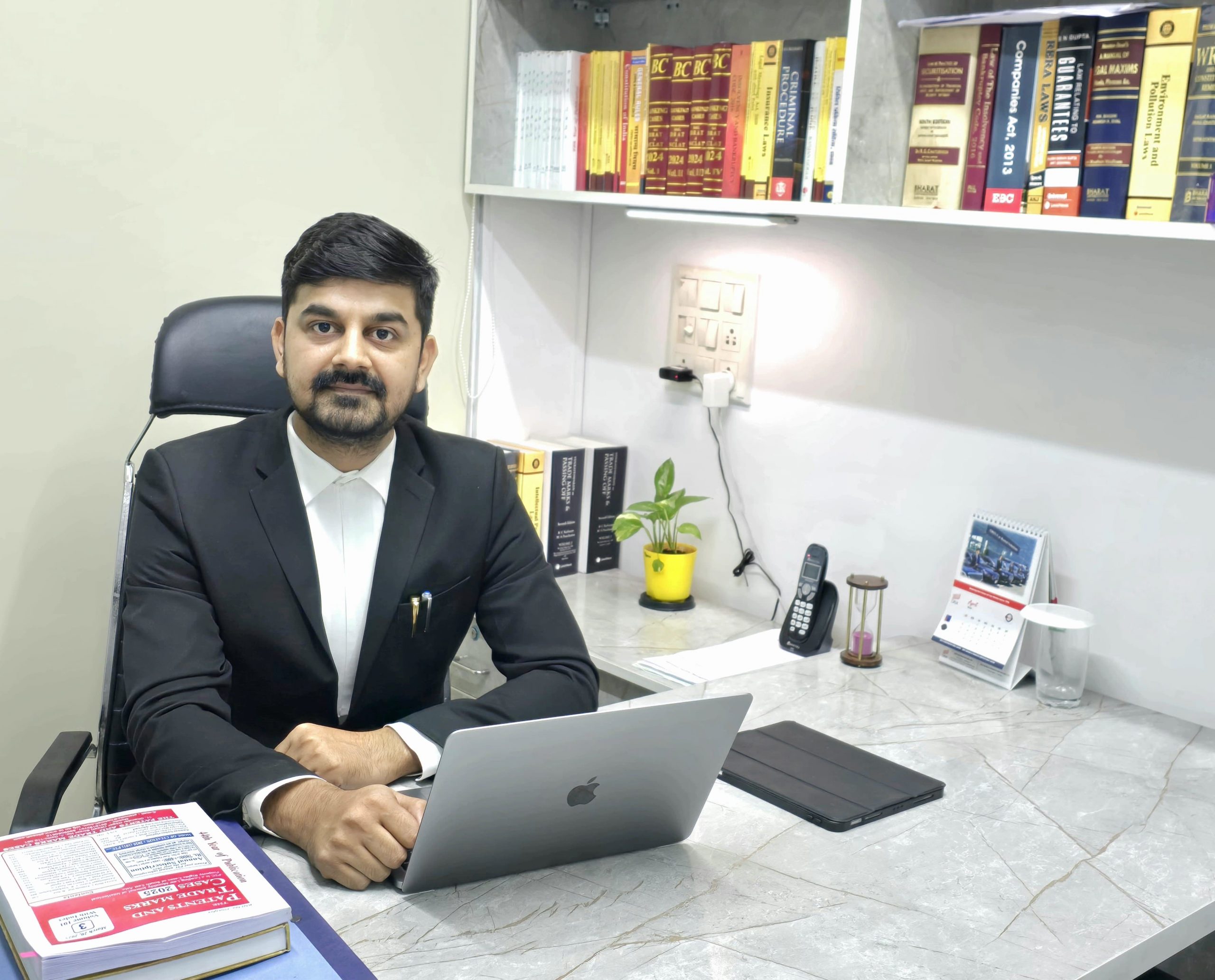

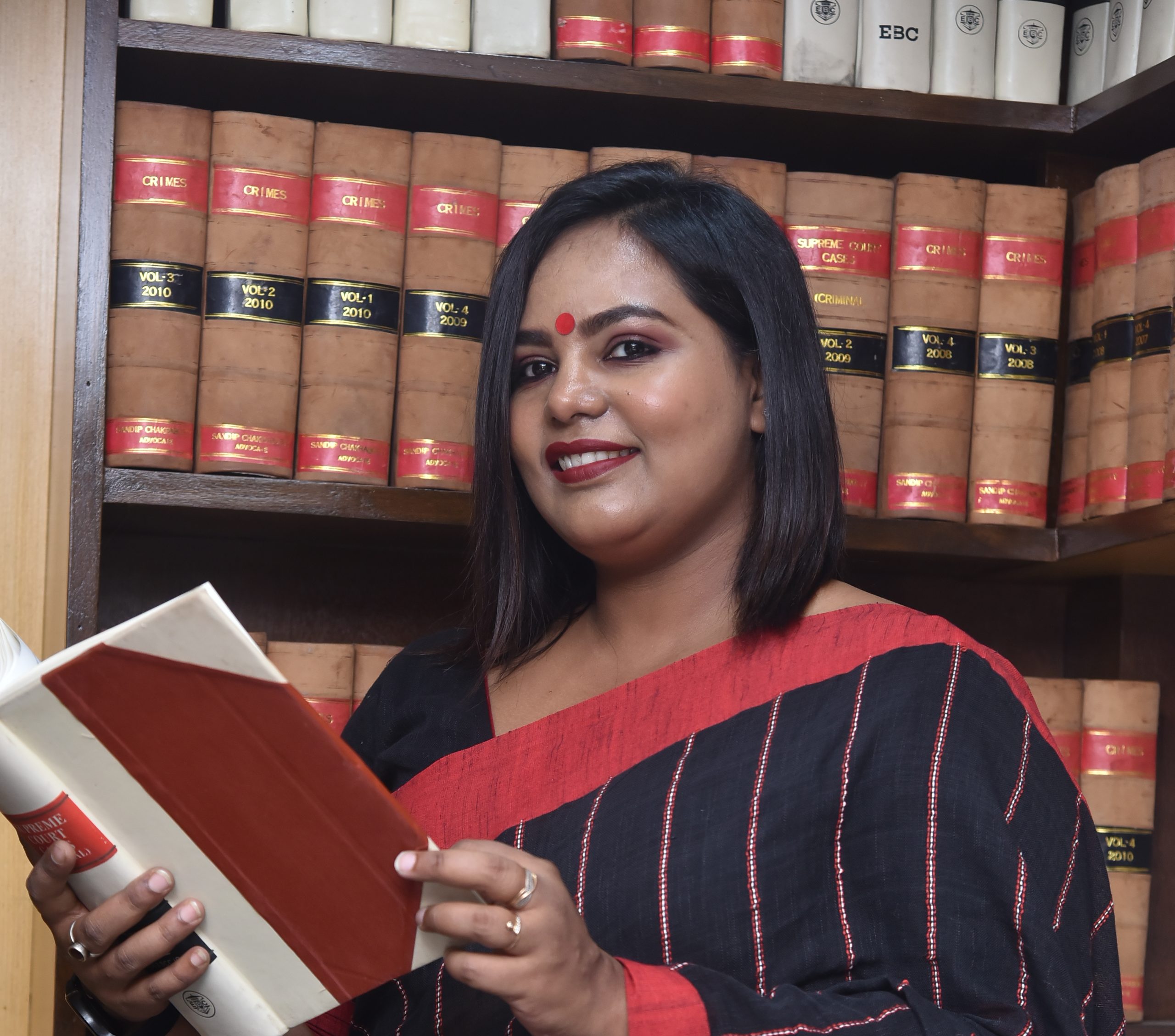








 Allow notifications