With over a decade of experience across various areas of law, did you always see yourself pursuing a legal career, or were there specific events or influences that led you to choose this profession?
I grew up in a family of lawyers and therefore, law seemed to be the automatic choice of profession to me from a young age. I was often privy to legal discussions at home, which involved interesting yet complex propositions which too ignited my interest in the field of law. Lastly, at a personal level, I find this profession fulfilling, as it involves helping people navigate difficult and challenging situations.
Beginning your career as an associate at a law firm, what were some of the formative experiences that shaped your understanding of the law and sparked your interest in the field?
In law school, we were taught the theoretical foundations of law, but when you enter the profession, you begin to understand how theory translates into real-world legal practice. As an associate at a law firm, I was exposed to the importance and intricacies of drafting and the practice of putting in all your effort for every brief in an attempt to achieve the perfect solution for the client. Law firms also provide you the exposure of working with the big clients and senior counsels on high stake matters right from a young age and teach you the art of dealing with pressure and deadlines. When the stakes are high, you automatically take more responsibility on the brief.
Personally, apart from gaining the confidence to work under pressure and to meet the harshest deadlines, I learnt the importance of effective communication and attention to detail from the law firms that I worked with. Working closely under such great mentors, Mr. Mahesh Agarwal & Mr. Vijay Sondhi in my formative years and now with Ms. Shweta Bharti has offered invaluable learning opportunities as they provided insight into how they approach cases, their reasoning behind legal strategies, and showed how to think out of the box while navigating through complex legal issues. Their mentorship further ignited a passion for the intellectual rigor of law and gave confidence to tackle complex issues.
Reflecting on your time as an Independent Litigation Counsel, can you highlight a pivotal learning moment or turning point that significantly influenced your approach to legal practice?
After working in law firms for almost 9 years, the experience I gained working independently was completely different. Initially, it was quite tough as the nature and type of work that comes to you as in independent counsel is very different from the kind of work you are used to in a law firm. Further, in a law firm, you have a lot of support staff while as an independent counsel, even most of the clerical work is your responsibility.
Apart from learning the approach to working on a diverse range of matters, the most pivotal experience I learnt from independent practice was the ability to take complete ownership of the brief from managing client expectations to drafting, filing, getting the matter listed, arguing etc.
Coming to the turning point that significantly influenced my approach to legal practice, I learnt that eventually, what matters is the client’s ultimate goal. What we need to work towards is to give the client a practical and feasible solution to its problem, most times, the client is not looking to win a case or set a precedent. Therefore, the art is to achieve the client’s goal and it may not be relevant if you win or lose a case.
In your representation of clients in the 2G spectrum case and matters related to the Prevention of Money Laundering Act (PMLA), what were the most challenging aspects, and how did you navigate those challenges?
These cases involve complex legal issues that can be very challenging for any legal professional. These cases require an understanding of both substantive law and procedural nuances, as well as the ability to navigate intricate factual situations and government policies. Further, the intense public scrutiny in the 2G spectrum case created additional pressure on the lawyers. Hence, maintaining a clear communication with clients and stakeholders about the legal strategy, while also working closely with senior counsels to ensure these cases are handled effectively was a challenging task. Therefore, these cases reinforced the importance of attention to detail, strategic thinking, and a multidisciplinary approach to legal practice.
What are the key legal obstacles that real estate companies face in consumer disputes, and how do you manage litigation across various forums such as the NCDRC and RERA?
The Indian real estate sector operates within an intricate regulatory landscape that is fraught with inherent difficulties and delays. As seen first-hand, many times frivolous complaints are filed by such unscrupulous persons who are cognizant of these difficulties and delays and exploit them by alleging deficiencies in service, often citing delay in delivery of possession to exert undue pressure on developers and compel them to grant concessions or monetary compensation. As such, vindicating developers by demonstrating how delay in delivery of possession was beyond the control of the developer becomes the key obstacle.
To manage the litigation across diverse forums, the use of proper planning, proper use of technology, case management, and data storage play an important role. I have mentored my team to ensure that they possess the requisite skills to effectively represent clients before different forums and actively encourage my associates to appear in proceedings. Finally, I also try to formulize a proactive plan by maintaining daily and weekly schedules for task prioritization and time allocation for all court appearances so that the work is streamlined.
In your current role, could you elaborate on your involvement in advising a multinational technology company on the implementation of data privacy laws within its Indian entities? What were the primary legal challenges in ensuring compliance with India’s data privacy regulations, particularly the Personal Data Protection Bill (PDPB)?
The Digital Personal Data Protection Act, 2023 has cross-sectoral applicability and enjoys primacy over sectoral regulations in the event of any conflict. As such, to advise the company it was vital to identify whether the different types of data processed by the company qualify as “digital personal data” under the Act, the internal flow of such data within the company, and evaluate the data storage technology used by the company in order to design consent mechanisms, data principal right mechanisms, data breach mechanisms, and define data retention periods for different categories of data.
A significant challenge encountered during this engagement revolved around the provisions governing cross-border data transfers. As a multinational technology company, the seamless flow of data across international borders is critical for service delivery. Restrictions or prior approvals imposed on data transfers to specific jurisdictions can significantly impede operational efficiency. Furthermore, drafting a unified compliance framework that harmonizes the Act with international regulations such as the GDPR presented a considerable challenge, since varying data processing and security standards across jurisdictions can create conflicts and necessitate careful management to avoid non-compliance.
High-stakes cases must be incredibly demanding. How do you maintain a work-life balance, especially during intense periods of work and tight deadlines?
As a lawyer, there cannot be a straightforward answer to this. This profession is very challenging, where you must burn the midnight oil and work on most of your weekends and sometimes you will feel there is no work-life balance. However, the key to managing this is setting clear priorities—both in terms of work tasks and personal time. I try and evaluate tasks based on urgency and importance, making sure I allocate time for essential activities while also recognizing when to delegate certain responsibilities. Secondly, effective collaboration with my team allows me to focus on high-priority tasks while ensuring that the workload is evenly distributed. Lastly, to maintain my mental sanity and make sure there is no burnout, I try and travel even if it is for a weekend to refuel and reenergize myself.
What advice would you offer to young lawyers aiming to specialize in dispute resolution, particularly in areas like white-collar crime, commercial, and real estate disputes? Additionally, what resources do you rely on to stay informed about emerging legal trends?
First of all, I still think I am a young lawyer. Having said that, I would strongly advise my younger colleagues to master legal research databases, practice drafting pleadings with precision and clarity, cultivate excellent communication and interpersonal skills, understand the intersection of law with finance and accounting since it is crucial for complex commercial disputes such as white-collar crimes, observe seasoned litigators in court to learn from their strategies and courtroom demeanour, participate in conferences and seminars to network with other professionals, and cultivate a strong work ethic to manage multiple tasks effectively. There is no fixed formula and everyone may face their own challenges, however, hard work, perseverance and consistency are some of the key ingredients for everyone to succeed in this profession.
In order to stay informed about emerging legal trends, I rely on legal journals, real estate journals, corporate magazines, online news portals, and participate in continued legal education programs by professional organizations where I have memberships.
As someone without a legal background, what inspired you to pursue a career in law? Was there a specific event or experience that influenced your decision to enter this profession?
Although I didn’t initially have a legal background, my journey into law was driven by a deep desire to create a meaningful change. One defining moment for me was witnessing how many individuals and businesses face barriers in accessing effective legal support. That realization made me see the legal profession not just as a set of rules and procedures but as a vital tool for problem-solving and advocacy.
What also drew me to law was its ability to shape systems and create fairness. I’ve always been passionate about finding solutions to complex challenges, and I saw law as a way to channel that passion into tangible outcomes. It’s a field where you can truly combine intellect with empathy—strategizing to solve problems while making a positive impact on people’s lives.
This inspiration eventually led to the creation of my own law firm, Verbis Legal LLP. Founding Verbis Legal at the peak of COVID was not just about starting a business—it was about creating a space where legal services are not only accessible but also deeply personalized. My goal has always been to provide clients with clarity and confidence, especially when they are navigating difficult or uncertain circumstances.
What excites me most about this profession is how it constantly challenges you to think critically, adapt, and grow. Every client and case is unique, which means every day is an opportunity to learn something new and make a difference. Starting my own practice has been a deeply rewarding journey, and it’s reinforced my belief that law is not just about cases; it’s about building trust, fostering relationships, and being a dependable advocate for those who need it most.
In the early stages of your career, you likely encountered numerous challenges. What were some of the key lessons from that period that helped shape your professional growth?
Honestly, I was lucky enough to have good mentors and have had the privilege to work with some of the finest names in our profession. But just at the top of my head would be that I was not used to spending hours and sometimes even nights on one brief. I would say that Law as a profession is highly demanding and if one learns to train their minds and control their desires in the nascent stages of their careers, the journey becomes much easier.
After working with several lawyers and law firms over the years, what motivated you to establish your own practice? What initial hurdles did you face, and how did you overcome them?
After working with several lawyers and law firms over the years, I realized that while each experience enriched my understanding of the legal profession, there were aspects I wanted to approach differently. Establishing my own practice, Verbis Legal LLP, was driven by a vision to create a firm that prioritizes personalized client relationships, streamlined processes, and innovative problem-solving. I wanted to build a space where clients feel heard, empowered, and confident in the legal support they receive.
The decision to start my own firm was not without its challenges. One of the initial hurdles I faced was transitioning from a structured, established environment to building everything from the ground up. From defining the firm’s mission and values to managing operational details like compliance, staffing, and client acquisition—it was a steep learning curve. Additionally, stepping into an entrepreneurial role required me to balance legal expertise with business acumen, which was a new but rewarding challenge.
To overcome these hurdles, I focused on three key strategies. First, I leaned on the network I had built over the years, seeking mentorship and guidance from experienced professionals. Second, I invested in understanding the business side of running a law firm, from financial management to leveraging technology to improve client services. Lastly, I stayed committed to the principles that motivated me—providing accessible, efficient, and empathetic legal solutions—which served as my compass during difficult times.
Establishing Verbis Legal LLP has been one of the most fulfilling journeys of my career. It has allowed me to create a practice that aligns with my values while offering clients the kind of personalized, results-driven support that I believe makes a lasting difference.
In your role as an Empaneled Advocate at the Supreme Court, you have represented various cases before the Constitution Bench. Could you share an especially interesting case and describe your approach to handling it?
While I was working with Additional Solicitor General of India, Mr. Jayant K. Sud, I assisted him on a very important constitutional bench issue which was “Whether the Demand can be proved through circumstantial evidence in the absence of direct evidence under the Prevention of Corruption Act, 1988?”. This case had a huge impact on all the trials under the Prevention of Corruption Act in our country. I recollect assisting Mr. Sud at this point in time, and his meticulous approach and the hours he put in on the brief was extremely inspirational.
I believe working and assisting the lead counsels on various Constitution Bench cases was a one of a kind experience, and honestly the experience of a lifetime which I can say was a privilege which I got to experience. The learning and experience that I gained from such cases was invaluable.
Another case I had the privilege of working was the case of N.N. Global III where a Seven Judge bench of the Hon’ble Supreme Court was debating a very interesting question of law. It involved very basic but yet unresolved technicalities of Arbitration Law in India.
I also got a very rare opportunity to assist the lead counsel in a Nine Judge Constitutional bench in the matter of State of Uttar Pradesh v Lalta Prasad Vaish, this is a very distinct opportunity which not all lawyers get so in a way I would consider myself extremely lucky. This case settled a significant question of Federal structure of power sharing that the Indian Constitution entails.
Working on all these cases was a great opportunity and a huge learning curve for me. Learning from the best counsels and senior counsels in India and being part of these historic landmarks in the Indian legal system has been a proud moment for me.
In a high-profile case where you represented the Union of India, how did you contribute to the creation of the new protocols for managing motor accident claims? What key changes were introduced, and how do they enhance the efficiency?
So, Bajaj Allianz General Insurance filed a petition before the Hon’ble Supreme Court of India seeking the streamlining of the process of Claims before Motor Accident Claim Tribunals all over the country. Bajaj Allianz General Insurance Co. Ltd. Vs. Union of India & Ors., [W.P. (C) No. 534 of 2020]. At this point I was assisting Mr. Jayant K. Sud who was the Additional Solicitor General of India at the Hon’ble Supreme Court of India.
To give a gist, the key reforms that the came to light because of the said petition were:
Digitalization of Processes: Introducing a centralized, digital platform for filing and processing motor accident claims through a mobile application, which the Central Government is about to introduce to streamline procedures, reduce delays, and ensure transparency.
Direct Payment Mechanisms: In case of motor accident claims, the victims are often made to run pillars to post for getting compensation. However, the Supreme Court directed implementing systems for direct payment of compensation to claimants via insurers, minimizing delays caused by bureaucratic or legal processes.
Establishment of a Motor Accident Mediation Authority (MAMA): Setting up a mediation body to facilitate faster resolution of disputes through alternative dispute resolution (ADR) methods before matters proceed to MACT.
Fixation of Standardized Compensation: Creating a framework for uniform compensation calculations, reducing subjectivity and litigation over quantum disputes.
Improved Coordination Among Stakeholders: Strengthening coordination between insurers, law enforcement, and healthcare providers to ensure timely access to accident reports, medical records, and other critical information.
Reduction in Pendency of Cases: Specific measures to address the backlog of pending motor accident cases in MACTs through enhanced case management and procedural reforms.
Introduction of a Mobile Appellant by the parent body of all Insurance Companies, i.e. GIC which was a one stop shop for all stakeholders be it the Local Police, the Insurance Company, the Claimant or anyone else.
What is one core practice you consistently follow when preparing for a case? What resources do you rely on, and how do you stay informed about the latest developments in law?
One core practice I consistently follow when preparing for a case is meticulous research and strategic planning. I believe that understanding every nuance of a case—whether it’s the facts, applicable laws, or the client’s objectives—is critical to building a strong foundation. My approach involves breaking down the case into its key components, identifying potential challenges, and crafting a strategy that addresses both the immediate and long-term implications. There are times when you need to become the devils advocate to anticipate the questions you may receive from the Bench or things you may need to be prepared for in court.
I rely heavily on a combination of resources to ensure thorough preparation. Legal research platforms like SCC, Livelaw and Bar and Bench are indispensable for accessing statutes, case laws, and precedents. In regards to staying informed about the latest developments in law, I honestly would want to give credit to my colleague Dhruv who actually showed me the ropes when I joined this profession, and it was him who got me into the habit of reading 5 new case laws every week, so that made a huge a difference eventually.
There are times when I also prioritize direct engagement with clients to gather context and insights that may not always be apparent from the documentation. This helps me align the legal strategy with their unique goals and circumstances.
Ultimately, preparation for me is about blending research with foresight. It’s not just about knowing the law but about anticipating how it will apply in the specific context of the case. This disciplined approach ensures that I’m always ready to advocate effectively and deliver the best possible outcomes for my clients.
What advice would you give to young, aspiring lawyers who aim to follow a career path similar to yours and achieve success in the legal field?
If I look back at my journey in the field, I have worked with a lot of young, aspiring lawyers or for that fact even interns. From my observations and experience I have always advised my fellow colleagues to cultivate resilience. A career in law can be demanding, with long hours and tough challenges. It’s important to develop the ability to learn from setbacks and keep your perspective intact. Success in this field is a marathon, not a sprint, and your perseverance will be as important as your skills.
Secondly, an aspiring lawyers must remain endlessly curious not just about the law but about your clients, their industries, and the broader world. A deep understanding of your clients’ needs and the context in which they operate is what sets great lawyers apart.
Last and most importantly I would say young lawyers must invest in relationships. The legal profession is built on trust, collaboration, and mentorship. Seek out mentors who can guide you, colleagues who can inspire you, and clients with whom you can build long-term partnerships. Equally, be generous with your time and support for others; relationships are a two-way street.
Balancing a demanding legal career while managing your own firm requires a significant amount of responsibility. How do you maintain a balance between your professional obligations and personal life, and what strategies do you use to achieve that balance?
It is certainly a challenging process, but I’ve learned that it’s less about achieving a perfect balance and more about being intentional with your time and priorities. For me, it starts with understanding that there will be seasons—sometimes when work demands more of me and others where I can lean more into my personal life. For me the key is making sure neither is neglected for too long.
One of the major principles that I rely on is maintaining clear boundaries. I’ve learned to be present in whatever I’m doing—whether that’s a client meeting or dinner with my family. I make an effort to avoid letting work bleed into personal time unnecessarily. Technology is a double-edged sword, but I use it to my advantage by setting specific times to check emails and stepping away when I need to recharge.
Another key is delegation and trust. As much as I want to be hands-on, I’ve learned to rely on my team. Empowering others not only helps me manage my workload but also creates opportunities for them to grow. My team Dhruv, Vedant and Shivaang deserve all the credit in the world for helping me achieve what I have and for making sure to take on all the pressure so I get to spend that time with my family.
Ultimately, balance is about being honest with yourself about what’s most important in the moment and giving yourself permission to adapt. It’s a constant work in progress, but the rewards are worth it.
What motivated you to pursue a career in law, and what factors influenced your decision to enter this field?
While I was a PCM (Science with Mathematics) student in school, I always knew that engineering or any science-related field wasn’t my calling. At the same time, my family never imposed their aspirations on me, thus allowing me to focus on what truly resonated with me.
What stood out to me about the law was its dynamic nature and its potential to impact society. During my senior year of school, I had the opportunity to meet one of my father’s friends, now a reputed senior advocate. He shared how the profession is not just about arguing cases in court but about shaping the law, resolving disputes, and bringing meaningful changes to people’s lives. “Curiosity, consistency, and determination,” he said, “are the pillars of success in the legal field.” Those words struck a chord with me and broadened my understanding of what a career in law could entail. Choosing law was not just about ambition; it was about aligning my interests with my strengths. I’ve always been drawn to structured reasoning, persuasive communication, and finding creative solutions to challenges.
Looking back, my decision to pursue law feels both deliberate and intuitive, shaped by personal experiences, influential encounters, and the freedom to chart my own course. It wasn’t a single moment but a combination of factors that made me realize that law was where I could thrive and make a meaningful impact.
You went on to pursue your LL.M. in Dispute Resolution from the Straus Institute at Pepperdine University, California (2015), where you were awarded the prestigious Straus Fellowship Award of USD 25,000. What was the driving force behind choosing this institution for your Masters?
During my bachelors in law, I had the privilege of interning with Mr. Veeraraghavan Inbavijayan, one of the foremost arbitrators in the field, who became both a mentor and an influential figure in my professional growth. This internship, although conducted online in 2013—when digital internships were not as widely recognized as they are today—was an incredibly rewarding experience. Mr. Inbavijayan tasked me with researching and preparing detailed notes on various case laws pertaining to construction, maritime, and commercial disputes, areas in which he was actively serving as an arbitrator. The real value of this internship came not just from the legal research, but from the unique opportunity to observe the intricate process of arbitration from a neutral, impartial perspective.
This exposure gave me invaluable insights into how arbitration operates as a mechanism for dispute resolution. What stood out to me the most was the flexibility inherent in the process, which allows parties to resolve conflicts in a more streamlined, cost-effective manner compared to traditional litigation. The freedom arbitration affords to the parties, especially when it comes to choosing the governing laws and procedural rules, deeply fascinated me. This flexibility allows for the customization of the proceedings, making it an appealing choice for complex, multi-jurisdictional disputes that require tailored solutions. The dynamic nature of arbitration, coupled with its efficiency, was exactly what I was looking for in the field of law.
It was during this time that I became certain that arbitration and dispute resolution were the areas I wanted to specialize in. This passion led me to pursue an LL.M. in Dispute Resolution from the Straus Institute at Pepperdine University in California. I chose Pepperdine not only because of its reputation as a leading institution in the field of dispute resolution and its leading ranking, but also because of its practical, hands-on approach to teaching and its strong emphasis on international arbitration and resolving disputes. The Straus Institute’s unique curriculum, combined with its faculty of esteemed professionals who have made significant contributions to the field, made it the ideal place for me to further my knowledge and skill set. The opportunity to study under experts in the field, while also engaging with a diverse, international student body, further solidified my decision. My experience at PepperdineUniversity, particularly being awarded the prestigious Straus Fellowship Award of USD 25,000, gave me both the academic foundation and the practical tools to excel in this field. It was a pivotal step in shaping my career as a dispute resolution professional, and I look back on it as one of the most transformative periods of my professional life.
During your early career, what valuable insights did you gain from your internships in Dubai, particularly regarding international arbitration? How were they different from the law firms in India?
During the early stages of my career, I had the opportunity to intern at several prominent law firms in Dubai, which provided me with invaluable insights into international arbitration, particularly in the context of the Middle East and cross border disputes. These internships were pivotal in shaping my understanding of the practical aspects of arbitration and the unique challenges faced by practitioners in a globalized legal environment.
One of the most significant takeaways from my time in Dubai was the exposure to the complexity of multi-jurisdictional arbitration cases. Unlike India, where many arbitration matters are still in the process of evolving, Dubai is known for being a hub for international arbitration due to its strategic location and modern infrastructure. The Dubai International Financial Centre (DIFC) and the Dubai International Arbitration Centre (DIAC) offer a dynamic and highly regulated environment for resolving disputes that involve parties from different legal systems. I had the opportunity to work on cases involving international commercial disputes, construction contracts, and trade agreements, often involving parties from diverse backgrounds and legal traditions. This taught me the importance of understanding and navigating the cultural, legal, and procedural differences that impact the way arbitration is conducted in different parts of the world.
The most striking difference I noticed between law firms in Dubai and those in India was the level of global exposure and the emphasis on handling cross border disputes. In Dubai, arbitration is seen as a preferred method of dispute resolution, and the legal landscape is highly international, with professionals from all over the world practising together. This globalised atmosphere made it clear that international arbitration requires not just expertise in local law but also a deep understanding of international conventions, and the nuances of various national legal systems. The law firms in Dubai, where I interned, placed a significant emphasis on teamwork and collaboration with international partners, which helped me develop a more holistic view of the legal process.
In contrast, the firms in India, while still handling complex arbitration cases, were more focused on domestic laws and issues that were more localised, particularly due to the legal framework in India being still relatively in its development phase compared to more established jurisdictions. Arbitration in India often involved navigating a system that had a more procedural and statutory focus, with a stronger emphasis on litigation and court involvement in certain cases. This made the experience in Dubai refreshing, as I was exposed to a more streamlined and flexible approach, where the role of arbitration centres and the autonomy of the arbitrators were much more pronounced.
Overall, these internships in Dubai not only broadened my knowledge of international arbitration but also deepened my appreciation for the importance of adaptability, cultural sensitivity, and global legal practices in today’s interconnected world. The exposure to both global legal practices in Dubai and the evolving legal landscape in India has given me a comprehensive understanding of how arbitration can function on both local and international stages.
How was your experience at Pepperdine University, California? Were there any other courses which were not strictly related to arbitration? How was the experience of learning different from the law school you attended in India?
My time at Pepperdine University in California was an enriching and transformative experience. Studying at the Straus Institute for Dispute Resolution exposed me to a world of legal education that was dynamic, interdisciplinary, and practical. One of the courses which was not strictly arbitration related, and which I truly enjoyed was ‘Mediation – Theory and Practice’, which was taught by one of the most reputed professors at Pepperdine. The professor’s expertise and real-world experience made the class not only intellectually stimulating but also deeply insightful. I came to appreciate how mediation, as a dispute resolution process, can often be more valuable than arbitration, especially in cases where preserving relationships and finding mutually beneficial solutions are paramount. While arbitration is structured and often adversarial, mediation allows the parties to have greater control over the outcome. In mediation, the role of the mediator is not to impose a decision but to facilitate a dialogue that helps the parties reach their own resolution. This process, which emphasizes collaboration, negotiation, and empathy, is especially valuable in disputes involving long-term relationships, such as family businesses or international partnerships. I found that in many cases, mediation can help preserve ongoing relationships that could be irrevocably damaged through arbitration or litigation. For example, in a commercial dispute between two family-owned businesses, mediation could have been a better approach to help the parties maintain their business relationships while resolving their legal issues amicably.
Another course that had a profound impact on me was Cross-Cultural Conflict and Dispute Resolution, which taught me the importance of understanding how culture influences the way people approach conflict and resolution. This course was particularly relevant in the context of international arbitration, where the parties often come from diverse cultural backgrounds. I learned that cultural differences can significantly impact negotiation styles, communication, and even perceptions of fairness. For instance, I discovered that in some cultures, maintaining harmony and avoiding confrontation is more important than directly addressing the issue, while in others, a more direct, assertive approach is preferred. A great example of this is the difference in conflict resolution approaches between Western and Eastern cultures. In the West, particularly in the United States, a direct, problem-solving approach to conflict is common, with a focus on resolving issues quickly and efficiently. In contrast, many Asian cultures, such as those in Japan and China, place a higher value on maintaining face and relationships, often preferring a more indirect, collaborative approach to resolving disputes.
The educational experience at Pepperdine was vastly different from the law school I attended in India. In India, while the legal education is rigorous, it tends to be more focused on theoretical learning and the application of Indian law, with a strong emphasis on preparing students for the Indian legal system. The approach at Pepperdine, on the other hand, was much more interactive, practical, and globally oriented. The emphasis on skills like negotiation, mediation, and understanding cross-cultural differences was something that added a whole new dimension to my legal education. I appreciated the interactive classroom environment, where we engaged in simulations, role playing exercises, and discussions with peers from diverse legal backgrounds. This collaborative learning approach was a refreshing change from the more traditional, lecture-based style that I was accustomed to in India.
Moreover, the diverse student body at Pepperdine University, representing various nationalities and legal systems, provided a unique opportunity to learn not just from professors but also from peers. This multicultural environment enriched my understanding of international dispute resolution and made me more aware of the complexities involved when resolving conflicts between parties from different legal traditions and cultural contexts.
What motivated you to establish your independent litigation practice in 2020, particularly during the COVID-19 pandemic? How did the transition from large firms to independent practice unfold, and how did you manage the shift?
Since the beginning of my law career, I was certain that I wanted to eventually establish my independent practice. While working with several reputed law firms and distinguished lawyers, I gained invaluable insights into the intricacies of legal practice, but I always envisioned carving my own path. By 2020, I felt confident that the time was right to take this step.
Launching an independent practice during the COVID-19 pandemic presented its own set of challenges. The legal landscape had shifted dramatically, with virtual hearings becoming the norm and access to clients and courts being heavily restricted. Yet, I saw this as an opportunity to adapt, innovate, and build a practice rooted in resilience and client-centric solutions.
I distinctly remember my first case under my independent practice—a matrimonial dispute. A wife approached me after her husband had filed a divorce petition on the grounds of cruelty and had even gone so far as to challenge the legitimacy of their child. It was an emotionally charged and legally complex case, especially since the opposing counsel presented substantial evidence to support their claims.
With a methodical approach, I focused on crafting a strategy that emphasized the inconsistencies in their arguments while drawing attention to the factual and emotional dimensions of my client’s situation. After meticulous research, evidence collation, and persuasive arguments, we succeeded in securing reasonable maintenance for both the wife and child. Additionally, we were able to successfully defend the allegations regarding the child’s legitimacy as well as the grounds he had taken for filing the divorce petition. Eventually, the parties resolved their differences amicably and opted for a mutual consent divorce.
That case was pivotal for me—not just because it was my first as an independent lawyer, but also because it reinforced the realization that independent practice requires a broad-based approach. While arbitration had always been a key focus for me, this experience made me realize the importance of diversifying my areas of expertise to serve a wider spectrum of clients. The transition from large firms to independent practice wasn’t without its hurdles. From setting up an office and building a network of clients to manage administrative responsibilities single handedly, it required immense dedication and adaptability. However, the sense of autonomy and the ability to directly impact clients’ lives made the journey truly fulfilling.
Could you describe some of the arbitration cases you handled in your experience over the years?
Throughout my legal career, I have had the opportunity to handle a diverse array of arbitration cases spanning commercial, maritime, construction, and other specialized disputes. My work has taken me across various jurisdictions and arbitration forums, including proceedings governed by the rules of SIAC, LCIA, ICC, and DIAC, among others.
One notable segment of my practice involves construction disputes, which often require a deep understanding of technical issues, contractual frameworks, and project-specific challenges. Many of these disputes are governed by FIDIC contracts, where issues such as delays, price variation, cost overruns, defective work claims, and contract terminations frequently arise. For instance, I successfully represented a client in a complex arbitration concerning a multi million-dollar infrastructure project. The dispute revolved around delay penalties and other related issues and allegations under the FIDIC Silver Book. My approach combined a meticulous analysis of technical reports with a robust presentation of the contract’s terms, ultimately securing a favourable arbitral award for my client.
Another compelling case I worked on involved an international arbitration under LCIA Rules. This dispute was unique, revolving around the ownership and authenticity of a painting by a renowned artist. It was a fascinating blend of legal and art historical issues, requiring close collaboration with art experts, authentication agencies, and valuation professionals. Navigating through conflicting expert testimonies, I was able to establish the authenticity of the artwork and protect my client’s ownership rights, leading to a successful resolution of the dispute.
My experience also extends to maritime arbitration cases, where I have dealt with disputes involving charter party agreements, cargo claims, and shipbuilding contracts. One such case involved a dispute over demurrage claims under a charter party agreement, where my ability to interpret contractual clauses and maritime regulations proved critical in achieving a favourable award for my client. In addition to these, I have handled several high-stakes commercial arbitrations, often involving breaches of contract, shareholder disputes, and joint venture agreements. Each case has contributed to my understanding of arbitration as a dynamic and multifaceted process. I remain committed to delivering effective and pragmatic solutions for my clients in this ever-evolving field.
Having handled various matrimonial cases in your independent practice, what significant trends or changes have you noticed in matrimonial laws?
In my experience handling a wide array of matrimonial cases, one of the most frequent inquiries from clients revolves around questions like, “Do I have to pay alimony to my wife?”, “Can I file for divorce?”, “How much maintenance can I expect?”, etc. While these questions are valid, the answer is often one of the most quintessential lawyerly responses: “It depends.” Matrimonial law does not operate on a one-size-fits-all formula. Alimony, maintenance, and divorce settlements hinge on a variety of factors, including but not limited to: The financial standing and status of the families involved, The standard of living enjoyed by the couple during the marriage, The financial needs of the wife and children (if any), The income sources and earning capacities of both parties., Educational qualifications and professional opportunities are available to both.
It is crucial to emphasize that just because a wife earns more than her husband, it does not automatically disqualify her from seeking maintenance. The courts adopt a balanced approach, taking into account the overarching principles of fairness and justice. One recurring question I encounter, particularly from male clients, is: “Why are matrimonial laws so wife-centric?” This perception is shaped, in part, by social media narratives/influencers that often paint a one dimensional picture. It’s important to understand that laws like the Protection of Women Against Domestic Violence Act are designed to address systemic and pervasive issues of abuse that continue to exist across many regions in India, especially in non-urban areas where such incidents frequently go unreported.
At the same time, I acknowledge that not every case filed by a wife is genuine. Instances of misuse of these laws do occur, leading to false allegations against husbands. However, this does not undermine the broader objective of such legislation. Trusting the judiciary to scrutinize and differentiate between genuine and false claims is imperative. A case that exemplifies this nuanced approach involved a husband with negligible income compared to his wife, who was a high earning professional. Despite the apparent disparity, the court granted maintenance to the husband (and not the wife!) under the Hindu Marriage Act, recognizing his genuine financial dependence and needs. The takeaway here is that matrimonial disputes are inherently complex, and the determination of alimony, maintenance, or grounds for divorce varies significantly from case to case. It is always advisable for individuals to consult a qualified lawyer for tailored legal advice, rather than relying solely on information found online or anecdotal accounts.
Reflecting on your journey, what advice would you offer to students and/or young lawyers who are just starting out in their legal journey?
A piece of advice I’d offer to young lawyers and students embarking on their legal careers is this: “Follow the law, not the money.” In the initial stages, particularly in litigation, the financial rewards may seem modest compared to other legal fields. But the real value lies in the experience you gain, the lessons you learn, and the skills you develop during these formative years. Litigation demands hard work, patience, and resilience. You may take on cases that don’t pay much, or even refer cases to seniors or colleagues, but ensure that you remain actively involved. Follow up, understand the intricacies of each matter, and use every case as a learning opportunity. Remember, the more cases you immerse yourself in, the sharper and more seasoned you’ll become as a litigator.
I was once told: “Curiosity, consistency, and determination are the pillars of success in the legal field.” These words have stayed with me throughout my career. Stay curious, delve into the nuances of the law. Be consistent, work steadily, even when success seems distant. And most importantly, remain determined, litigation is not an easy path, but it is one that rewards those who persevere.
So, to all young lawyers: don’t give up. The early years may feel overwhelming, but with time, effort, and a genuine passion for the law, you will find your place in this profession. Success in litigation is not measured overnight; it’s a journey of constant growth, built one case, one argument, and one lesson at a time.
As a highly experienced legal professional with over 12 years in the field, what initially inspired you to pursue law, and how did your early years shape this decision? Kindly reflect on your time at law school.
My decision to pursue law was driven by a strong sense of justice and a desire to help people understand their legal rights in a system that can often feel overwhelming. Growing up in a family where my grandfather was a police officer and my father an advocate, I witnessed situations where legal awareness and timely assistance could have made a difference. This understanding inspired me to become an advocate. My early years were marked by an interest in understanding human conflicts and resolving disputes fairly.
However, my experience at the law school was transformative. My professors played an important role in cultivating my curiosity for constitutional and dispute resolution matters, which remain central to my practice today. Looking back, I can say the early learnings and guidance shaped my analytical abilities, sharpened my understanding of the legal system, and introduced me to the practical side of the law. Indeed, the experience served as a foundation that gave me the knowledge and the confidence to enter this profession.
How did working with Senior Advocate Mr. Sunil Sethi impact your early career, and what key lessons did you learn?
Working with Senior Advocate Mr. Sunil Sethi was a defining period in my career. He taught me how to develop a meticulous eye for detail and the importance of presenting a case with clarity and conviction. He has a very calm personality, which has influenced my attitude towards life and my profession significantly. Under his guidance, I learned to build strong legal arguments rooted in logic and evidence, which proved invaluable in courtrooms.
Mr. Sethi’s dedication to his clients and ethical practice further taught me the significance of trust and professionalism in the legal field. Additionally, watching him handle complex cases with precision inspired me to adopt a similar approach in my independent practice.
What inspired you to establish Meridian Law Chambers in 2022, and what were your main goals for founding the firm?
After years of experience in independent practice and working with senior legal stalwarts, I founded Meridian Law Chambers in 2022. I started the venture with a vision of creating a law firm that offers effective legal solutions while maintaining personalised client attention. When I began, I wanted to build a team capable of addressing modern legal challenges across sectors like infrastructure, banking, real estate, and defence. However, my primary goal was to address the gap between specialised legal services and a client-centric approach. Today, I am proud to bring the vision to reality. The team has been adept at leveraging expertise across litigation, arbitration, and advisory to deliver tailored solutions to all our clients.
How do you balance leadership responsibilities with your advisory and consultancy roles as Head of Meridian Law Chambers?
During my journey, I have learned that balancing leadership and legal roles requires an effective time management strategy and a collaborative team structure. This insight encouraged me to ensure that responsibilities are well-delegated within the firm so that every case and client receives undivided attention. I oversee major cases personally while empowering my associates to handle specific aspects of litigation, advisory, and due diligence.
Over the years, by maintaining open communication, mentoring my team, and prioritising strategic matters, I have tried to balance my leadership responsibilities alongside my advisory roles. Hence, you can say that the journey so far has been about trusting the team while staying deeply engaged with the firm’s overall direction.
Can you describe your role as Standing Counsel for the Reserve Bank of India in Jammu & Kashmir and Ladakh and the challenges you face?
As Standing Counsel for the Reserve Bank of India, my role involves representing the RBI in key litigation matters, protecting its interests, and ensuring compliance with changing financial and regulatory frameworks. The primary challenge I often face pertains to addressing complex financial disputes and the need to stay ahead of changing legal and economic landscapes.
Throughout my career, my go-to approach to face these challenges has been through proper research and clear advocacy. I have always believed that it is vital to understand the nuances of financial regulations and their interplay with the judicial process to defend a client’s interest. The approach continues to help me uphold the institution’s interests and its beliefs successfully.
What are the significant legal challenges faced by hydropower and infrastructure projects in India, and how do you ensure compliance as a consultant?
Historically, hydropower and infrastructure projects in our country face several challenges, particularly those related to regulatory clearances, land acquisition disputes, environmental concerns, and contract enforcement issues.
Additionally, delays in obtaining permits and disputes over compensation often create hurdles for such projects. As a legal consultant, it is my duty to ensure compliance by conducting comprehensive due diligence, analysing risks, factoring in evolving environmental laws, and advising clients on regulatory frameworks. This approach has helped me draft contracts that account for contingencies to mitigate risks while maintaining compliance with legal and environmental mandates.
Could you share your approach and strategies in the case pertaining to the termination of the Chairman of Jammu and Kashmir Bank?
In this particular case, I had the opportunity to represent the Reserve Bank of India, which is a proud and significant assignment. Since the matter pertained to the termination of the chairman of a reputed bank, it was a high-stakes case for me with wide-reaching implications. Typically, in high-stakes litigation, there is little to no room for errors. So, I had to be extra cautious with my approach.
I focused my strategy on the legal and regulatory framework governing the case and combined the findings with detailed research. However, I made sure my strategy inclined more towards presenting a clear and factual argument for this sensitive case without jeopardising procedural and substantive legal principles.
What advice would you give aspiring lawyers to succeed in today’s competitive legal environment?
My advice for aspiring lawyers is to be confident about your abilities and focus on three core principles: first, master the basics like how to start legal research, draft documents, and conduct court procedures. Next, you must stay informed about the legislative changes and legal trends. Lastly, remember that work ethics, integrity, and perseverance are non-negotiable and key to building trust with clients. Above all, I advise them to be open to challenges and learn from both success and failure to ensure a successful career in the legal profession.
How do you maintain a healthy work-life balance, and what motivates you to write alongside your busy practice?
To be honest, it is quite challenging to balance work and personal life in this profession. However, I try to prioritise spending quality time with my family and indulge in activities that help me rewind and recharge. Over time, maintaining clear boundaries, delegating tasks, and managing time efficiently have helped me strike a much-needed balance in my life.
Writing and researching contract law, consumer law, and cyber law is my passion, which I take seriously. However, what excites me the most is that my insights and contributions to legal discourse could help others understand their legal struggles better.
After receiving your B. Com Degree, what motivated you to pursue a Law Degree at Tamil Nadu Dr. Ambedkar Law University in Chennai?
I am a second generation lawyer, with my father Mr. Ramachandrudu (Retd IOB Legal Advisor and Deputy Secy. to Banking Ombudsman) hailing from Chennai and an ardent steward from Adv. K.K. Venugopal Offices in Chennai where other stalwarts like Hon. Former Minister Mr. Chidambaram, Late Mr. R. Mohan (Former Addl. Solicitor General of India), so it was inevitable that I was subconsciously tuned from the very beginning to what was expected from a logical, pragmatic solution provider and as a crisis handler. Business Studies culminated interest to further Commercial and Corporate laws in India.
You went on to pursue your LLM from University of Manchester, United Kingdom where you specialised in International Business Law. Can you share with us your experiences and your motivation to pursue this specialisation?
To have a global business acumen, one has to extensively study how different legal environments can impose on businesses. My agenda was to study business law with a mindset of how justice can be delivered for cross border work apart from what is practiced domestically. When laws encompass boundaries, certain denominators are preset – It is important to ascertain them while traversing the dynamism that circumstances create when businesses are perceived and run globally.
You briefly worked with a law firm before moving to the Corporates and then back to founding a law firm. What motivated your transition and could you share your experience working in both cultures?
Honestly, that is what the external world will see, when you see a profile like mine. I started with a law firm, to choose what kind of company or sector that I wished to see myself for the future, after spending some time, I realised I was interested in Cross border contracts, IT contracts and FEMA. When I realised that when money was coming into India, majority had to be invested in real estate as there was a boom around 2008. By end of 2010, I had equipped myself to handle various subjects in International law, along with FEMA and Real Estate. From manning a 10-member team to a team of 100 and also leading legal departments for 15 years across India, I realised with the connect and bandwidth, the natural progression was to lead a team with my own firm, in my case it was more of a rebranding from my father’s sole practitioner firm.
You have headed various legal departments of different big companies before starting your independent practice in 2015. What were the initial challenges that you faced while running your practice and how has your experience in the corporate world shaped your practice?
Advocates largely come from a sole practioner/ promoter/ senior practitioner driven set ups, which means they come unorganised yet they are effective in their own ways to perform a desired task. Corporate experience comes in handy, when we quantify the quality work that is executed, meaning, – adhering to process, setting policies, having TAT’s, Setting the flow of reporting structure, Ensuring Good communication and also to a large extent find time to work as a team and progress to a collective growth and vision. Heading Legal departments gives you an expertise to handle different stakeholders in ahigh paced setup by meeting their already high expectations. Being Agile and flexible at the same time can accommodate one’s decision-making power in a dynamic environment.
As the Managing Director and Principal Attorney of M/s. 5IVE LEGAL, you have experience representing clients in various intellectual property matters, including domain name disputes. What are the key challenges that international entities encounter when dealing with domain disputes in India?
Half the Work is done at the application stage itself. By having a robust application with best precedence and details will ensure your applications are successful. Secondly, when we appear for a dispute, the weightage given more to the research and that sort of research that does not necessarily extend to legal books or precedence alone but reaching and dipping into practical real-world implications. To be honest, common sense alone can half your battles in any court room. We should remember we are not creating anything but delivering what is already created, so we should not lose focus on issues that are primarily important. One main challenge for entities globally is the hesitation to challenge as they are unaware of the cost or timely outcome. They are also blindsided by the procedures involved. Domain disputes and cybersquatting to a large extent has had their disputes resolved by various forums by treating them largely to a Trade Mark that has been existing.
You have extensive experience in Private Equity Financing and advising clients on investment-related matters. How do you stay updated with the evolving trends in private equity, investment law, and regulations?
These PE or Debt Transactions revolve around various stakeholders in a transaction such as a Banker, Loan Provider, Investment Banker, TPA, Tax advisors, Authorities such as RBI/SEBI etc, and clients who are either mortgagors, debenture issuers or purchasers. I might have missed some, these entities ensure we are up to date with what’s happening, so is our language while dealing with such transactions. We treat every deal individually and hence generalisation is a misconception when dealing with such transactions.
We understand that your firm has merged with another large full-service law firm, what does this mean for the future?
The recent merger with AKM and Associates LLP, (A Six-decade old long firm) – “AKM 5ive Legal” stands as a testament to my vision for the firm—a vision that blends deep legal expertise with forward-thinking solutions. By leveraging the combined resources and expertise of both firms, this merger aims to consolidate its position as one of the top tier corporate law firms in Chennai by addressing a broad spectrum of corporate legal needs while upholding a strong commitment to ethics, excellence, and strategic vision. We have embraced technology as a means of improving service delivery, ensuring that our clients receive innovative, future-ready legal support. This transformation is a reflection of my broader belief in the power of adaptability and continuous learning.
With your expertise and experience, what advice would you give to the younger generation who wish to excel in the field of law?
My advice to young lawyers is to find you drive in what you love to practice as a lawyer in this very road that many have travelled. Now your journey may not be like others, so you can pave new paths, create detours, or merge with other knowledge banks, as long as you steer yourself to your destination.
Can you take us through your early journey as a lawyer? What inspired you to choose law as a career, and how did you build your path to where you are today?
“I am standing in a courtroom before one of the senior most judges of the Hon’ble High Court, and I started, My Lord, the Petitioner wants immediate intervention of My Lord in the nature of a mandamus (I wanted to sound important, I guess and college made me superfluously over-confident); The immediate reply, though a simple one came in a resounding baritone- ‘Yes, Mr. Counsel, Mandamus! Why? Tell me, what do you want! ’, while I took the Hon’ble Court through the merits of the Petitioner’s case, the Hon’ble Judge listened to me intimately with an amusing chuckle on his face to denote that he was already abreast with the relief claimed and the merits of the matter, however he, with immense patience granted a hearing to an absolutely green junior and awarded me with a win”- An overwhelming pleasure as a lawyer but I was rewarded with a fee, so meagre that would not even cover the expenses; it’s quite evidently a mixed feeling. Albeit, one experience should never deter a young practitioner from going on especially since each and every experience is unique and distinct in its flavour and nature, not always salty and more often than not it’s actually rewarding. A legal career, just like Rome is never built in one day, it’s like trust and based on it, which is built over a longish period of time and even greater service through GRIT, sincerity and hard work.
With a career that bridges multiple aspects of law, how do you see the legal landscape in India evolving, particularly with respect to consumer protection, banking disputes, and taxation?
It’s rightly put by you and it really seems to be the future of the legal landscape where monetary disputes would seem to rule the profession in the coming days.
As someone who upholds the rule of law, how do you balance professionalism with empathy when dealing with cases that involve sensitive or personal matters, such as criminal defense or family disputes?
Your question warrants two separate answers, I believe. With regard to empathy, I have my own standards and method of choosing the clients I represent and often I choose to represent client’s pro bono and with regard to criminal defense I believe it ought to be the ethical code which should guide us in efficiently representing the clients. In family matters, well it’s really the worst of it all since it’s where everything including each and every intimate details of a household comes to be strained through the test of evidence and testimony and is often exhausting. Nevertheless, it’s your legal aptitude which saves the day and rescues you from the difficult trenches of matrimonial mudslinging. It’s not easy, but it’s the job and it demands your objectivity and so it lets you go on with the interests of the client at heart.
With a strong foundation in arbitration and dispute resolution, what are your views on the importance of Alternative dispute resolution methods in the Indian legal system? How can they help reduce the burden on courts and offer quicker justice?
Alternative Dispute Resolution is without any ambiguity the future and we must resort to it more often, especially since the need of the hour is avoidance of protracted litigation in any matter.
What advice would you give to young lawyers who aspire to specialize in diverse areas of law, from arbitration to constitutional law? How should they navigate the complexities of building such a broad skill set?
Specialization in terms of academic qualification cannot be equated with professional specialization. A young lawyer must aim to and actually practise each and every aspect of law and if so desired and necessitated navigate towards one or more specializations later on not before.
With your experience in both litigation and arbitration, which of the two do you find more rewarding and why? Can you share an instance where you felt arbitration was a more effective approach than traditional litigation?
It would be unfair to compare traditional litigation to arbitration and to be truthful both are equally rewarding. However, since arbitration tends to do away with strict rules of procedure it certainly aims at an expeditious resolution.
You hold a diploma in Medical Jurisprudence & Forensic Science, which is quite unique for a civil and criminal law practitioner. How has this specialized knowledge influenced the way you approach cases, particularly those involving forensic evidence?
I must confess, I am more based in the High Court which more often than not lets me not use my knowledge gained in studying Forensics however at conducting Trial at Trial Courts I am at an immense advantage where I am easily and quite effectively able put such knowledge to use in deciphering the case details put forth by the prosecution and find the obvious and not so obvious loopholes in it favouring in criminal defense to my benefit.
Could you share some of the key differences you’ve experienced in practicing law across different courts, and what do you see as the major distinctions when representing a government client versus a private client?
Yes, Trial Courts are often so accommodating to you to put forth facts, law and so on in a detailed manner however, the Hon’ble High Courts are often so about your capacity to put forth your submissions in a concise manner supported by sound legal principles which are ‘jointly and severally’ so rewarding.
After handling intense and high-profile cases across various legal domains, what are some of your favourite ways to unwind and recharge outside of work?
My unwinding is far away from the legal domain. We’ve heard ‘all work and no play…’ and I believe it verbatim. As a matter of fact, I love trekking, travelling the most besides having a Bengali Adda with friends with a simmering hot tea and incidentals.
You’ve had a remarkable career spanning over a decade in Civil & Commercial Litigation, Arbitration, and Protection of Intellectual Properties. What initially drew you to pursue a career in law, particularly in these specialized areas?
Reflecting on my journey, it’s incredible to see how far I’ve come since my early days. My interest in law began in an unconventional way. As a science student, I realized that engineering wasn’t my path, supported by my teacher’s advice to explore other options. This pivotal moment led me to law school, where I found myself torn between corporate law and litigation. Ultimately, my passion for the dynamic and strategic nature of litigation drew me in.
During my time with Justice Rajiv Sahai Endlaw (Retd.), I had the privilege of observing numerous court proceedings. This experience deepened my appreciation for the intricacies of Civil & Commercial Litigation, Arbitration, and Intellectual Property laws. The strategic thinking required in these fields captivated me, particularly the dynamic nature of the work, which allows me to serve a diverse client base. Working on matters deeply entrenched in business operations demands meticulous examination, precise contract interpretation, and strategic planning. This complexity and the need to understand different business operations truly cemented my decision to specialize in these fields.
My journey in litigation truly began when I found myself managing several matters in a litigation chamber. The immense challenge pushed me to my limits and beyond, but it also provided vast growth opportunities. Winning independent cases built my reputation and boosted my confidence.
Joining Dua Associates marked a significant milestone in my career. Here, I found a place that resonated with my values and aspirations. Each dispute I handle presents unique challenges with intricate questions of fact and law. I thrive on the intellectual rigor required to navigate these complexities and derive immense satisfaction from crafting innovative legal solutions that align with my clients’ best interests.
You’ve been involved in a wide range of high-stakes cases, from defending Fortune 500 companies to representing public sector undertakings. Could you share with us one of the most challenging cases you’ve handled and how you navigated through it?
One of the most challenging cases I handled was defending a Fortune 500 company against an injury claim that arose from a chemical disaster. The brief provided in the case was very unique and extremely challenging, posing very peculiar factual and legal questions for determination—questions that had not been previously considered or dealt with. This one-of-a-kind case involved multiple jurisdictions, requiring an in-depth review and examination of a voluminous record dating back nearly three decades.
The case also necessitated a thorough study and examination of key principles concerning jurisdictional arguments, particularly from the US standpoint. I played a key role in developing the strategy, coordinating with external counsels, and managing the litigation process. My approach was meticulous, ensuring that every detail was scrutinized and every possible defence explored.
This experience taught me the importance of strategic planning and thorough preparation. Ultimately, our team secured a favourable outcome for the client, which is now one of the leading cases of the Constitution Bench of the Supreme Court. This outcome was a testament to our rigorous and coordinated efforts, and it reinforced my belief in the power of teamwork and meticulous legal strategy.
Your profile highlights your involvement as Amicus Curiae with the NCDRC and your recommendation by Legal 500 Asia Pacific Guide. How have these experiences influenced your approach to legal practice and your career trajectory?
Being appointed as Amicus Curiae by the NCDRC was a significant milestone in my career. Having the privilege of working on several consumer disputes, this appointment was a testament to my consistency before the forum. It allowed me to provide impartial advice and support on complex service-deficiency appeals, enhancing my understanding of consumer protection laws and judicial processes. This role honed my analytical skills and reinforced the importance of ethical practice. I hope to make a significant impact on consumer jurisprudence through my continued efforts in this area.
Similarly, being recommended by the Legal 500 Asia Pacific Guide for ‘Dispute Resolution-Litigation’ was a recognition of my expertise and dedication. I am grateful for the springboard provided to me by SKV Associates and the platform Dua Associates, which have both played crucial roles in honing my skills. Recognition such as this helps enforce the belief in one’s abilities. But I firmly believe that wins, whether big or small, do not necessarily equate to favourable outcomes. Often, an acknowledgment from the presiding judge, adversary counsel, or positive client feedback can be equally gratifying.
Dispute resolution often provides instant gratification, whether it comes from a favourable ruling or a simple nod of respect from peers and clients. These moments keep me motivated and committed to my work, driving me to pursue excellence and integrity in every case I handle.
With such extensive exposure across different courts and tribunals in India, including the Supreme Court, what have been some of the key lessons you’ve learned about effective litigation management and strategy?
One of the key lessons I’ve learned is the importance of preparation and adaptability. Effective litigation management requires a deep understanding of the case, meticulous preparation of evidence and arguments, and the ability to adjust strategies as proceedings develop. Collaboration with clients and colleagues is crucial to ensure all perspectives are considered and the team works cohesively.
Being thorough with the facts is essential. Detailed notes and a list of important dates, especially in extensive briefs with multiple orders, assist in memory recall and guide the presentation of correct facts before the court. Clear and concise communication, written and oral is vital for presenting compelling arguments and ensuring the court understands the case’s nuances.
Sound and comprehensive pleadings must be backed by thorough legal research. While legal arguments can evolve, their foundation should be in the pleadings. Pursuing litigation with vigilance and attention to detail is crucial, as some cases are won on finer points. It’s important to focus on research, know the case against you well, and be prepared to distinguish facts if necessary. Always run an authority check before citing cases.
Strategically, it’s crucial not to lose sight of the long-term objective while pursuing interim reliefs. Always know the end goal from the client’s perspective while developing your strategy. Adapt strategies as proceedings develop, and don’t reveal all your arguments at once. Hold back some arguments for the right stage in the proceedings. Learn from setbacks and remain practical.
These lessons have been instrumental in achieving favourable outcomes for my clients and have reinforced my commitment to excellence in litigation management and strategy
You’ve also delved into trade remedy laws and anti-dumping investigations, securing significant outcomes for your clients. Can you explain the intricacies of these areas of law and how they impact your clients’ business operations?
Trade remedy laws and anti-dumping investigations are critical for protecting domestic industries from unfair trade practices. These areas involve complex legal and economic analysis to determine whether imports are being dumped and causing injury to the domestic industry. This specialized field requires a deep understanding of legal frameworks and industry dynamics.
Anti-dumping duties are imposed when foreign companies sell goods at prices lower than their home market or production cost. These duties typically last five years but can be extended or revised if a review investigation finds the conditions for duty imposition continue to exist.
In any anti-dumping investigation, a proactive approach is essential for exporting companies to defend their interests, mitigate risks, and maintain their competitive position in the global marketplace. The concepts of dumping and injury are central to assessing the impact of imports on the domestic industry and determining the need for anti-dumping measures to restore fair competition and protect domestic producers.
Dumping occurs when a foreign company sells its goods in an export market at a price below the price it charges in its home market or below the cost of production. “Injury” refers to the harm or adverse effects suffered by the domestic industry as a result of dumped imports. When determining whether to impose anti-dumping duties, the authority assesses whether the domestic industry has been materially injured or is threatened with material injury due to the dumped imports.
To evaluate injury, the authority examines various economic parameters of the domestic industry, including production, sales, market share, and profitability. The third relevant criterion for recommending duty is the causal link between the dumped imports and the injury.
My role involves representing clients in investigations, preparing detailed submissions, and regularly appearing before the authority. Favorable outcomes, such as duty waivers or reduced duties, significantly impact my clients’ business operations by protecting their market share and viability.
Trade remedy investigations and appeals are not just about legal principles but also involve detailed facts, data analysis, and presentation. An in-depth understanding of production processes, industry-specific dynamics, and the ability to gather material information by closely working with clients on data assimilation and analysis is crucial.
Being part of the actual investigation process provides an edge in cases where appeals are filed before competent Tribunals and higher courts. Navigating these intricacies demands meticulous legal and economic analysis, a thorough understanding of the client’s industry, and strategic thinking. By mastering these complexities, I have helped my clients achieve favorable outcomes and protect their business interests in a highly competitive global market.
Transitioning from an Associate to a Partner at Dua Associates is a significant achievement. What advice would you give to young lawyers aspiring to advance their careers in law firms, especially in competitive fields like litigation and arbitration?
For young lawyers, proactive engagement and continuous learning are key. To build expertise in your chosen field, dedicate yourself to tackling challenging cases and stay updated with the latest developments through regular reading. Take advantage of technology for efficient research even during court waiting time.
Specialization is increasingly important today. Identify your area of interest early and seek mentorship from experienced colleagues. Stay current with legal trends and enhance your skills through practical experience. Consistency, a strong learning attitude, and initiative are vital.
Networking and fostering professional relationships are equally critical. Showcase your value with consistent, high-quality work and reliability. Balancing professional growth with personal well-being ensures sustained success and fulfilment in your legal career.
You’ve published articles on Intellectual Property Rights, Arbitration, and Trade Remedies Laws. How important has thought leadership and staying updated with legal developments been in shaping your professional journey?
Thought leadership has been crucial to shaping my professional journey. Publishing articles on Intellectual Property Rights, Arbitration, and Trade Remedies Laws has kept me abreast of legal developments and enabled me to engage deeply with emerging trends in my fields of expertise. This commitment to staying informed allows me to provide cutting-edge advice and innovative solutions to complex legal challenges for my clients.
Moreover, my thought leadership has cultivated a strong passion and enthusiasm for the intersection of technology and law. Areas such as data privacy, navigating challenges within current criminal laws in the context of artificial intelligence, responsible adoption and policy frameworks for AI, and the interplay between intellectual property and AI, including gaming laws, have become focal points of interest for me. This exploration fuels my continuous learning and enhances my ability to contribute meaningfully to the evolving legal landscape
Finally, for fresh law graduates entering the legal profession today, what advice would you offer based on your own experiences and the evolving landscape of legal practice?
To fresh law graduates, I would say that the legal profession offers immense opportunities for those who are passionate and dedicated. Focus on building a strong foundation by gaining practical experience and learning from every case and client interaction. Embrace the evolving landscape of legal practice, particularly the integration of technology and data analytics, which are becoming increasingly important. Develop strong research, analytical, and communication skills, and be open to continuous learning. Networking and building professional relationships will also play a crucial role in your career. Most importantly, uphold the highest standards of ethics and integrity, as these principles will guide you throughout your career. I’ve learned that success often arises from unexpected situations and that embracing change is a vital part of growth. To all the young lawyers and aspiring legal professionals out there, remember that your path may not always be clear, but every step forward, no matter how uncertain, is a step in the right direction. Embrace the challenges, seize the opportunities, and keep moving forward with unwavering determination. Your journey may surprise you in the most wonderful ways.






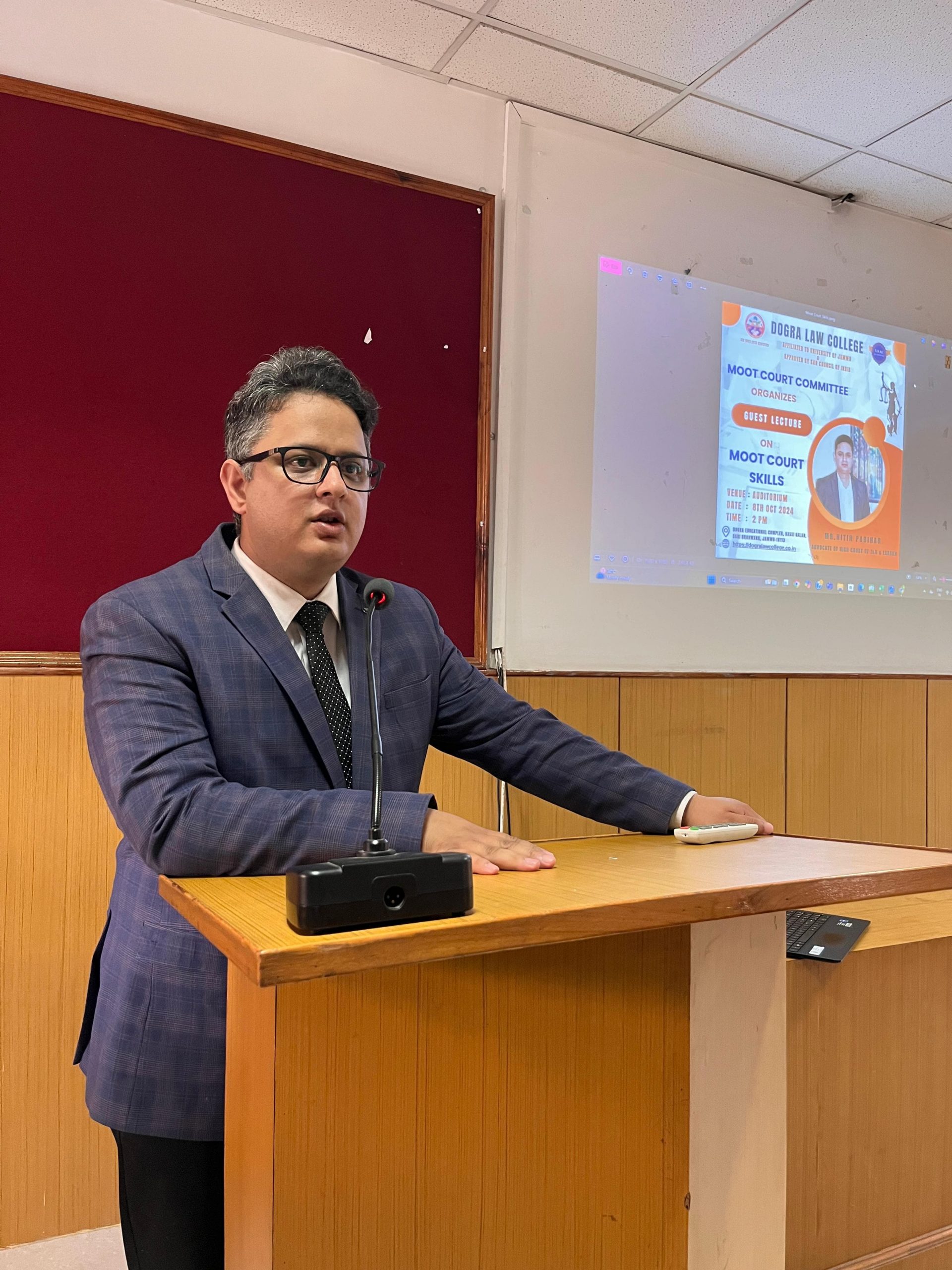






 Allow notifications