Could you share a pivotal moment or experience that led you to pursue a career in law, particularly in dispute resolution and arbitration?
Choosing a career in law was a natural process as I chose it to follow my father’s wish to become a Barrister. Again dispute resolution especially arbitration was something I was introduced to at my very early ages. Since my father was into construction of ports, dam and road projects, the word ‘arbitration’ was often heard during family discussions. I was encouraged to go through the arbitration cases of my father and also participate in the meeting with his lawyers. The pivotal moment was when I was asked to conduct a cross examination of a witness in an arbitration matter soon after I had become a law graduate.
Your expertise in handling international commercial arbitrations is well-known. What initially drew you to specialize in this area of law, and how has your experience evolved over the years?
Handling international commercial arbitration is the most exciting part in the career of an arbitration lawyer. Attending international conferences on arbitration law opened up a new gamut of arbitration practice. The interaction with foreign lawyers from different jurisdictions was a great opportunity to broaden one’s knowledge base and delve into a field of law which is more challenging and stimulating. Over the years the experience has been enjoyable and fascinating. Every case teaches you to work harder, read more on the subject and the need to conduct in depth research on legal issues involved.
With such a vast knowledge of Indian law, what strategies do you typically employ when approaching complex disputes, particularly those involving contractual matters?
It is important to be thorough with the facts before reading up on the law. Without being well versed with the facts of the case it is difficult to succeed in contractual disputes. The more complex the case, the greater is the need to simplify the facts and the issues involved. The handling of documents and being aware of the case bundles is extremely crucial. The entire process requires forming of strategies and changing them if need be, as one goes along. It is necessary to keep evolving new strategies and to be flexible and receptive to clients feedback and comments.
Your achievements include winning plaudits for your thorough knowledge of contractual disputes. Can you elaborate on how you stay abreast of the latest developments and intricacies in this field?
One way to achieve it is to attend lawyers conferences on the subject, not limited to one’s own jurisdiction but also overseas. It is also necessary to read more judgments on the subject and also arbitration awards rendered by arbitral tribunals. Reading and publishing articles on the subject necessitates carrying out in depth study on the issue and an important means to staying abreast with topics.
As someone with extensive experience in construction arbitration, could you share some insights into the unique challenges and considerations involved in this type of arbitration work?
The biggest challenge in handling construction arbitration is handling the large volume of documents. It is of paramount importance to know which type of evidence would be relevant and necessary to corroborate your client’s case. A decision to lead oral evidence must be carefully thought of, and well considered with due consultation with the client. Clients may insist on expert evidence being presented before the arbitral tribunal but the decision whether to opt for expert evidence should always be that of the lawyer. This decision, considering the Indian scenario, should be taken after thorough understanding of the psyche of the arbitral tribunal.
Given your involvement in drafting arbitration rules and conducting certificate courses on arbitration and dispute resolution, what do you believe are the most crucial aspects for aspiring lawyers to understand in this field?
The rules are there to simplify procedures and this is exactly what lawyers should be doing when handling a matter. No judge or arbitral tribunal encourages complication of the already complicated disputes between the parties. It may seem a very easy task to achieve but it is perhaps the hardest and most difficult skill to hone.
You’ve authored two full-length books on arbitration in India. What motivated you to undertake these projects, and what key messages or insights do you hope to impart to your readers?
Writing books on arbitration is nothing but a means to expand one’s knowledge in the field. The process involves in depth reading and research on the subject. At the end of the process it is not the reader but the author who gains more knowledge who then is keenly waiting for the reader to achieve the same status. To take up this path, it is imperative to have the desire to learn more, the interest to explore and to work hard till one reaches the point where one is ready to write down the first word of the first chapter of the book.
Lastly, based on your wealth of experience and achievements, what advice would you offer to fresh graduates aspiring to pursue a successful career in law, especially in the realm of dispute resolution and arbitration?
Fresh graduates are normally overwhelmed by the success stories of lawyers who they interact with or come across. But more than being enamoured by their success stories it is their journey and hard work which should act as an inspiration and be a source of motivation. There is no instant success in arbitration and continuous dogged hard work without expectation of reward is the key to a successful career. I do understand that it is very easy to say, one should be hard working but more difficult to find the opportunity to do that hard work especially for fresh graduates. However, being resolute is an extraordinary temperament to have. Lastly, as the great Fali Nariman said, never stop being a student of law.
Can you walk us through your career journey from starting as a junior advocate to your current role as Zonal Head – Legal (North) at Allcargo Gati Limited? How did you transition from criminal practice to corporate law?
Well, it has been a splendid journey throughout the career since its inception with lots of hiccups and challenges which I overcame. I started visiting the district level courts of West Bengal adjoining the Kolkata district. I had always a dream to pursue my career as a pleading Counsel, which every budding lawyer dreams. I developed the knack of practicing criminal law and am fortunate to get the opportunity to learn about the broad aspects of criminal jurisprudence under the guidance of the one of the eminent criminal lawyer of West Bengal and other states of eastern region, Mr. Tamal Kanti Mukherjee, Advocate of Alipore Judges Court, Kolkata and developed the skills of filing of police complaint thereafter conversion of the same to FIR, summoning, framing of charges till trail stage. During the initial days after the bar enrollment, you are hardly able to foresee the career path in this vast legal domain, wherein you get inadequate information from friends, colleagues including pressure from the family members to establish yourself . Predominantly appropriate legal connections are the main keys that every first-generation lawyer lacks, which I personally felt.
In order to get the flavor of the civil jurisprudence and in this vast universe of civil law(s) including but not limited to Laws of Constitution and Code of Civil Procedure 1908 & other law(s), I got the opportunity to work with one of the leading Law & Solicitor’s Firm of Kolkata viz. Sandersons And Morgans, as a Junior Advocate. I have appeared in different courts like Ld. District Consumer Dispute Redressal Forum, Hon’ble State Consumer Forum, Ld. City Civil Court, Ld. District Court, other Tribunal(s) and Hon’ble Calcutta High Court Original and Appellate side jurisdiction etc.
In addition to the proficient domain knowledge and skills, one of the most important aspects and invariably a bitter truth of the independent legal practice and specializing in the legal matters for one should be making a sound connection and developing new client networks through resources. Whilst during those struggling days of building my own brand of a recognized lawyer through the process of continuous learning, I got a call from the HR department of the most trusted footwear retailer brand Khadim’sand that really made my day and I got selected for the position of Senior Executive – Legal on the very first day of my interview. Now, I can gracefully state that I was the first ever candidate those days from my college batch being selected for the job opportunity in the corporate legal department.
It is apposite to mention that I got immense support and guidance from my college mate cum best friend, a competent lawyer specialized in constitutional bench matters of Hon’ble Calcutta High Court Ms. Mimi Mondal, BA.LLB turned to be my better half and mother of my only child Master Smayan Roy.
What were your key responsibilities and accomplishments during your tenure at Khadim India Limited and Ambuja Group ? Could you share some insights into the projects you handled and the challenges you encountered?
The first corporate job in Khadim’s really worked like a “bolt from the blue” and I got the exposure to understand the framework of the corporate legal department, learned corporate ethics, drafting of in-house company policies, labour related compliances, corporate litigation, retail acquisition, land matters along with company secretary and related affairs.
I was always best known for delivering smart results within a highly competitive environment by analyzing the situation/ complexities from broad legal perspective and suggesting practical action plans.
During my days of employment with Ambuja Group, a group renowned for its City Centre Malls in Kolkata, Raipur, Bihar and one of the top Builders in eastern India, I was a part of the corporate legal team and assisted the Head Legal in scrutinizing the Legal documents in respect of the proposed commercial and residential projects of the Company. I have independently & successfully closed contracts for new store leasing / licensing contracts of more than 150+ brands for new mall openings and elevated to the next level within a span of six months of joining the organization.
Moving to Delhi and taking on the legal function for the North & East regions at Shoppers Stop Ltd. must have presented unique challenges. Could you elaborate on some of these challenges, especially in navigating the legal landscape and stakeholder management in a new city?
Yes, indeed it was a little bit of a challenge for the initial days in terms of the geographical periphery and the peoples around you are concerned. Obviously the language plays a very important role in the legal domain but I have only one philosophy when it comes to work, every piece of work, regardless of size has to be done on time and in the right manner irrespective of barriers.
I had always had a dream of joining a big brand and a pioneer in the field of retail industry and I got the opportunity to work with “Shoppers Stop”, known for its superior quality products and services. During my period of employment with Shoppers Stop, I had conducted due Diligence of properties for retail and commercial development, closed documentation and due diligence of high street and Mall Anchor stores in the FY 2015-16 on pan India basis and have also developed company policies on industry-specific issues and corporate governance.
The biggest USP of my role with Shoppers Stop was that I was already a seasoned corporate lawyer having sound exposure of dealing with brand related agreements either from the Developer’s side as well as Retailer’s side, which really acted like a cherry on the cake for this role.
The biggest challenge during those days, I felt coordinating with the local lawyers on the rural side. While as we all know that it is a common practice of sending weekly/monthly reports to the top management with the complete update on the particular day of hearing of the matter, it becomes a tedious task when the calls/ messages to the local counsels always remain unanswerable. Hopefully with the digitization of the e-courts facilities and the confonet website for consumer matters, the struggle towards obtaining the updates and the orders of the lower court matters have been marginally decreased.
As part of the legal team at Dish TV, you were deeply involved in compliance, contracts, arbitration, and consumer litigation. What lessons did you learn from this role, particularly in terms of managing complex legal matters and driving successful outcomes?
As I have said earlier, my years of experience in the legal field is something that can truly contribute to the company’s success and my sense of dedication in every task that I handle is definitely a big plus.
As a part of the legal team of Dish TV, I have successfully spearheaded projects and generated huge cost savings for the company by implementing innovative initiatives and providing tactical business solutions and closure of high business contracts including the timely compliance of the regulatory affairs of TRAI and other regulatory body(ies) from time to time.
As a part of the company’s mission of acquiring the largest consumer base in providing the DTH services and to become the front-runner in service provider’s community, I have joined hands with the business team members and closed several contracts for different business verticals. My domain knowledge and hold over the customer base made a big contribution in resolving consumer matters of high stake including celebrities engaged for brand endorsement. I have really enjoyed the challenge of closing and successfully defending high ticket arbitration, commercial suits, trademark disputes. It is noteworthy to mention that I was a core team member of the Merger & Acquisition (M&A) team for acquisition of Videocon D2H by Dish TV and handled pre acquisition compliance and documentation from legal perspective
Your experience indicates involvement in trademark infringement and brand protection. Can you discuss how you tackled these issues in your previous organizations and any strategies you employed to safeguard intellectual property rights?
As we all know that registration of trademark provides a legal protection against the misuse or copying of a company’s name or logo, which is often a company’s most valuable asset. I have been always actively involved in the trademark and related affairs since the inception of my career in every organization I have worked. The key role and have tackled the trademark related issues by : –
Filing of trademark & copyright applications on time and continuously following up till registration along with timely renewal,
Nabbing the counterfeiters illegally using the brand name by sending Cease & Desist Notices on a timely manner,
Filing of Trademark infringement suits in respect of the counterfeit good(s) appointment of local commissioners by the appropriate Court of Law.
Filing of police complaints for TM & copyright infringement and intimation to the state / central tax authorities,
Advising the organization on the possible consequences and advantages regarding the registration of Trademarks, Copyrights and other Intellectual Property Rights.
I have also designed an effective online system with the help of the third party developer for management of Intellectual Property resources of the company.
Independently represented the company on the trademark litigation filed against the Infringers in “passing off” suit filed at Hon’ble High Court at Delhi and the Hon’ble Court has passed John Doe and Anton Pillar orders in respect of the trademark of the company.
How does the legal landscape in the logistics industry compare to the other industries you’ve worked in? What are the unique challenges and key areas of focus for legal professionals in the logistics sector?
The logistics industry is subject to a web of regulations and customs procedures, which varies significantly from one region to another. Navigating this complex landscape can lead to delays, fines, and compliance issues. The logistics sector including road industry are always prone to ongoing legal hassles including timely compliance, safety, export and import compliance; vehicle detention by administrative, quasi judicial authorities etc., GST and other tax impositions, hazardous materials safety, handling, transportation and storage, MACT, road transport issues, vehicle caught incidences under NDPS Act or any other statute.
You need to monitor and update management on every change of laws and regulations from time to time and ensure compliance thereof.
We have acted as an enabler to business team on proactive suggestions on legal matters on various business related issues on 24*7 bases round the year.
Throughout your career, you’ve likely achieved numerous milestones. Could you highlight one of your most significant accomplishments, either in your past roles or your current position at Allcargo Gati Limited?
I try to achieve the set goals and work hard as much as I can, I try to reach those goals and achieve the desired outcome. I had always recognized myself as someone with a progressive attitude who does his best and gives 100% to attain goals. To me success is not just my personal achievements but also by the efforts of the people around me and my team.
I have been always been a top performer in almost all the organizations I got the opportunity to work and in this current organization Allcargo Group, I am awarded with the “CEO Award” – FY – 2022-23 and “Best Zonal Head – Legal” – FY 2023-24 for my exemplary performance and contribution to the legal team.
Finally, drawing from your rich and diverse experience, what advice would you offer to law graduates aspiring to transition into corporate legal departments? What key insights or lessons would you share with them as they embark on their careers in the legal field?
Working as a corporate lawyer could be a very rewarding and profitable career path. One should blindly follow the vogue “Practice – Perseverance – Perfection” for the initial days of the career.
Corporate Legal Specialist is a relatively new discipline and the expansion and career options are ample. In the present day, company legal professionals are employed in loads of top-notch organizations and therefore this discipline of the legal profession is opening up choices in careers and professions for young law aspirants.
Henry Ford says, “Anyone who stops learning is old, whether at twenty or eighty. Anyone who keeps learning stays young. The greatest thing in life is to keep your mind young.”
So learning and developing skills is the mandatory tool for the aspirants, so be ready for exhausting work and sacrifice. If you want to get certified and acquire expertise, work harder and become a specialist in corporate law. Good Luck to all young law aspirants!!!
Starting as a first-generation lawyer, you faced the challenges of building your practice from scratch. Can you share a turning point from those initial years that significantly impacted your professional trajectory? Could you share some insights into your early school days and college life journey, the struggles you faced during your studies, and what motivated or inspired you to pursue a career in law?
As a first-generation lawyer, building my practice from scratch was indeed a challenge, but it was also a journey filled with rewarding milestones. We all know that the legal profession was not very rewarding for beginners, particularly in the 1980s, resulting in a significant number of lawyers leaving the profession within five years of joining it. Naturally, I, too, needed a turning point to stay put in the profession. In 1989, in the aftermath of a long-drawn lawyers’ strike in Delhi Courts, I was in two minds about continuing my independent practice. Then came a phase when, within a period of a few months, in three different matters in Delhi High Court, I received appreciation from the Bench for my performance as a lawyer in open court. Encouraged by the same, I banished all thoughts of quitting the profession and kept looking for opportunities to improve myself as a lawyer of substance. In my free time, I would prefer to go and sit in any courtroom randomly and watch the proceedings. Many tools in the kit that I possess as a lawyer today were picked up from watching other lawyers, which later got chiselled with experience.
In terms of professional growth, the next level turning point came in years 1993 when a few MNCs, particularly, American Express Bank’s Card Division, gave me a retainer, whereafter, by the grace of God, I never looked back and I was able to augment my practice not only in terms of volume of work but also qualitatively and geographically. The trajectory gradually gained width, and I started getting briefed for matters in courts spread all over the country.
Reflecting on my days as a student, I believe that all the credit for my development as a person and particularly my acquiring a taste for reading books on different subjects would go to my teachers, who encouraged me to participate in extracurricular activities and encouraged me to be a bilingual debater. To prepare for my debates, I would read more and more books, and visit all public libraries in Delhi and perhaps, in one of these moments, the Almighty God scripted my destiny, which eventually led me to a profession where reading is quintessential.
As regards struggle, I had my own share of it, in plenty. The students in my days, even those hailing from well-to-do families, by and large, were not loaded with deep pockets, and socialism in its true sense could be seen when almost everyone would be running to board a crowded DTC bus. Thus, a sort of existential struggle was part of life, notwithstanding the fact that family support secured basic needs for most of us, including me. Since in my entire family, be it from my mother’s side or my father’s; nobody was in the profession of law or judiciary, I cannot say that I was angling to be a lawyer at the time when I joined the Law Faculty. Options were wide open. Inspiration to become a lawyer came from the Dean of Law Faculty, Professor Ponnuswami, with whom I had regular interaction as the President of the Student’s Union. I would not know what he saw in me, but he was very sure that my place was in the Courts and in one of the meetings in his office on the DU Campus, he told me that the straight road from his office goes to Tis Hazari Court and that I should be walking on that road without wasting any further time.
Once again, it was my teacher who helped me in choosing my career, and it is the collective blessings of all my teachers in school, lecturers, readers and professors at the University of Delhi that have shaped my life, professional as well as personal. I am particularly indebted to Mrs. Sunanda Roy, an Advocate, who referred many high-profile individuals in my first phase of practice, enabling me to find my feet and to Mr. Arun Jaitley, Senior Advocate and later, a Minister in the Union Government, who guided me at those crucial moments in my professional life, which proved decisive and helped me to elevate to the next level.
In simple words, I would say that motivation and inspiration are part of a constant dynamic process, and one has to draw them through an honest introspection of one’s abilities, strengths and quotient of enjoying a particular field of work. Speaking for myself, I applied the method of elimination and over a period of time, I realised that given my strength as a speaker, my ability to analyse situations in an objective manner and the fact that I enjoyed the situations where academic knowledge and practical solutions could be blended, law was best suited for me as a profession and I have never found myself lacking in motivation to continue in this profession.
During your college years, applying for internships and gaining practical legal experience was a crucial step. Could you share some insights into how you navigated the process in an era before online applications? What challenges did you face, especially in securing internships with renowned firms or senior advocates?
In the 1980s, there was no structured system of internships in Delhi. Even at the university level, there was no such initiative or program whereby the students were encouraged to take up internships. Any student interested in exposure to courts would have to use his personal contacts, in as much as there was no practice of applying in a formal manner. Ordinarily, first-generation lawyers would not get opportunities to intern, barring a few whose parents were in a position to secure it for them. Speaking for myself, I did not do any internship while pursuing my LLB course. The mode of teaching law at Delhi University was case law based, and the classes were highly interactive and illuminating, particularly with some extraordinary gentlemen teaching us as lecturers, readers and professors, and we were generally in good pace with the latest judgments pronounced by the Supreme Court. The classroom discussions and the discussions in the canteen and corridors did not make me feel the need to go for an internship involving court visits or visiting a lawyer’s office. Besides, my extra-curricular activities in the college and my involvement in the students’ politics, blended with the fact that I took my classes seriously, left me with no time for internships.
In your journey, you’ve been involved in high-profile cases, including intellectual property laws and family partition disputes. Can you share a particularly challenging case and how you approached its resolution?
As regards family partition disputes, I would not like to speak much as they are essentially confidential in nature and are close to the emotions of the individuals who were forced by circumstances to be litigants. However, I can take pride in the fact that as a lawyer, I handled family disputes with a conciliatory approach, not by questioning the conviction of the clients because the clients are highly emotional in the truth of their version. Therefore, the strategy that I would adopt was to elevate the level of the contest both by way of pleadings and/or cross-examination, so that the opposite party would feel the heat and prefer to come to the table for settlement. I personally believe that in all property matters involving family members, whether it is a suit for partition or a dispute of succession, the settlement is the best conclusion of litigation.
I had the good fortune of representing top MNC brand owners in trademark litigation, mostly from the plaintiff’s side, courtesy of the trust reposed on me by two major IP Law Firms in Delhi, Remfry & Sagar and K&S Partners. In one such case, when I was engaged for the plaintiff, the Application for grant of ad-interim injunction was pending for a long time since no ex-parte relief was granted, despite highly reputed seniors appearing for the plaintiff. A challenge before me was to get the case heard, for on each date the matter would be adjourned due to the weight of the volume of the brief and the perception of the Court that the arguments would take long. I decided to take a risk, albeit taking my briefing firm in confidence, by keeping my opening arguments lucid, without compromising the contents and touching all points in a brief and succinct manner and to deal with the contentious points in the Rejoinder arguments. The strategy worked and, in a case, where the plaintiff was without interim orders for several years, was able to get one within two hearings. The point I am making is that as a Senior Advocate, one cannot rest on the basis of briefing alone in a ritualistic manner, but in each matter, there is a need to make value addition and above all, there is a need to strategize the arguments and if possible, to make a plan B to meet contingencies in the Court.
Returning to independent practice in 2023 after serving as the ASG for the Supreme Court, what aspects of your independent practice are you most excited about, and how do you plan to leverage your experiences in your current role?
Resuming independent legal practice in 2023 after serving as the Additional Solicitor General for the Supreme Court of India is a momentous step in my career and I am truly enjoying it. This transition brings a renewed sense of excitement and purpose, especially given the wealth of experience and insights, that I have gained during my tenure as the ASG. The prospect of handling a varied and challenging caseload is particularly exhilarating. I am confident that my new innings will enable me to delve deeper into complex legal issues and encourage me to learn new nuances and perspectives of the legal issues. It will also give me an opportunity to learn from the colleagues, whom I missed facing/working with during my tenure as ASG.
I am particularly excited about the new dimensions of legal practice, particularly the regulatory practice before specialized tribunals such as the Competition Commission, NCLT, NCLAT, PNGRB, APTEL, CERC, Lokpal etc. I am also enthused about the advent and growth of white-collar litigation in the criminal law field. I am also looking forward to upgrading myself in the fields of IP Laws, Information Technology and Telecom Laws.
Reflecting on your extensive experience in litigation, what are your thoughts on the field, and what suggestions would you offer to students aspiring to pursue a career in litigation? Could you share insights into the challenges you foresee or personally faced during your early days of practice that would be valuable for them?
The legal profession is intertwined with challenges at each stage; only the nature of the challenges can differ. The challenges that I and my contemporaries faced during my early days were primarily existential in the sense that we were all looking for work, in order to continue our existence in the profession, coupled with the challenges as a breadwinner for the family. Since then, the diversification of the profession has infused more work, both in terms of quantity and quality, but at the same time, the advent of five-year law courses has intensified the competition with a very large number of lawyers joining each year. Now, the challenge is to carve out a niche for oneself, or else, one may get submerged in the deluge of lawyers, who have shown greater alacrity in reacting and grabbing the opportunities.
It is the quest to carve out a niche that is the biggest conundrum for a young lawyer and to resolve the same, s/he would need the guidance and insight of seniors. The first question that confronts a young lawyer desirous of pursuing litigation as a chosen field in the legal profession is to take a call if she wants to gain foundational exposure to legal practice at the trial courts, tribunals, High Courts, Supreme Court or one or more combination thereof. Once a call is taken on this aspect, the next question is whom to join or where to join. In my view, both the questions are inseparably linked. It is a hard fact that every lawyer would not have the luxury of picking up the place of joining or the practice profile. Therefore, the ideal situation would be to internally prepare a list of preferences and look for opportunities accordingly.
The bottom line is patience, for one must remember that Rome was not built in a day; and that there are no shortcuts if a young lawyer wants to become a lawyer of substance. Therefore, a young lawyer should not get inspired by a rapid-fire success story of a particular lawyer; for all one knows, it may be short-lived, it may be a fluke; maybe such a lawyer whose success gained in a short time looks attractive is actually a windbag juxtaposed to a lawyer of substance. The stories worth emulating are only those where a lawyer, taken as a role model, has built up her body of work with hard work, exemplary court demeanour, following ethics, maintaining integrity and exhibiting skills based on domain knowledge and comprehensive research. I would suggest that even in the choice of senior or a firm, the above factors should always be weighed. In my view, it is extremely important to how a young lawyer conducts herself in the court in terms of observing the dress code, which in my view includes footwear, in terms of leadership and communication skills, in terms of maintaining decorous behaviour in the court and courtesy exhibited in the interaction with the colleagues including opposite counsels.
Most of the tools which an arguing counsel must possess are developed and chiselled in the courtrooms only because the court craft cannot be taught in law schools. A young lawyer needs to learn when to start, when to pause and when to end. Voice modulation, submissiveness and calculated aggression are priceless tools that need to be keenly observed at the Bar and then inculcated into one’s system, not by copying but by blending the same into one’s own strengths and qualities. An eye for detail is highly recommended. Seeing is believing should be the philosophy before relying upon a document received from clients. Above all, it must be understood that more often than not, a client would not be in a position to assess or may not be voluntarily willing to part with the necessary information or documents required in the best interest of his/her litigation. A lawyer has to develop a skill to elicit information from clients to anticipate the documents that would be required for the case and to insist that those documents are collated and supplied.
Last but not least, familiarity with the court building and the court procedure, where one practice is a sine qua non for the success of a litigation lawyer. In my view, a young lawyer may call herself a dispute lawyer, which is the term in vogue, only when she passes the above stage and is able to deliver for the client and at the same time, is able to inspire confidence in clients, colleagues and courts.
Your college days at Delhi University seem to have played a pivotal role in shaping your diverse interests, including your art collection, your extensive library, and your love for both vocal and instrumental music. Can you shed light on your non-legal life during those days and how these interests continue to enrich your personal journey?
My college days at Delhi University left a lasting impact on my diverse interests outside the legal sphere. During those years, I immersed myself in a world of cultural and artistic exploration that continues to enrich my personal journey to this day.
One of my enduring passions from my college days is the art collection. The vibrant cultural scene in Delhi, especially within the university, exposed me to a wide range of artistic expressions. I found myself drawn to various forms of art, including paintings, which eventually contributed to the art collection that I currently have. Collecting art has been an enjoyable journey, filled with inner peace, spirituality and the ability to view things from diverse perspectives.
My extensive library includes books, not only books from different parts of India but drawn from all parts of the world, written in different languages. I have admired the beauty of the classics, drawn inspiration from autobiographies and travelogues, gained knowledge from historical narratives and interpretations, widened my understanding of different genres of fiction writing, mythological stories, critiques, both social and political, broadened my wisdom and comprehension by reading religious and philosophical writings and have truly enjoyed the comics.
My love for both vocal and instrumental music also has its roots in my college years. Delhi University’s rich cultural heritage exposed me to the vibrance of music from different traditions. I developed an appreciation for classical and folk music, often attending music concerts.
As a bibliophile, can you recommend a book that has significantly influenced your perspective, either personally or professionally, and why?
In my formative years, I read a variety of literature. I was hugely inspired by the vernacular literature comprised of the writings of Munshi Prem Chand, Dushyant Kumar, Jaishankar Prasad, Maithili Sharan Gupt, Ram Dhari Singh Dinkar, Mahadevi Verma, Rabindra Nath Tagore, Vijay Tendulkar, Mohan Rakesh, Dharma Vir Bharati, besides translated works of many regional giants, who have graced the landscape of literature in Indian languages. I also enjoyed the monumental works written by the stars of BhaktiKal / RitiKal, such as Goswami Tulsidas, Kabir, Rahim, Bihari and Surdas. I immensely enjoyed the translated works from Sanskrit, Persian and Urdu.
However, if I have to point out one book that left an indelible imprint on my thought process in my growing years, which surely must have impacted my personality subconsciously, it is The Fountainhead by Ayn Rand. The underlying message of the book, departing from its various complex interpretations, which I personally absorbed for myself, was that in the ultimate analysis, it is me only who is responsible for my actions and that, therefore, there is nothing wrong in flaunting a bit as regards my instinct for preserving my self-respect even if it is construed as ego by others and as regards my efforts to watch my self-interest, as distinct from selfishness for the simple reason that unless I watch my self-interest I cannot be of any use to others in the society. The ultimate takeaway of the book was that each person has to respect himself/herself in order to grow as a person, and it is this realisation alone which is the fountainhead of human progress. I have taken the message of the book as I have construed it in my own way and have followed it invariably. In fact, in Hindi, I prefer to call this element of self-respect “Asmita”, which is also the title of the collection of my poems.
Balancing a legal career and personal interests can be demanding. Do you have any specific routines or rituals that help you maintain this balance and stay inspired in both your professional and personal pursuits?
I personally believe that where there is a will, there is a way. I also believe that I do not have to throw my weight around, and I need to retain my humility. I always remember that after the game of chess is over, the king and the pawn are packed in the same box. Therefore, I have been able to manage the balancing act with reasonable ease, and the reasons for the same as I see it are that I enjoy my professional work, and do not perceive it as a burden or something in conflict with my other interests. With that bend of mind, I seamlessly transit myself to the experiences of other interests of mine, be it movies, books, theatre, concerts, travel or other aspects of my life. It is correct that in terms of time, my profession consumes most of it, but it is always possible to make the most of the remaining time. The key is how one organises one’s life and how well the time is utilised with a bit of multi-tasking and an uncluttered mind. Above all, I have a full realisation that I am unique, hence incomparable; that I need not know unnecessary information about others; that I cannot be a character in every story, so let it go.
You’ve received an Honorary Doctorate in acknowledgement of your contributions to the legal domain. Could you share with us how such a significant recognition influences your sense of responsibility and commitment to the legal profession? In what ways do you perceive this honour shaping your future endeavours and the impact you aspire to make within the legal community?
Receiving an Honorary Doctorate as a recognition of my contributions to the legal domain is an incredibly humbling and gratifying experience. This significant recognition brings with it a heightened sense of responsibility and commitment to the legal profession, which influences me in several profound ways.
Firstly, this honour reaffirms my dedication to upholding the highest standards of legal practice. It serves as a reminder of the impact one can have through diligent and ethical work. In response, I feel an increased responsibility to continue contributing positively to the legal community, maintaining integrity, and striving for excellence in all my professional endeavours.
Additionally, this recognition motivates me to further engage in mentorship and education within the legal field. I see it as an opportunity to inspire and guide the next generation of lawyers. I aim to share the knowledge and experiences I’ve gathered over the years more actively through teaching, writing, or speaking engagements. By doing so, I hope to play a part in shaping a future legal community that is skilled, ethical, and dynamic.
The honour also strengthens my commitment to pro bono work and access to justice. It reminds me of the importance of using my skills and knowledge to serve those who may not have easy access to legal assistance. I feel a renewed drive to contribute to causes and cases that can bring about social change or aid individuals in need.
Furthermore, this recognition broadens my perspective on the potential impact of my work beyond the courtroom. I’m inspired to engage more deeply in legal research and policy-making, areas where I can contribute to the evolution of law and its practice. This could involve working on law reform, participating in think tanks, or advising on policy initiatives.
Lastly, receiving an Honorary Doctorate fuels my desire to continue learning and evolving. The legal field is constantly changing, and this honour is a reminder that one’s education and development in the field never truly ends. I’m encouraged to keep abreast of new legal developments, technologies, and methodologies to ensure my contributions remain relevant and impactful.
Considering your extensive legal career, what advice would you offer to the current generation of aspiring lawyers regarding the choice between gaining practical experience through internships and pursuing higher studies, particularly the prospect of doing an LLM abroad?
When considering the choice between gaining practical experience through internships and pursuing higher studies like an LLM abroad, it’s important for aspiring lawyers to first understand their career goals. If you aim to specialize in a specific area of law, engage in academic research, or pursue a career in academia, then an LLM from a prestigious international university can be highly beneficial. Such a degree can provide in-depth knowledge and a global perspective, which can be invaluable in certain legal fields. It’s also an opportunity to develop a network of international legal contacts and gain exposure to different legal systems, which can be particularly advantageous if you’re interested in cross-border legal work or international law.
On the other hand, the value of practical experience gained through internships cannot be overstated. Internships offer a real-world understanding of legal procedures, client interaction, and the day-to-day workings of the legal system. This hands-on experience is crucial for developing practical skills that you cannot learn from textbooks or in a classroom. It also helps in building a professional network, which is essential for a successful legal career. Internships can provide insights into how law firms operate, the challenges of legal practice, and can help you determine the specific areas of law that you’re most passionate about.
It’s also worth considering a combination of both paths. For instance, you could pursue an LLM abroad to gain specialized knowledge and international exposure and then focus on internships or practical legal work to apply and further develop these skills. This approach can offer the best of both worlds – the advanced knowledge and prestige of an LLM, along with the practical skills and real-world experience gained from internships.
Finally, remember that each path has its unique set of advantages, and your choice should align with your long-term career aspirations and personal circumstances. Some legal careers benefit more from advanced academic credentials, while others prioritize practical experience. Reflect on where you see yourself in the legal field and make a decision that aligns with your professional goals and personal growth.
Can you please share the story of how you decided to pursue a career in law, and what specific factors or experiences led you to specialize in disputes, particularly company and commercial disputes?
The decision to pursue law was not a straight choice but a process of elimination and discovery. Given my family background and as someone who opted for commerce, I was presented with two choices: follow my father’s footsteps as a chartered accountant or pursue my studies in commerce. Right after my boards, I enrolled myself in esteemed colleges like CBS and SRCC.
In this time, I had developed a keen interest in analysing and comprehending intricate concepts, coupled with a passion for engaging in public speaking. It was during this period that I had the privilege of witnessing the legendary, Late Ram Jethmalani, showcase his extraordinary oral advocacy skills. This experience left an indelible impression, and my intuition directed me to the pursuit of law. Once I decided to pursue law, I naturally gravitated towards disputes or as we litigators colloquially refer to where the real “juice” of the legal profession is. Immediately after the last term, I explored a corporate position placement. However, I ultimately declined, much to the bemusement of my peers who continue to jest about my decision till day.
With over 12 years of experience in the field, can you walk us through the key milestones and challenges in your career, from joining Shardul Amarchand Mangaldas & Co. to founding your boutique litigation chambers in Delhi in 2019?
My journey commenced with a stint at a tax litigation firm, Economic Laws Practice. Under the mentorship of Mr. Tarun Gulati, today a distinguished tax senior counsel, who led the Delhi tax litigation practice at the time, I learnt the basics of basics. Transitioning to SAMCO marked a pivotal juncture. Here, I was exposed to the world of arbitration and commercial litigation. I was fortunate to be guided by Mr. Dhruv Dewan, my supervising partner at the time. Under his guidance, I refined my legal acumen and navigated the landscape of challenging yet intellectually stimulating work. In those days, burning the midnight oil was not just a phrase but a frequent reality. I vividly recall a period where I was given the opportunity to single-handedly manage three high stake live arbitrations, overseeing cross-examinations, evidence, and final hearings in a span of twelve months—an arduous yet immensely rewarding experience. Personally, my involvement in the Tata-Mistry legal battle was a watershed moment that transformed my perspective on legal strategy, which was akin to playing a highly strategic chess game. SAMCO, for me, was an institution where every case became a classroom, and every challenge was an opportunity for growth. I am grateful to Mr. and Mrs. Shroff and all my former colleagues for this immensely enriching experience.
In hindsight and given that I hail from a non-legal background, the decision to establish my boutique litigation chambers in 2019 was characterized more by audacity than meticulous planning. Gratefully, the leap of faith bore fruit. This transition has been instrumental in introducing me to the practice of law, its diverse challenges and putting me on an entrepreneurial journey.
Your profile mentions your involvement in a 5 Judge constitutional bench, Cox and Kings, before the Supreme Court of India. Could you provide insights into the significance of that case and how it reflects your expertise in arbitration and company disputes?
My involvement in the constitutional reference before a 5-Judge bench of the Supreme Court of India in Cox and Kings was unexpected. I had the honor of closely working with Mr. Darius Khambata, Senior Advocate, a renowned arbitration expert, in shaping our strategy and articulating our case. Mr. Khambata aptly coined our approach as establishing “guardrails” to manage the expanding purview of the Groups Company Doctrine (GCD)- a legal doctrine rooted in the Chloro Controls India (P) Ltd. v. Severn Trent Water Purification Inc. & Anr. case.
In the field of arbitration, we observed a concerning trend wherein GCD was being indiscriminately applied to bind non-consenting parties to arbitration. Our task was to conduct a comprehensive analysis of global practices pertaining to the application of GCD, presenting a legal threshold, and spell out safeguards for invoking and applying GCD within the context of arbitration. It is personally gratifying to note that majority of arguments put forth by Mr. Khambata were accepted by the constitutional bench in the Cox and Kings case, which is now the authoritative ruling on GCD in arbitration. For me, this experience underscores the challenge of navigating complex constitutional issues whilst balancing the contemporary challenges in the field of arbitration.
Congratulations on your Amazon bestseller, “Monk Your Mind: 10 Secrets to Transform the Mind.” What inspired you to write a book, and how do you see the connection between your legal expertise and the themes explored in your book?
While the direct connection between my legal practice and my debut book is not overt, the book reflects a convergence of two key elements. Firstly, my training as a lawyer played a crucial role in honing the skills necessary for writing a book. Secondly, the professional challenges inherent in my legal career significantly influenced the themes I chose to explore in the book.
The book fundamentally emphasizes the notion that each individual possesses the capacity to transform their mind and leverage it to achieve their goals. Drawing from the rigors of legal practice I experienced, the book advocates embracing trials in life. It underscores the principle that undertaking difficult endeavors is the catalyst for personal growth and simplifying life, challenging the conventional notion to the contrary.
What motivated your move to Anagram Partners, and how does your current role differ from your previous experiences, especially in terms of handling alternative dispute resolution, commercial and corporate litigation, insolvency, and bankruptcy?
Joining Anagram Partners marked the initiation of a new chapter in my professional journey, and the motivation behind this transition was multi-faceted. From a workplace, Anagram Partners distinguishes itself through exemplary work practices- a candid feedback system, constant pursuit of excellence and a focus on executing superior legal strategy.
Since the inception of Anagram Partners, I have had the privilege of being deeply involved in the disputes practice. Working alongside partners who are eminent legal experts in their respective domains has contributed immensely to my professional growth. It’s here I transitioned from a practice of law to “business” of law. As a firm, we operate as a cohesive unit, and leverage cross-practice expertise. This helps in providing a comprehensive and nuanced approach to handling matters, thereby enriching the quality of advice provided to clients. With its diverse disputes profile, Anagram Partners has not only afforded me the opportunity to refine my legal skills but has also instilled in me a profound understanding of the holistic dimensions involved in legal practice. I am immensely grateful to all my partners for this opportunity.
Given your proficiency in conducting cross-examinations of witnesses before courts and tribunals, could you share some insights into the strategies you employ and the challenges you face in the process?
Conducting cross-examinations is the true test of a disputes lawyer. It tests your drafting, critical thinking, articulation, strategic ability, presence of mind, knowledge of human behavior and much more. The foremost challenge lies in the exhaustive groundwork that precedes the actual cross examination. Achieving proficiency in this aspect requires an in-depth understanding of the case from both sides’ perspectives. Prior to formulating questions, I try to wear the hat of not just a lawyer but that also of the witness, the opposing counsel, and even the presiding judge or arbitrator. Although time-consuming, this comprehensive approach not only fosters a nuanced understanding of the case but also provides a strategic edge over potential challenges in the cross-examination process.
You’ve published pieces on commercial laws, arbitration, and foreign investment. How does your commitment to writing contribute to your legal practice, and how do you approach speaking engagements at both domestic and international fora on arbitration?
Writing on topics related to commercial laws, arbitration, or the field of law I practice is driven by a genuine desire for self-expression. It is my belief that speaking and writing are strong mediums through which one can articulate, share and influence perspectives on various issues. While the external perspective may be to positiononeself as a thought leader, the intrinsic motivation should stem from the joy of writing and speaking itself. Rather than focusing solely on establishing oneself as a thought leader, authenticity and a true desire to contribute valuable legal insights should guide these endeavours. This is especially if the objective is to be consistent.
Considering your journey and accomplishments, what advice would you like to share with law graduates who are just entering the field? Are there specific skills, mindsets, or lessons that you believe are crucial for success in the dynamic and challenging world of legal disputes?
Reflecting on my journey and looking at what lies ahead, thriving in this field requires a combination of specific skills, mindsets, and lessons::
Strong work ethic: The ability to work hard and consistently put in the effort cannot be overstated.
Kaizen Mindset: Embrace a Kaizen mindset- focusing on constant and relentless improvement of your craft. This mindset is key to adapting to the ever-evolving legal landscape.
Openness to learning- Be willing to learn from everyone, whether they are younger or more senior colleagues. Cultivate the humility of a perpetual student, as there is valuable knowledge to be gained from diverse sources.
Acceptance of Mistakes: Acknowledge and accept mistakes. Ego should not stand in the way of learning and growth.
Ambition: Foster a strong ambition to achieve your goals.
One thing is certain- a lawyer in a family means the entire family is part of the legal profession. Managing personal and professional aspects, thus, requires constant calibration. There is no optimum work-life balance- it’s the balance that suits you the most.
In the end, these are only my personal views, which are shaped by my life experiences and observations. Take them with a pinch of salt!
You are an international disputes lawyer at Freshfields Bruckhaus Deringer and you also lead Freshfields’ India disputes practice. Can you share with us the journey that led you to where you are today?
I’ve had a somewhat unconventional path. Fresh out of law school in Bangalore in 2009, I took a leap of faith and moved to Delhi to litigate. As a first-generation lawyer who grew up in Mangalore and Bangalore, I wasn’t sure if I’d find my feet, but generous colleagues and mentors made that possible.
My first job was with Mr. Vikas Mehta, an accomplished Advocate on Record in the Supreme Court from whom I learned a great deal about the art and science of dispute resolution. In 2011, I joined Mr. K.K. Venugopal, who, apart from being one of India’s leading lawyers, is a fantastic mentor. His chamber has produced prominent senior advocates and judges, most recently Mr. KV Viswanathan, who was appointed to the Supreme Court last year. I was also fortunate to have the support of Gopal Sankaranarayanan, now a Senior Advocate, who helped me navigate what to me was a new and sometimes inscrutable world.
A few years into my litigation career, it became clear to me that I would set up my own counsel practice. But before doing that, I wanted to pursue an LLM to deepen my study of public and constitutional law–areas of particular focus for me during my time with Mr. Venugopal. I attended Harvard Law School in 2016, an enriching year in which, among other things, I explored core constitutional issues such as equality and free speech. Upon returning, I began working toward establishing an independent practice, while continuing to assist Mr. Venugopal, who by then was the Attorney General for India.
My career shifted quite abruptly at this point. My wife, a journalist, was on a career path that looked increasingly like it would be outside India, which led me to pursue opportunities overseas. International arbitration was a natural fit and I accepted an offer to join the Singapore disputes team at Freshfields, where I have been since November 2018. My focus is international disputes, both commercial and investor-State, across a range of sectors and regions. India is an important part of our practice, and in November 2022, I began leading Freshfields’ India disputes practice.
Your experience with Mr. KK Venugopal means that you have handled a large number of cases before the Supreme Court of India, including landmark constitutional cases. Could you elaborate on one of these cases and share the impact it had on shaping your legal career?
I was fortunate to have worked with Mr. Venugopal on many occasions. They include the case challenging the National Judicial Appointments Commission, the 2G telecom spectrum case, the Aadhar case, and the challenge to criminal defamation in India. The opportunity to work on these legally complex and often politically-charged cases was incredible and gave me a front-row-view to how the greatest Indian legal minds approached these subjects.
Working in Mr. Venugopal’s chamber was also rewarding because his juniors have always been an integral part of his team. That means your voice is always heard, your opinions are considered and your work is always credited.
You transitioned from the Office of Mr. KK Venugopal. How has your previous experience influenced your approach to handling international cases?
My experiences in India, especially with Mr. Venugopal, have been instrumental in shaping my approach to complex, high-stakes international cases. But it wasn’t just the grand battles. Tackling hundreds of commercial cases at the Supreme Court solidified my foundation in core contract and commercial issues. Those cases honed my ability to think strategically like a lawyer, identify key issues, and grasp the commercial context. While specific laws may differ, the core approach to applying legal principles remains strikingly similar. A robust foundation from my India experience allowed me to seamlessly transition to the international disputes arena.
You are on the panel of arbitrators at the Singapore International Arbitration Centre and the Thailand Arbitration Center. How do these panel memberships contribute to your professional growth?
Serving on these panels gives you the opportunity to be appointed as an arbitrator (of course, appointments are not automatic. These institutions have a robust selection process for each case). Sitting as an arbitrator shifts and broadens your perspective and, ultimately, also makes you a better advocate. You gain a new understanding of what counsel can and should do to better serve their clients and the arbitral process.
Being recognized as a Future Leader and National Leader in global and Southeast Asia arbitration publications is a significant achievement. How do you think these recognitions have impacted your career, and what advice would you give to young lawyers aspiring for similar recognition?
Thank you. Such recognition is valuable because it showcases your experience and expertise to a broad swath of the arbitration world and can be a stepping stone to more opportunities. That said, I wouldn’t advise young lawyers to chase it as an endgame. Instead, I’d advise them to focus the early stages of their careers on honing their craft. Good work does eventually get noticed.
You are the current Co-chair of Young ICCA. Tell us a little more about how it happened and your work with Young ICCA?
I’m deeply interested in contributing to the development of arbitration and to ensuring that young practitioners have the support they need to succeed. Young ICCA is a fantastic organization with programs aimed at doing just that. When a co-chair position opened up, I put my hat in the ring.
With over 10,000 members, Young ICCA is one of the largest young arbitration bodies in the world. Our core programs are mentorship (we run mentorship cycles, assigning mentors to small groups of young arbitration practitioners), scholarships (we have tie-ups with leading universities to offer fee waivers for Young ICCA scholars), events (all our events are free, and we try hard to ensure they are focused on skills training), and publications (we run a popular essay competition and the winner gets a chance to speak at the ICCA congress). The work I do with Young ICCA is truly rewarding.
You’ve co-authored several articles. How important is thought leadership in your field, and how do you stay abreast of the latest developments to contribute meaningfully to the discourse?
The law is complex and evolves every day. Thinking beyond your immediate case and grappling with the wider legal landscape is crucial to being a good disputes lawyer. Writing an academic piece allows you to dive deep and dissect tough issues from different angles. It widens your aperture and might force you to think ahead about how a particular area of law is likely to develop.
As a lawyer in private practice, the trick of course lies in carving out the time for such pursuits. I try to make time every day – okay, almost every day – to keep track of the latest developments in my areas of work and interest.
Considering your extensive journey and achievements, what advice would you offer to law graduates who are just starting their careers in the legal field, particularly those aspiring to specialize in international arbitration and dispute resolution?
When I speak to young lawyers, I always tell them to remember that their legal careers are long. In the early years, what’s vital is building the foundational skills of research and writing, and acquiring a rigorous understanding of first principles. It sounds obvious and intuitive, but all too often, young lawyers feel pressured into picking or committing to a specialized field at the cost of the basics.
For lawyers aiming to practice internationally, there are usually two ways to do it. The first is to apply for a training contract with an international law firm, train there, and qualify into an international disputes practice. The second is to work in India for a few years, do a postgraduate degree and then look for opportunities with an international law firm. The second is the harder of the two paths.
Your journey includes an LL.M. from Harvard Law School and a B.A. LL.B. (Hons.) from NALSAR. How did your time at these prestigious institutions shape your approach to law, and do you have any memorable experiences you’d like to share from your time at Harvard?
It was a privilege to be part of the two leading law institutions both in India and the world. As a law student, I was exposed to the best professors and brightest of legal minds which helped me develop my curiosity in law. I understood very early that law as a subject is ever evolving and there are no right answers in law. It is all about thinking in pairs where you need to think both sides of an argument and not rush to conclusions.
HLS for me was an exposure to the international world as we had students from more than 50 countries in the LLM batch. I made friends from various countries and understood their culture and thought processes. HLS not only made me a better lawyer but more than that it gave me tools to understand the world and its people better.
As a member of the New York Bar, you bring an international perspective to your practice. How has being admitted to practice law in New York influenced your career, and what unique insights do you gain from practicing in both India and the U.S.?
I can confidently say that NY Bar was the toughest examination I gave in my life and for which I worked the hardest. As a lawyer trained in India, it is more difficult to crack the NY Bar since you would need to unlearn Indian laws and focus on both federal and NY state laws which at times would have conflicting positions.
Although I don’t actively practice US laws, having been exposed to securities law jurisprudence of the US- it helps tremendously in my practice in India. Most of Indian securities laws have been made on the similar lines as US laws and while Indian laws are still at a developing stage- US laws have an established history and jurisprudence. I often refer to US laws to draw parallels while assisting securities market players in both advisory and disputes practice.
Congratulations on co-authoring the book ‘Securities Regulation – Primary Market Offerings in India.’ What inspired you to delve into this subject, and how has the book been received in the legal community?
In my first few years of practice, I was a capital markets lawyer and had worked on several IPOs. I quickly realized that most of the laws surrounding this practice have been influenced by US laws and the knowledge of US securities laws is essential to excel in the field of securities laws. This motivated me to do my LLM at Harvard and once I returned I was itching to put down on paper a comprehensive legal book on doing IPOs in India. There was no existing literature and for me it was an opportunity to understand the Indian laws contextualizing it to the prevailing US laws. The book was more of a learning experience for me to better understand the policy rationales and choices India has made to regulate the Indian securities market as compared to other developed jurisdictions.
I have heard that few law schools and MBA colleges use the book as part of curriculum and most law firms also have a copy of the book. I believe it was well received but it would now need an update and reprint for which I am trying to motivate myself.
Finsec Law Advisors has likely seen various achievements during your tenure as a Partner. Can you highlight a moment or accomplishment that you are particularly proud of, either for yourself or for the firm?
FLA is one of the very few firms in the country that is a specialist firm in the field of securities laws and financial regulatory space. We have been consistently ranked as the Top Tier in all Indian and global rankings of laws firms specializing in Indian securities laws.
The Firm over a decade has been the forerunner in thought leadership and policy development of securities laws. We are active in advisory, disputes and policy work in the financial sector laws. Over the years, we have not only advised top marquee clients like top blue chip listed companies, largest mutual funds, stock exchanges, FPIs, AIFs etc. but have been actively assisting the growth of the fintech industry with clients like Zerodha, Smallcase, Navi etc. We are proud to develop a niche practice area focussed on expert and quality services to our clients and forerunner in thought leadership and policy development.
You’ve been actively involved in academia, giving guest lectures and teaching a credit course on Securities Regulation at NALSAR University of Law. How does your involvement in academia complement your legal practice, and what insights do you gain from interacting with students?
We as a firm work on a very focussed area of practice and therefore for us it is not only important that talents joining the firm not only have proven academic excellence but also have a keen interest in securities laws. For us law school courses and other academic endeavours help us develop students’ curiosity in the subject and also assist us to go back to basics to explain laws in first principles. Our practice requires specialized skill sets and continuous learning, teaching stints and guest lectures also lead you to re-read the laws and overall help me in my professional growth.
With over 17 years of experience, you’ve seen the legal landscape evolve. What changes in the legal industry do you find most intriguing or challenging today?
I think there are two major shifts in the legal industry space- one is technology and the other is specialized skill sets. With the development of technology, starting a legal practice is just one degree and a computer away. Technology has ensured the barriers between clients and experts have been diminished and all services can be provided without requiring any physical meeting or sharing of documents. Now, with AI etc the legal industry would evolve further where the first level of research or first draft of an opinion or suit can be drafted by AI. The human skills would be to review and verify the technology output.
Since technology would replace general research and drafting skills, top money would be paid by clients only for specialist lawyers. This shows the shift in trends in the legal industry wherein specialist law firms having the technical expertise and experience in narrow practice focus would only survive in the next decade or two.
Your expertise extends to regulatory proceedings, including cases of insider trading and securities fraud. Can you share an interesting aspect of this work that people might not be aware of?
As a securities lawyer, we need to not only understand the regulatory framework but also understand workings of the securities market like trading, settlement, F&O and roles of intermediaries involved such as brokers, clearing members, stock exchanges, custodians etc. It is essential that we understand the securities market eco-system as we regularly need to analyse trading patterns, fund flows etc towards advising our clients. For effective advice, both legal and factual matrix need to be analysed carefully towards providing optimum solutions for the client.
Also, we assist our clients in development of new products especially in fintech space and policy development wherein we assist in creating a regulatory framework for new services, platforms in the financial industry. We often work on complex technical issues in the space of payment systems, exchange control and other SEBI and RBI regulations that require us to be up to speed with the latest developments both in the field of law and technology.
Another interesting part of my practice is that I not only get to advise clients on various financial regulations but also I regularly appear before SEBI and SAT to argue matters. Working on policy, compliance and regulatory proceedings/dispute at the same time gives us an edge on the regulator’s mind. We understand why the laws are framed, how the laws should be implemented and lastly, how it is enforced which help us to defend/advise our clients better. Thinking about the future generation of lawyers, what advice or insight would you offer to those aspiring to follow in your footsteps and make an impact in the legal field? I think young lawyers should follow their heart and choose a field that interests them the most. Only if you enjoy your work can you excel. Young lawyers should avoid being a generalist and look for specialization. Being an expert in one field of law would help them be less reliant on jobs in big law firms and help them set up their independent practice or law firm in the future. Law is a profession and should be treated as a career which spans 30-40 years and one should not look out for short term goals and treat it as a job without any long term goals. Lastly, I would advise young lawyers to be more patient and showcase more perseverance in their chosen field- in law nothing is more rewarding than experience and dedication which leads to self confidence of the lawyer which translates confidence of clients to the lawyer.
Could you introduce yourself and share a brief overview of your journey from college to becoming a Partner at Fox Mandal & Associates LLP?
I am Saurabh Bindal, a Partner at Fox Mandal & Associates LLP, heading the Disputes and Litigation practice of the Firm in Delhi. I did my Engineering and thereafter, decided to pursue Law from the reputed Indian Institute of Technology, Kharagpur, India. Thereafter, I started practicing in a reputed Intellectual Property Law Firm in National Capital Region. After a short stint at the Firm, I realized my calling to be a litigation and disputes Lawyer. Subsequently, I have worked with different Law Firms in the past in various capabilities.
In my current role, I render dispute resolution support to clients on issues relating to Arbitration law, Intellectual Property law, Privacy law, Information Technology law, Constitution, Company Law, Contract Law, Employment Law, Electricity Law, Insolvency and Bankruptcy Code.
I have eight books to my name and several publications in leading journals. I like to speak on different facets of law and have had the opportunity to represent my clients in different forums, in India and abroad.
With significant experience in diverse areas of law, including Arbitration, Intellectual Property, and Employment Law, what inspired you to pursue such a multifaceted legal career?
Well, you know, I firmly believe that the practice of law is based on continuous learning. I try to learn each day. The inspiration to learn is something that keeps me motivated in life. I have worked on different facets of law as that motivates me to grow. One must find a purpose in life. For me, I tend to believe now that my purpose was in the practice of law. Once, you start practicing law, you must be internally inspired to keep the channels of learning open.
As a Partner at Fox Mandal & Associates LLP, you lead the Alternate Dispute Resolution and Litigation practice. Could you share some insights into the challenges and successes you’ve encountered in this role?
The role I am currently engaged in is quite challenging. Each day there are new hurdles, and you have no other option but to live it up to them. As a leader, one must take everything as a part and parcel of life. In life, your failures become your teachers and your success your enemy. I believe it will be very difficult to point out every challenge faced by an individual in her or his role. However, after some point of time, with one’s hard work, every challenge a person faces in life sometimes becomes an opportunity to strive forward. The only insight I could share with the challenges faced by me in my role is that each challenge has taught me new ways to live a meaningful life.
Aside from being a legal expert, you’re also an author, having written several books on intellectual property law, arbitration law, and privacy law. What inspired you to delve into writing, and how does it complement your legal practice?
The person who brought me pen and paper was Dr Uday Shankar, a Professor at the prestigious Indian Institute of Technology, Kharagpur. It was he who asked me to assist him with a submission. When I look back, I give all the credit in my writing to him for his patience with me. He has been my friend, philosopher, and guide.
I would also like to give credit for my writing to Eastern Book Company. Eastern Book family, and more particularly Mr. Sumeet Malik has been very kind in holding my hands. Majorly, all my books are thoroughly reviewed by him personally and he has contributed much to my life.
You’ve been recognized as an expert public speaker. What’s your favorite topic to speak about, and do you have any memorable experiences or anecdotes from your speaking engagements that you’d like to share?
Like the practice of law, public speaking is also a lifetime learning experience. The more you do it, the more you learn about engaging the audience. I have been constantly trying to master the art. Each event I speak at, makes me realize that speaking in public is also an art, at which, I am just a novice.
Having worked with various law firms, including Desai & Diwanji and Singhania & Partners, what lessons have you learned throughout your career, and how have these experiences shaped your approach to legal practice?
I have only learnt that your hard work will get recognized in life. You will always have people around you to pray for you in life, if you are good. I have always maintained good relationships with every Firm I have left. It is a very important learning in life. This has certainly helped me in shaping my legal practice. A legal practitioner must deal with different clients and as an officer of the Court must assist the Court. I believe, my experiences in life have taught me how to interact with clients and make a long-lasting relationship with them. My work in all the past firms has also taught me that it is only your work which will define you.
Apart from your legal expertise, your profile mentions that you are an insightful writer. When you’re not writing legal pieces, do you have any personal writing projects or genres you enjoy exploring in your free time?
Frankly speaking, I used to read a lot of fiction. Lately, I don’t get time to read fiction and that is something that I miss.
As a lawyer with a keen interest in technology, what’s your take on the evolving landscape of privacy and data protection, and how do you think legal professionals can stay ahead in such a dynamic field?
Intersection of law and technology is always appealing. COVID-19 pandemic taught all the lawyers to accept that intersection. Privacy as a concept is relatively new to India. We are still to see the rules being made under the Digital Data Protection Act, 2023. For legal professionals, it will be my advice that to stay ahead in this dynamic field, they must embrace the change which the Act has brought to India. I am sure that there will be a lot of work which will flow from the Act as it has recognized right of individual to keep his digital data private and talked about the repercussions if sharing of such data leads to any breach.
As someone who has excelled in both professional and personal life, receiving accolades such as the India Business Leader Award and the Young Alumni Achiever Award, what advice would you offer to young legal professionals aspiring to achieve similar success?
My advice to young legal minds would be to read, write, laugh, and enjoy life. One must be passionate about her or his work. If law is something, that you are passionate about, I am sure that everything else will follow. It is only work that will take any person ahead in life.
Please tell us a bit about your upbringing and what motivated you to study law?
I was born to a doctor couple in Ranchi. I have an elder brother who is also a doctor. I finished pre-school from St. Mary’s Nursery School and enrolled at DPS Ranchi where I studied until I finished 12th grade. Ranchi used to be a small quiet town. We didn’t have much exposure and the career options were limited to medical or engineering.
I had seen my parents at their workplaces but was somehow not attracted to their profession. I wanted to understand how the society and our legal system functions. There was a natural inclination to move from the study of sciences to social sciences (This is not to say that I didn’t enjoy science, I did quite well in my 12th board as a Biology student and I miss organic chemistry a lot!). I remember chancing upon the question paper for the first CLAT and finding the questions very interesting. I thought that this was something that would be fun to study. My parents were not keen with the decision at first. But I owe it to my school teachers who played a very important role in convincing them. They eventually came around.
How was your law school journey? We see that you’ve done a fair bit of extra-curricular activities as a member and head of the Music Club at GNLU. You’ve also been part of the organising committee for the GNLU International Moot Court Competition (“GIMC”) and the GNLU Moot on Securities and Investment Law (“GMSIL”). Tell us a bit about these. Are co-curricular and extra-curricular roles important for a law student?
I think 5 year is a really long time if you have to just study law, so it is very important that you keep your interest going with other things. I have always loved playing music. I have even trained in Hindustani Classical. GNLU had a bunch of extremely talented musicians who formed the music club (a tradition that I’m glad to know has continued). Something very special and beautiful happens when a bunch of strangers with very varied backgrounds and interests in music come together to create music. I forged some excellent friendships through the music club, and I did it mostly for myself. It helped survive the grey walls.
The Organising Committee roles started because I wanted to be among the “cool kids” on campus during GIMC. But over a period of time, it taught me responsibility and very strong organisational skills. The Organising Committee itself is divided into sub-teams for logistics, sponsorship, PR and hospitality, which have their respective team heads or coordinators. Organising a moot which witnesses such wide participation from teams and judges is a crash course in event management. By our 5th year, some of us who were part of the GIMC-OC founded GMSIL because to bridge the need for a moot exclusively for securities and investment law. Our moot court coordinator, Dr. Girish R. liked the proposal and took the idea forward. The University administration was extremely cooperative and helpful, and we had another moot to organise!
Co-curriculars are definitely important for an all-round development, and somewhat even necessary given today’s competitive environment. I am not sure if extracurriculars help directly. Being involved with the organising committee of a moot court competition may not help you with job applications. But they do form good conversation starters. As an OC member, whether you like it or not, you will know something or the other about the moot problem, and learn a lot simply by hearing the oral arguments. Some of the younger judges who come might also help in mentoring and guiding.
Winning the Best Speaker at the 3rd All India Corporate Law Moot Court Competition and receiving an Honourable Mention at the 23rd Willem C. Vis International Commercial Arbitration Moot in Vienna are impressive achievements. Could you share some insights into these experiences and their impact on your career?
It is incorrect to equate good speaking skills in a moot with a good career in litigation or even law, generally. Moot problems help you think. They come closest to making a student apply the law, think on your feet, and experiment with legal arguments. I picked up a lot on coherent, crisp, and succinct drafting when I was doing Vis (all credits to my team – Muskan, Shweta and Catherine, and to our team coach – Zehaan). Drafting is a very underrated skill. It is extremely important to be able to convey legal arguments in simple words and in a structured manner to have maximum impact on the reader.
As far as oral argumentation goes, the preparation for Vis was very different compared to AICLM. With AICLM our focus was very much on the law and clarity of thought and expression. Since it was a national moot we expected the judges to ask questions and preparation was done accordingly. Vis was trickier. We had prepare for arguments before judges from different jurisdictions who were used to hearing very different accents and dialects. I remember hitting rock bottom at one point in my preparation for the oral rounds, because I felt that I wasn’t getting better. Things got better once I identified that I cannot go by a scripted speech. In that sense, moot court competitions helped me discover an individual style of argumentation.
Most moot court competitions are based on a new and upcoming legal issue. They’re a great way to keep on your toes about legal developments and interesting areas of law. My main reason for participating moots was because they were a great learning experience.
You secured a pre-placement offer with Cyril Amarchand Mangaldas in your 3rd year at GNLU. What would be your placement advice to students?
Honestly, I had not given much thought to placements back then. Our University had an excellent placement and internship committee which worked towards ensuring that students had internships and placements. I can’t speak of the standard procedures today but back then, a PPO was the culmination of repeat internships at any office. I had performed fairly well at my internships with the erstwhile AMSS. I was amongst the top rankers in my batch and had a well-rounded CV. Those factors did play a very large role in securing the PPO.
A strong resume is imperative for higher chances at a placement with any top-tier firm. But that does not necessarily mean an “academically good” resume. I can’t generalise but I think when firms come for placements, they are looking not just for talent, but also for a candidate that fits well with the larger work culture and ethos of the firm. Not everyone is a good fit for every firm.
How was your experience of working at CAM, Delhi. Did it seem daunting at first? What tips would you give to fresh joinees at a law firm?
It was quite daunting in the beginning. It was the first time that I was living in Delhi by myself. But I shared a home with some of my college seniors who took out the time and energy to guide me. There was a fair bit of inhibition and self-doubt. What helped was to have seniors around who could guide, and I was quite fortunate that way. It is important for everyone to understand that there is a bit of a jump from being an intern to being an Associate at a law firm. Nobody is inherently good at law. Good lawyers are a by-product of good training.
I don’t have many tips for fresh joinees. Each team and each firm has a different style of working and requires a different skill set. Diligence, honesty, sincerity, humility, patience and a willingness to learn are just the starting points. It’s essential to look after one’s health – we often ignore that when we’re starting out.
What were your reasons for leaving a Tier-1 law firm and joining litigation? What advice would you give to students who want to join litigation?
I wanted to be in and out of court more regularly and practice a wider range of law. I had great exposure at CAM, but the learning curve had started to plateau. I didn’t want to get too comfortable with the money and decided to move out young after finishing 2 years at CAM. That decision worked out really well for me because I had learnt my basics and was able to get up to speed on matters very easily.
The usual advice on patience and perseverance in litigation is quite common so I won’t repeat that. I have two pieces of advice for students. First, the horse is as good as the stable (as said by Fali Nariman in his autobiography). Find an office or a chamber which will really help you blossom into the best version of you.
Second, figure out your “why” of continuing with litigation. Law in general is a demanding and challenging profession, if you want to go about it the right way. It looks very different from the outside than it is on the inside. So, you really need to have a pretty strong reason to be a litigating lawyer – it can be anything, whatever keeps you going. For me, it was not the money, or the adrenaline rush of being in court, or the glamour of being a senior advocate. At the risk of sounding nerdy and naïve, I have continued with this purely because I like reading briefs, I love reading law, I like applying my mind to the case and to the law, and I like drafting. The practice of law brings me peace and satisfaction.
Please tell us more about working at a Chamber in Delhi. How is it different from working in the litigation team at a law firm?
I joined the chambers of senior advocates after my stint at CAM. With a senior’s office you don’t draft so much but you are handling a larger number of matters on a given day. The drafting is already done by the firms and advocates who come to brief the senior. The input expected from a junior is to be thorough with the briefs they’re marked on, prepare notes for arguments and be quick on the uptake and legal research. All this happens post 3-4 PM when you are back in office from court. In court, a big part of your job is to keep tabs on what matters are reaching, avoid a clash to the extent possible and ensure that your senior appears in them. This last part is very important because all preparation goes to waste if your senior does not appear and the matter gets adjourned.
Why did you decide to qualify as an Advocate on Record? Can you share some insights into the process of qualifying as an Advocate on Record and its impact on your career?
The decision to qualify as an AOR was influenced due to the chambers that I had worked or interned at. I had interned with HMJ (Retd.) Indu Malhotra (before her elevation), who had been an AOR before being designated as a senior advocate, another internship with ADP Chambers where Mr. Debesh Panda is an AOR. I was already enamoured by the prospect of being an AOR because I witnessed first-hand the kind of responsibility it came with and the skills that it required. Post CAM, I joined the chambers of Mr. Dhruv Mehta, Senior Advocate who used to be an AOR too. I then joined Mr. Jayant Mehta who was an AOR when I joined him but got designated as a senior during my tenure at his chamber. Both my seniors are not only great lawyers but have been excellent draftspersons. I wanted to emulate that and hence, taking the AOR exam was another step in that direction. I also enjoy Supreme Court practice a lot and hope to build my practice as an AOR office.
The impact of becoming an AOR is yet to be seen as I have only recently started my independent office. The process of qualifying is pretty straightforward and the details are available on the Supreme Court website itself. The exam comprises 4 papers – Practice and Procedure, Drafting, Advocacy and Professional Ethics, and Leading Cases.
Your publication record is quite extensive, covering topics from arbitration to competition law. How has academic research and writing contributed to your growth as a legal professional, and do you see a synergy between your academic pursuits and your practical work? Please tell us a bit about your research papers such as, the one on the overlap of insolvency and arbitration laws in India and its implications? How do you decide to write on a particular topic?
Despite several earnest attempts, I have not been able to keep up with a regular habit of writing. It is not mandatory to be engaged with academics and scholarly writing once you are a professional. Whatever little that I have published was purely because I have academic leanings and I enjoy writing on legal topics. I want to be a lawyer who is very actively involved in academia, and I have unrealistic ambitions of being able to author a commentary (someday, who knows?).
The more you read and keep updated, the easier it is to zero in on a topic. Being legally aware and updated automatically leads to a churning and overflow of ideas which often seek release in the form of an article. I also took my research projects in University seriously and chose topics which either piqued my interest or left room for creative scholarly work.
Why did you decide to read for a masters at the University of Cambridge after working for a couple of years. Is post-qualification experience important to secure an admission? What advice would you give to students who want to pursue an LL.M. abroad?
A masters’ degree wasn’t on my agenda when I finished my undergraduate. It was only during practice that I got the opportunity to dabble with very different areas of law. I’m truly grateful to my seniors’ chambers for that opportunity and for planting in me a genuine and deep interest in certain areas of law. I wanted to study these civil and commercial laws in depth and spend time in not just understanding how these laws work, but how they should work, and why.
The importance of work experience depends on the University and the programme that you choose. There is really no one-size-fits-all approach. As far as Cambridge goes, they have a very inclusive selection process and work experience is not a pre-requisite to secure an admission.
Like litigation, figure out your reasons for doing your masters, and tailor your CV accordingly. A masters from a reputed University does increase your chances of getting hired with an international law firm but it is not a ticket to that job. There are people who have moved to international law firms without a masters too! It is best to do a masters right after law school if you know that you want to get into academia. But it is certainly not a necessity if you want to continue practicing law.
How has the LL.M. helped in your career? How did you decide on your LL.M. subjects (International Commercial Litigation, Intellectual Property, Information Law and Advanced Private Law)?
As mentioned earlier, I chose these subjects because I was already familiar and interested in them through my work experience. I didn’t pursue my masters for any immediate or direct advantages to my career as far as employability is concerned. It did tremendously expand my knowledge, understanding and overall ability to think about the legal issues relating to my masters subjects. Since I continue to deal with these practice areas, they do contribute towards my outlook to briefs and my engagement with these laws on a regular basis.
Tell us a bit about your time at Cambridge – curricular and extra-curricular activities, both. What would a typical day look like for you? How challenging was it to deal with the reading lists and the academic work?
Cambridge is a very peaceful and engaging place, almost a respite from the busy hustle bustle of my life in litigation. The whole city is full of students and the culture is such that it fosters academic growth. Every attempt is made by the colleges to help focus by taking care of all other pastoral needs. This is done, perhaps, to ensure that students are able to cope up with the humongous amounts of readings. In the LL.M. course it is not enough to know the law. The professors’ expect that you have thought deeply about your subjects and have reasoned with it well. They are more interested in hearing your original ideas.
During term time, apart from attending class, I used to spend most of my time at my college library or at the reading room trying to cover up just the basic readings for my classes. It was impossible to finish the reading lists during term, so a majority of the break between terms was also spent in finishing the pending readings. For someone who has a genuine interest in their subjects and wants to be thorough, the entirety of the course duration can get used up in just finishing the readings. But the readings were divided into essential and optional to make things easier for students.
It wasn’t all work though. I helped organise the Cambridge Arbitration Days – 2022 at the Faculty of Law. This was one of the first arbitration events that was being held in person post COVID. We had some of the best barrister chambers and solicitor firms come down for the sessions. I met some of the best legal minds here.
I was a member of Darwin College at Cambridge which is right by the Cam River. Matter of fact, the backyard of my house opened into the college gardens which were adjacent to the river. Darwin has a special place in my heart – I made friends from all over the world and across disciplines. You could just be sitting and having a cup of coffee in the café and strike a very thoughtful and enriching conversation with a complete stranger who will most certainly have a thing or two to teach you.
I founded the Law Society at Darwin. I was very active with the swimming club. I would almost never miss our Saturday swims followed by brunch at the college. I did a fair bit of punting and kayaking. I signed up to become a punt captain at my college and by the end of my course I had become an expert at giving people punt rides along the river. I even did a night punting trip! Darwin has the best (and the most affordable) bar in Cambridge and is run entirely by students. I used to bartend once a week and earn some side money. I played a lot of cricket and football. I think I made the most of my time there, but that is how the environment is like at Cambridge. It ensures that you maximize your involvement with everything. This can also lead one astray. So it is important to not lose track of your priorities.
In addition to your litigation work, you have advised on various aspects of data protection laws and have drafted privacy policies. How do you stay updated on evolving legal landscapes, especially in areas like data protection, and what advice would you give to legal professionals on staying current in today’s dynamic legal environment?
I think it is easier to stay updated in today’s legal environment because important cases and developments get reported immediately. I think LiveLaw and Bar&Bench do a pretty good coverage of domestic legal developments. I have also been in the habit of reading international developments by customising my Feedly since I was in law school. There must be newer ways of staying updated now, would appreciate receiving tips on that myself.
A question that is often repeated- How difficult is it to be a first generation lawyer in the litigation circle?
It is difficult for sure, especially if you are not from Delhi, like me. But then again, it is not impossible either. The starting point differs if you are from a family of lawyers and you certainly have an edge over others. Even if you discount legacy, lineage makes things easier purely in terms of rent, expenses, office space, library and resources. But, I’m hopeful that in the longer run everyone does end up finding their ground. I can’t say for other cities but the Bar in Delhi is relatively more welcoming to outsiders. One of my law professors used to say in GNLU – Everyone will end up reaching the same place. If someone has an airplane, let them use that. You take the bus if that’s what you can afford.
I must also count my blessings and check my privilege. I managed to work with some of the best chambers even though I didn’t have any connections to secure an entry for me. Hard work does get recognition across the board. My seniors, and the people I have worked and interned with have always been exceptionally kind to me. I have been able to keep litigation because my parents are not dependent on me and I have no liabilities. I have a spouse and in-laws who have been exceptionally supportive. It wouldn’t have been possible for me to transition to independent practice without their backing. I can imagine the trajectory being far more difficult for someone else.
It is also important to understand that setting up an independent practice is not the only way that one can be a litigating lawyer. People are doing exceptional work at chambers and in law firms, be it small, mid-tier or big law firms. Being part of a team is less stressful than running your own establishment. It also gives more flexibility, allows room for experimenting with varied work, and ability to handle heavy briefs.
As a woman at the Bar, do you face any particular challenges and how do you deal with them? What changes would you suggest for a more inclusive and diverse Bar? What future opportunities and challenges do you foresee?
Women face more challenges in every field (personal or professional) and litigation is no different. A comparison of the number of men and women senior advocates and judges is self-explanatory. But I must point out that a career in litigation has a lot of longevity. There is always scope for coming back after a break, albeit, with initial struggles and difficulties. Since there is no linear career progression, it leaves room to carve a distinct path which may be very different from one’s contemporaries.
There are definitely a larger number of women at the bar today. With passage of time, courts have become more inclusive and accommodative spaces. There are also a large number of women who are re-joining the field once their children have grown up and they don’t need to be caregivers. I’m grateful for the Bar here which has an amazing set of women who have always been very encouraging and supportive. We have a long way to go but I’m hopeful about the future. We are the products of the hard work of all women who came before us and made our lives easier, and I hope that we’ll continue making things better for the future.
Lastly, if you were to provide advice to recent law graduates entering the field today, what key pieces of wisdom or lessons learned would you share with them as they embark on their own legal journeys?
“Own legal journeys” is the operative part here. The legal profession is very wide, diverse and rich. Each person has their fair share of struggles, blessings and rewards. There really isn’t a template to follow. Feel free to experiment, but do a good job with whatever you choose to experiment with. Another piece of advice is to have hobbies outside of law. The profession (and life in general) is far too long to live without poetry, music, sports, food, art and culture.
Sir, to start this conversation, can you tell us about your journey and how you ended up becoming a corporate commercial lawyer with a focus on litigation, arbitration, and advisory work?
At the outset, I thank you for providing me the platform to express my thoughts and also a huge thank you to the readers for taking out the time to read this interview. Hope this will provide answers to any questions that they may have.
I am a first-generation lawyer who had no background, guidance or mentor in the legal field. Most of my family, including my father, were government officers working with different ministries and sectors. While growing up I would often see that despite having ample authority in their jobs, they did not have the power to go beyond their employment duties and change the system. This prompted me to chose a career that provided me independence, authority and the means to reform the system. Thus, my initial years in the career right after college were spent practising mostly in the NGT and High Court working primarily on Environmental, Writ, PIL’s and Civil matters. Further, to explore more areas of laws, I switched to Civil, property, consumer, family and some criminal matters. Whilst working on ground, I was exposed to ADR techniques like Mediation and Arbitration. I was immediately drawn towards the aforesaid inexpensive and more efficient methods of dispute resolution. However, I saw that there was a dearth of awareness, skills and resources. That time most of the lawyers and judges were still ill-equipped to deal with complex arbitration procedures and cases. This led me to pursue higher education from a foreign institution to learn more about the practice and procedures as applied around the world.
Upon my return after earning a Master’s degree, I began applying my skills and knowledge to the field and shifted the focus of my practice to commercial litigation and arbitration, which remains my core area and personally, my area of preference.
Thereafter, the advent of the new Insolvency Code and Bankruptcy Code, 2016 (“IBC) completely shifted the legal landscape. Initially, Arbitration replaced litigation as the primary method for dispute resolution but, with the provisions of moratorium, arbitrations were being stayed and kept aside and hence, it become a ‘trend’ to initiate proceedings in NCLT rather than invoking arbitration. Nonetheless, there were many coinciding points in the lifespan of a dispute, wherein insolvency, corporate and dispute resolution laws came face to face. This was the reason that more and more work started coming in from the corporate side as well. Further, as IBC was (and is) in its evolving stage, the joy of moulding and developing the law through my representation before the Tribunals lead to this becoming my main areas of practice.
Therefore, it would not be incorrect to say that it is was an organic process for me to become a corporate commercial litigation and arbitration lawyer.
You mentioned that your practice involves a significant multi-jurisdictional component. Could you elaborate on how you handle cases that involve appearances before the Courts of England, India, and International and Domestic Arbitral Tribunals? What are some of the challenges and opportunities in dealing with such diverse legal systems?
Yes, that is correct. I am presently based out of London and practicing both in India and London. The advancement of technology and the digitalization of the Court systems and hearings has been a catalyst to my practice being spread in different countries.
Initially, I was practising from New Delhi, my hometown and would physically go and appear in the jurisdiction where the case was filed or heard. During those times, the virtual hearings were rare and only allowed in exceptional circumstances to the concerned parties, like a witness being based abroad. Therefore, initially, my practice involved travelling to different states and cities in India along with international travel to the seat or venue of arbitration. However, after covid, almost all of the Courts in India and abroad switched to virtual hearings which provided me the flexibility and ease to appear remotely. Presently, I am appearing virtually in almost all of my cases in India (with the assistance of the local lawyers). On the other hand, I am physically appearing and attending my cases listed in the Courts here in England and Wales.
I would say the challenges and opportunities are two sides of the same coin as one can only get the opportunities if they can overcome these logistical and procedural challenges. When I expanded my practice and relocated to England, it required a lot more hours of work due to the time difference between the countries. I would often get up early morning as per Greenwich Mean Time (GMT) to appear before the Indian Courts which were 5:30 hours earlier (IST) and thereafter, begin my work here in England. Due to the difference in time, I also had to schedule my calls with clients and colleagues in a way that I could keep the two separate and this led to a situation where my work days turned unusually long.
Another challenge that I faced was the difference in practice and procedures between the two countries. It is a common misconception that as India has derived most of its laws from England, they’re mostly the same. Even though the broad concepts are largely similar, the practice in the two countries is very different. Therefore, getting acquainted with the difference in terminology, style of drafting and presenting the claim/defence and also, presentation of arguments before the court initially posed a great challenge. However, with time, this difference has now faded and made things relatively easier. Moreover, I now handle my India & UK assignments separately by allocating different days to each. This provides me ample time to prepare with ease for each assignment.
All things considered, maintaining two different practices requires diligent efforts, extensive work hours and efficient management. Moreover, it also demands you to be socially active. There is saying in our field, especially for litigation lawyers, “out of sight-out of mind”, and hence, it is imperative to maintain and build professional and personal contacts by attending social events like conferences, meetings and seminars.
How does being a dual-qualified lawyer enhance your practice? In what ways has it broadened your understanding of international law and cross-border transactions?
I would say this dual training and qualification provided me an edge over my peers and opened new avenues for me. While studying in India, we were mostly taught about our legal system and how the Courts in India dealt with cases historically and in the present times. However, we were not provided exposure to the functioning of the Courts in other international jurisdictions especially in countries like the USA or the UK who are the founders of some of the modern-day legal concepts and techniques.
The education I received during my masters, filled this knowledge-gap and exposed me to international practice areas. My brief time in the US gave me exposure to how the different jurisdictions in the US, from New York to Florida and California to Washington DC, dealt with the arbitration disputes. I was also part of the very first Mediation scrimmage organised by the American Bar Association and other developmental activities which further enhanced my inter-personal skills to handle disputes in a more informal and personal setting. Moreover, I became more familiar with the functioning of the Courts and Tribunals of some of the most pro-arbitration jurisdictions like Switzerland, Singapore, England and Paris.
The aforesaid exposure, education and knowledge has made me better equipped to advise and deal with international cases and client. Further, I learnt to keep myself abreast with the legal developments around the world that enabled me to come-up with better solutions and reasonably infer the outcomes of the cases.
As an avid writer, you contribute to international journals, blogs, and publishers. How has your passion for writing complemented your legal career? Are there any specific topics or issues that you enjoy writing about the most?
At the outset, I truly believe that legal writing is a necessary skill for our profession and not merely a complementing factor. Our profession requires deep understanding of the subjects. Whilst writing an article, the author has to research, read and understand the past, present and future usage and implications of that particular topic.
My passion for writing developed through my inquisitiveness to read about new topics and concepts. I believe I am still a student of law learning new things every day and therefore, whenever I come across a new concept which is still unknown to me, I am keen to research and read about it. Most of the articles I have written were either new to the world (like Singapore Mediation Convention) or new to me. Therefore, it would be apt to say that this passion increases my knowledge in the field and eventually helped me in the practice.
My topics of interest are mostly based on the new developments in the field of law. In today’s time when there is an abundance of resources and free access, I believe that the historic concepts already have numerous sources and publications. Therefore, my preference is writing about a relatively novel concept, case or practice so as to provide a fresh perspective to the world and contribute to the literary resources.
Could you share with us some of your most memorable or significant cases or achievements in your career so far? What were the key factors that contributed to those successes?
To be honest, all of my cases are personally significant for me as I am 100 % involved in all of my cases whether they become distinguished or not. But few of the cases stand out for me as these are mostly my ‘firsts’ or the cases that brought a change in the system.
Starting with my firsts, a PIL filed by me along with a colleague before the Delhi High Court to term the senior citizens as “co-morbidites” during the covid phase and thereby imposing greater obligations on the state to protect the senior citizens and children during the outbreak of corona virus. Another case that I want to highlight is another PIL filed before Delhi High Court (still pending) turned into a representation by the Court to the State Transport Department, Police and Policy makers. The Petition dealt sought creating a dedicated corridor on all main roads of Delhi providing unrestricted and free movement to all emergency services.
I would also like to mention one of the Arbitration Petitions which was decided by the Delhi High Court in our favour. We had opposed the unilateral appointment of an arbitrator by the opposite party. What made the case landmark was that not only the Court allowed our objection to the unilateral appointment, the Court while considering our objections regarding the invalidity of the arbitration agreement, quashed the proceedings in the same Petition.
The significant ones would involve one of the first cases in India wherein the NCLT, Kolkata had held that personal guarantor’s liability is co-extensive and insolvency process was initiated against the guarantors. There was also a rather unique case before the NCLT wherein I represented the respondent, a leading real estate company who had come face to face with the most renowned business families in India in lieu of an existing debt. Even though the debt amount was disputed, our clients decided to repay the amount during the subsistence of the Petition. The Petitioner disputed the acceptance and sought initiation of CIRP against our client company, however, despite an apparent default, the NCLT was compelled to decide the case in our favour due to the extinguishment of debt.
One of my recent cases that is regarded as landmark is a Writ Petition decided by the Punjab & Haryana High Court wherein the Petition was filed seeking to consolidate more than 100 criminal trials pending before my clients in different cities and towns in the two states. It was the first time ever that any High Court in the Country realising the infringement of the fundamental right to fair trial, allowed the transfer of more than 100 criminal trials before a single magistrate to hear all of these cases together.
With the rapid changes and advancements in the legal industry, what are some of the emerging trends or challenges that you see in your practice area? How do you stay updated and adapt to these changes to provide the best possible legal solutions to your clients?
One of the most prevalent developments and personally, my favourite, is India coming to the forefront as an emerging upcoming seat and place for Arbitration. India has come a long way in terms of its Arbitration practice. India was not regarded as an ideal place for arbitration due to some blatantly incorrect arbitration judgments and several refusal for enforcement of awards. However, India has now evidenced its pro-arbitration approach by taking steps in the right direction. From ease of business to establishment of International Arbitration Centres and facilities are all beneficial for India to emerge as a choice of seat for arbitration. Further, the ease of restriction for foreign law firms would also provide some respite to the international practitioners that weren’t earlier keen to set up their offices in India.
India being the fifth largest economy in the world, is now being viewed by the world as an upcoming player in the field of arbitration.
I stay abreast with the new developments by reading legal articles, publications and news. The legal field per se does not have many resources for reporting latest developments and therefore, I follow a handful of genuine journals and news services that keep me up to date. I also try and stay active in the professional circuit by attending major events and conferences. Often times, new concepts are discussed and presented in these events to gage audience’s reactions and that also provides a first mover advantage in terms of being familiar with new developments. But most importantly, the best legal solutions are often developed by discussing with colleagues and seniors in the field. It is really important to gain different perspectives before finalising a strategy and that is what I do. When there are complex issues, I seek additional advice and sometimes seek experiences of the lawyers who have been in similar situations to create creative and helpful solutions for clients.
Finally, looking back at your journey as a lawyer, what would be the one piece of advice or words of wisdom you would like to share with fresh graduates who are just starting their legal careers?
I do not consider myself to be a person who can give “words of wisdom” rather I’d be happier sharing my experiences. One mantra that I know definitively works in our field is “Consistency is the key”. I can say from experience, good or bad, happy or sad, if a person walks even one step forward that’s progress! So, somebody who is determined to succeed should not forget to keep walking and working as Rome was not built in a day and it was turtle who won the race and not the rabbit.
To start this conversation, please tell us your motivation behind pursuing law.
I am from that era when engineering or medicine were the preferred career choices. Hailing from Kharagpur, with the IIT KGP – a stone throw away – the expectation was that I would sit for the JEE. However, it was a chance discussion before the Class 12 board examination with a friend who wanted to pursue law as a career option that piqued my interest in the field.
From there, I started my internet research and mind you, at that time around 2004, there were only a handful of National Law Schools (five to be precise). I narrowed down on NUJS, Kolkata and NLSIU, Bangalore. As compared to now, there was not much information available online or offline regarding career options after graduating or even what to expect in the 5 years that I was going to devote in studying and hopefully enjoying my university life. Having decided to become a first-generation lawyer, I took the plunge and appeared for the NUJS entrance test in January 2004 and then the NLSIU test over the summer. To my surprise, I made it to NUJS and the result filtered in just prior to writing my final paper of the ISC (Class 12) board examination. There has been no turning back since then.
You have extensive experience in international and domestic arbitration, WTO dispute settlement, and commercial litigation. Could you tell us about a case that you found particularly challenging and how you managed to resolve it?
To my mind, the best part of being a disputes lawyer is the wide array of dispute related work that I have done over the years. Whether it is litigation or arbitration or WTO dispute settlement or investor-state dispute, I can safely say that the core premises more or less remain the same.
That said, if I have to choose one challenging case that I have worked on in the last 14 years, it has to be an arbitration dispute where I had a tough ask to resist the enforcement of a foreign award rendered in Singapore in an international commercial arbitration from being enforced in India. The client having failed in getting the award set aside in Singapore (which was the seat of the arbitration and whose courts had jurisdiction in setting side proceedings) wanted to contest the enforcement petition filed before the Delhi High Court. I had to work with very limited grounds as Part II of the Arbitration & Conciliation Act, 1996 does not provide a wide latitude when it comes to opposing the enforcement of a foreign award. Nonetheless, basis research on the party who had filed for enforcement, some novel arguments on contravention of public policy were formulated and advanced as that party’s (i.e., the claimant in this case) name had been struck of the register of companies by the Registrar prior to the filing of the enforcement petition. In other words, the argument was that an enforcement petition could not have been filed by a non-existent entity and granting enforcement would be contrary to the public policy of India. This is turn led that party to file an application for restoration of the name of the company in which my client filed an application as an intervenor. Eventually, with all the lawyering and proceedings, both the parties opened talks with a view to negotiate a settlement.
What are some common misconceptions people have about international commercial arbitration? How would you address these misconceptions?
Arbitration as a mode of dispute settlement has been well received since the days of the Alabama arbitration in 1872. I don’t think there are many disagreements as to the value and efficacy of the process given the amount of party autonomy that is vested and from the fact that a wide variety of disputes (commercial, investment, trade, maritime, etc.) have been resolved using arbitration.
That said, no dispute settlement mechanism is free from problems or misconceptions that surround them, and international commercial arbitration has not been immune from that. To my mind, the most common recent criticism or misconception (if I may equate the two) concerns the costs of running with an arbitration. From the arbitrators fees to counsel fees to institution fees, it is true that there has been an uptick in the cost that a party has to bear in choosing to arbitrate a dispute. However, I believe that the cost aspect is often offset by the efficiency of the process which can lead to an arbitral award in a much shorter time frame compared to national court proceedings. Second, “well managing” an arbitration is partly in the hands of the parties and their counsels, and this can bring down costs, for example, agreeing and respecting timelines, having a document only arbitration when the claims are simple and evidence is not required, etc.
Another common misconception is that a party nominated arbitrator means you have someone on your side. The fact that arbitrators, whether it is the presiding arbitrator or the party nominees, have to be impartial and neutral is the bedrock of arbitration and to expect anything to the contrary is equivalent to discrediting the process itself.
Lastly, the so-called “standard” arbitration clauses from the past are fast losing their relevance. With the blinding evolution of the laws and processes in international commercial arbitration, having a tailor-made arbitration clause in a contract/agreement that is being negotiated is a must to not only safeguard a party’s right but also add to the efficiency of the process when a dispute materialises later from the performance or non-performance of that contract/agreement.
You have worked with the WTO as a Dispute Settlement Lawyer in the Appellate Body Secretariat. Could you explain to us the role of the Appellate Body and how it works within the WTO dispute settlement system?
The World Trade Organization (WTO), as many of the readers may know, is an intergovernmental organization based in Geneva, Switzerland that was established in 1995 and deals with rules of global trade. While one function of the WTO is to negotiate new rules on global trade, the other main function is to resolve disputes between Member States arising from the interpretation and application of the WTO treaties.
In a first of its kind in the international arena, dispute settlement at the WTO was designed as a two-tiered system. To begin with, if a dispute is not resolved amicably in consultations, a panel of experts (simply called a panel) then decides the dispute that is brought by one WTO Member against another WTO Member alleging that the latter has violated or acted inconsistently with the treaty obligations it took upon itself. A panel issues a ruling which is called the Panel Report. The losing WTO Member has the right to appeal a Panel Report to a standing body of 7 experts who comprise the Appellate Body which at the time of its creation was termed as the jewel in the crown of the WTO. Each Appellate Body Member is appointed for an initial term of 4 years and can be extended for a second 4-year term.
The Appellate Body is therefore the final arbiter of disputes between WTO Member States and hands down decisions that are binding upon the litigants. The Appellate Body has the power to consider questions of law raised in an appeal and then to uphold or reverse or modify the panel’s ruling. Each appeal before the Appellate Body is handled by a division of 3 Appellate Body Members in accordance with the timelines prescribed in the WTO Dispute Settlement Understanding. The Appellate Body Members are ably assisted by the Appellate Body Secretariat comprised of lawyers and support staff.
However, since late 2019, the Appellate Body is no longer functional owing to the United States blocking the appointment of Appellate Body Members. Talks are continuing in Geneva on how to resolve this crisis that requires consensus of all WTO Member States. In the meantime, for those who are wondering as to what is happening to any appeal that is filed, sadly panel reports that have been appealed since 2020 are lying still without any adjudication.
You are skilled in providing input into policy framing, strategic planning, and decision making. What are some of the challenges you have faced when advising clients on these matters?
Much of it depends on who the client is. For instance, when the client is a sovereign government, the considerations and challenges are slightly different. In advising Ministers and policy officials who may want a particular policy to be in place, one has to carefully balance articulating the magnitude of legal risk in having such a policy and what could happen if the policy was to be successfully challenged. In such instances, while there may be commercial considerations, the other important consideration is to carefully consider the larger public interest as well reputational risks in having such a policy in place. Thus, there is an inherent balancing act that a lawyer has to perform between, on the one hand legal risks and, on the other, the policy rationale.
When I have to do the same for a private client, commercial and reputational considerations become the key. And then I have to be upfront about the uncertainty of what may result from litigating/arbitrating a matter vis-à-vis costs of pursuing it, commercially as well as reputation wise. Let me give you an example, while arbitrating a dispute can result in an award relatively quickly, one has to also consider how best to enforce that award, where to enforce that award and how long will that process take. When such considerations are put forth before clients, they appreciate and take that on board and more often than not involve the layer in making a final decision.
You have a Master of Laws (LL.M) in International Dispute Settlement. What inspired you to pursue this field of study, and how has it influenced your career?
From my early days in NUJS, I was pretty certain that I wanted to be a disputes lawyer. So, when I started out with the dispute resolution team at the erstwhile Amarchand & Mangaldas in 2009, I was exposed to a wide variety of proceedings before different forums – from the Supreme Court to district courts, from arbitration to mediation sessions, criminal proceedings, etc. And these varied experiences set off a spark in me to explore the field of international dispute settlement, like proceedings before the International Court of Justice (ICJ), state-to-state dispute settlement at the WTO, investment treaty arbitrations, etc.
Thus, the MIDS or the LL.M. in International Dispute Settlement offered jointly by the University of Geneva and Graduate Institute of International and Development Studies became the natural choice given the stellar teaching cast and its location in the heart of the practice of international law and diplomacy.
Be it public or private international law, MIDS provided me with an unparalleled experience in the field of international disputes. The MIDS was pivotal in my subsequent journey as an international disputes lawyer. It provided me with the platform to pursue an internship with the Appellate Body Secretariat which later materialised into a full-time position as a dispute settlement lawyer. My time at the Appellate Body Secretariat was thoroughly exciting given the types and kinds of disputes that came up for consideration at the WTO in addition to the lifelong friends I made while working there. The WTO stint in turn set me up for a position with the UK Government in London to work on UK’s international disputes engagements prior to my return to India where I am currently a Partner in Luthra and Luthra’s dispute resolution practice.
Lastly, what advice would you give to young lawyers interested in pursuing a career in international trade law and dispute resolution?
From my experience thus far, I can perhaps offer a couple of insights: first, do try and pursue higher studies from an institution and subject of your liking whether it is in the United States, the UK or mainland Europe or anywhere for that matter. I found my year of reading the LL.M. to be fulfilling not only in terms of what I learnt but also in terms of meeting new people, making new friends and getting to know different cultures especially when batchmates come from across the globe.
The second piece of insight I have to offer to young lawyers is not to super specialise early on in your legal career. If somebody is interested in dispute resolution, try working on as many aspects of it that you can i.e., do court litigation, do an ad hoc arbitration, do an institutional arbitration, try your hand at tribunal litigation (for example before the CESTAT, NCLT) and better still work on a criminal law matter before the trial courts. Take my case, over the years, I have been lucky do all of the above and that’s why I always consider myself to be a generalist disputes lawyer which I believe has helped me tremendously in the varying roles that I have taken up the last 14 years.

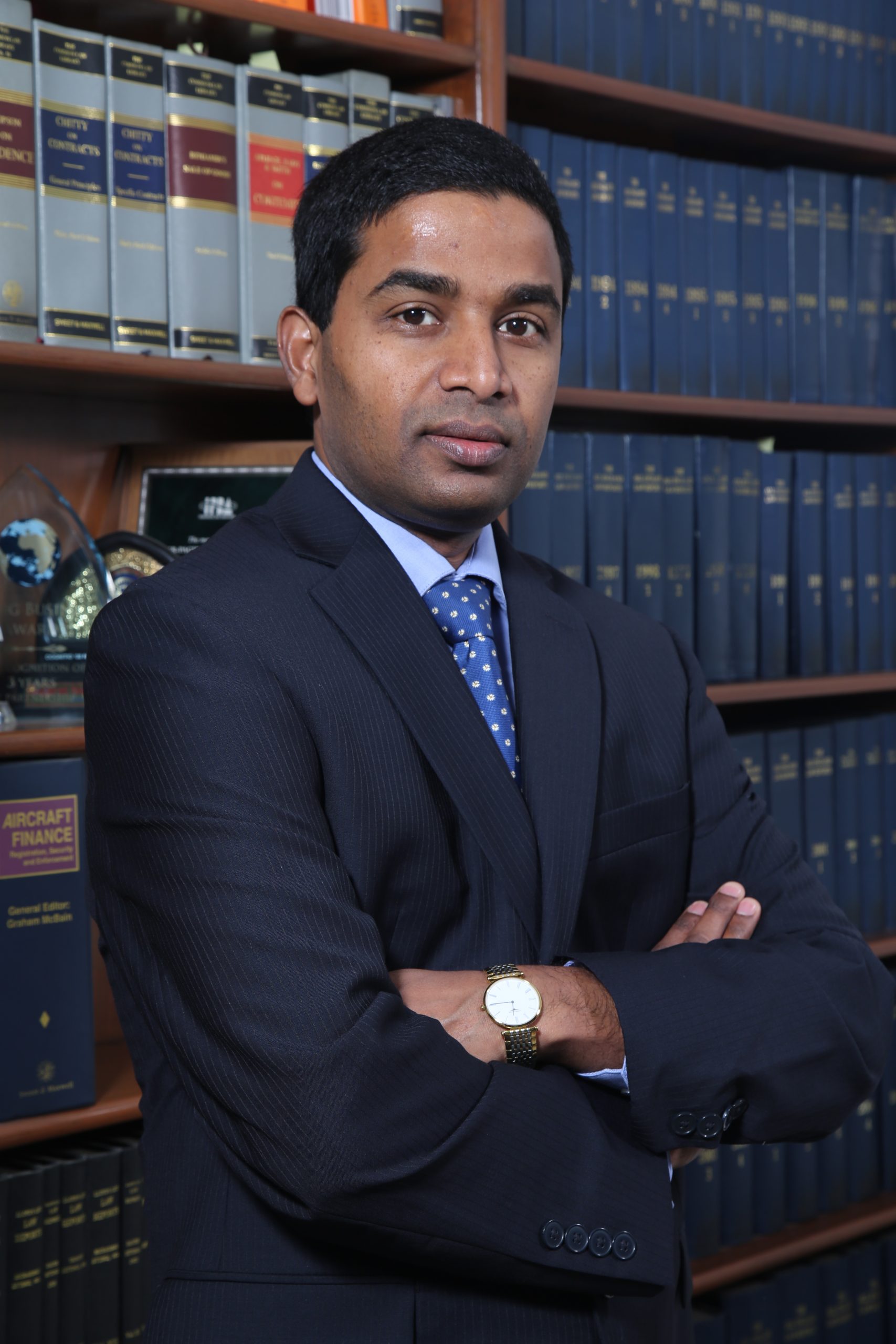


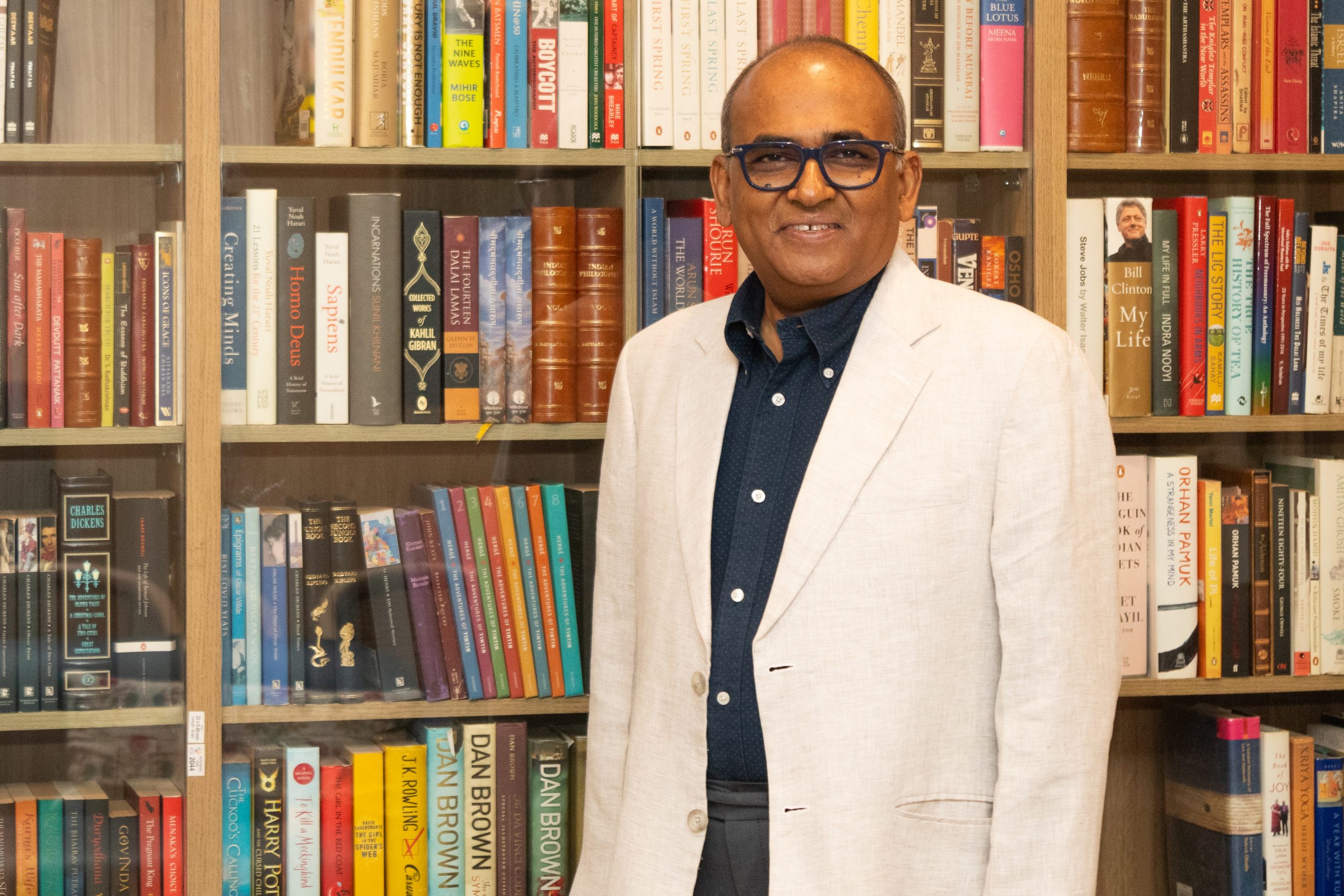




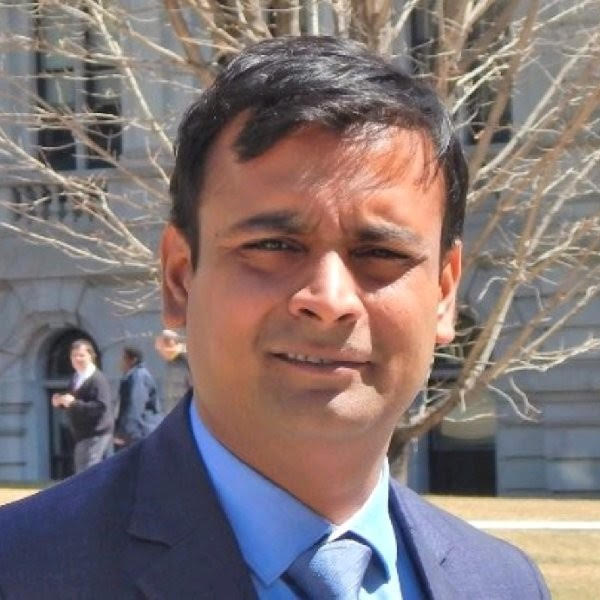


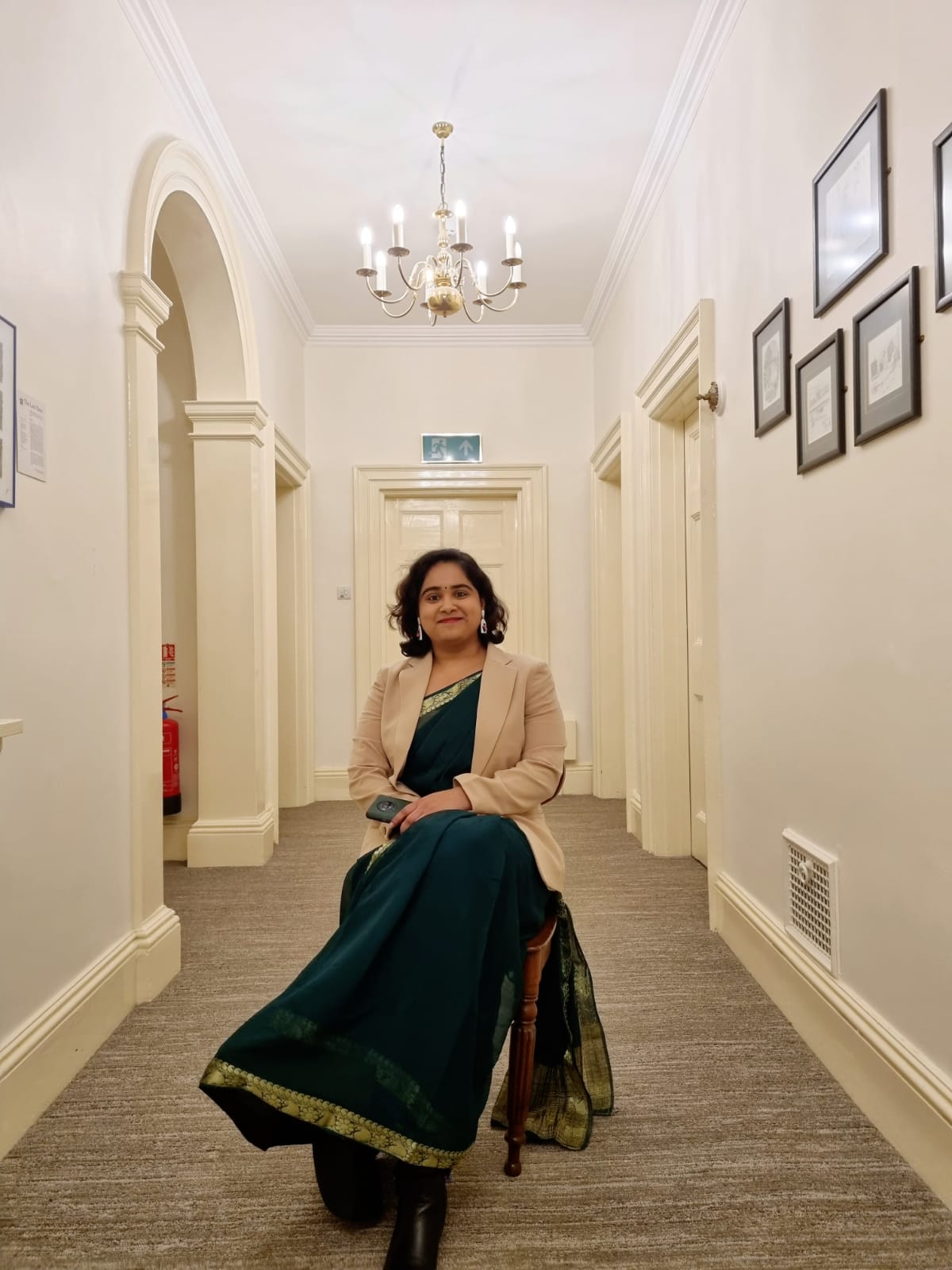


 Allow notifications