Tag: Family law

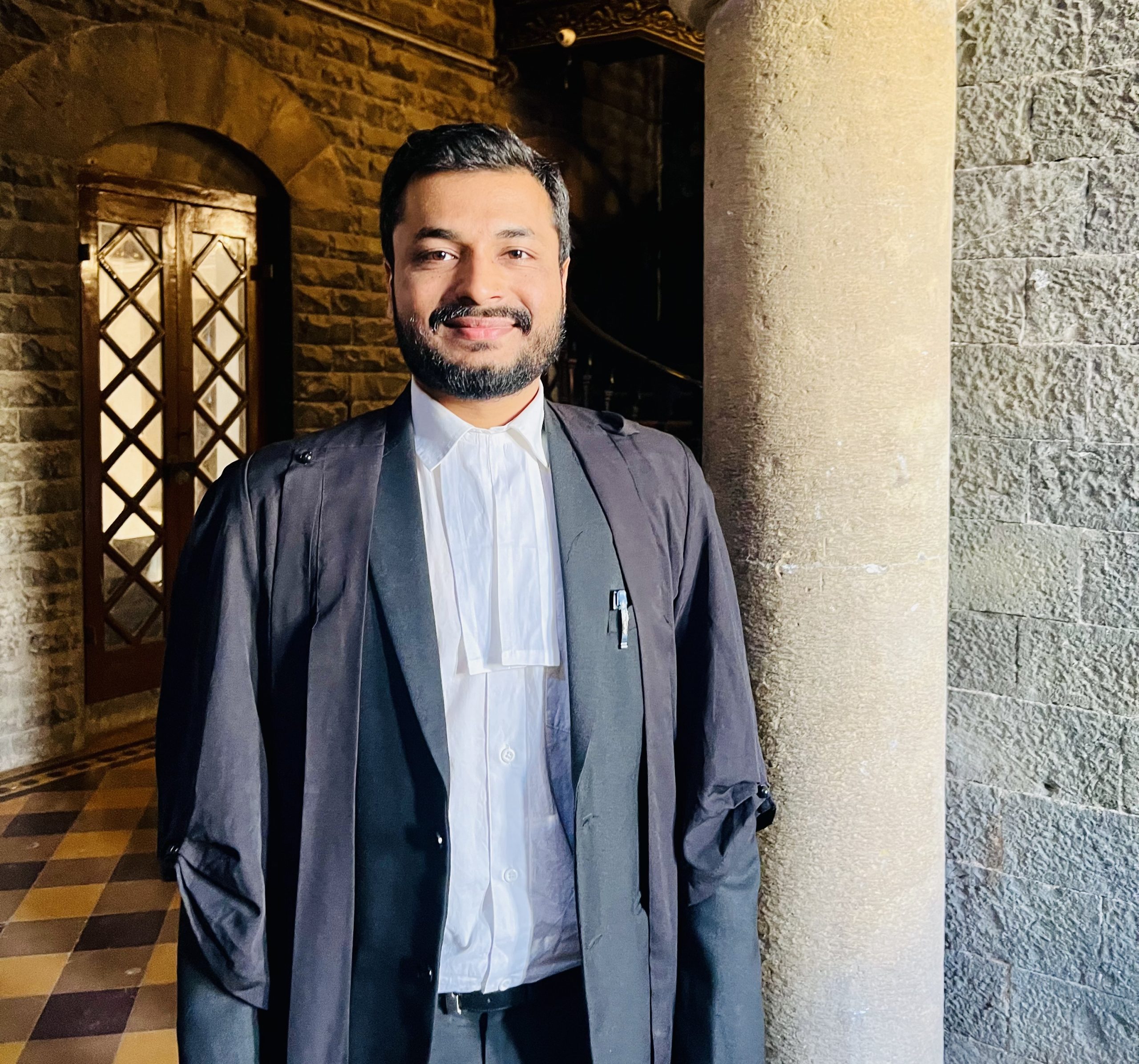
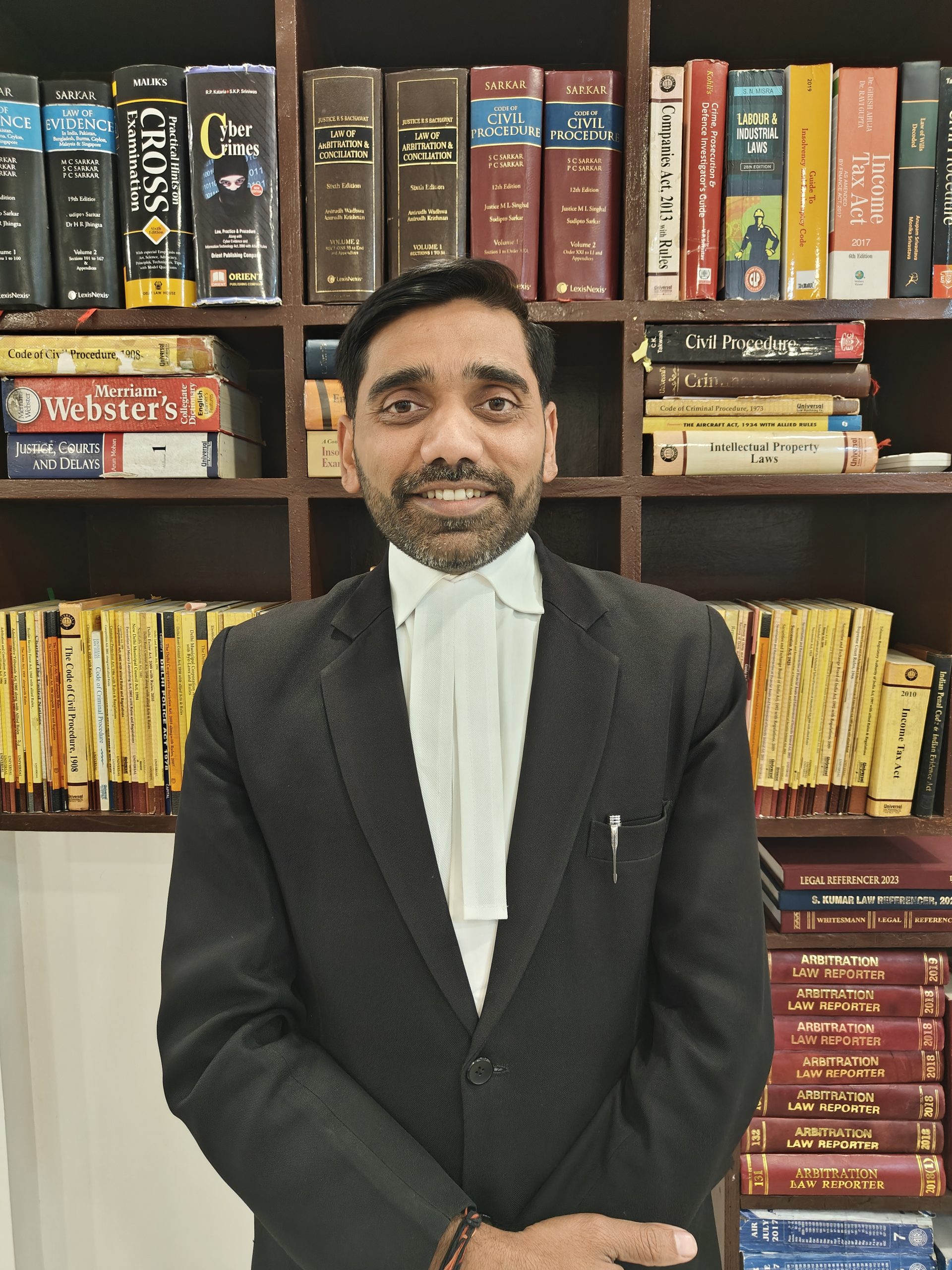
  • “The ability to work hard, good recollection capacity, vivacity, positive attitude are what I feel some of the most important qualities for a litigation lawyer” – Nishant Kr. Srivastava, Advocate-on-Record at Supreme Court of India and the Founder & Managing Partner at Actus Legal Associates & Advocates.

    “The ability to work hard, good recollection capacity, vivacity, positive attitude are what I feel some of the most important qualities for a litigation lawyer” – Nishant Kr. Srivastava, Advocate-on-Record at Supreme Court of India and the Founder & Managing Partner at Actus Legal Associates & Advocates.

    This interview has been published by Anshi Mudgal and The SuperLawyer Team

    As an Advocate-On-Record (AOR) and with over a decade of experience in the field of law, what initially inspired you to pursue a career in law, and how did your passion for the legal field evolve over the years?

    Honestly speaking, it was destined for me to become a lawyer! I had been a Civil Services aspirant after my Graduation and had also reached till the Interview stage the Civil Services Exam (CSE) conducted by UPSC. In 2005 I joined Law Centre-II (at that time evening classes at Atma Ram Sanatan Dharma College) of the Faculty of Law, University of Delhi, Delhi during the later period of my CSE preparations. However, in the same year I once again cleared the Prelims and had to write my UPSC Mains and the dates coincided with my First Semester Law exams and I had to make a choice. I chose the UPSC Mains over the law exam and so did not attend the law classes resulting in shortage of attendance and my not being able to fill the form and appearing in the exams. 

    Later on in 2009, I again joined the Faculty of Law, but this time the Campus Law Centre (CLC), Faculty of Law, University of Delhi, Delhi. 

    Coming from a relatively small city i.e., Gorakhpur (UP), I, for the first time, realised during my preparation period in Delhi that law is just not only a respectable career option, but also Delhi is the best place for anyone who has no other support system/ a first generation lawyer, apart from her/his own hard work and competence. 

    Also, from the college days, my friends used to tell me that I was good at communication- both oral as well as written, and once my attempts at CSE were over in 2006, I was faced with a grim situation and I was required to find a career option, where I could utilise my strengths to support my choice of career. And at this time law as a carrier option looked to me as the best career option, looking at my ability to study for long hours (honed during my CSE preparation days) and a good communication skills, especially in English, and having my earlier small brush with the study of law made the decision to pursue law as a career option a forgone conclusion. 

    In the early stages of your career, you worked with trial court seniors and also managed your independent practice, handling cases across all the three tiers of the courts in Delhi-trial, High Court and the Supreme Court of India. What were the most valuable lessons you learned during this phase that helped shape your career path?

    In my 2nd year at the CLC became the Student Convenor of the Seminar & Discussion Society of the CLC, apart from being one of the Student Editors of the Delhi Law Review (DLR), the renowned Journal published by the Faculty of Law, University of Delhi, Delhi, and I was also one of the Student Convenors of the Legal Aid Society of CLC. This gave me enough exposure and opportunity to meet and initiate an informal conversation with some of legal legends and top jurists of the country. It was during those discussions and interactions, I realised that being a first generation lawyer, I must know the basics and go for an organic growth and progression in my career- from trial works to appellate works. When all my Batchmates were planning to join some of the top lawyers and chambers in the Supreme Court and the High Court, I was searching for a good trial court senior, by the time I completed my course.

    Building a career in litigation can be challenging, especially as a defense lawyer dealing with white-collar crimes. What were the initial obstacles you faced, and how did you navigate and overcome them to establish yourself in this competitive field?

    Usually in any case involving allegations of a white collar crime, the accused is a well to do person having all the facilities, including a battery of lawyers. In such a scenario, initially it was difficult to make such risk aversion taking people to convince that I can handle their case well and have the requisite competence and skills, however I think what worked for me was the fact that in the courts whenever I was acting as a defense counsel, even in smaller cases, I used to give my 100% and used to put more hard work than many of the established lawyers would have put. This became noticeable not only to the Presiding Officers, Additional Public Prosecutors, Niab Courts and the police officials, but also to the litigants waiting for their cases to be called. This gave me visibility. Also, I enlisted myself with the South District Legal Aid Society (DLSA-South) in the initial days and rendered my services to the best of my abilities  as a Legal Aid Counsel (LAC) in those matters where the poor accused persons, because of lack of wherewithal, were unable to get good representation in the courts. 

    When handling both ad-hoc and institutional arbitration cases, what core skills and strategies do you rely on? Can you share an example of a particularly difficult arbitration case that you were able to resolve successfully?

    I would honestly say that Arbitration is akin to an exalted Civil Trial. And if one doesn’t have the experience of conducting trials, especially in civil cases starting from drawing up the case from the scratch and skill in cross-examination of witnesses, that is going to be a big handicap for the lawyer intending to succeed in the field of arbitration. Fortunately, I started my career in the beginning years in trial courts, apart from frequent appellate and HC/ SC/ NCDRC works. And this decision to start from the trial courts was only because I was fortunate enough to interact with the stalwarts and who and who of the Indian legal system during my Law Faculty days as the Student Convenor of the Seminar & Discussion Society of the CLC. It was one unanimous piece of advice, as a student of law, I had received from them, i.e., to know the basics and to learn the trial works, especially being a first generation lawyer and an outsider in Delhi. 

    In my first Arbitration case, the seat of which was in Kolkata, West Bengal, before the Ld. Sole Arbitrator Sh. Sushanta Chatterjee (who recently passed away), former Judge Calcutta High Court, where the Respondent had, citing a big theft at their site because of the alleged deficiency of service and dereliction of duty on the part of my client (a Manpower Supplier), had withheld payments of my client. Much depended on the veracity of the story of theft as alleged by the Respondent. At that point of time, my first-hand experience at cross-examination stood in good stead in Kolkata and I was able to show/ expose that the alleged theft never took place and it was a just ploy on the part of the Respondent to not to pay the dues of my client. This clinched the case in my favour and I won the Award for my client.

    In defending clients in cases involving economic offenses, such as those handled by the EOW, CBI, or ED, what do you believe are the key considerations in crafting an effective defense strategy? Could you highlight a case that was particularly interesting to you?

    Usually, and if I may say, invariably, the EOW and CBI has a penchant for filing voluminous chargesheet and enlist 30/50/85 witnesses, if not more. And here there is enough scope of contradictions and loopholes. As a defense lawyer representing an accused, I am not required to prove that my client is innocent beyond reasonable doubt, since the same is the burden of the Prosecution and not the accused. A careful reading of the chargesheet and statements particularly of the key witnesses, gives sufficient points and opportunities to show to the Court that there is difficulty in accepting the case of the prosecution and there are doubts and contradictions and there are two views possible and after that I leave the rest to the Court to decide. In fact in many EOW cases, I have got my clients discharged at the initial stage itself. Obviously, the knowledge about the latest judgment is something, inter alia, which clinches the decision in your favour. In an interesting case being tried u/s 420 IPC, the CBI has summoned on a single day a number of witnesses. The trial had started almost 6/7 years after the case was registered. By that time many witnesses were not traceable and those who had come had shifted to different places outside Delhi and had travelled to Delhi from distant places. That very day, due to the sheer number of witnesses (complainants) and the heavy board of the court concerned, matter was getting adjourned. The witnesses showed reluctance to come again for the examination in chief and cross-examination. At that point of time, I was able to get them to compromise and get their statements recorded. On that single day most of the witnesses compromised with the accused and the case became very weak. Later on, in the cross examination of the few remaining witnesses, I was able to show that the prosecution was not able to prove its case beyond reasonable doubt.

    You are highly regarded for your expertise in matrimonial disputes and family law. How do you view the changing landscape of women’s rights in matrimonial cases, and what are the major challenges you come across while dealing with matrimonial cases?

    Unfortunately, matrimonial disputes are one of the fastest increasing legal disputes in India, at least in Metropolitan cities like Delhi. The ability to adjust and let go of certain things, which at the first place should not have been an issue at all, I am sorry to state, has become more and more scarce these days. Intervention of the family members, especially because of the instant calls and the tendency of the people to “create evidence” has weekend the mutual trust and faith a couple ought to have for any marriage to work. I am happy to see that the Courts in Delhi have become more and more gender neutral, especially in the matters instituted under the various provisions of the Hindu Marriage Act, 1955. The same is the situation in cases instituted under s.144 of the Bhartiya Nagarik Suraksha Sanhita (BNSS) (old s. 125 CrPC). Over implication of the relatives and distant relatives in DV Act matters by the aggrieved are being frowned upon by the Judicial Magistrates. 

    The major challenge, I think, is the lack of cogent and convincing evidence in matrimonial disputes, since most of the allegations pertain to something which had happened within the four walls of the matrimonial home. And this many a time, gives opportunity to a party to level baseless and sometimes ridiculous allegations!  I am also especially sad to see how the children suffer due to the mutual fight between their own parents. I strongly  feel that any lawyer handling such matrimonial cases must be a sensitive person herself/ himself because that is the only thing which might help the litigating couple who are blinded by their mutual distrust and hate towards each other and who would go to any extent to prove that the other person was wrong and he/she has been wronged. 

    As the founder and managing partner of Actus Legal Associates, how do you effectively manage a team of 7-10 lawyers while ensuring consistent performance and a steady flow of work across the firm?

    I believe in self-control and believe that no one can help a person who is not willing to help herself/ himself. So, I always try to make my colleagues and juniors realise that they have to take responsibility and deliver the results. Litigation, among other legal areas of practice and when compared with other areas of practice in law, is very demanding. Only highly motivated people can survive in litigation. 

    I believe in situational leadership and delegation. Once the expectations are clear and one is clear with the facts of the case at hand, I trust my team to deliver the results. Discussions and deliberations and constant evaluation of the progress of the cases we are handling through our own internal mechanism, I think helps us to ensure consistent performance and steady flow of work across the firm.

    For young lawyers aspiring to specialize in litigation, arbitration, or criminal defense in India, what advice would you offer? What key skills and personal qualities do you believe are essential for success in these areas of law?

    Your this question is precisely the same question, which as a law student and the Student Convenor of the Seminar & Discussion Society of the CLC, I used to ask the Legal Luminaries, since I was one coordinating and inviting those Supreme Court and High Court Judges and the doyens of the Bar to the CLC for events, lectures and conferences and many a time, I used to get some free time with these seniors in the profession. Since many of them were alumni of CLC, the chats were pretty friendly. I was told invariably by everyone I had put this question, that I must know the basics and spend some initial years learning trial work, both civil and criminal and this is what I will advise the young lawyers aspiring to specialize in litigation, arbitration or criminal defense in India. 

    Inter alia, the ability to work hard, good recollection capacity, vivacity, positive attitude and what I feel are some of the most important qualities for a litigation lawyer, I also feel that a litigation lawyer must be ready and be there in the court much before the court starts. Being before time, gives sufficient time to once again go through your file, talk to the client and be abreast with facts of the case at hand. Many times, your ability to keep an open mind and not acting only as per your strategy made last evening, just being alive to the requirements and queries of the court, carries the day for you. Ability to network with people outside your profession is also one of the important skills and qualities, I believe are essential for success in these areas of law.

    Looking back at your career, what has been your most fulfilling case, and what were the learning experiences that you’d like to share with us?

    In one of the matrimonial disputes cases, where both the parties had married with each other after their unsuccessful first marriage and had a baby born out of this second marriage, I played a crucial role to ensure that the matter is settled through mediation in which there was no intervention of the families of both the parties. Actually, I sensed during the initial days of my engagement as a counsel for one of the parties that the real culprit for the impasse were the parents of both the parties and the couple were having almost cordial relationship and it was only because of the unintended but damaging interference by the parents from both the sides, the relations had become strained to the extent that one of them had filed a petition for divorce on the ground of cruelty. I impressed upon the Ld. Family Court to send the matter (despite I having been drafted the WS and carrying the same in my hand to the Court) to the Mediation Centre and be taken up under the supervision of the most experienced Mediator and the parents of both the parties be strictly barred from entering the Mediation Room. That worked! The moments the parents were barred from interfering, the couple was able to come to an amicable settlement and resolve their grievances. I am happy to inform you that as on date those warring couples are living happily together with their beautiful child. 

    The experience which I gained here was that a lawyer must also be a good listener, especially in family matters and the best way to resolve a matrimonial dispute is amicable settlement. Dehors the din, usually matrimonial matters are more about small issues generally connected with adjustments and if one is able to point out and target and resolve those small issues, many families may be saved from disintegration and ending up in divorce.

    Get in touch with Nishant Kr. Srivastava –

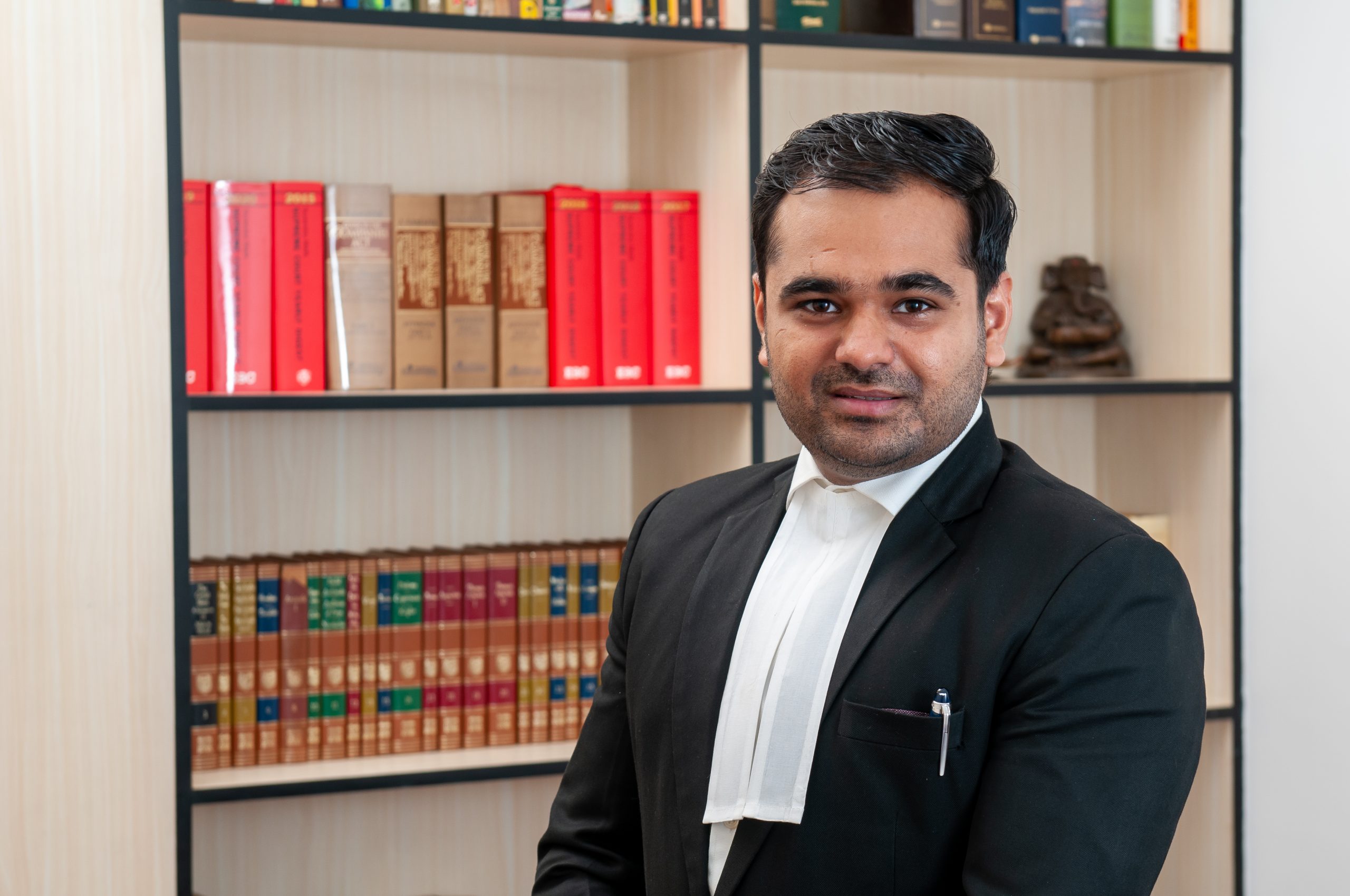
  • “The journey from being a fresh law graduate to establishing my own law firm has been one of growth, learning and resilience.” – Nikhil Kulkarni, Founder of Nikhil Kulkarni + Associates.

    “The journey from being a fresh law graduate to establishing my own law firm has been one of growth, learning and resilience.” – Nikhil Kulkarni, Founder of Nikhil Kulkarni + Associates.

    This interview has been published by Anshi Mudgal and The SuperLawyer Team

    Having a background in commerce, looking back, what inspired you to transition into law as a profession?

    Reflecting on my transition from commerce to law, it was driven by a deep-seated interest in understanding the systems that govern society and the desire to make a meaningful impact. My commerce background provided me with a strong foundation in analytical thinking, understanding corporate finance, problem-solving and understanding economic frameworks, which seamlessly complemented the logical and structured nature of law.

    My passion for detailed research evolved into a strong interest in the field of law, where I found a perfect outlet for my drive to explore and solve complex issues. The turning point in my academic career was realizing that law not only offered a dynamic and intellectually challenging career but also a platform to advocate for justice, resolve conflicts and contribute to societal progress. The ability to bridge commerce with law, especially in areas like corporate frauds and insurance law, further motivated me to take this path, blending my prior knowledge with the intricacies of legal practice.

    How did your role evolve over time at each of the organizations you worked with, particularly from Legalogic Consulting LLP to Nikhil Kulkarni and Associates? What were some of the key challenges you faced when setting up your own practice?

    Being a first-generation lawyer, my ultimate goal was always to start my own practice. The journey from being a fresh law graduate to establishing my own law firm has been one of growth, learning and resilience. At each stage, my role evolved as I gained more responsibility, honed my skills and expanded my understanding of the legal field.   All my previous experiences have helped me develop important skills such as client communication, legal strategy formation, preparing arguments for a case, problem solving skills, to name a few. Establishing my own practice marked a significant shift. I transitioned from focusing solely on legal work to also managing the operational, administrative, and business aspects of a law firm.

    Establishing one’s own legal practice requires a lot of patience, perseverance and hard work. Building a client base initially was challenging in the initial years, however maintaining a strong work ethic and providing consistent results to earn referrals helped us build a good client base. Building a competent team is also crucial so that all the diverse areas of practice are effectively managed. Juggling the responsibilities of a lawyer, leader and entrepreneur was also a challenge. But prioritizing tasks and delegating effectively helps in overall management of the firm. Each step of this journey has been a learning experience, and the challenges faced have shaped my practice into what it is today. Fortunately, all my clients have had faith in my legal acumen and my team at Nikhil Kulkarni & Associates have given favourable results to most of my clients.

    How have you navigated the cases in the insurance sector particularly in your role as an empanelled advocate for United India Insurance Company? What was the most interesting case you had to deal with and what were your preparation strategies?

    To deal with cases in insurance sector requires a lot of preparation, particularly the motor accident cases since in most of these cases, the insurance companies are ordered by courts to pay compensation to the victims. Hence, preparing a good defence to mitigate the liability of insurance company is paramount. I will share one of the interesting cases relating to motor accident, which acquired a lot of media attention also. In that case, the relatives of the motor accident victim submitted a fake insurance policy belonging to our client United India insurance to claim compensation from the said insurance company. We had to convince the hon’ble court that in such a case, it is the victim who has not approached the court with clean hands by submitting a fake insurance policy before the court. Our team thoroughly prepared the questions for cross examination and extensively researched on various judicial precedents to support our case. After a series of arguments, counter-arguments and recording of evidence, the court came to a conclusion that our client insurance company is not liable to pay compensation. This verdict is significant since in most of the MACT cases, the courts order insurance companies to pay compensation whereas in this case, we zeroed down the liability of insurance company.

    You’ve handled a wide range of criminal proceedings, including FIR quashing, bail, and anticipatory bail in both Sessions Court and the High Court. Can you share the most difficult case you’ve worked on and how you approached it?

    One of the most challenging cases I handled involved securing anticipatory bail for a client accused in a highly publicized fraud case. The stakes were high, as the accusations not only threatened my client’s liberty but also had severe professional and personal repercussions. The case involved allegations under the MPID Act, where obtaining anticipatory bail is difficult due to the nature of the offences, which are considered crimes against society at large. Courts typically adopt a stringent stance in cases under special statutes like the MPID Act and MCOCA, given their gravity and impact. Despite these challenges, through a strategic and persistent legal battle, we successfully secured anticipatory bail for our clients, safeguarding their rights and ensuring they could cooperate with the legal process without fear of immediate custody.

    We have encountered cases involving cross FIRs, where both parties file complaints against each other, often presenting contradictory versions of the same incident. One particularly challenging case involved a client accused in a molestation case. Securing the quashing of the FIR and related proceedings was especially difficult, given the stringent restrictions imposed by the Hon’ble High Courts and the Hon’ble Supreme Court on the accused’s right to seek such relief. Despite these challenges, through meticulous preparation and strategic advocacy, we succeeded in having the FIR and proceedings against our client quashed. This outcome not only reinforced our confidence in handling complex cross-FIR scenarios but also deepened our understanding of the nuanced approach required in such cases.

    Corporate fraud cases often involve intricate details. Can you share an example where your legal expertise helped uncover or resolve a complex corporate fraud case?

    One of the most challenging corporate fraud cases I handled involved a Private Limited company accused of financial irregularities and siphoning funds through shell entities. The allegations not only threatened investor confidence but also had serious implications for regulatory compliance and the company’s reputation. The case required navigating a complex web of legal frameworks, including the Companies Act, SEBI regulations, the Partnership Act, and provisions under the Indian Penal Code. The involvement of substantial public funds attracted intense scrutiny from regulatory authorities and the media, adding to the pressure.

    Handling such a case demanded a deep understanding of both civil and criminal laws, as the issues often overlapped in unexpected ways. I worked closely with auditors to meticulously analyse financial records, identify discrepancies, and trace the diversion of funds to various entities. My background in Commerce proved invaluable in understanding the transactions and their accounting implications, enabling me to navigate the complexities of the case with greater precision. Defending a company in such circumstances required strategic legal manoeuvring, proactive compliance measures and consistent engagement with stakeholders. We had to clearly defined our client’s scope of work and their specific roles in the alleged offence, which is a crucial aspect when dealing with frauds committed through companies or other entities.

    Your experience spans across multiple domains—civil, criminal, insurance, and corporate law. How do you manage and prioritize cases across these diverse legal areas?

    I believe in the philosophy “Jack of all trades, master of none, but oftentimes better than a master of one.” 

    In litigation, we often handle cases where multiple legal domains intersect. Clients may have access to various legal remedies including both of civil and criminal nature. Additionally, corporate law often involves litigation where companies must file or defend both civil and/or criminal cases. Therefore, to provide comprehensive legal solutions, it is essential to be well-versed in multiple areas of law. Corporate clients increasingly demand such all-encompassing legal services. Our firm has carved out a niche in this sector by combining a core corporate law practice with expertise in the litigation aspects of corporate law. We have a dedicated team of lawyers who specialize in diverse domains. My wife, a highly skilled lawyer, leads a team that handles much of our corporate work, including contract negotiation, drafting, contract management, general corporate advisory and handling employer-employee disputes.

    With such a diverse and demanding portfolio, how do you maintain a balance between your professional and personal life, especially considering your interests in football, music, and stock market analysis?

    I have always drawn inspiration from the famous lines of poet William Henry Davies: “What is this life if, full of care, we have no time to stand and stare.” A healthy work-life balance helps in personal well-being as well as professional performance. Everyone gets the same number of hours in a day; it’s how you manage and utilize your time effectively that determines your success. Hobbies are incredibly useful when we need a rejuvenation from our daily routine. Football serves not just as a passion but also a way to stay physically and mentally fit. Football helps me lead a disciplined routine and enhance team work skills beneficial to legal practice.  I have a keen interest in music and stock market analysis. Listening to music is an excellent stress buster. I also follow the stock market regularly.

    I started with stock market analysis and gradually shifted my focus towards investments, realizing that analysis alone—without practical application—won’t lead to desired results. Similarly, law is about translating theoretical knowledge into real-world solutions.

    How do you think the advancement of technology, particularly through AI and other innovations, is transforming the way lawyers and the judiciary operate, improving efficiency, accessibility, and decision-making processes?

    Technology has been significantly transforming the legal landscape in India, offering numerous benefits for both lawyers and the judiciary. The introduction of e-filing systems allows lawyers to submit petitions, affidavits and other documents online, reducing delays and the burden of physical paperwork. It makes accessing court services more convenient, especially for clients in remote areas. With the rise of video conferencing tools, courts have increasingly held virtual hearings, making justice more accessible and reducing the need for physical presence. This is especially beneficial in a country as vast as India where transportation and geographical barriers can delay proceedings. However, the District Courts face certain infrastructure issues which makes it difficult to adopt technology as Hon’ble High Courts and the Hon’ble Supreme Court. Technology is playing a pivotal role in transforming the legal field in India by enhancing efficiency, accessibility and transparency. It helps lawyers manage their workload, conduct thorough research and serve clients more effectively. For the judiciary, technology accelerates case management, improves accessibility and helps in reducing delays, ultimately contributing to a more efficient justice delivery system. The adoption of these tools continues to improve legal processes, making them faster, more accurate and widely accessible to all. Technology in law has also opened various avenues and accelerated the growth of Apps and websites like LawSikho and Superlawyers which give advocates a platform to showcase their skills and experiences. 

    What advice would you offer to young individuals aspiring to follow a similar career path as yours?

    Always consider yourself of the student of the law. The attitude of knowing everything, will only make you complacent. To grow your practise, you need to constantly evolve with changing times.  As a first-generation lawyer aspiring to build a career in litigation and having your own law firm, you may face unique challenges but you also have the potential to shape your path with determination and strategy. Building a strong foundation in terms of understanding the basic procedural laws such as Civil Procedure Code and Criminal Procedure Code (BNSS) is crucial for advocates. You must stay up to date with recent judgments and understand the changes in the laws. Plan your internships in advance and spend time in understanding the court procedures, drafting skills and client interactions. Networking is equally important in our field. Stay connected with your faculties, colleagues, batchmates and seniors. Technology in law is constantly growing, and this will create more opportunities for young lawyers, who are tech-savvy and adaptable to the changing times. It can open doors to opportunities and mentorship. Success in litigation is a marathon, not a sprint. Stay dedicated, seek knowledge at every opportunity, and be patient. The respect and recognition you earn will make the effort worthwhile.

    Get in touch with Nikhil Kulkarni –

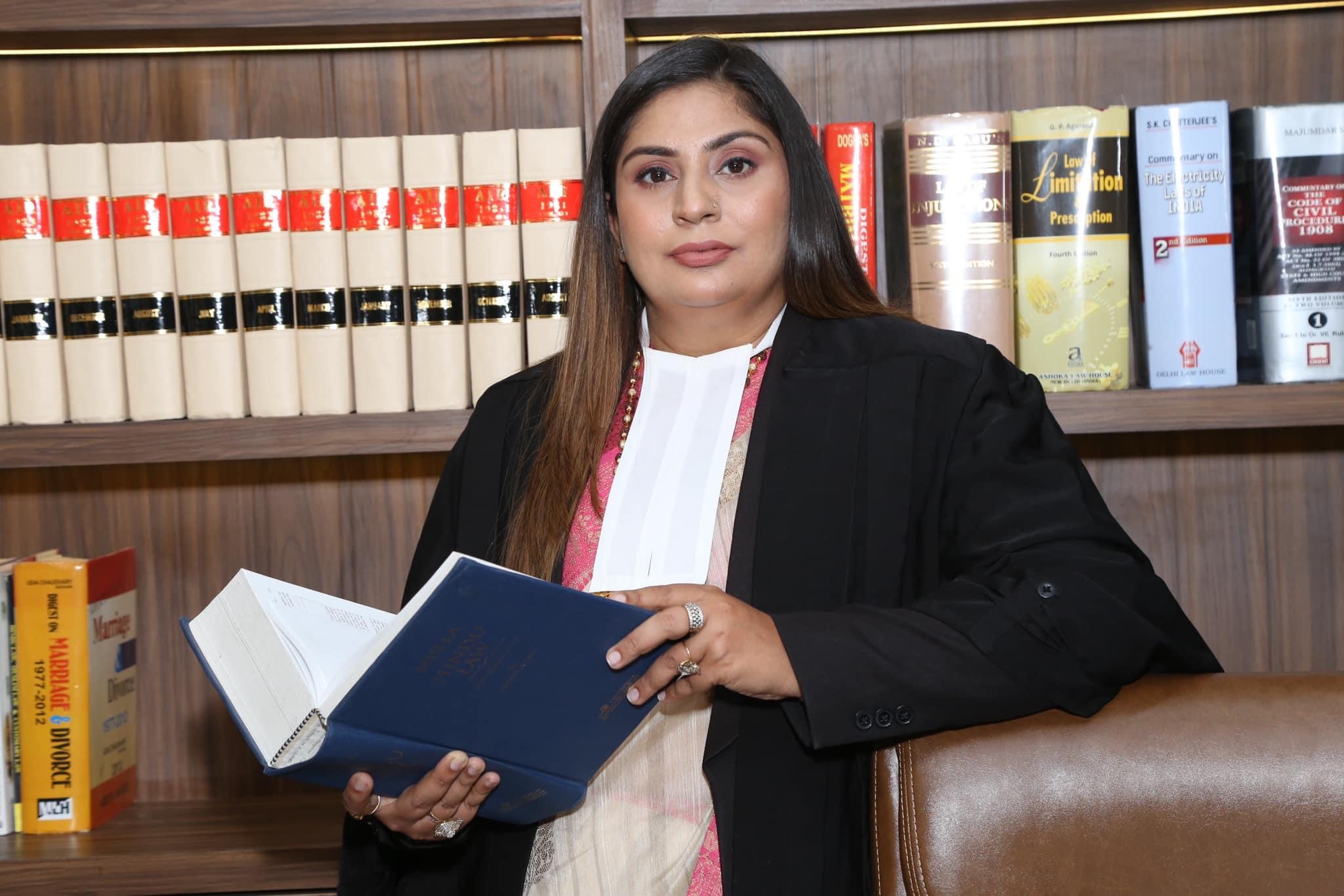
  • “It is deeply rewarding to guide individuals and organizations through pivotal moments in their lives, making a tangible difference through my legal practice.” – M.K. PASHA, Principal Managing Partner at MP Legal Associates.

    “It is deeply rewarding to guide individuals and organizations through pivotal moments in their lives, making a tangible difference through my legal practice.” – M.K. PASHA, Principal Managing Partner at MP Legal Associates.

    This interview has been published by Anshi Mudgal and The SuperLawyer Team

    With over 10 years of experience, can you tell us what inspired you to pursue law and why did you choose to pursue such a diverse range of legal areas?

    Accidentally, I stumbled into the field of law abandoning my Chartered Accountancy course after meeting Shri Ahmed Shareef. Watching him handle cases with exceptional skill, wisdom, and the sheer class of advocacy left a profound impression on me. That moment sparked a deep-seated passion for justice and advocacy, and I was inspired to follow in his footsteps, with a clear vision of becoming an advocate of his caliber. From a young age, I was naturally inclined towards using my voice to help others. Whether in school or clubs, I excelled in debating and elocution, winning numerous state and national-level medals. These innate skills, combined with the inspiration I drew from Shri Ahmed Shareef when I began my legal journey, further fueled my commitment to the profession. Over time, I came to appreciate the transformative power of advocacy and the legal system in shaping lives and communities, solidifying my dedication to this path.

    The diverse range of legal areas I chose to specialize in stems from the foundational experience I gained under my senior, who had a remarkably varied practice. This early exposure instilled in me the belief that every case is an opportunity to grow, learn, and make a meaningful impact. Over the years, I have had the privilege of working with clients from diverse backgrounds, each presenting unique legal challenges. This inspired me to broaden my expertise, allowing me to approach cases with creativity and provide tailored solutions. Whether it’s civil law, family law, criminal law, corporate law, or even sports law—a specialization that I developed in 2020—I have embraced the variety of challenges with enthusiasm. Ultimately, I find immense satisfaction in the diversity and complexity of my work. It is deeply rewarding to guide individuals and organizations through pivotal moments in their lives, making a tangible difference through my practice. My father, Shri M.M. Pasha, a practicing lawyer in Andhra Pradesh, has been a significant source of inspiration and mentorship. He often emphasized that a strong case is built not just on sound legal principles but on a deep and thorough understanding of the facts.

    You began your career working with a prominent Senior Advocate. Can you share some of your experiences or lessons from the time that have shaped your legal practice?

    Beginning my career under the mentorship of the esteemed Senior Advocate Shri Ahmed Shareef was one of the most transformative experiences of my life. It gave me a front-row seat to the intricacies of the legal profession and a profound understanding of the depth and complexity of our judicial system. Working alongside someone of his caliber imparted invaluable lessons that continue to influence and refine my approach to law and advocacy to this day.

    One of the most valuable lessons I learned early in my career was the importance of meticulous preparation. Observing my father, I realized the transformative power of painstaking preparation—whether it meant poring over volumes of evidence or meticulously researching precedents. This habit of leaving no detail overlooked, regardless of how routine a matter might seem, has become a cornerstone of my practice. Another defining influence was watching my senior, Shri Ahmed Shareef, in action. Observing his mastery of courtroom advocacy, I saw how clarity, precision, and persuasiveness could turn even the most challenging arguments into compelling ones. Both my father and my senior exemplified the art of tailoring arguments to their audience—whether addressing a judge or engaging with opposing counsel—without ever compromising integrity or substance. Their example taught me that effective advocacy is as much about understanding people as it is about understanding the law, a principle that continues to guide me in every case I undertake.

    I also gained profound insights into the significance of ethical practice during my formative years. My mentor consistently emphasized the immense responsibility that comes with being an officer of the court. Upholding honesty, safeguarding client confidentiality, and approaching every case with the seriousness it deserves were values deeply instilled in me during that time. These principles have not only shaped my professional conduct but have also been instrumental in building enduring trust with clients and maintaining credibility within the legal community.

    One of the most impactful lessons I learned was the art of balancing empathy with objectivity. Working on cases involving deeply personal matters—such as family disputes, criminal defense, or civil rights issues—showed me how my mentor approached clients with genuine compassion while maintaining the professional detachment required to provide sound and effective advice. This ability to connect with clients on a human level while staying focused on their legal needs has been a guiding principle in my practice, and it’s something I strive to emulate every day.

    Lastly, the diverse range of cases I was exposed to during that time proved to be invaluable. From intricate constitutional matters to high-stakes commercial disputes, I had the privilege of observing how the law operates across a variety of domains. This experience highlighted the interconnectedness of legal issues and broadened my perspective on the multifaceted nature of the legal profession. It also inspired me to pursue a diverse range of practice areas in my own career, enriching my ability to approach cases holistically and adapt to the unique challenges each one presents.

    In hindsight, those early years were more than just a learning experience—they were a foundation for my growth as a lawyer. They shaped my work ethic, sharpened my analytical skills, and deepened my commitment to serving clients with integrity and excellence. I remain incredibly grateful for the mentorship I received, and the lessons I learned continue to influence my approach to the law every day.

    Given your diverse practice in areas such as Civil Litigation, Family Law, Consumer Law, IPR, and more, how do you stay informed about the evolving trends in the legal field?

    “Practicing across diverse legal areas such as Civil Litigation, Family Law, Consumer Law, and Intellectual Property Rights (IPR) demands not only expertise but also a commitment to continuous learning. The legal field evolves constantly, shaped by new legislation, judicial precedents, societal shifts, and technological advancements. To stay ahead, I have developed a structured and multifaceted approach to staying informed about these trends:

    I dedicate time to stay up-to-date with the latest judgments and rulings from courts at all levels, from trial courts to the Supreme Court. Reading legal journals, case law digests, and authoritative commentary helps me understand emerging trends and their implications across different areas of practice. In areas like IPR, where technology and innovation play a significant role, I follow international developments closely, particularly in jurisdictions like the U.S. and EU, which often set global benchmarks.

    Engaging with fellow practitioners, academics, and industry professionals through bar associations, legal forums, and conferences is another key strategy. These interactions often provide practical insights into how new trends are being applied and interpreted in real-world scenarios. Collaborative discussions also expose me to diverse perspectives that enrich my understanding of complex legal issues.

    Lastly, listening to my clients and understanding their evolving needs is one of the most practical ways to stay informed. Whether it’s a family law client navigating modern parenting arrangements or a business client concerned about data privacy laws, their concerns often signal broader trends in the legal landscape.

    By combining these strategies, I ensure that I remain well-informed and capable of delivering high-quality, forward-looking legal services. In an ever-changing legal world, adaptability and a commitment to lifelong learning are not just beneficial—they are essential.”

    Given your experience in both corporate law and civil litigation, what has been one of the most memorable or challenging cases you’ve worked on in your career, and how did you prepare for such a challenging case?

    “One of the most memorable and challenging cases I worked on involved a high-stakes corporate dispute between two major shareholders of a multinational company. The case revolved around allegations of financial mismanagement, and a contested merger that threatened to dismantle the company’s operations in a key market. This matter was significant not only because of the financial implications but also due to the reputational stakes for both parties and the broader impact on employees and stakeholders.

    From the outset, I understood that thorough preparation would be the key to navigating such a complex case. My team and I began by meticulously analyzing thousands of pages of financial records, board meeting minutes, and correspondence to uncover patterns and discrepancies. We worked closely with forensic accountants and industry experts to strengthen our understanding of the technical details and build a compelling narrative around our client’s claims.

    Legal research played a critical role as well. Since the case involved cross-border elements, we needed to familiarize ourselves with applicable laws in multiple jurisdictions, ensuring our strategy aligned with both domestic and international regulations. This required collaborating with foreign counsel to address jurisdictional issues and compliance requirements.

    What was your motivation behind establishing your own practice with MP Legal and what were some of the key challenges in expanding your firm?

    In the year 2020, establishing my own practice with MP Legal was both a deeply personal decision and a professional aspiration. After years of working under experienced mentors and gaining exposure to various facets of law, I felt ready to carve out a space where I could apply my own vision and values to legal practice. My primary motivation was to create a firm that prioritized not just legal excellence but also a client-centric approach, addressing their needs holistically and with empathy.

    1.Desire for Independence and Innovation:

    I wanted the freedom to shape a practice that reflected my philosophy of law—one that combined technical precision with accessibility and innovation. By establishing MP Legal, I could focus on fostering meaningful client relationships, exploring diverse practice areas, and developing creative solutions to complex legal issues.

    2. A Diverse and Inclusive Practice:

    Having worked across Civil Litigation, Family Law, Sports law, Consumer Law, Intellectual Property Rights (IPR), and more, I saw an opportunity to create a multidisciplinary firm. The idea was to offer clients a one-stop solution where they could find expertise across a broad spectrum of legal areas without needing to approach multiple firms.

    3. Client Empowerment and Education:

    Many clients approach law with apprehension, feeling overwhelmed or unsure of their rights. I wanted to build a practice that empowered clients by demystifying legal processes, providing clear guidance, and being a dependable partner during their most critical moments.

    4. Contributing to Society:

    Establishing MP Legal allowed me to take on pro bono cases and work on matters that resonated with my commitment to social justice. This was especially important to me, as I believe law is not just a profession but a tool for positive change.

    Key Challenges in Expanding the Firm:

    1. Building a Client Base:

    One of the initial challenges was building a reputation and attracting clients in a competitive legal market. As a new firm, we had to rely heavily on word-of-mouth referrals and demonstrate our competence through consistent results. Establishing trust and credibility took time and effort.

    1. Assembling the Right Team:

    A firm’s success is rooted in its people. Finding skilled, passionate, and ethical legal professionals who aligned with the firm’s vision was both critical and challenging. Recruiting and retaining talent required creating a work environment that encouraged collaboration, growth, and a shared commitment to excellence. At present I am proud to have an excellent team of associates namely Advocate Anisha (Senior associate), Advocate Pranvitha, Advocate Sofian, Advocate Sai Krishna, Advocate Govinda, Advocate Suresh, Advocate Shrutha Keerthi and Advocate Sayeed who supported me in all aspects of the work to ensure all the matters are addressed on time. Without the team of hard working associates it is impossible to achieve the best results.

    1. Managing Resources:

    Like any new business, resource management was a key hurdle. Balancing operational costs, investing in technology, and ensuring compliance with legal and administrative requirements while scaling the practice demanded careful planning and prioritization.

    1. Expanding the Practice Areas:

    As the firm grew, we encountered increasingly complex cases that required specialization. Expanding our expertise in areas like, sports law, corporate law involved rigorous training, attending industry seminars, and fostering partnerships with experts in niche fields.

    1. Staying Adaptable in a Changing Legal Landscape:

    The legal field is constantly evolving, with new legislation, judicial trends, and technological disruptions shaping how firms operate. Embracing legal tech, implementing efficient case management systems, and staying ahead of regulatory changes were essential to staying competitive.

    1. Maintaining Quality Amid Growth:

    Rapid expansion came with its own set of challenges, particularly maintaining the personalized, high-quality service that MP Legal was founded on. Ensuring that every client, regardless of the size of their case, received the same level of attention and dedication required constant vigilance and internal alignment.

    You have specialized in Sports law and advised and represented many sports federations and sports bodies/ Associations and many athletes of National and International level.  What do you think are the most common legal pitfalls, and how do you help them avoid these risks?

    Advising sports federations, associations, and world-level athletes has given me a unique perspective on the complexities of sports law and the legal challenges that arise in this dynamic field. Sports law sits at the intersection of multiple disciplines, including contract law, intellectual property, labor law, Arbitration Law or ADR and even criminal law, making it both fascinating and intricate.

    At the very outset, Sports law is very niche and raw in India right now. There are a lot of gaps that need to be bridged along with many pitfalls that need to be addressed from the governance level. When I started my journey as a sports lawyer I was fortunate enough to be associated with the Cycling Federation of India under the thought leadership of Shri. Onkar Singh (Chairman, Asian Cycling Confederation), Shri. Maninderpal Singh (Secretary General, Cycling Federation of India) through Dr. Maxwell Trevor (Eminent International Cyclist India has produced). The Cycling Federation of India gave me an opportunity to serve them since then and also appointed me as a member of the Grievance Committee and that helped me to understand and address various issues that arise in sports. Sports law being very niche in the country there is a very less scope of opportunities in the country as of now. However, the Cycling Federation of India that works towards excellence and vision, encourages young and new talent in every field, by giving me the opportunity to serve such a pioneer and the best National Sports Federation in the country, the additional perks are that it gives me an opportunity to appear in High Courts all over the country is an honor and privilege. “And there is a lot of work for me”. 

    Common Legal Pitfalls in Sports Law, Corporate Law and Litigation:

    1. Poorly Drafted Contracts:

    Many issues in sports law stem from inadequately drafted contracts. Whether it’s athlete agreements, sponsorship deals, broadcasting rights, or endorsement contracts, vague or imbalanced terms can lead to disputes. These contracts often fail to address contingencies such as injuries, termination clauses, or changes in governing rules.

    1. Intellectual Property (IP) Mismanagement:

    Athletes and federations often underestimate the importance of protecting their brands, logos, and trademarks. Unauthorized use of an athlete’s likeness or improper licensing of IP can lead to revenue loss and brand dilution. Conversely, improper use of third-party trademarks or copyrighted material can result in costly litigation.

    1. Doping and Regulatory Violations:

    Compliance with anti-doping regulations and other governing body rules is a significant concern. Athletes and federations sometimes fail to keep abreast of updates to anti-doping lists, eligibility criteria, or reporting requirements, which can lead to sanctions, disqualifications, and reputational damage. Additionally the issue of Over The Counter medication is a major concern in India and for athletes right now.

    1. Discrimination and Harassment Claims:

    Issues related to gender equality, discrimination, and harassment are increasingly prominent in sports. Federations and associations can face litigation for failing to create and enforce policies that promote a safe, inclusive environment.

    1. Labor Disputes:

    Disputes over athlete compensation, contract breaches, and transfer agreements are common. Without clear terms or effective dispute resolution mechanisms, such conflicts can escalate into prolonged litigation.

    1. Governance and Compliance Failures:

    Federations are often scrutinized for issues like mismanagement, lack of transparency, or non-compliance with governing body regulations. These failures can lead to penalties, loss of recognition, or diminished credibility.

    1. Ambush Marketing and Sponsorship Conflicts:

    In major events, ambush marketing—where brands attempt to associate themselves with an event without official sponsorship—poses challenges for rights holders. Similarly, conflicts arise when athletes’ personal sponsorships clash with federation agreements.

    1. Data Privacy Concerns:

    With the increasing use of technology in sports, such as wearables and analytics platforms, managing and protecting athletes’ personal and performance data has become a pressing issue. Non-compliance with data protection laws can result in hefty fines and loss of trust

    The world of sports law is as exhilarating as the games themselves, filled with high stakes and rapid developments. My role is to help athletes, federations, and associations navigate this landscape with confidence, ensuring they can focus on excellence in their respective fields while I handle the legal complexities. By combining proactive risk management with a client-centered approach, I aim to safeguard their interests and contribute to the growth and integrity of sports.

    How do you prioritize and manage your time effectively when juggling your responsibilities as a litigator, corporate advisor and sports law advisor, especially with the wide variety of clients and industries you serve?

    Balancing the dual responsibilities of being a litigator and a corporate advisor across a wide array of clients and industries requires a strategic approach to time management and prioritization. 

    Managing Time Effectively as a Litigator, sports law advisor and Corporate Advisor:

    Juggling the demands of litigation and corporate advisory work is no small feat, given the distinct skill sets, deadlines, and expectations each requires. Over the years, I’ve developed a disciplined and adaptable approach to ensure that I meet the needs of all my clients effectively:

    1. Establishing Clear Priorities:

    The first step is understanding what requires immediate attention versus what can be planned for later. Litigation often involves strict court-imposed deadlines, so those tasks naturally take precedence. On the other hand, corporate advisory work may involve strategic planning, which allows for a more structured timeline. To stay organized:

    • I maintain a detailed calendar for court hearings, filing deadlines, and client meetings.

    • I break down tasks into daily, weekly, and monthly goals, focusing on urgent and high-impact activities first.

    • For long-term corporate projects, such as contract drafting or compliance reviews, I allocate dedicated blocks of time to ensure steady progress without last-minute pressure.

    2. Leveraging Technology:

    I rely heavily on technology to streamline my workflow and stay organized:

    • Legal Tech Platforms: Tools like case management systems and legal research databases help me manage litigation-related documents, track case progress, and access critical precedents efficiently.

    • Collaborative Tools: Platforms like Slack, Microsoft Teams, or project management software enable seamless communication with my team and clients, particularly for corporate matters.

    • Automated Alerts: I set reminders for key deadlines and milestones to ensure nothing slips through the cracks.

    3. Delegation and Teamwork:

    I recognize that I cannot do everything alone. Building a strong, capable team has been essential in managing my workload.

    • For litigation, my team assists with tasks like preparing briefs, reviewing documents, and conducting preliminary research, allowing me to focus on strategy and courtroom advocacy.

    • For corporate advisory work, I delegate specific aspects of projects, such as compliance reviews or drafting initial agreements, while I oversee and refine the final output.

    Regular check-ins ensure that my team remains aligned with client goals and deadlines.

    4. Maintaining Flexibility:

    The unpredictable nature of litigation often requires me to pivot quickly. A last-minute hearing or urgent client issue can disrupt even the best-laid plans. To accommodate this:

    • I build buffer time into my schedule to handle unexpected developments.

    • I communicate transparently with corporate clients, ensuring they understand when timelines might shift and keeping them updated on progress.

    5. Effective Communication:

    Managing diverse clients and industries means tailoring my communication style and approach to each client’s needs. Clear, concise communication ensures that:

    • Litigation clients are updated on case progress and understand their options at every stage.

    • Corporate clients receive actionable advice that aligns with their strategic objectives without unnecessary legal jargon.

    6. Staying Informed Across Industries:

    To provide valuable insights to my corporate clients while addressing litigation demands, I dedicate time to staying current on industry trends and legal developments. This often involves:

    • Setting aside specific hours each week for reading legal updates, industry news, and case law digests.

    • Attending industry-specific seminars or webinars to remain informed about the latest regulations affecting my corporate clients.

    7. Balancing Personal and Professional Well-Being:

    High-pressure roles like litigation and corporate advisory can be mentally and physically demanding. To stay at my best:

    • I prioritize health by maintaining a regular exercise routine and practicing mindfulness.

    • I set boundaries to ensure I have time to recharge, knowing that a well-rested mind is more productive and creative.

    8. Building Long-Term Client Relationships:

    Strong relationships with clients reduce inefficiencies. When I understand a client’s needs, preferences, and long-term goals, I can anticipate their requirements and streamline my work. For example:

    • For corporate clients, this might involve creating templates for recurring contracts or compliance processes.

    • For litigation clients, maintaining detailed records of past cases ensures I’m always prepared for follow-ups or related matters.

    Conclusion:

    Balancing litigation and corporate advisory work across diverse industries is both challenging and rewarding. It requires meticulous planning, efficient execution, and a commitment to delivering excellence. By staying organized, leveraging technology, and fostering strong team collaboration, I ensure that every client receives the attention and expertise they deserve, no matter how complex their needs may be.

    Given your experience, what advice would you offer to young lawyers who are interested in pursuing a career in both litigation, sports law and corporate advisory roles?

    Pursuing a career that spans both litigation and corporate advisory is demanding but immensely rewarding. It requires a unique blend of skills, adaptability, and a strategic approach to learning and professional growth. Here’s the advice I would offer to young lawyers:

    1. Build a Strong Foundation in Legal Principles:

    • Focus on mastering the basics of law, including procedural rules, substantive legal principles, and statutory interpretation. A strong foundation will serve you well in both litigation and corporate advisory.

    • Pay special attention to contract law, corporate law, and dispute resolution, as these areas often intersect in dual-practice roles.

    2. Develop Core Skills for Both Roles:

    1. Litigation:
    • Hone your research and drafting skills. Learn to write clear, concise pleadings and legal arguments.
    • Practice public speaking and courtroom advocacy to build confidence in presenting your case.
    • Observe experienced litigators to understand courtroom etiquette and strategy.
    1. Gain Diverse Experience early on
    • Intern or work with firms or professionals specializing in both litigation and corporate law. This will give you exposure to a variety of cases and clients, helping you identify your strengths and interests.
    • Participate in pro bono projects or legal clinics to gain hands-on experience, particularly in litigation.
    1. Embrace Lifelong Learning
    • The legal field evolves rapidly, especially in areas like corporate law, which is influenced by economic trends and regulatory changes.
    • Attend seminars, workshops, and webinars to stay updated on legal developments. Consider enrolling in specialized certifications, such as arbitration, mediation, or corporate governance, to enhance your skills.
    1. Build a Professional Network
    • Develop relationships with peers, mentors, and professionals in the industry. Networking can open doors to opportunities, provide guidance, and offer insights into the dual nature of litigation and corporate advisory work.
    • Join bar associations, young lawyer forums, or industry-specific groups to connect with professionals in your areas of interest.
    1. Balance Assertiveness with Empathy
    • In litigation, you must advocate strongly for your client while maintaining professionalism and respect for the opposing side and the court.
    • In corporate advisory, understanding your client’s business goals and challenges is crucial. Approach problems from their perspective and offer practical, actionable solutions.
    1. Be Prepared for Multitasking
    • Juggling litigation and corporate advisory requires excellent time management. Develop the ability to prioritize tasks, meet deadlines, and handle unexpected challenges efficiently.
    • Use tools like task management software and calendars to stay organized.
    1. Cultivate Patience and Resilience
    • Litigation often involves prolonged timelines and unexpected outcomes. Patience and the ability to manage setbacks are critical.
    • Corporate advisory demands attention to detail and strategic thinking, sometimes under tight deadlines. Stay calm under pressure and focus on delivering quality work.
    1. Choose the Right Mentor or Guidance
    • Seek mentors who have experience in both litigation and corporate law. They can provide valuable insights into balancing these roles and navigating challenges.
    • Work closely with them to learn how they manage their time, approach client interactions, and stay updated on legal trends.
    1. Maintain Ethical Standards and Integrity
    • Whether in the courtroom or boardroom, your reputation as a lawyer is your most valuable asset. Always act with integrity, maintain confidentiality, and uphold professional ethics.
    1. Stay Curious and Open-Minded
    • Both litigation, sports law and corporate advisory involve continuous problem-solving. Be open to learning from every case and client, and use each experience to sharpen your skills.
    • Explore diverse industries and types of cases early in your career to broaden your perspective and build a versatile skill set.

    Final Thoughts:

    A dual career in litigation and corporate advisory is demanding but highly fulfilling. It allows you to experience the intellectual rigor of courtroom advocacy and the strategic problem-solving of corporate practice. With dedication, continuous learning, and a willingness to adapt, you can build a career that is both dynamic and impactful.

    Get in touch with M.K. PASHA –

  • “Success in law isn’t just about winning cases, it’s about the respect you earn, the difference you make, and the justice you help deliver.” – Juhi Arora, Founder of Juhi Arora and Associates and Counsel at Supreme Court of India.

    “Success in law isn’t just about winning cases, it’s about the respect you earn, the difference you make, and the justice you help deliver.” – Juhi Arora, Founder of Juhi Arora and Associates and Counsel at Supreme Court of India.

    This interview has been published by Anshi Mudgal and The SuperLawyer Team

    You have an incredibly diverse legal career with expertise in several areas. Could you share with us what initially inspired you to pursue law as a profession?

    Thank you for the kind words! Honestly, my decision to pursue law wasn’t something I planned from the beginning—it grew out of a strong desire to help people navigate a system that often feels overwhelming and inaccessible. Coming from a family with no legal background, I saw how intimidating the legal world could be for those without connections or guidance. That’s what inspired me: the idea that I could bridge that gap for people who felt unheard or unsupported.

    When I started Juhi Arora & Associates, it wasn’t just about building a career—it was about creating a space where clients feel seen and empowered, knowing they have someone who genuinely cares about their rights and their story. Law, for me, has always been about standing up for fairness and justice, and every case reminds me why I took this path.

    It’s been a journey filled with learning, growth, and moments of real impact. I often say that the beauty of law is that it’s not just about solving problems; it’s about giving people the courage to face them. That’s what keeps me going.

    As the Founder of Juhi Arora & Associates, how do you manage the challenges of running a law firm along with your practice in high-profile cases and on several legal panels?

    Honestly, it’s not easy, and there are days when it feels like I’m juggling too many things at once. But I’ve learned that you can’t—and shouldn’t—do it all alone. My team at Juhi Arora & Associates is my biggest strength. I’ve always believed in trusting and empowering the people I work with. They handle so much with confidence and dedication, which lets me focus on the things that really need my attention, whether that’s a high-profile case or contributing to a legal panel.

    I also rely on good planning. It’s about taking things one step at a time and being realistic about what can be done in a day. I try to keep my priorities clear—clients always come first, but so does ensuring my team has what they need to succeed.

    Of course, there are moments when it feels overwhelming, but that’s part of the journey. I remind myself that it’s not about being perfect—it’s about staying committed. What keeps me going is knowing that the work we do matters. Whether it’s helping a client in crisis or shaping a broader discussion on a legal issue, it’s all worth it.

    At the end of the day, I think the key is to stay grounded, take a deep breath when things get hectic, and remind myself why I started this journey in the first place.

    One of your notable cases was challenging a tender issued by NCERT in the matter of Samit Khanna v. UOI & Ors. What was the motivation behind this case and how did you prepare for it?

    This case was particularly close to my heart because it wasn’t just about legalities—it was about fairness and accountability in public processes. The motivation came from the realization that the tender process in question wasn’t transparent. The eligibility criteria were vague, and the evaluation process seemed unfair, raising questions about whether it truly allowed equal opportunity for all participants.

    Preparation for this case was intense and detail-oriented. We started with a thorough review of the tender documents, comparing them against legal standards for public procurement. This involved identifying where the process fell short and how it potentially violated principles of fairness and equality under Article 14 of the Constitution. We also researched past judgments to strengthen our arguments and present a clear picture of why this tender needed scrutiny.

    For me, the case wasn’t just about challenging NCERT’s actions—it was about standing up for the idea that public institutions must be held to the highest standards of integrity. Fairness isn’t optional; it’s foundational. Cases like this remind me why I became a lawyer: to ensure that the principles of justice are upheld, no matter how complex the issue.

    In family law, you have represented clients in cases such as Sandhya v. Manish and Kavita Malik v. State of NCT of Delhi. What are some of the key takeaways for you from these cases, especially regarding the evolving dynamics of marriage and divorce laws in India?

    Family law cases are always deeply personal, and working on cases like Sandhya v. Manish and Kavita Malik v. State of NCT of Delhi has been both challenging and eye-opening. These cases have really shown me how the law is evolving in response to the changing dynamics of marriage and divorce in India.

    In Sandhya v. Manish, we dealt with issues of domestic violence and financial dependency. It made me realize just how hard it can be for women to assert their rights within a marriage, especially when societal pressures or economic factors come into play. This case highlighted the importance of legal safeguards that protect women’s rights—both emotionally and financially—during and after a marriage.

    Then, in Kavita Malik v. State of NCT of Delhi, the focus was on post-divorce maintenance, and it was heartening to see how the courts are increasingly taking a more holistic approach to divorce. It’s no longer just about ending a marriage; it’s about making sure that both parties can move forward with dignity and financial security.

    The key takeaway for me has been how marriage and divorce laws are no longer seen just through the lens of tradition but are also evolving to protect individuals and ensure fairness. Whether it’s about addressing domestic violence or ensuring financial stability after a divorce, the law is moving toward a more inclusive and balanced approach, one that recognizes the complexities of relationships today.

    These cases remind me why I’m passionate about family law—because it’s not just about the law itself, but about making sure people feel supported and heard in some of the most difficult moments of their lives.

    You’ve been a strong advocate for women’s rights, and your efforts have earned you several awards, such as the Nari Shakti Award. In your opinion, how can the legal profession further empower women and ensure gender equality?

    As a woman in law, I believe the legal profession plays a pivotal role in empowering women. One of the first steps is to increase women’s representation in leadership roles—whether in law firms, the judiciary, or academia. Diverse leadership brings new perspectives, and that’s essential for shaping a fairer legal system.

    Mentorship is also crucial. Senior women lawyers need to actively support and guide younger women in navigating career challenges, from overcoming biases to achieving work-life balance. It’s about creating a support system that helps them grow and thrive in the profession.

    We also need stronger policies to tackle discrimination head-on—ensuring equal pay, offering flexible work arrangements, and creating more inclusive environments for women.

    Finally, training lawyers to handle cases involving women’s rights with greater empathy and sensitivity is key. When the legal profession takes these steps, we can set the stage for gender equality, not just within our field, but across society.

    Your expertise as a Certified Mediator by DDRS shows your dedication to Alternative Dispute Resolution (ADR). How do you think ADR is transforming dispute resolution in India, and how can it be more widely accepted?

    As a Certified Mediator by DDRS, I am deeply committed to Alternative Dispute Resolution (ADR) because it aligns with my core belief that disputes can be resolved more peacefully, efficiently, and collaboratively. ADR methods such as mediation, arbitration, and conciliation offer not just a cost-effective solution, but also one that prioritizes mutual respect and understanding. Given the growing pressure on our judicial system, ADR is an essential alternative that helps parties resolve their issues quickly, while encouraging a more cooperative approach to conflict.

    In India, we’re starting to see a cultural shift towards ADR, particularly in commercial disputes, family matters, and labor issues. ADR creates a platform where parties can engage in open, productive conversations, leading to mutually beneficial outcomes. However, awareness around ADR is still developing, especially in smaller towns and rural areas, where many are unaware of its advantages or lack access to trained professionals.

    To make ADR more effective, we need to focus on increasing awareness, providing better training for mediators, and ensuring ADR services are accessible and affordable for everyone. Legal reforms that integrate ADR into the mainstream legal framework would further promote its use. With continued support, ADR can not only help ease the burden on our courts but also foster a more peaceful, efficient, and collaborative approach to resolving disputes across the country.

    As a lawyer, how do you maintain a work-life balance, especially when handling complex cases and public appearances? Are there any personal practices that keep you grounded?

    Maintaining a work-life balance as a lawyer, especially when dealing with complex cases and public appearances, is certainly challenging, but it’s essential for both professional success and personal well-being. For me, it’s about prioritizing and setting clear boundaries.

    Firstly, time management is crucial. I make sure to plan my day carefully—balancing court appearances, client meetings, and my family time. Of course, there will be days when work demands more attention, but I ensure that I carve out personal time in my schedule, whether it’s spending time with my children or pursuing my hobbies, like cooking or painting, which help me recharge.

    I also delegate tasks to my trusted associates at the firm. Delegation is not about relinquishing control; it’s about empowering your team to handle matters effectively while you focus on the bigger picture. This helps in reducing the pressure on myself and ensuring that we’re all working together efficiently.

    On a personal level, I’ve always found it important to stay grounded and connected with my roots. I practice gratitude regularly and believe in taking moments to reflect on how far I’ve come and how much I still have to achieve. This perspective helps me stay focused on what truly matters. I also make it a point to exercise—a good workout or a walk always clears my mind and helps me stay energized throughout the day.

    Above all, self-belief is the key. When you’re confident in your abilities, you can handle the pressure without losing sight of your personal life. And yes, having a support system—especially family—plays a big role. My mother, for instance, has been a huge source of inspiration and support for me. Balancing work and personal life aren’t easy, but it’s all about managing your time, staying organized, and remembering that you’re in control of your journey.

    As a woman in a highly competitive profession, what advice would you give to young women who aspire to pursue law, especially those who wish to establish themselves as successful legal practitioners?

    As a woman in this highly competitive profession, my advice to young women aspiring to pursue law would be simple yet powerful: believe in yourself and never underestimate your potential. The legal field is demanding, and yes, it’s tough, but remember, as women, we are naturally resilient, intuitive, and capable of handling challenges that come our way.

    First and foremost, education and continuous learning are key. Law is a dynamic profession that evolves with time, so you need to stay updated with the latest developments, case laws, and legal trends. Secondly, embrace hard work and discipline. There will be times when you’ll feel overwhelmed, but your perseverance will be what sets you apart. Don’t expect shortcuts to success; it’s the long hours and dedication that will ultimately take you far.

    Additionally, don’t be afraid to take up challenges. When opportunities come your way, grab them with both hands, even if they seem daunting. Seek mentorship from senior lawyers and build relationships with your peers. Your network will help you grow both personally and professionally.

    Lastly, I cannot stress enough the importance of integrity and honesty. In our profession, we deal with the truth, and the way you practice will define your reputation. Stand by your values, be ethical, and ensure that justice remains at the heart of everything you do.

    Remember, success in law isn’t just about winning cases—it’s about the respect you earn, the difference you make, and the justice you help deliver. Keep your vision clear, stay grounded, and trust the process. You’ve got this!

    Get in touch with Juhi Arora-

  • “Filing false complaints may initially seem like a petty victory, but it leaves both parties with much resentment and whopping legal fees.” – Addressing the issue of false cases: Mrinalini Rajpal, Independent Legal Counsel- Family and Matrimonial Law

    “Filing false complaints may initially seem like a petty victory, but it leaves both parties with much resentment and whopping legal fees.” – Addressing the issue of false cases: Mrinalini Rajpal, Independent Legal Counsel- Family and Matrimonial Law

    This interview has been published by Namrata Singh and The SuperLawyer Team

    Reflecting on the beginnings of your career in law, could you share about your journey, about your family and what inspired you to pursue this path of Law?

    I come from a Sindhi business family that has been in the petroleum industry for five generations. Despite a business background, the elders always placed a strong emphasis on education, encouraging the growth of several doctors, engineers and business graduates within the family. My maternal side of the family were well-known producers and distributors in the Hindi film industry. A legal career was not a typical path within my family background, but on reflection, I feel it had always been my true calling. 

    My aspiration to pursue a legal career began at the young age of 13 when, at my school, JB Petit High School, Mumbai, I attended a lecture on environmental law by the eminent Senior Counsel Mr. Navroz Seervai. His views on how law could be used as a tool to bring about transformative changes in society resonated deeply.  The seed was further nurtured by regular teenager interests in legal fictional books and shows, and this led me to join Government Law College, Mumbai to pursue the 5-year degree course. 

    My interest in family law took root at a young age, influenced by personal relations. I witnessed the unfortunate plight of a family friend who despite being an educated lady, was in an emotionally abusive marriage but was unable to find a way out of it as she had no family or financial backing and was afraid of losing custody of her young children. Coming from a fiercely liberal background and school, it made me realise that there were people across strata who were stuck in a bad marital situation and were unaware of their options. I had hoped then, to be able to make a real difference in such situations and I am glad that I am finally in a position to realise that dream. 

    Your journey from commercial litigation to specializing in family law is quite fascinating. Could you share what prompted this transition and how it has enriched your professional outlook?

    Whilst I always knew I would eventually specialise in family law; I did not want to pigeonhole myself in a specialisation early on. I am glad I took the long road experiencing and learning about the myriad aspects of the law. During my college days, I recognized my inclination towards litigation and took up internships with law firms to acquire practical experience. I also interned at the National Human Rights Commission and in my final year, I did a judicial clerkship with the Hon’ble Mr Justice (Retd) S.J. Vazifdar (Former Chief Justice of Punjab and Haryana High Court). I observed firsthand the intricacies involved in conducting trials and the skills of persuasion a litigating advocate must possess.

    Upon graduation, I worked in several prestigious litigation firms, gathering knowledge and experience in difference areas of law such as media, real estate, arbitration, family, banking and finance. I learnt how to run a litigation holistically right from laying the foundation stone, being the first communication until its logical end. Working with the best litigators in Mumbai I learnt a lot of unique drafting styles, strategies towards a matter, practical tips on client handling or how to read a judge – with each matter furthering my skills as a litigator. 

    After spending a decade practicing commercial litigation, I took a sabbatical to expand my family and since then I have had the most wonderful experience raising my son–despite its inimitable challenges. It made me realize, like law, raising a child is a dynamic and ever-growing process, where you learn something new every day. I have also learnt the art of nuanced negotiating where I need to make my son believe that he has got his way! 

    In 2020 while the world was battling Covid, marital disputes spiked. I got a firm push towards family law when I helped a friend who was in the midst of a particularly tenacious negotiation against her well connected and financially sound (now ex) husband. He was unwilling to give her a fair settlement initially and she was out of her marital home with her young children. A long-winded expensive court battle was not an option. Extensive strategizing and negotiations eventually led to a satisfactory settlement, including a lumpsum alimony and a house in her name. This encouraged me to pursue my interest in family law and I joined the chambers of Senior Advocate Mrs. Mrunalini Deshmukh, to formally kickstart my practice. I was associated with her chamber for almost 2 years, whilst simultaneously building my independent practice. 

    In your experience, what is your perspective on false cases within the realm of family law? Have you encountered instances of such cases during your career, and if so, could you share your approach in handling them while upholding justice and maintaining ethical standards? 

    Matrimonial disputes are uniquely characterised with the baggage of bruised egos and scarred emotions on both sides – which unfortunately could result in acts of personal vendetta against the spouse (and family) at times. I have seen a sharp increase in matters where false complaints are being filed under Maintenance and Welfare of Parents and Senior Citizens Act, the Protection of Children from Sexual Offences Act (POCSO), and shockingly, even filing of false kidnapping cases, especially against the father. All these are awful pressure tactics, with a devastating impact on children. When one files a complaint for kidnapping or under POCSO- it appears that the party filing such complaint has forgotten that at the heart of the issue, there is a child being thrust into a conflict zone (which is the marital dispute essentially between the parents). To then further drag the child through such cases is adding additional trauma that the child most definitely does not deserve nor need. 

    My approach and advice is always- there are no winners in a divorce, so negotiate as hard as you can outside court in order to reach an amicable settlement and enter court only to file a mutual consent divorce Petition. I encourage parties to take all the help and external counsel possible, in the form of family, friends, mediators, marriage counsellors, well-wishers and lawyers. Exhaust all amicable possibilities including pre-litigation mediation and only once you’ve exhausted such possibilities and a settlement still hasn’t worked out, then go to court, but fight fair. Most importantly, if there is a child involved always remember that your north star is that young person, because your actions are shaping their future, and in the larger scheme, the future of generations to come. 

    Could you shed light on the importance of empathy and guidance in navigating clients through the emotional complexities inherent in family law disputes?

    Empathy is a super-power and as a family lawyer one should be cognisant of it, and try and cultivate it. According to me, family law practice is more about understanding the root of the dispute and finding a way to settle the matter as amicably as possible, rather than pushing to litigate. Either one or both parties may come from a place of ego. During the first meeting, I am usually told by the client that they want to “show their spouse their place” not being mindful that when you burn your house, you burn with it. It is then our duty to talk the client off the ledge and make them realise the pit-falls of their actions. I am very glad about the fact that in the past year I have managed to amicably negotiate and settle a number of cases, some of which started off with extreme hostility – which has further fortified my belief that at the core of every dispute, there is an inherent desire to end the acrimony and move on. I strongly encourage parties to first try counselling- individual as also couples counselling -before taking any drastic steps. Often counselling fails, but by then tempers have calmed, the parties have got better perspective and they are more receptive to a settlement. I also realised that clients (and their families) want me to hand-hold them through this very difficult phase, reassuring them that I have got their back and in doing so, it becomes much easier to reason with them.

    As an advocate for peaceful resolutions, how do you handle cases where litigation becomes unavoidable, and what steps do you take to mitigate adversarial dynamics?

    Commercial litigation lawyers usually aspire towards a landmark victory in Court and being a part of landmark judgments, but family law is a unique space where as a family lawyer, you may not be spoken of in the same breath as commercial legal luminaries, but should always be remembered as someone who brought about a peaceful resolution within a family. Having said that, it is not always possible to amicably settle matters and sometimes it is necessary to battle it out in Court. My mantra is to always keep it fair and honest whilst keeping the larger picture in mind – no matter what the circumstances may throw your way. At times, I have had to even reign my own clients in, and not let egos take over the process. However, even within an acrimonious battle, I always try and keep the door ajar for the opposing party/ counsel to walk in and engage in a settlement at any stage.

    In your experience, what are the most common misconceptions that clients have about family law, and how do you address them during consultations?

    One common misconception is that filing false complaints against the spouse and/or family will put the right pressure on you and get you the desired result. Completely untrue. Whilst filing such complaints may initially seem like a petty victory, after a point the feeling fizzles out, leaving both parties and their families with much resentment, a mountain of paper-work and whooping legal fees. The advice I provide can’t be the same for every client, it has to be tailor made keeping in mind facts and circumstances, but the one consistent advice I give is, if you want to file such complaints, be prepared to stay in court for a long time, losing years of your life and not to mention a large part of your income.  

    What advice would you give to aspiring lawyers, particularly those interested in specializing in family and matrimonial law, based on your own career journey and experiences?

    The most important yet basic advice I could offer is, do not bring your client’s energy back home, have an awareness about your own emotions and be mindful of your boundaries. A philosophy I strongly believe in is, if, as a family lawyer, you find yourself litigating more than amicably settling matters, you are doing it all wrong and need to rethink your perspective.

    With the demanding nature of your legal practice, how do you prioritize self-care and relaxation? Could you share some of your favorite methods for unwinding and maintaining a healthy work-life balance amidst your busy schedule?

    The balance between work and being physically and emotionally present for my young son, is challenging on many days. However, spending time with him is my absolute favourite way to unwind, especially after an exhausting day. We have some of the best conversations at dinner time. During the weekend, we catch up with our close-knit circle of family and friends and go for a swim at the CCI Club, which we both love. We love baking and cooking together. We also love discovering cafes around the city. To maintain a healthy work- life balance, I ensure that I start my day with a brisk walk by the sea, which both centres my thoughts and helps me plan my day. I have an incredible support system in my family and friends. I meet my friends for coffee and laughs at least once a week and those who don’t live in the city, we have a system of check-ins once every few days. I also ensure I meet up with my family almost every-weekend to get that much needed pampering. Both my siblings live out of the country so I make sure I take at least 1-2 holidays with them each year. At the end of the day, there is nothing that a well-rested night of sleep cannot cure. 

    Get in touch with Mrinalini Rajpal-

  • “The recent technological developments have brought opportunities as well as challenges for the courts, lawyers as well as clients”- Rajnish Kumar Jha, Founding Partner at Actus Legal 

    “The recent technological developments have brought opportunities as well as challenges for the courts, lawyers as well as clients”- Rajnish Kumar Jha, Founding Partner at Actus Legal 

    This Interview has been published by Pragya Chandni and The SuperLawyer Team

    Can you share with us the journey that led you to pursue a career in law, from your undergraduate studies in Political Science to co-founding Actus Legal Associates and Advocates?

    While I was doing my undergraduate studies in Political Science, I found myself increasingly drawn to the application of law and its role in shaping societies. Throughout my studies, I tried to understand the dynamics of Indian polity and the interplay of power dynamics within legal systems. This academic foundation ignited a passion for law and advocacy within me.

    Upon completing my graduation, I joined Campus Law Centre (CLC, DU). During my time there, apart from my studies, I actively participated in extracurricular activities such as being part of the Placement Assistance Council, Legal Aid, Debating Society etc., to develop a well-rounded understanding of legal practice.

    After obtaining my law degree and gaining valuable experience working at a law firm, I felt compelled to establish my own practice. Alongside my like-minded batchmates, I co-founded Actus Legal Associates and Advocates with the vision of providing comprehensive legal services that prioritize client advocacy, prepare strategy for the clients and maintain absolute integrity. Understanding clients’ needs, concerns, and objectives allowed me to prepare our legal strategies accordingly, fostering trust and long-term relationships.

    Through continuous learning, collaboration with colleagues, and a steadfast commitment to our core values, Actus Legal Associates and Advocates has flourished into a reputable litigation firm known for its professionalism, ethical standards, and unwavering pursuit of legal excellence.

    Starting your career with M/s Bhachawat and Associates, what were some key lessons you learned about law practice during those initial months?

    Starting my litigating career with M/s Bhachawat and Associates was an invaluable experience that provided me with a solid foundation in law practice. During those initial months, I learned several key lessons like a deep appreciation for the importance to the minute details of a case, conducting legal and preparing for the client meetings, that have greatly shaped my approach to legal work. This taught me the importance of thoroughness and precision in all aspects of my work.

    More importantly, I learned the significance of ethical integrity in the practice of law. This foundational lesson continues to guide my decision-making and actions as a legal professional.

    Overall, my brief tenure at M/s Bhachawat and Associates provided me with invaluable lessons that have profoundly influenced my approach to law practice. I am grateful for the opportunity to have learned from seasoned lawyers and am committed to applying these lessons to deliver exceptional service to my clients.

    As a founding partner at Actus Legal, you handle a diverse range of cases, including civil, commercial, and family matters. How do you manage to navigate through such varied areas of law effectively?

    As a founding partner at Actus Legal, navigating through diverse areas of law is both challenging and rewarding. Our firm’s commitment to excellence and client satisfaction drives us to ensure that we provide comprehensive legal services across a broad spectrum of practice areas.

    One of the key strategies I employ to effectively manage this diversity is ongoing education and professional development. Staying updated of the latest legal developments and precedents allows me to maintain a solid understanding of various areas of law. This continuous learning process enables me to confidently navigate through different legal landscapes and provide informed advice to our clients.

    Furthermore, collaboration plays a vital role in our approach. Actus Legal fosters a culture of teamwork and knowledge sharing among partners and associates. Leveraging the diverse expertise within our firm, we regularly engage in case discussions, brainstorming sessions, and peer reviews to collectively address complex legal issues and ensure that our clients receive the highest quality representation.

    Additionally, effective time management and prioritisation are essential when handling a diverse caseload. By carefully allocating resources and delegating tasks where appropriate, we optimise efficiency and productivity while maintaining a high standard of service delivery.

    Lastly, maintaining open lines of communication with our clients is paramount. By fostering strong client relationships built on trust and transparency, we can effectively navigate through diverse areas of law while delivering optimal outcomes for our clients.

    In essence, managing a diverse range of cases at Actus Legal requires a combination of continuous learning, collaboration, efficient resource allocation, and client-centric approach. By embracing these principles, we ensure that we remain attentive and effective in addressing the various legal needs of our clients.

    Being empaneled with various government sectors and PSUs, such as the Sports Authority of India and NBCC (India) Ltd., what unique challenges and opportunities does such clients bring?

    Representing government sectors and Public Sector Undertakings (PSUs) presents a distinct set of challenges and opportunities that shape our legal practice in significant ways.

    It may be noted that government sectors operate within a highly scrutinized environment, where decisions and actions are subject to public scrutiny and accountability. As their legal representatives, we must address these sensitivities with care, ensuring transparency and integrity in all our dealings.

    Furthermore, being empaneled with prestigious government organizations enhances our firm’s credibility and reputation within the legal community. It signifies our capability to handle complex matters and demonstrates our commitment to excellence in legal service delivery.

    In conclusion, representing government sectors and PSUs brings both challenges and opportunities that enrich our legal practice. By leveraging our expertise, fostering collaboration, and maintaining a client-centric approach, we strive to navigate these complexities effectively while delivering impactful outcomes for our esteemed government clients.

    Could you tell us about your experience as a court/local commissioner and receiver, and how those roles have enriched your legal practice?

    Absolutely, serving as a court/local commissioner and receiver has been an immensely enriching experience that has deepened my understanding of the legal system and broadened my skill set as a legal professional.

    In these roles, I have had the privilege of being entrusted by the various Hon’ble courts with the responsibility to act as an impartial officer in various legal matters, ranging from property disputes to a violation of IP rights and family law cases. As a local/court commissioner, I have conducted hearings, wherein evidence of witnesses was recorded, ensuring that evidence is recorded in proper & transparent manner in accordance with the law.

    Moreover, serving as a court commissioner and receiver has underscored the importance of integrity, impartiality, and diligence in the practice of law. Upholding these principles is essential to maintaining the trust and confidence of the court, parties involved, and the broader legal community.

    The position of Court/Local Commissioner has also afforded me the chance to delve into the intricate techniques of cross-examining witnesses. When it comes to conducting a cross-examination, thorough preparation extends beyond simply being well-versed in the case. It necessitates an understanding of the witness’s temperament, their areas of vulnerability and strength, their connection to the case’s facts, and perhaps most crucially, what questions to avoid during cross-examination.

    With over a decade of practice, you’ve argued numerous cases before various courts. Can you share with us a particularly memorable case or achievement in your career so far?

    Certainly, throughout my years of legal practice, numerous cases have left a profound impact on me both personally and professionally. Singling out a specific case would not be prudent. However, I consistently find that each case possesses its own distinct significance and influence on the individuals involved. From the moment a client engages me, I endeavor to craft the best legal strategy, dedicating myself to formulating it from the outset till the final arguments.

    I perceive two pivotal stages in any case: firstly, during the drafting of pleadings, and secondly, when leading evidence. Cross-examination of a witness fascinates me the most! It presents a challenge to extract answers that the witness did not intend to give and likely never anticipated facing during their testimony in court.

    The majority of cases I’ve handled have resulted in favorable outcomes, often due to witnesses either contradicting their positions or providing responses beyond what was initially pleaded. Every judgment represents a significant milestone in my career. I draw continuous inspiration from the challenges and opportunities presented by each new case, remaining steadfast in my commitment to delivering exceptional legal representation to my clients in every instance.

    How do you think the recent technological developments have affected the legal field in general and your practice in particular?

    The recent technological developments have brought opportunities as well as challenges for the courts, lawyers as well as clients. The government success of the digital India initiative for various beneficial policies initiated and implemented by it, has also necessitated the acceptance of overall technological development in the legal professions. Some of the major changes and improvements are as follows: –

           i.            E-Filing and Court Proceedings: The introduction of e-filing systems in Indian courts has digitized various legal procedures, including filing of petitions, pleadings, and other documents. These developments have made legal proceedings more accessible, convenient, and cost-effective, benefiting both lawyers and clients.

         ii.            Legal Research: Technology has revolutionized legal research by providing access to vast databases of case law, statutes, and legal commentary. Online legal research platforms such as Manupatra, SCC Online, etc., allow lawyers to find relevant precedents and statutes efficiently. This has enhanced the quality and speed of legal analysis in my practice as well.

      iii.            Virtual Court proceedings: With the onset of the COVID-19 pandemic, virtual court proceedings became prevalent in India and it is being appreciated by all concerned with the legal issues. With the virtual hearings, it is possible to appear before any Court or the Tribunal within or outside India while sitting in your own office in Delhi. This shift towards remote hearings has improved access to justice by reducing the need for physical presence in courtrooms, saving time and costs for both lawyers and clients.

       iv.            Rise of Legal tech Startups: – The rise of LegalTech startups in India such as Law Sikho has led to the development of innovative solutions for legal practice management, document automation, contract review, and more. These tools help lawyers improve productivity and deliver better services to clients.

         v.            Access to legal Information: – Technology has made legal information more accessible to the general public. Online databases such as the introduction of E-Court Services and digitized court records allow lawyers and individuals to access a vast amount of legal information easily.

    In fact, in our firm’s practice, the aforementioned technological developments have had a profound impact. Our Firm has embraced digital tools for legal research, case management, and communication with clients. Virtual court proceedings have allowed all of us to represent clients in distant jurisdictions without the need for extensive travel.

    You’ve been active in writing articles and sharing legal insights through your YouTube channel, “Legal With Rajnish.” How do you see these platforms contributing to legal education and public understanding of the law?

    Thank you for highlighting my involvement in writing articles and maintaining the ‘Legal With Rajnish’ YouTube channel. These platforms serve as invaluable tools for legal education and public understanding of the law in several significant ways.

    First and foremost, writing articles and creating content for platforms like YouTube allows anyone to address commonly known complex legal concepts and developments into accessible and digestible formats. By explaining key principles in plain language, I aim to demystify the law and make it more comprehensible to a broader audience.

    Overall, I believe that writing articles and producing content for platforms like YouTube play a crucial role in promoting legal understanding, fostering public awareness, and advancing the rule of law.

    At the same, I equally regret to my readers and viewers that I am unable to give sufficient time for writing articles as well as for my You tube channel because of my engagement with the court cases and I am intending to do course correction soon.

    Finally, what advice would you offer to recent law graduates as they embark on their legal careers, based on your own experiences and successes in the field?

    As recent law graduates embark on their legal careers, I offer the following advice based on my own experiences and successes in the field:

    a.     Learning is a continuous process: The legal profession is constantly evolving, and it’s essential to stay updated on changes in laws, regulations, and precedents. Commit yourself to lifelong learning by attending seminars, workshops, and continuing legal education programs to deepen your knowledge and expand your expertise.

    b.     Appreciate mentorship: Seek guidance from experienced lawyers who can offer valuable insights, advice, and mentorship as you advance in your legal career.

    c.      Work on your communication skills: Effective and logical communication is crucial in the legal profession. Practice clear and concise drafting skills, develop strong oral advocacy skills, and cultivate the ability to communicate complex legal concepts in a manner that is understandable to clients and learned judges.

    d.     Respect integrity and professionalism: Uphold the highest ethical standards in all your interactions and endeavors. Integrity and professionalism are the cornerstones of a successful legal career and essential for earning the trust and respect of clients, peers, and the judiciary.

    e.      Be proactive and adaptable: Take initiative in seeking out opportunities to gain practical experience, whether through internships, pro bono work, or extracurricular activities. Be open to new challenges and opportunities, and adapt to changes in the legal landscape with flexibility and resilience.

    f.       Have a strong work ethic: Success in the legal profession requires hard work, dedication, and perseverance. Develop a strong work ethic characterized by diligence, attention to detail, and a commitment to delivering excellence in all your cases.

    g.     Build relationships and networks: Invest time in building relationships with colleagues, clients, and other professionals within the legal community. Networking can open doors to referrals, and collaborations, so prioritize cultivating meaningful connections throughout your career.

    h.     Maintain a healthy work-life balance: It is easier said than done but do not neglect your personal well-being. Strive to maintain a healthy work-life balance by prioritizing self-care, setting boundaries, and making time for hobbies, interests, and relationships outside of work.

    By following the aforementioned points and embracing the challenges and opportunities that come one’s way, one can embark on a fulfilling and successful legal career that makes a positive impact on the lives of others and contributes to the advancement of justice and the rule of law.

    Get in touch with Rajnish Kumar Jha-

  • “Every hearing teaches something new; every case shapes a better advocate. In the dance of law, advocacy is my rhythm, and justice is my melody.” – Sonali Chopra, Partner at Arimus Law

    “Every hearing teaches something new; every case shapes a better advocate. In the dance of law, advocacy is my rhythm, and justice is my melody.” – Sonali Chopra, Partner at Arimus Law

    This interview has been published by Namrata Singh and The SuperLawyer Team

    Reflecting back on your college days, could you share your journey from how you thought of doing law to your college days, and how did you navigate the transition from college to the legal profession, especially as a first-generation lawyer? What were the challenges you encountered, and how did you overcome them to establish your career?

    I have always been my mother’s “brighter” child. When the time came for me to choose a career path, my mother casually suggested law. Being a first generation lawyer, I had no insights into the profession, its scope or its demands. In fact, I had absolutely no first-hand knowledge about the life of a lawyer, beyond what is depicted in television, movies and John Grisham novels. At that time, after I compared law to the other conventional career choices, being a lawyer excited me the most. As my curiosity drifted towards law, the decision was made. To be honest, when I look back, I think doing law was just a choice I made by chance. But almost 15 years later I can honestly say that it was one of the best choices I have made.

    I studied law at Dr. RML National Law University and I am who I am today because of what my time in law school taught me. The five years I spent in law school were very internship centric. After the internships I did in my first year of law school, I realised that they gave me the practical exposure that law school did not. From my second year in law school, I started interning, every chance I got. While not taking away from the importance of academics, I truly feel that internships gave me first-hand knowledge about the profession. They exposed me to the practicalities and realities of a lawyer’s life. 

    Owing to my internship experiences, by the end of my third year in law school, I was quite sure that I wanted to start my career as a litigation lawyer. 

    My transition from college to the legal profession was smoother than I had anticipated it to be. Before I finished my last semester, I had job offers from two litigations firms. One offer I got was on account of a long internship I did at the firm and the other one was on account of an interview I gave while I was in my last semester. 

    In 2013, Lawctopus and Legally India posted several job openings. I remember I applied for the opening of an Associate at Arimus Law. I got an interview call. The interview was assessment based and not just an interaction with the Partner, Mr. Arjun Singh Bawa. A day before the interview I was sent a fact sheet and was told to prepare arguments from both sides. The interview was like a moot court competition. I argued my case and I got the job! It was one of the most exciting interviews I ever gave. In fact, even now, 10 years later, we still follow this assessment interview model while hiring at Arimus Law.

    The only difficulty I faced during the transition was the choice I had to make between the two job offers. One was with a very reputed law firm and one was with a comparatively newer law firm. Not having a mentor in the profession to guide me in the right direction, this choice was a tough one to make. I weighed the pros and cons, as I knew them then, and took the decision to join the latter, Arimus Law. My decision was swayed by the fact that Arimus Law had more trial work. 

    During this roller coaster ride, the biggest challenge I encountered was not having a professional mentor who I could go to for advice and guidance. 

    You’ve worked with various renowned advocates and senior advocates. Can you share a memorable experience or lesson that significantly influenced your approach to legal practice?

    I have been very fortunate to have got the chance to work with several renowned advocates and senior advocates. Every interaction with another lawyer has taught me something but the key learnings I have got over the years that I still keep in mind today are:

    1. Put effort into your list of dates and synopsis. It might be the only thing a Judge reads before dealing with your case. 
    2. Pleadings can make or break a case. Draft crisply, there is no need for non-essential verbosity. 
    3. Master your brief. Don’t just read it, think about it, dream about it. Make the brief your story. 
    4. By failing to prepare, you are preparing to fail. 

    You’ve had a diverse and impactful legal career, starting as an Associate at Arimus Law and now being a Partner in the same firm. Can you share a memorable experience or case that has significantly shaped your journey as a lawyer?

    While I was still in law school, my mother’s ancestral property in Delhi became the subject matter of litigation. I (and also my mother) strongly believe that this case has played a major role in making me the lawyer I am today. Being a property related dispute, it has a civil law angle, a testamentary law angle and also a criminal law angle. 

    When I was in law school my mother used to go and attend the hearings of this case before the Hon’ble Delhi High Court. Before each hearing I would have long conversations with my mother about what the case was listed for, what the lawyer’s strategy was, what could be the possible outcomes of the hearing etc. Whenever I was in Delhi for an internship or a break, I used to accompany my mother for meetings with the lawyer and for the court hearings. 

    The fact that I became a litigant before a litigation lawyer changed the way I deal with my Clients today. I make an effort to be more compassionate, empathetic, honest and available to my Clients. 

    It is also this case that enabled me to, very early on in my career, familiarise myself with the dynamics of a courtroom. What I have learnt about courtroom dynamics from this case is something that I benefit from, till date. Effective advocacy is so much more than just knowing the law. During the initial years of my career, the exposure I got from this case helped me bridge the gap between the theoretical world of law and the real-world courtroom dynamics.

    This case is still pending adjudication and every hearing still teaches me something new. 

    You’ve been appointed as a Local Commissioner to record evidence in various Suits by the Ld. Judges of the District Courts of Delhi. Could you share some insights into this role and how it contributes to the legal process?

    I’d like to start by quoting from the judgment of the Hon’ble Delhi High Court passed in Pushpa Devi Vs. Bimla Devi & Ors. (AIR 2000 DELHI 141)  – 

    “…However sad as it may seem the reality today is that Suits do not reach hearing for a large number of years…Delay therefore defeats justice”

    This judgement was passed over 2 decades ago but the situation unfortunately is still the same. 

    In my active practice before the trial courts in Delhi and on the original side in the Delhi High Court I have witnessed cases languishing for years at the stage of evidence. This is solely because of the sheer burden there is on the Courts these days coupled with the lack of infrastructure. I truly believe that the process of appointing local commissioners to record evidence in suits has considerably cut short the time a suit takes to become ripe for arguments. 

    You transitioned from an independent practice to becoming a Partner at Arimus Law. What factors influenced your decision to join the firm, and how has this shift impacted your approach to legal work and professional growth?

    I started as an Associate in Arimus Law in 2013 and I worked there for almost 3 years. 

    During my time at Arimus Law, I got the chance to research, draft, participate in client meetings and appear before multiple courts in a day. Within the first 6 months at Arimus Law, Mr. Bawa gave me the opportunity to argue a matter that I had drafted and got filed before the Hon’ble Delhi High Court. One evening before the matter was listed, Mr. Bawa made me practice my arguments before him and the next date he sat next to me and told me to take the lead. Every day after I came back from Court, I had so many questions, about the law, about the procedure or about an argument I heard another lawyer make in Court. Every evening somewhere between 7 PM to 8 PM, Mr. Arjun Singh Bawa, my then boss (and now Partner) used to wrap up his client meetings and take a coffee/snack break. It was during this time that I used to go into his cabin and bombard him with all my questions and doubts. I still remember how he used to patiently answer all my questions and clear all my doubts. Soon this became a ritual. My time as an Associate at Arimus Law was enriching and very rewarding. 

    After about 3 years, I started feeling complacent at work and that is when I decided to quit Arimus Law and look for other opportunities. Over the next 3 years I worked at various other chambers and gained more experience. 

    In 2018, when I had a few clients and enough money in my account to make rent for six months, I decided to take the plunge and set up my independent practice. To be honest, it was very daunting at the beginning. There were many unsettling moments of self-doubt, unsureness and fear. But with God’s grace, luck and a lot of hard work, I think I was able to establish a successful independent practice. I never gave myself enough credit but when I survived the COVID 19 pandemic without having to give up my office space, I realised I had done something right. 

    After I started working independently, I collaborated with Arimus Law for a few matters. In the end of 2022, when we had come out of the pandemic, I began wondering, “what next?”. To my surprise, serendipitously, in the beginning of 2023, Mr. Arjun Singh Bawa offered me partnership in the firm. 

    The 2 primary factors that influenced my decision to take up this offer were the experience I had working as Mr. Bawa’s associate in Arimus Law and the collaborative work environment that a firm set up can offer more easily as opposed to independent practice.

    The shift from being an independent (first generation) counsel to a Partner in a law firm has definitely made me more equipped. With the assistance of the exceptional team that we have built at Arimus Law, I am able to do more work without compromising on quality. 

    Could you share some insights into the challenges you faced in both roles? What were the unique challenges of working independently, and how have they evolved or changed since becoming a partner in a firm? How do you navigate these challenges while maintaining the high standards of legal practice?

    The biggest challenge I faced as an independent practitioner was to acquire new clients. When I started my independent practice in 2018 I had a handful of clients. I remember the time when I had court hearings only 2-3 times a week. This was a tough adjustment after being an associate in chambers where I’d get to appear in multiple Courts in a single day. However, I used that extra time I got out of Court to work more extensively on my briefs and find ways to get my Clients favourable results. Eventually, over the years I was able to do some good work for my initial clients who then graciously recommended me to their friends and family. 

    At Arimus Law I work with 3 other Partners. Mr. Arjun Singh Bawa who primarily handles commercial and contractual disputes, Mr. Arjun Dewan who primarily handles criminal and medical negligence disputes and Mr. Arjun Mukherjee who primarily handles IPR and criminal disputes. Over the last 6 months, we have built a team of young, dynamic and very talented lawyers. I must say that it has been my absolute pleasure to have a chance to work with all the members of our team. 

    Learning to balance responsibility, not only as a lawyer but in other roles is a challenge I have faced in my current role as a Partner but I am enthusiastically learning how to be a good lawyer, a mentor, a leader, and a good team player, all at the same time. 

    You’ve revised the 16th edition of the Pollock & Mulla – Specific Relief Act, 1963. What motivated you to take on this task, and how do you believe this contributes to the legal community and practitioners?

    I believe that the legal profession and academia are interlaced. I took up this task knowing that it will complement and enrich my legal practice by providing me with a platform to learn and grow.

    I don’t know about others, but even today, in the age of the internet, search engines and legal research tools, whenever I come across a provision of law with which I am not completely familiar, I look up a commentary to find the starting point of my research. I sincerely hope the revised edition of the Pollock & Mulla – Specific Relief Act, 1963 helps members of the legal community familiarize themselves with the Specific Relief (Amendment) Act, 2018. 

    Apart from your legal pursuits, you’ve trained in Bharatanatyam and performed several Bharatanatyam Recitals under the guidance of Padma Shree Geeta Chandran. Many individuals find it challenging to sustain their passion for the arts as they become busier with their professions or during higher studies. We’re curious to know about your journey with Bharatanatyam—how did your interest in this classical dance form grow alongside your legal career?

    I was blessed to have a structured upbringing with academics, dance, sports etc. I started to learn Bharatanatyam at the age of 6. At Natya Vriksha under the tutelage of Geeta Akka, dance was just one of the multitude things I learnt. Geeta Akka filled my young mind with art, music, culture, history, mythology as well as social values of justice, equity an inclusion. Natya Vriksha was my second home. I danced regularly from the age of 6 till I turned 18, when I left to study law at Dr. RML National Law University, Lucknow. 

    Over the years I developed a passion for Bharatanatyam and all its nuances. During and even after law school I tried very hard to multitask and continue my journey in Bharatnatyam while practicing law. But both Bharatantayam and practising law are hard task masters. The practise of law leaves little time for anything else. Amidst the demands of my career in law, I could not give Bharatanatyam the time and effort it required. 

    At the age of 24, I made the very tough decision of giving up my dream of becoming a Bharatanatyam dancer. However, thanks to my Guru, Padma Shri Geeta Chandran and the Natya Vriksha Dance Company, Bharatanatyam is still a part of my life. Both my Guru and her dance company perform regularly and I am fortunate enough to have the opportunity to witness these magical performances. 

    There have been days where I feel that the law took away Bharatanatyam from me, but then, in all fairness, the law has given me back so much more!

    As a panel member in various debates aired on Times Now and Mirror Now, how do you see the role of legal professionals in shaping public discourse on legal issues?

    In today’s world, the media is playing an undeniably important role in creating and shaping public opinion. There are several instances where the general public is unaware of the correct position of law in respect of certain issues. It is in such situations that legal professionals should be made part of a public discourse in order to enable them to highlight the correct position of law. This in turn gives the public the complete information that they should have to make an opinion. 

    Internships play a crucial role in a law student’s journey. Can you share insights into the kind of internships you pursued during your college days and how those experiences influenced your career choices? Additionally, what advice would you give to law students when it comes to selecting internships, especially considering the trend where many aspire to intern at tier 1 law firms?

    My recollection of my journey and transition from law school to the legal profession is a first-hand example of the importance of internships in a law student’s journey. Being a first generation lawyer I had no insight into the realities of the legal profession. Like I said earlier, my exposure was restricted to only what was depicted in television, movies and books. 

    When I started law school, I was hopelessly home sick. To begin with, internships were an excuse to go back home to Delhi. In my first year I interned with two NGOs. I bagged these internships through family acquaintances. 

    In my second year I interned with Mr. Vikas Dhawan (who is now a designated senior). He was then an advocate practicing primarily on the Original Side in the Delhi High Court. He was our lawyer in my mother’s property matter so it was again an easy internship to get. It was my time in his office that got me really excited about litigation. However, I still wanted to intern in different fields of law before deciding which one I was most interested in. 

    The next few internships were hard to get. I did not know many people in the profession and all my e-mail applications (sent months in advance) remained unanswered. But I did not lose hope! 

    I remember, in 2011, I printed several copies of my then 1 page CV and roamed the streets of Defence Colony (the hub of lawyers’ offices in Delhi). I walked into so many offices and handed over my CV to anyone who would take it. I bagged my next few internships like this. This exercise got me the opportunity to intern with Mr. P.K. Dubey ( now a designated Senior), Zeus Law, Mr. A.S Chandhiok (Senior Advocate), Sikri & Company etc.  

    I also briefly interned in the Corporate Division of O.P. Khaitan & Co. After my previous internships in the field of litigation, my short stint here was enough for me to know that I was not meant to be a corporate lawyer. The stifling hustle-bustle inside and outside the courtrooms  excited me the most. 

    I personally did not intern in any tier 1 law firm. This was only because I never got the opportunity. During my law school years I did fret a lot about not having any tier 1 law firm names on my CV but then, there was honestly not much more I could do about it. 

    I chose to not give up or lose heart. I took up every opportunity I could lay my hands on. I made connections as I went. And, I worked hard, very hard. 

    Being a first generation lawyer I can be very blunt and say, the journey can be challenging. My only advice to law students and young lawyers is to be brave, be curious, chase experience and continue learning. Take up every opportunity you can lay your hands on, be it big or small. There is no better teacher than experience!

    Get in touch with Sonali Chopra –

  • “The legal system plays a pivotal role in addressing economic and social disparities, with ongoing efforts to create a more inclusive and equitable society”- Siddhant Sharma, Advocate-on-Record

    “The legal system plays a pivotal role in addressing economic and social disparities, with ongoing efforts to create a more inclusive and equitable society”- Siddhant Sharma, Advocate-on-Record

    This Interview has been published by Pragya Chandni and  The SuperLawyer Team

    Can you share a bit about your background and upbringing, especially how you ended up pursuing law as a career?

    My journey into the field of law is somewhat unconventional, rooted in an upbringing that seamlessly blended athleticism and a commitment to education. Hailing from Himachal Pradesh, I was born in Bangalore and received my education in Patiala, Chandigarh, and Delhi, reflecting the diverse cultural influences that shaped my worldview.

    My parents, with my father being a Dronacharya Award Winner in Judo and my mother serving as the Chief Judo Coach with Sports Authority of India for over 35 years, instilled in me the values of humility and hard work. The mantra that ‘hard work has no substitute’ became a guiding principle, thanks to my father’s wisdom.

    Initially immersed in a promising career in sports, representing Himachal Pradesh in various BCCI tournaments from U-15 to U-23 levels, my trajectory took an unexpected turn due to a sports-related injury. This setback prompted a moment of introspection, leading me to re-evaluate my career path.

    Amidst the contemplation, the decision to transition into law emerged organically. Inspired by a desire to push beyond my comfort zone and propelled by the encouragement of my parents, I embarked on the journey to become an advocate. This shift was marked by rigorous preparation for the Delhi University entrance exam, which I successfully cleared, ultimately choosing to enrol at Campus Law Centre, Delhi University.

    It was during my time at CLC that I discovered the rich legacy of its alumni, further deepening my appreciation for the profession I had serendipitously found myself in. In retrospect, I didn’t so much choose law as it chose me, a realization that has fuelled my commitment to excellence and continuous growth in the legal field.

    I am profoundly grateful for the opportunities that shaped my journey, and I carry forward the invaluable lessons of discipline, resilience, and dedication instilled in me through my unique blend of experiences. Today, as a seasoned lawyer with nine years of experience, I draw upon both my sporting and legal backgrounds to approach challenges with a well-rounded perspective and unwavering determination.

    You completed your LLB from Campus Law Centre, Delhi University. What factors influenced your decision to study law, and were there specific experiences during your academic years that shaped your interest in the legal field?

    Honestly, after cricket I had no other option but to choose law, there is no specific reason or any decision that influenced me to study law.
    I pursued my LLB at Campus Law Centre, Delhi University, and my journey into the legal field was somewhat unconventional. Having initially aspired to pursue a career in cricket, the transition to law emerged organically.

    In my first year, following the advice of my seniors to enjoy the initial phase, I focused on grasping the fundamentals and keeping a balance between academic studies and my passion for cricket. It was during this time that I discovered a genuine interest in Criminal Law, sparking the beginning of my journey in the legal domain.

    As I progressed into my second year, subjects such as Criminal Procedure, Evidence, and Civil Procedure captivated my attention, deepening my understanding and enthusiasm for the legal intricacies. An internship experience further exposed me to the practical aspects of legal work, where I engaged in clerical tasks, gaining invaluable insights into the operational side of the profession.

    The turning point came in my third and final years of college when I made a conscious decision to fully commit to my legal studies. Realizing that my cricketing aspirations were taking a back seat, I explored potential career paths. A pivotal moment occurred in March 2015 when a senior connected me with an internship at Luthra and Luthra, providing me with a firsthand experience of the legal profession.

    Simultaneously, a subsequent internship with Mr. KTS Tulsi, Senior Advocate, in April further solidified my interest in law. The dynamic and challenging nature of the work at both offices fueled my passion, ensuring that each day was intellectually stimulating.

    The opportunities I got was only because of cricket which landed me to my internships, which shaped my professional trajectory. These experiences have not only enriched my legal knowledge but have also instilled in me a deep sense of commitment and enthusiasm for the legal field.”

    You’re currently engaged in independent legal practice, handling a diverse range of cases. Can you walk us through the pivotal moments that led to your decision to transition from working with law firms to establishing your independent practice?

    Embarking on my legal journey, my initial exposure to the legal profession unfolded through internships at Luthra and Luthra, a prominent law firm, and later under the guidance of Mr. KTS Tulsi, Senior Advocate. These experiences, though disparate, were pivotal in shaping my journey as a lawyer.

    During my stint in a law firm, the routine was structured, demanding undivided attention to assigned tasks within the confines of an office. However, my subsequent internship with Mr. Tulsi, Senior Advocate, introduced me to a different world—a dynamic blend of courtroom advocacy and after court management. Witnessing the strategic use of skills, experience, and court craft to win cases ignited a profound fascination within me.

    Despite the allure of firm remuneration, I recognized a deeper passion for the courtroom. The prospect of being confined to an office space without the vibrancy of court experiences did not resonate with my vision for a fulfilling legal career. Driven by a belief instilled in me since childhood—that hard work paves the way to success—I transitioned to LawRato, where I honed my communication skills with clients. However, the confinement of a firm environment eventually led me to seek a more dynamic setting.

    Gratefully, I found mentorship under Mr. Jaspreet Singh Rai, a period that contributed significantly to my growth and gave me a fair bit of experience in Trial Court. Destiny smiled upon me when I secured a position at the Chambers of Mr. Tulsi, a dream opportunity by the support of Mr. Amit Sharma and Mr. Raj Kamal. 

    Before venturing into independent practice, I had the privilege of working with Mr. Karan Bharihoke, Advocate-on-Record who played a transformative role in shaping me from a novice into a confident, independent lawyer. His mentorship instilled in me the courage to appear before the court and the resilience needed to pursue my goals.

    You’ve had significant experience in handling high-profile cases, including criminal matters, civil matters, and more. Could you share a challenging or notable case that you’ve worked on and the lessons you learned from it? 

    In my not so extensive legal career spanning nine years, I’ve had the privilege of handling some high profile cases, each carrying its own weight of significance. High-profile cases, in particular, demand a heightened level of diligence and responsibility, given the elevated stakes involved for both the client and the legal representative.

    Throughout my journey, I’ve had the honor of collaborating with seasoned advocates and independently handling noteworthy cases. One such pivotal experience that stands out is my involvement in the Nirbhaya Case (Appeal) at the Supreme Court, where I assisted my senior who was representing the parents. The magnitude of this case not only underscored the gravity of criminal law but also provided me with a profound insight into the nuances of Supreme Court procedures.

    This experience served as a springboard for my subsequent work, notably in preparing and drafting the Petition in the Arushi Talwar Case. The lessons gathered from these high-profile cases have been instrumental in deepening my understanding of criminal laws and honing my legal skills.

    I am deeply appreciative of the trust placed in me by seniors, which has been a constant source of motivation throughout my career. Every case, regardless of its nature, has been a stepping stone for my professional growth. I firmly believe that embracing and learning from each experience is imperative for continuous development as legal professionals.

    In essence, my journey has been shaped by a commitment to excellence, a deep appreciation for the opportunities afforded to me, and an unwavering belief in the transformative power of every legal experience.

    You’ve worked with esteemed advocates such as Mr. KTS Tulsi, Mr. Harin P. Raval, and others. How has mentorship played a role in shaping your career, and what advice do you have for young lawyers in finding the right mentors?

    In this profession finding the right mentor is what every young lawyer would dream. In my legal career, the significance of mentorship has been profound and instrumental. I have had the privilege of working alongside distinguished advocates such as Mr. KTS Tulsi, Mr. Harin P. Raval, Mr. Karan Bharihoke, and Mr. Raj Kamal, each of whom has played a pivotal role in shaping my professional journey.

    The mentorship I received from Mr. Bharihoke and Mr. Kamal, spanning the entirety of my career, has been invaluable. Their guidance has not only illuminated the path but has been a constant source of support during challenging times. I consider them beacons of wisdom, always approachable for clarifications, and ready to provide insights into the intricacies of the legal profession.

    Reflecting on my experience, I would advise young lawyers to seek mentors who not only possess exceptional legal acumen but are also genuinely invested in nurturing the next generation of legal professionals. The essence of a good mentor lies in their ability to impart knowledge, offer constructive criticism, and share their practical experiences. A mentor should be someone who sees beyond the professional competition, taking the time and effort to contribute to your growth.

    I am deeply appreciative of the guidance I have received, and it has instilled in me the importance of paying it forward. As a seasoned practitioner, my advice to young lawyers is to actively seek mentorship, be receptive to constructive feedback, and cultivate relationships with mentors who prioritize your professional development. In doing so, not only will you acquire valuable skills and insights, but you will also contribute to the perpetuation of a culture of mentorship within the legal community.


    From your perspective, how would you describe the current legal landscape in India, especially in areas like economic offenses, commercial dispute litigation, and recent legal developments? How has technology impacted the practice of law in recent years?

    Thank you for the opportunity to share my perspective on the current legal landscape in India, particularly in the areas of economic offenses, commercial dispute litigation, and recent legal developments.

    The landscape of economic offenses in India has seen significant changes in recent years. The country has witnessed legislative developments aimed at addressing white-collar crimes, with a focus on laws such as the Prevention of Money Laundering Act, 2002, and the Prevention of Corruption Act, 1988. These laws, along with the Companies Act, 2013, and the Indian Penal Code, 1860, form the backbone of India’s regulatory framework against economic offenses. In 2023, pivotal judicial decisions brought clarity and precision to the nuanced aspects of money laundering, including territorial jurisdiction, bail eligibility, and the procedural obligations of enforcement agencies.

    Commercial dispute litigation in India has also evolved, with the establishment of specialized commercial courts designed to provide efficient and timely resolution of conflicts. These courts employ case management techniques to streamline proceedings and encourage parties to explore alternative dispute resolution methods such as mediation and arbitration before proceeding to trial. The trend towards alternative dispute resolution methods is increasingly being embraced by companies in India.

    Recent legal developments in India have been multifaceted, reflecting the complexity of the challenges faced by the nation. The legal system plays a pivotal role in addressing economic and social disparities, with ongoing efforts to create a more inclusive and equitable society. The Supreme Court and High Courts have been active in shaping the legal landscape, with rulings on a wide range of issues.

    Technology has had a profound impact on the practice of law. It has streamlined processes, improved access to legal resources, and enabled more efficient communication. In the context of commercial courts, technology integration has been instrumental in promoting a more effective dispute resolution process.

    Drawing from my nine years of experience in the legal field, I would advise aspiring lawyers to stay abreast of these evolving trends and developments. It’s crucial to understand the interplay between law and technology, and to adapt to the changing dynamics of the legal profession. Always strive for excellence, but remember that the pursuit of justice should be at the heart of all we do as legal professionals.

    In conclusion, the legal landscape in India is dynamic and evolving, shaped by legislative developments, judicial precedents, and the integration of technology. As legal professionals, we must navigate these changes with diligence, adaptability, and a steadfast commitment to justice.

    You’ve been involved in cases that have gained public attention, such as the Aarushi Talwar Murder Case. How do you manage the pressure and public scrutiny that comes with handling high-profile matters?

    Each case, regardless of its prominence, brings unique challenges and learning opportunities. Drawing from my sports background, I understand the importance of timing – knowing when to start and when to stop. This philosophy translates into legal practice, emphasizing a focus on the task at hand.

    Handling high-profile cases, like the Aarushi Talwar Murder Case, demands a blend of professional poise and personal resilience. Recognizing the inevitable pressure and public scrutiny, my approach revolves around a practical mindset.

    I prioritize client objectives over the name of the case, steering away from unnecessary pressure. Overthinking is counterproductive. Trust in thorough preparation and professional competence forms the foundation of my approach.

    Anytime you appear before a court, you always have butterflies running through your stomach. But my only mantra is not to think  much and deal with every case as it comes. My experience in high-profile cases underscores the need for a strategic and composed outlook. Success hinges on maintaining professional rigor while navigating the intense scrutiny, much like delivering a top-tier performance in sports.

    Having excelled academically, how do you balance the theoretical knowledge gained in law school with the practical challenges faced in the legal profession? What advice do you have for fresh law graduates entering the field?

    Honesty, Patience and Hard Work is the advice I shall give fresh law graduates entering the field. In my experience, I’ve noticed a shift among interns and young lawyers, with some placing undue emphasis on stipends and remuneration rather than on learning and professional growth. (I know the younger generation would not like this part). Patience is paramount in our field; the legal profession offers boundless opportunities for those who approach it with dedication and a long-term perspective. 

    Hard work, another cornerstone of success, involves staying focused on your goals, mastering procedural intricacies, understanding the law thoroughly, and presenting your cases with unwavering commitment. Success, I believe, is an outcome of consistent, diligent effort.

    Addressing the evolving nature of law, it’s imperative to keep abreast of daily developments in statutes and judgments. However, the true essence of this profession manifests in the courtroom—where legal theories transform into practiced skills, confidence, and court craft.

    For aspiring legal professionals, my advice is to approach each day as an opportunity to learn, adapt, and refine your skills. Embrace courtroom experiences as they come; there’s an undeniable beauty in the synthesis of theory and practice. As you navigate this dynamic field, you’ll discover the profound fulfilment that stems from a genuine passion for the law.

    I encourage new entrants to the legal field to embrace this journey wholeheartedly, with humility, and to derive satisfaction not only from personal achievements but also from contributing positively to the legal community.

    Considering your achievements and experience, what advice would you like to offer to fresh law graduates who are embarking on their legal careers today? If there’s one piece of advice you wish you had received at the beginning of your career, what would it be?

    I am still learning and I have a lot to achieve in life. As a friend who possesses a little bit of experience over the others who would be graduating soon or have entered the profession.

    Reflecting on my own journey, if there’s one piece of advice I wish I had received at the outset of my career, it would be to find joy in the process of learning. This profession is dynamic and ever-evolving, presenting opportunities for growth at every turn. By immersing oneself in the school of learning, one not only acquires knowledge but also cultivates a mindset that views every experience as a valuable lesson.

    I often share the sentiment that in the legal profession, you never truly lose – you consistently gain insights that contribute to your professional evolution. Aspiring legal professionals should approach their careers with a clear vision, a full commitment to the journey, and an unwavering determination to learn from every experience. In the words of a mantra I hold dear, ‘Clear Eyes, Full Heart Can’t Lose.’ 

    Get in touch with Siddhant Sharma-

  • “As far as the ever evolving legal landscape is concerned, young professionals have wonderful knowledge management resources in the form of legal news portals and online workshops”-Mrinmoi Chatterjee  Advocate on Record

    “As far as the ever evolving legal landscape is concerned, young professionals have wonderful knowledge management resources in the form of legal news portals and online workshops”-Mrinmoi Chatterjee  Advocate on Record

    This interview has been published by Priyanka Karwa and The SuperLawyer Team

    Can you share the story of how you chose to pursue a career in law and specifically how you ended up becoming an Advocate on Record at the Supreme Court of India?

    I was always fascinated with law and the working of courts. My father being a member of Rajasthan Higher Judicial Services also naturally fuelled my inclination towards law. However, as it is with most people, it was not my first choice. I was preparing for engineering entrances and even scored well in some of them. But when I got through in CLAT, I wholeheartedly chose to join National Law University, Patiala, Punjab where I spent the most important five years of my life. 

    During my third year, I was fortunate to intern with Ms. Shobha, a distinguished Advocate on Record at the Supreme Court. This particular internship completely changed my perspective and helped me develop a keen interest in the practice of law, especially, at the Supreme Court. By the time I finished college I couldn’t wait to get my bar license and come to Delhi. 

    I immediately joined the offices of Ms. Aishwarya Bhati in 2014. I was fortunate enough to get invaluable opportunities to work on important legal matters, appear with and assist Seniors in the Supreme Court. Subsequently, I transitioned to the Delhi High Court where I learnt the ropes of original side work under the mentorship of Ms. Mrinalini Sen. The comprehensive exposure to various judicial fora, including district courts and tribunals, during my juniorship, significantly enriched my professional acumen. 

    With the blessings of my mentors and a couple of briefs in my repertoire, I went into independent practice in 2017 and set up my own office. As soon I became eligible to write the AOR examination, I diligently started preparing for it. However, on account of Covid-19 pandemic, AOR exams were rescheduled twice and came to be scheduled in December. It was extremely challenging to prepare and sit for the exams while also maintaining a running practice. However, all the hard work paid off and I was able to fulfil the dream I had since my third year of college. 

    With over nine years of experience in handling multifarious litigation, could you highlight a pivotal moment or case that significantly shaped your career as an advocate?

    I was fortunate to receive a number of opportunities wherein my seniors and mentors gave me a lot of freedom to independently draft, file and argue matters. The trust reposed by my mentors helped me develop the confidence to venture out on my own. I started taking on independent briefs from the beginning of my practice and achieved several wins, but one matter which will be close to my heart was a pro bono matrimonial matter for maintenance under Section 125CrPC. My client had been suffering from cancer but was extremely diligent in providing inputs and following up with her case. It was one of the first matters I did as an independent counsel where I conducted the entire trial by myself and eventually was able to get maintenance not only for her but even her major but dependent son. 

    Recently I was able to secure notice in a pension matter of a retired government officer from the Supreme Court. Another pivotal moment has been very recent wherein I was able to secure quashing of criminal proceedings as well as divorce under Article 142 from the Supreme Court for my client. 

    Your practice spans across various forums, including the High Court of Delhi and the Supreme Court of India. How do you navigate the unique challenges posed by different legal environments and what strategies do you employ to ensure success across these diverse platforms?

    Throughout my extensive legal practice across various courts in Delhi, I’ve come to realize that while the fundamental values of the judicial system and an Advocate’s preparation remain constant, the strategies employed must adapt to the distinct practices and procedures of each court. For instance, when dealing with the Supreme Court in a Special Leave Petition under Article 136, the focus lies in crafting a precise synopsis that highlights relevant legal points due to the limited scope. Miscellaneous days demand a quick-witted approach, as benches pose pointed questions, necessitating a thorough understanding of the case. Conversely, in Writ Petitions, where more time is allotted for arguments, a different presentation strategy is required. In trial courts, adherence to statutory timelines, rules of evidence, cross-examination, and knowing the procedural law thoroughly is imperative. My diverse experience has enabled me to tailor strategies on a case-by-case basis, involving clients in the decision-making process. Recognizing the importance of client inputs, particularly in matters of equity, underscores the necessity for effective communication. Staying updated with relevant cases, understanding the court dynamics, and maintaining a positive mindset are integral to my approach.

    Given your specialization in Commercial Litigation, Debt Recovery, and Litigation Management, can you elaborate on your approach to handling complex cases involving corporates and companies, especially with a focus on debt recovery?

    In handling complex cases involving corporates and companies, particularly with a focus on debt recovery, my approach centres on meticulous case analysis, client consultations to align legal strategies with business objectives and strategic planning tailored to each case’s unique aspects. I prioritize alternative dispute resolution (ADR) mechanisms to expedite resolutions and maintain effective client communication. Staying abreast of industry regulations and providing timely and relevant inputs to devise precise legal strategy is also key. Ultimately, my goal is to secure favourable outcomes for clients while upholding the highest standards of professionalism.

    You mentioned taking up pro-bono cases and providing legal consultation to those in need. How do you balance your commercial practice with pro-bono work, and what drives your commitment to providing legal assistance to those who may not afford it?

    Managing the balance involves meticulous time management and a strategic approach to workload allocation. I prioritize pro-bono cases that align with my expertise and can make a significant difference in someone’s life. While commercial cases may demand substantial attention, I allocate dedicated time and resources to pro-bono work, treating it with the same level of professionalism and commitment.

    As an aspiring speaker and mentor, you’ve presented at webinars attended by law students and legal professionals. What topics do you find most important to discuss with aspiring lawyers, and what advice do you typically offer to those entering the legal profession?

    I implore young professionals who are keen to learn the ropes to first conquer good drafting skills, which is the most important aspect of litigation which sets you apart from the competition. Sadly, university education hardly focuses on practical aspects of drafting. Second most important would be to maintain strong work and legal ethics without which it is difficult to build credibility with clients as well as mentors. Third would be to remain reasonably updated about the working of practice and procedure of different courts which builds confidence and independent thinking; and lastly to make lots of friends, develop strong relationships and have fun while you are at it. 

    Expanding your practice to the Rajasthan High Court at Jaipur indicates a dynamic multi-state approach. Could you share the challenges and opportunities you anticipate in creating and sustaining a multi-state practice?

    I have had the opportunity to appear before the courts at Rajasthan and collaborate with like-minded advocates which inspired me to expand my practice across jurisdictions. While there are inherent challenges, including adapting to divergent legal procedures, different client needs and logistical challenges, however, this expansion also brings forth significant opportunities for growth and networking. During the past years I have developed strong professional relationships which will help me overcome these challenges significantly. Additionally, key to growing any practice is meticulous planning and organizational efficiency. I am sure it would be an amazing opportunity for personal and professional advancement. 

    Lastly, drawing on your extensive experience, what advice would you give to fresh law graduates aspiring to build successful careers in law, especially considering the evolving landscape of legal practice in India?

    Every person who enters practice understands litigation differently based on their personal experiences, ambitions and capabilities. Strong work ethic and continuous learning are the basics, while, the more you work on upgrading your knowledge and skill, the more it will help you flourish. 

    However, it is indeed a very tough profession, a very long and arduous journey. I learnt really late that one should prioritize their mental and physical health to be able to survive and thrive in this profession. Fresh law graduates should learn to manage stress in positive ways and must aim for personal growth besides just professional growth. 

    As far as the ever evolving legal landscape is concerned, young professionals have wonderful knowledge management resources in the form of legal news portals and online workshops. Moreover, virtual courts, live streaming of constitution bench matters and open access to supreme court judgments are some of the recent welcome steps which can ensure easy access to learning. Fresh law graduates should not feel overwhelmed by the constant information overload by making reading and writing on legal issues a part of their daily or weekly schedule.

    Get in touch with Mrinmoi Chatterjee-