Tag: General Counsel

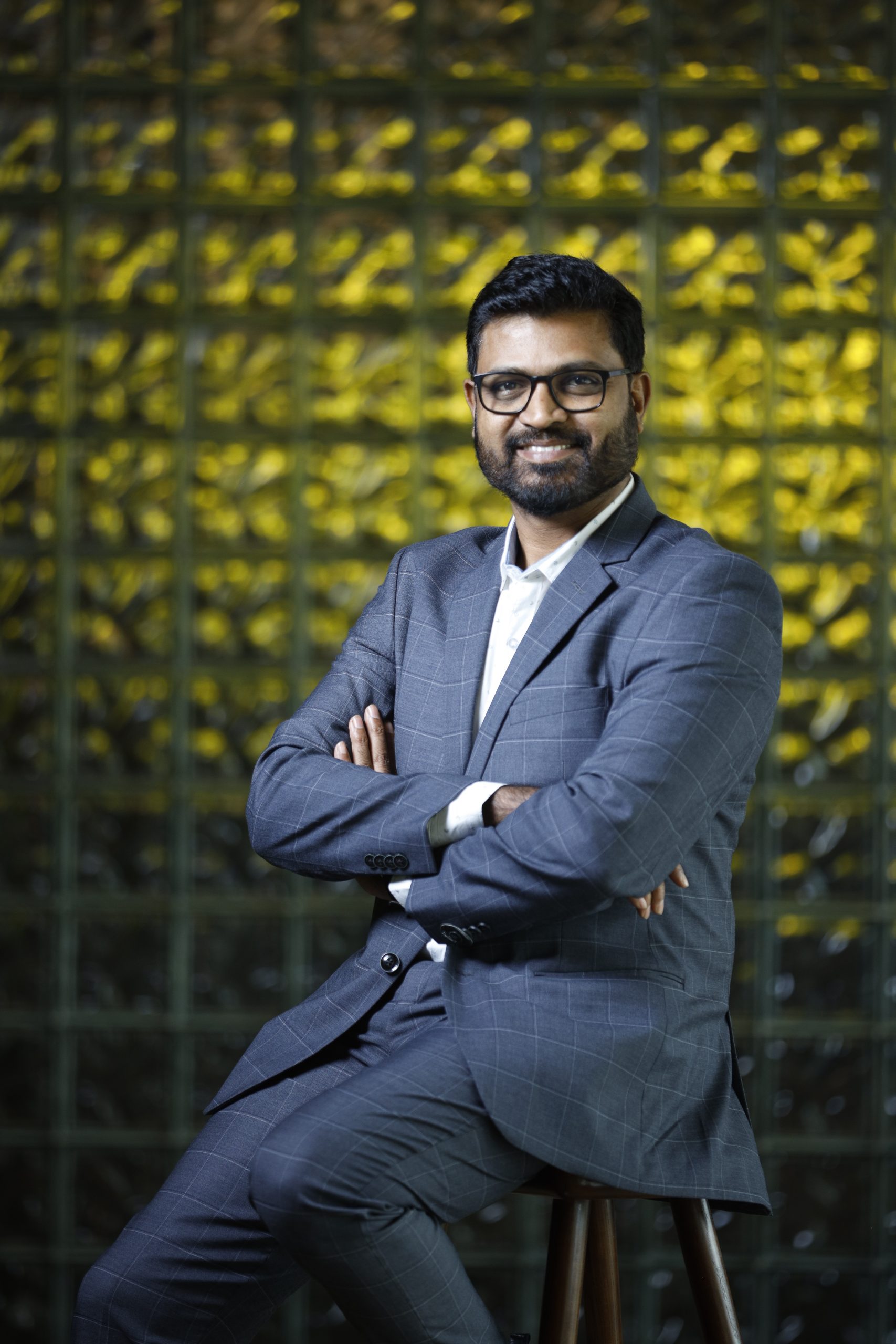
  • “All the three stages- compliance, crisis management and strategic advisory – can be achieved one after another with strategic advisory being the most important and comes last in the sequence”- Atul Juvle, Managing Partner, Ap2 LEGAL CONSULTING LLP 

    “All the three stages- compliance, crisis management and strategic advisory – can be achieved one after another with strategic advisory being the most important and comes last in the sequence”- Atul Juvle, Managing Partner, Ap2 LEGAL CONSULTING LLP 

    This Interview has been published by Pragya Chandni and The SuperLawyer Team

    You’ve had an illustrious career spanning various industries and companies. What initially drew you towards the legal profession, and how did you navigate your way through different sectors over the years?

    I finished my banking qualification because I wanted to pursue a career in banking operations. While studying for the same  I fell in love with the laws governing forex transactions and the legal decisions made by the courts that impact bankers. This motivated me to finish FCS after LLB. I kind of fell into the legal field by accident. Over time, I became permanently married to legal compliance due to complexities and problems. 

    I have experimented with a variety of business sectors because I love challenges and dislike things as they are. My courageous nature, which I developed by exposure to and experiences gained on the job, has also contributed to my success in adapting and delivering in several organizations. Yes, my wife has given me a lot of support throughout my endeavours, which has inspired me to keep going even now. 

    With your extensive experience in both civil and criminal legal matters, as well as crisis management, could you share some insights into how you approach handling high-stakes matters, or complex legal disputes?

    There are three stages when GC gets  involved (1) from the beginning (2) after trying all the methods to correct the situation (3) this may be part of legacy issues, when you join a new organisation. 

    Based on experiences, I have developed a procedure based strategic approach to handle high stake matters. Whatever may be the stage, when we get involved, the first step is always buying enough time from business or judiciary, under any pretext, to prepare well before getting into filing of legal proceedings or start proceedings before authority (when we got in the matter at proceedings stage) in a high-stakes, complex legal issues. Conduct a thorough internal evaluation review of the matter, not only on the basis of documents but also in consultation with the operational managers directly involved in the matter. Create a SWOT analysis of the situation. The matter’s advantages, disadvantages, opportunities, and threats. Create a plan of action and get going. Be flexible for a few surprises from the opposite side, which may provide threats or weaknesses. Remember to leave the door open for dialogue or informal mediation after filing for legal action. 

    Given your roles in compliance and governance, including ensuring statutory compliances for offices and factories pan India, what strategies have you found most effective in maintaining adherence to regulatory standards across diverse business environments?

    There is no Strategy but a Process, for ensuring a satisfactory compliance system in the organisation.  The written down process with identified process owners, has to be followed religiously. A repository of applicable laws and rules must be established, and when changes occur, one designated individual must be responsible for updating the repository. The repository must be updated with the modifications, and all affected process owners must be notified. Every month, the database must be updated to include compliances, delayed compliances, and failed compliances. The organisation has to promote a “Speak-Up” culture, and reliance and dependence on the same should be prioritized over database reports.  The non-reporting, if any, should be dealt seriously and firmly.  I am blessed to have good teammates in every organisation who followed the process religiously and helped me  to be successful in managing compliances. 

    I will never forget 2010-11, when in one business sector there were more than 90 circulars in one year and only because of dependable team-mates, I could communicate and implement them successfully in the system. 

    You’ve been recognized as a leader in legal ethics and compliance. How do you instill a culture of integrity and ethical behavior within the organizations you’ve worked with, especially considering the diverse cultural and operational landscapes?

    The basic rules of integrity and ethical behaviour does not defer with diverse businesses / operational landscapes or different sets of management.   I am lucky to have worked with businesses, who respect ethical business practices. 

    “Yatha Raja, Tatha Praja’.  The Integrity culture starts with tone from the top.  Integrity is behaving right when no one watches.  The employee follows the leaders. So, senior managers must be role models. The second important step is having a written down policy in the company, which clarifies and codifies the standards, rules and expectations.  The third rule is dealing with violations, without making any exceptions, with warnings, sanctions and sometimes drastic sanctions like termination.  Fourth and last rule is encouraging a speak-up culture.  We also call it the whistle-blower system but it works well when it’s formal as well as informal. If we follow all these rules consistently, integrity and ethical behaviour becomes part of business operations. 

    Your expertise extends to transactions such as M&A and restructuring. What key factors do you consider when advising on such strategic decisions, and how do you balance legal requirements with business objectives?

    M&A and restructuring are two big topics and very difficult to answer it together in short.  I would prefer to share experiences on restructuring because it’s a common activity for a good number of companies and also aligning legal requirements with business objectives are more challenging in restructuring.

    Restructuring involves closing of branches / sale of factories / optimisation of labour force etc. Cost of such projects is perceived as a loss. Handling human angles and related risks and challenges is the first concern. Identifying the external support agencies is necessary to avoid last minute running around, when any angle needs care and cure.   Confidentiality is the most important key factor and it starts from the stage of conceptualisation itself.  I remember in one crucial transaction, we as a team didn’t attend the office for two weeks and even not used company cars and regular drivers.    Complete detailed information about the project.  Identification of risk/trouble pointers and resolution strategy to mitigate the same.   Ensuring 100% compliance with the applicable regulatory provisions, to avoid any surprises from the Regulator.  Handling tough decisions with human touch always helps to mitigate the pains.  Focussed attention, 100% compliant process driven activity, taking care of surprises at the first stage. 

    Could you elaborate on your experience in crisis management, particularly in handling fatal accidents and other critical incidents? How do you approach these situations from a legal and strategic standpoint?

    My first accident handling experience was a troublesome experience, but then I started developing a process based on learning.  Strategy in theory and in real life situations differs vastly.   My learning notes helped me to develop the process.  Eventually later I also got training in crisis management, which helped me to excel in more careful handling of such situations. 

    In case of a fatal accident, the first three days are critical.  Initial communication, immediate financial & emotional support to the victim’s family, cooperation with the regulatory authorities, Police and responses to the media are the major areas.  Seven points, one has to keep in mind in the first 24 hours and then follow the same for another two days.  (1) Minute verification of facts. Zero room for guess work / assumption on the incident background. (2) Emotional and financial support to family without any acceptance of fault- until the same is verified with the facts. (3) Responses to regulatory and media, only after double verification of facts.  While handling media – Reading or releasing written statements- If we buy time, we strictly honour commitment.  ‘No Response’ is an absolutely BAD response. (4) Review carefully the documents and responses submitted to Police (5) Complete the Incident report filing with the applicable regulatory authorities well within time. (normally it’s 24 hours) (6) Estimating loss, Insurance claim possibility. Intimation to Insurance companies. (7) Start parallelly root cause analysis and corrective action to avoid repetition.

    As someone deeply involved in drafting and vetting agreements, what are some common pitfalls you’ve observed in contract negotiations, and how do you mitigate risks while ensuring favourable outcomes for your organization?

    In any contract there are 5-6 clauses that need attention, discussion and negotiations to have a fair contract between both the parties.  But a good number of times the Client has the upper hand and it becomes a difficult decision on whether to accept the project or not?   And Management wants to go ahead with the business decision.  Sometimes the project has strategic importance, too. In some cases, organisations want to accept the project with all the risks as a strategic plan.   In such cases only option is risk evaluation, built in safety measures, estimate and include cost plus insurance.  In simple terms when risks are not avoidable, the option is to accept, create buffers in terms of process as well as cost and transfer risk as a second buffer, to insurance.   In terms of risk mitigation management, it’s necessary to have strong project management with an identified responsible person.   We did wonders on many risky projects by this approach, yes with one or two exceptions where we mitigated risks through insurance claims.

    Finally, with your wealth of experience, what advice would you offer to young law graduates aspiring to make a mark in the legal profession, especially in areas like compliance, crisis management, and strategic advisory?

    All the three stages- compliance, crisis management and strategic advisory – can be achieved one after another with strategic advisory being the most important and comes last in the sequence. 

    First and foremost, even if all the youngsters know, but still would like to reiterate that now there will not be legal & compliance, without information & technology. So, whatever domain one choses, s/he has to keep updated with the technological advancements in the domain.  

    Second, I strongly believe in Brian Tracy’s 6-Ps rulePrior Proper Planning Prevents Poor Performance. Never forget to plan ahead, ask for help when needed and be prepared before beginning any legal battle.  As I said herein above while answering question no.2, that there is nothing wrong in requesting time for preparation and planning.

    A leadership mindset is a must to reach the Top.  Always remember that leadership begins with the letter L, which stands for lifelong learning.  It’s a myth that only seniors have to be leaders, every person can be a leader at his/her level with the right mindset. 

    Last but not least, my all-time favourite saying is: “Know & go, always; there’s no such thing as NO-GO.” When there is no way to completely eliminate the risk, we should accept it, handle it carefully with continuous monitoring backed by insurance to cover it. 

    Best wishes for earning and claiming your  share in one of the fastest growing economies, India. 

    Get in touch with Atul Juvle-

  • “Technology is revolutionizing legal and compliance functions, offering innovative solutions to streamline processes, enhance efficiency, and mitigate risks”- Ashish Pandey, General Counsel and Company Secretary, Luminous Power Technologies (P) Ltd.

    “Technology is revolutionizing legal and compliance functions, offering innovative solutions to streamline processes, enhance efficiency, and mitigate risks”- Ashish Pandey, General Counsel and Company Secretary, Luminous Power Technologies (P) Ltd.

    This Interview has been published by Pragya Chandni and The SuperLawyer Team

    Your career journey reflects a diverse range of experiences in legal, regulatory, compliance, and governance roles across various industries. What initially drew you to pursue a career in law and company secretarial services?

    My fascination with the intersection of law, business, and governance led me into the legal and company secretarial realm. The structured yet dynamic nature of the legal profession, coupled with the opportunity to make a tangible impact by upholding justice and promoting ethical conduct, resonated deeply with my values. Recognizing the pivotal role of governance and compliance in safeguarding stakeholders’ interests, I pursued company secretarial services to foster transparency, accountability, and regulatory adherence across industries.

    With over two decades of experience, including more than 10 years heading the secretarial department of listed companies, what pivotal moments or experiences shaped your expertise in corporate governance and compliance?

    With over two decades in corporate governance and compliance, including over 10 years leading secretarial departments of listed firms, I’ve been shaped by pivotal moments. These include navigating regulatory changes, managing crises, collaborating with boards, and participating in M&A. Ethical dilemmas and ongoing learning also contributed, deepening my understanding and enhancing crisis management and governance skills, ensuring relevance in a dynamic corporate landscape.

    Your profile highlights significant achievements, such as orchestrating complex business hive-offs and leading big-ticket arbitrations. Could you share a particularly challenging situation you encountered in your career and how you navigated through it?

    One notable challenge involved managing a high-stakes arbitration involving intricate contractual disputes. I strategically collaborated with legal experts, meticulously analyzed evidence, and maintained clear communication with stakeholders to navigate the complex legal terrain. Ultimately, our comprehensive approach led to a favorable resolution, showcasing resilience and strategic acumen.

    As VP Legal & Company Secretary at Luminous Power Technologies, you’ve led initiatives to enhance ethics and compliance programs, resulting in increased employee awareness and adherence to regulatory requirements. What strategies did you employ to achieve such notable improvements?

    Implementing a multifaceted approach, I initiated comprehensive training sessions, disseminated clear and concise compliance guidelines, and established robust reporting mechanisms to encourage ethical behavior. Additionally, fostering a culture of transparency and accountability, I regularly communicated the importance of compliance from top leadership down. These strategies not only heightened employee awareness but also cultivated a culture of integrity, resulting in enhanced compliance and regulatory adherence across the organization.

    Collaboration seems to be a recurring theme in your career, whether it’s fostering collaboration with stakeholders or leading cross-functional teams. How do you approach building and maintaining effective collaborations, especially in complex legal and regulatory environments?

    In navigating complex legal and regulatory environments, I prioritize open communication, mutual respect, and a shared commitment to common goals. By fostering an inclusive culture that values diverse perspectives and expertise, I promote active collaboration across departments and stakeholders. Regular meetings, clear delegation of responsibilities, and establishing common metrics for success help maintain alignment and momentum. Additionally, cultivating strong interpersonal relationships and demonstrating empathy fosters trust and strengthens collaborative efforts, ensuring collective success in achieving strategic objectives.

    Your experience includes extensive work in listed companies and leading rights issues. What unique challenges do you face in managing legal and regulatory matters in a listed company, and how do you address them?

    Managing legal and regulatory matters in listed companies presents unique challenges due to heightened scrutiny, stringent reporting requirements, and the need for transparent governance. I address these challenges by prioritizing proactive compliance measures, staying abreast of evolving regulations, and fostering a culture of transparency and accountability. Regular communication with regulatory bodies, thorough risk assessments, and robust internal controls help mitigate potential issues. Additionally, building strong relationships with legal counsel and leveraging technology for efficient compliance tracking are essential. By taking a proactive and collaborative approach, I ensure legal and regulatory compliance while facilitating sustainable growth and investor confidence.

    Implementing IT-based governance tools for monitoring trademarks, designs, and patents showcases your adaptability to technological advancements. How do you see technology shaping the future of legal and compliance functions, and what role do you envision it playing in the coming years?

    Technology is revolutionizing legal and compliance functions, offering innovative solutions to streamline processes, enhance efficiency, and mitigate risks. In the future, advancements such as artificial intelligence (AI), blockchain, and data analytics will play a pivotal role in transforming how legal and compliance tasks are performed. AI-powered tools can automate routine tasks like contract review, allowing legal professionals to focus on strategic initiatives. Blockchain technology offers secure and transparent transaction records, enhancing compliance with regulatory requirements such as data privacy laws. Data analytics enable proactive risk identification and predictive compliance monitoring, empowering organizations to anticipate and address potential issues before they escalate. Additionally, cloud-based platforms facilitate collaboration and information sharing, improving communication and alignment across departments. Embracing these technological innovations will be crucial for staying competitive and agile in a rapidly evolving regulatory landscape, enabling legal and compliance functions to proactively address challenges and drive business success.

    Finally, considering your wealth of experience, what advice would you offer to fresh graduates aspiring to enter the field of law, corporate governance, or compliance?

    For fresh graduates aspiring to enter law, corporate governance, or compliance fields, I offer several pieces of advice. Firstly, prioritize gaining practical experience through internships, clerkships, or entry-level positions to supplement academic knowledge with real-world insights. Secondly, continuously invest in professional development by pursuing further education, certifications, and staying updated on industry trends and regulatory changes. Additionally, cultivate strong communication, analytical, and problem-solving skills, as these are essential for success in these fields. Networking with professionals in the industry and seeking mentorship can provide valuable guidance and opportunities for growth. Lastly, demonstrate integrity, ethics, and a commitment to upholding legal and regulatory standards, as these qualities are highly valued in the corporate world. By embracing these principles and actively pursuing opportunities for growth and learning, aspiring professionals can embark on a rewarding and fulfilling career in law, corporate governance, or compliance.

    Get in touch with Ashish Pandey-

  • “As an in-house counsel for a technology start-up, my primary focus is to understand the evolving technology changing the nature of the products and services, along with the changing regulatory landscape across the globe”- Debopama Roy, General Counsel, Airmeet

    “As an in-house counsel for a technology start-up, my primary focus is to understand the evolving technology changing the nature of the products and services, along with the changing regulatory landscape across the globe”- Debopama Roy, General Counsel, Airmeet

    This Interview has been published by Pragya Chandni and The SuperLawyer Team

    Could you walk us through your journey from studying law to becoming a prominent figure in the legal field, including some key moments that shaped your career path?

    I am a first-generation lawyer. I found interest during middle school in social sciences, current affairs, debating, quizzing and a flare for languages and writing. In high school, ‘Plan A’ was to pursue a five-year integrated law course and ‘Plan B’ was to pursue higher studies in international studies. I prepared and took the admission tests for different law schools, then there was no CLAT. Plan A worked for me, I chose Amity Law School, New Delhi which was then affiliated with Guru Gobind Singh Indraprastha University in Delhi to be close to home and work in a lawyer’s chamber while studying. I worked in a lawyer’s chamber since my first year of college to learn the dynamics of legal practice. The lessons learnt over these years have shaped me for what I am today:

    Lesson 1: Always do your groundwork in any assignment thoroughly, it will help you in the long term.

    I worked in lawyers’ chambers and law firms to understand the dynamics of legal practice while pursuing my degree to find my area of interest upon graduation. The rigour I went through during the law school internships helped me to get through a campus placement with the Organizing Committee, Commonwealth Games 2010 Delhi. I cracked the interview questions in my campus placement as I knew the laws of broadcasting rights under the copyright laws in India which I had researched for a matter during internships. 

    Lesson 2: The key to being a good lawyer is ‘ATD’ i.e., pay ‘Attention to Detail’ in the documents you draft and review.

    Since my first assignment as a law student, I have developed a keen eye for whatever matter or document I draft and review. Every minute aspect of the matter or document makes a lasting impression on your work ethic. As lawyers, we are known for our choice of words and conduct. Documents we review and draft and the words we speak are reflections of our competence and capabilities.   

    Lesson 3: Every experience counts. Every role and experience brings learning which helps you to achieve your goals. 

    The various roles in India and the US across industries got me learning which helped me immensely as an in-house lawyer and working parent. Recently, while penning down words for an award nomination I realised that the varied roles I had undertaken ranging from a general counsel for a technology firm to a not-for-profit organisation have helped me understand and address a wide range of issues related to their operations, compliance, risk mitigation, fundraising and stakeholder management has groomed me into a resilient person with the ability to resolve legal concerns effectively for my stakeholders in the professional realm. I felt extremely privileged to be among the 5 nominees for the award among so many esteemed counsels of India. 

    Your work spans across various industries and geographies. How do you navigate the complexities of different legal systems and business landscapes?

    The varied opportunities across jurisdictions have taught me to stick to the fundamentals and tackle complexities across different legal systems and business landscapes on a case-to-case basis:

    1. Analytical bent of mind – develop the ability to deal with complex matters to cut across legal areas. I use the ‘IRAC’ (Issue, Rule, Analysis, Conclusion) method learnt in law school to dissect an issue and step-wise resolution. 
    2. Strong cross-cultural communication– the key to being an effective lawyer is communication through drafting, redlining, negotiating, and stakeholder management. Over the years I have learnt and am still learning the art of effective communication which has helped me learn culture across the globe and effectively communicate with my stakeholders across jurisdictions
    3. Business acumen – business knowledge is the key to success as a counsel. To be an effective in-house counsel it is essential to understand the business operations of the organisation/ your client and become a strategic partner to the business stakeholders;
    4. Execution– In the end what matters is effective execution and post-execution assessment. Effective and efficient execution comes with meticulous planning and a flexible mindset to make things work around situations with deviations from the original plan. Effective and efficient executors are always valued and appreciated. Post-execution assessment is important as it helps you understand the gaps and there is always room for improvement for the next time. 

    As someone who has held significant roles in both corporate and non-profit sectors, how do you approach the balance between legal compliance and broader social responsibility?

    Legal compliance and broader social responsibility go hand in hand in both sectors and have the same approach. On a case-to-case basis, the requirement of legal compliance and the obligation an organisation has towards social welfare are weighed against each other on the following parameters: 

    1. Risk Assessment: Is legal compliance mandatory or optional and what implications does it have for the organisation, if not adhered to?
    2. Impact Assessment: Does the broader social responsibility meet the objective of social welfare where the organisation can directly or consequentially give back to society for the resources utilised for its success?

    Balance of these two aspects is important as it ensures organic growth of the organisation while the checks and balances are in place. 

    Your experience involves spearheading legal departments and teams. What are some effective strategies you’ve employed to foster collaboration and drive efficiency within your teams?

    Legal team is a support services function in any organisation, it involves collaboration with internal and external stakeholders regularly. My aim is always to be an asset to my stakeholders by:

    1. Technical knowledge and understanding – Lawyers are subject matter experts so we are here to resolve legal issues, carry compliances, forecast and mitigate risks to ensure the smooth functioning of the organisation; 
    2. Approachability – Make sure you are approachable to everyone in the organisation with visibility of our schedule. It builds trust and transparency with the stakeholders and helps legal become a valued strategic partner for the business; 
    3. Empathy – Always place yourself in the shoes of the stakeholder coming to your desk expecting a solution. It goes a long way for a lawyer during our professional journey;  
    4. Adhere to your commitments– Pay attention to detail, stick to the timelines committed and work towards an efficient turn-around-time with accuracy; 
    5. Assumptions – Never assume, it never works and is a perfect recipe for disaster and miscommunication. Speak up, repeat, clarify and ask for help when required;
    6. Communication– Effective communication with your stakeholders or during a negotiation shows transparency and instil confidence in the other person on the table.

    Given your involvement in various mergers, acquisitions, and strategic collaborations, could you share some insights into navigating complex legal negotiations and ensuring favourable outcomes for your organizations?

    Complexities are natural in any transaction and deal where I always aim to achieve the best outcome in such situations for my client/ organisation by:

    1. Identifying the issues and dealing with the complexities, layer by layer by separating the multiple issues; 
    2. Doing in-depth research of facts and law– I follow the principle of redundancy while undertaking research on any matter to be well-prepared for the unusual, worst-case scenario;
    3. Evaluating the risks by aligning the risk matrix with the management of the organisation and focusing on the concerns on a priority basis; 
    4. Bring the cost-effective solution to the table– I always have multiple solutions and plans for back up which is cost-effective and beneficial for the organisation; 
    5. Being an executor – I always ensure a seamless execution and closure of the matter. Subsequently, I always ensure processes are laid down taking care of the concerns for future risk mitigation.

    Recently, there was success in settling a privacy troll matter without shelling out a single cent to the complainant by tapping into complete in-house resources while following the above steps.   

    With your extensive experience in policy formulation and implementation, how do you ensure that legal frameworks keep pace with rapidly evolving technologies and business practices?

    As an in-house counsel for a technology start-up, my primary focus is to understand the evolving technology changing the nature of the products and services, along with the changing regulatory landscape across the globe.

    The 3 main things which help my strategies in the rapidly changing scenarios are:

    1. Regular interactions with the product, engineering and revenue teams to gain visibility of the changes made or to be made on the products and services platform. Accordingly, assess and align the forecasted changes with the law, regulations and policy formulation well in advance; 
    2. Revisit policies and compliances related to business operations, employment and data regularly. Ensure all policies and compliances are always up-to-date, address business requirements and smooth functioning of the business with an efficient turn-around-time; 
    3. Maintain a detailed repository of all documents related to day-to-day operations, compliances, policies, disputes and other matters, it helps to understand the previous and present framework and its loopholes and make changes effectively and efficiently for the expected transactions.

    While following the above three points, always remember to optimise cost-effective and efficient resources.

    You’ve received recognition for your contributions to the legal field, including awards such as General Counsel of the Year. What do you believe sets exceptional legal professionals apart in today’s competitive landscape?

    1. Work on your concepts – No matter how high you go up on the ranks, stay in touch with your fundamentals, go back to conventional textbooks and revise your concepts; 
    2. Always be a work in progress – Be open to suggestions and learnings. Stay a lifelong student; 
    3. Knowledge sharing – Apply and share your learnings with others. The more you share the more you learn; 
    4. Make mistakes and learn from failures – Always look for challenges, do not shy away from them, make mistakes and learn from them and be better prepared for the next time; 
    5. Empathise – Always place yourself in others’ shoes which will help you understand the situation and arrive at optimal solutions; 
    6. Believe in yourself, then you can make others believe in you. 

    Your work with the Southwest Michigan Human Trafficking Task Force highlights a commitment to social justice. How do you integrate your legal expertise into advocacy efforts for vulnerable populations?

    I was fortunate to spend time with underprivileged children during school holidays as a teenager helping my mother run a not-for-profit school in the slums of Delhi. I understand that policies are easily drafted for the welfare and upliftment of the marginalised section of the society, however, there is a huge gap in implementation and execution of these policies. Learnings from my early days helped me understand the concepts while studying law in India and the US on identification, tackling, resolution, implementation and post-implementation follow-ups. 

    In the US, I again got the opportunity to work in the social welfare sector with the Southwest Michigan Human Trafficking Task Force, the underlying issues were the same i.e., to bridge the gap between policies and their implementation at the ground level. This is where I translate my legal knowledge into words understandable for stakeholders in society to facilitate a better understanding and implementation of the process at the ground level which benefits the human-trafficked survivors and their relocation to mainstream society with a normal means of livelihood. Moreover, efficient implementation involves significant monetary consideration where I also leveraged my knowledge of law and policies with the implementation plan to pitch project plans and raise funds to support the cause. Advocacy for social justice requires a holistic understanding of various factors such as social, political, economic and demographic along with laws and policies of that geography. It requires a lot of patience and empathy to stand for your conviction and belief in the cause as it is a long process for your hard work to yield fruits. 

    Finally, as someone who has achieved significant success in the legal profession, what advice would you offer to fresh graduates aspiring to embark on a similar path?

    I am a student, learning from everyone and anything I come across in this journey called ‘Life’. I consider success relative and temporary based on the circumstances, it is significant but short-term. I always keep the focus on the journey and experience. 

    In the last decade, opportunities have multiplied in the legal job sector especially as in-house counsels. The key to becoming a good lawyer is to stick to your fundamentals and keep patience. These days, I come across law graduates post-graduation who consider corporate or corporate law firm roles non-exciting and want to disrupt the legal field with their brilliant ideas. I feel so good to come across such young brilliant minds, but many need to gain knowledge of operations and administration which seems dull and mundane.  The boring, non-challenging work in the corporate, law firm, and lawyer’s chamber helps one understand the importance of processes and policies crucial for business operations and administration. Yes, learning from one’s mistakes is a must but it is equally important to leverage the things already in place through the opportunities. There is no need to reinvent the wheel as resources are limited and valuable, consider yourself fortunate to have access to whatever opportunities you come across. You never know what opportunity comes your way. 

    Get in touch with Debopama Roy-

  • “In a country which is governed by a Constitution and which practices the Rule of Law, it is a privilege to serve the society as a lawyer”- Attreyi Mukherjee, General Counsel at Tata Industries Limited and a  Published Author

    “In a country which is governed by a Constitution and which practices the Rule of Law, it is a privilege to serve the society as a lawyer”- Attreyi Mukherjee, General Counsel at Tata Industries Limited and a Published Author

    This Interview has been published by Pragya Chandni and The SuperLawyer Team

    Can you share with us your journey into the field of law, from your early education to your current role as General Counsel of Tata Industries? What inspired you to pursue a career in law?

    From the early days of my education, I was a keen student of History and Political Science, finally graduating with Honours in History from Lady Shri Ram College for Women under Delhi University. At college I was enthused with the ideals of human rights, rule of law and gender equality. I was fortunate to be able to channelise my interests in my professional journey which started with my LL.B degree from Mumbai University and very recently been admitted as a Solicitor in England & Wales.

    With your experience spanning both law firms and in-house counsel roles, what differences do you find in the challenges and opportunities presented by each environment? How did these experiences shape your approach to legal practice?

    Practice of law remains constant in both these environments. Considering in-house counsels as ‘legal managers’ is a thing of the past. According to me, the key difference between the two is that in private practice, you work from transaction to transaction, whereas in an in-house role, you are much closer to the business and as such have greater ownership of the matters. In-house counsels are also expected to wear a business hat, by that I mean, having a business/strategic perspective.

    Transitioning from practicing at law firms to working as in-house counsel, what adjustments did you need to make in your approach to legal practice and stakeholder management? How do you balance the demands of providing legal advice while also understanding the business needs and goals of the organization?

    It is important to recognise the role of in-house counsel as a key risk manager for an organisation. This is something which sets apart an in-house role from that of private practice. But this does not translate to mean adversarial position with business. Legal must work with business to find the right synergistic solutions which serve the business needs while mitigating any legal exposure for the organisation. That is not to say that there are no situations where there would be a disagreement with your key business stakeholders, and these are precisely the situations where your mettle as the in-house counsel is tested. It is important to stand one’s ground and to find the appropriate approach to convincingly put the point across. Logical and persuasive arguments would always find takers.

    You’ve handled complex transactional matters, including domestic and cross-border M&As, JVs, and Technology Licensing deals. Could you walk us through a particularly challenging deal you’ve worked on and the key lessons you learned from it?

    I have experienced inflections in my learning curve when I have advised on the sell side, especially when the asset has been under stress. It requires enormous fortitude to get through the negotiations, to hold your ground and work towards the best outcome. The key practices which can help in such situations are (i) a thorough vendor diligence, which prepares you for the negotiations points you know might come up; (ii) alignment with management/client, so you know the redlines of your own business team; (iii) a clear strategy for the negotiations; and (iv) speed in execution.

    As the Co-Chair of the Legal Affairs and IPR Committee of the Bombay Chamber of Commerce and Industry, you’re involved in designing and speaking at seminars on diverse legal topics. How do you stay updated on the latest developments and trends in the legal landscape, especially in areas like Tech Laws, Data Privacy, and Gender Sensitivity?

    Thank you for the reference to my work at the Bombay Chamber. It has been my privilege to be associated with one of the oldest and well-respected industry associations of the country. As far as knowledge management is concerned, it is always easy to stay updated on the developments in areas which are of keen interest. I read a lot, both online and offline and also my interactions with peers and seniors enrich me. Ours is a knowledge-based industry and the only way to keep our skills relevant is by staying updated. This is especially important now, when the world is witnessing unprecedented social transformation and technological development, giving rise to whole new legal and regulatory paradigms.

    Your involvement in co-authoring editions of the Handbook on the Law on Sexual Harassment at Workplace demonstrates a commitment to promoting a safe and inclusive work environment. What motivated you to contribute to this important area of law, and what impact do you hope your work will have?

    I have always had an interest in human rights with a special focus on gender issues, more particularly issues around gender-based discrimination at the workplace. So, when India legislated the Sexual Harassment of Women at Workplace (Prevention, Prohibition and Redressal) Act, 2013, it was a welcome opportunity to dive into the research in this field and the result was the book which was first published in 2015 and remains the most detailed commentary on this subject to date. Since the publication, me and my co-author have received notes from many women around the world telling us about their experiences and it is humbling to learn how far we still have to go. It is important for organisations to understand that this has become a Board level issue and requires attention and investment at leadership level. I am frequently invited to hold lectures and training sessions at different forums on the subject and I sincerely hope that I have been able to contribute meaningfully to the cause.

    Given your extensive experience and achievements in the legal field, what advice would you offer to fresh graduates aspiring to pursue a career in law, especially those interested in business law and corporate governance?

    In a country which is governed by a Constitution and which practices the Rule of Law, it is a privilege to serve the society as a lawyer. For those who are aspiring to join the profession, I would say that there has been no better time. The new generation of lawyers will not only get to practice law but would also be an integral part of re-defining the legal landscape which is underfoot around the world. From laws on personal data protection, regulating artificial intelligence, new challenges to intellectual property rights, re-defining consumer protection rights, on the commercial side to securing individual rights, protecting those who identify beyond the gender binary, promoting safe workplaces, fighting against discrimination in all forms, there is so much and more which a fresh graduate can contribute towards. Those who wish to practice corporate law,  the increasing focus on governance through transparency would provide greater opportunities for research and practice and continuing economic growth would fuel transaction practice. Eventually, hard work, research, drafting skills and a strategic mind are the true assets of a successful lawyer.

    Get in touch with Attreyi Mukherjee-

  • “Every facet of what we do in the legal department has a key role to play in any decision making on the strategy of the organization”- Shalinee Kulshreshtha, General counsel, Dentsu International India

    “Every facet of what we do in the legal department has a key role to play in any decision making on the strategy of the organization”- Shalinee Kulshreshtha, General counsel, Dentsu International India

    This Interview has been published by Pragya Chandni and The SuperLawyer Team

    Can you share with us your journey from practicing law at Daksh Law Firm to transitioning into the corporate sector with multinational corporations like DuPont, PricewaterhouseCoopers, and Honeywell? What motivated this shift, and how did your experiences shape your approach to legal matters in the corporate world?

    It was an interesting one. I had no clue that one can become a corporate lawyer too. Coming from a small town, I only knew about practicing in courts. Then, I started interacting with in house counsels of our clients and understood how much we could do as corporate lawyers. That triggered the interest in being one and I never felt like going back. In the corporate world, you are part of business so one has to own and live the legal advice provided unlike law firms where one can separate themselves from it.

    You’ve had extensive experience in handling various legal aspects such as litigation, contracts, mergers & acquisitions, and compliance across diverse industries. Could you elaborate on how your legal expertise intersects with your role as a business enabler within these industries?

    Every facet of what we do in the legal department has a key role to play in any decision making on the strategy of the organization. For instance, our learnings from a litigation or contract could play a key role in making a decision of what business could be good/ lucrative for the future of the company. Gone are the days when Legal was being consulted only when there was a dispute. These days, Legal plays a crucial role in enabling business and making it profitable.

    Being recognized as a leader with a strong ethos of collegiality and mutual respect, how do you foster a culture of integrity, compliance, and accountability within your organization, especially when dealing with complex business challenges?

    It starts from you. If you stick to integrity and compliance in the very turbulent and stressful situation, people see you as a role model. The cost of non-compliance could be super expensive. It’s not always pecuniary, sometimes it could lead to massive reputational damage. If you are able to show that to others, it’s not difficult to get them on your side.

    Throughout your career, you’ve worked with teams comprising members from different countries and industries. How do you navigate cultural and professional differences to ensure effective collaboration and achieve common business goals?

    I have gone through multiple cultural training sessions that have helped me understand the fundamentals of many cultures. It helps in customizing the messaging when working with people from different countries. The business goals are always the same. So, if you are able to convince others that we are working towards a common goal and how you are there to support and achieve that, it’s not difficult to resolve conflicts.

    Given your background in both law and business, how do you balance legal considerations with strategic business objectives, particularly when advising on high-stakes transactions or corporate governance matters?

    In my view, it acts as a plus. Good understanding of business and law helps strike the balance when working with stakeholders from different departments. You are able to appreciate their perspective and help them see yours.

    As someone who has been involved in multi-billion dollar transaction deals and has set precedents in legal matters, could you share some key insights or lessons learned from your most challenging cases or deals?

    It’s always easy to say “no” but your value is understood by Business when you say it rarely. No business is risk free. So, working towards minimizing the risks could lead to successful outcomes and relationships. There were times when in challenging negotiations, I asked other party questions till I understood the reason for their reluctance in agreeing to something. When I came back home, I did not know what the solution was but since I had understood the problem, it was not difficult to find an answer through some introspection and out of box thinking.

    With your extensive experience in areas such as data privacy, cyber laws, and competition law, how do you stay updated with evolving legal landscapes and ensure compliance with changing regulations, especially in the digital age?

    I spend dedicated time over weekends to study. I also attend conferences and round table discussions where I find topics of interest. Also, I organize monthly knowledge sessions by law firms on evolving subjects for my team to upgrade ourselves. Interactions with peers from industry also help stay updated. This also helps keep a tab on upcoming trends and it makes it easy to keep pace and stay compliant in the changing world.

    Your journey from being a top-performing student to receiving accolades such as the General Counsel of the Year reflects a remarkable career trajectory. What advice would you give to fresh graduates aspiring to pursue a similar path in law and business, especially in terms of navigating challenges and seizing opportunities in the professional world?

    Never compromise on your integrity, stay persistent, keep learning and think “out of box”

    Get in touch with Shalinee Kulshreshtha-

  • “Ethics plays a major role in the legal strategies of companies… It contributes to achieving good governance and increases the reputation in the market.” – Panduranga Acharya, General Counsel at Zepto

    “Ethics plays a major role in the legal strategies of companies… It contributes to achieving good governance and increases the reputation in the market.” – Panduranga Acharya, General Counsel at Zepto

    This interview has been published by Namrata Singh and The SuperLawyer Team

    Your journey from the courtroom to the boardroom is fascinating. Could you share with us how you embarked on your career in law, what inspired you to pursue this path, and the challenges you encountered in the initial stages of your career?

    Firstly, it’s a pleasure to share my thoughts at www.superlawyer.in and thank you for this opportunity. I began my career as a litigating lawyer, and over time, I worked my way up the ladder to become a general counsel. Throughout this journey, I’ve consistently applied a general counsel mindset. I’ve also built strong relationships by actively participating in discussions, which has led to a more collaborative and efficient team environment

    I chose to be a lawyer because I was intrigued by how lawyers conduct themselves and their influence on society. I thought lawyers could make a real difference in people’s lives, specifically protecting rights and their ability to help others was always a powerful motivator.

    The initial days of my career weren’t that easy, as a first-generation lawyer, I had to struggle to find a lawyer’s office for my initial training and in those days, the law firms were limited and the scope for legal professionals in the companies was also limited or not much evolved. Thankfully, after visiting many offices, I found an opportunity with an individual legal practitioner and had the privilege to assist him in diverse matters, predominantly in Writs. After a short stint with the court practice, I pursued in-house opportunities. But, the initial period of court practice helped me a lot to grow as a professional.

    With such an impressive journey through various corporations, how do you see Zepto’s approach to quick commerce changing the game in India’s online grocery sector?

    The e-commerce landscape is undergoing a rapid transformation fueled by technological advancements and ever-evolving regulations. The past decade has witnessed high adoption of e-commerce in many segments and has changed the way how India shops. Zepto’s quick delivery service is not only a pioneer in itself but also sets industry standards, only to be followed by other players.

    The meteoric rise of quick commerce, a space where customer satisfaction is king, perfectly exemplifies this need for change. Zepto, loved by consumers for its lightning-fast delivery, is redefining the e-commerce shopping experience for them. Zepto’s success highlights a shift in consumer preferences. People are increasingly seeking immediate gratification, and I think Zepto fills that gap.

    You may even look at the market size, there are a few analysts that estimate a market size exceeding $45 billion, indicating immense room for expansion for quick commerce. Traditional players like grocery chains are also entering the fray, offering quick delivery service options alongside established models. This healthy competition benefits consumers with wider choices and potentially better service. I am glad that I am part of this transition of e-commerce.

    From courtroom battles to corporate boardrooms, you’ve navigated diverse legal landscapes. Your career trajectory began in private practice as an Associate Advocate before transitioning to corporate roles. What prompted your shift from the courtroom to corporate environments?

    While my initial legal experience in practicing counsel was invaluable, it wasn’t until I transitioned in-house that I discovered a particular pull towards the corporate world. There, the focus shifted from handling individual cases to the bigger picture – the strategic legal needs of a company. This appealed to my desire to be a part of something larger and contribute to a company’s overall success. I went on to serve companies in the telecom retail and telecom services sector and during my stint there, I always looked for solutions which make economically sensible to the organization, which led to sharpening my skills to solve with out-of-the-box solutions.

    However, the real turning point came when I witnessed the burgeoning e-commerce industry. The Flipkart experience crystallized my focus. The legal landscape of e-commerce was dynamic, constantly evolving and challenging too. It offered a unique blend of established legal principles applied in a completely new and exciting way. But these challenges were what excited me most. I saw an opportunity to not only be a legal expert but also a pioneer, contributing to shaping the legal framework for this rapidly growing sector.

    Having worked with giants like Flipkart and Swiggy, what inspired your transition to Zepto?

    This is an interesting question, but interestingly my answer is, that when I joined Flipkart and also Swiggy, they were not giants. I have enjoyed working in growth-stage organizations, which will have a lot to achieve and solve unique growth-related legal issues, building companies brick by brick. It gave me a sense of gratification and professional satisfaction. I think I like to be part of companies, which have the potential to scale up faster and rigour in leadership to achieve the same. The growth phase of any organization is gratifying for someone like me. Like Jakma said, one can be part of the process, by joining a big organization or joining a small company, to learn passion.

    Although I have been associated with the e-commerce sector for more than a decade I think e-commerce is still not at its peak and quick commerce is a recent avtaar of e-commerce and Zepto has the rigor and the opportunity with such intensity to lead it from the front.

    Your involvement with INBA and CII reflects a commitment beyond corporate duties. How do you balance professional obligations with your contributions to legal and regulatory frameworks in India’s e-commerce ecosystem?

    As I mentioned earlier, e-commerce is evolving and there the laws also keep updated, rightly so. The involvement with INBA and CII commitments are much aligned with what I do and I take out time from official and personal time to ensure I contribute. It helps me understand the landscape of the ex-ante regulatory framework applicable to e-commerce and helps me with long-term strategic advice. Therefore, it makes sense to take part in the lawmaking process considering these laws will have an impact on the sector and ease of doing business is conducive.

    With 20 years of experience, you’ve witnessed the evolution of India’s legal and regulatory landscape. How do you foresee the role of legal professionals adapting to future shifts in the industry, especially with emerging technologies and business models?

    Yes, the introduction of the Information Technology Act, the new Company’s Act, IBC and the new Consumer Protection Act are significant in revolutionizing the regulatory landscape besides forex laws. The new Digital Personal Data Protection Act, new Labour Codes and the new Criminal laws are expected to be game changers, these laws not only like to bring more clarity for legal professionals but also pose challenges to adoption. Therefore, one should be on the edge always to evaluate their business operations, and ensure compliance with new laws. It in a way enhances the importance of legal professionals be it in-house or practicing ones.

    I think the in-house counsel should wear the hat of risk officers and constantly apply the upcoming regulatory framework to their business practices and identity, mitigate likely risks and thereby contribute to the company’s success. The cost of non-compliance will be huge in the coming years.

    Outside the legal realm, what hobbies or interests do you pursue to unwind and rejuvenate?

    That is most important, I am a sporadic reader and follow current affairs. Apart from that in my free time, I prefer to travel and explore new places and cultures. I generally like to connect with people and learn from their experiences. I follow cricket and kabaddi as sports.

    For those starting their career journey, what lessons or advice would you share from your own experiences, particularly regarding resilience and adaptability in the face of industry disruptions and challenges?

    My advice to the youngsters starting their career in the legal profession is to be as humble as a monk, as empathetic as a therapist, and as fearless as a superhero. Of course, there will be competition, but don’t let that stop you. Stay ahead of the game by keeping yourself updated and making lots of friends. When it comes to making decisions, don’t be afraid to take the plunge. Remember, even the best lawyers make mistakes sometimes. Don’t be afraid of the mistakes, the important thing is to learn from them.

    Your role involves a wide array of responsibilities, from legal matters to policy advocacy. How do you stay updated and informed about the latest trends and developments in the industry, and what sources do you rely on for insights?

    As I mentioned earlier, policy advocacy ensures ease of doing business and helps predict compliance risks. One should think of risk in everything, be it contract, litigation or compliance

    and the goodness one will bring to the table for any organization is to protect the company from business continuity risk and financial risks. Whether or not one likes it, staying updated on the latest developments in the industry has become mandatory. I generally follow the latest developments through the industry bodies and the respective ministry websites. Keep track of ongoing developments in the sector besides, talking to the industry folks.

    With the rapid digitization of commerce, what role do you believe ethics and social responsibility play in the legal strategies of companies, and how do you ensure these values are upheld in your work?

    In my opinion, ethics plays a major role in the legal strategies of companies. It is very important to ensure the business practices adopted by the companies are ethical and it is adopted as a culture (ethics by design), expecting the employees and vendors to maintain the ethical standards and thereby enhance the customer trust. It contributes to achieving good governance and increases the reputation in the market. Social responsibility can be twofold, you may have to comply with the legal requirements of CSR and the other one is ensuring the business practices are sustainable, and environment-friendly, like the adoption of electric scooters, responsible use of plastic etc.

    Get in touch with Panduranga Acharya–

  • “As Inhouse counsel, I have learnt how to mitigate the Legal risk, and started thinking like a Business man so that transactions can be materialized in a legal framework, also Team handling is a major learnings which came over the period of time”- Akhilesh Kumar, General Counsel at MBD Group

    “As Inhouse counsel, I have learnt how to mitigate the Legal risk, and started thinking like a Business man so that transactions can be materialized in a legal framework, also Team handling is a major learnings which came over the period of time”- Akhilesh Kumar, General Counsel at MBD Group

    This Interview has been published by Pragya Chandni and The SuperLawyer Team

    Can you share with us your journey into the field of law? What motivated you to pursue this career path, particularly focusing on corporate and securities laws?

    It was continuously new learning every day and at every stage of my journey in the field of Law. After my law college and enrolment at Bar Council my first Guru is Sr. Advocate Mr. Kamal Nayan Choubey. He is one of the best Sr lawyer and legal luminaries practicing at Patna High Court. I have learnt a lot from him. He taught me court crafting and also taught me how much dedication is required to practice the law. During Practice I have also worked as Advocate Member at Mobile Lok Adalat under Bihar Legal Services Authority, also while practicing as a junior advocate associates with Sr Advocate Mr. K.N. Choubey I was thinking and dreaming about the in-house counsel’s/Legal Managers role in the corporate houses who earns well and dresses well, although my senior K.N Choubey ji was not in favour me to join any corporate houses.. as he used to say and pass comments on me jokingly that what In house counsels earn monthly you can earn more than that daily. But I had decided to join corporate house so started as Legal Manager at Pacific Development Corp Limited (Pacific Group, Delhi),  then joined Treasure World Developers Pvt Ltd at Indore M.P, then returned to Delhi again and joined Omaxe Ltd. as Chief Manager Legal, then GM Legal as SGS Group and presently working as Head of Legal at a large conglomerate MBD Group, it is clarified here that while you work as Head of Legal team then you have to have good knowledge in all field of Law, not specific. However, during my journey additionally, I did LLM in Corporate and Securities Law, Diploma in Cyber Law, PG Diploma in Human Rights, which helps me while dealing with the matters pertaining to the respective laws.              

    With such a diverse educational background ranging from botany to law, how do you think your interdisciplinary knowledge has influenced your approach to legal practice, especially in the realms of corporate law and litigation management?

    In the initial days, after my 10th I wanted to become a Scientist who has knowledge of plants/medicines so that I can formulate life saving drugs and Plant tonics, hence in 12th course taken Biology and thereafter in graduation Botany Hons. However, a litigation in my family changed my journey from Scientist to Lawyer/In House Counsel. Certainly the knowledge of Science always helps me in thinking systematically and with utmost patience in finding the right solution to any situation, because study of science requires a systematic approach and patience for the end result.      

    You’ve worked with various esteemed organizations in different capacities such as GM-Legal, Corporate Counsel, and Chief Manager-Legal. Could you elaborate on how each role has contributed to your growth as a legal professional?

    Fortunately , I always got the lead role in the Legal Team in my past organizations since starting as Legal Manager in Pacific till Legal Head in MBD, but yes each role has contributed to my skills and experience whatever I have at present time. Every organization has its own working style/process and each organization teaches something new, Like, while I was appointed first time Legal Manager then I learnt how to work in the corporate culture which is altogether different from working with a law firm or designated Sr Advocate. Nature of work is also different. As inhouse counsel you work as a Client who knows the Law/court procedure and deals with the matter through external counsel. As Inhouse counsel, I have learnt how to mitigate the Legal risk, and started thinking like a Business man so that transactions can be materialized in a legal framework, also Team handling is a major learnings which came over the period of time.    

    Having handled litigations across a wide spectrum including commercial disputes, arbitration, consumer forums, and more, what do you consider as the most challenging aspect of litigation management, and how do you navigate through it effectively?

    I have learnt that for proper management of any litigation of any nature the main thing is the collating the documents and relevant information pertaining to the case, management of case files, means one should must have grip on the facts of the matter and complete documents handy in the court , what and when to be presented before the court that is called court crafting and handling of litigations. Proper management of facts and documents increase 80% chances of winning the case and 20% merit in the matter. You do not require to explain to the Court what is Law but require to present your matter/facts events wise with all the supporting documents/information.   

    Your expertise extends to drafting a myriad of legal documents and agreements. Could you walk us through your approach to drafting and vetting contracts, ensuring clarity and legal compliance?

    I personally enjoy drafting, vetting and negations on the terms of the Agreement and drafting/vetting of the Legal Documents. It is an art and comes gradually when you practice more and more. While drafting I start visualizing the events and consequences of the things not covered in your drafting. For example, if I draft any Construction Agreement on behalf of the Owner who desires to build a building on his plot, then I place myself in the place of Owner and think like Owner and start visualising the consequences of not covering in the Clause of the specific events which eventually shall take place.         

    As a legal head, you’ve been involved in mergers, acquisitions, and other corporate transactions. What strategies do you employ to ensure smooth legal processes in such complex endeavors?

    I try to understand the exact requirement of the Management/Stakeholders and then start collating the data/information and documents. Thereafter we make a team of professionals who shall perform the work in a legal framework and achieve the desired goal.        

    Over your 16+ years of experience, what have been the most significant shifts or developments in corporate law and litigation management, and how have you adapted to these changes?

    There are several changes taken place and still going on day by day, like some Acts/Law changed such as Company Law, amendments in Arbitration, RERA law introduced, forum changed like Company law board to NCLT,  new RERA and Tribunal introduced, also some new Acts introduced like Insolvency and Bankruptcy Code and for litigation management changed from manual management to digital management. Legal profession requires regular updates and demands one should be always adaptive with the changes either in law and technology.  

    Finally, considering your vast experience and achievements, what advice would you offer to fresh law graduates aspiring to embark on a similar career path in the legal field, particularly focusing on corporate law and litigation management?

    I would suggest being dedicated and focused on the subject, because it is not a part time job. He or she has to read apart from basic course materials all the subject related to corporate/commercial such as Company Law, Contract Act, Securities Law, SEBI Guidelines, Consumer Law, Arbitration, Competition law, IT Act, Data Protection Law, Cyber Laws, Partnership Act, Specific Relief Act, Bankruptcy & Insolvency Law, SARFAESI,  Tax Laws, Employment Laws, T.P Act, RERA, PMLA, etc.    It is also pertinent to mention herein that during study of law at least basic requirements of this profession should be well prepared.. such as command over the English language, knowledge of basic computer knowledge, knowledge of words, excel, power point, video conferencing ..means he or she should prepare him/herself to be well versed with the Technology/tools and systems used in the court proceedings.  Reading habits of Judgements/orders and case study shall help in increasing the understanding of the delivery of judgement/order and thinking of the court on the subject matter. One should also visit the court to understand the business of courts.    

    Get in touch with Akhilesh Kumar-


  • “To be a successful professional one has to have a fire in the belly and eyes on the target.” – Embark on a journey through the professional milestones of Prakhar Sharma, General Counsel of Kotak Alternate Asset Managers

    “To be a successful professional one has to have a fire in the belly and eyes on the target.” – Embark on a journey through the professional milestones of Prakhar Sharma, General Counsel of Kotak Alternate Asset Managers

    This interview has been published by Namrata Singh and The SuperLawyer Team

    Could you share a bit about your professional journey, from your early days in the legal field to your current role as General Counsel at Kotak Alternate Asset Managers?

    I still remember that when I started my career as an intern, the first task assigned to me was to draft a joint venture agreement and I had no clue what to write in the contract other than the name of the parties ! Unfortunately there was no google to help so it took me a week to do my research and then draft my first contract at work which was quite appreciated. 

    I’ve grown up with middle class values and started my professional journey from ground up, whether it was drafting contracts or plaints, attending courts, doing legal research or conducting due diligence exercises. 

    Subsequently, my international experience of leading complex cross border M&As as well as handling litigations in foreign courts further helped me in taking a more holistic approach on various legal issues. 

    Legal profession has gone through a sea change in the last two decades. Advent of technology and evolving regulatory framework has made the profession quite interesting. While complexities may have increased, the fundamental principles remain the same.

    As someone who has successfully navigated the realms of litigation, dispute resolution, and complex investment banking transactions, how do you approach the challenge of balancing these contrasting worlds, and what strategic approaches have you found effective in doing so?

    It’s just like when we are in school, we learn all the subjects with the object of excelling in each one.  As a chartered accountant I love finance and numbers that helps me understand complex business transactions, while law has been my passion. So I’ve always adopted a holistic approach towards managing litigations as well as investment banking transactions. I believe that every contract, at inception itself needs to be analysed with the “what if this were to test the courts” scenario to ensure it is robust.

    You’ve been a key player in numerous cross-border M&A deals, private equity transactions, and capital market transactions. What insights can you share about the evolving landscape of such transactions, and how do you stay ahead of the curve in this dynamic environment?

    M&A and private equity deals have definitely become more complex and that is because the business landscape is dynamic and the regulatory framework has to keep up with the changing pace. But the root of even the most complex deal is a simple business transaction. The effort should be to understand that underlying basic transaction and the rest will fall in place.

    Technology is another aspect that one needs to imbibe in the legal profession, as early as possible, to stay ahead of the curve. Use of central repositories, data analytics tools, AI have become a necessity for developing and analysing various alternatives for strategic decision making.  

    Your involvement in the CII panel for insolvency and bankruptcy laws showcases your thought leadership. How do you contribute to industry forums, and what motivated you to recently publish a research paper on IBC in the Insolvency & Bankruptcy Board’s publication “Anusandhan” (2022)?

    I regularly contribute to various industry forums through paper presentations in various seminars and conferences, writing articles in books and journals, providing my inputs on policy matters to market regulators and government bodies through discussion papers etc. This also helps me in staying updated on the latest market as well as regulatory trends.

    I have been actively practising and advising on matters relating to the Insolvency and Bankruptcy Code (IBC) for quite some time now and my research paper on IBC, which got published, was an attempt to discuss the emerging trends in the bankruptcy law.

    You’ve achieved notable success in NPAs recovery and litigation at Kotak Mahindra Bank. What challenges do you typically face in these areas, and what principles guide your approach in dealing with complex cases?

    Litigations whether in relation to contractual breaches or NPA recoveries are like edge of the seat thrillers which keeps you hooked on to them till the climax i.e till a final court verdict is not received. One has to pursue each matter diligently on its own merits till the last. Like one of my seniors once aptly put it “there are only a few arrows available with you in your armoury, the trick is to know which one to shoot and when to shoot”.

    Apart from your professional achievements, you’ve been awarded the “Super Mentor” in the ‘Evolve’ Mentoring Program at Kotak Mahindra Bank. How do you approach mentorship, and what advice do you offer to mentees aspiring to succeed in the legal and banking industries?

    “Evolve” was an excellent initiative by Kotak Mahindra Bank, in which there was a mentor assigned to each mentee for a year. The aim was to create an informal, meaningful and interactive relationship between the mentor and the mentee to ensure that the mentee is able to utilise the practical insights from the learnings and experience of the mentor. 

    I believe it’s very important that one constantly shares one’s  learnings and experiences with their team members and younger colleagues. This is a two way process in return one also gets to learn from their experiences.

    Now, as the General Counsel at Kotak Alternate Asset Managers, what aspect of your current position excites you the most, and how do you foresee the future of PE in India evolving?

    Being a part of the strategic decision making process and acting as a business enabler is quite exciting. The role of the General Counsel is that of a “solution provider” and not that of someone who merely “identifies a problem”. Everyday brings new challenges and learnings, so I feel like a student going to school and eager to learn something new.

    The PE industry has just started shaping up in India and galloping its way to stand in line with banks and NBFCs as a major source of capital for the industry. A lot can be credited to the “India Story” and the continuous economic reforms coupled with conducive regulatory framework that has drawn the investors towards alternate assets (PE investments). Kotak Alternate Assets, being the largest domestic asset managers today manages assets way over USD 18 billion ( AUM exceeding USD 18 billion). What is now required is that this momentum should carry on.

    How do you unwind or indulge your personal interests to maintain a healthy work-life balance, and could you share a bit about your hobbies or leisure activities?

    I like reading and watching movies. One can relate to a lot of work life scenarios from books and movies and they can serve as a good break out from the monotony. My other passion is sports, and whenever I get a chance, I play badminton and squash. It’s a natural stress buster.

    Given the evolving landscape, how do you see technology influencing the legal profession, especially in areas like alternative assets?

    Technology now plays a key role in the legal profession and alternative assets is no exception. We leverage standardized templates for most of the routine contracts and maintain centralized repositories. Proactive communication with all stakeholders is a must to ensure clarity and consistency throughout the investment lifecycle. With continuous risk analysis, transparency, and data-driven insights, we optimize efficiency and resource allocation. One can remain ahead of the curve by continuously learning and embracing emerging technologies.

    Given your extensive experience and expertise, what suggestions or advice would you offer to the upcoming generation of legal and financial professionals, especially those aspiring to take on leadership roles in the industry?

    I believe that to be a successful professional one has to have a fire in the belly and eyes on the target. A constant hunger for work and learning and by working I mean working smartly, hard work is a given. 

    Get in touch with Prakhar Sharma-

  • Whether in Western countries, India, or the cosmopolitan atmosphere of Dubai, cultural nuances impact legal discussions, adding layers of complexity and depth. A Candid Conversation with SwitzGroup-Dubai’s Visionary General Counsel, Zahid Maqbool Khan

    Whether in Western countries, India, or the cosmopolitan atmosphere of Dubai, cultural nuances impact legal discussions, adding layers of complexity and depth. A Candid Conversation with SwitzGroup-Dubai’s Visionary General Counsel, Zahid Maqbool Khan

    This interview has been published by  Priyanka Karwa and The SuperLawyer Team

    Your journey through diverse legal roles is truly impressive. If you could share your journey it would be great to hear.

    My legal journey began as a Junior Lawyer, focusing on Consumer and Banking litigation. This early experience laid the foundation for my subsequent roles, where I developed a strong understanding of commercial laws and their applicability. 

    In 2015, a pivotal moment unfolded in my professional journey as I made the life-changing decision to relocate to Dubai and embrace the role of an in-house legal counsel. This significant transition from a litigating lawyer to an integral part of a company marked a cornerstone in my career. This shift not only expanded my legal expertise but also provided invaluable insights into the intricate relationship between law and business. Navigating the complexities of legal frameworks within the context of day-to-day operations allowed me to comprehend the practical implications of laws on business activities. This experience not only broadened my skill set but also equipped me with a holistic understanding of how legal considerations intertwine with the intricacies of running a successful business. 

    A key highlight has been collaborating with diverse teams on complex legal issues, from across the globe expanding my knowledge and enriching my perspective on the intersection of legal matters with business and society.

    Remaining committed to continuous learning and staying updated on legal developments has been integral to adapting to the dynamic legal landscape and finding innovative solutions.

    Grateful for the opportunities and colleagues that have shaped my journey, I look forward to contributing meaningfully to the legal field in the future.

    Trademark Portfolio Management is a unique and vital aspect of your role. How do you ensure the protection of Switz Group’s brand identity globally, and have there been any interesting challenges you’ve faced in this area?

    Trademark Portfolio Management is indeed a crucial aspect of my role at Switz Group. To ensure the global protection of our brand identity, we employ a comprehensive strategy that involves regular monitoring, enforcement, and strategic expansion of our trademark portfolio.

    We conduct thorough research to identify potential risks and opportunities in different jurisdictions. This proactive approach allows us to address any potential conflicts early on and strategically plan for brand expansion.

    Enforcement is a key element in protecting our brand. This involves actively monitoring the market for any unauthorized use of our trademarks and taking prompt legal action when necessary. Collaboration with local counsel in various regions is vital to navigate the complexities of different legal systems and ensure effective enforcement.

    In terms of challenges, the global nature of our operations introduces complexities related to varying trademark laws and regulations across different countries. Balancing the need for a consistent global brand identity with the intricacies of local legal requirements requires careful navigation.

    Additionally, the rise of online platforms and e-commerce has added a layer of complexity to trademark protection. Monitoring and addressing potential infringements in digital space is an ongoing challenge that requires constant adaptation to new trends and technologies.

    Outside the legal realm, you’re pursuing a Ph.D. on the role of Single-Family offices in wealth management and succession planning. What sparked your interest in this field, and how do you balance your academic pursuits with the demands of your professional life?

    The decision to pursue a Ph.D. in the role of Single-Family Offices (SFOs) in wealth management and succession planning has been driven by a confluence of factors that have both personal and professional significance.

    My interest in this field was sparked by witnessing the evolving landscape of succession planning, The dynamic nature of SFOs, their intricate role in wealth preservation, and the nuanced strategies they employ to navigate succession planning processes have intrigued me. This led me to delve deeper into understanding the complexities and implications of their involvement in managing substantial family wealth over generations. 

    Balancing the demands of academic pursuits with a professional life requires a deliberate and disciplined approach. I’ve structured my schedule to ensure dedicated time for academic commitments. Additionally, leveraging technology and staying organized are essential tools in managing these dual responsibilities. Regular communication and collaboration with advisors, peers, and professionals in the field have proven invaluable in gaining insights and refining my research direction.

    Integrating my academic endeavors with my professional life has proven mutually beneficial. The practical application of research findings in real-world scenarios not only enhances the quality of my academic work but also contributes to a more comprehensive understanding of SFOs.

    Your journey includes work in both Dubai and India. How do you navigate and appreciate the cultural differences in legal practices, and has this diversity influenced your approach to legal counsel?

    Navigating the cultural differences in legal practices between Dubai and India has indeed been a dynamic aspect of my professional journey, and it has significantly influenced my approach to legal counsel.

    In Dubai, the legal landscape reflects a blend of international practices, given its role as a global business hub. The legal system is often characterized by a mix of civil law principles and influences from various jurisdictions. Understanding and adapting to this environment has required an appreciation for diverse legal traditions and a nuanced approach to problem-solving. It has instilled in me the importance of flexibility and adaptability in legal strategies to accommodate the needs of multicultural requirements.

    On the other hand, India’s legal system is deeply rooted in a common law framework with its unique cultural and historical context. Navigating the intricate legal landscape here has reinforced the significance of understanding local nuances, customs, and the socio-economic fabric that shapes legal practices. Building strong relationships and effectively communicating within the cultural context are paramount in providing comprehensive legal counsel.

    I have learned to tailor my advice to not only align with the specific legal requirements but also to consider the cultural nuances that may impact the implementation of legal solutions. It has made me more attuned to the importance of cultural intelligence in providing effective and contextually relevant legal advice. Moreover, this exposure has enhanced my ability to collaborate seamlessly with diverse teams, fostering an environment where legal strategies are not only legally sound but also culturally sensitive.  

    Your achievements include handling high-value real estate transactions and successfully closing M&A and Private Equity deals. Could you share a brief anecdote or interesting behind-the-scenes story from one of these negotiations or transactions? 

    While I am unable to provide specific anecdotes or behind-the-scenes stories due to confidentiality constraints and professional discretion, I am more than willing to offer a general overview of the challenges and strategies involved in these complex negotiations.

    These transactions deals often require a meticulous approach, balancing legal considerations, financial intricacies, and the dynamics of various stakeholders. One memorable instance involved navigating a particularly intricate real estate deal where multiple parties although being shareholders had competing interests which was affecting the real estate asset itself which they practically own, through strategic communication and adept negotiation skills, we were able to reach a consensus that satisfied all stakeholders and facilitated a seamless closing.

    Within the intricate landscape of M&A and Private Equity transactions, a notable challenge arose during the due-diligence process. The hurdle stemmed from the imperative need to sustain the seller’s active participation throughout the proceedings, a task compounded by the prevalent absence of a robust document control process among SME companies in the region. An additional layer of complexity emerged when faced with situations where sellers withdrew from deals post-completion of due diligence. In a specific M&A deal, I unearthed a surprising revelation: a well-known retail brand, extensively promoted through popular media campaigns, had assigned its brand to a distributor. Flagging this as a red flag during due diligence, I was astounded to find that the sellers themselves were unaware of such an arrangement, underscoring the critical importance of thorough investigation and due diligence in the deal-making process.

    Dealing with international markets requires a keen understanding of diverse cultures. Any amusing cultural anecdotes or moments where cross-cultural communication added an unexpected twist to legal negotiations?

    Indeed, dealing with diverse cultures has led to some interesting moments in legal negotiations. In Western Countries, a direct and transparent communication style is the norm. An amusing moment occurred when a seemingly blunt statement was initially perceived differently by our counterparts, highlighting the importance of contextualizing language even within English-speaking cultures. Conversely, negotiations in India often involve a nuanced dance of relationship-building. Personal connections and shared experiences can significantly influence the outcome of discussions, emphasizing the significance of investing time in building trust. And Dubai, with its cosmopolitan atmosphere, adds an intriguing layer to cross-cultural dynamics. Balancing traditional values with a modern, global outlook is key. I recall an instance where understanding the subtle cues of hospitality greatly enhanced the overall negotiation process.

    Beyond the legal arena, what’s your favorite way to unwind or de-stress? Any hobbies or activities that bring a smile to your face after a challenging day?

    Immersing myself in a good book is a timeless escape, allowing me to explore different worlds, cultures, and perspectives. Whether it’s fiction for an imaginative journey or non-fiction for knowledge enrichment, reading serves as a gateway to new ideas and insights.

    In tandem with my love for literature, watching documentaries has become a favored way to expand my understanding of the world. Documentaries provide a visual and compelling narrative, offering deep dives into various subjects, from history and science to social issues and cultural phenomena. The visual storytelling aspect adds a dynamic layer to the learning experience, making complex topics more accessible and engaging.

    Any last piece of advice that you would like to give to the upcoming generation of professionals?

    Embrace a mindset of continuous learning. The professional landscape is ever-evolving, and adaptability is key to long-term success. Stay curious, be open to new ideas, and actively seek opportunities for growth. Don’t be afraid to step out of your comfort zone, as some of the most valuable lessons come from facing challenges. Additionally, building strong relationships and networks is crucial. Cultivate a collaborative spirit, seek mentors, remember the importance of humility, patience, and staying grounded. Lastly, remember that success is a journey, not a destination. Celebrate small victories, learn from setbacks, and enjoy the process of becoming the best version of yourself every day.

    Get in touch with Zahid Maqbool Khan

  • In Conversation with: Bhagyashree Pancholy, CoFounder at Avyana GmbH, Metalawyers India, Web3 Law and AI Law Specialist

    In Conversation with: Bhagyashree Pancholy, CoFounder at Avyana GmbH, Metalawyers India, Web3 Law and AI Law Specialist

    This interview has been published by Prabhjot Singh, Priyanka Karwa and The SuperLawyer Team

    Did you always want to become a Lawyer or was it something that you decided in the later part of your school life? What other career options would you have considered, if not particularly law?

    No, I had never wanted to become a lawyer, in fact, my dream was to become an astronaut after watching I dream of Genie as a child. But after graduating with Geography Honours from Miranda House, Delhi University, I filled Law faculty form, sat for the entrance exam, and cleared it. Since it was the first exam I cleared after graduation, and did not want to study anymore during the summer breaks, I just decided to join Campus Law Centre.

    I would have been an environmentalist or a vet if not for a lawyer.

    What can be the real challenges while establishing a career in the field of law?

    There could be many, but I will restrict myself to the two I experienced and get asked about a lot:

    (1) godfather or having mentors/family members in the legal field,

    (2) how can I work remotely or cross border as a lawyer.

    Definitely, in litigation, having a family member or a mentor that supports a novice lawyer helps. But let us come to the second challenge of working remotely and across borders.

    Covid changed the way the world worked and it pushed the Indian judiciary to adopt the technology. Many advocates pleaded from the comfort of their houses by using video communication platforms and many more parties to the lawsuit were given an opportunity to hear their cases in person.

    As COVID restrictions loosened up, many lawyers went back to the old way and yet many new ones want to work remotely. And some, also cross borders.

    What many lawyers do not understand is that with globalization and emerging technology, lawyers will have to be border-less.

    New tech and associated legal areas like data protection, privacy, web 3, cryptocurrency etc. are border-less and the system will have to move from litigation in a specific country to alternate dispute mechanisms like arbitration or mediation. 

    New lawyers will not have to appear in front of a district judge every day, they will be assisting legal counsels and judges outside of India and will need to know many other laws apart from Indian laws.

    This can be challenging as now lawyers will literally be competing with lawyers globally

    Where individuals are still struggling learning about GDPR and data protection, you had a control on it way more earlier, what was your preparation for the same and how professionals can take charge on such critical laws?

    I actually started working in data and privacy when GDPR didn’t exist and many were not aware of this right of theirs.

    At my first place of work in 2012, which was a tech/SaaS company that hosted websites globally, I was introduced to user privacy. The lack of laws and fewer judicial precedents meant every builder had their own way of assigning roles and responsibilities when it came to data privacy.

    The strict segregation of controller and processor came much later when GDPR came into effect, but back then, we were responsible for assigning such roles and interpreting local IT laws in a way that protected the rights of both, user and builder, across jurisdictions. 

    My seniors in the legal team were my guides who had a rich experience in such fields with big companies like Intel, Microsoft, and Google who taught me everything I know about data protection and privacy policies. 

    Even after GDPR came into effect, we did not have to re-do a lot, as GDPR is more about regulation than prohibition (many users believe that under GDPR, companies are prohibited from storing and processing their data which is incorrect).

    I am seeing a repeat of 2012 now in web3 and AI space. The laws are currently non-existed and are being drafted, and each user is interpreting and applying local laws to the best of their knowledge. 

    I would suggest the upcoming legal minds not focus on a lot of courses, but gain knowledge of such laws by experience. I never sat for any data protection and privacy exam, have no certification in this, and yet I know these laws because I learned from working in these sectors.

    Congratulations on being listed as Remote Influencer and Women Lawyer in the Legal Technology Sector, how would you describe your role as a leading lawyer in the technology sector?

    Not easy, in short. Tech is a male-dominated world and when I attend business meetings as a co-founder of my company that researches in the field of Artificial Intelligence, I do get an occasional look.

    Again, I started working remotely in 2012 for many personal reasons and it was very, very tough to break into the industry. Lawyers working remotely was unheard of, and to be in the tech sector, even a lawyer needed to understand the basics of it.

    After working hard for ten years, I am now in a much more comfortable situation where I work on new technology, overseas labour compliance, artificial intelligence and law, remote work and law, and lecture at universities.

    Though it may appear as if I have settled, I can assure you that every month, I end up reading and learning about new tech, digging some judgments on them, and interpreting laws (even though I don’t speak many European languages or am qualified to practice there.

    I have interpreted German, French, Swedish, Swiss, Australian, Canadian, etc laws for my clients in the tech industry or as my role as the GC at Lano Software GmbH), aiding courts and litigators in lawsuits around web3 and AI law across the globe and going back to studying some more.

    At my first workplace, I ended up learning PHP as it was needed for me to understand the tech before writing user rights documentation for it. Now, for my company, I am learning Python to be able to understand our projects, write accurate legal documents for the products and aid my co-founders.

    What are the challenges that HR’s in their work life face with emerging technologies like Meta Verse and Web 3? And how can they overcome those?

    Let us first understand that when employees work in metaverse or any other virtual platform, it is deemed to be a workplace. Employment and workplace health and safety laws will be applicable in these workplaces as well.

    In 2 years since I have been working in this tech, I have seen the following challenges that HRs have faced and I was consulted:

    1. Establishing the identities of avatars that employees use in the metaverse

    2. Checking if the employees are using a VPN or not

    3. VR headsets that are available in the market are bulky and may cause temporary disorientation, watery eyes, headaches, or other nerve-related issues if used for longer periods of time. Injuries from the usage of VR headsets may amount to workplace injuries for which employers will be liable.

    4. Cases of cyberbullying, harassment, or discrimination in the virtual workplace will also be the liability of the employers.

    5. HRs will need to remember that employment contracts signed in the metaverse may not be legally binding, hence, such contracts should be signed as per the local laws in the non-virtual world.
    6. Salaries, remittances, perks, and benefits to the employees must be done in legal tenders only. There is a trend of accepting crypto payments as salaries or to contractors for their services rendered, which is illegal. However, there are a few apps that facilitate this and can be used as they deduct the mandatory taxes from the gross amount, turn the net amount into cryptocurrency and transfer it to the beneficiary.

    What HRs can do to overcome such issues:

    1. Draft workplace policies that take into account the metaverse workplace.
    2. Include cyber bullying, online harassment, discrimination and other forms of online safety norms in the company policies

    3. Prohibit the use of VPNs by employees

    4. Maintain and update a list of avatars that employees use and ensure that they are not copyrighted and are available for commercial and non-commercial use 

    5. Draft an extensive and clear-cut workplace safety policy

    6. Conduct company-wide training for the usage and code of conduct of the VR workplace

    7. Set salaries and compensation expectations right. Will these be made in cryptocurrencies, if yes, how and if no, why should be mentioned in the employment contracts.

    8. Draft a VR workplace policy, in addition to the regular workplace policy, that should contain all the issues related to VR.

    You have a decade of experience in dealing with employment laws, at a similar pace, how crucial is it for the employees to strike a balance between work-life balance and are there any laws that we should be aware of significantly?

    Since I work for a German company, I can tell you that the laws in the EU are very strict and employee-friendly. As per German laws, I cannot be disturbed during my non-working hours and cannot work overtime, unless mutually consented.

    In India, the concept of work-life balance is unheard of at many companies. Toxic work culture, unnecessary work pressure, office politics and favoritism, and lack of knowledge of the employee’s part of their rights are duties are major challenges.

    I have to admit that these challenges also exist in the EU, but there are regulations that prohibit employers from doing certain actions that result in a toxic workplace environment.

    The laws also exist in India, but the question is always of implementation and the lengthy process of getting justice. Labour courts in India are slow and definitely have a lot of work, but then employers do manage to get out with little to no repercussions. 

    The HRs and the in-house legal team at companies should continuously educate the employees about their rights so that friction is easily mitigated.

    In the EU, employees enjoy protection to a very large extent and the onus is on the employer for many issues, thereby, making it easier for the employee who has been wronged to get justice.

    One must always remember, you are replaceable at the workplace, but not at home.

    Will AI be the future of law?

    Legal tech is to a lawyer what a tractor is to a farmer. A recent report I read mentioned that AI was more accurate at reviewing a contract than a team of very experienced lawyers (96% to 81%). And then there was a very interesting discussion on if AI will replace lawyers.

    Having worked in deep AI for a little less than three years now, I can tell you that legal tech powered by AI will be a boon and not a bane.

    Currently, AI is not 100% accurate and there will always be a need for a human to counter-review as AI has its own limitations. AI will be an aide and not the controller.

    In a few courts in the Netherlands, for a test project, AI was also deployed to aid the judges in delivering judgments, researching case laws, and suggesting legal theories which actually helped the judges a lot. 

    Of course, lawyers in the future will intervene to eliminate AI bias and that I think will be a major game changer, combining the accuracy of AI along with the rationality of humans.

    Can an Advocate be soft-spoken yet established; what do you think about how the legal profession takes this quality?

    Yes, absolutely. It is very wrong for people to think that a loud or aggressive individual will be a good lawyer. To be a good lawyer, one needs to have sound reasoning, analysis, logic, and effective communication skills along with strong professional skills and ethics. 


    Get in touch with Bhagyashree Pancholy-