What inspired your shift from an engineering background to a career in law? How has your technical foundation influenced your legal practice, particularly in areas like technology contracts or regulatory compliance?
Since my B.tech college days I always believed in learning new things whenever possible. So, I never considered it as a shift but saw it as upskilling myself through the field of law and with time utilizing my learning from both professional degrees to provide good quality services to my clients. Because of my tech foundation I built strong problem-solving skills, learned to look at something from multiple perspectives. Also, it helps me to bridge the legal and tech communication in a better manner. I am able to ask the right questions from clients to understand their requirements. This helps me to incorporate applicable clauses according to their situation.
For example, while working with an Australia based software company on a data privacy policy, I noticed they struggled to explain their backend structure in legal terms. Because of my engineering background, I could quickly grasp what their system actually did—how they stored, transferred, and processed user data. I translated that into GDPR-compliant language for their policy. It made the process smoother, faster, and more accurate.
In the early stages of your legal career, you worked with a range of national and international law firms. What were some formative experiences during this time that helped deepen your understanding of the law and shape your current practice?
Since my internship days, I got to work in so many different areas of law and I always excitedly said yes! On the litigation side I have worked on a range of cases like cheque dishonour, land acquisition, land compensation cases, high stake arbitrations, industrial disputes, commercial suits, easement cases against Highway authorities, criminal matters, etc. on the Indian side. Also, I worked on employment law cases, probate cases, and personal injury cases in the USA.
On the corporate law side I have worked on international M&A projects, due diligence work, real estate compliance in USA and India, SaaS contracts, etc.
The immense experience and learnings that I have received from everyone I have interacted with regarding my work is exceptional. Some taught me how to formulate arguments before district court and how to do it differently before high court, from international clients/firms I understood how legal expectations differ globally, building habit of listening more of what clients want to say to gain clarity and build structure of our thought before we I start working on any legal project. This becomes very important if you have to deliver something that aligns with the client’s purpose.
A good example that I can think of is about my recent project with a Florida based law firm for drafting employment handbooks. One key learning I took from that experience—and now apply in my own legal practice—is the importance of proactive legal layering. I began building handbooks with layered clauses—clearly identifying what applies universally, what’s state-specific, and where updates may be required as laws evolve. Now, whether I am drafting policies, contracts, or compliance documents, I adopt this layered structure. It not only ensures accuracy but helps clients easily understand and comply with their obligations based on where they operate. This approach also makes future updates more efficient and audit-readiness much stronger.
You currently advise businesses across diverse jurisdictions, including the USA, EU, Singapore, and Australia. What are some of the key legal and regulatory differences you encounter, and how do you effectively manage the complexities of cross-border compliance?
Each jurisdiction has unique laws, cultural considerations, and enforcement mechanisms, requiring tailored strategies. Like in the US, employment is largely at-will but takes all kinds of discrimination very seriously and we have to add a detailed clause for it to cover all kinds of discrimination.
In the EU, GDPR is one of the strictest data protection regimes and requires through check in client’s operations to decide whether GDPR applies or not and then draft data protection policy accordingly.
Singapore is known for its business-friendly environment but has strict anti-money laundering regulations.
It’s always something new that comes up so you have to stay updated with the laws of the country your client is operating in. For this, I stay connected with local legal experts so I get timely updates and advice if needed for a case. For cross-border legal compliance work, it is better to perform risk assessments to prioritize high risk areas like data privacy in EU, anti-corruption in USA, anti-money laundering law in Singapore etc.
What are some of the most common pitfalls legal professionals face when negotiating and drafting high-stakes agreements such as SaaS contracts, NDAs, and Master Service Agreements? What strategies do you use to mitigate these risks?
SaaS, NDA, MSA, are critical to business operations governing IP, service delivery, confidentiality, liability, etc. Errors can lead to financial losses, legal disputes, operations disruptions.
Pitfall 1: ambiguous terms. For example, not defining scope of services in MSA or not clarifying termination procedure. This can allow a party to avoid its obligations using the cover of ambiguous terms of contract.
Pitfall 2: neglecting jurisdiction specific regulations such as GDPR in SaaS contracts, minimum wages as per region to be considered before drafting employment contract, which may lead to hefty fines and an invalid contract in some jurisdictions.
Pitfall 3: not clarifying end goals/purpose of client for drafting this agreement. Client’s intention was to have an easy exit strategy but got stuck for years in litigation due to detailed and inflexible termination clauses. It is very important to understand a client’s business goals before you start drafting any legal document be it a petition or a MSA or any other contract.
Pitfall 4: inadequate risk allocation- liability for data breaches in SaaS contract, indemnification clauses in MSA, if not specified can expose parties to unforeseen liabilities and long running litigation cases.
Strategies to mitigate risks:
1. Clarity in drafting- using clear, simple and concise language, define the key terms explicitly. I also use schedules and appendices for technical details for SaaS contracts and MSAs.
2. Due diligence for regulatory compliance- a thorough due diligence before drafting any contract would be helpful in anticipating risks of non-compliance. Go through laws, rules, regulations, standing orders, or whatever is applicable for your scenario to avoid such risks.
3. Draft practical terms: understand the client’s goals and incorporate clauses according to it. For example, in some situations it requires detailed procedure for termination and in some a brief clause would work, you have to use your experience and instincts combined with client’s goals.
4. Balance risk allocation: use scenario planning to reduce probability of default by a party and anticipate risk like service failures and data breaches. Definitely have clear indemnification clauses applicable to the scenario. This can only be achieved when you get clarity on what are business goals and purpose to enter such agreements by client.
Having incorporated over 10 businesses in the U.S., how do you ensure compliance with federal, state, and local regulations throughout the entity formation process?
Incorporating so many businesses in the USA has taught me that compliance with all 3 levels of regulations is critical. After I incorporated my first few companies, I prepared a checklist which I follow regularly.
First and foremost is to understand why the client wants to incorporate in a specific state. Whether it is easy taxation, simple compliance, less fees, quick turnaround, etc.
Second is to figure out which entity would be the best for the client. Whether an LLC or C-Corp or S-Corp. In some situations, clients are fixed on setting up a C-Corp when clearly it would be better for their business to be an LLC. Have a good discussion with the client so that you convey all relevant points and the client can make an informed decision.
Do your due diligence once you have answers to 1 and 2nd question. This is important to figure out all compliance documents you might require before incorporating a company. Sometimes business purposes require additional permits or zoning approvals which become relevant to get before you start operating your business.
Once we have answers to the above 3 questions then I get ready to focus on drafting documents required for the state of incorporation like Articles of incorporation, certificate of incorporation, BOIR (Beneficial ownership information report), EIN SS-4 form, etc.
Once these documents are ready, we file them before the state either online or by sending them physically through mail or fax.
Having dealt with various arbitration matters over the years, what do you believe are the advantages or disadvantages of arbitration to traditional court litigation and could you share one of the most interesting arbitrations matters you’ve dealt with?
In my experience, arbitration offers significant advantages over traditional litigation, especially in commercial disputes. It is faster, more private and allows parties to choose arbitrators with subject matter expertise, this is invaluable in technical or high value matters.
However, it has its own challenges. Cost can escalate with institutional arbitration; limited appeal rights mean poor awards can’t be easily challenged even if flawed. Another issue is cross border disputes, for example enforcement of a foreign award does become a legal battle of its own, which takes years to decide.
One of the interesting cases I have dealt with was an arbitration worth 9 cr between a govt institution and a company. The main issue raised by the company was that the govt contracts having unilateral arbitration clauses are invalid. However, after we submitted our evidence and read the arbitration clause along with
What advice would you give to young professionals aspiring to build a career in international law? Are there specific skills, habits, or resources you believe are crucial for staying current in such a dynamic field?
For someone like me who has been interested in international legal work since college days, I would recommend giving 2-3 hours daily to build a strong foundation of law and legal work for a jurisdiction you are interested to work in by focusing on research, reading civil/criminal codes, legal templates, etc. There are numerous opportunities in this field, once you start researching and reading more about different areas of law, try finding areas which intrigues you the most like employment law, data privacy, patent law, etc. and then figure out what kind of work is to be done there.
A lawyer interested in this field must build legal research skills, negotiation skills, strong hold on your focus law, have an open mind, problem solving nature, commercial awareness, be humble and adaptable to fast changing laws.
If someone is interested to work in this field then certain critical habits are also required like being globally minded i.e., having cultural sensitivity and adaptability to diverse perspective, ready for life long learnings, be comfortable to working odd hours since countries like US, Europe are like 9-12 hours behind so having a quick turnaround time in such odd hours do give you the edge of connecting with right people at right time specially to build trust across geographies, have high ethical standards and respect professional codes of conduct, learn to respect time because it is highly valued in international community. Just an addition though not necessary is to learn French or Spanish if you are interested, it does help if you plan for Europe.
Regarding resources, join international legal associations like IBA, ICC, YIAG, SIAC, etc. attend various virtual webinars for your topic of interest. You can also follow certain organizations WIPO, UNICTRAL, ILO, etc. because they have provided drafts of laws which most countries follow so there is uniformity and helps build your legal foundation which can be used globally.
Understand the role of AI but don’t rely on it completely to spoon feed you everything. It will reduce your credibility in the market. It is a friend if you use it right and might become your biggest competitor in the coming future.
All I can say is persevere and you will reach your goals to work with international clients and law firms.
Working in a high-stakes, fast-paced legal environment can be demanding. How do you maintain your personal well-being, and what practices help you unwind and recharge outside of work?
What I can say is having mental clarity about working long hours regularly on odd times and being prepared for it. Consider it as your one-person company, you are working for yourself so define how many hours you are willing to work in a week for your company and be disciplined with it. Though there are days you feel low, drained or lost. So, it is important to have 1-2 persons with positive vibes around you. I meditate regularly (try Silva Method) and try to do at least 3-4 workouts with 1 day focusing on lower back and upper body posture, because you will be sitting for long hours and it definitely helps. Sit with your family, have at least 1 meal together with everyone. Once a week I go to a temple for my spiritual peace and support.
Other than that I like going on tour to different monuments in Delhi to learn its history and romanticize more with the city I belong to.
To start with, why and how did you choose law as your career? And if there was any specific inspiration or anything that you feel made the change in your mindset to choose law, being in India, having those kinds of challenges, we would request you to share those insights with us.
In response to your specific question, I do recognize—having grown up in India, having spent almost the first 28, 29 years of my life in India—that, at least when I was growing up, law and the study of law were not seen as a very attractive career option.
Let me put it very simply: people were more interested, as I recall, in studying the sciences, engineering, medicine, and architecture. Those kinds of professions were seen as more lucrative and more rewarding, from what I recall growing up.
So, law was definitely not an attractive career option. Having said that, I was someone who was always interested in the study of social sciences, in the study of politics. You could say that that’s something that was bestowed upon me by my father, who is a professor of history. He is basically a social sciences academician himself. I was always surrounded by these books that were in the house—about world history, about ancient history, Greek history, Roman history, Indian history obviously. So, I used to be very fascinated by reading those books. Those used to be like coffee table books, from what I remember.
My father used to bring them a lot. There used to be encyclopedias, so I was always interested in politics and history. And although I was a good student in science and maths as well, I always wanted to do something more related to how our society works, how our social systems work, how our political institutions work.
And by the time I entered high school, I realized that studying law was probably the best way to understand it, because the law governs most of our political and social institutions. That was my motivation. I did not have any specific role models growing up, although I knew very well as a student of history that most of our leaders during the freedom movement—not only in India but almost all around the world—were lawyers. I realized that there must be something about the study of law that makes good leaders, that makes these leaders, these very cherished leaders of not just our freedom movement, as I said, but if you take the history of any country.
You will see that most of the people who have risen to the top have studied law in some form or the other. So that was my interest, and that’s why I ended up being a lawyer. I did not have any specific branches or any specific disciplines in law in mind when I entered the legal profession. I just wanted to understand how, as I said, our society and our political institutions were.
And that’s how I ended up being a lawyer.
You were also equally interested in politics and that made the way towards law career because yes, all over the world, most of the politicians and leaders are lawyers also, and really in every country they have brought in a lot of changes. So was that the reason that you started your career from a leading Indian law firm which was specially focused on trade policies and government affairs. And later you also served as legal advisor to the Department of Economic Affairs, government of India.
How did you end up there? First, my curiosity is that, and another thing, how did that form your perspective towards moving ahead and getting into international practice?
That’s obviously a very relevant question that your listeners might be interested in hearing about.
So, as I said, I did not have a specific practice of law in mind—whether it’s international law or arbitration, or litigation or transactions—when I started my life as a law student, because, from what I recall, in those days we did not even have this kind of information about the various disciplines and branches of law and the various types of legal practices or law firms. I started studying law in 2003, and the internet and the information age at that time were very much in its infancy.
I was just fascinated, as I said, by the concept of law and how we make laws, how the Parliament makes laws, how our Council of Ministers works, how the Cabinet works, from what sources they derive their powers—things like that. I did not have anything in mind, but as I started my student journey, there were a couple of events that shaped my career towards a more international practice.
The first was that, you know, at that time—and I think even now—as law students, we do a lot of moot courts. So I was given an opportunity to do a moot court that was an international moot court on WTO Law. And this was organized by the European Students’ Law Association, ELSA, and our team at that time qualified for the world finals that were held in Geneva. I think this was in 2006. So I went to Geneva and argued before a tribunal a case that was related to the WTO, or the World Trade Organization, and the various laws that constitute that organization.
I think that was a very prominent factor in shaping my career because I realized that law doesn’t just govern our national institutions but also governs international institutions—how countries trade with each other. There are defined, specific rules about how you trade, how much subsidies you can grant, what kinds of duties you can impose, what kinds of anti-dumping and countervailing measures a country can undertake against another country. I realized that law as a discipline is far broader than I thought, and I was just fascinated by the international aspect of it.
And then, I think we had a professor at some point in my university career who was a professor from the University of Vienna. He was a professor in international law and a visiting professor for a semester. I developed a very close relationship with that professor who came to our university and taught us public international law, and he basically served as a mentor at that time in shaping, again, my career and my understanding of public international law.
Again, public international law governs how states interact with each other on the international sphere. So that was again a very big motivating factor. So I think those two factors shaped my understanding of this international practice that I developed. And then we had specializations at that time.
In our university, they used to have honors courses, so I chose an honors course in international law and trade. And that is how I specialized in what I do right now. And that is also how I ended up joining Amarchand in 2009. Amarchand had a very small practice of trade policy and government affairs, which was focused towards, again, working with the Government of India—obviously in Delhi—but also with other governments around the world on how they negotiate trade agreements, how they negotiate bilateral investment treaties.
I joined that practice, and I can answer more, but that’s how I ended up at Amarchand. And one thing led to the other, and I’ve been doing this for almost 15, 16 years.
Wow, that’s an amazing journey. You later pursued your LLM at the prestigious NYU School of Law and received notable scholarships like Vanderbilt and Inlaks. What do you think helped you secure these, was it your work, your clarity of purpose, or your passion for international law? How did these recognitions shape your professional path? And how have they contributed to establishing you as a prominent international law practitioner today?
Again, a very relevant question. I did my stint with Amarchand & Mangaldas in New Delhi. Then, as I said, I moved on to the Government of India, where I worked as an in-house lawyer in the Ministry of Finance, Department of Economic Affairs, helping the government again negotiate bilateral investment treaties, free trade agreements, as well as manage disputes with foreign investors.
So I had that kind of experience, and when you’re in the government, the government works with all kinds of people—whether they’re lawyers, policymakers, or people in international institutions. So I interacted with people from all around the world when I was working as an in-house legal counsel in the Ministry of Finance. And that shaped my thinking in terms of taking up advanced study of international law, because I realized that international law is a very academic discipline—perhaps more academic than other disciplines—because you need to write a lot.
There’s a lot of critical research and critical thinking. I’m not saying it doesn’t happen in other branches of law, but in international law, perhaps it happens a lot more. So I realized that I needed an advanced degree because it was a very academic discipline, based on my interactions with the people that I met at that time.
So yeah, I applied to a lot of universities. I was accepted into many universities—Harvard, Columbia, and Berkeley. But I ended up choosing NYU because I think New York is the hub, the center, probably the global center of international arbitration as a practice. And that is what I was interested in.
And I also received this very prestigious scholarship, which you just mentioned—the Vanderbilt Scholarship at NYU—which covered a lot of my tuition and expenses. And I received that scholarship because I think I had a very clear sense of purpose about what I wanted to do. I think these kinds of scholarships are awarded by universities to people who are keen to learn, who absolutely show in their applications that they’re going to be at the university—it’s a very short time, the LLM is only for a year—so in that one year, they’re there to actually learn something new, and then utilize the instruction that they received or the education they received to do something more meaningful. So I think I was able to very clearly explain in my application what I wanted to do—not just with my time at NYU for a year, but beyond that.
I was also awarded another scholarship in India, which is called the Inlaks Scholarship, I think, which is also very prominent. And from what I recall, I was able to bring forth to the selection committee for that scholarship as well how my career in law had been up until that point, what were the kinds of things that I hadn’t done, and what it was that I wanted to do beyond my LLM at NYU. And I think they were also very, very impressed by the fact that I had worked in the government for about two and a half, three years, because that’s not something very common—especially if you are working in a big Indian law firm.
Most people generally move to another law firm or do something else—they don’t generally go to work for the government or take a pay cut. So I think I was able to explain that I went to the government because I think in international arbitration, if you see, one of the biggest defendants—one of the entities that is sued the most—I mean, it’s obviously common in domestic litigation as well, but in the international sphere too, governments are sued and also sue very often. The government is a huge, huge stakeholder in the international arbitration system—not just the Government of India, but governments around the world. I again wanted to understand from the institutional perspective: what are the priorities, what are the policy interests that governments have in these kinds of disputes?
And I also knew that there are lots of law practices, especially in the West—in the United States and in Europe—that are focused on the defense of sovereign governments in these kinds of disputes. I knew that if I worked in-house as a government lawyer, that experience could help me find a career at an international law firm or an international institution which values that kind of experience. Again, all of this was brought forth, probably in my application, which is why I was lucky enough to be selected for these scholarships.
And then I had a great time at NYU, and after that I joined Foley Hoag, which—as I think was explained in the introduction—is an international law firm which specializes in the defense of sovereign states and state-owned entities in international arbitration and international litigation. So that is the kind of work I do. When I was in India, I obviously did a lot of work for the Government of India, but now I’ve done work for governments all around the world.
I can name a few—I’ve defended Croatia, Ecuador, Bangladesh, Indonesia, Japan, Thailand, Nepal, Mauritius. There are so many countries around the world that I’ve been fortunate enough to work for and defend.
So I think I am still very much a student and a learner, but what I’ve been able to do is utilize my experience that I obtained while I was in India—working in a law firm and in the government—and now I’m applying and using that experience to further and broaden my legal career and legal perspectives beyond just India.
After listening to you, I cannot stop myself, but ask, as I understand learners will also be very much interested, that how did you make move from one of the top law firm private practice to the government of India work because it’s not easy transition and you do not get such kind of work or as a legal counsel, you do not get appointed without having certain amount of experience, the kind of portrayal of your practice, what was the process that you followed maybe that will help our learners?
And next, like you explained that I wanted to get into international arbitration and international law, by then you had already decided. How helpful was being with the government of India? Not only to get the scholarships, but also get the right kind of subjects being chosen?
Because as far as I understand, LLMs, you choose as many subjects as possible in the US, and you are allowed to have a lot of interactive subjects also. So how did you do that? How helpful was your stint with the government of India in doing all of this?
It was very, very helpful to put it mildly.
I don’t think I’d be where I am today if not for my experience with the Government of India. Now, as I said, it’s not a common transition from private law firm practice to the government, and it’s not an easy transition. But as I explained a while ago, at Amarchand we were already working with the government and various government institutions on things like negotiation of free trade agreements, negotiation of bilateral investment treaties.
We were also working on various law reform initiatives. I remember, at that time, we were working, for example, with the Ministry of Corporate Affairs on the redrafting of the legislation called the Societies Registration Act 1860. From what I remember—I don’t know if that’s been done—but those are the kinds of things we were working on.
I was already very familiar with government institutions in my work as a private lawyer with Amarchand. And that also was not a very common practice. But we had set this up in Amarchand with a very small team, just three people, and we were doing this kind of government public policy work.
I was already very familiar with government institutions, and what happened was that the government at that time was facing a lot of these international disputes. It was receiving notices from a lot of multinational companies, which had grievances and disputes with regard to various measures that the government—not just the Government of India, but also various state governments and local governments—had undertaken.
The people, the relevant powers that be in the government, were very familiar with our firm and very familiar with me and my work. They liked what they saw, and they felt that they needed someone not as an external—I mean, of course they would hire external lawyers—but they also needed someone in-house to manage these disputes and manage these treaty negotiations for them.
And they really liked my profile because at that time I was quite new, relatively new. And they needed someone who was a doer, who was a worker, who could actually sit and draft things. And they probably liked my passion for international law and international arbitration.
It’s not something that I actively sought, but it was something that I was offered—a chance. And this was, again, not very common even for the government, because as you know, in the government they don’t generally hire people from outside. I know there are some initiatives that have been taken in the last four or five years where they have hired people, but in 2013, there were virtually no people from outside being hired.
There were a few people hired as consultants. But I think those were people who were retired or had a very significant amount of experience—which in my case, there was not, because I had barely three or four years of experience. It was a very significant and groundbreaking initiative undertaken by the ministry at that time to hire an external, young professional, which was me at that time.
And they offered me the opportunity. I did not actively seek it. And that’s how I ended up there—because they were very familiar with my work, and I think they saw me as the right person who was going to be managing these cases for the government. And I managed all kinds of disputes with foreign investors generally, because the Ministry of Finance at that time—there was a body which has been abolished by now—but it was called the Foreign Investment Promotion Board.
And the Foreign Investment Promotion Board was responsible at that time for the entry and admission of all foreign investors in India. So I used to work with that cell, managing disputes with foreign investors—whether it was before domestic courts or whether it was an international dispute. And so that’s how I ended up there.
And again, I think that was a very relevant experience because, as I already said, in international arbitration—especially when you’re talking about investor-state arbitration—it’s literally called “investor-state.” One party is the investor; the other party is the state. Working for the state is a very, very relevant experience that any young professional can have, and I would encourage people to get that experience, especially if you’re keen in this field, because 50% of the dispute is about the state, and 50% is about the investor. You get a wide perspective about how state institutions work, what the policy priorities are—things like that. I gained that relevant experience and then used it to advance my career in the ways that I could at that time.
You have represented, as you said, many, many sovereign and private clients across the globe within arbitral work. In your view, what kind of procedures do you look forward to, or what kind of strategic restrictions have you seen while working with these kinds of forums in different jurisdictions? How do you see those differences and how your study in India and your study as an LLM student in the US has shaped your understanding and has helped you build such procedures, such strategic points to develop those drafts?
Because they are the only ones which we are privy to and we learn from those. So how have you worked towards these concepts and aspects to make sure that it is understandable by the layman I would say? Also how do you make sure that governments make it easier for the society, in any jurisdiction whatsoever you have worked with?
Each case, each country, as you said, it’s very different. I mean, obviously there are certain common international law rules and standards which all states have to abide by.
There are certain normative standards in any international treaty—whether it’s a bilateral treaty or a multilateral treaty—there are common standards that have to be followed, whether it’s by the state or by a foreign investor, whether it’s by an international institution or individuals.
That is there. But I think what I’ve learned is that each case and each dispute, in your capacity as a practitioner—probably if you practice dispute resolution in any form—you would’ve realized and understood that each case is different.
I think it’s about understanding and applying the specific facts of each case, because these are complex disputes. The moment a state is involved in a dispute, it gets more complicated than any other private dispute, because when you’re talking about a state—and let’s take the example of India, or we could take the example of any state, honestly, in my view—even a small state, like a small country, relatively small like Mauritius, because I’ve done a lot of cases for the Government of Mauritius, it’s an island. But the government in any country is a very large machinery. It’s probably one of the largest employers. It has many organs, it has many departments, ministries, and the government under international law is not just the central government, the federal government. Under international law, state responsibility arises not just for the actions of the government at the central level, but also at the state level, also at the municipal level. Any actor, any person who’s acting on behalf of the state or exercising governmental authority—the actions of such a person or entity—can give rise to state responsibility under international law.
So what you’re dealing with is a very large and complicated institutional mechanism. You have to understand how it works, and it works in different ways in each system, each country. Now, there are certain common threads. For example, one common thread that I’ve learned in all of these cases is that each government has an interest in protecting its policy space, protecting its regulatory space.
So, for example, one of the earliest cases that I did while I was here in Foley Hoag was a case for the government of— I mean, I was not directly involved in that case, but I know of that case. We did a case for the Government of Uruguay. And this case was a challenge by a very big international tobacco company called Philip Morris against the laws that were passed by the Government of Uruguay mandating that all cigarette packets should only have plain packaging—like you cannot have any advertisements or logos or any form of branding on a cigarette package that is out for sale in a supermarket or in a shop. And I think, for example, India also has some kind of similar laws, because you need to display on a very wide and big scale on any cigarette pack that it’s injurious for health. And you have all these kinds of gross photos and everything that show what cigarette smoking can lead to.
So foreign investors—not just in Uruguay, but I’m aware that in other countries around the world—also challenge those kinds of actions because they said that it is an attack on their intellectual property, because as manufacturers, they have a right to advertise and to display their brand on cigarette packets.
But the government’s position was that no, this is something that is undertaken in public interest. This is something that is undertaken to protect public health, because the government has an interest in protecting the health and environment of a wider degree of population. So the argument is that the public interest of the state in promoting health and promoting the non-use of cigarettes takes precedence over the intellectual property rights of a foreign investor. So that’s the tension. That was the tension in that dispute.
So, as I said, all governments have some sort of policy interest and regulatory interest that they want to protect. And whenever that clashes with the interest of the commercial—mostly commercial—interest of the foreign investor, that gives rise to disputes.
And that is the challenge that you have to understand in each case. Each case has different facts, and you have to first understand the facts—what are you dealing with? And then obviously, there are certain common standards and norms that you have to apply to those facts.I think that’s the challenge that I faced in every case or every dispute that I handled.
You are also admitted to the bar of Washington DC, New York, and New Delhi as well, which is in itself an achievement. How has this multi-jurisdictional licensing for yourself helped your legal practice? And how do you see that managing all of these demanding practices across different legal systems has helped you not only understand as a person how much you can influence public policy making, especially keeping in mind your strength in India and the way you are working internationally as well. We would request you to share some nuggets about those so that we can understand how one can plan their future the way you have done?
Firstly, let me take a step back. If you want to practice as a lawyer in the United States, you have to be admitted to the bar. So I don’t think it’s something very revolutionary. I mean, you have to pass an exam, which I think is a very tricky exam. I’m not gonna say that it’s a tough or a difficult exam—it’s quite tricky because it’s quite unlike what students of India must be used to taking in the form of exams.
It’s a very practically oriented exam, and it’s an exam that is focused more on your legal writing and your practical skills—bringing out your practical skills as a lawyer. So you have to pass that exam to be able to practice as a lawyer in the United States, like it is the case in India.
I passed that exam, which, as I said, was a very tricky and different kind of exam. And then, when you practice as an international arbitration lawyer, you practice in various jurisdictions—because it’s literally international. The dispute or the parties or the elements of the case could be from anywhere around the world, which is why I am also admitted in DC, because Washington, DC is a very relevant jurisdiction. We have the World Bank here, we have the DC Circuit Court and the DC District Court where a lot of these lawsuits by foreign investors are filed—whether it’s for the enforcement of awards or whether it’s for set-aside.
I think, as an international arbitration lawyer, you have to have a very international profile, and it always makes sense to be admitted and recognized in these various jurisdictions so that people know about your profile. That also helps with attracting more work, and people again know about you.
And so that’s why I’m not just admitted in DC, but for example, I’m also—I think it was mentioned in the introduction I’m a fellow of the Malaysian Institute of Arbitrators. So again, what I try to do is cast a very wide net, because in terms of building my international profile, it’s very important that I am visible and present in various jurisdictions—and which is why I’m admitted.
Thank you so much. I know it’s very important to be admitted to the bar just to practice, but as you’ve said, it’s very tricky in the US unlike to what we are accustomed in India, there is a huge difference between the way we take this here and how it is there, so definitely it’s a super achievement. I want to say. Although it’s mandatory, it’s still a big achievement.
But I just wanted to add one more thing for people who may listen to this interview. I don’t know how many people would, but if you want to practice and come here in the US, one very, very important thing—as lawyers in India, at least from the time that I was studying—is that there’s a significant amount of difference in legal writing. I mean, the US is also a very common law-based system. Although it’s developed in a very unique way, India is still very rooted and very similar to how the English legal system has traditionally been. But the US is also a common law system.
So, understanding the laws here and understanding how institutions work is not an issue, but the practice of law—the practical aspect of practicing law—is very, very different. I do not think, and I do not recall from my time in India, whether it was as a student or a practitioner, devoting enough attention to and developing my skills as a writer.
But as opposed to that, in the US, writing is probably the most important skillset you will have as a lawyer. Of course, oral advocacy is important, and in India, I think we are very good oral advocates. We are brilliant orators, and we are good debaters. That is something that comes naturally.
But I don’t think there’s enough attention paid to legal writing. I think even the bar exam is a test of your legal writing skills, because I think there’s one day—from what I recall now, this is 10 years ago—but one day is devoted specifically to writing essays. And in India, I remember when I used to write essays in exams, it was all about filling the number of pages. You just write as many pages as you can in the shortest time possible and cite as many cases as you can. If you do that in the US, you’re most certainly going to fail. There is absolutely no doubt. The professor or the evaluator is not even going to read your paper.
They’re going to throw it away in the bin. So it’s not about filling the pages—it’s really about being succinct. Being precise and being concise is very, very important. There’s a famous quote that “brevity is the soul of writing.” I don’t know who this quote is attributed to, but this is very, very important.
Brevity is very important. In the US, you have to be able to write and convey things in a very simple, in a very layman sort of way. Unlike India, where we sometimes use these heavy proses, complex words, and very long paragraphs. That doesn’t sell. Even if you look at the judgments of the courts in India—sometimes we have Supreme Court judgments—I remember reading some of these constitutional law judgments of 500, 600 pages. I remember there was a case, a famous case called Indira Sawhney versus Union of India. This was a case on reservation. This was like some thousand pages. It was a very landmark case. But if you take a landmark case here in the US, written by the Supreme Court, it would no longer be more than 30, 40, 50 pages.
So, if you want to come here and practice as a lawyer, think about developing your writing skills. Think about being concise. Think about being precise. And do not think about just filling in the number of pages, because then you’re going to not just do poorly in your master’s or whatever other legal studies you pursue, but also not do well on your bar exam.
I think that’s a very important lesson that I learned—and I’m still learning—because it takes time to adapt between different legal systems.
Thank you for honestly highlighting the need to unlearn and relearn, especially around precision in legal writing. As we near the end of this conversation, I’d like to ask, how have you managed your work-life balance while engaging in high-intensity arbitration, academic writing, and speaking at global forums? What practices have helped you maintain your mental, physical, and professional well-being? Could you share your checklist with our learners?
That’s again a very relevant question. I think, especially in this age where there’s so much intense competition and there are obviously work pressures everywhere.
I think that’s something I don’t think I’ve mastered, but I’m happy to share what I do. I’m still a learner, and I think most of us are learners. So, one thing that I certainly have is the capacity—the mental capacity—I’ve developed to be able to switch off and on. When I’m working, I’m fully focused on working, but I do know that at some point during the day or during the week, I’m not going to be working. So I have the capacity to switch off and focus on my personal life. I have a family, I have kids—I have two young boys—which I think helps. I’m not saying it’s going to be the same for everyone, but people could have different motivations and things to do in their personal lives.
It could be a hobby, it could be anything, but I think it’s important to recognize that your life extends not just to your profession or your practice—it extends beyond that. There are important things beyond that. So I have the mental capacity to switch on and off, and it doesn’t take me a long time to do that.
I’m very, very flexible, and fortunately, I mean, work is very intense, but my colleagues and my employers are very flexible in the sense that I can switch off at any time. For example, on a day when I do not have a lot of work and I have sufficient downtime, I can completely switch off and focus on my family—take my kids out to play soccer or football, as you call it in India—or do something with them, or just read a book or watch a movie.
So I think I do that. The second thing I’ve very much learned—and I think this comes with age; for very young people, this may be difficult because you’re still trying to develop and establish yourself—but I think it’s very important to focus on your physical health, because we ignore that.
I certainly have learned in the last, I would say, three, four, five years to focus on my physical health. I at least take out like 30 to 40 minutes in the day—not much, because you don’t get more than that—to just focus on my physical health. I get up early in the morning, do some sort of physical activity, eat the right kind of food. I think it’s very important, because sometimes as lawyers—I remember, especially when I started my career—we used to eat all kinds of junk food. I have realized, I think these are very small things, may sound insignificant, but again, all of it is connected and affects your mental health and your physical health.
I think eating the right kind of food, getting enough sleep is very important. You will have days and you will have zones where you will not be able to do these kinds of things. For example, when I’m in a hearing—in arbitration, especially in international arbitration—hearings are held in a block.
It’s not like in India where you have a court date, and then you get another date two months later, and then you come back. Our hearings are like 5- or 10-day hearings, and they’re held in a block, in a consecutive period. So, for example, when I’m in a hearing or preparing for a hearing, there would be two or three weeks when I’m not able to do any of this.
When I’m not able to do any exercise, when I’m not focusing on eating the right kind of food, when I do not have any personal downtime. But that’s something that you have to accept, because it’s a very intense and demanding practice. And at the end of it, there is a reward.
When you finish your hearing, when you finish these intense periods, then you know that you will get a downtime. So, you focus on that downtime, you work hard during that period, and then you switch off once that is over. I think switching on and off, eating the right kind of food, physical activity, and recognizing that there is a life and there are important things to do beyond the law and beyond your practice—
I think these are the three or four things that I have recognized as important. That said, again, as I said, I’m still learning, and it’s not like I’m in peak physical health or anything, but mentally—I think also mentally—it’s very important. Sometimes mental health is ignored—I would say more in India than in the US.
It’s very important that if you have an issue or if you have a challenge, you speak to your peers, you speak to your colleagues. You don’t hesitate to speak out. If you’re facing a particular issue in your workplace, you speak to your family. Don’t keep it within yourself.
Don’t be lonely. I think go out and make friends, make acquaintances, and recognize that law is just—ultimately—it’s just a career, right? You know it’s going to get over at some point, and then you’re going to do something different. So find something different.
What inspired your decision to pursue law, especially coming from an Army background? Was there a particular experience or influence that sparked your interest in the legal profession and if not how did it develop?
Being from a Defence family, I grew up observing my father’s unwavering commitment to discipline, integrity, and justice—not just for himself, but for those around him. When I was in Class 12, he was posted in Srinagar, Jammu and Kashmir, where he was entrusted with handling discipline and vigilance matters, including the oversight of legal cases. I often saw him engage with lawyers and Central Government Standing Counsels, and listening to those discussions sparked my initial interest in the legal field.
Another significant source of inspiration came from our family legacy. My great-grandfather was a barrister trained in England and was considered one of the most affluent and sought-after lawyers of his time. Stories of his work, often narrated by my father, filled me with pride and deepened my fascination with the legal profession. My father’s own experience in the Defence Forces had shown him the transformative power of law in shaping society. His belief in its impact and his encouragement played a crucial role in motivating me to consider a career in law.
Once in law school, I made it a point to seek practical exposure early on. I interned at various law firms across both corporate and litigation domains to gain a hands-on understanding of the profession. These experiences were eye-opening and shifted my perception of law from a purely academic subject to a dynamic and impactful vocation. I found particular excitement in applying legal principles to real-life situations and was deeply inspired by watching seasoned advocates present arguments in court.
This exposure transformed my attitude toward the field. I began to genuinely enjoy my studies and took part in moot court competitions, debates, and academic research with renewed enthusiasm. What started as a reluctant compromise gradually evolved into a meaningful and fulfilling calling.
Looking back, choosing law has been one of the most rewarding decisions of my life. If given the chance to choose again, I wouldn’t hesitate to take the same path.
You pursued your LL.M. in International Commercial and Corporate Laws at Queen Mary University of London, one of the leading programs in commercial laws and arbitration. How did that academic experience sharpen your legal reasoning, and how do you integrate that international perspective when handling domestic disputes in India?
Before pursuing an LL.M., I spent four years working in the dispute resolution team at Wadia Ghandy & Co., Delhi. During my tenure, I handled a diverse range of commercial and corporate matters, albeit from a dispute resolution perspective. Working on high-stake and complex cases made me acutely aware of a gap in my understanding of commercial and corporate law—my knowledge, while broad based, lacked the depth I aspired to achieve. This realization prompted my decision to pursue an LL.M., with the aim of gaining a more nuanced and in-depth understanding of this domain.
My longstanding interest in commercial and corporate law stems from a deep-rooted passion for commerce and business which further motivated me to pursue an LL.M. where I could experience the intersection of law and business, taught by some of the most respected professors in the field. In addition to enhancing my legal understanding, I was also drawn by the opportunity for international exposure and the chance to engage with a truly global legal perspective.
Undoubtedly, the LL.M. expanded my intellectual horizons and significantly deepened my understanding of international commercial laws. Exposure to an international legal framework offered a broader context and allowed for a more well-rounded grasp of the subject matter. My coursework included modules such as Mergers (a court-approved process in India), Acquisitions and Takeovers, International Commercial Law, Trial Advocacy, Regulation of Financial Markets, Conflict of Laws, and International Commercial Arbitration, among others. I had the privilege of learning from world-renowned professors like Mr. Stavros Brekoulakis and Ms. Rosa Lastra, both recognized authorities in their respective fields, as well as attending guest lectures delivered by distinguished legal luminaries.
What particularly stood out to me was the pedagogical approach of the LL.M. program. The teaching was rooted in exploring the “why” behind laws—their purpose, evolution, and the jurisprudential rationale—rather than simply focusing on the “what,” which tends to be the predominant style in Indian legal education. This method fosters greater intellectual flexibility and clarity, which I find immensely valuable, even when working on domestic legal matters, as the foundational legal principles often remain consistent.
To illustrate, consider the field of international arbitration, which has gained significant prominence in recent years and is now considered a cornerstone for lawyers dealing with cross-border disputes. The procedural frameworks of leading arbitral institutions as well as our own Arbitration Act are grounded in the UNCITRAL Model Law. Being taught by professors with direct experience in shaping and applying these frameworks offers invaluable insight—something that an LL.M. program uniquely provides and therefore applying this knowledge in the arbitrations which I am involved in proves to be highly beneficial.
With 9 years of post-qualification experience in dispute resolution and arbitration, what originally drew you to this field? What have been the most defining moments or lessons that shaped your professional approach within high-stakes litigation environments?
During law school, I explored a broad spectrum of internships across both corporate and litigation domains. These included stints under senior counsels, litigation lawyers, and prominent law firms. By the end of my academic journey, I found myself increasingly inclined towards litigation. However, I remained cautious about fully committing, having been advised by several mentors about the profession’s slow initial progression and modest early rewards.
In pursuit of clarity, I joined ASP Advocates—a full-service law firm led by my mentor, Mr. Abhishek Seth. He graciously offered me a legal position where I engaged in a balanced mix of litigation and corporate transactional work. My time at ASP proved instrumental in shaping my professional outlook. I found myself especially drawn to courtroom proceedings, legal drafting, and the application of legal principles to complex factual scenarios. These experiences sharpened my analytical thinking and compelled me to approach problems creatively and critically. After more than a year at ASP, I was certain that litigation was the path I wanted to pursue.
With a clearer sense of direction, I joined the Delhi office of Wadia Ghandy & Co., where I was exposed to a more demanding and dynamic litigation environment. I worked on a wide range of matters—from high-stakes disputes to those with relatively lower stakes. Interestingly, I came to appreciate that it is often the smaller matters that truly shape a lawyer’s core skills. While high-stake cases typically involve a team of lawyers—where one’s role may be limited—smaller matters offer greater responsibility, hands-on experience, and opportunities to build courtroom confidence. I strongly believe in regularly taking up such cases, along with engaging in pro bono work, both of which are essential for holistic professional growth.
That said, the value of working in high-stakes litigation cannot be overstated. At Wadia, I was fortunate to be involved in a landmark constitutional matter referred to a nine-judge bench. The case presented intricate questions of constitutional law and involved collaboration with some of the most respected senior advocates before the Hon’ble Supreme Court of India. It demanded intense preparation—multiple strategy conferences, long hours of research, and detailed analysis of extensive judicial precedents. The experience, while intellectually demanding, was equally enriching. I learned through observation—how senior counsels structured their arguments, interpreted precedents, and framed issues strategically to serve the client’s interests. Beyond the legal learning, such work cultivates discipline, resilience, and a deep respect for the value of time—all vital qualities for a successful litigator.
As my tenure at Wadia progressed, I came to appreciate that every matter—regardless of its perceived importance—requires diligence, precision, and intellectual agility. Growth in litigation is rarely linear; it is the product of sustained effort, patience, and humility. The profession teaches you that it is better to take deliberate steps than to chase quick wins. Success lies in consistent performance, staying focused, and not being swayed by external comparisons. Ultimately, perseverance and commitment—not shortcuts—are the true markers of progress in this field.
Being dual-qualified as a Solicitor in England & Wales and an Advocate in India is a rare accomplishment. What motivated you to pursue this path, and how has it enhanced your ability to handle cross-border disputes or advise international clients? Preparing for the Solicitors Qualifying Examination (SQE) significantly deepened my understanding of the law. The SQE not only enhances one’s grasp of Indian law but also equips practitioners with nuanced legal principles that, although rarely argued in Indian courts, are often favourably applied when effectively presented.
Following the completion of my LL.M., I was driven by a strong desire to further strengthen my legal acumen, especially in the context of local and general laws of England and Wales—such as criminal, property, and civil law—which have profoundly influenced the Indian legal system. These laws, having been extensively borrowed and embedded into our legal framework, are best understood through a comparative lens.
After conducting thorough research and engaging with qualified Solicitors, I was convinced that studying for the SQE would provide me with the foundational understanding of English law necessary to gain a richer, more structured comprehension of Indian law. While an LL.M. offers a broad, often international, legal perspective, the SQE is grounded in the practical and substantive law of England and Wales, which a Solicitor is expected to advise on across a wide range of practice areas. This distinction made the SQE particularly appealing as a rigorous yet rewarding route to legal excellence.
My SQE preparation has already had a tangible impact on my practice. At Economic Laws Practice, where I was involved in a variety of criminal and property cases, my enhanced understanding of legal principles has proven invaluable. Moreover, the knowledge gained has played a significant role in navigating a complex arbitration involving mortgage disputes, stamp duty issues, and interest-related legal principles.
You’ve advised clients across a wide spectrum, from defamation and regulatory enforcement to complex partnership disputes. Can you share an example of a particularly challenging or meaningful case and how you navigated it?
One matter I fondly recall – which was handled by me entirely independently – involves an engaging dispute in the realm of Intellectual Property Law, where I had the opportunity to defend a business conglomerate which was sued for alleged trademark infringement relating to the name of a restaurant it had established in India. The opposing party, a restaurant chain based in the United States, had engaged one of India’s leading IP law firms to represent them.
The crux of the dispute revolved around the use of the restaurant’s name. The opposing party not only sought its immediate discontinuation but also demanded an exorbitant amount in damages and compensation. However, once I presented our defense, it became evident that their claims were unfounded. My argument drew upon a range of statutory and common law principles, including the absence of cross-border reputation, lack of trademark advertisement or market penetration in India, the generic and descriptive nature of the name, and the failure to establish continuous use. These factors collectively undermined the credibility of their claims and formed a strong foundation for our defense.
Rather than escalating the matter further, the opposing party recognized the weakness of their position and initiated settlement discussions. What followed were protracted negotiations under the aegis of the Delhi High Court. In a rather unexpected outcome, the settlement concluded with my client receiving compensation—rather than paying it. In exchange, my client agreed to slightly modify the restaurant’s name, though the establishment eventually closed due to limited footfall.
As someone qualified in two legal systems, what are the biggest differences you’ve observed in dispute resolution culture between India and the UK?
While the Indian and UK legal systems share a common foundation rooted in common law principles, the administration of justice in the two countries differs significantly. In my experience, litigation in the UK is far more streamlined and structured to promote early resolution. Protracted legal battles, which are relatively common in India, are a rarity in the UK.
UK courts often actively encourage—and in some instances, require—parties to explore settlement options before proceeding to trial. This emphasis on alternative dispute resolution and various pre-action protocols helps to reduce the burden on the judiciary and results in more efficient case management. Even though pre-litigation mediation in India is mandatory for commercial matters, it is not strictly followed before proceeding for litigation on one ground or the other.
To put this into perspective, the Supreme Court of the United Kingdom hears and decides approximately 80 to 120 cases per year. In contrast, the Supreme Court of India handles nearly 600 matters in a single day. Similarly, the lower courts in the UK typically list only two to three cases for hearing each day, allowing for focused and in-depth deliberation. In India, however, the dockets of lower courts are often overcrowded, with judges expected to handle a substantially higher volume of cases daily.
What guidance would you offer to young lawyers interested in building a career in dispute resolution and arbitration, particularly those exploring international qualifications or LL.M. programs abroad? What key skills or experiences should they prioritize?
This question has vexed many students in the past and therefore I will strive to answer this in a clear and concise manner. I firmly believe that pursuing an LL.M. can provide invaluable exposure, especially in fields with an international focus. However, it’s essential to approach this decision with clear and realistic expectations. An LL.M. should not be pursued solely as a pathway to employment abroad, as many students may face a harsh reality—the job market in foreign jurisdictions is often limited and highly competitive. The decision to pursue an LL.M. should be guided by a range of considerations—academic interests, professional goals, financial feasibility, and personal fulfilment. There’s no universal path, and what works for one may not suit another. Therefore, it’s important to evaluate all these factors carefully before taking the plunge.
An LL.M. can be especially beneficial in fields with a strong international focus such as international arbitration, cross-border commercial litigation, international trade law, transnational mergers and acquisitions, and similar areas. In such domains, the specialized knowledge and global perspective offered by an LL.M. can significantly enhance your career prospects.
In my experience, gaining some work experience before pursuing an LL.M. is highly advisable. There are two key reasons for this: first, with practical experience, you’re better positioned to understand and appreciate the academic content of the program. Second, if you intend to leverage your LL.M. for international job opportunities, prior work experience may place you in a stronger position. That said, I’m not suggesting waiting too long—after all, the energy, enthusiasm, and flexibility you have at 26 may not quite be the same at 36.
An LL.M. also offers an excellent platform for building a global professional network. It brings together individuals from diverse jurisdictions, offering the chance to forge meaningful connections and broaden your international legal perspective—both of which are valuable assets in today’s interconnected legal landscape.
While the LL.M. certainly plays a pivotal role in supplementing legal knowledge and providing a strong academic foundation, it is not a substitute for the essential traits of a successful lawyer—hard work, resilience, and sharp analytical skills. Rather, it serves as a powerful catalyst that enhances these qualities and prepares one for the evolving demands of modern legal practice.
What was your experience like pursuing the B.S.L., LL.B. program at Symbiosis Law School, Pune University? What inspired you to choose law as a career path?
I was part of the 2000-2005 batch at Symbiosis Law School, Pune. At the time, that was the only campus of Symbiosis and it was affiliated to Pune University. Coming from the heartlands of Uttar Pradesh, where I studied across various districts, transitioning to a cosmopolitan campus was a cultural shift. School life in U.P. was more traditional and structured, but at Symbiosis, I experienced diversity, freedom of thought, and a broader outlook on the law and society.
I was never inclined toward science or mathematics, which were often the only options given to students back then. I wasn’t great at either. Fortunately, coming from a legal background, law was always present in my environment. It lingered in my mind and triggered a serious interest soon after school. I appeared for the entrance exam and secured admission into Symbiosis, and from that moment onward, I knew I had found my calling. The depth of civil and criminal law captivated me from the very beginning — corporate culture was never my cup of tea. I always wanted to be a courtroom lawyer, and that conviction only grew stronger during my law school years.
In the early stages of your career, you served as State Counsel for Uttar Pradesh at the Supreme Court of India. How did that experience shape your legal perspective, and what impact did it have on your professional growth?
I’ll be honest — nepotism does exist in our profession. But having said that, the opportunity to serve as State Counsel for Uttar Pradesh at the Supreme Court early in my career was a transformative phase. I was entrusted with drafting Criminal SLPs, Article 32 petitions, Reviews, and more. But it wasn’t just about the legal work, it was mainly the environment that shaped me.
Being in court every day, watching legendary lawyers argue, listening to courtroom banter… it was mesmerizing. That exposure taught me courtroom craft like nothing else. It is often said that a lawyer must be crystal clear on the facts, because the judges already know the law. That wisdom stayed with me. The court isn’t impressed by ornamental arguments; it respects clarity and preparation.
What inspired you to establish your own independent practice? Could you share some of the initial challenges you faced and how you navigated through them?
I started my independent practice quite early, opening a one-room office on the second floor of a building in Lajpat Nagar. It wasn’t easy. I had to knock on different doors, asking for work. Gradually, I got empaneled with banks and insurance companies. Alongside, I took on private civil and criminal matters and even matters related to IPR.
I never said no to any work — whether it was registering a marriage or conducting due diligence for agricultural, residential, or commercial properties. That consistency and “go-getter” attitude paid off. Word of mouth remains the best marketing strategy, and that helped me earn the trust of top professionals in MNCs.
Having the bank and insurance panels helped extend my practice pan-India. I proactively offered pan-India services and built a network of trusted lawyers across the country. It wasn’t easy. Far from it! It was, in fact, full of unexpected challenges, but persistence paid off. Today, I can proudly say that I run a reliable pan-India litigation practice serving multiple clients nationwide.
You’ve represented the Delhi Police in numerous cases involving fundamental rights and constitutional matters. Is there a particular case that stands out as especially challenging or impactful?
Every case has its challenges. But the ones that stay with you are those that show you both the human side of crime and the imperfections of our system. I remember one particular case: a brutal murder on a public road using large knives and swords. There were eyewitnesses, there were recoveries, and I was representing the victim.
There was strong evidence, but the accused were powerful. Witnesses were threatened, some were even bought off. I remember walking into the courtroom flanked by over a hundred men glaring at me. We had to move multiple applications to secure protection for the witnesses. Some still turned hostile. Working closely with the police, I saw firsthand how their hard work can be undone by manipulation and intimidation. That case deeply affected me — it showed me both the resilience and the vulnerability of our justice system.
When handling high-stakes criminal matters, how do you balance the legal complexities with the emotional and human elements that often accompany such cases?
In high-stakes criminal matters, it’s never just about law books and precedents. There are real people, real emotions, and very often, deep trauma involved. I’ve seen crimes born out of vengeance, impulse, and even false allegations. Whether I’m representing the victim or the accused, I try to understand the ‘why’ — in legal parlance, the “motive” — the story behind the act. It helps me build my case, because crimes are rarely black and white.
One must be both empathetic and analytical while handling criminal cases. That balance helps in framing a stronger legal strategy and also in dealing with clients and especially their families, who are often emotionally shattered.
In your experience handling matters under Labour & Employment Laws, what are the most common issues establishments face, and how can these be addressed proactively in the early stages?
Being associated with MNCs and institutional clients, I frequently deal with labour and employment contract issues. The most common problems arise due to ambiguous employment agreements, non-compliance with termination procedures, misclassification of employees, and disputes over wages or bonuses.
To avoid these issues, companies must ensure their employment contracts are drafted with legal precision, HR policies are clear and compliant, and they follow due process during hiring, termination, or disciplinary actions. Early legal intervention and internal audits can prevent most of these problems. A stitch in time truly saves nine in labour law.
What are the key considerations and recent developments in bail jurisprudence that legal practitioners should be mindful of when representing clients before the Supreme Court, various High Courts, and district courts in Delhi, Uttar Pradesh, and Haryana?
“Bail is the rule, jail is the exception”: this principle from State of Rajasthan v. Balchand (1977 AIR 2447) is often quoted but rarely followed in spirit. Bail today is a discretionary and often inconsistent domain. Two identical fact situations can yield two very different bail outcomes.
Judgments like Arnesh Kumar v. State of Bihar have helped reduce unnecessary arrests, especially in offences punishable with less than 7 years. But we still lack uniformity. Courts are supposed to consider whether the accused will tamper with evidence, flee, or pressurize witnesses. But over time, “gravity of offence” has taken disproportionate weight, which was never meant to be a primary criterion.
I’ve seen false cases filed to settle personal scores, even invoking POCSO where minors are tutored to speak against relatives in matrimonial disputes. Allegations under 376 IPC or Section 354 are sometimes misused in civil or employment-related vendettas. Of course, not every case is false; but the potential for misuse is real. Legal practitioners must push for more consistency and emphasize the fundamental principles of liberty and fairness.
What advice would you offer to young professionals aspiring to build a career in litigation? Are there any particular habits, resources, or practices that have helped you stay current and sharp in this fast-evolving field?
Use AI and digital tools wisely. They’re helpful, but they’re no substitute for deep legal understanding. Read every word in your draft. Don’t blindly trust technology or florid language from thesauruses or ChatGPT. Courts appreciate clarity and precision, not jargon or verbosity. Big, long drafts may work in corporate circles, but they don’t impress judges.
Precision wins cases. Read regularly — judgments, legal updates, articles — and never stop refining your drafting and argumentation. Litigation is a responsibility. Be present. Be prepared.
Looking ahead, what is your vision for the future of your legal practice and your personal journey within the profession? How do you maintain focus and mindfulness in pursuit of that vision?
Advocacy has become more than just a profession for me. It is my lifestyle, my identity. I cannot imagine a day without the rhythm of courtrooms, case files, and client interactions. It’s what keeps me grounded, challenged, and constantly evolving. My vision is to continue offering honest, effective legal solutions, build on the pan-India practice I’ve established, and serve every client with the same commitment, till my last breath. There is no looking back.
Law runs in my blood; we are a family of lawyers. My father, a retired High Court Judge, has been my lifelong mentor. His insights, clarity of thought, and sense of balance in legal reasoning continue to guide me. Whenever I’m stuck, I know exactly where to turn. My wife is an in-house counsel, my mother (though not practicing) has a deep understanding of law, and not a day goes by in our house without spirited legal debates. Sometimes it’s lively, sometimes it’s noisy, but it’s always engaging. Along with the love and care that bind us, law is also the force that connects and energizes us.
Focus and mindfulness for me come from consistency and determination. The determination to read every document carefully, to understand every client personally, and to never compromise on precision. I believe in showing up — fully present and fully prepared — every single day. That’s what shapes long-term success.
I’ve also been fortunate to have worked under some of the finest seniors, whose mentorship helped me in understanding not just the letter of law, but also the unwritten code of ethics and decorum in the courtroom. Their teachings stay with me even today.
As the profession evolves with technology and new challenges, I remain rooted in traditional advocacy values: clarity, credibility, and compassion. That’s the compass I follow on this lifelong journey.
Can you tell us about your journey into the legal profession? What inspired you to become an advocate?
Unlike some, I didn’t grow up knowing I wanted to be an advocate. Initially, I didn’t see myself pursuing law. At the time, my interests lay elsewhere, and I hadn’t fully explored what a career in law could offer. But as I was exposed to legal studies/work/clerkship especially being with my father who is a retired District Judge and working with Hon’ble Justice Mrs. B V Nagarathna (now judge of the Apex Court), I began to appreciate the depth, challenge, and impact of the field. Over time, that curiosity grew into a genuine passion. Now, I’m not only confident that this is the right path for me, but I also find a real sense of purpose and satisfaction in it.
Also, my father, Mr. M Ramesh Rao, who served as a District Judge (now retired), has been a significant inspiration in my journey towards becoming an advocate. Growing up, I witnessed his deep commitment to justice, integrity, and the rule of law. His principled approach to decision-making and his respect for the legal system left a lasting impression on me. It made me realize the powerful role that legal professionals can play in upholding justice, which ultimately motivated me to pursue a career in advocacy. His dedication to justice and ethical standards inspired me to contribute meaningfully to the legal field in my own capacity.
In the initial phases of your career were there any mentorship experiences that played a key role in your development as a legal professional?
I was fortunate to work with Sri. C.V. Kumar and Smt Bhushani Kumar Advocates from Bengaluru and Sri. K L Patil, Advocate from Dharwad, where I gained hands – on experience in litigation and client handling. Also, their valuable mentorship experience helped me develop my legal research and courtroom preparation skills.
During my Clerkship under Hon’ble Justice B.V. Nagarathna was a transformative experience, through which I gained significant insights both ethically and professionally. I had the privilege of closely observing her judicial acumen, and commitment to justice. Her dedication and approach to the law have made a lasting impact on me.
Also I consider Hon’ble Justice Santosh Hegde as my role model. His exemplary career in the judiciary and his efforts in fighting corruption reflects values that I strive to uphold.
Law can be a very challenging field. Have you ever faced ethical dilemmas in your legal practice and if yes, how did you handle them? How do you maintain impartiality and professionalism when dealing with controversial and emotionally charged cases?
While I haven’t encountered a major ethical dilemma personally, I understand the importance of addressing them head-on. My approach would be to first consult the relevant rules of professional conduct, seek advice from more experienced colleagues if needed, and always prioritize honesty, fairness, and the law.
One such instance, I once worked on a matter where a client asked me to withhold certain facts from disclosure that I believed were material. This created a conflict between the duty of confidentiality and the duty of candor to the court. When they insisted, I withdrew from representation in accordance with ethical requirements.
I understand that dealing with controversial or emotionally charged situations requires a high degree of sensitivity and professionalism. I approach these cases by actively listening to all perspectives, focusing on facts rather than personal opinions and ensuring that all parties feel heard and respected.
Can you share what drove your decision to start your own legal practice and what were some of the biggest hurdles you encountered, and how did you manage them?
Since the year 2021, with God’s grace, I started my independent practice with my colleague/friend Akshata Sharma. Starting my own legal practice was driven by a strong desire for independence, professional growth, and the ability to serve clients on my own terms. I wanted to create a practice that reflected my values, personalized service, transparency, and client trust.
Honestly, I couldn’t have done it alone. I was fortunate to have a few close friends namely Vivek Kumar Pandey, Akshata Sharma, Meghana Muddurangappa and Smt.Padmaja Tadapatri (who holds a place in my life just like my mother does), and others from different professional backgrounds, who supported me through the process. Whether it was helping me set up the office, referring clients, or simply being a sounding board for ideas and doubts, their encouragement made a big difference.
Of course, the journey wasn’t without challenges. There were times I doubted myself, especially when things were slow. But those moments taught me persistence, adaptability, and the importance of building strong professional relationships. Overall, it was a transformative experience that strengthened me to build not just practice but also confidence, adaptability and a strong professional network.
What advice would you give to young aspiring advocates who wish to excel in the legal field as you and what resources would you suggest to them?
If I could give advice to young advocates, it would be to stay passionate and persistent. Advocacy is not always easy. Change can be slow and obstacles are inevitable, but keeping your passion alive will motivate you to keep going. Listening carefully to the people or communities you advocate for is crucial, as it ensures your work truly reflects their needs. I also believe that building a strong network and continuously learning about the issues and effective strategies strengthens your impact. Ultimately, every small step you take contributes to meaningful change, so stay encouraged and committed.
Youngsters in the legal profession should develop a ‘Never give up’ attitude, as perseverance is key to success in a challenging field that demands resilience, continuous learning and the ability to thrive under pressure. Setbacks, rejections and long hours are part of the journey, but those who stay committed, adapt and push through adversity, ultimately carve a meaningful and impactful career in law.
Also, at this outset, I would like to narrate an impactful example of Ekalavya and Karna from the Mahabharata in the context of young advocates struggling to enter legal practice. The story of Ekalavya from the Mahabharata deeply resonates with the journey of many young advocates today. Ekalavya was denied formal training by Guru Dronacharya, yet he didn’t give up. He created a statue of his guru and practiced with unwavering discipline in solitude. His dedication was so intense that he became an archer of extraordinary skill, purely through self-effort and inner discipline.
Similarly, many young advocates struggle to find mentors, chambers, or opportunities when they start. But like Ekalavya, those who stay committed—who read case law, attend court regularly even when they don’t have a brief, and keep learning by observing and self-study can build themselves into formidable professionals. The path is difficult, but if the focus and discipline are strong, success follows, just like it did for Ekalavya, even if recognition was delayed.
Likewise, the character of Karna from Mahabharata is also a powerful way to inspire them. Karna, born with great potential, but denied recognition because of his social identity. He was a warrior without a recognized lineage, constantly judged for his birth rather than his abilities. Much like Karna, many young advocates today may face barriers like lack of family background in law, absence of elite connections or starting from smaller towns or tier-2 colleges. But the story of Karna teaches us that your origin does not define your destiny. In the face of rejection, injustice and inner conflict, one can rise through resilience, discipline and unshakable belief in one’s abilities. Young advocates must remember, like Karna, your journey may be tough, but your courage can become your legacy.
What common misconceptions do people often have about the legal profession? Additionally, can you share a particularly challenging case that you’ve dealt with and how was your experience navigating the same?
One common misconception is that lawyers spend most of their time in dramatic courtroom battles, like on TV. In reality, a lot of legal work is behind the scenes, researching case law, drafting documents, negotiating settlements. I actually find that appealing because it emphasizes strategy and careful thought, which is what drew me to the profession in the first place.
To resolve the issue of litigation one should adopt STAR (Situation, Task, Action, Result) method. In one case, a client approached me with a boundary dispute with a neighbouring property owner. The issue was escalating quickly. Both parties were considering legal action over a small strip of land affecting fencing and access.
My task was to find a solution that avoided costly litigation. I reviewed the land titles, easement history, and surveyed documents. I then facilitated a joint meeting with both parties and their surveyors. I explained the legal standing clearly, but more importantly, I listened to both sides to identify practical needs.
I proposed a boundary adjustment agreement that allowed shared access through a revised easement and minor land transfer, which satisfied both sides. I also had the agreement recorded formally to prevent future disputes.
As a result, both parties avoided litigation, saved significant legal fees, and maintained a cordial neighbour relationship. The client was extremely satisfied and referred others to me afterwards.
Since you are serving as a High Court Government Pleader in the State of Karnataka, what is your understanding of the role of a government pleader/advocate? Kindly share your work experience as an advocate for the High Court Legal Services Committee?
My understanding is that a Government Pleader/ Advocate represents the Government in legal matters, particularly in Courts and Tribunals. Their primary role is to ensure that the Government’s position is presented clearly, accurately, and ethically. This includes drafting legal opinions, appearing in court, providing legal advice to Government departments, and ensuring that the rule of law is upheld in all actions taken by the Government.
A Government Advocate also has a broader duty to the public interest. Unlike private advocates, who serve individual clients, a Government advocate must balance the legal position of the State with fairness, justice, and constitutional values. Integrity, impartiality, and accountability are essential in this role.
I believe this position requires not only strong legal knowledge and advocacy skills but also a deep commitment to public service and ethical responsibility.
I was empanelled as an advocate with the High Court Legal Services Committee in the year 2020, for 5 years, during which I provided free legal assistance to marginalized individuals who could not afford representation. My primary responsibilities included drafting petitions, appearing before the High Court, and conducting legal counseling sessions.
I handled a diverse range of cases including criminal appeals, writ petitions for enforcement of fundamental rights, and bail matters. One significant experience was assisting a wrongly accused individual in securing bail after months of unlawful detention—a case that reaffirmed my belief in access to justice.
This role also involved working closely with jail authorities, NGOs, and court staff, which helped me develop strong interpersonal and procedural coordination skills. Despite time and resource constraints, I ensured every case was handled with diligence and empathy.
I was also appointed as an Amicus curiae by the Hon’ble High Court of Karnataka in various Criminal Appeals.
Overall, the experience deepened my understanding of public interest litigation and reinforced my commitment to pro-bono service, which I believe is integral to the profession.
Can you share your experience as an advocate for the Juvenile Justice Board appointed by CCL (Centre for Child and Law) and matters relating to iprobono?
During my time as an advocate with the Juvenile Justice Board and iProbono, I had the opportunity to work closely on cases involving children in conflict with the law, as well as those in need of care and protection.
At the Juvenile Justice Board, my role involved representing minors, ensuring that their rights under the Juvenile Justice Act were upheld, and advocating for rehabilitation over punishment. I often worked on drafting legal submissions, liaising with child welfare committees, and counselling children and their families.
Through iProbono, I worked on pro bono cases focused on child protection, particularly representing children in need of care and protection. I collaborated with multidisciplinary teams, including psychologists and social workers, to ensure a child-sensitive approach in legal proceedings.
These experiences not only deepened my understanding of child rights law and restorative justice principles but also strengthened my ability to communicate empathetically, work under pressure, and navigate complex legal frameworks with a focus on vulnerable populations.
I believe these experiences have made me a more compassionate and strategic legal professional, especially equipped to work in roles that intersect law and social justice.
What practical steps or habits have you found effective for managing stress and maintaining well being amidst the high demands of legal and consultancy work?
Legal and consultancy work can be fast-paced and mentally taxing. So I have found it essential to be pro- active about managing stress and well-being. One of the most effective habits for me is time-blocking and prioritizing tasks using a simple system like the Eisenhower Matrix. It helps me focus on what’s urgent VS important and rescues the feeling of being overwhelmed.
One principle that guides my work is rooted in the Bhagavad Gita: ‘Karmanye vadhikaraste ma phaleshu kadachana,’ which means, ‘You have the right to perform your duty, but not to the fruits of your actions.’ I try to follow this mindset at work — giving my full effort, staying committed, and letting the results follow. As an advocate, I believe in putting my complete effort into representing my clients with integrity and diligence, without getting attached to the outcome. The results, whether favourable or not, are often influenced by many factors beyond our control. What matters is that I uphold the law and my ethical responsibility.
After transitioning from the Kerala High Court to the Supreme Court of India, what differences have you observed in terms of legal strategy, advocacy, and the overall courtroom environment?
First of all, a big thumbs up to LawSikho and SuperLawyer for reaching out to young lawyers, interviewing them, and sharing their experiences with the wider legal community. It’s an encouraging initiative that inspires and guides many who are just starting out in the profession. I trust that this exchange of experiences among lawyers is carried out within the bounds of professional ethics, and serves to strengthen the legal fraternity.
Coming to the question, in terms of legal strategy and advocacy, I have not observed any significant difference from the High Court. The manner in which we draft a petition or present a case before the court is almost the same. These are the basics. They apply uniformly across all courts. The only difference I observed was the time available during the admission stage in the Supreme Court. You typically get only one to three minutes to argue the matter, and within that short span, you must convince the court that the case warrants admission and the issuance of notice to the parties. If you have a strong case on merits, are well-prepared, and present it with due respect to the court and the opposing side, the court will hear you regardless of your experience or age in the profession.
You’ve taken up several pro bono matters, including a notable case involving life-saving treatment for an infant. What drives your commitment to such causes, and how do you balance them alongside a demanding practice?
I won’t claim to have taken up several pro bono matters, but yes, I have handled a few because I believe it is not just the duty of a lawyer, but also a moral responsibility as a human being to help those in need, to the extent we can. One such case that I will always be proud of as a lawyer was about securing life-saving treatment for an infant. The child was only five months old. Her parents had already lost two daughters to a rare genetic disorder called Spinal Muscular Atrophy. Naturally, they were terrified that their third daughter might meet the same fate. Through the intervention of some social activists, they reached out to me. To save the child, they needed Rs.18 crores, an amount far beyond their reach. I filed a writ petition seeking financial assistance from the State, arguing that the right to life is a fundamental right under the Constitution, and it is the duty of the State to ensure that this right is not violated. Hon’ble Mr. Justice Nagaresh passed an interim order directing that the child be provided with complete free treatment, based on a statement made by Government Pleader Ms. Parvathy Kottol, who was handling the case at that time. The State extended full support to the family. What stood out to me in this experience was how, in such extreme situations, Judges and Government Pleaders are also willing to go beyond their regular roles to ensure justice is served.
With experience spanning Constitutional, Administrative, and Criminal Law, how do you tailor your approach to building cases in each of these distinct domains, and what strategies help you stay current across them?
At this point in time, I don’t believe it’s possible for me to plan and settle into a specific area of law. The areas of law one ends up working in often depend on the offices one has assisted, or the nature of the cases you get. Moreover, legal subjects often overlap, say, a criminal case may give rise to constitutional questions.
While I was a junior at Nagaraj Associates, I had the opportunity to assist in a wide range of matters across various fields. In my personal view, at this stage of practice, a lawyer should be open to working across all kinds of matters, be it civil, criminal, constitutional, arbitration, or any other area of law.
Your PIL led to significant changes in Telegram’s content moderation policies. Could you share about it?
No, the platform did not change any policy on its own. The PIL was filed specifically to curb child pornography on this particular platform. When the court issued notice to the State Government, the State supported the Petitioner and even stated that the platform was a “safe haven for criminals.” Later on, the Central Government issued the new IT Rules, which included the appointment of a Nodal Officer for all digital platforms to address such complaints. The court then relegated the Petitioner to approach the Nodal Officer under these rules. As per my understanding, the platform no longer retains such objectionable content. It is now being removed immediately upon detection or complaint.
Having handled a wide range of cases across different legal domains, could you share one of the most complex or challenging cases you’ve worked on and how you navigated its intricacies?
One case that stands out was that of a minor boy who aspired to study at Jawahar Navodaya School. His admission was rejected on the ground that he had not studied in a rural area, as required by the rules. We challenged these rules. In the second round of litigation, after the Single Bench dismissed the case, I filed a writ appeal. At that time, I had just two years of experience in the profession. I studied the case to the best of my ability and appeared before the Division Bench led by Hon’ble Mr. Justice Jayasankaran Nambiar. However, during the admission hearing, the questions posed by the Bench made me feel as though I didn’t even know the basics despite all the time and effort I had invested in preparation. The court granted me one more week to prepare. When I returned the following week, I argued the matter with all the relevant case laws. Yet, each argument was carefully questioned and, one after the other, rejected by the court. Despite that, when the final judgment was delivered, the court directed the school to grant admission to the student, with a specific note that the relief granted would not be treated as a precedent. What made the experience unforgettable was that the Hon’ble Judges recorded in the judgment how I had presented the arguments in court. After pronouncing the judgment, they smiled at me and said, “We are granting this relief only because of your hard work on this case.” That moment was a huge relief, not just for the child, but also for me as a young lawyer. It gave me immense confidence to continue in the profession.
In one of your cases, the court emphasized that a guilty plea should not automatically result in a lenient sentence. How do you perceive the judiciary’s evolving stance on sentencing and plea bargaining in the Indian legal system?
There is a growing trend where, when charges are framed and read over to the accused, they admit guilt on the spot, believing that the matter will end with the payment of a small fine. In one such case, the Petitioner had suffered a head injury from an attack, yet the accused was let off with just a petty fine. This was challenged, and the court took serious note of the same, issuing a strong warning to the trial court against exonerating accused persons in serious cases merely on payment of fines. While plea bargaining is an accepted legal practice, in my personal opinion, it should not become a means for the accused to escape the real punishment prescribed by law for serious offences.
As someone who has independently argued cases before the Supreme Court and contributed to reported judgments, what guidance would you offer to young lawyers aiming to build a strong practice?
As anyone would say, hard work and stepping out of your comfort zone are the only ways to grow. In my case, I decided to move to Delhi after five years of practice at the High Court even though I had a handful of cases there. Some well-wishers asked me, “Why would you leave a steady practice to become a briefless lawyer in a new place?” Honestly, I wasn’t sure if my decision was right. Coming from Kerala, where we enjoy clean air, good food, water, and a clean environment, the shift was tough. I initially found accommodation in a very poor locality, and the weather, food, and overall conditions in Delhi weakened me both physically and mentally. At one point, I even questioned if I had made a mistake. But within two months, I started receiving briefs in the Supreme Court from senior colleagues at the High Court. That’s when I realised that the hard work I had put in back home was beginning to pay off in a new form. So yes, in my experience, hard work remains the only way to build a strong and lasting practice. One guiding principle I always carry with me is a piece of advice from my senior, Mr. Adv. Nagaraj Narayanan, once gave me: “Never ever suppress any facts from the court, even if they go against you.” That integrity is something I strive to uphold in every case I handle.
What initially inspired you to pursue a career in law, and how has your vision for your legal practice evolved over the years? What are your aspirations going forward?
It was my father who first inspired me to pursue law as a profession. I remain ever grateful to him for his constant support. Today, my wife, Ipsita Ojal, who is also a lawyer, stands beside me, making her own sacrifices by joining me in Delhi to support my journey. Over the years, my vision for legal practice has matured from simply building a career to creating a meaningful and principled practice. I aspire to continue growing in this profession, staying true to the values that brought me here, and to keep practising with the same commitment and integrity that I began with.
I believe more young lawyers should actively come to the Supreme Court. It’s one of the most effective ways to make litigation at the apex court more accessible and affordable for litigants, especially those from underprivileged backgrounds. Until we have separate regional benches established across the country, the presence of committed and capable young lawyers at the Supreme Court in Delhi is essential to bridge the gap.
Balancing the demands of a legal career with personal life can be challenging. How do you manage this balance, and what are your preferred ways to unwind or recharge outside of work?
For me, the answer is simple. My family. Amid the pressures of legal practice, spending time with my loved ones helps me stay grounded and recharged. Their presence gives me both strength and perspective, and it’s through those quiet moments with family that I find balance.
You’ve built a distinguished independent practice, representing both high-stakes private clients and government enterprises. What inspired your transition from being an Associate under a Senior Advocate to establish your own practice?
Thank you very much. As much as I appreciate the kind gesture, I feel it is too soon to say that I have a distinguished practice. I am definitely humbled and grateful by the opportunities that have come my way; there is still a lot of learning left and I hope to achieve more at the right time.
While practicing law, as one matures and learns to grasp how the legal industry operates in India, one reaches a stage where there is a simultaneous urge to make your own mark in the profession. One’s personal aspirations coupled with the rigorous training which is undertaken during the initial years of practice leads one to desire more from their capabilities as a lawyer. You get down to brass tacks, work on your thought-process and make an honest attempt at handling a legal brief sans supervision. In the process, you wish to hold your own turf, work with the tools which you have gathered, seek client(s) and navigate the case accordingly. You also become accountable and feel ready to take the flak when things don’t go as per expectations. In essence, this feeling is very subjective and the inflection point cannot be attributed to a single event.
To answer your query, I feel ‘inspiration’ is not a linear term. It can come from the mundane to the magnificent moments of your personal and professional endeavours. They are building blocks of your personality which end up getting chronicled in the vicissitudes of life. In my case, there have been various instances which have inspired me to cut the cord and carry my own weight. Growing up in New Delhi one has an early exposure to the power corridors and legal circles of India. One of the earliest exposures which I can recollect is watching parliamentary debates and reading interviews of many senior lawyers and distinguished legal luminaries. This was a constant source of inspiration during my formative years. A chance-meet with some of the prominent figures in the legal world was also a source of encouragement to consider joining the profession.
While these are contributory factors, I owe substantial credit to my Senior Mr. Prashanto C. Sen, Sr. Advocate who, being a first-generation lawyer, has established a flourishing litigation practice in India. His noble approach to the profession, impeccable standards and going the extra mile to serve the legal needs of his clientele inspired me the most. While taking me under his wings, he not only taught me the fundamentals of law; his training and invaluable wisdom which I imbibed, helped me come out of my shell at an early stage of my litigation career and further encouraged me to start my own practice.
Your practice spans infrastructure, mining, energy, and arbitration sectors known for their complexity and regulatory intensity. What drew you to these domains, and how did your early exposure during internships and associate years influence this path?
Yes, my practice till now has ended up within the four corners of these domains that you have mentioned. Just to give you a brief overview, after graduating in B.A. (Hons.) from the University of Delhi where I read Economics, I pursued the three-year LL.B. course at Campus Law Centre, Faculty of Law, University of Delhi. While attending law school, I used to be drawn towards understanding the dynamics of laws and regulations which are applicable while conducting business activities and commercial dealings. This was probably because of my background in Economics which is a commercially – oriented field.
With time I was clear that I would like to gain further knowledge and deeper insights into commercial laws which are applied in business affairs. My interests and curiosity piqued during Company Law classes at CLC, and I wanted to further analyse how these laws end up navigating businesses in the real world. In order to see whether I fit into these domains, apart from general reading at law school, I simultaneously undertook multiple legal internships at some of the most prestigious law firms as well as the Attorney General of India’s office. My internship days taught me the basics of not just corporate law practice but also how to conduct oneself in law firms. Although as interns we had limited roles, it was during these rigorous training sessions that I got the initial exposure to these domains. At corporate law firms, I was able to understand how lawyers apply the law on a day-to-day basis to help corporations and other businesses solve complex legal issues in these sectors. I was fortunate to intern under some of the best legal minds in the country, many of whom showed excellent qualities of being a lawyer and were very patient with the younger lot.
When I decided to pursue a career in litigation, Commercial Litigation and Disputes Resolution came as a natural choice since it includes a mix of both – appearing before judicial forums and practicing commercial laws. It also includes within its fold advisory, ADR and counsel work. I chose counsel-chamber practice since there is more responsibility which is put on your shoulders thereby shortening the learning curve. In chamber practice, you are directly dealing with clients while single handedly assisting your Senior.
Importantly, Mining, energy and other areas of the infrastructure sector are highly regulated and routinely end up being exposed to major and complex litigations against the State. They require consistent consultations with counsels, legal experts and sectoral specialists. I was lucky to be selected at the Chambers of Mr. Prashanto Sen, SA to start my legal career. It was during my initial days as an Associate where I got a proper exposure to these domains. During my term as an Associate, I was tasked with handling very high stakes litigations for not just infrastructure MNCs but also government/PSU bodies as well as sector-Regulators such as CCI and AERA. This was a golden opportunity since one got to analyse issues from both ends of the spectrum – as a private entity as well as a public body. We were tasked with counsel work in diverse fields of law and I was taking care of briefs concerning three major sectors: mining, electricity and aviation. I was therefore very fortunate to get the right exposure in these fields at an early stage of my litigation career, and perhaps this was the inflection point since the exposure helped me shape my domain knowledge, and provided the required impetus to refine my legal craft.
Representing clients in high-stakes disputes involves navigating regulatory and commercial pressures. Could you share a particularly challenging or defining case and how was your experience dealing with it?
That is correct, it is a high-pressure area of practice. Room for error is minimal. The stakes are very high and the timelines equally rigid.
Till date, one of the most challenging and defining cases as an Independent Counsel has been C.A. No. 262/2020 (titled Vedanta Ltd. v. R.N. Mohapatra and Ors.) where I was engaged before the High Court in writ proceedings as well as the Supreme Court. The case involved various complex and interesting legal issue(s) concerning Constitutional Law, Contracts, Customs and Trade Law, Civil Contempt Jurisprudence. This litigation spanned over a period of close to 3 years and was one of my very first legal brief(s) as a newly-minted independent Counsel. It was during the course of this litigation that I ended up building great rapport with many able lawyers – both in-house and outside Counsels and commercial-management specialists with whom I still share a working relationship. I was also fortunate to have been guided by Senior in-house counsels and industry leaders, who were very kind to acknowledge my efforts and support me further in my practice.
I would say that handling high stakes disputes help you come out of your comfort zone as a lawyer. The experience(s) ends up educating you on the ground realities of how academic knowledge is to be applied whilst handling a matter, to the benefit of the client whose business interests are at stake and who is relying on your capabilities to assist them.
These opportunities don’t knock on your doors very often; therefore, it is imperative that you take up such cases without any hesitation. You can always learn along the way. While handling these disputes one faces a lot of challenges – both professionally and personally – which end up testing your mettle. These cases are laborious and demand long hours which at times run into late nights and early mornings, working on weekends, gruelling schedules and exhausting deadlines, all while micromanaging immense pressure from the client. However, when you come out on the other end, you will always be satisfied irrespective of the outcome of the case and be glad that you pushed through.
Having advised both government enterprises and Fortune 500 companies, what key differences have you observed in their legal cultures, decision-making processes, and approaches to risk?
In my limited experience, I would say that the legal culture per se is not very distinguishable. At the end of the day both sets of corporations engage lawyers who play a very specific role. Lawyers have their tasks cut out and are only performing their duties as per the terms of engagement/Vakalat.
While it is true that private and public corporations have their distinct characteristics and cultures, both do have their sector-specific targets and goals which are required to be fulfilled at all times. The legal team(s) of both are answerable to the management’s needs. Thus, at a macro level and from the outside one does not feel that there is much difference in the day-to-day operations and engagements.
I cannot comment much on the decision-making process of either of the two, but I would say that there is a certain level of risk-taking appetite, which is much higher in private corporations as compared to government enterprises. This is borne out of various factors: Private corporations are Laser-focused on profitable outcomes of their decisions with minimal externalities. The time lines are very strict and there is little to no room for any ambiguity. The targets and management/commercial asks are very clearly classified and is percolated through a chain of command. As a corollary, the expectations from an outside Counsel also becomes crystal clear. Private corporations are democratic in that there is much more room to express creative ideas, out-of-the-box thinking is encouraged during conferences and at times appreciated. Frankly, one sees a very peculiar pattern where, due to the fact that private organisations encourage quick and bold decision-making efforts, the unnecessary clutter and irrelevant thought process are weeded out at the very initial stages of brainstorming, helping the team to clearly demarcate the tasks at hand and focus on the relevant issues.
On the other hand, PSEs work in a more conservative fashion but are professional in their conduct. There are already established norms and set patterns/traditions which are adhered to and followed while performing the tasks at these organisations. I would say that the propensity-appetite to take risks in PSEs are much lower and there is a consistent effort to avert exposure to untoward outcomes. Being a government company which is answerable to the state exchequer and other departments, a PSE always has a touch of public duty in their actions which ends up contributing to the behaviour of not being very intrepid. This factor is ingrained in the functioning of many PSEs and is reflected while handing litigations and taking decisions. PSEs do command a lot of admiration and respect for the work which they are doing in the infrastructure domain – they are very clear on their roles and the primary objective of building the nation. In that pursuit, many are working tirelessly to achieve this goal.
You initially studied economics before pursuing law. What led you to choose a career in law, and how has your academic grounding in economics complemented your legal work?
This is a very interesting question. I will say that an error of judgment led me into reading economics which then led me to law. It was during my first year of graduation at Sri Venkateswara College (University of Delhi) where I read taxation and basics of Public Economics. I had an epiphany and I started reading more basics of law which was available in the University library. This made me realise that law was my actual calling throughout. Since I did not want to let go of the opportunity of pursuing a coveted course such as Economics from DU, I decided to sit tight and then pursue the three-year LL.B. course offered by the Faculty of Law, University of Delhi.
Although Economics and Law only converge in certain specific legal fields such as Competition/Anti-Trust, Aviation, etc., in my personal opinion I feel Economics helped me to a great extent in shaping my commercial analyses of legal issues. B.A. (H) Economics is rigorous and is a highly analytical course rooted in problem solving capabilities. Further, commercial clients need a result-oriented approach to a dispute. The grounding in economics certainly complemented my legal work and till date helps me understand business-commercial needs in a better fashion.
For young litigators looking to build a niche in infrastructure or regulatory disputes, what skills and experiences should they focus on early in their careers?
For young litigators my advice is to undertake a lot of drafting work during the initial years of their career. Drafting is like solving mathematical equations – the more you do it the more skilled you become. Secondly, stay up to date with what’s happening around the world – read at least 2 national dailies. It is very important that your client believes that their lawyer is not living under a rock! Thirdly, you need to know which laws and bare acts to look into whilst dealing with a client query – while no one expects you to verbatim learn the statutes, it is expected that you can figure out the applicable laws on the issues. This comes with practice and it is important that you keep revising the bare acts occasionally/during vacations. Fourthly, it is a harsh suggestion but in order to survive in litigation you cannot look at the clock till you finish a task – infrastructure and regulatory sector is a very demanding branch with gruelling working hours. Just like building muscles during strength training, you need to build stamina to brave the requirements in independent practice. The longer hours you pull during your initial days will make or break your practice in the subsequent years. So be ready to give it your all. Lastly, and most importantly no matter how much pressure is put on you or how powerful your clientele is, never compromise on your ethics and integrity. Go to bed with a clean conscience. As Advocates, the Standards of Professional Conduct and Etiquette under the Advocates Act, 1961 is our Holy Scripture. As Officers of the Court, it is our solemn duty to uphold the Code’s sanctity. Make sure your professional standards don’t drop by any margin whatsoever.
What’s one core principle or motto that has guided your legal journey? How do you envision the growth of your practice and your role in the evolving legal landscape of India?
There is a Latin phrase ‘Incende naves’ which means burn the ships. It isn’t about ships, it is about committing oneself to a belief, and striving towards achieving your goals and endeavours to the best of your abilities without looking back. This core principle has guided my legal journey from the day I stepped into law school. Legal practice (of any nature – litigation/corporate) is a complicated voyage riddled with uncertainties and externalities. I believe in order to survive in litigation you need this core principle ingrained in you at a very initial stage of life. If you enjoy the law, keep your head down and work when times get tough, respect your seniors, there are enough reasons to pursue your journey.
To answer your other question, I feel litigation and disputes practice is here to stay notwithstanding the onset of the Artificial Intelligence revolution across fields. Law is a distinct arena where no matter how much technology one infuses, one will always need the reassurance of a legal mind and a human touch. The legal landscape of India is definitely undergoing successive churns; this is part and parcel of a growing economy. I am looking forward to seeing more ADR mechanisms being put in place. I see a significant growth in arbitration as well as mediation sectors in the next couple of years. While my practice is already within the core litigation space, I do envision to move more and more into the arbitration and other ADR practice. There is a lot of work to be done in these fields.
With a practice that spans high-stakes matters and sectoral expertise, how do you maintain personal balance, and what keeps you intellectually and professionally motivated in the long run?
In independent practice, how you manage your time is mostly up to you. It is important to have a daily routine and more important to stick to it. In my case, there are days when you don’t get time to even sit for a minute, but then there are days which are fairly light. So, I balance it out. On lighter days I do strength training, read a lot of non-fiction books (especially on current affairs, economics, etc.), and occasionally travel with family.
In the long run, the only thing which motivates you is your passion for law, helping people in need, and knowing that you are now part of a very illustrious and prestigious community, be it litigation or transactional practice. There is fairly no other stream of motivation because your career is not a straight steam-lined path. In order to find more motivation, it is important that you go to courts even on days when you don’t have a matter listed, sit and observe the judges as well as the seniors who are arguing a case, stay up to date on any important judgments and maintain very healthy professional boundaries between your practice and your clientele.
What inspired you to pursue a career in law? Was there a defining moment or personal experience that influenced your decision to enter the legal field?
I wasn’t always drawn to law. As a child, I was more interested in creative pursuits, exploring stories and ideas rather than legal principles. But over time, I found myself captivated by how law shapes society and protects individuals. One pivotal moment was when I witnessed a close family friend navigate a complex legal issue. Seeing how the right legal guidance could change someone’s life made me realize the profound impact of this field. That experience planted the seed of curiosity, and the more I learned, the more I saw law as not just a set of rules, but a way to advocate, solve problems, and create meaningful change. What started as a passing interest grew into a true passion, and today, that commitment to justice is what drives my legal career.
Early in your career, what experiences significantly shaped your understanding of legal practice? Could you share any pivotal moments or cases that contributed to your growth as a trial lawyer?
Early in my career, I was fortunate to be mentored by Senior Advocate Mr. Ajay Burman after graduating in 2011. Under his guidance, I learned the nuances of trial advocacy—everything from drafting precise pleadings to developing effective courtroom strategies. His mentorship provided an invaluable foundation, shaping my approach to legal practice and reinforcing the importance of meticulous preparation.
When I started my independent practice in 2013, it was a turning point in my journey. Representing clients across district courts, High Courts, and tribunals across India sharpened my ability to handle diverse procedural complexities. Each case brought its own challenges, but those experiences pushed me to refine my skills and deepen my understanding of the Indian legal system. Whether it was navigating intricate statutory interpretations or advocating for clients in high-stakes matters, those years played a crucial role in shaping me as a trial lawyer.
As Nelson Mandela once said, “I never lose. I either win or learn.” That philosophy has resonated throughout my career—every challenge, every case, and every setback has been an opportunity to grow and refine my craft. The lessons I’ve learned early on continue to guide me, shaping the way I approach advocacy and justice.”
What led you to establish your own practice, RDB Associates? What vision drove this decision, and what challenges did you encounter during the process?
The decision to start RDB Associates in 2022 wasn’t just a career move—it felt like the culmination of everything I’d learned and cared about as a lawyer. After years of working independently across different courts and states, I kept thinking, What if I could build a firm that doesn’t just handle cases but truly fights for people? I wanted a place where strategy and empathy weren’t buzzwords but the foundation of every case. That’s how RDB Associates was born—a team built to tackle tough legal battles while keeping clients’ voices at the center.
Funny enough, the name “RDB” wasn’t part of some grand plan. Back in law school, friends and professors started calling me that as a nickname—almost like a joke! But over time, it stuck. By the time I started my practice, clients would say, “We’re going to RDB for help,” and I realized it had become part of my identity. When I launched the firm, using that name felt right—it carried the trust I’d earned and the scrappy, personal approach I’ve always believed in.
One case early on shaped everything for me. A client came to me completely broken by a legal battle—they’d almost lost faith in the system. I remember sitting with them, hearing their story, and thinking, This is why I do what I do. We worked day and night, dissecting every angle, and when we won, it wasn’t just about the judgment. It was about watching them walk out of court with their heads held high again. That moment crystallized my philosophy: Law isn’t just about arguments in a courtroom; it’s about restoring people’s dignity.
Building the firm hasn’t been easy. Finding the right team—people who genuinely care about clients as much as winning—took time. Scaling across states while staying true to our “human-first” approach? That’s still a daily balancing act. But every time we take on a tough case or hear a client say, “You made this feel possible,” I know we’re on the right track. For me, RDB Associates isn’t just a firm—it’s a promise to turn legal battles into stories of resilience, one client at a time.
You’ve been at the forefront of medical ethics and healthcare litigation, especially during the COVID-19 crisis. Based on your experience, what legal reforms are essential to better safeguard the rights of patients and healthcare providers in future public health emergencies?
During my time working on the front lines of the COVID-19 pandemic—advising hospitals, patients, and government agencies on everything from vaccine mandates to life-and-death resource allocation decisions—I saw firsthand how our legal frameworks struggled to keep pace with the chaos of a public health crisis. Those years weren’t just about interpreting policies; they were about sitting across from exhausted ICU directors wondering if they’d face lawsuits for triage decisions, or patients’ families begging for clarity on why loved ones couldn’t access treatments. Those experiences convinced me that we need fundamental reforms to protect both caregivers and communities when the next crisis hits. That’s the exact reason why I enrolled in the Postgraduate Diploma in Medical Law & Ethics (PGDMLE) at NLSIU Bangalore. I realized I couldn’t just rage at the system’s flaws; I needed the tools to rebuild it. Studying the ethics of triage protocols, patient autonomy, and distributive justice gave me language for the moral vertigo I’d witnessed. But it also hardened my resolve: we must do better next time.
A few priorities stand out to me. First, we have to address the legal gray areas that left healthcare providers paralyzed by fear of liability. I’ll never forget a Zoom call with a rural hospital team who’d reused PPE against normal protocols because they had no other choice—they spent more time worrying about lawsuits than patient care. We need laws that shield providers acting in good faith during emergencies, so they can focus on saving lives, not second-guessing every choice.
Second, patients deserve more than vague promises during crises. Early in the pandemic, I worked with families who couldn’t get straight answers about vaccine access or ventilator allocation. That confusion eroded trust. We need enforceable rights to transparency—clear, legislated standards for how hospitals communicate priorities and allocate scarce resources. It’s not just ethical; it’s practical. Trust is the currency of public health.
Third, the pandemic exposed how rigid regulations can stifle rapid response. I saw hospitals delay adopting telehealth because reimbursement rules weren’t updated, or scramble to interpret conflicting state/federal guidelines. We need “emergency mode” compliance frameworks—agile, pre-authorized systems that let providers adapt quickly without drowning in bureaucracy.
And finally, telemedicine isn’t going anywhere. But its legal foundation? That’s still catching up. I advised dozens of clinics on privacy and licensing hurdles when they pivoted to virtual care overnight. We need durable laws that secure telehealth’s role in equitable care, not just temporary pandemic fixes.
These lessons didn’t come from textbooks—they came from late-night calls with nurses, tense meetings with regulators, and too many conversations with grieving families. If we want a healthcare system that’s both compassionate and resilient, we have to build these reforms into its DNA now. Because the next crisis isn’t a matter of if—it’s when.
As technology continues to reshape the legal landscape, how do you foresee cyber law evolving in India over the next few years, particularly with advancements in AI, increasing concerns over data privacy, and the rise of digital defamation cases?
When I think about the future of cyber law in India, I’m struck by how rapidly technology is outpacing our legal frameworks. We’re at a pivotal moment where innovation and regulation must collaborate to protect citizens while fostering growth. Let me share my perspective on the key areas shaping this evolution.
The Rashmika Mandanna deepfake incident last year was a wake-up call for me. Seeing how easily AI can manipulate reality made me realize how unprepared our laws are. I’ve spent hours discussing with peers: Who’s liable when a deepfake ruins a reputation? The creator? The platform hosting it? Right now, it’s a gray area. I strongly believe India needs AI-specific laws—or amendments to the IT Act—that enforce transparency and hold both developers and distributors accountable. Without this, misinformation could erode trust in digital spaces altogether.
The DPDP Act of 2023 was a milestone, but I’m not convinced it’s enough. Take the Aadhaar breaches—these aren’t just technical failures; they’re systemic risks. In my research, I’ve noticed smaller companies often lack robust compliance frameworks. We need stricter audits, sector-specific rules (like for healthcare or finance), and real consequences for breaches. Personally, I’d advocate for a public awareness campaign too. People deserve to know how their data is used—and how to fight back when it’s misused.
Last month, a friend’s startup was nearly derailed by a viral false review. It reminded me how fragile reputations are online. While free speech is sacred, I’ve seen too many cases where social media platforms hide behind “neutrality” to avoid accountability. My take? We need specialized cyber tribunals to resolve defamation cases faster. And intermediaries should be legally nudged to act responsibly—maybe by mandating takedown mechanisms for verified slander.
The Air India data breach shook me. It wasn’t just about stolen passports—it exposed how vulnerable critical infrastructure is. I’ve spoken to cybersecurity experts who stress that reactive measures won’t cut it. Proactive steps like mandatory audits for utilities, ethical hacking certifications, and cross-border collaboration are vital. Frankly, if we don’t treat cyberattacks as acts of war, we’re leaving the door open for chaos.
The RBI’s cautious stance on crypto is understandable, but ambiguity breeds risk. I’ve met young investors who don’t realize their crypto gains could be taxable—or that scams have little legal recourse. We need clear laws on fraud prevention, taxation, and consumer rights. Blockchain itself isn’t the enemy; it’s the lack of rules. Let’s regulate smartly, not stifle innovation.
To me, cyber law isn’t just about rules—it’s about building trust in a digital India. Yes, laws must evolve faster, but collaboration is key. Lawyers, technologists, and policymakers need to sit at the same table. If we get this right, India could become a global model for balancing innovation and justice. And honestly, that’s what excites me most about working in this field.
Your fluency in Japanese is quite rare among Indian legal professionals. How has this cultural and linguistic proficiency influenced your work with Japanese clients and impacted your approach to international legal matters?
Learning Japanese started as a quirky lockdown project—honestly, I never saw it becoming part of my legal career! While most people mastered Dalgona coffee recipes, banana bread recipes or binge-watched entire seasons of TV shows, I decided to shake things up—I learned Japanese.
Here’s the thing: speaking Japanese isn’t just about translating words. For Japanese clients in India, it’s about catching the quiet stuff—the pauses, the unspoken hesitations. In Japan, communication is layered. You don’t just say what you mean; there’s a dance to it. I remember one case where a corporate client kept avoiding direct answers in emails. When I switched to speaking Japanese in our meeting, their relief was instant. Suddenly, we weren’t just talking at each other—we were problem-solving together. That trust? You can’t Google Translate that.
There’s a saying in Japanese: “Kotoba yori kimochi”—feelings matter more than words. I’ve seen this play out in messy cross-border disputes or even delicate family cases. Once, in a tech contract negotiation, a tiny phrasing mismatch in English drafts nearly blew up the deal. But because I could explain the legal nuances in Japanese, we untangled it over a 10-minute call. The client joked afterward, “You’re like a legal diplomat with a dictionary brain.”
Sure, it’s fun to surprise people when I switch languages in meetings, but the real win is this: law isn’t just about arguments. It’s about making someone feel heard, especially when they’re far from home. Whether it’s a corporate fraud case or a criminal defense matter, speaking Japanese lets me bridge two worlds. I’m not just their lawyer—I’m someone who gets why a bow matters more than a handshake, or why silence sometimes speaks louder than a contract clause.
Funny how life works, right? A lockdown hobby became the tool that lets me turn legal headaches into human connections. And honestly? That’s the part of my job I love most—not just winning cases, but making sure no one gets lost in translation.
You’ve built strong collaborations with international law firms. How have these alliances strengthened your ability to manage cross-border disputes, and what are some of the key challenges in reconciling international legal standards with Indian practices?
One of the most rewarding parts of my career has been working with international legal teams—especially those involving Japanese stakeholders in tech, healthcare, or fraud cases. My fluency in Japanese and understanding of cultural nuances aren’t just “skills on paper.” They’ve been lifelines in building trust and untangling disputes that span borders. Let me give you an example: early in my career, I worked on a cross-border corporate fraud case where a Japanese tech firm was navigating a joint venture dispute with an Indian partner. The legal stakes were high, but so were the cultural ones. Being able to draft documents in Japanese, interpret subtle cues in negotiations, and explain the “why” behind India’s regulatory frameworks helped bridge gaps that might’ve derailed the case.
These collaborations have taught me that cross-border work isn’t just about knowing the law—it’s about weaving together perspectives. For instance, working with EU teams on healthcare compliance, I saw firsthand how GDPR’s strict data privacy rules clashed with India’s evolving digital health policies. By pulling insights from both sides, we crafted hybrid strategies that satisfied regulators in Brussels and Mumbai. It’s like being a legal translator—not just of language, but of intent.
But let’s be real: harmonizing international standards with Indian practice isn’t a tidy process. I remember a case where a Japanese client insisted on arbitrating a dispute in Tokyo under Japanese law, while the Indian counterpart demanded litigation in Delhi. The tension wasn’t just about “choice of law”—it was about pride, precedent, and perception. We navigated it by framing arbitration in Singapore as a neutral middle ground, but getting there required hours of candid conversations about what each side truly feared losing.
Procedural differences can be landmines too. Once, during discovery in a U.S.-India fraud case, I realized the American team’s aggressive document requests were seen as invasive by the Indian witnesses. We had to recalibrate—explaining the “why” behind U.S. discovery rules to our clients, while gently pushing the U.S. team to respect local discomfort with overly broad requests. It wasn’t in any textbook; it was about empathy as much as strategy.
And enforcement? That’s where theory meets reality. I’ll never forget the scramble to enforce an arbitral award from London in an Indian court—only to hit roadblocks because of a missing stamp paper. It felt absurd in the moment, but it taught me to sweat the small stuff and see the bigger picture: global rulings mean nothing if you don’t understand local procedural quirks.
At its core, this work is about more than legal frameworks. It’s about asking questions like: How does a Japanese CEO’s expectation of “consensus” align with India’s more hierarchical corporate culture? Or Why might a German tech firm balk at India’s approach to interim injunctions? Those human, cultural layers are what make cross-border work so messy—and so fascinating. Every case is a crash course in humility, creativity, and finding common ground when the rulebooks disagree.
Your pro bono work reflects a strong commitment to legal inclusion and social justice. What fuels this dedication, and how do you envision the broader role of legal professionals in expanding access to justice for marginalized communities?
Justice isn’t just my profession—it’s a responsibility that defines how I approach the law. While my resume may not explicitly list pro bono hours, my career has been shaped by a conviction that legal advocacy should never be a luxury. Early in my practice, I represented a single mother facing wrongful eviction. She hadn’t slept in days, terrified of losing her home, yet she hesitated to seek help because she assumed the system was ‘not for people like her.’ That moment crystallized for me how deeply fear and complexity alienate marginalized communities from the very institutions meant to protect them. Since then, I’ve anchored my work in dismantling those barriers.
My commitment starts with direct action. I’ve prioritized cases where individuals, like that single mother, lack the resources to fight systemic inequities. Whether it’s negotiating with landlords, defending workers’ rights, or guiding survivors of domestic violence through restraining orders, I’ve learned that access is the first hurdle. Many never reach a courtroom because they don’t know their options. That’s why I partner with NGOs to host free legal clinics in underserved neighborhoods. At one clinic, a teenager asked me, ‘Can the police really do that?’ after facing harassment. We drafted a complaint together, but what stayed with me was his shock that he had rights. It’s not enough to represent people—we have to empower them.
This is where legal literacy becomes transformative. I’ve spent weekends leading workshops in rural communities, breaking down laws into relatable terms. For example, explaining inheritance rights to women through stories instead of statutes, or using role-play to teach villagers how to file RTI requests. When people grasp their rights, they shift from feeling powerless to becoming advocates for themselves and their communities. Technology amplifies this. During the pandemic, I collaborated with a tech startup to create a chatbot that guides users through labor law disputes in regional languages. One textile worker used it to reclaim months of unpaid wages—proof that innovation can democratize justice.
But individual efforts aren’t enough. The legal fraternity must confront systemic flaws. I’ve joined advocacy groups pushing for reforms like simplifying bail procedures for low-income defendants and expanding legal aid funding. Last year, I testified before a state committee about how archaic procedural rules delay justice for rape survivors. It’s frustrating work—progress is slow—but necessary. We can’t fix a broken system without challenging its foundations.
Mentorship is equally critical. I volunteer at law schools to nurture students who see law as a tool for social change. One mentee, now a public interest lawyer, recently texted me after winning a landmark case for tribal land rights: ‘You showed me that justice isn’t just in textbooks.’ That’s the legacy I want—inspiring the next generation to prioritize ethics over billable hours.
Ultimately, justice is about dignity. Dr. King’s words—‘Injustice anywhere is a threat to justice everywhere’—ring truer today. When a farmer can’t contest land grabs or a Dalit student faces caste-based harassment without recourse, it corrodes our collective faith in the system. My role, as I see it, is to bridge the gap between the law’s promise and its practice. That means showing up in courtrooms and communities, drafting policies and pamphlets, leveraging tech and tradition.
Yes, the challenges are vast—underfunded legal aid, bureaucratic inertia, and a culture that equates legal success with corporate pay checks. But every small victory, whether it’s a client’s relieved smile or a law student’s spark of idealism, reminds me why this work matters. Justice isn’t abstract; it’s the assurance that the system sees you, hears you, and fights for you. And until that’s a reality for every Indian, I’ll keep pushing—case by case, reform by reform, heart by heart.
As a current member of the Sentence Review Board for the Delhi Government, you help review clemency and early release cases. What are the major aspects you have to keep in mind while making such decisions?
I, though not a member, while assisting the Sentence Review Board, have learned that every case is a mosaic of stories, laws, and emotions. Let me share a few moments that shaped my perspective.
There was a case involving a young man, barely 21, who’d been incarcerated for a non-violent drug offense. His file showed a troubled past—no family, homelessness, and exploitation by a local gang. But over time, he’d transformed. He earned a high school diploma in prison, taught others to read, and even started a small vegetable garden in the prison yard. The warden shared how he’d mediate conflicts among inmates, calling him a ‘quiet peacemaker.’ When compiling his case, I made sure to highlight not just his clean disciplinary record, but the person he’d become. It wasn’t about excusing his crime—it was about asking, Has he earned a chance to prove himself outside these walls?
Then there was the heart-wrenching case of a 65-year-old woman serving time for embezzlement. She’d been a single mother, desperate to fund her daughter’s cancer treatment. Her remorse was palpable in every interview. She’d spent her incarceration stitching clothes for orphanages and writing letters of apology to the victims. But what stayed with me was her daughter, now cancer-free, pleading for a chance to care for her aging mother. I remember sitting with her file late one evening, thinking about the weight of punishment versus redemption. How do you measure justice when regret is so profound?
I also recall a case where victim impact steered the conversation. A man convicted of assault had exemplary conduct in prison—counseling peers, earning certifications—but the survivor, still battling PTSD, feared his release. There were no easy answers. I worked closely with social workers to ensure her voice was central in the report, even including her request for a restraining order. It reminded me that fairness isn’t just about the offender; it’s about holding space for those still healing.
Collaboration is key. Once, a prison nurse flagged an inmate’s terminal illness—a man with months to live, too frail to pose any risk. His brother, a farmer in Punjab, wanted to take him home to spend his final days with family. The medical reports, the brother’s letters, and the quiet dignity of the prisoner’s acceptance of his fate… these details became the backbone of my recommendation. The Board approved his release, and I later heard he passed away surrounded by loved ones. It reinforced why we must never reduce people to their worst mistakes.
These experiences taught me that clemency isn’t about leniency—it’s about listening deeply to the law, the evidence, and the human heart. My job is to ensure the Board sees the full picture: the tears behind the paperwork, the growth amid the grit, and the fragile hope of second chances.
You regularly engage with academic institutions and legal forums. What core principle do you emphasize to aspiring lawyers that you feel is often overlooked in formal legal education? Additionally, what guidance would you offer to young professionals still finding their footing in the legal field?
When I mentor young lawyers, I always start with this: The law isn’t just about books and courtrooms—it’s about the person sitting across from you. Early in my career, I represented a single mother fighting a wrongful eviction. She wasn’t just a “tenant” in a file; she was terrified of losing the home where her kids took their first steps. That case taught me something no textbook ever did: empathy isn’t soft—it’s strategic. You can’t fight for someone if you don’t see them.
Here’s what I wish someone had told me when I was starting out: Stay curious, but stay grounded. The law changes faster than TikTok trends—today it’s AI regulation, tomorrow it’ll be space law! But don’t chase shiny things at the expense of fundamentals. I still rehearse courtroom procedures in my head like a nervous rookie. Why? Because last year, I won a case on a procedural technicality my opponent overlooked. Basics matter.
Words are your secret weapon. Early on, I wrote briefs packed with Latin phrases, thinking it made me sound smart. Then a judge pulled me aside and said, “Counsel, I’ve got 50 cases today—make me care in one page.” Now I write like I’m explaining things to my grandma. Clarity beats complexity every time.
Your reputation isn’t a LinkedIn badge—it’s your currency. Once, a client asked me to hide evidence. I walked away, even though it meant losing a paycheck. Two years later, that same client referred a friend, saying, “You’re the only lawyer I trust.” Integrity compounds.
Find your people. I wouldn’t be here without my mentor, Justice Kapoor, who once told me over chai, “Law is 10% argument, 90% listening.” Surround yourself with folks who’ll call you out when your ego’s writing checks your skills can’t cash.
And burnout isn’t a trophy. I learned this the hard way during a marathon corporate trial. By day three, I was running on vending machine coffee and hubris. When I fumbled a simple objection, the opposing counsel smirked, “Tired, RDB?” Now I treat rest like it’s part of the job—because it is.
Winston Churchill once said, “Success is not final, failure is not fatal…” I’ve lived that. I’ve lost cases I should’ve won and won ones I had no business touching. But what sticks with me isn’t the verdicts—it’s the client who hugged me after reuniting with their child, or the retiree who whispered, “You gave me hope again.”
At the end of the day, great lawyering isn’t about being the smartest in the room. It’s about being the one who notices—the trembling hands, the unasked question, the quiet victory hidden in a compromise. Master that, and you won’t just practice law. You’ll change lives.
The field of law is intellectually stimulating but undoubtedly comes with its own set of challenges. What initially inspired you to pursue a career in law, and what continues to drive your passion for this profession?
During my school days, even though I was a backbencher, I was deeply committed to my studies and consistently ranked among the top five students. In 12th grade, my sole focus was to score well in the board exams. At that stage, I didn’t have the right exposure or mentorship to guide me through structured career entrances like CLAT, so I missed that opportunity. But in hindsight, I believe everything unfolded as it was meant to.
My journey into law began soon after, and it felt like a natural progression. What initially inspired me was the intellectual challenge the field presents—law requires critical thinking, structured reasoning, and a constant engagement with real-world issues. I was drawn to its power to bring order, resolve disputes, and protect rights.
What keeps me passionate today is how dynamic and impactful the profession is. No two matters are ever the same. Whether I’m drafting arguments, interpreting statutes, or strategizing for a client, there’s always something new to learn and contribute. The sense of purpose that comes from knowing my work can help individuals, shape policies, or uphold justice is incredibly fulfilling. Law constantly challenges me to grow, not just as a professional but as a person. That’s what keeps me inspired every single day.
After completing your law degree, what motivated you to pursue a Master’s in Corporate and Business Law from Gujarat National Law University? Why did you choose this particular specialization and institution?
Before pursuing my Master’s, my journey as a first-generation lawyer was rooted in curiosity and a hunger to learn through experience. With no mentors in the field, I gravitated naturally toward litigation. My first internship was under Hon’ble Mr. Justice Aniruddha P. Mayee, who was then an Advocate-on-Record at the Supreme Court and is now a sitting judge of the Gujarat High Court. Observing his sharp advocacy and structured thinking left a lasting impression on me. It was there I discovered the energy and depth of courtroom practice, and I knew litigation was my path.
Being a hands-on learner, I expressed a desire to continue training under him. He encouraged me to first build a strong foundation at the trial court level, and referred me to a boutique litigation firm in Jangpura. For nearly three years, I balanced my law school schedule with intensive training at the firm, gaining invaluable exposure to real-world practice.
Later, I decided to pursue a Master’s in Corporate and Business Law from Gujarat National Law University. Having missed the NLU experience earlier, I was determined to learn in that ecosystem. GNLU’s academic rigor and national stature gave me the perfect platform to complement my practical litigation background with a solid corporate legal framework.
In the early stages of your legal career, what were some formative experiences that deepened your understanding of the law? How significant do you believe was the role of mentors or seniors during this phase?
In the early stages of my legal career, what truly deepened my understanding of the law was being exposed to its ground-level application. Working closely at the trial court level, I learned that law is not just about theory or interpretation; it is about people, timing, and precision. I saw firsthand how a strong cross-examination or a well-crafted written submission could influence the outcome of a case. This practical immersion gave me a sense of how justice is pursued step by step.
One particularly formative experience was learning to draft under tight deadlines in live matters. I understood the value of clarity, accuracy, and urgency. No classroom could have replicated that intensity.
Mentors played a critical role during this time. Their guidance was not limited to legal advice; they taught me how to carry myself in court, how to listen, when to push, and when to hold back. Their trust in giving me real responsibilities early on helped build my confidence. Being corrected in real time and then being encouraged to do better was more valuable than any textbook. These early lessons laid the foundation not just for my knowledge of law but for how I practice and perceive it to this day.
You have represented constitutional writ petitions involving sensitive issues, such as the rights of transgender and sexual minority prisoners. What inspired you to take on such complex matters? How do you approach the legal, ethical, and emotional dimensions of cases that receive widespread media attention?
Yes, I’ve always been deeply driven by causes rooted in social justice and constitutional values. My journey into such complex and sensitive matters began in 2020, when I filed a PIL in my own name before the Delhi High Court, seeking protection of attorney-client privilege in virtual communications during the COVID-19 pandemic. The court issued directions to the Bar Council of India, following which the BCI requested the government to specify secure apps for confidential communications. That experience showed me how a focused legal intervention can protect fundamental rights, even in emerging digital contexts.
Shortly after, I was approached by a legal correspondent who brought to my attention a disturbing gap, the complete absence of data regarding transgender in the NCRB’s prison statistics. This struck a chord with me. I filed another PIL arguing that in a system where transgender persons are neither acknowledged on paper nor provided with basic facilities in jails, their dignity and identity are systematically denied. I sought urgent judicial intervention to include “third gender” as a separate category in national prison statistics.
The Hon’ble Court took serious note, and the Union Government committed to including transgender persons in future jail data reporting.
Cases like these require more than legal knowledge, they demand empathy, courage, and a strong ethical compass. I approach such matters with humility and responsibility, knowing that they affect real lives and attract public scrutiny. My role is not only to argue persuasively but to uphold the dignity of those whose voices often go unheard. Media attention never distracts me, it reminds me of the greater duty I carry as a lawyer committed to constitutional values and human dignity.
After working with various Advocates-on-Record and Senior Advocates, what led you to establish your own independent practice? What were some of the initial hurdles you encountered, and how did you navigate those challenges?
I was fortunate to work under some of the finest legal minds in the profession, who not only sharpened my understanding of the law but also instilled in me the discipline, ethics, and confidence essential for courtroom practice. The exposure I received, whether through detailed research, complex drafting, or closely observing strategic litigation, made me realize the kind of advocate I aspired to become.
Eventually, I felt the urge to take ownership of my own matters and arguments. I believed that building an independent practice would allow me to grow beyond execution and step into strategic thinking, decision-making, and direct client advocacy. It was not an easy transition.
One of the biggest hurdles was earning the trust of clients without the backing of a senior’s name. I had to prove my capability in every brief and every appearance. There were also financial uncertainties and administrative pressures that come with running your own practice. But I overcame them through consistency, networking, and staying deeply committed to every matter I took up, big or small.
The challenges were many, but the sense of professional growth and personal fulfillment that comes with independence has made the journey deeply rewarding.
As an AOR you represent both private and government clients, particularly in matters under the Electricity Act. What are some recurring legal or procedural challenges you face in this domain?
As destiny would have it, my exposure to electricity and regulatory law began early in my career at one of the offices I worked in, where I had the opportunity to assist on matters for a panel representing electricity distribution companies before the Delhi High Court. That experience sparked a genuine interest in the regulatory framework under the Electricity Act. I gradually took on more responsibilities, working closely on drafting, strategy, and regulatory filings. Recognizing my growing familiarity and aptitude for the subject, the panel encouraged me to formally associate and handle matters independently. That marked the beginning of my journey in this specialized field.
Electricity law is a unique blend of legal, technical, and regulatory dimensions. One recurring challenge is navigating the procedural overlaps between forums such as the State Commissions, the Central Electricity Regulatory Commission, and Appellate Tribunal. Each has its own timelines, jurisdictional nuances, and compliance obligations. Another frequent hurdle is the technical complexity of issues, including tariff computations, grid code compliance, and power purchase agreements, which often require a detailed understanding of engineering and finance concepts.
To overcome this, I make it a point to engage regularly with technical experts and stay updated on evolving regulatory guidelines and judicial precedents. Whether I represent government utilities or private players, I approach each matter by balancing legal strategy with technical clarity. This intersectional understanding is what helps deliver real value to clients in this challenging yet intellectually rewarding area of law.
What has been one of the most challenging cases you’ve handled so far? Could you share insights into how you prepared for it and managed its complexities?
There have been several challenging cases in my journey, and each one, whether a high-stakes regulatory dispute or a sensitive constitutional matter, has tested my legal acumen in different ways. What I’ve learned is that no case is “simple” once you delve into its details. Every matter demands thorough preparation, a clear strategy, and a deep understanding of both law and facts.
I approach complex cases by breaking them down systematically, starting with exhaustive legal research, understanding procedural nuances, and aligning the facts with the most persuasive legal framework. Often, the real challenge lies in navigating unpredictability, whether it is evolving judicial trends, stakeholder expectations, or tight timelines.
Support from peers and mentors, along with constant self-discipline, has been critical. I believe the ability to remain calm under pressure, think logically, and communicate clearly both inside and outside court is what ultimately helps turn legal complexities into opportunities for impactful advocacy.
What advice would you offer to young lawyers starting their careers? Are there specific habits, mindsets, or resources that played a key role in shaping your professional journey?
My advice to young lawyers, especially those stepping into litigation, is to embrace patience and perseverance. This profession doesn’t offer immediate rewards but it promises lasting growth for those who are committed. In the early years, it’s easy to feel disheartened when you see peers in other fields earning more or progressing faster. But law, particularly litigation, is a long game. The knowledge, credibility, and client trust you build over time compound into something far more meaningful than just a paycheck.
One habit that shaped my journey was showing up consistently, even when the work felt repetitive or unrewarded. Staying curious, reading beyond case files, and learning from seniors helped me sharpen both my understanding of the law and the courtroom. I also found it crucial to remain humble. This field rewards those who are open to learning every day.
Litigation tests your character before it builds your career. But if you remain focused, disciplined, and honest in your work, the profession will eventually give you more than you imagined. There’s no shortcut, only the steady climb. And that’s what makes every milestone worth it.
Being an AOR and balancing a demanding legal practice with personal life can be challenging. How do you manage your professional responsibilities while also making time for yourself? What do you do to unwind and stay focused?
Balancing a demanding legal practice as an Advocate-on-Record with personal life certainly has its challenges, but I’ve come to believe that balance isn’t about doing everything; it’s about doing what truly matters with focus and intention. I’ve learned to manage my schedule by prioritizing what needs my attention most and creating small pockets of time for myself, no matter how busy the day is.
To unwind, I rely on simple but grounding routines: spending time with loved ones, going for long walks, and staying physically active. I also make it a point to disconnect from screens and step away from work conversations when I’m off duty. That break, however brief, allows me to return to work sharper and more focused.
For me, it’s not about achieving a perfect work-life balance every day, but about being present in whatever I’m doing, whether I’m in court or at the dinner table. That mindset keeps me centered. Over time, I’ve realized that sustaining a successful legal career isn’t just about how hard you work; it’s also about how well you care for your own well-being along the way.
You have a demonstrated history in corporate commercial litigation, particularly in insolvency laws, arbitration, and commercial disputes. What initially inspired you to pursue a career in law, and what drew you specifically to these areas of practice?
Once I started with law school, regular brainstorming sessions in a group was something which I got inclined to, and it always helped me in achieving appropriate results subject to the long enjoyable hours of work and preparations.
Initially, the idea of law school was to begin a law firm journey on the corporate side but as fate decided, I always ended up with internships with litigation teams.
As destiny worked, I commenced my career with a litigation chamber where I worked upon and assisted the seniors in matters pertaining to different facets of law. However, arbitrations and insolvency always got my interest. Till today, my workload primarily focuses on insolvency and arbitrations but has over the time also expanded to regulatory, civil and criminal laws as well.
The early years in the legal profession can be particularly demanding. When you began your career, what were some of the initial challenges you faced, and what insights did you gain from overcoming them?
I believe that litigating lawyers are on probation till the time they are litigating lawyers owing to the level of uncertainty. ??? This needs a better explanation.
The most common challenges which every new lawyer faces (specially those like me who do not come from a legal background) is in getting appropriate answers to “what” and “why” of the legal profession and the answers to the said questions vary from lawyer to lawyer which often creates further dilemma upon discussions with the fellow lawyers. This dilemma is resolved differently by every person in their own way as there are no set formulae or a defined path to go forward in this profession. Every lawyer has his own storyline.
Despite having a positive outlook to life, I would admit that the initial years of my practice were tough in terms of coping up with the pressure, getting overwhelmed before every hearing even when I was not appearing before the court and only assisting and especially looking at my colleagues who, as per my understanding, were doing better etc.
However, I was lucky to have the support of a few great friends and mentors who guided me smoothly through all the difficult paths and further helped me in shaping my career as well as understanding the perspective of law.
I would say that till today, the struggle of a litigating lawyer continues which is perpetual. Every day is a new learning curve, a new challenge, a new perspective to the fact situation. However, I am in a better place professionally continuing with the thought that there is no short cut to achieving your goals but hard work, sincerity and dedication to the profession along with working smartly (given the latest AI tools and technology at one’s disposal) helps you grow in the legal profession.
How are construction arbitration matters typically approached in your experience, particularly those you’ve handled independently? If you could share the key challenges you faced and how you addressed them?
Construction Arbitrations specifically in India as compared to other jurisdictions are an assortment full of contentious points like price escalation, variation in quality/quantity or both, technical hindrances, delay etc. The said matters being highly technical in nature require a streamlined approach with a proper understanding of the tenders and its clauses. The key challenges which are usually faced during such proceedings are dependent upon how diligent the party being represented was during the tender/contract implementation stage as maintenance of proper records and communications plays a very important role in the outcome. Furthermore, high-stake construction arbitrations, specially where cross border parties are involved, require specific experts for delay analysis, claim preparation which are over and above the expertise of most of the lawyers. For instance, delay analysis can be done by an expert in several ways basing on the agreement between the parties which would include but is not limited to – As Planned vs As Built method, Time Impact Analysis, Window Analysis etc.
You’ve been involved in several landmark judgments under the Insolvency and Bankruptcy Code. What was it like to be part of such high-stakes litigation, and how did you prepare both legally and strategically for these cases?
Every case, especially which concerns the Insolvency regime is a high-profile case these days as it is an infant law as compared to other laws and is evolving day by day mostly by way of precedents. The fate of the company is largely dependent on the successful resolution. While working on a high-stake matter, either independently or while being associated with an office, the simple approach which I have always relied upon is firstly know your facts and file. Knowing facts clearly and being able to reproduce/argue them concisely is something which gives your case a clarity. Once there is clarity to the facts of the case, the law is applied “skilfully”.
In representing real estate, trading and textile companies under the IBC, what common legal and operational hurdles have you observed? Based on your experience, what proactive measures can these companies take to better navigate insolvency proceedings?
While dealing with such matters, the common issues which arise are always lack of contemporaneous communication to safeguard the interests of the party we represent. Owing to lack of such communications and proper compliances, several sound companies suffer. Timely and sound legal advice during the regular day to day functioning of the company also plays a crucial role. The role of lawyers has expanded considerably to not just advise on law but to advise companies on business transactions and to protect the business interests.
Leading a team of associates alongside an Equity Partner in complex arbitration and insolvency matters can be quite demanding. How do you approach team management and foster a collaborative working environment that ensures efficiency and high-quality outcomes? Additionally, what key qualities or skills do you value most in your team members?
Once a lawyer reaches at one point in his or her career, delegation and sharing of work load with the team becomes essential. To have a streamlined and disciplined working environment having proper quality standards while meeting stringent deadlines, it is mandatory that the responsibilities are shared equally and delegated amongst the team which eventually also creates a sense of responsibility towards the assignment.
The first and foremost skill we look for in a candidate joining our team is an ability to take decisions and take up responsibilities individually. Secondly, is the zeal to take up litigation and work around the “not talked about” adversities of the profession. A team grows when a member of the team grows individually and eventually when the set backs are approached collectively with a positive mind set with an enthusiasm to keep moving ahead.
When representing prominent real estate developers before arbitral tribunals and High Courts, what key strategic considerations shape your approach? Additionally, are there any resources that you regularly rely on and would recommend to others in the field?
The disputes which real estate developers and their promoters are privy to are diverse in nature which would include applicability of criminal laws, insolvency laws in certain cases, RERA compliances etc. The main strategic approach to deal with such matters at hand requires a lawyer to deal with all the cases at priority and with due efficiency as on one pretext or the other, the said cases will be linked or will be dependent on each other either on facts, law or the way proceedings are conducted.
A proper way to deal with such cases where there is multiplicity of litigation, it is advised to have a brief background of each case so that nothing inconsistent is submitted. Particularly, for matters concerning real estate industry, EPC Contracts etc, commentaries like Building and Engineering Contact by PC Markanda and others can be used apart from usual research tools such as SCC Online, Manupatra etc..
With your wide-ranging experience in litigation and corporate commercial litigation, what advice would you offer to law students or early-career lawyers aspiring to succeed in this profession, especially those looking to build careers in corporate litigation? Are there any resources, habits, or mindsets that you consider essential in today’s legal landscape?
There is no hard and fast rule for pursuing the professional per se, however, some changes in the daily execution may prove to be beneficial. Every other lawyer, may it be a senior or a beginner in the profession, develops their own way of drafting, arguing etc however, being connected to the fellow lawyers, knowing all the amendments, new precedents always acts as a stepping stone and a boost to the knowledge. Furthermore, build trust and rapport with the mentors, team and colleagues which eventually will be a big part in the long-standing journey. It is very important to build a solid foundation to understand the proceedings, laws and procedures.
It is helpful if you assess at an early stage that if you’re passionate about litigation and towards pursuing it further and if yes, then be patient while continuously evaluating yourself qua the performance.
A story of success is always backed by a story of failure and trials.
Given your demanding professional commitments and deep involvement in high-profile cases, how do you maintain balance between your personal and professional life? Are there any core principles or philosophies that guide you in both spheres?
Being a lawyer always comes along with its own set of challenges such as long working hours. There is no shortcut to it as it is a service industry which is very dynamic and ever evolving and whereby everything is based on the efficiency and quality of the service provided.
The work life balance and the outlook one looks at differs from person to person, however certain habits which should be taken up early in the profession are that one should be able to set boundaries between work and personal life while setting deadlines. Time management and efficient organisation ensuring the allocation of work and time are important. Lastly, flexibility is the key for successful implementation of the above two points as it helps a person to adapt and adjust the schedule as and when required.






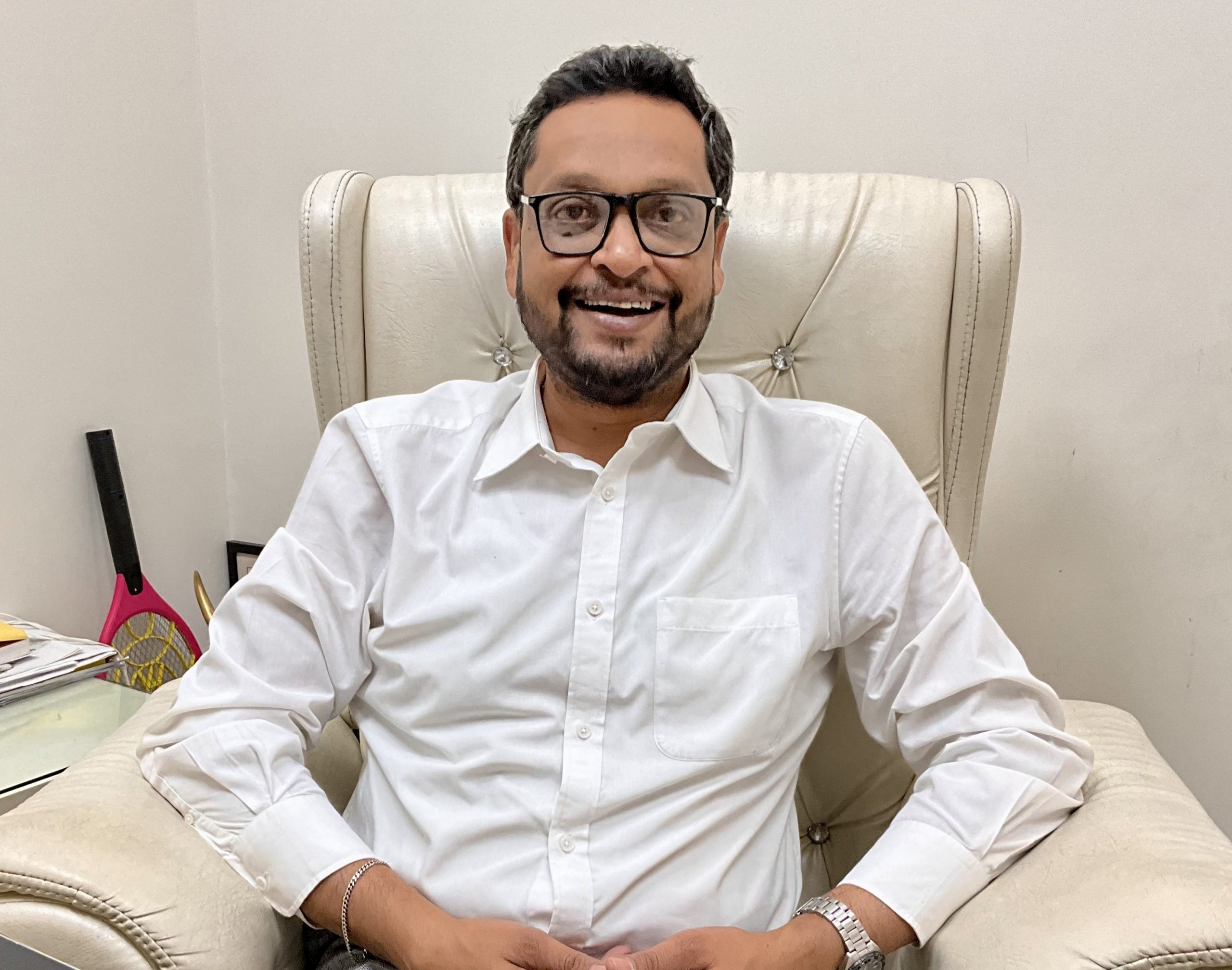




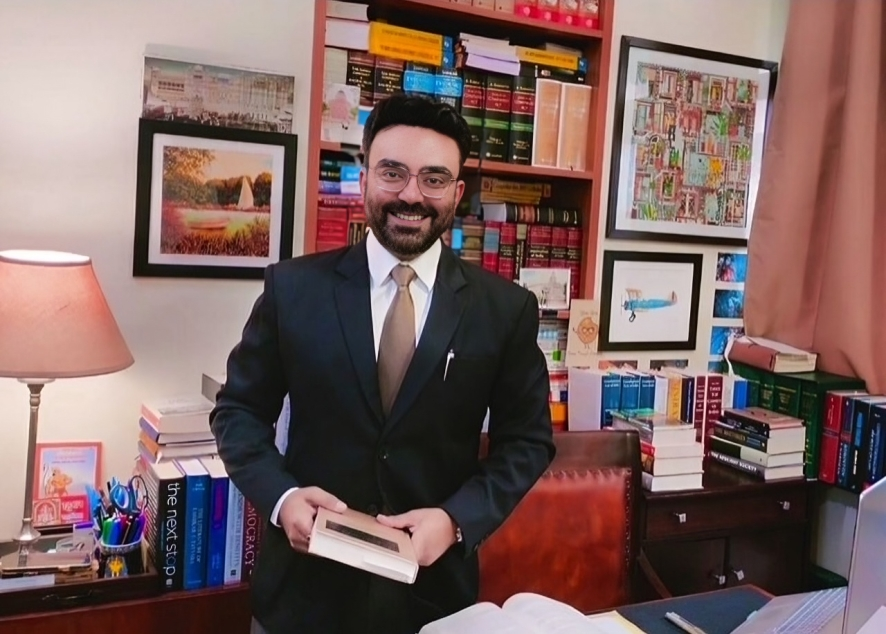







 Allow notifications