Tag: Intellectual Property and Media practice attorney

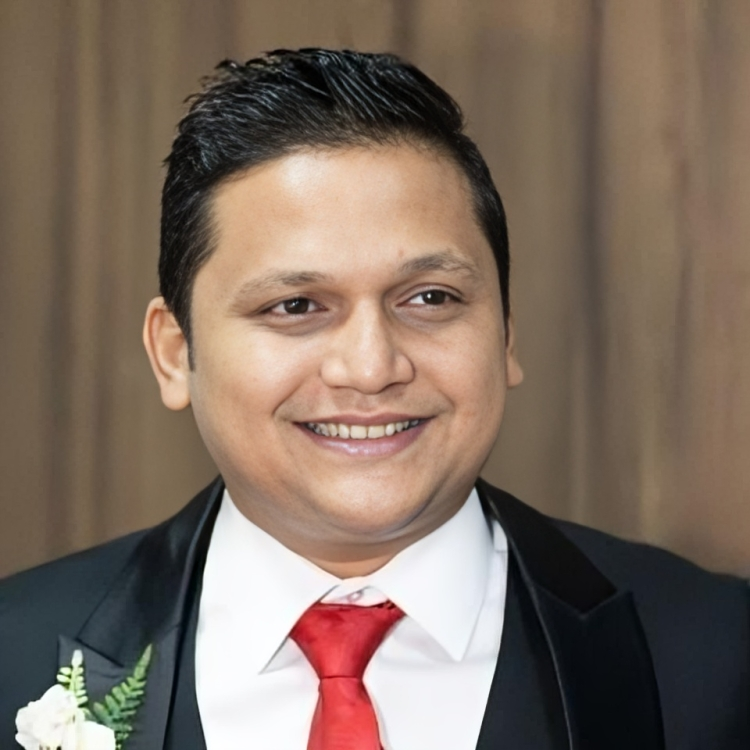
  • “I strive to demonstrate professionalism, integrity, and diligence in all my work, and believe that young lawyers learn a lot by observing how we handle both successes and challenges.” – Dr. Selwyn D’costa, Partner at AM Legal Associates.

    “I strive to demonstrate professionalism, integrity, and diligence in all my work, and believe that young lawyers learn a lot by observing how we handle both successes and challenges.” – Dr. Selwyn D’costa, Partner at AM Legal Associates.

    This interview has been published by Anshi Mudgal and The SuperLawyer Team
    Can you share how you started your legal career, and what motivated you to pursue this legal field? Please allow us to walk through your journey.

    My legal career was motivated by the influence of my father, who was a practicing lawyer before the Hon’ble High Court. His work and dedication inspired me to follow a similar path. I started my legal career at Crawford Bayley & Co. as a litigating lawyer, practicing before the Hon’ble Bombay High Court and the Mumbai City Civil Court. During my time in litigation, I was particularly drawn to the aspect of legal research, which sparked a new interest in me. This led me to decide to pursue a deeper focus in research, prompting me to embark on my doctorate degree. In the first year of my doctoral studies, I took a complete break from practice to focus on clearing my pre-PhD examination and finalizing my thesis topic and synopsis. During this phase, as I delved deeper into research, I became increasingly fascinated by Intellectual Property Rights (IPR), which eventually became the central focus of my Ph.D. thesis topic. This newfound interest in IPR motivated me to explore this field professionally. In 2017, I joined Krishna & Saurastri Associates LLP in their Pune office as a Junior Associate in the trademark team. I had the privilege of working under the mentorship of Adv. Anand Mahurkar, who was not only the head of the Pune office but also a partner at the firm. His guidance shaped much of my professional growth. After almost two years with Krishna & Saurastri, I moved on to AM Legal Associates as an Associate Advocate, seeking further opportunities for professional development. After three rewarding years with AM Legal, I was honored to be elevated to Partner in November 2022. This progression reflects the invaluable experiences and mentorship I have received throughout my journey, and I am grateful for the opportunities that have shaped my career in the legal field.

    You began your career in litigation and contract drafting before moving to IPR in 2017. How did this transition influence your perspective on legal practice, and what unique insights have you gained from your earlier roles?

    The transition from litigation and contract drafting to Intellectual Property Rights (IPR) in 2017 was both a natural evolution and a transformative shift in my legal career. My earlier experiences in litigation and contract drafting provided me with a solid foundation in the practical aspects of law. In litigation, I developed a keen understanding of legal strategy, client management, and the importance of thorough legal research. These skills were invaluable when it came to analysing cases and building arguments. Contract drafting, on the other hand, taught me the critical importance of precision in language and attention to detail, which are crucial in the drafting and enforcement of contracts. When I moved into the IPR field in 2017, under the mentorship of Adv. Anand Mahurkar at Krishna & Saurastri Associates LLP, my perspective on legal practice expanded significantly. IPR, including but not limited to trademarks, copyrights, patents and designs, is a highly specialized area that blends legal knowledge with an understanding of business strategy, innovation, and market dynamics. This field is inherently dynamic, constantly evolving due to technological advancements and changes in international law, which made my work in IPR feel more forward-thinking. The transition gave me unique insights into the intersection of legal practice with commercial interests. I learned how intellectual property is not only about protecting the rights but also about safeguarding brand value and market positioning. Moreover, working in IPR helped me appreciate the importance of proactive legal measures, such as registrations and enforcement actions, versus the reactive nature of litigation. My earlier roles, particularly in litigation, have equipped me with a deeper understanding of how legal protections can be tested and challenged in courts. This experience has been particularly useful in my IPR practice, as I approach IP disputes with a practical mindset, always considering how theories will hold up in a legal battle. In short, my transition to IPR has broadened my legal horizons, allowing me to appreciate the diverse applications of law while the skills gained from my earlier experiences continue to inform my approach to legal practice in this evolving field.

    With your vast experience in handling contentious and non-contentious matters, can you share a few memorable cases that taught you significant lessons about IP law?

    Throughout my career, I’ve had the privilege of working on a variety of contentious and non-contentious IP matters that have significantly shaped my understanding of IP law. A few memorable cases stand out, each providing me with valuable lessons that continue to influence my practice today.

    1. Trademark Infringement and Passing Off Case: One particularly memorable case involved a trademark infringement and passing off dispute, where we represented a well-known brand in the real estate industry. The defendant had adopted a confusingly similar mark, which led to a real risk of consumer deception wherein consumers had rendered the services of the Defendant thinking those belong to my cline. What made this case particularly significant was the challenge of proving the likelihood of confusion in a crowded market. The key lesson here was the importance of facts and research with regards to the judicial precedents which in turn helped me securing a favourable injunction order in favour of my client restraining the Defendants from using my clients registered trademark till the final the disposal of suit;
    2. Non-Contentious Trademark Registration: On the non-contentious side, I worked on a trademark registration for a major brand. While this may seem like a routine matter, it taught me an invaluable lesson about proactive legal protection. The brand was already in market, but they had not secured registration which was worrisome for the management. This is where my firm was briefed, and the matter was listed for Show Cause hearing for the 3rd time. I appeared for the Show Cause Hearing and argued that the subject mark is a part of an already registered trademark and thus the Subject Mark shall be accepted as the same is associated with my client and the said mark was Accepted which as on date stands registered. This process reinforced the importance of pre-emptive action in IP law—registering trademarks early on, conducting thorough clearance searches, and understanding potential risks before market entry. It highlighted that securing intellectual property rights upfront can save significant resources and avoid future litigation; and
    3. Copyright and Digital Content Protection: A more recent case involved protecting digital content for an individual. The case required swift action to take down infringing content from various international platforms. The lesson from this case was about the importance of timely enforcement in the digital age. The fast pace of the digital world means that IP owners must be vigilant and ready to act at a moment’s notice to protect their rights. Additionally, the case reinforced how quickly IP infringement can spread across the internet, and how critical it is to stay up-to-date with evolving digital rights management tools and online platforms.

    All of these cases aught me important lessons about the dynamic nature of IP law, making me more adaptable and better equipped to handle the complexities of both contentious and non-contentious IP matters.

    You’ve worked across different organizations and mentored juniors along the way. How do you approach mentoring young lawyers in your firm, and what do you emphasize most in their professional development?

    Mentoring my juniors and fellow juniors who are not directly involved with my firm as always been a rewarding aspect of my career, and I approach it with a focus on both professional development and personal growth as taught by my mentor. My first focus when mentoring junior lawyers is ensuring they have a good grasp of legal fundamentals. I encourage them to understand the core principles of law and how to apply them in real-world scenarios. While knowledge of statutes and case law is important, it’s the practical application of that knowledge that truly matters. I emphasize the importance of attention to detail, especially when drafting documents or filing trademark applications or drafting responses or analysing legal issues, as even small errors can have significant consequences in legal practice. I also place emphasis on understanding the client’s perspective and I always encourage my mentees to think beyond the letter of the law and consider how our advice impacts a client’s business or personal interests. I believe that developing a client-centric mindset is crucial in fostering strong relationships and providing high-quality service. Lastly, I believe that the most effective mentorship happens through leading by example. I strive to demonstrate professionalism, integrity, and diligence in all my work, and I believe that young lawyers learn a lot by observing how we handle both successes and challenges. I encourage them to approach each task with the same level of commitment and care, regardless of its size.

    Ultimately, my goal as a mentor is to empower young lawyers, providing them with the tools and confidence they need to grow into skilled, independent professionals who can contribute meaningfully to the firm and the legal community at large.

    Your Ph.D. focused on digital copyright. How do you think digital platforms and the rise of user-generated content have reshaped copyright enforcement, and what challenges do you foresee in this area? 

    Firstly, the rise of digital platforms and user-generated content has dramatically reshaped the landscape of copyright enforcement. As digital content becomes more accessible and easily shared across platforms like social media, streaming services, and content-sharing websites, the challenges related to copyright protection and enforcement have multiplied. One of the most significant changes has been the increased volume of content that is uploaded and shared daily. With millions of videos, images, and text being posted by users globally, it becomes increasingly difficult for copyright holders to track and enforce their rights, and this has made it essential for copyright owners to rely on more automated tools (such as content recognition systems) and platform-specific reporting mechanisms to identify and take down infringing material. Secondly, the growth of user-generated content (UGC) has led to new challenges, particularly when users remix or modify existing copyrighted works. Market leader platforms are filled with content that may incorporate copyrighted music, videos, or images. While these platforms have made strides in facilitating copyright enforcement, this has often resulted in debates around fair use and fair dealing exceptions and therefore I feel that this has created a legal grey area that copyright holders must navigate, balancing the protection of their rights while not stifling creativity and freedom of expression. Thirdly, the most important factor is the growing scrutiny on the role of platforms themselves in copyright infringement. These platforms increasingly monetize user-generated content, there is a growing call for platforms to take a more active role in monitoring and preventing infringement. The challenge here lies in balancing the responsibility of platforms to curb infringement with the free speech rights of users.

    To conclude, the intersection of digital platforms, user-generated content, and copyright enforcement presents a complex and dynamic challenge. As a result, ongoing innovation in both legal strategy and technology will be crucial in shaping the future of digital copyright protection in India.

    Success in legal practice is not always about winning cases. Can you share an example where success for a client was achieved through strategic negotiation or an innovative legal solution rather than a courtroom victory?

    I completely second you on this. In a classic case where my client had adopted a brand name which contained a well-known trademark wherein, I had advised my client to not include the well-known mark as part of the proposed brand. However, my client was ready to accept the risk and went ahead with the filing of the application. The application was examined and subsequently Accepted and Advertised in the Journal. The proprietor of the well-known trademark filed opposition against my client’s application, and we communicated the same to our client. Our client asked for our opinion was to how do we tackle this as our client wasn’t well equipped monetarily to stand against the proprietor of the well-known trademark that is where I advised my client that we shall initiate dialogue with the registered trademark owner stating that we shall delete the device which was in question and our clients agreed to the same. Pursuant to our clients’ instructions, we initiated the dialogue stating that we shall delete the device and proposed to amicable settle the matter.  The other side agreed to our proposal, and we filed a request for amendment to delete the device from our client’s trademark. This case taught me that strategic negotiation and creative solutions can often be more effective than litigation, especially in matters where brand value, business relationships, and long-term goals and finance are at stake. It reinforced the importance of thinking outside the box, being attuned to the client’s needs, and finding the best path forward by way of negations, even if it doesn’t involve a courtroom victory.

    Startups often face challenges in protecting their intellectual property with limited resources. What advice do you have for new businesses looking to secure their IP while balancing growth and innovation?  

    While advising startups on protecting their intellectual property (IP) while balancing growth and innovation, I always emphasize the importance of being proactive, strategic, and resource efficient. Startups often operate with limited resources, so it’s crucial to focus on the most valuable aspects of their IP and protect them in a way that aligns with their business goals. Here’s the advice I typically offer viz., identify and prioritize core IP assets, file for registration of the identified IP, enter into appropriate agreements with partners, investors, contractors, or even potential employees, push and enforce your rights and keep good records. While protecting IP might seem daunting for startups with limited resources, taking proactive, strategic steps can go a long way in safeguarding their innovations and setting them up for future growth. It’s about focusing on the most valuable IP assets, taking advantage of protection methods, and using strategic legal solutions that align with the business’s goals. By taking these steps early on, startups can ensure that they have the foundation for both innovation and long-term success, all while minimizing risks associated with IP infringement

    In your opinion, how can Intellectual Property laws be better leveraged to protect cultural heritage and traditional knowledge, especially in a diverse country like India?

    Intellectual Property laws can be better leveraged to protect cultural heritage and traditional knowledge (TK) in India by adopting a multifaceted approach viz., recognizing collective ownership, creating a Dedicated Legal Framework, Strengthening Documentation and Databases, Geographical Indications (GI), Customary Laws Integration, Benefit-Sharing Mechanisms, by spreading and creating awareness, International Collaboration, Preventing Misappropriation and Cultural Sensitivity in IP Laws. All implementing these factors, India can better safeguard its rich cultural diversity and traditional wisdom while promoting their sustainable use.

    With such a demanding and dynamic career in Intellectual Property Rights, how do you unwind and recharge? Are there any hobbies or activities you enjoy outside of the legal field that help you maintain balance?  

    Maintaining balance in a demanding career like Intellectual Property Rights requires intentional effort. The main factors that help me unwind and recharge are listening to music, playing Xbox, travel with family, get together and hang out with friends, reading blogs on IP and last a most favourite going on long rides with my wife. Such hobbies not only provide relaxation but often inspire fresh perspectives, essential in a dynamic career like IPR.

    What advice would you give to young lawyers entering the field of Intellectual Property Rights? Are there any specific skills or knowledge areas they should focus on? 

    According to me I would recommend the following to young lawyers entering the field of IPR viz., develop a strong foundation by strengthening the basics during your law school by understating basic concepts of IP law, build good analytical and research skills by reading blogs on IP, keep up a track the on current and more recent judicial precedents with regards to IP, stay updated about the global IP trends, explore drafting and take lessons on negotiations by engaging into internships, try to gain practical knowledge during your internships, learn to navigate national and global IP databases, stay updated with recent technology and industry trends, network with professionals through LinkedIn, focus on soft skills, and last but not the least continue to learn. By honing these skills and remaining adaptable, young lawyers can excel in this dynamic and rewarding field.

    Get in touch with Dr. Selwyn D’costa-

  • “There is no short cut to hard work. Success can only be achieved with patience, hard-work and perseverance fuelled by honesty and integrity.” – Shilpi Mehta Nanda, Founding and Managing Partner at Zeal Attorneys.

    “There is no short cut to hard work. Success can only be achieved with patience, hard-work and perseverance fuelled by honesty and integrity.” – Shilpi Mehta Nanda, Founding and Managing Partner at Zeal Attorneys.

    This interview has been published by Anshi Mudgal and The SuperLawyer Team

    You have completed your Masters degree from University of New Hampshire School of Law, USA specializing in Intellectual Property Law, Commerce and Technology. What was your motivation to choose this specialization?

    I remember taking the ‘Intellectual Property Law’ as a mandatory subject in third year of my law school. I was so intrigued by the subject that I finished the entire course curriculum even before our professor taught it in the class. To further increase my knowledge on the subject I started a diploma course in Intellectual Property Laws at the Indian Law Institute, Delhi and attended the evening classes. I believe my attraction towards fancy colorful logos and brands along with my passion for reading stories and inclination towards dramatics and storytelling attributed to my decision of specialising in Intellectual Property Law. 

    Starting your career at prominent IP firms like Lall and Sethi and Anand & Anand must have been a rewarding experience. What key lessons did you learn during your time there that significantly influenced your career?

    It was an enriching experience to work with two of the prestigious law firms in the field of IP. One of the most important lessons I learnt at the beginning of my career at Lall and Sethi was to be always honest with your clients. I run my present firm ZEAL on the same principles –  honesty and integrity. At Anand and Anand, I learnt to handle bulk work and multi-tasking and the importance of billable hours in a lawyer’s life.    

    Serving as an Intellectual Property AttachĂŠ for India at the British High Commission and the UK Intellectual Property Office (IPO) must have provided valuable insights. Could you share your observations and experiences on how the UKIPO operates differently from the CGPDTM?

    At the British High Commission and the UKIPO, I majorly did policy related work relating to Intellectual property. This role was quite challenging as I was contributing to developing policies and engaging with Ministers and high-level officials of both the UK and India.  At the UKIPO, I polished my skills in the art of networking. The same holds immense importance to me even today.  While each job helped me in building my career and skills, my policy driven role at British High Commission assisted my vision and career path exponentially. 

    I particularly worked in the international division of the UKIPO which was responsible for serving the British stakeholders in India. My main profile was to assist and launch British businesses and work on their IP portfolios while working on their IP issues with DPIIT (at the policy level) and CGPDTM.  I majorly worked with DPIIT and CIPAM instead of CGPDTM during my tenure at UKIPO. 

    After gaining experience with various firms, you founded your own practice. What initial challenges did you encounter, and how did you navigate those obstacles?

    To my surprise, I did not face a lot of challenges after setting up my own practice. On the contrary, I faced a lot of criticism while leaving a prestigious job at the UKIPO. Everyone around me, except for a few people, discouraged me to start my own practice, advising it was a difficult market and I might not be able to survive, especially being a woman with two kids. However, my heart was set on building my own independent law firm. I successfully have been running my own firm for the past five and a half years now (special thanks to my supportive husband). 

    Six months after I started my own practice, covid crisis devastated the whole world and my newly established business was severely affected and so was my health. However, I bounced back both on the work and health front with the help of my family and my business partner Swati Mehta who joined the firm in 2020 as litigation head. With her joining and setting up of litigation department we expanded and diversified our practice areas significantly.     

    While advising clients on brand protection strategies and domain name disputes, what key factors do you consider? Can you discuss a time when your advice significantly helped a client?

    While advising our clients on brand protection strategies or domain name disputes, we take multiple factors into consideration for instance, statutory and common law rights of the client,  how big and important the brand is for the client, infringer’s economic and business strength, for how long the infringer has been in the market and most importantly, the client’s budget.

    One of our clients was struggling with getting his trade marks renewed by the Trade Marks Office for almost 2 decades. We advised the client to file a writ petition before the High Court of Delhi and am proud to say that we successfully received a favourable order for our client within merely 2 court hearings. 

    In another case, {Om Logistics Ltd. vs Sh Mahendra Pandey (CS (COMM) 447/2021)} we (along with Adv. Rahul Ajatshatru and Adv. Gitika Khanchandani) got a prominent order under Order 39 Rule 4. An ex-parte ad interim injunction issued by our client was set aside by the Delhi High Court. The Court held that the descriptive Words/ Religious Symbols/ Names of Deities cannot be monopolized. This order proved to be a significant milestone in field of Intellectual property and is often cited by the Judges while deciding trade marks matters. 

    Further, in another case {Usha Varia vs Rupinder Kaur & Ors (CS(COMM) 446/2022)}, the Defendants represented by us and Adv. Rahul Ajatshatru were restrained from infringing the Plaintiff’s registered trade mark ‘SAMOOLAM’ and from passing off of Plaintiff’s trade mark and Copyright material.

    You have mentioned that you’re an Independent Director at the Phonographic Performance Limited, India (PPL, India). How does your position on the board influence your broader goals and strategies in the IP landscape?

    As an Independent Director at the PPL, India, we collectively make sure that piracy is reduced, people get quality music and stakeholders get their dues. Being on the PPL Board assists me to approach the issue of Piracy and illegal distribution of music not only from the legal point of view but also business point of view as well as from the perspective of creators and distributors of music. 

    You have worked on various IP portfolios of National and International Clients, what has been one of the most interesting issues that you have dealt with that you’d like to share with our readers?

    One of the most interesting and recurring issue that keep on resurfacing in most of our matters is unauthorized registration of trade mark by the distributors. The domestic distributors get the registration of the trademark before the original international proprietor can get the trademark registered in India. I have seen this in several matters where the international clients have distributors in India operating for years and got their trademark registered in their own name and the clients are absolutely unaware of such registration for decades until one day they move to a new distributor and are threatened by the previous distributor of being the registered proprietor of international entities’ trade mark in India . 

    As a member of the Panel for Standardization at the Bureau of Indian Standards, what specific strategies are you advocating to combat piracy in India, and how do you envision these standards impacting both creators and consumers?

    Some of the strategies to combat piracy is India would include collaborating with all the stakeholders to ensure that the music is original, flagging websites that infringe copyright, giving proper credits to the creators, framing guidelines to not promote channels/ websites/ domain names that infringe copyright of the creators, creating an infringing website list (IWL) and spreading awareness amongst consumers as well as encouraging them to buy from the original source  are few measures that will help both creators and consumers.  

    In your opinion, what is the biggest challenge stakeholders are facing in the field of intellectual property law specially and what role do emerging technologies play in shaping these challenges?

    Some of the biggest challenges that stakeholders face in current IP scenarios include high litigation cost, widespread counterfeiting and piracy, lack of intermediary accountability and fallacious use of AI technology. Emergence of technology can work both as a catalyst for such challenges as well as a preventive tool to deal with them. Another major setback stakeholders are facing is that the technology is fast emerging and changes / progresses every day; however the pace at which the law agencies work is not only at the speed of a snail but also expensive and time consuming. Thus, it would not be wrong to say that infringers are often left unpunished and their illegal businesses (affecting rightsholders’ IP) keep on flourishing contributing immensely to heinous crimes like terrorism, drug and child trafficking etc.    

    How have accolades like the Indian Achievers Award impacted your career trajectory and the growth of ZEAL Attorneys?

    The awards have assisted us in gaining recognition among the existing and future clientele. Getting recognized for the hard work and efforts helps the organization to provide better services to our clients. To be candid, however, client’s feedback and satisfaction matters to us more than the Awards itself. 

    As a guest lecturer and author of numerous research papers, what core messages do you hope to convey to students and young professionals in the legal field that aspire to become IP professionals in the future?

    My advice to the students and young professionals would be that “there is no short cut to hard work”. Success can only be achieved with patience, hard-work and perseverance fuelled by honesty and integrity.

    Get in touch with Shilpi Mehta Nanda-

  • “Attributes like hard work, discipline, determination, self-reflection, and honesty have been pivotal in shaping my professional journey.”  – Daleep Kumar, Partner at RNA, Technology and IP Attorneys.

    “Attributes like hard work, discipline, determination, self-reflection, and honesty have been pivotal in shaping my professional journey.” – Daleep Kumar, Partner at RNA, Technology and IP Attorneys.

    This interview has been published by Anshi Mudgal and The SuperLawyer Team

    Looking at your educational background you initially pursued B.Com from Delhi University and thereafter a Masters in Finance & Control. What motivated you to transition to a career in Law, particularly in Intellectual Property?

    My academic journey began with a focus on commerce, which led me to pursue B.Com and later a Masters in Finance & Control. During this time, I joined a top-tier law firm as a Trademark Assistant, where I was introduced to the dynamic world of Intellectual Property (IP) law. This exposure sparked my interest in IP, as I began to appreciate its vital role in brand protection and innovation. Inspired by the field’s unique impact on business and creativity, I decided to pursue an LL.B. and dedicate my career to IP.

    Transitioning into IP law has been immensely fulfilling, enabling me to work at the intersection of law, business, and creativity. This path allows me to guide clients through complex legal landscapes, helping them safeguard and grow their brands in an increasingly competitive market.

    You began your career with Top-Tier Firms which provided you with a strong foundation in IP fundamentals and allowed you to gain extensive experience. Can you take us back to your key learnings from the period that played a pivotal role in shaping your career?

    Starting my career at a top-tier law firm was invaluable in shaping my path in IP law. Those early years provided a solid grounding in the fundamentals of IP, from understanding the nuances of trademark registration to managing the complexities of opposition and enforcement. Working on a diverse array of cases allowed me to understand the strategic role IP plays in protecting and advancing business interests. 

    One of the key leanings was the importance of precision and attention to detail. IP law demands meticulous attention to both procedure and strategy, as a single oversight can significantly impact a client’s rights. I also gained a deep appreciation for balancing legal rigor with commercial insight. Early exposure to high-stakes cases taught me to think about IP from a business perspective, a skill that continues to shape my approach today.

    Finally, attributes like hard work, discipline, determination, self-reflection, and honesty have been pivotal in shaping my professional journey.

    As a Partner at RNA, Technology and IP Attorneys you oversee various domains such as Trademark Prosecution, Opposition, Litigation etc. What in your experience has been the most interesting case you’ve come across in your vast practice and how do you prepare for such a challenging case?

    Throughout my practice, I have handled a variety of complex and compelling IP enforcement cases. One such case involved trademark and copyright infringement, where a third party was mixing counterfeit products with genuine ones and selling them in packaging that closely imitated our client’s. The primary challenge was tracing the source, as these products were not sold online or stored at any physical outlet, making detection difficult. Moreover, the necessary lab testing sometimes confirmed product authenticity due to the blending of genuine and counterfeit products, further complicating the case.

    This case required innovative legal strategies, extensive evidence gathering through in-house investigations, and close collaboration to refine our arguments. We carefully assessed both sides’ positions, developing a robust plan while maintaining clear communication with the client to keep them informed and engaged.
    Through detailed research, strategic planning, and strong teamwork, we successfully navigated the complexities of the case to protect our client’s interests.

    As someone involved with the Trade Marks Journal and TM Watch Projects, what are the key challenges you encounter in this area? Additionally, how effective do you find the recently launched AI and Machine Learning-based Trademark Search Technology Portal by the Ministry of Commerce & Industry?

    We currently employ a third-party AI-powered tool to streamline the review of Trade Marks Journals, conduct comprehensive clearance searches, and enhance our trademark watch services. A key challenge in these projects is managing the extensive volume of data that requires thorough review and analysis. Ensuring consistency and accuracy in further refining the system-generated results is crucial, as even minor oversights can lead to significant implications for our clients. The team’s meticulous attention to detail is essential in filtering and verifying these reports to uphold the high standards our clients expect.

    The AI and machine learning-powered Trademark Search Technology, introduced by the Union Minister of Commerce & Industry on September 18, 2024, became publicly accessible recently on October 28, 2024. Although its full capabilities and effectiveness are still being assessed, this innovation is anticipated to significantly improve the accuracy and speed of trademark searches, creating a more efficient process for stakeholders and examiners alike. As with any new technology, some refinement may be necessary over time, but I believe that, as it evolves, this tool will become an invaluable asset to IP professionals.

    With more than 15 years in the legal field and your extensive expertise in IP management and strategy, what key changes do you believe the government should implement in the IP landscape to benefit all stakeholders?

    Enhancing IP awareness, particularly among startups, SMEs and law enforcing agencies, is essential. Streamlining IP registration processes to minimize delays and fostering cross-border IP collaboration would significantly benefit stakeholders. Further, integrating advanced tech tools like AI-driven analytics for faster IP clearance and infringement detection could make IP protection more accessible and effective. Strengthening enforcement mechanisms would also provide more robust protection, reinforcing India’s IP infrastructure and making it a stronger player on the global IP stage.

    You mentioned that you participated in the “JPO/ IPR Training Course for Practitioners Specialising in Trademarks” conducted by Japan Patent Office (JPO) and were awarded a Certificate of Appreciation. Can you share with us what that experience was like and what are the key differences in your opinion in the workings of JPO and Office of the CGPDTM?

    The training at JPO was an enriching experience that deepened my understanding of trademark law, especially from an international perspective. The JPO stands out for its remarkable operational efficiency and its forward-thinking use of advanced technology to streamline key processes, including trademark registration. While both the JPO and the Office of the CGPDTM share the goal of safeguarding intellectual property, the JPO’s use of AI in processing applications is a notable difference. Incorporating similar AI-driven solutions at CGPDTM could lead to significant advancements in process optimization and user satisfaction.

    As a Partner, you handle multiple areas, including IP management and strategy, domain name and company name disputes, as well as data privacy and protection laws. How do you balance your demanding workload with your personal life?

    Balancing a demanding workload with personal life requires disciplined time management and a clear prioritization of tasks. I have found that setting boundaries for work and dedicating time to personal interests—such as exercising, meditation, and travel—helps me stay grounded. Additionally, having a strong support system and a talented team at RNA enables me to delegate effectively, ensuring that both my work and personal life receive the attention they deserve.

    As a guest speaker at numerous IP training workshops, what advice would you offer to our young readers who aspire to become successful IPR attorneys like you in the future?

    My advice would be to embrace learning, stay adaptable, and focus on building a solid foundation in IP fundamentals. Understanding the broader implications of IP law on business and innovation is crucial. Equally important is to stay informed about technological advancements and evolving legal landscapes. Finally, developing soft skills—such as communication, resilience, and ethical integrity—is invaluable in this field, as it enables you to connect with clients effectively and grow as a trusted advisor.

    Get in touch with Daleep Kumar-

  • “Teaching is one of the best ways to learn. It gave me the ability to view complex cases with a broader perspective and has immensely helped in my practice.” – Surya Senthil, Partner at Surana & Surana International Attorneys India

    “Teaching is one of the best ways to learn. It gave me the ability to view complex cases with a broader perspective and has immensely helped in my practice.” – Surya Senthil, Partner at Surana & Surana International Attorneys India

    This interview has been published by Namrata Singh and The SuperLawyer Team

    You began your legal journey under the mentorship of Advocate Radhakrishnan. How did that experience shape your foundational years, and how have those early lessons influenced your practice today? Could you please walk us through your journey?  

    To say the truth, I am fortunate to have two learned seniors who have mentored me. As soon as I passed out of law school, I was propelled by a passion for justice and was initially attracted towards Criminal law practise. My first Senior Late Advocate R. Radhakrishnan used to say that, though I may not continue my law practise in Cuddalore, a district headquarters in the State of Tamilnadu and will eventually move out to Madras High Court, nevertheless, the short stint of Law practise in District and lower courts where one will learn basic advocacy, nuances of conducting a trial and client handling, will help me in the long run career of an advocate. Today I realise the foresightedness of my Senior, when I practically see that I have an edge over others while conducting the trials.

    My first senior helped me understand the art of choosing the right questions to be asked in cross-examination by identifying the loopholes in the evidence given by a witness and drawing a comparison with the documents and statements made by them. Further, I learnt from him the exercise of mentally charting the course of a cross-examination rather than writing it on a piece of paper in question format, unlike most practitioners.

    I used to keenly observe the trials he conducted in criminal cases, wherein he would walk the witness through simple questions based on accepted facts and slowly make the witness comfortable. At this point, he will lead the witness to walk into the trap of reliability where the witness will become at his ease and real self. Subsequently, he will gradually shift the gear and ask about the pertinent contradictions in his statement to elucidate the truth of the witness. Though in criminal cases it worked well I was very sceptical as to how it would work in civil or commercial cases, but to my astonishment, it has worked very well and notably even in a few of my cases the opposite party whom I have cross-examined, has immediately after the cross-examination has proposed for a settlement and the matters have been settled.

    I started my second innings of advocacy under my Senior PS Surana before the Madras High Court in the year 2004 focussing on Intellectual Property law practice. My second senior not only taught me the nitty-gritty of civil litigation, but also the importance of attention to detail and essential qualities to become a successful lawyer. On the personal front, he is also my spiritual guide who has made a significant awakening in realising my inner potential, by practically living through the values of detachment, fearlessness and minimal materialistic needs. For example, though he could afford a luxurious car, he used to always have value-for-money cars. These observations made me realise that there are bigger and better achievements in one’s life rather than going for materialistic comfort.

    As someone who transitioned between academia and active practice, what unique insights did you gain from teaching law, and how did it enhance your approach to complex cases later in your career?  

    Though I was to resume my Court Practice, after the completion of my Master’s in Law, I was pulled into teaching, by my mentor in the NLSIU, Professor Dr. N L Mitra who was not only an academician of excellence but also a Jurist with profound thinking and deep understanding of commercial laws. Just after completing my master’s from NLS, I was offered a teaching job by Professor Mitra at the newly found National Law University, Jodhpur in the year 2003. This was his dream project where for the first time in India courses including BSc LLB and BCom LLB were offered in addition to the traditional BA LLB. 

    I was offered to teach the law of Torts and Commercial Transactions for undergraduate students and Trademark and Copyright laws for Post Graduate students. Though I have taught only for a short stint of 18 months, it was a great experience for me and those students whom I taught are still fond of me and maintain a good relationship with me even today. In my opinion, the teaching profession has still not received its due recognition with lucrative pay and societal respect, which in turn will attract the best talent. It is noteworthy to mention the commendable move by the Bar Council of India to relax its rules in making leading practitioners’ contributions to academia, by way of recognising ‘Professors of Practice’. This transition is only a beginning, and I strongly believe that we still have a long way to go.

    My first takeaway from my teaching experience comes from my exposure to International Jurisprudence, especially the evolution of law from the American courts and the English courts, which immensely helps me to trace the evolution and march of law in a particular subject. This understanding gives me a better perspective, which when presented before our Courts aids them, in interpreting the law more convincingly.

    My second takeaway from the teaching experience is the learning of effective use of case law research tools and the habit of being updated with current legal events. In the era of the internet and the availability of an enormous amount of knowledge in any given field from online resources to students, modern Teachers of law must use these online tools.

    Further, I always feel that ‘Teaching is one of the best ways to learn’.

    Your pro bono work, such as the case advocating for the retrospective regularization of a Tamil Nadu government driver, is commendable. What lessons did this case teach you about the power of law in changing individual lives?

    There are two driving forces I get as a lawyer, when I do pro bono works. Firstly, I get the satisfaction that by using my legal knowledge and acumen, I can get a relief for a person whose rights have been affected by the system since he is not able to defend himself or get the services of a lawyer due to his economic and/or social background. This also comes from my brought up, where my mother always supports the underdogs in any given situation. The next level of satisfaction arising out of pro bono work is when I attempt to challenge a particular law or proposition of law propounded by a case law which in general perception is not conformity with the equity and good conscience. 

    My first pro bono case was for a driver, who was working in Government of Tamil Nadu and has worked under my father, when he was in service. He came to meet my father knowing that I have become an advocate, and he wanted my help to fight his case, as he is not a financial position to engage a lawyer. I fought that service matter for retrospective regularisation from the date of his joining in the service and got a successful order before the Madras High Court.

    I realised the power of the Court especially the Constitutional Courts, to alter a person’s destiny when I handled a case in 2011. A second-year student from Madras Dental college approached me saying that she has scored 200/200 in physics and chemistry and 196 in Biology but was not able to secure an admission in MBBS and therefore got admitted in BDS in Madras Dental College. Subsequently the TN Govt had brought in a G.O wherein any student studying in a professional course and has Witten an improvement exam conducted by TN Higher Secondary Board gets an improved score , then he/she can secure admission in a better professional course on merits as per his/her choice, without having any impediment of studying in another professional course. In that student’s case, she gave the improvement exam and scored an improved score of 200/200 in Biology also. She then applied for MBBS, and she was called for counselling to get admitted in Madras Medical college for MBBS. In the middle of counselling, her candidature was cancelled, based on an order passed by the First Bench of Madras High Court quashing the said Govt. Order as unconstitutional.  I was able to relate myself personally to this as I myself joined an engineering course but had to forcefully discontinue that when I wanted to pursue medicine, as the law at that point stated that one has to discontinue a professional course before the commencement of the semester exam, if they wish to pursue another professional course or one has to wait for 3years after the completion of the first professional course to pursue the 2nd professional course. 

    The rationale given in support of this rule is that if anyone discontinues a professional course in the middle of the Course then that seat cannot be filled and goes waste. Further, another argument put forth was that Government spends a considerable amount to make any student study a professional course and by quitting in the middle, the student is wasting the money spent on his/her studies by the Government. 

    However, the said GO, Government had relaxed that rule and allowed any students to discontinue in the middle of his/her first professional course to join or pursue another professional course of his/her choice if he/she is otherwise eligible. However, the First Bench of the Madras High Court believed that GO was unconstitutional and struck it as violative of Article 14 of the Constitution of India. 

    The student was not keen on challenging as she was already into BDS and bet the odds-on uncertainty. Therefore, I took up the matter as pro bono and convinced my friend Mr. Senthil Jagadeesan who was an AOR then, now a designated Senior Counsel in Supreme Court, and engaged Retired Justice Nageshwar Rao, then a designated Senior Counsel to appear in this matter. We were able to convince the then Chief Justice of India Justice K.G. Balakrishnan, on the point that if a person is determined to study a particular professional course, then he/she would anyway do it after the mandatory cooling off period and therefore such restriction does not seem to be rationale and serve any purpose.

    This particular case was an eye opener for me and I realised the enormous power vested by the Constitution on the High Courts and Supreme Court to mould a suitable relief to the deserving, which made me realise the power of the court to alter a person’s destiny and in which along with the judge, a lawyer also gets to plays a small but vital role.

    Serving on the Intellectual Property Appellate Board (IPAB), you played a key role in landmark decisions, including setting royalty rates for music composers and lyricists. How did these decisions impact the intellectual property landscape in India, and what challenges did you face during such high-profile cases? 

    Intellectual Property Appellate Board served as a specialized tribunal to adjudicate matters pertaining to intellectual property laws and as an appellate body it provided for appeals against decisions of IP offices. I served under Hon’ble Mr. Justice Manmohan Singh of the Delhi High Court (Retd) and gained a significant experience in contributing the bench towards the effective adjudication of complex intellectual property issues. In my tenure of 8 months, was part of the bench deciding on the rate of royalty and the right of claiming it by the IPRS in respect of the broadcast of lyrics and music underlying sound recordings by FM Radio Stations in India. The hearings took place continuously for 28 days and all leading Senior counsels like Mr. Mukhul Rohtagi, Mr. Abhishek Manu Singhvi, Mr. Neeraj Kishan Kaul among others, appeared for the parties to present their arguments. We have judiciously examined their legal arguments, analysed the case laws stated and interpreted the legal provisions pertaining to copyright licensing in India and delivered an order recognising the rights of lyricists and music composers to claim royalties based on the 2012 amendments to the Copyright Act, 1957.  I am glad that the Chairman of IPAB had allowed me to pronounce the order.    

    As a Copyright member of IPAB, we were mandated to fix the Royalty rates by 31-12-2021, before the expiry of the rates fixed by Copyright Board. During that exercise, under the able guidance of Hon’ble Mr. Justice Manmohan Singh, Chairman of the Board, we have not only fixed the royalty rates but also applied the position of law as it stood by recognising the right of the music composers and lyricists through the Copyright Amendment Act 2012. Notably, this order was subjected to judicial scrutiny by way of writ petitions before the High Courts of Bombay and Delhi and subsequently has received affirmations from these Hon’ble courts attesting to the soundness of the decisions made by the IPAB.  

    While adjudicating as a member of IPAB, though for a shorter period, I felt that I have a strong sense of justice and a desire to play a direct role in upholding justice and ensuring the fair application of the law. Though as a member of the bar, I made my earning for my living and contributed my bit to the society and legal fraternity, I have not got the fullest personal satisfaction of making a positive impact on society when compared to my sitting as a part of the Bench.

    Your work has touched both legal practitioners and the broader community. How do you believe your role as a litigator and advisor contributes to helping businesses and individuals protect their intellectual property while fostering innovation?

    As IP practitioner, my foremost duty is to sensitise my client on the value of creating an IP, the significance of lawfully protecting it and to reap the benefits out of it. As it is a negative right, creating a limited monopoly rights for one’s intellectual efforts, it is also my bounden duty to give a fair warning to my client, not to abuse such power by trying to create an absolute monopoly out of it. This delicate balance must be imbibed in the minds of an IP creator/client to fully utilise the IP laws to its letter and spirit. This is the role of an advisor played by me towards my client for fostering innovation and strategic growth in their business. 

    Once, my client’s IP right has been rightfully oriented under the existing IP regime, thereafter my role as a litigator begins in guarding the IP of my client at all possible ways. In my experience, either at the Cease-and-Desist stage or at the Pre suit mediation stage (as mandated by Section 12 A of the Commercial Courts Act) itself matters have resulted in settlement due to the rightful presentation of facts on how the infringer is infringing my client’s IP.

    With the current generation of legal professionals seeking to specialize in areas like intellectual property, what key skills and knowledge areas do you think are crucial for their success in this domain?  

    According to me, specialising in an area like IP needs a broader perspective and an in-depth understanding of the laws. Further, IP laws constantly evolve due to the ongoing International Trade talks through WTO and subsequent normalisation of IP laws in addition to the emerging jurisprudence of IP due to the interpretation by Courts in accordance with the Countries’ specific needs. 

    As a practitioner, one must subscribe to latest journals or website which keeps updating the latest jurisprudential developments along with commentary or viewpoints of the eminent authors. One should also organise/attend conferences and seminars where peers in the field are given a platform to share and brainstorm ideas that have evolved in IP practise. 

    As a legal expert in intellectual property law, how do you see IPR playing a critical role in today’s business landscape, especially in India’s growing tech and innovation sectors?  

    Intellectual Property Rights (IPR) plays a crucial role in shaping the business landscape, especially in a rapidly growing economy like India. Here are some key points highlighting the importance of IPR in India’s technology and innovation sectors.  IP laws encourage innovations by providing legal protection for inventions and innovations, which incentivizes individuals and companies to invest in research and development. This is particularly significant in sectors like Information Technology, Biotechnology, Health care and Renewable Energy. 

    A robust IPR regime is essential for the growth of startups and small and medium-sized enterprises (SMEs). SMEs play a vital role in stimulating the economic growth, providing employment opportunities for large number of people and promoting grass root level innovations which normally results in lot of products which will ease our living and improve our comfort. This potential of the SMEs as a trigger for economic boom is realised by the Government and has the Govt taken lot of measures to promote and support MSME’s at the State and the Central level through various policies and implementation of beneficial schemes.

    By harnessing Intellectual Property and protecting it, companies can have a competitive edge over others in the market. A strong IP culture in their organisation is essential for Indian companies that are looking to leave their footprint Globally and to compete with the MNC giants.

    When we talk about IPR regime and IPR enforcement they are two parts of the same structure. While India has made significant strides in strengthening its IPR regime, challenges remain in terms of enforcement and awareness. A sound strategy to address the issue of enforcement can further enhance the effectiveness of the IPR regime in India, which in turn will attract FDI that will result in economic boost leading to creation of high value jobs. 

    Introduction of commercial courts is one such bold step taken by the Government of India to bring in an effective and efficacious dispute resolution mechanism for the business disputes including IPR related disputes. In my opinion, India’s evolving Commercial Court’s litigation and practice is a strategic move that will promote an environment of growth for technology and innovation sectors. As the country continues to grow, a robust IPR system with proper enforcing mechanism, will be pivotal in sustaining this momentum and ensuring long-term economic prosperity.

    With such a dynamic and demanding legal career, how do you unwind in your personal time, and what hobbies or activities do you pursue to maintain balance and recharge?  

    I unwind by watching movies regularly on weekends, mostly humour or action genre. I also have the habit of listening to music on the way to home and office. Once in 3 or 4 months, I venture out for Trekking, Hiking or biking which rejuvenates me. I have completed the Leh to Manali bike expedition with my wife in 2006 and alone in 2023, which I would say one of most enchanting as well as enduring trip. I have also travelled by car from Chennai to Chardhams with my Parents for a 22-day long pilgrimage tour covering many temples on the way including the famous Siddheswara temple, Kashi, etc. I have climbed multiple times Chaturagiri hills, Agasthya hills, Parvatha malai, Velliangiri hills, Tirupathi hills etc. to name a few.

    Trekking allows you to connect with nature, experience diverse flora and fauna, and enjoy breathtaking view and reminds us about the destruction mankind has done to mother nature in the name of unsustainable development and growth. The serene and picturesque environment of hill stations can significantly reduce stress and anxiety. Being in the nature and breathing the fresh air, boosts mental clarity, improve the general mood and brings inner peace. Once you practise this regularly then you will develop a connection with the universe which will provide a deep sense of fulfilment which cannot be expressed by words until one experience it personally. From health perspective, trekking or hiking in hilly uneven terrains is equal to a tough work out and burns more calories and develop endurance the body. Trekking can be a family activity also, I used to go with my friends, niece and nephews. After marriage, my wife who is a pillar of strength and a guiding factor in all my activities either professional or personal, used to accompany me. 

    You’ve had the opportunity to interact with both senior legal luminaries and upcoming law students throughout your career. What common threads do you see between these generations of legal minds, and how do you think legal education should evolve to address future challenges?

    Definitely, more sharper minds are coming into the profession after the emergence of 5 year Integrated professional course and National Law Schools. Common threads between these generations of legal minds are to protect the rights and defend the vulnerable section of the society. Legal Education also tries to modernise its curriculum to be more practical and legal practitioners should be brought in to interact with students to share their practical knowledge.

    Compared to 30 years ago, when I completed law, the internship opportunities offered by universities today are more structured and systematic whereby it gives a plethora of exposure and versatile experiences. For example, nowadays universities provide a structured guidance wherein first year students are expected to do an internship with an NGO, second year students are expected to do an internship with companies and from 3rd year onwards they can intern with a lawyer or law firm, and they can intern twice a year. Universities should play a vital role in continuous legal education in collaboration with Bar Council/ Bar Association for a structured two-week course on specialised areas such as Arbitration Practise, IP Practise etc for the practising advocates to keep them updated in their respective fields. Further, just like how medical colleges have attached hospitals and patients treated by the final year house surgeons, Law Universities should also facilitate legal aid clinics in law colleges, in which under the guidance of professors, students can provide free legal aid. 

    Get in touch with Surya Senthil-

  • “The diversity in my work not only keeps it intellectually stimulating but also allows me to bring a unique perspective to the table.” – Navigating the Legal Tapestry of Media and Entertainment, Sudisha Mukherji, Co-Founder of International Legal Alliance.

    “The diversity in my work not only keeps it intellectually stimulating but also allows me to bring a unique perspective to the table.” – Navigating the Legal Tapestry of Media and Entertainment, Sudisha Mukherji, Co-Founder of International Legal Alliance.

    This interview has been published by Namrata Singh and The SuperLawyer Team

    How would you introduce yourself to our readers, considering your diverse background in law, media, and entertainment, along with your successful stint as a model?

    Hello, I’m Sudisha Mukherji. With over eight years of experience as a media and entertainment lawyer and IP attorney, my journey through the media industry has been both diverse and enriching. Prior to my legal career, I delved into the worlds of modelling and theatre. I modelled for renowned brands like Garnier, Lux, and Coke, and walked the ramp for various designers at fashion events such as the Bangalore and Pune Fashion Weeks. These experiences, alongside my legal studies, gave me a unique perspective enabling me to adeptly navigate the complexities of the media and entertainment sectors, both in India and internationally, with a deep understanding of their intricacies.

    Your journey into the legal profession is quite intriguing. Could you share some key milestones and experiences that shaped your journey from being a model to becoming an esteemed media and entertainment lawyer? How did your experience in the fashion industry contribute to your current role as a media and entertainment lawyer?

    My transition from modelling to law was marked by several significant milestones and enriching experiences. Winning MTV’s “Making the Cut Season 1” and being a finalist in Miss India East 2012 were key highlights. Additionally, my active participation in the theatre production ‘Stories in a Song’ offered me a profound insight into the intricacies of the fashion, media, and theatre industries. Meeting my mentor, Adv. Jamshed Mistry, during my MCom, led me to pursue law. Even before I enrolled in LLB, I was certain about specializing in a specific area of law i.e., media and entertainment. This early clarity and guidance have been pivotal in my legal career.  These experiences coupled with mentorship have proven to be invaluable in my legal career. 

    The opportunity to work in fashion, media, and theatre industries equipped me with a deep and nuanced understanding of the inner workings of these sectors, enabling me to provide effective counsel to a diverse range of clients within the media and entertainment industry. This unique blend of practical industry knowledge and legal expertise allows me to approach each case with a comprehensive perspective, ensuring that I am not just a lawyer, but also a strategic advisor who understands the creative and business aspects of the media world.

    Managing both legal practice and involvement in the Ethics Committee of Nowrosjee Wadia Maternity Hospital and Bai Jerbai Wadia Hospital for Children is impressive. How do you balance your professional commitments with your responsibilities in the healthcare sector?

    My involvement with the healthcare sector, particularly with Nowrosjee Wadia Maternity Hospital and Bai Jerbai Wadia Hospital for Children, spans over six years. In this role, I serve as a Legal Expert on the Ethics Committee, focusing on ensuring adherence to good clinical practices for collaborative studies and research. This responsibility complements my legal practice rather seamlessly.

    In all honesty, I don’t view my role in the healthcare sector as an additional task to manage; rather, it’s an integral part of my professional journey. My work with the Ethics Committee enriches my understanding of legal issues in healthcare. The skills and insights I gain from one sphere often benefit the other.

    Balancing these commitments comes down to effective time management and a deep passion for both fields. The synergies between my legal practice and my role in healthcare governance allow me to navigate both areas effectively. My experiences in healthcare have provided me with a broader perspective on legal issues, enhancing my ability to advise clients with a more holistic approach. Therefore, rather than balancing two separate roles, I see them as complementary aspects of my professional life that enrich each other.

    Your clientele includes a diverse range of entities, from production houses to hospitals. How do you navigate between such different sectors, and what challenges or rewards come with representing clients with varied interests?

    Navigating between diverse sectors like production houses and hospitals presents its unique challenges and rewards, and my experience in both the media and healthcare industries plays a crucial role in this. One of the main challenges is the need to constantly adapt to the distinct legal landscapes of each sector. The media and entertainment industry, for instance, involves a lot of intellectual property, contractual, and compliance issues, while the healthcare sector demands a thorough understanding of medical ethics, privacy laws, and regulatory compliance. My background in both these areas allows me to transition smoothly between these different legal environments.

    The rewards of representing such a varied clientele are immense. It provides me with a rich, multifaceted perspective on legal issues. Working with production houses keeps me connected to the creative and dynamic world of media, while my involvement with hospitals grounds me in the impactful and socially responsible realm of healthcare. This diversity in my work not only keeps it intellectually stimulating but also allows me to bring a unique perspective to the table, combining creative problem-solving with a deep understanding of regulatory frameworks. In essence, the variety in my clientele enhances my capability as a lawyer. It enables me to approach legal issues with a broader, more informed perspective.

    Your journey involves a transition from a legal consultancy role to being an independent practitioner. What inspired you to take this leap, and how has it influenced the way you approach your work?

    The decision to transition from a legal consultancy role to becoming an independent practitioner was not so much a choice as a necessity. At that time, I was struggling to find work that aligned with my interests and expertise. However, once I made the leap, thankfully, my practice started to grow organically through word-of-mouth recommendations and referrals.

    This journey has profoundly influenced how I approach my work. One of the key aspects is my perspective on learning. I consider myself a lifelong learner; I learn something new every single day. This mindset has been crucial in my journey as an independent practitioner. I’ve learned everything on the job, and I’m deeply grateful to my mentors and seniors who have offered unwavering support, guidance, and encouragement. Their assistance was invaluable in the early days of my practice, and it remains just as important now, whenever I reach out for insight.

    Being an independent practitioner has also instilled in me a sense of resilience and adaptability. It has pushed me to be more proactive in seeking opportunities, developing new skills, and expanding my network. This journey has not only honed my legal skills but also sharpened my entrepreneurial instincts. It has taught me the importance of building and maintaining relationships, understanding client needs deeply, and consistently delivering high-quality work.

    In summary, the transition to independent practice has been a transformative experience. It has shaped me into a more versatile, knowledgeable, and resourceful professional, enabling me to offer more comprehensive and personalized legal services to my clients.

    During your secondment with Zee Entertainment Enterprises Limited on their digital vertical while working for ANM, how do you perceive the ongoing digital transformation in the media and entertainment industry, and what legal challenges and opportunities does it present?

    The digital transformation in the media and entertainment sector, fuelled by online curated content platforms, broadens content variety, targeting diverse audiences. This shift brings legal challenges and opportunities in management of rights and online content regulation. Key areas include managing rights through agreements like co-production and licensing, and handling sensitive content and brand associations. Legal expertise is essential to navigate this evolving digital landscape, ensuring compliance and protecting interests amidst changing regulations and audience dynamics.

    Beyond the legal realm, what hobbies or activities do you engage in to unwind and rejuvenate?

    Outside of my legal career, I find joy and relaxation in spending time with my family and  my two wonderful boys. One of my favourite activities is curating sensory bin activities for them, which is both fun and engaging. Additionally, I enjoy unwinding by taking long drives, and immersing myself in the world of books. 

    With your extensive experience in media and entertainment law, what advice would you give to aspiring lawyers looking to enter this dynamic and ever-evolving field?

    To aspiring lawyers entering the field of media and entertainment law, I advise prioritizing mental health due to the field’s demanding nature, where everything often seems urgent. While it’s a learning-rich profession, remember that you can’t master everything at once. Taking time off for yourself is crucial to avoid burnout and maintain a healthy balance.

    Get in touch with Sudisha Mukherji-

  • “From books to billboards, I believe in reading everything that crosses my path” – In an exclusive interview, Arushi Gupta, Founder and IP Attorney at Satyaki Legal, shares her remarkable journey from her early legal career to establishing Satyaki Legal.

    “From books to billboards, I believe in reading everything that crosses my path” – In an exclusive interview, Arushi Gupta, Founder and IP Attorney at Satyaki Legal, shares her remarkable journey from her early legal career to establishing Satyaki Legal.

    This interview has been published by Namrata Singh and The SuperLawyer Team

    Your experience includes working with renowned firms and handling diverse responsibilities. Could you walk us through your journey from your early career to founding Satyaki Legal, highlighting key milestones and experiences?

    I am an advocate who started her career 8 years ago, in 2016. After gaining experience of working with senior advocates, I eventually started working as a partner with a firm and now 2 years ago, I started with my own firm, Satyaki Legal. When in my career, I had almost worked in the domains I wanted to practice in, run a team of my own, I believed I could start my own firm. We started in the last month of 2021, where from finding the firm name to getting the website and team members was done, we are now a humble team of 5 with an established portfolio of start- ups and corporates to manage and work with. 

    As the founder of Satyaki Legal, you’ve had the opportunity to work with both national and international clients. How do you approach building relationships with clients, especially in a field that requires a deep understanding of their business and creative assets?

    From books to billboards, I believe in reading everything that crosses my path. To stay in the know has always been my thing- which forms a firm base of my communication skills. To constantly stay in touch with clients is also another thing that helps you understand their operations and the hurdles they face while conducting it. Being able to grasp a client’s work and their industry’s work culture can only be understood while being in touch with them on a 1-on-1 basis as well as having an open mindset towards their point of view.  

    Having worked with notable companies like Blinkit, McCain, and others, what are some of the most interesting or challenging projects you’ve undertaken in the realm of intellectual property, and how have they contributed to your growth as an IP attorney? 

    Intellectual Property has a lot to do with a brands’ market presence and the knowledge of the brand amongst the customers. The legal problems that I faced at that time weren’t simple textbook problems, they were dynamic in nature and needed understanding of the market/industry as well. So, whilst working with these Clients and some others as well, the mere textbook answers weren’t sufficient. There in that situation I learnt to develop a holistic point of view and also assess the legal problem and come out with resolutions accordingly. 

    With your extensive experience, you’ve worked on more than 500 trademarks, 50 patents, and numerous designs. Is there a particular case or project that you found particularly challenging or rewarding, and why?

    Every project or case that comes up to us has unique challenges and they thus after getting resolved or completed do seem rewarding. But I remember this one particular project where an extant variety of plant had to apply for Protection of Plant variety in India which led to several visits to the relevant authority. Similar was the case where I had to apply for registration of a novel food under FSSAI provisions. There was one case where we worked on the terms and conditions of the sale by launching an e- commerce portal a day before because it was then that it was sent to us, one before the Launch of their Sale. 

    You’ve assisted numerous start-ups in strategizing their IP assets. How crucial is intellectual property management for start-ups, and what advice do you often find yourself giving to emerging businesses in this regard?

    I keep telling this to start- ups and I can’t get tired of it, that first protect yourself and then launch yourself. We, often as start- ups are tired of just doing the operations and not launching the product or service. In this scenario, we do not consider IP important and go out and launch the product or service in the market. This also happens because we don’t very well recognise the IP that subsists in our key operations. So, I always ask them to take a pause, recognise their IP and first protect them/it and later on promote. This not only protects their work from being copied but also builds the trust of Investors. 

    Beyond the legal realm, we hear you’re involved in conducting webinars and seminars for IP awareness. What motivated you to take up this initiative, and what kind of impact do you hope to make through these sessions?

    This subject matter of IP is really close to my heart and hence, ensuring that people know the correct forms of it as well. So, in one of my opportunities to conduct a webinar, I got a chance to deliver a presentation to kids of around 10-12 years. This opportunity was so interesting, with all the witty answers and some extraordinary questions that I was motivated to do more of it!! The only impact I seek to create is awareness as well as certain importance and respect towards Intellectual Property that one holds. 

    Balancing departmental operations, client engagements, and business development requires skill. How do you manage these various aspects, and what strategies do you employ to ensure a smooth workflow?

    The only strategy we follow is to maintain dated notes, have clear start of day and end of day discussion along with weekly overview of tasks. Open communication, putting forth point of views within the team has been very helpful too. 

    Looking ahead, what is your vision for Satyaki Legal, and how do you see the firm contributing to the legal landscape, especially in intellectual property and media practice?

    The vision of course, is to engage more team members and work with more people. In a year, the work and team growth has been as per my target and that’s what we aim to maintain.  The mission is to also ensure that the subject matter which is dear to our hearts, Intellectual Property, is given due importance in each of the business operations that take place within an entity. 

    In addition to your legal expertise, we’re curious about your personal interests. When you’re not immersed in the world of IP law, what hobbies or activities do you enjoy to unwind and recharge?

    I have varied interests like reading books. But in order to be stress free as well as lead a healthy lifestyle I do regular workouts (strength training in particular) and meet my friends and family. I am a kathak dancer too, and I take those lessons too, occasionally. 

    What advice would you give to law students aspiring to specialize in intellectual property and media law, based on your own experiences and the evolving nature of the legal landscape?

    I would like to and I always do ask each of those students to simply read. Be well- read, know the market developments, read about brands, their marketing strategies, all of this trivia knowledge will ultimately help each one of them to understand the IP in all of these operations or industries I have told you about. Once that understanding is developed, to work in the realm of IP would not only be easy but interesting as well. 

    Get in touch with Arushi Gupta-