Tag: IPR Litigation

  • “For students and young professionals moving from engineering to patent law, the first step is to maintain your strong technical knowledge.” – Iti Negi, Patent Practitioner.

    “For students and young professionals moving from engineering to patent law, the first step is to maintain your strong technical knowledge.” – Iti Negi, Patent Practitioner.

    This interview has been published by Anshi Mudgal and The SuperLawyer Team

    In the early stages of your journey, particularly while transitioning into the world of intellectual property, what were some defining experiences that helped shape your practice in patents? Could you share any formative instances that honed your core skills?

    Overall, my journey in the field of Intellectual Property (IP) has been both enriching and transformative. Each organization I have worked with has added a unique dimension to my understanding of IP, helping me grow both technically and strategically. While I have had the opportunity to learn immensely at every stage, there are two experiences that stand out. Not only because of the nature of the work involved, but also because they came at pivotal moments in my career and had a lasting impact on how I approach patent practice today.

    The first was my transition into an in-house role at LG Electronics, which marked a significant turning point. Although this was not at the very beginning of my career, it was one of my earliest exposures to working in a large, innovation-driven product company. It was an exciting time as the first iPhone had just launched, reshaping the mobile industry. I was one of the few patent professionals hired outside LG’s IP team in South Korea, which gave me a unique vantage point.

    This role gave me critical exposure to the intersection of product design and IP. I worked extensively on handheld devices, touchscreens, and human machine interfaces. I learned to break down products into their technical components and identify key innovation areas. It was here that I began to understand the importance of aligning patent strategy with product roadmaps, ensuring that each patent family supported not just a single product but an entire innovation trajectory.

    In addition, I had the opportunity to contribute to emerging areas such as smart TVs and smart home initiatives. This showed me how cohesive, ecosystem-level IP strategy can create stronger value than isolated patents. Collaborating with different business units and cross-functional teams deepened my appreciation for how patents can be leveraged as long-term strategic assets. That early experience of helping shape an IP function within a rapidly evolving tech landscape laid a strong foundation for my future roles.

    The second defining chapter came during my time at Nokia USA. As part of Nokia’s patent team, I worked across high impact areas like User Interface (UI) and User Experience (UX), Augmented Reality (AR) and Virtual Reality (VR), and digital health. Being immersed in Nokia’s global innovation ecosystem, from Nokia Research Labs and Nokia Bell Labs to academic collaborations across Europe and Asia, broadened my horizons both technically and culturally.

    My role encompassed a wide range of responsibilities including invention harvesting, portfolio development, prosecution, and strategic patent portfolio management across key jurisdictions such as the US, Europe, China, Japan, and Korea. I also got exposure to work with Technical Support teams for different patent licensing projects at Nokia. This includes preparing claim charts and evidence of use analyses, contributing directly to licensing and divestment strategies.

    This is where I gained a nuanced understanding of how the clarity and scope of a patent can directly influence its commercial value and enforceability. I began to think more holistically, not just about obtaining patents, but about building enforceable, high-quality assets that could withstand scrutiny in licensing and litigation contexts.

    Together, these two experiences helped me develop a well-rounded perspective, one that balances deep technical insight, legal precision, and strategic foresight. They taught me to view IP not just as a legal function, but as a business enabler, and that mindset has stayed with me throughout my career.

    With over 17 years of in-house patent experience, looking back, what initially inspired you to pursue a degree in law after completing your engineering? Was patent law always an area of interest, or did your passion for it evolve organically over time?

    Looking back, my path into patent law was not something I had mapped out early on. It was a journey that evolved gradually, shaped by experiences, exposure, and curiosity. What started as an interest in understanding how technology impacts real-world outcomes slowly matured into a deep, lasting passion for IP and patents.

    During my engineering years, I was always intrigued by how innovation could be protected, monetized, and scaled. Through internships and early professional experiences, I began to realize that I was drawn not just to the technical side of things, but to the intersection of technology, business, and strategy. I found myself wanting to explore the broader picture, what happens beyond the invention itself.

    That curiosity eventually led me to the field of intellectual property. I was particularly fascinated by how IP brings together technical analysis, strategic thinking, and legal structure. My initial experiences with patent work, mostly through hands-on projects and on-the-job learning, made a strong impression on me. The more I was exposed to the field, the clearer it became that I wanted to move beyond executing individual patent tasks. I was eager to contribute to broader innovation strategies and understand how legal frameworks support long-term business goals.

    As I worked across different projects and domains within the IP space, I gained a better appreciation for the breadth of the field. Patent law is vast, and exposure to varied technologies and business contexts helped me understand which aspects resonated with me the most. Over time, it became clear that deepening my legal understanding would allow me to be more effective and more strategic in my role.

    This was the turning point that led me to pursue a law degree. It was not about switching careers but about enhancing the one I was already building. Law helped me connect the dots between technology, innovation, and strategic value creation. It gave structure to the insights I had been developing through experience. 

    You’ve managed patent portfolios across major jurisdictions such as the US, Europe, Japan, China, Korea, and India. What are some of the most nuanced challenges you’ve encountered in aligning with these diverse legal frameworks?

    Yes, that’s right, managing patent portfolios across multiple jurisdictions involves navigating various topics and requirements, which can present nuanced challenges when trying to align a global strategy.

    One of the few topics to keep in mind is patent eligibility, particularly for software and business methods. Compared to other jurisdictions, the US tends to be more permissive but requires to show specific improvements in computer functionality or technological solutions to overcome eligibility rejections, following the Alice decision. Europe places strong emphasis on the technical contribution of an invention, where a business advantage alone may not be enough to establish patentability.

    Technical disclosure requirements also vary significantly, and this can impact claim amendments during prosecution. For example, the European Patent Office (EPO) is very strict about amendments not containing subject matter that extends beyond the content of the application as originally filed. When making amendments, it is important to specify where the support lies in the original application. Although exact wording is not legally required, examiners generally prefer amendments that closely match the original text. 

    Handling of prior art and grace periods differs across jurisdictions as well. The US offers a one-year grace period after disclosure, whereas Europe generally requires absolute novelty before filing. China and India allow limited grace periods under specific conditions. These differences make the timing of public disclosures and use of nondisclosure agreements important considerations.

    Inventive step criteria is another aspect to be mindful of. For example, the EPO primarily assesses inventive step using the problem-solution approach. This involves identifying the closest prior art, establishing the objective technical problem based on the differences, and determining whether the invention would have been obvious to a skilled person.

    When it comes to claims, jurisdictions also vary in their preferences and fee structures. For instance, there is often a dislike of excessive independent claims, and claim fees can increase significantly with multiple dependencies or a large number of claims. Careful planning of claim scope and format is therefore necessary to balance broad protection with cost-effectiveness.

    Overall, these jurisdictional nuances call for a careful and flexible approach. Understanding local laws, working closely with local patent agents and attorneys, tailoring claim language and prosecution strategies, and managing disclosures thoughtfully are important steps to building a patent portfolio that is both effective and enforceable across different regions.

    What inspired your transition from practicing in the Indian IP ecosystem to pursuing an international role, particularly within the U.S. patent system? After nearly a decade of working in India, how did you navigate the shift, both technically and culturally and what were some of the key experiences as you adapted to the U.S. IP landscape?

    My move to the US was not a planned career step but was driven by personal reasons. However, during my practice in India, I consistently worked with multinational companies, expatriates, senior leadership, and patent attorneys and agents from the US, Europe, and Korea. I also managed international patent portfolios and was regularly exposed to global patent laws and treaties, which provided a strong foundation for the transition.

    Technically, adapting to the US patent system involved gaining a thorough understanding of its examination procedures, claim drafting nuances, and administrative and legal standards. On the cultural side, I embraced the collaborative and fast-paced work environment, learning to navigate diverse communication styles and team dynamics effectively.

    Overall, my prior international exposure made the shift smoother and helped me quickly align with the US IP landscape while appreciating the cultural differences that enriched my professional growth.

    In your in-house roles, you’ve worked closely with engineers and product development teams to build high-value patent portfolios aligned with business strategy. From this experience, what are some common pitfalls you often see at the early stages of innovation or idea disclosure that, if left unaddressed, can lead to challenges or setbacks during later stages of patent prosecution? How can these be proactively avoided?

    A common pitfall at the early stages of innovation or idea disclosure could be insufficient technical details in the Invention Disclosures. Inventors may focus on what a new feature or a use-case is but sometimes fail to fully articulate the know-how and why behind its technical effect. This lack of depth may challenge later patent prosecution. To avoid this, we could implement a structured invention disclosure process where the patent practitioners work with the Engineers at an early phase of patent workflow and provide examples on the level of technical details needed.

    Industrial Application or Utility of Inventions. It’s good to work with Inventors to demonstrate a practical application for their inventions. Jurisdictions scrutinize “abstract ideas” or “computer programs per se.” To counter this, disclosures must highlight technical effects and improvements to, for example, existing computing or vehicles, not just a new user experience.

    Initial invention disclosures may focus solely on current product features, potentially overlooking future developments or competitive design-arounds. This can result in unduly narrow patent claims. It is therefore advisable to collaborate closely with inventors to explore potential workarounds, alternative technologies, and foreseeable product evolutions to ensure broader and more robust claim coverage.

    By proactively addressing these areas, early ideas translate into a robust, high-value patent portfolio that aligns with business strategy.

    Looking ahead, how do you foresee the role of an in-house IP professional evolving, especially in the context of generative AI, rapidly emerging technologies, and shifting regulatory environments? What skills, perspectives, or mindsets will be critical for IP professionals to stay ahead?

    The role of an in-house IP professional is fundamentally transforming, demanding consistent vigilance across both technical and legal domains due to their rapid evolution. The rise of generative AI exemplifies this shift, raising complex questions from Inventorship, AI governance and evolving standards of subject matter eligibility for AI-related inventions across different jurisdictions. Furthermore, the increasing use of AI tools in patent drafting and analysis requires us to master new proficiencies while mitigating risks like data security and “hallucinations.” Staying current in these areas is crucial, allowing IP professionals to move beyond traditional counsel to provide proactive, forward-looking strategic guidance that anticipates both technological breakthroughs and their unique legal ramifications.

    For patent professionals, this shift demands a deep understanding of these technologies, the ability to ask the right questions to the inventors so as to use the details to draft patent applications and create a patent portfolio that is robust, strategically aligned, and resilient to future developments (future-proof patent applications). Simultaneously, the use of AI in media and content generation is raising complex questions in copyright law, including issues around authorship, fair use, and derivative works. Navigating these emerging challenges requires both legal adaptability and technical insight.

    For students and young professionals exploring a transition from engineering to law and ultimately into the IP and patent domain, what advice would you offer? Could you suggest a potential roadmap or strategies to help them stay relevant and future-ready in this interdisciplinary space?

    For students and young professionals moving from engineering to patent law, the first step is to maintain your strong technical knowledge. As an engineer or STEM graduate, you have a solid foundation. Try to stay current with the latest technological trends within your specific field. Understanding the core technology is crucial, as patent law focuses on protecting innovations you thoroughly comprehend.

    Next, develop your legal knowledge. Immerse yourself in legal manuals, textbooks, and case studies. You must become comfortable with legal language, statutes, and court rulings. This new legal expertise will combine with your technical background, creating a unique and powerful skill set vital for the interdisciplinary world of intellectual property. This allows you to understand the interplay between technology and legal strategy.

    Finally, sharpen your writing skills. Much of your work will involve writing patent applications and legal arguments. Master both technical writing, for accurate invention descriptions, and legal writing, for clear application of the law. Also, cultivate essential soft skills like analytical thinking, perseverance, and attention to detail. These qualities are vital for success and will give you a distinct edge in this rewarding field.

    Balancing a demanding career with personal well-being is no small feat. How do you maintain that equilibrium? Are there personal practices, habits, or philosophies that help you stay grounded and balanced in both your personal and professional life?

    Balancing a demanding global IP role with personal well-being is vital. My approach starts with prioritizing well-being as a non-negotiable. This means regular self-care activities that recharge me. Exercise, mindfulness, hobbies, and time in nature are essential. I schedule short breaks daily to rest. Taking proper vacations allows me to truly disconnect from work. Maintaining 

    Effective time management helps me find that crucial balance. I plan my schedule carefully to allocate time for both professional responsibilities and personal commitments. This structured approach allows me to manage the high demands of my role without constant “on-call” pressure, creating a clear distinction between work and personal life.

    A strong support network is also critical. I cultivate relationships with colleagues, mentors, friends, and family. Their guidance, emotional support, and practical help are invaluable in navigating challenges. This network provides a crucial sense of community and perspective. My personal philosophy centers on finding purpose and meaning in my work, which boosts job satisfaction. I embrace continuous learning and growth to stay adaptable.

    Get in touch with Iti Negi –

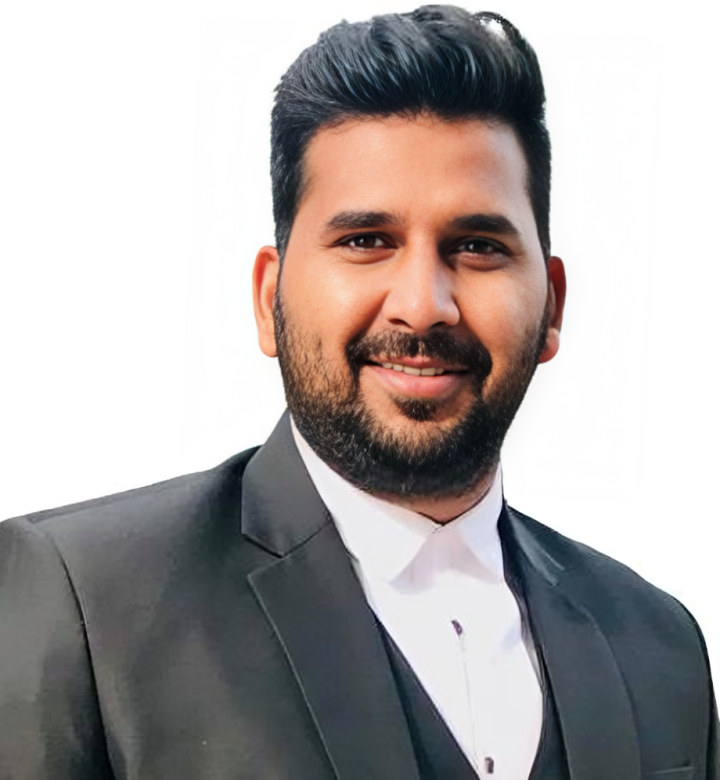
  • “As I tell young lawyers, both prosecution and litigation have something to offer and embracing both helps you become better at each one.” – Nithya Somasundaram, Advocate Patent Agent at R K Dewan & Co.

    “As I tell young lawyers, both prosecution and litigation have something to offer and embracing both helps you become better at each one.” – Nithya Somasundaram, Advocate Patent Agent at R K Dewan & Co.

    This interview has been published by Anshi Mudgal and The SuperLawyer Team

    You have been practicing IP law for over 17 years, covering trademarks, patents, copyrights, and design protection. Looking back, what initially drew you to intellectual property, and how has your passion evolved over time?

    I am on the path I am today because of my guru, Professor P. Vanangamudi, whose initial guidance and mentorship shaped me into who I am now. I started my career with internships in criminal law and also experimented with some LPO work, but in 2005 I developed a fascination with intellectual property. I found patents particularly interesting because they connected back to my own scientific journey. On the first day of my internship, during a project with my learned mentors Adv. Surya Senthil (Ex-Technical Member – Copyrights) and Adv. Lakshmidevi Somanath (Ex-Technical Member – Trademarks), I was asked to draft an abstract for a patent application. That day proved to be a turning point, as it revealed how the law is deeply intertwined with scientific and innovative activity in very concrete ways. I was also fortunate to have Shri P. S. Surana (Co-founder, Surana & Surana International Attorneys) as my guide and mentor, whose constant encouragement to pursue IP and litigation drew me to focus on this field from that time onwards.

    In February 2009, I joined R.K. Dewan & Co., 82 years old IP boutique Firm that provided me with the right platform to grow my passion into a career. This is where my interest in IPR grew even stronger. I had the opportunity to learn, practice, and handle the next level of IP under the guidance of the luminary Dr. Mohan Dewan and the powerhouse of RKD, Dr. Niti Dewan. Their mentorship shaped much of what I am today at R.K. Dewan & Co. Prosecution had always been my comfort zone, and I was initially hesitant to step into litigation. My senior colleague, Advocate Balaji, through his guidance and strategic approach, inspired me and gave me the confidence to embrace litigation alongside prosecution.

    Over the years, what started as a fascination with patents grew into a much deeper dedication to all that is IP. I have come to see how trademarks, copyrights and designs are powerful strategic assets that promote innovation, branding and commercial growth beyond just legal rights. That evolution of seeing IP as a bridge between creativity, technology and commerce still inspires me everyday, even after 17 years of practice. 

    You pursued a B.A., B.L. (Hons) at the School of Excellence in Law, followed by a B.Sc. in Physics and an M.L. in International Law and Indian Constitution. How has this diverse academic background shaped your analytical approach and influenced your career in IP and litigation?

    I became a Registered Patent Agent due to my science background, which helped me navigate the technical side of patents. That history has been useful all along, especially when dealing with inventors or dealing with hearings with other parties and explaining their ideas.

    What really added value in my practice was my M.L. in International Law and Indian Constitution. I was given the big picture and scope of international and cross border cases that covered aspects of filings, prosecution rights and parties limitations. I worked at the Chennai firm of R. K. Dewan & Co., and worked on a few general civil litigation cases, as well. I always appreciated having a solid constitutional and international background, I could be exposed to the nature of the dispute while identifying where parties would have rights, an obligation (if there were any), and jurisdictional issues.

    Having appeared before the Trade Marks Registry, Patent Office, Intellectual Property Appellate Board, and Madras High Court, could you share the most memorable cases that significantly shaped your expertise in IP litigation and prosecution?

    Novartis vs Cipla – 3003/CHENP/2004, Chennai Patent office:

    One of the most formative experiences in my journey as an IP litigator and patent professional was the privilege of assisting and learning from Dr. Mohan Dewan during the landmark Novartis pre-grant opposition hearing before the Patent Office, Chennai. This case, which revolved around Application No. 3003/CHENP/2004 for “Inhibitors of Tyrosine Kinases,” stands out not just for its legal complexities but for the many lessons it imparted about the nuances of Indian patent law, especially around amendments, inventive step, and sufficiency of disclosure.

    The case centered around Novartis’ application (No. 3003/CHENP/2004) for a new class of tyrosine kinase inhibitors molecules with critical relevance in cancer treatment. The pre-grant opposition, filed by Cipla under Section 25(1), challenged the patent on multiple grounds, including obviousness (Section 25(1)I), insufficiency of disclosure (Section 25(1)(g)), and questions under Sections 3(d), 10(4), 57, and 59 of the Patents Act.

    I experienced first-hand the intensity of argument and the importance of deeply understanding technical details and strategic legal arguments in a high-stakes Patent opposition. The proceedings, which saw formidable representation from both Novartis and the opponent, Cipla Ltd., brought several procedural and substantive issues into sharp relief. 

    I took part in examining prior art, dissecting the detailed claim amendments, and debating whether the reversal of an amide bond (and the resulting molecular changes) amounted to a non-obvious inventive step. The discussion on the sufficiency of disclosure was equally instructive particularly the Controller’s emphasis that, for new chemical entities (NCEs), it is the supported utility that matters most at the filing stage, not retrospective efficacy data, unless Section 3(d) is directly invoked.

    This case underscored practical lessons in legal drafting, oral advocacy, and the handling of amendments under Section 59, where every narrowing of claims must remain anchored in the original disclosure. The Controller’s decision ultimately dismissed all opposition grounds, recognizing the inventive nature and adequate disclosure in the application, and allowed the patent to proceed. The clarity and logic with which the order dealt with the inventive step set a new benchmark in my understanding of patent jurisprudence in India.

    I have personally argued over 400 patent matters before the Indian Patent Office, and have also actively conducted matters before the erstwhile IPAB, the Madras High Court, the Karnataka High Court, and various District Courts. Handling exhibits, preparing briefs, and formulating technical arguments in these cases has reinforced the critical importance of precision, clarity, and a comprehensive understanding of both law and technology. This experience has been a defining milestone in my practice, affirming that thorough preparation, strategic advocacy, and meticulous attention to detail are essential qualities for any successful IP litigator.

    As an Advocate & Patent Agent at R K Dewan & Co., you handle brand advice, design protection, and IPR consultations. What are the biggest challenges brands face when entering the Indian market, and in India’s evolving digital and tech-driven IP landscape, what common pitfalls do innovators encounter? How can companies proactively protect their IP from an early stage?

    India is an incredibly diverse and fast-moving market, with great buying opportunities but also very real issues for brand owners. Cost competition is high, squeezing brand owners’ margins, while the threats of counterfeits and infringement can damage brand owner’s reputations and market share. The complexity of regulations and enforceability adds to the pressure, and many companies, especially small to medium enterprises, fail to allocate the necessary budget or focus to protect their IP. However, many larger companies are becoming more proactive, and have dedicated IP divisions and in-house counsel to drive better IP management.

    One of our clients had encountered issues while attempting to register their brand on the Government e-Marketplace (GeM), as this Govt platform intensified scrutiny on IP registrations, requiring comprehensive documentation to ensure authenticity and protect genuine brands. This was a strong reminder that the scrutiny of IP rights is more rigorous than ever. This is particularly relevant as online marketplaces keep expanding, requiring mandatory registration of IP as procurement authorities seek to verify authenticity. Too often, we see innovators engaging with their IP reactively, addressing infringement only after it happened, which is not an effective strategy in the digital and fast moving world we live in.

    In short, companies entering the Indian market must recognize IP protection as a foundational business priority. A proactive approach to IP management, conducting searches, timely registration, and ensuring robust confidentiality protocols, will not only take away the pressure of challenges such as counterfeits or cost pressure, but will maximally enable commercial exploitation of innovation in a dynamic market.

    You are a member of the INTA Brand and Innovation Committee. How has this international exposure influenced your perspective on global brand protection, and what emerging trends do you see shaping the future of trademarks and IP innovation worldwide?

    Serving as a team leader of the Product & Counterfeit Technologies group within the INTA Brand and Innovation Committee has been an invaluable learning experience for me. In that capacity, I have been able to work with international Attorneys from different jurisdictions as we tracked global brand protection challenges, discussed emerging issues, authored articles and suggestions, and facilitated education webinars and roundtables. 

    This experience allowed me to see the highly variable way IP practice is conducted across countries, as it is shaped by the differing needs and differing levels of proactivity in IP practice. For example, while the US, Europe, and the United Kingdom have long-standing comprehensive infrastructure and practice in IP, I saw exciting and impressive development and, in many countries like South Korea, China, Japan, India, and Singapore, there is rapid growth and increasingly sophisticated practice in enforcement and justice in this area of innovation. 

    This has helped me to better appreciate that IP strategies for protection will require a more robust, adaptable, and technology-driven approach. I have also observed that emerging trends like the use of AI and other advanced technologies to combat counterfeiting are shaping the future of trademarks and IP innovation worldwide, demanding greater collaboration, vigilance, and creativity from brand owners and IP professionals alike.  

    Technology commercialization and contractual agreements have been a significant part of your practice. How do you navigate the complexities of IP licensing for both startups and established enterprises, and what are the key challenges involved?

    In my opinion, guiding startups or medium sized businesses through the maze of IP licensing can justly be viewed as a balancing act based on knowledge and communication. One of the major challenges I see more often than not is the general lack of awareness (or desire to comprehend) responsible IP rights and licensing agreements. This is particularly true of startups. The case examples are pretty minimal, primarily because many new ventures receive limited or zero direction and experience managing and structuring these kinds of agreements. 

    Using a Academia-Industry partnership adds to the challenge, particularly for the commercialisation of technology and associated contracts. Parties need to specify who owns what, how the IP can be used, what will be the method of profit sharing. They also need to ensure how the confidentiality of the parties is preserved. Having the interests of all parties aligned would be preferable. 

    Startups may face some of these challenges given their limited resources and less power to negotiate, while established companies can face IP portfolio management challenges, as well as competitive edge protection challenges. We all know this is made even more challenging when one tries to facilitate developing constructive, industry specific, strategies for clients, as the true potential of their IP is unlocked and allowed to flourish, whose value could easily be compromised.

    Your career started with internships and junior associate roles in IP and civil litigation. What early experiences have helped you navigate complex IP disputes and establish yourself as a trusted advisor?

    I think my development as a practitioner was really shaped by the formative early years. I started out doing internships and then as a junior associate, and I was lucky to experience two very different but related areas of law, civil litigation and intellectual property litigating. During that time, I was not merely learning about the law in theory. I was sitting through hearings, helping to draft pleadings, and seeing the approaches that senior advocates took in court in deciding how to strategize.

    My best experience was being able to balance both prosecution and litigation. So on the one hand, I had actual experience with patent drafting, oppositions, and trade mark filings, which I think taught me a very technical, detail-oriented framework, while on the other, I had the experience of working with seniors on IP enforcement issues before the Madras High Court and the erstwhile IPAB. 

    I learned two things: that preparation and details are very important when working with complex disputes; and then also, I learned the importance of having trust and a good flow of clarity with clients. Because when a client comes to you, they are looking for more than a lawyer. They need someone who can sort through technically complex, high-risk disputes and return clear, readily manageable solutions. Over the years, that aspect is what made me credible and established me.

    Having managed multi-faceted IP portfolios and brand strategies, how do you foresee the convergence of AI, digital platforms, and global trade impacting IP enforcement and commercialization in the next five years?
    I visualize the next five years will see the intersection of AI, digital platforms, and international commerce, which will dramatically reshape enforcement and commercialization. Regarding enforcement, brands will increasingly rely upon AI-based monitoring systems to identify infringement, monitor supply chains, and detect misuse on e-commerce and social media platforms. Furthermore, we are already seeing the implications of the power of data analytics and image recognition methods to detect infringement much faster than traditional efforts allow. 

    With respect to commercialization, AI will start to re-use and re-imagine the notion of an asset, not only as a tool. Whether it is through AI-generated content, predictive analytics to inform research and development, or digital licensing platforms, businesses are increasingly going to understand that intellectual property is not merely a shield, but can also be used as a mechanism to create financial value.

    For us as professionals, this means transitioning away from the strictly enforcement-based position to advising the business more strategically. We will need to align legal protection with technology adoption, but also to align the business’ global strategies. In short, the practice of intellectual property will necessitate more and more a combination of legal skills, technology adoption, and commercial insight.

    Finally, what advice would you give to young lawyers and professionals aspiring to specialize in IP law, particularly in balancing litigation and prosecution on a global stage?

    As I tell young lawyers, both prosecution and litigation have something to offer and embracing both helps you become better at each one. The IP practice in India has also expanded tremendously; it is no longer a “road less taken.” The competition in this domain has intensified, and the number of practitioners is now greater. Moreover, IP is not a one-stream subject; it has many distinct subfields like trademarks, patents, copyright, designs, and geographical indications, all of which require different expertise. Young practitioners should consider specializing in these subfields and develop a focus area, while retaining a broad understanding of the other sub-disciplines.

    The rivalry among young lawyers has reached unprecedented levels, particularly due to the surge of private institutions producing law graduates every year. On the positive side, this generation is skilled in the use of technology and AI tools; however, I would advise them not to use these platforms at the expense of other more dependable methods. The core of any law practice is undertaking thorough legal research, reviewing original texts, statutes, case law, and recognized commentaries.

    Get in touch with Nithya Somasundaram –

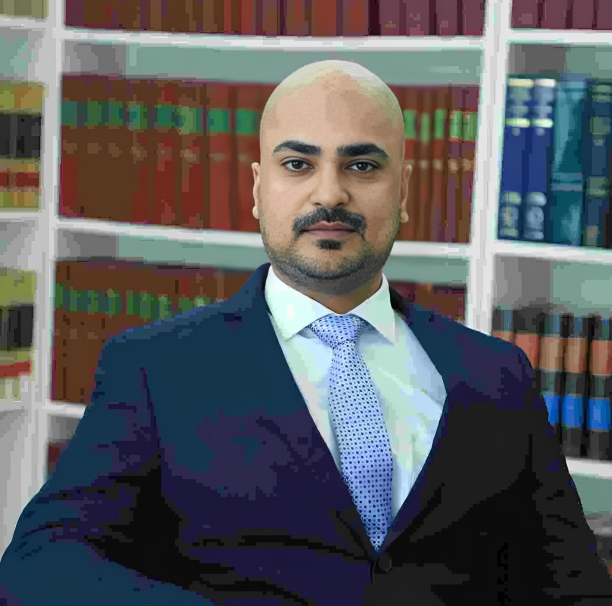
  • “I believe the future will require lawyers who understand code, technologists who understand rights, and courts who can bridge both worlds.” – Nikhil Chawla, Founding Partner, Nikhil Chawla and Associates.

    “I believe the future will require lawyers who understand code, technologists who understand rights, and courts who can bridge both worlds.” – Nikhil Chawla, Founding Partner, Nikhil Chawla and Associates.

    This interview has been published by Anshi Mudgal and The SuperLawyer Team

    After completing your Bachelor’s in Technology in Electronics and Communication, you decided to pursue a career in law. What inspired this shift, and how has your technical background contributed to your legal career?

    While I was doing my undergraduate studies in Electronics and Communication Engineering, I developed a strong appreciation for structured problem-solving and analytical thinking. A pivotal moment came when I worked on a project involving video capturing and recognition technology for identifying letters and numbers on car plates. After dedicating significant time and effort to develop this innovation, I discovered that a subsequent batch had replicated my idea for their project. This sparked a deep curiosity in me on how I could protect my work and ensure exclusive rights over something I had created.

    This realization led me to explore the legal frameworks that govern innovation and ownership. While I thoroughly enjoyed the technical challenges of engineering, I found myself increasingly drawn to the interplay between technology, commerce, and human interaction—how ideas are protected, commercialized, and integrated into society. This marked the beginning of my journey into the field of law and specially, intellectual property law. I decided to pursue law, with a clear objective to practice IP law once I graduate.

    When I began my legal journey, I recognized a clear gap in the market—clients, much like myself in my engineering days, were increasingly seeking nuanced, technology-driven solutions to complex intellectual property challenges, particularly around ownership and innovation. In that moment, I knew I had found my calling.

    How did your L.L.M. at Boston University School of Law shape your perspective on Intellectual Property law, and how have the skills and experiences gained there influenced your approach to high-stakes International and domestic IP litigation and advisory?

    My LL.M. at Boston University School of Law was a transformative experience that significantly shaped my approach to Intellectual Property law. Beyond the rigorous academic curriculum, one of the most valuable takeaways was learning how to move beyond theoretical understanding and apply legal principles in a practical and commercial context. I had taken classes on trial court advocacy, legal writing, and related practical modules, the insights from which continue to guide my approach to legal practice even today.

    Having students from all over the world, not only helped me build lasting professional relationships which I continue to maintain to this day, but also fostered a global legal mindset that has helped me while advising or litigating matters involving international stakeholders.

    I strongly encourage those looking to specialize in a particular field of law to pursue a Master’s degree, as it offers both depth of knowledge and invaluable exposure to diverse legal perspectives.

    Having worked with various prominent IP law firms, what motivated you to transition to establishing your own practice, what were the hurdles that you faced while founding Nikhil Chawla and Associates?

    When I founded Nikhil Chawla and Associates, like with any new venture, the initial phase came with its share of challenges—building a client base, establishing credibility, and navigating the uncertainty that comes with stepping out independently. There were days where I found myself questioning my decision of starting on my own.

    During this time, I had the opportunity to interact with several senior advocates. One piece of advice from Swathi Sukumar, Senior Advocate, particularly stayed with me—she said, “you just have to show up at the office every day, the work will eventually come.” That simple yet profound advice became a guiding principle for me in the early days, reinforcing the importance of persistence, presence, and consistency in building a practice.

    6 months of feeling doubtful about everything and no sign of progress is the entry price that you have to pay before things start to move in the right direction. Having said that, with relentless hard work and unwavering dedication, you will find yourself moving in the right direction—without it, you risk getting lost in the vast sea of lawyers around you.

    As a dual-qualified lawyer and an AI enthusiast and Certified Information Privacy Professional, how do you see the intersection of AI, data protection, and privacy laws evolving in the near future?

    The intersection of AI, data protection, and privacy law has become, if not already, the most consequential area of legal and regulatory evolution in the modern era.

    With the enactment of the Digital Personal Data Protection Act, 2023, India has taken a foundational step toward codifying privacy rights and data protection obligations. However, the law still leaves several gaps when it comes to regulating AI-specific concerns such as algorithmic transparency, automated decision-making, and the right to explanation. In parallel, India is also formulating its National Strategy for Artificial Intelligence and has published ethical AI guidelines through NITI Aayog. These developments signal the government’s intent to promote responsible AI while safeguarding individual rights.

    All of us are already aware that AI has become omnipresent and part of our everyday lives. However, its widespread adoption also raises critical legal and ethical questions ranging from informed consent, purpose limitation, and data minimization to algorithmic accountability. In parallel, concerns around bias, discrimination, and automated profiling are becoming more pronounced. These issues are steadily making their way to the forefront of legal discourse, and our legal systems will soon be called upon to adjudicate upon this, drawing a clear Lakshman Rekha between what is permissible and what is not.

    Going forward, professionals with a grounding in both law and technology will be key to shaping this transition, ensuring that innovation does not come at the cost of civil liberties. I believe the future will require lawyers who understand code, technologists who understand rights, and courts who can bridge both worlds.

    Could you share your experience while representing a leading music label in a high-profile copyright infringement dispute against an internationally renowned hip-hop artist. How did you prepare for such a case and what were the key outcomes?

     When I started my private practice, the first case I was entrusted with involved handling a dispute against the renowned hip hop/rap artist Bohemia. I was representing a music company that had entered into an exclusive artist agreement with Bohemia, which he breached by collaborating with other parties in violation of the agreement’s terms.

    During our preparation for this case, we knew that seeking specific enforcement of personal service obligations was not permissible under the Specific Relief Act. However, we were able to identify a negative covenant in the agreement that prohibited him from collaborating with third-party labels during the term of the agreement. We also found legal precedents supporting the enforcement of such negative covenants in agreements involving personal qualifications.

    As a result, on the very first day, we secured an ad interim order restraining Bohemia from working with any third-party labels for the remainder of the agreement’s term. This interim injunction ultimately paved the way for an early settlement.

    After the settlement, Bohemia even released a track referencing the litigation. The success in the Bohemia matter opened the door for me to handle other high-profile media and entertainment disputes, including cases involving prominent artists such as Badshah and Satinder Sartaaj.

    What advice would you offer to young professionals aspiring to follow in your footsteps and build successful careers in intellectual property, technology law, and commercial litigation?

    Law is a profession that demands dedication and discipline, it is meant for those who truly love the law. Without that passion, it’s difficult to sustain the commitment the profession requires.

    Talking from my own experience, when I had started my legal career, I sometimes relied on shortcuts instead of diligently reading statutes and studying case law. Over time, I came to realize that true success in this profession requires depth, being thorough with the law and cultivating a strong understanding of legal principles. Unfortunately, I see many young professionals today falling into the same trap. What we truly need are students and professionals committed to rigorous legal study and a genuine passion for the craft of law.

    It is important to be working with a good mentor, someone who can guide, challenge, and shape you. Equally important is being at the right firm/advocate, where the work culture, values, and opportunities align with your long-term goals.

    Get in touch with Nikhil Chawla –

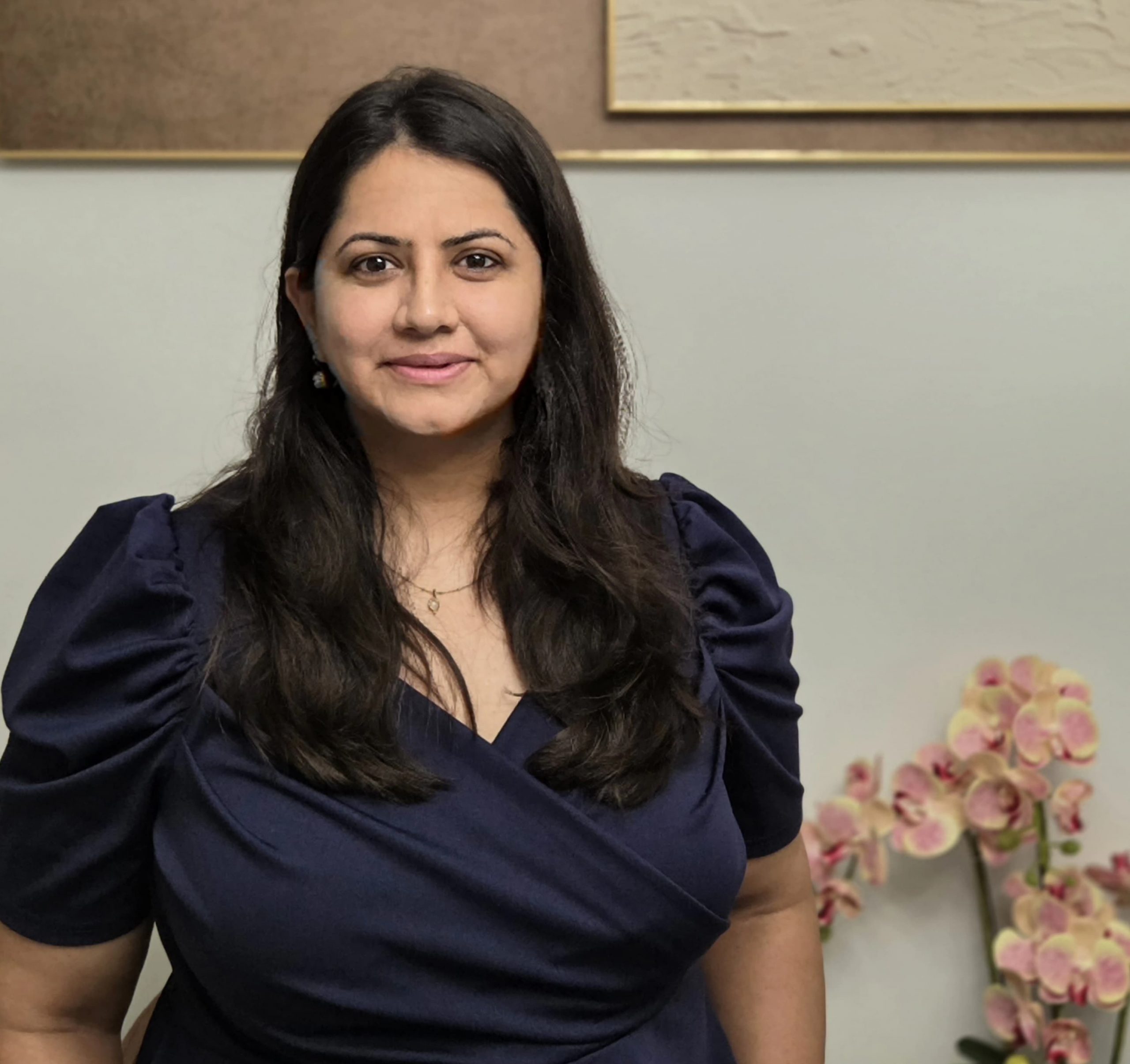
  • “To protect intellectual property in businesses, companies should adopt a proactive IP strategy that includes identifying the IP in various products, securing protection through timely registration of patents, trademarks, copyrights, and designs early on.” – Geetanjali Visvanathan, Partner at Ira Law.

    “To protect intellectual property in businesses, companies should adopt a proactive IP strategy that includes identifying the IP in various products, securing protection through timely registration of patents, trademarks, copyrights, and designs early on.” – Geetanjali Visvanathan, Partner at Ira Law.

    This interview has been published by Anshi Mudgal and The SuperLawyer Team

    With nearly 16 years of distinguished experience in the legal field, what initially motivated you to pursue a career in law? Which aspects of the profession have resonated with you the most, and how did your time in law school contribute to shaping your legal journey?

    My taking up law as a career path was unexpected, considering that I had taken up science in 12th standard. While preparing for various entrance examinations, I was introduced to a book on law by my dad. The questions there sparked my curiosity, and I loved how everything was reason and logic based, which prompted me to pursue law.

    Law School provided a crucial foundation. I participated in moot courts during my college days, where I discovered the excitement of building a case, researching legal propositions, advocating and thinking from either side, and arguing the case before judges, which is ultimately what shaped my choices after law school. 

    Having completed your LL.M. at New York University with a focus on Competition, Innovation, and Information Law, what factors influenced your decision to choose this particular program and university? How has your experience at NYU shaped your career, and how has this advanced degree contributed to your professional growth?

    Having started my career in a top tier Intellectual Property Law firm, I always wanted to pursue an LL.M. in the same field. As NYU was offering an integrated course covering these subjects, I knew that was the right course for me given the new legal challenges that we face in the ecosystem of rapidly changing technologies. 

    My experience at NYU was extremely rewarding as it afforded me the opportunity to engage with lawyers from diverse backgrounds and jurisdictions. 

    At the outset of your career, you worked with a renowned firm. What were the key experiences during this time that significantly enhanced your understanding of the law, and how did these early experiences help shape your career trajectory? 

    I was fortunate to have had a diverse portfolio of matters early in my career which provided me with better and practical understanding of the various IP laws. Each case I worked on and every mistake I made were valuable learning experiences that contributed to my growth.

    I vividly remember my first case, which centered around infringement of an iconic and classic Bollywood film. Attention to detail in the documents proved pivotal in securing a favorable order for us – a learning that I have carried along till date. Similarly, each day in court is a new experience, which has helped me grow, and continues to teach me something new every single day. 

    With your extensive experience in negotiating and drafting music licensing agreements, how do you approach negotiations with international platforms such as Spotify, Apple Music, and TikTok? What challenges do varying jurisdictions present in these types of negotiations, and how do you navigate them?

    My approach to any negotiation, not just for music agreements, is to understand the four key elements of the deal and of the partners involved i.e. Who, What, Why, and How.

    First, identifying the ‘Who’ involves studying the counterparties and their role in the negotiation. For music licensing, this could be a music publisher, record label, or tech platform, each approaches a negotiation differently. 

    Next, understanding ‘What’ entails grasping the underlying technology or platform, including what the usage of music is like and what are the business needs and objectives of my client.

    The ‘Why’ pertains to why and for what purpose the legal rights are needed, such as copyright, mechanical rights, or sync or publishing licenses.

    Lastly, recognizing ‘How’ involves aligning the deal with your client’s business needs and objectives.

    By comprehensively addressing these factors, I have been able to navigate the complexities of music licensing negotiations.

    As a legal advisor to major media and entertainment clients like T-Series, how do you balance intellectual property protection with the evolving legal landscape surrounding IP in the entertainment sector?

    As outside counsel, it’s essential to align my thinking with the client’s objectives while ensuring compliance with the law. Technology is dynamic and constantly evolving and hence, the only solution is to deliver innovative, out-of-the-box solutions that bridge the gap between intellectual property law and the business needs of a client.

    Given your substantial expertise in advising clients on privacy and information technology laws, how do you evaluate the impact of India’s rapidly expanding digital economy on privacy regulations and intermediary liability issues?

    India’s growing digital economy presents both exciting opportunities and significant challenges in the areas of privacy and intermediary liability. As the country moves toward greater digitization, the sheer volume of personal data being generated and processed has increased multifold. This growth puts more pressure on privacy regulations to ensure that individuals’ personal information is adequately protected from misuse. There is also a greater need to ensure effective regulation in relation to collection, storage and sharing of personal information by various entities. The Digital Personal Data Protection Act, 2023 addresses some of these concerns on paper but only time will tell how the Act protects personal data.

    Regarding intermediary liability, digital platforms like social media, e-commerce, and content-sharing services face greater scrutiny nowadays on their role in regulating user-generated content. India’s digital economy requires privacy laws that are flexible and proactive, as well as clear guidelines on intermediary liability to ensure that platforms operate responsibly while fostering growth in the digital sector.

    With your experience in managing and leading teams of lawyers, what do you believe are the most essential qualities for driving strategic decision-making in complex legal matters, particularly those involving emerging technologies and cross-border negotiations? 

    The most essential qualities are a solid grounding in legal fundamentals, staying current with evolving laws and technologies, the ability to distill relevant facts from complexity, and strong teamwork and communication skills to align all stakeholders effectively.

    What advice would you offer to law students aspiring to build a career like yours, particularly in the fields of intellectual property and data protection? What skills or qualities do you consider crucial for success in these areas, and how can aspiring legal professionals best prepare for this path?

    My advice is to know the ABCs of the law you intend to practice. Don’t be afraid to make mistakes—just make sure you learn from them. Stay curious, not just about changes in Indian law but also global developments and never hesitate to ask questions. Attention to detail and analytical thinking are key. No one is perfect, but if you can harness these skills with consistency and a willingness to grow, you’ll be well on your way.

    Drawing from your extensive experience in resolving high-stakes litigation, what intellectual property strategies would you recommend to businesses particularly in the technology sector seeking to protect their IP while navigating the complex legal landscape in India?

    To protect intellectual property in businesses, companies should adopt a proactive IP strategy that includes identifying the IP in various products, securing protection through timely registration of patents, trademarks, copyrights, and designs early on. Having regular IP audits and clear licensing policies and systems in place and lastly, monitoring infringement including initiating swift enforcement actions. 

    Get in touch with Geetanjali Visvanathan –

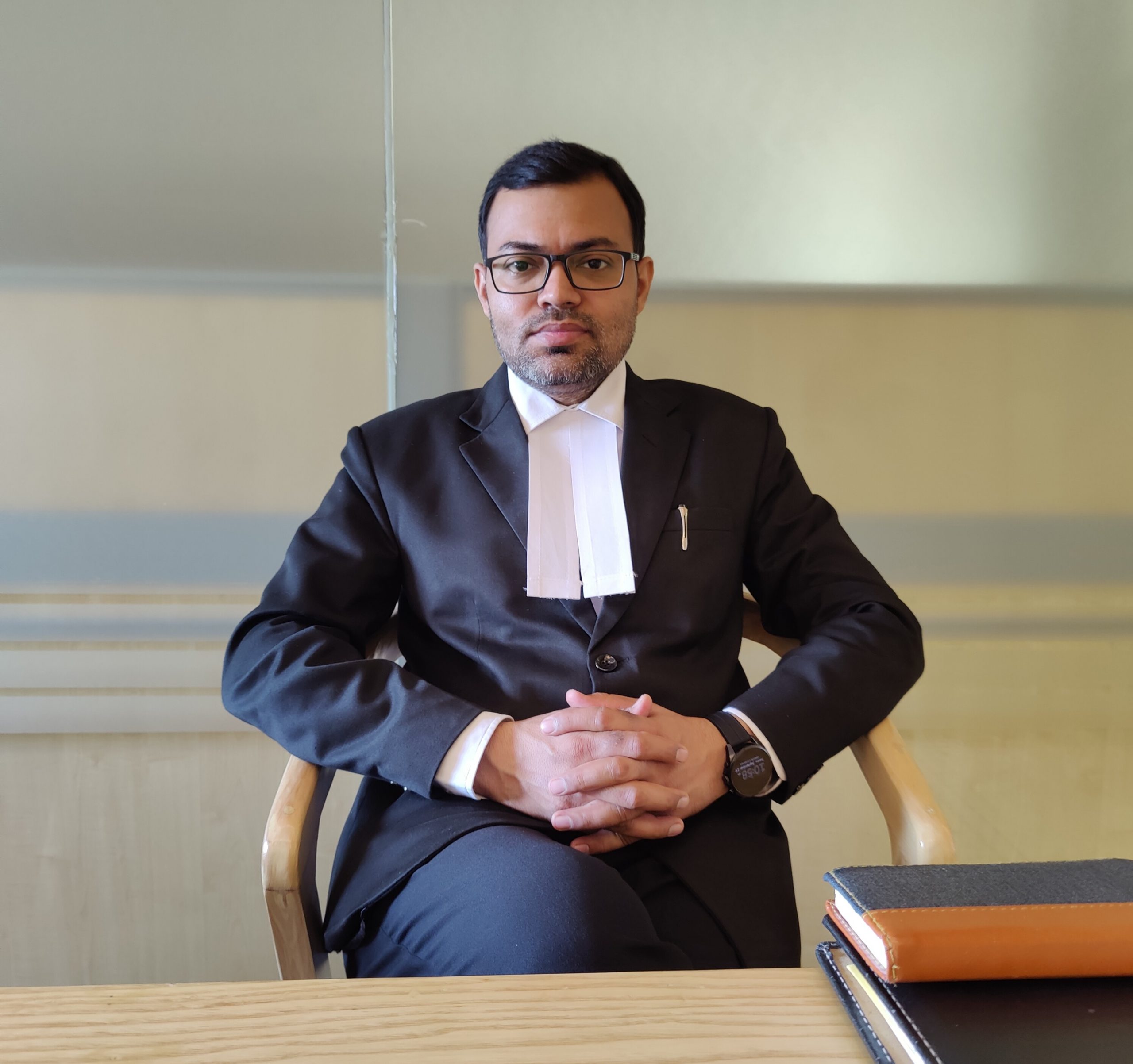
  • “To be able to make a career in the field of IP, one should be creative or at least understand certain facets or methods of its expression. You should have the zeal to learn more and more everyday.” – Zainab Syed, Founder of Zainab Syed & Associates.

    “To be able to make a career in the field of IP, one should be creative or at least understand certain facets or methods of its expression. You should have the zeal to learn more and more everyday.” – Zainab Syed, Founder of Zainab Syed & Associates.

    This interview has been published by Anshi Mudgal and The SuperLawyer Team

    Maam, you have an impressive background, having completed your schooling in Kuwait and your law degree in Kashmir. Can you share some experiences from your early years that inspired you to pursue a career in law? What aspects of the field motivated you to become a lawyer?

    Thank you. Well, from the very beginning, I have been quite principled and straight forward, advocating for whatever I believed to be the right thing. I was also elected as the school head girl, which made me quite responsible and vocal at the same time. My family is my support system, my parents instilled in me and my siblings a good work ethic and the importance of hard work and dedication. So, it was quite natural for me to choose this as a profession. I also landed myself a job with Amnesty International, soon after I gave my class 12th CBSE ( gulf) board exams . The job was at the Indian Embassy of Kuwait, wherein me and my team were helping with sending back Expats to India, who had been forcibly detained in the country with no documents in their possession. We helped so many helpless trapped Indians during that time. This is when I saw the real world, the injustice and helpless people looking for hope in us, being able to help these people made me realise that this is what I want to do in life.

    I am a very empathetic human being, at times it does have a negative impact on my life or my decisions, but I think that is how I was raised and I’m proud of it and always will be. Everything about this field motivates you to become a lawyer, however, if I have to name some of the aspects, they would be as under:

    • It’s a mental marathon that offers endless opportunities for problem-solving and critical thinking. 
    • Lawyers often find themselves at the forefront of societal change, advocating for individuals and communities. 
    • Lawyers stand as the principal architects of legal frameworks that safeguard civil liberties and shield the marginalized.
    • Through their steadfast commitment to furthering social equity, provision of pro bono services, and facilitation of access to justice, lawyers emerge as pivotal agents in fostering equity and parity.

    Early in your career, you worked at the High Court of Jammu and Kashmir, handling cases related to service matters, property disputes, family issues, and more. What are some key experiences from that time that shaped your legal understanding and laid the foundation for your practice?

    After completing my law degree from Kashmir, and getting my license to practice, I decided to join the High Court of Jammu & Kashmir under the guidance of a very renowned and senior Advocate Mr. Syed Manzoor Hussain, who has an expertise of over 40 years now. Working with him, I learnt so many aspects of law which I had only read about. The whole experience of working with him in matters related to Service, property, defamation, Matrimony etc helped shape my career in the initial days. I remember the first time I appeared in Court, I got a favourable order in our matter, and the Hon’ble Justice at that time, commended me for my boldness and confidence, which increased my morale ten times more than what I had walked in with. Working at the High Court with my Senior, taught me that not all days will be in your favour, some may be against you, and it is then that your caliber and patience is tested. I remember working with my senior and assisting him in a service matter wherein even after having worked for more than 20-25 years in the Sericulture Dept of Jammu & Kashmir, the employees were not regularised by the govt, which should have been done, soon after they had finished 7 years of service, and after citing numerous judgements, submitting ample evidence, we finally managed to get them regularised. There were other matters also, like property disputes, salaries being withheld and unlawful terminations that we were able to get relief granted for our Clients. However, it won’t be fair to deny having any bad experiences, and those bad ones teach you to be more particular about your choices, and show you your hidden potential.

    After joining SS Rana as a Senior Trademark Attorney and handling tasks like trademark filing, prosecution, and responding to examination reports, how did your experience in Intellectual Property Law compare to your previous work in the court? How did the work culture differ?

    I shifted to Delhi after the 2013 floods in Kashmir that crippled life there, everything from records to documents were destroyed. It was then that Mr. Senior, who had seen the amount of hard work and dedication I had put in those 2 years, suggested that I move to Delhi as things would take quite some time to get normalized back there. It was definitely a very tough decision to move to Delhi and start afresh, but like they say “Accept what is, let go of what was, and have faith in what will be” , and that is what I did.

    I joined S.S.Rana & Associates as a Junior Associate Advocate. This was an IPR law firm and I had no experience in this field, and IPR had been my favourite subject back in the University. I was lucky enough to be working under Mr. Vikrant Rana ( Managing Partner) in the Trade Marks Department. He believed that we need to partner with our clients, make their concerns our own, understand their businesses, and proactively get out in front of their problems without actually getting out in front of them. I believe that the biggest achievement in my career and what boosted my confidence is when your ideas or suggestions are taken positively and also implemented by Senior Lawyers or whom you work under. Under the guidance of Mr. Vikrant Rana I became a pro in Trademark matters, as I already had a flair for writing, and an eye for detail my examination report replies became popular among the team, Within a short span of time, I was training juniors in Trademark Department, handling complex cases and giving legal suggestions for IPR protection not just to National but international Clients as well.

    I guess it was my honesty and dedication that always made me visible and stand out in the crowd. I had never imagined that Intellectual Property Rights were this vast and interesting, I guess the subject only teaches you 10% of what the law actually is. The work culture differed in this way that instead of having 1 senior to report to at the High Court, here I had the opportunity to learn from everyone, my knowledge was not restricted to the belief and ideas of one individual but it was open to accepting new things from so many different skilled and intelligent minds. Also of course, as we didn’t directly deal with clients on a daily basis unlike my previous workplace, this helped with the stress of client dealing.

    On a lighter note, I remember when I was at the High Court, there was this very old Client of ours, almost 70-75 years of age , he would come to Court almost every other day, even if his matter would have been listed after 3-4 months, he visited every week without fail, asking about the status of his property dispute matter. When asked why are you here every week, he replied “I enjoy seeing you all work like this, I never had to work this hard in my entire life, I guess I was lucky, and to be honest, I don’t actually have anything more important to do”, I am sure, as I write this interview, he must be sitting in one of the courtrooms at Srinagar.

    Following your tenure at a law firm, you transitioned to working as IPR counsel for several companies, managing their IP portfolios and providing legal advisory. What motivated this shift, and how did you navigate the complexities of this role?

    I quit my job after the pandemic hit us, and took the decision of moving back to Kashmir, as we all know how serious it had gone back then, having lost a few loved ones back home, I realized that i had to be where my family is, as my family means the world to me. So it wouldn’t be wrong to say that all Natural Calamities happening in my life, brought with them a new hope and a new beginning for me. As I had already learnt the art of managing clients and their brands, it didn’t take me much time to make a Client base of my own, in my own home town. To be honest, these brands I worked for, all belong to Kashmir, and it was I who had approached them and introduced the concept of IPR protection and the importance of IPR in their business, that is how I got to work with them.

    This role did indeed bring with it many issues or complexities, as Intellectual Property Rights were not very popular or known to the people in my home town, and even though we have way too much IP out there to protect, we had issues, issues like business owners using identical names for their business and wanting to protect their brand, or business owners not wanting to take legal action against parties infringing their IP. For such issues, we started educating the business owners about the importance of IPR and the benefits of protecting their IP.

    What led you to establish your own practice? What were the challenges you faced in the initial stages, and how did you overcome them? What continues to motivate you in your practice today?

    When I was working with my previous law firm, it would worry me so much that out of all those queries coming in about IP on a daily basis, I never came across any query coming from Kashmir. I don’t know why, but people have the misconception about Kashmir being a conflict zone, hence no one there does anything or everyone is living in fear, they have no life of their own. As I knew the real Kashmir, I wondered why no one there was coming forward to protect their brands or even enquiring about it.

    This led to establishing my own law firm Zainab Syed & Associates, which was the first ever IPR law firm in Kashmir. Challenges like I mentioned before were the little of half knowledge about Intellectual Property Rights. The initial year indeed was a very tough one, where converting any query was like winning the Olympic gold medal, as people didn’t want to spend money on something they didn’t feel was necessary to protect, also, there were cases where someone had taken money from them for filing their trademark and they had never reverted after the money was transferred or cases where applications were filed by third party websites ( names not taken) who file applications in bulk without application of mind or a proper search or opinion, which lead to refusal of such marks.

    I am a very competitive person, and the thing is that I only compete with myself. I believe that in this race in life, you run alone, it should never be about how many people went ahead of you, it should always be about what you have to do to finish the race. That is how I was able to face these challenges at work, I never took up matters that I knew had no chances of success, I didn’t think about the number of applications I was filing, what mattered to me was how many applications I could get registered. I was very patient with Client’s who didn’t quite understand why and how of IP, I never gave up on any Client until I would make them protect their brand by filing applications, I was persistent in this goal to protect more and more brands for my home town , or at least make them aware about Brand Protection.

    Looking back how far I have come in this field and in expanding my practice, I am proud to say that I started from scratch and today I not only have Clients from the State of Jammu & Kashmir but from all across India and Abroad as well. Also the biggest motivation has been the success rate of our applications, and the flow of work we get from recommendations from our existing clients. Although I don’t let success get to my head or failure get to my heart, I guess that’s what learning is all about.

    What has been one of the most challenging IP infringement cases you’ve handled to date, and how did you approach its complexities?

    I wouldn’t be able to put them on a scale of 1 to 10, as all IP infringement cases are mostly complex and very challenging. One of our clients had received an infringement notice from the U.S for a name used in their café. They were asked to shut down the café and remove all use of the mark, however, our Client was the registered proprietor of the mark and the opposite party neither had a trademark application for the said name either in India or in their home country, and after almost a year of negotiations and emails and meetings we were able to convince them that the said Intellectual property solely belonged to our Client and there was no way that they could stop him from using the said brand name.

    Also there was a matter where our Client had been using their family business name since almost 40 years and they had a registration that had expired and not renewed due to inadvertence of the previous lawyer, a third party had now taken advantage of the said thing and applied for the said trademark and started using the said name. We filed a fresh application in the name of our Client, filed opposition against the opposite party’s application and sent them a seize and desist notice. The Opposite party gave us an undertaking that they would never file this mark in future or even file a slightly similar mark in the future and also abandoned their trademark application and changed their business name to something else.

    So I believe that overpreparation is the key to success, you should always be over prepared with facts and you should know your Client, and know about your Client, sometimes, your own Client does not have the right facts, so you always need to do your side of research and homework, so its only when you are convinced, you will be able to convince the opposite party.   

    As an IPR consultant and attorney for PHDCCI in Jammu & Kashmir and Ladakh, how has your role contributed to the promotion of Indian industry, trade, and entrepreneurship through intellectual property rights?

    Our Law firm was appointed as their IPR Attorney and Consultant a few months back, and it is indeed an honour to work with this establishment that has changed millions of lives with their constant support and guidance. In these few months, boosting research and development, intellectual property rights (IPR) have contributed significantly to India’s economy. In fact, IPR and economic growth go hand-in-hand as intellectual property rights are essentially designed to aid innovators and reward innovation, This is where IPR comes in. With a patent in hand, innovators can issue licenses for mass production, which directly contributes to the economy. In this regard, we have been able to file 19 patents for PHDCCI and almost 70 Trademark Applications till date. We have also organised various seminars and visited various Universities of Kashmir where we have encouraged young minds and innovators to get their works Patented and protect their IP Rights. Further, we are also working on increasing the number of GI’s filed from the State of Jammu & Kashmir as there is tremendous scope of obtaining a GI registration here in the State.

    With continuous support from the president of PHDCCI Jammu & Kashmir and Ladakh Mr. Vicky Shaw Sir, who is a visionary and a great man, we have been able to achieve the goal we had set for Zainab Syed & Associates, i.e. educating the masses with the need and importance of Protection of Intellectual Property Rights. 

    What advice would you give to young aspirants interested in pursuing a career in IPR law? How can they start early and excel in this field? Are there any specific resources you would recommend for those looking to deepen their knowledge?

    To be able to make a career in this line, one should be creative or at least understand certain facets or methods of its expression. You should have the zeal to learn more and more everyday. This field broadly covers technically complex yet fascinating projects, which invariably require an informed knowledge of trends or developments in line with their type. So, in short, along with enthusiasm, one should have an eye for detail. I would advise them to first start with internships at IPR law firms only and not law firms that have IPR as part of their work. This will enhance their skills and keep them focused on IPR itself, not shifting from one thing to another. The other thing I would advise them would be to never give up on their dreams irrespective of how many times they fail or make mistakes, as one only learns from mistakes. To excel in this field, I would suggest some important points to remember:

    • Before filing a Client’s trademark, always conduct a search on your end, not just in their respective class but in class 35 as well, as this would give you a broader idea.
    • Never rely on the statement “It is a coined term we have not copied the same from anywhere” always do an internet search on if the word means anything or has been taken from an already existing name outside the Country.
    • No similar or identical marks found on the records of the Trade Marks Registry does not always mean you are good to go, it can also mean that the said mark could not have been registered as it is non-distinctive or descriptive or is prohibited under the Trade Marks Act/Rules.
    • Always encourage clients to file applications claiming use of the mark if they are already in business as this gives them prior rights over their mark.
    • Always file applications in the correct class.
    • If a registered mark is cited in your Client’s application, always check if their application had an examination report and how did they reply to the marks cited against them, as this can be used in your reply as submission.
    • Never differentiate the marks in your reply if you intend to oppose the cited mark at a later stage.
    • Always encourage your Clients to change their brand names if they are at the initial stage of their business and have not yet used the name anywhere, and have come to you for suggestions in filing the trademark application, and you see a mark that is either similar or identical to their brand.
    • Always introduce the concept of negotiation to clients or co- existence with the opposite party, where you know that there is a scope of co-existence or negotiation and it is not a straight case of infringement or malice.
    • Be up to date with recent judgements and case laws on IPR and any amendments in the law. Always note down case laws and use them in your replies as and when necessary.

     Also, I would suggest that they visit the WIPO website and get themselves registered for some of the online courses WIPO offers for IPR.

    Given your demanding role, how do you unwind and recharge? How do you effectively balance work and personal life? Do you have any hobbies or activities that help you relax and recharge?

    Being a daughter, a wife, a mother and a Lawyer running my own Law firm, it has always been challenging, but I suppose having that support from your family actually makes a lot of difference. My family has always been very supportive of all my career decisions, and they have always been my strength and motivated me to become a better version of myself. My husband, on the other hand, has always given me the leverage to choose what I want to do in life, he has always supported me in every decision I made after marriage and continues to do so. However, I don’t take that for granted and I understand the importance of having a balance between my personal and professional life by

    • Setting boundaries: This involves establishing clear boundaries between work and personal life by defining specific working hours and separating work-related tasks from personal activities.
    • Time management: Efficiently organizing and prioritizing tasks, ensuring that you allocate enough time for work responsibilities as well as personal pursuits, such as spending time with family, engaging in hobbies, or pursuing personal goals
    • Stress management: Implementing strategies to manage stress levels, such as practicing mindfulness, engaging in regular physical activity, taking breaks, and unplugging from work-related activities when needed
    • Flexibility: Having the ability to adapt and adjust your schedule to accommodate unforeseen circumstances or personal needs without jeopardizing work commitments

    I have a 2-year-old son, I guess that is enough for you to understand what keeps me up and charged.

    Get in touch with Zainab Syed –

  • “With rapid advancements in technology, particularly with the rise of AI, IP and Data Privacy laws are evolving quickly. Staying updated through IP-specific news, following IP practitioners, and engaging with industry peers will be highly beneficial.” – Isha Gandhi, Senior Legal Associate at R K Dewan & Co.

    “With rapid advancements in technology, particularly with the rise of AI, IP and Data Privacy laws are evolving quickly. Staying updated through IP-specific news, following IP practitioners, and engaging with industry peers will be highly beneficial.” – Isha Gandhi, Senior Legal Associate at R K Dewan & Co.

    This interview has been published by Anshi Mudgal and The SuperLawyer Team

    What initially inspired you to pursue a career in law? What aspects of law sparked your interest and shaped your understanding?

    I chose law as a profession because I’ve always had a passion for writing and speaking. Law provides the perfect platform to combine these interests, allowing me to express ideas clearly through legal writing and to advocate effectively in speaking engagements. The ability to analyse complex issues, craft persuasive arguments, and communicate them both in writing and orally is what truly drew me to this field.

    After completing your law degree, what experiences influenced your decision to specialize in intellectual property law? What were some of the key moments that helped establish your foundation in IP law?

    I developed a strong interest in Intellectual Property Law during my college years, which led me to pursue a specialized diploma in IPR laws from Symbiosis Law School, followed by a course from the World Intellectual Property Organization. The complexity and significance of protecting innovations in an increasingly digital world fascinated me. To deepen my understanding, I also interned with boutique IP firms during my college years, gaining valuable insights into IPR laws.

    When advising multinational corporations on IP protection strategies, how do you navigate the complexities of differing national IP laws and enforcement mechanisms? Can you share an example of a time when you successfully managed cross-border trademark infringement issues?

    Intellectual Property (IP) laws in most countries are largely governed by international conventions and treaties, such as the TRIPS Agreement (Trade-Related Aspects of Intellectual Property Rights), Berne Convention, etc. which establishes a common framework for IP protection. As a result, the fundamental principles of IP law are generally consistent across jurisdictions. However, each country may have its own specific regulations, enforcement mechanisms, and nuances in how IP rights are granted, protected, and enforced. Thus, navigating the complexities of different national IP laws requires a tailored approach.

    A key aspect of advising multinational corporations is understanding the unique regulatory environment in each region and developing a strategy that ensures protection while considering local enforcement challenges. One instance I recall involved a cross-border copyright infringement and trademark passing off issue where the infringer had obtained registration of a concerned trademark in India and the client’s mark was pending for registration. The Trademark laws are territorial in nature and there are multiple cases supporting this principle. In this case we had to establish the malafide adoption by the infringer before the Court and filed multiple rectifications against the fraudulent registrations obtained by the infringer in India. This collaborative approach helped to secure an injunction order in favour of our client.

    With the rise of digital platforms, how has IP infringement evolved over recent years, and what proactive measures can brands take to protect their intellectual property online? Drawing from your experience on the Internet Committee at INTA, which policies do you think are essential in addressing online IP issues, particularly with respect to domain name disputes and cybersquatting?

    The evolution of IP infringement in the digital space has been significant, with an increase in online piracy, unauthorized use of trademarks, and domain name disputes. Brands must adopt a proactive, multi-faceted approach to protect their IP online, including monitoring digital platforms, utilizing digital tools for brand protection, and engaging in vigilant enforcement actions. On the Internet Committee at INTA, we focus on creating policies that balance the needs of IP owners with the realities of the digital space. Policies to address cybersquatting, such as enhancing domain name dispute resolution mechanisms, are critical. Strengthening the cooperation between domain registrars, social media platforms, and IP owners is vital to combatting these challenges effectively.

    As privacy and data protection laws become increasingly significant, how do you incorporate cyber law considerations into your intellectual property advisory, especially when drafting documents such as terms of service, privacy policies, and user agreements?

    With privacy and data protection laws becoming increasingly stringent, especially with regulations like GDPR, it’s essential to integrate these considerations into IP advisory work. When drafting documents such as terms of service or privacy policies, I ensure they reflect both IP protection and compliance with data protection laws. This includes ensuring clear consent protocols for data usage, addressing how user data interacts with proprietary technology, and defining the ownership of data generated by users. The intersection of IP and cyber law is particularly important for tech companies or those with a heavy online presence, as they must navigate these dual concerns with care.

    How do you approach the drafting and strategy behind a commercial suit for trademark infringement or passing off, as well as copyright infringement, considering the complexities of such cases? Can you share an example of a particularly complex matter that required you to appear before the Delhi District Courts or High Court?

    Every case is unique, and before strategizing and drafting a commercial suit, I ensure a thorough investigation of the facts to build a strong case. This includes gathering evidence of use, assessing market presence, and evaluating the likelihood of confusion. Following this, I research the latest legal positions taken by various courts within the country, and in some instances, I also examine international legal perspectives. This ensures that my approach is both methodical and comprehensive.

    One particularly complex matter I worked on involved a copyright infringement case against a well-known global online audio-video streaming platform. The case required a deep dive into copyright infringement on the web and the liability of intermediaries. The research expanded to cover the copyright laws of different countries signatory to the Berne Convention, as well as relevant court decisions from multiple jurisdictions.

    For law students or aspiring lawyers interested in brand protection, what advice would you give them for building a successful career in IP law? Are there specific resources, strategies, or steps they should take while still in law school or right after graduation to get ahead, particularly in the evolving landscape of legal practice and emerging legal fields?

    For law students or aspiring lawyers interested in IP law, I recommend pursuing a specialized course in IP, in addition to thoroughly studying the relevant subjects offered by your college. With rapid advancements in technology, particularly with the rise of AI, IP and Data Privacy laws are evolving quickly. Staying updated through IP-specific news, following IP practitioners, and engaging with industry developments will be highly beneficial. Internships with IP law firms or in-house legal teams, as well as participating in IP-focused Moot Courts and competitions, provide invaluable hands-on experience. Building a solid foundation in both legal theory and practical application is essential as the IP landscape continues to evolve.

    Given the high demands of your profession, how do you manage to maintain a balance between your personal and professional life? What practices do you follow to prioritize your health and well-being while maintaining a successful career in law?

    Achieving the perfect work-life balance is often seen as a utopian ideal that many of us strive for. While there are times when one must prioritize work or personal life, balancing the demands of a legal career with personal life is undeniably challenging. This field is demanding and keeps you constantly on your toes, so it’s essential to make time for regular exercise and prioritize health and well-being.

    Over the years, I’ve learned that delegation is a key part of professional growth, and I make sure to delegate tasks when possible to manage my workload effectively. Having a strong support system—both professionally and personally—also plays a significant role in maintaining this balance.

    In addition to my passion for work, I make time for sports and dance to recharge myself. I’m a Kathak trainee and completed my third-year graduation in the art last year. In 2023, I was the runner-up in both the Singles and Mixed Doubles categories at the Delhi High Court Table Tennis Tournaments. I also practice mindfulness and make it a point to disconnect from work and travel when needed to maintain mental well-being.

    Having been with R. K. Dewan & Co. for nearly a decade, how has your role evolved over the years, and what factors have contributed to your continued growth within the firm? What do you believe has been key to maintaining your passion and motivation while managing such a dynamic and demanding career in intellectual property law?

    Under the mentorship of legal stalwarts Dr. Mohan Dewan, Dr. Niti Dewan, and Mr. N. K. Bhardwaj, my nearly decade-long journey with R. K. Dewan & Co. has shaped me both professionally and personally. Starting as a first-generation lawyer, I have grown to independently advise clients and manage junior lawyers, a progression made possible by the trust the firm has placed in me, which has led to an expansion of my roles and responsibilities over the years. What continues to drive my passion and motivation is the dynamic nature of IP law and the constant challenge of navigating new and complex legal issues.

    Maintaining passion and motivation in such a demanding career comes down to balancing professional challenges with personal interests. I find excitement in solving complex problems for clients, and I stay driven by the impact that intellectual property has on innovation and creativity. Additionally, the opportunity to work on diverse and high-profile cases, along with the trust and responsibility the firm has given me, continues to inspire me. The combination of professional growth, personal development, and a supportive work environment has been key to maintaining my enthusiasm for IP law.

    Get in touch with Isha Gandhi –

  • “Don’t just focus on learning law. That is essential and mandatory for the litigation career but not sufficient. Keep your eyes and mind wide open.” – Vishal Sharma, Founding and Managing Partner at Sharma & Associates.

    “Don’t just focus on learning law. That is essential and mandatory for the litigation career but not sufficient. Keep your eyes and mind wide open.” – Vishal Sharma, Founding and Managing Partner at Sharma & Associates.

    This interview has been published by Anshi Mudgal and The SuperLawyer Team

    What inspired you to pursue a career in law despite having a background in science? What drove you to choose law as your profession, and how did your B.Sc. (Hons.) Computer Science contribute to your legal career?

    When I completed my B.Sc. (Hons.) in Computer Science from University of Delhi, some of my friends who had completed their engineering were placed in reputed Patent Analysis firms. A good science background is a mandate to work as a Patent Analyst. I found it interesting too and completed a few online primer courses on Intellectual Property Rights (IPR) from World Intellectual Property Organization (WIPO). I also completed a Patent Analyst training program from an institute and thereafter joined a Patent Analysis firm in Noida. During all this I got a good exposure to IPR laws of India. But after some time, I realised that I needed a degree in law to excel more into this field so that I do not remain confined to the corporate offices and thus I resigned. I cracked the entrance exam and joined the prestigious Campus Law Centre, Faculty of Law, University of Delhi for three-year LL.B. 

    A background in science gives me an edge in IPR practice. Apart from this, a good understanding of Computer Science helps me a lot in handling cases of cybercrimes. 

    How was your experience at Campus Law Centre? When did you decide that you will go for litigation?

    In CLC, within no time I realised that it was not just IPR laws that I was interested in but in all types of laws. From my first semester at CLC and till date there has never been a second thought in my mind about litigation. Some of my classmates used to do corporate internships, some used to prepare for government exams, some were planning for LL.M. and some used to prepare for the judiciary. I did none of these. Whenever I got time, I used to go to various courts. I used to watch court proceedings and meet various advocates. 

    From a first-generation lawyer to the Founding and Managing Partner of Sharma and Associates (S&A), how has been your journey? What early experiences in your career were most influential in shaping your understanding of law and motivating you to establish your own practice?

    Immediately after completing my LL.B., I joined the office of a senior in my home town where I got initial exposure to drafting and court craft. I started going to various district courts of Delhi and Haryana and also Delhi High Court. Luckily, I started getting my personal cases also from my relatives and friends. I started accepting my independent cases side by side from the beginning itself which cumulatively later helped me in taking the decision of going independent. 

    I never went for a corporate office. I worked for a very less time with seniors but whatever work I did initially was completely court litigation from morning till evening. I got a full-fledged exposure to the court atmosphere right from the beginning of my career which included interactions with the judges, advocates and court staff. 

    The kind of work that I got from seniors during initial months of my practice played a significant role in shaping my independent practice. I never used to appear with my seniors in the court. I had to handle cases on my own on the basis of the instructions. This created the platform of self-confidence which later helped me in going independent at a very early phase of my career.

    How has your LL.M. (Professional) in Intellectual Property Rights from USLLS, Guru Gobind Singh Indraprastha University, Delhi, helped you tackle complex legal issues in the realm of intellectual property?

    It proved to be a very good decision for my career. The class consisted of practicing advocates, AORs, legal officers, judicial officers and government officers. All used to discuss their works and experiences with each other which significantly increased my understanding of the legal profession. I got a network worth keeping for a lifetime. 

    It was a weekend programme. All the classes and exams used to take place only on Saturdays and Sundays. Thus, my practice did not suffer at all during this course. I recommend this to all practicing advocates in Delhi who wish to pursue LL.M. along with their practice.

    The course was not theory oriented for me. I used to correlate my experiences of IPR practice with the lectures and discussions of the professors. The valuable insights gained during the classes and discussions enhanced the quality of my IPR practice.   

    How do you see the relationship between Alternative Dispute Resolution (ADR) and traditional litigation evolving? When do you think ADR is a more effective alternative compared to litigation in court?

    ADR and litigation go hand in hand these days. There are mediation centres in almost every court with well qualified mediators and staff. There are arbitration clauses in almost every agreement which we come across. Lawyers are common to ADR and litigation. A lawyer can represent his client before any ADR process or court as per the situation. People don’t come to the court to fight cases, they come to the court for relief and solutions. Mediation takes place in so many cases in the court on a regular basis. So, an advocate these days must have an understanding and skills of ADR.

    We at Sharma and Associates have the objective of providing solution-oriented services to our clients whether it be through litigation or mediation or arbitration. We have this strong philosophy that we charge our client not for the case but for the solution. There is a view that if a case gets settled the advocate will not get the fees which is actually not true. People come to court mostly when initial settlement talks fail. So, if an advocate even then gets the case settled between the parties on the basis of his skills, he can always charge his professional fees.

    I always say to the parties in civil and matrimonial disputes that time is money. ADR saves time and money for the litigants. I have personally seen that in settled cases the relation between the parties remains cordial as compared to decided cases. So, ADR is overall good for society as well.  

    Given your vast experience, what have been the most challenging cases you’ve handled? How did you approach the challenges, and what resources or strategies did you employ?

    I had Successfully argued application seeking cancellation of bail of the rape accused before the Additional Sessions Judge (Fast Track Special Court), Tis Hazari Courts, Delhi in 2021. After being granted the bail, the accused had not only launched an aggressive and defaming campaign on Facebook against the victim but had also circulated the victim’s mobile number to various people to harass her. I had been representing the victim pro bono right from the beginning in that case which involved allegations of rape on false pretext of marriage and cybercrime. It took several rounds of arguments by me and consequent detailed investigation by the police team to satisfy the Hon’ble Court about the misconduct of the accused.

    I had Secured Anticipatory Bail for my client in an alleged cheating case (420 IPC) of Rs. one crore related to FMCG goods in 2023 from the Sessions Court in the very first attempt itself. The complainant in that case was a mighty man with very good connections in the Police department and Court. I started my submissions with the clear facts and concluded with the settled laws through case laws. I addressed and satisfied the Court as to why the Custodial Interrogation of the accused was not required in the case. I also relied on the observation of the Supreme Court in Gagan Banga v. Samit Mandal & Anr. [Criminal Appeal No. 463 of 2022] that continuing trend of projecting purely civil financial dispute as criminal matter despite repeated judgments appears extremely disturbing. 

    Considering the demands of your profession, how do you manage to maintain a work-life balance? What strategies do you implement to safeguard your health and well-being while balancing a busy legal career?

    The issue of work-life balance comes before only those people who either take their work as a mandatory burden or who lack interest in their work. For me work and life are not different things. I don’t agree with people saying their work is their life either. Were you not living when you were not working? Will you not live when you will stop working? Work is a very important element of life but remember it is just one of the elements of life. Indulge in your hobbies, spend time with your family and friends, go on vacations and always spare some time for your body and mind. 

    I always ask my team to complete preparations for the cases of the coming month well in advance. I keep a note of pending works whether it be professional or personal in my phone and keep updating it. It is advisable to include different heads in this note like drafting, calls, research, meetings etc. I keep my clothes, bags and files ready for the next day before going to sleep to avoid hurrying in the morning. To be very honest it is not possible for me to go to the gym every day. I wake up a little early in the morning and do light exercises and meditation every day. I practice gratitude in the morning and evening every day to keep myself away from stress. I avoid using lifts whether it be courts or any other places. I can comfortably use stairs for going to the court rooms even on the seventh floor. 

    For aspiring lawyers who wish to make an impact across various areas of law, what advice would you offer? Are there any specific resources or approaches you recommend to stay current with the ever-evolving legal landscape?

    Don’t just focus on learning law. That is essential and mandatory for the litigation career but not sufficient. Keep your eyes and mind wide open. Observe and understand the society around you. Observe and understand the people around you. Your understanding of the society and the people must keep improving. People of all age groups will come to you for their legal problems. Your personality must reflect a certain level of maturity regardless of your age.  

    Networking is another essential requirement for litigation. Don’t meet and network with people just to expect cases from them. I have seen people doing that but trust me it won’t take you long. Keep building long term meaningful relationships and cases will come to you as a side product. 

    There is always a great emphasis on reading judgments of the Supreme Court and the High Courts. That is essential but not sufficient to excel in trial litigation. When I started my practice in trial courts, I adopted a different approach. I used to arrange and read the judgments of the trial courts where my cases were pending. Judgments of the trial courts contain facts, replies, issues, evidence, chief examinations, cross examinations, laws, arguments, relied citations and conclusions. By reading a trial court judgment, you can learn how to fight that type of case on behalf of either of the parties.  

    During initial years of practice, a young lawyer should accept all types of cases and legal queries. This makes your foundation strong. Later you can narrow down your areas of practice as per your interests and circumstances. Try to join a senior who allows you to take up your independent cases. Remember that the habit of salary is a slow poison if you wish to set up your independent practice. Aim to set up your independent practice at a reasonable early phase because later going independent becomes more and more difficult due to financial and other reasons. Some young advocates start their independent practice in partnership with other advocates which gives many benefits if goes well.    

    Get in touch with Vishal Sharma –

  • “I was drawn to the international aspects of IP law and the potential to make a meaningful impact on a  global scale. Moreover, it allows me to work with innovators, entrepreneurs, and  creatives who are shaping the future.” – Rakesh Tanwar, Equator Law Chambers.

    “I was drawn to the international aspects of IP law and the potential to make a meaningful impact on a  global scale. Moreover, it allows me to work with innovators, entrepreneurs, and  creatives who are shaping the future.” – Rakesh Tanwar, Equator Law Chambers.

    This interview has been published by Anshi Mudgal and The SuperLawyer Team

    What inspired you to pursue a career in law, and what key experiences  during your time in law school had a lasting impact on your professional journey? 

    My inspiration to pursue a career in Law was to Strive for Justice i.e. to make a positive  impact and promote fairness. Also, Law school’s rigorous academic environment and  the complexity of legal issues attracted me as I enjoy problem-solving and critical  thinking. During my time at Vivekananda Institutes of Professional Studies,  participating in clinical programs, such as legal aid clinics or externships, provided  hands-on experience and exposure to real-world legal issues. Also, engaging in moot  court and mock trial competitions helped developing advocacy skills, building  confidence, and fostering a sense of community among peers. Moreover, building  relationships with professors, peers, and practitioners lead to valuable guidance and  lifelong connections. Lastly, I would say, contributing to law reviews and journals  helped develop research, writing, and analytical skills, while also providing a platform  for publishing scholarly work. 

    After completing your law degree, you pursued a Master’s in Intellectual  Property Law at Queen Mary University of London. What led you to specialize in  IP law, and why did you choose this particular institution? Can you share your  experience at the university, and did you face any challenges during the admission  or enrolment process? 

    IP law is a complex and nuanced field, requiring a deep understanding of legal  principles, technical concepts, and industry trends. I enjoyed the challenge of  navigating this intricate landscape and helping clients navigate it. It also involves a high  degree of creativity and problem-solving. I relished the opportunity to think outside the  box, develop innovative solutions, and advocate for clients’ rights. IP law has a global  reach, affecting businesses, artists, and inventors worldwide. I was drawn to the international aspects of IP law and the potential to make a meaningful impact on a  global scale. Moreover, it allows me to work with innovators, entrepreneurs, and  creatives who are shaping the future. I find it rewarding to collaborate with clients who  are passionate about their work and committed to making a positive impact. And lastly,  IP law offers a balance of litigation and transactional work, allowing me to engage in  both contentious and non-contentious matters. I enjoy the variety and flexibility that  this balance provides. I also find IP law to be a field where I could make a tangible  difference in people’s lives and businesses. Protecting and promoting intellectual  property rights gives me a sense of fulfilment and purpose. 

    I chose Queen Mary University of London to pursue my master’s in law for several  compelling reasons. First and foremost, the university’s reputation for academic  excellence was a major draw for me. The School of Law is ranked 7th in the UK and  32nd in the world by QS World University Rankings by Subject. Another significant  factor was the diversity of programs and specializations offered by the university. I had  the flexibility to tailor my degree to my interests and career aspirations. Additionally,  the university’s location in London was a huge advantage. Being in the heart of London,  I had access to numerous barristers’ chambers, law firms, and the Royal Courts of 

    Justice, providing unparalleled opportunities for networking, internships, and job  placements. The expertise of the faculty was also a key consideration. The School of  Law has a team of renowned academics and practitioners who are leaders in their fields,  providing students with cutting-edge knowledge and insights. Lastly, the global  perspective and connections offered by Queen Mary University of London were highly  appealing. With partnerships and collaborations with top institutions around the world,  I knew that I would be part of a vibrant and international community of scholars and  professionals.  

    Despite a few challenges that generally appear while taking admission in a foreign  university as an international student, I persevered, and the experience has been  incredibly rewarding. The UK education system differs from my home countries. I had  to adjust to a new grading system, coursework requirements, and exam formats.  Obtaining a student visa was a complex and time-consuming process. I had to provide  extensive documentation, proof of funds, and English language proficiency. Studying  abroad is expensive. I had to secure scholarships, loans, or financial aid to cover tuition  fees, living expenses, and other costs. However, after immense efforts and  perseverance, I was able to secure a National Overseas Scholarship from the Government of  India that covered tuition fees, living expenses and other costs. 

    In the early stages of your career, you had the opportunity to work with  prominent lawyers and law firms. What were some enlightening experiences that  deepened your understanding of law, particularly intellectual property, and  motivated you to explore this area further? 

    I had several enlightening experiences that profoundly deepened my understanding of  intellectual property (IP) law. I assisted in a patent litigation case involving a complex  dispute over patent validity and infringement. This experience helped me grasp the  intricacies of patent law, including claim construction, prior art, and the role of expert  witnesses. I worked on a case involving the misappropriation of trade secrets by a  former employee. This experience highlighted the importance of protecting confidential  information, the challenges of proving trade secret misappropriation, and the strategic  considerations involved in pursuing litigation. I conducted IP due diligence for a client  acquiring a target company with a significant IP portfolio. This experience taught me  the importance of thoroughly reviewing IP assets, identifying potential risks and  liabilities, and negotiating IP-related provisions in transactional agreements. I worked  with expert witnesses in several IP cases, which helped me understand the importance  of expert testimony in IP litigation. I learned how to effectively communicate with  experts, prepare them for testimony, and use their expertise to build strong cases. I  assisted in several cross-border IP disputes, which highlighted the complexities of  navigating different legal systems, jurisdictions, and cultural nuances. This experience  taught me the importance of considering global IP strategies and coordinating with local  counsel to achieve effective outcomes.I counseled clients on various IP-related issues,  including IP protection strategies, licensing agreements, and dispute resolution. This  experience helped me develop strong client counselling skills, including the ability to  communicate complex IP concepts in a clear and concise manner.

    Having worked on international compliance matters, what are some of the  most common challenges you encounter when interpreting cross-border contracts,  especially between U.S. companies and international partners? Additionally,  could you share your observations on the key differences between common law  contract principles and U.S. statutory law? 

    When interpreting cross-border contracts, especially between US companies and  international counterparts, I commonly encounter the following challenges including  Divergent Legal Systems, Language Barriers, Cultural and Business Practice  Differences, Dispute Resolution Mechanisms and Compliance with Local Regulations.  Staying current with changes in laws, regulations, and court decisions across multiple  jurisdictions is an ongoing challenge when interpreting cross-border contracts. Cross 

    Border contracts often involve IP and data protection concerns and navigating these  issues requires expertise in multiple jurisdictions. Contract drafting styles and  conventions differ between the US and other countries and thus, ensuring consistency  and clarity in contract language is vital. 

    There are few major differences between common law principles and US statutory law  and therefore, the importance of understanding both while drafting, negotiating or  litigating, is highlighted. Firstly, US statutory law does not imply terms into contracts  as extensively as common law. Secondly, US statutory law does not require good faith  performance to the same extent as common law. Thirdly, US statutory law does not  emphasize reasonableness as much as common law and Lastly, US statutory law  provides more guidance on contract interpretation, such as the UCC’s rules for  interpreting contracts. On the other hand, common law emphasis on reasonableness in  contract interpretation and performance.  

    In your current role, you handle trademark infringement cases. What are the  primary challenges you face when navigating trademark infringement issues in  India, and how do you address them? 

    Trademarks in India face various challenges in handling trademark infringement issues.  Some of the common challenges are Complexity of Indian trademark law, Limited  resources, Counterfeiting and piracy, etc. To address these challenges, conducting  thorough searches of existing trademarks and pending applications can help identify  potential infringement issues. Registering trademarks with the Indian Trademark Office  provides legal protection and helps to prevent infringement. Sending cease and desist  notices to infringers can be an effective way to resolve disputes without resorting to  litigation. Using technology, such as trademark monitoring software, can help identify  potential infringement issues and streamline enforcement efforts. Educating the public  about trademark rights and infringement can help prevent unintentional infringement  and promote a culture of respect for intellectual property.

    Given your expertise in both Intellectual Property and commercial law, how  do you approach cases where these areas intersect, particularly those involving  brand protection, and commercial disputes? Could you share an example where  you successfully integrated your knowledge of both fields to provide a  comprehensive legal solution? 

    There are several areas of intersection between brand protection law and commercial  dispute resolution, for instance, Disputes arising from trademark provisions in  commercial agreements, such as licensing or franchise agreements; Allegations of  unfair competition, such as false advertising, in commercial disputes; IP protection in  commercial transactions, such as mergers and acquisitions; Addressing issues related  to gray market goods and parallel imports, which can impact brand reputation and sales. 

    Here’s an example: 

    Case Study: Licensing Agreement Dispute 

    A US-based software company developed a popular software platform for managing  supply chains. They entered into a licensing agreement with an India-based company to distribute the software in India. Later began to modify the software without former’s  permission and sold it to other companies, violating the terms of the licensing  agreement. It was discovered and a cease-and-desist notice was sent to the India based  company. However, they refused to comply claiming that the modifications were  necessary to adapt the software to the Indian market. Hence, a US based company needed  a lawyer who could navigate both intellectual property (IP) and commercial law to  resolve the dispute. By analysing and examining the licensing agreement, I negotiated with an Indian company leveraging the IP and commercial law analysis to reach a  settlement. The resolution also involved mediation between both the companies and the  Indian company was required to cease and desist from further modifying and  distributing the software, and to pay damages for the unauthorized use and distribution  of the software. Finally, I lead the parties to negotiate a revised licensing agreement  that better protected US based company IP rights.  

    What tools, resources, or methods do you rely on to stay updated with the  latest developments in trademark law and other related areas of commercial  law? 

    Online resources like information provided by WIPO Academy on Intellectual  property Rights including trademarks, patents, and copyrights, Industry conferences  and seminar focused on trademark Law and commercial law, legal research tools, legal  research platforms like Lexus-Nexus and West Law, professional associations like,  Inta, etc. Helped us to stay updated on the latest developments. 

    What advice would you give to law students or young professionals aspiring to  specialize in intellectual property law? What key skills and qualities do you believe are crucial for success in this field? 

    For law students aspiring to specialising in the field, engage in intellectual  property-themed moot courts and competitions to develop their skills in this field. Attending conferences, seminars, and networking events to connect with experienced  intellectual property lawyers can also be very helpful. Finally, following intellectual  property blogs, news outlets, and social media to stay informed about the latest trends  and cases is also significant.  

    For young professionals, it is important to develop a niche expertise by focusing on  specific areas of intellectual property law, such as patents, trademarks, or copyrights. It  is equally important to foster strong relationships with clients, colleagues, and mentors  to build a professional network. They can also consider obtaining a certification from  WIPO Academy or other similar organisation. Lastly, professionals must be prepared to  pivot and adjust to new developments, technologies, and trends in the field.

    Get in touch with Rakesh Tanwar –


  • “The most crucial skill for law students is strategic legal analysis combined with effective communication.” – M Abhijnan Jha, Partner at Lex Praxis.

    “The most crucial skill for law students is strategic legal analysis combined with effective communication.” – M Abhijnan Jha, Partner at Lex Praxis.

    This interview has been published by Anshi Mudgal and The SuperLawyer Team

    What motivated you to pursue a career in law, and what inspired you to choose the B.P.Sc (Hons.) LLB (Business Law Hons.) program at National Law University, Jodhpur? Looking back at your law school years, what are some key experiences that have had a lasting impact on you?

    Growing up, I admired my father, a police personnel, whose commitment to justice and integrity deeply influenced me. Watching him serve the people with courage and dedication inspired me to pursue a career in law. Additionally, I was fascinated by courtroom dramas and legal stories portrayed in movies, which sparked my curiosity about the legal system and advocacy.

    I chose the B.P.Sc (Hons.) LLB (Business Law Hons.) program at National Law University, Jodhpur, because I was deeply interested in subjects like Political Science, Sociology, and Psychology. Their focus on understanding human behavior, societal dynamics, and governance aligned perfectly with my passion for law and justice. This interdisciplinary approach not only matched my interests but also provided a strong foundation for pursuing a career in law. During my law school years, participating in moot courts, insightful internships, and collaborating on research projects helped me develop strong analytical and advocacy skills. These experiences, combined with my early inspirations, shaped my approach to solving complex legal challenges.

    How did your early experiences at A&A Law Office, particularly in corporate and project finance, contribute to shaping your understanding of joint ventures, regulatory frameworks, and due diligence in commercial transactions?

    My early experiences at A&A Law Office played a crucial role in shaping my understanding of joint ventures, regulatory frameworks, due diligence, and intellectual property in commercial transactions. As it was a small law firm, I was involved in a wide range of legal work, from corporate and project finance to intellectual property matters. This exposure taught me how to assess risks, navigate complex regulatory requirements, and ensure IP protection. These experiences provided a solid foundation for strategic legal advisory and commercial law dynamics.

    How has your expertise in intellectual property law influenced your corporate advisory work, particularly when handling trademarks, copyrights, and design matters? What are your thoughts on the future evolution of intellectual property rights in the coming years?

    My expertise in intellectual property law has significantly influenced my corporate advisory work, especially when handling trademarks, copyrights, and design matters. It enables me to provide strategic guidance on brand protection, licensing, and enforcement, ensuring clients’ intellectual assets are safeguarded while maximizing commercial value. This knowledge also enhances contract drafting, due diligence, and risk assessment in corporate transactions. 

    Additionally, being a member of some of the world’s most prestigious organizations, such as the International Trademark Association (INTA), International Association for the Protection of Intellectual Property (AIPPI), Asian Patent Attorneys Association (APAA), and World Intellectual Property Forum (WIPF), has significantly contributed to my professional growth. These memberships have provided valuable opportunities to engage with global legal experts, stay updated on international IP trends, and expand my professional network. They have also enhanced my strategic insights and knowledge, enabling me to offer well-rounded and globally relevant legal advice.

    Looking ahead, I believe the rapid growth of digital commerce and emerging technologies like AI and blockchain will redefine IP rights. This evolution will demand adaptive legal strategies, international collaboration, and enhanced regulatory frameworks to address complex cross-border IP issues.

    Drawing from your experience in the real estate sector, what were some of the most difficult aspects of drafting and negotiating construction contracts and joint development agreements?

    Drawing from my experience in the real estate sector, some of the most challenging aspects of drafting and negotiating construction contracts and joint development agreements involved navigating complex regulatory compliance, risk allocation, and aligning the interests of multiple stakeholders. Ensuring clear terms on project timelines, payment structures, and liability clauses required meticulous attention to detail. Additionally, balancing legal safeguards with commercial feasibility while managing client expectations demanded strategic negotiation skills and effective communication. These challenges enhanced my problem-solving abilities and contract management expertise.

    Could you describe one of the most challenging cases you’ve handled so far and share your approach to navigating the complexities involved in that case?

    One of the most challenging cases I handled involved complex intellectual property litigation with cross-border implications. It required navigating conflicting jurisdictional laws and strategic enforcement of trademark rights. To manage this, I conducted in-depth legal research, collaborated with international counsel, and crafted adaptive litigation strategies to protect client interests. I focused on proactive risk management and effective communication to resolve disputes efficiently. This experience reinforced the importance of strategic foresight, agility, and resilience in high-stakes legal matters.

    What are some of the major challenges that businesses in the real estate sector are facing today? Additionally, how has the role of arbitration and other alternative dispute resolution (ADR) mechanisms evolved in this sector?

    Businesses in the real estate sector today face challenges like regulatory complexities, fluctuating market dynamics, land acquisition disputes, and financing constraints. Navigating compliance with environmental laws and urban development regulations also adds to the complexity.

    Arbitration and other Alternative Dispute Resolution (ADR) mechanisms have become increasingly popular in this sector due to their cost-effectiveness and faster resolution compared to traditional litigation. ADR provides flexibility, confidentiality, and specialized expertise, making it a preferred choice for resolving real estate disputes efficiently.

    As someone who has played a pivotal role in high-stakes cases as both a Partner and Counsel, what do you think is the most crucial skill that law students should focus on developing to succeed in the legal field? Also, are there any resources you would recommend to help them stay updated on legal trends and developments?

    The most crucial skill for law students is strategic legal analysis combined with effective communication. They should also develop negotiation skills, adaptability to emerging technologies, and resilience in high-pressure situations. Writing articles, case notes, and thought leadership pieces not only sharpens analytical abilities but also enhances visibility in the legal community.

    I have authored over 20 publications in reputed journals, which has significantly contributed to my understanding of complex legal issues and trends. To stay updated on legal trends, I recommend using LinkedIn for networking and industry insights. Resources like CiteCase, Bar and Bench, Live Law, Manupatra, and College Law Review Journals provide comprehensive legal updates, case analyses, and emerging legal issues. Engaging with these platforms helps build a strong foundation and keeps one informed about the latest legal developments.

    Given the demanding nature of your professional commitments, how do you manage to strike a balance between your work responsibilities and personal life?

    Balancing professional commitments with personal life is achievable through strategic time management and leveraging technology. I have automated my legal processes and maintain a paperless office, enabling me to work efficiently from anywhere as a mobile lawyer. This flexibility allows me to manage tasks on the go while staying organized and responsive. By embracing digital tools and maintaining a disciplined schedule, I maximize productivity while also ensuring time for personal well-being and family, achieving a harmonious work-life balance.

    Could you kindly share the insights and experiences you’ve gained throughout your entrepreneurial journey?

    In addition to my legal career, I have always been passionate about entrepreneurship. I founded InCourt News in 2015, which gained recognition as one of the best mobile applications to have, featured in various magazines for its innovative approach to legal news delivery, and was later acquired by a legal marketplace. I also ventured into the skilling sector with “Skill Funds,” founding startups aligned with the Skill India Mission, aimed at empowering youth with industry-relevant skills. These experiences have enriched my leadership abilities, strategic vision, and problem-solving skills, complementing my legal expertise with an entrepreneurial mindset. Currently, I am running my law firm, Lex Praxis, leveraging my diverse experiences to provide strategic legal solutions.

    Get in touch with M Abhijnan Jha –

  • “IPR is relevant across industries, and with the growing awareness of IP, career opportunities in this field are increasing.” – Kavita Mundkur Nigam, Partner at Krishna & Saurastri Associates LLP.

    “IPR is relevant across industries, and with the growing awareness of IP, career opportunities in this field are increasing.” – Kavita Mundkur Nigam, Partner at Krishna & Saurastri Associates LLP.

    This interview has been published by Anshi Mudgal and The SuperLawyer Team


    With your vast experience and accomplishments in the legal field, could you share what initially sparked your interest in law? Was there a defining moment that led you to pursue this career, and what drew you specifically to specialize in intellectual property law?

    The greatest reason or inspiration for taking up law was my maternal grandfather who came from a family having many generations of lawyers including his father and uncles. My grandfather was himself a lawyer by qualification but joined the Sales Tax Department and retired as Commissioner of Sales Tax, Government of Maharashtra. He was extremely passionate about law and on behalf of the Sales Tax Department, briefed and closely interacted with many distinguished lawyers of his time including the then Advocate General Mr. H. M. Seervai whom he deeply admired. The countless anecdotes he narrated to me and the zeal he had for the legal profession had a profound impact on me, unknowingly and when the time came for me to choose my profession, law came as a natural choice.

    While Law was in the family, Music, Literature and Art also ran deeply in my family, my mother being a Hindustani Classical Vocalist and my grandmother, a vocalist, poet, playwright and writer. They would often participate in seminars on copyright in relation to the fields of music, literature and art. I would accompany them and listen to the sessions with great interest. That sparked my curiosity and by the time I completed my graduation in law, I found IP to be a fascinating and an ever-evolving subject having an application across industries and I was convinced to take it up as my field of specialization. 

    You began your career as an Associate with a law firm. What were some of the key experiences during this early phase that helped deepen your understanding of the law, especially intellectual property law, and laid a solid foundation for your expertise in this area?

    I began my career with a full-service law firm Desai & Diwanji where I mainly worked on corporate and commercial transactions. My experience in intellectual property law began when I joined my present firm in the year 2008. Exposure to myriad cases in the areas of IP prosecution, legal advisory, contentious matters, anti-counterfeiting, IP transactions etc. involving different kinds of IP including trade marks, copyright, designs and some aspects of patents, right in the beginning of my tenure, gave me many opportunities to research, learn, resolve issues and deepen my understanding of the subject. Also, I firmly believe that there can be no substitute for hard work in laying a strong foundation, especially in the initial years of your career. I spent a lot of time reading, researching, studying the suggestions of my seniors and colleagues which I continue to do as learning is a never-ending process and updating yourself from time to time ensures you never feel complacent or stagnant. 

    Throughout your career, you have worked on complex IP transactions in industries such as media, entertainment, pharmaceuticals, and FMCG. What do you believe are the primary challenges businesses face when dealing with commercial transactions involving IP rights?

    As for already existing IP of the parties involved, gaps in IP ownership, lack of proper documentation for securing IP rights, third party claims to IP, vulnerability of registered IP to revocation are some challenges seen in commercial transactions involving IP rights. Similarly, while negotiating strategic collaborations or service contracts, differentiating between already existing IP and IP generated under the contract, deciding upon an ownership structure for the IP generated out of such services or collaboration could be challenging.

    Your experience spans both domestic and cross-border IP disputes. How do international IP issues differ from domestic ones?

    IP disputes per se, such as infringement, passing off etc., governed by Indian laws and taking place in India may not have material differences only by reason of one of the parties being a foreign entity. However, where these disputes emerge from cross-border contracts governed by foreign laws and have elements of IP protectable or enforceable under Indian laws, there could be challenges. Similarly, when an Indian entity wishes to enforce its IP rights against a foreign entity for acts done outside India, foreign laws may apply. Although IP laws worldwide have many commonalities, they are not completely harmonized. Concepts of authorship, ownership of IP, infringement, exceptions to infringement, availability of overlapping protection under different types of IP laws such as Copyright & Designs or Trade Mark & Designs, subject-matter of trade marks, copyright, designs or patents (more so in light of emerging technologies) might vary from jurisdiction to jurisdiction. Accordingly, these disputes may have different nuances.

    Could you share your insights from handling domain name disputes under ICANN’s UDRP? In addition, what role does arbitration play in resolving international IP disputes, particularly within frameworks like the ICC?

    The domain name dispute resolution process under ICANN’s UDRP is effective particularly when disputes arise out of cybersquatting or prima facie bad faith registration of domain names. In my experience, this process has been cost effective, expeditious and helpful especially where the adverse party is not located in India or where the registrant’s name and address is not disclosed by domain name registrars. Institutional arbitration, such as under the ICC Rules, plays an important role in resolving multi-jurisdictional / international IP disputes. However, these are typically disputes arising out of contracts and lawyers play a crucial role in informing the arbitrator (who may be qualified in laws other than the governing law of the contract) of nuances in the laws that are applicable to the dispute.

    Intellectual property is often crucial in mergers, acquisitions, and private equity transactions. How do you ensure that IP rights are effectively safeguarded during these processes, and what is their role in such transactions?

    Intellectual property is often the driving force for most acquisitions, mergers and collaborations. Effectively identifying IP, particularly unregistered IP, ensuring a proper and seamless transfer of all IP, registered or unregistered in favor of the acquirer, designing an efficient IP matrix in cases of joint IP ownership / collaboration, identifying third party contribution, claims or rights in IP creation and devising appropriate techniques to secure all IPR through documentation and statutory filings are some aspects to be considered during such transactions.

    What advice would you offer to aspiring IP lawyers or those considering a career in intellectual property law? Also, could you share some resources or strategies you use to stay current with global legal trends, particularly in the IP domain?

    To aspiring IP lawyers, I would like to say that IP is a fascinating subject having many dimensions and is ever evolving particularly with newer and emerging technologies. IPR is relevant across industries and with the growing awareness of IP, career opportunities in this field are increasing. You could choose sub-areas of your interest to practice such as IP prosecution, litigation or transactions and advisory. However, aiming for holistic exposure to various kinds of IP cases especially in the initial years will certainly help in the long run. Needless to say, like in any other field, hard work and a well-balanced approach helps one grow in the profession and also as an individual. These days there are several online platforms, newsletters, digital publications and media offering information and updates on IP related transactions and disputes, both domestic and international. There are also many subscription-based databases where one can find articles, copies of judgments and orders for detailed reading.

    Get in touch with Kavita Mundkur Nigam –