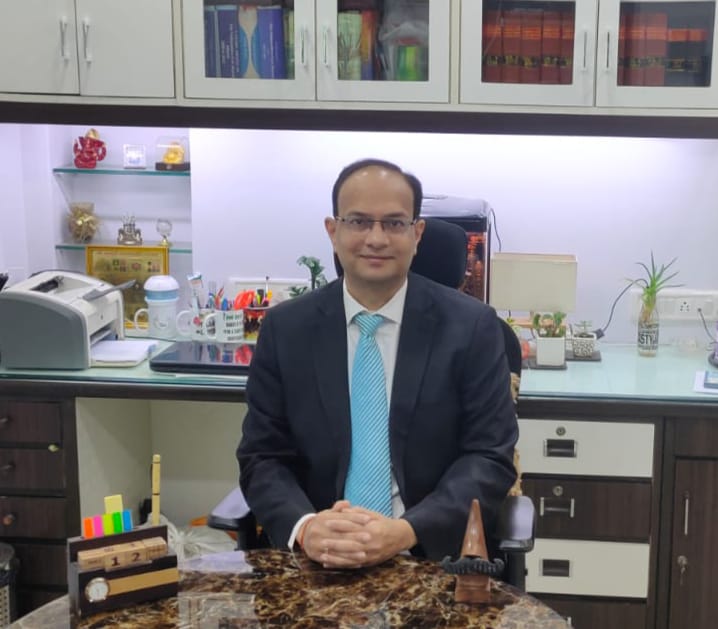
Tag: IPR Litigation

  • “What drew me specifically to IPR was the dynamic nature of the field; I felt a sense of purpose in helping artists, inventors, start-ups, and global corporations safeguard their innovative ideas from infringement, allowing them to flourish creatively and economically.” – Ronil Goger, Founder & Managing Partner at Blaze Legal.

    “What drew me specifically to IPR was the dynamic nature of the field; I felt a sense of purpose in helping artists, inventors, start-ups, and global corporations safeguard their innovative ideas from infringement, allowing them to flourish creatively and economically.” – Ronil Goger, Founder & Managing Partner at Blaze Legal.

    This interview has been published by Anshi Mudgal and The SuperLawyer Team

    Throughout your law degree, you gained valuable experience through significant internships. What initially motivated you to pursue a career in law, and what specifically drew you towards Intellectual Property Rights (IPR)?

    Every journey begins with a spark – an event, an experience, or sometimes just an insatiable curiosity. My journey into the field of law or more particularly intellectual property began during my 5th Grade – when the first live-action Spider-Man movie hit the screens and left me ensnared in a web of intriguing questions.

    As a comic enthusiast with a keen interest in the Marvel Comic Universe, I felt a surge of curiosity when the Sony Pictures logo appeared at the beginning of the film, with only a fleeting reference to Marvel. As I explored the details further, my father (the guiding light) stepped in to clarify that Sony holds the movie rights. This revelation ignited a ‘flame’ in me – a desire to uncover how Sony came to own the rights to my beloved Marvel superhero and trying to decode the complex arrangements of intellectual property licensing and assignments.

    As I progressed through my life, I was exposed to various branches of law including criminal, property, marriage, company regulations, etc. However, what truly set my heart racing was the realm of Intellectual Property Rights (IPR). The world of IPR is a fascinating intersection of law, creativity and innovation. It offers the unique opportunity to protect the fruits of human creativity – be it a catchy tune, an imaginative work of fiction, a brilliant invention, or a ground breaking brand.

    In an endeavour to gain insights, I interned with various companies and leading law firms such as Khaitan & Co., IREO, Sagar Chandra & Associates, AMC Law etc. 

    What drew me specifically to IPR was the dynamic nature of the field. In a world dominated by rapid technological advancements and the internet, the landscape of intellectual property is constantly evolving. Each case is unique, presenting an exciting puzzle to solve. I felt a sense of purpose in helping artists, inventors, start-ups, and global corporations safeguard their innovative ideas from infringement, allowing them to flourish creatively and economically.

    Starting your career at Shardul Amarchand & Co. must have been a formative experience. What were the most valuable lessons you learned there, and how did that experience shape your legal career?

    Entering the professional world can be a daunting yet exhilarating experience, especially when it involves stepping into a field as complex as law. My first job at Shardul Amarchand Mangaldas & Co. (SAM) not only marked a significant milestone in my career but also provided invaluable lessons that shaped my understanding of legal practice. In this role, I was exposed to the intricacies of legal research, client interactions, and the daily operations of a dynamic office environment. The experience illuminated the importance of attention to detail and the impact of effective communication, both essential skills for any aspiring legal professional.

    Further, observing seasoned attorneys navigate difficult cases further reinforced my desire to pursue a career in law, revealing the profound responsibility lawyers hold in protecting and enforcing the rights of clients. Through my experience at SAM, I developed a range of skills that will be invaluable throughout my career. One of the most critical abilities I honed was my capacity for effective communication, both written and verbal. Drafting correspondence and legal documents required clarity and precision, ensuring that complex legal concepts were accessible to clients and colleagues alike. Furthermore, I learned the importance of digital literacy in a legal context, as many tasks involved using specialized software for case management and research.

    The experience of working at SAM served as a profound catalyst for both my personal and professional growth. Engaging with intricate legal cases exposed me to the complexities of the legal system, enhancing my analytical skills and critical thinking. Additionally, my role involved collaborating with diverse stakeholders, fostering effective communication and teamwork. Also, the primary focus in the formative years should be developing dependency and trust. As soon as you secure your first position, the paramount focus should be cultivating a sense of self-reliance and taking charge of your responsibilities.

    Developing the invaluable skills of being ever-ready to lend a hand’ and committing unwavering effort will undoubtedly elevate your professional prowess. While you may not be the sharpest mind in the room, your ability to outwork your peers is entirely within your control. In fact, every critique should be embraced in the most constructive manner. It is expected that one will be a novice, and thus, the occasional misstep is permissible. The most crucial point is how one overcomes their vulnerabilities and emerges stronger from each error.

    Ultimately, these formative experiences not only solidified my aspirations within the legal field but also instilled a strong sense of confidence in my abilities to navigate professional challenges, contributing significantly to my overall development trajectory.

    After working with top-tier law firms, you chose to establish Blaze Legal. What were the key factors that motivated you to venture into your own practice, and what challenges did you encounter in the early stages?

    The decision to establish Blaze Legal was fuelled by a potent mix of passion, vision, and the allure of independence that danced in my mind like fireflies on a summer night. Having navigated the intricate corridors of top-tier law firms like SAM and Archer & Angel, I found myself captivated by the prospect of creating something uniquely mine—an ecosystem where innovative legal solutions merged seamlessly with genuine client relationships.

    One key factor in this venture was the desire for creative freedom. Within the structured entities of larger firms, I often felt confined by the established processes and conventional practices. I envisioned Blaze Legal as a dynamic space where fresh ideas could flourish, where each case could be approached with a blend of ingenuity and empathy, allowing us to truly serve our clients’ needs rather than merely ticking boxes. Another motivating force was the ambition to prioritize accessibility. In my experience, I witnessed too many individuals and start-ups feeling alienated by the legal world – a realm often seen as intimidating and unapproachable. With Blaze Legal, I aimed to break down those barriers, offering a welcoming atmosphere where clients could engage openly and collaboratively. I wanted to usher in an era where legal counsel was not just a luxury for the affluent but a resource available to anyone seeking guidance.

    However, the journey was not without its hurdles. In the early stages, I grappled with the challenge of building a brand from scratch. Establishing credibility in a saturated market demanded not just legal acumen but also strategic marketing and networking efforts. The initial months were a delicate balancing act – juggling cases while cultivating relationships, all while needing to demonstrate that Blaze Legal was a formidable player in the legal landscape.

    Financial uncertainties loomed large, too. Transitioning from the stability of a well-established firm to the unpredictable tides of entrepreneurship tested my resolve. There were sleepless nights spent poring over budgets, forecasting cash flows, and tapping into my savings with a mix of hope and trepidation.

    Then, there were the lessons learned through trial and error—navigating the intricacies of technology, streamlining operations, and moulding a team that shared my vision. Each challenge was a spark igniting growth and resilience, shaping Blaze Legal into a beacon of innovation and integrity.

    In retrospect, launching Blaze Legal was akin to stepping into an uncharted wilderness. It demanded courage, creativity, and countless cups of coffee. Yet, every triumph – no matter how small – felt monumental, lighting the path ahead and affirming that this venture, born from ambition and the desire to make a difference, was indeed worth every effort.

    Blaze Legal provides services related to trademark, copyright, and patent filings. What are some of the unique challenges you face when dealing with IP offices in jurisdictions like Bangladesh, Nepal, Sri Lanka, and others, and how do you navigate these complexities?

    Dealing with Intellectual Property (IP) offices in the Southern Asian jurisdictions such as Pakistan, Bangladesh, Nepal, Sri Lanka, Maldives, etc., presents a unique set of challenges that require a blend of cultural understanding, local expertise, and strategic ingenuity. For starters, the IP registration process in these countries often involves intricate bureaucratic steps that can be time-consuming and opaque – which adds 30-40% extra time to expected timelines. To tackle such issues, we have established strong relationships with local agents or attorneys who are familiar with the nuances of the local bureaucracy. Their insider knowledge can expedite processes and help in navigating red tape efficiently.

    Further, in some of these jurisdictions, the technological infrastructure for IP registration and enforcement may not be as advanced, leading to delays and inefficiencies. Preparing all documentation meticulously and in advance, and maintaining hard copies as backups – can help dealing with any pitfalls. Also, regular follow-ups through both digital and physical means can ensure that your filings are progressing without unnecessary delays.

    Separately, since each jurisdiction has its own set of IP laws and regulations, which can differ significantly from one another and from international standards, conducting thorough legal research and staying updated on changes in local IP laws can be beneficial. Lastly, for protecting IP once registered, we have developed comprehensive and tailored IP enforcement strategies that includes local legal action, public awareness campaigns, and collaboration with local authorities.

    Accordingly, navigating the complexities of IP management in Bangladesh, Nepal, Sri Lanka, and similar jurisdictions requires a proactive and well-informed approach. By leveraging local knowledge, maintaining rigorous documentation, and adopting a culturally sensitive stance, you can successfully manage and protect your intellectual property across diverse legal landscapes.

    Can you share an example of a particularly challenging cross-border IP case you’ve handled, and how you navigated the legal landscape?

    Navigating the complex realms of international law has been one of the most intellectually rewarding and challenging experiences in my legal career. One particular case stands out in my mind, encapsulating the intricate nature of cross-border trademark disputes and the necessity for a nuanced approach.

    The case involved a multinational company that specialized in luxury cosmetics. After years of operating under a specific brand name in Europe, the client decided to expand into emerging markets in Asia. However, upon entering these new territories, the company faced a formidable obstacle: a local competitor had registered a similar trademark in Bangladesh & Nepal that not only created confusion among consumers but also threatened the established brand’s reputation. The stakes were enormous, not only for the financial investment in this expansion but also for the brand’s identity and market position.

    Understanding the gravity of the situation, I led a team that included attorneys specialized in intellectual property law within the jurisdictions involved. Our first step was to conduct a comprehensive trademark audit. We examined existing trademarks in both Europe and Asia, paying close attention to the potential for conflicts and the likelihood of confusion among consumers. This required an in-depth understanding of both the nuances of trademark law in different countries and the cultural perceptions associated with brand names.

    One of the key challenges we faced was the disparity between jurisdictions regarding trademark registration and enforcement. To approach this challenge effectively, we decided to implement a dual strategy. First, we initiated negotiations with the local company that held the conflicting trademark. Understanding the significance of relationships in many Asian cultures, we engaged a local law firm to help facilitate discussions. Highlighting the potential benefits of coexistence was key; we proposed licensing agreements that would allow both parties to operate without infringing on each other’s market presence. This approach not only showcased our commitment to enforcing our client’s rights in the concerned jurisdictions but also resolving the matter swiftly and amicably.

    Simultaneously, we prepared for litigation as a backup plan. This involved gathering evidence of our client’s prior use of the trademark in Europe and building a case that demonstrated the risk of consumer confusion should the status quo continue. We also conducted market surveys in the Asian territories to gauge consumer perceptions regarding brand recognition and confusion. This data would serve as vital support in a potential courtroom battle. Over several months, negotiations fluctuated with moments of tension and progress. Our collaborative efforts eventually yielded a breakthrough: the local competitor agreed to cease all use of the infringing mark and cancelling the registrations – which allowed our client to smoothly expand and use the trademark in specified regions while recognizing our client’s legal rights. This resolution not only avoided a protracted legal fight but also strengthened the client’s position in the new market.

    Reflecting on this experience, I recognize that successful navigation of cross-border trademark cases hinges on a multifaceted approach – combining legal expertise with cultural sensitivity and strategic negotiation. It reinforced the importance of adaptability and thorough preparation in overcoming the hurdles presented by diverse legal systems.

    What advice would you give to young lawyers who are looking to specialize in IPR and litigation?

    As a young Mike Ross or Racheal Zane, embarking on a career into IPR law and litigation, you are entering a dynamic and evolving field that merges creativity with legal acumen. This dual discipline requires not only a firm grasp of complex legal principles but also a keen understanding of the ever-evolving nature of technology and business.

    First and foremost, a comprehensive understanding of IPR law is paramount. Young lawyers must immerse themselves in the foundational doctrines of intellectual property – copyright, trademark, patent, design and other unconventional IP laws, as each area has its own set of regulations and implications. To navigate these complexities, I recommend pursuing an advanced degree or certification specifically related to IPR. Engaging with esteemed institutions that offer specialized programs showcases dedication and equips young lawyers with theoretical knowledge and practical applications crucial for their future practice. Understanding both domestic and international laws is crucial, given the globalization of business and the internet’s impact on IP.

    Secondly, seek mentorship from seasoned professionals in the field. Surrounding yourself with experienced practitioners can provide invaluable insights that textbooks cannot offer. A mentor can help you refine your skills, advise you on best practices, and introduce you to networks within the industry. Take the initiative to attend industry events, where you can meet potential mentors and gain exposure to various aspects of IPR and litigation. Additionally, gaining practical experience is paramount. Look for internships with legal practitioners and firms that specialize in IPR laws. This hands-on experience will not only enhance your understanding of the legal processes involved but also develop your analytical and advocacy skills. Engage in pro bono work related to IPR cases as it can provide you with unique experiences while contributing positively to the community.

    Furthermore, staying abreast of technological advancements and emerging trends in IPR is essential. The rapid evolution of technology – be it artificial intelligence, blockchain, or biotechnology, continually reshapes the IPR landscape. Young lawyers should engage in continuous learning through seminars, webinars, and workshops. Actively participating in discussions surrounding innovation can enhance one’s ability to anticipate and respond to new legal challenges. Reading prominent journals and following influential thought leaders in the field will provide insights into current issues and emerging best practices, further reinforcing their expertise and credibility.

    Lastly, emotional intelligence plays a significant role in successful legal practice. Developing the ability to empathize with clients, understand their concerns, and communicate effectively can set aspiring lawyers apart. Active listening fosters trust and enables lawyers to tailor their services to meet clients’ specific needs. Moreover, handling the emotional weight of contentious litigation requires resilience and composure. Young lawyers should seek opportunities to cultivate these skills, whether through formal training or simply through reflective practice in their everyday interactions.

    In conclusion, specializing in IPR and litigation offers an intellectually stimulating and rewarding career pathway. By committing to ongoing education, honing litigation skills, building a strong professional network, maintaining an adaptable mindset, and cultivating emotional intelligence, young lawyers can establish themselves as proficient advocates in this dynamic field. The journey may be challenging, but with perseverance and passion, they can carve out a distinct niche as leaders in intellectual property law. As they embark on this exciting road, let them remember that their contributions to the protection of innovation not only shape industries but also drive societal progress.

    Get in touch with Ronil Goger –

  • “I strive to demonstrate professionalism, integrity, and diligence in all my work, and believe that young lawyers learn a lot by observing how we handle both successes and challenges.” – Dr. Selwyn D’costa, Partner at AM Legal Associates.

    “I strive to demonstrate professionalism, integrity, and diligence in all my work, and believe that young lawyers learn a lot by observing how we handle both successes and challenges.” – Dr. Selwyn D’costa, Partner at AM Legal Associates.

    This interview has been published by Anshi Mudgal and The SuperLawyer Team

    Can you share how you started your legal career, and what motivated you to pursue this legal field? Please allow us to walk through your journey.

    My legal career was motivated by the influence of my father, who was a practicing lawyer before the Hon’ble High Court. His work and dedication inspired me to follow a similar path. I started my legal career at Crawford Bayley & Co. as a litigating lawyer, practicing before the Hon’ble Bombay High Court and the Mumbai City Civil Court. During my time in litigation, I was particularly drawn to the aspect of legal research, which sparked a new interest in me. This led me to decide to pursue a deeper focus in research, prompting me to embark on my doctorate degree. In the first year of my doctoral studies, I took a complete break from practice to focus on clearing my pre-PhD examination and finalizing my thesis topic and synopsis. During this phase, as I delved deeper into research, I became increasingly fascinated by Intellectual Property Rights (IPR), which eventually became the central focus of my Ph.D. thesis topic. This newfound interest in IPR motivated me to explore this field professionally. In 2017, I joined Krishna & Saurastri Associates LLP in their Pune office as a Junior Associate in the trademark team. I had the privilege of working under the mentorship of Adv. Anand Mahurkar, who was not only the head of the Pune office but also a partner at the firm. His guidance shaped much of my professional growth. After almost two years with Krishna & Saurastri, I moved on to AM Legal Associates as an Associate Advocate, seeking further opportunities for professional development. After three rewarding years with AM Legal, I was honored to be elevated to Partner in November 2022. This progression reflects the invaluable experiences and mentorship I have received throughout my journey, and I am grateful for the opportunities that have shaped my career in the legal field.

    You began your career in litigation and contract drafting before moving to IPR in 2017. How did this transition influence your perspective on legal practice, and what unique insights have you gained from your earlier roles?

    The transition from litigation and contract drafting to Intellectual Property Rights (IPR) in 2017 was both a natural evolution and a transformative shift in my legal career. My earlier experiences in litigation and contract drafting provided me with a solid foundation in the practical aspects of law. In litigation, I developed a keen understanding of legal strategy, client management, and the importance of thorough legal research. These skills were invaluable when it came to analysing cases and building arguments. Contract drafting, on the other hand, taught me the critical importance of precision in language and attention to detail, which are crucial in the drafting and enforcement of contracts. When I moved into the IPR field in 2017, under the mentorship of Adv. Anand Mahurkar at Krishna & Saurastri Associates LLP, my perspective on legal practice expanded significantly. IPR, including but not limited to trademarks, copyrights, patents and designs, is a highly specialized area that blends legal knowledge with an understanding of business strategy, innovation, and market dynamics. This field is inherently dynamic, constantly evolving due to technological advancements and changes in international law, which made my work in IPR feel more forward-thinking. The transition gave me unique insights into the intersection of legal practice with commercial interests. I learned how intellectual property is not only about protecting the rights but also about safeguarding brand value and market positioning. Moreover, working in IPR helped me appreciate the importance of proactive legal measures, such as registrations and enforcement actions, versus the reactive nature of litigation. My earlier roles, particularly in litigation, have equipped me with a deeper understanding of how legal protections can be tested and challenged in courts. This experience has been particularly useful in my IPR practice, as I approach IP disputes with a practical mindset, always considering how theories will hold up in a legal battle. In short, my transition to IPR has broadened my legal horizons, allowing me to appreciate the diverse applications of law while the skills gained from my earlier experiences continue to inform my approach to legal practice in this evolving field.

    With your vast experience in handling contentious and non-contentious matters, can you share a few memorable cases that taught you significant lessons about IP law?

    Throughout my career, I’ve had the privilege of working on a variety of contentious and non-contentious IP matters that have significantly shaped my understanding of IP law. A few memorable cases stand out, each providing me with valuable lessons that continue to influence my practice today.

    1. Trademark Infringement and Passing Off Case: One particularly memorable case involved a trademark infringement and passing off dispute, where we represented a well-known brand in the real estate industry. The defendant had adopted a confusingly similar mark, which led to a real risk of consumer deception wherein consumers had rendered the services of the Defendant thinking those belong to my cline. What made this case particularly significant was the challenge of proving the likelihood of confusion in a crowded market. The key lesson here was the importance of facts and research with regards to the judicial precedents which in turn helped me securing a favourable injunction order in favour of my client restraining the Defendants from using my clients registered trademark till the final the disposal of suit;
    2. Non-Contentious Trademark Registration: On the non-contentious side, I worked on a trademark registration for a major brand. While this may seem like a routine matter, it taught me an invaluable lesson about proactive legal protection. The brand was already in market, but they had not secured registration which was worrisome for the management. This is where my firm was briefed, and the matter was listed for Show Cause hearing for the 3rd time. I appeared for the Show Cause Hearing and argued that the subject mark is a part of an already registered trademark and thus the Subject Mark shall be accepted as the same is associated with my client and the said mark was Accepted which as on date stands registered. This process reinforced the importance of pre-emptive action in IP law—registering trademarks early on, conducting thorough clearance searches, and understanding potential risks before market entry. It highlighted that securing intellectual property rights upfront can save significant resources and avoid future litigation; and
    3. Copyright and Digital Content Protection: A more recent case involved protecting digital content for an individual. The case required swift action to take down infringing content from various international platforms. The lesson from this case was about the importance of timely enforcement in the digital age. The fast pace of the digital world means that IP owners must be vigilant and ready to act at a moment’s notice to protect their rights. Additionally, the case reinforced how quickly IP infringement can spread across the internet, and how critical it is to stay up-to-date with evolving digital rights management tools and online platforms.

    All of these cases aught me important lessons about the dynamic nature of IP law, making me more adaptable and better equipped to handle the complexities of both contentious and non-contentious IP matters.

    You’ve worked across different organizations and mentored juniors along the way. How do you approach mentoring young lawyers in your firm, and what do you emphasize most in their professional development?

    Mentoring my juniors and fellow juniors who are not directly involved with my firm as always been a rewarding aspect of my career, and I approach it with a focus on both professional development and personal growth as taught by my mentor. My first focus when mentoring junior lawyers is ensuring they have a good grasp of legal fundamentals. I encourage them to understand the core principles of law and how to apply them in real-world scenarios. While knowledge of statutes and case law is important, it’s the practical application of that knowledge that truly matters. I emphasize the importance of attention to detail, especially when drafting documents or filing trademark applications or drafting responses or analysing legal issues, as even small errors can have significant consequences in legal practice. I also place emphasis on understanding the client’s perspective and I always encourage my mentees to think beyond the letter of the law and consider how our advice impacts a client’s business or personal interests. I believe that developing a client-centric mindset is crucial in fostering strong relationships and providing high-quality service. Lastly, I believe that the most effective mentorship happens through leading by example. I strive to demonstrate professionalism, integrity, and diligence in all my work, and I believe that young lawyers learn a lot by observing how we handle both successes and challenges. I encourage them to approach each task with the same level of commitment and care, regardless of its size.

    Ultimately, my goal as a mentor is to empower young lawyers, providing them with the tools and confidence they need to grow into skilled, independent professionals who can contribute meaningfully to the firm and the legal community at large.

    Your Ph.D. focused on digital copyright. How do you think digital platforms and the rise of user-generated content have reshaped copyright enforcement, and what challenges do you foresee in this area? 

    Firstly, the rise of digital platforms and user-generated content has dramatically reshaped the landscape of copyright enforcement. As digital content becomes more accessible and easily shared across platforms like social media, streaming services, and content-sharing websites, the challenges related to copyright protection and enforcement have multiplied. One of the most significant changes has been the increased volume of content that is uploaded and shared daily. With millions of videos, images, and text being posted by users globally, it becomes increasingly difficult for copyright holders to track and enforce their rights, and this has made it essential for copyright owners to rely on more automated tools (such as content recognition systems) and platform-specific reporting mechanisms to identify and take down infringing material. Secondly, the growth of user-generated content (UGC) has led to new challenges, particularly when users remix or modify existing copyrighted works. Market leader platforms are filled with content that may incorporate copyrighted music, videos, or images. While these platforms have made strides in facilitating copyright enforcement, this has often resulted in debates around fair use and fair dealing exceptions and therefore I feel that this has created a legal grey area that copyright holders must navigate, balancing the protection of their rights while not stifling creativity and freedom of expression. Thirdly, the most important factor is the growing scrutiny on the role of platforms themselves in copyright infringement. These platforms increasingly monetize user-generated content, there is a growing call for platforms to take a more active role in monitoring and preventing infringement. The challenge here lies in balancing the responsibility of platforms to curb infringement with the free speech rights of users.

    To conclude, the intersection of digital platforms, user-generated content, and copyright enforcement presents a complex and dynamic challenge. As a result, ongoing innovation in both legal strategy and technology will be crucial in shaping the future of digital copyright protection in India.

    Success in legal practice is not always about winning cases. Can you share an example where success for a client was achieved through strategic negotiation or an innovative legal solution rather than a courtroom victory?

    I completely second you on this. In a classic case where my client had adopted a brand name which contained a well-known trademark wherein, I had advised my client to not include the well-known mark as part of the proposed brand. However, my client was ready to accept the risk and went ahead with the filing of the application. The application was examined and subsequently Accepted and Advertised in the Journal. The proprietor of the well-known trademark filed opposition against my client’s application, and we communicated the same to our client. Our client asked for our opinion was to how do we tackle this as our client wasn’t well equipped monetarily to stand against the proprietor of the well-known trademark that is where I advised my client that we shall initiate dialogue with the registered trademark owner stating that we shall delete the device which was in question and our clients agreed to the same. Pursuant to our clients’ instructions, we initiated the dialogue stating that we shall delete the device and proposed to amicable settle the matter.  The other side agreed to our proposal, and we filed a request for amendment to delete the device from our client’s trademark. This case taught me that strategic negotiation and creative solutions can often be more effective than litigation, especially in matters where brand value, business relationships, and long-term goals and finance are at stake. It reinforced the importance of thinking outside the box, being attuned to the client’s needs, and finding the best path forward by way of negations, even if it doesn’t involve a courtroom victory.

    Startups often face challenges in protecting their intellectual property with limited resources. What advice do you have for new businesses looking to secure their IP while balancing growth and innovation?  

    While advising startups on protecting their intellectual property (IP) while balancing growth and innovation, I always emphasize the importance of being proactive, strategic, and resource efficient. Startups often operate with limited resources, so it’s crucial to focus on the most valuable aspects of their IP and protect them in a way that aligns with their business goals. Here’s the advice I typically offer viz., identify and prioritize core IP assets, file for registration of the identified IP, enter into appropriate agreements with partners, investors, contractors, or even potential employees, push and enforce your rights and keep good records. While protecting IP might seem daunting for startups with limited resources, taking proactive, strategic steps can go a long way in safeguarding their innovations and setting them up for future growth. It’s about focusing on the most valuable IP assets, taking advantage of protection methods, and using strategic legal solutions that align with the business’s goals. By taking these steps early on, startups can ensure that they have the foundation for both innovation and long-term success, all while minimizing risks associated with IP infringement

    In your opinion, how can Intellectual Property laws be better leveraged to protect cultural heritage and traditional knowledge, especially in a diverse country like India?

    Intellectual Property laws can be better leveraged to protect cultural heritage and traditional knowledge (TK) in India by adopting a multifaceted approach viz., recognizing collective ownership, creating a Dedicated Legal Framework, Strengthening Documentation and Databases, Geographical Indications (GI), Customary Laws Integration, Benefit-Sharing Mechanisms, by spreading and creating awareness, International Collaboration, Preventing Misappropriation and Cultural Sensitivity in IP Laws. All implementing these factors, India can better safeguard its rich cultural diversity and traditional wisdom while promoting their sustainable use.

    With such a demanding and dynamic career in Intellectual Property Rights, how do you unwind and recharge? Are there any hobbies or activities you enjoy outside of the legal field that help you maintain balance?  

    Maintaining balance in a demanding career like Intellectual Property Rights requires intentional effort. The main factors that help me unwind and recharge are listening to music, playing Xbox, travel with family, get together and hang out with friends, reading blogs on IP and last a most favourite going on long rides with my wife. Such hobbies not only provide relaxation but often inspire fresh perspectives, essential in a dynamic career like IPR.

    What advice would you give to young lawyers entering the field of Intellectual Property Rights? Are there any specific skills or knowledge areas they should focus on? 

    According to me I would recommend the following to young lawyers entering the field of IPR viz., develop a strong foundation by strengthening the basics during your law school by understating basic concepts of IP law, build good analytical and research skills by reading blogs on IP, keep up a track the on current and more recent judicial precedents with regards to IP, stay updated about the global IP trends, explore drafting and take lessons on negotiations by engaging into internships, try to gain practical knowledge during your internships, learn to navigate national and global IP databases, stay updated with recent technology and industry trends, network with professionals through LinkedIn, focus on soft skills, and last but not the least continue to learn. By honing these skills and remaining adaptable, young lawyers can excel in this dynamic and rewarding field.

    Get in touch with Dr. Selwyn D’costa-

  • “There is no short cut to hard work. Success can only be achieved with patience, hard-work and perseverance fuelled by honesty and integrity.” – Shilpi Mehta Nanda, Founding and Managing Partner at Zeal Attorneys.

    “There is no short cut to hard work. Success can only be achieved with patience, hard-work and perseverance fuelled by honesty and integrity.” – Shilpi Mehta Nanda, Founding and Managing Partner at Zeal Attorneys.

    This interview has been published by Anshi Mudgal and The SuperLawyer Team

    You have completed your Masters degree from University of New Hampshire School of Law, USA specializing in Intellectual Property Law, Commerce and Technology. What was your motivation to choose this specialization?

    I remember taking the ‘Intellectual Property Law’ as a mandatory subject in third year of my law school. I was so intrigued by the subject that I finished the entire course curriculum even before our professor taught it in the class. To further increase my knowledge on the subject I started a diploma course in Intellectual Property Laws at the Indian Law Institute, Delhi and attended the evening classes. I believe my attraction towards fancy colorful logos and brands along with my passion for reading stories and inclination towards dramatics and storytelling attributed to my decision of specialising in Intellectual Property Law. 

    Starting your career at prominent IP firms like Lall and Sethi and Anand & Anand must have been a rewarding experience. What key lessons did you learn during your time there that significantly influenced your career?

    It was an enriching experience to work with two of the prestigious law firms in the field of IP. One of the most important lessons I learnt at the beginning of my career at Lall and Sethi was to be always honest with your clients. I run my present firm ZEAL on the same principles –  honesty and integrity. At Anand and Anand, I learnt to handle bulk work and multi-tasking and the importance of billable hours in a lawyer’s life.    

    Serving as an Intellectual Property Attaché for India at the British High Commission and the UK Intellectual Property Office (IPO) must have provided valuable insights. Could you share your observations and experiences on how the UKIPO operates differently from the CGPDTM?

    At the British High Commission and the UKIPO, I majorly did policy related work relating to Intellectual property. This role was quite challenging as I was contributing to developing policies and engaging with Ministers and high-level officials of both the UK and India.  At the UKIPO, I polished my skills in the art of networking. The same holds immense importance to me even today.  While each job helped me in building my career and skills, my policy driven role at British High Commission assisted my vision and career path exponentially. 

    I particularly worked in the international division of the UKIPO which was responsible for serving the British stakeholders in India. My main profile was to assist and launch British businesses and work on their IP portfolios while working on their IP issues with DPIIT (at the policy level) and CGPDTM.  I majorly worked with DPIIT and CIPAM instead of CGPDTM during my tenure at UKIPO. 

    After gaining experience with various firms, you founded your own practice. What initial challenges did you encounter, and how did you navigate those obstacles?

    To my surprise, I did not face a lot of challenges after setting up my own practice. On the contrary, I faced a lot of criticism while leaving a prestigious job at the UKIPO. Everyone around me, except for a few people, discouraged me to start my own practice, advising it was a difficult market and I might not be able to survive, especially being a woman with two kids. However, my heart was set on building my own independent law firm. I successfully have been running my own firm for the past five and a half years now (special thanks to my supportive husband). 

    Six months after I started my own practice, covid crisis devastated the whole world and my newly established business was severely affected and so was my health. However, I bounced back both on the work and health front with the help of my family and my business partner Swati Mehta who joined the firm in 2020 as litigation head. With her joining and setting up of litigation department we expanded and diversified our practice areas significantly.     

    While advising clients on brand protection strategies and domain name disputes, what key factors do you consider? Can you discuss a time when your advice significantly helped a client?

    While advising our clients on brand protection strategies or domain name disputes, we take multiple factors into consideration for instance, statutory and common law rights of the client,  how big and important the brand is for the client, infringer’s economic and business strength, for how long the infringer has been in the market and most importantly, the client’s budget.

    One of our clients was struggling with getting his trade marks renewed by the Trade Marks Office for almost 2 decades. We advised the client to file a writ petition before the High Court of Delhi and am proud to say that we successfully received a favourable order for our client within merely 2 court hearings. 

    In another case, {Om Logistics Ltd. vs Sh Mahendra Pandey (CS (COMM) 447/2021)} we (along with Adv. Rahul Ajatshatru and Adv. Gitika Khanchandani) got a prominent order under Order 39 Rule 4. An ex-parte ad interim injunction issued by our client was set aside by the Delhi High Court. The Court held that the descriptive Words/ Religious Symbols/ Names of Deities cannot be monopolized. This order proved to be a significant milestone in field of Intellectual property and is often cited by the Judges while deciding trade marks matters. 

    Further, in another case {Usha Varia vs Rupinder Kaur & Ors (CS(COMM) 446/2022)}, the Defendants represented by us and Adv. Rahul Ajatshatru were restrained from infringing the Plaintiff’s registered trade mark ‘SAMOOLAM’ and from passing off of Plaintiff’s trade mark and Copyright material.

    You have mentioned that you’re an Independent Director at the Phonographic Performance Limited, India (PPL, India). How does your position on the board influence your broader goals and strategies in the IP landscape?

    As an Independent Director at the PPL, India, we collectively make sure that piracy is reduced, people get quality music and stakeholders get their dues. Being on the PPL Board assists me to approach the issue of Piracy and illegal distribution of music not only from the legal point of view but also business point of view as well as from the perspective of creators and distributors of music. 

    You have worked on various IP portfolios of National and International Clients, what has been one of the most interesting issues that you have dealt with that you’d like to share with our readers?

    One of the most interesting and recurring issue that keep on resurfacing in most of our matters is unauthorized registration of trade mark by the distributors. The domestic distributors get the registration of the trademark before the original international proprietor can get the trademark registered in India. I have seen this in several matters where the international clients have distributors in India operating for years and got their trademark registered in their own name and the clients are absolutely unaware of such registration for decades until one day they move to a new distributor and are threatened by the previous distributor of being the registered proprietor of international entities’ trade mark in India . 

    As a member of the Panel for Standardization at the Bureau of Indian Standards, what specific strategies are you advocating to combat piracy in India, and how do you envision these standards impacting both creators and consumers?

    Some of the strategies to combat piracy is India would include collaborating with all the stakeholders to ensure that the music is original, flagging websites that infringe copyright, giving proper credits to the creators, framing guidelines to not promote channels/ websites/ domain names that infringe copyright of the creators, creating an infringing website list (IWL) and spreading awareness amongst consumers as well as encouraging them to buy from the original source  are few measures that will help both creators and consumers.  

    In your opinion, what is the biggest challenge stakeholders are facing in the field of intellectual property law specially and what role do emerging technologies play in shaping these challenges?

    Some of the biggest challenges that stakeholders face in current IP scenarios include high litigation cost, widespread counterfeiting and piracy, lack of intermediary accountability and fallacious use of AI technology. Emergence of technology can work both as a catalyst for such challenges as well as a preventive tool to deal with them. Another major setback stakeholders are facing is that the technology is fast emerging and changes / progresses every day; however the pace at which the law agencies work is not only at the speed of a snail but also expensive and time consuming. Thus, it would not be wrong to say that infringers are often left unpunished and their illegal businesses (affecting rightsholders’ IP) keep on flourishing contributing immensely to heinous crimes like terrorism, drug and child trafficking etc.    

    How have accolades like the Indian Achievers Award impacted your career trajectory and the growth of ZEAL Attorneys?

    The awards have assisted us in gaining recognition among the existing and future clientele. Getting recognized for the hard work and efforts helps the organization to provide better services to our clients. To be candid, however, client’s feedback and satisfaction matters to us more than the Awards itself. 

    As a guest lecturer and author of numerous research papers, what core messages do you hope to convey to students and young professionals in the legal field that aspire to become IP professionals in the future?

    My advice to the students and young professionals would be that “there is no short cut to hard work”. Success can only be achieved with patience, hard-work and perseverance fuelled by honesty and integrity.

    Get in touch with Shilpi Mehta Nanda-

  • “Commitment to continuous learning and professional development drives success in the legal field. Aim big, do bigger tasks, explore territories where you were never before.” – Devendra Joshi, General Counsel(Vice President-Legal) at Crystal Crop Protection Limited.

    “Commitment to continuous learning and professional development drives success in the legal field. Aim big, do bigger tasks, explore territories where you were never before.” – Devendra Joshi, General Counsel(Vice President-Legal) at Crystal Crop Protection Limited.

    This interview has been published by Anshi Mudgal and The SuperLawyer Team

    With over two decades of experience across various areas of law, what initially motivated you to pursue a legal career, especially coming from a science background?

    After passing my Law Exam from GPG College Gopeshwar Uttarakhand, I began my journey as a lawyer in 1998. My path into law was driven by a deep-rooted curiosity and a desire to make a tangible impact on society. As a very social and emotional person, I have always been keen to see the world as a happier place. Coming from a science background, I was trained to think critically and solve complex problems. However, I soon realized that many societal issues required not just scientific understanding but also a framework for justice and advocacy. This realization led me to enroll in a law course.

    During my B.Sc. days, I actively participated in debates, wrote poetry, was student editor of college Magazine, I was also involved in the Separate Uttarakhand Movement at that time. Some untoward incidents during this movement were a turning point for me, highlighting how legal systems could drive change and protect rights. Witnessing these events firsthand solidified my belief in the power of law to effect positive change.

    As technology and computers advanced, I became increasingly inspired by cases where law intersected with technology and environmental issues. These areas allowed me to leverage my science knowledge to address complex legal challenges. This blend of science and law offered a unique opportunity to contribute to meaningful advancements and uphold justice.

    My journey into law has been shaped by a combination of personal experiences and professional aspirations. The intersection of my scientific background with legal practice has enabled me to approach problems with a unique perspective, ensuring that I can make a significant impact in both fields. This multidisciplinary approach continues to drive my passion for law and my commitment to creating a just and equitable society.

    You began your career as an associate lawyer before transitioning to the corporate sector. What inspired this shift, and how does working in-house at a corporation differ from private practice?

    After Coming to Delhi, I started my Journey from Patiala House Courts at New Delhi. I have done my Private Practice for almost 9 Years. Although my transition from private practice to the corporate sector firstly was solely driven by a desire to earn livelihood but later it was converted for a more integrated role within a business environment. As an associate lawyer, I enjoyed the intellectual challenge and the variety of cases I handled. With the passage of time in Delhi, I was keen to see the broader impact of legal decisions on a company’s strategy and operations and was very much willing to be part of entrepreneurial Journey.

    I am very fortunate that I have started my journey very closely with Late Sh. DC Jain Ji, who was promoter of AKUMS DRUGS & PHARMACEUTICALS LTD which is the largest Contact manufacturing Company of Medicines in India. He honed my skills as a person, changed my perspective to see life, and gave me liberty to work as I am the owner of my organization. As you know, working in-house offers a unique perspective. Unlike private practice, where the focus is often on specific legal issues, in-house counsel are involved in the day-to-day business decisions and long-term strategic planning. This role allows for a deeper understanding of the business, fostering a proactive approach to legal risk management and compliance. Additionally, being part of a corporate team provides the opportunity to collaborate closely with various departments, contributing to the overall success of the organization.

    I am fortunate that my promoters always gave me liberty to think out of the box and always believed me, as a result in every organization where I worked I have tried to do maximum work inhouse so that legal cost can be curtailed and ownership can be elongated.

    Now a days Both Private Practice and Inhouse roles are becoming the same, and as far as I am concerned In-house roles are of more onus than Private Practice, however in Private practice you can have more flexibility of time, money and autonomy. 

    Your career includes a range of leadership roles. How have these experiences shaped your approach to legal practice, and what key lessons or insights continue to guide you today?

    When I joined the AKUMS Group, the Legal Department was initially managed by individuals without a legal education background. However, as the industry grew, the visionary approach of Mr. Jain and his sons, Sanjeev and Sandeep, led to the establishment of a dedicated Legal Department within the group. At that time, it was uncommon for Indian companies to have a formal Legal Department, with Company Secretaries often leading legal functions. Mr. Jain’s proactive approach provided me with the opportunity to establish and lead the Legal Department.

    In my current organization, Crystal Group, I found myself in a similar role. Under the mentorship of our Chairman, Mr. N.K. Aggarwal, and the leadership of our Managing Director, Mr. Ankur Aggarwal, I received full support in my endeavors.

    My leadership roles have profoundly influenced my approach to legal practice, instilling a blend of strategic thinking, empathy, and adaptability. Leading teams has taught me the importance of clear communication, collaboration, and fostering a supportive environment where every team member feels valued and empowered.

    One key lesson I’ve learned is the significance of proactive problem-solving and leading by example. In leadership, anticipating challenges and addressing them before they escalate is crucial. This mindset has translated into my role as GC, where I prioritize risk management and strategic planning to mitigate potential issues.

    Another insight is the value of continuous learning and adaptability. The legal landscape is ever evolving, and staying abreast of changes is essential. My leadership experiences have reinforced the need to be flexible and open to new ideas, ensuring that my legal strategies are innovative and effective.

    Lastly, empathy and ethical integrity are cornerstones of my approach. Understanding the human element behind legal issues and maintaining a strong ethical compass guide my decisions and interactions, ensuring that my practice not only serves the business but also upholds justice and fairness.

    My experiences have taught me to trust my team, give them challenges, approach tasks with an entrepreneurial mindset, and always lead by example when they seek guidance.

    Given your extensive experience in civil, criminal, and commercial litigation, which type of case do you find most challenging? Could you share a particularly complex case you’ve handled and how you navigated its challenges?

    Among civil, criminal, and commercial litigation, I find criminal cases to be the most challenging. The stakes are incredibly high, often involving someone’s freedom or significant societal implications. As a legal professional, whether it concerns the top management of the company or an employee, each case holds equal importance to me. In pharmaceutical or agrochemical companies, sample matters are particularly significant. The complexity of criminal law, combined with the need for meticulous attention to detail and the emotional weight of these cases, makes them especially demanding. Nowadays, matters related to the CBI, PMLA, FEMA, or other authorities are equally important.

    While I would not like to disclose details of any specific case due to the privileged nature of lawyer-client communication, I can elaborate on my approach to handling such situations. In promoter-driven organizations, the most complex scenarios often arise when top management is accused of a serious offense. These cases are further complicated by extensive media coverage, which adds public pressure and potential bias. Navigating this requires a multi-faceted approach by the legal team, who do internal investigation in the matter, communicate with relevant stakeholders, gather documents, mitigate risk by strategic communication with outside stakeholders, taking expert legal advise, giving hope to Client, which is in our case our management; to give them hope that ultimately all is well.

    Ultimately, our comprehensive approach often leads to favorable outcomes, highlighting the importance of diligence, strategic planning, and empathy in handling complex criminal cases.

    Besides criminal cases, I have a strong interest in intellectual property rights (IPR) matters, including trademarks, patents, and copyrights. As for commercial litigation and contracts, these are routine matters in my practice.

    With the ever-evolving legal landscape, particularly in areas like commercial law, IPR, and mergers & acquisitions, how do you stay updated with changes in the law? What strategies do you use to ensure continuous professional development?

    To stay ahead in the ever-evolving legal landscape, particularly in commercial law, IPR, and mergers & acquisitions, I employ a multifaceted approach to continuous professional development. I leverage advanced legal research software and databases to access the latest case laws and statutes. Reading two newspapers daily keeps me informed about current events and legal trends, ensuring I stay updated.

    I believe that true knowledge enhancement often happens outside office hours, so I dedicate time after work to study new legal developments, attend webinars, and participate in online courses. Collaboration is key; I actively seek insights from colleagues and engage in discussions to gain diverse perspectives. Delegation is another strategy I embrace, as it allows me to focus on strategic tasks while empowering my team.

    Professional development programs, workshops, seminars, and conferences are integral to my growth, providing opportunities to learn from experts and network with peers. Mentorship from seasoned professionals offers invaluable guidance, helping me navigate complex legal issues. Staying adaptable and open to new ideas ensures my strategies remain innovative and effective. Networking is crucial for success in any field.

    By combining these strategies, I ensure continuous learning and professional excellence, enabling me to provide top-notch legal services to my organization. I would like to take this opportunity to thank my boss, Ankur Aggarwal, Managing Director of Crystal Crop Protection Ltd, who gave me the freedom and opportunity to be part of the Deal Team. I am happy to share that in my journey of over four years with Crystal Group, I have been part of five deal transactions. Commitment to continuous learning and professional development drives my success and effectiveness in the legal field.

    With your wealth of experience in drafting commercial contracts and agreements, how do you see legal technology impacting case management, contract drafting, and legal research? What tools or innovations have you found most helpful in your practice?

    There is no doubt that Legal technology is revolutionizing case management, contract drafting, and legal research, significantly enhancing efficiency and accuracy. Advanced software like Manupatra, Mykase, Mikelegal, and Complinity are some tools I use for case management, organizing and tracking details, deadlines, and documents. I do not use Automated contract drafting tools as every organization requires Customisation and we do it without help of software. Legal research platforms like Manupatra and Casemine provide access to vast databases with powerful search, delivering relevant results swiftly. For IPR we are using Mikelegal, software is beneficial, allowing us to focus on strategic thinking. The new generation is very tech-savy and embracing these innovations is essential for staying competitive and delivering high-quality legal services. However, I strongly advise against total dependency on software. While technology offers incredible tools, it is our unique human qualities of critical thinking and imagination that truly drive innovation and effective problem-solving. These abilities should be nurtured and strengthened, not allowed to weaken or become extinct. Balancing the use of technology with our innate human insight ensures we leverage the best of both worlds, maintaining our creative and analytical edge in the legal field.

    Can you outline your responsibilities in your current role? Given the demanding nature of your career, how do you manage to maintain a balance between your professional obligations and personal well-being?

    In my capacity as the General Counsel (Vice-President) and Head of Legal at Crystal Crop Protection Ltd, I am entrusted with a broad spectrum of legal and strategic duties. My primary responsibilities include overseeing litigation, intellectual property rights (IPR), and contract management. Additionally, I am an integral part of the Deal Team. I manage litigation cases, represent the company in legal disputes, and safeguard the company’s interests in court. Ensuring regulatory adherence is crucial, so I ensure compliance with all pertinent laws and regulations, including those related to the CBI, PMLA, FEMA, and other regulatory bodies. I provide strategic legal counsel to the board and senior management on various business initiatives and transactions, and identifying potential legal risks and formulating strategies to mitigate them is a key part of my role.

    In contract management, my team and I draft, scrutinize, and negotiate various agreements such as Contract Manufacturing Agreements, Principal to Principal Agreements, Loan-License Agreements, and Confidentiality Agreements. Most of the IPR matters, especially trademarks, are handled in-house. Additionally, I lead and mentor the legal team, fostering a collaborative and efficient work environment.

    Balancing a demanding career with personal well-being requires a strategic approach and effective time management. Earlier in my career, I used to seek validation from others, but now I focus on myself. If you are honest, you don’t need validation from others. In my organization, we believe in the FITECS values (Family, Integrity, Trust, Entrepreneurship, Customer-centricity, and Sustainability), and adopting these values in daily life helps achieve work-life balance.

    Remember, we are all ‘musafirs’ (travelers) in this journey called life. Be a traveler, not a tourist; enjoy every moment of #thejourneyoflife. Prioritizing my personal well-being by setting boundaries and ensuring I have time for family and personal interests is essential for maintaining long-term productivity and job satisfaction.

    What advice would you offer to young aspiring lawyers who are eager to excel in the field of law? What key qualities or practices should they focus on to build a successful career?

    For young aspiring lawyers eager to excel in the field of law, all I can say is, work hard, do not procrastinate, try to learn new things, do not be afraid of life, what will happen tomorrow? Aim big, do bigger tasks, explore territories where you were never before. This is the best profession in the world, you are king here, explore your kingdom. For inhouse lawyers my advice is treat your job as if you are running your own company. Approach every task with dedication and responsibility. Face each challenge with the precision of a trial, avoiding procrastination and leaving your ego aside. Continuous learning is essential; stay updated with the latest legal developments through research tools, journals, and newspapers. Dedicate time outside office hours to study, attend webinars, and take online courses. Collaboration and networking are vital for success now a days. 

    One thing I strongly wish to communicate is that you decide early whether you wish to pursue an in-house role and as Practicing Lawyer? Because confusion will take you nowhere and you will suffer. Prioritize personal well-being by setting boundaries and ensuring time for family and interests. Surround yourself with friends who are more intelligent than you, more visionaries and having big dreams. Always Remember that you are an average of 5 persons around you. Lastly whatever you achieve in life remember that best is yet to come, “Abhi Udaan Baki hai”

    Lastly, Commitment to continuous learning and professional development drives success in the legal field.

    Get in touch with Devendra Joshi-

  • “The most important facet an individual should have in the field of law is that he should be a keen observer, good learner, hardworking and have perseverance in attaining the desired results even if it takes time.” – Subrat Sahu, Founder at Legumlatum LLP.

    “The most important facet an individual should have in the field of law is that he should be a keen observer, good learner, hardworking and have perseverance in attaining the desired results even if it takes time.” – Subrat Sahu, Founder at Legumlatum LLP.

    This interview has been published by Anshi Mudgal and The SuperLawyer Team

    Since you belong to a science background, what made you switch your career from Science to Law after attaining degrees such as B.Sc. in Zoology, Animal Biology and M.Sc. in Anthropology?

    Since I have a Science Background I have developed an analytical understanding of things during the course of my study. Also, the knowledge which I acquired was theoretical and which has a limited use. It is only applicable in a limited sphere, only in the realm of my study after that the knowledge is futile. I always wanted to work for the purposes of the poor and downtrodden people.

    Which can be done through addressing the plights of the undertrials and accused persons who do not get any legal help and are being languished in the jails.  The legal profession is dynamic and it gets changed day by day and which requires the technological know-how in a lawyer which is essential for addressing the plights of the litigants and lawyers and the judges who are not tech-savvy. These days the laws or statutes require the basic knowledge of science or scientific temperament in a lawyer to address some technological statutes, such as the IT act 2020, The Data protection Act, The food and adulteration act, The Patents Act-1970, The Mental Health Act, The Medical Termination of Pregnancy Act, Air and Water Pollution Control Act. Further the law provides the application of the knowledge obtained during the scientific studies and can be applied in the legal arena. As Scientific knowledge or scientific temperament is required by the legislators who frame the laws or statutes then comes the lawyers or paralegals who practice or draft the petitions or applications which require the scientific knowledge. Then comes the interpreters, they are the puisne judges, thus a scientific taskforce is needed in the legal framework to cater the techno legal subjects. There is a large demand of Engineers whether they are Civil, Mechanical, Electronics engineers in Patents drafting, and removing the defects mentioned in the Examination Reports of the patents examiner. There is a huge demand of the techno-legal professionals Many engineers, Science Graduates and Post Graduates are qualified lawyers, thus bridging the gap of the application of the technology on law and the law on technology. I specifically being a Science Graduate and Postgraduate driven by the need of the techno-legal professionals considered to go. 

    You have worked with various firms before setting up your own firm Legumlatum LLP. What according to you were the learning experiences that shaped your role as the Founder and Managing Partner of the firm?

    I had worked in different law firms, prior to launching of my own law firm and during the term there, I have learned the time management, the team work, done work diligently with the efforts to perform the work assigned. Also, during the course of the day we had discussions and we used to put all efforts or inputs among the teammates regarding the work assigned. We used to take views from all the team members regarding the work and put the best efforts in it. Thus, I inculcated the habits and the skills which I learnt during my tenures at different organisations. Also, being a first-generation lawyer, I worked hard to learn the nitty gritty of the legal profession and was never before earning the money. As I put my earnest efforts in the learning, during my tenures I did not hesitate in learning things by doing the work assigned, whether it is arranging the legal documents, and in drafting the suits, agreements etc. I never denied to do the work assigned to me as this is not of my domain.

     I paid utmost attention and put the efforts in the completion of the job assigned, for which I had done the research in various databases, like SCC online, Manupatra, DLT. All these efforts which are taken during the working hours made me a workaholic I used to learn from the mistakes of mine and others to cope with the situation in ordinary course.

    You have appeared before multiple legal forums including NCLT, High Courts, and the Supreme Court. How does preparing for and arguing cases at different levels of the judiciary differ, and what has been your approach?

    Preparation of the cases at different forums are altogether different. In the district courts there the wholesome preparation for the trial is needed, whether it is at the pleadings stage where complaint is to be filed and then the pleadings are to be completed, then the evidence stage where evidence has to be tendered in the civil cases the evidence by way of affidavit, then framing of the issues are to be done and arguments are to be tendered. Similarly, during the preparation of the cases at the National Company Law Tribunal, i.e. NCLT the soft copy of the petition is to be uploaded and the hard copy of the petition is to be filed. In the High Court the filing and listing is altogether different, then the listing of the matter after the filing is done by the registry of the High Court. The proceedings at High Court are different than the District Courts. Thus, the legal proceedings at the Supreme Court are different governed by the Supreme Court rules. Thus, it is to be said that the filing, proceedings are different in various legal forums. Thus, the preparation of the different cases at different forums are altogether distinct and the efforts to be put in these cases are different, and accordingly the strategy is being made to dealt with these cases at different forums.

    Being an independent practitioner with such vast experience, you must have come across interesting cases. Can you share with us the most interesting cases you’ve dealt with and your preparation for such cases? 

    I can share a civil case where the plaintiff is a senior citizen about 80 years age. The defendant is the daughter in law of the plaintiff. The plaintiff was allotted a property from the Government being the member of the Schedule Caste category. The plaintiff had allowed his sons and their families to stay in some portion of the allotted property and the Plaintiff was staying in one of the portions. The defendants had sold the property where the plaintiff used to stay to a third party by the registered sale deed by producing the false chain of documents. As per the notification of the government the piece of land which was allotted to the plaintiff can only be transferred to a member of the Scheduled Caste. Thus, there was a conflict to the ownership of the property where there are two parties declaring themselves to be the owner of the property. In the meanwhile, or during the course of the litigation, the plaintiff died and before the death of the plaintiff he had bequeathed the property in the name of his daughter by executing registered will, Power of Attorney, and gift deed.

    I put my submissions before the hon’ble court that the plaintiff is the owner of the said property and consequently his daughter became the absolute owner after the death of the plaintiff by virtue of the registered will, Power of Attorney, and Gift deed in her favour. The hon’ble court accepted my submissions and accordingly made his daughter the absolute owner of the property, thus now the plaintiff’s daughter has stepped into the shoes of her father and she will initiate the legal proceedings against the third party who is claiming to be the owner of the suit property. 

    IPR Law is a vast and dynamic field with new changes coming up every single day. Since you have immense experience in Patent Prosecution how do you think the dynamics have changed over the years including the recent amendment in the Indian Patent Rules,2024?

    Yes, I agree with you that the Patents Act-1970 is dynamic with new changes occurring every day. The Patents Act-1970 had transitioned in the British Era to the present day and is changing day by day. The Patents Act-1970 has taken shape in the form of the act VI of 1856 which was based on the British Patent law of 1852, in which certain exclusive privileges were granted to inventors of new manufacturers for a period of 14 years. In the year 1859 the act was modified as act XV as patent monopolies called exclusive privileges making, selling, and using inventions in India and authorising others to do so for 14 years from the date of filing specifications. 

    In the year 1872 the Patents and Designs protection Act came into force. Then in 1883, the protection of inventions came into force and in the year 1888 the consolidated to Inventions and Designs Act. In the year 1911 the Indian Patents and Designs Act came into existence. Further in the year 1970 the Patents act came into existence. Since 1970 there are six amending acts had shaped the Patents Act-1970. The recent was the Tribunals Reforms Act- 2021 which came into effect from 04.04.2021 after that there were amendments to the Indian Patents Act-1970 by the enactment of the Jan Vishwas (Amendment of Provisions Act, 2023) which decriminalised and rationalised offences to further enhance the trust-based governance for ease of living and doing business. The Indian Patents (Amendment Rules, 2024 were notified on March 15, 2024 which aimed to expedite the patent application process, provide flexibility on certain deadlines, simplify requirements for foreign filings, particulars and working statements and reduce frivolous pre-grant oppositions.

    You have over 15 Years of Experience, what advice would you give to the young generation who are starting out in their careers and wish to pursue the field of IPR?

    My advice to young generation who wish to pursue the field of IPR is that to be clear in the vision regarding the domain which they would require to pursue in IPR whether it is the Patents, Copyrights, or Trademarks or the Commercial law. The youngsters must exercise their choice to practice in the specific field of either IPR or Commercial Law.

    You mentioned being an ardent learner, gaining insights from both your own and others’ mistakes. Could you share an instance where a challenging case taught you a valuable lesson that has influenced your practice?

    As I had mentioned that I am an ardent learner, gaining insights from my and others mistakes, such a mistake from which I had learned is that I was not attentive to the specific timelines which are to be followed in various cases whether it is to be revision, or appeal or other instances. In IPR the filing of the documents is time bound and if the action is not taken in the stipulated time period, then in such cases the application gets abandoned.

    As someone who manages a legal firm and personally handles cases, how do you strike a balance between running the business side of Legumlatum LLP and being actively involved in legal proceedings?

    As I told you that I do manage the business of the Legumlatum LLP and also take care of the cases, I do such cases in the supervisory role in both the instances. I supervise the work done by our associates. I supervise the work done by our associates who are being delegated the work. Further the work which was being done at Legumlatum LLP is the team work.

    What do you think is the most necessary facet a lawyer should have if they wish to have a successful career in the field of law, especially IPR and Commercial Law?

    The most important facet an individual should have in case he has to have a great career in the field of law is that he should be a keen observer, good learner, and hardworking and have perseverance in attaining the desired results even if it takes time. 

    Get in touch with Subrat Sahu-

  • “Balancing IP protection with effective cybercrime response requires a well-rounded approach.” – Navigating the Intersection of IT Law and Intellectual Property, Ravi Goyal, Partner at Scriboard

    “Balancing IP protection with effective cybercrime response requires a well-rounded approach.” – Navigating the Intersection of IT Law and Intellectual Property, Ravi Goyal, Partner at Scriboard

    This interview has been published by Namrata Singh and The SuperLawyer Team

    Your journey in law is both impressive and inspiring. When did you decide to pursue a career in law, what or who inspired you to take this path, and what challenges did you encounter at the beginning of your career?

    I am not sure if my journey can be described as either of these descriptors, but first of all, thank you for taking the time to do this. I was initially swayed towards law during a reading spree of John Grisham’s work. Around the same time, I also read ‘A Civil Action’ by Jonathan Harr and that is when I started considering law as a career option. However, when I attempted to search more about this field on the internet, I could not find any useful details and the information I did find was not too encouraging. I then dropped the idea of pursuing law. 

    Shortly afterwards, I came in contact with a friend’s brother-in-law who had just completed his law course at NLU, Jodhpur. That is when I was introduced to the world of NLUs and the various career options available to law graduates. Our batch eventually became the first to appear in CLAT since up till 2007 all NLUs had their separate entrance exams.

    I think the major challenges I faced after graduation were related to career progression and making the right choices. However, thanks to various mentors, colleagues and friends and some self-reliance I was able to overcome these challenges – or at least I think so!

    You’ve achieved a rare Reverse Domain Name Hijacking ruling under the INDRP. Could you elaborate on the details of this case and the strategic challenges you faced?

    This was an interesting domain name dispute that came our way. Without making this response too academic or technical, the matter involved a generic term that was registered as a domain name by our client. The Complainant attempted to ‘recover’ this domain name under the. IN Domain Name Dispute Resolution Policy [INDRP] claimed trademark rights in the said generic term. We had to conduct a lot of research into the Complainant’s background to establish that our client had registered the domain name before the Complainant started its business in India and that no single entity can have a monopoly on a generic term in typical situations. The matter was a challenging one because we did not have many past precedents under the INDRP to support our arguments and, moreover, a finding of ‘Reverse Domain Name Hijacking’ [RDNH], which we sought, was virtually never accepted under the INDRP. I am grateful that I had a great team and that the client had faith and belief in our strategy, which allowed us to go the full mile in this matter and successfully attempt the best possible outcome. 

    Having represented Fortune 500 companies, what are some of the emerging trends in data privacy and digital brand management that businesses should be aware of today?

    I think that organisations at this point are far more susceptible to liabilities and legal claims due to the ever-increasing use of digital technology. Organisations need to be aware of all new laws and be compliant with them at all times. Moreover, since in many cases, there are no specific laws for emerging technologies such as Artificial Intelligence [AI], Internet of Things [IoTs], etc., it is crucial to self-regulate and follow industry best practices to safeguard the organisation from any unnecessary liability.  Unfortunately, but typically, organisations should be wary of cyber fraud, brand abuse, brand impersonation, data breaches, vulnerability attacks, etc. which could very quickly compromise their reputation and operations.

    Your expertise spans prosecution, management and protection of IP portfolios, and handling cyber-crimes. How do these areas intersect in your daily practice, and what complexities do they entail?

    In my daily practice, managing and protecting IP portfolios, prosecution, and handling cyber crimes naturally intersect and support each other. When I safeguard my clients’ intellectual property, it often involves protecting these assets from cyber threats too. Moreover, data exfiltration/data breaches, data privacy leaks, IP infringement, etc. are closely interconnected and require constant application of both IT laws and IP laws.

    The tricky part is dealing with the ever-changing nature of cyber threats and staying updated with new regulations and tech developments. I need to constantly monitor, adapt, and come up with proactive strategies to tackle risks, always striving to stay one step ahead of bad actors. Balancing IP protection with effective cybercrime response requires a well-rounded approach to ensure that our client’s interests are covered from all angles. I also constantly ensure that our clients comply with all applicable data privacy laws, intermediary guidelines/regulations and consumer protection laws to minimize their liability in this evolving technological landscape.

    Could you share a bit about your transition from being at Shardul Amarchand Mangaldas & Co. to becoming a Partner at Scriboard? How has this transition influenced your approach to client service and leadership?

    Coming back to Scriboard was an interesting transition as I have spent the majority of my time with Scriboard since I started my career. During my time at SAM, I was able to get a first-hand experience of how a large team of nearly 30 members work in close coordination to deliver top-notch legal advice and achieve results in record time. I also had the opportunity to closely work with my Partners and gain insight into how a leading firm in India operates at the highest level. I feel that this broadened my perspective and allowed me to bring a fresh, evolved approach back to Scriboard in my second stint.

    You’ve authored several publications on topics like domain name disputes and cyber laws. How do these academic pursuits complement your legal practice, and how do they contribute to the industry’s knowledge base?

    I believe that it forces me to stay updated on the latest trends, cases, and regulations, which I can directly use for the benefit of my clients. This also helps to start a discourse where hundreds of articles such as mine are open to everyone’s feedback and inputs and sometimes certain views of readers and other peers can lead to interesting discussions and offer new insights and ideas. 

    Outside of your legal career, you’ve been involved with People Canvas, focusing on education and environmental impact assessment, and you have also founded an online education initiative and a nonprofit organization. Could you please share something about this and also How have these experiences influenced your professional perspective, and how do you balance your legal career with these endeavors?

    Yes, I was part of the founding team of People’s Canvas, a registered NGO that we formed during our law school days. A faculty member of our law school, Dr. Ritumbra Manuvie, and a very good friend of mine, Asst. Prof. Shashi Kant Yadav was the primary driving force behind this NGO which aimed to work in the field of environmental law activism. I also co-founded a vertical called People’s Canvas Online Education along with Asst. Prof. Yadav with a focus on imparting awareness about Environmental Impact Assessments [EIAs] to law students, graduates and others through a first-of-its-kind Online Certificate Course. At the time, it was one of the first completely online short-term courses primarily catering to the legal fraternity. Subsequently, I founded a legal education and research organisation called ‘Student at Law’ to foster awareness and knowledge amongst law students and the legal community through a comprehensive web resource.

    I believe that these experiences have played a tremendous role in shaping my professional life. This fair share of an ‘entrepreneurial’ journey during my law school days and early career helped me gain valuable experience, obtain different perspectives, and, most importantly, teach me the importance of discipline and hard work.

    As a ‘Rising Star’ in Intellectual Property, according to the Legal 500, what advice would you give to young lawyers aspiring to specialize in IT laws and intellectual property?

    Regardless of the practice area you choose, the concept of KISS—’Keep It Simple Silly’—is effective in every situation. This principle can be applied in both personal and professional life. While I am still working on practicing what I preach, I believe that keeping things simple is one of the best skills to acquire and enhance.

    In addition, when it comes to the profession, drafting, attention to detail, research, and spoken language are essential skills that everyone should possess, regardless of their practice area. Specifically for IT or IP law, it is crucial to stay updated on developments in both legal and technological advancements to maintain a firm grasp and understanding of the field.

    In addition to your extensive legal career, could you share some of your hobbies or interests and how they help you maintain a balanced and fulfilling life?   

    A few years ago, I would have readily said reading, but I guess I cannot say that anymore because I am now not able to take the time to read more than 3 to 4 books in a year. I am generally fond of Science Fiction, so any books or movies related to it are certainly always on my watchlist or readlist. Apart from that, I have gradually opened up to the idea of travelling and staycations as it provides an opportunity for a few quiet ones. However, during day-to-day, we are parents to a cute little Indie dog and like to spend our time following his instructions.

    Get in touch with Ravi Goyal-

  • “Embracing technology is not just a choice; it’s a necessity in today’s legal landscape. By leveraging technology, we can enhance efficiency and deliver superior outcomes for our clients.” – Kamlesh Kharade, Founding Partner at India Law Alliance

    “Embracing technology is not just a choice; it’s a necessity in today’s legal landscape. By leveraging technology, we can enhance efficiency and deliver superior outcomes for our clients.” – Kamlesh Kharade, Founding Partner at India Law Alliance

    This interview has been published by Namrata Singh and The SuperLawyer Team

    Could you take us through your journey from your college days to where you are now as a Founding Partner at India Law Alliance? What inspired you to choose a career in law, and can you share some memorable moments from your college days and legal education that have shaped your professional trajectory?

    Actually, I took up law as a career due to an accident that took place in December, 1990. Due to which I had to take a break of 2 years from my studies. Due to the bed rest advised by the doctors, I could not give the final exam of my second year of B. Com. However, I completed my Bachelor of Commerce in May 1993 with first class. At that time two of my best friends had already started studying law at New Law College. Hence, I choose to join New Law College instead of joining the Government Law College. The professors at New Law College encouraged me during the initial years to take up law as a career. I joined Hariani & Co.  in January 1996 as a Trainee and thereafter I completed my LL. B. in May 1996. After I completed LL. B degree, I took up further studying and completed the Masters in Law from Bombay university (LL. M) in May 1998.

    I have studied law graduation from New Law College, Matunga, Mumbai. During the free period, I used to discuss with my Seniors about the career in law. During one of the conversations with my friend Veena Mehta, she happened to inform me about the Solicitor’s Articleship with the law firm. Accordingly, I decided to take up the Articleship in a law firm after I finish my law graduation. However, during my 3rd year of law, upon the recommendation from Veena, I joined Hariani and Co. as Articles clerk. I had to sign my article’s agreement with Senior Solicitor P.P. Hariani. I really had a good working experience at Hariani & Co. being one of the best law firms to work in the year 1996. Thereafter, Hariani and co. got merged with DSK Legal and was known as Anderson Legal. While working in Anderson Legal, I had decided to start my own law firm. Anderson Legal in the due course was renamed as DSK Legal. In the year 2004 after completing my Qualified Lawyer’s Transfer Test in London, I had decided to return to India and start working independently in the legal field. Hence, I took a break from work and started studying for my Ph. D in Law. During my studies at Bombay university, I was exploring the options to start a law firm.  I always wanted to become an independent professional instead of working for Company.  I had met Anupam Dighe at DSK Legal and discussed with him about starting the new venture. Accordingly, we both initiated and founded our own law firm under the name India Law Alliance. Anupam had discussed with his family friend Raghu Aiyar for office. Accordingly, we started working from an office opposite Bombay Stock Exchange.  Later on, two junior advocates joined us and our journey in the legal field formally started in October 2004.

    As the founding partner of India Law Alliance, could you share with us the story behind the inception of your firm? What motivated you to establish your own legal practice, and what were some of the challenges you encountered during the initial stages? Moreover, how do you perceive the growth and evolution of your firm over the past 19 years, and what do you envision for its future trajectory?

    India Law Alliance is formed by Anupam Dighe and myself with guidance from our well wisher Mr Raghu Iyer, Managing Partner of K S Iyer & Co., the esteemed Chartered Accountancy Firm. The initial challenge of getting the clients for the law firm was taken away as our acquaintances and family friends recommended their corporate contacts to us and introduced us as Corporate lawyers to take up the legal work. Initially, I took up the litigation work on behalf of Corporates in Bombay High Court and Bombay City Civil Court. We represented them in the injunction suits and obtained favourable orders. We worked professionally and worked with the experienced Counsel to represent our clients and succeeded in representing them in Bombay High Court. This gave lots of confidence and we continued our journey in representing clients in various litigations in Mumbai City as well as in the Hon’ble Supreme Court at New Delhi. We were fortunate to take up the due diligence assignments with Merchant bankers. 

    We are recognised by our existing clients who recommended our firm to their acquaintances which is helping us in growing moderately despite the Corona Epidemic period. The growth of work in the firm is moderate and continuous which motivates us to upgrade ourselves in using the technology and completing tasks in time.

    You have an impressive array of legal expertise spanning various areas such as Dispute Resolution, Intellectual Property, Real Estate, and Banking & Finance. How do you manage to maintain proficiency across such diverse domains?

    During my Articleship time with earlier law firms, I had an opportunity to represent various corporate clients and high net worth individuals. This gave me exposure to work in a variety of fields and represent them in high value real estate transactions. I continue to represent our esteemed clients in completing transactions in real estate, banking and finance besides protecting their intellectual property rights. As a junior advocate, I was always open to learning new corporate avenues which gave me the opportunity to read various commercial documents and applicable laws. Over the period of time, I sharpened my skills to multitask while reading corporate documents and understanding the intrinsic values in it.

    Even today, I like to read the commercial transaction documents in detail. I like to understand the new terminologies and concepts introduced in that transaction. With change of laws and technology it is important to work in diverse domains which keeps you active in professional life.

    Apart from your legal career, what are some of your personal interests or hobbies that you find yourself indulging in during your free time?

    I have been a Rotarian since July 2004 which keeps me busy working with people with a variety of interests. Rotary has various fellowships and I participate in a few interesting fellowships. The recent fellowship in Rotary is known as Rotary means business. This platform actually gives networking opportunities with various Rotarians from different locations and vocations to interact with each other. Networking is the latest keyword for the legal profession as it gives opportunity to meet people with various types of businesses and their needs. Rotarians do refer to our law firm as one of the recommended law firms as many of the Rotarians know me as an active professional. I do enjoy attending musical concerts including jazz nights. I do enjoy practicing golf at home as well as at the club whenever opportunity is available. In my free time, I often read magazines of various subjects. The latest being on the topic of artificial intelligence.

    In your opinion, what are some of the essential skills or qualities that every aspiring lawyer should cultivate to thrive in the legal profession today?

    Every aspiring lawyer must have acumen to read the latest laws with amendments and keep notes for application in practical life. The lawyers must get acquainted themselves with the latest technology available for the legal field and use it for doing the research, be it for court cases or for any particular transaction. With updates of the law as well as relaxations in many government policies, the aspiring advocates must read it from time to time. The latest updates or amendments must be discussed with concerned partners or colleagues from time to time. These discussions on law keeps the lawyer active in mind as well as in profession. Making notes on latest judgments and using them in applicable cases is required for every aspiring lawyer as it helps in growing his or her presence felt during the meeting.

    You’ve been actively involved in representing both multinational companies and large Indian business houses. From your experience, what are some common challenges faced by clients in today’s dynamic business environment, and how do you assist them in overcoming these challenges?

    Nowadays most of the multinational companies and business houses hire Advocates for their legal work. The company’s law team needs to be updated by the law firm about the latest judgments as well as amendments in law. The challenges faced by the company’s advocates need to be understood correctly by the advocates working in the law firm and keep them updated with the latest changes. Changes in the laws need to be understood correctly by the advocates and accordingly inform the clients to take the correct decision and plan for the company’s requirement. The latest applicable stamp duty rates and exemptions available to the companies need to be discussed and informed to the concerned officials from the company to take the correct decision in time. The regular legal update or knowledge sharing needs to be done with the company professionals which helps advocates from the law firm and corporations bond well. This mutual understanding and support helps both the law firm as well as the company.

    You’ve navigated through legal landscapes both domestically and internationally. Could you shed light on the differences you’ve encountered in working within these two contexts, and what approach you believe is essential when dealing with international law or clients compared to domestic ones?

    International clients require our assistance in understanding the applicable Indian laws to the problems or challenges faced by them. Hence to understand the problem at hand and find the correct solution to the problem in the Indian scenario is very important. Most of the international laws are very simple in understanding however the execution of the transaction or its applicability in India need to be understood correctly. International clients often require our opinions on certain clauses in the commercial transaction. However sometimes those clauses are too complex in application due to changes in technology which may not be available in India. Hence, we face a challenge in finding the correct solution in either amending those clauses as per Indian laws or suggest alternate solutions for those issues. Domestic clients handling is not too difficult nowadays due to experience of dealing with corporates for many years and the standard practice and process followed by us. However, understanding the international client’s requirement in the present scenario gives us the opportunity to learn new concepts and its application in the current international scenario.  

    In your opinion, what new dimensions or emerging trends do you foresee in the legal landscape, particularly concerning areas like intellectual property and real estate?

    The protection of intellectual property in India is widely recognised nowadays. Its awareness and protection of intellectual property rights is very important as nowadays many corporates seek prior opinion and guidance from us before using the intellectual property for their business. This advanced planning assists them in avoiding the unnecessary litigation. With new technology being available for legal work it is very important for us to get acquainted with it and support various clients in protecting their intellectual property rights. The new technology in real estate like satellite mapping off location of company properties gives better understanding of the transaction. Accordingly, we can advice the client. Real estate in Mumbai is protected by various laws including RERA which helps in advanced planning in proper title search of the concerned property. With the help of online searches of the property we can do much better work than earlier times.

    Many of us have one area of work and one passion area which we love to immerse ourselves in. Do you have any particular aspect of your legal practice that you’re deeply passionate about, beyond the professional obligations, and if so, what is it? 

    My legal expertise is in corporate real estate transactions which I enjoy the most. However, my new passion since the last few years is Public Interest Litigation. I represent a few individuals who are fighting for public interest in Mumbai city. I do a lot of pro bono work for the individuals who can’t afford to hire counsel or the law firm. I try my best to find the best practical legal solution for them and negotiate accordingly with the concerned developer to avoid unnecessary litigation. It gives a lot of satisfaction and pleasure to work with individuals who are passionate about the common man’s concern. I enjoy working with the local resident’s associations to protect the interest of locals against the wrong policy or work done by the authorities. I enjoy working with locals and representing them before the authorities which gives some pride to me being an advocate.

    Get in touch with Kamlesh Kharade–