You’ve worked extensively across sectors like AI, social media, e-commerce, education, and gaming. What early experiences shaped your decision to specialize in technology and regulatory law?
I think the best way to describe it is that a series of decisions brought me to where I am today. My love of political science as a subject sent me down the path of reading law, and my desire to be the prime minister of India one day (among many other professions – across creative and public interest fields) brought me to public policy. Tech was always fascinating to me – one example that comes to mind is how I’d watch product launches and service upgrades, and visualise the journey from the present moment to a future with Irona-esque devices or Tony Stark’s Jarvis assistant. But I was also acutely cognisant of the need for an inclusive regulatory discourse surrounding technology, one that ensures a seat at the table for a cross-section of diverse perspectives.
My early mentors played a formative role in equipping me with the tools to understand this space and build my own voice. While tech public policy was still in its experimental stages as a profession in India, I worked on complex questions surrounding intermediary liability and safe harbour, net neutrality, and privacy. The perfect storm of innovation, impact, and uncertainty reinforced for me the need for thoughtful, future-facing tech regulations. And I realised that I loved the interpretation of law, but I was even more excited about understanding the answers to the underlying questions – of intent, of timing, of form, and of substance – and within that context ensuring that the perspective and agency of the individual remains front and centre.
How did your LL.M in Public International Law from LSE broaden your legal perspective, especially in navigating global tech policy?
LSE gave me a bird’s-eye view of how legal norms are constructed, contested, and negotiated across jurisdictions. It trained me to think beyond domestic legislation and consider global frameworks, power dynamics, and geopolitical context – skills that are essential in tech policy today. Studying international humanitarian and human rights law also deepened my own appreciation of “harms” and what they might mean in the digital world. It taught me to ask not just “is this legal,” but “is this just,” especially when advising on emerging technologies. That normative framing continues to guide my work across borders today.
What I am most grateful for, however, is how LSE opened up a whole new and vibrant world – of people, experiences, and contexts – that I may have read about in the past but got to actually immerse myself in-person. It impressed upon me just how numerous and diverse perspectives on a single issue can be, and how essential it is to make space for them in building the policy ecosystem of tomorrow.
Having worked with top law firms and major companies, what inspired you to launch Data & Co, and what is your vision for the future?
When I thought of my next steps, the answer was quite straightforward – I wanted to focus on the subject matter that I love – of public policy as it applies to the technology sector. Granted that this is work I’ve done for the past 11 years, but I wanted to now thoughtfully and intentionally design my focus. I’m building Data & Co to be a trusted advisor across the spectrum of regulatory stakeholders – businesses, governments, special interest groups alike – as well be a thought leader on emerging policy challenges particularly for fast moving regulatory topics like in AI, digital payments, privacy, online safety, and consumer interest.
Candidly, Data & Co is my professional passion project. I feel inspired to strengthen evidence-based thoughtful policy research on some of these issues, while also collaborating closely with stakeholders for cross-pollination of ideas and building a more resilient and sustainable policy ecosystem. I launched Data & Co to bridge legal nuance with public policy strategy, and to make the approach to compliance not just a checkbox, but a tool for responsible innovation.
A big part of my vision is to invite young minds to this work – new ideas always spark novel answers to complex problems, and that is invigorating. So at Data & Co we welcome young people to share their thinking, and be involved and productive members of the policy discourse.
Given your experience advising both Indian and international clients, how do you navigate evolving regulatory frameworks particularly in the area of data privacy when legal standards are still emerging and often ambiguous?
I treat ambiguity as an opportunity for proactive strategy rather than passive compliance. Navigating emerging frameworks means staying grounded in first principles – think accountability, data principal rights, and purpose limitation for instance. It also means scenario-planning for multiple outcomes, building privacy-by-design muscle early, and engaging constructively with regulators. My approach is typically layered – assess risk, weigh policy direction, and align with business goals, which includes maintaining the interest of the individual customer. I also find it helpful to reiterate that in navigating privacy, building and maintaining trust with data principals is crucial, and using that as a yardstick when exploring emerging regulations can be quite instructive.
With laws like India’s DPDP Act and the growing global focus on AI governance, what guiding principles should companies follow to ensure ethical innovation and long-term regulatory compliance?
I’d go back to the first principles I just mentioned. Transparency, user agency, privacy-by-design, and fairness should be embedded into product and data practices, not retrofitted after the fact. The global AI and privacy regulatory landscape may differ in specifics, but the overall direction is often informed by similar imperatives – that of protecting consumer interest. This means inculcating practices of explainability in clear and simple language, i.e. how and why personal data is collected, and how decisions on/ from/ for that personal data are made.
I also recommend, as a good hygiene practice, to build internal accountability structures. In doing so, cross-functional collaboration and clear documentation go a long way – in both ensuring compliance and building user trust.
You have helped clients through unexpected regulatory shifts. Can you share a specific example of managing a challenging case in relation to global technology regulations?
As public policy professionals, our goal is to work towards limiting instances of unexpected regulatory changes, and contribute constructively to the dialogue. However, every now and then there are surprises that we help our clients navigate. My goal, as the first step, is to understand what is happening, why, who it is intended for, and how it impacts my client. To do all of this, I work closely with cross-functional partners internally within my client organisation and simultaneously with regulatory stakeholders as well as peers in the industry to gain their perspectives.
In situations like these, I personally find clear prioritisation to be incredibly helpful – what is business-critical versus good-to-have. I think it is also essential to manage expectations with honesty, and partner productively with internal and external stakeholders. And I also use these opportunities to remind myself that agility is as important as knowledge.
As a woman leading at the intersection of law, tech, and policy fields traditionally dominated by men, what key challenges and leadership lessons have shaped you, and what advice would you have for others facing similar paths?
One lesson that’s stayed with me is that while credibility is earned, confidence must often be self-issued. Early on, I had to make my peace with being the only woman, or the youngest voice, in many rooms, and to back myself even when others didn’t because of my gender or age. I advocated for inclusion and diversity in these rooms. I learned to speak up not just when I was certain, but also when I was curious. Leading now, I try to build spaces that are collaborative, inclusive, and intellectually honest. I learn from people with shared and different experiences alike, and acknowledge struggles – of the glass ceiling, of imposter syndrome, of credit-theft – that we’ve all been through.
My advice? Be audacious in your ideas and generous with your platform, especially for others trying to find theirs. The only way we’ll succeed in making the profession more inclusive is we intentionally make space for diverse perspectives.
Balancing a demanding legal practice with personal life can be challenging. How do you manage the pressures of a multifaceted career while maintaining your well-being and finding time for reflection?
I believe that as human beings we are the sum total of all our experiences, which includes work and leisure. I am wildly protective of both my boundaries and my ambition.
I have a mentor who used to tell me that outside of breaks or holidays from work, it is really important for us to find small moments of joy on a daily basis. On some days, that means logging off to cuddle with my dog (Data, my firm’s mascot), and on other days, it’s about saying no to a project that doesn’t align with my purpose. I also recognise that it is not pragmatic to believe that I can achieve mathematical balance on each day, and so I listen closely to my body and mind. I travel, read and keep myself creatively stimulated through writing, dance or art, which then translates into a fresh mind for work. The converse is also true – my creative pursuits are often informed by work imperatives!
And beyond that, just super tactically, I approach my time with structure and planning. I find blocking time on my calendar very helpful to visualise how I am spending my day/ year, and I remain flexible about tweaking it on the go. My goal, ultimately, is less about balance, and more about (upon reflection) my time as having brought me joy.
With such a diverse range of skills and experiences, when you reflect on your journey, what were the pivotal moments that led you to choose law as a career? How did your time at Symbiosis Law School, Pune shape your legal interests, and which areas of law caught your attention early on?
Growing up in Shimla, a town known for its serene beauty and quality of life, I was fortunate to receive a good education. However, the opportunities for students to explore diverse interests and extracurricular activities were relatively limited. This changed when I moved to Delhi and joined Vasant Valley School, an institution renowned for its academic and extracurricular excellence. The shift broadened my perspective immensely.
At Vasant Valley, I actively participated in theatre, debates and business competitions, which helped me develop critical thinking, public speaking and teamwork skills early on. At the time, my plan was firmly set on pursuing entrepreneurship, an idea that took shape after I won an international business competition alongside my team, earning me a prestigious scholarship However, on the advice of teachers, peers, and family, I decided to also appear for law entrance exams while awaiting results from some top business schools. This decision, made at the last minute, turned out to be pivotal for my career path.
Joining Symbiosis Law School in Pune was a transformative experience. It was my first time living independently, away from the comfort of home and I found myself surrounded by incredibly intelligent peers. In Pune, I continued to explore my passions, albeit with some limitations. Theatre, which I had always loved, took a backseat, but I remained active in debating, public speaking and participating in moot court competitions. Representing Symbiosis at both national and international moot court competitions was a highlight of my time there, giving me invaluable practical experience and honing my legal acumen.
Law school also instilled in me a strong sense of community. The alumni network, which remains robust and supportive, has been an anchor in my journey in litigation. I was also fortunate to intern with some of the most respectable legal professionals, including Mr. Neeraj Kishan Kaul, Mr. Prashant Mehndi Ratta, Ms. Nandita Rao, and Mr. Sameer Oberoi. These internships were a window into the world of litigation and I liked the view! My law school experiences helped me discover my passion for law and I haven’t looked back since.
Having yourself pursued an LLM at the prestigious LSE, can you talk about your experiences studying there and also outline the advantages of getting a master’s degree?
The decision to pursue an LLM should not be made with the sole objective of securing a higher salary. An LLM is best pursued for the academic and holistic growth it offers. While it undoubtedly enhances one’s credentials, especially as an independent practitioner, it’s not a guaranteed pathway to higher financial rewards.
Initially, I hadn’t planned on pursuing an LLM, having interned extensively with my senior, Mr. Neeraj Kishan Kaul during law school, I was eager to start my litigation practice under his tutelage. However, at the encouragement of close friends, I decided to try my luck and applied to a handful of prestigious schools. To my surprise and delight, I was accepted into the London School of Economics & Political Science (LSE), an institution renowned for its remarkable legacy and association with eminent academics, lawyers and thought leaders, including luminaries like Dr. B.R. Ambedkar. Additionally, the central location of London, a global cultural and academic hub, was a significant factor in my decision.
I was also accepted and awarded a partial scholarship for taking residence at The Goodenough College, a highly selective residential college for distinguished graduate students from around the world. This scholarship made my decision to join LSE even more compelling as it would have significantly reduced my financial burden.
My experience at LSE was transformative. The faculty’s expertise and the rigorous academic environment pushed me to expand my intellectual boundaries. I delved deeply into subjects such as competition law, arbitration law, refugee law and international law, examining them through post-colonial and literary perspectives. These courses broadened my understanding of the law and shaped my approach to legal issues in a nuanced way. I was also fortunate to read under experts such as Dr. Chaloka Beyani, my supervisor, who is the former UN Special Rapporteur on the Human Rights of Internally Displaced Persons.
Equally enriching was my time at the Goodenough College, where I had the privilege of living amongst some of the brightest minds across various fields. Even our regular, dinner table conversations were intellectually stimulating and inspiring. Beyond academics, living in London allowed me to experience its vibrant cultural scene—world-class theatre, opera, orchestral performances—and explore Europe on a shoestring budget, further enriching my worldview.
The admissions process was rigorous but immensely rewarding. For aspiring students, my advice would be to focus on crafting a strong personal statement that highlights not just academic achievements but also a clear vision of how the LLM fits into your long-term goals. My journey to LSE taught me the value of taking unexpected opportunities and it’s a decision I’m deeply grateful for.
Prior to going independent, you worked alongside Mr. Neeraj Kishan Kaul, Senior Advocate. How did this experience enhance your legal expertise, and what valuable lessons did you gain from working with such an esteemed mentor?
When I first joined Mr. Kaul as an intern as early as 2012 I knew that I wanted to follow in his footsteps and be a litigator. I was in such awe of Mr. Kaul that I even kept the cause list from my internship days as souvenirs. Even when I chose to pursue my Masters in London, I knew I was never going to stay on and was going to come back to India to litigate. Which is why when I was invited to join Chambers with Mr. Kaul I was elated.
Working with Mr. Kaul was like a crash course in litigation and the art of advocacy- there are only a few, if any, who understand how to read the Court as well as him. Here, you can expect an extremely steep learning curve, where nothing short of perfection is expected from a Junior. We were always expected to add value to the brief by coming up with new arguments that even the solicitors missed out on. We were to pre-empt questions, whether direct or ancillary, that may fall from the Bench.
Equally important was the fact that Mr. Kaul‘s Chamber gave me invaluable colleagues who became my professional family, supporting me as I began my career and always a text message away whenever I needed to pick their brains or discuss strategy despite their own busy schedules. I will forever be grateful to Sir and my seniors and colleagues at the Chamber on who’s shoulders, today, I try to stand.
You have successfully argued some important cases before the Hon’ble Supreme Court of India, the NCLAT and the Delhi High Court. Could you walk us through the challenges you encountered while arguing and how you navigated them?
Each case presents its own unique challenges, but for a first-generation lawyer, especially one considered young in the profession, the hurdles are particularly distinct. Ours is a profession built on trust—trust from clients, peers, and, most importantly, the Courts. This trust must be earned, and for a young lawyer who is an unfamiliar face, the road can be difficult. Courts often view you with a degree of skepticism, and there is a natural resistance to accepting your arguments until you establish your credibility.
Arguing cases before forums such as the Supreme Court, the NCLAT, and the Delhi High Court has taught me that preparation is the key to overcoming these challenges. The only way to level the playing field—especially when appearing against eminent senior counsels—is to be thoroughly prepared, often better prepared than your opponent. Creativity and hard work are what help young lawyers stand out. When you can bring to the table insights or arguments that others, even with years of experience, might overlook, you begin to gain recognition.
Every appearance in court must be treated with the seriousness and dedication of a final hearing. There is no room for complacency. Judges often test the mettle of young lawyers by probing their understanding of the case and the law. If the court perceives even a hint of unpreparedness, it is likely to challenge you even more. Anticipating these challenges and preparing meticulously has been my strategy in navigating these situations.
One of the most significant lessons I’ve learned is that you must never allow yourself to be caught off guard. Being fully prepared not only helps in presenting your arguments convincingly but also helps you gain the court’s confidence. Over time, as you consistently demonstrate your competence and dedication, that initial resistance from the Court, gradually gives way to trust and acceptance.
While the challenges are real and sometimes daunting, they are also what drive me to work harder, think deeper, and perform better with each case. The journey of a young, first-generation lawyer is not easy, but it is incredibly rewarding when you start seeing the trust you’ve earned reflected in the court’s acknowledgment of your efforts.
You have been involved in a lot of pro bono work. What inspired you to dedicate time to legal aid, and how has this shaped your broader legal practice?
Law is often referred to as a noble profession and as officers of the court, our primary duty is to the cause of justice. For me, this principle has always been at the heart of my practice. I find enormous satisfaction in being able to provide my services to those in need, and I strongly believe that no person should be denied justice due to their financial constraints.
A significant portion of my practice has been dedicated to pro bono work. I was associated with the Delhi State Legal Services Authority (DSLSA) on the Criminal Panel for three years. This experience was both a profound learning opportunity and a stark reality check, as it exposed me to the vast inequalities in access to justice. It brought into sharp focus the glaring class divide in our country.
What struck me most during my time with the DSLSA was the reality that for the majority of Indians, litigation begins and ends at the trial courts. Even in a city like Delhi, where the High Court and Supreme Court are often less than 10 kilometres from any district court, access to justice remains out of reach for many. The economic and social barriers faced by individuals trying to navigate the legal system were a stark reminder of the responsibility we hold as lawyers.
Today, my private practice serves as a means to support my pro bono initiatives, allowing me to contribute meaningfully to society. I believe that as lawyers, we must recognize our obligation toward the community. Rendering services to those who cannot afford them is not just an act of charity—it is our duty to uphold the ideals of justice.
You’ve represented social media influencers and journalists in defamation cases against corporations. Given the fast-evolving nature of digital media, how do you approach defamation law in this context?
Freedom of speech and expression is one of the most vital facets of the fundamental rights enjoyed by individuals in India. Beyond being a constitutional guarantee, it is also recognized as a human right, forming the cornerstone of any democratic society. The right to express freely and without fear gives meaning to all other rights, making it essential to uphold. However, this right is not absolute and is subject to reasonable restrictions under Article 19(2) of the Constitution.
In my experience representing social media influencers and journalists in defamation cases, I have observed a worrying trend- powerful entities often misuse criminal and civil defamation proceedings to suppress fair and honest criticism. Freedom of speech in India, while constitutionally guaranteed, comes at a cost—it must be zealously protected from those who attempt to silence dissent or critique.
The rise of digital media has democratized the exchange of ideas like never before. Today, with greater means available to everyone to voice and exchange opinions without the institutional barriers that once limited public discourse, people are more empowered to engage in critical dialogue, satire, and even humour- all of which are essential for a healthy democracy. One must be mindful, however, that this freedom cannot be used to justify the spread of hate speech and malicious falsehoods.
My approach to defamation law in the digital age emphasizes striking a delicate balance. On one hand, it is crucial to safeguard freedom of speech and resist any attempts to weaponize defamation laws to curb legitimate critique, satire, or dissent. On the other hand, the right to reputation and privacy, both of individuals and corporations, must also be protected from truly defamatory or intentionally harmful statements.
Our society must develop a greater tolerance for humour, satire, and criticism while ensuring that boundaries are maintained to protect against harm caused by defamatory speech. In representing influencers and journalists, my goal is to advocate for the right to speak truth to power while promoting responsible discourse. The evolution of defamation law must adapt to this changing landscape, fostering an environment where free expression and accountability coexist.
Throughout your career, you’ve been invited to judge competitions, participate in panels, and deliver lectures. What role has mentorship and legal education played in your own professional journey, and how do you view the future of legal practice for young lawyers in India?
Mentorship and legal education have been integral to my professional journey, as they are for any lawyer striving to succeed in this noble profession. In law, one’s growth often relies on the guidance and wisdom of seniors, colleagues, and even opponents at the Bar.
My own journey has been deeply rooted in the mentorship I have received from my seniors and peers, as discussed previously. I have been fortunate to experience the kindness and support of both the Bar and the Bench, which has enabled me to make small but meaningful strides in my career.
Here’s where an interesting titbit comes to mind. Historically, in England, a lawyer qualified as a barrister and was called to the bar only after attending a series of formal dinners. While this tradition may seem unusual, it symbolized an important truth: the essence of legal education lies in the exchange of ideas and the wisdom shared by those who have walked the path before us. This spirit of learning continues in courtrooms, where lawyers and judges alike contribute to the collective growth of the legal community.
The law, being one of the oldest professions in the world, carries a rich tradition of passing the baton of knowledge from one generation to the next. For anyone who has attended court proceedings, it is evident that the legal fraternity operates as a community invested in nurturing young talent and preserving the integrity of the profession.
I view mentorship not just as an opportunity, but as a duty. One of the primary responsibilities of a lawyer is to carry forward this noble tradition by supporting and guiding the next generation. Whether through judging competitions, participating in panels or delivering lectures, I see these opportunities as ways to contribute to the ongoing dialogue of legal education and to help young lawyers navigate the challenges of a demanding profession.
As for the future of legal practice for young lawyers in India, it is both exciting and challenging. The landscape of law is rapidly evolving with technological advancements, the growth of niche areas like data privacy and fintech law, and increasing global interconnectivity. Young lawyers must adapt to these changes while staying rooted in the foundational values of the profession—integrity, diligence, and a commitment to justice.
As an Advocate-on-Record with extensive experience, what advice would you offer to young lawyers just starting out, particularly those interested in specializing in areas such as arbitration, company law, and bankruptcy?
I believe young lawyers embarking on their journey, particularly in specialized areas such as arbitration and bankruptcy, must approach their careers with a clear sense of purpose and dedication. Here’s my advice for those starting out:
Patience and Grit Are Essential: Success in the legal profession is a marathon, not a sprint. It requires unwavering patience and resilience. The journey can be slow, but perseverance and consistent hard work always pay off.
Prioritize Quality Work Over Monetary Gains: Early in your career, focus on gaining valuable experience and honing your craft. Money will follow as a byproduct of expertise and reputation.
Volunteer and Be Available: Offer to assist seniors on briefs and be available whenever they need help. The willingness to learn and support seniors demonstrates your commitment and eagerness to grow, which will open doors for mentorship and challenging opportunities.
Always Be Prepared and Professional: Every appearance in court, every draft you submit, is an opportunity to make an impression. Your reputation is built over years of consistent effort but can be lost in an instant. Never take any task for granted and always strive to be at the top of your game.
Stay Up-to date with the law: Laws specially like the IBC and Arbitration in India are still evolving and have not yet fully settled. Whether it’s new judgments, legislative amendments, or emerging trends, constant learning and staying up to date is a non-negotiable part of a lawyer’s journey.
Read the Travaux Préparatoires: To understand new laws like bankruptcy, it is essential to study the Travaux Préparatoires—the preparatory documents and discussions that shaped the legislation. For instance, the Bankruptcy Law Reform Committee (BLRC) Report, along with various Law Committee reports, provides invaluable insights into the origins and objectives of the Insolvency and Bankruptcy Code (IBC). By examining these foundational documents, one can better grasp the reasons behind the law’s enactment and its subsequent amendments, leading to a deeper and more nuanced understanding of the IBC.
Adopt a Holistic Perspective: No law operates in isolation. Having a broad-based understanding of other areas of law and industries will provide context and depth to your practice, making you a more versatile and effective lawyer.
The legal profession is demanding, but it offers unparalleled opportunities for growth and impact. By focusing on continuous learning, maintaining the highest standards of professionalism, and demonstrating a commitment to the law, lawyers can carve out successful and meaningful careers in arbitration, bankruptcy, or any other field.
Given your demanding professional commitments, how do you manage to strike a balance between your career and personal life? Are there specific practices or strategies you use to maintain focus and well-being?
“Law is a jealous mistress” is a saying often repeated for its undeniable truth. To pursue a career in law, especially in litigation, one must be deeply passionate about the profession, as it tends to permeate every aspect of a lawyer’s life.
While striking a good-balance is often very difficult when court is in session, litigators are fortunate to have court vacations scattered throughout the year, and I make the most of these breaks by traveling. I make the most of such breaks and ensure to plan at least one trek and one surfing trip each year to help me disconnect and recharge.
On weekends, I enjoy attending plays and concerts in Delhi, which provides a creative and cultural outlet. Maintaining health is also a priority; I’ve recently started swimming 2–3 times a week, which helps me keep physically active.
Ultimately, striking a balance is about finding activities that allow you to unwind and maintain focus. For me, travel, the arts and physical activity are key to sustaining my well-being alongside my professional commitments.
After completing your Bachelor of Science at St. Stephen’s College, Delhi University, you chose to pursue a law degree at the Faculty of Law, Delhi University. What inspired you to transition from a science background to law?
Growing up, I couldn’t help but notice the inequalities that shaped the lives of those around me, especially the women in my family and community. It was clear that opportunities were often more accessible to men, while women struggled to break through societal barriers. I wondered why this was the case, and why these disparities seemed to be reinforced by the very structures that shaped our daily lives. These questions sparked a desire in me to understand and challenge the systems that perpetuated such inequalities igniting a passion for social justice that would go on to define both my academic and professional journey.
Like many young people, I didn’t initially know what path to take. With limited exposure to different fields, I chose science, as it seemed like the natural route at the time. However, as I progressed in my studies, I began to feel a growing sense that my true calling lay in something that could directly address the inequalities I had observed. My involvement in student activism during my undergraduate years was a turning point. Working with others who shared my drive for change, I saw how collective action, combined with legal frameworks, could lead to real impact. I started to see the power of law—not just as a career, but as a tool for social change. The more I learned, the more I realized how law could be used to challenge injustices, shape policies, and drive societal transformation. This experience solidified my belief that law was the right path for me—not just to build a career, but to actively contribute to advancing justice and creating lasting change.
You completed your Master’s in Law at the London School of Economics and Political Science, specializing in Public International Law with a focus on International Law. What motivated you to choose this particular specialization, and why did you decide to study at LSE?
My career began as a litigator, and later as theLaw Clerk (Research Assistant) to the then Chief Justice of India, Hon’ble Justice Dr. T.S. Thakur. These formative experiences provided me with invaluable, hands-on exposure to the inner workings of the domestic legal system. I gained a deep, practical understanding of how law operates on the ground—how cases unfold, which strategies are employed, and, most importantly, the profound impact legal decisions have on individuals and communities.
However, as I spent more time in the field, I began to feel a growing sense of unease. While domestic law certainly plays a pivotal role in shaping society, I found myself drawn to the larger, more complex global issues that transcend borders—issues that require solutions beyond the scope of national legislation. The pressing challenges of our time—climate change, human rights abuses, and systemic inequality—are not confined to one nation or jurisdiction; they demand a global response. It was through this realization that I became captivated by the potential of international law to address these global concerns.
The more I learned, the more convinced I became that international law was the key to understanding and influencing these global systems. I saw how it shapes the legal frameworks governing the relationships between nations and people, and how it holds the power to tackle some of the world’s most urgent challenges. This growing fascination inspired me to specialize in international law, with the aim of acquiring the knowledge and skills needed to contribute meaningfully to resolving these complex issues and working towards a more just, sustainable, and equitable future.
To pursue this passion, I sought an academic environment that would challenge me and equip me with the necessary tools to navigate the intricacies of international legal systems. The opportunity to study at the London School of Economics (LSE) felt like a natural next step. Renowned for its interdisciplinary approach to legal education, LSE emphasizes combining rigorous academic analysis with practical, real-world application. This approach resonated deeply with my aspirations and offered exactly what I was looking for—an education that would push me to think critically about global legal challenges and develop holistic solutions by providing me not only quality education but also complementing the same with work experience in the UK, Türkiye and Austria.
I was humbled and honored to be awarded the prestigious Chevening Scholarship by the British Foreign, Commonwealth, and Development Office. This scholarship not only provided the financial support I needed to study at one of the world’s leading institutions but also connected me to a network of passionate, like-minded individuals from diverse backgrounds. The exposure to a broad range of perspectives and experiences enriched my academic journey, broadened my worldview, and deepened my commitment to addressing the world’s most pressing challenges.
Looking back, my journey from a domestic litigator to an international law scholar has been driven by a single, unwavering conviction: to challenge systemic inequalities and create a lasting impact toward a more just and equitable world.
Having worked with various advocates and judges in different roles and forums, you eventually chose to pursue a career in the judiciary. What motivated you to take this step, and how did you approach preparing for the Delhi Judicial Services (DJS) exam, ultimately securing second rank nationwide?
My decision to pursue a career in the judiciary was shaped by two deeply personal influences: my family history and my professional journey.
My father grew up in a small village in Uttar Pradesh, where educational opportunities were nearly nonexistent. He walked miles barefoot to attend school and defied the odds to ensure his children had access to the opportunities he was denied. He often recounts how, in his community, the birth of a daughter was met with pity—a reflection of the deep-rooted gender biases that continue to persist. My mother, too, came from a traditional background where her decision to work full time faced resistance. Despite these challenges, my parents led by example, instilling in me a sense of resilience, perseverance and dedication towards public service. Throughout my career, I made decisions that were unfamiliar and, at times, difficult for my parents to understand. One such decision was my shift from science to law. This was a major transition, and at first, they were unsure about it. However, once they understood my motivations, they fully supported my choice. My parents then encouraged me to pursue the judiciary, seeing it as the perfect blend of public service and my desire to make a meaningful impact on the world.
Further, as a litigator and later a Law Clerk, I saw firsthand the judiciary’s vital role in society. For many, the courts represent the last hope when all other avenues have failed. Witnessing people place their trust in the system during moments of vulnerability left a profound impact on me. These experiences fueled my desire to contribute to a system that provides fairness and resolution to those in need. Joining the judiciary wasn’t just a career choice; it was an opportunity to serve, learn, and grow while making decisions that had tangible impacts on people’s lives.
Reflecting back, becoming the first judge from my father’s village remains a proud moment, not just for my family but for the community as well. It symbolized a shift, however small, in a deeply ingrained cultural narrative—the idea that daughters can rise to fulfill their potential and become agents of change. My father’s journey, from being pitied for having a daughter to celebrating her success, serves as a testament to what can happen when one refuses to be defined by societal limitations.
As far as the preparation of the judiciary goes: it taught me the importance of strategy and focus. Instead of overwhelming myself with an excess of resources, I prioritized the quality of information over quantity. Having clear and solid fundamentals was the key to my preparation. I relied on one or two trusted resources, studying them thoroughly rather than spreading myself thin across multiple materials. This approach not only deepened my understanding but also saved valuable time. When it came to writing the mains, I realized that efficiency mattered more than perfection. Focusing on presenting well-structured, concise answers was far more effective than chasing unattainable flawlessness.
As a Metropolitan Magistrate, you had a wide range of responsibilities. Could you describe some of your key duties in this role? Afterclose to three years in the judiciary, what factors led you to transition out of this career and move into your current position?
My journey in the Delhi judiciary began as a Metropolitan Magistrate in the Negotiable Instruments Court, where my primary responsibility was adjudicating cases under Section 138 of the NI Act. However, like most judicial roles, the work extended beyond just the allotted cases. As a duty magistrate, I handled interim orders, bails, and applications across various laws, including POCSO, IPC, and NDPS. The COVID-19 pandemic further shifted the landscape, introducing new responsibilities like regular prisonvisits to ensure the safety and health of inmates. Alongside this, the shift to digital hearings became a steep learning curve—not just for judges, but for all involved and it was fascinating to witness and be a part of that transformation. Throughout my tenure, I learned not just legal principles, but valuable life lessons. The responsibilities were not just about legal questions; they extended to understanding the deeper ethical and human aspects of justice. It reminded me of the words of the Alexandrian philosopher, Philo: “A judge must bear in mind that when he tries a case, he himself is on trial.”
After more than two and a half fulfilling years as a judge, I made the difficult decision to leave judiciary. It wasn’t an easy choice, but it was a necessary one for my personal growth stemming from a desire to expand my horizons and contribute on a larger scale. The experiences I had on the bench taught me that justice is not just about the law – it’s about transforming lives, and I wanted to create a broader, systemic change.
I recall a moment when I went back to my village after clearing the judiciary exam. I was greeted by a group of 30-40 men from my father’s and the surrounding villages – the first time they had ever seen a judge from their community. In a place where women traditionally cover their faces in the presence of men, this was an extraordinary scene. They had no questions for me, just a deep curiosity as to “what does a judge look like?” I found myself responding to them with a question of my own asking “If you had allowed girls to attend school, perhaps we would have had a judge from this village long ago.” There was a deep silence, and I could feel the weight of their realization. They had never considered the connection between education and opportunity.
It was a moment that profoundly impacted my perspective on the societal barriers we often overlook. It made me realize that systemic issues are deeply interconnected and cannot be solved in isolation. I saw firsthand how societal change requires addressing multiple levels—be it education, social equity, or gender norms. If I wanted to create lasting true societal and systematic change, it had to go beyond the courtroom. My parents’ own struggles to, against all odds, ensure my educationtaught me the power of challenging conventions and pushing boundaries. It became clear to me that the change I sought wasn’t just about interpreting laws; it was about creating environments where every person, regardless of their background, could thrive. This was not just about personal achievement—it was about changing the narrative for future generations.
How did your legal background and experience in the judiciary and litigation influence your shift into the field of corporate sustainability and social impact? What skills and insights from your previous roles have proven most valuable in your current position?
Ruth Bader Ginsburg famously said, “Fight for the things that you care about, but do it in a way that will lead others to join you.” For me, this wisdom became a guiding principle. During my second masters, I saw corporate sustainability as a way to channel my passion for justice into a broader, more integrated approach that not only held businesses accountable but also empowered them to make a positive impact. I knew that by shaping corporate practices to be more socially responsible, I could help create a future where both people and the planet were prioritized—not as an afterthought, but as a core part of business operations.
This transition wasn’t something I planned, but in many ways, it felt like a natural evolution. My time in the judiciary had always been about questioning the status quo—about examining how systems could be more just, inclusive, and equitable. The move into corporate sustainability felt like the next step in challenging conventional narratives. I wanted to challenge the notion that justice is confined to the courtroom, or that sustainability is just a buzzword used in boardrooms to appease shareholders. I believed it was time to reshape these narratives and make them more inclusive, impactful, and aligned with the needs of society and the planet. The skills I honed as both a judge and a lawyer have proven invaluable in my current position. As a judge, I learned how to critically analyze complex situations, weigh diverse perspectives, and make reasoned decisions with fairness and equity at the forefront. These skills are essential in navigating the complexities of corporate responsibility, where the stakes are high, and solutions require a delicate balance of stakeholder interests. As a lawyer, I gained a deep understanding of legal frameworks, negotiation tactics, and advocacy—tools that are indispensable when driving systemic change within corporate structures. My experience in the law and judiciary has shaped the way I think about systems and change. And now, through my present position at Beiersdorf, I believe I have the opportunity to drive that change in ways that are both impactful and lasting.
Looking back, I strongly believe that my journey from judiciary to corporate sustainability was rooted in my deep belief that meaningful change requires us to look beyond traditional roles and systems. More than the skills, it is my core values that have driven this transition. I’ve always believed in challenging conventional narratives, pushing boundaries, and seeking innovative, holistic solutions. In the end, this shift was about embracing a bigger vision of justice—one that extended beyond the courtroom and into the communities, and global marketplaces that shape our future.
During your time at the UNODC, you worked on the United Nations Convention against Transnational Organized Crime. How did this experience shape your understanding of global governance, and how does it inform your current approach to driving social impact at Beiersdorf?
My experience with the United Nations Office on Drugs and Crime (UNODC), in the field of organized crime, significantly shaped my approach towards my future endeavors including the present one in corporate sustainability. At the UNODC, I gained insight into the complex, global nature of transnational crime and its profound social, economic, and environmental effects. I learned how systemic issues—such as poverty, corruption, and inequality—are interconnected, and addressing them requires coordinated, multi-dimensional solutions across borders, sectors, and institutions. I realized that social impact, whether through law enforcement or corporate responsibility, is not about solving isolated issues but addressing them holistically.
Furthermore, working at the UNODC taught me how to navigate complex international frameworks and collaborate with diverse stakeholders. This experience has been invaluable in my present position, where cross-sector collaboration is essential. Whether working with governments, NGOs, or businesses, I understand the power of collaboration in driving systemic change—just as international organizations do in addressing global challenges.
In summary, my time at the UNODC taught me the importance of a comprehensive, multi-stakeholder approach and a commitment to ethical practices. In my current role as Global Impact Strategy & Partnerships Manager at Beiersdorf, I draw heavily on these experiences. I leverage my understanding of interconnected challenges to design and implement strategies that integrate social impact into the corporate framework.The comprehensive perspective I gained at the UNODC ensures that the initiatives I work upon are rooted in a deep understanding of systemic challenges and guided by a commitment to ethical collaboration. By leveraging strategic partnerships, data-driven insights, and a focus on long-term change, I aim to contribute meaningfully to building a more just and inclusive society through corporate social impact.
Reflecting on your career so far, what has been the most rewarding project or initiative you’ve been a part of, and what made it particularly meaningful to you?
My career journey has been shaped by a range of diverse experiences that have both challenged and inspired me such as supporting landmark rulings during my time as a Law Clerk (Research Assistant) to then Chief Justice of India and supporting refugees, particularly women, with their integration process during my internship with the Afghanistan and Central Asian Association in London. These experiences, among others, have been both professionally rewarding and personally transformative for me.
However, when thinking about the most rewarding initiatives of my career, two specific projects stand out—both of which have impacted me and reaffirmed my passion for meaningful work.
The first initiative is a deeply personal experience I had while serving as a judge. I was tasked with adjudicating a more than six-years-old negotiable instrument (NI) case involving a senior citizen complainant, who was over 80 years old. This case had been delayed through the tenure of three judges, including myself, and was delayed further due to the COVID-19 lockdown. Throughout the trial, I witnessed the deep emotional toll that the long wait for justice had on the complainant. When the judgment was finally announced, it took him several moments to grasp that the case had come to a close in that court. He stared at me from a distance for several minutes; with tears and disbelief in his eyes. The case highlighted how complex legal processes, while necessary, can often obscure the truth, leaving the common person to struggle through a maze of procedural stages. For me, this case was a poignant reminder of the judiciary’s role in untangling these complexities and ensuring that true justice is served. The profound impact this experience had on me gave me a deeper understanding of the power the law holds in changing lives, particularly for those who need it most.
The second initiative that has had a deep and lasting impact on me is the Empowering Girls program I’ve worked on for the past two years at Beiersdorf. Focused on providing girls and young women in Africa, Asia, and Latin America with the resources and opportunities to unlock their potential, this initiative resonates deeply with me. Over the course of this initiative, I’ve seen firsthand how corporations can contribute to positive change by applying their resources, expertise, and networks in ways that support long-term development. Despite the challenges, the lessons my team and I have learned about the transformative power of this work have been invaluable. What makes this initiative so rewarding is not just the direct impact on our project participants, but the ripple effect it has had on their families and communities.
While these two projects may seem to come from different worlds—one from my role in the judiciary and the other from my work in the corporate sector—they both embody the same underlying principle: that meaningful impact doesn’t always follow a conventional path. Both experiences have reaffirmed my commitment to creating change and providing opportunities for others, no matter the sphere of influence. These initiatives have been incredibly rewarding, not only because they allowed me to make a difference but because they have been formative in shaping my understanding of how true impact is made: through persistence, compassion, and a commitment to justice.
With your unconventional career trajectory, what advice would you give to young professionals just starting out in their careers, particularly those interested in blending law, international relations, and corporate sustainability?
Like my career, my advice to young professionals—especially young lawyers—is a bit unconventional. Instead of focusing on exams or internships, I want to emphasize something more fundamental: your approach to your career as a whole.
Socrates once said, “The unexamined life is not worth living“. This idea has always resonated with me because I believe real growth happens when we question our paths, reflect on our choices, and dare to push beyond the limits that others set for us.
When I started my career, I faced a constant stream of advice telling me to take the “safe” and “secure” route—a government job, something stable and predictable. Coming from a middle-class family, the pressure to follow this path was immense. My family, like many others, also believed that a government job would guarantee security, respect, and a clear future. The idea of a secure, stable career was so ingrained in my surroundings that for the longest time I simply didn’t know there was any other way. But as I progressed in my career, I wanted to push the boundaries of what was possible. I wanted to step beyond the confines of what people around me thought I could achieve and challenge the very notion of what was “expected.” My ambition was to make an impact not just within a local or national framework, but on a global scale—something that would allow me to contribute to change at a broader, more meaningful level. I didn’t just want to follow the traditional path laid out for me—it was about following the one that aligned with my own passions and values.
This led to a significant turning point. I made the bold decision to leave my position as a judge, a role that many saw as secure and prestigious, and chose to pursue something far less conventional: corporate sustainability. This decision come with its challenges—leaving behind a stable, respected career to start anew in a foreign country was a huge leap. There were moments of doubt. I faced resistance from those who believed I was throwing away a secure future. But it has also been one of the most fulfilling decisions of my life. Every step of this journey has been an opportunity to learn, to grow, and to discover a deeper sense of purpose. It’s shown me that sometimes, the path less traveled holds the most rewarding experiences.
My advice to young professionals—especially young women—is simple, though it might not always be easy: trust your own journey. Growing up, there’s often pressure to follow the “safe” path—specific jobs, predictable roles, and stability. But the truth is, those paths don’t define your worth or your potential. I know many of us feel boxed in by societal expectations.
But here’s something I’ve learned from my journey: many of the limitation’s society places on us—especially on women—are simply the consequence of restrictive viewpoints. We are told which careers are “appropriate,” which dreams are “too big,” and which ambitions are “unrealistic”. But your potential is yours to define. The journey might not always be straightforward—there might be struggles, financial challenges, or familial expectations—but there’s immense value in questioning, reflecting, and finding your own way, no matter how unconventional it may seem. Yes, stability is important, but success isn’t just about job security. It’s about finding a path that aligns with your values, passions, and strengths. And if that path feels risky, even unreasonable, then so be it.
As George Bernard Shaw famously said, “The reasonable man adapts himself to the world; the unreasonable one persists in trying to adapt the world to himself.” I’ve always believed that the world needs the “unreasonable ones”—the ones who persist in trying to shape the world to their vision rather than simply conforming to what’s expected.
So, be unreasonable. Dream big, take risks, and stay true to what feels right for you. Your journey may not always follow a straight path, but that’s where the real growth happens. Embrace the unknown and let it shape you into the person you’re meant to become.
You started your educational journey with the University of Cape Town (UCT), and then went to the University of Warwick, and from there went on to do your master’s at The London School of Economics and Political Science (LSE). Was law a planned choice for you and what were the challenges you faced in law school?
To be honest, I really didn’t want to study law, let alone be a lawyer of any kind.
But the BA degree I took at UCT gave me a much broader education, majoring in English and Comparative African Government and Law. This allowed me to study in depth English language and literature, and the rise of African independence movements and the politics of liberation. Some of the lecturers on those two courses were inspirational – and brave. In my final year, I was taught by Mary Simons (both of whose parents were major figures in the ANC and were then in exile) while she was under a succession of 90-day banning orders. I have her to thank for the most important part of my education there – or anywhere. In summary, being a student at UCT at that time, and opposing Apartheid, I faced challenges just being there.
The BA I took was part of the (then) South African legal qualification, leading to a second, LLB, degree. During my BA, I was exposed to some legal studies, as we had to take Roman Law, Roman Dutch Law and Constitutional Law. Roman Law was historically and intellectually interesting and challenging as it also required university-level Latin, but bore no relationship to the socio-political, economic and human reality of Apartheid SA. As I saw it, Roman Dutch law was equally irrelevant to the lives of most South Africans.
I knew that I wanted to leave South Africa because of my views on Apartheid. And I was lucky enough to have British nationality, so the UK was, thankfully, my first and only choice. I left SA forever as soon as I could, soon after graduating from UCT.
I had become interested in English law – mainly through my constitutional law studies at UCT (which were largely based on UK constitutional law). So, when I arrived at Warwick to study for the LLB degree, I was committed to studying law, and about four-five years older than most of my undergraduate class. Being a mature student, I understood why I was there and was committed to my UK legal studies. Warwick had (and still has) an exceptional and pioneering Law School – having developed its “law in context” approach to studying law. I had several inspirational teachers, too. It was at Warwick that I became so interested in English law that I then seriously considered an academic legal career.
The main challenge I faced at Warwick was settling into a very different institution, approach to teaching and studying law, and, of course, learning what it was actually like to live in the UK – a challenge that many international students are likely to face when arriving in the UK for their studies. I had no doubts about being there, studying law, or the value of its LLB degree. And it didn’t take too long to settle.
In my final year at Warwick, I realised that I wanted, if possible, to take a master’s or equivalent degree to broaden my legal thinking and to allow me to study and think about subjects that weren’t available to me as an undergraduate. Financial constraints meant that it had to be a one-year degree course.
The LSE was my first choice, mainly because of its outstanding reputation as an institution and because of the quality and fame of its Law Department. Again, I was lucky to have some inspirational teachers and mentors. I studied the law of restitution and English legal history. I was also able to study in much greater depth constitutional and administrative law and wrote my dissertation on administrative law. (It was subsequently published in The Modern Law Review in 1984.) Again, I had no doubts about being at LSE.
The challenges I faced as a law student were different at each of UCT, Warwick and LSE. Those I faced at UCT are obvious from the way I have outlined my background. The main moral challenge I faced at UCT is that you can’t divorce law from its place in its social, political, economic and human contexts, and that, as in Apartheid SA, it was an instrument of oppression for the majority. The Law Faculty at UCT did what it could under very challenging circumstances. As I said, some of my teachers were trying to live and teach under a series of banning orders (in effect, house arrest, and under near constant surveillance). Others were arrested, charged and imprisoned for serious offences in resisting Apartheid.
At Warwick, I had to settle into a new country and a very different university and academic life. Those challenges were more personal. By the time I arrived at LSE my challenges were mostly financial, especially as I had then decided to become a barrister. I knew I was going to have to find ways of keeping myself for some time beyond LSE, at the Inns of Court School of Law for my Bar Final Examination studies, and into 12 months’ pupillage in London barristers’ chambers. I was fortunate – and I am grateful to this day – that the Law School at Warwick offered me extensive part-time lecturing and tutoring, and the LSE Law Department engaged me as a part-time teacher, too. These, among other jobs I held while studying at LSE for my LLM and at the Inns of Court School of Law, kept me afloat.
More broadly, one challenge I have come across often is trying to answer the question asked by many in the UK who are contemplating a legal career: should I study law at university, or something else?
There are two opposing schools of thought here: one is that it is better to have a broader education than the typical, three-year, UK undergraduate law degree offers, and to take the law conversion course later, and then the professional examinations. The argument is that this creates a more rounded individual with broader perspectives to bring to legal practice. There are many, including some of our most senior judges, who advocate this thinking.
The other is that it is better to immerse yourself in law from the start to get a deeper understanding of, and grounding in, law as an academic discipline. And besides, that saves you taking a law conversion course, so there is a timing and financial advantage, too.
I realise that, for many prospective law students in India and elsewhere, this may not be a dilemma, but I thought this challenge may resonate for some.
You’ve been involved in the technology and outsourcing sectors since the mid-80s. How have you seen the landscape evolve, particularly in terms of regulation, client needs, and technology advancements like AI and cloud computing?
The information technology landscape has evolved markedly from product (think mainframe computers that occupied entire buildings) to software and applications and then to IT-enabled services, including IT and business process outsourcing (which has of course, led to the dominance of India as an offshore IT services destination). This isn’t to say that the infrastructure – information networks and systems and their components – aren’t important. Obviously, they’re critical, as we’re now seeing at GPU level in AI compute. It’s just that, over the years, there’s been greater focus on software and services, especially from market and client perspectives. This broad evolution has obviously led the focus of regulatory responses and client needs from a product-supplier perspective leading to a service-service provider perspective.
To illustrate this evolution from hardware to software – cloud computing is a good example of a business model – less a technology (though some may argue with that), that has evolved to become all-pervasive “as a service”..
AI has been and is evolving all the time and will continue to evolve. To be honest, I think it’s too early to call how AI will evolve.
But, based on experience of tech hype cycles to the point where tech ultimately delivers real value, I think we must take the long view of all technology developments. This means that it’s probably wrong to take either of the extreme views that, on the hand, AI spells the end of humanity as we know it and should be regulated accordingly, while, on the other, AI will be the saviour of humanity and should, if it’s regulated at all, be regulated as lightly as possible. AI’s actual benefits, risks and challenges will become clearer over time. This makes regulation today, and even client needs, much more difficult to formulate – and to deliver.
Today, the greatest challenge facing governments and regulators with AI – as with any significant, fast-developing technology – is if, how and to what extent to regulate it. We can see at either end of the spectrum the US approach (broadly, don’t regulate federally or we’ll stifle innovation) and the European Union response evidenced in the recent and comprehensive AI Act, with which I am sure all your readers are familiar. The UK is perhaps somewhere in the middle, for now. It’s hard to read the direction of travel that the current UK government and our sector regulators will take. For those interested in this subject, have a look at writings on “the Collingridge Dilemma” and “the Pacing Problem” in technology regulation.
Can you walk us through your journey from starting your career with the UK Civil Service to your current role? How has your career evolved over the last 40 years, and what were some pivotal moments that shaped your path?
In the 1980s while in the UK government, I was lucky enough to have access to some leading-edge information technologies, systems, and products. I became fascinated by them and their potential. I also started to understand – at a very basic level – how those technologies, products and systems were supposed to work and what their implications might be for the mission-critical networks and computer systems then deployed by the UK government and its agencies – and for the outputs and outcomes of those networks and systems. At the same time, in the mid- and late-‘80s, I found myself as probably the only lawyer in the UK government having to advise on some leading-edge technology applications and the start of what we’d now call outsourcing (then, we called it “facilities management”).
I had to learn very quickly to apply traditional legal rules and principles, that had no apparent application to the transactions before me, to developing technologies and the services around them, where there were no textbooks or precedents – in fact, no guidance at all, either from the UK, the USA, or elsewhere. So, I learned the hard way, and certainly made some big mistakes of various kinds along the way. Those mistakes were all my own.
I found this challenge both daunting, but also exhilarating and fascinating, and I still do today, for example, when I must think about and advise on AI. That’s what drew me to becoming a technology lawyer. IT law and the challenges of being an IT lawyer aren’t for everyone. But they were pivotal for me and made me want to practise “computer law” (I am not sure it even had a name then) when I left the UK government and went into legal private practice in the City of London. And so I became a highly specialised (some would say, too narrowly specialised) advisory and transactional commercial lawyer, focusing on the strategic and operational aspects of IT and related regulation. As I am today.
Recognising that I had chosen such a narrow path in my legal career, as soon as I’d established myself as an IT legal practitioner, I realised that I needed to broaden my perspective. It wasn’t common then – and it’s still relatively uncommon – for lawyers like me in private practice to represent IT suppliers and service providers. But I decided that I should represent some selected suppliers and service providers, because this would broaden my transactional perspectives, my legal, contractual, and negotiating experience, my practice base, and my career prospects. And I thought it would make me a more rounded, effective IT lawyer.
Also, I started to engage with others in the IT ecosystem, for example, management and procurement consultants, business advisers, corporate financiers, banks that debt- funded IT companies and projects, and private equity and venture capital houses – all of which increased my networks, live connections, and opportunities. That isn’t to say that I became a corporate, corporate finance, finance or any other kind of lawyer – but I was (and am) able to introduce my colleagues who were (and are) to those IT-market and client-related opportunities. So, this was a career- and practice-enhancing pivot.
Another major development in my career comes from, and is about, India. When India started opening up economically in the early 1990s, its IT sector became recognised, and Jack Welch at GE had decided to site GE’s back-office operations in India. This eventually opened a very important new practice for me. It came about because my team and I were often instructed by Western organisations to advise on the newly emerging offshore outsourcings from India to our client locations, as well as to represent our Western clients in the development and operations of Indian-based captive and build-operate-transfer structures. This took me to India frequently, and I came to know the giants of the Indian IT sector: Tata Consultancy Services, Infosys, Wipro, HCL, Satyam (as was) and Tech Mahindra, along with most of the other major IT and newly emerging business process service providers like L&T Infotech (as was), NIIT Technologies (as was), WNS, Genpact and EXL Service. Consistent with my desire to broaden my practice and client base, I started representing many of those Indian Tier 1 and 2 service providers in their first major IT and outsourcing transactions in the UK and Europe, as well as being involved in their first M&A transactions in the UK. India being India, and with such a highly networked business community, I found myself drawn into a wide range of Indian transactions and opportunities, irrespective of my legal experience. I have spent many happy years travelling in India, also on family holidays, from the far North to the deep South.
Another one of those unexpected developments that proves to be pivotal in a career: while I was making my way as a partner in Stephenson Harwood (where I started my IT private practice legal career in earnest in the 1990s), a fellow SH partner and I were approached by the UK firm of Coopers & Lybrand, then one of the global accountancy practices, to set up and lead their first associated UK law firm. So we established Tite & Lewis. This meant learning new, very different, and much broader management skills alongside running an IT law practice and serving clients. Coopers & Lybrand very soon merged with Price Waterhouse, to become what is now PwC. We became, in effect, PwC Legal. So, my co-founder and I, along with our T&L colleagues, saw a massive, complex, global merger at close quarters. All I can say is that it was quite an experience, and not an especially comfortable one, either.
The direction of travel and aspirations for PwC’s legal practice changed, but not in a way that appealed to all of us. So, when Ernst & Young (EY) UK approached us to create their first associated UK law firm, we moved shop and created Tite & Lewis a second time. I learned much from the experience, too, as this was a complete start-up that needed to scale up rapidly and, on the EY side, it was led with a different senior management style to PwC’s. Again, I had to combine senior management learning with running a successful IT law practice and serving clients, often in places like Europe, the USA, Hong Kong and Australia. That experience came to an end because of Enron, the demise of Arthur Andersen, the Sarbanes-Oxley Act, and changes in SEC public audit rules, all of which meant that a standalone UK legal practice was no longer viable for EY.
So, I returned to mainstream legal private practice as an IT specialist and held various practice leadership and senior partnerial positions. And I now find myself – very happily – back where I started my specialist IT legal career, at City of London and international law firm, Stephenson Harwood LLP, but this time, as senior consultant, not a partner.
Finally, another direction that proved pivotal for me has been serving as a non-executive director and adviser to various companies, including chairing a UK plc. The first opportunity arose because an important academic client needed someone to represent it on the board of a funding body operating in the medical and scientific technology areas. I had never served on such a board. So I learned.
The next, much more significant, opportunity arose because a client who had become a close friend had been appointed chief executive of one of Europe’s leading IT and outsourcing advisory groups and wanted me to support him and the board as non-executive chair. The other directors interviewed me and agreed. As this was a UK public company, I had to learn, understand, and apply corporate governance rules and London Stock Exchange regulations, as well as – and most challenging of all – boardroom dynamics and politics. This was a powerful and valuable, if occasionally unnerving, experience, from which I learned more than I could have imagined. As the company I chaired operated in the IT and outsourcing markets, often involving my clients, I had to consider and negotiate my way through potential conflicts and other legal practice governance rules. But, overall, my part-time, non-executive, chairing and later non-executive director role at this company complemented my legal private practice very well and helped me to develop my skills and experience.
Other corporate and academic non-executive director and senior advisory roles followed, all of which were complementary to my practice as an IT lawyer, and actively enhanced my career. I had to ensure that none of these roles was going to cause difficulties for my work as a private practitioner, which was always top priority.
Based on my experience, are there any messages for readers? Maybe these:
broaden your networks and horizons,
learn from your colleagues, your clients, and others you meet along the way,
keep an open mind about the opportunities that may come your way (some which you may make for yourselves, some of which may be entirely fortuitous),
be open to taking up those opportunities, even if you decide, ultimately, not to take them,
consider all opportunities and roles that are complementary to, and will enhance, your personal, business, and legal skills and experience,
think about helping, giving opportunities to, and nurturing others when you can. It’s rewarding in so many ways, and
above all, it’s really important that you enjoy your work and your role(s), accepting that there will inevitably be moments that are definitely less enjoyable.
In your experience, what are the key legal or regulatory risks that companies face when outsourcing critical IT services or adopting cloud computing solutions.
Each critical IT outsourcing or cloud computing transaction raises legal and regulatory risks depending on specific contexts and conditions, including on the customer side, for example its operational readiness for the transaction and the strength of its IT and compliance functions. It would be wrong and potentially misleading to set out a long list of specific legal or regulatory risks in such situations. Instead, based on my experience, I’ll list some of the most common key legal and regulatory risks concerned.
Regulatory compliance, especially in the UK and Europe, with the financial services sector outsourcing and cloud controls under, for example, the European Banking Authority outsourcing guidelines, the EU Digital Operational Resilience Act (DORA) and the UK Operational Resilience requirements.
Similar regulatory compliance in the EU critical national infrastructure (CNI) sectors, under the Network and Information Systems Directive (NIS2). The UK should soon be legislating to introduce similar rules in our CNI sectors. NIS2 has important implications – and obligations – for the IT, data centre, internet infrastructure, managed services and outsourcing markets.
Third-party supply chain transparency, especially in the context of cloud sub-outsourcing, clearly identifying where the cloud service provision is in the customer supply chain and putting in place suitable contractual governance.
Concentration risk in contracting with one of the small group of cloud hyperscalers, and how to relocate and ensure continuity of service in the cloud-delivered services in the event of a hyperscaler service outage or failure.
EU and UK GDPR compliance, including in cross-border data transfers outside Europe.
The application of the Acquired Rights Directive (ARD) and its UK equivalent, the TUPE Regulations (TUPE), effecting the mandatory transfer of in-scope staff on outgoing employment terms to the new outsourcing service provider or back to the customer where it takes the outsourcing back in house, especially where certain contractual pensions and enhanced redundancy rights are included in the transfer. It has not (yet) been established conclusively that the ARD and TUPE will apply to cloud computing transactions (especially public or hybrid deployment models), but in principle these rules could apply to certain kinds of cloud outsourcing.
Exit provisions to ensure efficient and timely migration of IT and cloud services on the expiry or termination of the outsourcing or cloud service provision.
As a trusted advisor to boards of some of the world’s largest corporations, what are the key strategic factors you emphasize when advising companies? Additionally, could you describe a particularly complex IT or outsourcing transaction you’ve been involved in, and how you approached overcoming the challenges associated with it?
In my experience, corporate boards do not usually call on external counsel in my practice area early enough in transactions or projects to advise on key strategic factors. Maybe they should, but usually that advice has been given before by a combination of external consultants and internal stakeholders.
When I’m called on to advise boards, it’s most often in the final stages of a transaction or technology implementation, when the board wants an external counsel’s view, delivered face-to-face and supported in writing, on the particular material risks in the IT or outsourcing transaction or project, and how those risks are being mitigated by contract, operationally, or in some other way. The board wants final legal sign-off. The key strategic risk factors vary from transaction to transaction, and from board to board. There is no one list of these factors, so it would be misleading to list them here.
In many cases, my role is to support board and corporate governance to enable the board to reach a critical “go/no-go” decision. You may think that it seems too late for such a decision, and you would be right, but that’s often the way it is. Usually, I’m able to give the legal assurance sought.
One exceptional (in every way) transaction that fell into the above category was a massively complex, business- and mission-critical IT outsourcing and data migration project for a UK bank. Because of the history of the bank, its financial situation, and its standing in the UK retail banking market, for the first time in my experience, this outsourcing project was under the regular, direct supervision of the three UK financial regulators – the Bank of England, the Prudential Regulation Authority and the Financial Conduct Authority. Such was the importance of this outsourcing in the UK retail banking market, that I was interviewed personally by the three regulators on the risks of the outsourcing to the bank concerned, and how they were being mitigated.
I was then asked to attend a full board meeting of the bank with the bank’s then general counsel to address those risks and the mitigation. My team and I prepared a graphic chart to illustrate and clarify the transactional risks to the bank’s board – this helped to explain and emphasise the issues and concerns. The board questioned me and, finally, the chair asked me directly if I would sign the outsourcing contract in its present form, given the legal and contractual risks we had identified and the mitigation in place. I said I wouldn’t unless certain contractual and operational measures were put in place, which was consistent with the advice we had been giving as the outsourcing progressed.
The board did not sign off the transaction until, sometime later, we had been able to negotiate various additional risk and operational mitigations with the outsource service provider and other entities. When these had been achieved and the documentation was finally agreed, I was able to confirm to the board that the outstanding risk areas had been addressed in contractual and operational mitigation.
The deal signed and is still considered one of the most effective banking technology and data migrations and outsourcings in the UK market.
As a Visiting Professor in Practice at LSE Law School, you teach subjects like AI, cloud computing, and legal technologies. What do you think are the most pressing legal issues in the realm of advanced technology today, and how do you prepare your students to tackle them?
LSE’s motto is “rerum cognoscere causas” meaning “to know the causes of things”. I am going to apply the motto broadly in answering this question.
In the realm of advanced technologies today, I think – and it’s a personal view that others in LSE Law may disagree with – that what serves our students best is an intellectual framework to help them “know the causes” of advanced technologies and their implications, and understand and analyse the most pressing legal issues that follow from those causes. So when I am preparing and delivering lectures, I have in mind a framework, which I hope will help our students to know and to understand the following kinds of things (this is not intended as an exhaustive list):
the way(s) that the advanced technologies concerned work
their macro and micro impacts, positive or negative or both, on the world, for example, the environment, society at large, on human activities and interactions, and in all relevant contexts, including in the commercial sphere(s) concerned. For example, in the context of AI in retail financial services markets, how bias in datasets and skewed algorithms might result in denying credit to particular, say ethnic, groups in society,
the specific risks and harms, as well as the positive impacts, associated with those technologies (see the example in (2) above),
the main providers of such technologies and their market position, for example, if those providers are dominant, as the hyperscalers are in the cloud infrastructure markets, and especially if this creates systemic concentration risk in, say, the regulated financial markets,
the ancillary issues and considerations that may arise from such technologies, for example, the impact of the growing cyber risk on the insurance markets, how AI and sovereign actors and their proxies may be contributing to that risk, and the decreasing insurability of certain kinds of cyber risk, or the private right of self-defence in response to cyberattacks,
the geopolitical consequences of advanced technologies, for example, the so-called “arms race” for GPUs in AI, and the rush to acquire alternative energy sources to drive the increasing power demands of data centres in AI compute, as well as the strategic importance of AI in the “Third Offset”,
how current law and regulation may apply to those technologies and those risks, especially in unintended or unexpected ways, and
how proposed law and regulation may apply to those technologies and those risks.
How do I try to prepare our students to tackle these issues? By encouraging them to think about them, to discuss them in class and, if students wish, to write about some or all of these issues in their summative essays.
You may be surprised that I follow this approach. I think that having a framework to “know the causes of things”, then trying to understand and think more about the impact of those things, is a more adaptable, flexible and useful approach in considering the most pressing legal issues in advanced technologies like AI, which are constantly evolving and changing. Our thinking needs to be able to keep track, and to evolve, too.
You’ve played significant leadership roles at firms like PwC and EY. How have you navigated the challenges of managing large teams of lawyers while maintaining a focus on technological innovation and client service?
The honest answer is that it was a struggle, though an exciting and rewarding one in many, though not all, ways. And it remains so for all senior lawyers in private practice and, similarly, for general counsel in corporate roles. There is an inherent and constant tension in balancing the following:
developing new and maintaining existing client relationships,
delivering the best possible legal service to clients,
being aware of, and deploying, new technologies, processes and techniques in legal service delivery,
nurturing, managing and retaining teams,
taking difficult decisions about people and the business,
general management, and
interacting with other, non-legal, colleagues.
I don’t mean this to be a complete list.
There is another, more personal and, maybe for your readers, more important challenge here. I allowed work to come first. Because of those challenges, I wasn’t at home much, I wasn’t around to support my wife much of the time and missed my three children growing up. While being an international technology lawyer looked, and was, exciting and took me all over the world serving household-name clients, I was away from my family and home for long periods over many years.
So, as I say, while it was exciting for me, and materially rewarding for my family, there were significant downsides in trying to balance these challenges. If I had my time again, I hope I would do, and be more able to do, things differently in that respect.
Your career spans across both legal practice and academia. How do you balance the practical demands of being a Senior Consultant at Stephenson Harwood LLP with your academic pursuits and publications?
These roles are actually quite complementary. My main academic commitments, which involve lecturing to the LLM and LLB classes in LSE Law, are concentrated in a relatively short period, around which I can plan my legal practice and academic work. I also have an understanding, supportive and inspirational leader in LSE Law, Professor Andrew Murray, who happens also to be one of the foremost academic lawyers globally in IT law and regulation.
My title at LSE says it: Visiting Professor in Practice. What LSE expects from me is exactly that – perspectives from practice. It says much about the LSE Law School that it recognises that a perspective in practice benefits both undergraduate and taught postgraduate students.
More importantly, I find that the learning and experience I have from my practice and academic careers enhance each other. I have the chance to think more widely and deeply about subjects like cybersecurity, cloud computing and AI when I’m preparing and delivering my lectures. This, in turn, brings additional perspectives and also opportunities to my private practice work, both substantively and in offering new and creative ideas to clients.
At Stephenson Harwood, I’m grateful to Simon Bollans, Technology practice global lead partner, and Dan Holland, overall practice leader, for their vision, understanding, and the opportunity to work in their team.
Given your involvement in legal innovation and technology, do you have any personal projects or initiatives that you’re particularly passionate about in the field of legal technology?
I’m going to interpret “legal technology” here as it applies to legal practice thinking and operations, and to client delivery of legal services in the broadest and narrowest senses.
In answer to this question, I wouldn’t single out one single personal project I can say I am particularly passionate about.
What I am passionate about is an initiative, both in my private practice and academic roles, which starts from this proposition: all lawyers, especially those studying law at university or elsewhere, and those coming into legal private or in-house practice, need to understand as best they can, and to embrace, developing legal technologies and processes, wherever and whenever they have the opportunity to do so. A current example is AI in legal use cases and applications, legal analytics, document assembly tools, workflows, and so on.
All lawyers today need to be aware of and to manage the implications of legal technologies and new processes for their clients, their markets, their own legal careers, and for their effectiveness as lawyers, especially in the age of artificial intelligence.
And, as senior lawyers, whether as practitioners or academics, we have a responsibility to our junior colleagues and students to provide them with opportunities to help them understand, and to embrace where suitable, legal technologies and processes. This doesn’t mean that all lawyers should become legal technologists, software developers and coders, or data scientists – just that all lawyers nowadays must understand the impact of these technologies and processes on their work to be able to operate effectively as lawyers, in whatever capacity.
This is a subset of the much wider challenge of AI in society: to have a future, we must try to understand the impact of AI on our lives, working and otherwise, and to harness AI by working with it. If it will let us!
In your career, you’ve mentored numerous lawyers and young professionals. What advice do you typically offer to those considering starting out as technology lawyers?
While I’m often glad that those who approach me are considering becoming technology lawyers, I feel dutybound to point out that, whether they intend to be and remain in legal private practice or work in-house, they are choosing a narrower career path for themselves than many others for lawyers.
To be blunt, in legal private practice IT law is not mainstream in most law firms, unless they are IT law boutiques. And even in boutiques, there is likely to be a need for more broadly based practitioners, for example those who can advise clients on VC or PE deals, fundraising, IP rights protection, as well as on operational IT commercial work.
So, the first piece of advice I give anyone thinking of starting out as a technology lawyer is this: understand that you would be choosing a much narrower career path than other areas of legal practice. I discuss the obvious and real implications of that choice, whether in private practice or in-house practice, including a smaller range of career opportunities, more limited opportunities for career advancement, and in many scenarios, lower levels of remuneration. I also emphasise the upsides of choosing IT law as a career, which I hope everything I’ve said here supports. But obviously it’s a personal decision.
If anyone then remains determined to pursue a career in technology law, I encourage them to find ways of broadening their perspectives, markets and market opportunities, networks, and potential client bases, and I explain how (as I have earlier in this interview) this could benefit them. Above all, my message to them – and to you – is that you need to have fun!
Can you share with us how and why you decided to pursue a career in law? Was there a specific moment or influence that guided your decision?
My pursuit of a career in law was more accidental than pre-meditated. I am the first lawyer in my family and did not have any idea about the legal profession before I decided to study law.
Even my study of the law was more out of curiosity about the subject than out of any career aspirations. By the time I was applying to go to university, I had studied science subjects like Physics, Chemistry, Biology, Mathematics, and Pure Mathematics in addition to the social sciences and humanities like Economics, Commerce, Language, Literature, and Art. I did quite well in all the subjects but did not feel I wanted to pursue higher studies in any of those subjects. Thus, I decided to study law.
I eventually fell in love with international law and decided to pursue a career in that arena even though it was not something most graduates pursued at that time. International law was definitely the path less taken.
What was your experience like studying law at the London School of Economics and Political Science (LSE), and how did it shape your career trajectory?
Studying law at the LSE was truly a transformative experience for me. It was indeed a privilege to be taught law by the best experts. For instance, I studied Public International Law and was supervised by Sir Christopher Greenwood, who later went on to become a Judge at the International Court of Justice in the Hague. It was also an invaluable experience to be able to attend classes with a diverse group of international students while living in one of the most cosmopolitan cities in the world, London. The years at LSE clearly helped to broaden my horizon and exposed me to the career opportunities in the field of international law.
You’ve worked with top international law firms in the US and the UK. How did these experiences contribute to your expertise and influence your practice back in Bangladesh?
I worked in the UK for Eversheds LLP in their shipping department. That work experience was my first foray into the world of arbitration arising out of shipping law. During those early years of practice, I realized that a good lawyer not only needs to understand law but needs a well-rounded knowledge base which helps to think outside the box. Many of the issues that arise during a complex case may often involve highly technical matters where one’s understanding of subjects like physics and chemistry come in handy.
In the United States, I got the fortuitous opportunity to work for one of the world’s leading international arbitration firms, Foley Hoag LLP. I had gone to the United States as a Fulbright Scholar on the Hubert H Humphrey Fellowship to study at the Washington College of Law at American University (“WCL”). By chance, one of the Adjunct Professors who was teaching me at WCL was also a Managing Partner at Foley Hoag LLP, which had just been engaged by the Government of Bangladesh for the arbitration of the maritime boundary disputes in the Bay of Bengal between Bangladesh, Myanmar, and India. I was fortunately in the right place at the right time and got offered a position at Foley Hoag. I was particularly keen on assisting my own country Bangladesh in an international arena. While at Foley Hoag I also got to work for countries like Ecuador and Venezuela in arbitration cases arising from investment disputes. I was part of the team that advised the Philippines in their maritime boundary dispute with China in the South China Sea.
My international experiences in the law firms in the UK and USA greatly helped me in my international arbitration practice. Not only did I acquire legal skills by working with the best international lawyers in the world but I also built personal lasting friendships that provide indispensable support to me even today.
What motivated you to establish Alliance Laws in Bangladesh, and what have been some of the significant milestones for the firm since its inception?
The key motivation for establishing Alliance Laws was to have the freedom of choice about the kind of work I want to do. Now I only do cases that I find enjoyable or challenging. The law firm has grown exponentially since it was founded in 2019. We started with only two lawyers and in five years we have sixteen people working in the firm. Since our inception, we have assisted Bangladesh state owned entities in several international arbitration cases. In addition, we have also been involved in a number of complex cross-border transactions for international clients. The firm has been ranked by Chambers and Partners for its “Corporate and Finance” and “Dispute Resolution” works.
Given your extensive experience in international arbitration, what do you see as the most challenging aspects of this field, and how do you navigate them?
The most challenging aspect of the international arbitration field is to break into the system which is often referred to as the “insular arbitration bubble”. While some progress has been made with respect to gender, ethnicity, and cultural diversity, the system is still somewhat closed and controlled by a small group of people. I feel there is a need to encourage greater diversity in the pool of professionals which work in international arbitration, both as counsel and arbitrators.
For my part, whenever the opportunity arises, I try to encourage appointment of arbitrators and counsel from different regions and cultural backgrounds. I also try to ensure that tribunals and my legal teams have a good gender and multicultural balance.
Could you highlight one or two international arbitration cases you’ve worked on that you found particularly challenging or rewarding?
One of the most challenging international arbitration cases that I have worked on involved a dispute between my country, Bangladesh, and a Canadian energy company. The Canadian company had caused a massive explosion while negligently drilling a gas filled in northern Bangladesh and was about to get away without paying any compensation. When I was appointed to the case, half way through, I managed to get a team of lawyers together and succeeded in turning the outcome of the case in Bangladesh’s favour. It was difficult to take on a case which had been partially completed. However, in the end, it was rewarding to be able to change the outcome of the case through a combined team effort and a “never give up” mindset.
Lastly, what advice would you give to fresh law graduates who aspire to build a successful career in international law and arbitration?
My advice to all fresh law graduates would be to read as much, and as widely, as possible. Reading cultivates the mind and makes one more empathetic. To be a good lawyer one only needs to understand the law. But to be a great lawyer, especially in international law and arbitration, one has to solve complex legal issues from a culturally sensitive manner. There is also no short cut to success. In legal practice, if one is to succeed one must be prepared to go per aspera ad astra (through hardship to the stars).
Ms. Raghavan, you have a remarkable career in corporate law, leading the Corporate Transactions practice at AK Law Chambers. Can you share with us the journey that led you to pursue a career in law and what sparked your interest in this field?
I come from a family of litigating lawyers (my grandfather KR Gopivallabha Iyengar was a judge of the Karnataka High Court and my father, Mr. KG Raghavan, is a senior advocate in Bangalore) and I am now the third generation lawyer. While I was always keen on becoming a lawyer from very early on, I wanted to establish a practice to create an identity of my own and on my own merit and consequently, I wasn’t sure if I wanted to pursue litigation as my area of specialisation. In addition to being a lawyer, I am also a qualified company secretary. As part of the CS course, I worked with the GMR Group. During my stint for a little over a year there, I was exposed to working with the legal and secretarial team alongside the business vertical with a focus on getting business done within the framework of the law rather than academic interpretation of the law. I even had the opportunity to be a part of the board meetings. When I met my husband, Anirudh Krishnan, in London during my LLM at the London School of Economics, our idea was that if we were to setup our private practice together, our skill sets should complement each other and not duplicate. All of this instilled a keen sense of desire to work in an area that is a bridge between the business world and the law and consequently pursuing a career in corporate transactions was the perfect fit.
Your educational background is impressive, with a Bachelors in Law from University Law College, Bangalore, and an LLM from the London School of Economics. How did your educational experiences shape your legal career and influence your specialization in corporate and commercial law?
An undergrad degree equips you to be a lawyer sans specialisation in most 5 year programs However, the LLM degree in LSE, UK changed my perspective on how to approach a given factual matrix and debating the ‘why’ of the law given that I shared a classroom with some of the best students from top schools across the world and was taught by some of the world’s best subject matter specialists. While at LSE there were two specific courses that added to my already keen interest in corporate and commercial law – International Business Transactions and Project Finance & Public Private Partnerships. However, according to me, much of my specialisation came to me as a learning on my first job with Mr. TK Bhaskar. But I would like to add that, over the years, since I have setup my own vertical in the area of corporate commercial transactions at AK Law Chambers, the LLM has visibly given me an edge when a client has to decide between two or more prospective lawyers.
Being a qualified company secretary and securing a gold medal is quite an achievement. How has this additional qualification complemented your legal practice, particularly in corporate transactions?
Thank you. I believe that having an additional qualification such as the company secretaryship has definitely added an intangible benefit to my practice. I am now in a position to provide my clients with the wholistic advice on how to structure and negotiate a particular transaction not only from the legal point of view but also from the financial and secretarial point of view and any Private Equity or M&A transactions would necessarily involve all three aspects – legal , finance and secretarial.
You have been recognized by prestigious platforms such as Chambers & Partners, Thomson Reuters, and Legal 500. What do these accolades mean to you, and how have they impacted your professional journey and reputation in the legal community?
The accolades are a recognition of the good work that one has done and a motivation to keep getting better each year. However, today the market is flooded with plenty of awards and several that come with a ‘nomination fee’ or a ‘registration fee’. We as a firm have a no payment for recognition policy and therefore I feel that those that I have earned are truly on the basis of the work we do. That being said, I am very grateful for the recognition and accolades that I have received and several of these carry a very good reputation and value internationally.
Your work in private equity, mergers and acquisitions, and general corporate advisory has been highly acclaimed. Could you tell us more about one of the marquee deals you were involved in, specifically the Mahindra Logistics acquisition of Whizzard, and what made it stand out as the deal of the year?
After 15 years of practice, I have come to see how few women stay on in the profession and put themselves out there – especially at negotiation tables in PE & M&A transactions. I’d like to use the word ‘marquee’ in two contexts – one where the deal itself is complicated and requires manoeuvring through the nuances of the law – like the Mahindra deal which was a deal involving an acquisition by a listed company and also had to be completed in a time bound manner of less than 5 days (where typically deals take around 45-90 days). There was another deal that I advised on wherein the investors from Mayalsia were exiting an Indian hospital and selling shares to a non-resident Indian and therefore the deal involved compliances and structuring under multiple jurisdiction. There is yet another deal I advised on which was a Rs. 1200 crores fund raise by a Section 8 company involved in a highly sensitive project in India. Some of these deals are in the public domain, while others are not. The other context of marquee, in my view is a transaction where the entire team of lawyers for all parties were all women – in this deal even the CFO of the investor was also a woman and when we closed the deal it left me with a sense of pride!
In addition to your legal practice, you actively mentor the start-up community and engage with organizations like TiE Bangalore and NASSCOM. How do you balance these roles, and what drives your passion for supporting startups and innovation?
I work with companies at all stages – companies that are still at an idea stage to multi-national companies that have several business verticals across countries. I would like to bring my expertise to help startups since they are the future of business in India and when they grow we grow with them. Organisations such a TiE, NASSCOM, etc provide a great platform for me to give back to the society in the way I can.
Beyond your professional achievements, you are also a trained veena artist and serve on the executive committee of the Madras Music Academy. How do you integrate your passion for music with your demanding legal career, and what role does music play in your life?
I have learnt the veena for over 30 years now and it was something that my mother was very particular about. Her objective in me being trained in music was two-fold, I would learn the music itself and also would inculcate the art of being able to focus. I believe that this has truly helped me at several points. My profession can get a bit monotonous at times and music brings in the refreshing change to my day. I believe it is important to keep your passions alive outside of your profession so that when you take that break and come back to work, you are recharged to give your best.
As someone who has achieved so much in both your professional and personal life, what advice would you give to fresh law graduates who are just starting their careers in the legal field?
Use your time at your internships well to assess which is the area of law that interests you and not go behind the mere “image” of a practice that looks externally appealing. In my opinion the first boss is probably more important than the area of work since the mentorship that you receive in your initial years will shape your professional life for several years thereafter. Also, if you choose to take up a particular area of practice, give it atleast 2-3 years so that you are able to see the full cycle of a deal or a case and understand to some extent what the area of practice entails.
Could you share a bit about your journey into the field of law, particularly what drew you to specialize in Funds, Banking, Finance, Debt Capital Markets, and Corporate Laws?
My journey into the field of law has been shaped by a combination of rigorous academic training and hands-on experience across prestigious institutions and diverse sectors. Graduating from Gujarat National Law University (GNLU) and subsequently studying at The London School of Economics and Political Science (LSE) broadened my perspective on legal principles and practices.
At GNLU, I had the privilege of learning from some of the best legal minds in the country. The practical insights gained from internships at firms like Little & Co., Nishith Desai Associates and ALMT Legal complemented my theoretical learning, providing invaluable exposure to real-world legal challenges.
Continuing my academic journey at LSE, one of the world’s top law schools, deepened my understanding of global legal frameworks and their intersection with business dynamics. Interacting with students from diverse backgrounds enriched my perspective, fostering adaptability and cultural sensitivity, qualities crucial for navigating the complexities of a globalized legal landscape.
My passion for law stems from a problem-solving mindset, drawn to complex legal issues that demand innovative and business-friendly solutions. Internships provided me with early exposure to complex legal issues within Funds, Banking, Finance, Debt Capital Markets, and Corporate Laws. Specializing in Funds, Banking, Finance, Debt Capital Markets, and Corporate Laws aligns with my inclination towards strategic thinking and continuous learning. These areas offer a diverse range of legal challenges across various business sectors, avoiding monotony and stimulating intellectual curiosity.
Throughout my 15-year journey as a legal professional, I’ve had the privilege of working directly under lawyers who are stalwarts in their respective areas of practice. Their mentorship provided invaluable guidance, reinforcing the importance of understanding client business and delivering practical, strategic legal counsel.
My experiences working across prestigious law firms and in an in-house role at Aditya Birla Sun Life AMC Limited, have honed my skills in navigating complex legal landscapes. Today, as the Head of the Legal Team, I draw upon this diverse background to provide innovative solutions that drive business growth and mitigate risks effectively.
In essence, my journey into law has been guided by a quest for continuous learning, a passion for problem-solving, and a commitment to delivering value-driven legal solutions. Specializing in Funds, Banking, Finance, Debt Capital Markets, and Corporate Laws allows me to leverage these strengths while contributing to the success of my clients (internal stakeholders in my current role) and organizations.
As the Head of Legal at Aditya Birla Sun Life AMC Limited, you oversee various legal aspects, including contract management and dispute resolution. What challenges do you commonly face in these areas, and how do you navigate them?
As the Head of Legal at Aditya Birla Sun Life AMC Limited, I oversee various legal aspects, including contract management and dispute resolution, in a dynamic industry fraught with unique challenges. With our diverse lines of business spanning mutual funds, alternate investment funds, and portfolio management services, navigating the rapidly changing regulatory landscape presents intricate and ever-evolving legal hurdles.
Our team’s strategic approach to managing these challenges is rooted in a clear and systematic process. We begin by meticulously understanding the nuanced business requirements and objectives, engaging closely with stakeholders across different verticals. This ensures that our legal strategies are not only legally sound but also seamlessly aligned with the company’s overarching goals and group’s values.
Simultaneously, we systematically analyze legal risks associated with each initiative, conducting thorough due diligence and staying attuned to regulatory developments. Continuous learning and regularly tracking regulations are essential aspects of our legal operations. We subscribe to legal resources and newsletters to remain abreast of the latest legal developments, ensuring our business objectives are consistently aligned with regulatory requirements.
One common challenge we frequently encounter is understanding the mindset of concerned stakeholders and persuading them to accept a path that is not only legally and regulatorily compliant but also aligned with the company’s overarching goals. This often involves engaging with and convincing stakeholders to deviate from their initial approach in favor of a more legally sound solution.
We have implemented robust legal policies and processes to ensure that documents, matters, and notices do not escape legal scrutiny, thereby protecting the organization from exposure to legal risks. Additionally, we engage in continuously sensitizing employees and conducting training to ensure they understand the legal processes, rules, and regulations applicable to them, further safeguarding the company against legal risks.
Leveraging legal technology for contract and litigation management enhances operational efficiency and saves time, enabling us to proactively focus on identifying potential pitfalls and implementing preemptive measures. Each team member plays a defined and vital role, fostering collaboration in resolving legal challenges effectively.
Whether it’s crafting tailored contracts, providing strategic advice to senior management, or implementing proactive risk management strategies, our actions are guided by a deep understanding of both business imperatives and legal intricacies.
By following this clear and systematic approach, we not only mitigate legal risk but also contribute to the achievement of our broader strategic objectives. Our focus on understanding business requirements, assessing legal risks, leveraging legal expertise, and harnessing technology for enhanced efficiency ensures that we remain agile and responsive in addressing the evolving legal landscape.
With your extensive experience in collaborating with legal counsels and law firms, what strategies do you employ to ensure effective communication and alignment of objectives between your team and external legal partners?
While collaborating with legal counsels and law firms, I’ve found that effective communication and alignment of objectives are paramount to successful partnerships and achieving our goals. One strategy I employ is to establish clear lines of communication from the outset, ensuring that expectations, timelines, and deliverables are clearly defined and understood by all parties.
Regular communication channels, such as scheduled meetings and status updates, help maintain alignment and ensure that any issues or concerns are addressed promptly. Additionally, I believe in fostering an open and collaborative environment where both internal and external teams feel comfortable sharing ideas, feedback, and insights.
Furthermore, I prioritize building strong relationships with our external legal partners, fostering trust and mutual respect. By understanding each other’s strengths, capabilities, and areas of expertise, we can leverage our collective knowledge and experience to achieve common objectives.
Lastly, I believe in the importance of ongoing feedback and evaluation to assess the effectiveness of our collaboration efforts. This allows us to identify areas for improvement and make adjustments as needed to ensure continued alignment and success.
Overall, effective communication, collaboration, and relationship-building are key strategies I employ to ensure alignment of objectives between my team and external legal partners.
You’ve been instrumental in implementing legal training programs for employees. How do you approach balancing regulatory adherence with fostering a culture of innovation within the legal department?
As a leader in the legal department, I’ve been implementing legal training programs for employees, and I approach balancing regulatory adherence with fostering a culture of innovation through a multifaceted strategy.
Firstly, I prioritize creating a culture of trust and autonomy within the team. This involves providing flexibility for innovative thinking while ensuring strict adherence to regulatory requirements. By empowering team members to think creatively within the bounds of law, I encourage innovative solutions while upholding legal standards.
Secondly, continuous legal development is crucial. Our organization invests in ongoing education initiatives, such as seminars, workshops, and access to online resources, to keep the team updated with the latest legal developments. This ensures that innovation is informed by a comprehensive understanding of regulatory requirements.
Additionally, practical exposure and direct interaction opportunities with key stakeholders play a significant role. By involving team members in meetings, negotiations, and other crucial aspects of legal practice, I foster a deeper understanding of legal and regulatory challenges and encourage innovative approaches to address them.
Ultimately, my approach aims to strike a balance between regulatory adherence and fostering innovation. By creating an environment of trust, investing in continuous legal education, and providing practical exposure, we cultivate a culture where innovation thrives within the applicable legal and regulatory framework.
Happy to address this alternate question instead – “You’ve handled transactions in banking and project finance, leading negotiations and client meetings. Can you share a particularly challenging project you managed and how you successfully navigated it?”
One particularly challenging project I managed involved transactions in banking and project finance, where I served as the legal counsel for a consortium of about 20 lenders, comprising significantly large banks. The complexity of the project lay not only in the intricacies of the transaction but also in the sheer scale of stakeholders involved, each with their own unique perspectives and priorities.
As the legal advisor representing the lenders, one of the most daunting challenges was to navigate the decision-making process among the consortium members. With a large number of stakeholders, each with varying degrees of influence and interests, reaching a consensus on critical legal matters posed a considerable challenge.
To address this challenge and streamline the decision-making process, I proposed a solution that ultimately proved to be highly effective. I suggested forming a steering committee comprising the top five lenders by contribution and size. This committee would be tasked with making decisions on legal challenges and strategic matters, thereby expediting the decision-making process and ensuring that key decisions were made in a timely manner.
Despite initial skepticism from some stakeholders, I was able to effectively communicate the benefits of this approach and garner support for the formation of the steering committee. By highlighting the advantages of having a smaller, more agile decision-making body, I was able to overcome resistance and gain consensus among the lenders.
The implementation of the steering committee proved to be a game-changer for the project. With a more streamlined decision-making process and faster resolutions to legal challenges, we were able to expedite the transaction timeline significantly. By empowering the steering committee to take decisive action, we minimized delays, resolved issues proactively, and ultimately closed the transaction in a remarkably short time frame.
This experience taught me the importance of creative problem-solving and effective stakeholder management in complex transactions. By proposing a solution that addressed the specific challenges of the project and gaining buy-in from key stakeholders, I was able to navigate a challenging situation successfully and achieve a positive outcome for all parties involved.
Given your expertise in legal risk mitigation and fraud prevention, could you share some key strategies or best practices for identifying and addressing potential legal risks within financial institutions?
In my experience, effective legal risk mitigation and fraud prevention within financial institutions require a multifaceted approach that combines proactive measures with ongoing vigilance. Some key strategies and best practices include:
Conducting thorough risk assessments: Regularly assess the legal and regulatory landscape to identify emerging risks and vulnerabilities. This involves analyzing regulatory changes, market trends, and internal processes to pinpoint areas of potential exposure.
Implementing robust compliance programs: Develop comprehensive compliance programs that are tailored to the specific regulatory requirements and business operations of the financial institution. This includes establishing clear policies, procedures, and controls to ensure adherence to legal and regulatory standards.
Enhancing due diligence processes: Strengthen due diligence processes for onboarding clients, vendors, and business partners to mitigate the risk of fraud and misconduct. Conduct thorough background checks, verify credentials, and assess potential risks before entering into any business relationships.
Promoting a culture of compliance: Foster a culture of compliance throughout the organization by providing regular training, education, and awareness programs to employees. Encourage open communication channels for reporting potential issues and promote ethical behavior at all levels.
Implementing robust internal controls: Establish robust internal controls and monitoring mechanisms to detect and prevent fraudulent activities. This includes implementing segregation of duties, regular audits, and reviews of financial transactions to identify anomalies and potential red flags.
Leveraging technology and data analytics: Utilize technology-driven solutions and data analytics tools to enhance fraud detection and prevention capabilities. Implement advanced monitoring systems, artificial intelligence, and machine learning algorithms to identify patterns of suspicious behavior and potential fraud risks.
Collaborating with regulatory authorities and industry peers: Maintain open communication channels with regulatory authorities and collaborate with industry peers to share best practices, insights, and emerging trends in legal risk mitigation and fraud prevention.
By adopting these strategies and best practices, financial institutions can proactively identify and address potential legal risks, safeguarding their reputation, financial integrity, and long-term viability.
Your career trajectory showcases a progression from Associate to Head of Legal. What were some pivotal moments or lessons learned along the way that contributed to your professional growth and leadership development?
My career journey from Associate to Head of Legal has been shaped by pivotal moments and invaluable lessons that have contributed significantly to my professional growth and leadership development.
One such pivotal aspect has been the opportunity to work directly under legal stalwarts in their respective fields. Their mentorship and guidance have been instrumental in shaping my approach to legal practice, imparting invaluable insights and best practices that have enriched my skill set and strategic thinking.
Moreover, collaborating closely with business heads and key stakeholders has provided me with a deep understanding of their perspectives and priorities. This exposure to the business side of operations has been transformative, enabling me to offer innovative, business-friendly solutions to legal challenges. Understanding the business goals, challenges, and industry dynamics has allowed me to deliver tailored solutions that align seamlessly with our business objectives.
Furthermore, working across diverse sectors has provided me with a unique perspective, allowing me to view legal issues through the lens of a businessman. This holistic understanding of client expectations and business realities has been particularly invaluable in my current role at Aditya Birla Sun Life AMC Limited.
In essence, the combination of mentorship from legal experts, collaboration with business leaders, and exposure to diverse sectors has been key to my professional growth and leadership development. These experiences have not only enhanced my legal acumen but also honed my ability to provide strategic counsel that drives business success.
Finally, what advice would you offer to fresh graduates aspiring to pursue a career in law, especially those interested in the areas of Funds, Banking, Finance, and Corporate Laws?
For fresh graduates aspiring to carve a career path in law, particularly in the domains of Funds, Banking, Finance, and Corporate Laws, my advice revolves around fostering a strong foundation in legal fundamentals and cultivating a solution-oriented mindset.
Firstly, it’s paramount to build a robust understanding of core legal principles such as the Contract Act, Companies Act, Transfer of Property Act, and principles of interpretation. These foundational laws serve as the cornerstone upon which specialized areas like finance and corporate law are constructed. By mastering these fundamentals, young lawyers can develop a solid framework for analyzing legal issues and offering effective solutions to clients.
Additionally, I urge aspiring lawyers to adopt a solution-oriented approach to problem-solving. Clients in fields like finance and corporate law often seek pragmatic solutions to intricate legal challenges. Rather than just identifying problems, young lawyers should focus on crafting innovative and practical solutions that address clients’ underlying needs and objectives. This necessitates critical thinking, creativity, and a readiness to explore alternative legal avenues.
Moreover, maintaining a curious mindset and a commitment to continuous learning is crucial. Given the dynamic nature of finance and corporate law, staying updated with legal developments and industry trends is imperative. Aspiring lawyers should embrace opportunities for learning, ask pertinent questions, and seek growth opportunities to enhance their problem-solving skills and legal acumen.
Lastly, I encourage young lawyers to seek mentorship and guidance from seasoned professionals in the field. Learning from experienced practitioners can offer invaluable insights, practical wisdom, and networking opportunities that accelerate career growth and development.
In summary, my advice to fresh graduates aspiring for a rewarding career in finance and corporate law is to prioritize building strong legal fundamentals, adopting a solution-driven mindset, fostering curiosity and continuous learning, and seeking mentorship from experienced professionals. Embracing these principles equips aspiring lawyers to embark on a fulfilling and impactful journey in the legal profession.
Your journey from being a research scientist to a partner at United Trademark & Patent Services is quite diverse. Can you share a bit about your journey & how you transitioned from a technical role to one in intellectual property law?
I began my career as a research scientist right after finishing my engineering degree. Within a year, I realized that many legal experts didn’t grasp the technical side of things, which got me thinking about the exciting possibilities in Intellectual Property law, which required both science and legal acumen. This area of law is all about helping inventors/creators safeguard their creations, like patents, designs, trademarks, copyrights, and trade secrets. During that time, Intellectual Property law wasn’t as widely known as it is today. Before deciding to transition from my stable job to pursue law in the UK, I had to field some questions. But ultimately you pursue what you strongly believe in. And I was blessed to materialize that passion.
As the head of the patent and design department, you’ve overseen the prosecution of over 15,000 IP rights worldwide. What are some of the most memorable or challenging cases you’ve worked on during your time at United Trademark & Patent Services?
I consistently emphasize to my team members that each case is distinct, with its narrative—a culmination of years of research resulting in a tangible invention/creation. Like any profession, each day presents its own set of challenges. One particularly unique aspect of our work is navigating multiple time zones and jurisdictions simultaneously, often spanning at least five time zones and over seven jurisdictions daily. This dynamic introduces a blend of excitement and hurdles, particularly when faced with evolving legal frameworks, diverse cultures, and varying weekends and holidays across these countries.
During the pandemic, I assisted multiple clients in navigating disrupted Patent Office operations, guiding them through the patenting process with agility and adaptability. By maintaining open communication and staying informed about evolving regulations, we strategized effectively to meet deadlines despite logistical challenges. Our collaborative efforts successfully secured intellectual property protection for our clients’ innovations, empowering them to navigate the pandemic with confidence.
Apart from the regular deadlines, whenever we successfully fulfill last-minute instructions with a deadline of less than 12 hours and deliver exceptional service to the client with a high level of professionalism, it gives me [and of course the team] an adequate surge of dopamine.
Your experience as a tutor for Mobtakir, educating entrepreneurs on intellectual property, is noteworthy. What inspired you to take on this role, and what key principles do you emphasize in your teachings?
The reason I embraced this role is driven by my aspiration to empower entrepreneurs with the essential knowledge and resources needed to safeguard their innovations. Throughout my teaching, I prioritize crucial principles, highlighting the significance of comprehending diverse forms of intellectual property like patents, trademarks, copyrights, and trade secrets. I emphasize the importance of conducting thorough research, maintaining proper documentation, and implementing proactive strategies to protect intellectual property rights. Ultimately, my aim is to equip entrepreneurs with the expertise required to effectively navigate the intricate terrain of intellectual property and optimize the value of their innovations.
In your role as a partner and patent attorney, you’ve likely encountered various misconceptions about intellectual property. What is one common myth or misunderstanding that you frequently come across, and how do you go about debunking or clarifying it for your clients and colleagues?
In my experience as a partner and patent attorney, I’ve encountered prevalent misconceptions surrounding intellectual property, including the belief that once an idea is conceived, it automatically gains protection, and that patent filing is possible even after public disclosure. To clarify these misunderstandings, I stress the importance of recognizing that intellectual property rights necessitate formal registration or documentation. I actively educate my clients and colleagues on the proactive steps required, such as filing for patents, trademarks, or copyrights, to secure legal protection for their innovations. By dispelling these myths and offering clear guidance on the proper procedures for intellectual property protection, I ensure that their rights are effectively safeguarded in today’s competitive marketplace.
Being involved in various committees of international organizations like AIPPI, INTA, FICPI, APAA and AIPLA, how do you balance your time and commitments effectively, both professionally and personally?
I wish this would have been a straightforward answer from my practical experience. But I am still a work in progress. I try to adhere to a structured schedule, allocating quality time for family, relaxation, and personal interests. I make a conscious effort to rise early and retire early.
Balancing my participation in various committees of international organizations alongside my professional and personal obligations requires meticulous time management and prioritization. Professionally, I carve out dedicated time slots for committee work, ensuring it doesn’t conflict with client commitments. While achieving this balance isn’t always straightforward, I employ these strategies to ensure a harmonious blend of professional growth and personal well-being, allowing me to contribute meaningfully.
Your role as an IP consultant in the UK involved protecting and exploiting intellectual property assets. How did this international experience shape your perspective on intellectual property, and what were some key learnings from working in a different legal landscape?
My experience as an IP consultant in the UK has afforded me invaluable perspectives on the global dynamics surrounding the protection and utilization of intellectual property (IP).
The international experience sharpened my strategic thinking abilities by necessitating a comprehensive understanding of competitive landscapes, market trends, and emerging technologies. It highlighted the importance of proactive planning and foresight in identifying and capitalizing on opportunities while mitigating potential threats to IP assets.
My time as an IP consultant in the UK expanded my outlook on intellectual property, enriched my comprehension of global markets, and provided me with the capabilities and insights essential for navigating the intricacies of IP protection and utilization within an increasingly interconnected global landscape
With your involvement in the Young AIPPI Committee, what initiatives or programs do you believe are essential for nurturing the next generation of intellectual property professionals?
I advocate for empowering the next generation by offering them the chance to shoulder responsibility and own their work. Key initiatives are to prioritize mentorship, skill-building workshops, networking events, and opportunities for practical experience like internships or externships. Furthermore, educational programs tailored to the evolving landscape of IP law and technology will significantly aid aspiring professionals.
Beyond your professional pursuits, we understand you love to “disconnect and reflect” in your spare time. Could you share a bit about how you unwind and rejuvenate away from the world of patents and trademarks?
Absolutely! Disconnecting and reflecting hold significant importance in my life beyond my professional commitments. I find solace and rejuvenation in nurturing my spiritual dimension during these moments.
Engaging in activities like drawing, painting, or playing music isn’t just about expressing myself—it also helps me connect with my inner self and spirituality. These creative pursuits lift me above everyday worries, recharge my batteries, and give me a fresh outlook on my work.
Moreover, I cherish moments spent in the company of loved ones, whether we’re sharing a meal, engaging in meaningful conversations, or simply basking in each other’s presence. These connections serve as anchors to my spiritual and emotional well-being, reinforcing the importance of relationships and the profound essence of life beyond professional pursuits. In essence, disconnecting and reflecting in my spare time constitute a spiritual practice that allows me to realign with my core values, gain profound insights, and return to my professional undertakings with a renewed sense of purpose and clarity. This holistic approach enables me to navigate life’s complexities with grace and resilience.
In your role as a member of the Executive Board of the UAE Chapter of AIPPI, what you found particularly rewarding or impactful for the intellectual property community in the region?
Serving as a founding member of the Executive Board of the APPI UAE Chapter is both fulfilling and demanding. It involves significant dedication and effort. Notably, this initiative marked the inception of the first professional IP organization in the country, tailored for practicing IP agents.
Our chapter has provided a platform for fostering collaboration and knowledge-sharing among professionals in the field of intellectual property. Through various events, workshops, and seminars, we’ve facilitated meaningful exchanges of insights, best practices, and emerging trends, thereby enhancing the collective expertise of our community.
Our advocacy efforts have contributed to raising awareness about the importance of intellectual property rights and their role in driving innovation, creativity, and economic growth. By engaging with policymakers, stakeholders, and the public, we’ve advocated for policies and regulations that promote a robust intellectual property framework conducive to both local and international stakeholders. Additionally, this chapter has played a pivotal role in promoting professional development and education in the field of intellectual property.
In general, being a part of the Executive Board of the UAE Chapter of AIPPI has been deeply fulfilling, particularly due to the opportunity to collaborate closely with seasoned intellectual property experts across the country.
Could you please share a bit about your journey into the fintech sector and what initially drew you to this industry?
My journey in the fintech space started with Ola Money. When I joined Ola, I was initially working on Ola cab and other core Ola businesses. But soon an opportunity presented itself for me to take up the Ola Money charter. I wasn’t sure about what it involved (since I hadn’t worked on financial products before), but took it up as a challenge and a chance for me to learn something new. Since then, there has been no looking back for me – with Ola Money (now Ola Financial Services) and now Amazon Pay. The excitement I felt when I first started working in the fintech space, is something I still feel today. The fintech space has seen tremendous growth in the past decade, a trend that I expect will continue. I am grateful I had the opportunity to explore this sector, and work on a range of fintech products over the years, including wallets, postpaid payments, insurance, payment aggregation, mutual funds and more.
You’ve had experience working both in-house and with law firms. How do these experiences differ, and how have they shaped your approach to legal counsel?
That’s right, I started my work experience in law firms, and then moved to in-house roles. I personally think I got to experience the best of both worlds. The law firm experience is what helped me understand and learn the intricacies of law, and its application to everyday issues. This formative experience laid the groundwork for my subsequent transition to in-house roles. When I moved to an in-house role, I had to further learn how to translate legal advice into on-ground executable inputs, and how to deal with ambiguity. I had to analyze situations from multiple perspectives (business, tech etc.), evaluate risks, and make informed decisions in the absence of absolute certainty. I believe these experiences have made me a much better lawyer as I am able to understand and appreciate both the business and compliance aspects of operating a business.
With your extensive background in regulatory compliance, particularly in emerging areas like fintech, what challenges have you faced, and how have you navigated them?
Working in emerging areas presents a unique set of opportunities and challenges that make work both exciting and demanding. There is a constant exposure to the unknown! Almost every day brings forth a new scenario, a fresh set of variables, or a problem that requires novel solutions. This situation demands a combination of creativity, critical thinking, and a willingness to explore new paths.
In the absence of established precedents, the ability to exercise sound judgment becomes paramount. Making informed decisions in the face of ambiguity requires a deep understanding of the subject matter, a thorough analysis of available information, and the capacity to weigh potential risks and benefits. It is a skill that is honed through experience and continuous learning.
I have also found that regulators are very open to engagement and discussions. This creates a collaborative environment where regulators, industry participants, and stakeholders can work together to shape policies and regulations in a manner that promotes innovation, while ensuring public safety and welfare.
So if I had to summarize, working in emerging areas offers a dynamic and ever-evolving environment where the unknown becomes a catalyst for growth and innovation. It is a space where individuals with a thirst for learning, a knack for problem-solving, and a commitment to excellence, can thrive and make a meaningful impact.
Could you elaborate on your role as a strategic business advisor for legal compliance in new business operation areas? How do you stay ahead of the curve in such dynamic environments?
As a legal counsel, it is crucial to operate as a strategic partner, collaborating with business to ensure we navigate the regulatory landscape successfully, and supporting innovation at the same time. This involves providing comprehensive advice and guidance that goes beyond the letter of the law, encompassing the spirit and intent behind regulations as well. In most instances, I have seen the goal of the regulations and business to be the same – give customers a product/ service offering, which is safe, secure, and easy to use.
To stay ahead of the curve, it is important to stay on top of new regulations, actively engage with the industry and regulator, and track what is happening in the industry. To balance what business wants, what customers want and what regulations mandate, is a fine balance.
Having worked with giants like Amazon and Ola, what have been some of the most significant legal considerations unique to these tech-driven businesses?
I have realized that each company is unique, having its own set of distinctive characteristics and objectives! For instance, I have worked on the wallet business in both Ola Money and Amazon Pay, but the kind of work I have done in both organizations is very different. Like I spoke of earlier, the advice varies considering what a particular business wants to achieve, the applicable legal considerations, technology build and so on. So, my advice would depend on various such factors.
These varied experiences have taught me that there is no one-size-fits-all approach when it comes to designing and implementing business and legal solutions. Each company has its unique set of requirements, customer base, and business model, which necessitates a tailored approach. Understanding these nuances is important in providing effective counsel. Also, one needs to apply the right judgement and understanding of what the regulations require, in letter and spirit, including what changes to expect, and how customers may perceive something. Factoring all this into my guidance is a critical part of how I work.
Your educational background includes an LLM from the London School of Economics. How has this academic pursuit influenced your career trajectory?
Education has always been a fundamental aspect of my life. Growing up, my family instilled in me the significance of acquiring a quality education. I think I always knew that pursuing a Master’s degree would be a natural progression for me. After my studies at Symbiosis, I applied for a Masters in the UK and was fortunate enough to get into LSE, where I completed my Masters in Law in Corporate and Commercial laws. My LLM experience was truly remarkable. I tried to make the most of it not just by focusing on studies (with some amazing professors), but participating in extra-curriculars, absorbing new cultural experiences, and making friends from all corners of the globe! Meeting individuals with varied backgrounds at LSE was a transformative experience. Their experiences and perspectives broadened my understanding of the legal profession and exposed me to various career options available to me. These interactions played a pivotal role in shaping my professional aspirations and goals.
From drafting and reviewing contracts to undertaking due diligence, you’ve covered a wide spectrum of legal tasks. Can you share a particularly challenging or rewarding project from your career?
I know it will sound like a clichéd response, but honestly, I don’t think I can pick something in particular. Each experience I have had so far, has helped shape me into the person/ legal counsel I am today. What is most rewarding for me is to work to solve problems/ challenges for customers, and every day that I am able to do that, it keeps me going! I have been working in the fintech space for almost a decade now, and I have been blessed to see this space grow and innovate. Being part of this journey has been very rewarding to me!
As someone with rich experience in the legal field, what advice would you offer to fresh graduates aspiring to pursue a career in law, especially in the realm of corporate and commercial law?
Firstly, one size won’t fit all! So my advice is purely based on what I have experienced. As a fresh graduate, I would say your main focus should be on learning. Find opportunities where you can do that, and build a strong foundation. Embrace opportunities to learn from senior colleagues, attend workshops/ seminars, and engage in continuous professional development. Also, don’t feel pressured to pick a specialty area of work right out of college. Experiment and try new things. When you do end up specializing down the line, you will be clear on what you want.
What has also helped me during this entire journey, was having some great mentors. If you are fortunate enough to have a mentor, actively seek out their knowledge and learn as much as you can from them.
Sir, please tell us about your journey and how you ended up pursuing a career in law after graduating from the National Law School of India University?
After graduating from the National Law School of India University, my journey in the field of law has been both fulfilling and exciting. I always had a deep interest in understanding legal systems and advocating for justice, which led me to pursue a career in law.
During my time at the National Law School, I had the opportunity to study under renowned professors and engage in stimulating academic discussions. The rigorous curriculum and practical exposure provided me with a strong foundation in various aspects of law, including constitutional law, criminal law, corporate law, and international law, as well as developing skills like negotiating contracts, legal research, etc.
During my internships at the Trial Courts and High Court of Delhi, I realized that the law taught to us in college, is different in terms of practice in Courts like procedure, evidence, etc. Therefore, following my graduation, I began my professional journey by joining a boutique litigation law firm, where I started as an associate. This experience allowed me to work on a wide range of legal matters, including litigation, contract drafting, due diligence, and legal research. I had the opportunity to collaborate with seasoned lawyers and gain valuable insights into the intricacies of the legal profession.
While practicing at the law firm, I developed a particular interest in litigation and advocacy. This passion drove me to transition into a litigation-focused role, where I had the opportunity to represent clients in court, present arguments, and analyze complex legal issues. This phase of my career allowed me to refine my legal skills and develop a deep understanding of courtroom dynamics.
Over the years, I have had the privilege of working in both litigation and corporate legal, being in-house counsel to various MNCs. I have also had the privilege to work in domestic as well as international markets and with the diversity of not only strictly legal, but also public policy, advocacy, etc.
In addition to my professional work, I have also been actively involved in pro bono initiatives, providing legal aid to underprivileged individuals and contributing to social justice causes. This aspect of my career has been immensely rewarding, allowing me to use my legal skills to make a positive impact on society.
Overall, my journey in law has been a result of my passion for justice, a drive to make a positive impact, and a constant commitment to enhancing my legal knowledge and skills. I am grateful for the opportunities I have had and look forward to continuing my journey as a legal professional.
You have had a diverse range of experiences in both litigation and in-house legal roles. Could you share some key highlights or significant cases that have shaped your career so far?
Throughout my career, I have had the privilege of working on various significant cases and handling crucial legal matters, which have personally challenged me and were exciting projects. It is difficult to pin-point a couple here.
But generally speaking there have been cases in litigation both criminal and civil where you may arrive at a point when you think you have no case or no argument and then one needs to take a step back and think a little outside of the box and develop an argument. I think that is the least we owe to our client, to give more than our 100%. And when the Judge appreciates your argument and the fact you were able to find the point, that feeling is pure ecstatic. And frankly, I think it’s that feeling that pushes us to keep doing better in litigation.
Similarly, as an in-house counsel, I have been working with commercial transactional agreements, international or domestic, sometimes not only closing the agreement, which itself becomes a task, but also providing other solutions to get the maximum output from the deal. For example, bypassing domestic and international tax laws, corporate structuring of the deal, exposure to the least risk possible, etc.
These are just a few highlights from my career so far. Each experience has contributed to my professional growth, deepened my understanding of various legal domains, and reinforced the importance of being up-to-date with the laws, effective advocacy, strategic thinking, and meticulous attention to detail.
As the Director of Legal & Business Development at Indian Reprographic Rights Organisation (IRRO), you gained experience with international laws and commercial transactions. How did this role contribute to your professional growth, and what were some of the challenges you faced?
As Director, at the Indian Reprographic Rights Organisation (IRRO), my role was basically spear-heading the Organization. It involved working on domestic and international laws and commercial transactions, which significantly contributed to my professional growth. It was basically a Non-profit think-tank which worked towards helping shape the IPR policy and provide the government with inputs.
As it was the first time I was working in this kind of Organisation, the challenges were infinite. It was basically like working in a start-up. The team, initially, was small. I had to be responsible for all the decisions that were taken. Challenges like micro-managing everything, realizing that no one has heard of the Organisation, working with limited funds, government red-tape and diktat, FERA & FEMA regulations, etc. However, once you grasp your way around things, it becomes easy and the experience I gathered was amazing.
It helped me grow as it provided me with international Exposure. Working on international laws and transactions exposed me to different legal systems, regulations, and business practices. It broadened my understanding of how laws operate in various jurisdictions, enabling me to navigate cross-border legal issues more effectively. It improved my contract negotiation and drafting skills. It provided me with insights regarding compliance with regulations.
Overall, my role at IRRO provided me with invaluable experience in international laws, commercial transactions, copyright education, and stakeholder management. It enhanced my legal expertise, honed my negotiation skills, and deepened my understanding of the complexities of intellectual property rights. The challenges I faced, such as compliance complexities and managing diverse stakeholders, reinforced the importance of adaptability, strategic thinking, and effective communication in addressing multifaceted legal and business issues.
In your role as General Manager – Legal for Franchise India Group of Companies, you headed the legal team and dealt with policy and advocacy matters. Can you elaborate on the challenges you encountered and the strategies you implemented to ensure legal compliance while supporting the growth of the conglomerate?
As the General Manager – Legal for Franchise India Group of Companies, I was basically their Global Legal Head as Franchise India is an MNC with offices in 6 Countries and business almost everywhere in the world. My experience was different as the setup here was quite elaborate vis-a vis my previous Organisation. It had its own perks but its own challenges too.
A major challenge that I came across was that I have always been an individual contributor. While I did lead a decent team in my previous Organisation, being completely able to delegate work to someone who you have never worked with before, was tough for me. However, it took me a bit of time but that was the easiest of the challenges.
The more difficult challenges were dealing with multi-faceted legal compliance. The conglomerate operated in various industries, each with its own set of regulations and compliance requirements. Ensuring legal compliance across all sectors was a significant challenge. To tackle this, I developed a robust compliance management system that involved conducting regular audits, creating compliance manuals, and implementing training programs to educate employees about legal obligations. I also established strong relationships with regulatory agencies to stay updated on regulatory changes and engage in proactive compliance measures.
Policy and Advocacy: Dealing with policy and advocacy matters required a comprehensive understanding of the legal and regulatory landscape. I closely monitored legislative developments, engaged with industry associations, and actively participated in policy discussions. I collaborated with internal stakeholders to develop and advocate for favorable policies that supported the conglomerate’s growth objectives while ensuring compliance with applicable laws and regulations.
Contract Management: Since international agreements were a major part of the organization, it brought along the need to have knowledge of international laws and their domestic laws as well. The conglomerate engaged in a wide range of contracts, including lease and license agreements, strategic partnerships, service agreements, and distribution agreements. Managing and negotiating these contracts while safeguarding the conglomerate’s interests was a critical responsibility. I implemented standardized contract templates, streamlined contract review processes, and provided training to internal teams on contract negotiation and risk assessment. This ensured consistency, minimized legal risks, and expedited contract closures. Many times, there were language barriers too but I feel as long as both parties want to enter into an agreement, in good faith, challenges can be worked upon.
In summary, my strategies focused on proactive compliance management, policy advocacy, efficient contract management, stakeholder engagement, risk mitigation, and effective dispute resolution. By addressing these challenges, I contributed to the conglomerate’s growth while ensuring legal compliance and minimizing legal risks.
As the Legal Head for Medicover Group of Hospitals in India, you were involved in various acquisition and merger agreements, as well as corporate structuring. How did you navigate the complexities of these transactions, and what role did you play in ensuring smooth operations for the organization?
When I joined Medicover, the biggest challenge was COVID-19. I joined the organization at the brink of COVID and the times were tough. The challenges began right away being employee issues as people didn’t want to come to hospitals to work. Although the Organisation was great and swiftly provided all the protective gear and things to employees, it was still difficult for people as no one knew about the virus and the magnitude of it.
For smooth operations, I relied on the experience I have gathered till date. Before engaging in any acquisition or merger, conducting comprehensive due diligence was crucial. I oversaw the due diligence process, which involved analyzing legal, financial, and operational aspects of the target entities. By identifying potential risks, liabilities, and regulatory compliance issues, I provided valuable insights to the management, enabling them to make informed decisions.
Secondly, Structuring Transactions. Each acquisition and merger presented unique considerations, such as regulatory compliance, taxation implications, and integration of operations. I worked closely with internal stakeholders, external advisors, and management to develop the most suitable transaction structures. This involved assessing legal and regulatory requirements, drafting and negotiating agreements, and ensuring compliance with applicable laws.
Thirdly, Contract Negotiation and Drafting. This was comparatively easy as I have been doing this throughout my career and hence played a key role in negotiating and drafting acquisition and merger agreements. I ensured that the terms and conditions were favorable to Medicover Group while protecting its interests. This involved collaborating with the business and finance teams to identify key deal points, conducting negotiations with the counterparty, and drafting agreements that clearly defined rights, obligations, and protections. Throughout the acquisition and merger process, I identified and managed legal and operational risks. This included conducting risk assessments, implementing risk mitigation strategies, and advising the management on potential risks associated with the transactions. By proactively addressing risks, I helped safeguard Medicover Group’s interests and ensured the smooth functioning of the organization.
Fourthly, Regulatory Compliance. Healthcare is a highly regulated sector, and compliance with various laws and regulations was critical for smooth operations. I worked closely with regulatory authorities, such as state and national governments and healthcare regulatory agencies, to ensure compliance with licensing, permits, and other regulatory requirements. I also advised internal teams on healthcare-specific regulations, including those related to patient privacy, medical ethics, and quality standards.
Lastly, Integration and Post-Merger Activities. After completing an acquisition or merger, integrating the acquired entities into the Medicover Group was crucial for seamless operations. I collaborated with cross-functional teams to harmonize processes, systems, and policies. This involved managing legal aspects of employee transfers, aligning corporate governance structures, and ensuring compliance with Medicover Group’s policies and procedures.
Overall, although my stint was short with Medicover, it provided me with immense experience and the Management was amazing. The healthcare industry is quite fast paced and there are multiple issues everyday being compliance issues, litigations, licenses, adherence to govt. notifications (due to COVID), etc. My CEO trusted me with almost everything and relied on my expertise and advice and didn’t micro-manage. Medicover provided me with great exposure into a new industry with both domestic and international issues to be dealt with.
Throughout your career, you have gained extensive experience in contract drafting, negotiation, and management. What are some key strategies or approaches you employ when dealing with complex contracts or negotiations?
When dealing with complex contracts or negotiations, I employ several key strategies and approaches to ensure effective outcomes. Here are some of the techniques I use:
Thorough Understanding of the Subject Matter: Before entering into any contract or negotiation, I make sure to develop a deep understanding of the subject matter. This involves conducting comprehensive research, studying relevant laws and regulations, and familiarizing myself with the industry practices and standards. This enables me to identify key issues, anticipate potential challenges, and negotiate from a position of knowledge and strength.
Clear Communication and Active Listening: Effective communication is essential during contract negotiations. I focus on clearly articulating my client’s objectives and requirements, while also actively listening to the counterparty’s concerns and interests. By fostering open and transparent communication, I strive to establish a collaborative environment that promotes constructive dialogue and a mutual understanding of the parties’ needs.
Preparation and Planning: Adequate preparation is crucial for successful contract negotiations. I thoroughly review all relevant documentation, including the contract terms, supporting materials, and any applicable laws or regulations. This enables me to anticipate potential issues, identify potential areas of compromise, and develop a well-rounded negotiation strategy. I also establish clear objectives and priorities, ensuring that my client’s interests are protected while seeking mutually beneficial solutions.
Building Relationships and Trust: Building trust and rapport with the counterparty is instrumental in reaching favorable outcomes. I strive to establish a professional and respectful relationship based on trust, integrity, and transparency. This can involve engaging in small talk, finding common ground, and demonstrating a genuine interest in understanding the counterparty’s perspective. By fostering a positive rapport, I create a conducive environment for finding common ground and resolving disagreements.
Flexibility and Creativity: Complex contracts or negotiations often require flexibility and creative problem-solving. I approach negotiations with an open mind, exploring alternative solutions and considering various options. This allows me to think outside the box and propose innovative approaches that meet both parties’ interests. I am willing to consider different perspectives, explore compromise, and find win-win solutions whenever possible.
Documenting Agreements and Managing Risks: Once an agreement is reached, I ensure that it is clearly documented in a comprehensive and enforceable contract. This involves carefully drafting the contract terms, considering potential future scenarios, and addressing any legal or business risks. I pay close attention to detail, ensuring that all relevant provisions are included and accurately reflect the parties’ intentions. By addressing potential risks in the contract, I help safeguard my client’s interests and mitigate future disputes.
Continuous Learning and Adaptation: The legal landscape and business environments are constantly evolving. I prioritize continuous learning, staying updated on industry trends, legal developments, and best practices in contract negotiation and management. This enables me to adapt my strategies and approaches to the specific context and leverage new insights and techniques.
By employing these strategies, I aim to facilitate effective contract negotiations, foster positive relationships, and achieve optimal outcomes for my clients.
As someone with a successful legal career, what advice would you give to fresh graduates who are starting their journey in the field of law? Are there any particular skills or qualities they should focus on developing?
Frankly, I don’t think that I am successful enough yet to give advice to other people. However, the few kids I mentor or if someone reaches out to me on LinkedIn for advice and how to proceed in their legal career after college, I just tell them a few things. Firstly, if its clear to you that you want to choose any specific field, that’s great. But if you are not clear, that works fine too.
For eg; some students are clear that they want to do only litigation. However, many first-generation lawyers like myself are not sure what to choose and how to go about it and of course there is lack of guidance. My suggestion is to try everything. Being a litigator has its own perks, but being in-house counsel is also great. It is only after trying things one can be sure if they like it or not.
The one thing non-negotiable is hard work. You must be willing to put in the hours with dedication. Smart work will only take to a certain level but hard work will always pay off in the long run.
You have written articles and provided opinions on various legal issues, such as copyright, education policy, and IT rules. How do you balance your professional commitments with your passion for writing and contributing to legal discourse?
To be fair, it is extremely challenging and hence I haven’t been able to publish more articles. However, I believe that engaging in legal writing and sharing my perspectives on important legal issues allows me to contribute to the broader legal community and promote meaningful discussions.
I must attribute some credit to NLS for this. The curriculum is so intense, it makes you respect deadlines and provide your best work in the shortest time. To manage this balance, I allocate dedicated time for writing and research outside of my professional commitments. I stay updated on legal developments, both through my work and personal research, which helps me identify relevant topics to write about. By effectively managing my time and prioritizing my commitments, I ensure that I can devote sufficient attention to both my professional work and my passion for writing. It requires discipline and careful planning, but the opportunity to contribute to legal discourse and make a positive impact on the field makes it all worthwhile.
Lastly, what are your future aspirations and goals within the legal field? Is there a particular area or cause that you are passionate about and would like to focus on in the coming years?
In the future, I aspire to continue growing and excelling in the legal field while making a positive impact. I am passionate about various areas within the legal field, including intellectual property rights, technology law, E-commerce and corporate governance.
One of my key goals is to contribute to the development and implementation of legal frameworks that promote innovation, protect intellectual property, and foster a fair and sustainable business environment. I am particularly interested in the intersection of law and technology, and I aim to stay at the forefront of emerging legal issues in areas such as data privacy, artificial intelligence, and digital rights. To keep myself updated with these, I try to take up courses available.
Additionally, I am committed to advocating for access to justice and promoting legal awareness among marginalized communities. I believe in the power of legal education and empowerment to bring about positive social change. In furtherance of this cause, I volunteer with a couple of NGOs which work towards prevention of Human Rights. I am generally open to other causes as well and people reach out to me on LinkedIn for advice.
In the coming years, I intend to deepen my expertise and provide my services to the clients. Apart from litigation, I am deeply interested in IPR Licensing, Financial Services & Insurance, Fin-tech, E-Commerce industries. I would love to work in these sectors and collaborate with organizations and stakeholders to drive legal reforms.





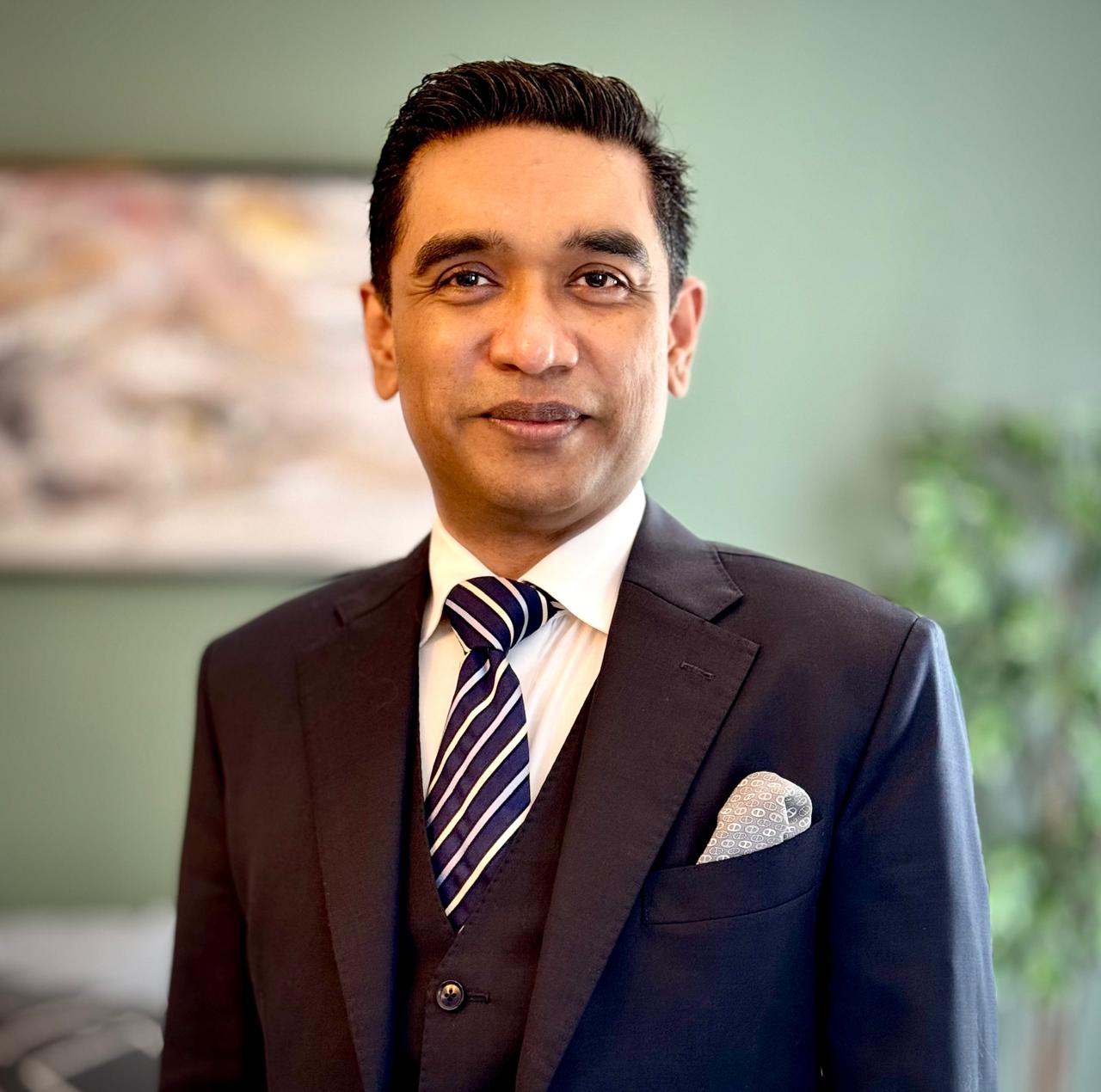








 Allow notifications