Can you share how you started your career and what motivated you to specialize in economic legislation and taxation?
I belong to a family of lawyers but I had shifted to Delhi and had been working with Corporate after completing my Company Secretaryship. The essence of economic legislations was interestingly fed into my mind and I kept on working over the same. My Father Late O. P. Jalan who was working as a Lawyer at Ranchi had a very decent practice in Taxation. In 1991 he suffered from a heart attack which led to open heart bypass surgery, after which he left his practice I took over the same and that motivated me to specialize in economic legislation and taxation. I started my practice with my appearances before the Income Tax Appellate Tribunal and took up complicated search matters. These cases created many points of fact and questions of law making the practice interesting for me.
You have defended many high-profile cases, including nationally known raid cases. Could you please describe one such case and the unique challenges you faced during its resolution?
There have been many interesting high-profile cases that I cannot disclose by name due to the importance of maintaining professional confidentiality. However, one significant case where I faced unique challenges involved the seizure of a shipment of jeera by the Income Tax Authorities in Gujarat. This seizure raised several critical questions:
Should perishable goods be seized by the Income Tax Authorities?
If such goods are seized and subsequently damaged, will the government bear the resulting losses?
In cases where the goods are partially purchased on credit, would the government assume responsibility for payment to the creditors? Additionally, how would the severe loss of goodwill be compensated?
The decision by the Gujarat High Court in this matter, which led to a clarification by the CBDT directing the Directorate of Income Tax Investigation not to seize stock-in-trade, was widely appreciated. The challenges during this period were enormous. Authorities wield significant power, and it requires great patience to maintain the essence of the subject at hand. A major challenge is preserving the client’s confidence, which can often be shaken by external factors and rivalries. Each situation demands a unique solution to address these issues. To navigate such complexities, maintaining the integrity and essence of the profession, along with the values of purposive construction, is essential.
As the Principal Managing Partner at O. P. Jalan & Associates Consultants LLP, how have you steered the firm to its current standing, and what strategies have you implemented to ensure its success?
I trust God and the values that the legal profession has. When I started this practice I preferred giving the same value to my associates whom I always respected, taught and trusted. In 33 years we have been conducting classes every week explaining the factual propositions combining them with the purposive interpretations. The value of team members has always been appreciated and rewarded and in return, my associates have been with me always. We have one of the lowest switch-over of our colleagues who join us and become our part. This is our major strategy of success.
You lead a diverse team of chartered accountants, company secretaries, lawyers, and cost accountants. What are the key challenges and rewards of managing such a multidisciplinary team?
Taxation, Direct & Indirect, Corporate, Economic Laws and Governance along with compliances require a diverse team and to have an in-house team with the interest of each person served, it becomes very simple for a coordinated approach to give results to the clients and command faith over the authorities. Leading a team with diverse interests becomes simple if the due given by each professional is appreciated and he is given the freedom to exploit himself for the best. This helps lead the diverse team. Challenges do come but they are resolved when the interest of each other is not compromised. It is not difficult to manage a multi-disciplinary team if a selfless approach is taken.
What advice would you give to young legal professionals who aspire to specialize in taxation and corporate law? Are there any specific skills or experiences you believe are crucial for success?
The most important advice I give to young professionals is not to focus solely on mere compliance but to understand the reasons behind why such compliances are required. In the field of law, advertisement and marketing are prohibited. I would advise young professionals to uphold the ethics of the profession and grow with the right values. The specific skills or experiences I emphasize include having an up-to-date knowledge of the economy and finances at the local, state, and national levels, and maintaining the right balance.
How do you balance your demanding professional life with your interests and hobbies? Can you share any particular hobby or interest that helps you unwind and stay motivated?
As one grows with the profession, the number of hours spent in the profession plus the sleep reduces the time for one’s interests or hobbies, but to balance the professional life one of the most important hobbies that I have is my regular morning and evening meditation which I never let skip. I look at the personal interests of my colleagues and in turn, my colleagues always take care of what I intend to do. Apart from this my interest lies in a bit of writing and a bit of teaching which I always do, that helps me unwind and stay motivated.
You have been involved in preparing various policy matters and representations before government authorities. Can you discuss a significant policy change you influenced and its impact on the legal and business community?
Many policy changes have been done through our efforts but in the current budget bringing back the Block Assessment in search matter has been a very significant policy change. The impact of this is a substantial reduction of litigation costs and harassment where a person is searched. This policy change also helps the constitution of ease of doing business in the business community. If you read my notes on LinkedIn, my contention would be held to be correct.
What do you envision for the future of legal services, especially in the realm of economic legislation and taxation? How do you think legal professionals can prepare for upcoming challenges and opportunities in this field?
The future of legal services in the realm of economic legislation and taxation is undergoing rapid change, as the economy is evolving very quickly, and interpretations of the law are also shifting with time. With the growth of the economy, legal professionals must work as a team, reducing individual interests. This can only be achieved if business opportunities are viewed as opportunities for the entire team. The team manager should consistently share knowledge and bring in new talent to stay updated and be part of this growth.
You started your career after completing your CS and later pursued an LL.B in 2011. What motivated you to pursue an additional law degree at that stage in your career, and how has it enhanced your professional expertise and practice?
I began my career as a Company Secretary, a role I consider to be fundamentally responsible for overseeing the economic legislations of a company. As an Officer in Default, I took on the critical responsibility of advising the Board of Directors. By 2009, Company Secretaries began to refer to themselves as Compliance Officers, focusing primarily on ensuring statutory compliance. This shift, however, seemed to limit the broader significance of the profession.
Chartered Accountants (CAs), Company Secretaries (CSs), and Cost Accountants (ICMAs) are all rooted in the law. Coming from a family of lawyers, I decided to pursue a law degree in 2011 to expand my professional scope and appear before the Hon’ble Supreme Court and High Courts. After completing my law degree, I obtained my Certificate of Practice (COP) as a lawyer and transitioned my firm into a multidisciplinary law firm.
You have been actively involved in economic empowerment through various roles, including as a founder trustee of DOX and Chapter Chairman of the Institute of Company Secretaries of India. Please share some insights about these roles of yours and how they have influenced your professional approach.
As mentioned earlier, my father was a lawyer, and my elder brother, Shri Jai Prakash Jalan, was a civil lawyer. My younger brother, Shri Abhimanyu Jalan, is a barrister and a partner at Clyde & Co LLP. My elder brother’s daughter and her husband are also lawyers, working as partners at Khetan & Company in Bombay. My son is an advocate as well, practicing in the Jharkhand High Court as my partner, and in partnership with Blacks & Whites, a law firm.
We have always believed in the importance of sharing and giving back to society. When our name became established, I thought of fostering a sense of brotherhood among the alumni of my alma mater, St. Xavier’s School, Doranda, Ranchi. To that end, a trust called DOX, comprising around 800 members, was created. This was done to give back to the society that has given us recognition.
Following this, I took on the Chairmanship of ICSI to promote the profession and inspire aspirants to not only become good professionals but to achieve excellence in their fields. My approach to this institution stems from being part of a joint family of four brothers, where we value each person’s professional acumen by acknowledging their individuality while maintaining a collective vision for the right growth. This philosophy has greatly helped me in keeping my professional agenda and approach intact.
Can you share the journey of how you started your career in law and the key experiences that have shaped your path to becoming the Managing Partner at TJA Law Chambers? Please walk us through your journey starting from selecting Law as a career and your time at NLU, Jodhpur.
My journey in law is deeply rooted in my upbringing in Nagina, a small town in District Bijnor of Uttar Pradesh. Despite our humble background, my parents ensured that we received a quality education from the best convent school in the district. As the youngest of three siblings, I was greatly influenced by my father, a dedicated lawyer practising at the trial Courts. Since the court premises were within walking distance from our home, I spent my summer vacations at my father’s chamber captivated by watching him argue in Court. My father noticed my fascination with court proceedings and envisioned me following in his footsteps, aspiring to become a lawyer in the Supreme Court.
Early Challenges and Decision to Pursue Law: Tragically, I lost my father when I was in the 12th standard. This loss left a significant void in my life and threw my future into uncertainty. Until I completed my 12th standard, I had no clear direction for my career path. Although I was a student of science, the influence of my father’s legacy and my desire to honour his dreams led me to opt for a career in law after completing my 12th.
Academic Achievements: I pursued 5-year law degree with determination and dedication, earning a gold medal for being the University Topper. This achievement not only solidified my passion for the field but also opened doors for further opportunities. In my final year of law school, I also enrolled in a postgraduate diploma course in Cyber Laws at the Indian Law Institute, New Delhi, which required me to travel to Delhi every alternate day. The travel experience in UP Roadways and retuning hometown by train was a time to remember. After completing my law degree, I worked briefly at the Allahabad High Court before deciding to further my legal education by pursuing an MBA-LLM at National Law University, Jodhpur.
Time at NLU, Jodhpur: Choosing to pursue an MBA-LLM degree at NLU, Jodhpur, was a pivotal decision. My time there was transformative, providing me with a comprehensive legal education and shaping my professional outlook. The diverse exposure to life experiences, meeting people from across India, and engaging in various activities significantly transformed my personality. Being from a small town, this meant a lot to me. The rigorous academic environment, coupled with opportunities to participate in competitions and internships, honed my analytical and advocacy skills. These experiences were instrumental in building a solid foundation in legal principles and practice, helping me build my practice and learn to read people better.
All these experiences of highs and lows in life left a fathomless mark on me and somewhere encouraged to make a bold decision to start my own law firm.
You began your career from High Court and subsequently held various managerial roles in legal departments before taking the Advocate-On-Record (AOR) exam and founding your firm. How have these diverse experiences across different legal roles and sectors contributed to your approach to managing and running TJA Law Chambers? What insights did you gain from each phase of your career that have shaped your current practice?
My journey in law has been marked by a series of diverse and enriching experiences that have collectively shaped my approach to managing and running TJA Law Chambers. Each phase of my journey has provided me with unique insights and skills, which I have integrated into my current practice.
I began my legal career at the Allahabad High Court, where I initially did my judicial clerkship under the able guidance of Mr. Justice R.K Agrawal, who was later elevated to become a Supreme Court Judge. This initial experience exposed me to the fundamentals of courtroom procedures, legal research, and the importance of meticulous preparation. It also taught me the value of strategic thinking and the complexities involved in litigation.
After completing my post-graduation, I joined various reputed companies as an in-house counsel like GMR Energy, Indus Towers Limited and Sterlite Power Limited to name a few. Working in-house was a distinct experience compared to practising law in courts. Supporting the organization and other departments from a legal perspective taught me a lot about corporate governance, compliance, and risk management. It also highlighted the importance of effective communication, teamwork, and aligning legal strategies with business objectives.
Before founding my law firm, I had a short stint at a law firm called Advaita Legal. My distinct experiences allowed me to understand the nuances of private practice, client management, and the importance of building a professional network. It reinforced the need for thorough research, strategic thinking, and delivering client-centric legal solutions.
Founding TJA Law Chambers: It was always my dream to have an independent practice, but being from a small town and without a godfather in the profession, it was challenging. Nevertheless, I took the plunge and founded TJA Law Chambers in late 2019 with no significant clients in hand. Shortly after, the pandemic hit, which for my legal practice turned out to be a blessing in disguise. Despite the global challenges, I received work directly from foreign clients, which kickstarted the firm’s growth. There has been no looking back since then, and we are now catering to companies like ONGC, NTPC, EESL etc.
Advocate-On-Record (AOR) Exam: With my dream to establish my law firm, I also aspired to establish my practice in the Supreme Court, fulfilling my father’s dream. To this end, I started preparing for the Advocate-On-Record (AOR) exam last year and cleared it on the first attempt. This credential not only enhanced my credibility but also deepened my understanding of Supreme Court practices and procedures. The rigorous preparation for the AOR exam honed my analytical abilities and reinforced the importance of staying abreast of legal developments.
What motivated you to pursue the Advocate-On-Record (AOR) examination, and how did your mentor or any influential figures support you through this process? What are your thoughts on the significance of the AOR exam in a legal career?
Establishing a practice in the Supreme Court was a way to pay tribute to my father and the values he instilled in me.
Self-Guided Journey: Unfortunately, I did not have the benefit of a mentor or any influential figures to guide me through the journey of the AOR exam. This made the journey more challenging but also incredibly rewarding. I had to rely on my self-discipline, determination, and resourcefulness. I meticulously studied the Supreme Court rules, procedures, and landmark judgments. I sought out study materials, attended relevant workshops, and engaged in self-study to ensure I was thoroughly prepared for the exam. Achieving success on my first attempt was particularly gratifying and reinforced my belief in the power of perseverance and self-reliance.
The AOR exam’s significance in a legal career cannot be overstated, as it enhances credibility, provides exclusive rights, contributes to professional growth, instils client confidence, and opens up numerous career opportunities. I am now reaping the benefits of becoming an AOR.
As the Managing Partner and Founder of TJA Law Chambers, what were some of the significant challenges you faced while starting the firm? Now, after five years, how has the firm’s approach evolved in handling complex cases, and what types of cases have become a focus for your team?
Challenges Faced While Starting the Firm: Starting TJA Law Chambers came with significant challenges, primarily due to the absence of a godfather or established network and the onset of the COVID-19 pandemic. These factors made business development and client acquisition particularly difficult. The pandemic restricted our ability to engage in traditional business development activities and necessitated a shift to remote operations. One of the initial breakthroughs was receiving our first assignment from clients in London and Luxembourg. This opportunity was crucial, as it involved negotiating and drafting high-stakes agreements across various jurisdictions, including China, Hong Kong, the UK, Russia, and Europe. This international work was a ray of hope, helping to establish our reputation on a global scale.
Adaptations and Strategies: Despite the pandemic’s constraints, working from home allowed us to save on office expenses, which was a critical advantage during the early stages. By focusing on delivering the best results for every assignment, we demonstrated our commitment and capability. This dedication paid off as our reputation grew, leading to subsequent opportunities and an influx of work. As a result, we were able to secure empanelment with prominent organizations such as ONGC, EESL, DERC, and Kolkata Port. These empanelments were pivotal in solidifying our presence in the legal market.
After five years, TJA Law Chambers has evolved significantly. Holding the prestigious Advocate-On-Record (AOR) designation, we are now well-positioned in the legal landscape. Our approach to handling complex cases has matured in several ways.
Our firm has developed deep expertise in representing corporate clients and handling complex legal matters across various sectors. Enhanced Services: We provide comprehensive legal services in areas such as energy law, regulatory compliance, dispute resolution, contract management and advisory services. Our practice now spans several key forums, including Arbitration, the Appellate Tribunal for Electricity (APTEL), various Electricity Regulatory Commissions, the National Consumer Disputes Redressal Commission (NCDRC), the National Company Law Appellate Tribunal (NCLAT), and the National Company Law Tribunal (NCLT), in addition to various High Courts and the Supreme Court.
Strategic Growth: The firm has strategically focused on building a strong client base and expanding our service offerings. Our growth is driven by a commitment to excellence and adapting to the evolving legal landscape.
Client-Centric Approach: We have refined our approach to ensure that we meet the unique needs of each client, providing tailored legal solutions and maintaining strong, transparent relationships.
Do you engage in any pro bono work or community service? How does this aspect of your career influence your professional perspective and personal satisfaction?
While we prefer not to disclose specific details, I want to emphasize that TJA Law Chambers is committed to supporting those in need. Our office is open to assisting individuals who are unable to afford legal services, regardless of their financial situation. We believe that everyone deserves access to legal representation and justice, and we are dedicated to helping those who face significant challenges.
It enhances our professional perspective, provides personal satisfaction, and strengthens our commitment to justice and community service.
The legal field is constantly evolving. What are some emerging trends or challenges in commercial litigation and corporate law that new lawyers should be aware of?
The evolving landscape of legal practice increasingly emphasizes the growth of Alternative Dispute Resolution (ADR). Mechanisms such as arbitration and mediation are gaining preference over traditional litigation, primarily for their cost-effectiveness and efficiency. Lawyers must grasp these processes to effectively navigate and resolve disputes, harnessing the benefits of ADR to better serve their clients.
Additionally, the impact of technology and artificial intelligence (AI) on the legal field cannot be overstated. AI tools are revolutionizing legal research, document review, and case outcome predictions, providing unprecedented accuracy and efficiency. Lawyers are encouraged to leverage these advancements to enhance their practice, embracing the future of legal technology.
Staying current with new judgments from the Supreme Court and High Courts is also crucial. As laws, such as the Insolvency and Bankruptcy Code (IBC), continue to evolve, understanding the latest judicial decisions is essential for grasping the development and application of the law. Regularly reviewing these judgments ensures that legal professionals remain informed and adept in their practice.
Could you share some of the landmark cases you’ve handled throughout your career and discuss the key challenges you faced in those cases? How did these experiences contribute to your understanding of the legal field and what lessons can current and aspiring legal professionals draw from them?
I have had the opportunity to be part of several landmark cases involving important questions of law. However, one case in particular stands out to me. While it may not be a landmark case, handling it independently had a profound impact on me.
This was at the inception of my independent practice. An elderly woman had her pension stopped due to a mismatch in her name in government records. This pension was her lifeline, provided due to her late husband’s job. I took up her case, but unfortunately, she passed away before it was resolved. Despite my repeated requests for an early hearing, citing her dire financial and health conditions, the court did not give serious consideration to expediting the case. This was a disheartening moment for me as it felt like our judicial system failed her.
The second notable case was my first as an Advocate-on-Record (AOR) in the Supreme Court. It involved the rights of homebuyers in the context of insolvency proceedings under the Insolvency and Bankruptcy Code (IBC). The issue was the denial of rights to homebuyers who did not file a claim form. The Supreme Court has issued a notice in this case, and its outcome could become a landmark judgment for homebuyers’ rights. This case is particularly challenging as current IBC provisions and Supreme Court judgments support the exclusion of those who haven’t filed claims. We are eagerly awaiting the court’s decision as it could introduce a new legal precedent.
With my limited experience in the legal field spanning over 14 years, I could say that every day presents new challenges, and as legal professionals, we must embrace and welcome them. You strive to achieve the best outcomes for your clients, but sometimes, due to court delays or other reasons, you might not get the desired relief. The important thing is to continue fighting for your clients with the same zeal and dedication.
There will be cases where you face strong opposition. If you have worked on the minute details and thoroughly prepared your brief, even if the law is not on your side, you will earn respect and recognition in the court.
Beyond your legal career, what are some of your hobbies or interests? How do they contribute to your overall well-being and professional performance?
I am an avid adventurer, thriving on the thrill of exploring the great outdoors. I have summited peaks reaching 16,000 and 14,000 feet, embracing the challenges of high-altitude trekking. My passion extends to biking, swimming, and playing cricket, as I constantly seek new ways to stay active and connected to nature. As a true nature lover, I find immense joy in travelling and discovering new places, immersing myself in the beauty and wonder of the natural world. This blend of physical and mental challenges has enriched my professional outlook, enhancing my ability to tackle complex problems and adapt to various situations with a fresh and dynamic approach.
With your vast experience, what advice would you offer to current legal professionals and law students who aspire to make a significant impact in their careers?
Though I feel I am still on my journey if I were to offer advice, it would be this: Embrace life-long learning, clearly define your goals, create a structured plan to pursue them and always be ethical. With dedicated focus and determination, you can achieve anything.
Hello and welcome to another episode of SuperLawyer YouTube channel. Today we have with us advocate Gaurav Dhwaj who is founder and managing partner of Dhwaj and Associates. His specialties are legal and regulatory practices which relate to telecom, media and information technology sectors.
Also commercial contracts, litigation and arbitration. Most welcome sir to our channel and thank you for accepting our invitation. I know you are a busy person. So I’ll quickly start with the first and very pertinent question. When did you decide to do law? How did you decide to become a lawyer and how was your school days and college days and the kind of experiences or inspirations that you got from there that motivated yourself to becoming a lawyer, the way you are today?
The floor is yours, sir.
Thank you very much, Divya. First of all, I am deeply honored to be on this platform and am happy to reflect on your queries about me, the profession, and my understanding of it. To address your first query, I would like to start with my school days.
I have always been energetic and excited to explore new opportunities, challenges, and experiences. Some of that enthusiasm is still with me. If there was any activity in school, whether it was a debate competition, essay writing, storytelling, or poetry, you name it, and I would be there, in addition to my studies, of course. I was a very participative student, involved in almost all activities. My childhood was quite eventful.
This approach continued through my college days. During this time, I was also introduced to the NCC, where I excelled in shooting and cooking—a unique combination. My school and college days were quite eventful and rewarding.
Regarding my motivation to pursue law, I am a second-generation lawyer. I completed my graduation in computer science with a Bachelor of Computer Applications (BCA) and was set to pursue a Master of Computer Applications (MCA). However, there are certain commonalities between my personality and the legal profession. I am driven by intellectual challenges, which are inherent in law. I constantly seek opportunities for continuous learning and self-improvement, both personally and professionally. My fearless approach to dealing with issues, developed through my active participation in various activities, aligns well with the demands of the legal profession.
When I seriously considered my career path, I realized that my personality and approach were naturally suited to law. Being a second-generation lawyer, I have always seen my father practicing this profession. He was a litigation lawyer and my role model, greatly influencing my life. His guidance helped solidify my decision to pursue law as a profession.
What a beautiful story. And the way you have said that he is your role model, it seems that yes, he has paved your way towards greatness, I would say. That being said, when did you decide to establish Dhwaj and Associates? And how was the journey? And how has it been till now with all the challenges I’m pretty sure you must have faced after the inception? And how have you built a name for this particular association?
I began my career as an in-house counsel with the Tata Group of Companies and the Bharti Group of Companies. After spending almost two years in these organizations, my journey with law firms began.
I have worked for some of the leading law firms in the country, holding various positions from junior associate to partner and head of practice areas. The journey has been very interesting and rewarding, and I would even say very enjoyable. I don’t hesitate to say that law and the legal profession are my first loves. After serving in almost all positions that a law firm has to offer, I decided to establish my own firm, Dhwaj & Associates. I started as a solo practitioner, but I have been fortunate enough to have a team of highly competent lawyers.
We currently have two offices: one in Delhi NCR and one in Bangalore. Having completed my first graduation in computer science and my second in law, technology and telecom law was a natural choice for me. Except for my first job with the Tata Group of Companies, I have always been in the telecom and IT space.
When I set up Dhwaj & Associates, my initial idea was to create a boutique TMT law firm. However, I was fortunate to meet committed and dedicated people who helped transform it into a full-service law firm. Today, we operate as a full-service law firm from our offices in Noida and Bangalore.
First of all, sir, congratulations on your achievements. I am confident that your success will continue to grow in leaps and bounds.
You mentioned that law is the love of your life, and this passion has rewarded you greatly, particularly through your leadership in law and your support for AMTRON and the Ministry of Information Technology, Government of Assam. This is indeed a significant achievement.
Could you please elaborate on your experience working on this project? How did you approach and manage the tasks, especially considering the involvement with the ministry? What strategies did you employ to overcome the obstacles you encountered while undertaking such significant work?
Connecting with AMTRON was one of the best moments of my life. Receiving an award is a subsequent recognition of the work and effort put into developing and helping clients.
My excitement has always come from connecting with people—helping, guiding, supporting, and handholding them in every possible way. I enable them to navigate the challenges of the legal profession and the transactions they are involved in, especially when they struggle to find legal solutions.
Awards and recognition follow naturally. I have never been driven by them; instead, I have always been motivated by connecting with new people with the pure intention of helping them with all the skills I possess. Meeting with AMTRON was one of those memorable moments.
I still remember being a speaker at a conference in Dubai related to the IT sector. This was over seven or eight years ago, and I spoke on the topic of interception, which was not a well-evolved concept in India at that time, particularly in the telecom sector. During that conference, I met the Managing Director of AMTRON, Assam Electronic Development Corporation Limited, which is wholly owned and controlled by the Government of Assam. He was the moderator of my session, and that’s how we got introduced.
After returning to India, I received a call from his office. They needed a corporate lawyer who understood the telecom and IT sectors for a transaction. They believed I had the capability to assist them. I agreed, and thus began my journey with AMTRON. Initially, they engaged me for legal affairs, and later, they involved me in regulatory work as well. Eventually, I was entrusted with handling not only legal and regulatory matters but also their international domain.
In terms of international work, I represent them in all overseas investments and incoming investments from abroad, taking care of legal documentation and actual representation.
This introduction to AMTRON allowed me to apply my legal expertise to real-world challenges and deepened my understanding of the intersection between law, technology, and both domestic and international business operations. I gained insights into the perspectives of international businesses entering commercial relationships with state PSUs, their sentiments about India, and the challenges they face. This experience provided me with a broader perspective and reinforced my commitment to leveraging my legal skills for public service. It significantly boosted my professional credibility and visibility within the legal community.
Listening to your story, it seems like your journey unfolded naturally, and you embraced it, ensuring your success along the way. It’s remarkable to see that, despite being a second-generation lawyer, you remain humble and openly acknowledge how opportunities came to you. Often, we encounter individuals who aren’t as forthcoming about their paths to success, especially in the legal profession.
Your humility stands out and has undoubtedly served you well, particularly in a relatively new field like technology law. It’s impressive that, despite having a BCA and then transitioning into law, you chose to specialize in technology law and have excelled in it. However, it seems that this specialization isn’t very common in the Indian legal fraternity, and there’s a certain apprehension about it.
With that in mind, could you please share with us how you started Dhwaj & Associates?
I started Dhwaj & Associates recently. After completing my initial 2 years as an in-house counsel, I joined another law firm, which is now the largest law firm in the country. I have worked with several tier-one law firms throughout my career. After spending 15-16 years in the profession, I decided to set up my own firm, Dhwaj & Associates. So, it wasn’t immediately after my 2 years as an in-house counsel; I worked for various law firms for about 14-15 years after that. After gaining substantial experience both in India and overseas, I decided to establish my firm.
Wow! Amazing, sir! Over your 18 years of experience with top-tier law firms, the Tata Group, and the Bharti Foundation, how have these roles shaped your thought process? When you started your law firm, there must have been something significant going on, as you mentioned you were a solo practitioner at the time.
How did you find the courage to take that step? What advice would you give to those who are interested in following a similar path but feel scared or skeptical about achieving the same level of success and outreach that you have? How did you plan your journey?
We would also appreciate it if you could provide us with a sort of roadmap, if possible.
Sure, I’ll definitely try. First of all, I would like to start with a word of thanks to all my former employers who trusted me, gave me opportunities to perform, and provided platforms where I could develop both professionally and personally. My experience working as an in-house counsel and as a private practitioner with various law firms has been invaluable and has significantly shaped my professional outlook. For a legal professional working in a law firm, it is crucial to understand the client’s perspective.
Coming from an in-house background helped me understand the pain points of business houses. It enabled me to step into the shoes of my clients and view the entire transaction or issue requiring legal help from their perspective.
I firmly believe in the philosophy that a business lawyer must understand their client’s business. Without adequate understanding, one may not be able to provide viable business solutions. Most of the time, our solutions are not just legal opinions, legal memorandums, or research notes. They are also for the management, who often do not have a legal background. Therefore, it is crucial that a lawyer’s approach aligns closely with the management’s perspective for the legal opinion to make sense to them.
Otherwise, these opinions are typically reviewed by in-house lawyers who then communicate them to the management. Thus, lawyers in law firms need to put in the effort to understand the client’s business, intentions, and pain points before starting any mandate or transaction.
Before joining a law firm, I was part of an in-house team where I regularly interacted with the business team. This interaction allowed me the freedom to ask questions that helped me gain a better understanding of the business.
I believe this understanding is vital for every corporate lawyer. One cannot start working on a document without understanding the business’s nature and the client’s intentions regarding a particular transaction. This sense of understanding, developed during my time as an in-house counsel, has been beneficial in my law firm journey and continues to help me today.
This is the ethos I want to embed in the DNA of our firm, Dhwaj & Associates: to prioritize the client, to serve the client by first understanding them, their business, and their pain points. This understanding is a prerequisite before starting any work on a transaction.
Your approach to establishing your firm and reputation over 18 years of practice demonstrates remarkable clarity.
As an in-house counsel and now as a practitioner, you’ve witnessed significant changes in technology. Innovations like IoT, AI, cloud computing, drones, and online gaming have profoundly impacted our legal framework.
Legislation is striving to accommodate these advancements. How do you approach these areas when clients seek your expertise, given that you practice in such a niche field, which is relatively new to many lawyers in India?
New generation lawyers are eager to understand how you have made a name for yourself in this specialized field with such ease. Was it your technological understanding alone, or was it your unique approach to understanding and serving your clients’ needs? We would appreciate it if you could elaborate on these aspects.
To be honest, I never thought about it until now. But since you’re raising this question, looking back, perhaps it’s a combination of a few things. One is definitely my understanding of the technology sector because I studied technology for about three years before taking up law. So, I have a solid foundation in the technology sector.
Over time, I also developed the skill set of merging facts and client requirements with the legal and regulatory framework of the country. Until you understand the facts and properly align them with the applicable legal and regulatory framework, it’s difficult to come up with a clear, fair, and legally accepted solution for the client. So, I think it’s a combination of these three or four things.
Now, addressing your query related to emerging technologies, I believe these emerging technologies, as you rightly said—IoT, cloud computing, online gaming, AI/ML, robotics—are significantly impacting the legal framework, creating both opportunities and challenges.
These technologies raise new legal issues related to data privacy, cybersecurity, intellectual property rights (IPR), and regulatory compliances. They have opened up new avenues that the law must now accommodate in its overall approach.
The advice I would like to offer is that it is crucial for everyone to stay informed. It’s also important to engage with industry bodies to understand not only technological developments but also the entire ecosystem around them, which includes the legal aspect. Engaging with professionals and experts is essential. Consulting with legal and industry experts helps understand the implications of new technology and ensures that the technology being implemented or introduced complies with existing legal and regulatory frameworks.
Adopting industry best practices is also important, especially in areas like data security, data privacy, IPR, cybersecurity, and regulatory compliance. Proactive risk management should be considered, which includes engaging with experts to identify potential legal, financial, and operational risks as early as possible and developing robust strategies to mitigate these risks.
By considering these steps, clients can navigate the complexities of emerging technologies and leverage the business opportunities these technologies can offer.
Sir, like you agreed to keep abreast with the new upcoming legislations and the kind of news which we get every day. Recently we saw the enactment of the new Telecommunication Act 2023. How do you see the impact of this particular act on the telecom sector, and what kind of advice would you be offering the companies to navigate if possible in this new regulatory landscape, I’m pretty sure you must have gone through it very thoroughly and we would request you to give some insights about it as well?
The new Telecommunications Act is a welcome development, as it replaces the outdated Telegraph Act that previously governed the telecom sector, including licensing for service providers. Enacted in December 2023, the new act received presidential assent and was published in the Official Gazette of India. On June 21, 2024, the government issued a notification partially implementing the act, putting 40 sections into effect. In this first phase, 39 sections of the act have been activated.
One notable improvement in the new act is its extraterritorial applicability, which was absent in the previous framework. This provision, introduced for the first time in the Information Technology Act of 2000, now applies to the telecommunications sector as well. Under the new act, if a person commits an offense or contravention related to telecommunications services and networks while outside India, they can be held accountable under this act.
Another significant feature of the new act is the framework for online dispute resolution. Additionally, it includes a comprehensive and evolved framework for penalties in cases of contravention. The act also does an excellent job of covering nearly all telecom-related activities, including secondary activities previously outside the scope of the old act. The previous regulatory framework had a gap between administrative regulation and technological advancement in the telecom sector. The new act aims to bridge this gap by encompassing recent technological developments and new services provided by the telecom sector.
Overall, this is a positive step forward. I am hopeful that the government will soon issue a second notification to fully implement the act. This legislation not only benefits telecom service providers but also has provisions directly benefiting users, contributing to the overall development and improvement of the telecommunications sector in India.
Hopefully, sir, we will see the entire act notified soon. Congratulations on starting this new initiative. As you mentioned on June 21st, it has come into effect with 39 sections.
Now, shifting focus from your professional life, could you please share how you maintain a work-life balance? We would love to know how you find time for your hobbies or recreational activities, allowing yourself a mental break from the stress and creating a peaceful space for yourself.
In my personal life, I consider myself very fortunate to have a loving and supportive family. This includes my wife, my sisters, my mother, and my children. I especially cherish the time I spend with my two sons, who are currently school-aged.
They play a crucial role in maintaining my sense of balance and sanity. The legal profession is incredibly demanding, and the level of commitment required is exceptionally high. It’s nearly impossible to completely disconnect from work, especially when you hold the role of managing partner at a firm. This position involves not only ensuring the quality of client services but also overseeing the firm’s operations. You find yourself juggling a multitude of tasks related to client delivery, human resources, technology, and management, among others.
Despite these challenges, I am grateful for the unwavering support of my family, the blessings I have received, and the joy my children bring to my life. Additionally, I have a passion for reading poetry, which adds another dimension of fulfilment to my life.
Wow! So you practically enjoy all of your serious work as well as poetry along with your kids. You keep your sanity intact. Sir, all that being said, we had a wonderful journey with your interview. To its very end, I would request you to let us know about your plans for Dhwaj & Associates and how you foresee yourself progressing in the direction of making it more national and internationally renowned because that is something that I guess is very close to your heart. And the kind of firm services, that we see today, how are you going to have a little different aspect or approach towards it? We would request you to share if at all you wish.
Yes, absolutely. Firstly, having been on both sides of the table, I have walked in the shoes of an employee, which gives me a deep understanding of their challenges and concerns.
This experience has influenced my decision to adopt an institutional approach rather than an individual one in setting up this firm. To elaborate briefly, when I say “institutional approach” over “individual approach,” I mean that while I may not necessarily aspire to make this firm globally recognized, I am committed to working with global clients.
Branding and establishing a name are not my primary concerns. Instead, I prefer to focus my energy on helping people. I firmly believe that success and achievement in this world come from connecting with a good set of people and developing the right skill set.
If you are surrounded by capable, like-minded individuals and you have pure intentions along with the necessary skills, success and recognition will follow naturally. The key is to cultivate the right skills, adhere to ethical practices, and focus on the core values of the profession. The essence of this profession lies not in building a global brand but in serving the client. This is a customer-facing industry, where the client is paramount. By addressing their pain points and providing effective support, the clients will, in turn, help build the firm’s reputation.
Therefore, my effort is not geared towards brand-building but towards creating a supportive institution. I aim to establish a firm that supports everyone associated with it, regardless of hierarchy. This is a people-focused firm. I emphasize to everyone working here that it is their firm and their office. Even if they move on to start their own practice, they are welcome to use our office space as their own.
For me, it’s not about fancy infrastructure but about the people. I am dedicated to attracting and nurturing competent individuals with the right skills. My belief is that if we focus on having the right people and serving our clients effectively, the firm will naturally build its own brand.
So ultimately you will be a brand courtesy to the clients that you will be serving. So Dhwaj & Associates is going to be a global brand and we wish you all the best for that. And thank you for agreeing to meet with us sir, it has been a very humbling experience and a very beautiful interview. Thanks for sharing your insights about it. Thank you, sir.
Your career journey showcases an impressive trajectory in the realm of Intellectual Property Rights. Could you share the pivotal moment or experience that motivated you to pursue this field? Also, when you first started practicing, what were some of the most significant challenges you faced, and how did you overcome them?
Initially with a strong passion for finance, I earned my bachelor’s degree in commerce, however, noticing the importance of Intellectual Property Rights (IPR) I, tilted towards law with clear standing of pursuing career in IPR. My journey to where I am today is a testament to consistency and dedication towards work. In the early days of my career, I was young, enthusiastic, and eager to understand the complexities of law. Finding a mentor was crucial, and I dedicated myself to learning and hard work. Patience and perseverance were my guiding principles until I eventually established my own firm. I’m grateful to all who supported me on this journey.
Your previous associations highlight diverse experiences, from attending hearings to coordinating raids. How have these experiences enriched your understanding of the legal ecosystem?
My past roles, from attending hearings to coordinating raids, have significantly broadened my understanding of the legal world, especially in intellectual property law. At hearings, I learned about courtroom dynamics, legal strategies, and how judges interpret laws. Coordinating raids taught me practical enforcement tactics, gathering evidence, and dealing with challenges in IP protection. These experiences gave me real-world insights into how the law works in practice, essential for effective advocacy and helping clients navigate legal issues.
Apart from legal expertise, what other skills or qualities do you believe are essential for a successful career in Intellectual Property Law?
According to me, effective client relationship management, proper preparation and thorough documentation collection before starting work, creative thinking etc. are essential for a successful career.
Given your extensive experience, you’ve likely encountered various misconceptions about Intellectual Property Rights. What is one common myth or misunderstanding about IP law that you often find yourself dispelling in your practice?
What I have encountered mostly is the basic misconception amongst the client that
“If he makes even a slight change to his commercial benefit and file mere trademark application, it becomes his property.” “Further, registration of trademark is expenses which client wishes to do once they earn good amount of money under that trademark”
Trademark law protects only distinctive words, symbols, logos, signs, names that are capable of distinguishing the goods and services from those of others. Any modified version cannot be granted protection until the same is distinctive.
As a guest faculty at various institutions, you likely interact with aspiring legal professionals. What differences, if any, do you observe between students of today’s generation and those from when you were in their shoes? How do these differences influence your approach to teaching or mentoring young legal minds.
With students increasingly digitally savvy and globally connected, they are more aware of international issues, which shapes our discussions on legal topics with global impact. I integrate real-world examples from around the world to enrich their legal education.
I also stress the values of ethical behaviour, professionalism, consistency, and empathy in legal practice. This instills in students a strong sense of responsibility and integrity as they prepare to enter the legal profession.
As someone who has witnessed the evolution of Intellectual Property Law over the years, what emerging trends or developments do you find particularly intriguing or promising for the future of IP protection and enforcement?
In recent years, I’ve seen a significant shift in intellectual property (IP) towards protecting digital innovation and technology. Advances in AI, blockchain, and biotech have created new challenges and opportunities in IP.
Businesses and consumers are increasingly aware of and enforcing IP rights, especially post-pandemic. This cultural shift is fostering innovation and entrepreneurship, promising a bright future for IP for India’s economic growth and competitiveness on the global stage.
Beyond the courtroom, Intellectual Property disputes can sometimes involve alternative dispute resolution methods like mediation or arbitration. How do you approach these alternative methods, and what unique advantages do they offer in resolving IP conflicts?
Alternative dispute resolution (ADR) provides a special way to settle intellectual property conflicts, standing out from traditional litigation. It offers confidentiality, speed, and cost-effectiveness, making it appealing for resolving disputes amicably while protecting sensitive business details and avoiding long legal battles.
I focus on the client’s business interests and try to create an environment that encourages open communication, emphasizing active listening, strategic negotiation, and exploring creative solutions tailored to the unique complexities of each dispute. These are a few of benefits of mediation.
Beyond legal pursuits, what are your personal hobbies or interests that you find enriching or rejuvenating?
As a legal professional, I strongly advocate for maintaining a balanced lifestyle that includes regular outdoor activities to foster mental and physical well-being. I try to spend quality time with my family and indulging in my hobbies. I particularly enjoy playing table tennis and badminton with my family whenever possible. Additionally, I have a passion for driving.
Internships play a crucial role in shaping the careers of law students. Could you elaborate on the significance of internships in providing practical experience and mentorship opportunities for aspiring legal professionals? Additionally, what advice would you give to law students or young lawyers aspiring to specialize in Intellectual Property Law?
For those looking to specialize in Intellectual Property Law, I would advise seeking internships in Tier 2 or Tier 3 firms, as they offer opportunities to learn about prosecution, opposition, and litigation all at the same time. Typically, internships in Tier 1 firms only provide exposure to either prosecution, opposition, or litigation. It’s also important to maintain a network with professionals, stay updated on industry trends, and take a proactive approach to learning. This field is dynamic and rewards dedication and hands-on experience.
I would like to extend my heartfelt thanks to Team Superlawyer for inviting me and giving me this opportunity.
“This is the era of technological dynamism where the web, blockchain and AI are making a lot of changes in the world. The legal field is not an exception to this and a lot of things are happening in both the legal world as well in the legal profession. So, obviously the lawyers who are the forerunners in this profession are adopting this technology induced change and they can only survive by doing that.My advice to the young generation of lawyers would be to adopt this technological change very fast. They should be the fastest runners, otherwise, they will be out of the race. Especially AI is causing a lot of job loss in the legal profession..”
– Ajmal Khan Nadakkal, Partner & Head of Corporate Khalifa Bin Huwaidan Alketbi.
Mr.Ajmal Khan Nadakkal is based in Dubai and he has more than two decades of experience with a wealth of expertise in setting up regulated and non-regulated firms all across Europe, Africa and the Far East, as well as in major cities and states in India. He has a proven track record of handling complex corporate issues, including compliance and anti money laundering policies, taxation matters, and real estate transactions to name a few.
We would like to start our journey of question answers by asking you what inspired you to pursue a career in law, and please share your story of reaching to the top.
I’m a first generation lawyer. There are no other lawyers in my family and my family circle. From my school days, I had a passion to become a lawyer. I don’t know exactly what the reasons are, but there was definitely one teacher who really influenced me and he is the person who persuaded me to become a lawyer. So from those days, I was always thinking about how to become a lawyer. Then after my pre-degree, I tried my law entrance exams and got into a law college. It was definitely not an accident. I should be honest about the fact that I came to this profession by choice.
So when this was an inspired choice and you made it with all the diligence, what prompted your decision to transition from practicing law in India, then to Dubai as well?
After college, I started my career in the local courts- District Court, Manjeri. I practiced for almost six to seven years there, in Manjeri and other Courts and then I got an opportunity to switch to an in-house legal counsel role in Bangalore. In fact, that is the reason I got to a different domain of legal field. When I took up that opportunity, I got a lot of exposure. I traveled a lot across India to handle various complex legal issues for the group, to meet regulatory authorities. Also, I traveled outside India for investment facilitations. regulatory setting ups, then also got the scope of liaison with various international law firms for handling their legal issues. This gave me a really good exposure and then I felt, international legal opportunities are bigger and I should explore more if I can get an opportunity.Luckily again I got an opportunity in the UAE. Then I took up that assignment and came to Dubai. That is how I shifted.
What difference have you seen in the kind of practice we do in India as lawyers and the kind of practice you may have seen in Dubai? And when you compare these two how do you support this transition? Let’s say if someone obviously wants to move, what kind of lookout they should have in making that transition because you have smoothly sailed this.
The Indian legal system is more traditional, which is derived from different customs and different complex laws. It took centuries to evolve that legal system. So it has its plus and minus also. We always carry that baggage of our history, even in the legal system, which causes a lot of, you know, delay in the legal proceedings and complexities. Even though now we are trying to make big changes by technology ventures and all, but still the Indian legal system is too complex and people are facing a lot of difficulties, especially the delay in the litigation, dispute resolution, then red tapism everywhere.
We cannot avoid this and that is the problem.When I switched to UAE, I realised that this system does not carry much history. It is a new law and new entities, a new legal system. It was a Sharia backed legal system, but when the international business opportunities came to UAE, the rulers were really pushing the business opportunities and trying to be the global hub. During this time, they developed the legal system and the laws also to that standard, very fast developing and, technologically advanced and which always cater the needs of the business people. They gave priority to the business people who are going to come to the UAE and invest. So accordingly they made rapid changes and that favours a person who is making strong decisions, as there is nothing to curtail that speed. This is because one person can take the decision here without being impacted by many complexities.
That is the major difference. It’s all new and transparent, moving at a very fast rate, which makes the legal dispute resolution effective. People get a quick solution to their problem when they are approaching the courts and dispute resolution authorities. This helps them to continue with their business further. In our place, sometimes it even takes decades, especially in case of family disputes. So these are major differences I could feel in the two domains. So for somebody who wants to shift from India to Dubai, my advice is that there are a lot of opportunities here, and you can cater to the world and you can feel the international legal complexities here because of the presence of almost all the nationalities, whose disputes range from personal issues to business disputes. Now because of the estate planning and foundation trust systems here,people from different parts of the world are setting up the foundation and trust here taking advantage of the easy environment,giving a lot of opportunities to new lawyers.
The only thing is they have to be very fast in upgrading themselves and follow the new developments in the legal field, especially, with the help of technology. Technological advancement is also very much required, which is something the Indian legal system is still not that advanced for which even the law colleges in India are also lagging behind in this. So these are the things they should always keep in mind when they are planning to switch to Dubai.
You have talked quite a bit about dispute resolution mechanisms as well, and you specialize in managing these disputes, especially related to commodity derivative trading, investments, forex, gold, and bullion trading as well. We would request you to elaborate a little bit about these areas and their significance in the legal field, because it is an absolute niche of the niche field and most of us are eager to understand these fields and try and see the future in it.
I was also very new to this domain when I joined the in-house team in Bangalore, but that group I was associated with was into online trading, forex, commodity derivatives, securities, and that kind of a domain. So, obviously I happened to handle a lot of that kind of complex issues, disputes, crisis management and learned about trading -forex trading ,leverage trading And futures trading. I had to learn all these things. In fact, I would say I started an account and lost some money and learned from that experience too because without practical training this is almost impossible. After a year or two I realised that I was really struggling to cope up with this environment so I decided to start an account in trade because that gave me a lot of insights, how the positions have to be taken, how the leverage trading happens, how the margins are called for. This gave me a lot of input when I switched to Dubai and started my legal career. The legal profession here really helped me because UAE is also a place of online trading, leverage trading and all people sitting here are trading across different platforms across the world and also here.
In India, though there is a clear regulation about online trading licensing and regulation which all has to happen, still people are using shortcut methods and opening up phishing companies to fraud like taking people’s money and then vanishing. Many people lose their money because they don’t know what this regulation is, they are just fantasized with this leverage trading and the opportunity to make big money swiftly.
The marketing people always give them the positive and never the negatives. So they open the account and start trading. Then in the demo, they will show some profits while in real time they will lose. They can’t even pump in for the margin calls, so obviously they will lose the money.
So many such disputes came and which came to me. So as a person who understands this domain, whenever a client comes and discusses this with me, we will get the synergy. And I have managed a lot of such disputes. In many of the issues, I managed to get back their money and in some of the cases, the accused were convicted, definitely in many of the cases, the people who vanished, we cannot do much, but still we can educate the people and also the companies who wanted to regulate and do it in a streamlined way.
They also started approaching us because of their domain knowledge. So this has become a real opportunity for me and also my team members to learn about this leverage trading and domain. Now we have started a division where we are setting up regulated entities in UAE and abroad because of this domain knowledge.
What kind of critical factors do you consider while dealing in corporate structuring and restructuring? Because they are definitely out of reach of most of us. We don’t understand that, or it is not taught in schools or colleges. Now, how do you see that platform can be built in order to make sure that these subjects reach to most of the students so that you also get a little workforce because as I can understand having that kind of the niche, you end up having very limited number of people with that understanding?So how do you see that happening anytime sooner in future?
Corporate structuring is a very important aspect of the business. Especially when somebody is starting a business, they should structure their business in a proper legal manner. What entity they should start, where is the destination they should start the business, what kind of license they should take up, and how the shareholding has to be allotted, and how the control mechanism has to be managed.All these kinds of things are very, very crucial when somebody starts a business. So, since we have a lot of this experience, we are able to advise all the entrepreneurs properly how to structure their business in the initial phase. Here, one thing, in UAE, most of the people who came here in seventies, eighties and nineties. Most of them are not very educated. They came here chasing their dreams. They faced a lot of struggles, hardships in the initial phase. They worked and then they started small businesses with whatever available corporate sector at that time was available, the legal corporate sector, then they started it like a civil company or a sole establishment and so on.
Then their business ventures grew really fast, beyond their imagination. Many of the big businesses here have all started like that and after reaching this stage of growth ,they are apprehensive about the fact that when the next generation is going to be onboarded the legal sector would not be intact and that it should be rectified as well. This is a very critical position because already the business is loaded and there is a lot of exposure . From here if they want to restructure their existing legal corporate system, this needs real advice, a proper advice with experience which only experienced persons can do because they need real time solutions.
It is in this area that we advise a lot of clients now who are passing their business to the next generations -How to structure the holding company, create foundation and trust to manage their will and wish in the subsequent generations and if the next generation is not interested in the business and a working partner is onboarded, how to sector the company in that way.
We also advise on creating an ESOP by stimulating the business through that channel.These are all things in which we really need proper advice and here liesour experience, that we gathered from the last 10 to 14 years of having real time experience in Dubai.
You started as a first generation lawyer, and now you own a company which works for all these corporate structuring, restructuring and licensing agreements. We would request you to elaborate on that as well.
I was part of a local law firm as a partner for the last 10 plus years and then recently, last year, we got a license of a legal consultancy in Abu Dhabi, which is named ABS Partners Legal Consultancy, otherwise the mainland was not allowing legal consultancy licenses. This is a recent development and we are one of the very few lawyers who got this license in our own names. In that we strategize these kinds of activities, especially this corporate structuring, estate planning, regulatory licensing, trademarks and intellectual laws, all these specific areas, especially the central bank licensing, Crypto licensing, VARA and other regulatory ESCA. So those kinds of activities we do in that legal consultancy license, which is based in Abu Dhabi.
Sir, about the ABS partners, which is doing this kind of work and you are one of the very first lawyers you have got in Dubai, the kind of transition you have seen when you were doing it in India as an Indian lawyer and when you are doing it in Dubai, when has it started? Because if I remember correctly, very recently, Dubai introduced its legal system in January this year. So would you care to elaborate on that as well, please?
In the UAE, Dubai and Abu Dhabi are the major hubs. Dubai is still very strict on issuing legal consultancy licenses in the mainland to foreign lawyers. They have a regulation, but it is a bit stringent. It is not easy to get a license there, unless we have three international branches and all. But Abu Dhabi relaxed it a bit in the last year. We got a license almost a year back now. It was last year they introduced this and maybe the second or third license is issued in our name and we should have 10 plus years standing in the UAE. Since me and my partners had this eligibility criteria we applied and got it and now we are developing that to a different level, towards a niche area.
I have to cater to the niche area, which is not much explored by the other lawyers and law firms.
So while you are doing all these things, which are very much corporate centric, you must be going through a lot of mediation and conflict resolution techniques also. How do you make sure that you employ effective techniques for these and what kind of further assistance do you provide?
Because in mediation, it’s not only the end of the case, it’s like, it is just a kind of start if there is any conflict over there. So how do you cater to such clients? And there are clients who must be very, very, very big and not that approachable. How do you make sure that everything is done in the best manner possible for them?
Basically, we are business lawyers and we have a very good connection in the business world. So obviously when some issues happen, some disputes happen, they will ask us for solutions. Obviously always the first method is to try and amicably settle the dispute.
While getting into an amicable settlement area, I always try to understand the client psychology. We need to understand the client’s situation as of now. What is his financial capacity or whether he’s really in a bad shape or this dispute is derived from the ego of the business people. This kind of initial knowledge is what we need to gather, only then can we effectively mediate a dispute. When it comes ultimately, what I realized is everybody, if we can convince them properly to avoid a lengthy litigation and a time consuming process, they will always try to find a way for mediation and settlements.
Only in mediation and settlement, we should not have any agenda. We should try to resolve the matter in accordance with the requirements of both the people. So there, our expertise and experience again, we can give different options. If one option is not comfortable for the person, we can give another option.This is all by experience that we can now give different options and scenarios where we can effectively do dispute resolutions. And we have done quite a lot of such dispute resolutions as well.
Can you share any kind of case which can be very educating for learners as well. If at all you can.
Yeah. Recently, one scenario is where a local stake was involved. The locals were very adamant while the other people were the actual investors. But the local was just a sponsor, with some agreed terms. This was a big business house, and this was almost on a deadlock because both were fighting.As it came to me, I tried to understand the actual reason behind this local person’s issues and then I realized that he has a genuine cause for this as whatever the investors agreed with him initially, this was not honored.
Conveniently, the locals were not asking, not demanding, so they were not giving as well. But when they are parting from the partnership, obviously he asked for his latkes to be honoured. Then I convinced the other party, instead of losing the entire business for a small amount, honour the right because all these years, almost 20, 25 years, he did justice. It was in his name, but still he helped the investor in all ways to build the empire. So with this kind of convincing, the dispute was settled very smoothly and they are still good friends now.
I’m just a reason for it as actually there is not much difference between them. This is where sometimes a mediator is required so that the roles can be effectively played by knowing the psychology of the people. That’s it!
Sir, in all this, there is a lot of technology disruption happening even in the legal field worldwide. How do you see it is going to work out for us lawyers on national and international platforms both, as well as what kind of areas do you see are going to come up or are already there, which are bringing a different kind of practice, even in business laws or in business entities?
This is the era of technological dynamism where the web, blockchain and AI are making a lot of changes in the world. The legal field is not an exception to this and a lot of things are happening in both the legal world as well in the legal profession. So, obviously the lawyers who are the forerunners in this profession are adopting this technology induced change and they can only survive by doing that.My advice to the young generation of lawyers would be to adopt this technological change very fast. They should be the fastest runners, otherwise, they will be out of the race. AI is causing a lot of job loss in the legal profession.
But to me, as I have realized, AI is also giving a lot of opportunities to lawyers in terms of precedence search, the formats, many of the things, especially the legal research, everything is made very easy now because of the AI advancement and these kinds of things, the new lawyers should learn. They should be very fast in learning the new technologies, especially the blockchain, the web. Now, it is going to be a different era than the web. So with these technology adoptions they should do and then cope with the new trends in the law and in the technology.
Sir, how have you driven your life with these kinds of philosophies? And would you care to share some of them with us for us to get inspired as well? How have you lived your life and how have you achieved all this in your legal career?
I’m very savvy with technology, but what I do is I employ associates with good knowledge of technology and I learn from them.There is no hesitation in learning from the juniors when it comes to technology because they are my masters and there’s no ego on this. We should learn from the new generation. My son teaches me about new technology. My daughter teaches me about this. This should be our approach when we are not good in something we should learn from who is good in this.
Then about the philosophy of my career, we should be very transparent and we should not compromise our professional ethics. However, rewarding the other opportunity is there. We should not compromise our professional ethics. If we compromise, that will give you some gain, short term gain, but it will never give you a long term mileage.
Your professional advancement is possible only when you build a reputation. That is very crucial, which I always try to stick on
How do you make sure that you have your own time for your mental health, for your personal life and obviously for other activities as well?
Yes, the personal space is for my family and my small entertainments. I always kept that space, from the beginning itself. I like traveling. I like Hindi songs, then family time. I always try to find time for this. Even though my family will always complain but still, I’m always trying to find some time, especially two days in a week. I always try to give my family time.
Sir, thank you so much for such positive thoughts and sharing it with us. And it has been a learning experience that there are certain niche fields which our learners can look up to and can reach out to you as well.
And once again, thank you for agreeing to be on SuperLawyer YouTube channel. And it has been a pleasure, sir. Thank you so much for being here. Absolute pleasure
Your journey in the legal profession has been remarkable, from your early days to founding Aura & Co. Could you please allow us to walk through your journey and share how you came to this profession and what challenges you faced during your initial days?
Walking into the initial days of my legal career drives me a little nostalgic. However, in response to your question, I initially earned my Bachelor of Science (Honors) degree from B.S.A. Degree College and K R Degree College affiliated with the University of Agra in 1996, followed by a Bachelor of Laws (LL.B.) from the Agra University in 1999. Hence, technically my career as a legal professional commenced/ began in the early 2000s. I was admitted as an Advocate to the Bar Council of Delhi in 2000, and by 2003, I was enrolled as an Advocate with the Supreme Court of India. Since the early days of my practice, I started gaining immense recognition for my expertise in handling complex legal issues. As challenges are concerned, like every practicing advocate, I also faced some minute challenges but my dedication and devotion towards the legal profession, and the immense support of my family members gave me a drive to work hard every day and led me towards the path of becoming a successful advocate.
As the Managing Partner of Aura & Co., you’ve managed to build a comprehensive legal service covering various aspects of law. What inspired you to establish such a diverse legal platform?
From the very inception of my career, I had an aim to provide my expertise in the legal field in various dimensions to society. The only vision that I have been carrying is to provide unprejudiced, unbiased, and unsurpassed legal services to my clients in the relevant legal domain. In response to your question the vision behind establishing the firm is that the firm must be chosen for the clients and take that relationship forward by making ourselves deserving enough to be their business advisers and not just legal service providers. Moreover, it is my ideology that the management of the firm should make sure the echelon and efficient functioning of the firm while providing opportunities and avenues for its members to grow and learn. The main aim to establish the firm was to encourage leadership development and transparency between management and its associates.
Further, the establishment of the firm aims at the Firm to work with clients engaging with legal teams and the wider business to help them in achieving the right commercial outcome. As a result, the Firm aims to support the client’s technology, outsourcing, corporate and commercial needs. The structuring of the firm is intentionally coupled with effective, timely, and practical solutions the factors that are predominant in choosing the firm by the clients. The vision of the Managing Partner follows the vision the firm that is vision is to provide continued excellent and practical timely solutions to the clients.
Your tenure as Additional Advocate General for the Government of Rajasthan must have provided unique insights. Could you please share some details of this role and the commitments that come with this? How did this experience influence your approach to legal advocacy?
It is an opportunity for me to be appointed as Additional Advocate General for the Government of Rajasthan and represent the State of Rajasthan before the Supreme Court of India. It is a matter of immense pride that I have got such an opportunity. Being on this post for the past 3 months, I have experienced a veracity of legal arenas and the enlarged scope of working of the State of Rajasthan.
Given your extensive background in both civil and criminal law and your involvement in law-making and policy advising at high levels, how do you navigate the complexities of cases that involve overlapping legal areas, and how do you envision the role of legal professionals in shaping public policy?
Like every legal practitioner, it is my role to navigate the complexities of the cases. As a matter of fact, there is a plethora of cases where there arises overlapping of legal areas, in such a situation me, and my team are inclined towards the providing best services to our clients in an efficient and ethical manner. We as a team make all possible attempts to get our clients the best legal, practical, and workable solutions for our clients.
How do you foresee the role of international law evolving in India, and what steps is Aura & Co. taking to prepare for this shift while also promoting legal awareness and education among the general public?
In my opinion, India has been a significant and influential player in the global arena. It plays a pivotal role in the intricate relationship between international law and diplomacy. With its vast population, rapidly growing economy, and geopolitical influence, India is uniquely positioned to influence and shape the course of international affairs. India’s approach to international law is characterized by a delicate balance between its commitment to principles of sovereignty and non-interference and its recognition of the importance of international legal frameworks in addressing complex global challenges. India’s multifaceted role in global diplomacy and international law is the complexity of the relationship between these two critical components of international relations. As a rising global power, India’s approach to international law and diplomacy continues to evolve, and its engagements will continue to influence the ever-changing ideology of global governance. In doing so, India reinforces the interdependence of diplomacy and international law, illustrating its vital role in shaping the future of international relations and global governance. As the promotion of legal awareness and education among the general public is concerned, we as a law firm with the help of writing articles, research papers, and attending seminars have attempted to convey our thought process in the society concerning the development in international law. Also, Aura & Company with its associated Lawyers, is a law firm that has a strong international presence. The firm currently has an office in the United Kingdom under the name Aura & Company International Ltd. The firm is also in the process of opening offices in Dubai and Canada. In addition to its services, Aura & Company Lawyers’ sister concern, Auraleagueglobal, provides advice and services to clients involved in international litigation. With its expanding global reach, Aura & Company Lawyers is well-positioned to provide support and guidance to clients operating in various parts of the world.
As one of the premier law firms in India, what qualities do you look for in potential legal interns, and what advice would you offer to students seeking internship opportunities at Aura & Co.?
In my opinion internships play a crucial role in our careers. Working at a competent law firm can give a law student a major competitive edge over others. As the qualities are concerned for the potential legal interns, the firm expects the interns to have a desire to learn, be punctual, be hardworking. Being a premier law firm, we provide opportunities to law students from the different areas of the country.
Reflecting on your extensive experience, are there any cases or achievements that stand out as particularly rewarding or challenging? What made them memorable? Also, how do you balance the demands of your various roles, from being a Senior Panel Counsel for multiple state governments to managing a premier eLaw Firm?
As Professional Achievements are concerned I have over 3000 appearances in the Supreme Court of India. I have been involved in numerous landmark cases reported in various law reports. I have got an opportunity to Work alongside eminent legal professionals including Harish Salve, Mukul Rohatagi, and K.K. Venugopal. I have actively engaged in seminars and conferences related to legal process outsourcing and innovative legal services. Being a legal counsel, the commitment to the cause of providing clients with professional, responsive, and diligent legal support with the degree of excellence and integrity that one expects from legal advisors. The assistance may be in connection with litigation(s) or advisory work pertaining to disputes before all Courts, Tribunals, Commissions, and other various authorities and boards with our extensive team of lawyers and officers having expertise in respective fields. These are certain reasons that helps me to balance the demands of my various roles, from being a Senior Panel Counsel for multiple state governments to managing a premier eLaw Firm.
Apart from your professional endeavors, what personal hobbies or interests do you pursue to maintain a work-life balance?
I am inclined towards learning new languages.
What advice would you give to young lawyers who aspire to take on roles as significant and varied as yours in their careers? If at all, there is something to chase, chase the might of the white-collar bands which signifies being subservient only to God (as the ministers of the church in earlier days felt, from whom the robes and the bands are borrowed for the dress code) and be fearless and truthful learned counsel. There is much more than money in-store when you are a dignified and respectable officer of the court. As an advice to the young lawyer, firstly, a legal professional needs to be proactive. The best juniors take the initiative on seeking out problems, solutions and opportunities. They don’t just wait for these to be handed to them by their supervisor / law firms. Secondly, lawyers should take care of the easy stuff. The real value that juniors provide is all the other stuff within our control and skill level (so that the supervisors don’t have to think about it), such as proofreading and formatting; properly naming and saving documents in the right place; and carefully reading through all email attachments / relevant documents sent to us. Thirdly, communication, a lawyer who is good at communication gives an ad-on advantage to progress in this field.
Dr. Anthony, with such an impressive and diverse list of roles – Advocate, Human Rights Activist, TEDx Speaker, and more – could you share with our readers a bit about the journey that led you to wear so many hats?
My journey began in a very humble setting in Meerut, Uttar Pradesh. Growing up in a poor family, I had to work from a young age, selling newspapers and working in small shops to support my family while pursuing my education. This early exposure to hardship instilled in me a deep sense of empathy and a desire to fight for justice. My legal education and subsequent practice as an advocate opened up avenues for me to address issues I deeply care about, such as human rights and social justice. Over time, my roles expanded naturally as I found myself addressing these issues in various capacities – be it as a lawyer, activist, or speaker. Each role complements the other, enabling me to make a broader impact.
Juggling between being a lawyer, human rights activist, and so much more must be quite a feat. How do you maintain a balance between your legal profession and your various social and humanitarian roles?
It indeed requires a delicate balance, but the key lies in passion and prioritization. My legal profession and humanitarian roles are interconnected, as both strive towards the common goal of justice and human dignity. I allocate specific times for my legal practice, social work, and speaking engagements, ensuring that each receives the attention it deserves. Effective time management and a dedicated team also play crucial roles in helping me manage these diverse responsibilities without compromising on any.
Your dedication to human rights is evident not only in your professional life but also through your social work in tribal and underprivileged areas. What motivates you to spend a significant amount of your time in these communities, both nationally and internationally?
The motivation stems from my early life experiences and the realization of the stark inequalities that exist in our society. Spending time in tribal and underprivileged areas allows me to directly engage with and understand the challenges faced by these communities. It’s one thing to advocate for human rights from a distance, but it’s entirely different to be on the ground, witnessing the struggles and triumphs of the people. This direct engagement fuels my passion and commitment to making a tangible difference in their lives.
As a dynamic criminal advocate and human rights ambassador, you’ve spoken at TEDx. Can you share a moment in your career that you consider a turning point or a particularly proud achievement?
One significant turning point was when I founded the All India Council of Human Rights, Liberties & Social Justice (AICHLS). This platform has allowed me to channel my efforts more systematically and mobilize support for various human rights causes. Another proud moment was speaking at TEDx, where I could share my journey and inspire others to join the fight for justice and equality. Receiving the “International Human Rights Awards” and honorary doctorates were also affirmations of the impact of my work and further motivated me to continue my advocacy.
You’ve been recognized with several awards, including honorary doctorates and the “International Human Rights Awards.” How do such accolades fuel your commitment to the causes you champion?
These accolades serve as important validations of the work being done and the causes being championed. They bring attention to critical human rights issues and inspire others to join the movement. For me, these recognitions are not just honors but also reminders of the responsibilities that come with them. They reinforce my commitment to continue advocating for those who cannot speak for themselves and to push for systemic changes that uphold human dignity and justice.
In addition to your legal practice, you founded the International Human Rights Advisory Council. Can you tell us more about the council’s mission and some of the key initiatives it has undertaken?
The International Human Rights Advisory Council aims to promote and protect human rights globally through education, advocacy, and direct intervention. One of our key initiatives is providing free legal aid to marginalized communities, ensuring they have access to justice. We also run awareness campaigns on issues such as child rights, women’s rights, and the right to education. Additionally, we collaborate with other organizations to address human trafficking and violence against women. Our mission is to create a world where every individual can live with dignity and freedom.
How has your venture, Legal and Legal Associates, made a significant difference in people’s lives by providing free legal aid, intersected with your role as a criminal lawyer, and can you share a challenging or interesting case where your dedication and skills played a crucial role in securing justice?
Legal and Legal Associates has been instrumental in providing free legal aid to those who cannot afford it, ensuring that justice is accessible to all. One particularly challenging case involved a group of tribal women who were falsely accused of theft. My team and I worked tirelessly to gather evidence, advocate for their rights, and eventually secure their acquittal. This case highlighted the intersection of my roles as a criminal lawyer and human rights activist, demonstrating the impact of dedicated legal advocacy in protecting the vulnerable.
How does your commitment to fostering understanding through the World Inter-Faith Council for Peace & Human Rights align with your initiatives like “Giving with Compassion,” and how do you envision the intersection of human rights and interfaith dialogue inspiring individuals to contribute to social causes on an individual level for a more peaceful world?
The World Inter-Faith Council for Peace & Human Rights and “Giving with Compassion” both stem from the belief that understanding and empathy are crucial for social harmony. Interfaith dialogue promotes respect for diverse beliefs and fosters a sense of shared humanity. By encouraging individuals to look beyond their differences and unite for common causes, we can inspire them to contribute to social justice initiatives. The intersection of human rights and interfaith dialogue is powerful because it not only addresses legal and social issues but also nurtures the moral and ethical dimensions of peace and justice.
How has your journey as a change maker shaped your approach to navigating the complexities of international relations as a diplomat and advocate, all while realizing the profound impact that an individual can have on society?
My journey has taught me that change starts with individuals who are willing to challenge the status quo and advocate for justice. As a diplomat and advocate, I approach international relations with a focus on collaboration and mutual respect. Understanding cultural nuances and building alliances are key to addressing global human rights issues. Realizing the impact one individual can have inspired me to continue pushing for systemic changes and mobilizing others to join the cause. It’s about creating ripples that lead to broader societal transformations.
On a more personal note, can you share a hobby or interest that you turn to for relaxation and rejuvenation amidst your busy schedule? How does it complement your work-life balance?
I find solace in reading and meditation. Reading allows me to explore new perspectives and ideas, which is essential for my work as an advocate and speaker. Meditation helps me maintain mental clarity and emotional balance, enabling me to handle the various demands of my roles effectively. These hobbies provide me with the necessary downtime to recharge and stay focused on my mission.
Aside from your professional endeavors, we’ve heard that you are involved in teaching and training. What advice do you have for aspiring advocates and human rights activists entering the field today?
My advice to aspiring advocates and human rights activists is to stay committed to the cause, no matter how challenging it may seem. Dedication, hard work, and perseverance are crucial. Always remain empathetic and understand the struggles of those you are advocating for. Continuous learning and staying informed about legal and social issues will equip you to be effective in your efforts. Lastly, never underestimate the power of collaboration and building networks, as collective action can amplify your impact.
Reflecting on your journey from your early days, could you share what inspired you to pursue a career in law? Additionally, what were some of the challenges you encountered during your initial days in the legal profession, and how did you overcome them to carve your path to success?
Looking back, I can’t claim to have been an exceptional student in school or college. I couldn’t take my studies very seriously and often missed classes due to chronic asthma. My long absence from classes owing to my health conditions made it challenging to keep up with my studies. As I grew older and my health improved, my academic focus increased.
I pursued humanities instead of science because of my health issues, and my parents never pressured me academically. Despite my humanities background, I always wanted to pursue a professional course. In 2004, during school counseling, I was introduced to the idea of a career in law. The growing importance of corporate law and the growing diverse role of lawyers made this path even more appealing.
Around 2004 and 2005, the changing landscape in the Indian industry and the shift in macroeconomics globally led me to consider law as a career. Furthermore my personal experiences with family legal issues highlighted the need for proper legal guidance and the challenges faced by the common man. This motivated me to specialize in litigation.
Starting my legal practice was challenging since I came from a family with no lawyers. I realized I had to actively seek opportunities rather than wait for them. I conducted research online to begin my journey. I listed around 10 to 15 law firms in Kolkata to approach driven by my anxiety before our final exams. Coming from a state university and with no guidance in this filed, starting a career in litigation can be befuddling.
Alarmed by the situation, I realized it was time to take action. I started knocking on the doors of various law firms, forwarding my CV, and requesting internship opportunities. Among the 14 to 15 firms I approached, one offered me a full-time internship for a month or two in the year 2009.
I wanted to start with District courts since most litigations in India take place there. I took two months of training in the district courts of West Bengal. In August or September of 2009, I secured an internship at Victor Moses & Co. a reputed law firm in Kolkata, where I would eventually spend seven years and assist the Senior-Most Partner, Mr. D.N.Mitra, who had been a great force behind me always.
The initial challenge, as a first-generation lawyer, was turning the internship into a job opportunity. It’s crucial for young interns to understand that internships are the chance to demonstrate interest, perseverance, and resilience. During my internship, I sought out work, often staying until 7:30 or 8:00 PM, sometimes even later. It was about becoming an integral part of the firm and getting involved in important projects. This approach turned my internship into an opportunity to work in that Firm.
As by litigation practice commenced, one of the most initial challenges we encountered revolved around timing. We had to attend late night conferences for the next day matters which often started at 10 .00 PM at the night and went on till late. The absence of modern conveniences such as Uber or Ola, coupled with the lack of a family vehicle, rendered late-night commutes a formidable task. Nevertheless, confronting these adversities served to fortify our resolve. Presently, the advent of technology and the prevalence of virtual conferences (VC) have considerably alleviated such difficulties. In fact Virtual Platform has become the norm today for late night conferences, however, during our time, such luxuries were non-existent, thereby instilling within us a profound appreciation for industriousness.
Carrying physical copies of briefs, sometimes 10 to 12 volumes, and multiple books was another challenge. Nowadays, an iPad can hold all the necessary documents, but back then, it wasn’t an option. But I feel these experiences made us tougher and erased any fear of hard work. The challenges we faced then make current tasks seem easier by comparison.
Another advantage of those early days was building unique relationships with each counsel and their juniors and clerks in the chambers. Spending hours in a counsel’s chamber allowed us to learn closely from their unique styles of argument and advocacy. This exposure to various schools of advocacy became a foundational stone for later success. It helped in developing my own skillset and the methods that my firm now uses in litigation.
The initial grind in the litigation industry is a preparation phase that tests resilience and determination, which are essential for surviving in a dispute resolution profession. Once you pass through this phase, it becomes a journey of continual progress.
As a member of various prestigious institutions like the Confederation of Indian Industry (CII) and Indian Women Network (IWN), how do you think being part of such networks has influenced your professional growth and the growth of SC&A Legal?
As a lawyer and the founder of a law firm specializing in commercial litigation, staying updated on emerging policies, industry news, and trends is crucial. We must also understand new rules, regulations, and their economic rationale to guide our clients proactively. The Confederation of Indian Industry (CII) plays a significant role, offering a platform for lawyers to engage with key stakeholders across various industries. CII organizes events, conferences, and seminars, facilitating meaningful discussions with business leaders, policymakers, and fellow professionals, which fosters collaboration and knowledge exchange. Additionally, CII’s research reports and policy advocacy efforts keep us informed about emerging trends, regulatory developments, and business opportunities. This enables us to better serve our clients and stay ahead in a dynamic business environment. CII has significantly contributed to our professional growth, helped SCA expand its client base, and kept us updated on industry-specific challenges and opportunities.
Furthermore, the Indian Women Network (IWN) wing of the CII has been instrumental in connecting me with inspiring women leaders who make exceptional contributions across various industries. As an entrepreneur, facing isolation in your growth path is common, and during such times, support from a community of motivators and inspirers is invaluable. Under the leadership of Sujata Guin, Senior VP of Apeejay Surrendra Park Hotels Limited, and Smita Chatterjee, CEO of Centreax, IWN is reaching new heights and positively influencing many lives.
SC&A Legal specializes in dispute resolution. How does your firm differentiate itself in this competitive landscape, and what unique strategies do you employ to ensure client satisfaction?
SC&A Legal believes that the first step in serving our clients is identifying potential disputes because litigation does not begin in the courtroom. It starts in your office, from the moment the seeds of litigation are sown, such as when you enter into a contract, a commercial transaction, or a deal. As specialists in commercial litigation, SC&A Legal’s uniqueness lies in our strategic partnership with clients. We advise them at every step, helping to build their case even when they haven’t yet identified the disputes. Our expertise and leadership in the industry allow us to recognize the early signs of potential conflicts.
The sooner you identify potential disputes or causes of action, the easier and more effectively you can resolve them. We do not view litigation as an end in itself but as one of many strategies to resolve disputes. Whether through conventional litigation, mediation, or arbitration, our goal is also to give you a stronger bargaining position and achieve better settlements or deals in commercial matters which can be resolved without always burdening the Courts or waiting for the entire litigation span to be over.
At SC&A, we prioritize complete transparency in our strategies. From day one, we plan the end game with our clients, providing clear information about timelines and costs. Our primary aim is to deliver cost-effective and timely resolutions to our clients’ disputes.
With offices in Kolkata, Delhi, and Bhubaneswar, how do you ensure seamless coordination and communication among your team members across different locations, especially in the context of complex legal cases?
I would like to express my gratitude for the advancements in technology and the global acceptance of video conferencing and virtual platforms, especially after COVID. This shift has greatly facilitated seamless handling and coordination among our three offices. Whether dealing with courts, clients, or councils, everyone has become increasingly comfortable with virtual platforms.
We have conducted numerous arbitrations across various forums and cities in India and abroad using these platforms. Even arbitrators are now more open to holding witness sessions virtually. The litigation industry has experienced significant benefits from technological growth, allowing lawyers to manage multiple offices, litigations, and dispute resolution projects with ease and complete coordination.
With your involvement in the Incorporated Law Society of Kolkata, how do you contribute to aspiring lawyers’ legal education and professional development? Are there any initiatives or mentorship programs you’re particularly passionate about?
As a member of the Incorporated Law Society of Kolkata, I actively participate in various initiatives aimed at enhancing legal education and professional development for aspiring lawyers. This involvement not only contributes to the growth of the legal community but also fulfills my passion for encouraging new talents to join the fields of litigation and dispute resolution.
With your background in real estate and infrastructure law, how do you foresee the legal implications of future urban development projects, especially in the context of sustainable growth and environmental conservation?
Future urban development projects will likely face increased scrutiny and regulation concerning sustainability and environmental conservation. As awareness of climate change and environmental issues grows, there will be a stronger emphasis on integrating sustainable practices into urban planning and development.
From a legal perspective, this implies stricter compliance requirements related to environmental impact assessments, zoning regulations, land use planning, and building codes. Lawyers specializing in real estate and infrastructure law must stay updated on evolving environmental legislation and regulations to ensure their clients’ projects meet these standards.
Additionally, a greater focus will likely be on incorporating renewable energy sources, green building technologies, and eco-friendly design principles into urban development projects. Lawyers will play a crucial role in negotiating contracts, securing permits, and navigating regulatory frameworks to facilitate the implementation of sustainable practices.
Furthermore, legal challenges and disputes may arise from conflicts between development interests and environmental conservation efforts. Lawyers will need to provide strategic advice and advocacy to resolve these conflicts while balancing the need for economic development with environmental protection.
As a woman leader in the legal industry, how do you advocate for gender diversity and inclusion within your firm and the broader legal community? What strategies do you employ to ensure equal opportunities for all professionals regardless of gender?
As a leader, I firmly believe that actions speak louder than words. Therefore, we actively encourage our female associates and team members to assume pivotal roles within our firm. We strive to provide them with a flexible environment that allows them to maintain a balance between their professional responsibilities and personal lives, while also ensuring they remain motivated to look forward
Our female associates are remarkable advocates when it comes to representing our clients. We not only encourage them to engage in vigorous argumentation and advocacy before various competent forums, but they consistently deliver outstanding performances in these arenas.
In your experience, how does cultural diversity impact dispute resolution, especially in cases involving multinational clients? Could you share a memorable cross-cultural negotiation experience and the valuable insights gained from it?
Cultural diversity holds considerable sway over the course of dispute resolution, particularly in scenarios involving multinational clientele, as it inherently shapes communication dynamics, negotiation strategies, and conflict resolution methodologies. The comprehension and adept navigation of these cultural nuances stand as imperative prerequisites for achieving efficacious dispute resolution.
To surmount these cultural disparities and foster a fruitful negotiation environment, it is paramount to engage in the process with a blend of sensitivity and adaptability. Typically, in these cross-border negotiations, we invest the necessary time to grasp the cultural heritage, communication predilections, and underlying motivations of each involved party. Furthermore, we employ an array of techniques, including active listening, reframing issues through a culturally attuned lens, and seeking common ground, all aimed at cultivating trust and rapport amidst the negotiating factions.
Through the virtues of patience, empathy, and a readiness to tailor our negotiation methodologies to accommodate cultural variances, we have consistently achieved mutually beneficial resolutions that effectively address the interests and apprehensions of all involved parties.
With the demanding nature of your profession, how do you unwind and maintain a work-life balance? Could you share some of your favorite ways to relax and recharge outside of your legal endeavors?
As my years of experience have accumulated, I’ve come to appreciate the significance of practicing detachment in both personal and professional spheres as a means to fostering a balanced life. When engrossed in litigation or a project, dedicating undivided attention and focus is imperative. However, upon its conclusion, regardless of the outcome’s favorability, it’s essential to gracefully transition forward. Recognizing that life is an ongoing journey, we must refrain from being swept away by triumphs or dwelling on setbacks. Each new day presents fresh challenges to conquer.
Moreover, it’s crucial to incorporate periodic breaks, during which one can fully disconnect from professional obligations and engage in pursuits unrelated to work. This allows for the replenishment of energy and enthusiasm, enabling us to approach tasks with renewed vigor each time.
Given your journey from a young professional to founding SC&A Legal, what advice or key points would you share with students and young professionals who are just starting their careers in the legal field?
My first advice to every young law graduate would be to definitely garner experience in a dispute resolution law firm, as that will give you a deeper understanding of various streams of law and thus build a strong foundation for a lifetime. Secondly, never give up on yourself. The legal profession will also give you back your rewards; it’s just a matter of time. Have faith and patience; you will succeed.
Can you share what initially inspired you to pursue a career in law? Was there a specific moment or influence that set you on this path?
From a young age, I had a strong inclination towards law because it represented a pathway to justice, which deeply appealed to me. The idea of being able to contribute to fairness and uphold the rights of individuals and communities was incredibly motivating. There wasn’t a single moment that set me on this path, but rather a consistent interest in the principles of justice and equity. This passion ultimately guided my decision to pursue a career in law.
You have an impressive educational background, including an LL.M. from Penn State Law. How did your studies there shape your legal perspective, particularly in specialized fields like Antitrust, Bankruptcy, and Energy Law?
Thank you for your kind words. Indian competition law has largely evolved from U.S. antitrust law, so studying this area in the U.S. provided me with valuable insights that I could apply back home. Bankruptcy law was particularly intriguing, as it was a nascent field in India with the recent enactment of the Insolvency and Bankruptcy Code (IBC). Engaging in a comparative analysis with U.S. bankruptcy laws provided me with a robust foundation, which has been incredibly beneficial as I now specialize in this area. Energy law, while still evolving in many respects, is a field where the growth of renewable energy sources presents significant opportunities. My studies at Penn State Law allowed me to explore emerging trends and regulatory frameworks in the U.S., equipping me with the knowledge to anticipate and navigate similar developments in India.
Being a dual-licensed attorney in both the State of New York and India is quite an accomplishment. What challenges did you face while obtaining these licenses, and how do they complement your practice?
Obtaining licenses to practice law in both the State of New York and India was incredibly rewarding. Passing the New York Bar exam felt like a wonderful accomplishment. It was a daunting exam, but successfully navigating it instilled a sense of confidence and added credibility to my professional profile. Being dual-licensed complements my practice by allowing me to offer a broader range of legal services and insights, bridging the legal frameworks of both jurisdictions. This dual qualification enables me to better serve clients who operate internationally and provides a unique edge in comparative legal analysis.
Your work primarily focuses on resolving civil and commercial disputes. What drew you to this area of law, and what are some of the key challenges you encounter in these cases?
I have a profound understanding of the intricacies involved in civil and commercial fields like tax and bankruptcy, which provides a specialized edge in my practice.
I enjoy tackling challenging subjects, and given the vastness of civil and commercial law, it’s akin to navigating an ocean with no shore. The complexity and diversity of issues keep me intellectually engaged and continuously learning.
One of the key challenges in these cases is the depth and breadth of knowledge required to address the multifaceted legal and factual issues that arise. Each case is unique, demanding a thorough analysis and a tailored approach to achieve a resolution. Additionally, staying updated with constantly evolving laws and regulations is crucial. Overall, the dynamic and challenging nature of civil and commercial disputes aligns perfectly with my passion for the law and my desire to make a significant impact in this field.
You’ve advised both domestic and international clients on complex legal issues. How does working with international clients differ from domestic ones, and what unique perspectives do you bring to the table?
Working with international clients often involves navigating diverse cultural backgrounds and managing a broader range of projects. This variety provides access to a wider array of legal issues and challenges, making the professional journey more enriching. Being well-versed in multiple jurisdictions allows us to offer valuable insights and advice that are beneficial from both regulatory and compliance perspectives. We guide clients on a macro level, considering the broader implications of their legal matters across different legal systems. This comprehensive understanding enables us to tailor our advice to meet the unique needs of international clients, ensuring they receive well-rounded and effective support and do not have to rely upon or engage multiple professionals across different jurisdictions.
As a trained mediator, how do you integrate mediation techniques into your legal practice, and what benefits do you see for your clients in resolving disputes through mediation?
As an Advocate, it is essential to weigh the best interests of the client. Often a client is warring within their corporate circuit or amongst their familial relationships which could be settled out-of-court with third party intervention. Significant court backlogs and investment of time and resources required for litigation often motivate clients to pursue mediation, if counselled well. We do take pride in facilitating communication between disputing parties, by mediating between them and subsequently drawing up agreements, reiterating that issues can be resolved more efficiently and amicably through ADR than court proceedings. Even once litigation has been initiated, mediation techniques can play a crucial role in guiding parties towards a settlement. Overall, the use of mediation not only provides a more amicable and cost-effective resolution for clients but also helps preserve relationships that might otherwise be damaged by adversarial litigation.
Finally, what advice would you like to give to fresh law graduates who are about to start their legal careers, especially those aspiring to achieve similar milestones as yours?
My advice is not to fret and take the time to understand how vast the field of law truly is. It’s no longer confined to the dual choice of litigating or working for a corporate firm. The profession has expanded to offer numerous new, untapped opportunities.
I delved into the specialized field of taxation law two years after graduation, which demonstrates that you don’t have to figure everything out during law school. Use internships to explore different areas and weigh where your interests lie. This practical experience will help you discover your passion and guide your career path.
Remember, the journey to achieving milestones takes time, and each step, whether big or small, contributes to your growth as a legal professional. Stay open to learning and embrace the diversity of opportunities the legal field has to offer.
Can you take us back to the beginning of your career? What motivated you to pursue law, and how did you start your journey in this field?
My journey into the realms of law began serendipitously as I turned the pages of an old magazine that featured an obituary of the legendary constitutional lawyer, Nani Palkhivala. The year was 2004, and I, a science student at the time, was at a crossroads about my future. Palkhivala’s profound influence on the legal landscape struck a chord with me, prompting my decision to pivot from science to law. This epiphany led me to enroll in a 3-year LL.B course with a deep-set desire to build a career in litigation and emulate Palkhivala’s mastery in constitutional law and interpretation of statutes. My affinity for literature blossomed simultaneously, nourishing my analytical skills and enriching my legal acumen. Eventually I would read a lot of literature on Palkhivala and read many judgments where he had argued.
Before pursuing your LL.B., you completed a B.Sc. in Physics. What was your career plan during your time studying physics, and what inspired you to transition to law?
While my initial academic pursuit in Physics was driven by a fascination with science and an aspiration to become an air force pilot, my career trajectory took a decisive turn following a series of introspections and a pivotal setback in the air force selection process. The rigorous analytical training from my science background seamlessly transitioned into legal studies, where I discovered a profound passion for law. This newfound path was not just a career choice but a calling to delve into the intricate domains of statutes and societal norms.
As an Advocate-on-Record at the Supreme Court, what unique challenges do you face compared to other courts and tribunals?
Supreme Court practice is a unique ball game in itself. The challenges aren’t many but with constant and consistent preparation, it’s a delight to practice here in the long run. It eventually becomes more rewarding with passing years. As a Supreme Court lawyer, we require to inculcate all the requisite qualities of a good lawyer across all courts and tribunals. The emphasis however is on acquiring more and more knowledge on law, precedents and statutory interpretation.
Practicing at the Supreme Court is akin to playing in the major leagues of law where each case can set a precedent or influence national jurisprudence. The key challenges here are the rigorous scrutiny of Special Leave Petitions under Article 136 and the statistically low acceptance rates of such petitions. This requires a deep understanding of both law and material facts to present substantial questions that warrant the apex Court’s intervention.
Despite these hurdles, the satisfaction of advocating at India’s highest Court, where the stakes are monumental and the outcomes deeply impactful, is profoundly rewarding. The great thing about the practice in the Court is that it is the last resort of a litigant to get Justice and the Court, in many cases, allows substantial questions of law and also questions of fact to be opened up for rendering Justice to see that Justice is done in the case of deserving litigants.
You were associated with Dr. Justice Akshaya Kumar Rath and Mr. Ashok Panigrahi. How did these associations shape your professional path and legal philosophy?
Both my seniors imbibed in me a sense of industriousness and punctuality during my early years of practice. Dr. Rath was eventually elevated as a Judge of the Hon’ble Orissa High Court. He is a man of unwavering integrity and imbibed in me those principles. He has voracious reading habits and that’s from where I picked up a taste of reading a lot on all subjects- from law to biographies, literature, spirituality, philosophy and science. He keeps himself updated on judgments and precedents and was a very good taskmaster. Subsequent to his retirement, we keep in touch and exchange a lot on our current reading. We talk about foreign judgments and articles in journals like Harvard Law Review etc. Dr. Rath instilled in me the virtues of diligence and broad intellectual curiosity.
Mr. Panigrahi was very influential during my early years at the Supreme Court. He helped me connect with a lot of people. He reposed a lot of trust in me while pursuing drafting assignments during my early years. He helped me a lot on the minute nuances in Supreme Court practice and the best methods to prepare a case and brief a Senior Advocate.
I shall always remain grateful to my seniors for where I am now and to have helped me set higher standards. These formative associations have not only crafted my legal perspective but have also deeply ingrained a commitment to excellence and ethical practice.
Given your top position in the Advocates-on-Record Examination, can you elaborate on the importance of this exam for legal professionals and share some tips for aspiring candidates?
Passing the Advocates-on-Record examination is a sort of rite of passage into long-term, successful and progressive practice in the Supreme Court. It offers pan-India recognition as a Supreme Court Advocate and builds a great reputation while appearing in various Courts and jurisdictions. The preparation for the examination involves acquiring minutes of Supreme Court practice and procedure, developing deft drafting skills, building up good ethics in the practice of law, sound knowledge on legal principles, interpretation and precedents. The more a person spends time in the Courtrooms, administrative offices and sections of the Court, one builds up a sound practical idea about how things work in the Court. The academic environment in the Supreme Court with illustrious Senior Advocates and colleagues is also very conducive to efficient learning of legal concepts and effective performance of aspiring lawyers.
The Advocates-on-Record exam is also a quality control system adopted by the Supreme Court, akin to the Solicitor’s exam, to maintain high quality amongst Supreme Court practitioners. The exam stands as a gateway to distinguished practice in the Supreme Court, signifying a benchmark of competence and credibility. For aspiring candidates, my appeal is to immerse oneself in the daily proceedings of the Court, engage with seasoned practitioners, and maintain an unwavering commitment to the profession’s highest standards. This not only prepares one for the exam but also for a fulfilling career at the bar.
What are some of your hobbies and personal interests, and how do they help you manage the demands of your legal career?
My personal interests—ranging from aviation to literature and community service through the Rotary Club—enrich my life beyond the courtroom and provide a balanced reservoir of calm and resilience. These pursuits offer fresh perspectives and a creative outlet that enhances my professional stamina and mental acuity, crucial for navigating the demanding landscape of legal practice. I relish reading a lot on diverse subjects, travelling, spending quality time with my family and small circle of friends. I find it interesting to keep myself updated on the latest trends in the aviation industry. I’ve been associated with the Rotary club and I am the incumbent secretary of my club where I engage in various social activities. I like going on long drives. I enjoy cooking on holidays. These help me maintain an inner calmness. Reading legal literature, biographies, legal anecdotes, science, fiction and technology related topics helps me build a balanced perspective on life. These activities not only provide relaxation but also keep me grounded and focused, enhancing my productivity and approach to legal practice.
You recently completed a Diploma in Bhagavad Gita from ISKCON Bhagavata Mahavidyalaya. What inspired you to pursue this diploma, and how has it influenced your personal and professional life?
I was amazed as well as intrigued by being introduced to the life led by the Brahmachaaris at ISKCON who have renounced the worldly affairs and have dedicated their lives towards studying and learning of the Vedas and Vedic scriptures, and acquiring knowledge on their underlying philosophies. From them I came to know about the significance of Srimad Bhagavad Gita. Each verse of the Gita is a treasure trove of deep and elegant philosophies of life. The meditation and chanting techniques discussed therein are of a superlative order in the impact that they exert on our thoughts, way of life, and understanding of things, circumstances and people. The way of life enunciated in the Srimad Bhagavad Gita is par excellence. It has helped me gain perspectives in my personal, social and professional life. Recently, I faced something immensely life-threatening. My reference to verses of Gita and my association with instructors from ISKCON helped me face things with courage and positivity.
Life’s ephemeral nature coupled with its fledgling possibilities are sufficient reasons for one to study and understand the philosophies from Gita. It certainly helps me maintain equanimity of thoughts in both gains and losses. Pursuing the Diploma in Bhagavad Gita was an exploration into the philosophical bedrock of existence and ethics. The profound wisdom of the Gita provides a powerful framework for personal and professional resilience, guiding me through life’s tumultuous phases. This spiritual grounding enriches my legal practice, allowing me to approach each case with a balanced perspective and deep humanity
Which area of law are you most passionate about, and what drives your interest in this field? Please share some memorable cases in this area.
I am passionate about Constitutional Law, Administrative law and Criminal law. The vast amount of literature on the philosophy of law hovering around constitutional law, interpretation, evidence etc. have always drawn my interests. Such fondness helps me take up cases on diverse subjects of law. It helps me take up challenging work for my Law Firm. I have worked in a number of challenging cases both in the private practice arena as well as in the capacity of a government Advocate for the Orissa State.
My passion for Constitutional, Administrative, and Criminal Law is driven by the dynamic interplay between law and societal values. These fields offer a platform to address fundamental rights and freedoms, challenging me to forge paths of justice in complex legal terrains. From cases involving civil liberties to intricate administrative disputes, my role as an advocate and a managing partner at Vaibhav & Dash Law Associates provides a continuous engagement with law’s transformative power. I have come across some of my most memorable cases while representing the state in a number of criminal cases involving the offence of murder, cases involving land allotments made by the government, land acquisition cases and service matters involving intricate issues of pay scales and promotions.
While dealing with private cases, we were recently able to get an order of quashment of FIR from the Supreme Court in a case involving a purely commercial dispute which was given the cloak of a criminal prosecution. We have also been able to amicably settle a number of disputes before the Supreme Court through effective mediation.
Can you share some of the pro bono cases you’ve worked on? What drives you to take on these cases, and how do you think they impact the community?
My commitment to pro bono work is motivated by a fundamental belief in justice accessible to all. I have worked on a number of pro bono cases in various courts including the Supreme Court. These are mainly criminal cases, consumer disputes, service matters for young recruits and matters for students in cases of admission to educational institutions. By some quirk of fate, I met an auto rickshaw driver in Delhi who was an accused in a death by negligence case. We prepared the case well and he was acquitted by the Trial Court.
I have appeared in the NCDRC for an insurance claim of a person whose property was stolen during the super cyclone in Odisha. I have represented a person with disability suffering from mental disability while seeking recruitment in the All India Services before the Central Administrative Tribunal and the Delhi High Court. I have appeared for young medical students in matters relating to their fees and admission to post graduate degree courses. These cases reinforce the societal impact of law and underscore the profound responsibility lawyers have towards equity and advocacy.
You are presently empanelled as Advocate-on-Record for the State of Odisha, Cuttack Development Authority (CDA), Odisha Hydroelectric Power Corporation Ltd (OHPC), and Canara Bank. Could you share some work details and responsibilities involved in these positions?
Being an advocate for the government, various public entities and corporations offer immensely enriching experience on diverse subjects. I have garnered a significant amount of professional work experience through working in matters concerning these institutions. While appearing in such matters the advocate is expected to maintain high standards of integrity and assist the Court on facts when needed. The work involves multifarious areas of law and requires a meticulous approach to legal and procedural details, ensuring that the entities I represent adhere to the highest standards of legal conduct and fairness. The responsibilities of a lawyer in these positions are heightened, and so do the standards expected of them from the Courts. It also involves dealing with government officials and advising them properly on the standards expected of their actions in Courts in respect of procedural propriety, fact based approach, correctness in the pleadings and avoidance of tardiness in approaching the Court while taking legal recourse and complying with Court’s orders and directives.
The sense of responsibility expected by Courts from state entities, as public trustees and model employers, is far too greater in comparison to ordinary litigants. A lawyer representing the state entities has to, therefore, (as expected and imperatively required) be very vigilant, maintain high standards of responsibility and integrity and act as a facilitating bridge between the Court and the state entities in the quest for justice.

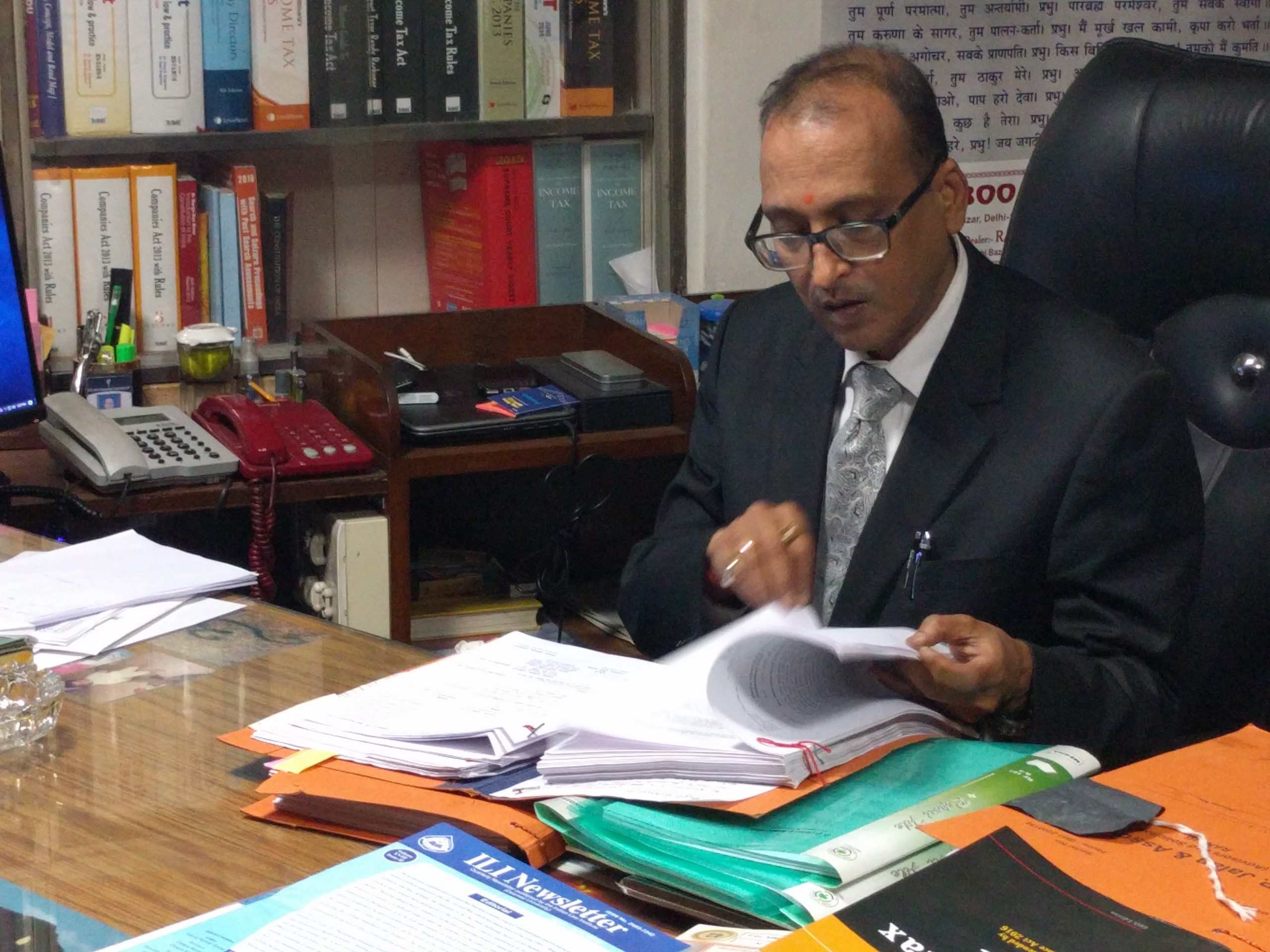









 Allow notifications