Tag: Managing Partner

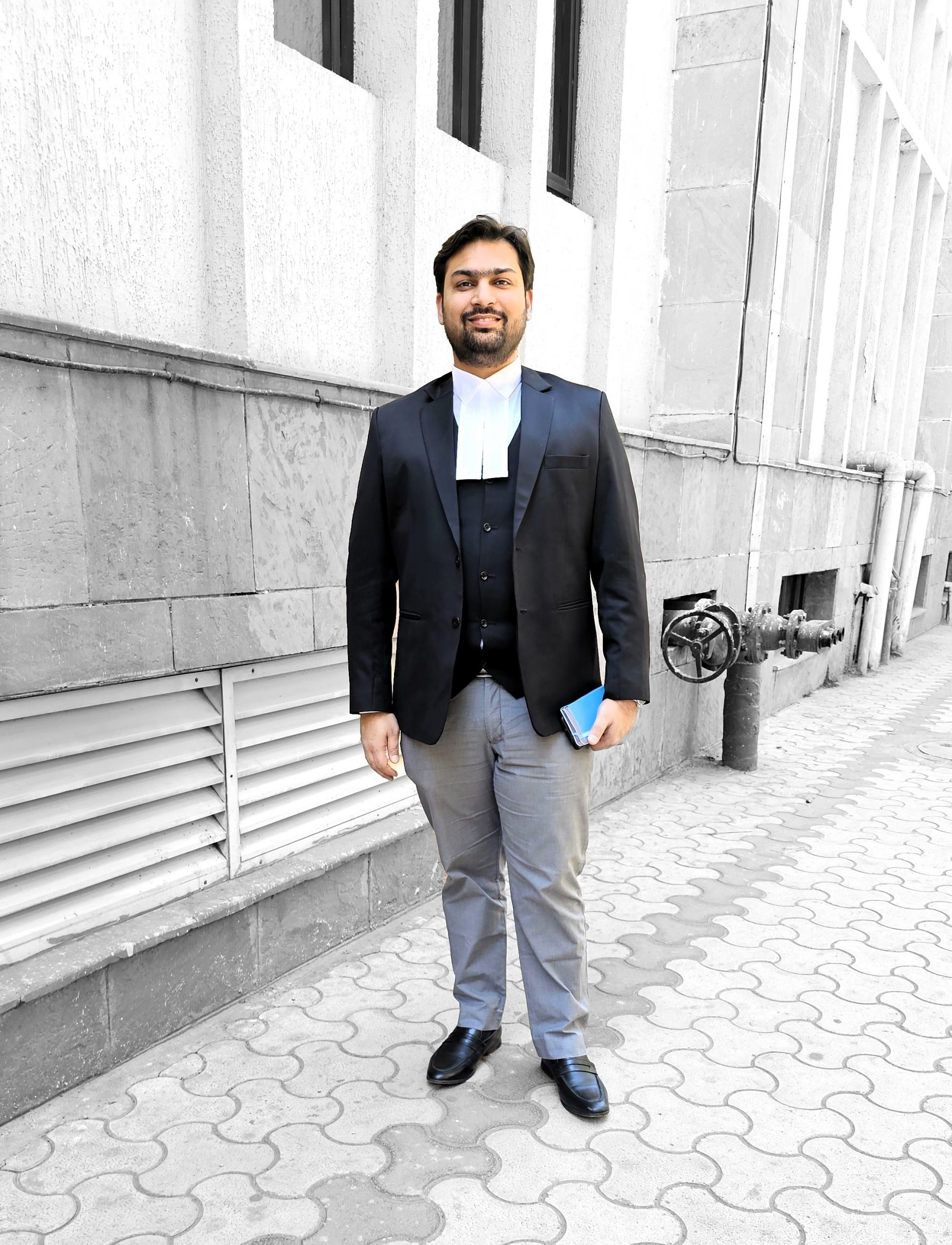
  • “Ethics and moral values are priceless. Be honest to yourself, to your work, and to the court. No legacy is as rich as honesty.” – Bharat Raichandani, Managing Partner at UBR Legal

    “Ethics and moral values are priceless. Be honest to yourself, to your work, and to the court. No legacy is as rich as honesty.” – Bharat Raichandani, Managing Partner at UBR Legal

    This interview has been published by Namrata Singh and The SuperLawyer Team

    Can you walk us through your journey, starting from your school days at Bombay Cambridge School to becoming a University Gold Medalist in Law from Mumbai University? How did your experiences during those formative years shape your aspirations and eventual career path in law?

    I studied at Bombay Cambridge School. It was one of the finest of our times. I was always a first bencher because of my height and not due to academics. Upto class VII, I was an average student. In class VII, I failed in the History subject. My parents were upset. They never expressed it. That was the lowest point in my academic career. I promised my parents that I would never let them down. From class VIII onwards, I was amongst the top rankers throughout. I belonged to the State Board (SSC). I was a school topper in Class X. I was awarded a trophy for outstanding achievement in academics in 1996 by Shri. Udhhav Thackeray, the then President of Shiv Sena. 

    My grandfather wanted me to pursue medicine as, according to him, I was academically brilliant. Destiny had other plans. I took up commerce at Narsee Monjee College of Commerce and Economics. I participated in various debate and elocution competitions at State Level.  I was part of the organising committee of the first ever National Inter-collegiate festival “Umang”. I was a member of the Drama Committee and performed in theatre plays.

    I pursued law from Mumbai University. Though we did not have formal internships in our times, I had a long term internship with Mr. Subhash Jha, Advocate from Law Global, Advocates and Mr. Anil Balani, Advocate. Under their guidance, I learnt the authentic and functional aspects of working of courts. I was actively participating in Moot court competitions. To my surprise, I even won best speaker at a few of them (though I always felt I was not even close to the other contestants). I was always eager to learn the art of advocacy. I completed the three year law course. I have been a University Gold medalist for all these years. I was awarded the Gold Medal by the then Governor of State of Maharashtra Shri. S. M. Krishna. I was even offered a scholarship for an LLM course at London University of Law. However, I felt I was not worthy of it, neither financially nor academically. I recuse myself. The same was offered to the girl who stood second. I felt she deserved it more. 

    I believe these formative years are the bedrock in your career. It shapes you as a person. It instilled, in me, a mighty infrastructure of legal knowledge, critical thinking skills and commitment to ethical practice. 

    As a University Gold Medalist in Law from Mumbai University, what key lessons from your academic journey do you find most valuable in your practical legal work today?

    All of us must never forget that no education or training goes in vain. Every grade teaches us something new and significant. The most valuable lessons from my academic journey that I apply in my practical legal work today include Research Skills, Analytical Thinking, Effective Communication, Time Management and Ethical Awareness. 

    You have been recognized with prestigious awards such as the “Young Achiever under 40” Legal Award and “TOP individual Lawyer” – Tax by Forbes Legal Power List. How do you rate this recognition?

    I am humbled. These accolades serve as affirmations of my dedication, expertise and contribution to the legal profession. They are a testimony of the fact that I love this profession and everything associated with it. It is my passion and not my profession. I am in love with the courts. I, for one, honestly and firmly believe that the judiciary is the only pillar which holds our constitution together. Every judge, I must applaud them all, right from the district judiciary to the Hon’ble Supreme Court, with limited infrastructure at disposal, is doing a remarkable and phenomenal job. 

    However, these awards come with supplementary responsibility. They serve as reminders of the high standards I must uphold and the expectations I must meet in my role as a legal practitioner and leader within the firm. I am keenly aware of the need to continue striving for excellence, both in terms of the quality of legal services we provide and the ethical standards we uphold. 

    How do such above said accolades impact your professional journey and the responsibilities you bear as a managing partner?

    As the Managing Partner of UBR Legal, I recognize that these awards not only reflect individual achievements but also the collective efforts of our entire firm. I am committed to fostering a culture of excellence, collaboration and mentorship within the firm, empowering every member of our team to reach their full potential and contribute to our shared success. I am honoured by these awards and remain dedicated to upholding the highest standards of legal practice, leadership and service to our clients and the community at large. 

    You have authored articles and publications on intricate legal subjects that demonstrate a depth of understanding and a commitment to disseminating knowledge. Could you share insights into your writing process and how you select topics to address in your articles?

    Certainly! Articles on intricate legal subjects require careful consideration and a structured approach. It is important to stay abreast of developments in the legal landscape and understanding the needs and interests of my target audience is paramount. One needs to conduct a thorough research of the topic which involves case law, statutory provisions, academic literature and expert opinions. 

    Overall, my writing process is guided by a commitment to disseminating knowledge, fostering understanding and providing practical insights. From 2020 onwards, I have introduced a monthly newsletter “Lex Loquitur” that culls out the ratio of some important rulings from various judicial fora in the areas of Indirect tax, Direct Tax, Arbitration and Conciliation Act and Insolvency and Banking Code.

    As an arbitrator appointed by the Hon’ble Bombay High Court, what unique perspectives do you bring to alternative dispute resolution and how does it complement your litigation practice?

    Being appointed as an Arbitrator by the Hon’ble Bombay High Court brings with it a unique set of perspectives and experiences that greatly enrich my approach to alternative dispute resolution (ADR). My background as a legal practitioner and litigator complements my role as an arbitrator, allowing me to apply my substantive legal knowledge and advocacy skills to the arbitration process to, mostly, a resolution to the dispute. 

    As an arbitrator, I am committed to upholding the principles of impartiality and neutrality in resolving disputes. I believe the alternate dispute resolution mechanism is intended to bring a pragmatic approach, emphasizing efficiency, flexibility and procedural fairness. The same aids the litigating lawyer in me to advise and counsel clients approaching me for legal opinions. 

    Reflecting on your time at Advaita Legal and Lakshmikumaran and Sridharan, what were the most significant learnings you garnered from those experiences and how have they influenced your leadership style at UBR Legal?

    During my tenure at Advaita Legal and Lakshmikumaran and Sridharan, I had the privilege of working with some of the most distinguished legal minds in the industry. I worked with Mr. Sujit Ghosh, Senior Advocate at Advaita Legal. However, I am indebted, and shall always be, to Mr. V. Sridharan, Senior Advocate (Founding Partner of Lakshmikumaran and Sridharan) and Mr. R. Nambirajan, Senior Partner LKS. Whatever experience in life I have today, apart from the professional training, I received those valuable lessons from both of them. They taught me that a good man can only be a good lawyer. Ethics were embodied in me by them. 

    The dedication towards research, attention to detail and commitment to delivering high-quality legal services were ingrained in every aspect of our work. This relentless pursuit of excellence has become a cornerstone of my leadership style at UBR Legal, where I strive to uphold the same standards of excellence in all our endeavors. 

    I learned the importance of building strong client relationships based on trust, integrity and responsiveness. This client-centric approach guides my leadership at UBR Legal, where we prioritize client satisfaction and strive to exceed client expectations in every interaction. 

    With your expertise in GST could you elaborate on how you navigate the intricacies of these areas to provide tailored solutions for your clients? 

    GST is a new law. It is technology driven. It is system based. It is at a nascent stage. It would certainly evolve with passage of time. 

    Navigating the complexities of GST requires a deep understanding of the ever-evolving legal and regulatory landscape. At UBR Legal, we approach this by combining our expertise in tax law with a thorough analysis of our clients’ specific needs and circumstances. We tailor solutions for our clients by:

    1. Staying updated on the latest developments in GST, budgetary changes, and service tax regulations through continuous research and training;
    2. We engage in detailed consultations with our clients to understand their business operations, financial structures, and tax obligations; and 
    3. We provide legal advice on strategic tax plans that minimize their tax liabilities, maximize available benefits and incentives and mitigate risks.

    How do you foresee the future landscape of taxation evolving and how does UBR Legal adapt to these changes to best serve its clients’ interests?

    Tax laws are here to stay. Only two things are certain: death and taxation. As long as people exist, laws would exist. As long as laws exist, litigation would exist. At UBR Legal, we adapt the changes by staying ahead of the curve through ongoing education, investment in technology and close monitoring of legislative and regulatory developments. This allows us to anticipate emerging trends and proactively adjust our strategies to best serve our clients’ interests. 

    Beyond your professional endeavors, what personal hobbies or interests do you pursue and how do they contribute to your overall well-being and effectiveness as a legal practitioner?

    I enjoy reading non-fiction and business oriented literature.  Political news also excites me. This habit assists me in my role as leader of a law firm and fuels my legal practice as well. Regular reading also provides mental stimulation and helps maintain focus. I cycle everyday for about 20 kms. I enjoy cycling. It is a natural form of exercise. A healthy body is an expression of a healthy mind. 

    With your wealth of experience and achievements, what advice or suggestions would you offer to the upcoming generation of legal professionals who aspire to follow in your footsteps?

    I am no preacher. I believe I am still learning. All of us are. We are all students of law. Learning never ends. However, I would like to share a few words of advice with the younger generation: 

    First, there is no substitute for hard work. Not everyone is gifted with exceptional talent. However, with hardwork and average intelligence, lawyers can go places. 

    Second, ethics and moral values are priceless. Be honest to yourself. Be honest to your work. Be honest to the court. Life would throw several challenges where your feet would tremble, that’s where the test lies. No legacy is as rich as honesty. 

    Third, conduct, behaviour and demeanour in court is the first court craft a lawyer should learn. Never hoodwink the Judge. Relationship between the bar and the bench is based on mutual trust. Respect your opponent. Respect his/her arguments, even if you do not agree. He/she is fighting for the client, the way you are. 

    Fourth, listen to your parents. Parents are the best teachers. They are the only true well wishers who want to see you succeed. Their blessings are very powerful. 

    Fifth, be and stay humble. Humility is a hallmark of great men. It was pride that changed angels into devils. 

    Get in touch with Bharat Raichandani-

  • “To excel in the legal profession, one must be very sincere, have patience and work diligently with dedication”- P S Suman, Managing Partner, PSS Legal Advisors LLP

    “To excel in the legal profession, one must be very sincere, have patience and work diligently with dedication”- P S Suman, Managing Partner, PSS Legal Advisors LLP

    This Interview has been published by Pragya Chandni and The SuperLawyer Team

    Can you share your journey into the field of law with us? 

    My Bachelor’s and Master’s degrees in Corporate Secretaryship got me interested in Corporate Law. Thereafter, I finished the Company Secretaryship course as well as a Degree in Law. I enrolled as an advocate with the Bar Council of Tamil Nadu. I had the spectacular opportunity to work under Senior Advocate Mr. R. Murari whose mentoring gave me a great start. 

    Three years later, I finished my Chartered Governance programme at the Chartered Governance Institute (UK and Ireland). 

    A solid foundation in corporate and commercial law is very essential to becoming a successful corporate lawyer. Fortunately, the academic and professional courses I pursued gave me this much-needed in-depth understanding which enables me to handle corporate cases effectively. The journey of my 20+ years in legal practice has been very exciting throughout.

    With your background in corporate secretaryship and law, what drew you to specialize in mergers and acquisitions? 

    I was very passionate about Mergers and Acquisitions right from the beginning of my practice. It is my constant endeavour to know as much as possible about this topic to facilitate providing extensive in-depth services to our clients. It is this interest that led me to complete a program on ‘Value Creation through Mergers and Acquisitions’ from the Indian School of Business (ISB, Hyderabad). At our Firm, we handle various M&A transactions and we enjoy facilitating each of the aspects involved for our clients. Presently, there is constant activity in the M&A space and it’s a very exciting area of practice for our Firm. 

    You co-authored a book on ‘Supreme Court on Insolvency and Bankruptcy’. What inspired you to delve into this topic, and what key insights did you gain from the process?

    The Insolvency and Bankruptcy Code brought about very interesting changes and the law has seen substantial and rapid developments. The Hon’ble Supreme Court has been settling this law on various aspects. I proposed to author a book on this topic and the team at LexisNexis was very supportive. The process of authoring this book gave me a deeper sense of understanding various aspects of the Insolvency and Bankruptcy Code.

    As the Managing Partner of PSS Legal Advisors LLP, could you elaborate on the range of services your firm provides in corporate matters? 

    ‘PSS Legal Advisors LLP’ is a boutique corporate law firm. The Firm’s Advisory Practice deals with a wide variety of matters including all matters relating to foreign exchange law. The Firm’s Transaction Practice deals with a variety of M&A and contract-related matters. In our Litigation Practice, we provide comprehensive end-to-end support on all aspects of Corporate, Civil and Commercial Law and represent our clients before all Courts including the Supreme Court, High Courts and various Tribunals such as NCLT, NCLAT, DRT, DRAT, Enforcement Directorate etc., The Firm also has an active alternate dispute resolution practice on Mediations and Arbitrations. We also have a successful real estate legal practice.

    Being a co-founder of Beej Network, how do you balance your legal expertise with your involvement in angel investments and startup support? 

    I am a mentor by nature and I always look forward to making a difference to people around me. It is because of my knowledge domain and mentoring activities that I was made a Co-founder at Beej Network, which is an angel investing network.

    The founders of startups need to focus on their business and hence they require immense legal and other professional support at all stages. It is my endeavour to understand the business of a startup and their business plan, the vision of the promoters, their pain points etc., from a legal standpoint and guide them suitably to enable them to focus effectively on developing their business without facing non-compliance. 

    As a corporate lawyer, I am fortunate to have assisted clients at different stages of their life cycle over the years and it is this experience that empowers me to mentor the start-ups and its promoters.

    Could you share some highlights from your involvement with the Indo-Japan Chamber of Commerce and Industry? 

    I am fortunate to have about 15+ years of long association working closely with Japanese companies on their requirements in India. A few years ago I was appointed as a Member of the Governing Council, which is the core governing body of the ‘Indo-Japan Chamber of Commerce and Industry’ (IJCCI). The IJCCI has been focussing exclusively on Indian and Japanese trade and cultural activities for over 32 years.

    At the IJCCI we endeavour to connect enquiries from Japan to Indian businesses and vice-versa. We have organised several delegations from India to Japan to give Indian businesses both prospects and exposure to doing business in Japan. I front-ended an economic survey on ‘Indian Industry expectations from Japanese Companies in TamilNadu’. This report is widely circulated in key offices in Japan with an intent to effectively integrate investments from Japan into India. 

    Our Law Firm supports IJCCI by hosting knowledge-sharing programs. 

    Your efforts in attracting foreign investments into India are commendable. What strategies have you found most effective in fostering these international collaborations, particularly with organizations like the United Nations Industrial Development Organization?

    We have arranged programmes for Japan on investing in India with the help of the IJCCI and the United Nations Industrial Development Organisation, ITPO Tokyo. I have been fortunate to travel to Japan extensively on several occasions during which I learnt more about their culture, business practices, expectations on investing in India and other important aspects.

    In our practice and otherwise, we receive enquiries from Japan and other countries. Japanese Investors expect complete clarity on all aspects and it is only thereafter that they execute their decision to invest in India. Of course, the simplicity of setting up and operating in India is the key to attracting foreign investments. 

    Generally, the main focus is on attracting foreign investments into India. However, what we need is to continue to support such foreign investors even post their investments in India by addressing their pain points on priority. The endeavour of the Government must be to turn foreign investors into extremely happy customers which in turn will get such foreign investors to spread the word about and highly recommend their countrymen on investing in India.

    I have dedicated a lot of time and effort to advancing Japanese investments in India and I look forward to continuing to assist many more foreign businesses with their requirements in India.

    How do you ensure your team stays ahead in such a dynamic field?

    This process is the most challenging and yet very interesting. We start each word day with an individual-centric session focussed on their personal development with a brief meditation, mentoring and affirmations. Our teams are aligned to the Firm’s vision. Each member is focused on doing meaningful work every day and on every assignment. The team embraces challenging work willingly and this helps them grow professionally. 

    I have addressed sessions at various institutions on succeeding in the profession, fast-tracking careers and other aspects and I endeavour to enable this for the team at the firm as well.

    What is your approach at the Firm to protect the interest of your clients?

    At the Firm we operate on the principle of ‘Prevention is better than the Cure’. Every commercial action has multiple legal implications and we endeavour to provide clarity to our clients on such implications and also take the necessary steps to protect their interests. Litigation or prosecution leads to complex situations involving huge costs resulting in a financial depletion in a company, diversion of human resources and stressful situations. We proactively address issues with our clients early on by working with them continuously and this enables us to take care of the client’s interest as and when a requirement arises thereby reducing the possibilities of litigation or prosecution.

    Based on your extensive experience, what advice would you offer to fresh graduates aspiring to pursue a career in law, especially in the realm of corporate law and entrepreneurship?

    To excel in the legal profession, one must be very sincere, have patience and work diligently with dedication. The long hours at work must be seen as a pleasure and must be embraced willingly. Fresh graduates must understand all aspects of the profession in detail and happily align with such requirements. They must also have a clear goal in mind and proceed with a long-term approach and it is necessary to stay on track throughout consistently. Horizontal exposure to a variety of laws is vital, but it is also critical to develop core competencies in a select few areas so that, over time, one can establish oneself as an authority in at least a few selected fields. Interest in and investing in continuous education in chosen areas is critical. 

    Get in touch with PS Suman-

  • “There are no shortcuts to success. Your ability to read and analyze will set you apart from others, Always read the provision or judgment independently before considering others opinion” – Amit Shrivastava, Advocate on Record & Managing Partner at Imperial Law Offices

    “There are no shortcuts to success. Your ability to read and analyze will set you apart from others, Always read the provision or judgment independently before considering others opinion” – Amit Shrivastava, Advocate on Record & Managing Partner at Imperial Law Offices

    This interview has been published by Namrata Singh and The SuperLawyer Team

    It’s a pleasure to have you with us. Could you share with our readers a bit about your journey, from how you embarked on your career in law to becoming the Managing Partner at Imperial Law Offices? What inspired you to choose law as your career path?

    Thank you Namrata and team Super lawyer for having me here. Well my journey in law started with guidance from my best friend’s father Mr. L.D. Borasi, who was an Additional District Judge then in Madhya Pradesh. He knew me personally and was of the view that I could do really well in law. On his encouragement I did my research on the subject and came to know that the legal profession suits my personality.  Then I took admission in BA LLB (Hons.) course in Devi Ahilya VishwaVidyalaya, Indore (M.P.). I completed my law in 2009 and started my practice in Delhi, things started happening. and here I am 15 years later.

    As a co-founder of Imperial Law Offices, what inspired you to establish your own legal practice, and what unique approach do you bring to the legal profession?

    The idea of embarking upon the entrepreneur journey was always there in the back of mind. However, I was very lucky to have an opportunity to work in the top law firms of the country. It was a very enriching experience working there and was a tough decision to quit the job. The idea of starting Imperial Law Offices germinated after meeting my co-partners who themselves having worked in top law firms of the country were looking to start  a law firm. As a law firm we bring to the table a full service law firm for our clients with partners having more than decade and a half years of experience of representing leading Multinational Companies in the country. The Firm’s global perspective is based on its deep knowledge of the sector/industry and the prevalent practices. The team of professionals understand issues across a broad spectrum of business and legal practices. This fluency allows the Firm to bring the right talent and knowledge to deliver commercially pragmatic advice to our clients. 

    Your extensive experience (as a litigation lawyer) spans across various legal domains, including Insolvency & Bankruptcy, Tax, Real Estate and Arbitration. Among these, do you have a particular area that you find most fulfilling to work in? Could you tell us why?

    These are my core practice areas, it is very difficult to choose between them. However, the best thing I like about being a litigation lawyer is that it always keeps you on the edge and keeps throwing new challenges at you. However long you may have practised there will always be something or the other which you will be dealing with for the first time. As they say, you are always a student of law. Each day you learn new things. So there is never a dull day in litigation. This is what keeps you going. Another thing which is very satisfying is the ability to make an impact on society and help others. 

    Given your extensive experience in taxation and insolvency matters, what advice would you give to young lawyers aspiring to specialize in these areas of law?

    Both these fields, especially taxation, are very dynamic in nature. There are lots of amendments, notifications, circulars and clarifications by the government very frequently on these subjects which govern the interpretation of law. Not to mention the day to day case laws coming in from courts/ tribunals. So one of the key features of practicing in these subjects is to be able to trace out the legal history of the provision you are dealing with to understand the mandate of the legislature. Another very important part of practicing in these areas of law, especially while dealing with international taxation matters is that you will have to deal with various international treaties and international jurisprudence. Apart from the above strong knowledge of constitution law and basic understanding of accounting principles are must. So if you have these basics covered, you can excel in these subjects. 

    For the current generation aspiring to build successful legal careers, what would be your top piece of advice or mantra for achieving professional excellence and fulfilment in the legal field?

    To young lawyers my piece of advice is that one should inculcate the habit of reading. There are no shortcuts to success. Your ability to read and analyse will set you apart from others. Also never make your belief on the basis of the opinion of others without actually reading the provision/ judgement yourself independently. First read the provision/ judgement unbiased by the opinion of the others or common belief, then see what others are saying. This habit will give you a closer understanding of the law and will eventually lead you to success. Also your command over language is a very important factor which will contribute towards success.

    In today’s world where there are lots of branches of law apart from litigation, where you can excel relatively easily. Career in litigation, unlike old times, has become a choice. Clearly life in litigation initially is not very financially gratifying, however if you have the bent for it and are willing to put in the long hours, it can prove to be a very enriching career. 

    You’re an Advocate on Record at the Supreme Court of India. Can you shed some light on the challenges and significance of clearing the Advocate on Record exam, and how it has impacted your legal career?

    The Advocate on Record exam is more of a practical knowledge based exam. If you are regularly practising in the Supreme Court and are well aware of the practices and procedure of the Supreme Court it becomes slightly easier to clear the exam. The next big challenge in this exam is that question papers are very lengthy, so you will have to be very clear and concise in your answers, it is only then you will be able to attempt all the questions. 

    Qualifying the exam really helped me as it gave an added advantage as a litigation lawyer. Clients/ friends from high courts started  approaching me to file matters before the Supreme Court. This increased my client base, which was very important for me professionally as my independent practice is quite new. As a law firm we were able to comfort our clients that we can represent their cases till the Supreme Court. Also one of the good things about practicing as an AOR is that you get to do matters from different fields of law, one day you are arguing a criminal law matter and other day you may be dealing with a tax law matter related to transfer pricing. This type of variety is very rare otherwise. So it has been quite an enriching achievement.

    Your involvement in landmark judgments and complex legal matters is evident from your extensive list of reported judgments. Among these, is there a particular case or judgment that you found particularly challenging or rewarding, and why?

    I will tell you about the most recent ones before the Supreme Court and NCLAT. Last year I was approached to file a very complicated criminal matter wherein parties involved were from two rival political parties. In 2017, during a politically charged environment, there was a skirmish between the two parties during an election campaign involving exchange of gunfire, leading to cross FIRs from both sides. In the FIR against my client, SC/ST Act was falsely invoked, just to jeopardize his contention in elections. We were against dismissal of discharge applications by the courts below, especially qua SC/ST Act. There was a battery of senior advocates from both sides. It was a hard fought case, in which we were able to obtain a positive order from the Supreme Court in December 2023. This resulted in my client successfully contesting election this year. It was a very satisfying win, given the pressure situation and the amount of hard work that was put in by us. 

    The other very satisfying win was before NCLAT wherein we were challenging the NCLT order dismissing our petition seeking CIRP (Corporate Insolvency Resolution Process) against a very influential real estate company, on the ground that our debt is barred by limitation. In holding so NCLT had misinterpreted the definition of acknowledgement of debt and had also missed certain documents on the basis of which we were claiming extension of limitation. I argued the matter myself, the bench was initially not convinced, however, after two days of hearing accepted our arguments. This was a very satisfying win as initially the bench was totally against me and was not holding back in communicating the same to me ☺.

    The most recent one was a anticipatory bail application which I argued before the Hon’ble Supreme Court, though it was a very regular matter, I was pleasantly surprised as Hon’ble Mr. Justice Hrishikesh Roy appreciated me for arguing the matter well in open court. It was a very special moment and a huge encouragement.

    Starting your career in chamber practice before the Delhi High Court and Supreme Court must have been quite a journey. What valuable lessons did you learn during those formative years that still resonate with you today?

    It was indeed a very enriching experience, because in a chamber practice being the only junior, I was expected to help my senior with literally everything, right from conferences with new client, coordinating with them and obtaining the documents, researching law points, drafting the petition, filing the petition, preparing for arguments, attending hearing (if you are lucky and your senior is busy in some other court, arguing the matter or at least starting the arguments till your senior reaches the courtroom ☺). And last but not the least raising invoices and making follow ups for like ever ☺. I was very lucky in my initial days, I got a chance to work with very good advocates who have now become Senior Advocate, Senior Partners at leading law firms of the country. I am still in touch with them and they keep helping me whenever I need them.  

    Whatever I have learned is virtually because of the time I had spent with my seniors and their constant encouragement. However, the most important thing which I have learned from my formative years is the importance of  hard work and preparation. You will always be recognized for your hard work and preparation. Till date this habit helps me. Clients always have an eye on you as to how you are handling the matter. When they see your hard work and commitment, they remain with you even if the matter does not go according to your liking. 

    Thank You.

  • “Marrying Facts and Law for Practical Counsel & understanding the intricacies of business alongside legalities ensures effective client execution and success in today’s dynamic market.” – Nayantara Devaya, Founding & Managing Partner of Catkin Legal

    “Marrying Facts and Law for Practical Counsel & understanding the intricacies of business alongside legalities ensures effective client execution and success in today’s dynamic market.” – Nayantara Devaya, Founding & Managing Partner of Catkin Legal

    This interview has been published by Namrata Singh and The SuperLawyer Team

    You’ve had an impressive journey from working in prestigious firms like Khaitan & Co and AZB & Partners to founding Catkin Legal. Could you please walk us through your journey and share how each phase of your career contributed to your growth as a legal professional and entrepreneur?

    AZB & Partners and Khaitan & Co, are important institutions in my growth as a professional. It provided me with the experience and finesse that a corporate lawyer requires to navigate the era where lawyers are considered valid in board rooms and business transactions, other than just court rooms. While I was working with the firms, they provided me with opportunities to work on some important transactions in the business world. The firms gave me an idea of acceptable global standards and exposure to global working environments. The pedigree I got from the firms has shaped a lot of how we do business in Catkin Legal.

    Given your extensive experience in Corporate & Commercial laws, what unique challenges have you encountered in advising companies on Information Security Privacy Law and Cyber Risk Management amidst the digital surge in various industries?

    AZB We are seeing a surge in the relevance of lawyers in the new business era. Business heads are recognising the importance of working with lawyers on a day-to-day business to ensure smoother operations of their businesses. While old business houses are passing on hands to the new generation new leaders are very encouraging of legal support to their business teams in closing transactions and operational issues. While real time businesses are going digital sensitizing leaders on the security of information they are procuring, and the importance of certifications is increasing.

    As a strong advocate for mental health, how do you integrate initiatives for well-being within Catkin Legal, and what impact do you believe it has on the overall performance and satisfaction of your team?

    At Catkin, we propagate mental health and well-being. Our employees may avail of mental health leave once a month for a day which can be extended. The associates do not need to cite their reason for being on MHL. Additionally, the partners are very aware of not overburdening our associates with manic hours. Associates have the freedom to tell their leaders that they need a break. As leaders, we are responsible for the work but not for deciding when one need a break. The career is very demanding, and we want our associates to run long not fast.

    Considering your multifaceted experience, what advice would you give to aspiring legal professionals aiming to build a successful career that transcends traditional boundaries and embraces new dimensions of law and business?

    With the energy and enthusiasm the young blood brings to the profession, I would always advise not just new but any lawyer to marry the facts and understand how the business or product runs along with the law. If this does not happen the advice we are dispensing to the client becomes redundant as they cannot execute it on the ground. Due to this gap, there have been numerous judgements that are impossible to implement.

    Mentors often play a crucial role in one’s professional development. Could you discuss the influence of any mentors or role models who have inspired and guided you throughout your career journey?

    My career is basically me being a living proof that I have had the most amazing mentors. They have helped me navigate the legal profession and understand how to manage teams and clients. But more importantly in their understanding of the law, people management skills, negotiating skills, and life skills

    Founding Catkin Legal marked a significant milestone in your career. What motivated you to establish your own firm, and what were some of the initial challenges you faced in setting up and establishing its reputation in the legal industry?

     I think starting my own law firm was always a goal. My parents- who have always been the wind beneath my wings were very encouraging of starting my own practice even though I do not come from a family of lawyers. Believing in my goal every day in the last 15 years and working on that goal every day and working on myself made me start my firm. One of the key challenges we face is to keep being relevant. We keep upgrading our skill set and recrafting our working models to ensure we are a relevant and sustainable firm

    Building a clientele and reputation from scratch can be daunting. Can you share some strategies or initiatives you implemented in the early days of Catkin Legal to attract clients and differentiate your firm in a competitive market?

    Balancing multiple responsibilities as a managing partner, legal advisor, and advocate for mental health advocacy can be demanding. How do you prioritize your time and commitments to ensure both professional excellence and personal well-being? I think all these roles are interdependent. I try and understand the urgency and support required for each situation on a weekly basis and set my priority on a need basis. I believe in a physically fit and mentally healthy life, so for me, that comes first. I do not work alone. I have teams for all tasks and project- Home-work -or anywhere else where I want to contribute. Creating and cherishing capable leaders and individuals within or teams, helps us go a long way.

    Your career has seen transitions from working in prestigious law firms to in-house legal roles and eventually founding your own firm. Could you share your experience of navigating these transitions and highlight the differences in working environments between law firms, corporate settings, and running your own legal practice?

    Law firms and business houses systems are already in place. You come in and integrate into an already existing system and grow with the system. Starting a law firm or any business involves starting or creating systems that others can integrate into. As a business owner, the biggest challenge is not creating that ecosystem but ensuring its sustainability. A huge part of my role is troubleshooting to ensure the ecosystem of catkin remains healthy and sustainable in all areas.

    With your busy schedule and diverse professional engagements, how do you unwind and recharge outside of work? Could you share some of your favorite relaxation techniques or activities that help you maintain balance and rejuvenate your energy?

    A good cardio workout and yoga is my favourite kind of unwinding. I try to pack in this at least six times a week. I enjoy a good movie. I like to read, but we read a lot at work and usually, it becomes my last option. Oh, recently I’ve been enjoying reading storybooks to my two-year-old son.

    Get in touch with Nayantara Devaya-

  • “Always consider yourself as a student throughout your lifetime and commit to lifelong learning. Master the fundamentals before branching out into multiple practice areas.” – Nidhi Mathur, Advocate & Managing Partner at Lawgical Associates

    “Always consider yourself as a student throughout your lifetime and commit to lifelong learning. Master the fundamentals before branching out into multiple practice areas.” – Nidhi Mathur, Advocate & Managing Partner at Lawgical Associates

    This interview has been published by Namrata Singh and The SuperLawyer Team

    Reflecting on your journey from college to becoming a Managing Partner at Lawgical Associates, could you share what initially inspired you to pursue a career in law? What experiences or influences shaped your decision to specialize in diverse areas such as labor law, corporate law, and sexual harassment laws?

    From my earliest memories, the legal world was ingrained in my upbringing. I come from a family of lawyers and judges and growing up in such a family where law was not just a profession but a way of life, I was surrounded by discussions about cases, debates over legal principles, and the importance of justice. As I delved deeper into my legal studies, I became fascinated by the complexity and diversity of legal issues. I realized that the law touches every aspect of our lives, from business transactions to workplace dynamics and individual rights. This realization motivated me to explore different areas of law and develop expertise in various specialties. 

    Corporate law appealed to me because of its intersection with business and commerce, offering opportunities to work with diverse clients and navigate complex legal frameworks. Abor and employment law was an extension of my experience as a HR professional. It brings in a human element while engaging with real people be it employer, employee or unions. Labor law has a potential for social impact as you have to handle a diverse range of issues.

    My interest in sexual harassment laws stemmed from a deep commitment to combatting gender-based discrimination and creating safer, more inclusive workplaces. I recognized the importance of addressing workplace harassment and discrimination and saw an opportunity to make a meaningful impact through legal advocacy and representation while holding perpetrators accountable.

    Overall, my decision to pursue a career in law and specialize in diverse areas was shaped by a combination of personal passion, intellectual curiosity, and a desire to contribute to positive social change. As I progressed in my career and eventually became a Managing Partner at Lawgical Associates, I remained committed to these core values and dedicated myself to using my legal expertise to serve clients and advocate for justice in all its forms.

    Your educational journey is quite diverse, starting with a B.Com followed by an MBA before transitioning to law. What motivated this transition?

    My family was very professionally driven and encouraged us to have a professional career of our choice and an identity of our own. I did B.Com and MBA in HR as I wanted to be professionally qualified. Post my MBA I worked in private Organizations including Telco wherein I realised that having a law degree especially working in HR & Labour Law domain was not only an additional advantage but necessity especially while dealing with women, blue collared and white collared employees. It also gives you an advantage to see things from a larger perspective. My journey through different fields of study was driven by a combination of curiosity, passion, and a desire for personal growth. In this diverse journey, I have learned that education isn’t a linear path; it’s a mosaic-each piece contributes to the whole.

    You have achieved lot of credibility and recognition on the area of Sexual harassment matters with clients across industries. Please elaborate your journey in this area.

    Thank you for appreciating and recognising my work in the area of sexual harassment matters. It’s a field that requires both dedication and sensitivity due to the complex and often emotionally charged nature of the cases involved. My journey in this area has been multifaceted, involving both professional development and personal commitment to advocating for justice and equality. It began with a recognition of the pervasive nature of sexual harassment in workplaces across industries and a commitment to addressing this issue head-on. Early on, I sought out opportunities to educate myself on the legal frameworks surrounding sexual harassment, including relevant laws, regulations, and case precedents.

    As I delved deeper into this field, I actively sought out opportunities to work with clients across various industries, offering legal guidance and support in navigating sexual harassment allegations and incidents. This involved providing advice on policies and procedures for preventing and addressing sexual harassment, conducting investigations into allegations and representing clients in legal proceedings when necessary.

    One of the key aspects of my journey has been building strong relationships with clients and earning their trust as a knowledgeable and reliable advisor in this sensitive area. I prioritize open communication, empathy, and a commitment to understanding each client’s unique needs and concerns. Over time, my efforts have been recognized, leading to increased credibility and recognition in the field of sexual harassment matters. This recognition has opened up opportunities to collaborate with diverse industries, including corporate, nonprofit, educational, and governmental sectors. I provide comprehensive legal counsel on developing and implementing effective sexual harassment policies, conducting investigations into complaints, and advising on appropriate disciplinary actions.

    I’ve been actively involved in raising awareness about sexual harassment prevention through speaking engagements, training sessions, and contributing to publications and thought leadership initiatives. By sharing insights, best practices, and practical strategies, I aim to empower organizations to create environments where harassment is not tolerated and where all individuals can thrive. 

    My experience and commitment in this area has led me to be empanelled with the Ministry of Women and Child Development, Government of India.

    Throughout my journey, I remain dedicated to supporting victims of sexual harassment, holding perpetrators accountable, and promoting environments where all individuals feel safe, respected, and valued. My work in this area is driven by a passion for justice, equity, and creating positive change in the workplace and beyond.

    How do you leverage your expertise in consumer laws and medical negligence matters to ensure fair representation for your clients, especially when dealing with sensitive issues like healthcare?

    As an advocate with a focus on consumer laws and medical negligence, my approach is to ensure fair representation for clients with a blend of legal acumen, empathy, and strategic advocacy. I delve deep into consumer protection laws, medical jurisprudence, and precedents. Healthcare issues are always emotionally charged so having empathetic listening is crucial which also allows me to tailor legal strategies to align with their unique circumstances. At the same time, it is my responsibility to demystify the legal complexities to my clients and give them right potential outcomes and available options so that they can make informed decisions.

    Building a strong case is equally important which I do by gathering medical records and taking expert opinions. I collaborate with medical experts, doctors, specialists and forensic professionals. Their testimony provides objective and insight which in result strengthens our case. At the same time, I believe not all cases need to be courtroom battles so I also explore negotiation and mediations. A fair settlement can provide for a quicker relief without prolonged litigation.

    Having advised both Indian and multinational clients on anti-corruption laws, what unique challenges do you encounter in ensuring compliance, and how do you address them effectively?

    Advising clients on anti-corruption laws presents unique challenges that require a delicate balance of legal expertise, cultural awareness and strategic thinking. Operating across borders means navigating diverse cultural norms, business practices, and legal systems. Anti-corruption laws vary globally like FCPA (U.S.), UK Bribery Act, Indian Prevention of Corruption Act, (India). Therefore, I have to be constantly updated on legal developments in different jurisdictions to conduct a thorough due diligence. Multinational companies rely on third parties—suppliers, distributors, agents, etc.-these intermediaries can pose corruption risks. Therefore, implementing a robust due diligence process for such third parties is not only a compliance need but an obligation. Further, to strengthen the systems, I also advise my clients to encourage a whistleblower protection scheme to encourage employees to report corruption without retaliation.

    Further, employees and stakeholders must understand anti-corruption policies for which regular training sessions and workshops have to be conducted to reinforce compliance expectations. For this also I conduct training workshops for my clients. Compliance is an ongoing process so risk assessment and updating of policies including being aware of changing legal landscapes needs to be there. Effective anti-corruption compliance fosters a culture of integrity, accountability, and transparency. 

    Given your involvement in conducting legal audits could you elaborate on the importance of due diligence in today’s legal landscape, especially in cross-border transactions? 

    In today’s complex legal landscape, due diligence plays a pivotal role, especially in cross-border transactions. Given the complexity and potential risks involved in cross-border transactions, conducting thorough due diligence is not just advisable but necessary for ensuring the success and legality of the deal. Different countries have varied laws and regulations governing business operations, contracts, taxation, employment, intellectual property etc. Conducting due diligence helps ensure that the transaction complies with all applicable laws and regulations in each relevant jurisdiction. Cross-border transactions often entail higher levels of risk due to differences in legal systems, cultural norms, political stability, and economic conditions. Due diligence helps identify and assess potential risks associated with the transaction, allowing parties to take appropriate measures to mitigate them.

    Thorough due diligence enables parties to assess the financial health and stability of the target company or assets involved in the transaction. Due diligence helps uncover any issues that could damage the parties’ reputations or lead to negative publicity, allowing them to address these issues proactively. The insights gained from due diligence inform the negotiation process and enable parties to make informed decisions regarding the transaction’s terms, structure, and valuation. Due diligence helps ensure that legal documentation, such as contracts, agreements, and disclosures, accurately reflect the terms and conditions of the transaction and adequately protect the parties’ interests.

    Whether acquiring a foreign company, forming joint ventures, or expanding globally, thorough due diligence maximizes the chances of a mutually beneficial and successful transaction

    As someone who has handled employment and labor law matters extensively, what advice would you give to organizations aiming to foster a harmonious employer-employee relationship while ensuring compliance with labor regulations?

    Fostering a harmonious employer-employee relationship while ensuring compliance with labor regulations is essential for organizational success and stability. A positive employer-employee relationship contributes to productivity, loyalty, and overall organizational success. 

    Having extensive experience in this domain both as a lawyer and a HR professional my advice to Organization would be: firstly, stay updated on labor laws, regulations and compliance requirements relevant to your industry and location. Secondly, encourage open and transparent communication between management and employees. Thirdly, Implement non-discriminatory policies and practices in recruitment, hiring, promotion, compensation, and other employment-related decisions. Fourthly, develop clear and comprehensive policies and procedures that outline employee rights, responsibilities, expectations, and disciplinary processes. Implementing an effective mechanism for resolving conflicts and grievances in the workplace ensures that disputes are addressed promptly and fairly

    Further, invest in training and development programs to enhance employee skills and knowledge. This not only improves job performance but also demonstrates a commitment to employee growth and well-being. Creating a positive work environment also goes a long way in building employer-employee relations. Recognize and reward employee contributions and achievements regularly. Encourage teamwork, collaboration, and mutual respect among colleagues

    With the ever-increasing stress which individuals face these days, it is advisable to recognize the importance of work-life balance and support initiatives that help employees achieve it which may include offering flexible work arrangements wherever feasible.

    When in doubt about compliance with labor laws or handling complex employment related issues, it is advisable to seek guidance from experienced legal professionals specializing in employment and labor law. This would help Organizations in mitigating risks and ensuring adherence to legal requirements.

    With your extensive experience, what advice would you offer to aspiring legal professionals looking to carve a niche in multiple practice areas, similar to your trajectory?

    First and foremost, advice to young professionals is always consider yourself as a student throughout your lifetime and commit to lifelong learning. Explore diverse legal fields during your education and early career. Master the fundamentals before branching out into multiple practice areas.

    Another important aspect is understanding your own strengths and interests and not copying others. Reflect on what aspects of law resonate with you. Gain practical experience in different practice areas through internships, clerkships, or volunteer opportunities. Intern or work in different legal settings be it an individual lawyer, law firms, PSU’S, NGOs or private companies in their corporate legal departments. This hands-on experience will not only help you determine your areas of interest but also develop a versatile skill set.

    Another crucial piece of advice I would like to give to young professionals is to develop effective communication skills. As you move forward in your professional journey, the ability to communicate complex legal concepts clearly and persuasively becomes paramount. Work on your oral advocacy, writing, and presentation skills to effectively convey your expertise to clients, colleagues, and other stakeholders.

    With your demanding schedule and multifaceted legal practice, how do you unwind and recharge outside of work? Could you share some of your hobbies or activities that help you maintain a healthy work-life balance? 

    While my schedule can indeed be demanding, but I carve out time to maintain a healthy work life balance Outside work, some of the activities I really like to do is: Travelling – I like exploring new places and experiencing different cultures and cuisines. It allows me to break away from routine, gain new perspectives, and create lasting memories. Music also helps me to unwind and relax. I Iike listening to all kind of music be it classical or upbeat tunes. I myself have learned sitar and table during my college days. Spending time with family and friends helps me to recharge my energy; whether it’s sharing a meal, engaging in meaningful conversations, or simply enjoying each other’s company, these moments help me to unwind and relax.

    Would you please share a memorable success story or a particularly challenging case you’ve handled, highlighting the lessons learned and the strategies employed to achieve a favorable outcome? 

    It was a sexual harassment case against a very renowned doctor of Delhi with more than 30 years’ experience. The complaint was made by two young nurses working with him. Unfortunately, the hospital was more concerned about the doctor and their own reputation rather than addressing such a serious allegation. It was a challenging situation where the credibility and reputation of a renowned doctor was being weighed against grave allegations of sexual harassment made by those nurses. Even within the ICC (Internal Complaints Committee), there was hesitation and discomfort among members about proceeding with the inquiry and few wanted to resign from the ICC. The reluctance of ICC members to continue stemmed from fear of backlash and disbelief in the allegations. It was understandable that the ICC members had reservations about their involvement in such a sensitive and high-profile case. However, their agreement to participate in the inquiry proceedings was a positive step forward, even if it left much of the responsibility on my shoulders as an external member.

    Additionally, it was vital to create an environment where the complainants would feel safe and supported throughout the process, despite the challenges posed by the doctor’s reputation and the hospital’s stance. Gathering evidence and securing witness cooperation was equally challenging, compounded by the doctor’s over-confidence and references to high-profile contacts, requires careful management. I knew what was my role in this complex case and so I looked into the matter very objectively without getting pressured by external factors.

    Despite the doctor’s challenges and references to high-profile contacts repeatedly, I remain impartial and focused on the facts of the case. I ensured that the inquiry proceeds according to established procedures and protocols, without being swayed by external influences. Though the doctor was very reactive and aggressive, I responded in a calm and professional manner clearly explaining to him the purpose and process of the inquiry, emphasizing the importance of gathering all relevant information to ensure a fair and thorough investigation. I also reassured the witnesses of their confidentiality and protection from any potential repercussions for cooperating with the investigation. I also reminded them that their safety is paramount and their testimony is critical to uncovering the truth. I documented all attempts to influence or obstruct the investigation and this information became relevant for inquiry proceedings. I followed up with witnesses regularly, addressed any concerns they may have, and continued to explore alternative avenues for obtaining information. I conducted a comprehensive investigation into the allegations, interviewing affected employees and reviewing relevant documentation. This helped in uncovering patterns of behavior that supported the claims of sexual harassment. I remained persistent and diligent in my efforts to gather evidence (both direct & corroborative) and secured witness cooperation. Finally, truth prevailed and despite the challenges faced, truth prevailed and appropriate action was taken against the doctor.

    Dealing with challenges and resistance in such cases can be emotionally taxing, but it’s important to remain resilient and committed to upholding justice.

    ********

    Get in touch with Nidhi Mathur-

  • “Strong coordination and regular liaising with law enforcement authorities is the key in initiating swift actions against the counterfeit activities”- Kshitiz Karjee, Managing Partner,  Semita Legal, Advocates & Solicitors 

    “Strong coordination and regular liaising with law enforcement authorities is the key in initiating swift actions against the counterfeit activities”- Kshitiz Karjee, Managing Partner,  Semita Legal, Advocates & Solicitors 

    This Interview has been published by Pragya Chandni and The SuperLawyer Team

    Can you share a bit about your journey into the legal profession? What inspired you to pursue law, and how did you navigate your career to reach your current position as an Advocate-on-Record before the Supreme Court of India?

    Being a science student in school, I had no idea about law as a profession until just before the Class 12 Board Exams I happened to read in the newspapers about CLAT which was happening for the first time in 2008. Out of curiosity I began to research about the legal profession in general and it struck to me that I have to be litigator given my persona and aptitude. Moreover, I wanted to enrol in a professional course which would enable me to later have my own practice. Though I cracked a few of the prestigious engineering entrance exams, I was firm in my mind that I would study law. Accordingly, I studied law in Delhi during 2008-13.

    Being a first-generation litigation lawyer, I was fortunate to be placed at Economic Laws Practice (ELP) a top tier full-service law firm. I met some amazing professionals and colleagues at ELP who moulded my thought processes and the inherent need of the profession to put in the extra hours. Post gaining experience on commercial matters and client interactions, I set up my independent practice in 2015 in the fields of commercial laws, white-collar crimes and IPR enforcement and litigation under the name SEMITA LEGAL, Advocates & Solicitors.

    While in independent practice, I happened to be guided and groomed by a senior Advocate-on-Record at the Supreme Court who inspired me to keep working without expecting any rewards. Due to his blessings and the support of my entire family, I became an Advocate-on-Record before the Hon’ble Supreme Court. The constant support of seniors, colleagues and juniors through my professional life have played a key part in my practice.

    Your experience covers a wide range of legal areas, from corporate commercial disputes to white-collar crimes and regulatory litigation. What drew you to specialize in these specific fields, and what challenges have you encountered along the way?

    Being trained at ELP in commercial disputes and white-collar crimes, I gravitated towards this branch of law. Our team at ELP focussed on a wide variety of disputes primarily concerning commercial and regulatory issues for large corporate clients. Apart from this, I also happened to be involved in advisory and litigation regarding two of the biggest scams of the times – 2G Spectrum Scam case and the Coal Block Allocation Scam case. Exposure to such matters strengthened my confidence as a lawyer to take up independent mandates.

    Primary challenges for young professionals in commercial disputes and white-collar crimes are instilling trust in the minds of the senior in-house legal counsels in multi-national companies that you can ably assist on the legal challenges and confidently brief senior counsels wherever required. Coupled with this is the challenge to deliver top notch advisory and representation and at the same time hustle for new mandates and clients while keeping abreast with the legal developments wherein currently a lot of regulatory updates flows in every day.

    You’ve been involved in high-stakes litigations and arbitrations, including cases related to government contracts, telecom, and power sectors. Could you share a particularly memorable case or experience from your career and how it shaped your approach to litigation and dispute resolution?

    A corporate client was blacklisted by a PSU, which enjoys a 100% dominance in the railways ticketing and allied services, from participating in any future tenders due to a fault attributable to the railways and the PSU itself. From the time the client got the debarment order, we prepared the petition overnight, filed the petition the next morning and got the matter listed urgently. We were able to secure immediate relief for the client from the Delhi High Court within approx. 24 hours of the debarment. Post this matter, I did a couple of similar matters on blacklisting; however, was not able to secure interim stay in those matters since the clients in those matters had not understood the fact that while approaching the constitutional courts in writ matters, timing was of utmost importance and the alacrity in taking steps weighs in with the judges while deciding interim applications.

    As a member of various legal associations and with extensive experience representing clients before different tribunals and courts, what are some key lessons you’ve learned about effective advocacy and navigating the complexities of the legal system in India?

    During the initial years of advocacy, an advocate must spend some time with the Court clerk to understand the nuances of filing of petitions and removal of defects apart from the drafting of petitions. This helps with getting to know about the intricacies of working at different tribunals and courts and gives an idea about the listing procedure. There are courts which list fresh matters the same afternoon, while there are courts and tribunals which list matters after a week or fortnight of the matters being filed and the defects being removed. Having a clear picture about the same, goes a long way in devising the strategy and appraising the clients.

    The nomenclature and the short names for landmark judgments cited before a particular tribunal and court are to be noted for an effective practice at such forums and to give a sense to the Bench that you are adept with the developments in that particular branch of law.

    Your work also extends to advising clients on regulatory actions and compliance issues, as well as defending against investigations by agencies such as the CBI and ED. What strategies do you employ when representing clients facing such challenges, and how do you ensure the protection of their interests?

    I advise clients to keep records of all transactions and possible leakages/ ramifications flowing therefrom. Drawing down a list of potential threats on liberty and property arising from actions by investigation agencies helps in strategizing the course to be followed while defending the interests of the clients. Pointing out pros and cons to the senior counsels during conferences helps to charter a clear course to be adopted at appropriate stages of trial.

    With your expertise in IPR enforcement and brand protection, could you discuss some notable cases or strategies you’ve employed to combat counterfeiting and piracy issues? How do you stay ahead of emerging threats in this area?

    My practice of IPR enforcement and brand protection at Semita Legal, Advocates & Solicitors, which I spearhead along with my wife involves a multifaceted approach:

    ·         Monitoring and surveillance – employment of advanced tools and services such as keyword monitoring etc to track online mentions on social media and e-commerce platforms

    ·         Collaboration with online marketplaces for reporting counterfeit listings and consequent takedowns

    ·         Legal measures to actively monitor infringements and take legal action against counterfeiters to protect brand’s goodwill and market share

    ·         Consumer awareness to identify genuine products and distinguish them from counterfeit ones; provision of information on official websites and packaging about authentication methods etc.

    ·         Supply chain transparency and security to prevent unauthorized access to products or intellectual property. Implementation of technologies such as blockchain to track and authenticate products from manufacturing to distribution

    ·         Engagement with law enforcement agencies to investigate and prosecute counterfeiters

    ·         Regularly review and update the brand protection strategies to stay ahead of emerging threats and technologies used by counterfeiters.

    Strong coordination and regular liaising with law enforcement authorities is the key in initiating swift actions against the counterfeit activities. The most effective way to handle this is to always be prompt and responsive to any support being sought from the authorities, whether understanding the law, conducting regular training, providing prompt responses to notices, all of which ultimately aids in timely filing of chargesheets. Once the authorities develop confidence that proper support has been provided, they equally support in nabbing down the counterfeiters. Basically, it’s two-way traffic and to foster a positive roadmap to curb this menace, we need to be transparent and responsive to each other’s requirements.

    Your involvement in both domestic and international legal matters is impressive. How do you adapt your approach when dealing with clients from diverse backgrounds and legal systems? Are there any unique challenges or opportunities that arise in such cases?

    My IPR enforcement practice helps me interact with foreign clients quite frequently. While most of them by now are abreast with the Indian legal system, the pace at which the system works really bothers most of them. My interaction with the marketing/ sales team of the corporates seeking enforcement actions on the counterfeiters allow me to break down the processes and present a seamless scenario so as to help them navigate challenges of dealing with enforcement authorities without being bothered about possible harassment at their hands.

    Finally, considering your extensive experience and success in the legal field, what advice would you offer to recent law graduates aspiring to follow in your footsteps? What key skills or qualities do you believe are essential for success in the legal profession, especially in today’s rapidly evolving legal landscape?

    Read law and non-law matters every day for some time. With technology in place, this is sorted and only requires a routine to be followed. Interact with senior lawyers and watch Court proceedings to learn the nuances. In the initial years, work with lawyers in different stages of their careers to learn from each phase of a lawyer regarding how to approach a case. Explore different branches of law. The professional has endless opportunities – if you are patient and keep working and associating with the senior professionals, rewards will flow naturally.

    Get in touch with Kshitiz Karjee-

  • “Although you climb up the professional ladder, you continue to study and learn all throughout your career just like you did in your first year of practice”- Dr. Kanika Arora, Founder & Managing Partner at Nirka Law Advisory

    “Although you climb up the professional ladder, you continue to study and learn all throughout your career just like you did in your first year of practice”- Dr. Kanika Arora, Founder & Managing Partner at Nirka Law Advisory

    This Interview has been published by Pragya Chandni and The SuperLawyer Team


    Can you walk us through your journey from studying Oil and Gas Law to pursuing a Doctorate in Business Administration? What inspired this transition?

    Having studied at the University of Reading, by the end of the degree I was amply clear that I wanted to pursue a specialised LL.M. degree right after. After having done thorough research, I narrowed down to doing a majors in Oil & Gas Law, which touched upon policy as well as commercial learning with regard to the industry vertical. In fact, despite the fact that I was the youngest out of my batch of LL.M. students, I ended up acquiring the first rank at the end of the year. It was a subject-matter that I was passionate about right from the beginning, owing to the fact that I had grown up in the Middle East and had been exposed to the industry from an early age.

    Once I had completed the degree programmes in the UK, I was at the juncture of deciding where I wanted to practice and that is exactly when I took the leap of faith and moved to Mumbai- the commercial hub of India. I spent a couple of years practising on various domestic and international arbitrations- gradually and eventually building my expertise in construction, infrastructure and energy arbitrations.

    Deciding to go ahead with a Doctorate in Business Administration was motivated partly by taking my academic qualifications a notch higher and also coupled with the fact that the profession of law is hugely infused with the education of business and commercial skills. The degree added value to my already existing portfolio, and in fact, helped me to strengthen my business foundations.

    With experience in both legal practice and business advisory roles, how do you see the intersection between law and business, especially in your area of expertise?

    Absolutely- without a doubt. Once you move ahead of your formative years in practice where you acquire experience in research and drafting, you are then exposed to the next level of the legal industry, being the business of law. Just like any other industry, the legal profession also demands one to be fluent enough with commercial sensibility and business development skills.

    In fact, in my opinion, it is important to understand another perspective. Clients share a fiduciary relationship with their lawyers wherein they confide in them to understand that their case possibly involves a huge financial responsibility. Sometimes only legal knowledge does not suffice. Any commercial case would also require one to apply basic financial understanding, technical understanding of certain claims and strategizing the most effective and efficient way of closing the case for the client.

    You’ve worked in various legal positions across different regions like the UK, UAE, and India. How have these diverse experiences shaped your approach to law and business?

    Looking back, I’m very fortunate to have been exposed to multiple markets and jurisdictions. Especially today, when we see that commercial players in India are a part of few of the biggest transactions taking place globally. Since I have focused on construction and infrastructure arbitrations, both domestically and internationally, having exposure to multiple markets has made it simpler to deal with complex cross-border cases. It also makes it easier to understand client mentality and procedures of courts.

    As the founder of Nirka Law Advisory, could you share some insights into the challenges you faced while establishing your own firm and how you overcame them?

    I think I have been lucky enough to have had a range of mentors to look up to and gain inspiration and advice from, which made the process a lot more simpler. This was the ultimate target and I am glad that it worked out in time and just in the way our team had planned for it.

    Initially setting up shop in any industry vertical demands time, money and effort – relentlessly. Unlike employment, the entire burden of ensuring that quality of work generated remains uncompressed, clients are satisfied, the team is well-equipped and happy with the work being done, etc. all lies with the founders. However, having a team and compartmentalizing duties and responsibilities has helped immensely. We have hand-picked our team to provide optimum quality services, and we are thankful to have retained our clients through our quality of work.

    What motivated you to specialize in Oil and Gas Law, and how do you see this sector evolving in the coming years, especially in the context of global energy transitions?

    The conventional energy sector has for decades been a dynamic and interesting sector to study and work in. For someone who wants to gain insight into it, I always recommend watching the documentary, ‘Story of the Seven Sisters’. The sector is vast and ever evolving, that at no point would the learning stop. Yes, the non-conventional energy sector has picked up at a rapid pace in the last couple of years, however, in my opinion we are still largely dependent upon conventional sources of energy and that would be the case even for the next couple of decades.

    Throughout your career, you’ve held roles ranging from Legal Intern to Partner. How have these different positions contributed to your professional growth and perspective?

    I think this is the basic life cycle of any lawyer. It’s a slow yet promising transition. Although you climb up the professional ladder, you continue to study and learn all throughout your career just like you did in your first year of practice. The profession comes along with this.

    Could you highlight some key lessons or insights you gained during your time at Advani Law and AZB & Partners that have been particularly valuable in your current role as a Managing Partner?

    I think all the firms that I had worked with have contributed to my learning curve in one way or another. With Advani Law LLP, I gained a lifetime mentor, Mr. Hiroo Advani who I would all the credit to for making me the professional I am today. The firm worked more like a chamber practice and when I had first arrived I was absolutely clueless about what practice would really entail. The firm taught me everything that I know about being an arbitration lawyer, because I had the best arbitration lawyer in the country as my teacher. AZB & Partners gave me an insight as to how the top law firms in the country work, which is vastly different from how boutique firms run. The learning involved working with a much larger team and the expectations were very different in terms of timelines and performance.

    Finally, considering your journey from law school to founding your own firm, what advice would you offer to recent graduates aspiring to build a successful career in law and business?

    The best thing that a law graduate can do is to get themselves the right mentor at the very beginning of their career. Secondly, it is all about persistence. The learning curve is not just for a couple of years, but for the entire life of a lawyer’s career. Lastly, take risks. Step out of the comfort zone and take the initiative to think out of the box.

    Get in touch with Dr. Kanika Arora-

  • “The process of learning in an advocate’s life is imperative and keeps you in line with the advancement of life, law, and technology,” – Dr. Mohit Singhvi, Founder and Head at Singhvi & Co.

    “The process of learning in an advocate’s life is imperative and keeps you in line with the advancement of life, law, and technology,” – Dr. Mohit Singhvi, Founder and Head at Singhvi & Co.

    This interview has been published by Namrata Singh and The SuperLawyer Team

    Can you share with us how your journey into the field of law began? What motivated you to pursue a career in law, and what challenges did you encounter during your formative years in the legal profession?

    Frankly speaking, I was really bad at science and mathematics so that door was closed but had always liked to engage into arguments only to ensure that I have to fight for the right coupled with the attraction of the robes that lawyers carried in the courts which motivated me to the core. Now, I thank myself for choosing law as my career as well as my family and friends who supported my decision. 

    I never faced any challenge by the way, as I loved what I was doing, that included drafting, reading, researching as well appearing before the courts and tribunals. The only difficulty was to cope up with the financial doldrums. So, with whatever time I could manage and owing to my passion for teaching which I had developed during my law school, I engaged myself in taking up classes at universities, coaching institutes including taking up training sessions at ICSI and ICAI and was the youngest guest faculty at most of the places. That not only encouraged me to read and be well versed with the latest updates, it also helped me to have a harmonious balance between my expenses and income. Though the journey at Infosys, Vaish and thereafter with my litigation guru, Late Shri MR Singhvi, Senior Advocate and most importantly, my favourite mentor, Sr. Advocate Shri Ravi Bhansali was phenomenal and all the hard work and perseverance has led to the present day, for which I can’t thank enough to all those who had supported me in minutes.  

    As the Founder and Head of Singhvi & Co., what inspired you to establish your own legal consultancy firm, and what were some of the challenges you faced in the initial stages?

    I always believe that as a team of young individuals, you can always do more, think more and prosper more. The idea to have a team was dawning on my mind since law school days when we used to intern at various law offices and see the seamless way of functioning and sharing of thoughts and ideas. As a first generation lawyer, when you think of having your team, it brings along that guts to incur expenses of having proper office space, payment of professional fee to the team as well as office administration expenses. So, during the initial days, I ended up squeezing all my income in order to cope up with the management of the office. Though, the scope of work increased along with the client base and we could eventually end up serving varied clients at different locations with ease and came out with amazing reliefs and results from Hon’ble Courts and tribunals apart from serving the clients on non-litigation work. 

    Empanelled as counsel for various esteemed institutions, could you shed light on the significance of such partnerships in your legal practice? Also could you please share some insights to your role.

    In the beginning of my career, I always saw others engaging and thriving into empanelment of various private and government institutions but I was always busy serving my clients and could not spare time to invest in the effort to get myself empanelled anywhere. I always focused on work and ensuring timely resolution of my client’s grievances. With 7-8 years of experience in my kitty and having developed little name and reputation, there came a time when various institutions and companies approached for engaging me as a retainer/empanel as their lawyer and time just went in a jiffy without realizing the journey which has been extremely rewarding, challenging and full of learning nuance. The focus is yet again on serving clients with honesty and integrity and that is the success mantra. 

    Given your interest in contract and arbitration, could you discuss the evolving landscape of dispute resolution mechanisms in India, particularly in light of recent legal developments?

    Even as a law student, I was very keen in learning about the Arbitration and Conciliation Act, 1996 and used to request the seniors during my internships to involve and engage me in the respective arbitration and dispute resolution team which nurtured my mind at the very inception. The timely resolution of the disputes with such flexibility in approach revolutionized my mind and shaped me to work more and more towards this stream and today I have the honor to have resolved disputes related to partnerships, infrastructure, construction and JV and working capital consortium agreements amassing more than 3000 Crores. India has passed the proverbial litmus test after conjoint efforts from across the wings of the government in the last decade or so and has left no stone unturned to transform India into a matured arbitration hub and the future seems to be extremely promising and fructifying. 

    As a visiting faculty member at various institutions, how do you integrate academic insights into your legal practice, and what do you hope to impart to aspiring legal professionals through your teaching engagements?

    I always believe that the best way to keep yourself updated is to read and exchange. When you have to teach, you end up doing both though you do not realize that you gain so much from the students and professionals you engage with which will shape you into a better, healthier and smarter lawyer. I have been very practical in my approach towards my life as well as profession and that’s what I request each and every individual.

    As someone deeply involved in real estate transactions, what are some key legal considerations that individuals or companies often overlook when engaging in such deals, and how do you ensure comprehensive due diligence?

    Land due diligence is the most critical aspect which was not really considered by the general public, barring corporate dealing into big land parcels. Over the past 10-15 years, I have witnessed imperative growth and recognition which has been extended to DD which assists to thoroughly investigate and assess the details & risks associated with a transaction before taking a final decision on the execution and acts as a shield to protect against possible fraud which is very common these days.

    As someone pursuing CS [Final], how do you perceive the intersection of company secretarial practice with your legal expertise, and how does it complement your role as a legal consultant? Also what motivated you to pursue a Ph.D. in Law, and how has this advanced degree contributed to your expertise and outlook in the legal field?

    I understood the importance of studies and knowledge gaining while being a part of Infosys which believed in the Continuous Education Programme (CEP) and that motivated me to improvise my skills and knowledge and learn every day. The process of learning in an advocate’s life is imperative and keeps you in line with the advancement of life, law and technology. Doctorate in law allowed me to understand the importance of research which I was always very keen on and is one of the important pillars for any one practicing law. 

    As a visiting faculty member interacting with students, what positive attributes do you find most prevalent among the current generation, and conversely, are there any areas you believe they could improve upon to excel in the legal profession?

    The present generation is advanced, well-read and extremely stylish. Though,  I see that they need to learn to remain grounded and stick to the basics of law and life which will prepare them to accommodate and live with the day to day challenges and set-backs litigation can offer you. Being punctual can add feathers to your profession as you may miss your matter by a fraction of second and the litigant suffers. This is just not a profession, this is service to the society and that’s why we lawyers are known as social engineers. Though, I believe that the upcoming generation should focus on dress well, address well and redress well. 

    With your busy schedule and demanding profession, it’s essential to find moments of relaxation. Could you share some activities or practices you engage in to unwind and recharge outside of work?

    I am fortunate to have my life partner, Deepika as a professional partner as well and that keeps us occupied and entertained. We travel a lot for work and use it for leisure as well and that maintains work-life balance. Thankfully, in Rajasthan we have a long summer break and decent winter break, which we dedicate to travel abroad with family and this has now become a norm of our lifestyle. We also enjoy cricket and our leisure time is mostly spent with family and friends while enjoying music and rejuvenating ourselves. 

    Your internship experience includes working with Infosys, a renowned IT company. How has this experience influenced your perspective on legal matters, and what differences, if any, did you observe between working in a law firm and an IT corporation?

    The work there was limited to compliance and drafting with minimal court work. Though, working with the top in-house legal team with fantabulous work style and strategies shaped my capacity to perceive, interpret and implement complex legal issues which has culminated into a matured and calculated approach in the legal profession. 

    Get in touch with Dr. Mohit Singhvi-

  • “With each appearance before diverse Courts and Tribunals, I find myself enriched by the unique experiences offered by each legal arena”- Sanjay Sethiya, Managing Partner at Law Square Advocates & Solicitors

    “With each appearance before diverse Courts and Tribunals, I find myself enriched by the unique experiences offered by each legal arena”- Sanjay Sethiya, Managing Partner at Law Square Advocates & Solicitors

    This Interview has been published by Pragya Chandni and The SuperLawyer Team

    Can you walk us through your journey and tell us how you decided to pursue a career in law, especially focusing on Commercial and IP Litigation, Arbitration, Corporate and Real Estate Advisory?

    As I embarked on the journey of establishing my legal career, I found myself drawn to the realm of law despite originally intending to pursue the family business. My initial exposure to the legal field occurred when I commenced my law degree in 2003, prompted by a desire to defer an early arranged marriage proposed by my family for my entry into the business fold. During this time, a fortuitous encounter with a respected Advocate specializing in Commercial and Real Estate law, facilitated by a Chartered Accountant friend of my Mother, shaped my trajectory. The warm reception I received in their Chambers led to an extended internship spanning ten semesters, where I balanced academic pursuits with practical learning, immersing myself in the intricacies of Commercial and Real Estate law.

    Upon qualifying as an Advocate in 2008, my focus shifted towards Corporate Law, prompting my apprenticeship under a Senior Advocate renowned for their expertise in various legal domains, including Arbitrations, Intellectual Property Laws, and beyond. By 2013, when I established my independent practice, I had garnered extensive experience across diverse legal disciplines, ranging from Commercial and IP litigation to Arbitration and Real Estate and Corporate Advisory. These formative years were marked by tireless dedication, often spanning from early morning till late at night within the chambers of my mentors.

    During this period, my passion for law deepened as I delved into the jurisprudential insights offered by the Law Journals of the Supreme Court of India and various High Courts. It was during one such exploration that I encountered the seminal case of Malikchand v. Manikchand trademark dispute. This serendipitous discovery paralleled a client’s approach seeking resolution for a trademark infringement matter, igniting my fervor for Intellectual Property law. Immersing myself in the intricacies of Trademarks Law, particularly pertaining to Passing off and Infringement, I successfully navigated the legal complexities, laying the groundwork for subsequent triumphs in IP litigations. This initial success propelled me towards establishing a robust IP practice, encompassing not only litigation but also registration services, thus allowing me to cultivate a multifaceted IP portfolio.

    As my practice evolved, my vision expanded towards establishing a full-service firm, catering to a diverse array of legal needs, encompassing Commercial and IP litigation, Arbitration, Real Estate, and Corporate advisory.

    As the Managing Partner at Law Square, can you share some insights into the challenges you face in managing a law firm with associate offices across multiple cities in India?

    As the Managing Partner at Law Square, overseeing operations across our associate offices spanning multiple cities in India presents a myriad of challenges. While our headquarters in Bangalore serves as our primary base, our status as a full-service law firm engenders a broad spectrum of cases, including appeals destined for the esteemed chambers of the Supreme Court of India. Furthermore, our specialization in IP litigation frequently necessitates our involvement in matters before the Delhi High Court, prompting the establishment of an associate office in Delhi helmed by a seasoned Advocate on Record. This strategic arrangement enables seamless collaboration between our Bangalore team and our counterparts in Delhi, with periodic travel to the capital for court proceedings.

    Similarly, navigating banking arbitration disputes, predominantly situated in Mumbai, demands a tailored approach, necessitating the deployment of resources from our Mumbai associate office. The complexities of appearing before tribunals such as the NCLAT in Chennai and the IP office in the same city have been streamlined through the adoption of online hearing mechanisms, albeit not without initial challenges.

    The success of our Delhi model inspired replication in Mumbai and Chennai, each bolstered by dedicated teams poised to handle our caseload under the guidance of our Bangalore office. Despite the logistical demands of traversing multiple cities, the intrinsic satisfaction derived from our work mitigates the perceived challenges, reaffirming our commitment to delivering excellence in legal services.

    With your extensive experience appearing before various courts and tribunals, what do you find most rewarding about your practice in dispute resolution and arbitration?

    With each appearance before diverse Courts and Tribunals, I find myself enriched by the unique experiences offered by each legal arena. Whether it’s the art of case presentation, the distinct personas of fellow legal practitioners, or the varying standards of preparation, every setting presents its own tapestry of challenges and nuances. In Delhi, legal practitioners are characterized by their assertiveness and acumen, while Mumbai advocates exhibit remarkable agility and efficiency. Meanwhile, in Chennai, a culture of erudition prevails, reflecting in the meticulousness of legal discourse. Despite the inherent disparities, the ultimate satisfaction in dispute resolution and arbitration lies in transcending these differences and achieving the desired outcomes against all odds. This sense of accomplishment amidst adversities is truly gratifying and serves as a testament to the resilience and efficacy of our legal practice.

    Your involvement in pro-bono initiatives is commendable. Could you tell us about a particularly impactful case or project you’ve worked on through JITO or TPF?

    In my capacity as the Legal Cell Convenor of TPF, we conceived and executed a ground breaking initiative termed ‘TPF Paramersh’. This innovative program utilized a WhatsApp Chatbot platform to facilitate individuals in posting their legal queries, subsequently addressed by a collective of legal experts affiliated with TPF. The swift turnaround time of 1-2 days ensured prompt and accurate legal opinions, catering particularly to the marginalized and those grappling with minor legal quandaries often overlooked. This endeavour has significantly impacted over 10,000 individuals, furnishing them with invaluable legal insights free of charge, thereby bridging a crucial gap in access to justice.

    Similarly, within JITO, our commitment to pro-bono endeavours manifests through a series of legal awareness seminars. These seminars convene distinguished speakers from diverse legal and business domains, delivering insights on pertinent legal topics essential for navigating the complexities of contemporary legal landscapes. Through such initiatives, we endeavour to empower our community with the requisite knowledge and preparedness to thrive in an ever-evolving legal environment.

    Your publications and presentations on legal education and IP laws are quite notable. What inspired you to contribute to legal literature and share your knowledge through speaking engagements?

    My engagement with TPF and JITO has been instrumental in moulding both my professional trajectory and personal ethos. Through my involvement in pro-bono activities within these platforms, I became acutely aware of the pressing need to disseminate crucial legal knowledge to a wider audience. This realization served as a catalyst for me to extend beyond the confines of seminars and delve into the realm of legal literature and public speaking. Consequently, I embarked on a journey of crafting scholarly articles and delivering insightful presentations across various academic institutions, legal circles, and esteemed social and business forums.”

    How do you see the landscape of intellectual property laws evolving in India, and what challenges do you anticipate for businesses in this regard?

    In recent years, the landscape of intellectual property (IP) laws in India has experienced a notable expansion, characterized by a heightened societal awareness regarding the significance of protecting intangible assets. Businesses spanning from burgeoning start-ups to established enterprises now demonstrate a heightened consciousness regarding the imperative of safeguarding their intellectual property. India, in response, has undertaken substantial strides, aligning its IP regulatory framework with global standards and leveraging technological innovations to streamline the registration processes. Moreover, legislative reforms have been enacted to accommodate the evolving dynamics of the digital age.

    However, amidst this commendable progress, the emergence of artificial intelligence (AI) represents a potent challenge to conventional IP paradigms. The intersection of AI with copyright and trademark laws poses intricate questions regarding the attribution and ownership of intellectual creations, spanning from literary works to artistic expressions and brand identities. The rapid pace of AI development underscores the need for a nuanced understanding of its implications on intellectual property rights. Consequently, the legal terrain surrounding AI-driven innovations remains largely uncharted, fostering potential disputes and contentions over ownership claims and regulatory frameworks.

    Could you shed some light on the role of alternative dispute resolution methods like arbitration in easing the burden on traditional court systems, especially in complex commercial disputes?

    The introduction and advancement of Alternative Dispute Resolution (ADR) mechanisms, particularly arbitration, have significantly alleviated the strain on traditional court systems, particularly in the realm of complex commercial disputes. The amendments to the Arbitration and Conciliation Act in 2015, which imposed time-bound procedures, have substantially enhanced the efficacy of arbitration proceedings in India. This regulatory overhaul has not only expedited the resolution process but has also rendered arbitration a cost-effective alternative to traditional litigation.

    In the sphere of commercial disputes, where intricacies abound, arbitration offers a bespoke framework tailored to the specific needs of the parties involved. The flexibility inherent in arbitration proceedings allows for tailored procedures, expert adjudication, and confidentiality, thereby fostering a conducive environment for resolving complex disputes efficiently and effectively. Furthermore, the Indian judiciary has consistently upheld and endorsed the use of arbitration as a preferred method for dispute resolution, evident in a plethora of judicial pronouncements.

    The judiciary’s proactive stance towards promoting ADR mechanisms, coupled with legislative amendments aimed at streamlining arbitration procedures, has bolstered confidence in the arbitration process. These measures have not only reduced the backlog of cases burdening traditional court systems but have also instilled a sense of trust and reliability in the efficacy of arbitration as a viable avenue for dispute resolution.

    Overall, the symbiotic relationship between traditional court systems and arbitration serves to enhance access to justice, foster commercial certainty, and promote a conducive business environment conducive to economic growth and prosperity.

    Finally, considering your extensive experience and achievements, what advice would you offer to law graduates aspiring to build successful careers in the legal field, particularly in the areas you specialize in?

    To aspiring law graduates, I wholeheartedly promote litigation as a preferred path in their legal careers. While the initial years may pose challenges, with meagre salaries and rigorous demands, the field holds boundless opportunities for growth and fulfilment in the long run. Upon completion of their legal education, I urge students to seek apprenticeships in chambers renowned for fostering a culture of flexibility, continuous learning, and hands-on experience. Seizing the opportunity to appear in court proceedings, law graduates should dedicate themselves to mastering the intricacies of the law within stipulated time frames, thereby laying a solid foundation for their professional journey.

    Success in this profession, I believe, is predicated on dedication, hard work, consistency, humility, and integrity, virtues that one accrues and refines over time. Unlike the immediate financial rewards of non-litigation corporate practice, the gratification derived from winning a legal battle before a court of law and witnessing the joy on a client’s face is unparalleled. Patience, persistence, and perseverance are paramount in this profession, for there are no shortcuts to enduring success.

    As law graduates progress in their careers, they should remain open to continual refinement and adaptation to meet the evolving demands of the legal landscape. By embodying these principles and committing to a path of lifelong learning and growth, individuals can ascend to unparalleled heights of achievement and fulfilment within the legal profession.

    Get in touch with Sanjay Sethiya-

  • “The Legal system, with the myriad issues that it deals with, technology can definitely prove to be  increasingly significant in shaping the future of legal practice across various areas”- Vasundhara Shanker, Founder & Managing Partner, Verum Legal

    “The Legal system, with the myriad issues that it deals with, technology can definitely prove to be  increasingly significant in shaping the future of legal practice across various areas”- Vasundhara Shanker, Founder & Managing Partner, Verum Legal

    This Interview has been published by Pragya Chandni and The SuperLawyer Team

    Can you tell us about your journey into the field of law, from your early experiences to your current role as the Founder and Managing Partner of Verum Legal?

    My journey into the field of law has been one of personal growth, with a vision to create a lasting impact. It all began with my fascination for justice and the legal system, sparked during my childhood but my formal journey into law started with my undergraduate studies at SLS, Pune. SLS Pune gave me plenty of opportunities and space to grow into a professional, exactly the way I liked, with the right guidance and support, through it all. I, like all other driven law students, did over 12 internships in 5 years – at law firms, with practicing lawyers, NGOs, et al! 

    After my law school and upon passing the bar exam, I began my career as an associate at an IP firm, believing IP to be my “calling”. While I gained valuable experience at this firm, I had a persistent desire to delve into criminology and criminal laws. This is when I met a stellar female criminal-law advocate – whom I consider a mentor, even today! 

    However, my entrepreneurial spirit and desire for autonomy led me to establish my own firm, Verum Legal. The vision behind Verum Legal was to create a client-centered practice dedicated to providing personalized legal solutions to upcoming technology-focussed clients – both in the Web2 & Web3 space. As the Founder and Managing Partner, I oversee all aspects of the firm’s operations. From developing client relationships to leading a team of talented attorneys, every day presents new challenges and opportunities.

    My journey into the field of law so far, has been a rewarding one, filled with growth, learning, and a deep sense of purpose. 

    With your extensive experience in both litigation and corporate matters, how do you integrate these two areas to provide practical solutions to your clients?

    I honestly believe that, for a lawyer, integrating different skills and experiences is the key aspect of providing comprehensive legal solutions to clients. Choosing on an expertise too soon in one’s career, without exploring opportunities may be detrimental to one’s overall growth. 

    To become an effective lawyer, the first step is to thoroughly understand the client’s needs and goals and then tailor strategies accordingly. For this, lack of understanding of what is important for a client or how legal solutions today can impact them in the future, can be precarious.

    With changing times, a lawyer is also expected to dexterously implement preventive measures to avoid legal disputes, as these disputes can prove to be expensive and tedious for the client.

    A lawyer must also understand that despite preventive measures, disputes may still occur and a lawyer with experience in both litigation and corporate matters can prepare clients for potential litigation scenarios effectively. 

    You’ve worked with several renowned law firms and also in the legal-tech space. How has this diverse experience influenced your approach to legal practice?

    I’ve in fact worked with law firms, chamber lawyers and a legal-tech company before I started Verum Legal. I believe that my experiences have provided me with a unique perspective that greatly influences my approach to legal practice. 

    While my other experiences helped me enhance my legal knowledge, my stint with the legal tech company helped me understand businesses better, helping me provide a more client-centric approach than a traditional legal practice. My experience has been instrumental in providing me with a multi-dimensional approach with better technology exposure, evolved understanding of the market and focussing on client delivery. 

    As someone deeply involved in advising startups and SMEs on legal and business structuring, what unique challenges do you often encounter in this space?

    As an advisor and service provider, I think the most pressing challenge encountered in this space is the obvious one – Startups and SMEs often operate on tight budgets and may not have the financial capacity or inclination to engage legal services. Since seeking legal services also requires the main stakeholders time and efforts, they tend to overlook it, till they are faced with a legal hassle. We pride ourselves on being “startup-friendly” and work on very tight budgets, timelines and innovative perspectives that help new businesses multifolds. We aim to be strategic partners who can provide practical and tailored solutions to address these unique challenges.

    Your interest in Legal-Technology is evident from your experience at MyAdvo. How do you see technology shaping the future of legal practice, particularly in areas like arbitration, dispute resolution, and intellectual property rights?

    Absolutely, in fact, I consider myself to be a flagbearer of technology, especially in the legal domain. The Legal system, with the myriad issues that it deals with, technology can definitely prove to be  increasingly significant in shaping the future of legal practice across various areas. There are sundry applications of technology in the legal space, and it is ever-evolving too. To list a few, I can think of how Online arbitration platforms can allow parties to engage in proceedings remotely and offer secure communication channels, document sharing, and virtual hearings, reducing the need for physical presence and streamlining the arbitration process, while also creating real-time record of the entire process for accountability and precedential value. In fact, Smart contracts, powered by blockchain technology, have immense potential to automate aspects of arbitration and other forms of dispute resolution as well. If executed well, self-executing contracts can automatically enforce agreed-upon terms and trigger arbitration clauses when disputes arise. 

    In Dispute Resolution, I believe Artificial intelligence can be used to predict case outcomes, assess the likelihood of settlement, and recommend optimal strategies for dispute resolution by analyzing historical case data and legal precedents to provide valuable insights to all parties involved.

    For Intellectual Property, AI-driven search tools can quickly scan vast databases to identify prior art, potential infringements, and registration opportunities. In fact, Blockchain technology offers a secure and immutable way to record and protect intellectual property rights. AI tools can monitor IP assets, track deadlines for renewals and filings, and provide insights for strategic IP decision-making.

    From your background in handling white-collar crime issues to your expertise in intellectual property rights and data privacy, you’ve covered a wide range of legal domains. What motivates you to continuously expand your expertise across different areas?

    I guess I am what they call a “Jack of all trades”. I’ve always been enthusiastic about learning, and doing only work that really interests me. There were times when we picked up assignments that we had, perhaps, never worked on before and learnt most about these assignments, on the job! I would say I’m also blessed to have extremely kind and helpful seniors and colleagues around me who have always lent a helping hand. 

    I love this about being a lawyer – the world is really your oyster. There are so many options that one can explore – depending on their inclinations, interests, skills – and keep evolving with experience. You never have a dull day, as a lawyer. I think all lawyers ought to be driven by a desire to grow their skill set and advance in their careers. By expanding expertise into new areas, they can broaden their practice, take on diverse cases, and develop a well-rounded understanding of various legal domains. This not only enhances their value to clients but also opens up new opportunities for professional advancement.

    Can you share some insights into your role as a Co-Founder of JannAwaaz and how it complements your work at Verum Legal?

    JannAwaaz is a project that has always been very close to my heart. JannAwaaz is a social enterprise dedicated to providing legal education, awareness, and assistance to underserved populations, particularly in rural areas. As a Co-Founder of JannAwaaz, my role revolves around leveraging technology to bridge the gap between legal services and accessibility for citizens of India. It’s a platform meant to help Indians raise their voice against all wrongs, violations, breaches and find their rights, using their voice.

    Finally, based on your journey and experiences, what advice would you offer to fresh graduates aspiring to pursue a career in law, particularly in corporate and investment transactions?

    The only advice I’d give to any aspiring lawyer – don’t decide on your “specialisation” too soon. Experience everything. Technology and the Internet have really changed the game for all young professionals today. You have so much information, available at your fingertips. An individual’s career spans over 40-50 years of their lives, spending around a decade to decide what really interests them, before committing to it, is a fair and required investment! That, and the fact that the legal world has more options and opportunities of careers today than perhaps any other profession does – it is only fair that all of us make the very best of it. 

    Get in touch with Vasundhara Shanker-