Tag: NLU

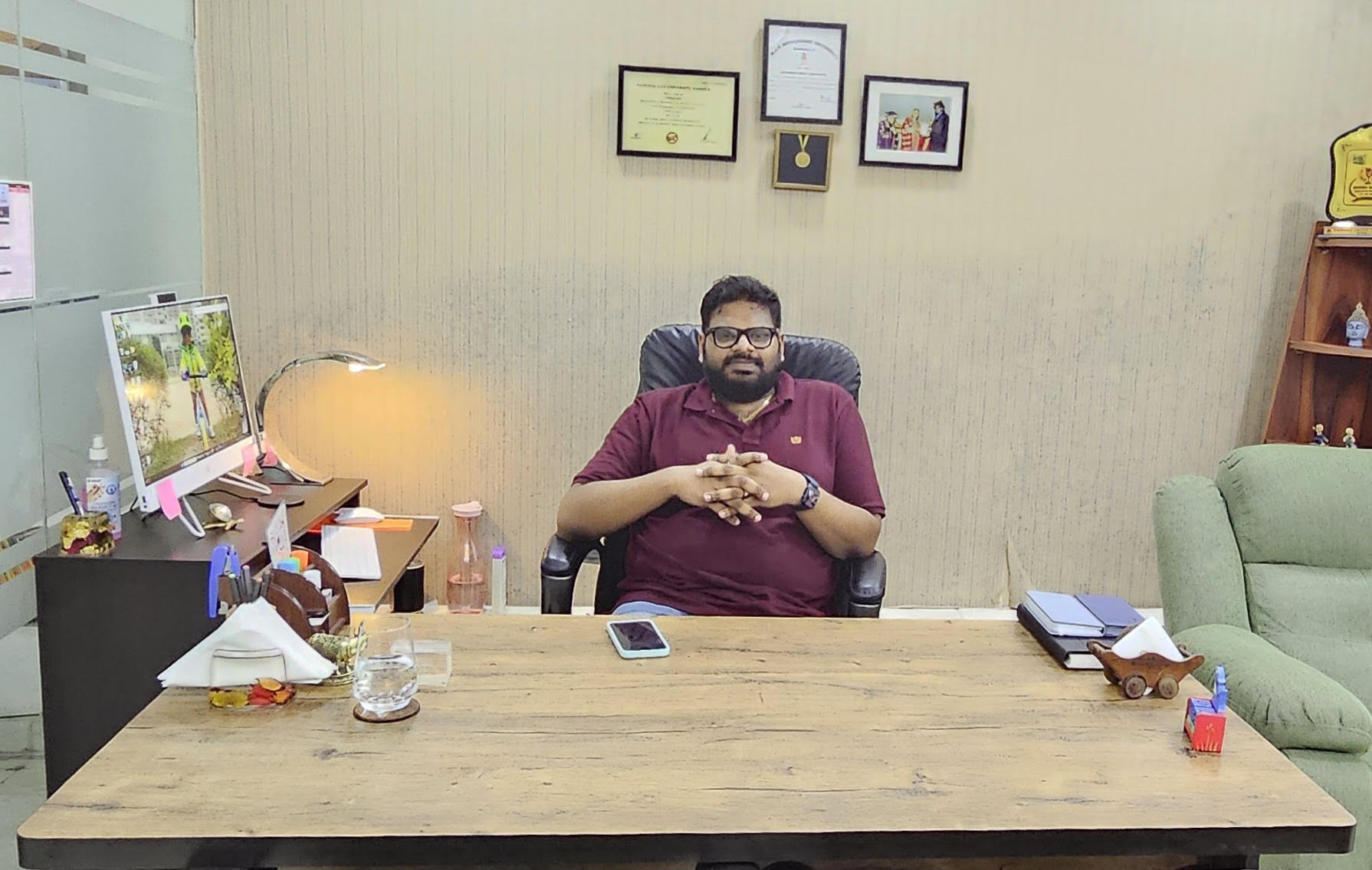
  • “The early stages of a lawyer’s career can be analogically likened to the early stages of development of a child. One needs to have an extremely inquisitive and childlike approach towards learning the law and the legal procedures in the early stage.” – Anuj Tyagi, Advocate-on-Record at Supreme Court of India.

    “The early stages of a lawyer’s career can be analogically likened to the early stages of development of a child. One needs to have an extremely inquisitive and childlike approach towards learning the law and the legal procedures in the early stage.” – Anuj Tyagi, Advocate-on-Record at Supreme Court of India.

    This interview has been published by Anshi Mudgal and The SuperLawyer Team

    Given your extensive expertise and experience, was law always your first choice of career, or did your path evolve over time? Could you share some key moments from your academic journey at National Law Institute University, Bhopal?

    Law was never my first career choice. I even prepared and appeared for engineering entrance examinations, including IIT JEE.  Law happened completely by happenstance. My father heard his colleagues including a District Magistrate speaking to another colleague (in the context of his son’s higher education) about entrance examinations of National Law Universities which, in their words, were like the “IITs of Legal Education” and if one could get through such NLUs, they would have a very bright career. After enquiring further with the said District Magistrate about the NLUs and the entrance procedure, my father, in the evening broached the possibility of my appearance for law entrance examinations. In a way, law immediately sparked my interest, and I immediately went to the so-called ‘cyber-cafes’ of those days and researched further about the scope of the entrance examinations and how I could prepare for the entrance examination. I then came across Law School Tutorials (LST) and ordered their study material and started my preparation. I subsequently qualified the entrance examinations of Symbiosis Society Law School, Pune, Army Law School, Mohali, GGSPIU, NLIU (Bhopal) and several other entrance examinations and eventually joined NLIU, Bhopal, after briefly enrolling and studying at SSLS, Pune. So clearly, the road that led me to law evolved over time.

    After completing your law degree, what motivated you to pursue an LL.M. at Queen Mary University of London, and how did it enhance your previous education? Can you also share your experiences and the differences you observed in their teaching pedagogy?

    I was of the firm belief that at all times after you graduate, you must either be in the pursuit of earning or learning. I had been harbouring this desire to pursue an LL.M. right since I graduated.  When COVID-19 struck, I took this opportunity and enrolled myself for an LL.M. in International Dispute Resolution at QMUL, UK. It was very hard to keep up with the expectations of the teachers in terms of the pages to be read per day, despite the substantially reduced work pressure but I somehow managed to graduate with Merit. The biggest difference in the teaching pedagogy between the two great institutions was that at NLIU, at the undergraduate stage, the focus somehow remained more on foundational, theoretical, lecture-based learning while at QMUL, in the graduate programme, stress remained on in-depth analysis, critical thinking, and practical understanding of key concepts. There was no scope of securing good marks at QMUL, if one did not understand the intricacies of the key concepts concerned. Mostly the questions were in the form of real-life situations and one was supposed to write a suggestive note as to what one, as a Counsel, would have advised one’s client in the fact situation concerned. The other key difference was in the method of marking and evaluation at QMUL. Upon the end of the evaluation of the answer sheets, at QMUL, we would not only receive the marks but also detailed comments from the evaluating teachers which would further help us acquire an in-depth understanding of the concept and also help us understand where we lacked in the evaluation of the given factual situation. That was, in my view, a game-changing aspect. If one would not understand what one could have done better, one would commit the same mistakes again and achieve the same range of marks. However, a clear understanding of the areas where one could have done better in terms of expression or otherwise, would always promote a deeper learning of relevant concepts.

    In the early stages of your career, you must have encountered various learning experiences. Could you share some of these with aspiring lawyers? Additionally, what prompted you to start your own practice, and what were some of the initial challenges you faced in establishing it?

    I would like to first underscore the importance of the answer to this question for your readers. Please note that this is the most important and relevant part of this interview, from the perspective of an aspiring lawyer or a law graduate. I was indeed exposed to many learning experiences, especially in the early stages of my career. I would begin with saying that the early stages of a lawyer’s career can be analogically likened to the early stages of development of a child. One needs to have an extremely inquisitive and childlike approach towards learning the law and the legal procedures in the early stages of one’s career. The first year was mainly about familiarising myself with the procedures and practices at the Hon’ble Supreme Court, the Hon’ble High Court, the District Court and the various buildings and rooms that formed a part thereof. I, fortunately, had a senior from my college who was working as an Associate at the first chamber I joined immediately after graduation. I used to pose at least 100 questions to him on a daily basis in the course of our daily trips to the court. He was very patient with me and answered all my questions with calmness and ease. Thanks to him, I quickly understood the basic legal procedures, including but not limited to the courtroom etiquette, which side of the dias to stand on when representing either side, how to give appearance slips to the court staff, how to hand over documents/judgments at the bar, the position of the various courts, the important offices of the officers of the registry, how to inspect the file etc. It is very important to have gone through the grind yourself at the initial stages because if you haven’t done something yourself once, you’ll never get to understand the procedure in detail and will encounter issues even while delegating it to your juniors/clerks in future.

    One of the early learning experiences taught me to show up at the courts at least 15 minutes before the designated court commencement timings to avoid missing your matters and eventual embarrassment, regardless of the position of your matter on the causelist. In my initial years, a matter was listed at item no. 42 in a cause list listing a total of 70 matters for consideration of the Hon’ble Court. Assuming that the matter would certainly not be called out in the first hour, I turned up at 11:30 am instead of 10:30 am when the court concerned would commence the hearing. Much to my surprise, the matter had already been called out and taken up. Upon enquiry with the court master, I learnt that between Item no. 1 and 42, there were two connected batches cumulatively concerning 35 matters and that the rest of the matters had been passed over and therefore the matter came up for consideration earlier than expected. I had to wait till the court had taken up all the other matters and was to rise when I mentioned my matter and got my presence recorded and thankfully prevented any harm to the client’s interests. 

    Through one of the other learning experiences, I learnt to not take pleadings casually and to be absolutely accurate with the words while drafting pleadings. In one of the cases being conducted by one of the Advocates I was associated with in my early years (who held the brief for the defendant), I observed that while denying the pleadings of the plaintiff in the written statement, instead of the word ‘plaintiff’, the word ‘defendant’ was wrongly used. The enormity of the consequence of this inadvertent error was such that a civil suit filed by the plaintiff was decreed, under Order XII Rule 6 of the Code of Civil Procedure, 1908, on the sole basis of this inadvertent ‘admission’. This caused immense loss to the client and massive embarrassment to the concerned Advocate. After learning this important lesson, I haven’t ever filed any pleading/statement in any case without reading it at least thrice and believe you me, I have found some mistakes even in the third reading. I feel there is no other way to ensure accuracy. I further think that as an Advocate, you shouldn’t be making careless mistakes. You are paid not to make mistakes by the client. As such, you must conduct your cases with a heightened sense of responsibility. 

    Another learning that I drew from the whole episode was that one should keep one’s eyes and ears open and learn from the mistakes committed by others, without waiting to commit a mistake oneself, at the expense of one’s client. 

    Lastly, through another experience that I had with a client, where the client abruptly denied a clear understanding which I had with a client, I learnt that an Advocate should record the understanding arrived at with the client in regard to any aspect of the matter being handled for the client. Before filing pleadings/statements on behalf of the client, one should always email it to the client and ask the client to read the same in great detail and then respond to that email with an instruction to file the same if the same is in order. In my experience, following this practice will certainly save a legal practitioner from many embarrassing situations on more than one occasion in future. Further, in answer to question at serial no. 8, I have enlisted many other useful lessons I have learnt in the last 15 years as an Advocate.

    In so far as the second part of your question is concerned, there comes a stage in every lawyer’s life when you feel that you’re ready to take the plunge. The stage is usually marked by reasonable confidence that the lawyer would be able to handle a given matter by himself/herself before the court and that he/she will be able to sustain his/her basic expenses without any external help. When I got reasonably sure in regard to both the aspects mentioned above, I took the plunge into private practice, in October of 2015 and god has been kind ever since. I always tell my associates that the biggest challenge in advocacy is not advocacy itself, but the art of dealing with the clients so as to ensure that the clients pay up your fee well in time and your relationship with your clients remains cordial and transparent, built on the edifice of trust. In this regard, please note that the issue of fee should be discussed and settled soon after the client has conveyed his decision to hire you, without any delay. There should be no hesitation in discussing and settling fee with the clients at the earliest opportunity. I realise that this is easier said than done and that it takes years to get good with this but this is one of the most important aspects of advocacy. That said, the other biggest challenge which you have to overcome in setting your own practice is to get enough clients to sustain your practice and to grow it sustainably. You may be an exceptional advocate, but you don’t get to display your skills unless you appear before Courts frequently and that doesn’t happen unless you hold enough briefs for your clients to make that happen. The initial challenges for me too, therefore primarily pertained to having a good number of clients, getting those clients to realise the value of my legal advice and getting them to pay up my fee on time.

    Having represented clients in both domestic and international commercial arbitration, could you describe one of the notable cases you’ve worked on, especially your experience in the ICC Arbitration in Zurich?

    The international arbitration matter between an Austrian Company which was represented by me and a government organisation functioning under the aegis and administrative control of the Government of India, deserves a special mention here. Brief redacted facts were that my client was an Austrian Company which, along with its Indian Collaborator, supplied a complex chemical plant to a government organisation. The contract subsequently ran into rough weather and our client issued a Request for Arbitration [RFA] to the said government organisation, in accordance with the terms of the contract and the ICC Arbitration Rules [ICC Rules]. The seat of arbitration was Zurich and the other side was represented by a well-known and established Indian law firm which was substantially bigger in size than our team. The valuation of the subject matter of this arbitration was in excess of Rs. 1000 crores. We first represented the client before the Hon’ble Delhi High Court and obtained a stay against encashment of the client’s bank guarantee. This reaffirmed the client’s faith in us and led us to represent the client in the entirety of arbitration proceedings. The arbitral tribunal comprised of 3 members, including a former Chief justice of India, and a German engineer as co-arbitrators and a lady from Beirut, Lebanon, as the chairperson of the tribunal. The arbitration was administered under the aegis of ICC and governed by the ICC Rules. We had the hearings of this arbitration at Zurich, Paris and London and eventually succeeded in the case. Our claim was largely allowed and the Respondent’s counterclaim was dismissed. The victory was significant and it sparked my interest in arbitration which would become a lifelong association in times to come.

    You have significant experience in sports-related litigation. Can you discuss some landmark cases you’ve handled involving National Sports Federations and the Indian Olympic Association?

    I was introduced to sports-related litigation by a dear friend of mine in the year 2020 and since then, it’s been a constant in my practice. I have represented/advised the Kho Kho Federation of India, the Handball Association India, the Rajasthan State Olympic Association, the UP Olympic Association, the Pondicherry Olympic Association, the Delhi State Kabaddi Association, and famous discus thrower in a wide array of legal proceedings, including proceedings before Hon’ble Courts/arbitration tribunals. One of the landmark cases that I’ve been a part of is the PIL bearing W.P(C) 195/2010, titled “Rahul Mehra vs. Union of India and Ors.”. In this matter, I represented KKFI, which was an impleadment applicant. By way of the judgment dated 16.08.2022, a division bench of the Hon’ble High Court of Delhi held that the National Sports Code is applicable to the Indian Olympic Association and the National Sports Federations along with their constituents. The Hon’ble Court further extensively dealt with and ruled on various aspects of the administration of the Indian Olympic Association and National Sports Federations including the validity of permanent posts like life president in IOA, differential voting rights to National Sports Federations and State Olympic Associations in IOA, the applicability of Model Election Guidelines, the applicability of age and tenure guidelines on members of the Executive Committee of NSFs and IOA, size of the Executive Committee, eligibility of a person against whom charges have been framed to contest the elections. Though the judgment is under challenge before the Hon’ble Supreme Court, it makes for an essential read for every sports lawyer in the country just for the ground it covers in the realm of sports regulation and administration.

    The said judgment was challenged by the Indian Olympic Association before the Hon’ble Supreme Court by way of SLP(C) 14533/2022. In the said matter, the Hon’ble Supreme Court initially appointed a one-man committee headed by a former judge of the Hon’ble Supreme Court tasked with the mandate to suggest amendments to the constitution/Memorandum and Rules of the Indian Olympic Association. The said committee held public hearings at the Jawaharlal Nehru Stadium, which were attended by all stakeholders including the representatives of the National Sports Federations and State Olympic Associations. I represented the Kho Kho Federation of India, the Handball Association India and the Rajasthan State Olympic Association at the public hearing. The matter is still pending adjudication before the Hon’ble Apex Court and I am fortunate to be representing the Kho Kho Federation of India and the Handball Association India who are the impleadment applicants before the Hon’ble Apex Court in the said matter.

    Another seminal sports-related litigation was a challenge to the elections of the then President, IOA by way of a civil suit for Declaration preferred by an eminent sportsperson whom I represented. The matter was hotly contested with several senior counsels representing either side. The matter went on for a couple of years and was ultimately rendered infructuous midway as the then President, IOA, voluntarily resigned from the said position before the end of his term and the matter was rendered infructuous as the desired objective was achieved before the conclusion of the trial.

    With your background in sports law and international arbitration, how do you foresee the future of sports law in India over the next 5-10 years?

    I foresee great developments for sports law showing up on the horizon. As of this day, the sports organisations, principally being the Indian Olympic Association and the National Sports Federations are regulated by the government through the Ministry of Youth Affairs and Sports [MYAS] by issuance of executive instructions, circulars and letters which are binding on the NSFs and IOA. A compilation of such executive orders, instructions, circulars, and notifications issued by the government over a period of time, created in the year 2011, came to be referred to as the National Sports Development Code of India, 2011 [National Sports Code]. The National Sports Code has been holding the field to date. However, recently, the MYAS introduced the Draft National Sports Governance Bill, 2024, which was also put up for public consultation in the recent past. The bill proposes many reforms, making provisions for establishment of Sports Regulatory Board of India to regulate and supervise the National Sports Federations (NSFs); establishment of an internal grievance mechanism for athletes and coaches; establishment of an Appellate Sports Tribunal tasked specifically with the objective of adjudication of sports-related disputes, reservation for women and sportspersons of outstanding merit [SOM] in Executive Committee posts; establishment of Athlete’s Commission; relaxation of eligibility criteria for contesting of Executive Committee posts for wider representation.  Once the National Sports Governance Bill, 2024 is promulgated into law, it is going to revolutionise the administration and regulation of sports and herald a new era of sports development in India. 

    How do you manage the complexities of handling a wide array of civil and criminal matters at the Supreme Court of India? Can you share an example of a particularly interesting case and how you addressed the challenges it presented?

    My practice before the Hon’ble Supreme Court of India is mostly confined to matters on the civil side. That said, one can manage the complexities of any case, one handles, with an in-depth knowledge of the factual and legal issues involved. The soundness of your research, the clarity of your expression, and the dint of your hard work would dispel the complexities with ease.

    One particularly interesting case that I can immediately remember was a bunch of 5 SLPs preferred by a group of Nursing Colleges situated in a particular state, inter-alia, against the Nurses Registration Council [NRC] of the said state. The Petitioners were represented by a number of AORs, Counsel and Senior Advocates and the NRC was singularly represented by me as its Standing Counsel. The matter came up before Court No. 2 of the Hon’ble Supreme Court, headed by a division bench of 3 Hon’ble Judges of the Hon’ble Court, quite early in the morning and since the matters cumulatively comprised at least 2000 pages, I requested the Hon’ble Court to grant me some time for filing of proper counter-affidavits to the said SLPs. Considering the stress on the ‘urgency’ involved in the said matter and considering the ‘future of the students’ was said to be at stake in the said matters, the Hon’ble Court declined my request and asked me if I could prepare a summary and a chart to assist the Hon’ble Court by the following day. Daunted at the prospect of being able to comprehend and assist the court effectively with the matters in less than 24 hours, I requested the Hon’ble Court to grant me time till the day after. The Hon’ble Court, kindly agreed to my request and posted the matter for final hearing after two days. The task was daunting, still as these were the first 5 matters assigned to me by the MPNRC and I was at that point in time, not familiar with even the applicable statutory provisions, rules and regulations governing the subject matter of the said SLPs. Regardless,  I put everything else aside and started grasping the essence of each one of the said 5 SLPs. With great difficulty, after sleeping for less than 6 hours in the intervening 48 hours, I ended up making a note and table for the Hon’ble Court’s consideration. When the matter was taken up, I cumulatively argued for more than 30 minutes, without having to look at any of the case files. Several Advocates and Senior Advocates marshalled their arguments against the position taken by me. However, at the culmination of the hearing, the Hon’ble Court thankfully dismissed the entire batch of matters, on the strength of the arguments advanced by me and barred the Petitioners therein from approaching the Hon’ble Apex Court ever again on the said issue. The process that led to the culmination of the aforementioned matter not only enriched me immensely as an advocate but also reaffirmed my faith in my advocacy and on the principle that with hard work you can surmount insurmountable odds. Further, as is the case with the overcoming of any challenge, I felt victorious and encouraged to work harder and harder to sharpen the essential tools for my law practice.

    What advice would you offer to young lawyers who aspire to have a successful career like yours? Are there any resources or practices you recommend for staying updated with evolving legal trends?

    Some of the good habits I would encourage young lawyers to inculcate in the early years are:

    • Treat the matters of your senior as your own and handle them with the same level of ownership and responsibility. This will help you immensely later when you start your own practice.
    • Read your drafts at least thrice before filing the same. Every time you run through it, mark my words, you’ll find mistakes. Impeccable drafts create a great primary impression in the mind of the judge.
    • Never try taking shortcuts in the profession. They’re likely to do more harm than help you.
    • Read the whole judgment. Don’t just read the headnote to grasp the ratio. 
    • Never give in to the lure of unethical practices.
    • Always be loyal to your client but at the same time, remember that your ultimate loyalty lies with the court. 
    • Never mislead a judge and answer questions posed by the bench directly and promptly.
    • Have a sincere demeanour becoming an advocate while sitting inside the court. Don’t engage in fun or banter inside the court.
    • Communicate your fee structure to your client promptly, and without delay, and if possible, during the first meeting itself. 
    • Be thorough in your research and endeavour to know the jurisprudence regarding the legal proposition applicable to your case, in all its variations and limitations.
    • Lastly, remember that above-average intelligence, along with sincerity and hard work will do the trick for you in the profession.

    Further, it is substantially easier to stay abreast with the evolving legal trends than it was for the previous generation of lawyers. Earlier, to stay updated, lawyers had to rely majorly on law reports and journals. In contrast, today you have the advantage of a world connected with hi-speed internet which makes this job a whole lot easier. The other day, while I was patiently sitting and waiting for my matter to be taken up by the Hon’ble Supreme Court, a matter pertaining to legal ramifications arising from obscene comments made by a popular content creator was taken up by the Hon’ble Court. I was surprised to note that even before the matter got over, a popular online platform publishing legal news had already published a whole article on the issue. Today we live in a fast-paced world driven by technology where one has ready access to online law journals, online news portals, online legal research portals, video lectures on law by prominent jurists, and the latest addition to the list is AI driven legal research tools. With all this at one’s command, one can learn immensely and stay abreast with the latest legal trends at the same time, with ease.

    Managing a demanding legal career alongside a personal life can be difficult. How do you balance your professional commitments while maintaining a healthy work-life equilibrium?

    My senior once told me that if you’ll not strike a work-life balance, you will never find enough time to complete the endless work that will keep you drowning till neck deep in its vast expanse. He always told me to leave for home on time every day so that you make the most of your days with your family. Law, as they say, is a jealous mistress. It certainly demands a lot of time and dedication from you, if you aim to excel in the legal profession. However, I am a firm believer of the age-old adage which states in the relevant part, that “if health is gone, everything is gone”. I endeavour to go to the gym 3-4 times a week to ensure my physical and mental well-being and I try to leave the office by 7-7:30 pm every day so as to be with my family by 7:45-8:15. These two habits have helped me in maintaining a healthy work-life equilibrium.

    Get in touch with Anuj Tyagi –

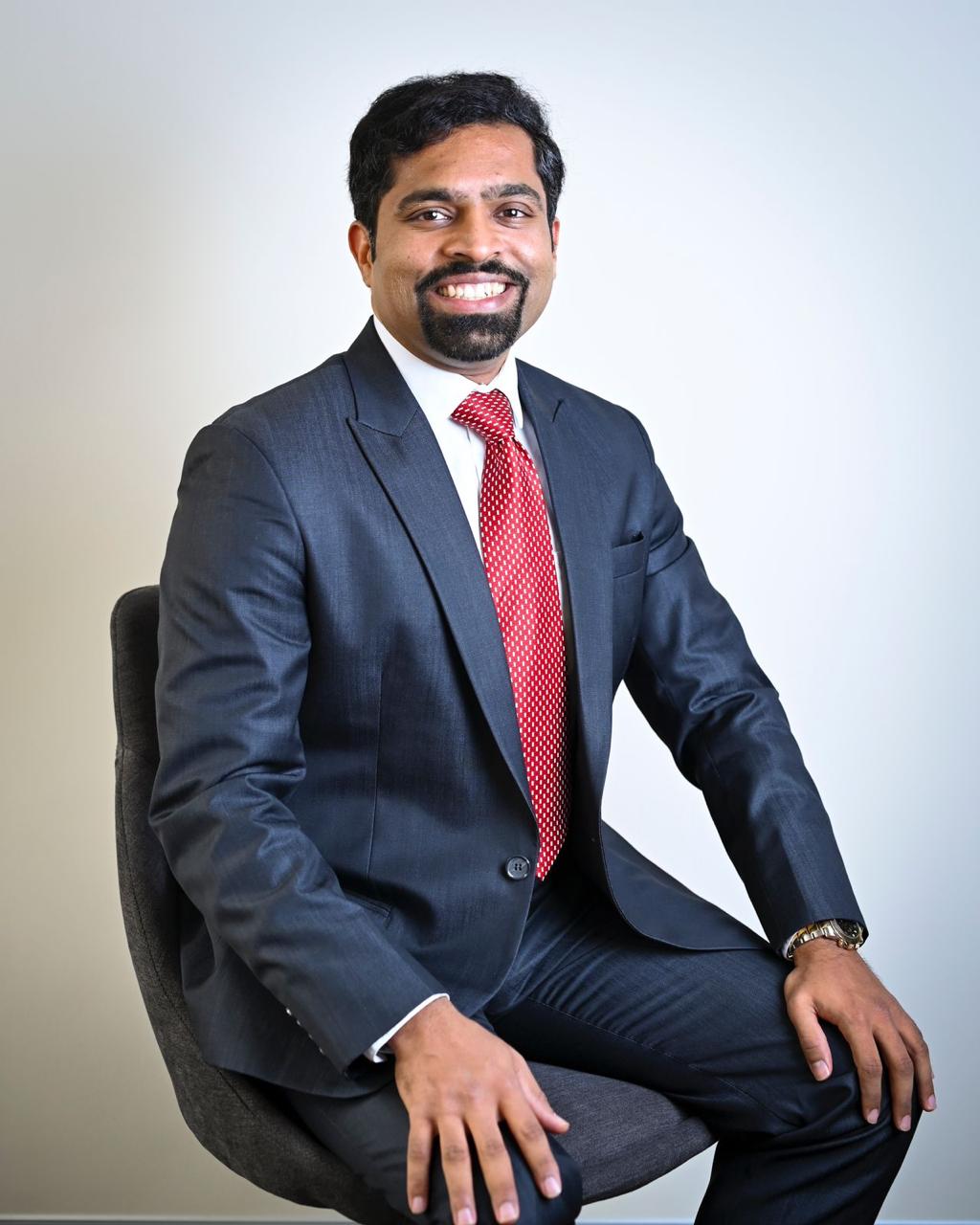
  • “Every Indian-origin professional that I’ve met, who successfully transitioned internationally has had a unique journey marked by rejections, hard work, persistence and resilience.” – Khushboo Deshmukh, Assistant Legal Counsel at Permanent Court of Arbitration (PCA).

    “Every Indian-origin professional that I’ve met, who successfully transitioned internationally has had a unique journey marked by rejections, hard work, persistence and resilience.” – Khushboo Deshmukh, Assistant Legal Counsel at Permanent Court of Arbitration (PCA).

    This interview has been published by Anshi Mudgal and The SuperLawyer Team

    What initially motivated you to pursue a career in law? Could you share your experience at NLIU and what inspired your early interest in Alternative Dispute Resolution (ADR)?

    I knew by the 8th grade that I wanted to be a lawyer. Initially, I aspired to be a corporate lawyer (blame shows like Suits), but my law school internship in the dispute resolution team of a law firm, shifted my focus towards dispute resolution.

    NLIU played a crucial role in shaping my career as this pivotal phase provided me with an opportunity to interact and collaborate with brilliant minds from various backgrounds, an experience that not only enriched me personally but also broadened my perspective as a budding legal professional. I actively participated in co-curricular activities, including parliamentary debates, where I realized I enjoyed adjudicating more than debating. My participation in an investment arbitration moot sparked my interest in international arbitration, a path I have professionally reconnected with in recent years.

    My first mediation competition in my third year was a turning point, when I won my first individual mediator award in INADR Boston, and later represented NLIU in three more international mediation competitions in INADR London, INADR Chicago, and ICC Paris. These experiences, coupled with internships at leading law firms, cemented my passion for ADR. I was also deeply involved in NLIU’s ADR Cell and later served as its Co-Convenor.

    What were the most impactful experiences from your early years as an associate, and how did they shape your legal career?

    Starting my career at M/s Federal & Rashmikant, a boutique law firm (dissolved in 2018), was a transformative experience. I had the privilege of being mentored by highly sought after senior professionals with over 40 years of expertise, which gave me invaluable early exposure to handling complex disputes. I later continued working as a Senior Associate with Rashmikant and Partners. The firm is renowned for handling high-stake and complex disputes where I was exposed to a diverse range of legal matters, from civil and commercial litigation to ad hoc arbitration and mediation, even delving into the intricate realm of financial disputes and white-collar crime.

    Very early-on in my career, I was entrusted with significant responsibilities of handling clients, briefing senior counsels, and managing cases independently under partner supervision. I learned the importance of every step in dispute resolution, from drafting the first correspondence, seeking inspection and discovery of documents, to developing strategy, and ultimately securing the final order. This hands-on experience instilled in me a detail-oriented yet practical approach to legal problem-solving, which has guided my career ever since.

    What motivated you to pursue an Advanced LL.M. in International Dispute Settlement and Arbitration at Leiden University? What challenges did you face during the admission process, and how did the program shape your career?

    Before applying, I ensured that I knew what I wanted to study and why. I was certain I wanted a specialized LL.M. in international dispute settlement rather than a general LL.M., which helped me streamline my choices.

    Leiden University stood out due to its well-balanced curriculum providing the perfect blend of Public International Law, International Investment Arbitration, International Commercial Arbitration, as well as Negotiation and Mediation, all taught by leading experts in the field. This coupled with the university’s proximity to international organisations, courts and tribunals in The Hague offered unparalleled opportunities for practical insights and networking.

    The application process was competitive, requiring a strong academic and professional profile. My time at Leiden University significantly shaped my career, exposing me to diverse legal professionals as peers and professors who helped me in building a strong foundation in international dispute resolution.

    How did you manage the transition from an Indian legal background to an international career? What challenges did you face?

    For an Indian dispute resolution lawyer, transitioning internationally often starts with an international master’s degree. Hence, I researched my options and pursued a specialised master’s. Building an international career has undoubtedly been the most difficult challenge in my legal profession thus far, as there is no red carpet laid out for Indian disputes lawyers. The competition is fierce, and the international market is often saturated and full of international professionals with intimidating profiles.

    The only factors that I had on my side were hard work, persistence and a strong support system in the form of my family and friends, who stayed by my side while I made hundreds of applications and dealt with innumerable rejections. In order to continue upskilling myself and in line with my passion for meditation, I obtained an accreditation from ADR ODR International Ltd. as a Civil/Commercial Mediator. I also ensured that I engaged in networking both in-person and virtually with professionals across Europe, United Kingdom and Asia. Additionally, I offered legal services independently while I looked for positions which helped me to keep testing my legal skills and broadened my industry connections. Lastly, I kept myself abreast with the legal updates, which does not necessarily have to come from paid platforms.

    How has working across multiple jurisdictions—India, the UK, the Netherlands, and Singapore shaped your approach as a legal professional?

    Growing up in Indore, a city in central India which is rich in diversity and tradition, I naturally developed an ability to adapt to different cultures and environments. This adaptability has been instrumental in navigating the complexities of working across multiple jurisdictions.

    Working for five years in the Indian dispute resolution market has undoubtedly given me a strong foundation to build on. At WilmerHale, I gained firsthand experience at a top-tier international arbitration firm, working alongside some of the biggest names in the field of international arbitration. In the Netherlands, I worked independently, deepening my understanding of both common and civil law traditions. Each jurisdiction has its own legal framework, procedural nuances, and cultural approach to dispute resolution. For me, the most compelling aspect of international dispute resolution is that it provides the opportunity to delve into different legal jurisdictions, giving an insight into different ideologies and view-points of international professionals and parties from different nationalities.

    Now, at the Permanent Court of Arbitration, I’ve transitioned from private practice to an intergovernmental organization, which required a shift from an adversarial approach to a more neutral and institutional perspective. This transition has been a process of both unlearning certain practices and acquiring new skills to adapt to a more balanced and procedural role in dispute resolution. Every step in this journey has broadened my perspective, reinforcing the importance of adaptability, cultural sensitivity, and a deep understanding of international dispute resolution mechanisms.

    What advice would you give to aspiring lawyers seeking to make an impact on the international legal stage?

    Beyond academic credentials, one must actively develop skills that align with international legal standards and help you stand out. Networking, gaining practical exposure, and continuously upskilling are crucial. Every Indian-origin professional that I’ve met, who successfully transitioned internationally has had a unique journey marked by rejections, hard work, persistence and resilience.

    Stay informed about emerging legal trends through academic journals, online courses, and professional seminars. Network strategically by connecting with professionals in positions you aspire to be in, and learn what skills are in demand. Be proactive in gaining experience.

    Unfortunately, there is no cookie-cutter formula to this. At the risk of sounding like a broken record – it is only a commitment to keep growing and the willingness to adapt.

    How do you see technology evolving in dispute resolution, and what impact will it have on efficiency and accessibility?

    Technology is revolutionizing dispute resolution, making it more efficient, cost-effective, and accessible. The rapid adoption of virtual hearings, AI-driven legal research, and online dispute resolution platforms has eliminated geographical barriers and enhanced access to justice.

    COVID-19 accelerated this transition, normalizing virtual court hearings and international arbitrations via video conferencing. AI now assists in legal research, document review, and predictive analytics, allowing lawyers to develop stronger arguments faster. However, technology also brings challenges, including cybersecurity concerns and the digital divide, particularly in developing countries.

    Ultimately, while technology enhances accessibility, dispute resolution will likely follow a hybrid model. In-person hearings will remain crucial in certain cases, such as family mediations, where personal interaction is essential. Legal professionals must stay adaptable and embrace technology while ensuring it complements, rather than replaces, critical legal judgment.

    Given the demanding nature of your career, how do you maintain a healthy work-life balance? How do you encourage your team to do the same?

    Work-life balance is one of the biggest challenges for legal professionals worldwide. It’s unrealistic to expect a perfect balance every day. What matters is prioritizing effectively and being fully present in whatever you’re doing.

    I make time for personal life, even in small ways – whether it’s a morning coffee ritual, reading during my commute, or setting aside dedicated time for family and friends. I also enjoy playing the ukulele time to time. Some days work demands more, and some days personal life takes priority, but balance is an ongoing process rather than a daily equation.

    Having a hobby, as simple as reading, playing music and writing helps maintain personal well-being. Most importantly, building a strong support system is key. The legal profession is demanding, with inevitable highs and lows, and a reliable support network of family, friends, and peers is what sustains you through it all.

    Get in touch with Khushboo Deshmukh –

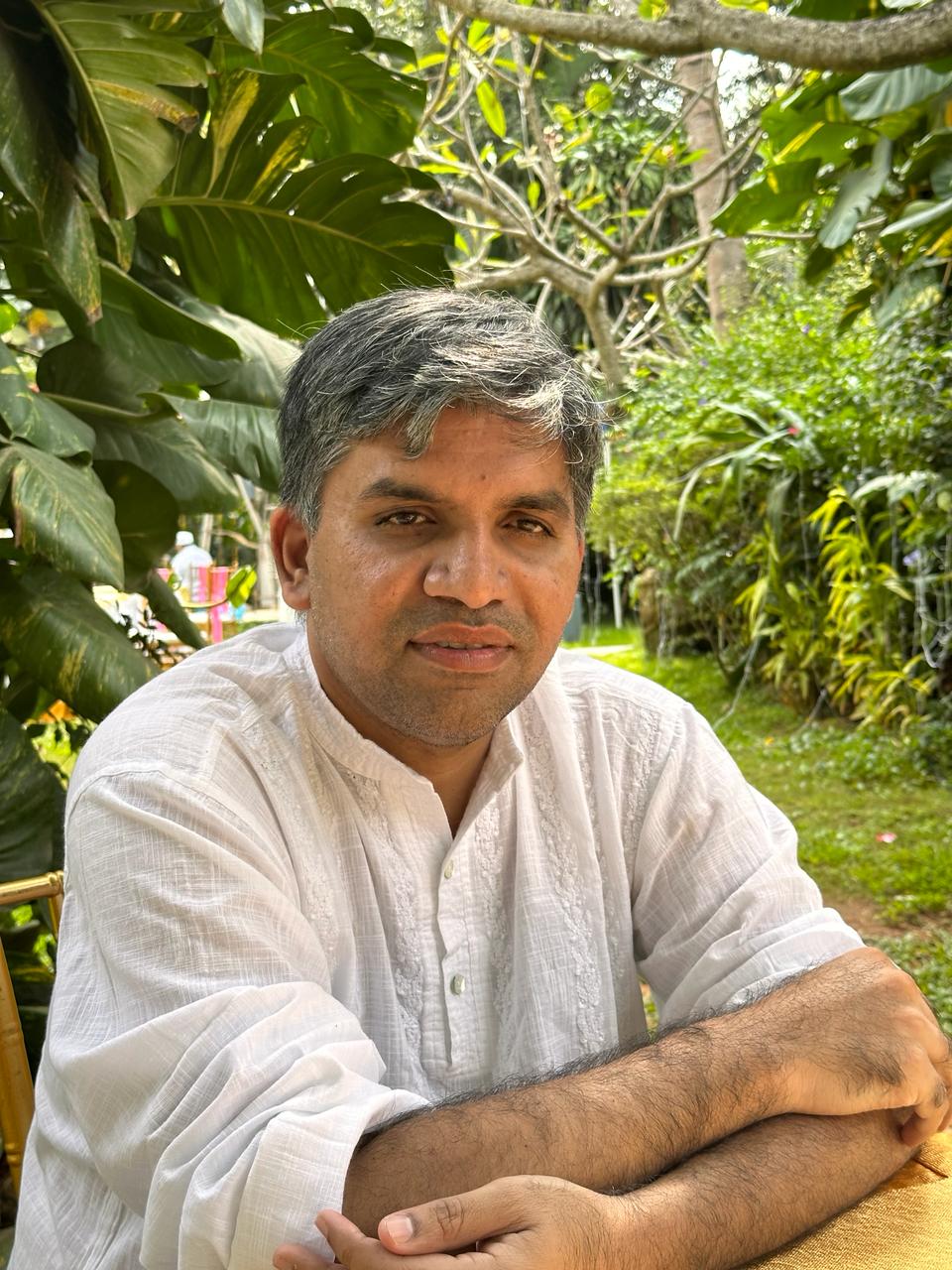
  • “No matter what happens in your professional career it is important that you soldier on without giving up. Be positive and look ahead with vigour.” – Ashwin Mathew, Independent Law Practice Professional.

    “No matter what happens in your professional career it is important that you soldier on without giving up. Be positive and look ahead with vigour.” – Ashwin Mathew, Independent Law Practice Professional.

    This interview has been published by Anshi Mudgal and The SuperLawyer Team

    You completed your law degree from National Law School of India University, Bangalore and received various awards and accolades, what were the instances that made you pursue a career in law?

    I think my decision to pursue law as a career was influenced by two distinct phases in my life. The first phase was before I joined NLSIU, Bangalore. I was an avid reader and enjoyed the works of Erle Stanley Gardener and Henry Denker. The former created Perry Mason who was an excellent criminal defense attorney and the latter combined law and medicine in his books which appealed to my background as a science student. The second phase was after I joined NLSIU, Bangalore. NLSIU, Bangalore was a nascent institution at that time but the structure that had been put in place ensured that I truly appreciated the intricacies of law. NLSIU, Bangalore had a superb Director in the late Dr. N. R. Madhava Menon, who all of us students admired, a dedicated group of teachers, an excellent student pool and extremely supportive staff. The curriculum of NLSIU, Bangalore was rigorous. It was based on the trimester system. Each trimester had 4 subjects. For each subject a project had to be submitted. There were also two sets of exams and a viva voce for each project. Attendance was also marked and anyone with less than 75% attendance could not sit for the final exam. This challenging curriculum made me appreciate the various laws and the intricacies involved. Initially my performance was average but in the 3rd year when the subjects were all legal, I flourished and my cumulative grade point average rose. I fully appreciated that law was about problem solving with regard to which my science background helped immensely. This convinced me that law was a sound career option.

    You have completed your master’s degree from the University of Cambridge, United Kingdom where you specialised in subjects such as International Banking and Financial Law, Corporate Finance, International Commercial Litigation and Jurisprudence. What piqued your interest in Corporate and Commercial Laws as a specialisation?

    My interest in corporate and commercial laws was piqued during my first job at Amarchand & Mangaldas. I was recruited from campus by the erstwhile Amarchand & Mangaldas to work in Mumbai. I was assigned to the team of Mr. M. P. Bharucha and Mrs. Alka Bharucha. At that time, I was completely green on the practice of corporate and commercial law and made some embarrassing mistakes at the start. Mr. and Mrs. Bharucha were excellent seniors and mentors who provided superlative advice and guidance which helped me appreciate the nuances of corporate and commercial law. Also, their practice was not specialised so I was exposed to different kinds of matters. As time went by, I got to work on more and more complex matters. Amarchand was the premier law firm of the time and as a result there was no dearth of such transactions. I worked for 6 years at Amarchand and in the end I had an abiding interest in corporate and commercial law. Therefore, it was natural to choose corporate and commercial law as a specialisation at University of Cambridge, UK (“Cambridge”). At this point I must mention what my experience at Cambridge was like. Cambridge is one of the premier institutes of learning in the world. I did my Masters in Law or LL.M at Cambridge. Students from different nationalities come to Cambridge each year making it a melting pot of cultures and backgrounds. Cambridge also exudes a sense of learning by fostering the growth of knowledge. A Masters at Cambridge focusses on self-study. Classes are few although taken by giants in their field. A Masters student is expected to spend the rest of his or her time studying on their own. At the end of the course period examinations are held which are difficult. If you want to broaden your mind by being exposed to a different approach to education than institutes like Cambridge are for you. The only factors you need to keep in mind are the challenges in getting admission and the costs.

    You have worked with various law firms and advised domestic as well as international clients with issues relating to corporate and commercial laws. What has been the most interesting issue you have faced and how did you resolve that issue?

    This is a difficult question to answer. In my experience, every matter you work on throws up interesting issues. Of the many issues I have had to grapple with, a few come to mind. The enforceability of pre-emption rights and put and call options in a shareholders agreement or joint venture agreement, the enforceability of notice periods in employment contracts given the legal restrictions on restraint of trade, whether the indemnity provisions in the Indian Contract Act, 1872 are a complete code, the relationship between indemnity and damages, the distinction between representations and warranties, the effect of imperfections in the procedure followed under SARFAESI on the ultimate sale of the secured asset and finally, stamp duty on documents executed outside a state when brought into a state and effect of non-payment of stamp duty. These issues aside, I think my most memorable experience with a prickly issue happened when I was at Lakshmikumaran & Sridharan (“L&S”). The question was whether a subsidiary company would include a limited liability partnership (“LLP”) for the purposes of the Companies Act, 2013. The definition of a subsidiary company provides that the expression “company” in the definition includes any body corporate. The definition of “body corporate” is an inclusive definition and includes a company incorporated outside India. These two definitions did not provide any clarity on the issue before us. I then sat down with a person I consider to be one of the finest lawyers in India, Mr. V. Sridharan, Senior Counsel and one of the founders of L&S to examine the issue. At Mr. Sridharan’s behest we examined all the background material pertaining to this issue. This included the Companies Act, 1956, the Companies Act, 1913, the Statement of Objects and Reasons and Notes on Clauses contained in the various Companies Bills that preceded the Acts and various Committee reports. At the end of this comprehensive analysis, we concluded that an LLP was a body corporate for the purposes of the definition of a subsidiary company under the Companies Act, 2013. This experience with Mr. Sridharan was an eye-opener for me on the importance of thorough research where every aspect is examined before a conclusion is reached. It also emphasized one of the cardinal rules of statutory interpretation which postulates that when a statute is ambiguous you must look to the objects of the clause in the statute to determine its meaning. I am eternally grateful to Mr. Sridharan for the lessons he taught me during our interaction.

    You have immense knowledge and practice in areas relating to corporate and commercial laws, private equity investments, mergers-acquisitions and joint ventures, financing, insolvency and bankruptcy matters and other allied areas. Which of these areas is the most interesting to you and how do you keep up with the changing trends in law pertaining to these areas?

    I think that the areas that I enjoyed the most were private equity investments, joint ventures, insolvency and bankruptcy and general corporate advisory. There is no fixed way to keep current in a field of law. Some professionals read law journals and others follow the latest news. My methodology was a little different. When an issue came before me in any of these practice areas, I researched every aspect of the law related to that issue so that I was current. Another thing I do is regularly read newsletters of top law firms on latest developments.

    Your expertise in the Commercial and Corporate law area is commendable, would you like to share with us how your journey has been so far?

    My journey so far has been exhilarating even though it has had some extreme lows. The only things I wish could have been different is if I had been re-instated as partner in Khaitan & Co and if I had continued at Lakshmikumaran & Sridharan where I am confident, I could have made a difference. That said I am ever grateful that I got to work with, and learn from, some of the finest legal and business minds in India and abroad. I have also had excellent juniors who were quick to learn, helped me learn and made my job so much easier. I have advised on significant, complex and cutting-edge transactions all thanks to the faith reposed in me by the various organisations I worked for. All this has helped me grow as a professional and as a person.

    Would you like to share with us one key learning that you have always followed throughout your career which has helped you navigate the rough patches?

    There are a few things that I follow that give me strength and courage. The first is the motto of my school – Never Give In. No matter what happens in your professional career it is important that you soldier on without giving up. After all there is always light at the end of a dark tunnel. So be positive and look ahead with vigour. The second is a quote of Abraham Lincoln which my father swears by, “If I had eight hours to chop down a tree, I’d spend the first six hours sharpening my axe.” This quote emphasizes the importance of preparation and how working smart is sometimes better than working for long periods of time. The third is a coffee mug quote which resonated with me “Quality only happens when you care enough to do your best. Always care about what you do to ensure that the outcome is of a high standard. I have tried to stay true to these sayings to my benefit.

    You have advised many national and international clients in investments that involve a huge amount of money, what is your experience in dealing with such responsibility and pressures?

    I have never had a problem handling the responsibility and pressures of my work. This is because I loved what I was doing and always had very good professionals working with me to lessen the burden. I handled these big matters when I was part of top firms with several bright professionals and I never did it alone. There was always a team working with me to ensure that the load was not concentrated in any person.

    What advice would you give to the young lawyers just starting out, aiming to pursue a career in the field of Commercial Laws and Private Equity Investments?

    My primary advice to young lawyers is that every practice area is unique and it is important to understand the basic and key elements of the practice area you are working in and the main drivers of such practice area. Also, a young lawyer must not be afraid to speak up and raise doubts because only then will he or she learn. If a young lawyer is given a piece of research, he or she must examine the issue threadbare by looking at the statute book, commentary, case law and articles by prominent authors. Finally, a young lawyer must pick his or her senior’s brain when he or she hits a roadblock because many a time experience trumps book learning.

    As regards private equity investments, a young lawyer must understand the various kinds of investment and the various kinds of companies that receive such investment. A start-up company receives seed funding and venture capital funding which could be spread over a number of rounds. Private equity investment on the other hand is risk free capital (for the investee company) invested in a mature company for a minority stake. From the investor’s perspective the investment is high risk but the potential returns can be substantial. The investment has a certain horizon and the investor must be given an exit at the end of this period, either through an initial public offering (“IPO”) by the investee company or a buyback by the promoters / investee company at a certain internalised rate of return. Most private equity investors prefer to exit through an IPO since the return can be very high but that may not always be feasible given market conditions. The other thing to bear in mind for private equity investments is that the investor only holds a minority stake. The Companies Act, 2013 has various thresholds of shareholding each of which give a certain set of rights to the shareholder who holds that percentage or more. Depending on the extent of a private equity investor’s holding and considering the thresholds under the Companies Act, 2013, a basket of rights must be granted to the investor.

    The reason I have discussed some aspects of private equity investments is to give young lawyers a flavour of the issues that they need to grapple with and provide some insight on how these issues need to be addressed. A prominent private equity investor once told me that the most important consideration while negotiating a deal is fairness. If a demand made by the other side is fair, there must be very strong reasons to reject it. If this mantra is followed not just in private equity deals getting a deal done would be expedited.

    You must have a fast-paced work schedule, how do you manage a work life balance with a demanding career?

    I strongly believe that a legal professional must ensure that he has a life outside the workplace. To do this he or she must not spend long hours at the workplace unless warranted by the demands of the job. In my case, I made it a point not to waste the normal working hours at the office. If you use the 9-10 hours at the office wisely, there is no need to sit late. This would ensure that after you got home you could pursue your other interests allowing you to maintain a healthy work-life balance. Another point in this regard is the importance of cultivating your interest in a myriad areas of life so that there is never a point when you feel bored.

    What have been some of the most important cases you have dealt with and is it possible for you to share details of any of your cases and your modus operandi to approach and prepare for that case?

    There are three matters that I would like to share but unfortunately due to confidentiality constraints I can only give you the broad contours. I cannot go into details or my modus operandi to approach and prepare for the matters. The first matter is the failed consolidation of the erstwhile Birla, Tata and AT&T with BPL Communications. As part of the Amarchand & Mangaldas team we helped draft the consolidation agreement. After the consolidation failed, BPL approached the Bombay High Court. The matter was argued before Justice A. P. Shah by Mr. M. C. Chagla, Senior Counsel and Mr. P. Chidambaram, Senior Counsel. This was the first time I witnessed an agreement drafted by us being tested in court.

    The other two matters involve Blackstone’s investments in Gateway Rail Freight Limited and Jagran Prakashan Limited.

    If the question pertains to litigation, I must admit I have not appeared in many cases before the courts. For the cases where I have appeared, I have found that strong preparation is very important. Knowing the dates and events is paramount. Also, it is very important to know the pleadings and the exhibits. You also must know all relevant case law. You must weave a story for the judge while also anticipating the arguments of the other side and pre-empting such arguments.

    Get in touch with Ashwin Mathew-

  • “We believe that everyone deserves access to legal representation and justice, and we are dedicated to helping those who face significant challenges.” – Tushar Jain, Advocate-On-Record at the Supreme Court of India the Managing Partner of TJA Law Chambers

    “We believe that everyone deserves access to legal representation and justice, and we are dedicated to helping those who face significant challenges.” – Tushar Jain, Advocate-On-Record at the Supreme Court of India the Managing Partner of TJA Law Chambers

    This interview has been published by Namrata Singh and The SuperLawyer Team

    Can you share the journey of how you started your career in law and the key experiences that have shaped your path to becoming the Managing Partner at TJA Law Chambers?  Please walk us through your journey starting from selecting Law as a career and your time at NLU, Jodhpur.

    My journey in law is deeply rooted in my upbringing in Nagina, a small town in District Bijnor of Uttar Pradesh. Despite our humble background, my parents ensured that we received a quality education from the best convent school in the district. As the youngest of three siblings, I was greatly influenced by my father, a dedicated lawyer practising at the trial Courts. Since the court premises were within walking distance from our home, I spent my summer vacations at my father’s chamber captivated by watching him argue in Court. My father noticed my fascination with court proceedings and envisioned me following in his footsteps, aspiring to become a lawyer in the Supreme Court. 

    Early Challenges and Decision to Pursue Law: Tragically, I lost my father when I was in the 12th standard. This loss left a significant void in my life and threw my future into uncertainty. Until I completed my 12th standard, I had no clear direction for my career path. Although I was a student of science, the influence of my father’s legacy and my desire to honour his dreams led me to opt for a career in law after completing my 12th

    Academic Achievements: I pursued 5-year law degree with determination and dedication, earning a gold medal for being the University Topper. This achievement not only solidified my passion for the field but also opened doors for further opportunities. In my final year of law school, I also enrolled in a postgraduate diploma course in Cyber Laws at the Indian Law Institute, New Delhi, which required me to travel to Delhi every alternate day. The travel experience in UP Roadways and retuning hometown by train was a time to remember.  After completing my law degree, I worked briefly at the Allahabad High Court before deciding to further my legal education by pursuing an MBA-LLM at National Law University, Jodhpur. 

    Time at NLU, Jodhpur: Choosing to pursue an MBA-LLM degree at NLU, Jodhpur, was a pivotal decision. My time there was transformative, providing me with a comprehensive legal education and shaping my professional outlook. The diverse exposure to life experiences, meeting people from across India, and engaging in various activities significantly transformed my personality. Being from a small town, this meant a lot to me. The rigorous academic environment, coupled with opportunities to participate in competitions and internships, honed my analytical and advocacy skills. These experiences were instrumental in building a solid foundation in legal principles and practice, helping me build my practice and learn to read people better.

    All these experiences of highs and lows in life left a fathomless mark on me and somewhere encouraged to make a bold decision to start my own law firm.  

    You began your career from High Court and subsequently held various managerial roles in legal departments before taking the Advocate-On-Record (AOR) exam and founding your firm. How have these diverse experiences across different legal roles and sectors contributed to your approach to managing and running TJA Law Chambers? What insights did you gain from each phase of your career that have shaped your current practice?

    My journey in law has been marked by a series of diverse and enriching experiences that have collectively shaped my approach to managing and running TJA Law Chambers. Each phase of my journey has provided me with unique insights and skills, which I have integrated into my current practice. 

    I began my legal career at the Allahabad High Court, where I initially did my judicial clerkship under the able guidance of Mr. Justice R.K Agrawal, who was later elevated to become a Supreme Court Judge. This initial experience exposed me to the fundamentals of courtroom procedures, legal research, and the importance of meticulous preparation. It also taught me the value of strategic thinking and the complexities involved in litigation. 

    After completing my post-graduation, I joined various reputed companies as an in-house counsel like GMR Energy, Indus Towers Limited and Sterlite Power Limited to name a few. Working in-house was a distinct experience compared to practising law in courts. Supporting the organization and other departments from a legal perspective taught me a lot about corporate governance, compliance, and risk management. It also highlighted the importance of effective communication, teamwork, and aligning legal strategies with business objectives. 

    Before founding my law firm, I had a short stint at a law firm called Advaita Legal. My distinct experiences allowed me to understand the nuances of private practice, client management, and the importance of building a professional network. It reinforced the need for thorough research, strategic thinking, and delivering client-centric legal solutions. 

    Founding TJA Law Chambers: It was always my dream to have an independent practice, but being from a small town and without a godfather in the profession, it was challenging. Nevertheless, I took the plunge and founded TJA Law Chambers in late 2019 with no significant clients in hand. Shortly after, the pandemic hit, which for my legal practice turned out to be a blessing in disguise. Despite the global challenges, I received work directly from foreign clients, which kickstarted the firm’s growth. There has been no looking back since then, and we are now catering to companies like ONGC, NTPC, EESL etc. 

    Advocate-On-Record (AOR) Exam: With my dream to establish my law firm, I also aspired to establish my practice in the Supreme Court, fulfilling my father’s dream. To this end, I started preparing for the Advocate-On-Record (AOR) exam last year and cleared it on the first attempt. This credential not only enhanced my credibility but also deepened my understanding of Supreme Court practices and procedures. The rigorous preparation for the AOR exam honed my analytical abilities and reinforced the importance of staying abreast of legal developments. 

    What motivated you to pursue the Advocate-On-Record (AOR) examination, and how did your mentor or any influential figures support you through this process? What are your thoughts on the significance of the AOR exam in a legal career?  

    Establishing a practice in the Supreme Court was a way to pay tribute to my father and the values he instilled in me. 

    Self-Guided Journey: Unfortunately, I did not have the benefit of a mentor or any influential figures to guide me through the journey of the AOR exam. This made the journey more challenging but also incredibly rewarding. I had to rely on my self-discipline, determination, and resourcefulness. I meticulously studied the Supreme Court rules, procedures, and landmark judgments. I sought out study materials, attended relevant workshops, and engaged in self-study to ensure I was thoroughly prepared for the exam. Achieving success on my first attempt was particularly gratifying and reinforced my belief in the power of perseverance and self-reliance. 

    The AOR exam’s significance in a legal career cannot be overstated, as it enhances credibility, provides exclusive rights, contributes to professional growth, instils client confidence, and opens up numerous career opportunities. I am now reaping the benefits of becoming an AOR. 

    As the Managing Partner and Founder of TJA Law Chambers, what were some of the significant challenges you faced while starting the firm? Now, after five years, how has the firm’s approach evolved in handling complex cases, and what types of cases have become a focus for your team?

    Challenges Faced While Starting the Firm: Starting TJA Law Chambers came with significant challenges, primarily due to the absence of a godfather or established network and the onset of the COVID-19 pandemic. These factors made business development and client acquisition particularly difficult. The pandemic restricted our ability to engage in traditional business development activities and necessitated a shift to remote operations. One of the initial breakthroughs was receiving our first assignment from clients in London and Luxembourg. This opportunity was crucial, as it involved negotiating and drafting high-stakes agreements across various jurisdictions, including China, Hong Kong, the UK, Russia, and Europe. This international work was a ray of hope, helping to establish our reputation on a global scale. 

    Adaptations and Strategies: Despite the pandemic’s constraints, working from home allowed us to save on office expenses, which was a critical advantage during the early stages. By focusing on delivering the best results for every assignment, we demonstrated our commitment and capability. This dedication paid off as our reputation grew, leading to subsequent opportunities and an influx of work. As a result, we were able to secure empanelment with prominent organizations such as ONGC, EESL, DERC, and Kolkata Port. These empanelments were pivotal in solidifying our presence in the legal market. 

    After five years, TJA Law Chambers has evolved significantly. Holding the prestigious Advocate-On-Record (AOR) designation, we are now well-positioned in the legal landscape. Our approach to handling complex cases has matured in several ways. 

    Our firm has developed deep expertise in representing corporate clients and handling complex legal matters across various sectors. Enhanced Services: We provide comprehensive legal services in areas such as energy law, regulatory compliance, dispute resolution, contract management and advisory services. Our practice now spans several key forums, including Arbitration, the Appellate Tribunal for Electricity (APTEL), various Electricity Regulatory Commissions, the National Consumer Disputes Redressal Commission (NCDRC), the National Company Law Appellate Tribunal (NCLAT), and the National Company Law Tribunal (NCLT), in addition to various High Courts and the Supreme Court. 

    Strategic Growth: The firm has strategically focused on building a strong client base and expanding our service offerings. Our growth is driven by a commitment to excellence and adapting to the evolving legal landscape. 

    Client-Centric Approach: We have refined our approach to ensure that we meet the unique needs of each client, providing tailored legal solutions and maintaining strong, transparent relationships. 

    Do you engage in any pro bono work or community service? How does this aspect of your career influence your professional perspective and personal satisfaction?  

    While we prefer not to disclose specific details, I want to emphasize that TJA Law Chambers is committed to supporting those in need. Our office is open to assisting individuals who are unable to afford legal services, regardless of their financial situation. We believe that everyone deserves access to legal representation and justice, and we are dedicated to helping those who face significant challenges. 

    It enhances our professional perspective, provides personal satisfaction, and strengthens our commitment to justice and community service. 

    The legal field is constantly evolving. What are some emerging trends or challenges in commercial litigation and corporate law that new lawyers should be aware of?  

    The evolving landscape of legal practice increasingly emphasizes the growth of Alternative Dispute Resolution (ADR). Mechanisms such as arbitration and mediation are gaining preference over traditional litigation, primarily for their cost-effectiveness and efficiency. Lawyers must grasp these processes to effectively navigate and resolve disputes, harnessing the benefits of ADR to better serve their clients. 

    Additionally, the impact of technology and artificial intelligence (AI) on the legal field cannot be overstated. AI tools are revolutionizing legal research, document review, and case outcome predictions, providing unprecedented accuracy and efficiency. Lawyers are encouraged to leverage these advancements to enhance their practice, embracing the future of legal technology.

    Staying current with new judgments from the Supreme Court and High Courts is also crucial. As laws, such as the Insolvency and Bankruptcy Code (IBC), continue to evolve, understanding the latest judicial decisions is essential for grasping the development and application of the law. Regularly reviewing these judgments ensures that legal professionals remain informed and adept in their practice.

    Could you share some of the landmark cases you’ve handled throughout your career and discuss the key challenges you faced in those cases? How did these experiences contribute to your understanding of the legal field and what lessons can current and aspiring legal professionals draw from them?

    I have had the opportunity to be part of several landmark cases involving important questions of law. However, one case in particular stands out to me. While it may not be a landmark case, handling it independently had a profound impact on me.       

    This was at the inception of my independent practice. An elderly woman had her pension stopped due to a mismatch in her name in government records. This pension was her lifeline, provided due to her late husband’s job. I took up her case, but unfortunately, she passed away before it was resolved. Despite my repeated requests for an early hearing, citing her dire financial and health conditions, the court did not give serious consideration to expediting the case. This was a disheartening moment for me as it felt like our judicial system failed her.

    The second notable case was my first as an Advocate-on-Record (AOR) in the Supreme Court. It involved the rights of homebuyers in the context of insolvency proceedings under the Insolvency and Bankruptcy Code (IBC). The issue was the denial of rights to homebuyers who did not file a claim form. The Supreme Court has issued a notice in this case, and its outcome could become a landmark judgment for homebuyers’ rights. This case is particularly challenging as current IBC provisions and Supreme Court judgments support the exclusion of those who haven’t filed claims. We are eagerly awaiting the court’s decision as it could introduce a new legal precedent.

    With my limited experience in the legal field spanning over 14 years, I could say that every day presents new challenges, and as legal professionals, we must embrace and welcome them. You strive to achieve the best outcomes for your clients, but sometimes, due to court delays or other reasons, you might not get the desired relief. The important thing is to continue fighting for your clients with the same zeal and dedication.

    There will be cases where you face strong opposition. If you have worked on the minute details and thoroughly prepared your brief, even if the law is not on your side, you will earn respect and recognition in the court.

    Beyond your legal career, what are some of your hobbies or interests? How do they contribute to your overall well-being and professional performance?  

    I am an avid adventurer, thriving on the thrill of exploring the great outdoors. I have summited peaks reaching 16,000 and 14,000 feet, embracing the challenges of high-altitude trekking. My passion extends to biking, swimming, and playing cricket, as I constantly seek new ways to stay active and connected to nature. As a true nature lover, I find immense joy in travelling and discovering new places, immersing myself in the beauty and wonder of the natural world. This blend of physical and mental challenges has enriched my professional outlook, enhancing my ability to tackle complex problems and adapt to various situations with a fresh and dynamic approach.

    With your vast experience, what advice would you offer to current legal professionals and law students who aspire to make a significant impact in their careers? 

    Though I feel I am still on my journey if I were to offer advice, it would be this: Embrace life-long learning, clearly define your goals, create a structured plan to pursue them and always be ethical. With dedicated focus and determination, you can achieve anything.

    Get in touch with Tushar Jain-

  • “Intellectual property law and data protection law are both ‘future facing’ laws driven by technological advancement and global regulatory challenges”- Sanjukta Venkatesh, AVP – Legal at Godrej Group

    “Intellectual property law and data protection law are both ‘future facing’ laws driven by technological advancement and global regulatory challenges”- Sanjukta Venkatesh, AVP – Legal at Godrej Group

    This Interview has been published by Pragya Chandni and The SuperLawyer Team

    Can you share what initially drew you to pursue a career in law? Was there a particular moment or influence that sparked your interest?

    My decision to pursue a career in law stemmed from my love for books, writing and languages. Mystery, crime and thrillers have always been my favourite genres and continue to be so till date.  Whether it was devouring legal thrillers or reading about real-life cases, I couldn’t help but marvel at how the law shapes our world by helping us unravel clues and arguments to uncover the truth that can make all the difference. Moreover, from a young age I have found myself drawn to the concept of justice and fairness.  The law provides a platform to champion causes, protect the vulnerable, and advocate for change. It offers the opportunity to use analytical skills to solve complex problems, negotiate effectively, and provide counsel that can profoundly impact individuals and communities. It was a combination of all these factors that influenced my decision to pursue law as a career.

    How did your time at West Bengal National University of Juridical Sciences and King’s College London shape your perspective on law and your career path?

    The methodology adopted to teach law at WBNUJS was what made the institution stand out from the other law colleges and the way law was taught in those colleges. We were constantly encouraged to think critically and be intellectually curious. The rigorous coursework challenged us to delve into the complexities of legal theory and practice, and every class was a stepping stone towards a deeper appreciation for the nuances of law. Beyond the classroom, we were provided exciting opportunities for practical learning through internships at prestigious law firms and with eminent legal practitioners, which allowed us to apply theoretical knowledge to real world scenarios. These opportunities enabled us to decide on our areas of interest and work towards forging a career path accordingly upon graduation. 

    The diverse and inclusive community at King’s College London enriched my perspective on law. Interacting with students from various backgrounds and cultures exposed me to different legal traditions and societal norms, broadening my worldview and giving me useful insights into the importance of cultural competence in legal practice. The course that I was specialising in (Intellectual Property Law) was administered through engaging lectures, case studies, and discussions led by esteemed faculty members and industry experts, I gained a deep understanding of the legal frameworks and complexities surrounding IP law.  Beyond the classroom, King’s College offered unique networking opportunities with professionals in the field. Seminars, and alumni events connected me with practitioners who shared their insights and experiences, and provided me with a holistic perspective of the subject as well as the potential career opportunities therein. 

    What were some key takeaways from your early roles at Paras Kuhad & Associates and Khaitan & Co. that helped shape your legal career?

    My early roles at these law firms provided me with key insights and foundational lessons essential to my development as a legal professional. It taught me the importance of time management, prioritisation of work and multi-tasking, attention to detail and meticulousness. I also learnt important lessons in humility, team work, collaboration and acceptance of my strengths and weaknesses.  These skills not only enhanced my ability to analyze complex legal issues but also instilled a disciplined approach to problem-solving.  Furthermore, interacting with clients during my early career taught me the importance of client service and relationship-building, as well as understanding their needs and tailoring legal solutions that align with their objectives. 

    How did your transition from law firms to corporate roles, starting with ITC Limited, impact your approach to legal practice and compliance?

    While working in law firms provided me with a solid foundation in legal knowledge, rigorous training in analytical thinking, and exposure to diverse areas of law, moving in-house brought about a refreshing change in focus, where I was now on the other side of the fence and was immersing myself in the strategic and operational aspects of a specific company or organization. Rather than advising multiple clients on various matters, I now had the opportunity to align closely with the business’s objectives, understand its industry dynamics, and contribute directly to its success.  One of the most rewarding aspects of in-house practice is the opportunity to work closely with internal stakeholders, including executives, managers, and employees across different departments. This has taught me to think multi-dimensionally and has sharpened my ability to balance legal considerations with practical business realities. I am continuously challenged to find innovative solutions that not only comply with legal requirements but also align with the company’s strategic goals and values. This holistic approach to problem-solving has expanded my skill set and broadened my perspective in numerous exciting ways. 

    Can you describe some of the challenges and successes you experienced as the Regional Legal Counsel at Unilever, particularly in the fast-paced FMCG sector?

    One of the primary challenges I faced in my role as Regional Legal Counsel was navigating complexities across various operations in the FMCG sector. Each of these sectors have their own legal requirements, and understanding and complying with regulations while ensuring consistency in legal advice across the region required a meticulous approach and proactive communication with local teams. Another significant challenge has been managing legal risks in a rapidly evolving industry. From product compliance to advertising standards, litigation management and supply chain issues, staying ahead of regulatory changes and industry trends is essential. Implementing robust risk management strategies and providing timely guidance to stakeholders have been challenging in order to ensure operational continuity and safeguarding the Company’s reputation. 

    The successes in my role have also been significant. Some noteworthy ones would be successfully defending crucial litigation, significantly reducing overall litigation numbers in the region. actively working on anti-counterfeiting strategies, negotiating favorable commercial agreements, and resolving disputes through alternative dispute resolution mechanisms.  Furthermore, implementing compliance programs and training initiatives across the region to promote a culture of ethics and legal compliance has been rewarding.

    Given your specialty in Intellectual Property Law and recent certification in Data Protection, how do you see these areas evolving, and what excites you about these fields?

    Intellectual property law and data protection law are both ‘future facing’ laws driven by technological advancement and global regulatory challenges. Intellectual property law is an ever evolving landscape. Advances in technology, particularly in areas like artificial intelligence (AI), machine learning, and biotechnology, are challenging traditional IP frameworks. Issues such as patentability of AI-generated inventions and ownership of AI-generated works are becoming increasingly complex.  With businesses operating on a global scale, harmonization of IP laws across jurisdictions is a growing trend. The rise of digital platforms and online streaming services has led to new challenges in copyright protection. These developments reflect evolving consumer behaviors and industry demands and is an exciting area to be involved in, keeping in mind the role of an in-house counsel in protecting business interests. 

    Data protection law has also seen some key changes and developments, particularly in the Indian legislative context.  The new regulations impose strict obligations on organizations handling personal data, including enhanced consent requirements and data subject rights. Mandatory data breach notification requirements have been introduced in many jurisdictions to enhance transparency and accountability in data processing practices. Organizations are now required to promptly notify authorities and affected individuals in the event of a data breach, underscoring the need for robust cybersecurity measures.  Data protection authorities are increasingly proactive in enforcing compliance with data protection laws, imposing significant fines and penalties for non-compliance.

    In summary, both intellectual property law and data protection law are constantly evolving to address the complexities of a digital age. Staying abreast of these evolving landscapes is crucial for businesses, legal practitioners, and policymakers alike to navigate compliance challenges and deal with a rapidly changing legal environment.  

    What are your primary responsibilities as the AVP – Legal at Godrej Group, and how are you applying your previous experiences to this new role?

    My present role at Godrej Group involves handling areas such as legal compliance and risk management, risk assessment, contract management, policy development, environment and sustainability compliance, legal training and awareness, supporting strategic initiatives and enhancing corporate governance. My previous experiences in the FMCG sector have proved to be invaluable from the perspective of having equipped me with a unique blend of industry-specific knowledge, practical skills, and strategic insights that are crucial for effectively managing the legal aspects of an FMCG business. This has also proved to be useful in advising and managing the other businesses which are also part of my role as AVP Legal. 

    Finally, what advice would you give to fresh law graduates who are just starting their careers in the legal field?

    The focus should be on the following areas: a) Focus on basic concepts and constantly staying informed about changes b) Develop proficiency in research and writing c) Always look for opportunities to network and gain practical insights on the industry as a whole d) explore different areas of law and identify your interests before choosing to specialise e) plan your career path and set long and short term goals for yourself. 

    Get in touch with Sanjukta Venkatesh-

  • “Customs law comprises multiple notifications, regulations, and exceptions which are very dynamic in nature. Reading and only reading has helped me to forego the challenges.” – Pankaj Kumar, Sr. Legal Counsel and Department Head at Maruti Suzuki India Limited

    “Customs law comprises multiple notifications, regulations, and exceptions which are very dynamic in nature. Reading and only reading has helped me to forego the challenges.” – Pankaj Kumar, Sr. Legal Counsel and Department Head at Maruti Suzuki India Limited

    This interview has been published by Namrata Singh and The SuperLawyer Team

    Could you please tell us about your journey from your early days at DAV Jawahar Vidya Mandir to becoming the Sr. Legal Counsel and Department Head at Maruti Suzuki India Limited? What motivated you to pursue a career in law?  Please share your journey from your choosing law as a career to where you have reached today.

    During my school days the priority for almost all the parents was to get their children to pursue engineering. The same mindset used to flow down to the children. I was not an exception to it. After my matriculation, opting for science stream was an obvious choice for me. I took up mathematics but thankfully I could not get much clarity on concepts of physics, chemistry and math which allowed me to look for a career beyond engineering. I used to read newspapers and take interest in societal and government affairs, and hence my inclination was towards journalism. However, one fine day my father informed me that one of his colleagues is getting his ward admitted to law. That clicked with me and after a few days I asked my father to explore the possibility of my admission as well. That suddenly changed my track, and I ended up taking law.

    Once I started college, I was cognizant that it was the second and the last opportunity for me to build my career and there wouldn’t be any third chance. This resulted in a sense of fear as well. I started exploring options available in the legal profession and resultantly started doing internships. I ended up doing 14 internships during my 5 years stint which gave me exposure to a variety of laws ranging from Competition law, FEMA, IP, SEBI regulations, IT laws etc. However, during 2009 recession hit the globe including India and hardly there were available jobs in the market. Fortunately, Bajaj Allianz agreed for campus recruitment from our college, and I too got an opportunity to face the interview. I got selected which relieved me from the stress of getting a job. But the catch was that I was not aware about the job profile and the place of work, but I was excited to join irrespective of what I will be doing. Just a week before the scheduled date of joining, I was informed that I have to join the Raipur office which was a shock but at the same time I was grateful that at least I didn’t have to wait for a job. At Bajaj Allianz I gained excellent exposure to handle litigations, to appear before courts, to draft petitions etc. I learned CPC, Cr.PC, Evidence to which I never had paid attention during my college days. After 2+ years, in order to move to a bigger city, I looked for a change and I switched to ICICI Lombard at New Delhi. However, though insurance was a new subject for me, I exhausted all opportunities to learn insurance laws and at the same time continued reading the laws of my interest which I had developed during my internships. I got an opportunity to work with a law firm as a litigation counsel but due to internal business rearrangement at the firm, I could not continue for long and I ended up going back to insurance and joined HDFC ERGO General insurance as zonal head. Gradually I developed my team over there and handled various matters at all levels of courts spread across north India. Finally, after spending half a decade, I got an opportunity at Maruti Suzuki where initially I handled litigations which were of similar nature. After a while, I was elevated as Department Head at Maruti Suzuki and my then superior and General Counsel gave me the charge of handling matters and advisories relating to Competition law, Metrology, IBC, Customs and other corporate legal issues. My internship exposure and core interest in corporate laws had driven me to accept the challenge and in fact acted as impetus for me to deliver as well.

    As the head of the Dispute Prevention & Advisory team at Maruti Suzuki, what are some of the most complex legal issues you’ve had to address, and how do you prioritize and manage these challenges? 

    There are many complex legal issues that I am currently dealing with. One area which I consider as a challenge is Customs litigation. Customs law comprises multiple notifications, regulations and exceptions which are very dynamic in nature. So no process or approach, which though being followed in an organization for a long time, can be called the right approach since with one small change in law, the entire process/approach may become redundant. The area was new to me but reading and only reading has helped me to forego the challenges. Priority management is a common challenge for everyone. In such situations, it is important to identify what all things will have a greater impact on the management. Accordingly, priorities are to be set. 

    How has your experience in a law firm influenced your approach to legal counsel in the corporate environment?

    I have gained almost 12 months of law firm experience as an intern and almost similar length of experience in working in a law firm. Though the time period is very short as compared to my overall working experience, it has helped me to understand the psychology of the other side. The law firm experience helps me a lot while partnering with law firms in any matter. I believe such experience gives comfort to both clients as well as law firms and the end result that comes out is in the best interest of the organization.

    Having transitioned from the insurance sector, where you worked with companies like Bajaj Allianz, ICICI Lombard, and HDFC ERGO, to now being with Maruti Suzuki in the automobile industry for the past five years, what were the major differences or challenges you faced? How did you adapt your legal strategies to meet the distinct needs of the automobile sector?

    In fact there was a three tier transition. From corporate internships in law firms to the insurance sector and then to automobiles. All the transitions were challenging. However, my learnings at the insurance sector gave me the dimension to understand the litigation and procedural laws which is very important for becoming a general counsel. Though there was a sudden shift in industry, it did not trouble me much. Firstly, because I already had exposure to laws I am dealing with at Maruti and I got to know that if the fundamentals in law are clear, it hardly matters as to which industry you are catering to. A bit of more reading will be sufficient to adjust in a new environment. The major difference I faced while moving from the insurance industry to auto is in terms of length and breadth of applicable laws. In the insurance sector, knowing four to five legislations will be sufficient, however in the auto sector more than 1000 legislation is applicable and if you are in a function of dispute prevention then you have to be ready to deal with any issue which will come to your table. The only strategy that works is to have motivation and a go to team which loves reading law. I am fortunate to have team members with a like minded approach.

    During your internships with prestigious law firms such as Trilegal, J Sagar Associates, and Nishith Desai Associates, how did these experiences shape your career trajectory? Could you share insights into how you secured these internships and what qualities you believe these firms value most in candidates seeking to intern or work with them?

    The internship experiences have contributed a lot to my career. It gave me a horizon to think beyond what is taught in colleges. It gave me the push to keep myself updated on corporate legal affairs which resulted in my developing interest in reading Economic Times since I was in my third year. On securing internships at prestigious law firms, I think my then existing internship and the assignments I had taken up there played a vital role. At law firms like Nishith Desai and Lexygen, I had to face interviews. Since my areas of interests, publication works and assignments undertaken during past internships, as mentioned in my CV, were aligned with the practice area of the law firm, it resulted in my selection. I believe these firms assess your focus area and some evidence in your CV to corroborate with your focus area while selecting the candidate for internship. Error free cover letter/email application and crisp but impactful CV do play a vital role in selection.

    Over the years, how have you seen the legal landscape evolve in areas like Competition law, Insolvency & Bankruptcy, and Legal Metrology? What future trends do you foresee? 

    I believe Competition and Insolvency laws are still in a nascent stage but are evolving fast with time. The recent amendment in Competition law has brought Indian Competition law regime almost at par with global practices. Whereas introduction of Digital Competition Bill shows how India has become futuristic and can lead the world. The stringent provisions as well as recent actions taken by CCI have made the corporates extremely cautious with respect to Competition law compliances. Insolvency law is assisting in revival of struggling corporates however there are various challenges being faced by RPs as well as creditors due to the complex nature of transactions happening in today’s business landscape. There have been frequent amendments and landmark judgments setting right the current law, however I believe that there is a long way to go for a stable legislation on insolvency. Metrology law is somewhat stable with changes being brought in to suit today’s business needs. However, there is a strong need to decriminalize the law completely to prevent the misuse of inspector raj in today’s world.

    Outside of your professional life, what personal interests or hobbies do you pursue, and how do they contribute to your overall well-being and effectiveness in your legal career?

    After office hours there is hardly any time left to think about hobbies. With a small kid at home, it becomes very difficult to pursue my hobbies. Right now, I have made it my hobby to spend maximum time with my kid which also contributes as a stress buster and keeps me rejuvenated which in turn increases my productivity and focus at work.

    What advice would you give to young legal professionals aspiring to reach a senior position in a large organization? What skills and experiences do you believe are crucial for success? 

    It is very important for young legal professionals to first realize that during the initial phase of professional life there is ample time to learn and enhance skills. Learnings can be enhanced by writing articles/blogs/judgment analysis etc. After identification of any particular area of law, one should write on any trendy issue related to that area of law. Such writing requires deep analysis and research which in turn makes the learning forever. One should then focus on perfectionism i.e. flawless writing skills, whether it is email writing, opinion or any drafting. These initial learnings make a big impact at a later stage of the career. One must understand that at a senior position, you will hardly get time to learn and only the knowledge and skills developed during the initial stage of your career will help in the long run.

    Given your extensive experience, are there any innovative approaches or methodologies you’ve adopted in legal practice or dispute resolution that have yielded unexpected successes or efficiencies?

    As an in-house counsel, it is very critical to have legal as well as business acumen. While I am a lawyer, I have to be cognizant that I am also part of an organization and hence have adopted an approach which is a blend of legal as well as business skills. As an in-house counsel, one does not deal with clients but stakeholders. With this approach, you will give comfort to your stakeholders and ultimately fulfill the organization’s objective. My approach is to partner with business for fulfillment of the organization’s broad goal. This approach has yielded a good and healthy work atmosphere and gained the trust of stakeholders. Once your stakeholders look up to you for any solution, it gives immense satisfaction.

    Get in touch with Pankaj Kumar-

  • “RUN AFTER WORK, NOT MONEY! The opportunities I seized with heart and soul have led me to where I am today. Dedication, consistency, patience, and a good support system are key to success.” – Shriya Maini, Advocate-on-Record, Supreme Court of India

    “RUN AFTER WORK, NOT MONEY! The opportunities I seized with heart and soul have led me to where I am today. Dedication, consistency, patience, and a good support system are key to success.” – Shriya Maini, Advocate-on-Record, Supreme Court of India

    This interview has been published by Namrata Singh and The SuperLawyer Team

    Your journey from GNLU to Oxford seems fascinating. Can you share what inspired you to pursue law, and What challenges you faced along the way, and how you overcame them to achieve your current success?

    First of all, thank you for this question! It takes me down memory lane instantly. At first blush, I would say yes, it has been an incredible journey really, especially after having sailed through a decade in the profession. My path to becoming an Advocate – on – Record (AOR) practicing at the Hon’ble Supreme Court of India has been indeed fascinating and exhilarating, starting from the initial seeds sown by my father {that his daughter would lead his counsel practice} to this day when I’m actually living my dream, quite literally!  

    With a family background deeply rooted in the legal profession, law was an organic choice. My late grandfather served in the Shah Commission as a Magistrate and my father followed his footsteps, but on the other side of the Bench. As a single child to my workaholic parents, I would come back from school only to see my father conduct client meetings in the outhouse make – shift chamber he had set up in his early years. Legal news (both print and media) would dominate daily dinner table conversations over the latest movie release. I was often asked to question, critique and debate every proposition or change that my parents had made in the house, right from the choice of vegetable to be cooked for dinner to a property to be acquired by the family. I came to fall in love with the law as such, almost even before I knew anything about the profession. Without me realizing, the law had become an integral part of my upbringing and I was nurtured in an environment almost normatively to have embraced the legal career subsequently. Therefore, despite my mother’s initial insistence (her being a Doctor) on pursuing sciences in school, I eventually turned towards being a lawyer. Though I studied science subjects at my Plus 2 levels, little did I know – destiny had other plans for me…..

    I was the first CLAT batch, and successfully cracking the exam did open doors to several prestigious institutions in India. Gujarat National law University (GNLU) marked the beginning of an enriching five-year law school journey, with hostel life being nothing short of “transformative”, both personally and professionally for me. I made some wonderful friends, interacted with a bunch of brilliant teachers (William Sir and Jagdeesh Sir) and realized that I had to study with utmost focus and dedication to top my batch.  This was the only way I could get placements and scholarships early on. I believe I truly became independent (having grown up as a single child who was now left to fend for herself) and adjusting (hostel does teach you a lot – share and care). Managing my own finances and daily expenditures, eating whatever was served in the mess (Mind you, Mohini Caterers did a wonderful job!), I navigated through the challenges of a typical law school life, striking a delicate balance between study, leisure, and extracurricular pursuits like mooting, conferences etc.

    To sum up, my time at GNLU laid the foundation for my legal career, igniting a passion for the law, particularly in areas like practice and procedure. The prospect of courtroom advocacy became increasingly appealing, prompting me to veer towards litigation. The dilemma struck when I did top my batch, only to secure a pre – placement offer at a prestigious law firm in Delhi (the then Amarchand Mangaldas & Shroff & Co.)! 

    Having spent a few months at the firm, I realized I was made for the Courts perhaps! I felt under-utilized, having sat on a Rejoinder for almost 3 months. I began to miss my dad’s daily anecdotes, describing legal banter, having turned the wheels to head to Court. The allure of the courtroom drama where I got to witness the direct impact of my legal arguments on people’s lives fueled my desire to pursue advocacy and I began assisting my father’s Chambers (Rajive Maini Advocate). Before I knew it, I had transitioned from commercial / corporate law to litigation, and I could see my legal education translate into practical outcomes resonating with the masses instantly.

    What was beautiful about my journey in hindsight was that I never planned a thing.  While going up and down to Courts in New Delhi, suddenly my scholarship and Masters in law applications came through. Life took an unexpected turn and I landed at the United Kingdom, Exeter College on a full scholarship (my tuition fees and living expenses covered) to study at the University of Oxford. I was the only Indian student in 2014 who was independently sponsored by Dr. Harish Salve, Senior Advocate to pursue her Masters in Law at Oxford. Next blink of an eye and I reached The Hague (Den Haag), The Netherlands working at the United Nations Tribunal, all thanks to Professor Dapo and Judge Meron, my mentors from Oxford!

    So, I would say, reflecting on this roller – coaster of a journey, while I may not have meticulously planned every step, I embraced each opportunity that came my way wholeheartedly. I believe the opportunities that I seized and grabbed with not only my hands, but also my heart and soul have led me to where I am today. Every twist and turn in my journey was instrumental in shaping my path towards being a practising lawyer, reinforcing my commitment to the profession and its impact on the society.

    What inspired you to pursue becoming an Advocate on Record (AOR) and how did you manage to attract larger cases? Reflecting on your journey, what were some of the initial hurdles you encountered, despite your established legacy? How did you navigate through these challenges?

    My father would often say to me “Aim for the Stars Shriya!” That’s precisely what I imbibed since childhood. When I was studying at GNLU, I had no clue about the existence of the Supreme Court Rules of Practice and Procedure, 2013 which govern the Apex Court corridors! Today, I run an AOR chamber practice independently and realize the growing importance of the specialized examination. I must proudly admit that it is one of the best decisions I have taken in my legal career to have cleared the AOR examination. AORship instantly transitioned my practice from trial court to the appellate jurisdiction – The Hon’ble Delhi High Court and The Hon’ble Supreme Court. The bigger briefs just seep in, as long as you are dedicated, talented and hard working. I was lucky to have transitioned into building an AOR practice during the pandemic (Covid – 19) since e-filing, online drafting, and virtual conferences wasn’t a facility every chamber was offering! With my father’s Chambers now handling high stake Supreme Court briefs with ease, I am an integral part of the drafting, arguing and soliciting process. 

    But first Credits please! – The main men who inspired me, apart from my father, to reach the Hon’ble Supreme Court corridors were Director Sir (Prof. Dr. Mohd. Salim, Director, Lloyd Law College, Noida); William Sir (Dr. Nunes, Gujarat National Law University) and Hon’ble Mr. Justice Sibo Shankar Mishra Sir, Orissa High Court who was then Advocate on Record at the Hon’ble Supreme Court of India. I shadowed under Sibo Sir as a mandatory examination requirement and I owe whatever little I have managed to achieve till date to these stalwarts. 

    Now, the biggest challenge really was passing the examination in one go! As one of the youngest AORs in the country, what impressed me most was the detailed approach the examination process followed. Spanning across four days with three-hour exams each day, it was indeed a rigorous test of theoretical knowledge and practical expertise. Despite my confidence, I found myself overwhelmed on the fourth day, a testament to the exam’s demanding nature. The subjects as such are not tough but pretty bulky, emphasizing on practical skills and theoretical knowledge – mentioning, urgent hearings, circulation, drafting etc. Supreme Court Practice and Procedure is one subject which requires a deeper understanding of courtroom dynamics and legal intricacies to sail through. So whether you have a legal legacy or not, the AOR examination I can safely say is NOT one plagued by the Uncle Judge syndrome, which is why maybe we just have about 5000 odd AORs in the country as on date! It is indeed an exclusive Chamber practice looked at with much prestige, both inside and outside the corridors. Procuring briefs and being paid handsomely was another challenge outright. Conventionally, clients preferred experienced seniors in the Apex Court corridor. Today, the trend has changed.  Fresh Young blood is taking over and the Benches too are very encouraging to the younger lot of AORs. 

    I was lucky to have an inflow of some basic works when I became an AOR in 2019. Be it a simple matrimonial Transfer Petition or a Bail matter which had organically walked its way to the highest court on account of concurrent rejections, I did not let go of any work, even if it meant filing my Vakalatnama Pro – bono back then. I was hungry to learn work and I knew that each and every filing was bound to teach me something new, which would augment my knowledge and skills. So I kept patience and consistently worked up civil, criminal, debt recovery and insolvency briefs without batting an eyelid or being money hungry for big bucks in the Supreme Court corridor. As a younger chamber which had aggressively shifted towards e – filings and VC hearings during Covid, we were dabbling several courtroom links in a day. I had consciously decided not to take up a panel practice and I deliberately chose quality over quantity when it came to drafting and arguing my own Supreme Court briefs. I never hired a Senior Advocate and I filed, mentioned and argued my own matters. The Hon’ble Judges too were very encouraging to me as a young AOR and till date, they are. I have just had a Review Petition which was allowed in open Court, the Special Leave Petition having been restored. This was a first in my career since Review Petitions are a rarity in the Apex Court to even be listed for an open Court hearing. It was such a moment of pride for me as a young AOR. Today, I make more than enough money but the tip that I’d give young AORs is – RUN AFTER WORK, NOT MONEY!

    Complex cases often referred to as “larger high stake matters” walked in organically after some months and those required meticulous examination of Ld. Trial Court records, and Hon’ble High Court decisions. Progressing through various tiers of the judiciary sharpened my legal acumen and transformed my gaze from that of an Advocate to an AOR (from factual analysis to intricate legal criticism). As one ascends to the Apex Court, the focus shifts towards critiquing the law, identifying gaps, and advocating legal reform – for instance drafting of Questions of Law! Constitutional Law, Administrative Law and Procedural Law become the subjects to swear by. My dad decided the Chamber would do Trial Court matters which as much zest as the AOR briefs for that would keep us firmly rooted at the grass root level. Justice was all I wanted to make popularly and easily accessible to one and all and before I knew it, I had successfully established an AOR practice at my Chambers, adding a brick more to the wall that stood tall, built by my father. 

    Could you share your transition from being an Advocate on Record (AOR), known for your strong passion for litigation, to delving into dispute resolution, particularly in the realm of arbitration? How did you navigate this shift, and did you find the transition as fulfilling as your experiences in the courtroom?

    I’ve been fortunate to enjoy a diverse academic journey, majoring in International Crimes to International Commercial Arbitration – all at the same time! At University, more particularly Oxford in the United Kingdom while doing my BCL (Bachelor of Civil Laws – a master’s level taught degree course that retains the canon law name) I explored a range of subjects namely International Humanitarian Law, Crime and Commercial Remedies / Arbitration. Even during my brief stint at Amarchand Mangaldas Law firm prior to my Masters (erstwhile SAM and CAM) I was working with the Arbitration and Litigation Team. We were actively involved in a Mozambican – Indian govt. railway contractual breach issue and at concomitantly, I was also drafting a Rejoinder and an environmental law Writ Petition. It was this diversity which kept me engaged and motivated perhaps! 

    During your time at Oxford, you received recognition through various awards and scholarships, such as the Oxford Global Justice Award for Public International Law. Could you provide insights into some notable experiences from that period? Furthermore, how has your exposure to PIL at Oxford influenced your professional journey in India, and what aspects of PIL have you integrated into your practice?

    While at Oxford, I was blessed to be taught by an amazing professor namely Dr. Dapo Akande who is a British-Nigerian academic and lawyer. Dr. Akande is the Chichele Professor of Public International Law at the University of Oxford, a Fellow of All Souls College, Oxford and co-director of the Oxford Institute for Ethics, Law and Armed Conflict (ELAC). He was the one who propelled me to apply for the said Award and during my tutorial sessions he ranked me the highest in class for I had boldly critiqued one of his articles published on the European Journal of International Law (EJIL) blog, a free and open platform curated by him on the subject. He taught me how to engage in scholarly discourse and this is how I ended up drafting my first ever Memorandum on Diplomatic Assurances while interning under Judge Theodor Meron at the Mechanism for International Criminal Tribunals (MICT) at The Hague, The Netherlands. For the benefit of Indian students, I even published the said Memo as a free read – https://blog.ipleaders.in/international-law-permit-deportation-assurances/ 

    As the Global Justice Awardee for Excellence in Public International Law for the year 2015 – 16, I was most delighted when the Oxford Global Justice Committee 2015 offered to fund my clerkship at the Mechanism for International Criminal Tribunals (MICT), The Hague, beginning January 2016. I landed an opportunity to work under the most able and wonderful guidance of Judge Theodor Meron, President of The MICT, a new court of law that had been established by the United Nations to carry out a number of essential functions of the International Criminal Tribunal for Rwanda (“ICTR”) and the International Criminal Tribunal for the former Yugoslavia (“ICTY”) after the completion of their respective mandates, including, inter-alia others, handling appeals and re-trials, tracking the remaining fugitives and maintaining the legacy of both institutions, namely the ICTR and the ICTY.  

    As the first and only MICT intern then on board, I assisted the President and his staff on a variety of projects, which typically included drafting and reviewing assignment and sentencing orders; undertaking research on a plethora of legal propositions; due-diligence exercises; drafting minutes, notes and research memoranda; and fulfilling any other specific judicial functions of the Tribunal. Most often, my tasks, in terms of subject content spanned across issues pertaining to International Criminal Law, International Humanitarian Law and Public International Law. This not only made my work as a lawyer very fascinating but also, helped me understand how the aforementioned subjects really play out together in practice. Be it drafting memoranda on procedures for filing refugee claims or assessing the legality of deportations, I dabble in a comparative analysis of different jurisdictions (including the U.K., U.S.A. and European Court of Human Rights etc.) on a daily basis. This clerkship gave me an unparalleled opportunity to interact with legal luminaries and experts in Public International Law across the globe and learn the nuances and intricacies of international crime from the stalwart himself, Judge Theodor Meron. I truly believe that it is solely because of the support I received from the Oxford Global Justice Award and Dr. Dapo Akande, my Professor at Oxford University, that I was able to experience the incredible work culture at the MICT.  

    Upon returning to India, I integrated my newfound PIL knowledge into teaching as well as legal practice. Today, I do Bails for economic frauds of cheating, forgery and criminal breach of trust, besides the special laws (CBI / ED) with utmost interest! I am an Adjunct Faculty / Visiting Faculty for Supreme Court Practice and Procedure, International Criminal Law, Modern Laws of War, Human Rights and Women and Child Law at several law schools like Lloyd Law College, RGNUL Punjab, Renaissance Law Institute and NLU, Delhi. A pinch of academia really keeps me going I guess and most of my writ law drafts are sprinkled with arguments vociferously shouting PIL all over. It’s fascinating to witness how seamlessly applying foreign legal principles within the Indian context offers innovative solutions to complex legal dilemmas, paving the way for progressive legal reform.

    Could you share insights into how you manage to balance these roles with such passion and energy? We’re keen to understand your strategies for maintaining high levels of energy and enthusiasm, especially considering the demanding nature of legal practice. Your ability to prioritize both your professional responsibilities and your dedication to helping others is inspiring, and we’d love to learn more about this.

    Well, let’s start with this! It is a highly stressful job being an Advocate on Record at the Supreme Court of India, specializing in disputes ranging from Bails, Suspension of Sentences, SLP hearings, and Interim reliefs sought a propos Property and bank Recoveries. All the said work reeks of EMERGENCY at first blush! I would concede that I am a workaholic, putting in at least 12 – 14 hours a day at my desk in the office! I don’t take the Sundays off – I teach the law and interact / engage with students to keep abreast with legal drama unfolding across the country and globe! I verily believe I was made to serve people and get them justice. So my passion and energy stems from right there. Also, I love to sit on a table and crack a cross – examination in a rape case for instance with my father, till date. I enjoy every gush of the adrenaline rush a court hearing pumps in me so I make time to study the law, as much as I can. 

    However, I do recognize the importance of balance and self-care. I spend the evenings chatting with my parents and partner. My dad and I ensure that we do not discuss the law on the dinner table and we just choose to  consciously laugh a lot, talk to as many people as we can, absorbing from the environment akin a sponge, keeping things in perspective. Till date, I draw my sense of self from my parents and not my work, and hence, I believe that I am bettering at my craft by the second! I try to ensure I have a priority list of works ready, with the office pushing out one legal draft a day. We file and argue cases daily, with a lot of homework being put in for days before the actual court hearing. As a chamber therefore, we enjoy a 99 % success rate I can proudly say! I’ve been taught to vigorously prepare for a courtroom battle and till date, I rehearse my arguments while bathing, sleeping and eating, literally living the law each second! 

    What advice do you have for younger or new lawyers looking to enter this field? What should they focus on and how should they approach it? Additionally, considering the importance of guidance and mentorship, what areas should they prioritize to ensure their success in this profession?

    Firstly, be disciplinedI I make it a point to be in bed by 10:00 PM on a daily basis, aiming for lights out around 9:30 to 9:45 PM. I try to get a solid eight hours of uninterrupted sleep, waking up refreshed at 6:00 AM, ready to tackle the day ahead with my father, my mentor cum boss. As a younger lawyer, and more so a woman in her thirties (which I proudly embrace) getting enough sleep is most critical for staying sharp and focused all day long in Court. I read my case files in the morning and that works for me. So for all the new entrants, please party less and sleep more. 

    Another tip would be – Think out of the Box! I took up academia because it was easy money, came naturally to me (being an identified core strength) and I particularly enjoyed it in college, teaching my classmates. See what works for you! A lawyer struggling to build their practice with free time at hand can copy edit books, pen down legal books and commentaries, teach or even publish blogs and articles at first instance. These work strengths have today helped me draft well, to the extent that I am able to get Notice issued on the first hearing by the Hon’ble Court on the strength of my writing skills purely, without arguments having been heard! 

    Also focus on timelines / deliverables and do not sit overdrafts for days. With so many lawyers offering services in the market, it is essential that your drafting as a lawyer stands out in perfect English language and hits all the legal pointers. Therefore, legal research is another precarious cornerstone of my law practice. I’m committed to conducting a thorough research, drawing on my fondness for this aspect since law school days. If a junior struggles with research, I dive in myself, investing the time needed to ensure comprehensive preparation for I do not go to Court without a legal precedent on the point. Prioritizing this area I believe has ensured my success in the profession. 

    Lastly, I’d say do not get disheartened! Every day in Court is a new learning. Do not get affected by the scolding of a Bench or the dismissal of a Petition. Instead, hustle and find the next brief! Be a bit selfish and think about your work single handedly. It’s an entrepreneur’s life in a nutshell where we build our practice and sustain it. Right from being the Xerox guy to the chaiwala in the office, a young budding lawyer adorns many hats – draftsman (/woman), briefing counsel, arguing lawyer, recovery agent! So enjoy and love your daily work. TO sum up, dedication, consistency, patience, passion and diligence, besides a good support system are key during these periods of growth and these will make or mar your legal career, quite literally! 

    Could you please share your interests and hobbies? How do they contribute to your professional practice? Additionally, what advice do you offer to your mentees, particularly regarding decision-making in their legal careers, considering the diverse challenges they may face, especially in the post-COVID era?

    Before I answer this question, I must fairly admit – I love spending time with my parents, partner, aunt (masi) and grandmother (Nani)! So all my free time, whatever little I get is consumed by my family essentially. 

    Now, let’s get to the question really. So, I have always been drawn to various forms of expression, whether it’s painting, learning French, public speaking / debating or engaging in sports during my school years. However, the demand of our legal profession often overshadows our hobbies and interests and hence, I try to find some time for myself (which honestly does get tough – Covid was a bliss and I did some rather interesting sketches which I’ve put out for you all to relish!) Till date, I enjoy sketching and painting (be it an oil or water base). I believe art helps relax. Besides, it pushes me to develop a sense of focus, adherence to deadlines while giving me a sense of fulfillment. Another exercise till date which I engage in since I became a lawyer was to seek daily feedback from my father – Advocate Rajive Maini. As my boss, mentor, guru and father, we engage in a delightful ritual post work, at the dinner table fondly playing our “barrister versus solicitor” game, whereas as a whimsical yet insightful exercise we assess daily chamber performance, teaching us how to improve with constructive feedback. We have other interns and associates in our Chamber as well, all working together as a team! 

    Additionally, as a woman in the legal field, I strongly feel that societal norms have altered and for the best. Women are no longer expected to leave their parents conventionally post marriage and set up another’s home! They can very much work with their own parents, take the family practice ahead, support their mother and father while building their own careers just like their male counterparts establishing their own family legacy! My partner who is extremely supportive of my erratic work schedule and travel commitments adjusts happily. Beyond my professional pursuits, I am very passionate about travel and learning French as a speaking and writing third language. Exploring different cultures and their legal systems has broadened my horizons and led me to explore newer jurisdictions such as Canadian law, off late. 

    To sum up, I’d leave the interview with this sole tip for young professionals to excel in their legal careers – Recognize and nurture your strengths. Do not force yourself into roles that do not align with your inherent abilities. It is crucial to identify and cultivate these talents (be it that of a solicitor or a barrister) rather than trying to fit into a mold that doesn’t suit you – like a square peg and round hole. Law school graduates usually have a clear understanding of their abilities, guiding their roles and assignments. For example, my early passion for moot courts shaped my entire career path as an arguing counsel. As strange as it may sound, today, I feel my best in a courtroom or a classroom! In law, there’s no one-size-fits-all approach. It’s about finding what suits you best. Whether you prefer intensive research at a prestigious firm, working as an in-house advocate, or even balancing teaching with legal practice, the options are endless

    Get in touch with Shriya Maini-

  • “There is more professional satisfaction in actually resolving a dispute rather than letting it linger in Courts for years together.” – A First Generation Lawyer’s Journey to Success, Mahesh Arkalgud, Partner at ATV Legal

    “There is more professional satisfaction in actually resolving a dispute rather than letting it linger in Courts for years together.” – A First Generation Lawyer’s Journey to Success, Mahesh Arkalgud, Partner at ATV Legal

    This interview has been published by Namrata Singh and The SuperLawyer Team

    Reflecting on your journey, could you share with us how you embarked on your career in law and what inspired you to pursue this profession? Additionally, what significant milestones or experiences along the way have shaped your trajectory and approach to the practice of law?

    In my childhood, I just went with the flow and as was the trend in the early 2000’s, I took up science in my 10+2. Having seen my elder siblings venture into Engineering studies, and having myself studied science in 10+2, I was clear that I was not cut out for that kind of studies and work. I was greatly influenced by the words of my father to look at law as an option. My father had obtained a law degree, but never practised. He went on to become a Civil Servant. He shared a lot of his experiences in his work, which was inevitably interspersed with the legal system. 

    Once I began my legal studies, there was no looking back. I took on legal studies like a duck to water. I must say I was at peace with myself and really enjoyed reading legal literature. During my college days, I took up internships largely with a view to understand which area of law to practise in. I did internships with law firms as well as chamber lawyers and was very keen to understand how a lawyer’s life would be. In every place I have interned, I would pick the brains of the seniors in that firm from every vertical of the practise, to understand how actually their work was. The guidance from the Partner in the last law firm I interned, whom I eventually regard as my mentor in the profession, enabled me to firm up my mind to be a litigator. I eventually joined that firm’s litigation practice.     

    As is the case with most litigators, the initiation was extremely rough with quite a few bitter experiences and novice mistakes in Court. Fortunately, my senior colleagues were very supportive and encouraged me. I always felt that I had more to offer than was being asked of me by my firm. I was quite restless and impatient to make a mark. 10 months into the practice, I got my first big opportunity. Due to various factors, I was the only person from the litigation team that was available in office, when a case in which we were on caveat, for a premier client of the firm, came up and we were required to appear. I grabbed the opportunity, channelised my restlessness and desperation well, and ensured that the Partner would have no reason to put any other person onto that matter. There onwards, I was looked upon as a reliable hand in litigation matters and my confidence grew day by day. 

    After moving on from established law firms, you started your own firm and later moved on and partnered with other lawyers. Can you reflect on this journey of yours?

    I was with two law firms in a period of five years after starting off. There afterwards, along with three other lawyers we started our own law firm in 2015. It was a leap of faith. An exciting phase of establishing a practice. Each of us knew that we had the potential to build a practice. The first few months were spent in establishing connections and meeting a lot of people. Most of the connections initially made, continue to result in referrals and work. It is crucial to meet people and network with them. Sincere and truthful efforts will always yield good positive results. Proud that some of the referrals that come about now are multi-tier referrals, which means that the word of mouth has travelled far and wide. Presently I have joined hands and partnered with a bunch of lawyers, who were all peers in my first law firm. We all have been through the growth curve and survived the rigors of the profession and now have similar career trajectories. 

    Given your diverse expertise, particularly in construction and commercial arbitration disputes, what common misconceptions do clients often have about this area of law, and how do you address them?

    In most construction disputes the construction company would inevitably want to make claims for damages. While the construction company feels shortchanged with the manner in which the owner of the project would have treated it, I find that claims are made for the sake of making it, with hope that at least a part of the claims come through. Same is the case in some commercial matters. I think it is extremely important to think through the claims and build a robust foundation for the claims which are in the nature of damages. It is critical to evaluate evidentiary value of what a client believes to be ‘evidence’. We should not encourage a client to just dump their files and expect the lawyers to churn out magic. It is important to educate a client about law and on how things will actually pan out before a Court/Tribunal. I believe that keeping the client fully in sync with the legal process and proceedings helps to bring the best out of the client as well as the lawyer. I have often found that a hands-on client is able to provide quality inputs and results in better output from the litigation.    

    In your extensive experience, what would you consider the most effective strategy for resolving disputes outside the courtroom? Could you share an example where alternative dispute resolution methods yielded exceptional results?

    An out of court settlement is achieved through negotiations and eventually mediation. I find that a large number of disputes are a result of frail egos or personal grudge. There are also the opportunistic litigations. In any event, it is imperative to understand every aspect of the dispute and all things that resulted in the creation of the dispute. If one is able to delve into the core of a dispute and unearth its origin, everything including that which is not stated on paper, one can actually do a good counselling job on the client to see how to proceed with the dispute. It is also important to set the expectations right and let a client know the best case and worst-case scenarios by explaining the law. 

    Such out of court settlement also depends largely on the psyche of the client. A recent case was where a client wanted a larger payout from a defaulting tenant. In the very first meeting the client said that they were willing to go up to the Hon’ble Supreme Court. I spent quite some time understanding the client and also on why the client was so passionate about fighting the tenant. As the client felt comfortable with me, they opened up and explained the entire history and the backstory. Upon several rounds of counselling, the matter was eventually resolved with the issuance of a lawyer’s notice. There is more professional satisfaction in actually resolving a dispute rather than letting it linger in Courts for years together.  

    As a first-generation lawyer, what advice would you give to aspiring legal professionals who are just starting their careers, especially those aiming to make a mark in the competitive legal landscape?

    While I agree that having someone who has been there and already done that helps, especially in the litigation vertical, it is not impossible to carve out a space for oneself being a first-generation lawyer. The challenges start from finding the right office to start off with; to getting the right leads for building a practice. One needs to be proactive and extremely alert to the opportunities and possibilities. I was fortunate that I found a great mentor to start my practice. Once you commence, it is important to be relevant and display the eagerness and hunger to learn. Resilience and adaptability are crucial traits to forge ahead. One needs to keep evolving with the times and stay abreast with new developments. At the beginning of a litigation career be ready to do all kinds of work and work in all jurisdictions. It helps you in the long run, especially when you venture out on your own. A lot of my learning has happened through witnessing other lawyers in action. While it is good to catch up with a friend in the corridors, it is extremely important that one does not waste the time while waiting for their turn in the Court. Inspirations are aplenty in Courtrooms and one must not miss such opportunities.     

    With your experience appearing before different High Courts and tribunals across the country, what key differences have you observed in legal proceedings and judicial interpretations, and how do you adapt your strategies accordingly?

    Every tribunal or forum has its own characteristics in terms of the process or presiding officers or the legal practitioners appearing therein. It is crucial to understand and respect the local practices and adapt quickly. Lawyers from Delhi are very assertive and persuasive, they go about their brief with extreme focus, while lawyers from Mumbai are highly efficient and meticulous. I find that lawyers from these two jurisdictions are thoroughly prepared and come with the go getter mentality. These days, with virtual appearances possible, it is indeed a great experience to appear in different jurisdictions. Each appearance in a different forum enriches one’s exposure immensely.    

    Continuous learning is essential for professional growth. How do you prioritize ongoing legal education and skill development within your firm, and what resources or platforms do you find most valuable for staying updated with legal developments and best practices?

    These days information is available in plenty and in various modes. The judicial precedents laid down by courts is the most important legal education for practising professionals. New legislation and amendments in our area of practice is something which we keenly keep an eye out for. Various portals reporting the Court rulings and publishing articles on various legal aspects, become the first point of reading about the developments. One tends to get busy with the cases on hand and at times stop reading other than for a case on hand. Therefore, it is a goal to publish articles and analyse new developments and roll out newsletters. That way not only are we keeping ourselves updated, but also enlightening clients on new developments. Needless to mention that for a litigator, the Courtroom remains the ultimate place to learn best practices. 

    With the demands of a challenging legal career, maintaining a healthy work-life balance is crucial. Could you share some of your favourite ways to unwind and recharge outside of work, and how do these activities contribute to your overall well-being and effectiveness as a legal professional? 

    It is important to give attention to oneself, family and the work. While in the initial stages of a career it is inevitable that work takes precedence over anything else, one should not completely kill any other passion for the sake of work. The earlier that one is able to obtain a work life balance, the quality of life would be better. Drawing up boundaries on each aspect of life and respecting those boundaries would help immensely. I am passionate about fitness and nutrition and end up doing quite a few activities on that front. While in pursuit of such endeavours, I meet people from different backgrounds and that too enriches my personality. Lately I have taken a liking to learn to play a musical instrument. It is a good way to unwind and quite relaxing. The cliched statement that if one makes it a priority, they will find the time to do it is very true. 

    Get in touch with Mahesh Arkalgud-

  • “It’s essential to explore different areas of law to gain a well-rounded understanding of the legal profession.” – Abhiraj Kumar, Legal Counsel and Data Protection Officer (DPO) at Deutsche Bank Group Company

    “It’s essential to explore different areas of law to gain a well-rounded understanding of the legal profession.” – Abhiraj Kumar, Legal Counsel and Data Protection Officer (DPO) at Deutsche Bank Group Company

    This interview has been published by Namrata Singh and The SuperLawyer Team

    Disclaimer: [All views are personal]

    Abhiraj, could you please introduce yourself to our readers and walk us through your journey, from what inspired you to pursue a career in law to where you are today at Deutsche Bank Group company? What pivotal moments or experiences have shaped your career trajectory thus far?

    Absolutely, it’s a pleasure to share my journey. My path into the world of law was somewhat unconventional. I was born and raised in a middle-class family in Samastipur, a small district in Bihar (India). During that time, engineering and medical were the go-to career choices, but I had a different path in mind where I decided to pursue commerce and later aim for CA, steering away from the mainstream. 

    While gearing up for a CA course in Delhi after my 12th board exam, a chance encounter with Chanakya National Law University advertisement in a newspaper changed everything. With my father’s attention drawn to that advertisement and his subsequent encouragement, I decided to give it a shot, despite doubts. Surprisingly :), I cleared the exam, prompting a last-minute decision to pursue law instead of commerce. Thus began my journey into the legal realm in 2006 and subsequently earned my law degree in 2011.

    Law school was an amazing time for me, packed with fun, studies, and a range of extracurricular activities. From internships to various co-curricular endeavors, these experiences not only enhanced my understanding of the law but also helped shape my character and confidence in this field.

    Transitioning from academia to the professional sphere wasn’t easy, especially as a first-generation lawyer. After gaining insights into court procedures at a boutique law firm for about a year, I made my foray into the corporate world, beginning my journey at UnitedLex Corporation. There, I honed my skills in contract drafting, vetting and negotiation for their Fortune 500 clients, eventually transitioning to in-house counsel roles at MNC’s like Pearson, Randstad (seconded to Idemia), MPS Ltd. I have acquired extensive and varied experience during my tenure at these companies, spanning across various facets of law and industries. This includes, but is not limited to, managing and supporting legal functions encompassing advisory services, litigation and arbitration, legal & regulatory compliance, Intellectual Property Rights (IPR), contract management, acquisitions, stakeholder management and other corporate matters. Today, I find myself at Deutsche Bank Group company, where I am fortunate to apply my legal expertise in a dynamic and challenging environment. My role here as a Technology, Regulatory & Privacy Lawyer allows me to not only navigate complex legal landscapes but also contribute to strategic decision-making processes that drive business success in a global market. 

    In short, I can say that each step has been filled with challenges and learning opportunities, supported by colleagues and mentors along the way. Throughout my journey so far, pivotal moments and experiences have played a significant role in shaping my trajectory in the field of law.

    Finally, I want to express my heartfelt gratitude to my family and my alma maters: Central Public School, DAV School, and Chanakya National Law University. Their unwavering support and dedication to nurturing my learning and skills have laid the foundation for my professional journey. 

    Your journey seems incredibly diverse, from legal counsel to data protection officer. How did you transition into your current role at Deutsche Bank Group company, and what inspired you to specialize in technology and data protection law?

    My journey has been quite varied, indeed. Transitioning into my current role at Deutsche Bank Group company was a result of my passion for technology and data protection law, coupled with my background in legal counsel. Over the years, I’ve been increasingly drawn to the intersection of law and technology, recognizing the critical importance of data protection in our digital age. This led me to pursue additional training and certifications in data protection and privacy, equipping me with the necessary expertise to transition into the role of a Data Protection Officer. The opportunity to work at Deutsche Bank Group company presented itself as an ideal platform to apply my skills and knowledge in a dynamic and challenging environment, where data protection is paramount. 

    For this, I would like to express my gratitude to my current company for providing me with the opportunity to learn and grow in the field of data privacy alongside with my responsibilities as legal counsel where I am currently providing strategic legal advice and support in relation to legal topics and issues around technology and outsourcing regulation, data protection, intellectual property, contracting, and related areas impacting bank business in the region. In addition, I also support the management of legal, regulatory and reputational risk in outsourcing and tech-related transactions.

    We noticed you’re passionate about technology. How do you see emerging technologies like AI, Blockchain, and Big Data impacting the legal landscape in the future?

    Technology is a great teacher. It constantly teaches us that change is the only constant in the evolution of technology. Over time, new technologies replace old ones, which can bring new problems and challenges. New technologies are constantly pushing the boundaries of the law and therefore lawyers and legal professionals around the world are witnessing significant changes in the way they practice law, thanks to innovations like artificial intelligence, blockchain, and data analytics.

    Emerging technologies such as AI, Blockchain etc. are poised to revolutionize the legal landscape in numerous ways:

    • AI in Legal Research: AI-powered tools can sift through vast amounts of legal data in seconds, significantly expediting legal research and document review. 
    • Predictive Analytics: By analyzing past case outcomes and legal trends, AI can predict potential outcomes of ongoing cases, enabling lawyers to make more informed decisions and develop stronger strategies.
    • Automating Routine Tasks: AI-driven automation can support repetitive tasks at preliminary stages like contract review, document drafting, and due diligence. This allows legal professionals to focus on higher-value activities that require more human judgment and creativity.
    • Data Analytics for Case Management: Big Data analytics can extract valuable insights from large volumes of legal data, helping lawyers identify patterns, assess risks, and optimize case management strategies.

    Overall, the convergence of AI, Blockchain, and Big Data is set to transform the legal profession, driving efficiency, reducing costs and providing new avenues for innovation. 

    In my opinion, while emerging technologies may reshape the legal profession and alter the nature of legal work, they are unlikely to eliminate the need for skilled legal professionals altogether. Instead, they will complement lawyers’ capabilities, create new opportunities for specialization, and require continuous adaptation and upskilling to thrive in the evolving legal landscape.

    Beyond your professional achievements, we hear you’re an avid traveller. How has exploring different cultures influenced your perspective, both personally and professionally?

    Certainly! Exploring different cultures through travel has been an enriching experience that has shaped both my personal outlook and professional approach in several ways.

    On a personal level, immersing myself in diverse cultures has enriched my understanding of the world and broadened my horizons. Experiencing new cuisines, customs, languages, and traditions has fostered a deep appreciation for the richness and complexity of human society. It has taught me to approach unfamiliar situations with an open mind, curiosity, and respect for cultural differences. Moreover, interacting with people from diverse backgrounds has helped me develop empathy, tolerance, and a global mindset.

    Professionally, my travels have enhanced my interpersonal skills, adaptability, and cross-cultural communication abilities. Working in a globalized world, where interactions with clients, colleagues, and stakeholders from different cultural backgrounds and jurisdictions are increasingly common, these skills are invaluable. Moreover, exposure to diverse perspectives and ways of thinking has fueled creativity and problem-solving in my professional endeavors.

    Overall, my passion for travel has been a source of inspiration and growth, both personally and professionally that I carry with me in all aspects of my life and work.

    You’ve worked with both law firms and in-house legal departments. How do these experiences differ, and which environment do you find more conducive to your professional growth?

    Having experienced both law firm and in-house legal environments, I can say that each offers unique advantages and challenges. The key differences between these two settings can influence professional growth in distinct ways.

    In a law firm setting, the pace is often fast-paced and diverse, with exposure to a wide range of clients, industries, and legal matters. This diversity provides ample opportunities for skill development, as lawyers are constantly challenged to adapt to new cases and clients. 

    On the other hand, in-house legal departments offer a more immersive experience within a single organization, allowing lawyers to develop a deep understanding of the company’s business operations, industry dynamics, and strategic objectives. This depth of knowledge enables in-house counsel to provide more targeted and strategic legal advice, aligning legal solutions with broader business goals. Moreover, working in-house provides opportunities to collaborate closely with non-legal departments, such as finance, operations, and marketing, fostering a holistic approach to problem-solving and decision-making.

    When considering which environment is more conducive to professional growth, it ultimately depends on individual preferences, career goals, and work style. Some lawyers thrive in the fast-paced, client-focused environment of law firms, where they can gain diverse experience and build a robust professional network. Others may prefer the stability, strategic focus, and sense of ownership that come with working in-house.

    Ultimately, the choice between these two environments depends on individual preferences, career goals, and the type of work that best aligns with one’s strengths and interests.

    With your broad expertise, what would you say is the one thing the current generation can do to excel in their legal careers, considering the dynamic nature of the profession?

    With the legal profession evolving rapidly due to technological advancements, globalization, and shifting societal norms, excelling in this dynamic environment requires a multifaceted approach. However, if I were to highlight one key aspect for the current generation to focus on, it would be adaptability and continuous learning.

    Adaptability encompasses the ability to embrace change, learn new skills, and pivot in response to evolving circumstances. In today’s legal landscape, where new laws, regulations, and technologies emerge regularly, lawyers must possess the agility to navigate these changes effectively.

    Here’s how the current generation can cultivate adaptability to excel in their legal careers:

    • Embrace Lifelong Learning: Continuous learning is essential for staying abreast of legal developments and acquiring new skills. Whether it’s through formal education, professional development programs, or self-directed learning, dedicating oneself to ongoing education fosters adaptability by ensuring relevance in a constantly evolving field.
    • Develop Technological Proficiency: Technology is reshaping the practice of law, from e-discovery tools to AI-powered legal research and contract management platforms. Lawyers who are proficient in leveraging technology to streamline workflows, enhance client services, and analyze data will be better equipped to thrive in the modern legal landscape.
    • Cultivate Interdisciplinary Skills: The intersection of law with other disciplines such as business, finance, technology etc. is becoming increasingly prominent. Lawyers who possess interdisciplinary skills can offer more holistic solutions to complex legal issues, making them invaluable assets to their clients and organizations.
    • Networking is key: Start networking with legal professionals, alumni, and legal experts early on. These connections can open doors to exciting opportunities such as jobs, valuable industry insights, and mentorship etc.

    In short, being adaptable is key to thriving in today’s fast-paced legal field. If current lawyers can adapt well, they’ll do great in their careers despite how things keep changing.

    How do you see a Data Protection Officer can balance the need for data security with the demand for innovation and efficiency in today’s digital age?

    Balancing the imperative of data security with the drive for innovation and efficiency is indeed a multifaceted challenge for a Data Protection Officer (DPO) in today’s digital landscape. Achieving this delicate balance requires a proactive approach that integrates robust security measures with agile and adaptable processes.

    First and foremost, a DPO can ensure that data protection policies and procedures align with relevant regulations such as GDPR, CCPA, or any other applicable laws. This foundation establishes clear guidelines for data handling, access controls, encryption protocols, and incident response procedures.

    To promote innovation and efficiency, one should collaborate closely with their IT and development teams to integrate privacy and security considerations into the design and development of new systems and technologies. By adopting a privacy-by-design approach, one can identify potential risks early in the development lifecycle and implement appropriate safeguards without impeding progress.

    Regular risk assessments and security audits are essential to identify vulnerabilities and ensure that security measures remain effective in the face of evolving threats. 

    Furthermore, one should prioritize the ongoing education and training for all their employees to foster a culture of data security awareness throughout the organization. By empowering staff with the knowledge and tools they need to recognize and respond to security threats,  can minimize the likelihood of data breaches while promoting a collective commitment to protecting sensitive information.

    By employing a combination of regulatory compliance, risk management, education, collaboration, and proactive measures, DPOs can navigate this balancing act successfully, ensuring that data security remains a priority without hindering the organization’s ability to innovate in today’s digital age.

    Your journey includes several internships across different law firms and organizations. Could you share one of your most memorable internship experiences and how it influenced your career path? Additionally, what advice would you give to students regarding the types of internships they should pursue, and how crucial do you believe internships are in shaping one’s legal career?

    I participated in internships as a mandatory part of my law curriculum. Throughout the five-year law course, students were required to undertake various internships based on their interests and career aspirations. During my internship with Tata Steel, I gained valuable insights into legal challenges from a corporate standpoint, particularly from an in-house counsel perspective. Working alongside a seasoned team, I had the opportunity to delve into various legal matters and comprehend the intricacies faced by the in-house legal department. This experience significantly influenced my interest in pursuing a career as a corporate lawyer. 

    My advice to students regarding internships is to seek opportunities that align with their interests and career goals. It’s essential to explore different areas of law to gain a well-rounded understanding of the legal profession. Additionally, internships provide valuable networking opportunities and allow students to build relationships with experienced professionals in the field. I believe that internships are essential for students to explore their interests, gain practical experience, and make informed decisions about their future legal careers.

    With your extensive experience across various industries, which one stands out as the most challenging or rewarding in terms of legal complexities?

    I firmly believe that with a solid grasp of the basics and a commitment to discipline, navigating various sectors and fields of expertise becomes quite manageable. Among the diverse industries I’ve worked in (service industry, publication & education, Edtech, Information Technology Enabled Services (ITes), banking services especially from technology and privacy standpoint), each has presented unique legal complexities. However, I found the technology sector particularly challenging and rewarding. Innovation in technology moves quickly, which can create new legal questions and challenges that haven’t been addressed before. Navigating these complexities requires staying ahead of emerging trends, understanding intricate intellectual property laws, and addressing complex data privacy concerns. Yet, overcoming these challenges can be immensely rewarding, as it involves shaping the legal framework for groundbreaking technologies that drive societal progress.

    Get in touch with Abhiraj Kumar-

  • “If you’re committed to making a positive impact, integrating accessibility into your daily interactions and engagements is essential.” – Dr. Kalyan C. Kankanala, IP Attorney and Managing Partner at BananaIP Counsels

    “If you’re committed to making a positive impact, integrating accessibility into your daily interactions and engagements is essential.” – Dr. Kalyan C. Kankanala, IP Attorney and Managing Partner at BananaIP Counsels

    This interview has been published by Namrata Singh and The SuperLawyer Team

    Dr. Kalyan, as a founder, could you  give us an overview of BananaIP Counsels and describe your current responsibilities within the  firm?

    Absolutely. At BananaIP Counsels, we pride ourselves on being a forward-thinking IP firm that is not only technology-driven but also champions diversity, with a strong emphasis on women leadership and inclusivity of persons with disabilities. Our combination of technological specialization, legal expertise, and business insight allows us to  provide high quality IP services to clients.

    Our firm has specialized departments led by experienced partners in various technology sectors.  Additionally, we also have focused departments dealing with Trademarks, Copyrights, E-commerce Law, Entertainment Law, Open Source Law, and Technology Law, some of which are integrated IP divisions.

    In my current role, I lead the innovation, consulting, and strategy department of the firm. Our department focuses on the strategic IP needs of our clients, and the professional growth and knowledge development of our associates. We handle strategic and complex IP projects that cover a broad spectrum, from IP mining and audits to devising IP protection strategies, and from resolving disputes to facilitating licensing and commercialization efforts. 

    Interesting! We noted that this year marks the 20th anniversary of BananaIP Counsels. Could you share some insights into the firm’s evolution and highlight some of the key milestones achieved along the way?

    BananaIP Counsels is marking its 20th anniversary this year, having initially taken root in IIM Bangalore’s entrepreneurship cell (NSRCEL) back in 2004 as Brain League IP Services. Our journey through the years has been a tale  of survival, stabilization, and success. Despite the hurdles and destabilizing events encountered along the way, we have achieved at least part of what we set out to do. We believe that our efforts have   contributed to the current IP ecosystem in India at different levels. Overall, our endeavors over the past 20 years have fostered IP knowledge development, human capital growth, policy and legislative advancement, and the enhancement of IP service standards.

    From your experience, what is your assessment of the current IP landscape in India? Additionally, can you tell us your predictions for its development over the next decade?

    Over the past twenty years, the Intellectual Property (IP) system has witnessed considerable advancements in terms of IP filing numbers, the processes and systems introduced by the IP office, enforcement mechanisms, and the judiciary’s responsiveness. As of now, the IP system in India can be described as ‘reasonably friendly’.

    Despite these advancements, there remains substantial work to be done to cultivate an IP ecosystem in India that is both business-friendly and equitable. Currently, the system faces challenges such as limited accessibility, inconsistency and diversity in Court processes and speed, difficulties in digital IP enforcement, an underdeveloped licensing framework, and low hygiene levels. Over the next five to ten years, I anticipate progress in these areas, and I also expect a significant rise in IP filings and registrations.

    I believe the upcoming decade will be a ‘golden era’ for IP in India.

    With the ongoing discussions around Artificial Intelligence (AI) and its influence across sectors, what impacts do you foresee AI having on the field of IP, specifically regarding IP management and practices?

    Today’s discussions on AI encompass a range of IP issues, including protectability, ownership, enforcement, and dispute resolution. While important, these topics will not be the focus of this response. Instead, I will briefly touch upon how BananaIP is leveraging AI in our operations and our future plans for its use.

    BananaIP has always been an early adopter of technology, and we have developed several tools to enhance the quality and efficiency of our work. Currently, we utilize AI to assist us in reviewing and refining our work products, and to supplement some of our file management  and communications.  Due to concerns over confidentiality, we do not use AI for drafting patents and designs at this time.

    Additionally, we have developed complementary tools that aid in file management and the review of competitor filings. We are also in the process of creating predictive and analytical tools aimed at automating audits, portfolio management, and project documentation.

    While General AI has the potential to draft legal documents, the quality of its current output does not yet meet our firm’s standards. However, we anticipate significant advancements in this area, and believe that AI will soon be capable of producing first drafts that exceed the quality produced by our new recruits. Although we do not foresee AI replacing IP professionals in the near future, we do expect a notable adjustment in the distribution of tasks and responsibilities.

    Looking ahead, our goal for the next three years is to develop proprietary tools that will assist us in creating certain deliverables, reviewing projects, and automating manual processes.  Whether we like it or not, I believe that the IP profession has to adapt to the advancements in AI technology, and we must reconsider some of our current  practices. 

    Based on your experience, do interdisciplinary teams having technology, law and business experts work well together? What has your experience been?

    Our experience with interdisciplinary teams has been excellent. The interdisciplinary approach at BananaIP fosters a stimulating and intellectually rewarding work environment. Our operational model blends the openness of research labs with the structured discipline of law firms. Our team comprises technology specialists, many of whom are also qualified patent agents or attorneys with a deep understanding of  the law. Our lawyers   specialize in IP, and have an open mind to learning the science and technology relevant to their work. They   bring unique perspectives and contributions to each project, which  add significant value to our work products.

    We have learned that  BananaIP does not function like a typical law firm, and has  a unique culture. Can you tell us about your culture and values?

    BananaIP offers a welcoming, intellectually stimulating and open work environment. We value balancing work and life as much as we value our clients’ IP and business needs. Unlike many IP law firms, we don’t have a strict hierarchy and rigid structures. Our structure is mostly flat. Diversity, equity, and inclusion are  integral to our culture and values.

    Honesty, integrity, and dedication to our client’s cause form the core of  all our services.

    You have been talking a lot about accessibility off late, why do you believe accessibility is crucial for the IP system?

    One of the primary objectives of the IP system is  the benefit of the public. It  promotes creativity and inventive activity, and grants exclusive rights over inventions and creations with the objective of   eventually benefitting the general public. This objective is achieved through access, disclosure and publication of ideas and creations, and unless  these are fully accessible, a large portion of the public will not be able to benefit from them. In other words, accessibility of the IP system and   disclosures plays an important role in achieving the ultimate goal of  public benefit, and if there is no accessibility, the very purpose of the IP system  will not be served. Therefore, it is important to make the IP system fully accessible to everyone, and to ensure that no one is left   behind.

    In your interactions, you have often highlighted the suitability of the IP profession for individuals with disabilities. Could you explain your perspective on this?

    Certainly, to start with, let me state that I am a person with blindness, and  I have been able to  successfully practise as an IP attorney. This of course would not have been possible without the help and assistance of my colleagues, and confidence reposed in me by my clients. From my experience in the field, I strongly believe that the IP system is very suitable for persons with disabilities. Many reasons led me to this belief, and I will tell you three of them:

    A. Firstly, IP  filing and prosecution is today fully online, and one can practise   this without the  barriers  relating to physical movement and inaccessible premises. Several Courts have also gone online, and  have    taken some steps to facilitate accessibility of documents and materials.

    b. The IP Office  has issued accessibility guidelines, and has established a system to seek  reasonable accommodations. While there is much to be done to make its online systems fully accessible, the IP Office has shown the intent to do so. This makes it relatively easy for persons with disabilities to  overcome accessibility hurdles, and participate fully/equally  in the IP process.

    c. To get into this profession, a person with a disability need not be a lawyer. Persons with any degree can qualify as trademark agents, and  persons with a technical background can get into the patent profession.

    Overall, the IP profession is welcoming, and companies are not too uncomfortable in working with persons with disabilities. In my opinion, if a person with a disability is looking for an option that provides independence, autonomy, and respectability, the IP profession is a good  choice.

    You have been  interacting with  the Indian IP Office to improve accessibility to persons with disabilities. What  do you think the IP Office must do to make its systems and processes accessible to persons with disabilities? 

    The IP Office has taken an important step by releasing guidelines to improve access for all. However, this intention needs to be put into practice effectively. The IP Office  must take the following steps:

    a. The IP Office should organize training sessions to educate their staff about the needs of individuals with disabilities and highlight the importance of providing access. Currently, many officials believe that they have the right to refuse accessibility requests, thinking that the rules in IP laws are more important than the requirements of the Rights of Persons with Disabilities Act. Changing this mindset will make it easier for individuals with disabilities to engage with the IP Office.

    b. It is also important for the IP Office to enhance the accessibility of its online platforms. Despite some progress, their systems do not meet essential accessibility standards. Improving the accessibility of their filing systems and documents would be significantly beneficial.

    c. Furthermore, the IP Office has to consider issuing guidelines or circulars that require the submission of documents in an accessible format. This will ensure that everyone, including those with disabilities, can access these documents easily. Many High Courts have already required documents to be submitted in a format that is readable by optical character recognition (OCR), and the IP Office should follow this example.

    By implementing these measures, the IP Office can facilitate full and equal participation of all individuals, including those with disabilities, in the IP process.

    These steps do not seem very complex, and we hope the IP Office will look into them seriously. We noted that you recently published a book on accessibility entitled ‘Understanding Accessibility’ in which you  have  pointed out that everyone can contribute to accessibility. Can you tell us how we can do that?

    Well, if you have the intent and willingness to make a difference, you may consider  the following simple steps:

    1. Share any document or information you file or distribute in accessible formats. This is easy, and you may consider doing this for   all types of documents you share in general, or file before Courts or Tribunals. Here is a link that gives accessibility guidance for word documents, PDFs, and PPTs: https://www.adcet.edu.au/inclusive-teaching/accessible-content/accessible-documents
    2. Whenever you  share something on social media, ensure that  you include alternative text, image descriptions, video captions, etc. Most social media and messaging platforms have enabled these features, and all you need to do is spend an extra minute to make your post, photo, video, or document, accessible. You will find some accessibility tips at this link: https://disabilityin.org/resource/creating-accessible-social-media-content/

    I hope you will consider  incorporating these as a part of your day to day interactions and engagements.

    Thanks a lot for giving me this opportunity.

    Get in touch with Dr. Kalyan C. Kankanala–