Tag: Real Estate Laws

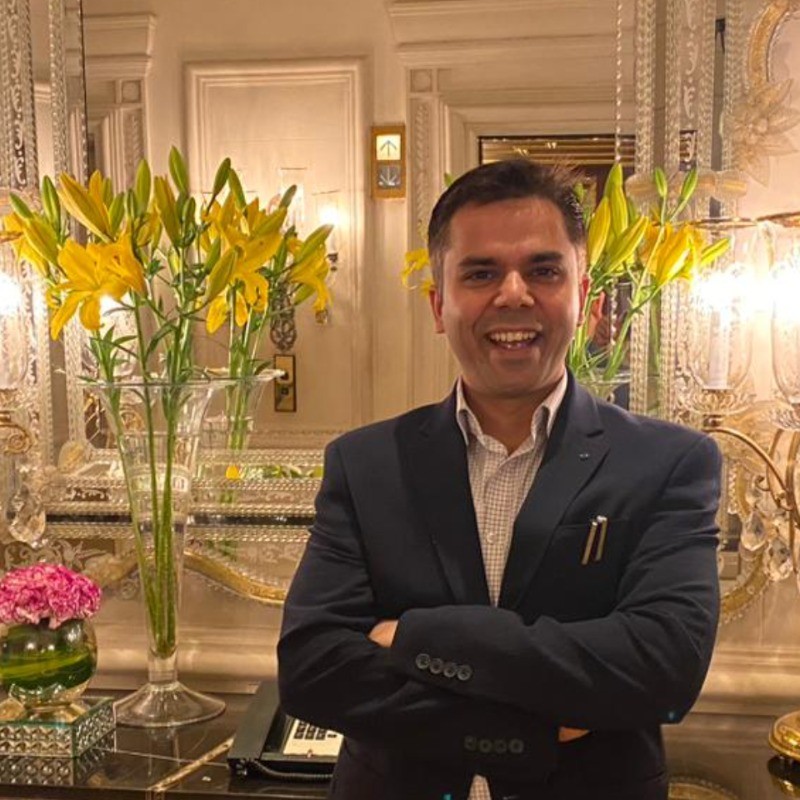
  • “Embracing technology tools and resources, such as legal research platforms, case management software, and artificial intelligence applications, streamlines workflows and facilitates efficient information retrieval in diverse legal areas”- Ajinkya Patil, Senior Legal Counsel – Dentsu

    “Embracing technology tools and resources, such as legal research platforms, case management software, and artificial intelligence applications, streamlines workflows and facilitates efficient information retrieval in diverse legal areas”- Ajinkya Patil, Senior Legal Counsel – Dentsu

    This Interview has been published by Pragya Chandni and The SuperLawyer Team
    Can you share a pivotal moment or experience from your early career that solidified your decision to pursue law as a profession?

    My grandfather was a significant influence on my career path! He was a Prothonotary and Senior Master in the Bombay High Court. On summer vacations when I used to visit his place, he used to tell me how his day at work was like. Just seeing him get all decked up in crisp formals and a coat with his suitcase ready to go to work is what inspired me to pursue law. The discipline in life which comes along with it is just an icing on the cake.   

    You’ve had an extensive journey through various law firms and corporate positions. What motivated you to transition from law firms to corporate roles, and how did each experience shape your expertise?

    Transitioning from law firms to corporate roles was motivated by a desire for a different perspective and new challenges in my career journey. Each experience has played a significant role in shaping my expertise in different ways. Starting in law firms provided me with a strong foundation in legal practice. In this environment, I honed essential skills such as legal research, writing, and advocacy. Working on diverse cases and projects allowed me to develop a broad understanding of various areas of law and learn to navigate complex legal issues efficiently. Additionally, collaborating with experienced attorneys and receiving mentorship helped me refine my approach to legal analysis and client representation. Also, as it is necessary to have a strong foundation before constructing a building, I always believed the law firm experience provides with that strong foundation and basics at the starting point of your career. 

    Transitioning to corporate roles offered a unique vantage point to apply my legal skills in a different context. In a corporate setting, I gained insights into the business side of legal matters, including contract negotiation, regulatory compliance, and risk management. Working closely with internal stakeholders, such as executives, department heads, and cross-functional teams, enhanced my ability to align legal strategies with organizational goals and priorities. Moreover, navigating corporate environments provided me with valuable experience in understanding the interplay between legal considerations and business objectives, fostering a more holistic approach to problem-solving.

    Each experience, whether in law firms or corporate settings, has contributed to my growth as a legal professional. 

    With your background in handling litigation matters across different forums, could you highlight a particularly challenging case you managed and the strategies you employed to navigate it successfully?

    I strongly believe that each case has its own complexities and challenges, and it cannot really be segregated to the most and the least challenging. However, one case which stands out particularly is an international arbitration before the Swiss Arbitration Centre. I chose this one not because of the complexities involved (though it was extremely complex) but considering that it was my first international arbitration involving a completely different process altogether. I had to collaborate with a top tier law firm of Geneva for assistance and working with their team was itself very challenging and at the same time a big learning experience. To navigate this case successfully, several key strategies were employed:

    • The first step was conducting a comprehensive analysis of the facts, contracts, and applicable law. This involved reviewing extensive documentation, including contracts, emails, financial records, and other evidence, to gain a deep understanding of the case’s nuances and intricacies.
    • Based on the analysis, a strategic litigation plan was devised to address the various legal and factual issues effectively. This plan involved identifying strengths and weaknesses in our position, anticipating opposing arguments, and formulating proactive strategies to mitigate risks and maximize favorable outcomes.
    • Diligent Discovery: Given the complexity of the case, diligent discovery was crucial. This involved conducting thorough investigations, propounding targeted discovery requests, and strategically responding to discovery demands from opposing parties. Leveraging electronic discovery tools and expert assistance facilitated the efficient management of voluminous documents and data.
    • Collaborative Approach: Collaboration with colleagues, experts, and clients played a pivotal role in the successful management of the case. Regular communication, teamwork, and coordination ensured that everyone involved was aligned with the litigation strategy and working towards common goals.

    I will always remember this case as I got the opportunity to work with one of the best law firms in Geneva and in the process gained sight of their working ways and culture and made some lifelong contacts. 

    Your experience spans across diverse legal domains such as civil laws, corporate laws, real estate, and arbitration. How do you manage to stay updated and proficient in such a wide array of legal areas?

    Staying updated and proficient across diverse legal domains requires a combination of ongoing learning, strategic focus, and effective resource management. My senior always used to tell me that ‘Reading’ is the key and that it is never enough and one has to keep reading more and more. This has stuck with me ever since and I make sure to take time to do that. It does not specifically mean that one has to read Law books and commentaries. A simple novel, newspaper, articles are enough. I prefer to categorize the reading process in the following manner. 

    • I prioritize continuous learning through various channels, including legal seminars, webinars, workshops, and professional development courses. These opportunities allow me to stay abreast of legal developments, emerging trends, and best practices across different practice areas.
    • I dedicate time to conducting legal research regularly to stay informed about recent case law, statutory changes, and regulatory updates relevant to each legal domain. Leveraging online legal databases, scholarly journals, and reputable legal publications helps me access timely and accurate information.
    • Engaging with colleagues, mentors, and legal professionals across different practice areas fosters knowledge sharing and collaboration. Participating in professional associations, bar committees, and industry forums provides valuable insights and perspectives from peers and experts in various legal fields.
    • Embracing technology tools and resources, such as legal research platforms, case management software, and artificial intelligence applications, streamlines workflows and facilitates efficient information retrieval in diverse legal areas.
    • Seeking guidance from experienced mentors and senior colleagues provides invaluable support and guidance in navigating complex legal issues and expanding expertise across different practice areas.

    As someone who has held leadership positions, including leading teams and managing departments, what strategies do you employ to foster effective teamwork and collaboration within legal environments?

    The teamwork and collaboration should not be restricted only within the legal team. The key in a corporate setting is to be a business enabler rather than just finding legal solutions to the problem. The first and foremost thing I tell the team is that working in the corporate sector is completely different from that of a law firm (from experience!) and the objective is to find a solution which is viable for the business and one which does not put the company exposed to any potential liability or conflict. I make sure to set up weekly catch-up calls with the business leaders and stakeholders just to discuss casual business and their expectations from the legal team. Likewise, acknowledging and celebrating team achievements (legal and business), both big and small and seeing failures as opportunities for learning and improvement help in the long run. 

    In your role as a legal professional, you’ve undoubtedly encountered complex contract negotiations. Can you share some insights into your approach to negotiating contracts and ensuring favorable outcomes for your organization?

    Absolutely! Negotiating contracts can be intricate and demanding, requiring a blend of legal expertise, strategic thinking, and effective communication skills. Before entering into negotiations, conducting comprehensive research and analysis to fully understand the terms, conditions, and potential implications of the contract is important. This includes reviewing relevant laws and regulations, understanding industry standards, and gathering information about the other party’s preferences and priorities. Working closely with stakeholders to understand their objectives is equally important. Clear and concise communication is essential throughout the negotiation process. Effective communication helps build understanding and facilitates productive dialogue.

    Given your involvement in Mergers and Acquisitions, could you discuss some of the key legal challenges you’ve faced in such transactions and how you navigated them to ensure compliance and success?

    Certainly! Mergers and acquisitions (M&A) transactions present a plethora of legal challenges, ranging from regulatory compliance to contractual issues. Here are some key legal challenges I’ve encountered in M&A transactions, along with strategies for navigating them to ensure compliance and success:

    1. Regulatory Compliance: One of the foremost challenges in M&A transactions is navigating the complex web of regulatory requirements and obtaining necessary approvals from regulatory authorities. This includes antitrust regulations, securities laws, foreign investment regulations, and industry-specific regulations. 
    2. Contractual Issues: M&A transactions involve negotiating and drafting numerous contracts and agreements, including purchase agreements, shareholder agreements, and employment contracts. Ensuring that these contracts accurately reflect the parties’ intentions, protect their respective interests, and comply with legal requirements is critical. 
    3. Intellectual Property (IP) Issues: IP considerations are often paramount in M&A transactions, particularly in technology-driven industries. Identifying and assessing the target company’s IP assets, including patents, trademarks, copyrights, and trade secrets, is crucial to evaluating the transaction’s value and mitigating risks. 
    4. Employment and Labor Law: M&A transactions can have significant implications for employees, including potential changes in employment terms, benefits, and job security. Ensuring compliance with employment and labor laws, including regulations governing layoffs, severance pay, and employee benefits, is essential to minimizing legal risks and maintaining positive employee relations. 
    5. Data Privacy and Security: In an increasingly digital world, data privacy and security considerations are critical in M&A transactions, particularly when handling sensitive personal or proprietary information. Ensuring compliance with data protection laws and regulations, such as the GDPR and CCPA, is essential to protecting both parties’ interests and mitigating potential legal and reputational risks.

    By proactively addressing these and other legal challenges in M&A transactions, I aim to facilitate smooth and successful transactions that create value for all stakeholders involved while minimizing legal risks and ensuring compliance with applicable laws and regulations.

    Drawing from your extensive experience, what advice would you offer to fresh law graduates stepping into the field today, especially regarding career growth and navigating the complexities of the legal profession?

    For fresh law graduates entering the legal profession, here are some key pieces of advice to consider as you embark on your career journey:

    1. Continuous Learning and Skill Development: The legal profession is constantly evolving, so it’s essential to prioritize continuous learning and skill development throughout your career. Stay updated on legal developments, industry trends, and emerging areas of law through ongoing education, professional development programs, and networking opportunities.
    2. Seek Mentorship and Guidance: Find mentors within the legal profession who can offer guidance, support, and advice as you navigate the complexities of your career. Mentors can provide valuable insights, help you develop professionally, and offer perspective based on their own experiences in the field.
    3. Embrace Technology and Innovation: Embrace technology and innovation as valuable tools for enhancing your legal practice. Stay abreast of advancements in legal technology, such as case management software, research tools, and e-discovery platforms, and leverage them to streamline your work processes, improve efficiency, and deliver greater value to your clients.
    4. Cultivate Professionalism and Integrity: Uphold the highest standards of professionalism and integrity in all aspects of your legal practice. Adhere to ethical guidelines and codes of conduct, maintain confidentiality, and always act in the best interests of your clients while upholding the rule of law.
    5. Develop a Strong Work Ethic and Resilience: The legal profession can be demanding and challenging, requiring perseverance, resilience, and a strong work ethic. Be prepared to put in the time and effort necessary to excel in your career, and don’t be deterred by setbacks or obstacles along the way.
    6. Stay Flexible and Adapt to Change: The legal profession is dynamic and constantly evolving, so be prepared to adapt to change and embrace new opportunities as they arise. Stay flexible in your career trajectory, be open to new experiences and challenges, and seize opportunities for growth and advancement along the way.

    Get in touch with Ajinkya Patil-

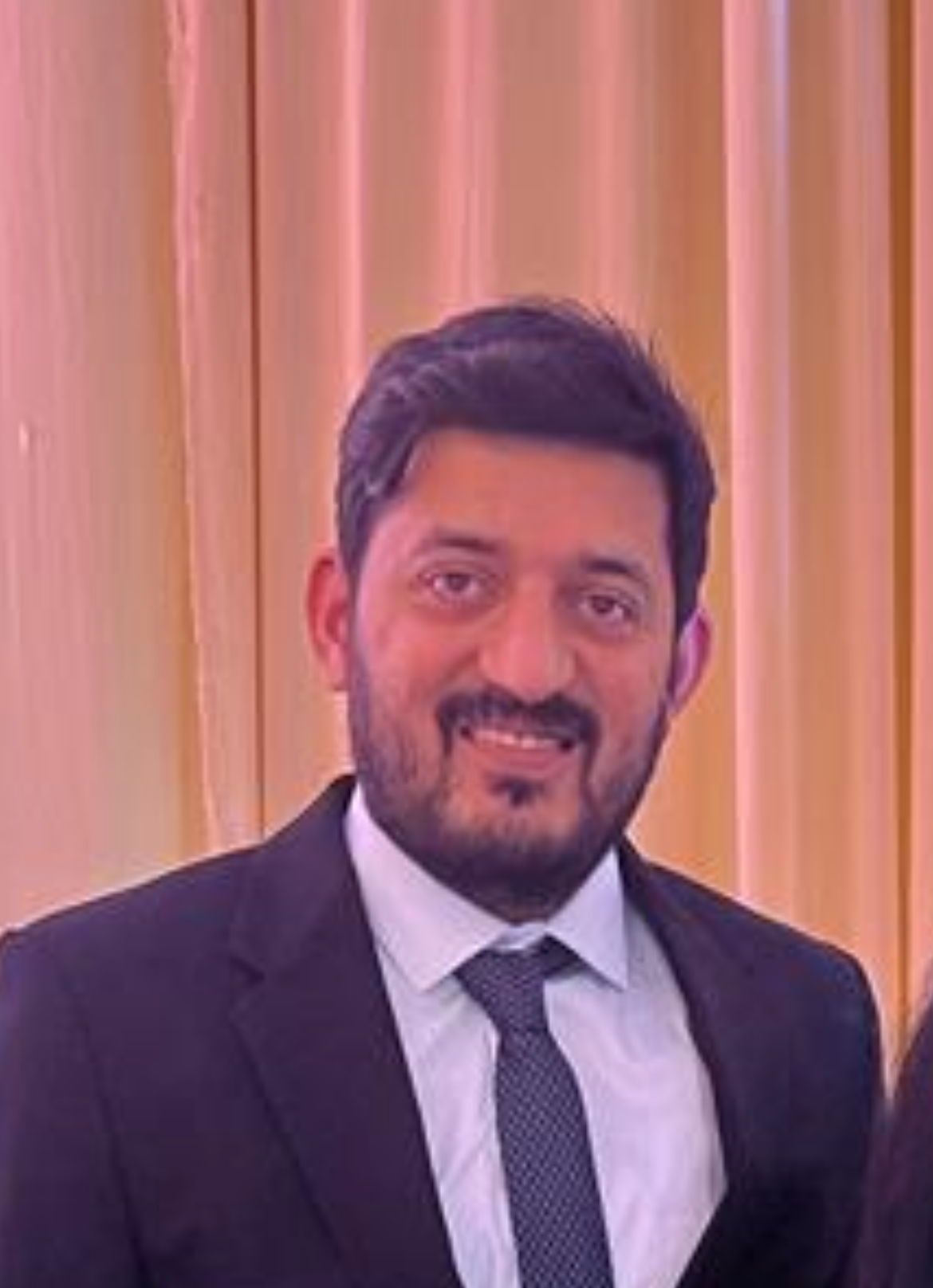
  • “The legal profession requires mentorship that emphasizes dedication and consistency over the pursuit of superficial markers of success”- Aditya Parolia, Partner at PSP Legal, Advocates & Solicitors

    “The legal profession requires mentorship that emphasizes dedication and consistency over the pursuit of superficial markers of success”- Aditya Parolia, Partner at PSP Legal, Advocates & Solicitors

    This Interview has been published by Pragya Chandni and The SuperLawyer Team

    Hello and welcome, today, we are honoured to have with us Mr. Aditya Parolia, who is one of the leading counsels in India for Corporate, Commercial, Real Estate and consumer disputes. 

    Sir, could you kindly share your professional journey with us? We would be particularly interested in learning about what motivated you to pursue a career in law. Furthermore, what inspired you to specialize in corporate, commercial, real estate, and consumer disputes?

    Frankly, when I started pursuing law, it was not a common career choice. I don’t recall anyone in my immediate or extended family being a lawyer.

    Coming from a small town, the focus was predominantly on engineering. Schools and colleges emphasized preparing students for IIT and AIEEE exams. In 11th and 12th grades, I chose PCM with computers, expecting to follow the engineering path. However, it never felt right to me. I strongly believe in not pursuing something that doesn’t feel correct.

    In those days, if you told someone in a small town you were studying law, they often thought you were either not very bright or one of the unruly students who couldn’t handle math or science. My school, an ICSE board school, had a particularly bright batch. One of my batchmates topped the country in the 12th exams and got into IIT. The first seven students in my batch secured good ranks in AIEEE.

    When I informed my principal and class teacher about my decision to pursue law, my class teacher was supportive. However, my principal and relatives tried to counsel me, arguing that I was a bright student and should consider other career options. At that time, many schools in small towns didn’t even offer humanities, let alone law. They only had science and commerce sections, so law wasn’t a natural choice for me initially.

    Fortunately, my father was working in Delhi and interacted with many bureaucrats whose children were studying law. He suggested it to me, and it resonated. I found it interesting when I started reading about it. In my hometown, the district court wasn’t even called a district court—it was known as the “divani kachahari.” The infrastructure was poor, and the earning potential for lawyers was low, making the profession unattractive. Few people knew about national law colleges, and entrance exams often clashed, forcing students to choose between them.

    I’m grateful to my parents for supporting my decision to pursue law. Career counselors in schools rarely mentioned law as an option; it was often seen as a last resort. Most would suggest commerce, DU, or competitive exams like UPSC, but not law. Few in my town could name more than a couple of famous lawyers like Mr. Jethmalani, Mr. Salve, or Mr. Sibal. Today, social media and online court proceedings have increased awareness about the legal profession, but back then, it was quite limited.

    Given these circumstances, I chose to study at Indraprastha University in Delhi, which had only five seats for students from outside Delhi. I believed being in the capital, where all courts are located, would be beneficial. At that time, the concept of corporate practice in law was not well-known to us.

    I’m very happy with my decision to pursue law. My younger brother also followed this path and became an Advocate on Record (AOR). Today, in my hometown, there are several law coaching institutes, but during my time, I had to travel to Jaipur or Delhi for preparation. I finished my board exams in March, and the first law entrance exam was in early May, giving me only a month to prepare. Now, there are more resources and opportunities for aspiring law students in small towns.

    Sir, you have made history and continue to do so, and we hope that you keep making history so that we can proudly say we had the chance to interact with you. You have handled cases for around 73,000 aggrieved home buyers. On that note, Sir, we request you to share your experience managing such a significant number of cases, which is no easy feat. Could you please discuss the challenges you faced and the types of cases that arose from this scenario?

    Furthermore, we would love to understand how you became involved in such a substantial case and how you have helped these home buyers. This is a crucial matter, as for many, purchasing a home is a lifetime investment and a matter of survival. Although people may have more options today, I am certain that you are highly respected by those 73,000 home buyers for your efforts.

    Yes, today we can confidently say that we are leading practitioners in this domain. We likely have the highest number of clients in the country, spanning every sector and segment of society. Our clientele includes politicians, actors, retired judges, bureaucrats, corporates, high-net-worth individuals (HNWIs), ultra-high-net-worth individuals (UHNWIs), and private induvials as well. We do not like to say no to anyone who approaches us for help. 

    When we began this practice, we did not specifically aim to specialize in this domain. In litigation, we initially took on every kind of case that came our way. Litigation is not easy; it demands immense effort and versatility. As a renowned lawyer once told me, litigation is like digging a well every day to fetch water, only to start anew the next day.

    A good friend, who was my batchmate, once shared a piece of wisdom that remains close to my heart. He said, “Aditya, everyone wants to specialize in something, but in law, you don’t choose your practice area. It’s like a democracy where people choose for you.” This insight resonated with our experience, as our practice evolved naturally based on the cases that came to us.

    We initially handled a wide array of cases, including civil cases, criminal bail applications, and matrimonial matters. We travelled frequently to places like Allahabad and Chandigarh. However, due to our court engagements in Delhi, I hardly travel now. During this time, the real estate market was booming, and we began to receive more cases related to this sector.

    The real estate market was characterized by rapid buying and selling, often driven by speculative investments. However, there was no regulatory regime in place, leading to overselling and eventual stagnation. This lack of regulation, coupled with the greed of builders, caused numerous projects to halt. As a result, many homebuyers were left without the properties they had paid for.

    During this period, a prominent family from Bollywood approached us with a case against a builder, JP. This was in 2014-15, and the builder had failed to deliver the property by the promised date in 2011. Initially, we suggested using the Consumer Protection Act, but the client wanted to involve other affected buyers. We were surprised to find that there were 242 such buyers. This marked the beginning of a new jurisprudence in India, where class actions became more prevalent.

    As we took on more cases, our practice grew rapidly. We handled high-profile cases, such as those against Amrapali, and our numbers swelled to the point where we had to expand our team significantly. At one point, we had to manage an influx of 3,000 clients in just seven days, which was a logistical challenge.

    Our firm has since become a leading name in handling real estate and commercial disputes. We have played a significant role in shaping the legal landscape in these areas, with our cases often resulting in landmark judgments. Today, our team has grown to around 40-45 members, and we continue to manage a high volume of cases daily.

    Despite the challenges, we are grateful for the trust our clients have placed in us. We always strive to give our best, though it’s impossible to satisfy everyone. The sheer volume of documents we handle is immense, and we have undoubtedly made our ragman very wealthy.

    In conclusion, while we never anticipated specializing in this domain, it has become our primary focus over the past eight or nine years. We are proud of our contributions to the field and grateful for the opportunities that have come our way. Our practice continues to thrive, driven by the love and support of our clients and the dedication of our team.

    Sir, it appears that your specialization chose you, and now you are recognized as the leading authority in this particular legal domain. The remarkable success you have achieved is not only a result of divine favor but also due to the hard work and dedication of your team towards home buyers.

    During this journey, you have been highly active in national media, frequently being invited as a special guest on various channels to discuss legal matters.

    In light of your experiences and insights, what do you believe are the most pressing issues of national importance in the current legal landscape? Considering the disruptions we are witnessing in the legal field, what future developments do you foresee, especially given your role as a prominent disruptor in this domain?

    Nobody can foresee the future; I can assure you of this. Nobody can predict deception. I’ll take your questions one by one, in bits and pieces, but I’ll start from the end with the disruption part. Very frankly, as I said, I did not choose it, nor did we; the people chose it for us. We were just there at the right place at the right time. I always tell everyone that you just have to keep working hard. The Almighty has written your destiny, my destiny, everyone’s destiny. So, if you’re working hard, you’re moving towards your goal.

    When destiny knocks on your door, and you’re there to open it and seize the opportunity, that’s all that is required. If you’re sleeping and waiting for the day to come before you act, it never happens. I’ve worked with some of the best lawyers as a student, and I didn’t work much as a junior or younger colleague. I barely did my traineeship for six months before we decided to open this law office. I’ve always taught my younger colleagues that while you have to put in constant effort and energy, consistency is key. You never know when that door will open or when someone will knock.

    You mentioned the future. Everyone predicts that AI is the future, so you can pursue laws in AI. When I was a student, everyone thought arbitration and intellectual property rights were the right fields to pursue. There are hundreds and thousands of domains nobody has explored. For instance, we specialize in the Consumer Protection Act and the Insolvency and Bankruptcy Code (IBC). Nobody in law school considered a career in these areas because they weren’t even established back then. The Delhi Commercial Courts Act wasn’t there either. So, what went right for us? We were consistent. When opportunity knocked, we seized it and delivered results with a pragmatic approach, informing clients about what could and couldn’t be done. We never assured anyone of a specific outcome because, in law, it’s unethical to do so.

    I’ve also tried my hand in matrimonial law, although I no longer practice it. I respect my sister, who does, because dealing with such cases is not easy. It involves handling emotional trauma, and it takes a significant mental toll. I’ve seen the best lawyers struggle with this.

    Speaking of the future again, AI is a rat race. Students come to me for internships or interviews saying they want to do IBC or intellectual property rights. But I tell them what my dean at law school, Simon Chesterman, told me: read something new and try something different. For example, sports law is a burgeoning field with the rise of leagues like the IPL and Kabaddi. Few lawyers practice it, and it has huge potential. Similarly, gambling laws and laws related to cryptocurrencies are emerging fields.

    I’ll give you an example. Two of my law school classmates are now policy lawyers at Twitter and Facebook. When we were in law school, we never considered such careers. These social media companies have to adhere to national policies and constantly engage with regulators. Policies vary from country to country, and what’s banned in one place might not be in another. This was a domain we never imagined practicing in.

    So, I tell every student to keep their mind open. Don’t decide in your first year of law school that you’re going to be a litigating lawyer or a corporate lawyer. Explore different areas and see what resonates with you. Recently, a younger colleague at our firm realized litigation wasn’t for him and decided to pursue academia. There’s no harm in that. A good lawyer can excel in various fields, not just in corporate or litigation.

    During a tour in Istanbul, I met a lawyer from Chile who was pursuing his master’s in Germany, specializing in Antarctic law, dealing with exploration and sovereignty rights. These are areas most law students wouldn’t even consider. When I did my master’s, I studied aviation law and space law, which are hardly taught in Indian law schools. Today, with the rise of electronic vehicles and companies like SpaceX, these areas are very relevant.

    Younger students should consider these emerging domains. If they work hard and stay consistent, they will do exceptionally well. It’s important to understand the practice area you’re entering.

    Regarding media and news channels, the glamour initially attracts everyone. It’s an opportunity for exposure. When the real estate market crashed and big companies like JP and Amrapali failed, we were called upon to address these issues on news channels. The insolvency laws were new, and there were few experts. But over time, I’ve stopped going on news channels unless it’s something very special. It’s important to balance professional and personal life and give adequate time to family, not just focus on career.

    I hope I’ve answered your question about media involvement.

    Sir, considering your emphasis on maintaining a balance between personal and professional life, my next question pertains to that topic.

    Firstly, how do you achieve this balance? Secondly, once you find that balance, what activities do you enjoy outside of learning about law? For example, you mentioned gaining insights into Antarctic law and sovereignty rights through your travels. Sir, we would love to hear more about this, as it will help our learners understand the various pursuits they can engage in besides studying law.

    It’s 5:40 PM, Madam. By this time, I start packing my bag. The maximum usual time for me to leave the office is 6:30 PM, and I believe my team should also leave around this time. I think my team leaves by 7:30 or 8:00 PM. It is very important that we manage our time. Unfortunately, in our profession, we often talk about stipends and salaries, but we rarely discuss mental health and well-being.

    I believe that once you balance your time with your family, your mental well-being will improve. This is hardly discussed, and I am a strong advocate for maintaining a perfect balance between professional and personal life. Although I am relatively young in this profession, I have seen a lot with my batchmates, peers, and the opportunities we have had. We have the chance to argue cases against the best senior advocates in the country. Every day, we appear in almost every appellate court, which allows us to interact with top equity partners and law firms. However, I feel that younger lawyers, and we as lawyers, often get lost in the race to make more money or excel in a particular field, leading to burnout. Many of my law school batchmates have experienced this.

    Despite not being in practice for long, some of the youngest lawyers I know have burned out and left traditional domains of law. Some have moved to in-house positions, opened their own smaller practices, or left law entirely for academics. I don’t understand people working until 11:00 PM or getting up at 4:00 AM every day. If you wake up at 4:00 AM to do yoga or go for a walk, that’s fine. If you play sports, that’s even better. But I don’t appreciate people calling me after 6:30 PM. Some clients criticize this because they get free from work late, but I tell them that their lack of time management shouldn’t affect my personal life. I am in the office from 9:30 AM to 6:30 PM. You can email me, but I will only work during these hours. If I need to prepare for the next day, I might spend an extra half hour or an hour at night reading files, but I will not jeopardize my personal life for others’ lack of time management.

    A friend of mine, a very gifted lawyer, joined a good law firm and recently got married. He used to come home at 12:00 am, 1:00 am and at times 3:00 AM, by the time he was up the next day, his wife, who is not a lawyer, was leaving for work. Their entire married life was in turmoil. This story is not unique; many people have told me the same thing. I asked another senior friend about this, and we concluded that the work can often be done earlier. However, delegating tasks to younger colleagues at 8:00 PM or 9:00 PM with deadlines of 2:00 AM or 3:00 AM is unrealistic and has become a norm. Trying to satisfy clients by delivering work quickly in this competitive spirit often brings out the worst in us.

    Some of the best lawyers suffer from poor mental health, although it is rarely discussed. I’ve seen younger lawyers develop health issues like high blood pressure and diabetes. I don’t understand why. In law firm culture, I see this problem as well. I run a law firm, and I tell new hires that while we have designations like associate, senior associate, and principal, I am against this hierarchical structure. It is there to keep people happy because they want it, for me a lawyer is a lawyer, designations create unnecessary competition.

    Think about it: if you make lawyers partners at 33 or 34, they have to work until 60. After becoming a partner, their next goal is to become an equity partner. This constant pursuit can diminish their determination, which symbolic goals are achieved so early. You fight to become a partner, and once you achieve that, you might lose the drive. It’s essential to manage your career and life, rather than getting caught up in the rat race of titles and designations.

    Advocates getting designated as senior advocates is different from the law firm hierarchy of associate levels. I believe law firms need to appreciate and possibly do away with this quick succession of designations, adopting a more uniform approach to maintain mental health and well-being.

    There’s an unnatural competition that develops, not just with other law firms but internally, where people vie to become senior associates or managing partners. This should be addressed and highlighted. We need to educate the younger generation that these titles mean nothing if you are not mentally healthy. If you are a good lawyer, success will come no matter what. Don’t get caught in the race for titles. Judges & clients don’t care about your title, it is not that you are getting knighted; they care about your ability to argue a case well and get results.

    The best lawyers always maintain a balance between their professional and personal lives. This profession is a marathon, not a sprint. Your family has supported you, and you have duties towards them. They need your time, and you should fulfill their expectations as well. Dedicating equal time to family is important for your mental peace.

    I’m not saying I am perfect or never get angry, but my partner and I strive to go home early. When we are in the office, we are dedicated to work, but we also play sports, travel with our families, and socialize with our teams. Striking this perfect balance is crucial.

    Sir, considering that some individuals may not enjoy the same privileges as others have had, how do we address this disparity to ensure that new entrants experience similar support and care, particularly those from humble backgrounds who rely on community support? Additionally, do you foresee an increasing focus on mental health discussions within the legal fraternity in the near future?

    “It is imperative that senior members of the bar and the judiciary engage in discussions on crucial topics with the younger generation. It is necessary to elucidate to them that not everyone needs to possess luxury items such as a Mercedes or a Patek Philippe watch. Even individuals from humble backgrounds can thrive without such extravagances. This mindset shift is essential.

    During informal discussions outside the courtroom, I always emphasize to judges the importance of not berating younger lawyers but instead offering them opportunities. 

    Now, turning to the pressing issue of mental health, it is vital for everyone to understand that not all legal paths lead to high-profile cases or lucrative positions. Each individual’s journey in the legal profession is unique, filled with its own challenges and struggles.

    For instance, third or fourth generation lawyers from legacy families face immense pressure to live up to their predecessors’ reputations. Similarly, first-generation lawyers bear the weight of carving out their own paths in an unforgiving profession. It’s crucial for the younger generation to realize that success in law comes in various forms and that comparing oneself to others’ glamorous achievements only tells part of the story.

    My own journey began without a personal vehicle, and relying on buses and metros to commute. However, through perseverance and interactions with seasoned professionals, I learned that success in law is not solely determined by material possessions or prestigious cases.

    For instance, one of my professors from law school Professor Umakanth Varottil, a renowned expert in mergers and acquisitions, transitioned from a successful legal career to academia, demonstrating the importance of evolving and adapting in one’s professional journey. 

    The pressure to excel in high-profile areas of law, such as mergers and acquisitions or banking and finance, can be overwhelming for young lawyers. However, it’s essential to remember that success is not defined by early career choices or external validations.

    The legal profession requires mentorship that emphasizes dedication and consistency over the pursuit of superficial markers of success. Additionally, maintaining good mental health is paramount, as undue stress and burnout can have severe consequences.

    In conclusion, aspiring lawyers should focus on honing their skills, serving their clients diligently, and maintaining their humanity above all else. Success in law is not measured by material possessions or prestigious titles but by one’s integrity, dedication, and contribution to society.”

    Get in touch with Aditya Parolia-

  • “There is more professional satisfaction in actually resolving a dispute rather than letting it linger in Courts for years together.” – A First Generation Lawyer’s Journey to Success, Mahesh Arkalgud, Partner at ATV Legal

    “There is more professional satisfaction in actually resolving a dispute rather than letting it linger in Courts for years together.” – A First Generation Lawyer’s Journey to Success, Mahesh Arkalgud, Partner at ATV Legal

    This interview has been published by Namrata Singh and The SuperLawyer Team

    Reflecting on your journey, could you share with us how you embarked on your career in law and what inspired you to pursue this profession? Additionally, what significant milestones or experiences along the way have shaped your trajectory and approach to the practice of law?

    In my childhood, I just went with the flow and as was the trend in the early 2000’s, I took up science in my 10+2. Having seen my elder siblings venture into Engineering studies, and having myself studied science in 10+2, I was clear that I was not cut out for that kind of studies and work. I was greatly influenced by the words of my father to look at law as an option. My father had obtained a law degree, but never practised. He went on to become a Civil Servant. He shared a lot of his experiences in his work, which was inevitably interspersed with the legal system. 

    Once I began my legal studies, there was no looking back. I took on legal studies like a duck to water. I must say I was at peace with myself and really enjoyed reading legal literature. During my college days, I took up internships largely with a view to understand which area of law to practise in. I did internships with law firms as well as chamber lawyers and was very keen to understand how a lawyer’s life would be. In every place I have interned, I would pick the brains of the seniors in that firm from every vertical of the practise, to understand how actually their work was. The guidance from the Partner in the last law firm I interned, whom I eventually regard as my mentor in the profession, enabled me to firm up my mind to be a litigator. I eventually joined that firm’s litigation practice.     

    As is the case with most litigators, the initiation was extremely rough with quite a few bitter experiences and novice mistakes in Court. Fortunately, my senior colleagues were very supportive and encouraged me. I always felt that I had more to offer than was being asked of me by my firm. I was quite restless and impatient to make a mark. 10 months into the practice, I got my first big opportunity. Due to various factors, I was the only person from the litigation team that was available in office, when a case in which we were on caveat, for a premier client of the firm, came up and we were required to appear. I grabbed the opportunity, channelised my restlessness and desperation well, and ensured that the Partner would have no reason to put any other person onto that matter. There onwards, I was looked upon as a reliable hand in litigation matters and my confidence grew day by day. 

    After moving on from established law firms, you started your own firm and later moved on and partnered with other lawyers. Can you reflect on this journey of yours?

    I was with two law firms in a period of five years after starting off. There afterwards, along with three other lawyers we started our own law firm in 2015. It was a leap of faith. An exciting phase of establishing a practice. Each of us knew that we had the potential to build a practice. The first few months were spent in establishing connections and meeting a lot of people. Most of the connections initially made, continue to result in referrals and work. It is crucial to meet people and network with them. Sincere and truthful efforts will always yield good positive results. Proud that some of the referrals that come about now are multi-tier referrals, which means that the word of mouth has travelled far and wide. Presently I have joined hands and partnered with a bunch of lawyers, who were all peers in my first law firm. We all have been through the growth curve and survived the rigors of the profession and now have similar career trajectories. 

    Given your diverse expertise, particularly in construction and commercial arbitration disputes, what common misconceptions do clients often have about this area of law, and how do you address them?

    In most construction disputes the construction company would inevitably want to make claims for damages. While the construction company feels shortchanged with the manner in which the owner of the project would have treated it, I find that claims are made for the sake of making it, with hope that at least a part of the claims come through. Same is the case in some commercial matters. I think it is extremely important to think through the claims and build a robust foundation for the claims which are in the nature of damages. It is critical to evaluate evidentiary value of what a client believes to be ‘evidence’. We should not encourage a client to just dump their files and expect the lawyers to churn out magic. It is important to educate a client about law and on how things will actually pan out before a Court/Tribunal. I believe that keeping the client fully in sync with the legal process and proceedings helps to bring the best out of the client as well as the lawyer. I have often found that a hands-on client is able to provide quality inputs and results in better output from the litigation.    

    In your extensive experience, what would you consider the most effective strategy for resolving disputes outside the courtroom? Could you share an example where alternative dispute resolution methods yielded exceptional results?

    An out of court settlement is achieved through negotiations and eventually mediation. I find that a large number of disputes are a result of frail egos or personal grudge. There are also the opportunistic litigations. In any event, it is imperative to understand every aspect of the dispute and all things that resulted in the creation of the dispute. If one is able to delve into the core of a dispute and unearth its origin, everything including that which is not stated on paper, one can actually do a good counselling job on the client to see how to proceed with the dispute. It is also important to set the expectations right and let a client know the best case and worst-case scenarios by explaining the law. 

    Such out of court settlement also depends largely on the psyche of the client. A recent case was where a client wanted a larger payout from a defaulting tenant. In the very first meeting the client said that they were willing to go up to the Hon’ble Supreme Court. I spent quite some time understanding the client and also on why the client was so passionate about fighting the tenant. As the client felt comfortable with me, they opened up and explained the entire history and the backstory. Upon several rounds of counselling, the matter was eventually resolved with the issuance of a lawyer’s notice. There is more professional satisfaction in actually resolving a dispute rather than letting it linger in Courts for years together.  

    As a first-generation lawyer, what advice would you give to aspiring legal professionals who are just starting their careers, especially those aiming to make a mark in the competitive legal landscape?

    While I agree that having someone who has been there and already done that helps, especially in the litigation vertical, it is not impossible to carve out a space for oneself being a first-generation lawyer. The challenges start from finding the right office to start off with; to getting the right leads for building a practice. One needs to be proactive and extremely alert to the opportunities and possibilities. I was fortunate that I found a great mentor to start my practice. Once you commence, it is important to be relevant and display the eagerness and hunger to learn. Resilience and adaptability are crucial traits to forge ahead. One needs to keep evolving with the times and stay abreast with new developments. At the beginning of a litigation career be ready to do all kinds of work and work in all jurisdictions. It helps you in the long run, especially when you venture out on your own. A lot of my learning has happened through witnessing other lawyers in action. While it is good to catch up with a friend in the corridors, it is extremely important that one does not waste the time while waiting for their turn in the Court. Inspirations are aplenty in Courtrooms and one must not miss such opportunities.     

    With your experience appearing before different High Courts and tribunals across the country, what key differences have you observed in legal proceedings and judicial interpretations, and how do you adapt your strategies accordingly?

    Every tribunal or forum has its own characteristics in terms of the process or presiding officers or the legal practitioners appearing therein. It is crucial to understand and respect the local practices and adapt quickly. Lawyers from Delhi are very assertive and persuasive, they go about their brief with extreme focus, while lawyers from Mumbai are highly efficient and meticulous. I find that lawyers from these two jurisdictions are thoroughly prepared and come with the go getter mentality. These days, with virtual appearances possible, it is indeed a great experience to appear in different jurisdictions. Each appearance in a different forum enriches one’s exposure immensely.    

    Continuous learning is essential for professional growth. How do you prioritize ongoing legal education and skill development within your firm, and what resources or platforms do you find most valuable for staying updated with legal developments and best practices?

    These days information is available in plenty and in various modes. The judicial precedents laid down by courts is the most important legal education for practising professionals. New legislation and amendments in our area of practice is something which we keenly keep an eye out for. Various portals reporting the Court rulings and publishing articles on various legal aspects, become the first point of reading about the developments. One tends to get busy with the cases on hand and at times stop reading other than for a case on hand. Therefore, it is a goal to publish articles and analyse new developments and roll out newsletters. That way not only are we keeping ourselves updated, but also enlightening clients on new developments. Needless to mention that for a litigator, the Courtroom remains the ultimate place to learn best practices. 

    With the demands of a challenging legal career, maintaining a healthy work-life balance is crucial. Could you share some of your favourite ways to unwind and recharge outside of work, and how do these activities contribute to your overall well-being and effectiveness as a legal professional? 

    It is important to give attention to oneself, family and the work. While in the initial stages of a career it is inevitable that work takes precedence over anything else, one should not completely kill any other passion for the sake of work. The earlier that one is able to obtain a work life balance, the quality of life would be better. Drawing up boundaries on each aspect of life and respecting those boundaries would help immensely. I am passionate about fitness and nutrition and end up doing quite a few activities on that front. While in pursuit of such endeavours, I meet people from different backgrounds and that too enriches my personality. Lately I have taken a liking to learn to play a musical instrument. It is a good way to unwind and quite relaxing. The cliched statement that if one makes it a priority, they will find the time to do it is very true. 

    Get in touch with Mahesh Arkalgud-

  • “Think like a lawyer but look beyond the law”- Mirul Bhavsar, Head of Legal, Manipal Academy of Higher Education

    “Think like a lawyer but look beyond the law”- Mirul Bhavsar, Head of Legal, Manipal Academy of Higher Education

    This Interview has been published by Pragya Chandni and The SuperLawyer Team

    Could you share a bit about your journey into the legal profession, particularly what inspired you to pursue a career in law and how your background in psychology has influenced your legal acumen?

    This question is very close to my heart and in its answer lies my firm belief that ‘God’s plan is always better than yours’. I am an accidental lawyer and have never even dreamed of becoming one. I was an absolute introvert in my teens. I was on the verge of getting my bachelor’s degree with a major in psychology but was unsure how to transition that knowledge into a career. Back then, I was terrified by the thought of interacting with people. There were also financial constraints. One day while taking a random stroll in the college lobby, I saw a notice of admission to the evening law degree program run by my college. It was a 3 year program, with no requirement of CLAT and the fee was also very nominal. I was always very much inclined towards reading and had an analytic mind. Piles of books never scared me rather, I found solace amidst them. I have spent more time at the library than at the lectures. The legal profession is always considered as a noble and respectable profession. So, it ticked all the boxes for me.

    Within 2-3 years of working as a lawyer, I really started enjoying my work. As a lifelong psychology student (it is still my favorite subject), I am aware of my personality traits, such as an eye for detail, logical thinking, understanding of human behavior, convincing power, and excellent listening and empathy, all that psychology has taught me. These traits are equally, if not more, required to be a competent lawyer. By then, I had also realized that litigation is not something I would not like to do on a daily basis, and I have a knack for good writing skills; thus, I started focusing on documentation, contracting, and written opinions.

    With your extensive experience across diverse industries such as education, oil and gas, retail, and real estate, could you highlight some key challenges you’ve faced and how you navigated them, especially considering the varied regulatory landscapes of these sectors?

    In the corporate world, legal and regulatory compliance are like two sides of the same coin. Lawyers typically deal with laws and contracts, while compliance officers ensure that a company follows industry rules. Inhouse lawyers handle both by balancing what’s legally required with what’s needed to keep the business running smoothly. They stay ahead by knowing the laws inside out and understanding the operational dynamics of the industry they cater to. Working closely with operation teams and advance planning helps the company avoid or at least anticipate issues and stay on track. In-house lawyers act like guides so businesses can focus on sales, customer delight, production or R and D but within the corners of the laws and regulations. 

    I will put retail and real estate in the same bucket as retail highly depends on real estate availability. In India, we celebrate and are proud of our ‘Unity in Diversity; approach, but ask this to a lawyer handling PAN India real estate title due diligence! There is a lot of dependency on local languages and systems (or its absence) for maintaining land/revenue records at government offices and local municipal laws. When you started the project, the area was under gram panchayat, and by the time the project was complete, the exact location would have fallen within the municipality’s limits. Additionally, you must understand the operations in detail to ensure that landlords give you the required leeway to utilize the property efficiently. Negotiating with different categories of landlords and developers has honed my negotiation skills.    

    I have learned the importance of regulatory aspects in the day-to-day functioning of the legal department during my stint in the oil and gas sector. Oil and gas is an absolutely regulated sector with a monopoly of PSUs. There is limited scope for private or international companies. The organization I was working for is a French conglomerate. So the regulatory requirements of India and as well as that of the parent entity’s country were also required to be met strictly, in addition to the best of corporate governance policies. Your prices are regulated, your territories are marked, you have logistic challenges as the oil exploration fields are situated at particular shores, your hands are tied as you swear by ABAC regulations and FCPA, there are sanctioned countries, and so on. I have learned how to build contracts and draft policies while keeping all these in mind.

    Another interesting experience is in education, which still amazes me. In India, education is a matter of a concurrent list. It means both the state and central governments will try to regulate the sector. With so many states and so many political parties driving the political scenarios in India, we seldom have state and central policies aligned on concurrent lists matters. In some states, the RTE (Right to Education) Act is taken very strictly; in others, you can maneuver around it. Some states welcome private self-funded players to boost the availability of high-class educational institutions in the states, while others prefer control at the stake of quality and feasibility. With approximately ¼ of our population between the ages of 6 and 16 and the growing income of the middle and upper-middle-class population, there is a huge demand for good quality education providers, attracting many PE and VCs to invest in education. So, suppose you are the legal person for a company having PAN India operations in school, in that case, you can imagine the number of state-specific regulations to keep track of while advising on legal matters from a centralized office!

    As the Head of Legal for Manipal Academy of Higher Education, you mentioned restructuring the legal team and enhancing skill development. Can you walk us through some of the strategies you employed to achieve this and the outcomes you observed?

    Life in metro cities and small towns is very different, and these differences are evident due to their different levels of exposure in terms of competitiveness, training, motivation, aspirations, and complex work scenarios. The nature of an organization (i.eMNCs, VC-backed Companies, start-ups, and not-for-profit organizations of different sizes ) impacts its culture, and culture is all about people. What works in metros or big cities may not (I would say ‘will not’) work in small towns. You have to manage with the existing resources, and you will not get new resources easily.  

    The restructuring of the legal team was spearheaded with a focus on clearly defining roles and expectations for both internal and external stakeholders. Significant time was invested in training them on negotiation skills, contract drafting, and legal communication. Assistance was provided to existing teams in understanding the operations and business aspects of the sector, associating the legal aspects and their impact, which has aided in understanding the value of their work.

    I swear by templates, checklists, & SOPs, streamlining legal processes, which have been my go-to tools at MAHE as well, and the team and other stakeholders are pleased with these toolkits.

    Standardization and process enhancement seem to have been pivotal in your role at MAHE. How did you go about developing templates, checklists, and SOPs, and what impact did these initiatives have on the efficiency and consistency of legal processes?

    In the role of an in-house lawyer, I would like to prioritize standardization and process improvement to enhance the productivity of the legal team. Commencing with a thorough examination of existing legal workflows, recurring tasks and areas of inefficiency were identified through collaborative discussions with team members and stakeholders. Tailored templates, checklists, and SOPs were crafted based on these insights to address these pain points, with a focus on streamlining processes, reducing errors, and ensuring compliance. Throughout this process, feedback and input were actively sought from team members, both external and internal to provide practical, user-friendly solutions. Comprehensive training sessions and personalized hand holding were conducted to ensure effective adoption and user comfort.

    Following implementation, key metrics such as negotiation time and success, as well as requester feedback, were closely monitored to assess the impact of these initiatives on efficiency and consistency. Significant improvements were noted in turnaround time, error rates, and compliance levels. The standardized processes implemented not only streamlined workflows, enabling quicker task completion and freeing up time for higher-value work, but also fostered consistency in executing legal tasks across the team, thereby enhancing overall compliance and risk management. 

    Given your focus on the education sector, could you elaborate on the unique challenges and opportunities you’ve encountered in this industry, particularly regarding M&A deals, post-merger integration, and regulatory compliance?

    In education, navigating the regulatory and compliance landscape presents a distinctive set of challenges and opportunities. With education falling under the concurrent list, governance involves coordination between multiple authorities, adding complexity to regulatory compliance. While the sector is socially impactful, profit-making is restricted, necessitating a delicate balance between financial sustainability and delivering quality services. The surge in M&A activity, driven by interest from private equity and venture capital firms, reflects evolving market dynamics, particularly with the rise of Ed-tech post-pandemic. However, traditional brick-and-mortar K-12 schools continue to uphold their significance, requiring continuous adaptation to compete with digital alternatives. 

    Establishing or expanding educational institutions often involves substantial real estate investments, which, coupled with more extended gestation periods, pose financial challenges. Moreover, post-merger integration presents its own set of hurdles, given the absence of nationwide standards and the varied regulatory frameworks across states. Many institutions begin as philanthropic ventures, evolving over time under the influence of passionate founders or promoters and their younger generations wanting to encash on brand and legacy, further complicating the integration process. 

    In summary, the education sector offers immense opportunities for growth and impact. Still, success hinges on effectively navigating the regulatory landscape, adapting to market shifts, and executing strategic M&A deals with diligence and foresight.

    In your career, you’ve been involved in forming and mentoring legal teams from the ground up. What qualities do you look for when assembling a legal team, and how do you foster a collaborative and productive work environment within it?

    My first question in any interview for a legal position or when I meet a law student is, “What made you choose law as your career choice ?” The answer to this lets me into their perception of as well as their expectations from this profession. So, for me, their ‘Why’ is very important. Another critical and non-negotiable quality is a willingness to be a lifelong learner- of new skills, not only new rules and regulations but also new subjects beyond law. Law is such a vast area that one should never be complacent  or consider oneself a law expert. 

    For most of my career, I have worked in large organizations and across sectors, so being a team member and working in groups is another aspect I will look into.  

     Along with legal acumen like good written communication and the ability to summarize or comprehend legal texts, a successful in-house legal person must have a basic understanding of the practical aspects of business and operations to evaluate any document or situation from multiple angles.  

    I would eat, sleep, and breathe law and amongst those lucky people on the earth who love what they do and do what they love, so I don’t need a heavy dose of motivation daily. Still, different persons have different aspirations and motivations. So, I ensure that my team is clear regarding mutual expectations. Clarity and openness in communication are vital for successful teamwork. As stated earlier, training, handholding, and standardization ensure consistency in the output, and I insist on continuous and 360-degree feedback. I am very comfortable in delegation with empowerment and hate micromanaging things. Most importantly, we have a lot of fun banters, teasing, and snacking going around all day amidst heavy negotiations and focused reading sessions, so there is never a dull day at work. 

    As someone passionate about advancing legal education, what initiatives have you undertaken to contribute to the development of young lawyers, both within your organization and beyond?

    I am seriously jealous of today’s generation for the sheer amount of availability of resources and diverse opportunities. But then, there is also a problem of plenty and confusion created due to multiple options. So, they need proper guidance to capitalize on the right kind of opportunity and information. So at every available opportunity, I love to reach out to students and budding lawyers to understand their academic challenges, needs, and wants. I talk to them to identify what they find exciting and boring and learn about their misconceptions and fears. This kind of conversation has a dual advantage for me – it fuels my curious mind, lets me know recent trends and future expectations, and helps me to be relevant while hiring and mentoring young lawyers. I volunteer for lectures in law schools and webinars for the transition from ‘campus to corporate,’ different career options for lawyers, practical contract drafting, and the like.

    For my teams, I identify and ask for their specific training needs for skill enhancement and give them the desired resources. I have always been an early adopter of technology, so I encourage using digital tools such as CLM, digital signature, and chat-gpt (with much caution). My funda is one size does not fit all, and thus, I customize based on the personality and needs of an organization. 

    Lastly, drawing from your rich experience, what advice would you offer to fresh graduates aspiring to pursue a career in law, especially those interested in making an impact in diverse industries like education and beyond?

    ‘Stay hopelessly curious and be an avid learner,’ understand business, and think like a lawyer but look beyond the law. Take calculated risks, and don’t settle for one area or organization for safety; experiment in your early years. Develop transferable skills even as a lawyer, such as due diligence, negotiation, policy-making, legal auditing, etc., and remember to keep asking yourself, ‘Why did you choose to become a lawyer?’ The answer may vary over time, but there must be a clear answer every time.  

    Get in touch with Mirul Bhavsar-

  • “Challenges in insolvency proceedings are prevalent, but restoring client faith amid delays is essential. Legislative amendments offer hope for a brighter future.” – Unveiling the Journey of Shikha Goenka Ginodia, Partner at ANM Global

    “Challenges in insolvency proceedings are prevalent, but restoring client faith amid delays is essential. Legislative amendments offer hope for a brighter future.” – Unveiling the Journey of Shikha Goenka Ginodia, Partner at ANM Global

    This interview has been published by Namrata Singh and The SuperLawyer Team

    Shikha, could you tell us about how you began your journey in law and what motivated you to pursue this career path? What were some of the initial challenges you faced, and how did you overcome them to establish yourself in the legal profession?

    I don’t recall as to why, but as a child, I wanted to be a Judge. Then, post my 12th grade exams, like everyone else, I had to decide my career path and I chose law as may career path ahead. I distinctly remember some of my relatives advised my father that if I do law, then it will be difficult to find a groom for me. This increased my determination further to go ahead with law as my career path. Being a girl and belonging to a Marwari family, it was not an easy choice. However, fortunately, my parents supported my decision. That said, I didn’t have any guidance or a shoulder to fall back on for my journey in law. One thing which helped me to survive the various challenges in this otherwise fruitful journey was my passion. I guess somewhere that dream of mine to become a Judge, helped me to hang in there.

    Your journey from in house to law firm and also from litigation to corporate restructuring and insolvency practice is quite intriguing. Can you share what inspired you to transition into this field and how your previous experiences have shaped your current expertise?

    Yes. It has been quite a rollercoaster rise. I am among the few who has gone from a law firm to an in-house and then back to a law firm. My journey of Corporate Restructuring & Insolvency Practise started when I was with Piramal Capital & Housing Finance Limited.  I was fortunate to get the best team and guidance and support. I still remember, my senior at Piramal, guiding me that as an in-house counsel, how one has to wear both the hats – business and legal and keep shuffling between them. At Piramal, I was part of some of the high-profile real estate resolutions and saw the entire cycle of restructuring, pre-insolvency strategy, CIRP process and settlement. It also helped me to have a business enabler mindset rather than just a legal mindset. So, my experience with Piramal Capital really helped me to shape the current expertise of mine.

    In your current role at ANM Global, you’ve been involved in advising creditors and representing resolution professionals in insolvency matters. What unique challenges do you face in this area, and how do you overcome them?

    The biggest challenge which I am seeing is that creditors have somehow lost the faith in insolvency proceedings given a lot of delay in hearings at NCLT because of vacancy in the benches. The vacancy has now been filled and various positive amendments are being passed by legislature. Hence, when we speak to our clients, we inform them about these developments and are hoping that sooner or later their faith will be restored.

    Looking back at your journey so far, what’s one piece of advice you wish you had received when you were starting your career?

    When I see back, I feel none. I strongly feel each of my experiences in my entire journey and the challenges were a milestone rather than a stumbling block. Absence of any of those challenges would have made the journey less memorable. Looking back, I also feel that not having any godfather, so to say, helped me even more to get more out of each of my challenges on the way.

    What is your view on internships and early stages of a law career?

    Internship is a really good opportunity at the start of one’s career to understand areas of interest while at the same time, I would say that enjoy the college life as well as I strongly believe those days never come back again. During early stages of law, I would suggest one to work as diligently as possible as that is the time when one can create a strong base in law which is important to shape the career in the long run.

    You’ve been involved in various high-stakes cases throughout your career. Can you share a memorable success story where your strategic approach led to a favorable outcome for your client?

    I believe, the strategy should start right at the time of entering into any agreement or contractual obligation. Being always on litigation side, I knew how are the clauses interpreted and what are the things which should be taken care of at the time of entering into contracts and during the life of the contracts. Accordingly, we have a White Paper listing out statement of procedure (SOP) to be followed while executing the documents as well as during the transaction. We discuss this with our clients so that proper steps can be taken right at the documentation stage itself. The SOP tremendously helps in resolving the complicated matters.

    Besides that, from time to time, once the matter goes into litigation, we understand the end solution required, devise a strategy and then work towards it. This exercise done by us in each of the matter really helps us to get better results for our clients.

    Though I have been part of some of the big real estate resolution and dispute resolution where our strategy really worked for our client, there is one matter which I had in my initial days of legal practise and which remains close to my heart. We were briefed by an individual client wherein he had a huge property in South Mumbai and he had learnt that one of his relatives, has fraudulently filed some litigation in it and is about to take absolute possession on the next day in Bombay High Court. We devised the strategy on the same day, drafted the application overnight, filed the matter in morning, mentioned it and got a stay on the process of handing over the keys, all within a period of 24 hours.

    You have chosen Insolvency and Bankruptcy Law, litigations as your area of specialisation? Any specific reason behind it?

    Litigation was always my passion. Hence, even after completing my CS, I never pursued the same. I find Insolvency & Bankruptcy Law logical and versatile. The best part is that it keeps on evolving on a daily basis which makes it challenging as well as interesting.

    Apart from your legal career, we hear you enjoy cooking and playing badminton. How do you balance your professional life with your personal interests, especially with a young child?

    Yes. I love playing badminton with my husband and son. Whenever possible, I also play board games with my son and cook food for the family. These are stressbusters for me. For me, my career and my family has to go hand in hand and I try my best to spend my early mornings and weekends with my family. 

    Given your extensive experience, what advice would you offer to young professionals aspiring to build a career in law, particularly in the fields of corporate restructuring and insolvency?

    I believe today’s young professionals have become impatient looking for instant gratification. To all of them, I would suggest to show some perseverance and hang in there. As they say, Rome was not built in a day! All you need to do is continue working hard, focus on process and results will follow. With regards to Insolvency practise, my suggestion would be to try to understand it logically and keep yourself updated.

    What would be your one piece of advise for women practitioners?

    To the young women practitioners out there, I would just advice, be yourself. Don’t compete yourself with anyone. At times, in order to manage everything, we get too harsh with ourselves. I would say, learn to let go and enjoy your journey. It is the journey which makes the destination beautiful!  

    Get in touch with Shikha Goenka Ginodia-

  • In Conversation with: Sneha Sudhir Nanandkar Advocate and Solicitor at Phoenix Legal

    In Conversation with: Sneha Sudhir Nanandkar Advocate and Solicitor at Phoenix Legal

    This Interview has been published by Pragya Chandni and The SuperLawyer Team

    Can you share with us what initially inspired you to pursue a career in law and Solicitors thereafter? considering your diverse experience across various legal domains?

    I am an ardent believer of the famous quote “If you think small, your world will be small. If you think big, your world will be big.” — by Paulo Coelho.

    I am a first-generation lawyer and right from childhood I had seen my father Dr. Sudhir Nanandkar handling several sensitive and high-profile cases as a Forensic Expert and his job profile required him to be constantly updated about not only medical expertise but applicable laws as well for which, he even enrolled for LLB. My father obviously could not practise law but he inspired me to take it up as a profession. My decision was further crystalized when I saw my mother Mrs. Neeta Nanandkar helping kids with special abilities and needs as a Counsellor and Special Educator, fighting for their rights and inclusion in the society. Thus, I always wanted to choose a profession which was not only empowering but also gave me a sense of purpose. 

    My horizons were further broadened when I started my internship with a Solicitor firm at fort “Vivek Kantawala & Co.” and my Mentor, Mr. Vivek Kantawala motivated me to push beyond my comfort zone and I embarked on a journey to become a Solicitor. This journey was marked by rigorous preparation for the Solicitors examination, which I successfully cleared.

    I am thus deeply grateful for the opportunities and people that shaped my journey till date and today as a seasoned lawyer with fourteen years of experience, I carry forward my multitudinous enriching experiences with pride.

    With your extensive background in Commercial Litigation, Dispute Resolution, Insolvency and Bankruptcy, Real Estate, White Collar Crime, Shipping and more, could you walk us through a pivotal moment in your career that solidified your passion for Litigation?

    I am extremely thankful for the opportunities and trust of my seniors throughout my career and it has been a constant source of impetus for me. Though my foray into the diverse legal landscape of Commercial Litigation, Dispute Resolution, Insolvency and Bankruptcy, Real Estate, White Collar Crime and Shipping was not a deliberate choice, it was a natural evolution guided by the legal stalwarts that I have worked with throughout my career, coupled with my enthusiasm and constant thirst for knowledge resulted in strengthening my business development skills and strong clientele. 

    I have worked on several complex and enthralling matters in my career and regardless of its nature, every matter has been a stepping stone for my professional growth but pivotal moment of career was when I was impelled by a Hon`ble Judge of The Hon’ble Bombay City Civil Court to argue a case despite me being a fresher who was still exploring possibilities of Litigation and Non-litigation! It was a memorable and scary experience as I had to prepare my submissions in just one hour. I distinctly remember, me and my opponent, both freshers, tried to wriggle out of the situation by calling our respective seniors to court, but they were made to sit behind us and we were asked to argue the case. In retrospect, I did not choose litigation, litigation chose me! making me forever indebted to this Learned Judge of Hon’ble Bombay City Civil Court! I must admit after this incident I have not looked back. 

    What are the causes you feel strongly about?

    I come from a family which believes in giving back to the society and right from childhood, my parents have instilled in me the values and virtues of empathy, compassion, and quality conscience, encouraging me to volunteer in several pro bono campaigns. I strongly believe that we need better resources and employment opportunities for kids with special abilities and needs which can be achieved through inclusion alone, which necessitates combined efforts from government authorities and society for expeditious and effective implementation. Further, issues pertaining to awareness in respect of women’s rights and equal representation deserve to be addressed at a larger level.

    Having worked with various reputable firms, what valuable lessons did you learn about the legal profession and the intricacies of your practice areas?

    I am blessed to have worked with various reputed law firms in my career, which offered me invaluable exposure of litigation and non-litigation cases at domestic and international level, helping me enhance my knowledge of law, oratory skills and analytical thinking. These experiences made me proficient in courtroom advocacy and after court management with strategic use of skills, experience, and court craft. Thus, as lawyers we need to be constantly updated and ready to learn and adapt as and when required.

    I can sum it up by saying that there is no shortcut to success and it is a rewarding road filled with thrilling challenges, which ultimately lead to triumph! 

    I am happy and honoured to be part of Phoenix Legal now and I am confident that I can contribute significantly to the firm’s expansion and success.

    Your journey reflects a blend of corporate representation, high-stakes disputes, and involvement in significant cases. Could you share a memorable experience from your time advising and representing well-known companies before the NCLT, RERA Tribunal, or other courts?

    In my legal career spanning fourteen years, I have handled some high-profile cases, each carrying its own weight of significance but some cases challenge you to think out-of-box   and are one of a kind. I had opportunity to represent two reputed gaming companies in a defamation suit before the Hon’ble Bombay City Civil Court against “John Doe/Ashok Kumar” unknown or unidentified persons, who were reportedly posting defamatory content about the makers and investors and their video game on Facebook, Twitter, Google, YouTube, LinkedIn, and other social media platforms. The miscreants were targeting the two companies, their promoters, and their ambassador on various social media platforms by posting posts, tweets, messages, videos and spreading rumours that the game was conceptualised by late actor Sushant Singh Rajput. Thus, causing “irreparable damage” to the companies’ reputation. We had to obtain an interim order / “John Doe” Order from the Hon’ble Bombay City Civil Court urgently to restrict these several unknown people from spreading defamatory rumours. This case was unique as the obligations of Intermediaries at that point of time were unclear and it was easy for them to shrug their responsibility by taking a stand that they were merely intermediate platforms, having limited liabilities. It was enthralling to explore and highlight the interplay between the then existing laws pertaining to Intermediaries and their liabilities towards the content uploaded by unknown miscreants and we were successful in obtaining the “John Doe” Order and was reported in various newspapers and social media platforms. This case honed my abilities to navigate through a high-pressure environment and accentuated the importance of innovative legal solutions.

    With a notable track record of handling complex matters such as mergers, insolvency cases, and high-profile disputes, what challenges have you encountered, and how did you overcome them?

    I believe that most complex situations can be diffused easily with an out-of-box thinking and calm mind. I have learnt this with my own set of trial & error experiences, especially when stakes are high for clients and time is of essence, every strategic step matters. I must emphasize that handling a particular case can never have a straight-jacket formula solution, it involves several permutations and combinations of cautious interpretation of laws, industry-specific expertise, communication with non-legal professionals /officials, managing compliance burdens, continuous research and developing cost-effective solutions. 

    I distinctly remember one of my clients approaching me with a peculiar problem. Client had availed loan from a reputed bank for building a resort at Nagpur and though bank was disbursing money on one hand and it was being recovered on other hand, with interest. Thus, not actually helping the client to apply the said money for resort construction and interest simply went on mounting in crores. Client tried closing the account but the same was not allowed by the bank and bank further refused to release original property documents, making it difficult for client to approach other banks or entities. Client later realised discrepancies in the documents establishing forgery of crucial documents.  Thereafter the bank declared the client NPA and sued them before the Hon’ble National Company Law Tribunal for alleged non-paid loan amounts. Superficially, it looked like a normal debt and default case, hence the Hon’ble Tribunal was initially inclined to admit the petition against the client, as there were no precedents allowing forensic audit by Hon’ble Tribunal and not many cases on evergreening of loans. Thus, we had to highlight the evergreening committed by bank along with the forgery of documents committed by officials of bank owing to personal vendetta against the promoter of client company, which is when our application seeking forensic audit of bank`s documents was allowed by the Hon’ble Tribunal. I would thus say, a little out-of-box thinking goes a long way. 

    Considering your vast experience and insights gained throughout your career, what advice would you offer to law students or recent graduates embarking on their legal journey? How can they navigate the complexities of the legal profession effectively?

    In an era of mindless herd mentality and allure of firm remunerations, it is essential for law graduates to ascertain what drives and motivates them at an early stage, so that focused efforts can be invested in a particular area of Law. For example: whether one enjoys vibrancy of court or not, will aid a person in determining whether litigation is their calling or not, failing which burnout or scattered exertions will be an inevitable consequence. 

    Thus, the key is to not to trade passion for glory, enjoy the thrill of challenges which often are opportunities in disguise and stay abreast of these evolving trends and developments as the dynamics of the legal profession keep fluctuating.

    Get in touch with Sneha Nanandkar-

  • “Learning happens with all sorts of firms in different ways and means, each firm offers unique learning opportunities crucial for a fulfilling legal career.” – Adnan Siddiqui, Managing Partner, MAYSS Partners Law Offices

    “Learning happens with all sorts of firms in different ways and means, each firm offers unique learning opportunities crucial for a fulfilling legal career.” – Adnan Siddiqui, Managing Partner, MAYSS Partners Law Offices

    This interview has been published by Namrata Singh and The SuperLawyer Team

    Starting with the basics, can you share a bit about your journey into law and what inspired you to pursue a career in this field?

    I started as a litigating lawyer with Mr. Vivek Chaudhary who was elevated as a HC Judge from Allahabad. Thereafter, I worked with Sr. Adv. Aman Lekhi for some time and went on to become an in-house counsel with CREDAI. Worked with CREDAI for a span of few years and realised that I could call myself a real estate lawyer. I got an offer from MAX subsidiary Antara Senior Living and joined Antara in 2021. I worked with MAX for two years and got an offer from an MNC to lead their real estate team in India. I resigned from Antara only to find out that the company’s culture is bad – hence, instead of finding another job, I ended up making MAYSS Partners with two other colleagues.

    As the Founder of MAYSS Partners Law Offices, can you tell us about the ethos or guiding principles that define your law firm and set it apart in the legal landscape?

    We wish to make a law firm that understands its Client’s business. Very soon, we will be taking up interns and freshers from Tier 3 colleges and try to give them exposure to good Clients and Courts in New Delhi

    You transitioned from the role of Legal Counsel at Antara Senior Living to becoming the Managing Partner at MAYSS Partners. What motivated or inspired this transition, and how has your perspective on the legal profession evolved as a result of taking on a leadership role in your firm?  

    Honestly, it was never planned, it all accidental – A coffee meeting with my Promoter made me think if I should really work for a company that does not have very good intentions for its employees, I resigned immediately after the meeting and thanked the Promoter for being so honest on day one – Ended up making MAYSS Partners

    As a Managing Partner, you lead a team of ten lawyers. What qualities do you look for in team members, and how do you foster a collaborative and productive work environment?

    I honestly believe that everyone can learn and anyone can be trained. Therefore, the idea is to help young professionals from Tier 3 cities come to Delhi and Mumbai and learn the art of practice in these cities.

    Given your expertise in regulatory compliance, what are some key considerations for businesses dealing with RERA, RBI, SEBI, IBC, and other relevant regulatory frameworks?

    The only thing that businesses should bear in mind is that they cannot cheat the investors anymore.

    Looking ahead, what are some trends or developments in the legal landscape that you find particularly intriguing or that you believe will shape the future of legal practice?

    I think AI will bring in a massive change and it is high time that we start learning to use AI.

    With your extensive experience, what are your thoughts on the dynamics of working as legal counsel compared to being a managing partner? How do you navigate the challenges and find fulfilment in these distinct roles?

    In employment, you work for business teams who are your clients and the same goes for a law firm. As long as you are committed to solving a problem, it’s all the same.

    For aspiring law students, internships are often pivotal in shaping their understanding of the legal profession. In your experience, what kind of internship do you believe is crucial for a law student, and what advice would you give on how students can make the most out of their internship experiences?

    I think students must intern with good companies, law firms and lawyers. Students should learn how businesses are run and how do we reach out to the Clients.

    Beyond the legal realm, what are some of your personal interests or hobbies that you find relaxing or rejuvenating?

    I am trying to run five km every day. I love to cook and hang out with my family.

    Considering your extensive experience, what are your thoughts on aspiring legal professionals choosing to intern or work with Tier 1 law firms as opposed to Tier 2 or Tier 3 firms?

    How do you believe the choice of the firm tier can impact one’s career trajectory in the legal field? I think all three are important. Learning happens with all sorts of firms in different ways and means.

    Get in touch with Adnan Siddiqui-

  • “Through open communication, continuous learning, and professional development, I cultivate a culture of collaboration that drives success.” – Purvi Shah Asher, Partner at M/s. Maunsukhlal Hiralal & Co

    “Through open communication, continuous learning, and professional development, I cultivate a culture of collaboration that drives success.” – Purvi Shah Asher, Partner at M/s. Maunsukhlal Hiralal & Co

    This interview has been published by Namrata Singh and The SuperLawyer Team

    Reflecting on your journey from the initial days after college to where you are now, could you share some insights into the challenges or struggles you faced when starting your career, and how you navigated through them to reach your current position as a Partner at Mansukhlal Hiralal & Co.?

    When I look back at my early days, I faced several challenges, the foremost being establishing myself in a competitive legal landscape. I started working at the grassroot level and navigated the system while learning the legal skills. People believe that litigation is about drafting and arguing, but a huge part of litigation is the process that each of the courts implement.  

    In hindsight, starting my career at Mansukhlal Hiralal & Co. felt daunting. Balancing the steep learning curve with client demands was challenging. It was a centenarian firm with an impeccable reputation to vouch for. But I embraced mentorship, built relationships, and developed resilience. Each obstacle became a stepping stone, fuelling my growth and leading to my current role as a Partner. The most challenging part for me was networking. As  lawyers, we are not trained to network. Personally, I had to work hard to come out of my shell to expand my network. =I focused on continuous learning, and sought mentorship from seniors and experts. I worked in different roles to develop new avenues and set a solid base for the years ahead. This act of building a strong network and fostering positive relationships within the legal community also played a pivotal role in my journey. Being able to adapt and never give up was vital. This helped me overcome hurdles and move forward in my career to the position I am in today.

    Congratulations on being named ‘Woman Legal Leader of the Year’ by the Future Digital Summit 2022! Can you share with us what this recognition means to you personally and professionally? Also, given your achievements, including being part of the Asia Super 50 Disputes Lawyers, what motivates you to continue pushing boundaries and excelling in your field?

    Thank you for your kind words. These recognitions are truly an honour and a testament to the hard work of not just myself, but my entire team at M/s. Mansukhlal Hiralal & Co. In fact, it is humbling as well as intimidating since now the bar is set higher and I know I need to do even more than I have been, to stay on these lists.

    It was a pleasant surprise being named the ‘Woman Legal Leader of the Year’ by Future Digital Summit 2022. It is a substantial honour for me, both on a personal and professional level. Personally, it signifies that the determination and effort I have invested in my profession have been recognized and rewarded. Professionally, this accolade serves as a motivation to continue contributing to advancements in the legal sector, reinforce my commitment to diversity and inclusion, and to inspire other women to pursue leadership roles. 

    Furthermore, being part of the Asia Super 50 Disputes Lawyers adds another layer of motivation. It reinforces my dedication to pushing boundaries and excelling in my field and contributing meaningfully to the legal community. It’s a constant reminder that excellence is a journey, not a destination, and one cannot get carried away with it.

    As a TEDx speaker, we’re curious about your experience. What topic did you speak about, and how did sharing your insights on that platform influence your perspective on your legal practice?

    My passion for empowering women extends beyond the courtroom. I recently gave a TEDx Talk titled ‘Equality Begins at Home,’ where I explored how fostering gender equality within families can be a powerful catalyst for broader societal change.

    During my years of practice, I have represented several women who are ill-treated at home, be it mentally, physically, emotionally or financially. While I help them legally, I can say that in this evolving world, the term equality is used very loosely. There are so many facets of equality that need to be looked into. It is easy to understand that if you don’t grow up understanding what equality is, you will have difficulty in implementing it.

    I am sharing the link as well.

    During my talk, I emphasized the importance of looking into people’s mindset. It is a change that is required to bring equality in life. Equality is only spoken about superficially. It’s not just about educating a girl child or her having a successful career. It is how girls and women are treated at home and outside and breaking societal stereotypes to empower women. I shared stories of resilience, determination, and success, highlighting how only a change of mindset can have the transformative impact that empowering women can have on families, communities, and societies at large.

    As a lawyer, my experience speaking on the TEDx platform influenced my perspective on my legal career. It reinforced the important role of the legal system in promoting gender equality and protecting women’s rights. It highlighted the need for lawyers to actively participate in projects that promote women’s empowerment and advocate for policies that address gender inequality.

    On a personal note, my 13-year-old son was the proudest to have his mother be invited to be a TEDx speaker. He also related to the topic and understood its essence. He helped me throughout my preparation. So, for me, that itself was a big win.

    As a leader heading the corporate, real estate, and dispute resolution team, how do you foster a collaborative and innovative work environment among your team members? Can you share an example of a successful collaborative effort that had a positive impact on a project or case?

    As the leader heading the corporate, real estate, and dispute resolution team, fostering a collaborative and innovative work environment is critical to success. One effective way I encourage collaboration is by encouraging open communication and creating a culture where team members feel comfortable sharing their ideas and opinions. I believe in the power of ideas and actively seek opinions from individuals of different backgrounds and expertise. Additionally, I encourage continuous learning and professional development and motivate team members to stay abreast of industry growth and development. We hold in-house update sessions once a month where all the team members educate the other members with critical updates.

    One outstanding example of a successful collaborative effort in our group was during a real estate transaction for the sale of two adjoining plots of land with two separate structures. The interesting part of this land holding and the structure holding was that the ownership belonged to one family, and was divided into several entities being: 

    1. Individuals,
    2. Several HUFs
    3. Private Limited Company
    4. Partnership firm and
    5. Trust

    Along with this, there were several disputes inter-se between the co-owners including testamentary disputes, corporate actions, and partners-inter se, and there were several tenants in both the structures. All these land-holding structures and the disputes led to a very low valuation of the property.

    For the sale of this property, my real estate team, my dispute resolution team and my corporate team not only worked together but put a joint face before the clients and all the adversaries. With such seamless collaboration, all the disputes and challenges were resolved and the client got a substantially high consideration for this property.

    For aspiring lawyers and law students looking to excel in corporate law, real estate, or dispute resolution, what specific skills or areas of knowledge do you believe they should prioritize during their education and early career? Considering your diverse expertise, what types of internships or practical experiences would you recommend for students to gain a well-rounded understanding of the legal field and enhance their employability?

    For aspiring lawyers in corporate law, real estate, or dispute resolution, prioritizing skills such as legal research, negotiation, and communication is crucial. I personally believe that whatever practice area you choose, one should always have hands-on experience in litigation and dispute resolution. One may be brilliant at drafting contracts and commercial documents, but execution of the agreement is not the measure of good drafting. The measure of good drafting is the test of the court. If the document does not speak for your intent in drafting in the Courts, the draft is not good enough. I strongly recommend having hands-on litigation experience early on in your career and then deciding your area of practice.  I also strongly recommend judicial internships.

    Needless to say, staying updated on industry trends, and developing business acumen is essential. Practical experience through internships and networking can provide a holistic understanding of the legal profession and enhance employability. To gain a well-rounded understanding of the legal field, students should pursue internships in diverse areas, including law firms, corporate legal departments, and government organizations. Practical experiences in drafting and research contribute to a comprehensive skill set. Exposure to different legal environments helps students adapt to various scenarios, making them versatile professionals.

    You hold licenses as a Solicitor in the U.K. and Wales as well as in India. How has being a member of both legal communities enriched your professional perspective, and how do you navigate the differences in legal practices between these jurisdictions in your daily work?

    Being a Solicitor in the U.K. and Wales as well as in India has enriched my professional perspective. It allows me to move seamlessly between legal systems, giving clients a global perspective. Having recognized the differences between legal practices, I use the strengths of each jurisdiction to provide comprehensive solutions. It provides me broader understanding of the nuances of international law and enhance the quality of legal services.

    Considering your extensive experience, are there any key changes or developments in the legal landscape of India that you find particularly noteworthy or impactful for the legal community?

    The Indian economy and landscape is changing every day. The laws we have also need to be updated at the same speed. There are several noteworthy changes in the legal sphere as well. As the world takes steps into the world of Artificial Intelligence and constant digital upgradation, the challenges of privacy have increased multifold. To mitigate the same, Digital Personal Data Protection Act, 2023 (DPDPA) is a crucial development in the Indian legal landscape.  It is the very first comprehensive data privacy law in India with focus on individual rights. It empowers individuals with rights like access, correction, and erasure of their personal data, granting them greater control over its use. It also imposes obligations on data fiduciaries i.e. businesses collecting and processing personal data with respect to data security, transparency, and accountability. It also establishes the Data Protection Authority to oversee data protection compliance and investigate potential violations.

    The Indian government is actively working to update and improve its regulatory framework across various sectors. This includes initiatives like the Insolvency and Bankruptcy Code (IBC), the Goods and Services Tax (GST), and the Real Estate (Regulation and Development) Act (RERA)

    The Indian legal system is embracing technology at an accelerating pace. Increasing use of technology in legal practice, including virtual court proceedings, has streamlined processes and increased accessibility. This shift presents both opportunities and challenges, emphasizing the need for legal professionals to adapt to the evolving landscape.

    Initiatives like the eCourts Mission and the introduction of online dispute resolution (ODR) platforms are transforming how cases are filed, managed, and adjudicated.

    Outside of your legal career, what are your favorite ways to unwind and relax? Do you have any hobbies or activities that you find particularly rejuvenating?

    I am a big advocate for work-life balance. Outside of my legal career, spending time with my son and my family are my biggest stress busters. I also find relaxation through various activities. I love reading, it gives me a break and a new perspective. I have re-connected with Bharatnatyam and it is really fulfilling to perform again on the stage. Traveling and exploring different cultures also rejuvenates me, and gives me new perspectives that positively impact my professional life.

    Get in touch with Purvi Shah Asher-

  • “Like a game of chess, dispute lawyers must anticipate their opponent’s every move and try to remain a few steps ahead.” – Angad Varma, Partner at Dua Associates.

    “Like a game of chess, dispute lawyers must anticipate their opponent’s every move and try to remain a few steps ahead.” – Angad Varma, Partner at Dua Associates.

    This interview has been published by Namrata Singh and The SuperLawyer Team

    Your journey from Symbiosis Law School to becoming a Partner at Dua Associates is quite impressive. Can you share a memorable experience or lesson from your early legal career that has shaped your approach as a dispute resolution lawyer today?

    A career in law interested me, however, I had little idea as to the enormity of what it would entail. At the time I did not have any family or friends practicing law, so I did not have much guidance either. I was always told by my educators that I had an aptitude for a career in Law. I joined Symbiosis Law School at the age of 17 and have never looked back since. I was an active mooter and debater in law school and having interned with a few reputable legal firms and lawyers, I realized I truly enjoyed the experience of being in Court which led me to choose Dispute Resolution as a career.

    It is no secret that passion, hard work and perseverance are the keys to success in any sphere and dimension of life, however, the extent and proportion are not something I had ever imagined. My biggest lesson so far has been that there is a learning in every experience so long as you are open to doing everything that comes your way. I never shied away from doing any task that was assigned to me no matter how little I knew of it or what I thought of it, and my sole purpose was to ensure the job was done. This determination and characteristic have seen me through and brought me where I am today. There have been days that I have singlehandedly attended to tasks otherwise assigned to associates, para legal, court clerks and even stenographers, all while being a Partner, and such days, though challenging, leave me most fulfilled. 

    With such a diverse range of legal areas you handle, from insolvency to property law, is there a specific area of law that you find particularly challenging yet rewarding to navigate?

    Times have changed since I started practicing in 2007. In this era of specialization, I have been extremely fortunate to experience diverse legal areas, all of which I have covered in some depth which include wide-ranging commercial disputes, property law, labour and employment law, company law, transactional work and now insolvency law. In Law the devil is in the details, so every subject requires a fundamental understanding of the nuances involved and then applying such understanding to practical situations.

    The law is ever-evolving, requiring all lawyers to remain updated with the latest precedents. The last decade has also seen the emergence of new statutes. As for me, I had no background in insolvency laws, the Code was enacted in 2016 long after I had graduated from law school, therefore, it was all about self-educating. Although, challenging this practice area has been extremely rewarding for me.

    You’ve been instrumental in developing and scaling the Insolvency and Bankruptcy practice at Dua Associates. What drew you to specialize in this field, and how do you see the landscape evolving in the coming years?

    The Insolvency and Bankruptcy practice is one of the fastest-growing practice areas across law firms. This has more to do with the economy as a whole and the object of the statute. While the statute and the accompanying infrastructure have some distance to travel to realize its true potential, however, there have been several positives such as the revival of mismanaged and indebted corporate persons, securing the interests of creditors, check of corporate frauds, timely resolution of insolvency process amongst others.

    There was no intended or conscious effort towards specializing in this area. I along with a very competent team was entrusted with a good amount of work in this area, through which we honed our knowledge and became more and more familiar with the intricacies involved. We have been fortunate to do a lot of work in this space over the last 5 to 6 years, where we have represented all categories of stakeholders in several marquee matters. Dua Associates as a firm has been very supportive enabling me with all the tools to develop and scale up the Insolvency and Bankruptcy practice.

    You spent several years as Vice President at HSBC before joining Dua Associates. How was your experience transitioning from a role in a large multinational corporation to your current position as a Partner at a law firm? Are there aspects of your time at HSBC that significantly influenced your approach or perspective in your current role?

    Transition is never easy, you will have to walk out of your comfort zone and challenge yourself. I love a challenge; it makes me more determined.

    As I look back now, my role at HSBC was diametrically different from what I do today, with its own set of rigours and challenges. Working in-house is attached the misconception that life is easier in comparison to a law firm. Understanding business and your stakeholders/clients is not only key for an in-house profile but is also an absolute must for every lawyer. This is a skill set neither taught in law school nor in any law firm.

    Today working as a Partner with a law firm, my outlook on any problem and its consequent solution is viewed from the prism of my client’s business. Understanding the client’s business, personnel, culture and risk appetite is crucial for the legal advise I offer them, which perhaps is my biggest carry-forward from my HSBC days.  

    Apart from your legal expertise, you’re known for finding innovative solutions to complex issues. Can you share an example where thinking outside the box led to a positive outcome for your client?

    Every client is concerned with the end outcome; the process is for the lawyers to take care of suitably. For dispute resolution lawyers, the significance of strategizing is understated and this in my view separates the good from the best. Like a game of chess, dispute lawyers must anticipate their opponent’s every move and try to remain a few steps ahead.

    As a team, we have achieved many favourable outcomes before various forums, where our out-of-the-box approach led to protracted litigations being successfully shortened and sizable settlements attained for our clients.

    You’ve authored articles on the evolving jurisprudence of insolvency laws. Are there any upcoming changes or trends in the legal landscape that you find particularly noteworthy or anticipate having a significant impact?

    The issue of project-wise corporate insolvency resolution process for large real estate sector companies is currently under consideration before the Hon’ble Supreme Court and is likely to have a significant impact in my view. Under the existing legal framework, to factor in the interest of a variety of stakeholders and facts peculiar to each case may weigh heavily before a final decision is pronounced.

    We’ve heard about your interest in arbitration and mediation. How do you see alternative dispute resolution methods evolving in India, and what role do they play in your practice?

    Alternate dispute resolution has always been of keen interest to me. Given our population, our infrastructure and particularly our Courts are overburdened. The underlying purpose of alternate dispute resolution was to reduce the burden on the Courts, through a formalized and time efficient process of resolving disputes outside of the Court.

    In my view, the acceptance of such a process and outcome by the parties involved is key. However, the complexities of the process, timelines, high costs, the acceptability of the final outcome and subsequent rounds of litigation has diminished the value of alternate dispute resolution.     

    Beyond the courtroom, what’s a passion or hobby that helps you unwind from the intricacies of legal matters?

    Given the constraints of time and our hectic life, it is very important for lawyers to pursue activities outside of the workspace. I personally enjoy travelling and sports.

    Travelling to see new places, experience different cultures and meeting new people is something I particularly look forward to in my free time.

    For aspiring lawyers entering the field of dispute resolution, what advice would you offer based on your own journey?

    I believe that being a dispute resolution lawyer is a constant process of evolving, where you are dealing with new challenges, unforeseen circumstances and a wide array of people. It is essential to remain in the present with an eye on the future and keep moving forward one step at a time. Also, every day is a fresh start so never sit on your laurels or let your failures bring you down, they are both equally important parts of your professional journey.

    Get in touch with Angad Varma-

  • It is not necessary to know everything about what a transaction entails in your initial years, but you should either find answers to or have the will to ask questions regarding aspects that are introduced to you-Pranav Gadi, Founder – Gadi & Associates

    It is not necessary to know everything about what a transaction entails in your initial years, but you should either find answers to or have the will to ask questions regarding aspects that are introduced to you-Pranav Gadi, Founder – Gadi & Associates

    This interview has been published by Priyanka Karwa and The SuperLawyer Team

    Can you walk us through your journey and share what led you to pursue a career in law, particularly with a focus on corporate mergers and transactions? 

    Many decide their career paths while they are about to enter Class 10 in school. While my mind was always inclined to take science and pursue a career in medicine, destiny took me to Accountancy in my 11th and 12th. Blessing in disguise, as it felt that I got into the subject where I belong. So my journey started there. With the preliminary learning of accountancy, I decided to pursue a career in commerce and took admission in B.Com (H) in Delhi University. It was around the end of 2008, where I was still wondering whether it would make sense to do an MBA (like my peers) and move on to joining a bank or a consultancy in finance, but then again I was destined to be introduced to a subject called ‘Corporate Law’ during my 2nd year of B.Com. It was fascinating as I was always keen to learn about companies and their functioning, given that we grew in the era of blooming joint ventures, international tie ups and growth of Indigenous businesses in India. I was intrigued to know how much running a company is driven by accounts and mathematics, and thus, that’s where it all began. I chose to pursue a career in law. However, maybe I wasn’t prepared enough, and I failed my first attempt into Delhi University (Law Faculty) in the entrance exam. It was 2009, peers had found their place and here I was wondering what I should do now. I decided its time to drop a year, work with a financial advisory company and reattempt the Law entrance exam. I joined Law Faculty in 2010 and graduated in 2013 with a degree in B.Com (H) and LL.B. During my student days at the Faculty I continued interning with different law firms in New Delhi, NCR. My most memorable internships were at J. Sagar Associates (my first job). I was given an opportunity to join JSA in August 2013 and I continued working there for a while before I moved onto other law firms such as Shardul Amarchand Mangaldas. My focus area in all these firms was corporate-commercial and I was given an opportunity to assist team members in ongoing live transactions ranging from business transfers, joint ventures, private equity, and other general corporate advisory services. I believe that if I wasn’t given this chance, life would probably have been very different. Thus, if at all I can say that I have gained knowledge in the field of law, the credit truly goes to those seniors who gave me the opportunity to learn. Thus, through this medium I would like to thank Mr. Jyoti Sagar (Chairman and Founder) and Mr. Upendra Nath Sharma (Partner, JSA).

    After years of learning from different lawyers and gradually taking steps to lead transactions and advise clients, in 2020 I set up a small law firm – Gadi & Associates (GnA). It was tough and challenging to make this decision but I believe that sometimes as a lawyer you have to take steps that are beyond your comfort zone to ensure that you give the soundest and best legal advice. Thus, while keeping that thought in mind, I took this decision and set up a shop (a table and a chair in my house and a banner on the window). The shop was now open. I have primarily gained experience in corporate law and so my first instinct drew me to help Clients in contractual matters. It’s not uncommon that once you disassociate with bigger brands, Clients take time to get that confidence in you, but I am grateful to my initial clients who had that faith in me and gave me my first assignment.

    2020 was the birth year of GnA with a single member team and today I run a law firm with a strength of 25 (all inclusive).

    Given your extensive experience with tier 1 law firms and now as the founder of Gadi & Associates, what motivated you to establish your own legal practice in New Delhi? 

    The key motivation to establish GnA and to take on this journey was to challenge myself in an environment with cut-throat competition. I genuinely feel that every lawyer has his/ her own way of expressing opinions and assisting clients, so one shoe doesn’t fit all. The key was to demonstrate to clients that my style of thinking and my approach to matters is unique and could yield results which they probably wouldn’t expect. While I never discount my learning years, I did feel that it was time to practice in a style and manner as I independently wished to apply, rather than aiming to make a change in the existing set up of other law firms. Having said that, establishing from scratch without any legacy in the industry did throw its own challenges and sometimes made it difficult to work, but I always kept repeating this to myself – ‘Don’t be ashamed if you fail, be ashamed if you fail without trying’. So I kept at it and kept trying. GnA came into existence and grew bigger and bigger in size, with its first office in 2021 and with now a new office in 2023. What back then in 2020 felt would be impossible, started becoming a reality and now is being lived each day with the focus to make other impossibilities a reality. So I can say this with all conviction that it was not easy to start and was surely not easy to continue, but now when I look back I say to myself that it was not that difficult too. My other motivation  was to try and bring a different approach to corporate matters. While as counsel we typically work on agreements and assist clients in negotiations, I try to understand the financial modelling behind each transaction or commercial tie up. Definitely I do not give any opinions on accounts but given my background and keen fondness to learn different aspects of accountancy, it helps in understanding and advising best legal resources and positions to have in such matters. Needless to say that a commercial tie up or a strategic alliance are primarily driven by the accounts behind it, so as a commercial lawyer it is our job to understand that relationship and advise accordingly.

    You’ve been involved in a variety of high-value transactions, including representing a global private equity fund in a multi-billion-dollar acquisition. Can you share some insights into the challenges and strategies you employed in such a complex deal? 

    It wouldn’t be fair to give any critical details in the public domain, but it a few aspects that I would like to share are: (i) Commercial Sense – When I got introduced to the transaction I was only trying to figure out in my head the commercial sense behind the matter and if the deal at that particular value made sense. That gave me an opportunity to learn something new that I hadn’t been introduced to earlier, and that was the economic benefit of the future. Many times I have heard people use the phrase ‘does this make any commercial sense’, even by me while discussing the matter with colleagues. However, I did get the answer to this question in a manner that I hadn’t expected. It wasn’t necessary to see the commercial sense of the matter in the present but rather what it would be in the near future or within a period of time being envisaged by the acquirer. While doing the matter, we get involved with the details of the matter but somehow miss seeing the macro approach of the said industry vis-à-vis other industries. So it wasn’t necessary for just this business to grow but to see how it is important for other industries to flourish and grow at the same time to ensure that the growth of this business continues and eventually that commercial sense comes to light. (ii) Due Diligence – If there is something that helps in undertaking transactions or ensuring that a lawyer is doing his/ her job, it is important to take note of the criticality of due diligence. It is not merely a report, but an action item that can change or mould the frame of the transaction. We do hear of different forms of due diligence reports, but at the end the critical aspect is ‘due diligence’. I believe my key learning here was to be a part of the due diligence team and understanding the different forms of compliances and key requirements to put together one list of critical aspects. If there were any findings that showed any legal issues then it is important to also find the recourse to such legal problems and assist in implementing the solution. We did find a few critical legal challenges here as well, but given the experience of the team I was working with, it was easy to help in implementing the correct solution and take the transaction forward. So in a nutshell as a strategy to a transaction, due diligence is key and must be undertaken with great importance.

    Your role involves advising multinational companies, startups, and family-run businesses. How do you tailor your approach when dealing with such diverse clients, each with its unique set of challenges and priorities? 

    Truly, this journey started with GnA. Prior to starting GnA it was mostly assisting large scale companies in their matters including transactions, general corporate advisory, compliance, etc. It is only when I started GnA that I understood the importance of being a ‘Generalist’. While I do say that my key focus area in law is corporate – commercial, I started branching into other aspects of law and advising diversified clientele in a variety of matters. While the category of clients in question still seem to be hinting more on corporate work, in reality it entails a number of legal aspects such as promoter relationship, family lineage planning with succession plans, asset management under different vehicles for betterment of operations, etc. This may also at times include undertaking real estate transactions, preparing wills and settlements and also managing the operations of smaller set ups in terms of division of roles. One key aspect here to note is that it is not limited to operating out of one vehicle for family businesses, our laws give us many ways of undertaking such plans. For instance a division of businesses is not merely to be driven by settlements, it could be that we divide businesses by way of demergers, slump sale, etc., and the meaning behind these transactions are completely different than what we generally do for other corporations. In the case of start ups, it is critical for a lawyer to understand the drive of the promoter(s). As lawyers it is important to understand that a promoter(s) does not generally know about compliance and applicable laws. It is the duty of a lawyer to ensure that the start up business becomes compliant with all laws while ensuring that the Promoter(s) can stay on course with the project that they initiated.

    Having assisted in the acquisition of a refractories plant and the fund raise for a logistics company, could you highlight the key considerations and legal intricacies involved in transactions within the manufacturing and logistics sectors? 

    The former was an asset purchase transaction, different from the typical slump sale transaction. In an asset purchase the key factor is identified: purchase price of the assets and transfer of each individual asset be it a plant, machinery, equipment, land, etc. Frankly, while the entire transaction was similar to any other asset purchase deal, the critical aspect of this deal was the transfer of real estate. This was probably the first time experiencing a transaction with respect to real estate where my involvement was not limited to preparing the definitive document but also to assist the client in the entire registration process. This experience was beneficial and educational as it helped my journey to start working on more real estate transactions and today at GnA we have a full real estate practice where we help with sale, leasing, mortgage and joint development transactions. The latter was a large-scale private equity transaction, where I was a part of the team that represented the company and the promoters. What was critical here was the fact that the business that we represented was becoming the growing need of the ever-evolving logistic sector of the country assisting ecommerce. As I have said earlier that not many times do you get the commercial sense from the transaction itself, but when you apply it with other sectors that are supportive sectors and see the immense opportunity there, you can co-relate as to why this sector would grow too and therefore, investments in such companies became the growing need. Although as a counsel, I did work on the investment document and assisted in the effective transaction closure in a timely manner.

    In addition to your transactional work, you’ve also assisted clients in matters relating to disputes. How do you decide to diversify from corporate to litigation? 

    Well, as I mentioned, GnA was the reason I thought it was best to be a ‘Generalist’. Where I could have decided to remain a part of other firms and continued working only in corporate law, I did choose the other path and started GnA. Given this decision it became even more important to see the world of law in the Court of Law. Thus, it all started with a simple legal notice in the case of an employee dispute. I was approached by one of my existing clients to pursue a case against an employee involved in embezzlement. This was something that in my other organisations I would have passed onto my colleagues, but at GnA I chose to take this up as my very own and moved on with the mandate. As the matter progressed and went on, I started learning this aspect ‘on the job’. It’s been roughly 3.5 years since that first notice and today I engage in large scale dispute matters ranging from arbitration, company law petitions, insolvency matters, recovery matters, etc. In fact, starting a disputes practice gave me a better understanding of how words in a contract could have different meanings in different situations. Therefore, now drafting a contract makes it critical for me to examine each provision/ clause with such combinations that maybe wouldn’t have been the case if I wouldn’t have stepped into the world of litigation. I sincerely believe that each lawyer (corporate or litigation) should gain experience of both worlds as they are complementary in nature and not as alternate professions.

    With a wealth of experience, what advice would you give to law graduates aspiring to specialize in corporate law and mergers and acquisitions? 

    To the aspiring law graduates who wish to enter the field of corporate law whether for M&A, PE, VC or general corporate advisory, it would help if you start from the basics. It is not necessary to know everything about what a transaction entails in your initial years, but you should either find answers to or have the will to ask questions regarding aspects that are introduced to you. In practice, many seniors use terms and abbreviations which any aspiring law graduate/ intern may not understand (the same happened with me), which makes it even more difficult to comprehend the entire discussion which is taking place. Thus, an on-the-job experience makes it even more important to learn such aspects by either spending time to find the answers or questioning the seniors. A senior colleague of mine once said to me ‘sometimes I forget that my junior colleague has not read this in his life’, which basically means that seniors do know that you are new to this world and will take your own time to learn, but it still will demand your full involvement in the matter by being inquisitive and focussed. A great way to get a kickstart in the field of corporate law is by doing internships with corporate law teams of firms that generally undertake transactions. As a law student who still has a couple of years left before he/ she graduates, if you are keen on becoming a corporate lawyer, you should find data about transactions and the partners of firms who undertook those matters and then try and get internships with those partners to ask them questions about the transaction. Having said that, law is a journey that involves never ending learning and every lawyer has something to share for you to learn.

    Get in touch with Pranav Gadi-