Tag: Trademark

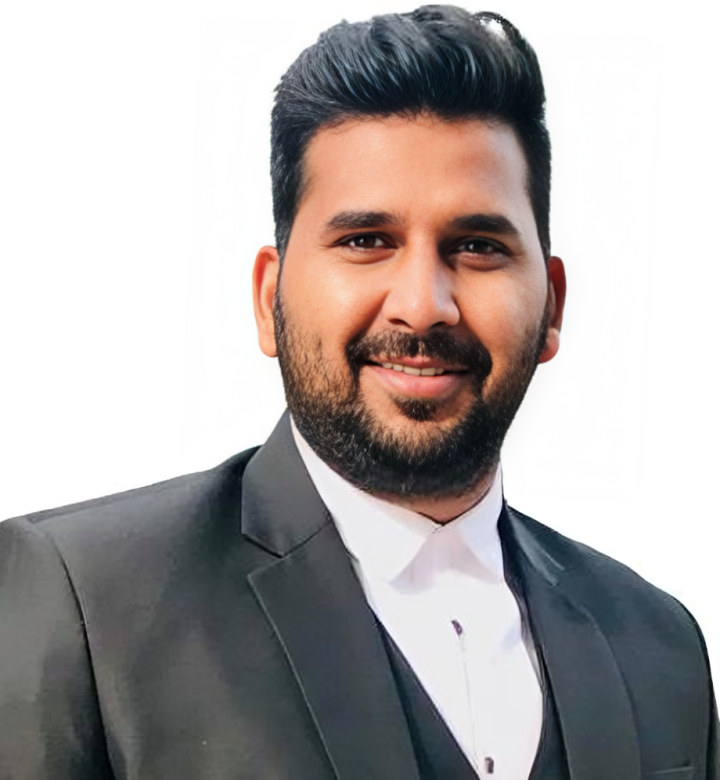
  • “All lawyers are Super lawyers; thus no single lawyer is a Super lawyer.” – Ankit Rastogi, Partner at Mason & Associates.

    “All lawyers are Super lawyers; thus no single lawyer is a Super lawyer.” – Ankit Rastogi, Partner at Mason & Associates.

    This interview has been published by Anshi Mudgal and The SuperLawyer Team
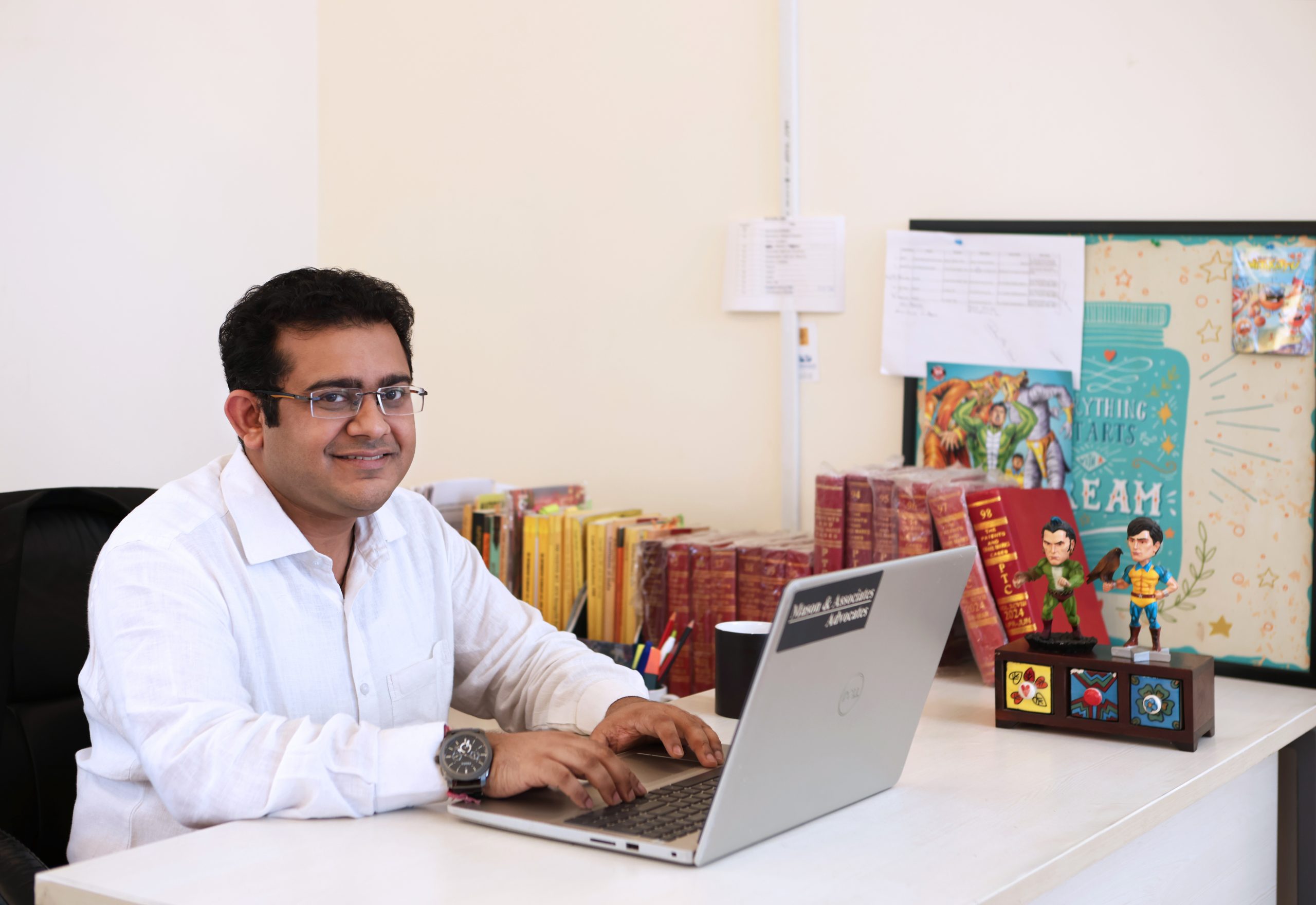
    What drew you towards the field of Intellectual Property law, and what were some of the early experiences that helped lay the foundation for your practice in this domain?

    First of all, thank you for connecting with me to share my story. I was quite intrigued by the name of the platform ‘Super Lawyer’. This reminded me of the film ‘The Incredibles’ wherein a character Syndrome says that if all humans will have super powers, none will be a Super hero. Similarly, in my view since all lawyers are Super lawyers, thus no single lawyer is a Super lawyer. Now coming to your question: 

    I think my interest in Cinema. I was initially drawn towards Intellectual Property as a practice area since I had a lot of interest in movies. I was highly inclined towards Copyright Law, since I wanted to understand how the film industry functions. 

    As far as early experience that helped me lay the foundation in this domain are concerned, the first litigation matter that I worked upon was a passing off suit. In that suit, over a period of time after filing the suit, Defendant had obtained registration of its trade mark and moved an application for amendment of written statement to plead its registration. At that stage, when I was too young (barely a month into the practice) I thought that the Plaintiff’s case was over since the Defendant had obtained a trade mark registration. At that stage, my then senior told me that registration of Defendant’s mark is of no consequence in a suit for passing off, which is maintainable even against a registered proprietor. He further asked me to read N.R. Dongre and Ors. vs. Whirlpool Corpn. and Anr.; 1996 PTC (16) 583 (SC) wherein apex Court upheld this position arrived at by Single Judge and Division bench of the High Court. 

    You argued a landmark case where the Delhi High Court, for the first time, ruled on the registrability of geographical names as arbitrary trademarks. Could you share your insights from the case that shaped the Court’s reasoning, and what do you believe are the broader implications of this decision?

    To be really honest, I don’t know as to whether it was a landmark decision or not.  However, Siddharth Suri vs Registrar of Trade Marks does give a guiding light for registration of geographical names as trade marks where the geographical name has been applied arbitrarily to the goods. In this case, the goods were ‘Leather and imitations of leather, and goods made of these materials and not included in other classes; animal skins, hides, trunks and travelling bags; umbrellas, parasols and walking sticks; whips, harness and saddlery’ for which ‘Andamen’ was not found to be having a goods-place association. Accordingly, the objection under Section 9(1)(b) that the trade mark designates geographical origin was not found to be attracted since Andamen (whether said to be taken from Andaman Sea or from the Andaman & Nicobar Islands) does not have a reputation for goods falling in Class 18. 

    The broader implications of the decision are that when one comes across a geographical name as a trade mark, they should not disregard its protection/registration just because it is a geographical name but analyze whether that geographical area has an association or reputation for goods for which it is sought to be registered/protected.  

    You advise clients across diverse sectors including FMCG, pharmaceuticals, liquor, book publishing, and e-commerce. Given the rapid growth of the pharmaceutical industry, what are some of the major legal and compliance challenges entities face in this space?

    I think as far as the pharmaceutical industry is concerned, the biggest challenge has been counterfeit products. For a consumer, who may consume these counterfeit products; disaster always lurks around the corner to make its presence felt. In other terms, the consumers are extremely vulnerable to life threatening consequences. I have, in the past, worked on multiple matters, both civil and criminal, where the Defendants/Accused produced identical drugs and it is not possible to identify the fake unless you get inputs from the team who worked on the packaging and in some cases research. The pharmaceutical industry is one of the most regulated industries; since it has to cater to safety and efficacy. Keeping this in mind, it obviously has to comply with safety and cleanliness standards, good manufacturing practices, disclosure of information and that too in line with labelling requirements. The major problem in the industry is fake drug racket, which may or may not be related to any Intellectual property and could be a completely new mark, where the ingredients told on the label will not even be present in the drug and the drug would have been sold or supplied clandestinely with no regulatory approval at all. 

    As a Partner, staying ahead of the curve is crucial. In your view, how effective have the current government initiatives been in streamlining the IP registration process? What further improvements in your opinion can be made?

    In recent times, I could think of four initiatives done at the level of the Intellectual Property office which are commendable. First, is the possibility of search of device trade marks, which has been facilitated online by the IP office. The added advantage of this feature is that depending on the device/image the tool also suggests the possible Vienna Code Classifications; which also aids in saving time.  

    Second, is the enablement of a queue system for various functions and displaying it online; a real time check for hearing, review applications and examination status; which enables an entity to know as to where it marks stands in the list of hearings before the trade marks office.  

    Third is the Open house sessions, the IP office does with applicants and stakeholders everyday from 4.30 PM to 5.30 PM virtually to address grievances or take suggestions on any issue related to Intellectual Property Rights. 

    Last is the ‘Notifications/Reminders’ feature on the e-filing page and the ‘Reminders’ feature on the E-Register Page; which enables one to see latest updates on their portfolio of applications, ensuring that no important update is missed. This saves a tremendous amount of time.  

    In my view, to ensure a smooth registration process; the first thing that should be incorporated is consistency and standard operating procedures; so that every applicant or stakeholder has a clear idea of the chance of their application getting accepted or rejected.

    You’ve worked on intermediary liability matters. How do you assess the evolving legal framework around platform accountability, especially in light of recent judicial decisions and amendments to the IT Rules? What are the core challenges in striking a balance between free expression and regulatory obligations?

    I think the intention is always to balance; that’s what in my view, any legislature or government exercising its legislative powers under the IT Act, 2000 looks at while keeping in mind the protection of the people and at the same time working out the economics. So, that’s the word. BALANCE!! – the evolving legal framework in the IT Rules, especially The Information Technology (Intermediary Guidelines and Digital Media Ethics Code) Rules, 2021 [hereinafter ‘IT Rules, 2021’] indicates a tide towards control but the intent of that control is Balance; The amendments to the same in 2022 required the intermediary to make reasonable efforts so that content which is covered under Rule 3(1)(b) is, inter alia, not displayed on its platform. The intention is some sort of action; but the rule making body steers clear of indicating what sort of action (no pointers whatsoever) and leaves it as a subject of interpretation.  However, what are these ‘reasonable efforts’ or what could be some examples of these ‘reasonable efforts’; for that we get an indication from judicial decisions such as the recent decision in Indiamart Intermesh Ltd. v. Puma SE; 2025: DHC:4819-DB which indicates that one of the reasonable efforts for a platform could be that each of the sellers is aware of the requirement to not display counterfeit products and to ensure that they furnish an express undertaking to the said effect to the intermediary.  Apart from this, on reading of paragraph 92 of the decision, I think another indication of reasonable effort could also be not to re-list the same seller in respect of the same products whose listings have been taken down earlier. 

    As far as 2023 amendments are concerned; they appear to have been done majorly to have the online gaming intermediaries under a stricter control (as compared to intermediaries) , especially those online gaming intermediaries who enable the users to access any permissible online real money. A lot of compliance requirements under ‘IT Rules, 2021’ which were only applicable to a significant social media intermediary originally have been extended to online gaming intermediaries as well by virtue of the amendments done in the year 2023. 

    As far as your last question, I think the standard of morality/scandalous statements keeps shifting with every generation. The biggest challenge I believe is ‘viewpoint bias’ and the evolving nature of the society we live in. Thus, in my opinion there will always be shifting standards and that’s why this area of law will always be dynamic and never ending. In simpler terms, what may be kosher for one; may be outrageous for another and this will be perennial. So, it is extremely difficult to maintain that balance between free expression and regulatory obligations. 

    With such an enriching and diverse career, what initially inspired you to pursue law? What advice would you offer to law students and young professionals aspiring to build a career in Intellectual Property and litigation?

    I am an extremely lazy person when it comes to doing things for myself. I try to take the most convenient and easy route to navigate life choices. So, resultantly, the decision to pursue law was the length of the programme; five years. No worry after school for another five years. I thought in the beginning of the law school that may be after these five years; I will know what I need to do. However, post five years, I just went with the flow. In hindsight, I think I should not have done law. I could have explored a creative vocation where my thoughts could be disseminated freely (Obviously, subject to reasonable restrictions in Article 19).

    One of my advice to every aspiring professional in the field of Intellectual Property would be to be tech-savvy. To understand how content is being created these days. What are the terms of the AI platforms, which are used by us for content creation. Further, I would also recommend not to restrict their understanding of jurisprudence on intellectual property to India but analyze what is going on globally. In this decade already we are dealing with landmark decisions on intellectual property issues intertwined with technology utilised across platforms which have shown us issues which we could not have probably envisaged a few decades ago. Look at the issue that is challenging the use of content by AI platforms, ‘keyword advertising’, use of a mark in drop down menu at the back end to trigger a listing if one searches for those products on a platform, violations by virtue of deepfake technology etc. I mean, mirror websites and duping in the name of fraud schemes of investment or employment across the internet, fake domain names, domain name disputes are something that have become traditional violations of Intellectual Property and orders granting real-time injunctions are not being passed only in isolated cases.  

    So far as litigation is concerned, my advice has always been to be diligent and understand the background and the possible solutions through procedural laws. Litigation is not a predictable game; there are variables across stages in a matter – from inception to trial; from an ex-parte order till consequent appeals. One has to make a strategy giving all possible variables due weight. 

    Managing a demanding legal practice comes with its own pressures. How do you maintain a healthy work-life balance, and is there a personal philosophy or guiding principle that has helped you navigate your professional journey?

    To be really honest, I am unable to maintain a healthy work-life balance. Unfortunately, my matters, the ongoing developments in the fraternity, the need for being constantly updated & networking does not allow me to shut down/switch off. While my office is five (5) days working, the only time I think I am able to be completely at peace is when I sleep or I read. I read a lot, and have also in this process edited a few comic books. These are my only escapes apart from occasional films in theatres or at home. A lot of professionals, who might be really busy may say that they spend time with their families; switch off on weekends etc. Kudos to them!! I am never able to shut down. There is a constant barrage of thoughts in my head unless I am sleeping, reading or watching anything. I am constantly thinking of what needs to be done, are we on top of all our matters, has the team done all the compliances etc. There is a constant urge to ensure everything is under control and all bases are covered. This leads me to not have a work-life balance. 

    The only guiding principle that has helped me to navigate my professional journey is sincerity and time management. One has to prepare as much as they could for a matter while giving other matters also their due importance. One has to give every advice keeping all the ethical considerations in mind. I try my best every day to do and pull off a lot, sometimes much more than I actually can. Sometimes I succeed; sometimes I don’t. On days I succeed, I stay calm and think something constructive has been achieved. On the remaining days, I am just too hard on myself. 

    Get in touch with Ankit Rastogi –

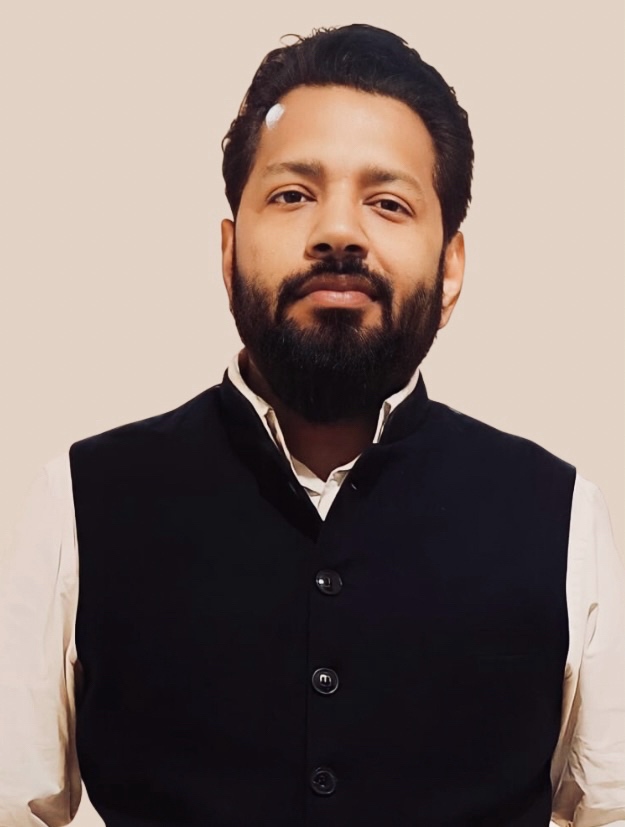
  • “Over the years, I have witnessed how IP law has expanded from traditional Patents and Trademarks to addressing digital content, AI-generated works, and global enforcement challenges.” – Shipra Alisha Philip, Senior Associate at RNA Technology and IP Attorneys. 

    “Over the years, I have witnessed how IP law has expanded from traditional Patents and Trademarks to addressing digital content, AI-generated works, and global enforcement challenges.” – Shipra Alisha Philip, Senior Associate at RNA Technology and IP Attorneys. 

    This interview has been published by Anshi Mudgal and The SuperLawyer Team

    With your extensive and impressive expertise in Intellectual Property matters, looking back on your remarkable career journey, what initially inspired you to pursue a career in law? What was the driving force behind your decision to specialize in the dynamic and specialized field of IP law, and how have you seen the field evolve over the years?

    Growing up as a girl in Patna, a city full of ambitions, I always dreamed of making a difference. Growing up in a society where career paths often followed traditional expectations, I had ambitions that went beyond the norm. However, despite being surrounded by convention, I was fortunate to have parents and a brother who supported my aspirations and encouraged me to pursue my dreams. From an early age, I was determined to carve my own path and make a meaningful impact. I was driven by the idea that no matter where you come from, determination and passion can open doors to incredible opportunities. I have always been a creative person, drawn to ideas, innovation, and the power of original thought. That’s what led me to law because, at its core, law is about shaping and protecting ideas that can change the world.  

    As I delved deeper into legal studies, it was Intellectual Property (IP) law that truly captured my passion. It was thrilling to see how a single patent, trademark, or copyright could empower inventors, businesses, and creative minds worldwide. That realization fuelled my decision to specialize in this field. Also, while many areas of law are well-settled and fixed, IP law evolves constantly, adapting to technological advancements, new business models, and creative breakthroughs.

    Over the years, I have witnessed how IP law has expanded from traditional patents and trademarks to addressing digital content, AI-generated works, and global enforcement challenges. It has transformed into a field that is deeply intertwined with the future of technology and business. Looking back, my journey has been about pushing boundaries, embracing change, and proving that creativity and ambition can redefine expectations. IP law continues to inspire me because it never stands still. It grows with society, with technology, and with the brilliant minds it seeks to protect. 

    Reflecting on the early stages of your career, from internships to your initial legal roles, what were some of the most formative experiences that helped shape your foundation in the legal profession, especially in IP law? How did these early challenges prepare you for your current success in this highly specialized area?

    From the very beginning of my career, I had the opportunity to work at top-tier law firms, each playing a pivotal role in shaping my foundation in the legal profession. Every firm I worked at contributed uniquely to my growth, equipping me with the skills and confidence to navigate the complexities of IP law.

    Starting with a strong litigation background, I developed a keen eye for detail and the ability to anticipate legal hurdles early on. As a fresher, meticulous attention to detail was the primary expectation, a skill I quickly honed while handling high-stakes IP matters. I was also encouraged to ask as many questions as possible, as my seniors often emphasized that “no question is stupid.” This supportive environment helped me shed any inhibition about seeking clarifications, allowing me to develop a deeper understanding of the law and intricate IP matters. These early experiences refined my analytical skills, strengthened my problem-solving approach, and laid a strong foundation for my career in IP law.

    Over time, I was given direct exposure to client handling, allowing me to lead conferences and calls independently. This experience not only refined my communication skills but also solidified my confidence in the knowledge I had gained over time. It allowed me to apply that expertise effectively in my advisories, ensuring practical and strategic solutions for clients. 

    These formative experiences prepared me to take on greater responsibilities in my current senior role at RNA Technology and IP Attorneys. At RNA, I have had the opportunity to lead complex IP matters while also showcasing my expertise at international and national IP conferences, building strong professional networks. Additionally, my firm has encouraged me to contribute to the broader IP discourse through various publications, where I have explored pressing topics such as landmark international and Indian rulings and their impact on the Indian copyright and trademark landscape, brand challenges and counterfeiting in the nutraceutical industry, the impact of AI, IP, and data privacy in India’s growing medical tourism, the trends, regulations, and IP hurdles in the Indian pet food industry, and evidence admissibility in trademark disputes. What sets RNA apart is its commitment not just to the firm’s growth but also to individual professional branding. This support has allowed me to refine my expertise, expand my industry presence, and actively engage in thought leadership within the IP space. Each step in my journey has reinforced my passion for IP law and my ability to adapt to its ever-evolving landscape.

    As someone with deep expertise in handling domain name disputes, particularly before NIXI, what are the key legal considerations that must be taken into account when addressing such issues? Could you share a particularly memorable or challenging case from your experience and how you navigated it, offering valuable insights for aspiring lawyers in this domain?

    When addressing domain name disputes, several legal considerations must be taken into account:

    1. The complainant must establish trademark rights over the disputed domain. Even if the mark is unregistered, demonstrating extensive use and brand recognition can strengthen their case.
    2. The disputed domain name must be identical or confusingly similar to the complainant’s trademark. Minor variations, such as typo squatting, do not necessarily create distinctiveness.
    3. The respondent may avoid liability if they can prove legitimate rights or a fair use of the domain, such as using the domain for a genuine business unrelated to the complainant’s brand; being commonly known by the domain name; and/or making non-commercial, fair use of the domain.
    4. The complainant must prove that the domain was registered and/or used in bad faith, such as: acquiring it with the intent to sell at an inflated price or misleading consumers, phishing, or redirecting traffic to a competitor.
    5. A respondent may defend their case by proving legitimate rights, such as using the domain for a genuine business unrelated to the complainant’s brand; being commonly known by the domain name; and/or making non-commercial or fair use of the domain.

    In a high-profile INDRP dispute, I defended a client against a corporation alleging bad faith registration. Through strong evidence, we proved:

    • The domain had a legitimate, bonafide use.
    • The complainant knew of the domain but took no action (acquiescence).
    • Market research showed third-party usage of the complainant’s mark, weakening exclusivity claims.
    • Inconsistencies in the complainant’s prior trademark office positions further undermined their case.

    The arbitrator ruled in our favor, reinforcing that trademark ownership alone does not guarantee domain rights.

    For aspiring lawyers in this field, my advice is:

    • Assess legitimate interest. A trademark does not automatically grant domain rights. The complainant must prove bad faith registration and lack of legitimate interest on the respondent’s part.
    • Prior knowledge of the domain without action weakens the complainant’s case. Always advise clients to review old records, emails, or correspondence for any indication of prior knowledge. As lawyers, conducting online research, scanning publicly available documents such as publications, interviews, advertisements, etc. can uncover evidence of acquiescence.
    • Review past trademark claims and court proceedings to identify inconsistent pleadings of the parties.
    • Market research is crucial. A thorough investigation into how a mark is used across different industries can weaken a complainant’s exclusivity claim and help establish generic or descriptive use of a term.
    • Domain disputes are not won on allegations alone. Well-documented evidence, strong legal arguments, and meticulous research are essential to securing a favourable outcome.
    • With the growing importance of online branding, domain disputes are becoming increasingly complex. Aspiring IP professionals must stay updated on digital enforcement strategies, evolving domain name laws and policies, and international best practices to remain competitive in this space.

    Managing global trademark portfolios is no small feat. What are some of the most significant challenges you encounter when dealing with international trademarks, and how do you navigate these complexities to deliver exceptional results for your clients? Could you share the most complex or fascinating trademark matters you’ve dealt with?

    Well, managing international trademarks in India poses challenges due to jurisdictional differences, procedural complexities, and evolving legal standards. Key challenges and strategies include:

    1. Classification Challenges: India follows the Nice Classification system, but jurisdictional variations in interpretation, overlapping classes, and administrative constraints can create uncertainties. Market practices and evolving product categories further complicate classification. Careful jurisdiction-specific analysis is essential.
    2. Registrability Issues: Descriptiveness and genericness are interpreted differently across jurisdictions. A comprehensive clearance search can help assess registrability and mitigate objections.
    3. Prior Use vs. First-to-File: Unlike strict first-to-file jurisdictions, India recognizes common law rights. Foreign brands without prior use may face opposition from local businesses. Proactive filings and documented use evidence are crucial.
    4. Trademark Squatting: Unauthorized third parties often register well-known foreign brands in India. Legal remedies like oppositions, cancellations, and rectifications, along with watch services, help address potential infringements early.
    5. Budget Constraints and cost-effective protection: Costs for trademark filings, renewals, oppositions, and enforcement can be unpredictable. A flexible budget should anticipate expansion needs and enforcement actions. Recommending prioritization of key markets and leveraging cost-efficient systems like the EU Trademark and WIPO’s Madrid System for multi-country filings can be beneficial.
    6. Competitive Monitoring: Tracking competitor filings and industry trends is essential. Regular trademark database analysis helps businesses stay ahead of emerging market developments.
    7. Record Maintenance: Outdated trademark records complicate enforcement and transactions. Prompt updates for assignments, name changes, and acquisitions ensure legal clarity.
    8. Leveraging Technology: Manual processes slow portfolio management. AI generated tools enhance efficiency in searches, classification, and trademark monitoring.
    9. M&A Due Diligence: Hidden conflicts or weak rights can impact acquisitions. Thorough due diligence, verifying ownership, status, and conflicts mitigate risks.

    By addressing these challenges with strategic planning, businesses can efficiently manage global trademark portfolios while minimizing risks and costs.

    One of the complex trademarks matters I handled involved a global brand facing objections from the Indian Trademark Office at the examination stage. Although our client’s brand had been adopted, registered, and widely used internationally long before, the objections were based on similar third-party trademark registrations that predated it in India. The key challenge was establishing the brand’s transborder reputation in India despite limited direct use. To build a strong case, we compiled extensive evidence, including global sales figures, media coverage, and proof of consumer awareness in India. We also examined international conferences where our client’s mark and product had been showcased, many of which were attended by Indian delegates, thus demonstrating brand exposure among potential consumers in India. Additionally, we submitted old correspondence from Indian entities inquiring about our client’s product under the disputed trademark. Through strategic arguments and well-documented evidence, we successfully secured the brand’s rights in India.

    Trademark opposition and rectification petitions are complex and nuanced processes. How do you approach the preparation and management of these cases? What research tools do you rely on, and how would you assess the effectiveness of the trademark registry in resolving disputes in a timely manner?

    My approach begins with comprehensive preliminary research, analysing the trademark’s history, including prior use, registrations, assignments, and any past opposition, rectification, or litigation. A strong opposition or rectification petition hinges on clear, compelling arguments. It is therefore crucial to assess the similarity or dissimilarity of competing marks through various legal principles, such as the Rule of Anti-Dissection and Dominant Feature, while also examining grounds like non-use, likelihood of confusion, bad faith adoption, misrepresentation, and inconsistent pleadings before judicial authorities and tribunals.

    To establish prior rights and brand goodwill, I rely on market research, global brand reputation reports, advertisements, social media presence, publications, consumer recognition surveys, etc. Website archives, trademark journal publications, and business reports also help substantiate claims.

    In terms of research tools, I extensively use trademark registry databases, WIPO’s Global Brand Database, EU trademark database, domain name databases, Registrar of Companies (ROC) records, social media searches, and online archives to track prior filings, international use, and potential conflicts. Litigation databases and court records are equally valuable in assessing past disputes involving the contested mark. Additionally, the use of AI-powered tools significantly enhances legal and trademark research, strategy-building and trademark monitoring to help identify potential conflicts more efficiently. 

    The Indian Trademark Registry has made improvements in handling disputes efficiently, particularly through digital filings and automation and open house helpdesk portal to address queries. However, challenges persist, including backlogs, procedural inconsistencies, lack of nuanced understanding of IP laws by hearing officers, and frequent adjournments, all of which delay swift resolutions. Despite procedural bottlenecks, leveraging technology alongside a well-researched and strategically argued case significantly increases the likelihood of a favourable and timely outcome.

    As a respected leader managing a team of talented lawyers and paralegals, how do you ensure that workload distribution is both effective and balanced across your team, especially when dealing with high-stakes and intricate IP cases? How do you foster a collaborative environment to ensure your team works cohesively to meet client expectations and deliver top-tier results?

    As a leader managing a team of skilled lawyers and paralegals, I believe in a strategic delegation approach, where tasks are assigned based on individual expertise, experience, and bandwidth. 

    I delegate legal drafting and opinion writing to my lawyers, ensuring they gain hands-on experience in core legal work. I thoroughly review their drafts, provide detailed feedback, and refine their arguments, helping them sharpen their legal reasoning and drafting skills. Where a matter demands deep legal analysis, I personally handle it to ensure accuracy and a strong legal foundation. For particularly complex or high-stakes cases, I seek insights from my partners, leveraging their expertise to strengthen our strategy. The paralegals support research, document and database management, basic drafting, and procedural filings, streamlining the workflow and allowing the team to focus on substantive legal work. 

    Collaboration is at the core of my leadership style. I encourage open communication and make it a point to ask my team, “What challenges are you facing, and how can I support you?” – a principle I learned from my husband. This approach also aligns with my firm’s core values and creates a friendly and supportive environment where challenges are addressed proactively, fostering both professional growth and efficiency. By maintaining clear guidance, open dialogue, and strategic delegation, I ensure that our team works cohesively to meet client expectations and deliver top-tier results.

    To maintain balance and prevent burnout, I regularly assess workload distribution, keeping track of deadlines, case priorities, and individual capacities. Leveraging project management tools and AI-powered legal tech, we monitor case progress, streamline task allocation, and optimize efficiency, ensuring that no single team member is overburdened.

    In pre-litigation enforcement, you play a crucial role in preparing legal notices, settlement proposals, and conflict resolution strategies. What key strategies do you employ to negotiate settlements before issues escalate into full-scale litigation? Additionally, what common pitfalls should companies be mindful of early on to avoid litigation concerning their IP assets?

    Well, the goal is to resolve disputes efficiently while protecting the client’s IP rights. Before initiating any action, a detailed evaluation of the IP rights in question is a must. This includes assessing prior use, registrations, market presence, and the overall strength of the client’s position to determine the best strategy. A well-drafted cease-and-desist notice sets the tone for resolution. In fact, the language of the notice depends on the client’s approach. While it must be firm in asserting rights, it should also leave room for structured discussions. Rather than escalating conflicts immediately, I explore amicable solutions such as settlement options, coexistence agreements, licensing arrangements, branding/packaging modifications, or even buy-out options. This approach fosters dialogue while protecting legal interests. With courts increasingly emphasizing mandatory mediation in IP disputes, pre-litigation enforcement has evolved significantly. Many high courts, particularly the Delhi High Court, actively encourage mediation as the first step before litigation, recognizing its effectiveness in resolving complex conflicts. Whenever possible, I advocate for mediation or arbitration to secure cost-effective and swift resolutions, minimizing the burden of litigation. Beyond legal considerations, I believe it’s essential to weigh the commercial interests of both parties. An enforcement strategy should aim for long-term business viability rather than just short-term legal victories. By balancing legal rights with practical business solutions, disputes can often be resolved more efficiently while maintaining brand integrity and commercial relationships.

    Many businesses make the mistake of launching a brand without conducting comprehensive trademark searches, leading to costly disputes and rebranding efforts. A thorough clearance search can prevent such legal complications. Weak IP contracts are another common issue. Poorly drafted agreements in licensing, joint ventures, or vendor relationships can result in ownership disputes. Clearly defining rights, obligations, and dispute resolution mechanisms is essential. Inconsistent brand use and failure to enforce trademarks can weaken legal rights over time, making regular monitoring and timely action against infringers crucial. Additionally, businesses often neglect to maintain proper evidence of trademark use, such as first use records, advertising, and consumer recognition, which are vital for defending exclusivity in disputes. Rushing into poorly negotiated settlements can also lead to recurring conflicts; settlement agreements should clearly define future use, licensing terms, and territorial rights to ensure long-term protection. By addressing these pitfalls proactively, companies can safeguard their intellectual property and minimize litigation risks.

    Balancing the demands of a challenging legal career with personal life is undoubtedly a tough task, especially in such a high-pressure profession. How do you manage to maintain equilibrium between your professional commitments and personal well-being? Could you share some strategies that help you preserve your health and sustain a balanced lifestyle, even while excelling at the top of your field?

    Maintaining equilibrium is not just about time management, it’s about setting priorities and boundaries. Efficient planning of work ensures that deadlines are without unnecessary last-minute stress. Delegation also plays a crucial role. I entrust responsibilities to my team while maintaining oversight, allowing me to focus on high-level strategy and complex legal matters. While the legal profession often demands round-the-clock availability, I try to carve out time for my family, my two adorable cats and my personal interests like travelling, reading and watching movies. Setting realistic expectations with clients and my team helps manage workload without burnout. Also, self-care is important. Whether it’s staying physically active, pursuing hobbies, or simply taking short breaks during the day, these small habits help sustain energy and focus. Additionally, having a strong support system, both professionally and personally, makes all the difference. At the end of the day, excelling in this profession is not just about working hard, it’s about working smart, staying innovative in your work and ensuring that both professional success and personal well-being go hand in hand.

    Your broad expertise across various legal areas is truly commendable. For young lawyers looking to build a diverse and successful practice like yours, what key advice would you offer? What skills, attributes, and mindset do you believe are essential for navigating the competitive and multifaceted world of law, particularly in the ever-evolving field of IP? 

    Adaptability and continuous learning are key for diverse and successful practice in law. IP law evolves rapidly, so staying updated on legal developments and industry trends is essential. Strong research, analytical, and communication skills are crucial for presenting clear, persuasive arguments. Beyond technical expertise, a problem-solving mindset and commercial awareness set a lawyer apart. Clients value strategic, practical, and business-oriented solutions rather than just legal advice. Lastly, mentorship and networking open doors to invaluable insights and opportunities. Success in law comes from critical thinking, innovation, and integrity in navigating legal challenges.

    Get in touch with Shipra Alisha Philip –

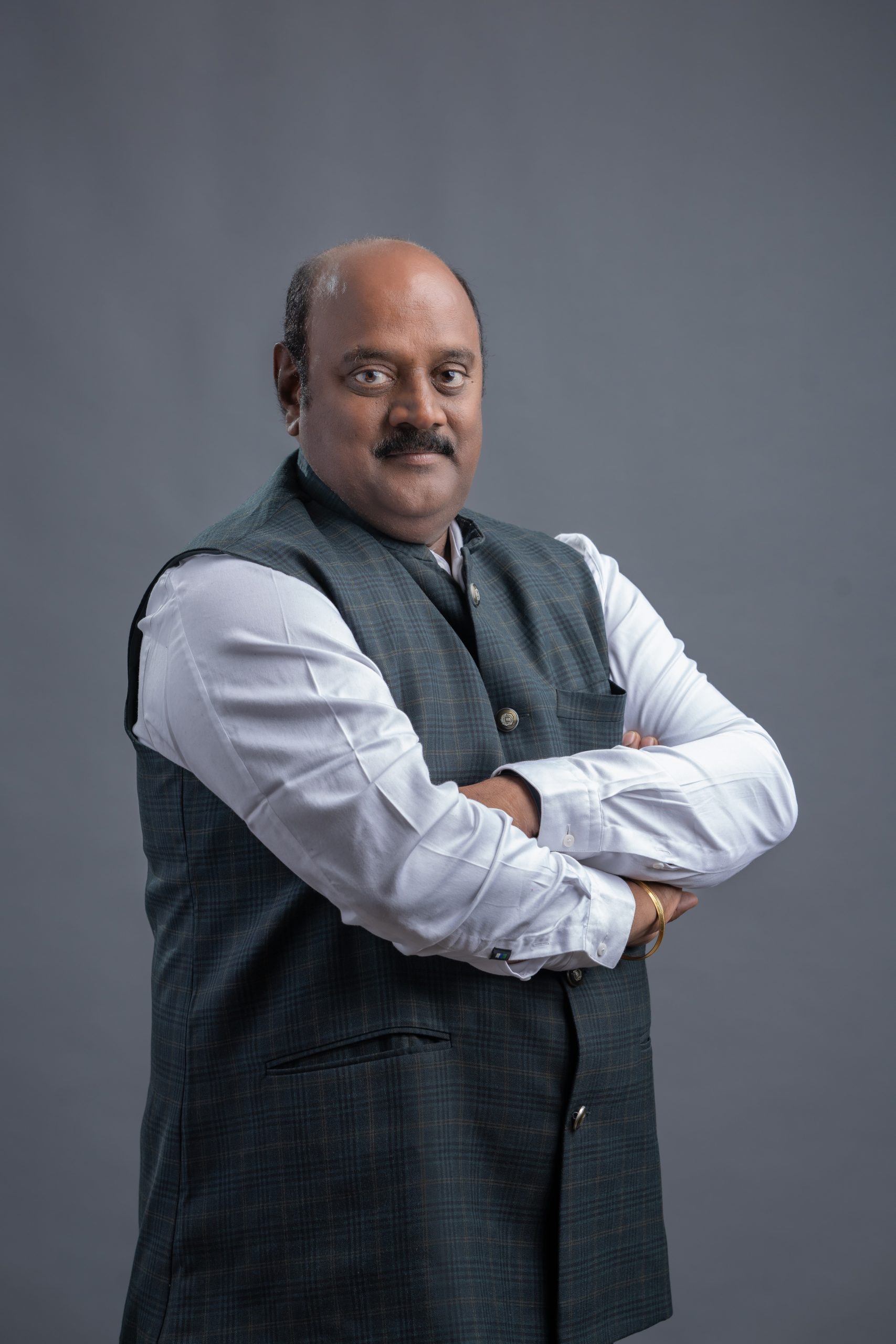
  • “To be able to make a career in the field of IP, one should be creative or at least understand certain facets or methods of its expression. You should have the zeal to learn more and more everyday.” – Zainab Syed, Founder of Zainab Syed & Associates.

    “To be able to make a career in the field of IP, one should be creative or at least understand certain facets or methods of its expression. You should have the zeal to learn more and more everyday.” – Zainab Syed, Founder of Zainab Syed & Associates.

    This interview has been published by Anshi Mudgal and The SuperLawyer Team

    Maam, you have an impressive background, having completed your schooling in Kuwait and your law degree in Kashmir. Can you share some experiences from your early years that inspired you to pursue a career in law? What aspects of the field motivated you to become a lawyer?

    Thank you. Well, from the very beginning, I have been quite principled and straight forward, advocating for whatever I believed to be the right thing. I was also elected as the school head girl, which made me quite responsible and vocal at the same time. My family is my support system, my parents instilled in me and my siblings a good work ethic and the importance of hard work and dedication. So, it was quite natural for me to choose this as a profession. I also landed myself a job with Amnesty International, soon after I gave my class 12th CBSE ( gulf) board exams . The job was at the Indian Embassy of Kuwait, wherein me and my team were helping with sending back Expats to India, who had been forcibly detained in the country with no documents in their possession. We helped so many helpless trapped Indians during that time. This is when I saw the real world, the injustice and helpless people looking for hope in us, being able to help these people made me realise that this is what I want to do in life.

    I am a very empathetic human being, at times it does have a negative impact on my life or my decisions, but I think that is how I was raised and I’m proud of it and always will be. Everything about this field motivates you to become a lawyer, however, if I have to name some of the aspects, they would be as under:

    • It’s a mental marathon that offers endless opportunities for problem-solving and critical thinking. 
    • Lawyers often find themselves at the forefront of societal change, advocating for individuals and communities. 
    • Lawyers stand as the principal architects of legal frameworks that safeguard civil liberties and shield the marginalized.
    • Through their steadfast commitment to furthering social equity, provision of pro bono services, and facilitation of access to justice, lawyers emerge as pivotal agents in fostering equity and parity.

    Early in your career, you worked at the High Court of Jammu and Kashmir, handling cases related to service matters, property disputes, family issues, and more. What are some key experiences from that time that shaped your legal understanding and laid the foundation for your practice?

    After completing my law degree from Kashmir, and getting my license to practice, I decided to join the High Court of Jammu & Kashmir under the guidance of a very renowned and senior Advocate Mr. Syed Manzoor Hussain, who has an expertise of over 40 years now. Working with him, I learnt so many aspects of law which I had only read about. The whole experience of working with him in matters related to Service, property, defamation, Matrimony etc helped shape my career in the initial days. I remember the first time I appeared in Court, I got a favourable order in our matter, and the Hon’ble Justice at that time, commended me for my boldness and confidence, which increased my morale ten times more than what I had walked in with. Working at the High Court with my Senior, taught me that not all days will be in your favour, some may be against you, and it is then that your caliber and patience is tested. I remember working with my senior and assisting him in a service matter wherein even after having worked for more than 20-25 years in the Sericulture Dept of Jammu & Kashmir, the employees were not regularised by the govt, which should have been done, soon after they had finished 7 years of service, and after citing numerous judgements, submitting ample evidence, we finally managed to get them regularised. There were other matters also, like property disputes, salaries being withheld and unlawful terminations that we were able to get relief granted for our Clients. However, it won’t be fair to deny having any bad experiences, and those bad ones teach you to be more particular about your choices, and show you your hidden potential.

    After joining SS Rana as a Senior Trademark Attorney and handling tasks like trademark filing, prosecution, and responding to examination reports, how did your experience in Intellectual Property Law compare to your previous work in the court? How did the work culture differ?

    I shifted to Delhi after the 2013 floods in Kashmir that crippled life there, everything from records to documents were destroyed. It was then that Mr. Senior, who had seen the amount of hard work and dedication I had put in those 2 years, suggested that I move to Delhi as things would take quite some time to get normalized back there. It was definitely a very tough decision to move to Delhi and start afresh, but like they say “Accept what is, let go of what was, and have faith in what will be” , and that is what I did.

    I joined S.S.Rana & Associates as a Junior Associate Advocate. This was an IPR law firm and I had no experience in this field, and IPR had been my favourite subject back in the University. I was lucky enough to be working under Mr. Vikrant Rana ( Managing Partner) in the Trade Marks Department. He believed that we need to partner with our clients, make their concerns our own, understand their businesses, and proactively get out in front of their problems without actually getting out in front of them. I believe that the biggest achievement in my career and what boosted my confidence is when your ideas or suggestions are taken positively and also implemented by Senior Lawyers or whom you work under. Under the guidance of Mr. Vikrant Rana I became a pro in Trademark matters, as I already had a flair for writing, and an eye for detail my examination report replies became popular among the team, Within a short span of time, I was training juniors in Trademark Department, handling complex cases and giving legal suggestions for IPR protection not just to National but international Clients as well.

    I guess it was my honesty and dedication that always made me visible and stand out in the crowd. I had never imagined that Intellectual Property Rights were this vast and interesting, I guess the subject only teaches you 10% of what the law actually is. The work culture differed in this way that instead of having 1 senior to report to at the High Court, here I had the opportunity to learn from everyone, my knowledge was not restricted to the belief and ideas of one individual but it was open to accepting new things from so many different skilled and intelligent minds. Also of course, as we didn’t directly deal with clients on a daily basis unlike my previous workplace, this helped with the stress of client dealing.

    On a lighter note, I remember when I was at the High Court, there was this very old Client of ours, almost 70-75 years of age , he would come to Court almost every other day, even if his matter would have been listed after 3-4 months, he visited every week without fail, asking about the status of his property dispute matter. When asked why are you here every week, he replied “I enjoy seeing you all work like this, I never had to work this hard in my entire life, I guess I was lucky, and to be honest, I don’t actually have anything more important to do”, I am sure, as I write this interview, he must be sitting in one of the courtrooms at Srinagar.

    Following your tenure at a law firm, you transitioned to working as IPR counsel for several companies, managing their IP portfolios and providing legal advisory. What motivated this shift, and how did you navigate the complexities of this role?

    I quit my job after the pandemic hit us, and took the decision of moving back to Kashmir, as we all know how serious it had gone back then, having lost a few loved ones back home, I realized that i had to be where my family is, as my family means the world to me. So it wouldn’t be wrong to say that all Natural Calamities happening in my life, brought with them a new hope and a new beginning for me. As I had already learnt the art of managing clients and their brands, it didn’t take me much time to make a Client base of my own, in my own home town. To be honest, these brands I worked for, all belong to Kashmir, and it was I who had approached them and introduced the concept of IPR protection and the importance of IPR in their business, that is how I got to work with them.

    This role did indeed bring with it many issues or complexities, as Intellectual Property Rights were not very popular or known to the people in my home town, and even though we have way too much IP out there to protect, we had issues, issues like business owners using identical names for their business and wanting to protect their brand, or business owners not wanting to take legal action against parties infringing their IP. For such issues, we started educating the business owners about the importance of IPR and the benefits of protecting their IP.

    What led you to establish your own practice? What were the challenges you faced in the initial stages, and how did you overcome them? What continues to motivate you in your practice today?

    When I was working with my previous law firm, it would worry me so much that out of all those queries coming in about IP on a daily basis, I never came across any query coming from Kashmir. I don’t know why, but people have the misconception about Kashmir being a conflict zone, hence no one there does anything or everyone is living in fear, they have no life of their own. As I knew the real Kashmir, I wondered why no one there was coming forward to protect their brands or even enquiring about it.

    This led to establishing my own law firm Zainab Syed & Associates, which was the first ever IPR law firm in Kashmir. Challenges like I mentioned before were the little of half knowledge about Intellectual Property Rights. The initial year indeed was a very tough one, where converting any query was like winning the Olympic gold medal, as people didn’t want to spend money on something they didn’t feel was necessary to protect, also, there were cases where someone had taken money from them for filing their trademark and they had never reverted after the money was transferred or cases where applications were filed by third party websites ( names not taken) who file applications in bulk without application of mind or a proper search or opinion, which lead to refusal of such marks.

    I am a very competitive person, and the thing is that I only compete with myself. I believe that in this race in life, you run alone, it should never be about how many people went ahead of you, it should always be about what you have to do to finish the race. That is how I was able to face these challenges at work, I never took up matters that I knew had no chances of success, I didn’t think about the number of applications I was filing, what mattered to me was how many applications I could get registered. I was very patient with Client’s who didn’t quite understand why and how of IP, I never gave up on any Client until I would make them protect their brand by filing applications, I was persistent in this goal to protect more and more brands for my home town , or at least make them aware about Brand Protection.

    Looking back how far I have come in this field and in expanding my practice, I am proud to say that I started from scratch and today I not only have Clients from the State of Jammu & Kashmir but from all across India and Abroad as well. Also the biggest motivation has been the success rate of our applications, and the flow of work we get from recommendations from our existing clients. Although I don’t let success get to my head or failure get to my heart, I guess that’s what learning is all about.

    What has been one of the most challenging IP infringement cases you’ve handled to date, and how did you approach its complexities?

    I wouldn’t be able to put them on a scale of 1 to 10, as all IP infringement cases are mostly complex and very challenging. One of our clients had received an infringement notice from the U.S for a name used in their café. They were asked to shut down the café and remove all use of the mark, however, our Client was the registered proprietor of the mark and the opposite party neither had a trademark application for the said name either in India or in their home country, and after almost a year of negotiations and emails and meetings we were able to convince them that the said Intellectual property solely belonged to our Client and there was no way that they could stop him from using the said brand name.

    Also there was a matter where our Client had been using their family business name since almost 40 years and they had a registration that had expired and not renewed due to inadvertence of the previous lawyer, a third party had now taken advantage of the said thing and applied for the said trademark and started using the said name. We filed a fresh application in the name of our Client, filed opposition against the opposite party’s application and sent them a seize and desist notice. The Opposite party gave us an undertaking that they would never file this mark in future or even file a slightly similar mark in the future and also abandoned their trademark application and changed their business name to something else.

    So I believe that overpreparation is the key to success, you should always be over prepared with facts and you should know your Client, and know about your Client, sometimes, your own Client does not have the right facts, so you always need to do your side of research and homework, so its only when you are convinced, you will be able to convince the opposite party.   

    As an IPR consultant and attorney for PHDCCI in Jammu & Kashmir and Ladakh, how has your role contributed to the promotion of Indian industry, trade, and entrepreneurship through intellectual property rights?

    Our Law firm was appointed as their IPR Attorney and Consultant a few months back, and it is indeed an honour to work with this establishment that has changed millions of lives with their constant support and guidance. In these few months, boosting research and development, intellectual property rights (IPR) have contributed significantly to India’s economy. In fact, IPR and economic growth go hand-in-hand as intellectual property rights are essentially designed to aid innovators and reward innovation, This is where IPR comes in. With a patent in hand, innovators can issue licenses for mass production, which directly contributes to the economy. In this regard, we have been able to file 19 patents for PHDCCI and almost 70 Trademark Applications till date. We have also organised various seminars and visited various Universities of Kashmir where we have encouraged young minds and innovators to get their works Patented and protect their IP Rights. Further, we are also working on increasing the number of GI’s filed from the State of Jammu & Kashmir as there is tremendous scope of obtaining a GI registration here in the State.

    With continuous support from the president of PHDCCI Jammu & Kashmir and Ladakh Mr. Vicky Shaw Sir, who is a visionary and a great man, we have been able to achieve the goal we had set for Zainab Syed & Associates, i.e. educating the masses with the need and importance of Protection of Intellectual Property Rights. 

    What advice would you give to young aspirants interested in pursuing a career in IPR law? How can they start early and excel in this field? Are there any specific resources you would recommend for those looking to deepen their knowledge?

    To be able to make a career in this line, one should be creative or at least understand certain facets or methods of its expression. You should have the zeal to learn more and more everyday. This field broadly covers technically complex yet fascinating projects, which invariably require an informed knowledge of trends or developments in line with their type. So, in short, along with enthusiasm, one should have an eye for detail. I would advise them to first start with internships at IPR law firms only and not law firms that have IPR as part of their work. This will enhance their skills and keep them focused on IPR itself, not shifting from one thing to another. The other thing I would advise them would be to never give up on their dreams irrespective of how many times they fail or make mistakes, as one only learns from mistakes. To excel in this field, I would suggest some important points to remember:

    • Before filing a Client’s trademark, always conduct a search on your end, not just in their respective class but in class 35 as well, as this would give you a broader idea.
    • Never rely on the statement “It is a coined term we have not copied the same from anywhere” always do an internet search on if the word means anything or has been taken from an already existing name outside the Country.
    • No similar or identical marks found on the records of the Trade Marks Registry does not always mean you are good to go, it can also mean that the said mark could not have been registered as it is non-distinctive or descriptive or is prohibited under the Trade Marks Act/Rules.
    • Always encourage clients to file applications claiming use of the mark if they are already in business as this gives them prior rights over their mark.
    • Always file applications in the correct class.
    • If a registered mark is cited in your Client’s application, always check if their application had an examination report and how did they reply to the marks cited against them, as this can be used in your reply as submission.
    • Never differentiate the marks in your reply if you intend to oppose the cited mark at a later stage.
    • Always encourage your Clients to change their brand names if they are at the initial stage of their business and have not yet used the name anywhere, and have come to you for suggestions in filing the trademark application, and you see a mark that is either similar or identical to their brand.
    • Always introduce the concept of negotiation to clients or co- existence with the opposite party, where you know that there is a scope of co-existence or negotiation and it is not a straight case of infringement or malice.
    • Be up to date with recent judgements and case laws on IPR and any amendments in the law. Always note down case laws and use them in your replies as and when necessary.

     Also, I would suggest that they visit the WIPO website and get themselves registered for some of the online courses WIPO offers for IPR.

    Given your demanding role, how do you unwind and recharge? How do you effectively balance work and personal life? Do you have any hobbies or activities that help you relax and recharge?

    Being a daughter, a wife, a mother and a Lawyer running my own Law firm, it has always been challenging, but I suppose having that support from your family actually makes a lot of difference. My family has always been very supportive of all my career decisions, and they have always been my strength and motivated me to become a better version of myself. My husband, on the other hand, has always given me the leverage to choose what I want to do in life, he has always supported me in every decision I made after marriage and continues to do so. However, I don’t take that for granted and I understand the importance of having a balance between my personal and professional life by

    • Setting boundaries: This involves establishing clear boundaries between work and personal life by defining specific working hours and separating work-related tasks from personal activities.
    • Time management: Efficiently organizing and prioritizing tasks, ensuring that you allocate enough time for work responsibilities as well as personal pursuits, such as spending time with family, engaging in hobbies, or pursuing personal goals
    • Stress management: Implementing strategies to manage stress levels, such as practicing mindfulness, engaging in regular physical activity, taking breaks, and unplugging from work-related activities when needed
    • Flexibility: Having the ability to adapt and adjust your schedule to accommodate unforeseen circumstances or personal needs without jeopardizing work commitments

    I have a 2-year-old son, I guess that is enough for you to understand what keeps me up and charged.

    Get in touch with Zainab Syed –

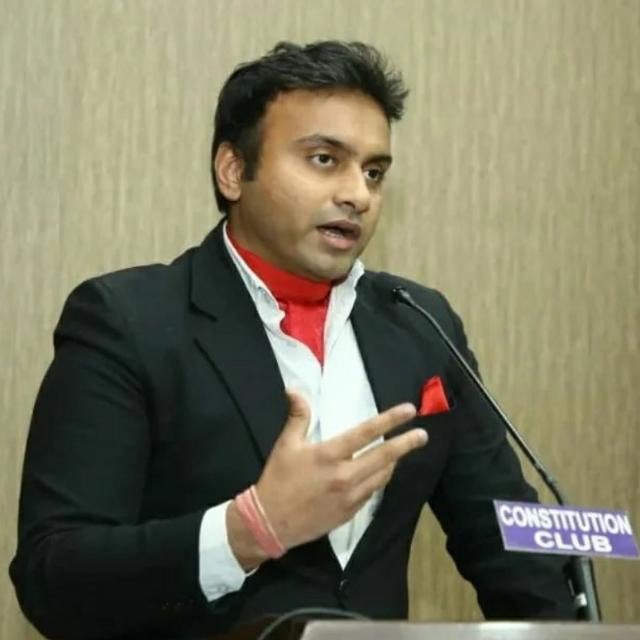
  • “I was drawn to the international aspects of IP law and the potential to make a meaningful impact on a  global scale. Moreover, it allows me to work with innovators, entrepreneurs, and  creatives who are shaping the future.” – Rakesh Tanwar, Equator Law Chambers.

    “I was drawn to the international aspects of IP law and the potential to make a meaningful impact on a  global scale. Moreover, it allows me to work with innovators, entrepreneurs, and  creatives who are shaping the future.” – Rakesh Tanwar, Equator Law Chambers.

    This interview has been published by Anshi Mudgal and The SuperLawyer Team

    What inspired you to pursue a career in law, and what key experiences  during your time in law school had a lasting impact on your professional journey? 

    My inspiration to pursue a career in Law was to Strive for Justice i.e. to make a positive  impact and promote fairness. Also, Law school’s rigorous academic environment and  the complexity of legal issues attracted me as I enjoy problem-solving and critical  thinking. During my time at Vivekananda Institutes of Professional Studies,  participating in clinical programs, such as legal aid clinics or externships, provided  hands-on experience and exposure to real-world legal issues. Also, engaging in moot  court and mock trial competitions helped developing advocacy skills, building  confidence, and fostering a sense of community among peers. Moreover, building  relationships with professors, peers, and practitioners lead to valuable guidance and  lifelong connections. Lastly, I would say, contributing to law reviews and journals  helped develop research, writing, and analytical skills, while also providing a platform  for publishing scholarly work. 

    After completing your law degree, you pursued a Master’s in Intellectual  Property Law at Queen Mary University of London. What led you to specialize in  IP law, and why did you choose this particular institution? Can you share your  experience at the university, and did you face any challenges during the admission  or enrolment process? 

    IP law is a complex and nuanced field, requiring a deep understanding of legal  principles, technical concepts, and industry trends. I enjoyed the challenge of  navigating this intricate landscape and helping clients navigate it. It also involves a high  degree of creativity and problem-solving. I relished the opportunity to think outside the  box, develop innovative solutions, and advocate for clients’ rights. IP law has a global  reach, affecting businesses, artists, and inventors worldwide. I was drawn to the international aspects of IP law and the potential to make a meaningful impact on a  global scale. Moreover, it allows me to work with innovators, entrepreneurs, and  creatives who are shaping the future. I find it rewarding to collaborate with clients who  are passionate about their work and committed to making a positive impact. And lastly,  IP law offers a balance of litigation and transactional work, allowing me to engage in  both contentious and non-contentious matters. I enjoy the variety and flexibility that  this balance provides. I also find IP law to be a field where I could make a tangible  difference in people’s lives and businesses. Protecting and promoting intellectual  property rights gives me a sense of fulfilment and purpose. 

    I chose Queen Mary University of London to pursue my master’s in law for several  compelling reasons. First and foremost, the university’s reputation for academic  excellence was a major draw for me. The School of Law is ranked 7th in the UK and  32nd in the world by QS World University Rankings by Subject. Another significant  factor was the diversity of programs and specializations offered by the university. I had  the flexibility to tailor my degree to my interests and career aspirations. Additionally,  the university’s location in London was a huge advantage. Being in the heart of London,  I had access to numerous barristers’ chambers, law firms, and the Royal Courts of 

    Justice, providing unparalleled opportunities for networking, internships, and job  placements. The expertise of the faculty was also a key consideration. The School of  Law has a team of renowned academics and practitioners who are leaders in their fields,  providing students with cutting-edge knowledge and insights. Lastly, the global  perspective and connections offered by Queen Mary University of London were highly  appealing. With partnerships and collaborations with top institutions around the world,  I knew that I would be part of a vibrant and international community of scholars and  professionals.  

    Despite a few challenges that generally appear while taking admission in a foreign  university as an international student, I persevered, and the experience has been  incredibly rewarding. The UK education system differs from my home countries. I had  to adjust to a new grading system, coursework requirements, and exam formats.  Obtaining a student visa was a complex and time-consuming process. I had to provide  extensive documentation, proof of funds, and English language proficiency. Studying  abroad is expensive. I had to secure scholarships, loans, or financial aid to cover tuition  fees, living expenses, and other costs. However, after immense efforts and  perseverance, I was able to secure a National Overseas Scholarship from the Government of  India that covered tuition fees, living expenses and other costs. 

    In the early stages of your career, you had the opportunity to work with  prominent lawyers and law firms. What were some enlightening experiences that  deepened your understanding of law, particularly intellectual property, and  motivated you to explore this area further? 

    I had several enlightening experiences that profoundly deepened my understanding of  intellectual property (IP) law. I assisted in a patent litigation case involving a complex  dispute over patent validity and infringement. This experience helped me grasp the  intricacies of patent law, including claim construction, prior art, and the role of expert  witnesses. I worked on a case involving the misappropriation of trade secrets by a  former employee. This experience highlighted the importance of protecting confidential  information, the challenges of proving trade secret misappropriation, and the strategic  considerations involved in pursuing litigation. I conducted IP due diligence for a client  acquiring a target company with a significant IP portfolio. This experience taught me  the importance of thoroughly reviewing IP assets, identifying potential risks and  liabilities, and negotiating IP-related provisions in transactional agreements. I worked  with expert witnesses in several IP cases, which helped me understand the importance  of expert testimony in IP litigation. I learned how to effectively communicate with  experts, prepare them for testimony, and use their expertise to build strong cases. I  assisted in several cross-border IP disputes, which highlighted the complexities of  navigating different legal systems, jurisdictions, and cultural nuances. This experience  taught me the importance of considering global IP strategies and coordinating with local  counsel to achieve effective outcomes.I counseled clients on various IP-related issues,  including IP protection strategies, licensing agreements, and dispute resolution. This  experience helped me develop strong client counselling skills, including the ability to  communicate complex IP concepts in a clear and concise manner.

    Having worked on international compliance matters, what are some of the  most common challenges you encounter when interpreting cross-border contracts,  especially between U.S. companies and international partners? Additionally,  could you share your observations on the key differences between common law  contract principles and U.S. statutory law? 

    When interpreting cross-border contracts, especially between US companies and  international counterparts, I commonly encounter the following challenges including  Divergent Legal Systems, Language Barriers, Cultural and Business Practice  Differences, Dispute Resolution Mechanisms and Compliance with Local Regulations.  Staying current with changes in laws, regulations, and court decisions across multiple  jurisdictions is an ongoing challenge when interpreting cross-border contracts. Cross 

    Border contracts often involve IP and data protection concerns and navigating these  issues requires expertise in multiple jurisdictions. Contract drafting styles and  conventions differ between the US and other countries and thus, ensuring consistency  and clarity in contract language is vital. 

    There are few major differences between common law principles and US statutory law  and therefore, the importance of understanding both while drafting, negotiating or  litigating, is highlighted. Firstly, US statutory law does not imply terms into contracts  as extensively as common law. Secondly, US statutory law does not require good faith  performance to the same extent as common law. Thirdly, US statutory law does not  emphasize reasonableness as much as common law and Lastly, US statutory law  provides more guidance on contract interpretation, such as the UCC’s rules for  interpreting contracts. On the other hand, common law emphasis on reasonableness in  contract interpretation and performance.  

    In your current role, you handle trademark infringement cases. What are the  primary challenges you face when navigating trademark infringement issues in  India, and how do you address them? 

    Trademarks in India face various challenges in handling trademark infringement issues.  Some of the common challenges are Complexity of Indian trademark law, Limited  resources, Counterfeiting and piracy, etc. To address these challenges, conducting  thorough searches of existing trademarks and pending applications can help identify  potential infringement issues. Registering trademarks with the Indian Trademark Office  provides legal protection and helps to prevent infringement. Sending cease and desist  notices to infringers can be an effective way to resolve disputes without resorting to  litigation. Using technology, such as trademark monitoring software, can help identify  potential infringement issues and streamline enforcement efforts. Educating the public  about trademark rights and infringement can help prevent unintentional infringement  and promote a culture of respect for intellectual property.

    Given your expertise in both Intellectual Property and commercial law, how  do you approach cases where these areas intersect, particularly those involving  brand protection, and commercial disputes? Could you share an example where  you successfully integrated your knowledge of both fields to provide a  comprehensive legal solution? 

    There are several areas of intersection between brand protection law and commercial  dispute resolution, for instance, Disputes arising from trademark provisions in  commercial agreements, such as licensing or franchise agreements; Allegations of  unfair competition, such as false advertising, in commercial disputes; IP protection in  commercial transactions, such as mergers and acquisitions; Addressing issues related  to gray market goods and parallel imports, which can impact brand reputation and sales. 

    Here’s an example: 

    Case Study: Licensing Agreement Dispute 

    A US-based software company developed a popular software platform for managing  supply chains. They entered into a licensing agreement with an India-based company to distribute the software in India. Later began to modify the software without former’s  permission and sold it to other companies, violating the terms of the licensing  agreement. It was discovered and a cease-and-desist notice was sent to the India based  company. However, they refused to comply claiming that the modifications were  necessary to adapt the software to the Indian market. Hence, a US based company needed  a lawyer who could navigate both intellectual property (IP) and commercial law to  resolve the dispute. By analysing and examining the licensing agreement, I negotiated with an Indian company leveraging the IP and commercial law analysis to reach a  settlement. The resolution also involved mediation between both the companies and the  Indian company was required to cease and desist from further modifying and  distributing the software, and to pay damages for the unauthorized use and distribution  of the software. Finally, I lead the parties to negotiate a revised licensing agreement  that better protected US based company IP rights.  

    What tools, resources, or methods do you rely on to stay updated with the  latest developments in trademark law and other related areas of commercial  law? 

    Online resources like information provided by WIPO Academy on Intellectual  property Rights including trademarks, patents, and copyrights, Industry conferences  and seminar focused on trademark Law and commercial law, legal research tools, legal  research platforms like Lexus-Nexus and West Law, professional associations like,  Inta, etc. Helped us to stay updated on the latest developments. 

    What advice would you give to law students or young professionals aspiring to  specialize in intellectual property law? What key skills and qualities do you believe are crucial for success in this field? 

    For law students aspiring to specialising in the field, engage in intellectual  property-themed moot courts and competitions to develop their skills in this field. Attending conferences, seminars, and networking events to connect with experienced  intellectual property lawyers can also be very helpful. Finally, following intellectual  property blogs, news outlets, and social media to stay informed about the latest trends  and cases is also significant.  

    For young professionals, it is important to develop a niche expertise by focusing on  specific areas of intellectual property law, such as patents, trademarks, or copyrights. It  is equally important to foster strong relationships with clients, colleagues, and mentors  to build a professional network. They can also consider obtaining a certification from  WIPO Academy or other similar organisation. Lastly, professionals must be prepared to  pivot and adjust to new developments, technologies, and trends in the field.

    Get in touch with Rakesh Tanwar –


  • “The most crucial skill for law students is strategic legal analysis combined with effective communication.” – M Abhijnan Jha, Partner at Lex Praxis.

    “The most crucial skill for law students is strategic legal analysis combined with effective communication.” – M Abhijnan Jha, Partner at Lex Praxis.

    This interview has been published by Anshi Mudgal and The SuperLawyer Team

    What motivated you to pursue a career in law, and what inspired you to choose the B.P.Sc (Hons.) LLB (Business Law Hons.) program at National Law University, Jodhpur? Looking back at your law school years, what are some key experiences that have had a lasting impact on you?

    Growing up, I admired my father, a police personnel, whose commitment to justice and integrity deeply influenced me. Watching him serve the people with courage and dedication inspired me to pursue a career in law. Additionally, I was fascinated by courtroom dramas and legal stories portrayed in movies, which sparked my curiosity about the legal system and advocacy.

    I chose the B.P.Sc (Hons.) LLB (Business Law Hons.) program at National Law University, Jodhpur, because I was deeply interested in subjects like Political Science, Sociology, and Psychology. Their focus on understanding human behavior, societal dynamics, and governance aligned perfectly with my passion for law and justice. This interdisciplinary approach not only matched my interests but also provided a strong foundation for pursuing a career in law. During my law school years, participating in moot courts, insightful internships, and collaborating on research projects helped me develop strong analytical and advocacy skills. These experiences, combined with my early inspirations, shaped my approach to solving complex legal challenges.

    How did your early experiences at A&A Law Office, particularly in corporate and project finance, contribute to shaping your understanding of joint ventures, regulatory frameworks, and due diligence in commercial transactions?

    My early experiences at A&A Law Office played a crucial role in shaping my understanding of joint ventures, regulatory frameworks, due diligence, and intellectual property in commercial transactions. As it was a small law firm, I was involved in a wide range of legal work, from corporate and project finance to intellectual property matters. This exposure taught me how to assess risks, navigate complex regulatory requirements, and ensure IP protection. These experiences provided a solid foundation for strategic legal advisory and commercial law dynamics.

    How has your expertise in intellectual property law influenced your corporate advisory work, particularly when handling trademarks, copyrights, and design matters? What are your thoughts on the future evolution of intellectual property rights in the coming years?

    My expertise in intellectual property law has significantly influenced my corporate advisory work, especially when handling trademarks, copyrights, and design matters. It enables me to provide strategic guidance on brand protection, licensing, and enforcement, ensuring clients’ intellectual assets are safeguarded while maximizing commercial value. This knowledge also enhances contract drafting, due diligence, and risk assessment in corporate transactions. 

    Additionally, being a member of some of the world’s most prestigious organizations, such as the International Trademark Association (INTA), International Association for the Protection of Intellectual Property (AIPPI), Asian Patent Attorneys Association (APAA), and World Intellectual Property Forum (WIPF), has significantly contributed to my professional growth. These memberships have provided valuable opportunities to engage with global legal experts, stay updated on international IP trends, and expand my professional network. They have also enhanced my strategic insights and knowledge, enabling me to offer well-rounded and globally relevant legal advice.

    Looking ahead, I believe the rapid growth of digital commerce and emerging technologies like AI and blockchain will redefine IP rights. This evolution will demand adaptive legal strategies, international collaboration, and enhanced regulatory frameworks to address complex cross-border IP issues.

    Drawing from your experience in the real estate sector, what were some of the most difficult aspects of drafting and negotiating construction contracts and joint development agreements?

    Drawing from my experience in the real estate sector, some of the most challenging aspects of drafting and negotiating construction contracts and joint development agreements involved navigating complex regulatory compliance, risk allocation, and aligning the interests of multiple stakeholders. Ensuring clear terms on project timelines, payment structures, and liability clauses required meticulous attention to detail. Additionally, balancing legal safeguards with commercial feasibility while managing client expectations demanded strategic negotiation skills and effective communication. These challenges enhanced my problem-solving abilities and contract management expertise.

    Could you describe one of the most challenging cases you’ve handled so far and share your approach to navigating the complexities involved in that case?

    One of the most challenging cases I handled involved complex intellectual property litigation with cross-border implications. It required navigating conflicting jurisdictional laws and strategic enforcement of trademark rights. To manage this, I conducted in-depth legal research, collaborated with international counsel, and crafted adaptive litigation strategies to protect client interests. I focused on proactive risk management and effective communication to resolve disputes efficiently. This experience reinforced the importance of strategic foresight, agility, and resilience in high-stakes legal matters.

    What are some of the major challenges that businesses in the real estate sector are facing today? Additionally, how has the role of arbitration and other alternative dispute resolution (ADR) mechanisms evolved in this sector?

    Businesses in the real estate sector today face challenges like regulatory complexities, fluctuating market dynamics, land acquisition disputes, and financing constraints. Navigating compliance with environmental laws and urban development regulations also adds to the complexity.

    Arbitration and other Alternative Dispute Resolution (ADR) mechanisms have become increasingly popular in this sector due to their cost-effectiveness and faster resolution compared to traditional litigation. ADR provides flexibility, confidentiality, and specialized expertise, making it a preferred choice for resolving real estate disputes efficiently.

    As someone who has played a pivotal role in high-stakes cases as both a Partner and Counsel, what do you think is the most crucial skill that law students should focus on developing to succeed in the legal field? Also, are there any resources you would recommend to help them stay updated on legal trends and developments?

    The most crucial skill for law students is strategic legal analysis combined with effective communication. They should also develop negotiation skills, adaptability to emerging technologies, and resilience in high-pressure situations. Writing articles, case notes, and thought leadership pieces not only sharpens analytical abilities but also enhances visibility in the legal community.

    I have authored over 20 publications in reputed journals, which has significantly contributed to my understanding of complex legal issues and trends. To stay updated on legal trends, I recommend using LinkedIn for networking and industry insights. Resources like CiteCase, Bar and Bench, Live Law, Manupatra, and College Law Review Journals provide comprehensive legal updates, case analyses, and emerging legal issues. Engaging with these platforms helps build a strong foundation and keeps one informed about the latest legal developments.

    Given the demanding nature of your professional commitments, how do you manage to strike a balance between your work responsibilities and personal life?

    Balancing professional commitments with personal life is achievable through strategic time management and leveraging technology. I have automated my legal processes and maintain a paperless office, enabling me to work efficiently from anywhere as a mobile lawyer. This flexibility allows me to manage tasks on the go while staying organized and responsive. By embracing digital tools and maintaining a disciplined schedule, I maximize productivity while also ensuring time for personal well-being and family, achieving a harmonious work-life balance.

    Could you kindly share the insights and experiences you’ve gained throughout your entrepreneurial journey?

    In addition to my legal career, I have always been passionate about entrepreneurship. I founded InCourt News in 2015, which gained recognition as one of the best mobile applications to have, featured in various magazines for its innovative approach to legal news delivery, and was later acquired by a legal marketplace. I also ventured into the skilling sector with “Skill Funds,” founding startups aligned with the Skill India Mission, aimed at empowering youth with industry-relevant skills. These experiences have enriched my leadership abilities, strategic vision, and problem-solving skills, complementing my legal expertise with an entrepreneurial mindset. Currently, I am running my law firm, Lex Praxis, leveraging my diverse experiences to provide strategic legal solutions.

    Get in touch with M Abhijnan Jha –

  • “While the legal procedures and practices in the United States and India share many commonalities due to their common law roots, they differ significantly in terms of court structures, procedural details, speed of proceedings, and access to justice.” – Ojas Patil, Esq., Associate Attorney at Phillips Law Group, United States.

    “While the legal procedures and practices in the United States and India share many commonalities due to their common law roots, they differ significantly in terms of court structures, procedural details, speed of proceedings, and access to justice.” – Ojas Patil, Esq., Associate Attorney at Phillips Law Group, United States.

    This interview has been published by Anshi Mudgal and The SuperLawyer Team

    Having completed your law degree at Government Law College in Mumbai and your Juris Doctorate at the University of Arizona, how do you think the teaching methods at both universities differ? What steps did you take to prepare for your transition to the University of Arizona for your JD?

    Esteemed faculty members at both the Universities provided an invaluable learning experience. However, their teaching methodology and philosophy differed significantly. While the education system in India often focuses on rote learning and memorization, the US education system tends to focus more on critical thinking, problem-solving, and creativity. More often than not, professors in India are generally seen as authority figures leaving little room for engaging in discussions in such a formal environment. In the US, the teacher-student relationship is more informal and collaborative, with students even addressing their professors on a first-name basis. The Socratic method of teaching is widely prevalent in the US which encourages critical thinking, dialogue, and the development of deeper understanding through questioning. Professors use open-ended questions to stimulate critical thinking, challenge assumptions, uncover contradictions, and deepen understanding. ‘Cold calling’ is a concept used by the US law school professors to randomly call on a particular student to answer questions or engage in a discussion pertaining to the reading assignment for that particular day. Although it was daunting at first, my experience was really enriching since it gave me a chance to put forward my thoughts and get constructive feedback. Transitioning to the US law school system was exciting as well as challenging. It was really helpful to understand the nature of the program, the classroom environment, the cultural nuances, academic expectations amongst several other factors. Speaking with other seniors tremendously alleviated my anxiety as they were super helpful in guiding me each step of the way. 

    Given your specialization in Intellectual Property Law and your thesis on ‘Deciphering Trademark Dilution – A Comparative Analysis of U.S. and Indian Law,’ can you share your key findings on the differences between the U.S. and Indian trademark law?

    In my opinion, the most notable difference in the US and Indian trademark law is with respect to the concept of ‘fair use’. In India, fair use of a trademark is mainly limited to descriptive use, comparative advertising, and honest concurrent use. It is more restrictive when it comes to the scope of nominative use. To simplify Nominative fair use with an example, an auto repair shop may be able to advertise their services with an inclusion of famous automobile brands such as BMW or Audi under this concept. On the other hand, fair use is broader under US law, with provisions for nominative fair use, non-commercial use, and descriptive fair use. US law provides a clearer path for comparative advertising and non-commercial uses, like parody or commentary. 

    During your time at Krishna & Saurastri Associates LLP, you assisted foreign attorneys with trademark registrations in India and through the Madrid Protocol. What were some of the major challenges you faced in navigating both local and international trademark laws? 

    As a trademark attorney, it is pivotal to understand the precise needs of your client. Once that is accomplished, the next step is to identify and categorize the goods and/or services of the client accordingly. Under both, the Indian Trade Marks Act, 1999, as well as the Madrid Protocol, the classification of goods and services for trademark registration follows a system called the Nice Classification (also known as NCL), which categorizes goods and services into 45 classes. Applying for an international application under the Madrid Protocol requires a national trademark application or registration in your home country. This is known as the basic application or basic registration (in the case of India, the trademark must be registered with the Indian Trademark Registry). The World Intellectual Property Organization (WIPO) administers the Madrid application once filed. WIPO does not substantively examine the trademark but ensures that it complies with international standards. The challenging part is deciding on whether to stick with a national application or to opt for the international Madrid application. The Indian Trademark Registration system is ideal for businesses that plan to operate only within India. It is simpler, more cost-effective, and straightforward but limits protection to India. Whereas the Madrid Protocol offers a streamlined and cost-efficient way for businesses that intend to expand internationally to secure trademark protection in multiple countries. However, it requires a valid basic application or registration and involves procedural complexities for each country. Depending on the client’s business areas and their potential to expand internationally, I was able to advise them as to the pros and cons of each system which allowed them to make an informed decision.

    At Family Housing Resources, you reviewed contracts to ensure compliance with affordable housing regulations. Could you describe the challenges you faced initially while ensuring compliance with local, state, and federal laws and how you navigated them?

    At Family Housing Resources (FHR), I was able to contribute in a dual capacity. First, as a program manager for several state and federal programs including Rent and Mortgage assistance. Second, as an in-house counsel for advising and maintaining compliance with the local, state, and federal laws. Joining FHR right after completion of my Juris Doctorate marked a significant milestone in my career as this was my first full-time position in the US. Initially, my focus was oriented towards the research aspect of the affordable housing regulations. Gradually, I was able to acknowledge the differences between the different US states and systems. Once my research was complete, my next goal was to design and frame a robust system for FHR in order to provide safe, secure, and affordable housing to low- and middle-income individuals and families. Identifying the requisite subsidies and tax incentives, land acquisition and zoning laws, city and state building codes, and stakeholder engagement was quintessential. The final step in this process was working and collaborating with several NGOs and social enterprises that specialize in housing solutions for low-income groups. These organizations brought innovative and cost-effective housing designs or financing mechanisms. Being a complete fresher, this journey was enriching and equally challenging. 

    While working as a Summer Judicial Extern under Hon. Greg Sakall at the Pima County Superior Court, what key experiences helped shape your understanding of US family laws and influenced your career in international legal practice?

    During the summer of 2019, I was fortunate to receive a judicial externship under the Hon. Greg Sakall of the Pima County Superior Court. Judge Sakall was the then-presiding judge of the Family Law division of the Pima County Superior Court. As judicial externs, we were able to observe Family Law hearings pertaining to Dissolution of Marriage, Child Support, Parenting Time, Spousal Maintenance, Orders of Protection, and attended Resolution Management Conferences. Each day, we researched relevant statutes and regulations, discussed and deliberated the factual and legal position of the cases listed or heard with the Judge and received his feedback. Toward the end of my externship, I was able to draft an Office Memorandum for the judge pertaining to ‘Third-Party Visitation with respect to children under A.R.S. § 25-409. These courtroom experiences bolstered my confidence and cemented my ambition of litigating cases. This externship provided a crucial insight into the US court system, how legal arguments are presented, and how the judges make decisions. Preparing daily bench memoranda immensely improved and honed my legal writing skills which helps me even today.

    At Cruz & Associates, you handled Workers’ Compensation cases. Can you walk us through a particularly complex case you worked on, including how you managed the case, negotiated and navigated hearings before the Industrial Commission of Arizona?

    After joining Cruz & Associates in April 2023, in their Workers’ Compensation department, I was able to start a new chapter of my life. This was my first law firm experience in the US, and it kickstarted my litigation journey. Workers’ Compensation in Arizona is a no-fault system wherein an employee/worker injured in the course of his employment is offered financial compensation and medical benefits. The aim of this system is to try to make the injured person whole by providing a remedy for workplace injuries. A notably challenging case at hand was of an elderly person who suffered a catastrophic spinal injury at work. The injury was of such a nature that our client was unable to continue working and was provided a permanent impairment rating during an independent medical evaluation with long-term work restrictions. However, even with such severe injuries the insurance company for the employer denied future care benefits under the pretext of a degenerative condition which resulted from old age. Our client was understandably distraught from this decision, and we were able to successfully challenge this stance before the Industrial Commission of Arizona (ICA). This was possible with a thorough investigation and due diligence of the client’s prior medical history and with the medical causation report authored by a neurosurgeon which pointed to the workplace injury aggravating his previous condition. Ever since the COVID pandemic, the ICA hearings were conducted virtually which facilitated ease of access to clients who relocated/migrated to different states in the US.

    In your current role as an Associate Attorney at Phillips Law Group, you draft motions, pleadings, and handle depositions among other tasks. How do you find the legal procedures and practices in the U.S. differ from those in India, especially when dealing with personal injury cases?

    While the legal procedures and practices in the United States and India share many commonalities due to their common law roots, they differ significantly in terms of court structures, procedural details, speed of proceedings, and access to justice. The U.S. system places a significant emphasis on jury trials and adversarial litigation, while India’s system is more judge-centric with a greater focus on written procedures. The US has a dual system of court system – Federal (for Federal matters) and State (for State matters). Each state has its own legal system and judicial infrastructure, although they all follow the basic principles of common law. A personal injury case typically falls under the State court’s jurisdiction, however, can be removed to Federal court if it fulfills the requisite criteria. Once a lawsuit is initiated by filing the complaint, the other side is served with a copy of the complaint and needs to file an answer within 30 days depending on the residential/incorporation status of the entity. Once an answer is filed, both the parties then engage in what is called a discovery process in which information is exchanged transparently, witnesses and documents are disclosed, depositions (formal interviews) are conducted of the involved parties. After the end of discovery phase, typically a mediation is set wherein both parties try to resolve the dispute out of court and attempt to reach a settlement. If no settlement ensues then the case proceeds to trial. The most unique part about a US trial is that the case is decided by the jury and not a judge. A jury of 6 to 12 US citizens decides the verdict based on facts of the case, while the judge instructs them on the law to be applied. I was able to be a co-chair for a trial back in September 2024 wherein I presented the opening statement and conducted examination of a damage witness. The experience was surreal and there were plenty of takeaways by the end of it. 

    How did your educational background in India influence your approach to practicing personal injury law in the U.S.? Additionally, how has passing the Uniform Bar Exam and qualifying to practice across multiple jurisdictions enhanced your practice and understanding of the Law?

    Coming from a family of doctors, my family always embodied altruism through the medium of serving the community. After pursuing the Science stream in my high school years (11th and 12th), I followed my instinct and applied to GLC Mumbai. My ambition to pursue law stemmed from my mother, who had herself completed a law degree after getting married. She encouraged me to follow my passion and commit myself to the profession. During my time at GLC Mumbai, I was able to participate in several moot court competitions and model united nations (MUNs), each time fueling my passion and learning from every single experience. Starting my journey with Family Housing Resources (FHR), which was a local non-profit organization, couldn’t have been more apt. Transitioning from that, I was able to join Cruz & Associates in their Workers’ Compensation team. Being closely knitted with injury law, I realized that my ultimate destination was being able to contribute towards personal injury law. 

    Passing the Uniform Bar Exam (UBE) in October 2020 is one of my most memorable and cherished moments. I still remember those three months wherein my daily routine only consisted of studying for the bar apart from eating and sleeping. It was a life changing moment to pass the UBE with a high score sufficient to transfer and practice in all 41 UBE states. Graduating from an Arizona law school, it made the most sense to get licensed in that state and it has been a truly rewarding journey so far. 

    You enjoy soccer, cricket, and hiking in your free time. How do you manage a demanding legal career while maintaining a healthy work-life balance? How do these activities help you stay relaxed and motivated in your legal practice?

    Maintaining a good work-life balance is pivotal in one’s life and is a priority for me. I have been really fortunate to be with Phillips Law Group who support this practice, which also aligns with our firm’s objectives. Studies have shown that when individuals have time to recharge, they return to work with a clearer mind and increased focus. A well-rested and emotionally balanced person is more productive, creative, and efficient at work. Soccer, cricket, and hiking are those activities for me which help me complete my 3 ‘R’s – Relax, Recharge, and Rejuvenate. Life outside of work is equally essential for personal growth and self-fulfillment. For me, legal profession is a marathon. If one does not take necessary breaks to complete their 3 ‘R’s then chances are pretty high that they might run out of energy to sustain a long-term career. 

    What advice would you give to young law students and professionals who aspire to build an international legal practice, similar to your own career journey?

    Never, ever give up! When we take up law as a profession, this is a motto we should embody every step of the way. We may falter often at first, but everything is a learning process which is gradually building you into a seasoned lawyer. The journey of being a multi-jurisdictional attorney has been full of ups and downs. Fulfilling admission requirements, bearing tuition fees, overcoming language barriers and cultural nuances, navigating through visa challenges, preparing for the bar exam, are some of the most critical challenges a law student faces while studying in a foreign country. Nevertheless, there is always light at the end of the tunnel and your hard work will pay off eventually. If you aspire to pursue a foreign degree, start researching and preparing for every little step in the way. Try to ascertain the area of law you want to pursue and get the requisite experience before taking the next step of applying. Feel free to reach out to me via LinkedIn for more details and I will be happy to share my thoughts and experiences.

    Get in touch with Ojas Patil, Esq. –

  • “If you want to build a successful career in IP, there are only two ways to go about it. First is to find your WHY and continue to enrich the answer, and Second is to read as much as you can and as wide as you can.” – Rahul Bagga, Founder of Aumirah.

    “If you want to build a successful career in IP, there are only two ways to go about it. First is to find your WHY and continue to enrich the answer, and Second is to read as much as you can and as wide as you can.” – Rahul Bagga, Founder of Aumirah.

    This interview has been published by Anshi Mudgal and The SuperLawyer Team

    You have a diverse background, both in Patent law and in Chemical Engineering. Can you share what inspired you to transition from a technical field like chemical engineering to a career in Intellectual Property Law? 

    I started with Patent Law, and to practise patent law – one needs to have a science/technology background. So, transition from an engineer to patent attorney was rather smooth and felt natural. However, transitioning to intellectual property law – covering trademarks, copyright, design, geographical indications, plant varieties, contracts etc. has been quite a journey. It was mostly inspired by my own hunger to expand my skills and offerings. The learnings in these areas too felt natural as they seemed like a natural extension of patent law – for the bedrock on which IP laws are framed and promulgated share common or similar pith, substance and motivations. If I am reaching out to a client, I have to then go with an entire set of solutions and deep knowledge on all fronts of IPRs.

    What are some important lessons from the early stages of your career that have stayed with you, and how have they influenced the trajectory of your professional journey?

    First and foremost, lesson that I have taken and retained and continue to expand is about finding my Why. Initially, I wasn’t sure why I am in patent law. Just because it is interesting – I get to work on frontiers of technology and law – wasn’t a good enough answer to Why. It was a self-centered answer. In business and particularly in client facing professions like law – your reasons to pursue those professions cannot be self-centred. You may start with such motivations but you cannot continue and grow with this motivation. Let’s face it – all learning becomes boring after you have spent enough time on it – this is true for me. I learn quickly. I read a lot. I get bored of a subject after having understood its basics/founding principles or first principles and move onto something new.  I continued to expand my Why – which in turn helped me expand my skillset, and which in turn allowed me to offer more and more services – high quality services – to my clients, and this skill or this aspect has shaped my professional journey deeply.  

    Given your extensive experience working with various corporations and legal entities, what inspired you to transition into starting your own practice with Aumirah and what were the initial challenges that you had to overcome?

    Frankly, if you are good at what you do – you won’t face any challenges. High quality clients or Impactful clients will find high quality professionals or Impactful professionals. Also, I have always worked like an entrepreneur. So, when I started Aumirah, for me it was being employed by Aumirah. It is not about entrepreneurship – it is about entrepreneurial mindset – that you can carry  in any form – as an employee or employer.

    Sure, I did face usual problems of cash flow etc. but I didn’t face any problems with respect to the work or getting work itself. For this, I am also obliged to my very dear colleagues who have worked closely with me and understood my “Why”. We have always found friends at the right juncture who took us along on path to growth. I have been blessed with some of the best clients one can get across the domain and they have spread our work far and wide.

    In your role as a mentor to startups, you’ve worked with several incubators like Nexus by the US Embassy and IIITD Incubator. What are the most common IP challenges you see startups facing, and how do you help them overcome these?

    The most common challenges faced by startups is lack of proper advice on IP rights at an early stage. I have seen many established companies with extremely poor IP frameworks and portfolio. Unfortunately, I do not see that improving anytime soon since IP advice right now is being doled out in the market is for sake of making money and not for sake of making the client and especially startups – sail through the initial phase of their journey. We definitely help startups overcome challenges by coming up with advisory on how to defer and when to prioritise what kind of IP. Not all IP is urgent. Not all IP can be deferred. Between these two paradigms – startups can find their right IP framework.

    With your background in chemical engineering, how do you assess the patentability of inventions in the tech or life sciences sectors? What common mistakes do inventors make when filing patents in these industries?

    The assessment of patentability – be it chemical engineering, semiconductors, biotechnology, robotics or automation – is highly similar. Sure, there can be differences in assessment of inventive step – for the context of ontology in each of the mentioned domains – but the first principles are similar. The common mistakes inventors do is to confuse their product as their invention.

    Having extensive experience in Patent Law, can you share a recent case where you helped a client with patent opposition or litigation, and what was the outcome?

    Sure. Recently, we strategized, prepared and litigated in the matter of Falcon Autotech vs Kengic China. We not only got the patent granted but also litigated it against Kengic and got an ex parte injunction in the first hearing itself before Delhi High Court. The matter pertained to sorters used in logistics and warehousing.

    As the leader of Aumirah, how do you foster a culture of innovation and excellence among your team, especially when dealing with high-stakes IP and corporate matters?

    At Aumirah, from very early on, everyone is exposed to clients or clients are exposed to even the junior most associate. This exposure and discussions with clients expose our team to the high stakes and wide range of work that we do, are capable of and can be capable of. The innovation and excellence cannot happen in silos. It is like you cannot be a good boxer if you training only with boxing bags – you have to do technical sparrings, power sparrings and sometimes even a club-level fight routinely to be able to enter the bigger arena eventually. So far, my team has made me proud of the fact that they have very judiciously handled clients. They are miles deep with our clients and also mile wider in law and its applications in handling their matters because of this exposure.

    What advice would you give to aspiring IP professionals who are looking to build a successful career in the field?

    If you want to build a successful career in IP or in fact any field of law – there are only two ways to go about it. First is to find your WHY – and continue to enrich the answer as you go along in your journey. Second is to read as much as you can and as wide as you can and if you cannot read – then keep company of people who read and make sure your choice of reading materials be not restricted to just law or science or business – make it wider – fiction, poetry, news, history, religion, vastu, architecture, biographies – become a sponge – absorb knowledge and become a powerhouse.

    Get in touch with Rahul Bagga –

  • “Nothing comes free in this world. In this profession you have to do the smart work in addition to the hard work” – Dr. Venkat Reddy Donthi Reddy, Senior Advocate at High Court of Telangana.

    “Nothing comes free in this world. In this profession you have to do the smart work in addition to the hard work” – Dr. Venkat Reddy Donthi Reddy, Senior Advocate at High Court of Telangana.

    This interview has been published by Anshi Mudgal and The SuperLawyer Team

    From the Indian Air Force to a Senior Advocate, your career transition is fascinating. Can you share the pivotal moment that inspired you to pursue law while serving in the Air Force?  

    As part of my job in the Indian Air Force (1985 to 2003), I was posted as instructor to NCC cadets at Hyderabad (Posted to the unit – No.2 Air NCC t at Hyderabad). I have availed the opportunity to study LLB and LLM in evening college under Osmania University. It was my goal to excel myself in life instead of working under someone. 

    Truly speaking Studying law is not planned. Once I joined the law course, I decided to prove to myself as one of the distinguished advocates across the legal fraternity and public at large.

    You have a Ph.D. in Trademark Law and are actively involved in international intellectual property forums. What new dimensions have you observed in global IPR law, and how can India contribute to these evolving trends?  

    I did my Ph. D in Trademark Law. I have been studying all through my life. I have also done a PG diploma in ADR, PG diploma in Cyber Laws and Intellectual Property Rights, PG diploma in Human Resources Development etc., While doing Ph. D, I have done extensive research on the topic “Law relating to Trademarks in India – A study with special reference to passing off and Infringement of Trademarks”. Some of the suggestions were given to be implemented.

    Attending the various conferences in IPR across the globe viz., INTA (International Trademark Association), AIPPI (International Association for the Protection of Intellectual Property), WIPF (World Intellectual Property Rights Forum), GIPC (Global Intellectual Property Convention), APAA (Asian Patent Attorneys Association), MARQUES etc., is of immense help. It enhances the awareness on the subject in different countries. Latest developments happening across the globe and evolution of jurisprudence is being shared. Since the subject of Intellectual Property Rights is global, understanding the developments in the courts across the world is essential.

    The kind of orders, Mareva injunction, Anton pillar order, John doe order and quia timet action etc., are the evolution of new jurisprudence, which are only being heard in IP related matters.

    Contribution of India.:

    On a personal note, abolition of IPAB (Intellectual Property Appellate Board) by Tribunal Reforms Act, is discouraging. Globally, the countries across the world are showing great importance to IPR and contra, the steps taken by the  Government of India are not impressive. Lack of qualified personnel in prosecution of the IPR applications, lack of infrastructure, delay in prosecuting the applications and delay in court proceedings is not encouraging.

    Unfortunately none of the cities in India has got infrastructure to host the seminars/conferences like INTA etc.,

    The Government of India shall.:

    1. Organise seminars/conferences/workshops among the entrepreneurs, judiciary, advocates, technocrats to bring awareness of IPR.
    2. Shall be part of the international conferences.
    3. IPR professionals, Judges and employees working in IPR divisions to be compulsorily trained and made to attend the international and national conferences wherein a lot of knowledge sharing happens.

    As the founder of RVR Associates, you built a successful law firm specializing in IPR and other areas of law. What motivated you to step away from the firm and take up the role of a Senior Advocate at the High Court of Telangana in December 2022? How has this new role enriched your legal journey compared to your experience as a law firm founder?  

    On RVR Associates.:

    Incidentally I have not joined any Senior Advocate or law firm after my enrolment in September 2003 except having undergone the internship for a period of 3 months under Late Srinivasa Murthy, the Trademark agent to understand Trademark Prosecution. As I am interested in litigation, I got associated with my LLM classmate and started the firm by name M/s. RVR Associates, IPR attorneys and advocates. My classmate is no more the partner of the firm.

    The discipline of the Air Force, dedication, hard work and zeal to excel in the field of law were instrumental for my success. Being a late entry into the profession, a lot of challenges were faced by me. Having not worked with any senior advocate and as no one to support in my legal practice, it made me work harder.

    As a Senior Advocate.:

    I believe in strong ethics and morals. Because of the IPR practice chosen by me, I had an occasion to argue against the leading law firms for the Indian Companies (the Defendants) in various courts viz., High Courts at Delhi, Chennai, Bombay, Ahmedabad, Aurangabad, Bangalore, Dharwad, Allahabad, Hyderabad, Amaravathi etc., By my performance and recognition across the legal fraternity, I started appearing for multinational companies (Mostly Plaintiffs). Then I realised the importance of the experience and the role of Senior Advocate. It was my dream to be Senior Advocate. On application made by me in pursuance of the guidelines framed in Indira Jaisingh judgement, I am bestowed with the designation as Senior Advocate by the High court for the state of Telangana in December 2022.

    New role as Senior Advocate.:

    It is tougher to be a Senior Advocate to a person like me. Now I started reading more to upkeep justice. It comes with a lot of responsibility. Occasions, where I have given up some of the briefs, where I am not satisfied with the proposition of law, on which I have to argue. Earning money is not the sole criteria. 

    In principle, I cannot be part of my law firm and accordingly, I got disassociated with the firm sooner I become Senior Advocate in December 2022. The principles laid down, work culture and system created by me is being continued with my colleagues/advocates. I always remain a mentor for them. Now I am getting more time to prepare thoroughly for my briefs. Unfortunately, no one can be a master in every branch of the law. This is only the profession; you need to study till you die. More you become senior, the more work and pressure. Keeping good health is a serious concern for every advocate.

    You have appeared for many prestigious clients across India. Could you share one of your most challenging cases and the key learnings that shaped your approach to advocacy?

    The intellectual calibre of the advocate alone will not bring the results. various court crafts would also be taken into consideration in getting the results to the clients. Understanding the law and mindset of the court is very important, which cannot be ignored.

    For the sake of confidentiality and non-disclosure, I am not disclosing the names of clients and cases and few of the interesting cases are as follows.:

    1. In one of the cases, the court has appreciated the arguments and the legal points raised, the suit is dismissed at the interlocutory stage itself, without any application being filed for such relief.
    1. In one another case, the writ was to be dismissed, as the court was not convinced on the point and arguments rendered. As it is posted for counter and in the meantime, it got posted before another bench, that court has taken a different view being convinced with the arguments and I won the case.
    1. Most of the cases are badly drafted and it would result in losing of the cases despite merits in the case. Several cases are won by me without getting into the merits of the case, due to the bad drafting and the mistakes committed by the other side.
    1. One should have a determined client to support you arguing on a particular proposition of law otherwise, the reputation of the advocate will be at stake.

    You’ve been involved in teaching for over 30 years, lecturing at prestigious universities. How have you seen students and the field of legal education evolve over the years? Additionally, what has teaching law taught you about your own practice, and how has it influenced your legal approach? 

    Teaching is my passion. The students at universities are not taught the practical aspects of law. Practicing in the courts is a different ball game. While I discuss the practical aspects with illustrations and examples, students are benefited. This profession is no more by chance, it is by chance and hence it will be more competitive and encouraging in coming days. Many times, I learnt from the students while they argue effectively in moot court competitions for which we are designated as judges.

    What role do you believe non-governmental organizations like ALERT play in improving access to legal education, and how does your work as its president contribute to the success of aspiring legal professionals?  

    As part of my profession, I do a lot of pro bono cases also. Ignorance of law is not an excuse, if so, all citizens would be taught the basics of law. As an NGO, I feel it is to spread the basics of law among the citizens and downtrodden people. Government colleges are not as equipped in all aspects while compared to the national law schools. The role of NGO plays a vital role.

    You’ve been supporting students in government schools for over 30 years. How has this philanthropic work impacted your perspective on education and community building?  Please share some insights.

    My father was a teacher, and all his students still remember him for his contribution towards his profession and in up bringing of the students in all aspects of life. In his remembrance, I do encourage the students for the last 30 years by motivating and supporting them in their endeavours. Students do not know what they have to do for their career while they complete their 12th standard. Lot of motivation and guidance is required. Sometimes I do engage the professional speakers and motivators to teach them regarding the aspects of life and career.

    With such a vast and varied career, what advice would you give to young lawyers looking to create a successful and meaningful career in law, particularly in intellectual property and other specialized fields?  

    My advice to the aspiring lawyers in Intellectual property cases and specialized fields.:

    1. No substitute for hard work
    2. Stick on to senior/law firm for considerable period of time
    3. Practice at lower courts for relevant period before switching to the constitutional courts (high Court and supreme court)
    4. Get yourself decided whether you fit to be in house counsel or arguing counsel. Your interest and skills to be taken into consideration.
    5. Keep attending the seminars and conferences in relevant field of law to know the developments
    6. While learning at initial stages of practice, do not give importance to the earnings until you become an asset to the institution/advocate you are working for.
    7. No case is small or bigger. Every case will teach you something new and we are playing with the lives and career of citizens. So similar attention be given to all cases irrespective of social and financial status of the clients.
    8. Upgrade with the latest technology.

    With such a diverse and demanding career spanning the Indian Air Force and legal practice, how do you find time to unwind and relax? What activities help you maintain a balanced life outside of work?  

    Very interesting question. I do relax, while I travel abroad for seminars and conferences. Credit to be given to family members, for their understanding and co-operation. I believe in the logic/ paraphrases 

    “more you sweat in peace less you bleed in war” – Avoid last minute preparation

    “to get something, you need to lose something” – nothing comes free in this world. In this profession you have to do the smart work in addition to the hard work

    I am a sports person, so I keep attending the gym workouts and swimming.

    Get in touch with Dr. Venkat Reddy Donthi Reddy-

  • “Whether in litigation or corporate advisory, balancing dynamic challenges requires not just legal skills but also an entrepreneurial mindset.” – Ramaiya Narayan Sharma, General Legal Consultant at R&R Advocates Law Office

    “Whether in litigation or corporate advisory, balancing dynamic challenges requires not just legal skills but also an entrepreneurial mindset.” – Ramaiya Narayan Sharma, General Legal Consultant at R&R Advocates Law Office

    This interview has been published by Namrata Singh and The SuperLawyer Team

    Could you please share what initially sparked your interest in law and how your early experiences at ILS Law College and Crawford Bayley & Co. shaped your legal career?

    Well, an interest in law sparked since it was a technical field for students after high school (12th) who did not want or rather could not become doctors or engineers, could join five five-year integrated law courses. I wanted to pursue a technical field rather than going for a simple graduation of three years and then preparing for civil services (UPSC) or any State government jobs, etc.  The five-year integrated law course was in trend at that time in the year 1998. Further, the third year of the law degree i.e., Bachelor of Socio-Legal Sciences (BSL) of the five-year law course was considered and treated as equivalent to any graduation degree. Hence one had the flexibility to switch from law and pursue a job, take government examinations, etc. after completing the third year of the five-year law course. Lastly, the five-year law course also saved an additional year for those who did not want to graduate from any stream for three years and then pursue the conservative law course for an additional three years.

    As regards ILS Law College Pune, I must say it is a complete institution for shaping someone who wants to make his or her career in law. The campus, the Library and the faculty were at our time and even now the best. At that time in 1998, I also had an offer to join Symbiosis Law College, Pune but I chose ILS for the reasons above.

    After passing out law from ILS Law College Pune, I got placed in Crawford Bayley & Co. Mumbai in their customs and central excise department. It was a Solicitor’s firm where I learnt about how do firms practise and functions. As a novice, I had to do lots of research work, file reading, notes preparation, and brief keeping and assist seniors both in courts as well as back office. Initially working here taught me a lot. 

    From starting as an Advocate Assistant to holding senior roles in renowned companies, how has your understanding of the legal profession evolved over the years?

    I pursued law as a means to earn my bread and butter. Initially, like many, I was unsure of where I would land in this profession because it is such a diverse field. One thing was clear: I had to learn and earn. In my view, what we study or do during our law degree is primarily for passing exams and obtaining a license. The real challenge begins when we have to apply that knowledge practically once we start working. The learning process is never-ending in this profession. Everyone will agree that we are learning every day because the law is always evolving based on facts, needs, and circumstances. Laws are amended, updated, and are dynamic.

    I have learned throughout my journey, starting as an Advocate Assistant in law firms, moving to corporate houses as an in-house counsel and head, and even now as an independent legal counsel. As an in-house counsel, my role focused more on addressing business and commercial needs with the laws applicable to the industries I was supporting. On the other hand, as an independent counsel, I am responsible for ensuring the overall execution of legal strategies.

    As an in-house counsel, I relied heavily on timely feedback and inputs from the business team to achieve the best results. Therefore, networking and maintaining good relationships with the business team were crucial. In both in-house and independent roles, the application of any law, strategy, or action in a given scenario can only be effective when we have the correct and relevant facts.

    Having been part of both in-house and independent setups has given me valuable insight into what is expected from me in any given assignment. Additionally, as lawyers, whether in-house or otherwise, we must stay up-to-date with technology, computers, legal software, and MS Office, as these tools enhance our efficiency and boost overall productivity.

    What motivated you to establish R&R Advocates Law Office in 2020?  

    I have been in a job for a long time either in law firms initially or as an in-house and head legal later with domestic and multinational corporate houses. I wanted to give it a try to independent work. Some of my well-wishers from the industries I worked with, their trust and networking motivated me to establish my office fully in January 2022 although I had initiated the setup in October 2020. 

    With your extensive experience in arbitration, can you share key strategies that have helped you successfully resolve complex disputes without resorting to court battles? 

    The strategies would depend on the stage of the arbitration proceedings one is involved in. If we are defending or initiating arbitration, it may ultimately be difficult to avoid a court battle, as either party is likely to challenge the arbitration award. In my experience, I have not encountered a situation where the parties involved in arbitration have fully accepted the award without further dispute. However, from a commercial standpoint, there may be opportunities for the parties to negotiate before the commencement of arbitration proceedings and mutually agree on a way forward, rather than pursuing arbitration or other legal recourses. This would depend entirely on the commercial aspects, the agreement in place, and the specific facts and circumstances of the case.

    The construction of the agreement is crucial. As an in-house legal professional working with corporates, I always ensured that business agreements were thoroughly vetted, with legal clauses carefully aligned to meet both commercial and industry requirements. This approach left very few loopholes for the other party and allowed us to enforce or negotiate the terms of the agreement in the event of a dispute, thus securing the organization’s rights and minimizing the chances of legal battles in court.

    You’ve worked on matters involving international collaborations, like with IFFCO-TOKIO. How do you navigate the complexities of cross-border legal issues in today’s globalized business environment?

    Before addressing the main part of the question, I would like to mention that while working with IFFCO-TOKIO, I also pursued my Master’s degree in Law (LLM) in 2017 from K.R. Mangalam University. The classes for my Master’s were held after office hours.

    IFFCO-TOKIO operates in the General Insurance sector, and it was crucial to regularly review and adhere to relevant government policies and regulatory circulars to avoid any non-compliance issues that could affect both domestic and international stakeholders.

    Regarding the complexities of cross-border legal issues, it’s essential to ensure that stakeholders and regulatory compliance are properly managed to minimize business risks. Today, technology has advanced to the point where connecting with offshore partners is no longer a challenge. This allows for comprehensive strategies to be planned well in advance, effectively foreseeing and mitigating risks within a set timeframe.        

    You have experience in both litigation and corporate advisory. How do you balance the dynamic challenges of litigation with the strategic nature of corporate legal work?

    The best part of having worked as an in-house counsel with various corporate houses is the exposure to a diverse range of legal issues related to different businesses. This experience has been invaluable in my independent practice, allowing me to better manage the dynamic challenges of corporate legal work. As an independent practitioner, one must also embrace an entrepreneurial mindset. You are responsible for overseeing all aspects of the work, whether you handle it personally or collaborate with others. In this role, you’re not just functioning as a lawyer—you also take on responsibilities in PR, office management, administration, and promotions.

    For current law students or early-career professionals, what areas of law do you think will be most crucial or in-demand in the next decade? 

    In my views there are many but to name few, corporate and commercial laws, Human Rights & labour laws, tax laws, Intellectual Property Rights, Criminal Laws, Consumer Laws, Competition Laws and Arbitration will be in demand. 

    What advice would you give to young legal professionals who are starting their careers? How can they effectively navigate the challenges of today’s legal landscape?  

    In my views there is no fit formula. It is all based upon an individual as to how does he want to mould his career in law. If we go by conservative mechanism, sincerity and continuity in whatever one is doing is important without thinking about what others are doing. One has his own potentials, hence he or she should give the best out of it. To know what is happening around or to say be aware of the environment around him or her to evaluate, calculate and take decision will be important at any stage. Identify your strengths and weaknesses and work upon them but do not waste much time thinking because may are in the race and no one is indispensable.     

    With such a demanding profession, how do you unwind and maintain balance in your life? What activities or practices help you recharge?  

    I have always starved for time management. The more I try, the difficult it gets. While in job there is a fixed schedule of reporting to office with punch in and punch out and many work even after office hours. But till I was in job, I tried not to carry pending work home unless it was unavoidable. I focused on being physically active from very beginning of my career and even before that. Every day for past 20 years I have spent one and half hour daily either going to gym for light exercises and cardio, running, jogging and playing different sports like badminton, cricket, etc. This has helped me staying fit both physically and mentally as not only this profession but any demand good health. I am a teetotaler. I do party very occasionally but not late nights. I spend time with family and my near and dear ones mostly. These are the few things that has kept me going.

    Get in touch with Ramaiya Narayan Sharma-

  • The journey of a first-generation lawyer is never easy, but through hard work, personal networking, and an unwavering commitment to ethics, success is achievable for anyone,” -Vaibhav Mishra, Advocate-On-Record at the Supreme Court of India.

    The journey of a first-generation lawyer is never easy, but through hard work, personal networking, and an unwavering commitment to ethics, success is achievable for anyone,” -Vaibhav Mishra, Advocate-On-Record at the Supreme Court of India.

    This interview has been published by Namrata Singh and The SuperLawyer Team

    Could you share what inspired you to pursue a career in law, and how your journey has evolved from your early days at Campus Law Center, Delhi University, to becoming an Advocate-On-Record at the Supreme Court?  

    In a way, I am an accidental lawyer as after my graduation in 2009 with B.Com (Hons.) course from Zakir Husain Delhi College(erstwhile Zakir Husain College), Delhi University I was preparing for CAT and other MBA entrance exams along with Combined Defence Services examination. I cleared my Combined Defence Services examination and went to 14 SSB (Service  Selection Board) Allahabad around March 2010. Unfortunately, I could not clear the Service Selection  Board interview and later joined Aon Hewitt (erstwhile Hewitt Associates) as a Research Associate.  In the meantime, I had cleared the Faculty Of Law, Delhi University entrance exam and got a decent rank so I took up the 3-year LLB course at Campus Law Centre. 

    During my days at Campus Law Centre, I took part in many Moot Court Competitions all over India and debates within the college itself. The atmosphere in Campus Law Centre is different as compared to other Law Schools’ be it National Law Universities or any other Law School. The vibe of studying at Delhi University, especially on North Campus and the exposure which one gets there develops the personality of an individual holistically. My internship stints in different offices after classes also helped me in making my decision towards taking up litigation as a career.  

    After my graduation in 2013, I was working as a Law Clerk with HMJ. (Retd.) Shiva Kirti Singh in  Hon’ble Supreme Court and later on in many different offices such as Suri & Co., Luthra & Luthra  Law Offices India (erstwhile L&L Partners), Chambers of Sr. Adv. Ajay Verma, C&C Associates,  M/s. Dev Bhumi Cold Chain Pvt. Ltd. before going fully independent. All these offices helped me in becoming a better individual in my professional career and maybe in life as well. The exposure of dealing with different kinds of people and different complex situations has its advantages &  disadvantages which one tries to navigate.  

    I had the opportunity to clear my Advocate-On-Record exam on my second attempt and got the result around April 2023. I think for establishing one’s career in litigation in the Supreme Court although it is not mandatory becoming an Advocate-On-Record does help as a stepping stone.  

    You are currently enrolled in the Professional Final Level of the Company Secretary course. What motivated you to pursue this course at this stage of your career? Do you see it as a strategic move for future growth in your field, or do you have any new plans or directions you aim to explore with this qualification?  

    I think this course will help as an add-on if one still pursues law as a career. I did B.Com  (Hons.) before doing law so I found taking up another course such as Company Secretary as an advantage. But mind you this course does take up quite some time & energy in preparations, even though I  am a bit held up in the Professional Final Level for quite some time. But it is also my opinion that the benefits after clearing this course are quite immense in commercial client buildups for individual practitioners specifically related to NCLT & NCLAT matters and even for those who want to join  Commercial Legal Practice of Law Firms or Corporate In-House jobs. 

    It is also a reality that at the end of the day one might have 2-3 or 7-8 academic/educational course degrees, but if one does not know how to use them practically, then it does not make much of a difference in a practical professional career.  

    As an Advocate-On-Record at the Supreme Court, could you describe the unique responsibilities and challenges associated with this role compared to other legal positions you have held? 

    As an Advocate-On-Record, one must be mindful of the Special Leave Petitions or other drafts drafted and filed in Hon’ble Supreme Court, since the language is explicitly read and re-read by Judges and Counsels in open Court. Anything that is seen as amateurish or even bordering contempt of court can have serious repercussions for the Advocate-On-Record on whose name the document has been filed. The strictness of the Hon’ble Supreme Court is also legitimate since there is no appellate court as per se after the Hon’ble Supreme Court. 

    The stakes are high being an Advocate-On-Record due to the responsibility being attached with cases in Court, hence that will be a big difference as compared to other positions held in my legal career.  

    Could you share some insights or memorable experiences from the high-profile cases you have handled, such as those involving the Delhi Development Authority (DDA) or the Airport Authority of  India? 

    With DDA, most cases were general land acquisitions in the manner of Writ Petitions in the High Court or Arbitrations related to the 2010 Commonwealth Games; henceforth, they were property law or commercial and arbitration-related. 

    However, there was one case while appearing for a private party against the Municipal Corporation of  Delhi wherein a commercial establishment was sealed which was against the Hon’ble Delhi High Court order. I was working at C&C Associates at that time and we had to apply with regard to the same in the High Court, got it mentioned and then listed so that it can be heard as soon as possible.  We argued in the evening and got a favourable order around 5:30-6 P.M. The efforts and the result of doing everything on almost the same day made this case special. 

    While looking after litigation matters at M/s. Dev Bhumi Cold Chain Pvt. Ltd. I had the opportunity to look after a case filed through a local Counsel in the United States Of America in the state of Washington, which required me to see witness depositions in a Court there till 2-4 A.M. in the night (Indian Standard Time) about 3-4 time and mediation attempt between parties couple of times, also had the opportunity to prep up an Indian witness being deposed in the Court in United States. I  must add that based on my experience just like most Indian Courts are not as depicted in Indian movies, similarly courts in the United States are not as depicted in their movies (may I mention A Few  Good Men!).  

    Another case was in Sikkim High Court wherein I flew to Gangtok to argue and get a stay order for the client. We had to file a Special Leave Petition in the Supreme Court to get the stay application heard in Sikkim High Court I think during winter vacation time. The climate terrain in that part of the region during winter is very cold, hence matter of preparation and getting a favourable order in an environment which one is not used to had its charm. I must add that North-East  India is extremely beautiful and if one can then one should see the natural scenery there. 

    What has your experience been like as a Group ‘A’ Panel Counsel for the Central Government, and how do you balance this role with your private practice? 

    Being a Group ‘A’ Central Govt. Counsel in the Hon’ble Supreme Court is a mixed bag, from criminal to tax to service matters all kinds of cases come up. The work quality gives great exposure and managing it with private practice is not that big a task if one gets used to handling it quickly &  efficiently.  

    You have significant experience in arbitration and mediation. What are the key skills a lawyer needs to succeed in these areas, and how do you prepare for arbitration proceedings? 

    I don’t know if I have significant experience in this field as it’s quite broad, but I can say that the preparation for cases in this area should be thorough since commercial arbitration matters have a lot at stake in terms of commercial repercussions. One should know the relevant provisions of law and the procedure before the appointment of an Arbitrator and after the appointment of an  Arbitrator.

    In Mediation proceedings, if parties are willing to settle the issues at hand, then all endeavours should be utilized to do so. Otherwise, prolonged litigation is in the interest of no one in the long run as compared to speedy disposal of a case at hand.  

    You have authored articles and a book on legal topics. How important do you think it is for practising lawyers to contribute to academic discourse, and what impact does it have on their practice? 

    I have written two books one on Patna High Court and its judgments and the other one on my  Grandfather Late Shri Lalit Narayan Mishra (Former Railways Minister). I believe writing is a flare that helps in augmenting the drafting skills of a lawyer. I also contribute articles for The Daily  Guardian, so I’ll encourage writing articles as a scope as well.  

    A practising lawyer should try to contribute to the academic discourse as a Guest Faculty or through any other medium as long as it does not affect the professional practice of the lawyer.  

    As someone with a highly demanding career, how do you manage to maintain a work-life balance,  and what advice do you have for young lawyers struggling with this aspect? 

    In my opinion, work-life balance goes for a toss whether you are an Independent Practitioner or working in a Chambers/Law Firm/In-House Corporate Office. The reason for the same is competition in the market especially when it’s difficult getting clientele for your practice or job in someone’s office.  

    Time management is quintessential in such situations. Although time management is still a work-in-progress for me, those who can handle time durations for work and family along with extracurricular activities such as theatre or sports can still have a decent work-life balance.  

    Based on your extensive experience, what advice would you give to young legal professionals who are just starting their careers, particularly in the areas of civil and commercial law?  

    My advice to someone would be to do your best, so you don’t have too many regrets later. Those who are young in the profession should work on what they can do rather than thinking of  something which might not be in their control for example applying for as much legal empanelment work as possible rather than waiting for work to come. 

    It’s a tough field where different types of people will come across in the profession, some as friends some may be something else. Always remember to value yourself no matter what the situation is while avoiding the fine line between self-confidence and arrogance.  

    The client whether an individual or a corporate house will be posting faith in you as a lawyer, so avoid letting someone down. Be ethical, since shortcuts and cutting corners will lead someone nowhere in the long run. 

    Any newcomer in the field should read the file at hand a lot and should be well-versed with the facts of the case while being updated with the recent judgments on the moot question in the matter. If opportunity is there then one should enjoy the process of arguing before the judge, whether District  Court or Supreme Court to the best of one’s ability; the next client/the next opportunity could very well be watching the proceedings.  

    I also believe that the difference between first-generation and second/third-generation lawyers is in the first few years of the profession, it all gets levelled out based on the hard work and personal networking skills of the individual. There are enough first-generation lawyers in the field who are role models for many. 

    Get in touch with Vaibhav Mishra-