Tag: Trademark

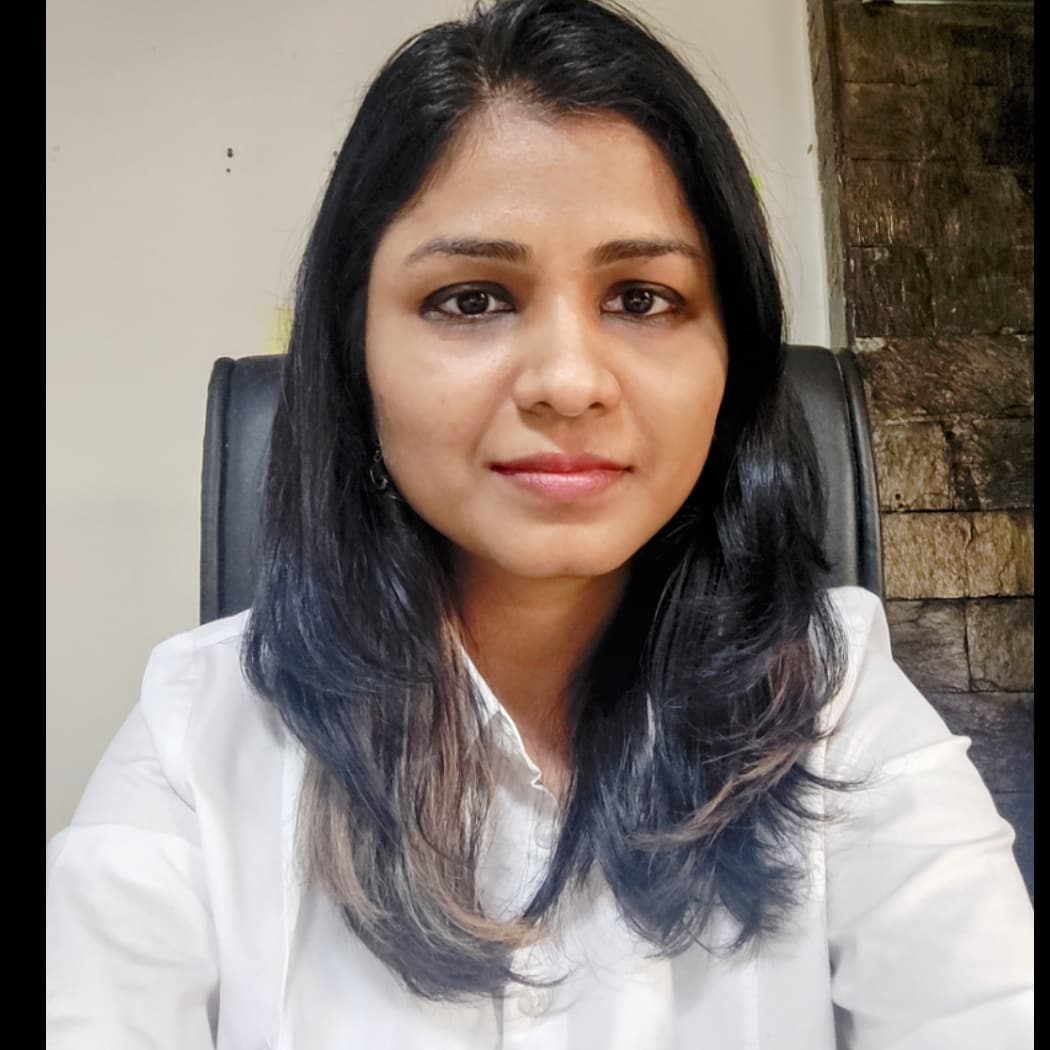
  • “The ongoing appeal is a testament to the complexities and nuances involved in IP litigation and underscores the importance of jurisdictional clarity in legal proceedings.” – Shruhita Amit, Joint Partner at Photon Legal

    “The ongoing appeal is a testament to the complexities and nuances involved in IP litigation and underscores the importance of jurisdictional clarity in legal proceedings.” – Shruhita Amit, Joint Partner at Photon Legal

    This interview has been published by Namrata Singh and The SuperLawyer Team

    Can you share what inspired you to pursue a career in law and how you embarked on this journey?

    Growing up, I always had a keen interest in understanding the intricacies of systems, whether economic, social, or legal. However, after completing my Economics Honors degree, I was still determining my next steps and decided to take the Delhi University LLB exam. The decision to sit for the Delhi University LLB exam was initially driven by practical considerations; law seemed like a vocational course with promising career prospects.

    However, as I delved into my law studies, I developed a keen interest in commercial laws, particularly in the area of Intellectual Property (IP). This interest was sparked during internships at leading IP firms, where I witnessed the importance of trademarks and other IP elements in protecting business identities and innovations. My enthusiasm for law translated into academic success; I consistently ranked among the top 5% of my batch, which comprised around 800 students. My dedication led to an opportunity with Anand & Anand, a prestigious IP firm, which marked the beginning of my professional journey in law. What started as a pragmatic decision evolved into a fulfilling career focused on the intricate and impactful field of IP law.

    You’ve managed high-stakes litigation for leading companies. Can you describe one of the most challenging cases you’ve handled and the key takeaways from that experience?  

    In my career, I’ve been involved in several trademark litigations, successfully enforcing rights related to brand names, logos, trade dresses, copyrights, and other similar IP rights. One of the most challenging cases I’m currently handling is an ongoing appeal at the Delhi High Court in a patent matter. The dispute centers around the appropriate jurisdiction for filing an appeal against a refusal order issued by the Delhi Patent Office, despite the patent application being initially filed in Mumbai. We contend that the Delhi High Court should have jurisdiction since the refusal order was passed in Delhi.

    The case took a complex turn when a single judge bench at the Delhi High Court declared the appeal non-maintainable. We have now escalated the matter to a division bench, seeking a reconsideration of the jurisdictional issue. This case is particularly intriguing as it could set a precedent for similar jurisdictional disputes in IP law. The outcome will significantly impact the strategic considerations for patent litigation in India. The ongoing appeal is a testament to the complexities and nuances involved in IP litigation and underscores the importance of jurisdictional clarity in legal proceedings. [FILO EDTECH INC. Vs UNION OF INDIA LPA 375/2024]

    As an expert in Intellectual Property Law, what do you consider the most critical elements when managing trademark prosecution and litigation?

    In managing trademark prosecution and litigation, I find that the most critical elements revolve around preparation, strategy, and adaptability. First and foremost, comprehensive research is key. Before filing a trademark, it’s crucial to conduct thorough searches to ensure the mark is distinctive and doesn’t infringe on existing rights. This groundwork helps avoid potential conflicts and sets a solid foundation for the trademark’s protection.

    Another important aspect is strategic planning. Anticipating challenges whether, during the prosecution phase or in potential litigation, allows us to develop a proactive approach. For instance, being prepared for opposition or knowing when to negotiate versus litigate can significantly influence the outcome.

    Communication also plays a vital role. Clear and persuasive communication with clients, examiners, and even opposing parties can make a big difference. Whether, it’s drafting responses to office actions or presenting arguments in court, articulating our position effectively is crucial.

    Lastly, I believe in staying adaptive and informed. The landscape of IP law is constantly evolving, so keeping up with the latest legal developments and industry trends is essential. This not only helps in staying ahead of the curve but also in providing the best possible advice to clients.

    Overall, it’s a mix of thorough preparation, strategic thinking, clear communication, and continuous learning that I find most critical in managing trademark prosecution and litigation.

    What emerging trends in corporate and intellectual property law do you believe will shape the future of legal practice, and how should legal professionals prepare for these changes? 

    Emerging trends in corporate and intellectual property law are increasingly shaped by advancements in technology, particularly AI. AI is revolutionizing how we draft legal documents, from contracts to IP pleadings, by streamlining the process and handling repetitive tasks more efficiently. This shift is exciting because it allows us to focus more on the strategic aspects of our work and provides clients with faster turnaround times. However, while AI can handle many routine tasks, we legal professionals must remember that the nuanced understanding and strategic insight we bring to the table can’t be replicated by machines.

    To prepare for these changes, we need to embrace technology and stay updated on the latest tools and trends. Learning how to use AI effectively will enhance our productivity, but we should also focus on developing skills that complement these tools, such as critical thinking and personalized client interactions. By combining technological proficiency with our unique legal expertise, we can continue to add significant value and remain indispensable in a rapidly evolving legal landscape.

    You developed an online certificate course on Copyrights for Lawctopus. How do you see the role of online education in shaping the future of legal training?  

    Online education is revolutionizing legal training by making valuable knowledge more accessible and affordable. Platforms like Lawctopus, where I developed a course on Copyrights, exemplify how online courses provide keen learners with the opportunity to dive deep into specialized areas of law without the constraints of traditional, lengthy, and costly degrees. For me, online courses have been a game-changer. When I wanted to expand my practice to include complex corporate law assignments such as multi-jurisdictional M&As, advisory on equity structures, cross-border transactions, and corporate restructuring, these well-crafted courses allowed me to gain the necessary expertise efficiently and economically.

    The beauty of online education lies in its ability to offer flexible learning options that cater to various levels of expertise and interest. It empowers professionals to stay current with evolving legal trends and deepen their knowledge base, all from the comfort of their own homes. This democratization of education not only enhances individual careers but also contributes to a more knowledgeable and agile legal community.

    Outside of your professional life, do you have any hobbies or interests that you feel contribute to your legal thinking or problem-solving skills?  

    Outside of my professional life, my hobbies play a significant role in enhancing my legal thinking and problem-solving skills. I’m an avid reader with a broad range of interests, including fiction, history, and philosophy. Additionally, I have a strong interest in personal development literature, which offers valuable insights into human behaviour and decision-making. This diverse reading habit sharpens my critical thinking and helps me approach legal issues from multiple perspectives, enriching my problem-solving abilities.

    Travelling is another passion that complements my legal work. Exploring different cultures and engaging with people from various backgrounds provides me with unique viewpoints and approaches to problem-solving. This exposure fosters a more adaptable and open-minded approach, which is essential for tackling complex legal challenges. Both reading widely and travelling allow me to bring fresh insights and innovative solutions to my legal practice.

    As someone deeply involved in the legal aspects of emerging technologies, what do you see as the most pressing IP challenges in areas like AI and cybersecurity?  

    In the realm of AI, one major challenge is defining and protecting intellectual property rights for innovations that are driven by machine learning algorithms. Determining ownership of AI-generated inventions or works can be complex, especially when AI systems are creating novel solutions without direct human intervention. This raises questions about patentability and copyright, and whether current IP frameworks are adequate for these advancements.

    In cybersecurity, the challenge is ensuring that our intellectual property is safe from cyber threats. One notable example was when I was involved in a case where a company’s proprietary encryption algorithms were compromised during a sophisticated cyber-attack. The breach not only jeopardized their trade secrets but also raised complex questions about the effectiveness of their security measures and their legal obligations to protect their IP.

    A key technical challenge here was understanding the intricacies of how the encryption was bypassed. This required working closely with cybersecurity experts to assess the vulnerability and determine how it could have been exploited. We had to delve into the specifics of the encryption technology, analyze the breach, and then figure out how to fortify the IP protection moving forward. This experience highlighted the need for a legal approach that’s deeply integrated with the technical aspects of cybersecurity. It’s not just about having legal protections in place but also understanding the technology to ensure that our IP safeguards are robust and adaptable to evolving threats.

    Considering your diverse experience, if you could create a new area of IP law to address future challenges, what would it be and why? 

    If I could create a new area of IP law, it would focus on AI-generated innovations and Ownership Rights. As AI technology advances, it’s increasingly capable of generating new inventions, designs, and creative works autonomously. However, current IP frameworks are struggling to keep up with these developments, particularly in defining ownership and protection for AI-generated outputs.

    The new area of law would address several key issues: establishing clear guidelines for determining ownership of AI-generated inventions, defining the role of human contributors versus AI systems, and creating a framework for protecting AI-created intellectual property. This would involve setting standards for patent and copyright eligibility when an AI is the primary creator and resolving disputes related to the rights of the developers versus the AI itself.

    This proposed IP domain is crucial because it would ensure that as AI continues to innovate, the legal system can adequately protect and manage these advancements. It would help address the gaps in current IP laws and provide a structured approach to the future of creativity and invention in the age of AI.

    You’ve witnessed the rise of digital platforms and their impact on IP. How do you envision trademark and copyright law evolving to address challenges in the digital space? 

    On the trademark front, online counterfeiting is a significant menace that demands more effective legal measures. In the digital landscape, where brands are prevalent across social media, online marketplaces, and app stores, companies face persistent issues with unauthorized use of their trademarks. This often involves numerous counterfeiters operating anonymously or under false identities, making it challenging to address each instance individually. Therefore, trademark law needs to implement more robust policies and practices to combat these widespread infringements efficiently. Instead of pursuing multiple litigations against individual offenders, we need a streamlined approach that can address these issues comprehensively and proactively.

    As regards copyright, the digital revolution has made it incredibly easy to copy and distribute content, which complicates enforcement. I’ve dealt with cases where copyrighted materials were pirated across multiple platforms, making it a daunting task to track and address infringement. The law will need to evolve with better digital rights management tools and more effective takedown procedures. Additionally, as user-generated content becomes more widespread, we need to rethink how copyright law balances protecting original works by accommodating the way people build upon and remix existing content. This may involve developing new legal frameworks that both safeguard the rights of original creators and support the collaborative and adaptive nature of digital creativity.

    As someone who’s navigated law firms, what insights can you share about the different dynamics and challenges in these environments?   

    Navigating law firms across different cities has given me a unique perspective on the varying dynamics and challenges in these environments. While the essence of law firms remains consistent—a client-driven focus aiming to provide top-notch services and build strong portfolios—there are notable differences influenced by local practices and court systems.

    For instance, I’ve observed distinct operational nuances between law firms in cities like Delhi and Mumbai. The Delhi High Court and the Bombay High Court, for example, have different procedural practices and court cultures. Understanding these regional variations helps law firms tailor their strategies and services to better meet local demands and navigate the specific challenges of each jurisdiction. It also highlights the importance of adaptability and local expertise in providing effective legal solutions across different cities.

    Get in touch with Shruhita Amit-

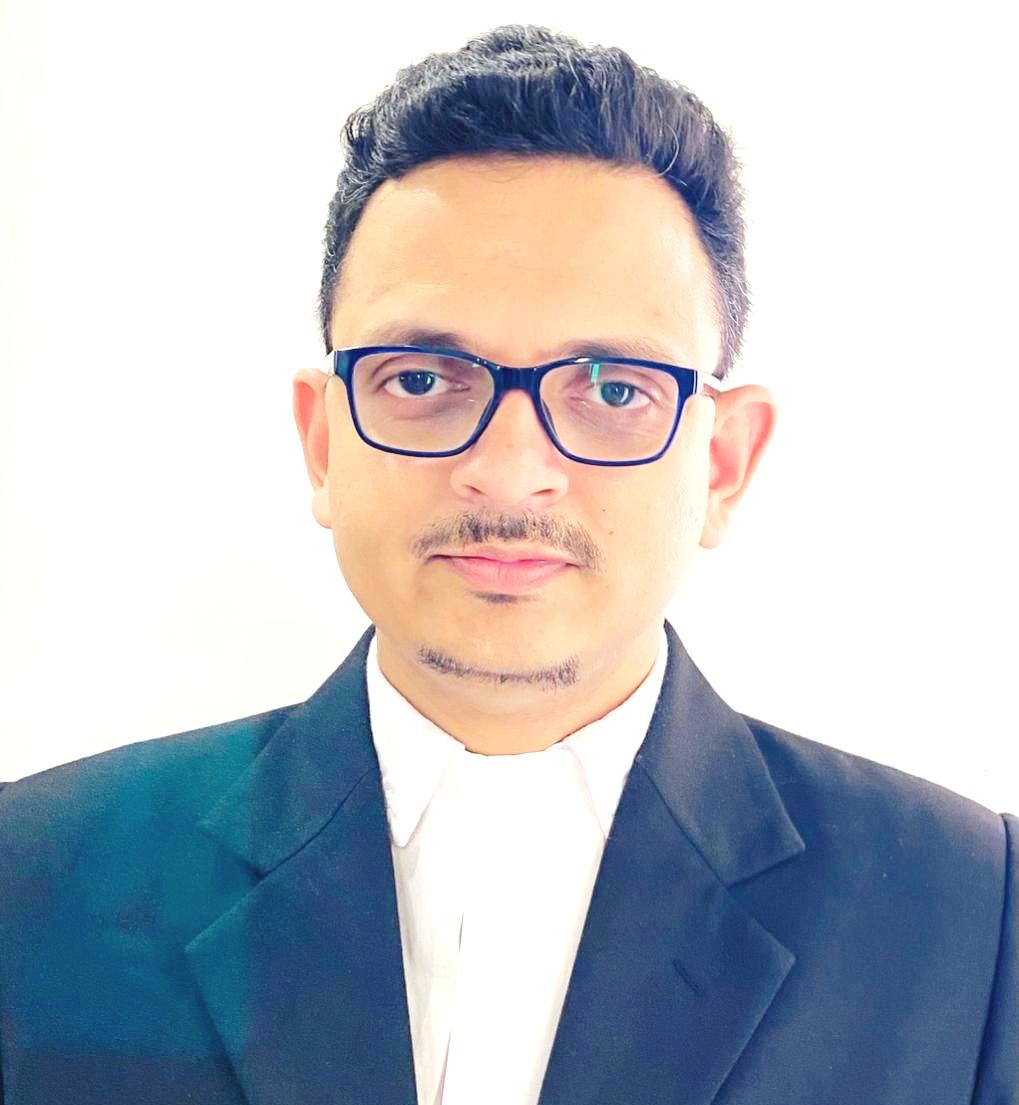
  • “Treat every task with utmost respect and diligence. Embrace new challenges and venture into unfamiliar legal domains, as this exposure expands both your legal knowledge and general awareness.” – Nikita Misra, Partner at Alpha Partners Dubai & Founder of Nicknanimous Consultants

    “Treat every task with utmost respect and diligence. Embrace new challenges and venture into unfamiliar legal domains, as this exposure expands both your legal knowledge and general awareness.” – Nikita Misra, Partner at Alpha Partners Dubai & Founder of Nicknanimous Consultants

    This interview has been published by Namrata Singh and The SuperLawyer Team

    Could you share with us what inspired you to pursue a career in law, and how did your journey begin back in 2008 in Delhi to your current role?

    I am the first born lawyer in my family. However, I feel my grandfather and my father could have been great lawyers themselves. They had sharp acumen and while growing up I saw them discuss a lot of legal issues at home and I was enthralled by how laws, policies, and regulations shaped the world around me.

    By the time I finished school, my mind was made up. The only question was what breed of lawyer I’d become. With India’s economy taking flight, corporate law stood out as the frontier practice – this new engine of business and innovation. I have worked in some renowned law firms like Indus, Mine & Young and worked on some good transactions. I have also worked in a startup as a legal manager which further helped me hone my skills as a lawyer and deeper understanding of the challenges faced by startups.  Actually this has helped me fit perfectly into the environment of an in-house Legal Counsel for a big company in India, which has been a great experience for me personally. Post my move to Dubai in 2018, it was a slow start to start my career, it was kind of a restart. However, I was lucky to get a job here and started  working as a corporate consultant for a firm which was more focused  on litigation and arbitration matters. Thereafter, I got this amazing opportunity to head and build an Indian based law firm in Dubai and since then I have managed  to work on various corporate matters  and dive deeper into the corporate legal world in the UAE. It is with this opportunity that I was able to create network and build relations and eventually led to starting my own consultancy firm in Tashkent, Uzbekistan where I have been working on a big litigation matter and also consult investors/business locally and even those looking at CIS as a territory to expand their business beyond UAE/India

    During your time at Indus Law Associate and Mine & Young, what were some of the key transactions that shaped your understanding of corporate law?

    When I first joined Indus Law, a boutique firm punching well above its weight, I had no idea I was opening a gateway to the global marketplace. Despite its modest size, the firm’s client roster read a few multinational corporations, so right out of the gates, I was dealing with cross-border transactions. During my time at Indus Law, I worked on a lot of JVs and takeovers  by International companies of Indian companies and vice versa, and I vividly remember the adrenaline-fueled all-nighters, the painstaking combing through contracts with fine-tooth cares – all amidst a whirlwind of takeovers, mergers and acquisitions. Those years were quite draining yet undeniably exciting. I made countless mistakes, learned on the fly, and had my conventional thinking upended daily. But I wouldn’t trade that experience for anything. It allowed me to get an insight and exposure to the globalized marketplace before age 30. 

    Which made my transition to a real estate law firm Mine & Young. After operating at startup speeds, I was now joining a firm which was one of the pioneers in real estate law.  From high speed transactions I was now dealing with slow paced but high end and exclusive luxury property matters. Yet this seeming 180-degree pivot helped me develop an entirely new mastery that perfectly complemented my prior style and a whole new world unlocked. But it was in bridging those extremes where I found my greatest advantage as a lawyer.  Constantly stretching between these dual disciplines was grueling, but also tremendously rewarding.

    What motivated you to start Nicknanimous Consultants, and how has your experience been in balancing your role as a corporate lawyer in Dubai while managing your consultancy firm in Tashkent?

    Well I had been visiting Tashkent regularly as my mother was working there.

    And each time I visited the place and met the locals, I realized that the country had  a lot of potential for growth. I quickly understood that any business that would enter Uzbekistan now, has the potential of holding a larger share of the market and expanding its business further into other CIS countries. Uzbekistan in the last recent years has been very welcoming to foreign investments and new FDI policies have been formed which are more investment friendly. Thus motivated me to start my own Consultancy through my own networks and relationships. I can help any business looking to expand, or explore Uzbekistan as a market and provide a complete end to end solution to set up their businesses there and at the same time giving local businesses an opportunity to explore UAE or India as a market. 

    I feel both the roles are interlinked. As a corporate lawyer, my role is intrinsically linked with understanding the nuances of my clients’ businesses. By working closely with clients, I gain deep insight into the challenges and opportunities they face. This allows me to not only provide legal counsel, but also connect the dots and advise on potential business strategies. My ability to understand the client’s business landscape puts me in a unique position to facilitate connections with potential investors or partners that could aid in their growth and expansion plans. Rather than merely offering legal services, I strive to be a comprehensive advisor – leveraging my network and business acumen to unlock new avenues for my clients’ success beyond just the legal realm. This synergistic approach provides comprehensive value that transcends traditional legal counsel.

    Moving to Dubai in 2018 marked a significant transition in your career. What were some of the biggest challenges you faced, and Can you elaborate on the unique legal and business landscape in the UAE, especially how it differs from your experiences in India?

    Yes I faced a significant transition when I began practicing as a corporate lawyer in the UAE back in 2018. At that time, the commercial laws were not as investor-friendly, and there were fewer SMEs entering the market compared to today’s booming ecosystem. However, I  recognized that this marked the beginning of a new era, and I think I am fortunate to witness and adapt to this transition and growth in the country. One advantage I feel is that if a corporate lawyer has substantial exposure and transactional experience from practicing in India, which has undergone its own boom, it becomes much easier to establish a practice in the UAE now. This is because free zones, especially like ADGM, and some of the UAE corporate laws,have closely adapted common law systems in recent years, aligning with the legal frameworks familiar to lawyers from common law jurisdictions like India.

    The primary challenge I think is the need to consistently stay updated on the rapidly evolving legal landscape in the UAE. As the country progresses at a rapid pace, new rules, regulations, and bye-laws are introduced frequently. Corporate lawyers must remain vigilant and continuously educate themselves to provide accurate counsel aligned with the latest legal developments. Overall, the opportunities are available for corporate lawyers in the UAE’s flourishing business environment, provided they can navigate the dynamic regulatory changes and leverage their prior exposure to common law practices.

    Aside from your professional life, you also hold a diploma in Interior Design. How do you balance your personal interests with your demanding career, and does this creative side influence your work as a lawyer?

    As a child, I was captivated by well-designed spaces and distinctive architectural styles from various eras and places. Whenever I traveled, I eagerly anticipated witnessing different architectural marvels that would fuel my fascination with interiors and design.

    When the COVID-19 pandemic brought the world to a standstill, I seized the opportunity to explore my artistic side. I decided to formally study interior design, finally indulging my long standing passion.

    I think in the legal field, creativity manifests itself in structuring intricate transactions, drafting contracts for innovative business models, and formulating strategies to navigate complex legal battles. While I agree law is firmly rooted in theory and research, the application of legal knowledge demands innovation and creative problem-solving abilities.

    It is my dream to ultimately transition into the interior design industry as a second career after 50 years of age, following my tenure as a lawyer, leveraging the design skills I’ve cultivated alongside my legal training.

    Nurturing personal creative outlets alongside one’s primary vocation is essential for a fulfilling life. My journey exemplifies how diverse interests can coexist, potentially converging into enriching experiences that span both professional and personal realms.

    I hope my story inspires others to explore their unique combinations of passions and professions.

    With over 12 years of experience, what advice would you give to young lawyers who aspire to have a versatile and dynamic career like yours?

    The fundamental lesson is that hard work and diligence invariably pay off, regardless of the nature of the task at hand. One should never underestimate the value of any given work assignment, as those skills may prove invaluable at a later stage in life or career.

    I vividly recall my time at Rainmaker, which presented a vastly different work experience that required a strong emphasis on client relationship building. At that juncture, I naively perceived this as a waste of time, believing I should focus solely on expanding my legal knowledge. However, in retrospect, those very skills in client relations that I honed during those days have become invaluable assets nearly a decade later.

    Fresh out of law school, many of us aspire to become partners at firms or establish our own practices, without realizing the multitude of skills required beyond legal expertise to build and sustain a successful practice. Client relationships, business acumen, and interpersonal skills are equally crucial.

    To young lawyers, I would advise treating every task with utmost respect and diligence. Embrace new challenges by venturing into unfamiliar legal domains, as this exposure expands both your legal knowledge and general awareness. Staying updated, maintaining an inquisitive mindset, conducting thorough research, and continuously acquiring new skills are imperative.

    Networking is crucial in the legal field. How have you built and maintained your professional relationships across different countries, and how has this network benefited your clients?

    Networking is a critical foundation for any entrepreneur or professional looking to create their mark, including in the legal field. It  begins by actively attending and participating in industry events, staying updated on developments, being part of relevant forums,and most importantly, taking the initiative to proactively engage with others. Through years of my working experience, I’ve realized that many individuals, including lawyers, hesitate to approach and converse with new people at networking events due to shyness or apprehension. However, I must say that the UAE’s business landscape, which heavily relies on networking, offers a welcoming environment that helps newcomers overcome this hesitation. Additionally, being well-versed in one’s subject matter is crucial to maintain others’ attention and establish initial trust. 

    Even though visibility is paramount in the initial stages, over time, the quality of one’s work and the ability to maintain strong client relationships become the driving forces behind success and growth. In my case, referrals and the network I’ve built by meeting lawyers in the UAE, Uzbekistan, and India have been invaluable in expanding my reach and clientele. Effective networking involves a combination of active participation, subject matter expertise, visibility, consistent high-quality work, and nurturing professional relationships. Basically it’s an ongoing process that requires persistence, confidence, and a genuine interest in connecting with others in the industry. 

    Working across various jurisdictions, from India to UAE and Uzbekistan, what are some of the key legal and cultural differences you’ve encountered, and how have they influenced your approach to legal practice?

    Each new territory has its own fresh challenges – different legal codes, cultural norms, business practices. 

    The UAE has a dual system comprising both Civil and Sharia Laws. However, in recent years, The free zones, especially the ADGM Courts, have directly applied English common law principles in matters brought before them. This development is advantageous for Indian lawyers who are familiar with the common law system.Additionally, many new corporate laws in the UAE mirror common law principles, making it easier for Indian lawyers to practice in the region. The familiarity with the legal framework streamlines their ability to navigate the UAE’s legal landscape.

    On the other hand, Uzbekistan follows a civil law system, which differs significantly from the common law tradition prevalent in India. Despite both the UAE and Uzbekistan being Islamic nations, Uzbekistan’s legal system, local laws, and traditions are markedly influenced by its Soviet heritage, setting it apart from the UAE’s legal landscape.This contrast between the UAE’s increasing alignment with common law principles and Uzbekistan’s civil law system rooted in its Soviet past presents an interesting dynamic. It highlights the need for legal professionals to adapt their expertise and understanding to the nuances of each jurisdiction’s distinct legal traditions and influences.Navigating these varied legal systems requires a deep appreciation for the underlying principles, cultural contexts, and historical factors that have shaped their evolution.  Even though all the three nations’ legal systems are very different from each other,  yet that has  become the thrill of the chase for me. Cracking the legal DNA of each new environment, then skillfully integrating it into transactions is exciting for me.

    Your experience with startups is extensive. What common legal challenges do startups face, especially outside India, and how do you help them navigate these issues?

    One of the most prevalent mistakes observed among startups is the tendency to neglect or overlook the importance of legally sound agreements, particularly during the seed funding round involving investments from family and friends. Failing to seek proper legal advice on structuring these investments can lead to complicated arrangements that deter future investors until the structure is properly rectified, thereby delaying business progress. It is crucial for startups to seek legal counsel before entering into any investment arrangements to ensure seamless operations.

    For startups entering the UAE market, a common challenge is the lack of understanding regarding the appropriate business license to obtain based on their specific business activities. Many startups, unaware of the local laws, are often misguided when comparing the legal environment to their home countries or other jurisdictions they are familiar with.

    This is where we, Alpha Partners, can play a pivotal role in guiding startups through the process of navigating and selecting the correct business structure that aligns with their objectives while adhering to legal restrictions. Comprehensive legal assistance is essential not only during the initial setup phase but also for ongoing support with general corporate commercial agreements and transactions post-establishment.

    By addressing these challenges through timely legal guidance, startups can avoid costly missteps, ensure compliance, and establish a solid foundation for growth and attracting future investments. We at Alpha Partners, play a critical role in helping startups navigate the complexities of the UAE’s legal landscape and structuring their business operations for long-term success.

    Get in touch with Nikita Misra-

  • “There are no shortcuts to professional advancement, and there’s no justification for compromising on the highest standards of professionalism and quality” – Kalpana Garg, IP Attorney & founder at Umbrella Legal

    “There are no shortcuts to professional advancement, and there’s no justification for compromising on the highest standards of professionalism and quality” – Kalpana Garg, IP Attorney & founder at Umbrella Legal

    This interview has been published by Namrata Singh and The SuperLawyer Team

    Can you share your diverse and enriching journey from IIT Kharagpur to founding Umbrella Legal. What inspired you to transition from a technical background to a career in law and entrepreneurship?

    Thank you Superlawyer Team for this opportunity and I feel very lucky to be approached and interviewed for the second time in my legal career. To begin with, I am a first-generation lawyer who, in my third year of engineering, made the decision to shift gears. Throughout 4 years of engineering college, I participated in various extracurricular and events, which gradually led me to realize my passion and aptitude for law. During the final year of my engineering studies, subjects such as introduction to patents and technology transfer solidified my resolve to pursue law after engineering, with the aim of integrating knowledge from both fields to tackle complex issues. So, at the end of 4 years of engineering college, I opted for a three-year law program specialized for individuals with a technical background at RGSOIPL, IIT Kharagpur, instead of pursuing MTech or joining a corporate job. I had wonderful cohorts and friends at law school, who added to the need to challenge myself for learning and gaining experience. 

    Following campus recruitment at IIT Kharagpur, I joined Hero MotoCorp’s R&D setup as part of their IP cell, gaining valuable experience in handling patent-related matters. After a tenure of 2.5 years at Hero, I transitioned to TCS as an IP analyst, where I delved into core IP issues and gained extensive exposure to domestic and international IP laws, particularly in the software domain. While recognized as a valuable asset at TCS, I felt the urge to broaden my legal expertise, leading me to join Bajaj Electricals as Manager-Legal and IP. In this role, I provided comprehensive legal support across various departments, refining my leadership skills and navigating complex legal challenges across multiple business verticals over a span of 2.5 years. Subsequently, I moved to ATC Tires Private Limited, further expanding my legal exposure and expertise in handling legal and compliance matters. 

    The transition from an in-house counsel role to an entrepreneurial position is not abrupt but rather rooted in a steadfast aspiration that began during law school to establish my own firm. Through exposure and accumulated experience in the legal field, I eventually reached the point where I felt confident enough to leave my corporate position and embark on this entrepreneurial journey.

    Starting Umbrella Legal must have been an exciting yet daunting venture. What were some of the initial challenges you faced, and how did you overcome them to establish a successful legal practice?

    I think the decision to leave my position as Senior Manager-Legal in 2022 to start my own firm has been the biggest challenge. The magnitude of this challenge becomes evident when starting without an existing client base, despite a decade of experience. Over time, I learned to cultivate relationships and instil trust with clients gradually. My background as an in-house counsel proved invaluable in comprehending the intricacies of transactions from both business and legal perspectives, affording me a distinct advantage in handling certain complex matters.

    Your involvement with teaching and providing legal exposure to students at NMIMS Mumbai and IIM Bodhgaya is commendable. What drives you to impart knowledge and mentorship, and how do you believe it contributes to the legal profession?

    My father, a teacher himself, instilled in me the value of imparting knowledge and contributing to the community. I have a fondness for teaching, and whenever the opportunity arises, I am committed to delivering my best as a faculty member. As a legal professional, I actively engage in continuous learning, staying updated on emerging trends in law, and giving back to the legal community through knowledge sharing, mentorship programs, and academic collaborations.

    I had the pleasure of teaching two modules of the executive law program at IIM Bodhgaya, where participants engaged in discussions on legal interpretation, case studies, and shared their experiences in addressing similar issues within their organizations. Teaching law, to me, is about more than just imparting knowledge; it’s also an opportunity to learn from diverse perspectives and experiences.

    As someone deeply involved in the startup ecosystem, what do you believe are the key legal challenges that startups often overlook, and how can they proactively address them to ensure long-term success?

    The legal challenges start from selection of entities to incorporate to finally implementing practices to mitigate legal risks. I remember having this discussion with a client wherein they were ready to deploy all measures to ensure that accounts become up and running from day 1 but when it was time for legal compliances, the reply was “is it absolutely necessary” and what would be the penalty, if not complied. 

    Certain startups fail to recognize the significance of completing legal paperwork, safeguarding intellectual property, establishing legal frameworks, and formalizing co-founder agreements and equity distribution plans. The initial action to tackle these matters involves engaging an attorney for in-depth discussions concerning your needs, financial constraints, and deadlines. Establishing a structured timeline ensures that all necessary steps are taken in a timely manner.

    Becoming a registered patent agent is a significant achievement. Could you share with us your experience preparing for and passing the Indian Patent Agent Examination?

    In 2013, while serving as Deputy Manager at Hero MotoCorp, I successfully passed the patent agent examination. In my role, I was tasked with various responsibilities such as conducting patent searches, drafting, filing, and providing related advisory services. Given the frequent engagement with patent-related matters, I found myself referring to the relevant laws and regulations multiple times a day, inadvertently preparing me for the examination. Moreover, drafting patent specifications as part of my duties involved comprehending the inventions conceived by inventors, further enhancing my preparation for the examination.

    Your involvement in advising on software patents and navigating the complexities of international patent filings is impressive. What unique considerations or challenges arise when dealing with software-related inventions in the context of patents, and how do you address them?

    My exposure to software patents and challenges around them began with my engagement with TCS, Mumbai. I joined TCS in January 2015 and just a few months before, the Alice vs. The CLS case was decided in the US Supreme Court and every software company was concerned with the verdict. In that case, it was held that patent claims granted for computer-implemented electronic escrow services were directed to abstract ideas and not patentable subject matter. This case had a profound impact on the way of examination of software patents and laid out two step analysis. India patent office on the other hand was busy drafting CRI guidelines for examination of computer related inventions but there were a lot of comments and recommendations given by industry players upon release of those guidelines due to clarity and interpretation issues. One of the biggest challenges after the Alice case was to overcome the 101 rejections in the US with limited support available from pre-Alice patent specification. 

    You’ve mentioned handling complex transactions during your tenure with some of India’s biggest companies. Can you share some strategies or approaches you utilized when faced with particularly challenging cases, such as those involving intricate IP issues or high-stakes legal matters?

    Navigating transactions entangled in numerous legal complexities demands meticulous strategic planning, clear communication with the business team, and scrupulous attention to detail when reviewing documents and disclosures. In the initial stages, it’s crucial to engage in thorough discussions with relevant teams, delving into the nature, rationale, and expected outcomes, while also conveying expectations and providing regular updates.

    At the outset of such intricate transactions, establishing a risk matrix is imperative, allowing for the identification of potential risks and the implementation of mitigation measures to secure a favourable outcome. Complex transactions often involve unanticipated challenges and it becomes important to strategize and work to ensure that you do not deviate significantly while revisiting and adjusting the transaction structure. 

    Your journey from a deputy manager at Hero MotoCorp to founding Umbrella Legal is quite inspiring. What lessons or experiences from your early career do you carry with you today, and how have they influenced your professional growth?

    Thank you for your kind words. I appreciate your kind sentiments. Transitioning from my role as deputy manager at Hero MotoCorp to establishing my own firm has been a journey rich in valuable lessons and experiences, supported by the guidance of family, friends, and mentors at various stages of my career. One paramount lesson I’ve embraced and applied is that there are no shortcuts to professional advancement, and there’s no justification for compromising on the highest standards of professionalism and quality.

    Balancing a career as a legal entrepreneur and being a strategic legal advisor requires excellent time management skills. What are some strategies or habits that you’ve found effective in maintaining this balance and staying productive?

    In today’s fast-paced professional landscape, many individuals encounter the dual challenges of time management and maintaining a healthy work-life balance. Within the legal profession, given the demanding nature of the work and long hours, it becomes essential to implement strategies for effective time management. One particularly beneficial approach is establishing clear priorities and developing the skill of delegation.

    In the past, I struggled with setting boundaries regarding personal time, often allowing work-related matters to encroach upon my personal life. However, I gradually altered these habits. Now, I prioritize carving out dedicated time for my personal life to prevent burnout and ensure rejuvenation. This shift has been instrumental in enhancing my overall well-being and productivity.

    Get in touch with Kalpana Garg–

  • “The intersection of law and company secretaryship provides a comprehensive perspective for addressing legal intricacies within a corporate environment.”- Varun Prabhakar, Legal Head at Devyani International Limited

    “The intersection of law and company secretaryship provides a comprehensive perspective for addressing legal intricacies within a corporate environment.”- Varun Prabhakar, Legal Head at Devyani International Limited

    This Interview has been published by Pragya Chandni and The SuperLawyer Team

    Sir, could you please  share your journey and the pivotal moments that led you to pursue a career in law, eventually becoming the Legal Head at Devyani International Limited?

    During my school days, I frequented Tiz Hazari District Courts in New Delhi due to my grandfather’s profession as a lawyer. His encouragement fueled my interest in attending court sessions whenever possible, marking the inception of my journey into law. This passion was further nurtured during my academic years, especially under the guidance of Rahul Sir from the Rahul IAS institute. His notes continue to be a valuable resource, serving as a foundation for resolving intricate legal issues.

    As my career progressed, I recognized the importance of a well-rounded skill set. This realization led me to pursue Company Secretaryship alongside law. This dual expertise eventually culminated in my role as the Legal Head at Devyani International Limited. In this capacity, I oversee legal strategies, compliance, and contribute to the success of the company in the dynamic Food and Beverage Industry.

    With a background in both law and company secretaryship, how do you find these two roles intersecting, and how has this unique combination of skills shaped your approach to legal matters within a corporate setting?

    The intersection of law and company secretaryship provides a comprehensive perspective for addressing legal intricacies within a corporate environment. The legal background ensures a profound understanding of legal frameworks, while company secretaryship fosters a practical approach to corporate governance, compliance, and administration, particularly for listed companies.

    This unique combination empowers me to align legal strategies with the organization’s overarching objectives. It facilitates a cohesive approach to navigating legal matters within a corporate setting, seamlessly integrating legal compliance into the fabric of the company’s operations. 

    In your current role, you’ve been involved in a variety of agreements and legal due diligence. Can you elaborate on a specific challenging scenario you encountered and how you navigated through it successfully?

    Expanding into new markets is a challenge for almost all the industries. Thorough legal due diligence revealed discrepancies in local regulations that could potentially impede the business activities. To navigate this, we engage the regional legal experts, conduct exhaustive consultations with regulatory bodies, and meticulously tailored our agreements to comply with nuanced legal requirements. This proactive approach, coupled with collaborative efforts between legal and operational teams, allowed us to successfully navigate the complexities.  

    As an In-house Counsel, you’ve been responsible for ensuring compliance with various regulations. How do you stay abreast of the evolving legal landscape, and how do you ensure that your organization remains compliant with the relevant laws? 

    Being an in-house counsel exposes you to a myriad of scenarios. Analytical and problem-solving skills are essential to skim through each case. Given that law demands constant courtship, possessing knowledge not only about the law but also about the organization’s operations is vital. This necessitates a quest for understanding the company’s role to prevent mismanagement in the long run.

    Developing these skills involves attending workshops, seminars, conferences, and engaging with professionals in the sector. This keeps you updated with current developments and exposes you to diverse opinions, fostering out-of-the-box thinking. Lastly, cultivating a habit of reading is crucial for professional growth, challenging preconceptions, analyzing the status quo, and confronting ideas outside one’s comfort zone.

    In your experience, you’ve handled pre-litigation and post-litigation matters, including drafting legal notices and representing the company in court. Can you share a particularly complex or high-stakes litigation case you’ve dealt with and the strategies you employed to achieve a favorable outcome?

    Handling pre-litigation and post-litigation matters, one complex case involved a landlord refusing to take over the property. To navigate this, a comprehensive legal strategy was devised, emphasizing thorough case analysis, diligent research, and timely collaboration with the external legal counsel. Open communication with all stakeholders, including senior management, allowed for a holistic understanding of the case’s intricacies. A strategic negotiation approach was adopted to explore settlement options, mitigating potential risks. Ultimately, a favourable outcome was achieved through a combination of legal expertise, strategic foresight, and effective communication.

    You have been recognized for your leadership skills and contributions to the business expansion, having successfully closed over 400 property agreements in a short span of 4 years, as acknowledged by the Chief Legal Officer of KFC Global/Pizza Hut. Could you please share some insights into the challenges and key strategies you employed during this expansion process?

    During an expansion process, challenges often arise, ranging from regulatory hurdles to cultural integration. Key strategies involve meticulous due diligence, identifying and mitigating potential risks, and fostering effective communication between all involved parties. Transparent communication with the existing workforce helps manage concerns and ensures a smoother transition. Flexibility in adapting strategies based on the unique aspects of each acquisition is crucial. Leadership in this context requires a holistic understanding of legal, financial, and operational facets, aligning them with the overarching business objectives. 

    Having worked on issues related to intellectual property rights and trademarks, what advice would you give to businesses, especially in the food and beverage industry, regarding protecting their intellectual property in a competitive market? 

    Intellectual property protection is crucial in the competitive food and beverage industry. Businesses should proactively register trademarks to safeguard their unique assets. Regular monitoring of the market for potential infringements is essential. Developing a comprehensive intellectual property strategy involves legal counsel to identify and address potential risks. Collaboration with regulatory bodies and industry associations provides additional layers of protection. Educating employees about intellectual property rights and implementing strict confidentiality measures internally is equally vital. In essence, a proactive and multi-layered approach is key to preserving intellectual property in a fiercely competitive market

    Given your diverse experience, what advice would you offer to fresh law graduates aspiring to build a successful career in corporate law and company secretarial roles?

    For fresh law graduates aspiring to excel in corporate law and company secretarial roles, I would offer the following advice:

    Continuous Learning: Stay updated with legal developments, industry trends, and business dynamics. Invest time in ongoing legal education to enhance your skills and adapt to changes. 

    Networking: Build a strong professional network within the legal community and the industries you serve. Networking provides valuable insights, mentorship opportunities, and career advancement.

    Communication Skills: Develop effective communication skills, both written and verbal. Clear and concise communication is crucial in legal roles, especially when conveying complex information to diverse stakeholders.

    Adaptability: The legal landscape evolves, and corporate environments can be dynamic. Be adaptable and embrace change, leveraging it as an opportunity for growth.

    Ethical Practice: Uphold the highest ethical standards. Integrity is foundational in the legal profession, and maintaining a reputation for ethical practice is essential for a successful career. 

    Team Collaboration: In corporate settings, legal professionals often work collaboratively with various departments. Foster strong teamwork and collaboration skills to contribute effectively to overall business objectives.

    Incorporating these principles into your professional journey can help build a solid foundation for a successful and fulfilling career in corporate.

    Get in touch with Varun Prabhakar-

  • “The most important aspects and invariably a bitter truth of the independent legal practice and specializing in the legal matters for one should be making a sound connection and developing new client networks through resources”- Sandeep Raj Roy, Zonal Legal Head- North, Allcargo Gati Limited

    “The most important aspects and invariably a bitter truth of the independent legal practice and specializing in the legal matters for one should be making a sound connection and developing new client networks through resources”- Sandeep Raj Roy, Zonal Legal Head- North, Allcargo Gati Limited

    This Interview has been published by Pragya Chandni and The SuperLawyer Team

    Can you walk us through your career journey from starting as a junior advocate to your current role as Zonal Head – Legal (North) at Allcargo Gati Limited? How did you transition from criminal practice to corporate law?

    Well, it has been a splendid journey throughout the career since its inception with lots of hiccups and challenges which I overcame. I started visiting the district level courts of West Bengal adjoining the Kolkata district. I had always a dream to pursue my career as a pleading Counsel, which every budding lawyer dreams. I developed the knack of practicing criminal law and am fortunate to get the opportunity to learn about the broad aspects of criminal jurisprudence under the guidance of the one of the eminent criminal lawyer of West Bengal and other states of eastern region, Mr. Tamal Kanti Mukherjee, Advocate of Alipore Judges Court, Kolkata and developed the skills of filing of police complaint thereafter conversion of the same to FIR, summoning, framing of charges till trail stage.  During the initial days after the bar enrollment, you are hardly able to foresee the career path in this vast legal domain, wherein you get inadequate information from friends, colleagues including pressure from the family members to establish yourself .  Predominantly appropriate legal connections are the main keys that every first-generation lawyer lacks, which I personally felt. 

    In order to get the flavor of the civil jurisprudence and in this vast universe of civil law(s) including but not limited to Laws of Constitution and Code of Civil Procedure 1908 & other law(s), I got the opportunity to work with one of the leading Law & Solicitor’s Firm of Kolkata viz. Sandersons And Morgans, as a Junior Advocate. I have appeared in different courts like Ld. District Consumer Dispute Redressal Forum, Hon’ble State Consumer Forum, Ld. City Civil Court, Ld. District Court, other Tribunal(s) and Hon’ble Calcutta High Court Original and Appellate side jurisdiction etc. 

    In addition to the proficient domain knowledge and skills, one of the most important aspects and invariably a bitter truth of the independent legal practice and specializing in the legal matters for one should be making a sound connection and developing new client networks through resources. Whilst during those struggling days of building my own brand of a recognized lawyer through the process of continuous learning, I got a call from the HR department of the most trusted footwear retailer brand Khadim’s and that really made my day and I got selected for the position of Senior Executive – Legal on the very first day of my interview. Now, I can gracefully state that I was the first ever candidate those days from my college batch being selected for the job opportunity in the corporate legal department.

    It is apposite to mention that I got immense support and guidance from my college mate cum best friend, a competent lawyer specialized in constitutional bench matters of Hon’ble Calcutta High Court Ms. Mimi Mondal, BA.LLB turned to be my better half and mother of my only child Master Smayan Roy.

    What were your key responsibilities and accomplishments during your tenure at Khadim India Limited and Ambuja Group ? Could you share some insights into the projects you handled and the challenges you encountered?

    The first corporate job in Khadim’s really worked like a “bolt from the blue” and I got the exposure to understand the framework of the corporate legal department, learned corporate ethics, drafting of in-house company policies, labour related compliances, corporate litigation, retail acquisition, land matters along with company secretary and related affairs.

    I was always best known for delivering smart results within a highly competitive environment by analyzing the situation/ complexities from broad legal perspective and suggesting practical action plans.

    During my days of employment with Ambuja Group, a group renowned for its City Centre Malls in Kolkata, Raipur, Bihar and one of the top Builders in eastern India, I was a part of the corporate legal team and assisted the Head Legal in scrutinizing the Legal documents in respect of the proposed commercial and residential projects of the Company. I have independently & successfully closed contracts for new store leasing / licensing contracts of more than 150+ brands for new mall openings and elevated to the next level within a span of six months of joining the organization.

    Moving to Delhi and taking on the legal function for the North & East regions at Shoppers Stop Ltd. must have presented unique challenges. Could you elaborate on some of these challenges, especially in navigating the legal landscape and stakeholder management in a new city?

    Yes, indeed it was a little bit of a challenge for the initial days in terms of the geographical periphery and the peoples around you are concerned.  Obviously the language plays a very important role in the legal domain but I have only one philosophy when it comes to work, every piece of work, regardless of size has to be done on time and in the right manner irrespective of barriers.

    I had always had a dream of joining a big brand and a pioneer in the field of retail industry and I got the opportunity to work with Shoppers Stop”, known for its superior quality products and services. During my period of employment with Shoppers Stop, I had conducted due Diligence of properties for retail and commercial development, closed documentation and due diligence of high street and Mall Anchor stores in the FY 2015-16 on pan India basis and have also developed company policies on industry-specific issues and corporate governance. 

    The biggest USP of my role with Shoppers Stop was that I was already a seasoned corporate lawyer having sound exposure of dealing with brand related agreements either from the Developer’s side as well as Retailer’s side, which really acted like a cherry on the cake for this role.

    The biggest challenge during those days, I felt coordinating with the local lawyers on the rural side. While as we all know that it is a common practice of sending weekly/monthly reports to the top management with the complete update on the particular day of hearing of the matter, it becomes a tedious task when the calls/ messages to the local counsels always remain unanswerable. Hopefully with the digitization of the e-courts facilities and the confonet website for consumer matters, the struggle towards obtaining the updates and the orders of the lower court matters have been marginally decreased.      

    As part of the legal team at Dish TV, you were deeply involved in compliance, contracts, arbitration, and consumer litigation. What lessons did you learn from this role, particularly in terms of managing complex legal matters and driving successful outcomes?

    As I have said earlier, my years of experience in the legal field is something that can truly contribute to the company’s success and my sense of dedication in every task that I handle is definitely a big plus.  

    As a part of the legal team of Dish TV, I have successfully spearheaded projects and generated huge cost savings for the company by implementing innovative initiatives and providing tactical business solutions and closure of high business contracts including the timely compliance of the regulatory affairs of TRAI and other regulatory body(ies) from time to time. 

    As a part of the company’s mission of acquiring the largest consumer base in providing the DTH services and to become the front-runner in service provider’s community, I have joined hands with the business team members and closed several contracts for different business verticals. My domain knowledge and hold over the customer base made a big contribution in resolving consumer matters of high stake including celebrities engaged for brand endorsement. I have really enjoyed the challenge of closing and successfully defending high ticket arbitration, commercial suits, trademark disputes. It is noteworthy to mention that I was a core team member of the Merger & Acquisition (M&A) team for acquisition of Videocon D2H by Dish TV and handled pre acquisition compliance and documentation from legal perspective 

    Your experience indicates involvement in trademark infringement and brand protection. Can you discuss how you tackled these issues in your previous organizations and any strategies you employed to safeguard intellectual property rights?

    As we all know that registration of trademark provides a legal protection against the misuse or copying of a company’s name or logo, which is often a company’s most valuable asset. I have been always actively involved in the trademark and related affairs since the inception of my career in every organization I have worked. The key role and have tackled the trademark related issues by : – 

    1. Filing of trademark & copyright applications on time and continuously following up till registration along with timely renewal, 
    2. Nabbing the counterfeiters illegally using the brand name by sending Cease & Desist Notices on a timely manner, 
    3. Filing of Trademark infringement suits in respect of the counterfeit good(s) appointment of local commissioners by the appropriate Court of Law.
    4. Filing of police complaints for TM & copyright infringement and intimation to the state / central tax authorities, 
    5. Advising the organization on the possible consequences and advantages regarding the registration of Trademarks, Copyrights and other Intellectual Property Rights. 

    I have also designed an effective online system with the help of the third party developer for management of Intellectual Property resources of the company. 

    Independently represented the company on the trademark litigation filed against the Infringers in “passing off” suit filed at Hon’ble High Court at Delhi and the Hon’ble Court has passed John Doe and Anton Pillar orders in respect of the trademark of the company.

    How does the legal landscape in the logistics industry compare to the other industries you’ve worked in? What are the unique challenges and key areas of focus for legal professionals in the logistics sector?

    The logistics industry is subject to a web of regulations and customs procedures, which varies significantly from one region to another. Navigating this complex landscape can lead to delays, fines, and compliance issues. The logistics sector including road industry are always prone to ongoing legal hassles including timely compliance, safety, export and import compliance; vehicle detention by administrative, quasi judicial authorities etc., GST and other tax impositions, hazardous materials safety, handling, transportation and storage, MACT, road transport issues, vehicle caught incidences under NDPS Act or any other statute. 

    You need to monitor and update management on every change of laws and regulations from time to time and ensure compliance thereof. 

    We have acted as an enabler to business team on proactive suggestions on legal matters on various business related issues on 24*7 bases round the year. 

    Throughout your career, you’ve likely achieved numerous milestones. Could you highlight one of your most significant accomplishments, either in your past roles or your current position at Allcargo Gati Limited?

    I try to achieve the set goals and work hard as much as I can, I try to reach those goals and achieve the desired outcome. I had always recognized myself as someone with a progressive attitude who does his best and gives 100% to attain goals. To me success is not just my personal achievements but also by the efforts of the people around me and my team.

    I have been always been a top performer in almost all the organizations I got the opportunity to work and in this current organization Allcargo Group,  I am awarded with the “CEO Award” – FY – 2022-23 and “Best Zonal Head – Legal” – FY 2023-24 for my exemplary performance and contribution to the legal team.

    Finally, drawing from your rich and diverse experience, what advice would you offer to law graduates aspiring to transition into corporate legal departments? What key insights or lessons would you share with them as they embark on their careers in the legal field?

    Working as a corporate lawyer could be a very rewarding and profitable career path.  One should blindly follow the vogue “Practice – Perseverance – Perfection” for the initial days of the career. 

    Corporate Legal Specialist is a relatively new discipline and the expansion and career options are ample. In the present day, company legal professionals are employed in loads of top-notch organizations and therefore this discipline of the legal profession is opening up choices in careers and professions for young law aspirants.

    Henry Ford says, “Anyone who stops learning is old, whether at twenty or eighty. Anyone who keeps learning stays young. The greatest thing in life is to keep your mind young.” 

    So learning and developing skills is the mandatory tool for the aspirants, so be ready for exhausting work and sacrifice. If you want to get certified and acquire expertise, work harder and become a specialist in corporate law. Good Luck to all young law aspirants!!!

    Get in touch with Sandeep Raj Roy-

  • “The realm of sports law encompasses a spectrum of legal facets, including trademarks, sex discrimination, tax issues, criminal matters, player selection, employment issues, marketing strategies, doping disputes, and various other aspects relating to sports governance and athletes’ rights”- Prof Dr Amaresh Kumar, Advocate Supreme Court of India and Sports Lawyer & Arbitrator

    “The realm of sports law encompasses a spectrum of legal facets, including trademarks, sex discrimination, tax issues, criminal matters, player selection, employment issues, marketing strategies, doping disputes, and various other aspects relating to sports governance and athletes’ rights”- Prof Dr Amaresh Kumar, Advocate Supreme Court of India and Sports Lawyer & Arbitrator

    This Interview has been published by Pragya Chandni and The SuperLawyer Team

    Sir, could you please share with us the journey that led you to pursue a career in law, particularly focusing on your transition from academia and Sports Management to becoming an Advocate in the Supreme Court of India ?

    My journey toward a career in law, particularly my transition from academia and sports management to becoming an advocate in the Supreme Court of India, is rooted in a pursuit of justice and a refusal to succumb to bureaucratic injustices. The pivotal force behind this shift was my late wife, Smt. Mrinal Amaresh. She began her career as an Advocate in the High Court of Madhya Pradesh, Gwalior, and eventually became a leading female advocate in Gwalior. She encouraged me to challenge the discriminatory practices I faced in academia.

    Having completed my Masters at the Lakshmibai National Institute of Physical Education (LNIPE), Gwalior, I joined as a Research Assistant in 1984. Despite sincere dedication, I faced neglect in promotions due to the lack of political connections. Frustrated by the injustice, my wife suggested pursuing a law course to challenge the system. We sought advice from legal stalwarts, including Shri R.C. Lahoty and Shri Arun Mishra, who advised me to focus on the principle of “equal pay for equal work.

    In 1988, Shri Arun Mishra filed a writ petition on my behalf, challenging the unjust selection process. The High Court of Madhya Pradesh, in 1990, ruled in my favor, directing my appointment as a Lecturer from December 1, 1987. However, the government, instead of complying, terminated my services, leading to further legal battles. Shri R.K. Jain defended me in the Supreme Court, where the SLP filed by the authorities was eventually dismissed.

    In 1998, the Central Administrative Tribunal directed LNIPE and Sports Authority of India to consider my appointment as a Lecturer without open competition. Despite this, the authorities attempted to evade the order, leading to contempt petitions. Shri R.K. Jain’s guidance was crucial during these legal battles, culminating in my reinstatement in July 1999 with all consequential benefits.

    Following my reinstatement, I assumed dual responsibilities at LNIPE, showcasing my proficiency in both sports sciences and law. The then Cabinet Minister, Sadhvi Uma Bharti, entrusted me with the task of reviewing and negotiating settlement for numerous cases against LNIPE. I successfully settled over 91 cases out of court, demonstrating the effectiveness of alternative dispute resolution.

    Throughout this journey, my mentors, including my late wife, Shri Arun Kumar Mishra, and Shri R.K. Jain played pivotal roles in guiding and motivating me. Their mentorship and support were instrumental in shaping my career trajectory from academia and sports management to advocacy in the Supreme Court of India.

    You’ve had a diverse range of experiences, from serving as an academician in Sports Management to practicing law. How have these different roles influenced your approach to legal consultancy, especially in the realms of Sports Law and Academic Institutions?

    Over the course of my career, I have had the privilege of engaging in a diverse array of roles, ranging from academia in Sports Management to actively practicing law. This multifaceted journey has significantly shaped my approach to legal consultancy, particularly within the dynamic intersections of Sports Law and Academic Institutions.

    As a sports enthusiast and a legal scholar, my passion for researching sports laws has been a driving force, especially in my capacity to handle legal matters for various institutes, sports players, and governing authorities. Initially, my understanding of sports law was limited to the regulations directly influencing the gameplay. However, a pivotal moment in my exploration was the realization, through interaction with experts such as those at the International Sports Law Centers of the TMC Asser International Law Institute in The Hague, that sports laws extend far beyond mere rules of play.

    I attended the 2nd Workshop of the Court of Arbitration for Sports organised jointly by FIFA and the Swiss Bar Association in Lausanne, Switzerland. There, I found two hundred and ten Sports Lawyers from around the world. They all were either players or Olympians turned to Sports Lawyers. Similarly, while attending the 16th World Congress of Sports Law at Seoul, South Korea, there were 25 Chinese Sports Lawyers in attendance. To my surprise, all of them were former sports players and Sports Teachers in Colleges, Universities and Schools and then turned to Sports Law. With Physical Education and Sports qualifications for high level Sports Participation, like Olympic or International Sports, you can experience the requirement of Sports Persons and Sports disputes.

    Broadly speaking, the realm of sports law encompasses a spectrum of legal facets, including trademarks, sex discrimination, tax issues, criminal matters, player selection, employment issues, marketing strategies, doping disputes, and various other aspects relating to sports governance and athletes’ rights. The breadth of topics spans contracts related to sports events, player associations, and clubs, intellectual property rights, broadcasting rights, tort laws, and the expeditious resolution of sports disputes—a critical consideration given the relatively short peak performance span of players and athletes.

    In the context of India, where I have primarily operated, it’s noteworthy that most sports-related disputes find their way to traditional courts, resulting in prolonged resolution times. This protracted legal process can inadvertently diminish the essence and spirit of sports, a concern that underscores the importance of seeking quicker and more efficient methods of dispute resolution within the realm of sports law.

    Could you tell us about a significant case or project you’ve worked on that stands out to you the most in your career, whether it’s in the field of Constitutional law, Sports Disputes, or Educational Consultancy ?

    Undoubtedly, the Madhya Pradesh Triathlon Association case marked a watershed moment in my legal career, showcasing my proficiency in navigating complex legal landscapes. The Supreme Court’s directive, emphasizing structured dispute resolution mechanisms within sports federations, not only underscored my involvement in high-stakes cases but also highlighted my commitment to upholding the integrity of sports governance.

    Similarly, my contribution to the intervention application in the matter involving Kalyan Chaubey showcased my dedication to ensuring fair play and transparency in sporting organizations. By advocating for the lifting of the stay on the All India Football Federation’s elections, the court’s decision set a precedent for restoring democratic processes within sports bodies after an extended hiatus.

    In the realm of legal innovation, I played a key role in shaping the Code for Sports Arbitration for the Indian Olympic Association in 2012. Responding to a call from Dr. Randhir Singh, the Secretary-General at the time, this initiative demonstrated my forward-thinking approach to address challenges within the National Olympic Movement. The subsequent adoption of the code in 2018 reflected not only legal acumen but also a commitment to international standards of sports governance.

    These experiences collectively underscore my versatility and effectiveness in handling diverse legal challenges within the dynamic field of sports law.

    These are just a fraction of the broader spectrum of legal complexities I’ve encountered and successfully managed in the field of sports law and constitutional matters. My diverse portfolio includes cases for Universities, student unions and teachers handling a myriad of cases, each presenting unique nuances and demanding a tailored legal approach. This breadth of experience has not only honed my legal skills but has also equipped me with a comprehensive understanding of the intricacies inherent in sports-related disputes.

    Your involvement with various International Sports Law Organizations and Institutions is quite impressive. How have these Global Experiences shaped your perspective on Sports Law, especially in the context of Indian Regulations and Practices ?

    Absolutely, my engagement with various International Sports Law Organizations has been a transformative journey that significantly impacted my understanding of Sports Law, particularly in the context of Indian regulations and practices. One pivotal opportunity arose in 2010 when Dr. Randhir Singh, the Secretary of the Indian Olympic Association, entrusted me to represent the association at the 2nd Workshop on “CAS Jurisprudence and New Developments in International Sports Law” organized by the Court of Arbitration (CAS) and the Swiss Bar Association in collaboration with FIFA in Lausanne, Switzerland.

    Attending this workshop was an eye-opener as I interacted with 223 advocates, including eminent sports personalities and graduates in Sports Sciences or Physical Education from Member National Olympic Committees. Exploring the library of the International Olympic Committee, I discovered that the Statutes of the Court of Arbitration for Sports (CAS) were ratified by the International Olympic Committee in India in 1983. 

    As a legal advisor to numerous Educational Institutions and Sports Organizations, what are some common challenges you’ve encountered, and how do you navigate them effectively ?

    Challenges and negativity serve as the roadmap to success in life. We must transform these challenges and negative experiences into opportunities. As the challenges during the coronavirus pandemic have taught the human beings a lot. Due to the challenges faced during the coronavirus pandemic, the judiciary has developed a new mode of filing cases, arguing the matters, and judgments being uploaded online meaning thereby there has been a complete digitization of the Judiciary. I was persuaded for a long time when I had an opportunity to visit the International Court of Justice at the Hague in the year 2010. But this has now become practical after 2020. 

    Similarly, the challenges and negativity in my life, both as an individual and as the legal advisor of numerous educational institutions, have been encountered and effectively shaped. Especially noteworthy is the constant advocacy for the cause of the national language Hindi in my alma mater by way of Legal Activist through a PIL before the Madhya Pradesh High Court referred to as, “AIR 1997 MP:43 Dr. Amaresh Kumar Vs. Lakshmibai National College of Physical Education” now is being advocated by the Prime Minister of India Shri Narendra Modi and Chief Justice of India Shri D.Y. Chandrachud in their Speeches and Practice in various High Courts and Supreme Court of India. Whereas, on 29th October, 2018, I was invited to present my advice and suggestions related to, “Strengthening the Justice Delivery Process before the Department Related Standing Committee on Personnel, Public Grievances, Law and Justice” headed by Shri Bhupendra Yadav, M.P. Rajya Sabha comprised of 31 Members of Parliament of both the houses, where I have suggested followings :

    (i). I suggested that all hearings should be video recorded, a practice that has been initiated due to the coronavirus pandemic. The Hon’ble Chief Justice of India is now giving more weightage to the digitization of the court. 

    (ii). I suggested the selection and promotion of Judges after the Training of Judges/Judicial Officers – which has been started for the Judges as well as for the Advocates

    (iii). The language of courts shall be allowed to file, plead, and argue in their National Language Hindi. – This has been supported by the Prime Minister of Bharat, Shri Narendra Modi during the Conferences of the Chief Justices of the High Courts and Chief Ministers of the States and also during the Dimond Jubilee celebration of the Supreme Court. The Chief Justice Hon’ble Mr. Justice D.Y. Chandrachud has also bated the need to teach Law in Hindi. Speaking at Prayagraj, UP, after inaugurating the maiden academic session of Dr Rajendra Prasad National Law University (RPNLU), Prayagraj, UP, the CJI said, “I appeal to the authorities of the National Law University here at Prayagraj to ensure that the medium of instruction takes place in Hindi, so that the best students from Uttar Pradesh will become the best lawyers that will practice in the high court. I am therefore of firm belief that as in other countries like Russia, Germany and France etc. language of the Courts is of their National Language. In the Amrit Kal of the Swatantra Bharat the Language of the Indian Courts and especially the Supreme Court will be of our National Language. Because nowadays translator machines can be used by Judges who do not understand Hindi in their regional languages. 

    (iv). I suggested that there are no relevancies of the so many Tribunals in the Judiciary systems without there being the Judicial Members. – The Supreme Court of India comprising of the Hon’ble Mr. Justice Surya Kant, Hon’ble Mr. Justice Dipankar Datta and Hon’ble Mr. Justice K.V.Viswathan had advocated for the presence of Judiciary Members in the Tribunals and the Government is also trying to cut short the numbers of the Tribunals. 

    (v). I also suggested the development of ICT support for filing of Petition/Plaint, Summon or issue of Notices to other Parties, Recording of Evidence and Arguments during the Arguments for easy and quick access to the Justice System by the Clients. – The Government and the Chief Justice of India are also of the same view now. 

    (vi). Strengthening Legal AID system and Promoting Alternate Dispute Redressal Mechanism – The Hon’ble Chief Justice of India, the Judges of the various High Courts of India are nowadays putting more stress on the ADR System. Even the Government of India has enacted the Mediation Act, 2023, for advocating the ADR for the Resolution of Disputes. The same will also be encouraged by the AMAMRI Lawyers LL.P. for evolving the ADR in the Resolution of the Sports Related Disputes in Bharat. Which can be availed by Athletes, Sports Persons, Sports Organizations, National Sports Federations, State Olympic Associations, Indian Olympic Association and Sports Business Organizations. 

    You’ve authored several books and publications on Sports Law and related subjects. Could you highlight some key insights or principles that you believe are crucial for understanding the intersection of the law of Sports ?

    Throughout the process of crafting authoritative works on Sports Law and related subjects, my overarching goal was to disseminate a profound understanding of the multifaceted legal landscape to a diverse spectrum of stakeholders. This includes athletes, sports entities, such as sports organizations, national sports federations, state Olympic associations, the Indian Olympic Association, and businesses operating within the sports industry. These publications intricately explore a myriad of legal dimensions governing sports within the Indian context, providing a comprehensive overview encompassing the management and organization of sporting events.

    One of the primary focuses has been to enlighten athletes and sports organizations about the inherent challenges posed by doping and to instill a vigilant approach against the use of prohibited substances. The works also serve a crucial role in educating individuals on the intricacies of contesting doping charges, particularly those initiated by the National Anti-Doping Agency (NADA). It is noteworthy that these publications address the perceived gaps in NADA’s efforts to adequately inform Indian athletes about the potential legal ramifications associated with doping charges.

    In essence, the books aim to act as a beacon of knowledge, empowering individuals within the sports community to navigate the complex legal landscape effectively. By offering comprehensive insights into the legal intricacies of sports, these publications stand as valuable resources for those seeking a nuanced understanding of the legal dimensions governing the dynamic and evolving field of sports law.

    Throughout your extensive career, you’ve actively engaged in social-legal activism, championing causes like advocating for the use of Hindi in examinations and promoting the establishment of Sports Dispute Arbitration Tribunals. How do you manage to strike a balance between your professional legal work and these broader societal initiatives?

    I perceive myself more as a nationalist than merely a professional advocate. I’ve always believed in the importance of contributing to broader societal issues alongside my professional legal work. Advocating for the use of Hindi in examinations and promoting the establishment of Sports Dispute Arbitration Tribunals are causes that align with my values and passion for social-legal activism.

    To strike a balance between my professional legal work and these societal initiatives, I prioritize effective time management and organizational skills. I allocate specific time slots in my schedule dedicated to these causes, ensuring that my professional commitments are not compromised. Having an organization AMAMRI LAWYERS with like-minded peoples helps me to pursue my desires of social activism allowing for a more efficient and impactful approach.

    Furthermore, I integrate aspects of social-legal activism into my professional work wherever possible. This synergy not only allows me to address societal issues but also enhances the relevance and effectiveness of my legal contributions.

    In summary, balancing professional legal work and social-legal activism requires meticulous planning, collaboration, and a strategic integration of these two aspects to create a harmonious and impactful approach.

    As someone who has transitioned between Academia, legal practice and Advocacy, What advice would you offer to law graduates who are just starting their careers, particularly those interested in specializing in Sports Law or pursuing similar interdisciplinary paths?  

    The young advocates aspiring to specialize in Sports Law are embarking on a promising journey within the legal field. Throughout human history, sports have been an integral part of our lives, evolving from personal entertainment to a global industry valued at over $486.61 billion USD in 2022. Projections indicate further growth, with expectations reaching $512.14 billion USD by the end of 2023 and $623.63 billion USD by 2027. The sports industry, one of the largest revenue-generating sectors globally, is poised for even more rapid expansion, fueled by the Internet and other media forms. In India, the sports industry witnessed a remarkable 49% growth in 2022, totaling Rs 14,209 crore, with sponsorships increasing by an impressive 105% to reach Rs 5,907 crore, according to the Financial Express Report. With the industry’s pervasive global presence and worth billions of dollars, it naturally gives rise to disputes, leading to the establishment and evolution of sports law as an independent discipline. My advice to law graduates is to embrace this dynamic field, recognizing the immense opportunities it presents and positioning themselves strategically to contribute effectively to the resolution of legal challenges in the ever-expanding realm of Sports Law.

  • “Women lawyers navigate challenges with resilience and dedication, turning legal briefs into power suits and objections into stepping stones.” – An Exclusive Interview with Lakshmidevi Somanath, Partner at Surana & Surana International Attorneys

    “Women lawyers navigate challenges with resilience and dedication, turning legal briefs into power suits and objections into stepping stones.” – An Exclusive Interview with Lakshmidevi Somanath, Partner at Surana & Surana International Attorneys

    This interview has been published by Namrata Singh and The SuperLawyer Team

    Reflecting on your journey from college, where you were a Gold Medallist in your LLM from NLSIU, to your current position as a Partner at Surana & Surana International Attorneys, could you share some insights into the key milestones and challenges you encountered along the way?

    I am a first-generation lawyer and embarking on my legal journey as one in 1997, was the initial challenge, where I did not have the benefit of a well-trodden path or sage advice. My parents and my brother gave me their unwavering support in all my decisions. Guided by serendipity, I found myself at the National Law School of India University (NLSIU), Bengaluru, where I secured the Gold Medal in my LLM for the highest CGPA. During this time, I was also appointed as an MK Gandhi National Law Fellow, alongwith other eminent fellows. In 2003, I taught for a year in National Law University, Jodhpur. Prof. (Dr.) N.L. Mitra was the Vice Chancellor of the University at the time. His prudent counsel underscored the importance of perpetual research, continuous upskilling, and an unwavering commitment to staying abreast of dynamic legal developments, and this has held me in good stead throughout my professional trajectory. Teaching for a year was a pivotal advantage, providing me with a unique perspective and reinforcing the importance of continuous learning in the dynamic legal landscape. Most of my students at the time are now distinguished legal professionals. 

    In 2004, I joined Surana & Surana, immersing myself in intellectual property law within the firm’s IP practice. This marked the beginning of a deep dive into the nuances of IP as I navigated through diverse facets of intellectual property, gaining invaluable insights and practical experience that would prove instrumental in shaping my career trajectory.

    In 2006 I commenced my independent practice with my spouse, focusing on intellectual property law and constitutional law before various High Courts and tribunals and as time passed, the briefs slowly trickled in. The practice of law before the courts are unparalleled – from the charged atmosphere of the courtroom to the swift thinking on your feet. The satisfaction derived from presenting compelling arguments, navigating legal intricacies, and securing favourable outcomes for clients was my driving force from 2006 to 2020. Intellectual property law is a multifaceted and dynamic field and the learning was challenging, every day, in the courtroom, observing the various senior counsels, and imbibing the wisdom of the bench.

    At times when the family car was not available for my use, I started using the Metrorail, and then used it often for a swift and easy commute to the courts, significantly cutting down travel time, allowing me to optimize my schedule. In 2014, my daughter was born, putting me to the test of balancing my little one and my work. I worked from home for the first four months of the parenting journey and my office handled everything wonderfully. When my daughter was 5 months old, I appeared before the Intellectual Property Appellate Board in the matter of M/s Royal Classic Mills Pvt. Ltd v. The Polo Lauren Company, L.P., ORA/144/2007/TM/DEL/, and rushed back to my daughter waiting for me in my mother’s arms. Following this I slowly eased back into practice and resumed all my professional work by the end of the year. My continued professional journey, without a break, would not have been possible without the support of my family and my colleagues.

    In 2020 I was appointed to the Intellectual Property Appellate Board (IPAB) and it was my privilege to serve along with other members under Chairman Hon’ble Mr Justice Manmohan Singh. We gave rulings in various matters concerning prominent brands such as RPG, HP, REDBULL, PAMESA, EVEREADY and several other renowned trademarks. His Lordship’s mentorship proved invaluable, providing guidance and insights into his professional journey in advocacy and adjudication that significantly contributed to my professional experience.

    Post my tenure at the IPAB I am now Partner at Surana & Surana, and I lead the Intellectual Property Practice. Other than being engaged for IP litigation before the Delhi High Court, I advise, guide and mentor my practice colleagues on their corporate IP advisory to clients, IP legal strategy, IP audits, IP valuations, IP filing and prosecutions in India and various countries worldwide, PCT filings and MADRID filings, IP monetization, IP contracts & agreements, IP commercialisation and other legalities.

    I am indebted to the eminent mentors who generously imparted their legal sagacity, illuminating my path with their professional insights. I did not have one single Guru, rather I am blessed to have learnt from all. Their tutelage through legal discussions, arguments and advice has been the lodestar guiding me through my journey. My family of friends support me unwaveringly.

    Choosing law as my career has allowed me to inspire numerous individuals within my family and friends’ circles.

    During my 23 + years of professional experience, I have traversed the journey of a law student from teaching to working as an advocate in a law firm to running an independent practice to becoming a Member in the IPAB and currently a Partner in a law firm leading the IP Practice.

    Congratulations on your recent recognition as IP Woman Lawyer of the Year! How does it feel to receive such prestigious awards, and what impact do you think they have on the field of intellectual property law?

    Thank you for your kind words. Receiving the IP Woman Lawyer of the Year Award, 2023 from INBA was truly an honor and a testament to the collective efforts of women in the field of intellectual property law. 

    The awards and recognitions I have received in the past year are:

    • IP Woman Lawyer of the Year, 2023, Indian National Bar Association (INBA)
    • Leading Individuals in IP in India by the Asia Pacific Legal 500
    • Leading Individuals in IP in India by the World Trademark Review (WTR) 1000
    • Leading Individuals in IP in India by IAM Patent 1000
    • Finalist – Copyright Lawyer of the Year, Women in Business Law Awards, 2023 (APAC)
    • Finalist – Patent Lawyer of the Year, Women in Business Law Awards, 2023 (APAC)
    • Finalist – IP Lawyer of the Year, Legal Insider Awards, 2023 (APAC)
    • Finalist – 2023 Lawyer Monthly Legal Awards
    • IP Star for India, 2023, ManagingIP

    I am grateful for these honors and remain committed to furthering the advancement of intellectual property law with a focus on innovation, ethics, and inclusivity.

    These awards serve as a powerful platform to showcase the achievements of women in intellectual property law, promoting gender diversity and inclusion in the legal profession. They inspire aspiring female legal professionals to pursue careers in IP law, breaking traditional stereotypes. Moreover, they bring attention to the field’s critical role in innovation, economic growth, and global competitiveness. By acknowledging excellence in IP law, these awards contribute to raising awareness about the strategic importance of intellectual property in various industries.

    Throughout your tenure as a Member Judge at the Intellectual Property Appellate Board, could you reflect on a particular case that not only presented legal challenges but also left a lasting impact on your own understanding of intellectual property matters?

    I can detail some cases for professional discussion for practitioners and academic interest for students during my IPAB tenure.

    One is Eveready Industries India Limited v. Kamlesh Chadha, 2020(83)PTC575(IPAB), decision upheld by the Hon’ble High Court of Delhi in Mr. Sanjay Chadha Trading as Eveready Tools Emporium and Anr. v. Union of India and Anr., 2022/DHC/004457

    In this matter Eveready Industries India Limited, incorporated in 1934 was using the Trademark “EVEREADY” since 1942 registration applied for in 1994. The Respondents has registered trademarks too and contended that the Trademark “EVEREADY” was their bonafide trademark and they adopted it with honest intention in 1985 regarding other goods. Acquiescence can be an issue, so was an assignment deed that had been executed between the parties.

    The Bench determined that the term ‘EVEREADY’ qualifies as an invented word, absent from the English dictionary, and also serves as the corporate name for EVEREADY INDUSTRIES INDIA PRIVATE LIMITED. The adoption and registration of the trademark ‘EVEREADY’ in 1985 by the Respondents were deemed to be in bad faith, as no justification was provided for the use of this invented mark. The deceptive nature of the Respondent was further evident in their unauthorized utilization of other well-known marks like “HMT,” “DELUXE,” “CHAMPION,” “CRAFTSMAN,” and “AMUL,” as per documented evidence. Notably, there was a lack of consistent use of these marks, failing to meet the requirement for acquiescence over a continuous period of 5 years in the usage of a registered mark.

    The above decision was upheld by the Hon’ble High Court of Delhi and EVEREADY was declared a Well-Known Mark.

    Another matter is Sun Pharmaceuticals Ltd v. Macleods Pharmaceuticals Limited, ORA/66/2014/TM/MUM, decision upheld by the Hon’ble High Court of Bombay in Macleods Pharmaceuticals Limited v Union of India, 2023 SCC OnLine Bom 408

    In this dispute, Sun asserted its trademark application for OFRAMAX, filed on August 30, 1989, and subsequently granted registration on May 13, 1994, within Class 5 for pharmaceutical goods. On the other hand, Macleods initiated its trademark application for the mark OFLOMAC on January 28, 1999, in the same class, and secured registration in 2005. Macleods argued that OFLOMAC resulted from combining its medicine name OFLOXACIN with the company name MACLEODS. They contended that Sun’s claim of using the trademark OFRAMAX since July 1991 lacked supporting documents, with invoices and statements only demonstrating usage from 2003 onward. The Bench held that Macleods’ trademark is deceptive, recognizing the potential for confusion with Sun’s mark. This was important to prevent any likelihood of confusion on the specific medicinal or pharmaceutical products. 

    This decision was affirmed by the Hon’ble High Court of Bombay.

    The third case that comes to mind is Britannia Industries Ltd. V. Rakesh Kumar Jain, ORA/68/2013/TM/AMD, Order dated 23rd December, 2020, relied on by the Hon’ble High Court of Delhi in Britannia Industries Ltd V. Good Day Oral Care & Ors., CS(COMM) 572/2021, Order dated 5th November 2021.

    It concerned the mark GOOD DAY, which was adopted in 1986 by Britannia and soon went on to become one of their most popular brands. The Respondent filed an application for GOOD DAY in 2010 in respect of Salt. The Bench held that the Respondent had no plausible explanation for adopting the GOOD DAY word and no evidentiary proof of usage claimed since 2005. GOOD DAY was declared as a well-known mark and the mark of the Respondent was ordered to be removed from the Trade Mark Register.

    You are a part of the International Amicus Committee of the International Trademark Association. How do you see the role of international collaboration in shaping intellectual property laws globally, and what challenges do you foresee in the future?

    International collaboration plays a crucial role in shaping global intellectual property laws by fostering consistency, sharing expertise, and addressing cross-border challenges. As a member of the International Amicus Committee at INTA, I get to witness firsthand the impact of collaborative efforts in providing valuable insights to courts and trademark offices worldwide. This exchange of expertise contributes to a harmonized approach in addressing intellectual property issues on an international scale.

    However, challenges persist, including diverse legal frameworks, cultural differences, and evolving technologies. Bridging these gaps requires continuous efforts to build consensus and establish common ground. Additionally, staying abreast of emerging trends and ensuring inclusivity in decision-making processes are essential for effective international collaboration in shaping the future of intellectual property laws.

    Balancing a role as a Professor of Practice at Christ University School of Law, NCR, New Delhi along with your legal practice must be demanding. How do you manage to stay engaged with both academia and the dynamic legal landscape?

    During my early years of teaching, I had the pleasure of guiding students who have now progressed to senior positions in law firms and the corporate sector. I fondly reminisce about those teaching days and the sense of purpose it brought. Presently, I remain engaged in various academic initiatives, actively contributing to legal education through mentorship and guidance in institutions.

    As a Professor of Practice at Christ University School of Law, NCR, New Delhi, I am offering a specialised course on IP Litigation. I maintain engagement through efficient time management, leveraging practical insights from my legal practice to enrich academic discussions, and staying updated on the dynamic legal landscape. This synergy allows me to contribute effectively to both education and the evolving legal field. 

    You’ve been involved in several IP cases. Can you share insights into some of your memorable cases for academic interest, detailing the challenges faced and the strategies employed that led to a favorable outcome?

    I can talk about some cases for professional discussion and academic interest.

    In 2009, the matter of Maya Appliances Private Limited v. Jaipan Industries Limited, Suit (L) No 1036 of 2009 before the Hon’ble High Court of Bombay, was a question of design and trademark infringement of the plaintiff’s unique and registered leaf design and trade dress.  The Respondent brought forth a registered design stating that they owned it and that their products were based on this design. We convinced the Hon’ble Court that the production of a design certificate owned by one Sairaj Industries only shows that the alleged design is owned by them. The Respondents neither described the relationship between them and the Sairaj industries, nor have produced any documents towards the same. Working on this case of the infringement of a registered design and establishing arguments was interesting.

    Another case was that of Karthik Subbaraj G. v. Five Star Films Pvt. Ltd. C.S. No.  810 of 2015 before the Hon’ble High Court of Madras. The dispute was between the Director and screenwriter of the film Jigarthanda and the producer. As per the agreement of 2012 between both, the project was commenced and the move shot and released. The suit was filed seeking an injunction against the producer to prevent selling the remake rights of the movie in any language. No permission has been obtained from the Plaintiff for using it in other languages. The moral rights of the screenwriter, reproduction rights, remake rights vis-à-vis the terms of the Agreement were discussed in detail before the Court.

    In Shiv Nadar Foundation v. Registrar of Trademarks C.A.(COMM.IPD-TM) 122/2021, the case was filed against the refusal of the logo mark SHIKSHA for education. The Hon’ble Court appreciated the composite nature of the mark and no other similar logos and struck down the Order of refusal.

    As a member of the CII – IP Forum, FICCI – IP Council and a mentor at various institutions such as MAARG, the Founder Institute, how do you think the legal profession can contribute to fostering diversity and inclusion, especially for women in intellectual property law and as startup founders?

    Engaging in collaborative efforts with industry forums such as CII and FICCI allows legal professionals to leverage collective influence, driving systemic changes that promote diversity and inclusion. It is imperative for the legal community to uphold these principles and actively contribute to dismantling barriers, thereby creating a more inclusive and representative landscape in intellectual property law and startup entrepreneurship.

    To foster inclusivity, legal practitioners should actively promote equal opportunities, advocate for unbiased recruitment practices, support women re-entering the profession after a break for the family and support mentorship programs tailored to empower women in the intellectual property sector. Creating a conducive environment that embraces diverse perspectives not only enriches the profession but also contributes to a more innovative and equitable ecosystem.

    When mentoring startup ventures, legal professionals can contribute by advocating for gender-neutral policies, offering legal guidance on inclusive corporate structures, and actively participating in initiatives that provide women entrepreneurs with access to legal resources.

    I am also actively engaged in various intellectual property discussions, as part of the panel in various forums and conferences. I’ve served as a Speaker and Panel Chair at various CII, GIPC, WIPF and other events. With talks spanning from online gaming, IP litigation, generative AI, online platforms, performer’s rights, IP monetization to data protection, I have been able to contribute insights and share my perspectives.

    Your work involves carving IP legal advisory strategies, performing IP audits, and coordinating IP valuations. What advice would you give to young professionals aspiring to specialize in intellectual property law, especially in the context of the evolving legal landscape?

    Having just one degree or having multiple degrees specializing in a single domain is considered outdated or passé in contemporary times. In today’s dynamic and interconnected world, professionals are expected to adapt to a variety of roles and contribute across different fields. Combining expertise from various disciplines not only enhances problem-solving skills but also fosters innovation and creativity. 

    Employers and industries increasingly seek individuals with a broader range of knowledge and capabilities, transcending traditional disciplinary boundaries. Examples are the combination of law and an engineering or fine arts or a medical background. For instance, someone with a background in both law and technology might be better equipped to navigate the complex legal landscape surrounding emerging technologies.

    For aspiring IP professionals in the evolving legal landscape, I recommend gaining diverse experience, staying updated on emerging trends in IP such as the protection of and infringement occasioned by the use of AI, especially generative AI, cybersecurity and IP, blockchain technology, gene editing, sustainable technologies, quantum computing, 3D printing, neurotechnology, IP of and in the hands of influencers and social media, cross border IP litigation, etc and developing a strong understanding of technology and business. Embrace continuous learning, engage in practical training, and build a network within the IP community. A strategic focus on carving innovative legal solutions will position you for success in the dynamic field of intellectual property law.

    Additionally, cultivate a deep understanding of global IP laws, invest in honing negotiation and communication skills, and actively participate in industry events and associations. Embrace a proactive and client-centric approach, and leverage technology for efficient legal practice. Remember, adaptability and a passion for innovation will be key drivers of success.

    Furthermore, seek mentorship from experienced professionals, explore interdisciplinary collaborations, and consider pursuing relevant certifications to enhance your expertise. Stay attuned to ethical considerations and emphasize integrity in your practice. Finally, contribute to thought leadership by publishing articles, attending conferences, and actively participating in discussions to establish yourself as a knowledgeable and influential figure in the intellectual property legal community.

    Continuously build a strong professional network, both locally and globally, to foster collaborations and stay informed about industry developments. Be adaptable to changes in legal frameworks and technology, and proactively anticipate challenges to offer strategic solutions. Embrace innovation in legal research and leverage data analytics to enhance your practice. Ultimately, a holistic approach that combines legal acumen, business understanding, and a commitment to excellence will set you apart in the dynamic field of intellectual property law.

    Having excelled in moot court competitions and representing India in international forums like the Afro Asian and Phillip C. Jessup Moot Court Competitions, how did your experience in moot court contribute to your professional development? Furthermore, do you believe participating in moot court competitions is essential for law students and how can it positively impact their growth and skills development?

    Engaging in moot court competitions has been a pivotal aspect of my professional journey, contributing immensely to my development as a legal practitioner. Representing India in international forums like the Afro Asian Moot Court Competition in 1999 and Philip C. Jessup International Law Moot Court Competition in 2000 was a transformative experience that provided a multifaceted impact on my skills and outlook.

    Participating in moots equipped me with the ability to carefully assess each argument, strategically position them before the bench, identify vulnerabilities in the opponent’s case, adeptly counter their points, skilfully address judges’ inquiries, and cultivate a respectful demeanour towards both the bench and opposing counsels. The experience also facilitated networking opportunities with students and legal practitioners from across India, expanding my professional connections. 

    When I was a student, the only international competitions that India used to participate in were the Philip C. Jessup International Law Moot Court Competition, Afro Asian Moot Court Competition, Stetson International Environmental Moot Court Competition, and Willem C. Vis International Commercial Arbitration Moot. Now there are so many more mooting opportunities for law students. Law students should actively involve themselves in external mooting as part of the extended curriculum for advocacy skills development, legal research proficiency, confidence building, understanding courtroom dynamics and networking opportunities

    Beyond your legal pursuits, what are your personal interests or hobbies that you find yourself passionate about in your free time?

    I find joy in quality time with my daughter, indulging in movies and meals with my friends, and making pencil sketches of people. Additionally, I am proficient in playing the mridangam and am a voracious reader of science fiction and mythic fiction. I would have ended up as a writer or a film director, had I not pursued law.

    How do you view the above journey as a woman lawyer?

    Yatechchā tatra mārgaḥ – where there is a will, there is a way. Balancing both the professional journey and personal life is a challenge for most of us, especially women litigators. However with good time management skills, the ability to plan and prioritise, hard work and a never-say-die attitude, anything is possible. 

    In the initial years of a legal career, how seniors treat you, with dignity or otherwise, is crucial. It’s up to individuals to quickly grasp the balance between work responsibilities, career growth, and specialization choices. Navigating these opportunities and challenges posed by seniors is common, and it’s recommended for upcoming lawyers to understand this early on. Dealing with uncertainties and potential disrespect becomes more manageable when comprehended early. As a woman lawyer, I had the chance to grasp and overcome these dynamics, and I appreciate the lessons, whether direct or indirect, taught by my seniors. Their guidance helped me shape my decisions and progress in my legal profession.

    My 23 + year professional journey or that of any of my women colleagues’, cannot in the true sense be condensed in words. It involves hard work, dedication, sincerity, and a mix of challenges, opportunities, painful, sad, and happy days in both personal and professional realms. The power within, drawn from the Universe, empowers women to overcome challenges, face each day with positivity, and passionately pursue what brings personal and professional fulfilment.

    Despite advocating for equality, empowerment, and equity, women often bear additional responsibilities. While these principles are on paper, their implementation can be challenging. The acknowledgment of exceptional women by you as a “Super Lawyer” underscores the extraordinary efforts made to navigate these challenges, providing a satisfying recognition of the exceptional work done by them and their leadership, integrity and dedication to justice.

    So, here’s to the unsung heroines of the legal world, the women who every day turn legal briefs into power suits, make every objection a stepping stone to success, and put out board room legal chaos with their excellent strategy.

    Get in touch with Lakshmidevi Somanath-

  • “Protecting intellectual property is not just about rights; it’s about enforcing them effectively. In the world of IP, diligence and honesty are non-negotiable. They’re the pillars of trust.” – Nishi Shabana, Founding Partner of Lume Legal

    “Protecting intellectual property is not just about rights; it’s about enforcing them effectively. In the world of IP, diligence and honesty are non-negotiable. They’re the pillars of trust.” – Nishi Shabana, Founding Partner of Lume Legal

    This interview has been published by Namrata Singh and The SuperLawyer Team

    Your educational background includes a Bachelor’s in Science (B.Sc.) followed by a transition to law. Could you share the journey of how you made this switch and embarked on your legal career? What were the challenges or struggles you faced during this transitional period, and how did you overcome them?

    In 2008, I moved to Delhi to pursue a Diploma in Clinical Research with weekend classes. While looking for a job, I ended up at a law firm specializing in intellectual property (IP) with the help of a friend. Initially I was assigned with creating a database for 300 patent cases they were handling, I became familiar with the patent process and began identifying deficiencies in the files. Upon expressing my observations to my boss, who noticed my science background, I was encouraged to try patent prosecution. This marked the beginning of my journey, and within the same year, I successfully cleared the Patent Agent exam and there was no looking back after that.

    Understanding the legal language, it took me some time to get the flow of it. I think constant exposure to it by reading every day helped me get used to the flow.

    Nishi, with a background in toxicology, law, and extensive experience in IPR, what sparked your interest in this unique combination of fields, and  how has your background in toxicology influenced your approach to handling cases related to intellectual property and food laws?

    It’s all about curiosity. When I started in this field, everything was new to me. Learning about inventions and brands before they hit the market really fascinated me. For example, back in 2009, I worked on a patent application for a mobile wallet, which felt like a big deal at the time. Now, we use it for almost every transaction.

    An extensive research oriented program of toxicology helped me a lot in handling and understanding patent applications. 

    Being recognized as a “Top 50 emerging IP Player” by IP Gorilla is a remarkable achievement. Can you share a pivotal moment or case in your career that you believe contributed significantly to this recognition?

    During my time with my previous firm, I was honoured to be recommended twice by RSG rankings as the most recommended lawyer in the firm. Additionally, I received recognition as one of the recommended lawyers in IP by Legal 500 and was acknowledged as one of the most read authors on Mondaq. I believe these recognitions played a role in my selection by IP Gorilla.

    As a founding partner at Lume Legal, you handle various aspects of intellectual property rights, including patent, design, and trademark issues. What inspired you to establish your own firm, and  what unique vision or approach do you bring to the legal landscape through Lume Legal?

    Honestly, it wasn’t a planned move. I took a break from my job, but I continued to get work through recommendations. That’s when I thought, why not start something on my own? That’s how it all began. We aim to adapt to the evolving legal landscape influenced by changing technology and assist our clients in navigating these changes.

    As an advocate for IP rights awareness, you’re actively involved in speaking at various seminars and conferences. What message do you often find yourself emphasizing to businesses and entrepreneurs regarding the importance of intellectual property?

    Protecting intellectual property (IP) is crucial for any business, but I stress the importance of enforcing IP rights. Business owners need to be clear about where they stand. It’s essential to avoid infringing on others’ IP and, at the same time, ensure that their own rights are not violated. Setting these boundaries is key for a successful business

    Having advised Fortune 500 companies on the protection and use of trademarks, could you highlight a key strategy you employ when working with such high-profile clients to ensure the safeguarding of their intellectual property?

    Diligence, staying informed, and maintaining honesty have consistently been my guiding principles, and they have proven to be beneficial in various situations.

    You’ve written for various national and international law journals. Could you share the motivation behind your writing, and how do you believe it contributes to the legal community and public understanding of intellectual property issues?

    I follow the principle of writing for those who aren’t familiar with legal terms and need straightforward answers. Coming from a science background, I realize that grasping legal jargon can be challenging. My goal is to communicate in simple language so that even the average person can easily understand the content.

    Maintaining a successful career in law requires a high level of self-discipline. Can you share your thoughts on the importance of self-discipline in your professional journey and any strategies you use to stay focused and organized in your work?

    Thanks to IP prosecution, whether it’s dealing with patents or trademarks, it’s a field that operates on tight deadlines. Missing a deadline means having to explain, so being self-disciplined is crucial. When you genuinely enjoy your work, you don’t need elaborate strategies; it simply becomes part of your daily routine.

    Beyond your legal pursuits, what are your hobbies, and how do you like to spend your free time?

    I enjoy experimenting with various activities, ranging from music and dance to reading, and my interests tend to shift over time. Currently, I’m engrossed in watching documentaries.

    For students aspiring to specialize in Intellectual Property Rights, what would be your top piece of advice or a recommended approach to gain a strong foothold in this field while still in law school or early in their legal careers?

    My approach is simple: read, read, and read. Staying updated on current events, brands, and new innovations is crucial. Reading case laws helps me understand how the court addresses different sections or aspects. I firmly believe in the power of perseverance and the importance of continuous learning.

    Get in touch with Nishi Shabana-

  • “Navigating trademark prosecution and enforcement across diverse jurisdictions demands an approach that harmonizes black letter law with case law and procedural insights”-Renuka Rajan, Managing Associate at  Lall & Sethi

    “Navigating trademark prosecution and enforcement across diverse jurisdictions demands an approach that harmonizes black letter law with case law and procedural insights”-Renuka Rajan, Managing Associate at Lall & Sethi

    This Interview has been published by Pragya Chandni and The SuperLawyer Team

    Can you share your journey and tell us what motivated you to pursue a career in law, from your early internships to your current role as a Managing Associate at Lall & Sethi in New Delhi?

    As a child, you would find me engaging in lengthy discussions, be it with my parents, friends, or teachers at school.  And my mother’s dedication to social service has always inspired me – despite having a full-time job and two young kids, she never stopped doing whatever she could to give back to those in need. This instilled in me a strong responsibility to give back to society. As law was the way to advocate for people’s rights and engage in arguments, it was a natural progression for me to decide on law as a career. However, as a first-generation lawyer, my first real experience of the practical side of the law was through my early internships, which provided hands-on experience, and solidified my commitment to this career. Now, as a Managing Associate at Lall & Sethi, I continue this journey, driven by the belief that law is a powerful tool for society. My pursuit aligns with a deep-seated desire to contribute meaningfully to society.

    You have an extensive background in intellectual property law. Could you explain what drew you to this particular field and share some of the most interesting cases or projects you’ve worked on in the realm of intellectual property?

    The arts have always played a major role throughout my life. My mother is a classically trained singer and started training me at the age of three. Thus, having been trained in singing and dancing, and having dabbled in drawing, craftwork and directing, my curiosity was piqued by the interplay between the arts and the law, thus making intellectual property law a natural choice for my specialization. The dynamic nature of this field, especially given the developing nature of the law in India, drove me towards it. Throughout my career, I have had the privilege of learning from and being involved in complicated cases that raised interesting questions of law spanning different fields. One particularly intriguing project involved navigating the complexities of derivative work performed by different artists vis-à-vis the rights of the original artist in the underlying work. Another highlight was considering and advising clients on the interpretation of comparative advertising through implied comparison. One other matter that comes to mind is advising clients on ambush marketing and its implications.  I’ve also had the privilege of delving into the interplay between trademarks and geographical indications. These experiences have not only honed my legal skills, but also reinforced my commitment to excelling in intellectual property law.

    Your experience includes working as a US and India Associate Attorney. How did you navigate the legal systems in both countries, and what were the key differences or similarities you encountered?

    Navigating the legal systems as a US and India licensed Attorney in IP law involves a focus on different strategies. What is interesting is that both countries have similarities in the manner in which they prioritize prior use in the market over the first to file with the government. But the process of registration is very different in both countries. As a US-licensed attorney, I learnt the need to be extremely thorough in running clearance searches before filing a trademark because of the strict nature of examination by the United States Patent and Trademarks Office. Conversely, in India, my focus extended to strategic advisory work, embracing a more solution-oriented approach, as Indian procedure before the Trade Marks Registry focuses on the prior user in the market. The concept of use of a trademark and what is considered sufficient is also quite different in both jurisdictions, thus changing the focus of the advice that one would give clients to prove use in the respective countries. However, despite these disparities, the Indian judiciary often considers it relevant to examine the laws abroad, more particularly in the US, UK and EU when passing orders on interesting points of law.  As a result, the development of intellectual property law in these countries is relevant for the progress of Indian law as well. This motivates me to not only keep abreast of new Indian judgments, but to also keep track of changing US jurisprudence in IP law. 

    You’ve been featured in the World Trademark Review as a top filer in the US. What strategies did you employ to achieve such recognition, and what challenges did you overcome during your time with LegalForce RAPC Worldwide?

    Securing recognition as a prominent filer in the US very early in my career was a result of highly meticulous case management, learning the law quickly and efficiently in a manner that best served the needs of my clients, of course with the integration of technological solutions for enhanced efficiency, and a vigilant awareness of evolving trademark laws. Building strong client relationships was a priority, ensuring a profound understanding of their unique needs and fostering enduring relationships.  This journey was not without its challenges. As a young lawyer, one learns by immersing themselves fully in the law and its changes by being a voracious reader and also learning to observe their peers, seniors and juniors. Much of my learning relating to procedure was due to the time I spent with paralegals who assisted me in my filings. I realized that effectively managing time and cultivating a collaborative team approach were imperative in order to achieve the best efficiency. Observing my peers and learning from their different styles of being a lawyer also encouraged me to look inwards to find the kind of lawyer I wished to be. This reinforced the importance of maintaining, in me, an unwavering commitment to complete honesty in work and excellence in both client service and legal research.

    In your career, you’ve worked on trademark prosecution and enforcement across various countries. How do you approach providing detailed country-specific advice to clients who operate in multiple jurisdictions?

    Navigating trademark prosecution and enforcement across diverse jurisdictions demands an approach that harmonizes black letter law with case law and procedural insights. I have had the unique opportunity of being deeply involved in Indian, US and south east Asian legal frameworks which exposed me to the nuances of each country’s laws and procedures. Past prosecution and enforcement experiences combined with discussions with legal counsels in different jurisdictions on a range of matters has provided invaluable lessons, allowing me to anticipate challenges and optimize strategies based on my experiences in those countries. Beyond legal technicalities, grasping the unique dynamics of each country is crucial. Procedural requirements combined with an understanding of how the judiciary reacts significantly impact enforcement strategies. Regular engagement with local counsels fortifies my advisory role, facilitating a proactive response to emerging issues. Of course – clear communication with clients is paramount for me – if I am unable to distill complex legal intricacies into actionable insights, I would not be helping them make informed decisions. Flexibility is key, allowing for tailored approaches that resonate with the legal and business requirements of each client. I always strive to understand the business needs of every client. This holistic method ensures comprehensive and effective counsel, fostering robust trademark strategies for clients operating seamlessly across multiple countries.

    As a guest lecturer and judge in various legal events, you’ve had the opportunity to share your legal expertise. Could you tell us more about your experiences in educating and mentoring future legal professionals?

    As a guest lecturer and judge at various legal events, I have had the privilege of interacting with inquisitive future legal professionals, especially students in law schools. I encourage students to come forward and ask me any question to help them understand law as a profession as this is one such profession which can benefit people from all walks of life.  Through lectures, I convey how black letter law translates to practice in an attorney’s everyday life, highlighting the relevance of judicial pronouncements and legal research. 

    As a first generation lawyer myself, I have relied heavily on connections I had built over the years, to navigate my journey as a professional. So, my aim in serving as a mentor to students, aspiring lawyers or young professionals is to help them navigate the profession a little better, guide them on refining their advocacy skills and nurture a respect for research and reading. Playing a role in shaping a new cadre of adept, socially aware, and justice-committed legal practitioners is incredibly fulfilling for me personally and I am always available to anyone who reaches out for my guidance.

    You’ve earned several degrees in law, including an LL.M. from The George Washington University Law School. How did your academic pursuits contribute to your career, and what advice would you give to law students who aspire to excel in their studies and those interested in intellectual property law and international practice  ?

    My legal education, an LL.M. from The George Washington University Law School, has been the compass guiding my career. When I graduated from law school with my undergraduate degree, I was still keen on delving deeper into the field that I knew was my calling.  So, pursuing a masters was a natural choice and I find myself much enhanced as an overall professional because of this experience. 

    As Gandhi said, ‘Be the change you wish to see in the world’. To aspiring law students: Blend academic prowess with practical wisdom. Engage in internships, embrace moot courts, and build a network. Excellence demands dedication and a commitment to continuous learning. Success in law is not just about knowledge, but embodying the change you seek. The journey from student to legal professional is a transformative process; let Gandhi’s wisdom inspire your path to becoming a catalyst for positive change in the legal realm.
    As I reflect on my journey and accomplishments, my advice to fresh law graduates would be to foster a curious mindset, staying attuned to the constant, very evolving legal frameworks. Pursue diverse experiences through actively participating in networking to construct a strong professional foundation. In the dynamic realm of intellectual property, nurture a fervor for research and keeping abreast of the latest legal developments, whether it is through reading judgments or conducting research on the aspects of law which are yet to be explored. With evolving technology, there is an ever expanding scope for the law itself given the ambiguity in the current legal framework that has not changed at the same speed as innovations. So, keeping yourself informed of legal and technological developments is key for any growing professional.   As a young lawyer, it is also very important to work towards being the kind of professional you intend to be throughout your career. Prioritizing communication skills, adeptness in communicating intricate legal concepts in a simple, easily understandable manner, establishing a mentorship network to actively seek guidance, never compromising your integrity or ethical standards – are all foundational to a flourishing legal career.   It is important to remember that every miss, every challenge and every mistake is a chance for growth, and this commitment to continuous learning will pave the way for a gratifying and impactful journey in law.

    Get in touch with Renuka Rajan-

  • “From books to billboards, I believe in reading everything that crosses my path” – In an exclusive interview, Arushi Gupta, Founder and IP Attorney at Satyaki Legal, shares her remarkable journey from her early legal career to establishing Satyaki Legal.

    “From books to billboards, I believe in reading everything that crosses my path” – In an exclusive interview, Arushi Gupta, Founder and IP Attorney at Satyaki Legal, shares her remarkable journey from her early legal career to establishing Satyaki Legal.

    This interview has been published by Namrata Singh and The SuperLawyer Team

    Your experience includes working with renowned firms and handling diverse responsibilities. Could you walk us through your journey from your early career to founding Satyaki Legal, highlighting key milestones and experiences?

    I am an advocate who started her career 8 years ago, in 2016. After gaining experience of working with senior advocates, I eventually started working as a partner with a firm and now 2 years ago, I started with my own firm, Satyaki Legal. When in my career, I had almost worked in the domains I wanted to practice in, run a team of my own, I believed I could start my own firm. We started in the last month of 2021, where from finding the firm name to getting the website and team members was done, we are now a humble team of 5 with an established portfolio of start- ups and corporates to manage and work with. 

    As the founder of Satyaki Legal, you’ve had the opportunity to work with both national and international clients. How do you approach building relationships with clients, especially in a field that requires a deep understanding of their business and creative assets?

    From books to billboards, I believe in reading everything that crosses my path. To stay in the know has always been my thing- which forms a firm base of my communication skills. To constantly stay in touch with clients is also another thing that helps you understand their operations and the hurdles they face while conducting it. Being able to grasp a client’s work and their industry’s work culture can only be understood while being in touch with them on a 1-on-1 basis as well as having an open mindset towards their point of view.  

    Having worked with notable companies like Blinkit, McCain, and others, what are some of the most interesting or challenging projects you’ve undertaken in the realm of intellectual property, and how have they contributed to your growth as an IP attorney? 

    Intellectual Property has a lot to do with a brands’ market presence and the knowledge of the brand amongst the customers. The legal problems that I faced at that time weren’t simple textbook problems, they were dynamic in nature and needed understanding of the market/industry as well. So, whilst working with these Clients and some others as well, the mere textbook answers weren’t sufficient. There in that situation I learnt to develop a holistic point of view and also assess the legal problem and come out with resolutions accordingly. 

    With your extensive experience, you’ve worked on more than 500 trademarks, 50 patents, and numerous designs. Is there a particular case or project that you found particularly challenging or rewarding, and why?

    Every project or case that comes up to us has unique challenges and they thus after getting resolved or completed do seem rewarding. But I remember this one particular project where an extant variety of plant had to apply for Protection of Plant variety in India which led to several visits to the relevant authority. Similar was the case where I had to apply for registration of a novel food under FSSAI provisions. There was one case where we worked on the terms and conditions of the sale by launching an e- commerce portal a day before because it was then that it was sent to us, one before the Launch of their Sale. 

    You’ve assisted numerous start-ups in strategizing their IP assets. How crucial is intellectual property management for start-ups, and what advice do you often find yourself giving to emerging businesses in this regard?

    I keep telling this to start- ups and I can’t get tired of it, that first protect yourself and then launch yourself. We, often as start- ups are tired of just doing the operations and not launching the product or service. In this scenario, we do not consider IP important and go out and launch the product or service in the market. This also happens because we don’t very well recognise the IP that subsists in our key operations. So, I always ask them to take a pause, recognise their IP and first protect them/it and later on promote. This not only protects their work from being copied but also builds the trust of Investors. 

    Beyond the legal realm, we hear you’re involved in conducting webinars and seminars for IP awareness. What motivated you to take up this initiative, and what kind of impact do you hope to make through these sessions?

    This subject matter of IP is really close to my heart and hence, ensuring that people know the correct forms of it as well. So, in one of my opportunities to conduct a webinar, I got a chance to deliver a presentation to kids of around 10-12 years. This opportunity was so interesting, with all the witty answers and some extraordinary questions that I was motivated to do more of it!! The only impact I seek to create is awareness as well as certain importance and respect towards Intellectual Property that one holds. 

    Balancing departmental operations, client engagements, and business development requires skill. How do you manage these various aspects, and what strategies do you employ to ensure a smooth workflow?

    The only strategy we follow is to maintain dated notes, have clear start of day and end of day discussion along with weekly overview of tasks. Open communication, putting forth point of views within the team has been very helpful too. 

    Looking ahead, what is your vision for Satyaki Legal, and how do you see the firm contributing to the legal landscape, especially in intellectual property and media practice?

    The vision of course, is to engage more team members and work with more people. In a year, the work and team growth has been as per my target and that’s what we aim to maintain.  The mission is to also ensure that the subject matter which is dear to our hearts, Intellectual Property, is given due importance in each of the business operations that take place within an entity. 

    In addition to your legal expertise, we’re curious about your personal interests. When you’re not immersed in the world of IP law, what hobbies or activities do you enjoy to unwind and recharge?

    I have varied interests like reading books. But in order to be stress free as well as lead a healthy lifestyle I do regular workouts (strength training in particular) and meet my friends and family. I am a kathak dancer too, and I take those lessons too, occasionally. 

    What advice would you give to law students aspiring to specialize in intellectual property and media law, based on your own experiences and the evolving nature of the legal landscape?

    I would like to and I always do ask each of those students to simply read. Be well- read, know the market developments, read about brands, their marketing strategies, all of this trivia knowledge will ultimately help each one of them to understand the IP in all of these operations or industries I have told you about. Once that understanding is developed, to work in the realm of IP would not only be easy but interesting as well. 

    Get in touch with Arushi Gupta-