Author: SuperLawyerTeam

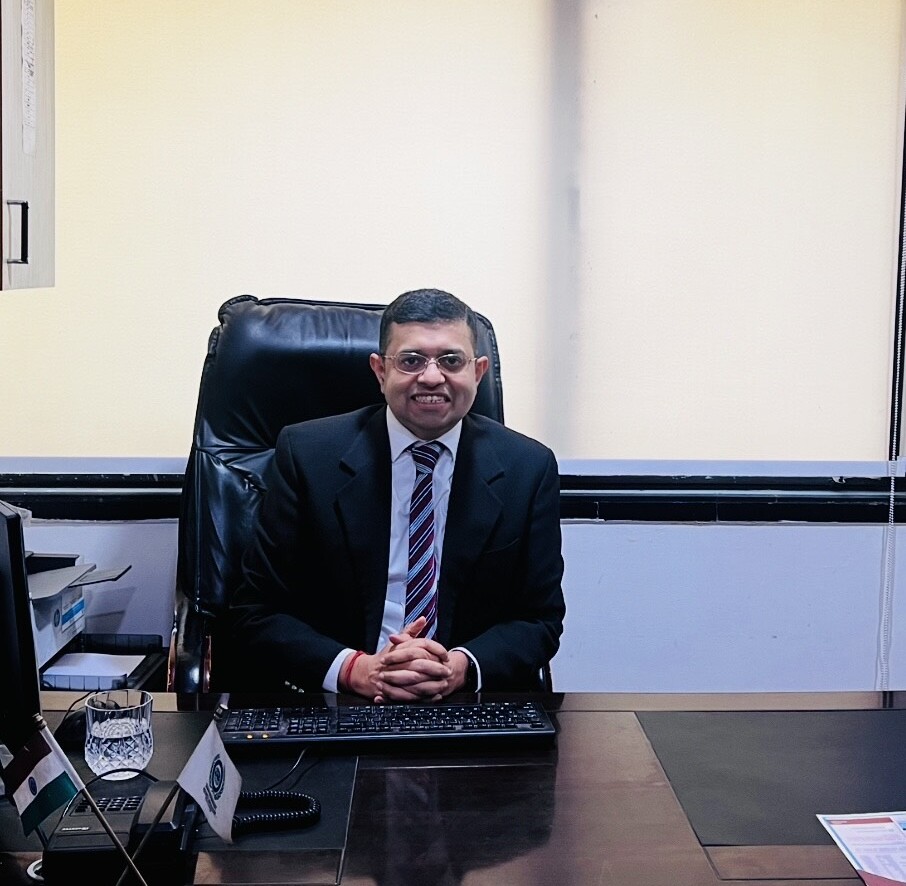
  • “This consistent engagement with the court not only hones your practical skills but also fosters a deeper understanding of legal processes and the nuances of each case.” – Sumit Saddi, Advocate at Punjab and Haryana High Court.

    “This consistent engagement with the court not only hones your practical skills but also fosters a deeper understanding of legal processes and the nuances of each case.” – Sumit Saddi, Advocate at Punjab and Haryana High Court.

    This interview has been published by Anshi Mudgal and The SuperLawyer Team

    What initially motivated you to pursue a career in law? Specifically, what led you to explore multiple areas such as service, civil, consumer, and criminal law?

    Initially, becoming a lawyer was not my first choice. I had always aspired to be an Army officer, and even as I was filling out my forms for law school, I was actively preparing for the CDS exam. However, I was selected for a law college before I could pursue that path. Coming from a family with a background in civil servants, I have always been inclined towards securing a position in a government organization. My decision to pursue law was a significant and transformative one, both for me and my family. During my preparation for law school entrance, as I delved into the Indian Constitution, I found myself deeply connected to the evolution of the country post-1947. It sparked a strong sense of purpose in me, and I realized how impactful law can be in shaping the future of our nation.

    Coming from Chandigarh, a tier-2 city, I have come to realize that while the opportunities in corporate law and other specialized fields may be more limited here, it offers a unique and valuable chance to engage deeply with various areas of law, such as service, civil, and consumer law. This environment allows for a more profound understanding of the legal system. In my perspective, anyone looking to start their practice in law should begin by working with district courts and revenue authorities, as they represent the very foundation of our judicial system. Engaging with these entities not only offers a closer connection to the pulse of our legal framework but also provides essential experience in understanding how justice is administered at the grassroots level, which ultimately shapes the broader legal landscape.

    Reflecting on the early stages of your career, could you share some pivotal lessons or experiences that had a significant impact on your legal understanding and contributed to your professional development?

    As I mentioned earlier, I began my practice at the district courts, where my legal journey immersed me in the dynamic world of courtroom proceedings. One of the most crucial aspects that shaped my legal understanding was the art of cross-examination. This stage of the trial process has always fascinated me, as it offers profound insights into human psychology, behavior under pressure, and the intricacies of how individuals navigate high-stakes situations. Conducting cross-examinations on my own provided me with invaluable lessons, not only honing my legal skills but also deepening my understanding of the human condition.

    What concerns me, however, is that the art of cross-examination seems to be gradually fading. I believe this shift is partly due to the growing trend among young advocates to pursue careers in corporate law or other specialized forums, which often overlook the significance of this crucial skill. In my view, cross-examination is not merely a legal tactic but a philosophical exercise in understanding the complexities of truth, human behavior, and the pursuit of justice.

    As a panel advocate for several Government organizations, how do you approach case strategy, particularly in complex matters like land acquisition and service-related disputes?

    In complex matters such as land acquisition and service-related disputes, it is crucial to have a deep understanding not only of the law itself but also of its origins, scope, and underlying objectives. When you truly grasp the scope and purpose of a legal issue, it becomes easier to make informed decisions and strategically approach the matter at hand. Without this foundational understanding — without knowing why a particular law or rule was established and what its purpose is — it becomes much harder to navigate the complexities of the case. In my view, the answers to such intricate legal matters often lie in the origins of the law itself, as understanding its roots provides the clarity needed to address the issue effectively.

    From your experience, what are some of the most challenging constitutional or statutory issues you’ve faced in your legal practice? How do you address such challenges in litigation?

    One of the most challenging constitutional or statutory issues I’ve encountered arises when the remedy does not lie with ordinary courts, and we are compelled to approach the High Court or the Supreme Court directly through writ jurisdiction. In such cases, the High Court often has a broader scope when it comes to constitutional remedies compared to the Supreme Court. The difficulty in these situations lies in the fact that essential elements of the trial process, such as cross-examinations and intent, are often bypassed when we directly approach these higher courts.

    Addressing these challenges requires a nuanced approach to drafting. I personally prefer to draft my writ petitions in an argumentative style. While many lawyers may not adopt this approach, I believe that when the only available remedy is through the High Court, one must put in their utmost effort. The court often relies heavily on the written submissions, and so the quality of the written material becomes paramount. While oral arguments are certainly important, it is the written presentation that shapes the outcome of the case.

    In my view, it’s not enough to merely present questions to the court; it’s essential to provide potential solutions and alternative options for addressing the issue at hand. This, to me, represents one of the biggest challenges we face in legal practice – preparing a case that doesn’t just question the law but offers thoughtful, well-grounded answers to the court, thereby advancing the resolution of the matter.

    How do you interpret Section 85G of the ESIC Act, and what are the key legal challenges you encounter when handling disputes under this provision?

    Section 85G of the Employees’ State Insurance Corporation (ESIC) Act holds significant importance in addressing the enforcement of provisions under the Act, particularly when it comes to ensuring compliance with the obligations outlined for employers and employees in relation to the ESIC. This provision empowers the Corporation to impose penalties for non-compliance, making it a critical tool for ensuring that the objectives of the Act are met—namely, the provision of social security and health benefits to employees in the event of sickness, maternity, disability, and death.

    The key legal challenge I often encounter when handling disputes under Section 85G is interpreting the balance between punitive measures and the broader purpose of the ESIC Act, which is rooted in providing social protection to the workforce. The difficulty lies in assessing whether the penalty provisions, as enforced under this section, are being applied proportionately, keeping in mind the primary objective of promoting welfare and not merely punishing non-compliance. Often, issues arise surrounding the applicability of penalties, the scope of employer responsibilities, and the extent to which employees’ rights are being upheld.

    In interpreting Section 85G, it’s essential to understand the foundational purpose of the ESIC Act: to ensure that employees have access to medical care and financial security, particularly in times of distress. If we focus solely on punitive measures without aligning them with the object of welfare, we risk undermining the core philosophy of the Act, which is to act as a safeguard for the labor force.

    The challenge, therefore, is not only to navigate the technicalities of the law but also to approach it with a broader understanding of its ethical and social purpose. In disputes under Section 85G, I believe that the resolution should always aim to ensure that the spirit of the Act—social welfare and protection for employees—remains intact, even as we address compliance and enforcement issues. In this way, the legal process becomes a means not just of legal correction, but of fostering a more just and supportive system for workers.

    In your capacity as empanelled counsel for Government Organisations, overseeing more than 100 land acquisition cases in Mohali, could you discuss a particularly complex case and the approach you took to ensure a fair resolution of the legal challenges involved?

    As an empanelled counsel for various Government Organizations, I have had the privilege of overseeing a wide range of land acquisition cases, including over 100 cases in Mohali. Land acquisition cases, by nature, are often intricate due to the interplay between legal rights, public interest, and the social impact on the affected individuals.

    One particularly complex case that stands out involved a dispute over the compensation and rehabilitation provisions for landowners whose land was acquired for a public infrastructure project. The case was challenging not only due to the legal technicalities involved but also because of the deep emotional and economic impact on the affected parties. In such cases, the legal process isn’t just about determining compensation—it’s about balancing public interest with the rights and welfare of individuals.

    My approach in this case was twofold: firstly, to ensure a thorough and comprehensive understanding of the legal framework governing land acquisition, including the constitutional principles of fairness and just compensation. This required an in-depth review of the relevant statutes and precedents, as well as the specific nuances of the land acquisition process in Mohali.

    Secondly, I sought to address the human element of the case by engaging with the affected parties in a constructive manner. I believe that the resolution of such disputes must go beyond the rigid application of law; it must take into account the broader social impact. To this end, I emphasized the importance of fair compensation, not just in terms of monetary value but also in ensuring proper rehabilitation and resettlement for those affected.

    Throughout the legal proceedings, my primary focus was on ensuring that the rights of the landowners were protected while also upholding the public interest. By presenting well-reasoned arguments, addressing both legal and human considerations, and seeking a fair resolution for all stakeholders involved, I was able to guide the case towards a resolution that was just, equitable, and aligned with the broader goals of the land acquisition process.

    Philosophically, I view land acquisition not merely as a legal transaction but as a fundamental issue of justice—how we balance the need for public infrastructure and development with the rights of individuals who are directly affected. In this sense, my approach has always been to ensure that the law serves its true purpose: not just to resolve disputes, but to advance fairness and social welfare in a way that respects the dignity and rights of every individual.

    What are the primary challenges the Legal Services Authority (LSA) faces in managing the high volume of cases it handles?

    The Legal Services Authority (LSA) faces significant challenges in managing the high volume of cases, primarily due to limited resources and a backlog that can delay timely resolution. Another challenge is ensuring equitable access to legal aid, as many individuals remain unaware of their eligibility. Additionally, the allocation of cases to qualified advocates and maintaining the quality of representation amid the large case load can be difficult.

    Philosophically, the core challenge lies in balancing the ideals of justice and equity with the practical constraints of the system. The LSA must continue evolving, utilizing technology and increasing awareness to ensure that the principle of equal access to justice is upheld, even when faced with resource limitations.

    Given your demanding professional commitments, how do you maintain a healthy work-life balance and ensure your personal well-being while managing your extensive responsibilities?

    Maintaining a healthy work-life balance, especially with the demanding nature of my professional commitments, is undoubtedly a challenge. However, I believe that a balanced life is not just essential for personal well-being but also for professional effectiveness. I approach this balance by prioritizing time management and setting clear boundaries between work and personal life.

    I make it a point to allocate specific time for relaxation and activities that nourish both my body and mind, such as exercise, reading, and spending quality time with loved ones. These moments of rest allow me to recharge and maintain the focus and energy needed for my legal work.

    Philosophically, I believe that a well-balanced life is essential to maintaining clarity in decision-making and ensuring that I approach each case with the full depth of attention and care it requires. If we are to serve others through our work, we must first take care of ourselves, as only a well-nourished mind and body can truly contribute to the well-being of others. By maintaining this balance, I am able to bring a more focused, compassionate, and strategic approach to my professional responsibilities.

    How do you define law, and what do you believe is its fundamental role in society? Additionally, which subject you liked the most while studying law? And why?

    Before attempting to answer what is perhaps one of the most profound questions pondered by leading legal theorists for centuries, I’d like to approach it in simpler terms. Law, in my view, can be understood in two dimensions: descriptive and normative. Descriptive law refers to how the law is—it encompasses the characteristics, structures, and functions of legal systems as they exist in practice. It’s the study of law in its current form, outlining how it governs society, resolves disputes, and maintains order.

    Normative law, on the other hand, concerns how the law should be. It’s rooted in ethical principles, moral reasoning, and the vision of how law ought to evolve to meet the needs of justice and fairness. In essence, it addresses the ideals, the aspirations that guide legal reform and transformation.

    Both aspects—descriptive and normative—exist simultaneously within the concept of law. This duality is what many of our great legal theorists have grappled with over time, saying: “This is what law is like, and this is how we ought to regard it.” It is in understanding this tension between what the law is and what it should be that we begin to appreciate the deeper philosophical nature of law.

    Law is not merely a static set of rules, but a living framework that both describes societal structures and, through normative claims, aspires to shape them in accordance with principles of justice, equity, and the common good. In my view, it is this interplay between the descriptive reality and the normative ideal that gives law its power and its purpose in human society.

    With regards to the second part of the question, during my law studies, I found Jurisprudence to be the most fascinating subject, as it goes beyond rules and procedures to explore the philosophy of law. It raises essential questions like “What is justice?” and “How should law reflect societal values?” What I find compelling about Jurisprudence is its ability to connect legal theory with real-world practice, making law a dynamic framework that shapes and reflects our social, moral, and cultural beliefs. It encourages critical reflection on the deeper purpose of law, emphasizing its role in ensuring fairness, equity, and justice. For me, Jurisprudence reaffirms that law is not just a set of rules but a tool for building a just society.

    What in your opinion are effective ways that can reduce the pendency of courts?

    As a lawyer who has had the privilege of engaging with all levels of the judicial system, from district courts to the Supreme Court, I have had firsthand experience of how the system operates and where the challenges lie. One of the most pressing issues I have observed in reducing the pendency of cases is the need for stronger support at the grassroots level, particularly at the district court level. The vast majority of cases affecting ordinary citizens begin at this stage, and unfortunately, we often see a shortage of well-trained, efficient lawyers at this level.

    The issue of infrastructure is another significant challenge. While higher courts may be more equipped, the district courts often lack the resources to handle the volume of cases effectively. This disparity in infrastructure and legal expertise at the grassroots level contributes to delays and inefficiencies in the system.

    We often celebrate the ‘brain drain’ when Indians excel globally in fields such as technology and science, but unfortunately, we are witnessing a similar trend in the legal profession. Many skilled lawyers are leaving the traditional legal practice in Favor of corporate careers, leading to a shortage of competent legal professionals at the district court level. If we are to reduce the pendency of cases, it is essential that we invest in building a strong legal foundation at this level by attracting and retaining talented lawyers to serve in district courts.

    Additionally, the introduction of more efficient case management systems, digitization, and the expansion of legal aid services can help alleviate the backlog. A holistic approach that includes better infrastructure, legal support, and technological solutions can create a more efficient and accessible judicial system.

    I believe that the judicial system must serve the people at every level, not just in the higher courts. By focusing on improving the quality of legal representation and the infrastructure at the district court level, we can ensure that justice is not delayed or denied, and that the system becomes more responsive to the needs of the common people.

    For aspiring lawyers or young professionals aiming to build a career in multiple areas of law, what advice would you offer? Are there any particular resources or strategies you recommend to help them stay current with evolving legal trends? Could you also share the most recent book you have read?

    Being in the early stages of my career, I believe it’s crucial for aspiring lawyers or young professionals to establish a strong foundation by reaching the court regularly and engaging with real-world cases. The prime duty of every lawyer is to be present in the courtroom, attend hearings, and ensure they are always up-to-date with the most recent orders passed by the honourable court. Once you prioritize your work in this way—by staying punctual and attentive to the finer details of each case—you will find the work becomes more manageable, and your chances of success naturally increase. This consistent engagement with the court not only hones your practical skills but also fosters a deeper understanding of legal processes and the nuances of each case.

    In addition to courtroom experience, it’s vital to stay current with evolving legal trends. I recommend that aspiring lawyers read widely—both legal journals and case law—to stay informed about new developments in law. Participating in legal seminars, webinars, and discussions with experienced professionals also offers valuable insights into emerging trends and shifts in legal practice. More importantly, I believe the pursuit of continuous learning should be a philosophy that guides one’s career. The law is dynamic, and as lawyers, we must remain adaptable and open to new perspectives and ideas.

    In terms of resources, I would suggest exploring both traditional texts and newer platforms, such as online legal databases, that provide real-time case law updates. Platforms like Manupatra, SCC Online, and legal blogs can be invaluable in staying on top of legislative changes and judicial interpretations. Above all, my advice would be to approach your career with a balance of practical engagement and intellectual curiosity—viewing the law not only as a profession but as an ongoing journey of learning and growth.

    The most recent book I’ve read is Leviathan by Thomas Hobbes. In this influential work, Hobbes explores the nature of human existence, governance, and law. He argues that without a central authority, life would be chaotic and brutal. To avoid this, individuals must give up certain freedoms to a sovereign authority in exchange for security and order, forming the foundation of the “social contract.” Hobbes’ ideas not only shape political theory but also raise fundamental questions about authority, power, and justice. His reflections on law highlight its role in maintaining social structure and preventing anarchy, offering timeless insights into the balance between individual freedom and societal order.

    Get in touch with Sumit Saddi –

  • “I would advise the young lawyer not to take shortcuts and wait till your time arrives till then he should keep working hard.” – Syed Fahim Ahmed, Managing Partner at SFA LEGAL.

    “I would advise the young lawyer not to take shortcuts and wait till your time arrives till then he should keep working hard.” – Syed Fahim Ahmed, Managing Partner at SFA LEGAL.

    This interview has been published by Anshi Mudgal and The SuperLawyer Team

    With nearly 18 years of experience in law, what initially drew you to the legal profession? Was there a particular event or experience that influenced your decision to pursue this path?

    My father was an Engineer and he was always attracted towards law. While he was posted At Lucknow working as Junior Engineer in Public Works department and completed his law from Lucknow University while in service. He always said that a lawyer is a person who is always wanted by society. After completing my 12th from Boys High School  at Allahabad I got admission in I. L.S. Law College Pune, which was one of the best Law Colleges in India in 2000. 

    During your time working with Senior Advocate Mr. Anurag Khanna, what were some of the key lessons or insights you gained that significantly impacted your approach to law?

    My time working with Senior Advocate Mr. Anurag Khanna was very fruitful and a learning experience. The most significant lesson I learned was sincerity, perseverance and honesty. My senior while going through any  file of a case would always look for the best legal point available to get the case admitted on first hearing and obtained a favourable order in favour of the client. His approach was to look for the one bullet point in the case that will force the Judge to pass an order in favour of the client. 

    After gaining valuable experience under the mentorship of a senior advocate, what inspired you to branch out and start your independent practice? What were some of the initial challenges you encountered, and how did you overcome them?

    After working for around 8 years under the mentorship of the Senior Advocate I started feeling that 8 years is a sufficient time to get the insights as a junior and I should start my own independent practice. Once I started my own independent practice initially the work load was less as I had few briefs but slowly with sincerity and perseverance I was able to get more briefs. This profession needs a lot of patience and hard work. That it is really tough for first generation lawyers, who have no background in law. 

    You’ve worked on petitions under Section 391-394 of the Companies Act. Could you share your perspective on the complexities involved in such petitions and some of the challenges you’ve faced? Additionally, in your experience with liquidation matters, what do you consider to be the most common obstacles companies face in these situations?

    The provision relating to amalgamation and mergers or restructuring debt was earlier covered under section 391-394 of the Companies Act, which is now being dealt with by National Company Law Tribunal. The most interesting part was the meetings which were to be conducted of shareholders of the companies, wherein 75% voting was required to be in favour of the scheme then only the scheme of merger or amalgamation could get through. The meetings were conducted in some other cities for which we have to travel. I have participated in such meetings in Jaipur, Mathura, Agra as Chairman and alternate Chairman. The Liquidation matters are the most complex and lengthy litigation which goes on for 10-20 years without being concluded. Sometimes the companies which are in liquidation can also be revived if they have a feasible revival plan. 

    You’ve been involved in land acquisition cases for authorities like NOIDA and handled cases under the Land Acquisition Act. What legal and ethical considerations do you think are crucial in these matters? Could you share an example of a particularly challenging case you’ve worked on?

    The land acquisition matters mostly relate to the land of the farmers which are acquired by Noida and other Authorities for different purposes including Plant Industrial Development. The land acquisition cases are very fulfilling for a lawyer as the Advocate has to fight for the farmers’ rights. Recently I am working on a case wherein illegal classification was made by the Noida Authority between farmers themselves for two categories Pustaini and Gair Pustaini meaning ancestral and non ancestral land owners. The classification has been held to be illegal in the case of Ramesh Chandra Sharma by the Hon’ble Supreme Court but in spite of the judgment of the Hon’ble Supreme Court is not giving the benefit to the farmers for which we have filed various petitions on behalf of farmers and hearing is going on since past one month. 

    Your experience includes dealing with labour disputes under the Provident Fund Act and Industrial Disputes Act. What are the most common labour-related issues companies face today, and how do they typically navigate these challenges?

    The Labor Laws in India are welfare statutes tilted in favour of the laborers. That the companies are being burdened with false cases which are being initiated by the laborers against the company. The most common tactics is to work for more than 240 days in a company and thereafter leave the company to get another job at a higher salary in another company and thereafter raise labour disputes and get benefits under various Labour Laws and also demand back wages. 

    In your role assisting with high-profile criminal cases, such as the Aarushi Talwar case, what are some of the major challenges you’ve encountered in criminal law, particularly with regard to public perception and media coverage?

    In the Indian Democratic system, the media nowadays plays a very vital role as far as high-profile cases are concerned. The best part is that judges are not affected by the media coverage. While assisting Senior Advocate Mr. Anurag Khanna in the Aarushi Talwar case for the Central Bureau of Investigation. I had a chance to work for the prosecution. We were opposing the cases filed by Aarushi Talwar’s parents. The Division Bench of Allahabad High Court gave a verdict in favour of the parents of Aarushi Talwar. It was a great learning experience.

    As technology continues to play a larger role in the legal field, how do you believe it is impacting corporate litigation and legal practice overall? Looking ahead, what trends do you think will become more prominent in the next five to ten years, especially in corporate law and litigation? How do you keep up with emerging legal trends?

    Technology has been playing a very important role in law as one click we can search through lakhs of judgment. Chat GPT and AI will probably become more prominent in the next 5-10 years in corporate law and litigation. Due to technology the judges and lawyers are more updated and are aware of the judgment which is being pronounced every day by different courts throughout India. The technology cannot overtake the legal profession completely and the lawyers, clerks and judges will always be there to take forward the legal system. 

    Finally, what advice would you offer to young lawyers who aspire to make a lasting impact in their careers, particularly those with an interest in corporate and litigation law?

    The young lawyers are the light for tomorrow. I see young lawyers to be very well versed in law and technology but they are lacking patience which is the most important aspect of litigation. I would advise the young lawyer not to take shortcuts and wait till your time arrives till then he should keep working hard. 

    Get in touch with Syed Fahim Ahmed –

  • “What keeps me drawn to the profession of Law is how justice is truly poetic, not just in its finality but also in the journey that it takes to get there.” – Dr. Divyadeep Chaturvedi, Advocate on Record at Supreme Court of India.

    “What keeps me drawn to the profession of Law is how justice is truly poetic, not just in its finality but also in the journey that it takes to get there.” – Dr. Divyadeep Chaturvedi, Advocate on Record at Supreme Court of India.

    This interview has been published by Anshi Mudgal and The SuperLawyer Team

    With your broad experience as an AOR in the legal field, what first inspired you to pursue a career in law, and what continues to ignite your passion for it today?

    The law was not my first love, but like all great romances, it found me when I least expected it. Growing up in a small town, I saw justice as a distant grand ideal, often out of reach for those who needed it the most. At a very young age, I was able to observe and acknowledge the invisible establishments that do not allow equality to breed in society. What keeps me drawn to this profession is how justice is truly poetic, not just in its finality but also in the journey that it takes to get there. Justice, like a perfect poem, is not merely written but felt, its weight resting in the space between reason and longing. I grew into the law much like one grows into the rhythm of an unfamiliar but haunting melody. It wasn’t love at first sight, but somewhere between its Shakespearean tragedies and Wildean wit, I found my art, one that demands precision, patience and the perfect closing. 

    After completing your law degree, you went on to pursue a Master of Laws in Advanced Studies in Public International Law, specializing in International Criminal Law, at Leiden University. What led you to choose this specific university and specialization? Could you share some highlights from that experience with our readers?

    Leiden University has a rich history in international law, and its faculty includes some of the most distinguished names in the field. My decision to specialize in International Criminal Law stemmed from my deep interest in justice beyond national borders. I developed a keen interest in the evolution of this specialised field of law that addresses mass atrocities, often referred to as “crimes of crimes”. Leiden University was therefore, the only University where I had applied for my Masters as it also offers an insight into the practical aspects of international criminal law in action aided by its proximity to most of the international criminal tribunals. One of the highlights of my time there was studying under Prof. William Schabas and Prof. Carsten Stahn who was also my thesis supervisor. The experience not only deepened my understanding of legal principles but also broadened my world view on justice and accountability.

    Early in your career, you had the opportunity to intern in various insightful environments, domestic and international. Could you reflect on some of the most memorable experiences from these internships and jobs that helped shape your understanding of the law? Are there any key lessons from that time that have stayed with you?

    Early in my career, I was fortunate to intern in diverse and intellectually stimulating environments, both in India and internationally, each shaping my understanding of the law in unique ways. Working with Mr. J.N. Mathur, Senior Advocate and then Additional Advocate General of Uttar Pradesh, exposed me to the complexities of constitutional and administrative law, while my time with Ms. Indu Malhotra, Senior Advocate at the time and who later became a Judge of the Supreme Court of India, deepened my grasp of arbitration and commercial litigation. Under the guidance of Late Mr. Pawan Sharma, erstwhile Standing Counsel (Criminal) for the State of NCT, Delhi, as well as under the guidance of Ms. Manisha Bhandari, I developed an understanding of criminal law, both at the trial and appellate stages. Beyond the courtroom experiences, I had the rare privilege of being awarded the Spic Macay Scholarship that led me to working with the Tibetan Government in Exile in Dharamshala, where I engaged with human rights and international law issues and had the profound honor of meeting His Holiness The Dalai Lama. This was also a unique and humbling experience as I stayed with the monks in H.H. The Dalai Lama’s monastery in Dharamshala during my tenure there. 

    Perhaps one of the most defining experiences of my early career was my time at the Office of the Prosecutor at the United Nations Special Tribunal for Lebanon, where I had the invaluable opportunity to contribute during a pivotal moment – the commencement of the Ayyash Trial. Being witness to the transition from the pre-trial stage to the trial stage and participating in the first day of the trial was an extraordinary learning experience, offering firsthand exposure to international criminal proceedings. These experiences collectively shaped my legal perspective, reinforcing the importance of meticulous preparation, intellectual curiosity, and a commitment to justice.

    Over the years, you’ve represented clients in landmark cases like the Nithari Killings and the IPL spot-fixing case. What were some of the distinct challenges these cases presented, and how did you approach them from a legal perspective?

    Working on cases like the Nithari Killings case and the IPL spot-fixing case reinforced a fundamental truth for me – that there are no shortcuts to thorough preparation. I first worked on the Nithari Killings case as an intern at the office of Ms. Manisha Bhandari, who was representing Mr. Moninder Singh Pandher, and over the years, I progressed from being an intern on his case to representing Mr. Pandher as an Advocate on Record in the Supreme Court of India. This case has been a continuous source of learning, and I was fortunate to be led and guided by Mr. R.S. Sodhi, Senior Advocate, Ms. Manisha Bhandari, and Mr. Omkar Shrivastava, who not only allowed me to be part of their defense team but also taught me how to navigate a high-intensity, high-stakes matter. One of the greatest challenges in this case was the media and public’s tendency to arrive at unfounded conclusions long before the courts rendered their verdicts. Managing the crumbling spirits of a client who had spent years in jail, awaiting justice, was another formidable challenge. Jail visits during such a prolonged litigation are emotionally taxing, as one cannot help but feel for the client who loses hope with each passing day. The slow churn of justice, especially in death sentence cases, is a heavy burden. Each passing year is not just time lost but a test of endurance, where hope flickers like a candle in the wind, struggling to stay alight.

    You’ve been deeply committed to pro bono work, advocating for marginalized communities. What motivates you to focus on these vulnerable groups, and how do you manage balancing this crucial work with high-profile criminal cases?

    Justice, to me, is not just about legal arguments or courtroom victories. It is about who gets to be heard. Too often, the most vulnerable are the least represented. Their stories are lost in a system that moves too fast for those without power. My pro bono work is driven by a simple belief that access to justice should not depend on privilege. Balancing this with high-profile cases is not a challenge but a responsibility. The law is at its best when it serves everyone, not just those who can afford it. And if I have the skills and opportunity to make that balance possible, then that is exactly what I must do. 

    Criminal law is a constantly shifting field. How do you stay updated on recent developments and emerging trends, particularly in cases related to white-collar crimes or cybercrimes?

    The law is a living, breathing entity, constantly evolving to meet the demands of an ever-changing world, and to stay ahead in the dynamic realm of criminal law, especially in areas like white-collar crimes and cybercrimes, one must embrace learning not just as a practice but as a discipline of vigilance. It is not enough to master how the law may be used. One must also understand how it is misused, manipulated, and twisted to serve those who seek to undermine justice. For instance, in cases involving unscrupulous elements, such as the land mafia, the challenge is not merely legal but systemic, as the police machinery is too often found to be not just complicit but, at times, an extension of the very forces the law is meant to curb. To be effective, one must stay immersed in legislative developments, judicial pronouncements, and global trends, ensuring that the law is wielded as a scalpel against injustice rather than a shield for those who corrupt it.

    Passing the Advocate-on-Record (AOR) exam is no small feat. What aspects of the exam did you find the most challenging, and what strategies or preparations helped you succeed in this prestigious exam?

    The AOR exam is an arduous test, demanding not only a deep reservoir of legal knowledge but also the ability to think critically and apply the law with precision. Its true challenge lies in the depth of one’s understanding of the principles laid down by the Supreme Court. There is no room for superficiality. My approach was rooted in disciplined reading, where I meticulously analyzed leading judgments, unraveling their nuances to grasp the core principles. Drafting, however, is a skill honed over time and refined through constant practice. Some of the most valuable lessons in Supreme Court drafting come not just from the theoretical understanding of the structure of a draft, but from the process of eliminating and curing defects, ensuring that files are cleared for listing by the registry. Ultimately, success in this exam is not just about intellect, but about practice, perseverance, and the invaluable experience gained along the way.

    Outside of law, you’re passionate about poetry, music, and surfing. How do these creative pursuits influence your personal development and help you maintain a balance in managing the demanding nature of your legal profession?

    Poetry, for me, is a way of making sense of the world. It is where I find my voice beyond the courtroom, where I explore life not through statutes but through metaphor and rhythm. Law, much like poetry, allows for interpretation in the face of ambiguity.

    Music is another language by itself. As a DJ, I know that a well-placed beat can shift an entire room’s energy, just as the right argument, delivered at the right moment, can turn the tide of a case. Mixing music is an art of timing, of intuition, of knowing when to hold back and when to let go. It is a lesson that applies just as much to advocacy.

    And then there’s surfing. The ocean is the greatest teacher of all. It humbles you. No matter how skilled you are, the waves have the final say. It teaches patience, resilience, and the art of surrender. You can’t fight the sea. You learn to move with it and to respect its rhythm. In many ways, law is the same. You don’t control justice, but you learn to navigate its currents, to read its shifting tides, to time your movements with precision. Each of these pursuits ground me and add balance to what happens to be a highly stressful profession. 

    What advice would you offer to young law students or aspiring lawyers, particularly those interested in criminal litigation, who are hoping to follow a path similar to yours?

    Be relentless in your pursuit of knowledge, but never lose sight of the people behind the cases. Litigation is not just about statutes and precedents, it is also about understanding human behavior, motivations and social realities. Read voraciously, observe experienced lawyers in court, and take on challenging cases even when they seem daunting. Most importantly, swear by the thumb rule – “when in doubt, ask.” One must not hesitate to seek guidance when in need of it. 

    Get in touch with Dr. Divyadeep Chaturvedi –

  • “Staying dynamic, updated and proactive with the current market trends is crucial for the young generation looking to pursue energy law as a specialization.” – Anirban Mondal, DGM -Contracts & Legal at Sirius Renewable Power Private Limited.

    “Staying dynamic, updated and proactive with the current market trends is crucial for the young generation looking to pursue energy law as a specialization.” – Anirban Mondal, DGM -Contracts & Legal at Sirius Renewable Power Private Limited.

    This interview has been published by Anshi Mudgal and The SuperLawyer Team

    With over a decade of experience in the energy and infrastructure sector, what initially motivated you to pursue a career in this specialized area of law, and how did you navigate the early stages of your career to develop such expertise?

    In my schooling days, I was always fascinated by the idea of energy – source, creation, transmission and flow of electrons. Although I had always been a back bencher while attending physics classes, it was fear associated with a tinge of curiosity in me that triggered this fascination about the concept of energy. Having watched my father who was notably a tax practitioner working hard through thick and thins, advising clients and the very next day, appearing before various courts and tribunals. It was pure hard work and yet glamorous to me. Eventually, I developed an attraction towards law. However, I was still unaware of the fact that there can ever exist a law which regulates the energy market and that curiosity driven by passion to know something unknown ignited my inner engine to learn and develop the skill set to dive into this unorthodox field of law.

    In the final year of my college, after my university examination got over, I was fortunate and overwhelmed to land an offer from Electrosteel Castings Ltd. (now Tata Steel Ltd.), one of the most reputed steel manufacturing companies. However, since my university exam results were delayed by a few months, I had to leave that offer. The hunt for landing lucrative jobs began but to no avail as I was faced with only rejections in the next few months. Many of my friends chose to work in law firms, or prepare for state judiciary but somewhere I was determined to pursue an in-house transactional lawyer. Eventually, I moved out from the ‘city of joy’ to ‘New Delhi’ and begun my career as an in-house counsel in the energy and infrastructure sector. Let me be very candid about it, energy law is more technical than legal. One of the biggest challenges which I faced in the early stages was understanding the engineering of electricity. As I was not from a science background, things became worse to ugly in no time. However, group discussions with fellow colleagues after office hours, cross-functional teams and extensive research on electrical engineering and the regulatory framework helped me to navigate these challenges.

    In your career, you have a blend of expertise both as a litigation practitioner and also at the corporate side. What prompted this transition, and what differences have you observed between the two fields?

    Ans: Basically, the energy market is driven by four stakeholders – power generation, transmission, distribution and trading. In the early stages of my career, I was mostly associated with the energy trading business and in a way, I felt that somewhere my opportunity to grow is being narrowed. Although, I was very keen on getting to the other side of the table, i.e. energy generation, transmission and distribution but unfortunately did not find a way through. Being a litigating lawyer, you get a handful amount of experience and knowledge dealing with diversified clients. Both litigation practice and corporate role has its own set of pros and cons, however, I personally felt that except for a few handful of law firms who actually are paymasters, the professional growth for litigating lawyers is on the lower side. Fortunately and courtesy of being a litigating lawyer, although for a brief tenure, helped me to develop skills, knowledge and gave me the exposure to pursue opportunities in power generation and distribution.

     In your position at ACME Solar, you led land acquisition and EPC contracts for major renewable energy projects. What was the most challenging aspect of managing these large-scale projects, especially concerning land acquisition and regulatory frameworks in India?

    In so far as land acquisition is concerned, the biggest challenge is manual keeping and maintaining of land records at the SRO and land department offices. Unless and until these land record keeping are digitalized, the entire process to acquire land cannot be expedited nor be free from errors. All these large scale renewable energy projects are being established and commissioned within a specific time frame, say 2 to 3 years, and the major chunk of time goes to land acquisition. Moreover, land acquisition is the first step followed by EPC towards building these large scale and ultra mega power projects. So, if land acquisition gets delayed, the entire project gets delayed and consequentially, triggers complexities and litigation. In so far as EPC contracts are concerned, the negotiation of these voluminous and capital intensive contracts at times gets a bit tricky as it involves a lot of money and shoulders a lot of responsibilities upon the contractor. Another major challenge is the irregularity and instability in the policy and regulatory framework, which at times poses a risk to the investors and the project stakeholders.

    Your experience includes handling several regulatory disputes in electricity generation, power trading, and distribution. How do you approach resolving disputes related to tariff determination and deviations in power contracts? Do you have specific strategies you use in arbitration or court proceedings?

    Basically, tariff determination is the most important (because it is the basis on which revenue will be generated) and by far the most complex process (because it has to factor-in a lot of components, permutations and combinations) involved in any project. In the energy sector, the majority of the regulatory disputes arise out of contracts. Therefore, drafting, crafting, moulding and tweaking the terms of a contract holds the key to minimize and mitigate contractual risk.

    Arbitration is a specialized category of dispute which arises from a contract having a pre-defined arbitration clause. My approach is to simplify the drafting of the claims, counterclaims and pleadings and clearly carve out the case so that it becomes easier for the external counsels to argue and the arbitrator to understand the legal proposition and factum of the case. In court proceedings, it largely depends on how you craft your case.

    As the DGM in Legal & Contracts at Sirius Renewable, you manage a large team. What leadership strategies have been most effective for you in overseeing cross-functional teams, particularly when dealing with complex contracts and high-value disputes in the energy sector?

    My current role as DGM – Legal & Contracts at Sirius Renewable pertains to dealing with drafting and negotiation of commercial contracts, regulatory and policy advisory, handling land acquisition, due diligence, merger and acquisition in the renewable energy space. I have always been an extrovert and often engage in group discussions be it with my team or cross-functional team members which actually lays the foundation of being a good communicator, a keen observer and precise listener. My approach is always to keep things as simple as possible, be brief, clear, and specific. Appreciation and recognition acts as a catalyst to motivation. I always vouch on working as a cohesive unit and create an atmosphere where none feels that one is superior over the other.

    What has been one of the most challenging cases you’ve worked on, and how did you prepare for it? Additionally, what resources do you rely on to stay updated on the rapidly evolving legal trends in the energy and infrastructure sectors?

    During my stint with Global Energy, I was given an assignment to draft a petition and represent the company before various electricity regulatory commissions for establishment of intra-state over-the-counter (OTC) power exchanges. The transaction was somewhat similar to the operation of a multi-commodity exchange. The most interesting and challenging part was that there was no statute or regulatory framework, at that time, which governed these types of transactions. It was an extensive research oriented work involving analyzing reports, devising methodology to determine landed tariffs etc. along with long and extended meetings, conferences, discussions with business teams, external lawyers and internal stakeholders. Eventually and although the petitions got rejected yet it created some kind of a stir in the minds of the regulators and legislators. Subsequently, in 2020, CERC, the electricity regulatory commission at the national level issued a regulatory framework by recognizing the need of OTC power exchanges in India, and that itself was a proud moment for me and my former colleagues.

    To stay myself updated, I keep on reading energy blogs, magazines, newsletters, the regulations being issued and framed by the Ministry of Power, MNRE, CERC, CEA. I do attend workshops, conferences both at national and international level to apprise myself and adapt to the market trends. In addition to that, I keep on brushing my foundations by reading books, judgments, research and obviously, engage in long-haul discussions with my senior colleagues and managers.

    What advice would you give to young legal professionals interested in specializing in energy law and infrastructure? What skills and experiences should they focus on to build a successful career in this dynamic field?

    The energy sector is one of the most booming sectors which is constantly evolving and delivers both professional and personal growth. The world is slowly and steadily making a transition towards a cleaner and sustainable development, and we feel (and all should feel) extremely proud to be a contributor in this energy transition mission. Embrace, Engage and Evolve.

    Know yourself, know the business and always be open to new ideas, approaches, and adaptability. Staying dynamic, updated and proactive with the current market trends is crucial for the young generation looking to pursue energy law as a specialization. It enables to better serve the business and adapt to changes in the legal landscape. Avoid taking short-cuts as there is no shortcut to success. 

    Managing a demanding legal career can be challenging. How do you balance your professional responsibilities with personal life, and what strategies do you employ to maintain that balance?

    Structuring the office work, prioritising the assignments and time management holds the key to strike a balance between professional commitments and personal life. I always tends to stick to my schedule while at my workplace and possibly stay, as much as possible, away from personal commitments. When I am at home, I ensure that I spend some real good time with parents and loved ones.

    Get in touch with Anirban Mondal –

  • “While it may sound fancy to see lawyers speaking legal jargon, for me, a good lawyer remains to be the one who can explain the most complex solutions or strategies to clients in the simplest words.” – Vaishali Sharma, Managing Associate at ANAND AND ANAND.

    “While it may sound fancy to see lawyers speaking legal jargon, for me, a good lawyer remains to be the one who can explain the most complex solutions or strategies to clients in the simplest words.” – Vaishali Sharma, Managing Associate at ANAND AND ANAND.

    This interview has been published by Anshi Mudgal and The SuperLawyer Team

    Given your background in science, what initially sparked your interest in pursuing a career in law? Was it a conscious decision to transition into the legal field, or was there a particular experience that motivated you to choose this path? Additionally, how has your B.Sc. degree contributed to your success and approach in intellectual property law?

    I was pursuing my post-graduation in biotechnology when I realised that the potential of research in the biotech industry in India was limited and still in its nascent stages. While researching on various themes for one of my presentations during my post-graduation days at Venkateshwra College (DU), I bumped into the intersection and close connect of patent laws with the research industry. This presentation on patent and design laws sparked my initial interest in exploring a career in law back in 2009. IP law felt the best way I could have stayed connected with the research industry as also utilising my years of education in science. While IP law in India was burgeoning, it was relatively less explored and niche for me and my batchmates at Venkateswara College as most students in my class were interested in pursuing a career in research and were leaving the country to prestigious institutes in the UK, USA and Australia. In fact, out of a batch of 20 students, I was the only one to have made a conscious decision to transition into the legal field and this transition did make many of my friends and relatives inquisitive of the career path that lie ahead for me and its potential.

    Having completed my law in June 2013, I waited anxiously for over 3 years for the patent agent exam which was put on hold (in view of Madras HC Order dated March 15, 2013 in Sp.Chockalingam vs Controller Of Patents (W.P. No. 8472 of 2006)) and eventually conducted only in November 2016. Meanwhile, in my initial years, I got immense exposure to a variety of all IP laws including trademarks, copyright, designs, biotech/ chemical/ pharma patent matters, advertising, marketing, promotional laws amongst others. This diversity in my work exposure and constant intent to deliver my best helped me gain massive knowledge and grow professionally in the industry in the coming years. In 2018, Anand and Anand was nothing less than a dream come true and my journey with the firm streamlined my career trajectory more centric around brand strategy and I have been fortunate to have learnt from amongst the best minds of the industry since then.    

    Despite this swift transition from patent to brands over the years, I feel my B.Sc. degree contributed immensely to the success and approach in intellectual property law and till date remains to be as relevant as ever with my current specialisation in pharmaceutical trademarks. Pharma industry not holding the glamour as that of fashion/ hospitality/ lifestyle industry, at times, may fall short of attracting young professionals at times, but it was clearly not the case with me as I was inherently inclined towards the industry due to my educational background and continue enjoying my work till today.  

    Given your specialization in pharmaceuticals, what unique IP challenges do you typically encounter in this sector? How do you address complex IP issues, especially in relation to patent protection, data exclusivity, and regulatory concerns within the pharmaceutical industry?

    The Pharma industry is considered to be the most sensitive industry as it directly deals with human health and hence demands a greater need for protection. The same is also evident by the latest Reports released by Indian Trademarks Office (TMO), which indicates that trademark filings in class 5 form almost 14% of the total applications filed. And majority of these filings come from domestic businesses reflecting a robust focus on domestic innovation and trademark protection efforts.

    Moreover, with patent expiry of many blockbuster drugs in this decade, Indian generic companies take advance notice and line up to encash on these patented drugs going public by ensuring timely efforts to block brand names adept for their drug launches. Likewise the biosimilar market is growing substantially in India and so are the companies’ efforts in ensuring brand protection remain at forefront. The Indian Courts as well as TMO, to keep up with the public interest, tend to adopt a more stringent approach in allowing pharma marks for registration. Consequently, special attention is being adopted by pharma companies which necessitates the need for exhaustive research while brand selection process.

    Apart from brand names protection, IP protection in pharma industry is being availed for various packaging, labels, logos, get up, layout, combination of colours of the pharmaceutical products. Also, unique tablet designs (for instance capsules with distinct colour combination, some specific numerals/ alphabets embossed on the tablet) and distinctive shapes of containers, bottles, kits among others can be registered as 3-D trademarks/ design registration. Traditionally, foreign MNCs were seeking these special forms of protection but more and more Indian companies are exploring these additional forms to create product differentiation and carve out a niche for their products. These complexities often prompt lawyers devising brand protection strategies for pharma companies to be maintaining an intricate balance of navigating the legal landscape while also delivering business centric solutions to clients in a cost effective and time bound manner. Meanwhile, with several media reports citing  instances where drugs having identical or phonetically similar names have been prescribed for treating different ailments, putting public interest at risk, the Central Drugs Standard Control Organisation (CDSCO) is taking cognisance of the issue. Here, building a database of all pharmaceutical products and combating this overlap of brand names in the market to avoid risk of confusion remains one of the biggest challenges for the Ministry.

    As you began your career, what were some pivotal learning experiences that shaped your professional journey and deepened your understanding of IP law? Could you share any key moments or challenges from the early phase of your career that had a lasting impact?

    Learning in law does not come quickly and constant perseverance remains the key to success. IP law is dynamic and one thing I realised early on in my career is that there is no substitute to reading and keeping oneself updated. With so much development happening in terms of AI law, digital privacy, consumer protection, regulatory developments, there is no shortcut, and the secret to becoming a good lawyer lies in at least spending two hours of reading every day to keep abreast and expand your horizon of learning each day. In fact, being a lawyer, when you meet clients, it’s not just law that you discuss but myriad other topics come into discussion, and one should have enough knowledge to be able to have a conversation around anything. Your knowledge on general topics, at so many times, acts like an ice breaker and makes conversations easier to start.  

    Attention to detail and providing simplified solutions to clients is another important early learning in my career. While it may sound fancy to see lawyers speaking legal jargon, for me, a good lawyer remains to be the one who can explain the most complex solutions or strategies to clients in the simplest words. I learnt this early on from one of my bosses’ who primarily used to approve my advisory but used to devote time simplifying my language to ensure it reaches the right message across to the client. These early learnings have remained with me since the start of my career, and I follow these religiously for all my clients. 

    With your extensive experience in intellectual property, what are some of the most common IP-related challenges you’ve faced, particularly when working with brands in the fashion industry? Could you provide an example of a specific case where you encountered such challenges, and how you navigated them to achieve a favourable outcome?

    As our country is moving towards premiumisation and looks towards its youth population (which is the largest all over the world) for the economy’s 5 trillion dream, our fashion industry has a huge opportunity to grow. The iconic fashion brands have all one thing in common and that is a unique distinct identity that these brands have created over their decades of existence. Be it the Louis Vuitton distinctive ‘LV’ logo or well known touille logo, famous Christian Louboutin red sole, Cartier love bracelet or Hermes’ globally reputed Birkin or Kelly bags, these brands have become status symbol earning immense global goodwill and reputation. Likewise, these international fashion brands, the Indian fashion industry have realised the importance of not only creating their unique IPs but also protecting them from being diluted or misused by third parties in an unauthorised manner. In fact, Mr. Safir Anand is known to have created an industry level specialisation in the fashion space having strategized for Indian fashion businesses to scale up by leveraging the power of IP. Arguing in one such matter (under Mr. Anand’s guidance) for a renowned Indian fashion designer, we were assigned the task of convincing the Hearing Officer as to how a selvedge technique could be a unique IP for the business. We were successful in a registration being granted eventually as the selvedge had aesthetic value and had acquired the goodwill and reputation amongst the audience so as to act as a source identifier for the brand. 

    As a registered patent attorney, how does your expertise in patent law complement your work in brand strategy, particularly when advising clients in product-driven industries? Furthermore, what emerging trends do you see in the intersection of intellectual property law, branding, and patent strategy, especially in the context of a rapidly evolving market?

    My patents background acts like a firm rooting in my working with clients as science provides an analytical approach involving systematically breaking down complex problems into smaller, testable parts, creating hypothetical situations, data collection through detailed research, and going beyond what meets the eye and critical analysis of the entire information at hand thereby allowing for a structured and objective evaluation to reach well-supported conclusions. 

    As regards product driven industries, companies often manifest and tend to intensify efforts into building layers of protection around their patented products and setting up a guarded shield to maintain market share. Such efforts are often amplified by building unique brands, creating distinctive taglines for advertising/ marketing purposes, creating copyrightable promotional material, fictional characters and protecting non-functional aesthetic features and products shape or pattern design amongst others. These additional forms of protection help the patented products to capture niche markets and create their own space in a product segment, which they may continue to hold even after patent expiration. One such popular example is Pfizer’s brand Viagra, which managed to maintain a substantial market share, even after its patent expiration in 2020. The resilience of the drug in the face of generic competition is a testament to the company’s strategic marketing and the drug’s strong brand recognition which played a crucial role in maintaining its market share. This is a clear example showing that concerted efforts in building brand and patent strategy in the context of a rapidly evolving market are crucial for a company to build a sound blueprint for their patented products. Moreover, with the procedural changes brought about in India since the enactment of the Commercial Courts Act, 2015 and setting up of IP Divisions of various High Courts post abolishing of IPAB in 2021, the enforcement regime in IP industry has become robust, which further allows companies to ensure effective enforcement and a well-fortified all rounded protection in product driven industries.

    In your advisory capacity for the Government of India, particularly with regard to the railway project, what were the key considerations you factored into your strategic advice on brand protection? How did you address the challenges of safeguarding intellectual property in such a high-profile government initiative?

    The said project was high stake considering a third party had raised baseless allegations to the project’s brand name just days before the inauguration. As the high-profile project launch had already been widely advertised and covered all across the news portals, it was vital for us to carefully handle the situation factoring in not only the legal considerations but also realising the extreme sensitivity, such that any kind of escalation at that particular stage would have negatively impacted the project launch. This required our team to sit and assess our points of defence in great detail and following an exceedingly cautious approach we were able to successfully and expeditiously conclude the matter out of court. Our team efforts were duly acknowledged by the government officials who appreciated our office’s conscientious handling of the case. 

    What advice would you offer to young professionals aspiring to build a successful career in intellectual property law? Are there any specific resources, tools, or strategies that you would recommend to help them navigate the complexities of the global IP landscape?

    I profoundly believe in Amir Khan starrer- 3 Idiots popular dialogue “Baccha Kabil Bano….Kamyabi Toh Peeche Bhagegi”. That is “Choose excellence and success will follow”. The dominant ideology in India, till date, remains to be building a successful career even if that costs sacrificing one’s passion for it. However, rather than focusing too much on success, in the early years, young professionals should focus on finding what interests them, gaining knowledge on a variety of subjects and identifying one’s strengths and passion. Law is a demanding profession, and we end up spending the majority of our daytime at the workplace, so how we spend our days is how we spend our lives. Hence, choosing a career of self-interest can lead to personal growth as well as an organization’s growth. Surrounding oneself with right connects on LinkedIn is also helpful as it exposes one to industry specific knowledge in addition to gaining academic knowledge. Further, all forms of IP are intertwined intricately in our daily lives and there are so many online certificate courses, news blogs, legal subscription newsletters on all forms of social media, free seminars/conferences/ webinars that can help you track latest updates in IP and if reading all this ignites one’s interest, you should not be holding back and jump in to explore the immersive and ever evolving IP field. In my daily routine, I find WIPO Global Brand Database and USPTO/ EUIPO official websites helpful in tracking international clients’ brand portfolios. Reading the latest case laws on a daily basis is also an indispensable part of my day at work.

    After managing such demanding professional responsibilities, how do you unwind and relax? In what ways do your hobbies contribute to your overall well-being?

    My most favourite way to unwind is to spend quality time with close family and friends. Additionally, being close to nature seeps in me a feeling of abundance making me realise nature’s beautiful amalgamation of the most complex structures in the simplest manner. Replicating this to our profession, I, invariably strive to render the most uncomplicated and easily manageable and executable business solutions to clients.

    I also love travelling to newer places and meeting new people as it pulls one out of their comfort zone and plunges one into the unknown. This remains to be a vital quality to succeed in law as real growth lies in exploring the uncharted territories, challenging yourself to learn new things as the intersection of law and business is extremely dynamic in nature and rapidly evolving. Being in the legal profession one should absolutely avoid becoming complacent or overly comfortable with one’s current performance and achievements, potentially causing a lack of motivation or lack of intent to take on new challenges/ maintain high standards in work, often resulting in stagnation and a decline in quality or productivity. 

    Get in touch with Vaishali Sharma –

  • “Goodwill and relationships, and an overall commitment to excellence are invaluable in the legal profession.” – Govind Manoharan, Founder of Godiyal & Manoharan Chambers.

    “Goodwill and relationships, and an overall commitment to excellence are invaluable in the legal profession.” – Govind Manoharan, Founder of Godiyal & Manoharan Chambers.

    This interview has been published by Anshi Mudgal and The SuperLawyer Team

    With over a decade of experience across various areas of law, do you believe law was always your destined path, or were there particular factors that steered you in this direction?

    For me, it was a mix of both. While studying at Loyola School, Trivandrum, we had only two main options after school: engineering or medicine—there were no streams for humanities or commerce. I initially leaned towards engineering but decided to keep a backup. The year I finished school was the first year of CLAT, which consolidated various law entrance exams into one. Law seemed like a good alternative, partly because my father had a law degree, though he pursued a career in journalism.

    Interestingly, I performed well in my engineering CETs but not in CLAT. Despite this, I was so fatigued by the STEM curriculum that the backup suddenly became my first choice. Eventually, I chose ILS Law College, Pune over GLC in Mumbai because my family felt more comfortable with Pune—though the reasons remain unclear to this day!

    Once I joined ILS, I grew to love the idea of a career in law. After a few internships in Mumbai and New Delhi, I gravitated towards litigation. Mr. Kishore Vussonji at Kanga & Co., with whom I interned a few times, suggested I start practicing in New Delhi rather than Mumbai. I took his advice, and it was the right decision—Delhi has been very kind to me.

    You began your legal journey at the office of an Advocate-on-Record (AOR) at the Supreme Court of India. How did this initial experience shape your understanding of the legal profession and influence your subsequent career choices?

    Until recently, the ‘traditional’ path at the Supreme Court involved starting in an AOR’s office, then moving to a senior counsel’s chamber, and eventually starting independent practice. Though this route is no longer dogma, it’s the one I followed.

    I interned with Mr. Senthil Jagadeesan, Senior Advocate, during my final year of law school. He offered me a position in his chambers post-graduation, which aligned perfectly with my goal to practice at the Supreme Court. His chambers was an AOR office then, and under his guidance, I focused on learning court processes, you know, getting familiar with the Supreme Court, drafting, and understanding the nuances of the profession—the ‘ropes’ as they say. This was foundational. 

    Later, I joined the chambers of Mr. Shyam Divan, a four-year stint that I consider transformative for me. Court craft is something you keenly watch and learn at a senior’s chamber—of course Mr. Divan’s style is inimitable, although I must confess many of us have tried in vain to copy it! Another thing we learnt by watching was the high degree of rectitude and integrity one had to maintain when acting as counsel—towards the court, clients & co-counsel, all. Finally, he would insist that you must always attempt to ‘elevate’ your brief as counsel, especially at the Supreme Court. It matters what you bring to the brief over and above what is written in it. These are lessons that have profoundly shaped my practice.

    Can you share your experience of completing your LL.M. at Harvard Law School? What motivated you to choose this institution, and could you share with us the admission process and criteria for our young readers?

    Harvard Law School was both enriching and humbling. I decided to pursue my LL.M. six years into my career, unlike many Indian applicants who apply straight out of college. Initially, I was hesitant because I didn’t want to lose my small but growing practice. Dr. Menaka Guruswamy, Senior Advocate, among other seniors at the bar encouraged me to consider it, and I eventually decided to apply to U.S. law schools for their rigorous yet compact programs.

    The application process for most Ivy League schools is somewhat same, and involves submitting a strong statement of purpose, solid references, and academic essays. My SOP—which shouldn’t be a flamboyant CV—was a simple, personal essay. Personal essays, I had become fond of as a form having read its champions such as Didion, Sontag and Baldwin, so I felt that was the easier bit. Harvard required an additional academic proposal, which I based on my reflections about the Supreme Court’s role in post-conflict scenarios. This proposal evolved into my dissertation under the guidance of Dean Martha Minow, a renowned scholar in transitional justice.

    I feel my time at Harvard was important to me for two major reasons. Academically, it gave me a framework and a language to express my already brewing concerns about the judicial process. I learnt from the giants of the Critical Legal Studies movement—Roberto Mangabeira Unger, Duncan Kennedy, David Kennedy & Mark Tushnet—and the ideas that were discussed in class spoke to my bare-bones thoughts and reflections. On a personal level, it gave me a huge cohort of friends, strewn all over the world doing great things, and some of whom I get to collaborate with every now and then. Both are important reasons, and I think I’m better off for having spent some time in the little town of Cambridge, MA. 

    After gaining significant experience working with various big names in the legal industry, you chose to start your own practice. What prompted this decision, what challenges did you face in the early stages, how did you overcome them?

    In January 2022, I co-founded Godiyal & Manoharan Chambers with Samiksha Godiyal, a friend and colleague from Mr. Divan’s chambers who shared my vision for a chamber practice. Seniors encouraged us to go independent, and by then, we had experience managing independent briefs alongside chamber work.

    The early challenges were universal: balancing roles as CFO, COO, and CMO while maintaining high standards of legal service. Putting in place systems and strategies has helped overcome these challenges, and prepare the chambers for the long game.  New challenges always crop up, but they are welcome—they keep you sharp and motivated. One of our keen focuses is on more tech-integration in the processes, which we have been able to achieve to an encouraging extend benefiting service excellence, and the practice in general; keeps the chambers future-ready. 

    You’ve been involved in several landmark Supreme Court decisions, such as the marriage equality case, the Cauvery River dispute, the Right to Privacy case, and the decriminalization of consensual same-sex relationships. Could you share one particularly interesting case you’ve worked on and how you prepared for such a complex matter?

    All these cases you have mentioned were very interesting to me and have resulted in mixed outcomes from the Indian Supreme Court. As we speak, we have dismissal from the court on our review petitions in the marriage equality case, something I have been involved in right from 2020 when the first petitions were filed in the Delhi High Court. All briefs are interesting briefs, some make news, others don’t, but that’s the beauty of having a generalist practice, one can never get bored!

    The Cauvery River Water Dispute that you mentioned is the one that ended with a judgment from the Supreme Court in 2018. Now this is a niche area of law, inter-state river water disputes. There are about 10 or so in the history of the country, and I was able to be part of two—the other one was the Mahadayi river dispute among Karnataka, Maharashtra and Goa. This niche area of law involves complex questions of federalism, prior use rights, and equitable water distribution. The Supreme Court’s 2018 judgment marked its first appeal over a water tribunal’s decision. Preparation involved examining over 50 U.S. court decisions on river water sharing to distill first principles of equitable distribution. These principles helped guide the Supreme Court’s analysis of the tribunal’s award. 

    I suppose with climate change we will see more of these disputes not only of a domestic character but also at the global level. There will be more dams as countries try to achieve their national renewable energy goals, and more or less water in rivers to share owing to changing weather patterns. It’s an area of growing importance. 

    You had worked as counsel representing the National Council for Teacher Education (NCTE) before the Delhi High Court for about two years? What key challenges did you encounter in handling regulatory disputes, particularly in light of your experience representing a regulator?

    Representing NCTE was my first experience as counsel for a statutory regulator. I found that judges respond well to state counsel if they are handy with timely instructions on most occasions, and at all times, fair and prepared. I think that was key to assisting the court from the State’s side.

    Often regulatory disputes on the writ side of the high courts or specialised tribunals like APTEL or SAT have to deal with petitions seeking to compel the statutory regulator to do their job or petitions examining the correctness of adjudicatory decisions of the regulator. These are disputes related to the regulatory activity itself. The other cases, which I got to see a fair share of was, disputes on policy—which may enter courts as a vires challenge. My experience at Harvard where the policy-oriented approach is often reflected in case law was useful in litigating these disputes in our courts. Sound policy arguments, alongside technical legal points, are crucial in such cases.

    On the private side of things, like for any other regulated entity in business you are looking out for the commercials while litigating. Something that we try to do at chambers is to understand that the commercials at stake in a case, the ‘pain-point’ so to say—legal arguments and strategies will flow accordingly.  

    As a member of the LAWASIA Human Rights Committee, could you share some of the key initiatives or challenges you have encountered in your role? 

    LAWASIA is a regional association of lawyers, judges, jurists and legal organisations, which advocates for the interests and concerns of the Asia Pacific legal profession. They’ve been around for over six decades, and is one of top associations of lawyers in the region. I’ve been a member for a few years now, and since February 2024, as part of its Human Rights Committee, I focus on the intersection of business and human rights. 

    Apart from being a brilliant network spanning across regions, LAWASIA hosts very significant conferences each year on various areas of the law, apart from its annual conferences. In February this year, LAWASIA along with the Nepal Bar Association is hosting the 5th International Human Rights Conference in Kathmandu. I am able to join friends who are excellent lawyers and scholars from Malaysia, Taiwan, Japan, South Korea & Australia in our committee and also, learn from folks who do brilliant work in Singapore, China, Vietnam and other jurisdictions in the region. 

    LAWASIA’s conferences and webinars provide invaluable insights into regional legal issues, emphasizing both shared experiences and unique challenges. Recently there was a discussion on “Human Rights at Sea,” where we heard from those advocating the cause of stateless fishing communities. These forums offer opportunities to learn and collaborate across jurisdictions.

     As you have written a piece on mental health and the legal profession, could you share some key insights or recommendations on how the legal community can address these issues? Additionally, what role do you believe law firms and legal institutions should play in fostering a healthier work environment? On a personal note, how do you manage the balance between your personal and professional commitments?

    Mental health interventions in the workplace are a dime a dozen. Addressing mental health begins with acknowledging the profession’s high-stress nature and fostering open conversations. 

    Discussions on mental health in the legal profession have significantly evolved since I wrote about the topic in The Caravan in 2016. Back then, it wasn’t a mainstream conversation, but now we see greater awareness, better vocabulary, and even acknowledgement from senior figures like chief justices.. So, that’s a good thing—but then as they say, talk is cheap. 

    I wanted to draw attention to the issue at the time—much like that famous ‘mission statement’ from Jerry Maguire (though thankfully, I didn’t lose my job over it like he did!). Meaningful change requires more than lip service. Judges and senior members of the Bar must lead serious discussions and implement effective systems to make the profession more accommodating.

    Personally, I balance work by spending time with loved ones, enjoying music, and staying active. Remembering that work is only part of life—and learning not to take oneself too seriously—can make a big difference.

    What advice would you give to young lawyers who aspire to build a successful career like yours? How should they approach planning their career trajectory and advancing in the legal profession?

    Goodwill and relationships, and an overall commitment to excellence are invaluable in the legal profession. While financial success is important, pro bono work should not be overlooked—it’s equally rewarding. Success is personal and evolving. Take time to define success on your own terms—if you are able to do that, you’ve solved half the puzzle!

    Get in touch with Govind Manoharan –

  • “The field of litigation is like a pyramid with limited competition at the top! With sincerity and focus any lawyer may reach the top.” – Sarvesh Singh, Advocate-on-Record at Supreme Court of India & Managing Partner at V&S Law Offices.

    “The field of litigation is like a pyramid with limited competition at the top! With sincerity and focus any lawyer may reach the top.” – Sarvesh Singh, Advocate-on-Record at Supreme Court of India & Managing Partner at V&S Law Offices.

    This interview has been published by Anshi Mudgal and The SuperLawyer Team

    Reflecting on your extensive experience, what inspired you to pursue a career in law, despite not coming from a legal background? What motivated your decision to choose the Army Institute of Law for your studies? How did your time there shape your understanding of the law, and how did the integration of Army discipline with legal education influence your approach to practicing law?

    The charm of uniformed service is unmatched. My grandfather was in the Police, and my father was in the Army. Litigation provides an opportunity to wear the band and gown, with no retirement age, and experience the thrill of a duel in an arena while cross-examining a witness, advancing final arguments, and even playing war games with the applications filed in a case! I was inspired to have such a way of life.     

    Army Institute of Law (AIL) offered a 5 year integrated law course. It was a residential Institute with a focus on sports, extracurricular activities, internships, and studies. Being from an Army background, I was certain AIL would nurture the students well. 

    I was told in the first year itself that one is wedded to law!  Being a residential institute, the Professors acted as our guardians and guided us in all walks of life. We were asked to develop the habit of going through the latest law journals which made us understand the divergent views argued and a reasoned judgment on the subject. Moot Court Competitions were another aspect that was extensively undertaken in AIL. 

    The study of law with its application makes it more interesting. Discipline is a common feature in the Army and Law and AIL made us disciplined. The basic traits of being punctual, and being courteous to the Judge as well as the opposite counsel aids in daily practice. The art of advancing arguments is to throw light,  not heat, which I  learned from the Moot Court Competitions.       

    During your time in law school, you completed numerous internships. What were the most valuable lessons you learned from these experiences, and how did they help you build a strong foundation as you transitioned into real-world legal practice?

    Internships are important to enable the student to see the diverse fields of law, be it litigation, working in a law firm, or taking teaching as a profession.  Internships are a distinct feature on a CV and may enable a student to secure a placement.  

    My internships provided great learning experiences and helped me build valuable connections. My first internship was under Mr. R. Venkatramani who is the present Attorney General of India. I had the opportunity to witness the hearings in the Supreme Court during my first internship.      

    However,  to gain exposure, I also interned with Titus and Co., Lall and Sethi, Singhania and Co., Juris Consultants, and the “Indian Society of International Law”. 

      What were your early experiences like working at a top-tier firm? What key lessons did you learn there, and how did those experiences shape the direction of your career?

    I was fortunate to get placed in one of the best law firms, Remfry & Sagar.  Late Dr. Sagar, the founder of the firm, valued the time of associates,  and the firm’s working hours were 9 AM to 5:30 PM, with weekends off. The associates focused and worked diligently during this time rather than the practice in some firms where late evenings are usually spent in the Office.  

    It was a great experience to work with foreign clients and MNCs, I recall Japanese clients being the most punctual in conferences and responding to queries immediately. Needless to say, such clients expected a similar swift response. 

    I realized that the best a lawyer can ensure is punctuality and diligence toward the case entrusted by the client. Even in case of an adverse order, many clients retain the same lawyer to challenge the impugned order or judgment because they have witnessed the lawyer’s diligent work.

    What motivated your decision to transition from working at a top-tier firm to starting your own independent practice? Given the stability of your previous role, what factors influenced this significant decision? Additionally, litigation is often described as thrilling and unpredictable. What aspects of litigation excite you the most, and how do you prepare for its inherent unpredictability?

    It was a good experience to sit comfortably in the Ivory Tower and work for foreign clients. I learned a lot about Intellectual Property Rights. Mr. Ashwin Julka, who was the Managing Partner of the firm, trained me well both in the field of law and the art of dealing with clients.    

    However, I missed the thrill and charm of going to the Court on a daily basis and dealing with different subjects of law. I felt that a lawyer, just like an actor, should not confine themselves to limited roles! One should seek challenging roles as well and the focus should be on learning diverse subjects of law.  

    I started my Advocate-on-Record (AoR) training under the Late Mr. Satya Mitra Garg and Mr. Ashok Panigrahi who had worked in the Chamber of Venkatramani Sir previously. You may just consider how immense internships maybe even after several years of practice. 

    The thrill of a gladiator in litigation comes with some uncertainty. However, the law of averages aids a lawyer, and with grit, strategic patience, and proper networking, one can overcome the cloud of uncertainty. 

     How did your training under various Senior Advocates equip you for the demanding role of an Advocate-on-Record (AoR)? What were some of the major challenges you encountered in the early stages of your practice, and how did you navigate those obstacles?

    In my training days, I drafted petitions concerning diverse fields of law which were either argued by the AoR or a Senior Advocate. As a lawyer, one realized that once a petition is filed, the scope of argument is limited to the grounds raised, and hence drafting a petition well was crucial, and annexing relevant annexures was important. That apart, it was essential to be privy to the Supreme Court Rules, leading cases as well as the latest Supreme Court Cases.    

    The challenge faced in the initial days of independent practice relates to getting clients. I realized that an invisible highway must be built for cases to flow from the respective High Courts and Tribunals. I built a decent network of connections – from lawyers who graduated from AIL to people I interned with. I was helped by Justice Manmeet Arora (then a lawyer), Abhijat Sir, and Ronny Sir in the initial years of my independent practice.

    What led you to specialize in Arbitration, and what makes this area of law distinct in terms of its challenges compared to others? Could you share an example of a particularly challenging arbitration case you worked on, and how you prepared for it? 

    The time frame for making the Award under the Arbitration and Conciliation Act, 1996 is one year from the date of completion of pleadings and the scope of appeal is limited. Therefore, the Arbitration clause is one of the essential elements incorporated in most of the contracts between the parties inter se. Time is of the essence when filing and conducting cross-examinations in arbitration cases, and seeking an adjournment is akin to committing a sin!   

    One of the important Arbitration cases was regarding the denial of payment and the imposition of huge penalties which were imposed clandestinely. Since the other side failed to appoint an Arbitrator, the High Court appointed an Arbitrator.

    It is said that “The truth is often shielded by layers of lies”. The other side filed an application seeking that the claims were fraudulent and hence it was out of the purview of the Arbitration proceedings. We countered by relying upon the wide definition of Section 17 of the Indian Contract Act, 1872 which encompasses the alleged fraud as well. The judgment of Avitel Post Studioz Ltd. & Ors. v HSBC Pi Holdings (Mauritius) Ltd. was relied upon by us. The Arbitrator was pleased to dismiss the application with costs.  

    Interestingly, extensions of the contract were given by the other side. On this aspect, the concerned witness from the other side was cross-examined in detail. After some detailed cross-examination, the concerned witness admitted that extensions were due to the satisfactory services and after compliance with the terms and conditions of the contract. Concerning the issue of penalty, the other side was directed to produce the computation of the penalties as not even a Show Cause Notice was issued. We were able to demonstrate that the other side acted as an emperor with scant regard for the principles of natural justice. Furthermore, the quantum of penalty, though stipulated in the agreement, was excessive, burdensome, coercive, and against the principles of law contained in Section 74 of the Indian Contract Act, of 1872. The judgments of Fateh Chand v. Bal Kishan Das and Kailash Nath Associates v DDA were relied upon by us. 

    The Arbitral Tribunal was pleased to award the amount due without any penalty along with interest and legal costs.   

    Being an AoR and handling your Chambers, you must carry significant responsibilities. How do you manage these responsibilities, and what strategies do you employ to unwind and relax after a long, stressful day?  

    An AoR has to be present in all the proceedings and even the SLP and applications are signed by the AoR, barring the affidavits. The SLP and applications have to be read diligently before filing and I ensure to attend all the proceedings. This has become easier with the online hearings and even the filings are online.  

    I am an avid golfer and do happen to meet different players on the Golf Course. Golf is a social game, so networking is natural. An opponent or a teammate in a game today turns out to be my client tomorrow! I would advise lawyers to pick up any one sport. Apart from health, it may be good for wealth, too!    

    Making the transition to litigation, especially after having a stable job, requires great courage. What advice would you give to law students who are currently navigating their legal journey and aspire to excel in the field? Furthermore, what resources would you recommend to keep them updated on the latest developments, particularly in arbitration law?

    I concede that the initial days in litigation do not appear stable. However, in the long run, the life of an Independent lawyer is stable with no fear of losing a job! If that invisible highway is maintained well, cases are bound to travel from the respective High Courts.     

    My advice to students is to undertake diverse internships and start building connections from their first internship. Secondly, reading the latest law journals is another habit that would aid. In the field of Arbitration, the Indian Contract Act, of 1872 may be studied in detail and one may witness the proceedings in a Commercial Court. 

    Looking back at your journey from law school to becoming an Advocate-on-Record in the Supreme Court, how would you describe your evolution as a legal professional? What key qualities do you believe a law student should possess if they wish to become an AoR and succeed in litigation?

    One has to be agile to adapt to the changing times in the legal profession. The online filings and online hearings sounded unreal pre-COVID time but have now become the norm. In the initial days, all the cases were undertaken by me but now one may weigh the cases and stop counting. In the legal profession, having a student mentality is essential and I don’t hesitate to learn something from my colleague or an intern who has researched well on the subject. 

    With sincerity, focus, and training for one year, it is not difficult to become an AoR. To excel in the legal profession, develop deep and unwavering commitment. Being an independent lawyer is a superpower – you would be a master of your time!   

    Lastly, Litigation is like planting a mango tree, which requires time for the tree to bear fruit.  Do not compare such a tree with a plant whose flowers bloom within a month and wither away in a few days! Furthermore, the field of litigation is like a pyramid with limited competition at the top! With sincerity and focus any lawyer may reach the top. 

    Get in touch with Sarvesh Singh –

  • “In terms of latest trends – I think AI and its impact in different sectors and the legal nuances surrounding that would definitely be something over the next five and ten years.” – Shruti Iyer, Advocate-on-Record at Supreme Court of India and Partner at SA Law.

    “In terms of latest trends – I think AI and its impact in different sectors and the legal nuances surrounding that would definitely be something over the next five and ten years.” – Shruti Iyer, Advocate-on-Record at Supreme Court of India and Partner at SA Law.

    This interview has been published by Anshi Mudgal and The SuperLawyer Team

    With your broad expertise in areas such as Insolvency Law, Competition Law, Administrative Law, and more, could you share the story of how you first embarked on your legal journey? What inspired you to choose law as a profession? Was it a deliberate decision, or did your passion for law evolve gradually over time?

    I did not think I would be a lawyer. So I’m a lawyer by chance but I’m glad that I pursued law because now that I think back I am sure it is my calling. I don’t think I could have been so happy doing anything else. As destiny would have it I got admission into ILS Law College, Pune and I can safely say that I spent the better part of my life there. I was fortunate to study under some excellent faculty like Dr. Jaya Sagade, Prof. Nilima Bhadbade and Prof. Smita Sabne to name a few. Their teachings and guidance have been invaluable to me. 

    You participated in the dual LLM program in Global Business Law at New York University School of Law and National University of Singapore. Could you kindly share your experiences during that time and also ponder upon how the program equipped you to navigate the complexities of international corporate and financial services law? What challenges did you encounter during the application process, and what impact did the Dean’s Award from New York University have on you?

    I think I was extremely fortunate to be part of the NYU-NUS Dual Masters’ Program. It was truly one of a kind and we used to joke that we were part of a “limited edition”. Unfortunately, the Dual program has stopped. But it was a brilliant experience.  It was very intensive and taxing to do two programs in one year because when one university was on break we would have the classes and exams for the other. But the faculty was top notch. We got to experience the best of both worlds and had a natural kind of insight into comparative law without even having that as an elective. There is often this debate about whether it is worth pursuing an LLM abroad if you want to come back and work in India and especially in Litigation and I would like to say that if you have the resources you should definitely pursue one. Personally I feel it broadened my horizons in ways I could not have imagined. The bonus is I made some lifelong friends. The Application process was very smooth. It was completely online and I don’t recollect any hassle.  The Dean’s Award definitely helped me financially to be able to afford the program

    In terms of learning, I was extremely fortunate to be able to do my dissertation on International Investment Law under Prof M. Sornarajah. At NUS I interacted and studied under some excellent faculty like Prof. Umakanth Varottil and Prof. Arun Thiruvengadam. For the NYU Program we had some legends like Prof. Jose Alvarez for International Investment Law and Prof Stephen Choi for M&A and Securities. There are so many things that I learned during the program which I am able to use in my practise today especially when it comes to subjects like Competition Law and International Arbitration Law , apart from principles of corporate and financial laws. 

    In the early stages of your career, you worked with a major corporation. How did you approach the legal intricacies surrounding the Copyright Act and Cable TV regulations during that period? What key takeaways from that experience helped shape the foundation of your career and propelled your professional trajectory?

     I was lucky to work with some major corporations so early on in my career. It was a great learning curve for me. I dealt with several issues under the Copyright Act and Cable TV Regulations which were very relevant at the time. More than that, it helps me now immensely while dealing with in – house clients. I understand their issues and try to resolve them to the best of my ability. 

    After gaining valuable experience working in-house, what prompted your decision to transition to litigation, working alongside Senior Advocates? How did you find the shift between the two environments, and what major differences stood out to you? 

    I had a great learning experience working in – house but I always felt I was missing out on attending court. So I decided to finish my masters and switch to litigation. At that time the thought was if I don’t like it I can always go back. But I took to litigation like a fish takes to water. I loved coming to court and still do. It is what drives me. I feel like we make a difference to our client’s lives in whatever small way possible and that gives me a sense of purpose and immense satisfaction. The shift was not difficult, both have its pros and cons. But the working culture is very different. While working in – house my deadline was often completing a draft or sending an email. In litigation we are racing against time to secure bail or stop a demolition. So we cannot compare. Both are invaluable learning experiences.

    I am immensely grateful to my seniors Mr. T. Srinivasa Murthy and Mr. Senthil Jagadeesan, who have been my Gurus and Mentors in this profession. I have literally learnt everything I know from them and I continue to work and learn from them. 

    After working with various legal entities, you went on to establish your own practice. What motivated you to take that leap, and what were some of the initial challenges you faced in setting up your own firm and how did you navigate them?

    I cleared the Advocate on Record Exam and became an AOR of the Supreme Court and felt that I could start something on my own so my Partner Anandh K and I set up SA Law. It is based on our philosophy of doing good work and helping our clients. When we work in some other organisation we are always bound by their rules. Setting up my own practise gives me the freedom to do what I want both professionally and personally. It also helps me do other activities like teaching or interacting with law students and doing pro bono work without any pressure. In terms of the challenges we faced- we are both first generation lawyers from outside Delhi. We don’t have any Godfathers here. We have struggled and grown brief by brief and survived by word of mouth of our clients who have trusted us. 

    As a Founding Partner at SA Law and an AOR, you oversee a variety of practice areas, including land acquisition, civil rights, POSH (Prevention of Sexual Harassment), arbitration, and competition law. Could you share a fascinating case you’ve handled in the field of competition law and how you approached the complexities of such a case, especially for our younger readers looking to understand this area of law?

     I think one of the biggest cases I have handled is the cement cartel case. The case is now pending before the Supreme Court. But I was fortunate to work on the case from the CCI stage to the appeals before erstwhile COMPAT and then NCLAT and now Supreme Court. Working on a case through all the stages is a great learning experience. I think one of the fascinating aspects of competition law is how much we rely on foreign judgments and concepts – both the US Anti-Trust Law and EU and also compare it with our own jurisprudence. I think my LLM came in very handy in dealing with this. 

    Your passion for teaching is evident in your contributions to judging moot courts, delivering guest lectures, and conducting seminars and workshops for law students. What advice would you give to aspiring lawyers who are just beginning their legal careers?

    I don’t think I can give much advice- there are far more learned people for that. I would say enjoy your time at law school. Most of them would be doing the 5 year law course. When I look back at my time in Law College – I just remember that I had fun. I participated in all the activities in college both curricular and extra-curricular. It helped me make so many friends. And maybe I would say use that time to read and write a lot. 5 years is a long time. It is ok if you don’t have 10 internships in 5 years or don’t do many moot courts or write research papers. Of course, doing all this helps. But utilise the time doing something. I spent a good amount of time doing Purshottam and Firodiya Karandak in Pune which had a big Marathi Theatre Scene. It helped me learn one more language which is a life skill and comes in handy even today. 

     Perhaps I would add one thing – it is very easy to be enamoured by the profession when we are in college – especially when we hear Senior Advocates or Judges come to our college and talk and advise youngsters to pursue litigation. There is nothing wrong with that. Perhaps even I would give the same advice. But the initial years are tough. It is sometimes very easy to feel dejected, especially if you fall in the trap of comparison. Social media doesn’t help. Litigation is a marathon with very slow returns and requires a lot of consistent effort. And sometimes, even after a lot of hard work you may not get material returns or recognition. And that is ok. As long as you are able to feel satisfied that you are doing some good work, you should be ok with that. There are many loopholes in the system, all the more for women, but there are many good people as well- whether in terms of seniors, peers or mentors – there is no dearth of good people who will help you both personally and professionally and I think the camaraderie of the Bar is one of the best parts of this profession. Last but definitely not the least – there is no substitute for hard work. You may keep hearing about networking and legacy and luck and it is very easy to get lost in this hubris but there are no shortcuts to success. 

    As someone dedicated to staying at the cutting edge of legal developments and inspiring your colleagues to do the same, what do you consider to be the key emerging trends in your areas of expertise, such as Intellectual Property and Competition Law, particularly with the rise of Artificial Intelligence and technological advancements? How do you stay informed about these evolving fields, and what direction do you see them taking over the next five to ten years? Additionally, could you suggest any resources for our readers to stay up to date on the latest legal trends?

    In terms of the latest trends – I think AI and its impact in different sectors and the legal nuances surrounding that would definitely be something over the next five and ten years. The other emerging trend is the DPDP Act and its enforcement and the complications that arise out of them. In terms of staying updated, I think there are way more resources now than we had, especially online resources. I would say the good old way of reading law reports is also invaluable. 

    How do you manage to balance your professional growth with your personal interests? What hobbies or activities do you enjoy that help you unwind and relax after a demanding day at work?

    I think we always try to balance and if someone says that they have figured it all out then perhaps they are lying. But I try. I recently gave birth to my second child.  So I am currently in the depths of everything postpartum, but I would say whatever time I have I like to spend with my children. 

    Get in touch with Shruti Iyer –

  • “Find your purpose, prepare diligently, and persevere—because the impact of a good lawyer extends far beyond the courtroom.” – Karuna Krishan Thareja, Founder of Law Chambers of Karuna Krishan Thareja.

    “Find your purpose, prepare diligently, and persevere—because the impact of a good lawyer extends far beyond the courtroom.” – Karuna Krishan Thareja, Founder of Law Chambers of Karuna Krishan Thareja.

    This interview has been published by Anshi Mudgal and The SuperLawyer Team

    With your extensive and varied experience, what initially drew you to the field of law? Was entering the legal profession a conscious decision, or did a specific experience or event inspire you to pursue this path?

    My journey into the legal profession was both a conscious choice and an organic evolution, shaped by my upbringing, intellectual pursuits, and lived experiences.

    As a child, I was deeply influenced by my father, a Chartered Accountant (FCA) specializing in private tax law. His accounts of tribunal hearings, the complexities of his cases, and the challenges of client management intrigued and inspired me. A self-made man with exceptional intellectual and academic prowess (he was also a topper at Shri Ram College of Commerce) –  his achievements became a blueprint for excellence and perseverance. It was he who instilled in me the qualities of discipline, perseverance, and intellectual curiosity, shaping my approach to both life and law.

    Beyond his profession, he was a deeply philosophical man who, from my early years, personally guided me through Eastern philosophy, introducing me to the works of Swami Vivekananda, J. Krishnamurti, Paramahansa Yogananda, and Ramakrishna Paramahansa. These teachings became the bedrock of my ethical compass.

    Initially, my academic path led me to literature, where I earned an honors degree in English Literature. This was a transformative period—literature’s deep engagement with human conflict, ethics, and justice refined my ability to empathize, analyze, and articulate complex ideas. Little did I know then that these skills would later become indispensable in my legal career.

    Following my graduation, I entered the corporate world, which became both an eye-opener and a catalyst for change. While this phase refined my people and management skills – it also gave me exposure to contract negotiation, drafting agreements, mediations, employment issues and dispute resolution. Corporate workplaces in the early 2000s revealed a stark reality: the pervasive challenges of gender inequality, and workplace harassment, witnessing first-hand how these issues affected individuals, especially women in workplaces. It was here that I saw how the lack of legal awareness perpetuated these injustices, planting the seeds for my eventual pivot to law.

    What ultimately solidified my decision to enter litigation, however, were deeply personal experiences— exposing me to the rigours of the justice system of the country. These experiences were both humbling and galvanizing, reinforcing the urgency of having strong legal advocacy for those who feel powerless.

    In retrospect, law was never just a profession for me—it was a calling. It is what gives my life meaning and purpose as an individual and woman. It gives my life meaning and purpose, both as an individual and as a woman. I can’t imagine myself in any other field. Litigation is a tough career, but it fuels my passion and desire for learning, empowers me, and, most importantly, allows me to empower others in their pursuit of justice.

    In the early stages of your career, working with various organizations, what experiences helped shape your understanding of the law? Which experiences were most influential in your growth and advancement in the legal field?

    I was fortunate that in the initial stages of my career, I had the opportunity to hone my skills across a broad spectrum of courts, from the District Courts to the Appellate Courts. Practicing in District Courts provided me with a solid foundation in procedural laws, particularly in family law pertaining to matrimonial disputes, child custody and criminal law. I gained invaluable firsthand experience in criminal law jurisprudence understanding the initiation and progression of criminal cases inter-alia from the filing of FIRs to the conduct of trials and sentencing including anticipatory bails, regular bail and subsequently the natural transition to appellate work which encompassed appeal against conviction, first appeal from first order, commutation of sentence et all.  

    My practice before the High Court and Supreme Court significantly enhanced my understanding of appellate law, particularly in the area of writ jurisdiction Article 226, 227 and Article 32 of the constitution of India, which has become one of my areas of specialization. A noteworthy case during this period was a PIL before the Allahabad High Court, where the Hon’ble High Court banned the import of Khas Khas from Turkey. The petitioner represented by my senior had sought an investigation into these imports, which were linked to funding arms smuggling. The court’s decision underscored the critical connection between trade policies and national security. This journey eventually led me to white-collar crime cases, where the complexities of financial frauds and corporate misconduct required a nuanced and strategic approach. At the same time, drawing from my corporate background, I continued to work extensively on negotiation and arbitration. One notable case involved an arbitration matter for a company based in Laos, which required navigating cross-border legal and commercial complexities.

    Furthermore, I have been extremely fortunate that in the early stages of my career, I had the privilege of learning from seasoned lawyers and Senior Advocates, which laid the foundation of my legal understanding. One of the most formative experiences was assisting Senior Advocate Ms. Meenakshi Arora in a dowry death case before the Hon’ble Supreme Court of India. This complex appeal against a conviction provided invaluable insight into criminal law, appellate advocacy, and, most importantly, the meticulous preparation required for a criminal appeal before the Apex court.

    Equally impactful has been my work in corporate and company law, particularly with Petronet LNG Ltd. wherein I have drafted, prepared and represented the Board of Directors as well as MD & CEO of the company in matters pertaining to disciplinary proceedings and termination (board-related issues and compliance with the Companies Act, 2013) in writ petitions under Article 226 and Letter Patent Appeal. The notable case Rajeev Agrawal v. Union of India is another reported judgement wherein the Hon’ble High Court of Delhi upheld the legality of disciplinary proceedings initiated by the company. This case was among the first to interpret Section 178(2) of the Companies Act. 

    As counsel for Petronet LNG in the aforesaid matter, I’ve had the privilege of briefing some of the country’s most respected Senior (Sr.) Advocates, including Solicitor General of India Mr Tushar Mehta, Former ASGI Mr Sanjay Jain, Sr. Advocate Dushyant Dave, Sr. Advocate, Mr Sidharth Luthra and Sr. Advocate Ms. Meenakshi Arora, Sr. Advocate Mr Sandeep Sethi among others. These experiences have been instrumental in shaping my advocacy skills and understanding the nuances of working in high-stakes matters.

    Another pivotal experience has been representing Uttar Pradesh Power Transmission Corporation Ltd. in diverse cases which has deepened my knowledge about Electricity laws, including the landmark case before the Hon’ble Supreme Court in relation to indirect taxes (labour cess) BOCW act 1996. In this reported judgement, the Hon’ble Apex court clarified that an arbitration clause does not bar remedies under Article 226 of the Constitution, even in contractual disputes. This judgment not only set a significant precedent but also taught me the importance of navigating the interplay between constitutional remedies and arbitration law. This matter, widely reported in law journals and magazines, gave me invaluable exposure to litigating across various forums including APTEL (Electricity Tribunal) Hon’ble High Court of Allahabad and Delhi, as well as the Hon’ble Supreme Court of India.

    However, what I have come to appreciate the most about my legal journey is witnessing the dynamic evolution of the law and the enactment of significant legislations that have shaped the legal landscape. As a legal professional, witnessing the enactment of the POCSO Act, 2012 and Sexual Harassment of Women at Workplace (Prevention, Prohibition, and Redressal) Act, 2013 (post the Vishakha Judgement), was a significant victory for child and women protection in India. Prior to this legislation, child abuse cases were inadequately addressed under the Indian Penal Code, which was hugely challenging as a lawyer because the older legislations did not address the various violations that a child is subjected to. The significant changes in arbitration law, particularly with the introduction of the Arbitration and Conciliation (Amendment) Act of 2015 and subsequent amendments have made the enactment aligned with international best practices. This constant evolution of the law, responding to societal needs and global benchmarks, has been rewarding to engage with as a legal professional. 

    What inspired you to establish your own legal practice? Were there particular challenges you faced initially, and what factors led you to take the leap into starting your own practice?

    Establishing my own legal practice was non-negotiable for me, inspired by my late father’s vision and the values he instilled in me. A successful chartered accountant with a thriving private practice in tax law since the 1970s, my father exemplified the principles of hard work, a client-centric approach, empathy in the profession, and the importance of autonomy over one’s work and time. Watching him navigate his career left a lasting impression on me and shaped my aspirations.

    While I eventually established my practice, I spent the initial decade of my career in the corporate world, working with firms that primarily served North American and UK clients. This global and multidimensional experience not only broadened my perspective but also honed essential skills like professionalism, clear communication, and efficient case management. I learned how to create detailed case status reports, track deliverables meticulously, and meet international standards for client servicing—all of which have become integral to my practice today.

    These early experiences also reinforced the importance of building a practice that balances professionalism with empathy, ensuring that every client feels supported and understood.

    Of course, there are challenging days. Despite significant strides toward gender equality, women are not “heard” enough in court rooms and remain underrepresented in the judiciary and in senior positions within law firms. This makes persevering in the profession undeniably tough, as pressure to prove one’s competence is undeniably higher for women in the legal profession. As one counsel aptly noted, “the bar is higher for us.”

    That said, true joy in accomplishment comes from overcoming challenges and obstacles along the way.

    Furthermore, having an independent practice allows me the autonomy to manage my own cases while still engaging with Senior Advocates in high-stakes matters and collaborating with senior counsels on national-level cases. Working with such seasoned professionals not only enhances my legal knowledge but also underpins the importance of maintaining integrity, professionalism, and a commitment to excellence in every case I handle.

    This balance has been instrumental in my growth, enabling me to learn from the best while building my own path and niche in the profession. 

    In criminal law, particularly in cases involving white-collar crimes or financial frauds, how do you approach these complex issues? Could you share a particularly fascinating case that stands out to you?

    First and foremost, it’s important to acknowledge that white-collar crimes are rarely straightforward. They often involve intricate layers of collusion, procedural lapses, and complex legal issues. Successfully navigating these cases requires meticulous preparation, strategic foresight, and the ability to adapt to evolving circumstances.

    My approach begins with a disciplined process that I refer to as the “discovery phase.” This phase involves an intensive discussion with the client to thoroughly understand the factual matrix, their position in relation to the case, and the specific grievances they are seeking to address and the relief they are seeking. Reviewing all relevant documents, transactions, and communications is critical to uncovering the core issues and formulating a strategy.

    When representing clients who are apprehended or incarcerated, the approach shifts slightly. My co-counsels and I have often visited clients in custody to gather complete information directly from them. Each case depends significantly on the nature of the client’s involvement—whether they are the aggrieved party seeking relief or a defendant in need of defense. This tailored approach ensures that we build a robust case strategy aligned with the client’s needs and the complexities of the matter.

    Additionally, I place great importance on revisiting the relevant acts and applicable laws for each matter. It’s a habit I’ve observed even among the most seasoned counsels, such as Senior Advocate Kapil Sibal, who I have observed in court emphasize the value of studying the bare act every time. This practice ensures clarity and precision in interpreting the law. Equally important is studying landmark judgments from the Supreme Court and High Courts on critical aspects of white-collar crimes. These judgments provide valuable insights, particularly on issues such as interpretation, recording of statements, admissibility of evidence, and bail considerations for accused and co-accused individuals.

    This foundational work is critical in developing a robust legal strategy that not only addresses the immediate legal issues but also advise the clients on their legal remedies safeguarding their best interests. Maintaining the highest ethical standards and client confidentiality is paramount in these cases

    As a first-generation lawyer—and a woman in this field opportunities to handle high-stakes, complex cases have not always come easily. I have been fortunate to work under the guidance of some of the finest legal minds, including Mr. Shishir Prakash Advocate, a fourth-generation lawyer, whose mentorship has been instrumental in shaping my approach to white-collar crime and associated criminal matters.

    One case that stands out in my career was a complex financial fraud involving embezzlement of hundreds of crores involving a deemed university from a reputed Bank. We represented the bank. The case was multifaceted, requiring us to address systemic collusion, navigate ongoing investigations, and safeguard the bank’s interests. 

    Representing the bank, we uncovered evidence of collusion, the potential influence of the university and the sluggish pace of the police investigation and advised filing a petition in the Hon’ble Allahabad High Court for a court-monitored investigation through an SIT. The investigation resulted in 24 individuals being charge-sheeted, including senior university officials.

    A key challenge was addressing the banking principle that unauthorized payments obligate indemnification. We presented the unique circumstances to the RBI, which deferred any indemnification until the trial concluded. Notably, the university refrained from filing recovery claims. The HOD of the university challenged the charge sheet under Section 482 CrPC before the High Court, which rejected the plea in a detailed judgment. The order was further challenged before the Hon’ble Supreme Court, which dismissed the SLP and directed the trial court to frame charges and expedite proceedings. As a result, the SIT completed the investigation, and 24 individuals were charge-sheeted, including key officials. 

    This case was a masterclass in handling the complexities of white-collar crimes. It required navigating criminal liability, regulatory compliance, and the intersection of civil and criminal law. The outcome safeguarded the bank’s interests and underscored the importance of proactive measures by financial institutions in addressing fraud.

    Most recently, my involvement in the Chhattisgarh money laundering Liquor Scam has been a highlight of my legal career. This case, of significant national importance, involves allegations of money laundering and corruption spanning multiple jurisdictions. Representing key stakeholders required navigating civil, criminal, and PMLA and PC Act domains while managing overlapping investigations by the Enforcement Directorate (ED), Economic Offences Wing (EoW), and State Task Force (STF). Assisting Senior advocates such as Ms. Meenakshi Arora and Mr. Yatin Oza on this case has evolved and sharpened my legal acumen and jurisprudence of bail law in PMLA cases significantly. 

    Having worked on intellectual property rights and cyber law matters, how do you perceive the increasing significance and challenges of these areas in the digital age?

    In a country where internet usage is growing exponentially—with India leading in social media consumption—the next generation must be prepared to navigate digital challenges responsibly. Cyber fraud and scam have off late become alarmingly common, with even close friends and family members falling victim, losing significant sums to scams.

    Adding a new layer to this discourse is the emergence of Artificial Intelligence (AI). AI has brought incredible possibilities but also complex legal and ethical questions. For instance, Justice Pratibha Singh, a sitting judge of the Hon’ble Delhi High Court and a distinguished IP lawyer in her practice days, recently held a training session for lawyers at the Delhi High Court wherein she raised a thought-provoking question: If AI creates an original work, would it be protected under intellectual property laws, and if so, who would own the rights—the programmer, the user, or the AI itself? These questions are at the forefront of today’s legal discourse.

    That said, there are immense positives to the integration of technology and AI into the legal field. I recently presented a white paper titled “Reimagining Justice in the 21st Century: AI and the Future of Judicial Decision Making” at the Ad Meliora 5 International Conference on Artificial Intelligence, Law, and Ethics, organized by the Christ Academy Institute of Law, Bengaluru. In my paper, I explored how AI could enhance judicial processes by improving efficiency, accuracy, and access to justice. At the same time, I raised pertinent questions: Can AI replace the empathic and intuitive dimensions of human decision-making? How can we balance the potential of AI with the necessity for human oversight in the judicial process? This exploration highlighted the duality of technology as both a tool for progress and a source of complex challenges.

    My practical experience aligns with these broader reflections. One notable example is my work on enforcing intellectual property rights in the case of Dr. Kumar Vishwas vs. Zomato India & Ors., where I represented Dr. Kumar Vishwas in a landmark moment of my career. The Delhi High Court permanently restrained Zomato from using his iconic poem, *Koi Deewana Kehta Hai*, without authorization, underscoring the critical importance of protecting creative rights in the digital age. Similarly, my work with artists and creators has reinforced the importance of safeguarding intellectual property in a rapidly evolving digital landscape. For instance, I represented a Dubai-based artist in a copyright infringement case involving an advertising campaign by a leading jeweller in the country. I am pleased to report that we successfully averted protracted litigation by resolving the matter amicably through an out-of-court settlement. There are several matters but the moot point is that there is an urgent need for vigilance and robust legal mechanisms to uphold their rights in an increasingly interconnected world.

    My work in these areas extends beyond litigation to education and advocacy. For example, I have conducted workshops for children from Grade 6 through senior school, helping them understand their internet rights and responsibilities. Topics such as cyberbullying, online privacy, and digital safety are crucial, especially when young children and women are disproportionately affected by cybercrime. In my view, Legal studies, particularly focusing on cyber law, should be made a mandatory part of senior school curriculums. One of the things I strongly advocate for.

    With your experience practicing in both the Supreme Court and High Courts, how does the litigation process differ when representing clients at the Supreme Court compared to High Courts or tribunals? Additionally, how do you prepare for complex cases involving constitutional writs and appeals in criminal cases?

    Practicing in both the Hon’ble Supreme Court and the Hon’ble High Courts has been a fascinating journey, as each forum demands a unique approach. The Hon’ble Supreme Court, the top court in the country primarily deals with matters of constitutional importance and substantial questions of law, requiring arguments that are concise, strategic, and grounded in precedent.

    One striking difference is the time allocated to argue cases. In the Hon’ble Supreme Court of India, particularly in special leave petitions (SLPs), lawyers often have just a matter of minutes to present their case and make an impact. This means every word, every argument, and every reference must be meticulously planned to resonate with the bench. It’s a test of precision and clarity. In High Courts, however, one generally has more time to build and present the case, engaging more deeply with the factual matrix and legal nuances. Furthermore, for constitutional writs, the focus is on articulating fundamental rights violations and aligning the arguments with constitutional principles. Criminal appeals require a meticulous examination of trial records, focusing on procedural lapses, evidentiary errors, or any miscarriage of justice that warrants appellate intervention. In appeals from High Court judgments, a thorough examination of the judgment is essential. One cannot mechanically file appeals simply to satisfy a litigant’s demand or burden the courts unnecessarily—a practice that often exacerbates the issue of judicial backlog.

    I must mention that the role of an Advocate-on-Record (AOR) in the Supreme Court is pivotal to the success of any case, as they bear the responsibility of not only filing pleadings but also ensuring compliance with procedural requirements and maintaining a strategic approach to case management. Working with an AOR like Mr. Mohit D Ram, who brings unparalleled expertise and insight to the table, has been an invaluable experience. Working with AOR Mohit has reinforced the power of collaboration—where a strong, cohesive team enhances efficiency, sharpens legal strategy, and ultimately drives success in complex cases.

    Representing clients in the Hon’ble Supreme Court of India comes with heightened responsibility, as it is often their last avenue for seeking relief. There’s a significant emotional and professional weight to delivering results in this forum.

    In bail matters, however, which directly impact an individual’s liberty, the urgency and gravity of the situation demand swift filing and a well-prepared case that convincingly demonstrates why bail should be granted regardless of the legal forum. Here, Articles 21 and 22 become central to ensuring that due process and personal freedoms are safeguarded.

    My process is rooted in thoroughness and organization. I prioritize gathering detailed information from my clients, ensuring no critical fact is overlooked. This includes a meticulous examination of evidence, careful drafting of submissions, and pre-emptively addressing potential challenges. I believe that a strong foundation of facts and a clear legal strategy are indispensable for success in any matter.

    Ultimately, each case, regardless of the forum, is an opportunity to contribute meaningfully to the pursuit of justice.

    As someone actively involved in pro bono work for child rights organizations like Pratyek.org.in and ICCHR, can you share more about your contributions to child protection under the POCSO Act? What drives you to focus your legal expertise on social causes, and how do you balance pro bono work with your other professional responsibilities?

    Balancing pro bono work with my other professional responsibilities requires careful planning and time management. I allocate specific hours each week to pro bono cases and ensure that my commitments to paying clients and high-stakes matters are met without compromise. It’s not always easy, but I’ve found that the sense of purpose and fulfillment I gain from pro bono work invigorates me and enhances my overall practice. 

    I am privileged to be on the panel of Pratyek.org.in as part of their child protection team, where I provide legal guidance and advice on cases of child sexual abuse under the POCSO Act. My contributions include assisting in navigating the complexities of these cases to ensure that children receive the protection and justice they deserve. Recently, I conducted a workshop on the United Nations General Comment 27, focusing on access to justice for children and its implications. It was an opportunity to highlight how justice systems can be made more inclusive and accessible for young people. 

    Additionally, I contributed to the endorsement of the Election Commission of India’s 2024 guidelines on children’s involvement in election processes. This initiative focused on safeguarding children’s interests and ensuring that their participation, directly or indirectly, aligns with ethical and legal standards.

    I also regularly provide legal advice to women aggrieved by domestic violence, particularly those from modest socioeconomic backgrounds, such as domestic workers and staff. It is shocking to see how many women are unaware of their rights and continue to endure violence and abuse at home. Even something as fundamental as securing their Streedhan—a legal entitlement meant for their financial security—is often overlooked or denied, leaving them vulnerable and without recourse. So one can imagine the lack of awareness pertaining to legal rights in our country and across spectrums.

    I make it a point to speak to young girls whenever I get the opportunity, educating them about their legal rights and the importance of empowerment. In October 2023, I was invited to a university to conduct a workshop on Women’s Autonomy.

    My passion for these causes stems from a deep belief that access to justice is a fundamental right, not a privilege. 

    I also take up causes independently, advocating for change where I see injustice. In 2022, I noticed that CBSE required students to mandatorily mention their father’s name on the OMR sheet, disregarding the realities of single-parent households and in violation of ABC Vs. State (NCT of Delhi), AIR 2015 SC 2569, which emphasizes that the welfare of the child is paramount, and the father’s name is not mandatory to be mentioned. Recognizing the discriminatory nature of this requirement, I wrote to CBSE and the National Commission for Protection of Child Rights (NCPCR). The Education Cell of NCPCR promptly took cognizance of the issue and wrote to CBSE, urging immediate action. They highlighted the mandatory inclusion of the father’s name as discriminatory against children raised by single mothers and referenced the Hon’ble Supreme Court’s judgment.  Acting on these directives, CBSE revised their OMR sheets promptly.

    Under my pro bono work, I represented an RWA President before the UP Pollution Board and assisting the residents of Sector 50 noida in presenting the residents’ plea against the construction of an upcoming mall in a residential area. These efforts reflect my ongoing commitment to advancing justice, inclusivity, and community welfare.

    Given the demanding nature of your practice and your involvement in multiple legal domains, how do you maintain a healthy work-life balance?

    For me, maintaining mental health is not just intentional—it’s an occupational necessity!

    This is an issue I’ve written about in my article published on SCC Online, “Are Women in Litigation Disproportionately Affected by Mental Health Concerns? Unpacking the Intersection of Women, Litigation, and Mental Health.” In the piece, I discussed how women, particularly in litigation, face unique mental health challenges due to systemic biases and the high-pressure environment. But this isn’t just about women—it’s about the legal profession as a whole. 

    The legal profession, by its nature, exposes us to stress and emotionally intense situations whether it’s dealing with traumatic case histories, high-stakes decisions, or simply the pressure to always be at our best. Lawyers and judges often carry the emotional weight of the cases they work on, yet we’re expected to maintain this veneer of resilience. That expectation can make it difficult to seek support or even acknowledge the toll it takes. 

    Recognizing this gap, I started The Inner Lawyer, a pro bono initiative on social media to raise awareness about mindfulness and mental health within the legal community.

    Personally, I was fortunate that my father introduced me to Vipassana meditation during my teenage years, which laid the foundation for mindfulness in my life. Meditation, journaling, listening to classical music (both Indian and western) and moments of quiet reflection are parts of my routine. 

    Lately, I’ve discovered that humor is one of the most powerful remedies for stress. As lawyers, we spend most of our days with a frown, whether it’s dealing with the intricacies of case law or the pressure of clients or opposing counsels or facing adversarial courtroom situations. So, when a Judge or a Senior Advocate lightens up the mood, it’s a welcome relief! Given the gravity of our profession, not taking life too seriously is a valuable perspective. I also enjoy watching light-hearted shows and stand-up comedy—it’s a great way to unwind and decompress! Zakir Khan and Jimmy O. Yang are among my favourites. 

    For young legal professionals aspiring to build a diverse and broad legal career, what advice would you offer based on your own experience and journey?

    For young legal professionals, especially the first generation lawyers aspiring to build a diverse and impactful career, my advice is rooted in three key principles: purpose, preparation, and perseverance.

    First, define your why. Ask yourself why you want to pursue law and what drives you. Is it the allure of courtroom drama, the intellectual challenge, or a deep desire to make a difference? Your purpose will be your compass, guiding you through the highs and lows of this demanding profession.

    Second, invest in preparation. Law is a discipline that thrives on knowledge and understanding. Cultivate critical thinking. Read widely—beyond legal texts. Literature, philosophy, and history provide context to human behavior and the societies we serve. Works by Charles Dickens, Fyodor Dostoevsky, and even contemporary writers like Shashi Tharoor have shaped my perspective, as much as the jurisprudence of Isaiah Berlin, Joseph Raz, and Catherine MacKinnon. Law is deeply intertwined with life; the more you understand the world, the better you’ll serve it. Also, engaging with their philosophies adds depth to a lawyer’s understanding and personality – both.

    Third, cultivate perseverance. Success in law isn’t just about intelligence; it’s about grit and the willingness to keep going when the path gets tough. This profession demands long hours, emotional resilience, and the ability to stay calm under pressure. And here’s something many young lawyers get wrong—it’s not about being aggressive or raising your voice to make your point. The best advocates I’ve seen are composed, clear, and persuasive, winning arguments with substance, not volume. Respect for the bench, seniors, and the legal process is non-negotiable—these relationships and values will shape your growth as a professional.

    Finally, as lawyers, especially in today’s conflict ridden world and escalating disputes, we need to rethink the role we play. The world now needs more mediators, problem solvers, and those committed to finding resolutions. And Lawyers have the unique privilege of truly making a difference in someone’s life. Imagine mediating a family dispute, helping a couple opt for an amicable divorce instead of a contentious one, or counselling clients to pursue peace rather than retribution. As lawyers, we must assess whether a matter truly belongs in litigation or if it can be resolved through mediation or negotiation.

    Ultimately, an aggrieved party looks up to the judicial system for a speedy resolution, not just representation or protracted litigation. It is our duty as officers of the court to also counsel our clients and discourage frivolous and  malicious litigation because that not only clogs an already overburdened judiciary but in my view is a disservice to the country and the justice system.

    As Justice Krishna Iyer put it: “Law is meant to serve the living and does not beat its wing in the jural void.”

    Find your purpose, prepare diligently, and persevere—because the impact of a good lawyer extends far beyond the courtroom.

    Get in touch with Karuna Krishan Thareja –

  • “Exposure to different legal frameworks not only enhances your technical knowledge but also sharpens your ability to think strategically and solve complex problems.” – Pankaj Singla, Partner at Mulberry Law.

    “Exposure to different legal frameworks not only enhances your technical knowledge but also sharpens your ability to think strategically and solve complex problems.” – Pankaj Singla, Partner at Mulberry Law.

    This interview has been published by Anshi Mudgal and The SuperLawyer Team

    With over 15 years of experience, could you take us back to your academic journey, beginning with your time at the Faculty of Law, Delhi University? What inspired you to pursue a career in law, and how did studying at Kyushu University in Japan influence your approach to the legal field, particularly in the realm of international law?

    My academic journey began at the Faculty of Law, Delhi University, where I developed a strong foundation in legal principles and discovered my passion for corporate law. I was drawn to the field because of its potential to solve complex business challenges while fostering growth and compliance.

    Studying at Kyushu University in Japan was a turning point. Immersing myself in a different culture and legal system enhanced my understanding of international law and cross-border transactions. It taught me the value of precision, discipline, and a global perspective, all of which continue to shape my approach to the legal field.  These experiences have been instrumental in building my career and refining my ability to navigate both local and international legal landscapes effectively.

    Throughout the early stages of your career, you worked at several esteemed law firms in both India and Japan. What key experiences did you gain during this time that were instrumental in shaping your career path and refining your skills?

    Working at full-service law firms in India and Japan provided me with unparalleled exposure to high-stakes transactions and diverse legal frameworks. In India, the fast-paced environment of firms honed my ability to think critically under pressure, manage complex deals, and collaborate with multidisciplinary teams. The emphasis on precision and delivering results in time-sensitive scenarios taught me the importance of efficiency and client-centric solutions. In Japan, I was introduced to a meticulous approach to law, with a focus on structure, compliance, and cross-border considerations. This experience deepened my understanding of international legal systems and enriched my ability to navigate the nuances of global transactions.

    One of the most valuable lessons I learned during this phase was the importance of adaptability. Moving between jurisdictions and working with culturally diverse teams sharpened my interpersonal skills and broadened my perspective on problem-solving. These experiences were pivotal in shaping my career and continue to influence my approach to delivering comprehensive legal solutions.

    What led you to specialize in corporate law, with a particular focus on mergers and acquisitions (M&A)? Were there any pivotal moments or turning points that reinforced your decision to choose this specialisation and have a multi-jurisdictional M&A practice?

    My interest in corporate law, particularly M&A, stemmed from the dynamic nature of the field and its significant impact on businesses and economies. Early in my career, I was drawn to the challenge of structuring complex transactions, negotiating deals, and solving intricate legal issues that arise in M&A.

    A pivotal moment was my involvement in my first cross-border transaction. The experience of navigating differing legal systems, cultural nuances, and regulatory frameworks was both challenging and deeply rewarding. It reinforced my decision to focus on multi-jurisdictional M&A, as it allowed me to combine technical expertise with strategic thinking.

    Over time, I’ve found this specialization to be uniquely fulfilling, as it requires a balance of legal acumen, commercial awareness, and adaptability—qualities I’m passionate about cultivating and applying to every deal I work on.

    With your experience in both India and Japan, how have these distinct legal environments impacted your approach to transactional work? What specific skills or insights have you gained from each jurisdiction that you now apply in your practice?

    Working in both India and Japan has given me unique insights into how different legal environments shape transactional work. In India, the legal landscape is dynamic and fast-paced, which has taught me to think quickly and manage complex, high-volume transactions. It has also emphasized the importance of flexibility and adaptability when dealing with diverse stakeholders and varying business practices.

    In contrast, Japan’s legal system is highly formal and meticulous, with a strong focus on the process, detailed documentation and compliance. This experience deepened my understanding of the importance of process, precision, thoroughness, and risk mitigation, particularly in cross-border transactions. 

    Combining these experiences, I now approach multi-jurisdictional transactions with a well-rounded perspective, balancing the need for agility in India with the emphasis on structure and diligence in Japan. This allows me to tailor solutions to clients’ needs in a variety of legal environments.

    In your current role, you’ve worked across various industries, from luxury retail to electric vehicles and defense. What unique challenges do international companies in the electric vehicle sector face when establishing operations in India? Can you share an especially memorable or complex case you’ve handled in any of these industries?

    Working with clients from various industries is always very rewarding as each sector and industry comes with its own unique requirements, challenges and solutions.

    International companies entering the electric vehicle (EV) sector in India face several unique challenges, primarily around regulatory complexities, market dynamics, and infrastructure. One key challenge is navigating India’s evolving regulatory framework, which is still in the process of developing clear policies for EVs, particularly around subsidies, taxation, and incentives. Companies must ensure compliance with various environmental and safety standards while also anticipating future changes in the regulatory landscape. Additionally, the EV market in India is still in its nascent stages, and all stakeholders must address infrastructure concerns, including limited charging stations and supply chain issues related to battery production. The growing competition within the sector also means that companies need to create intellectual property, adopt new technology, innovative business models and engage with local partners who understand regional market dynamics.

    Given these challenges, companies often need to work closely with local government bodies, business partners, and regulatory experts to ensure smooth market entry. This collaborative approach helps in navigating the complexities of the Indian market, ensuring that businesses can align their operations with both local opportunities and challenges. Understanding the market’s long-term trends, such as the growing emphasis on sustainability and electric infrastructure development, can also help companies develop more effective strategies.

    In one case, I worked with an international retail brand planning to expand into India. The challenge was navigating the complexities of India’s FDI (Foreign Direct Investment) policies, particularly in the retail sector, where there are specific regulations around multi-brand retail and sourcing requirements. The client was keen on setting up flagship stores across major cities, but we had to carefully craft the entry strategy to ensure compliance with the local sourcing norms and ensure alignment with the client’s global brand standards. We have had similar experience with clients in the defence industry which continues to be heavily regulated and the regulations are very dynamic in nature.

    These cases reinforced the importance of understanding local regulatory nuances, market realities and working closely with clients to craft a strategy that aligns with both global standards and local requirements. Such transactions are challenging but are also extremely rewarding experiences for us as a firm.

    In multi-jurisdictional transactions, clients often face challenges arising from conflicting laws and regulations across different countries. How do you navigate these complexities when advising on cross-border mergers, acquisitions, and expansions? Can you provide examples of particularly intricate deals you’ve worked on, and the strategies you used to manage these challenges?

    Navigating the complexities of multi-jurisdictional transactions requires a deep understanding of the regulatory and legal frameworks across different countries, and reliable partner firms in foreign jurisdictions. Clients often face challenges when laws and regulations conflict or vary significantly between jurisdictions. My approach begins with a thorough analysis of the legal landscapes in each relevant jurisdiction to identify key regulatory issues, such as antitrust concerns, foreign investment laws, and sector-specific restrictions.

    For instance, when advising on cross-border mergers or acquisitions, I prioritize coordinating with local counsel in each jurisdiction to ensure compliance with the laws specific to each region, while also considering the overarching strategic goals of the client. This collaboration helps in mitigating risks related to legal incompatibilities and ensuring that the deal structure accommodates the different regulatory requirements. I also work closely with tax advisors to address any cross-border tax implications, which can vary widely depending on the jurisdictions involved.

    One particularly intricate deal which we have recently worked on involved an Indian client acquiring a company in Europe. The challenge was dealing with conflicting foreign investment regulations and structuring the deal to ensure compliance with India’s ODI policies while addressing the strict regulatory environment of both jurisdictions on foreign ownership in certain sectors. Additionally, both jurisdictions had different corporate governance practices that required us to align the deal structure with local laws while maintaining the client’s global operational standards.

    To manage these challenges, we adopted a phased approach—first by ensuring all local regulatory approvals were obtained, followed by aligning governance structures, and then addressing the cross-border tax issues. The key strategy was to maintain a constant dialogue with local regulators and key stakeholders, ensuring that the deal complied with both local and international legal frameworks without compromising the client’s objectives.

    Having worked in rapidly evolving sectors such as electric vehicles, IT, and new technologies, how do you stay ahead of emerging regulatory changes and the legal challenges facing these industries?

    Staying ahead of emerging regulatory changes in fast-evolving sectors like electric vehicles, IT, and new technologies requires a proactive approach. The trick is to make it a priority to continuously monitor industry trends and legal developments, and engage with regulatory bodies and industry experts. This allows you to anticipate changes and advise clients on potential risks before they materialize. Additionally, it helps to collaborate closely with clients to understand their business strategies, ensuring that legal solutions align with both current regulations and future trends.

    By remaining well-connected with industry networks and regulatory authorities, one can provide clients with timely, informed guidance that helps them navigate the legal complexities of emerging technologies and evolving markets.

     Looking back on your career, what advice would you give to aspiring lawyers who wish to follow a similar path, especially those interested in gaining international experience and working across multiple legal systems?

    Looking back on my career, the most important piece of advice I would offer to aspiring lawyers is to work hard, remain curious and open to new opportunities. Gaining international experience and working across multiple legal systems requires a deep commitment to learning and adaptability. My advice would be to seek out diverse experiences early on, whether through formal education, internships, secondments, or working with teams that handle cross-border matters. Exposure to different legal frameworks not only enhances your technical knowledge but also sharpens your ability to think strategically and solve complex problems. In addition, developing cultural awareness and building strong professional relationships in different jurisdictions is crucial. Working in multiple legal systems isn’t just about understanding the law; it’s about navigating the cultural nuances that influence business decisions and legal outcomes.

    Finally, be patient and persistent. International experience often requires flexibility and the willingness to step outside your comfort zone. But with determination, you can develop a unique skill set that sets you apart and positions you to handle increasingly complex, multi-jurisdictional matters.

    Given the demanding nature of your work across multiple legal domains, how do you manage your role at the firm and your personal obligations effectively? What do you do to unwind and relax?

    Balancing the demanding nature of my work with personal obligations requires careful time management and setting clear priorities. At the firm, I ensure that I stay organized by structuring my day and breaking down complex tasks into manageable chunks, which helps me meet deadlines without compromising the quality of work. I also rely on effective delegation when appropriate, collaborating with colleagues to share the workload and maintain focus on key matters.

    Outside of work, I prioritize personal time by setting boundaries and carving out space for activities that help me unwind. Whether it’s spending time with family, reading, or staying active at the gym, I find that these activities allow me to recharge and maintain a healthy work-life balance. I also try to schedule regular breaks throughout the day to avoid burnout and keep my energy levels up. Maintaining this balance is essential for long-term productivity and well-being.

    Get in touch with Pankaj Singla –